
SINCE 1934
- a gateway to ideas and insights -
We are delighted to present the third issue of Tranemo News & Inspiration, a magazine where we highlight that safety is not just about protection, but also about experience, knowledge, and responsibility. Every article in this issue explains how we at Tranemo continue to develop solutions that make a real difference.
Read about how safety becomes an experience and how we educate our customers to think in terms of protection rather than just clothing, since awareness and innovation often go hand in hand. We clarify Tranemo’s perspective on multi-standard clothing, discuss the importance of layering, and explain what “max 50 washes” means in practice.
You’ll join us in the field during wearer trials in tough, real-world environments, and into production where the people behind our garments share their stories. With our seven steps to responsible purchasing, we show how every choice makes a difference, from idea to finished product.
This issue is more than a collection of articles. It’s a journey into our approach to safety, quality, and innovation.
Join us!
06 / When safety becomes an experience
10 / Tranemo Safety Academy
13 / Sustainable actions
14 / Seven steps to a more responsible procurement
16 / Tranemo vs multinorm
20 / Tera TX - New colour, same protection
22 / Max 50 washes, what does it mean?
24 / Who made your garments?
27 / Tranemo Skinsafe™ - dress in layers
28 / Wearer trials in real working environments
30 / The Tranemo World
31 / News
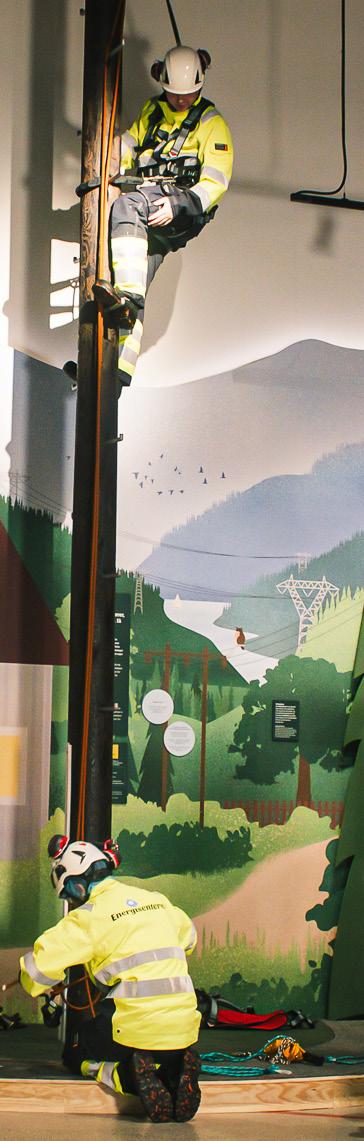
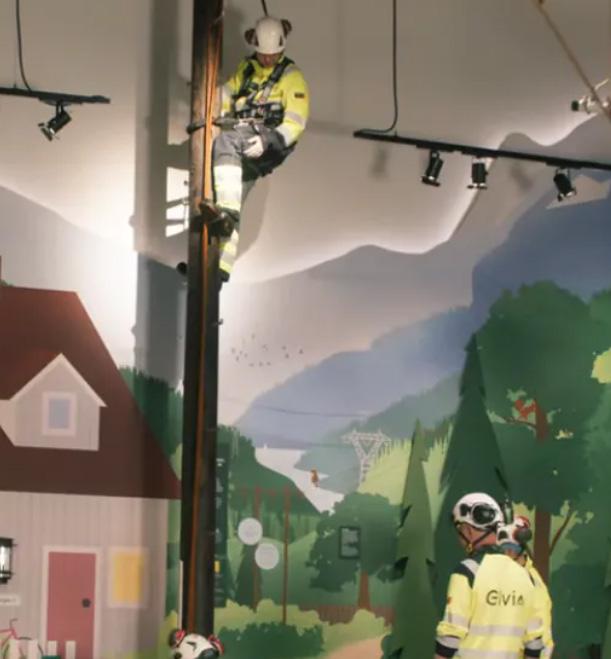
In the heart of Hunderfossen Adventure Park in Norway, a brand new experience centre has taken shape. Not only as a place for play and learning about energy, but also as an arena for communicating safety culture and proper protective equipment to future professionals.
The Energy Centre is part of the popular family centre, but here it is about more than just fun. Here, professional insight into renewable energy, electricity, climate and the environment is combined with realistic tasks, physical installations and an introduction to the importance of proper protective clothing.
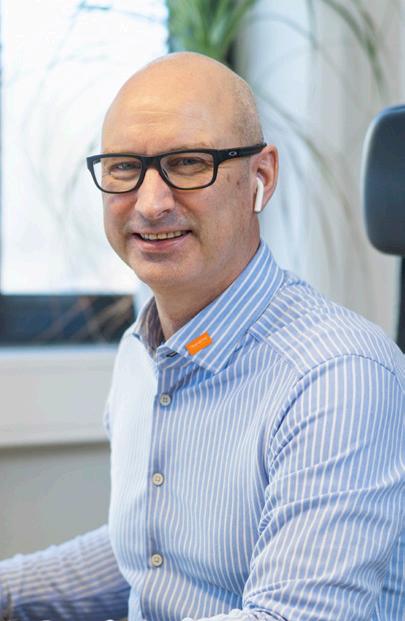
"The Energy Centre is an experience centre for renewable energy, electrical safety, climate and the environment. Over time, we have changed the centre so that we now have experience-based exhibitions here for families with children, school pupils and professionals," says Bjørn Kleiven, general manager at the Energy Centre.
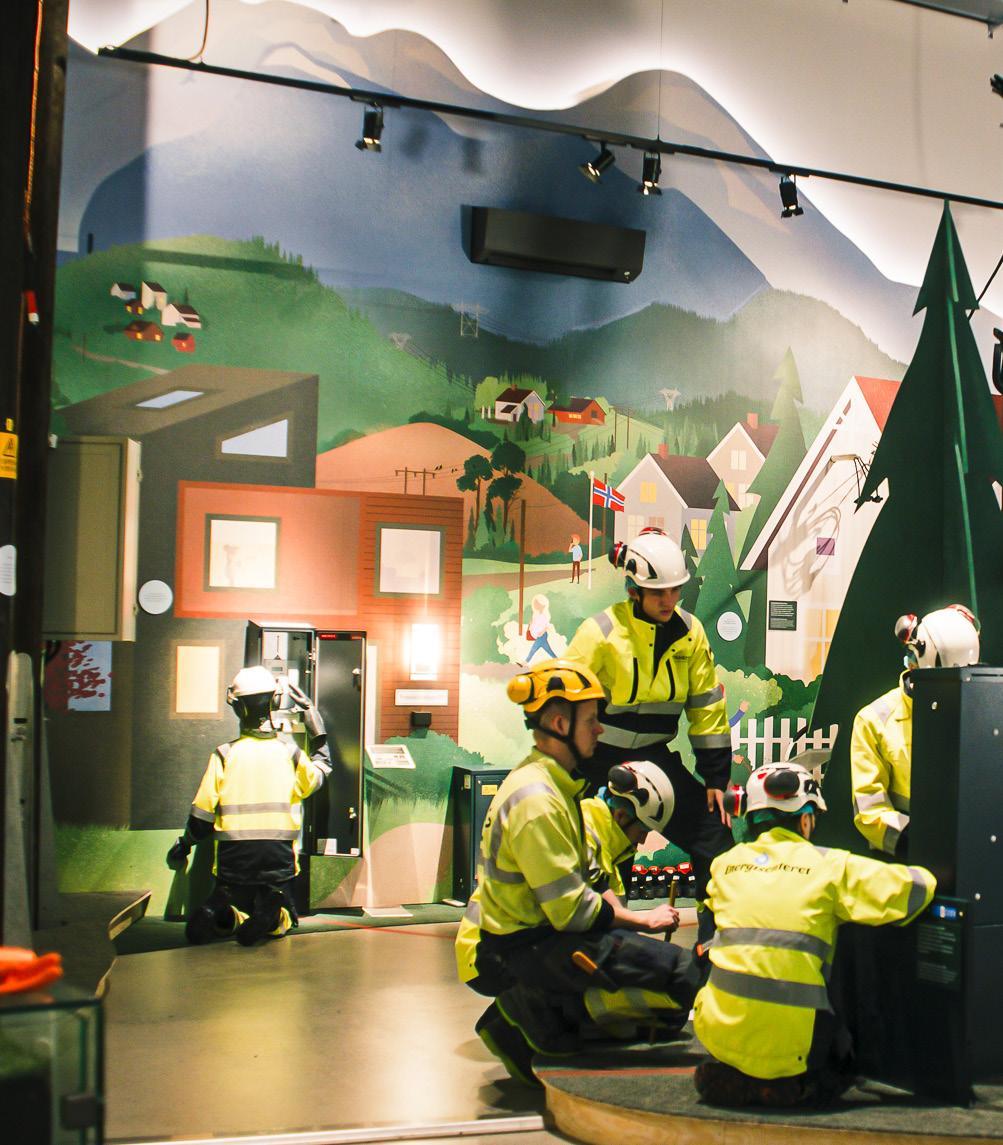
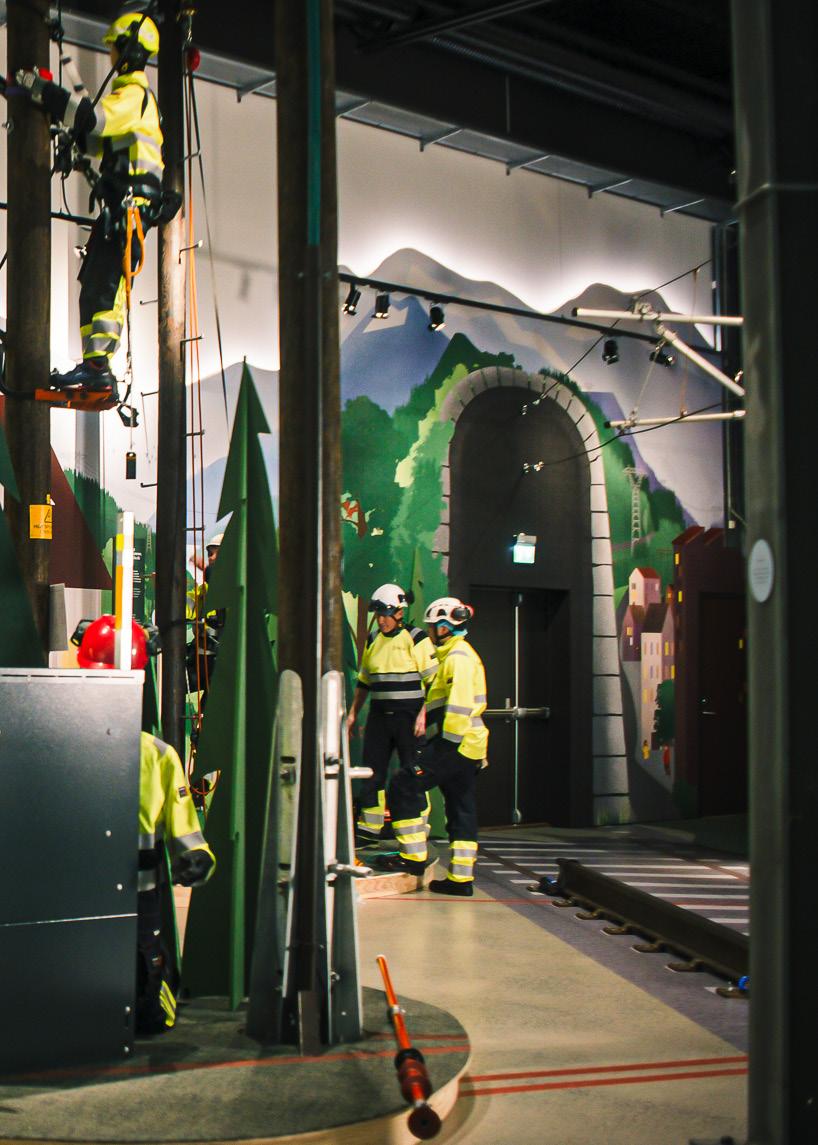
Here, knowledge is not confined to a classroom; it can be felt and experienced. Through interactive exhibitions, visitors gain insight into how energy is transferred from the power plant to homes, while also being introduced to the risks and safety challenges of a real power grid.
In a separate training arena inside the Energy Centre, called Energimontøren (The Energy Technician), students and apprentices can experience tasks that reflect what they will encounter in the field. They learn to interpret work tasks, plan solutions, measure, repair and document, always with a focus on safety and professionalism.
"The Energy Technician has at least two purposes. One is to raise awareness of the energy technician profession among the general public, but also among students," says Kleiven. "This allows young people to see the career opportunities before they have to choose a direction in secondary school.
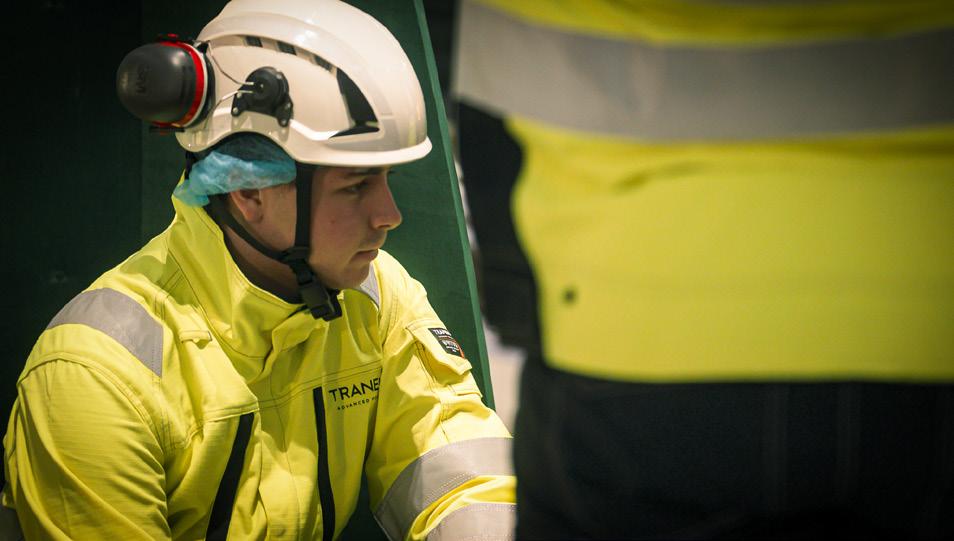
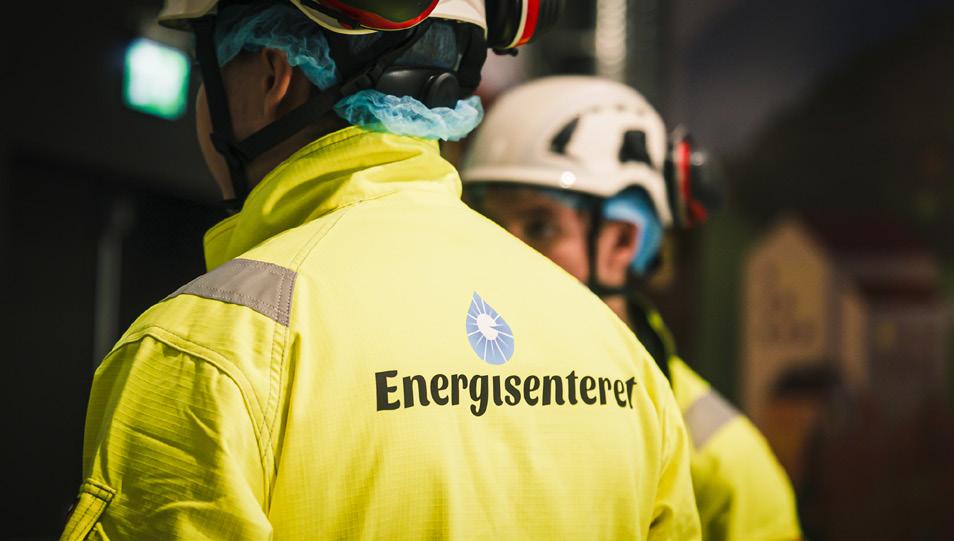
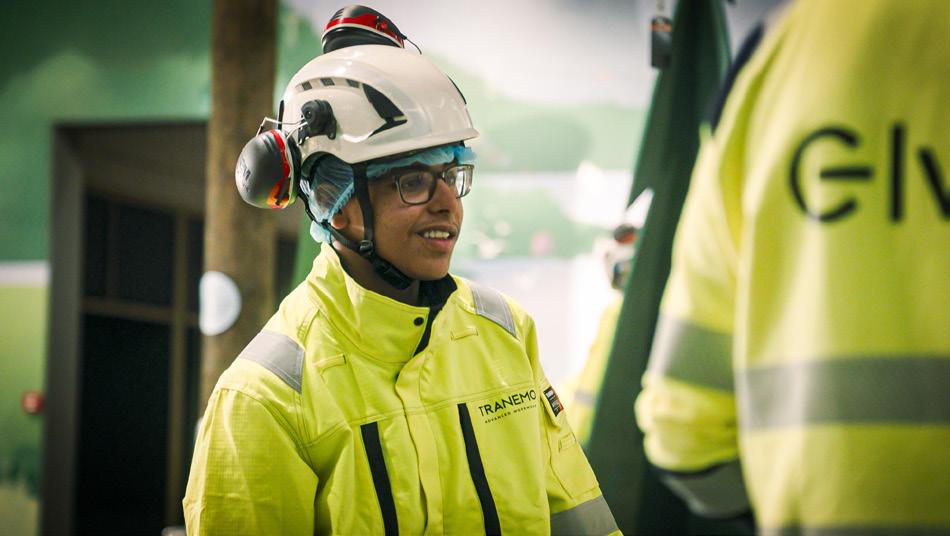
Tranemo plays a central role in exhibitions and exercises. With extensive experience in workwear and protective equipment, they are known for developing technically advanced workwear with built-in flame retardant and arc flash protection.
"At Tranemo, we are very concerned with safety in the workplace and we work actively to help customers choose the right clothing for different risks in the working environment. In this arena, participants have the opportunity to try on clothing. They learn what to wear, and we have several illustrations around the facility showing specific risks, where they can see how to dress for different risk scenarios," says Tom Roger Melby, Sales Manager and Product Manager at Tranemo.
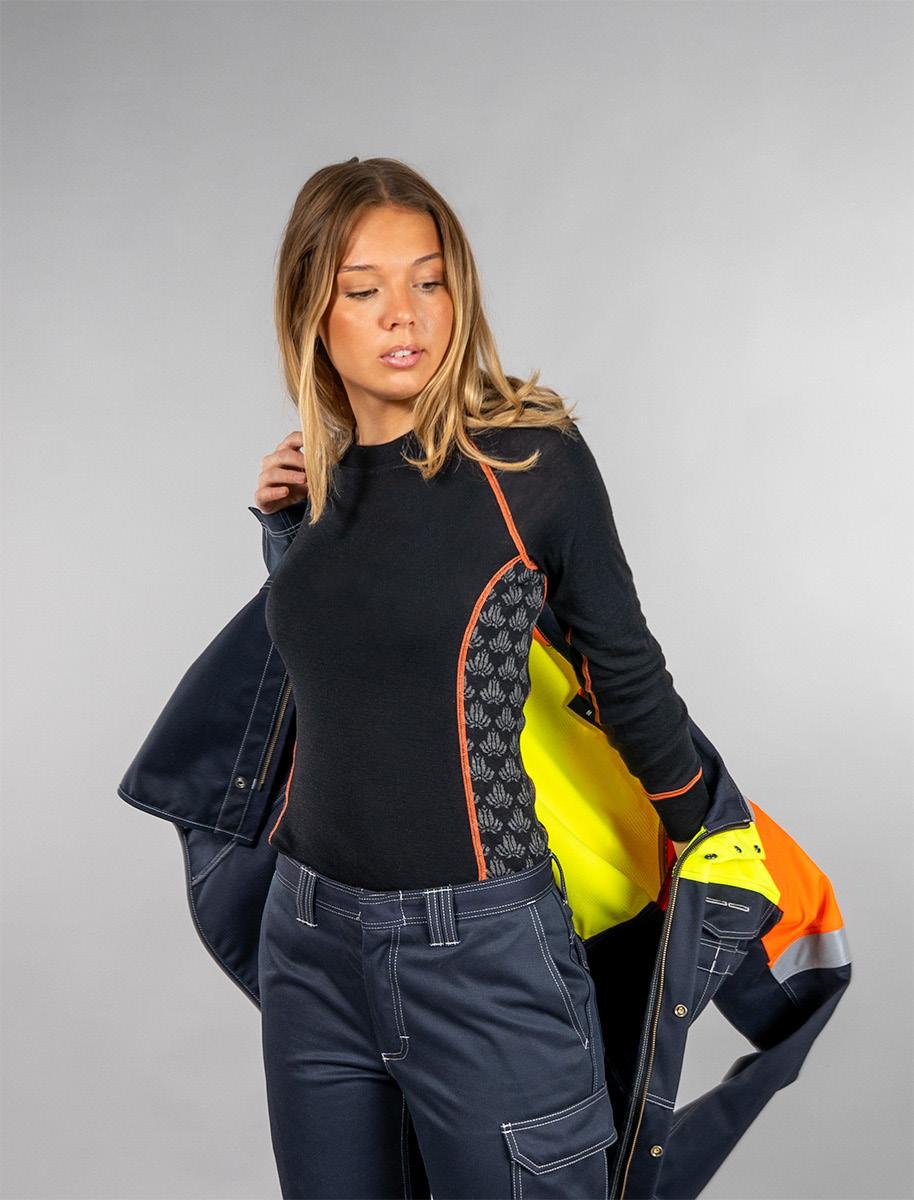
Tranemo has also developed its own protection system, Tranemo Skinsafe™, which follows the layer-on-layer theory. This combines several thin garments for increased protection against electrical hazards such as electric arcs and flames, without the clothing becoming heavy. The air spaces between the layers contribute to insulation, safety and comfort in demanding situations.
Tranemo's contribution to the Energy Centre does not stop at the exhibitions. They have also supplied genuine certified Tranemo Skinsafe™ clothing for exercises with students who are in the middle of their training. This means that all participants wear helmets, safety goggles, gloves, safety shoes and clothing that is adapted to the risks involved in the job they are going to do.
Tranemo and other partners have also contributed equipment to provide the best possible basis for training activities, particularly for students, apprentices and qualified energy technicians.
Tranemo works actively to help customers choose the right clothing.
T OM ROGER MELBY SALES AND PRODUCT MANAGER TRANEMO NORWAY
The Energy Centre in Hunderfossen is thus more than just a learning centre. It is a meeting place where you can learn about energy, safety and the environment, presented in an accessible and engaging way, whether you are a family on holiday or a young technical student.
Bjørn Kleiven is clear about what this centre means. "When the supplier industry contributes free equipment to our facility, this gives us a fantastic basis for actively working with the industry's safety culture towards students, apprentices and, not least, qualified energy technicians. This will give us safer workplaces for many years to come!
Check out the video from the Energy Centre, Norway.
“Just cut it off, he said. And then it all blew up.”
That newspaper headline stayed with Wilmar Platenkamp, Product Specialist at Tranemo Benelux. One morning, with a cup of coffee in hand, he read the story of an installer whose home installation went terribly wrong. A short circuit led to an explosion, leaving him with serious burns: third-degree on his hands and seconddegree on his right ear. In the end, all employees received new arc flash certified personal protective equipment (PPE) and their working methods changed.
“It’s a shame that such changes often only happen afterwards,” says Wilmar. “With the right PPE, it is likely that the injuries would have been much less serious.”
At Tranemo, it isn’t just about clothing, it’s about safety. Of course, it’s important that our garments are comfortable to wear, but above all, they must offer the highest level of protection against the risks associated with specific kinds of work.
“For every end user, we provide personalised PPE advice. It’s never copy and paste,” Wilmar explains. “Our mission isn’t just to deliver safe clothing, but also to share knowledge, because safety starts with awareness.”
Our mission isn’t just to deliver safe clothing, but also to share knowledge, because safety starts with awareness.
Wilmar Platenkamp, Product Specialist, Tranemo Benelux.
We share our knowledge through the Tranemo Safety Academy: interactive training sessions where our product specialists share their expertise on protective clothing, standards and legislation.
Tranemo Safety Academy training sessions are held in all our markets, through our local offices across Europe. Each market works in its own way, from larger centralised training sessions to more tailored sessions on site with customers and retailers, but the goal is always the same. To increase knowledge and awareness of safety.
For example: every year, Tranemo Benelux hosts several Safety Academies. Most take place in their own showroom, but they also hold them on-site with dealers or end users.
The programme keeps expanding; recently, successful sessions were held in Belgium and the north of the Netherlands, keeping the training accessible for everyone. Each session is different, shaped by the interaction and questions from participants.
But in broad terms, the following topics are always part of the program:
Explanation of standards and testing methods
The importance of layer-on-layer protection
What to look for in the CE marking of PPE
How Tranemo clothing is applied in practice
We are also developing new sector-specific training sessions, for example focused on electrical engineering, so that the content fits even better with the daily practice of our customers.
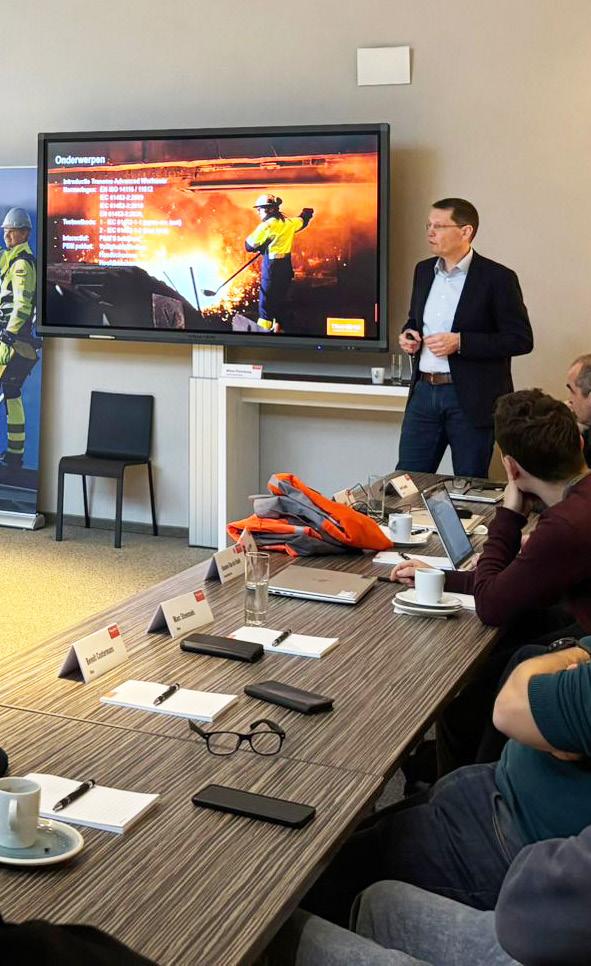
The Safety Academies are not only educational but also valuable opportunities to meet and exchange experiences. Participants from different sectors come together to share stories and insights, leading to interesting discussions from which we at Tranemo also learn.
Feedback has been very positive. “Clear explanation of the standards without getting too complicated,” one participant said. Another added: “Exactly the right level of depth on the technical side of the products.”
“The subject of standards and testing methods can be quite heavy,” Wilmar admits. “We want to make sure it is understandable and practical.”
Safety never stands still, and neither do we. Regulations are constantly changing, which is why we continue to invest in knowledge and training. The Tranemo Safety Academy grows alongside the needs of our customers and developments in the market.
Because at Tranemo, we believe that safety starts with knowledge. And with the right knowledge, we can prevent injuries together.
Sustainability is central to Tranemo's business philosophy. Every initiative is aligned with our goals and designed to create shared value for customers, partners, and the planet.
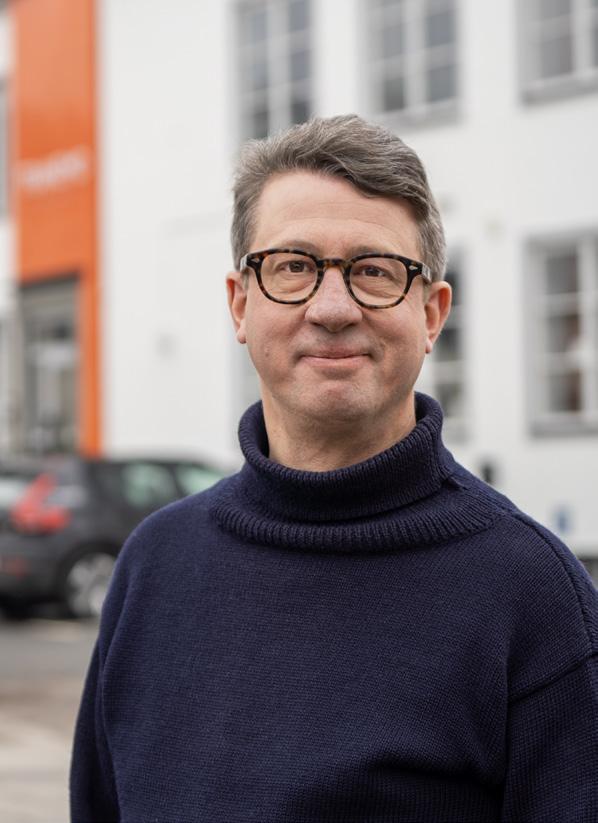
You are the new Sustanability Manager at Tranemo. What are your main priorities for the sustainability agenda in the coming months?
”Right now, we’re in the process of updating our sustainability strategy for the coming years, building on the strong foundation of the current plan, but updated to reflect both our contributions and our impact. Tranemo’s products exist to save lives. There is no question whether our clothes are needed or not, so sustainability for Tranemo is all about continuous improvement throughout the value chain. The strategy is also the foundation for reporting and communication around sustainability. I see an increased demand for information from our customers, so clear, concise and engaging communication is a clear priority.”
What motivates you the most about working with sustainability?
”The sustainability department is the best place to work in any textile company! You get to work with colleagues from every other department and with both suppliers and users, so for a textile nerd, it’s a dream assignment. What excites me the most is when we’re able to make a truly great product, with excellent performance and long-lasting functionality. In my view, sustainability is anything but dull, so I always try to find opportunities to communicate sustainability and to show the dedication and skill that behind our products. For me, sustainability is not only about facts and figures, it’s also and perhaps mostly about emotions. Seeing how sustainability efforts bring about pride across the value chain, that’s what drives me!”
0,08 % CUSTOMER CLAIMS 2024/25
As a purchaser or safety manager, it is important to consider environmental aspects when purchasing protective clothing. To facilitate this process, we have developed a checklist of steps to follow when making purchasing decisions.

Start the purchasing process by conducting a thorough risk analysis of the working environment. This will help you determine which certified protective clothing is required.
Dyes, pigments, formaldehyde, plasticisers, flame retardants and biocides are just a few examples of chemicals used in the manufacture of protective clothing. Since chemicals can cause extensive damage to natural ecosystems, it is important to keep track of which harmful substances are used in textile production.
2
YOUR
Do you require protection against oils and chemicals? If so, it is particularly important to be aware of the exact type of protection needed.
Reduce environmental impact and lower overall costs. A key part of sustainable purchasing is thinking long-term when it comes to quality. Durable protective clothing that can be used for a long time helps reduce the need for new production, which in turn reduces environmental impact.
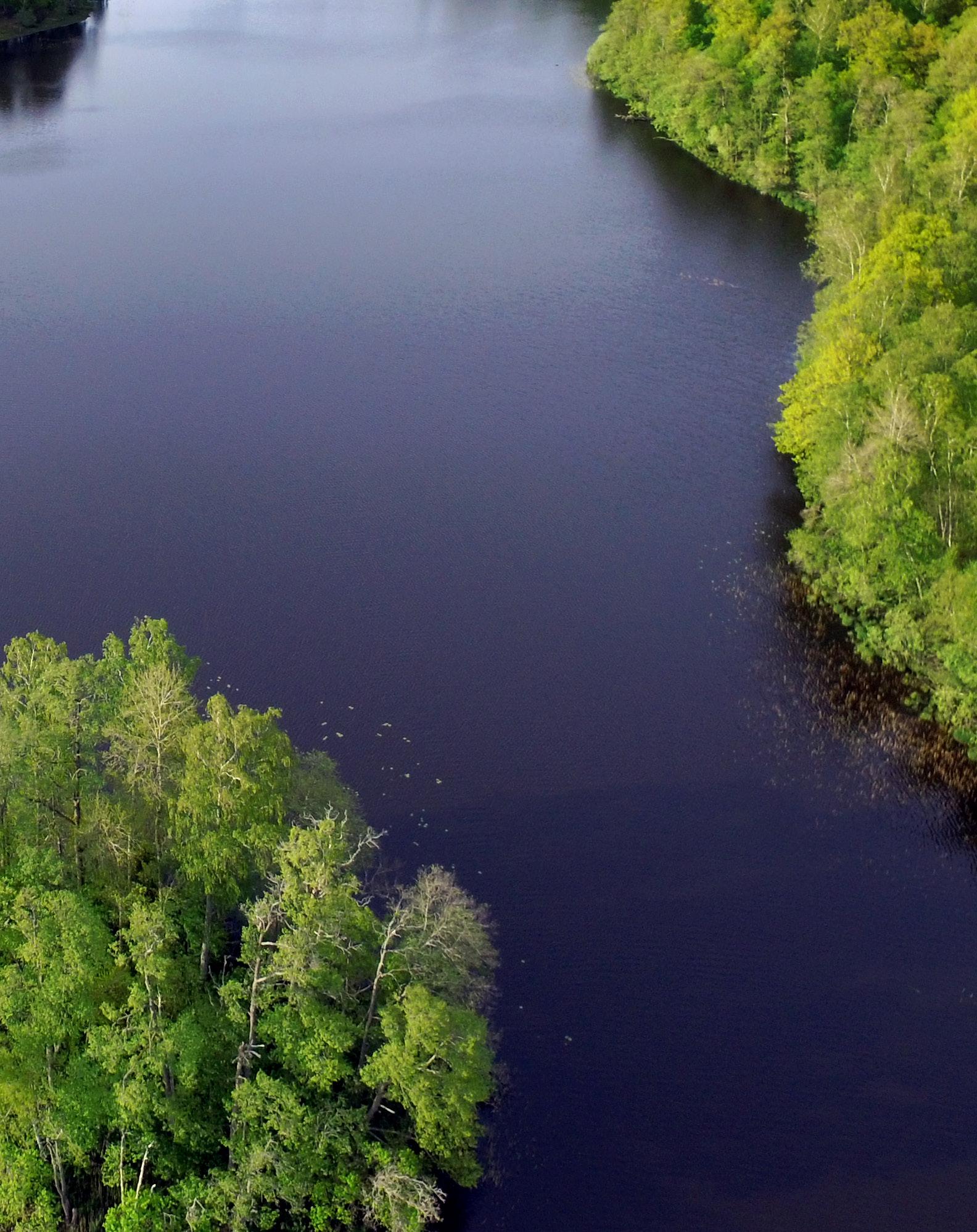
The greatest environmental impact of textiles occurs during the manufacturing process. It is therefore important that you set clear requirements for the manufacturer of your protective clothing.
From a recycling perspective, it is easier to recycle clothes made with minimal design and as few different materials as possible. However, to achieve optimal protection and high comfort, it is not possible to manufacture protective clothing from a single material. It is therefore important to find a balance between functionality, comfort, cost and recyclability.
The most environmentally friendly garment is the one that is never produced. An important aspect from a sustainability perspective is that the user feels comfortable in their protective clothing. Since the garments are designed to be worn five days a week, all year round, it is extremely important that they are right from the start.
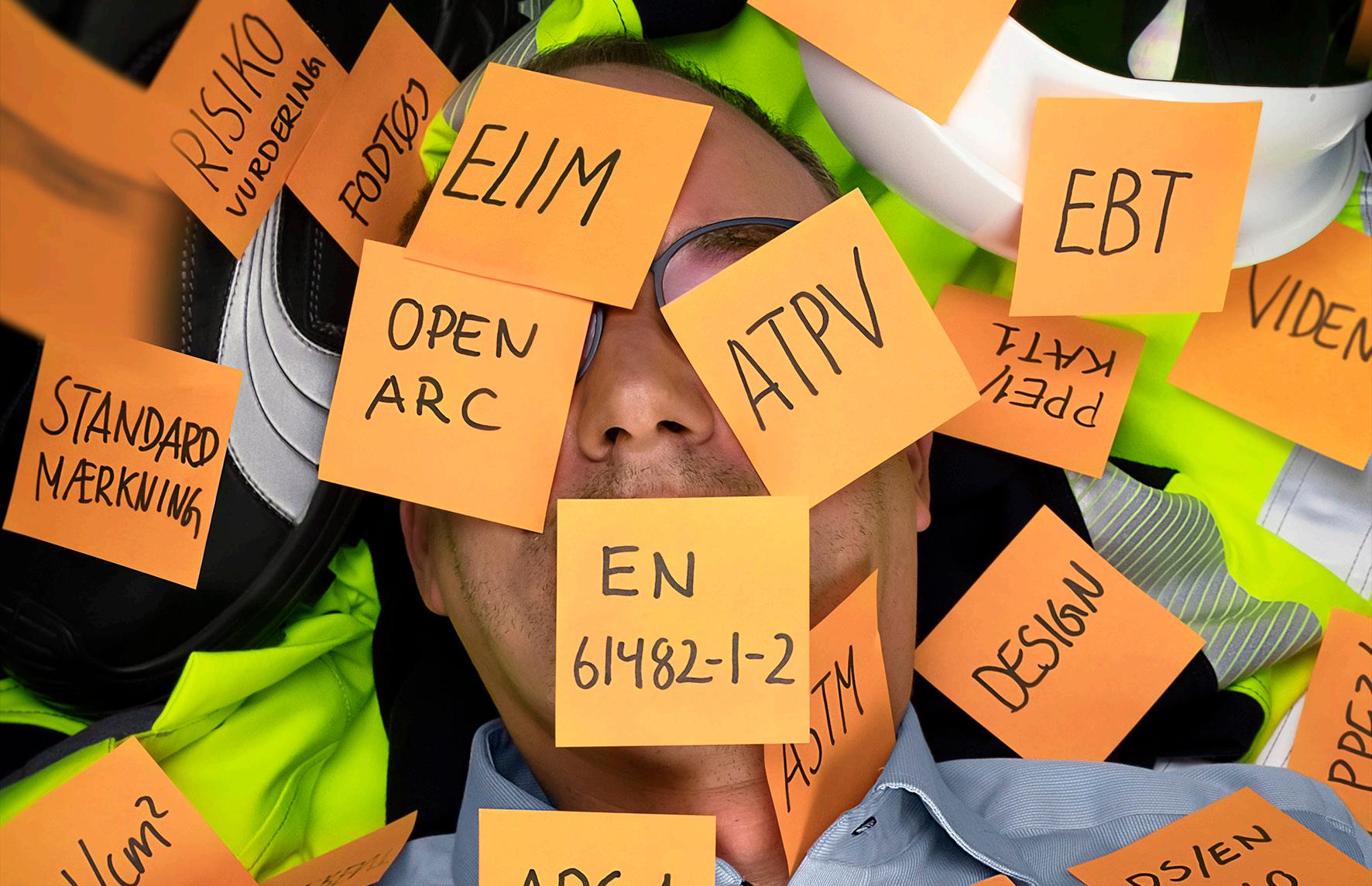
Multinorm is often used as a collective term for protective clothing certified to several different standards. It can be perceived as both effective and economical, fewer garments in the range, simpler purchasing and a sense of maximum protection. But protection is not about how many risks a garment can theoretically cover. It is about how well it works for the person wearing it in their actual working environment. That is why Tranemo does not use multinorm as a starting point when developing protective clothing.
As Stefan Saetran, Product Development Director at Tranemo, explains: “The concept of being protected always starts with the person and their needs.” Our starting point is always the person, the working environment and the real risks of everyday work.
At Tranemo, we approach protection from a risk-specific perspective. Instead of trying to combine multiple, very different hazards into one single garment, we focus on designing solutions based on real working conditions and clearly defined risks. Hazards such as molten metal splash, high electric arc energy, zinc exposure, rail environments and heavy welding all place very different demands on protective garments. By developing garments for specific applications, we can ensure a higher level of protection, better comfort and fewer compromises for the wearer. By focusing on specific risks, we can give every worker the protection they need without compromise.
Multinorm is based on the idea that a garment should work in many different working environments and protect against many types of risks. In practice, this often means that design and functionality are limited by standard requirements that are not relevant to all users.
When multiple standards must be met at the same time, this affects how a garment can be constructed, which materials can be used and which functions can be included. This often leads to compromises that reduce both comfort and usability.
Louise Svensson, Technical Development Manager at Tranemo, highlights the challenge: “Multiple standards mean multiple requirements, which can limit the design and functionality of the garment for the specific user.” The result is garments that perform well on paper but work less effectively in the job they are intended for.
Designing to protect against as many risks as possible affects the entire structure of a garment. To meet several requirements at the same time, materials often need to be heavier, construction more restricted and garments less functional. This directly impacts comfort. Linnea Creaser, Certification Manager, clearly describes the consequence: “If a garment is certified to many different standards, it can become uncomfortable and very impractical for the user.” This can also mean that functions essential to certain professions must be removed. Pocket solutions, stretch or flexibility may disappear in order to meet other requirements, even though they are crucial for daily work.
At the same time, it is important to remember that the standards themselves emphasise that garments should be neither overprotected nor underprotected. The right level of protection is critical for both safety and functionality. When comfort and function are reduced, the risk increases that the garment is used incorrectly or not used at all. When that happens, the protective effect is lost, even if the garment meets multiple standards.
Protection that is not relevant to the specific task can, in practice, become a new risk. This may involve details that get caught, materials that become too hot or properties that restrict movement and cause fatigue.
Louise Svensson gives a clear example: “In practice, it can become a risk in itself.” In some environments, protective features that are important in other contexts can become directly inappropriate. Reflective details that are necessary in traffic environments can, for example, increase risk when working with molten metal, where metal may adhere to the reflective material.
Incorrect fit can also create problems. Oversized garments increase the risk of getting caught or tripping. This is where false security arises. The garment is perceived as safe because it meets many standards, but it is not adapted to the real work situation.
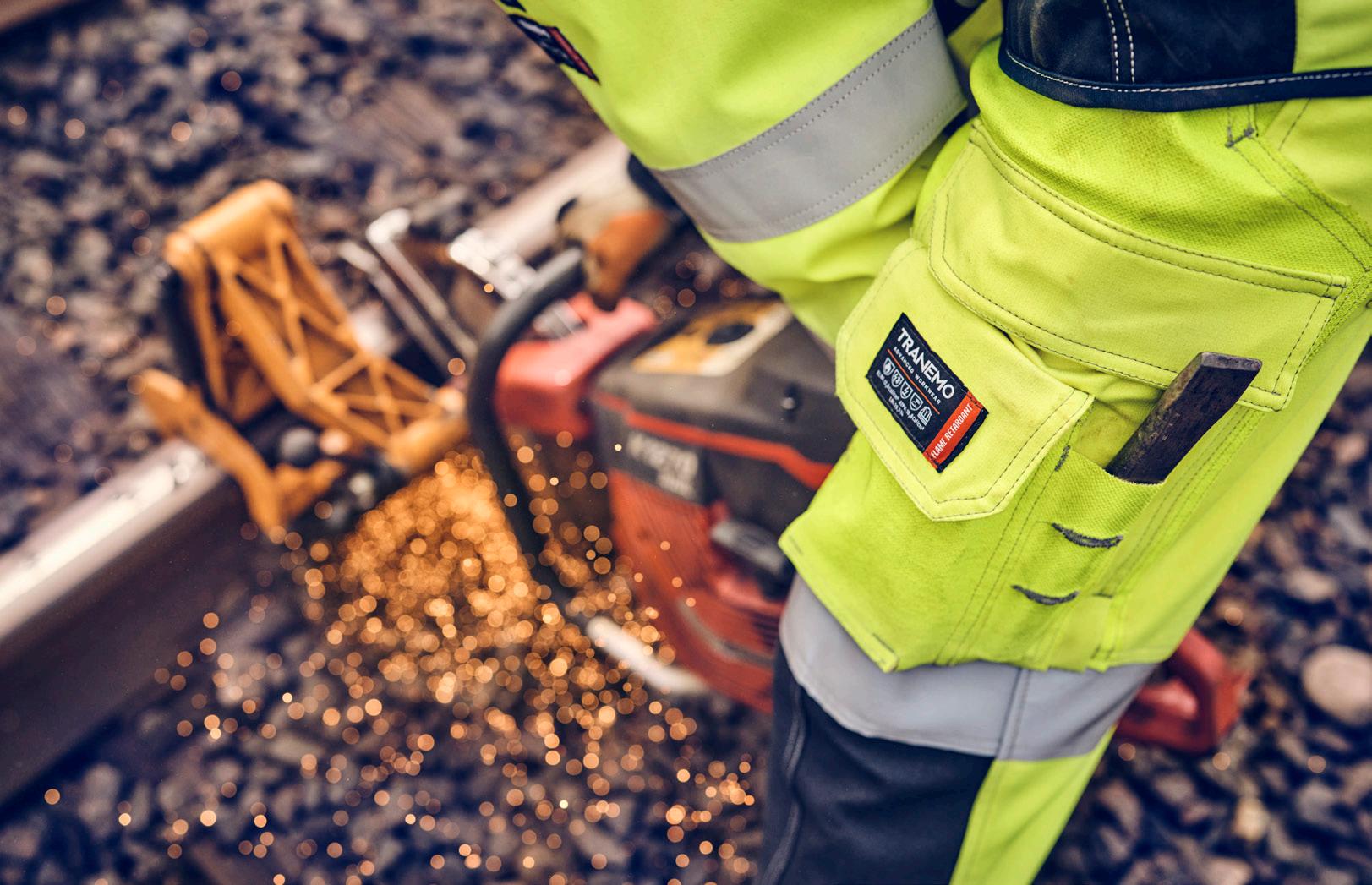
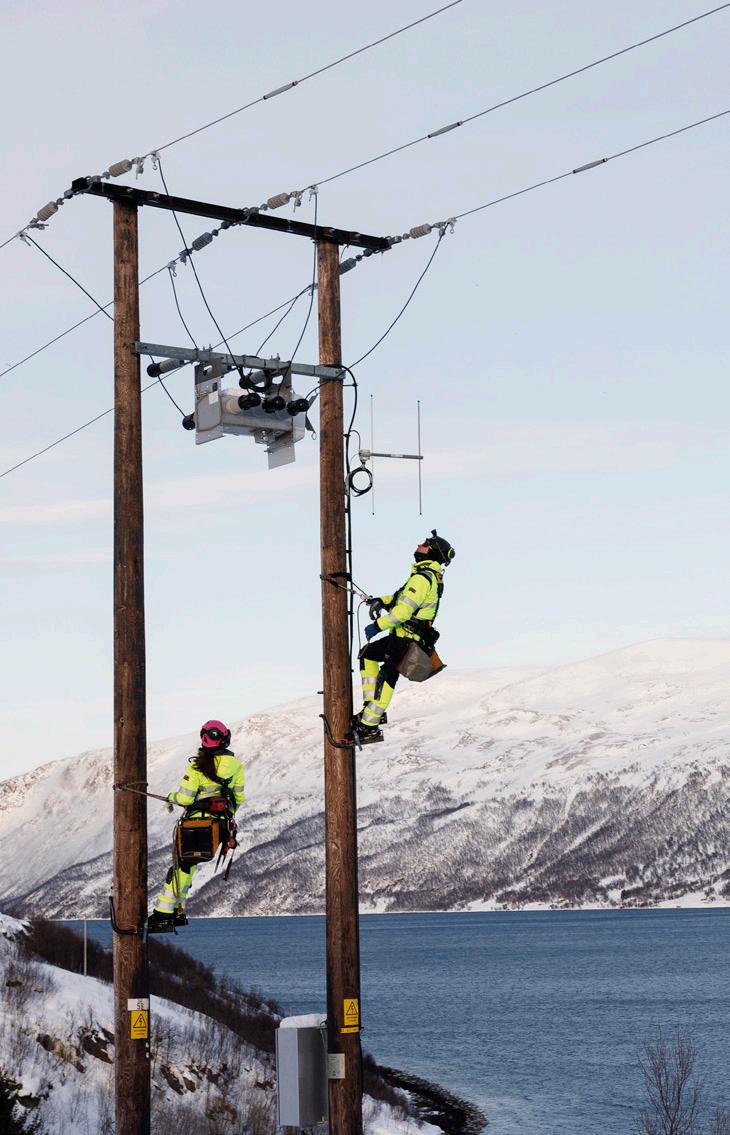
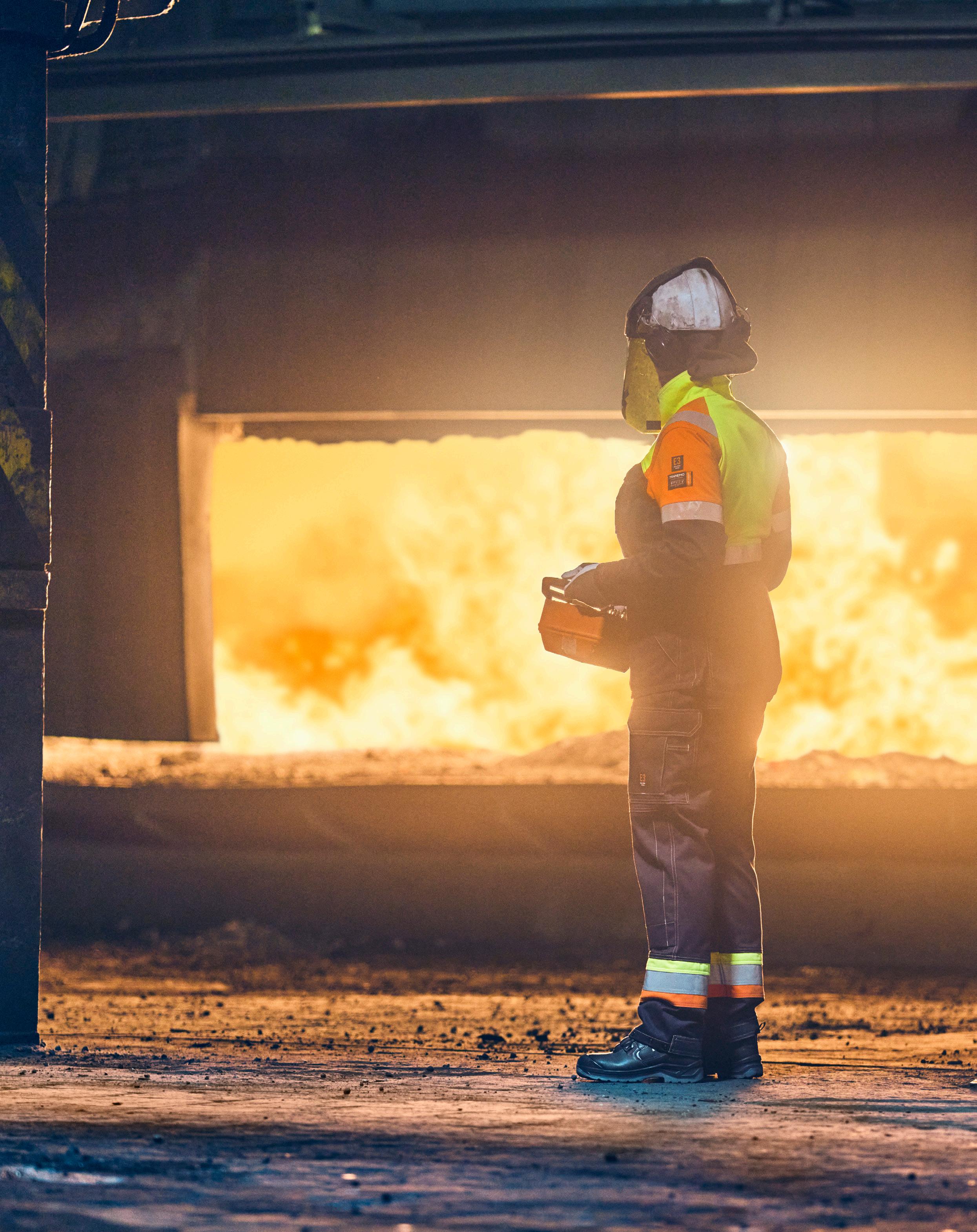
The garments shown on the photos in this article have been developed in close collaboration with professionals in the railway industry and the energy and metallurgy sectors. They meet relevant safety standards, but are designed for completely different working environments and therefore look very different.
A catenary technician often works outdoors, moves frequently and needs to climb. This requires lightweight, flexible garments with good freedom of movement and clear high visibility properties. In a foundry, the risk profile is entirely different, with extreme heat and the risk of molten metal splashes. This requires thicker, heavier protective clothing with high heat resistance and a design with as few details as possible. A general multinorm garment would have meant compromises in both function and comfort.
Standards are important as guidance, but they are based on tests that do not always reflect real working conditions. In some environments, such as welding in confined or enclosed spaces, exposure can be significantly higher than what protective clothing is tested for under EN ISO 11611 class 2.
When welding inside a round drum, the welder is exposed to intense heat, sparks and radiation for extended periods and at angles that do not correspond to the test conditions defined in the standard. In such cases, general solutions are not sufficient.
Protective clothing must then be developed specifically for the actual working environment, using stronger materials, higher durability and complementary protection. In some situations, additional protection may also be required, such as arm protection adapted for intensive welding and protection against UV radiation.
For Tranemo, it is clear that the most important protective garment is not the one that protects against the most risks, but the one that protects against the right risks and is actually worn every day.
Louise Svensson summarises it well: “The safest garment is the one that is worn all day, not the one with all the symbols.”
By working closely with users and starting from real working conditions, Tranemo develops protective clothing that combines safety, functionality and comfort. Our focus is not on stacking standards, but on understanding the person, the environment and the risks where the garment will be used.
The safest garment is the one that is worn all day, not the one with all the symbols.
Our focus is not on stacking standards, but on understanding the person, the environment and the risks where the garment will be used.
Louise Svensson, Technical Development Manager
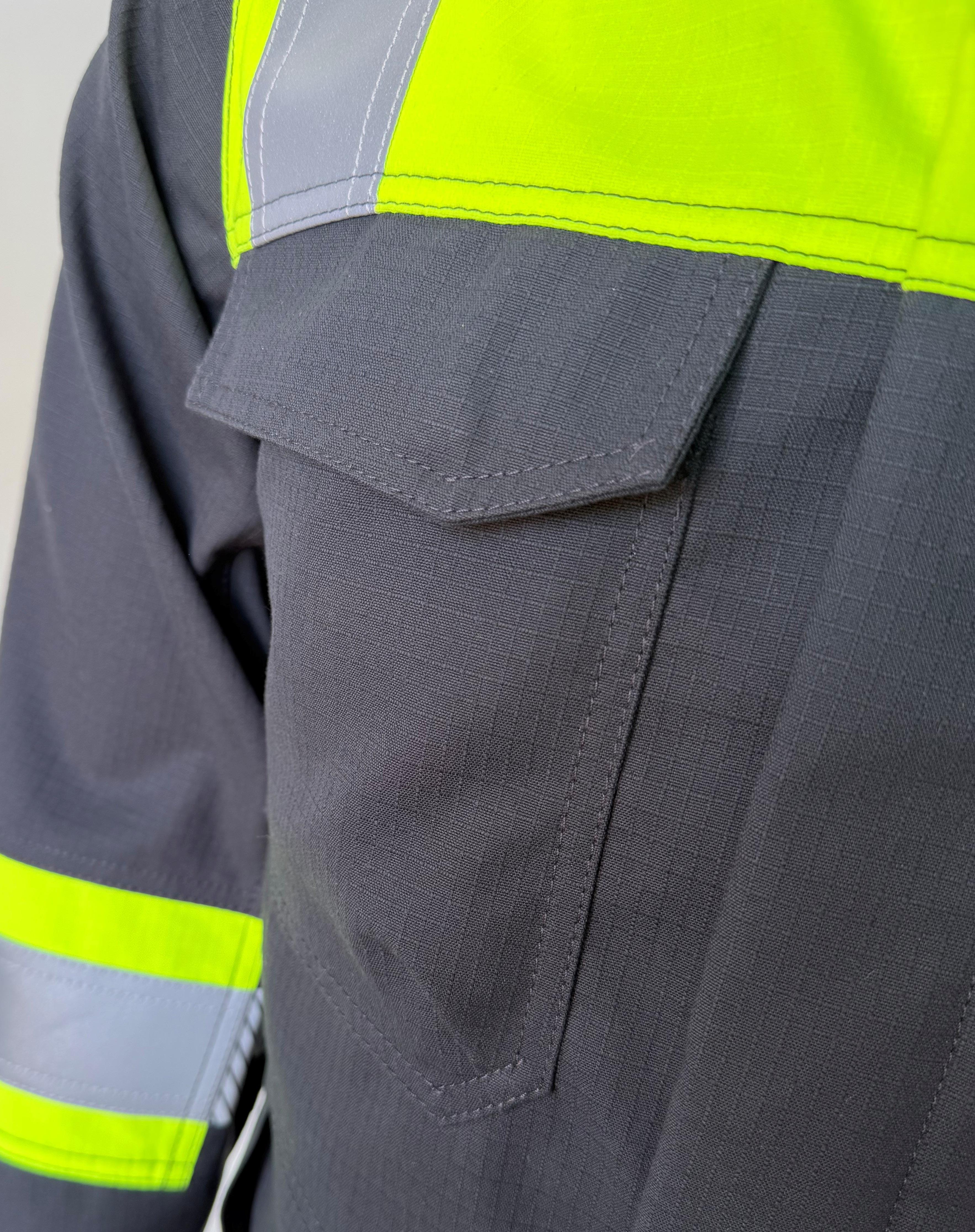
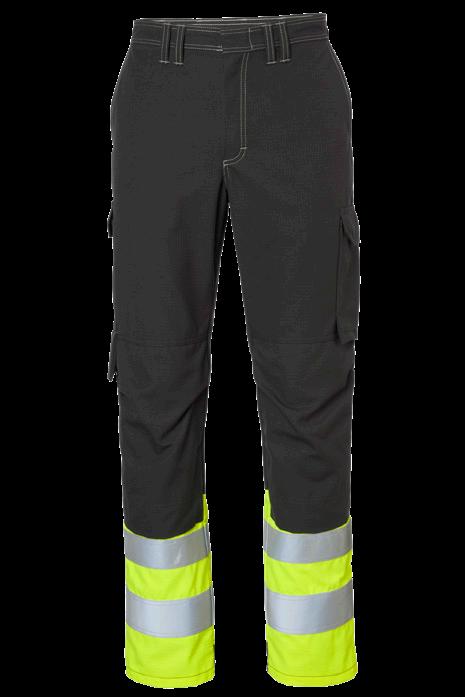
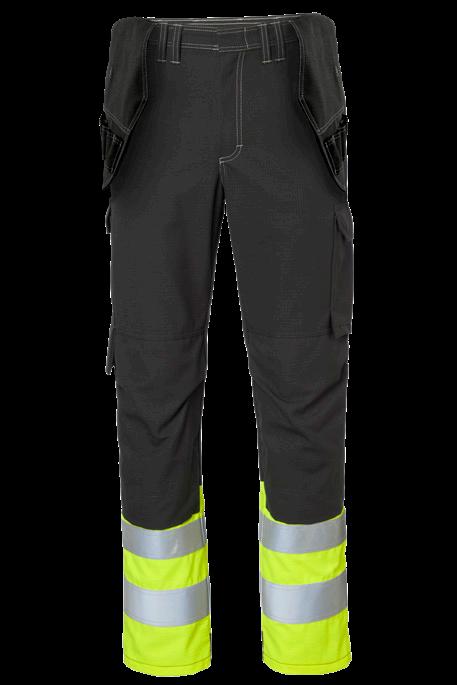
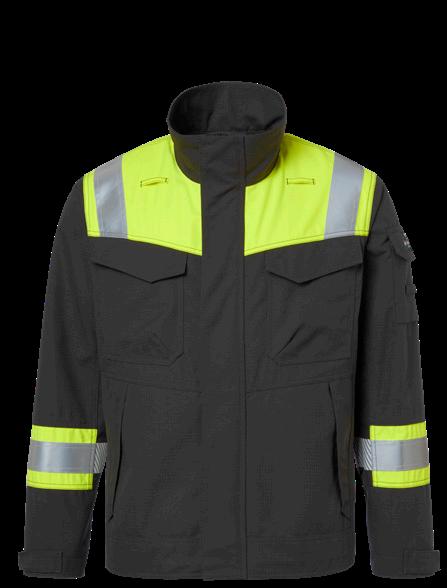
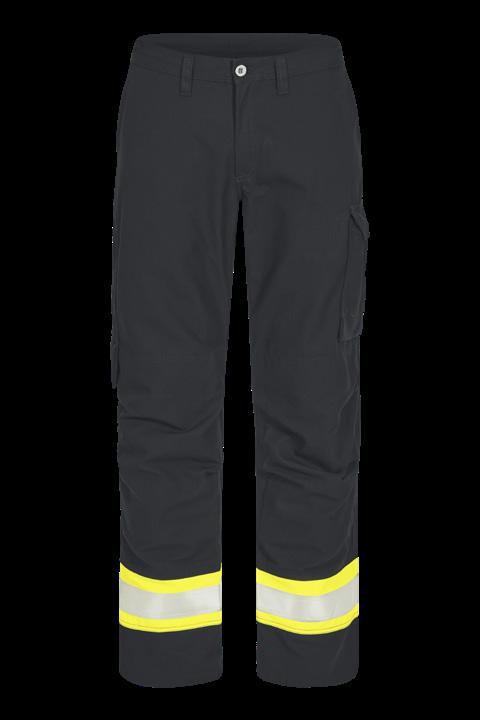
Tranemo continues to expand its already extensive Tera TX range with a new and highly requested colour: anthracite grey. With the launch of the new colour, Tera TX gains a fresh visual identity and a new colour combination. We combine anthracite grey with fluorescent yellow, where the yellow colour ensures high visibility by meeting international safety standards.
The Tera TX collection is our most popular flame retardant collection on the market with electric arc protection, developed in close collaboration with the electrical and power industries. The garments are flame-retardant, antistatic, and completely metal-free, which reduces the risk of sparks and makes them ideal for sensitive environments such as ATEX zones.
Beyond aesthetics, the new colour combination is also practical. Anthracite grey is better at hiding dirt and wear, making it particularly suitable for industries where clothing is exposed to harsh conditions on a daily basis. Combined with the lightweight and flexible fabric, the result is workwear that offers both long-lasting performance and all-day comfort.
With this new look, Tranemo strengthens the Tera TX range as a complete solution for professionals who demand reliable protection without compromising on style.
First products to arrive in stock, but more to come!
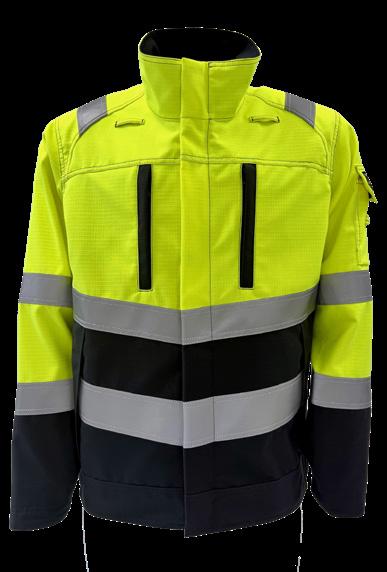
FLAME RETARDANT JACKET
5831 81 99 yellow/anthracite
EN ISO 11612 A1+A2 B1 C1 F1
EN 61482-2 APC 1,
ELIM: 8,1 cal/cm² EBT: 8,7 cal/cm²
EN 1149-5
EN 13034 type PB[6]
EN ISO 20471 CL.3
EN 13758-2
EN ISO 15797 50 WASHES
TRANEMO SKINSAFE™
Further details are available on our website
FLAME RETARDANT TROUSERS
6023 81 99 yellow/anthracite
EN ISO 11612 A1+A2 B1 C1 E1 F1
EN 61482-2 APC 1, ELIM: 8,1 cal/cm² EBT: 8,7 cal/cm²
EN 1149-5
*EN ISO 11611 CL.1 A1+A2
EN 13034 type PB[6]
EN ISO 20471 CL.1
EN 13758-2
EN ISO 15797 50 WASHES
TRANEMO SKINSAFE™
FLAME RETARDANT
CRAFTSMAN TROUSERS
6053 81 99 yellow/anthracite
EN ISO 11612 A1+A2 B1 C1 E1 F1
EN 61482-2 APC 1,
ELIM: 8,1 cal/cm² EBT: 8,7 cal/cm²
EN 1149-5
*EN ISO 11611 CL.1 A1+A2
EN 13034 type PB[6]
EN ISO 20471 CL.1
EN 13758-2
EN ISO 15797 50 WASHES
TRANEMO SKINSAFE™
FLAME RETARDANT JACKET
6030 81 99 yellow/anthracite
EN ISO 11612 A1+A2 B1 C1 E1 F1
EN 61482-2 APC 1, ELIM: 8,1 cal/cm² EBT: 8,7 cal/cm²
EN 1149-5
*EN ISO 11611 CL.1 A1+A2
EN 13034 type PB[6]
EN 17353 type B2
EN 13758-2
EN ISO 15797 50 WASHES
TRANEMO SKINSAFE™
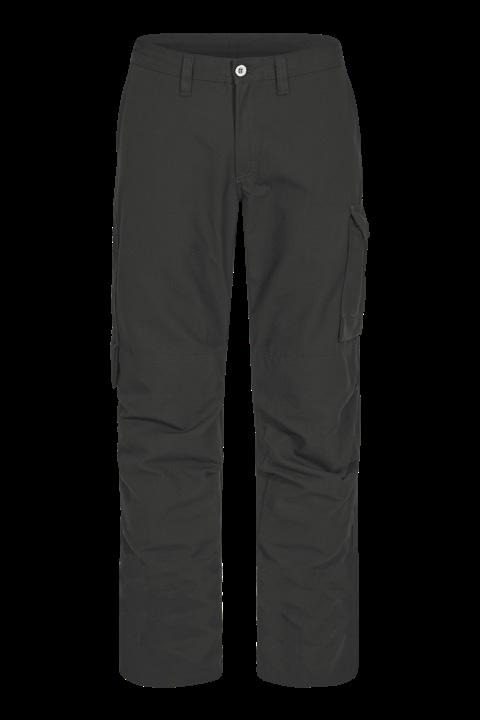
FLAME RETARDANT TROUSERS
6020 81 67 anthracite
EN ISO 11612 A1+A2 B1 C1 E1 F1
EN 61482-2 APC 1, ELIM: 8,1 cal/cm² EBT: 8,7 cal/cm²
EN 1149-5
*EN ISO 11611 CL.1 A1+A2
EN 13034 type PB[6]
EN 13758-2
EN ISO 15797 50 WASHES
TRANEMO SKINSAFE™
*If the garment is mainly intended for welding processes, please ask Tranemo for usage advice.
FLAME RETARDANT TROUSERS
6021 81 99 yellow/anthracite
EN ISO 11612 A1+A2 B1 C1 E1 F1
EN 61482-2 APC 1,
ELIM: 8,1 cal/cm² EBT: 8,7 cal/cm²
EN 1149-5
*EN ISO 11611 CL.1 A1+A2
EN 13034 type PB[6]
EN 17353 type B2
EN 13758-2
EN ISO 15797 50 WASHES
TRANEMO SKINSAFE™
A common question from our customers concerns the ‘EN ISO 15797 max 50 washes’ marking that we use on many of our products. Many wonder what the marking actually means. Does the garment have to be discarded after 50 washes? How does this affect certification? In this article, I explain what the marking means, how the testing is done and what you as a user need to consider.
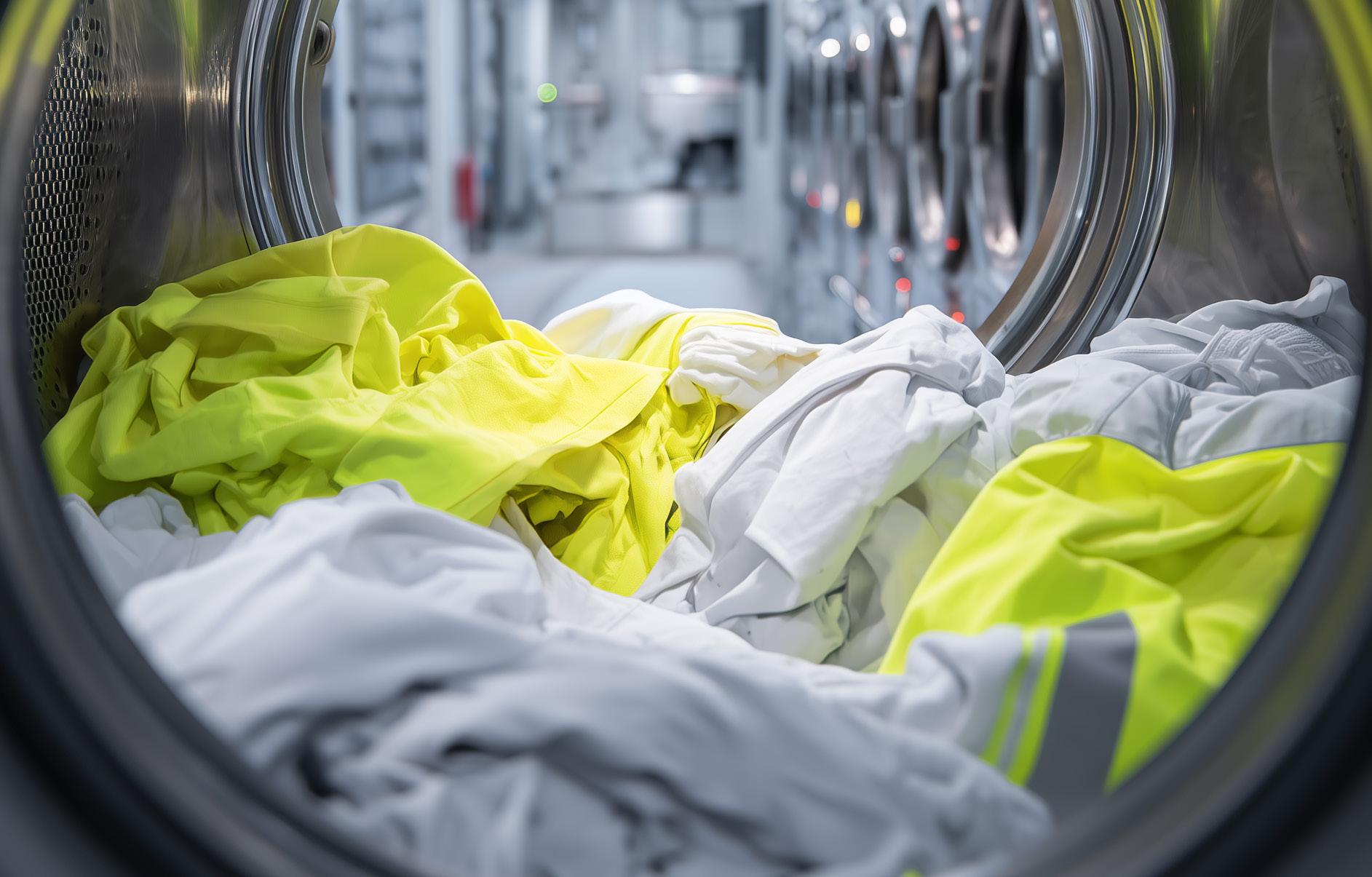
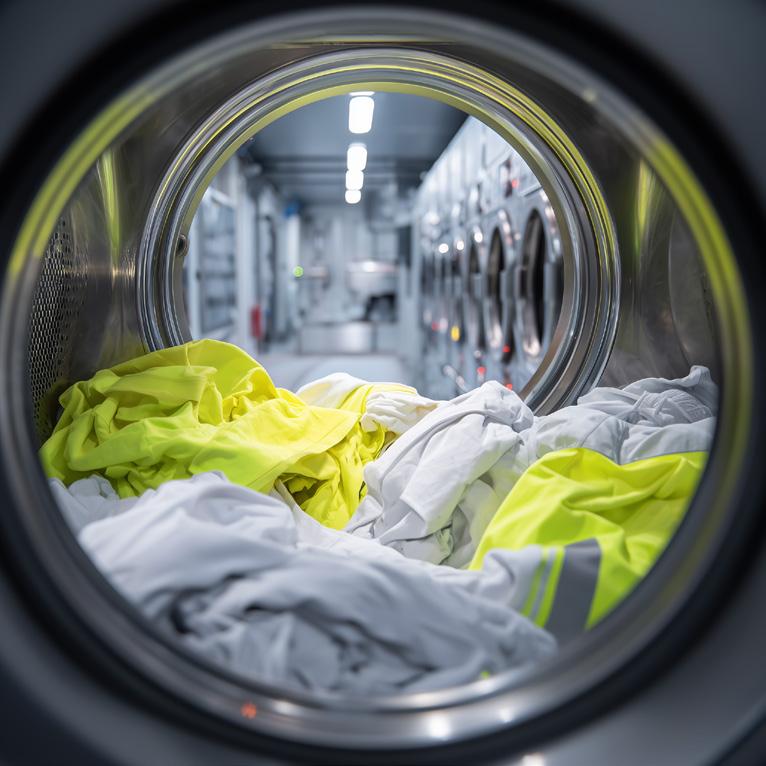
When a garment is marked with EN ISO 15797 max 50x, it means that the fabric has been tested and approved in a laboratory environment after being washed 50 times according to the industrial washing method EN ISO 15797. The EN ISO 15797 washing method is used to evaluate textiles/garments that are to be industrially washed and consists of both a washing and drying process.
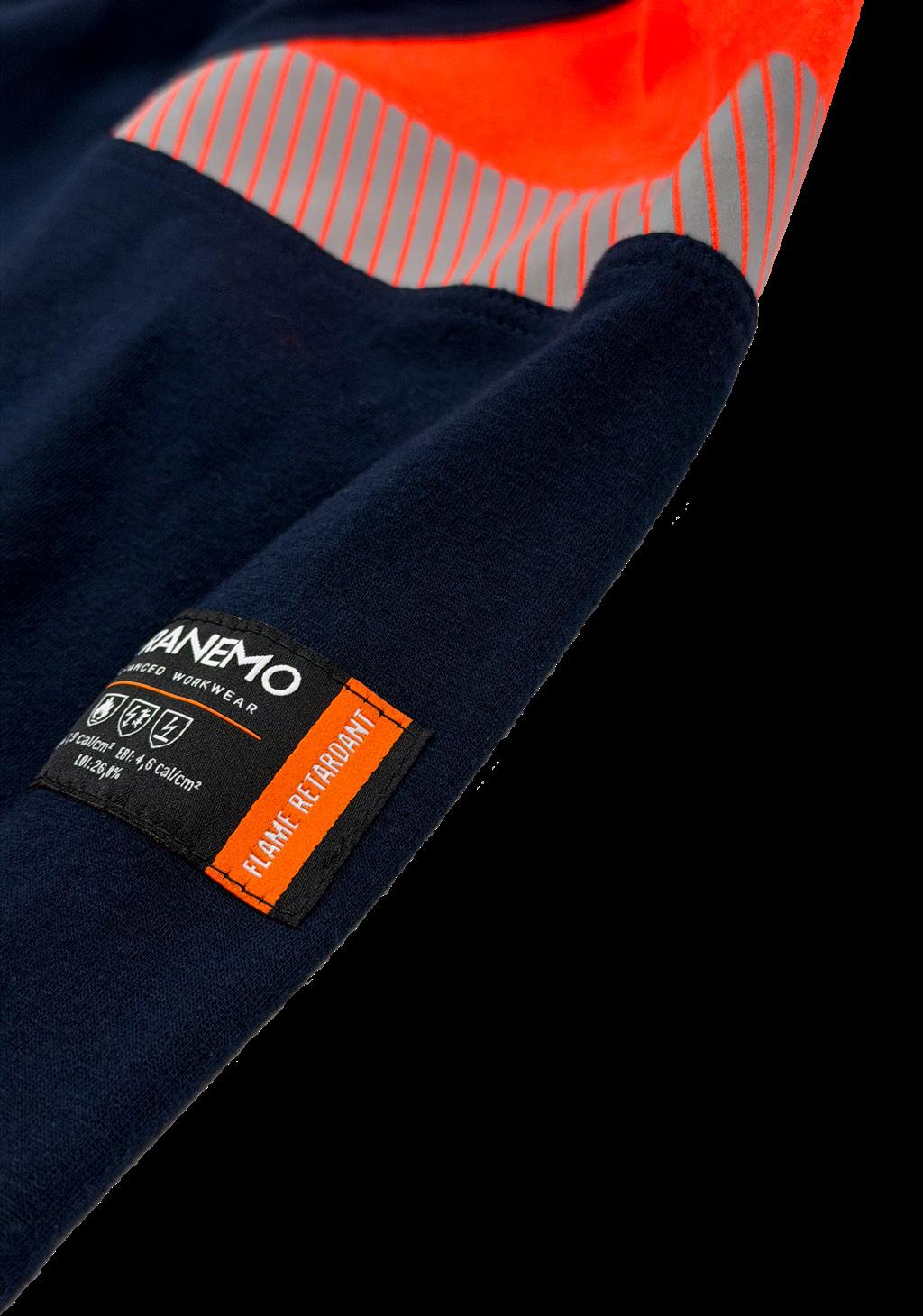
This means that the marking guarantees that the fabric in the garment can withstand at least 50 industrial washes without compromising its flame retardant, high visibility or antistatic properties. It is a misconception that the garment must be discarded after reaching the limit of 50 washes.
On our website, we use the following symbol to mark protective clothing that is approved according to EN ISO 15797 max 50x.
The tests are only performed for standards that require testing after a specified number of washes. If there is no requirement for a specified number of washes in the standard, the test is normally carried out after no washes or five washes. The notified body that issues the EU type certificate also checks the tests and marking.
Tests carried out after 50 washes:
Flame protection test according to EN ISO 11612 A1.
Test of colour coordinates for fluorescent fabrics and reflexes according to EN ISO 20471.
Test of antistatic properties according to EN 1149-5.
It is important to understand that the marking does not mean that the garment becomes unusable after 50 washes. Rather, it indicates that the fabric has been tested and certified and retains its protective properties for at least 50 wash cycles under controlled conditions.
When protective clothing is used in its proper environment, its lifespan is also affected by factors such as dirt, wear and tear, frequency of use and how the garments are cared for. Since the testing disregards these factors and is performed on clean fabrics, the actual lifespan may be both shorter and longer than 50 washes.
A dirty garment that is not washed regularly may lose its visibility or other properties sooner. At the same time, a well-cared-for garment can function perfectly well even after 50 washes.
Further details are available on our website
1
EN ISO 15797 max 50x = essential properties are tested and approved after 50 washes in a laboratory environment.
2
The marking indicates the test level, not an absolute lifespan.
3
Actual durability depends on how the garment is used and cared for.
4
Inherent flame retardancy ensures long-lasting protection.
5
Always follow the washing and care instructions for maximum service life of protective clothing.
LINNÉA CREASER CERTIFICATION MANAGER
Read more about our focus on production in Europe.
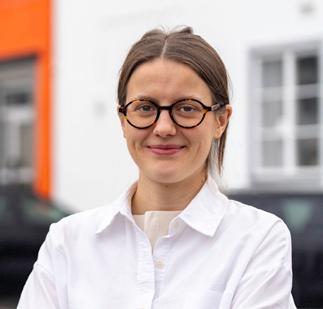
We visited our production facility in Bulgaria and had the opportunity to meet several of our employees. We interviewed them about their work, their experiences and what motivates them in their daily roles. It was inspiring to hear their diverse perspectives and to witness firsthand the dedication, expertise and pride they bring to their roles every day. Their commitment not only drives our operations forward but also shapes the strong culture and continuous progress we strive for as a company.
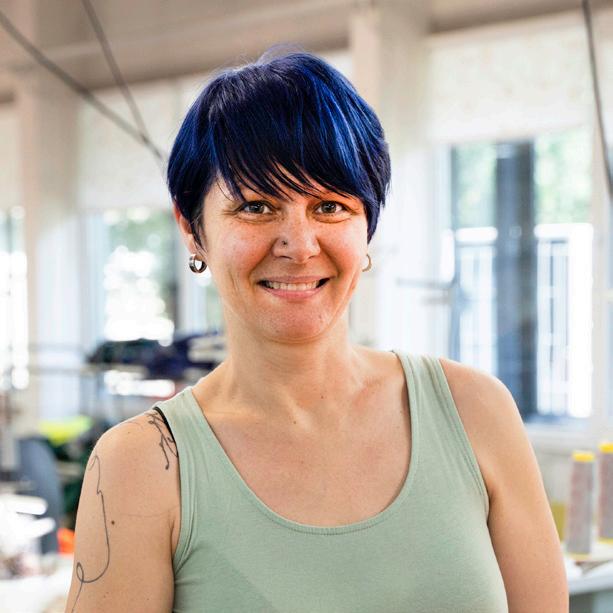
Name: Tsvetelina Vladikova Position: Supervisor
How long have you been working at Tranemo in Bulgaria? 23 years
What motivates you to do your best at work every day?
The kind words of those I work with, the wages that support my team on the production line, the help I’ve received in difficult times, and so many other things. But I don’t have space to list them all.
Is there anything specific you would like to share about your work or experience here with us?
I am happy to work in this factory. I like to be useful and help for the prosperity.
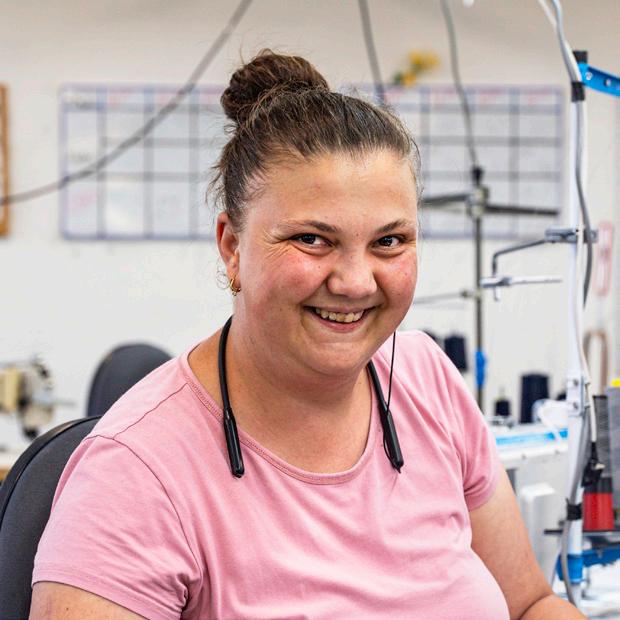
Name: Sevil Hadjieva Position: Sewing machine operator
How long have you been working at Tranemo in Bulgaria? 10 years
What skills or knowledge have you developed since starting your job here?
Working on all the sewing machines!
What motivates you to do your best at work every day?
The salary and the good attitude.
Is there anything specific you would like to share about your work or experience here with us?
It’s the best company, and the work is unique. I love it here.
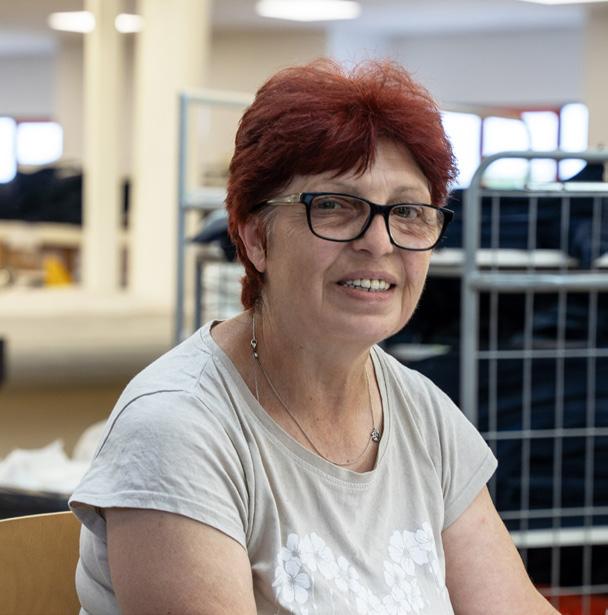
Name: Vili Gateva Position: Sewing machine operator
How long have you been working at Tranemo in Bulgaria? 14 years
What skills or knowledge have you developed since starting your job here?
Sewing technique, efficiency and quality.
What motivates you to do your best at work every day?
My sense of responsibility to my work.
Is there anything specific you would like to share about your work or experience here with us?
Experience comes with time, and I like that.
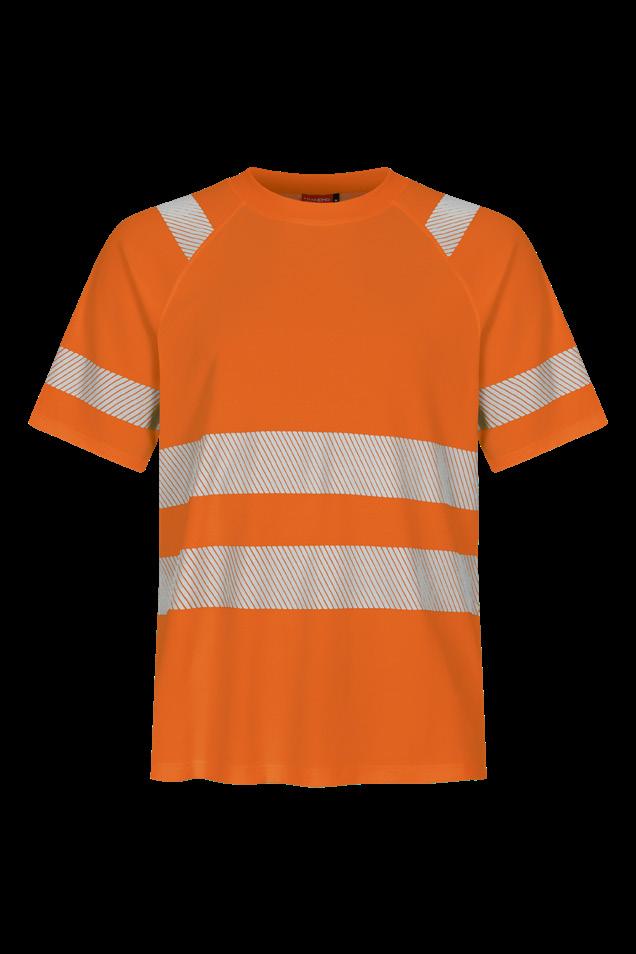
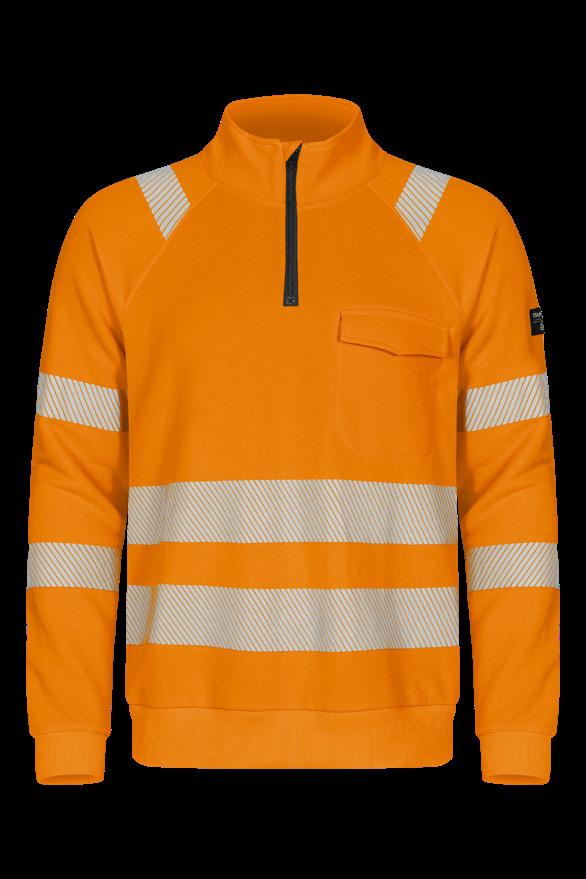
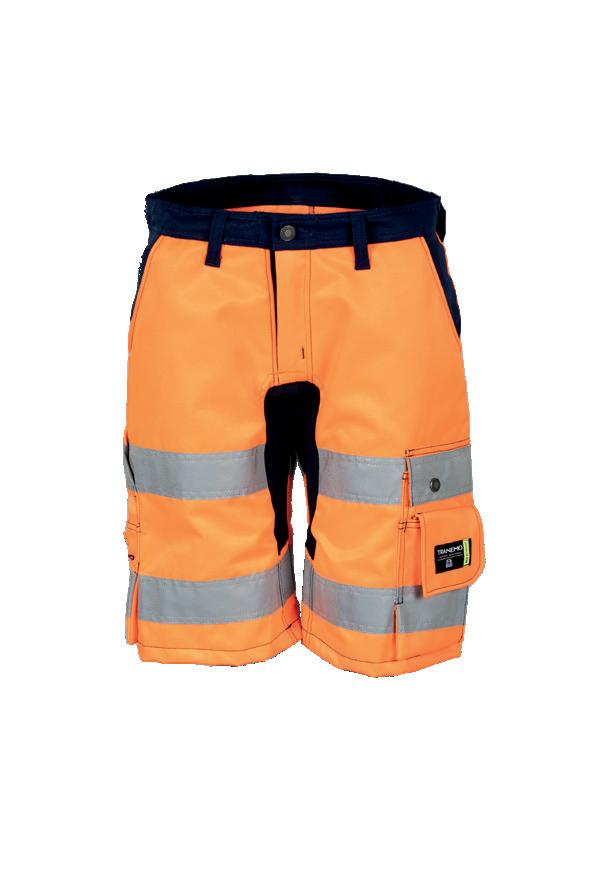
*Always protect the whole body with appropriate PPE.
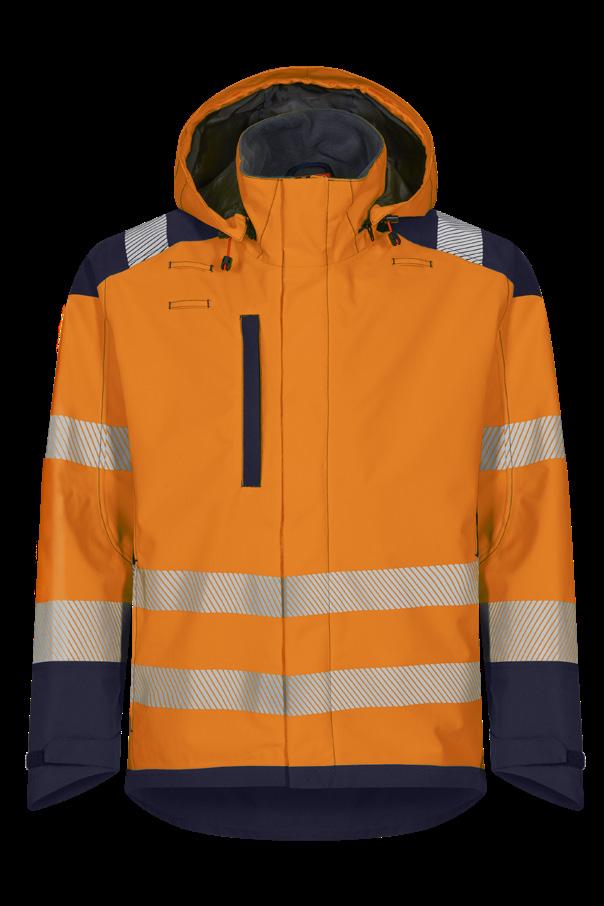
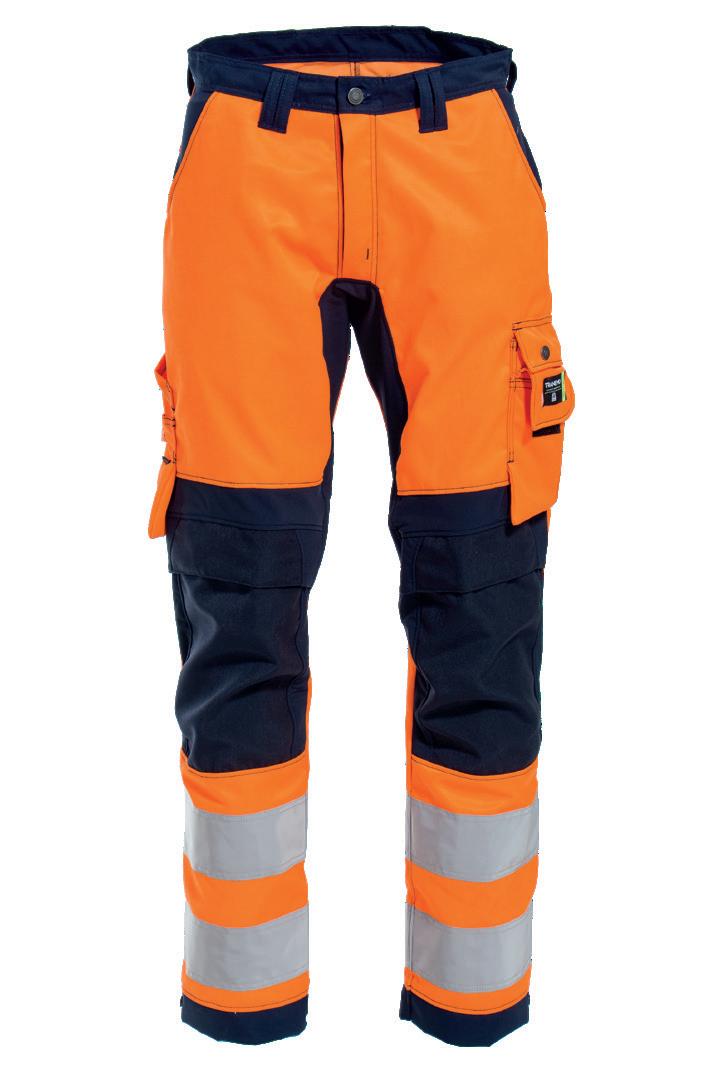
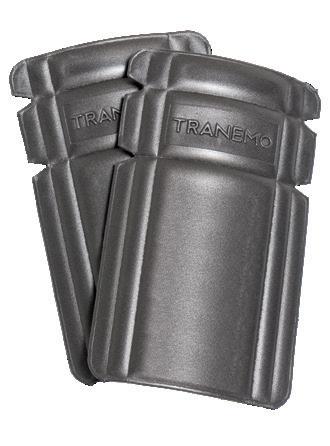
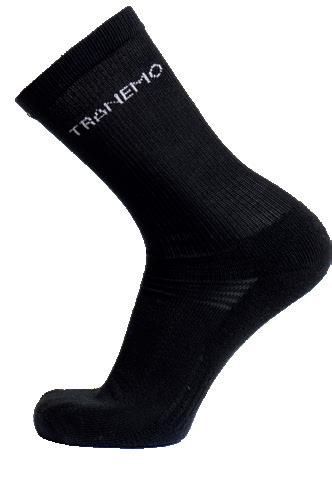
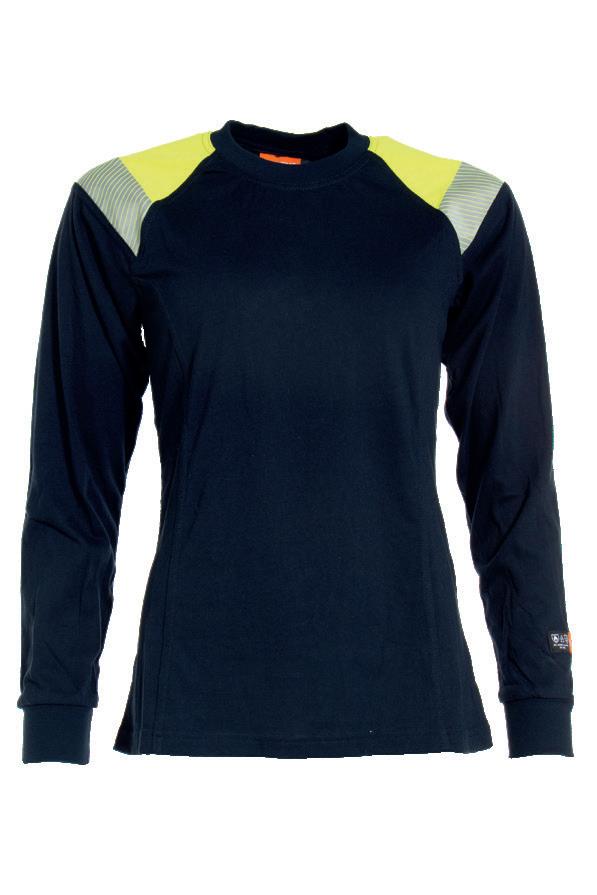
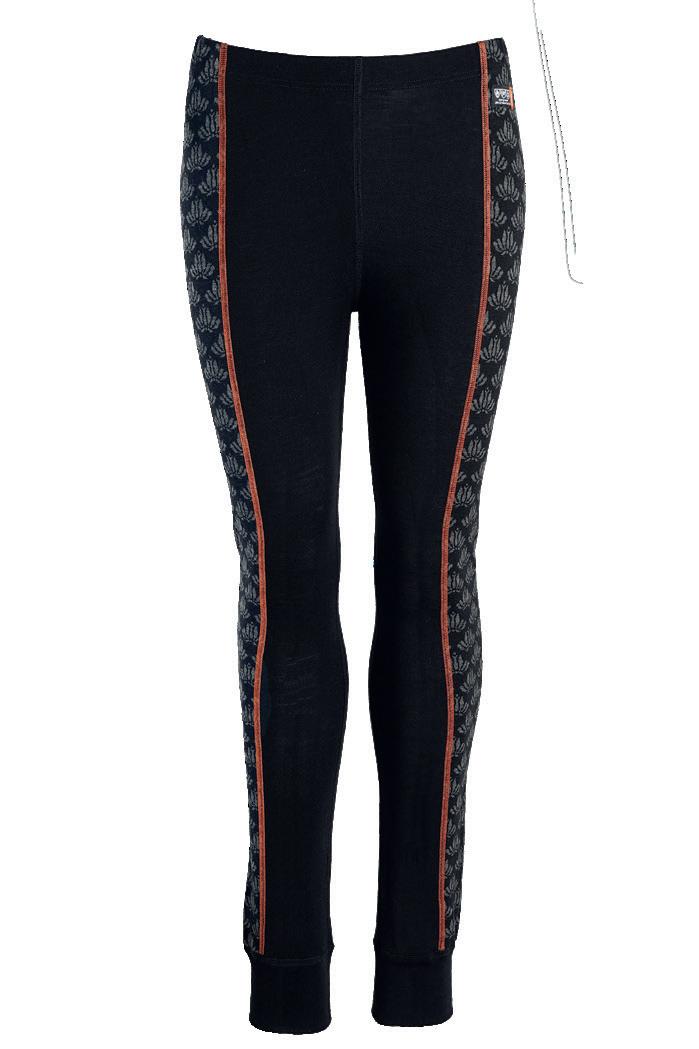
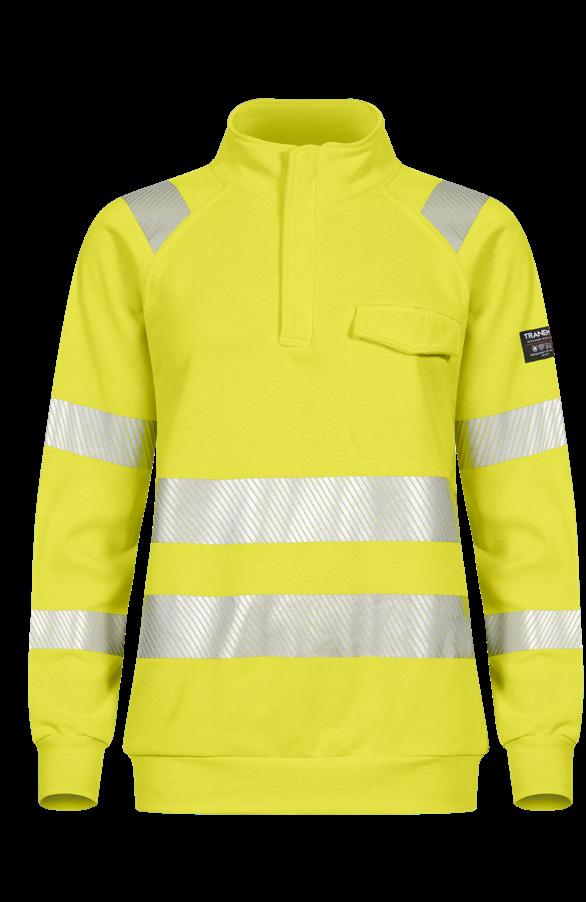
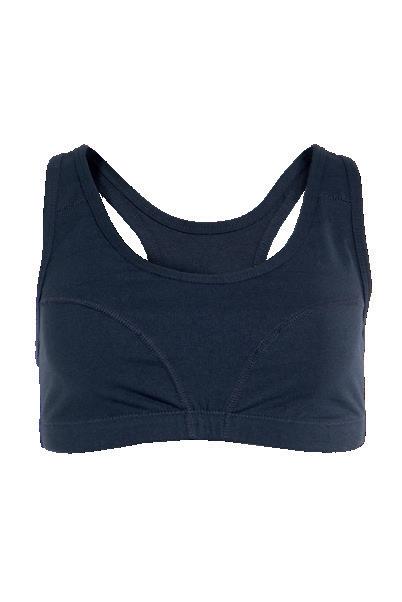
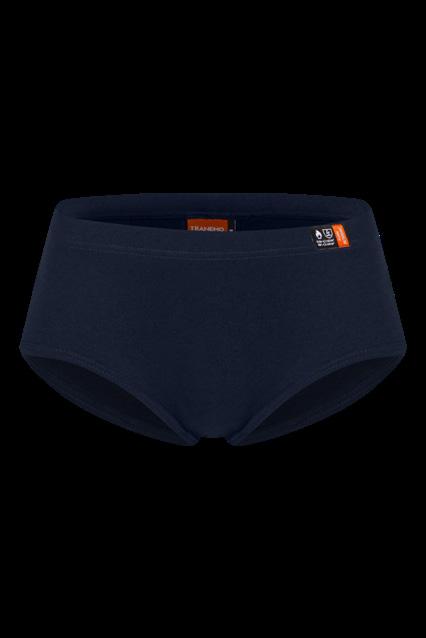
*Always protect the whole body with appropriate PPE.
TRANEMO SKINSAFE™
ELIM upper body: 63 cal/cm²
ELIM lower body: 14 cal/cm²
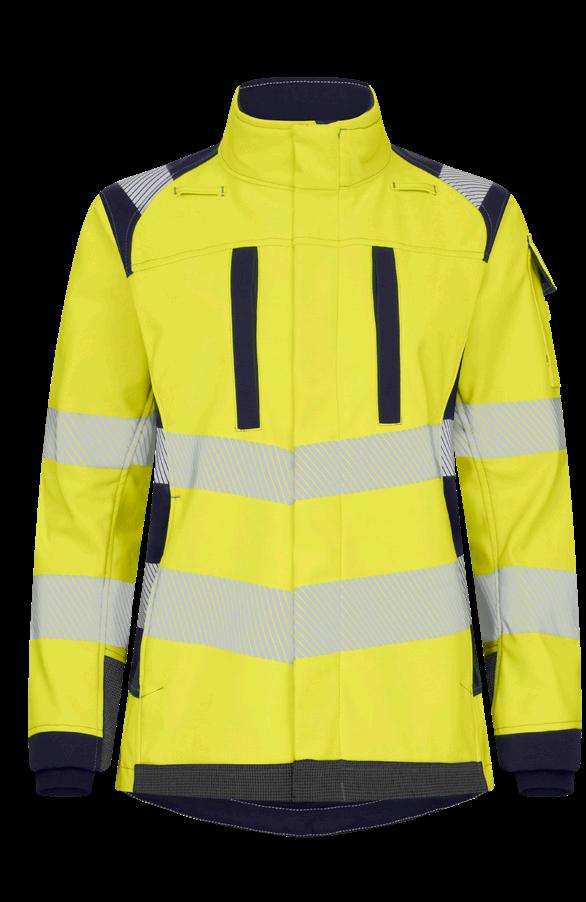
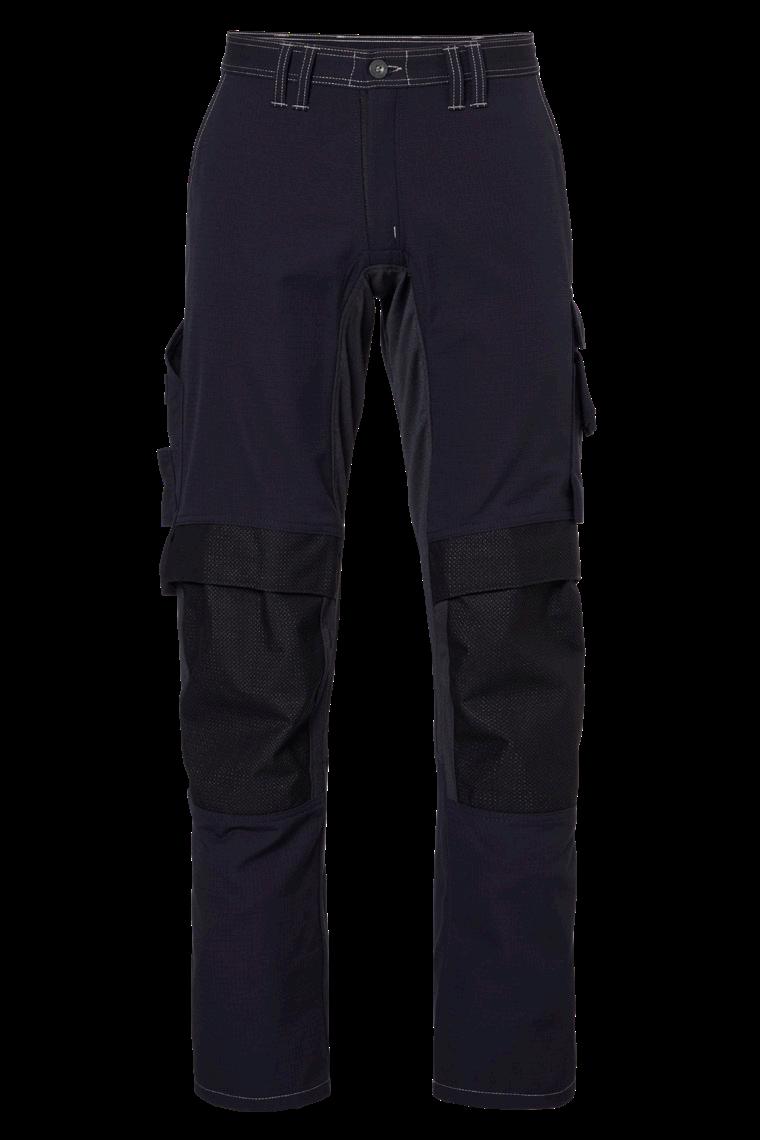
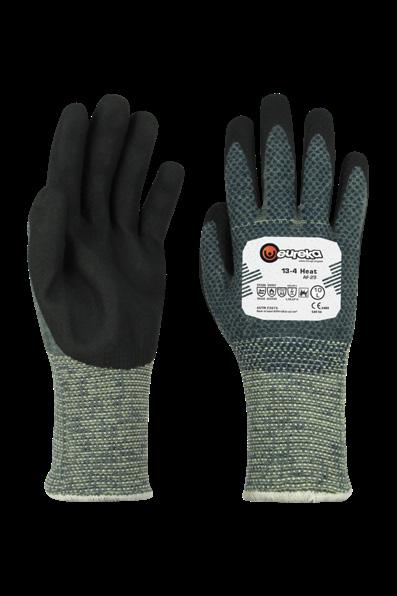
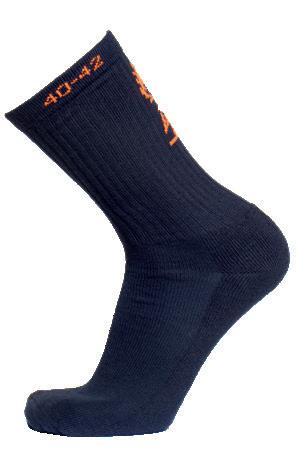
The multi-layer protective system designed to protect against flame, heat and electric arc injuries.
They say a chain is only as strong as its weakest link. That´s why we recommend using inherent flame retardant clothing from the inside out. This will avoid burning cotton, melting polyester or metal transmitting electrical current and heat to the skin.
And don´t forget to protect the entire body, from head to toe.
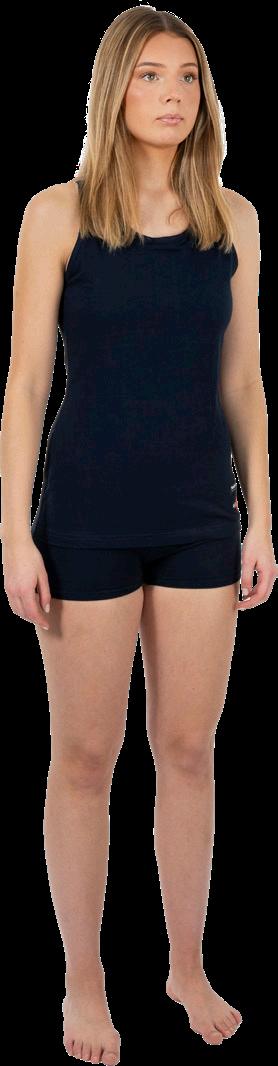
SKIN PROTECTION YOU
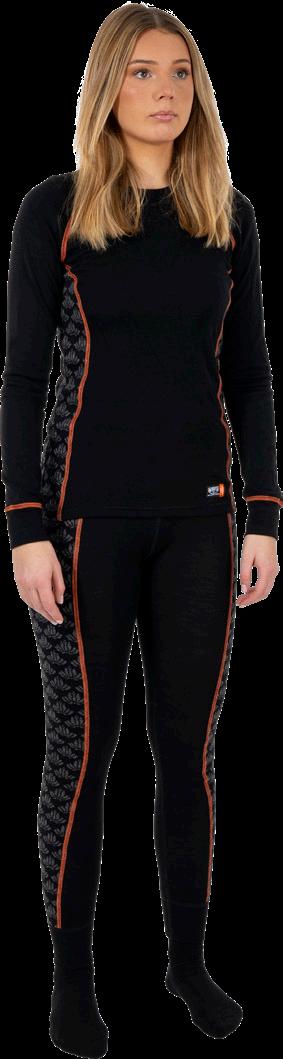
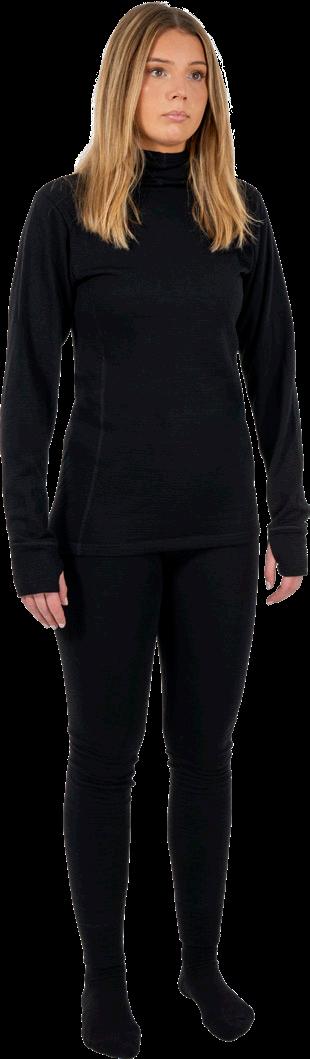
INSULATION
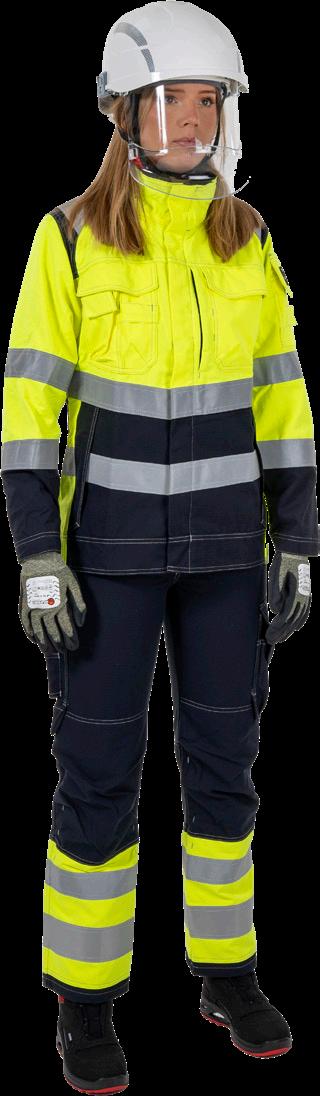
SHIELD
Shortly after the turn of the millennium, an incident occurred at a customer site. A pair of trousers caught fire in the factory, even though the fabric met all requirements and standards. How could this happen? In this article, we explain why realistic fabric and wearer trials are crucial, and how they can be carried out directly in the workplace. Even when garments are tested and approved in laboratory environments, real working conditions can reveal weaknesses that would otherwise go unnoticed.
In this case, it turned out that the flame retardant fabric had deteriorated over time. The cotton carrying the flame retardancy had gradually been washed out of the garment. Together with the customer, we decided to switch to inherent flame retardant fabric, where the protection is built into the fibres and is not affected by washing.
At Tranemo, we initially focus on specific risks and real working conditions, when developing protective workwear. Similarly with our risk-specific approach, wearer trials are about ensuring that each garment performs in its working environment. It is only in the real working environment that protection, comfort and function can truly be evaluated.
FOUR STEPS TO ENSURE THE PROTECTIVE WORKWEAR IS RIGHT FOR THE WORKING ENVIRONMENT
One important lesson is that laboratory testing can never replace real-world use. That is why we have four main steps to ensure that each protective workwear solution performs as intended in its specific working environment.
Fabric testing in real environments is often the first step. If no current solution exists, we send fabric samples to the customer for on-site testing, for example against molten metal splashes.
This is particularly important because EN ISO 11612 only tests protection against molten iron and aluminium. Other metals and alloys can affect fabrics in very different ways. Customer-led testing is therefore crucial for assessing whether protection can withstand actual workplace risks. At lower risk levels, this type of testing is not always necessary.
Does the garment perform as expected in daily use? Does it fit properly? Are pockets and stretch panels positioned correctly?
Wearer trials provide answers on how garments perform over time in terms of protection, comfort and durability. By allowing users to wear the garments in real working conditions, often for several months, you gain a clear picture of functionality and longevity. Collaboration with laundries can also provide valuable insight into how garments are affected by frequent washing.
To collect structured feedback, we recommend establishing a user council that includes both wearers and decision makers. This creates a forum for capturing experiences, practical needs and suggestions for improvement.
We are happy to participate actively, contributing our expertise and helping ensure the right conclusions are drawn.
Based on these insights, garments and solutions are refined. The process is repeated until protection, comfort and function meet operational requirements.
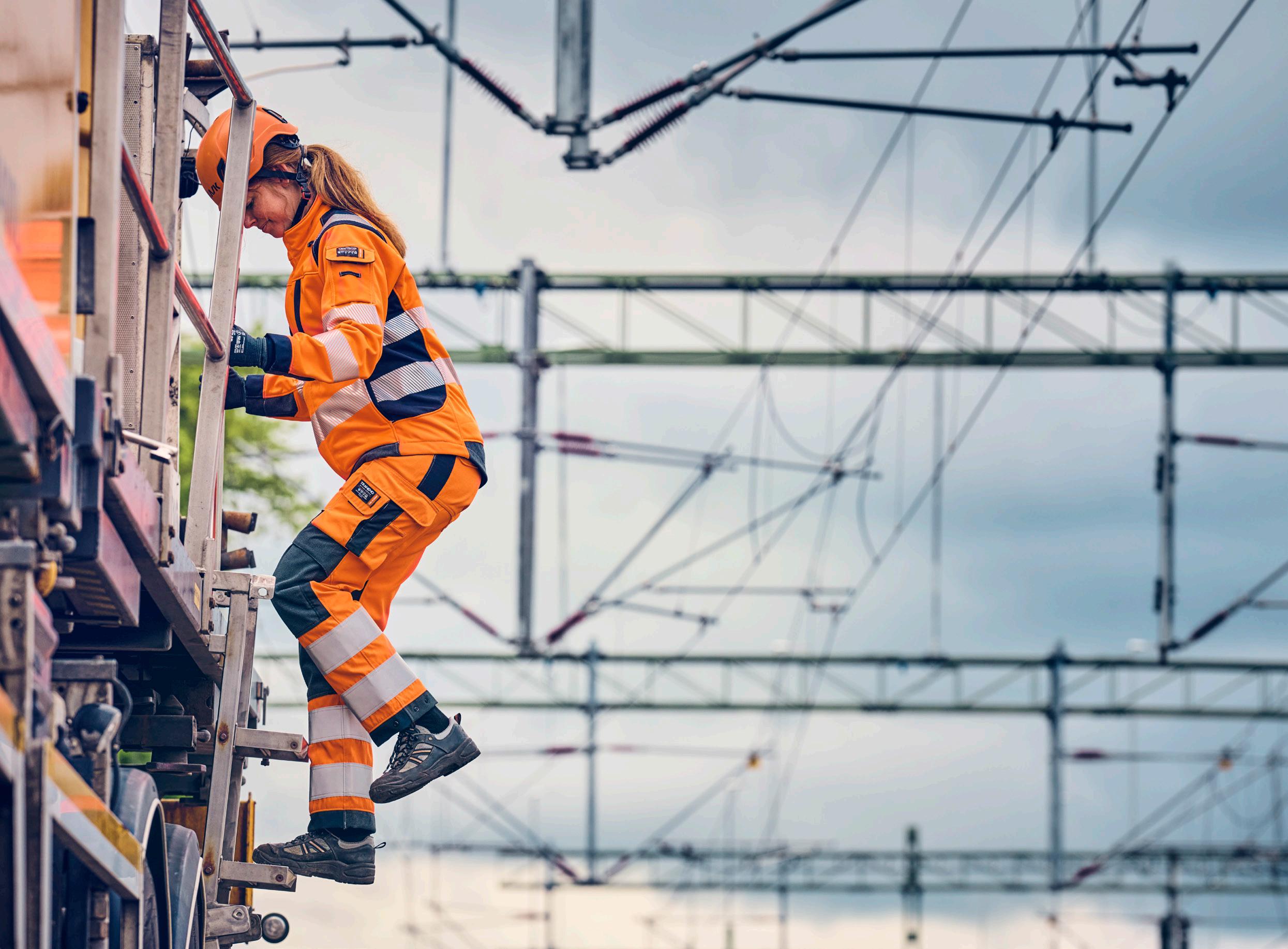
PROTECTIVE WORKWEAR USED IN PRACTICE PROVIDES REAL SAFETY
The most important thing is that the garments are used by those who require them. That is why users should be involved early in the selection and design of protective workwear. They know best which features, comfort levels and ergonomics are needed to work safely and efficiently. For safety managers and purchasers, this means a clear responsibility. Protection is not only about standards, but about how garments perform in everyday work.
Through realistic testing, you build a stronger basis for decision making and contribute to safer workplaces.
Established in 1934, the Tranemo group now consists of Head Office in Sweden and subsidiaries in Norway, Denmark, Finland, United Kingdom, Ireland, France, the Netherlands, Germany, Switzerland, Poland, Portugal, and Bulgaria.
Together, we offer one of the strongest sales and service organisations in Europe.
Subsidiaries
Sales Regions
In order to reduce our CO2 emissions, we have invested in an electric truck for daily transport of goods between our head office and our logistics center.
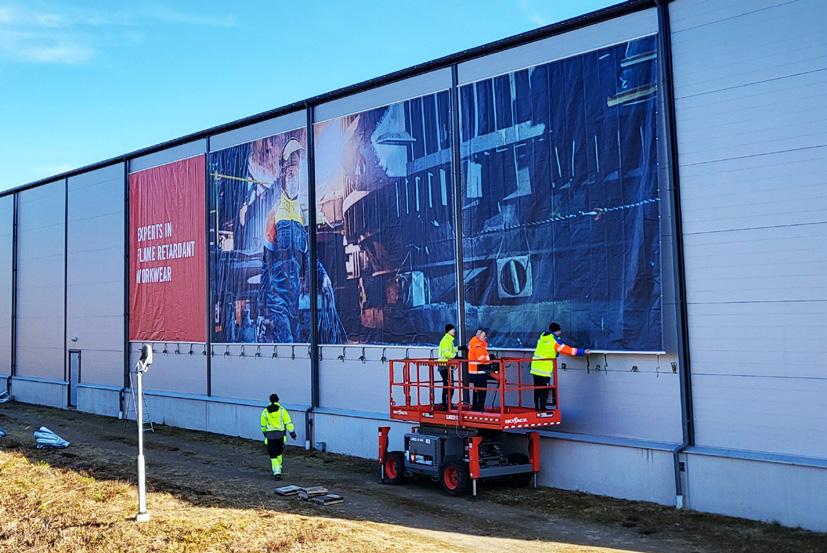
During the spring, a new banner was installed at the Tranemo Logistics Centre, strengthening the visual presence at the facility and creating strong visibility for everyone driving past the site.
We are proud to announce the launch of Tranemo Workwear Poland, an important step in our continued international growth. With a strong industrial base and increasing demand for certified PPE solutions, Poland offers great opportunities to strengthen our local presence and expand the delivery of Tranemo’s high-quality workwear solutions.
This establishment marks another milestone in our commitment to supporting customers with trusted protection and long-term partnerships across Europe.
Welcome and good luck to our new Managing Director for Tranemo Poland, Aleksander Giler.

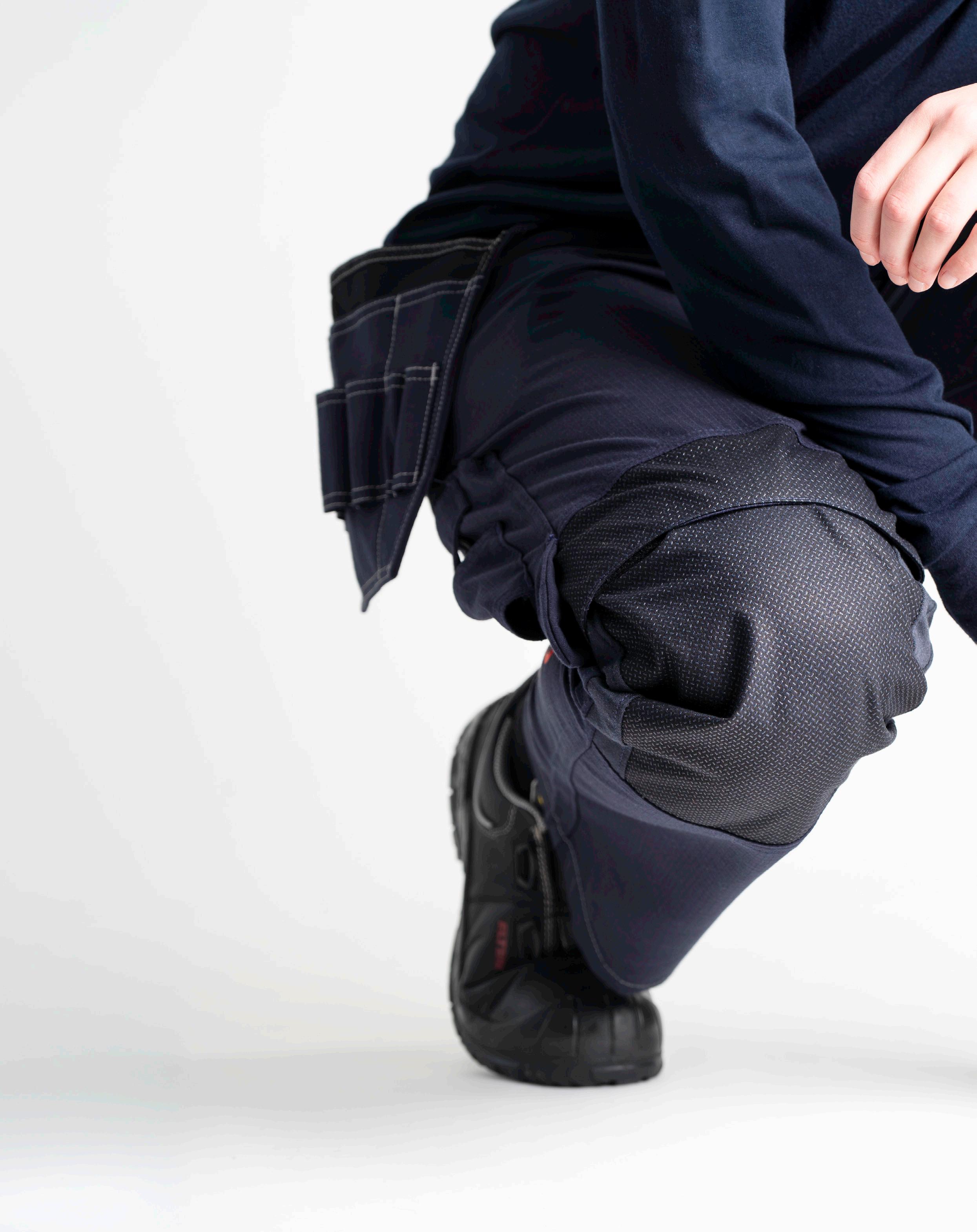
We are switching to an even more durable reinforcing fabricHTFR Dots. The fabric is a Tera TX based weave with a ripstop structure for increased tear strength. The dot pattern not only gives it a sharp look but also provides a more durable wear surface.
50% higher tear strength
Longer lasting protection
Better durability when working on concrete or other rough surfaces
Our model is wearing the new ladies stretch trousers 600781 shown on page 32. The trousers are also available without nail pockets and in men's sizes. If you require enhanced visibility you will find those on page 33.
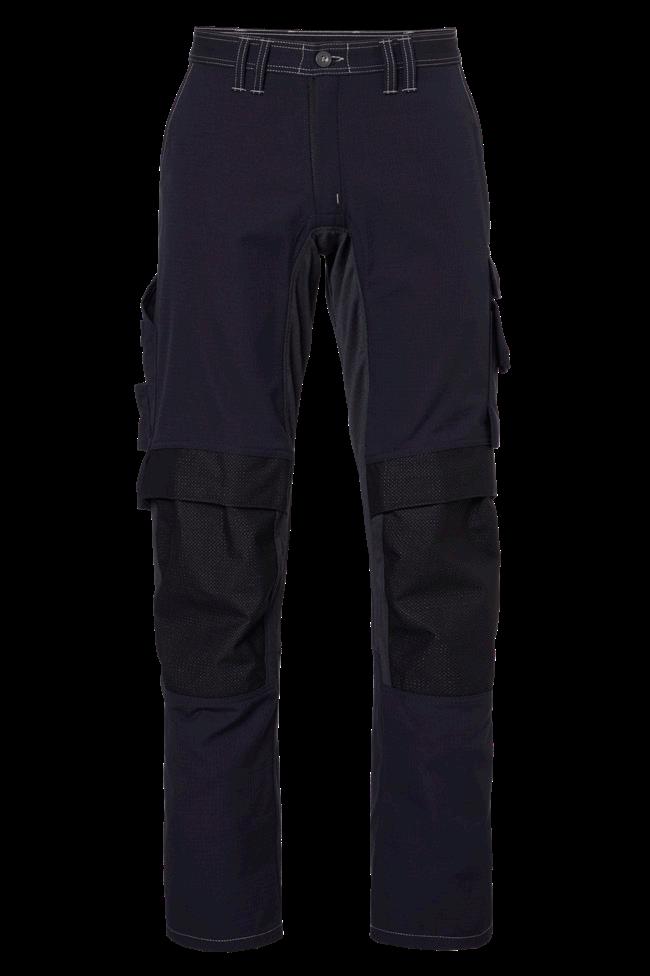
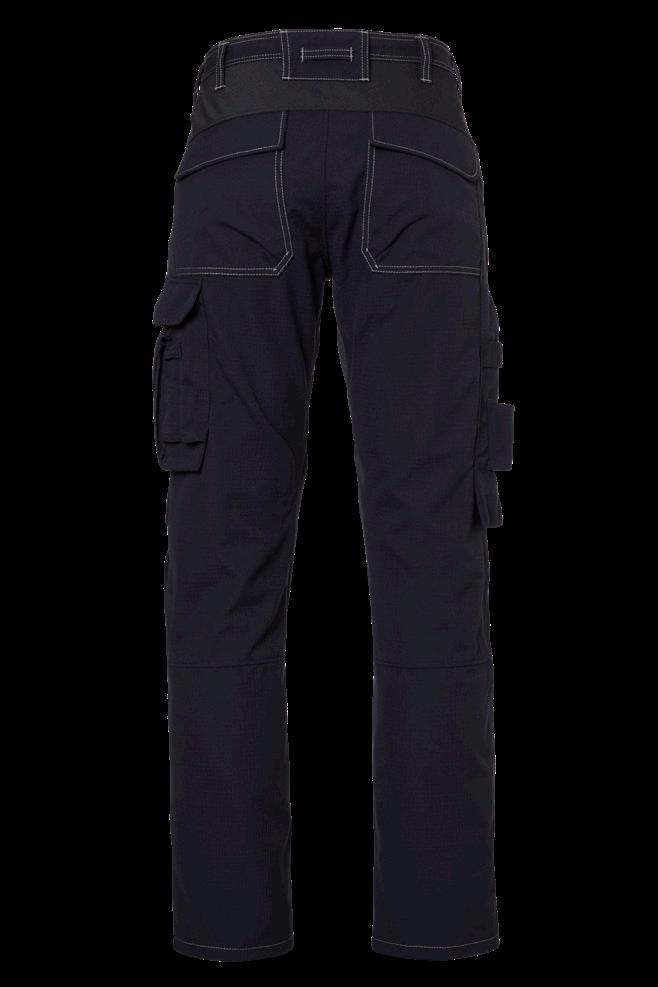
Non-Metal and Inherent Flame Retardant trousers with stretch for excellent fit and increased comfort ensuring full mobility at work. Kneepad pockets with reinforcements in HTFR Dots for extra durability. PFAS-free.
Reinforced fly and stretch in crotch. Side pockets. Cargo pocket with flap, mobile phone pocket, pen pockets and concealed D-ring. Ruler pocket with reinforced bottom, knife loop and concealed knife button. Shaped knees with kneepad pockets in HTFR Dots and stretch zones. Stretch in back yoke. Hip pockets with pocket flap.
Size: 30"- 50"R, 32"- 40"T, 28"- 48"S
Colour:
Ladies 6-20
g/m² 807: HTFR Dots - 45% modacrylic / 35% cotton / 18% polyamide / 2% antistatic, 325 g/m²
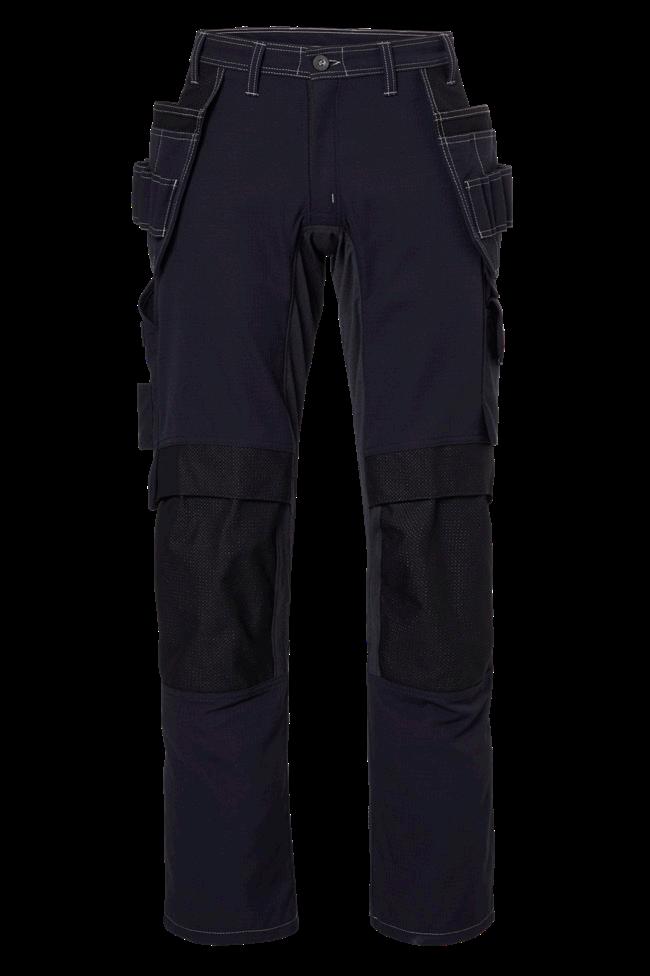
6002 81 FLAME RETARDANT CRAFTSMAN STRETCH TROUSERS
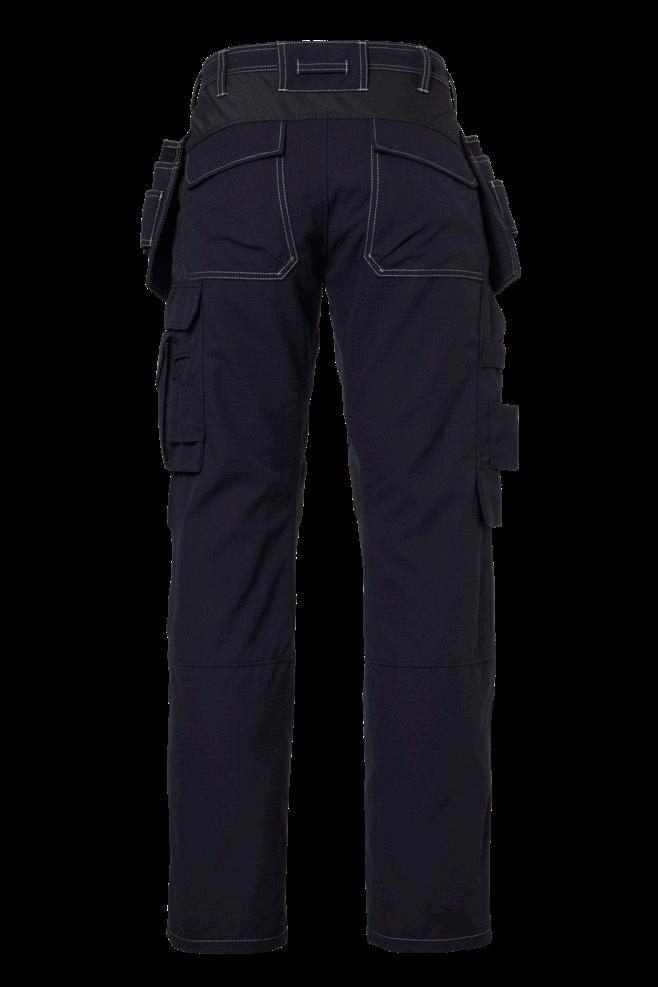
6007 81 FLAME RETARDANT LADIES CRAFTSMAN STRETCH TROUSERS
Non-Metal and Inherent Flame Retardant trousers with nail pockets and stretch for excellent fit and increased comfort ensuring full mobility at work. Kneepad pockets with reinforcement fabric HTFR Dots. PFAS-free. Reinforced fly and stretch in crotch. Nail pockets with tool pockets and HTFR Dots reinforcement. Side pockets. Cargo pocket with flap, mobile phone pocket, pen pockets and concealed D-ring. Ruler pocket with reinforced bottom, knife loop and concealed knife button. Shaped knees with kneepad pockets in HTFR Dots and stretch zones. Stretch in back yoke. Hip pockets with pocket flap.
N O SMO
Size: 30"- 50"R, 32"- 40"T, 28"- 48"S
Ladies 6-20
Colour: 03 navy
Quality: 811: Tera TX - 45% modacrylic / 35% cotton / 18% polyamide / 2% antistatic, 260 g/m² 852: FR Stretch - 78% aramid / 20% elastic fibre / 2% antistatic, 320 g/m² 807: HTFR Dots - 45% modacrylic / 35% cotton / 18% polyamide / 2% antistatic, 325 g/m²
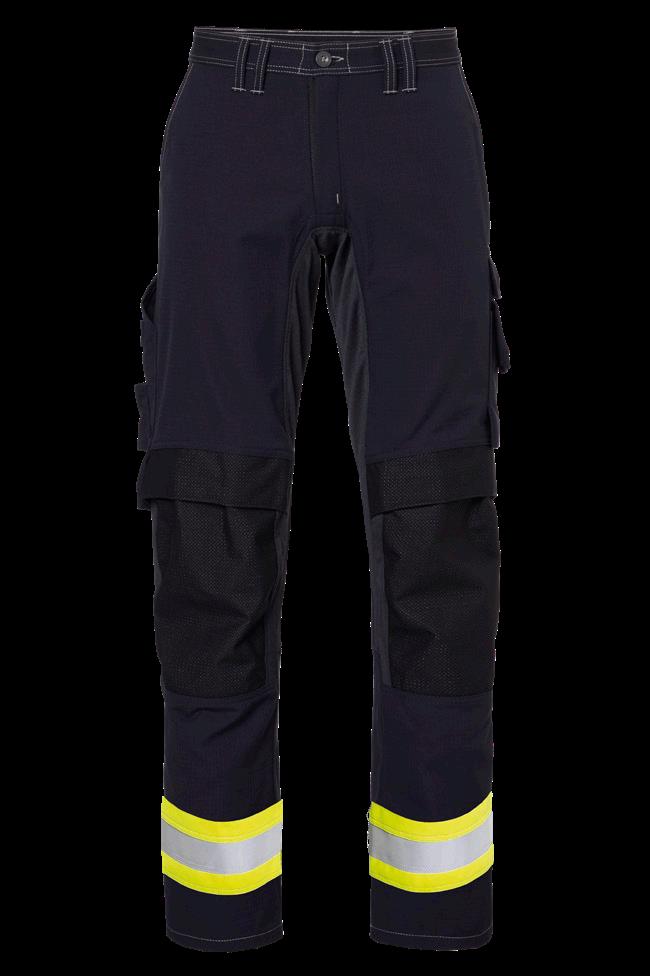
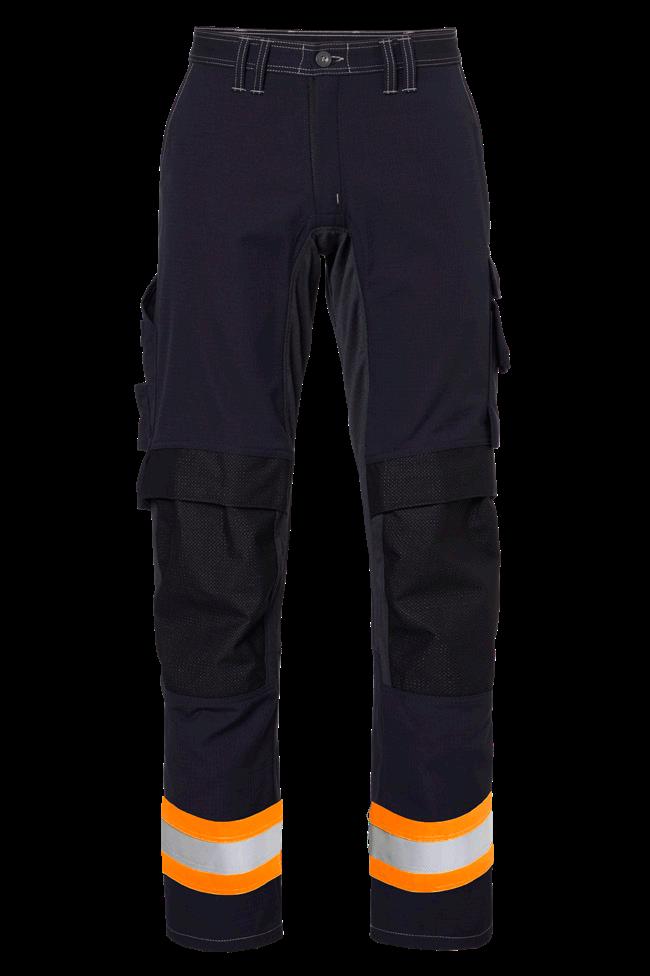
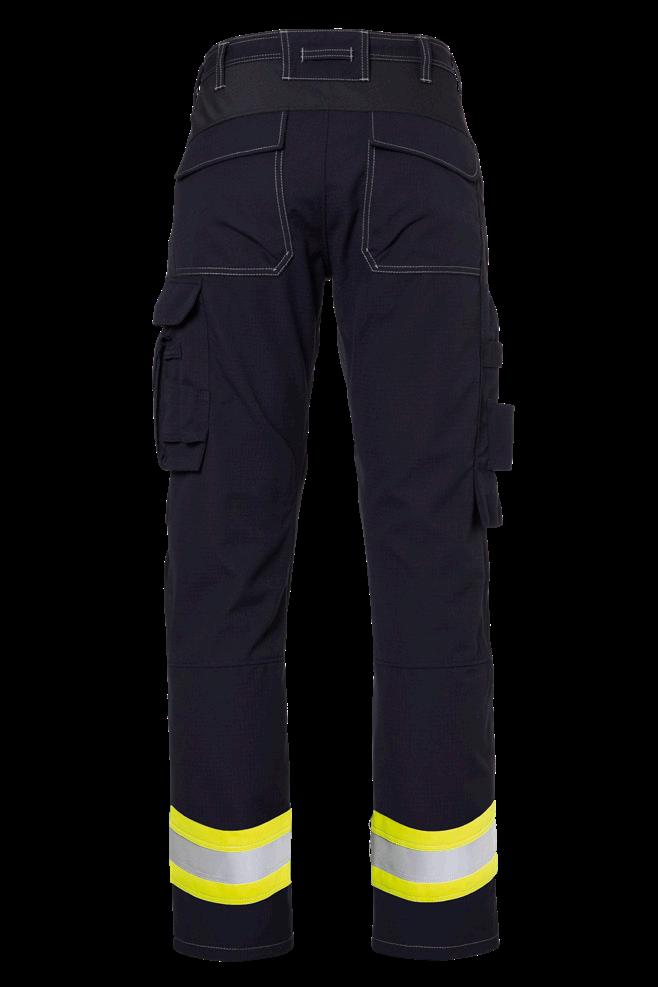
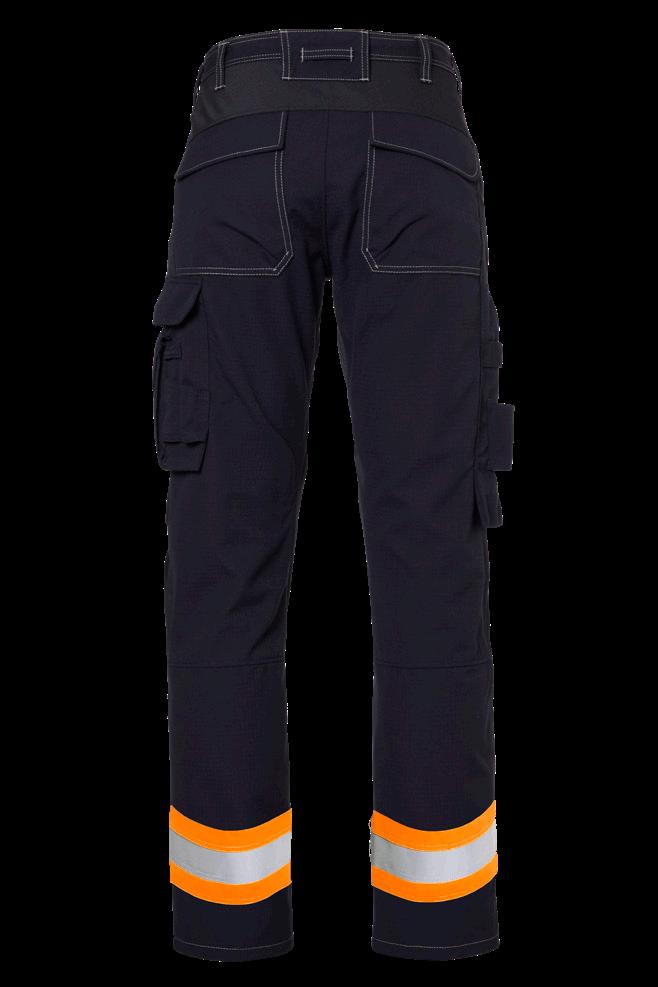
Non-Metal and Inherent Flame Retardant trousers with enhanced visibility and stretch for excellent fit and increased comfort ensuring full mobility at work. Kneepad pockets with reinforcements in HTFR Dots for extra durability. PFAS-free.
Reinforced fly and stretch in crotch. Side pockets. Cargo pocket with flap, mobile phone pocket, pen pockets and concealed D-ring. Ruler pocket with reinforced bottom, knife loop and concealed knife button. Shaped knees with kneepad pockets in HTFR Dots and stretch zones. Stretch in back yoke. Hip pockets with pocket flap.
W PO N C M
Size:
Ladies 6-20
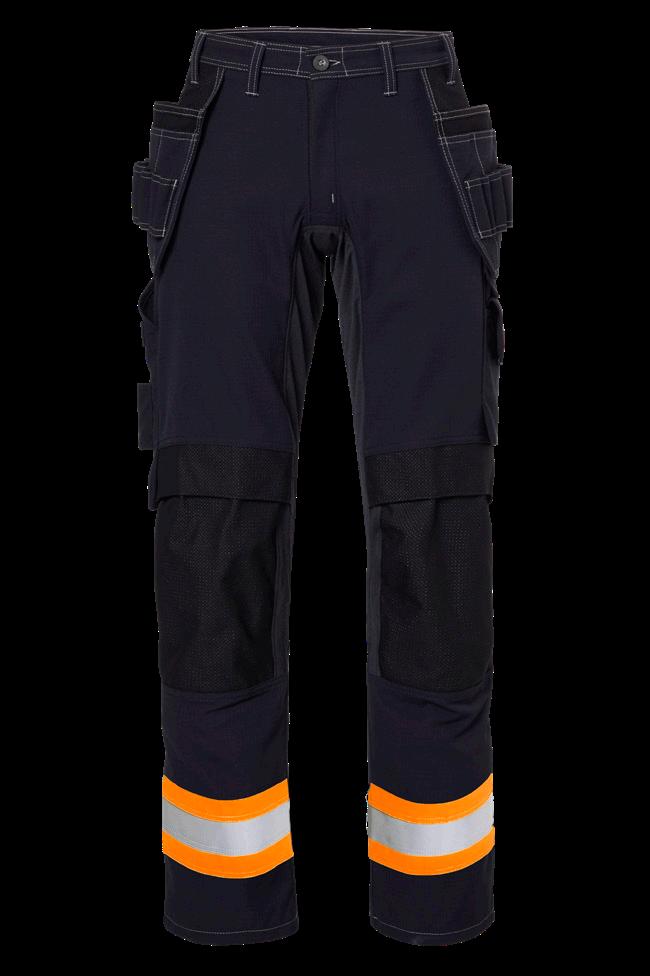
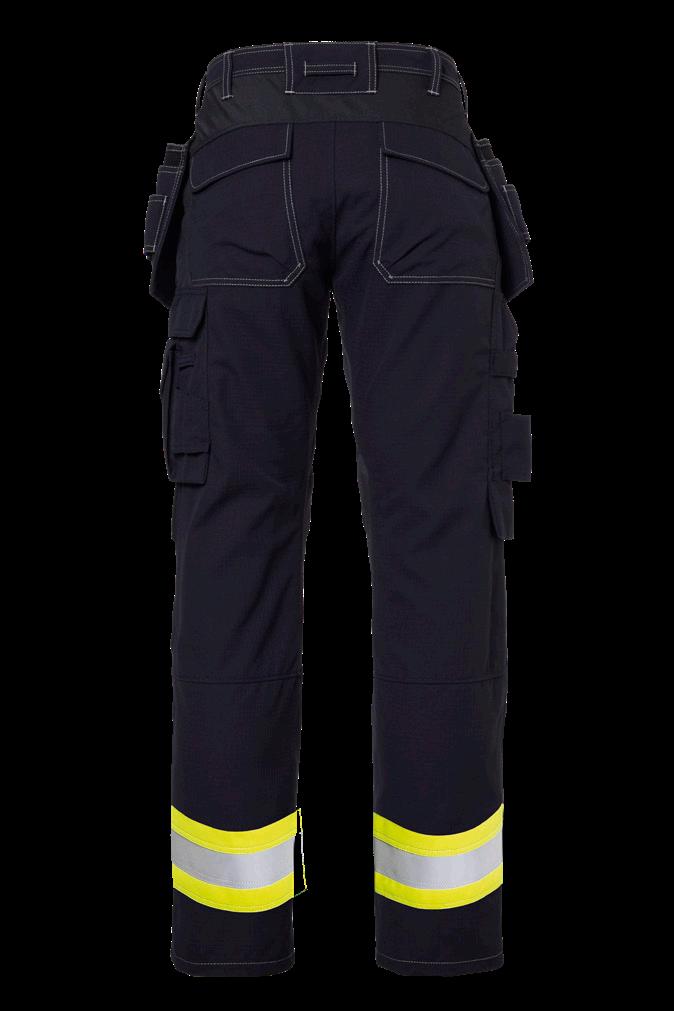
6003
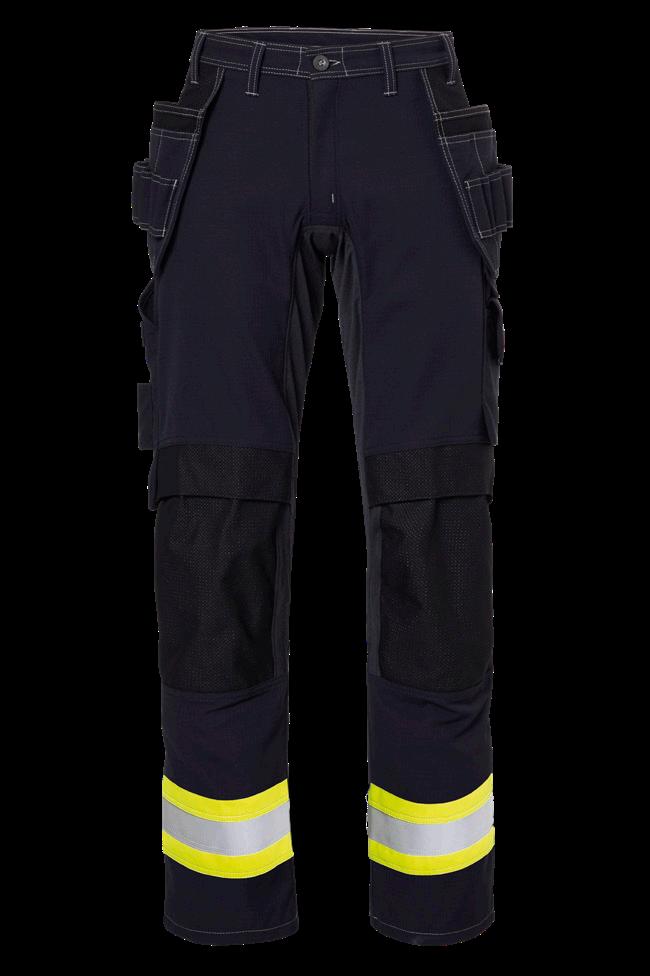
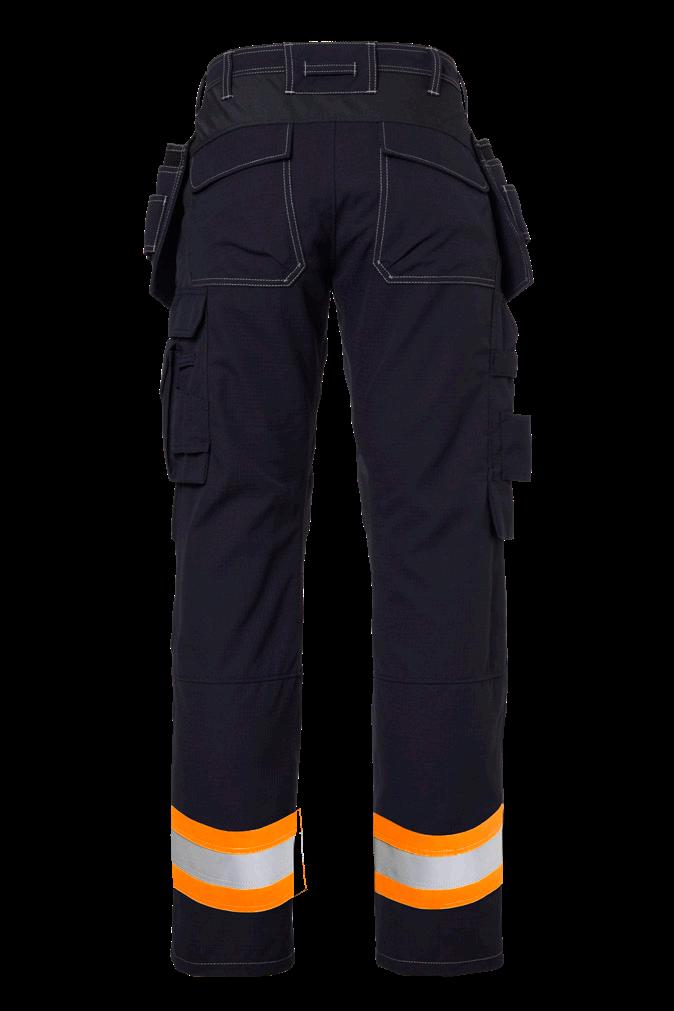
Non-Metal and Inherent Flame Retardant trousers with enhanced visibility, nail pockets and stretch for excellent fit and increased comfort ensuring full mobility at work. Kneepad pockets with reinforcement fabric HTFR Dots. PFAS-free.
Reinforced fly and stretch in crotch. Nail pockets with tool pockets and HTFR Dots reinforcement. Side pockets. Cargo pocket with flap, mobile phone pocket, pen pockets and concealed D-ring. Ruler pocket with reinforced bottom, knife loop and concealed knife button. Shaped knees with kneepad pockets in HTFR Dots and stretch zones. Stretch in back yoke. Hip pockets with pocket flap. R O M N
Size: 30"- 50"R, 32"- 40"T, 28"- 48"S
Ladies 6-20
Colour: 93 orange/navy, 94 yellow/navy
Quality:
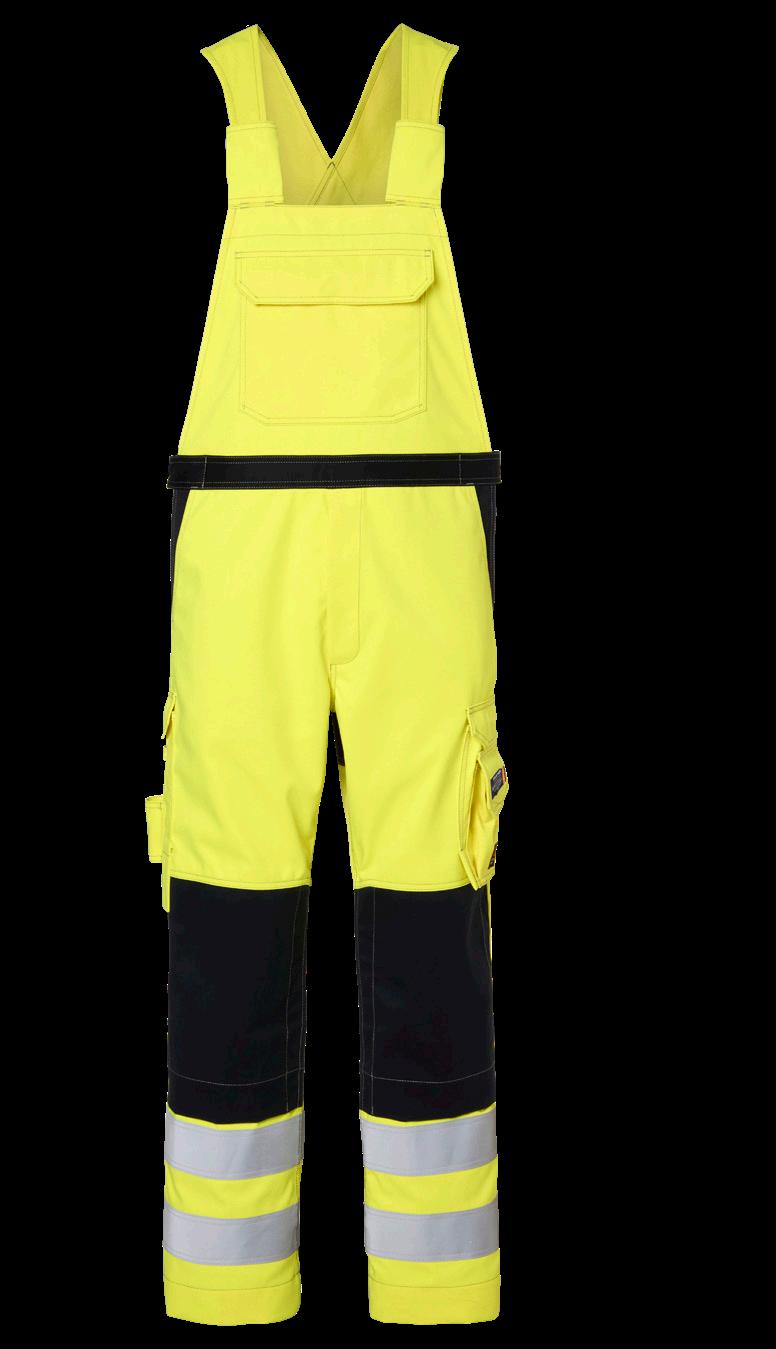
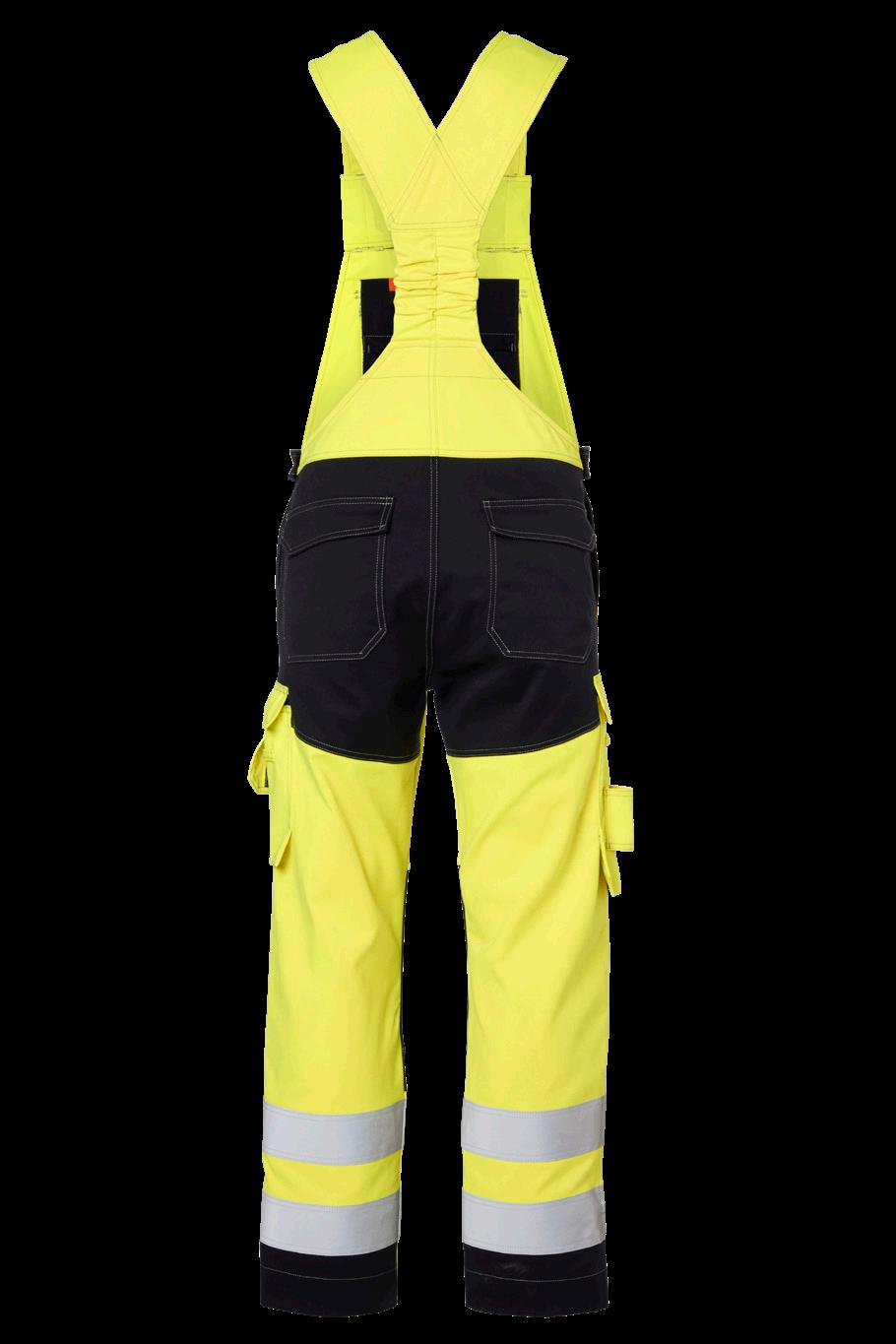
Inherent flame retardant bib 'n' brace with front in Cantex Weld and back in Cantex Stretch. Cantex Stretch provides the bib 'n' brace with flexibility and gives you freedom of movement with high levels of comfort, while Cantex Weld at the front gives you extra high protection against welding and grinding splashes. PFAS-free. Adjustable braces with hidden fixed lock closing and elastic in back. Chest pocket with zipper and flap. Inside pocket. Adjustable waist. Side pockets. Cargo pocket with flap, mobile phone pocket and concealed D-ring for ID-pocket. Ruler pocket with flap, knife holder and reinforced bottom. Kneepad pockets with two different placement levels. Hip pockets with flap. Contrast stitching. Long and short sizes - will be amended after order. Approximately 5 days extra delivery time. U M
Size: 30"- 50"R, 32"- 40"T, 34"- 48"S
Colour: 94 yellow/navy
Quality: 885: Cantex Weld - 50% modacrylic / 36% cotton / 12% polyamide / 2% antistatic, 365 g/m²
884: Cantex Stretch - 48% modacrylic / 35% cotton / 12% polyamide / 3% elastic fibre / 2% antistatic, 365 g/m²
c95mt
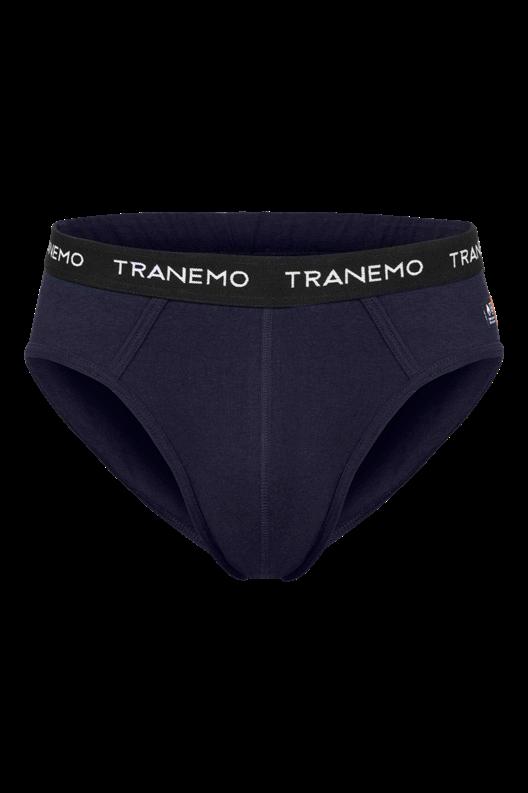
Non-metal and inherent flame retardant briefs made of a soft tricot, where 50% of the cotton is recycled. PFAS-free. Elasticated waist.
W M M
Size: XS-4XL
Colour: 03 navy
Quality: 924: Cantex JL - 57% modacrylic / 19% recycled cotton / 18% cotton / 4% elastic fibre / 2% antistatic, 200 g/m²
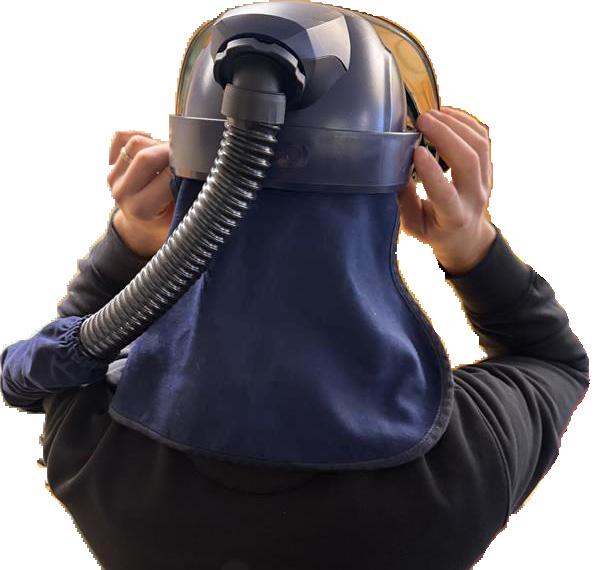
The neck protection protects against molten metal and welding sparks, as well as radiant heat. It can be fitted to most helmets.
*To meet the requirements of the standard, the accessory must be used together with garments that cover the body and are certified according to EN ISO 11611 and EN ISO 11612.
W
Size: One size
Colour: 03 navy
Quality: 873: Magma C - 55% viscose / 40% wool / 5% polyamide, 370 g/m² d95mt
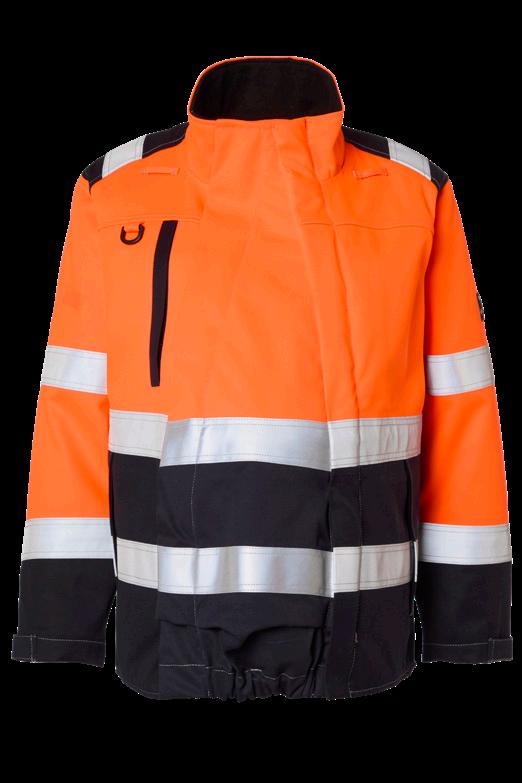
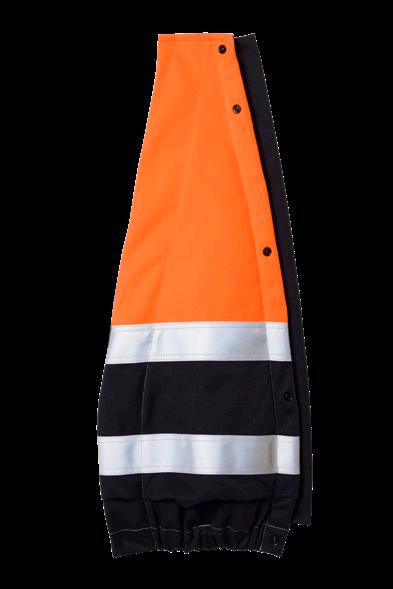
Make your ordinary winter jacket fit different stages of pregnancy. The panel fits to winter jackets 520682 and 520982.
Zippers on both sides to fit the jacket. Elastic at the bottom. Quilted. Certified when combined with 520682/520982.
Size: Ladies S-XXL
Colour: 93 orange/navy
Quality: 932: Cantex 240IR Recycled - 50% modacrylic / 43% cotton / 6% polyamide / 1% antistatic, PU-laminated, 300 g/m²
822: Edge 350 IR - 45% modacrylic / 33% cotton / 50% polyester / 2% antistatic, PU-laminated, 350 g/m²
055: Lining - Quilt FR, 45% modacrylic / 35% cotton / 18% polyamide / 2% antistatic, 160 g/m² with polyester wadding, 120 g/m²
c95mt
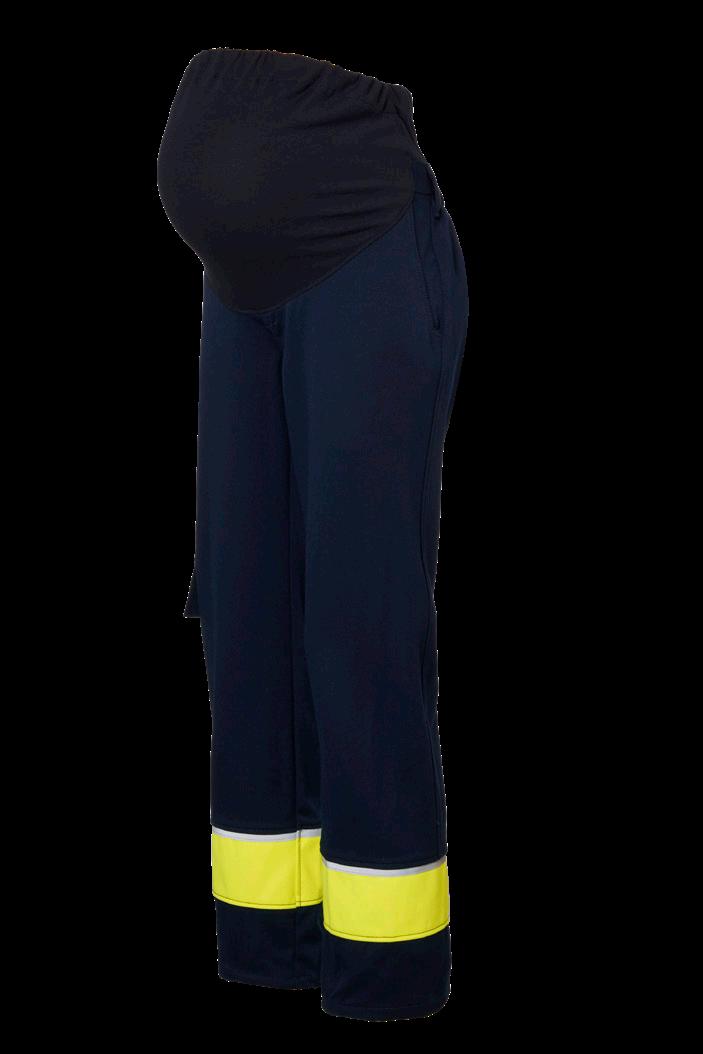
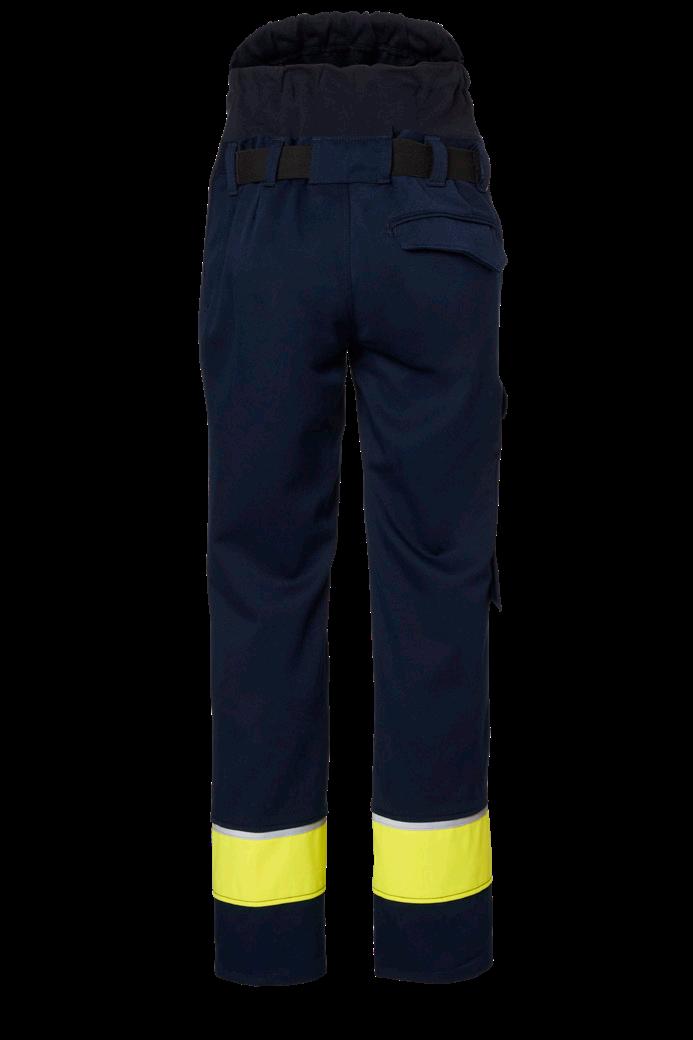
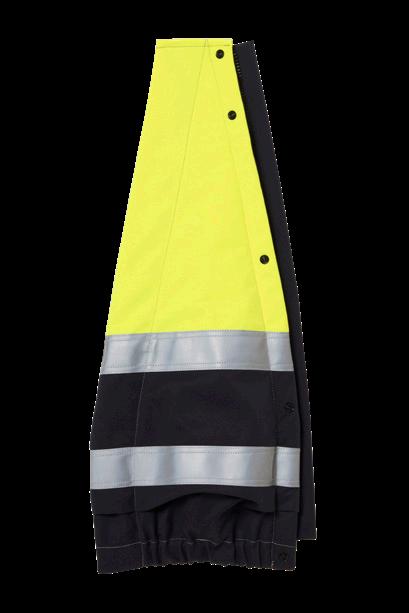
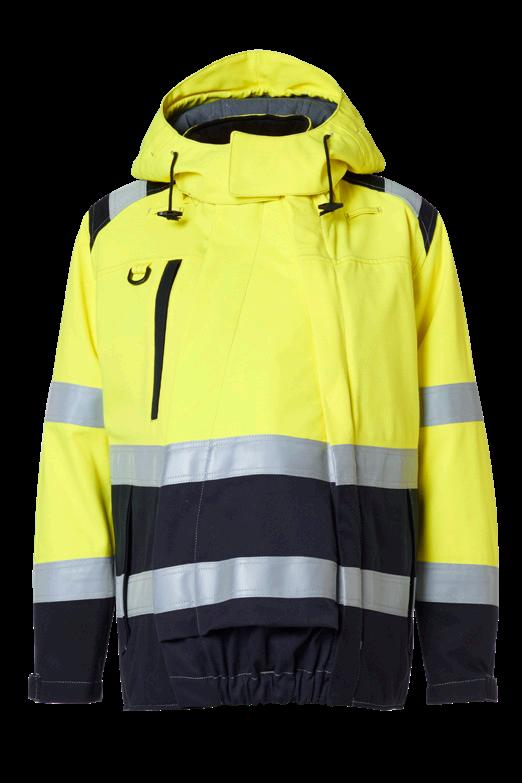
Make your ordinary winter jacket fit different stages of pregnancy. The panel fits to winter jackets 510393 and 510793. PFAS-free.
Zippers on both sides to fit the jacket. Elastic at the bottom. Quilted. Certified when combined with 510393/510793.
R O M O M
Size: Ladies S-XXL
Colour: 94 yellow/navy
Quality: 932: Cantex 240IR Recycled - 50% modacrylic / 43% cotton / 6% polyamide / 1% antistatic, PU-laminated, 300 g/m²
055: Lining - Quilt FR, 45% modacrylic / 35% cotton / 18% polyamide / 2% antistatic, 160 g/m² with polyester wadding, 120 g/m²
c95mt
Inherent flame retardant maternity trousers with knitted fabric, buttonhole elastic in at the top and a wide elastic band in the back, allowing for different stages of pregnancy. The trousers are made in a comfortable fabric with the highest protection against molten aluminium and good properties against other molten metals. PFAS-free.
Hip pocket with flap. Ruler pocket with flap. Thin reflective stripes on legs.
Ladies 8-20
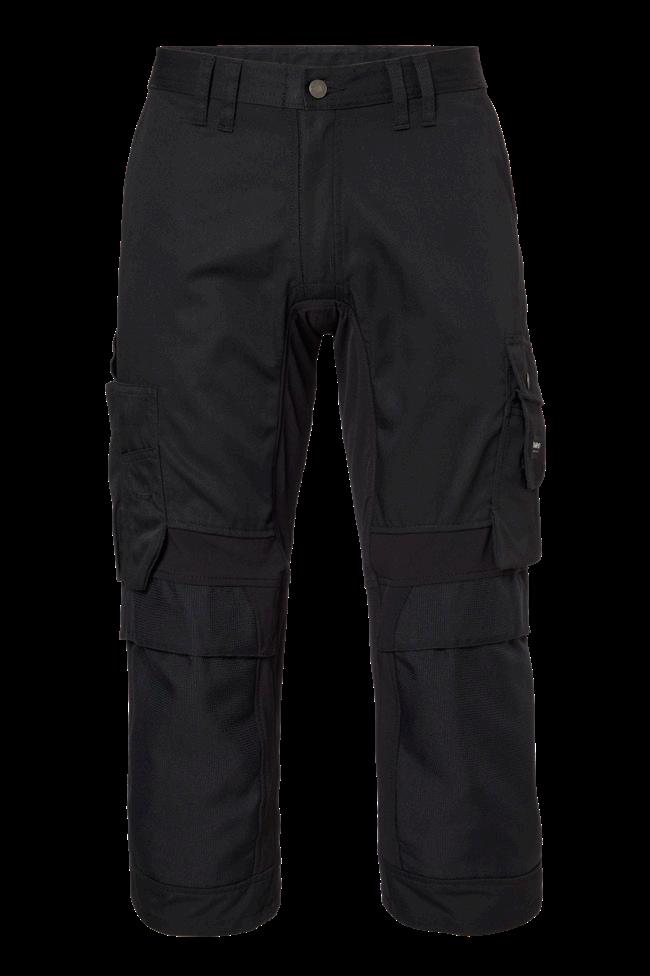
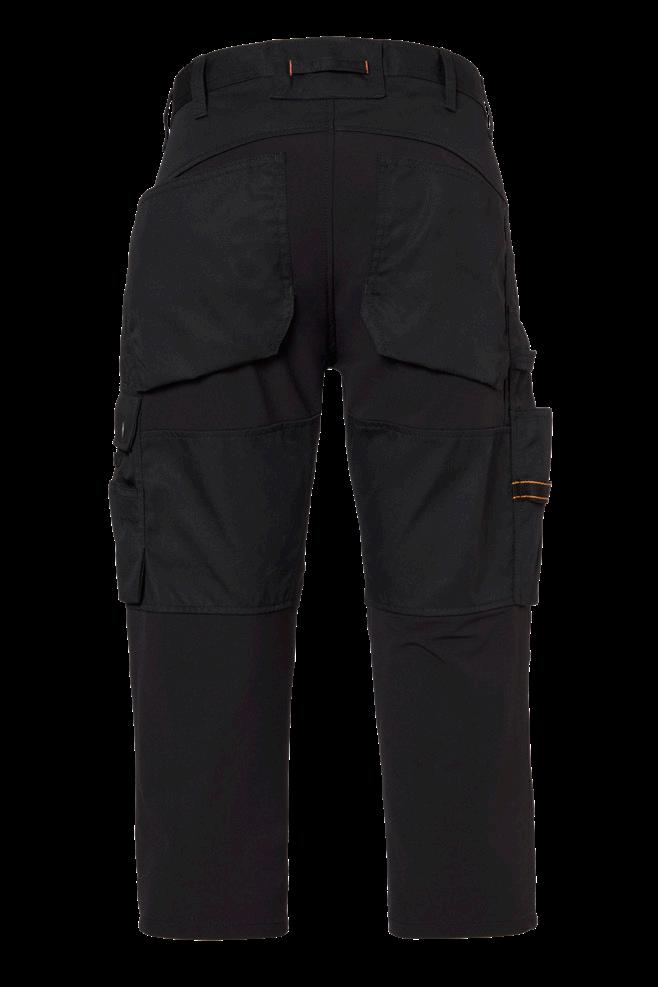
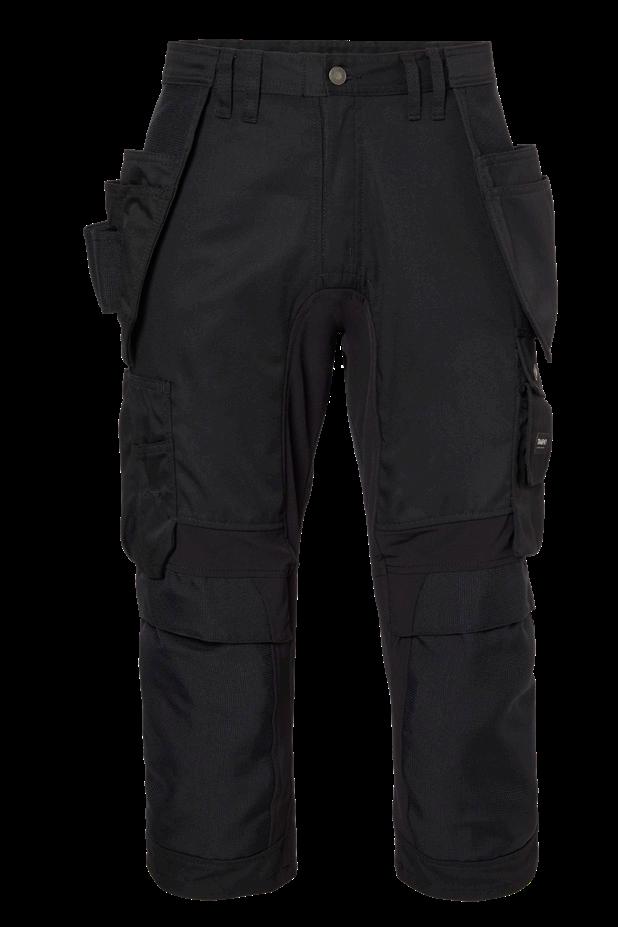
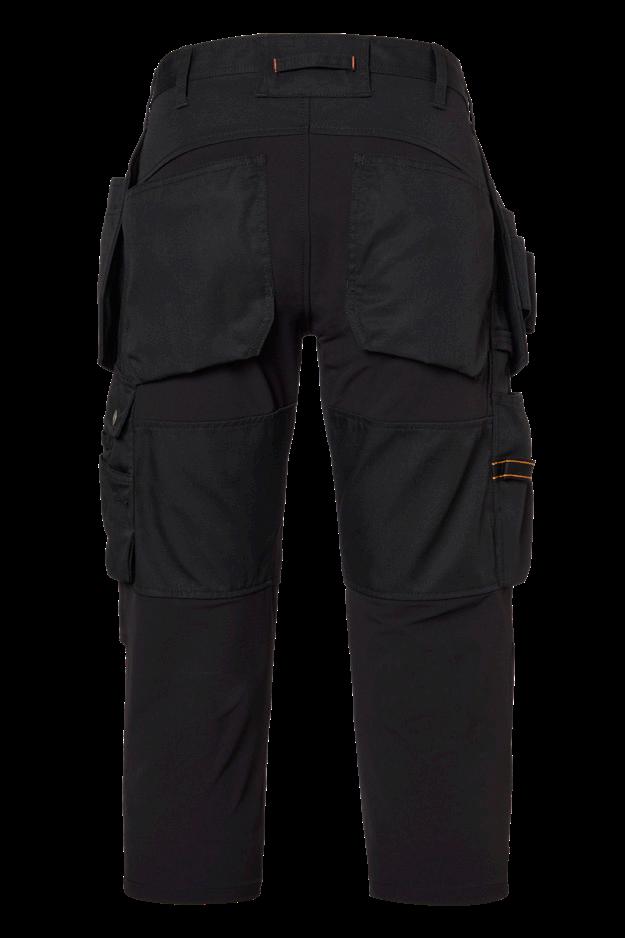
Advanced ¾ length trousers with many tool pockets for craftsmen who require high functionality. The ¾ Length trousers have outside kneepad pockets in HTPA Dobby and 4-way stretch zones for perfect fit, high comfort and mobility. PFAS-free.
Reinforced fly and stretch zones in crotch. Side pockets. Left cargo pocket with flap, concealed D-ring and strap for ID-pocket, mobile phone pocket with stretch zone. Right cargo pocket with multiple tool pockets and ruler pocket. Kneepad pockets in HTPA Dobby. 4-way stretch around knee, in seat and on back of legs. Back pockets.
Size: 30"- 50"R
Ladies 6-20
Colour: 07 black
Quality: 400: 65% polyester / 35% cotton, 245 g/m² 310: 4-way stretch, 50% polyamid / 42% polyester / 8%
250 g/m² 213: HTPA Dobby, 100% polyamide, 260 g/m²
1195
Advanced ¾ length craftsman stretch trousers with reinforced nail pockets and many tool pockets for craftsmen who require high functionality. The ¾ Length trousers have outside kneepad pockets in HTPA Dobby and 4-way stretch zones for perfect fit, high comfort and mobility. PFAS-free. Reinforced fly and stretch zones in crotch. Side pockets. HTPA Dobby lined nail pockets with loop strip for hanging multiple tools. Left cargo pocket with flap, concealed D-ring and strap for ID-pocket, mobile phone pocket with stretch zone. Right cargo pocket with multiple tool pockets and ruler pocket. Kneepad pockets in HTPA Dobby. 4-way stretch around knee, in seat and on back of legs. Back pockets.
Size: 30"- 50"R
Ladies 6-20
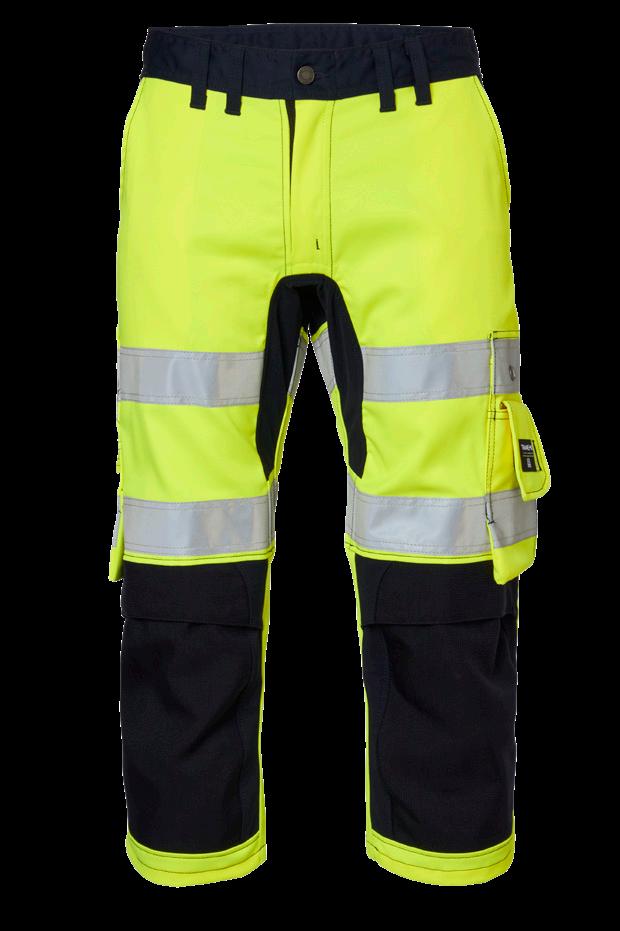
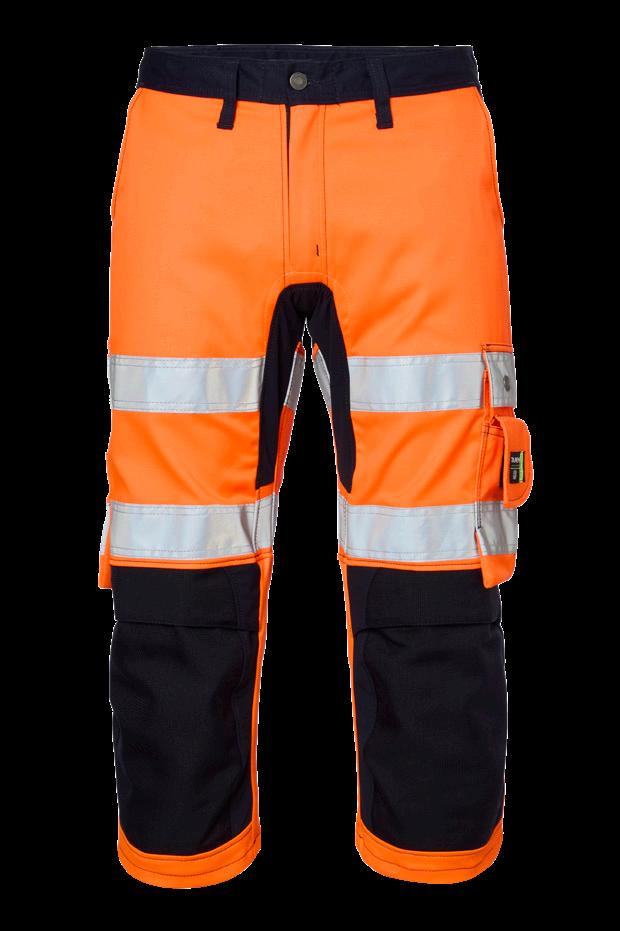
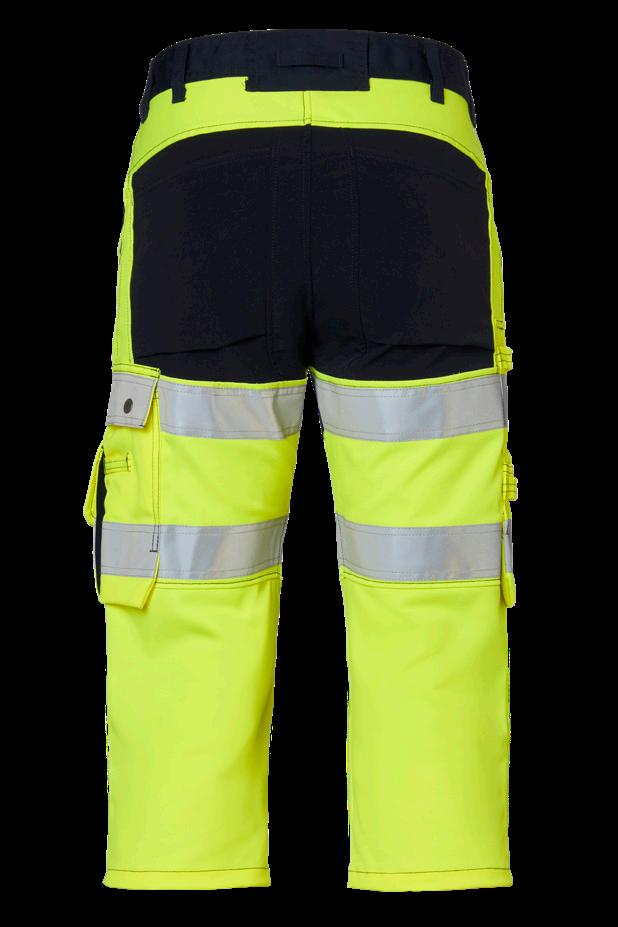
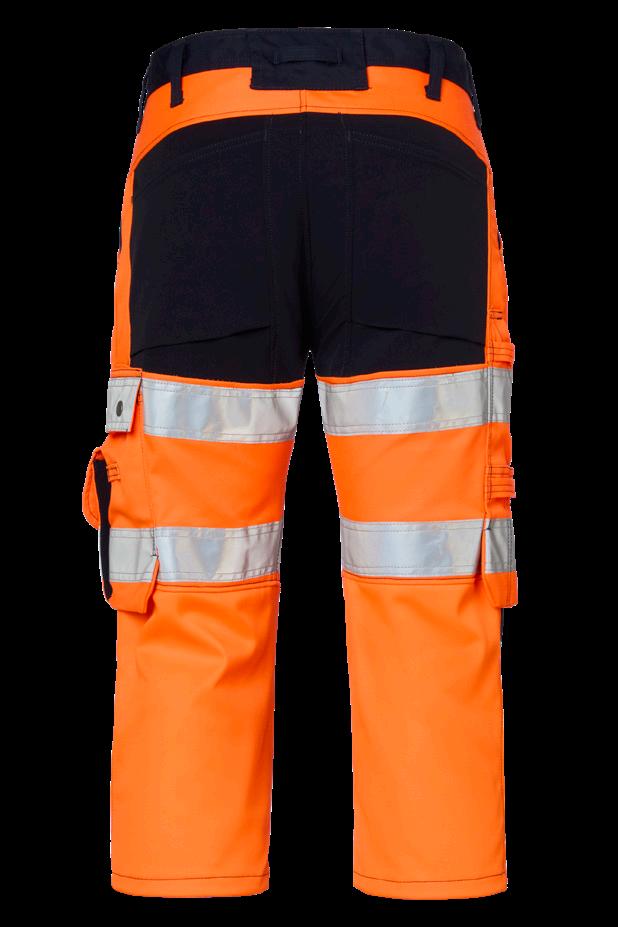
High visibility ¾ length trousers with fluorescent stretch fabric in combination with zones in 4-way stretch for excellent fit and increased comfort ensuring full mobility at work. PFAS-free.
Reinforced fly and stretch zones in crotch. Side pockets. Cargo pocket with flap and concealed D-ring, mobile phone pocket with flap. Ruler pocket with tool pocket and knife loop. Kneepad pockets in HTPA and stretch zones. Stretch seat. Hip pockets.
¹This garment is produced with new PFAS-free fabrics. For a period, we will have a mixed stock and the transition to PFAS-free will be a running replacement.
M M
Size: 30"- 50"R
Colour: 93 orange/navy, 94 yellow/navy
Quality: 441: 74% polyester / 24% cotton / 2% elastic fibre, 245 g/m²
400: 65% polyester / 35% cotton, 245 g/m²
310: 4-way stretch, 50% polyamid / 42% polyester / 8% elastic fibre, 250 g/m²
213: HTPA Dobby, 100% polyamide, 260 g/m²
c95mt
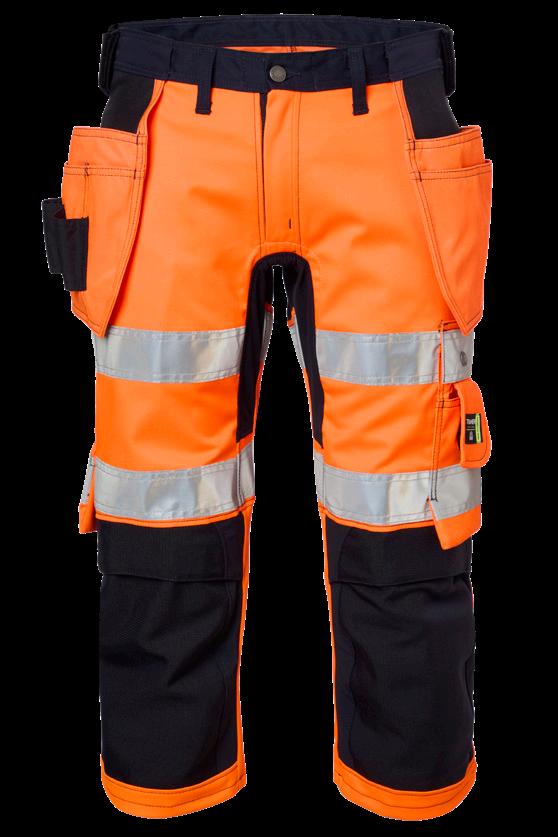
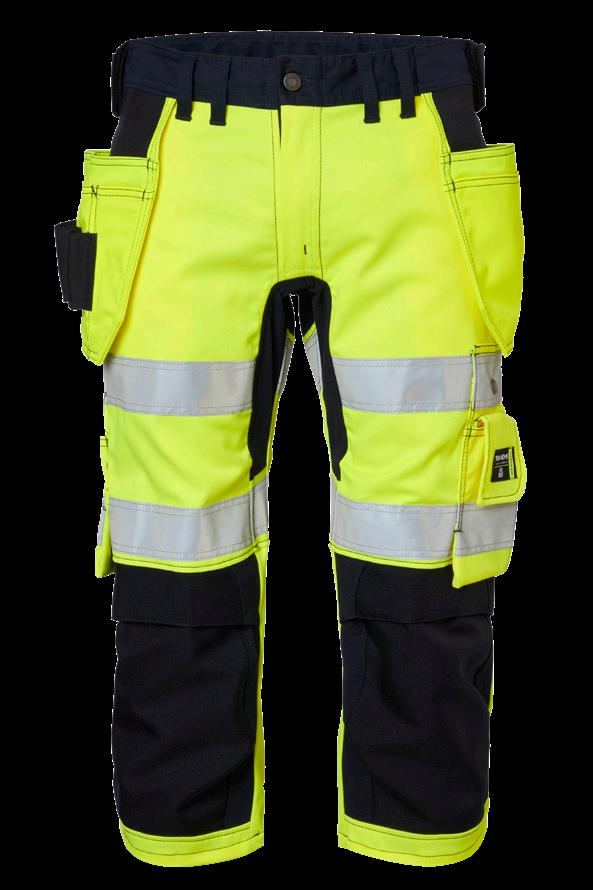
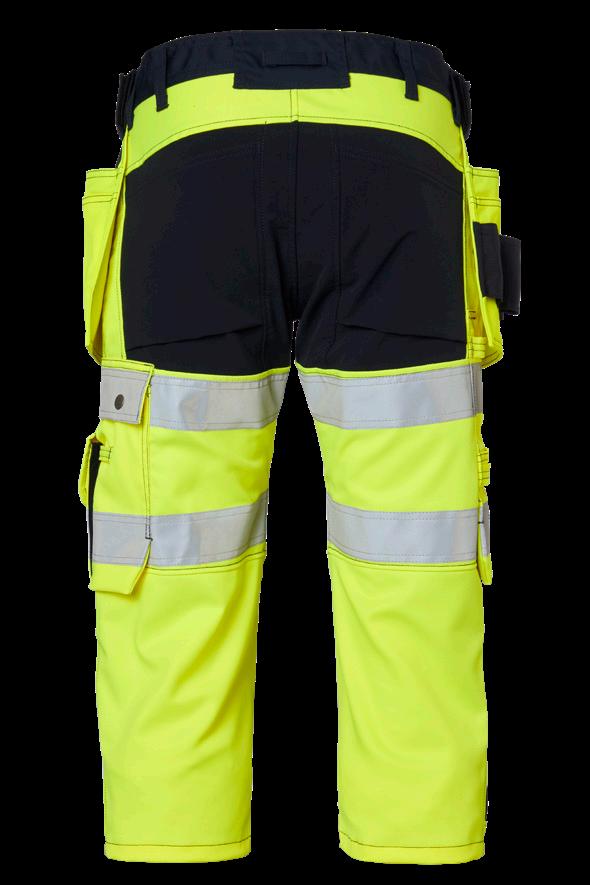
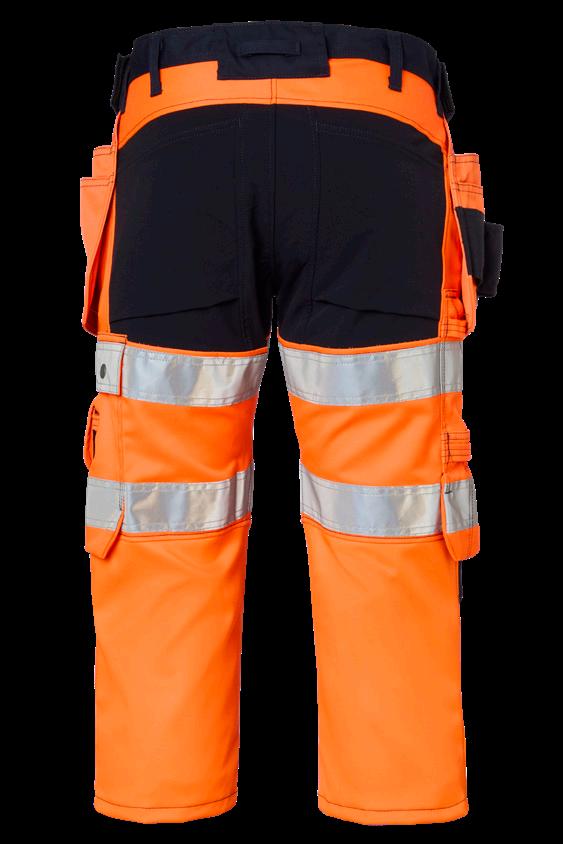
High visibility ¾ length trousers with fluorescent stretch fabric in combination with zones in 4-way stretch for excellent fit and increased comfort ensuring full mobility at work. Nail pockets in HTPA. PFAS-free.
Reinforced fly and stretch zones in crotch. Side pockets. HTPA Dobby lined nail pockets with loop strip for hanging multiple tools. Cargo pocket with flap and concealed D-ring, mobile phone pocket with flap. Ruler pocket with tool pocket and knife loop. Kneepad pockets in HTPA and stretch zones. Stretch seat. Hip pockets.
¹This garment is produced with new PFAS-free fabrics. For a period, we will have a mixed stock and the transition to PFAS-free will be a running replacement. H M M N
Size: 30"- 50"R
Colour: 93 orange/navy, 94 yellow/navy
Quality: 441: 74% polyester / 24% cotton / 2% elastic fibre, 245 g/m²
400: 65% polyester / 35% cotton, 245 g/m²
310: 4-way stretch, 50% polyamid / 42% polyester / 8% elastic fibre, 250 g/m²
213: HTPA Dobby, 100% polyamide, 260 g/m²
c95mt
TRANEMO WORKWEAR IE LIMITED Unit 2
7-9 Knockmitten Close Western Industrial Estate Dublin D12 FW5D Ireland
Ireland Sales Office: +353 156 86366
Ireland Sales Mobile: +353 858 150381
UK Sales Office: +44 1670 732 333
sales@tranemo.ie www.tranemo.ie
QR-code shortcuts