MOMUS repositions Thessaloniki on the contemporary cultural map — not as a passive recipient of trends, but as an active producer of ideas, narratives, and institutional change.
The MOMUS Magazine is a quarterly publication available free of charge at MOMUS museums in Thessaloniki and Athens, as well as at selected distribution points and online. Any reproduction, redistribution, or adaptation of the magazine’s content, whether in full, in part, summarized, paraphrased, or otherwise rendered by mechanical, electronic, photocopying, or recording methods is strictly prohibited without prior written consent from the publisher, in accordance with Law 2121/1993 and applicable international legal provisions in Greece.
In your hands is the first “MOMUS magazine” of 2026. To kick off, we’re introducing our new brand identity and logo: the M with five dots, each representing one of MOMUS’ (pronounced: “Momous”) five museums. A simple shape, revealing a multitude of people with a common mission: to ensure the arts remain open, alive and meaningful for everyone.
με χιλιάδες ανθρώπους που, ίσως, δεν θα περνούσαν ποτέ
The past year witnessed a concerted effort to improve on every level: our exhibitions, our educational and social programmes, and our public offerings. Art is never a given. It requires care, planning and the belief that it can make a real difference in people’s lives. With this in mind, we hosted exhibitions that left a strong mark and a wide reach. Thanks to Fraport Greece, our new supporter and companion, we inaugurated MOMUS’ new exhibition space inside the Thessaloniki Airport “Makedonia”, giving thousands of passengers the opportunity to discover us; people who otherwise might never have crossed the door of a museum.
The public response has been impressive. In just three years, we doubled our attendance, totalling 86,000 visitors, increased our private income tenfold, while public funding from the Ministry of Culture reached a new historical high. These figures are not just numbers; they are proof of confidence in our work.
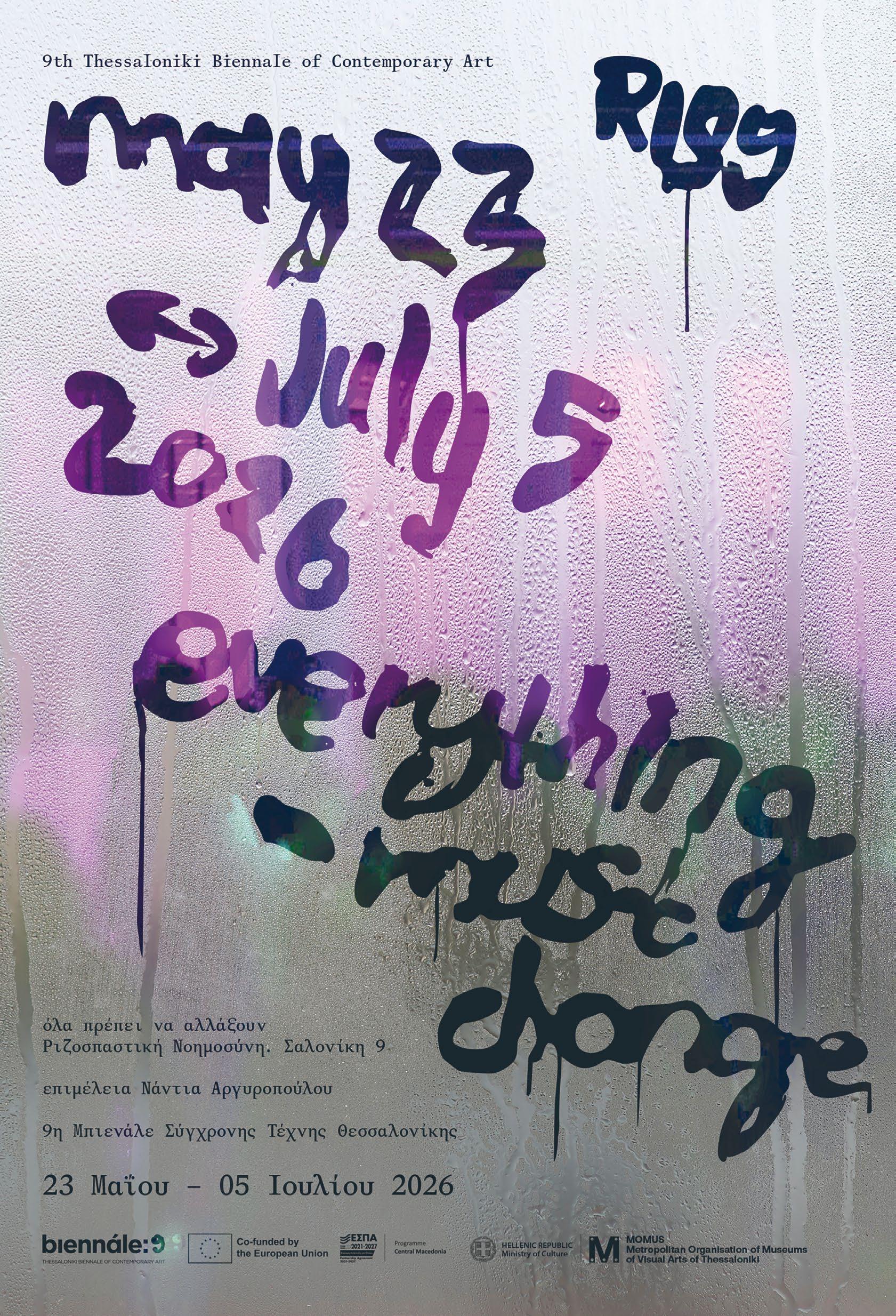
Looking ahead, 2026 is shaping up to be equally dynamic, with international collaborations and two major productions: the Venice Biennale, where MOMUS takes on the role of Commissioner of Greek Participation, and the Thessaloniki Biennale, which aspires to start new conversations in the city.
In 2025, more than 20 companies stood by us in this common effort. Because of them, we were able to do more, do better and create greater impact. If you’d also like to connect meaningfully with the work of MOMUS, I encourage you to contact us at info@momus.gr. I’d be happy to personally exchange ideas and explore ways of cooperation.
Art & Culture needs care. And when shared it becomes strength. n
MOMUS president
τίτλο «Wait… How did we get here?», που παρουσιάζεται στο MOMUS-Πειραματικό Κέντρο Τεχνών, στη Θεσσαλονίκη, σε συνεργασία με το XenoVisual Studies Collective (XVS), περιλαμβάνοντας έκθεση εικαστικών, club nights, καλλιτεχνικά εργαστήρια, πρόγραμμα καλλιτεχνικής φιλοξενίας (residency), εκπαιδευτικά προγράμματα και ξεναγήσεις. Στην έκθεση παρουσιάζονται
Τεχνών, Nensi Brama, Δiμiiτρiii, Mar Osés, Pilar del Puerto, Esther Rizo-Casado/XenoVisual Studies Collective (XVS). n
“Wait… How did we get here?”: this is the question and the title of the project under which an innovative and multidisciplinary programme —including an exhibition, club nights, artistic workshops, an artistic residency, educational programmes and guided tours— takes place in MOMUS-Experimental Center for the Arts, in collaboration with XenoVisual Studies Collective (XVS).
The exhibition presents works by 20 Greek and international artists and artistic teams who promote critical issues such as technological dissonance, systemic inequality, and the ways digital infrastructures entangle with histories of exploitation, surveillance, and violence. Through interdisciplinary and expanded artistic practices, the works in the exhibition, including installations, screenings, sculptures, wearables, and digital prints, examine how artificial intelligence, networked technologies, and rhetorics of innovation shape contemporary existence, often extending colonial legacies masked as Western progress.
Curated by: Domna Gounari/MOMUS-Experimental Center for the Arts, Nensi Brama, Δiμiiτρiii, Mar Osés, Pilar del Puerto, Esther Rizo-Casado/XenoVisual Studies Collective (XVS). n
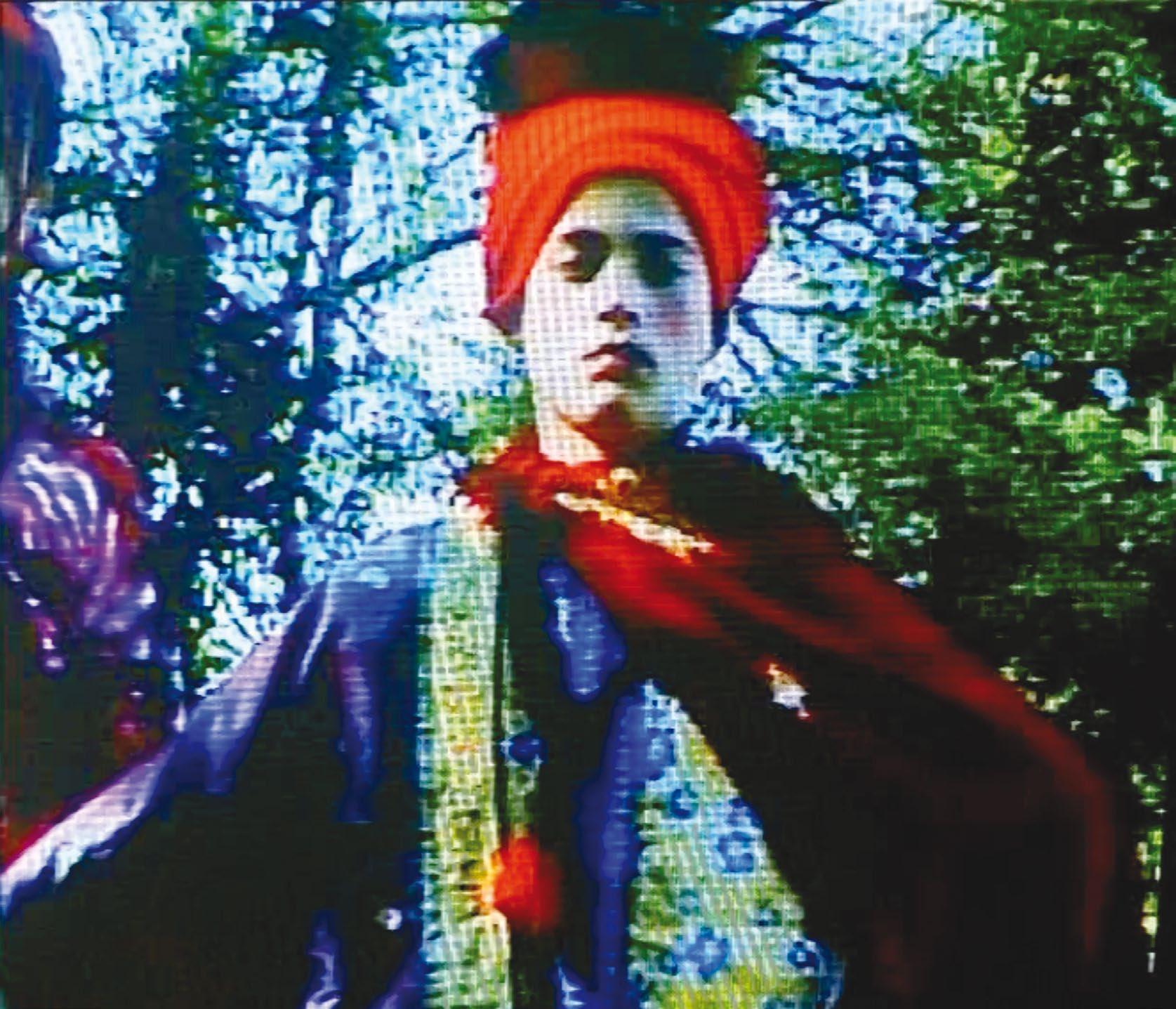
Babak Ahteshamipour, «Unborn in the Sugar-Coated Caffeine Induced Heat of the Moment», 2025.
Βίντεο εγκατάσταση.
Babak Ahteshamipour, “Unborn in the Sugar-Coated Caffeine Induced Heat of the Moment,” 2025.
Video installation.
WHERE & WHEN:
At MOMUS-Experimental Center for the Arts (Warehouse B1, Pier A, Thessaloniki Port area) until June 14th, 2026. Before your visit, please check the MOMUS website (www.momus.gr) for possible changes.
The exhibition “Three Paths: Constantine Manos, Nikos Economopoulos, Enri Canaj” presented in MOMUS-Thessaloniki Museum of Photography and coorganised with Benaki Museum is an original proposal as well as a tribute. With street photography as its backbone, a dominant artistic trend of the photographic medium in the second half of the 20th century, it bridges three generations of artists with common point of reference their relationship with Greece and their membership in the famous Magnum Photos agency, which has written since its foundation in 1947 and until today, to a large degree, modern world’s history in images.
Greek American Constantine Manos walks around the country in the sixties as a contemporary Ulysses, looking to heal the latent wound of migration. Nikos Economopoulos crosses Greece and the Balkans in the last two decades of the 20th century focusing mainly on fragile minorities and turbulent communities. And Greek Albanian Enri Canaj, respectively, visits in the second decade of the 21st century a homeland he never got to know properly, imprinted though deeply in the memories of his childhood and dwelling still in the everyday family stories.
Curated by: Hercules Papaioannou, MOMUS-Thessaloniki Museum of Photography curator. n
At MOMUS-Thessaloniki Museum of Photography (Warehouse A, Pier A, Port of Thessaloniki) until May 24th, 2026. Before your visit, please check the MOMUS website (www.momus.gr) for possible changes.
«PETE MARIFOGLOU. ΤΑ ΧΡΟΝΙΑ ΤΟΥ WARHOL ΧΧΧ»
της ανθρώπινης παρουσίας, στην έκθεση «Pete Marifoglou. Τα χρόνια του Warhol ΧΧΧ», που παρουσιάζεται
n
----- Exhibition
“PETE
MARIFOGLOU. THE WARHOL YEARS XXX”
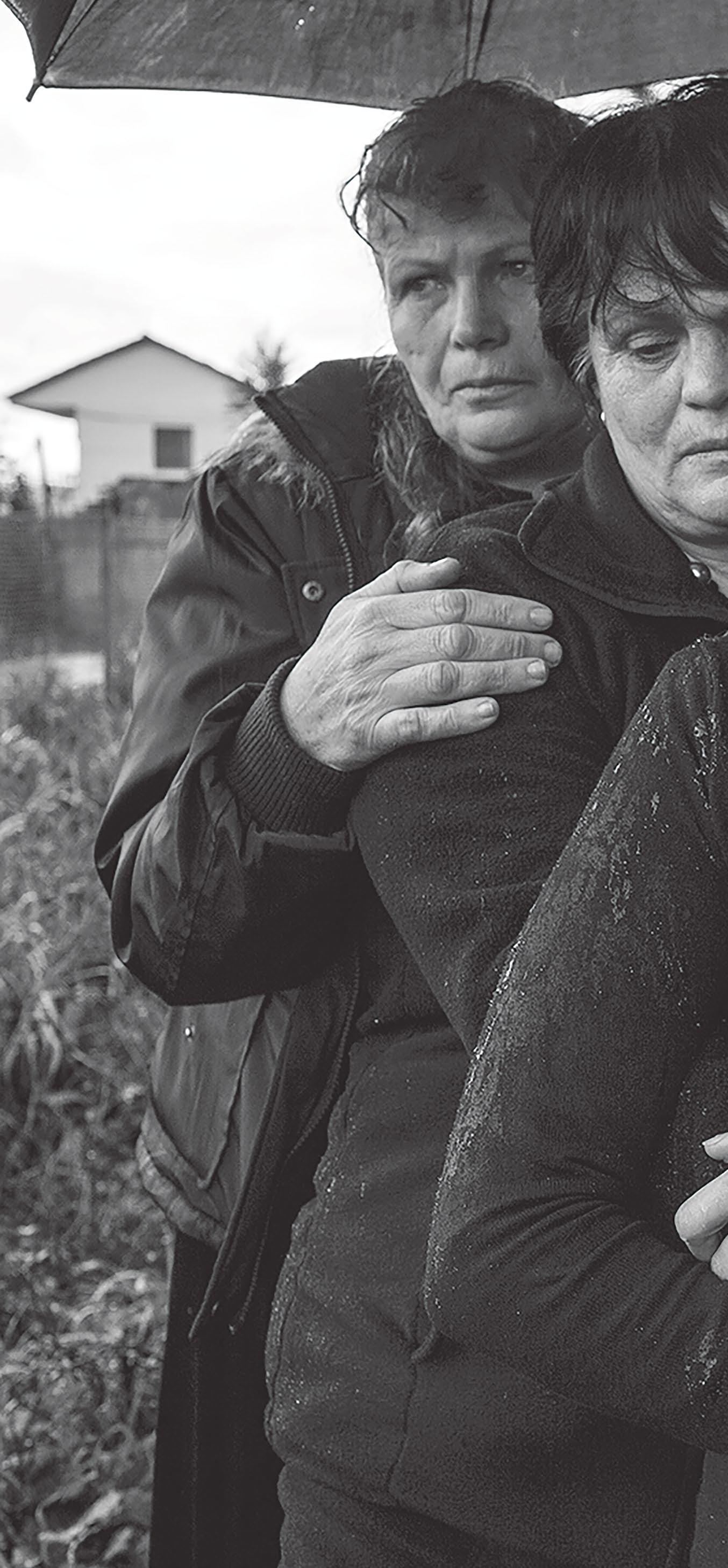
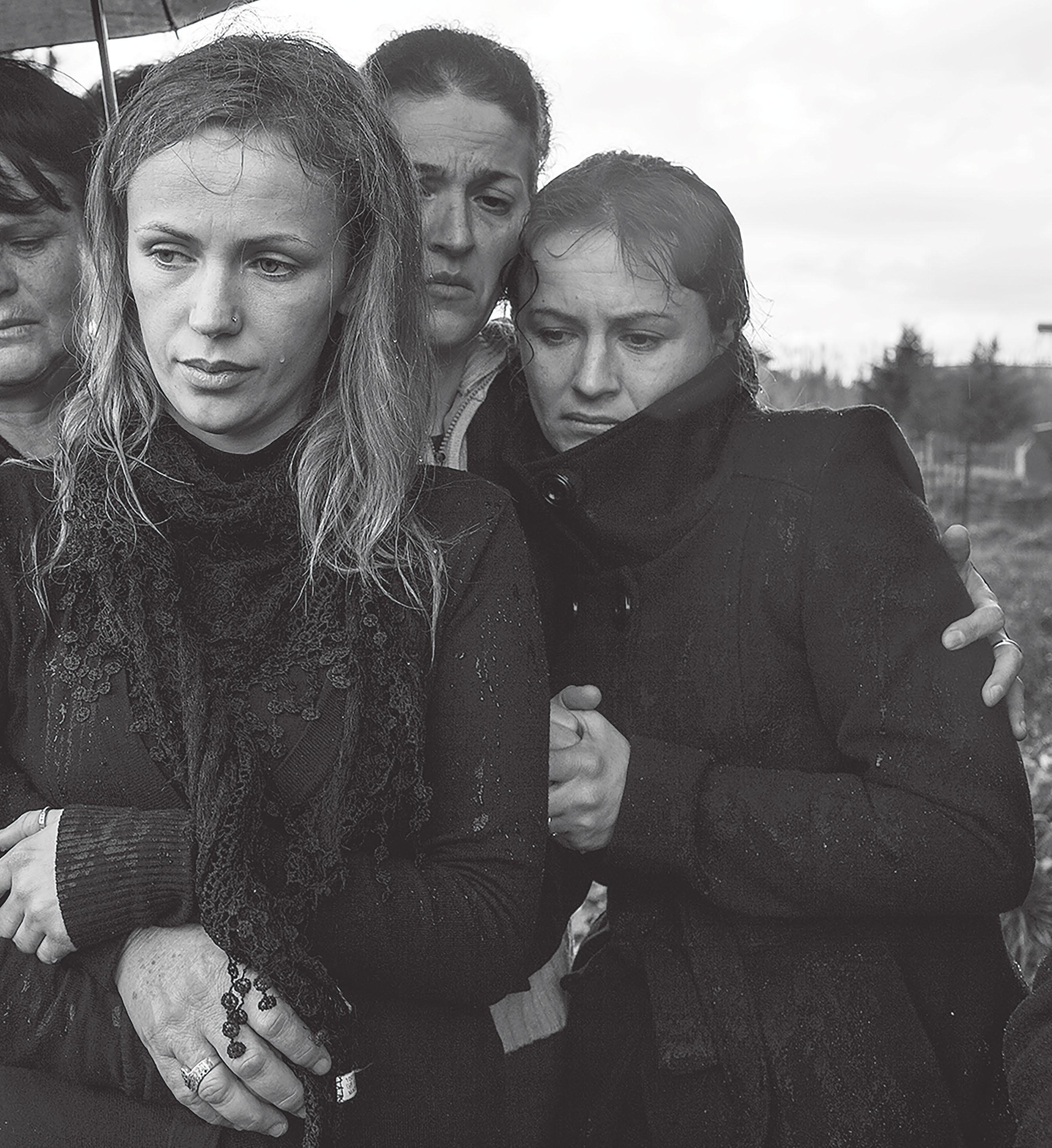
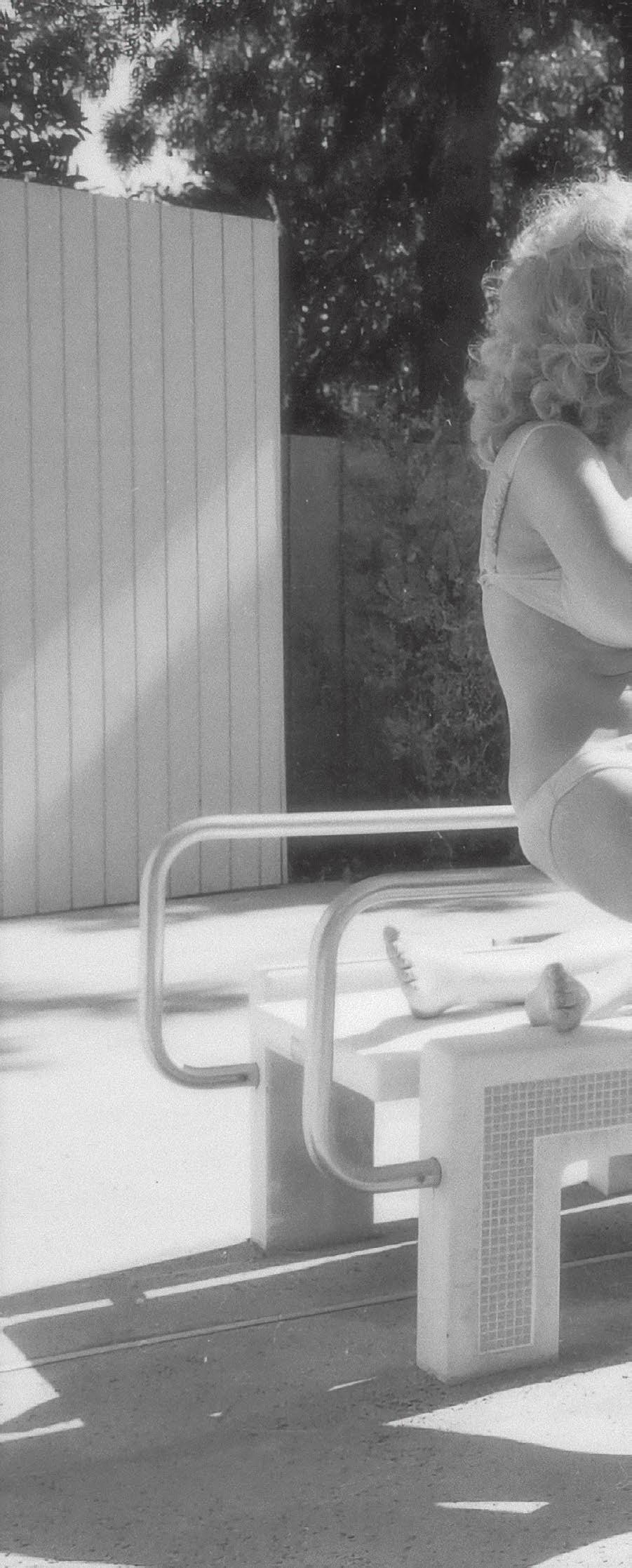
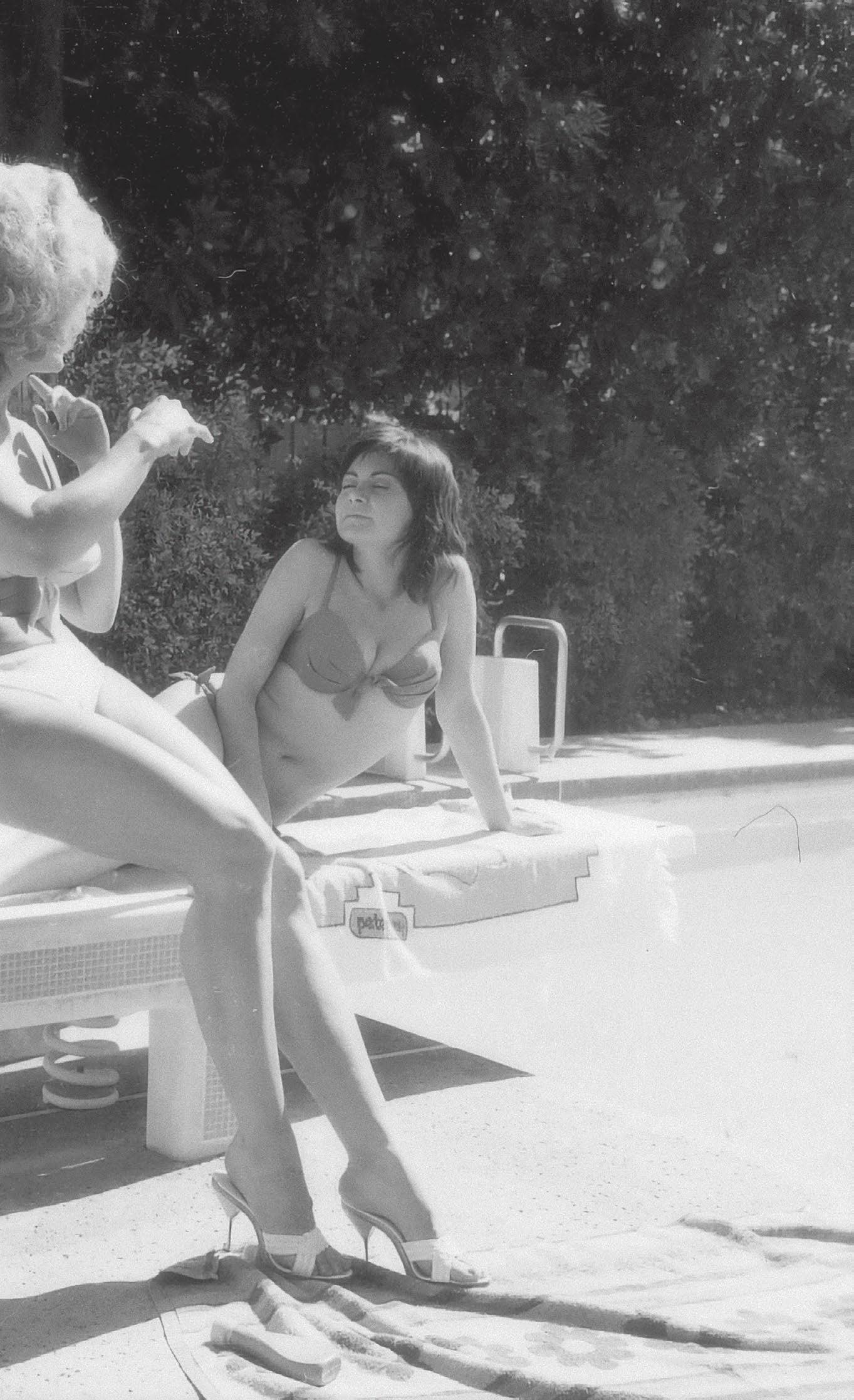
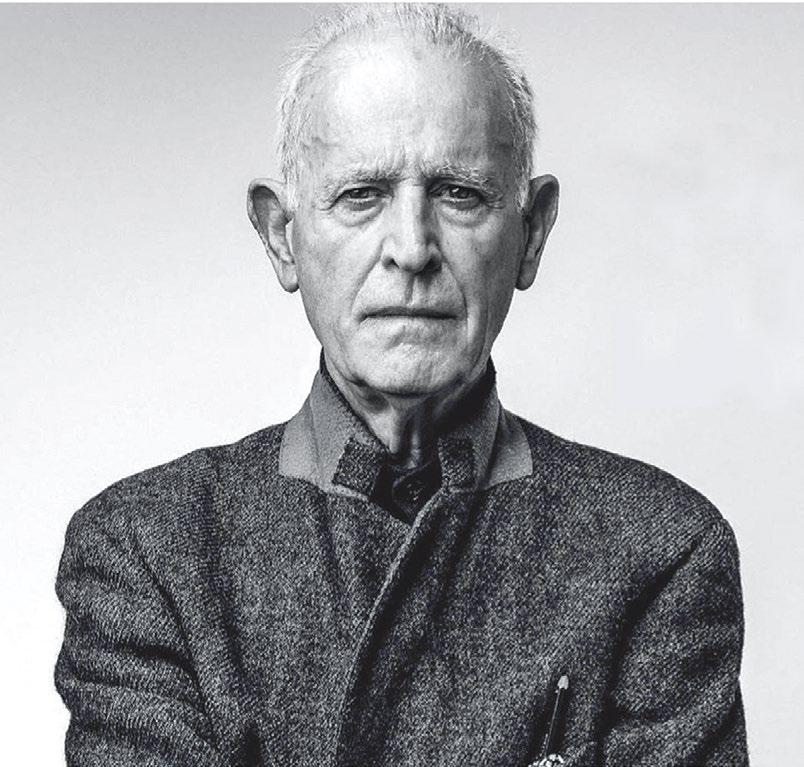
Erotic scenes from adult films, which today may appear more or less culturally faded. Individual faces, which today may appear more or less sad or happy. Harsh snapshots of cold executions of men and women, young and old, over minor differences or gender issues. All these are connected through the gaze of Pete Marifoglou, an extraordinarily sensitive receiver of human presence, in the exhibition under the title “Pete Marifoglou. The Warhol Years XXX”, presented in MOMUS-Museum of Contemporary Art.
After seven decades in New York and across Europe, Marifoglou returns to his hometown with a body of work ranging from photography and film to music and writing. The solo exhibition at the Case Studio gallery presents for the first time in Greece a largely unpublished photographic archive, capturing pockets of New York’s social margins during the 1960s and 1970s. Working on the set of Andy Warhol’s legendary Factory, Marifoglou turns his lens toward the people behind the roles, rendering in analogue blackand-white photography a harsh reality with tenderness and immediacy.
Curated by: Thouli Misirloglou, artistic director of MOMUS-Museum of Contemporary Art. Assistant curator: Katerina Syroglou, MOMUS-Museum of Contemporary Art curator. n
Pete Marifoglou. Pete Marifoglou.
MOMUS-Μουσείο
2026.
MOMUS (www.momus.gr)
WHERE & WHEN: At MOMUS-Museum of Contemporary Art (TIF-Helexpo premises) until April 12th, 2026. Before your visit, please check the MOMUS website (www.momus.gr) for possible changes.
THE MASTERMIND MOMUS
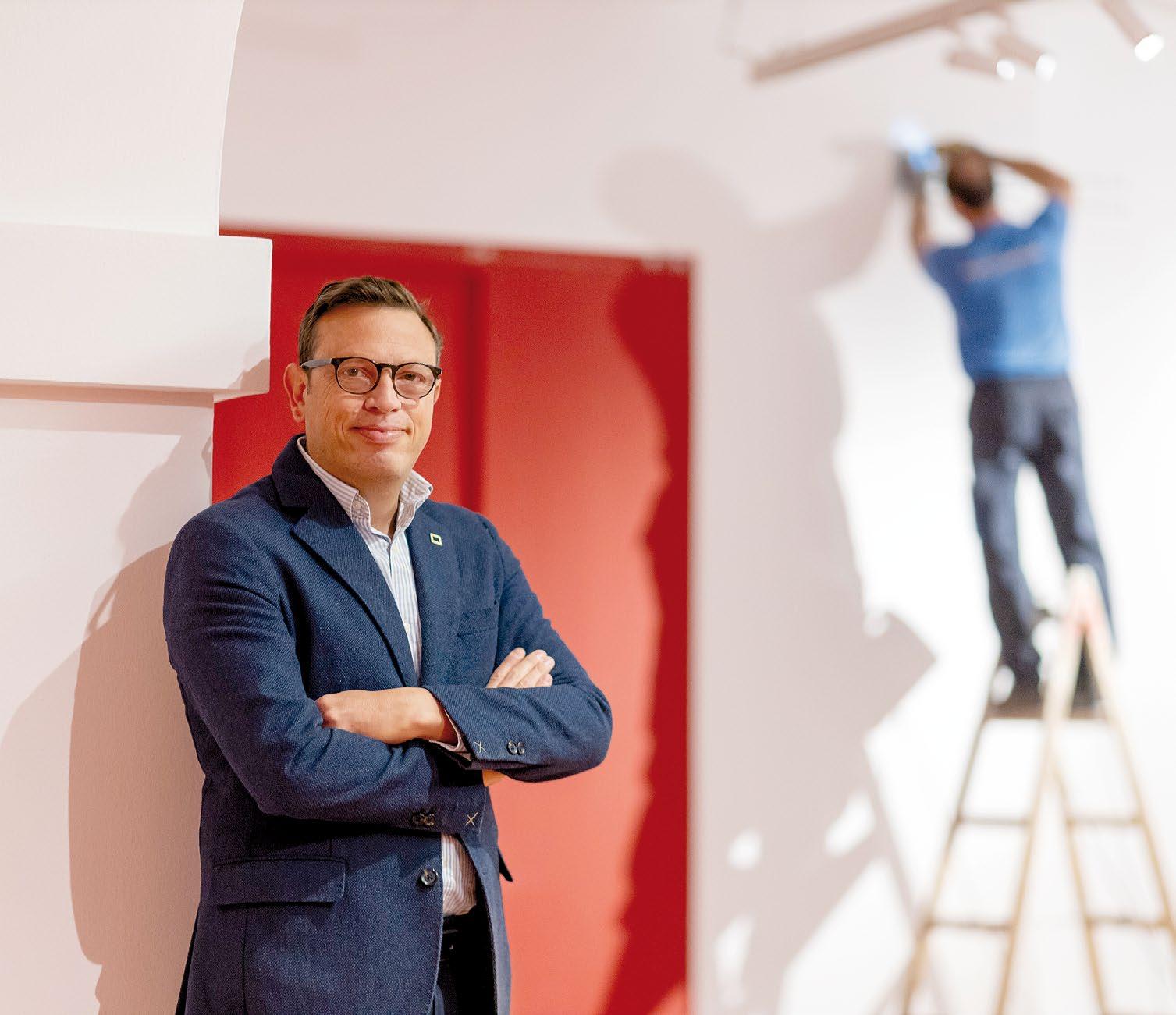
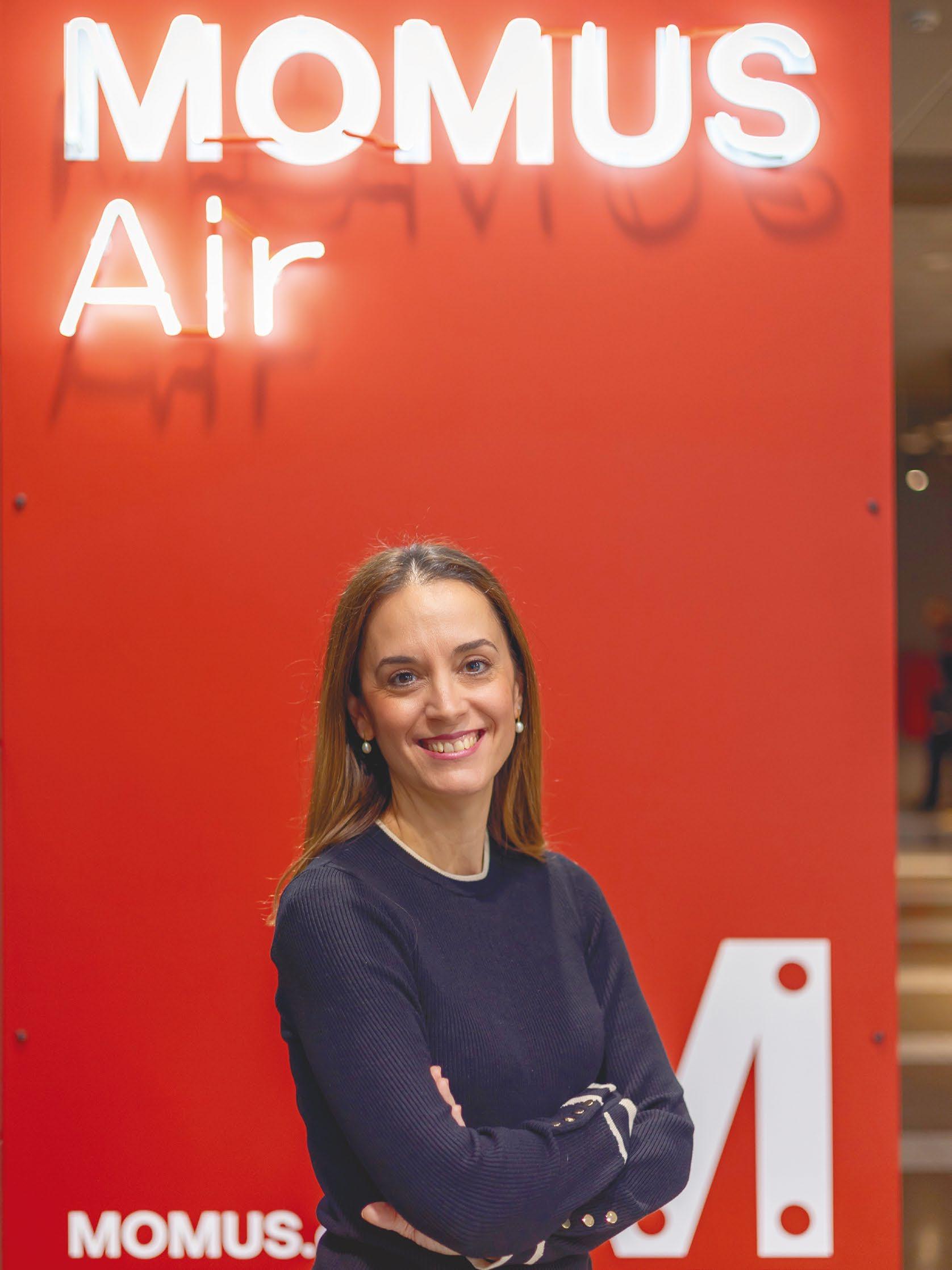
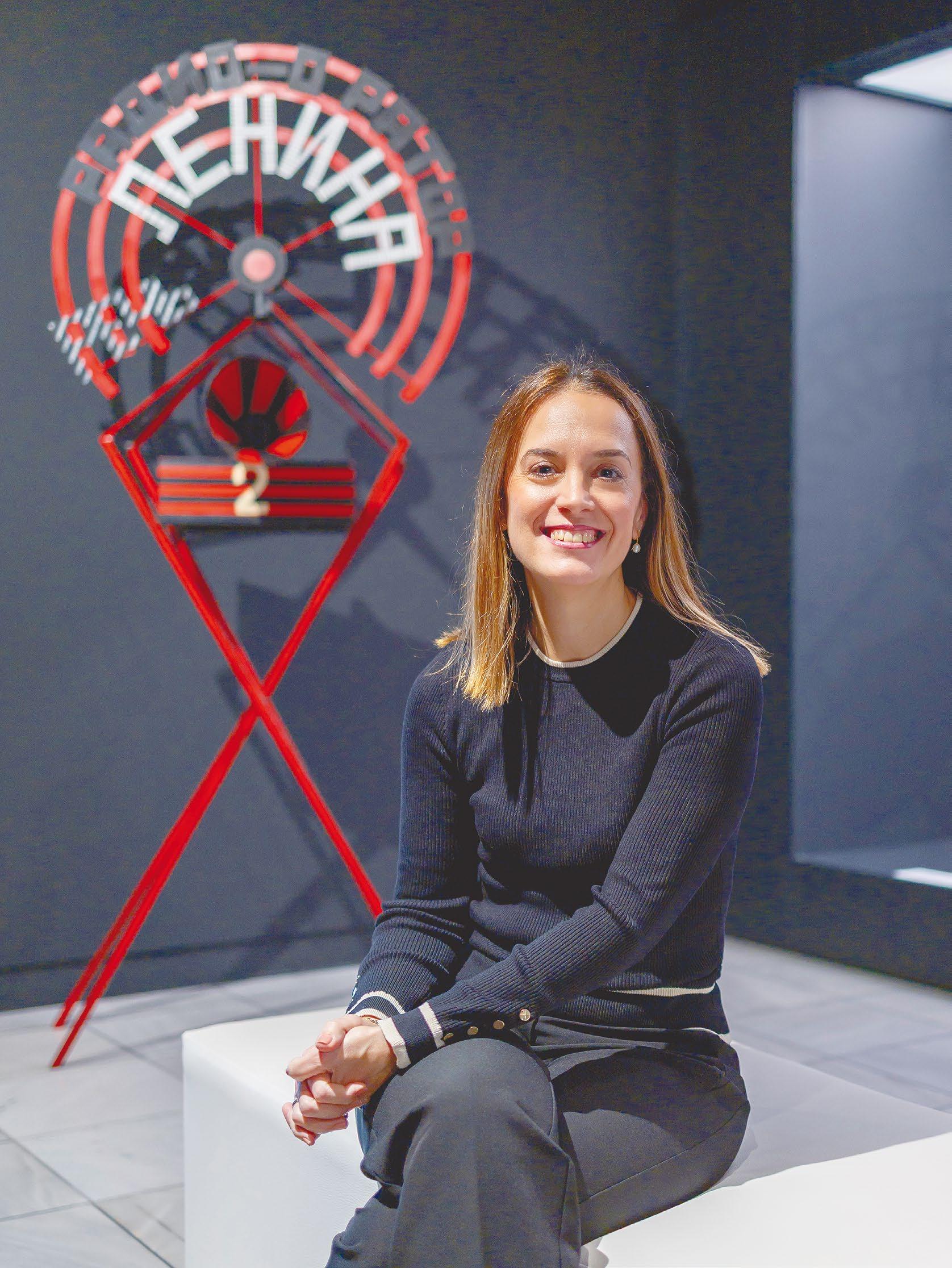
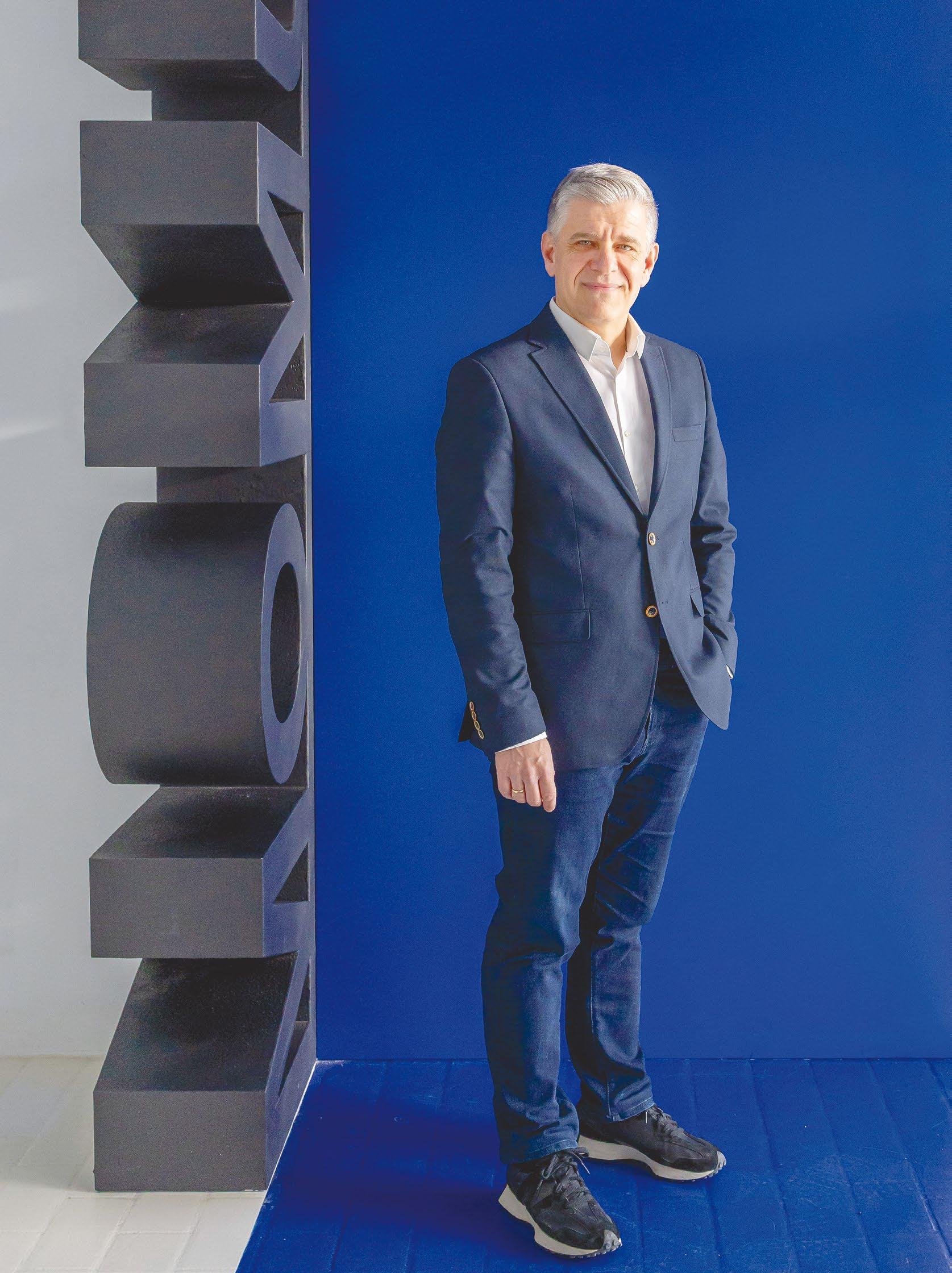
Few can explain the “MOMUS phenomenon” of the past two years better than the Organisation’s Director General. “MOMUS magazine” sits down with Fani Tsatsaia at the brand-new MOMUS Air, inside the Thessaloniki Airport “Makedonia”.
____ Interview: ANGELOS N. VASSOS
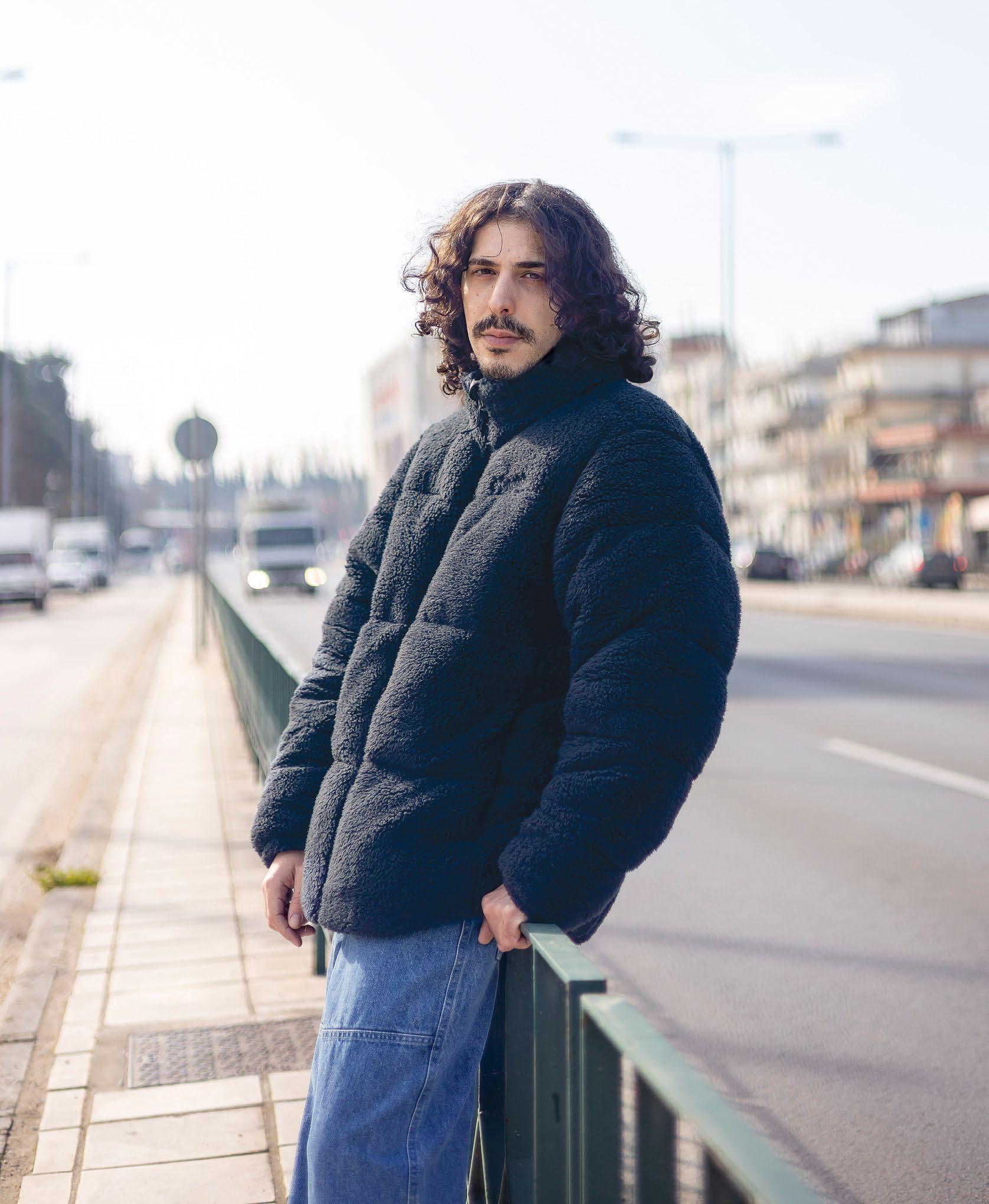
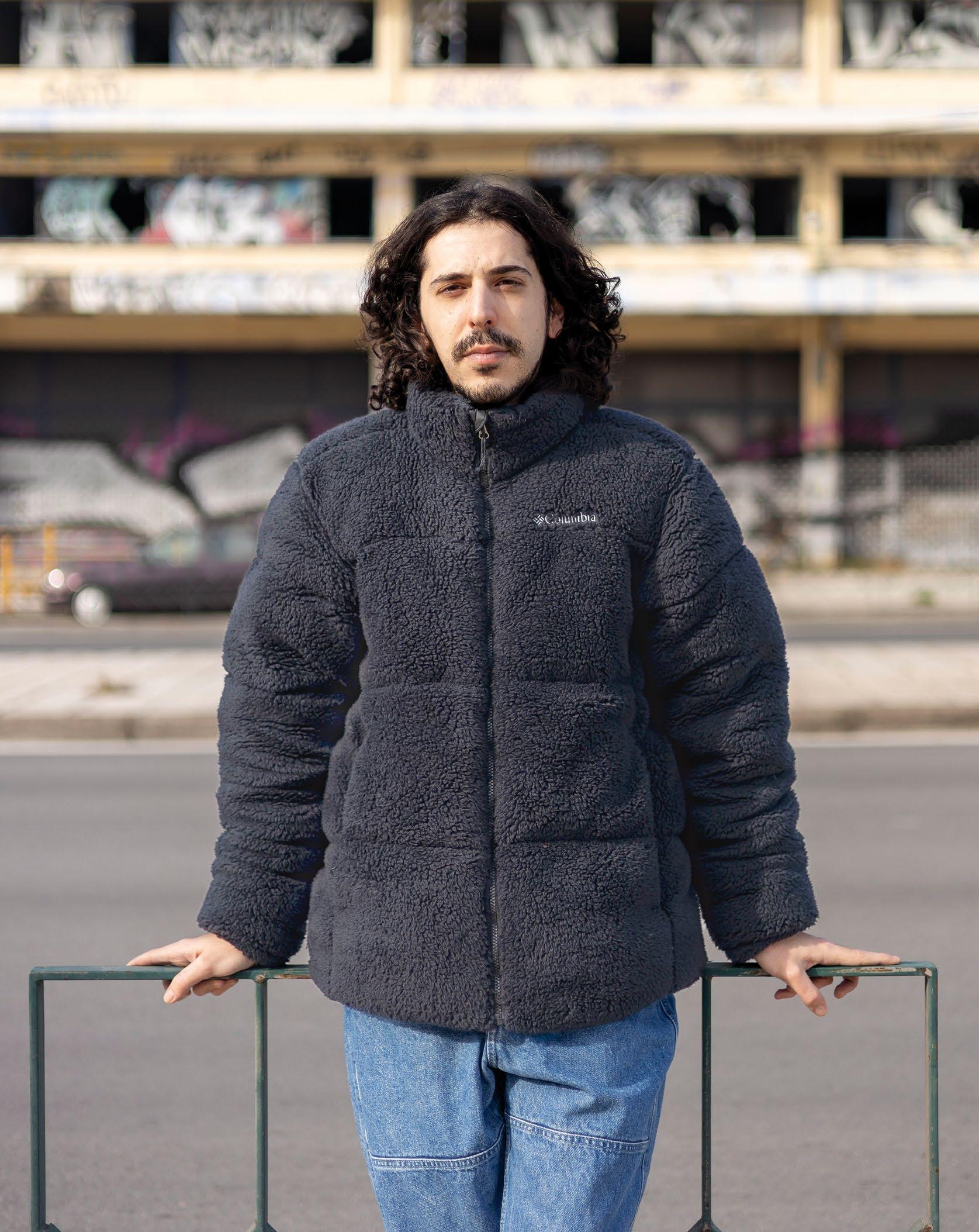
Photography: SAKIS GIOUMPASIS
MOMUS, short for Metropolitan Organisation of Museums of Visual Arts of Thessaloniki, has been on a clear upward trajectory in recent years. What, in your view as Director General, have been the key factors driving this positive development?
The upward trend of MOMUS is the result of a combined effort across many levels, rather than a single factor. First, and most decisive was the organisation’s clear strategic direction: strengthening its identity as a unified, polyphonic, and outward looking metropolitan institution, one that engages both contemporary artistic creation and society at large.
Then there’s consistency: an equally important factor endorsed by the people of MOMUS —artistic directors, teams of curators, administrative staff, and collaborators— who systematically delivered on an ambitious, high-quality programme of exhibitions, actions, and educational initiatives. We also consciously invested in an outward focused approach, building collaborations in Greece and internationally, to introduce the organisation to new synergies, narratives, and audiences. Increased visitor numbers and renewed public interest are, I believe, a direct reflection of this approach.
Finally, strengthening MOMUS’ institutional credibility played a key role. Transparent procedures, improved programming, and a stable relationship of trust with audiences of all ages created the conditions for sustainable, stable development.
How do you measure success for a modern museum today? Is it visitor numbers, artistic footprint, inter-
national collaborations, social impact, or a combination of the above?
A modern museum’s success isn’t measured by a single indicator. It’s always a combination of quantitative and qualitative parameters that coexist and feed off one another, starting with the people who work within it. For me, it’s essential that our teams evolve, take risks, and choose topics that stand out and speak meaningfully to our times and audiences.
Visitor numbers are an important indicator, as they show whether the museum is alive and welcoming to the public. At MOMUS, our continued increase in attendance signals that our programme resonates and that our audience is growing.
Equally decisive is the artistic footprint: the quality of exhibitions, support for contemporary creation, and the museum’s ability to ask questions and actively engage in public cultural dialogue.
International collaborations act as a multiplier, strengthening MOMUS’ global reach and placing it on the international contemporary art map. Social impact through educational programmes, accessibility initiatives, and collaborations with different communities is, in my view, the most essential indicator of sustainability.
For us, success is not just numbers or visibility, but the balance between quality, participation, international networking, and a relationship of trust with society.
In a city like Thessaloniki, with its rich cultural past but modern challenges, how will MOMUS contribute to the city’s cultural ecosystem in the coming years?
In Thessaloniki, a city with a strong cultural legacy yet complex modern challenges, MOMUS aspires to act as a cultural compass: creating synergies, sharing knowledge, and launching platforms for contemporary artistic creation. We aim to become an organisation that operates beyond its own spaces, moving horizontally across the city and connecting different geographies, communities, and cultural rhythms.
As a metropolitan institution, MOMUS seeks to coordinate and reinforce the city’s cultural ecosystem, while engaging directly with Thessaloniki’s modern, demanding lifestyle. Our goal is to offer cultural experiences that are essential yet accessible, fitting into people’s daily lives.
For this reason, our activities and services are on offer at different times and days, accommodating the flows and needs of diverse social groups. We want MOMUS to be part of everyday life in the city, not a destination that requires “special time.”
Tell us about the museum’s development strategy and its key elements moving forward? Are there specific areas you’re investing in? For example, global outreach, education, contemporary creation, or new technologies?
MOMUS’s development strategy for the coming years won’t include any abrupt changes. Instead, it will focus on stabilizing and deepening a programme that has been steadily built over the past two years. Our goal is to consolidate all structures, partnerships, and practices that have yielded results, to ensure that development is both sustainable and substantial.
Within this framework, we’re investing in distinct, complementary axes. First axis: contemporary artistic creation and the curation of exhibitions that address the critical issues of our time, even if this means bringing back past themes or artists. Second axis: education and lifelong learning, developing programs for diverse age and social groups, strengthening the long-term relationship between the public and the museum. A parallel axis: advancing the organisation’s global outreach through strategic partnerships and networks, not as a means to an end but as a tool for exchanging knowledge and experience. Final axis: the use of new technologies is especially important to us, both in producing and presenting content and improving access and communication with the public.
All these axes work together toward a single goal:
the steady development of MOMUS as a modern, reliable, and open metropolitan organisation.
How do you cultivate an outward approach? What does it mean for MOMUS to engage with local audiences and the international art scene?
For MOMUS, an outward approach is not a means to an end nor is it limited to international promotion. It begins with seeing artists as key collaborators. Our engagement with both local and international audiences is rooted in respect for their work, careful curation, and meaningful presentation.
To converse simultaneously with a local audience and the international art scene, we create spaces that are carefully developed, institutionally credible, and open, where each work can be presented in the way it deserves. Our exhibitions and initiatives become common ground: artists find an organisation that respects and supports their work, while local and international audiences encounter works and narratives with purpose in a public space.
“In Thessaloniki, a city with a strong cultural legacy yet complex modern challenges, MOMUS aspires to act as a cultural compass. We aim to become an organisation that operates beyond its own spaces, moving horizontally across the city and connecting different geographies, communities, and cultural rhythms.”
In this sense, MOMUS’s outward looking approach is a two-way process. On one hand, we introduce the organisation to the world through international collaborations and networks. On the other, we bring international experiences back to Thessaloniki, strengthening MOMUS as a point of reference for contemporary art in the city.
Five to ten years from now, what would be the clearest sign that today’s strategy has succeeded?
If, in five or ten years, MOMUS can finance its artistic programmes independently, all the while maintaining stability, quality, and acknowledgement of its choices, I would consider today’s strategy successful. For me, the clearest sign would be an institutionally mature, financially resilient, and artistically reliable organisation that can plan long-term and support creation without operating in a fragmented way or under pressure.
A successful MOMUS will have built lasting relationships of trust with artists, audiences, and supporters. It will continue to evolve, leaving space for quality, boldness, and meaningful dialogue.
my MOMUS
WIN-WIN SITUATION
Can income from fines imposed by Regional Governments finance cultural activities?
The
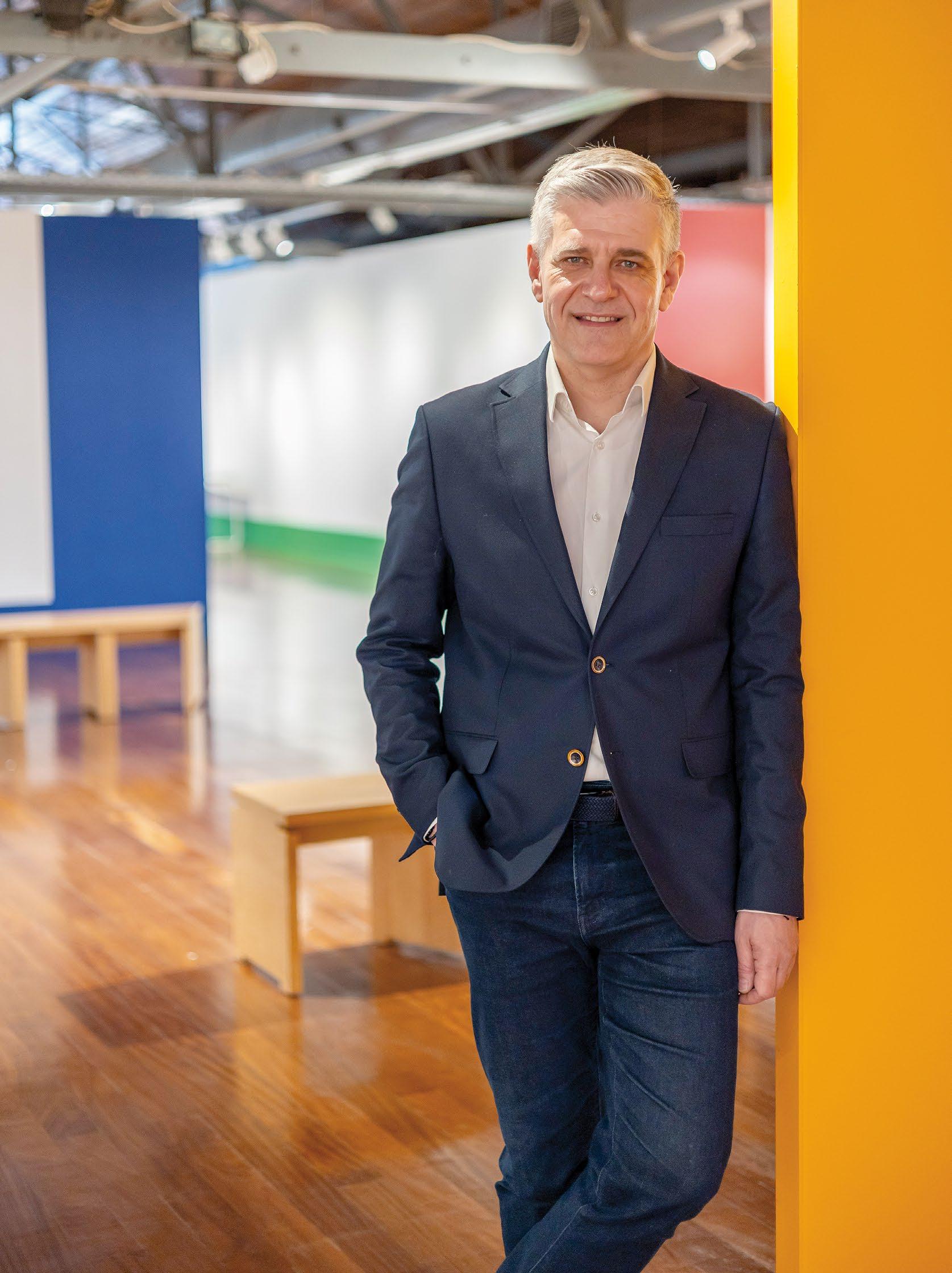
Deputy Governor of Thessaloniki, Konstantinos Gioutikas, answers with a resounding “yes” and gives his reasoning behind this unique idea.
____ Interview: JOHN PAPADIMITRIOU
Photography: SAKIS GIOUMPASIS
I want to start with the Regional Government’s “piggy bank”, from which designated income is allocated to cultural activities. Can you explain how this works?
There is, indeed, a separate “piggy bank”, which includes, among other things, income generated from fines imposed by the Regional Government, mainly following the audits its officers conduct to ensure compliance with commercial and environmental laws, and other checks too. Additional income comes from vehicle transfer fees and charges, and the issuance of licenses. We decided to put these resources in good use for the benefit of our people and our city; to give back by financing projects that improve everyday life, such as cultural initiatives that promote artistic creation or support contemporary culture.
It’s our way of being “accountable” towards the people of Thessaloniki, and also our response to a reasonable question: “What do you do with all that money you collect from fines and fees?”
Correct me if I’m wrong, the recent renovations to MOMUS–Thessaloniki Museum of Photography were funded by the “piggy bank.”
During talks with the President of MOMUS, Mr. Epaminondas Christophilopoulos, and other key people of culture, he argued the need to upgrade and improve the facilities of
the Museum of Photography. At the time, procedures were also underway to secure the transfer and display of the original, international exhibition “Frida Kahlo — Her Photos” in Thessaloniki. We were able to help, and quick. Thanks to a programmatic agreement signed with the Minister of Culture, Lina Mendoni, and the President of the Board of Directors of MOMUS, Mr. Christophilopoulos, standing before the Regional Governor of Central Macedonia, Athina Aidona, the requested maintenance and renovation of the only state museum dedicated to the art of photography, the MOMUS–Museum of Photography in Thessaloniki, got the go-ahead.
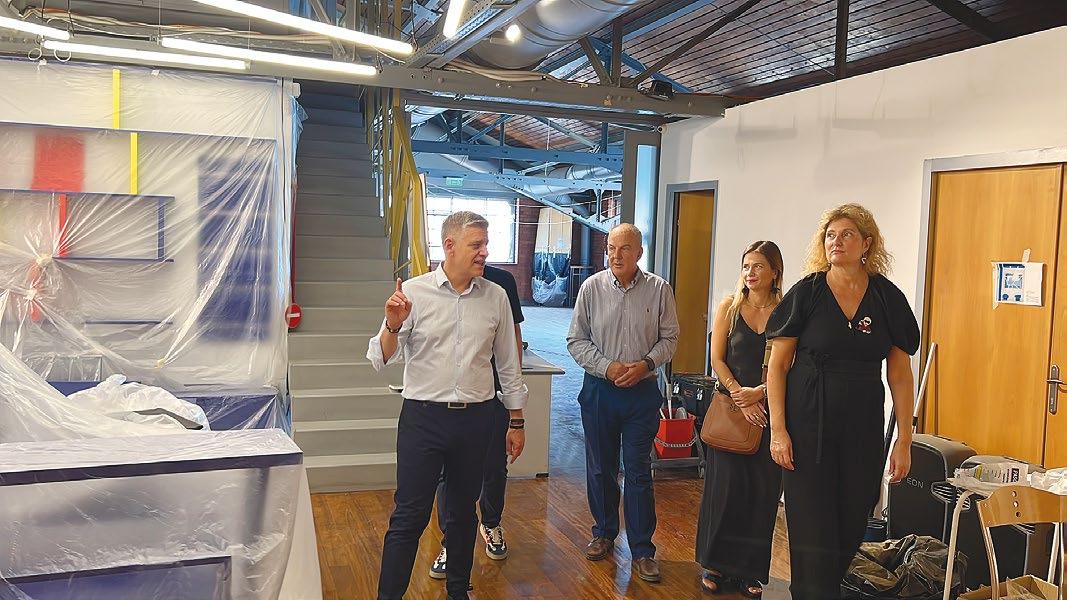
An amount of €75,000, resources from the Region’s collection of fees and fines, financed the renovated museum’s entrance, the fully maintained Warehouse A’ of the Thessaloniki Regional Authority, the redesign of its layout and upgrade to its interior spaces, as well as the establishment of a gift shop. The materials and colors chosen respected and highlighted the site’s key features: proximity to the sea, view of the Old Customs building, and the building’s industrial history. These interventions restored light and intensity to the space, and the museum now has a modern, high-aesthetic environment with all required specifications, worthy of hosting emblematic exhibitions and displaying artistic creation.
We’re also happy to have contributed, in our own way, to the successful outcome of the museum’s bid to present the groundbreaking, internationally acclaimed exhibition “Frida Kahlo — Her Photos,” which recently ended with great success and attendance.
“We’re strengthening contemporary forces across all forms of art, i.e. the living, creative cells of culture, as we did with the renovation of the Museum of Photography.”
How do you measure MOMUS’s contribution to Thessaloniki’s cultural and social life? Is there room for further developments?
The four MOMUS museums, and their contribution to the city, is priceless. First, these spaces describe, present, and promote the multi-layered cultural development taking place in Thessaloniki to a wider public. For Greeks, MOMUS is that window into the city’s contemporary cultural life. By hosting and presenting international exhibitions, MOMUS is also a crucial link with the global cultural community. Its musems act as a vehicle for the exchange of thoughts, ideas, and concerns related to human values in today’s globalized environment, offering new incentives for artistic expression.
And equally important… thanks to their educational programmes and school visits, they open the “door” to a world our children, i.e. the new generation, had never imagined or previously encountered: modern art, photography, experimental arts, and sculpture.
My sincerest congratulations go to Mr. Christophilopoulos and his team for the important work they’re doing in Thessaloniki. MOMUS, and by extension the Ministry of Culture, are contributing substantially and decisively to strengthening the city’s cultural profile and its international visibility.
της. Μέσω του προγράμματος «Μητροπολιτική Θεσσαλονίκη» της Αντιπεριφέρειας Θεσσαλονίκης, που αξιοποιεί πόρους του ΕΣΠΑ, προωθούμε την ανάπλαση της πλατείας
my MOMUS
What is your view of Thessaloniki’s creative and cultural industry? Does it give the city a competitive advantage? What role does Regional Government play in this?
It’s a significant strategic advantage for the city and crucial in our effort to establish Thessaloniki as a global destination.
That’s why we’re investing steadily and strategically in promoting the city’s multi-layered cultural identity. We’re strengthening contemporary forces across all forms of art, i.e. the living, creative cells of culture, as we did with the renovation of the Museum of Photography. Also worth mentioning is our work promoting Thessaloniki’s rich archaeological and historical heritage and its landmarks.
Through the “Metropolitan Thessaloniki” programme managed by the Thessaloniki Regional Unit and funded with NSRF (National Strategic Reference Framework) resources, we’re regenerating Dioikitirio Square by displaying its antiquities, and were doing the same to Antigonidon Square. We’re also regenerating Dimokratias Square (Vardari) and the surrounding area, as well as redeveloping the Aristotelous Axis and Square in the municipality of Thessaloniki. This summer, the archaeological site of the The Holy Water of Saint John the Baptist, at the intersection of Mackenzie King, Pavlou Mela, and Iktinou Streets, was delivered to the people of Thessaloniki in its upgraded version, following works completed by the Ephorate of Antiquities of the City of Thessaloniki, also financed by the NSRF.
Let me turn to something more personal… Do you have a favorite exhibit from the MOMUS permanent collections? If yes, which one, and why?
Andy Warhol’s Alexander the Great from the permanent exhibition at the Museum of Contemporary Art. It couldn’t be anything else. This is the king of Macedonia we’re talking about, who defined the world of his time and is known across the modern world. Warhol’s illustration, commissioned by collector Alexander Iolas, combines grandeur with a modern perspective, which is both fascinating and captivating.
Similarly, can you describe an unforgettable moment you experienced at MOMUS? An exhibition that left a lasting impression, or an exhibit that particularly captured your interest?
I’d say it’s a combination of many moments: the upgrades to the Museum of Photography and the inauguration of the Frida Kahlo exhibition. The pressure and anxiety to deliver the space on time, meet all technical specifications required to host emblematic exhibitions, and the emotion afterward, when the museum finally opened its doors to the public for the exhibition, were intense and unforgettable. Perhaps our goal wasn’t an artistic outcome, but the transformation of the museum was creation in the making. And, like every creation, it bears a mark and leaves its imprint. In this case, for the benefit of Thessaloniki and its people. n
BORDERLESS MUSE
Costakis Collection: the
cosmopolitan life of artist Varvara Bubnova.
Text: MARIA TSANTSANOGLOU
Artistic Director, MOMUS
-Museum of Modern Art-Costakis Collection
Photography: SAKIS GIOUMPASIS, MOMUS ARCHIVE
The Costakis Collection includes many works by women painters and female pioneers who played a significant role in the Russian Avant-Garde, including Liubov Popova, Nadezhda Udaltsova, Olga Rozanova, Natalia Goncharova, Vera Pestel, Evgenia Magaril, Yelena Guru, Antonina Sofronova, and Alexandra Exter, among others. Their large participation is something unprecedented and a social phenomenon on its own. George Costakis contributed to this phenomenon by preserving the works of at least twenty female avantgarde artists.
Varvara Bubnova lived
in Japan for 34 years before returning to St-Petersburg.
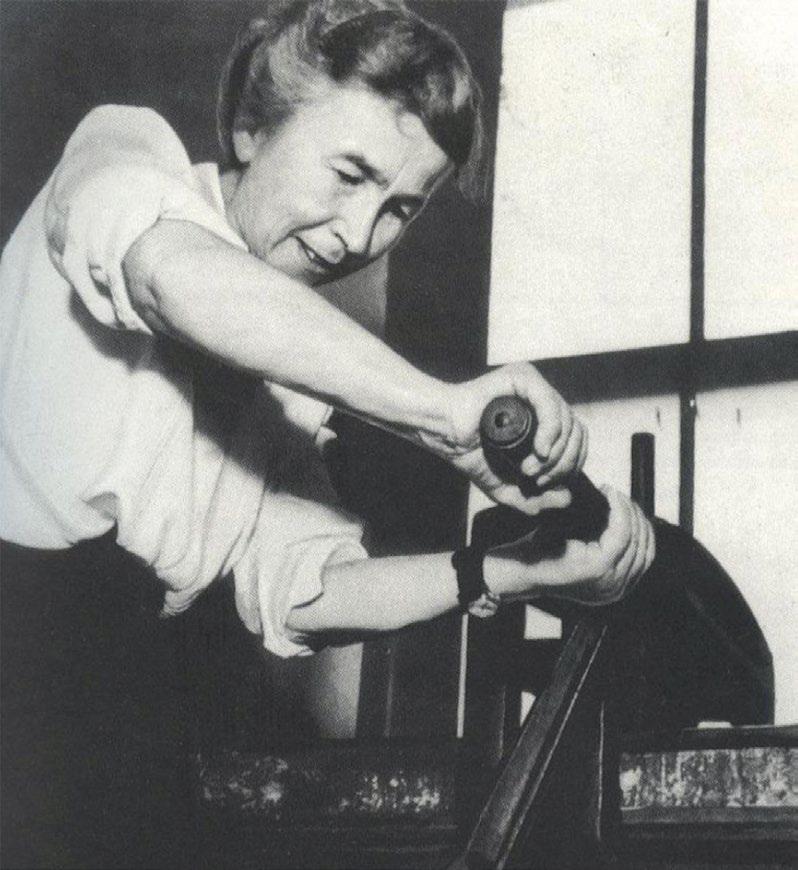
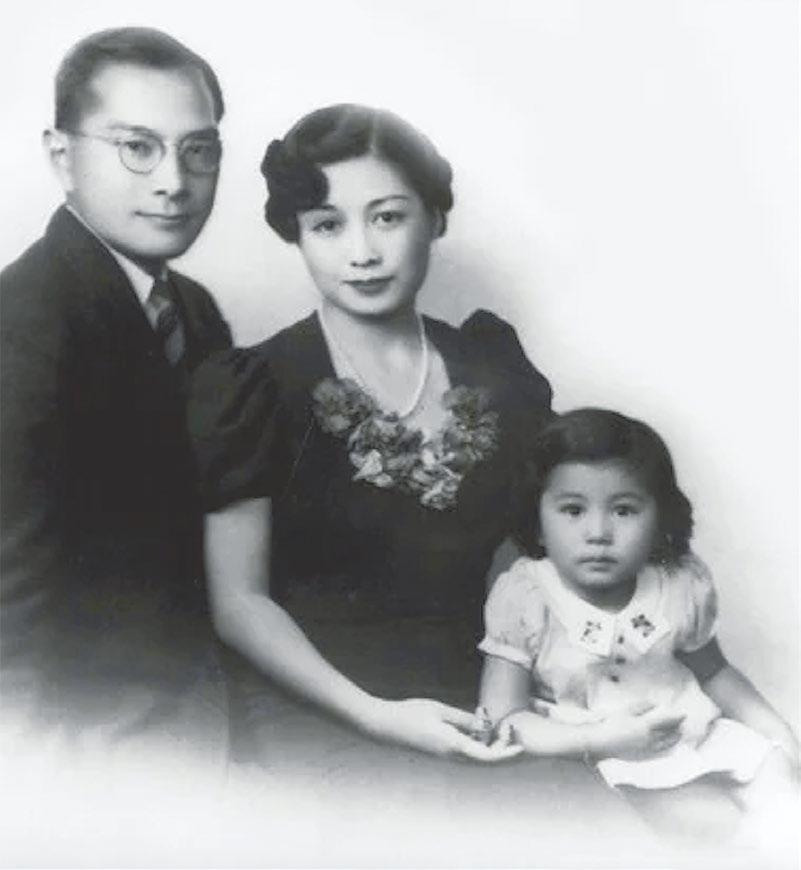
A fascinating story unfolds behind the work of Varvara Bubnova. Born in Leningrad in 1886, she displayed a passion for art early on and studied at the city’s Academy of Fine Arts. She joined the “Youth Union,” one of Russia’s first avantgarde art groups, and later collaborated with the Institute of Artistic Culture in Moscow. In 1923, Bubnova made a life changing decision: she left Soviet Russia for Tokyo, settling there with her younger sister Anna, an accomplished violinist. Anna married Sunichi Ono, whose niece was the young Yoko Ono, later the Fluxus artist and companion of John Lennon. Anna introduced Yoko to music, while Varvara taught her painting — Yoko Ono always remembered her Russian teacher, who opened the path to creative freedom.
Varvara Bubnova also left a lasting mark on Tokyo’s Waseda University, where she taught for decades, introducing Russian Modernist ideas to generations of students. She lived in Japan for 34 years before briefly settling in Abkhazia and finally returning to St-Petersburg in the final years of her life. In 1983, she closed the circle of her life, leaving a story that uniquely connects the Russian Avant-Garde with Japanese and world art. n
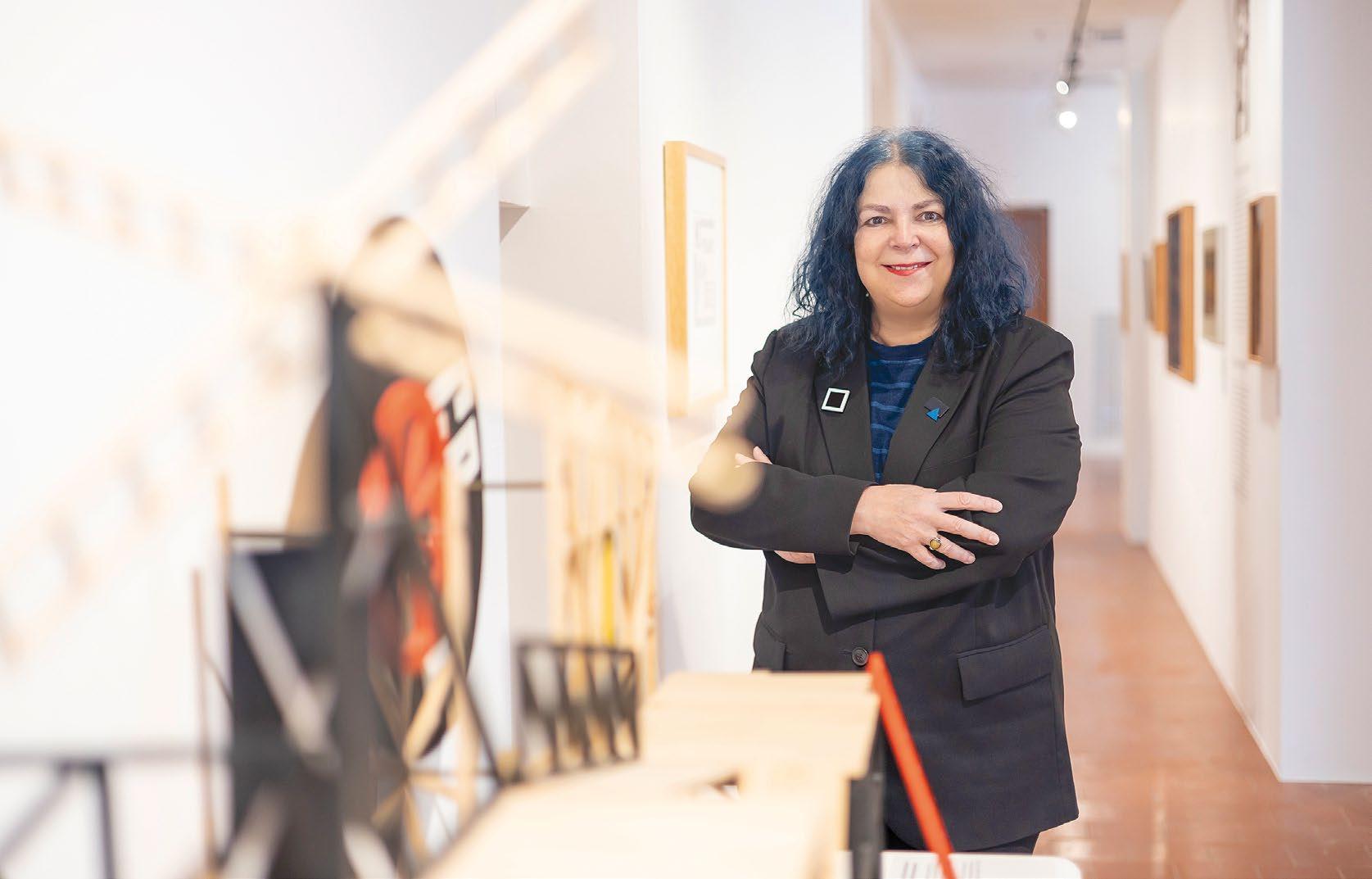
On the top of the page: “George Costakis contributed by preserving the works of at least twenty female avant-garde artists” claims Maria Tsantsanoglou, the artistic director of MOMUS-Museum of Modern Art-Costakis Collection. Above, left: Varvara Bubnova using a printing machine in Japan. Above, right: Yoko Ono with her parents.
THE SHAPE OF A MUSEUM
MUSEUM TO COME
MOMUS’s exciting transition from structural consolidation to international hub for the arts, education, and digital creation.
Text: THE MOMUS MAGAZINE TEAM
the MOMUS journal
The early years of MOMUS were a period of institutional formation. The challenge wasn’t structural; it was profoundly cultural. How could we preserve the uniqueness of each museum while building a coherent, modern, and flexible structure? How could multiplicity give way to collaboration without losing the creative tension that difference generates?
For a city that has long served as a crossroads of civilizations, commerce, and ideas, culture is more than a memory of the past. It’s a promise for the future. At the heart of this promise is the Metropolitan Organisation of Museums of Visual Arts of Thessaloniki (MOMUS), which in just a few years has transformed a complex institutional challenge into a springboard for dynamic renewal.
In attempt to unite, a vision is born
ήταν, αναμφίβολα, περίοδος θεσμικής συγκρότησης. Πέντε διαφορετικά μουσεία, με διακριτές ταυτότητες, ιστορίες,
The early years of MOMUS were, without question, a period of institutional formation. Five distinct museums, each with its own identity, history, collections, and structure, were brought together under a single strategic and administrative umbrella: the Museum of Modern Art, the Museum of Contemporary Art, the Thessaloniki Museum of Photography, the Experimental Center for the Arts, and the Museum Alex Mylona.
The challenge, however, wasn’t structural; it was profoundly cultural. How could we preserve the uniqueness of each museum while building a coherent, modern, and flexible structure? How could multiplicity give way to collaboration without losing the creative tension that difference generates?
The first answer came through institutional unification. The second —and more ambitious— would emerge after 2023: a shift from managerial coherence to strategic maturity, moving away from the necessity to stay organised toward the deliberate choice of finding direction.
The Recovery and Resilience Facility: a tool for transformation
In this second phase, the Recovery and Resilience Facility resources allocated through the Greek Ministry of Culture, didn’t serve as “one-off” project financing. These resources were a tool for transformation.
The reasoning was let’s stop “completing projects,” and establish a new operational and development model instead. In other words, create a context that unites: digital upgrading, strengthened outreach, new sources of income, organisational modernization, and universal accessibility.
MOMUS didn’t set out to adapt to modern requirements; it chose to embed them in its new identity.
Digital infrastructure: the new backbone
The Organisation’s digital transformation is, perhaps, its most
In this second phase of MOMUS, the Recovery and Resilience Facility resources allocated through the Greek Ministry of Culture, didn’t serve as “one-off” project financing. These resources were a tool for transformation. The reasoning was let’s stop “completing projects,” and establish a new operational and development model instead.
decisive element in this transition. Strengthening a single website and creating an online store were beyond image upgrades; they shifted the Organisation’s digital presence from informational to genuinely developmental.
The e-shop is a new source of income, welcomes audiences outside the borders of Thessaloniki, and turns the visitor experience into an ongoing relationship. Compliance with universal accessibility standards is not a formality. Instead, universal access is at the heart of the new infrastructure’s design, with technology being its tool for inclusion.
At the administrative level, specialized internal management software might be a low-visibility intervention but is of high strategic significance. The new IT system manages spaces, resources, artistic programming, marketing, and financial processes. It interoperates with state systems such as Gov.gr and the Independent Public Revenue Authority (AADE), offering both transparency and efficiency.
χώρων, πόρων, καλλιτεχνικού προγραμματισμού, μάρκετινγκ και οικονομικών διαδικασιών. Διαλειτουργεί με κρατικά συστήματα, όπως το Gov.gr και η Ανεξάρτητη Αρχή Δημοσίων Εσόδων (ΑΑΔΕ), ενισχύοντας τη διαφάνεια και την αποτελεσματικότητα.
The most important impact, however, runs deeper: these systems enabled interconnection between the museums and schools across the country. Teachers can communicate directly with the Organisation and schedule visits, creating a dynamic channel between education and culture. This practice is becoming popular, strengthening MOMUS’s engagement with younger audiences and encouraging early contact with art and creation. The museum at this point ceases to be a static destination; it becomes an active partner in the educational process, a space for learning, inspiration, and discovery.
A new institutional image
Choosing to redesign the Organisation’s visual and verbal identity wasn’t an aesthetic upgrade. Thanks to new logos, a custom typeface, and a comprehensive style guide, a recognizable institutional image is emerging for the five museums.
This effort ensures coherence across all communications —from printed and digital media to exhibition materials— and strengthens MOMUS’s international presence. The Organisation now speaks with a single, consistent voice and still preserves the unique character of each museum.
Cultural outreach: positioning the museum as an international hub
MOMUS’s strategy is firmly set on cultural outreach. The 163 sq.m. digital museum at the Thessaloniki International Airport “Makedonia” is both highly symbolic and practical.
This “new MOMUS” vision has reflected in measurable results. Between 2023 and 2025, educational initiatives increased from 51 to 83 per year, while the number of beneficiaries grew from 11,287 to 15,431.
In terms of exhibitions, 45 were held, including 11 international collaborations, a clear sign of the Organisation’s expanding global network.
Along the main gateway to Northern Greece, the Organisation has established a permanent presence to engage international audiences. With a video wall, 3D design, and 4K digital documentaries, the transit area is transformed into a space of cultural experience. Travelers don’t passively take in information; they encounter a narrative. Their first impression is art.
Resources are also invested in contemporary digital creation thanks to technical support for digital initiatives and the production of new digital artworks. Presentation of these works at the 9th Thessaloniki Biennale and their inclusion in collections position MOMUS within the international dialogue on digital art, enhancing the Organisation’s prestige in the field.
Social transformation: the museum beyond walls
The social aspect of transformation is equally important. Programmes for people over 65 and for those with partial or total vision loss incorporate tactile aids, navigation guides, audio descriptions, narrative workshops, and portable educational devices.
The initiative isn’t about implementing adaptations. Its goal is to create genuine accessibility and extend the museum beyond its physical walls into schools and communities: a museum that becomes mobile, flexible, and socially engaged.
The numbers reflect the vision
This vision is not aspirational; it’s reflected in measurable results. Between 2023 and 2025, educational initiatives increased from 51 to 83 per year, while the number of beneficiaries grew from 11,287 to 15,431.
In terms of exhibitions, 45 were held during this period, including 11 international collaborations, a clear sign of the Organisation’s expanding global network. Attendance rose from 70,000 visitors in 2023 to approximately 85,000 in 2025. The exhibition “Frida Kahlo — Her Photos” drew 17,683 visitors —the highest of the period— demonstrating MOMUS’s ability to engage the public without compromising quality.
Visitor growth was accompanied by a remarkable increase in private revenue, rising from €200,000 in 2023 to over €800,000 in 2025. Revenue from tickets, sales, services, and donations is evidence of the Organisation’s gradual transition to a more sustainable business model, which is expected to be strengthened further with its online store.
the MOMUS
Visitor growth was accompanied by a remarkable increase in private revenue, rising from
in
€200,000
in 2023 to over €800,000
2025. Revenue from tickets, sales, services, and donations is evidence of the Organisation’s gradual transition to a more sustainable business model, which is expected to be strengthened further with its online store.
The permanent collections of the five museums total an estimated value of €132,928,364, representing a cultural capital of immense symbolic and historical significance.
Europe on the horizon
MOMUS’ early years were defined by administrative unification. Its later years will focus on aligning the Organisation with European operating standards: robust digital infrastructure, international visibility, measurable social impact, transparency, and sustainability.
MOMUS isn’t aiming to keep pace with developments. It seeks to set benchmarks, to become a networking hub for Southeastern Europe, and to make Thessaloniki a point of reference for contemporary and modern art.
The future of MOMUS isn’t a linear extension of the present. It’s a field of possibilities where the museum becomes a platform for innovation, a space for social engagement, a laboratory of ideas, and an exportable cultural force.
In times defined by fluidity, where cultural organisations must demonstrate sustainability, relevance, and international competitiveness, MOMUS responds with strategy, consistency, and vision. With support from the Recovery and Resilience Facility, it turned challenges into opportunities and growth into momentum.
Looking ahead, one thing is clear: MOMUS no longer manages art. It’s creating the future. n
A UKRAINIAN AVANT-GARDIST IN GREECE
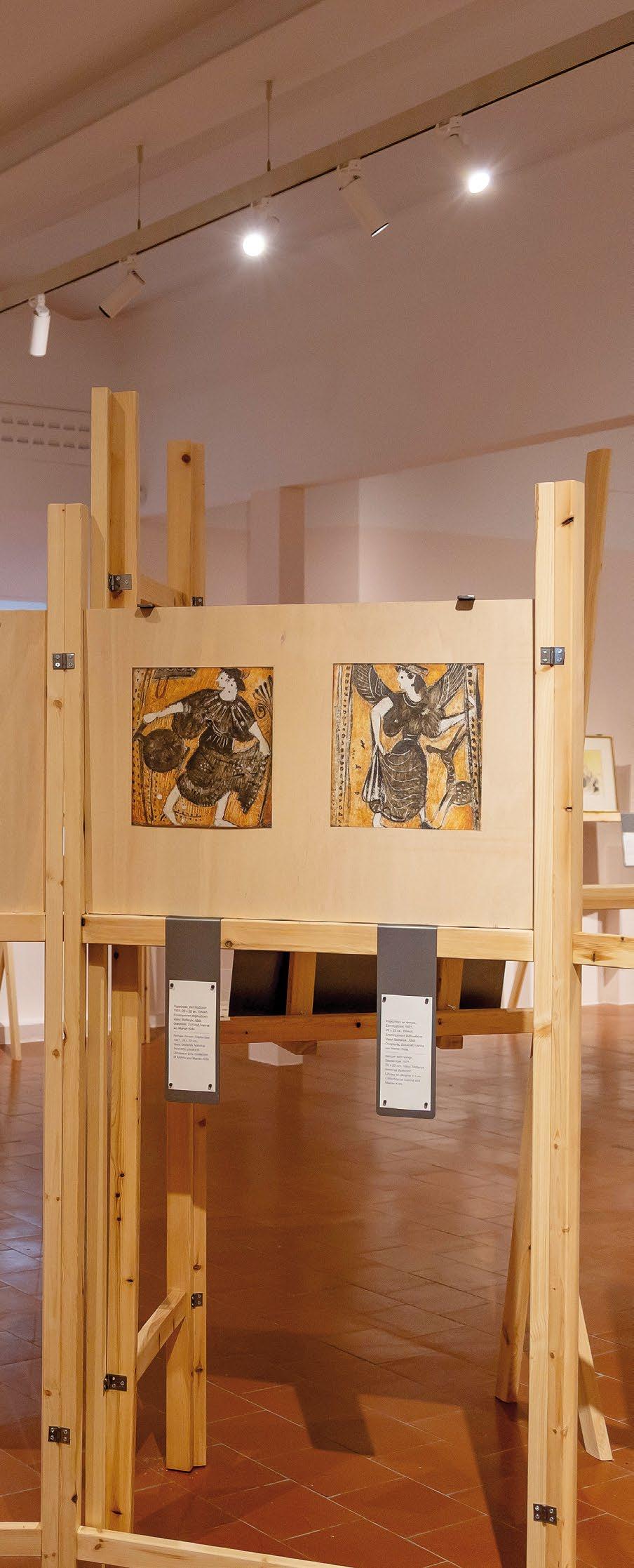
The work of one of the most significant artists of the European avant-garde of the 20th century and his creative encounter with the Greek world is being presented for the first time in Greece, in the exhibition “Alexis Gritchenko (1883-1977). The Greek Adventure.
A Ukrainian Avant-gardist in Greece” at MOMUS-Museum of Modern Art-Costakis Collection until April 30th, 2026.
Text: MARIA TSANTSANOGLOU
Artistic Director, MOMUS -Museum of
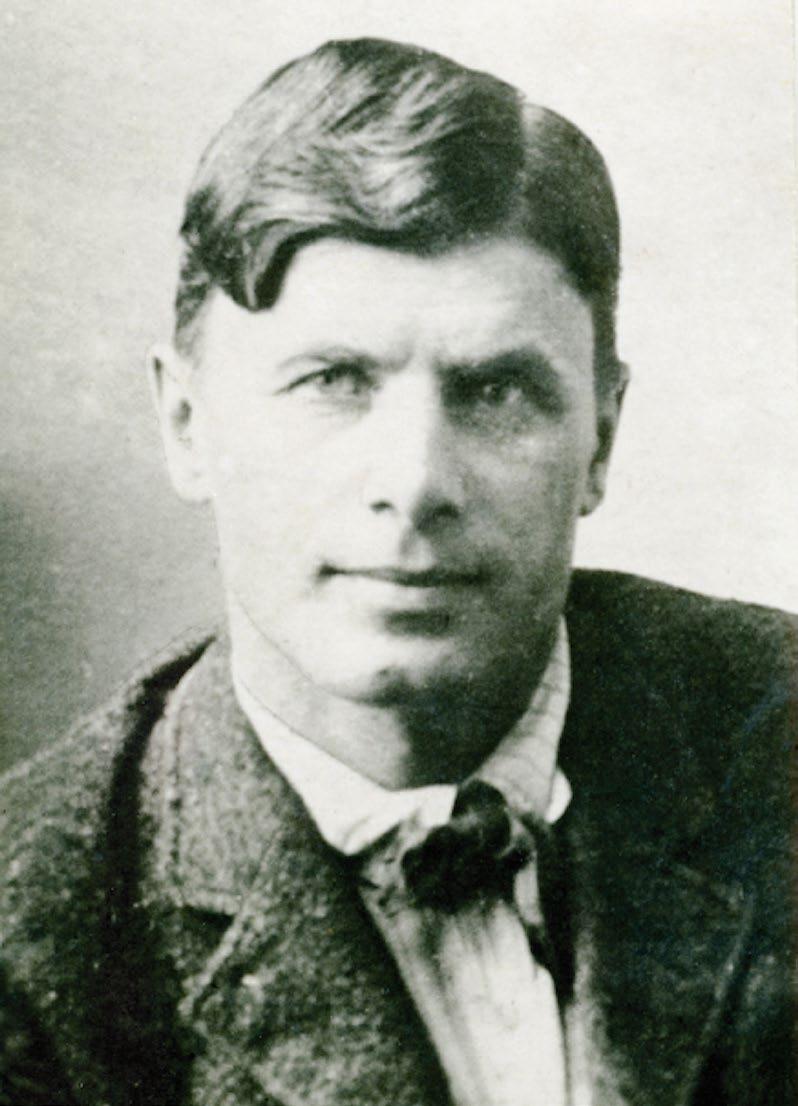
Alexis Gritchenko (Krolevets, present-day Ukraine, 1883 — Vence, France, 1977) was a standout Ukrainian modernist painter and art theorist whose work fused Byzantine tradition with modernist aesthetics. He studied Classics and Biology at the universities of Kiev, Saint Petersburg, and Moscow before turning to art. Then, a visit to Paris in 1911 sparked his interest in the avant-garde, particularly Cubism and travels to Italy in 1913–1914 inspired him to combine early Renaissance spatial and chromatic principles with the spiritual and morphological qualities of Byzantine art. His theoretical writings examined the relationship between Byzantine and modern art, focusing on their morphological and structural affinities. Following the 1917 Revolution, he taught at the Free State Art Studios Svomas in Moscow and served on the Committee for the Preservation of Historical Monuments. In 1919, he declined the directorship of the Tretyakov Gallery and left Russia via Crimea heading to Constantinople, leaving his works and belongings behind in Moscow.
The exhibition presents works from Gritchenko’s Constantinople period and, primarily, from his Greek period.
In 1921, in Constantinople, Gritchenko met the American archaeologist Thomas Whittemore, to whom he confided his lifelong dream of traveling to Greece. During the Asia Minor Population Exchange, securing passage to Greece was difficult and costly. Whittemore helped him, eventually purchasing 66 of his paintings. Around this time, Gritchenko began keeping a diary. On April 1, 1921, he wrote on its first page: “I’m the happiest man in the world. I’m on ship heading for Athens.”
For this exhibition, the MOMUS–Museum of Modern Art borrowed works from museums and private collections in France, England, Turkey, Ukraine, and the USA.
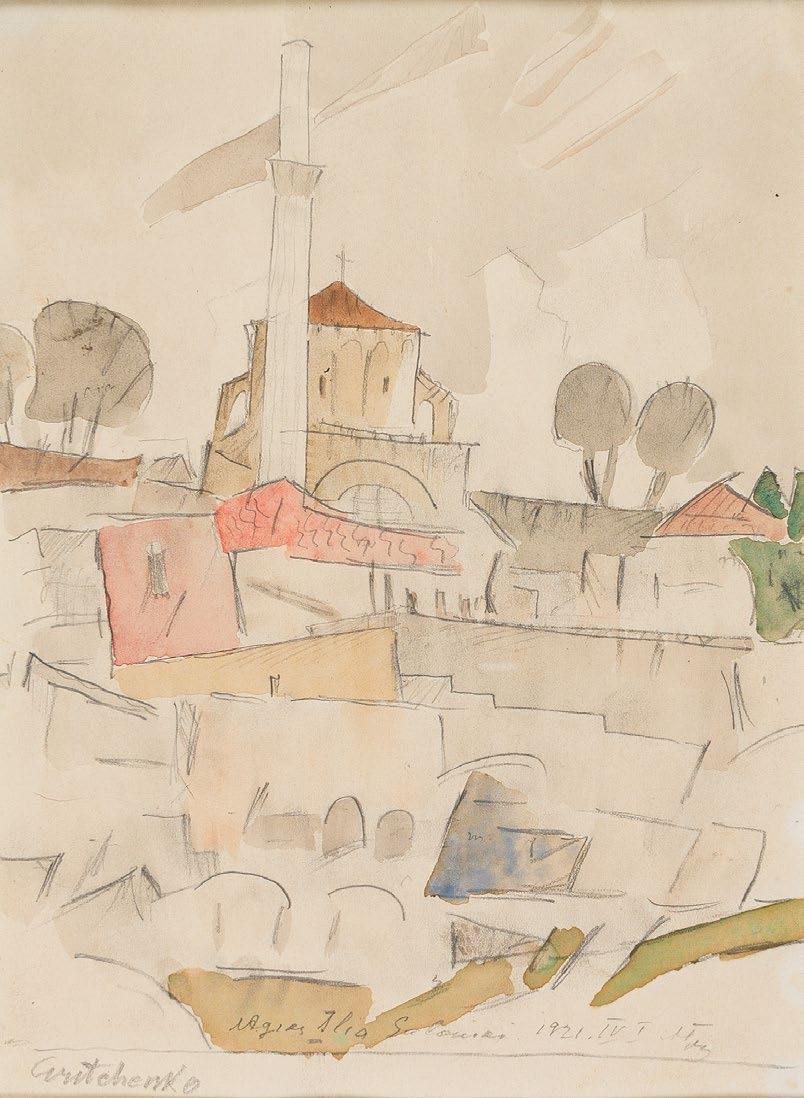
One of its key collaborators was the Ukrainian Museum in New York, which holds a small painting inscribed by Gritchenko: “Thessaloniki, Prophet Elias, April 1, 1921.” This was immediately identified as the first work he painted on Greek soil. The ship from Constantinople appears to have stopped in Thessaloniki, and in the limited time available, the artist walked directly from the port to the Byzantine church of Prophet Elias, which he painted together with the minaret still standing.
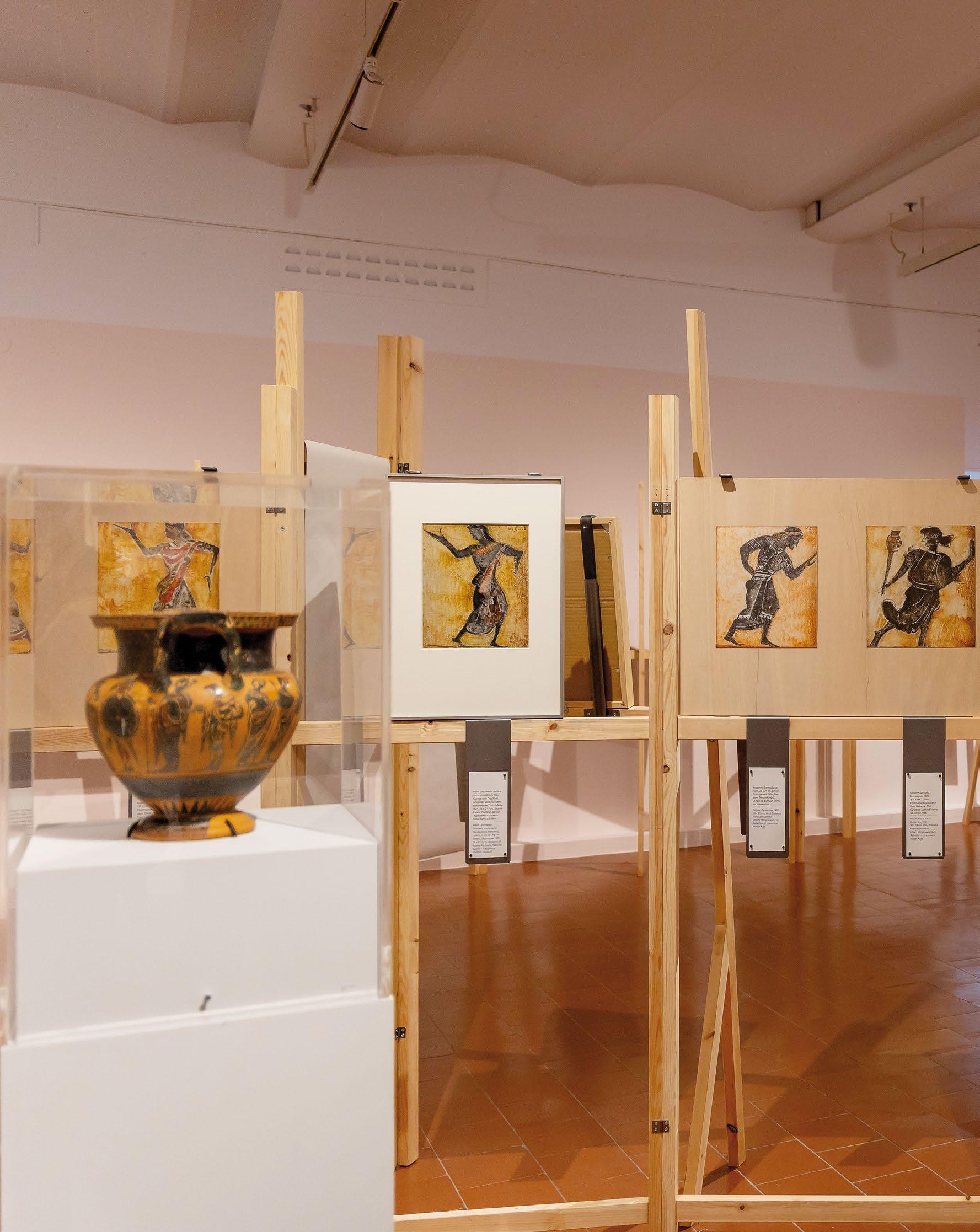
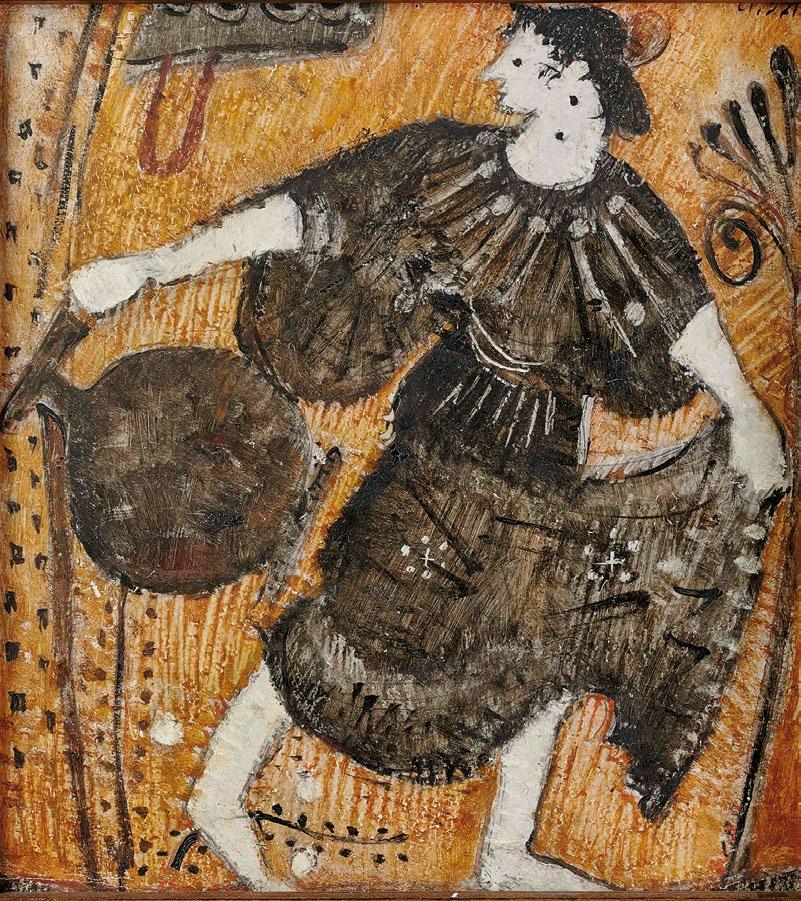
In Athens, Alexis Gritchenko quickly integrated into the city’s modernist artistic circles. One of the first places he visited was Mystras. The ruined Byzantine city above Sparta seemed to him part of a living cultural continuum. He combined Frankish walls and Byzantine domes in dynamic, almost musical compositions. A favored subject of Greek Modernism, the Castle City of Mystras was also illustrated during the same period by Konstantinos Parthenis, an artist Gritchenko greatly admired. Their relationship is confirmed by the presence of two works from Gritchenko’s Dancers series in Parthenis’s studio. It’s likely that Gritchenko gifted them to Parthenis after his second exhibition in Athens in December 1922. The works later entered the collection of the National Gallery, where they were mistakenly attributed to Parthenis. They were correctly identified on the occasion of this exhibition. Another artist Gritchenko especially admired was Michalis Economou.
During his stay in Greece, two solo exhibitions of his works were held. The first exhibition was hosted by the Parnassos Philological Society in June 1921 and the second at the Byzantine and Christian Museum in December 1922, where he also presented the Dancers series. These exhibitions gave Gritchenko the opportunity to present to the Greek public an image of Greece that was not classical: ancient ruins and churches in many cases deconstructed into sharp, cubist planes, sea or mountain land -
the MOMUS journal
«Χορεύτρια», Σεπτέμβριος 1921, 26x22 εκ.
Εθνική
Βιβλιοθήκη Vasyl Stefanyk, Λβιβ, Ουκρανία.
Συλλογή Ivanna και Marian Kots.
“ Female dancer,” September 1921, 26x22 cm.
Vasyl Stefanyk National Scientific Library of Ukraine in Lviv. Collection of Ivanna and Marian Kots.
scapes with explosive colors, bathed in a metaphorically spiritual light.
Newspapers “Ebros,” “Athenaïka Nea” and “Eleftheron Vima” praised these exhibitions. Critic Stefanos Charmides, referring (under his critic’s column in the “Eleftheron Vima”) to Gritchenko’s exhibition at the Byzantine and Christian Museum, in December 1922, enthusiastically points out that “as soon as you step foot inside the hall, the rich and intense abundance of colors grabs your eye.”
In 1922, Gritchenko traveled to Paris but failed to acclimatize and soon returned to Athens. After his second exhibition there, Adamantios Adamantiou (Director of the Byzantine and Christian Museum and Distinguished Professor of Byzantine Studies) provided him with a letter of recommendation to help introduce him to personalities in the Parisian art world. This letter opened the doors to his first exhibitions in the French capital.
From October 1923, Alexis Gritchenko would permanently settle in France. He exhibited in major galleries and traveled widely across Europe and the United States until his death in Vence, near Nice, in 1977. Greece remained a constant source of inspiration and works from his Greek period frequently appeared in his exhibitions.
This exhibition aims to restore the Ukrainian pioneer to his rightful place in the history of Greek art, highlighting an artist who, through light and color, gave the Mediterranean a new modern visual language. n
LLC
Εθνική Πινακοθήκη — Μουσείο Αλεξάνδρου Σούτσου, Αθήνα. Αρχαιολογικό Μουσείο Θεσσαλονίκης. Vasyl Stefanyk Εθνική Επιστημονική Βιβλιοθήκη της Ουκρανίας, Λβιβ. Barnes Foundation, Φιλαδέλφεια, ΗΠΑ. Alexander Demko και Gizella Lopusanszky, Νέα Υόρκη. Ömer Koç, Κωνσταντινούπολη. Olexei Kurylyshin, Λβιβ. Daniel Sztul, Παρίσι.
THE EXHIBITION AND CATALOG INCLUDE LOANS FROM MUSEUMS, INSTITUTIONS, AND PRIVATE COLLECTORS: Michel Lièvre-Markovich, London–Athens; Malabart Gallery Ltd, London; Ukrainian Museum of New York; Gallery LLC Maliarstvo, Lviv; National Gallery — Alexandros Soutsos Museum, Athens; Archaeological Museum of Thessaloniki; Vasyl Stefanyk National Scientific Library of Ukraine, Lviv; Barnes Foundation, Philadelphia; Alexander Demko and Gizella Lopusanszky, New York; Ömer Koç, Istanbul; Olexei Kurylyshin, Lviv; Daniel Sztul, Paris.
THE EXHIBITION’S BRAND IDENTITY: Curators: Michel Lièvre-Markovich, Maria Tsantsanoglou.
Scientific advisor: Vita Susak.
Catalog curator: Maria Tsantsanoglou.
Catalog material coordinator: Natalia Butterwick.
Assistant curator: Angeliki Charistou
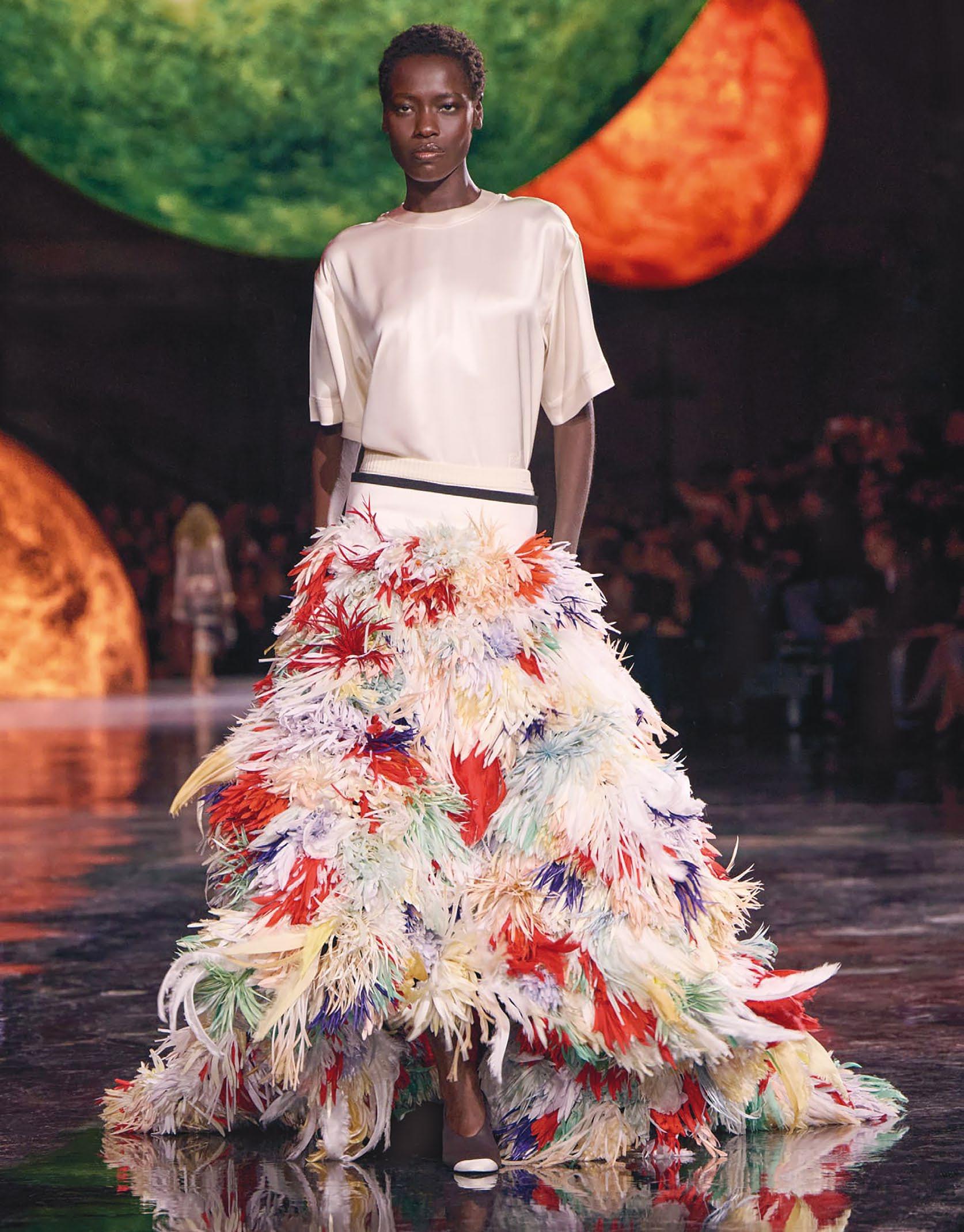
RUNWAY IN TECHNICOLOR
From the pop aesthetic of Martial Raysse to the «pop» revolution brought to Chanel by its artistic director Matthieu Blazy, art and fashion show that deviation from the norm promises (almost every single time) a refreshing creative surprise.
____ Curated by: ANGELOS N. VASSOS
Martial Raysse
MOMUS fashion
The world of Martial Raysse, one of the most inventive artists of postwar European art, flows between dream and reality.
From the fluorescent objects and the pop aesthetic of the 1960s, when European and American art were searching for new forms and languages, to the outdoor works and masked portraits, his journey to this day is a continuous search between pop aesthetics, social observation, and personal immersion in art, with clear phases and transformations. Raysse’s art speaks of life and imagination, a constant play between extroversion and introversion, societal critique and the personal magic of art.
Unwaveringly dedicated to art and the renewal of his mediums, materials, and practices, he is constantly experimenting. Behind his paintings, he often hides altered photography; he jumps from painting to cinema, and from cinema to painting.
At the core of the exhibition “Martial Raysse. Sinéma”, which will be presented until April 12, 2026 at MOMUS-Museum of Modern Art, is his lesser-known work, focusing on films and videos: it is where his art intersects with experimental cinema through the use of color, materiality, and everyday life as fields of experimentation. A brilliant self-taught craftsman himself, always alert to the new technologies of the time, he fully utilizes the vast possibilities offered by the groundbreaking audiovisual medium, starting from the early days of color television. n
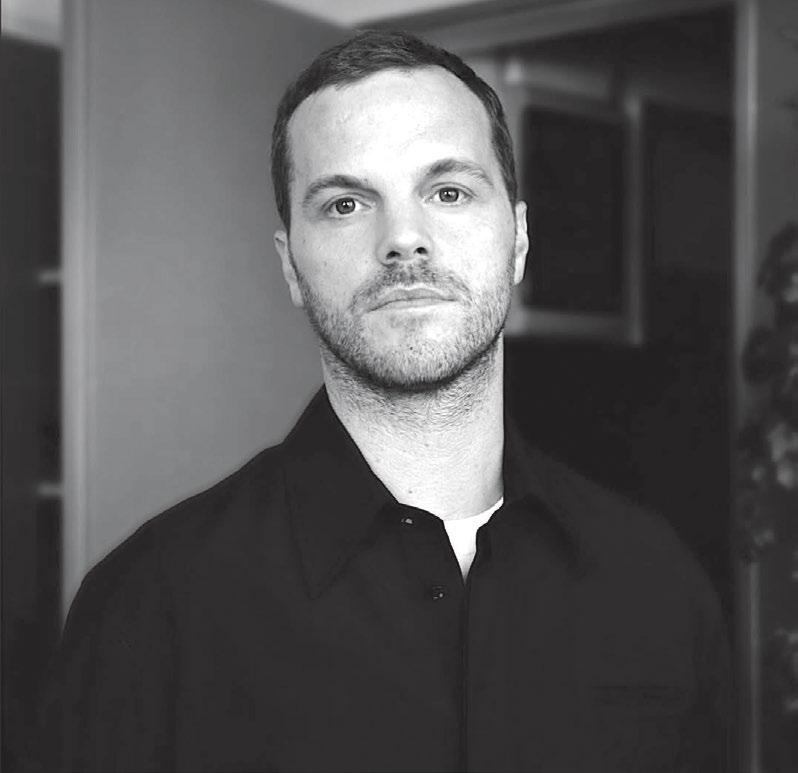
Matthieu Blazy is the artistic director of Chanel and former creative director of Bottega Veneta. The former Raf Simons deputy had been tasked with leading Kering-owned Bottega Veneta into its next phase of growth, following Daniel Lee ’s departure.
Blazy was born in Paris, and graduated from La Cambre in Brussels. After internships at Nicolas Ghesquière’s Balenciaga and John Galliano, he began his fashion career as menswear designer for Raf Simons, before joining Maison Martin Margiela to design the trendsetting, secretive house’s artisanal line and women’s ready-to-wear. Kanye West famously wore crystal-encrusted masks from Maison Martin Margiela during Blazy’s tenure leading the brand’s anonymous design collective for his 2013-2014 “Yeezus” tour.
In 2014, Blazy moved to Celine, where he was senior designer under Phoebe Philo, before joining forces with Raf Simons again at Calvin Klein from 2016 to 2019.
He was appointed ready-to-wear design director at Bottega Veneta in 2020 under Daniel Lee before becoming creative director in 2021. Blazy debuted his first collection for Bottega Veneta at Milan Fashion Week in February 2022, including ladylike top-handle bags and trompe l’oeil blue jeans made out of leather.
In 2024, Blazy was appointed artistic director of fashion collections at Chanel, opening a new era for the French couture and beauty giant. Blazy succeeds Virginie Viard, a longtime deputy of Karl Lagerfeld, who exited the brand in June after five years as artistic director. n
MOMUS on a plate
DINNER WITH THE ARTIST
If you could invite a famous artist to dinner, with a top chef preparing the menu, who would you choose? And what would you serve? In this issue, MOMUS “invites” Alexis Gritchenko (1883-1977) to dinner, drawing inspiration from his painting “Salonica, Church of Prophet Elijah, April 1, 1921” — and taps into the creative imagination of nomad chef Andreas Lagos to prepare the menu.
Curated by: ANGELOS N. VASSOS
Photography: CHRISTINA GEORGIADOU
The artist:
Alexis Gritchenko
Born in Ukraine and educated in Kyiv and St. Petersburg alongside avant-garde artists, Alexis Gritchenko was a painter and art theorist who combined the power of Fauvism, Cubism and Futurism with the spirituality of Byzantine art. Through his theory of Chromodynamism, in which color expresses energy and inner spirituality, Gritchenko developed a distinct visual language that bridges East and West. His stay in Greece between 1921-1923 proved decisive for his artistic development. n
Το
The artwork: “Salonica, Church of Prophet Elijah”
Θεσσαλονίκη, Ναός Προφήτη Ηλία, 1 Απριλίου 1921.
Ακουαρέλα σε χαρτί, 26x20,3 εκ.
Συλλογή Zenon και Olena Feszczak,
Watercolor on paper, 26x20,3 cm.
Zenon και Olena Feszczak Collection, Ukrainian Museum of New York.
Salonica, Church of Prophet Elijah, April 1, 1921.
MOMUS on a plate
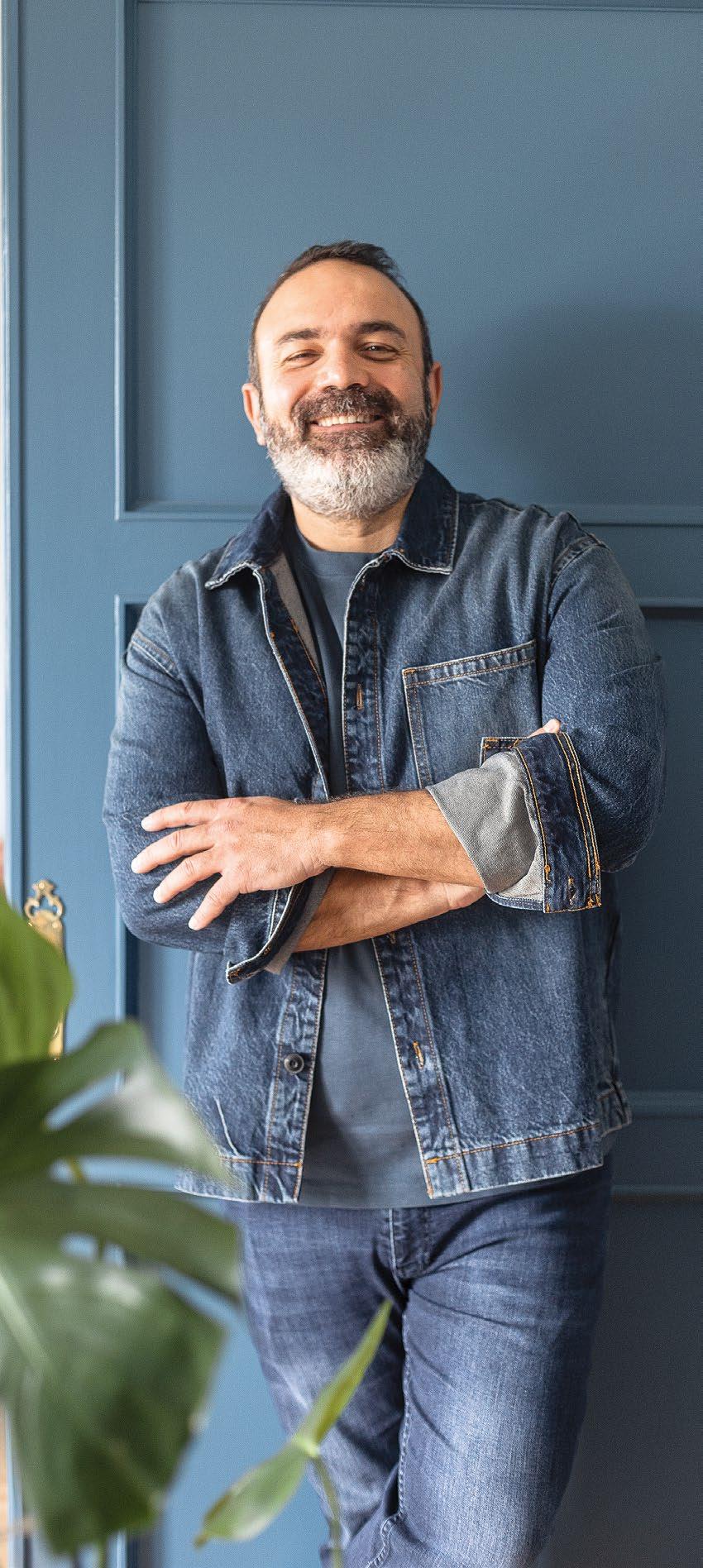
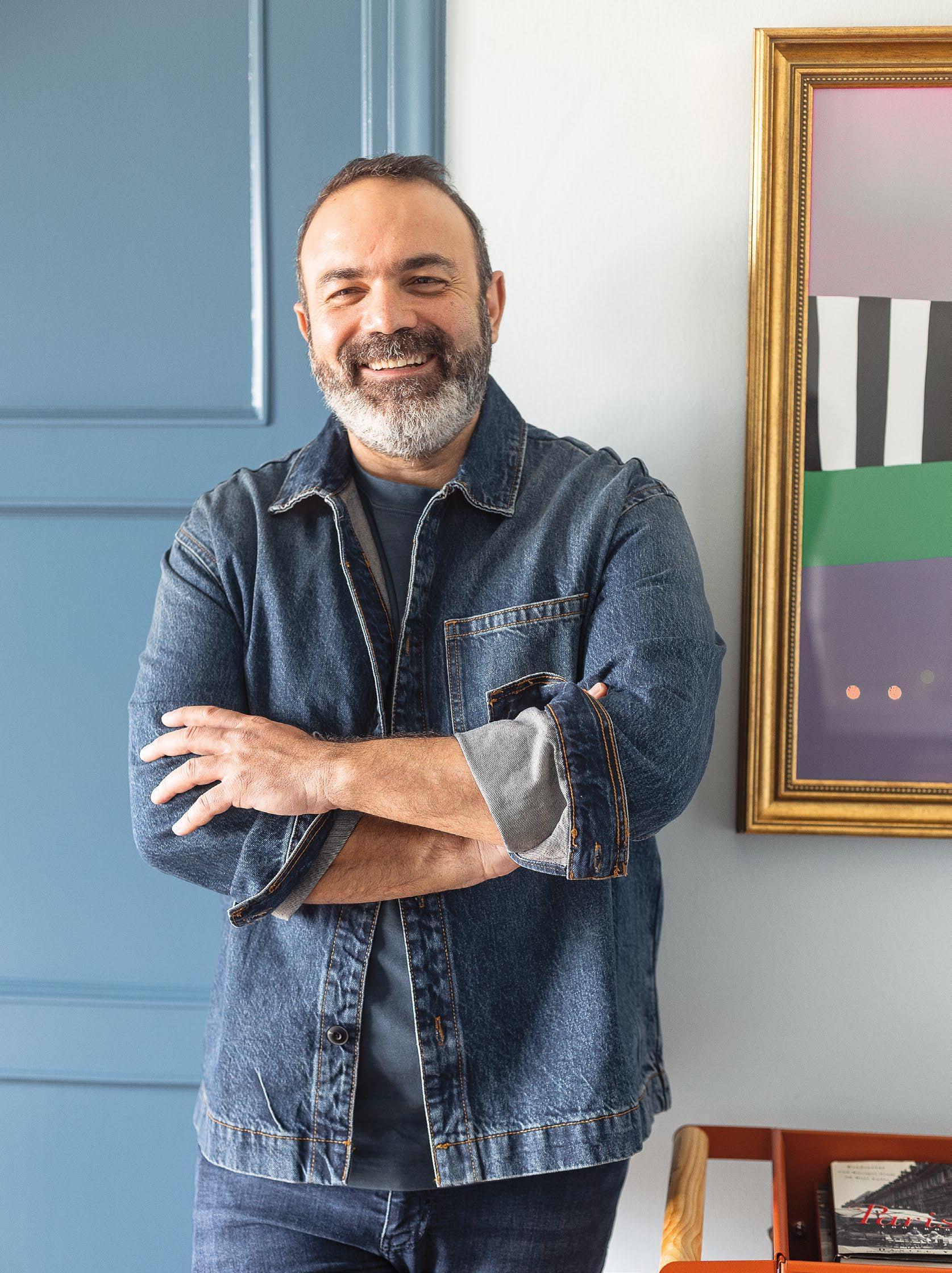
What would nomad chef Andreas Lagos* make for Alexis Gritchenko?
μπακαλιάρου. Λίγα
στοιχεία, αυστηρή δομή, βαθιά ισορροπία: όπως και
στα έργα του Γκρίσενκο, τίποτα δεν περισσεύει, τίποτα
δεν λείπει — η χρωματική
παλέτα, η σύνθεση και η
τεχνική συνεργάζονται,
για να συμπυκνώσουν τα
υλικά
Nomad chef Andreas Lagos recently released his
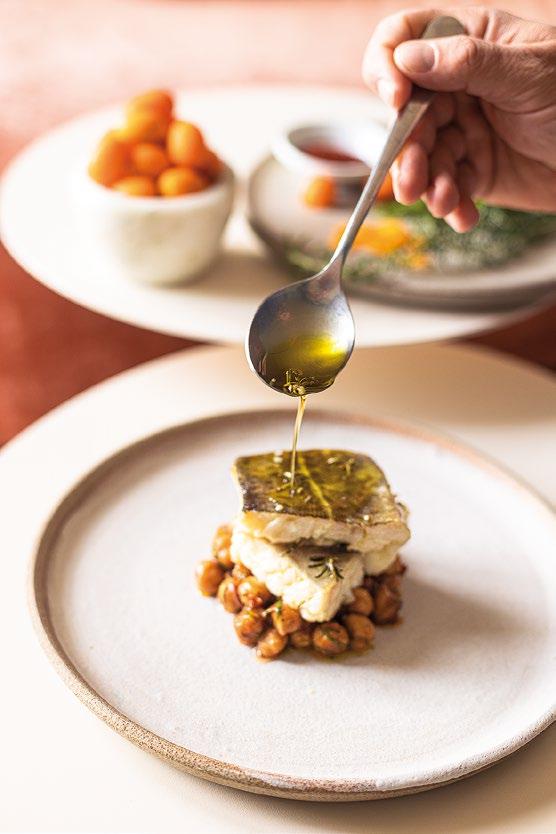
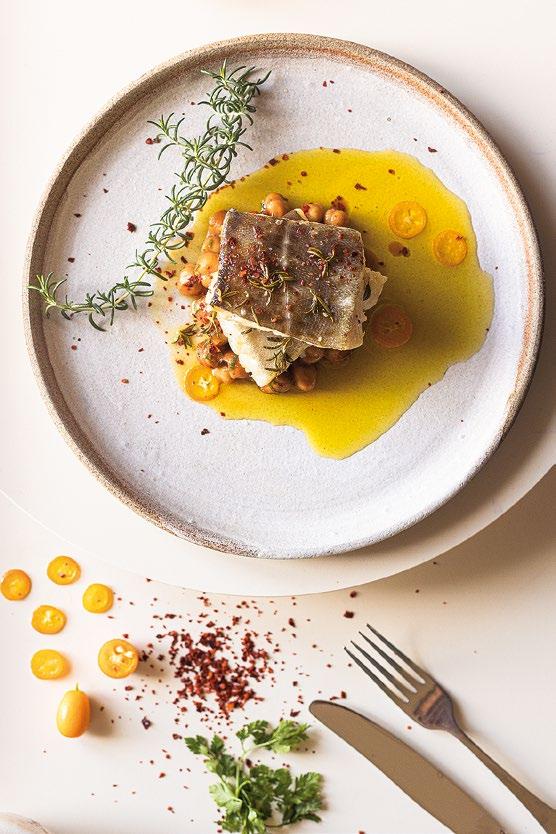
Chickpeas and salted cod come into dialogue being the pure, elemental ingredients that have long formed the foundation of Greek nutrition and culture. In this dish, the olive oil unites land and sea. Meanwhile the sun-dried tomato and tomato puree reflect Gritchenko’s earthy, reddish-brown, warm color palette. The kumquat brightens and enhances the flavor, just like the light in his paintings. The chickpea stew thickens; a pinch of cumin adds to its depth. Rich, yet never altering the purity of the earthy flavors. The temperature of the olive oil is kept low to preserve the cod’s tenderness. Few elements, strict structure, profound balance: as in Gritchenko’s works, neither too much nor too little. Color palettes, composition and technique work together, condensing the ingredients into a dish that is at once earthy, luminous, substantial and deeply intense. The painter applies the principle of Chromodynamism to his art, with each chromatic unit serving a dynamic composition, rather than a description. Similarly, instead of a narrative, the ingredients create a meaningful and intense composition striking balance with substance. Here, cooking agrees with the philosophy of color composition and taste effect. n
MOMUS on a plate
Cod cooked in olive oil with kumquats & chickpea stew with sun-dried tomatoes
Υλικά (για 2 άτομα) Ingredients (serves 2)
Για τον μπακαλιάρο:
500 γρ. φιλέτο παστού μπακαλιάρου, καλά
ξαλμυρισμένο. 1 κούπα
εξαιρετικό παρθένο ελαιόλαδο
(να καλύπτει πλήρως τον
μπακαλιάρο). 2 σκελίδες
σκόρδο. 2 φύλλα δάφνης.
2 κουμκουάτ κομμένα στη μέση (ή φλούδα από μισό μανταρίνι).
1 μικρό κλωνάρι δεντρολίβανο.
4 κόκκοι μπαχάρι.
Για τη ρεβιθάδα:
200 γρ. ρεβίθια, μουλιασμένα για 24 ώρες. 1 φύλλο δάφνης.
1
1 ξερό κρεμμύδι ψιλοκομμένο.
For the cod:
500 g salted cod fillet, well soaked. 1 cup extra virgin olive oil (enough to fully cover the cod). 2 garlic cloves. 2 bay leaves. 2 kumquats halved (or the peel of half a tangerine). 1 small sprig of rosemary. 4 whole allspice.
For the chickpea stew:
200 g chickpeas, soaked for 24 hours. 1 bay leaf. 1 dried onion, finely chopped. 1 garlic clove. 4 pieces sun-dried tomato finely chopped. 1/2 tbsp tomato puree. 1–2 kumquats, very thinly sliced. 1/4 tsp cumin. 3 tbsp olive oil from the cod. Juice of 1/2 lemon. 1 tbsp parsley or finely chopped fresh herbs. Salt, pepper, and a pinch of bukovo (crushed red pepper). n
Εκτέλεση
Instructions
Τοποθετούμε τον μπακαλιάρο σε μικρό τηγάνι, προσθέτουμε όλα τα υλικά, καλύπτουμε με ελαιόλαδο και μαγειρεύουμε σε χαμηλή θερμοκρασία (80-85°C) για
30 λεπτά, χωρίς να βράσει ή
να ροδίσει ο μπακαλιάρος.
Αφήνουμε μέσα στο λάδι μέχρι
το σερβίρισμα.
Βράζουμε τα ρεβίθια με
τη δάφνη μέχρι να γίνουν τρυφερά, σοτάρουμε σε χαμηλή φωτιά το κρεμμύδι με το ελαιόλαδο, προσθέτουμε
μετά τα ρεβίθια με
Place the cod in a small pan, add all ingredients, cover with olive oil, and cook over low heat (80-85°C) for 30 minutes, without boiling or browning. Leave the cod in the oil until serving.
Boil the chickpeas with the bay leaves until tender. In a separate pan, sauté the onion in olive oil over low heat, then add the garlic. Add the chickpeas with a little of their cooking water, the sun-dried tomatoes, tomato puree, kumquat, and cumin.
Simmer until the chickpeas “bind” into a stew. Finish with lemon juice, salt, pepper, herbs and spices.
Place the cod over the chickpea stew, drizzle with the olive oil used to cook the cod, and garnish with kumquat slices and a touch of bukovo. n
MOMUS
MOMUS artist
INNER STATE
The zone where experience meets storytelling: sounds, rituals, and the need for music producer and DJ Pantelis Terzoglou to create a personal world with its own rules.
Interview: ANGELOS N. VASSOS
Photography: SAKIS GIOUMPASIS
Magdalena’s Apathy and Angel’s Corpse feel more like mental states than musical productions. When did you realize your music wasn’t just tracks, but a world with its own rules?
From the start, I consciously wanted to create something deeply personal — a world in which I could better see and understand myself and perhaps come to terms with my existential contradictions. Over time, my relationship with my work has remained fluid. At times I agree with it, and then I don’t, but the relationship is always honest to who I am in that moment. This is one reason my projects resist clear genre classification because they shift according to the phase I’m in.
In a way, the core motivation behind my projects. e.g. dj loser, Angel’s Corpse and my “Do It Yourself” label (albeit I don’t like this term, its etymology is accurate) comes from a sometimes-intense desire to communicate internally and better define my mental state, as you mentioned.
This patchwork of sounds, images, and titles becomes a multimedia composition that creates a certain circumstance, feeling, or world building/storytelling for my personal self-fulfilment. It encompasses all my projects’ identities, which I’ve chosen to place in the public sphere for various reasons.
Live Adult Entertainment operates as a platform for experiences. It’s become a ritual. What elements of this philosophy are conveyed —even subtly— in the musical language of Magdalena’s Apathy?
Live Adult Entertainment was a label project by my close friend Ν.Ρ.Χ., and it’s where I released some of my first works. I was given complete freedom to create, and to choose the sounds, artwork, titles, everything. It was also when I realized that the world-building and storytelling route may represent me more than the music itself or is at least of equal importance.
I have known him since adolescence, that’s half a
“This patchwork of sounds, images, and titles becomes a multimedia composition that creates a certain circumstance, feeling, or world building/storytelling for my personal self-fulfilment. It encompasses all my projects’ identities, which I’ve chosen to place in the public sphere for various reasons” explains Pantelis Terzoglou, in an interview for the MOMUS magazine.
lifetime, so his influence runs deeper than I can fully describe. Experience or “circumstance,” as you rightfully call it is the essential quality a work must own to move me. As someone who transmits music, I believe this sentiment is present in Magdalena’s Apathy.
As Pantelis Terzoglou, when do you feel most creative? When your performance culminates into a collective experience or when creating a sound that doesn’t demand an immediate response?
I deeply value the collective experience because for me it’s one of the highest forms of human connection. Music is the most powerful tool for communication and connection, whether between people, or with something greater. Yet moments when this belief has fully materialized are rare. Whether in clubs or live venues, or any social situation where sounds and people coexist, the sense of shared magic I seek often feels absent compared to my private moments with sound. Perhaps I’m accountable, or perhaps responsibility lies with the audience. I often notice a strong divergence between my reasons for being in these spaces and the motivations of others.
Is there tension —or perhaps a productive conflict— between the purpose of club music and the emotional ambiguity that defines Magdalena’s Apathy? How do you decide which side takes the lead each time?
There is certainly tension, which fortunately turns into a productive conflict. Initially, the project existed as a purely personal platform for expression. Over time, however, it began to resonate with others, both online and through live performances. Gradually and naturally, as creators wanted to release work through the platform because they identified with it, I expanded it into what we now call a label.
I have released music mainly by people I know, but also by creators presenting their work for the first time. This decision is my desire to give something back partly because I now have my own voice in this space, and partly because certain labels once offered me the same opportunity. It also allows me to expand creatively and collectively, composing worlds, artwork, media formats, and artistic directions together with others rather than entirely on my own. It’s interesting stuff.
I treat Magdalena’s Apathy like a relationship. And, as with any relationship, it involves compromises. These compromises create tension, but they’re inseparable from the collective or relationships in general. How I decide which direction takes prece-
“I deeply value the collective experience because for me it’s one of the highest forms of human connection. Music is the most powerful tool for communication and connection, whether between people, or with something greater.”
να
ταίρι, να ανεβάσουν ένα story για να «σπαστεί» το τάδε άτομο... Υπάρχει κάθε μορφής λόγος. Όλα
— και, φυσικά, όλα
ταυτότητα του clubbing. Αλλά, ξέρεις: όταν προσπαθείς να γυμνώσεις
dence is based on impulse. When something, i.e. club music, sound direction, or otherwise stops exciting me, it simply drifts away. The label itself functions more like a blogspot than a structured entity. There is no real business plan or long-term strategy.
How do you balance the practical side of dancefloor music with the need to express something more fragile and internal — something a space may not necessarily request? Is this duality a conscious one, or a natural result of your journey?
When I was younger, I often felt that although clubs should have been places where I felt most connected to what I was seeking, I usually felt more alone — or further away from what had brought me there. Over time, I have come to understand and accept the nature of these spaces. Clubbing is a social situation where everyone shows up for different reasons, often for entertainment or a mental release.
As a DJ, I try to respond to the needs I sense in the room, focusing primarily on the collective experience rather than my own. There is a certain magic in offering something that fulfils
“I treat Magdalena’s Apathy like a relationship. And, as with any relationship, it involves compromises. These compromises create tension, but they’re inseparable from the collective or relationships in general.”
others rather than yourself. My sound choices though reflect what I enjoy, but they do not fully express my inner fragility. Whenever I’ve tried to reveal deeply personal aspects of myself as a DJ, it felt almost sacrilegious; not in an offensive sense, but as a natural consequence of the environment. As mentioned, people go to clubs to meet others, escape the week, find a partner, or post a story to get back at someone… There are countless reasons — all human, all valid, and all part of the identity of clubbing. But when you try to bare all in such an environment, you wonder what the point is.
This realisation led to the creation of Angel’s Corpse, a project born from the need to separate my social nature from a more introverted one. As Angel’s Corpse, my performances are delivered — to the greatest extend possible — under conditions where sound holds complete control.
Looking ahead, do you see your future through collective evolution or deeper —and perhaps riskier— self-immersion? Or do you need both to remain creatively alive?
Both are essential for any creator, though each of us finds a different balance between them. Influences are extremely important, but so is the creator’s asceticism, i.e. that isolation in an echo chamber that allows a work to emerge as honestly as possible, free from excessive social expectations or external goals.
Personally, knowing myself, I lean toward self-immersion. As much as possible I like to stay in my “cave.” n
LET IT SPRING!
Take a piece of MOMUS with you. At the end of your visit, stop by our museum gift shops and discover gifts, publications, prints, office supplies, jewellery, ceramics, clothing, accessories, and collectible items, with high artistic value in every piece.
TIE.
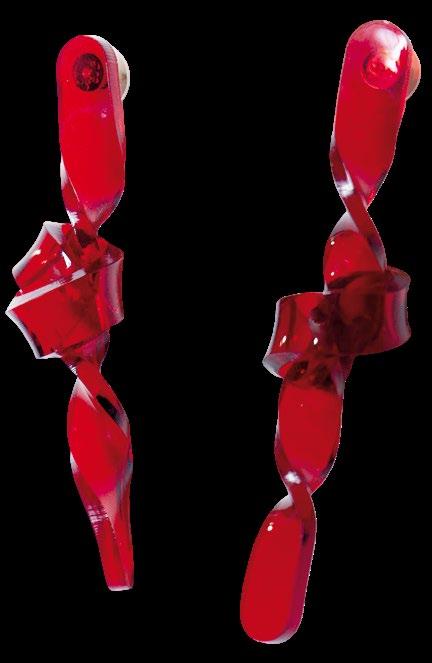
TIE EARRINGS. Plexiglass stud earrings in the shape of a tie, laser-cut. They can accompany any casual look, while the dynamic lines of the shapes enhance any minimal stylistic choice.
____ Shop online SCAN WITH YOUR SMARTPHONE THE QR CODE ON THE RIGHT AND SHOP QUICKLY AND EFFORTLESSLY
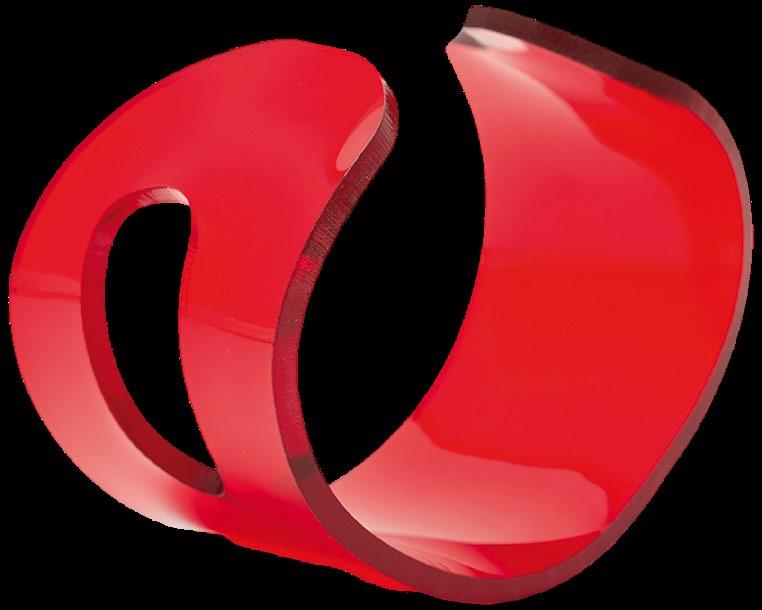
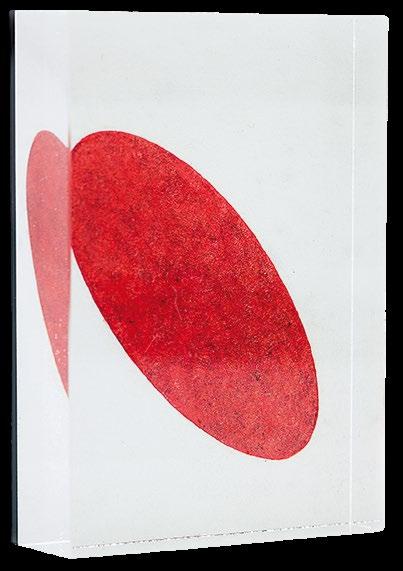
BRACELET. Plexiglass cuff bracelet, laser-cut. The creator based her work on the idea of transferring certain characteristic elements from Russian avant-garde works included in the Costakis Collection of the MOMUS-Museum of Modern Art. A statement piece that stands out due to its minimalist and dynamic lines. n
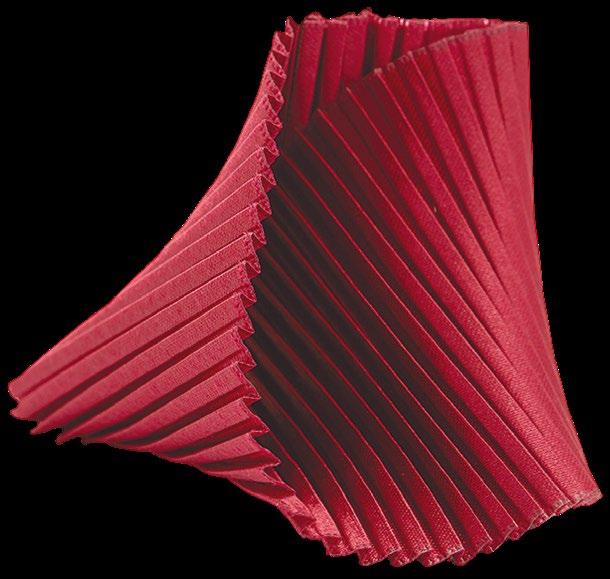
FABRIC BRACELET TSOUKALA.
Pleated, satin polyester bracelets, offering shine, elasticity, and durability. Available in red, olive green, black, burgundy, and gold. n
MOMUS.
Available at all MOMUS shops.
ALEXIS GRITCHENKO
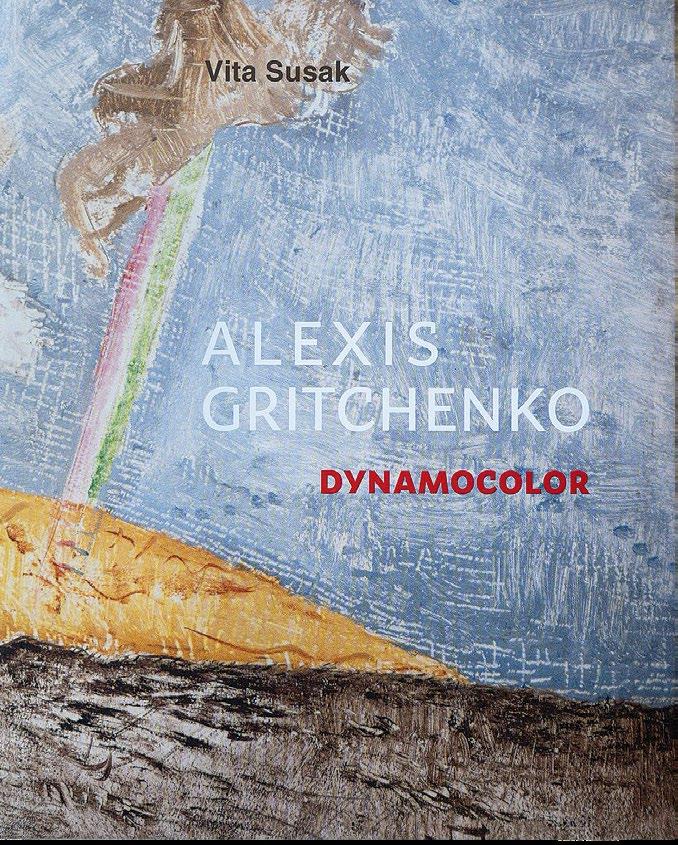
ALEXIS GRITCHENKO — THE GREEK ADVENTURE.
Discover the catalog of the exhibition highlighting Alexis Gritchenko’s Greek period. The Ukrainian painter and art theorist connected Futurism, Cubism, and Fauvism with Byzantine tradition. His works from Greece (1921-1923), from Athens and Delphi to Crete and the islands, capture the dazzling Mediterranean light and converse
Available at the shop of MOMUS-Museum of Modern Art.
MOMUS shop
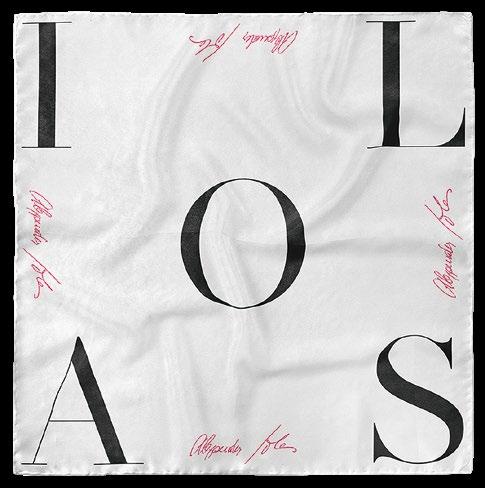
IOLAS. High-quality silk scarf, produced in collaboration with Mantility Gallery and Tsiakiris Silk House in Soufli. The unique design is based on archival material from Alexandros Iolas’s collection.