

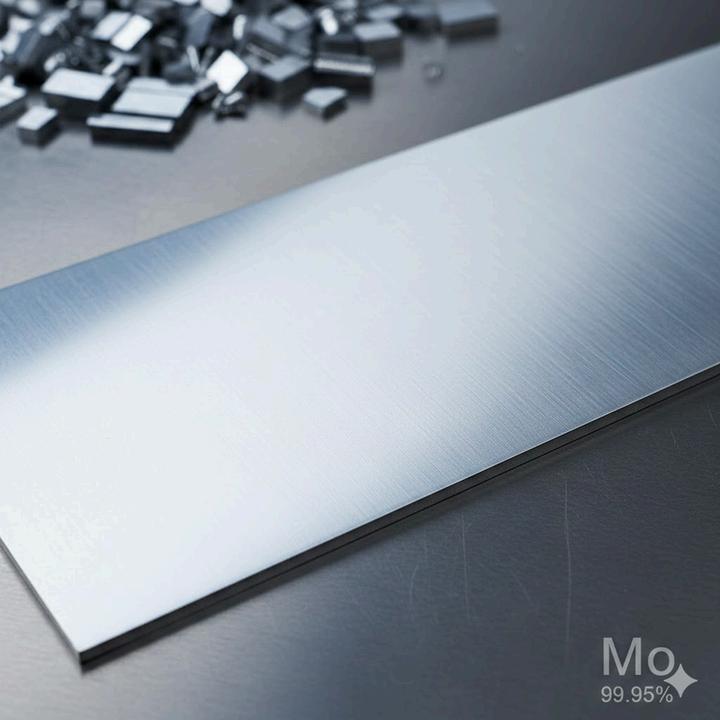
Molybdenumsheetsarehigh-performancemetalproducts usedinextremeenvironmentswherestrength,thermal stability,andcorrosionresistancearecritical.Derivedfromthe refractorymetalmolybdenum(Mo),thesesheetscan withstandveryhightemperatureswithoutlosingstructural integrity.Industriessuchasaerospace,semiconductor manufacturing,glassproduction,andhigh-temperature furnacesrelyheavilyonmolybdenumsheetsfortheir exceptionalproperties. Thisvideoexplainsthecompletemanufacturingprocess— fromoreextractiontofinalprecisionsheetproduction.
The process begins with mining.
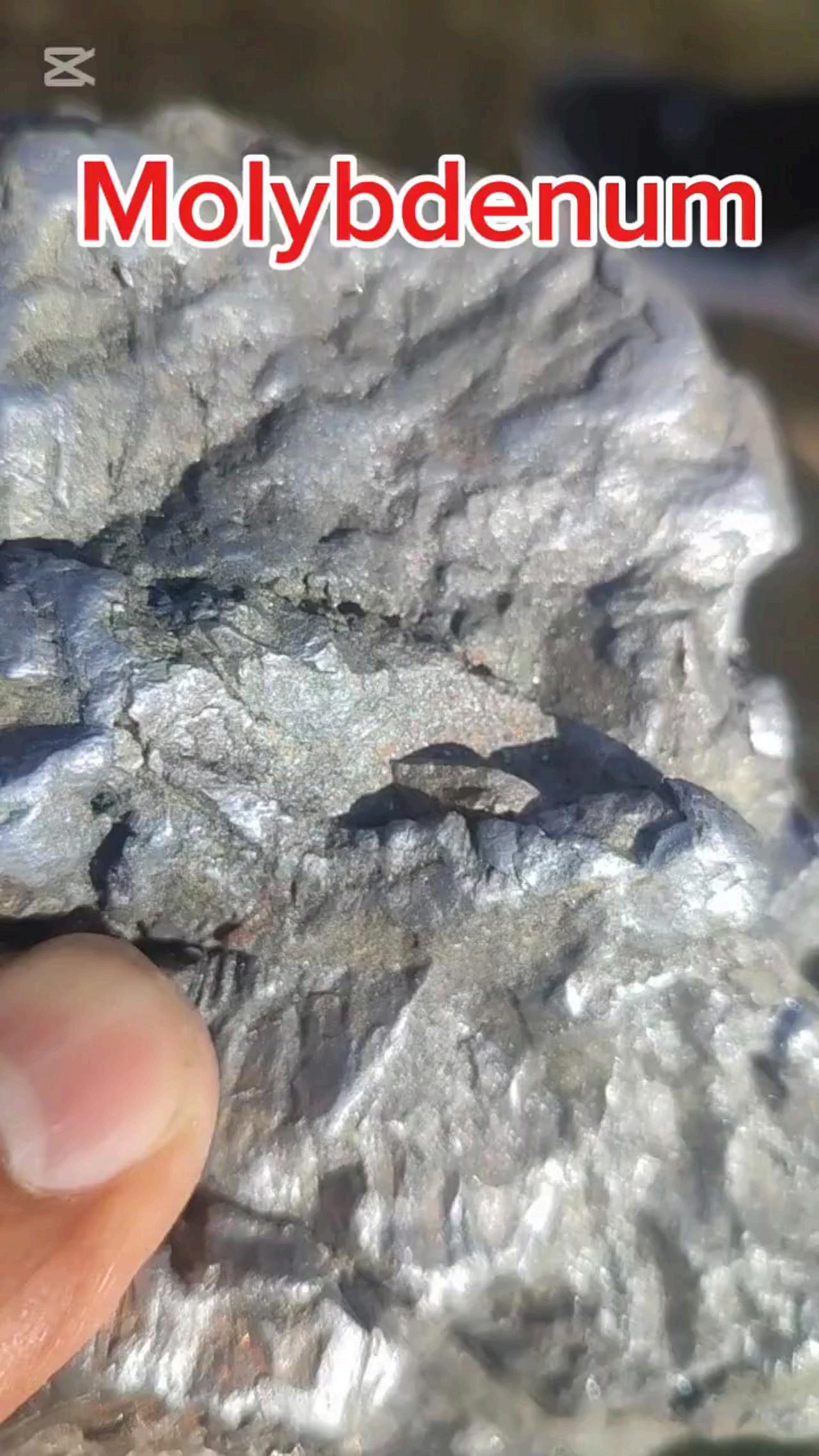
Molybdenum is primarily obtained from molybdenite (MoS₂).
The ore is:
• Extracted from open-pit or underground mines
• Crushed and ground into fine particles
• Concentrated through flotation
The concentrated molybdenite is heated in large industrial furnaces.
This process:
• Removes sulfur
• Converts the material into molybdenum oxide
• Prepares it for further refinement
The result is a purified intermediate product ready for reduction.
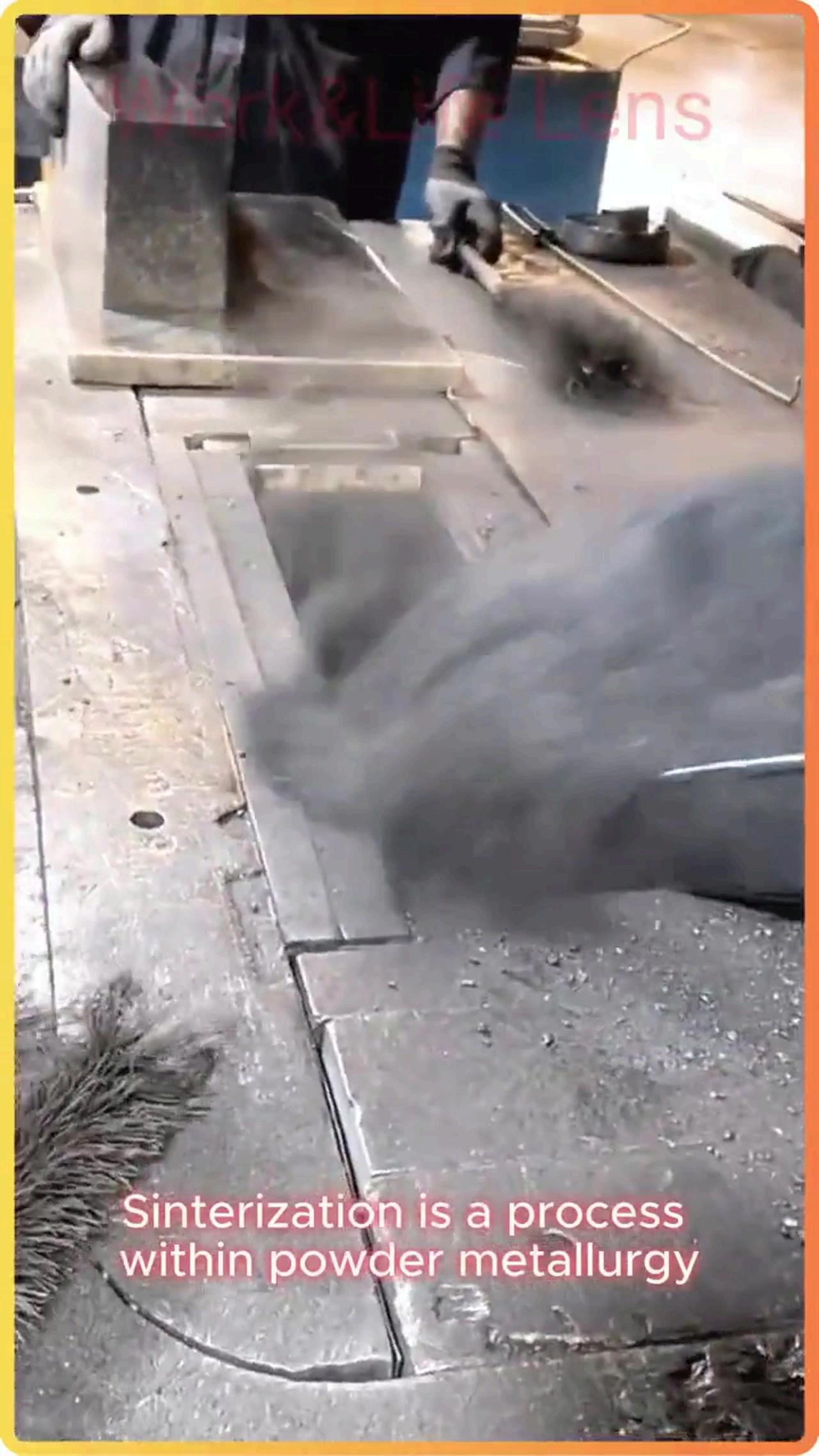

The metal powder is compacted into solid shapes. This is done using:
• High-pressure mechanical presses
• Molded dies
• Controlled compaction force
The result is a solid but still porous “green compact.”
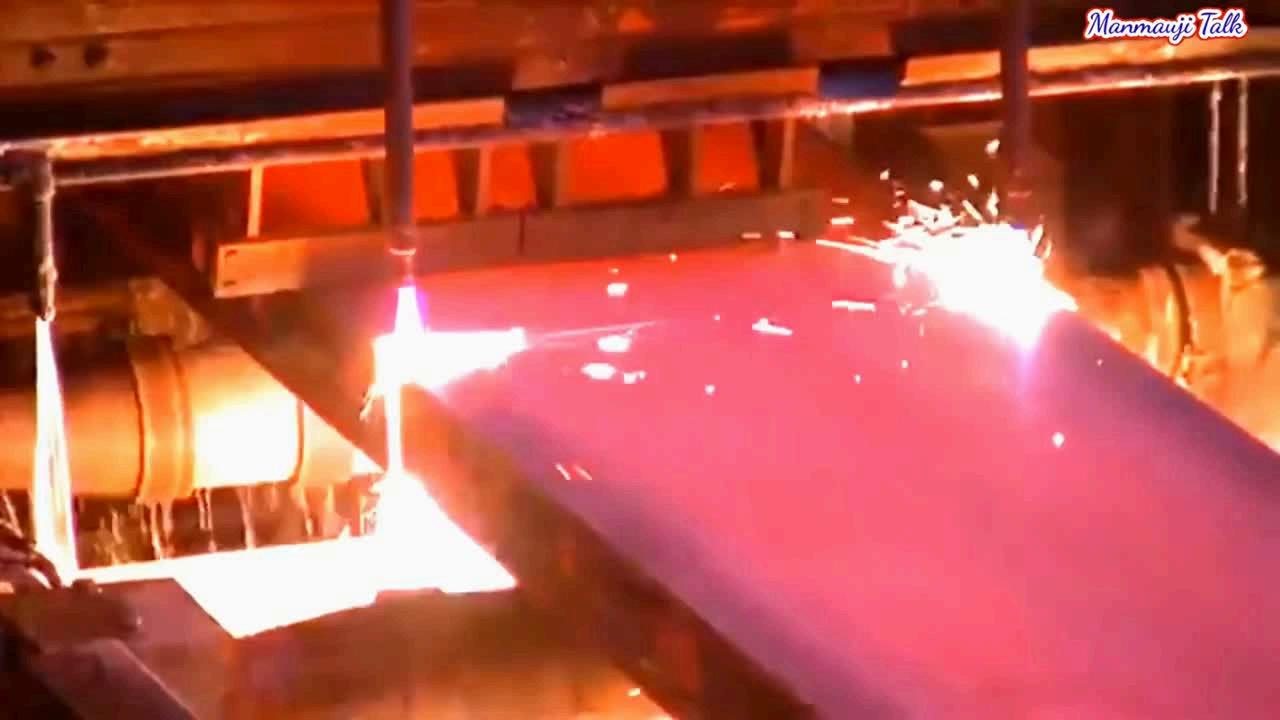
The pressed billets are placed in high-temperature furnaces for sintering. During sintering:
• Particles bond together
• Density increases significantly
• Mechanical strength improves This creates a solid molybdenum ingot.
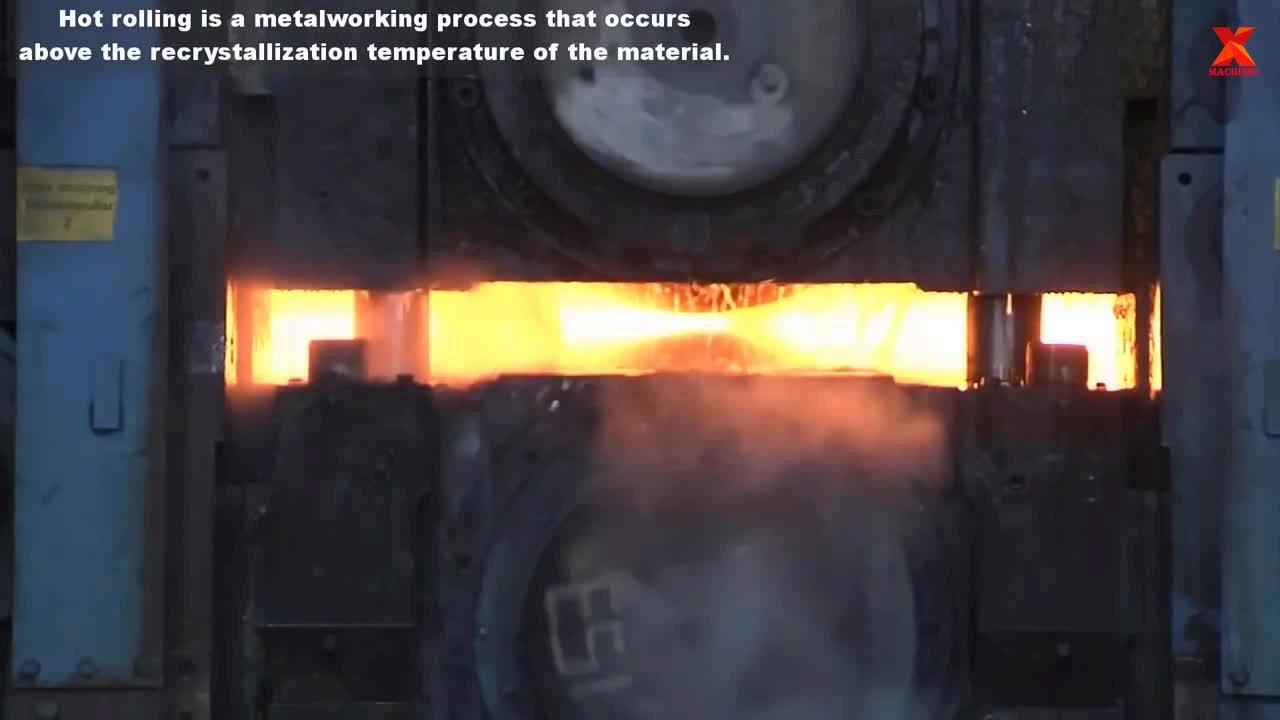
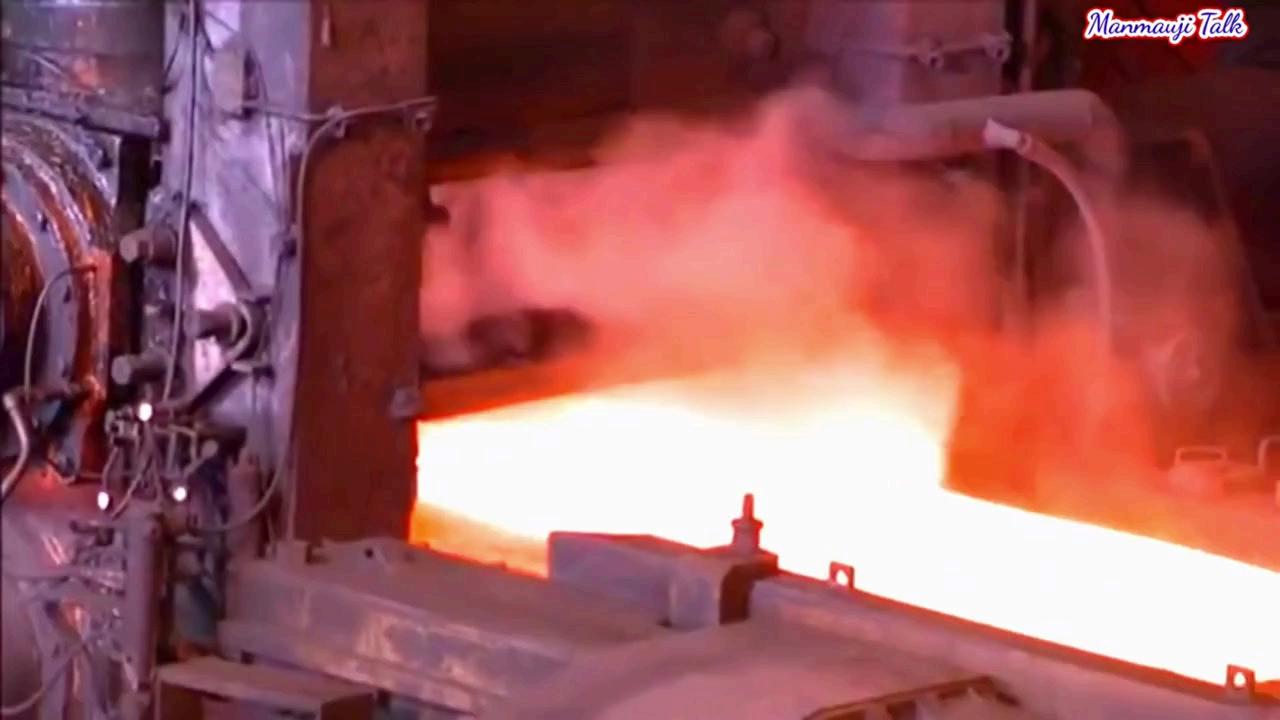
The sintered ingot is heated and passed through rolling mills.
Hot rolling:
• Reduces thickness
• Refines grain structure
• Improves mechanical properties
The material gradually transforms from thick billet into plate form.
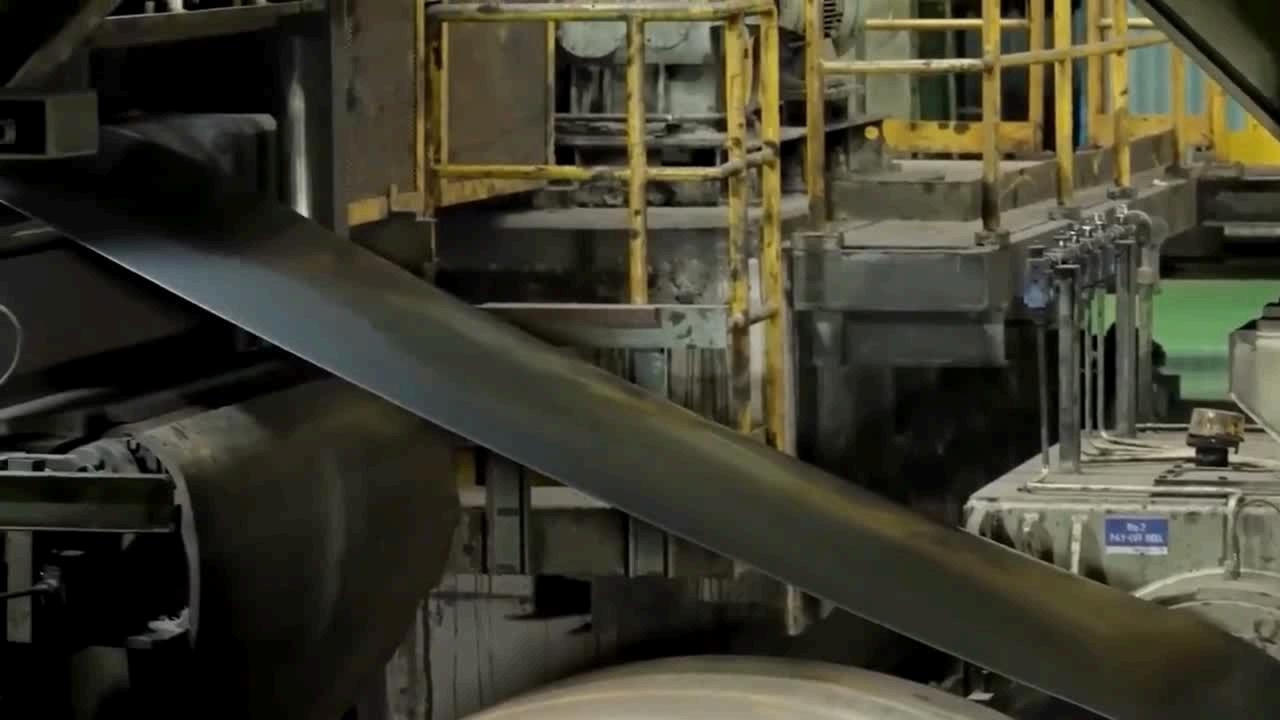
To achieve precise thickness and smooth surface finish, the material undergoes cold rolling.
Cold rolling:
• Further reduces thickness
• Enhances surface quality
• Improves dimensional accuracy
Multiple passes may be required depending on final specifications.
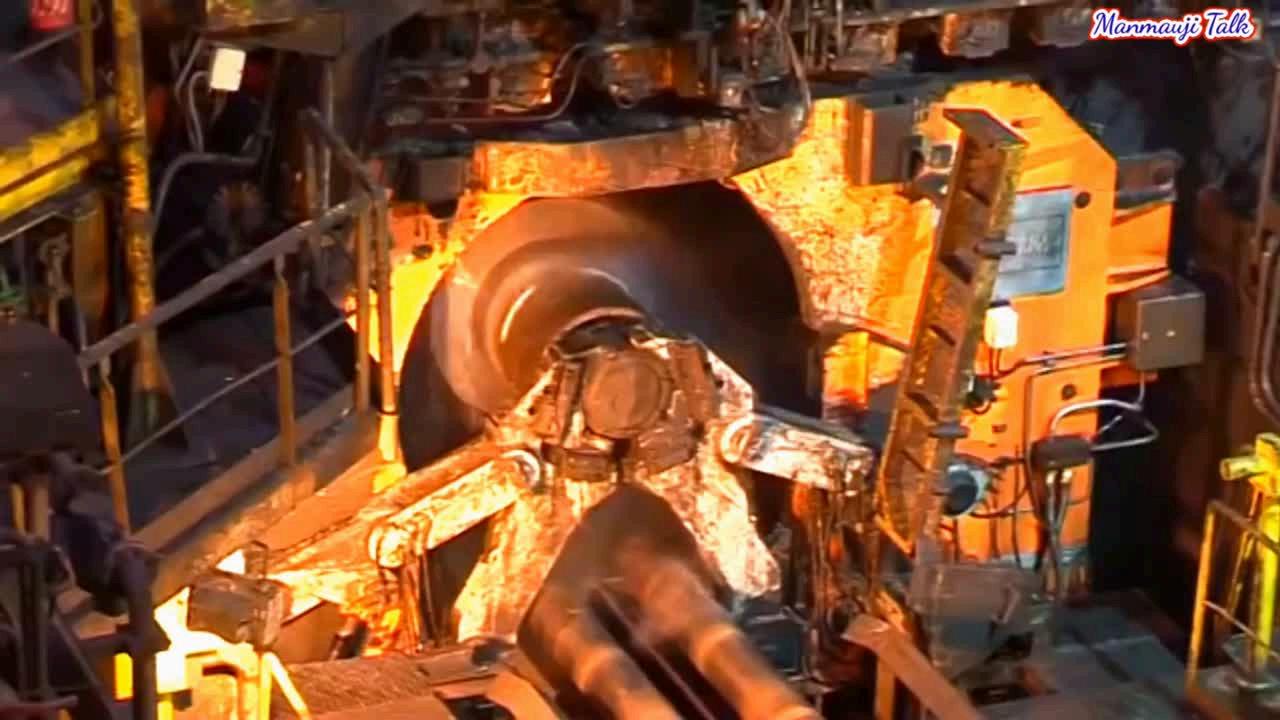
After rolling, sheets may undergo surface treatments such as:
• Grinding
• Polishing
• Cleaning
• Stress relief processing
This ensures:
• Smooth finish
• Clean surface
• Customer-specified tolerances
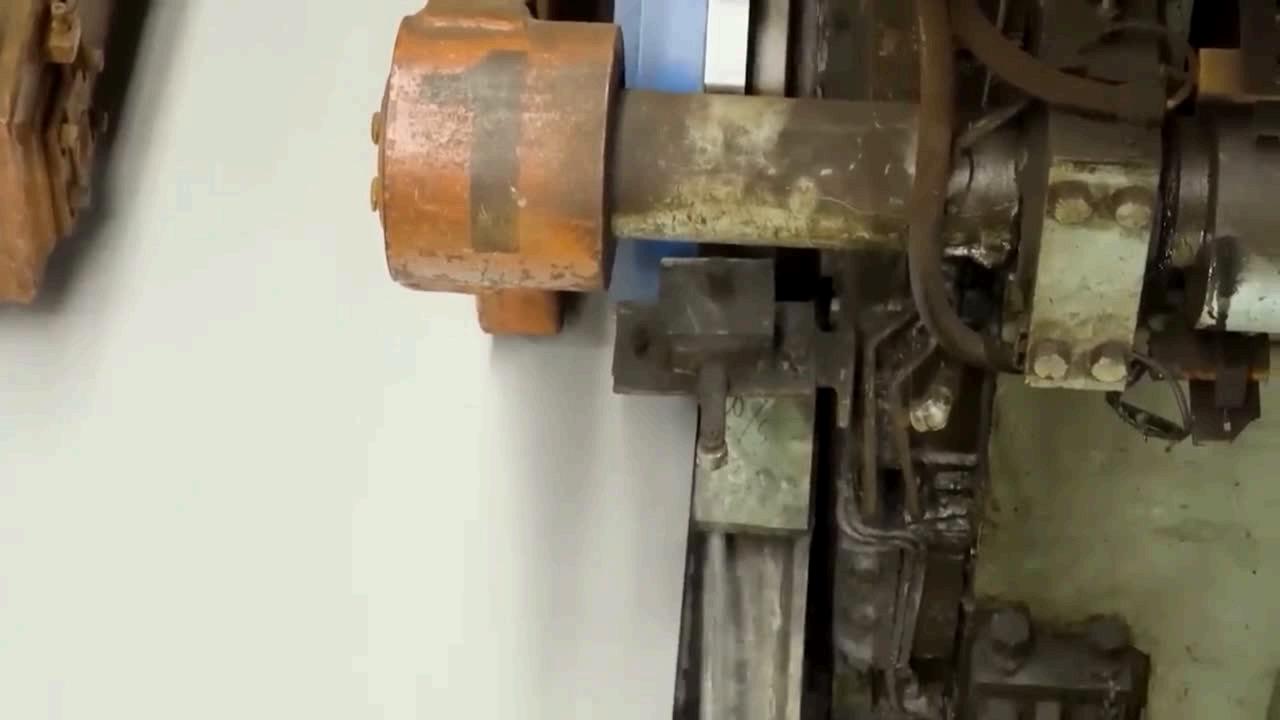
Large sheets are cut into required sizes using:
• Laser cutting
• Water jet cutting
• Shearing
• CNC machining
Strict dimensional control guarantees precision parts for industrial use.
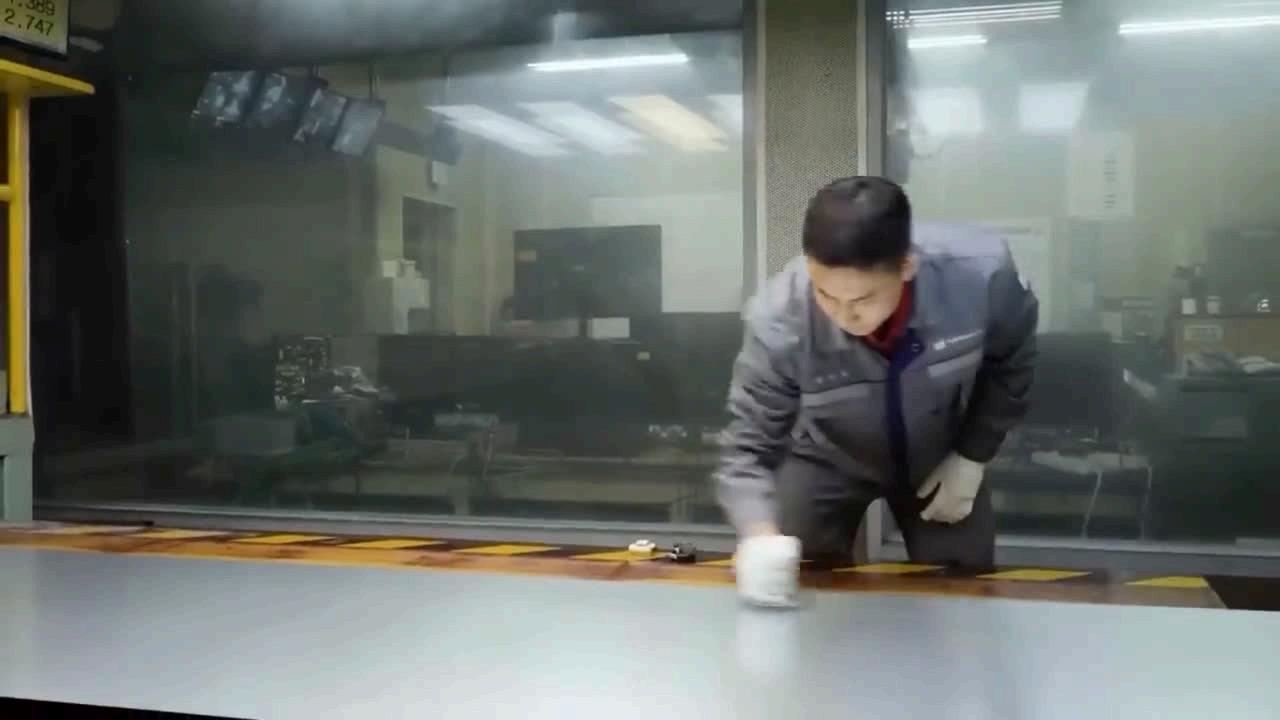
Each sheet undergoes comprehensive quality checks:
• Thickness measurement
• Surface inspection
• Mechanical property testing
• Chemical composition verification
Only products that meet standards proceed to shipment.
Finished molybdenum sheets are:
• Carefully cleaned
• Protected with anti-oxidation materials
• Packed securely for export
Proper packaging ensures safe global delivery.

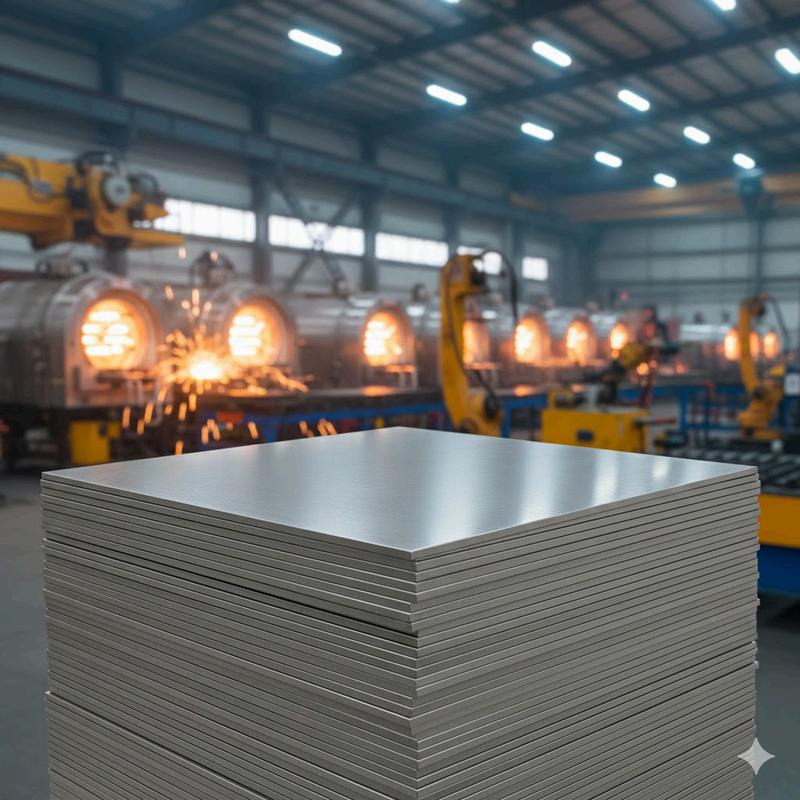
The manufacturing of molybdenum sheets involves:
Raw Material → Reduction → Pressing → Sintering → Rolling →
→ Inspection
Every step is controlled to ensure:
• High purity
• Structural strength
• Dimensional accuracy
• Long-term performance
Advanced manufacturing makes high-temperature innovation possible.