Building Bridges:
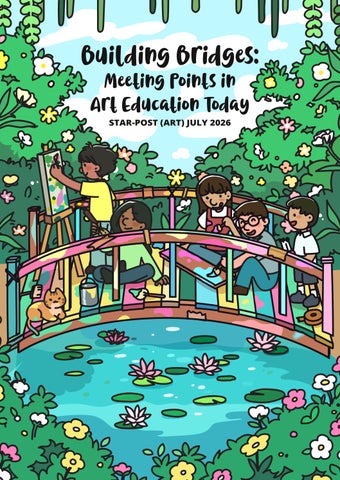
Bridges connect ideas, people, and places. In art education, they also connect who a student is to who they might become. At the heart of the revised art syllabus is a renewed emphasis on nurturing each learner's personal voice, artistic growth, and aspirations. Our art classrooms become the bridge — the space where students' individual strengths, interests, and lived experiences meet the artists and thinkers they are growing into. As art teachers, we design for that connection. It is our beliefs, aspirations, and practices that form the very planks of the bridge — carrying our students from where they are to who they might become.
This issue of STAR Post, Building Bridges: Meeting Points in Art Education, takes stock through the lens of art teachers who reflect on the bridges they have walked, and the bridges they have designed, built, and dream of building.
From Validation to Voice The issue opens by examining what artistic agency looks like in practice. Master Teachers Ira and Wei Hou share their reflections on the paradigm shift towards more student-led exploration — and raise a question that will resonate with many art teachers: when students have grown dependent on our guidance and affirmation, how do we bridge them towards artistic agency and learning to trust their own artistic voice?
From Young Learners to Emerging Artists We also hear from art teachers who have crossed levels — moving between primary, secondary, and junior college contexts. Shirley, Jessica, and Wei Yuan reflect on how they adapted their beliefs and pedagogies in order to meet the different needs of different student profiles, revealing that at the heart of each crossing is a reflective practitioner willing to unlearn and relearn how best to build the bridges students, at any age, need.
From Classroom to Real World To make learning authentic and meaningful, Jane, Felicia, Erman, and Maisarah share the bridges they have built to connect their students with artists, practitioners, and communities to bring real-world insights and experiences into the classroom. These partnerships broaden potentialities for students to discover connections between Art and its role in society and gain a grounded sense of purpose in their artmaking and expression.
From No Tech to Tech and Back As AI and educational technology reshape today's learning landscape, art educators are called to think carefully about how these tools might enhance teaching and learning. As we navigate the balance between the human and the digital, Principal Master Teacher Ai Wee cautions against FOMO — reminding us that as Learning Designers and Teacher-Artists, we must exercise discernment in deciding which technology genuinely enhances art learning, and when the most powerful experience is one that remains, essentially, tech-free.
From Learning to Teaching A key to our success in the art classroom lies in art teachers who are willing and proactive learners, always looking for opportunities to grow their skills and practice. Mardiana, Nadiah, Stacy, Siti, Nurul'Ain, Veronica, and Aminah share how they have bridged their professional learning — from the Art Education Symposium, STAR Champs-led workshops, and STAR's new resource, The Brief Box — into their classroom practice. Beginning Teacher Yu Xin also reflects on how the art learning experiences her own teacher gave her strengthened her beliefs and practice as an art teacher today.
The bridges in this issue are many and varied — but they share the same conviction that art education, at its best, transforms lives. While the revised syllabus provides a new structure, the bridges that matter most are built in our classrooms — through the intentional design of learning experiences, and the relationships we nurture along the way.
I hope that this issue of STAR Post will help you recognise the bridges you have built through the years and inspire you to continue building in the years ahead.
Ms Han Zi Rui
Senior Assistant Director (Art) STAR
As art classrooms move beyond “right answers”, Master Teachers Ira Wati Sukaimi and Chia Wei Hou explore how educators can help students navigate uncertainty, take creative risks and eventually cross the bridge towards artistic agency.
“Little more steps. experience – because other side they get possibilities have discovered stayed - Master
“Cher, is this nice? Is it good enough?” As art teachers, many of us would have heard these questions in the classroom. Oftentimes, they are murmured hesitantly over half-finished sketches, paintings or uneven clay forms, as students wait for reassurance before making their next move.
It is a familiar dynamic that many art teachers know well, and one that they ultimately hope to shift. After all, one of the teacher’s most important roles is to build bridges that help students move from dependence towards artistic agency, from constantly seeking affirmations to developing their own artistic voice, said Master Teachers Ira Wati Sukaimi and Chia Wei Hou.
Both Ira and Wei Hou believe that such crossings are often gradual. Teachers may notice students hesitating less, experimenting more readily or developing their ideas without constantly seeking affirmation. Such moments may signal the beginnings of artistic agency.
A possible indicator of this shift, said Ira, is when students no longer repeatedly seek validation on whether they are doing the “right” thing. “It signals that they are more confident to do things on their own,” she explained.
Such shifts are rarely accidental. They are shaped, in part, by how art education is evolving. As Singapore's revised art syllabuses place greater emphasis on students' own learning journeys through portfolios that document how they conceptualise, develop and express their learning over time, the classroom conditions for artistic agency are being deliberately reimagined.
“In light of the revised art syllabuses, there needs to have a paradigm shift, with teachers and students engaging in things that they are not familiar with,” said Ira.
That idea is key in the revised art syllabuses, which call for a mindset shift from teachers and students alike. Yet, helping students develop artistic agency is rarely straightforward: it requires educators themselves to wade into unfamiliar terrain.
For educators, this often means creating more room for student-led exploration, staying open to unexpected directions and reimagining what rich, meaningful teaching and learning look like in the art classroom, said Ira and Wei Hou.
“We want to be efficient so we tend to want control, but I think we now have to learn to be comfortable to let go,” said Ira.
One way she does this is by designing learning experiences that encourage students to discover solutions for themselves. Ira recalled deliberately avoiding certain tools during clay lessons to encourage students to experiment with unfamiliar methods. For instance, she withheld rolling pins and invited students to improvise ways to flatten clay.
“Success and failure are at opposite ends, but actually we learn through failure,” he said. “Fail fast, fail early so that you can tweak, and then succeed later.”
Wei Hou explained why having a taste of success alongside the bitterness of failure matters: “Every experience of success helps students lean forward without even knowing they can do it.”
Gradually, these experiences become internalised as ways of thinking that students carry into future learning situations. “Even if students don't remember what they learnt, how they learnt it shapes who they become,” he added.
successes motivate steps. Let students experience a small crossing first once they cross to the side and experience that, get a different view of possibilities they would never discovered if they had in the same place.”
Master Teacher Wei Hou
Building artistic agency also requires teachers to understand where each student is beginning from, and what might be preventing them from crossing the bridge.
For Wei Hou, this starts with recognising the “walls” that students bring with them – something he has encountered in his own junior college (JC) classrooms.
“Students come in with a wall, with a high level of disbelief in themselves,” he said. “So I find myself having to break the wall with bridges, to get them to bridge across waters that they thought they would not be able to cross.”
Understanding those starting points helps teachers assess what kinds of bridges to build and how much support students need along the way. The teacher’s role, Wei Hou explained, is not to remove every obstacle for students. Instead, it is to be the person “on the other side of the bridge” that encourages and assures students that they can navigate challenges themselves, and see possibilities beyond what they believe about themselves.
Even when students do not yet possess that self-belief, teachers can guide them towards unfamiliar experiences that gradually help build confidence and resilience, Ira added.
“As teachers, we have to be very discerning: what is our lesson outcome?” said Ira. “But along the way, what are the other opportunities to develop students, instead of just giving them things that will quickly get them to the other side?”.
For both Master Teachers, the most transformative bridges are those that encourage students to experiment, adapt and problem-solve, and eventually, cross new bridges independently.
“Sometimes the harder way to get to the other side gives students competencies they would never develop otherwise.”
– Master Teacher Ira
Not all students cross the bridge in the same way. Wei Hou and Ira acknowledged the practical realities that teachers face while juggling varied student needs, assessment demands and classroom management concerns. Still, they encourage teachers to design “broad-based” entry points into learning that are wide enough to accommodate various interpretations and forms of inquiry.
In Ira’s view, a theme should function more like an open invitation. “I imagine a broad base gives you permission to disagree, to dislike, to respond in your own way,” she said.
Instead of using structure to limit variation, Ira believes that constraints should be designed to spark imagination and possibilities. “The constraint is there,” she said. “Now you show me what you can do.”
Sometimes that also means remaining open to interests and perspectives that students bring into the classroom. For example, although teachers may assume that assigning work connected to a student’s co-curricular activity will automatically spark engagement, Ira has found that reality is often more complex. “They may not like it, even if they’re in it,” she said.
At the same time, she observed that students often bring unexpected interests into the classroom, such as K-Pop and manga-inspired drawings, even when these are not in the syllabus.
When students are given room to interpret themes through their perspectives while keeping the task in mind, it opens up more diverse ways of seeing, thinking and responding within the classroom.
“It’s being willing to walk down the path together (with the students), teaching each other what we can do with this theme, and then surprising ourselves at the end. Let’s have that fun,” said Ira.
Building bridges for students involves new bridges for educators themselves, exploring possibilities that may not have been part of their own learning journeys.
“If they have never experienced elegant tasks, creative constraints, or open-ended learning, it is very difficult for them to imagine something different,” Ira said.
Students: - surprise teachers with unexpected approaches - explore and experiment beyond instructions - take ownership of their creative choices - stop constantly asking for affirmation - define the “why” behind their art - persist through uncertainty
Ira and Wei Hou believe that teachers themselves must remain learners if they are to support students in becoming independent learners. Professional learning, which provides exposure to different pedagogical approaches and curriculum design, can help teachers advocate for a more holistic scheme of work.
“Professional learning is very, very important. It gives you theoretical underpinning to explain why you are doing things differently,” said Ira.
Wei Hou agreed, adding that learning does not only happen in formal courses. It can come through conversations, reading, podcasts, observation, or trial and error.
“Being a learner shapes us. We remain open, we check our assumptions, and then we try again – it’s a cycle,” he said.
“You really won’t know what you need to change until you are exposed to something different. If you always stay in one place, you will never experience a transformation, whether it’s your perspective or experience.”
3:10
Check out these two chatbots can help you with art lesson design and refinement.
Note: Your schools.gov.sg required to log in.
Chatbot
Lesson
Chatbot
by Principal Master Teacher
Ms Seow Ai Wee
At this juncture in the education landscape, we find ourselves at the confluence of two compelling and often conflicting narratives about educational technology (EdTech).
On one hand, educational technologists continue to advocate persuasively for the transformative potential of digital tools, highlighting their capacity to deepen engagement, personalise learning, and catalyse innovation in our classrooms. On the other hand, neuroscientists and cognitive researchers are raising concerns about how technology, artificial intelligence (AI) in particular, may be undermining the cognitive processes that underpin deep learning, sustained attention, and creative thinking.
Within this tension, I believe art teachers occupy a distinctive and critically important position because of our dual role as Learning Designers and Teacher-artists. We must exercise professional discernment grounded in what we know best about how students learn to make and appreciate art; through our professional knowledge, belief and judgement, we maintain that disciplinary understanding in art be grounded in material experimentation and tactile manipulation, and shaped through first-hand observation and lived experience.
Academy Principal Mr Clifford Chua also reminded us that such messy and iterative experiences, centred on students' choice and voice, are precisely where creativity, curiosity, confidence, collaboration and cultural literacy are cultivated to prepare students for a changing world (Chua, 2024).
The Ministry of Education’s stance has been consistent and unambiguous: teachers use EdTech with purpose, based on the developmental profile of the students and their readiness, informed by learning sciences and sound research where available (Ministry of Education, 2025). The Education Technology Division (ETD) equips us with multimodal resources that position technology, including AI, as a pedagogical enabler that has the potential to deepen learning through greater personalisation, collaboration, and data-informed teaching (Ministry of Education Singapore, n.d.).
- The Guide to e-Pedagogy Google Site continues to serve as a “one-stop shop” where teachers can access the most updated e-Pedagogy content.
- Chapters for e-Pedagogy: Designing Digital Learning Interactions to Nurture the Future-ready Learner (Chapters 15a, 15b and 16) help teachers understand the theory and practice of leveraging the pedagogical affordances of technology for active learning.
- The Guide to the Development of Digital Literacy and Technological Skills (DLTS) is a key resource to understanding learning opportunities that support the development of nine digital competencies, including AI literacy.
- The Quick Guides to Generative AI Tools for Teachers (Chapters 1, 2, 3, 4, 5 and 6) provide clear insights into AI’s potential applications, alongside critical guidance on associated risks.
We are then placed in a position to make context-specific decisions about the intentional and strategic use of EdTech in ways that genuinely enhance learning in art.
Here are five considerations:
The fear of missing out (FOMO) is real! In the current climate of rapid digital innovation, it can be tempting to feel that meaningful teaching should always involve a digital platform, the latest application, or an AI tool. However, we should not feel compelled to use EdTech simply because it is widely promoted or has worked well in other subjects. ETD’s refreshed EdTech Pedagogical Scaffold (EdTech PS) clearly signals that we should “design tech-free learning experiences” if the technology does not meaningfully support the intended learning outcomes in the syllabus.
The art syllabuses across all levels foreground process-oriented inquiry that is exploratory, iterative, and reflects students’ unique creative development over time. Art teachers are asked to facilitate learning that explores an array of materials and processes through hands-on experiences. Through this process, students develop diverse artistic skills and understanding, and document their learning through portfolios. Using EdTech tools is one of the many pedagogical approaches that art teachers should integrate thoughtfully alongside the tech-free art making and art discussion experiences that remain central to the art curriculum.
The Art Inquiry Model (AIM) should be the main framework for designing art learning experiences that support the inquiry process. The five non-linear, non-sequential components collectively cultivate curiosity, exploration, and reflection in students. When considering the integration of technology, art teachers should identify which components could be most meaningfully enhanced by a particular digital tool or resource. For instance, in “Investigate/ Play”, AI tools such as image generators can increase motivation and sustain persistence by enabling students to visualise ideas, consider alternative perspectives, and extend their imagination in forms and material types that they might not otherwise consider. In “Connect & Wonder”, we may choose to privilege the shared experience of viewing artworks together and posing open-ended questions that invite different perspectives.
ETD’s refreshed write-ups on the eight (KAT) provide practical guidance specific learning processes. When Amplification and Transformation make decisions on both the type and After using AIM to design art learning EdTech may add value, art teachers relevant applications and appropriate achieve the intended learning outcomes. supports lesson design and review, professional language for cross-subject pedagogically sound technology use.
STAR, in consultation with Arts Education three principles to guide art teachers pedagogically sound ways. The position on the use of AI in education surveys of Art and Music teachers. "human-first, human-last" learning perspectives, messy explorations and
Privilege authentically human,
Art learning should draw on students’ ways artists respond to personal, can support this process by extending new creative possibilities, but meaning-making or agency.
Embrace individual uniqueness, exploration
Art learning should foreground that reflect students’ unique creative can support making, thinking scaffolded integration of age-appropriate
Preserve human agency, autonomy connections
Art learning thrives in dialogical exchange ideas, give and collaboratively. AI could be possibilities and alternative implications and risks of creative critically examined.
eight Key Applications of Technology on how technology can enhance When used with the Replacement, (RAT) model, they help teachers and level of technology integration. learning experiences and identify where teachers can turn to KAT x RAT to select the appropriate levels of integration needed to outcomes. Fluency in KAT x RAT review, while also providing a shared cross-subject conversations about use.
Education Branch (AEB), established teachers in using AI in purposeful and three principles draw on MOE’s education and insights gathered from teachers. These positions prioritise experiences that celebrate diverse and individual creative journeys.
students’ lived experiences and the personal, cultural and social contexts. AI extending artistic ideas and offering but it should not replace human human, artistic experiences
uniqueness, creativity and autonomy and human foreground iterative, exploratory processes creative development over time. AI and talking about art through age-appropriate AI tools.
dialogical environments where students receive feedback and make art integrated to provide additional alternative perspectives, but its ethical creative homogenisation should also be
Learn more about the three principles and their practical applications in the art classroom from Art Master Teachers!
https://go.gov.sg/ ai-in-art-education -star-showcase

Given the limited art curriculum time, especially at the primary and lower secondary levels where students have approximately ten to 12 hours of art learning per term, it will not be overly dramatic to say that every minute counts. Art teachers must think very carefully about whether a particular use of technology will meaningfully enrich students' engagement with materials, ideas and processes, or simply add another layer of distraction and logistical complexity.
References
Chua, C. (2024, April 16). The five Cs of arts education. Schoolbag. https://www.schoolbag.edu.sg/story/the-five-cs-of-arts-education/
Ministry of Education Singapore. (n.d.). EdTech Masterplan. https://www.moe.gov.sg/education-in-sg/educational-technology-jour ney/edtech-masterplan
Ministry of Education. (2025, March 28). What you need to know about MOE’s views on digital devices and purposeful and healthy screen use. MOE EdTalks.
https://www.moe.gov.sg/news/edtalks/what-you-need-to-know-aboutmoes-views-on-digital-devices-and-purposeful-and-healthy-screen-use
Art teachers share how their cross-level journeys reshaped their pedagogical approaches and challenged some assumptions they once held. Along the way, they uncovered the true spirit of art teaching and learning.
When I first started as a secondary school art teacher, I used to think that art nurtured creativity, levity and joy in students’ everyday lives. I saw it as a space where students could discover themselves and find pathways towards creative careers. I also thought that art was better suited for those who were naturally inclined or “talented,” and believed my role was to guide and support these students while sparking excitement in the classroom. Implicitly, I assumed students would recognise the value of art on their own through the act of making.
Now, as a primary school art teacher, I think that art plays a far more central role in a child’s development. It is not just for the creatively inclined - art is for everyone. Talent is not fixed; it is built through exposure and effort. More importantly, art equips students with tools to navigate future challenges. It develops independent thinking, visual problem-solving and an inquisitive mindset, qualities that are vital in a world shaped by artificial intelligence.
Having taught at both primary and secondary levels, I recognise that each offers something essential: the former nurtures joy and exploration while the latter introduces rigour and refinement. I now bridge these experiences by encouraging my students to take ownership of their work through choice of medium, approach and style. Art may be formless in its outcomes, but it remains foundational in helping students think, adapt and navigate the future.
Moving between primary, secondary, classrooms has been a journey landscapes. When I first moved out of my depth. A later move challenging. I used to think that be simpler than teaching assessments are partly shaped examinations. I now realise creative agency is just as complex. interests younger learners, meeting and scaffolding them towards
I have had to recalibrate my different developmental stages, requires sitting with uncertainty each classroom. At the lower foundational basics. At upper helping students become exploration, research and intentional levels, the goal remains the expression while encouraging thinking.
Over the years, I have learnt continually honed, much effective when rooted in reflective brings authenticity into the centre of teaching and learning. been seeing art-making through me with my artistic practice, them as they discover who confidence in expressing their
secondary, and junior college (JC) art journey through distinct, often disparate, moved from secondary to JC, I felt entirely move to primary school was similarly that teaching younger students would in secondary school or JC, where shaped by the pressure of national realise that nurturing that initial spark of complex. It requires understanding what meeting them at their readiness levels towards success.
my approach to engage students across stages, abilities and interests. This uncertainty while finding the right "pitch" for lower primary level, lessons may focus on upper levels, the objective shifts towards become sense-makers through material intentional art-making. Yet across all the same: bridging technical ability and encouraging curiosity, discovery and critical
learnt that teaching is a craft that must be like art itself. Adaptability is most reflective practice. Being a practitioner classroom, and keeps students at the learning. For me, the greatest payoff has through my students’ eyes. It reconnects practice, and I get to feel excited along with they are, what they value and gain their voices.
Before joining primary school, I assumed that students in this age group would quickly grasp technical drawing skills and already know basics, such as colour mixing. After teaching in a primary school however, I realised that students’ exposure to art varies widely and that foundational skills cannot be taken for granted. Instructions need to be broken down into manageable steps, with ample scaffolding. From there, I can nurture creativity and independence.
Teaching across levels has made me a more responsive art educator. In secondary school, art pedagogy leans towards discipline-based, conceptual and critical thinking while primary school focuses on exploration, expression and foundational skills. It is not simply about teaching “simpler content”, but adopting a different philosophy of how children learn through art. I have come to see I am not just teaching art, but helping students develop confidence, curiosity, expression and a willingness to try.
Having inhabited both worlds, I see my role as a bridge between developmental stages. In secondary school, I watched early excitement grow into technical skills and self-expression. In primary school, I see how free play lets students create without fear. I try to connect these stages by helping students retain their creative confidence while giving them the tools to express deeper ideas.
This journey has transformed my pedagogical approach. Art, to me now, is less about the finished product and more about the process of trying, refining and discovering. In the art classroom, I am a co-explorer, open to unexpected directions. After all, a purple tree is not “wrong”; it is simply how a child sees the world!
Every meaningful learning experience begins with a bridge: between people, in classrooms and within communities. Through professional dialogue and partnerships, art teachers share what art learning can look like, both within and beyond the classroom walls.
The need to build bridges with artists and creative professionals became clear when many students saw art as a subject to pass, or a hobby, rather than an aspiration to pursue. They were not exposed to art as a viable career. To widen these perceptions, the Speaker Series was introduced as an authentic learning platform, bringing practising artists into dialogue with students and turning art into a lived, real-world experience.
The Speaker Series has been implemented over the past three years, with each iteration adapted to meet the needs of different Secondary 3 cohorts. In some instances, it was used to launch Schemes of Work, providing motivation and context. A creative director from an advertising agency introduced students to branding and industry practices during the Logo Design module, while artist Caleb Tan shared his sketchbooks to model art journalling and personal practice. In another instance, artist Tobyato was invited at the end of the module to provide critique and feedback. The effectiveness of this bridge is seen when students began to view art as a possible pathway rather than an abstract pursuit. Post-session surveys indicated increased awareness, alongside improved quality of work and ownership of ideas.
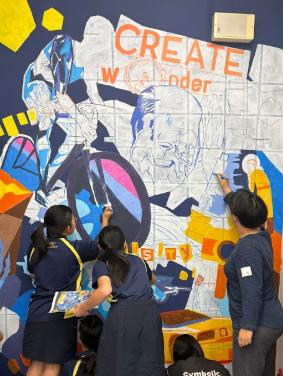
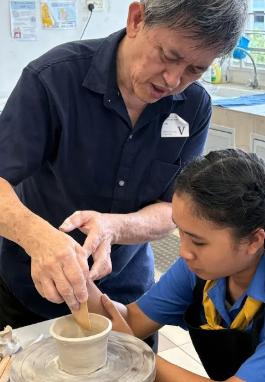
Complementing this, the Artist-In-School Scheme extends these connections through sustained collaboration between Singapore arts professionals and schools. Grounded in co-design, AISS strengthens teachers’ capabilities while bringing authentic artistic practices into the classroom. In 2025, students explored ceramic sculpture foundations with master potter Chua Soo Kim through guided and scaffolded practice, culminating in a collaborative sculpture for Speech Day to mark the school’s 25th anniversary. In 2026, students engaged in process-based exploration with artist Guo Yixiu, working through sketching, cyanotype, and collage to realise a collaborative mural. Across both programmes, students moved between individual exploration and collective creation, developing both personal voice and shared ownership.
Building these bridges required educators to address low aspiration, limited exposure, and students’ lack of confidence. Yet through these partnerships, students began to cross from seeing art as a school subject to recognising it as a space of possibility, connection and purpose.
We have always been curious about what was happening beyond our own art classrooms – what students in other schools were creating and what pedagogies shaped those outcomes. It was this shared curiosity that led us to recognise the need to build a bridge beyond our immediate contexts.
It began with a conversation. As we shared students’ works and reflected on our teaching decisions, we quickly realised how a second perspective could stretch thinking. Art, by its nature, is subjective and thrives on dialogue and diversity of thought. Through these exchanges, we gained access to new pedagogical approaches, resources and alternative ways of seeing. Whether exploring strategies to engage diverse learners, integrating technology meaningfully, celebrating successes, or troubleshooting challenges, each conversation became a source of inspiration and growth. Over time, these conversations began to extend beyond the two of us. As we rekindled our identities as practising teacher-artists, we found ourselves connecting with a wider community of art teachers and artists who shared an interest in exploring art more deeply. Through gatherings that invited open exchange, we explored new materials, techniques and ideas, learning from the different ways each of us approached similar challenges. This culture of reflection, iteration and co-creation reminded us that creativity is not only personal, but deeply relational. In turn, our understanding of both art-making and teaching deepened. We returned to our classrooms with renewed curiosity, innovation and adaptability.
We recognised that the bridge was working when we began to see tangible shifts in our students. Lessons became more dynamic and responsive, and students moved beyond following instructions to making intentional decisions through their engagement with materials. They also demonstrated greater ownership and agency in their artistic processes. The biggest wall we had to dismantle was thinking that we could grow practice alone. If there is one takeaway from this experience, it is this: start with one teacher and one conversation. Be open, stay curious and share authentically. Meaningful connections are built through consistent, thoughtful engagement. When educators grow together, the impact can be felt in the energy of the classroom, the confidence of students and the richness of their learning experiences. Ultimately, by building bridges with intention and care, we create environments where both teachers and students can thrive.
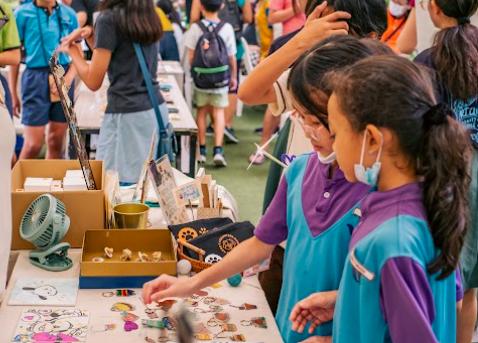
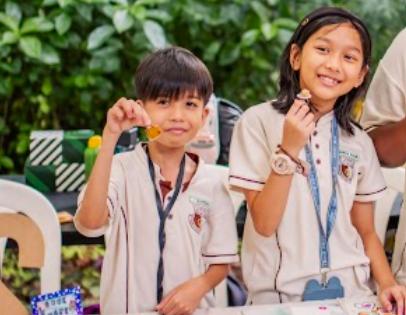
At Boon Lay Garden Primary School, I came to recognise that meaningful learning does not occur in isolation. While the classroom provides structure, authentic connections beyond it give learning depth, relevance and purpose. Many of our students have limited exposure outside their immediate environments, and for those who may be less academically inclined, classroom-bound learning alone may not fully engage or inspire them.
The turning point came when I observed students struggling to connect what they learnt in class to real-world contexts, alongside a growing need to make the relevance of art more visible beyond school. This led me to forge purposeful partnerships with community and industry partners, including the Urban Redevelopment Authority (URA), Tiong Bahru Bakery, and the Society for the Prevention of Cruelty to Animals (SPCA). These partnerships became opportunities to design authentic learning experiences. The impact was evident in students’ heightened engagement, empathy and growing sense of agency. These experiences also strengthened their 21st Century Competencies, particularly in critical, adaptive and inventive thinking.
What began as small-scale efforts grew into sustained partnerships, extending opportunities across schools. At the same time, teachers also grew professionally through co-creation and shared practice. Building these bridges was not without challenges. Aligning objectives, clear communication and trust were key. Ultimately, effective partnerships must be mutually beneficial and anchored in student learning. Start small, act with intention and remain open, because every bridge built creates new possibilities for learning and growth.


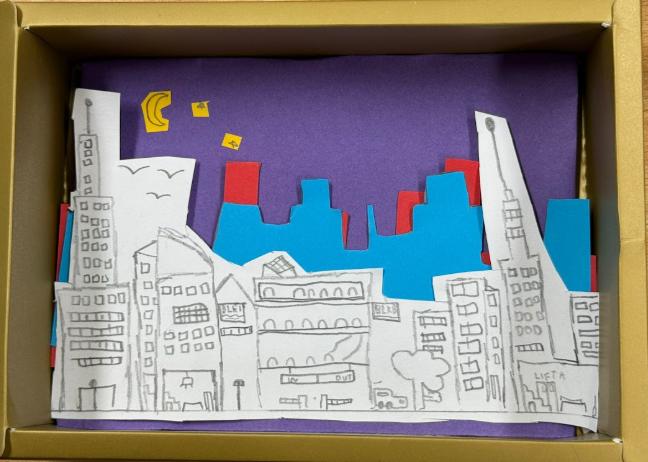
Mdm Siti Saleha Meridian Primary School
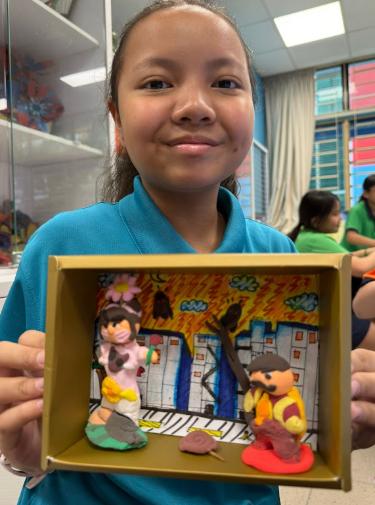
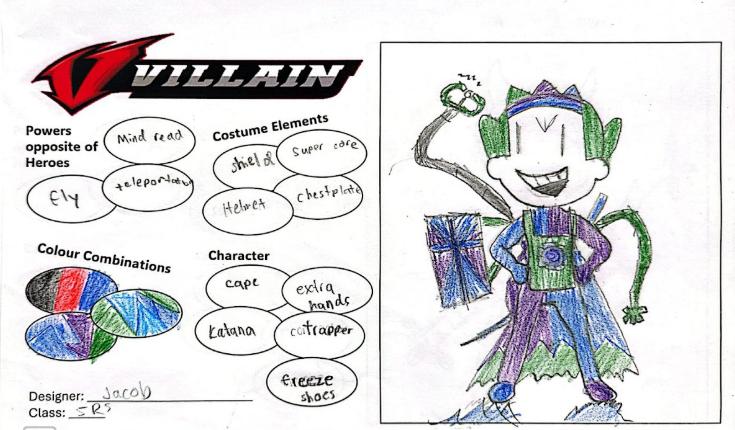
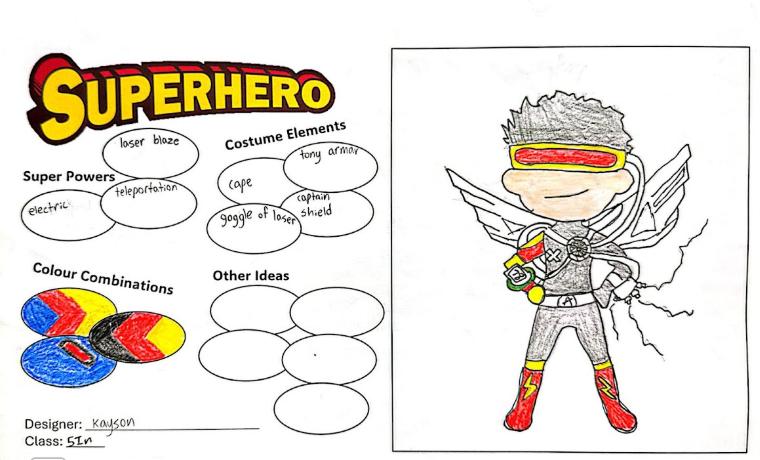
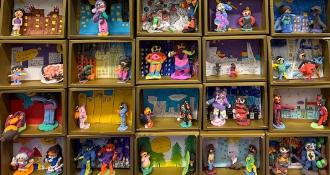
The launch of The Brief Box at the Art Education Symposium resonated with me, particularly because of its balance between structure and creative flexibility. I adapted the “draw yourself as a hero and villain” brief into an air-dry clay sculpture project, where my Art Club students created two versions of themselves. This dual-character approach prompted them to explore contrasting aspects of identity, such as strengths versus flaws, and construct narratives of internal conflict.
Students translated their sketches into three-dimensional forms, assembling their figures into dynamic battle scenes. They became deeply invested in the storytelling process, using form, posture and expression to communicate the relationship between their hero and villain selves. The Brief Box not only reduced my lesson-planning time but also supported more open-ended and inquiry-driven learning.
The launch of The Brief Box left a strong impression on me, especially its emphasis on inquiry-based learning through authentic, real-world scenarios. It reminded me that art and design become more meaningful when students can see their relevance to everyday life and future possibilities. The resource has also shifted the way I approach lesson planning. I now think more intentionally about the guiding and facilitative questions that help students connect each task back to the “big idea” of the lesson.
One unexpected insight was discovering how the same concepts can be taught through a wide variety of art tasks, allowing for greater creativity and differentiation. I believe this toolkit can shape school art curriculum by encouraging teachers to experiment with diverse approaches that better support students’ different needs, interests and learning profiles.
Han’s words – “When teachers focus on progress through process, students become more courageous. They learn to welcome critique, explore new things and risk failure without fear” – struck a chord with me. This perspective was reinforced as I explored the rich resource shared by our Art colleagues. The themes sparked genuine curiosity and the tasks felt authentic, connecting students to real-world contexts while preserving space for personal expression. Inspired by this, I have become more intentional about crafting meaningful contexts and purposeful design tasks that guide students to analyse, evaluate and create while always keeping an eye on the process.
Yet this is easier said than done. What became clear to me was how delicate the balance is between providing a structured brief and leaving room for student voice. Designing truly authentic learning tasks demands that both teachers and students are given time and space to trust the process. When we commit to that trust, the possibilities are far-reaching. This resource holds the potential to empower students to connect their learning beyond the classroom, shaping a future for art education that is both relevant and deeply human.

Attending the symposium was a valuable opportunity to reconnect, be inspired and reflect on my practice. One of the most impactful experiences was engaging with the exhibition Another World Is Possible at the ArtScience Museum. As I journeyed through the exhibition with the curator, my perspective on students’ artmaking began to shift. It reminded me that, in our focus on outcomes, we often overlook where real learning truly happens; in the space of wondering, imagining and exploring. This sense of curiosity needs to be intentionally nurtured even before students begin making.
A sharing by Greendale Primary further deepened this thinking, where students interviewed their parents to uncover cultural perspectives, leading to meaningful discussions. The intentional time given for reflection and exploration allowed students to develop deeper thinking and personal voice. This has prompted me to be more responsive in my teaching, by offering varied ways of engagement so that students feel more confident, invested, and able to express their ideas meaningfully.
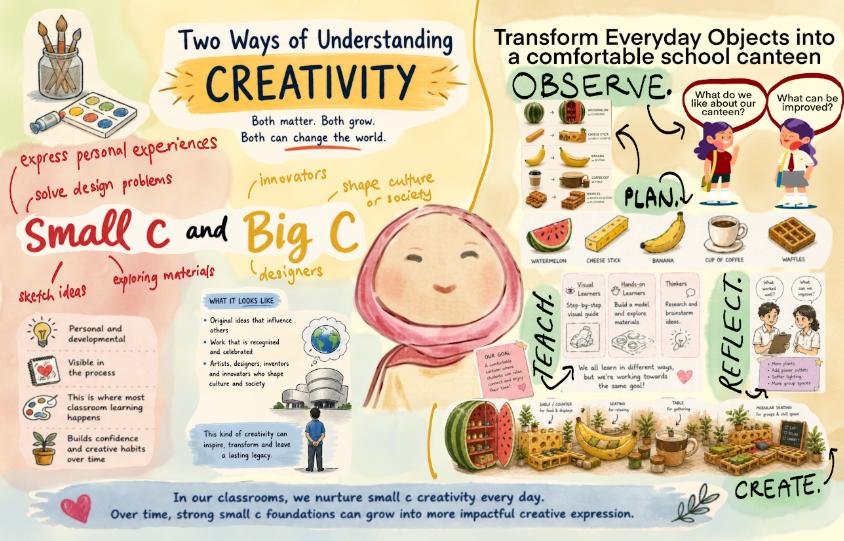
What strikes me most is how creativity can be made visible through intentional practice. We nurture creativity across a spectrum, developing students’ competence, confidence and courage. This represents a fundamental reimagining of learning. When students can justify their decisions, critique their own progress and begin again with purpose, their work becomes meaningful. By valuing process over product, we create space for risk taking, reflection and growth with clarity and direction. Within safe and supportive environments, confidence builds steadily over time. Portfolios become more than collections; they are narratives of resilience and discovery, capturing both development and achievement. Ultimately, we cultivate reflective visual thinkers and confident creators who are ready to engage thoughtfully and meaningfully with the world through art.
Effective collaboration stood out most strongly for me during the event as it is an important social-emotional competency that helps students communicate, adapt and work respectfully with others in a fast-changing world. From the Critical Inquiry presentation “Growing Voices through Art”, I learnt the importance of establishing collaborative norms to guide students in sharing ideas and resolving conflicts respectfully. I also realised that these norms should be adapted to suit different age groups and learning needs. The presentations connected closely with my own teaching experiences during a recent digital art lesson, where students practised active listening, considered different perspectives and worked towards shared outcomes together. Moving forward, I hope to learn more strategies to support meaningful reflection and effective collaboration in Art lessons.
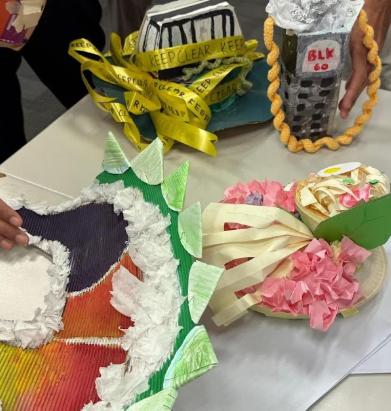
The E21CC competency that stood out to me most was Adaptive and Inventive Thinking. The workshops reminded me that art education is more than just teaching technical skills. Our lessons can also nurture values, perspectives, and confidence in students, something I sometimes forget in the rush of completing the curriculum. The “Can Creativity Build Belonging?” workshop especially challenged my thinking. It made me reflect on how capable our students already are, and how we can better unlock their voices and experiences through art. I am leaving with questions about how we can build belonging more authentically in our local context using relatable and contemporary Singaporean references.
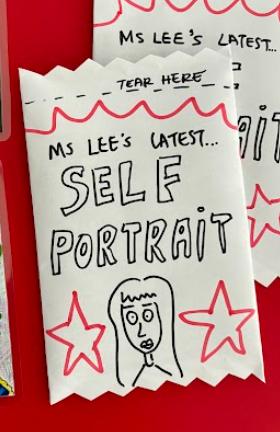
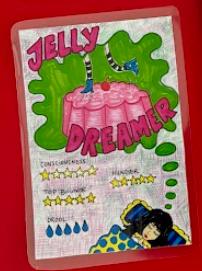
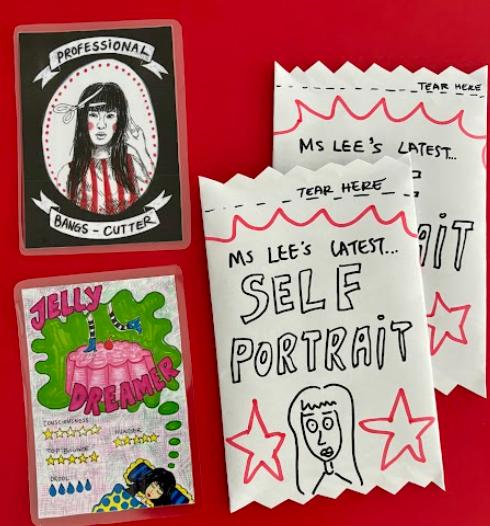
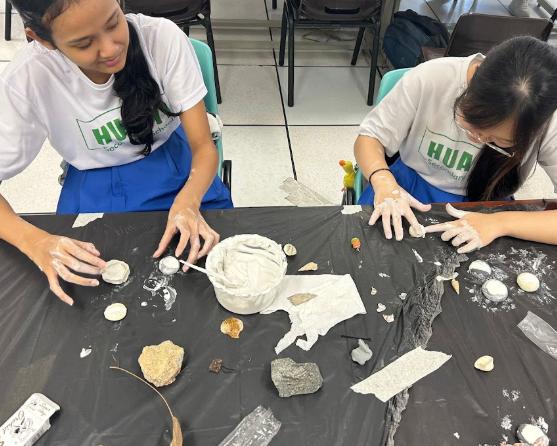
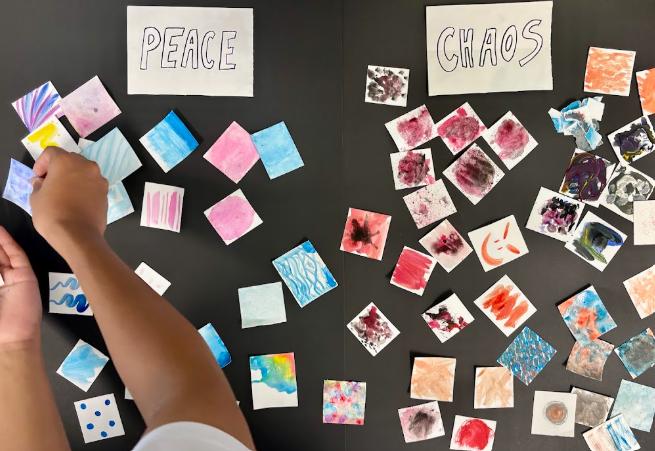
My journey into teaching was shaped by my secondary school art teacher, who helped me see learning as a process of discovery, blurring the lines between what seemed possible and impossible in the Arts and within myself. This continues to guide my belief that teachers play a vital role in uncovering the artist in everyone. In today’s student-centric landscape, I am inspired by how art education empowers students to express their identities where differences become opportunities for meaningful exchanges. Having once felt limited by my own technical abilities as a young artist, I now design lessons with whimsical handmade samples and trigger objects, prioritising choice, experimentation and real-world application to show students the many forms that success can take in the Arts and in their lives. Moving forward, I hope to deepen my strategies for encouraging students to step beyond their comfort zones and embrace the unknown as another treasure to be uncovered!
One of my memorable experiences in secondary school was at the School of the Arts (SOTA), when my Secondary 3 Visual Arts teacher Mr David Gan assigned a project that required us to develop an artwork in any medium or form in response to a broad theme. Prior to this project, my understanding of art was limited to the pursuit of technical excellence, which I believed I lacked compared to my peers at the time. However, instead of rushing into defining the outcome, we focused on the creative exploration of research, concept development, and art conversations, drawing inspiration and information from various artists and resources. My insecurities about my technical skills no longer limited my ability to act, especially as Mr Gan would encourage us to work boldly with unconventional materials and question our assumptions about what we believed was “right” or “wrong” in art. After that project, I felt freed from my insecurities and more focused on discovering what worked for me instead of mulling over what did not.
Reflecting on this moment through the eyes of both an ex-student and a teacher has cemented for me the influence that teachers and art education can have on helping individuals realise their capabilities and potential when given the opportunity to take charge of their learning – all with the support and guidance of an encouraging voice.

Contact MOE_STAR@moe.gov.sg http://star.moe.edu.sg +65 6664

Zi Rui Assistent Director (Art) HAN_Zi_Rui@moe.gov.sg
Chia Wei Hou Master Teacher (Art) CHIA_Wei_Hou@moe.gov.sg
Chun Wee San Master Teacher (Art) CHUN_Wee_San@moe.gov.sg
Nadiah Binte Abdul Nasir Academy Officer (Art) NADIAH_ABDUL_Nasir@moe.gov.sg
Contact Us:
MOE_STAR@moe.gov.sg
http://star.moe.edu.sg
6664 1496
Victoria Loy Master Teacher (Art) Victoria_LOY@moe.gov.sg
Ira Wati Bte Sukaimi Master Teacher (Art) Ira_Wati_Sukaimi@moe.gov.sg
Lim Kok Boon Master Teacher (Art) LIM_Kok_Boon@moe.gov.sg
Vivian Loh Master Teacher (Art) Vivian_LOH@moe.gov.sg
Seow Ai Wee Principal Master Teacher (Art) SEOW_Ai_Wee@moe.gov.sg
Nurulhuda Mustafa Academy Officer (Art) Nurulhuda_MUSTAFA@moe.gov.sg
Share your learning points on building bridges at @sgartstories !