MODA
SPRING PRINT
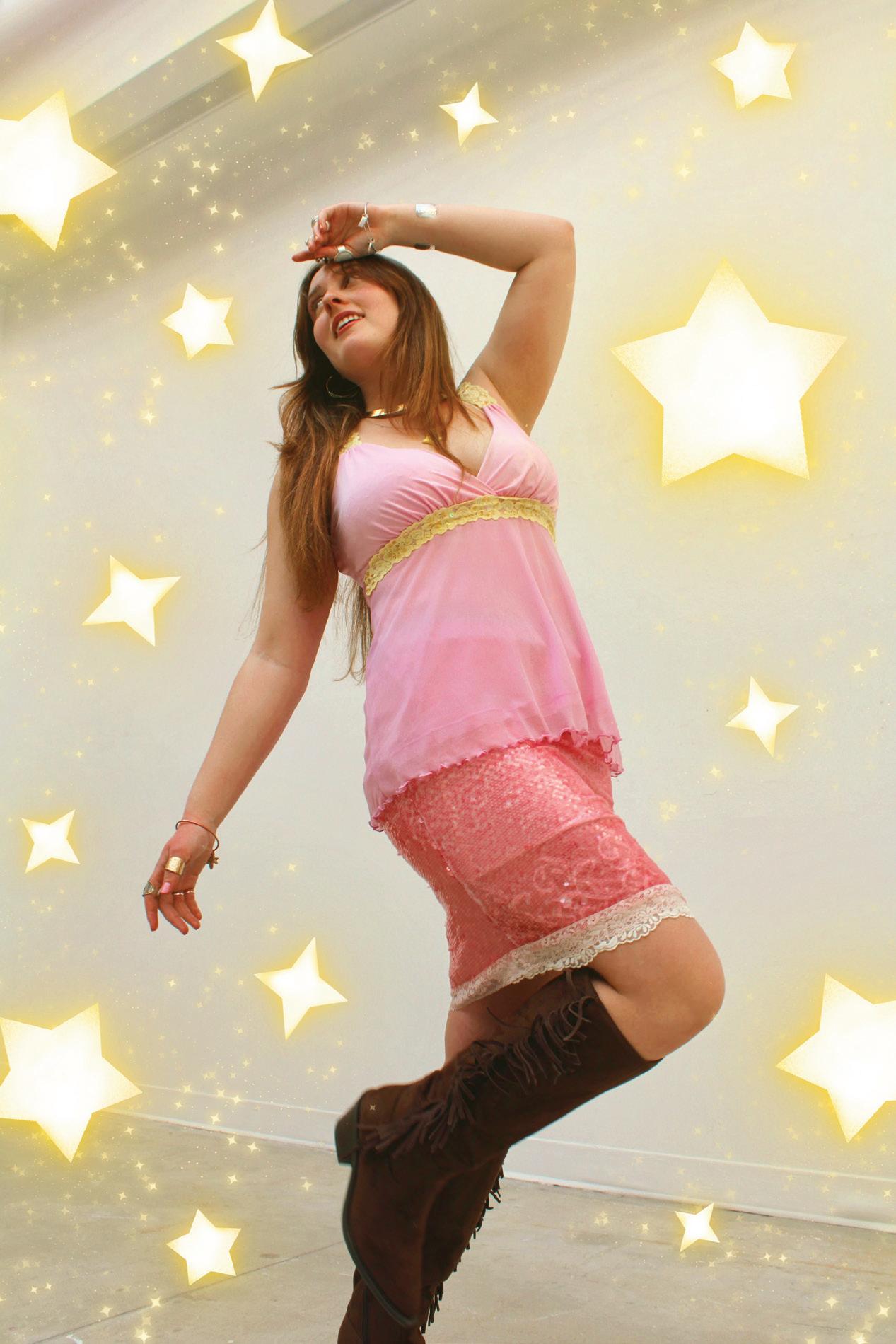
STAR
LIGHT, STAR BRIGHT
THE BEAUTY OF STARING UP AT THE COSMOS
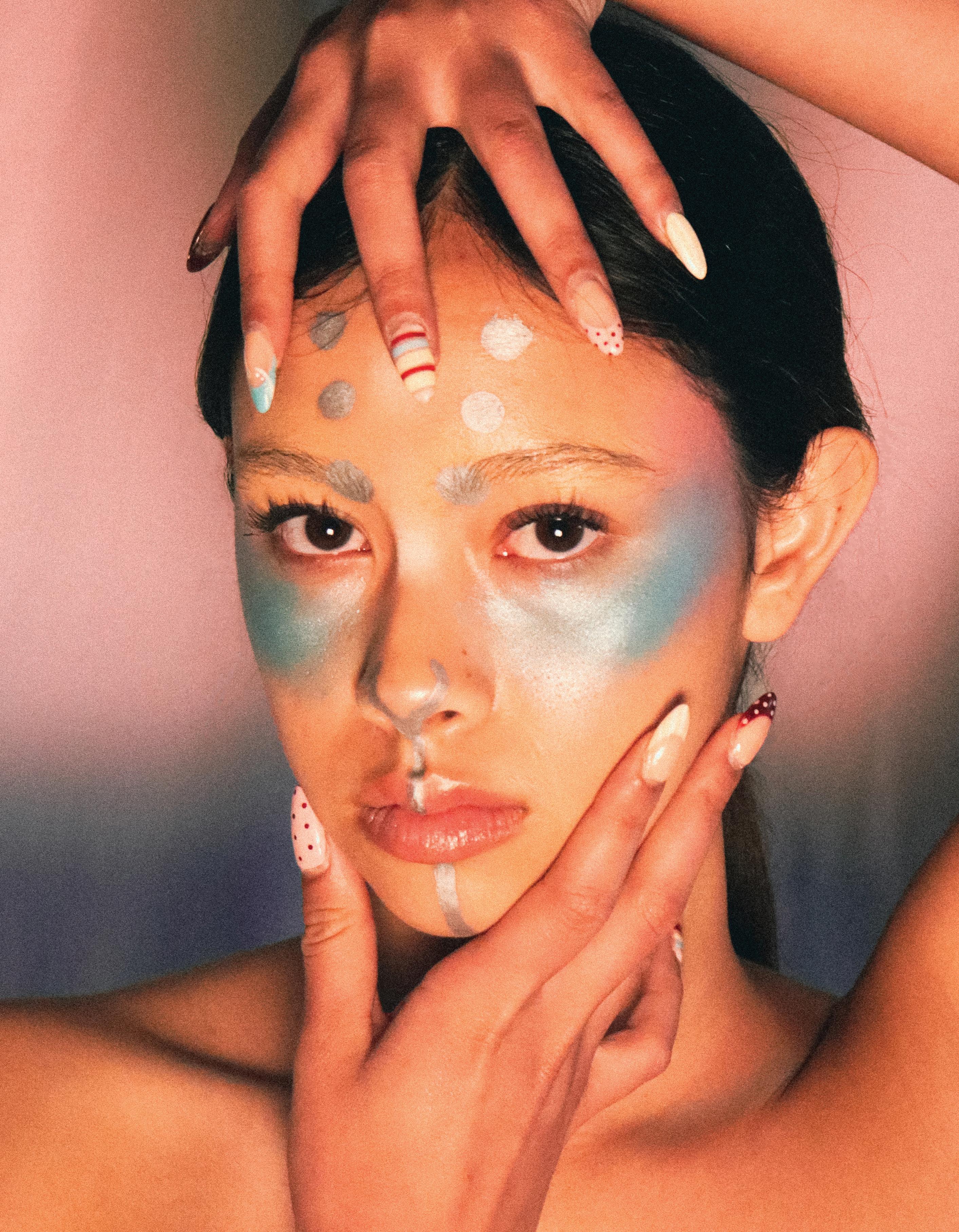
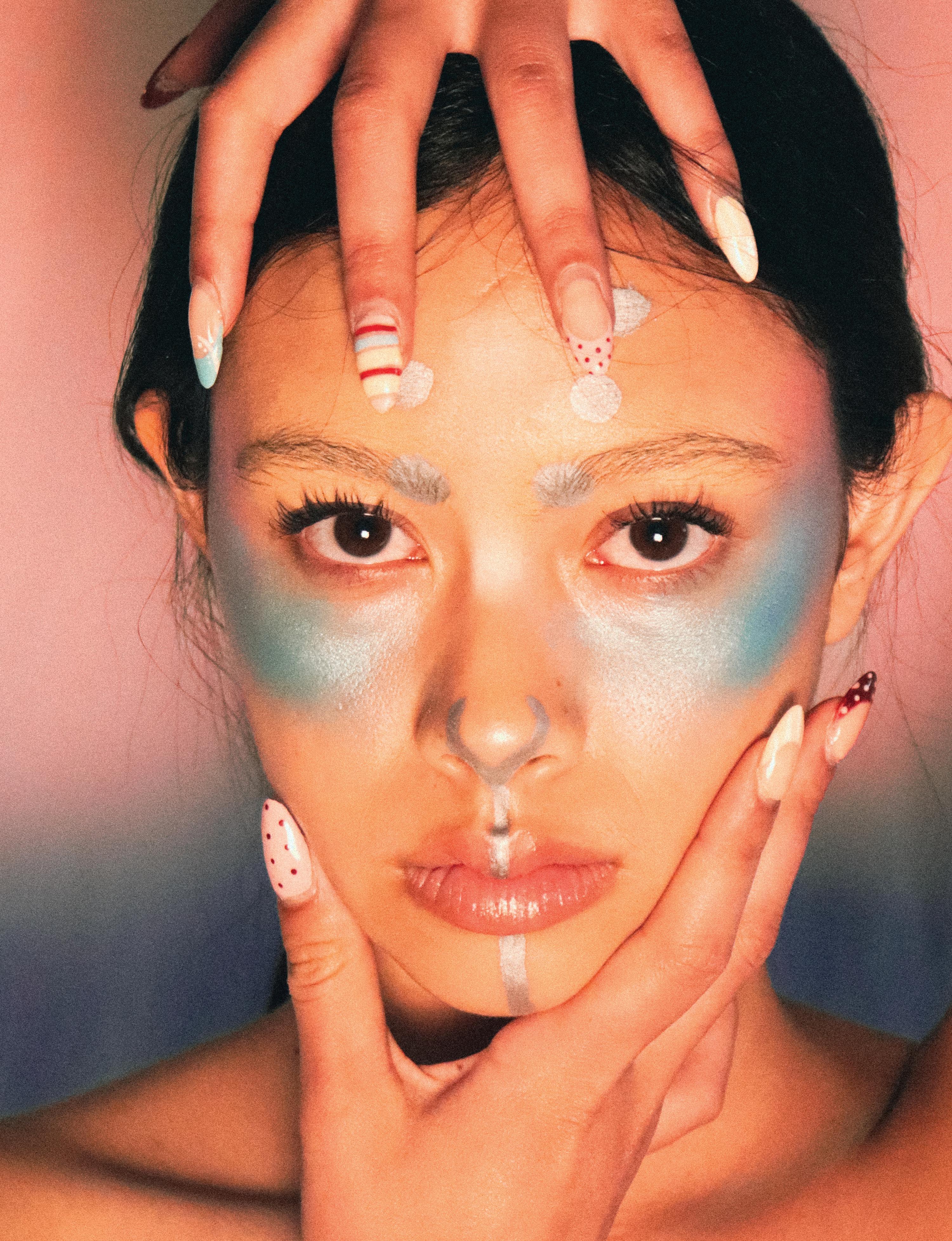
ALIEN ADMIRATION EXPLORING THE FASCINATION OF OTHERWORLDLY CREATURES

STAR
THE BEAUTY OF STARING UP AT THE COSMOS
ALIEN ADMIRATION EXPLORING THE FASCINATION OF OTHERWORLDLY CREATURES

EDITORIAL DIRECTOR
Maddy Scharrer
CREATIVE DIRECTOR
Rayyan Bhatti
PHOTOGRAPHY LEADS
Molly Claus
Indu Lekha Konduru
GRAPHIC AND ILLUSTRATION LEADS
OPERATIONS DIRECTOR
Adina Kurzban
INTERNAL RELATIONS DIRECTOR
Makaylah Maxwell
PUBLIC RELATIONS
DIRECTOR
Kaitlyn Dietz
EVENTS DIRECTOR
Kasia Kirmser
CULTURE EDITOR
Kate Reuscher
ARTS EDITOR
Talia Horn
LIFESTYLE EDITOR
Tessa Almond
FASHION EDITOR
Marceya Polinger-Hyman
ONLINE EDITOR
Vanessa Snyder
WRITERS
Francesca Blue • Kayleigh
Carlos • Elise Daczko • Kennedy Dupont • Lillian Hescheles • Alyna
Hildenbrand • Makaylah
Maxwell • Kate Pennoyer • Marceya Polinger-Hyman
• Josie Purisch • Maddy
Scharrer • Adelaide Taylor
Breanna Dunworth
STYLING LEADS
Shira Malitz
Jessie Wang
SHOOT PRODUCTION LEADS
Sydney Alston
Devon Moriarty
MODEL MANAGEMENT LEAD
Kaleyah Rivera
ART
Molly Anders • Zoee Boog • Elise Daczko • Breanna
Dunworth • Maddie Gerhardt
PHOTOGRAPHY
Leah Bulson • Kelly Chi • Molly Claus • Kylie Kieffer • Indu Konduru • Liana Lima • Maya Stegner • Bliss Suh
SHOOT DIRECTION AND STYLING
Sydney Alston • Maddie Gerhardt • Shira Malitz • Devon Moriarty • Maya Stegner • Nina Szatmary • Jessie Wang
MODELS
Hannah Byma • Lauren Coombs • Hanna Cosgrove • Calvin Kenney • Devon Moriarty • Aviya Ramji • Natalie Tran • Eva Zaretzke

Onto the Stars How astrology categorizes, for better or worse
Space tourism, privatized science and the rise of neo-imperialism
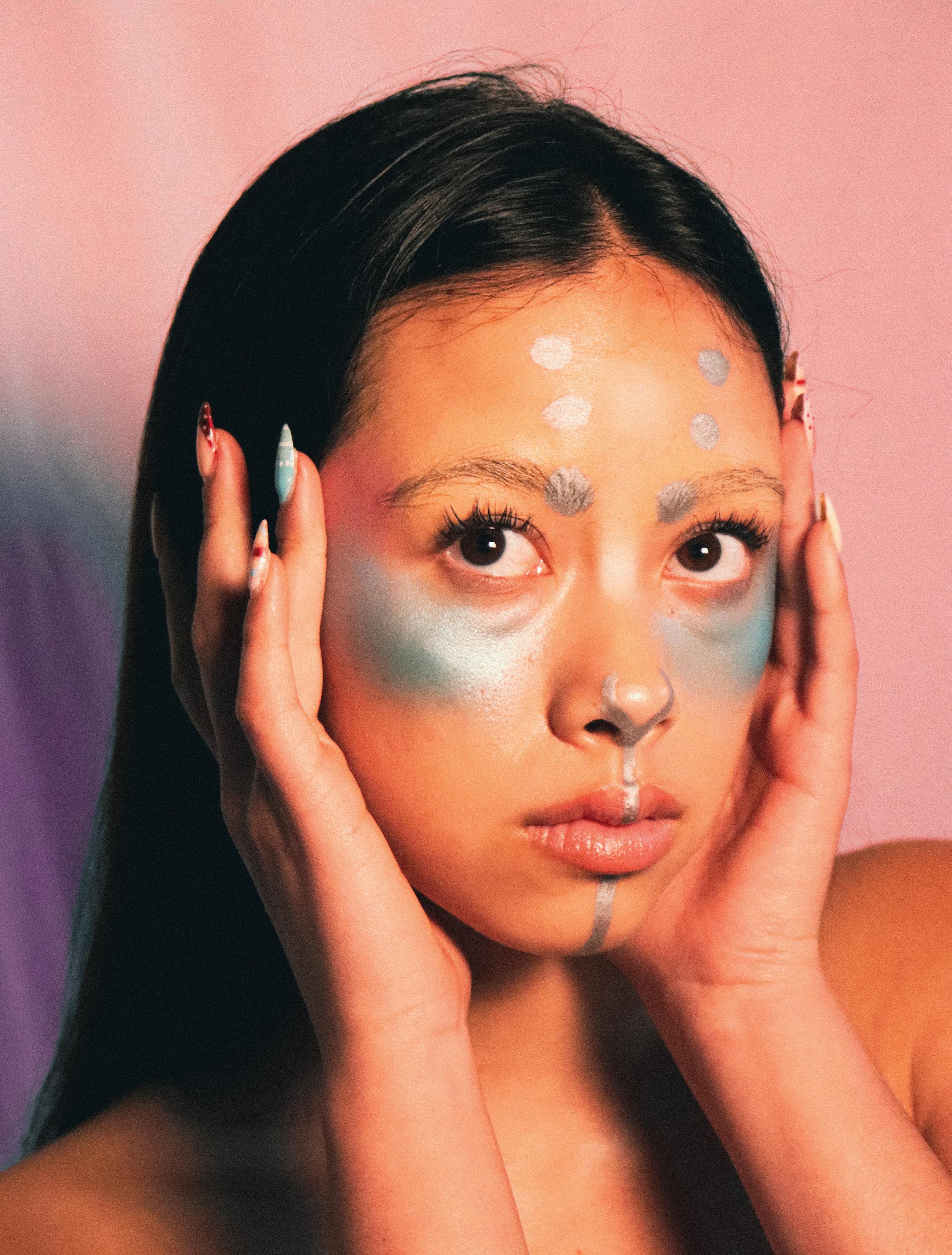
Exploring the fascination of otherworldly creatures
Have You Ever Been in Love? …. Abso-f*cking-lutely. The art of falling in love with things we cannot keep
The Evolution of the "Wet Look"
Dear Readers,
Welcome to our culminating issue of the 2025-2026 academic year! We are so excited to share our collection of work with you.
Our spring digital issue, Archive, centered on nostalgia’s grip, and that’s exactly what we felt when we took a trip down Moda memory lane for this print theme. The spring 2022 print issue, Virtue & Vice, has always been an enthralling project admired by our current staff, and when the idea of doing another dual issue was presented, we couldn’t resist.
This edition of our magazine centers on fusing spatial opposites: the ocean and cosmos. Seemingly, the oceans at our feet and the stars in the sky above are natural inverses of one another. When we whittled it all down though, the abysmal seas and celestial galaxies shared common core identities. Both of these vast and deeply unexplored entities have captivated humans across our existence, often personified to represent existentialist themes.
So much of the ocean and outer space is unexplored, and yet we go on. Interestingly, though, when it comes to our own existence, we are constantly searching for answers and next steps. As I write to you, I am on the cusp of staring out into an abyss of countless possibilities at my feet. I’m a graduating college senior, and this is the first time I’m not exactly sure what the next chapter of my life will look like. Rather than being overtaken by fear at the thought, I am choosing to be in awe; there are millions of stars in the sky, yet we always have a gut feeling about the one to wish on.
Our innate curiosity has long inspired us to look to the stars for answers, and for some, astrology offers explanations. In her article, “Projecting Onto the Stars,” Kayleigh Carlos explores how we’ve associated personal characteristics with zodiac signs, but discovers that the categorization can be confining, begging the question of how much of our lives are predetermined.
The space movie genre often features themes about what it means to be human. Kate Pennoyer takes us through the soundtrack of “Interstellar,” and explains how the chilling melodies translate the existential themes into a sensory experience for audiences.
Adelaide Taylor takes a deep dive into understanding why we connect to the ocean. She discovered that the ocean has physical and mental nurturing effects on us, and explores theories that might provide insight into our inexplicable draw to the vast bodies of water.
Over the past four years, being a part of Moda has been a huge part of my life. As a little freshman dropped into a vast sea of over 50,000 students, this organization helped me navigate my college years in more ways than one. I discovered so much about myself, my creative interests and career motivations, and gained wonderful friends and colleagues along the way. And now, as I look out into a new sea of opportunities, I feel like I’ve treaded similar waters before, and soon, I’ll learn to swim again.
I couldn’t be happier to end on such an exciting theme for our final issue of the 2025-2026 school year. I hope you enjoy it as much as we enjoyed creating it.
With eternal gratitude,
Maddy Scharrer Editorial Director

MaddyScharer

Written by Maddy Scharrer, Editorial Director |
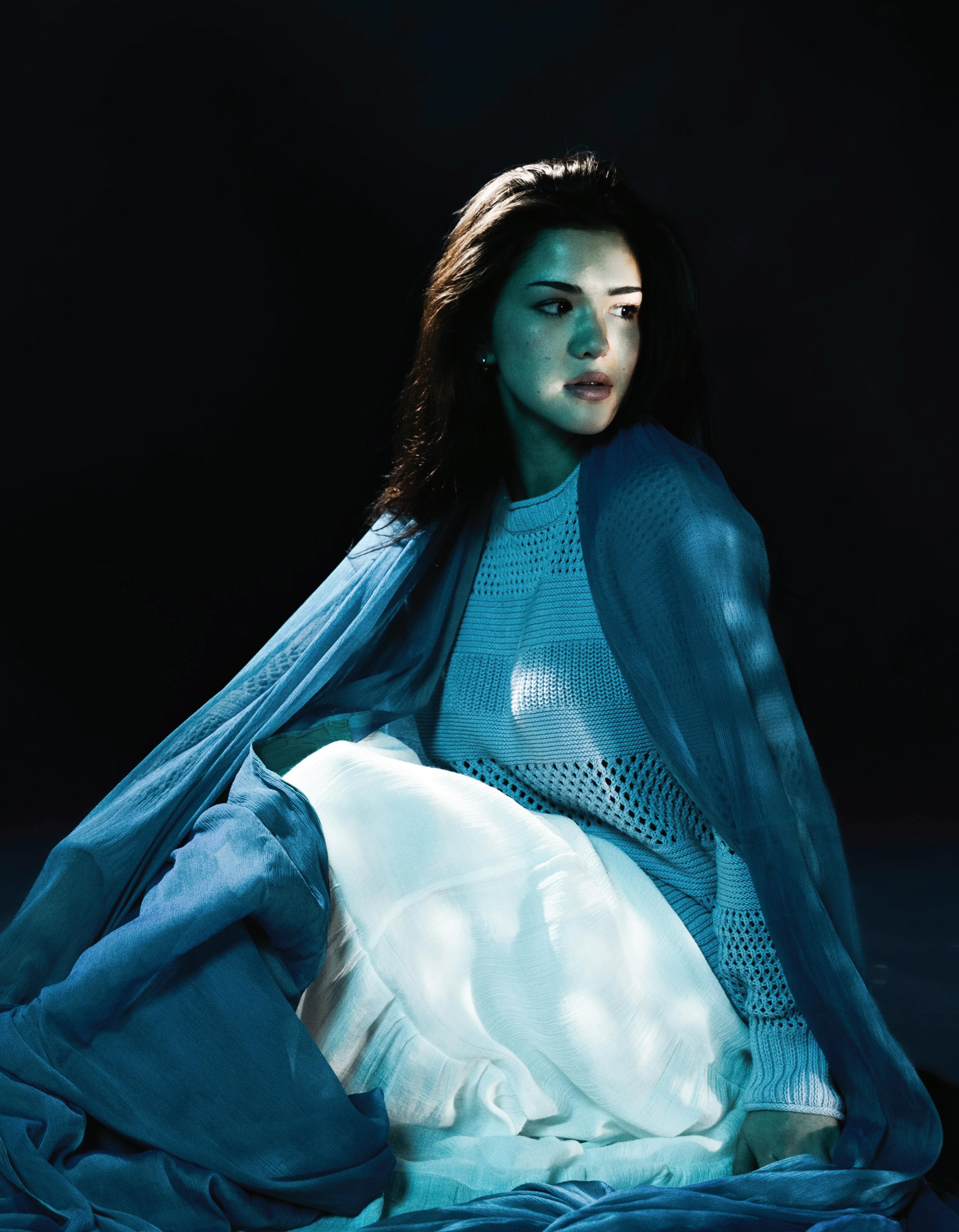
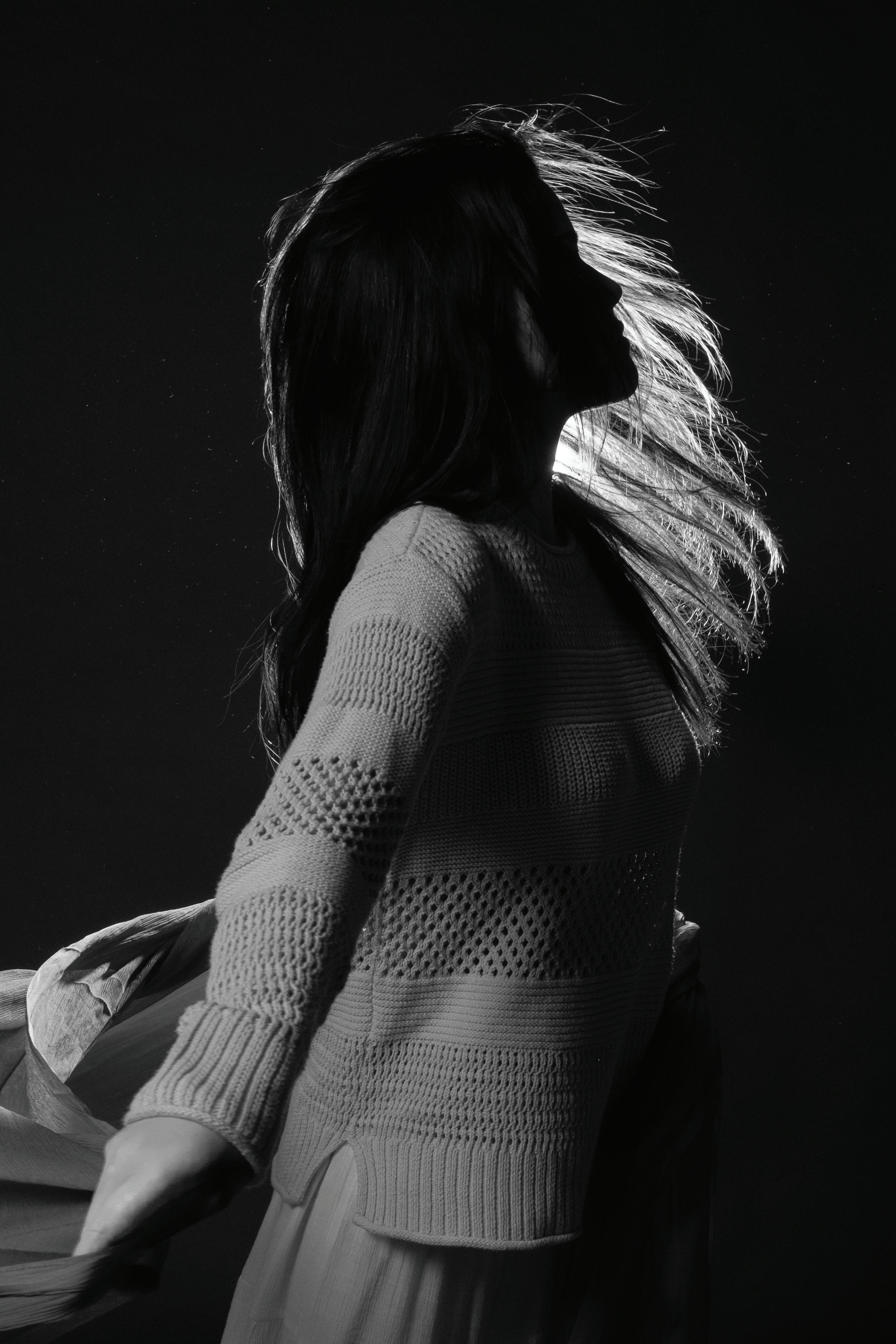
Photography by Liana Lima & Bliss Suh | Modeled by Eva Zaretzke
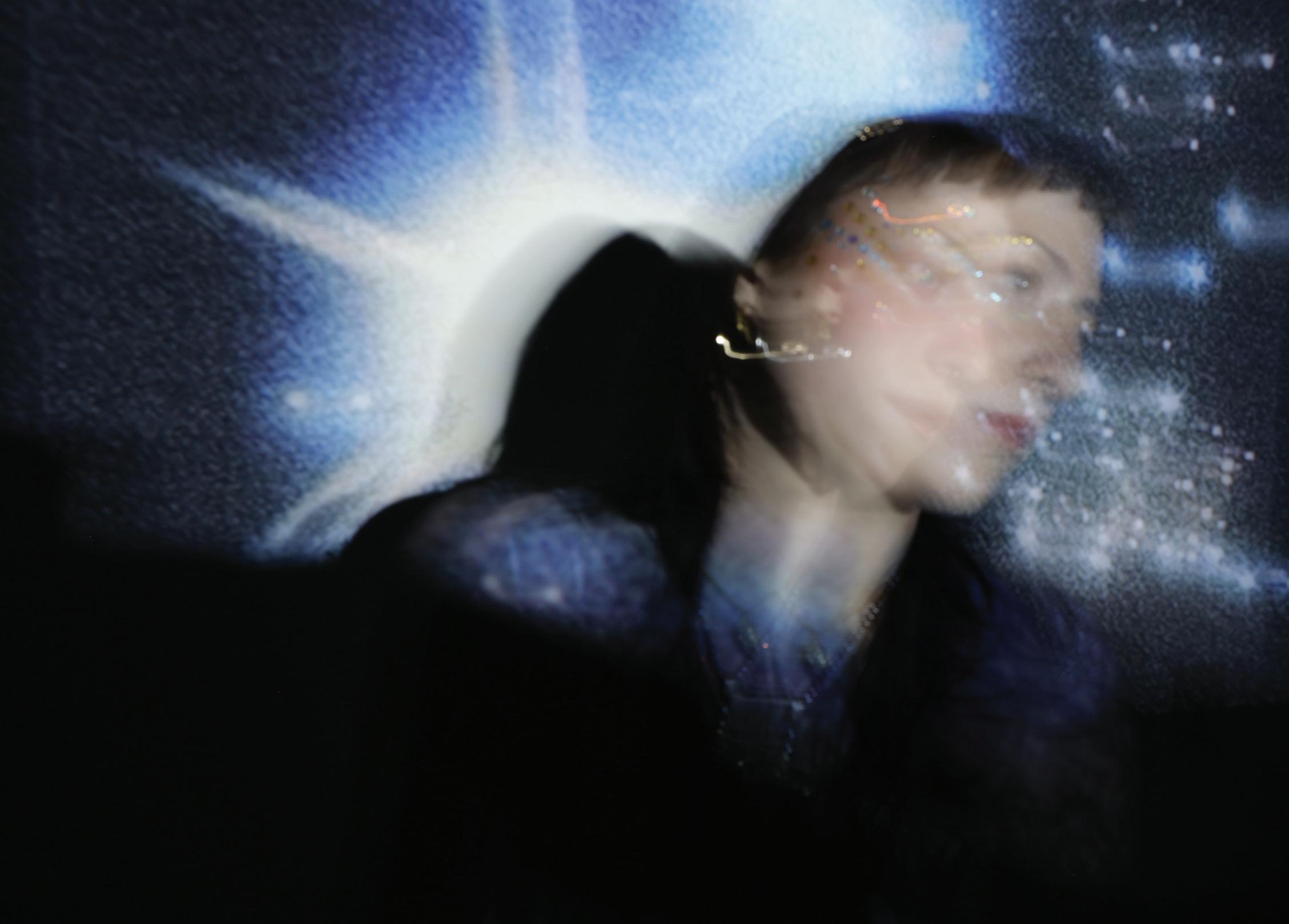
Between dusk and dawn, the stars dance throughout the night sky. If you lie down on the grass and stare up at the vast, deep midnight, freckled with spots of white, shining light, you’ll notice the stars seem to glisten.
When I was in middle school, my friends and I loved having tent sleepovers in our backyards in the summertime. There was always a point late in the night, often the early hours of dawn, that we’d lay down on the already damp-from-dew grass and stare at the sky. Often, we’d point out constellations, have “deep” conversations (as deep as it gets for tweens) or just stare up in silence.
If we were lucky, we’d see a shooting star. That dash of light in the deep blue sky is a moment of pure wonder. I’d always close my eyes and make a silent wish — I could never pass up that fateful opportunity.
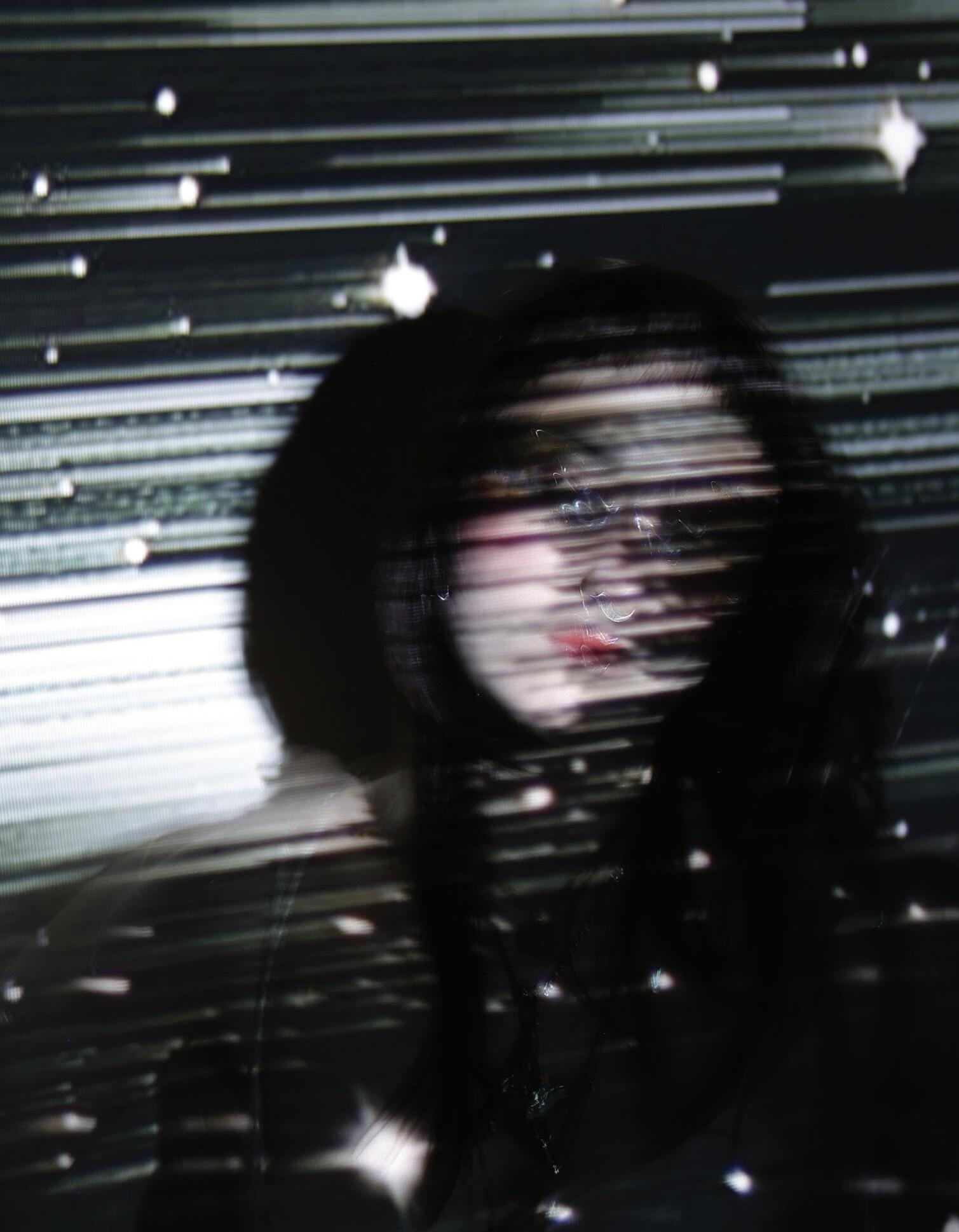
In hopes of maximizing my chances of witnessing another one of these cosmic events, I would often peek out my bedroom window to gaze at the twinkling sky before I went to sleep. But shooting stars often don’t come when you’re searching for them; they’re a special enigma that you just so happen to witness at the perfect moment. In lieu, I’d often search for the brightest star to wish on because, surely, that had to have some power too. Sometimes my wishes came true, sometimes they didn’t; the stars felt magical all the same.
Why is it that we are so captivated by the stars, convinced they will grant us our hopes and dreams if we only ask?
This starlight superstition is nothing new. Wishing on stars is an age-old practice that can be traced back to the ancient Egyptians, who believed stars were representations of souls.1
1 Allison Hope, “The Milky Way — the ultimate wishing well,” CNN, May 6, 2021; “I Didn’t Know That!: Shooting Stars,” National Park Service, n.d.
Whether you believe it’s a cosmic coincidence or fate quite literally flashing before your eyes, there’s no denying the utter magic of a sparkly night with whispers of shooting stars.
Even today, I am always captivated by the twinkling night sky. When I go home for the summer, or visit Wisconsin’s Northwoods, they shine even brighter away from the city light.
This is a common occurrence, as the visibility of starry skies is becoming almost as fleeting as glimpsing a shooting star. With light pollution steadily increasing, around 80% of the population’s access to dark enough skies is impacted, inhibiting a majority from viewing the otherworldly beauty of starlight.2
Whether you’re lucky enough to live in a less-affected area or not, there are ways to improve your stargazing experience. A major component is
2 Megan Eaves, “A practical guide to stargazing,” National Geographic, Nov. 3, 2024.
minimizing white light.3 Whether that’s your phone, a house light or flashlight — shut it off. The more your eyes are adjusted to the dark, the more “night vision” you’ll experience.4
If some kind of light is necessary for your stargazing adventure — like if you’re exploring a park or in a new area — opt for a red light.5 When you use bright lights, your eyes likely won’t adjust back to night mode for 20 minutes.6
Tracking moon phases can also be useful in planning an optimal viewing experience. According to the National Park Service, the best time to stargaze is “new moon, before moonrise or after moonset.”7 While a full moon is beautiful in its own right, less light coming
3 “Where to Stargaze,” National Park Service, July 24, 2025.
4 Ibid.
5 Ibid.
6 Megan Eaves, “A practical guide to stargazing,” National Geographic, Nov. 3, 2024.
7 “I Didn’t Know That!: Shooting Stars,” National Park Service, n.d.
from other sources means stars have room to shine.
While witnessing a shooting star can’t be planned, you can search for common constellations like the Big Dipper, or even keep an eye out for planets (a tip I learned is if you see a glowing pinkish star, that’s actually Mars!). No matter where you are, it’s all about taking a moment to enjoy the nature around you and explore the universe above.
As for wishing on stars, is it just superstition? A cling to childhood beliefs in magic? I think that’s up to interpretation, but personally, I see no harm in keeping the magic alive and bringing a little whimsy into your world. I’ll always opt to make one, just in case.

Written by Kate Pennoyer | Graphic by Zoee Boog
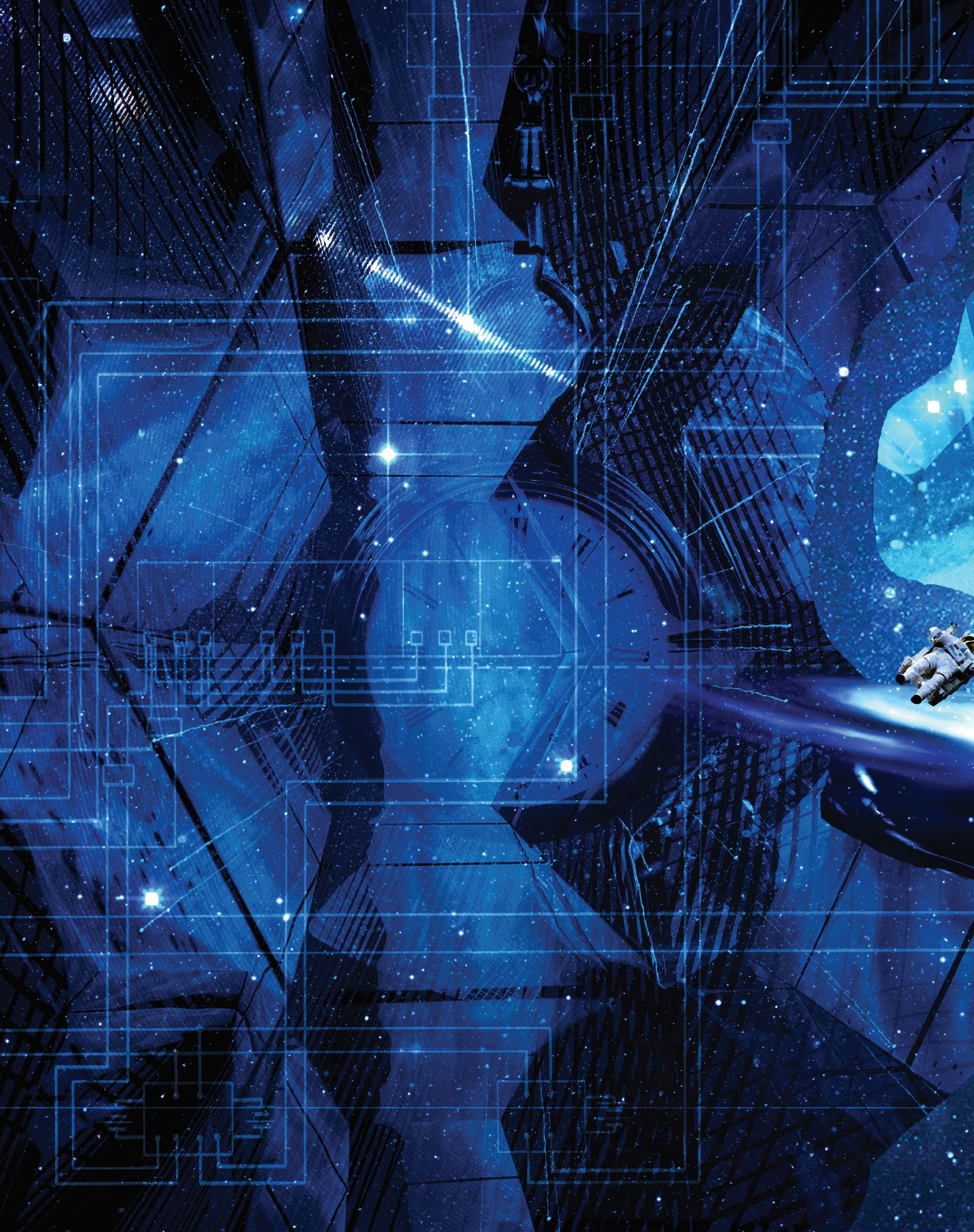
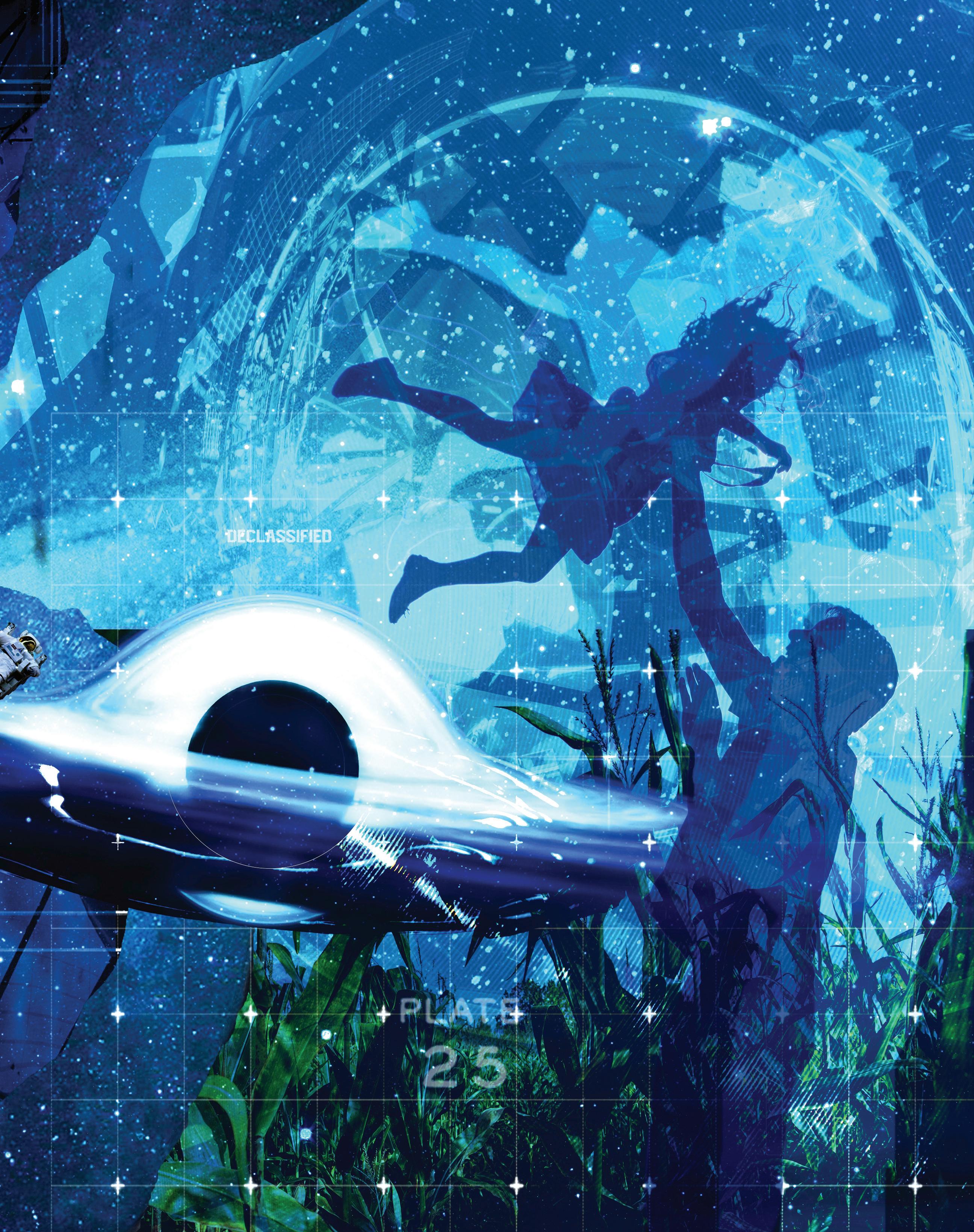
Iam not a physicist by any means. However, one does not have to be familiar with cosmological jargon to feel immersed in the cinematic experience that is “Interstellar.” At the crossroads of hard science fiction and awe-inspiring musical composition, the film is emotional, anxiety-inducing and existential. Physics and music echo one another, wrapped together in a cyclic plot that ends where it all began.
Faced with a dying Earth, NASA pilot Cooper (Matthew McConaughey) and a team of researchers travel through a wormhole in search of a habitable planet. Cooper faces the dilemma of leaving his two children behind in order to save them and the rest of the population. As Cooper and his crew journey through the cosmos, their experience of time warps and dilates, resulting in catastrophic effects.1
1 “Interstellar,” directed by Christopher Nolan (2014 Burbank, CA: Paramount Pictures, 2014), streaming.
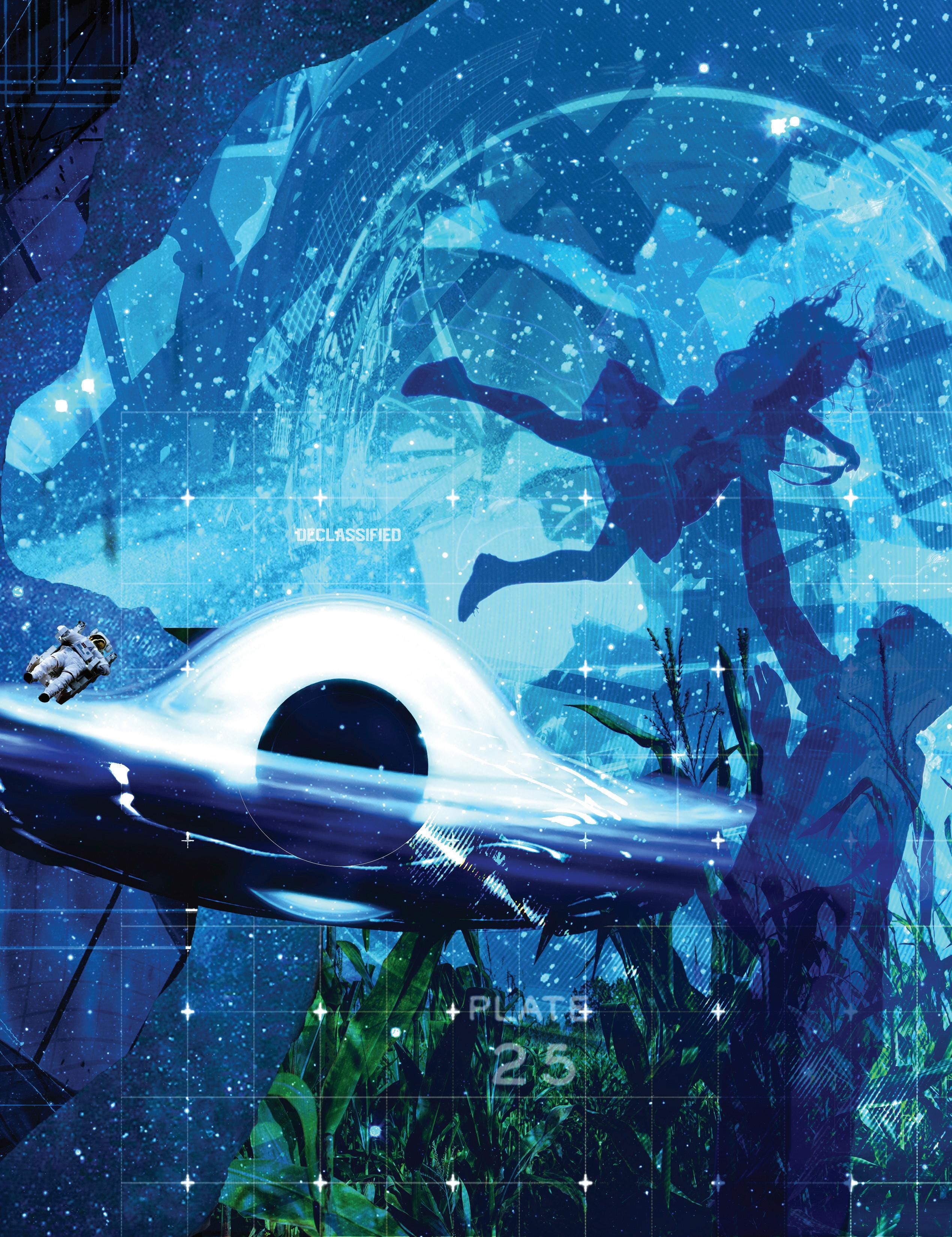
Hans Zimmer, the soundtrack’s composer, sourced the entirety of this renowned score’s material from a single page letter describing the relationship between a father and his child. When asking him to write the score, director Christopher Nolan gave Zimmer no context of space travel nor black holes. Rather, he asked him to create a piece based solely upon this familial bond.2
Unable to rely on the conventional musical motifs used for science fiction films, such as the bold brass in “Star Wars,” Zimmer produced something far more emotional and reflective. The result was “Cooper and Murph’s Theme,” an ethereal and intimate piece that centers on the C-major Lydian scale.3 Every other composition in the film varies from this archetypal score. “Either louder or quieter, faster or slower” than this original track, the scores shift with the intensity of the plot while never deviating from “the heart of the movie.”4
This seems almost too simple, but it wouldn’t be Zimmer without a few curveballs. There’s a reason you feel a tightening in your chest and chills down your spine during the trademark track of "Interstellar," “Cornfield Chase,” which embodies curiosity and hope as Cooper and his children drive through crop fields in pursuit of a surveillance drone, eager to discover its origins within their broken, dystopian world.5 We are transported into the adrenaline rush of the chase by Zimmer’s musical construction that breaks our expectations. As we listen to music, our brains try to predict what will come next. When a composition takes a detour or introduces something new, our bodies react first. The automatic nervous system perceives a risk as our brains equivocate the unexpected with danger. We feel the music physically. Of course, rationality then kicks in and assures us that we are not in danger, and our brain receives a subsequent dopamine hit.6
Using a proverbial pipe organ, Zimmer gives the silent vacuum of space a voice. Shifting between subtle trills and voluminous surges, the instrument mimics its eerie emptiness and crushing gravity. In “Day One,” the organ emerges through curious, lilting notes suited for the hopeful beginning of the mission.7
Then, organ, strings and piano culminate in the epic, spiraling tension of “No Time For Caution.” When Cooper must dock his ship to a partially-destroyed space station, the oscillation of the organ augments the intensity of the task at hand. It hits the audience like a brick as they watch Cooper dismiss what is possible to do what is necessary.8
2 Classic FM, “Hans Zimmer on how he composed ‘Interstellar,’” Youtube video, 5:59, Sept. 15, 2025.
3 Listening In, “How Hans Zimmer Created the Sound of Space,” Youtube video, 17:40, May 15, 2020.
4 Classic FM, “Hans Zimmer,” 1:56-2:04.
5 Hans Zimmer, “Cornfield Chase,” in Interstellar: Original Motion Picture Soundtrack, Sony Classical, 2014, Apple Music.
6 “Why do we get goosebumps when we listen to music?” Radboud Universiteit, Jan. 13, 2026.
7 Hans Zimmer, “Day One,” in Interstellar: Original Motion Picture Soundtrack, Sony Classical, 2014, Apple Music.
8 Hans Zimmer, “No Time for Caution,” in Interstellar: Original Motion Picture Soundtrack, Sony Classical, 2014, Apple Music.
One of the most ingenuitive traits of the film’s musical language is Zimmer’s use of illusory Shepard tones, where pitches seem to eternally ascend or descend.9 By layering tones, scores like “Mountains” simulate the endless tension of the plot.10 The crew ends up on Miller’s planet, where the immense gravitational pressure stretches time to where an hour on Miller’s planet equals seven years on Earth. To evoke this mind-bending time warp, Zimmer employs a ticking clock in “Mountains.” Each tick marks the passing of a day on Earth and the unceasing passage of time becomes audible. The score climaxes during the devastating realization that 23 Earth years have passed during the mere hours they are on Miller’s planet. Sweeping strings accompany the quintessential pipe organ as Zimmer captures the urgency of days slipping away.
The ticking clock in “Mountains” feels all too relevant for those of us aboard the bullet train that is life in the twenty-first century. Time dilation aside, the hours of our lives often feel like grains of sand sliding through our grasp. One doesn’t need to be on a spaceship millions of miles away to be aware of how short life is. Zimmer captures “Interstellar’s” unique use of time as a physical variable — something that can warp and stretch. Like air, it’s invisible and yet no less tangible.
The cyclic nature of the plot leaves Cooper back where it all started: Murph. Motivated by love for his daughter, Cooper fights through the depth of an infinite universe to reunite with her. A swelling pipe organ echoes in our chests as we realize the reality he returns to. Though Cooper returns from his journey just a few years older, his daughter is now an elderly woman.
“Interstellar’s” soundtrack enhances the intimacy, anxiety and uncertainty of the film, playing just as large a role as Matthew McConaughey. Zimmer weaves his original score, “Cooper and Murph’s Theme,” into his musical reflection of spacetime. We are simultaneously reminded of the film’s emotional core and the daunting unknowns of the astrophysical.
Time is the unstoppable antagonist of the film. And yet, it does not diminish the bond between Cooper and Murph. His love for his daughter acts as a quantifiable force, able to surpass space and time. “Interstellar” underscores the ways that time can act as the villain in our lives, but also the ability of human connection to transcend it.
9 Vishal Wagh, “Bet You Didn’t Notice How Interstellar’s Music Is Timed to the Plot’s Physics,” No Film School, Aug. 21, 2025.
10 Hans Zimmer, “Mountains,” in Interstellar: Original Motion Picture Soundtrack, Sony Classical, 2014, Apple Music.
Written
Kayleigh Carlos

I’m a Leo sun, Sagittarius moon and Libra rising. Somehow, these three placements shape different parts of who I am, from my core identity to my emotions to the way I come across to others. All because of when and where I was born.
For some, that might sound like complete gibberish, and a big stretch. But for many others, astrology is something they deeply align with, acting as a predetermined outline of who they are based on the exact cosmic moment they were born. Even people who don’t fully believe in astrology can usually tell you their zodiac sign, determined simply by when their birthday falls.
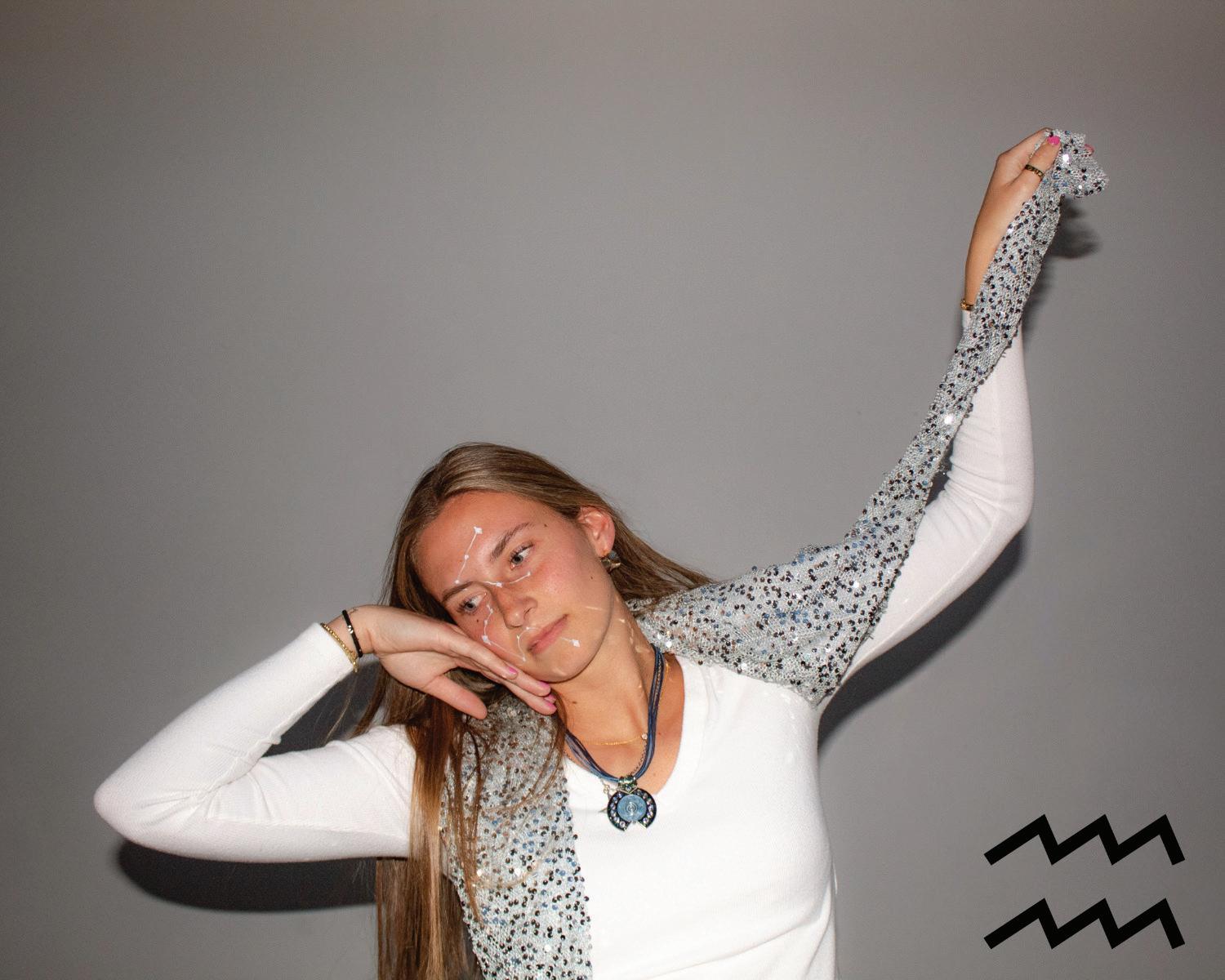
Each of the 12 zodiac signs is associated with certain personality traits (who it’s decided by, unclear). Your “sun sign,” based on your birthday, represents your core identity and is the most commonly recognized element of astrology. For example, Virgos, who are born on or between August 23 to September 22, are often described as organized and detail-oriented people. Taurus’, who fall within the April 20 to May 20 window, have been coined as the stubborn and reliable homebodies of the signs.
Human fascination with astrology traces back to ancient civilizations. Constellations were used for storytelling, mythology and navigation long before astrology became associated with personality. Even then, humans looked to the sky for answers and patterns.1 In the modern age, that impulse hasn’t disappeared, as astrology offers something all humans crave: meaning. It’s a predetermined way to explain our habits and why our personalities seem to take certain shapes.
Part of astrology’s current popularity can be accredited to social media. TikTok creators share monthly predictions for each zodiac sign, while memes categorize how different signs supposedly behave in relationships or conflicts. Astrology has become both entertainment and a piece of online identity.
Beyond that, people become invested in astrology because each zodiac sign has their own unique personality framework. Aquarius’ are creative, Pisces are emotional. Whether people completely believe in astrology or not, these descriptions create categories that help make sense of human behavior. Instead of confronting the complexity of personality, astrology offers a structured system with twelve distinct roles. Even if astrology isn’t universally believed, its popularity shows something deeper about human nature: We crave systems that help explain who we are.
In that sense, zodiac signs serve as a suggested framework for what to expect of someone’s personality before even meeting them. We assign traits, patterns and expectations to each sign, almost like character archetypes. Saying someone is “such a Scorpio” or “a classic Gemini” becomes a quick explanation for behaviors that might otherwise appear random.
However, relying too heavily on these labels can be limiting. Slapping a zodiac sign explanation on a person reduces them to stereotypes while overlooking their complex individuality that can’t be captured by a single sign. And when applying these traits to ourselves, we often use our sign as an excuse for less than favorable traits, like messiness or avoidant tendencies. So in the pursuit of understanding astrology and how it might reveal patterns in everyday life, it’s important to understand that the stars can only project so much onto our complicated and extraordinary lives.
Astrology provides a cosmic framework that organizes identity into something understandable. Instead of infinite personality variations, astrology narrows people into twelve recognizable patterns tied to the movement of celestial bodies. Whether scientifically accurate or not, the appeal lies in the clarity it offers. While astrology can never encapsulate a person’s entire identity, it turns the randomness of personality into something that feels written in the stars. But in doing so, it ultimately reduces the richness of human identity into simplified categories, reinforcing a harmful tendency to define ourselves and others by limiting, often inaccurate labels.


Written by Makaylah Maxwell, Internal Relations Director | Graphic by Breanna Dunworth, Illustration & Design Lead
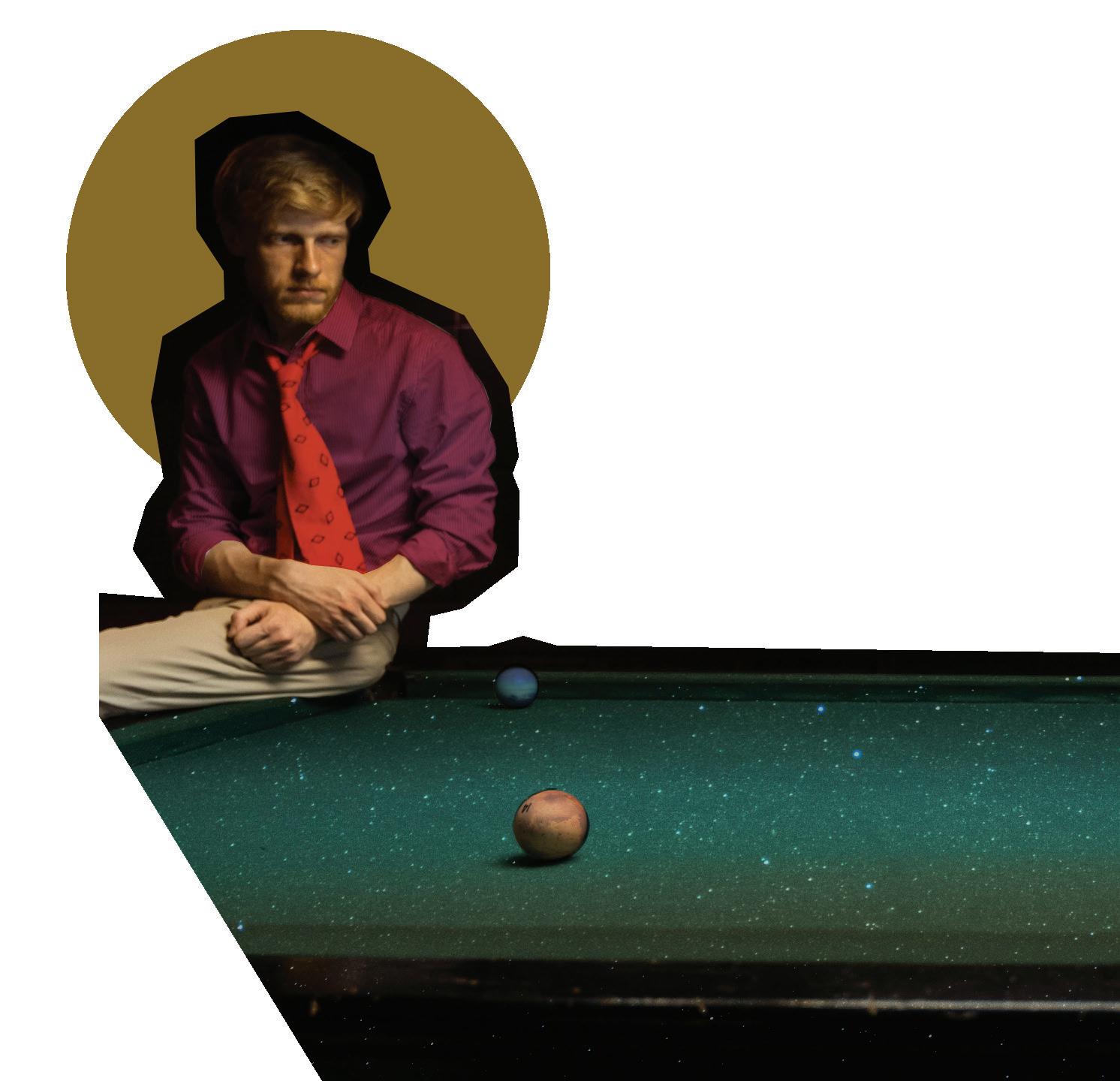
People have long imagined space as a place beyond earthly constraints, an expansive void untouched by the conflicts and inequalities that plague life on Earth. It’s a place onto which we project our most hopeful fantasies, reinventions and unburdened futures.
Yet the reality unfolding before us presents a different story. While national space agencies struggle to meet modest goals, private companies launch rockets with disturbing frequency, reshaping the landscape of space exploration in ways that mirror classic patterns of power gain. The cosmos has officially spurred its next “space race” on a new frontier for influence, profit and neo-imperial ambitions.
To understand current conversations about space, one must understand how the original space race of the Cold War established a precedent for this new one. Mid-century exploration was never just about scientific discovery, but rather a geopolitical contest between global powers looking to establish dominance and hierarchy.1 Planting a flag or launching a rover on the moon required cutting-edge technology, but those achievements were ultimately framed as proof of national security rather than as a celebration of purely scientific milestones. Even then, the language surrounding space leaned heavily on the idea of an empty realm waiting to be reached, explored and claimed. This
1 “The Space Race,” Si.edu, March 6, 2023.
global phenomenon carries the same ideas as old imperial logic, marking the cosmos as a stage for competition rather than a place of collaboration.
Today, the players in the space game have changed, but the foundational structure remains the same. The privatization of space exploration has increased rapidly, with companies like SpaceX, Blue Origin and Virgin Galactic taking on roles and projects once reserved for the federal government.2 SpaceX, for example, has developed its Starlink satellite network and has effectively turned the once public frontier into a monopolized grid of satellites orbiting Earth, eclipsing the night sky with more satellites than stars. With over 10,00 satellites already deployed, astronomers warn that Starlink is already interfering with deep-space observation and spaceflight safety officials identify them as orbital collision risks.3 SpaceX recently announced plans to launch more than one million satellites as orbital data centers for AI computing.4 What began as public territory, built through decades of taxpayer-funded research, has shifted into private control. With Elon Musk, the CEO of SpaceX, growing
2 “GovFacts,” GovFacts. Dec. 5, 2025.
3 Samantha Lawler, “A Million SpaceX Satellites Will Ruin the Night Sky - Asia Times,” Asia Times, March 24, 2026; Tereza Pultarova, “Starlink: SpaceX’s Satellite Internet Project,” Space.com, March 28, 2025.
4 Samantha Lawler, “A Million SpaceX Satellites Will Ruin the Night SkyAsia Times,” Asia Times, March 24, 2026.
geopolitical influence, the implications of this monopoly extend far beyond space technology.
Space tourism makes this shift even more viable. Entry into the Earth’s orbit has shifted from a public necessity to a luxury good, marketed as a means for the ultra-wealthy to gain access to the most exclusive experience. The dream of scientific exploration, which was originally framed as an otherworldly human endeavor, now resembles a product launch. The fact that the United States hasn’t returned to the moon in over half a century stands in contrast to the rapid pace of private technology expansion. This imbalance itself raises the question of what happens when the future of space is no longer shaped for public interest, but by corporate agendas.
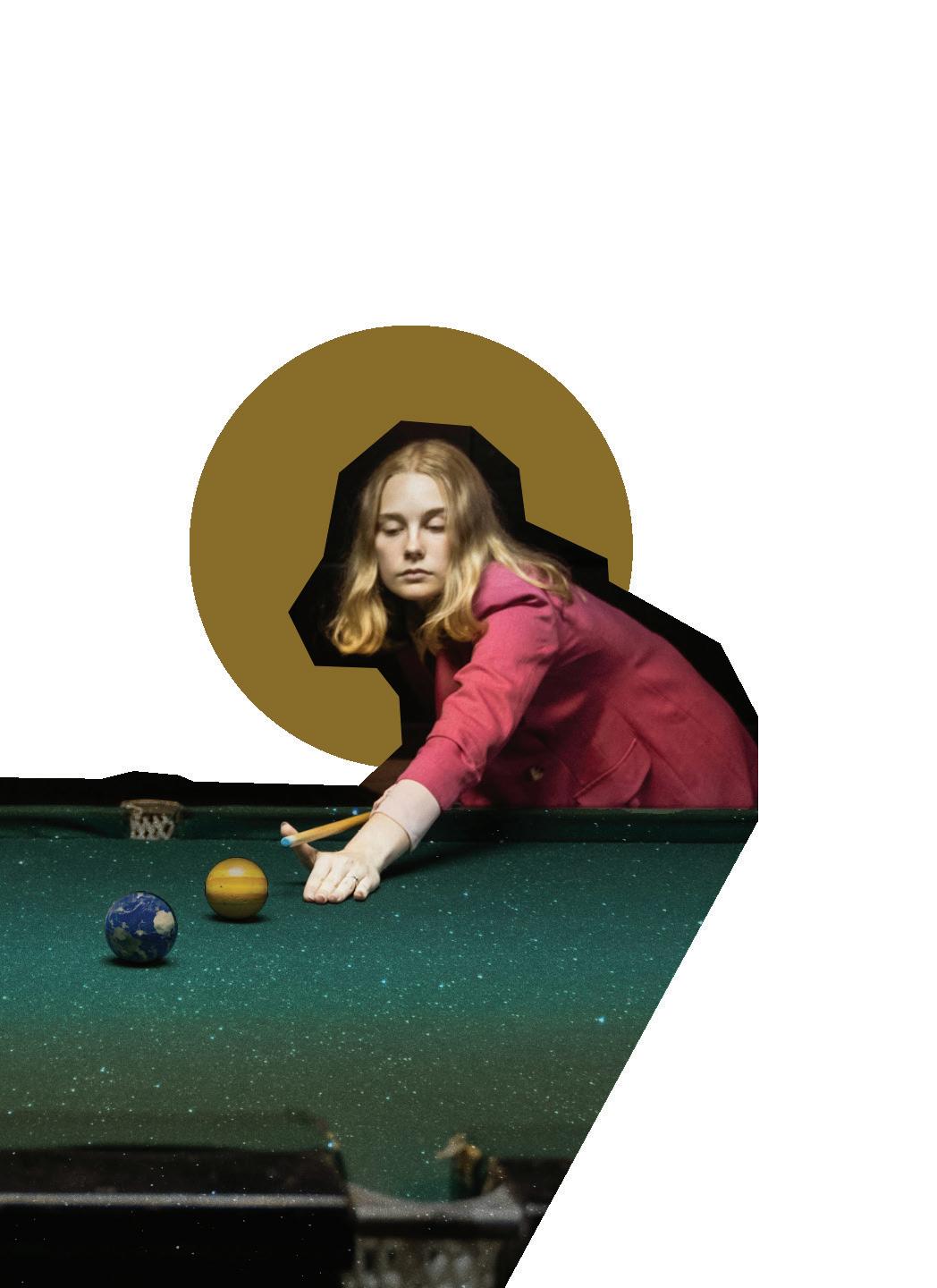
The proposal that humanity can simply expand away from the Earth and occupy new lands is not a new concept. As our existing home is becoming increasingly compromised — environmentally through climate crises, socially as global inequality continues and politically as political instability among world leaders heightens — space exploration programs echo historical traditions of imperial colonization.
Ultimately, space is not a blank canvas; it’s impacted by the same economic, political and cultural forces that structure life on Earth. The growth of private spaceflight and the limitations of public institutions — from chronic underfunding to political gridlocks that stall planning — have allowed for this frontier rhetoric to resurge in society. All of these point toward a future where the cosmos merely acts as a secondary site of control and power. To understand space today is to recognize that the same politics apply in the stratosphere as they do here. The politics won’t disappear in orbit; what changes is who gets to set the terms.
Written by Josie Purisch |
Photography by Kelly Chi | Shoot Direction by Maya Stegner | Styling by Jessie Wang, Styling Lead | Modeled by Devon Moriarty
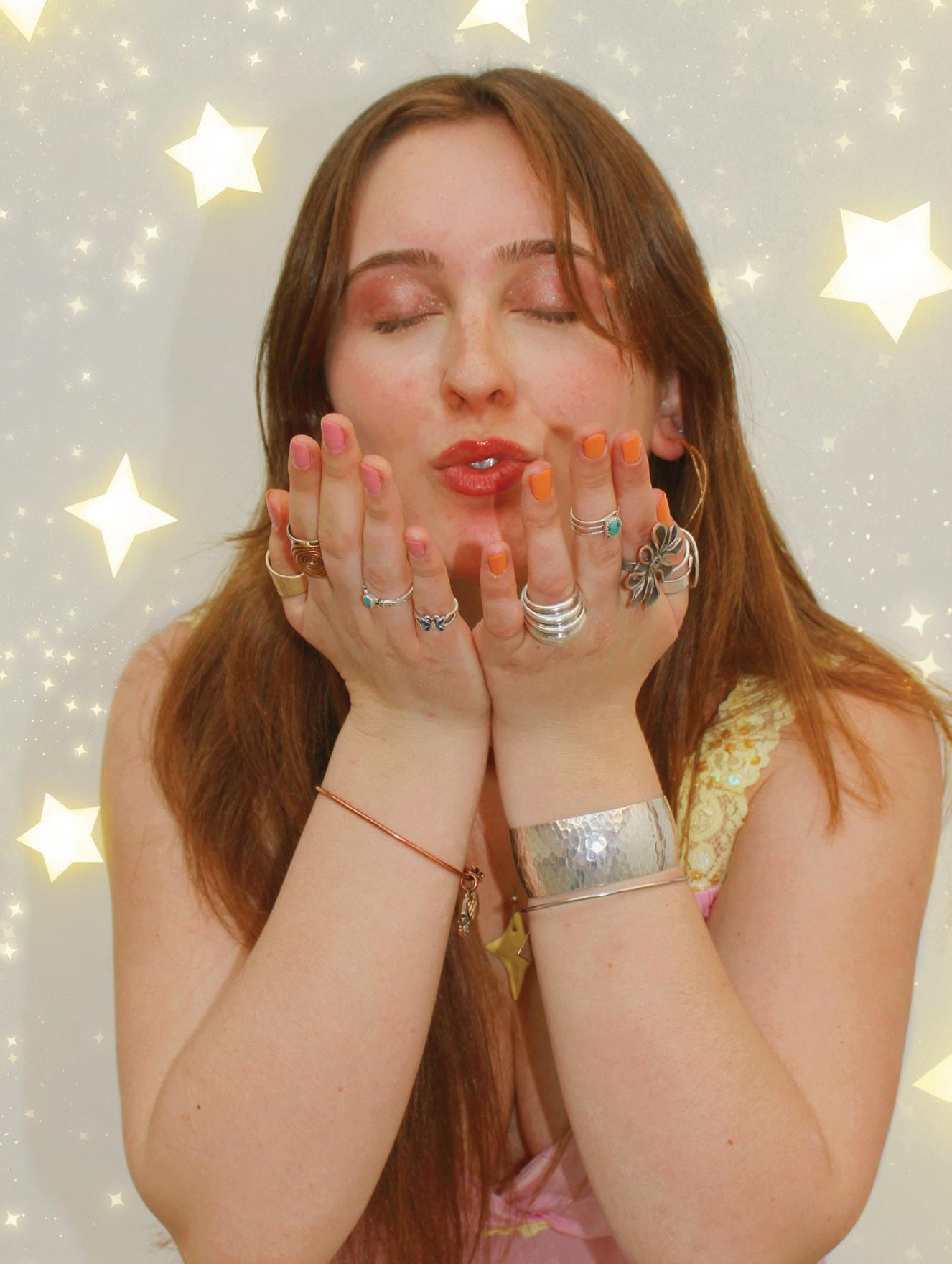
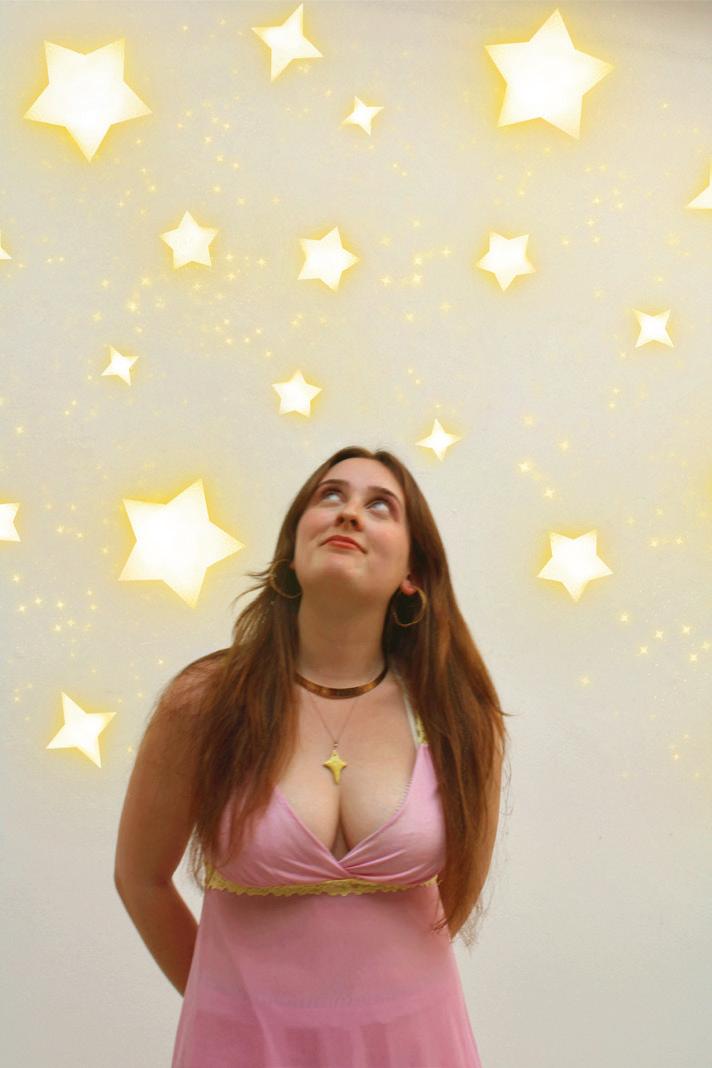
While most of us have been taught that hard work and passion are the recipe for success, it can sometimes feel like our futures are somewhat pre-determined, or written in the stars.
Many of us tuck our wildest goals into our pockets, feeling like only those
who have collected the uncontrollable favor of the universe can accomplish their dreams. We only daydream about them, wondering how our lives would look different should these fantasies come true.
But do we have to accept our fates? Or can we reject this notion of pre-de-
termined luck and uncross our own crossed stars?
This “I think, therefore I am” phenomenon was coined by TikTok influencer Laura Galebe as “Lucky Girl Syndrome.” Lucky Girl Syndrome denies the assumption that luck is beyond our control, claiming that your
acquisition of luckiness is in your own hands.1 According to the lucky girls, upping your luck is quite simple: It is not a result of black magic or witchcraft, but rather begins by simply perceiving yourself as someone who is already lucky.
Luck does not have to be life changing moments of prosperity. It can be those tiny instances of magic that occupy your everyday life. Start to notice when the line to your favorite food cart is short on a sunny day, when your go-to spot at the library happens to be unoccupied or when your Taco Bell nacho fries have extra seasoning. By appreciating the luck that lives in these seemingly futile moments, you will start to notice that the luckiness you once wished for shines through the cracks of the ordinary.
By recognizing these moments and accepting that luck may be on our side, the dreams that once felt galaxies away are suddenly inside our orbit.
Once we notice that we too are adored by the universe, it’s difficult to resist testing just how far our luck can take us — entering giveaways, applying for high-demand jobs, asking for firstclass upgrades on planes. We find ourselves trying, and sometimes getting, things that our “unlucky” selves never would have given a chance.
The success of Lucky Girl Syndrome may be the art of noticing, the inclination to take on more opportunities, a magical universal force rewarding positivity or perhaps a mix of all three. Yet, despite the undeniable magic luck brings to your life, it is not as mystical as its reputation precedes. With just a slight change of perspective, you’ll find yourself in places that you had once written off as pure fantasy, and your scatter of once-illegible stars will finally begin to align.
This is not to say that luck should precede hard work and passion, but having a mix of the three may be the secret ingredient we’ve been missing all along. So pull those wildest goals out of your pockets. The universe, it turns out, has been rooting for you this whole time — you just needed to notice.
1 “Lucky Girl Syndrome: What Is It and Does It Work?” Harper’s Bazaar, Jan. 2, 2024.
Written by Kennedy DuPont
Many of us have closed our eyes and imagined a world beyond the one we know: a landscape thick with luminescent flora stretching for miles and endless silver streams winding across land. A place where connection stretches beyond human limits and contact transcends the physical.
The science-fiction genre has captivated audiences with visions of mystical beings and cultures since the rise of entertainment media production. Films like “Arrival” and “Signs” have attracted audience attention with celestial intrigue and violence, framing the sci-fi genre as one associated with fear and unease. As time progresses, however, these “alien” portrayals have shifted from a thing of horror to one of fascination.
The 2009 film “Avatar,” created by James Cameron, uniquely sparked the public’s allure toward alien culture. Viewers followed the Na’vi, an alien species who live in great harmony with their environment on their planet of Pandora. Audiences were so enthralled with this immersive world that it impacted their wellbeing, leaving many feeling dissatisfied with their own detachment from nature. Pandora-themed internet forums and roleplay simulators skyrocketed as an attempt to live inside of an environment where nature was cherished and spiritually intertwined with its inhabitants. These fanatics coined the term “Post-Avatar Depression Syndrome” (PADS) to explain their fascination with this fantasy world.
by
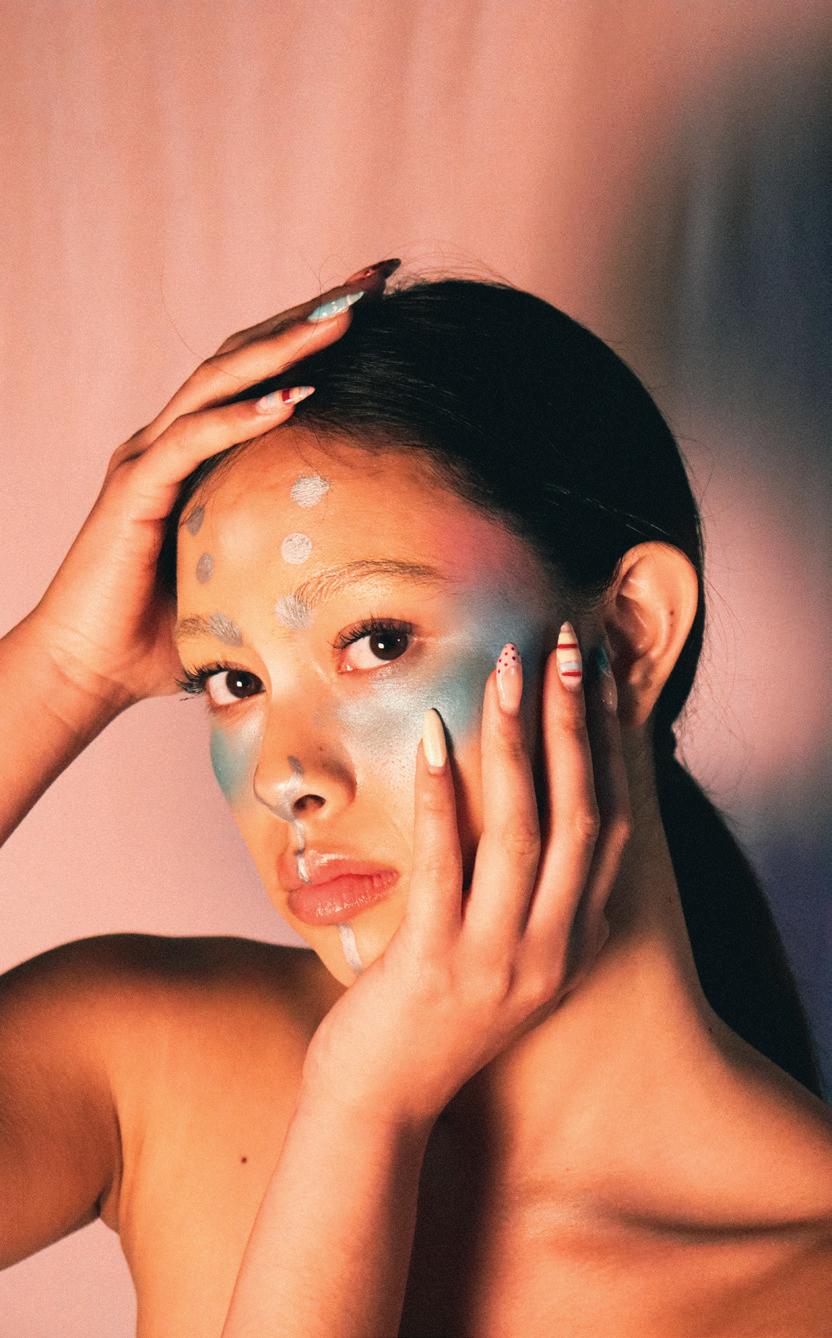
While this experience is not medically recognized, the emotions tied to it are very real. In an article describing this phenomenon, The Guardian stated that given our societal construction, feelings of sorrow connected to worry in regards to the future of our planet and our estrangement from natural life were perpetuated by Cameron’s beautiful planet of Pandora.1
Despite this, PADS stems mainly from human disconnection. In worlds like Pandora, we see the Na’vi connect with each other beyond surface level, as shown by their statement of affection: “I see you.”
Many viewers felt lost and envious due to the lack of such endearment and spiritual connection in their own lives. This emptiness festered in those experiencing PADS, driving them to a state of extreme loneliness and unfulfillment triggered by what they had seen on screen.
Beyond worlds such as Pandora, humans consistently imagine alien worlds and create vast, supernatural cultures. Even those who have not created these cultures still consume them. But why are we so obsessed with the idea of what lies beyond our universe rather than what we can discover on Earth?
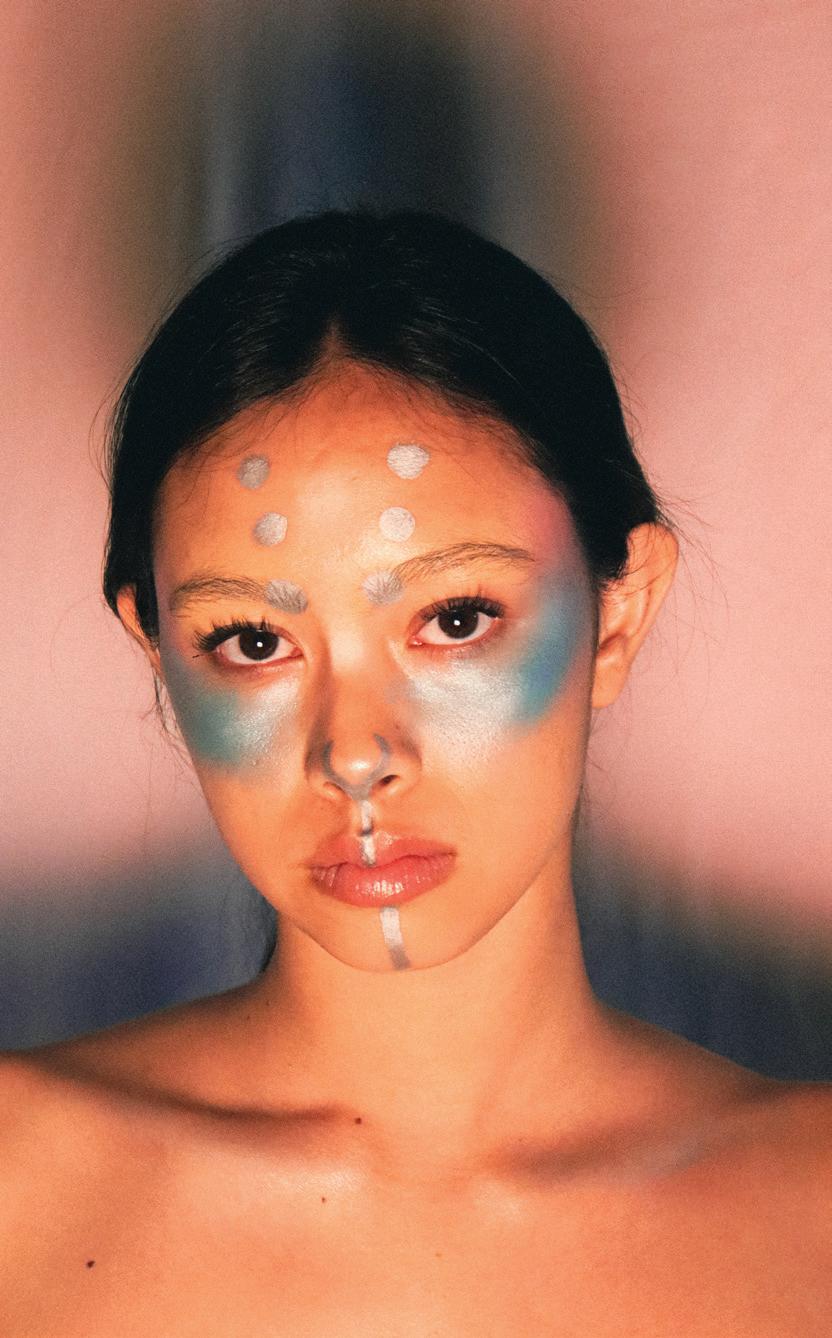
According to MyMythos — a website compiled with works on personal mythology — the answer lies in the “Eraser” archetype, which “offers the grace of correction, the humility to admit a mistake and the agency to declare a past chapter concluded.”2 This ideal symbolizes a clean slate to separate us from the mistakes of our past and propel us into a better future, offering cultural liberation, much like that seen in alien media. It allows for every member of a society to be seen as equal from the start — in spite of physical appearance or identity — and build their lives from the ground up.
One of the clearest cinematic expressions of this archetype appears in the iconic alien film “E.T.,” directed by Steven Spielberg. In this film, the
1 Sian Cain, “‘Post-Avatar Depression Syndrome’: Why Do Fans Feel Blue After Watching James Cameron’s Film?” The Guardian, Dec. 14, 2022.
2 Sidian M. S. Jones, “The Eraser Archetype” MyMythos, July 23, 2025.
gentle nature of an otherworldly creature from a non-violent realm allows it to connect with everyone, including young children. Now a pinnacle in extra-terrestrial films and an integral piece of cinema history, “E.T.” offered one of the first depictions of an instance where an alien was more compassionate than humans. E.T.’s iconic glowing finger symbolizes his use of healing powers, offering a peaceful and compassionate view into this newly discovered race, while his radiating, red chest represents his heartfelt display of communication.
Following the release of this movie, the “Eraser” archetype became extremely prevalent, as viewers felt emotionally tied to E.T.’s gentle mannerisms and sincere intentions.
Our fascination with aliens stems from deeper personal desires rather than simple physical interest. We project desired values onto the Na’vi people and E.T. because it is easier to admire virtue in a big-eyed, otherworldly creature than to do the hard work of bettering ourselves. We envision the perfect creature, but refuse to perfect ourselves.
Films like “Avatar” envision a brandnew civilization built on natural harmony. The Na’vi people treat every living being as part of a greater whole, cherishing and mourning Pandora as family. Meanwhile, films like “E.T.” convey that empathy and kindness are extended to other worlds. These pictures captivate us not because of the strangeness of alien creatures, but because they represent a version of humanity that is kinder and more compassionate than the one we often see.
Therein lies the question: Is it possible for us to envision these sci-fi films as more than just a longing fantasy and instead as a blueprint for the world we wish to create?
Ultimately, the answer depends on whether we can find the will to become the idealized civilization we have spent decades projecting onto the stars.



Written & Graphic by Elise Daczko

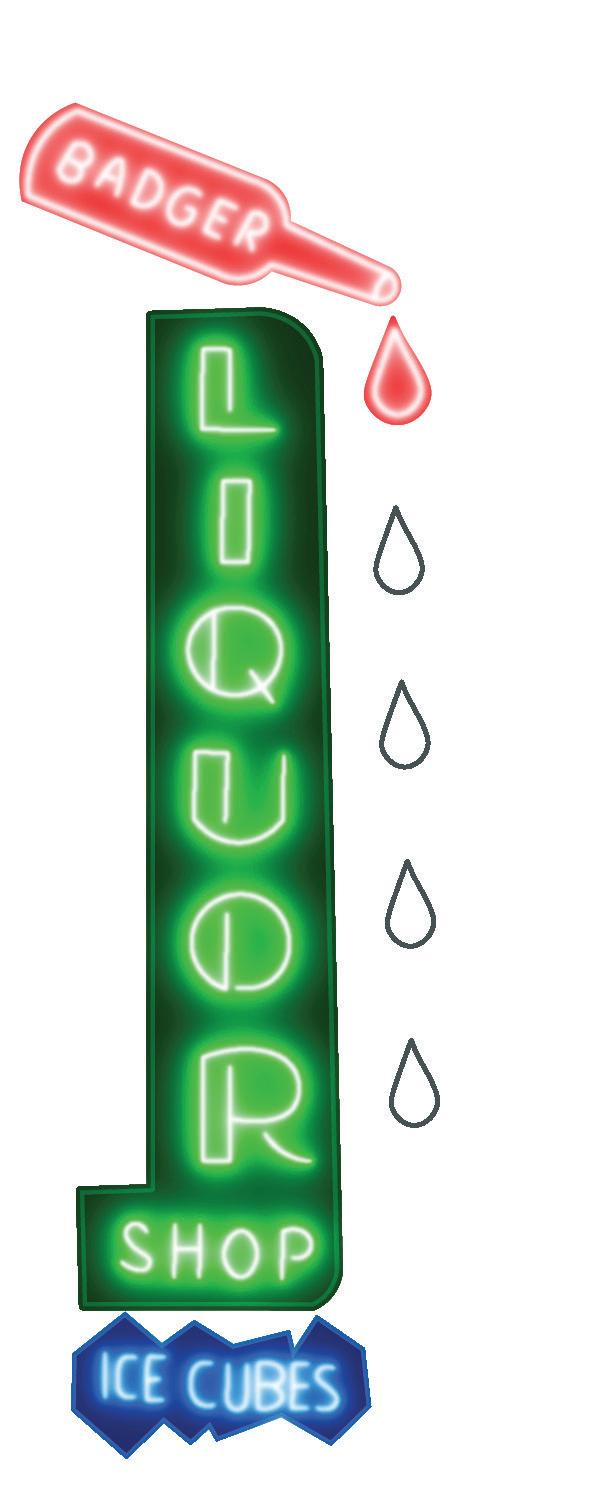
As the darkness of night begins to descend upon Madison, the city is still far from sleep. The sun’s natural light is gradually replaced by the fluorescent radiance of streetlights and shop signs, illuminating the streets with a lively glow. Hidden amongst these lights are charming neon signs, marked by their complex bends and bright colors. It’s easy to inadvertently overlook the neon signage that brings Madison to life, but this art lies all around. It takes shape in countless store windows and overhead signage that contribute to Madison’s nighttime identity.
Neon art, produced with the gaseous chemical element in its name, is a type of lighting involving the blowing and bending of glass tubes filled with neon and electrodes to create glowing installations.1 By warming the glass pieces under intense heat, artists are able to shape the glass along a pre-drawn mat to create their design. Along with colored tubing, alternative gases can be used to produce different colors in the finished piece; pure neon gas creates red-orange while argon and mercury create shades of green and blue.2
While neon is often associated with signage, artist Daniella Thach, a second-year UW-Madison MFA candidate, uses neon to create professional art installations. During their undergrad at the School of the Art Institute of Chicago, Thatch realized they wanted to branch out from their foundation in painting. While experimenting with other art mediums in the Art and Technology Department, Thach stumbled upon the department’s neon lab.
“I fell in love with neon,” Thach says. “It became a really great space to imagine line as a mode of light, and being able to then create your own light source is just so empowering.”
1 The Museum of Modern Art, “Neon,” MoMA, 2026.
2 Daniel Tran, “Gases Used In Neon Signs & Their Colors: Details Information,” Orant Neon, March 13, 2023.

Neon art does not come without its challenges though. From the bending of the glass tubing to the attachment of the electrodes and the bombarding process, there is significant margin for error. The fragility of glass requires precision and patience, often requiring artists to start over from the beginning when things go awry.
“Glass is a very humbling material,” Thach says. “Working with it taught me a lot of life lessons about heartbreak and letting go of something that you worked so hard on just for you to have to make it all over again.”
Even with its complexities, Thach believes glass is a medium everyone should try because of the rewarding feeling that makes it all worth it: the joy when the piece finally lights up.
“It’s like a hurrah, “Eureka!” moment,” Thach says. “Once that drawing that we started out with survives the entire process, and we see it light up, it’s like a deep exhale and a sign that we’re almost done.”
Due to the expenses of the necessary professional tools, gases and electrodes, it is unique to be able to work with neon at all. As one in only four universities in the nation with a glass program that incorporates neon, UW-Madison offers any student the opportunity to create their own neon installations through the course ART 454: Neon: Light as Sculpture.3
Instructed by Tom Zickuhr, the course teaches students the fundamentals of neon and leads its students through a series of projects, focusing on neon as a form of sculpture. For Zoë Dolberg, a class of 2025 alumna with a BFA in graphic design, taking ART
3 Linda Falkenstein, “A Salute to 60 Years of UW Glass,” Isthmus, Oct. 6, 2023.
454 taught her a lot about her own creative process. As a graphic design major, Dolberg enjoyed the challenge of adapting her digital 2D design skills to a physical 3D medium.
“There’s a lot of trial and error,” Dolberg says. “You have to fit the glass pieces together perfectly in order to have everything light up together, so I had to restart a lot. It was definitely hard to switch my brain, but I think that’s what I liked about it.”
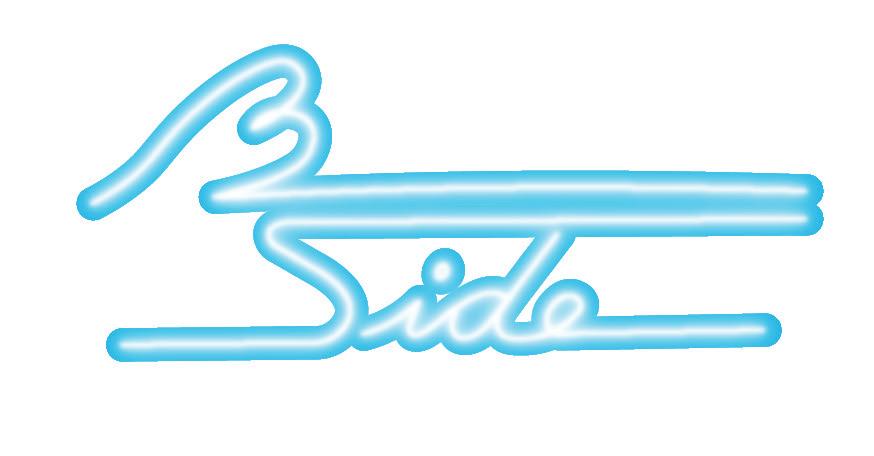
In both sculpture and commercial signage, neon is an underappreciated element that adds a unique touch to its medium. In downtown Madison, commercial neon is hidden around every corner. From the electric blue lights of B-Side Records to the dynamic Badger Liquor sign, where electricity rhythmically drops down in an endless loop, neon connects the city with its radiant hues.
In the modern era of design, business branding is losing its individuality. Corporate, sans-serif typography is replacing hand-made script type while plastic LEDs are beginning to replace the natural glow of neon and blown glass. Down this seemingly inevitable path towards uniformity, neon shines as a beacon of hope for a future of creativity, if preserved.
“All neon signs are handmade,” Thach says. “Someone had to make all those loops and bends in a beer sign or in an open sign. When I see a neon sign, I get the same sense that someone made the pair of shoes that I’m walking in, and someone’s hands crafted the very headphones I use everyday. It’s a very connecting experience knowing I’m just one maker amongst a sea of makers and users.”





Written by Alyna Hildenbrand | Graphic by Molly Anders
The 2024 hit album “Submarine” by The Marías has surged on the charts this past year. This album, identifiable by its slow, melodic lines, ties feelings to the all-encompassing qualities water can have, captivating human emotion in this unique context. “Submarine’s” composition feels like a splash of water to the face and diving into the deep end at the same time. The band’s lead singer, Maria Zaradoya, spoke about her direction in creating “Submarine” and its connection to water both visually and sonically. The imagery manifests itself in the lyrics and production, including unique guitar sounds and slow tempos, as well as more blatant references to bodies of water.
The lyrics themselves dissect what it feels like to struggle with your relationship to yourself and others, often using metaphors of water. While creating the album, Zardoya learned 95% of the earth’s waters are unexplored. “I think the same can be said about our emotions,” she said.1
Fans connected deeply to The Marías representation of emotion. In the hit song “No One Noticed,” Zardoya sings about solitude and her struggle with distance, confusion and fragility within a relationship. The repetitive, soft spoken bridge of the song catches the listener, pulling them into her pool of emotions. In “Hamptons” she sings, “Comes a time when silence melts away into the tides.” Zardoya shows her own grappling with solitude, feeling as though she is melting away like water. These feelings of solitude flow through many of the songs, connecting them to one another as an overarching theme of the album.
“Lejos de Ti” (far from you) bridges this loneliness with a sense of yearning for something more, and maybe someone else. The song is packed with questions for a distant lover, “Por qué te sigo queriendo?” (why do I still love you) and “Por qué estoy lejo de it?” (Why am I far from you?). Her confusion and uncertainty is prominent throughout the album. Zardoya presents these complex and layered sentiments in waves throughout her lyrics, helping listeners see reflections of their own lives in her songs.
“Submarine” may not be the first piece of music to reference water in its lyrics or aesthetic, but what sets this album apart is its connection to water within the production. In the intro of “Echo,” bubbling sounds are layered into the music, transporting the listener into her underwater theme.2 The Marias use water as a tool to represent specific kinds of pain. In the case of “Echo,” this means diving into the struggle of letting go of a relationship despite its flaws.
Beyond these distinct sonic additions, the relaxed tempo of the album itself makes the listener feel like they’re floating in an endless pool of water. Zardoya’s breathy, soft singing voice also contributes to this feeling. Her intimate delivery helps the listener feel close to the stories she’s telling, strengthening the simple but intense connection to the music.
“Submarine” weaves lyrics, production and emotions together into a cohesive stream that impacts its listeners. This intentional and impressive composition helped slingshot The Marías to fame, connecting them to countless people across vast oceans.
2 Lamar, “Review of Submarine,” Musicboard, March 25, 2025.
Written by Adelaide Taylor
What is the best part about the ocean? It might be sitting near the shore eating a cold sandwich with your friends on a hot day. Or maybe it’s the rush of witnessing the striking wildlife, if it lets you close enough. Perhaps it’s the weightless feeling of floating on your back, eyes shut, as the water rocks you to sleep.
It’s nearly impossible to articulate exactly why we love the ocean so much — we just do. But there are scientific reasons as to why this inexplicable draw is so universal.
Of course, water is integral to human survival. But this craving for the ocean goes beyond just necessity, as if something deep within human nature longs to be near the sea. This is unpacked by Wallace J. Nicholas’ Blue Mind Theory, which explains that being near bodies of water increases problem-solving and creativity, releases dopamine and serotonin and lowers feelings of anxiety.1 The ocean is a natural stress reliever.
1 Natalie Hamingson, “Understanding the Blue Mind Theory: How Water Influences Our Well-Being,” Red Bull, May 24, 2025.
According to Nicholas’s research, being near the ocean puts us into an almost meditative state. He theorized that since human bodies are 60% water, we feel content being near it. It’s a break from what Nicholas calls the “Red Mind,” the state of stress and anxiety that the traditional world evokes.2
Beyond facilitating a peaceful state of mind, living by the ocean can actually improve your physical health. A study by researchers from Ohio State University found that people living within 30 miles of an ocean or gulf had increased life expectancy, demonstrating higher physical activity levels, lower obesity rates, and improved heart rates.3
Our love for the ocean even seeps into our everyday life in unexpected ways. A study from the Society for Consumer Psychology explained how humans are attracted to “glossiness” due to our innate need for water.4 For example, have you ever wondered why humans love the bling of diamonds? It’s because it reminds us of the ocean’s reflective surface. This attraction to glossiness also explains many of
2 Ibid.
3 Misti Crane, “Could Living near Water Mean You’ll Live Longer?” The Ohio State University College of Public Health, July 28, 2025..
4 Katrien Meert, Mario Pandalaere and Vanessa Patrick, “Taking a shine to it: How the preference for glossy stems from an innate need for water.” Journal of Consumer Psychology, Dec. 27, 2013.
our superficial preferences. Clear skin and shimmery lips are indicative of water and hydration. Even architecture and sculptural art take inspiration from the ocean’s glossy surface to catch our eye.
Beyond just modern expressions, this appeal goes back to our origin. Science suggests that all human life evolved from the ocean. Coining it the Aquatic Ape Hypothesis, marine biologist Alister Hardy argued that a branch of apes was forced to hunt for food and in from the ocean due to competition over habitats.5 This theory seemed to explain adaptations of modern humans such as hairlessness and the ability to walk on two legs.
While there is no definitive evidence supporting this sea-to-land theory, it could be part of what attracts us to the water. Maybe something deep within our evolutionary code feels drawn back to its origin. Even if humans didn’t evolve from the sea, the ocean gives life to everything on Earth. Its power and influence evokes a sense of respect, intrigue and familial belonging.
There are still so many questions surrounding the sea. According to Oceana, more than 80% of the ocean remains unexplored.6 Humans are curious beings and the sea’s deep mystery is part of its magnetic nature. Looking out at an infinite blue landscape, our minds are filled with wonder and a sense of endless possibilities.
Beyond our biology, the ocean is a place of connection; It’s a space that everyone can enjoy equally. Aside from the Blue Mind Theory and glossy attractions, the ocean is the perfect backdrop for a day with the people you love. It costs nothing to find the nearest body of water and simply exist within it, while always paying our respects for the offerings it gives us.
5 “Aquatic Ape Theory,” The Aquatic Ape, Jan. 10, 2020.
6 Nuñez, Emily. “How Much of the Ocean Has Been Explored?” Oceana, Jan. 10, 2025.
Written by Marceya Polinger-Hyman, Fashion Editor | Graphic by Maddie Gerhardt
Iwas once asked whether I had ever been in love. I answered, softly, that perhaps it was only for a minute — or perhaps it was for every minute I have ever known.
Because love, like time, does not move in straight lines. It stretches. It folds. It dissolves. And if time is the great abyss, then love is the only thing that dares to challenge it.
However, love is fleeting, and the abyss of time is non-negotiable. We all must succumb to the abyss of time. It does not pause for devotion or promise. The abyss of time erases with the same steady hand that creates. Even love — especially love — is not exempt. What once felt boundless becomes something we must hold carefully, even when we know it is already slipping away.
In the poem, “As I Walked Out One Evening,” W. H. Auden lets a lover promise eternity. He swears he will love “till the ocean is folded and hung up to dry,” until the stars fall and the world bends itself into impossible shapes.1 The language is intoxicating, dramatic, absolute and fearless. It mimics the way we speak when we are inside love, when forever feels not only possible,
1 W. H. Auden, “As I Walked Out One Evening,”
1940.
but obvious. In those moments, we believe time will bend for us.
But then the clock begins to speak and reminds us “time watches from the shadow,” and even the most passionate vows cannot outpace it. Youth fades. Bodies change. Promises strain under the quiet pressure of passing years. Auden does not intend to make a pessimistic mockery of love — he simply places love inside time and inside time, nothing remains untouched.
And yet, knowing this, we still love. We love with full awareness that time will thin it, test it and perhaps even take it. We speak of love in a forever-language even though we understand “forever” is a fragile word. Love is not powerful because it somehow defies the abyss. It is powerful because it dares to exist inside it. Because in the face of something endless and indifferent, we choose to forgo reality and plunge into feeling anyway.
So love while you can. Love before the clock interrupts. Because nothing lasts, and loving more — not less — becomes the only rebellion available to us.
Love the small, unremarkable things that time will quietly steal: the way someone laughs before they finish the joke, the warmth of a hand resting against yours, the hum of a late-night conversation that stretches beyond reason. Love the way the light cascades across a room at dusk. Love the familiar scent of a lover on a borrowed sweatshirt that engulfs your senses like a hug. Love the ordinary Tuesdays, the half-finished bottles of wine and the silences that feel full instead of empty. Love the versions of people that exist only now; the way they look at this age, in this season, in this fragile arrangement of moments. Because none of it repeats and none of it waits. To love many things is to refuse indifference.
Ask me again whether I have ever been in love, and my answer will not change. Because time does not measure love the way clocks do; it measures it in presence. In the way a single moment can widen into something vast. There would be no joy in the consumption of love without the looming whisper of time’s damnation. Love is not powerful because it outlives the abyss, but because it burns brightest just before vanishing.
by Maddie Gerhardt | Modeled by Natalie Tran
Written by Lillian Hescheles
“What will you do after graduation?”
The dreaded question is asked during class discussions, at holiday parties and on phone calls with distant cousins. Apparently, the answer says the most important thing about a 20-year-old’s identity. The polite tone of the question often hides a deeper assumption: that we should already know.
“I’m not sure yet.”
It’s the honest answer, but few say it out loud. The sentence isn’t impressive, and it certainly doesn’t guarantee gasps of approval. So instead, we rehearse speeches full of white lies. We claim to have everything figured out, providing the answer our audience wants: pursuing a masters degree or beginning our first full-time job.
Yet, secretly, the future feels like an abyss. Looking into it, all we can see is a foggy void.
The transition from college to postgrad life marks an important milestone. As university students, we grow accustomed to routines built around best friends, class schedules and familiar places. And when issues do arise, there’s an exact procedure used to solve them. We can talk to an advisor or professor if a class feels too difficult, and we can utilize the university’s mental health services if we need to converse with a professional. These built-in methods help problems feel manageable. After college, however, many of these resources disappear, leaving an empty chasm where our support structures once existed.
Graduation is a period of change. Suddenly, there’s no clear next step to follow or immediate solution to our uncertain future; we’re forced to sit with it. Psychologically, uncertainty is difficult to tolerate. When individuals cannot fix the issue causing their anxiety, feelings of confinement begin to take over. This experience can lead to repetitive unpleasant thoughts (RUTs), which occur when individuals feel unprotected from their mental discomfort.1 Expectations to reach others’ images of success, combined with our own uncertainty for the future, can intensify this feeling of being stuck. As new adults with limited answers to society’s biggest questions, we are especially vulnerable to fall into this abysmal response.2
But this feeling of uncertainty will follow us through most of our twenties.
There are a few continuous curiosities a twenty-year-old has. For one, there’s the lingering question whether an individual will finish this stereotypical list: will we move to our dream city and find our dream job? Will we find that special person and fall in love? Will we ultimately live up to the extremely-high expectations we set for ourselves?
These questions tend to hover because our twenties exist in a strange place defined by separation. We’re no longer children being told exactly what to do, yet we’re not grown adults holding all the answers. Instead, the modern twenty-year-old exists in the “in-between” — we can see the future ahead of us while having no clear idea what it holds. From this perspective, the abyss
1 David Hanscom, “The Abyss: Honour Your Suffering,” Psychology Today, Jan. 22, 2024. 2 Samantha Gandara, “After College: Facing the Uncertainty of What’s Next and Prioritizing Mental Health Care,” American Psychiatric Association, May. 17, 2023.
is open-ended and possible. It’s less frightening to look into.
Without a standard road, our twenties offer the rareness of time and opportunity. This is why Ellie Goulding’s song, “Anything Can Happen” resonates with so many young listeners. Goulding reminds us that uncertainty doesn’t need to be terrifying, and instead it can be ripe with opportunity. Similarly, Taylor Swift’s New York University commencement quote, “the scary news is, you’re on your own now. But the cool news is, you’re on your own now” highlights how uncertain choices push us to learn who we are.3
Living in a stage of life where nearly anything feels possible also means traveling to unfamiliar places, moving to new cities, building lifelong friendships and learning independence. Through these experiences, people in their twenties discover hidden versions of their identities. Furthermore, even when individuals adventure into situations they expect to be negative, humans often find unexpected positive growth instead. In the midst of discomfort, real self-growth begins to take place.4
Presumably, this is why the abyss seems to follow us through early adulthood. It’s not only a space of uncertainty, but also a time of discovery.
Eventually, a distant cousin will call and ask the same question that they always do.
“What will you do next?”
Our instinct is to give the answer that impresses others. But maybe the honest answer reflects a relatable feeling. One that is important to admit out loud.
“I’m not sure yet.”
3 Brittany Spanos, “Read Taylor Swift’s Inspiring Speech For NYU’s Class of 22,” Rolling Stone, May. 18, 2022.
4 Kasandra Brabaw, “Why Making Yourself Uncomfortable Can Be Motivating,” Chicago Booth Review, April 22, 2022.


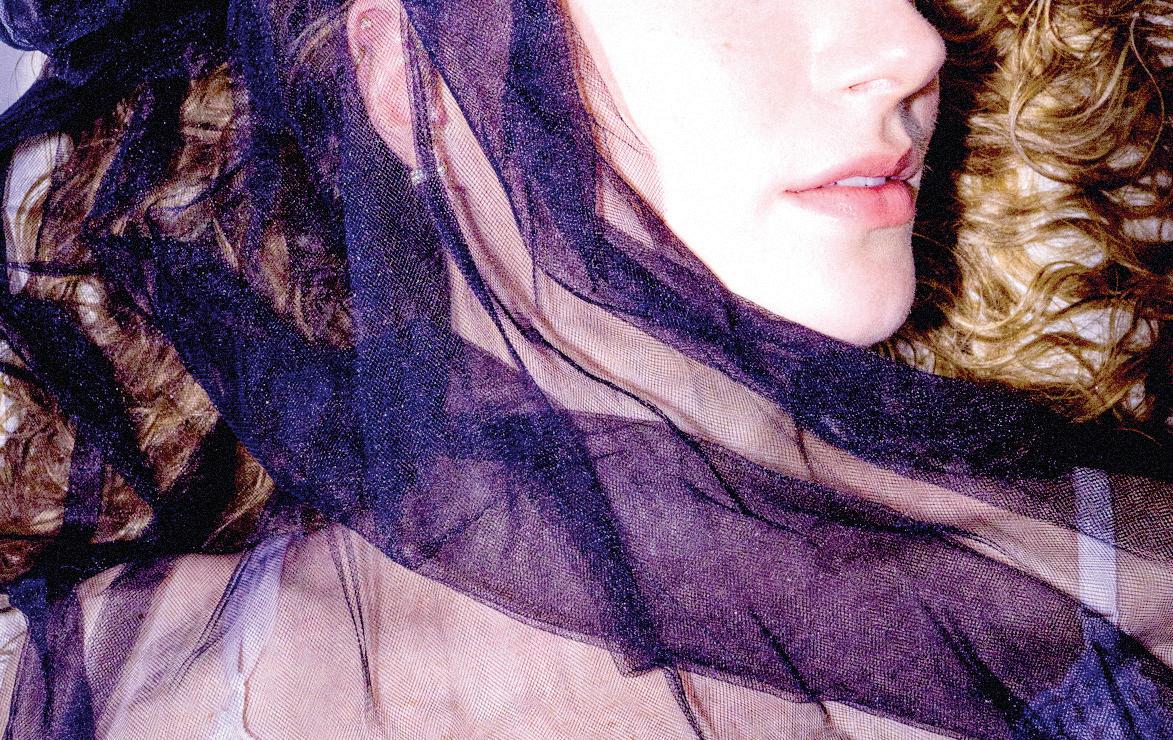
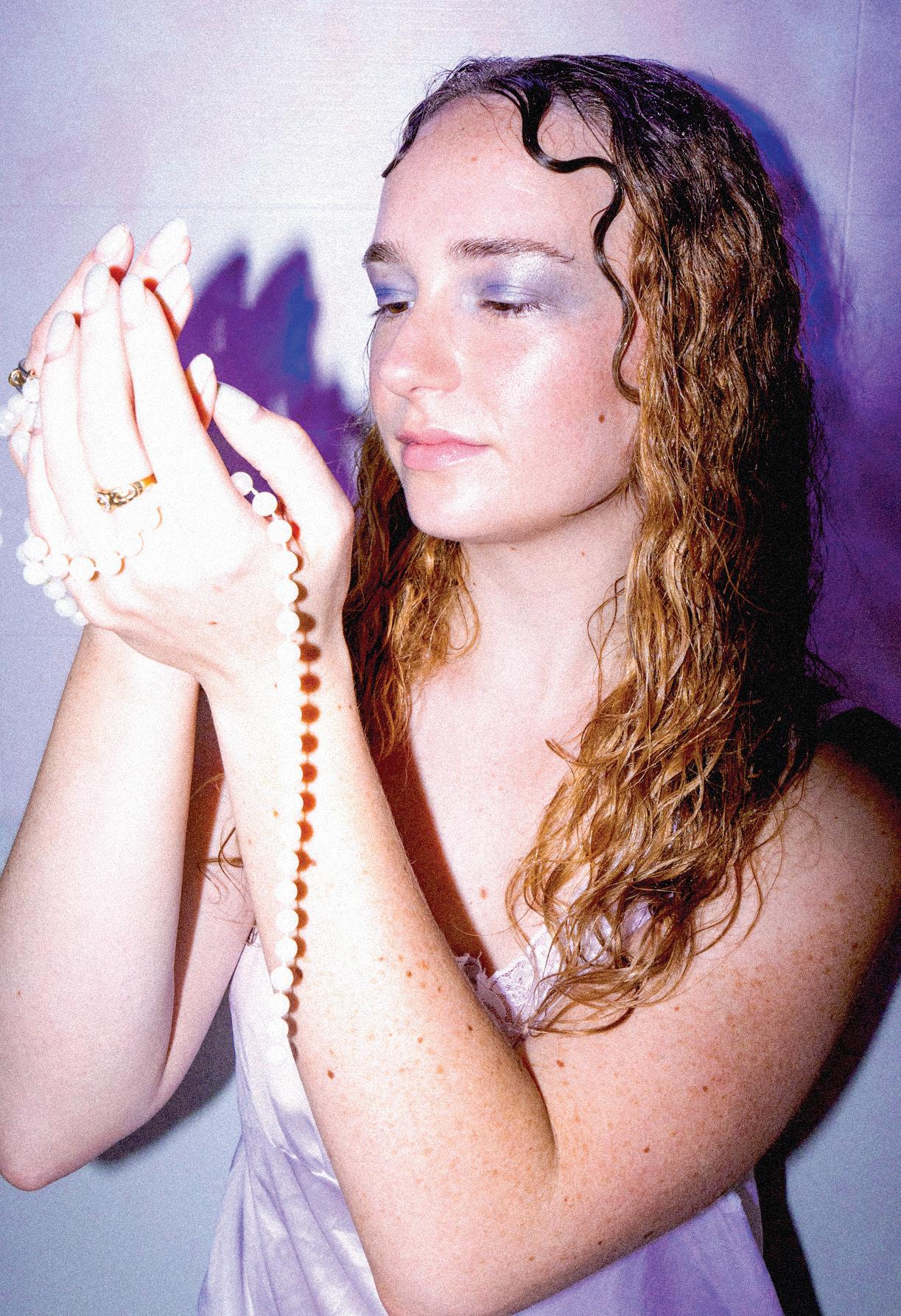
Written by Francesca Blue | Photography by Kylie Kieffer | Shoot Direction by Devon Moriarty, Shoot
Kim Kardashian always shows up and shows out at the Met Gala, but in 2019, she arrived displaying a whole other level of camp. Stepping out of her private car and onto the red carpet, she looked like she had just stepped out of the shower. This Mugler-designed look completely took the media by storm, inspiring many other celebrities and designers to experiment with the now-iconic “Wet Look.”
Kardashian was dripping in crystals to create the illusion of her dripping from stepping out of the water, and her hair was perfectly styled to look like she came straight from the beach. These elements, combined with Kardashian’s cultural influence and prominence in pop culture, helped make it one of the most talked-about looks of the 2019 Met Gala.
The “Wet Look” did not originate with Kardashian, even though she may have made it popular again. This style and expression in fashion goes all the way back to ancient Rome and Greece, with the statues often depicted with drapery carved to appear wet, highlighting the body underneath.
Then, much later in the 1960s, the “Wet Look” experienced another surge in popularity, and was often achieved by using shiny, vinyl or PVC materials that mimicked the appearance of wet surfaces.1 It is fascinating to see how trends that may seem new or contemporary are often reinterpretations of styles that have resurfaced throughout fashion history.
1 Ethan Rivera, “A Blast From The 60s: The Wet Look Is Back In Women’s Fashion,” Yuba’s Boutique, Dec. 2, 2023.
Now looking forward again, after Mugler showed off their beautiful dress worn by Kardashian, many other brands and designers followed in this direction. Jean Paul Gaultier by Ludovic de Saint Sernin Spring Summer 2025 Haute Couture show demonstrated looks that encapsulate this oceanic energy. The most identifiable aspect of this show is the hair design; most of the models have hair sticking to their faces, which demonstrates a wet look, along with blues and whites being the most seen colors throughout the show.
Another take on the “Wet Look” was done by Pat McGrath in the Maison Margiela Artisanal Spring 2024 runway show. This makeup look displays the effect of skin looking wet or like glass. After this debut, social media immediately attempted to recreate this aquatic-inspired look and, in most cases, failed to perfect this artistry. Pat McGrath then released a tutorial and products such as specialized peel-off masks and a skin illustrator gloss that helped other makeup artists around the world recreate this iconic look.
The “Wet Look” in the fashion and beauty industry is constantly evolving, and there are always new takes and creative ways to reimagine this trend. It’s fascinating to see how each designer or makeup artist has a different perspective and takes on the uniqueness of it. The idea of the “Wet Look” is so fascinating because it has an ethereal and oceanic vibe. It encapsulates a whimsy and mysticism that is not easily replicated. Although designers may take inspiration from each other, each demonstrates true originality; its roots stretch far back in history, and that adds to the whimsy of it all.

WHY WE ALL LOVE THE OCEAN
I'M NOT SURE YET EMBRACING THE VOID OF ADULTHOOD