
ANNUAL REPORT

SPRING 2024 - SPRING 2025


LETTER FROM MOCKINGBIRD’S INTERIM BOARD PRESIDENT
Dear Mockingbird Community,
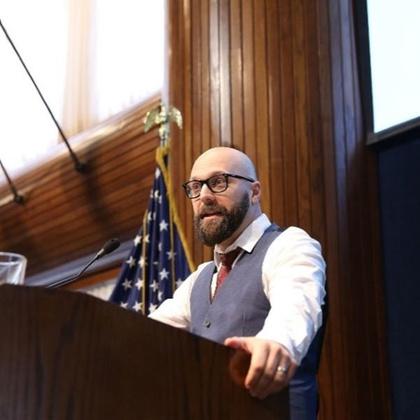
I write to you today in my capacity as Vice President, and Interim President, of the Board of Directors for The Mockingbird Society It has been a distinct honor to serve on this board for the last 4 years, and to continue to be tasked as one of the caretakers of this incredible organization
When I joined this board 4 years ago, we were unexpectedly entering a time of transition, deep reflection, and reimagining what the next chapter of Mockingbird would look like There were, no doubt, some moments during that transition where I worried about our ability to survive such major questions and shifts in our core However, as a team, we leaned into trusting the process, and diligently worked to identify a leader who would have the poise, the energy, and the grace to guide us into a new chapter We undoubtedly struck gold with the hiring of Natalie Lente, who not only strengthened and grew the foundation and stability of the organization (which she certainly did!) but did this in a way that genuinely centered a posture of collective healing, from her very first day. This posture of healing was the antidote to an extended time of uncertainty, and the trauma felt by that tumult; from young people, to staff, to the board
During Natalie’s time, the entire Mockingbird community grew in passion and purpose. Natalie guided us into strategic decisions that transformed and then stabilized the internal core of who we are, while continuing to center young people in the way that Mockingbird has done for 25 years Natalie’s focus on healing and racial justice reminded us that the core of our work is justice-focused advocacy; to identify broken systems, partner with young people, and collectively change those systems… as a community While I am deeply saddened by the resignation of Natalie Lente as the Executive Director of this terrific organization, she departs having put Mockingbird in the position to take this work to even further heights, which I have no doubt this team will This is simply the beginning of yet another new and dynamic chapter.
As we have discussed with everyone within The Mockingbird Society community, no movement has ever been, nor should it be, about one person-- as deeply loved and appreciated as that one person might be. We have carried this work forward as a community, and we will continue to do that. The amazing young people, staff, and senior leaders are poised to continue this movement The talent, the energy, and the passion throughout this community is unbelievable Many of these folks have already stepped up to help carry the work ahead, including our Chief of Operations, Zivit Shechter Nissim, who has been assisting with a number of responsibilities as the Interim Executive Director during our transition
I am additionally ecstatic about our group of Board Members, who have gracefully held thoughtful and passionate energy in support of this organization and its work. We are strategically aligned with the organization and its core priorities for the coming years, and we are excited about what this new amazing chapter of Mockingbird will bring in this movement Our work ahead will focus on a deeply intentional process to identify the next leader of this organization
But in true form of a community-focus movement, we’d be foolish to think we do the work ahead on our own The Mockingbird Community has always been about all of us Sharing a common vision; engaging in reflective dialogue with each other; and uniting in our work and mission We need you now more then ever. Your action, your partnership, and your support, both financial and relational. Solidarity and a collective spirit is the medicine for the transformation of our broken systems This moment is a time for us to lean even deeper into our core values of racial equity, lived-experience leadership, and community-rooted change. This moment, as dark as it can feel in our daily lives, is brightened by our collective fortitude Together we are a mighty force
A new chapter of The Mockingbird Society is upon us With that can bring feelings of uncertainty and the loss of what came before. But it also brings the excitement of what we do next. It brings the pride, the optimism, and the torch-bearing of what we still must accomplish in our fights for justice and joy
Walk with us, join us, and let us begin
~ Zachary D Wood | Interim Board President of The Mockingbird Society
PUBLIC POLICY & ADVOCACY RECAP
SPRING 2024 - SPRING 2025
Each year, Mockingbird’s Public Policy and Advocacy work follows a four-stage Advocacy Cycle, which restarts at the end of each Washington State Legislative Session. In the spring of 2024, young people in Mockingbird Chapters from across the state were already beginning the process of determining what advocacy topics they would like to prepare and bring forward for the 2025 Legislative Session.
Over the next few pages, you’ll learn about...
What topics each chapter brought forward at our 2024 Youth Leadership Summit (these topics became Administrative Agenda items for our 2025 Advocacy Agenda)
Mockingbird’s Lead Agenda Item for the 2025 Legislative Session: Extended Foster Care
The outcomes of the 2025 Legislative Session
The legacy of Mockingbird advocacy around Extended Foster Care
What’s next for Mockingbird’s public policy and advocacy work
1
IDENTIFYING CHALLENGES (MARCH-MAY)
A D V O C A C Y
C Y C L E
ADVOCATING FORCHANGE (DECEMBER-FEBRUARY)
4 REFINING PROPOSALS (SEPTEMBER-NOVEMBER)
3
2
DEFINING SOLUTIONS (JUNE-AUGUST)
YOUTH LEADERSHIP SUMMIT 2024: CHAPTER TOPICS
THESE TOPICS EACH BECAME ADMINISTRATIVE AGENDA ITEMS DURING THE 2025 LEGISLATIVE SESSION
R TRANSPORTATION
Overview
Transportation gaps in Northwest Washington hinder access to essential services, especially for youth and young adults (YYA) from underserved backgrounds, limiting their ability to reach healthcare, education, jobs, and social services
The Solution
The Northern Chapter will work with local governments, transit authorities, and private groups to create innovative transportation solutions, such as rideshare partnerships, community shuttles, and subsidized transit passes.
PERMANENT SUPPORTIVE HOUSING
Overview
Young adults with developmental needs struggle to access Permanent Supportive Housing (PSH) due to limited resources and complex service gaps.
The Solution
Allocate $250,000 to the Office of Homeless Youth to develop recommendations and fund programs and awareness campaigns to improve PSH access for these young adults.
2 PEER PROGRAM
Overview
Youth in foster care face challenges with stability and guidance and lack of relatable mentorship can negatively affect their education, social, and emotional well-being
The Solution
Allocate $250,000 to the Washington State Office of Civil Legal Aid (OCLA) to co-design a peer mentorship program with foster youth and community stakeholders
ABUSE PREVENTION LEARNING STANDARD
Overview
Washington’s K-12 students lack education on physical, psychological, and financial abuse in health education standards.
Solution
Collaborate with the Office of Superintendent of Public Instruction (OSPI) to revise health education standards to include these types of abuse
Overview
Youth exiting foster care face financial challenges and lack confidence in money management, increasing their risk of using costly or predatory financial services.
The Solution
DCYF (Department of Children, Youth, and Families) should partner with financial institutions and community groups to create selfcontrolled bank accounts for young people ages 14 and up.
INCREASING ACCESS TO FOOD STAMPS/ EBT
Overview
Youth in Washington face barriers when applying for SNAP benefits due to unclear and inconsistent eligibility requirements across state and federal websites.
The Solution
Work with WA State Department of Social & Health Services (DSHS) to create a clear, step-by-step guide for SNAP benefits and related services, making requirements easily accessible.
2025 LEAD AGENDA ITEM
Creating a housing assistance program for young people enrolled in Extended Foster Care (EFC)
SENATE BILL 5082 | CHAMPION: SENATOR CLAIRE WILSON
HOUSE COMPANION BILL 1429 | CHAMPION: REPRESENTATIVE JAMILA TAYLOR
There are young people in the Extended Foster Care program (EFC) – state dependent youth – who are homeless. The state has a moral and constitutional obligation to ensure that all young people in its care and custody are, at minimum, housed. This legislation creates a state-funded housing voucher program modeled after the federal Foster Youth to Independence (FYI) program It is designed specifically for youth in Extended Foster Care (EFC) who are experiencing homelessness. Currently, federal restrictions prevent young adults from accessing both EFC supports and FYI housing vouchers simultaneously. By establishing a state-funded alternative, Washington will fulfill its obligation to ensure housing stability for young people in state care.
YOUTH ADVOCACY DAY
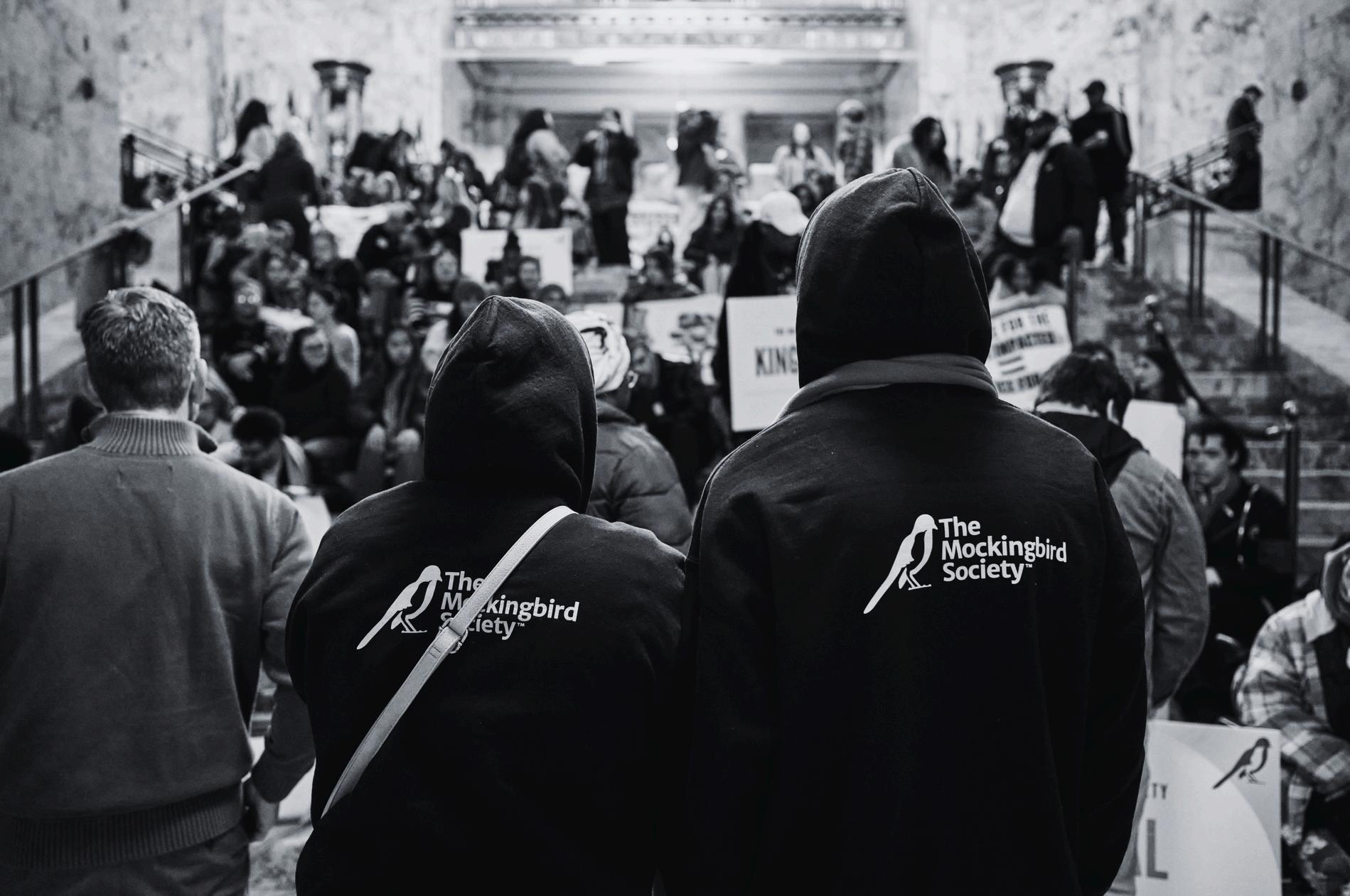
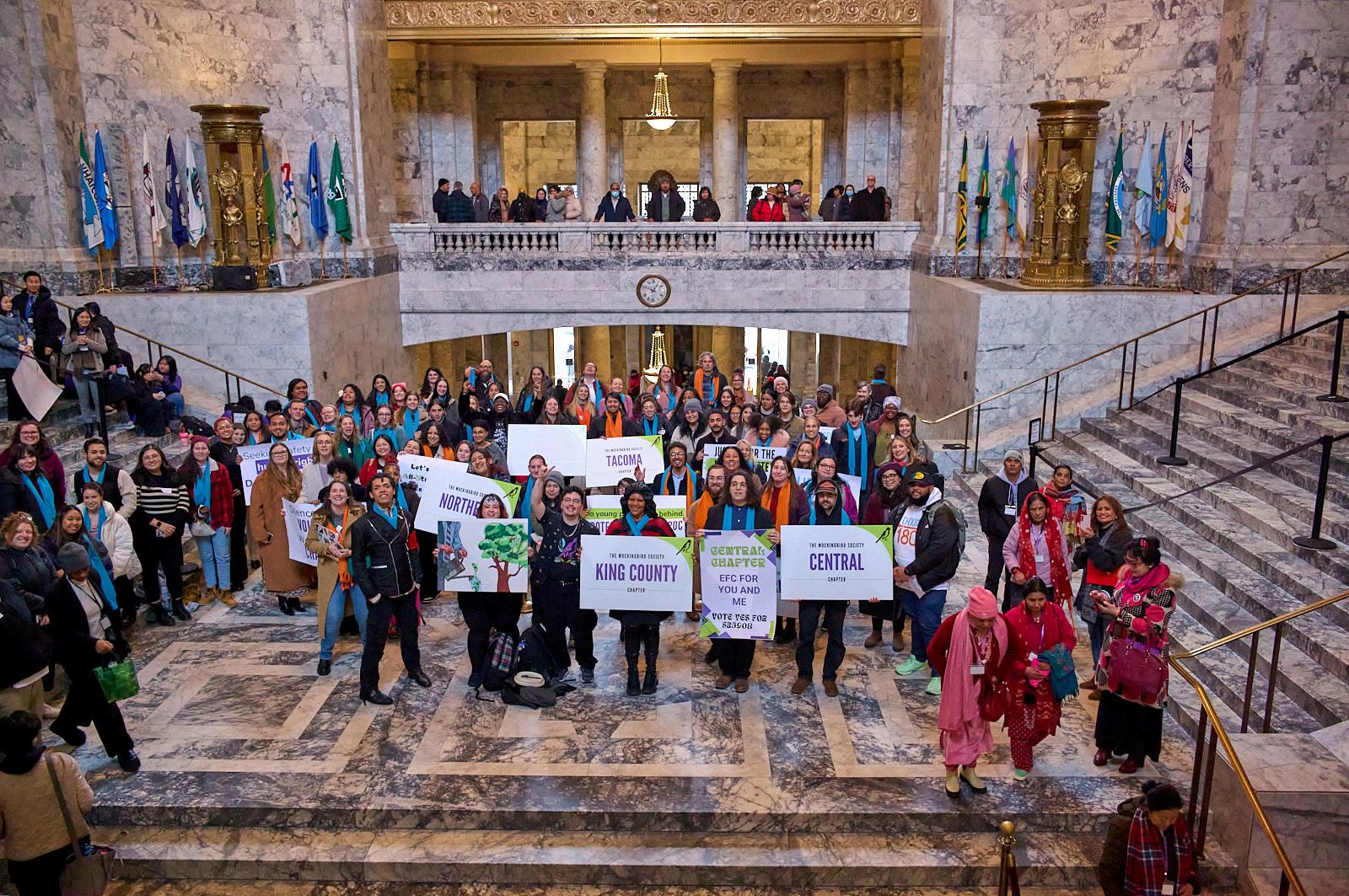
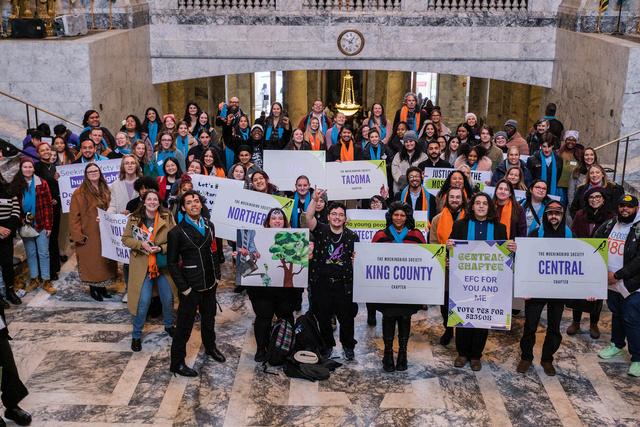
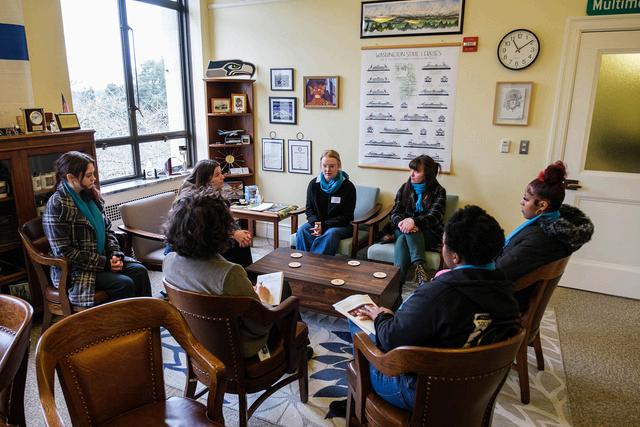
On February 13th, 170 people gathered for our 2025 Youth Advocacy Day in Olympia, including 49 Mockingbird Chapter Members and young advocates with lived experience from across Washington. During Youth Advocacy Day, young people led 36 different meetings with legislators and their staff!
OUTCOMES OF LEGISLATIVE SESSION
UPDATE ON SB 5082 (EFC) - MARCH 2025 A MESSAGE FROM MOCKINGBIRD’S PUBLIC POLICY & ADVOCACY DIRECTOR
Dear Mockingbird Community,
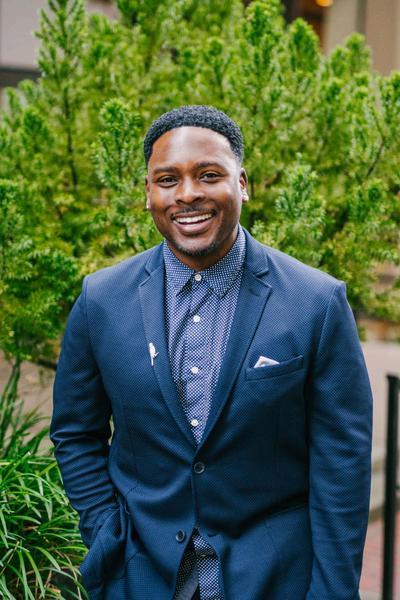
I wanted to provide you with an update regarding Senate Bill 5082 Unfortunately, our bill did not pass and did not make it through the cutoff into the Ways and Means Committee. We knew from the start of this legislative session that given the state’s significant $13 billion budget deficit, the successful passage of our bill would be an uphill battle Despite this challenge, I want to emphasize that our strategy, advocacy efforts, and most importantly, the powerful and compelling testimonies shared by our Mockingbird Society young people positioned us well.
From the beginning, our goal was to hold the state accountable and ensure it upholds its obligation to provide safe, stable housing for young people in Extended Foster Care youth who are, in fact, in the state’s care. Sadly, the state has continued to fall short in meeting these critical needs.
Throughout this process, we worked closely with our legislative champion, Senator Claire Wilson, who has been nothing short of incredible Her unwavering dedication to this cause and her commitment to amplifying the voices and needs of young people have been remarkable.
Given the budget constraints, we were asked to make concessions in our bill After thoughtful deliberation, we agreed to include subject to appropriations language specifically for young people in Extended Foster Care who were at risk of homelessness, while prioritizing those who were already experiencing homelessness While not ideal, we believed this compromise maintained the integrity of our efforts by ensuring support for young people facing the greatest housing instability
For those unfamiliar, "subject to appropriations" means that funding for these services would be contingent on the availability of resources within the state budget In other words, even though the language would establish these supports in law, they would only be implemented if funds were available adding an additional layer of uncertainty for the young people who desperately need stable housing.
However, we were later asked to make additional cuts that would have significantly undermined the bill’s intent. Further reductions particularly limiting support to those already experiencing homelessness would have severely weakened the bill and compromised its core purpose. After careful consideration and conversations with our policy team, legal partners, community stakeholders, and young people, we made the difficult but necessary decision to stand firm and not concede further. We could not risk losing the very heart of what this bill sought to achieve.
While this outcome is disappointing, our commitment to ensuring young people in Extended Foster Care receive the housing stability they deserve has not wavered We remain steadfast in our efforts and will continue to explore every opportunity to push this work forward.
One thing is certain and this was echoed by Senator Claire Wilson "Senate Bill 5082 was the right bill with the right intent, and Mockingbird Society and its young people should be proud of their efforts and advocacy. Stay in this fight and bring this bill forward again in 2026."
I assure you, we will bring this bill back in 2026 This is not the end it is part of the journey toward ensuring young people in Extended Foster Care receive the housing stability they deserve
Thank you for your unwavering dedication and commitment.
~Charles Smith, Director of Public Policy & Advocacy
WHAT’S NEXT FOR PUBLIC POLICY & ADVOCACY:
CONTINUING THE LEGACY OF EXTENDED FOSTER CARE
THE EVOLUTION
OF EXTENDED
FOSTER CARE (EFC) LEGISLATION IN WASHINGTON STATE
Over two decades, Washington State has made significant strides in supporting youth transitioning out of foster care, largely due to the persistent advocacy efforts of The Mockingbird Society. These legislative advancements aim to ensure young people have access to the resources and stability necessary to transition successfully into adulthood Below is a timeline of key milestones:
FOUNDATION OF EXTENDED FOSTER CARE
EARLY LEGISLATIVE WINS SUPPORTING FOSTER YOUTH
1999: HOPE ACT (ESSB 5557)
The HOPE Act was enacted to address the growing needs of dependent youth aged 16 to 18 living on the streets This foundational step laid the groundwork for Extended Foster Care by recognizing the importance of targeted services for older youth in care
2006: FOSTER YOUTH ACHIEVEMENT ACT (HB 2002)
This act allowed foster youth to remain in care and continue receiving health care while attending college, offering them vital stability during their educational pursuits
2007: EXTENDING MEDICAID TO FOSTER YOUTH TO AGE 21 (HB 1201)
2009: FOSTERING CONNECTIONS ACT (HB 1961)
Previously referred to as "Foster Care to 21," this legislation allowed up to 50 foster youth per year to stay in their foster homes beyond age 18 if they were enrolled in higher education
THE MOCKINGBIRD SOCIETY’S ADVOCACY LEADERSHIP
2011: EXTENDED FOSTER CARE ACT (HB 1128)
Mockingbird played a pivotal role in advocating for the passage of this bill, which allowed youth working on their high school diploma or GED to remain in foster care until age 21 This act aligned Washington State with the federal Fostering Connections Act, enabling the state to receive matching funds for extended care programs
2012: COLLEGE AND VOCATIONAL PROGRAM EXPANSION (HB 2592)
Extended EFC eligibility to include youth enrolled in college or accredited vocational programs, ensuring broader access to support during educational endeavors
2013: EMPLOYMENT BARRIER PROGRAMS (SB 5405)
Further expanded EFC to include youth participating in programs designed to remove barriers to employment, emphasizing the importance of targeted workforce readiness programs
2014: EMPLOYMENT-BASED EFC ELIGIBILITY (HB 2335)
Allowed youth working at least 80 hours per month to stay in care until age 21. This legislation enabled young adults to prioritize employment while maintaining stable housing and foster care services
2015: INCLUSION OF YOUTH WITH MEDICAL CONDITIONS (SSB 5740)
Starting July 1, 2016, this legislation addressed the final population excluded from EFC by allowing youth with documented medical conditions that prevent them from working or attending school to access EFC This marked a significant victory in Mockingbird’s decade-long advocacy for comprehensive support for all foster youth aging out of care.
2015: THE OFFICE OF HOMELESS YOUTH IS ESTABLISHED
In 2015, The Mockingbird Society played a pivotal role in the creation of the State of Washington Office of Homeless Youth (OHY), a dedicated agency addressing the growing crisis of youth homelessness Mockingbird’s advocacy was instrumental in shaping the office’s mission to prevent homelessness, coordinate services, and provide resources to vulnerable youth, particularly those aging out of foster care
2018: FLEXIBILITY IN ENROLLMENT (SB 6222)
Strengthened EFC by enabling foster youth to enroll or reenroll in the program until age 21, as needed It also expanded eligibility to youth in Juvenile Rehabilitation Administration (JRA) facilities or on trial return home at age 18, ensuring continuity of care for more young people.
2024: PASSAGE OF SB 5908: TRANSFORMING EXTENDED FOSTER CARE IN WASHINGTON STATE
The passage of Senate Bill 5908 in 2024 was a watershed moment in Washington State’s foster care history, marking the culmination of decades of advocacy by The Mockingbird Society and its partners This legislation fundamentally redefined the accessibility, flexibility, and impact of Extended Foster Care (EFC) by addressing long-standing barriers and introducing innovative solutions to support youth transitioning out of care This bill marked The Mockingbird Society’s 70th major legislative win since its inception in 2000.
FUTURE ADVOCACY PRIORITIES: ADDRESSING REMAINING BARRIERS
IN EXTENDED FOSTER CARE
As The Mockingbird Society continues its mission to support young adults transitioning out of foster care, several critical challenges remain. We are actively advocating for solutions to these issues, particularly focusing on housing stability and financial security for Extended Foster Care (EFC) participants.
PROPOSED LEGISLATION:
Senate Bill 5082 was introduced during the 2025 Legislative Session to create a housing assistance program specifically for young people enrolled in Extended Foster Care The bill passed through the Ways and Means Committee, but did not end up passing during the 2025 Session. However, we are planning to bring back this bill in the 2026 Legislative Session as a continuation of our advocacy for EFC Key Provisions of the bill include:
Extended Foster Care Housing Program: Establishes a program to provide rental assistance and associated housing fees to eligible young people, aiming to prevent and alleviate homelessness among EFC participants. Eligibility Criteria: Young people receiving EFC services who are experiencing homelessness or are at imminent risk of homelessness are eligible for assistance
Rental Assistance Details:
Assistance is provided for up to 36 months, not extending beyond age 21.
The amount is based on fair market rent in the young person ’ s location
Young people pay no more than 30% of their adjusted gross income toward rent, including the EFC subsidy Program Administration: The Department of Children, Youth, and Families (DCYF) will conduct a competitive procurement process to identify entities to operate the program, ensuring all eligible young people receive access to rental housing assistance
Transition Planning: Mandates that DCYF conducts a transition planning process with young people at least three months prior to their 21st birthday, including assessments of housing stability and applications to federal housing voucher programs when available.
ADVOCACY GOALS:
Support Passage of EFC Housing Vouchers for Young People in 2026: The Mockingbird Society is actively advocating for the passage of this bill, recognizing its potential to provide critical housing support to EFC participants.
Raise Awareness: Engage stakeholders and the community to build support for the bill, emphasizing the importance of stable housing in successful transitions to adulthood
By addressing these challenges through legislative advocacy and program development, The Mockingbird Society aims to ensure that youth in Extended Foster Care have the necessary support to achieve stability and independence.
DEFINING OUR APPROACH TO YOUTH PROGRAMS
This year, our Youth Programs team had the opportunity to develop a Theory of Change in partnership with ORS Impact The Theory of Change helped clearly define the key strategies within our Youth Programs work that will most effectively lead to the impacts and vision that we aim for. Our vision is that each young person, regardless of race or individual experience, has the confidence, supports, and opportunities to thrive through young adulthood and beyond. The three strategies that we identified as most instrumental in moving toward this vision are: elevating youth and young adult (YYA) voices in impactful spaces, co-creating community with YYA, and building YYA skills as changemakers.
The following stories from our young people illustrate these strategies in action.
ELEVATING YYA VOICES IN IMPACTFUL SPACES: RIKA
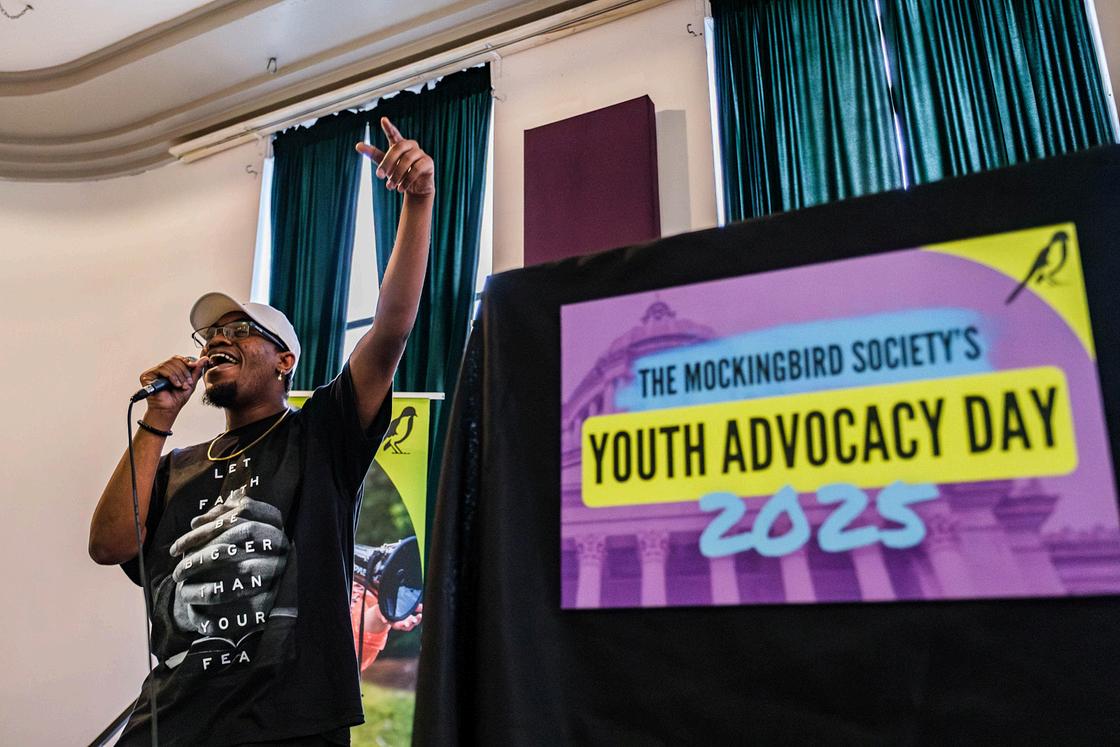
One of Rika’s first experiences with The Mockingbird Society was having the opportunity to attend Youth Advocacy Day in 2024 with a Youth Action Board that they were involved in Right away, Rika was struck with the impact of their advocacy work and knew that they wanted to continue to grow in their advocacy
“I have been given the platform to [advocate]... if I don’t, then no one is going to do it for me, ” they said. “No one deserves to be left behind.”
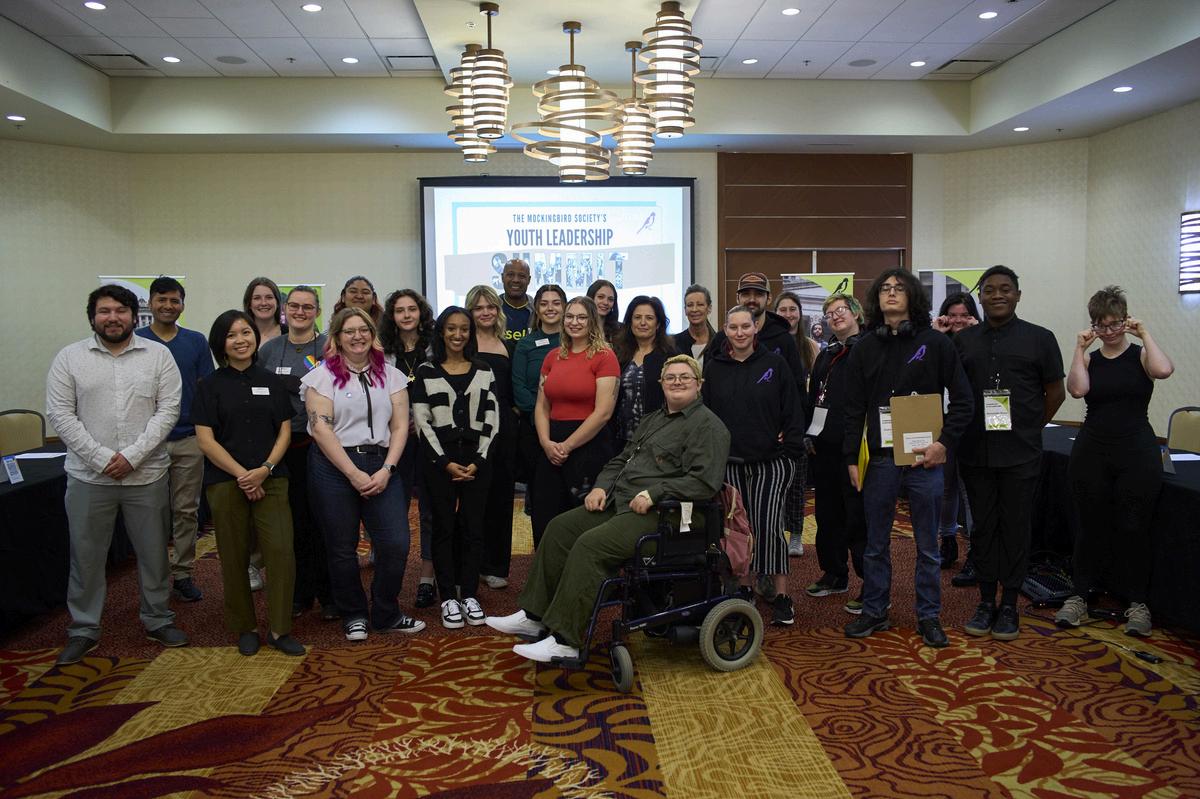
Rika went on to participate in Mockingbird’s 2024 Youth Leadership Summit as a Northern Chapter Member and a co-emcee during the Summit program They described the Summit as an opportunity for young people to get to know each other, share about the advocacy work that they’re doing in different areas of Washington, learn from each other and from community members, and grow their networks.
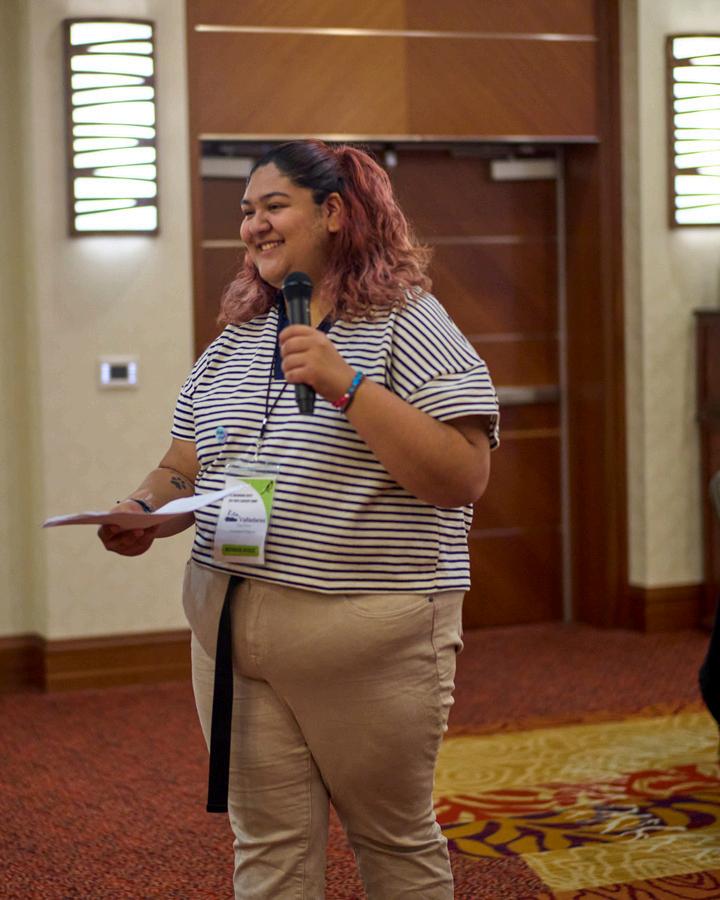
“[Summit] was fun, but also educational,” Rika said “Hearing what others from across the state were doing was very eye-opening”
Environments like Summit, which center the voices of young people with lived experience, are incredibly meaningful for advocates like Rika. They described that as they reflect on their experiences of their voice being elevated at Youth Leadership Summit, they feel a sense of hope, belonging, and peace
“If we didn’t have the space to learn and to share our experiences, a lot of things that we have been able to accomplish wouldn’t have happened,” they said. “It is very impactful. For me, it gives me the space to be who I truly am and be with others that understand what it is like to truly be oppressed.”
ELEVATING YYA VOICES IN IMPACTFUL SPACES: JONAS
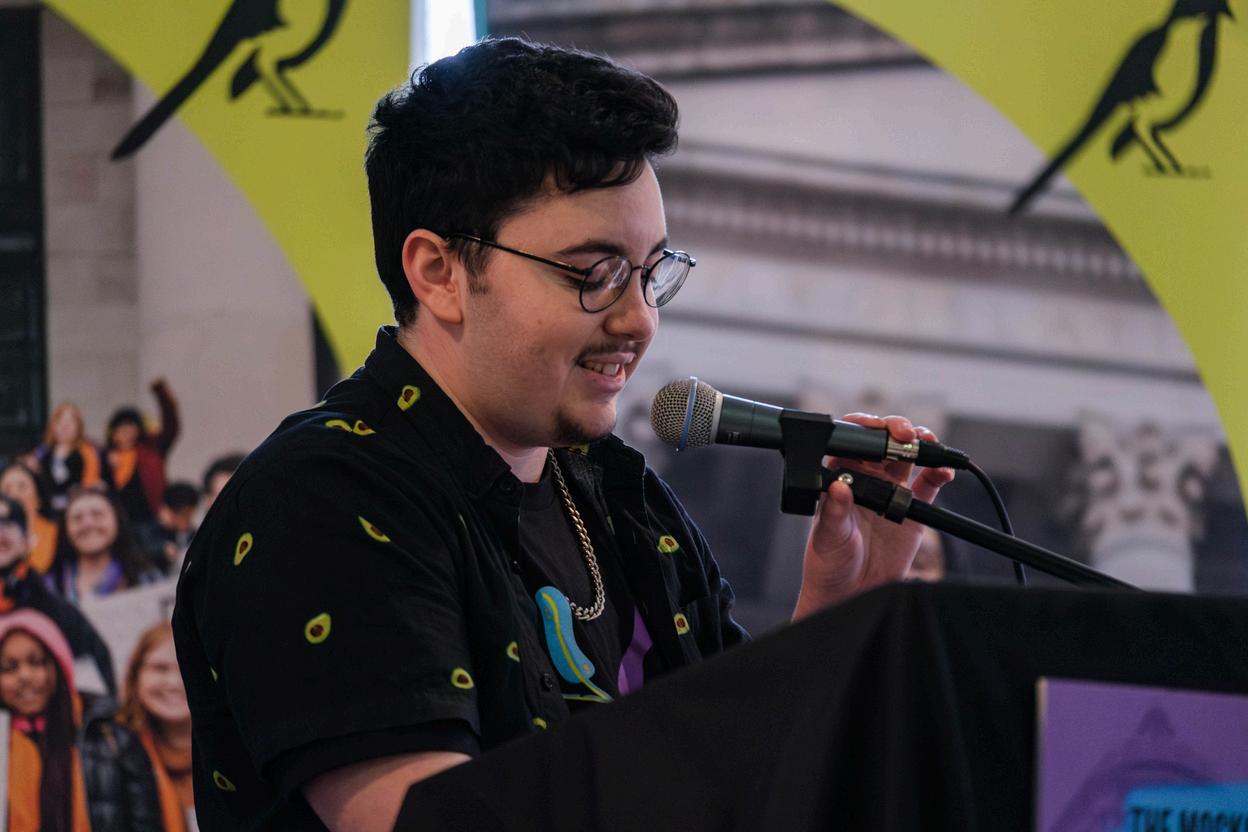
This is a message written by Jonas, who is an advocate and a member of The Mockingbird Society’s King County Chapter:
“My motivation to advocate derives from my lived experience and community associations. I joined The Mockingbird Society because it is similar to a non-profit organization I was working with previously in California, called CYC (California Youth Connection) Foster youth advocacy through legislative change and community-oriented spaces is something I am very passionate about, and can say has saved my life as a foster youth I know what it is like to feel invisible, and when you don’t feel heard or seen in the face of life’s hardest challenges, that is traumatic. You lose your sense of self, because at some point, you don’t feel like a person anymore due to how you are being treated and neglected. Through legislative change and advocacy, I believe we can help connect youth to support and resources that will make them feel human again
My experience giving personal testimony during this year’s legislative session was probably the most empowering experience I’ve had doing something like this. I’ve attempted to speak to legislators in the past and would struggle due to public speaking fear and anxiety. However, I am extremely passionate and have a very personal connection to the legislative goal we have surrounding SB 5082 (Extended Foster Care), so it was a lot easier to have the confidence needed to speak so strongly about it I felt very supported in my community spaces whilst preparing my testimony and going up to speak about it This all added up to a very positive and healing experience that I will always hold with me
Giving testimony is challenging because of how real the circumstances are, compared to you as a youth who may never have felt heard or “real” due to being neglected and ignored I think for so many of us, we become adjusted to a certain way of living and circumstances because we have never really experienced or been given the chance to experience anything else Even if something is related to our trauma, it just becomes our normal When you step up to speak about real issues, suddenly you are advocating for yourself in a way that you may have never felt safe enough to do in prior situations. Although jarring, it is a very perspective shifting experience that can provide an outlet for you to project your voice to potentially thousands of individuals and support systemic change that may go on to support generations of youth ahead of you It is important to hear youth voices, especially when it concerns the very foundation of the systems they rely on to survive. They know intimately what it is like to be in the vulnerable position that these laws and policies are made to serve. Without their voice, we’d be disconnected from the actual impacts and effects that our systems have on foster youth.”
CO-CREATING A COMMUNITY OF SAFETY & BELONGING: ENDER
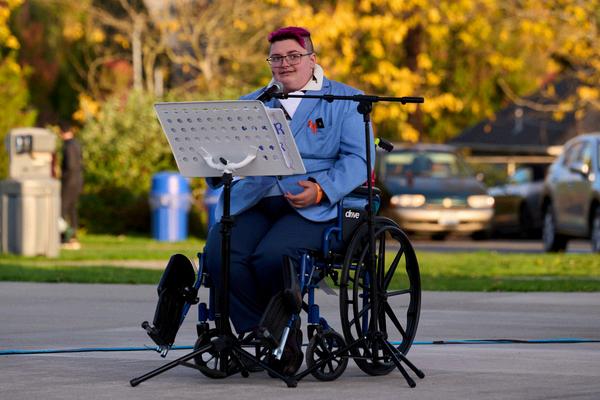
Ender has always wanted to do whatever they could to help and support others, which is a big reason why they got involved with The Mockingbird Society.
“What brought me to Mockingbird was the opportunity to actually make some change in my community,” Ender said. “I’ve met so many people in my life that needed so much help that they just weren’t being given. I really wanted to make sure that there was somebody out there vouching for them ”
Their first experience at Mockingbird was at a Youth Leadership Summit, and in Ender’s words, they hadn’t ever had an experience quite like it.
“I met this wonderful group of people who just instantly accepted me, and they were so easy to talk to, to get along with I instantly felt loved and cared for in a way that I had never felt before,” they said “I truly felt like I belonged for the first time. I’ve been through so much in my life, and that really changed something deep inside of me. It really ignited my passion for life. And I will never forget that.”
As they continued to spend their time at Mockingbird chapter meetings and other opportunities, Ender found that sense of community deepening.
“I’ve built my own little community of people because of Mockingbird Being able to be in Mockingbird has really helped me to feel connected and meet so many people that I love... I have these wonderful friends, and I have never felt so connected with my own community as I have with this work,” they said.
Ender says that their advocacy work and the community that they’ve built through it continues to have a positive impact on their life
“I love being in The Mockingbird Society. [It] is a really big part of my life now, and I frankly wouldn’t have it any other way, ” they said. “Every time I go to an event with Mockingbird now, I just keep feeling that huge sense of belonging.”
CO-CREATING A COMMUNITY OF KONCRETE ROSE

Koncrete Rose has been involved in Mockingbird as an advocate in the Youth Advocates Ending Homelessness (YAEH) Chapter and a musician and performer at several Mockingbird events. These experiences, as well as the friendships that they’ve built and the joy they’ve experienced in community and advocacy, have meaningfully impacted Koncrete Rose’s life
“When I first started [with Mockingbird], I was homeless, so it was bringing me hope, which made me feel joyful,” they said.
Koncrete Rose shared that creating a community with people who have similar lived experience to them has led to friendships that stretch beyond just involvement with Mockingbird
“Mockingbird has always been a great safety net,” they said. Through community at Mockingbird and the power of advocacy, Koncrete Rose has also experienced joy in new ways.
“I would say the role that joy plays for me in activism, in my community, is pushing me towards being productive,” they said They described how through struggles with depression and resisting the urge to isolate themself during these times, it was the joy they found in activism that motivated them to further their advocacy work.
“I just feel like Mockingbird Society is always pushing me to learn more about myself personally, the things I’m capable of,” they said. In their words, when they advocate alongside other young people, “It feels like we have a voice It feels like we are being powerful, and we are speaking on what we want to change Mockingbird makes sure that we feel safe, that we feel heard. And I love that.”
“Whether bills get passed or laws change or not, I still feel proud of myself for being one of the people who are trying to make change. The effort is what I’m proud of... it’s not about winning or losing, it’s the joy of it all,” Koncrete Rose said “My advocacy work makes me more optimistic in life, which brings me more joy I can go to sleep at night knowing that I’m impacting the world.”
The energy, optimism, and impact that Koncrete Rose describes not only inspires the continuation of their advocacy, but also powerfully grounds them in their identity and values.
“I just love to make positive change in the world, and I think that it brings me joy, makes me optimistic, makes me more confident, and makes me feel like I’m passionately prospering on purpose, in my purpose,” Koncrete Rose said.
BUILDING YYA SKILLS AS CHANGEMAKERS TO NAVIGATE PERSONAL, PROFESSIONAL & ADVOCACY WORK: SAHARA
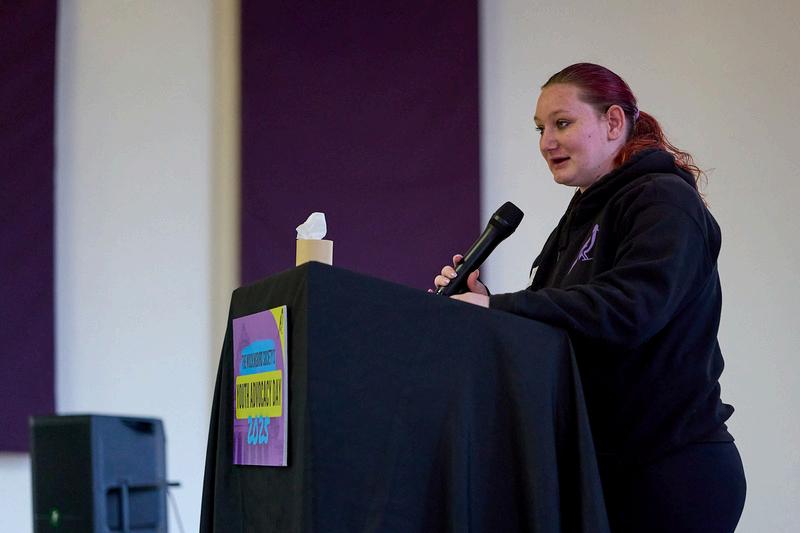
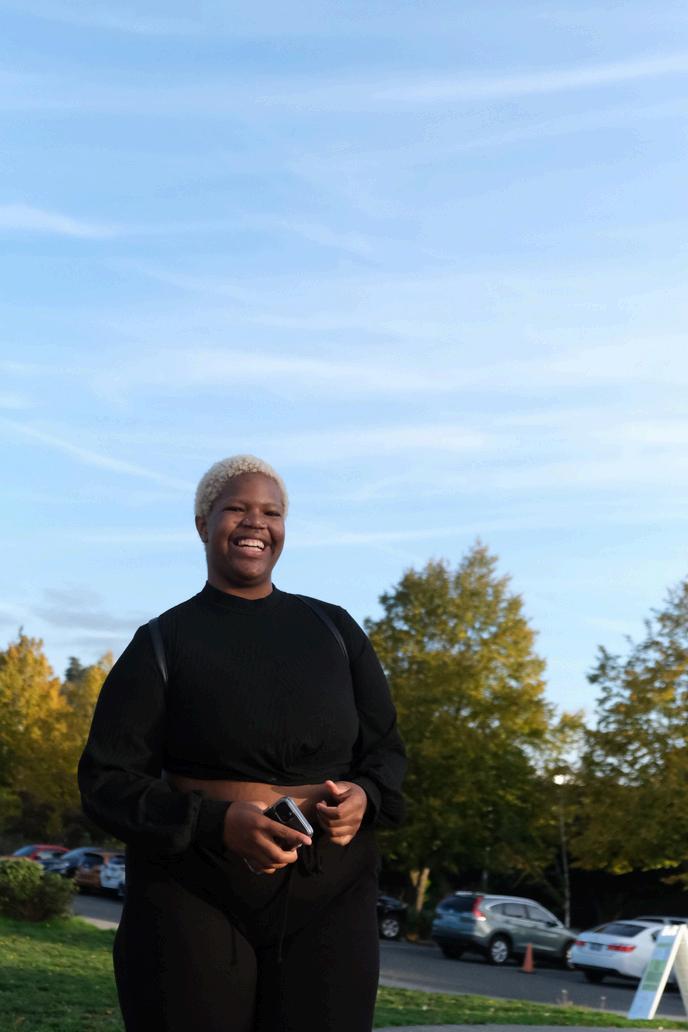
Sahara is a member of Mockingbird’s Central Chapter and has participated in (and spoken at) several of Mockingbird’s annual events, including Youth Advocacy Day and Youth Leadership Summit. They were drawn to Mockingbird because of the opportunities the organization provides to learn and grow in advocacy skills.
“I’ve always wanted to learn how to advocate for myself and to do that for people who can’t,” Sahara said. From a young age, Sahara found herself wanting to advocate for the needs and wellbeing of those around her, including her siblings. “Being able to advocate not only for me, but for other homeless youth and foster kids, is making me really happy,” she said.
Sahara said that if she had to pick a word to describe her experience with The Mockingbird Society, it would be ‘wonderful’ “I get really excited when it comes to Mockingbird,” she said
“It’s been so great learning all these new things. Honestly, if I didn’t come to Mockingbird, I don’t know where I would be,” she said. Through developing skills like notetaking, creating presentations around advocacy topics, gaining a strong understanding of advocacy topics, and public speaking, Sahara said that she feels like she has gained a lot of knowledge through her advocacy with Mockingbird
“I feel like I have [grown], especially as an advocate. I’ve learned to speak out about things I feel very strongly about... I feel more confident,” Sahara reflected. “Before Mockingbird, I couldn’t get out what I wanted to say in front of a lot of people, and now I feel confident to just be like, ‘hey, this is how I feel about this.’”
Sahara described her growth as a leader and advocate by comparing her first two years at Youth Advocacy Day She said that she was very nervous and scared the first year, especially about speaking in front of the group, but the following year, she noticed that she was confident in her knowledge and skills, and felt great about her role as an emcee at the event.
This personal growth has also impacted Sahara’s personal life in tangible ways. For example, she and her partner were able to apply some of their advocacy skills in a way that opened up a housing opportunity after a time of experiencing homelessness Sahara also sees her advocacy skills and growing self-assurance as instrumental for her future
“If I want to go where I want to one day [in my career], I have to have that confidence so that I can speak up. And what's going to help is doing all this practice,” she said.
MOCKINGBIRD FAMILY UPDATES TM
"When we think about why we started MOCKINGBIRD FAMILY™, it wasn’t just to improve a system it was to reimagine it entirely. We heard what young people needed: connection, stability, and community... MOCKINGBIRD FAMILY™ emulates an extended family creating Constellations, or intentional communities, around experienced foster parents called Hub Homes. Together, these Hub Homes and satellite families create a relational safety net for all involved."
– Jeff Abdullah, Director of MOCKINGBIRD FAMILY™
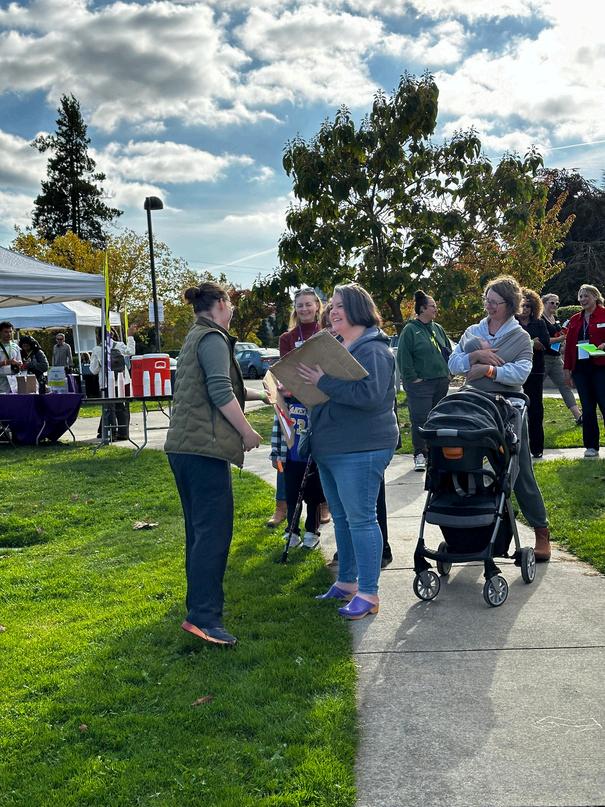

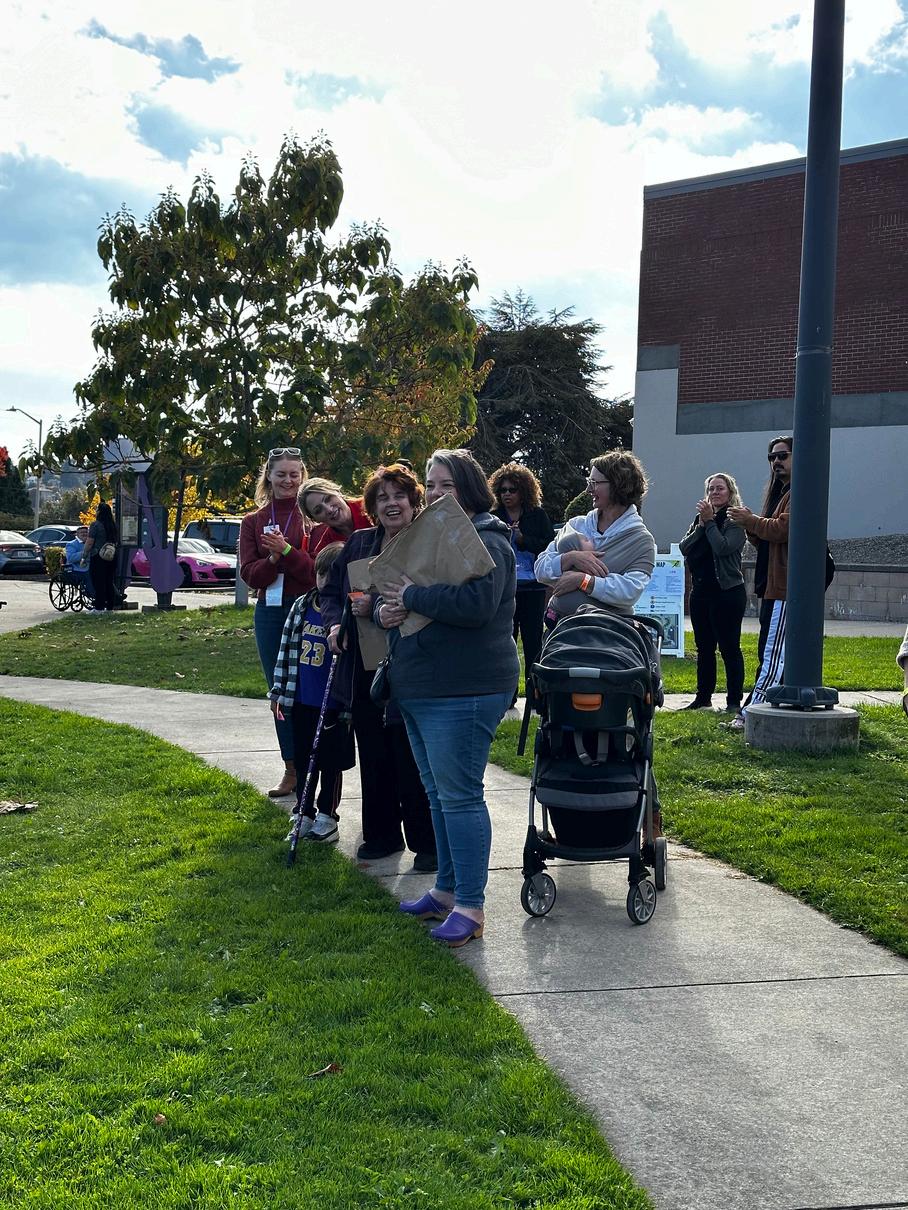
A LEGACY IN WASHINGTON: TWO HUB HOMES CELEBRATE THEIR 10 YEAR WITH THEIR CONSTELLATIONS TH
Diana Hardwick-Smith and Liz Wisham were each honored in the fall of 2024 for reaching the milestone of ten years as MOCKINGBIRD FAMILY™ Hub Home Carers Their commitment, love, and care have made a lasting impact in the lives of young people and families, and we are inspired by their commitment and dedication to their communities.
WASHINGTON DEPARTMENT OF CHILDREN, YOUTH AND FAMILIES IMPLEMENTATION UPDATE
In close collaboration with The Mockingbird Society and other community partners, Washington State’s Department of Children, Youth, and Families (DCYF) has been laying critical groundwork for launching MOCKINGBIRD FAMILY Constellations across the state by summer 2025. Since 2004, foster families and youth, located mainly in the greater Puget Sound region, have benefited from this unique supportive structure, and statewide expansion efforts have risen and fallen over the years with mixed success However, with a fully dedicated implementation team now within DCYF, every major region in Washington will become home to a constellation specifically equipped to support our state’s most vulnerable and displaced young people in foster care.
This past winter, DCYF conducted two statewide workgroups with community partners, current Hub Homes, lived experience experts, and Mockingbird Society staff These groups developed caregiver training expectations for Hub Homes and families in constellations, prioritizing courses on navigating trauma, maintaining cultural connections, and supporting gender identity/sexual orientation needs for young people in care These workgroups also collaborated on the Hub Home selection criteria and interview process for these new constellations, emphasizing the need for community participation in the process and greater accessibility and equity efforts in recruitment and selection
TM
DCYF launched their new MOCKINGBIRD FAMILY webpage in mid-April and began selecting new Hub Homes in May 2025 With great determination, community support, and a little luck, they are aiming to launch one or more constellations in each major region of the state, effectively doubling the number of constellations in Washington! And this is only the start… stayed tuned as we build upon this initial launch!
OUR JOURNEY TOWARD COMMUNITY-CENTRIC FUNDRAISING
In 2023 and 2024, the Mockingbird team started reimagining how we could restructure our fundraising and development efforts to better reflect our community-focused approach that lies at the heart of other aspects of our work
Inspired by the vision of the Community-Centric Fundraising Movement and guided by the feedback of young advocates, community partners, and staff, we decided to shift the model of our annual fall fundraising luncheon to a new community-centered celebration of our mission to transform the foster care system and end youth homelessness When we started our planning for the event, we had a few goals in mind, including:
Raising critical funds to support Mockingbird’s work
Approaching every aspect of the event with a focus on racial equity and social justice
Providing community updates on our work and impact
Building relationships and community between our stakeholders, youth advocates, and foster families
Connecting our partners and youth-serving agencies with the communities most impacted by the foster care system and youth homelessness via a mini-resource fair
Creating a warm, welcoming, fun, and joyful space for our participants, families, supporters, partner organizations, and other stakeholders to grow awareness of our mission in the broader community
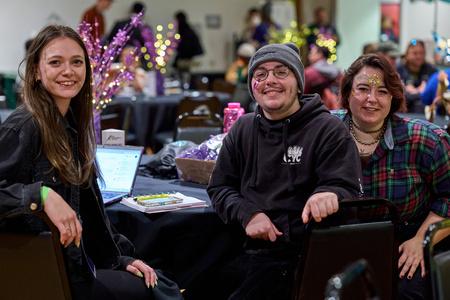
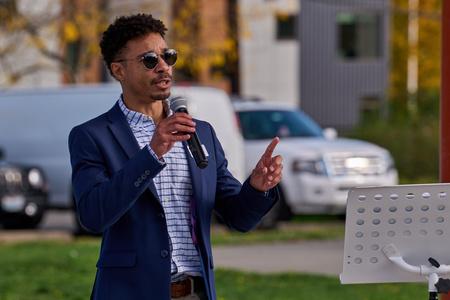
Through planning, collaboration, and community support, we hosted our first Fall Fundraiser and Block Party on October 10th, 2024! Admission to the event was free and completely open to the public Guests had the chance to enjoy refreshments from local food trucks, engage in games and activities, watch live performances from local dance groups and musicians (including one of our young advocates!), learn about other community organizations’ work at our resource fair, and hear directly from youth and young adults in our chapters about their advocacy work The Block Party was a truly special day that brought our community together in meaningful ways
The positive feedback that we received after the Block Party from young advocates, families, community partners, and donors indicated to us that we are on the right track toward a communitycentric approach to fundraising This was just the first step toward the implementation of community-centric fundraising practices, and we ’ re excited and challenged by the work that lies ahead.
To all our supporters who continue to give their time, resources, gifts, guidance, and advocacy efforts to this work thank you. Please visit mockingbirdsociety.org to join us on this journey toward Community-Centric Fundraising and learn more about ways that you can get involved in our work.
Find our most recent 990 Form here or visit mockingbirdsociety.org/about/who-we-are.
f equity and social justice. We prioritize the entire community over individual organizations, foster a sense of belonging and interdependence, present our work not as individual transactions but holistically, and encourage mutual support between nonprofits.”
– communitycentricfundraising.org