12// What’s Happening: Offering Support, Sharing and Growing Together
Everyone has a story to tell. Here’s why it’s important to share your lessons learned, challenges and perspectives with the industry. To do so, please fill out our survey.
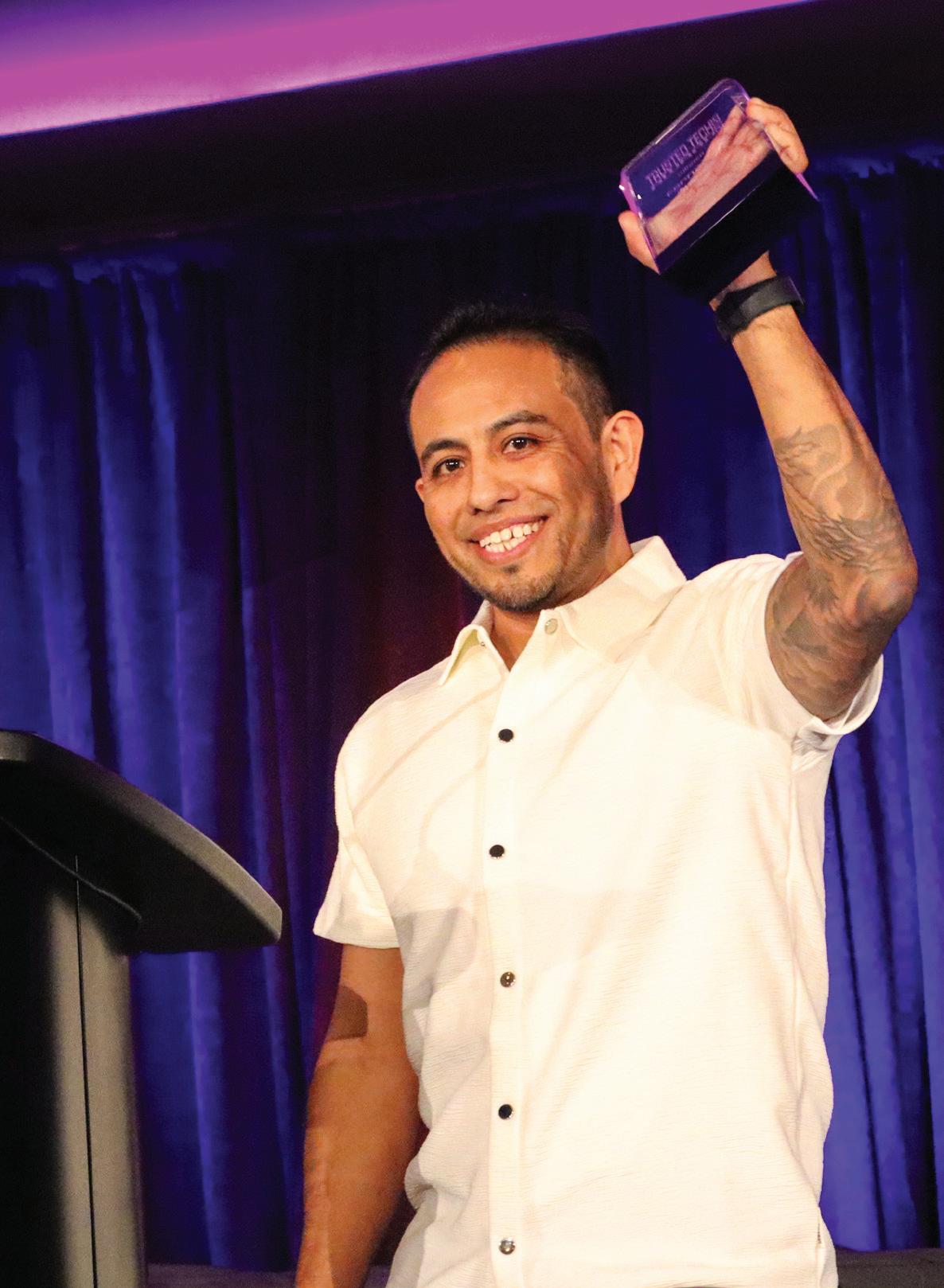
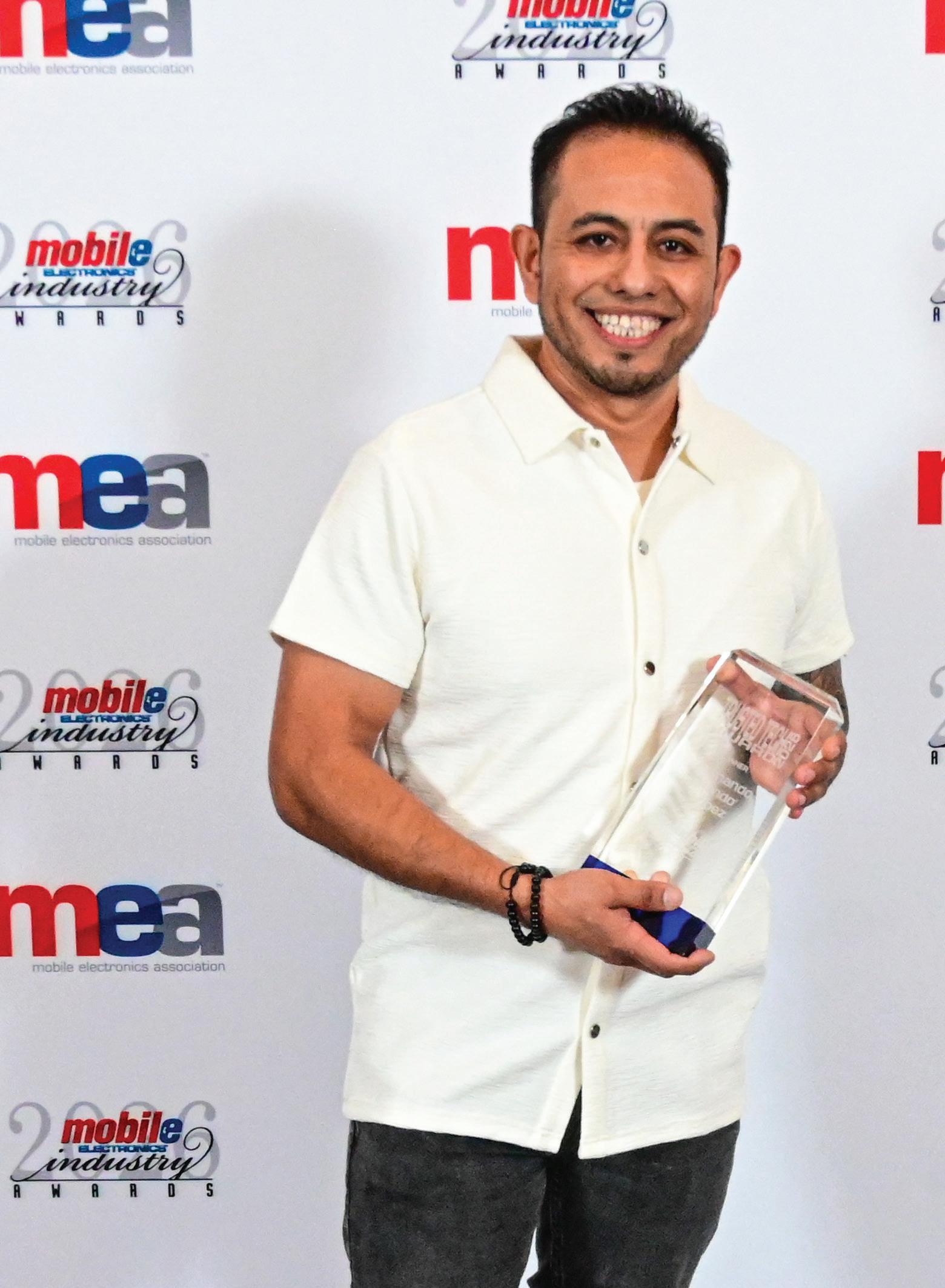
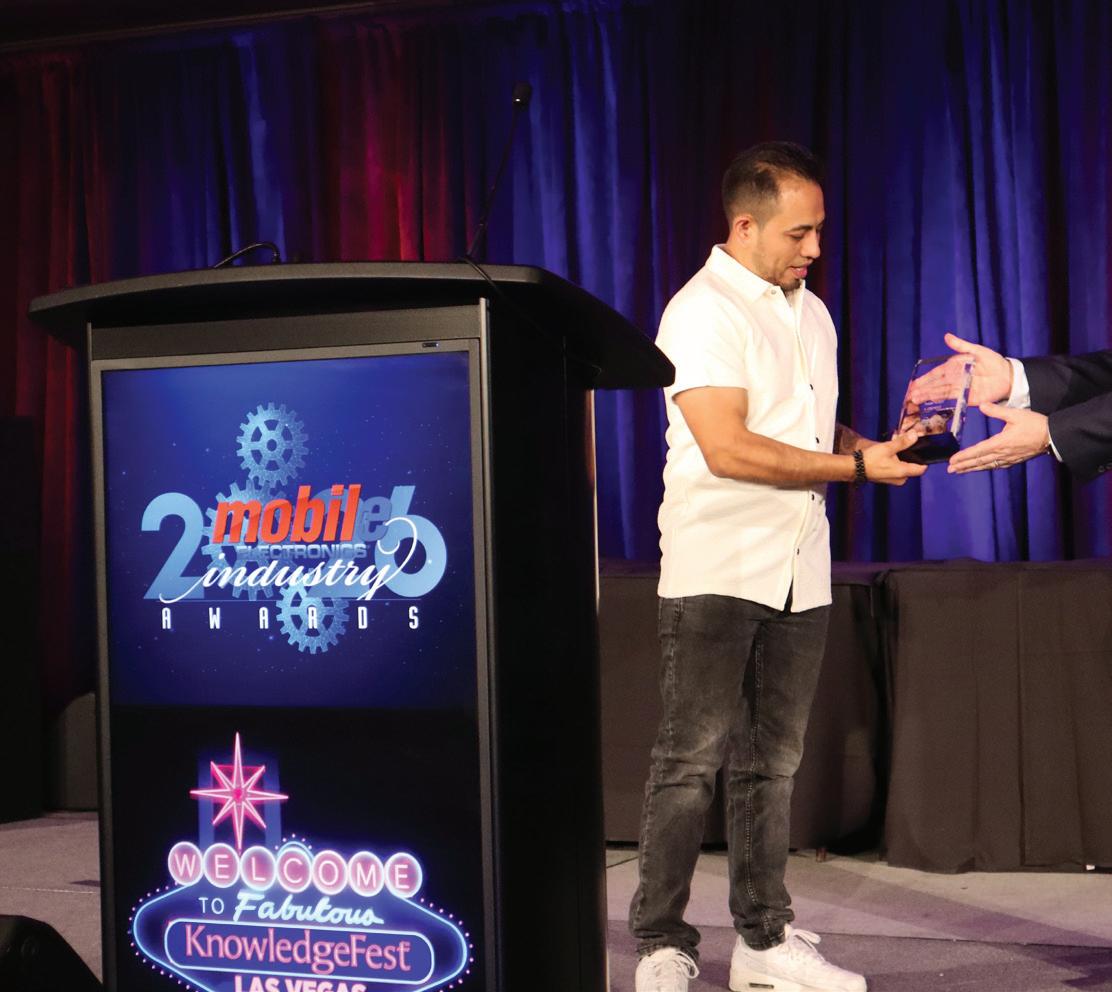
20// Trusted Tech: Have No Fear
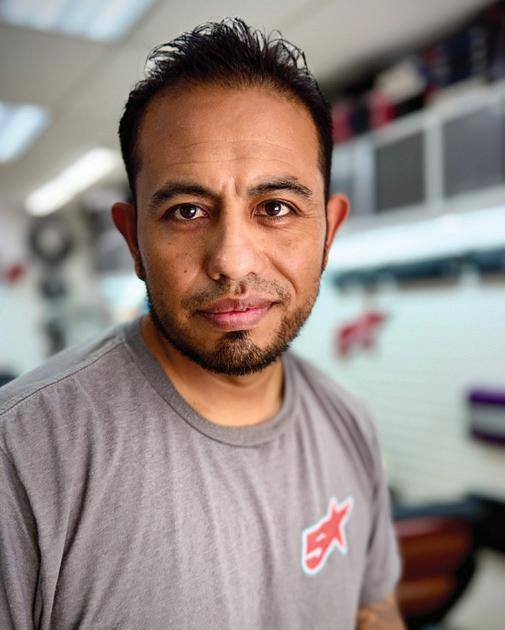
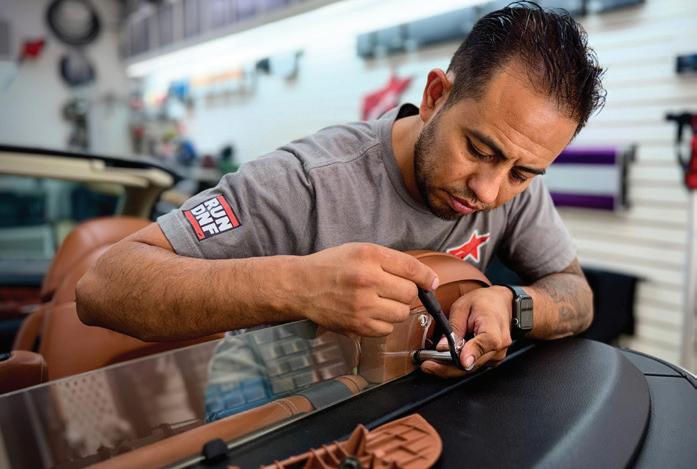
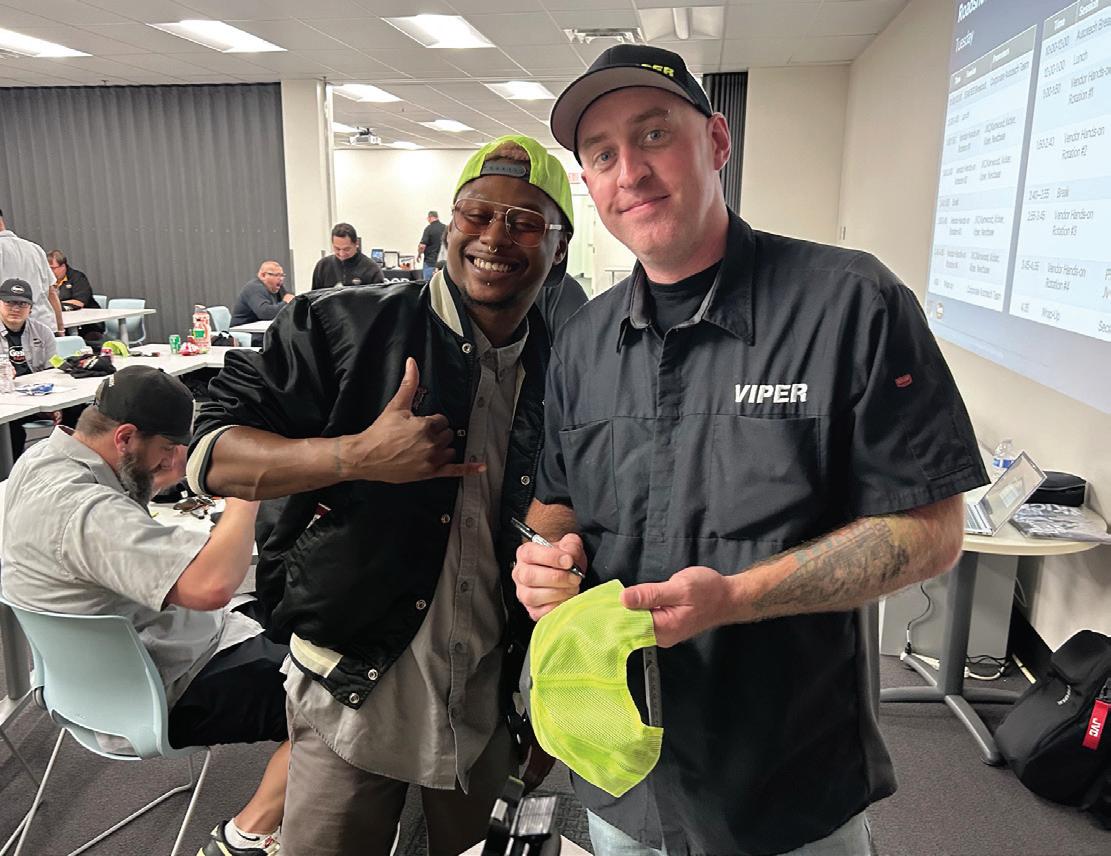
Asking questions is part of the journey, according to Trusted Tech Fernando Lopez, who encourages others to share knowledge and grow through connection.
38// Model Mentor: The Answer Man
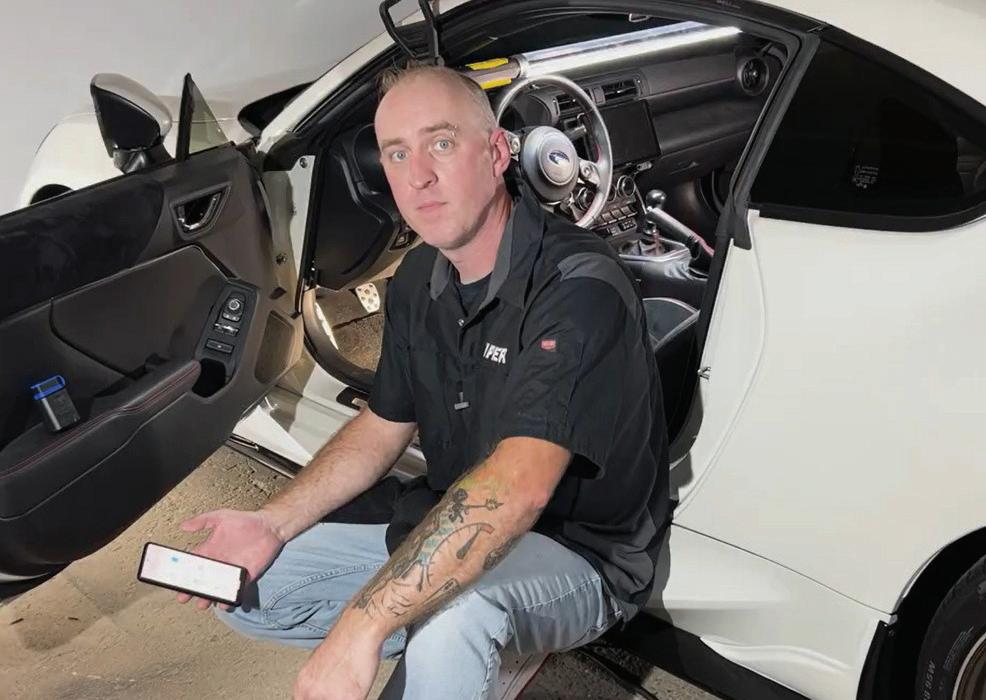
David Chamberlain’s mission is to make the car audio industry better—one tech at a time.
46// Strategy and Tactics: Who’s Winning?
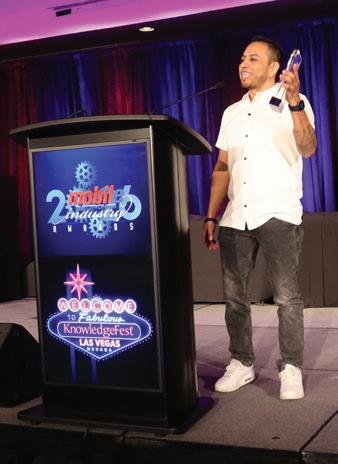
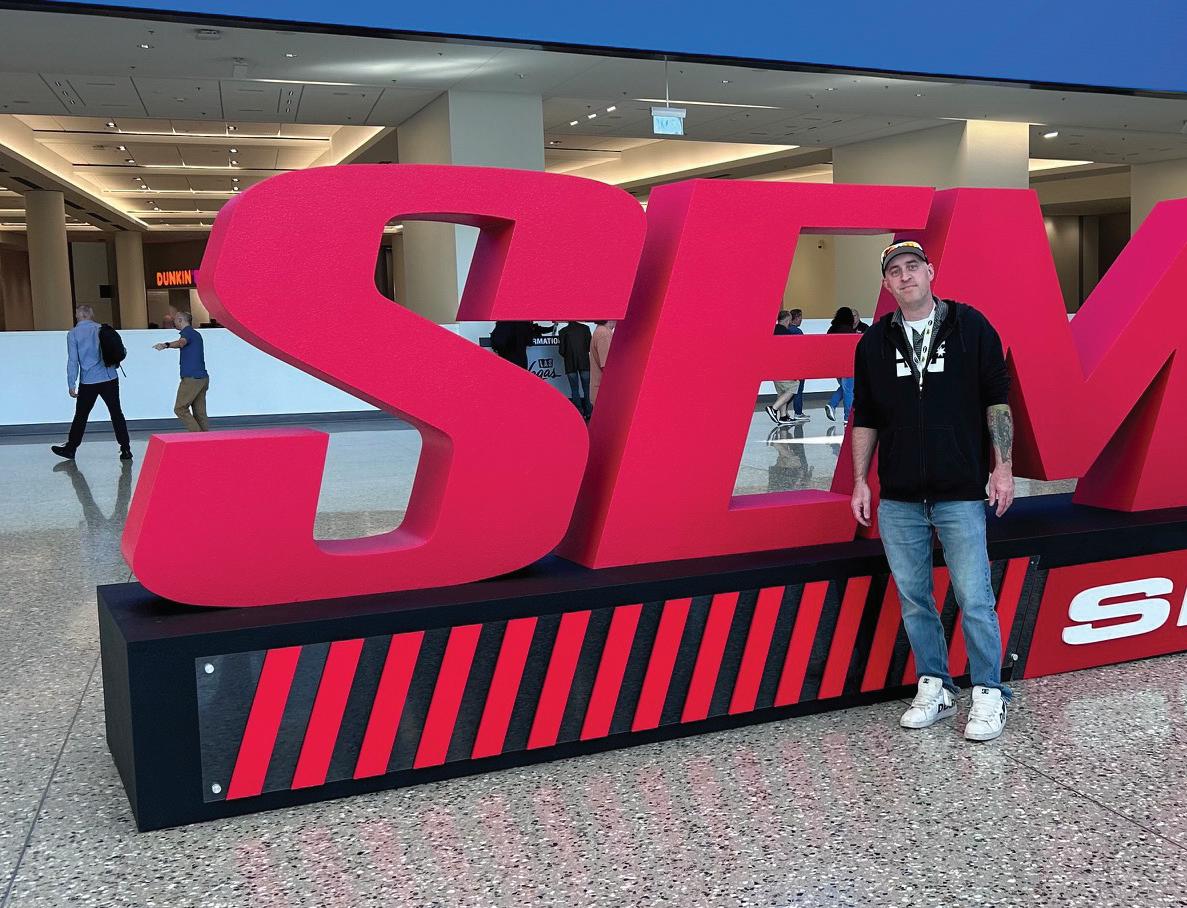
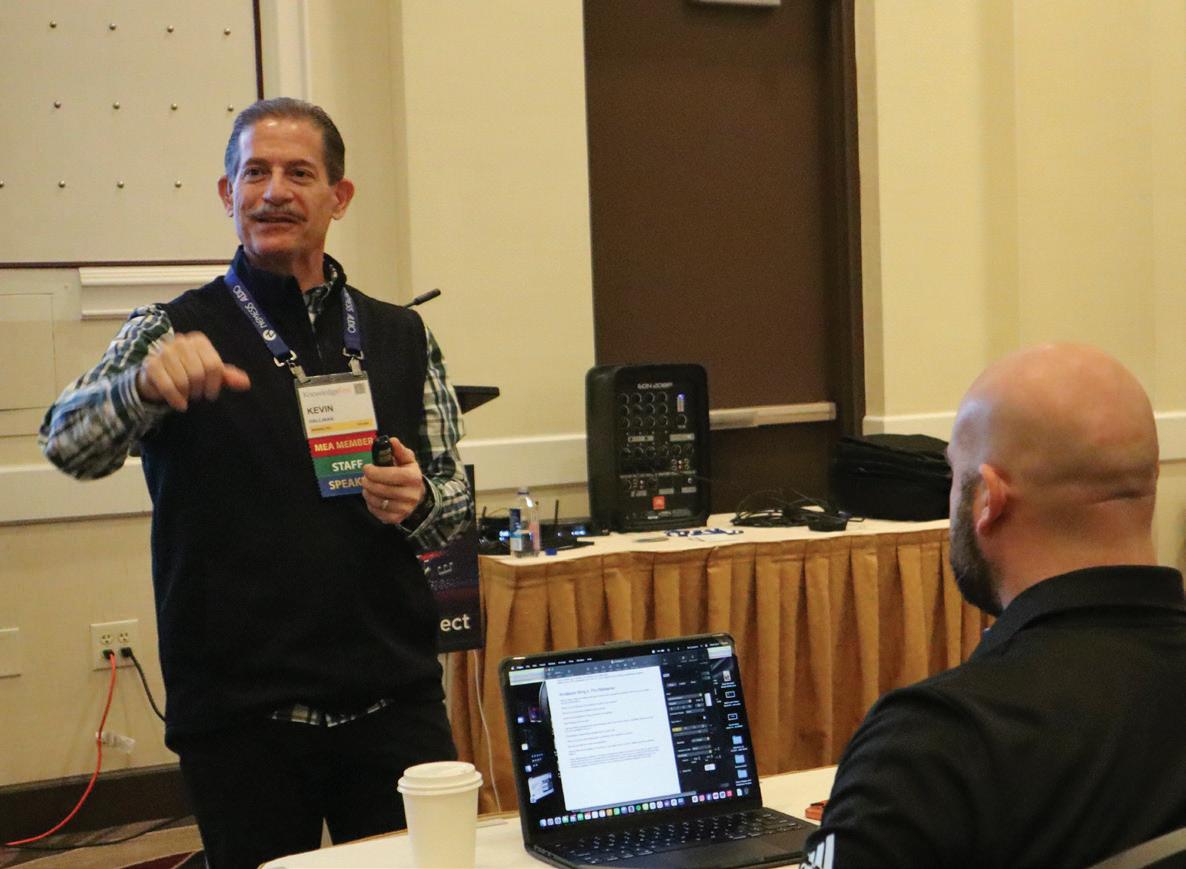
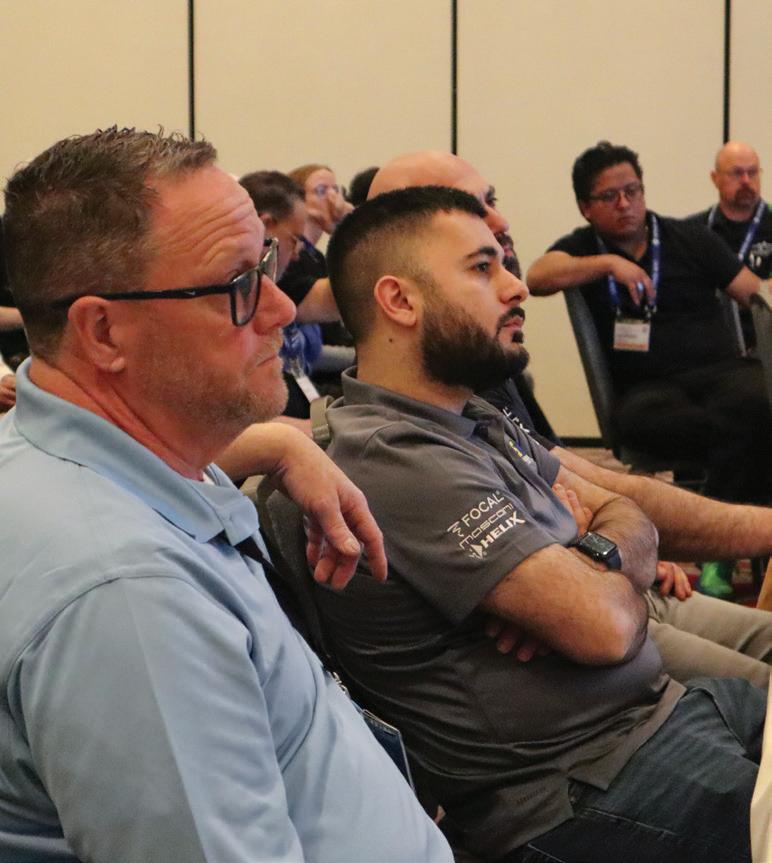
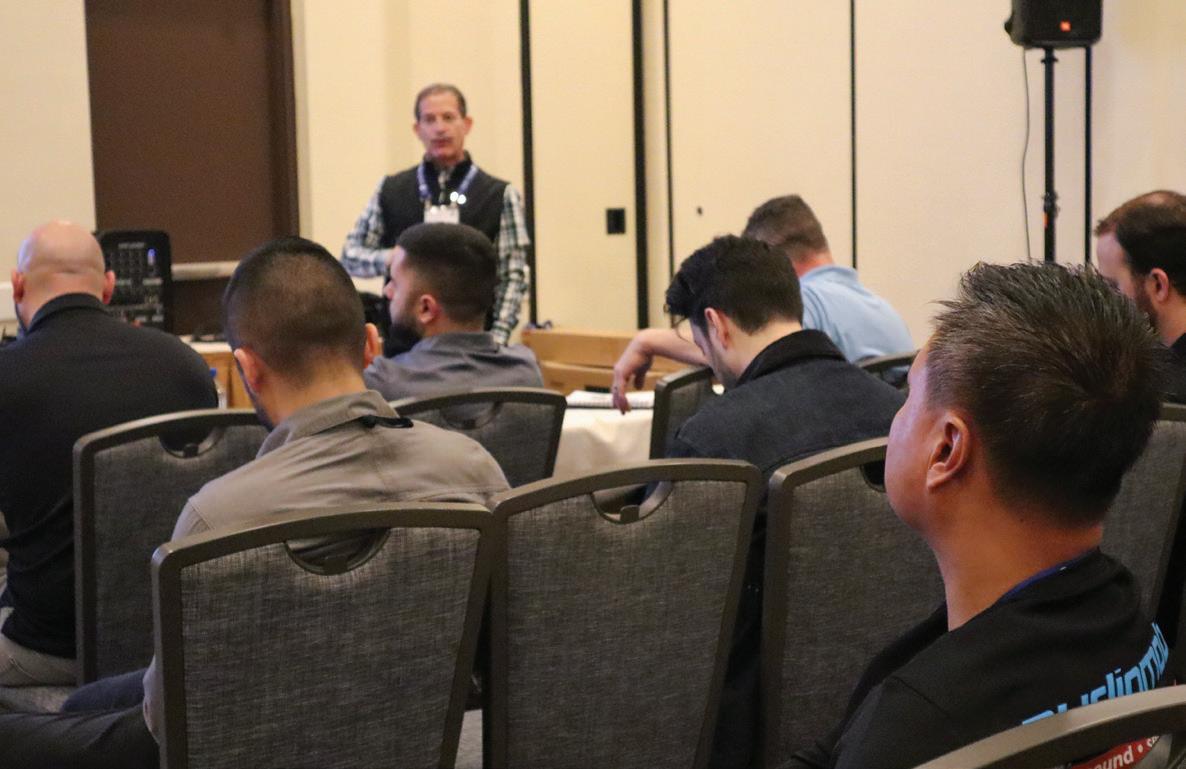
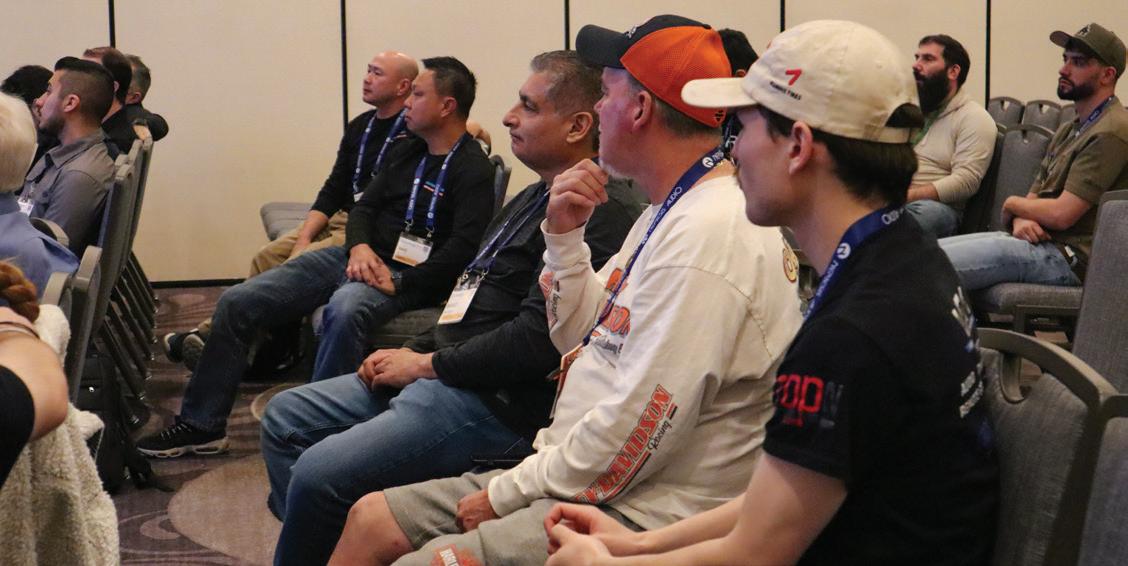
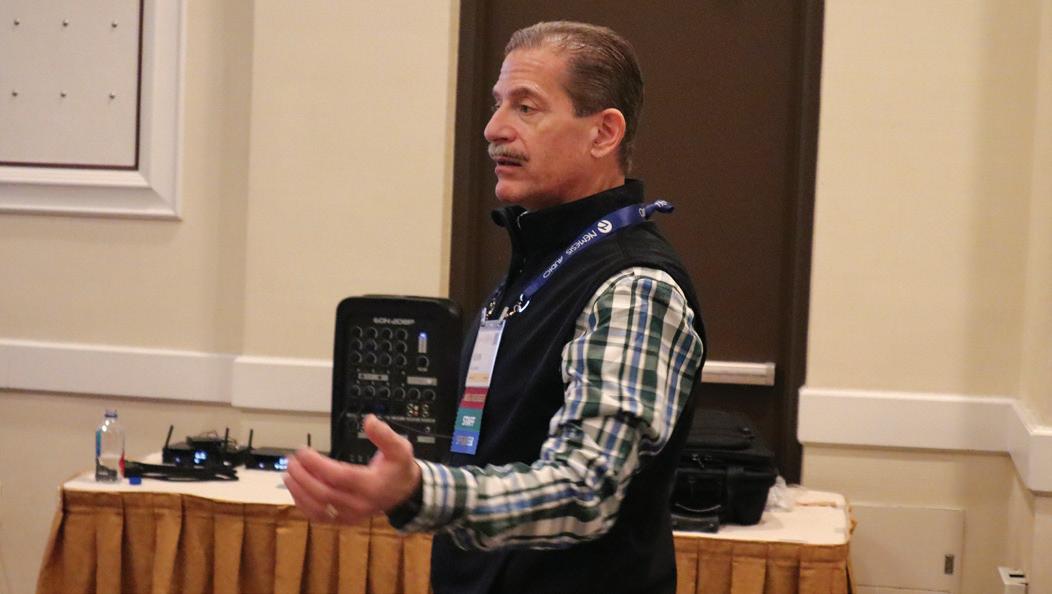
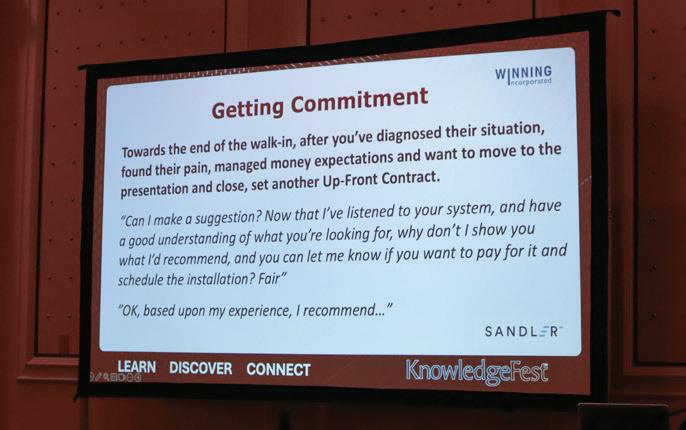
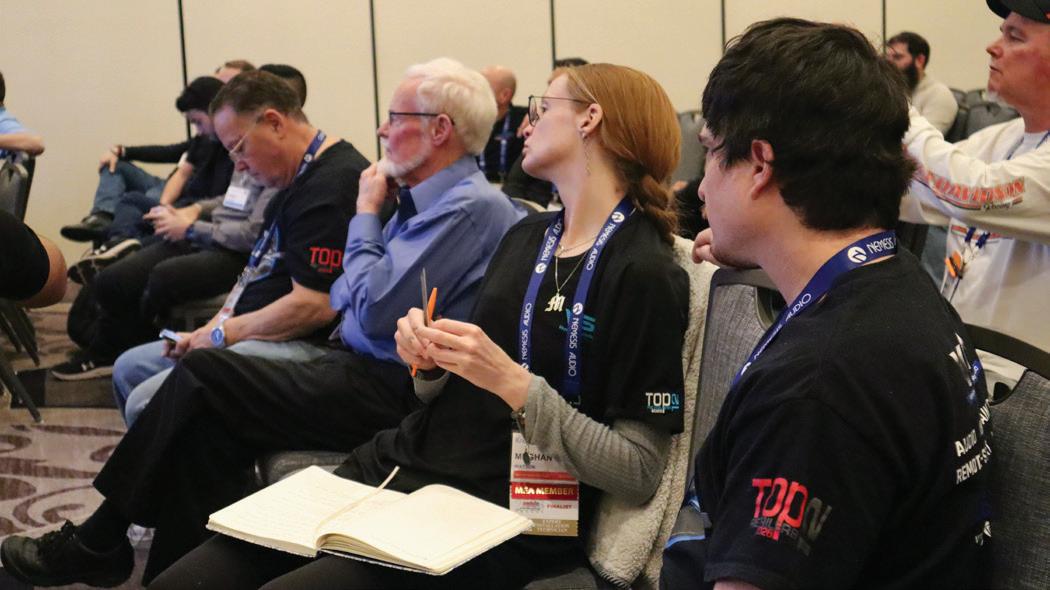
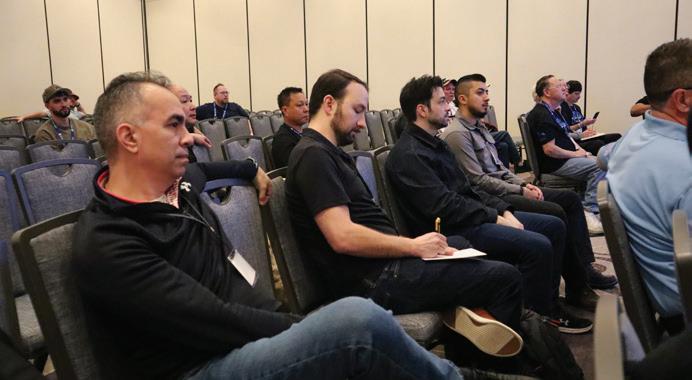
At KnowledgeFest Las Vegas, Kevin Hallinan challenged attendees to think differently about sales by staging roleplays and remembering that when the client wins, so does the business.
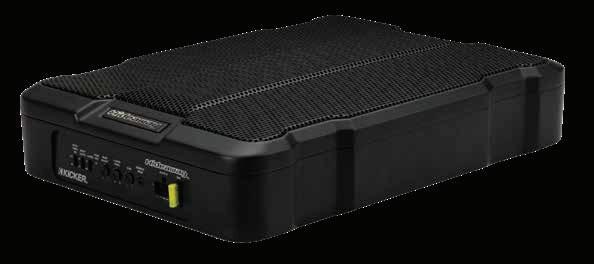
Hideaway® HS12 Compact Powered Subwoofer
Now Shipping
Ultra-Compact, 3-1/2”-Tall Enclosure to Slide Under the Seat
Includes Adjustable Gain, Crossover, Phase Reversal and KickEQ™ Bass Boost for Precise Tuning
Integrated 230-Watt Amplifier (RMS)
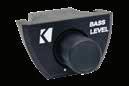
Remote Bass Level for Fingertip Control at the Dash or Console
WHAT MAKES IT SUPERIOR?
• Adds that Forceful Bass Punch Missing in Factory Systems
• Easy Bass Solution with Minimal Parts and Quick-Connect Molex® Plug and Harness
• Simple Install for a Radical Sound Improvement
MODEL
Woofer (in, cm) Power (Watts RMS)
12, 30 230
EDITOR’SFORUMROSASOPHIA•
MANAGING EDITOR
WALK THE TALK
We’re always discussing positive company culture and the importance of active listening. But is your business really walking the talk?
In The 5 Levels of Leadership: Proven Steps to Maximize Your Potential, author John C. Maxwell makes an important statement: “Good leadership isn’t about advancing yourself. It’s about advancing your team.” Maxwell underscores the importance of inspiring employees and investing in their growth. You might ask, “What if they leave the company after I’ve invested time and money and sent them to trainings?” We shouldn’t fear this. If someone you’ve invested in leaves your business for a new opportunity, they’ll always speak highly of the owner or manager who supported them in their journey. Investing in employees and supporting their growth helps to grow the company as a whole.
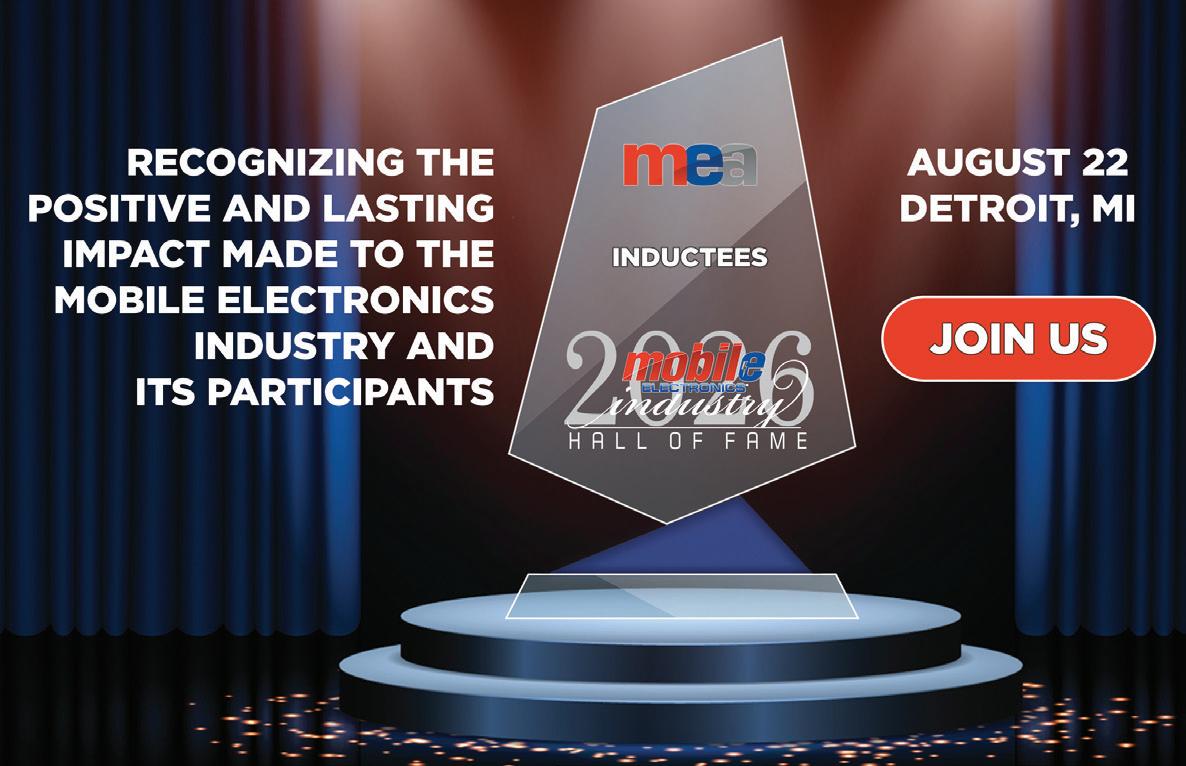
Throughout the years, the mobile electronics industry has been shaped by leaders who make it a point to acknowledge those who helped them. On the evening of August 22 at KnowledgeFest Detroit, some of these leaders will be recognized during the Mobile Electronics Hall of Fame ceremony. I’m sure they would be quick to say that a business is nothing without its employees.
LET’S NURTURE UNITY AND GROW TOGETHER
If it appears that your company is facing difficulties, consider asking for an outside opinion from an industry colleague—and most of all, be willing to listen, even if the answer might sting a little.
In this month’s Model Mentor column, VOXX product specialist David Chamberlain makes mention of “tribal learning”—the idea that we learn a lesson, technique or strategy from someone, incorporate our own style, and then pass it on to the next person. The person we learned from may not remember who taught them, but we still learn by spending time around our industry colleagues and sharing information. Every training session and networking event is an opportunity to not only acquire new ideas for our own businesses, but to share what we know with our peers.
In this issue’s Strategy and Tactics feature, Kevin Hallinan urges retail managers and owners to roleplay sales scenarios with their team members. Scheduling regular meetings with the team and taking time each month to roleplay will have the added benefit of building connections and making the team a stronger, more cohesive unit. This month’s What’s Happening highlights continued education and in-store phone etiquette. Elias Ventura and Jim Rogers take the time to share their perspectives on the importance of working together to improve the industry as a whole. If you’re a business owner or manager, how are you working to support your team?
TAKE THE TIME TO LOOK IN THE MIRROR
Now’s the time to step back and examine your business from an outsider’s perspective. My friend Mi Sun Donahue, a yoga teacher and author, once said to me, “What would you change about your life if you knew you would not fail?” Take the time to look into a mirror—both personally and professionally—and get honest with yourself. What does your employee retention look like? How long have your employees stayed with your company? Do they seem happy? Have they come to you with concerns, and have you addressed those concerns? If you have a high turnover rate, what might you do to change that? Do your employees feel safe, inspired, supported and encouraged? Are their ideas valued? If it appears that your company is facing difficulties, consider asking for an outside opinion from an industry colleague— and most of all, be willing to listen, even if the answer might sting a little. If we fail to embrace positive growth, we fail to embrace positive change, too.
Duty, Honor, Country & Life: A Tribute to the American Spirit
BY ADMIRAL WILLIAM H. MCRAVEN (U.S. NAVY RETIRED)
Back in 2014, Admiral McRaven’s famous “Make Your Bed” speech at the University of Texas went viral and was published in his book by the same name in 2017. He talked about 10 lessons he learned in basic SEAL training—and one of those was making his bed. McRaven said when you make your bed every morning, you’ve accomplished the first task of the day. If you can’t do the little things right, you will never do the big things right. This compilation of uplifting selections of the Admiral’s speeches, letters, toasts and poems captures the essence of who we are as Americans. Inspiring and motivational for young and old readers alike, McRaven recalls acts of heroism, courage, sacrifice and a sense of duty, honor and country. The book is a reminder to us to honor the American values of civility and decency—and a reflection on what these values mean for the future of our country.
This site offers step-by-step guidance for your legal needs that can be addressed with online tools or with the assistance of an attorney. There are agents available by phone daily and on weekends, too. Submit your information (the kind of legal service you need) by filling out a questionnaire. Next, the request is processed. You can log in to your personalized dashboard to check the status. And finally, LegalZoom makes things official. In business for 25 years, LegalZoom has helped folks navigate what can sometimes be a complex legal system. By combining intuitive technology with access to experienced attorneys—whether through a vast independent attorney network or the company’s own law firm—LegalZoom offers tools and guidance, but most importantly, peace of mind. Plans start at $0 plus filing fees and range
WHERE TO GO
Anytime Fitness
WWW.ANYTIMEFITNESS.COM/MEMBERSHIP
Having a healthy business that runs smoothly is vital, but equally important is taking care of yourself. May is National Physical Fitness and Sports Month, so there’s no better time to get a workout routine together. With more than 5,800 locations, Anytime Fitness has clubs that feature a variety of equipment and spaces designed to support all types of strength, cardio, interval and recovery workouts. Locations are open around-the-clock and members can go to any club—perfect for those who travel a lot. Try it out for free by going online and getting a pass. Membership plans and costs may vary by location.
WHAT TO DO
Coke Zero Sugar 400, Daytona International Speedway
On August 29, 2026, plan to catch The Coke Zero Sugar 400, an annual 160-lap, 400-mile NASCAR Cup Series race, held at Daytona International Speedway. This typically serves as the regular-season finale. A high stakes “superspeedway” drafting race, it is often held under the lights, frequently determining the final playoff contenders. Stay overnight and book the NASCAR Racing Experience for August 30. Only available on select days during the season, this opportunity gives you the chance to drive a real NASCAR race car. There’s no lead car to follow or instructor riding with you. You’re in total control as you drive for a timed racing session around Daytona International Speedway. And yes, passing is allowed. Not sure you want to get behind the wheel? Take a NASCAR Ride Along. Hold on tight as you sit shot gun with a professional racing instructor who will take you to top speeds for the ride of your life.
of the shop].” The person answering the phone, he said, doesn’t offer their own name. They might mumble or speak too fast. He noted it’s important to smile when answering the phone—a tip he said he learned from colleague Tommy Spears—and more importantly, speak clearly.
When a client is calling, “they want to buy. Or they want to inquire. They want to learn something. I feel like phone etiquette is a lost art for the majority of the industry, and I feel that everyone got too comfortable during the pandemic.”
Answering the phone the right way, he added, will make a customer want to buy from that store.
“During COVID, the phone is how we got business—being a ‘people person’ over the phone. That’s how most of our business happened, because it was less in-person and more virtual. That’s how we stayed busy. All it takes is having the right energy, the right impression and not hiding behind slouched body language while answering the phone.”
He then cited Chris McNulty of Driven Mobile Electronics, who he said has a specific strategy for answering the phone. McNulty, he added, answers the phone by sharing his name and the name of the store, and when he’s getting ready to hang up, he says, “When you come in, my name is Chris. Thanks for calling Driven Mobile
SHARE YOUR EXPERIENCE: FILL OUT THE MOBILE ELECTRONICS MAGAZINE SURVEY
Jim Rogers said if those in the industry don’t support one another, it’ll be time for everyone to look for a new career. Industry professionals can offer this mutual support by sharing knowledge and experiences. Click here to fill out the Mobile Electronics magazine survey. This is your opportunity to be featured in the magazine, but most importantly, it’s your chance to share lessons learned with colleagues.
Businesses must find creative ways to continue, Rogers said, adding, “But here’s the trick. You have to progress and move forward. You
can’t do things the way we did the 1980s and early ’90s. It’s a different market. Cars are different.”
The industry is a small community, and Rogers feels it’s smaller than ever before due to the influence of the Internet. This makes supporting one another all the more important. He noted that when he first started out in the industry, 30-plus years ago, a person could only meet their mentors by seeing them at a trade show. A couple of years ago, he said, he ran into Wayne Harris and his wife Celise at MasterTech Expo. The experience of being able to sit and
talk to them, he added, was a gift. According to Rogers, a lot of shops are stuck in a rut. “Businesses are going under because they won’t change their mentality. We have to share. We have to work together to keep the industry going, and we have to innovate.”
Do you have a challenge, lesson learned or experience to share with other industry professionals? Please reach out to Rosa Sophia Godshall, editor-in-chief of Mobile Electronics magazine: rosas@mobile-electronicsl.com. We look forward to hearing from you.
Electronics.” The call is composed of both a greeting and a planned exit, he noted.
LIFT OTHERS UP BY SHARING YOUR EXPERIENCE
While not everyone knows of the poet and clergyman John Donne, just about everyone has heard the famous line from his 17th century sermon, “No man is an island…” In any walk of life, we’d do well to take his advice to heart. In times of difficulty, it’s easy to get tunnel vision, according to Jim Rogers of Audio Innovations in Conway, Ark. A person can get so focused on their little corner of the world, he said, “you lose the big picture of what’s really going on and what needs to happen. I’m guilty of it. Luckily, I talk to enough people and keep up with friends, so that helps keep me focused and centered. That’s where networking comes into play.”
Audio Innovations is down about 20 percent this year from last year, according to Rogers, who said he can’t pinpoint the reason. However, he added, “Customers are shopping on
price. They’re going to the Internet.” Businesses may have lost the ability to successfully demonstrate the value of a product, he said, noting that salespeople need to be able to show why one product is better than another.
“That’s something I’ve been working on with Nick Wingate and HKI. We want to teach dealers what’s available.”
During class, Wingate will point out to attendees how much more money the home audio sector makes per year. Shops, Rogers said, should be trying to attract clients with “high-end home audio systems and expendable income. There needs to be a shift in how we present products and how stores look. I learned that in class when I went to my first KnowledgeFest in 2011.”
Meeting likeminded people at industry events is important, he added. “[We need that] sounding board if we’re dealing with an issue.” For example, a retailer might reject potential revenue streams “just because you don’t think it’ll work in your market. You get in a rut because it’s what you’re comfortable with.”
When we can see something from someone else’s point of view, Rogers said, “You may learn a new trick or how to do something more efficiently.”
Share knowledge, Ventura said, to help the industry grow. “If you have ideas to share, reach out. I try to help everyone. But I’m also critical about myself when I can’t.”
Both Ventura and Rogers have observed issues related to sales in the industry—issues that would benefit from the industry coming together to offer mutual support. Rogers said he feels sales classes at KnowledgeFest aren’t as well-attended as they should be.
“We are all in this together,” he said, noting that many salespeople still sell from their own pockets. If someone comes into the shop with an expensive, brand-new truck, “Why limit yourself? Don’t be afraid to ask for a larger ticket. The worst you can do is scare them with a huge ticket and then peel them off the ceiling with something that’s down a step or two. But when you start at the bottom, then we’re all cheap. It’s human nature. A person will take the lowest dollar offer.”
For industry professionals who might be struggling to be objective about the situation of their business or career, Ventura and Rogers agreed a person has to be willing to accept constructive criticism.
Rogers suggested a retail manager or owner should take a photo of the showroom in the morning and look at it as a customer might perceive it. Using the restroom as an example, he added, “Would you let your wife or daughter go in there? If the answer is no, fix it.”
Ventura said it’s great to ask for help, but this often comes with “advice or a critique that might be a little abrasive. We have to be ready for that. If someone’s willing to help you, whether it’s a coworker, a rep or another business owner, understand that they’re giving you feedback because they want you to do better,” he said, adding, “Maybe it’s not what you want to hear. Maybe it’s what you need to hear.”
HAVE NO FEAR
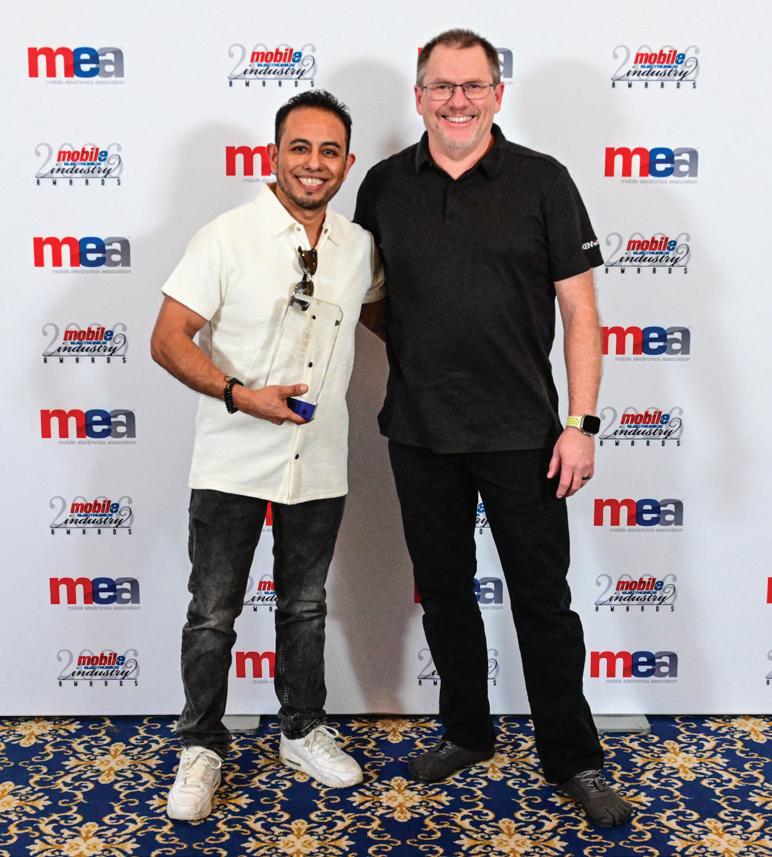
Asking questions is part of the journey, according to Trusted Tech Fernando Lopez, who encourages others to share knowledge and grow through connection.
WORDS BY ROSA SOPHIA
This year’s Trusted Tech, Fernando “Nando” Lopez, worked various jobs before entering the mobile electronics industry. Lopez never finished school, he said. Although he hadn’t intended to get into 12-volt, he always enjoyed music. “In Mexico, I worked for guys who did [DJ for] parties and concerts, so that’s one of those things that drew me into electronics.” In 2004, he moved from Mexico to the United States in search of something different. “Everything was the same, and I didn’t want to be the same.”
Now in 12-volt for 16 years, he got his start at a different shop before arriving at Five Star Car Stereo in Clearwater, Fla. “I’ve always come to Five Star to buy equipment,” he said. “Any problem I have, I ask Dean [Beyett]. I always came here and asked him about any vehicle I was working on. And he’d say, ‘No problem. Let me help you.’ One day, they were looking for someone because they had a lot of work, and they asked me if I wanted to work with them. I was scared, but I said yes.”
Five Star provided a big change from his previous job, Lopez said, noting that
his first experience in car audio had been with a shop that “just cut wires and didn’t know the proper equipment.”
The prospect of working at Five Star, he added, excited him due to the quality of work he’d observed in the shop.
Today, as his coworker, Beyett continues to inspire him. Lopez said he wasn’t initially interested in pursuing the Industry Awards. “I wasn’t that guy, but Dean pushed me all these years to be better.” He continues to admire the work of many people in the industry, he said, adding, “I feel lucky.”
THE ART OF LISTENING IN SYSTEM DESIGN
At Five Star, Lopez and Beyett work together on various projects. While Lopez doesn’t ordinarily interact with customers, he said he recently worked with a customer who brought in a Ford Mustang. “She speaks Spanish, so we got to talking, and I got involved in designing the system,” he explained, adding that he and Beyett balance tasks and play off each other’s strengths. When it comes to integrating a client’s vision with his own designs, Lopez said it’s important to listen.
“We’re fanboys about car audio or the brands we like, but at the end of the day, the customer has a different idea. They don’t necessarily know, so they come here and ask us, because we’re the professionals.” When it came to the Mustang, Lopez said he asked the client a lot of questions. “She said, ‘I want this system. I want it to be loud, but I also want it to be clear.’ I started talking with her about what she listened to, and if she had any [previous] experience with car audio.”
When they presented a proposal, Lopez said the customer was surprised, but she added, “Wow, that’s a lot of money, but I trust you guys. Let’s do it.” Listen to the
customer, he said. “Listen to what they’re looking for and come up with a solution.”
Recently, Lopez and Beyett installed a new system in Beyett’s car. “We went overkill, designed brackets and made cover panels. We designed every single piece to be more than a regular system. I feel like when you do your own car, you want it to be even better.” He added that the car is used regularly as a demo vehicle at the shop. “Just today, a customer came in and Dean was talking with someone else, and I went and grabbed Dean’s keys, demoed the car and the guy said, ‘Oh my God, this is insane.’” While the customer felt it was too much, the demo still offered
a reference point, according to Lopez—a perspective on what’s possible to help the customer decide.
DON’T BE AFRAID TO ASK QUESTIONS
Throughout his experience teaching at events like KnowledgeFest, Lopez said he learned the importance of narrowing things down and focusing on just one thing for an audience of industry professionals.
“Sometimes we cover so much that it’s overwhelming. Not everyone is at the same level. Some people—you can tell them anything from start to finish and they get it. Other people are not like that.
They’re struggling to understand one simple thing.”
In AudioControl trainings, Lopez observed attendees struggling to understand, reluctant to ask questions. “That’s the problem. If they feel like it’s a stupid question, they don’t want to think, ‘I’m the stupid guy over here.’”
During classes, Lopez encourages people to ask questions. “If you don’t want to ask questions in the class, catch us outside. What’s the worst thing that can happen? If I don’t know the answer, I go and ask someone else and we find the answer. If you never ask, you’ll never know the outcome.”
To that end, he felt it was important to narrow the focus enough that attendees leave the class feeling they really got something from it. “Sometimes, we get so much information at an event that we go home and say, ‘I don’t even know where to start.’ If I make things simple, I feel that’s worth it.”
He often gets calls from friends who ask for his perspective on a build they’re working on, and he said he tries to help wherever he can. To new techs, he said, “Don’t be afraid.” When he looked back at his experience moving to a new country and trying to learn the language, as well as adapting to terminology around
NEW TECHNOLOGIES BRING EXCITING CHALLENGES
When he was a kid, what did Lopez want to be when he grew up? “I wanted to be taller,” he said, “but it didn’t happen.” Joking aside, he’s always enjoyed drawing. Today, he utilizes this ability in designing systems, and using programs like Fusion 360.
In the coming year, he hopes to hone his skills with Fusion. “I want to get better at designing. The more we learn, the more ideas can come.” This, he said, can relate to anything from a simple project like a bass knob to a full A-pillar. “I’m just learning and keeping up-to-date with all the programs available right now.”
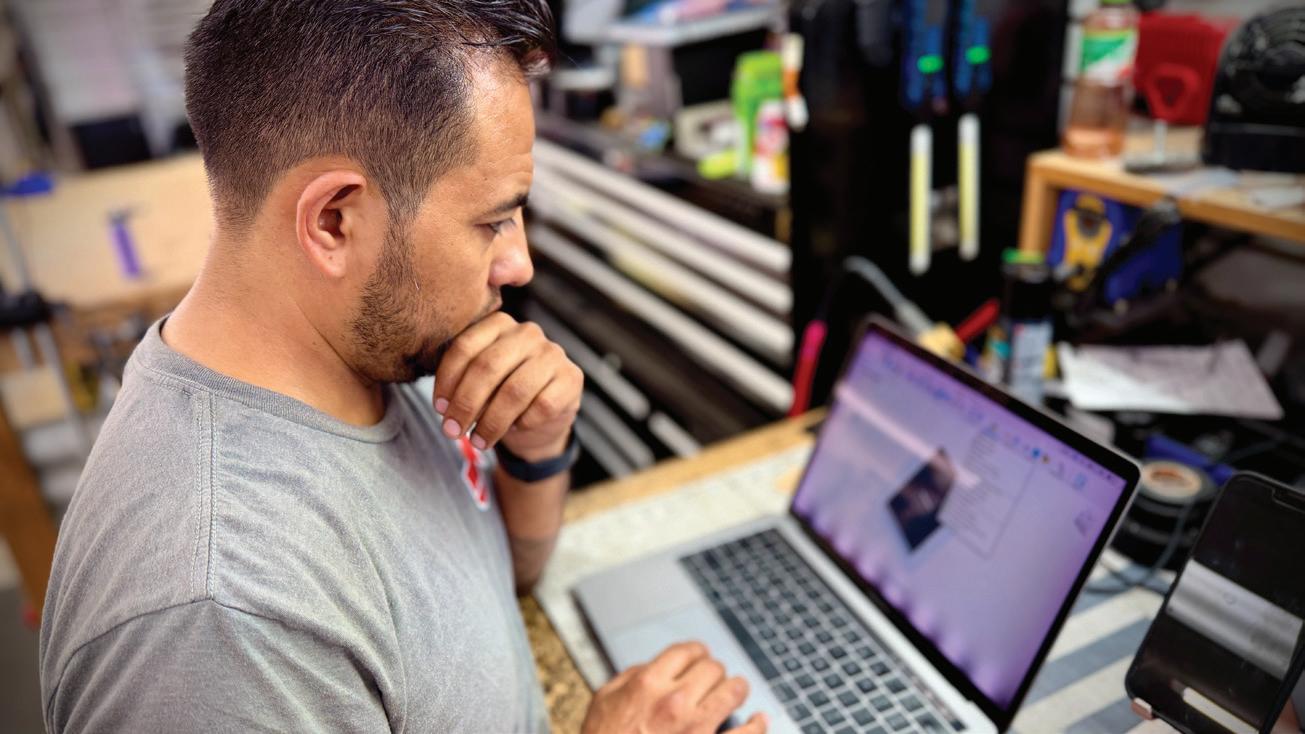
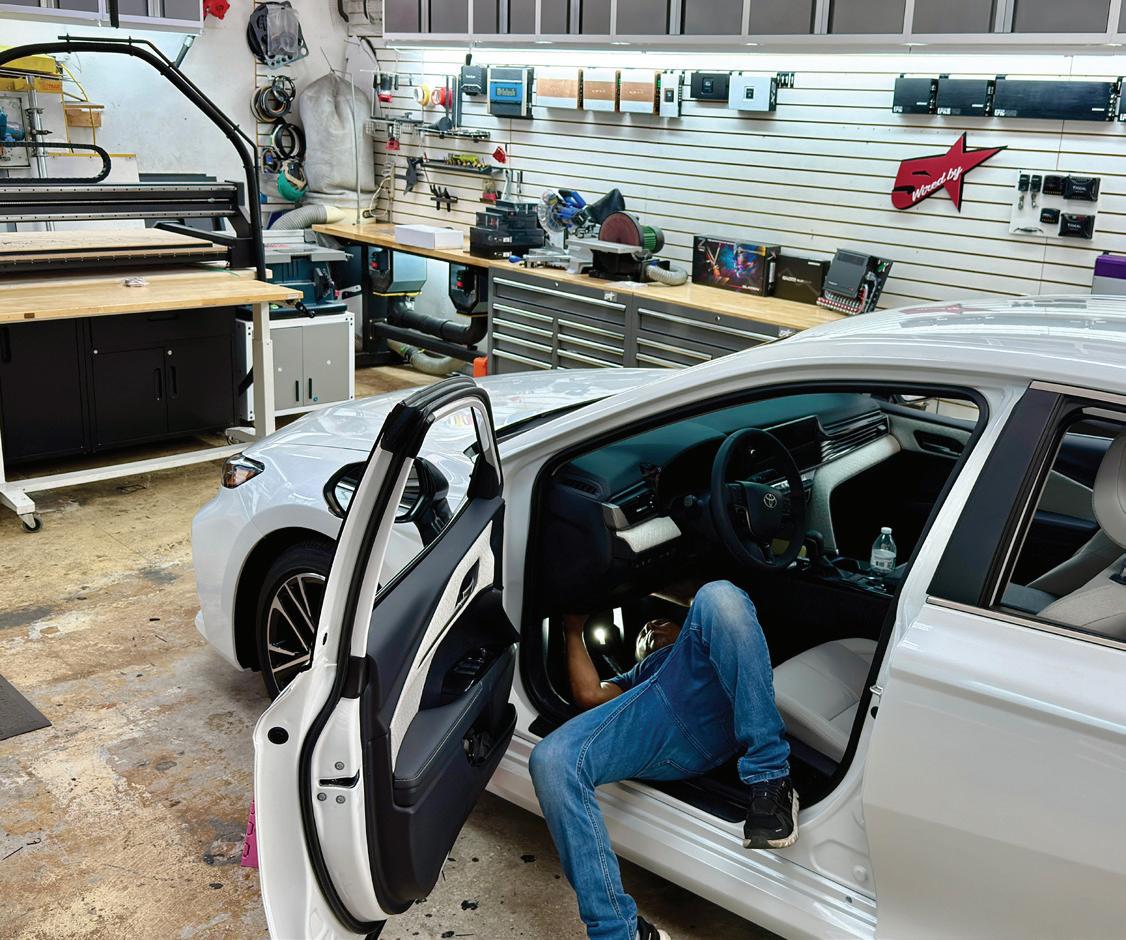
His computer is his most important tool when it comes to design. Five Star has both a PC and a Mac available, and Lopez said this is because one or the other might be necessary to work with a particular DSP software. Additionally, the Apple computer works best with design tools, he added. “I want to understand the CNC better. I think it’s important to learn all these available tools.”
Looking back, Lopez wishes he’d got into car audio earlier. “I hear a lot of stories, people saying, ‘Back in the day, we used to do this…’ I didn’t have that background. I would love to have that story. I started working here in 2013, and I saw everything the team was doing—boxes, integration, all that stuff—and I said, ‘Dude, how can I be in on that?’” Despite wishing he had more of a background in car audio, he said, “I came into the industry at the right time. Now, with the technology we have on our hands, and all this sound processing, I think it’s better.”
vehicles and integration, he acknowledged it was scary.
This can make approaching others a bit intimidating. A non-English speaker, he said, might feel judged. But Lopez said he’s had many positive experiences learning from English speakers since moving to America.
“If you don’t ask the question, you’re never going to know,” he said. “People will see that when you ask that question, you’re interested. Always ask questions. Always learn. Don’t be one of those guys who says, ‘I’ve been in the industry for 20 years, I know everything.’”
It’s just not possible to know everything, he said, adding, “At the end of the day, we keep learning new things because cars are brand new every year. The technology keeps evolving and getting better. So, why not evolve [ourselves] and learn more?”
Lopez has a unique perspective, having left his home country and come to a new place where he learned the language and found his true calling. “I’m proud of who I’ve become and who I’m working with—being able to work with someone who’s willing to push me and help me. I’m here because I like to push myself to learn every day.” He feels that everyone, regardless of the field in which they work, should aim to grow every day. “I have friends who’ve been here longer than me and they don’t speak English. Why not?
You’re in a different country. You have to adapt. How will you get better?”
LET GO OF OLD HABITS AND HELP THE INDUSTRY GROW
There’s an old mentality, he noted: Some people don’t want to help or share information because they think people might “steal it.” Lopez said he’s happy to share anything he can. “There are no secrets anymore. If you do a good job, that means a customer will have an amazing experience. That will bring more people to car audio. And then they trust you even more. If you hide things, people will be more suspicious of you.”
In his previous job, Lopez said, people were willing to lie to the customer to get money. “It was bad. When I came here, I learned Dean [Beyett] is very honest,” which is a trait Lopez values.
It can be a challenge to counter the mindset some customers have of wanting something very good—but for very cheap. “It doesn’t exist,” Lopez said. “If you want something good, you have to pay the money. If you want something cheap, it won’t be any good. You have to educate them.”
He’s able to look back at the person he used to be—10, 20 years ago—and recognize how much he’s changed. “I’m a totally different guy,” he said, in terms of how he handles his work and his attention to
detail. The concepts, designs and details he and Beyett come up with, he said, make him happy and proud. He feels he’s become more discerning over the years, as well. He’s able to implement other suggestions and ideas to improve a build.
Lopez emphasized how fortunate he feels to be able to work with Beyett, adding, “to have him guide me in the process, [telling me] ‘You should change this,’ or ‘You shouldn’t do this.’ I’m hardheaded, definitely, but I always appreciate his help. With all the new technology and these new cars, I never thought I’d be able to do this job at this level.” Winning the award was a surprise for him, he said. “I don’t even have words. But I’m super grateful. At the end of the day, it’s a team effort because if it wasn’t for Dean, I wouldn’t be here. That’s a big accomplishment. I showed my son and he said, ‘Oh my God, I can’t believe you did that.’” He added that he just wants to keep getting better than he was before. “I think that’s a good goal for anyone. Five years from now? We don’t know if we’re going to be here tomorrow.”
Lopez looked back at his career with pride, especially having come so far from Mexico and settling in America. Winning the award, he noted, comes with a high level of responsibility: “I have to give back. To me, if someone asks me for something—if I’m able to do it, I will help them.”
More sales. More installs. More revenue.
As a MEA member, you have access to the payment solutions through American First Finance (AFF) that will help you grow your business with bigger ticket sizes.
With our 50-state Listen Now, Pay Over Time solutions, your customers can get what they want.
$0 Merchant Discount Rate
Keep every dollar of every sale, no transaction fees cutting into your margin. This allows you to keep inventory stocked.
Reach Customers Others Can’t
AFF looks beyond traditional credit profiles, helping more customers move forward when other payment solutions may not fit their situation.
Built to Grow Your Average Ticket
AFF’s solution is purpose-built to help customers leave with the sound system, install package, and upgrades they want.
Onboarding & Training
Ongoing support from the AFF team, including on-demand and live session options.
Ready to put AFF to work in your shop?
Move your business to YesvilleTM and help more customers. All credit welcome.
Get Started Schedule a Call
ACT Audio Aims to Help Employees Grow and Succeed
WORDS BY ROSA SOPHIA
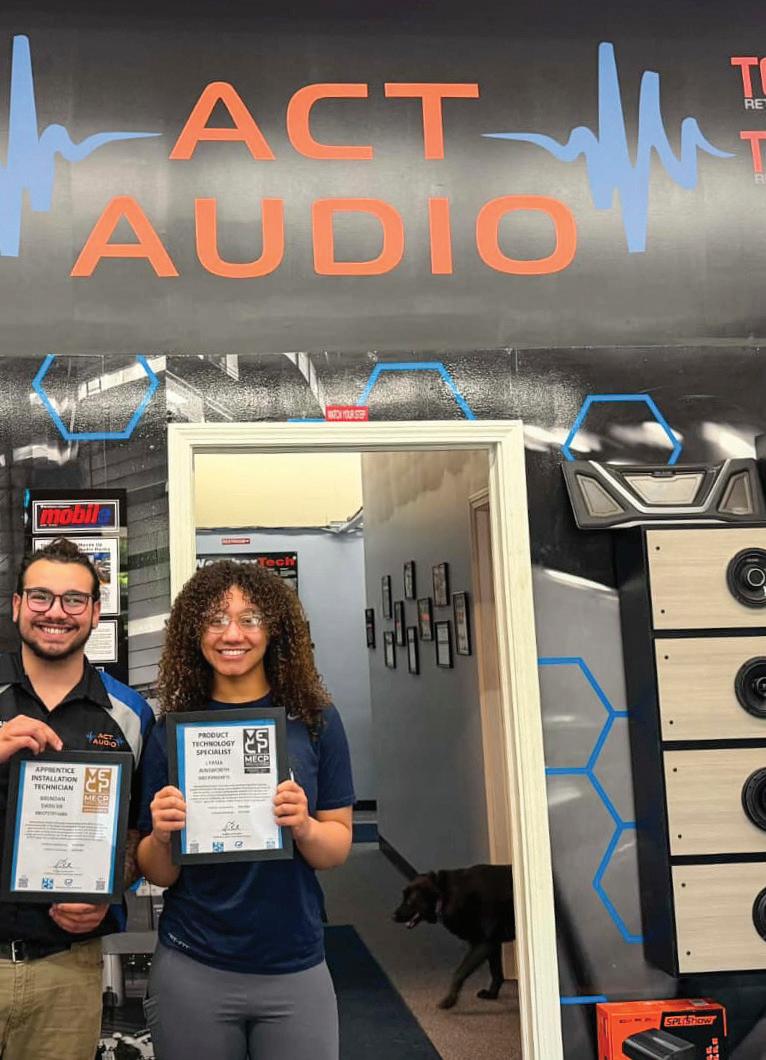
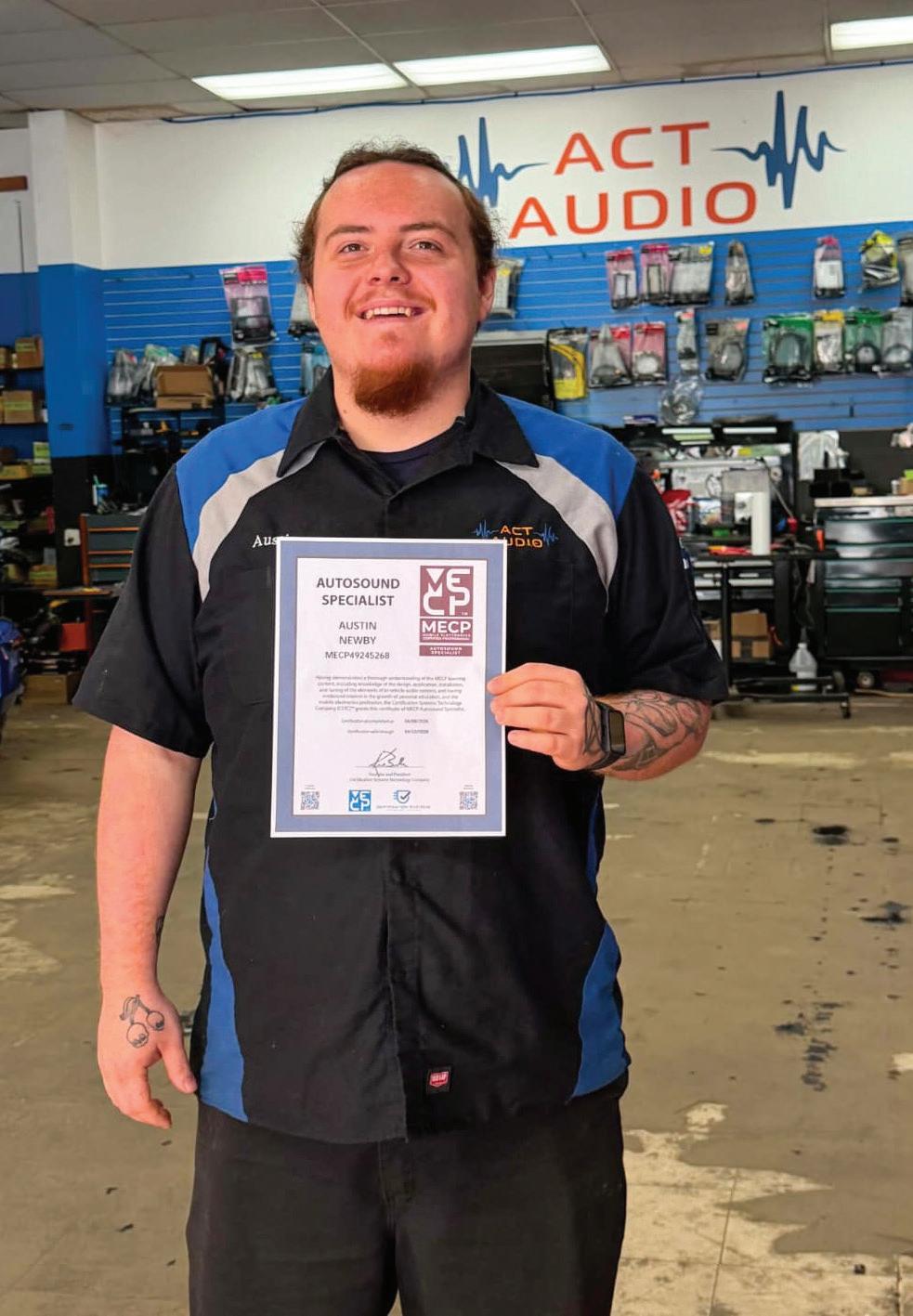
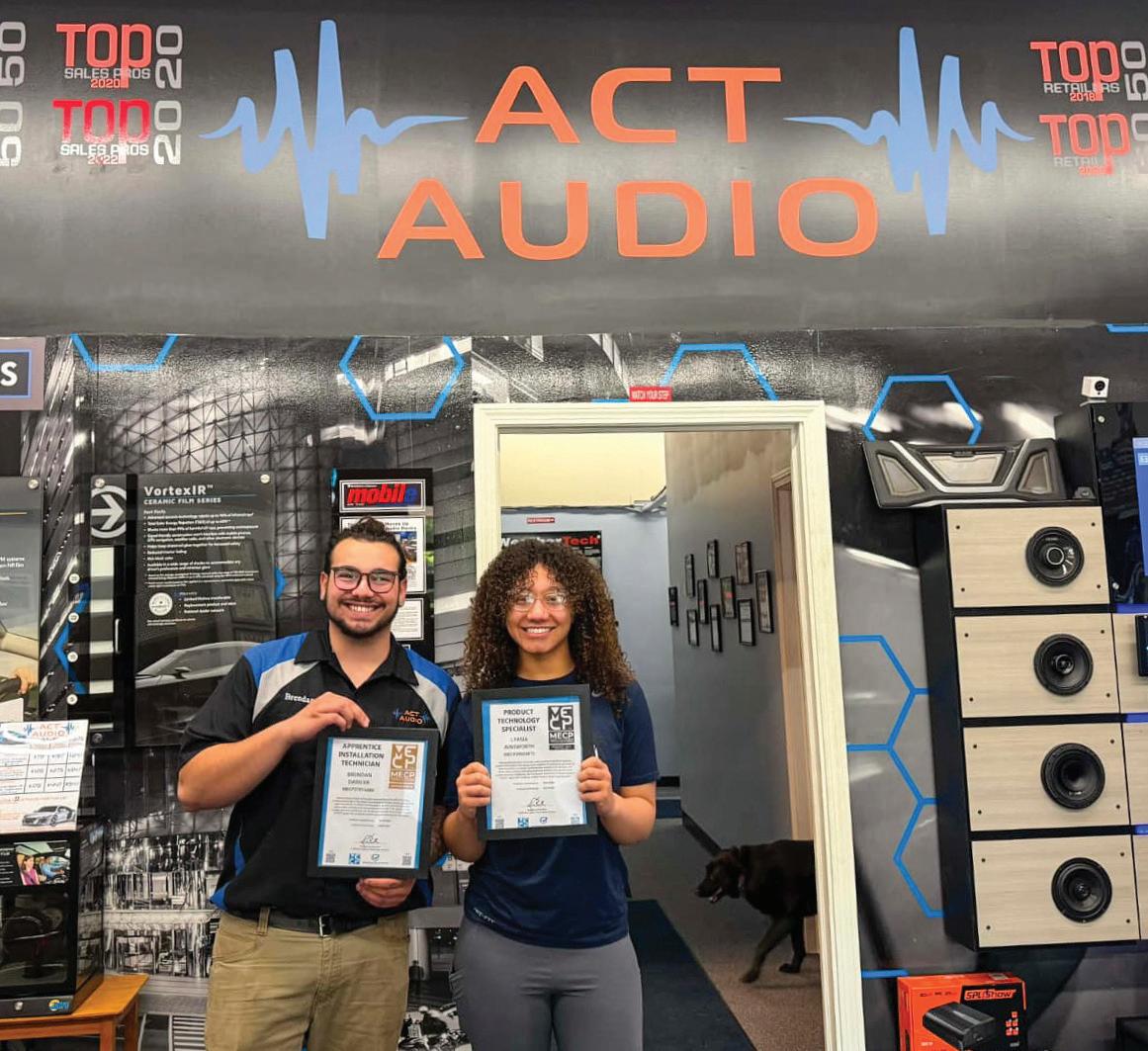
Vernon, Conn.-based ACT Audio celebrated two recent employees who are now MECP certified, according to shop owner James P. Smith. Brendan Dasilva—MECP Apprentice certified— currently works as a breathalyzer technician. He has been with the company for about six months, and Smith
said Dasilva will take on more varied installations when the time is right. “We were hiring for a sales position and he came in and was willing to learn. A position opened in the back. He preferred that, so he focuses on breathalyzers now.” The shop, he added, is very busy with
breathalyzers, completing multiple installs each day. “If we have free time, he shadows the technicians.”
ACT Audio’s newest team member, Lyasia Ainsworth, is 18 years old and has some sales experience. She joined the team about five months ago. Smith added that she has no industry
experience, but is eager to learn. “She’s caught on well and is doing a fantastic job. She just earned her Product Specialist certification. Our industry can be pretty complex. If you don’t know cars, learning the vehicles, makes and models is a lot—along with the services. We were patient and she was motivated.”
Smith said he listed job openings on Indeed. “At the beginning [of the listing] I wrote, ‘Please read the entire description.’ At the end, I said, ‘To be considered for this position, do not apply here. Email me instead.’” It’s rare, he said, that he ever receives an email. “I’ll consider everyone, but if you
read the description, follow directions and put in the effort, it weighs in your favor.” Ainsworth did just that, Smith said, adding, “She also followed up the day before the interview, and followed up two days later.” For this reason, he noted, her lack of industry experience wasn’t as important.
The mobile electronics industry, he added, has a hard time bringing in new people. “We’re busy. We don’t have the time or the patience to teach. I think that’s a big problem we have when it comes to hiring.” Smith said many business owners also need to acquire better skills. “A lot of us who come into this industry as technicians want to start a business,” he explained. “Some learn and some don’t. The biggest issue is learning how to build a self-sufficient business that you have more time to teach, educate and train people.” That
said, business owners don’t always set their employees up for success “because we’re not business owners. We’re employees working in our businesses.”
For example, he said, an owner might ask an employee to complete a task—but they might not be happy with the outcome. The reason, Smith said, is the owner might’ve asked the employee to do something, but “never wrote up the expectations or laid them out to give the employee a chance to succeed.” He went on to say, “We don’t have expectations of how we want
things done. The employee doesn’t know how to succeed. Then, they fail, quit or get fired.”
Another component to successful hiring is the shop’s processes, as evidenced by Smith’s choice to create pre-build packages, which he said has been helpful for Ainsworth. “I made it simple when it comes to selling systems by creating packages. This way, she can focus on selling packages rather than itemizing,” he said, adding, “She can focus on the sale and overcoming objections.”
THE PROOF IS IN THE DEMO
When it comes to selling audio products, the key lies in presenting real-world performance.
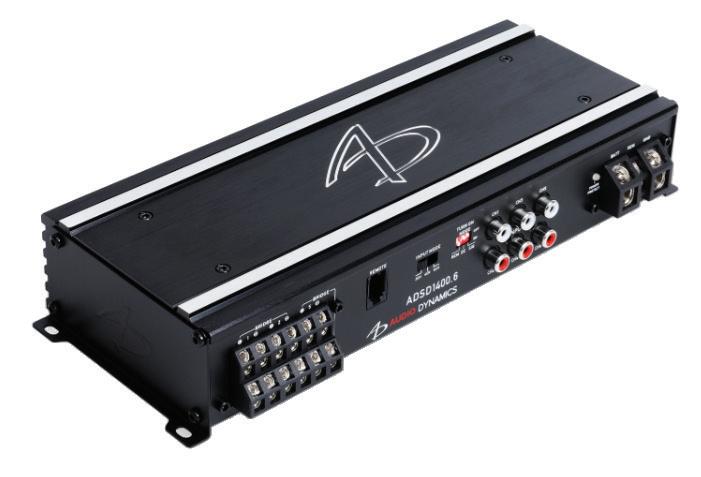
AUDIO DYNAMICS SD1400.6 6-CHANNEL AMPLIFIER
Submitted by: Tony Gazzigli Owner, The Audio Expert, Redding, Calif.
Main Selling Features: “This amplifier has a small footprint with tons of power. It’s a great value for running a full system.”
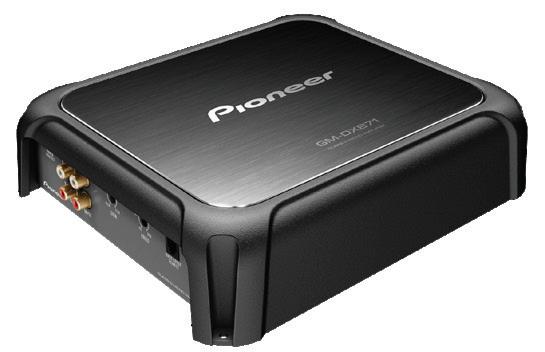
PIONEER GM-DX871 MONO SUBWOOFER AMPLIFIER — 800 WATTS RMS X 1 AT 1 OHM
Submitted by: David Bailey, president, Phase 4 Stereo, Idaho
Main Selling Features: “Customers feel this product is extremely dependable.”
Primary Objection: Price.
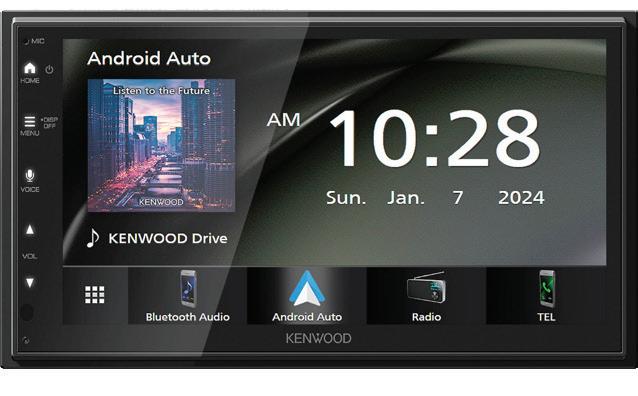
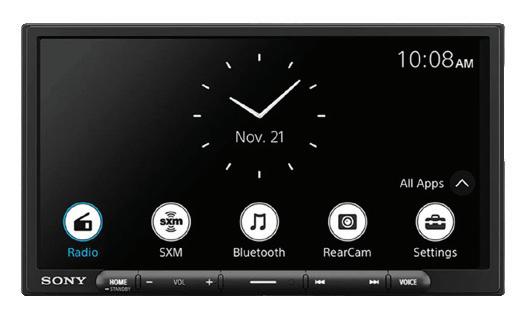
KENWOOD DMX4710S DIGITAL MULTIMEDIA RECEIVER
Submitted by: Daryle McGhee, ABC Warehouse
Main Selling Features: Good quality.
Primary Objection: Price.
How to Overcome: “We compare its performance with other products.”
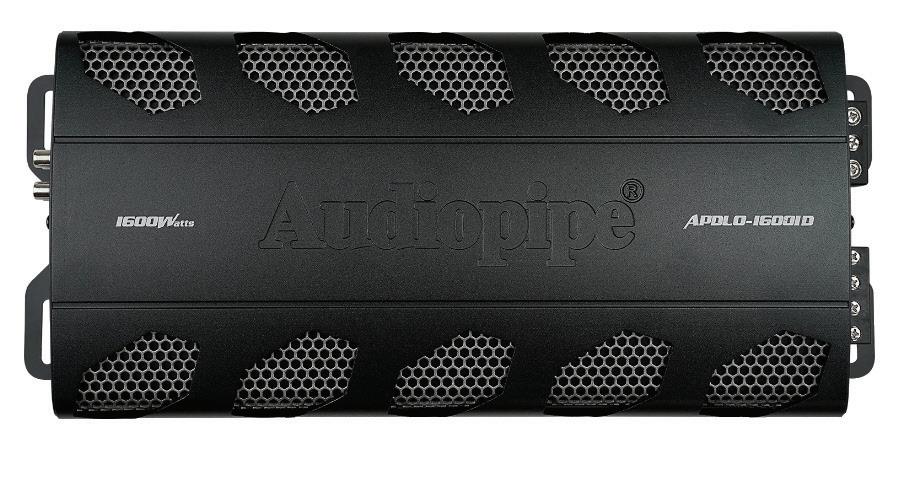
Main Selling Features: “Our best-selling products over the last six months have been Audiopipe amplifiers and subwoofers, with the APHF Series standing out as a top performer. The most in-demand models include the APHF1500, APHF-3000, APHF-5000, APHF-8000, and APHF-12000 due to their combination of power, reliability, and value. Customers consistently respond well to the APHF Series because it delivers strong performance at an accessible price point. The series is known for reliable power handling that gives users confidence in both daily use and demanding audio setups. Another major advantage is the warranty support, which helps reinforce trust in the product and gives dealers and customers added peace of mind.”
Primary Objection: “Some customers looking for ultra-precise, studio-grade sound quality may prefer a more specialized high-end amplifier. The APHF Series is built with a different focus in mind: delivering strong full-range Class D performance, aggressive output, and reliable raw power for everyday enthusiasts and
high-energy systems. Its appeal comes from balancing power, durability, and affordability in the urban audio market segment.”
How to Overcome: “We typically overcome this objection by focusing on the product’s real-world performance and overall value. Once customers hear and experience the APHF Series in action, the power output, reliability, and performanceto-price ratio speak for themselves. For many customers, it delivers the strong, high-energy sound they want at a price point that makes the investment worthwhile.”
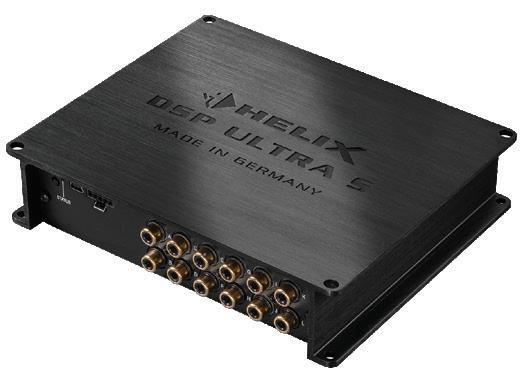
DSP
Submitted by: Daniel Bowman, owner, Adding Machine Garage, Murfreesboro, Tenn.
Main Selling Features: “Customers don’t know they like it until they experience it in their car. If you’re just ringing up the thing a customer ‘likes,’ you are a clerk, not a salesperson.”
Primary Objection: “No objections. DSP is not a toy. It’s how we do audio.”
How to Overcome: “DSP is like sound deadening at Adding Machine Garage. Both are essential ingredients to a successful audio job.”
Submitted by: Scott Williams, Sound Innovations, Lawrence, KS
Main Selling Features: “Ease of use and ability to update.”
Primary Objection: Ease of Use.
How to Overcome: “We explain the features and offer compromises with lower-end products.”
HELIX
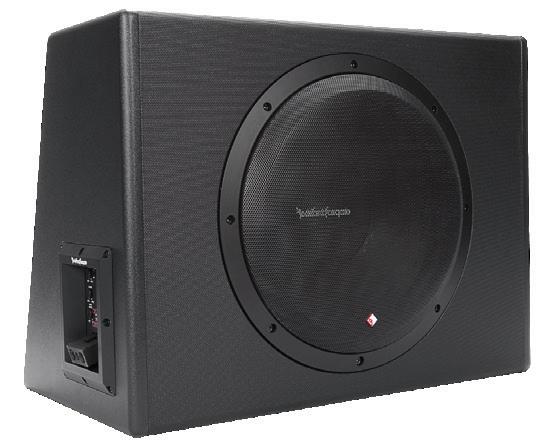
ROCKFORD FOSGATE PUNCH P30012PUNCH POWERED SUBWOOFER WITH 12” SUB AND 300-WATT AMP – 8-INCH AND 10-INCH POWERED WOOFERS
Submitted by: Mark
Kelber
Main Selling Features: “Rockford Fosgate provides a great low-end that’s controllable with a bass knob, can be installed in most any application and is competitively prices.”
Primary Objection: Product limitations.
How to Overcome: “By having the 8-inch, 10-inch and 12-inch on display, we invite the client to listen to the output and adjust the level of the particular woofer. If they say that’s not enough, then we talk about separate amp and woofer combinations available.”
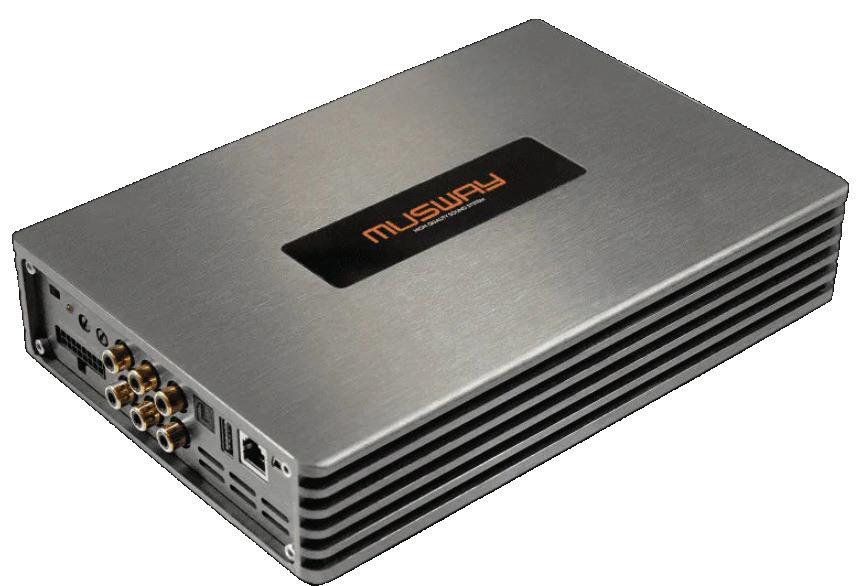
MUSWAY M6PRO 512K M6 PRO SERIES 6-CHANNEL CLASS-D DIGITAL AMPLIFIER WITH 10-CHANNEL DSP 6 X 200W RMS | 2 OHM
Submitted by: Brian Sherwood, owner, Stop Thief
Main Selling Features: “Looks, performance and value for the money.”
Primary Objection: Price.
How to Overcome: “We compare it with other similar brands. However, all of the Musway line sells really well.”
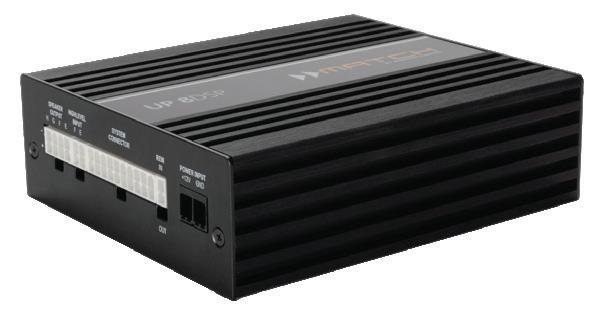
MATCH UP 8DSP COMPACT 8-CHANNEL CAR AMPLIFIER WITH DIGITAL SIGNAL PROCESSING — 65 WATTS RMS X 6 AT 4 OHMS + 160 WATTS RMS
Submitted by: Howard Kruger, Managing Partner, Phantom Electronics LLC
Main Selling Features: “Versatility and quality sound.”
Primary Objection: Price.
THE ANSWER MAN
David Chamberlain’s mission is to make the car audio industry better—one tech at a time.
WORDS BY JAMIE SORCHER
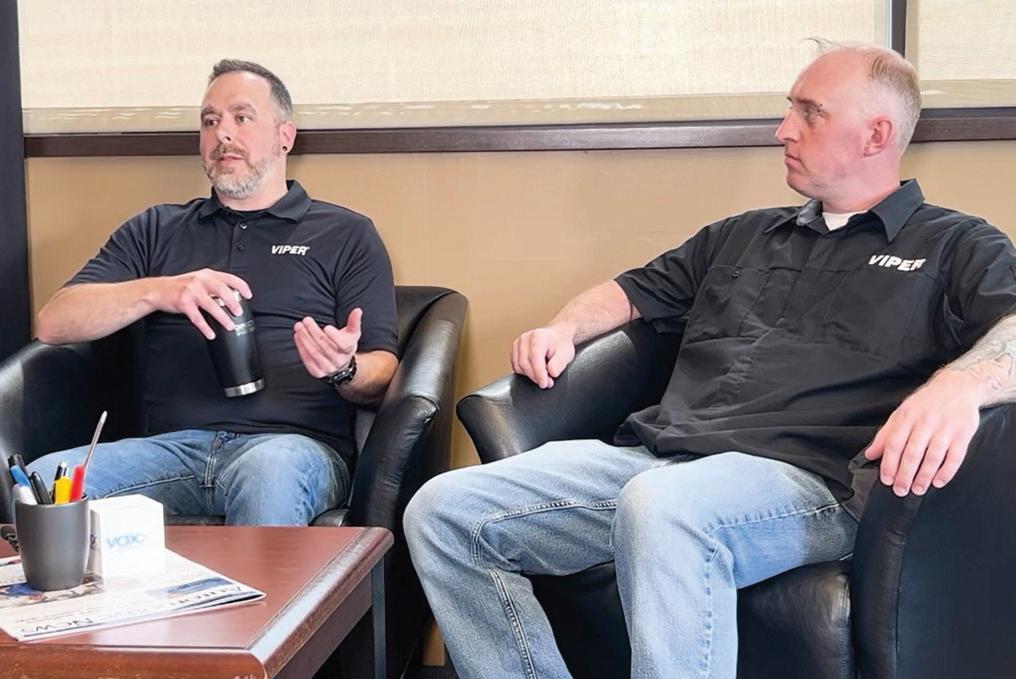
In his current role as a product specialist at VOXX, one of five on the tech support team, David Chamberlain has a daily groove—educating installers and consumers, mentoring those who might need a boost, and maintaining a level of professionalism that has marked his successful career so far. With just Best Buy and VOXX on his resume, Chamberlain has benefitted from working alongside those who were generous with their time and expertise. This gave him a foundation that’s made his 12-volt journey both positive and rewarding.
Born and raised in the Chicago suburb of Aurora, he grew up practically in the backyard of the Richfield, Minn.-based Best Buy. Right out of high school, the
summer after he graduated, many of his friends worked for Best Buy and invited him to join them. “I was contemplating college, but wanted to make some money and work. I was tinkering with my own cars and thought selling car audio would be a cool thing to do.” Within a year, he said, the company recommended he shift to installation. He stayed in the bay for close to 14 years. When the chance came to move to the corporate level, he felt ready to make the leap.
Adopt the Best Methods From Those Around You
Through Best Buy, Chamberlain participated in grand openings around the country. He moved to the Fort Lauderdale and Boca Raton area for a few years, he
said. “Then, Best Buy expanded again and they offered to move be back to Chicago to open even more stores.” After that, he headed to the corporate offices south of Minneapolis for a technical support position.
His first supervisor, Andy Wahl, who hired him at Best Buy, served as a valuable mentor right from the start. “I was a new sales guy just out of high school, but along with teaching me the basics, Andy advised me to take the best from everyone around me. It’s not like you’re stealing a person’s way of doing something—instead, you’re molding what you do after the best of what you see around you. If you like how a particular sales guy describes a Pioneer radio feature, then use those words, but with your own twist
when you explain it to customers. If you like how someone pitches an extended warranty, if they have buzz words that seem to land well, then use those.”
Not only did Chamberlain find this an effective method with the sales team, but he also found it useful when he moved to the install a bay. “If I liked how a guy ran wires in a certain car, then I started doing it that way. If I liked the way someone disassembled a dash, and it was faster and better than others I’d seen, then I started doing in that way. I picked the best techniques of everyone around me, and that’s the kind of installer I was.”
Somewhere along the way, Chamberlain said he noticed a transitional shift: Instead of adopting techniques from other installers, they started learning
from him. “Someone would say, ‘Oh, I’ve never seen it done like that. Where did you get that?’ And I would say, ‘my buddy Mikey showed me this five years ago, and I really liked how he did it, so this is my technique now.’” Then, he added, the next installer would adopt it, and before long, “You’re passing something down from one installer to the next, and ultimately through generations.”
The term for this, he noted, is “tribal learning. It’s not written down anywhere. It’s not in a book. You learn it from someone who learned it from someone else—who may not remember who taught it to them—and it passes from one person to the next.”
Later on, when Wahl worked as an assistant manager and general manager
of a Best Buy store, Chamberlain followed him on certain occasions. “When Andy grand opened a store, he would call me and ask if I wanted to join him. I did because I liked working with him. When he moved around, I moved around.” In the early part of his career, Chamberlain worked for Wahl numerous times. “We had a great working relationship.”
Provide Both Support and Solutions
After almost 14 years of doing installations, Chamberlain ended up in the role of technical support person at Best Buy—called a Secret Weapon. He said “you’re the end-all, be-all, fix-it guy” for everyone. The Best Buy tech support team, he added, handled everything in
the car world. “There were eight of us who had to be proficient in radio trouble shooting, amplifiers, remote starts, dash cams and everything else. You’re not just an expert in one area. You have to be an expert in the entire car universe.”
He noted it was a coveted position. When applications opened, more than 100 people applied. “Everyone wanted that job. Most people who eventually land the job have applied two or three times before they finally get it. It was my first time applying for it and I didn’t think I interviewed well. As it happened, they were looking for something a little different at the time.”
The company, he said, sought someone who could handle technical support, but could also be proactive and develop resources relating to known problems in the industry. “Maybe installers hadn’t seen an issue yet, so let’s create a technical document to put the word out beforehand.” Then, he said, they’d already have the solution. “That’s something I was passionate about, and I think it helped me land the job.”
Chamberlain interviewed for the job with Doug Tessman. “He was a solid resource as my first manager at Secret Weapon.” Tessman, he said, helped him with corporate lingo, told him who to contact for certain issues and where he could find information.
“It was a huge lifestyle shift to go from store employee to corporate office. Doug helped me make that transition. I learned a lot about communication from him and how to get the best responses and answers back from emails.”
Learn to Meet People Where They Are
Not everyone wants to move up the ladder or aspires to have a corporate job, Chamberlain said. “My buddy Mikey Liss is someone I worked with early on in my career. He isn’t interested in anything other than what he’s doing now—installing. That’s what he wants to do. He’s been offered promotions for 30 years, but he just enjoys going to work, putting products in the cars and going home.”
Chamberlain learned a lot from Liss, he said. One of the things he picked up is the understanding that there’s nothing wrong with doing the same job for 30 years if it’s what you love. “It’s important to recognize that not everyone is interested in a promotion or changing jobs. Mikey is a wealth of knowledge because he has been doing this for so long and he’s patient with people. Early on in my career as an installer, when he taught me, there were never any expectations.” Liss didn’t question why he didn’t know something, he added. “Patience was one of his top attributes along with his ability to talk with people on a level they could understand.” All of that has been incredibly helpful to Chamberlain now in his role at VOXX. “I am not only supporting installers, but my team is level two support for consumer issues. Now, I might be talking on the phone with someone who doesn’t know cars very well, so I will try to figure out a metaphor or simile to help a person understand what I’m trying to convey.” This, he added, is one of Liss’s traits—the ability to figure out a person’s knowledge level and speak to that without getting to technical. One should also avoid “dumbing things down,” he said. “People can get
irritated with that or might feel disrespected. You need to find out how to get your point across without going over their head, and [to avoid] going to too low a level” because if this happens, the problem won’t be solved.
Double-Down and Don’t Give Up
Chamberlain said the goal for many installers is to own their shop and be their own boss. He noted he’s had friends who’ve gone on to do this. However, this wasn’t a goal for him. “My goal was to work for a manufacturer or a vendor, and so I came over to VOXX. As a technical support and product specialist, I’m mentoring in some way every day.” Last summer, he traveled the country visiting Best Buy locations and holding training sessions on VOXX Viper, Avital and Directed product lines. Since Chamberlain worked at Best Buy for so long and also served as Secret Weapon tech support, he said, “Best Buy corporate asked me to tell my story. By
sharing my career path, I gave installers inspiration that there’s light at the end of the tunnel. I let them know that being an installer isn’t a dead-end job.” A person isn’t stuck, he said, “just because there aren’t a lot of promotions in the bay. I gave them some motivation.” There are possibilities for everyone, he noted.
Through his work, he’s become acquainted with many technicians on the phone. “They would ask me how I got my job and they’d want to know where I was in my career,” he said, adding that when he shared his story, some would express interest in a similar path. Chamberlain would offer his time. “When you don’t have a car to work on, set up a time with me and we’ll talk about these things. Let’s make the time.”
He recalled a couple of techs who put in the work. “In fact, when I left Secret Weapon, the guy who got my position, Chris Gerlin, was someone who wanted my job.” Gerlin stayed in touch and made time to speak with Chamberlain.
“I told him the steps he’d need to take to get my job once I left. He followed through, so I felt like I was a successful mentor because he did get the job and he achieved his goal.”
When it comes to mentorship, he added, the real successes happen when both people stick with it. It’s not a one-off conversation: “Tell me what I need to do to be better. The mentor and the mentee must continue communicating and there needs to be follow-up. Someone has to be the one push it, to keep to a schedule and to hold the other person accountable.”
Not all of his mentoring resulted in success. One person, he said, asked for help and Chamberlain offered it. “I reached out to see if he wanted to continue talking, but he told me he wasn’t interested in moving ahead. He applied for a job he didn’t get and he was understandably let down. That moment, though, can be the most critical,” he said, adding, “That’s when you need to double-down and not give up.”
Exclusive to MEA members, use Snap at no cost to you.
High approval amounts
Approval amounts range from $300 to $5,000 in lease-to-own financing, helping you increase your average order value.
$21,000
Snap provides more consumers with an accessible financing solution.
Multiple ownership plans
Customers can use Snap's standard 12-18 month lease plan, or save on overall lease costs when they choose to complete their agreement early.3
WHO’S WINNING?
At KnowledgeFest Las Vegas, Kevin Hallinan challenged attendees to think differently about sales by staging roleplays and remembering that when the client wins, so does the business.
WORDS BY ROSA SOPHIA
According to Kevin Hallinan of WINNING, Inc., role playing continues to be an essential way of strengthening team strategy and working on weaknesses. “You’ve got to insist that your team roleplays,” he said. “Most owners are losing deals when they should be winning. It’s not the product pricing or the market conditions. It’s because a lot of us are winging it. We don’t know exactly what we’re doing. When we
wing it, or we allow others to wing it, that’s not a proven methodology.”
Hallinan’s presentation at KnowledgeFest, “Amateurs Wing it, Pros Rehearse,” included a variety of roleplaying scenarios designed to get salespeople thinking about how they interact with customers and handle objections in-store. He reminded attendees that everyone has their own style—so, while he shared his own
ideas, each person would need to tweak the suggestions as needed.
FACING DIFFICULT MOMENTS IN THE SALES CONVERSATION
Citing sports teams, Hallinan said everything is practice, adding, “They practice all the time. That’s what professionals do. If you’re a professional, how much are you investing in yourself to stay current and stay sharp? If you want to get good
at anything—whether it’s tennis, chess, pickleball or sales—you’ve got to practice. Expect to get uncomfortable.” During the beginning of the interactive session, he invited sales professionals to share their hardest moments with their peers. One attendee noted difficulty “trying to get [an interaction] toward that end goal [with the customer] without seeming pushy. One of the things I struggle with sometimes is dead air. I’ll try to finish sentences for people and I have to stop and [tell myself], ‘Let it go. Just breathe.’”
Hallinan pointed out that silence can be a very powerful tool. “You just wait and they will speak. You just have to wait long enough,” he said. “We all talk too much. We lose customers by talking too
much. We want to be quiet on purpose sometimes. We want to ask really good questions. So, maybe [what you’re saying is], ‘I get stuck when I should ask a question.’ What’s an uncomfortable question you might have to ask, or should ask more often?”
Sometimes, he added, uncomfortable questions might be related to other decision makers in the family, such as a spouse. “You can ask questions like, ‘What do you think you might be willing to invest?’ Never ask what they think something costs, or what they’re willing to pay. We don’t want people to pay. We want them to invest.” Furthermore, he said, “It’s not us against them. When we win, they win.”
ROLEPLAYING ALLOWS FOR PREPARATION AND PRACTICE
Sales professionals in attendance agreed upon the importance of being true to one’s humanity by engaging the customer so they feel valued. “Be empathetic, be genuine and be yourself,” Hallinan said. “Take interest. That’s different than small talk. Use your own style and practice until it’s natural. You can ask the most uncomfortable question six or eight times, and then it’s nowhere near as uncomfortable.”
He shared how he opens conversations and reveals a client’s pain points. Everyone, he said, has a frustration or a “pain” they want to deal with. In mobile electronics, it may relate to car audio, window
“WE ALL TALK TOO MUCH. WE LOSE CUSTOMERS BY TALKING TOO MUCH. WE WANT TO BE QUIET ON PURPOSE SOMETIMES. WE WANT TO ASK REALLY GOOD QUESTIONS. SO, MAYBE [WHAT YOU’RE SAYING IS], ‘I GET STUCK WHEN I SHOULD ASK A QUESTION.’ WHAT’S AN UNCOMFORTABLE QUESTION YOU MIGHT HAVE TO ASK, OR SHOULD ASK MORE OFTEN?”
tint, backup cameras or security systems, to name a few categories. “Every buying decision is emotional, and we back up that decision intellectually. Car audio isn’t always rational. We handle objections, talk about money and gain commitment.”
Learning to talk less and ask more questions, he said, is key. “We don’t learn fast enough from our mistakes,” which is why it’s important to roleplay in order to “prepare and practice.”
Owners and managers don’t take time away from their businesses to sit down with a strategist, according to Hallinan, who said, “Most of us spend too much time in our own businesses. I know leaders of companies who say, ‘We don’t have time for sales training.’ They don’t usually end up becoming a client because they’re very shortsighted. When was the last time you took 20 to 30 minutes roleplaying outside of an event like this—in your regular
workday? I hope you do this, but most people don’t.”
He suggested taking time before the store opens twice a month to do roleplaying exercises. “We know there are areas we aren’t as strong in. Some of you mentioned the money conversation. If you practice these scenarios, you get better at it. The deals you don’t get, do you know why? And do you take a few minutes, think it through and jot down [what you need to work on]?”
TAKING A CLOSER LOOK AT THE OPENING CONVERSATION
The opening conversation takes skill and psychology, Hallinan said, “to mirror and match body language, tonality, pace, words and communicating style. There’s a lot you can do to lower the guard. You can see people’s shoulders come down as they become more comfortable with you.” When it comes to the mirror and
match, he said, “Don’t be more excited than this person. Don’t be too fast. If they’re a slow talker, take it down a notch. We want to create comfort. We want to help the buyer buy.”
A buyer will often want to learn without making any decisions, he said, adding, “That’s their system. Our system should be asking lots of questions and engaging them.”
During in-class roleplay exercises, everyone formed groups of three to experiment with the opening sales conversation. In each group, participants took turns being the salesperson, the prospect and an objective observer who shared feedback after the roleplay. Hallinan said that after greeting a person, it’s important to give them a little bit of space. “You keep an eye on them so when they look ready, you can see if they need help.” Then, check and see if they have time for the conversation.
“You don’t know if they’ll say all of a sudden, ‘I have to run, I have to go pick up the kids,’ or, ‘I have to get back to work.’ Then a simple, ‘What brings you in today?’ Listen. ‘Why don’t you ask me some questions? And we’ll see if it makes sense to do business today. Are you okay with that?’ This is the art of answering a
ASKING QUESTIONS TO UNCOVER A CLIENT’S PAIN POINT
In his presentation, Kevin Hallinan shared the following questions which salespeople might consider using during the opening conversation with a potential walk-in client. By continuing to ask questions, Hallinan said, the sales professional can control the conversation.
• “Why do you think it’s been happening?”
• “How long has that been a problem?”
• “What have you done to try to solve it?”
• “And that worked?”
• “How has that affected you?”
• “How do you feel about it?”
•“Have you given up trying to fix it?”
“IT’S NOT US AGAINST THEM. WHEN WE WIN, THEY WIN.”
question with a question. We don’t want to be evasive. The person who is in control of the conversation is the one who’s asking the questions.”
After the first roleplay experiment, participants shared their comments
and observations. One attendee said he wasn’t comfortable with the phrase, “We’ll see if it makes sense to do business today,” adding, “There has to be a more organic way of doing it.”
Hallinan acknowledged the phrase doesn’t work for everyone, and reminded participants to utilize their own style.
After the first roleplay session, an attendee noted that his business’s fully-booked calendar often becomes a selling point. During the customer
intake process, he said, the client will get a glimpse of the shop’s calendar, and they’re impressed by it.
UNDERSTANDING THE PAIN POINT AND FACING OBJECTIONS
When speaking with a client who’s interested in car audio, Hallinan suggested complimenting the factory system—if the situation fits—and saying, “That’s a good stock system. What’s going on?” This, he explained, is called a negative reverse. “They’ll start to double down and get really talkative about what they don’t like. Let them talk.”
Attendees remained in groups of three for another roleplay, this time focusing on the client’s pain point. After the roleplay, an audience member said, “You’re identifying the problem as much as possible. For an amplifier situation or something similar, you can open a door to other avenues like sound treatment.”
Someone else suggested asking the client if they have to turn their volume up when they’re driving due to road noise. “Everyone will say yes unless they have a really nice car. [Then you might say], ‘Imagine if you didn’t have to do that. You’re already investing this
much. For a little extra money, [you can eliminate that road noise].”
When working to uncover problems, Hallinan noted that a statement becomes more powerful when it’s transformed into a question, for example, “‘Do you ever notice when…?’ Real pain is personal, compelling and emotional. They want to fix it now. So when they’re riding down the road, how does it affect them? They don’t like the noise. Everything they’ve tried hasn’t worked. You soften your tone a little bit and ask, ‘How do you feel about that?’ They’re going to give you an emotional answer.”
During the conversation, the salesperson might ask the customer if they’re thinking about selling the vehicle. Hallinan said this leads to “helping the buyer buy” because the client tends to double down on what they want. If the buyer recognizes how much skill and patience the job takes, he added that the salesperson won’t have to sell as hard.
Every salesperson will face objections: “If you don’t get objections, that’s a problem. Why? Because they’re not going to buy.” If the visitor to the store isn’t engaged and doesn’t have any questions, they won’t become a buyer, he added.
“When do we normally hear objections? Toward the end. That’s a bad place because it’s hard to fix then. If you wait until the end for a price objection, it’s hard to resolve that.”
This means it’s best to bring up objections before the client does, he added. “For example, ‘Why not sell the car?’ If he’s going to sell the car already, you’re not giving him the idea. But you’re taking away the option. He’ll say, ‘No, I’m committed to keeping the car.’
That’s settled. So, then you might say, ‘I would’ve thought you’d only be willing
to spend three or four grand, but we’re up to six. Just out of curiosity, why are you willing to spend more?’ Now, they’re convincing you that they’re going to spend it.”
Hallinan also warned against discounting. “Never discount,” he said. “You’ll devalue yourself. Let your competitor discount. You know the expression, ‘You get what you pay for.’ It’s usually true.” This, he said, is the race to the bottom. “Then, no one makes any money. If that customer wants the cheapest job, they’re not your customer.”
The original Alpine Lamborghini posters covered walls of garages across America. We have received official permission from Alps-Alpine and Lamborghini S.p.A. to offer this limited edition collector set, which includes four of the most iconic poster images from Alpine’s debut in the USA through 1990. Reproduced faithfully on archival paper and available in two sizes, each is an exacting reflection of the original.
Accompanying the artwork is a hand-numbered Certificate of Authenticity signed by Alpine’s founding North American executive team from the 1970s. We invite you to examine and acquire the complete Alpine graphic collection.
GOING FOR THE WIN
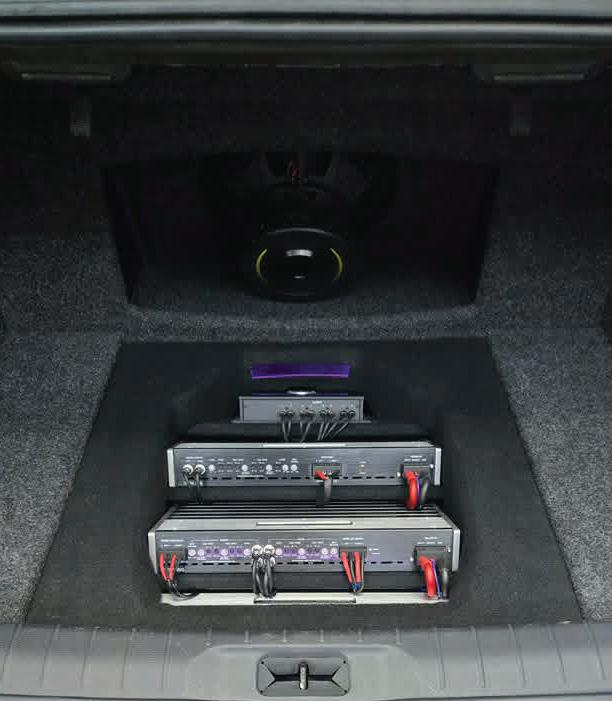
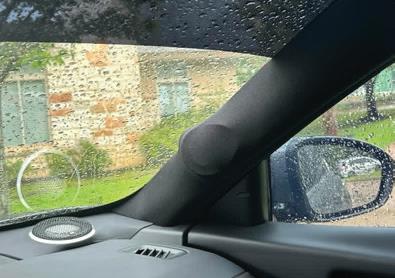
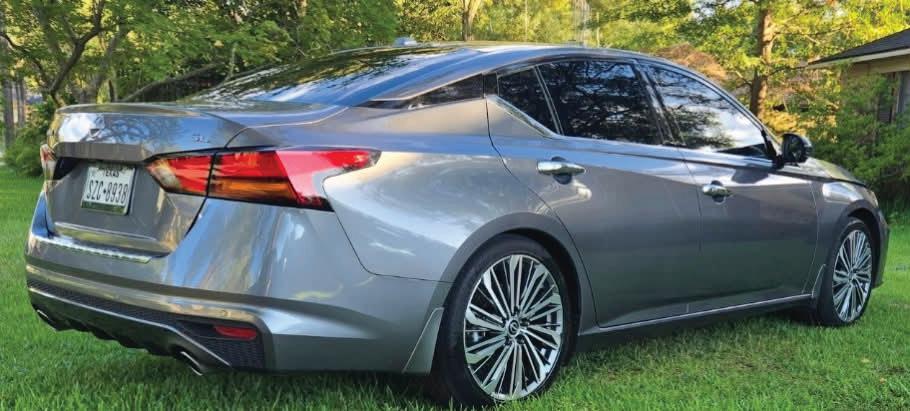
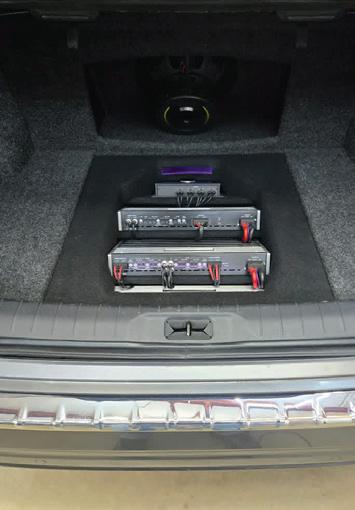
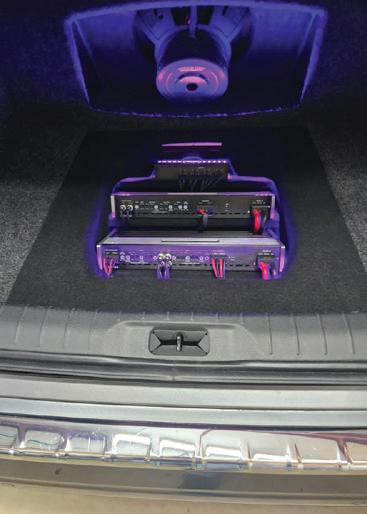
The team at Stereo & Video Center in Tyler, Texas aimed to strike a balance between functionality and sound quality in this competition-level build.
SUBMITTED BY:
JAMES HALTER, STEREO & VIDEO CENTER, TYLER, TEXAS
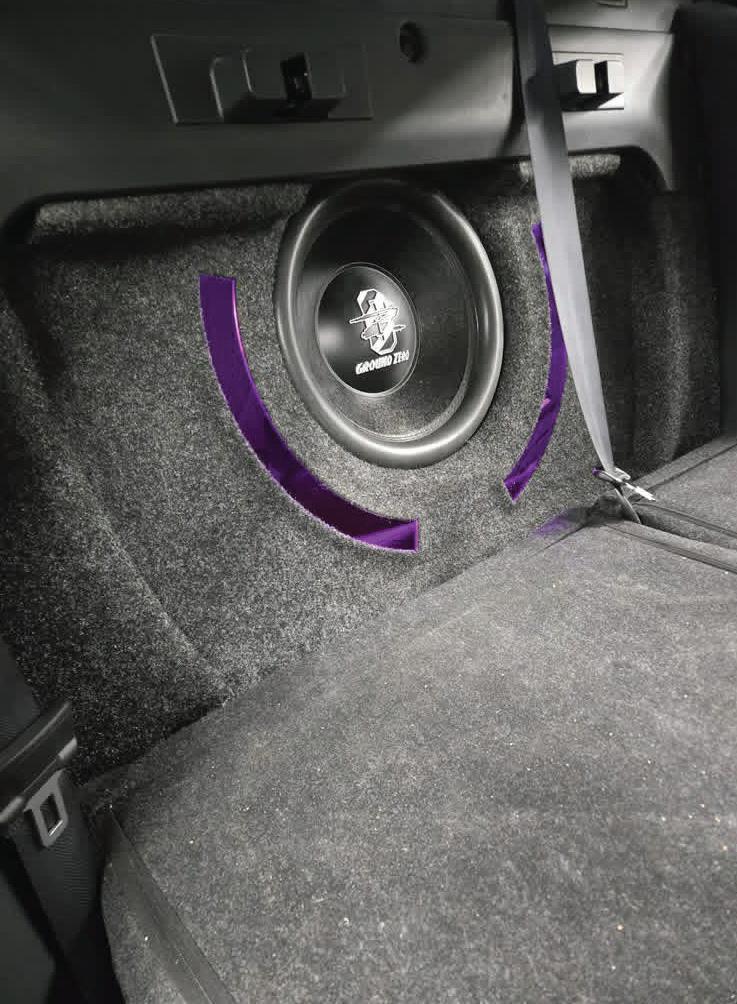
This 2023 Nissan Altima features a full Ground Zero build, powered by the GZ Reference K-165, T-26 and M-80; with a GZRW 38-D2 38 cm / 15-inch high quality subwoofer; Plutonium GZPA 2SQ 2-channel high performance SQ amplifier; and two GZPA 4SQ 4-channel high performance SQ amplifiers.
The car was built for James Halter’s wife, Amanda, who competed in car audio competitions. “The goal of the build was
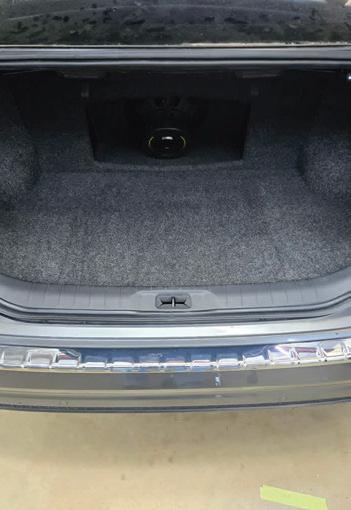
to have an amazing-sounding system with the ability to score well at sound-offs,” Halter said, adding that it was essential to utilize factory locations as much as possible to maintain room in the trunk. “We were able to accomplish this by utilizing the spare tire location for electronics and a single 15-inch subwoofer.” All of the work was performed at Stereo & Video Center, with installers James Halter, Chris Reed and Devin Dial.
FROM THE PRESIDENT KNOWLEDGEFEST DETROIT: THE CASE FOR ATTENDING
“ The businesses that are doing well right now [...] invest in education, they pay attention to process, and they stay connected to what is working across the industry.”
Here is why it matters for you and your business.
Every year, retailers tell me the same thing. They know they should attend. They know the education is worth it. But travel is complicated, the timing is hard, and it’s easy to talk yourself out of it. I understand that. I also know what happens when you go versus when you don’t.
Detroit changes the math on travel for a significant portion of this industry. More than 10 million additional consumers live within a 300-mile radius of Detroit compared to our previous location in Dallas. Major markets across Michigan, Ohio, Indiana, Illinois, Pennsylvania and New York are all within a day’s drive. For Canadian retailers, this is the closest KnowledgeFest has ever been to your market, and we have built specific programs to make it easier to attend, including waived registration fees and hosted meals for first-time Canadian attendees.
The location is intentional. We made this move because more retailers should have access to this event, and we wanted to remove as many barriers as possible.
What You Are Actually Signing Up For
A focused two-day event. Friday opens with an early morning keynote, education workshops across all three disciplines, vendor training and then the Beer and Biz networking when the exhibit floor opens that evening. Saturday is the most concentrated day of programming, with education running through the morning, the exhibit floor open in the afternoon, more vendor training, and join us for the third annual Industry Hall of Fame induction ceremony that evening.
The education is role-specific. Owners and managers work through business operations and strategy. Technicians and fabricators focus on installation and build skills. Sales and marketing professionals work on conversion, communication, and margin. You are not sitting through content that doesn’t apply to your job.
The exhibit floor is 90,000 square feet. You will see products and technology that are ready for your retail environment right now, and you will talk to the people behind them directly.
Why This Year Is Worth Prioritizing
The businesses doing well right now are not necessarily the biggest. They are the ones that are most intentional about improving. They invest in education, they pay attention to process, and they stay connected to what is working across the industry.
KnowledgeFest is where that information lives. The sessions, the conversations on the floor, the peer exchange over lunch, all of it compounds. Retailers who attend consistently are not doing it out of habit. They are doing it because it produces results they can point to.
If your team has not been in a while, or has never been, Detroit is a practical entry point. The drive is shorter for most of the industry than it has ever been. MEA retailer members attend free and receive daily lunches. The hotel is directly across from the convention center.
The Hall of Fame
Saturday evening, we honor the Class of 2026 at the Industry Hall of Fame induction ceremony. This is the third year of the program and it continues to be one of the most meaningful parts of the event. Being in that room matters. These are the people who built this industry, and recognizing them in front of peers is something worth showing up for.
Register and Book Your Room Now
Registration is open at knowledgefest.com. Hotel rooms at the Fort Pontchartrain Detroit are available at the group rate using code 081926KNO, and that block will close when it fills. Book both now.
Detroit is the right city, at the right time, for this event. The retailers who make the trip will leave with education they can apply immediately, relationships that carry through the year, and a clearer picture of where this industry is going. The ones who don’t will hear about it afterward. That gap is real. It is also avoidable. So make sure you’re there!