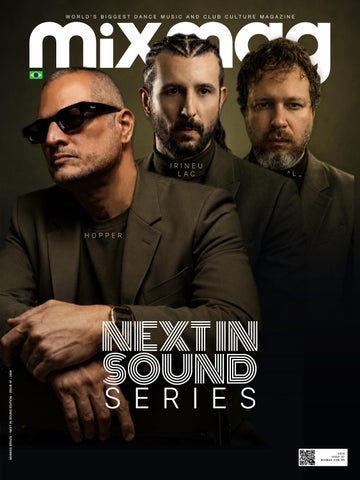






NEXT IN SOUND arrives as a portrait of electronic music in constant transformation, bringing together artists connected by vision, individuality and creative depth. Moving between underground club culture, experimental textures, cinematic atmospheres and forward thinking production, this edition explores personalities shaped by years of artistic evolution and cultural exchange. From techno roots and post punk influences to contemporary indie dance aesthetics, each artist featured here reflects a different perspective on where electronic music can go next. NEXT IN SOUND captures a generation of creators redefining identity, emotion and storytelling through music, visuals and atmosphere.
NEXT IN SOUND surge como um retrato da música eletrônica em constante transformação, reunindo um grupo de artistas conectados por visão, individualidade e profundidade criativa.
Transitanto entre a cultura underground dos clubs, texturas experimentais, atmosferas cinematográficas e produções voltadas para o futuro, esta edição explora personalidades moldadas por anos de evolução artística e trocas culturais. Das raízes do techno e influências do post punk até estéticas contemporâneas do indie dance, cada artista apresentado aqui reflete uma perspectiva diferente sobre os próximos caminhos da música eletrônica. NEXT IN SOUND captura artistas explorando novas formas de identidade, emoção e narrativa através da música, dos visuais e da atmosfera.
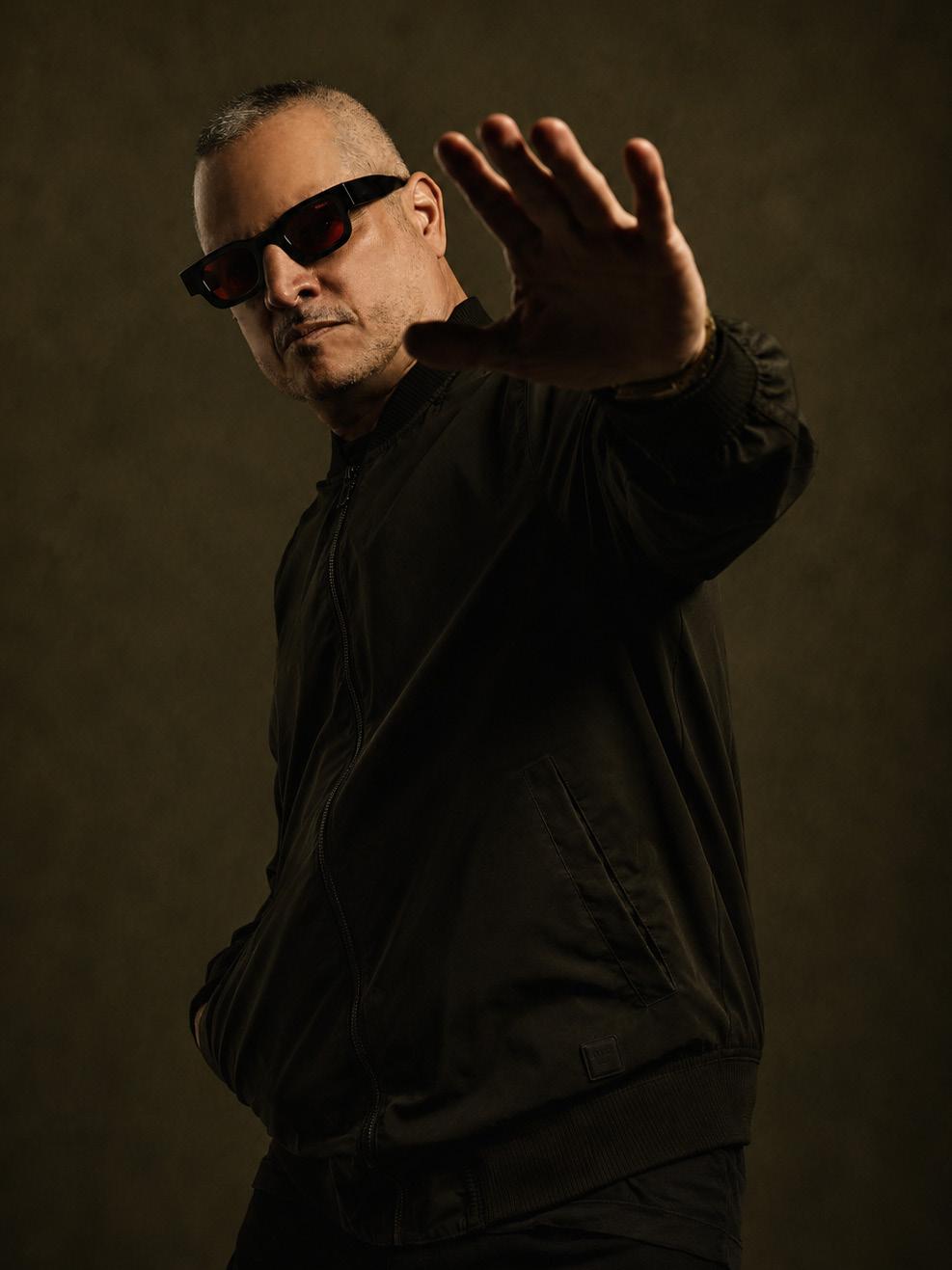
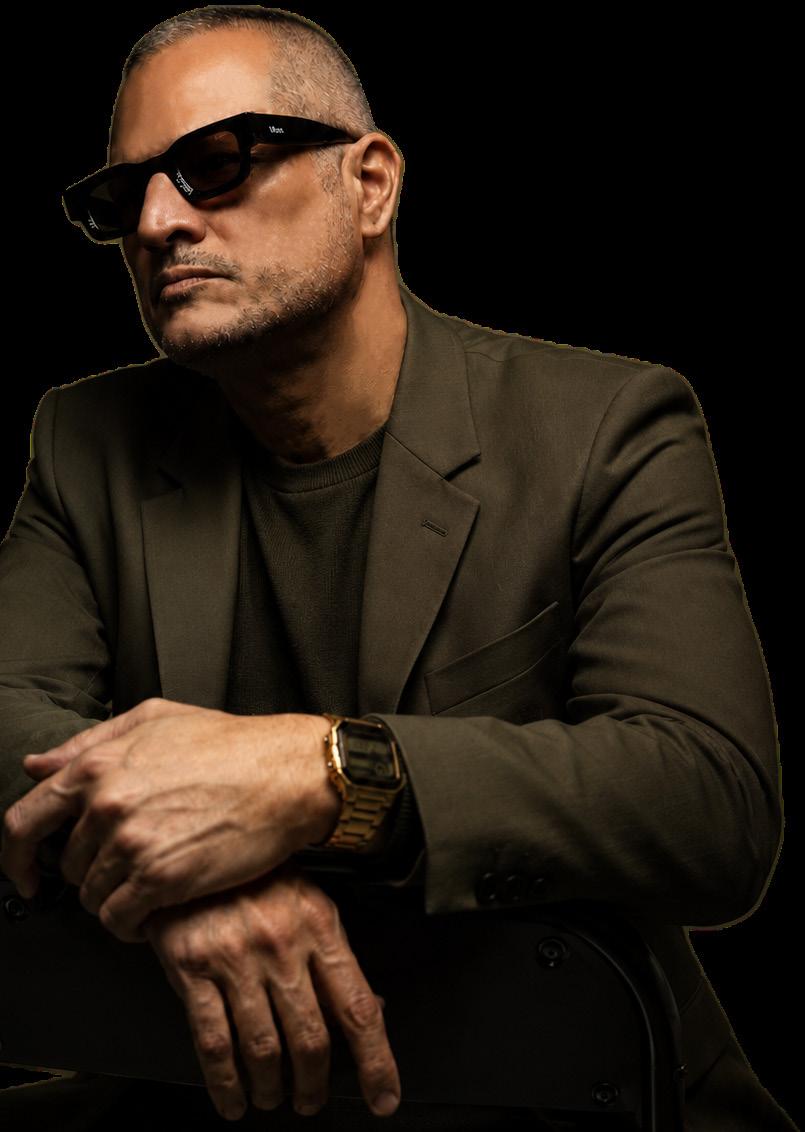
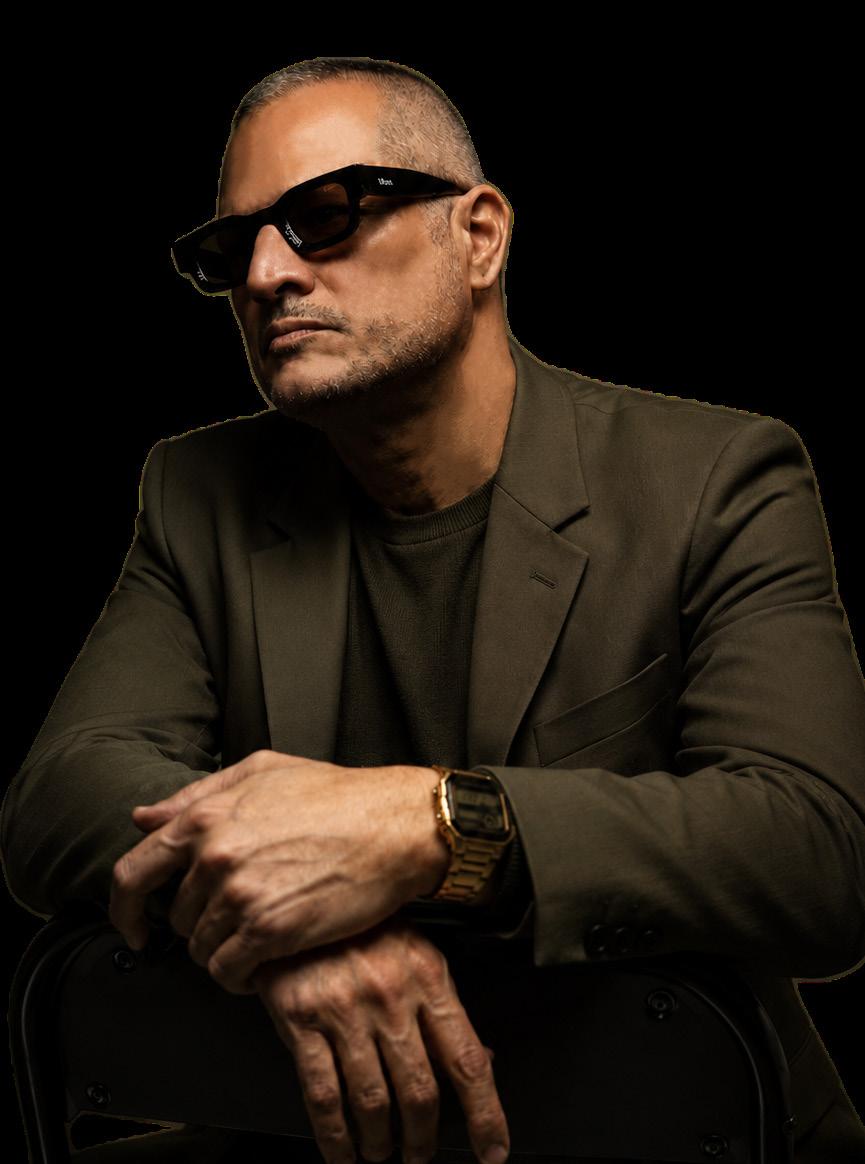
Com quase três décadas de trajetória, Hopper consolidou seu nome como uma das figuras mais respeitadas da cena eletrônica brasileira.
With nearly three decades of experience, Hopper has established himself as one of the most respected figures in Brazil’s electronic music scene.
www.instagram.com/djhopper
01
WHAT FIRST BROUGHT YOU CLOSER TO MUSIC, AND AT WHAT MOMENT DID YOU REALIZE IT HAD BECOME MORE THAN JUST A HOBBY?
I never saw this profession as a hobby, because I had a rock band in the early 1990s and already considered myself a professional musician back then. By the end of the decade, I had become a professional techno DJ, so there was never a moment where music felt like a hobby to me. My passion for music started early, and during my teenage years I was deeply connected to post punk and indie rock bands, which later expanded into synth pop, EBM, and experimental techno producers that were classified as IDM at the time. All of this helped shape my musical personality and artistic direction behind what I have played ever since becoming a DJ.
Nunca tive essa profissão como hobby, porque tive banda de rock no início dos anos 1990 e já me considerava músico profissional. No final da década, já tinha me tornado DJ profissional de techno, então nunca houve essa visão de trabalho com música como hobby. Minha paixão por música surgiu muito cedo e na adolescência tive muito contato com bandas de pós-punk e indie rock, que depois também se expandiu para bandas de synth pop e EBM e produtores de techno experimental classificados como IDM, na época. Isso tudo ajudou a moldar minha personalidade musical dentro do que eu toco desde que me tornei um DJ.
HOW WOULD YOU DESCRIBE YOUR ARTISTIC IDENTITY BEYOND GENRES AND LABELS?
I think I already covered a lot of that in the previous answer. But I would add that my musical foundation as a DJ came from the pure, mental, and experimental techno of Richie Hawtin aka Plastikman, Aphex Twin, and Autechre. I also consider DJs like Sven Väth and, more recently, Dixon as teachers in many ways, even though he is not strictly a techno DJ, just as I no longer consider myself one either. Today, I see myself as a DJ with a broader sonic range, without being tied to a specific genre. Maybe the genre that defines me best is indie dance, precisely because it is somewhat unclassifiable. I think that’s it.
Acho que descrevi bastante disso na resposta da pergunta anterior. Mas eu acrescentaria aqui que minha base musical como DJ foi o techno puro, mental e experimental do Richie Hawtin aka Plastikman, Aphex Twin e Autechre. E também considero como meus professores, DJs como Sven Vath e, mais recentemente, o Dixon, que não é propriamente um DJ de techno, assim como eu também não sou mais, porque me considero hoje um DJ com mais amplitude sonora sem me prender a uma vertente específica. Talvez o gênero que mais me classifique seja o indie dance, justamente porque é meio inclassificável. Acho que é isso.
WHICH ARTISTS, SCENES, FILMS, FASHION REFERENCES, OR CULTURAL ELEMENTS HELPED SHAPE YOUR CREATIVE UNIVERSE?
I already mentioned some of them in the previous answer, but there have been countless incredible references throughout my journey, and there still are today. Some of them I even had the honor and pleasure of sharing the stage with, including Tiga, Richie Hawtin, Derrick May, Solomun, Moby, Sven Väth, among many others.
Já citei alguns na resposta anterior, mas são muitas as referências incríveis que tive e tenho hoje em dia. Alguns, inclusive, já tive a honra e o prazer de tocar junto, no mesmo palco, como Tiga, Richie Hawtin, Derrick May, Solomun, Moby, Sven Vath, entre tantos outros.
Producing, releasing, and playing my own music has become an obsession over the last 10 years. I can no longer imagine myself as just a DJ playing only other producers’ tracks. Another thing that has always been part of my journey is playing new or unreleased tracks. I definitely will never be a flashback DJ.
Produzir, lançar e tocar músicas próprias se tornou uma obsessão nos últimos 10 anos. Não consigo mais me imaginar como apenas um DJ que toca somente tracks de outros produtores.
Outra coisa que sempre fez e faz parte da minha trajetória é tocar sempre tracks novas ou não-lançadas (unreleased tracks). Definitivamente, eu nunca serei um DJ de flashbacks.
WHEN YOU THINK ABOUT THE FUTURE, WHAT KIND OF IMPACT DO YOU HOPE TO LEAVE THROUGH YOUR WORK?
Well. I believe I have done, and continue to do, my part. I created and played at thousands of events in Brasília and across Brazil. I still love DJing, producing, and introducing new music to the dancefloor. My passion for music remains completely intact, so I continue moving forward with what I believe in. I also try to help younger generations by sharing my experience and hopefully leaving behind a meaningful legacy. Honestly, I would never complain about not being a respected or recognized artist. That would be incredibly foolish on my part. And I’m definitely not that.
QUANDO VOCÊ PENSA NO FUTURO, QUE TIPO DE IMPACTO ESPERA DEIXAR ATRAVÉS DO SEU TRABALHO?
Bem. Eu acho que fiz e faço minha parte. Criei e toquei em milhares de eventos em Brasília e no Brasil afora. Ainda amo tocar e amo produzir e mostrar música nova para as pistas. Minha paixão pela música continua intacta, então eu sigo em frente com o que eu acredito. Eu tento ajudar as novas gerações tentando compartilhar minha experiência e, assim, deixar um bom legado. Sinceramente, eu jamais vou reclamar que não sou um artista respeitado e reconhecido. Isso seria uma grande imbecilidade da minha parte. E eu não sou isso!
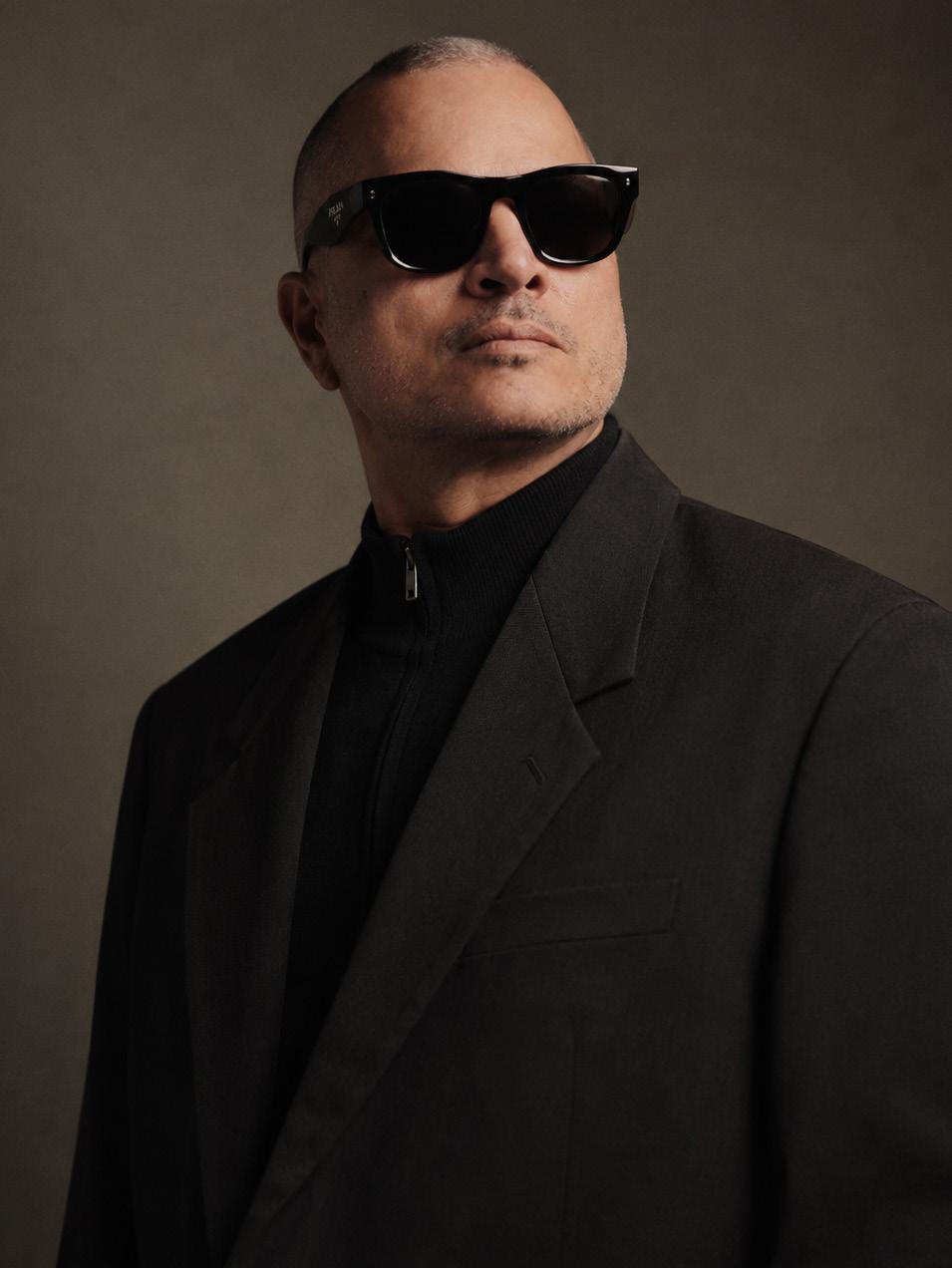
genuína com a pista.
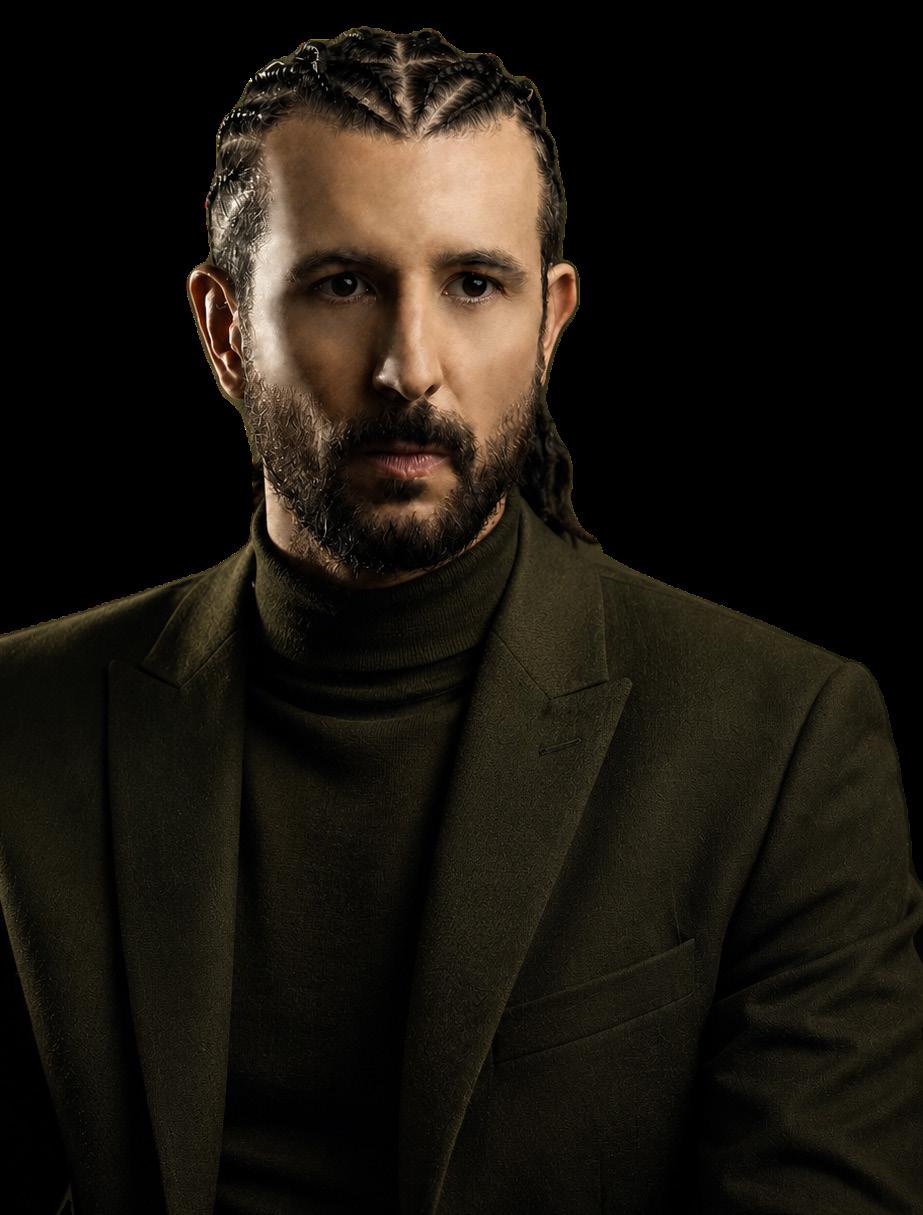
www.instagram.com/irineulac
01 WHAT FIRST BROUGHT YOU CLOSER TO MUSIC, AND AT WHAT MOMENT DID YOU REALIZE IT HAD BECOME MORE THAN JUST A HOBBY?
My connection with electronic music started very early. By the late ’80s, when I was just 8 or 9 years old, I was already asking my parents to take me to record stores. Even before the internet existed as we know it today, searching for new music had become part of my routine. Soon after, I became the kid at school and in the neighborhood introducing electronic music to friends. A few years later, I bought my first turntables, started ordering records through Juno and Bside, and people gradually began inviting me to play at parties and birthdays. Before long, I was already making a living from it. Minha conexão com a música eletrônica começou bem cedo. No fim dos anos 80, quando tinha uns 8 ou 9 anos, já pedia meus pais para me levarem às lojas de discos. Antes mesmo da internet existir como conhecemos hoje, buscar músicas novas já fazia parte da minha rotina. Pouco tempo depois, me tornei o garoto da escola e do bairro que apresentava música eletrônica aos amigos. Alguns anos depois, comprei o primeiros toca-discos, comecei a encomendar discos pela Juno e Bside, e as pessoas passaram a me convidar para tocar em festas e aniversários. Em pouco tempo, eu já conseguia viver disso.
HOW WOULD YOU DESCRIBE YOUR ARTISTIC IDENTITY BEYOND GENRES AND LABELS?
The world of electronic music has always been very dynamic, which is why I never liked the idea of limiting myself to labels or specific genres. To me, music has always represented freedom, love for life, respect for others, and genuine human connection.
O universo da música eletrônica sempre foi muito dinâmico, por isso nunca gostei da ideia de me prender a rótulos ou gêneros específicos. A música, para mim, sempre representou libertação, amor pela vida, respeito ao próximo e conexão entre as pessoas.
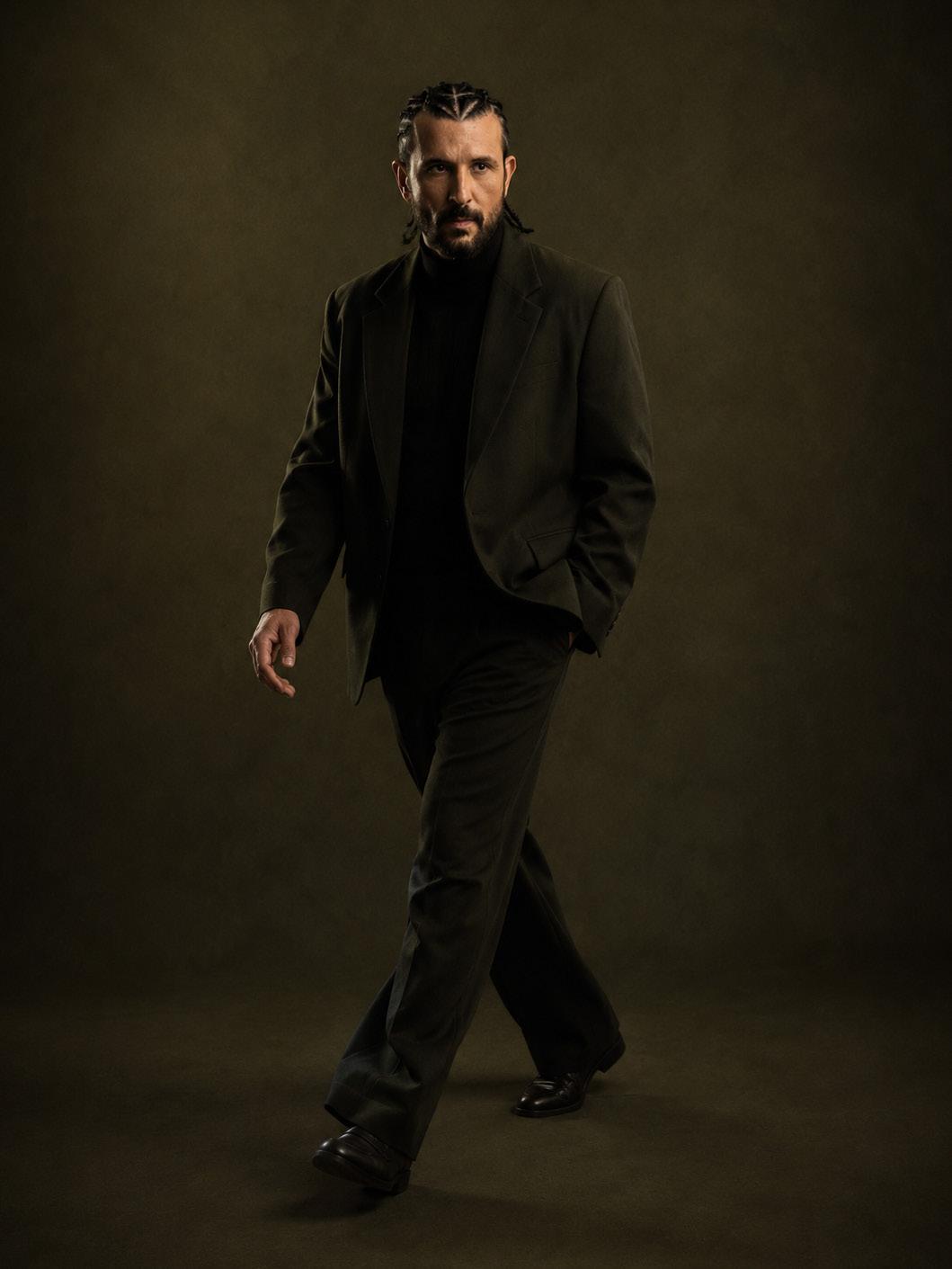
WHICH ARTISTS, SCENES, FILMS, FASHION REFERENCES, OR CULTURAL ELEMENTS HELPED SHAPE YOUR CREATIVE UNIVERSE?
I lived in England during the peak of the clubber and underground movement, and that experience helped me understand my artistic identity within electronic music much more clearly. My earliest inspirations came from local artists who helped strengthen the electronic scene in Goiás. Over time, names like DJ Marky, Carl Cox, Laurent Garnier, The Chemical Brothers, and Daft Punk became major musical and artistic references for me.
Eu vivi na Inglaterra durante o auge do movimento clubber/ underground, e isso me ajudou muito a entender minha identidade artística dentro da música eletrônica. Minhas primeiras inspirações vieram dos artistas locais que fortaleceram o movimento eletrônico em Goiás. Com o tempo, nomes como DJ Marky, Carl Cox, Laurent Garnier, The Chemical Brothers e Daft Punk se tornaram grandes referências artistico musicais.
Electronic music has been part of society for more than half a century. The music itself is no longer something new. Today, cultural and technological progress moves intensely, and I believe creatives need to remain solid and consistent, because the level of expectation keeps growing all the time.
O movimento eletrônico está presente na sociedade a mais de meio século, a música em si não é mais uma novidade, hoje o avanço cultural e tecnologico é intenso e penso o criativo tem que se manter sólido, a exigência cresce a cada momento.
WHEN YOU THINK ABOUT THE FUTURE, WHAT KIND OF IMPACT DO YOU HOPE TO LEAVE THROUGH YOUR WORK?
I started DJing in 1999. Throughout that time, I witnessed several structural, stylistic, and cultural shifts within the scene. Looking toward the future, I want to continue contributing through cultural and educational impact, while also exploring new places and horizons.
VOCÊ PENSA NO FUTURO, QUE TIPO DE IMPACTO ESPERA
Comecei a tocar em 1999. Ao longo desse tempo, presenciei várias mudanças estruturais, de estilos e padrões. Para o futuro, penso em manter uma propagação cultural e educativa, além de explorar novos lugares e horizontes.
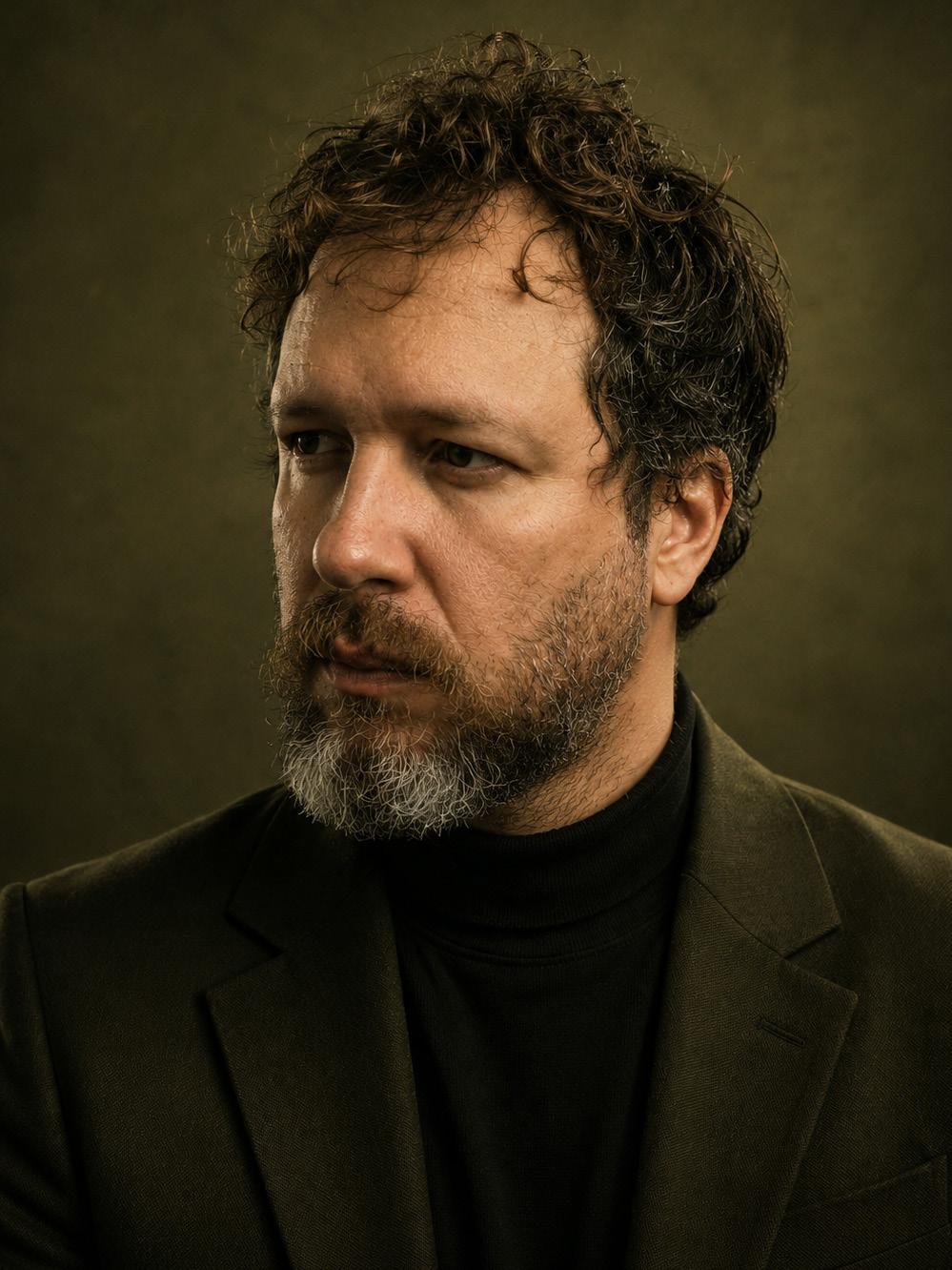
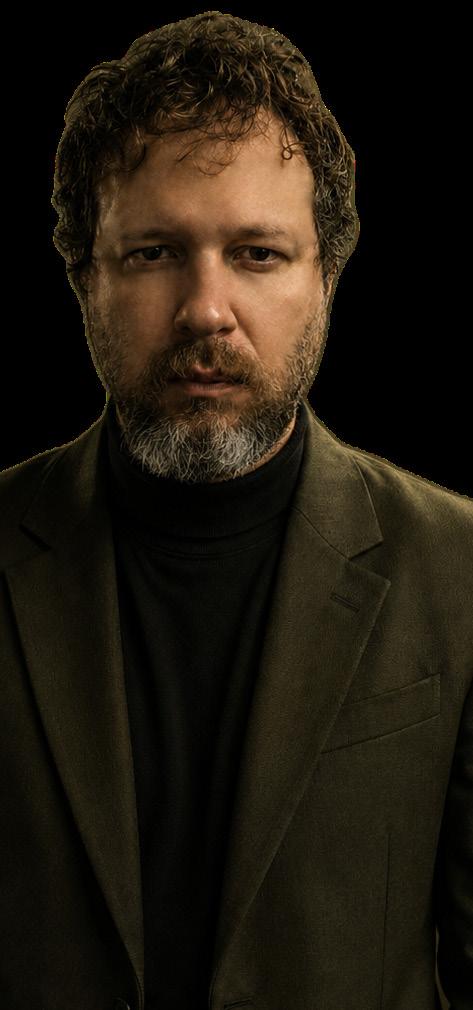
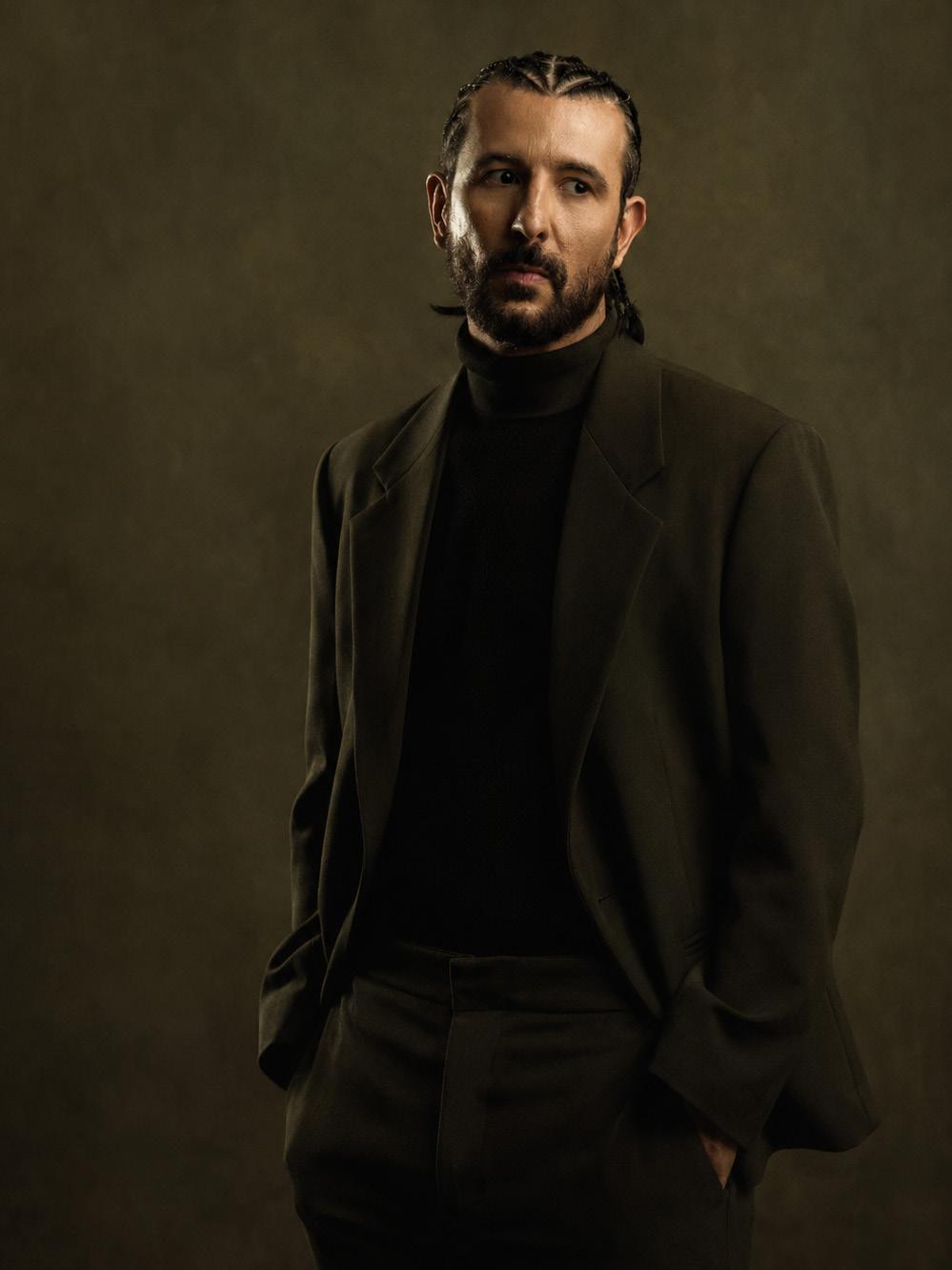
^L_ blends experimental electronic music, industrial, noise, ambient, and digital collage into dense, unstable, texture-driven sonic atmospheres.
^L_ mistura música eletrônica experimental, industrial, noise, ambient e colagens digitais em atmosferas sonoras densas, instáveis e guiadas por textura.
www.instagram.com/luis___fernando/
WHAT FIRST BROUGHT
YOU CLOSER TO MUSIC, AND AT WHAT MOMENT DID YOU REALIZE IT HAD BECOME MORE THAN JUST A HOBBY?
Music started early, during my teenage years, as a way to escape confusion, depression, and organize the internal chaos inside my head. First came the obsession with texture, atmosphere, and feeling, even before understanding theory or structure. I started composing for myself and spent years listening alone and keeping everything private, without releasing anything. At some point, it stopped being a hobby because I began to see sound as language, identity, and psychological extension. It was no longer just “making music.” It was about building a universe and being able to “vomit” my inner torment.
QUE
A música começou cedo, na adolescência, como uma forma de escapar da confusão, depressão e organizar o caos interno na minha cabeça . Primeiro veio a obsessão por textura, atmosfera e sensação… antes mesmo de entender teoria ou estrutura. Passei a compor para mim e fiquei anos escutando sozinho e guardando tudo, sem lançar nada. Em algum momento deixou de ser hobby porque passei a enxergar som como linguagem, identidade e extensão psicológica. Não era mais “fazer música”. Era construir um universo e conseguir “vomitar” os meus tormentos.
WOULD
I would describe it as a multidisciplinary project. Music is the core, but the project also involves visual language, design, narrative, texture, and emotional direction. I care deeply about contrast, sonic density, space, digital degradation, and the psychological feeling inside the experience. I’m fascinated by the balance between aggression and softness, audio manipulation, and atmospheric construction. Over time, I started developing this more seriously through studying references, aesthetics, mixing, sonic texture, and artistic direction. The goal was never to belong to a specific scene, but to create something that feels displaced in time and emotionally unstable in an honest way.
Eu descreveria como um projeto multidisciplinar. A música é o núcleo, mas o projeto também envolve linguagem visual, design, narrativa, textura e direção emocional. Me preocupo com contraste, densidade sonora, espaço, degradação digital e sensação psicológica dentro da experiência. Me fascina a mistura de agressividade e suavidade…. manipulação de áudio e construção de atmosferas. Aos poucos fui aprofundando isso de forma mais séria, estudando referências, estética, mixagem, textura sonora e direção artística. O objetivo nunca foi pertencer a uma cena específica, mas criar algo que pareça deslocado no tempo e emocionalmente instável de um jeito honesto.
WHICH ARTISTS, SCENES, FILMS, FASHION REFERENCES, OR CULTURAL ELEMENTS HELPED SHAPE YOUR CREATIVE UNIVERSE?
Musically, artists such as Aphex Twin, Autechre, My Bloody Valentine, Einstürzende Neubauten, Brian Eno, and Philip Glass have always shaped my perception of texture, ambience, and sound processing. Films like Lost Highway and Perfect Blue, along with writers such as David Foster Wallace and Philip K. Dick, helped define the project’s psychological and aesthetic approach. In fashion, I admire figures like Alexander McQueen, Maison Margiela, and Rick Owens.
Musicalmente, artistas como Aphex Twin, Autechre My Bloody Valentine, Einstürzende Neubauten, Brian Eno e Philip Glass sempre mexeram com a minha percepção de textura, ambiência e processamento sonoro. Filmes como Lost Highway e Perfect Blue, escritores como David Foster Wallace e Philip K Dick ajudaram a moldar a abordagem psicológica e estética do projeto. Na moda admiro figuras como Alexander McQueen, Maison Margiela e Rick Owens.
At this moment, the most important thing for me is continuing to create honestly, without trying to adapt too much to what people expect. I’ve been focusing on developing my projects naturally, maintaining creative freedom, and making music that genuinely represents what I want to express.
Neste momento, o mais importante para mim é continuar criando de forma honesta e sem tentar me adaptar demais ao que esperam. Tenho focado mais em desenvolver os meus projetos naturalmente, mantendo liberdade criativa e fazendo músicas que realmente representem o que quero expressar.
WHEN YOU THINK ABOUT THE FUTURE, WHAT KIND OF IMPACT DO YOU HOPE TO LEAVE THROUGH YOUR WORK?
I want to build a catalog with a strong identity and clear aesthetic recognition. I want to leave behind something that survives fast consumption. Today, everything feels very fleeting and disposable. That is why I try to create work that maintains relevance beyond algorithm-driven culture and can generate a genuine connection with the listener. The kind of impact that interests me most is not empty scale, but psychological permanence.
Quero construir um catálogo com identidade forte e reconhecimento estético claro. Quero deixar algo que sobreviva ao consumo rápido.. Hoje tudo é muito fugaz e efêmero. Por isso procuro criar trabalhos que mantenham relevância além da cultura imposta por algoritmos e que consigam gerar conexão genuína com quem escuta. O impacto que mais interessa não é escala vazia e sim permanência psicológica.