What Is a Multi-Storey Building? Meaning, Design, and Main Types
mittalgroup.co.in/multi-storey-building-meaning-types
admin January 9, 2026
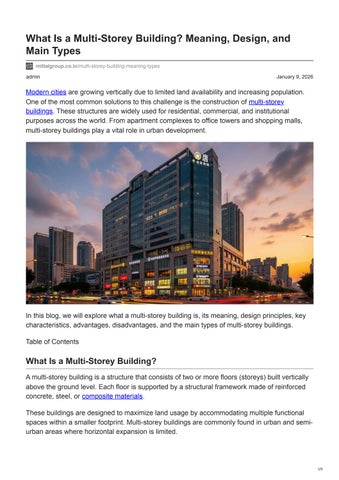
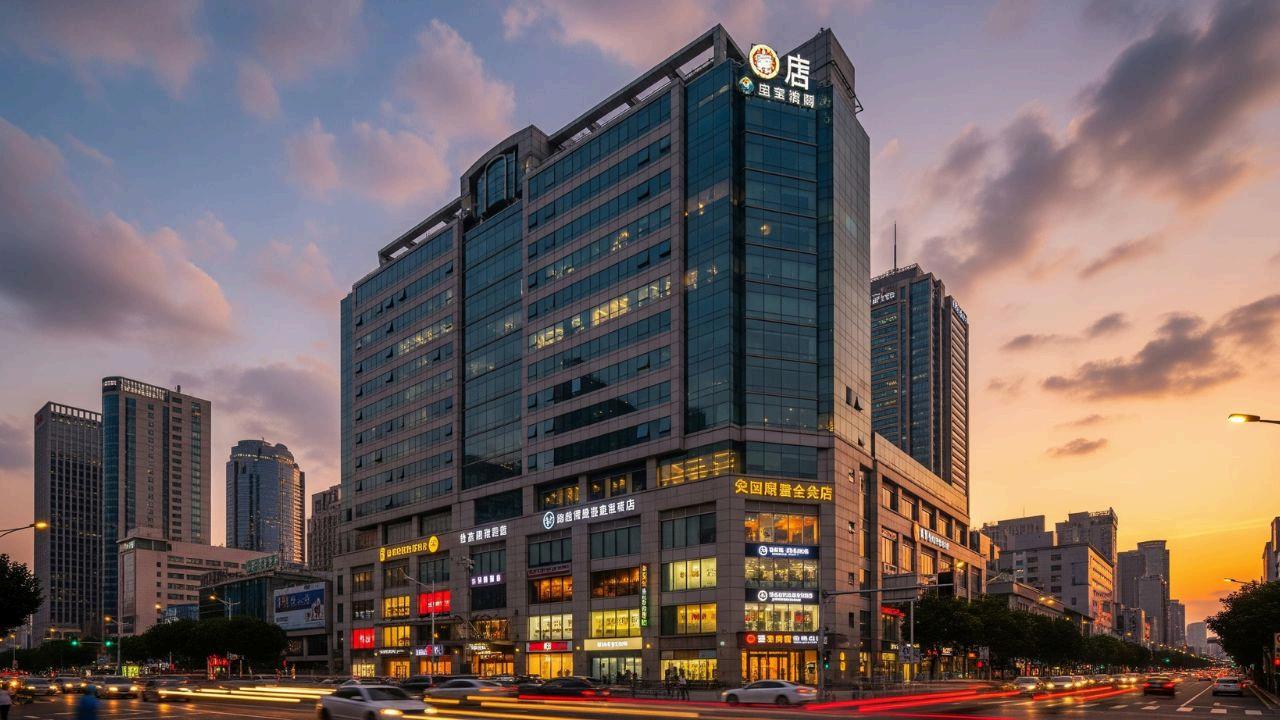
Modern cities are growing vertically due to limited land availability and increasing population. One of the most common solutions to this challenge is the construction of multi-storey buildings These structures are widely used for residential, commercial, and institutional purposes across the world. From apartment complexes to office towers and shopping malls, multi-storey buildings play a vital role in urban development.
In this blog, we will explore what a multi-storey building is, its meaning, design principles, key characteristics, advantages, disadvantages, and the main types of multi-storey buildings.
Table of Contents
What Is a Multi-Storey Building?
Amulti-storey building is a structure that consists of two or more floors (storeys) built vertically above the ground level. Each floor is supported by a structural framework made of reinforced concrete, steel, or composite materials.
These buildings are designed to maximize land usage by accommodating multiple functional spaces within a smaller footprint. Multi-storey buildings are commonly found in urban and semiurban areas where horizontal expansion is limited.
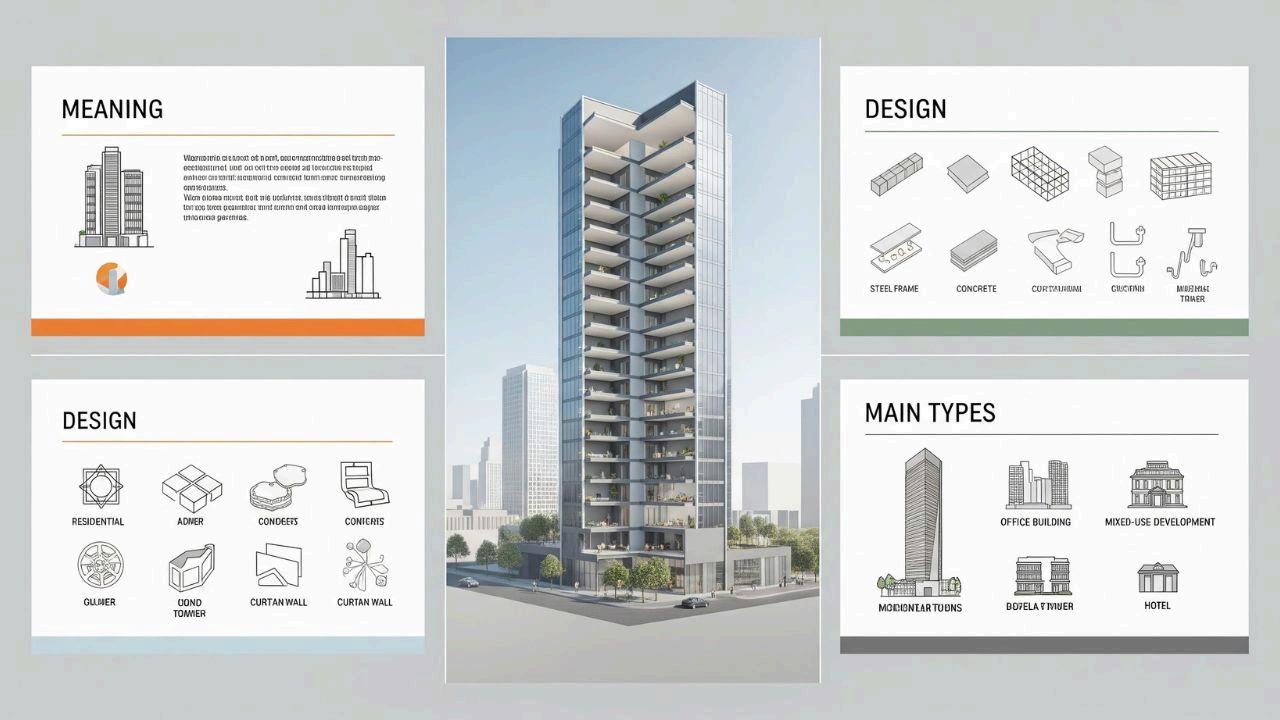
Meaning of a Multi-Storey Building
The term multi-storey refers to any building that has multiple levels stacked one above another, connected through staircases, elevators, or ramps. Depending on height and usage, these buildings can range from low-rise (2–4 floors) to high-rise structures with dozens of storeys.
Read More :– Why Residential PlotsAre the Safest Long-Term Investment in Bathinda
Key Characteristics of Multi-Storey Buildings
Multi-storey buildings share several defining features that differentiate them from single-storey structures:
Vertical construction to save land space
Strong structural framework to support multiple floors
Use of lifts and staircases for vertical movement
Advanced fire safety systems
Load distribution through columns, beams, and slabs
Efficient space utilization
Design of a Multi-Storey Building
Designing a multi-storey building requires careful planning, engineering expertise, and compliance with building regulations.
Structural Design
The structural system includes:
Columns
Beams
Slabs
Foundations
These elements ensure stability and safety under vertical and lateral loads such as wind and earthquakes.
Architectural Design
Architectural planning focuses on:
Floor layout
Ventilation and lighting
Aesthetic appeal
Space functionality
Safety and Services
Key services include:
Fire safety systems
Electrical wiring
Plumbing
HVAC systems
Emergency exits
Types of Multi-Storey Buildings
Type Description
Residential Used for living purposes
Commercial Business and office use
Institutional Public and service use
Common Examples
Apartments, flats
Office buildings
Hospitals, schools
Mixed-Use Combination of residential & commercial Malls with flats
Industrial Manufacturing and storage
Low-Rise 2–4 storeys
Mid-Rise 5–10 storeys
High-Rise More than 10 storeys
Factories, warehouses
Small apartments
Office complexes
Skyscrapers
Advantages of Multi-Storey Buildings
Multi-storey buildings offer numerous benefits, especially in urban environments.
Efficient Land Use
Vertical construction allows maximum utilization of limited land areas.
Cost-Effective Infrastructure
Shared walls, utilities, and services reduce per-unit costs.
Urban Development
Supports planned city growth and high-density housing.
BetterAmenities
Facilities like parking, security, elevators, and power backup are commonly included.
Also Read:Top Reasons Why Plotted DevelopmentsAre Gaining Popularity in India
Disadvantages of Multi-Storey Buildings
Despite their advantages, multi-storey buildings also have some limitations.
Higher construction cost
Complex maintenance requirements
Dependence on elevators
Fire and evacuation challenges
Longer construction time
Materials Used in Multi-Storey Buildings
The most common materials include:
Reinforced Cement Concrete (RCC)
Structural steel
Glass and aluminum
Bricks and blocks
The choice of material depends on building height, load requirements, climate, and budget.
Multi-Storey Buildings vs Single-Storey Buildings
Aspect Multi-Storey Single-Storey
Land use
High efficiency Requires more land
Construction cost Higher Lower
Maintenance Complex Simple
Suitability Urban areas Rural or open land
Conclusion
Amulti-storey building is an essential part of modern urban infrastructure. With efficient land usage, advanced design, and versatile functionality, these buildings support residential, commercial, and institutional needs. Understanding their meaning, design principles, characteristics, and types helps builders, developers, and property buyers make informed decisions.
As cities continue to expand vertically, multi-storey buildings will remain a cornerstone of sustainable and organized urban development.