

Ventures
SPRING 2026
EDITOR
Kimberly Marsh, MS, RD
INCOMING EDITOR
Gloria Davis Browning, MEd, RDN, SNS
EDITORIAL BOARD 2025-2026
Leah Tsui, MS, RDN, LDN
Sarah Whipkey, RDN/LD
Lauri Egan, RDN, CPT
Kimberly Marsh, MS, RDN
Jessica Beardsley, MS, RD, LDN
Gloria Davis Browning, MEd, RDN, SNS
Shannon McMahon, MS, RDN, LDN
The magazine pertains to the Nutrition Entrepreneurs Dietetic Practice Group of the Academy of Nutrition and Dietetics and reproduction rights are reserved Publication of an advertisement in the Ventures Magazine should not be considered an endorsement of the product or advertiser by the DPG Viewpoints and statements in this magazine do not necessarily reflect policies and/or positions of the Academy of Nutrition and Dietetics © 2025 Nutrition Entrepreneurs All rights reserved
WE WELCOME FEEDBACK FROM OUR MEMBERS.
PLEASE CONTACT THE EDITOR:
Kimberly Marsh, MS, RD ne@eatright �org
SUBSCRIPTION INFORMATION OR QUESTIONS: Email ne@eatright org
Building Your Professional Table: Strategic Networking for Dietitians
KIMBERLY MARSH
MS, RDN, LD MAGAZINE EDITOR
When I started my private practice, I was very focused on marketing strategies that didn’t involve my talking to another person Basically, I only used the internet Social media, blog posts, and listings in insurance and other online directories were how I hoped to get clients I figured if I could get a few good clients, then maybe word of mouth would help me grow from there
As an introvert, I didn’t want to have to go to in-person networking events or have booths/tables at large community events They all seemed overwhelming, emotionally draining, and time-consuming But when my business didn’t grow the way I wanted, I was forced to look outside my initial comfort zone� And I found two options that worked for me
1. Local dietetic groups: All states have an affiliate group you can become involved in Some large cities have affiliate groups as well, but search around for more niche groups For example, an awesome privatepractice dietitian in my area started a Facebook group called “Private Practice Registered Dietitians of Colorado ” She has a registry you can put your name, specialty, and payment methods on People often post referrals in the group And she hosts monthly virtual coffee chats where we can connect with others
2. Dedicated business networking groups: There are many varieties of these groups I highly suggest finding a group that is “category exclusive” - meaning only one dietitian/nutritionist can be in the group Business Network International (BNI) and Master Networks are two of these groups that I have found to be helpful in growing my business While they are a time and financial commitment, you can fit them in a busy schedule
It is important to remember that networking is about building relationships, not about promoting yourself This means going out
of your way to make connections with the other entrepreneurs you are networking with so they will trust you It also may mean referring clients to other businesses before you get any business � This doesn’t have to be a chore I use my networking partners for projects of my own and enjoy having “people” to refer to friends who need help with a roof, flooring, plumbing, jewelry, etc
I have personally been a member of a Master Networks chapter for two years In that time, I have received plenty of referrals that have covered the cost of my membership However, I have found those referrals have directly been connected to the effort I put into the group I attend meetings When I’m having one-to-one meetings with other members, I’m more likely to get referrals When I send them referrals or support their events, I get more referrals And my business has benefited The marketing member of the group helped me with a rebrand The estate attorney helped me set up a trust The handyman has helped with numerous projects on my house The guy who sells flooring helped me when my kids flooded my basement
More importantly, many of the members of my chapter have become friends
Remember, networking can be done on your terms And it is about more than growing your business It is about growing you as a person as well as filling out your life
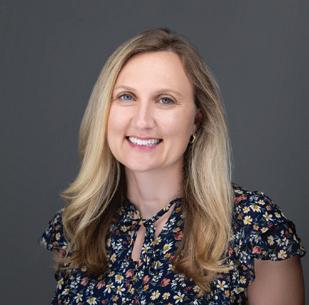
Kimberly Marsh, MS, RD, is a private practice owner and consultant in senior living She loves to be outdoors, just not camping� When not serving as chauffeur in chief for her 4 young kids or cheering at their sports games, she enjoys hiking, mountain biking, skiing, paddleboarding, and in general appreciating our beautiful world Luckily, her home in Colorado affords ample opportunities for these activities

Harmonize: Building a Practice That Reflects Your Values
JESSICA BEARDSLEY MS, RD, LDN CHAIR
In the world of nutrition entrepreneurship, it’s easy to build a business that looks successful on paper—but feels unsustainable in real life Full schedules, multiple offerings, and constant hustling can create momentum, but not always alignment If we want to truly harmonize, we have to begin somewhere less obvious: by getting clear on what actually matters to us
Before refining your business model, consider your values Not the ones shaped by social media, but the ones that emerge when you pause long enough to listen What do you want your days to feel like? What does “enough” look like in this season of life—financially, emotionally, and energetically? These questions are foundational Without them, it’s easy to build a practice you eventually need to scale back or step away from
In my own work, I’ve seen how quickly misalignment can show up When I allowed work to take up more and more of my day, I found myself less present with my kids after school and exercising less regularly Over time, I noticed something else creeping in—resentment toward my job and even toward my clients That was a signal As entrepreneurs, we often have more control than we realize I had to ask myself: what do I actually want my life to look like, and is my business supporting that?
This is where insights from SelfDetermination Theory can help us Developed by psychologists Edward Deci and Richard Ryan, this theory suggests that sustainable motivation and well-being are rooted in three core needs: autonomy (a sense of choice and control), competence (feeling effective and capable), and relatedness (connection with others)
When your business aligns with these needs, work becomes more than a series of tasks—it becomes inherently meaningful
But when your schedule, pricing, or offerings consistently undermine autonomy (feeling overbooked), competence (feeling stretched too thin), or relatedness (feeling disconnected from clients or purpose), burnout is more likely to follow
Once your values are clearer, the next step is translating them into your day-to-day life
Your calendar is one of the best reflections of your priorities Are your workdays
structured in a way that allows you to be present with clients? Is there space between sessions to think and reset? Are you building in time for the parts of life that matter outside your business?
From there, your business model can begin to take shape in a way that supports—not competes with—your life This might mean fewer client sessions at a higher rate, simplifying your offerings, or choosing depth over constant expansion Growth doesn’t always require adding more; sometimes it requires refining what’s already there
Sustainable practices aren’t built through hustling—they’re built through attuning and aligning with your values When your values shape your days, and your days shape your business, you create a foundation not just for growth, but for a practice that can evolve with you over time
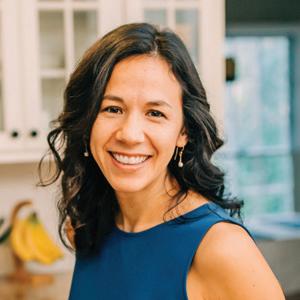
Jessica Beardsley, MS, RD, LDN, is a weightinclusive nutrition counselor with a private practice in Chapel Hill, North Carolina She loves to peruse cookbooks but rarely follows a recipe Jessica is passionate about helping clients live their best life with intuitive eating When Jessica is not cooking food or talking about it, you’ll find her running, climbing rocks or dancing in the kitchen with her kids

2026-2027
NE OFFICE CANDIDATES
The Nutrition Entrepreneurs Dietetic Practice Group (NE DPG) is pleased to present the
NE Officers Elected for the 2026–2027 Term
CHAIR-ELECT:
AUBREY REDD
MS, RDN, LDN
SECRETARY:
HEATHER RUDALAVAGE RDN, LDN
HOUSE OF DELEGATES NE DPG DELEGATE: KIMBERLY MARSH
MS, RD, LD
NOMINATING COMMITTEE: SARAH BIXBY
MS, RDN, LDN
KRISTI COUGHLIN
MS, RDN
JASMINE HORMATI
MS, RD, CDN
Mind the Menopause Gap: Why Dietitians Belong in the Fastest-Growing Women’s Health Market
JESSICA CORWIN MPH, RDN, NBCHWC INCOMING DIRECTOR OF MEMBER SERVICES
Spring often brings the urge to declutter and start fresh For dietitians in private practice, it can also be a good time to revisit the resources, programs, and client populations we serve Are there areas of growing need where our expertise could have an even greater impact?
One area gaining remarkable momentum is menopause care. Perimenopause and menopause are finally receiving long-overdue attention across media, healthcare, and the wellness industry With more than one billion women expected to be postmenopausal worldwide by 2030, demand for credible, evidencebased guidance is growing rapidly
Yet in many of these conversations, one important professional voice is often missing: dietitians
As registered dietitians, we are uniquely positioned to support women navigating the metabolic and lifestyle changes of midlife Many women enter perimenopause experiencing shifts they do not fully understand—weight gain despite familiar habits, rising blood sugar, fatigue, sleep disruption, and crazy-stubborn midsection weight gain They are often told their labs look “normal,” yet they don’t feel normal at all
This is where dietitians can play a vital role.
While physicians increasingly discuss hormone therapy and symptom management, medical visits rarely allow time to address the daily habits that influence metabolic health Nutrition, muscle preservation, blood-sugar stability, sleep rhythms, and sustainable behavior change require more than a brief office visit Perhaps this is why the resounding refrain of “eat less, move more” persists
Dietitians fill that gap.
In my own work supporting women navigating perimenopause and postmenopause, I often hear the same questions: I haven’t changed a thing and yet …? Why am I suddenly exhausted? Why is my blood sugar creeping up when I’m eating less? These questions highlight how much women want clear, practical guidance during this stage of life
We are trained not only in the science of nutrition but also in translating complex
physiology into practical, realistic strategies Midlife women benefit enormously from guidance on topics such as protein distribution to support muscle preservation, fiber intake for cardiometabolic health, stabilizing blood sugar through balanced meals, and fueling the body to support energy, mood, and cognitive function We don’t eat macros; we eat gorgeous, nourishing meals As dietitians, we are the perfect partners in midlife to transform numbers into tangible examples
Equally important is the counseling approach dietitians bring Many women in midlife have spent decades navigating restrictive diets, confusing nutrition advice, and shifting expectations about their bodies Supporting them requires empathy, nuance, and behavior-change strategies that help rebuild trust in their own physiology
Dietitians also bring an important grounding perspective to this space While menopause certainly includes unique physiological shifts, much of the foundational guidance overlaps with the core principles of women’s health and healthy aging Adequate protein to support muscle and bone mass, fiber-rich foods for cardiometabolic health, bloodsugar stability, restorative sleep, and regular movement remain central pillars of care As the menopause conversation grows, much of it is already shifting into yet another space dominated by expensive supplements, rigid protocols, and overly prescriptive “menopause diets”—we are needed more than ever Dietitians are well positioned to keep the conversation anchored in evidence, nuance, and practical lifestyle strategies that support women across the lifespan
For dietitians in private practice, the growing focus on menopause also
represents a meaningful opportunity
Midlife women are actively seeking credible guidance that goes beyond supplements and quick fixes Women want professionals who can help them understand what is happening in their bodies, build sustainable habits that support long-term health, and often hold their hands along the way
Dietitians who are interested in working in this space can start by strengthening their understanding of menopause physiology, collaborating with healthcare providers, and creating educational programs or services that address the real questions women are asking
The menopause conversation is only getting louder Dietitians have both the expertise and the perspective to contribute meaningfully to this growing field
Perhaps this season of renewal offers an opportunity for our profession to do a little spring cleaning of its own—clearing out outdated narratives and making space for dietitians to lead in this important area of women’s health
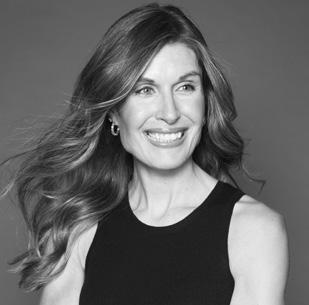
Jessica Corwin, MPH, RDN, NBCHWC, translates the science of midlife into reallife strategies women can actually use She’s a mom of three, wife to an creative genius immersed in AI, who lifts heavy, cooks often, can usually be found strolling the shores of Lake Michigan, and believes midlife nutrition should feel less overwhelming—and obv , still include sweet potato casserole

The Power of Peer: How Community Supports Sustainable Success in Dietitian Entrepreneurship
CHRISTIE HUNTER MS, RD, LDN AWARDS CHAIR
My first job as a Registered Dietitian was working as a clinical RD in a major hospital, and I was one of twenty-six dietitians who had an office in the sub-basement (of course our offices were in the sub basement with no windows and shared with the food-service department) While I did not enjoy the job itself, the thing that I enjoyed most was being a part of a large team of dietitians Being an only child, I thrived on opportunities to be with others and having other people around It would not be until later in my career that I learned how truly important this community of peers would be for keeping me energized and engaged in my work
When I transitioned to starting my private practice, I quickly realized how isolating it was I tried to reach out to some local dietitians in private practice, but they were more reserved as they viewed me as competition and not as willing to share or collaborate Ironically, I reached out to a dietitian who sponsored a table at the NE networking event at FNCE® because I noticed she was from my home state She was helpful with some of my billing questions and told me to call her back when I was ready to submit my first claim
and she would walk me through it, and she did exactly that Her mindset was “there is plenty of business to go around,” and I loved that she was so willing to help out a fellow entrepreneur (shoutout to Melissa Hermann-Dierks) After 15 years of private practice, I can say that she was right Instead of worrying about competition and having the scarcity mindset, we should all support other dietitians and view it as an opportunity for referrals because we cannot do it all For example, our practice specializes in corporate wellness, so I am happy to refer to other dietitian practices when we get calls for eating disorders or patients with insulin pumps needing help This can often lead to a nice collaborative partnership where you can both exchange referrals and discuss things that both of your practices have in common, such as hiring challenges, marketing ideas, best vendor choice for software, etc I love it when I can connect with other dietitians in my area and help support their business, because I now know for sure that there is plenty of business to go around
Through the years, I have invested in business coaches, leadership programs, and too many books to count, but the one thing that has moved the needle the most for my practice has been my mastermind group This group originated in 2019 at FNCE® with seven individuals all having one person in common who were all running a
group private practice� While the format of the meetings has changed over time, one thing that has never changed is the ability to show up to the meeting being truly vulnerable about what is going on in your practice and getting support, hard truths, and sometimes the reality that what you are doing is not working Engaging in a professional community such as NE has served my career very well Being an entrepreneur can be lonely at times, so it is important that you be intentional about finding your community that can serve you but you can also serve by sharing your experiences, knowledge, and resources
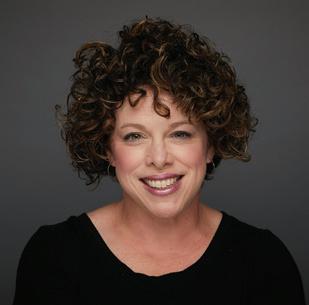
Christie Hunter is the owner of Christie RD, a group practice in Greensboro, NC that specializes in corporate wellness When she is not working, she is typically planning her next vacation to satisfy her love of travel, spending time with her husband and two daughters, or cheering on her favorite UNC Tarheels�

Closing the Food Loop: Bringing Permaculture Into Dietetic Practice
SHANNON MCMAHON MS, RD DIRECTOR OF COMMUNICATIONS
The first thing that came to mind when I saw the theme of the spring Ventures was a vegan, zero-waste food company in Cork, Ireland, called My Goodness The company is people-focused, and its goal is to have food for everyone in spaces for everyone The foundational business practices of My Goodness come from the philosophy of permaculture
When most people hear the word “permaculture,” they think of agriculture And it is But permaculture can be used to grow a business and community, as well as food To help me understand permaculture and the role it can play in dietetics, I reached out to Will Gold, an Australian accredited practicing dietitian, certified permaculture consultant, and owner of Dig In Health
Gold defines permaculture as “a philosophy and set of ethical principles and values to create systems … that shape how the community interacts with each other ” The philosophy can be applied anywhere, a group program, in a corporate setting, in business, because it’s about system design The core ethics of permaculture are People Care, Fair Share, and Earth Care
As Gold explained, dietetics already incorporates two of these three ethics People Care is the heart of dietetics practice as we strive to care for and improve people’s health Fair Share is achieved through community nutrition, access to nutritious food, and advocacy
The third, Earth Care, is currently left to the environmental scientists Gold suggests that if we want to nourish the community, then we need to protect and conserve the soil that supports the plants and animals that feed the people we care for Earth Care
is the missing link that closes the food loop
There is a growing body of evidence to support the idea that healthy soil supports healthy people Soil is the starting point of our food system, and without a healthy starting point our food sources may not have the nutrients we need to support health Not only does soil provide nutrients for our food sources and in turn us, it also cleans and filters our air and water, all of which supports our health
Earth Care doesn’t have to be out of reach for dietetics practice For example, Gold hosts workshops where he teaches the principles of permaculture through soil rejuvenation and care as the foundation for gardening and making fermented foods Participants build community while exercising and producing fresh food, all of which supports their physical and mental health
While we may not all have the skills to teach gardening workshops, there are ways to incorporate Earth Care into our practice We can collaborate with and incorporate permaculture practitioners into our interdisciplinary team Invite a soil biologist to come to your next conference, partner with a local garden, or collaborate with an RD who teaches garden-based nutrition education Host a class outdoors or offer walk-and-learn sessions Encourage clients to grow herbs in a pot or start a small garden at home or at a local community garden
As Gold sees it, dietitians are uniquely positioned to be a strong collective voice for Earth Care as our profession is already rooted in an understanding of food after harvest Perhaps we could expand our perspective and close the food loop by gaining an understanding of the starting point of our food system, the soil
By weaving ecological thinking and other permaculture principles into our work, as Gold and My Goodness have, we support not just individual behavior change

— we harmonize and grow healthier communities, richer food systems, and a more resilient future
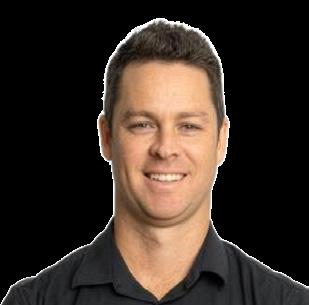
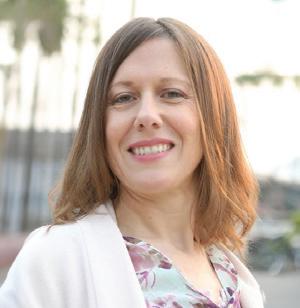
Will Gold is an accredited practicing dietitian, permaculture consultant and fourthgeneration veteran of the Australian Defense Force (ADF) Will graduated from the University of Newcastle in 2015, with a bachelor's degree in nutrition & dietetics (Hons) and his passion lies in educating clients about where their food comes from and how whole foods benefit both physical and mental health Shannon McMahon, MS, RDN, LD, has been educating future RDs through the University of Alabama’s online BS and DPD program since 2012 When Shannon is not grading, advising or updating course content, she enjoys belly dancing, reading, Pilates, hiking, skiing, and pretty much anything else that will get her outside! Shannon also enjoys traveling and has lived in six states, 11 cities, three countries and one US territory
“if we want to nourish the community, then we need to protect and conserve the soil that supports the plants and animals that feed the people we care for”
Systems That Flex: Making Client Wins Repeatable Across Different Needs and Goals
ERIN JOWETT MS, RD, LDN GUEST AUTHOR
One of the most common clients I see in my practice is the woman who has “done everything right” but still doesn’t feel like herself
She’s been to her doctor Her labs came back “normal ” She’s been told to reduce stress, maybe lose a little weight, and come back if things get worse Meanwhile, she’s dealing with fatigue, bloating, inflammation, stubborn weight changes, and a general sense that her body isn’t responding the way it used to
As nutrition entrepreneurs, this is where our work becomes both an opportunity and a responsibility These clients don’t need another rigid, “by-the-book” protocol; they need a system that can flex
In my practice, I’ve learned that client success doesn’t come from standardized plans, checking boxes, or relying solely on “normal” lab ranges It comes from building stable, adaptable frameworks that allow us to recognize patterns across different presentations, without forcing every client into the same path
Because while their labs may fall within conventional ranges, their physiology, and their lived experience, are not identical
FROM PROTOCOLS TO PATTERNS
Early in my career, I thought scaling meant tightening protocols—making everything more uniform so results could be replicated Because that’s what everyone wants, right?
What I’ve found instead is that the most scalable practices are built on pattern
recognition, not protocol enforcement
For example, a client presenting with fatigue, bloating, and slow weight loss might have “normal” glucose, thyroid, and lipid markers But when you look closer, you may see subtle patterns: slightly elevated fasting glucose trends, inadequate protein intake, inconsistent meal timing due to being “too busy for lunch,” or signs of poor hydration and mineral balance
Another client may present with the same symptoms, but the underlying drivers are different: higher immune load, disrupted sleep, or digestive inefficiency
The symptoms match, but the systems driving them do not
This is where flexible systems come in
BUILDING SYSTEMS THAT FLEX
Instead of giving every client a rigid plan, I build what I call structured flexibility into my practice The framework stays consistent, but the application shifts
For example, every client moves through the same foundational pillars:
� Protein distribution and adequacy
� Blood sugar stability
� Hydration and mineral balance
� Digestive support
� Nervous system & stress regulation
But how we implement those pillars varies based on the client’s current capacity, lifestyle, and underlying patterns
A busy working mom with limited bandwidth might start with simple protein layering and hydration strategies Another client may be ready to dive deeper into meal timing, supplementation, or functional testing�

The system is repeatable, but the approach is personalized
WHY THIS MATTERS FOR RETENTION AND GROWTH
From a business perspective, this model does more than improve outcomes … it improves client trust and retention
Clients who have been dismissed by the healthcare system aren’t just looking for results They want to feel seen, understood, and guided through complexity
When your systems allow for both structure and nuance, clients stay longer They refer more They move from one-off sessions to ongoing care because the experience feels aligned with their real-life capacity
And importantly, this doesn’t require more time or constant marketing online It requires better design
THE SHIFT FROM COACH TO CLINICAL STRATEGIST
As dietitian entrepreneurs, moving from “nutrition coach” to clinical strategist is what allows us to scale our private practices sustainably
We are not here to hand out identical plans We are here to interpret living patterns, translate physiology, and guide clients through a process that adapts as they do
When your systems are built to flex, you create a practice that can support a wide range of clients, especially those who have been told everything is “fine” when they know it’s not
And in today’s landscape, that’s not just good care It’s a competitive advantage
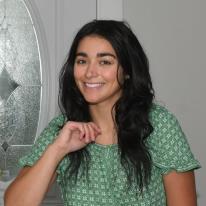
Erin Jowett, MS, RD, LDN, is an integrative dietitian, business owner, New England native, and mom of two
who helps exhausted moms feel human again through practical, sustainable nutrition strategies She’s the founder of Integrative Weight & Wellness, where she provides family-focused nutrition support to improve energy, metabolism, and overall household health Erin is also the host of the Backyard Health podcast, where she blends science, real life, and a little humor to make health feel more doable

REGISTRANTS
282 ATTENDEES
151 MEMBERS
227 UNIQUE REGIONS
220 ORGANIZATIONS REPRESENTED
CONNECTIONS
1,647 COMMUNITY MESSAGES
102 PHOTOS SHARED BY ATTENDEES
90 ACTIVE COMMUNITY TOPICS
1 OFFICIAL NETWORKING SESSION
HEADLINE SPONSOR:



6TH ANNUAL NE DPG SPRING SUMMIT 2026 EXECUTIVE IMPACT REPORT
SESSIONS
7 SESSIONS
8 SPEAKERS
7.5 CPE CREDITS
SPONSORS
16 EXHIBITORS
360 LEADS GENERATED
16 EXHIBITOR SPOTLIGHT SESSIONS





173 QUESTIONS ASKED TO SPEAKERS JESS CREATIVES

My journey into nutrition and entrepreneurship began long before I ever stepped into a classroom or clinic I grew up in a household shaped by chronic illness My father suffered from an unexplained condition that caused him constant pain, ultimately placing him on disability and taking his life when I was just 16 I watched him get passed from clinic to clinic, prescribed stronger and stronger medications, Vicodin, Soma, Tylenol with codeine, and eventually morphine, without anyone truly listening or addressing the root cause Those experiences left me disillusioned with the medical system, but they also planted the seed for my life’s work: to listen deeply, to support fully, and to care for families in a more human, holistic way
At the same time, my younger brother was diagnosed with juvenile rheumatoid arthritis and told he might never walk again I witnessed firsthand how nutrition, physical therapy, and herbal medicine helped him go into complete remission That experience was my first real exposure to the power of preventative and integrative care, and it changed the course of my life
As a teenager, the mind-body connection and the impact of lifestyle on health were the only subjects that truly lit me up That passion led me to pursue a career in nutrition During college, I often heard professors say “We don’t do this for the money,” or “You’ll never make much money as a dietitian ” I believed those narratives were limiting not only individual practitioners, but the reach and impact our profession could have
I spent years working in outpatient care across weight loss, women’s health, and diabetes, and for the past eight years I’ve focused primarily in prenatal nutrition and gestational diabetes I repeatedly saw a massive gap in care, one that extended far beyond my local community After working with Joy Bauer during a career transition, I discovered a passion for media, education, and brand partnerships,
Ginger Cochran2025 ONE Award Recipient
and I learned to fully believe in my voice and my value
In 2020, as my professional confidence grew, I faced one of the hardest chapters of my life: the end of a 12-year marriage that had quietly eroded my self-esteem and professional goals In 2022, I walked away from everything, choosing not to take half of what I was “owed,” because I believed I could rebuild on my own terms using my skills, vision, and resilience
From that moment, gestationaldiabetesnutritionist com, my digital platforms, online nutrition counseling, and brand partnerships were born Over the past three years, through countless evenings and weekends of work, I’ve rebuilt myself both financially and professionally while expanding access to evidence-based care
This journey, building innovative, accessible nutrition services while redefining what’s possible for dietitians as entrepreneurs, is what led to being honored as the Outstanding Nutrition Entrepreneur (ONE) of the Year This award represents more than success; it represents
resilience, growth, and the reminder that even from what feels like rock bottom, something extraordinary can bloom I am deeply grateful for this recognition as it marks the beginning of a powerful new chapter
GingerCochran,MS,RDN,ACSMEP,CDCES,isaRegisteredDietitian Nutritionist,functionalmedicine practitioner,certifieddiabetescare andeducationspecialist,wellness coach,exercisephysiologist,andspin andyogateacher� She is the founder of GestationalDiabetesNutritionist com,anintegrativepracticehelping womenmanagegestationaldiabetes and insulin resistance with ease
Withafocusonwomen’shealth, Gingersupportsclientsthroughfertility, pregnancy,postpartum,andbeyond Herapproachblendsevidence-based nutrition with holistic tools like movement, mindfulness,andnervoussystem supporttohelpwomenfeelconfident, strong,andconnectedtotheirbodies

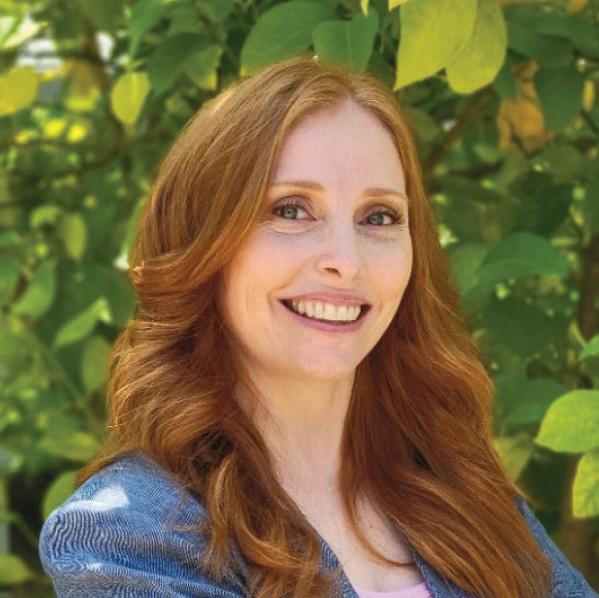
My journey into nutrition entrepreneurship began not with a formal business plan (whoops!), but in the community teaching cooking classes to seniors, families, and students who wanted practical, realistic ways to eat well Now, as a graduate student in public health nutrition and dietetics, I am quickly learning that while evidence-based guidance is essential, it often falls short if it isn’t accessible, culturally relevant, or empowering
Teaching community cooking classes has become a defining part of my professional
Lindsay Dickason2025 ONE Student Award Recipient
growth � I’ve seen firsthand how hands-on education can build confidence, reduce fear around food, and help people reconnect with cooking as an act of care rather than obligation Whether I was working with seniors preparing hearthealthy meals on a fixed income or guiding students through simple, skill-building recipes, I learned that nutrition education is most impactful when it meets people where they are
These experiences sparked my interest in nutrition entrepreneurship I became passionate about designing cooking classes that bridge nutrition science with creativity, storytelling, and real-world application To me, entrepreneurship is not just about starting a business—it is about identifying unmet needs and building innovative solutions that improve health and well-being
Through my academic training, leadership

roles, and community engagement, I have had opportunities to develop nutrition education materials, lead cooking demonstrations, and collaborate with local organizations Each experience reinforced my belief that dietitians can be powerful changemakers when we think beyond traditional practice settings and embrace entrepreneurial thinking �
Receiving the Outstanding Nutrition Entrepreneurs (ONE) Student Award is deeply meaningful to me because it affirms this path It represents encouragement to continue learning, growing, and taking thoughtful risks as I develop programs that prioritize food literacy, health equity, and sustainability It also reflects the guidance of mentors, educators, and community members who have shaped my journey
I am incredibly grateful to the Nutrition Entrepreneurs DPG for investing in students and fostering a space where innovation, leadership, and purpose-driven work are celebrated I look forward to continuing this journey and contributing to a future where nutrition education is engaging, inclusive, and accessible to all
Lindsay Dickason is a Master of Public Health (MPH) student in nutrition with a coordinated program in dietetics at Loma Linda University, graduating in 2026 She holds a Bachelor of Science in nutrition and food from California State University, Sacramento
Her entrepreneurial spirit matches Lindsay’s passion for nutrition and public health She began her journey teaching evidence-based cooking classes focused on disease prevention and reversal as a Food for Life instructor with the Physicians Committee for Responsible Medicine She is also a certified Master Food Preserver through the University of California Cooperative Extension, helping Californians practice safe and culturally appropriate home food preservation
As a future dietitian, Lindsay plans to advance culinary medicine by using food as a powerful connection, education, and healing tool, sparking meaningful conversations that inspire a practical, food-first approach to health and wellness
From Nourishment to Networking: Balancing Health, Work, and Connection This Spring
LILA CORNELIO MPH, RDN, LDN EXECUTIVE NOMINATING COMMITTEE
Spring is a season of renewal, longer days, brighter colors, more life emerging, and an unspoken pressure to bloom right along with it This often aligns with increased motivation toward health goals For professionals, spring also marks the start of conference season, community events, and opportunities to expand visibility For families, it can mean less structure, with vacations and added demands just around the corner
Somewhere between calendar invites and the constant “spring momentum” content filling our feeds, we begin to lose the space we once held for ourselves
When I moved to a new city alone as a new entrepreneur, FOMO (fear of missing out) was high I attended nearly every networking event I could find I volunteered at my church, joined a local professional group, and got involved with Big Brothers Big Sisters Alongside my running groups and social plans, people often wondered how I managed to keep it all together
As my momentum continued, my workouts grew shorter Home-cooked meals gave way to canned soups and bagged salads My authenticity began to suffer I was showing up exhausted, exchanging business cards on autopilot, and leaving early to rush to the next event
Then I got sick.
What hurt most was not the physical discomfort, but the silence that followed my absence No one warned me that being part of the high-achiever club came with the risk of losing a sense of presence
The lack of connection quietly began to reshape how I saw myself
Research shows that when our sense of worth is tied to achievement, we begin chasing validation rather than alignment, a pattern linked to burnout, chronic stress, and inconsistent motivation Decisions become fear-based, energy steadily drains, and progress starts to feel hollow
Over time, this pattern disconnects us from what we actually need in that season and, ultimately, from ourselves
Learning my internal worth required me to step back and do some “RD detective work” on myself, to reconnect with what I truly needed: nourishment, movement, and
a supportive mindset That curiosity led me back to a version of myself I had not felt in years, grounded, aware, and intentional
Wherever you are in your life, you did not get here without discipline, courage, and hope In this season offer those same qualities back to yourself so you can stay aligned and cultivate meaningful connections, starting from within
Just as a business plan allocates time, energy, and resources, aim to keep small, consistent habits in place to support clearer thinking and the confidence to show up fully in both your professional and personal life
PRACTICAL WAYS TO PROTECT YOUR ENERGY DURING BUSY SEASONS:
� Every coach needs a coach. We know the impact balanced meals have on glucose levels and mood Aim for at least two solid meals each day, especially before events, and plan with snacks I keep shelf-stable options like apples, trail mix, and a pre-made protein shake in my bag or car Your energy, waistline, and wallet will thank you
� Keep water accessible I keep water bottles in multiple areas of my home (telehealth perks) At events, alternating alcoholic beverages with soda water helps maintain hydration and gives you something to hold without pressure
� Build in micro-resets. Take five minutes for a walk, a stretch, or one intentional breath It is not always easy, so I set a reminder every three hours to check in with myself
� Protect your mental space at networking events. Shift the focus of conversations toward curiosity about the other person This preserves your voice and energy and naturally builds a stronger rapport
Consistency, not perfection, is what sustains momentum And learning who you are, again, still, or for the first time, is not a detour from growth; it is a commitment to it.

Lila Cornelio,
MPH, RDN, Founder of Be*YOU*tiful Nutrition,
is a bilingual wellness consultant

passionate about plant-based living, performance nutrition, and culturally inclusive health education With over a decade of experience in diabetes care and culinary nutrition, she’s also competed in bodybuilding and marathons—and now channels that same energy as an active member of a Pensacola Krewe
The Rooted Practice
BECKY WOJCIK
MA, RDN, LDN, CYT OWNER OF JOYFUL CONNECTION NUTRITION AND WELLNESS AND MIND-BODY DIETITIAN
A new year is a natural time for reflection— what worked, what didn’t, and what is next For many dietitian entrepreneurs, escalating client needs amplify overwhelm and exhaustion In 2026, half of all American adults planned to diet as a New Year’s resolution, with popular methods including low-carb and reduced-calorie approaches1 The result: a seasonal surge that can trigger burnout within the first three months, combined with residual postholiday stress and limited energy In these moments, pausing to acknowledge minor victories is critical Like spring, sustainable business growth means intentionally clearing away what no longer serves you True scaling is not only about larger numbers, but about aligning your work with your values and intentions Just like a gardener prepares for the growing season, spring is the moment to harmonize your approach—plant new seeds, prepare the soil for business growth, and proactively direct your practice’s future for 2026
PLANTING THE SEEDS:
Intentionality through Vision, Mission, and Intention Setting:
Defining your mission and vision is key to ensuring your business embodies your values and goals The mission statement clarifies your purpose and values, describes what your company does and why your business exists � The vision delivers a roadmap for achieving it Together, they attract clients who identify with your services and support your business performance2 Strong mission and vision statements anchor your services, guiding high-quality delivery and long-term consistency They also help you remain focused and resilient in the face of

challenges Periodically reviewing both keeps you aligned with your core values and business direction When did you last revisit these guiding principles? You may have set them aside, yet your business has likely evolved Just as we clean out our closets each spring, it’s important to refresh your mission and vision to suit your business today If you answer yes to one or more of these questions, consider a needed update:
1 Has it been > 3-5 years since you modified or created your mission and vision statement?
2 Has the type of clientele changed since you created your mission statement?
3 Have you added, expanded, or changed services since you created your statements?
4 Does your current 5-year plan include any changes or expansions to your business?
When planning a refresh of your mission and vision statement, Maree Ferguson, an Advanced Accredited Practicing Dietitian in Australia3 , recommends involving your team or employees in the process and brainstorming revised statements Your employees or teams can help get a bigger picture of the culture you want to create They may offer a different perspective or identify weeds in the soil that need pulled
If you have planted the mission and vision seeds on your website, marketing materials, social media pages, and business flyers, take time to update every instance with your new vision and mission statements Ensure your message is consistent across platforms; this clarity helps the flowers of growth bloom!
Another important spring business clear up practice is intention setting—a tool for clarifying what you want to create, feel, and achieve in your business over the coming year� Intention setting differs from resolutions: it focuses your daily actions around your core values and helps align your goals with your mission and vision4,5 Each year, I select a word to represent my professional and personal focus—helping me manage challenges and guide my decisions For example, in 2020, “let go” reminded me to accept uncertainty and remain present during difficult times, which helped navigate the work and personal challenges of the COVID-19 pandemic Later, “love” in 2022 helped me lead with compassion In my practice, I showed love by teaching client-centered group programs, and helping clients find a better relationship with their body and food for self love At home, I tried to tap back into the word and feeling of love when I felt impatient with my kids or overwhelmed by
household responsibilities Now, in 2026, it’s the sixth year of creating an intention word and I love that it helps me commit to personal growth, focus on the positives, trust myself, and be more purposeful every day This year, my word is abundance and it helps me tap into what I want to be and have – an abundance of joy, fun, learning, growth, and connection Setting an intention can center your actions, keep you purposeful, and align daily efforts toward your larger vision Here’s how to identify your intention for this year:
Reflect on last year:
� Think back to last year in your business or work, what went well and what didn’t?
� What are you proud of? What did you struggle with?
� In one word, how did you feel last year in your business?
Visualize this year:
� What do you want this year to look like and feel like?
� Do you have anything you want to create? Anything you need to release or let go of?
� What would the ideal day look like for you? Write out the routines, who is involved, and how you would FEEL at the end of the ideal day
Set the intention:
� This year I want to (feel) ________________ or have ________________________ (action) Choose from the list below or notice from the reflection above what word stands out for 2026
Abundance Aligned Balanced Boundaries Connected Expand Growth Love Manifest Mindful Open Playful Presence Purpose Receive Simplify Thrive Trust Vibrant Wellness
Practice:
Using the word you chose for the year as your guide, intentionally embody it every day Incorporate your chosen intention at home with your family and pets, or when enjoying your hobbies Take one small step today—write down your word and place it at work on your desk or as a computer screen saver Then, share your intention with a friend, colleague, or team member to build support Let this word guide you whenever you’re facing difficult choices or decisions that feel hard or overwhelming

Intention setting has been a powerful tool for me over the past six years, and I hope that it helps you plant the seeds for what you want to manifest this year Take a moment right now to choose your intention and begin living it Remember, intention setting helps you discover your values, reduce stress, improve your business with compassion, promotes a positive mindset, and build resilience
CULTIVATING THE SOIL:
Growth Mindset vs. Fixed Mindset
In our businesses, it’s easy to focus on client nutrition care and standard routines However, sustaining growth requires a growth mindset rather than a fixed one Many nutrition and exercise professionals hold themselves to high standards and perfectionism—traits that heighten stress and may cause burnout, especially in the demanding role of entrepreneur6,7 The Registered Dietitian Nutritionist’s (RDN’s) extensive clinical background, years of education, and on-the-job training can
FIXED MINDSET
Scaling & Delegation
Marketing & Visibility
Professional Setbacks
Perfectionism in Content Creation
foster a certain mindset, one that has fixed rules, algorithms, and generalized measures of success One way to counteract this pattern of rigid thinking is by nurturing greater emotional intelligence, which consists of examining your mindset8 During your business’s annual “spring cleaning,” review your mindset and values to ensure they support your vision for growth and well-being
Our mindset is a strong set of beliefs that has the power to shape our lives, business decisions, and potential success In the book, “Mindset: The New Psychology of Success”, author Carol Dweck9, a Stanford University psychologist, pioneered the concepts of “growth mindset,” the belief that abilities can be developed through dedication and hard work, and “fixed mindset”, the belief that intelligence and abilities are fixed trait People with a growth mindset foster a resilient attitude and are less prone to procrastination They also experience more positive emotions and feel
“My clients only want to see me because I’m the expert If I hire another RD, the quality of care will drop, and my reputation will suffer ”
“I’m just not ‘good’ at social media or sales I’m a clinician, not a marketer If I’m a good dietitian, clients should just find me through word-ofmouth ”
“That physician didn’t respond to my referral request because they don’t value RDs There’s no point in trying to network in this town ”
“I can’t launch this group program until every slide is perfect and I have 1,000 followers I’ll look unprofessional if it’s not perfect ”
more themselves and less like an imposter People with a fixed mindset tend to believe that you can learn, but you cannot change, experience more negative emotions, and give up more easily4 If you have been stuck, feeling stagnant, or having trouble scaling or delegating in your business, it’s time to do a mindset check In the clinical setting, would you say “I know what I know” (fixed) or “I am a lifelong learner” (growth)? In business operations, would you say “This is overwhelming, and I can’t do it ” (fixed) or “This is a new challenge to solve, and I can figure it out” (growth) When given feedback or a performance review, do you see areas of improvement as a personal attack (fixed) or as data for improvement (growth)? In the nutrition business space, do you see other Registered Dietitian Nutritionist’s (RDN’s) as competition for clients (fixed) or as potential collaborators or community networking colleagues (growth)? Let’s take a look at different examples of fixed versus growth mindset examples in the nutrition and dietetics profession:
GROWTH MINDSET
“I have developed a unique methodology that can be taught By hiring and training a team, I can impact more lives than I ever could alone, and I can grow as a mentor and leader ”
“Marketing is a skill I can learn, just like I learned medical nutrition therapy Every ‘failed’ post is an experiment that teaches me more about what my community needs to hear ”
“That specific outreach didn’t land I’ll look at my approach, refine my value proposition, and try a different networking strategy or a different office ”
“Done is better than perfect I will launch a ‘beta’ version, gather feedback from real participants, and use their input to make the program even better for the next round ”
If you see yourself in some of these statements, a mindset audit is a great way to identify which mindset you are operating from It helps us look at our “mental soil” and self-reflect on our current business habits to identify where a fixed mindset may be stalling our growth and potential
THE RDN ENTREPRENEUR MINDSET AUDIT
Instructions: Review the following statements Be honest with yourself—place a check mark next to the ones that currently resonate with your daily thoughts or actions
Section 1: The “Expert” Trap (Leadership & Scaling)
I feel like I have to review every single note or email my team/contractors send
I haven’t hired help because I’m afraid no one will care for my clients “the right way” or do billing “correctly ”
I view my business growth as a direct reflection of my personal worth
I avoid delegating tasks because it’s “faster if I just do it myself ”
Section 2: The “Safety” Zone (Innovation & Marketing)
I only post content or launch services that I am 100% sure will be “perfect ”
I feel a sense of envy or “not enoughness” when I see other RDs succeeding on social media
I’ve been sitting on a new idea for months because I’m afraid of it failing publicly
I stick to the same referral sources, even if they aren’t yielding high-quality leads
Section 3: The “Scarcity” Filter (Money & Networking)
I find it difficult to raise my rates, even though my expenses and expertise have increased
I view other local dietitians primarily as competition rather than potential partners
I tend to ignore my financial spreadsheets when the numbers aren’t what I hoped for
I feel guilty for charging for my time or for enforcing my cancellation policy
INTERPRETING YOUR RESULTS
� Mostly Checkmarks: You are likely operating from a Fixed Mindset You may feel “stuck” or “prickly,” seeing challenges as threats to your competence Don’t worry—this is often a sign of burnout! It’s time to return to your Vision and Mission to remember why you started
� Few Checkmarks: You are leaning into a Growth Mindset You likely see “failures” as feedback and are ready to “prune” your practice to make room for new branches
� The “Mixed” Result: Most entrepreneurs fall here You might have a growth mindset regarding clinical skills but a fixed mindset regarding business finances
� The “Nurture” Shift: For every box you checked, try reframing it Instead of saying, “I’m not good at [X],” try saying, “I haven’t mastered [X] yet, but I can develop a system for it ”
BRANCHING OUT:
The Mechanics of Sustainable Scaling
After completing the mindset audit, did you find yourself in a mostly fixed mindset, a mostly growth mindset, or a combination? Wherever you land, you are not alone! If you are a new clinician coming out of college who has completed undergraduate and graduate school, and a dietetic internship, you may lean toward a more fixed mindset, as the academic space emphasizes test scores, grades, and accomplishments You can be influenced by those who have trained you academically or in your experiential training or rotations If you had a preceptor or boss who was highly critical, expected perfection, and would never admit a mistake, you could be a product of the fixed mindset10 On the other hand, if you experienced a preceptor or colleague offering feedback and encouraging you to see it as an opportunity to deepen your insight, they were modeling the growth mindset
Here are some tips to create a growth mindset at work, in your business, and in your personal life:

1 As a boss or team leader, evaluate where you can delegate tasks, take training on emotional intelligence, or obtain feedback from your employees
2 As a clinician, review what did or didn’t work with a client and adjust; take CEUs on behavior change or on growing your motivational interviewing skills; and read reviews to encourage growth, not criticism
3 As an entrepreneur, find your weak areas and ask for help or learn more about the topic Create connections with other nutrition entrepreneurs doing similar work and share ideas rather than compete Try new marketing or networking strategies and see what works and what doesn’t Nothing is ever perfect
PRUNING FOR LONGEVITY: Protecting Your Sustainable Success
Once you have a good handle on your mindset, intentions, mission, vision, and values, the last step is an energy audit and pruning, or trimming, any extra time or energy sucks An energy audit evaluates optimal use of systems and analyzes our growth pace An energy audit identifies the “weeds” or the areas of our business that are pulling us down or draining our energy If you are counseling patients in private practice and experience energy drain, you may have felt this when a particular client contacts you frequently between sessions or comes to a session with a large emotional load that would be better suited for a licensed therapist� Another energy drain is running your own business and finding yourself spending a lot of time completing manual tasks or writing the same emails to potential clients or business partners Or as a consultant, your energy could be pulled in multiple directions if you have said ‘yes’ to too many projects or jobs, and they can be especially draining if they require more travel or prep than you initially planned for when you said yes Daniel Marzullo11 , a marketing partner for start-ups, provides a simple energy audit tool Write down all the tasks in one day that you complete at work, and then categorize them as energy drainers or energy givers Then look at the overall picture to assess where you are balanced, what needs pruning, and what needs growth And as part of your energy audit, you identify tasks that can be automated or streamlined using a better system, enabling you to switch an energy drainer into an energy giver For example, dietitians who are private practice owners use an Electronic Medical Record, or EMR, as the core system for their practice As EMRs evolve, they offer additional services within their systems to automate billing to medical insurance providers or invoice clients for services rendered Evaluate the time it takes to bill manually versus the time you would save by using a system Is it worth the extra

cost to save time to concentrate on other aspects of your business? Sometimes we need to prune away the old growth to make room for the new blossoms
CONCLUSION:
Your Ever-Green Practice
Ultimately, scaling and improving your business is less an act of persistent building and more an exercise in intentional cultivation and finesse By examining your mission, vision, values, mindset, and energy sources, you ensure that your business growth is both impactful and enduring, aligned with the “why” of what you do and who you do it for Keep in mind that true professional excellence isn’t measured by a calendar full of burnout, but by the health of the ecosystem you’ve built—one where mission-aligned teams, nurtured client
experiences, and sustainable systems allow you to prosper alongside your business � As you continue to prune away the “weeds” of energy-draining tasks and water the seeds of your core values, your practice will evolve into an evergreen reflection of your purpose as an entrepreneur Growth, when rooted in such deep intentionality, ceases to be a forced pursuit and becomes the natural, inevitable byproduct of a business in full bloom

Notice of Conflict of Interest
The NE article planner has no conflict of interest in planning the publication of this article or payment for this article and Nutrition Entrepreneurs DPG has received no funding or support for this article The author of this article has no conflict of interest and has been paid an honorarium for this article The CEU
quiz was developed by a NE member, and she has been paid an honorarium for quiz development and has no other conflict of interest with this article’s publication
Head over to NEdpg.org Get CPEs to take the quiz and claim your certificate.
RESOURCE LIST:

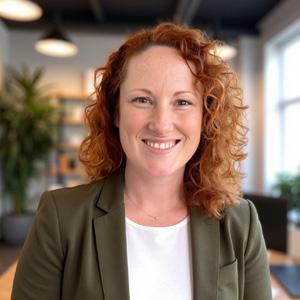
Rebecca (Becky) Wojcik MA, RD, LDN, CYT, is an entrepreneur, Mind-Body Dietitian, professor, and yoga teacher who provides one-on-one client-centered nutrition care in private practice, creates engaging wellness retreats and education programs, and teaches the next generation of nutrition professionals at West Chester University of PA You will find her cooking, hiking, and practicing yoga at her home in Downingtown, PA, in the Philadelphia suburbs
From One-to-One to a Scalable Team: Using Insurance Reimbursement to Fuel Practice Growth
AMY PLANO MS, RD, CDE, CDN REIMBURSEMENT SPECIALIST
Most dietitian entrepreneurs start private practice with a laptop, a dream, and approximately 47 tabs open about how insurance works In the beginning, it feels relatively simple: see clients, help people, get referrals, repeat One-to-one counseling is where most of us build confidence, clinical skill, and momentum But eventually something happens Your calendar fills up Demand keeps growing And eventually, one dietitian simply cannot do it all You can continue operating at full capacity, or you can build a practice that expands beyond what one person can provide
Insurance reimbursement, when understood and implemented correctly, can be one of the most powerful tools for transforming a solo practice into a scalable group model Not because insurance is glamorous (it’s not), but because predictable reimbursement creates something dietitian entrepreneurs love: stability
When revenue becomes more consistent, decision-making becomes clearer Instead of wondering whether you can afford support, you can project what hiring another dietitian actually looks like financially Insurance allows you to build ongoing care relationships rather than constantly selling new programs, supporting both patient progress and steady revenue Predictability changes everything Because, well, we dietitians love control
When reimbursement patterns are relatively stable, practice owners can forecast monthly income with greater confidence That visibility enables smarter investments in team members, administrative support, and systems to improve workflow efficiency Moving from a solo provider to a group practice requires infrastructure, and infrastructure requires reliable revenue Hiring another Registered Dietitian is often the moment you shift from simply having a practice to actually running one
Insurance contracts allow multiple dietitians to provide covered services under a single business entity, increasing appointment availability and improving access to care from nutrition experts (Yay!) Translation: more patients can be seen without the founder working evenings, weekends, and questioning
all life choices Delegating patient care also allows the practice owner to step into a clinical leadership role, supervising cases, improving systems, building referral relationships, and developing a long-term strategy, rather than constantly racing between sessions
As practices grow, many dietitian entrepreneurs expand beyond nutritiononly services and begin exploring interdisciplinary models that include nurse practitioners, physician assistants, and therapists Collaborative care environments can improve outcomes by addressing multiple aspects of patient health simultaneously 1 Insurance reimbursement structures often support these team-based models, allowing providers to work together while maintaining compliance with payer requirements
Continuity of care supports both clinical effectiveness and business sustainability
Insurance networks can also function as built-in referral channels Many physicians and healthcare providers rely on payer directories when recommending nutrition services to patients Being listed within these directories increases visibility and credibility without requiring constant marketing efforts � And here is something many clinicians underestimate: as your team grows, so does your referral footprint
More clinicians mean more availability More availability means more patients served More patients served means more referring providers become familiar with your practice
Growth compounds
"In simple terms, when care is accessible, patients are more likely to actually receive it.”
Insurance participation may also improve the client experience by lowering the financial barrier to entry When nutrition counseling is a covered benefit, patients are more likely to schedule visits, follow through with care plans, and attend recommended follow-ups Research supports that lower out-of-pocket costs are associated with increased adherence to treatment recommendations and greater use of preventive services 2 In simple terms, when care is accessible, patients are more likely to actually receive it
For dietitians, this often translates to stronger patient retention, better clinical outcomes, and more consistent scheduling patterns Many chronic conditions, including diabetes, cardiovascular disease, gastrointestinal disorders, and obesity, benefit from ongoing nutritional support 3 Insurance coverage allows practices to structure care plans that include follow-up visits, progress monitoring, and plan adjustments without requiring patients to continuously reinvest money in large out-of-pocket programs
Networking opportunities also expand as practices build relationships with physicians, therapists, physical therapists, and other healthcare providers interested in collaborative care Interdisciplinary partnerships allow providers to coordinate treatment plans, improving patient outcomes and strengthening professional relationships 4 As referral volume increases, schedules become more stable, reducing gaps in clinician calendars and improving operational efficiency
Scaling a nutrition practice does not mean losing the personal connection that makes dietetics meaningful It means creating systems that allow high-quality care to reach more people without relying entirely on the founder’s individual capacity
Strong documentation workflows,

compliance procedures, and billing systems create the consistency needed for multiple clinicians to deliver care within the same standard of practice Structure supports quality
Insurance reimbursement is often framed as an administrative task, but it can also be viewed as a strategic growth lever When reimbursement systems are implemented thoughtfully, dietitian entrepreneurs can expand access to care, create professional opportunities for other clinicians, and reduce the pressure to personally deliver every patient visit Predictable revenue allows practice owners to shift from “How many sessions do I need this month?” to “How do I build a care model that lasts and makes a massive impact?” Boom
With healthcare placing greater emphasis on prevention and chronic disease management, Registered Dietitians are increasingly integral to interdisciplinary care models Integrating insurance
reimbursement into a strategic growth plan allows dietitian entrepreneurs to expand their reach while preserving clinical quality Sustainable growth does not reduce personalization; it strengthens the systems that support it
With the right systems in place, dietitian entrepreneurs can expand their reach, support additional clinicians, and build practices that are both financially sustainable and clinically impactful Or said differently: You do not need to see more patients You need a model that allows more patients to be seen Insurance can help you build that model
REFERENCES:
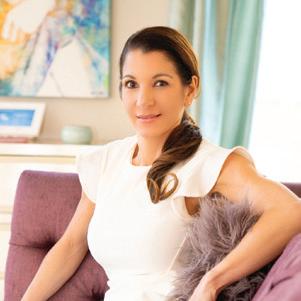
Amy Plano, The Reimbursement Dietitian, RD, MS, CDE, CDN, is a successful private practice dietitian passionate about helping dietitians create a profitable nutrition private practice using an insured-based model Together with her husband, Marc Plano, she runs the profitable, The Plano Program, a health and wellness-based center in Orange, CT Through her coaching programs, online resources, and seminars, she teaches dietitians exactly how to use health insurance to make money in their nutrition practices
Designing a Seamless Client Journey
SARAH WHIPKEY RDN/LD CHAIR-ELECT
In a profession that often emphasizes client acquisition, retention can be an overlooked piece of sustainable success For dietitians, especially those in entrepreneurial spaces, a seamless client experience supports better outcomes and builds trust, consistency, and long-term growth
When we think about the “client journey,” it can be easy to focus on systems that attract: marketing, intake forms, scheduling platforms, and billing processes This was certainly a big focus for me when starting my private practice in 2021 I now work within a larger company where those elements are out of my control However, I (and we) still shape the most meaningful parts of the experience for clients
Their journey is not just operational, but relational
From the first session onward, clients are asking themselves: What is this going to be like? Is this helping me? Do I want to keep going? How we answer those questions plays a major role in whether they return It’s essential we establish structure, communication, and connection from the beginning
During an initial assessment, it can be tempting to gather as much information as possible, but an overly dense or unstructured session can leave clients feeling overwhelmed or unsure of what
comes next A better approach balances assessment with clarity Clients should leave understanding not only what was discussed, but what they are working toward and what the next step is I do this by following a self-made script timed to appointment length (an hour) I give a brief overview of what the session will look like and why, as well as introduce myself and my style of counseling, and assign homework/goals
Between sessions, additional communication matters more than we might expect Whether it’s a brief follow-up message, a recap of goals, or simplified action steps, these moments reinforce that the client is supported beyond the session itself Consistency here helps build momentum and keeps nutrition care from feeling like a one-hour, once-a-week (or -month) interaction
As care continues, continuity becomes key Referencing previous conversations, highlighting progress, and adjusting recommendations based on real-life feedback all contribute to a more cohesive experience Without this, sessions can feel repetitive or disconnected, which is a common reason clients quietly disengage With dozens of clients, it can be challenging to balance this I’ve found it best to keep casual notes with personal anecdotes about clients that I continually update Remembering small details really establishes deep rapport
In many cases, breakdowns in the client journey are subtle Clients may not
articulate why they stop scheduling, but common themes include lack of clarity, too much information, or not knowing what they are working toward Focusing on one to three actionable goals, consistently outlining next steps, and normalizing the ups and downs of behavior change can significantly improve retention
Ultimately, creating a seamless client journey is less about controlling every step and more about being intentional within the steps we do control It’s about aligning how we show up with what clients need: clarity, consistency, and support
Make time to reflect on your current retention systems and assess if there are ways you can improve client communication and support Even small adjustments in how we guide the client journey can have a lasting impact
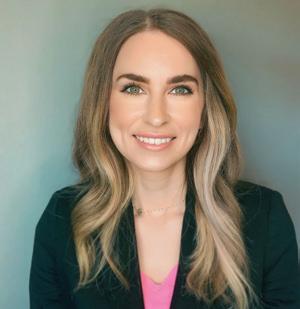
Sarah Whipkey, RDN/LD, is the owner of The Plant Potential, a private practice focused on her passion: whole food plant-based nutrition She resides in Fort Collins, Colorado, where she loves to play outside - hiking, biking, going to farmers’ markets and gardening She also loves art and design and recently bought a house she's looking forward to renovating over the upcoming years
Legislation Updates
JESSICA OSWALD MS, RD, LD POLICY & ADVOCACY LEADER
ACT NAME
Treat and Reduce Obesity Act (TROA) of 2025
Diabetes Self-Management Training (DSMT) Act
Child Nutrition Reauthorization (CNR)
Medical Nutrition Therapy (MNT) Act
Nutrition Comprehensive Access to Resources and Education (CARE) Act
KEY POINTS
� Expands Medicare coverage for obesity treatment
� Includes FDA-approved antiobesity medications
� Allows more providers to deliver behavioral therapy
� Expands access to DSMT under Medicare
� Reduces barriers to participation
� Supports telehealth services
� Governs school meals, WIC, SNAP-related programs
� Focus on nutrition standards and access
� Expands Medicare coverage for MNT
� Adds more qualifying conditions
� Increases access to dietitians
� Expands MNT access
� Focus on preventive care and cost savings
� Integrates dietitians into care teams
STATUS
Reintroduced multiple times; not yet enacted
Pending in Congress
Overdue for full reauthorization
Reintroduced; not passed
Under consideration

Youth: Our Change Agents for a Sustainable Future
ANDREA MASSOP RAMOS
MCN, NE IDEA LIAISON
As we enter upon this season of spring, I often reflect on new beginnings, growth, fresh ideas, and sustainability. I think back to when I started my business which was built around empowering youth, building up their confidence and guiding them to achieving autonomy and independence
My primary goal was to help them achieve a sustainable lifestyle and build long-term, self-sustaining growth One of the greatest rewards as an educator or a parent is to experience a youth discovering something new and feeling confident and accomplished
When I started my business, my goal was to teach nutrition education to youth, and thus equip them to teach their parents all about living a healthy lifestyle As the saying goes, “Each one, teach one ” As I developed the “how” I realized this had to be all about the children; what they liked to do, what makes them happy, and how to get the information to stick with them It’s all about them taking action and accountability on their own sustainable journey
I took these five life skills into consideration to attain sustainable outcomes in growth and success
1 Inclusion - My goal was to have children work together as a team and learn about each others’ preferences, and their cultures while preparing a meal The families would be included in this experience by the excited youth sharing their experience at home
2 Sustainable Health – The youth will learn the methods from seeds to fresh growth, from harvesting to the plate They will feel a sense of accomplishment when they can present the fruits of their labor displayed on a platter Their confidence is built by preparing and cooking meals and believing in their ability to succeed As they make mistakes while cooking and having to do it over again, they will see that failure is a part of progress They will eventually guide themselves and feel more responsible for maintaining their own health They will develop the skills, mindset, and self-awareness needed to continue succeeding long after instruction is over They are challenged to reflect on what worked versus what didn’t work They will be guided to set goals and accomplish them They are gradually moved from dependence to independence
3 Time Management - Participating in competitions like Master Chef exposes them to practice time management, resilience (as we know everyone can’t be the winner), and having great sportsmanship The youth will grow to authentically be happy for the winner and congratulate the person, as well as walk away knowing they can achieve the same accomplishments another time
4 Empowerment - We will strive to teach the youth how to recognize and acknowledge the little victories Little wins eventually turn into bigger wins A safe space is created built on trusting each other As they work together and “high five” each others’ accomplishments,
they learn to see the good in others and themselves � They are building on a mindset that will be transferable in every facet of their lives In the end, it’s not only the youth that is being built up, it’s their families and ecosystem around them
5 Values and Purpose - We must make sure their beliefs and success are aligned with values and purpose We need to discover what the child cares about, what motivates them, and what kind of life they want to build for themselves If success isn’t meaningful to the youth, it won’t last
THE BOTTOM LINE IS:
“Nurturing sustainable success” to work with youth is to help young people build long-term, self-sustaining growth—not just achieving short-term wins (like grades, awards, or behavior compliance) but developing the internal capacity and environment to thrive over time
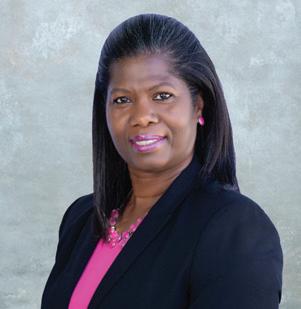
Andrea Massop Ramos, MCN, founder
CEO
and
of Healthy
FRIENDZ
Nutrition LLC, when not working, can be found traveling abroad, gardening,boxing, playing tennis or salsa dancing Special family time is spent with her five grandchildren and her two children

10 Transferable Skills RDs Can Use to Discover Their Ideal Side Hustle or Niche
GLORIA DAVIS BROWNING MEd, RDN, SNS INCOMING MAGAZINE EDITOR
Registered dietitians often underestimate just how entrepreneurial their training already is While many of us went into our nutrition studies knowing exactly where we wanted to end up, many of us also changed our minds, having discovered hidden talents or areas of the vast world of nutrition where we excelled Beyond MNT, counseling, and clinical expertise, RDs develop a set of highly marketable, transferable skills that can translate directly into profitable specializations or side hustles Whether you’re looking to earn $1–10k per month, build a flexible passion project, land a job with a specific company, or grow a fullblown business, these skills can guide you toward the niche that fits you best
Check out these 10 RD superpowers and the niche ideas they unlock
1 CREATIVITY
Digital Products & Content Creation
Dietitians constantly transform complex science into accessible and engaging messages If you love creating beautiful visuals, clever explanations, or practical tools, lean toward:
� E-books, guides, templates
� Meal plans and recipe packs
� Canva templates for other RDs
� Digital courses or webinars
� LinkedIn infographics, IG Reels, and TikTok educational content
Best for: RDs who enjoy designing, writing, or teaching
Job titles: Nutrition Content Strategist, Health Education Product Developer, Wellness Brand Content Creator
2 METICULOUSNESS
Data & Nutrition Informatics
You’re trained to catch details that others miss—charting, patterns, lab changes, outcomes If precision is your strength:
� Data analysis for wellness companies
� Freelance nutrition informatics work
� KPI (key performance indicator) dashboard assistance for practices
� Menu analysis or labeling compliance consulting
� Clinical outcomes reporting for private practices
Best for: Slow-but-steady, accuracyfocused RDs who love spreadsheets or systems
�
Job titles: Nutrition Informatics Specialist, Clinical Data Analyst (Nutrition Focus), Menu & Labeling Compliance Consultant
3 PROBLEM-SOLVING
Meal Planning, Systems Design & Workflow Consulting
RDs solve problems all day long—barriers to intake, access, tolerance, kitchen logistics Monetize that skill by designing:
� Done-for-you meal plans or pantry/meal systems
� Family meal prep subscriptions
� SOP (standard operating procedure) creation for private practices
� Workflow mapping for clinics or integrative practitioners
Best for: RDs who love optimizing or “fixing” things
Job titles: Nutrition Operations Consultant, Foodservice Systems Specialist, Practice Workflow Consultant (Healthcare/Nutrition)
4 COUNSELING & BEHAVIOR CHANGE
Coaching-Based Side Hustles
Motivational interviewing is a business skill as well as a clinical staple If you’re great at helping people talk through goals:
� Fertility nutrition coaching
� Intuitive eating or mindful eating coaching
� Body image group facilitation
� Virtual postpartum support programs
� Corporate wellness coaching
Best for: Empathetic RDs who thrive in conversation and connection
Job titles: Fertility or Reproductive Health Dietitian, Behavioral Nutrition Coach, Corporate Wellness Dietitian
5 TEACHING & EDUCATION
CPE Provider or Corporate Trainer
RDs are educators by training and necessity It’s a vital component of our approach to foster lasting systemic and individual behavior change Turn that into:
� Hosting webinars or workshops
� Creating CPE courses for RDs or MDs
� Workplace lunch-and-learns
� University adjunct teaching
� Community classes (in person or virtual)
Best for: RDs who love presenting or building curricula
Job Titles: Nutrition Educator (Academic or Community), Corporate Wellness Trainer, Continuing Education (CPE) Provider for Health Professionals
6 WRITING & COMMUNICATION
Freelance Health Writing
If you’re a strong communicator and enjoy crafting clear messages, explore:
� SEO (search engine optimization) blog writing
� Email newsletter writing for brands
� Health journalism
� Ghostwriting for practitioners or supplement companies
� Grant writing
Best for: RDs who enjoy quiet, focused, and flexible work
Job Titles: Freelance Health Writer, Medical Nutrition Copywriter, Nutrition Communications Specialist
7 RESEARCH & EVIDENCE
APPRAISAL
Brand Consulting
RDs know how to evaluate, organize, distill, and simplify evidence (a skill brands will pay for) Try:
� Product claims review
� Ingredient sourcing evaluation
� Scientific advisory roles
� Research translation for consumer-facing materials
Best for: Science-minded RDs who enjoy reading studies
Job titles: Scientific Affairs Advisor (Nutrition), Nutrition Research Consultant, Regulatory & Claims Review Specialist
8 ORGANIZATION & AESTHETICS
Pantry Audits & Kitchen Overhauls
Perfect for RDs who love home organization or interior design vibes Why not look into:
� Pantry/kitchen audits (virtual or in-home)
� Kitchen efficiency + meal flow redesign
� Grocery store tours + shopping list systems
� Subscription restocking services
� Grocery/market consulting
Best for: RDs with an eye for aesthetics and systems
Job titles: Kitchen & Pantry Optimization Consultant, Home Nutrition Environment Specialist, Grocery & Meal Planning Systems Consultant
9 PUBLIC SPEAKING
Media Work & Brand Partnerships
If you enjoy being on camera and sharing your evidence-based expertise with the world:
� TV segments
� Local news nutrition commentary
� Brand spokesperson work
� Sponsored videos or demos
� Podcast guest
Best fo r: Outgoing RDs who can simplify ideas quickly�
Job titles: Media Dietitian, Nutrition Spokesperson (Brand or Organization), Public Health Communications Specialist
CULINARY SKILLS
Meal Kits, Meal Prep, & Recipe Development
Many RDs also have some culinary background or at least a passion for food � Turn it into:
� Meal prep business
� Nutrition-focused meal kits or snack kits
� Cookbook creation
� Recipe development for brands
� Private chef services with a wellbeing edge
Best for: Food-loving RDs (bonus: chefs/ NDTRs/RDs with culinary degrees)
Job titles: Recipe Development Dietitian, Culinary Nutrition Consultant, Food Product Development Specialist
HOW TO USE THIS GUIDE
Ask yourself these questions to hone in on
Taking the Shame Out of GLP-1s
HALEY JENSEN MS, RDN GUEST AUTHOR
The good news is that it is more well-known than ever that shame is not good for health, wellbeing, or accomplishing goals The bad news is that shame is still a weapon yielded against those in bigger bodies This venomous sensation has taken on a new form with the widespread use of GLP-1s Shame is coming from all directions There are those who say fat people choose to be fat if they are not choosing to go on the GLP-1 Others say that those on a GLP-1 are cheating their way to good health That they are taking the easy way out There is internalized fatphobia and extreme sensations of shame if someone takes the GLP-1 and does not see weight loss Unfortunately, there is even shame from the eating-disorder professional community who vilify this medication saying that it is increasing weight stigma and promoting malnourishment
If you have used YouTube, Hulu, Peacock, Instagram, or any other form of digital entertainment that includes commercials, odds are that you have been bombarded with ads including words like GLP-1, Ozempic, Semaglutide, injections, shots, pills, and Mounjaro
Not so long ago, I was in college studying to be a dietitian and my roommate asked me if I had heard about the “diabetes drug all the celebrities are stealing in Hollywood to lose weight ” I hadn’t heard of it And now I can’t stop hearing about it
After months, if not years, of distancing myself, I finally realized it was time to do a deep dive and learn once and for all what the risks and rewards of this medication are, how it is impacting our culture and how it is impacting our health
In a nutshell:
� Are GLP-1s making our culture just a little bit more fatphobic? I would say yes
� Is it reducing body diversity in the media? 100%
� Are those with past, active, and prospective eating disorders easily getting their hands on online compounded GLP-1s? Unfortunately, yes
� Are many people on GLP=1s experiencing a reduction in chronic pain while improving health? Totally
� Are there people on the GLP-1 at an increased risk of malnutrition, gastrointestinal issues, and disordered eating? Absolutely
Even still, it is imperative that we do not shame our clients into taking or avoiding
your untapped potential:
1. What do I naturally gravitate toward?
2. What tasks energize me vs. drain me?
3. Which of these skills do people constantly compliment me on?
4. Which income streams match my available time and lifestyle?
Gloria Davis Browning, MEd, RDN, SNS - As an endo warrior and mother of 2 IVF babies, Gloria has niched down her side hustle private practice, Savor and Soothe, to focus on reproductive nutrition Her main position as the Culinary Dietitian for UC San Diego campus dining allows her to use her culinary degree and school nutrition background daily Puzzles are her favorite pastime; her preferred types are crossword, jigsaw, and logic
the GLP-1 � One of our roles as dietitians is to educate clients on everything entailed in taking a GLP-1 while also respecting their health autonomy A great reference I recommend from Medical Students for Size Inclusivity is the GLP-1 Agonist Medications: Informed Consent Resource
It is no secret that there is open vitriol towards people who are obese online and offline We have a responsibility as human beings and as medical professionals to cultivate a safe and inviting environment to learn We need to lead by example if we are in a supervisory position We need to inform clients and empower them to make their own health decisions Ultimately it is our responsibility to provide nutritionally sound advice that keeps them well nourished and fed, even on the GLP-1
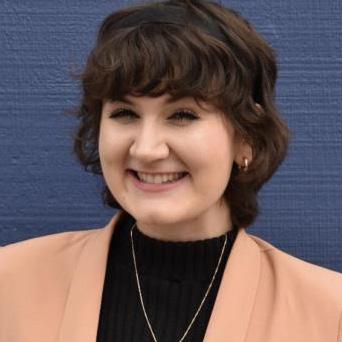
Haley Jensen MS, RDN, is a Registered Dietitian based in Madison, Wisconsin, specializing in eating
disorder recovery, safe GLP-1 use, mental health, and the intersection of nutrition and healthy sexuality
Moving From Preparation to Action: Strategies to Get Unstuck
JENNIFER TEEMS SEAY
MS, RD, LD GUEST AUTHOR
As entrepreneurs, often we have ideas bouncing around in our heads we don’t have time—or energy—to act on Every once in a while, though, one of those ideas sticks
A few years ago, I had the seed of an idea: to bring together the talented clinicians and chefs I’ve worked with over the years and build a worksite-wellness consulting business It felt like a win on multiple levels I could generate opportunities for fellow entrepreneurs to help fill the income gaps that often come with this work, we could support each other in becoming stronger clinicians and educators, and I could diversify my own income
I talked about this idea to a lot of my friends and colleagues I knew it had potential—but I couldn’t generate the momentum to move forward
Then, a friend introduced me to a local program, Start:ME through Emory University here in Atlanta I applied and was accepted
to develop my idea with the help of mentors and fellow entrepreneurs That was just a few months ago While I still have work to do, I now have something I didn’t have before: momentum
I want to share what’s been most helpful, in hopes you could re-create some of this support in your own network and get moving on your great idea, too Here’s what made the difference for me:
TALK ABOUT YOUR IDEAS WITH YOUR GREATEST SUPPORTERS
This is where great ideas get solidified Early on, protect your momentum by sharing with people who are encouraging, see potential, and believe in both you and your idea While there is a time for critical feedback and that is needed too, protect your energy early on as you get going on your idea
SEEK OUT MENTORSHIP (FORMAL OR INFORMAL)
In my case, I matched with three mentors through the program But mentorship doesn’t have to be labeled as such Look for people who have navigated similar

challenges and can offer perspective and accountability My mentors work in AI, green construction, and on an adult soccer league I’ve been surprised by the fact that entrepreneurs across wildly different fields have highly relevant wisdom to share AND help me think outside the box
ADDRESS YOUR BLIND SPOTS STRATEGICALLY
One impactful step I took was hiring my first employee� I tend to get stuck in the details and lose sight of the creative work Bringing on a chef who really thrives in that space created immediate forward movement Identify where you get stuck—and bring in support that complements your strengths
REAL, LIVE, IN-PERSON PITCH PRACTICE
When you practice outlining your idea in a simple way in front of others, something magical happens – your confidence grows! Make some slides or an outline, refine it, and practice saying it out loud to whomever your cheerleaders in your life are: friends, family, neighbors, mentors, etc , then refine it again When it’s time to speak to someone who is a potential customer, you’ll be ready!
GET CLEAR ON THE FINANCIALS
At some point, the numbers matter Putting your idea into a basic financial model forces clarity: Is this viable? What needs to shift? Where are the opportunities? Sustainable businesses sit at the intersection of purpose and profit
Moving from preparation to action isn’t about waiting for the perfect moment—it’s about building the right conditions for momentum Often, that momentum comes from the people you surround yourself with and the structures you put in place
If you’re holding onto an idea that lights you up, consider this your nudge to get moving! You’ve got this!
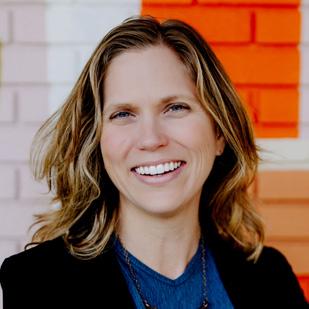
Jennifer Teems
Seay, MS, RD, LD, works in the Atlanta area doing 1:1 client consulting, speaking, cooking demos, and worksite wellness Her special interests include digestive health, culinary nutrition, and interdisciplinary collaboration
Product Review:

Title: You Have Permission: Eat Sugar, Fire Your Doctor, and Rewrite the Rules of Type 1 Diabetes
Author: Madi Cheever, MPH, RD, LDN, CHES
Date: 2025
Publisher: Self-Published
Price: $28 99 on Amazon
REVIEW:
You Have Permission is a book for people who live with or provide care for people with type 1 diabetes Madi starts by sharing her journey from her diabetes diagnosis to the purpose she’s found while living with a chronic health condition
The book is broken down into different sections Part One focuses on the changes that happen after being diagnosed with type 1 It covers topics from emotions you’ll likely experience to reminders that you know your body best, and to pay attention to what it tells you
Part Two’s theme is giving yourself permission to find what works for you when managing diabetes This means you need to question what you’ve learned and unlearn what doesn’t serve you Madi gives a nice explanation for various diabetes “rules” that don’t necessarily apply to every person living with this disease This section is full of powerful reminders, with one of my favorites being that you aren’t “cheating” when you eat cake�
Part Three is all about rewriting your story with diabetes It’s about finding balance between having freedom and control, and how they can work together Finding common ground allows you to live a life where you eat the foods you like while
still dosing your insulin in a strategic way, and create routines that leave room for spontaneity
Part Four dives further in Madi’s story, giving the reader the opportunity to further identify with her and feel understood She shares inspiring anecdotes, from how she went from simply surviving to thriving with diabetes She reminds the reader that struggling through something isn’t always a bad thing, and ends on a high note: let yourself shine, diabetes and all Don’t let this disease keep you from living a full life
Part Five is the last section of the book It covers ways to take diabetes management into your control This part is broken down nicely into different aspects of diabetes care: blood sugar and the many factors that impact it, nutrition tips and tricks (including carb counts of common foods) and exercise, including how to handle blood sugar and insulin before, during and after working out
Overall, You Have Permission is a great guide on how to live a full, happy life with type 1 diabetes Its friendly tone makes you feel as if you’re having a conversation with Madi, not being yelled at by some health guru I highly recommend this book for anyone living with or caring for someone who has type 1 diabetes
Reviewer: Kourtney Johnson, RD, LD

6301 Snidercrest Rd
Mason, OH 45040
WEDNESDAY, MAY 13, 2026
NOON ET
Mastermind
Upcoming Events
THURSDAY, JUNE 25, 2026 7:00 PM ET
Webinar
Rhythms,
THURSDAY, JULY 16, 2026 NOON ET
Webinar
Building Unbreakable Bonds: The Relationship Strategy That Grows Your Nutrition Business Speaker: Emily Greene