
TrustBarTuesdays
A Social Cocktail Experiment
A Simmons-Inspired Passion Project by Mitali Syal
Here’stheContext
This started as a research question and slowly turned into a theory about why we don’t leave the house unless the experience is worth getting dressed for. Alcohol isn’t enough anymore. Participation is. Stakes are. Stories are.
Somewhere between Netflix, Deliveroo, Discord servers, and six hours of TikTok nightlife content, the night out stopped being default and started needing justification. For our generation, the risk-to-fun ratio matters. Tuesday needs more than cheap drinks it needs a narrative.
Pine & Gilmore’s original Experience Economy thesis (1999) argued that value increases as consumers shift from passive recipients to active participants in the experience. Their revised 2020 edition reframes this competition: consumers no longer choose between venues, but between uses of time, attention, and discretionary money. In that logic, Heineken wasn’t just selling beer — it was selling an experience that justified time, attention, and community all at once.
Though nightlife has long been treated as service infrastructure, this project argues for nightlife as participatory culture where value is generated through agency, novelty, and social co-creation. Trust Bar Tuesdays is proposed as a micro-format for an era where bars must compete with sofas, screens, and low-friction leisure; posed as a microformat for an era where bars must compete with sofas, screens, and lowfriction leisure.
So this zine asks a simple but serious question:
What makes an experience worth leaving the house for?
My answer: give people agency, not just options. Let them shape the night instead of consuming it. Trust them, and they’ll write the story themselves.
This project is part case study, part micro-manifesto, part pitch. A study about participation and trust disguised as a bar concept. A reminder that even Tuesdays deserve lore — because lore is what makes experiences stick, and stickiness is what makes them worth repeating.
p.1—THETUESDAYPROBLEM
Tuesday is the underdog of London nightlife. Fridays are inevitable, Saturdays are ritual, but Tuesdays require persuasion. Hospitality data confirms it: midweek footfall in UK bars declined by ~18% post- pandemic, driven by cost-of-living constraints and the rise of “ athome socialising” among 21–35 year olds.
Gen Z doesn’t “just go for drinks. ” They prefer micro-events: escape rooms, drag brunches, themed dinners, bowling leagues, pottery classes.
If nightlife were a TV show, Tuesdays are the filler episodes — easily skipped unless they offer plot development.
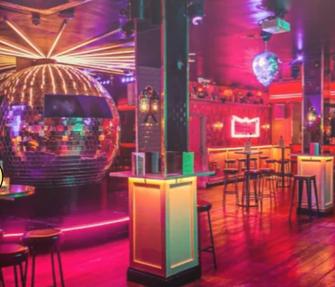
The real competition for bars isn’t other bars; it’s sofas, Deliveroo, Netflix, and group chats coordinating nothing at all.
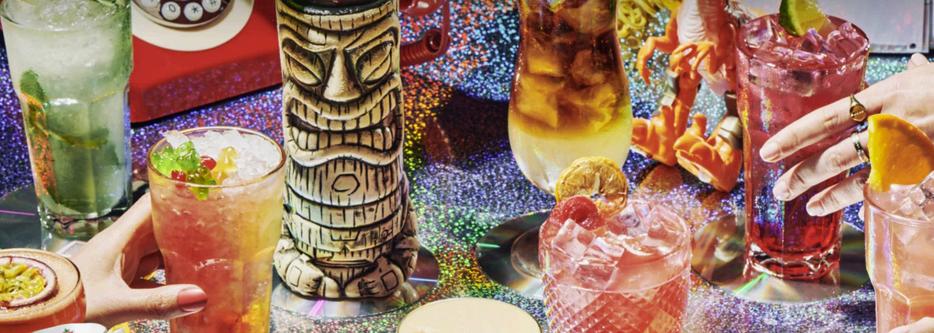
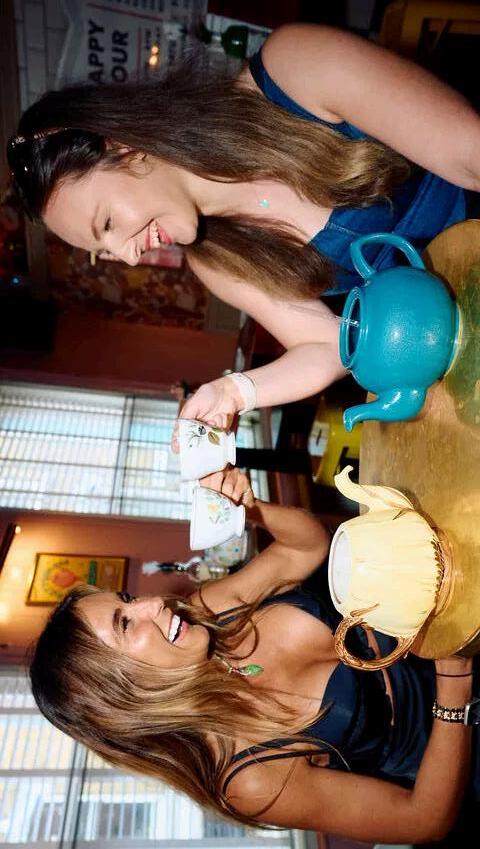
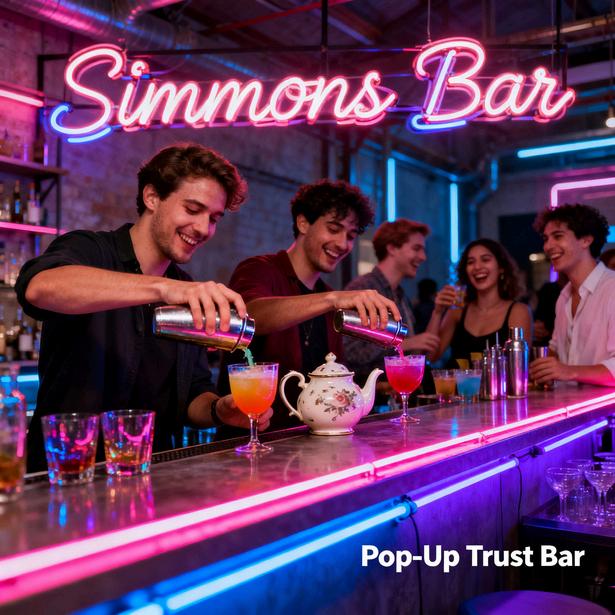
Simmons already owns kitschy midweek charm through Teapot Tuesdays — neon lights, playful cocktails, and a cult following that behaves more like fandom than clientele. But even successful rituals plateau if not refreshed.
As of 2024, 80% of hospitality revenue is driven by repeat customers, but only 32% of customers feel venues give them reasons to return midweek.
That gap is where opportunity hides.
Simmons has what most bars struggle to build:
Recognizable ritual (teapots) Venue personality (neon kitsch) Affordable pricing Young audience fit TikTok-friendly visual identity
What it lacks is a new reason to leave the house on a Tuesday.
p.3—THECONCEPT:TRUSTBAR
TUESDAYS
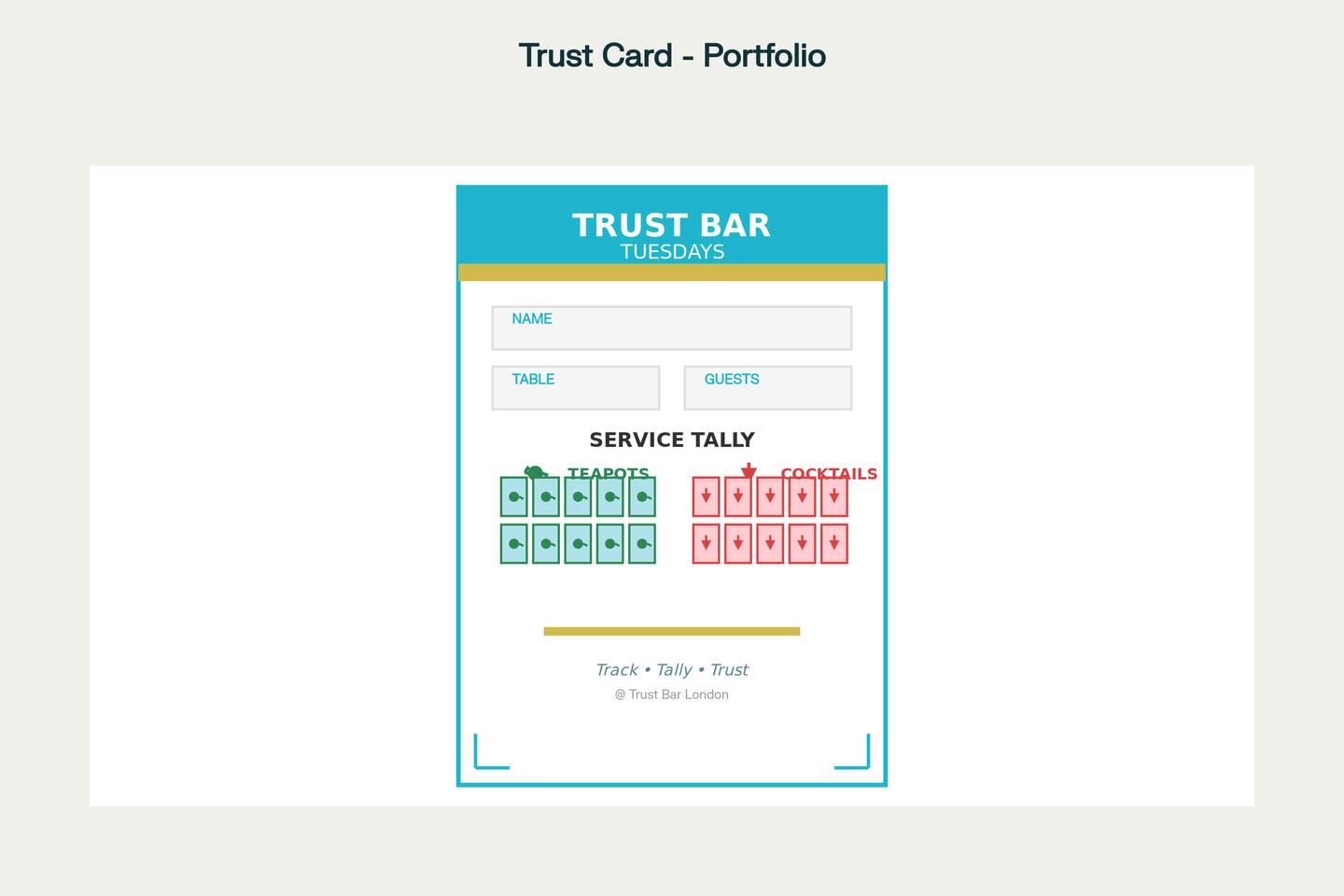
Trust Bar Tuesdays transforms Simmons into a one-night social experiment: guests pre-book, mix their own cocktails using provided recipes, track consumption via “Trust Cards, ” and pay at the end based on honesty.
It sits somewhere between Heineken’s Trust Bar campaign and the pay-what-you-feel model popularized by honesty cafes. But unlike those, this format leans into nightlife’s competitive instincts. Groups compare pours. TikToks get filmed. Stories get told the next day.
It turns Tuesday from “midweek drink” to participatory nightlife — the adult successor to societies, class trips, and themed events that shaped Gen Z sociality.
Heineken’s Trust Bars campaign transformed traditional bar service by handing control to consumers themselves — allowing fans to access self-serve beer and snacks through self-payment terminals without bartenders present, especially during early morning UEFA Champions League matches in Seoul when bars would otherwise be closed. This move was premised on leveraging local cultural norms of trust and self-serve behaviour to create a shared social experience that extended beyond conventional drinking occasions.
p.4—WHYITWORKS
Specific: Launch Trust Bar Tuesdays in 3 flagship London venues by Q1 2026.
Measurable: Achieve a 15% increase in Tuesday footfall versus Teapot Tuesdays baseline within 6 months.
Achievable: Use marketing budget to drive pre-booking and social media engagement.
Relevant: Aligns with Simmons’ brand positioning as a fun, social, and innovative bar chain in London.
Time-bound: Full campaign rollout and impact analysis by 30 June 2026.
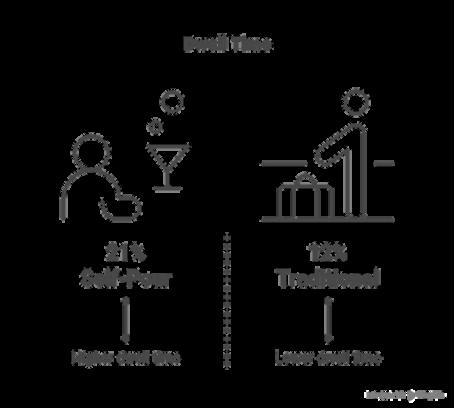
Bookings reduce operational uncertainty. Even a £5 redeemable deposit stabilises midweek forecasting. Self-pour experiments in UK venues showed 12–21% higher dwell time and greater group ordering behaviour (BrewDog Case, 2023).
Experiential dining has grown 4–7% YoY since 2021 among 21–32 year olds (CGALondon, 2024), with participants reporting “participation” as a primary value driver, not alcohol. This campaign brings fresh energy, community engagement, and social buzz to midweek footfall.
KPIs for Simmons could include:
✔ +15–20% Tuesday footfall ✔ increased bookings vs walk-ins
✔ +8–12% avg. spend per head ✔ tourism/PR value (earned media)
✔ 2.0–3.0x social sharing lift
Tuesday has weak default justification in all three variables, which is why participation formats outperform basic drink service.
p.5—CULTURALFIT+EVIDENCE
The core commonality between Trust Bar Tuesdays and Heineken’s Trust Bars campaign is the shift from transactional service to co-created experience.
By situating trust not as a backdrop but as a mechanism of experience, both concepts respond to Pine & Gilmore’s central insight: experiences are not given to consumers — they are enacted with them.
This makes Trust Bar Tuesdays not just conceptually similar to Trust Bars, but a strategic analog in a different cultural and commercial context.
This concept also fits nightlife’s cultural moment. Post-COVID consumers reward venues that blur lines between social play, ritual, and performance. Consider the success of:
�� Drag Brunch → performance dining
�� Shuffleboard Bars → competitive casual
�� Escape Rooms → narrative participation
�� Boardgame Cafés → structured socialising
�� Death of the High Street → rise of “experiences” over products
TikTok confirms this shift: static bar content underperforms, while “I tried ___ with my friends” formats explode. In pop culture terms: nightlife has become choose-your-own-adventure, not background setting. Even HBO sells shows by experience now (The Idol parties, Euphoria-themed nights). The logic scaled.
p.6—SOURCES+ABOUT
Nighttime Industries Association
CGALondon, UK Night Economy Report (2024)
ONS, Consumer Leisure Spending (2023–2024)
KAM Hospitality Insights (2023)
BrewDog Self-Pour Case Study (2023)
Statista, On-Trade Behaviour (2024)
Heineken, Trust Bar Activation Report (2023)
TikTok, Nightlife Vertical Performance Trends (2024)
Pop Culture Touchpoints
TikTok — micro-event culture
Simmons Bar website: photo credits
Who Made This?
Hi, I’m Mitali — I’m interested in how people shop, gather, and perform identity in everyday spaces. I have a background in fashion marketing, branding, and research, and I like thinking about participation, culture, and experience design. This zine is part strategy, part curiosity, part research project.
Find me / collaborate / say hi:
Email: officialmsyal@gmail.com
Instagram: @skadoooshh ___
LinkedIn: Mitali Syal