soybean farmer
The ImPACt
p. 14
Missouri Must Support the Next Gen
p. 20
June 2026
A HOME-GROWN LEGACY
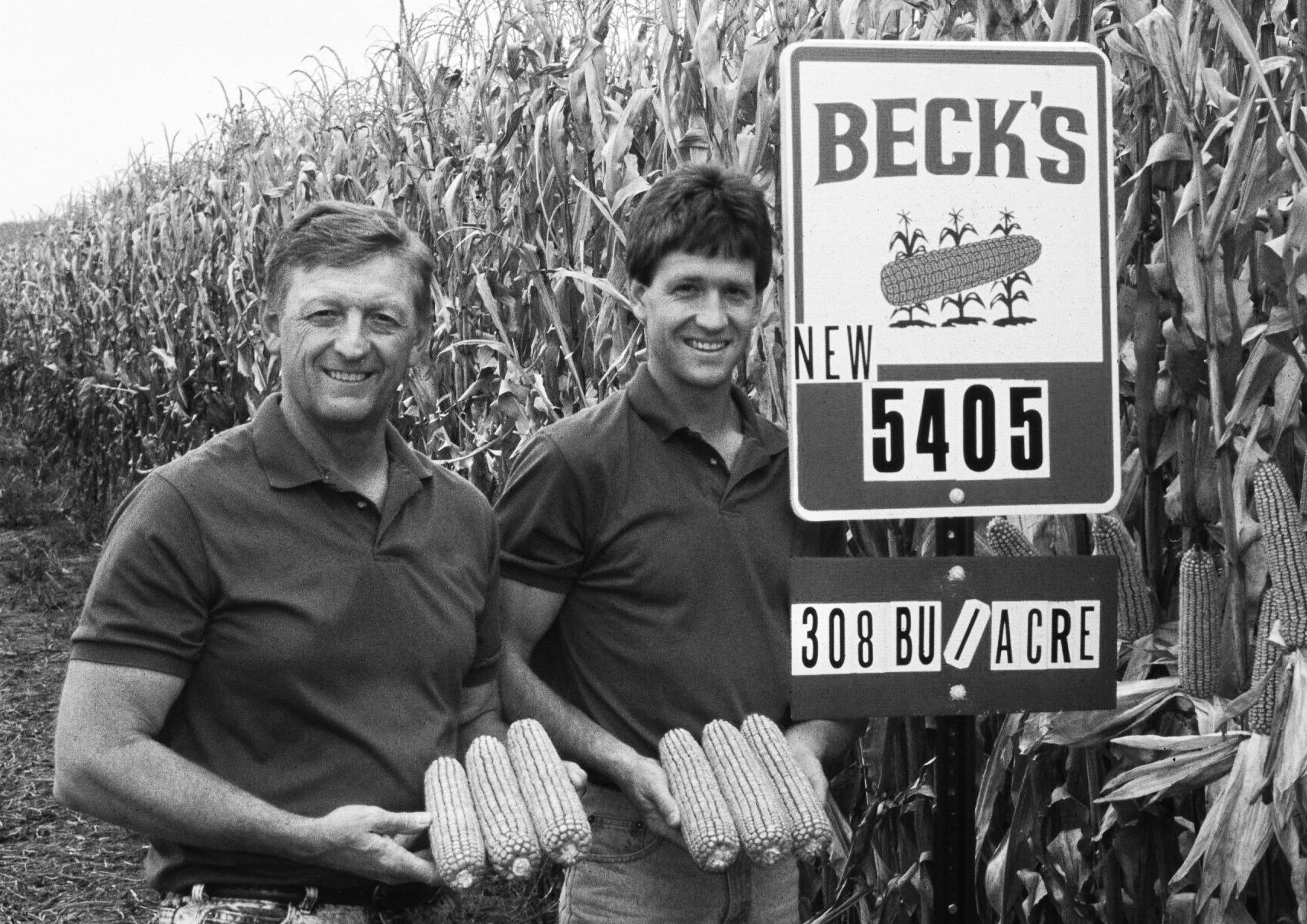
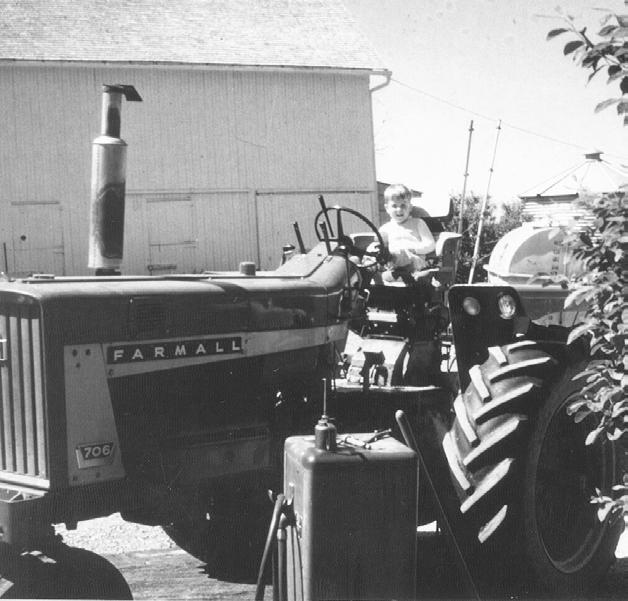
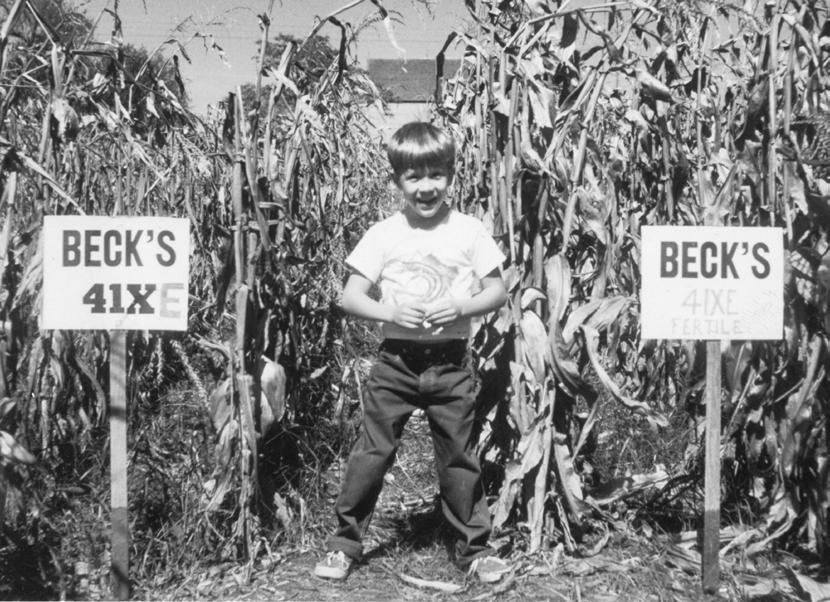
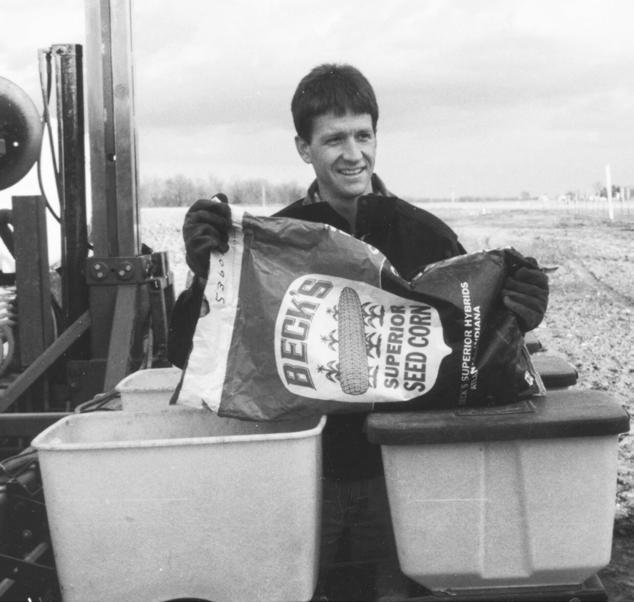
A legacy of faith. A tradition of farming. A future rooted in both.
SOYBEAN FARMER Staff Contacts
CEO/Executive Director
Casey Wasser cwasser@mosoy.org
Chief Financial & Information Officer
Kim Hill khill@mosoy.org
Director of Communications & Marketing
Samantha Turner sturner@mosoy.org
Marketing Communications Manager
Ryan Siegel rsiegel@mosoy.org
Comms & Outreach Coordinator Devyn Keller dkeller@mosoy.org
Director of Market Development
Matt Amick mamick@mosoy.org
Sr. Director of Research & Agronomy
Blake Barlow bbarlow@mosoy.org
Director of Conservation & Farm Innovation Clayton Light clight@mosoy.org
Assoc. Dir. of Conservation Agronomy
Brady Lichtenberg blichtenberg@mosoy.org
Director of Operations & Engagement Baylee Asbury basbury@mosoy.org
Grower Engagement Manager
Dylan Anderson danderson@mosoy.org
Director of Policy Ben Travlos btravlos@mosoy.org
Assoc. Dir. of Policy & Market Development Carley Esser-McLean cessermclean@mosoy.org
Finance Manager
Stephanie Rackers srackers@mosoy.org
Senior Executive Specialist
Mary Kever mkever@mosoy.org
Office Manager
Amber Meyer ameyer@mosoy.org
Contract Compliance Manager
Faith Smith fsmith@mosoy.org 14
The MO SoyPAC ensures Missouri soybean farmers have a voice when decisions are made.
20
A look at Missouri’s Beginning Farmer Tax Deduction program and how lawmakers hope to ease generational farm transitions through targeted tax policy and land access incentives.

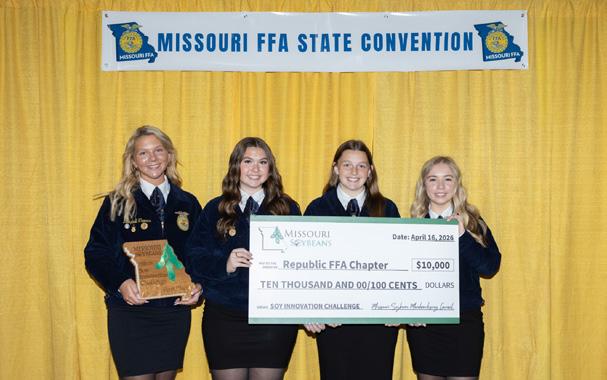
Missouri Soybeans supported the next generation of agriculture through student innovation, leadership and proficiency awards at the 98th Missouri State FFA Convention. 28
On The Cover...
From The Field
Notes from Missouri Soybeans’ Leadership Team
Renee Fordyce Mark Lehenbauer

President's Letter Chairman's Letter
Iknowyou will enjoy this edition of the magazine as it highlights the next generation of producers, researchers and agricultural advocates. While I was unable to attend this year’s FFA Convention, I have no doubt the energy was high and that many young people left inspired about the future of agriculture.
Let us all commit to supporting and encouraging these students to stay the course. Like any career, agriculture will bring both highs and lows, but the opportunities ahead remain strong. I hope many FFA members read this edition, as it includes valuable information about beginning farmer programs and resources that can help guide their next steps.
As my tenure as president comes to a close, I want to emphasize how important your membership in the Missouri Soybean Association truly is. Together, we amplify the voices of soybean growers across the state and ensure our concerns and priorities are heard in Jefferson City and Washington, D.C. Your continued support, including contributions to the Missouri Soybeans Political Action Committee, helps strengthen our advocacy efforts, defend agriculture and advance policies that benefit Missouri farmers.
Now more than ever, I encourage each of you to stay engaged at the grassroots level. Reach out to your elected officials, participate in local meetings and encourage fellow growers to join our efforts. The strength of our association lies in the commitment and involvement of its members.
It has been an honor to serve as your president for the past two years. Our organization is in very capable hands, and I look forward to seeing the great things ahead for Missouri Soybeans.
Remember to “Rejoice always, pray continually, give thanks in all circumstances; for this is God’s will for you in Christ Jesus.” 1 Thessalonians 5:16-18
God bless,
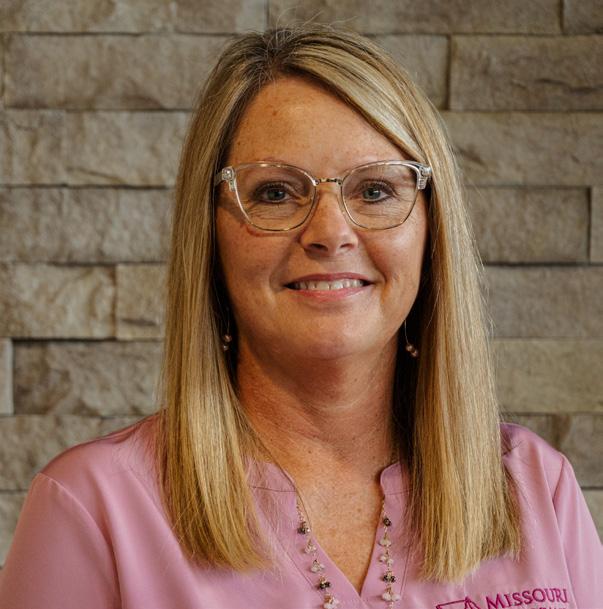
Renee Fordyce
Missouri Soybean Association President
Timeflies, as this will be the past time I am writing my chairman comments. In the last couple of years as your chairman, the MSMC board has moved the needle. These hard-earned successes include the recent acquisition of SOYLEIC by Beck’s, the GmSNAP02 trait discovery and biodiesel expansion. However, there is still work to be done.
The agricultural industry is facing an extremely challenging time, and it is more imperative now that we speak up for what we need. Our top goals are to keep soybean production innovative and to increase demand both domestically and internationally.
At my son's confirmation, he shared a message about faith with our congregation — one I want to share with you. As farmers, we plant with confidence, hoping for the right conditions and a prosperous season. But it struck me that with all the things we rely on data, experience and hard work — there is a large element of faith in what we do every day. We trust in God and the process, even when outcomes are uncertain.
Championing today’s farmers, and the next generation like my son, is a core tenant of the checkoff. Not only are we expanding markets, but we are ensuring prosperity for the future farmers. This is why MSMC plays such a big role in Missouri FFA through proficiency award sponsorships and the Soy Innovation Challenge (SIC).
Education is also a vital part of life on the farm. MSMC is constantly working to educate our farmers on planting data, the latest varieties and market growth. Your checkoff funds research that allows for adaptation of varieties and benefits for farmers statewide.
My last piece of advice is to get involved; sitting on the farm complaining does nothing. However, getting out there speaking to buyers, processors and consumers makes such a difference. It’s the small steps that move us forward.
God bless and thank you for letting me lead the past two years,
Mark Lehenbaeur
Missouri Soybean Merchandising Council Chairman
Letter from the CEO
As summer begins and soybean crops take root across Missouri, many farmers are doing what they have always done this time of year. They are watching the weather, checking stands and managing inputs while hoping the decisions made earlier this spring pay off in the months ahead.
But this season, many producers are also watching something else closely. The policy landscape continues to shape the future of agriculture.
I had the opportunity to co-author an op-ed with Missouri Sen. Kurtis Gregory, whiich appeared on Agri-Pulse and can be read within this issue of the magazine, discussing a U.S. Supreme Court case that could have significant implications for farmers’ access to critical crop-protection tools. While policy debates can sometimes feel distant from the farm gate, this one strikes at the heart of how farmers manage risk and protect their crops.
Tools such as glyphosate have long played an important role in helping farmers control weeds, protect yields and support conservation practices such as no-till farming. These systems help farmers remain productive while also protecting soil health and reducing erosion, something many Missouri farmers have worked hard to achieve over generations.
These conversations are happening at a time when farmers are already facing significant economic pressure. Rising input costs, stagnant commodity prices and global market uncertainty continue to challenge farm profitability. In fact, recent data shows farm bankruptcies have risen sharply in the past year, underscoring the strain many producers are under.
Missouri soybean farmers have always been resilient. They adapt, innovate and work tirelessly to provide. But resilience does not mean farmers should face unnecessary uncertainty, especially when it comes to access to the tools and technologies that make modern agriculture possible.
At Missouri Soybeans, we will continue working alongside farmers, policymakers and industry partners to ensure the voices of soybean producers are heard. The decisions being made today will shape agriculture for decades to come, and it is essential that those decisions are grounded in sound science, practical experience and a clear understanding of what farmers need to succeed.
As we move deeper into the growing season, I wish all of you a safe and productive summer in the field.
Sincerely,
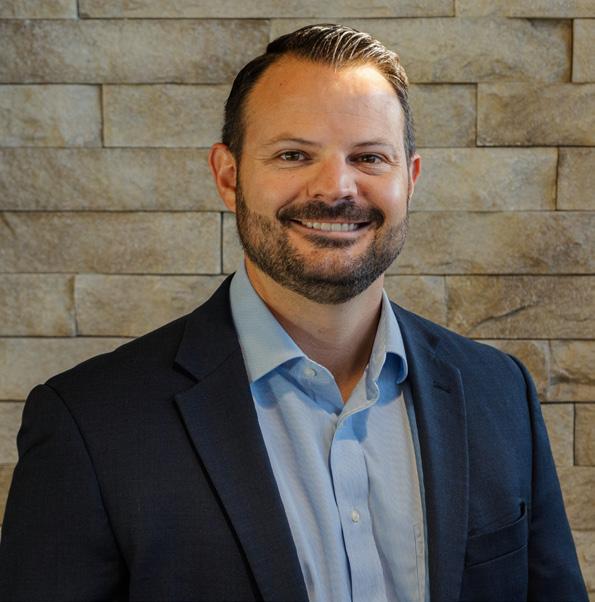
Casey Wasser
CEO & Executive Director Missouri Soybeans
Our Boards
MSA Board Members:
Andrew Lance, Barnard
C. Brooks Hurst, Tarkio
Robert Williams, Richmond
Renee Fordyce, Bethany
Cody Brock, Norborne
Daniel Carpenter, Norborne
Clint Prange, Shelbyville
Matt Wright, Emden
Dane Diehl, Butler
Garrett Riekhof, Higginsville
Russell Wolf, Tipton
Terry Schwoeppe, Labadie
Jason Mayer, Dexter
Wesley Hodges, New Madrid
Tory Meyr, Jackson
Ryan Wilson, Portageville
MSMC Board Members:
Darrell Aldrich, Excelsior Springs
Nathan White, Norborne
Marc Zell, Meadville
Kyle Durham, Norborne
Mark Lehenbauer, Palmyra
Jody Ketsenburg, New London
Brad Arnold, Drexel
Robert Alpers, Prairie Home
Denny Mertz, Chesterfield
Aaron Porter, Dexter
Trent Haggard, Kennett
Justin Rone, Portageville
Kevin Mainord, East Prairie
USB Board Members:
Aaron Porter, Dexter
Tim Gottman, Monroe City
Kyle Durham, Norborne
Robert Alpers, Prairie Home
ASA Board Members:
Renee Fordyce, Bethany
Andrew Lance, Barnard
Matt McCrate, Cape Girardeau
Russell Wolf, Tipton

SOYBEAN POLICY UPDATE

With family in town last night, my wife and I decided to take our son out to dinner. For being but 2 years old, he did exceptionally well exercising his parents’ repeated word of “patience.” We waited patiently for our mac 'n' cheese to arrive, we waited patiently for Aunt Kim to scoop spinach dip onto the chip for us, and we waited patiently for "Dada" to dip chicken wings into our ranch dressing. But exercising “patience” can be hard for anyone, so when it was finally time to return home, Jedidiah took to enthusiastically yelling, “Go home!”
As endearing as it was, the real struggle came when we approached the red stop light. It must be hard to face backward in a car seat and wonder why we are no longer moving forward. “Dada! Go!” I tried to explain why we couldn’t go just yet, only to have to re-explain myself when we stopped at the next red light. And then the next. Thankfully, we kept our cool and did not throw one of our infamous toddler tantrums, and we finally pulled into our driveway and proceeded to call out to the dog, “Harlow!”
Hurry up and wait. Our journey home last night where we would hurry to go through the light that finally turned green, only to wait at the next intersection, reminded me of the state legislative session. Get a bill introduced. Hurry up to get it referred to committee, wait for it to get referred. Hurry up and have a committee hearing, wait for it to be voted out. Hurry up to get it on the floor to debate, wait for it to be passed out of the chamber. And then go through it all over again in the opposing chamber of the state legislature. All the while hoping a wreck does not occur along the way. It can be exhausting to continually hurry up and wait. But it’s the process we have to deal with, and your team at Missouri Soybeans is expert at navigating your agricultural priorities through the state Capitol.
STATE LEGISLATIVE SESSION RECAP
One of the top state legislative priorities for your team this past legislative session was extending the agricultural tax credit programs. Championed by Sen. Kurtis Gregrory and Rep. Dane Diehl, these programs were set to expire soon. But our team was able to work with the legislature and agricultural partners to extend the sunsets out to 2033. Having these programs that incentivize investments in value-added agriculture
to continue driving rural economic development was vital. In extending the programs, we were also able to incorporate a couple technical fixes as well. For example, changing an “and” to an “or” within the legislative language has now enabled off-road diesel to qualify for the biodiesel tax credit program. They say the “devil is in the details,” and thankfully we were able to fix some of those details whilst extending the programs to ensure they stay viable for years to come.
Another priority that made it to the governor’s desk was included in SB 953, championed by Sen. Jason Bean. This legislation aligns state statute with existing state and federal regulations to exempt non-point sources from permitting requirements. Put simply, without this proactive legislation to clarify our state’s water laws, farmers could have been subject to potential litigation and subsequent permitting requirements for routine farming practices such as tilling a field or moving cattle across a creek.
Other state priorities also included expanding the scope of the MO Works program to further bolster rural investment, securing monies for the Soybean Cyst Nematode Laboratory, which should be completed this fall, and more. It was a lot of hurry up and wait, but thankfully we were able to bring many of these priorities home.
FEDERAL UPDATE
On the federal side of things, we are currently living through a true milestone in farm history. Will farmers be able to continue utilizing crop-protection tools, such as glyphosate, or will the government force us to use less effective practices to produce a crop? The U.S. Supreme Court recently heard oral arguments regarding pesticide manufacturers’ “failure to warn” consumers of the dangers in utilizing these tools. We at Missouri Soybeans of course believe the federal law of the land is clear, and we believe the literal mountain of scientific evidence proves the safety of the products when utilized according to label.
Additionally, in late April the U.S. House passed the Farm Bill 2.0. Removed from the

bill was the Agricultural Labeling Uniformity Act, which would have reiterated state laws cannot be more strict or stringent than federal law as it pertains to federal labeling. In both the U.S. Supreme Court and in the halls of Congress, opinions were loudly shared on both sides of the issue. Now, the U.S. Senate Agriculture Committee will review the House version of the bill and likely develop its own version of the legislation. Including the Agricultural Labeling Uniformity Act in the Senate version is probably unlikely due to the political realities of today, unfortunately.
Ultimately, no one knows what the outcome will be. Either farmers will continue to have the freedom to operate, or slowly but surely, we will be forced to resort to increasingly costly farming practices. Make no mistake, these current debates will echo through farm country for decades and generations to come, whatever the outcome.
INTERNATIONAL TRADE
Soybean prices have come up recently in light of President Trump having a sit-down conversation with Chinese President Xi Jinping. Following that meeting, the White House said China agreed to purchase at least $17 billion annually in U.S. agricultural products for the next three years. This was confirmed by news outlets in China. It is our understanding this is in addition to the soybean commitments that were announced last fall. We at Missouri Soybeans applaud these negotiations and efforts to re-secure foreign markets. But as good Missourians from the Show-Me State, as always, we will fully believe it when we see it.
As the state legislative session moves forward, and as Congress continues to work, so will our team here at Missouri Soybeans. With topics such as 45Z, RVO’s, international trade, access to pesticide technologies, favorable tax policies and more, there is a lot that still needs to be illuminated. We will continue to work on these various fronts, ultimately with the goal of ensuring soybean farmers across the state can continue doing what they do best — farm.
FERTILIZER
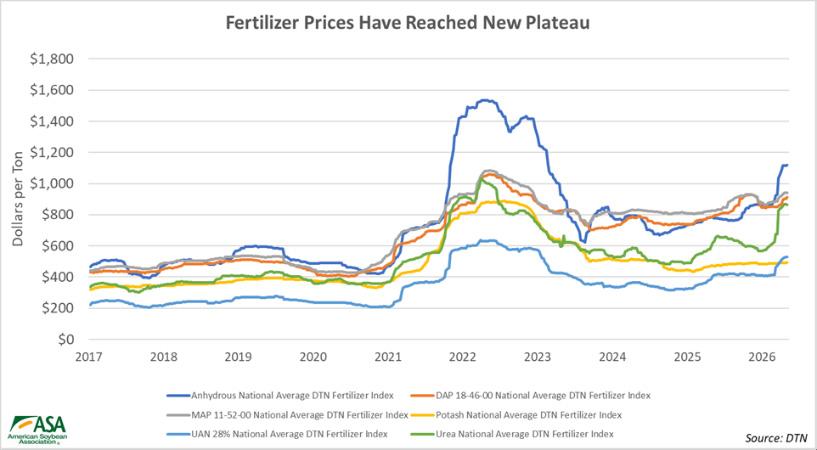
Missouri Soybeans has been at the forefront of calling for attention to the fertilizer industry. Recent years have illustrated the fickle and fragile nature of fertilizer prices. There are potentially many reasons as to why fertilizer prices fluctuate as much as they do. Consolidation of industry is a top concern stated by the federal administration. Questions and scrutiny about industry consolidation, international trade dynamics and more must continue, but simultaneously we as a nation need to be looking at ways to become less reliant on foreign-produced fertilizer and how to gain economic efficiencies domestically. With this in mind, we at Missouri Soybeans have been working alongside USDA Secretary Brooke Rollins and her team in calling for increasing domestic fertilizer production and her efforts to work across federal agencies to address supply challenges facing farmers. We have submitted a letter to the U.S. Army Corps of Engineers and been in constant conversation with federal agencies to strengthen our domestic capacity to hopefully improve long-term reliability for farmers. We look forward to continuing to help find meaningful solutions to real-world problems facing our farmer-members.
WANT TO KNOW MORE?
MSA federal and state PAC contributors gain access to an exclusive newsletter for updates during the state legislative session on policy and regulatory movement in Jefferson City and anywhere Missouri soybean farmers stand to be affected. The newsletter also provides more details on Missouri elections and the role MSA and you can play to impact the outcomes. Visit MoSoy.org or scan our QR code for more details.

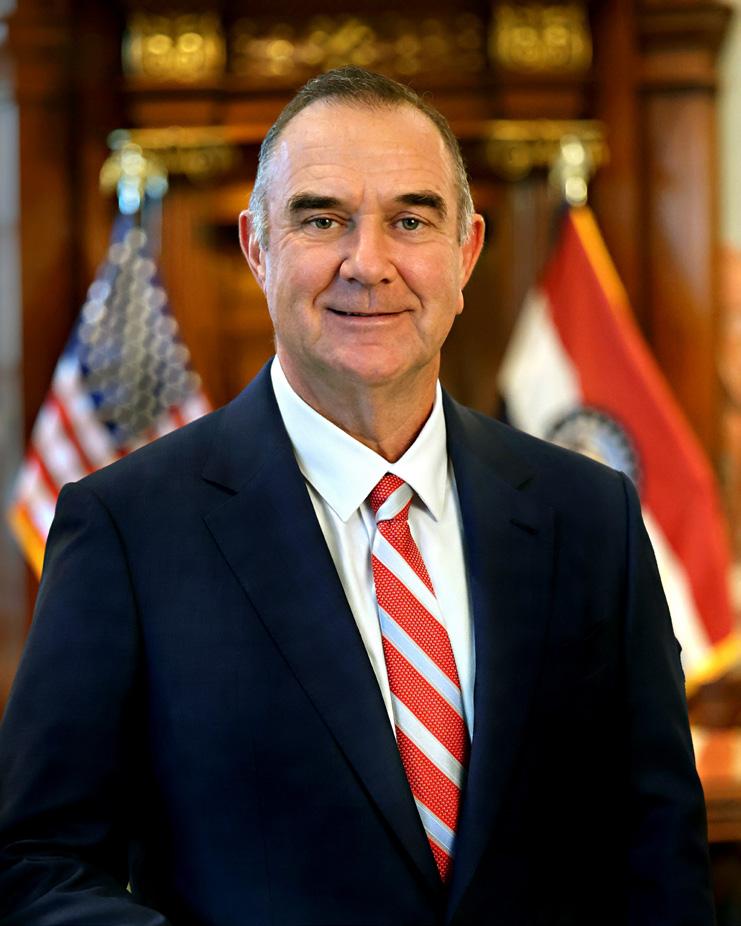
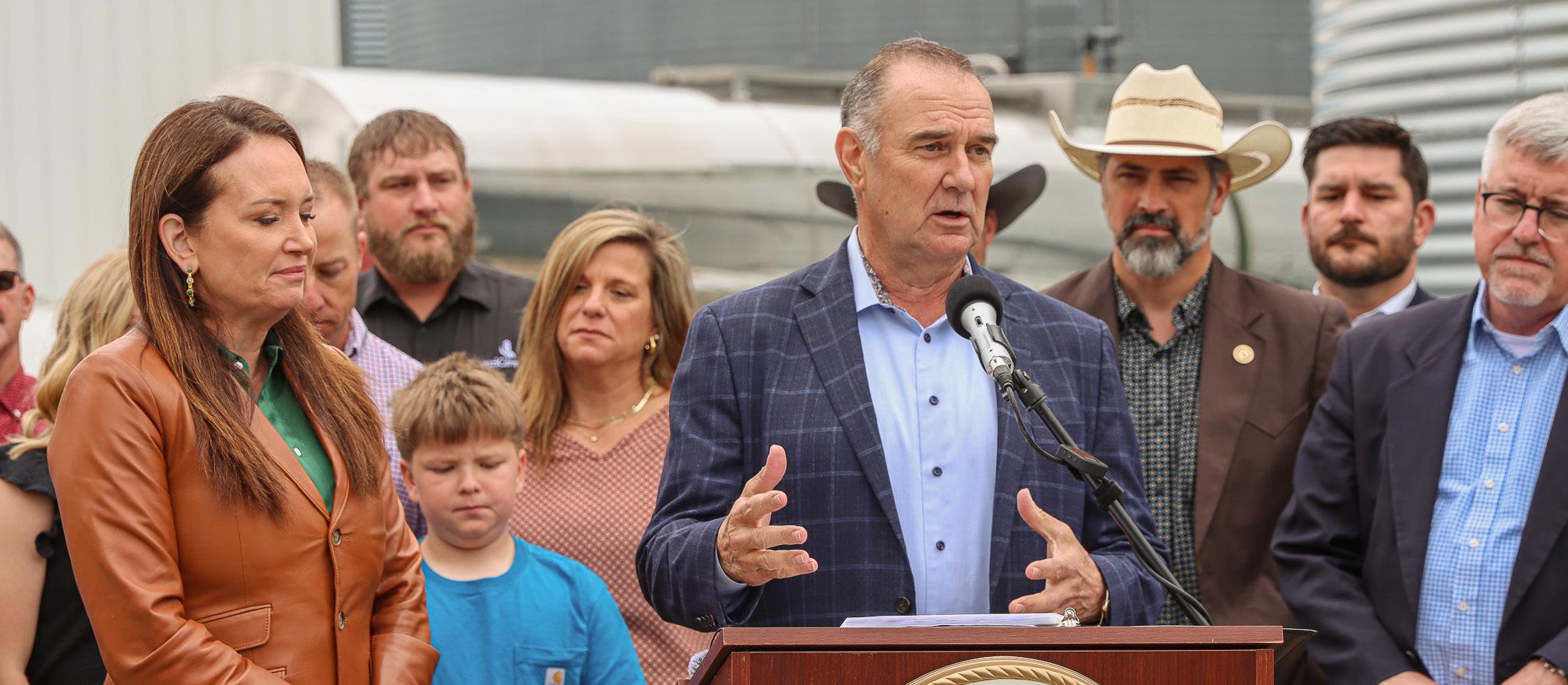
Missouri’s farmers are among the most productive in the world. They manage risk, adapt to changing markets, and deliver year after year in an industry where nothing is guaranteed. The state they operate in needs to do the same.
From our cities to our small towns, I hear the same message: It’s time to compete, it’s time to win. And it’s time to show the country what the Show-Me State is truly made of.
If we are serious about building a foundation for growth, to compete rather than be complacent, then we must begin the work now to phase out Missouri’s individual income tax.
This year, the voters will decide.
Moving the state forward starts with modernizing our tax code.
What’s happening right now isn’t theoretical. While other states are lowering taxes and making it easier to invest and grow, Missouri is standing still—and rural communities are feeling it first.
You can see it in the towns that aren’t growing, in the businesses that choose to expand somewhere else, and in the opportunities that never quite make it across the state line.
OPINION:
If Missouri wants to compete, rural communities have to win.
Phasing out the income tax is a once-in-a-generation opportunity to position rural Missouri for long-term growth.
from GOVERNOR MIKE KEHOE
Standing still may feel safe in the short term, but it is exactly how states fall behind over time.
That is why this conversation matters. If Missouri wants to remain competitive, we cannot keep relying on a tax structure built for a checkbook economy, one that no longer exists.
Today, much of our commerce happens through monthly subscriptions and digital services, like online advertising, e-books, and AI platforms that fall outside our current sales tax base, which means their billionaire owners don’t pay.
When these types of modern services are taxed through expanding our tax base, it will create new revenue for local governments that may then be offset by lowering local taxes, like property taxes.
Agriculture doesn’t exist in a vacuum; opportunities need to follow us home.
At the same time, this conversation is bigger than just taxes. It’s about the future of rural communities.
It’s about whether our small towns can grow and thrive, whether our schools can attract and retain great teachers, whether our infrastructure can support the machinery you
Rural communities cannot grow if opportunities continue to leave for other states. If we want young people to return home, Missouri has to create an economy that gives them a reason to stay.
GOV. MIKE KEHOE
require to do your work, and whether our workforce can sustain the businesses looking to come here.
Rural communities cannot grow if opportunities continue to leave for other states. If we want young people to return home, Missouri has to create an economy that gives them a reason to stay.
The argument for eliminating the state’s individual income tax strongly favors working families. A household earning $60,000 saves roughly $2,433 a year when the income tax is phased out. Even at a 6% sales tax rate on services, that same family would have to spend over $40,000 a year on newly taxed services to lose those savings.
Working families deserve policies that actually put money back into their pockets.
Courts shouldn’t get to define agriculture.
Now, there has been quite a bit of discussion about why agriculture was not specifically written into the Constitutional amendment as a carveout under the joint resolution passed this session.
That decision was intentional.
As I said in my State of the State address earlier this year, I will never support extending sales taxes on agriculture, healthcare, or real estate. Period.
Agriculture is too important to Missouri’s economy to be boxed into a narrow definition, which would be defined by the judges, that may not reflect the realities of modern farming in the years to come.
Instead, our plan allows the legislature to control exemptions through statute, where agriculture already has a strong voice in the process through champions like Senators Bean, Black, and Gregory or Representatives Diehl, Justus, and Pollitt. This approach provides flexibility to protect producers rather than being constrained by outdated constitutional language. And as long as I am your Governor, I too will work to ensure agricultural interests are protected.
Rural Missouri has never asked for special treatment. What it asks for is the opportunity to compete, grow, and build a future worth coming home to. That means strong schools, growing communities, good-paying jobs, and an economy that gives the next generation a reason to stay and invest in the places that raised them.
That is what building a foundation for growth is all about.
Missouri agriculture already competes with the best in the world. The question now is whether we are willing to build an economy around it that is just as competitive.
American farmers are producing more food on less acreage than ever before. According to the American Farm Bureau Federation, between 2017 and 2022, the number of farms in the U.S. declined by 141,733, and total acres declined by 20.1 million. Modern farming equipment and technology has made it possible for our family farms to keep doing what they do best — feeding, fueling and clothing the world — but how long can that continue?
NATIONAL SECURITY AT RISK
A key pillar of our future ability to fight yield-robbing weeds and implement soilhealth conservation practices lies in the hands of the Supreme Court of the United States (SCOTUS). A landmark decision is forthcoming by SCOTUS in its review of Monsanto Co. v. Durnell, a decision that will have a lasting impact on the foreseeable future.
Missouri State Sen. Jason Bean, along with 33 elected officials, the Missouri Soybean Association and seven state agricultural organizations, filed an amicus brief in support of the petitioner outlining why the Federal Insecticide, Fungicide and Rodenticide Act (FIFRA) preempts state failure-to-warn tort claims.
WHY GLYPHOSATE MATTERS
The U.S. is the second-largest agricultural trader in the world. Glyphosate has been a significant factor to the American farmers’ ability to increase yield by more than 50% for both corn and soybeans since 1995 — yield increases that keep the cost of feed and animal protein within reason. By growing more with less, we use glyphosate to produce more protein per acre to the benefit of the most vulnerable around the world.
As farmers struggle with record high input costs, maintaining a domestic supply of critical crop-protection tools is paramount. Bayer produces 30% to 40% of the world’s glyphosate supply. But since 2000, Chinese companies have gained a dominant position in the market, producing 60% to 70% of the world’s glyphosate supply. The outcome of the SCOTUS decision may determine if U.S. farmers lose a key ingredient to American agricultural production and conservation practices, or at the least shift reliance to Chinese-produced glyphosate entirely. Regardless, the
nearly $18 billion in proposed settlements has been or will be passed on to the U.S. farmer.
Modern farming equipment and technology has made it possible for our family farms to keep doing what they do best — feeding, fueling and clothing the world — but how long can that continue?
Shifting reliance to Chinese-manufactured crop-protection tools will remove nearly all legal recourse for product manufacturer wrongdoing. As outlined in the amicus brief, Chinese companies can evade enforcement of tort judgements because of various legal barriers. One reason for this non-enforcement is there is no treaty between the U.S. and China providing for mutual enforcement of judgments. As a result, Chinese companies can afford to ignore U.S. tort law and refuse to cooperate in litigation. The best results U.S. plaintiffs can often achieve against Chinese companies are grossly undervalued and provide little deterrence for malfeasant manufacturers.
International issues for farmers are not defined by China alone, and we are fighting real battles at home. Domestically, we have a massive conflict of ideology unfolding on American agriculture.
Environmental and humanitarian groups are calling for the ban of glyphosate, which would devastate crop yields, while screaming from the rooftops to send more food overseas to nutrient-deficient nations. They oppose rigorously regulated livestock producers using secure facilities for healthy animals, while advocating for free-range, disease-prone solutions that could devastate the world’s food supply.
It’s important this issue is being taken up by SCOTUS as this decision does not stop with glyphosate. If allowed to continue, we can expect lawsuits against all other critical crop-protection tools farmers rely on to produce a crop. There is a lot at stake with this decision, a decision that will have national security consequences for decades.
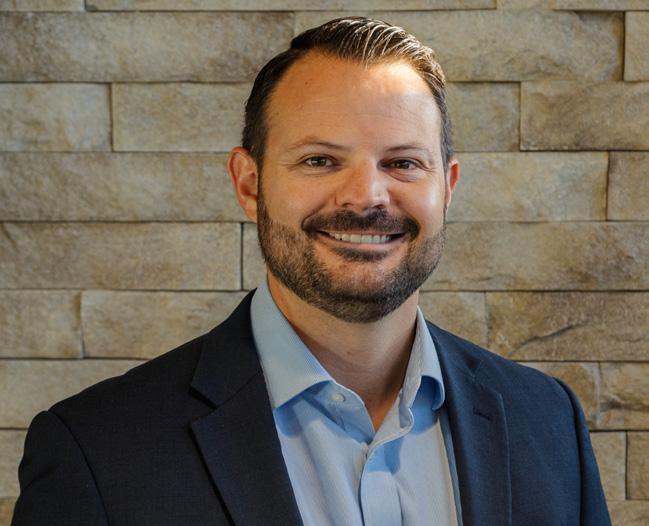
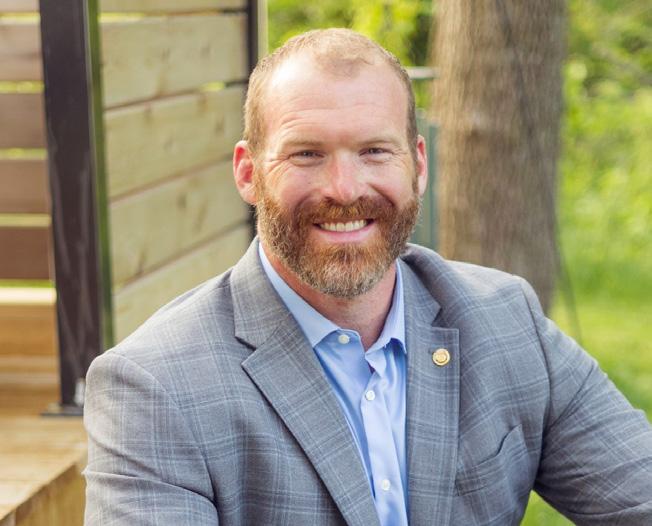
OPINION:
SCOTUS Ruling Could Reshape American Agriculture.
U.S. farmers and legislators agree: This decision will impact the future of our national security and the agricultural industry for decades.
By Sen. Kurtis Gregory and Casey Wasser, Missouri Soybeans CEO


DEMAND IN THE DIRT:
WHAT YOU NEED TO KNOW ABOUT
CARBON CREDITS
BY KAITLIN FLICK-DINSMORE, TECHNICAL CONSERVATION AGRONOMIST
For a Missouri row-crop operation, carbon credits can be generated through the adoption of soil conservation practices such as no till, reduced till, nutrient management and cover crops. These techniques enhance soil health, reduce erosion, reduce emissions and increase the amount of carbon stored in the ground. By minimizing soil disturbance, no-till farming preserves organic matter and helps sequester carbon, while cover crops capture atmospheric carbon dioxide and return nutrients to the soil. Farmers who implement these methods can quantify their greenhouse gas reductions and soil carbon removals and receive payment.
It's important to note that in the United States, trade in carbon credits primarily operates as a voluntary market driven by the private sector. Within the carbon market industry, there are two sections: carbon insets and carbon offsets. Carbon insets are carbon credits purchased within the company's supply chain, such as an agriculture company tracking its use of soybeans or corn, then purchasing the carbon credit from a corn/soybean growers. Whereas carbon offsets are not tied to a supply chain or product, and the carbon credit is offsetting the emissions from another industry. Think of technology companies purchasing carbon credits from corn and soybean growers.
A leader in the carbon credit industry is the Soil and Water Outcomes Fund (SWOF). Housed in Iowa, SWOF operates as a subsidiary of the Iowa Soybean Association and began in 2019 to work with corporations looking to buy carbon credit insets from Midwestern farmers. SWOF's business model is to have the demand from the buyers (corporations) then seek out suppliers (growers) within the sourcing regions of the
During the past decade, the carbon credit market has experienced significant growth and transformation. Initially driven by regulatory compliance with the European Union Emissions Trading System, the United States market has expanded to include a robust voluntary sector where corporations actively purchase credits to offset their emissions and demonstrate climate leadership. Demand for carbon credits increased throughout the past 10 years as more corporations set net-zero targets that created an opportunity in agriculture to become part of the solution and generate carbon credits from farming operations.
HOW CARBON CREDITS WORK
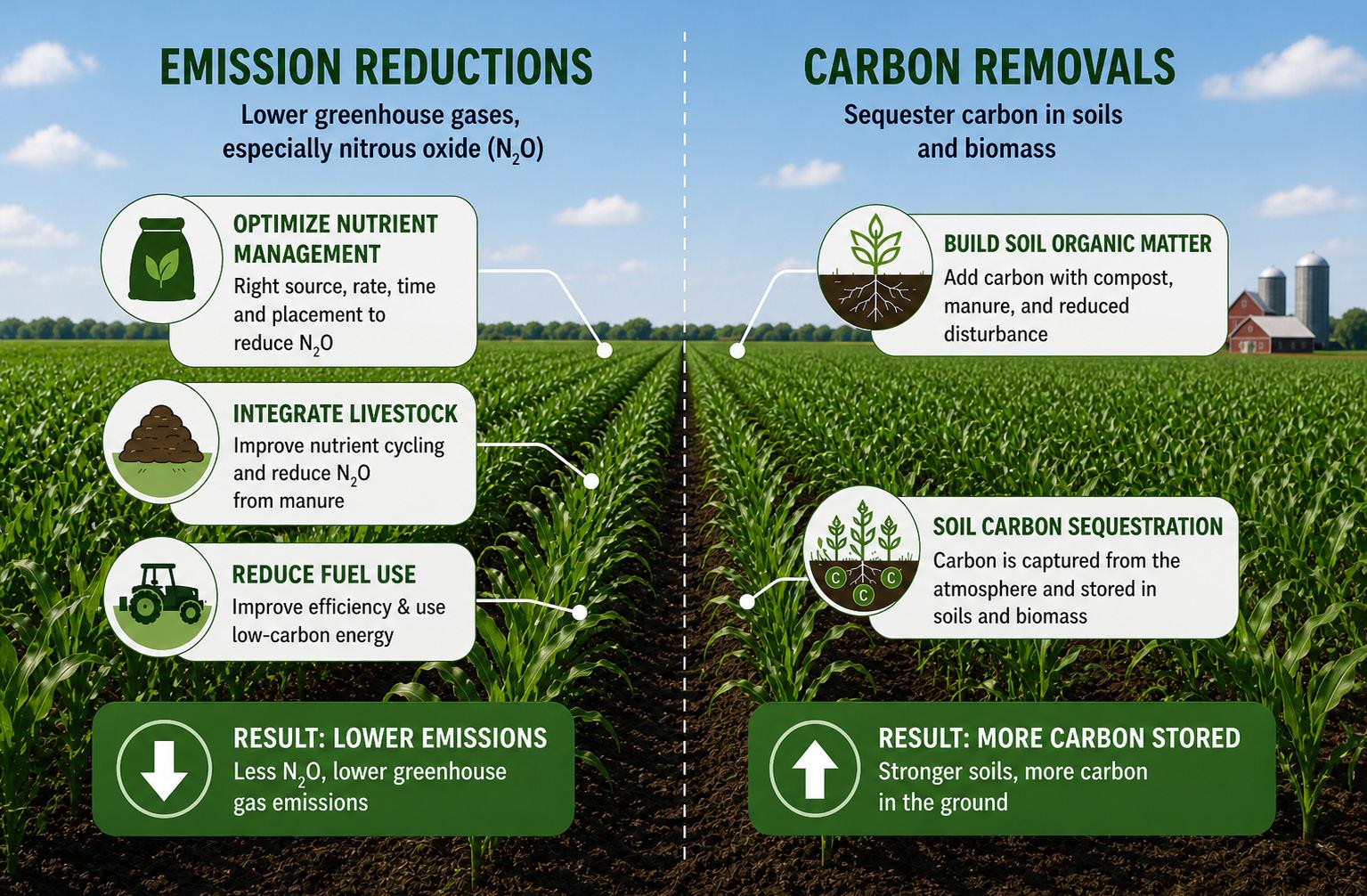
corporate partners. Once growers commit to the additionality of no till, reduced till and cover crops in their operations, SWOF verifies the practices in the spring, and the grower receives payment on the verified carbon generated. Carbon credits can only be generated and paid on an operation if the practice is an additionality and above the current baseline. For example, credits would be earned by a grower who eliminated tillage in a field and moved to a no-till operation. Extending crop rotations (adding wheat, alfalfa or clover) or using cover crops qualifies as well.
Although the carbon credit market has grown within the past several years and market transparency and standardization of verifying credits have improved, there are still market challenges, including concerns about additionality, corporation environmental goals and the effectiveness
of credits in achieving genuine emission reductions. As our world seeks solutions to decarbonize, the carbon credit market is poised for continued expansion and creates an excellent opportunity for Missouri farmers to participate and profit from generating carbon credit on their operations.
In addition to the niche incentive the carbon credit market opportunities create, participating in several of the above listed soil conservation practices will give a field mitigation points to be in compliance with Environmental Protection Agency (EPA) Endangered Species Act (ESA) requirements. No-till fields receive 3 points and long-term cover crops with no till will receive another 3 points. The EPA Mitigation Menu can be found at: https:// www.epa.gov/pesticides/mitigation-menu#mitigation-options.
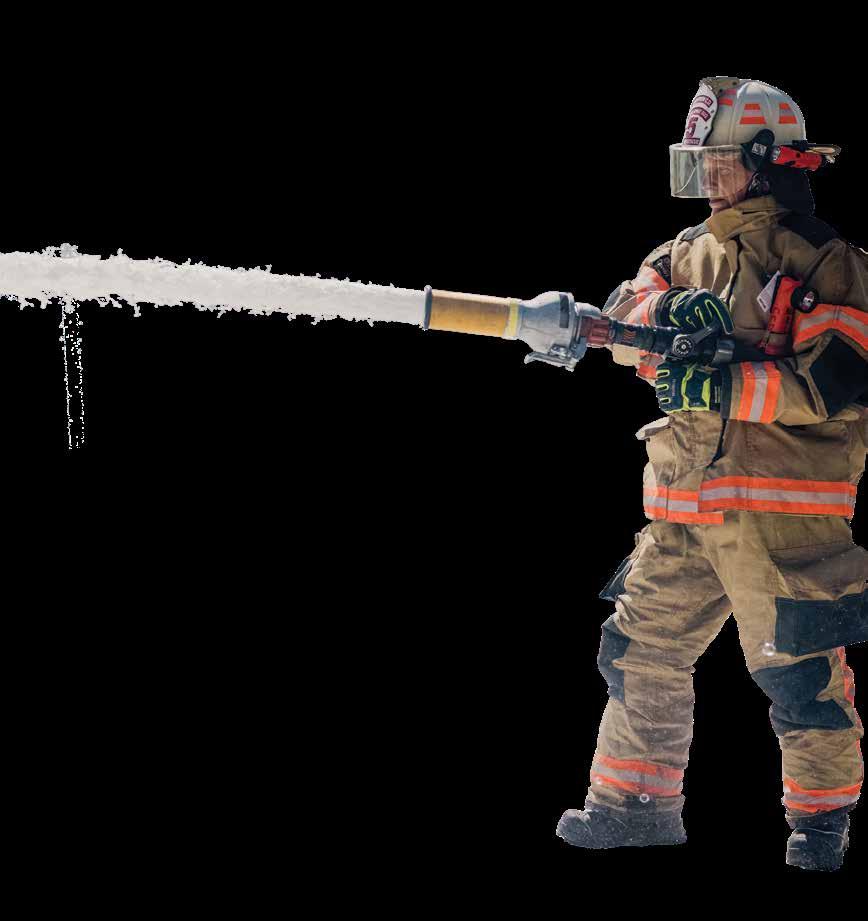
The more we discover about soybeans, the more valuable they become. One innovative product, SoyFoam™, creates a new, sustainable use for your crop that protects firefighters and the planet.
See how your Soy Checkoff is unlocking new markets for soybeans at unitedsoybean.org


TheIm(PAC)t
The MO SoyPAC* ensures Missouri soybean farmers have a voice when decisions are made.

by Samantha Turner

For Missouri soybean farmers, success is shaped not only by the decisions made in the field but also in Jefferson City and Washington, D.C.
That reality is why the Missouri Soybeans Political Action Committee, known as MO SoyPAC, exists. The PAC was created to ensure soybean farmers have a strong voice in policy discussions that affect agriculture across the state.
While farmers spend their days focused on planting, harvesting and managing their operations, many of the policies that shape agriculture are decided by elected officials. Issues such as input costs, transportation infrastructure, crop-protection tools, tax policy and conservation programs all have direct impacts on the long-term success of farm operations.
MO SoyPAC allows soybean farmers and supporters of agriculture to engage directly in the political process and support candidates who understand the importance of agriculture to Missouri’s economy and rural communities.
From engaging directly with legislators in Jefferson City to advancing policies that impact farm operations, the Missouri Soybean Association (MSA) works to ensure farmers carry a strong and consistent voice when decisions are made. In turn, PAC contributions support candidates and initiatives and candidates who understand agriculture and who are committed to keeping Missouri farmers competitive at the local, state and national levels.
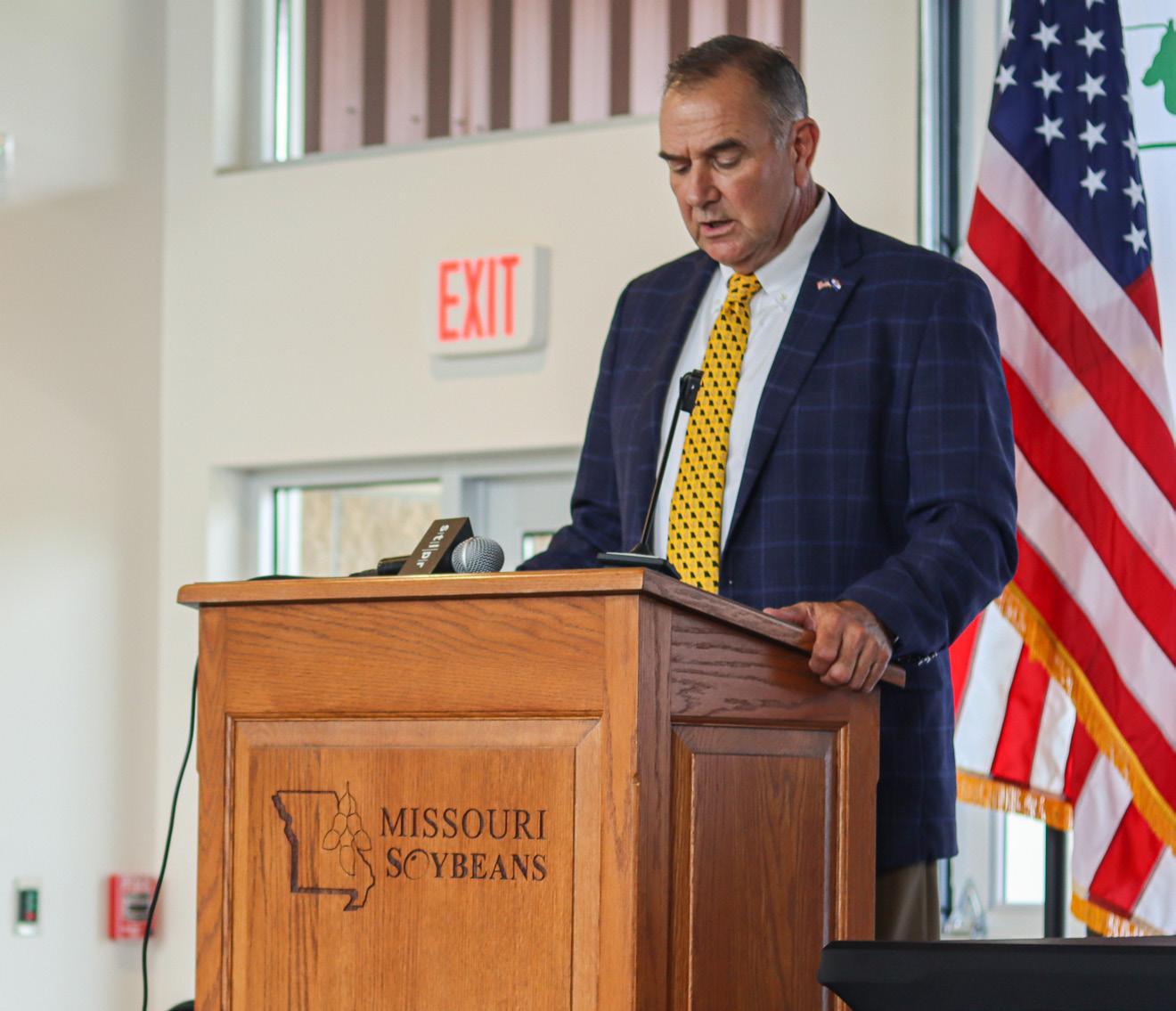
MO SoyPAC allows soybean farmers and supporters of agriculture to engage directly in the political process.
Recent elections have demonstrated the importance of that engagement. Most recently, MO SoyPAC helped support the election of Missouri Gov. Mike Kehoe, a leader who understands the value of agriculture to the state. Since taking office, Kehoe has supported policies important to farmers, including efforts to strengthen Missouri’s biofuels industry, protect farmers’ access to critical crop-protection tools and advance legislation that safeguards Missouri’s water resources.
However, policy decisions do not happen in a vacuum. Instead, they shape input costs, market access, conservation programs and the long-term viability of farms across the state. Because of that, farmer engagement in the political process is essential.
To keep farmers informed, the Missouri Soybean Association publishes Spill the Beans, the organization’s monthly PAC newsletter. The publication provides supporters with a closer look at the policy landscape and how their support is working to advance farmer priorities.
Farmers and supporters who wish to stay informed and engaged via our newsletter can contribute $100 annually to the MO SoyPAC. Farmers can also contribute any dollar amount whether that is $1 monthly or more to make their voices heard. Contributions help ensure Missouri soybean farmers remain actively involved in policy discussions that directly impact operations across the state.
Agriculture remains one of Missouri’s leading industries, and soybean farmers play a critical role in that success. By supporting MO SoyPAC, farmers help ensure their voices continue to be heard where it matters most.
To make your donation and stay politically active visit mosoy.org/PAC.
Your voice. Real impact.
POLICY DECISIONS THAT IMPACT YOUR FARM.
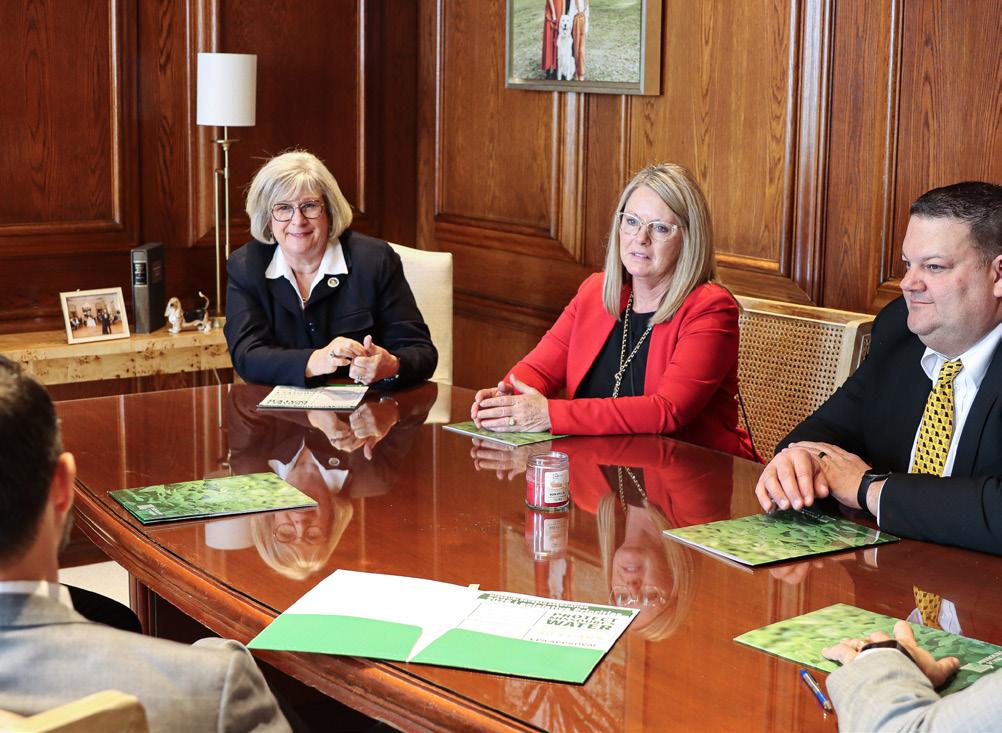
CONSERVATION PROGRAMS MARKET ACCESS
RECENT IMPACTS
Strengthening Missouri's biofuels industry.
Securing investments in modern agronomic facilities that support soybean growers.
Advancing legislation that safeguards Missouri's water resources.
STAY INFORMED WITH SPILL THE BEANS
The Missouri Soybean Association publishes Spill the Beans, the monthly PAC newsletter, to keep supporters informed on policy developments and how their support is making a difference.
ANNUAL CONTRIBUTION
Contribute $100 annually to receive the Spill the Beans newsletter.
MAKE AN IMPACT Your support helps elect leaders who understand agriculture and keep Missouri farmers competitive. INPUT COST LONG-TERM VIABILITY

WAYS TO SUPPORT THE MO S oyPAC* GET INVOLVED. MAKE AN IM(PAC)T. Contribute today and stay politically active.
MONTHLY GIVING
Give any amount — where $1 monthly or more — to make your voice heard.
MISSOURI FARMERS NEED CERTAINTY, NOT SCARE TACTICS
BY ELIZABETH BURNS-THOMPSON
The last thing Missouri farmers need right now is more uncertainty from Washington. Yet that is exactly what Make America Healthy Again (MAHA) activists created when they helped strip a commonsense farm bill provision that would have protected farmers’ access to essential crop-protection tools. Their campaign relied on a familiar tactic: fear and misinformation. They pointed to trace detections of pesticide residues in food and pretended that detection alone means danger when they know the truth.
For these activists, the farmers who actually use these tools every day have one question: When was the last time you ate 1,000 loaves of bread in a single day? Or 850 apples? What about 2.2 million cheeseburgers?
According to the EPA’s maximum residue limit for glyphosate, that’s how much food you’d have to eat every single day to even come close to any sort of health risk.
Even at a Fourth of July cookout, there is no way I can stomach 2.2 million cheeseburgers, no matter how tasty.
While activists try to scare people for clicks on social media, farmers know the reality. The amount of active ingredient used is only about the size of one soda can per acre. We also know what would happen without it: higher costs and lower yields, more extensive tillage that diminishes topsoil and requires more fuel, and even more pressure on farm operations working to stay afloat.
And these pressures would pass down to all of us. If these activists are successful, we could see food inflation double, and we could become dependent on foreign countries for our food supply.
The fact is that glyphosate remains one of the most extensively studied chemistries in the world. Every leading regulatory body has repeatedly affirmed that it can be used safely as directed. That includes the U.S. EPA, European Union, Canada, Japan, Australia and many others.
When policymakers in Washington allowed MAHA activists to dictate agricultural policy, they didn’t just cast aside the overwhelming scientific consensus. They deeply
betrayed millions of farmers in Missouri and across the country who work hard every day to feed, fuel and clothe America.
We cannot let that stand.
The Modern Ag Alliance is not backing down. With the strong partnership of the Missouri Soybean Association and more than 115 agricultural organizations nationwide, we have continued to make progress this year. But our work is not done.
We won’t stop until farmers in Missouri and across the country have the certainty they deserve — this season and every season after. Learn how you can lend your voice to the effort at ModernAgAlliance.org.
Elizabeth Burns-Thompson is the executive director of the Modern Ag Alliance, a diverse coalition of more than 115 agricultural organizations advocating for U.S. farmers’ access to essential crop-protection tools.
DID YOU KNOW?

To reach the EPA’s maximum residue limit for glyphosate, you’d have to eat…
enough cheeseburgers to completely cover 3 football fields!

EPA’S DRAFT FUNGICIDE STRATEGY
New proposal aims to protect threatened species while supporting U.S. Agriculture.
BY KAITLIN FLICK-DINSMORE, TECHNICAL CONSERVATION AGRONOMIST
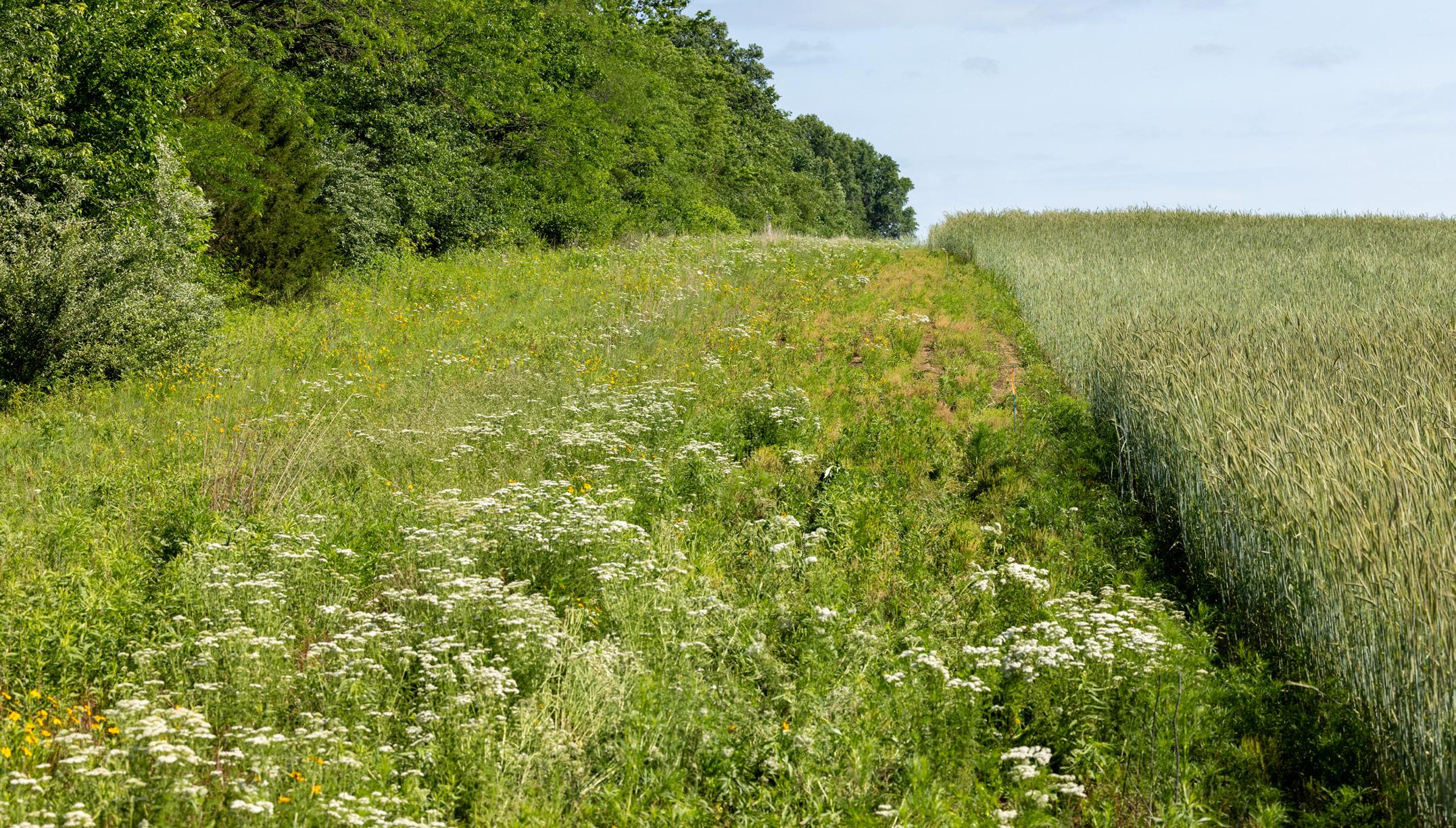
On May 1, 2026, the U.S. Environmental Protection Agency (EPA) announced its draft Fungicide Strategy, a major regulatory framework aimed at protecting more than 1,000 endangered and threatened species while maintaining the viability of American agriculture. This draft follows the finalization of the Herbicide Strategy (2024) and the Insecticide Strategy (2025), completing a trio of plans guiding specific mitigation measures to reduce off-target drift and runoff into vulnerable habitats.
The release of these strategies provides a resolution to decades of legal and regulatory failures. For years, the agency struggled to reconcile the Federal Insecticide, Fungicide and Rodenticide Act (FIFRA), which governs pesticide registration, with the Endangered Species Act (ESA), which requires federal agencies to ensure their actions do not jeopardize protected species or their critical habitat and requires a consultation process with U.S. Fish and Wildlife Service when EPA is registering/re-registering a pesticide. Failure to complete this consultation process led to what became known as the "megasuit" against the agency. In 2023, EPA settled the lawsuit and committed to developing class-wide strategies (herbicide, fungicide, insecticide) to fulfill its legal obligation and increase efficiency on ESA consultations when registering or re-registering a pesticide product.
Similar in scientific framework, the draft Fungicide Strategy is distinct from the Her-
bicide and Insecticide strategies because it addresses a broader mix of species, rather than focusing primarily on one biological group. The Herbicide Strategy primarily focuses on listed plant species, the Insecticide strategy focuses on invertebrates whereas the draft Fungicide Strategy focuses on plant, vertebrates and invertebrate species.
In contrast to the previous strategies released, the draft Fungicide Strategy widens opportunity for adjuvant use but also looks at the risk of seed treatments to impact population-level effects through runoff and erosion during planting. The draft Fungicide Strategy proposes to allow the use of drift-reduction adjuvants (DRAs) to cut down on required downwind spray buffer distance and expands options to reduce off-target drift. It introduces new guidelines based on specific DRAs, such as oil emulsions and guar gum polysaccharide adjuvants. For seed treatments, the strategy does not impose immediate mandates on existing treatments, but EPA is looking to engage with stakeholder data to shape future label mitigation measures for seed-applied fungicides.
The EPA has officially opened a 60-day public comment period. This gives farmers, researchers and industry groups until June 29, 2026, to submit formal feedback to EPA. Following the review of public feedback, the EPA expects to issue the final Fungicide Strategy in November 2026. Once finalized, the new requirements, including the
"mitigation points" system and spray drift buffers, will begin appearing on fungicide labels as products undergo their periodic registration. Similar to the Herbicide and Insecticide strategy, these are not self implementing and will be implemented over time as labels on products get updated and active ingredients go through the registration/registration process.
We are grateful that the EPA has demonstrated a willingness to refine these strategies based on stakeholder input and will provide feedback on the draft Fungicide Strategy. As an example, in response to comments on the draft Insecticide Strategy, the EPA added more flexibility for growers and simplified implementation for applicators before releasing the final strategy. Taking the opportunity to engage during the draft phase is a priority at Missouri Soybeans and the most effective way to ensure that the final fungicide rules are both science-based and operationally practical for our members.
KEY DATES: EPA FUNGICIDE STRATEGY
EPA ANNOUNCED THE DRAFT FUNGICIDE STRATEGY. MAY 1, 2026
JUNE 29, 2026
NOVEMBER 2026
60-DAY PUBLIC COMMENT PERIOD CLOSES.
EPA EXPECTS TO ISSUE THE FINAL FUNGICIDE STRATEGY.




























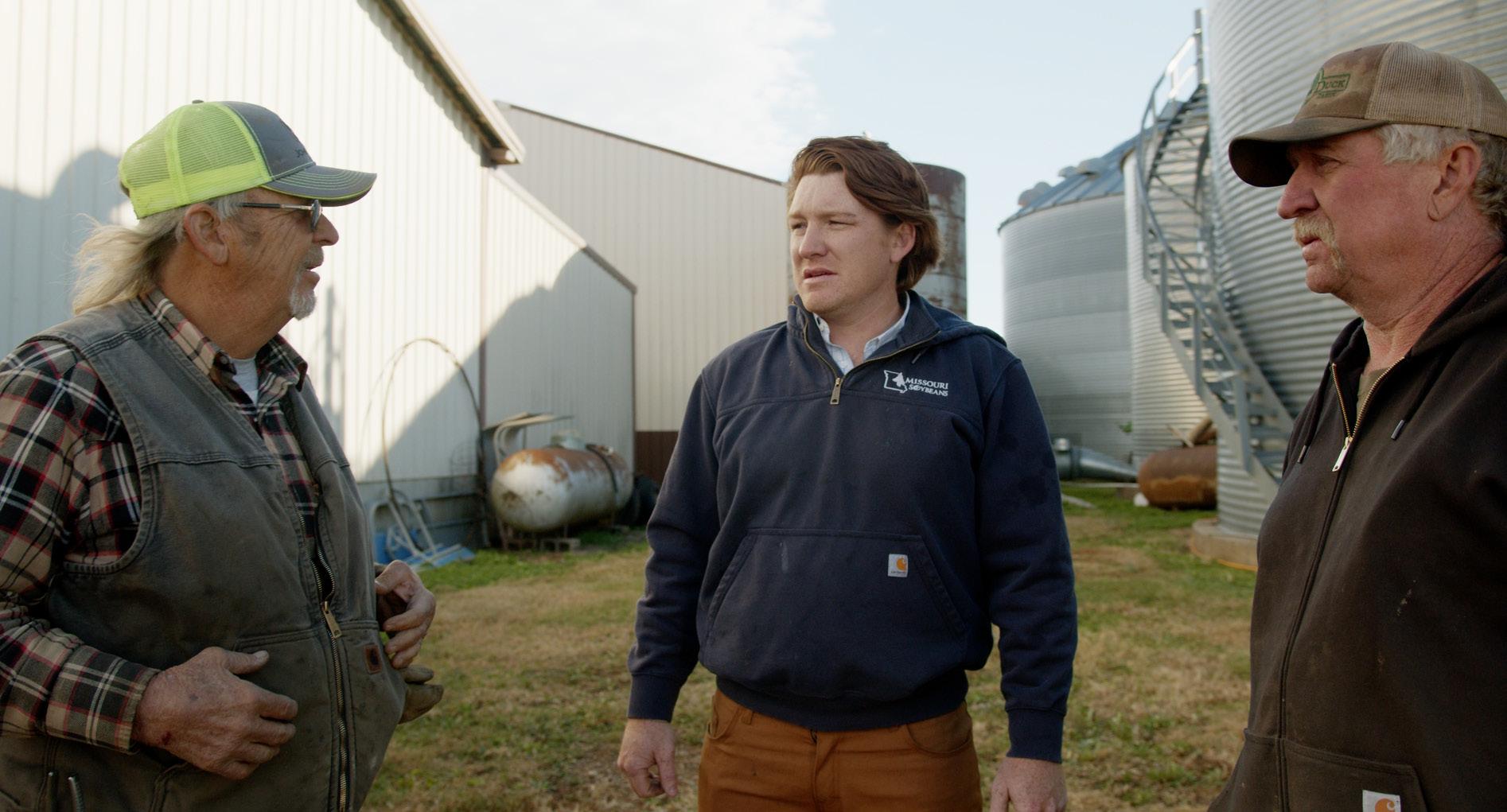
Missouri Must Support the Next Generation of Farmers
Beginning Farmer Tax Deduction program aims to help young producers access farmland and keep family farms moving forward.
by Rep. Dane Diehl
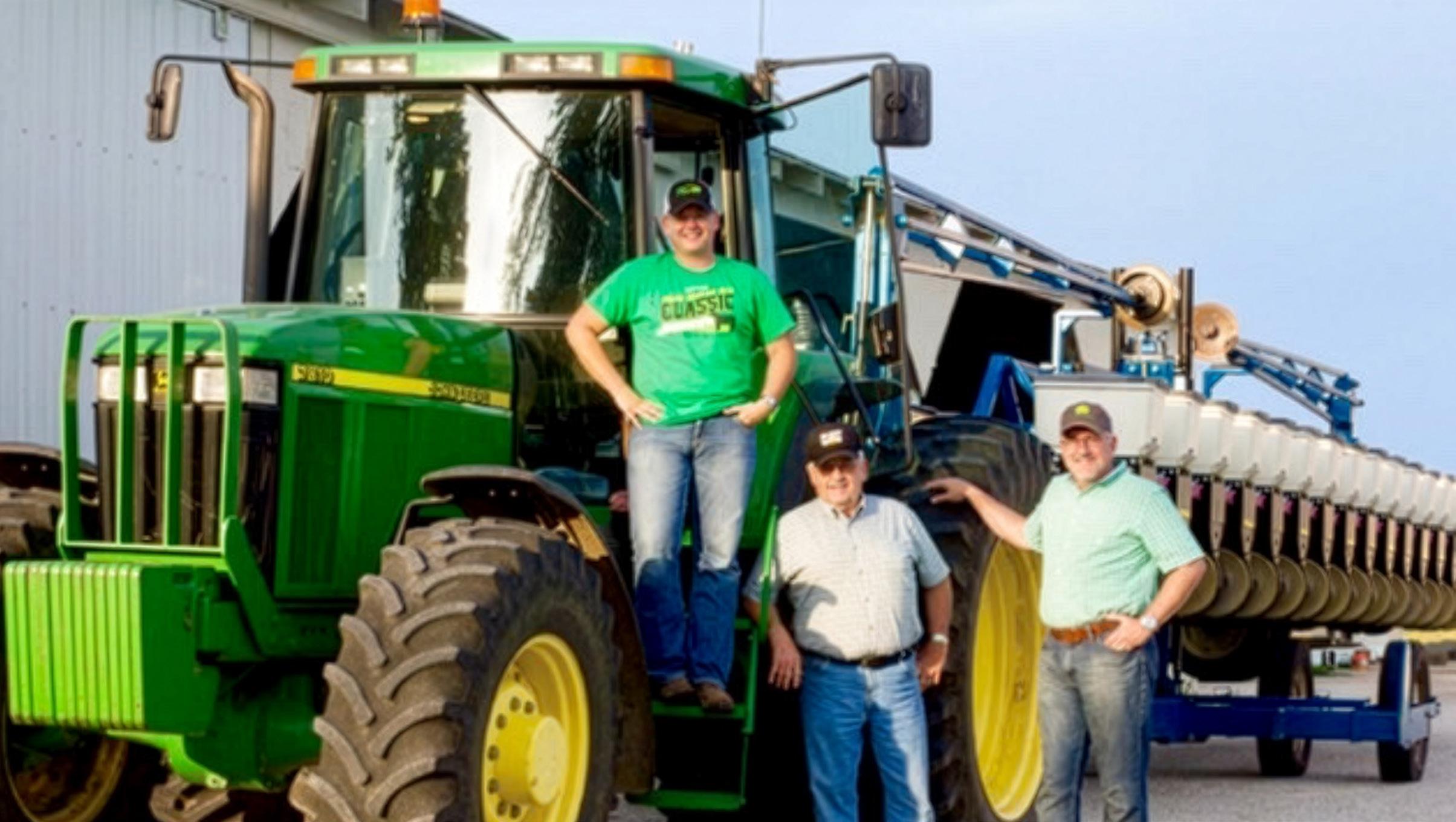
Igrew up on a family farm alongside my brothers, spending long days working the land and learning firsthand what it takes to keep a farm running. Like many kids raised in agriculture, we loved the work and the lifestyle, but we also understood something else: There was no guarantee there would be room for all of us to return.
For many young farmers today, uncertainty still exists. High land values, rising input costs and tight margins can make it difficult for the next generation to step into agriculture, even when the desire and work ethic are there. If Missouri wants to keep family farms strong, we must ensure public policy, especially tax policy, helps open the door for young producers rather than unintentionally closing it.
There was no guarantee there would be room for all of us to return.
Beginning Farmer Tax Deduction Program
One step Missouri has taken in the right direction is the Beginning Farmer Tax Deduction program. The program was stood up by legislation I helped pass and is designed to encourage farmland owners to sell or lease land to beginning farmers by offering tax deductions tied to those transactions. Under the program, landowners who sell farmland to a beginning farmer or eligible family member may deduct a portion of the capital gains from their Missouri adjusted gross income. The deduction begins with 100% of the first $2 million in calculated state capital gains and gradually decreases additional amounts, helping make generational land transfers more financially feasible.
The program also recognizes that not every transition happens through a sale. Many young farmers start by renting or entering into cropshare agreements. Landowners who rent, lease or enter into crop-share agreements with a qualified beginning farmer may deduct income received under those agreements, up to $25,000 per year, from their Missouri adjusted gross income.
The Breakdown
Capital Gain Amount
The first $2 million 80% Deductible
The next $1 million ($3,000,001 - $4,000,000)
The next $1 million ($2,000,001 - $3,000,000) 60% Deductible
The next $1 million ($5,000,001 - $6,000,000)
The next $1 million ($4,000,001 - $5,000,000) 20% Deductible
To clarify, yes, the legislature did eliminate state capital gains. However, this program is still applicable because with the elimination of state capital gains, we created an income tax deduction across the board. Those taking advantage of this program would still receive benefits, but it is calculating capital gain before our efforts to eliminate them altogether. With this program’s intent being to help transfer farmland to the next generation, we have intentionally worked on policy that enables that in both instances.
Continued on page 22...
Eligibility for Farmers
Beginning Farmer
A Beginning Farmer is a taxpayer who:
• Has filed at least one but not more than 10 IRS Schedule F forms since turning 18 years of age; or
• Is approved for a USDA Farm Service Agency Beginning Farmer loan; or
• Has a farming operation determined by the Missouri Deparment of Agriculture (MDA) to be new to production ag with substantial farming knowledge; or
• Has been determined by MDA to be a qualified family member.
Next Steps
Farm Owner
A Farm Owner is an individual who owns farmland and:
• Sells farmland to a beginning farmer; or
• Enters into a lease or rental agreement not exceeding 10 years with a beginning farmer; or
• Enters into a crop-share arrangement not exceeding 10 years with a beginning farmer.
If approved, the Missouri Agricultural and Small Business Development Authority (MASBDA) will review the application and send a certification letter to the farm owner. Copies will also go to the beginning farmer and the Missouri Department of Revenue (MDR). However, the farm owners are responsible for submitting the certification with their Missouri tax returns using Form MO-5955 to receive the tax deduction.
For multi-year lease, rental or crop-share agreements, the certification is good for one year at a time. Each year, both the farm owner and beginning farmer must sign and submit a simple verification form confirming the agreement is still active. Once received, the Authority will renew the certification for another 12 months.
If farmland has not officially sold yet, the farm owner may still receive a contingent certification before closing as long as all required paperwork and fees are submitted, except for the final closing statement. Once the closing documents are turned in, the final certification will be issued.
A Farmers' Why
These kinds of policies matter because access to land is one of the biggest barriers facing young farmers. Programs like this encourage landowners to work with beginning farmers and help ensure farmland stays in production instead of leaving agriculture altogether.
Tax policy also plays an important role in helping farmers manage risk and keep operations viable for the next generation. Missouri
Qualified Family Member
A Qualified Family Member is an individual related to a farm owner within the fourth degree by blood, marriage or adoption who purchases, leases or enters into a crop-share arrangement for land from all or a portion of such farm owner’s farming operation.
has taken additional steps to ensure certain disaster-related payments can be subtracted from state taxable income, helping ensure those payments serve their intended purpose and stabilize farm operations rather than increase tax burdens.
To ensure you receive the full benefit available to your operation, MSA encourages all farmers to ask their CPAs or tax preparers about the agriculture disaster subtraction when filing their Missouri returns. A simple conversation could result in meaningful savings.
Missouri agriculture has always been built on long-term stewardship and generational opportunity. The decisions we make today should ensure the next generation of farmers has the same chance many of us had: the chance to return to the farm, build a business and continue feeding and fueling the world.
Farmers and landowners interested in learning more about the Beginning Farmer Tax Deduction program can find additional information through MDA or MASBDA. Additionally, reach out to my office if you have any further questions or would like to chat.
You can find out more about the program here: https://agriculture.mo.gov/abd/financial/begfarmtaxdeduction.php
(573) 751-2129
(573) 522-2416
LOCK IN WEATHERPROOF NITROGEN WITH THREE MODES OF ACTION.


FEED MORE N

BOOST NUTRIENT UPTAKE

AMPLIFY YIELD POTENTIAL
Introducing new Pivot Bio PROVEN® G3, featuring the only gene-edited microbe that continuously fixes nitrogen in the presence of synthetic N. PROVEN G3 attaches directly to the roots and keeps working across soil types and weather conditions with three modes of action that deliver steady nutrition when and where your crops need it most.
LOCK N AND LEARN MORE.
ONE FARMER, ONE FILE
THE TRUMP ADMINISTRATION IS MODERNIZING SERVICE FOR FARMERS
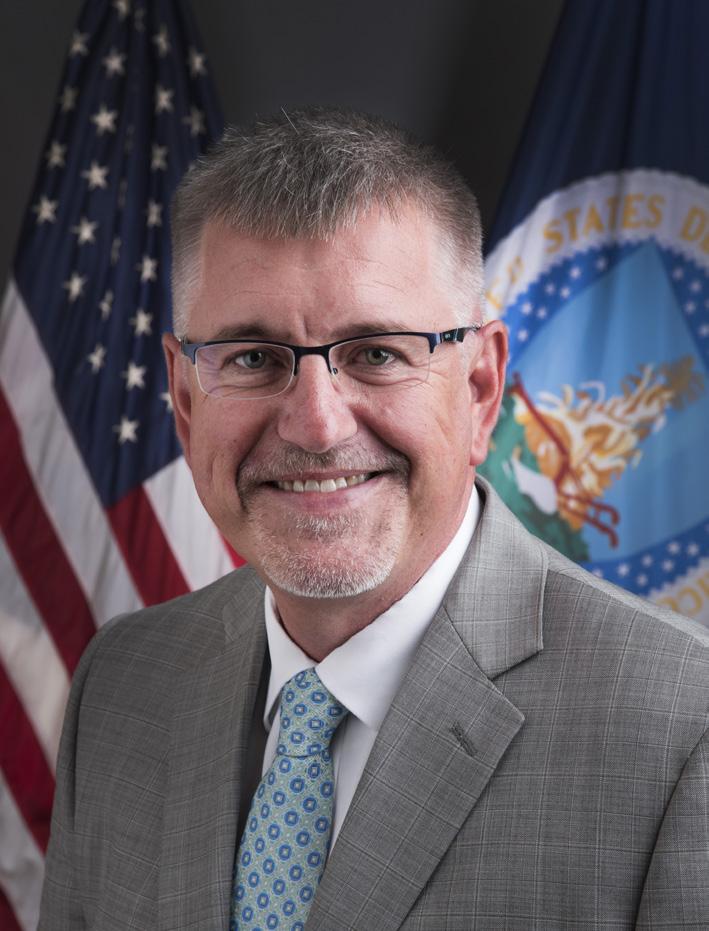
By Richard Fordyce, Under Secretary for Farm Production and Conservation
Throughout American history, farmers have always found new ways to preserve and cultivate their agricultural heritage. Whether it be moving towards more productive crop rotations to maximize yield or utilizing precision agriculture to reduce input costs, farmers are constantly tweaking their best practices and looking out for new technologies to improve their operations.
Those who tend America’s fields expect the same commitment to optimization from the federal government that serves them—especially given the size of its budget. While the U.S. Department of Agriculture (USDA) has fallen short of its responsibility to keep its systems up to date in recent years, President Trump is leveraging the latest technology to finally give farmers the quality of service they deserve.
The reason USDA fell behind is largely due to the natural flow of bureaucracy, which dresulted in the department building a new system every time another program or feature needed to be added. This process drained our resources and trapped USDA in an endless cycle of maintenance and contracts, hindering investment in meaningful and needed modernization.
Photo from USDA
Farmers have suffered the effects of wasteful bureaucracy for too long, and today they are finally beginning to see real relief.
Just consider the Farm Production and Conservation (FPAC) Mission Area, which houses the three main farmer facing agencies of USDA: the Farm Service Agency, the Risk Management Agency, and Natural Resources Conservation Service. These three agencies currently operate on a patchwork of over 500 systems, requiring roughly 1000 contractors to maintain and costing the American taxpayer over $1 billion per year. To make matters worse, farmers are still required to file their acreage reports on a paper map.
This bureaucratic bloat is unacceptable, and the Trump administration is replacing it with common sense solutions. Through our One Farmer, One File initiative, Secretary Rollins has pushed FPAC to reduce costs while improving the farmer’s experience. In the coming months, FPAC will combine sound investment, engagement with industry, and a Farmers First focus to bring our services into the twenty first century.
The first step for One Farmer, One File is identifying how to reduce costs. Being good stewards of the taxpayer dollars entrusted to us demands we break free from the costly burden of outdated systems. By transferring all of FPAC’s historical data into a centralized system, our agencies can retire legacy systems and lower their annual maintenance cost. This centralized and modern system will provide the foundation for developing new services for producers.
The top priority in our modernization effort is improving the acreage reporting process. A modern platform will allow geospatial maps to be used for submitting an annual acreage report. Farmers can use their Login.gov account to access their file from home, click on a field, and select the crops planted for that year. And the process will only get easier with time, as the system will allow farmers to call upon past acreage reports when completing their forms.
This effort will not only provide benefits to farmers completing their standard filings at the FSA office but also better inform them about opportunities available through USDA’s Natural Resources Conservation Service (NRCS). With the Integrated Field Tool, NRCS will be able to immediately show producers popular conservation practices within their area and the benefits these practices offer, saving them time when they consider new conservation plans.
Richard Fordyce
Another time saving benefit from a centralized system will be reduced paperwork. Many USDA programs require forms that request duplicative information across agencies, but One Farmer, One File will leave this time-consuming process on the ash heap of history. A centralized system allows farmers to tie their information to their unique log in and bring their data with them to all three of our agencies.
I also want to emphasize that USDA will continue to offer in person support, paper applications, and traditional acreage reporting for those who desire it. My father is over 90, I’m 60, and my son is in his thirties. I want FPAC’s agencies to work for all three generations of my family. One Farmer, One File is about expanding options, not limiting them.
While I’m proud to be a part of this initiative, it would not be possible without the leadership of President Trump and Secretary Rollins, who are boldly taking on a challenge others have avoided. One Farmer, One File requires the courage to invest significant time and resources up front to save both for farmers in the long term. This courage is rare in government, but it is abundant in the Trump administration, and it comes not a moment too soon. Farmers have suffered the effects of wasteful bureaucracy for too long, and today they are finally beginning to see real relief. Truly, the resourceful spirit of the American farmer is alive and well, from the core of heartland to the halls of the People’s Department.
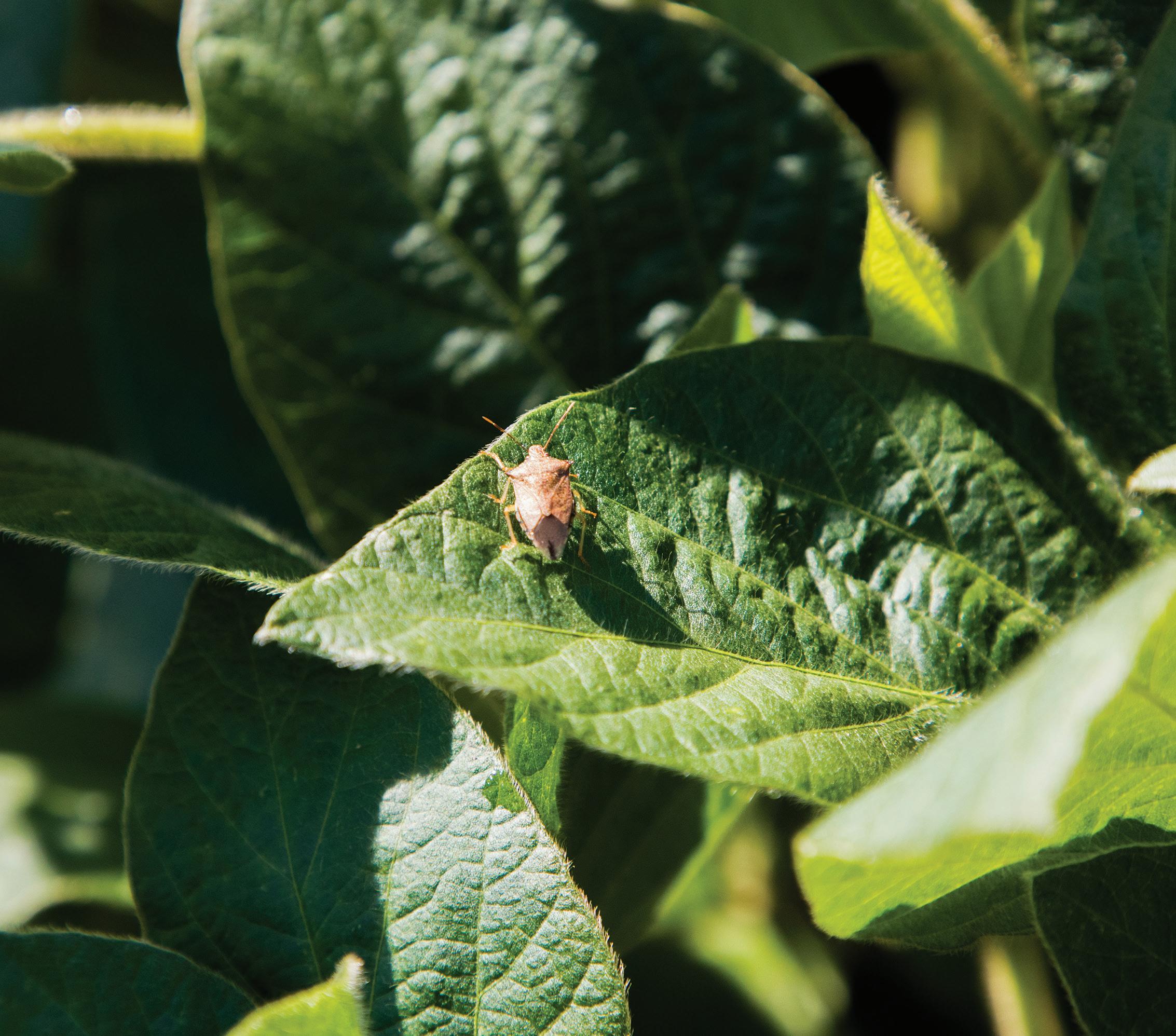
DUAL DEFENSE TO FINISH THE SEASON STRONG
Time is money when it comes to growing soybeans, and after your growers have invested so much into their crop, help them finish strong so they get the most bang for their buck.
Knowing pest threats can explode overnight, advising growers to apply a fungicideinsecticide tank mix to soybeans can reduce trips across the field, saving time and money. Plus, applying the right tank mix with a plant-health fungicide can boost potential yield even in drought – adding more value to their investment.
Endigo ZCX is Formulated for Success and Greater ROI Potential
Top-notch Defense Against Key Soybean Insects and Diseases
This season, activate the last line of yield and profit defense that your growers need to finish the season strong by tank mixing Endigo® ZCX insecticide with Miravis® Top fungicide. By combining rapid insect knockdown plus extended residual control with the power of ADEPIDYN® technology, growers gain reliable yield protection against a broad spectrum of pests, diseases and environmental stress like drought in a single application.
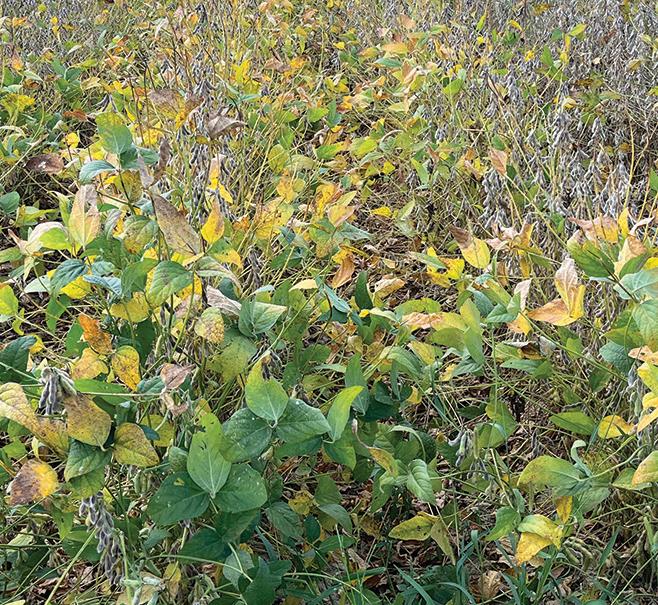
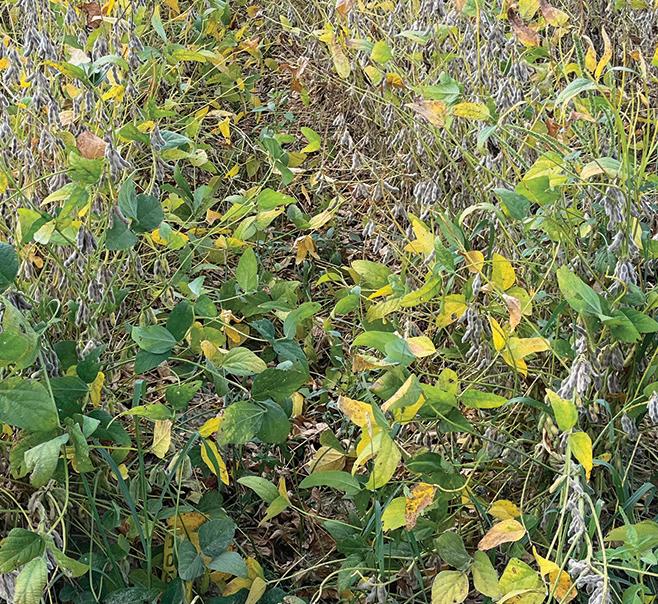
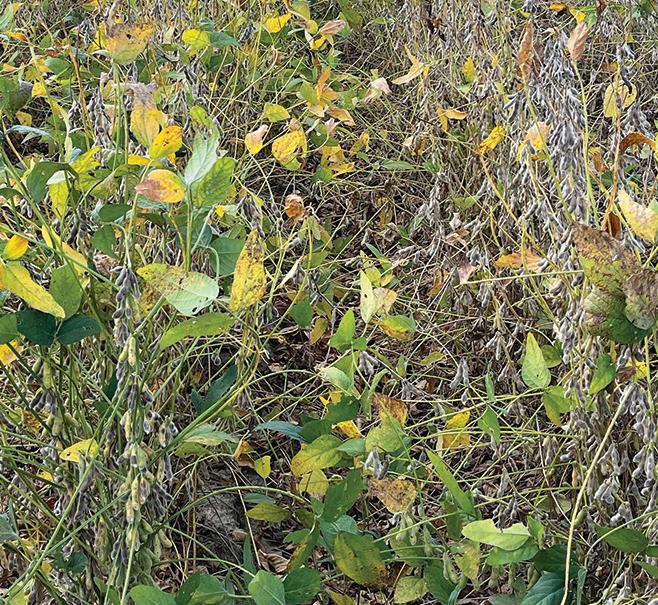
Miravis Top Untreated Greenwood, MS; 2021. Diseases: Cercospora leaf blight, Septoria blight. Insects: Brown stink bug, green stink
FUNDING the Future
The Missouri Soybean Merchandising Council (MSMC) continued its commitment to the future of agriculture during the 98th Missouri State FFA Convention through the Soy Innovation Challenge and sponsorship of key proficiency award areas recognizing outstanding Missouri FFA members.
REPUBLIC STUDENTS SELECTED AS SOY INNOVATION CHALLENGE WINNERS
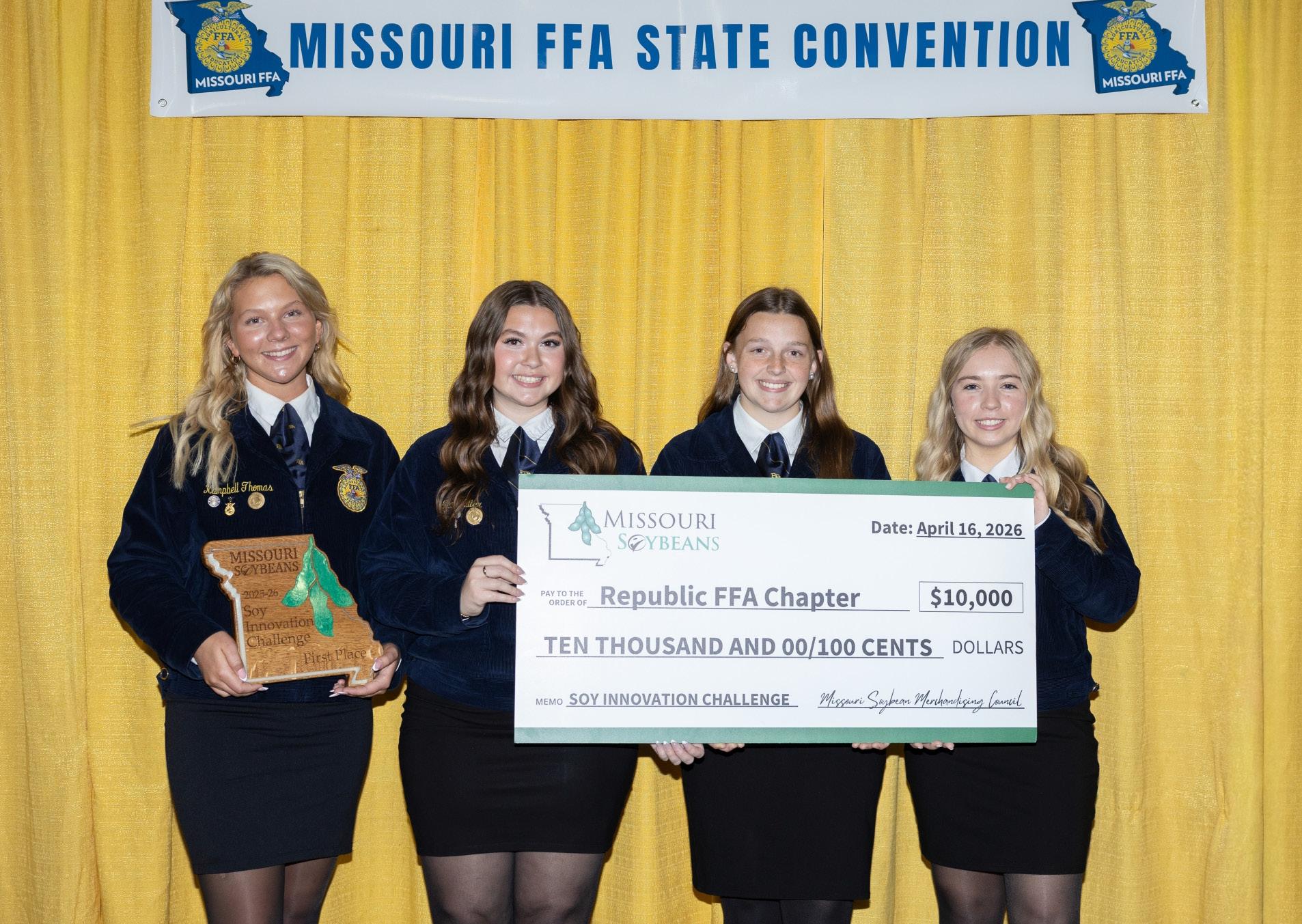
At the 98th Missouri State FFA Convention, the Republic FFA chapter was recognized as MSMC’s 2026 Soy Innovation Challenge winner. As the state winner, Republic FFA will receive a $10,000 grant to implement in both the school and community.
The Soy Innovation Challenge aims to engage FFA members in creating valuable ideas and business models based on the soy value chain to display at Missouri Soybeans’ Center for Soy Innovation in Jefferson City and across the state.
BY SAMANTHA TURNER
This is a two-part contest in which chapters design and develop an exhibit for the center and submit proposals for MSMC to consider. The top chapters travel to the state’s capital to present to a panel of judges made up of industry professionals.
The chapters awarded on stage included Republic (First), Nixa (Second) and Savannah (Third). The top three chapters were presented with $10,000, $5,000 and $2,500, respectively, for their innovative submissions and presentations.
“With education as a core tenant of the Missouri Soybean Merchandising Council’s mission, it was easy to develop a program that encourages young agriculturalists to think innovatively and pursue the soybean industry,” said Mark Lehenbauer, MSMC chairman. “MSMC finds it imperative to pour into local FFA chapters and students interested in agriculture to not only help us grow engagement at the Center for Soy Innovation but also create future leaders for our organization.”
Photos from Missouri FFA
FEATURE
To receive the state title, Republic FFA designed “Get Soy Fit: Powered by Protein,” an interactive protein gym experience that highlights the strength and versatility of Missouri soybeans. The concept features five workout-style learning stations where visitors connect physical activity with soybean education, including the soybean lifecycle, harvest process, the weight of a bushel of soybeans and the role of soy protein in human and livestock nutrition.
“Career readiness is a fundamental piece of the agricultural education curriculum and Missouri FFA Association mission,” said Teresa Briscoe, Missouri FFA executive secretary. “This contest offering from the Missouri Soybean Merchandising Council is a unique opportunity for students to enhance useful skills in the classroom and future workforce while educating students on a pivotal part of Missouri’s agricultural landscape. Missouri FFA encourages more chapters to apply year after year to reap the benefits of the valuable contest.”
The Republic FFA chapter’s proposal will be implemented at the Center for Soy Innovation and incorporated into educational programming for visiting students and community groups in the coming year.
PREPARING THE NEXT GENERATION OF PRODUCERS
Beyond the Soy Innovation Challenge, MSMC continued its investment in agricultural education by sponsoring two key proficiency award areas at the 98th Missouri FFA State Convention: Diversified Crop Production Placement and Fiber and Oil Crop Production. Through this support, MSMC recognizes the achievements of Missouri FFA members while encouraging the next generation of agricultural leaders and innovators.
“Supporting youth in agriculture is essential to building a strong future for our industry,” said Casey Wasser, CEO of Missouri Soybeans. “Our investment in these awards reflects our belief in the importance of education, mentorship and hands-on learning experiences. These students are already contributing meaningfully to agriculture, and we want to ensure they have every opportunity to continue growing.”
HULSE WINS DIVERSIFIED CROP PRODUCTION PLACEMENT
Selby Hulse, of the Monroe City FFA chapter, was named the state winner in the Diversified Crop Production Placement category. Through his Supervised Agricultural Experience (SAE), Hulse gained hands-on experience working with row-crops and modern farming practices.
His SAE program consists of placement at Hulse Family Farm, a diversified operation producing 900 acres of corn, 900 acres of soybeans and 200 acres of wheat annually. His responsibilities include cultivating fields, planting, spraying herbicides and insecticides and harvesting. He has learned to operate tractors, combines, grain carts and spray drones, and he also contributes to the farm’s forage operation by chopping rye silage and baling fescue hay, straw and cornstalks.
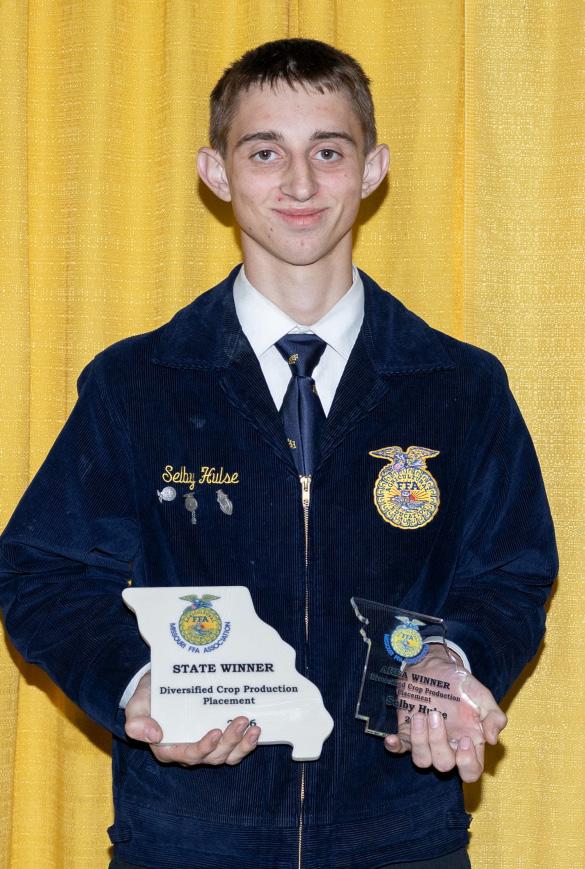
As his role on the farm has grown, Hulse has taken on additional management responsibilities, including selecting seed varieties based on yield data, coordinating with dealers for parts and supplies and helping manage other farm employees. As an FFA member, he has competed in Career Development Events for Nursery and Landscape and Agricultural Sales. Outside of FFA, Hulse is a member of the Missouri Angus Association, American Angus Association and the Missouri Club Calf Association. He is also active in Big Creek Presbyterian Church and Stone 4-H. After graduating, Hulse plans to attend Iowa State University to study agricultural systems technologies with a minor in plant science before returning to his family farm to help expand the operation. Continued on
SELBY HULSE
Monroe City FFA
LARSON HALL
Clopton FFA
HALL TAKES HOME FIBER AND OIL CROP PRODUCTION PROFICIENCY AWARD
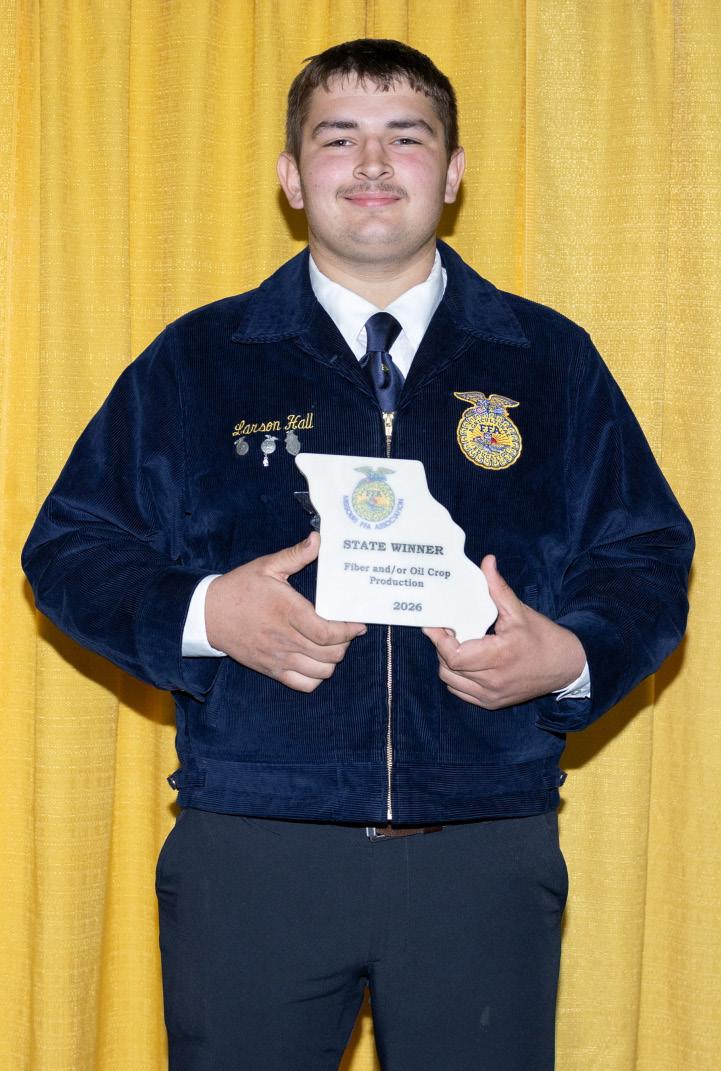
The Fiber and Oil Crop Production Proficiency Award went to Larson Hall of the Clopton FFA chapter. Hall’s SAE includes working for Hall Farms throughout the spring planting season, summer growing period and fall harvest. In this role, he assists with field preparation, planting and harvest operations while maintaining and operating large farm equipment essential to crop production. Hall also plays a role in managing the farm’s precision agriculture technology by helping oversee the calibration and updates of equipment such as GPS guidance systems to ensure accuracy and efficiency in field operations.
After graduating from high school, Hall plans to pursue a Diesel Mechanics Certificate from Pike-Lincoln Technical Center. He intends to continue working alongside his father at Hall Farms, taking on greater responsibilities within the operation. Looking ahead, Hall hopes to expand his experience in agricultural production and equipment management, with the long-term goal of purchasing an ownership interest in the farm and continuing to grow and strengthen the family business.
BEYOND THE AWARDS
MSMC’s support for FFA and youth in agriculture extends well beyond proficiency awards. Missouri Soybeans maintains a strong partnership with Missouri FFA by sponsoring programs, supporting
leadership development and welcoming students to the Center for Soy Innovation in Jefferson City for tours, training and hands-on learning experiences.
Through educational outreach, internships and engagement with soybean farmers and industry professionals, students are introduced to the many career opportunities available throughout the soybean value chain from production and research to policy and global markets.
As agriculture continues to evolve, so too must the ways industry leaders invest in the next generation.
“Missouri Soybeans is proud to support the work of Missouri FFA and the achievements of students like Hall and Hulse,” Wasser said. “They represent the best of what agriculture has to offer — hard work, innovation and a commitment to feeding and fueling the world.”
ABOUT MISSOURI FFA
The Missouri FFA has more than 26,000 members representing more than 350 chapters across the state. The National FFA Organization has nearly 850,000 members in 8,995 chapters across all 50 states and Puerto Rico. FFA makes a positive difference in the lives of students by developing their potential for premier leadership, personal growth and career success through agricultural education. To learn more about Missouri Soybeans’ support for education and youth programs, visit Missouri Soybeans.

Farm families committed to doing things differently, backed by a personal coach, peer learning, trusted strategic partners, and a full team of ag specialists covering financials, succession, HR, leadership, strategy, and risk. It’s an uncommon approach, built for farms that intend to last.
Exclusive Member Ben efits.

have a better way to sell their equipment. 50% off
• Over 50 years serving the ag industry
• Nationwide buyer reach focused in agriculture
• Trusted brand in ag communities
• Data-driven marketing and audience targeting
• Seller support from listing to settlement

MISSOURI SOYBEANS WELCOMES SUMMER INTERN CLASS
Missouri Soybeans welcomed a new class of summer interns who will gain handson experience across several areas of agriculture while supporting programs that serve soybean farmers across the state.
The internship program provides college students an opportunity to work alongside Missouri Soybeans staff and farmers while learning about key areas of the soybean industry, including conservation, research, agronomy, communications and policy. Throughout the summer, interns will assist with projects that support farmer-focused initiatives, field research and outreach.
“Investing in the next generation of agriculture leaders is important to the future of Missouri farming,” said Casey Wasser, Missouri Soybeans CEO and executive director. “Our interns gain realworld experience while contributing to work that directly supports Missouri soybean farmers.”
Daniel Moak of Fulton, Missouri, is returning for his second year with Missouri Soybeans to serve as the conservation agriculture intern. Moak is a senior at the University of Missouri majoring in natural resources science and management with an emphasis in fisheries and wildlife. In this role, he will support conservationfocused initiatives and projects that connect environmental stewardship with practical farm management.
“I’m excited to tie conservation practices into sustainable agriculture that maximizes farmer profits while changing the environment for the better,” Moak said.
Gabrielle Clifton of Columbia, Missouri, joins Missouri Soybeans as the research and agronomy intern. Clifton is a senior at the University of Nebraska-Lincoln majoring in agronomy with a minor in grassland ecology and management. She will assist with


research projects aimed at providing farmers with practical tools to improve productivity and sustainability.
“I am excited to assist with research that provides farmers with tools to increase their profitability and sustainability,” Clifton said. “I hope to grow in my knowledge of agronomy and research, connect with farmers and gain professional experiences and connections in Missouri.”
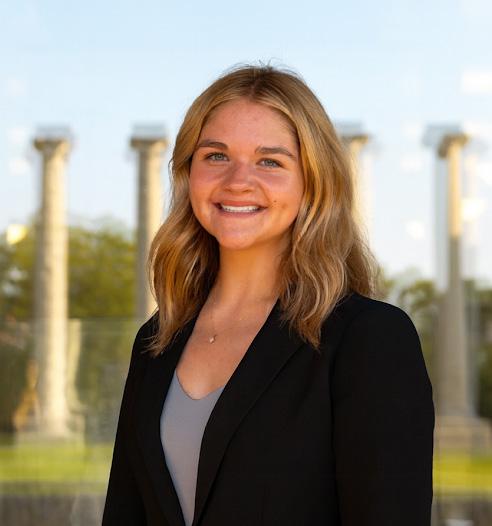
Mikaela Rojas is also joining the team this summer and will serve as the communications and education intern. Rojas is from New Boston, Missouri, and is currently a junior at the University of Missouri studying agriculture with an emphasis in agricultural communications and a minor in journalism. She will work with the Missouri Soybeans marketing and communications team to support projects including social media, digital analytics and magazine design.
“It is an honor to be working with such a dynamic and experienced team,” Rojas said. “Social media analytics and magazine design are just a few of the many things I am excited to learn from the Missouri Soybeans team this summer.”
Abby Shaffer of Troy, Missouri, will be this summer’s policy intern. Shaffer is a senior at the University of Missouri majoring in agricultural education with an emphasis in communications and leadership. In this role, she will assist with policy-related initiatives and support Missouri Soybeans’ advocacy efforts on behalf of soybean farmers.
“I’m excited to work with such a strong, diverse group of people,” Shaffer said. “There is so much to learn and be a part of with Missouri Soybeans, and I look forward to contributing.”
Missouri Soybeans looks forward to these students’ contributions to the team and the broader agricultural community. For more information about Missouri Soybeans and its programs, visit mosoy.org.

Daniel Moak
Gabrielle Clifton Mikaela Rojas
Abby Shaffer

EXPANDING COVER CROPS WITH FARMERS FOR SOIL HEALTH
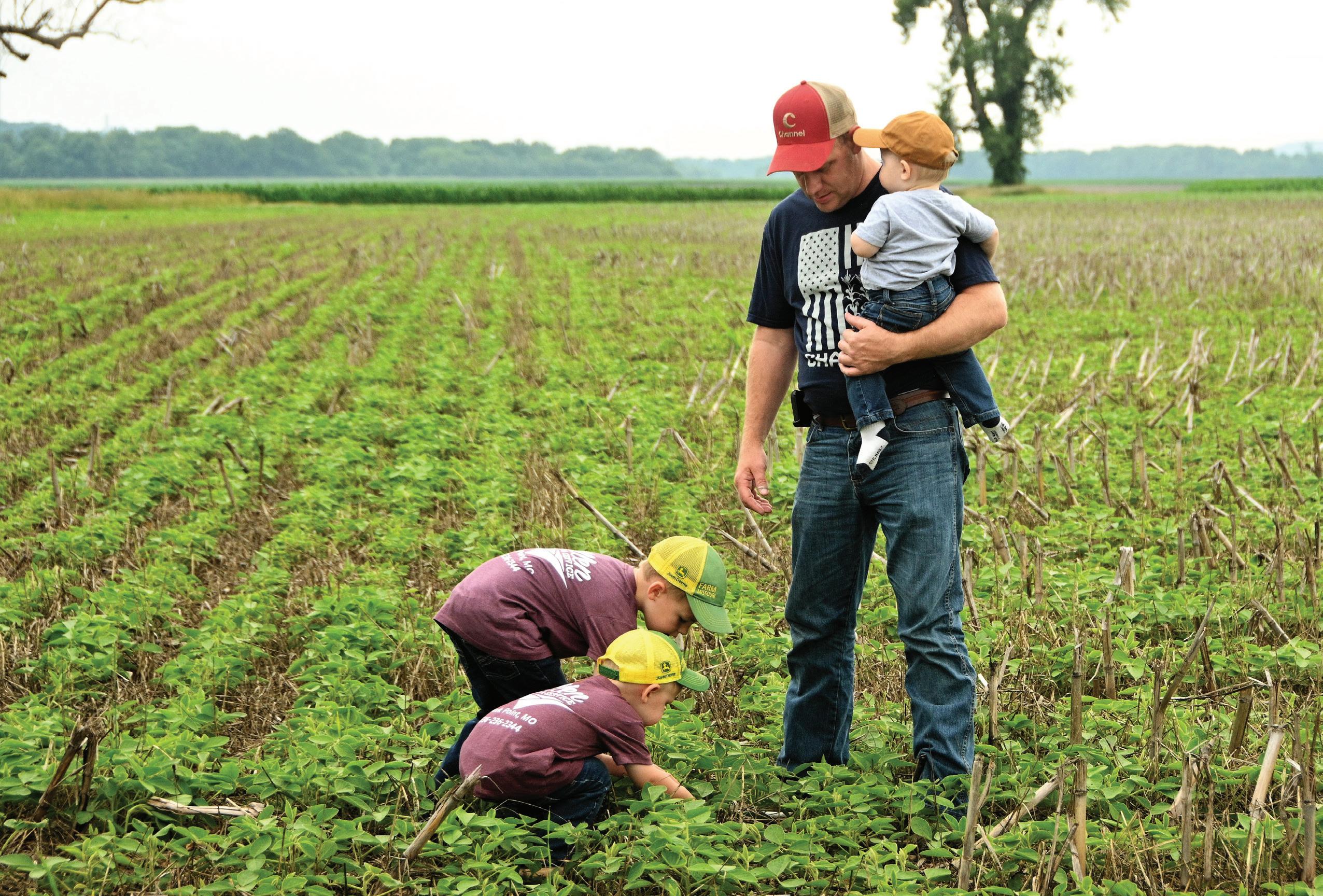
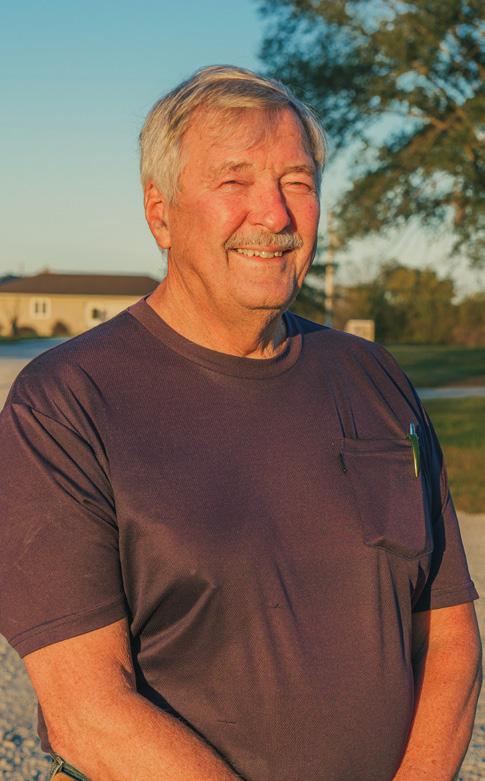
Bredehoeft Farms, a century-old row-crop farm in west-central Missouri, is run by Neal Bredehoeft and his two brothers, Gene and Clark, representing the third generation of family leadership.
If you ask Neal Bredehoeft, conservation has always been part of how they farm. One of their biggest challenges is soil erosion, and each generation has taken steps to address it. From installing terraces and grass waterways in the early 1950s to transitioning to 100% no-till in 1995, their focus has remained the same: keep the soil and its nutrients where they belong.
During the past decade, Bredehoeft and his brothers have added cover crops to their rotation, planting them after corn each year. As they grew more comfortable with the practice, they decided to expand their use of cover crops by planting them after their soybean harvest. That decision led Bredehoeft to enroll just 88 acres in Farmers for Soil Health.
He knew it wouldn’t be easy. The planting window after soybean harvest is tighter, and establishing a good stand of cover crops can be more challenging. Still, he saw value in giving it a try.
“One of the reasons we enrolled was that we wanted to learn and gather more information to help us successfully expand our cover crop usage by planting them behind soybeans,” Bredehoeft said.
By enrolling in Farmers for Soil Health, Bredehoeft not only gained access to technical support to guide him but also to financial support to help offset some costs.
“I think the technical assistance aspect of the program is very important,” Bredehoeft said. “They obviously have expertise in enrolling in the program, but they also have expertise on cover crops in general. From helping decide which species to sow, when to sow them, how to sow them, to being able to come to your farm, this can really help along the way. They are a really valuable asset to this program to make it successful.”
For Bredehoeft, that guidance goes hand in hand with the program’s financial incentives. Now that the program’s payment rate has been updated to $35 per acre, per year, for up to 2,000 acres and a one-year contract period, he thinks these changes “will pique the interest of farmers to try cover crops on their farms because they can offset some of the initial start-up costs.”
Bredehoeft has always encouraged farmers to try cover crops on at least a few acres. With the improved cost-share opportunity of
Farmers for Soil Health, he thinks more farmers will be interested, as it will help lower some of the risks. As he puts it, “Once they get involved with cover crops, they’ll see some real benefits to the soil, reducing erosion, etc., and they may want to increase some acreage on their farms.”
On Bredehoeft Farms, those benefits are already showing up in the field.
“Cover crops have definitely slowed down soil erosion,” he said. “When we went to no-till, we saw a substantial reduction in soil erosion, and when we implemented cover crops, we were able to reduce it a little more. There were a few ditches here and there, but once we started with cover crops, we were able to eliminate a lot of that as well as improve organic matter in some of our fields.”
Looking to the future, the Bredehoeft brothers are proud that the conservation practices they’ve implemented over the years will make farming a sustainable and profitable career for the next generation of the family, who are already involved in day-to-day operations.
If you’re interested in enrolling in Farmers for Soil Health, visit FarmersforSoilHealth.com/enrollment today.
Once farmers get involved with cover crops, they’ll see some real benefits to the soil, reducing erosion, etc., and they may want to increase some acreage on their farms.
NEAL BREDEHOEFT
Farmers for Soil Health is a collaborative initiative led by the Soy Checkoff, Pork Checkoff and National Corn Growers Association, alongside state commodity groups and conservation organizations. This 20-state program was created with a shared commitment to enhancing soil health and strengthening farm profitability






Ag Lending Lens: What Higher Interest Rates Mean for Your Operation
by Rick Krueger, Chief Financial Officer, FCS Financial
Just when it felt like we were finally settling into a “normal” interest rate environment, global instability on the other side of the world took center stage. Interest rates often get tangled up in geopolitical shifts, and while the underlying economics can be complicated, the impact on your operation can be very real. As we look into the landscape this summer, there are two questions to keep in mind:
can I know what to expect next?
Neither of these questions is simple in nature, but there are specific indicators you can watch to help guide your decisions. While predicting interest rates is nearly impossible, you can get a clear sense of the horizon by keeping an eye on inflation and unemployment.
Higher inflation generally means higher interest rates. More money moving around leads to a higher willingness to spend, driving inflation up. When inflation is high, the Federal Reserve generally moves short-term interest rates up as it wants to drive demand for additional money down, which helps manage inflation. The global pandemic taught us that excess funds chasing limited goods is a recipe for runaway inflation. Thus far with the conflict overseas, the inflation has been contained to energy and logistics, but an extended conflict is likely to lead to oil impacting prices for almost everything.
As recently as last fall, the Fed viewed unemployment as the primary factor driving short-term interest rates lower. Generally, unemployment and interest rates have an inverse relationship, whereas inflation and interest rates generally head the same direction. When unemployment goes up, the Fed typically steps in to stimulate the economy by lowering interest rates – exactly what we saw late last year. Since 2023, unemployment has been on a slow but steady increase, and the Fed’s rate cuts last fall were a direct response to that shift.
It is also important to understand there is a difference between short-term interest rates and long-term interest rates. We are coming out of a cycle where the yield curve was flat, meaning shortterm interest rates and long-term interest rates were generally the same. Looking ahead, we expect this curve to “normalize” or steepen. This means that while short-term rates you see in the headlines might drop, long-term rates (such as those for land) will likely remain more stubborn. When you hear about the Fed rate cuts, remember, they are primarily moving the needle on shortterm borrowing.
Now the question is what can you do about it?
Unfortunately, there is no silver bullet. That said, as a producer, you need to know and understand the status of your outstanding debt. The two primary variables to understand are term (long vs. short) and the nature of the rate (fixed vs. variable). Prior to this global volatility, those with variable rates were likely heading toward some relief this year. Once the current geopolitical situation stabilizes, that is still a strong possibility, but the volatility is real right now. If you are on longer-term debt with a fixed rate, you are likely best served staying put and letting the market settle. For those expanding and needing to take on additional debt, a shorterterm adjustable product with a lower rate could buy you time to see where the market goes, giving you the opportunity to refinance down the road to a more attractive long-term fixed rate.
Interest rates can have a significant impact on your operation and are key to managing your cash flow and overall cost of production. Stay plugged in and have a plan for all interest rate scenarios. You want to be ready when opportunity strikes.
Rick Krueger Chief Financial Officer FCS Financial
Krueger joined FCS Financial as chief financial officer in 2023 and has been serving the Farm Credit System for 22 years. He is a CPA and holds a bachelor's degree from Minnesota State University and completed the Graduate School of Banking at the University of Wisconsin-Madison.







A Century of Stewardship
Century farmer and former MSA and ASA president Neal Bredehoeft shares lessons of running a farm rooted in service.
Q: Tell us a little about yourself.
A: I was born and raised in Alma, Missouri. I went to the University of Missouri and graduated with an animal husbandry degree. From there, I came back to the family farming operation with my wife Kathy, and my two brothers, Gene and Clark. Kathy and I have two daughters and four grandchildren. We are also members of Trinity Lutheran Church here in Alma.
Q: Who is your biggest influence?
A: My parents. They were running the farming operation and helped train me when I came back to the farm, but they also showed me that you need to be involved in commodity groups and farm organizations. We raised hogs at the time, and they were both involved in Pork Producers. That showed me you need to get involved in some of the commodity groups that support what you raise and farm.
Q: What would you tell your kids or next generations to encourage them to be involved in agriculture?
A: There are so many facets to agriculture now other than just being on the farm and growing crops or livestock. There are so many things you can do that directly affect what we do on the farm, whether it be in research or sales. It’s a career that has many different avenues and many different ways you can be involved. If you have a passion for agriculture, I think it will carry you a long way in whatever area you go into. A passion for it is the most important thing.
Q: What are you listening to while working?
A: Country-western music.
Q: Tell us about your involvement in agriculture.
A: In addition to staying involved in Missouri Soybeans, I have been involved in the biodiesel industry since its beginning. I am on the board of directors for the Cargill-Paseo plant. I previously served on the MU Alumni Association Board and am currently serving as an appointed member of the Missouri USDA Farm Service Agency State Committee.
Q: Who is your favorite farm influencer to follow?
A: None online, but I have connections with other farmers across the country.
Q: Tell us about your favorite memory on the farm.
A: Gov. John Ashcroft did a farm tour with the Missouri Soybean Association and was out at our farm. We spent the day with him harvesting and taking care of hogs at that time. It was a great memory showing him around the farm.
Q: What is your favorite planting or harvest snack?
A: Assorted nuts and chocolate.
Q: Tell us about your farm.
A: We are a corn and soybean farm. I farm with my two brothers. One of my sons-in-law is involved and one of my brothers’ son-in-law is involved, so we’re trying to transition the farm to the next generation. We are strictly corn and soybeans. My grandparents started here in 1907, so we are a century farm and have been farming here ever since.
Q: How do you take your coffee?
A: Black.
Q: Does your family implement any sustainable practices?
A: My brothers and I have been no-tilling since 1990. In 1995, we went to 100% no-till, and we started planting cover crops close to 10 years ago on corn ground going to soybeans. We plant cereal rye on those acres. We also have CRP quail habitat strips on some of our acres.
Q: Should tractors be red or green?
A: We drive predominately green tractors, but we do have a red sprayer.
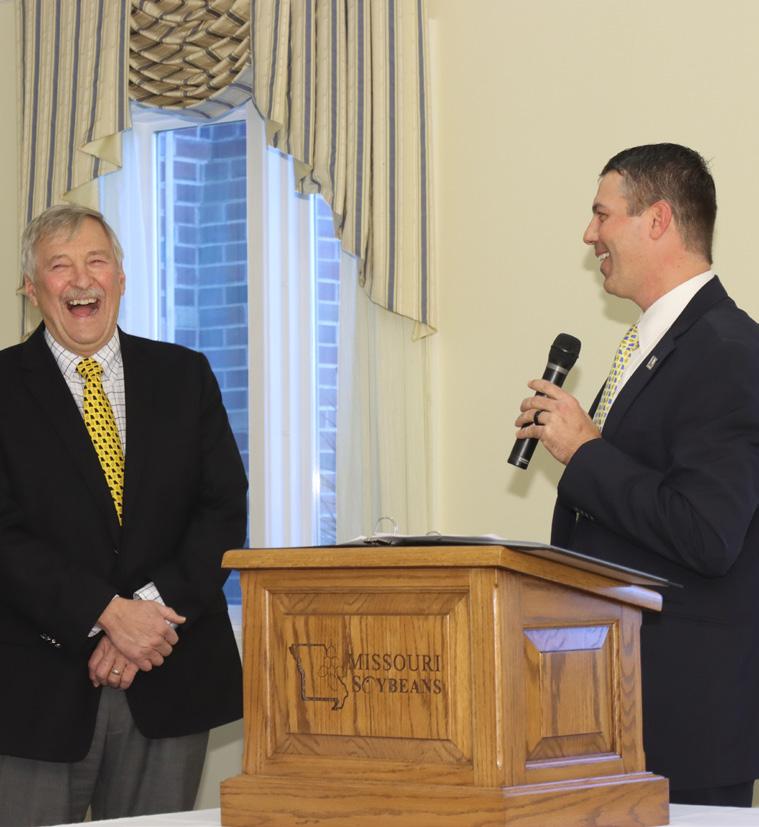
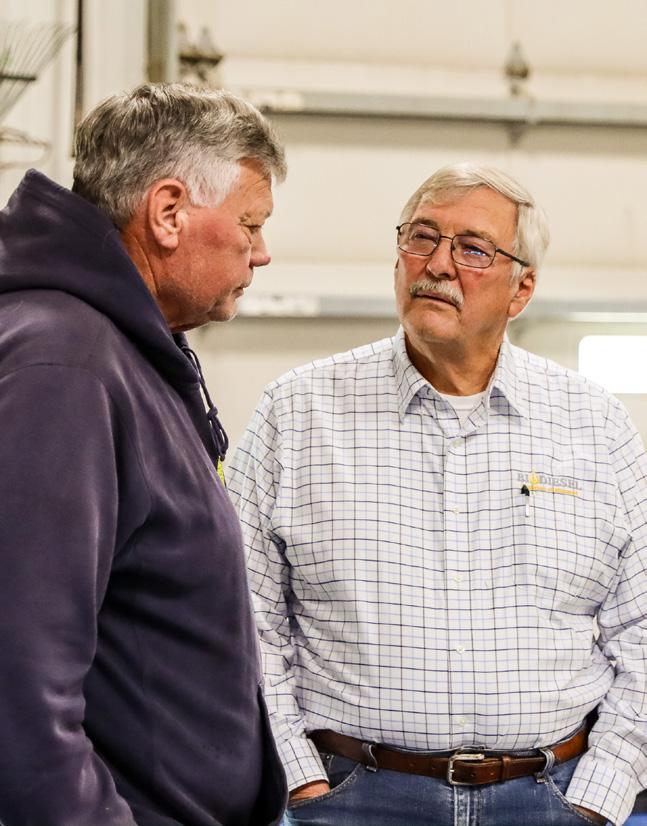
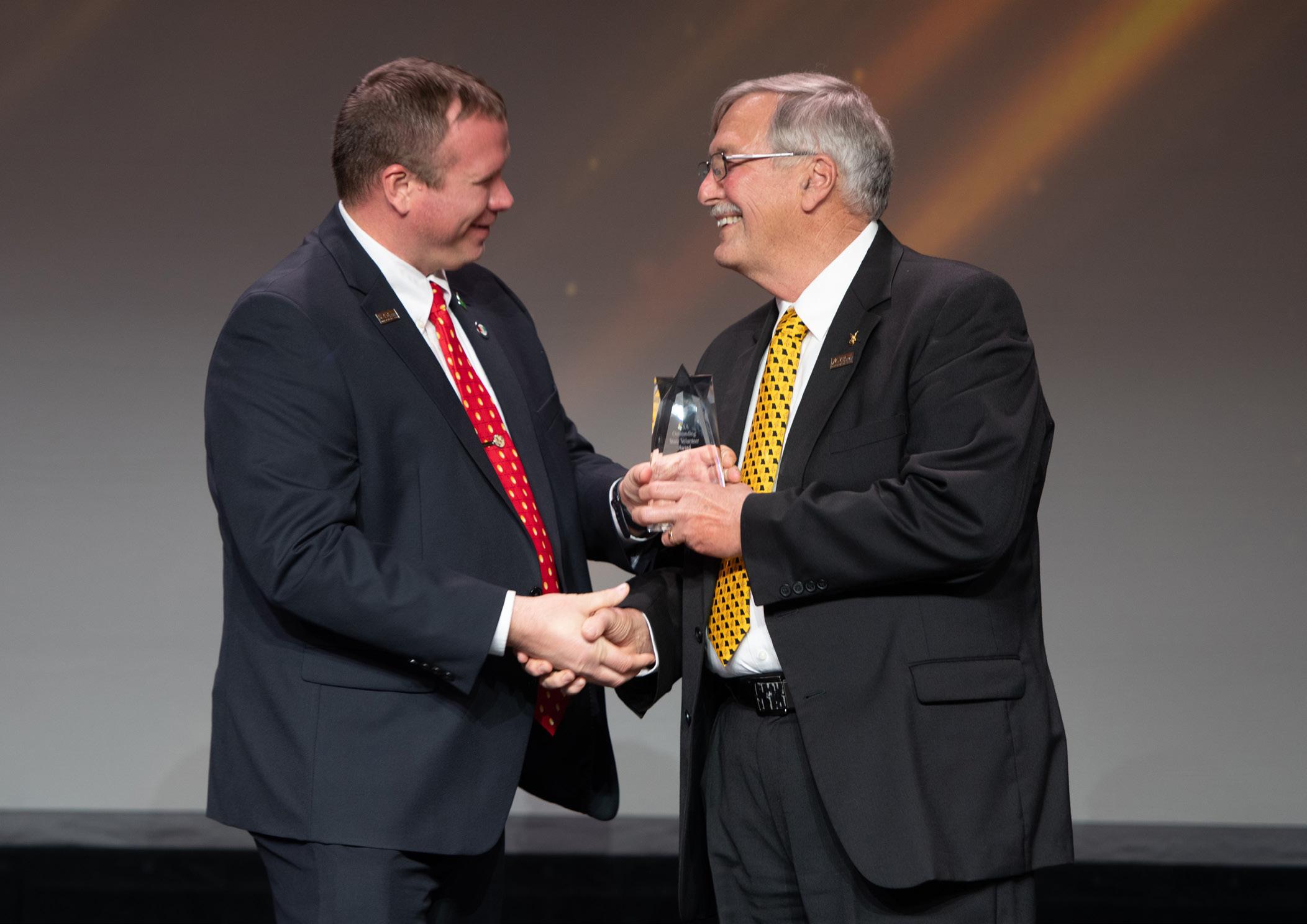
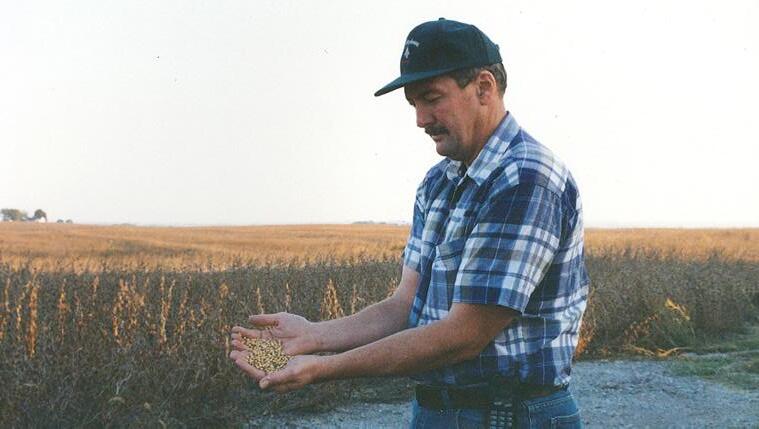
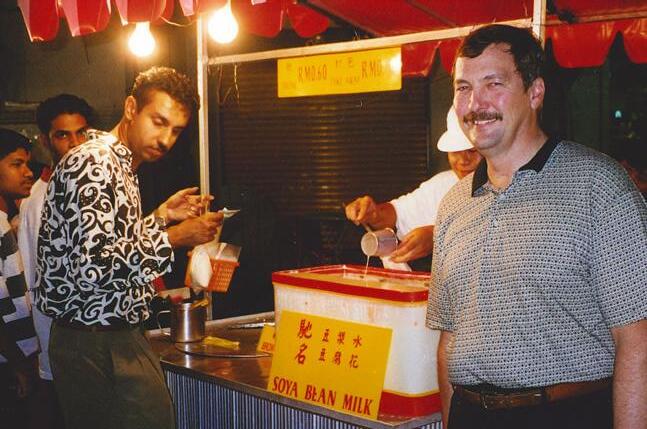
Photo from ASA
Rooted in Resilience
The Work Before the Crisis
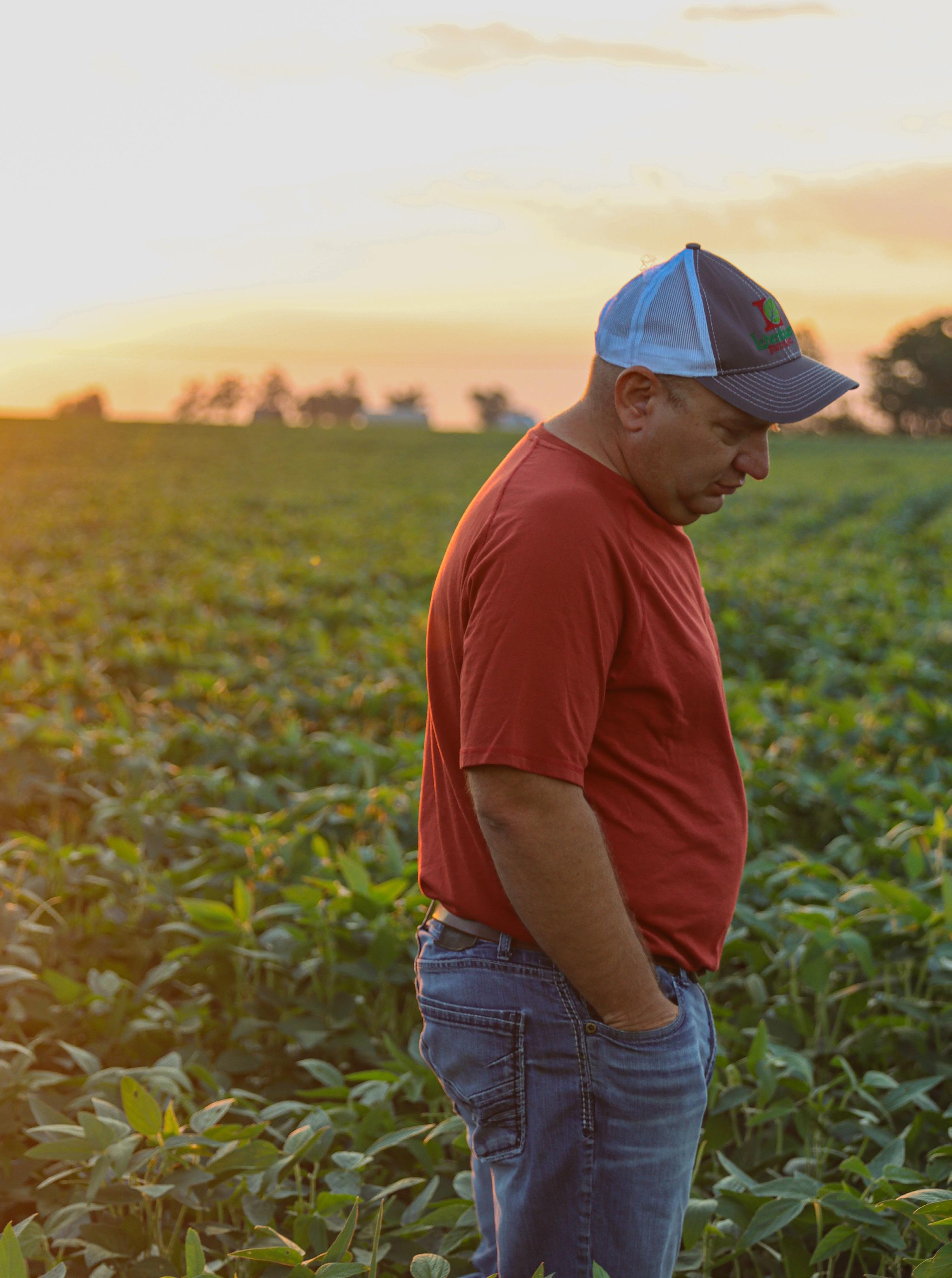
There is a leadership lesson in agriculture that every community in North America needs right now: You do not wait for the field to fail before you act.
Youscout early. You watch the weather. You maintain the equipment. You study the numbers. You plan for risk before risk shows up at the worst possible time.
Mental wellness deserves that same discipline.
For soybean farmers, ag leaders, researchers, lenders, veterinarians, educators, policy advocates and rural families, pressure is not theoretical. It is weather, markets, input costs, labor, succession, debt, regulation, long hours, isolation and the weight of decisions that affect a family, a farm and a future. Many operations are diversified. Many households rely on off-farm income. Many families are also raising livestock, leading communities and trying to keep the next generation connected to the land.
That is why the conversation has to move upstream.
Downstream is waiting until someone breaks. Upstream is building capacity before the crisis. It is not soft. It is smart. It is leadership. It is the difference between reacting to pain and preparing people to carry pressure with the right support around them.
At Empowering Minds, we believe everyday citizens can become a first line of care. Not clinicians. Not fixers. Not people with all the answers. Trusted people with courage, training and a simple willingness to notice, ask, listen and connect.
This is where organizations such as Missouri Soybeans can become a force multiplier. You already gather the right people. You already have trusted communications channels. You already convene farmers, partners, policymakers, students, consumers and industry leaders. When mental wellness is built into those existing touchpoints, support reaches people where they already are.
Here is the practical playbook.
First, make the check-in normal. A strong leader can ask a plain question: "How are you holding up?" "What has been heavier than usual?" "Who is helping you carry that?" These questions do not require a degree. They require humility, privacy and followthrough. One thought, one word, one action, one person away can change the direction of a day.
Second, train the trusted middle. Rural communities are full of natural helpers: agronomists, co-op staff, extension teams, pastors, lenders, seed dealers, veterans, coaches, board members, neighbors. Give them practical mental health literacy. Teach warning signs. Teach how to respond without judgment. Teach clear referral pathways. The goal is not to replace professional care. The goal is to shorten the distance between struggle and support.
Third, make resources field-ready. A wellness message should be as usable as a crop plan. Put crisis contacts, local counseling options, peer-support contacts, farm-stress resources and mobile crisis information on one clean page. Put it in newsletters, meeting packets, social posts, event signage and shop cabinets. In the U.S., people can call or text 988 for the Suicide & Crisis Lifeline; in Canada, call or text 9-8-8 for the Suicide Crisis Helpline. For immediate danger, call local emergency services. Local resources should be listed beside those numbers.
Fourth, put wellness where leadership already lives. Add a fiveminute stress-season check to a winter meeting. Add a resilience table to a field day. Include mental wellness in safety, succession and business continuity conversations. Let young people hear that strong agriculture is built not only on yield, markets and technology but also on families who know how to ask for help and help others.
Fifth, measure action. Count how many people are trained. Ask whether attendees know where to send someone who is struggling. Build county-level resource maps. Follow up after planting, harvest and other high-pressure seasons. Leadership is not proven by saying "we care." It is proven by making care easier to find.
This is the next frontier of community innovation. Not another slogan. A system. A culture. A shared responsibility.
You make the difference when you see people before the crisis. You make the difference when you equip ordinary citizens to do extraordinary good. You make the difference when a trusted organization uses its voice to protect the people who feed, lead and sustain our communities.
All things are possible when practical care meets courageous leadership.
Here is the Practical Playbook

1 Normalize the Check-In
Strong leaders ask simple questions, listen without judgment and follow through when someone needs support.
2 Train the Trusted Middle
Equip local leaders and ag professionals with practical mental health tools and clear referral resources.
3 Make Resources Field-Ready
Keep crisis contacts, counseling resources and support information easy to access during stressful seasons.
4 Put Wellness Where Leadership Lives
Bring mental wellness conversations into meetings, field days and everyday agricultural leadership spaces.
5
Measure Action
Track training, resource awareness and follow-up efforts to ensure support systems are actually working.
MISSOURI SOYBEANS NAMES
CARLEY ESSER-MCLEAN
ASSOCIATE DIRECTOR OF POLICY AND MARKET DEVELOPMENT
Missouri Soybeans has named Carley Esser-McLean as its new associate director of policy and market development, bringing nearly a decade of federal policy and agricultural leadership experience to the organization.
Originally from Boonville, Missouri, McLean most recently served on the professional staff of the U.S. Senate Committee on Agriculture, Nutrition and Forestry under Chairman John Boozman of Arkansas. In that role, she led farm bill negotiations related to commodity programs, standing disaster programs and crop insurance while advising the committee chairman on key policy issues impacting farmers nationwide.
Prior to her Senate role, McLean served as senior legislative assistant and legislative assistant for former U.S. Rep. Vicky Hartzler of Missouri. During her time in the House of Representatives, she advised on a wide range of policy issues including agriculture, trade, energy, transportation and education.
McLean’s career in agriculture policy also includes experience with the U.S. Grains Council, where she served as global strategies coordinator and helped coordinate international educational programming focused on agricultural biotechnology.
“After nearly a decade in Washington supporting our nation’s farmers and rural communities, it is an honor to return home and utilize that experience to focus on addressing the needs of Missouri soybean farmers,” McLean said.
In her new role, McLean will help lead Missouri Soybeans’ policy engagement and market development initiatives, working with
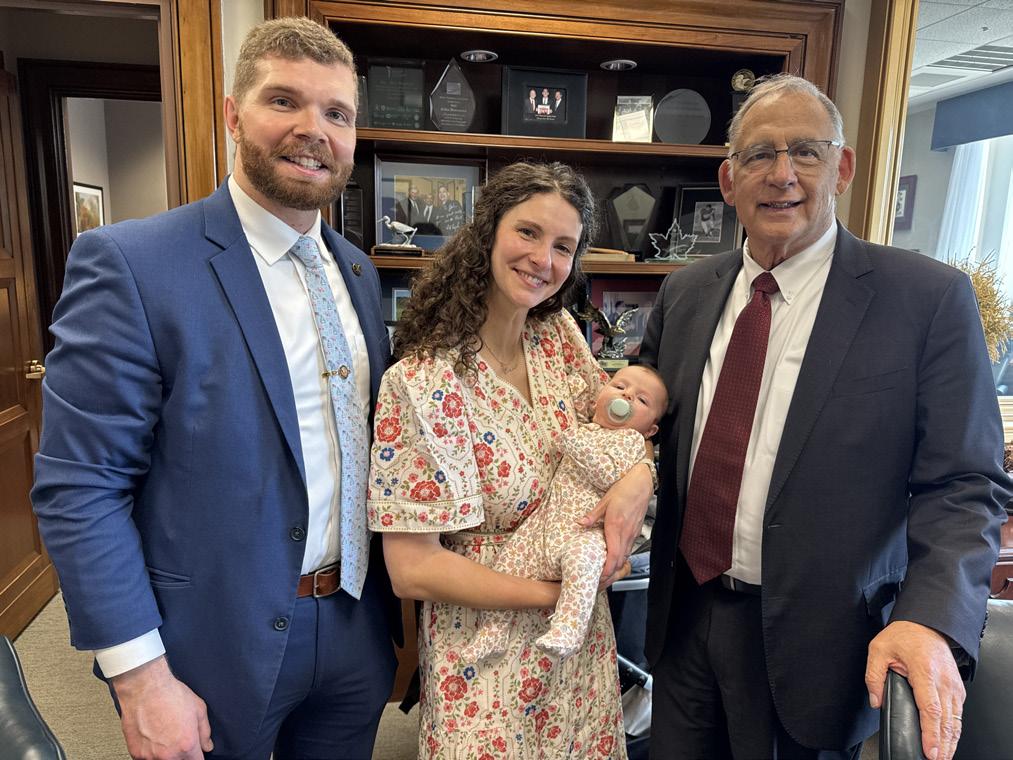
"After nearly a decade in Washington supporting our nation’s farmers and rural communities, it is an honor to return home and utilize that experience to focus on addressing the needs of Missouri soybean farmers.
CARLEY ESSER-MCLEAN
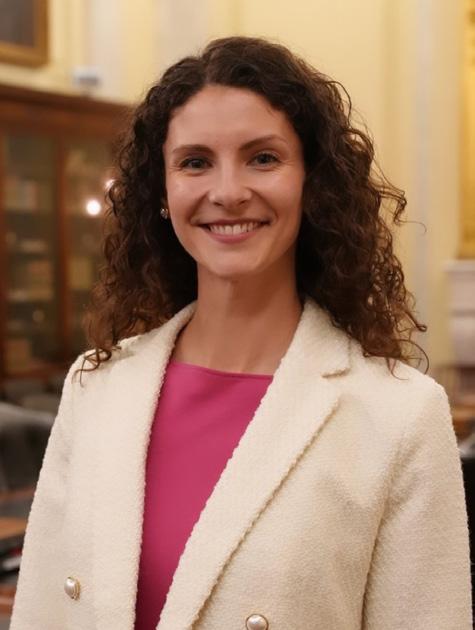
farmer-leaders, policymakers and industry partners to advance priorities important to Missouri soybean farmers.
“Carley brings an impressive depth of experience in agricultural policy and a strong understanding of the challenges farmers face,” said Casey Wasser, CEO of Missouri Soybeans. “Her work on Capitol Hill and her Missouri roots position her well to advocate for soybean farmers and help advance policies that strengthen agriculture in our state.”
McLean holds a Bachelor of Science in agricultural education with an emphasis in leadership from the University of Missouri. She also earned minors in international agriculture, agricultural economics and psychology.
She has remained actively involved in agricultural leadership and community service, including volunteering with the Joint Congressional Committee on Inaugural Ceremonies, serving at the St. Vincent de Paul Church food bank, mentoring students through Agriculture Future of America and serving on the University of Missouri Agricultural Education and Leadership Advisory Board.
McLean will split time between Washington, D.C., and Missouri as she works closely with farmer leaders and policymakers on issues impacting the soybean industry.
TRAIN TRAIN

Before you jump in, consider potential electrical hazards in your pool. Missouri Electric Cooperatives reminds you to:
• MAKE SURE ground-fault circuit interrupters (GFCIs) are installed.
• LOOK for signs of mold or other growth on the inside lenses of lights, which can indicate water leakage.
• LABEL power switches for pool, hot tub and spa equipment, as well as lighting.
• USE battery-operated electronics whenever possible.
• KEEP electrical cords, wires and devices out of reach and at least 5 feet from the water.
• UNPLUG any device that has fallen into the water before touching it.
Learn more at moelectriccoops.com
MISSOURI SOYBEANS COMMUNICATIONS TEAM EARNS NATIONAL FIRST-PLACE AWARD FROM NAMA
The Missouri Soybeans communications and marketing team earned national recognition during the National AgriMarketing Association’s (NAMA) 2026 Best of NAMA Awards, taking home first place nationally for the Missouri Soybean Farmer magazine.
The award was presented during NAMA’s annual conference, where agricultural communications and marketing professionals from across the country compete against leading agribusinesses, agencies, commodity organizations and national brands.
The Missouri Soybean Farmer magazine earned the top national honor in its category after previously receiving regional recognition earlier this year.
Published six times annually, the Missouri Soybean Farmer magazine is produced entirely in-house by Missouri Soybeans’ communications and marketing team and serves as one of the state’s largest agricultural publications with a circulation reaching more than 36,000 farmers and industry stakeholders.
“This recognition is incredibly meaningful because it reflects the passion, creativity and dedication our team pours into telling the story of Missouri soybean farmers,” said Casey Wasser, CEO of Missouri Soybeans. “To compete and win against some of the largest agricultural brands and agencies in the country speaks volumes about the talent of our communications staff and the strength of the stories coming from Missouri agriculture.”
The award-winning publication highlights soybean research, policy, market development, conservation, innovation and farmer-focused storytelling while serving as a key communication tool for Missouri soybean farmers across the state.
Under the leadership of Missouri Soybeans’ communications and marketing department, the publication has expanded significantly in
recent years, growing from a smaller quarterly publication into a 52-page, bimonthly magazine recognized nationally for excellence in agricultural communications.
“Our team works incredibly hard to ensure Missouri farmers see the value of their checkoff investments and membership through meaningful storytelling and transparent communication,” said Samantha Turner. “Winning a national title for a publication created completely in-house is a huge accomplishment for our organization and our team.”
The National Agri-Marketing Association is a professional organization focused on agricultural business marketing and communications. The Best of NAMA Awards recognize excellence in agricultural communications, public relations, advertising and marketing campaigns from across the nation.
To view current and past editions of the Missouri Soybean Farmer magazine, visit mosoy.org/ magazine.
" Our team works incredibly hard to ensure Missouri farmers see the value of their checkoff investments and membership through meaningful storytelling and transparent communication. Samantha Turner Dir. of Comms and Marketing
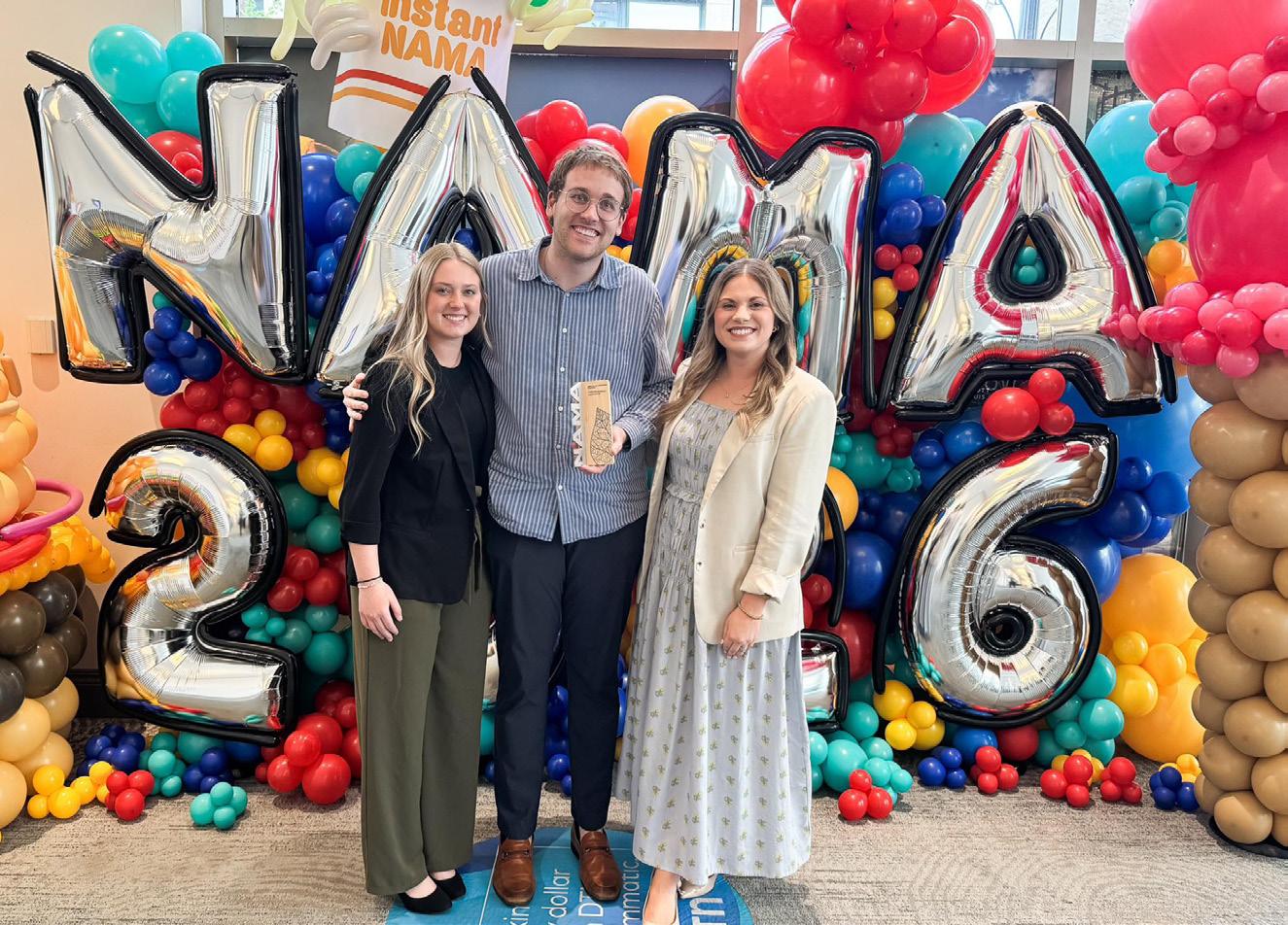
Long days ahead.
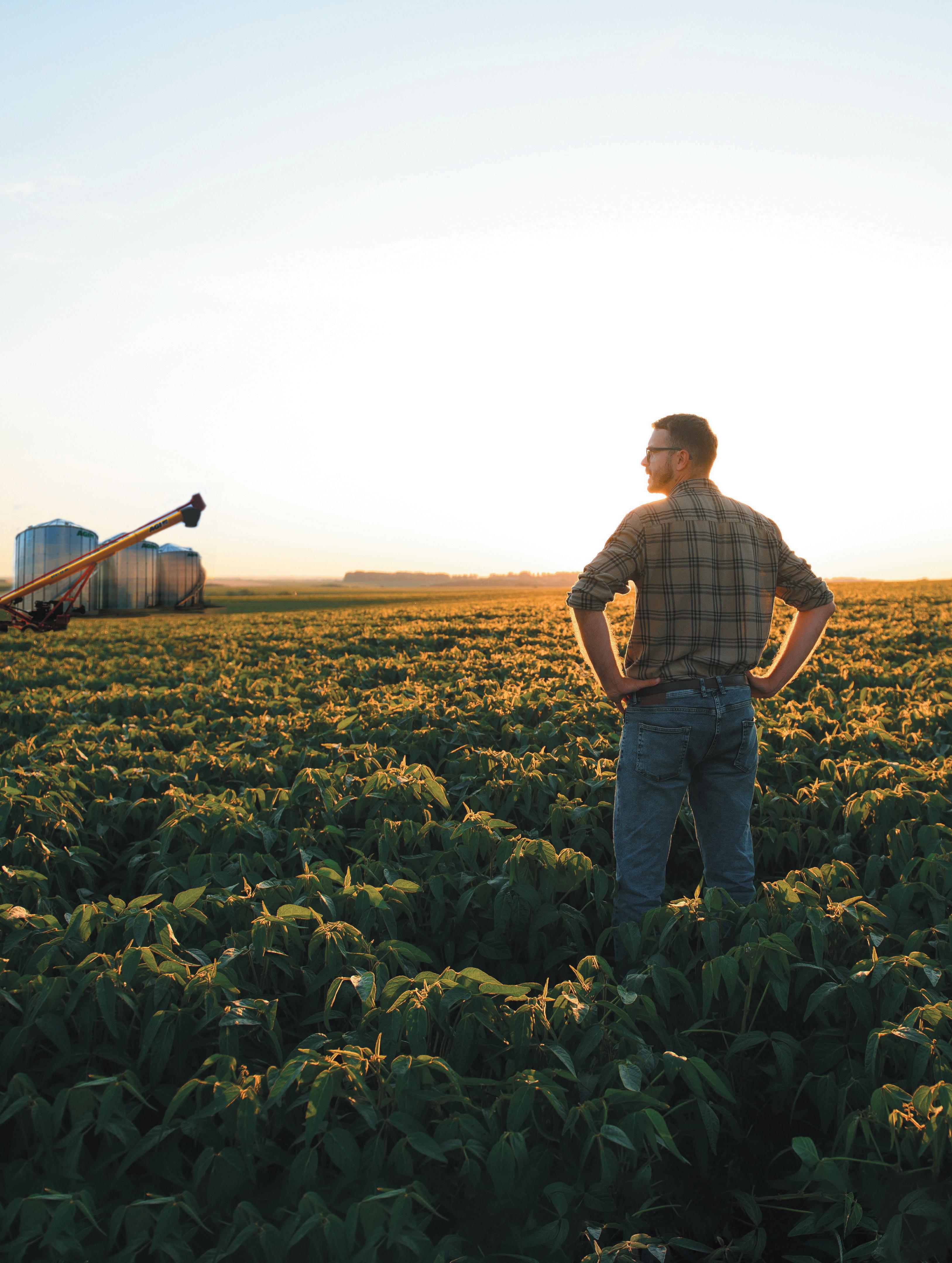
Handling. Storage. Conditioning. Monitoring.
Starting tomorrow there’s a lot to get done and your yard should be ready with the right equipment.
For over 30 years, AGI works with farmers to develop exceptionally-designed and built-to-last grain handling, storage and drying solutions for every farm and any yard.
Nobody knows yards like AGI.
Missouri Soybean Association membership fuels advocacy, connection and leadership. MO SoyPAC protects it.
From first-acre farmers to multigenerational operations, Missouri Soybean Association membership strengthens soybean advocacy at every level. When policy shapes profitability, your involvement matters.
MEMBERSHIP LEVELS
FARMER ADVOCATE — FREE
Exclusive Missouri Soybean Association communications Missouri policy updates
Invitations to Missouri Soybean Association events
5% discount on new and existing CFM policies
Membership Valid for Two Years
TWO-YEAR ADVOCATE — $120
All Farmer Member benefits
10% Cabela’s discount
$100 Commodity Classic registration discount
50% Off Seller Fees at DPA Auctions
5% Off Services with UnCommon Farms
Exclusive DGP Oil Products Discount Code
Eligibility for ASA Soy Scholarship programs
Federal policy updates from the American Soybean Association
Discounted Rate of $100 with Auto-Renewal
LIFETIME MEMBER
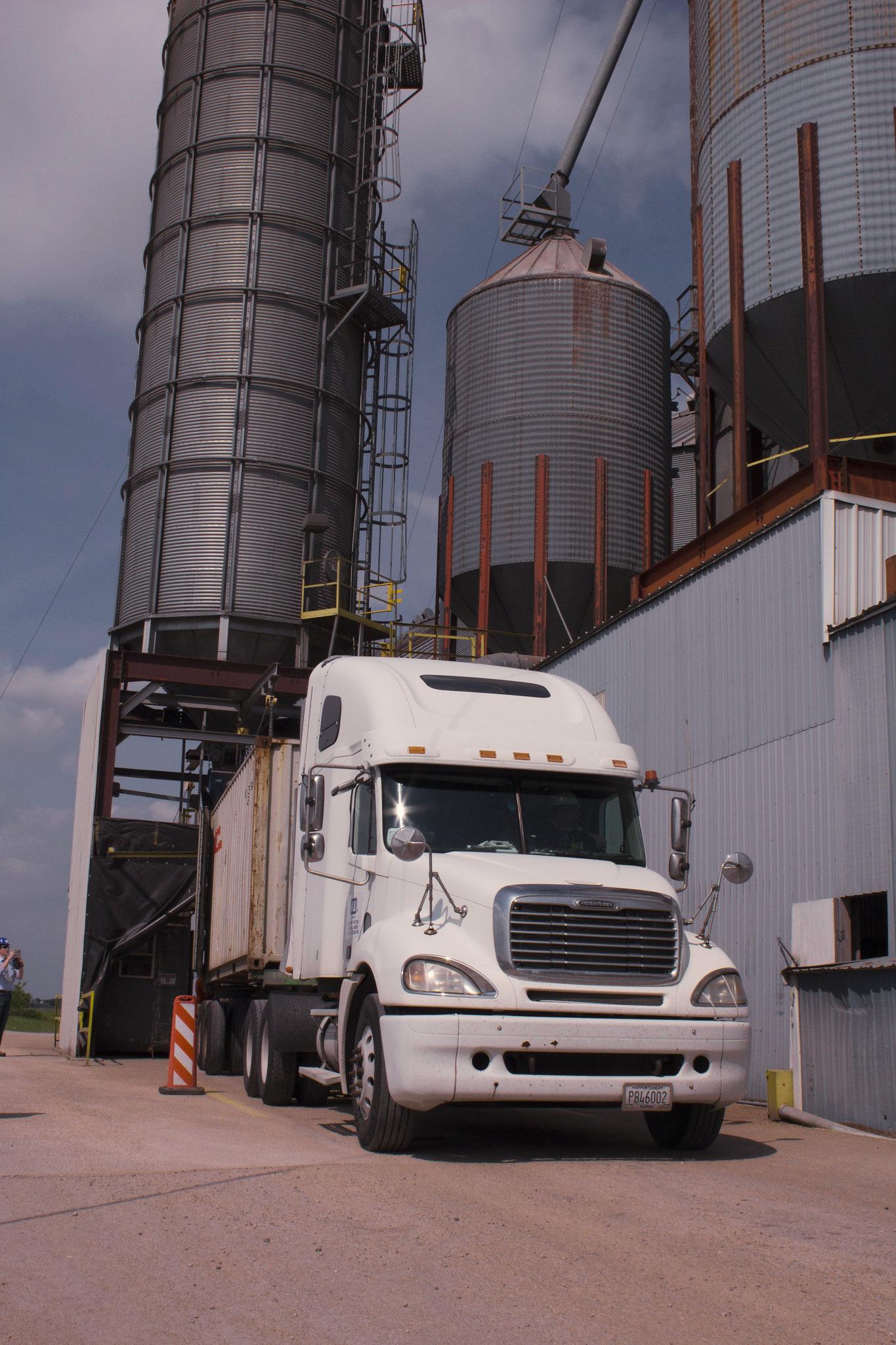
Biodiesel runs in the engines you already use . With lower emissions
Last year was a tough one for the biodiesel industry. The 45Z Clean Fuel Production Credit program was in effect, but without clear structure or rules from the federal government, it was difficult for producers to understand how to benefit from the tax credit in their day-today operations.
In February, the U.S. Department of the Treasury proposed much-needed guidance for the 45Z Clean Fuel Production Credit program. The rules provide taxpayers with safe harbors, clarify what qualifies as a sale, address tolling arrangements and establish a framework for fuels used in non-transportation applications. However, they do not change the prevailing wage requirements that have been in place since 2024.
The updated guidance also places limits on feedstock eligibility, which is a positive development for U.S. soybean farmers.
These changes have given biodiesel producers more confidence to make competitive sales decisions instead of navigating uncertainty. While there is still progress to be made, the outlook is stronger than it was a year ago.
What I refer to as biodiesel blending season is now underway, typically running from late March through early October. MFA Oil Company has seen increased demand for biodiesel, and with ongoing geopolitical tensions in the Middle East, biodiesel is becoming more competitive with conventional diesel pricing.
One missing piece in the industry is the return of standard biodiesel blends at the terminal level. Two years ago, six fuel terminals in Missouri or near the Missouri border offered B5 (a blend of 5 percent biodiesel and 95 percent conventional diesel) as the standard diesel at the rack. With greater clarity around the 45Z program, I expect the refining and terminal
Let your fuel provider know that the farmers who grow the beans stand behind their product — ask for biodiesel.
industry to move back toward B5 as a standard offering.
According to studies by Clean Fuels Alliance America, biodiesel demand can support approximately 10% of the per-bushel price of soybeans. In addition to adding value to soybean production, Missouri’s biodiesel industry supports more than 5,500 jobs and generates roughly $2 billion in economic impact.
With continued uncertainty in global energy markets, the importance of domestic biodiesel production is becoming increasingly clear. Policy improvements, higher conventional diesel prices and stronger market demand are all contributing to renewed momentum for the industry and added value for farmers.
While the industry is moving in the right direction, your voice can help accelerate that progress. Let your fuel provider know that the farmers who grow the beans stand behind their product — ask for biodiesel. That demand signal carries more weight than you might expect.
Find a Retailer
Policy improvements, higher conventional diesel prices and stronger market demand are all contributing to renewed momentum for the industry and added value for farmers.
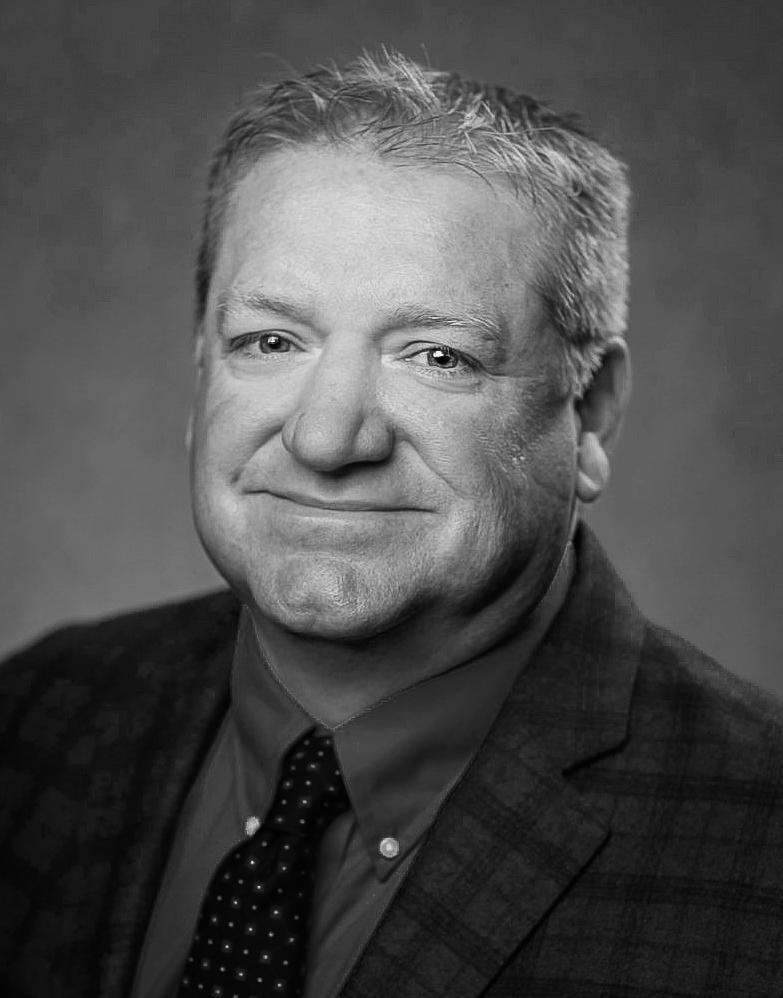
OPINION:
Better Days for Biodiesel
By James Greer
James Greer serves as senior vice president of supply and transportation for MFA Oil Company. He oversees a wide range of supply operations, including refinery output, pipeline shipments, propane procurement, terminal pricing, lubricant formulation, warehousing and more. He also works with industry trade associations on policy issues affecting the business.
Greer joined MFA Oil in 1993 after earning a degree in agricultural economics from Oklahoma State University and has held several leadership roles across Missouri and Oklahoma.

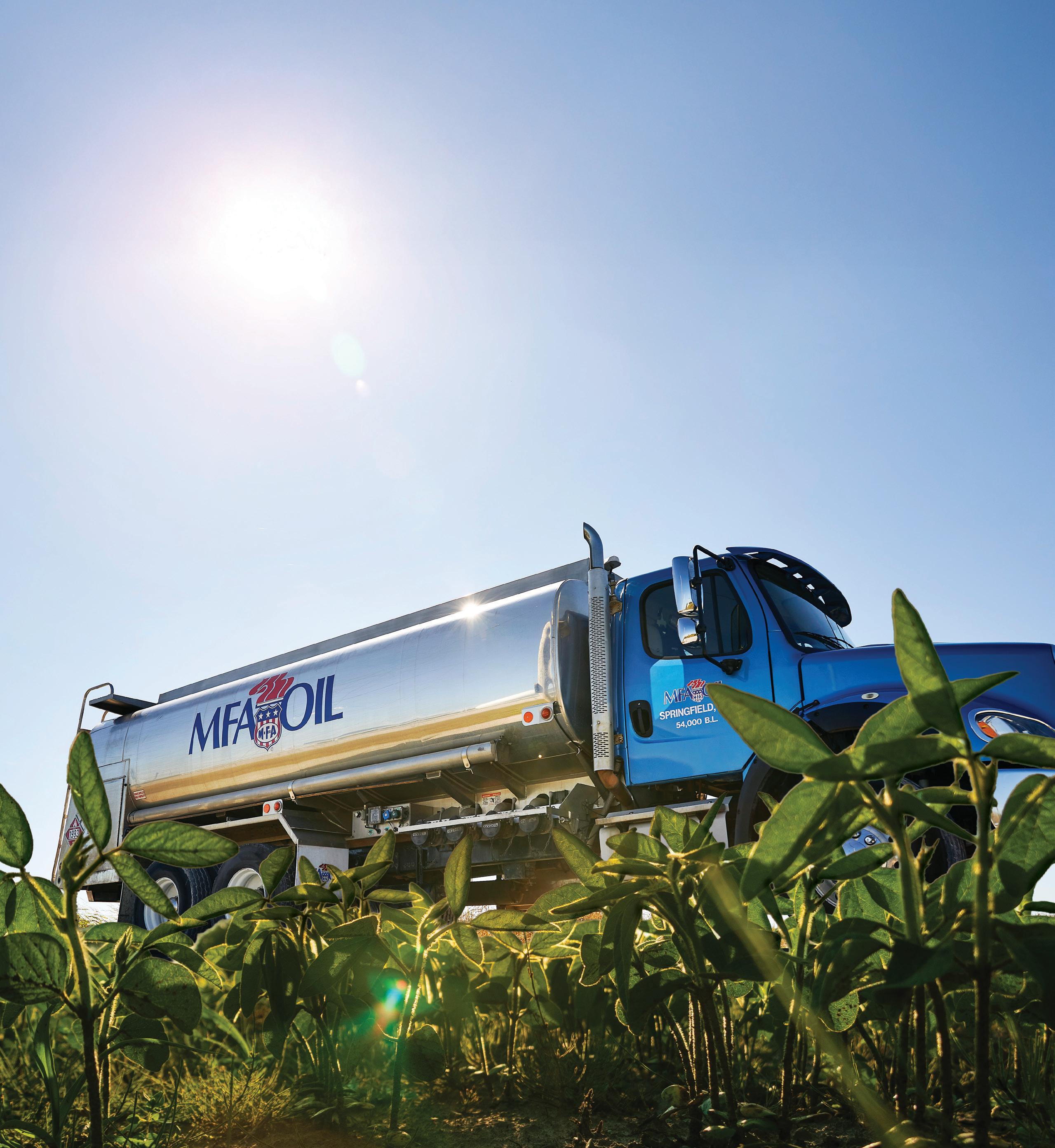

An Update from ASA
Duringthe past several weeks, federal policy activity affecting soybean growers has included House passage of a new farm bill, finalized renewable fuel standards and continued work on input costs and trade, with ASA and its farmer-leaders engaged across each of these areas.
The House of Representatives recently passed H.R. 7567, the Farm, Food and National Security Act of 2026, by a bipartisan vote of 224200. The legislation marks a significant step toward advancing a new five-year farm bill, though several key issues remain unresolved as the process shifts to the Senate.
The process leading up to final passage included several days of negotiations in the House Rules Committee, where lawmakers worked through disagreements on a range of provisions before bringing the bill to the floor. Debate on amendments extended into the early morning hours and included consideration of proposals related to biofuels, livestock production standards and pesticide policy.
Several of those issues were ultimately addressed outside of the final package. Provisions related to year-round E15 access were removed from the farm bill and considered separately, though the legislation was ultimately pulled from the floor following negotiations. At the time this article was written, House leadership had indicated the issue could return for consideration during the week of May 11. An amendment allowing state-based livestock production standards was also not included in the final rule governing floor debate.
During amendment consideration, language tied to the Agricultural Labeling Uniformity Act was removed from the bill. The proposal, supported by ASA, would reaffirm the role of the Environmental Protection Agency in establishing consistent pesticide labeling standards. Its removal reflects a shifting policy environment around pesticide regulation and signals continued debate on this issue moving forward.
Despite those changes, the House-passed bill includes several provisions supported by ASA and soybean growers. These include investments in conservation programs, expanded access to credit, support for precision agriculture and reauthorization of the BioPreferred Program and the Biorefinery Assistance Program. The legislation also includes provisions addressing challenges stemming from state-level animal welfare regulations and would transfer Food for Peace authority to the U.S. Department of Agriculture.
Many of these provisions remain important to soybean growers as margins tighten and farmers continue managing elevated production costs. At the same time, broader discussions around strengthening the farm safety net have continued through other legislative vehicles in Congress, including reconciliation legislation containing updates to commodity programs, crop insurance and other farm bill priorities.
Attention now turns to the Senate, where Agriculture Committee leadership has indicated interest in taking up farm bill legislation, with a potential markup anticipated as early as June. As the Senate process begins, differences between the two chambers are expected to emerge on conservation funding, regional priorities and remaining farm bill provisions not addressed through reconciliation legislation.
Renewable fuel policy has also remained a major focus in Washington.
On March 27, EPA finalized Renewable Volume Obligations under the Renewable Fuel Standard for 2026 and 2027. ASA welcomed the final rule, which represents the largest annual volumes in the lifespan of the Renewable Fuel Standard and is expected to be positive for soybean oil demand.
The rule increases biomass-based diesel volumes to 5.4 billion gallons in 2026 and 5.7 billion gallons in 2027, an increase of more than 60% from 2025 levels. EPA also finalized a 70% reallocation of certain retroactive small refinery exemption volumes back into the blending pool, a step ASA supported to help strengthen the integrity of the Renewable Fuel Standard and support additional domestic biofuel production.
For soybean growers, the biomass-based diesel category remains especially important. Soybean oil continues to serve as a primary feedstock for renewable diesel, and domestic biofuel production now accounts for more than half of all domestic soybean oil consumption. The rule also comes as renewable diesel production capacity has expanded significantly in recent years, further linking federal fuel policy decisions to soybean demand and soybean processing capacity.
With the rule finalized, attention is shifting toward implementation and market response. Discussions around year-round E15 access also continued separately from the farm bill debate, underscoring the broader focus on biofuels policy in Washington.
Input costs also remain a key focus. ASA continues to engage with policymakers on fertilizer availability and affordability, advocating for policies that increase market transparency, support domestic production and address supply chain challenges. Ensuring access to inputs at reasonable prices remains a priority as growers continue navigating volatility across global fertilizer markets.
The Senate Agriculture Committee is also expected to hold a hearing May 12 focused on fertilizer affordability and supply chain stability as farmers continue facing elevated input costs and global supply disruptions. ASA has continued pushing for the removal of countervailing duties on imported phosphate fertilizer and remains engaged with lawmakers and administration officials on fertilizer availability and the impact of rising input costs on soybean growers.
Trade policy remains another important component of the federal policy landscape. USDA has announced additional funding for trade promotion programs, reinforcing the importance of exports to soybean demand. Programs such as the Market Access Program and Foreign Market Development Program continue to play a critical role in building and maintaining export markets for U.S. soy.
At the same time, early discussions tied to the upcoming review of the United States–Mexico–Canada Agreement are beginning to take shape, with agriculture stakeholders focused on maintaining strong market access and preserving the benefits the agreement has provided to U.S. agriculture.
As these issues continue to develop throughout the year, ASA and its farmer-leaders will remain engaged with lawmakers and federal agencies to ensure soybean grower priorities continue to be represented in Washington.
MISSOURI GRASSROOTS FELLOWSHIP


MERISTEM HAS YOU COVERED. WITH HOPPER THROTTLE® MAXSTAX™ GOING NAKED DOESN’T HAVE TO BE SCARY.
Co-packed with four EPA-registered actives, the revolutionary combination of inputs in MaxStax is delivered at the planter – saving you time by replacing traditional liquid seed treatment.
• Through seed fluency, the patented Bio-Capsule™ Technology delivers live biologicals to every seed.
• Meristem is the FIRST and ONLY crop input company to offer a replant guarantee with a $40/acre program.
• Co-pack includes Borne X, Guard C, Prephyte ST & Metalaxyl ST *