uri

A legacy of faith. A tradition of farming. A future rooted in both.
CEO/Executive Director
Casey Wasser cwasser@mosoy.org
Chief Financial & Information Officer
Kim Hill khill@mosoy.org
Director of Communications & Marketing
Samantha Turner sturner@mosoy.org
Marketing Communications Manager
Ryan Siegel rsiegel@mosoy.org
Comms & Outreach Coordinator
Devyn Keller dkeller@mosoy.org
Director of Market Development
Matt Amick mamick@mosoy.org
Director of Research & Agronomy
Blake Barlow bbarlow@mosoy.org
Director of Licensing & Commercialization
Bryan Stobaugh bstobaugh@mosoy.org
Director of Conservation Ag & Farm Operations
Clayton Light clight@mosoy.org
Assoc. Director of Conservation Agronomy Brady Lichtenberg blichtenberg@mosoy.org
Director of Operations & Engagement
Baylee Asbury basbury@mosoy.org
Field Services Manager
Dylan Anderson danderson@mosoy.org
Director of Policy
Ben Travlos btravlos@mosoy.org
Finance Manager
Stephanie Rackers srackers@mosoy.org
Senior Executive Specialist
Mary Kever mkever@mosoy.org
Office Manager
Amber Meyer ameyer@mosoy.org
Portfolio and Project Lifecycle Manager
Faith Smith fsmith@mosoy.org



12
Brian and Jodi Pomerenke prioritize sustainability and transparency on their diversified Saline County farm.

Missouri Soybeans awards ALOT scholarships to three emerging leaders, backing their growth and strengthening the future of Missouri agriculture. 26
30
Missouri’s farmer‑funded SOYLEIC soy beans take a major leap as Beck’s Hybrids steps in to scale the high‑oleic trait nation wide, turning decades of research into real market opportunity for growers.
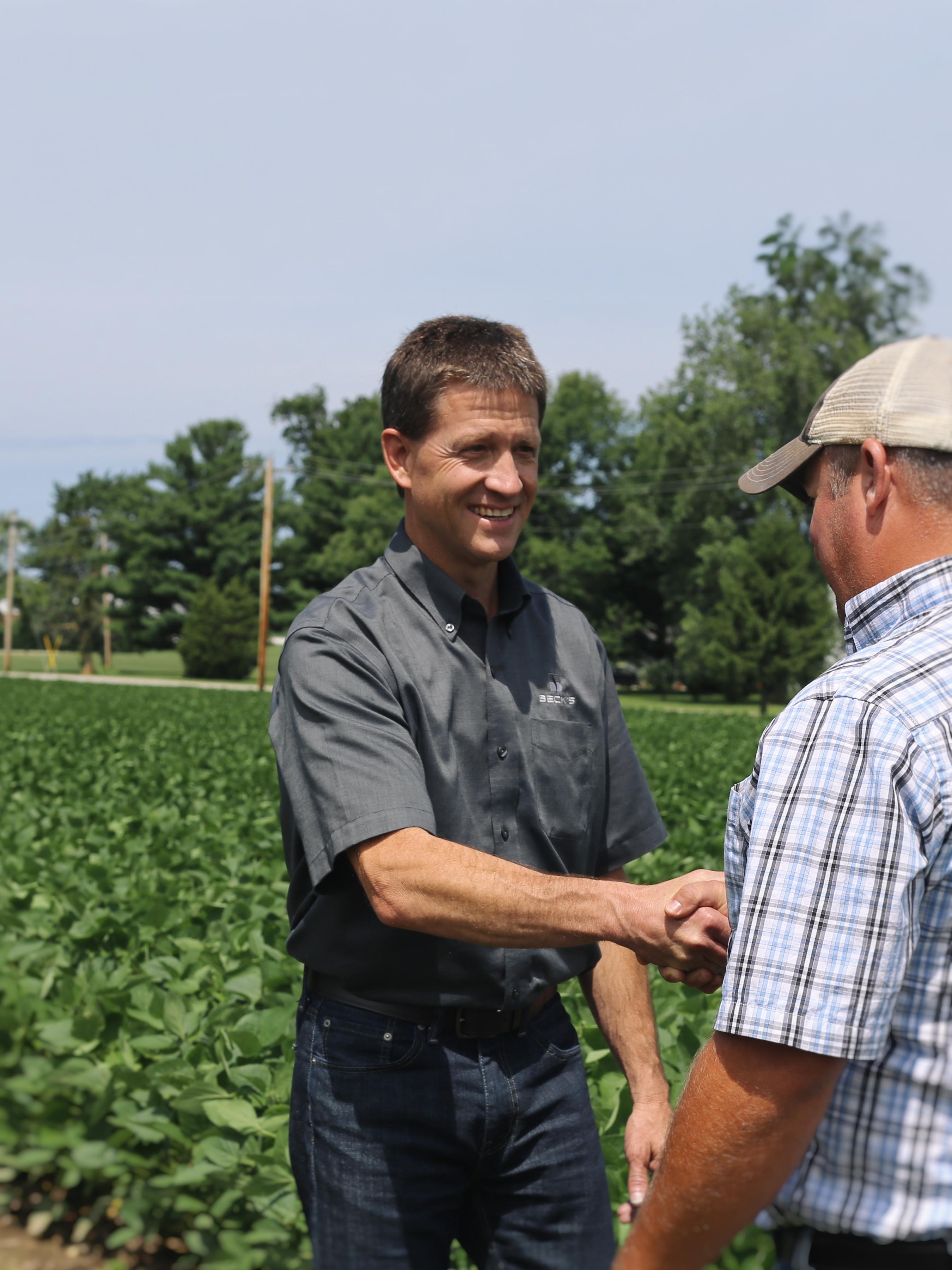
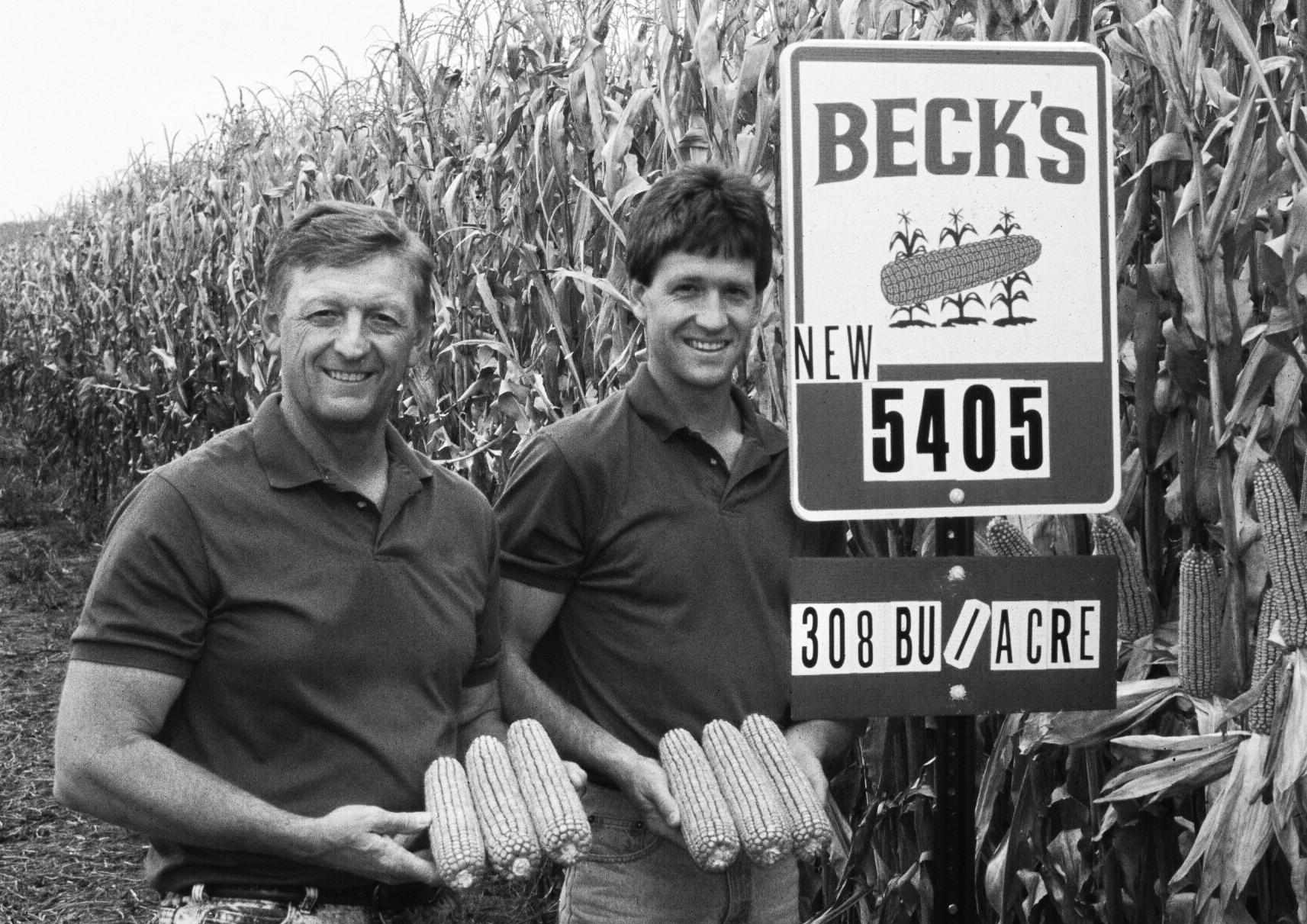
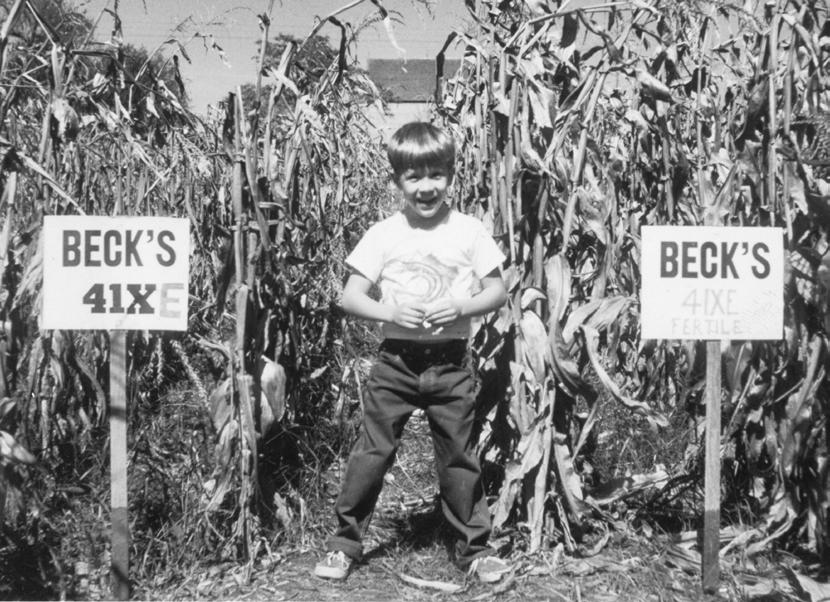
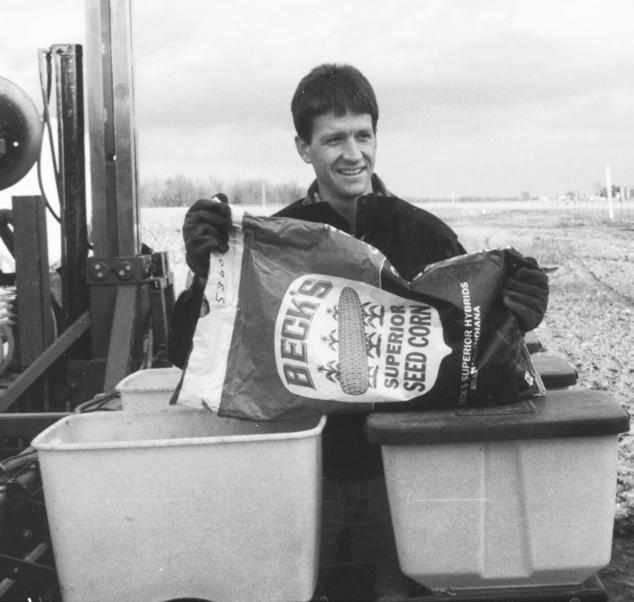
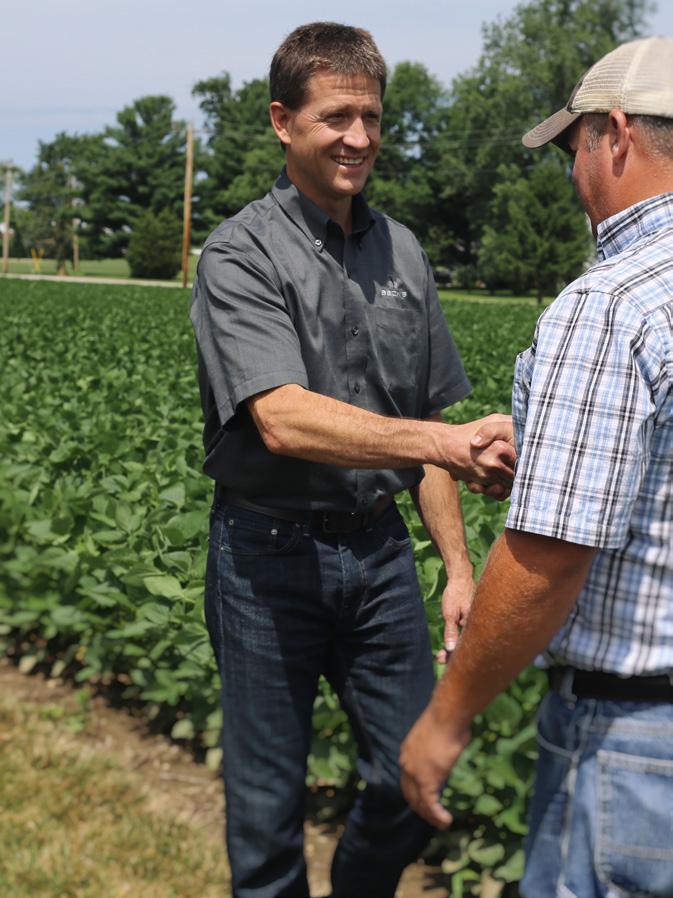
The cover photo of the April issue was taken by Beck’s photographer in Atlanta, Indiana, at the Beck’s headquarters. Pictured are Scott Beck, president of Beck’s, and Blair Dunn, current Beck’s employee.


Aswe head into another spring planting season, I’ve been reflecting on the remarkable value of one of our nation’s most versatile crops — the mighty soybean. With its high protein and oil content, soybeans are an agricultural powerhouse, providing food for people and livestock alike, as well as ingredients for countless industrial and value-added products such as tofu, soy milk, animal feed, biodiesel and more. The diversity of soybean uses has helped drive demand around the world and made this incredible crop a cornerstone of modern agriculture.
Yet, as growers know all too well, soybean production isn’t without challenges. One of the most serious threats to yield is the soybean cyst nematode (SCN) — a microscopic pest that can quietly rob yield, often without obvious above-ground symptoms. Thankfully, ongoing research and management strategies, including improved detection methods and the development of resistant varieties, are helping farmers better control this pest and protect their fields.
Another headwind facing producers this spring is the outlook for fertilizer prices and input costs. Farmers around the globe are watching developments in international markets closely, with recent geopolitical tensions — particularly involving Iran and the strategic Strait of Hormuz — raising the possibility of tighter fertilizer supply flows and upward pressure on prices for nitrogen and other key nutrients. Analysts have noted that any meaningful disruption to Middle East shipping lanes could ripple through global fertilizer markets and increase costs at the farm level. While these conditions are beyond our control, being aware and planning ahead can help us navigate the season more confidently.
Despite the challenges, reasons to remain hopeful abound. Planting season is upon us, and with careful management, thoughtful use of research-supported tools and the resilience that defines our farming communities, we can look forward to a productive and safe year ahead.
Happy planting, and may God bless each of you with a safe and prosperous spring. Godliness with contentment is great gain.
Renee Fordyce
Missouri Soybean
Association President
Asspring rolls in, I hope everyone is having a safe and productive planting season. Each spring seems to bring its own set of challenges, whether it is weather delays, equipment issues or uncertainty in the markets. Farming has never been easy, but it is a calling that requires resilience, patience and a strong sense of purpose. Even during the toughest seasons, it is important to remember how fortunate we are to be part of the small portion of our nation’s population that helps provide food security for both our country and the world.
In this issue, I hope you will see that agriculture is about much more than planting and harvest, the two moments most people associate with farming. While those milestones are certainly important, they represent only a fraction of the work that goes into producing a crop. Long before the seed reaches the planter, there are months and often years of planning, research and development behind it. Farmers carefully consider seed selection, soil health, crop nutrition and marketing decisions that help ensure a successful season.
I often find it meaningful to pause when putting seed in the planter and think about the journey that seed has already taken. Many people have played a role in developing it, from researchers and breeders to processors and suppliers. Just as important is thinking about where that seed will go once it is harvested and the many ways it will be used to feed people, fuel innovation and support agriculture.
Moments like that remind me that what we do on our farms connects us to something much bigger. Every acre planted contributes to a system that supports communities, strengthens our economy and provides food and resources around the world.
As planting season continues, I wish you safe days in the field, favorable weather and a successful start to the growing season.
Mark Lehenbaeur Missouri Soybean Merchandising Council Chairman

April marks a turning point on the calendar, one where planning gives way to action, and preparation turns into progress.
One undeniable example of progress is Missouri Soybeans’ recent partnership with Beck’s Hybrids. In March, the family-owned agricultural seed brand acquired SOYLEIC soybeans. This represents a significant step forward in the commercialization of farmer-funded innovation.
What began as a research investment driven by Missouri growers has now moved fully into the marketplace with a trusted partner positioned to scale adoption and expand demand. This transition reinforces the value of checkoff investment and demonstrates how Missouri farmers continue to lead in advancing valueadded opportunities for our industry.
We encourage our farmers to reach out to us or their local Beck’s dealer to learn more information about the acquisition and availability of SOYLEIC beans.
While this announcement looks ahead, it builds momentum created over the past several months. This winter, Missouri Soybeans wrapped up another successful Winter Meeting series, traveling to every corner of the state. Those meetings provided the opportunity to connect face-to-face with hundreds of farmers, listen to their priorities and share how Missouri Soybeans is working on their behalf. These conversations continue to strengthen our membership, sharpen our focus and move the needle on issues that matter most to Missouri producers.
Now, attention turns to the field, with the hope and determination that defines agriculture. Each growing season brings its own challenges, but it also brings opportunity to try something new, to grow from past lessons and to position the crop for success from the very beginning.
As planters roll and the 2026 crop begins to take shape, I wish you a safe, productive and successful planting season.
Sincerely,
Casey Wasser CEO & Executive Director
Missouri Soybeans
MSA Board Members:
Andrew Lance, Barnard
C. Brooks Hurst, Tarkio
Robert Williams, Richmond
Renee Fordyce, Bethany
Cody Brock, Norborne
Daniel Carpenter, Norborne
Clint Prange, Shelbyville
Matt Wright, Emden
Dane Diehl, Butler
Garrett Riekhof, Higginsville
Russell Wolf, Tipton
Terry Schwoeppe, Labadie
Jason Mayer, Dexter
Wesley Hodges, New Madrid
Tory Meyr, Jackson
Ryan Wilson, Portageville
MSMC Board Members:
Darrell Aldrich, Excelsior Springs
Nathan White, Norborne
Marc Zell, Meadville
Kyle Durham, Norborne
Mark Lehenbauer, Palmyra
Brad Arnold, Drexel
Robert Alpers, Prairie Home
Denny Mertz, Chesterfield
Aaron Porter, Dexter
Trent Haggard, Kennett
Justin Rone, Portageville
Kevin Mainord, East Prairie
USB Board Members:
Aaron Porter, Dexter
Tim Gottman, Monroe City
Kyle Durham, Norborne
Robert Alpers, Prairie Home
ASA Board Members:
Renee Fordyce, Bethany
Andrew Lance, Barnard
Matt McCrate, Cape Girardeau
Russell Wolf, Tipton


Recently, my wife and I boarded a plane with our 18-month-old son. Our little man had the honor of serving as ring bearer in my brother-in-law's wedding. For a moment he started down the aisle, boldly walking forward and grinning as all eyes and smiles turned his direction. Reaching the halfway point, he realized Momma was no longer by his side, and continuing forward seemed terrifying. As he began to turn around for a quick retreat, I was able to sprint around the crowd and take him by the hand, assuming my role as “Assistant to the Ring Bearer.” Walking hand in hand, we delivered the prized wedding rings and then circled around back to resume playing in the mulch.
At the time of writing this, we are entering the halfway point of legislative session. Like the bold ring bearer, we set forth this session confidently walking forward with a mission in mind; protecting our farmers’ freedom to operate and advocating for their prosperity. This first half of session we saw progress on numerous issues. But unlike the young ring bearer (albeit as cute and endearing as he was), we hope to continue into the second half of session just as strongly as the first half.
Top of mind in protecting farmers’ freedom to operate is maintaining access to weed-suppressing technologies. The onslaught of litigation threatening availability of tools such as glyphosate continues, but we at the Missouri Soybean Association (MSA) will not sit idly by. Missouri farmers depend on access to safe and effective crop-protection tools to grow a successful crop. We need sound policy in place to ensure science — not lawsuits — guides the availability of these technologies.
This issue stems from a legal loophole that trial attorneys continue to exploit. To sell a crop-protection tool, manufacturers must register the product through the EPA’s Federal Insecticide, Fungicide and Rodenticide Act (FIFRA), a federal law regulating the sale, distribution and use of pesticides to protect human health and the environment. It is an onerous process to navigate, and only the most scrutinized and safe products find their way through FIFRA. Once approved, a federal label is issued that gives direct instruction on its use. Manufacturers are not legally allowed to deviate from the federally approved label.
Nevertheless, trial attorneys are suing companies saying they “failed to warn” the product might cause cancer, despite the thousands of scientific studies saying otherwise. The result has been billions of dollars awarded as punitive damages, with costs being passed onto farmers and the ever-looming threat of the tools being pulled from the shelf entirely.
This legal loophole needs to be directly addressed by our state legislature, Congress and the Supreme Court to reaffirm that federal law preempts these egregious lawsuits that threaten farmers’ access to essential tools. We thank our legislative champions including Sen. Kurtis Gregory, Sen. Jason Bean, Rep. Dane Diehl, Attorney General Catherine Hanaway and others for tackling this issue. From legislation to amicus briefs filed with the U.S. Supreme Court, our champions stand by our side defending science-based pesticide regulation.
Also falling under our mission is advocating for more domestic utilization of soybeans. One of the main avenues to achieve this is working on various biofuels policy at the state and federal levels. In the state Capitol, we continue to

From biofuels policy to tax incentives, building reliable domestic demand isn’t optional for soybean farmers — it’s essential to staying solvent in the face of rising input costs, volatile markets and another season where margins are already under pressure before a single seed is planted.

Ben Travlos, Director of Policy
Missouri Soybean Association membership fuels advocacy, connection and leadership. MOSOY PAC protects it.
From first-acre farmers to multigenerational operations, a Missouri Soybean Association membership strengthens soybean advocacy at every level. When policy shapes profitability, your involvement matters.
Who it’s for: Every Missouri soybean farmer
• Exclusive Missouri Soybean Association communications
• Missouri policy updates
• Invitations to Missouri Soybean Association events
• 5% discount on new and existing CFM policies
THREE-YEAR MEMBER — $250
Who it’s for: Long-term supporters
• All Annual Advocate Member benefits
• $50 off membership renewal
LIFETIME MEMBER — $1,500 Who it’s for: Dedicated leaders
• All Advocate Member benefits for life
• Lifetime membership recognition
— $100
Who it’s for: Growers who want added influence
• All Farmer Member benefits
• 10% Cabela’s discount
• $100 Commodity Classic registration discount
• Eligibility for ASA Soy Scholarship programs
• Federal policy updates from the American Soybean Association
CORPORATE MEMBER — $2,500
and sponsors


By Kaitlin Flick-Dinsmore, Technical Conservation Agronomist
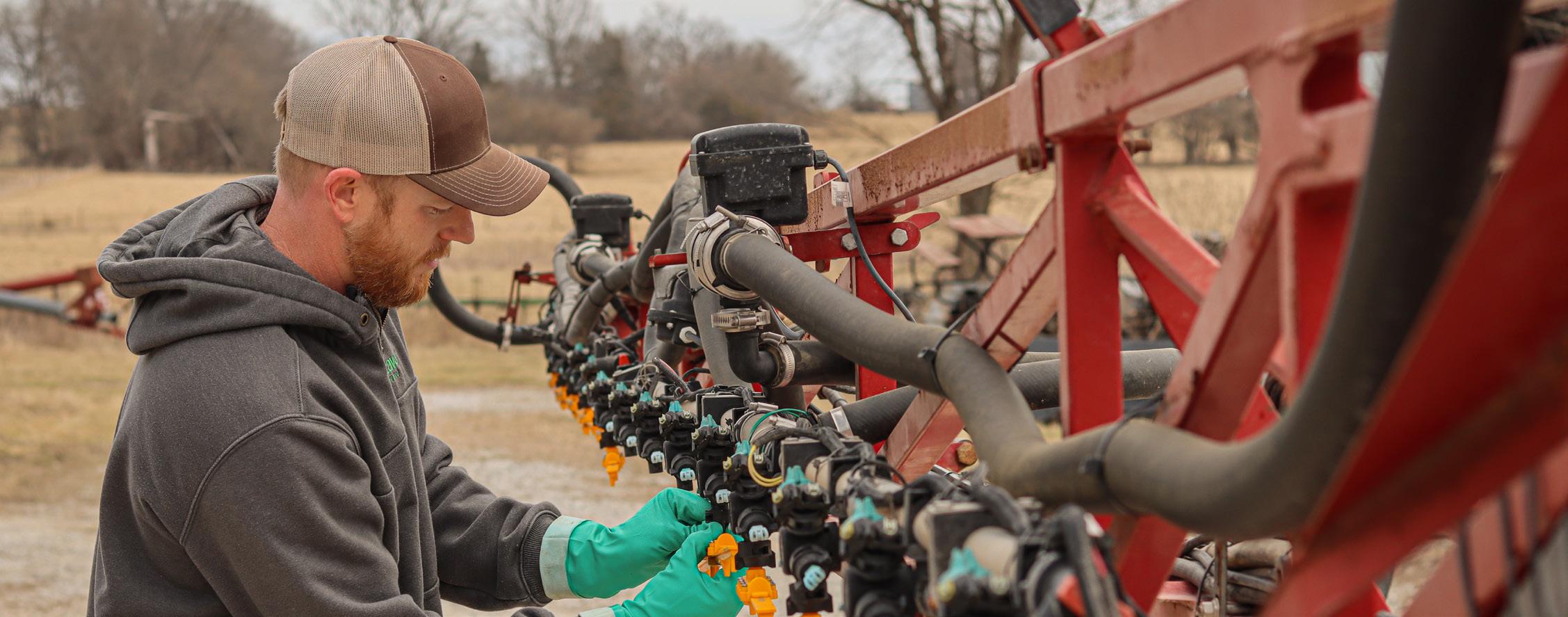
The Endangered Species Act requires federal agencies — including the Environmental Protection Agency (EPA) — to make sure their actions do not harm threatened or endangered species or damage the habitat on which those species rely. Because pesticides can drift, run off or move through the environment, EPA must evaluate how each product could affect listed species.
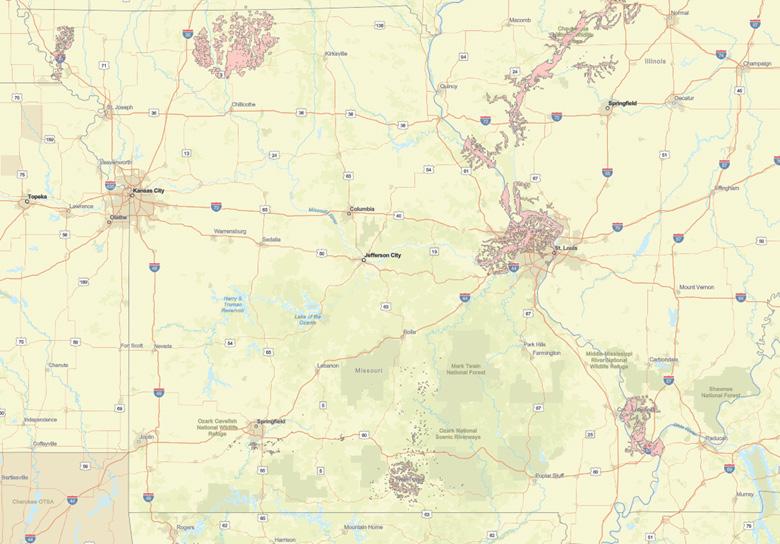
Pesticide Use Limitation Areas (PULAs) are designated by the EPA to protect sensitive ecosystems and endangered species from the potential adverse impacts of pesticide applications. In these areas, the EPA requires that specific mitigation measures be implemented to minimize risks and ensure compliance with federal regulations. A PULA is a geographic zone where EPA has determined that a pesticide could pose a higher risk to endangered species or their habitats. In these areas, applicators must follow extra mitigation steps to reduce drift and runoff.
Below is a photo from EPA’s website, Bulletins Live! Two, that illustrates a PULA in Missouri for dicamba application. For overthe-top (OTT) dicamba applications, you must achieve three mitigation points. If you are making the application in a pink highlighted area, you are in a Missouri PULA and must achieve six mitigation points: https://www.epa.gov/endangered-species/bulletins-live-two-view-bulletins
All the available mitigation points can be found on EPA’s mitigation menu; here is an overview of some:
Adhering to EPA mitigation requirements in Pesticide Use Limitation Areas is vital for compliance with the pesticide label. By implementing these mitigation points, applicators can effectively reduce risks, maintain regulatory compliance and support long-term sustainability in agricultural and urban landscapes.








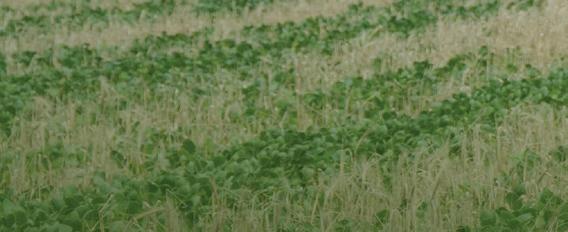














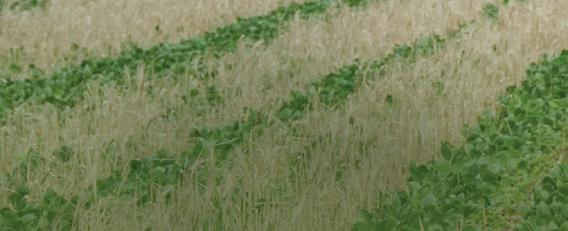
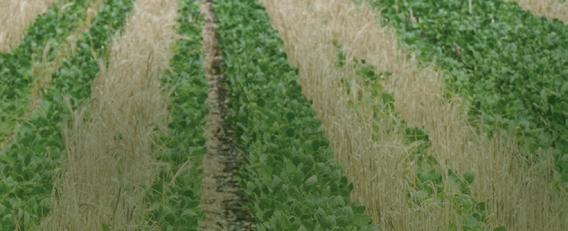






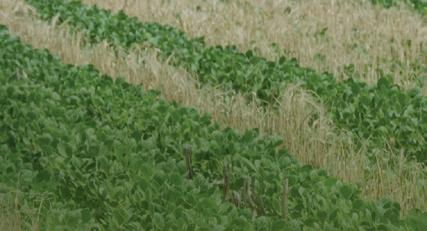

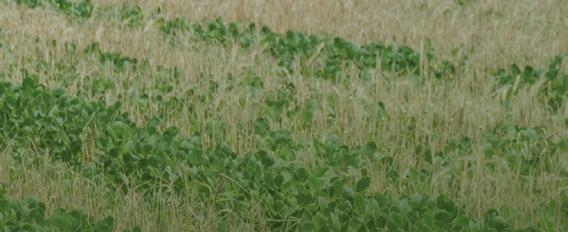



To help cover the start-up costs of cover crops, Farmers for Soil Health o ers financial assistance of up to $50/acre over a three-year period.
Enrollment in Farmers for Soil Health provides access to an exclusive future marketplace connecting farmers to top-tier supply chain partners that are focused on sustainability.
Each state has dedicated on-theground technical advisors to provide research-based information and educational resources to aid in the transition of your field.


by brandelyn twellman
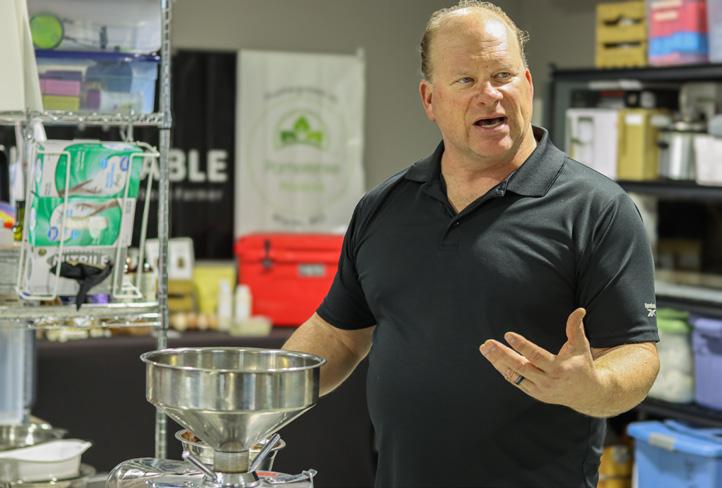
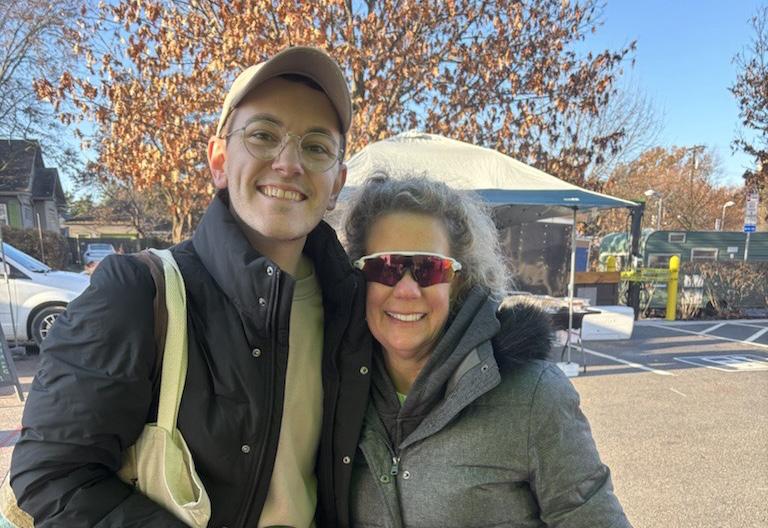
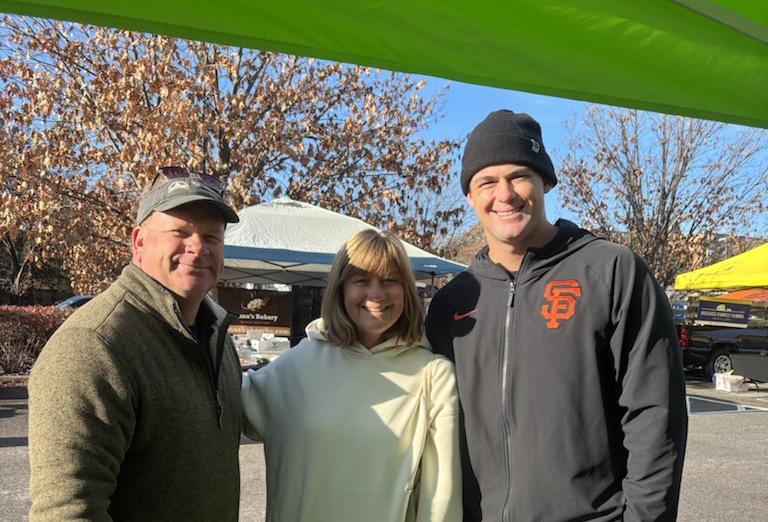
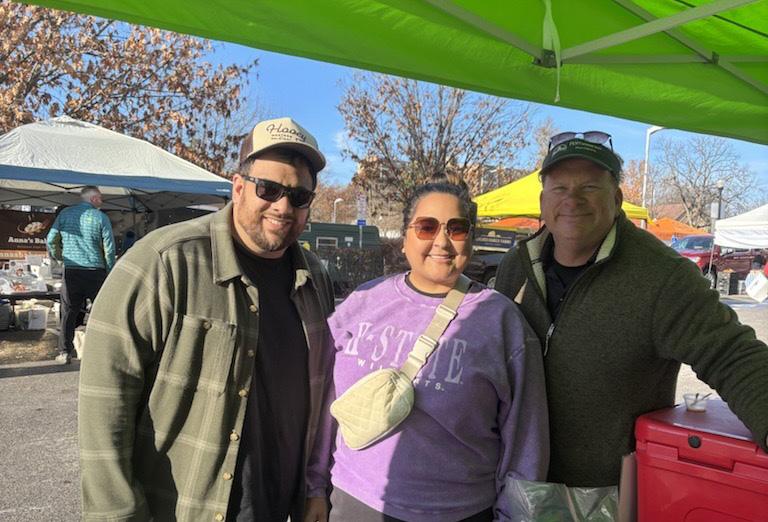
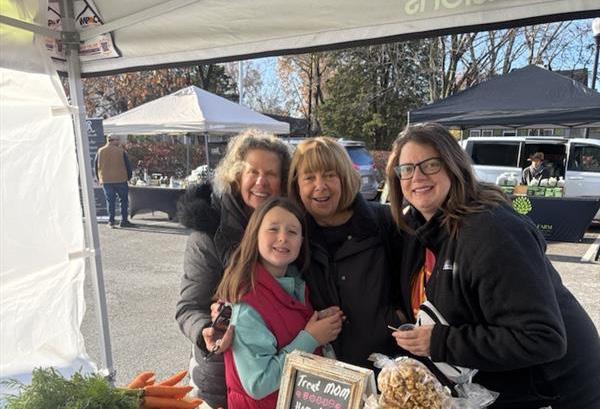
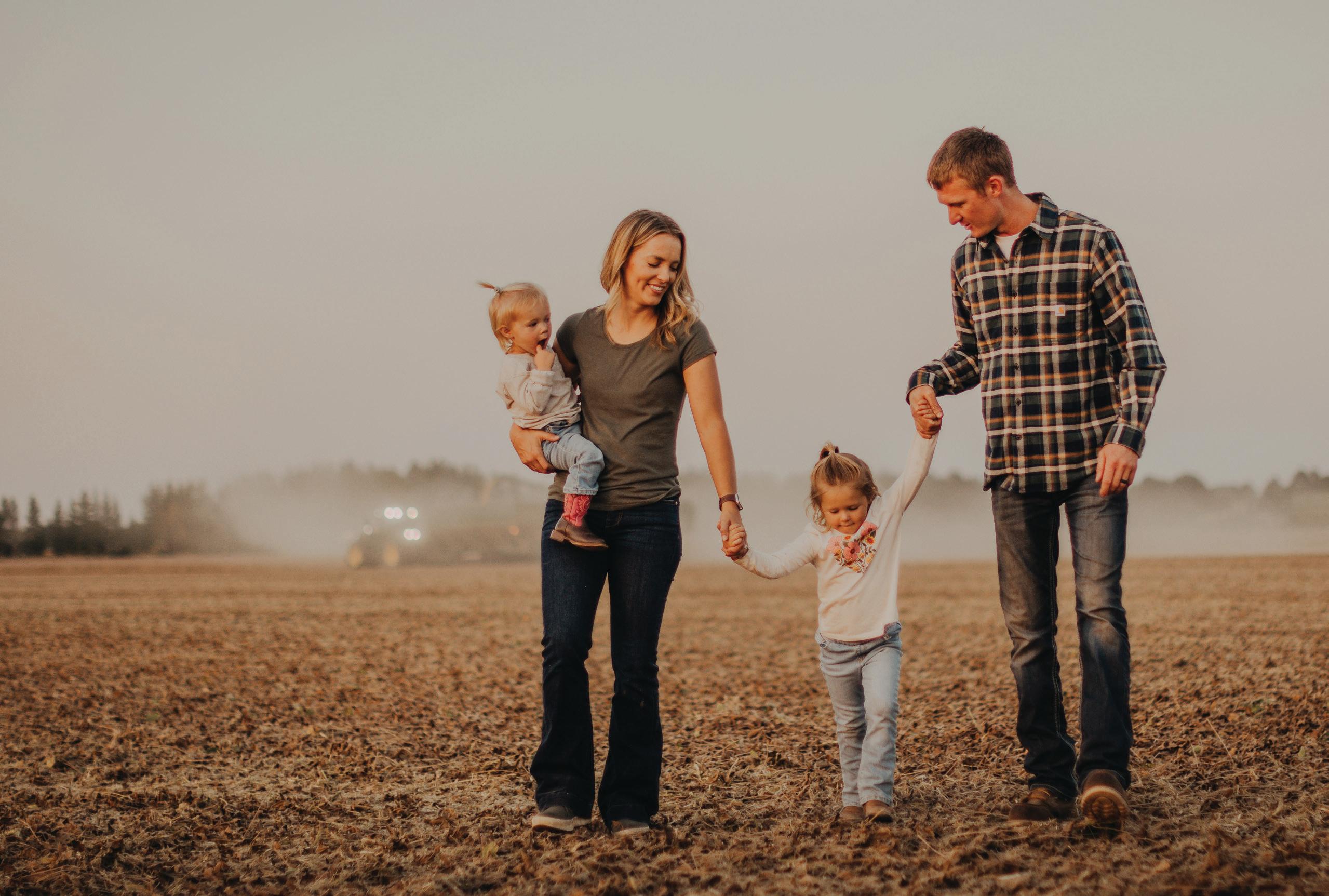
On a busy farmers-market morning, conversations at the Pomerenke Provisions booth often extend beyond the products offered. In the midst of coolers opening, friends laughing and card readers beeping, customers are asking where their food was grown, how the animals were raised and what sustainability looks like on a working farm. For Brian and Jodi Pomerenke, those questions are exactly the point.

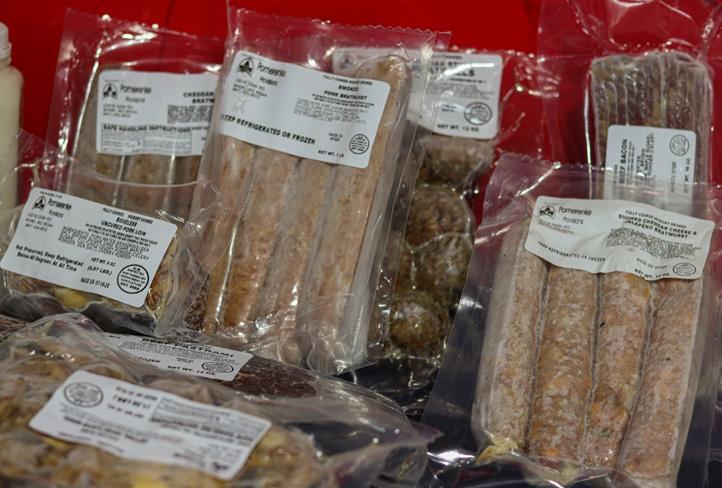
Fueled by a passion for consumer connection, the couple has built a diversified operation in Saline County that bridges the gap between modern agriculture and the people it feeds. In addition to 500 acres in a commodity soybean and corn rotation, Pomerenke Provisions raises beef cattle, hogs, food-grade soybeans and vegetables for the farmers market.
“Growing up, the farm was more traditional corn and soybean production,” says Brian Pomerenke, owner of Pomerenke Provisions. “I am a third-generation farmer. When I took over, we transitioned to a more consumer-facing operation.”
Why the switch?
“Diversification is necessary in challenging marketing years,” Brian says. “This was one way to diversify our income.”
Pomerenke Provisions started in the soyfoods market with edamame, a natural bridge between a row-crop operation and direct consumer sales.
“No one in the area was marketing it,” Brian says. “We did not want to decrease our row-crop acres since land is so hard to come by, and we really liked the social selling aspect of the farmers market. We started to find more products to sell since we were already going.”
The operation has since expanded to offer Wangus beef, Kurobuta pork, garden-fresh produce and pantry staples.
“Brian’s love for animals began as a kid in FFA,” Jodi says. “He has some great stories of raising and showing at state fairs, with the ribbons to back it up. So, it made sense to integrate animals on the farm.”
They offer online ordering with curbside pickup on their farm or, their favorite interaction, farmers markets.
“I have a background in sales, and my wife is in marketing, so we enjoy the consumer-facing side of the business,” Brian says. “We thrive off the excitement and feedback.”
Their direct-to-consumer approach allows the Pomerenkes to get to know their customers and even change their opinions on farming and agriculture.
“The curiosity of urban areas is great right now,” Brian says. “Changing the consumer’s perception is our biggest reward — helping them look beyond their blinders and answer the questions they have about our industry.”
The Pomerenkes regularly answer questions about where their products come from and how the food they offer was grown. Soy foods are frequently the entry point for broader discussions about farming, sustainability and food production. The farmers market setting creates space for those conversations, offering a level of transparency and connection buyers cannot find at a grocery store.
“We love getting to know our customers’ families and swapping recipes,” Jodi says. “We are passionate about the people who have become our customers.”
Jodi’s background in marketing helps the duo share their story both in person and online. This customer-facing sales model also allows Pomerenke Provisions to share their commitment to sustainability.
“Our focus in 2026 is to create a no-waste model,” Brian says.
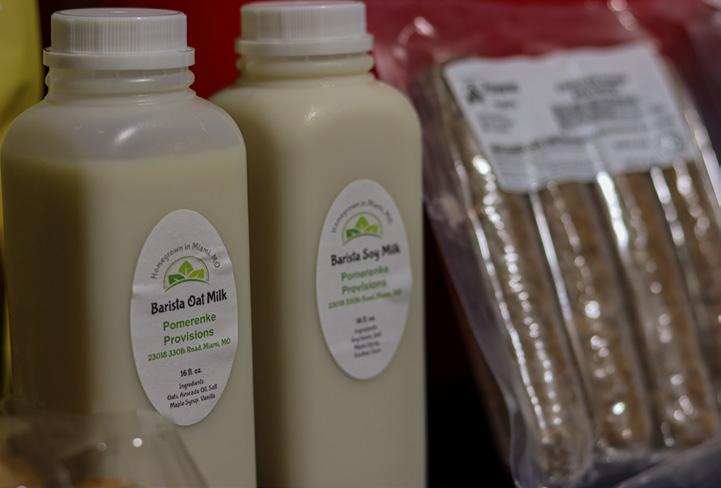

The Pomerenkes have made several efforts to prioritize this reusable standard. For example, their hogs are fed row-crop and vegetable products, including edamame plants, okara — a soy milk and tofu byproduct — and carrot tops. This model has several benefits, Brian says.
“We reuse and repurpose whatever we can,” he says. “It benefits our bottom line and also reduces biosecurity risks by not having to bring in as many offfarm products. This mindset cuts down on many costs, including transportation.”
In addition to supporting their bottom line, a no-waste model directly aligns with the Pomerenkes’ values around sustainability.
They utilize rotational pasture methods in their operation. In the spring and summer, their cattle graze on pastures. After the fall corn harvest, they roam fields and feed on the corn and shucks. This rotation helps protect the soil from overuse, properly distribute manure, ensure abundant vegetation and dietary variety for the cattle, and breaks up parasite life cycles to keep calves healthy.
Their hog manure is used for fertilizer, while cornstalks on their fields are used for bedding. Pomerenke Provisions also participates in the MU Regenerative Agricultural Program and the Soil and Water Outcomes Fund, reflecting a carbon-negative score.
“We prioritize sustainability on the farm through our practices to sustain the next generation, cater to consumer preferences and protect the environment,” Brian says.
He believes sustainability and diversification go hand in hand in this regard and hopes those values continue well into the future, not only on his own farm but across the industry.
“Diversification is the key to farmer success down the road,” he says. “We went the farmers market route, but I know that’s not for everyone. Try organic farming, soyfoods, the Missouri CRCL (Climate-Resilient Crop and Livestock) Project or even cover crops. You have to be willing to be a risk-taker, but there is income to gain.”
He also encourages farmers to embrace digital platforms as a way to reach customers and tell their stories.
“In direct-to-consumer sales especially, social media and an online presence are increasingly important,” Brian says. “You might be uncomfortable at first, but you have to be willing to take that stride. You have to get outside of your comfort zone.”
For the Pomerenkes, that willingness to adapt while staying rooted in stewardship and transparency has shaped a farm built not just for the next season, but for the next generation — and for consumers eager to understand the origins of their food.
To learn more about Pomerenke Provisions, visit pomerenkeprovisions.com. Changing
Dicamba has been used as a broadleaf weed herbicide since the 1960s, but over-the-top application (OTT) in soybean and cotton — spraying it after crops emerge — was approved in 2016 for dicamba-tolerant (DT) soybean and cotton varieties. This expanded use quickly became controversial due to dicamba’s inherent volatility and tendency to drift or move off-target. The offtarget movement can result in crop symptomology and injury to neighboring crops and other sensitive plants. Prior labels attempted to mitigate these risks through specific cutoff dates, application windows and volatility reduction requirements. In 2020 and again in 2024, the U.S. Court of Appeals for the Ninth Circuit and the U.S. District Court for Arizona, respectively, vacated existing OTT dicamba registrations, effectively prohibiting in-season use for 2025 until new label conditions could be established.
After years of debate, court challenges and regulatory review, the EPA has re-approved OTT dicamba herbicides — allowing growers to once again spray dicamba post-emergence on dicamba-tolerant soybeans and cotton for the 2026 growing season. However, the revised labels impose some of the most stringent restrictions ever applied to OTT dicamba use, reflecting ongoing concerns about offtarget movement and environmental impacts.
The 2026 label represents a significant overhaul compared to earlier versions. Major new restrictions and requirements include:
Maximum per application is capped at 0.5 pounds of dicamba acid equivalent per acre.
• 22 oz/acre maximum single application rate for Stryax
• 12.8 oz/acre maximum single application rate for Engenia
• 3.53 pts/acre maximum single application rate for Tavium
Total annual dicamba application is limited to 1.0 pound per acre per site.
• 44 oz/acre yearly maximum rate for Stryax
• 25.6 oz/acre yearly maximum rate for Engenia
• 7.06 pts/acre yearly maximum rate for Tavium
This is a substantial reduction compared to previous labels, which allowed up to four applications totaling around 2.0 pounds of dicamba per acre annually. This new change includes all dicambacontaining products. Each product still holds a seven-day minimum application interval. This applies to both cotton and soybeans.
Every application must include 40 ounces of an EPA-approved volatility reduction agent (VRA) per acre, designed to reduce the herbicide’s tendency to vaporize after spraying — a major
contributor to off-target movement. This requirement is double the required amount that was previously approved.
Growers must implement runoff and erosion control measures, earning at least three mitigation points from EPA’s certified list of conservation practices for each treated field. In areas especially vulnerable due to endangered species concerns, six points may be required. These practices aim to prevent dicamba from reaching streams or sensitive habitats via runoff — a new emphasis not seen on older labels.
Applications may not be made during a temperature inversion or within one hour after sunrise or after two hours before sunset. Application timing now includes temperature-based restrictions:
• If forecasted highs on the day of or the day after application are between 85–95 F, an applicator may only treat up to 50% of their dicamba-tolerant acres in a county.
• Applications are prohibited above 95 F on the day of or the day after a planned application.
This is a shift from previous cutoff dates (e.g., specific calendar dates or crop growth stages) toward dynamic weather-based constraints aimed at limiting spray drift under conditions that historically increased volatility and movement.
Many elements from prior dicamba labels remain, such as:
• Wind speed windows for application (3-10 mph).
• Droplet size and spray height standards.
• No aerial application allowed.
• Mandatory recordkeeping for every dicamba use including the VRA & DRA
• Downwind buffer of 240 feet and document practices to reduce the buffer distance.
For growers, the approval restores access to a tool many consider critical for managing resistant broadleaf weeds — but with tighter constraints that limit how much and when dicamba can be used. Greater emphasis will need to be placed on recordkeeping and communication among applicators and neighbors.
For more resources, contact Missouri Soybeans’ field staff or your local agronomist.
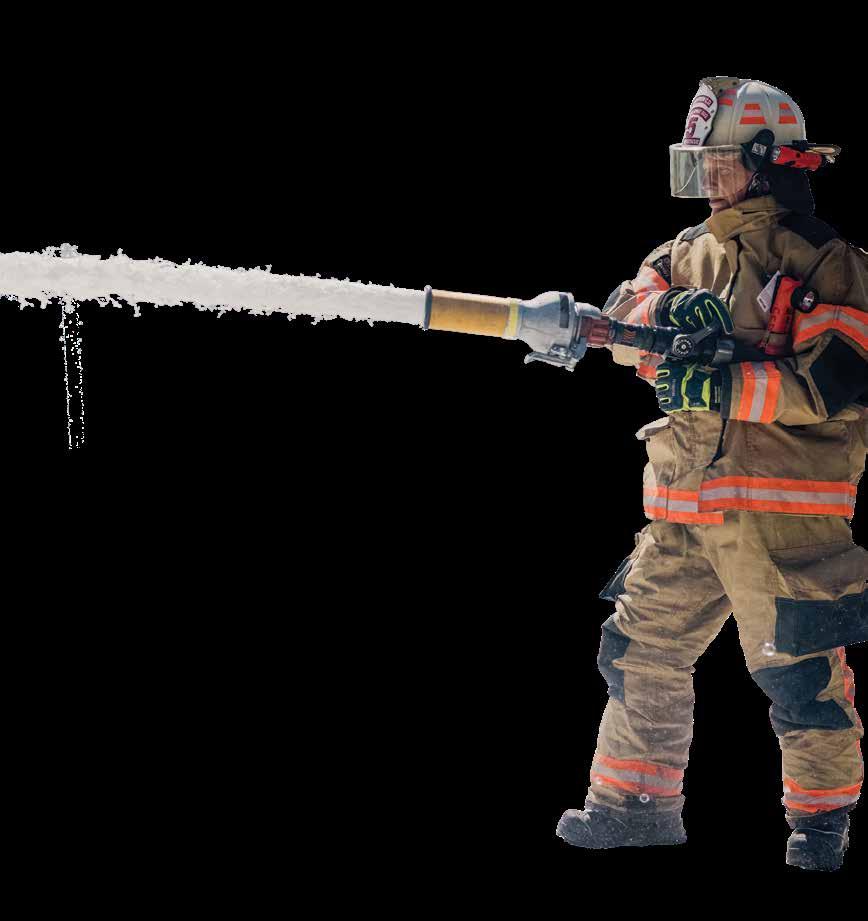
The more we discover about soybeans, the more valuable they become. One innovative product, SoyFoam™, creates a new, sustainable use for your crop that protects firefighters and the planet. See how your Soy Checkoff is unlocking new markets for soybeans at unitedsoybean.org


By Kristina S. Petersen, PhD, FAHA
Edible plant oils are commonly referred to as vegetable oils and include oils derived from vegetables, nuts, seeds, fruits and cereal grains. The term “seed oil” has recently gained popularity and refers to oils derived from plant seeds. Seed oils, which are high in unsaturated fatty acids, include canola, corn, cottonseed, soybean, sunflower, safflower, grapeseed and rice bran oil. Social media misinformation about seed oils includes claims that they cause inflammation, Type 2 diabetes and other chronic diseases. This has led to the “anti-seed oil movement.” As a result, some consumers have decided to avoid seed oils.
This movement has risen in prominence despite the preponderance of evidence showing no adverse health effects of seed oils or their constituents, and strong evidence demonstrating cardiometabolic health benefits of consuming unsaturated fatty acids.1-6 This article will review the evidence on the association between fatty acid and seed oil intake on risk factors for major diet-related chronic diseases with a focus on cardiometabolic disease.7
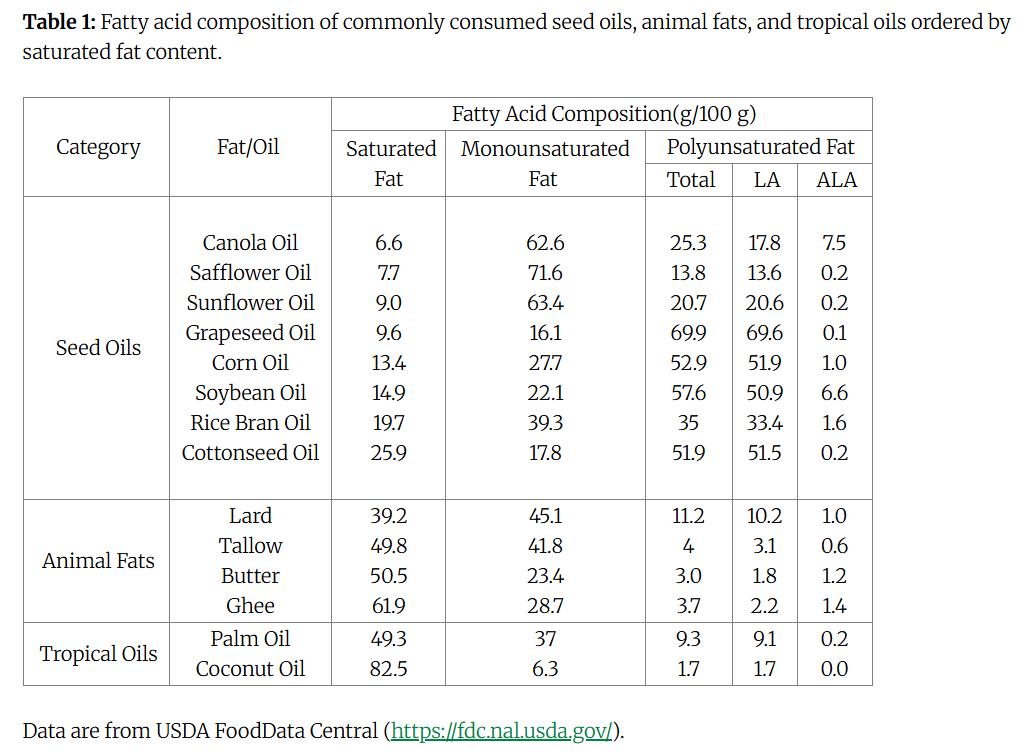
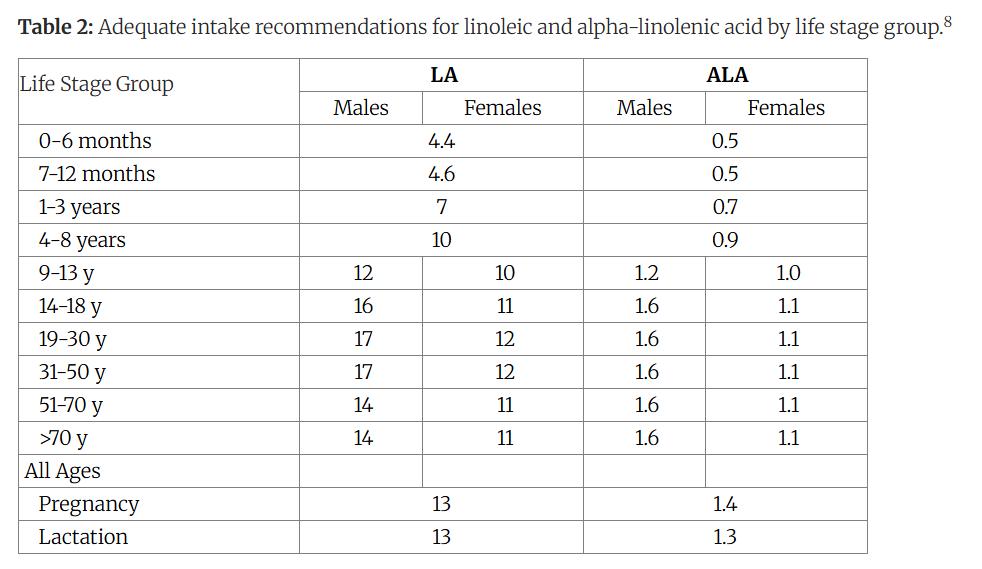
Seed oils differ widely in their fatty acid composition (Table 1); however, all are higher in unsaturated fatty acids — including monounsaturated fatty acids (MUFA) and polyunsaturated fatty acids (PUFA) — than in saturated fatty acids (SFA). While humans can endogenously synthesize adequate amounts of SFA and MUFA, humans are unable to synthesize the essential omega-6 PUFA linoleic acid (LA) and the essential omega-3 PUFA alpha-linolenic acid (ALA). Therefore, LA and ALA must be consumed to ensure nutrient adequacy. The U.S. recommendations for LA and ALA intake are presented in Table 2. These adequate intake recommendations are based on the U.S. median intake where deficiency is nonexistent among healthy individuals.8
Meta-analyses of epidemiological studies show higher intake of omega-6 PUFA, predominately LA, is associated with lower risk of cardiovascular disease (CVD) and Type 2 diabetes.9,10 In addition, higher intake of LA is associated with lower total mortality risk as well as lower risk of mortality from CVD and cancer.11 In alignment,
pooled analyses of observational studies examining biomarkers of omega-6 PUFA intake show higher proportions of LA biomarkers are associated with lower risk of CVD, cardiovascular mortality, ischemic stroke and Type 2 diabetes.12,13
Epidemiological evidence relevant to the association between MUFA intake and CVD is less consistent. Studies generally show no association between total MUFA intake and risk of CVD14 or mortality from CVD or cancer.15 However, higher MUFA intake from plant sources is associated with lower risk of CVD.14
Consistent epidemiological evidence also demonstrates that the replacement of SFA with PUFA, predominately LA, is associated with lower risk of CVD events and CVD mortality.9,16 In addition, replacement of SFA with PUFA is associated with lower risk of mortality from cancer, neurodegenerative diseases and respiratory diseases.5
Evidence demonstrates that increased consumption of essential fatty acids is associated with lower risk of cardiovascular disease and Type 2 diabetes.
Evidence from clinical trials demonstrates that intake of unsaturated fatty acids as a replacement for SFA reduces the risk of cardiovascular events and improves major risk factors for CVD. The most recent Cochrane Collaboration review, which included 15 randomized controlled trials examining the effect of SFA replacement, concluded that replacing SFA with PUFA is associated with lower risk of CVD.17 A similar finding was reported in an American Heart Association Presidential Advisory on dietary fats.5 A meta-analysis of the core randomized controlled trials showed that replacing SFA with PUFA reduced CVD risk by 29%.
Strong and consistent evidence from clinical trials shows that consuming unsaturated fatty acids instead of SFA improves atherogenic lipoproteins. A systematic review and meta-regression that included 84 randomized controlled trials showed that isocalorically replacing SFA with PUFA or MUFA reduced total choles-
terol, LDL-cholesterol and apolipoprotein B to a clinically relevant extent.18 In alignment, clinical trial evidence shows that intake of canola,19,20 corn,21-23 cottonseed,24,25 soybean,26 sunflower,27,28 safflower29,30 and rice bran oil31 improves atherogenic lipoproteins. Finally, a network meta-analysis of randomized controlled trials examining direct and indirect evidence on the effects of 13 oils and solid fats (safflower, sunflower, canola, hempseed, flaxseed, corn, olive, soybean, palm, and coconut oils as well as beef fat, lard, and butter), showed that replacement of 10% of energy from butter with an equivalent amount of safflower, sunflower, canola, olive, flaxseed, corn, or soybean oil lowered LDL-cholesterol by 10–16 mg/dl.32 In summary, replacement of dietary sources of SFA with oils rich in PUFA and MUFA consistently improves atherogenic lipoproteins.
Evidence indicates unsaturated fatty acids may help reduce risk of Type 2 diabetes.
Evidence from clinical trials also demonstrates that replacing SFA with PUFA improves glucose-insulin homeostasis. A meta-analysis of 102 controlled-feeding trials showed that replacing SFA with PUFA improved fasting glucose, HbA1C, C-peptide and Homeostatic Model Assessment for Insulin Resistance (HOMA-IR).33
Evidence shows no effects or reduced inflammation.
Findings from clinical trials also show that intake of omega-6 PUFA, particularly LA, does not promote inflammation or oxidative
REFERENCES
1. Petersen KS, Maki KC, Calder PC, Belury MA, Messina M, Kirkpatrick CF, et al. Perspective on the health effects of unsaturated fatty acids and commonly consumed plant oils high in unsaturated fat. British Journal of Nutrition. 2024;(doi:10.1017/S0007114524002459).
2. Jackson KH, Harris WS, Belury MA, Kris-Etherton PM, Calder PC. Beneficial effects of linoleic acid on cardiometabolic health: an update. Lipids Health Dis. 2024;23(1):296.
3. Maki KC, Eren F, Cassens ME, Dicklin MR, Davidson MH. omega-6 Polyunsaturated fatty acids and cardiometabolic health: current evidence, controversies, and research gaps. Advances in Nutrition. 2018;9(6):688–700.
4. Harris WS, Mozaffarian D, Rimm E, Kris-Etherton P, Rudel LL, Appel LJ, et al. Omega-6 fatty acids and risk for cardiovascular disease: a science advisory from the American Heart Association. Circulation. 2009;119(6):902–7.
5. Sacks FM, Lichtenstein AH, Wu JHY, Appel LJ, Creager MA, Kris-Etherton PM, et al. Dietary Fats and Cardiovascular Disease: A Presidential Advisory From the American Heart Association. Circulation. 2017;136(3):e1–23.
6. Wang DD. Dietary n-6 polyunsaturated fatty acids and cardiovascular disease: Epidemiologic evidence. Prostaglandins Leukot Essent Fatty Acids. 2018;135:5–9.
7. Micha R, Peñalvo JL, Cudhea F, Imamura F, Rehm CD, Mozaffarian D. Association between dietary factors and mortality from heart disease, stroke, and type 2 diabetes in the United States. JAMA. 2017;317(9):912–24.
8. Institute of Medicine. Dietary Reference Intakes for Energy, Carbohydrate, Fiber, Fat, Fatty Acids, Cholesterol, Protein, and Amino Acids. National Academy Press, Washington, DC; 2005.
9. Farvid MS, Ding M, Pan A, Sun Q, Chiuve SE, Steffen LM, et al. Dietary linoleic acid and risk of coronary heart disease: a systematic review and meta-analysis of prospective cohort studies. Circulation. 2014;130(18):1568–78.
10. Mousavi SM, Jalilpiran Y, Karimi E, Aune D, Larijani B, Mozaffarian D, et al. Dietary intake of linoleic acid, its concentrations, and the risk of type 2 diabetes: a systematic review and dose-response meta-analysis of prospective cohort studies. Diabetes Care. 2021;44(9):2173–81.
11. Li J, Guasch-Ferré M, Li Y, Hu FB. Dietary intake and biomarkers of linoleic acid and mortality: systematic review and meta-analysis of prospective cohort studies. Am J Clin Nutr. 2020;112(1):150–67.
12. Wu JHY, Marklund M, Imamura F, Tintle N, Korat AVA, De Goede J, et al. Omega-6 fatty acid biomarkers and incident type 2 diabetes: pooled analysis of individual-level data for 39 740 adults from 20 prospective cohort studies. Lancet Diabetes Endocrinol. 2017;5(12):965–74.
13. Marklund M, Wu JHY, Imamura F, Del Gobbo LC, Fretts A, de Goede J, et al. Biomarkers of dietary omega-6 fatty acids and incident cardiovascular disease and mortality: an individual-level pooled analysis of 30 cohort studies. Circulation. 2019;139(21):2422–36.
14. Schwingshackl L, Hoffmann G. Monounsaturated fatty acids, olive oil and health status: a systematic review and meta-analysis of cohort studies. Lipids Health Dis. 2014;13:1–15.
stress.34-37 A systematic review and meta-analysis that included 30 randomized controlled trials showed that higher intake of LA did not increase markers of inflammation including tumor necrosis alpha factor, interleukin-6, adiponectin, monocyte chemoattractant protein 1 or C-reactive protein.34Similarly, clinical evidence shows no effect of omega-6 PUFA on markers of oxidative stress including oxidized LDL cholesterol37 or markers of lipid peroxidation included F-2 isoprostanes.36
Guidelines for general health and chronic disease prevention focus on following a healthy dietary pattern throughout life.38,39 Healthy dietary patterns emphasize minimally processed fruits, vegetables, whole grains, healthful protein sources (seafood, legumes, soy foods, nuts and seeds) and liquid non-tropical vegetable oils. These patterns are also low in sources of saturated fats, added sugars and sodium. To limit sources of SFA, it is recommended to replace rich sources of SFA, such as butter, tallow, lard, palm and coconut oils, duck fat and ghee with vegetable oils including seed oils.
Strong evidence supports consuming unsaturated fatty acids, particularly PUFA, instead of SFA to reduce the risk of CVD and Type 2 diabetes. It is recommended that non-tropical liquid vegetable oils, including seed oils, be consumed as part of healthy dietary patterns. Vegetable oils should be used as a replacement for rich sources of SFA including butter, tallow, lard, palm and coconut oils, duck fat and ghee.
15. Lotfi K, Salari-Moghaddam A, Yousefinia M, Larijani B, Esmaillzadeh A. Dietary intakes of monounsaturated fatty acids and risk of mortality from all causes, cardiovascular disease and cancer: A systematic review and dose-response meta-analysis of prospective cohort studies. Ageing Res Rev [Internet]. 2021;72:101467. Available from: https://www.sciencedirect.com/science/article/pii/S1568163721002142
16. Jakobsen MU, O’Reilly EJ, Heitmann BL, Pereira MA, Bälter K, Fraser GE, et al. Major types of dietary fat and risk of coronary heart disease: a pooled analysis of 11 cohort studies12. Am J Clin Nutr [Internet]. 2009;89(5):1425–32. Available from: https://www.sciencedirect.com/science/article/pii/S0002916523238034
17. Hooper L, Martin N, Jimoh OF, Kirk C, Foster E, Abdelhamid AS. Reduction in saturated fat intake for cardiovascular disease. Cochrane Database of Systematic Reviews. 2020;5(5):CD011737.
18. Mensink RP. Effects of saturated fatty acids on serum lipids and lipoproteins: a systematic review and regression analysis. Geneva: World Health Organization; 2016.
19. Ghobadi S, Hassanzadeh-Rostami Z, Mohammadian F, Zare M, Faghih S. Effects of canola oil consumption on lipid profile: A systematic review and meta-analysis of randomized controlled clinical trials. J Am Coll Nutr. 2019;38(2):185–96.
20. Amiri M, Raeisi-Dehkordi H, Sarrafzadegan N, Forbes SC, Salehi-Abargouei A. The effects of Canola oil on cardiovascular risk factors: A systematic review and meta-analysis with dose-response analysis of controlled clinical trials. Nutrition, Metabolism and Cardiovascular Diseases. 2020;30(12):2133–45.
21. Maki KC, Lawless AL, Kelley KM, Kaden VN, Geiger CJ, Palacios OM, et al. Corn oil intake favorably impacts lipoprotein cholesterol, apolipoprotein and lipoprotein particle levels compared with extra-virgin olive oil. Eur J Clin Nutr. 2017;71(1):33.
22. Maki KC, Hasse W, Dicklin MR, Bell M, Buggia MA, Cassens ME, et al. Corn Oil Lowers Plasma Cholesterol Compared with Coconut Oil in Adults with Above-Desirable Levels of Cholesterol in a Randomized Crossover Trial. Nutr. 2018;148(10):1556–63.
23. Maki KC, Lawless AL, Kelley KM, Kaden VN, Geiger CJ, Dicklin MR. Corn oil improves the plasma lipoprotein lipid profile compared with extra-virgin olive oil consumption in men and women with elevated cholesterol: results from a randomized controlled feeding trial. J Clin Lipidol. 2015;9(1):49–57.
24. Polley KR, Oswell NJ, Pegg RB, Paton CM, Cooper JA. A 5-day high-fat diet rich in cottonseed oil improves cholesterol profiles and triglycerides compared to olive oil in healthy men. Nutrition Research. 2018;60:43–53.
25. Prater MC, Scheurell AR, Paton CM, Cooper JA. Blood Lipid Responses to Diets Enriched with Cottonseed Oil Compared With Olive Oil in Adults with High Cholesterol in a Randomized Trial. Nutr. 2022;152(9):2060–71.
26. Baer DJ, Henderson T, Gebauer SK. Consumption of high‐oleic soybean oil improves lipid and lipoprotein profile in humans compared to a palm oil blend: a randomized controlled trial. Lipids. 2021;56(3):313–25.
27. Perez-Jimenez F, Espino A, Lopez-Segura F, Blanco J, Ruiz-Gutierrez V, Prada JL, et al. Lipoprotein concentrations
in normolipidemic males consuming oleic acid-rich diets from two different sources: olive oil and oleic acid-rich sunflower oil. Am J Clin Nutr. 1995;62(4):769–75.
28. Wardlaw GM, Snook JT. Effect of diets high in butter, corn oil, or high-oleic acid sunflower oil on serum lipids and apolipoproteins in men. Am J Clin Nutr. 1990;51(5):815–21.
29. Harris M, Hutchins A, Fryda L. The impact of virgin coconut oil and high-oleic safflower oil on body composition, lipids, and inflammatory markers in postmenopausal women. J Med Food. 2017;20(4):345–51.
30. Reiser R, Probstfield JL, Silvers A, Scott LW, Shorney ML, Wood RD, et al. Plasma lipid and lipoprotein response of humans to beef fat, coconut oil and safflower oil. Am J Clin Nutr. 1985;42(2):190–7.
31. Jolfaie NR, Rouhani MH, Surkan PJ, Siassi F, Azadbakht L. Rice bran oil decreases total and LDL cholesterol in humans: a systematic review and meta-analysis of randomized controlled clinical trials. Hormone and Metabolic Research. 2016;48(07):417–26.
32. Schwingshackl L, Bogensberger B, Bencic A, Knüppel S, Boeing H, Hoffmann G. Effects of oils and solid fats on blood lipids: a systematic review and network meta-analysis. J Lipid Res. 2018;59(9):1771–82.
33. Imamura F, Micha R, Wu JHY, de Oliveira Otto MC, Otite FO, Abioye AI, et al. Effects of saturated fat, polyunsaturated fat, monounsaturated fat, and carbohydrate on glucose-insulin homeostasis: a systematic review and meta-analysis of randomised controlled feeding trials. PLoS Med. 2016;13(7):e1002087.
34. Su H, Liu R, Chang M, Huang J, Wang X. Dietary linoleic acid intake and blood inflammatory markers: a systematic review and meta-analysis of randomized controlled trials. Food Funct. 2017;8(9):3091–103.
35. Johnson GH, Fritsche K. Effect of dietary linoleic acid on markers of inflammation in healthy persons: a systematic review of randomized controlled trials. J Acad Nutr Diet. 2012;112(7):1029–41.
36. Da Silva MS, Bilodeau JF, Julien P, Rudkowska I. Dietary fats and F2-isoprostanes: A review of the clinical evidence. Crit Rev Food Sci Nutr. 2017;57(18):3929–41.
37. Sanders TAB. Omega-6 Fatty Acids and Cardiovascular Disease. Circulation. 2019 May 21;139(21):2437–9.
38. U.S. Department of Agriculture, U.S. Department of Health and Human Services. Dietary Guidelines for Americans, 2020-2025. 9th Edition [Internet]. 2020 [cited 2021 Jan 1]. Available from: www.dietaryguidelines.gov
39. Lichtenstein AH, Appel LJ, Vadiveloo M, Hu FB, Kris-Etherton PM, Rebholz CM, et al. 2021 Dietary Guidance to Improve Cardiovascular Health: A Scientific Statement From the American Heart Association. Circulation. 2021;CIR-0000000000001031.
Disclosure
KSP received honoraria from the Soy Nutrition Institute Global. In the last three years, KSP has received research grants from Cotton Incorporated, National Cattlemen’s Beef Association, Hass Avocado Board, American Pecan Council, American Egg Board, American Pistachio Growers, and McCormick Science Institute.
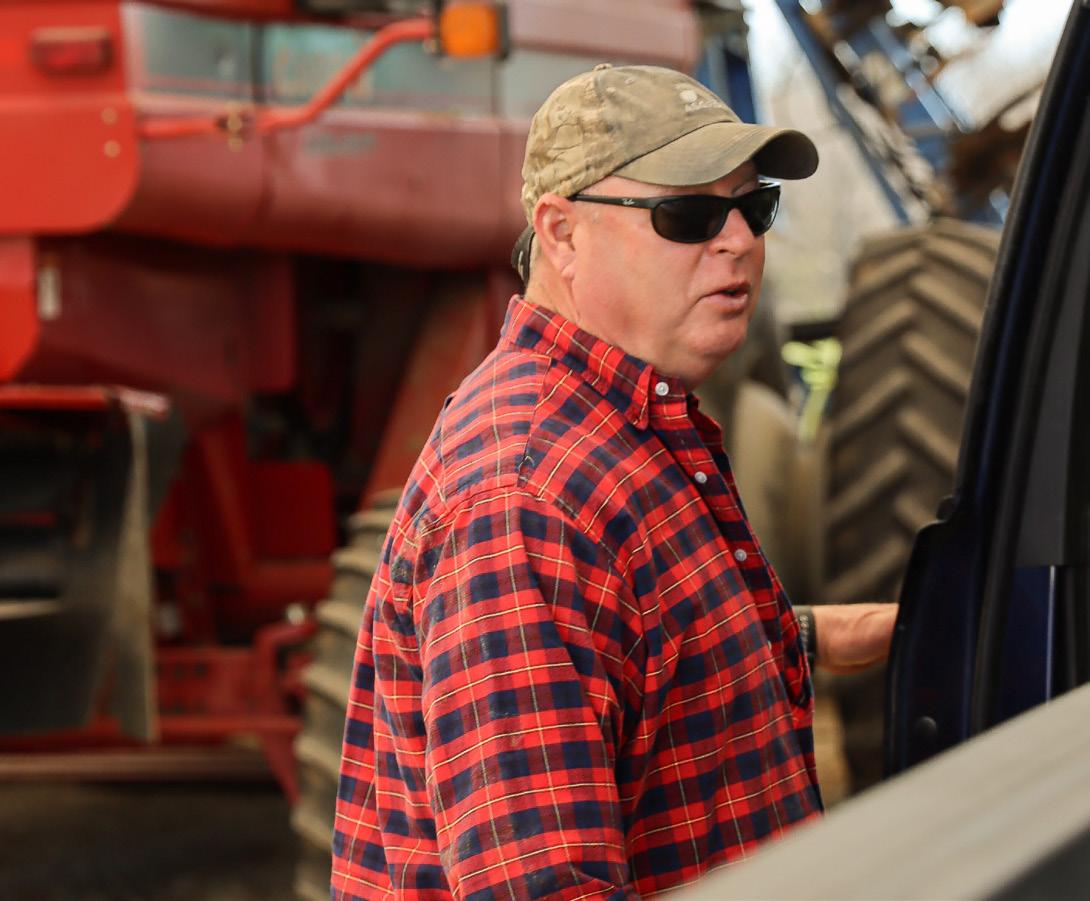
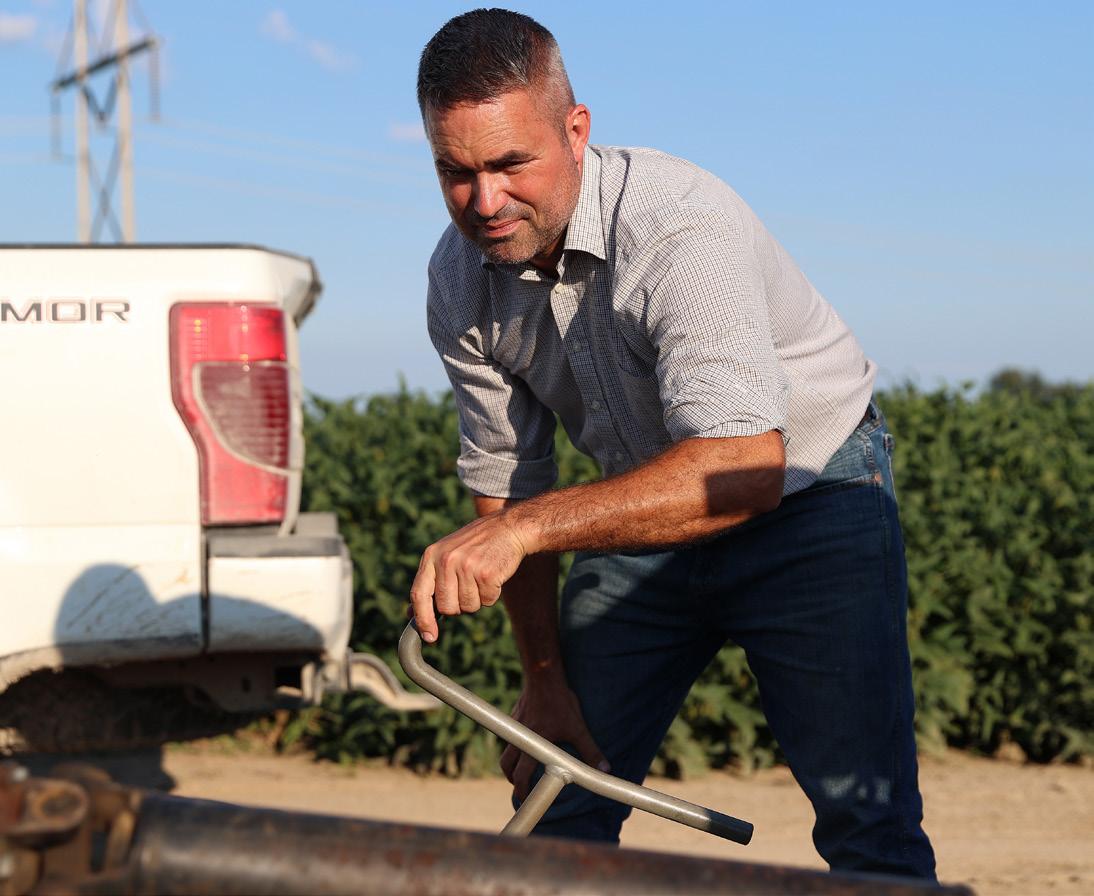
Missourisoybean farmers will continue to have a strong voice at the national level as two Missouri producers have been appointed to serve on the United Soybean Board (USB).
Tim Gottman of Monroe City and Aaron Porter of Dexter were among the farmers appointed by the U.S. Department of Agriculture to serve three-year terms on the board. Their appointments begin immediately.
USB oversees the national soybean checkoff, directing farmerfunded investments in research, promotion and market development to strengthen soybean demand and improve long-term profitability for growers.
“These appointments reflect the leadership Missouri farmers continue to bring to the soybean industry,” said Casey Wasser, CEO and executive director of Missouri Soybeans. “Tim and Aaron both understand the responsibility that comes with managing checkoff dollars and have the experience needed to represent farmers at the national level.
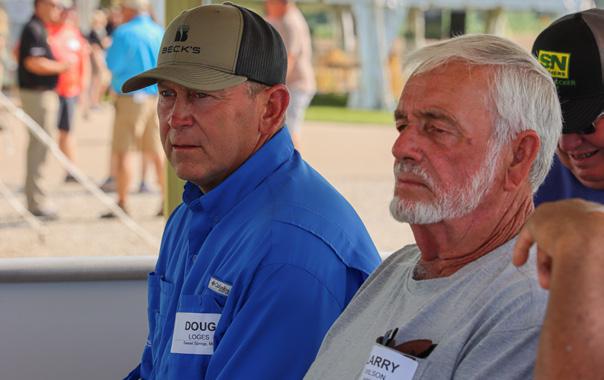
Gottman brings nearly a decade of experience serving Missouri soybean farmers through the Missouri Soybean Merchandising Council. During his time on the council, he has been closely involved in discussions surrounding research priorities, commercialization efforts and checkoff accountability.
Serving on the USB allows Gottman to apply that state-level experience on a national scale.
“I’m honored to represent Missouri farmers in this role,” Gottman said. “The soybean checkoff plays an important role in advancing research and building markets, and I look forward to helping guide those investments.”
Porter currently serves on the Missouri Soybean Merchandising Council and previously held the role of chair. His leadership has included overseeing checkoff-funded initiatives focused on research, market development and farmer engagement.
“This appointment is about making sure farmers remain at the center of decision-making,” Porter said. “The checkoff is one of the most effective tools farmers have to invest in the future of the industry, and that responsibility matters.”
USB is made up of 77 members representing 29 soybean-producing states, along with the Eastern and Western regions. Each year, the secretary of agriculture appoints approximately one-third of the board to staggered three-year terms.
Board members help guide investments addressing production efficiency, sustainability, global market access and consumer demand. Decisions made by the board have a direct impact on soybean farmers nationwide.
“Missouri farmers have a long history of stepping up to serve the broader soybean industry,” Wasser said. “Having experienced leaders like Tim and Aaron at the table helps ensure those investments remain farmer-focused.”
Missouri’s representation on the United Soybean Board continues the state’s long-standing involvement in national soybean leadership. Through these appointments, Missouri farmers remain actively engaged in shaping the future of the soybean checkoff and the priorities that guide it.
For Gottman and Porter, the appointments represent both an opportunity and a responsibility.
As their terms begin, Missouri Soybeans will continue working alongside farmer leaders to keep Missouri producers informed and represented at every level of the soybean industry.
We also want to extend a sincere thank you to our USB directors rotating off the board — Meagan Kaiser and Neal Bredehoeft for their time and service. Thank you for your leadership, time and dedication to making the organization better.





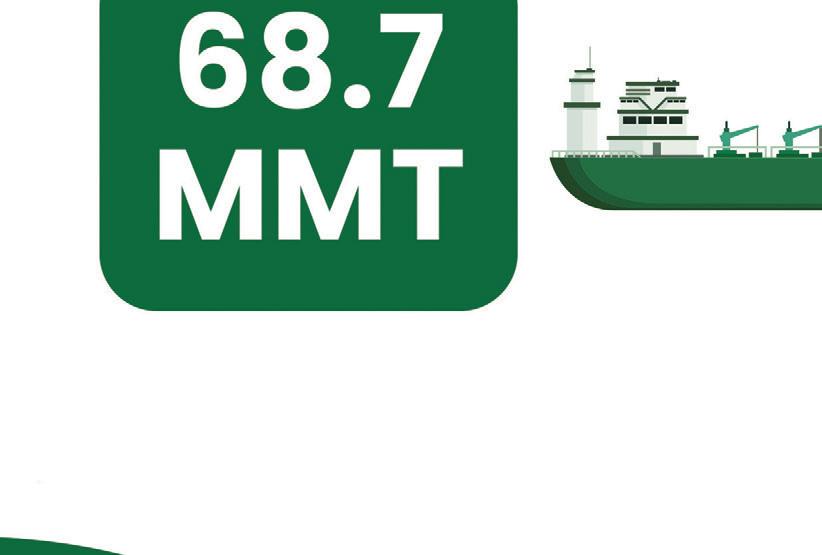

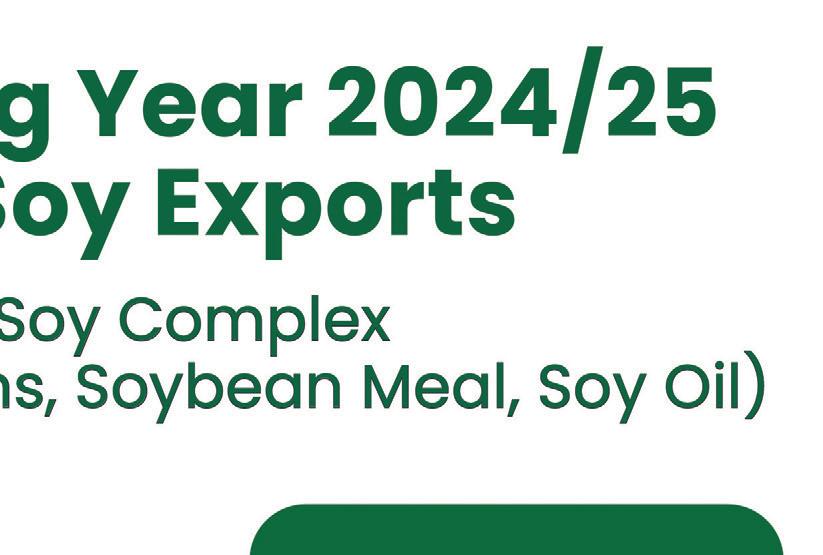
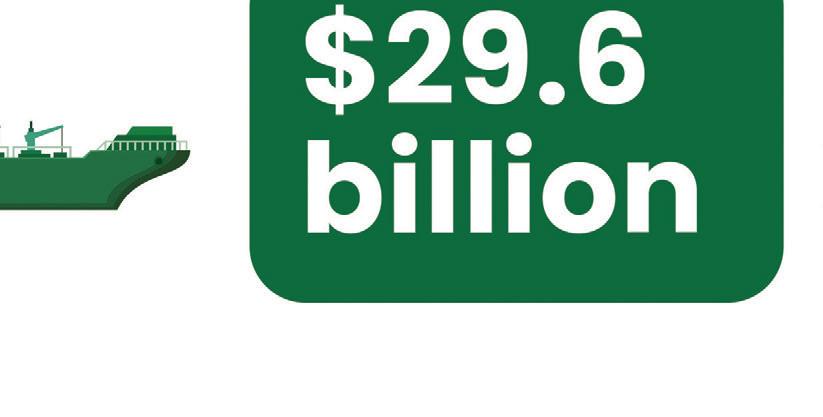
Source: US DA, Global Agricultural Tr ade System (GATS), January 2 026






















Transparency is paramount for Missouri soybean farmers and their checkoff, and the board of directors and staff carry that as one of the Missouri Soybean Merchandising Council’s values. Each year, this financial report appears in Missouri Soybean Farmer magazine as part of that commitment.
The Missouri Soybean Merchandising Council, under the guidance of elected, volunteer farmer-leaders and with the support of professional staff, invests Missouri farmers’ soybean checkoff dollars to improve the bottom line and future for soybeans and soybean farmers. The budget can be summarized under the following categories:
This budget area provides for collaborative work on pest and disease resistance, flood and drought tolerance and soybean breeding, as well as other work at the Missouri Soybean Association’s Farm for Soy Innovation.

This budget area is the home for efforts to connect Missourians not living on a farm or ranch to the importance of soy and agriculture.
Supports stakeholder education, commodity programs and partnerships that advance new soybean uses, management practices and business growth. INDUSTRY INFORMATION
This budget area includes the many ways checkoff funds are used to connect with soybean growers via radio, grower meetings, field days, educational tours, etc.
This budget area includes efforts to raise awareness within the market for Missouri soybeans and build demand for Missouri soybeans and soy products around the world. PROMOTION 27% 24% 27% 10% 1% 11%
This budget area includes the cost of overseeing and investing Missouri’s soybean checkoff dollars, including management, personnel and facilitating elections and meetings of the Missouri Soybean Merchandising Council’s board of directors.

ForMissouri soybean growers, weed-control decisions made before planting often determine how the rest of the season unfolds. Research from University of Missouri Extension consistently shows that starting clean, using layered herbicide programs and correctly timing applications are among the most reliable ways to protect yield and reduce resistance pressure.
Early competition is costly. Missouri weed science work shows soybeans are especially vulnerable to yield loss when weeds emerge ahead of the crop and remain uncontrolled during early vegetative growth. Once weeds establish, they compete for moisture, nutrients and sunlight at a time when soybeans are trying to build canopy and root mass. Even strong postemergence programs struggle to recover yield potential that has already been lost.
Entering planting season with fields already under control is one of the most consistent recommendations. The objective is not simply to remove visible weeds but to prevent early competition altogether and give soybeans the chance to evenly establish.
Pre-plant burndown programs remain the backbone of Missouri soybean weed management. Removing winter annuals and early spring weeds ahead of planting reduces early pressure and improves the effectiveness of every herbicide pass that follows.
Herbicide selection should reflect field history. Fields with glyphosate-resistant species such as waterhemp, marestail and giant ragweed require multiple effective modes of action. Relying on a single chemistry increases the risk of escapes and accelerates resistance development, a pattern extension specialists continue to see across Missouri production systems.
Residual herbicides extend the weed-free window and reduce dependence on postemergence rescue treatments. University research shows that layered programs combining burndown with residual activity provide more consistent early-season control, particularly in environments where warm temperatures and rainfall trigger rapid weed emergence.
In Missouri soybean systems, this early protection helps soybeans close canopy faster and compete more effectively, limiting the number and size of weeds that must be managed later.
Application timing often determines whether pre-plant programs succeed or struggle. Burndown herbicides perform best when weeds are small and actively growing. Applications made too late, after weeds have hardened off or bolted, lead to inconsistent control.
Environmental conditions also play a role. Cool temperatures and cloudy weather can slow herbicide activity, especially for systemic products that rely on plant uptake and movement.
Planting intervals tied to herbicide labels must also be factored into spring planning to avoid crop injury while maintaining effective weed suppression.
MU Extension guidance consistently reinforces that weed control is a system, not a single decision. Burndown applications, residual herbicides, crop rotation, cover crops and postemergence programs all work together to manage pressure and protect yield.
Fall herbicide programs can reduce winter annual weeds before spring even begins. Cover crops add another layer of suppression through competition and residue. When these strategies are combined, they reduce the number of weeds emerging at planting and ease pressure on in-season herbicide applications.
For Missouri growers, getting weed control right before the planter rolls sets the tone for the entire season. Fields that start clean allow soybeans to evenly emerge, close canopy faster and compete more effectively. Herbicide programs perform more predictably, resistance risks decline and management options remain open as conditions shift through the growing season.
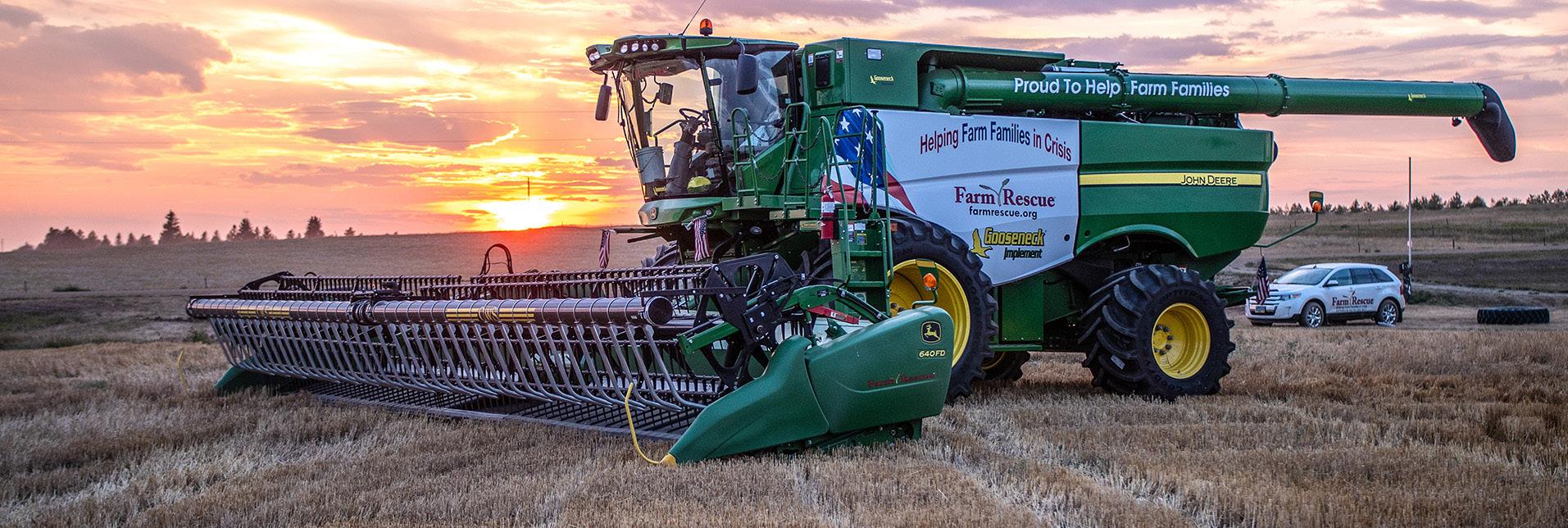
Whena serious injury, illness or natural disaster threatens a farm family’s ability to plant, harvest or care for livestock, the future of that operation can hang in the balance. Now, farm and ranch families in Missouri will have a new safety net. Farm Rescue in February announced it is expanding its service area into Missouri, marking the 11th state served by the organization. Harvest assistance will begin in fall 2026, with planting, haying, commodity hauling and livestock feeding support to follow. All services are provided at no cost to qualified families.
For more than 20 years, Farm Rescue has been the only nonprofit organization of its kind providing farm and ranch families with the operational support they need in times of crisis. The organization’s vision is a world where family farms and ranches thrive for generations to come.
“Our mission is to provide farmers and ranchers the operational support they need so their families and legacies can continue,” said Tim Sullivan, executive director of Farm Rescue. “Expanding into Missouri allows us to stand alongside more families when they need it most and help keep their operations moving forward during incredibly difficult times.”
Missouri agricultural leaders welcome the expansion. “Farm Rescue brings critical support to farm families when they need it most,” said Casey Wasser, CEO and executive director of Missouri Soybeans. “Farming is more than an occupation — it’s a way of life, and when challenges arise, having organizations willing to step in and help can make all the difference. We are proud to support efforts that strengthen Missouri’s farm families and the communities they call home.”
Farm Rescue was founded in 2005 by North Dakota native Bill Gross, who envisioned practical, boots-on-the-ground assistance for farm families facing unexpected hardship. Since its founding,
the organization has assisted more than 1,250 farm and ranch families and contributed tens of thousands of volunteer hours to ensure critical planting, harvesting and livestock care windows are not missed.
Farm Rescue now serves families in Illinois, Iowa, Kansas, Kentucky, Minnesota, Missouri, Montana, Nebraska, North Dakota, South Dakota and Wisconsin. Missouri’s diverse agricultural landscape, including row-crops, livestock and specialty operations, makes it a natural fit for the organization’s expanding footprint.
Farm Rescue deploys experienced volunteers and modern equipment to complete essential time-sensitive tasks. Volunteers work directly with each farm family to follow their specific management practices, from planting depth and seeding populations to livestock protocols, ensuring operations continue exactly as intended. This structured assistance allows families to focus on recovery without placing additional strain on neighbors or local communities.
A 2024 impact evaluation found that for every $1 invested in Farm Rescue, more than $10 in direct and indirect economic value is secured for farm families and the rural communities they support.
The Missouri expansion is supported by generous donors and corporate partners, including John Deere, Anheuser-Busch through its Busch Light brand and Nutrien Ag Solutions. These partnerships provide critical equipment, service and operational support as Farm Rescue launches in the state.
Applications for assistance are currently being accepted and can be obtained at farmrescue.org or by calling 701-252-2017.



Missouri Soybeans awards ALOT scholarships to three emerging leaders, backing their growth and strengthening the future of Missouri agriculture.
Missouri Soybeans continues to invest in the future of the industry by recognizing three farmers who exemplify leadership, engagement and a commitment to advancing Missouri agriculture. Rider Jackson, Hank Graves and Tory Meyr were named recipients of Missouri Soybeans’ Agricultural Leadership of Tomorrow (ALOT) scholarship.
The ALOT scholarship is awarded to soybean farmers who are active members of Missouri Soybeans and demonstrate a strong commitment to leadership development and industry involvement. The program supports farmers who are willing to step forward, engage in conversations beyond their own operations and help shape the future of Missouri’s soybean industry.
“These three farmers represent exactly what the ALOT scholarship is intended to support,” said Casey Wasser, CEO and executive director of Missouri Soybeans. “They are engaged, forward-thinking and committed to being part of something bigger than their own farms. That kind of leadership is critical to the long-term strength of our industry.”
As growers continue to push the envelope to increase yields and improve ROI on soybean acres, a shift is underway in how the crop is managed, particularly with crop nutrition. The quest for higher yields is no longer just about nitrogen, phosphorus and potassium. It’s about a balanced crop nutrition program that includes often-overlooked secondary nutrients like calcium. While calcium often gets overlooked as a primary contributor to yield, it is necessary for developing a healthy and productive soybean crop.
Calcium is an important player in numerous physiological processes within the soybean plant. Calcium helps soybeans form healthy nodules on their roots, which are needed to turn atmospheric nitrogen into a form the plants can use. It helps facilitate cell division and elongation to ensure proper growth from the root to the top of the plant. Calcium also contributes to cell wall strength, which is essential for the plant’s structural integrity and its ability to withstand environmental stress. Beyond its structural contributions, adequate calcium levels help the plant manage abiotic stress and improve disease resistance. In addition, calcium helps promote better soil structure, which drives nutrient availability and uptake, and increased microbial activity to foster an environment for vigorous plant growth.
Today’s high-yielding soybeans require more calcium than ever before. However, even when soil tests indicate high calcium levels, it does not guarantee optimal plant availability of the essential nutrient. Therefore, it is often necessary to provide soybeans with a supplemental calcium source to meet the crop’s nutrient needs. Supplemental calcium sources can also vary in plant availability. Choosing a plant-available calcium source helps ensure nutrient uptake is maximized during crucial periods of growth and development, in turn delivering a stronger ROI on the fertilizer application.
Modern high-yielding soybean varieties demand more calcium than ever before. However, even when soil tests indicate high calcium levels, the nutrient isn’t always readily available to plants. In many cases, less than five percent of the calcium measured in a standard soil test is plant available. This knowledge is important because soluble (plant-available) calcium is often a very small percentage of the overall total calcium reported on a soil test. Field test results illustrated in Figure 1 show soluble calcium only ranged between 1% and 2%.
1
With a controlled-release, water-soluble formulation, SUL4R-PLUS provides immediate availability and season-long uptake of calcium and sulfur to help crops maximize yield potential. Recent trial data demonstrates SUL4R-PLUS can increase soybean yields up to 12.2 bu/ac, depending on application rate, compared to the untreated check (Figure 2).
2
HELM, a trusted leader in agricultural logistics and distribution, is the exclusive distribution partner of SUL4R-PLUS to ensure efficient delivery to growers across North America. Together, HELM and SUL4R-PLUS are committed to offering innovative solutions that boost productivity and contribute to soil health and sustainability.
To secure your SUL4R-PLUS for the upcoming growing season, contact your local retailer.
Discover more about SUL4R-PLUS at sul4r-plus.com.
It takes adaptability and vision to keep moving forward. My goal is to not only operate a successful farm, but also to explore new ways to make agriculture more resilient and accessible.
Rider Jackson, a farmer from Easton, Missouri, is a graduate of Northwest Missouri State University. He returned to his family farm full time and enjoys aviation in his spare time. Through his involvement with Missouri Soybeans, Jackson has taken an active role in discussions that extend beyond day-to-day farm management.
“As a young farmer on a row-crop operation, I can see firsthand how quickly agriculture is evolving,” said Jackson. “From new technology to markets to consumer expectations. It takes adaptability and vision to keep moving forward. My goal is to not only operate a successful farm, but also to explore new ways to make agriculture more resilient and accessible.”
Jackson shared that ALOT offers the opportunity to learn from mentors, peers and industry experts who share the same passion for agriculture.
“Receiving the Missouri Soybeans Association scholarship for ALOT is truly meaningful to me,” stated Jackson. “As a self-employed individual, every investment I make in education comes directly out of my own operation, so having support like this removes the financial burden and allows me to continue pursuing advanced training without sacrificing other responsibilities.”
Hank Graves is a producer from Platte County, Missouri, where he raises corn, soybeans and cattle. He is a 2021 graduate of the University of Missouri, earning a degree in agricultural economics. Prior to returning to the family farm, Graves worked on the 2022 U.S. Senate campaign for Eric Schmitt, gaining experience in public policy and grassroots engagement.
Graves views leadership development as an important part of sustaining agriculture for future generations. In addition to managing his farming operation, he remains actively engaged in Missouri Soybeans and values opportunities to learn from peers across the state.
“As a beginning farmer, I recognize the importance of continuing to develop my professional skills in order to strengthen our operation and contribute to the future of agriculture in Missouri,” said Graves. “I am very grateful to Missouri Soybeans for the support they have provided through the ALOT scholarship. As a young producer, this opportunity is valuable to me because it allows me to continue developing leadership and advocacy skills while gaining a stronger understanding of the challenges and opportunities facing agriculture across our state.”
Tory Meyr serves on the Missouri Soybean Association board of directors. A graduate of Washington University in St. Louis with a degree in business, Meyr later earned a Master of Business Administration from Arizona State University. After college, he operated retail stores in Phoenix, Arizona, and St. Louis, Missouri, gaining experience in business management and leadership. In 2010, he returned to southeast Missouri to take over the family farm, where his family produces corn, soybeans and wheat. Meyr shared that he is proud to be raising the next generation of agriculture with his two sons on the family farm.
Meyr sees the ALOT scholarship as an opportunity to give back to an industry that has provided opportunities for his family. Active involvement in Missouri Soybeans has allowed him to better understand how farmerled organizations work to support growers statewide.
"Being awarded a Missouri Soybean Association scholarship to attend ALOT has provided an incredible opportunity to expand my knowledge of agriculture and strengthen my leadership skills,” shared Meyr. “This experience will challenge me to grow both in managing daily farm operations and in serving as an agricultural advocate within my community. I am grateful to be part of a program that surrounds me with talented individuals from diverse agricultural backgrounds while preparing us to become leaders in the industry."
The ALOT scholarship reflects Missouri Soybeans’ belief that strong leadership is essential to the future of the soybean industry. By supporting farmers who are already engaged and willing to grow as leaders, the program helps ensure Missouri continues to have knowledgeable, informed voices guiding research, market development and advocacy efforts.
“Leadership development is an investment,” Wasser said. “When farmers step forward and take the time to learn, engage and lead, the entire industry benefits.”
For Jackson, Graves and Meyr, the recognition represents both an honor and a responsibility. As recipients of the ALOT scholarship, they join a growing group of Missouri farmers committed to shaping the future of agriculture through involvement, education and leadership.
As Missouri Soybeans continues its work on behalf of farmers, programs such as ALOT remain an important part of building the next generation of industry leaders, ensuring Missouri agriculture remains strong, connected and forward-looking.
For more information on ALOT, visit: missourialot.org
This experience will challenge me to grow both in managing daily farm operations and in serving as an agricultural advocate within my community.
As a young producer, this opportunity allows me to continue developing leadership and advocacy skills while gaining a stronger understanding of the challenges and opportunities facing agriculture across our state. Hank Graves, Platte County, Missouri
Tory Meyr, Southeast Missouri
By SAmantha
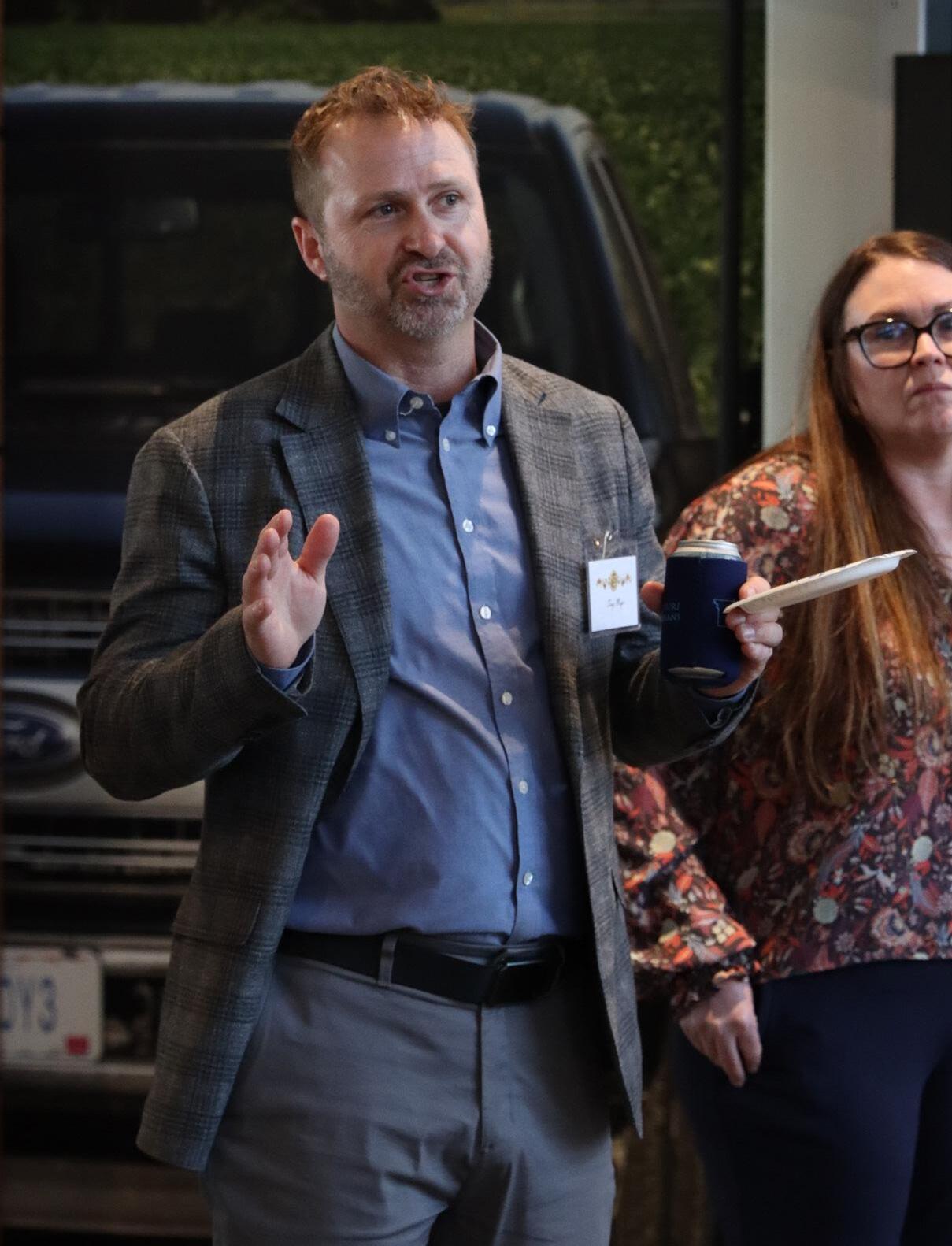
For years, Missouri soybean farmers invested in research with the goal of delivering more value from every acre. This spring, that long-term commitment reached a major milestone. In March, Beck’s acquired the exclusive licensing rights of the SOYLEIC soybean patents — a high-oleic non-GM soybean trait — from the Missouri Soybean Merchandising Council (MSMC), marking one of the most significant commercialization achievements in Missouri Soybeans’ history.
The acquisition moves SOYLEIC from a farmer-funded research success into the hands of a nationally recognized seed company with the infrastructure, reach and reputation to expand adoption well beyond the Midwest. It represents a clear transition from innovation to scale and positions SOYLEIC for long-term market stability.
“This is a major win for farmers,” said Casey Wasser, CEO and executive director of Missouri Soybeans. “SOYLEIC represents years of research, investment and persistence by soybean farmers. Beck’s acquisition validates that work and ensures this technology has a clear path to scale, stability and long-term value.”
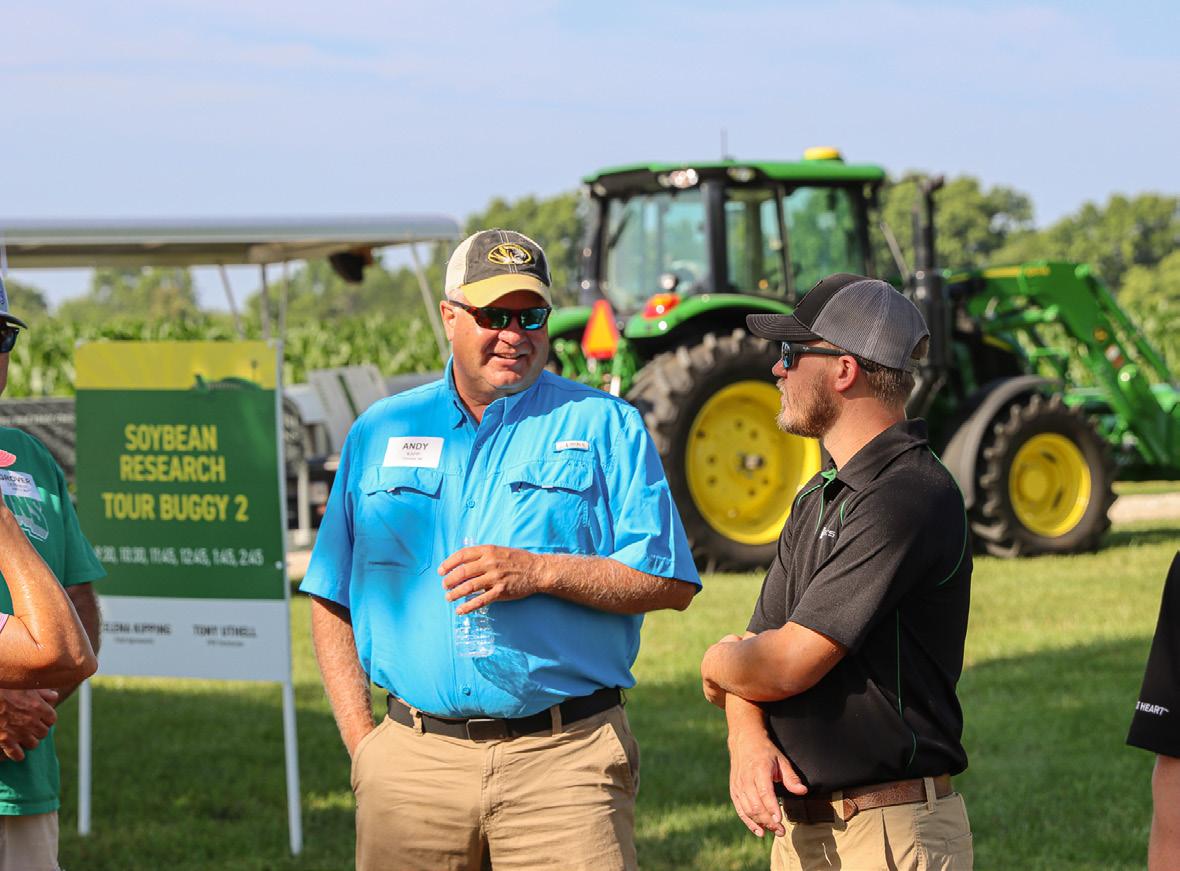
SOYLEIC soybeans are a high oleic, low linolenic variety developed through decades of research at the University of Missouri-Columbia. The objective was straightforward but ambitious: develop soybean oil with improved stability and functionality that could meet the needs of food and industrial users without hydrogenation.
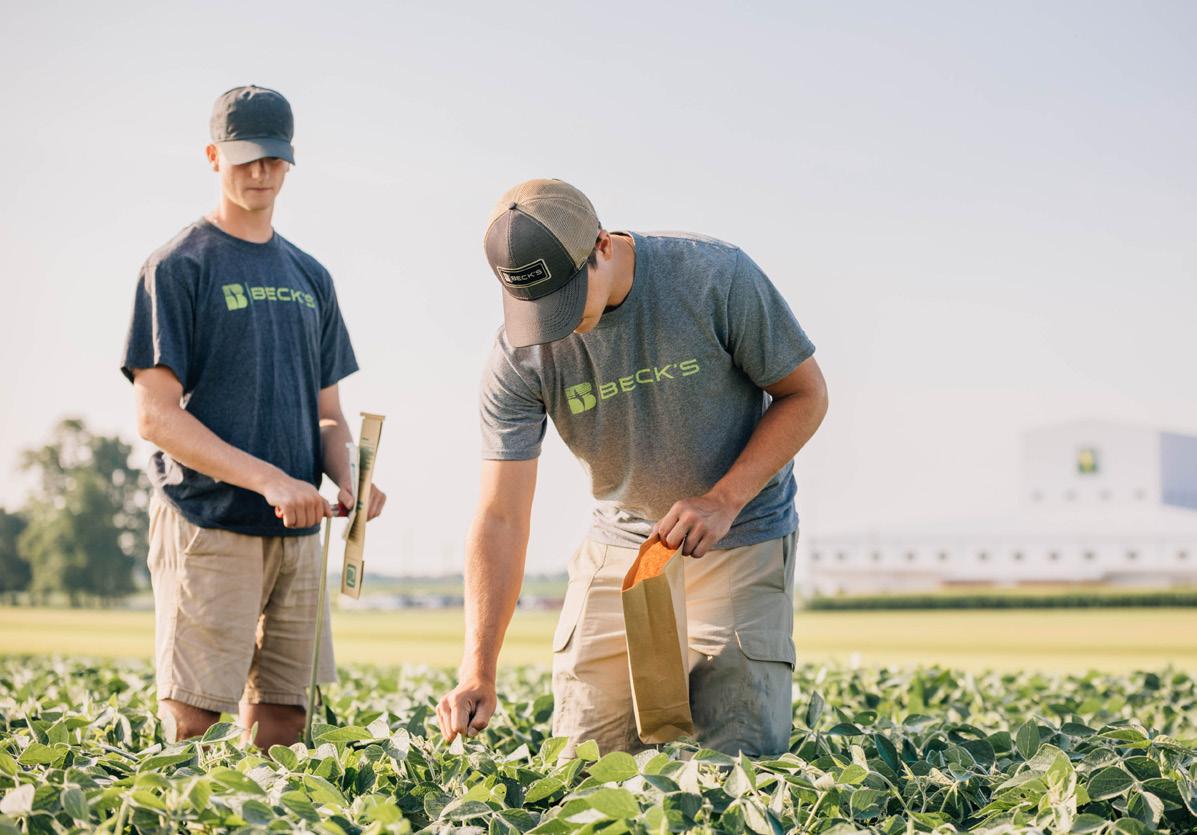
The result was a soybean oil with longer shelf life, improved performance in high-heat applications, and a domestically sourced alternative to imported oils. For farmers, the opportunity was equally compelling. SOYLEIC soybeans offered a way to participate in value-added production tied directly to market demand rather than traditional commodity channels.
“SOYLEIC didn’t happen overnight,” said Bryan Stobaugh, director of commercialization and licensing for Missouri Soybeans. “Our role has always been to move it responsibly from the lab to the field and then into the marketplace. This acquisition is a pivotal step in that process.”
Missouri Soybeans spent years protecting the integrity of the trait, supporting university research and building pathways toward
Beck’s understands farmers because they are farmers. They have the foundation, the technical expertise and the grower relationships needed to take SOYLEIC to the next level. This acquisition ensures the technology will be supported and stewarded the right way.
commercialization. As demand for high-oleic oils continued to grow, the need for a partner capable of expanding seed availability and managing commercialization at scale became increasingly clear.
By supporting university research, protecting intellectual property and advancing commercialization pathways, the Council helped ensure SOYLEIC soybeans were positioned not just as a promising concept, but as a market-ready technology capable of delivering returns to farmers. Beck’s acquisition represents the culmination of that disciplined approach and reinforces the role farmer-led investment plays in shaping the future of the soybean industry.
Beck’s is the largest family-owned, retail seed companies in the United States. Founded in Indiana and built on a farmer-first philosophy, Beck’s has earned a national reputation for agronomic excellence, strong dealer relationships and an emphasis on local performance.
That alignment made Beck’s a natural fit for SOYLEIC.
“Beck’s understands farmers because they are farmers,” Wasser said. “They have the foundation, the technical expertise and the grower relationships needed to take SOYLEIC to the next level. This acquisition ensures the technology will be supported and stewarded the right way.”
Beck' s
Continued on page 32...
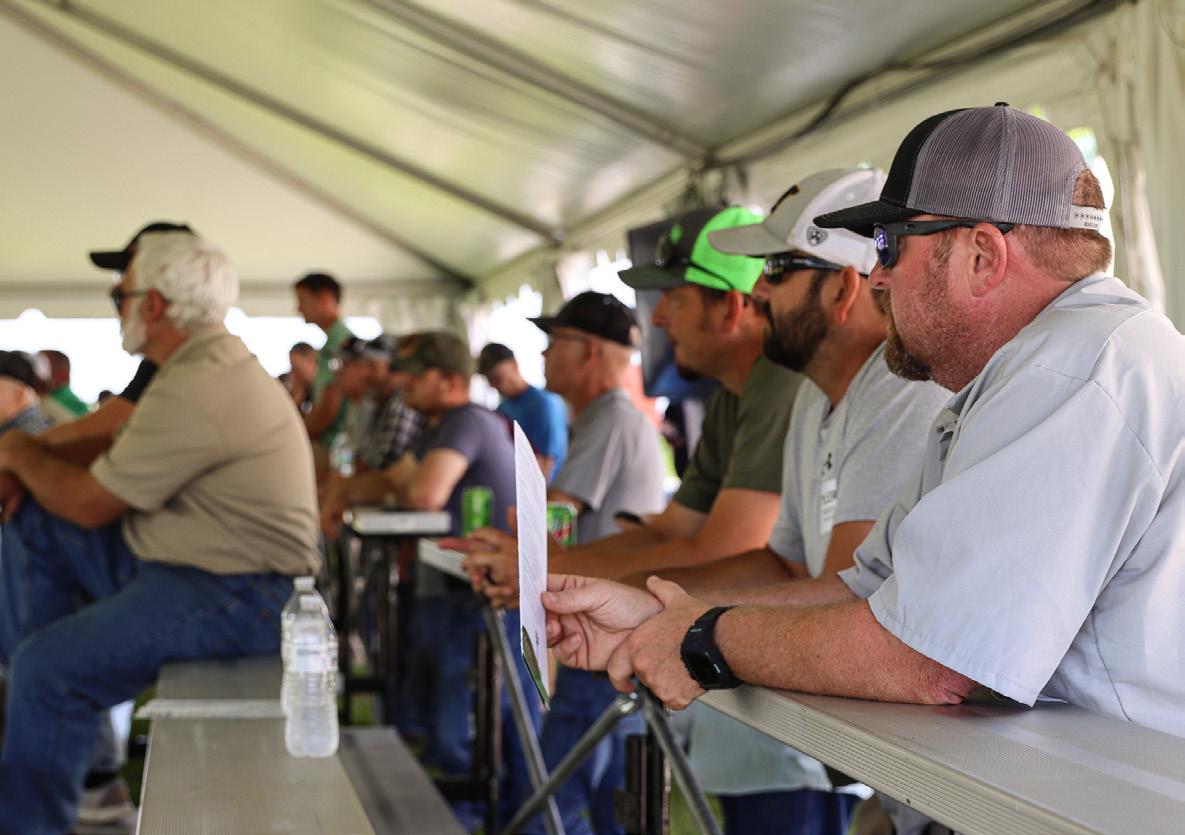
Through the acquisition, Beck’s will lead commercialization efforts, including expanding seed production, supporting agronomic placement, and developing market channels for high oleic soybeans. The move provides clarity and confidence for farmers to evaluate whether SOYLEIC soybeans fit their operation.
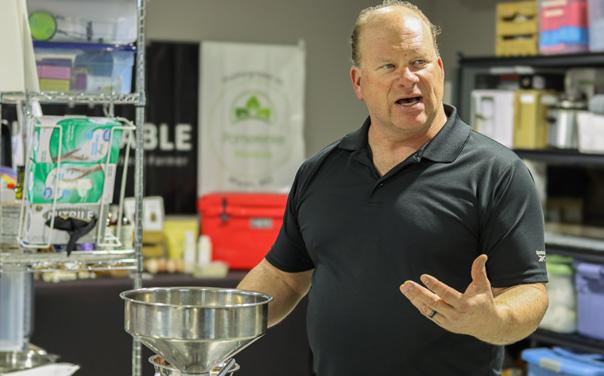
“This investment transitions SOYLEIC from a successful, farmerfunded research initiative into a scalable commercial product,” said Scott Beck, president of Beck's. “With our footprint across the U.S., the technology is now positioned to reach more farmers and deliver a consistent supply to processors and end users."
While SOYLEIC’s roots are planted in Missouri, the implications of this acquisition extend far beyond state lines. Demand for high oleic soybean oil continues to grow as food companies; processors and industrial users seek consistent performance, longer shelf life and domestically sourced oils.
With Beck’s footprint across the Midwest and beyond, SOYLEIC is now positioned to reach even more farmers nationwide.
“The demand for SOYLEIC soybeans has always been there,” Stobaugh said. “Now farmers across the country stand to benefit from having access to a proven, high oleic soybean option backed by a strong commercial partner. That matters for the entire soybean industry.”
The demand for SOYLEIC soybeans has always been there. Now farmers across the country stand to benefit from having access to a proven, high oleic soybean option backed by a strong commercial partner. That matters for the entire soybean industry.
-Bryan Stobaugh, Director of Licensing & Commercialization
As demand increases, consistent supply and reliable performance become increasingly important for processors and end users. By positioning SOYLEIC within a national seed platform, the acquisition helps ensure farmers across the country can participate in value-added markets driven by domestic innovation and farmer leadership.
For growers, the significance of the acquisition is rooted in opportunity and confidence. Beck’s commercialization of SOYLEIC provides a clearer pathway from seed selection to market delivery. Increased seed availability, improved logistics and expanded market channels reduce uncertainty and help farmers evaluate whether SOYLEIC fits their operation.
“This is about giving farmers options,” Wasser said. “When farmers invest in research, they deserve to see those investments turn into real opportunities.”
At its core, the SOYLEIC story reflects the power of farmer-funded research paired with disciplined commercialization. It demonstrates what is possible when growers invest collectively in innovation and remain committed over the long term.
“This is what success looks like,” Stobaugh said. “Farmer investment leading to farmer opportunity, supported by research and carried forward by a strong commercial partner.”
As SOYLEIC enters its next chapter, Missouri Soybeans views the acquisition as both an achievement and a foundation for future innovation. For farmers in Missouri, it reinforces the value of research-driven progress and the role farmers play in shaping the future of the soybean industry.
Additional details on seed availability, contracting and commercialization timelines will be shared as Beck’s moves forward with integration and planning. Missouri Soybeans will continue working alongside partners to ensure farmers remain informed and supported.
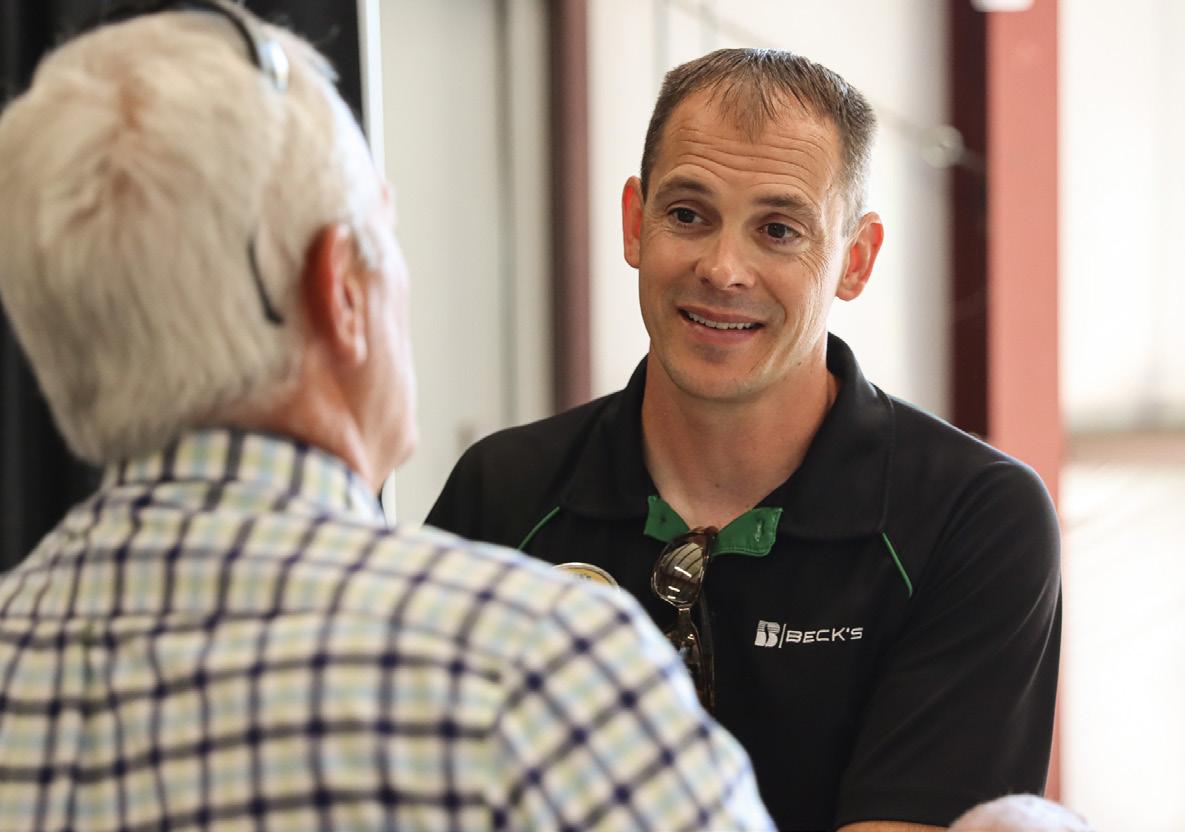

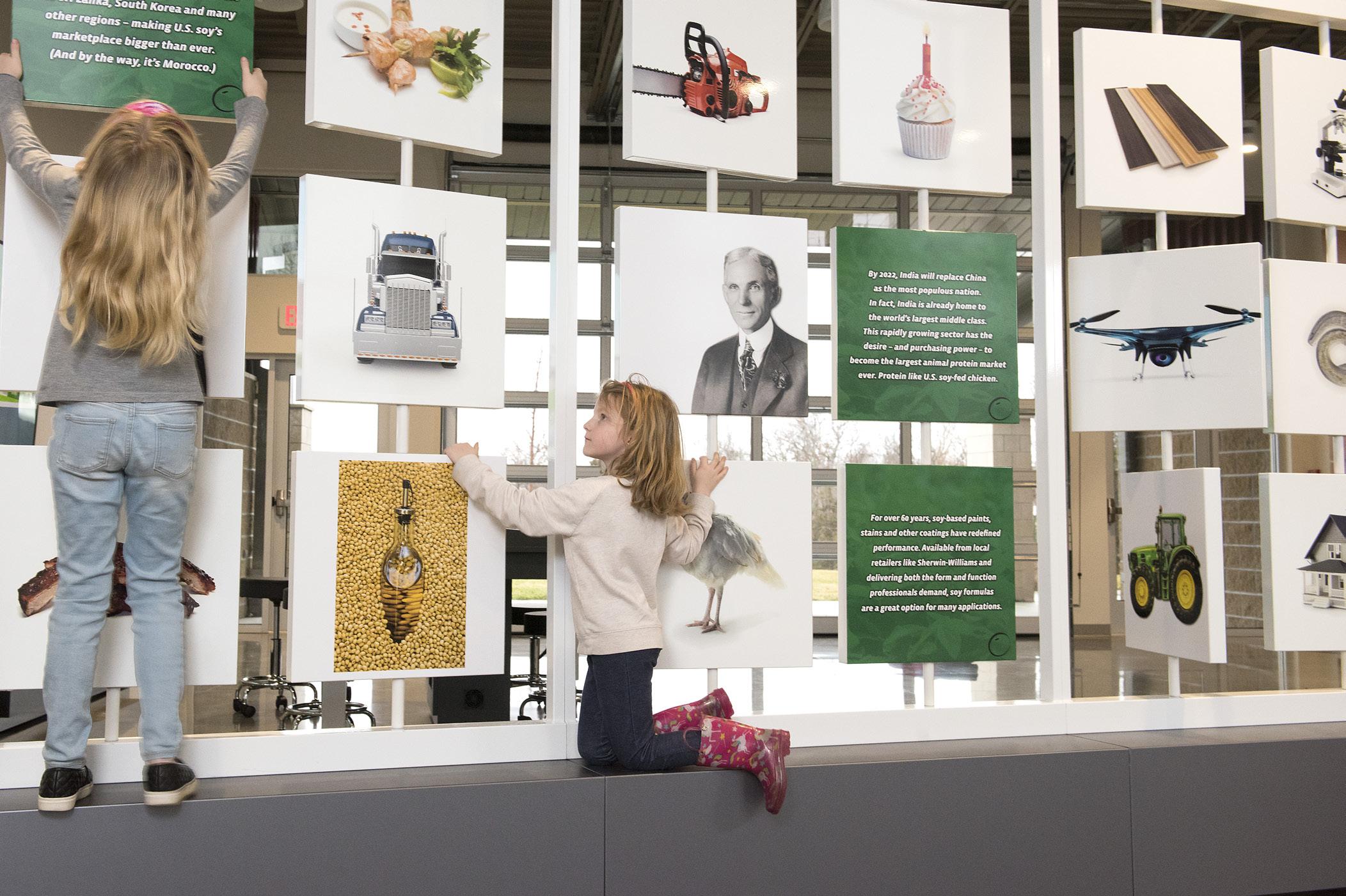

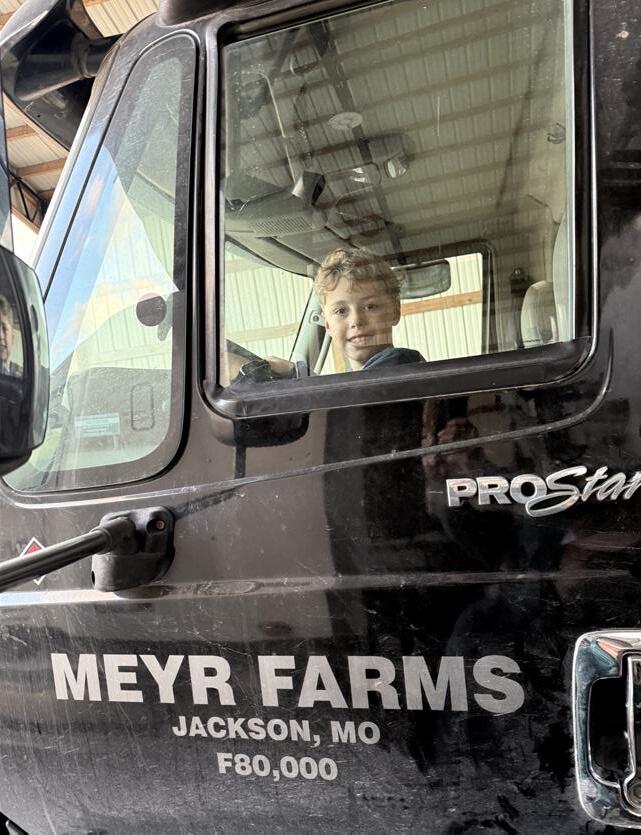
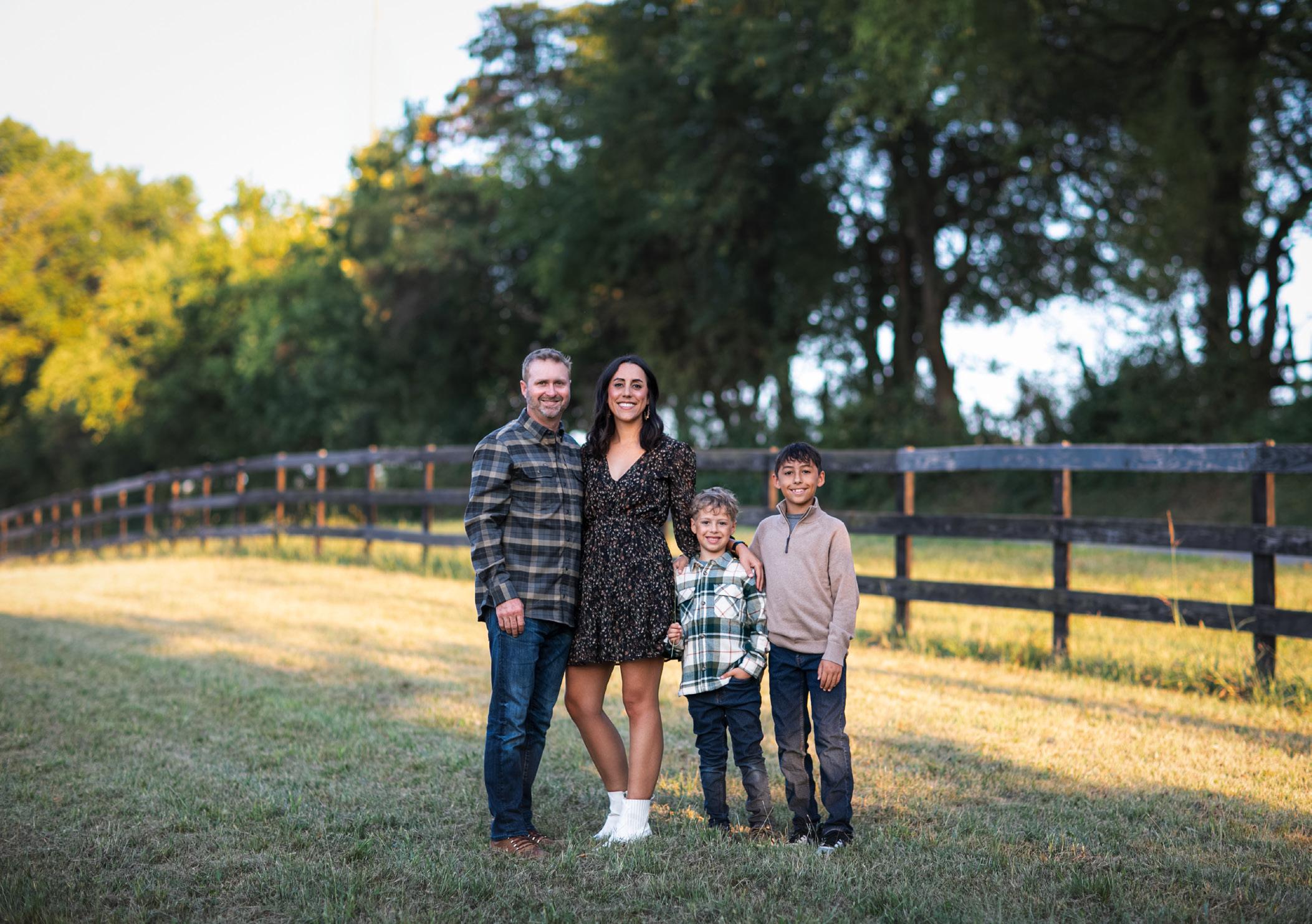
MSA board member Tory Meyr shares how returning home and raising the next generation shape his leadership in agriculture.
Q: Tell us a little about yourself.
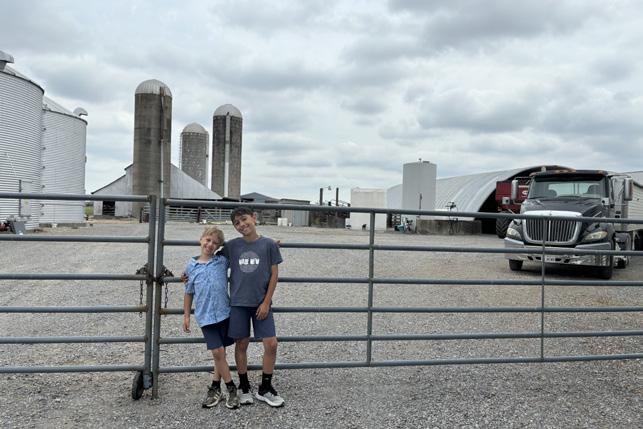
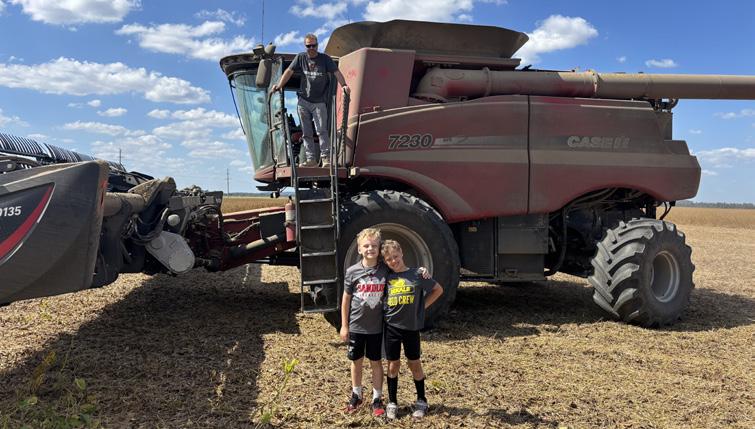
A: I’m a fourth-generation row-crop farmer from southeast Missouri with a business degree from Washington University in St. Louis and an MBA from Arizona State University. Before returning home in 2010, I operated retail stores in Phoenix and St. Louis. I worked alongside my father before purchasing the operation about a decade ago. My wife, Brandi, and I have two boys, Bode (12) and Crosby (8). She works in healthcare, and our boys keep us busy with sports, some of which I coach. I’m active at La Croix Church, serving as chair of the finance committee, on church council and as a Stephen Ministry leader. In my free time, I enjoy hiking, golf and traveling with family and friends.
Q: Who is your biggest influence?
A: It’s hard to narrow it to one. My parents modeled the importance of family. My wife and kids push me to lead well. I also rely on a farmer mentor and a group of Christian leaders who provide wisdom and accountability.
Q: What would you tell your kids or next generations to encourage them to be involved in agriculture?
A: Agriculture remains essential and full of opportunity. Beyond farming itself, innovation has created new ways to engage in the industry. The family farm still provides a unique place to develop practical skills, business acumen and adaptability.
Q: What are you listening to while working?
A: ESPN radio, Forrest Frank songs to keep up with my boys’ music interests or whatever podcast I might be into at the time.
Q: Tell us about your involvement in agriculture.
A: Growing up on a cattle-focused family farm instilled a strong work ethic and appreciation for daily decision-making. After time away, I felt called back to operate and expand the row-crop side of the business. Today, I serve as the daily operator of the farm, am active with the Missouri Soybean Association and participate in ALOT.
Q: Who is your favorite farm influencer to follow?
A: Millennial Farmer.
Q: Tell us about your favorite memory on the farm.
A: As a child, building a cattle barn with my brothers and sharing lunch under a shade tree stands out. Today, it’s stepping into the combine for the first pass of harvest and seeing the results of a year’s work.
Q: What is your favorite planting or harvest snack?
A: Beef sticks with cheese or apples.
Q: Tell us about your farm.
A: Meyr Farms is a row-crop operation producing corn, soybeans and wheat in northern Scott County and southern Cape Girardeau County. Our land leveling allows for both furrow and pivot irrigation, supported by strong water access. Proximity to the Mississippi River provides efficient, low-cost grain transportation.
Q: How do you take your coffee?
A: I’m not a coffee drinker — I prefer iced chai tea.
Q: Does your family implement any sustainable practices?
A: We use minimal tillage, stale bed planting and cover crops where feasible. Our conservation plan includes native border strips, pollinator habitat and grade stabilization structures. We soil sample on two-acre grids to variable-rate apply lime, fertilizer and seed based on need.
Q: Should tractors be red or green?
A: Red, of course.



Ingredients:
1/2 cup soy flour
1/3 cup cornmeal
1/2 cup all-purpose flour
2 teaspoons baking powder
1 cup soy milk
2 teaspoons soy oil
1/2 cup hot water
Bacon drippings
Instructions:
Mix all dry ingredients thoroughly.
Add soy milk and soy oil; mix well.
Add hot water a little at a time, stirring after each addition, until you reach desired consistency.
Add batter to center of griddle heated with bacon drippings.
Turn pancakes over when edges start to brown and bake the second side for about two minutes.
Serve with your favorite syrup.
The pancakes can be held in the oven at 180 degrees if you want to serve a few at a time. If necessary, add hot water to batter and stir to maintain desired consistency. Makes 6 servings.

Ingredients:
5 slices bread, cubed
1/2 pound sausage, browned and drained
1/2 pound mild cheddar cheese, grated
5 eggs
2 cups milk
1/2 cup tofu, drained and mashed
1/2 cup mushrooms, chopped (optional)
1/4 teaspoon dry mustard
1/4 teaspoon sage
1/4 teaspoon salt
1/4 cup margarine, melted
Instructions:
Butter a 13x9-inch baking dish and spread the cubed bread evenly across the bottom. Top with the browned and drained meat, then sprinkle grated cheese evenly over the surface.
In a bowl, beat the eggs and whisk in the milk, tofu and seasonings until combined. Pour the mixture evenly over the bread, meat and cheese, then drizzle margarine over the top. Cover and refrigerate overnight to allow the mixture to soak.
Bake at 325 F for 1 hour, loosely covered with foil. Makes 12 servings.
Ingredients:
32-ounce bag hash browns
2 large onions, chopped
2 cans cream of chicken soup
12 ounces sour cream
1 (10.9 oz.) package tofu, crumbled or mashed
1 cup grated cheese
1 stick margarine, melted
1 cup corn flakes, crushed
Instructions:
Spread hash browns and chopped onion evenly in a 13x9-inch baking dish. In a bowl, combine cream of chicken soup, sour cream and tofu until smooth, then pour over the potato mixture and spread evenly.
Sprinkle grated cheese over the top and drizzle with melted margarine. Finish with an even layer of crushed corn flakes.
Bake at 350 F for 45 minutes. Makes 12 servings.
Ingredients:
Batter:
2 cups sugar
1 1/2 cups flour
1/2 cup soy flour
2 teaspoons baking soda
2 teaspoons baking powder
2 eggs, beaten
1 (15 oz.) can crushed pineapple
Topping:
1 stick margarine
2/3 cup evaporated milk
1 cup sugar
1 cup coconut
1 cup chopped pecans
Instructions:
Preheat oven to 325 F. In a large bowl, combine dry ingredients, then mix in eggs and crushed pineapple until fully incorporated. Pour batter into a greased 13x9-inch pan and bake for 35 to 40 minutes. Let cool completely before adding topping.
For the topping, boil margarine, evaporated milk and sugar for 2 minutes. Remove from heat and stir in coconut and pecans, then spread over cooled cake.
Makes 15 servings.
Featured are the winning recipes from MSMC's 8th Annual Soyfoods Recipe Contest in 2002
Ingredients:
1 1/2 pounds ground beef, browned and drained
1/4 cup chopped onion
1 package taco seasoning mix
2/3 cup water
1 cup cooked soybeans, mashed in blender until smooth
1/2 cup salsa or taco sauce
1 can nacho cheese spread
1 bag white tortilla nacho chips
1/2 cup chopped green onions, for garnish 1/2 cup chopped tomatoes, for garnish
Instructions:
Stir onion, seasoning mix, water, soybeans and salsa or taco sauce into the browned ground beef. Simmer for 10 minutes, stirring occasionally, until heated through and slightly thickened.
To serve, place a handful of nacho chips on a plate and top with 3/4 cup of the meat mixture. Drizzle with cheese spread and garnish with green onions and tomatoes as desired. Optional toppings include sour cream, additional salsa or taco sauce and grated cheese. Makes 6 servings.
Ingredients:
2 pounds hamburger
1 large onion, chopped
1 package taco seasoning mix
1 package ranch seasoning mix
1 can green chilies, optional
3 cans Mexican stewed tomatoes
1/2 cup cooked soybeans
1 can whole kernel corn, drained
1 cup water
Instructions:
In a large heavy-bottomed pot, brown hamburger and onion until fully cooked; drain excess fat. Add remaining ingredients and simmer for 2 hours, stirring occasionally.
To serve, ladle soup into bowls and top with grated cheese, sour cream and corn chips.
Makes 5 to 6 servings.
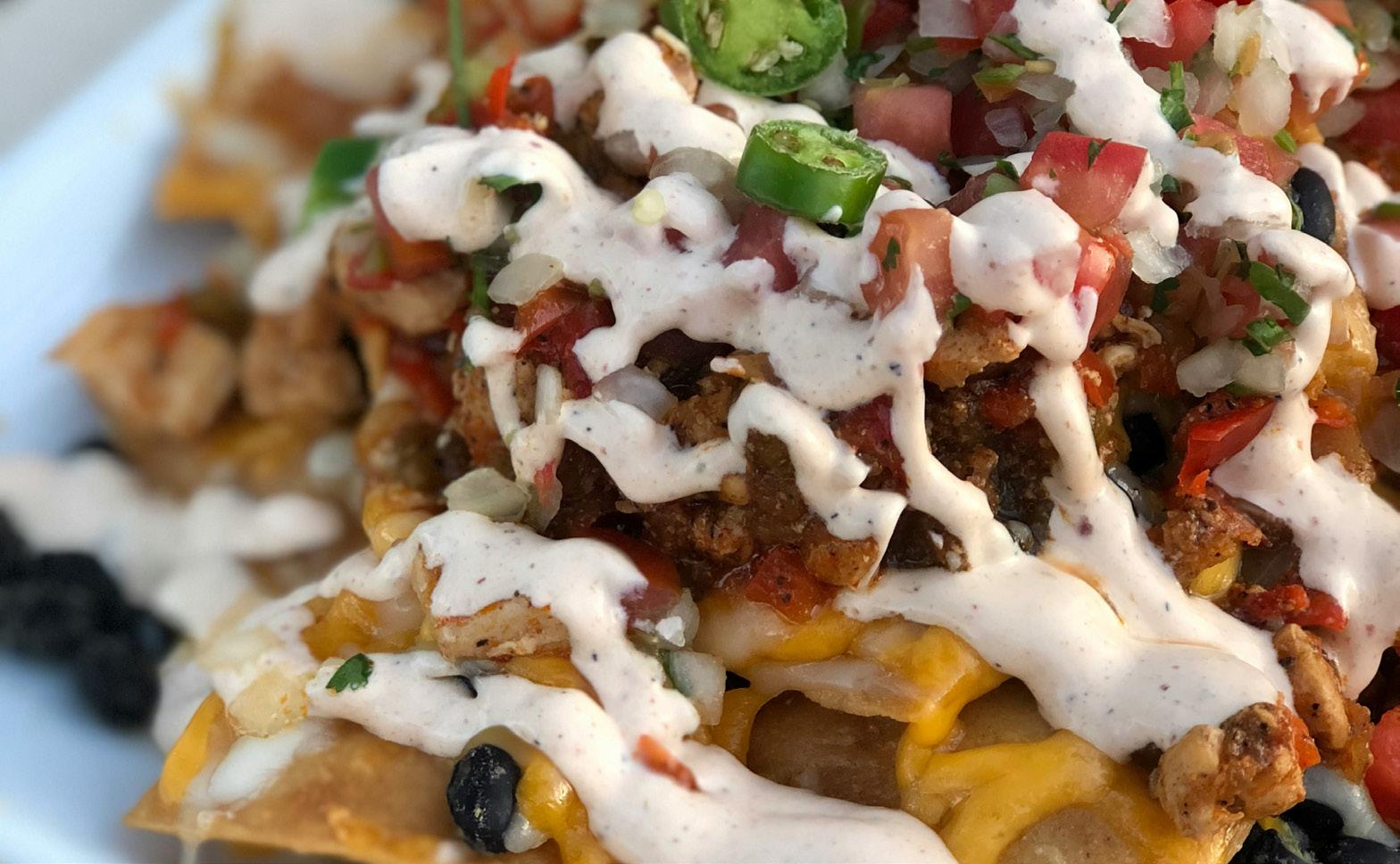
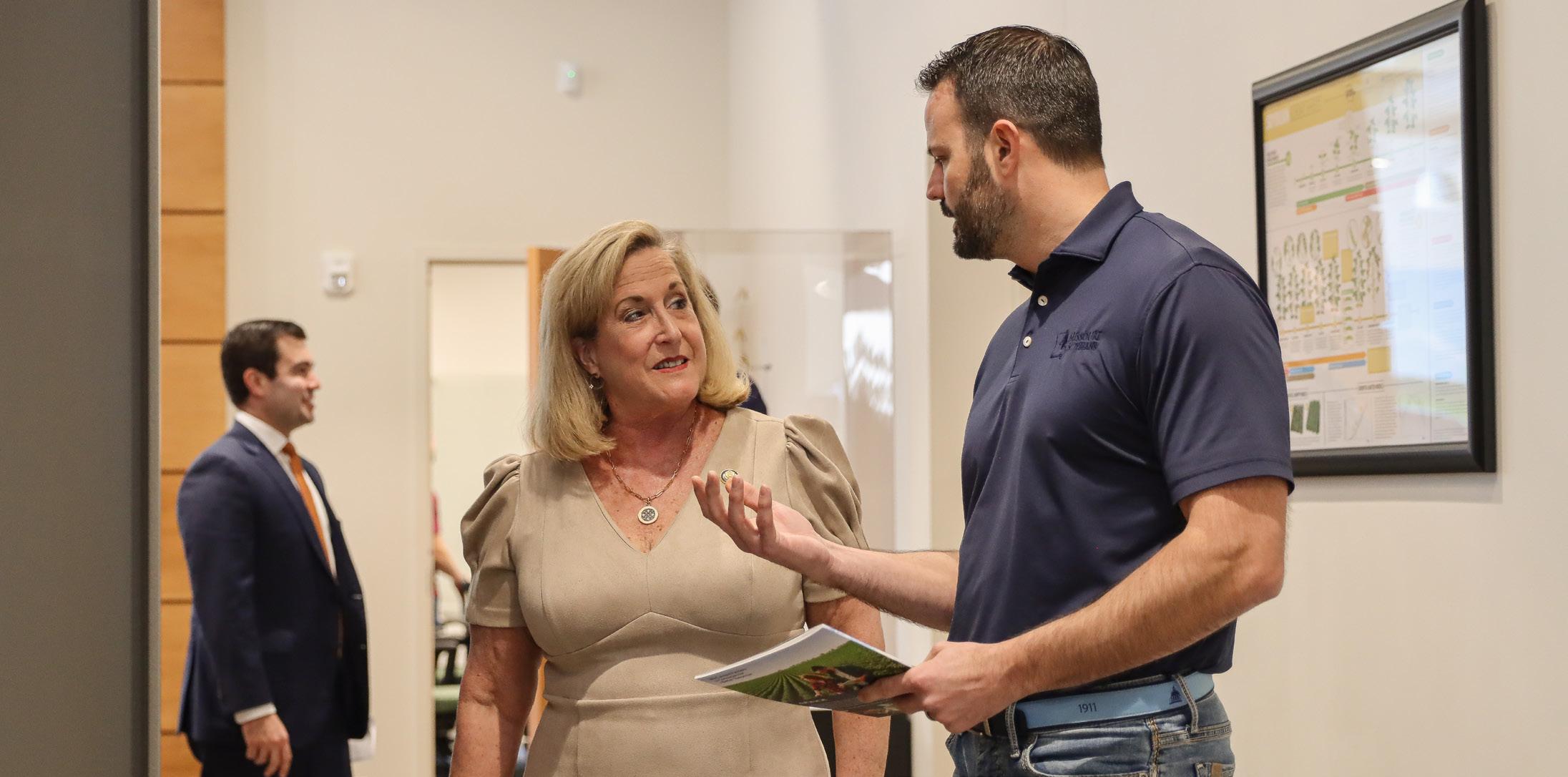
Dear Secretary Rollins and Ambassador Greer,
I am writing to express concern about the challenges facing Missouri soybean farmers and their access to key Asian markets, particularly China, as harvest season approaches. I ask that you support Missouri soybean farmers in maintaining their economic stability and global competitiveness. The recently announced trade agreement with Taiwan is a welcome first step, and I hope additional agreements will be negotiated to bolster this important victory.
Missouri is a major soybean-producing state, with farmers expected to harvest around 5.6 million acres in 2025, contributing significantly to the national projected harvest of 4.292 billion bushels. However, China's boycott of U.S. soybeans since late May 2025 has halted new crop orders, with zero new-crop soybean sales to China at the end of August 2025—compared to 15.94 million metric tons in 2023 and 24.36 million metric tons in 2022.
This disruption has made American soybeans 20% more expensive than South American alternatives, contributing to a projected 60% drop in exports to China and exacerbating a national agricultural trade deficit forecasted at $46 billion for fiscal year 2025. The United States Department of Agriculture’s (USDA’s) forecasts for 2025 and 2026 U.S. agricultural exports to China stand at just $9 billion, a 75% decline from the 2021 and 2022 peak of $36 billion.1, 2
The economic strain is evident: Soybean prices have fallen below $9 per bushel in some regions from highs above $10 per bushel in recent years, with cash prices in the Upper Midwest, including Missouri, dropping to $8.50 per bushel or lower by early September 2025. Meanwhile, production costs exceed $12.00 per bushel, leading to potential losses of more than $3.00 per bushel. The U.S. share of China's soybean imports has declined to 21%, while Brazil has captured 71% of the market. Missouri farmers, who export about 40% of the whole soybeans and 30% of the soybean meal they produce, are particularly vulnerable, since China imports 100-105 million tons annually, representing over 60% of global supplies. USDA estimates potential losses of $100 per acre for soybean growers, compounding a 15% drop in overall U.S. agricultural exports this year. Lost Chinese demand has not been offset by meaningful alternative outlets, risking long-term buyer relationships as Brazil dominates shipments to China.3
I applaud the Administration’s efforts to combat China’s unfair trade practices and was especially pleased to see the recent announcement of an agreement with Taiwan to purchase U.S. corn, soybeans, wheat, and beef. This will provide a vital boost to American farmers and help diversify export opportunities. I hope to see this momentum continue with additional agreements with other important Asian markets to further support our agricultural sector.
Missouri's rural communities are in a precarious position, with unfavorable market conditions and low cash prices threatening cash flow during harvest. I urge you to support soybean farmers in maintaining their economic stability and global competitiveness, so that Missouri’s agricultural communities can thrive for generations to come.
Sincerely,
Ann Wagner Member of Congress
1 North Dakota State University’s Center for Agricultural Policy and Trade Studies’ September 2025 NDSU Agricultural Trade Monitor. https://www.capts-ndsu.com/_files/ugd/3c6228_b2aaabeea4d94ab696b6f3f68bc3a086.pdf?source=email
2 USDA Outlook for U.S. Agricultural Trade: August 2025 report. https://ers.usda.gov/sites/default/files/_laserfiche/outlooks/113227/AES-133.pdf?v=39383
3 North Dakota State University’s Center for Agricultural Policy and Trade Studies’ September 2025 NDSU Agricultural Trade Monitor. https://www.capts-ndsu.com/_files/ugd/3c6228_b2aaabeea4d94ab696b6f3f68bc3a086.pdf?source=email










Planting season is a busy and stressful time for farmers. Missouri Electric Cooperatives reminds farmers to:
• STAY IN your vehicle or machinery if it comes in contact with a power line; DO NOT get out.

• LOOK UP to avoid machinery contact with power lines (long extensions or tall antennas can get caught).
• ALWAYS HAVE 10 FEET of clearance surrounding live power lines — even if no contact is made, an electrical current can arc or jump.
• STAY AWAY from a sagging or downed line; call 9-1-1 to have the utility dispatched.


• USE A SPOTTER with a broad vantage point when operating machinery around power lines.
• TEACH the 10-feet clearance rule to anyone working on your farm, and review power line locations.
Learn more at moelectriccoops.com





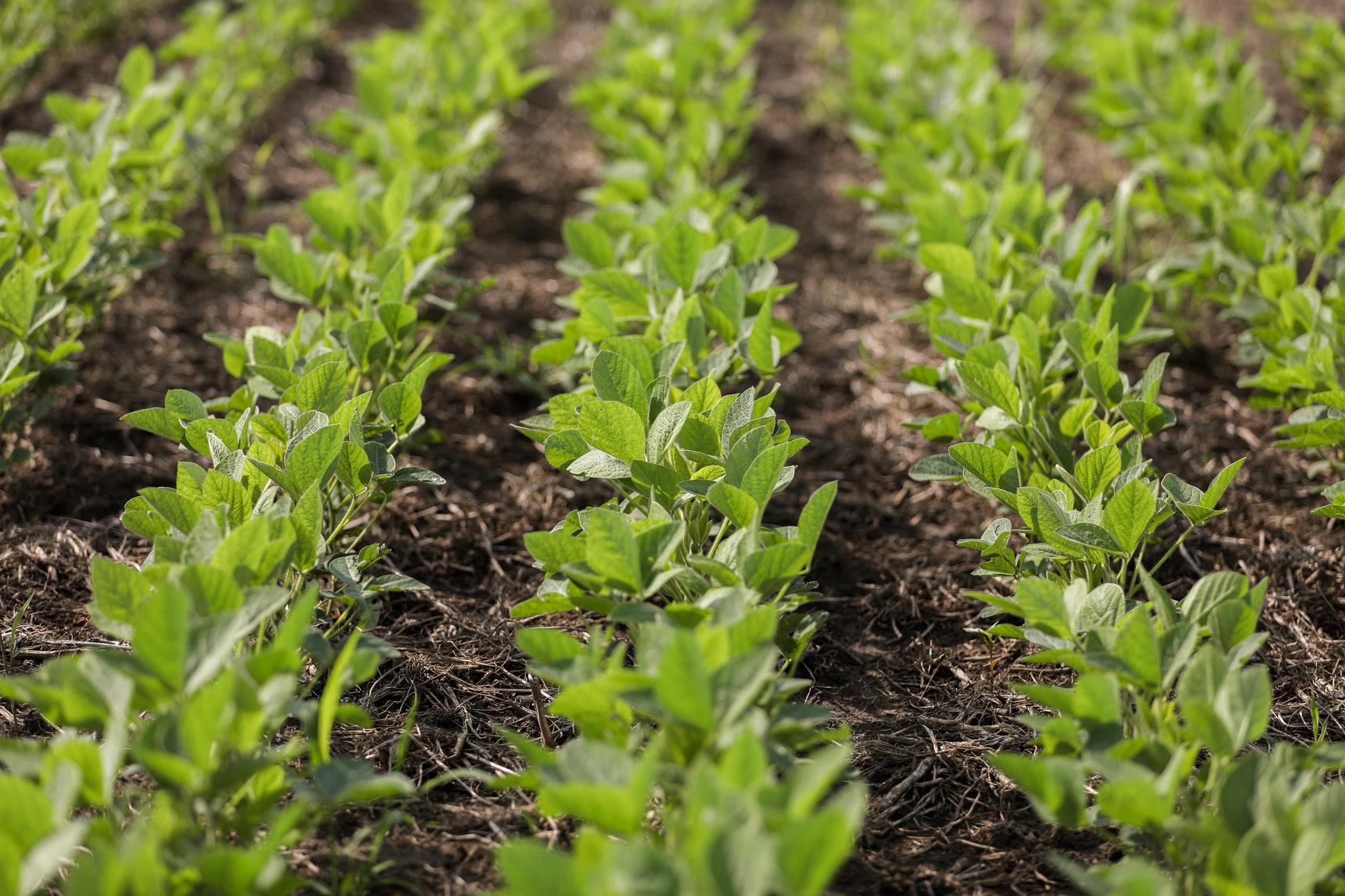
Missouri soybean farmers can improve profitability and protect their land by applying the 4Rs of nutrient stewardship: right source, right rate, right time and right place. Grounded in soil testing and tailored to each operation, this approach boosts crop performance, reduces nutrient loss and strengthens soil health. Paired with practices like no-till and cover crops, the 4Rs turn fertilizer decisions into measurable returns — in the field and on the balance sheet.
I
ncreased production, farmer profitability and environmental conservation can all be achieved by applying the 4Rs of nutrient management on your farm. The 4Rs of nutrient management work for all farms and can be adjusted to fit each farmer’s needs and goals. Implementation of the 4Rs leads to positive results for farmers, such as an increase in soil health, better crop performance and minimizing field losses.
The 4Rs of nutrient management involve using nutrients
by: Andrea Rice, Director of Research, Education & Outreach/ Missouri 4R Coordinator
from the Right Source, in the Right Rate, at the Right Time and in the Right Place.
Incorporating additional agronomic and conservation practices — such as no-till farming, using cover crops and managing surface water — plays a valuable role in supporting 4R nutrient stewardship. Adding these practices increases the effectiveness of fertilizer BMPs (best management practices), increasing profitability for farmers.
How could implementing the 4Rs look for Missouri soybean producers?
Nutrients are first selected from the Right Source for the producer’s needs and availability. With soybeans being a crop with high phosphorus (P) demands, this could mean utilizing manure or commercial P fertilizers. Manure is a great option for phosphorus when available. Commercial fertilizers such as Diammonium Phosphate (DAP) or Monoammonium Phosphate (MAP) have been reliable sources of P for many years and are widely used by Missouri row-crop farmers. Additional sources, such as Triple Superphosphate (TSP) and Phosphoric Acid may also be used. Liquid options for P such as Phosphoric Acid may be used if the producers have their own application equipment or work with a retailer with these capabilities. In addition to phosphorus with soybean production, as a legume, soybeans also add nitrogen to the soil. This can be a source for nitrogen when rotating corn with sobyeans. When using the 4R Nutrient Management program, producers have the flexibility to select the Right Source for their farms and their equipment capabilities.
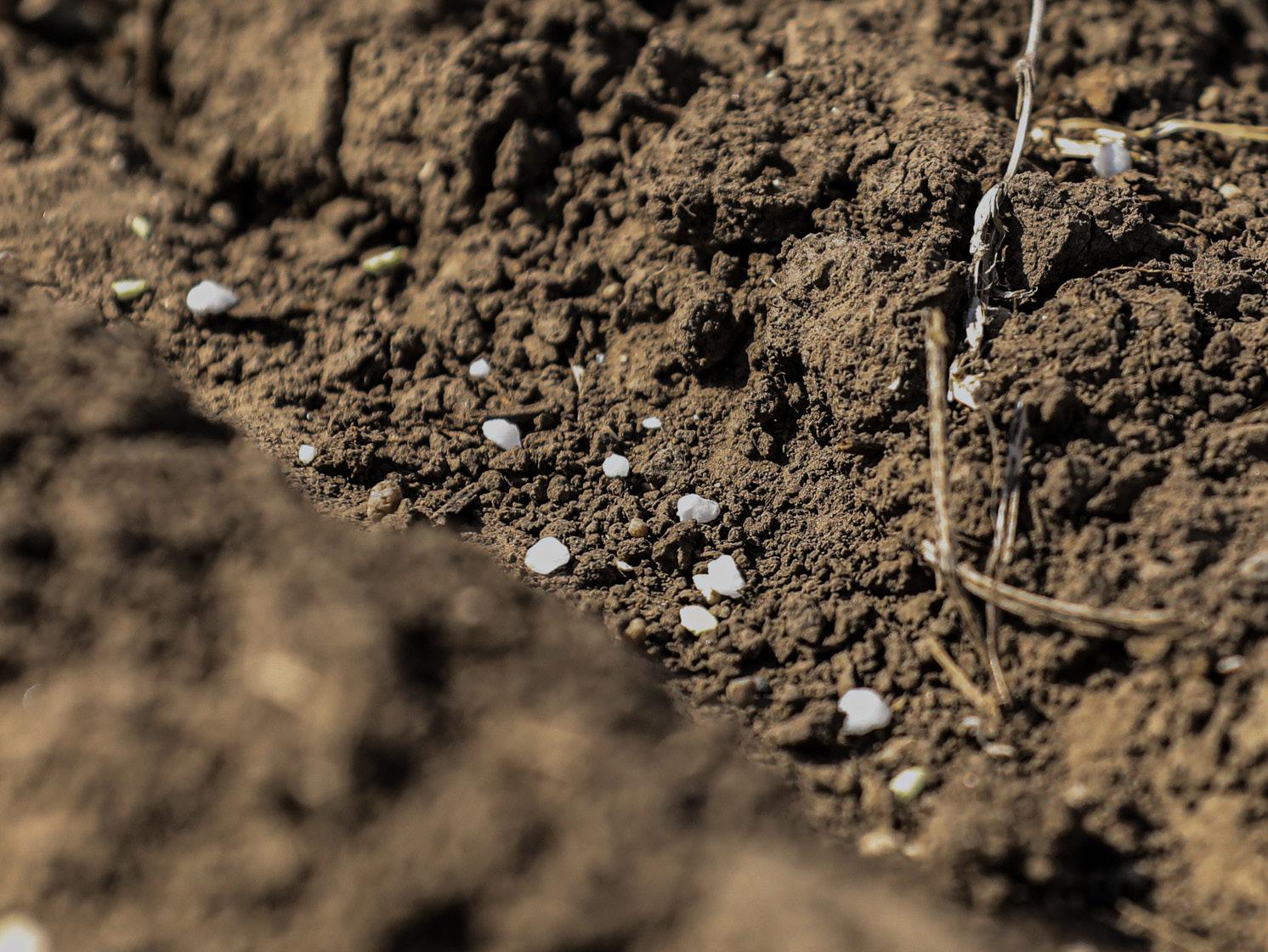
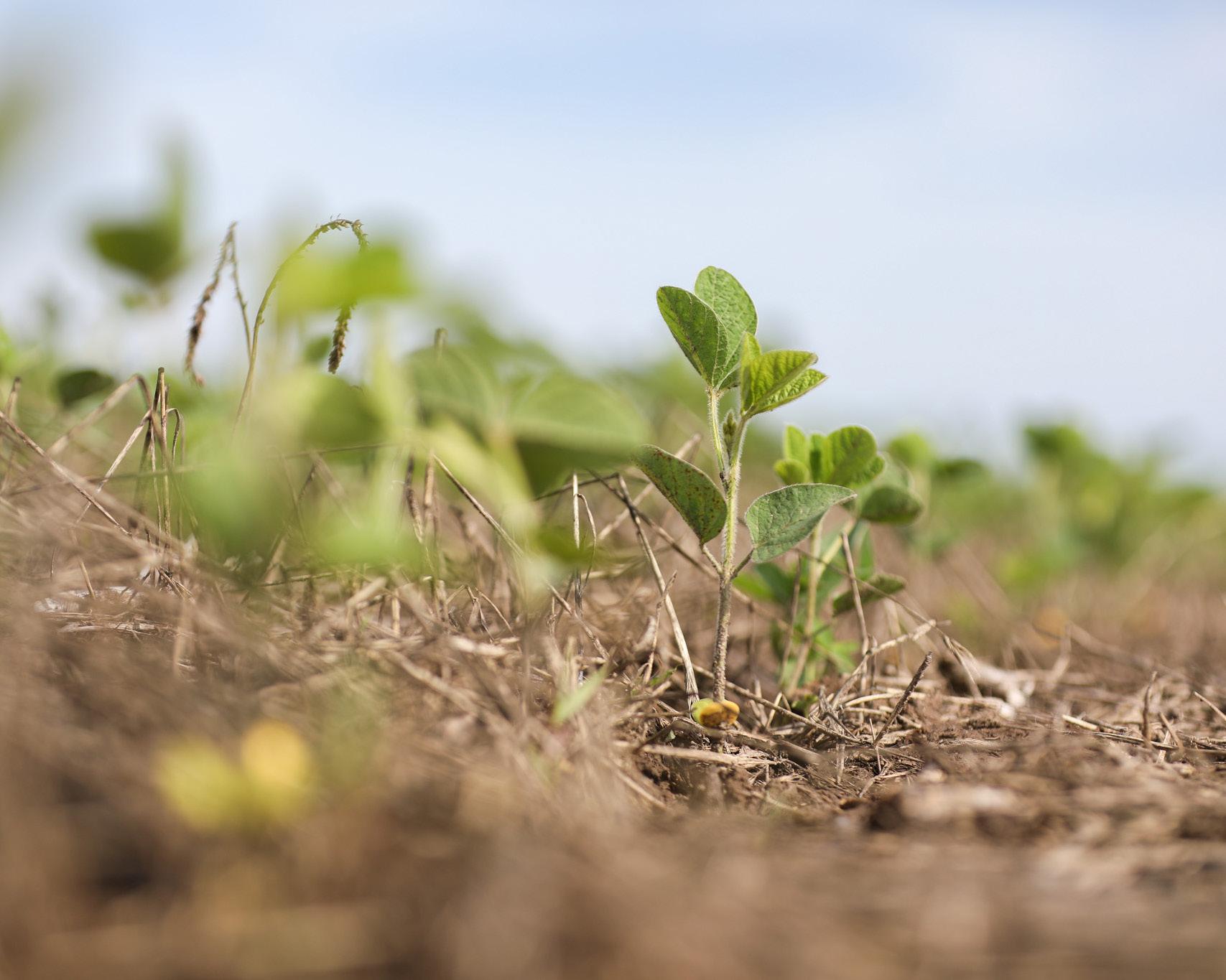
An important starting point for Missouri farmers is to utilize soil sampling, ensuring the Right Rate of fertilizer is applied. This can be done with either grid or zone methods of soil sampling and is often done by working with a 4R-certified ag retailer or adviser. By completing soil sampling, farmers can be sure they are applying enough fertilizer to meet crop yield goals while also maintaining soil fertility. Industry standards for soil tests are to pull samples every four years and build nutrients in the soil gradually when deficiencies occur. This is often done by applying fertilizer at the removal rate plus additional to build the soil’s fertility.
When fertilizer is applied at the Right Time, Missouri farmers, soil and the environment all benefit. Applying nutrients when they are best utilized by the plant ensures as much of the fertilizer as possible is going into the plant. Not only does this lead to increased fertilizer use and productivity, but it also means less fertilizer loss and fewer negative impacts to the environment. Increased fertilizer use efficiency means a better return on investment for Missouri farmers.
Working hand in hand with Right Time, applying nutrients in the Right Place leads to improved availability for the plant and increased productivity. By applying nutrients where the plant can best utilize them, there is an increase in productivity. Phosphorus and potassium are best utilized by the plant when they are in the root zone, but do little good for crop production when the nutrients work down into lower soil horizons and outside the plant’s root zone. Ensuring nutrients are in the Right Place maximizes fertilizer investments by maximizing production.
The Missouri Fertilizer Control Board (MoFCB) is proud to have Missouri Soybeans as a partner in the Show-Me Nutrient Stewardship program and efforts in expanding nutrient stewardship in Missouri. This program of MoFCB is focused on telling the story of agriculture organizations and farmers who effectively and responsibly use nutrients in production agriculture. For more information, visit www.mofcb.com.
For farmers interested in how the 4Rs can be implemented on their farms, MoFCB recommends working with a 4R-certified retailer or adviser. For a list of 4R-certified retailers and advisers, visit https:// www.mofcb.com/4r-certification/. If a desired retailer or adviser is not listed, contact Mitchell Rice, MoFCB 4R certification program administrator, at mrice@mofcb.com.
The 4R nutrient stewardship approach has been adopted by the world’s fertilizer industry and considers economic, social and environmental dimensions of nutrient management, which are essential to the sustainability of agricultural systems.
By Linda Emanuel BSN, RN, Agricultural Health Liaison (AgriSafe Network), Agricultural Producer.
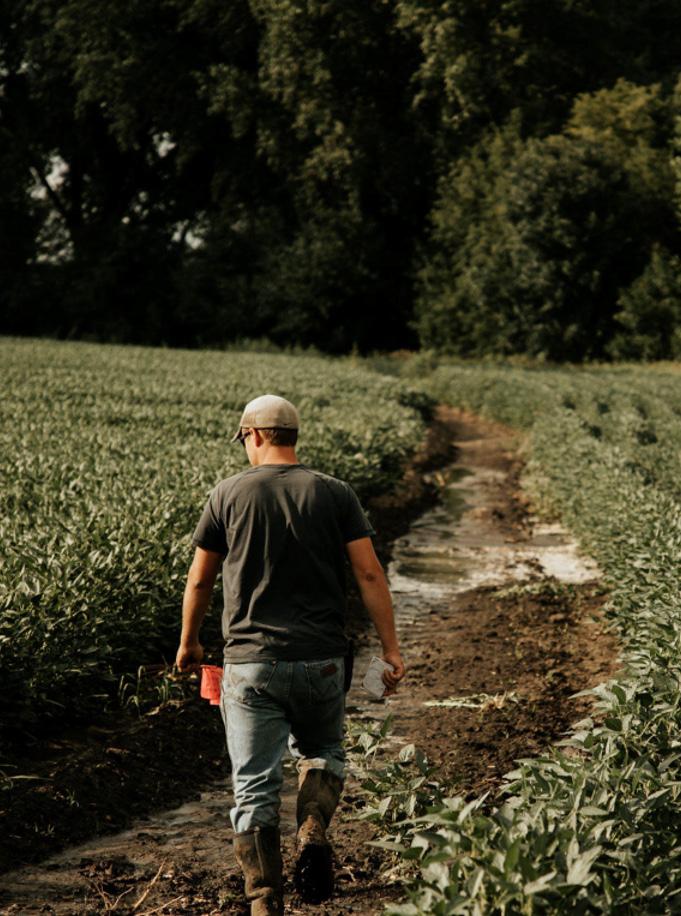
These are incredibly stressful days in agriculture. Producers are fighting to create positive margins and survive the chaos. Weather the storm by leaning on the steadfast support of friends, family and neighbors. In agriculture, resilience isn’t grown alone; it’s cultivated together.
Now more than ever, we need to take advantage of available resources and build our infrastructure of support. But how can we make time for ourselves when the stressors keep piling on?
To find the answer, let’s explore the top stressors, their impact on producers, and strategies to find calm in the middle of chaos.
Soybean farmers face many stressors due to situations outside of their control. Tariffs, trade agreements and market prices are uncertain and shifting. Natural disasters impact yields, and the weather is always too wet or too dry. Labor shortages are severe, especially during planting and harvesting season. Farm family tensions, chronic illness and normal physical changes associated with aging add to the stress load.
Low market prices and high input costs are tipping scales into unprofitable margins. Many soybean farmers report difficulty paying the bottom line and hope just to break even.
The stressors can grow and fester when left unchecked. Stigma surrounding help-seeking for health and mental well-being can serve to further worsen health outcomes.
One available key support for Missourian farmers is the AgriStress Helpline. It is a free and confidential suicide crisis/resource line that you can call or text 24/7 at 833-897-2474. Crisis specialists trained in agriculture answer the helpline, offering emotional support and crisis counseling. Call specialists have access to a large database of both agricultural and mental health resources and are ready to help.
Concerned friends and family members can call the line for advice. You can also use it if you need help finding mediation or just need to talk to someone to process your options. Since the helpline launched, it has handed out more than 1,000 resources for agriculture, mental health support and social support.
Another great resource is the AgriStress Provider Directory. It is a website where you can search for counselors who understand agriculture. The AgriStress Provider Directory has 135 mental health counselors that can provide services in 48 states, available for in-person or telehealth visits. You can filter search results by categories including location, counselor specialties and more.
Now that we’ve identified the stressors, let’s look at signs and symptoms of stress. Become familiar with them as you may be concerned about a family member or friend. Perhaps, you’ve wondered if help from a professional is warranted for yourself.
Stress overload is generally categorized into three realms:
• Emotional signs: Short temper, fluctuating mood, irritable, cynical, anxious, abnormally quiet, tearful and withdrawal from activities normally enjoyed.
• Cognitive signs: Difficulty making decisions, lack of confidence, changes in memory, problem solving difficulties, inattention and increase in farm/ranch accidents.
• Physical signs: Stomach upset, neck soreness, tight back muscles, teeth grinding, headaches, fatigue, chest tightness, increased heart rate, difficulty breathing, increased blood pressure, sleep disturbances, insomnia, changes in eating habits, decrease in sexual desire or sexual performance, altered immunity and increased use in substances such as alcohol or drugs.
If the above symptoms persist, seek the care of a medical provider.
Other signs: Observed changes on the farm condition such as equipment or buildings in disrepair or livestock in need of attention.
Symptoms of stress vary by person. Accumulated stress over time can lead to depression, anxiety, an increased risk of injuries and decreased productivity. If left unchecked, prolonged stress can lead to other chronic diseases such as high blood pressure, stroke, heart attack, diabetes and increased cancer risk. Getting help early saves you time and money and decreases your risk of other physical and mental conditions.
Healthy coping mechanisms lead to a higher level of work satisfaction, increased meaning in relationships and an overall healthier lifestyle. Cultivating a positive mindset leads to a higher level of adaptivity, particularly during times of increased stress.
Taking time to foster connections with friends and family is crucial. Set aside intentional time to spend with your loved ones, even if it’s just for dinner, coffee or a board game. Volunteering in your community or getting involved with your local faith-based organization are additional ways to connect with others. Having conversations in local cafés, churches, ranch shops or the roadside in your pickup provides a sense of belonging and support.
Set aside time for yourself, too. Participate in activities that restore you – go fishing, knit, listen to music, connect with nature, exercise, practice deep breathing or journal. Find a non-farming hobby –spending time away from the farm is a healthy way to find reprieve and reset your stress levels. Absorb yourself in these activities; this time will yield great benefits.
Soybean farmers work hard every day. Their self-care should match the level of care they give to their farm. Stress is normal, but too much stress without reprieve can have negative consequences
As a farmer, what keeps YOU growing and going? Taking time to reflect on this question will help you find balance. This year, assess your stress and take realistic steps to manage it. Balance is achievable and within reach! Afterall, you and your health matter.
AgriSafe Network, a national nonprofit dedicated to “protecting the people who feed the world,” has numerous mental health resources for Missouri soybean farmers.
AgriSafe offers free suicide prevention training for laypeople, both in-person and virtually – QPR (Question, Persuade, Refer) and CALM (Conversations on Access to Lethal Means). Another important training that AgriSafe offers is on Animal Depopulation Resiliency.
Don’t wait – call or text the AgriStress Helpline today at 833-897-2474 or find a counselor who understands your needs via the AgriStress Provider Directory.

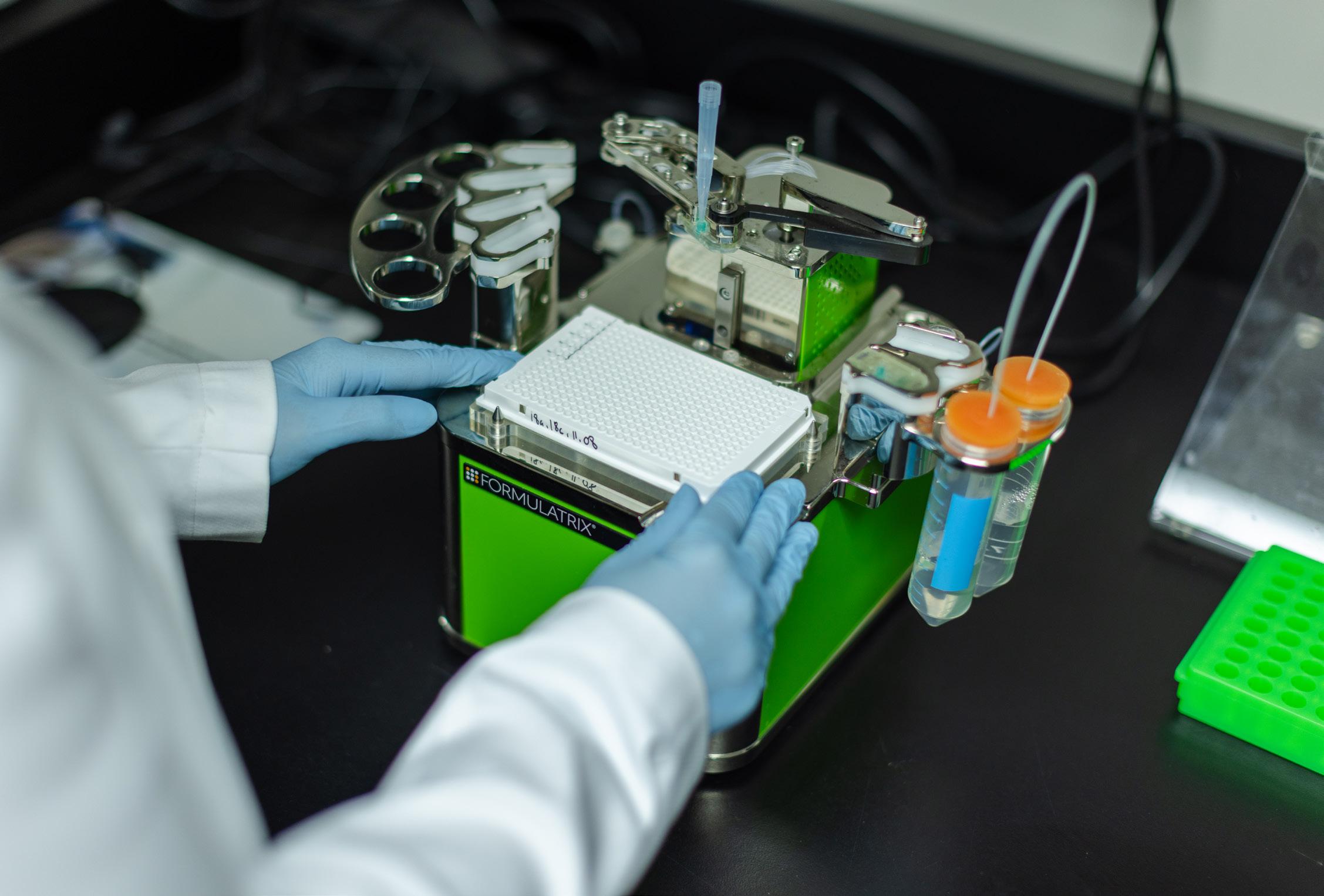
by Carol Brown, Soybean Research and Information Network
Sincefirst being detected in the United States 75 years ago, scientists have advanced the knowledge around soybean cyst nematode, or SCN, by studying the genetics of the soybean plant and of SCN itself. Researchers have also explored management practices that can be implemented to reduce the impact of what is now the most yieldrobbing pest in soybean production nationally.
An elite team of scientists continues to make discoveries in soybean genetics to fight SCN, and they have been doing so for nearly 20 years, supported by checkoff investments from the United Soybean Board.
“Our team is comprised of Matthew Hudson at the University of Illinois, Andrew Scaboo at the University of Missouri, and I’m at the University of Wisconsin,” says Andrew Bent, the principal investigator for the project. “Andrew Scaboo took over from Brian Diers when he retired from the University of Illinois. The transition has been smooth, as Andrew is an outstanding talent in modern molecular breeding and SCN efforts.”
Hudson is a genetics and genomics expert, Scaboo’s expertise is plant breeding, and Bent is a geneticist and cell molecular biologist. Each scientist is highly regarded on their own but when brought together, their relationship and results are synergistic. They are tackling the improvement of SCN resistance in soybeans.
“Our first strategy centers on the genetic locus cqSCN-007, which was identified about 20 years ago by Brian Diers and his colleagues as a novel source of SCN resistance,” says Bent. “His team looked at Glycine soja, or wild soybean, for new genetic capacity and discovered cqSCN-006 and cqSCN-007. These sources may not work as well as Rhg1, but they can significantly improve SCN resistance. SCN resistance is quantitative and each extra bit of resistance can translate to a few extra bushels of yield per acre.”
In 2021, the team successfully defined the gene at cqSCN-006 that causes SCN resistance, and now they are working to define the 007 gene, which Bent says is “being a bear.” But by using new gene-editing technologies like CRISPR, the project is now moving faster.
“We can’t understand how 007 works nor can breeders manipulate it as well for growers if we don’t know what the gene is and what protein it encodes,” he comments. “We hope to have the gene identified within the next year to so that we can start learning how it works.”
Plant breeders are already breeding cqSCN-006 and cqSCN-007 into new soybean varieties that will be released in the upcoming years. But they only are working with the originally discovered versions.. When the causal genes are discovered, DNA sequence-based surveys can be conducted on thousands of diverse soybean and wild soybean accessions to identify different and potentially better versions. Knowledge of the gene also allows targeted gene editing to alter the expression or the sequence of the protein. Because it is a native soybean trait, and only a few DNA bases get altered, the edited products would not encounter the full regulatory expense of traits that are developed using transgenic methods, such as herbicide resistance.
Two of the main sources of SCN resistance in soybeans are variants of the same Rhg1 locus: rhg1-a found in Peking-type soybeans, and rhg1-b in PI 88788-derived varieties. Breeders and growers historically preferred rhg1-b as it is genetically simpler to work with, but nematodes are gradually evolving to overcome rhg1-b resistance, Bent says. However, rhg1-b can still contribute significant SCN resistance in many fields. SCN virulence, or the ability to overcome genetic resistance, is highly variable and can differ from location to location. Typically, virulent populations emerge within a single field and spread, reducing the effectiveness of specific resistance genes such as rhg1-b. Virulence is typically measured with an HG type test, where SCN are assessed for their reproductive ability
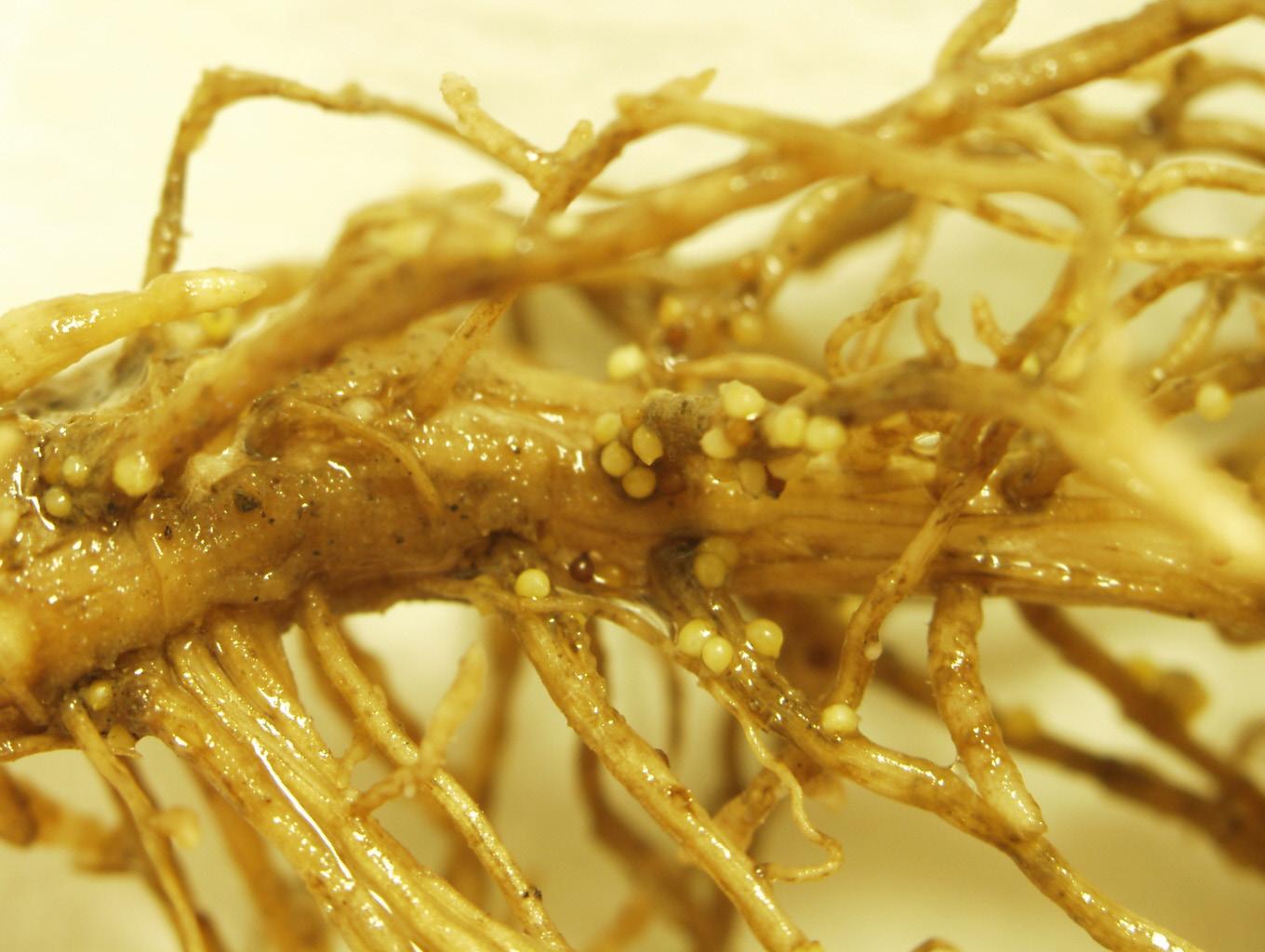
Scaboo and his Missouri team are testing all possible combinations of at least five QTLs to identify soybean lines with those genetic combinations and then find which ones work best with each other.
on known resistant soybean varieties. This test is another research area being studied by Scaboo.
In many fields, rhg1-b has been working successfully by itself for 40 years, and research results shed light as to why it has performed well as a solo act.
“We learned, through previous checkoff funding research, there are actually three different causal genes that are tightly linked at Rhg1,” Bent says. “Rhg1 encodes three different proteins, and nature brought the three genes into very tight linkage to make its own little resistance stack.”
The rhg1-b resistance had been the best defense available to farmers and was in 95% of the soybean germplasm listed as SCN-resistant. SCN experts have been campaigning for farmers to alternate soybean varieties between Peking and PI 88788 types of SCN resistance in crop rotations to keep SCN infestations down and slow the evolution of a grower’s local SCN population. Bent says this works because nematodes that overcome rhg1-a often don’t overcome rhg1-b, and vice versa.
Bent’s team is working to further understand how each of three Rhg1 genes contributes to SCN resistance. This includes a substantial partnership with Corteva scientists and breeders. Some of the UW-Madison lab’s newer USB-funded work has demonstrated that two of the three rhg1-b genes still contribute to resistance against HG 2.5.7, one of the most prevalent types of SCN populations that are getting better at overcoming rhg1-b.
“This exciting result tells us we’re on the right track focusing on these genes, the encoded proteins and how they work,” he says.
Farmers could see improved germplasm in five to 10 years through this research. Bent notes that plant breeding is a long process and farmers are just now benefitting from plant breeding research from the previous decade.
“Checkoff support for research is crucial and impactful,” he comments. “For example, three or four of our team’s discoveries from grower-funded projects have been adopted in the soybean breeding industry and have improved the breeding process for SCN resistance as well as other traits.”
Although rhg1-a and rhg1-b have been successful against SCN, the nematode populations can evolve over the years and become problematic, even on formerly resistant soybean varieties. The team is looking at how to regain the upper hand. Stacking the resistance from Rhg1 with other loci should improve SCN resistance.
“We want to learn about other quantitative trait loci, or QTLs, that we can stack with Rhg1. What are the best combinations for fighting SCN?” Bent says. “The goal is to have seed companies releasing varieties with alternative resistance types, so that growers can rotate SCN resistance sources within soybeans. This will improve resistance durability.”
Scaboo and his Missouri team are testing all possible combinations of at least five QTLs to identify soybean lines with those genetic combinations and then find which ones work best with each other.
“We’d like to recommend a ‘recipe’ that only exposes nematodes to certain modes of action of resistance and doesn’t expose them to others in a particular year,” Bent says. “SCN testing requires expertise, money, time and a lot of labor. I don’t think anybody in the public sector does this better than Scaboo’s lab.”
The fourth strategy is led by Matt Hudson at the University of Illinois. His team is exploring chemical treatments that are applied mid-season to enhance SCN resistance, independent of genetics.
“These chemical treatments could be applied with variable rate delivery, possibly with a drone, in parts of a field with heavy SCN pressure to stimulate more SCN resistance,” explains Bent.
The team completed greenhouse trials with products that are already commercially available and licensed for agriculture use to identify the most promising chemical options. They are now focusing on the fungicide Actigard as the main chemical, alone or in combination with others, and have found increases in SCN resistance without obvious negative impacts on soybean yield.
This season they conducted a small plot trial, and the data are being analyzed. Next year, they’ll continue the lab and small-plot trials to better understand treatment effectiveness and strengthen the logistics that a farmer would use at the field level.
Bent notes there is a nice, productive collaboration amongst the team and the objectives. Ideas are shared; the strategies and findings overlap in places, especially between the cqSCN-007 and QTL testing projects, which helps the team accelerate its overall efforts.
“Our team stays hungry, and we don’t take our work for granted,” he comments. “We’ve been doing this for a long time, and we continue to produce useful findings.”
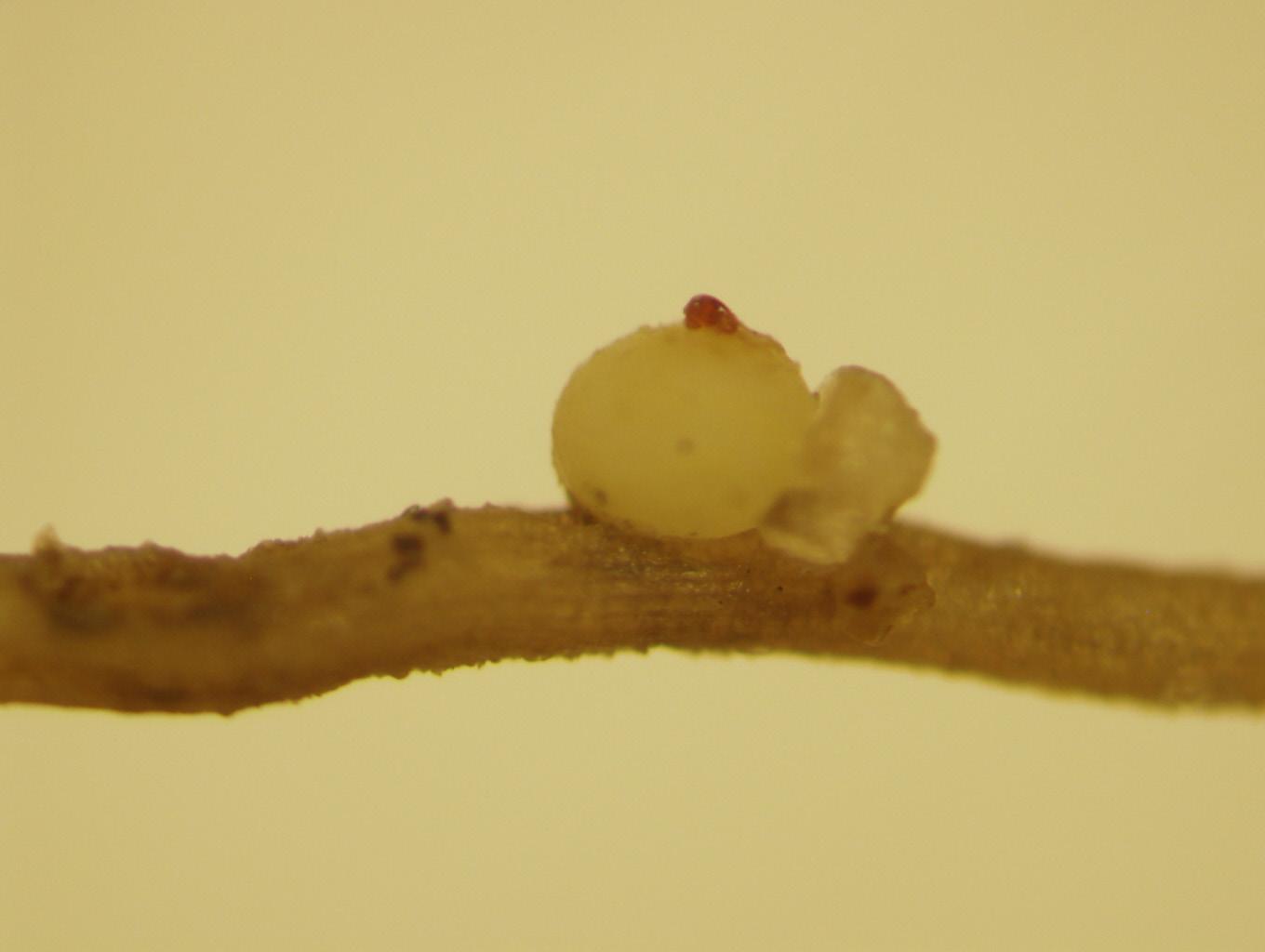
SCN testing requires expertise, money, time and a lot of labor. I don’t think anybody in the public sector does this better than Scaboo’s lab.
-Andrew Bent, University of Wisconsin
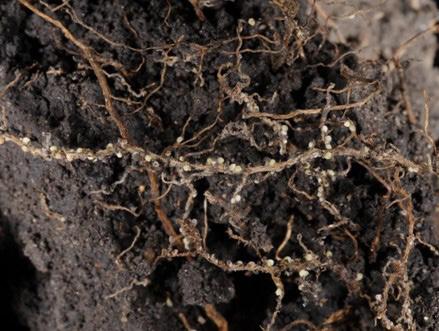








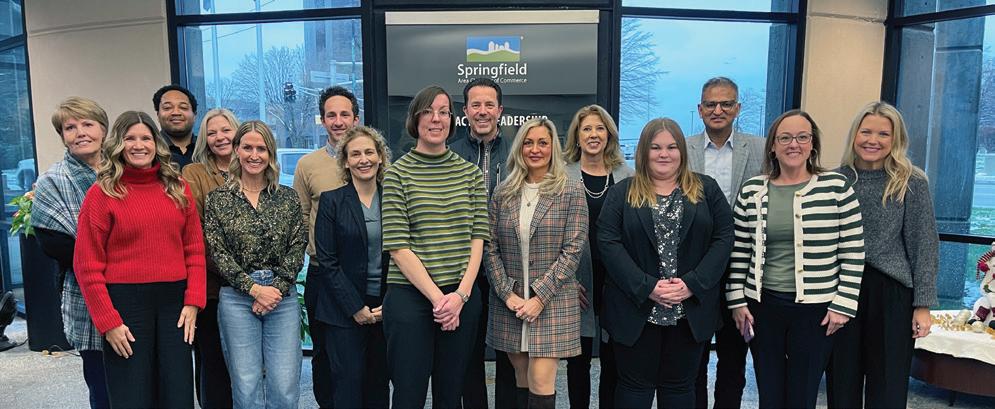





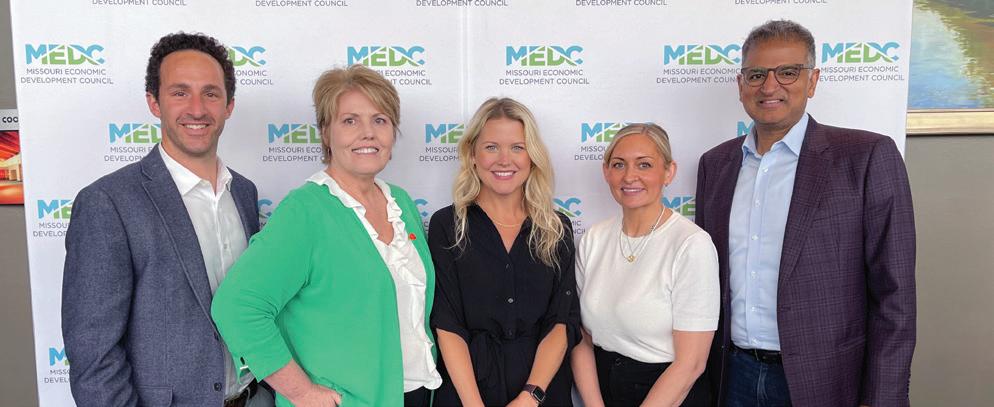



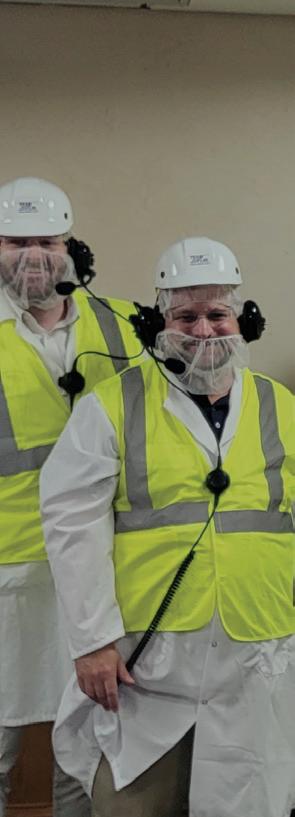
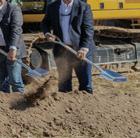
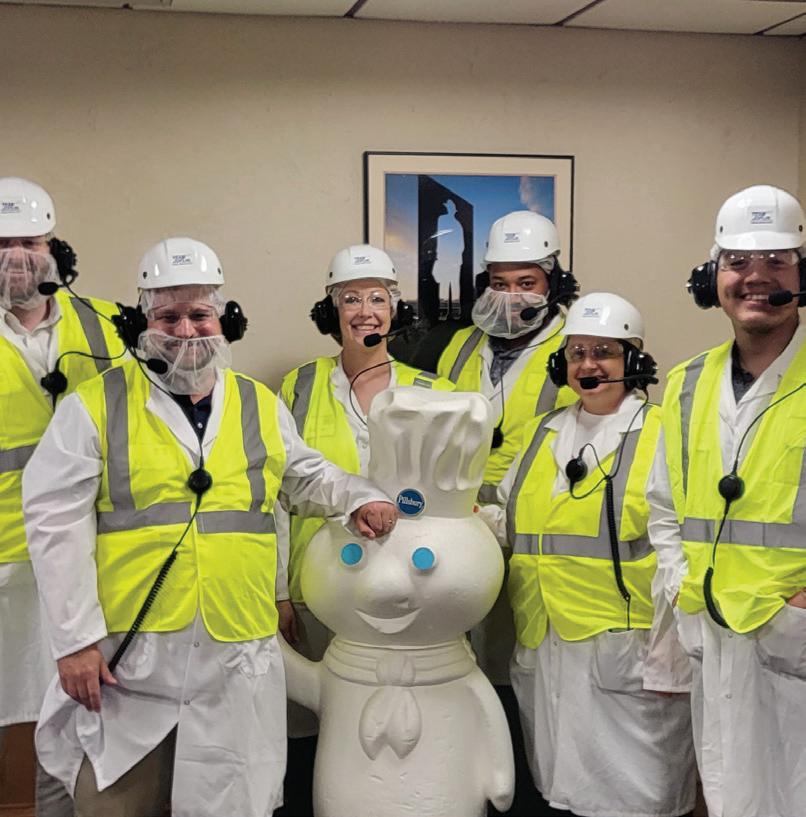

By: Elizabeth Burns-Thompson
a lot of my time on the road talking with the hardworking men and women, like you, who keep this country running. This year, the message has been unmistakable: Our farmers are hurting. As many have experienced, falling commodity prices, rising input costs and mounting uncertainty are creating a crisis that threatens thousands of family farms.
We needed to amplify those concerns and turn those conversations into a clear, data-driven picture that policymakers and the public could not ignore. That’s why we commissioned the 2026 State of the American Farmer report. The goal was simple: to quantify the struggles farmers are facing and identify challenges. The report confirmed what I have been hearing across the countryside — our industry is hurting.
Our neighbors are going out of business at nearly record rates as farm bankruptcies rose 60% last year, in part due to rising labor and input costs and falling commodity prices. Unless things change, 60% of farmers question whether farming will remain viable in the future.
Here in Missouri, those numbers aren’t abstract. They represent neighbors, family farms and communities built around agriculture. As litigation and inconsistent labeling efforts threaten access to critical crop-protection tools, Missouri farmers like you face unprecedented risk to their bottom lines. In fact, our report found that 60% of farmers say unclear product labeling requirements are harming their businesses.
When rules change or activists try to dictate how to farm, it adds risk to an operation that already carries more than enough.
In many areas, farmers understand that severe weather has stripped away inches of topsoil. They have adapted, turning to conservation practices such as no-till to preserve soil health long term. As you know, those systems depend on reliable access to effective cropprotection tools such as glyphosate. Without them, farmers are left with fewer workable options and greater uncertainty.
And when Missouri farmers lose, Missouri families at the grocery store feel it, too. Higher input costs and lower yields don’t stay on the farm — they ripple through the entire food supply chain. Without access to these tools, food inflation could more than double.
I was grateful to see President Trump take decisive action by invoking the Defense Production Act. The executive order recognized glyphosate as a matter of national security. But a temporary solution isn’t enough; farmers and agriculture as a whole deserve long-term certainty.
That means advancing legislation that ensures farmers’ continued access to EPA-approved crop-protection tools and reinforces the integrity of the agency’s rigorous, science-based regulatory process. The farm bill includes language to ensure federal labeling uniformity, and it passed the House Agriculture Committee on March 5. Enacting this provision will provide nationwide certainty for producers — rather than forcing them to navigate a patchwork of conflicting state rules.
Growing up on a farm and working alongside farmers every day, I know you are among the hardest-working people in this country. And in conversation after conversation, I hear the same concern: Farmers want stability.
Stability comes from knowing the tools they rely on will remain available. Stability comes from commonsense, science-based regulations that protect those tools from courtroom politics. Stability allows farmers to plan, invest and pass their operations down to the next generation.
Right now, only 55% of farmers feel confident they’ll be able to do that.
The 2026 State of the American Farmer report makes one thing clear: We are at a turning point. The time is now for all of us to stand together with our farmers and confront these challenges head-on.

Elizabeth Burns Thompson serves as executive director of the Modern Ag Alliance, where she advocates for U.S. farmers’ continued access to essential crop protection tools.

The State of the American Farmer report confirms it: Missouri growers are facing some of the toughest conditions in a generation.
Last year, Missouri farm bankruptcies rose 167%. Meanwhile, only about half of farmers say they’d recommend farming to their children.
Farmers were already on the brink. Now, threats to their crop protection tools are making things worse.
Congress must pass a new Farm Bill that protects the tools farmers rely on.