A Basic Guide to the Electric Power Industry

A Basic Guide to the Electric Power Industry
It powers almost every aspect of our life, yet we don’t think about electricity until we flip the switch and the light doesn’t turn on.
The electric utility industry faces a wide range of challenges as it tries to ensure that people and businesses have the electricity they need at a stable price they can afford. Among those challenges is a litany of ever-increasing concerns, including:
• Climate change and greenhouse gases
• Aging and increasingly inadequate transmission
• Multi-year supply chain shortages
• Volatility of fuel and construction costs
• Shortage of qualified labor
• State and federal regulatory compliance
• State and federal renewable energy objectives and standards
• Progressively complicated rules and requirements of energy markets
• Cost and length of time for gaining regulatory approvals for generation and transmission projects.
At Missouri River Energy Services (MRES), we believe in a balanced approach to the complex energy opportunities and challenges facing our nation and the environment in which we all work and live. We have a responsibility to provide our members with a diverse, stable electric supply that reduces risk, enhances reliability and provides cost-effective service. Today, our electric generating portfolio grows in diversity with additions of natural gas, wind, nuclear, solar and hydropower, along with increasingly aggressive efforts to promote energy efficiency, beneficial electrification and reductions in peak demand growth.
This booklet is intended to explain the complexities of electricity and the electric power industry, and to introduce the key issues that could potentially affect and transform our nation’s energy future.
Fast facts about MRES and its members
Utility types
Utility customers
Energy sources in the U.S.
Balancing demand and generation
Challenges facing each fuel source
Delivering electricity
Energy
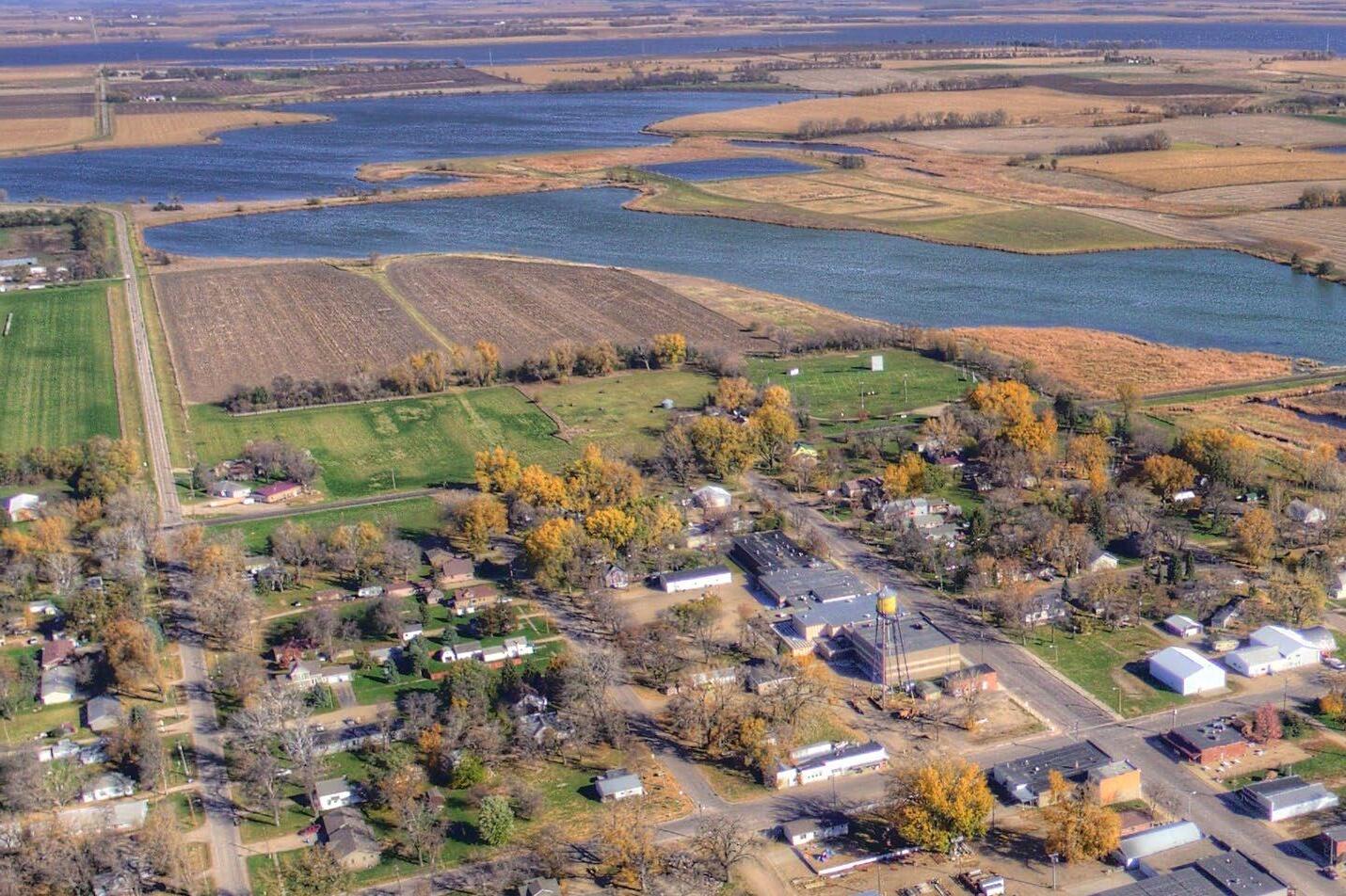
Missouri River Energy Services is a not-for-profit wholesale supplier of energy and energy-related services to our 61-member municipal electric utilities in Iowa, Minnesota, North Dakota and South Dakota. MRES is governed by a board of 13 directors who are elected by and from the ranks of its member representatives.
MRES is dedicated to supplying our members with reliable, cost-effective, long-term energy and energy services in a fiscally responsible and environmentally sensitive manner. MRES is an extension of our members, and through joint action, members will remain competitive while enhancing their relationships with their customers.
MRES members are public power utilities. That means they are owned and regulated by the people they serve — the community’s citizens. MRES is an extension of that public power principle.
MRES members receive their electric power from a variety of generating resources. On average, about 45% of their electricity comes from renewable resources such as hydropower, wind and solar facilities. The rest comes from coal, natural gas, nuclear and diesel. The diverse generation mix of MRES helps members maintain retail electric rates that rank among the lowest in the U.S. The mix also reduces reliability risks through the diversity of fuel sources and plant locations.
The average MRES member community has a population of about 6,400 residents, serves approximately 2,600 meters per utility, covers 5.6 square miles and has seven employees on its utility staff. Our largest member in terms of population is Moorhead, Minnesota, with more than 44,000 residents, while Pickstown, South Dakota, and Riverdale, North Dakota, are the smallest with populations of fewer than 225 residents each.
Alton
Atlantic
Denison
Hartley
Hawarden
Kimballton
Lake Park
Manilla
Orange City
Paullina
Pella
Primghar
Remsen
Rock Rapids
Sanborn
Shelby
Sioux Center
Woodbine
Adrian Alexandria
Barnesville
Benson
Breckenridge
Detroit Lakes
Elbow Lake
Henning
Hutchinson
Jackson
Lake Park
Lakefield
Luverne
Madison
Marshall
Melrose
Moorhead
Ortonville
Sauk Centre
St. James
Staples
Wadena
Westbrook
Willmar
Worthington
Cavalier
Hillsboro
Lakota
Northwood
Riverdale
Valley City
Beresford
Big Stone City
Brookings
Burke
Faith
Flandreau
Fort Pierre
Pickstown
Pierre
Vermillion
Watertown
Winner

The electric utility industry generally comprises four types of organizations with different business structures that deliver electricity to their retail or “end-use” customers. These organizational types are municipals, rural electric cooperatives, investor-owned utilities and power marketers.
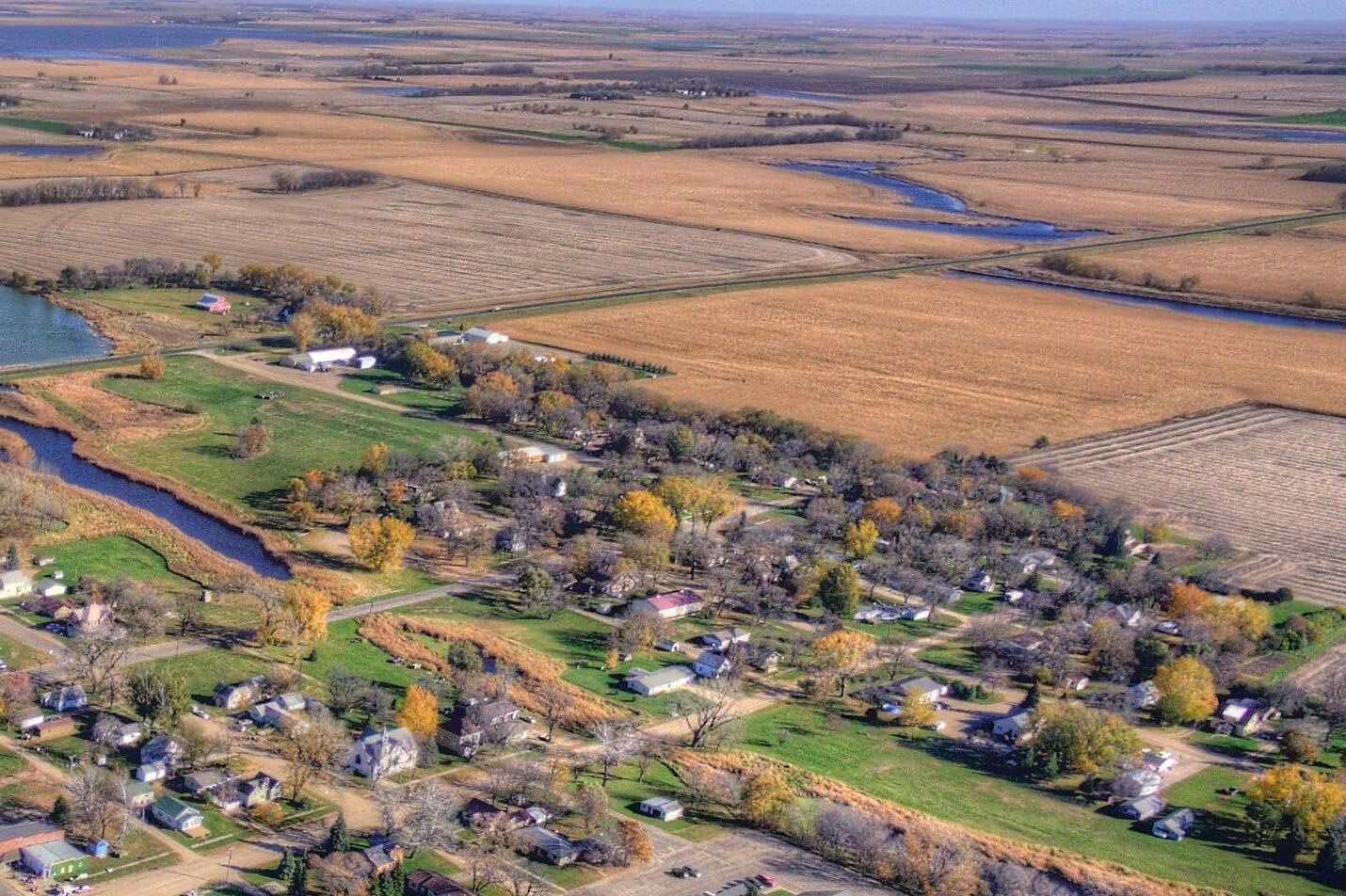
Municipal electric utilities, also known as public power utilities, are not-for-profit electric utilities that are publicly owned by the customers they serve and are operated by state or local governments. There are approximately 2,000 public power utilities across the nation, and they serve about 15% of the nation’s electricity consumers and account for about 10% of the nation’s generating capacity. Many of these public power utilities are members of joint-action agencies, such as MRES, through which they work together to provide mutual power supply and important energy-related services for their customers.
Think of capacity as a generation facility’s muscle power — the amount of electricity it can pump out when flexing its muscles to the max. Utilities use megawatts (MW) or kilowatts (kW) to size up just how big of an electricity load a generator can handle.
Rural electric cooperatives, often referred to as RECs or co-ops, are also not-for-profit utilities, but they are privately owned by the members they serve. RECs typically serve customers in sparsely populated areas. Together, about 900 co-ops serve about 13% of the nation’s electricity consumers and provide about 5% of U.S. generating capacity.
Investor-owned utilities, or IOUs, are the largest segment of the utility industry regarding customers, sales and revenue in the U.S. IOUs are for-profit utilities privately owned by shareholders. Their primary objective is to earn a return for their investors. There are about 200 IOUs in the U.S., and they provide electricity to nearly 66% of the nation’s electricity consumers and generate 35% of the nation’s power.
Power marketers are the smallest segment of the utility industry, providing power to 5% of the nation’s customers.
In addition to the generating capacity of the four types of utilities listed above, independent power producers (IPPs) are the largest segment of generation in the U.S., providing nearly 44% of the nation’s electricity.
Similarly, federal entities account for a little more than 6% of the nation’s generating capacity. In this region, most of the electricity provided by federal entities is hydropower from federally owned dams that is sold to consumer-owned utilities at cost-based rates. Cost-based rates are set to recover all costs of producing the power, ensuring that the federal government does not subsidize the program. Western Area Power Administration (WAPA) is the federal power marketing agency that serves our region.
Municipal electric systems and joint-action agencies, along with RECs, are consumer-owned utilities. While the rates of consumer-owned utilities are regulated by locally elected or appointed boards representing the customers, they are subject to the same state and federal regulations as IOUs regarding service, reliability, safety, cybersecurity, physical security and more.




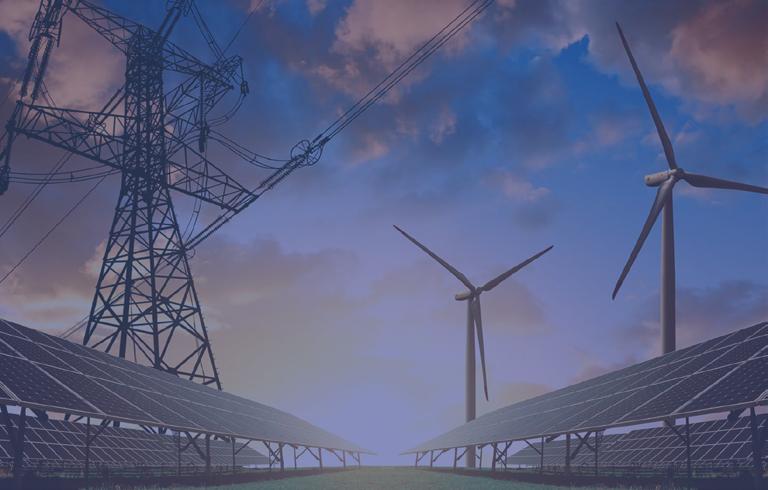
Three fuel sources — coal, nuclear and natural gas — produce about 78% of the electricity generated in the U.S., according to the federal government’s Energy Information Administration (EIA). Electricity also is produced from renewable fuels such as water (hydropower), geothermal, wind, sun (solar) and biomass.
Electric utilities are also beginning to explore battery storage. However, like all batteries, these are dependent on other resources such as natural gas or renewables to “charge” before being available for use.
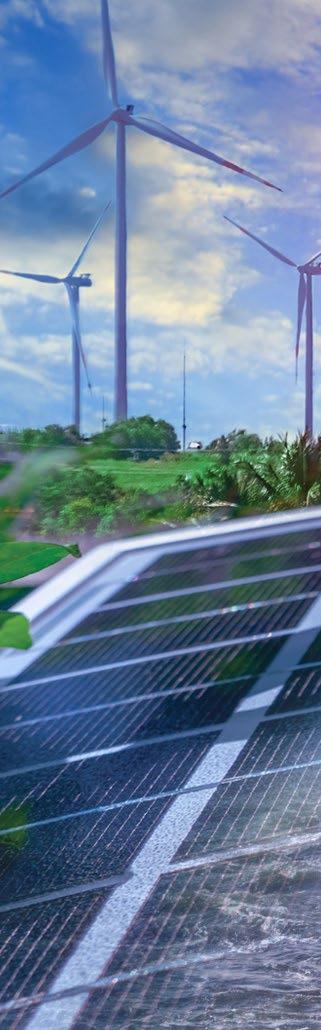
In the 1950s and 1960s, most of the municipal electric utilities that today are MRES members elected to purchase power from the federal government, which was building flood-control dams along the Missouri River that also included hydroelectric facilities. Today, federal hydropower supplies about 40% of our members’ electrical needs. Combined with small hydroelectric, wind and solar resources from MRES, renewable resources supply about 45% of our members’ electrical needs.
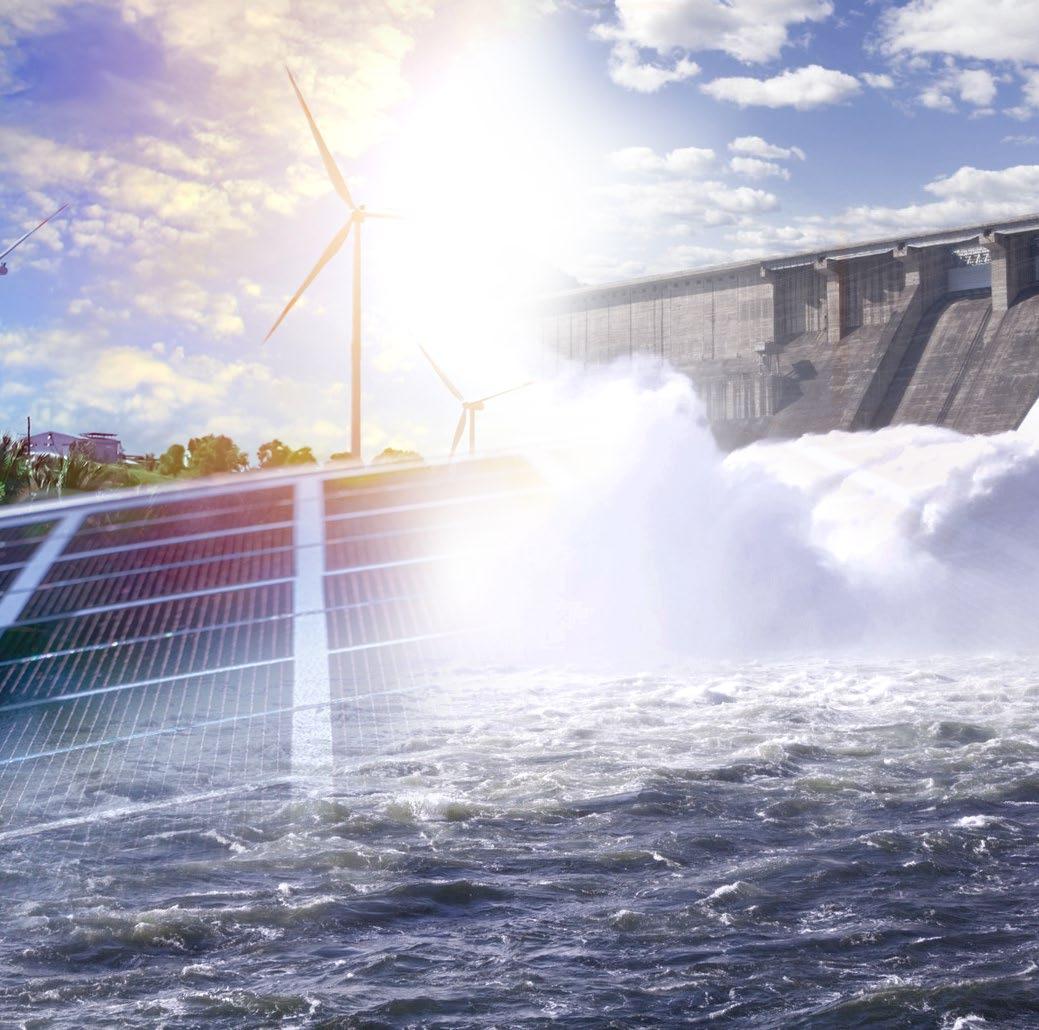
Utilities generally rely on a variety of fuel sources to generate electricity. The combination of these sources is known as the “fuel mix” or “portfolio.”
A diverse fuel mix helps ensure that electric utilities can still reliably and economically serve their customers in the event of fluctuating fuel prices, new electric technologies, limited fuel supplies or changing regulatory/environmental policies.
Many utilities like MRES participate in regional transmission organizations (RTOs) that operate wholesale electricity markets. RTOs must ensure the region has an adequate supply of generation to reliably serve expected peak demand. This is known as resource adequacy, and diverse generation sources are key to resource adequacy.
Various factors come into play when electric utilities determine which fuels to generate electricity. The most important considerations are price, availability, reliability or resource adequacy, consumer preferences, and environmental concerns. Energy policies and mandates adopted by federal and state governments that promote certain types of fuels also influence the fuel choices utilities make.
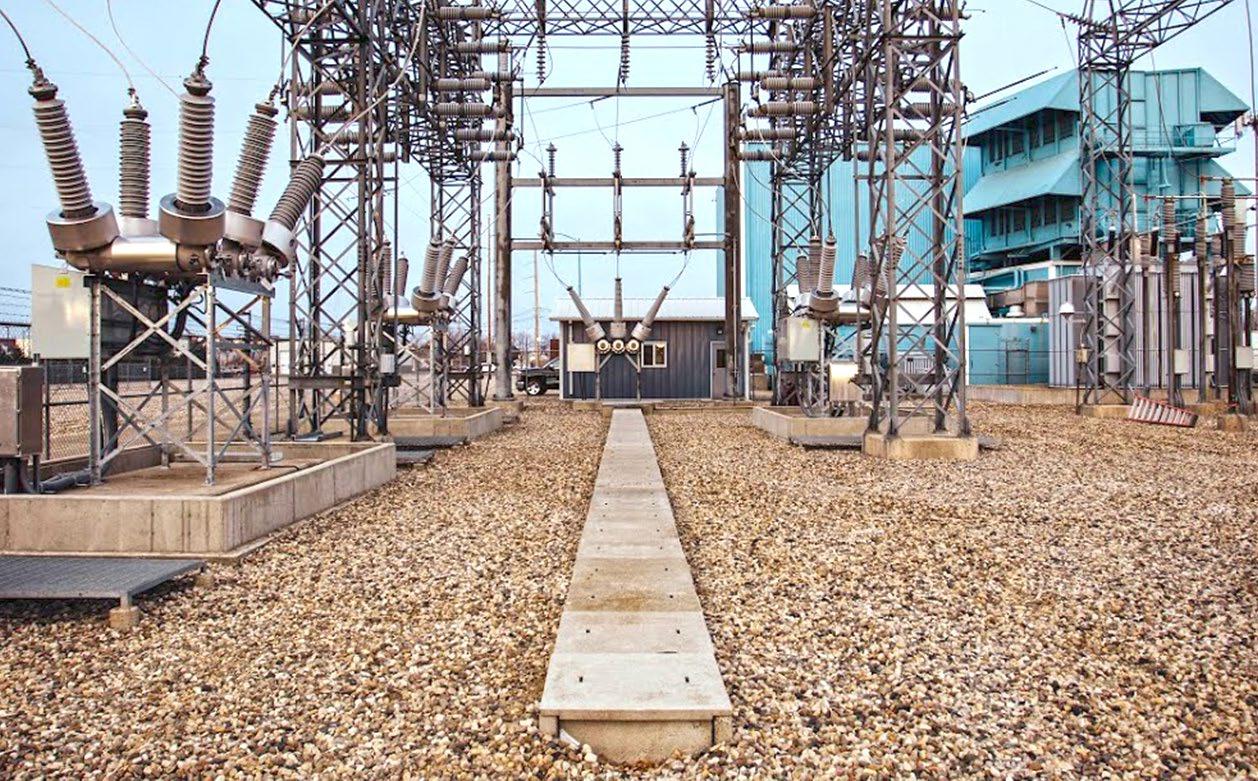
a power plant that is generally intended to be used only during times of high demand and in emergency situations is known as a peaking plant.
Sources that are weather dependent such as wind and solar are intermittent resources. At times when intermittent resources are not available, utilities rely on peaking and baseload resources such as natural gas, coal, hydropower, nuclear or even diesel to fill in the gaps. Likewise, when intermittent resources generate more power than consumers use, RTOs must curtail baseload units and some intermittent units to keep the electric grid operational.
Baseload power plant
A power plant that generates power continuously to supply most of the energy needed by utility customers. Usually runs 24/7. Fuel sources typically include coal, nuclear or hydropower because they are the most cost-efficient. Natural gas has started to replace coal as more coal plants are retired.
Intermediate power plant
A power plant that may run occasionally during nonpeak load seasons and around the clock during peak-load seasons, such as the middle of summer. If needed, produces most of its electricity during the day to meet high demand. Typically powered from natural gas.
Power Demand
The highest electrical power demand on the electrical grid that occurs over a specified time period.
TYPE OF GENERATION
Single-cycle combustion turbine
Combined-cycle combustion turbine
Coal (supercritical pulverized)
Integrated gasification combined cycle (without CO2 capture)
Integrated gasification combined cycle capture)
TYPICAL DUTY FUEL
Peaking Natural gas
Intermediatebaseload
to peaking
Peaking power plant
A power plant that may run when there is a high demand for power, such as in the summer months when air conditioning is needed. Typically powered from natural gas or diesel fuel, and can be brought online quickly.
Intermittent resources
Intermittent resources operate when their fuel is available, such as wind and solar. *Unless there is an efficient energy storage system in place, intermittent resources cannot be relied on to meet the continuous demand for electricity supply, nor can they be used to immediately respond to peak demand. However, as intermittent energy sources, solar and wind energy systems can be efficient and help reduce reliance on fossil fuels.
*Emergency Information and Technology Conference (EITC)
Natural gas: Natural gas accounts for almost 40% of the nation’s total electricity generation.1 Many utilities have foregone coal plants in favor of natural gas as a baseload resource. The EIA estimates that natural gas generation from 2015 to 2030 will increase by 26% — and then increase another 44% by 2040.
Natural gas power plants typically are less expensive and take a shorter time to build than coal or nuclear plants. They also emit fewer pollutants than other fossil-fuel plants. However, natural gas prices are historically more volatile than other fuels, and, during winter peak hours, natural gas usage for home heating usually has priority over electricity generation. Based on current usage, the nation’s supply of natural gas reserves would last about 86 years. That U.S. total is just over 4% of the world’s proved reserves.2
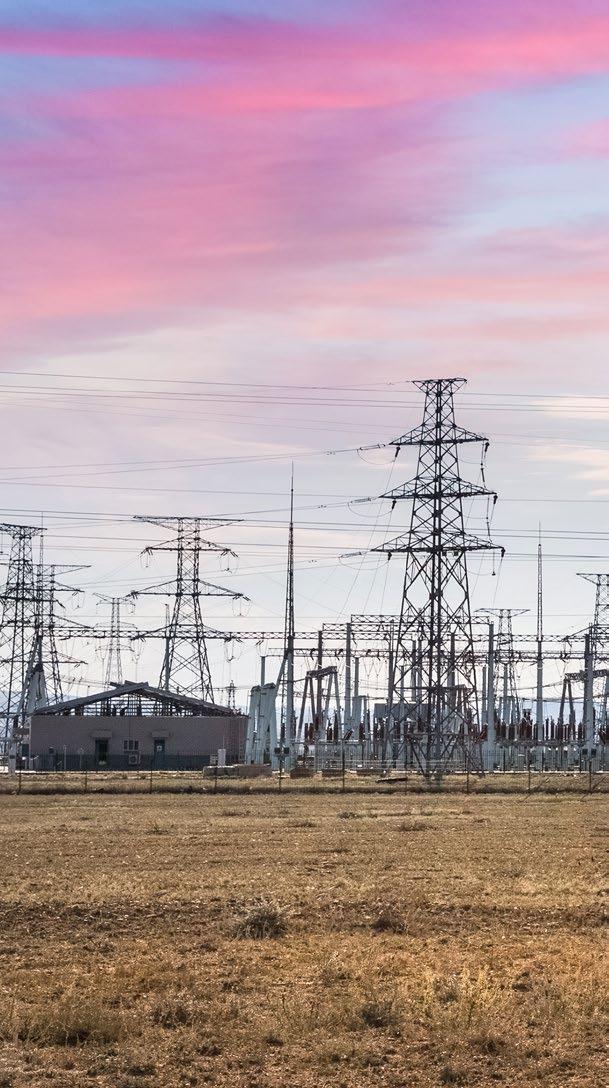
Coal: Coal-fired power accounts for about 20% of the electricity generated in the U.S.1 Coal remains a valuable and cost-efficient fuel for baseload generating plants. It’s estimated that the U.S. has enough recoverable coal reserves to last about 435 years.2 However, over the past several years, coal as a fuel source has been decreasing as older coal-fired power plants are retired and replaced, often by lower-cost natural gas facilities and renewable generation.
Nuclear: Nuclear power accounts for about 18% of the total electricity generated in the U.S.1 There are 54 commercially operating nuclear power plants with 93 nuclear power reactors in 28 states.3
Hydropower: Hydropower, which generates electricity from falling water, remains the largest single renewable energy source for electricity generation in the U.S. It accounts for about 6.2% of the nation’s generation.1 It is also the most reliable and efficient renewable fuel. Hydropower does not emit pollutants and is continually replenished by rain and snowfall. Among MRES member utilities, hydropower from WAPA accounts for about 40% of their total wholesale electricity needs.
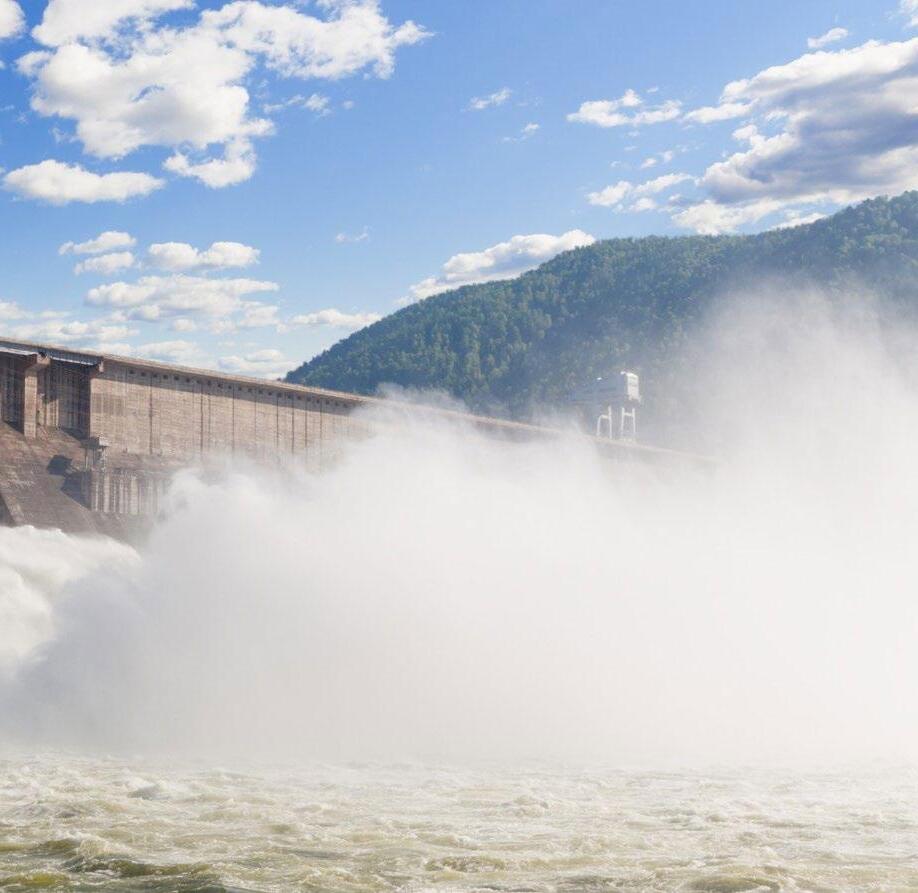
MRES constructed a hydroelectric facility of its own — the Red Rock Hydroelectric Project (RRHP) — near Pella, Iowa, at the existing U.S. Army Corps of Engineers’ (USACE) dam for Lake Red Rock on the Des Moines River. It supplies energy when the USACE issues adequate reservoir water flow releases. Depending upon the releases, RRHP’s rated capacity is 43.1 MW and can reach as high as 55 MW upon higher reservoir water elevation.
kW: Kilowatt. 1,000 watts
MW: Megawatt. 1,000 kilowatts (kW) or 1 million watts
GW: Gigawatt. 1,000 megawatts (MW) or 1 million kilowatts (kW)
While hydropower cannot meet all the electrical needs of our country, the U.S. Department of Energy estimates that there is the potential to develop more than 65 gigawatts (GW) of new hydropower on existing U.S. dams.
As the use of renewables increases, intermediate power, peaking power and battery storage become more important for maintaining reliability.
Wind: Wind is the fastest-growing renewable energy resource in our country. According to the American Clean Power Association, there are currently more than 70,000 wind turbines across the nation. Wind power capacity totals 146 GW — enough to power the equivalent of 46 million homes — making it the fourth-largest source of electricity generation capacity in the country. Wind power in the past decade has more than tripled and accounts for 10.2% of the nation’s electricity.1 MRES currently has more than 86 MW of wind-generated electricity in its portfolio.
Like hydropower, wind does not emit greenhouse gases, but the U.S. cannot rely on wind alone because it is an intermittent power source. In addition, there are insufficient storage resources for wind, and it needs to be supplemented with another resource, usually natural gas, which can operate when the wind is not blowing.
Solar: Solar is gaining ground in the U.S., particularly in the Southwest, where there is ample sunshine and vast areas of unoccupied land. Solar accounts for over 3% of the nation’s electricity.1
Like wind, solar is intermittent and requires thermal generation for backup. Solar photovoltaic generation also requires a substantial amount of land — about 5 acres for 1 MW of solar capacity.
In 2016, MRES and the City of Pierre, South Dakota, an MRES member, jointly developed a 1-MW solar project at the Pierre Regional Airport. In addition, other MRES members have built or are considering solar gardens in their communities that provide additional renewable energy for their citizens.
MRES is planning to build utility-scale solar projects throughout its membership, starting with the Marshall Solar Plus project in the member community of Marshall, Minnesota. Plans for the project call for a 10-MW capacity solar farm and a 5-MW battery-storage facility capable of operating for 20 hours. This battery storage will extend the use of solar energy into the hours of highest demand. The project is currently under construction and is expected to become operational in late 2024.
MRES is developing another solar project near the member community of Brookings, South Dakota, with commercial operation expected in 2025.
Energy storage: While electricity traditionally is not economically stored, newer technologies mean that energy storage today represents a small but growing resource in the U.S. Energy storage involves capturing excess electrical energy during periods of low demand and storing it in other forms until it is needed before converting it back to its electrical form. Most current energy storage is in the form of pumped-storage hydroelectricity. This method pumps water during nonpeak times from a lower-elevation reservoir into a higher-elevation reservoir. Then, during peak periods or when wind energy resources are unavailable, the water is released through hydroelectric turbines to produce electricity. Pumped-storage hydro is a tried-and-true, environmentally friendly technology that can provide large-capacity energy storage. It’s very expensive to build, but once built, it will last 80-100 years.
Other forms of energy storage in the U.S. are mostly being utilized in the East, Southwest, Hawaii and California. These involve technologies such as battery storage, compressed-air storage, ice or cold-water thermal storage, and flywheel storage, which works by accelerating a rotor to a very high speed and maintaining the energy in the system as rotational energy. Many of these forms of storage are more expensive and also rely on other forms of power to “charge” the battery for later use.
1 Source: U.S. Energy Information Administration. www.eia.gov. Data as of year-end 2022.
2 Source: U.S. Energy Information Administration. www.eia.gov. Data as of year-end 2021.
3 Source: U.S. Energy Information Administration. www.eia.gov. Data as of 2023.
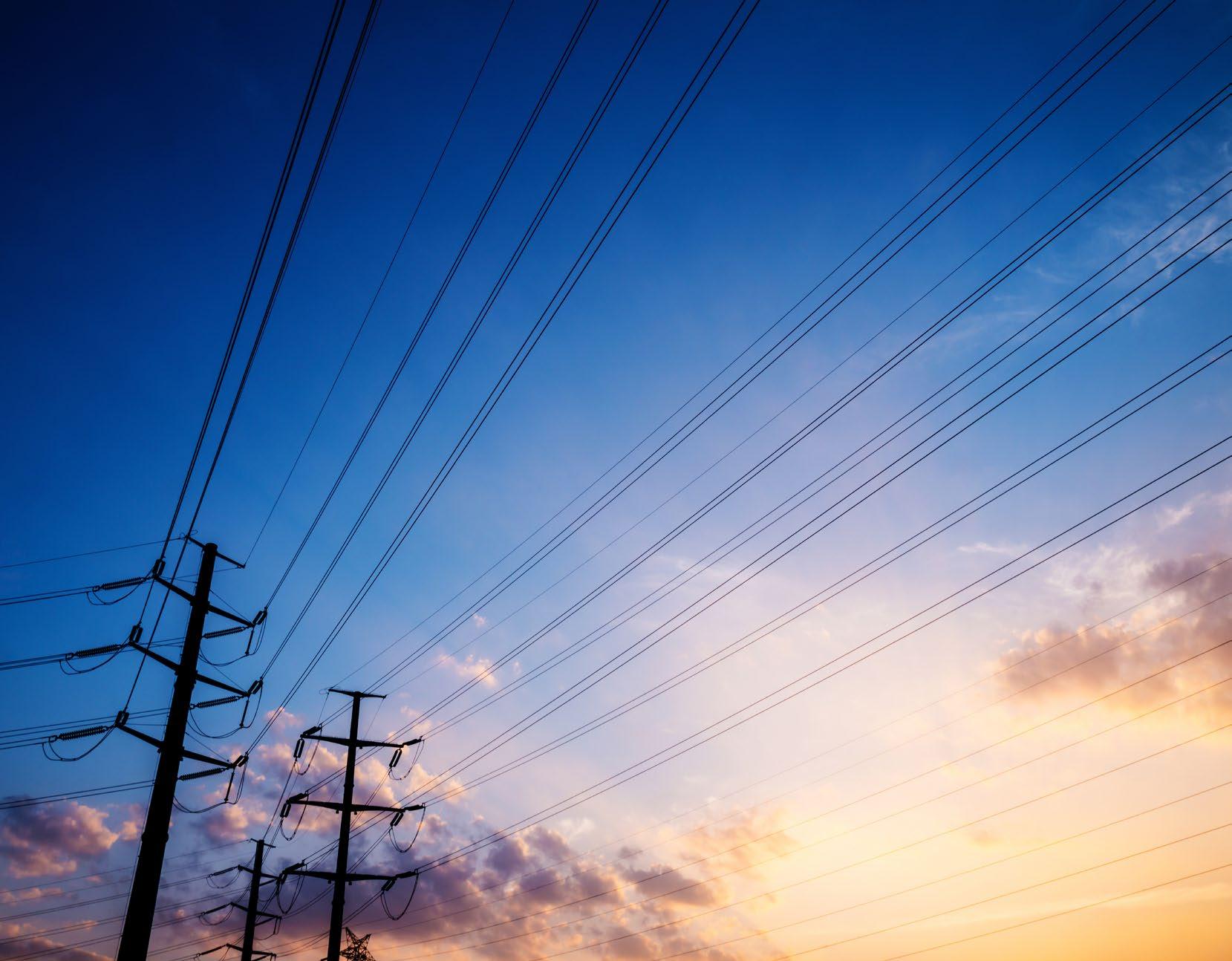
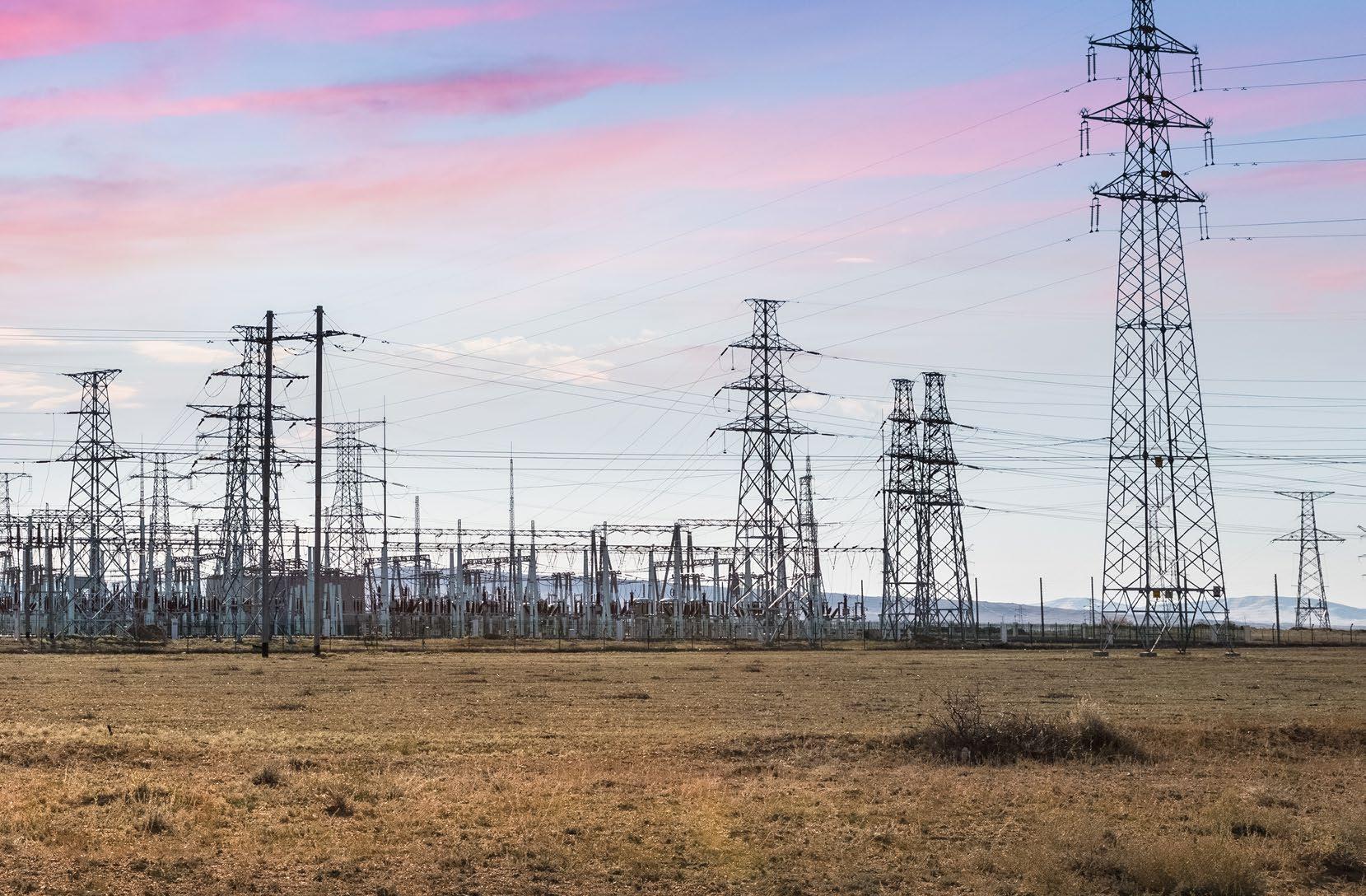
Once electricity is generated, it must be instantaneously delivered from its generation source through power lines to the consumer, be it an industry, small business or home. The delivery process involves a network of high-voltage transmission lines (HVTLs), substations and lower-voltage distribution lines, and it comes at a cost. The illustration below demonstrates this process.
Power Plant Generates Electricity
Transformer Steps Up Voltage for Transmission Transmission Lines Carry Electricity Long Distances
Transformers on Poles Step Down Electricity Before It Enters Houses
Neighborhood Transformer Steps Down Voltage
The power grid in the U.S. is coordinated mostly through several RTOs and independent system operators (ISOs). Individual companies control some areas.
RTOs and ISOs coordinate, control and monitor either a single-state or multi-state electric grid. They aim to promote economic efficiency, reliability and nondiscriminatory practices while reducing government oversight.
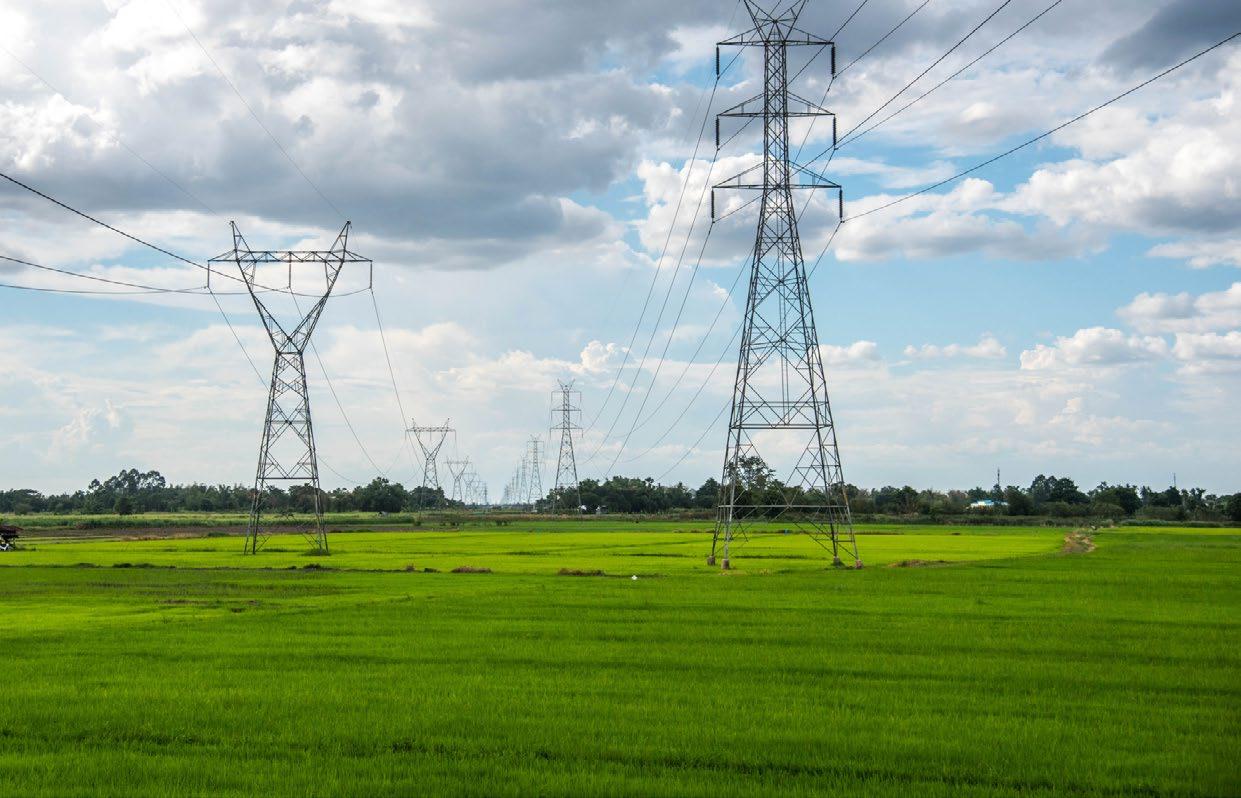
transmission owners coordinate with each other, as well as with independent system operator organizations and federal power marketing agencies to efficiently and reliably manage the flow of electricity across the U.S.
MRES is a member of two such organizations — the Midcontinent Independent System Operator (MISO) and the Southwest Power Pool (SPP). While these organizations provide a conduit to reliable and efficient power supply, their markets and transmission oversight carry costs that are borne by generators and ratepayers.
MISO is a not-for-profit member-based organization that aims to ensure reliable, least-cost delivery of electricity across all or parts of 15 U.S. states and one Canadian province. In cooperation with stakeholders, MISO manages approximately 65,000 miles of HVTLs and 200,000 MW of power-generating resources across its footprint.
SPP oversees the bulk electric grid and wholesale power market in the central U.S. on behalf of a diverse group of utilities and transmission companies in 15 states. SPP aims to ensure the reliable supply of power, adequate transmission infrastructure and competitive wholesale electricity prices for a 552,000-square-mile region including more than 70,000 miles of HVTLs.
MISO and SPP cover parts of Iowa, Minnesota, North Dakota and South Dakota.
In addition to these regional organizations, MRES and its members adhere to reliability standards set by the North American Electric Reliability Corporation (NERC). NERC is a not-for-profit international regulatory authority whose mission is to assure the effective and efficient reduction of risks to the reliability and security of the electric grid in North America.
NERC develops and enforces Reliability Standards, annually assesses seasonal and long-term reliability and monitors the bulk power system through system awareness. NERC also educates, trains and certifies industry personnel.
NERC’s area of responsibility spans the continental U.S., Canada and the northern portion of Baja California, Mexico. NERC’s Reliability Standards are subject to oversight by the Federal Energy Regulatory Commission (FERC) and governmental authorities in Canada. Its jurisdiction includes users, owners and operators of the bulk power system, which serves more than 400 million people.
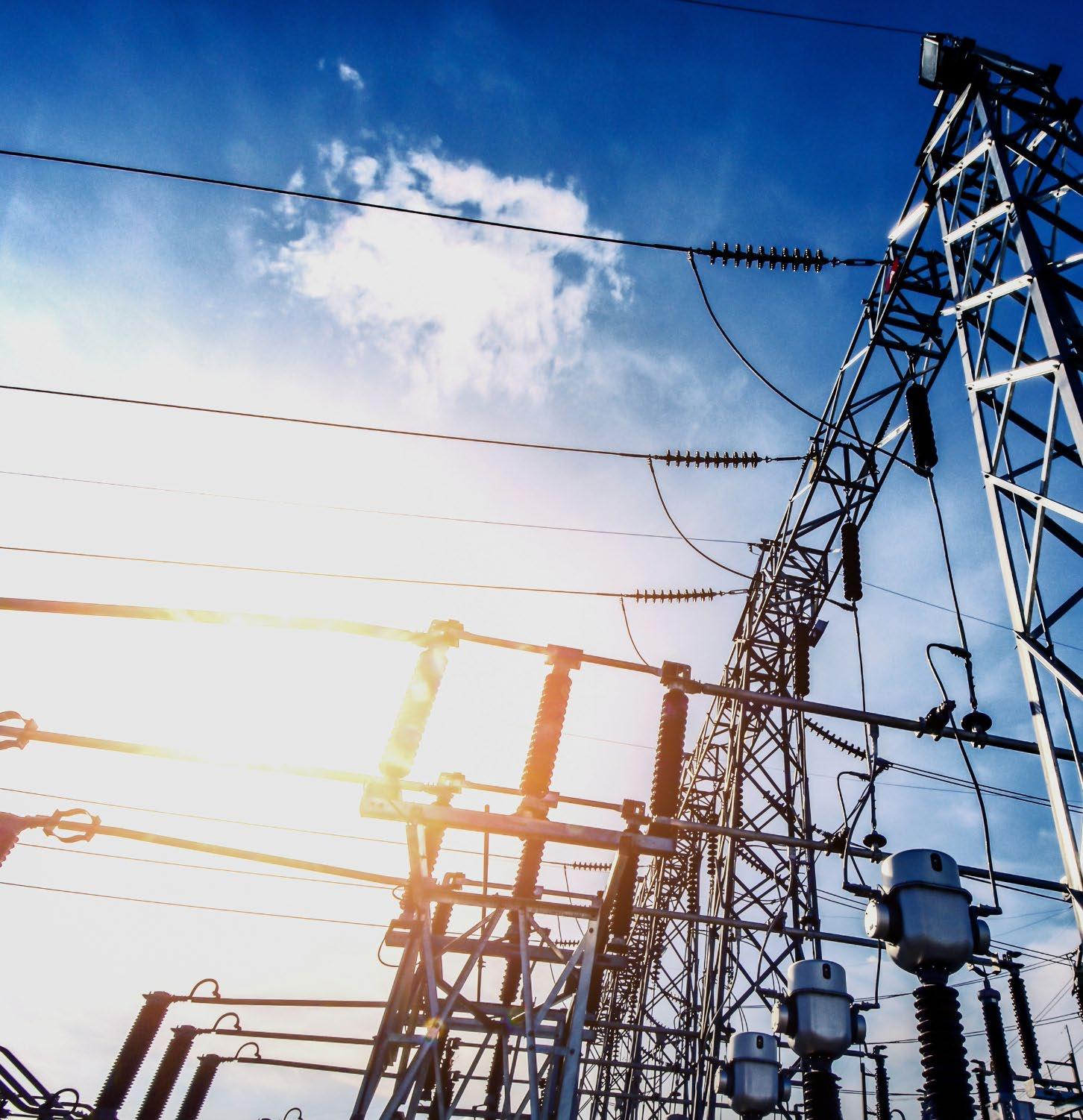
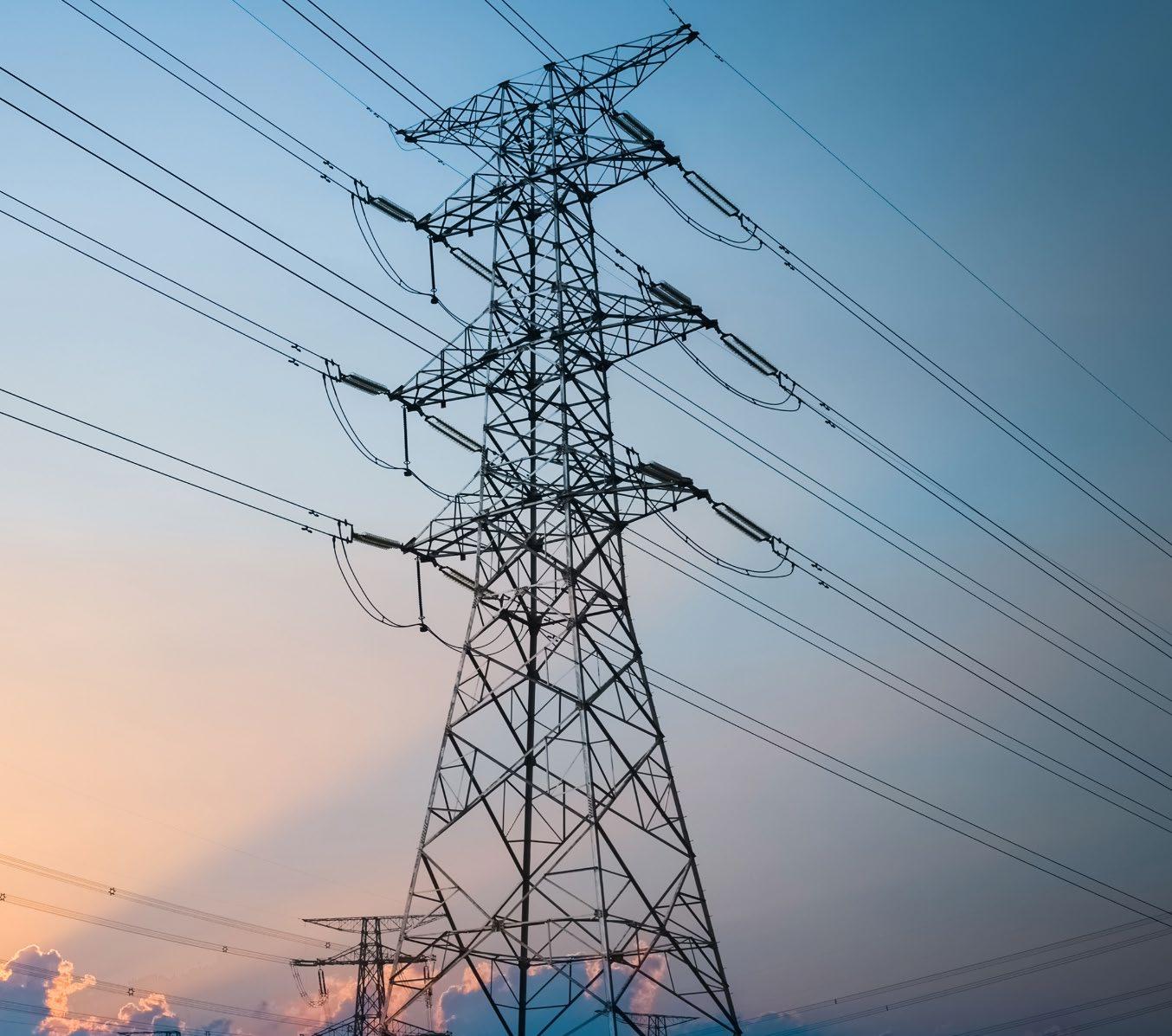
TRANSMISSION = the movement of large amounts of high-voltage electricity. Transmission lines and substations are designed in a grid fashion to deliver power from generation to load in a redundant, reliable way. Transmission lines are generally overhead.
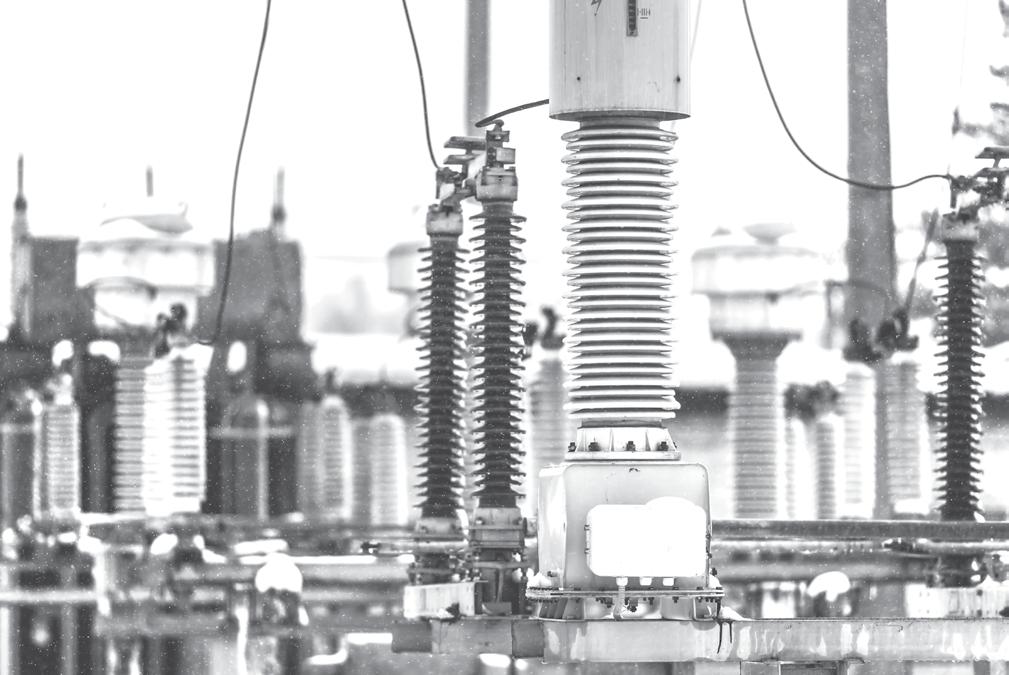
SUBSTATION = an electric facility that transforms voltage from high to low, or the reverse. Between a power plant and the consumer, electricity may flow through several substations at different voltage levels.
DISTRIBUTION = the electrical lines that move lower-voltage electricity from substations to customers. Lines can be overhead or underground.
The electric utility industry is meeting the needs of its customers today, but increased efficiencies, along with new resource development, are important to meet the challenges of changing technologies and customer expectations. Since 2008, MRES has actively encouraged energy efficiency through its Bright Energy Solutions® rebate program, which is administered through its 60 member communities.
Through the end of 2023, MRES processed about 57,000 rebate applications and paid about $29 million in rebates to members’ retail customers.

In total, the program has saved more than 92 MW, delaying the need to build a power plant of similar size. Energy efficiency is a resource in its own right.
The expanded adoption of end-use electric technologies such as electric vehicles, 3D printing, indoor agriculture and more have led the Electric Power Research Institute (EPRI) to project that the total electric load in the U.S. could grow by as much as 52% by 2050. MRES is developing programs to encourage smart electrical growth and to manage the anticipated increase in electrical demand. MRES also offers programs to encourage efficient and off-peak electric vehicle charging, space heating, cooking equipment and various electrically powered industrial processes.

Here are three phrases commonly used in the energy industry that refer to ways utilities help customers use energy more wisely.
ENERGY EFFICIENCY = Using a new technology or new piece of equipment that uses less energy because of technological advances such as replacing incandescent light bulbs with energy-saving LED bulbs.
BENEFICIAL ELECTRIFICATION = Using electric energy to replace other forms of energy such as fossil fuels — where it is more efficient to do so — for the benefit of customers, the environment and society.
DEMAND RESPONSE = Shifting of demand for electricity to nonpeak periods, or reducing electricity use during periods of high use or peak times to help prevent strain on an electric system or to avoid higher electricity prices.
Growth in renewable resources such as wind and solar energy continues, and brings a set of challenges to the electric utility industry. Most types of renewable resources are lacking in dispatchability. For example, wind turbines do not produce energy when the wind is not blowing. Therefore, these resources require a backup power supply — often from natural gas generation facilities — to ensure that customers have the electricity they need when they need it.
More and more, resource adequacy has its own set of challenges, resulting in a significant uptick in the number of energy emergency alerts (EEAs) issued by RTOs to reduce strain on the grid. These EEAs provide guidelines for utilities on handling grid reliability issues — such as severe weather conditions or unavailability of intermittent resources such as wind and solar — that threaten the ability to provide electricity to customers. Under normal conditions, regional grid operators can ramp generators up or down to match the demand for electricity. EEAs occur during abnormal conditions, and they are critical to maintaining the reliability of the electric grid and mitigating uncontrolled system-wide outages (brownouts and blackouts) when demand for electricity exceeds available generation.

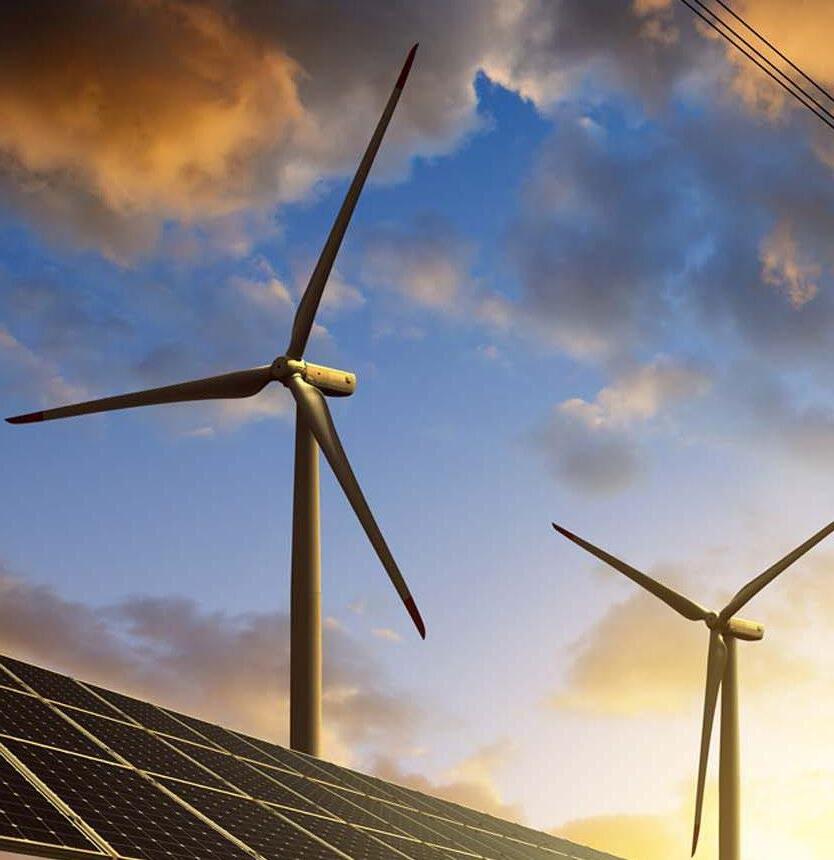
While some utilities are looking at battery storage as a backup, that also comes with challenges such as cost, timing, wear and tear on the facility, battery charging and discharging, and supplying large amounts of power for commercial and industrial customers. Renewables also increase the need for additional transmission and distribution system upgrades.
There is also a growing interest among customers in installing their own generating units such as small wind turbines or solar panels. These technologies are known as distributed generation (DG) or distributed energy resources (DER). This rise in decentralized power creates additional challenges for utilities, including maintaining efficiency, functionality, reliability and safety of the electric grid without control of these independent generation sources. The utility is also responsible to reliably and immediately replace their customers’ power when it is not available. Utilities need to take all available technologies into account when they are planning for reliability, energy market power balancing, power quality, physical security, safety and cybersecurity. Utilities must also upgrade systems to accommodate all the two-way power flows that DG creates.

Electricity plays a vital role in our daily lives. However, a combination of factors — climate change, aging infrastructure, supply chain issues, unpredictable weather, and volatility in fuel and construction costs, just to name a few — have contributed to the challenges of delivering electricity to homes and businesses. As technology continues to evolve at record pace and the energy landscape changes, utilities must be innovative and forward-thinking to meet the needs of their customers.
There is a critical need in the electric industry for a diverse and flexible generation mix to ensure reliability and keep the lights on. Providing reliable power is an industry-wide problem and needs to be addressed by the industry by using science and engineering to make the electric system more robust.
Despite these challenges, MRES remains committed to creating a reliable, clean and economical energy future. MRES continues investing in renewable energy resources and in dispatchable generation that provides reliability. Additionally, MRES is helping modernize the grid by planning and investing in future transmission needs. MRES also has committed to discovering new and creative ways to assist its members and their customers in lowering peak demand and increasing energy efficiency.
Part of being reliable is being consistent, and consistency is key to building trust. To that end, MRES has stayed true to its mission of meeting the energy needs of its members in a reliable, affordable and environmentally sensitive manner long into the future.
AMI: Advanced Metering Infrastructure. An integrated system of smart meters, communications networks and data management systems that enables twoway communication between utilities and customers — also known as the backbone of smart grid.
APPA: American Public Power Association. Trade association for municipal utilities and municipal power agencies in the U.S. www.publicpower.org
BES: Bright Energy Solutions®. A unique portfolio of energy-efficiency cash incentive programs aimed at helping residential and business customers to save energy and save money by utilizing more efficient lighting, appliances, and other electrical equipment. BES provides rebates to homeowners and businesses that install various types of approved energy-efficient equipment. www.brightenergysolutions.com
Capacity: Measuring the rate at which energy is generated, used or transferred.
CapX 2020: Capacity Expansion by the Year 2020. A group of utilities, including MRES, that have worked to strengthen transmission infrastructure in the Upper Midwest to accommodate the projected increased demand for electricity. Now called Grid North Partners. www.gridnorthpartners.com
CFS/CES: Carbon Free Standard or Carbon Energy Standard (also Clean Energy Standard in some jurisdictions). A state mandate requiring carbon-free resources in a utility’s generation portfolio, or a state mandate requiring carbon reductions by percentage from a utility’s generation portfolio.
CON: Certificate of Need. A legal document required in many states and some federal jurisdictions before proposed acquisitions, expansions or creations of facilities are allowed.
DG: Distributed Generation. Generally, the generation of electricity from smaller resources spread throughout the area of the load, rather than a single, large central-
station generating plant that relies heavily on high-voltage transmission lines (HVTLs) to distribute electricity. Usually refers to customer-owned generation (e.g., rooftop solar). Also known as Distributed Energy Resources (DER).
DOE: U.S. Department of Energy. www.energy.gov
DSM: Demand-Side Management. Includes both energy-efficiency measures aimed at reducing electric demand and energy-usage and load-management efforts to regulate time of use.
EEA: Energy Emergency Alert.
An alert issued by RTOs operating the grid that tell utilities what to do in times of extremely high energy demand. EEAs are critical to maintaining the reliability of the electric grid and to mitigate uncontrolled system-wide outages when demand for electricity exceeds available generation.
EPA: U.S. Environmental Protection Agency. www.epa.gov
FERC: Federal Energy Regulatory Commission. Regulates interstate transmission of electricity, natural gas, hydropower projects and oil. www.ferc.gov
G&T: Generation and Transmission Cooperative.
GW: Gigawatt. 1,000 megawatts (MW) or 1 million kilowatts (kW).
GWh: Gigawatt-hour. The consumption of one gigawatt of electricity over one hour.
HVTL: High-Voltage Transmission Line. In general, a power line with a capacity of 100 kilovolts (kV) or more.
IAMU: Iowa Association of Municipal Utilities. IAMU represents more than 754 municipal broadband, electric, gas and water utilities in Iowa, and maintains a marketing relationship with more than 160 associate member businesses.
www.iamu.org
IOU: Investor-Owned Utility.
IRP: Integrated Resource Plan. IRP is a form of planning used by utilities. The goal is to meet the expected long-term growth
of demand using a wide selection of means, from supply-side to demand-side.
ISO: Independent System Operator. A neutral organization that administers a region’s wholesale electricity markets to provide reliability planning for the region’s electrical power system.
kV: Kilovolt. The basic measurement of electric transmission line-carrying capacity.
kW: Kilowatt. 1,000 watts.
kWh: Kilowatt-hour. The consumption of one kilowatt of electricity over one hour.
MISO: Midcontinent Independent System Operator. A not-for-profit, member-based organization that is designed to ensure reliable, least-cost delivery of electricity across all or parts of 15 U.S. states and one Canadian province. Iowa, Minnesota, North Dakota and South Dakota have utilities in MISO.
MMUA: Minnesota Municipal Utilities Association. MMUA represents the interests of Minnesota’s municipal electric, gas and water utilities. www.mmua.org
MRES: Missouri River Energy Services.
MW: Megawatt. 1,000 kilowatts (kW) or 1 million watts.
MWh: Megawatt-hour. The consumption of one megawatt of electricity over one hour.
NERC: North American Electric
Reliability Corporation. The not-forprofit international electric reliability organization for much of North America whose mission is to protect the adequacy, reliability and security of the bulk electric system. It governs electric utilities on reliability, resource adequacy, cybersecurity and physical security. www.nerc.com
PMA: Power Marketing Administration. Any of four federal agencies of the U.S. Department of Energy that have the responsibility for marketing electricity produced at federally owned and operated hydroelectric dams across the country.
PPA: Power Purchase Agreement. An agreement under which one utility purchases capacity and/or energy from another utility for a given period.
PURPA: Public Utility Regulatory Policies Act of 1978.
REO: Renewable Energy Objective. An objective established by a state to achieve a goal of retail electricity sales within that state that are obtained from renewable energy resources.
RES: Renewable Energy Standard. A state-required minimum of renewable energy in a utility’s generation portfolio.
RTO: Regional Transmission Organization. An independent electric power transmission system operator that coordinates, controls and monitors a multi-state electric grid to promote economic efficiency, reliability and nondiscriminatory practices. MISO and SPP are RTOs.
SDMEA: South Dakota Municipal Electric Association. SDMEA represents the interests of municipal electric utilities in South Dakota. www.sdpublicpower.org
SPP: Southwest Power Pool.
SPP oversees the bulk electric grid and wholesale power market in the central U.S. on behalf of a diverse group of utilities and transmission companies in 14 states. Iowa, Minnesota, North Dakota and South Dakota have utilities in SPP. www.spp.org
USACE: U.S. Army Corps of Engineers.
V: Volt. The basic unit of electric potential, electric potential difference (voltage) and electromotive force.
WAPA: Western Area Power Administration. The federal body responsible for marketing power generated in the Upper Midwest by the hydroelectric dams on the Missouri River. www.wapa.gov
WMMPA: Western Minnesota Municipal Power Agency. WMMPA is a joint-action agency made up of MRES members in Minnesota. Through a formal agreement, WMMPA finances the construction and acquisition of the generation and transmission facilities for MRES and its members. As part of the agreement, MRES staff provides the administrative services to manage WMMPA’s portfolios.