How brands can win in the new HFSS regulatory landscape
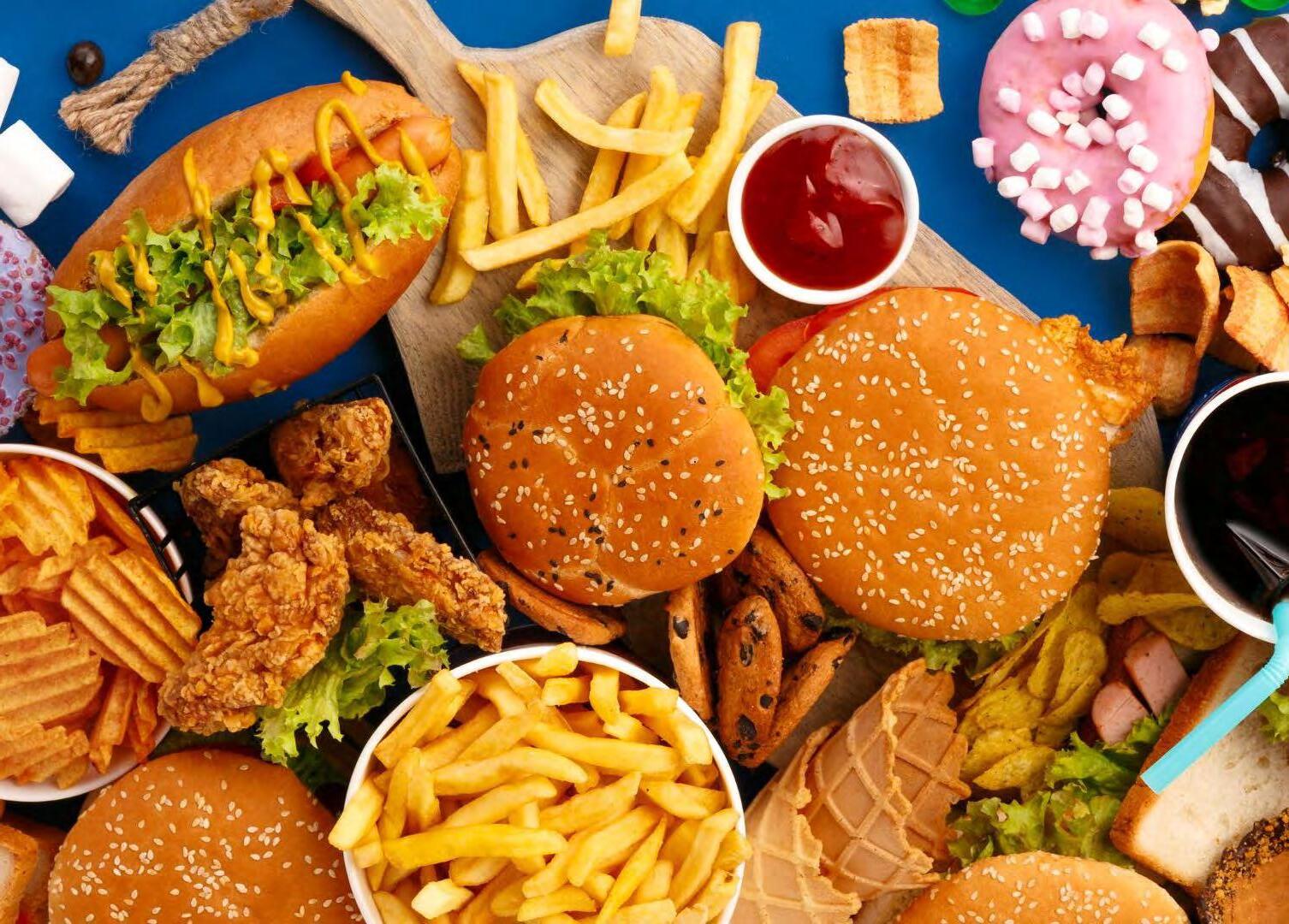
In Jan 2026, the UK introduced new, stricter laws around the advertising and marketing of HFSS and LHF foods, swiftly followed by an updated edition of the nutrition profiling guidelines, putting many more products in the LHF (Less Healthy Foods) category.
Want to know more about HFSS? See the Explainer section on p23
The rational impulse to optimise for health
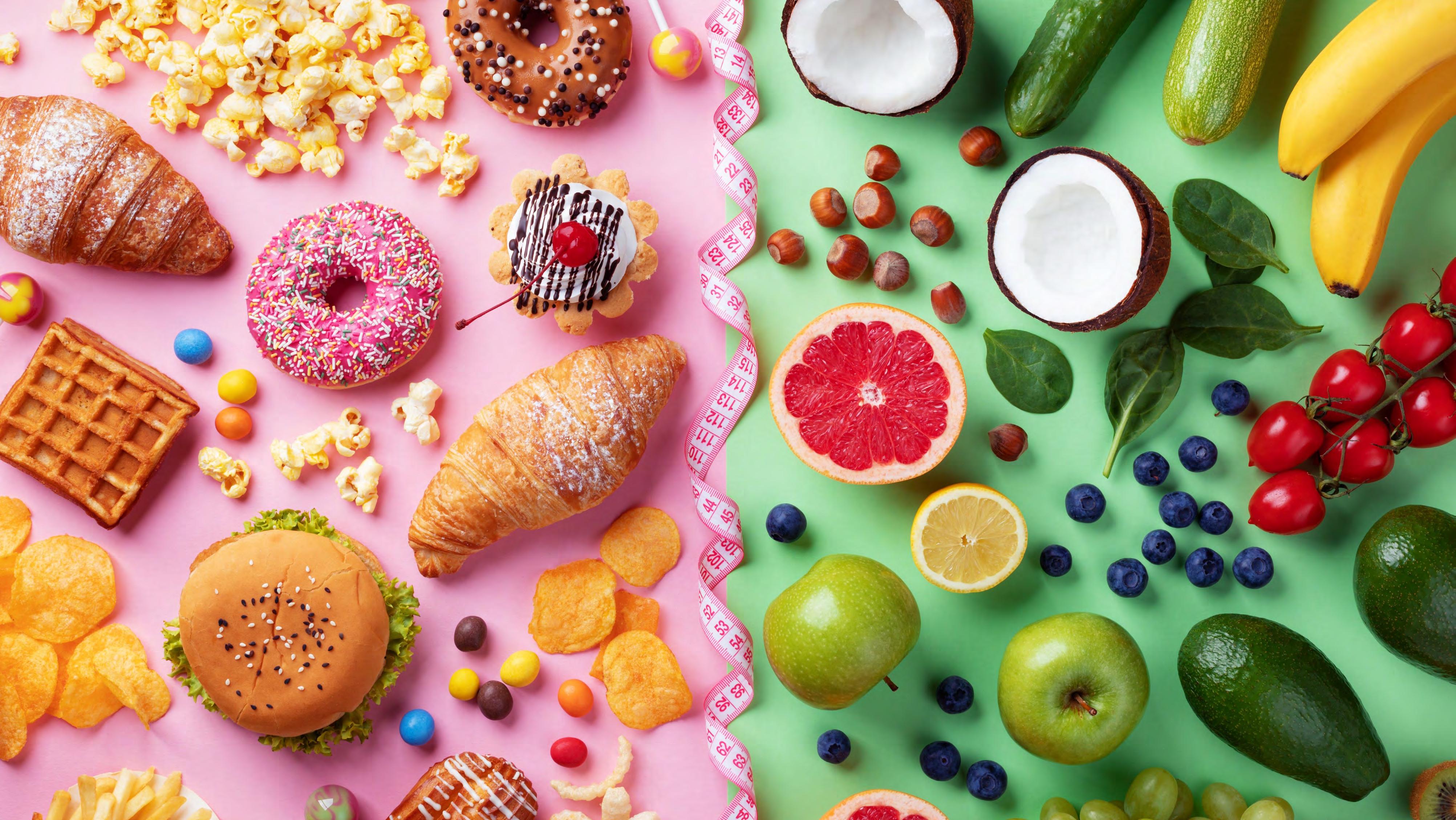
In this landscape, design in F&B has become a battlefield between two apparently opposing forces:
This creates:
The emotional impulse to optimise for pleasure
The Pleasure Paradox
The more we restrict the mechanics of pleasure, the more intense our psychological pursuit of it becomes.
Macro Drivers
We’ve identified four key macro drivers that can help brands navigate the Pleasure Paradox:
The Death of the “Easy” High
Sensory Choreography The Ritual as Alibi
The Death of the “Easy” High
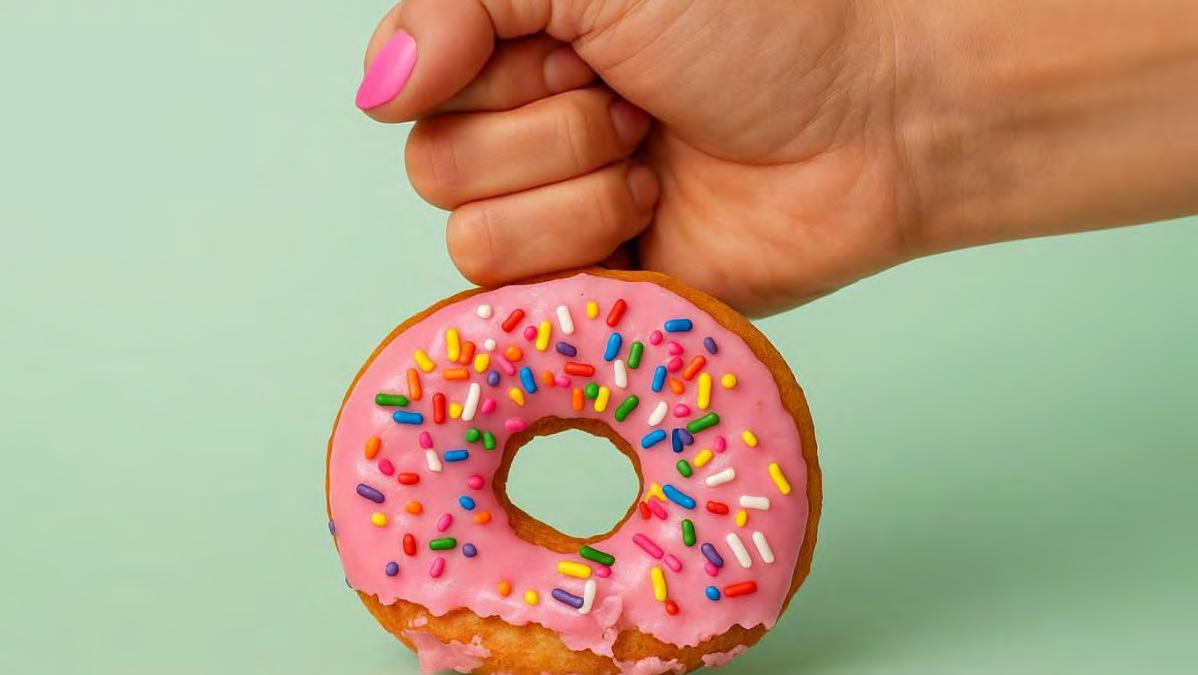
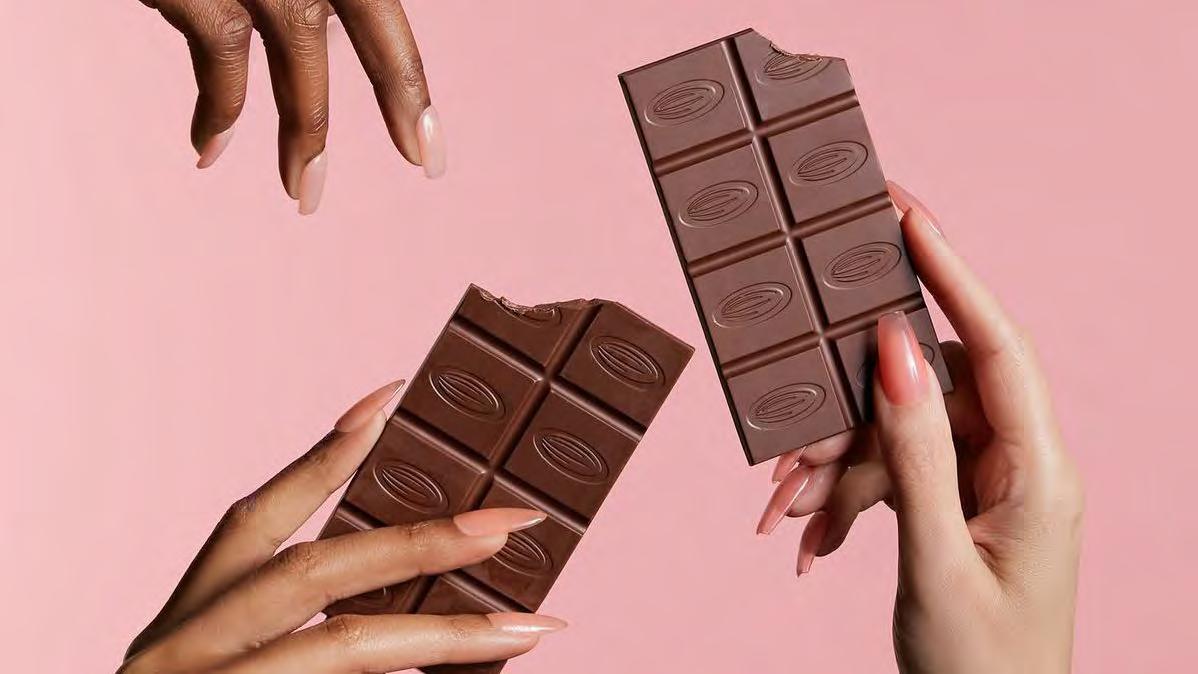
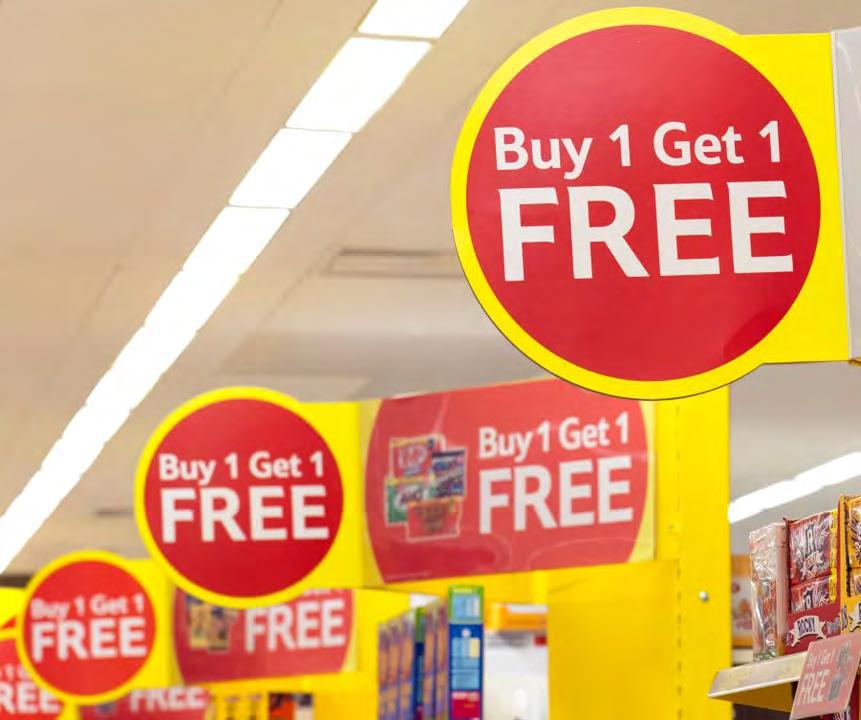
For decades, the food industry relied on “bliss point” engineering: a blunt-force trauma of sugar and salt. Regulation has effectively ended the era of the easy high. When you remove the end-of-aisle “buy one get one free” promotion on a chocolate bar, it is not about removing a product; you are removing a low-friction dopamine hit from a high-stress day.
Our Pleasure Paradox emerges here: when the “easy” pleasure is removed, the consumer doesn’t stop wanting; they begin to hunt.
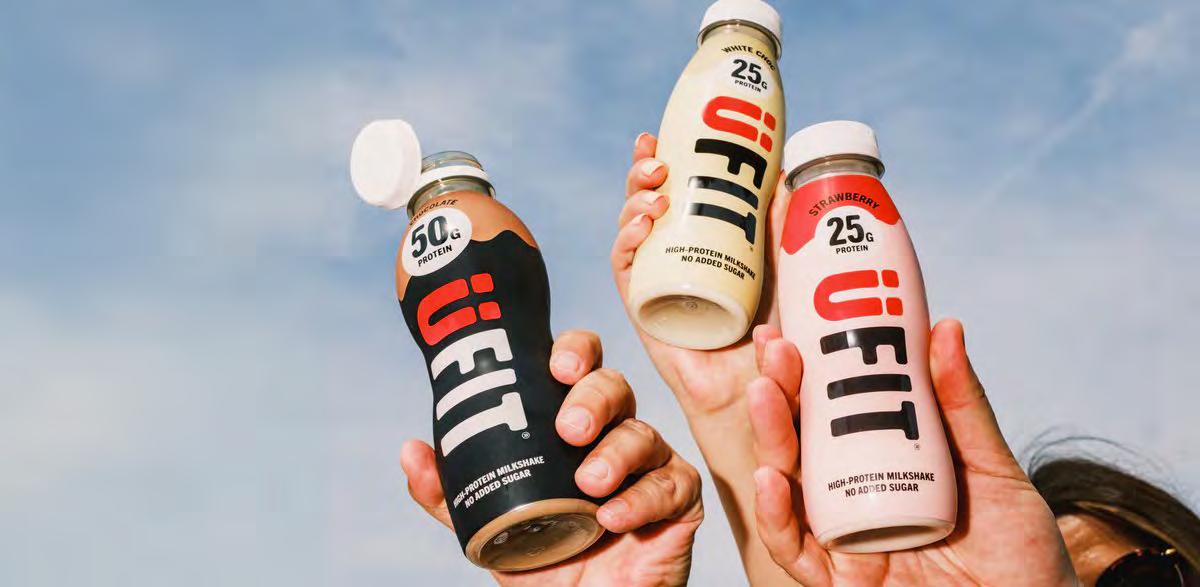
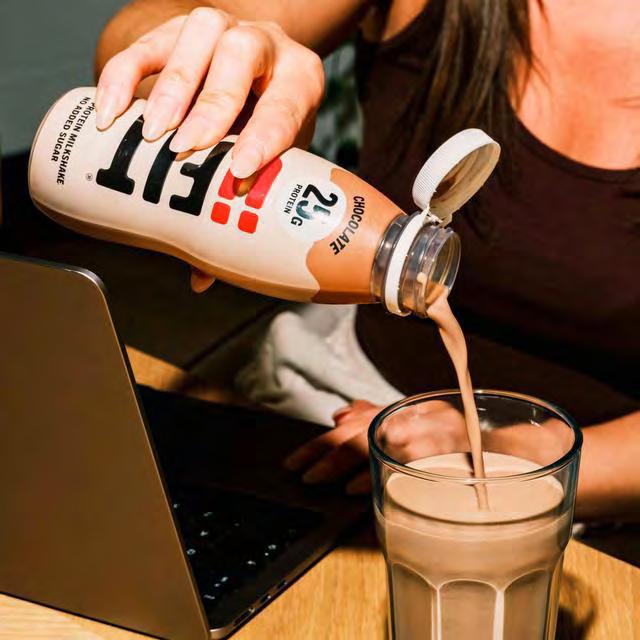
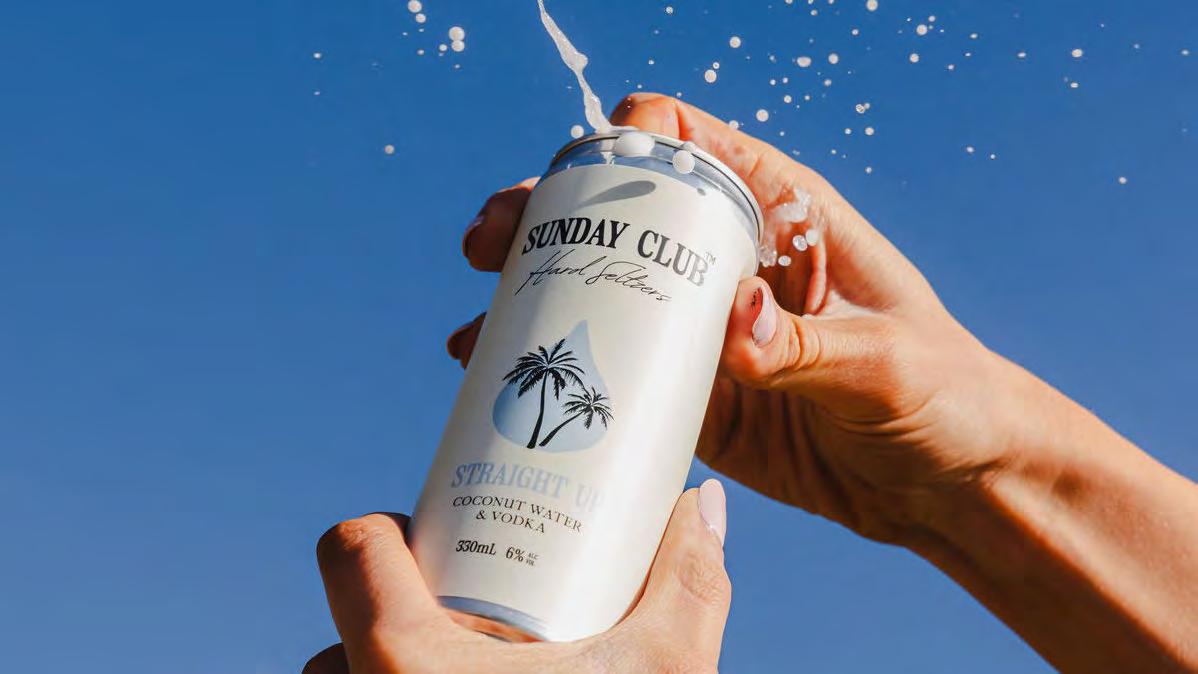
We are seeing a migration of desire toward unregulated pleasure territories: premium delivery, late-night “solo-treat” rituals, and the rise of “potency” ingredients (caffeine, protein, collagen) that offer a physiological reward to replace the missing sugar rush.
Sensory Choreography:
Beyond the Bliss Point
As the chemical levers of pleasure (HFSS) are pulled back, the future of food and drink must lean into alternative sensory signals. We are moving from “flavour-led” indulgence to “texture-led” satisfaction.
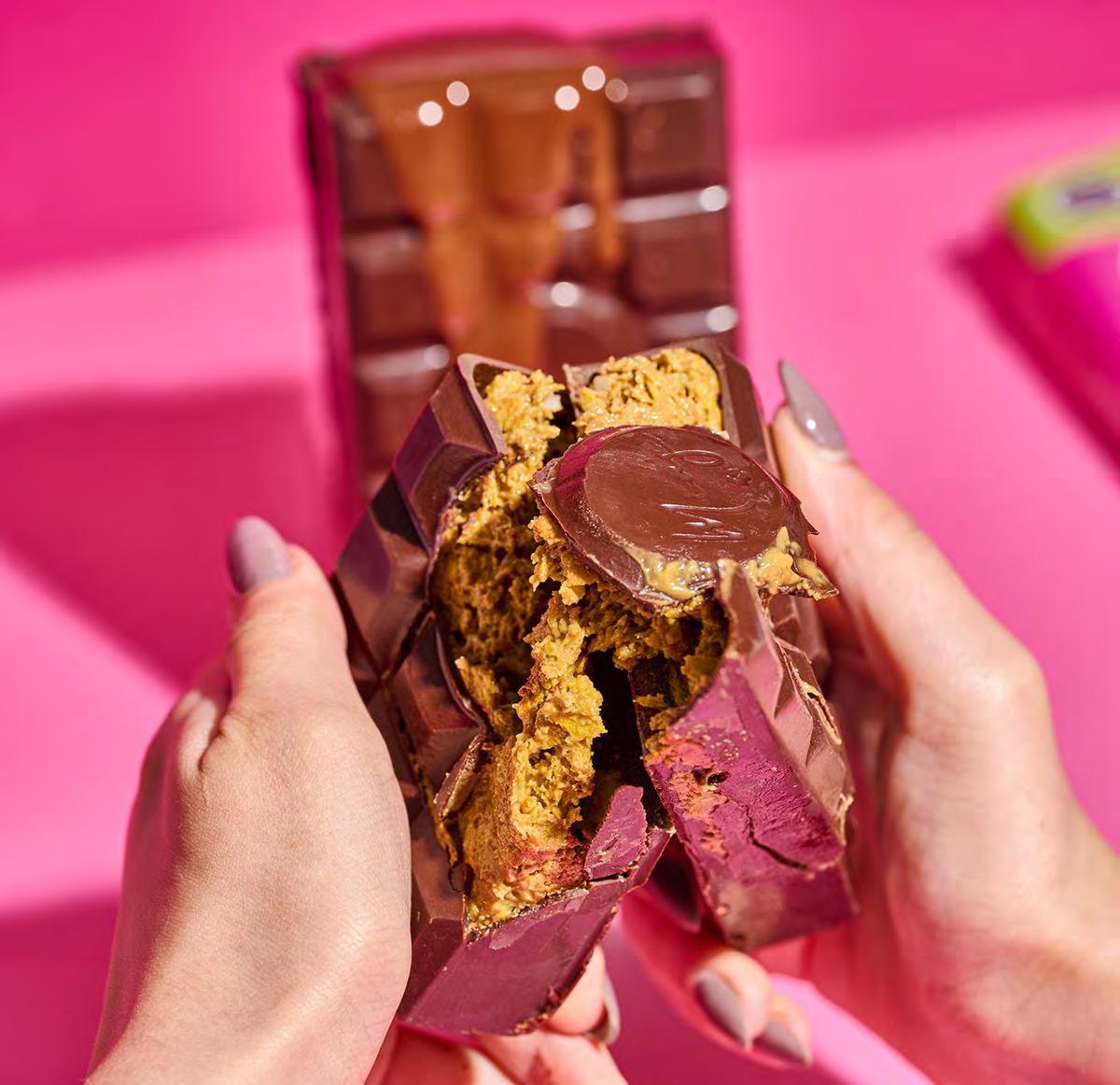
The Architecture of the Bite: When sugar is reduced, the snap of a coating, the viscosity of a filling, and the thermal contrast between layers must work harder. This is “sensory regulation” - using the five senses to tune the nervous system when the brain’s reward centre is being denied its usual hit.
Aesthetic Rebellion: In a world of “clean” labels and clinical health scores, “ugly” or “maximalist” food design is becoming a signifier of authenticity and pleasure. The “perfect” supermarket apple is now less desirable than the gnarled, heritage variety that promises a complex, un-engineered experience.
The Ritual as an Alibi
The Pleasure Paradox suggests that we enjoy things more when we feel we have “earned” them or when the act of consumption is wrapped in a ritual that absolves us of guilt.
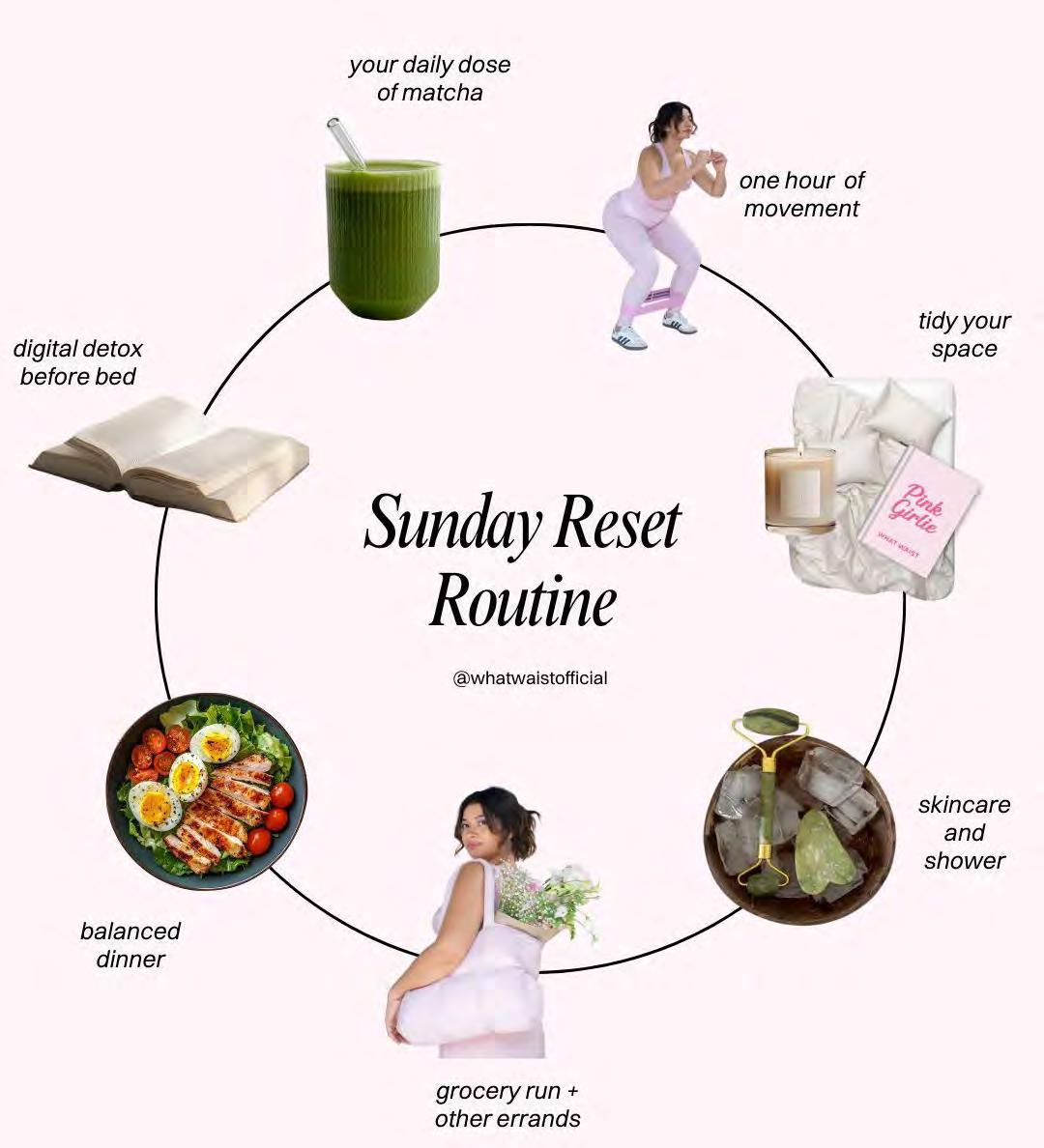
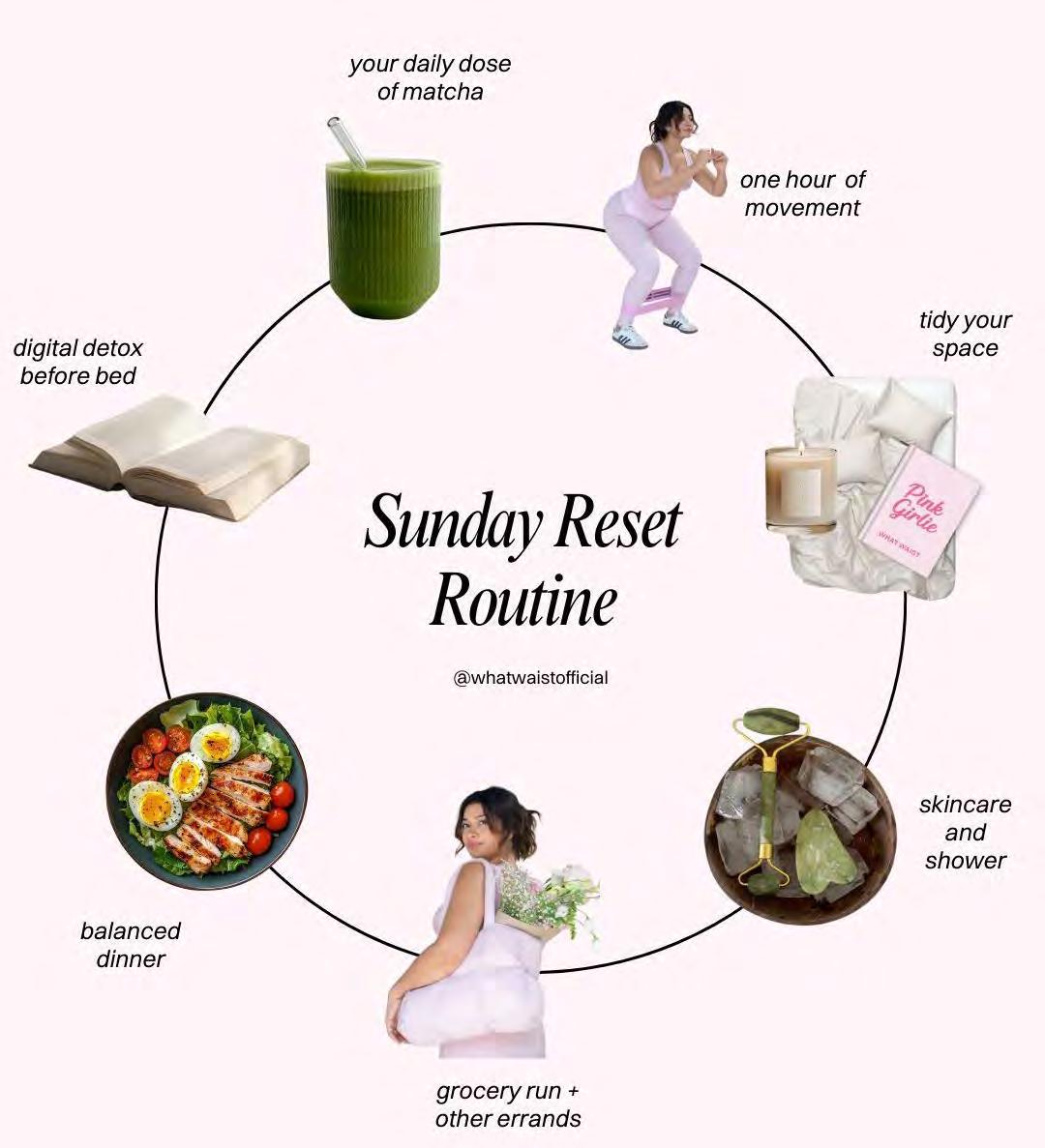
In the UK, we are seeing the rise of Liturgy over Lifestyle. A snack is just a snack, but a “Sunday Reset Ritual” involving a specific ceramic bowl, a curated playlist, and a functional-yetindulgent beverage is a culturally protected moment. Design is now being used to create “alibis for indulgence.” If the packaging feels like an apothecary item, or the preparation requires a three-step process, the pleasure is reframed as self-care rather than self-indulgence.
The Micro-Indulgence
Future
(The GLP-1 Effect)
The most radical design shift in the Pleasure Paradox is the move toward the “One-Bite Brand.” As clinical appetite suppressants (GLP-1s) and cost-of-living pressures shrink the volume of what we eat, the design of that food must become more potent.
We are entering an era where Satisfaction > Satiety. If a consumer only wants six bites, those six bites must be a masterpiece of design, a symphony of satisfaction.
This is the “Luxury Dystopia” of food: tiny, perfect, highly engineered units of pleasure that satisfy the psychological need for a treat without triggering regulatory or biological alarms.
The HFSS Brand Playbook
Our macro drivers are not abstract cultural weather. They are design provocations that provide guidance for brands navigating the Pleasure Paradox.
What follows is a strategic playbook for brands operating in the post-regulation landscape: a set of principles and guidelines for building pleasure that doesn’t just survive the new rules, but is sharpened by them.
The central provocation is this: the brands that will win the next decade of British food and drink are not the ones that find loopholes, but those who treat constraint as a creative material for exciting new directions.
1. Design Around the Rules: Own the Pre-9pm World
The 2026 advertising restrictions have created two distinct media landscapes: the world before 9pm, and the world after it. Most brands are treating the watershed as a wall. The smarter ones will treat it as an architecture.
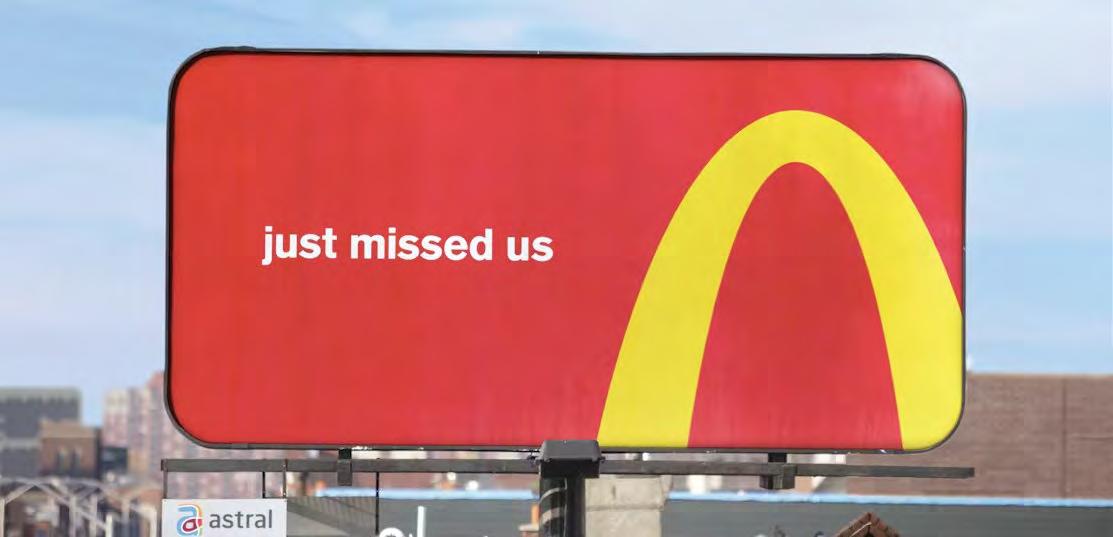
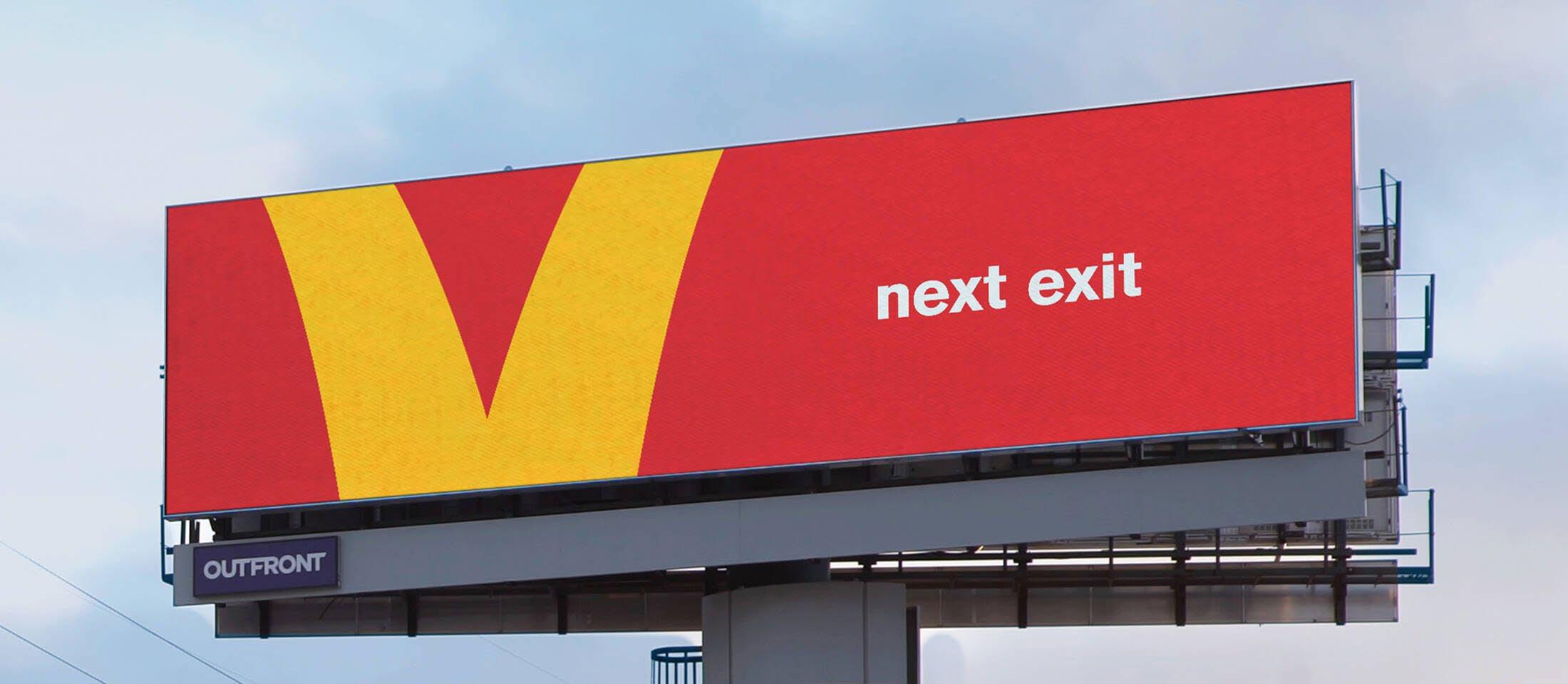
Brand advertising remains largely unrestricted before 9pm. What this essentially means is that the daytime is now a canvas for building brand worlds that rely on not showing a product at all.
This offers a huge opportunity for brands to truly unpack what their brand offering is beyond the product. Where are the more emotional opportunities available that can tap into the consumer mindset? What is your sonic identity?
How can neuroaesthetics influence your choice of colour and brand worlds beyond your primary assets?
The brands that invest in distinctive brand codes now are the ones who will be sitting on regulatory gold as these restrictions separate the good from the great.
What to do:
The 9pm slot becomes the velvet rope
Build two complementary strategies: a brand-world ecosystem for daytime that builds desire through atmosphere and identity, and a product moment strategy for post-watershed that treats appearance as an event. Daytime builds the want; nighttime shows it.
Think outside the product
While the new regulations prevent the advertising of identifiable HFSS products, brands can utilise other assets like sonic branding and colours. Make sure to invest in the whole of your brand world, not just packaging.
2. New Indulgence Codes: Rewriting the Grammar of “Treat”
For three decades, the food industry has operated with a remarkably narrow definition of indulgence: more sugar, more salt, more fat, more volume.
This became a sort of playbook in itself, a formula for indulgence and pleasure. Regulation has, in effect, retired that formula. In doing so, brands have been handed the most permissible creative challenge in a generation: invent a new language of pleasure.
“Treat” was never really about HFSS. Sugar, fat and salt were merely the cheapest proxy for deeper psychological needs: comfort, reward, escape, sensory intensity.
The task now is to deliver on those needs through mechanisms that don’t trigger the nutrient profiling model.
What to do:
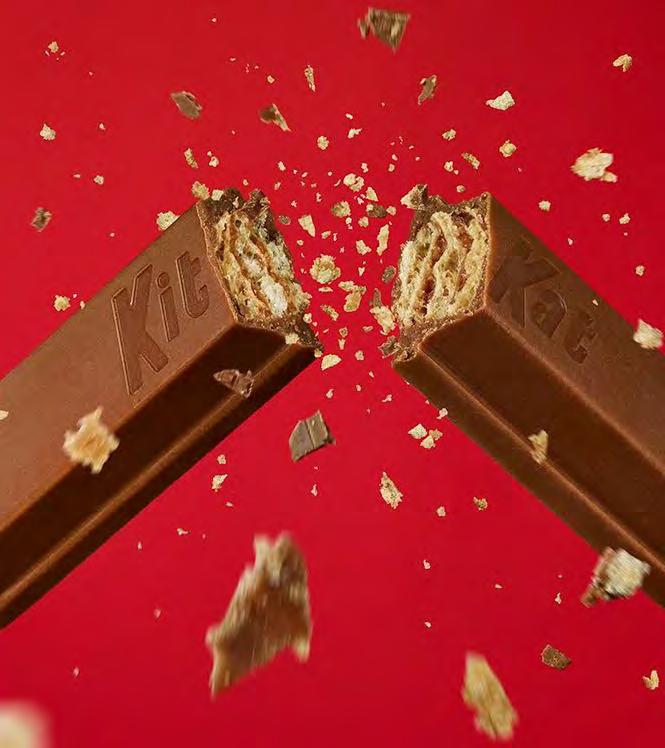
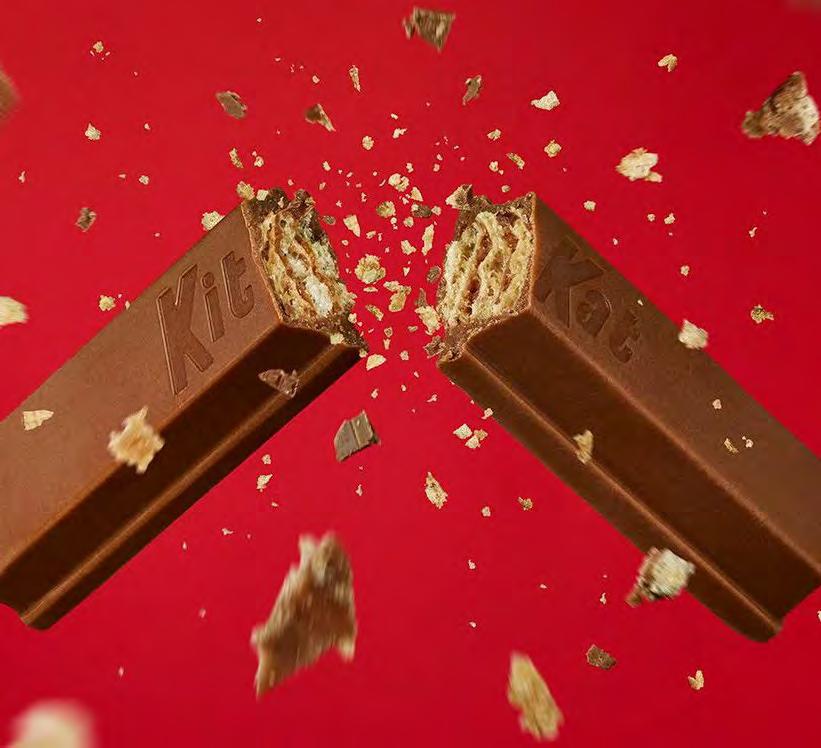
Texture: As sugar falls, the physical experience must compensate. The snap, the shatter, the slow yield. The question is no longer “how sweet?” but “how does it break?” If your brand isn’t exploring texture, you’re already behind.
Temperature: The thermal journey of a product (cold that sharpens, warmth that soothes, contrast that surprises) is an under-exploited dimension of pleasure that carries zero regulatory risk.
Scarcity: The streetwear “drop” model is migrating into food, and the brands that master it will own the emotional territory of anticipation.
3. From Persuasion to Permission: The Brand as Guardian
In the old world of snacking, the job of a brand was persuasion: convince the consumer to buy more = make more sales.
In the new world, the most powerful positioning is the opposite: permission = pleasure.
This means helping the consumer feel good about their choice, not by pretending the product is healthy, but by building in structures that make indulgence feel deliberate and chosen rather than reckless and secret.
The counter-intuitive discovery: consumers will now pay significantly more for a product that gives them permission to enjoy it slowly than for one that encourages them to consume it quickly.
What to do:
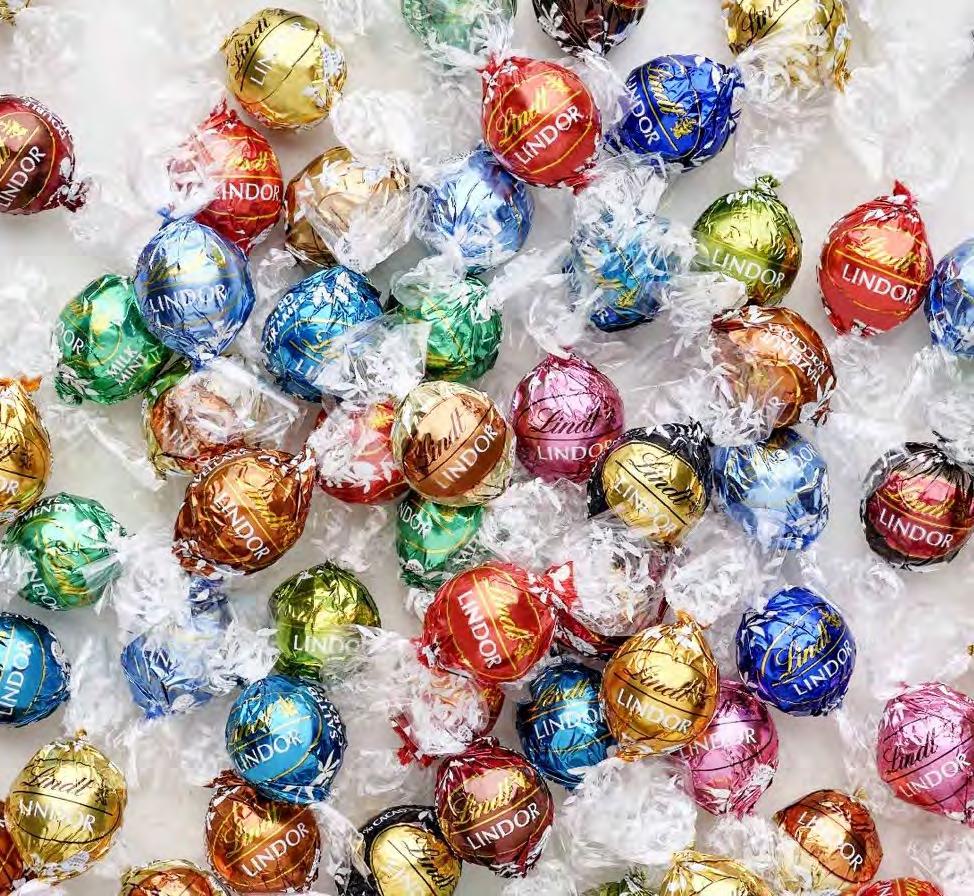
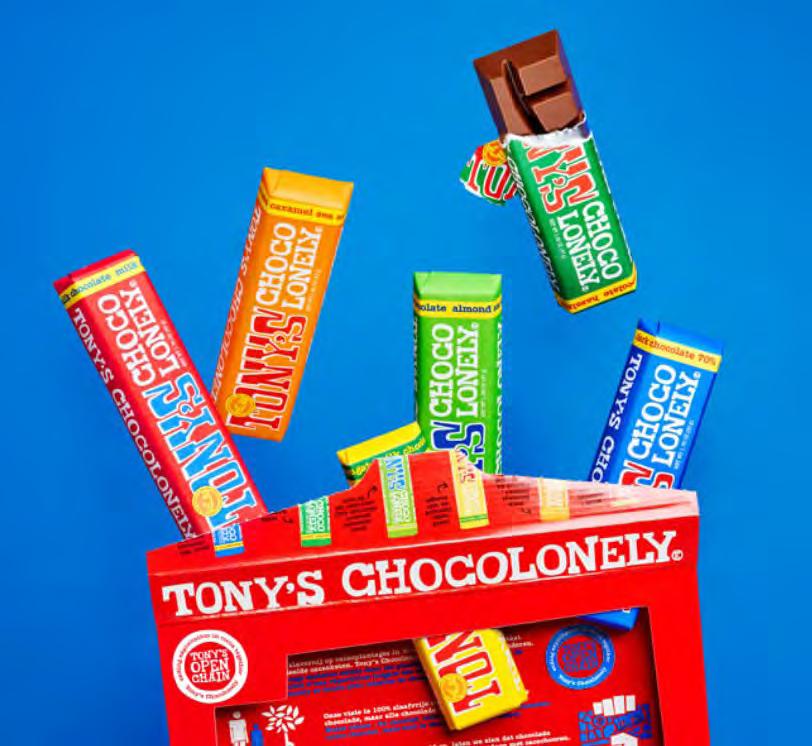
Portionable formats: Individually wrapped portions can transform guilt-laden consumption into a series of conscious, savoured decisions. Each one is an act of choosing rather than succumbing. This is not about making something ‘lesser’, just more intentional.
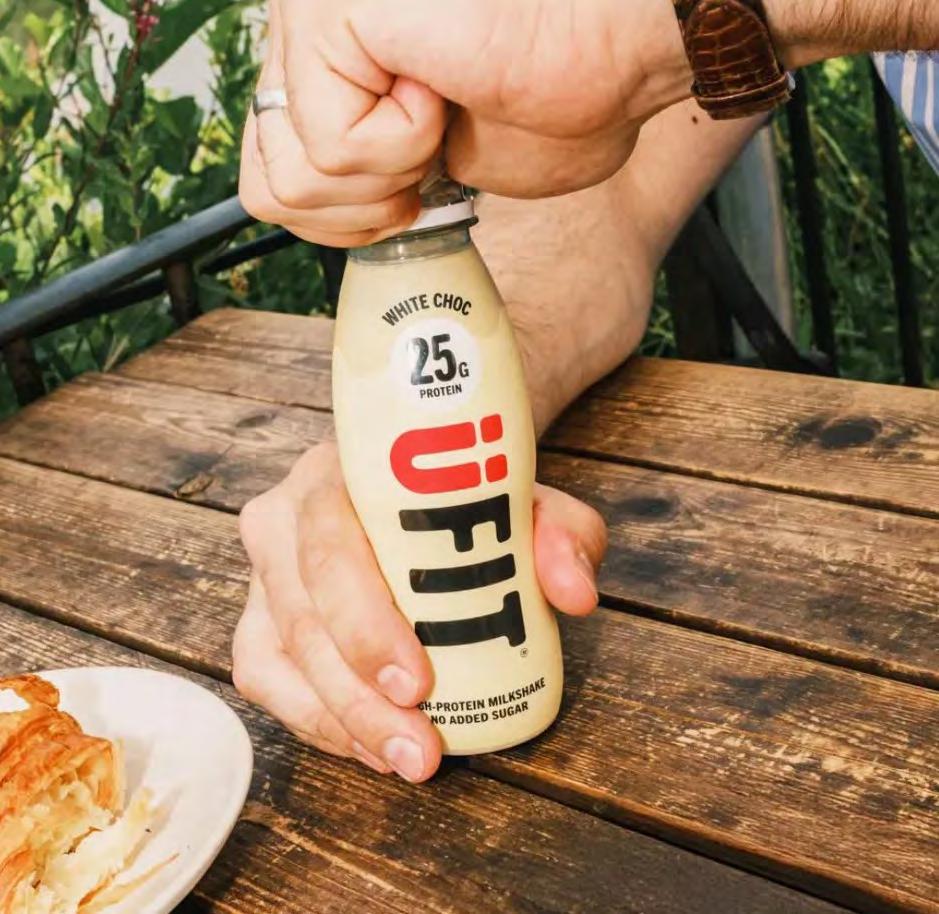
Deliberate friction: When a product requires a small act of preparation (snapping a bar, peeling a seal) it introduces a pause between impulse and consumption that transforms it in the eyes of the consumer from treat to ritual. The ritual of the pause is where permission lives. Brands that build friction in are not making things harder; they are making the pleasure more conscious, more accessible, and ultimately, more profitable.
Time-based rituals: When consumption is tied to a specific time and set of behaviours, it is insulated from guilt. The 4pm biscuit with a proper cup of tea, made in a pot, is a fundamentally different emotional object from the same biscuit eaten from the packet at a desk. Same product; different psychological contract.
4. How to Be Indulgent Without Looking Like a Villain
In the post-HFSS landscape, the villain is not indulgence. The villain is dishonesty.
The public aren’t stupid. They know a chocolate biscuit is not a health food. What they resent, and what regulation is now punishing, is the pretence. The “one of your five a day” on a product that is 40% sugar. The wellness-washing that insults their intelligence.
The opportunity for brands here is to lean into the countermove: radical honesty as brand strategy. A confectionery brand that says “this is your treat, and it’s worth it” is in a stronger position than one leading with “now with 15% less sugar!”
The former respects the consumer’s agency. The latter implies they need saving from themselves. Meet your consumers where they are, rather than where you think they should be.
Trust, in the era of the Pleasure Paradox, is the ultimate indulgence code.
What to do:
Up the Emotion: No consumer ever fell in love with a product because it contained fewer grams of something. Lead with what a product makes them feel, not what they are missing out on.
Lean into intentionality: Packaging should not signal apology. There is a world of difference between a brand that whispers “we’ve made this smaller because regulations” and one that declares “the perfect size for a micro indulgence.
The regulatory landscape is not slowing down. If anything, the trajectory (from soft drinks levy to advertising watershed to the incoming new nutrient profiling model) points toward an environment where the definition of “less healthy” will continue to expand and the space available for traditional product marketing will continue to shrink.
The brands that treat each new restriction as a crisis will find themselves in perpetual retreat.
The brands that treat it as a design brief will find something more interesting: a new creative frontier.
The Pleasure Paradox is not a problem to be solved but a tension to be designed for.
HFSS Explainer
What actually are HFSS, UPF and LHF?
Though often seen together, they’re not the same thing:
High Fat, Salt and Sugar
Ultra-Processed FoodLess Healthy Foods A product can be HFSS but not UPF, or UPF but not HFSS, and the public conversation collapses them into one mortal blob.
What’s Changed
As of March 2026, three distinct layers of regulation govern how HFSS products can be placed, promoted, and advertised in England. They arrive at different times, apply to different things, and are enforced by different bodies, which is part of the reason the landscape feels so confusing.
Here’s what brands actually need to know:
Since 2022:
No more impulse-buy positioning, whether it’s the till in Tesco or the landing page of Ocado.
Since 2025:
No more multibuy offers (3 for 2) or promotions implying something is free (buy one get one free, 50% extra free) on in-scope products.
The key distinction: you can discount an HFSS product, but you cannot incentivise buying more of it.
Advertising Restrictions
In force since 5 January 2026:
A 9pm TV watershed for HFSS product advertising, applying to all programmes regardless of audience age, including all UK-regulated on-demand services.
A total ban on paid-for HFSS advertising online, at all times, including non-UK regulated on-demand services.
Exemptions:
Brand advertising that doesn’t identify a specific product is generally exempt, but the exemption does not apply if:
The ad depicts a specific less healthy product (including through imagery, audio cues, jingles, or brand characters)
The brand name is also the name of a specific HFSS product.
The ad contains a realistic image visually indistinguishable from a specific less healthy product.
Grandfather Clause:
Using an HFSS product name is permitted if it was established before 16 July 2025 as the name of a commercial entity or a brand used across a range of products.
Timeline of Major HFSS Regulations in the UK
Soft drinks industry levyHealth and Care Act part 6: food and drink (section 172) New advertising restrictions
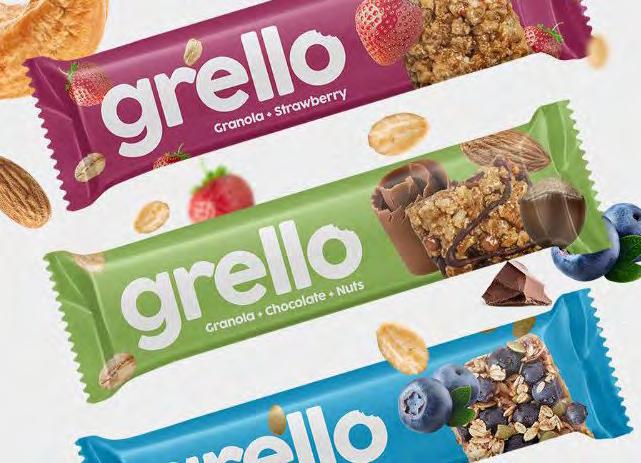
How chocolate got swapped for granola:
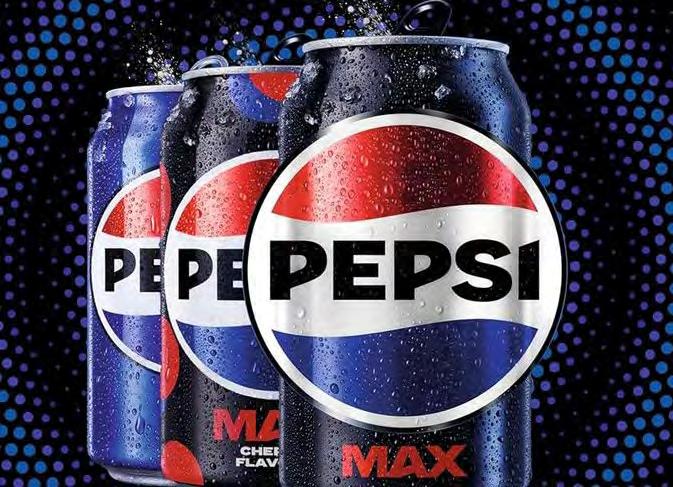
2018 2022 2026 2026 Why Pepsi Max is everywhere: Soft drinks with added sugar are taxed up to 18p/litre. Many drinks reformulated to be lower sugar, or new low-sugar variants launched.
Introduced restrictions on advertising less healthy food and drink products. Removed point of purchase display of these products to prevent impulse purchasing.
Introducing the LHF watershed: Advertisements for identifiable less healthy products are restricted on TV and online, with broadcast ads banned before 9:00 pm and paid-for online advertising prohibited at all times.
New Nutrient profiling model
Expansion of the LHF definition: Nutrient profiling updated to put more foods in the LHF category and thus subject to restrictions.
Timeline of Major HFSS Regulations in the UK
Future Future Future
Healthy food sales reporting
Make food sales healthier: The 10 Year Health Plan for England states that “mandatory healthy food sales reporting will be introduced for all large companies in the food sector,” and used to set new targets for the healthiness of sales.
UPF clean labelling Sugar and salt reformulation tax
Calling out ultra-processed foods: Expect some regulations requiring highly processed foods to be labelled in future, based on global precedents set in nations such as Brazil, Mexico and Colombia.
Tax added sugar and salt: The National Food Strategy suggests introducing a tax on sugar and salt sold for use in processed foods or restaurants.