
Fun and Engaging Piano Exercises for Kids
Piano lessons offer a comprehensive path to mastering one of the most versatile instruments. They cover essential skills like reading sheet music, developing finger technique, and understanding music theory. Through structured lessons, students learn various styles, from classical to jazz, and build their confidence in playing. Regular practice and guided instruction foster discipline, creativity, and emotional expression. Whether for personal enjoyment or performance, piano lessons provide a fulfilling journey in music education and personal growth.
STARTING YOUR PIANO JOURNEY
Finding a qualified teacher helps provide structured learning and personalized guidance. Set realistic goals to track your progress and stay motivated. Establish a regular practice routine to build consistency and skill. Begin by learning basic piano fundamentals, such as understanding the keyboard layout and musical notation. Start with simple exercises to build a strong foundation. Regularly review and track your progress to stay on course and enjoy the process of musical growth.
BASIC PIANO FUNDAMENTALS
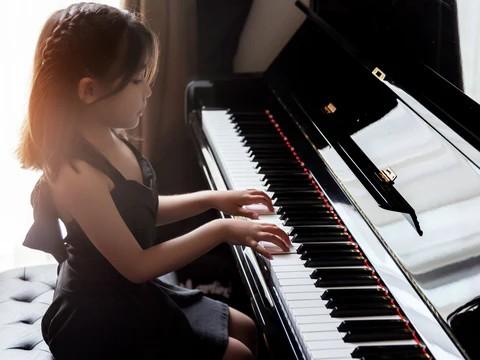
· Understanding the keyboard layout
· Introduction to musical notation
· Basic finger placement and posture
· Simple scales and exercises
PIANO THEORY
· Reading sheet music
· Understanding rhythm and time signatures
· Learning about intervals and chords
· Dynamics and expression
Building Strong Technique
Building strong piano technique involves developing fundamental skills that enhance overall playing ability. Start with finger exercises to improve dexterity and strength. Focus on hand coordination and proper posture to ensure fluid movement and reduce strain.
Regular practice of scales and arpeggios helps with speed and precision. Mastering pedal techniques and dynamic control adds expression and depth to your performance. Establishing a consistent practice routine, improving sight-reading skills, and progressively tackling varied repertoire are crucial steps. Together, these elements build a solid technical foundation, enabling you to tackle more complex pieces with confidence.
DIFFERENT PIANO STYLES
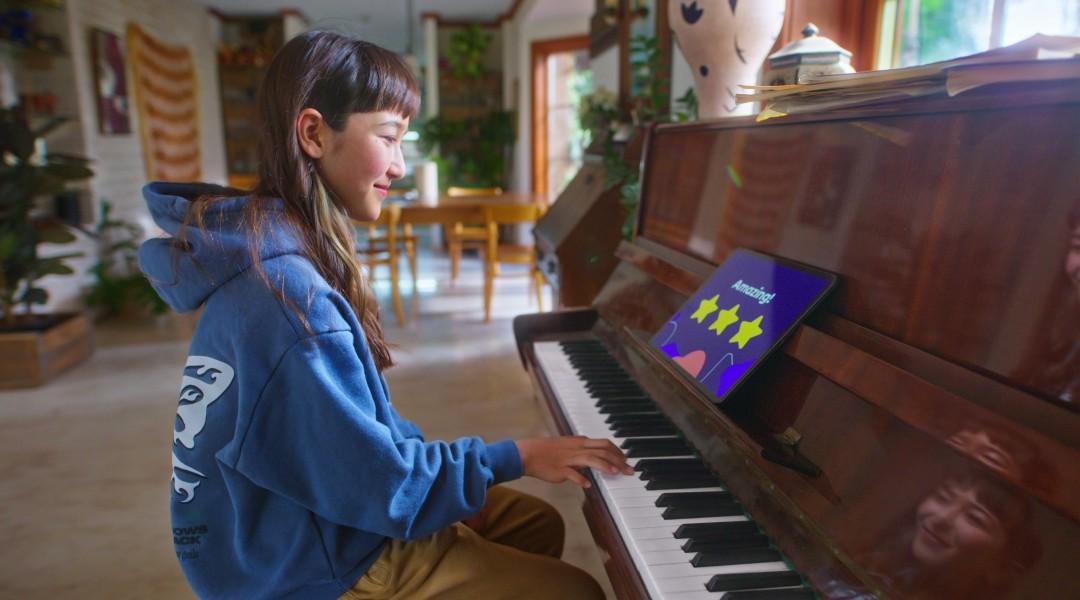

• Classical • Jazz
Pop • Blues • Rock
Folk
Set
Goals
Define clear, achievable objectives.
Create a Schedule
Practice at consistent times.
Break Sections
Divide pieces into manageable parts.
Use a Metronome
Improve timing and rhythm.
PRACTICE TIPS
Record Yourself:
Identify areas for improvement.
Focus on Weaknesses
Concentrate on challenging sections.
Practice Slowly
Start slow, then increase speed.
Be Consistent
Regular practice is more effective.
COMMON CHALLENGES AND SOLUTIONS
1 4
3 Seeking feedback and adjusting techniques
2 Dealing with frustration and plateaus Staying consistent with practice Balancing practice with other commitments
Conclusion
Piano lessons offer a rewarding journey filled with personal growth, creativity, and musical enjoyment. By starting with solid fundamentals, exploring various styles, and practicing consistently, you build not only technical skills but also a deep appreciation for music. Overcoming challenges and setting clear goals ensures continuous improvement and fulfillment. Whether you're a beginner or an advanced player, the piano can be a lifelong source of joy and achievement. Embrace the process, stay motivated, and let your passion for music guide your path.