



Dear fellow travellers,
The MINOAN LINES family welcomes you on board this summer to continue a journey that has been connecting people, places and experiences safely, consistently, and with high-quality hospitality for more than 50 years. A journey that is worth as much as the destination.
For MINOAN LINES , 2025 was a year of growth, investment and significant achievements. It was a special honour to receive the “Passenger Line of the Year” award from the internationally renowned shipping newspaper Lloyd’s List at the 2025 Greek Shipping Awards -one of the most important international maritime distinctions. This award recognises our commitment to reliability, innovation and social responsibility.
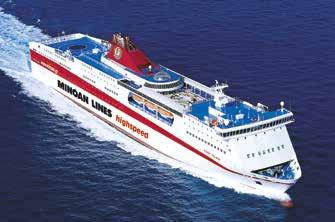
At MINOAN LINES, we are proud to offer our passengers comfort, luxury and speed through our modern, eco-friendly cruise ferries, the KNOSSOS PALACE , the FESTOS PALACE and the KYDON PALACE, where we provide high-quality services, and specialised human resources on land and at sea. Despite the challenges in the international geopolitical environment and the ever-changing economic landscape, we have kept our competitive prices unchanged, ensuring that travel remains affordable and accessible to all. We support our passengers with a range of offers and benefits, as well as through the MINOAN LINES Bonus Club, which offers special discounts and privileges. We provide the opportunity for every traveller to continue to travel safely and comfortably, with regular benefits for students, families of three or more, children and passengers over 60 years old, as well as seasonal offers. Throughout the year, we provide a daily service connecting Crete to Piraeus via Heraklion, showcasing the beauty and accessibility of our island. By offering excellent ticket prices, we help to make Crete an affordable tourist destination for
2026
“Best Places to Go in Europe” και “Best Places to Eat” από
all Greek families. Crete is an authentic, multidimensional and timelessly beloved destination, offering a combination of culture, history, gastronomy and natural beauty. It is no coincidence that it has been included in the “Best Places to Go in Europe” and “Best Places to Eat” lists by Condé Nast Traveler, as well as in National Geographic’s list of the top gastronomic destinations worldwide. Furthermore, it has been declared Gastronomic Region of Europe 2026 by the International Institute of Gastronomy, Culture, Arts and Tourism
We are constantly focused on making a social contribution, implementing actions related to health, education, the environment, sport and animal welfare. We steadfastly support the work of “The Smile of the Child” and “Aegean Doctors”, donate equipment to local hospitals, and support the Pancretan Association of Parents and Friends of Children with Neoplastic disease “Iliaktida” (Sunshine)
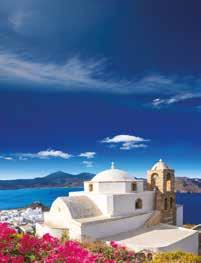
For MINOAN LINES, the connection with Milos remains of particular importance; this island of unparalleled beauty attracts an ever-growing number of visitors from Greece and abroad. Milos is becoming even more accessible thanks to MINOAN LINES ’ daily, year-round service, which gives travellers the opportunity to discover an authentic Cycladic destination of unique natural beauty. During the summer season, the company further expands the options, with a variety of daily routes until the beginning of September. We actively promote our relationship with the island, supporting the Pammiliakos A.C. by donating sports equipment and sports clothing, as well as other local cultural, educational and health institutions by facilitating their transportation.
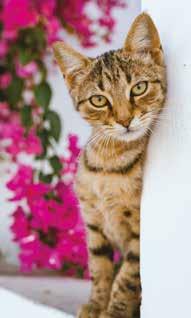
We take care of stray animals in Crete, Mykonos and on board. In Crete, we implemented multiple support and adoption actions, while in Milos, we offered specially designed feeder houses, enhancing the stray animal care program of Milos Municipality. At the same time, we invest in the care of pets on board, with specially designed pet cabins and modern hospitality services for passengers travelling with their companion animals.
Outside Greece, we travel again this year to Italy with KYDON PALACE on the Igoumenitsa - (Corfu) - Brindisi route. With a Greek flag and Greek crews, the daily routes of KYDON PALACE are carried out in cooperation with Grimaldi Lines’ EUROPALINK, offering travellers the opportunity to get to know the charming Apulia -the impressive coast, the historic cities and the picturesque villages of Southern Italy- in just 7 hours.
MINOAN LINES and the Grimaldi Group demonstrate how it is possible to combine business excellence with sustainable development and environmental responsibility , setting an example for the Greek and international shipping community.
The new era of MINOAN LINES is directly linked to the continuous development of our fleet and the transition to more sustainable practices, through improvements and upgrades of the existing fleet that make it more environmentally friendly, but also with the construction of two new, privately owned, state-of-the-art, eco-friendly vessels for the Piraeus - Milos - Heraklion and vice versa line.
The new ships are an investment of more than 300 million euros and will join our fleet in 2028 under the Greek flag. They will be equipped to use alternative fuels, cold ironing systems, and advanced energy technologies with a significantly reduced environmental footprint. Combining cutting-edge technology with increased capacity, innovative design, and upgraded spaces and service s, they are fully aligned with the principles of environmental sustainability, and mark the transition to a modern, operational and environmental model, upgrading the quality of maritime transport.
We warmly thank you for your trust over the years, and we promise to remain committed to investing in the high standards of our services, our fleet and our human resources, on land and at sea, in order to continue offering you unique and affordable trips in Greece, and abroad.
Let’s continue to create images, feelings and experiences that remain unforgettable, together. Because when you think of “travel”, you think of MINOAN LINES
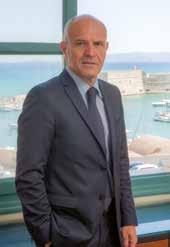
LucasSigalas CEO of Minoan Lines


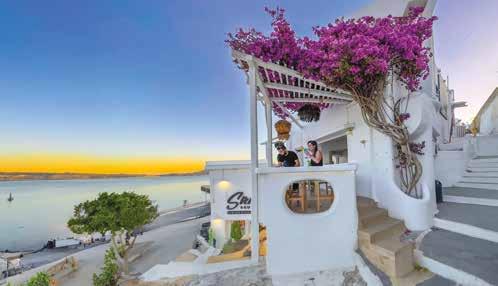


Situated in the port of Adamas, Egoist cafe offers an excellent blend of tranquillity, delicious flavours and authentic island hospitality. For coffee, breakfast or brunch, delicious food and unique cocktails, Egoist is the ultimate destination for every moment of the day! EGOIST Cafe Bar, Adamas 2287 023151




Offices:
Offices:
Offices:
Offices:
Offices:
Offices:
Offices:
Offices:
Athens: 13-15 Sofokleous Rd, Athens
Athens: 13-15 Sofokleous Rd, Athens
Athens: 13-15 Sofokleous Rd, Athens
Athens: 13-15 Sofokleous Rd, Athens
Athens: 13-15 Sofokleous Rd, Athens
Athens: 13-15 Sofokleous Rd, Athens
Athens: 13-15 Sofokleous Rd, Athens
Athens: 13-15 Sofokleous Rd, Athens
w w w . r e v i t h i s
w w w r e v i t h i s - r e a l e s t a t e c o m
w w w r e v i t h i s - r e a l e s t a t e c o m
w w w r e v i t h i s - r e a l e s t a t e c o m
w w w r e v i t h i s - r e a l e s t a t e c o m
w w w r e v i t h i s - r e a l e s t a t e c o m
w w w . r e v i t h i s - r e a l e s t a t e . c o m
w w w . r e v i t h i s - r e a l e s t a t e . c o m
D r o s i a : 2 M a r a t h o n o s S t r .
D r o s i a : 2 M a r a t h o n o s S t r .
D r o s i a : 2 M a r a t h o n o s S t r .
D r o s i a : 2 M a r a t h o n o s S t r .
D r o s i a : 2 M a r a t h o n o s S t r .
D r o s i a : 2 M a r a t h o n o s S t r .
D r o s i a : 2 M a r a t h o n o s S t r .
w w w . r e v i t h i s . c o m
w w w . r e v i t h i s . c o m
w w w . r e v i t h i s . c o m
w w w . r e v i t h i s . c o m
w w w . r e v i t h i s . c o m
w w w . r e v i t h i s . c o m
w w w . r e v i t h i s . c o m
Mykonos: New Region Drafaki Rd, (Above Piraeus Bank)
Mykonos: New Region Drafaki Rd, (Above Piraeus Bank)
Mykonos: New Region Drafaki Rd, (Above Piraeus Bank)
Mykonos: New Region Drafaki Rd, (Above Piraeus Bank)
Mykonos: New Region Drafaki Rd, (Above Piraeus Bank)
Mykonos: New Region Drafaki Rd, (Above Piraeus Bank)
Mykonos: New Region Drafaki Rd, (Above Piraeus Bank)
w w w . m y k o n o s - r e a l e s t a t e . c o m
w w w . m y k o n o s - r e a l e s t a t e . c o m
w w w . m y k o n o s - r e a l e s t a t e . c o m
w w w . m y k o n o s - r e a l e s t a t e . c o m
w w w . m y k o n o s - r e a l e s t a t e . c o m
w w w . m y k o n o s - r e a l e s t a t e . c o m
w w w . m y k o n o s - r e a l e s t a t e . c o m
Arachova: Old Nation Rd
Arachova: Old Nation Rd
Arachova: Old Nation Rd
Arachova: Old Nation Rd
Arachova: Old Nation Rd
Arachova: Old Nation Rd www.parnassos-realestate.com
Arachova: Old Nation Rd www parnassos-realestate com
www.parnassos-realestate.com
www.parnassos-realestate.com
www.parnassos-realestate.com
www.parnassos-realestate.com
www.parnassos-realestate.com
Vouliagmeni: Astir Marina Vouliagmenis, South Suburbs
Vouliagmeni: Astir Marina Vouliagmenis, South Suburbs
Vouliagmeni: Astir Marina Vouliagmenis, South Suburbs
Vouliagmeni: Astir Marina Vouliagmenis, South Suburbs
Vouliagmeni: Astir Marina Vouliagmenis, South Suburbs
Vouliagmeni: Astir Marina Vouliagmenis, South Suburbs
Vouliagmeni: Astir Marina Vouliagmenis, South Suburbs
w w w . g r e e k t o p v i l l a s . c o m
w w w . g r e e k t o p v i l l a s . c o m
w w w . g r e e k t o p v i l l a s . c o m
w w w . g r e e k t o p v i l l a s . c o m
w w w . g r e e k t o p v i l l a s . c o m
w w w . g r e e k t o p v i l l a s . c o m
w w w . g r e e k t o p v i l l a s . c o m
C h i o s : A r c h e r m o u 4 , C h i o s
C h i o s : A r c h e r m o u 4 , C h i o s
C h i o s : A r c h e r m o u 4 , C h i o s
C h i o s : A r c h e r m o u 4 , C h i o s
C h i o s : A r c h e r m o u 4 , C h i o s
C h i o s : A r c h e r m o u 4 , C h i o s
C h i o s : A r c h e r m o u 4 , C h i o s
w w w . r e v i t h i s . c o m
w w w . r e v i t h i s . c o m
w w w . r e v i t h i s . c o m
w w w . r e v i t h i s . c o m r e a l e s t a
w w w . r e v i t h i s . c o m
w w w . r e v i t h i s . c o m
w w w . r e v i t h i s . c o m


w w w . r e v i t h i s . c
w w . r e v i t h i s . c
w w w . r e v i t h i s . c

w w . r e v i t h i

w w w . r e v i t h i s . c o m i n f o @ r e v i t h i s . c o m / + 3 0 2 1 0 8 1 3 5 1 8 1
i n f o @ r e v i t h i s c o m / + 3 0 2
i n f o @ r e v i t h i s c o m / + 3
w w w . r e v i t h i s . c o m i n f o @ r e v
MINOAN LINES S.A.
17, 71202,
Tηλ. 2810-399800, Φαξ: 2810-330308 www.minoan.gr
OWNERSHIP
MINOAN LINES S.A.
Shipping Company 17, 25th Avgoustou str. | Heraklion, Crete - Greece Tel.: +30 2810-399800, Fax: +30 2810-330308
www.minoan.gr
WAVE
Published twice a year in June and August Issue number: 11
The magazine is available free of charge to passengers of Minoan Lines
PRODUCTION
PMS MEDIA
18th km. Marathonos Avenue & Pylou Street, 153 51 Pallini Tel: +30210 3212 037 info@pmsmedia.gr
SHAREHOLDER ACCORDING TO L. 5005/22: Xanthi Iliopoulou
LEGAL REPRESENTATIVE-PUBLISHER: Dimitris Kefalopoulos
MANAGING DIRECTOR: Xanthi Iliopoulou
MANAGING EDITOR: Thanassis Toloudis
CREATIVE DIRECTOR: Nikos Vatsitsis
ART DIRECTOR: Alexandros Bitsaras
CONTRIBUTORS: Maria Atmatzidou, Mia Kollia, Asteropi Lazaridou, Eva Petropoulou
COPY EDITOR: Niki Stathia
TRANSLATION: Evita Lykou
PHOTOS: Andreas Simopoulos
COMMERCIAL DIRECTOR: Stavros Kefalopoulos
ADVERTISING MANAGERS: Giorgos Andreadelis, Lena Konitsa, Kaiti Konitsa, Marifili Papanikolaou, Stella Selianiti, Peggy Stebili
PRINTING: PaperGraph S.A.
It is illegal to publish, reproduce, or transmit in whole or part of the magazine without the written permission of the publisher. The MINOAN LINES isn’t responsible for the contributors’ opinions as they are represented on issues.












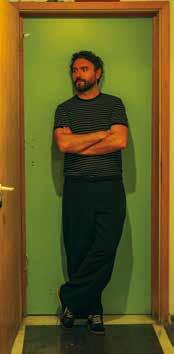

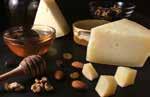
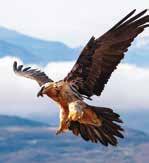
Pavlina Voulgaraki: “I always felt that my soul was in Crete”
Vangelis Kyris: Threading tradition with light
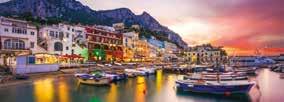




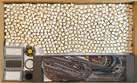
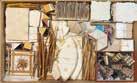
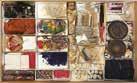
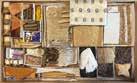
THE MUSEUM OF CONTEMPORARY ART OF CRETE IS REVISITING THE WORK OF RETHYMNO-BORN ARTIST NIKOS ALEXIOU WITH A RETROSPECTIVE EXHIBITION ENTITLED “THE BRITTLE TRACE OF SYMBOLS”.
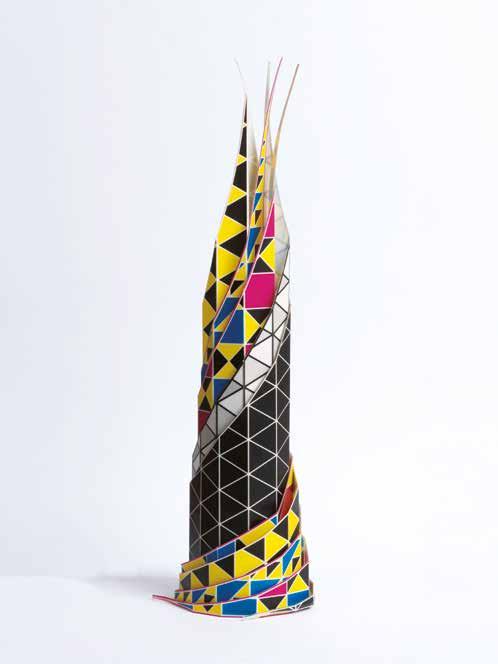
T(1960-2011),
The Museum of Contemporary Art of Crete, located in Rethymno, has showcased Nikos Alexiou’s work on numerous occasions. His work, “Gate A”, which was exhibited at the museum in 2012, travelled to Strasbourg shortly afterwards, alongside works by Giorgos Gyparakis and Pavlos Fysakis, and the music of Giorgos Koumendakis, transporting elements of the local culture to the heart of Europe. This summer, the Museum is focusing once again on this important artist from Rethymno, who died so prematurely (1960-2011), with a retrospective exhibition in his honour.
Keeping a low profile, Alexiou was loved not only by the public, but also by his compatriots. He was a staunch supporter of many artists and amassed an important private collection



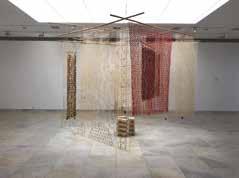
of modern art, which he donated to the Benaki Museum shortly before his death. His work was local but also international; quiet by choice, but also extroverted. An art of memory but also of materiality. Of the ephemeral which transcends the finite limits of time. Alexious’s love of transparency, paper and lightweight materials is combined with a personal style and ingenuity that elevates the ordinary to the extraordinary.
As part of the Museum of Contemporary Art of Crete’s exhibition, “The brittle trace of symbols”, art lovers will have the opportunity to admire works spanning the artist’s entire career. These were donated for this purpose by his sister, Popi Alexiou, and come from the Alpha Bank Art Collection, the National Museum of Contemporary Art (EMST) collection, and the own collection of the Museum of Contemporary Art of Crete. Alexiou represented Greece at the 52nd Venice Biennale in 2007 with the piece “The End”, which was part of an exhibition comprising an installation based on a 10th or 11th-century floor mosaic from the katholikon of the Monastery of Iviron where the artist spent a great deal of time.
His work exudes characteristic delicacy and sensitivity. They carry memories and address issues such as time, the fragility of humanity, and the traces that life leaves on us. As the curator of the exhibition, Maria Marangou, characteristically states:
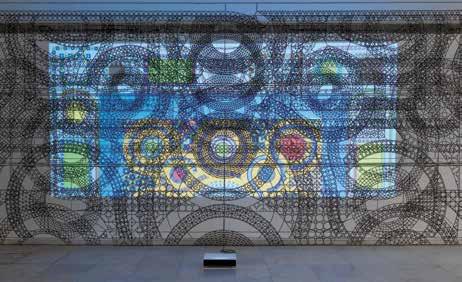


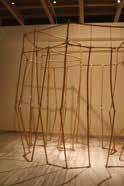
“The brittle trace of his symbolic language are the Labyrinths, the Solar Rooms, the Monasteries, the Squares -forms that surrender to the inner logic of the works, repeating themselves through different media and expressions, like a fragile imprint that inscribes without imposing. What emerges is a resilient fragility, shaped by handiwork of time and silence -an immaterial that carries and records memory. Alexiou’s practice is rooted in memory -from a childhood blanket to Mount Athos, where he stayed for an extended period. This memory is interwoven through hundreds of "characters" on paper in a serially manner, while an insistence on detail defines a play of innocence that conceals tragic manifestations. Nikos’s reeds, strings, and papers balance but also are in danger, always at risk to be broken or destroyed by a clumsy move”.
“The brittle trace of symbols”, until 6 November www.cca.gr



email: info@labyrinth.gr







“
WE TALK TO THE OWNER OF ONE OF ADAMAS’S MOST PHOTOGRAPHED COURTYARDS ABOUT HER LIFE ON THE ISLAND AND WHAT MAKES IT SO SPECIAL.
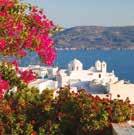
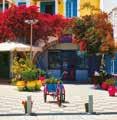
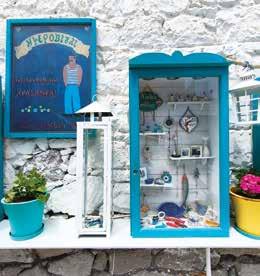
The most beautiful stories begin in the simplest way. “My husband and I came to Milos on holiday in 1986. We always wanted to live on an island. We were enchanted by Milos from the first moment. We came in 1986 and opened the shop in 1987. Before we took it over and converted it into a tourist and jewellery shop, it was a paint shop. That’s all there was, as well as a souvlaki place next door. Forty years is a lifetime. It’s like being born and raised here” says Maria Kaoustou, owner of the “Imerovgli” store, which is one of the most photographed places in Milos’s port.
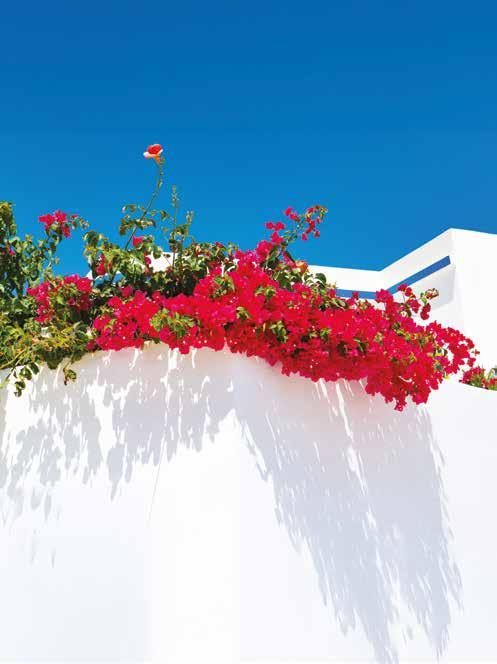
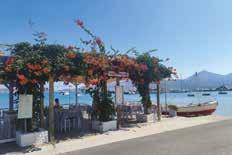
The show is stolen by the impressive bougainvillea, a unique attraction and Instagram star. You won’t find a post or story from anyone who passes by there without it. The point is so central that, apart from the original souvenirs, elegant ceramics and
HERAKLIO_ CRETE GREECE
33, KALOKAIRINOU Av. 15, EL. VENIZELOU (LIONS’ SQUARE)
HERAKLIO_ CRETE GREECE
33, KALOKAIRINOU Av. 15, EL. VENIZELOU (LIONS’ SQUARE)
21, AVEROF Str. 41, DIKAIOSINIS Str.
21, AVEROF Str. 41, DIKAIOSINIS Str.
markakis.gr
markakis.gr
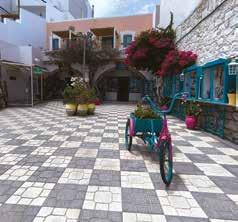
handmade jewellery, Ms Maria generously provides information about the best parts of the island. “Every day, I help many people to decide where to go, where to eat and which beaches to visit. I am very happy to inform them, whether they shop or not”.
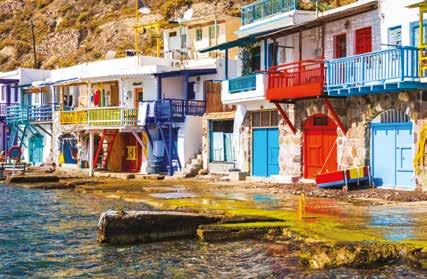
The island’s enchanting beaches are countless, but Maria Kaoustou reveals their exact number: “Milos has 74 beautiful beaches. Even in August, you can still find a spot where you can swim alone. One of my favourites is Agia Kyriaki, which many people know about. But if I had to choose a more secluded beach, I would say Sykia, which is located opposite Medusa. Only the locals and a few other foreigners know of it. And, of course, I would recommend that everyone visits Mandrakia, the picturesque fishing village reminiscent of the old Cyclades”. Those familiar with the popular “Imerovgli” jokingly tell Ms Maria that if she received one euro for every photograph taken of it, she would be rich by now. But could there be a greater wealth than living and working in such a place? The main road hadn’t been fixed yet when she first came. A donkey was resting in the shade of the courtyard and “all the shops in Adamas were by the sea. You would sit and drink coffee and ouzo while staring at the fish and sea urchins”.
That old ouzo shop is now an Italian restaurant. Development and evolution have occurred, but no matter how focused everyone is on mobile phones and selfies nowadays, there’s no way they’ll be able to resist stopping at the hospitable and photogenic courtyard with the bougainvillea to take a break and gather some
Emecalm Travel,


Emecalm Travel δεν










useful information about the obvious and hidden parts of the island. “In my life, I only see beautiful people. It is very important to share. Even though forty years have passed since I first saw it, the beauty of this place still enchants me to this day. You can’t get used to the beauty of Milos…”. και
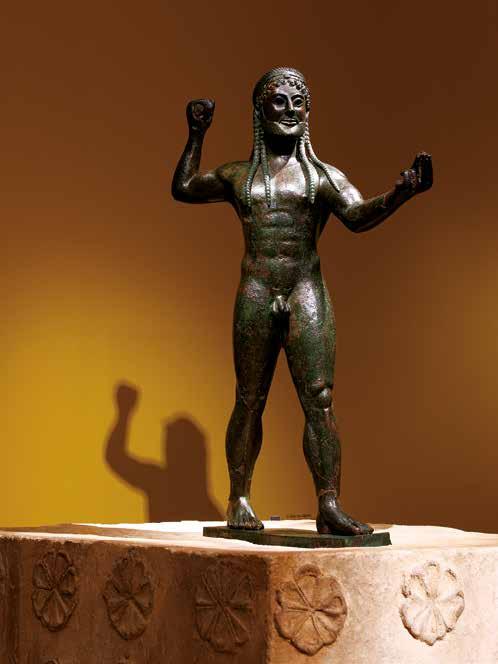
THE ACROPOLIS MUSEUM PRESENTS THE EXHIBITION “INSPIRATIONS.
ANCIENT GREEK ART LIVING IN ITALY”, WITH UNIQUE WORKS FROM ITALIAN MUSEUMS THAT HIGHLIGHT THE CLOSE CULTURAL RELATIONSHIP BETWEEN THE TWO COUNTRIES FROM ANTIQUITY TO THE PRESENT DAY.
ΒY MIA KOLLIA PHOTOS: NIKOS KATSAROS
Ugento»,
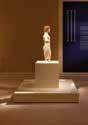
“Zeus of Ugento”, National Archaeological Museum of Taranto.
“ConqueredGreecetookcaptiveherunculturedconqueror”:with these words, the poet Horace perfectly captured the fascination that the Romans had for ancient Greek civilisation. Roman society was deeply influenced by the art, literature and philosophy of the WAVE
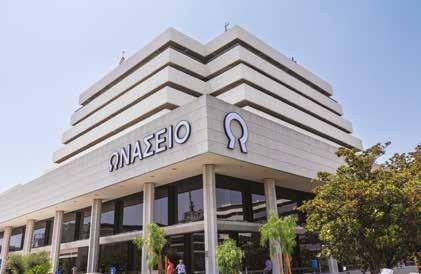




Greece is consistently one of the world’s top tourist destinations, attracting millions of visitors every year who are seeking unique experiences, authentic hospitality and high-quality services. However, in the modern travel landscape, a sense of security and access to reliable healthcare are equally important considerations for holidaymakers when choosing a destination.
The Onassis Hospital is one of the country’s most important health benchmarks in this context. With more than thirty years of service and an interna-
tionally recognised presence in paediatric and adult cardiology and cardiac surgery, the hospital is now expanding its role by investing in transplants and operating as a centre of expertise.
The Onassis Hospital’s position on the international map of the medical community is strengthened by its modern infrastructure, cutting-edge technologies and partnerships with leading European centres. At the same time, its non-profit status and close collaboration with the public health system guarantee a continued focus on quality patient care.
For visitors travelling to Greece, the presence of a world-renowned hospital further strengthens their sense of trust in the country. After all, the quality of a modern destination is judged not only by the beauty and experiences it offers, but also by the quality of the services it provides for its people.
The Onassis Hospital embodies the modern Greece that invests in knowledge, innovation, and high-quality care. This reinforces the country’s identity as a safe and reliable destination.
ancient Greeks, resulting in the creation of Greco-Roman culture. This influence has been a catalyst ever since the Greeks first established relationships with the peoples of the Italian Peninsula, as well as with those of Sicily and southern Italy, where important Greek colonies also existed.
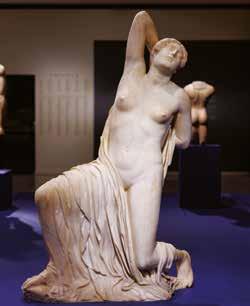
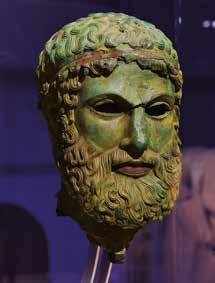
The exhibition “Inspirations. Ancient Greek Art living in Italy” focuses mainly on art and the influence that ancient Greek Art had on Roman culture until the 20th century. This exhibition comprises thirty-eight masterpieces of ceramics, bronze and marble -unique works that Italian museums usually do not loan out- and is organised into seven sections.
The General Director of the Acropolis Museum, Professor Nikolaos Chr. Stampolidis, who has been insisting on productive collaborations and reinforcing the museum’s extroversion for years, offers his own perspective and provides an overview of each section to demonstrate the importance and descriptive nature of this exhibition in relation to society and history:
“While the beauty of antiquity may contribute substantially to visitors’ aesthetic cultivation at the Acropolis Museum, it is the scientific documentation and interpretation of the historical and cultural context of the works’ creation that contribute to a fuller understanding. This time, the proposal by Alfonsina Russo, Head of the Department for the Enhancement of Cultural Heritage (DiVa) at the Italian Ministry of
«Η
«Η
Palazzo Massimo.
“The Dying Niobid”, National Museum of Rome, Palazzo Massimo.
“The Head of Basilea”, National Archaeological Museum of Reggio Calabria.







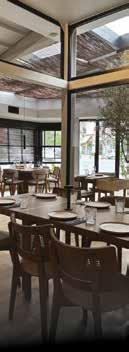
Wild, proud, full of memories, aromas and history.
Its high mountains are filled with the scents of ironwort, chamomile, savory and wild oregano.
Its land, fertilised by sweat and love, is passed on from one generation to the next as a precious heritage.
Spora was born from this land.
At the Spora restaurant Crete is more than just a geographical location; it’s a way of life.
We create authentic flavours deeply tied to the Cretan tradition using raw ingredients produced in the Spora estates and by selected local producers. Wine, olive oil, liqueur, grape syrup, carob syrup and seasonal produce all come together to bring the true soul of Crete to the table.
Each dish has a story to tell.
The power of the land, the cycle of life, and the fusion of tradition and modernity.
Spora
View of the exhibition, in the foreground the “Kouros of Reggio”, National Archaeological Museum of Reggio Calabria.
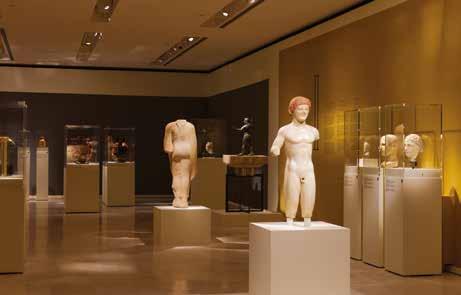
Culture, for collaboration and promotion of the reception of ancient Greek art in Italy was enthusiastically received by the museum’s exhibition department. The idea concerns art from the 8th century BC, continuing through the Roman imperial period and extending to the 19th and 20th centuries at the Acropolis Museum”.
Section I - Before Rome: Greek Merchants and Etrusco-Italic Aristocrats
“The early relations of the Greek world were established through trade networks, infrastructure and settlements in Sicily, the small islands of the Tyrrhenian Sea, and the Italian peninsula, especially Etruria”.
Section II - Artists in Magna Graecia
“The influence of Greek art on local workshops in Italy is evident in the region’s production, extending beyond the borders of the Greek colonies in southern Italy and Sicily”.
Section III - The Sea as an Archive
“The findings from shipwrecks on the seabed point to the distribution routes of works from mainland and insular Greece, and more generally from the Greek world in the east”.
Section IV - The Romans’ Greece
“As part of the Roman expansion into Greece, the Aegean, Asia Minor and the eastern Mediterranean as early as the 2nd century BC, the transfer of artworks made of marble, copper and other precious materials was usually an act of asserting power over the losers; an act of plundering, but also of selection, distinction, taste and acquisition, in financial terms. The most interesting phenomenon is the reintegration of Greek works into Roman society”.











Canova, Savinio, de Chirico
Section V - Living the Greek Way
“Works from houses, peristyles, villas and gardens belonging to private individuals not only exemplify social prosperity, wealth, aristocratic origin and social advancement, but also demonstrate the adoption of values and principles stemming from Greek thought and culture”.
Section VI - The Aristocratic Collecting of Modern Era
“The Roman elites incorporate copies of Greek masterpieces into their daily lives, thus creating a common aesthetic as a conscious cultural practice”.
Section VII - Italian Looks: Canova, Savinio, de Chirico
“This section explores the complex process of cultural exchange in the 19th and 20th centuries, revealing the enduring relationship between Italy and ancient Greek Art”.
“Inspirations.AncientGreekArtlivinginItaly”, until 30 August 2026, free entrance, Acropolis Museum, Temporary Exhibition Gallery www.theacropolismuseum.gr
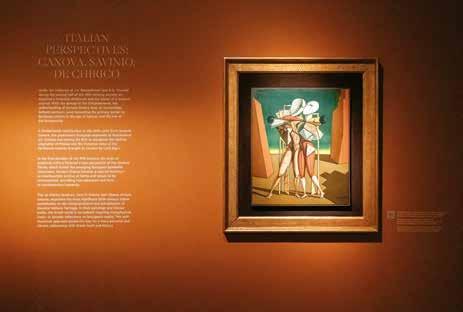
Giorgio de Chirico,
“The Farewell of Hector and Andromache”, Giorgio de Chirico, National Gallery of Modern and Contemporary Art of Rome.













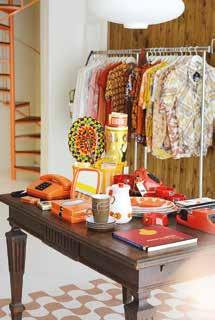
THIS STORE IN HERAKLION, FULL OF OBJECTS FROM OTHER TIMES, INVITES US TO DISCOVER THE STORIES THEY HOLD. VASSILIS SPYROU, THE OWNER OF FELIZ VINTAGE STUDIO, EXPLAINS HOW HE GOT STARTED IN THIS BUSINESS AND WHAT HE LOOKS FOR IN EACH PIECE HE SELECTS.
BY MIA KOLLIA
VHassilis Spyrou’s relationship with old objects did not start as an organized business plan. It was a gradual discovery associated with his studies, constant movement, photography and his desire to constantly discover something new about life.
He grew up in Karditsa, but half of his heart was always in Heraklion, where his mother was from and where he spent his summers. He initially studied marketing and business administration, but he also studied in the Renovation and Restoration of Buildings Department in Patras, where his aesthetic sensibilities began to take shape. In addition to studying, he was professionally involved with photography as “my way of better observing the world around me”. He worked on magazines, theatre productions and art projects, and he started collecting old blackand-white photographs online.
When he moved to France and settled in Montpellier, he discovered the large flea markets.
“Every Sunday since dawn, I would be in huge car parks with hundreds of vendors who had brought items that had often only been taken out of old houses the day before. They had not yet been evaluated, classified or commercially "filtered". What gave me the greatest joy was the sense of discovering a hidden treasure.
I was looking for typewriters, vinyl records, old radios, gaming consoles, wooden toys and items from French bistros. I was particularly impressed by the advertising ashtrays, jugs and dinnerware from old aperitif brands, mainly from the 1960s and 1970s”.

















You can find our handmade knives all over Greece, in shops selling traditional products, as well as at our store in the Industrial Zone (VIO.PA.) of Anopolis, Heraklion.




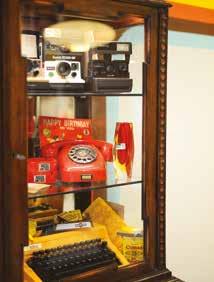
The selection of objects was never random: “Being old was not enough. They had to have a particular design or character, or tell a story worth discovering. I was always looking for information about their origins”.
This occupation led to the creation of an online store, the first of its kind in Karditsa. However, it was destroyed by the floods of Medicane Ianos. “I had objects that escaped the First and Second World Wars, but they were destroyed by Medicane Ianos” he says. The new space in Heraklion -an old pharmacy warehouse- was love at first sight. He used old benches, painted the tiles, and kept the background white to highlight the bright colours of the furniture and other items. The store opened in early June this year, surprising both the neighbourhood that welcomed it and visitors alike.
He sources objects for his store from France, Italy and Greece, as well as from individuals and personal acquaintances. He avoids mass-produced, impersonal pieces. He looks out for small crafts, unusual labels and objects that don’t look like anything ordinary.
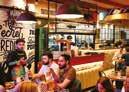




FelizVintageStudio Instagram@felizvintagestudio
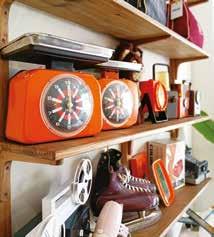

FelizVintageStudio Instagram@felizvintagestudio καθώς
He now combines vintage items with fashion, mainly shirts from the 1970s, 1980s and 1990s. This choice is also personal, as floral and colourful shirts form part of his identity. He would never choose products that he cannot endorse aesthetically or present truthfully.
The thing that makes him happiest is when an object manages to bring different generations together. A 1980s shirt can excite a 25-year-old woman one day and a 70-year-old woman the next. To him, the real power of vintage lies in its ability to awaken memories, forge new connections and breathe new life into objects.
«ΗβιογραφίατουΤσάρλιΤσάπλινπουβρήκα σεπαζάριτηςνότιαςΓαλλίας.Ητανμίαπολύ σπάνια έκδοση του 1927, την οποία αγόρασε απόμέναέναςΓάλλοςιστορικός/ερευνητής».
«ΗσειράεκμάθησηςτηςLinguaphoneσεβινύλιο,πουπεριείχετηνπαλαιότερηηχογράφηση του J. R. R. Tolkien από το 1929, την οποία πούλησασεμίαφανστηνΑμερική». «Η σπάνια σειρά από μικρά καρούλια φιλμ PathéBabyτηςδεκαετίαςτου’30-οπρώτοςτύποςφιλμπουκυκλο-

“The Charlie Chaplin biography that I found at a flea market in southern France was a rare 1927 edition. It was purchased from me by a French historian and researcher”.
“A Linguaphone vinyl course from 1929 featuring J. R. R. Tolkien’s older recording, which I sold to an American fan”.
“TherareseriesofshortPathéBabyreelsfromthe1930s -the first type of film released before Kodak- featuring scenes shot in Nice before the Second World War”.
“The original pied-de-poule 1970s Air France crew uniform, specially designed by Carven for Concorde flight attendants”.

ΘΑΛΑΣΣΑ
TTHE SEA REPRESENTS SHIPS, VOYAGES AND EXPLORATION. THERE ARE DEPARTURES AND FAREWELLS, BUT ALSO ARRIVALS AND REUNIONS. THERE IS CONTACT AND COMMUNICATION. THE CULTURAL INITIATIVE “THALATTA, THALATTA” ALSO PROMOTES ENVIRONMENTAL AWARENESS THROUGH ART.
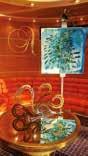
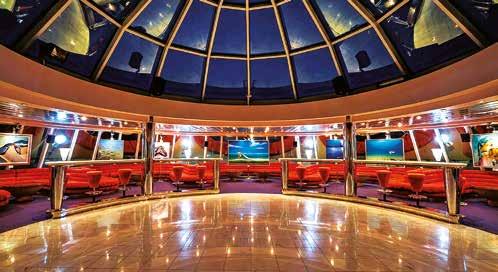
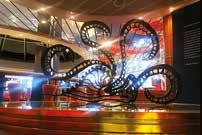
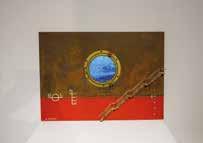
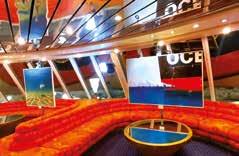
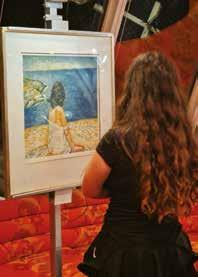
From 15 to 20 June, the “Knossos Palace” was transformed into a living cultural hub. The “Thalatta, Thalatta” initiative, which was launched by the Municipal Theatre of Piraeus and featured works of art by renowned Greek artists “in discussion” with poems printed on canvas, was hosted on all Minoan Lines’s Piraeus - Heraklion - Piraeus routes, providing passengers with an original cultural experience.
Special self-supporting metal bases were designed and constructed for the onboard exhibition of 12 visual and 12 poetic works by renowned Greek artists. These allowed the works to be presented safely in floating conditions without any interference with the ship’s infrastructure. Meanwhile, the panels featuring the poems were an integral part of the exhibition, creating a constant dialogue between art, poetic expression and the seascape.
The visual artist Ifigenia Christodoulidou, the inspirer, artistic
2810811501
6945738068
Le Gourmet Agia Pelagia legourmet_agiapelagia



6945738068
kallia-transfer.gr
Kallia VIP Transfer Services kallia_transfer_services

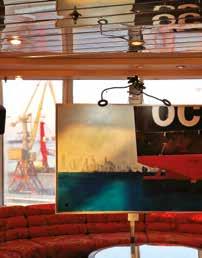
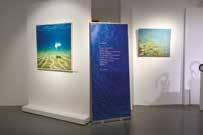
director and organiser of the initiative, describes how the passengers of the “Knossos Palace” responded with enthusiasm: “They were very surprised when, shortly after departure, they heard the invitation over the speakers to visit an exhibition of contemporary art and poetry. The ship was transformed into a floating cultural space, and the public’s response exceeded all expectations. Travellers of all ages stopped in front of the works with interest, spent time reading the poems and often returned, bringing friends or family members to share the experience. The image of parents touring the exhibition with their children and discussing the works and poems was particularly touching. Many people stayed in the space for much longer than they had initially expected. They were looking for information about the creators and asking where they could visit the exhibition next”. This travelling exhibition was designed from the outset to be portable, enabling it to be presented in museums, cultural venues and on operating passenger ships. “Our goal was to preserve the unified museological and narrative character of each station. Thus, the sea is not merely the subject of the exhibition; it also becomes the natural environment in which the cultural experience takes on a special strength and authenticity. Our ultimate goal is to emphasise the importance of the sea as a source of natural, cultural and historical heritage. However, when it comes to protecting the sea, presenting
34
OPERATING HOURS FROM MAY, JUN, SEP: 10:00 - 17:30, JUL, AUG: 10:00 - 18:00, OCT: 10:00 - 17:00
Εικαστικών
information or images in an exhibition space is not enough. We need to create experiences that allow people to strengthen their relationship with the marine environment” says Ms Christodoulidou. Furthermore, the significant focus on marine protection is evident from the substantial involvement of relevant bodies in this initiative, which was developed through the collaboration of cultural organisations, public bodies, the maritime community, and organisations dedicated to marine environmental protection. Minoan Lines not only hosted the exhibition on one of its ships, but also supported its operational implementation. The environmental dimension of the project was enhanced through cooperation with HELMEPA, which contributed its expertise to promoting the concept of “blue education” (ocean literacy) and raising awareness of marine protection. The initiative is also overseen by the Ministry of Maritime Affairs and Insular Policy and the Greek National Tourism Organisation.
After “Knossos Palace”, the exhibition was hosted at the Heraklion Museum of Visual Arts, then at the Arts Centre of the Municipality of Athens and the Cultural and Education Centre in Tinos. From 7 to 20 September, it will return to the City of Athens Cultural Centre “Melina”. Furthermore, high-quality copies of all the works and poems are displayed around Flisvos Marina, enabling passers-by to view the exhibition as part of their walk.
THE MUSEUM OF CHRISTIAN ART “ST CATHERINE OF SINAI”, LOCATED IN THE CENTRE OF HERAKLION, IS PART OF THE HOLY ARCHDIOCESE OF CRETE. IT HOUSES RELICS OF ENORMOUS ARTISTIC VALUE, INCLUDING PORTABLE ICONS BY THE GREAT MASTERS OF THE CRETAN SCHOOL OF HAGIOGRAPHY, WHICH ARE SURE TO INSPIRE AWE.
EVA PETROPOULOU
PHOTOS: EFI PSILAKI
Since the Turkish occupation, works of art and relics of unique artistic and historical value have been saved from raids and looting in St Catherine of Sinai. The collection includes wood and stone carvings, frescoes, ecclesiastical silversmithing, gold embroidery, manuscripts and books, as well as many other valuable objects dating from the 14th to the end of the 19th century. The great collection of Byzantine icons is one of the museum’s main attractions.
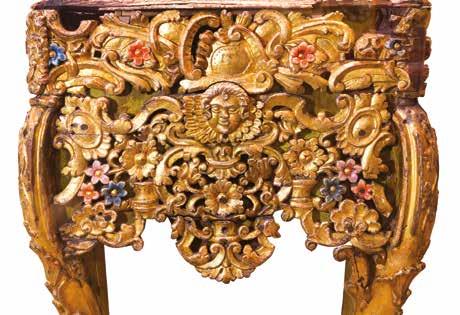
Detail from the 18th-century wood-carved canopy of an Epitaphios.




























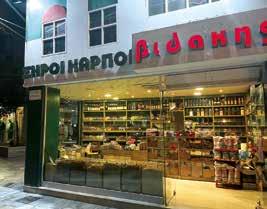
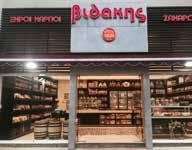


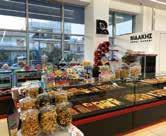
Asmall shop selling roasted chickpeas opened on Kornaros Square in Heraklion in 1936. Thanks to its tasty, warm treats, the shop quickly became known, and the name “Vidakis” became synonymous with taste and quality. Today, the fourth generation of the family business continues to embrace the values with which “Vidakis” has always operated. With the knowledge of the previous generations and their own fresh perspective, they o�fer the freshest and tastiest nuts and consider everyone who visits their stores as a guest rather than a customer.
1. 38 Vitsentzou Kornarou Square, Heraklion, Crete, Tel.: +30 2810 224 823
2. 62 Martiron Avenue & Pavlou Mela Street corner, Heraklion, Crete, Tel.: +30 2810 257 410 At CHALKIADAKIS Super Markets
1. MAX Nea Alikarnassos
2. MAX Kapetan Manoli Mpantouva
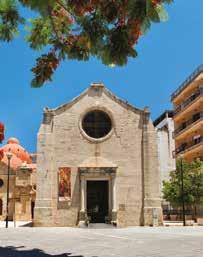
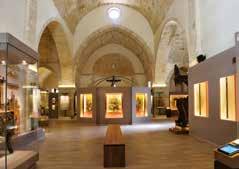
To get to know the museum and its treasures better, we contacted Dr Efie Psilaki, the museum’s archaeologist and curator, who has also written the informative guide “The Christian Art of Crete in Saint Catherine’s Museum”. “The museum focuses on the two historical periods that marked developments in Crete during the last centuries of Venetian and Ottoman rule. These years are mainly characterised by the flourishing of the renowned Cretan School, an artistic movement that gradually emerged on the island and reached its peak in the second half of the 16th century. However, the works exhibited here are not only testimonies of the place’s artistic and intellectual production, but also of its social history. This is because the names of the creators and dedicators are preserved on icons, utensils, woodcarvings and vestments. Apart from the historical and aesthetic references to the objects, we tried to identify elements that capture moments in the island’s history. Each object somehow carries its own "biography", which is also part of the place’s broader history”.
The aim of the museum is to showcase Christian culture, not just as an exhibit, but as a living cell of culture. “During its renovation a few years ago, the museum was redesigned according to new museological concepts. It should not be used as a static storage area for relics, but rather as a dynamic place where visitors can experience and connect with Christian culture. This is a place where history and art are not just presented from a distance; they become an experience”.
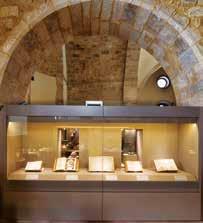
Top left: The Museum of St Catherine. Bellow left: The main exhibition area, in the central nave. Bellow: From the museum’s palaeotype collection.

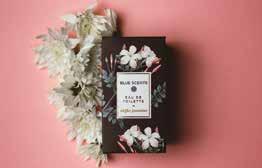
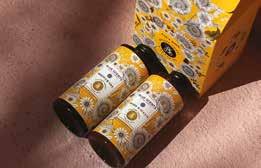
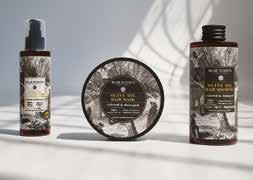
BLUE SCENTS is a new comprehensive cosmetic care line, inspired by the finest ingredients of the Mediterranean nature. Organic olive oil, natural extracts, essential oils and vitamins are harmoniously combined, offering targeted body and hair care...
A care experience that unites the power of Nature with everyday luxury.
Discover the line in selected stores throughout Crete.
Επάνω: Pitton de Tournefort, Relation d’un Voyage du
Ανατολή), 1717. Δεξιά: «Πράξεις των
1879,
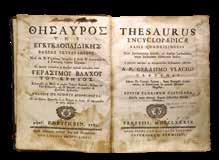
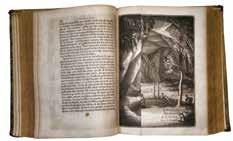
Above: Pitton de Tournefort, Relation d’un Voyage du Levant (Narration of a Journey to the East), 1717. Right: “Acts of the Apostles”, Venice Publication, 1879, St. Minas, back cover. Below: Gerasimos Vlachos from Crete, “Thesauros Tetraglossos”, reprinted in 1784 by Nikolaos Glykys.
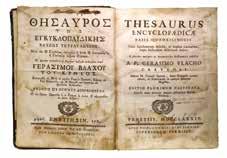
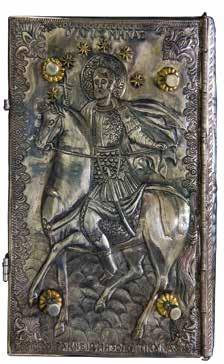
The museum is located in the Katholikon of St Catherine’s Monastery, which was a dependency of the monastery during the Venetian period.
“According to tradition, St Catherine’s was a centre of learning and the arts, as well as a monastery that played an important role in preserving the Orthodox faith in Candia, as the Venetians called Crete. Although sources do not confirm the operation of a school within the monastery, as older scholars have written, its special role in promoting Christian art is difficult to deny. The monastery was associated with important Cretan painters, and its katholikon was adorned with important works. For example, Angelos Akotantos, a great 15th-century painter, left a circular image (tondo) in his will for the monastery”.
Following the Ottoman occupation of the island in 1669, the building was converted into a mosque and remained so until 1922. In the 1960s, the first essential steps were taken towards operating the site as we know it today. Thanks to the efforts of Archbishop Eugene Psalidakis of Crete, it was decided that the church of St Catherine of Sinai would not only house, but also exhibit, holy icons and relics. The portable icons, articles of silversmithing and woodcarving, manuscripts, incunabula and sacred vestments gathered here constituted the
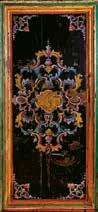
Above: Decorative frame of a despotic throne, 1777. Right: Michael Damaskinos, “Adoration of the Magi”, c. 1585-1591.
first "Exhibition of Icons and Relics of the Holy Archdiocese of Crete", as it was titled”. This is how the museum operated from 1967 until 2007, when it was decided to close the exhibition and to undertake maintenance and restoration work on the building. “The Holy Archdiocese of Crete received support from the Ministry of Culture, the 13th Ephorate of Byzantine Antiquities and the Region of Crete. With the help of community programmes, the works were completed within two years, followed by the preparation of the re-exhibition study. The presentation of such significant evidence of an important culture was a challenging task, requiring many months of intensive work. Thankfully, the space reopened in February 2015 under a new name, with new goals and, of course, modern museological concepts”.
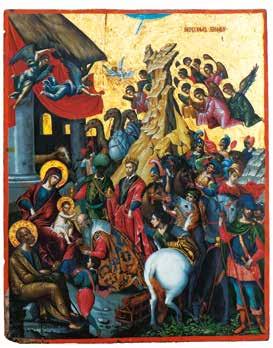











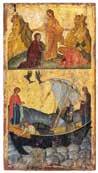
During the Venetian occupation, Candia was an important artistic centre. The reputation of its local painters spread beyond the island’s borders to every corner of the Orthodox East. Artists such as Michael Damaskinos, Theophanes the Cretan, Angelos Akotantos and Georgios Klontzas were highly regarded. After two centuries of prosperity in the 16th and 17th centuries, the brilliant Cretan School of Hagiography and the Cretan Renaissance were interrupted by the Ottoman conquest. Michael Damaskinos, perhaps the most prominent painter of the Cretan School, was born in Candia in the mid-16th century. As a young man, he worked in Venice, where he came into contact with the artistic trends of the time. This is why his work is considered to be a marriage of Byzantine spirituality and Renaissance realism. The Museum of St Catherine houses six of his works, which were located in the Vrontisi Monastery until 1800.
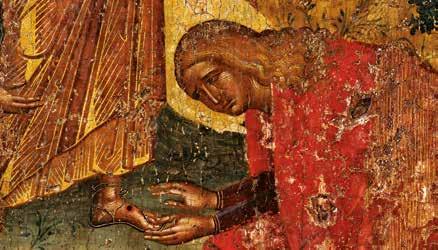
Above: Angelos Akotantos, “All Hail of the Myrrh-Bearers” and “The Miracle of Saint Fanourios”, 2nd quarter of the 15th century. Below: Detail from “All Hail of the Myrrh-Bearers”.









Α
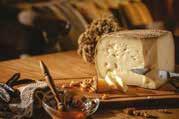
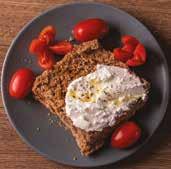
part from its beauty, Sitia also has a gastronomic surprise in store for us: Kouvarakis Xigalo Sitia, a wonderful cheese product with a protected designation of origin, made with sheep’s and goat’s milk from the former province of Sitia, using local breeds of sheep and goats.
The product is said to have an ancient history, perhaps as far back as the Minoan era. Kouvarakis Xigalo PDO Sitia is white in colour, spreadable - slightly grainy in texture and has a mildly salty - sour taste. Its proteins and fats are in perfect harmony and it is delightfully tasty. It is low in lactose as a result of natural fermentation and has a beneficial effect on digestion.
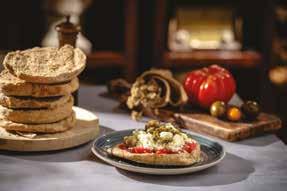
It can be enjoyed on its own or as an ideal accompaniment to bread, rusks, chips and many other dishes.





The Kouvarakis family dairy and cheese company was founded in Sitia in 1979 and continues to offer pure products to this day. It maintains tradition and pays attention to quality, while using modern methods and safe production processes. You can find Kouvarakis Xigalo PDO Sitia in many large stores, small grocery stores, restaurants and distribution chains throughout the country. As well as other wonderful products of the company.
HEAD OFFICE - CHEESE DAIRY Hamezi, Sitia
Wholesale orders: +30 28430.71555
CENTRAL STORE: 22 Papanastasiou Street, Sitia, Crete Τel.: +30 28430.28830
4 Kapetan Sifi Street, Sitia, Crete Τel.: +30 28430.23815
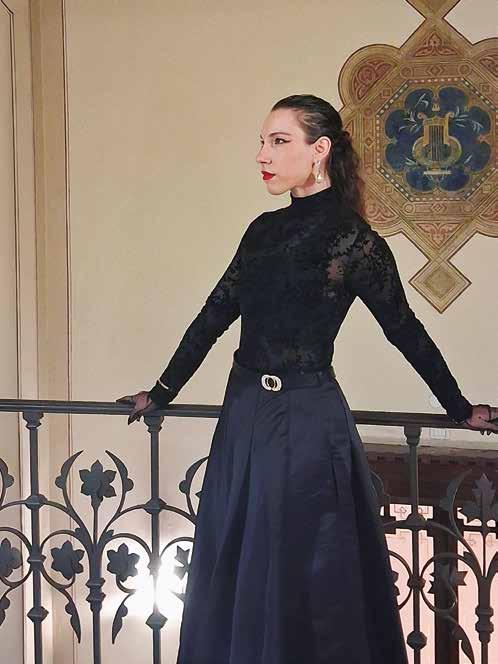
HAILING FROM SITIA, THIS YOUNG, TALENTED OPERA SINGER IS SPREADING HER WINGS IN THE GLAMOROUS WORLD OF OPERA AND SHARING HER EXPERIENCES AND DREAMS WITH US.
ΒY EVA PETROPOULOU
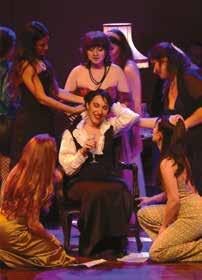
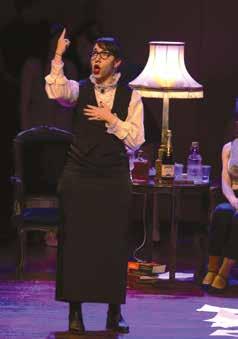
When you listen to Antonia Chairetaki singing wellknown arias, it’s clear that she’s a singer with a soul, a talent that has been honed over time. Surprisingly, however, she did not receive a musical education from a young age. It all started during her time as a student: “I studied at the Ionian University, graduating from the Department of Foreign Languages, Translation and Interpreting in English and French. I also learned good Italian there -what it takes to sing Verdi, Puccini and Rossini! The truth is that this period was decisive, as it was then that I WAVE
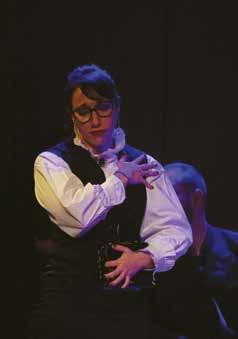
came into substantial contact with opera and music in general”. From the age of 18 to 24, she performed with metal, rock, and discofunk bands, making many live appearances in Corfu, where she was studying at the time. “This period was very important to me as it gave me valuable stage experience and the freedom to express myself through different musical styles”. Her other passion, theatre, came earlier in her life, when she joined a youth theatre group in Sitia at the age of 16 and remained with them for six years. Did this love of theatre also lead to an appreciation of opera? “Indeed! One of the main reasons I came to appreciate opera as a musical genre was its direct connection to the art of acting”.
She completed her university studies in 2022, by which time she had already begun studying music. “My first singing teacher was Angeliki Tousmanof, a distinguished soprano who played a key role in developing my early artistic foundations”. In 2023, she obtained her Degree in Harmony and in 2024, her Degree in Monody under the tutelage of the renowned soprano Vassiliki Karagianni, as well as Tasos Apostolou, Christina Giannakopoulou and Yannis Christopoulos.
Although her love for music remains multidimensional and she continues to listen to other genres -she has a particular fondness for the soul and rock sounds of the 1970s- at some point she had to choose. “At 24, I made the decision to devote myself fully to classical song and operatic technique, as the body itself is a demanding "instrument" that is not visible. The voice requires stamina and

concentration, as well as daily practice. This includes everything from proper breathing techniques to precise note-by-note piano studies. The balance, set-up and utilisation of the body’s natural resonators are elements that require perseverance and time to cultivate, gradually revealing the full depth and potential of the voice”.
Antonia’s talent, dedication and hard work soon began to pay off. “In 2022, I won an award at the 7th Panhellenic Music Competition organized by the UNESCO Club of Piraeus and Islands, and took part in an important production at the Athens Concert Hall. The internationally acclaimed baritone Dimitris Tiliakos selected me and eleven other classical singers to take part in the production of Mozart’s opera "Cosiì fan tutte", which he coordinated and curated himself. I played the part of Fiordiligi. It was a great experience!”. And even more so, when you consider the minimum preparation time available and the requirements of the role, which entailed maintaining a continuous stage presence and performing for around two hours.
Since then, Antonia has attended masterclasses in cities such as Vienna, Salzburg, Milan, Todi and Bologna, where she has gained valuable stage experience and made contacts within the international opera community. “Thus, I had the opportunity to meet and work with artists and educators with an active presence at the world’s leading opera houses, such as La Scala in Milan, Covent Garden and the Metropolitan Opera. This has been a great source of inspiration and development for me”.

She has also performed in musical productions and concert programmes, singing opera and Greek music. In June, she took part in the annual Forbes Global Properties 2026 Global Conference, which was held in Corfu. “I performed opera arias and works by Hadjidakis and Theodorakis, thereby contributing to the promotion of Greek musical heritage. I was accompanied by the Ionian Islands Symphony Orchestra "Mikis Theodorakis"”.
Recently, she has been undergoing an intense period of study, gradually delving into the operatic repertoire. A dream role? “Mimi" from "La Bohème". Puccini is one of my favourite composers because he highlights the beauty and colours of the voice with unique sensitivity in his compositions. Beyond her musical charm, Mimì is a character of great depth. She is a symbol of tenderness, inner strength and devotion. I am touched by the modesty, generosity and dignity with which she faces life and her fate. I am also inspired by her ability to love fully and truthfully”.
Which classical singers does she admire? “Maria Callas is a model of performance for me because of her unique expressive power and profound theatrical approach. At the same time, I consider Montserrat Caballé to be one of the greatest singers of all time because of her unparalleled technique and clear sound. Of the contemporary classical singers, I would single out Asmik Grigorian for her stage intensity and technical excellence. I would also mention Anna Pirozzi, whom I had the honour of meeting, and Catherine Foster”.
Montserrat Caballé
ΓΡΑΦΕΙΟ ΚΡΗΤΗΣ 6ο χλμ. Ε.Ο. ΗρακλείουΜοιρών, Ηράκλειο Κρήτης Τηλ. 2810 543-636, 697-761-9429
ΓΡΑΦΕΙΟ ΜΗ ΛΟΥ Τριοβάσαλος, Μήλος Τηλ. 22870 23189
CRETE OFFICE
6th km National Road Heraklion-Moiron, Heraklion Crete Tel. +30 2810 543-636, +30 697-761-9429
MILOS OFFICE
Triovasalos, Milos Tel. +3022870 23189
G. PROVIDAKIS ECOPROKAT S.A. is a company that specialises in the construction of tourist accommodation and prefabricated buildings, as well as complete renovations, offering modern solutions that emphasise quality, functionality and aesthetics. We implement each project reliably and consistently, from design to delivery.

ONE HUNDRED IMAGES FROM THE LATE 19th AND EARLY 20th CENTURIES TAKE US BACK TO ANCIENT GREECE, THROUGH FAMILIAR LANDSCAPES AND MONUMENTS CAPTURED IN A UNIQUE WAY BY EIGHT ICONIC PHOTOGRAPHERS OF A BYGONE ERA.
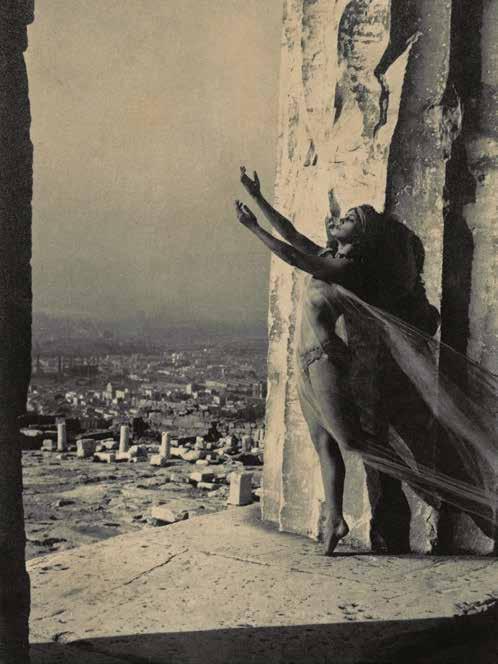
Nelly’s, Η Ρωσίδα
Nikolska
Elizaveta
1929-1930.
Nelly’s, The Russian dancer Elizaveta
Nikolska on the Acropolis, 1929-1930.
ΒY EVA PETROPOULOU
The new temporary exhibition at the Heraklion Archaeological Museum is entitled “Writing with Light - The Krasakis Collection. Ancient Greece through the lens of eight pioneering photographers” is a special journey through the ancient Greek landscape as seen by eight photographers from the late 19th and early 20th centuries
WAVE
ΑΓΟΡΑ
Email:
GOLDEN VISA
For millions of visitors, Greece is a place they return to time and again. For many, however, a different question eventually arises: “Could I own a home here and make Greece my second home?”.
Greece now ranks among Europe’s most attractive destinations for property acquisition, combining a Mediterranean climate, quality of life, safety and compelling investment prospects.
For non-EU nationals, the Greek Golden Visa programme offers a five-year renewable residence permit through a qualifying real estate investment. Residence permits of corresponding duration may also be granted to the investor’s spouse, unmarried children who satisfy the statutory conditions, and the parents of both the investor and the spouse. The permit allows residence in Greece and short-term travel within the Schengen Area, subject to European rules. Absence from Greece does not prevent renewal, provided the investment is retained and all other legal conditions continue to be met.
The minimum acquisition value is €800,000 for the Region of Attica, the Regional Unit of Thessaloniki, the Regional Units of Mykonos and Thira, and islands with a population exceeding 3,100 residents. For all other areas, the threshold is €400,000. A special €250,000 threshold applies to properties converted to residential use and to listed buildings requiring restoration or reconstruction, subject to the specific requirements of the law.
Choosing the property is only the beginning. Thorough verification of title, encumbrances, planning compliance and Golden Visa eligibility is essential to safeguarding the investment.
With offices in Athens and Thessaloniki, Alexandros D. Vartzopoulos & Associates specialises in real estate transactions, Golden Visa applications and immigration law, providing comprehensive support from initial due diligence through completion of the investment and issuance of the residence permit. Our objective is to ensure that every transaction is completed efficiently, transparently and securely, with each international client’s interests fully protected throughout the entire process.

Alexandros D. Vartzopoulos
Attorney at Law | LL.M. | M.Sc.
Alexandros D. Vartzopoulos & Associates
Thessaloniki | Athens, Greece
3 Fragkon str., Thessaloniki, (3rd floor)
9-11 Ragkavi str., Athens, (5th floor)
Tel.: +30 2310 250944, +30 210 6447847
Mob.: +30 6978 415930
Email: vartzopoa.law@gmail.com
Contact us before purchasing property in Greece, Free initial consultation for international buyers
who, through their work, preserved a past that seems both familiar and distant.
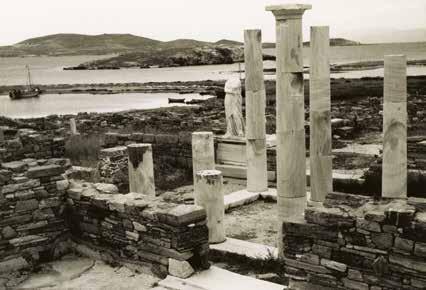
The silver prints of Dimitrios Konstantinou, Konstantinos Athanasiou, Petros Moraitis, Frédéric Boissonnas, Nikolaos Zografou, Voula Papaioannou, Nelly’s and Spyros Meletzis from the Michalis Krasakis Collection highlight important aspects of archaeological photography in Greece back then.
From Dimitrios Konstantinou, the first Greek photographer to publish an album of archaeological photographs in the 1860s, to Spyros Meletzis, the National Resistance’s photographer par excellence, who captured Knossos during its initial period of post-war prosperity.
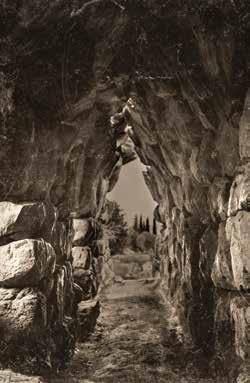
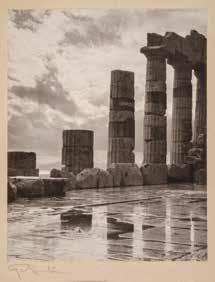
The artistic expression, historical documentation and international promotion of Greek identity emerge in each silver print, sometimes intensely and sometimes discreetly, with ancient monuments forming the backdrop. The photographic lenses of these eight great creators captured images that convey the spirit of Romanticism through almost painterly renderings of monuments such as the Acropolis, Delphi, and
Frédéric Boissonnas,
Μελετζή, της Συλλογής Μιχάλη Κρασάκη, αναδεικνύονται κα-
1903.
Frédéric Boissonnas, Tirynthe, Cyclopean Tunnel, 1903.
Σπύρος
1960.
Spyros Meletzis, Parthenon, after the rain, 1960.


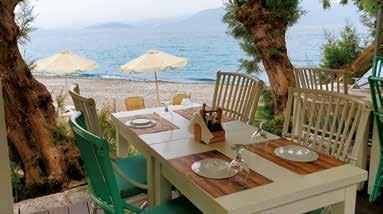
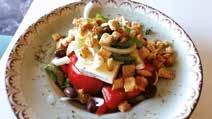
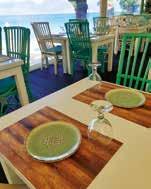
Enjoy delicious meat and seafood on bbq, mama’s cooking of local specialties, an exquisite wine selection and a magical seaside... Family owned, serving with love, since 1978. Your eating place in Agios Nikolaos.
5 Akti Pagalou, Kitroplatia, Agios Nikolaos, tel. 28410 83168
Facebook: FarosFamilyRestaurant
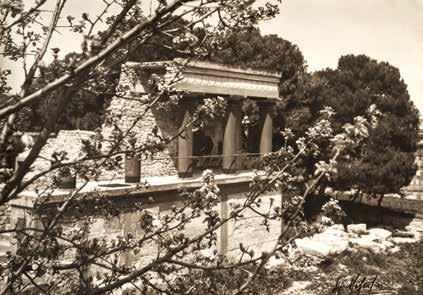
Until 20 August, Archaeological Museum of Heraklion, www.heraklionmuseum.gr χής
Olympia, while also reflecting the changing perspective of the modern era, characterized by fragmentation and clean lines.
Βούλα
Voula Papaioannou, Delos, House of Cleopatra and Dioscorides.






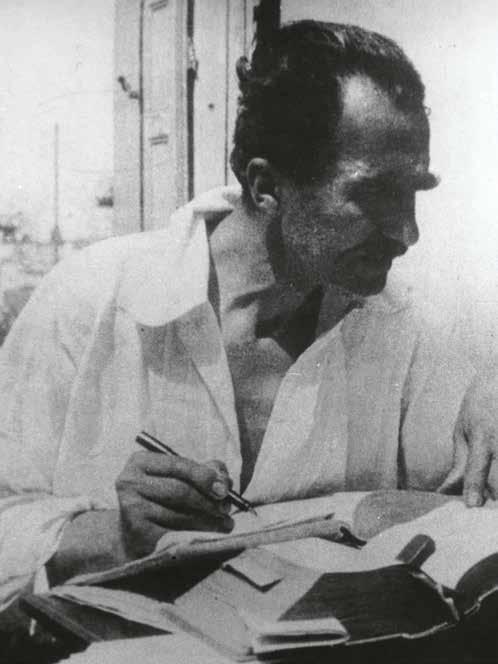

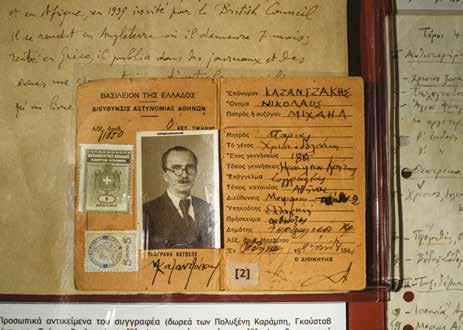
WITH THE HELP OF KATERINA ZOGRAFISTOU, PRESIDENT OF THE INTERNATIONAL ASSOCIATION OF FRIENDS OF NIKOS KAZANTZAKIS, WE DELVE INTO THE LIFE AND WORK OF THE RENOWNED HERAKLION-BORN AUTHOR.
ΒY MIA KOLLIA
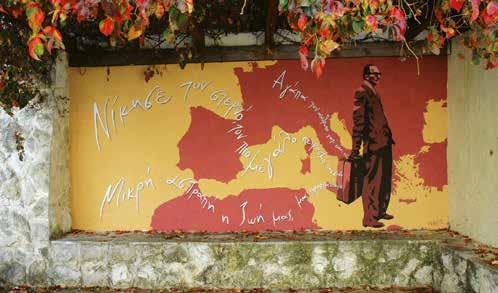
Nikos Kazantzakis was born in Megalo Kastro (now Heraklion) in Crete on 18 February 1883. His parents were full-blooded Cretans: his father, Michalis Kazantzakis, came from Barbaroi (today’s Myrtia) and his mother, Maria Christodoulaki, came from Assyrotoi (today’s Kryoneri in Rethymno). Although he lived in Crete, he travelled widely and died at the University Clinic of Freiburg, Germany, on 26 October 1957, aged 74. Kazantzakis was a deeply Cretan man, connected to Crete by an almost mystical passion. However, his life, work and ideas extend beyond Crete. His roots were in Crete, but his conscience was universal. Although he writes about Crete, he also addresses issues that affect everyone, regardless of where they live. He was also a nature lover through and through. The frequent descriptions of nature in his work are of exceptional narrative beauty. All of its elements are connected to each other and have a spiritual dimension, participating in the divine. Even a simple tree leaf, just like the universe, is a testament to the miracle of creation.
During his childhood, he experienced the barbaric world of slavery in Turkish-occupied Crete. In order to escape persecution, his family left for Piraeus in 1889 and then for Naxos during the last Cretan Revolution in 1897. Young Kazantzakis enrolled at the French Mercantile School of the Holy Cross there, where he came into contact with Western culture by learning Italian and French. In 1899, he returned to the island and studied at the Lyceum of Heraklion, before continuing





Explore milos freely at your own pace!
Experience total freedom with our premium vehicles. Enjoy unbeatable rates, top-tier service, and a seamless rental process every time.


Choose from our wide range of modern vehicles. Whether you prefer compact or SUV, we’ve got what you need.
Our cars are non-smoking and cleaned carefully.

We offer 24/7 roadside assistance free of charge.
+30 6942 506 764
+30 6943 880 894 milosmiles_vacationplanning

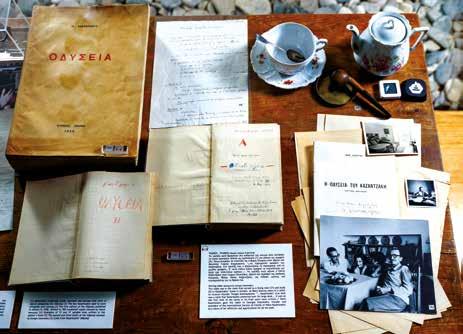
his studies at the Law School of the University of Athens. In 1907, he left for postgraduate and doctoral studies at the Sorbonne University in Paris, a decision that was not so common at that time. While in the French capital, he attended Henri Bergson’s lectures on the theory of “vital momentum” at the Collège de France and became acquainted with Nietzsche’s philosophy. These two philosophers would have a profound influence on his work, often appearing in it in various ways.
Nikos Kazantzakis was married twice. The first time was with Galatea Kazantzaki (née Alexiou), the sister of the renowned writer Elli Alexiou. She came from a large family in Heraklion, and they divorced in 1926. His second wife, Eleni Samiou, remained by his side until the end of his life. Another important chapter in his life was the strong friendships he formed with people who were not chosen at random. His close friends included Ion Dragoumis, Angelos Sikelianos, Pandelis Prevelakis, Panait Istrati, Helle Lambridis and Elsa Lange, among many others.
In 1937, he settled with Eleni in his own house in Aegina, where they


spent the difficult years of the German Occupation. In 1945, he became a Minister without Portfolio in the Sofoulis Government, travelling to Crete as part of a mission to document Nazi atrocities. The following year, he resigned from his ministerial post. He was then nominated for the Nobel Prize, alongside Angelos Sikelianos, by the Hellenic Authors’ Society, of which he had been elected president in 1945. In the same year, he travelled to London and attempted to establish an international movement for peace and delivered a message on BBC Radio. He was deported because of his opposition to the prevailing political situation in Greece and was invited to France by the French government. In Paris, he was appointed as a UNESCO consultant for world literature. He resigned the following year, in 1947, and in 1948 he settled in Antibes, an ancient Greek city in southern France that reminded him of Crete. He continued his creative work there. He was awarded the “International Peace Prize” in Vienna in 1956.
He was an unstoppable globetrotter, undertaking long journeys to Europe, Russia, Central Asia, the Caucasus, the Middle East, and the Far East. Travel and writing formed the fabric of his life. In 1919, he was sent by Eleftherios Venizelos to the Caucasus, where he repatriated thousands of persecuted Greeks. He travelled both privately and in his capacity as a correspondent for various Athenian newspapers. After all, journalism contributed greatly to his need to travel. He passed away shortly after returning from his second trip to China and Japan.
His writing career began very early. While still a student in Paris, he wrote his early works, “The Serpent and the Lily” (1906) and “Broken Souls”. He contributed to the genres of novels (with such great works
ξανασταυρώνεται», «Ο τελευταίος πειρασμός», «Ο φτωχούλης του Θεού», «Αναφορά στον Γκρέκο», μεταξύ άλλων), την ποίηση («Οδύσσεια»), έγραψε θεατρικά έργα, δοκίμια («Ασκητική»), κινηματογραφικά σενάρια, παιδική λογοτεχνία και ταξιδιωτικά
as “Captain Michalis”, “Christ recrucified”, “The last temptation of Christ”, “The poor man of God”, and “Report to Greco”, to name a few), poetry (such as “The Odyssey: a modern sequel”), plays, essays (including “The saviors of God”), screenplays, children’s literature and travel writing.
He also worked as a translator, having mastered six languages: English, French, Italian, German, Spanish, and Russian. His correspondence with his family, intellectual acquaintances and politicians is also extremely important. He wrote dozens of articles about the historical and intellectual personalities of his time in literary reviews, especially in Eleftheroudakis Encyclopedic Dictionary.
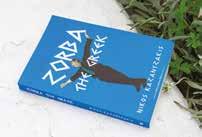
However, the work he loved the most and considered the most important of all, which he asked to accompany him to his grave, was the “Odyssey”. It took him fourteen years to write its 33,333 verses. However, he is not famous worldwide for this epic poem, but for the novels he wrote almost entirely during the last decade of his life, despite not particularly appreciating this literary genre and describing writing them as a “sideline”. Perhaps the most famous of all, “Zorba the Greek” was written earlier, in 1942-1943. His work was also associated with other art forms, including cinema, music and theatre. It has been translated into dozens of languages and dialects, beloved by millions of readers around the world, then and now.
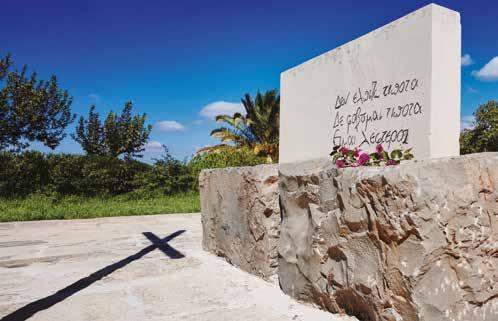
His human-centred, inspired reasoning remains relevant to this day. The key points of his thinking are the search for the essence of existence and spiritual freedom by transcending the needs of the flesh and submitting to the spirit. For Kazantzakis, freedom means, above all, the absence of fear and hope. “I hope for nothing. I fear nothing. I am free” is the phrase inscribed on his grave. It is a message of redemption and freedom; however, in order to achieve absolute freedom, a person must transcend the limits of their own nature. But how? With the “uphill climb,” which means they must strive at every moment to achieve a high goal, and when they reach that goal, to aim even higher. For Kazantzakis, it is not freedom itself that matters, but the pursuit of it.
Like many other Greek and foreign intellectuals, he was influenced by the major political and social movements of his time: nationalism, communism and socialism. However, he never committed himself to any particular ideas or political parties. A free man could not have done otherwise. However, this did not stop him from publicly defending the oppressed, fighting hunger and war, and advocating peace when circumstances required it. His motives have always been humanitarian and based on moral values, rather than micropolitical expediency. He spent his life searching for spirituality. His ultimate goal was to constantly search for God, whom he believed to be within every being. Although he was dismissed by the Church, he believed deeply in his own way. “Even the most atheistic person has God deep in their heart” he writes in “Poor Man of God”. For Kazantzakis, God was not a certainty, but rather an ongoing quest. We create God, we kill Him, and we must save Him in order to contribute to the creative evolution of the world. Furthermore, he had studied the major religions and philosophies, as well as spiritual texts from Judaism, Christianity, Islam, Hinduism and Buddhism.
Today, his work has millions of readers. It is researched by universities, dissertations are written about it, and it attracts the interest of researchers, philologists and scholars. The International Society of Friends of Nikos Kazantzakis, a global cultural association based in Heraklion, Crete, has played an important role in promoting it over the last 38 years. It operates across all five continents and holds events in 131 countries. It participates in the programme of the Insti-
tute of Cultural Routes of the Council of Europe with the cultural route “European Routes of Nikos Kazantzakis”, which includes the 25 Council of Europe member countries to which the great author travelled, lived and wrote. It is a connection between Kazantzakis’s work and new academic fields and initiatives.
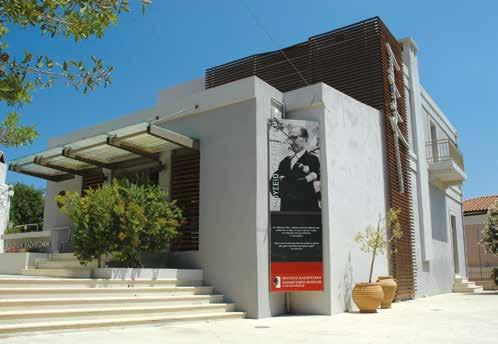
If you want to learn more about the life and work of the great Cretan author, a visit to the Nikos Kazantzakis Museum is a must. It was founded in 1983 in Myrtia village, homeland of the author. In the exhibition halls of the museum the visitor can admire 650 exhibits, divided into five thematic sections: 1) Biographical elements, 2) The poem “Odyssey” by Kazantzakis, 3) Friends and influences, Letters, 4) Early works, Theatre plays, Children’s books, “The Saviors of God” and 5) Novels and Travelogues.
The museum hosts a gift shop where Greek and foreign language editions of Kazantzakis’s works, studies on his work, works of art, copies of exhibits and many kinds of gifts for children and adults, inspired by the life and work of the author, are available. Many of them can also be purchased on board, in the stores of MINOAN LINES ships.
ΜΙΑ ΔΙΑΦΟΡΕΤΙΚΗ
WITH ITS RICH BIODIVERSITY, UNPARALLELED NATURAL BEAUTY AND UNSURPASSED CULTURAL HERITAGE, CRETE OFFERS NATURE-LOVING VISITORS UNIQUE EXPERIENCES IN PLACES OF OUTSTANDING VALUE RECOGNISED BY UNESCO.
Caves, gorges, gulfs and windswept ridges stand alongside untouched beaches and secluded coves, while traditional settlements that have stood the test of time can be found throughout the area. Fifty-three areas across Crete, which are of significant environmental and ecological value, are included in the European NATURA 2000 network. These areas cover 30% of the island’s total area. At the same time, visitors to Crete have the opportunity to discover another side of Greece’s largest island in the UNESCO-protected parks. And to experience the impressive way in which the “wild geography” of the natural landscape impacts the traveller’s experience.
They are unified geographical areas of extremely important international geological heritage. In combination with all other aspects of the region’s natural and cultural heritage, their management is carried out in a way that combines protection, education, sustainable development and the active involvement of local communities through geotourism. There are currently 229 UNESCO Global Geoparks in 50 countries, including ten in Greece, two of which are in Crete.
They are globally recognised sites that include terrestrial, marine and coastal ecosystems, and according to UNESCO, they are “learning sites for sustainable development”. As large geographical units, they promote the good management of biodiversity and cultural heritage, as well as fostering sustainable economic
development. The network includes 784 Biosphere Reserves in 142 countries -including four in Greece.
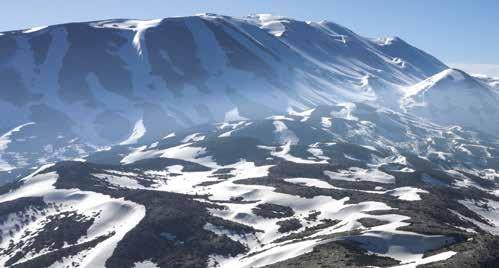
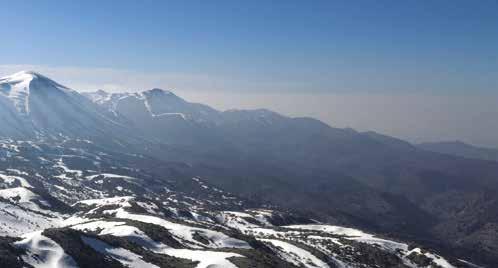
For millions of years, the island’s landscape has undergone constant change. Mountains rose and rivers flowed between them, creating endless gorges, steep gulfs, playful lakes and thunderous waterfalls. It is no coincidence that Crete’s heart seems to beat on the ancient Mount Ida, Psiloritis. The highest peak is always snow-covered and reaches 2,456 m. The Psiloritis Natural Park, covering an area of around 1,200 sq. km. between the prefectures of Rethymno and Heraklion, joined the UNESCO Global Geoparks Network in 2015. It had already belonged to the equivalent European network since 2001.
With rocks dating back up to 250 million years and impressive karst landscapes featuring dolines, caves and sinkholes, Psiloritis is an “open book” for anyone interested in discovering the area’s geological heritage. Here, spelunking reaches a whole new level.
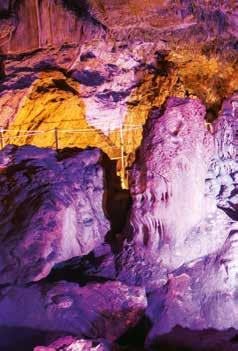
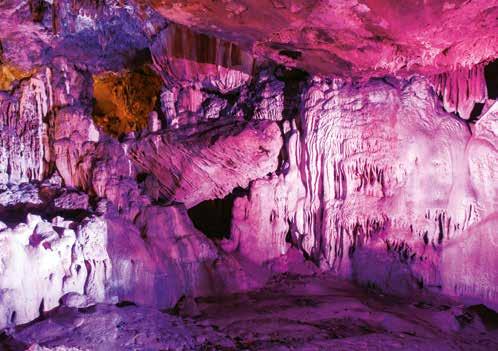
As in the Zoniana Cave -also known as the Sfentoni or Tripa Cavelocated approximately 1 km from Zoniana in Mylopotamos. This is one of the most impressive caves, with its stunning stalagmite formations, labyrinthine chambers, stone basins and colony of bats. It is also shrouded in legend.
Or the Ideon Antron (also known as Spiliara), near Anogeia, Rethymnon, at an altitude of 1,538 metres. According to the ancient Greek myth, Rhea hid her son Zeus here to be raised by the nymphs Adrasteia and Ida. He was fed the milk of the goat Amalthea and protected by the Curetes, who beat their shields and
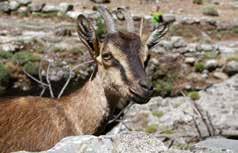
Above: Kri-kri, the trademark of the island.
Right: The Sfentoni Cave in Zoniana.
weapons to drown out his cries. This imposing cave, resembling an ancient temple, is divided into three chambers and a sanctuary with three impressive stalactites at the entrance. Archaeological excavations suggest uninterrupted human presence at this site from the 4th millennium BC to the 5th century AD.
With its combination of different areas of impressive geomorphology and rich biodiversity, this park is ideal for hiking, climbing, birdwatching and herb collecting. In the area’s agritourism units, we can experience the traditional way of life in mountainous Crete, including the “mitata” -small, circular stone buildings used by livestock farmers. Depending on the season, we take part in various agricultural activities, such as milking sheep, shearing animals, making cheese, picking olives and preparing traditional dishes using locally sourced ingredients. In August, we participate in the harvest or hike to nearby Juktas, the sacred mountain of antiquity with its special landforms and strong symbolic importance since the Minoan era, at the Celebration of the Archaniotis in the colourful traditional settlement of Archanes.
To organise your visit, go to https://psiloritisgeopark.gr/
At the easternmost tip of Crete, a variety of wild geological landscapes, including gorges, caves and other formations, as well as coastlines and islets, coexist alongside important ecosystems.
ένα
Spanning 517 square kilometres, the Sitia Geopark joined the UNESCO Global Network in 2015. It is renowned for the authenticity of its landscape, which has largely retained its identity intact. The caves are also important here. Notable examples include the Diktaion Andron, also known as the Psychro Cave, which is located on Mount Dikti in Lasithi. Located at an altitude of 1,025 metres, this is one of the most impressive caves to visit. It boasts stunning stalactites and stalagmites, including the impressive “Mantle of Zeus”, as well as a small lake. Rhea is said to have fled here to safely give birth to Zeus, away from the wrath of Cronus, who had devoured his other children. According to some myths, it was here, rather than at Gortyna, that Zeus, in the form of a bull, seduced Europa, and their children were Minos and his brothers. Perhaps this is why the legendary king came here every nine years to ask his divine father for guidance on how to rule Crete justly. Numerous archaeological finds demonstrate a continuous presence from the Neolithic period through to the Roman period, with a particular highlight being the Minoan period.
In addition to the geotopes and caves, we can hike through gorges and along coastal trails, such as the Dead Man’s Gorge, which leads to the traditional, isolated fishing village of Kato Zakros, located around 40 km from Sitia. Excavations in the caves along the route have unearthed impressive finds from the Minoan era. During the summer months, the Zakros Gorge is a real paradise
for hiking and exploration enthusiasts, as it is the end point of the European Path E4, which starts in Tarifa, Spain.
However, the most impressive gorge from a technical point of view is perhaps found in Lasithi, with the curious name “Cha”, deriving from the word “chasm”. Measuring 1.6 km in length and boasting vertical walls up to 400 metres high, not to mention a lake with a 215-metre-high waterfall, this gorge is truly imposing. However, it presents a challenge to those who dare to visit, as it requires considerable technical experience and there is no escape route.
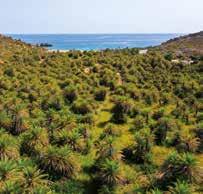
The Sitia Geopark extends beyond the inland area to include important coastal and island landforms. Such as Vai, an exotic landscape of palm trees, oleanders and lentisks; a unique wetland teeming with ponds and migratory birds; and a sandy beach adorned with white rocks and untamed beauty. This is the Palm Forest, home to the largest collection of the palms of Theophrastus in Europe, covering an area of 25 hectares. There is also Chrysi Island, which boasts dunes, turquoise waters and a cedar forest. This rare ecosystem is home to loggerhead turtles and Mediterranean monk seals. Then there’s the exotic island of Koufonisi, with its impressive landforms, high sand dunes, and remains of ancient habitation. In particular at Asprougas Beach, the impressive landscape is dominated by bright white geological formations with striped streaks.
To organise your visit, go to https://sitia-geopark.gr/
The Asterousia Mountains were declared a Biosphere Reserve of the UNESCO “Man and the Biosphere” Programme in Greece in 2020. This is an important distinction for the southernmost





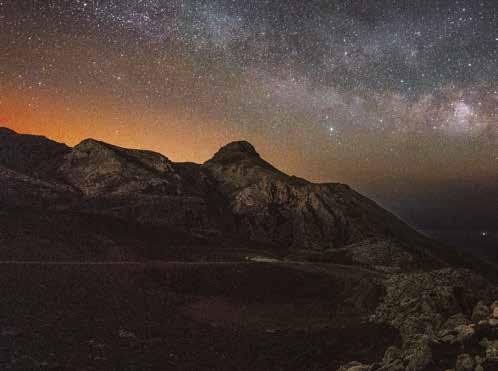
The galaxy rises above the Asterousia Mountains.
των Αστερουσίων),
450 φυτά της θαλάσσιας χλωρίδας (ανάμεσά τους λιβάδια
mountain range on the island, and indeed in Europe. It forms the natural border between the Messara Plain and the southern coast of Crete.
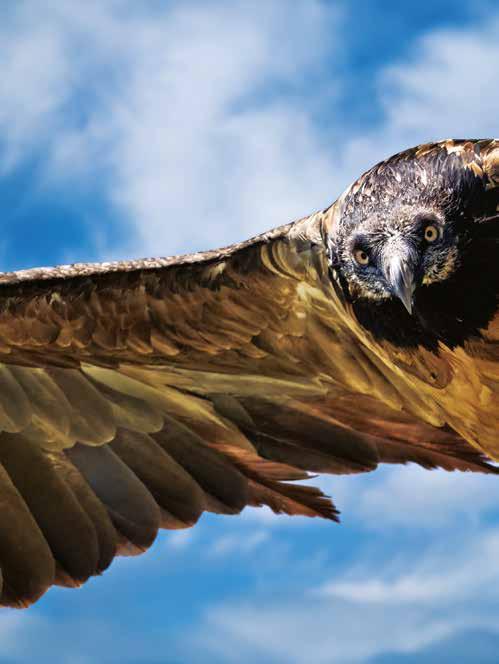
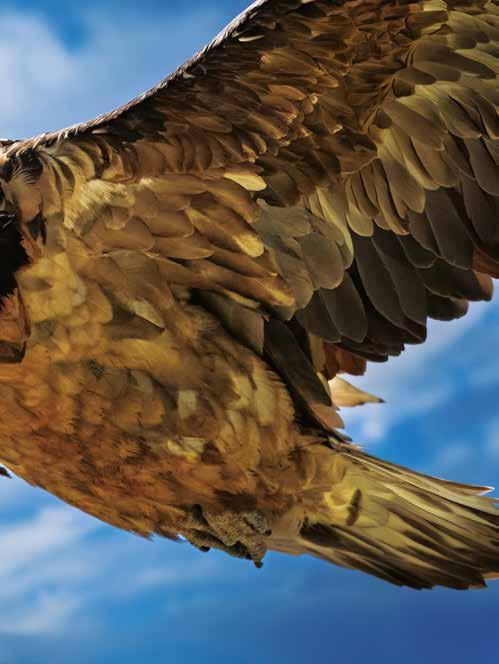
The 371.6 square kilometres of land and extensive coastal and marine zones, which are home to 14 recorded habitat types, provide a hospitable environment for countless species of flora and fauna. There are 1,800 species of plants thriving here, including thirty endemic species that cannot be found anywhere else in the world, such as the Lomelosia of Asterousia. There are also 450 species of marine flora (including Posidonia meadows) and more than 192 species of birds (such as the Cretan Golden Eagle). Other animals in the area are the Cretan wildcat, the Mediterranean monk seal and the loggerhead sea turtle (Caretta caretta).
Gorges and caves, ridges and beaches, compose a unique landscape. Such as the Tripiti Gorge, which is about 4 km long and leads to the eponymous beach. However, its first stretch, near the Church of Agia Paraskevi, requires technical knowledge and the proper equipment. However, there is a winding dirt road running parallel to the gorge from the village of Vasiliki. It passes by the church of Agios Savvas, wild olive trees and the narrow gorge with the “Sympligades” stones before ending at the sea.
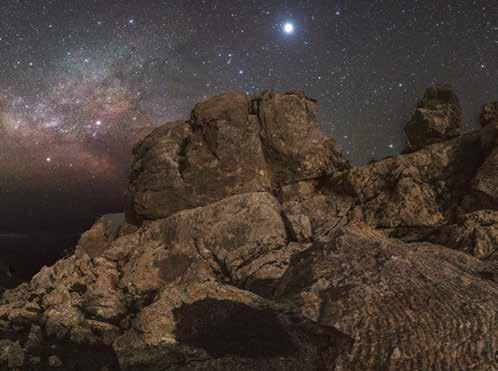
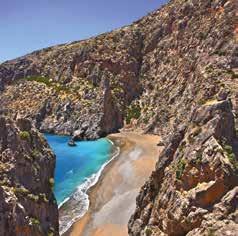
Another impressive place is Agiofarago. We hike for two kilometres and encounter the caves of ascetics and the chapel of Agios Antonios, as well as the Goumenospilio cave, where, according to local legend, the ascetics gathered to count how many of them were left. Stepping out onto the sea from the towering, vertical cliffs is breathtaking, and the waters are crystal clear and refreshing.
In an even more adventurous mood, we head to the imposing, steep Vourvoulitis sinkhole. After a ten-minute uphill walk over rocks, begins the descent into the sinkhole, which is dangerous and not recommended without the assistance of a guide and the necessary equipment. At the bottom lies a beautiful lake with deep blue brackish water.
This place radiates authenticity and a sense of primal charm -it seems tailor-made for explorers and nature enthusiasts. There are plenty of activities to enjoy, including hiking, mountaineering or climbing, mountain biking and horse riding. You can also try canoeing in the impressive gorges or paragliding if you’re feeling adventurous. And, of course, there is birdwatching, as well as diving and fishing on the coast, all of which are subject to regulations protecting the area’s wildlife.
To organise your visit, go to https://www.asterousiacrete.gr/
HPAVLINA VOULGARAKI, ONE OF THE MOST MELODIC VOICES IN GREECE, TALKS TO US ABOUT HER CAREER IN MUSIC AND HER LOVE FOR HER PLACE OF ORIGIN.
BY MIA KOLLIA
Pavlina Voulgaraki is as sweet a person as her soft, deep, dreamy voice suggests. She is a woman of rare style and ethos, persistent and unassuming, with a unique sense of humour and many other fascinating traits. As she explains, she carries these traits with her from her beloved Crete.
Although you grew up in Athens, your relationship with Crete appears to run much deeper than mere childhood memories.
That’s right. Although I grew up in Athens, I have had a connection with Crete since childhood. Almost every weekend, we would take a plane to Heraklion to visit my cousin, who was the same age as me and was my best friend. We used to go on holiday at Christmas and Easter, and all summer long. I went to camp in Hersonissos every year. I always felt that I was in Athens by mistake and that my soul and my life was in Crete.
What was it that won you over so much there?
I liked the fact that everything felt more human. In the circles I grew up in, in Athens, there were different standards and filters. In Crete, children were simply children. They played more straightforwardly. They chose you because you were a good match and liked the same games, not for other reasons. I felt more accepted and carefree. There was no need to prove
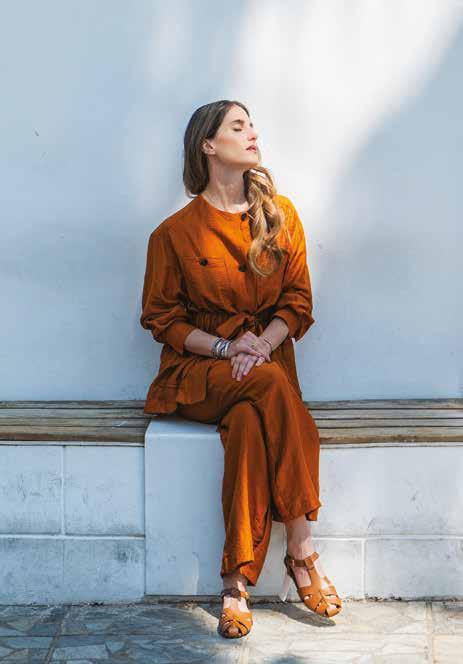
When I sing, I can’t do anything other than express how I feel
anything. So, as I grew up, I realised that the most meaningful and human way of life was what remained inside me.
Which parts of Crete have left their mark on you?
We are from Rethymno, and we always used to go to Agia Galini. This is where all of our excursions began. The first campsites were located in the southern part of Rethymno, near the villages of Agios Pavlos and Rodakino. Agios Pavlos is one of the most impressive places in Crete. It has turquoise waters and dunes, a unique landscape. The beach is enormous and has a real sense of freedom. Almost nothing has been built around it. I also love Preveli, which is more famous, of course, but it’s worth it every time. One of my favourite places is the breathtaking Kourtaliotis Gorge. I have walked there, and I have even swum in the freezing river in the winter.
Is your relationship with Crete also defined by its flavours?
Of course! I absolutely love Cretan food. Chochlioi (snails) are my favourite -I love them! I love ofti (baked) potato, mizithra cheese, skaltsounia.
To what extent has Crete influenced your music?
Very much. Dirges, mainly Cretan, have always been a part of our lives. As I was quite “dramatic” as a child, I wrote my own dirges every time I left Crete. I would say that I’m losing the mountains, the sea and my joy... I’m going to Athens to die...
Thankfully, everything went well! Which artists have influenced you the most, really?
Psarantonis, Xylouris, Skoulas, Loudovikos ton Anogeion. In fact, Psarantonis and I wrote a song together. Meeting him was a huge dream of mine, let alone collaborating with him! I love the lyra, and the virtuoso players of it, such as Kostas Mountakis and Thanasis Skordalos.
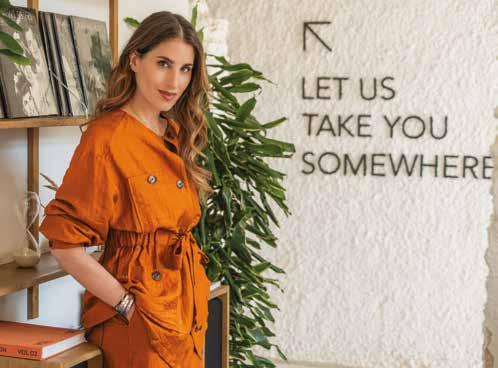
Do you feel that Crete has a primordial essence?
Yes. What makes Crete so special is that you can feel the presence of the Minoan civilisation in some of its landscapes. The same applies to the lyra. It is a centuries-old instrument, and it is shocking to see something so ancient still in use today. Crete has this continuity. You feel as though you are walking through a place where history is not something distant; it is all around you.
When did you first come into contact with singing?
I sang for the first time at a camp in Crete. I scored points in a competition, after which they made me participate every year. At the same time, I have, also, always been taking traditional Cretan dance lessons at home. Crete was all around us.
Is your family as “in love” with Crete as you are?
Although my mother is not from Crete, she might as well be. It’s no coincidence that I’m married to someone born and raised in Crete. My brother is married to a Cretan woman who was born and raised there. My sister had a long-term affair with a Cretan man, and my other brother lives in Crete. This love has been shared within the family.
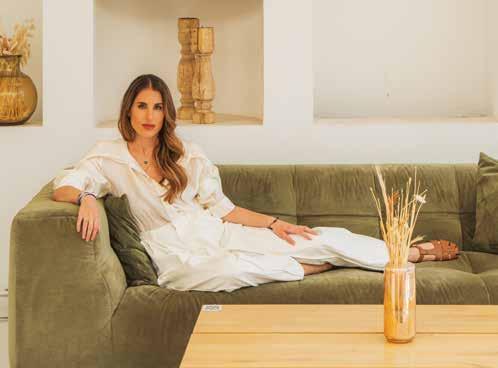
When did you realise that music could be more than just a way of impressing the other campers?
At around the same time that I was taking part in the camp contests, something completely unexpected happened. My brother’s guitar teacher heard me singing on some echoing stairs and suggested I go to a Thanos Mikroutsikos tribute. Completely unaware of the danger, I went along as if they were telling me something very simple. They asked me to learn “Eleni”. After I had sung the song, Mikroutsikos himself came backstage to tell me that “it was my duty to sing”. When I told him I wanted to study psychology, he said that no matter what I studied, I would still end up there. In that moment, I realised that music wasn’t just something I loved; it was part of my life.
So did you plan for the future?
No, not at all. I’ve always been very loose in my life. I’ve never sat down to make a specific plan for anything. I just go with the flow and see what happens next.
The stage, the people... was it a challenge?
I was under a lot of stress and wasn’t prepared to deal
Zara. / Shirt, trousers and sandals, all from Zara.
Crete has this continuity. You feel as though you are walking through a place where history is not something distant; it is all around you
with it. On the one hand, it was a path I wanted to explore; on the other, I couldn’t control myself on stage. All that changed with experience. After performing on stage a hundred times, I started to get used to it. Over time, the fear disappeared.
But are you still impulsive?
Yes, I make my mistakes very loosely. I recently performed in a large municipality and wore sandals. The mayor was annoyed, but I didn’t think about it at all -that’s just the way I am; I didn’t mean to offend anyone. But when I sing, I can’t do anything other than express how I feel.
What else do you want to conquer?
Although I have always wanted to write, I now enjoy singing more. My main goal is to reach a level where I can do it without feeling stressed. I know that I will go somewhere, people will come, we will have a good time, and everyone will leave feeling full. I don’t dream of filling stadiums, nor have I started thinking this way because I don’t feel that I’ve been recognised as “great” or “exceptional” by the world yet. I know people recognise the noteworthy voice and quality of the songs, but they won’t say “No matter what, I’ll go to Pavlina because I know I’ll have a good time”. That’s what I want to build, slowly and steadily.
Which of your collaborations have impacted you the most?
The most important collaboration I have undertaken to date

was with Dimitra Galani. Dimitra changed my entire worldview, affecting not only my perception of music, but also my outlook on life. She unlocked my voice and said to me “I know you know that you’re a beautiful girl, and that even if you put on whatever you can find, you’re confident that you’ll be liked. Well, that’s how you should feel about your voice. I hereby grant you this certification!”. She told me to hold it in and go out on stage without fear. Not to worry about doing everything perfectly technically, but to connect my voice with the emotion. It changed me completely; I learnt to sing from the soul.
Was Miltos Paschalidis another significant musical encounter?
Yes, and this collaboration has played a pivotal role in my life. It made me realise that I should embrace this spontaneous, “loose” side of my character. People need to understand that. Being myself on stage helps me a lot. It helps me to avoid trying to fit into a role that doesn’t suit me.
To what extent has becoming a mother changed your music?
Very much! In the past, all my songs were increasingly dark. Now, suddenly, they are filled with love, hope and light. The most beautiful thing is that when I write and sing something happy, I see my child dancing. She is only one year old, but she already reacts to music. She smiles and dances when she hears something cheerful. It inspires me to write joyful songs all the time.
What are your plans for the future?
I will be joining Miltos Paschalidis on his tour this year, but only at some of the stations as the baby is only one and I can’t be away all the time. However, I will also be making some appearances on my own. At the same time, I am working on two music projects. One moves towards a more artistic direction with the songs featuring Miltos Paschalidis, while I am preparing another album that is more experimental, freer and bolder. This one is in an R&B rhythm and is intended for a woman who does not easily adapt and does not want to conform to conventional moulds. She is looking for a harder sound. I want to reveal both sides of my personality: the side that people know and the side that they may not have seen yet.
Finally, do you feel any different when you sing in Crete? Crete is unique. There, I feel connected to the earth. I am experiencing something that I cannot easily explain. The way the world welcomes you and the emotions it creates are very profound.
The photo shoot took place at the All day café & Brunch “The Roosters” Ilisia (www.theroosters.gr), which we would like to thank warmly for the hospitality.
ΌΤΑΝ Ό ΉΛΙ ΌΣ
IF YOU LOVE SUNSETS, JOIN US AS WE SEARCH FOR THE MOST IMPRESSIVE PURPLE MOMENTS IN MILOS.

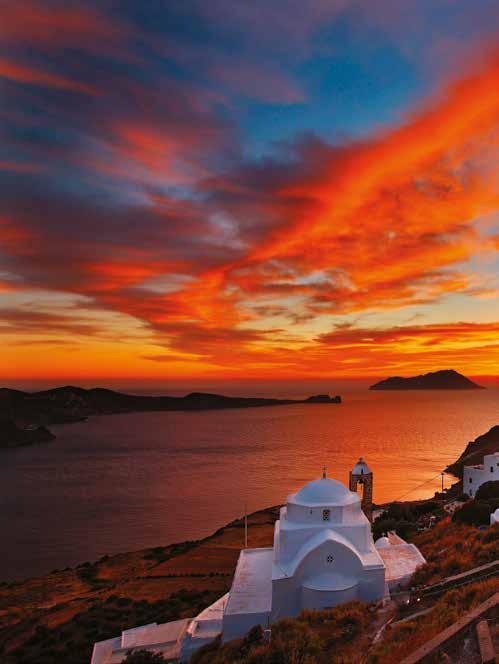
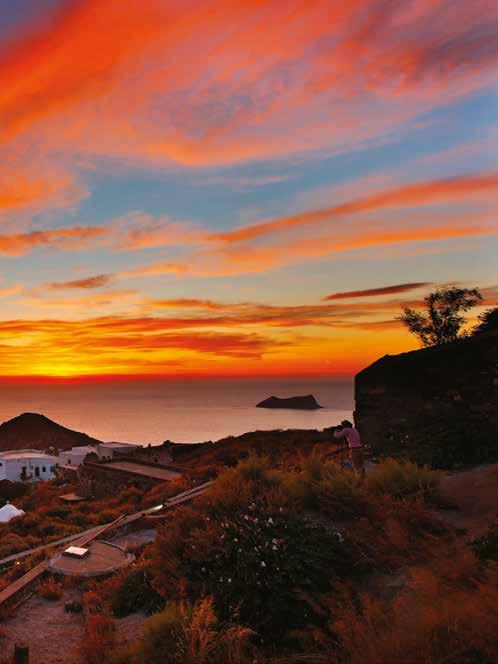
ΣΙΛΕΎΕΙ

FArom traditional hilltop settlements to imposing coastal rock formations and magical beaches with dazzling turquoise waters, Milos seems to catch fire as the sun sets.
In traditional Plaka
The sunset is beautiful in the largest traditional settlement of Milos, which is located at an altitude of 220 metres! The top of the 13thcentury Venetian castle offers the perfect vantage point from which to admire the sun painting the horizon with incredible colours. A little further down, the churches of Mesa Panagia and Panagia Thalassitra overlook the sea. Even the most demanding traveller will be rewarded by the short climb. Like the Panagia Korfiatissa, emerging from the labyrinthine alleys of Plaka and overlooking the bay of Adamas. As the magnificent spectacle begins, many people slowly take up their spots in the marble square of Panagia. They sit on the terrace, on the benches and even on the steps of the church, with drinks from the nearby bars in hand. An air of impatience seems to hang in the atmosphere, alongside laughter and cheerful voices. And suddenly, everyone falls silent. The sky is painted with an array of colours: yellow turning golden, orange turning fuchsia. It is an endless palette until darkness falls and people pour into the alleys of the well-preserved, picturesque settlement.
In the colourful Klima
Klima. One thing is certain: this fishing village of Milos is truly enchanting, with its iconic "wires" just a breath away from the sea. For
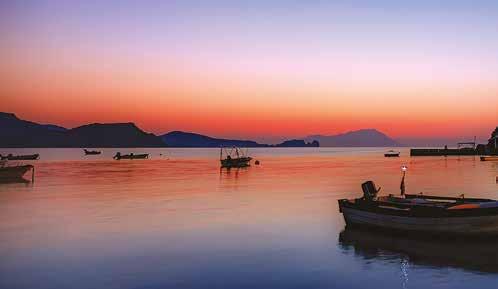
In the picturesque Klima with its colorful “wires” we enjoy the most cinematic sunset on the island.
decades, the small folk architecture buildings dug into the volcanic rocks have offered shelter to fishermen and their wooden boats. Today, their large red, blue and green doors create an explosion of colour next to the turquoise waters. However, the scenery really comes to life at sunset, when the sun sets right in front of the bay. The light embraces the wires and is reflected in the sea, creating the most cinematic sunset on the island.
In the golden Plathenia
This is perhaps the best beach in Milos for fans of sunsets. This dreamy, sheltered bay lies in the north of the island, very close to the busy Plaka. It is surrounded by volcanic rocks while tamarisk trees provide natural shade. The waters are shallow and crystal clear with an incredible turquoise hue. With its views of the rocky islets of Akrathi and Mikri Akradia, this beach is perfect for a relaxing swim in the afternoon. It is also an ideal place to enjoy the moment when the sun slowly sinks into the endless blue of the Aegean Sea.
In the photogenic Fyropotamos
This traditional fishing village, located in a small, sheltered bay in the north of the island, is bustling yet serene, combining the wild charm of Milos with the tranquillity of the Cyclades. The small sandy beach surrounded by white rocks, the traditional “wires” that add colour to the landscape, the transparent turquoise waters, the impressive Church of Agios Nikolaos and the vaulted doorway of an old quarry on top of the rock, all come together to form a natural setting for
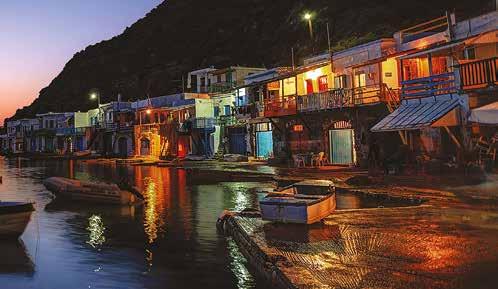
Cycladic magic. In fact, as dusk falls, the landscape transforms into a painting. The golden light of the evening bathes the white houses and volcanic rock, while the sea is painted in impressive shades of purple and orange.
In the sandy Achivadolimni
Achivadolimni is located at the narrow point that connects the west and east of Milos. It is named after the clams that once stood there. As it is the largest wetland in the Cyclades and an important stopover point for migratory birds, it is protected by the Natura 2000 Network. The homonymous beach, the largest sandy beach on the island, lies nearby. Its shallow, warm waters take on various shades, ranging from blue to emerald green to deep blue. As the sun slowly sets behind the hills of Plaka and those on the opposite side of the bay, the sky and the crystal-clear waters are bathed in warm golden colours. The entire bay is transformed into a vast natural pool that reflects the serene colours of the sunset like nothing else.
In the iconic Sarakiniko
Even before we reach our destination, the ever-changing landscape prepares us for something truly unique. After leaving our vehicle in the car park, we walk for about ten minutes until we reach one of the most impressive natural monuments in Greece. The white, fossil-bearing volcanic tuffs -mixed with kaolite in some spots- reflect the summer sun’s blinding light. Among them emerge small caves, a natural "blue lake" of seawater, and a half-submerged shipwreck that has slowly succumbed to the sea over the years. These features add a sense of mystery to the former den of Saracen pirates. However, the view from the boat is even more impressive, as the entire white, almost lunar landscape embracing the deep blue sea comes into view. Although most people visit in the morning, it is at sunset that the white rocks are transformed into a golden, pink and orange canvas, providing one of the most magical views in Milos.
In the pirate Kleftiko
Giant white tuffs, carved by wind and water over time, stand like huge natural arch sculptures over the Aegean Sea. Caves, galleries, passages and sea lakes have been formed between them, where turquoise waters flow silently, protected by the giants of nature. The silence is almost eerie as our boat slips inward. With the legends whispered over the rocks, it’s easy to imagine the pirates who once roamed the Aegean choosing Kleftiko as their hideout. The undisputed protagonist of southern Milos never ceases to amaze us, inviting us to cool off in its transparent, emerald waters. This is a ritual that takes on another dimension when the sun sets. Then, as one of the most spectacular sunsets in the Aegean takes place, the landscape is transformed and the rocks take on golden and amber hues.
In the imposing Vani
No matter how many days you spend in Milos, it’s important to dedicate at least one of them to a boat tour of the island. Whether you

choose a motorised or sailing boat, or a tourist wooden caique, the experience is definitely unique. Because the island with its impressive coastline is revealed by the sea in all its glory. This is how we get to Vani, the last point of the west side before the boat enters the bay of Adamas. The landscape changes dramatically here. The area’s geological history is evident in the imposing, vertical formations, which are dark in colour with deep red and brown hues and contain iron ore and traces of manganese. Imposing and upright, the rocks appear to transform as the crimson sun sets over the sea, changing colour in the process. The boat halts for a few minutes. The water is a shade of violet and the rocks appear to be ablaze. An unforgettable end to a magical summer’s day.
In the original Tripiti
Tripiti is one of the most charming traditional settlements. Built amphitheatrically over the bay of Adamas and just a stone’s throw from Plaka, it probably takes its name from the "hole-like" rocks of the area, which have been used as storage areas or funerary monuments since ancient times. However, the village is notable not only as a “gateway” to history, but also for its authentic Cycladic identity, evident in its whitewashed houses and narrow alleys, as well as the windmills atop the hill. From the highest points in the settlement, we see the sea stretching out before us. The panoramic view of the bay transforms as the sun dips below the horizon, providing us with wonderful sunsets away from the crowds.
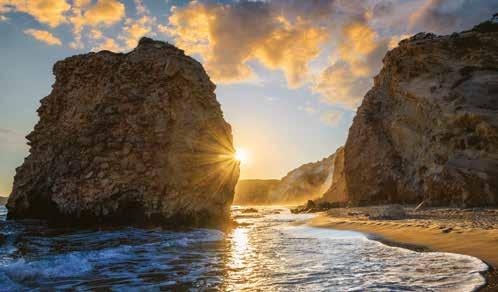
In the isolated Pachena
While it may not be the first place that springs to mind when discussing the legendary sunsets of Milos, those who stay until dusk on this vast, relatively secluded sandy beach in the north of the island will certainly be rewarded. The natural shade provided by the tamarisk trees, the crystal-clear blue waters, and the idyllic view of Glaronisia directly opposite are enough to keep us here for hours. As the sun sets spectacularly on the open horizon, the beach, the rocky formations, the small caves and the few "wires" of the area become bathed in the soft golden light of the sunset.
In the magical “trilogy”
Triades, Ammoudaraki, Agios Ioannis: These three consecutive, unorganised coves on the western, uninhabited side of the island are one of its best-kept secrets, with their untouched natural beauty. Access via the rugged dirt road requires an adventurous spirit (ideally in a 4x4, or even better by boat), but the reward is unique. Golden-sand beaches are surrounded by impressive white or red rocks. However, it is at sunset that the real magic unfolds. As the sun sinks into the sea, the volcanic rocks are bathed in the fiery light of the departing day. Therefore, we enjoy the most “isolated” sunset in Milos, with the strong sense that this stunning moment -and this stunning island- belongs entirely to us.
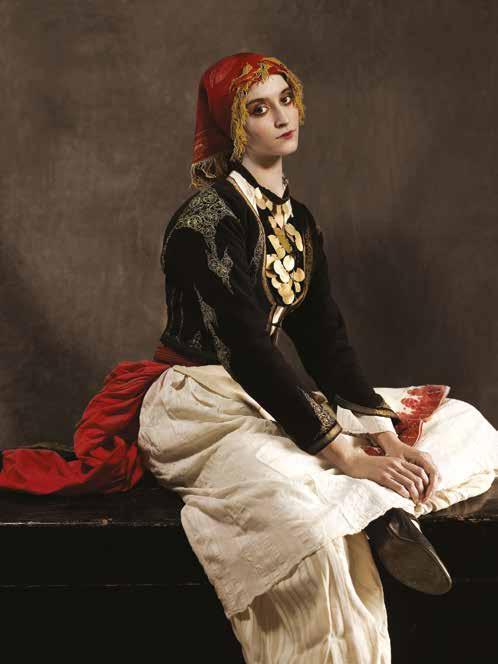
THE INTERNATIONALLY RENOWNED PHOTOGRAPHER DISCUSSES HIS IMPRESSIVE PROJECTS, WHICH HAVE BROUGHT HIM CLOSER TO CRETE -THE ISLAND WHERE HE HAS ALWAYS DREAMED OF LIVING AND WORKING.
t all began with a tangible vote of confidence in Vangelis Kyri’s talent and his impressive artistic career both in Greece and abroad: starting with the permission granted to him in 2019 by the National Historical Museum to photograph authentic costumes from its collection worn by contemporary figures, a series of collaborations was launched between the pioneering photographer and his longtime collaborator, Anatoli Georgiev, with major museums, institutions, and organizations in Greece and abroad. The mixed-media portraits created thus far have been presented in nine exhibitions under the collective title “Raiment of the Soul”, held in various locations both within and outside Greece, including Athens, Thessaloniki, Seoul, Venice, and Ancient Eleftherna in Rethymno. In August 2022, the Heraklion Municipal Art Gallery (Saint Mark’s Basilica) hosted a large exhibition of photographic works by Vangelis Kyris inspired by the paintings of Domenikos Theotokopoulos. The exhibition was titled “Reference: Report to Greco”.
And somehow, Vangelis Kyris’s lifelong dream came true: he now spends most of his time
Reproducti on of the dress of the statue the “Lady of Auxerre”, Museum of Ancient Eleutherna.
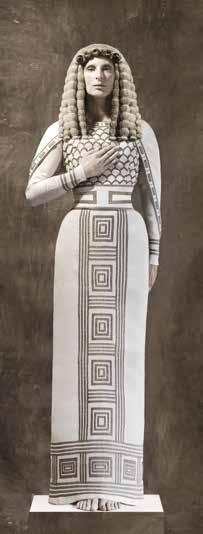
living and working in Crete, which he considers his second homeland. The fact that he had a great-grandmother from Rethymno prompted him to explore his long-standing connection with a place that has always fascinated him.
He continues to draw inspiration from tradition, envisioning a new series of works based on the Minoan civilisation. The reason was the remarkable similarity observed between traditional women’s costumes in Anogeia (Sartza ) and Minoan costumes. His vision is an emblematic collaboration with the Lyceum Club of Greek Women in Heraklion, which will highlight the continuity between ancient and modern Cretan culture by focusing on costumes and the way tradition is viewed as a source of inspiration and a driving force for the future.
For the exhibition “Raiment of the Soul”, the contributors embarked on a marvellous journey through time. As he tells us: “All the clothes came from museums. People in the modern era wore and were photographed in garments that were over two hundred years old. Mrs Frosini’s dress, for example, had not been touched since 1935! We were also honoured to be able to use the costumes of Kolokotronis and Lord Byron, as well as the clothing of many other rebels, heroes and kings who have made their mark on history. We felt a sense of awe and reverence when presented with this unique opportunity”. He
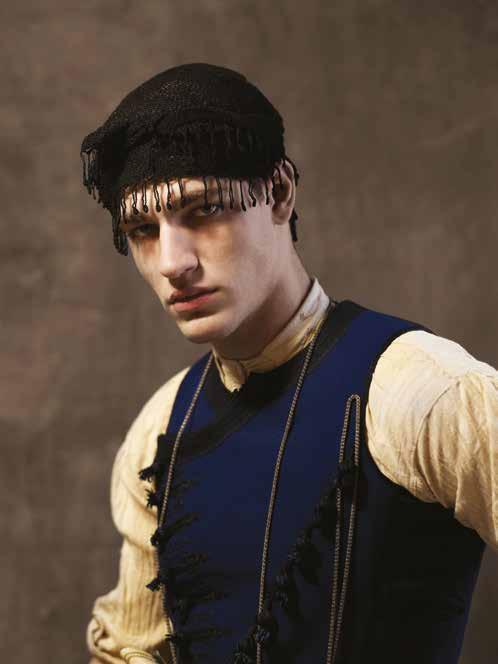
Traditional Cretan costume, consisting of salvari or vraka, with a cross-strapped vest and a head scarf with fringes, early 20th century, Society for Cretan Historical StudiesHistorical Museum of Crete.
Clothing of King Otto, 19th century, National Historical Museum of Greece.
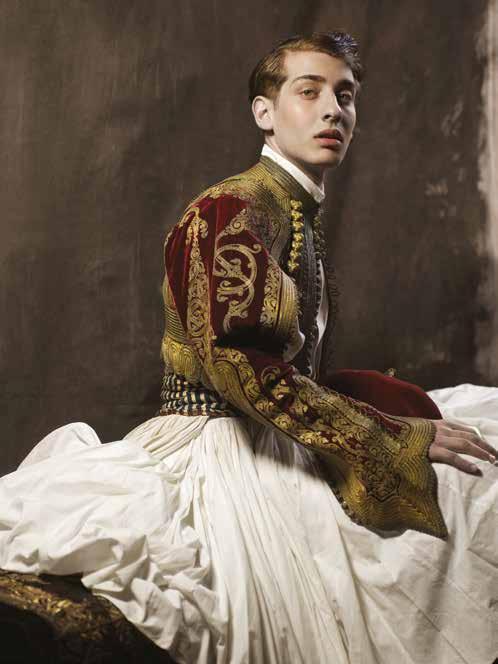
People in the modern era wore and were photographed in garments that were over two hundred years old
also explains why he chose to give the portrait presentation a Renaissance tone: “I was inspired by Caravaggio’s paintings. I wanted to pay tribute to this lost opportunity through these works precisely because Greece did not manage to live freely in the Renaissance period due to the conquerors”.
The technique he uses is impressive, testifying to his personal passion and dedication: “The portraits were printed on fabric. Any embroidered parts of the clothes were embroidered by hand on top. You have to see it up close to truly understand it... Touch plays a very important role in this work, which is generally an exhibition that engages all the senses. Specific music was also composed to accompany these creations by Dimitris Bakas”.
The hand embroidery and threads that unite the past with the present led to his inspiration in the Thread of Ariadne and the wonderful Minoan civilisation, from which his new ambitious project takes inspiration. “The Minoan civilisation is one of the oldest and most important in the world. A collection from the Lyceum Club of Greek Women in Heraklion, featuring exquisite costumes from the 1950s with a Minoan theme that are protected by UNESCO, inspired me to imagine a revival featuring contemporary dancers drawing inspiration from the aesthetics of photographer Nelly”.
In order to stay close to his inspiration, he is spending more and more time in Crete: “I am spending more and more time in the beautiful village of Kalandare in the Rethymno area. Located at the foot of Psiloritis, the village has a population of fewer than ten and just 33 houses. I respect the location, the materials used and the aesthetics. I first came to Crete when I was 15, and I’ve loved it ever since. I feel a deep connection to this place, as if
Instagram: kyris
it were my motherland. From the gorges and antiquities to the surreal beaches of the south and the snow-capped mountains. It has everything. It’s as if all the world’s wealth has been gathered in one place. Crete opened up a whole new world to me. Here, you can live a better life. For an artist, it’s paradise”.
What has his thirty-year career in photography and fashion, during which he has worked with legends such as Giorgio Armani, taught him? “Our lives are a series of cycles. Although fashion is ephemeral and repetitive, it has taught me about aesthetics and the art of making things more beautiful. Aesthetics is equivalent to ethics. We can learn about aesthetics from nature if we have eyes. Take Crete, for example. Surrounded by such natural beauty, it offers everything Greece has to offer. You have everything you need to live a good life. It leads you to your deepest feelings, giving you the strength to offer something to others”.
What is his opinion on the influence of social media? “The greatest danger is losing track of the path that leads to a deeper understanding of things. Everything is superficial and fast. It’s not the same to "like" a quote by Kazantzakis as it is to read the entire book. At the same time, AI is bombarding us with fake images. We should never forget our roots and the importance of handmade items. Whether you are carving stone, embroidering or cooking, there is a sense of serenity and reality within it. In order to feel present and alive, we have to activate all our senses”.
In other projects, Vangelis Kyris is restoring a hospitable space in the village of Kalandare, where he will be able to hold exhibitions and other events. In fact, whenever someone from outside Crete asks him in wonder, “Did you come to Crete to give up on everything?”, his answer is astounding: “No! I came to Crete to start!”.
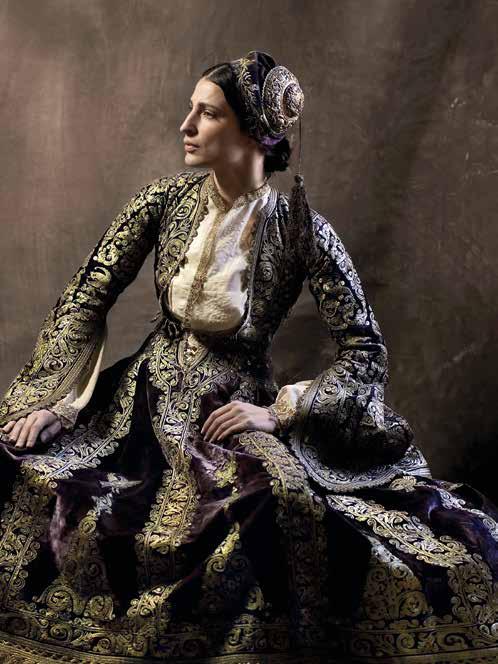
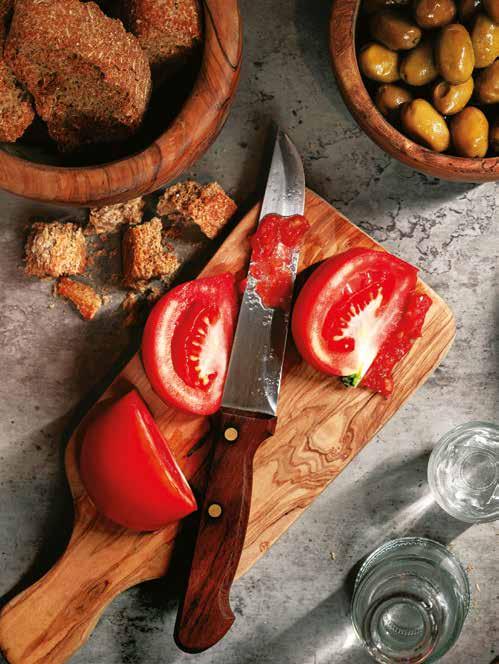
IN 2026 , DAKOS, CRETAN GRAVIERA, ANTIKRISTO AND TSIKOUDIA WON IMPORTANT DISTINCTIONS FROM THE INTERNATIONAL TASTEATLAS TASTE GUIDE, WHILE CRETE ITSELF WAS RANKED THE THIRD BEST GASTRONOMIC REGION IN THE WORLD. HERAKLION WAS ALSO RECOGNISED AS ONE OF THE WORLD’S TOP 100 CITIES FOR FOOD.
MARIA ATMATZIDOU
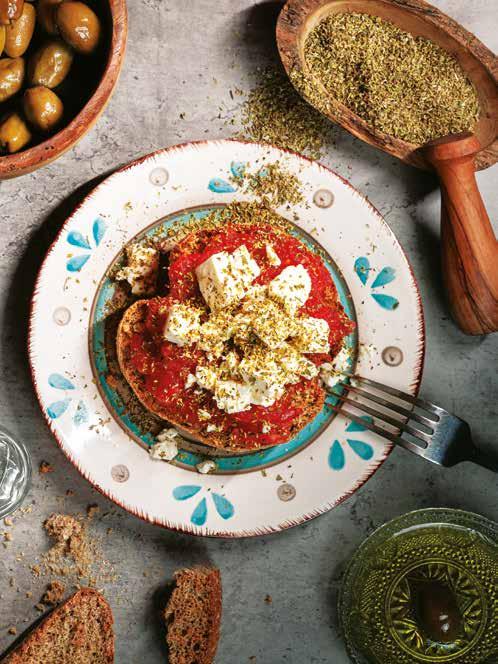
s the motto of TasteAtlas, a renowned online guide to traditional cuisines from around the world. Therefore, it encourages us to travel around the world and experience authentic recipes made with locally sourced ingredients and traditional cooking methods. In fact, a poll is held every year and awards are announced in different categories based on the public’s reviews. The year 2026 saw Greece receive many important distinctions, with Greek cuisine being ranked second among the world’s top 100 cuisines. And Crete truly holds a place of honour!
From Cretan graviera and chochlioi boubouristi (snails) to aromatic dolmadakia (stuffed vine leaves), crunchy sarikopites, freshly fried mizithropitakia and fluffy kalitsounia, which will lift you to heaven with their divine taste, the traditional cuisine of Greece’s largest island is one of the most famous in the world. Thanks to its unique biodiversity, temperate climate and way of life, Crete is home to a diet that is recognised around the world for its simplicity, originality, purity, imagination, deliciousness and benefits to health, well-being and longevity. Let us not forget that the Mediterranean dietary model, which has been recognised as an Intangible Cultural Heritage of Humanity by UNESCO since 2010, was first defined by scientists based on the dietary habits of the people of Crete in 1960. It has been the subject of ongoing scientific research ever since.

Cretan cuisine is not based on imaginative combinations of expensive ingredients, but on the generous offerings of the land, with a strong focus on freshness and quality. Recipes with roots in the Minoan era (5,000 years ago), genuine local produce and traditional cooking methods make up a real culinary treasure trove. It is no coincidence that large pithoi for storing oil, wine, grain and legumes have been found in Minoan palaces, as well as tripod pots for cooking food in oil.
Unsurprisingly, based on the 2026 official TasteAtlas vote, Crete was ranked the third best region in the world for food, with several of its products and dishes being awarded for their high quality and originality. In fact, Heraklion, the modern, cosmopolitan centre of the island, features among the 100 best cities for food in the world, although it remains authentically Cretan, with a multicultural cuisine that is distinguished for its creative mastery, having harmoniously combined traditional Cretan dishes with recipes of the Venetian occupation and dishes with Asia Minor origins.
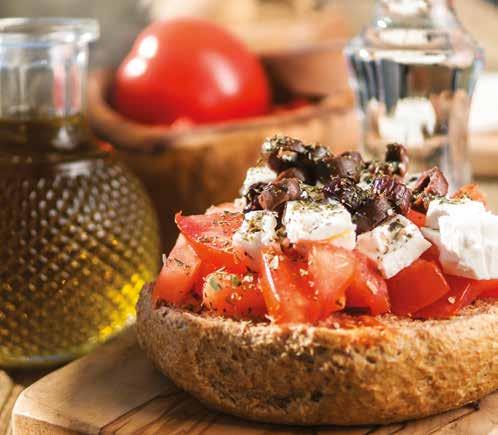
According to the TasteAtlas list, the best salad in the world for 2026 is dakos, which is synonymous with the Cretan diet and is named after the eponymous Cretan rusk. Therefore, the king of flavour is the “dipyrite bread” of the ancient Minoans, which is bread baked twice, and comes in the form of parallelograms (called dakos), or round barley rusks. Recognised as a Protected Geographical Indication (PGI), Cretan rusks are produced exclusively in Crete. Its history goes back a long way, as the cultivation of cereals on the island dates back to the Neolithic period. They are highly nutritious, containing plenty of fibre, carbohydrates, vitamins, minerals, starch and antioxidants.
Although the recipe for Cretan dakos salad is simple and quick, the taste is unique. This is no coincidence, as the dish is full of the colours and aromas of Crete’s beautiful nature. The rusks are sprinkled with water, topped with grated red tomato, crumbled xinomizithra cheese and aromatic oregano, then drizzled with extra virgin olive oil. It’s the most classic recipe -and simplicity in all its glory. A few salty capers or the wonderfully aromatic samphire add another flavoursome note.
Dakos in Heraklion and Lassithi is also called “lantouristo”, from the verb “lantourizo” which means to sprinkle. Round rusks can be cut in half to make two pieces. Traditionally, the top part, called “panokafkalo”, was offered to guests as a sign of courtesy and welcome, as it is lighter. The bottom part, the “katokafkalo”, was food for family members only. However, we are definitely lucky to be able to enjoy dakos on the island where it originated, no matter which piece we get.
The flagship Cretan cheese with a Protected Designation of Origin (PDO) is appreciated by more than just Greeks. Thanks to its high quality and rich flavour, Cretan graviera was ranked fifth among the world’s 100 best cheeses in the 2026 TasteAtlas Awards. This is a remarkable achievement, especially considering that it ranked 23rd on the corresponding list for 2023.
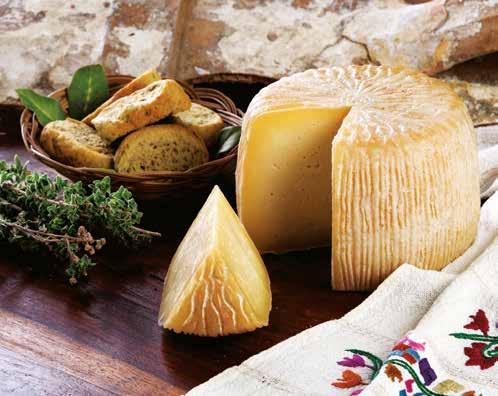
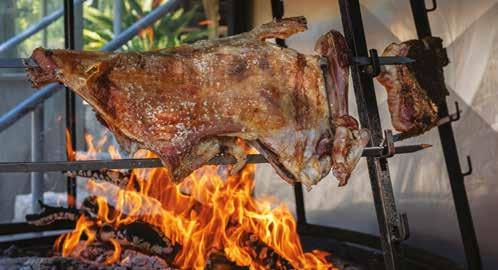
Although cheese-making knowledge in Crete seems to date back to the Minoan era, graviera was only produced in Greece at the beginning of the 20th century. However, it has since held a prominent position in the Greek dietary repertoire. Pale yellow in colour with round holes, Cretan Graviera has a rich flavour that is sweet and buttery with spicy notes and a pleasant, milky scent. It is imbued with the colours and aromas of the Cretan land and the love of its people.
The delicious, high-quality cheese is the result of the sheep and goats grazing freely on the island, the aromatic herbs, the good weather conditions and the respect for traditional production techniques. The cave-aged graviera stands out among the various varieties, thanks to its unique aging process, rich flavour and long-lasting aftertaste. There are also graviera cheeses made with spices, aromatic herbs, chillies and garlic, and even truffles. These are the ultimate expression of creativity by Cretan cheesemakers.
Whether served as a starter with a shot of cold tsikoudia or drizzled with Cretan thyme honey (our favourite way to enjoy it), Cretan graviera is a proven international favourite that is sure to elevate your senses.
It is perhaps the most famous way of cooking meat. It originated in “mitata”, the shelters used by shepherds in mountainous regions. This traditional technique has remained unchanged to this day and is even mentioned in the Iliad by Homer. Its fifth-place ranking in the “lamb dishes” category on the 2026 TasteAtlas list is no coincidence.
The procedure is as follows: The animal -usually a lamb- is cut into four pieces of meat, known as “goulidia”, which are sprinkled with coarse salt and placed on spits facing each other in a circular arrangement around a constantly fed fire. The roaster takes into account the direction and intensity of the wind, as well as the distance of the fire from the meat.
In recognition of the excellence of Cretan cuisine, this year the island was named the “European Region of Gastronomy 2026”

With this technique, the meat is roasted in its own fat and added salt, with the heat coming from the flames rather than the coals.
In the past, spits for baking antikristo in the open air were made of mulberry or maple sticks, carved by the people living in the mountains from the materials generously provided by the Cretan landscape. Today, there is modern equipment for this ancient method of baking: the metal “antikristieres”, as they are called. The cooking time is slow and depends on how much meat is being cooked, but it usually takes between 3 and 4 hours, although it can take up to 6 hours. The end result, achieved through the roaster’s (traditionally male) mastery of retaining the juices and flavour in the roast, is mouth-watering.
Can a drink also be a medicine? And yet, that’s what they say in Crete. They say it cures everything, “there is nothing that tsikoudia does not cure”. Even if you don’t agree, one thing is certain; if you haven’t tried a glass... then you haven’t really been to Crete. It’s no coincidence that it came second in the “Spirits” category on TasteAtlas. Tsikoudia or raki (PGI) is the single distillation drink from the grape pomace, that is the remnants after the grapes are pressed, but also from figs, berries or plums. It has become inextricably linked with the everyday lives of islanders, their
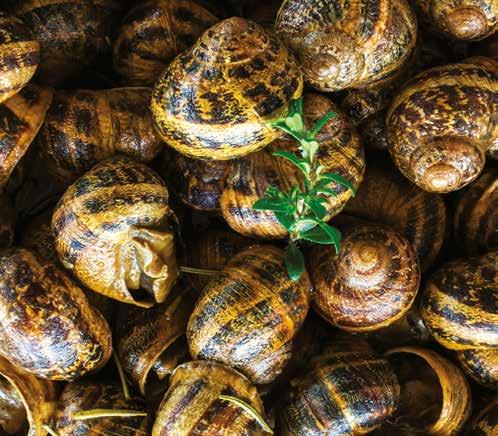
celebrations, hospitality and welcome, and their moments of happiness spent with friends and acquaintances. But also the difficult ones, to ease the pain and honour those who pass away. A meze is a necessary part of a Cretan meal. It consists of famous cheeses such as graviera, wild artichokes, fragrant askordoulaki (snails), sausages, smoked pork or “apaki”, potatoes, mizithra pies and pies with wild greens and herbs. It’s also a friend, to share the worries -and the enjoyment.
Although it may not have been awarded in 2026, one of the most representative dishes of Crete proudly holds second place in the “snail dishes” category on TasteAtlas. The chochlioi, the amazing superfood, one of the most popular dishes of the Minoans. They are low in calories yet high in nutritional value, being a source of iron, protein, vitamins and minerals. They are certainly unique -the Cretan superfood in all its glory! If you try them “boubouristi”, that is sizzling face down in the frying pan as the Cretans traditionally do, they will smell of thyme, oregano and rosemary. Cretan nature on your plate!
A FEW DAYS BEFORE HE VISITED CRETE AS “CREON”, THE VERY POPULAR “SAVVAS” FROM THE TV SHOW “YOUR FAMILY” EXPLAINED HOW HE SUCCESSFULLY MOVES BETWEEN TRAGEDY AND COMEDY, AND HOW IMPORTANT IT IS TO KEEP IN TOUCH WITH REALITY IN ORDER TO TRANSLATE IT INTO ART.
ASTEROPI LAZARIDOU
PHOTOS: ANDREAS SIMOPOULOS
STYLING: SOPHIA TSAKIRI
GROOMING: MORFE
Meletis Ilias has a certain je ne sais quoi that wins you over from the very beginning, whether you see him in theatre, on television or you meet him in person. Whenever he walks down the street, regardless of his destination, he will inevitably stop to chat with the many people who want to greet him along the way. His role as “Savvas” in the highly successful comedy series “Your Family”, broadcast on ALPHA, has earned him countless fans of all ages. This summer, he is touring all over Greece with Sophocles’s “Antigone”, which is being performed with the same impressive impact for the second year running. So, how does one balance comedy and tragedy? Having a balanced relationship with reality is the key to achieving anything!
What is it like to play such an iconic role as Creon?
For any actor, the opportunity to undertake such roles is a great moment in their career. I feel very lucky to have been trusted by director Themis Moumoulidis. The role is so big and so demanding that you need to have mastered some acting principles to cope. It doesn’t require many frills. I always find new things to help me get on the right track and be guided by instinct, even

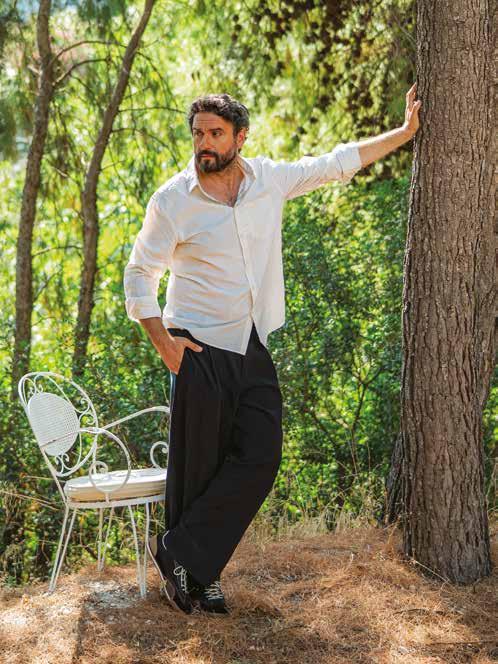
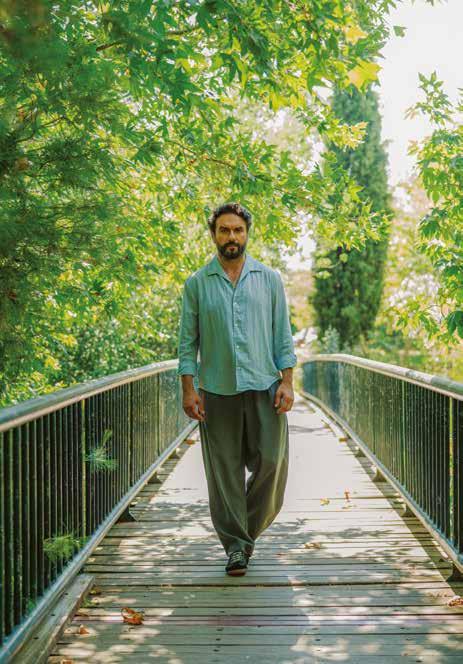
from one performance to the next. Of course, having worked closely with Theodoros Terzopoulos, I have gained valuable experience that I can use as a point of reference for my own development.
“Antigone” is the most popular tragedy in Greece, the public knows it almost by heart, it is impressive...
It’s in TOP 3! I believe the reason it is taught in schools is because it deals with the clash between the new and the old. The central figure is a young person who stands up to the establishment. Of course, it also involves the conflict between a man and a woman. Antigone contains Principles, love and political positions, which is why it is considered timeless.
People love seeing Antigone performed in the theatre. But what about when they meet her in real life?
The world would be a better place if there were more people like Antigone. It is up to the younger generation to stand up to the establishment. For now, they are confined to the tiny world of the mobile screen, but they are also exposed to a wealth of information, which is positive. Having children myself, I am optimistic. It is positive that the new generation is more reactionary and revolutionary. My generation grew up in toxic environments where bullying was commonplace, and we took it for granted. “That’s the only way you learn...”. Fortunately, this has changed.
What is touring like in summer?
I haven’t been on many tours in my life, so I’m really enjoying this one. It’s especially good when you’re not shooting. You can combine it with a bath and a coffee by the sea. Of course, you have to be careful not to get sunburnt -not to mention that the sun is also bad for your vocal cords! This year, we have thirty scheduled stops and will perform in many of our favourite places in Greece, including Thessaloniki, Kavala, Crete, Mytilene and Zakynthos.
Is the audience outside of Athens more genuine and enthusiastic? Absolutely! Something that you can’t take for granted, and which you don’t have at all times, is something that you appreciate more. You have high expectations of things. Outside of Athens, people come prepared to enjoy the show from the very beginning! You can see it in the applause, and in the conversations you have with them afterwards. Here in Athens, we’re
all cooped up and closed off. We view everything from a high horse. We miss this childish enthusiasm that you encounter, for example, in the audience of an island.
This year, “Your Family” returned to Greek television, enjoying the same success as the original series. What was your experience of all this? We know each other’s roles through experience, and we know each other very well. We have also developed a strong code of communication. The script becomes the canvas where you put your personal touches. I believe that the chemistry between us is the most important thing. We are friends, we are family, we are proper kin! The series has a long way to go -it could be played for many years. This is, of course, a double-edged sword for an actor who wants to experiment. However, there are also opportunities for experimentation and innovation in theatre.
How do you respond to the expressions of love that you encounter in your life?
I deal with it in a relaxed way and happily. I don’t feel
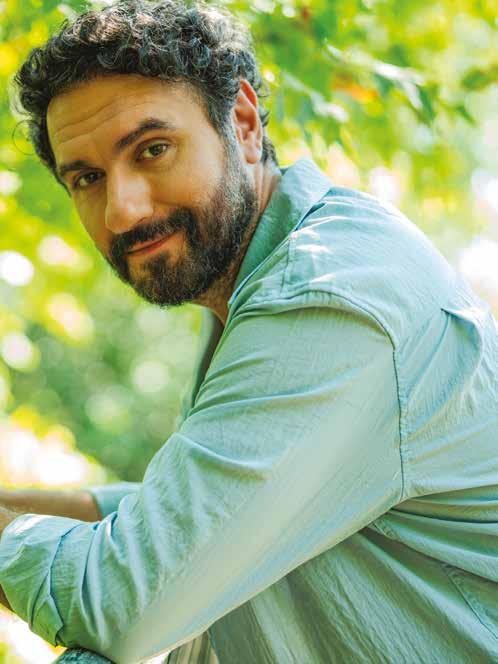
An actor must be bold and take risks
uncomfortable. Of course, you will stop and talk to them, especially when they are very young and expressive. You will also take selfies. We’re a small production company here in Greece -we’re not in Hollywood! I think it’s really cute, and I laugh when they open their mouths as if they’re looking at George Clooney. At the end of the show, some people in the theatre bring me crisps because the character “Savvas” that I play in “Your Family” likes them. And suddenly, Creon eats crisps!
What helps you to relax and feel calm, both offstage and off TV?
I spend a lot of time with my family. I often go to the stadium to watch my football team, AEK Athens F.C. I enjoy art and searching, but I can’t live with that alone. You need to keep in touch with reality in order to translate it into art.
As the years go by, which do you find more important: a great role and good earnings, or a pleasant working environment?
It’s a thousand times better when you have a great atmosphere with the cast and crew and there’s a real love for what you’re doing. For me, it’s not about landing a big role or making a lot of money, only to spend the next five months kicking myself and saying, “Why did I ever do that…?” Even if you have nothing, you can still do something about it if you’re having a good time and there’s love around.
What will the next season bring?
We are continuing to shoot “Your Family”, and I am delighted to announce that I will be joining the cast of Chekhov’s “The Cherry Orchard”, directed by Sofia Spyratou and featuring an excellent ensemble of actors, at the Katia Dandoulaki Theatre. It is a gem of a theatre, and the care of the woman who runs it is evident throughout. Katia has done an amazing job. Even the backstage areas, such as the dressing rooms, which are usually messy in other theatres, are perfect! I’ll play Lopakhin.
It’s interesting that you’re always trying out such different roles. This is the essence of acting. Even if something doesn’t work out for me, even if I fail miserably, I’ll still come out ahead. An actor must be bold and take risks. If I had wanted security, I would have become an employee somewhere; I wouldn’t have chosen this path.
zara. / T-shirt, trousers and shoes, all from zara.
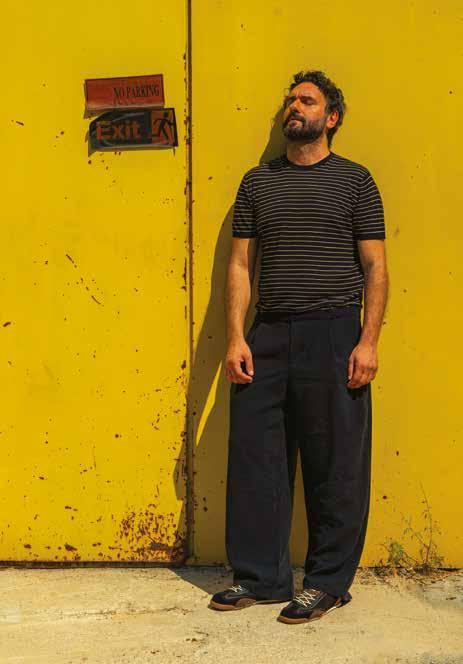
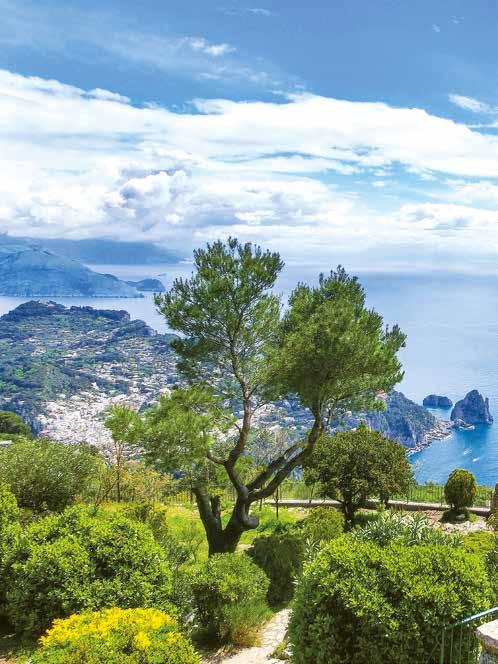
FROM NAPLES TO POMPEII AND CAPRI, FROM SORRENTO TO THE AMALFI COAST AND FROM SALERNO TO MATERA: A ROAD TRIP THROUGH SOME OF ITALY’S MOST BEAUTIFUL REGIONS.
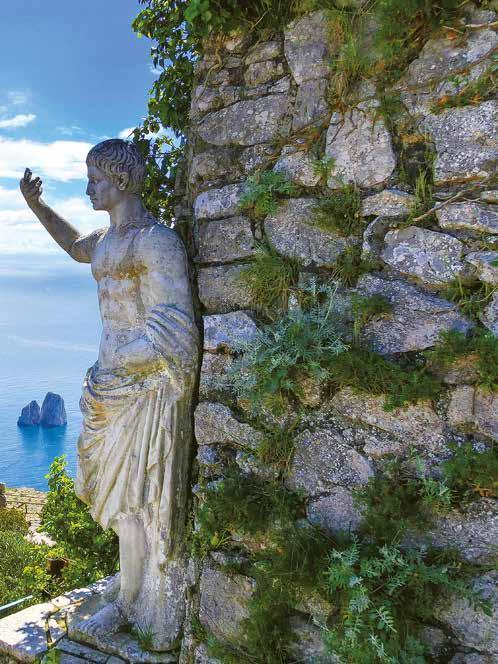
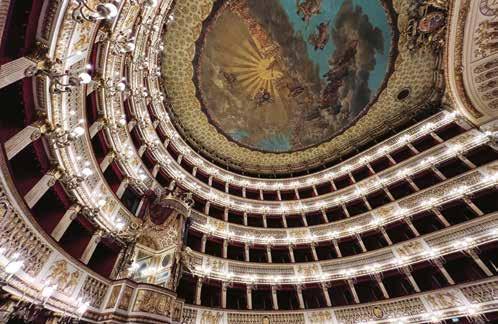
EPiazza del Plebiscito,
Basilica di San Francesco di Paola, ενώ
Galleria Umberto I
Quartieri Spagnoli
Spaccanapoli,
Naples unfolds before us like a theatrical performance, with its explosive, aristocratic, cinematic and authentic character. Our first stop is the legendary Teatro San Carlo, one of the world’s oldest opera houses. Its gilded halls are reminiscent of the glorious Bourbon era. Later, at the historic Gran Caffè Gambrinus, we enjoyed a cappuccino and a delicious babà al rum. Suddenly, a wandering band started playing the iconic “O Sole Mio”, and we found ourselves joining in with the spontaneous melodic celebration. Imposing buildings dominate the Piazza del Plebiscito next to us. These include the Royal Palace, with its beautiful gardens, and the Basilica di San Francesco di Paola. The Galleria Umberto I also impresses with its Art Nouveau architecture and mosaic floors.
And then, it is the other Naples. In Quartieri Spagnoli, laundry hangs from balconies and street art depicts unforgettable scenes featuring Sophia Loren and the ever-present Maradona. In Spaccanapoli, the aroma of garlic of the cucina povera fills the alleys, while the small workshops of Via San Gregorio Armeno produce the famous handmade nativity scenes.
At the Monastery of Santa Chiara, we admired the Chiostro maiolicato, with its vibrant “explosions” of painted ceramics. In the Archaeological Museum, we saw the impressive artefacts from Magna Graecia and Pompeii, as well as the renowned sculptures of the Farnese collection. We strolled along Via Toledo and Via Chiaia, which are lined with tasteful boutiques, and then climbed the cable car up to Castel Sant’Elmo, where we gazed at the imposing WAVE
torta Caprese.
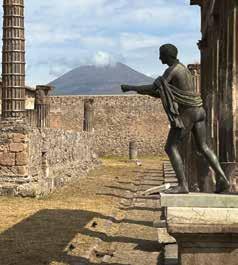
The Temple of Apollo in Pompeii, with the legendary Mount Vesuvius in the background.
Below: Time for a cool aperitivo in Naples.
Vesuvius. At the Museo Cappella Sansevero, we stood in awe in front of Sanmartino’s “The Veiled Christ”, a finely crafted marble veil tenderly embracing the weary body of Christ in astonishing detail. A pizza napoletana and a crispy sfogliatella with a sweet ricotta filling are an absolute must between the walks. In the afternoon, against the backdrop of the boats in the bay, the Castel dell’Ovo and a refreshing Aperol Spritz with lupins (!), Naples proved to be a multidimensional experience that completely seduces you.
Just one hour by boat from Naples, the lush green island of Capri emerged from the sea. We set off from Marina Grande by boat, admiring the steep cliffs, luxurious villas and the emblematic Faraglioni Rocks as we travelled along the coastline. We saw the famous Blue Cave (Grotta Azzurra) from afar, avoiding the long queues. We took the bus into the city, which is a good way to go if you have the patience to deal with the queues, an inevitable part of the experience. In the famous Piazzetta, home to the iconic clock, people were enjoying caprese salad and aperitivo under the Mediterranean sun. We wandered through the cobbled streets adorned with bougainvillea and past the cosmopolitan terraces of the luxury hotels on Via Camerelle before reaching the magnificent sea views of the Gardens of Augustus. On our way back to the marina by funicular, we treated ourselves to a frozen sorbetto al limone served in a whole lemon, as well as the famous chocolate torta Caprese. In “Apragopolis”, the Roman Emperor Octavian
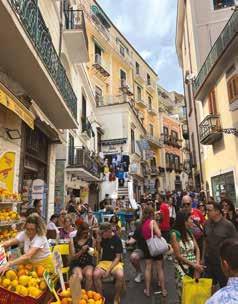
Above: In the foreground the famous lemons of the coastline, in the busy alleys of Amalfi. Below: Exquisite ceramics take centre stage in Vietri sul Mare.
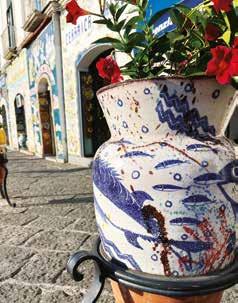
Piazza della Vittoria
Augustus’s city of absolute inaction, the famous “dolce far niente” seems to be a way of life.
For years, I had dreamed of travelling to the city where time had stopped in 79 AD when Mount Vesuvius covered it in ash. We chose a morning ticket to avoid the unbearable heat. Armed with the “Pompeii for All” map, which shows the route to the monuments via smoother ground, we set off from the Forum, the heart of the ancient city. Here we saw the temples of Apollo, Zeus and Aphrodite, as well as the impressive Basilica. We then moved on to the houses of the Faun and the Vettii, where we admired the mosaics and frescoes, which still retain their vivid colours. We passed by the Lupanar, the most famous brothel, with its suggestive frescoes. We also saw impressive mansions and the oldest surviving Roman amphitheatre -even a fast food place of the time. But nothing compares to the moment we saw the plaster casts of the explosion victims. Their final moments were captured forever, bringing history to life two thousand years later.
Perched on the steep cliffs, Sorrento exudes a subtle cosmopolitan charm and fills the air with the scent of lemons. From Piazza della Vittoria, we gaze out over the endless blue sea and enjoy an aperitivo on an elegant terrace. We attempt a refreshing dive from the wooden piers with their iconic striped parasols in Marina Piccola. We stroll lazily along the bustling Corso Italia pedestrian street and wander into the narrow side streets, where the scent of lemons is everywhere: limoncello, soaps, perfumes, bags, ceramics, clothing and summer accessories. Behind Piazza Tasso, we discover the Vallone dei Mulini, a fairytale landscape where nature embraces the ruins of old mills. As the sun sets, we head to the Villa Comunale to enjoy the stunning sunset view of Mount Vesuvius. The day draws to a close at Marina Grande, where you can enjoy colourful houses, delicious fresh seafood in trattorias and an icy limoncello by the sea.
We set off from Sorrento on a Chris-Craft boat for the Costiera Amalfitana. Our first stop is the famous Positano. The jet set’s favourite hideaway, with its pastel houses descending to the sea, is definitely more impressive when viewed from the water. Taking a dip in its deep blue waters was incredibly refreshing, before we visited the Church of Santa Maria Assunta with its distinctive dome made of majolica (special ceramic tiles) and wandered through the narrow streets, admiring the famous handmade sandals. The alleys were packed with people, but if you looked up, you could see the magical beauty of the place.
As we continued on board, we passed the tiny fjord of Furore, with its emerald-green sea “lake” and small bays nestled between the rocks. All along the coastline, bathers were diving into the cool waters from platforms. Upon arriving in atmospheric Amalfi, we climbed the impressive steps of the Duomo, the cathedral, and wandered through the alleys, enjoying a limoncello spritz made with the famous sfusato
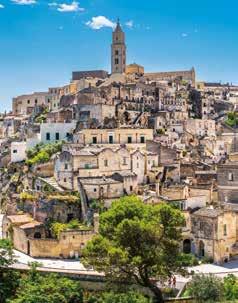
Above: The picturesque Matera.
Below: The iconic Faraglioni rocks in Capri.
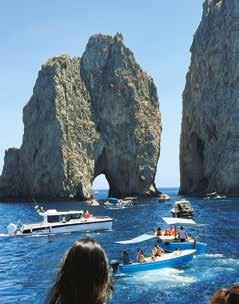
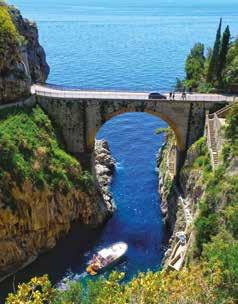
amalfitano lemons. A quick dip in the sea at Marina Grande followed by a pizza was the perfect end to a special day.
The following morning, we set off on the most cinematic road trip along the winding Amalfi Coast, a 70-kilometre route designated a UNESCO World Heritage Site. With each turn, a new image was revealed: villages clinging to the rocks, vertical slopes sinking into the blue, and scenes that seemed to have been pulled straight from a movie. We stopped in Praiano to visit the beautiful Church of San Gennaro, which has colourful majolica tiles and stunning views of the open sea. We climbed up to Ravello, the most prestigious of the villages built high on the mountainside. The gardens of Villa Cimbrone and Villa Rufolo offer panoramic views of the Mediterranean. Then we discovered Atrani, a small gem with its picturesque Piazza Umberto I, historic San Salvatore del Bireto church, white houses bearing the marks of time, and narrow alleys lined with scalinatelle (steps). It is all so authentic and unique. We dived into the turquoise waters on the beach with the characteristic arched bridge and tried the pasticciotto atranese, which is filled with lemon cream and juicy sour cherries.
In Minori, the ‘gastronomic capital’ of the coast, we enjoyed the famous lemon pasta with shrimp and the renowned Delizia al Limone dessert, which floods the palate with aromas. After passing through Maiori, which has the largest beach on the coast, we arrived in Vietri sul Mare, where majolica is everywhere: in workshops, shops and street signs, and adorning the colourful dome of San Giovanni Battista. A colourful finale on a coastline that will remain unforgettable.
Salerno, a modern city on the southern tip of the Amalfi Coast, may not have the same reputation as Amalfi, but it combines the vibrancy of a shopping mall with a centuries-old history. In the afternoon, we walked along Lungomare Trieste, the long palm-treelined promenade, and also to Piazza della Libertà, the square that “faces” the sea. We wandered around the historic centre, admiring the picturesque alleys, before enjoying a glass of wine next to St Matthew’s Cathedral, which boasts a golden crypt and an impressive colonnade. High on the hill, the illuminated Castello di Arechi stood as a watchful sentinel. As the sun set, the famous nightlife of Salerno, known as the “movida salernitana”, filled the city’s squares and pedestrian streets, stretching from Via Roma to Largo Campo.
Leaving Campania heading to Basilicata, our first stop is Pietragalla, a quiet, rural village characterised by stone houses and cobbled, uphill streets, which offer unobstructed views of the surrounding natural landscape. And the famous Palmenti: 200 small, semiunderground stone structures with vaulted roofs that were once used for wine production. Then there is Pietrapertosa, which is built on the slopes of the Dolomiti Lucane at an altitude of 1,088 metres. The imposing rock formations are breathtaking, and the Norman fortifications and Arabata neighbourhood at the top take us back in time. After enjoying sambuca espresso and ring-shaped tarallini
Castello di Arechi
salernitana,
with the locals, we explored the city, a paradise for nature lovers, with the impressive zip line (Volo dell’Angelo), which connects it with the neighbouring town of Castelmezzano.
And then, Matera. An untouched troglodyte settlement with the famous Sassi, the two neighbourhoods of Matera, carved into the rock over thousands of years. It was once the “disgrace of Italy”, but is now a UNESCO World Heritage Site and European Capital of Culture. We walked through the two neighbourhoods of Sasso Caveoso and Sasso Barisano, passing cave houses and rock churches along the way. From the medieval frescoes of Santa Maria de Idris to the impressive cathedral, the city looks like a backdrop from the Bible. In Belvedere, in Piazzetta Pascoli, we listened to wonderful music performed by a local instrumentalist while gazing at the gorge with its caves and ancient hermitages in the Parco della Murgia Materana. At sunset, the stones were bathed in shades of orange and pink, and when the lights were on, the scene resembled a Christmas nativity. It’s time for pane di Matera (legendary bread), traditional orecchiette pasta, lucanica sausages, peperoni cruschi (red pepper crisps) and a glass of local red wine. A real celebration dinner to top off a unique travel experience!
Pietrapertosa with the imposing rocks is built on the slopes of the Lucanian Dolomites.
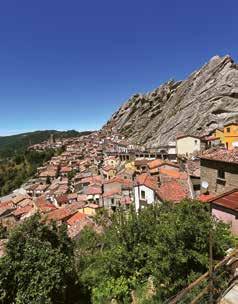
ε
With a long history dating back to 1947, the Grimaldi Group specializes in the operation of Ro/Ro (roll-on/roll-off) vessels, car carriers and ferries. It is a dedicated supplier of integrated logistics services based on maritime transport to the world’s major vehicle manufacturers.
Through its maritime services, the Naples-based group also transports containers, palletized/unitized cargo and passengers with a modern fleet of over 130 Ro/Ro and multipurpose vessels, pure car carriers and ferries.
The Grimaldi Group offers a wide network of maritime services for passengers in the Mediterranean Sea, under the Grimaldi Lines, Minoan Lines and Trasmed brands, and in the Baltic and North Sea, through the controlled company Finnlines.
Grimaldi Lines offers maritime connections to the most popular tourist destinations in Spain, Greece, Italy (including Sicily and Sardinia) and Tunisia.
Between Greece and Italy, the company offers frequent yearround services connecting Igoumenitsa to the Italian ports of Brindisi (Apulia) and Ancona (Marche). During the summer, services between both Italian ports and Corfu are operated as well.
Aware of the need to offer ever more innovative, high-quality and competitive services to its passengers, the Grimaldi Group deploys a fleet of modern RoPax ferries, providing cruise ship standard facilities, and new generation state-ofthe-art Ro/Ro-Passenger ferries.
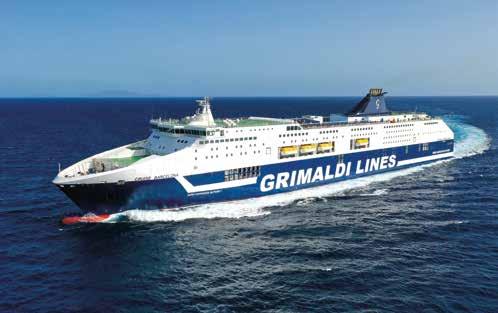
Two of the flagships of the Grimaldi Lines fleet are the Cruise Roma and Cruise Barcelona, both deployed between Italy and Spain on the Civitavecchia-Porto Torres-Barcelona route. Despite being already the biggest RoPax ferries in the Mediterranean, in 2019 they were lengthened and refurbished, which has enabled the two sister ships to transport more than 3,500 passengers.
Both vessels are equipped with 499 large, elegant cabins, 595 comfortable reclining seats, an à la carte and two selfservice restaurants, a swimming pool, a solarium bar and a modern wellness centre with sauna, hammam and massage room. On board entertainment services include a discotheque, a playground area for children and a conference room.
All the Group’s passenger ships perfectly combine excellent comfort on board with low-cost options. Special attention is given to families, groups of friends and students, with fare reductions offered on all routes. In addition, thematic events are periodically organised on board the Grimaldi Lines vessels mainly on the Civitavecchia-Barcelona route, while Grimaldi Lines Tour Operator offers ship and hotel packages in Greece, Spain and Italy (including Sardinia and Sicily).
The Grimaldi Group is the first Italian shipping company to have obtained the SMS, ISO 9001 and ISO 14001 certifications for Safety, Quality and Environment. Recent recognitions received by Grimaldi Lines for its outstanding performance in passenger transport include the World Travel Leaders Award (in 2016) and the Italia Travel Awards (in 2018 and 2019).
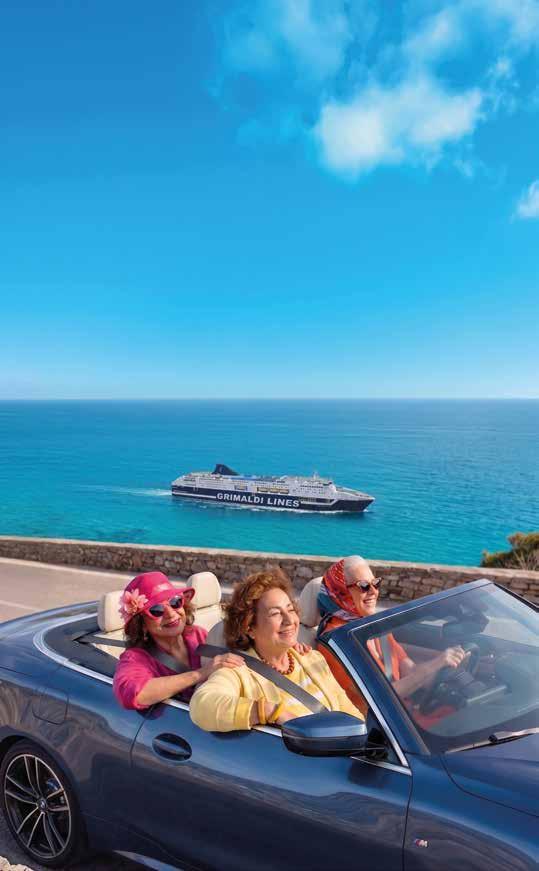



Can the summer heat affect the thyroid and the symptoms of thyroid disease?
Excessive heat can cause:
• Dehydration, affecting the absorption of thyroid drugs.
• More severe symptoms in hyperthyroidism, such as worsening of tachycardia, heart arrhythmias, increased sweating, increased nervousness/anxiety, decreased tolerance to heat, etc.
• More severe symptoms in hypothyroidism, such as worsening of fatigue/drowsiness etc.
Are thyroid operations performed during the summer months?
Summer is not a reason to avoid performing thyroid surgery. The hospital stay is only one day, with the patient being discharged the day after the operation. Postoperative pain is minimal (treated with paracetamol) and does not last long. Recovery is rapid, with an immediate return to daily activities, provided that intense physical stress is avoided for a week. The incision heals within four days, after which the patient can wet it and bathe in the sea while taking the prescribed measures to protect themselves from the sun. The patient can eat whatever they want from the day after their operation. Therefore, the timing of the operation depends on the type of thyroid condition (i.e. how urgent the thyroid removal is) and the patient’s preferences. Summer is not a contraindication for the operation.
What can I do over the summer to avoid further thyroid problems?
It is useful to follow these guidelines:
• If you take any thyroid medication, try to be consistent with both the medication itself and the dosage regimen.
• Make sure you drink enough water every day to avoid dehydration, which is common in summer due to sweating.
• Avoid sun exposure during the hottest hours of the day (12:00-16:00).
• Stay in a cool, shaded place and use air conditioning if necessary.
• Choose light, cool clothes in light colours.
• Follow a balanced diet and avoid heavy meals.
• You should see your doctor if your symptoms worsen or new ones appear. A simple blood test to measure thyroid hormones can help determine whether your thyroid is responsible for your symptoms. If thyroid hormone levels deviate from normal limits, it is highly likely that the patient’s medication dosage (levothyroxine for hypothyroidism or antithyroid medication for hyperthyroidism) will need adjusting.

ATo my daughter…
This is what I would want for my daughter and every other young woman to know about their health

If I were to sit down with my daughter today to talk to her about women’s health, I wouldn’t start by discussing tests or illnesses.
I would start by encouraging her to love and respect her body. To be listening to it. Because our bodies almost always give us warning signs before serious problems occur.
I would tell her never to consider suffering as normal.
She should not settle for pain, discomfort or changes to her body simply because someone told her that “that’s just how women are”.
Never feel embarrassed to talk about gynaecological problems or ask for help. And she shouldn’t wait until she wants to have a child before thinking about her fertility.
Reproductive healthcare begins many years before pregnancy and is a valuable investment in the future.
I would also advise her to protect herself within her relationships. Proper contraception is about more than just avoiding an unwanted pregnancy. It is the power of choice: the ability to decide when and under what conditions to become a mother. This choice is one of the most fundamental rights of every woman. At the same time, condoms remain the most effective protection against most sexually transmitted diseases. Protecting yourself is not a sign of fear, but of maturity and self-respect.
I would also explain to her that infections such as chlamydia and HPV (the virus that causes warts) may be asymptomatic, but if left undiagnosed, they can affect future fertility and cause serious problems further down the line. This is why prevention and regular gynaecological screening are not only important for older women. They are a concern for every young woman who respects and cares for herself.
Finally, I would advise her to choose a gynaecologist who will do more than just perform an examination. I would tell her to look for someone who will listen to her concerns, explain things in simple terms, and support her throughout her life.
Because I believe this is the real role of the gynaecologist: not just to heal when a problem arises, but also to educate and prevent, and to provide every woman with the security to live a healthy and confident life with all her options open for the future.
Hernias
A frequent problem with contemporary solutions

Abdominal wall hernias are a common health problem affecting men and women of all ages. A hernia is defined as the protrusion of abdominal contents through a weak spot in the abdominal wall, which usually results in a visible or palpable swelling. Although the symptoms are often mild, the condition does not go away on its own and usually needs to be repaired surgically.
Anterior abdominal wall hernias
This category includes umbilical hernias, paraumbilical hernias and hernias related to the width of the rectus abdominis muscles (i.e. the width of the linea alba). Patients typically report noticing a bulge in their navel or the midline of their abdomen. This may be accompanied by feelings of heaviness, discomfort or pain when they are physically active.
Incisional hernias
Incisional hernias develop at the site of a previous surgical incision due to the abdominal wall becoming weakened during the healing process. They present as a gradual increase in swelling around the scar, which is often accompanied by pain and difficulty carrying out daily activities.
Inguinal hernias
Inguinal hernias are the most common type of hernia. They present as swelling in the groin area, which becomes more apparent during weightlifting, coughing or prolonged standing. They are often accompanied by a burning sensation or discomfort in the affected area.
Femoral hernias
Femoral hernias are a less common type of hernia that occurs below the inguinal ligament in the femoral canal. They most commonly affect women. Although they are usually small, they carry an increased risk of complications, particularly strangulation. This makes early diagnosis and treatment important.
Modern surgical treatment
The definitive treatment for hernias is surgery. Reconstructive surgery can be performed using either an open surgical technique or minimally invasive methods, such as laparoscopic surgery. Special meshes are typically used in both cases to reinforce the abdominal wall and minimise the risk of recurrence.
Open reconstruction remains a safe and effective option, particularly for certain patient groups. The laparoscopic approach involves smaller incisions, resulting in less postoperative pain and a faster recovery and return to daily activities. The appropriate method is chosen on a caseby-case basis, depending on the type of hernia and the characteristics of each patient, with the aim of achieving an excellent and permanent therapeutic result.
An early evaluation by a qualified surgeon is crucial. It allows for proper treatment planning, prevents possible complications and ensures a safe and definitive recovery.
Vasileios Vougas, MD, MSc, PhD, Consultant Surgeon in Hepato-Pancreato-Biliary Surgery, Surgical Oncology and Transplantation, Head of the 1ST Surgical Department and Transplant Unit, “Evangelismos” General Hospital, Athens, Greece.
Angeliki Skoufi, MD, MSc, General Surgeon, 1ST Surgical Department and Transplant Unit, “Evangelismos” General Hospital, Athens, Greece. drvougas58@yahoo.gr | angieskoufi@gmail.com
OΟι

Minimally Invasive Spine Surgery (MISS) and endoscopic techniques represent a breakthrough in the treatment of spinal conditions -offering precise, safe, and faster recovery solutions for patients. The Endoscopic and Minimally Invasive Spine Surgery Clinic at IASO General Clinic, led by Dr. Georgios Vastardis, MD, PhD, is a certified Center of Excellence and an international training hub, welcoming spine surgeons from around the world to master advanced techniques.
MISS procedures are performed through tiny skin incisions (~1 cm), using local anesthesia and causing minimal tissue damage. Techniques include transforaminal injections, disc nucleoplasty, endoscopic discectomy, endoscopic rhizotomy, endoscopic foraminal and central decompression due to spinal stenosis -delivered with exceptional accuracy and minimal trauma. A key innovation is the combination of endoscopy with robotic-assisted navigation. Advanced systems like O-arm and robotic platforms allow surgeons to plan and execute each intervention with utmost precision -placing screws and interbody cages through percutaneous or endoscopic methods, even in complex spinal fusions. Stable spinal fractures due to trauma, osteoporosis, or other conditions can be treated with percutaneous kyphoplasty -an internal fracture repair performed without the need for blood transfusions. Patients typically mobilize independently just hours after surgery. Most procedures are completed within a few hours, with same-day discharge. Patients return to their normal routine quickly, without the prolonged recovery often associated with open spine surgery.
Every treatment is evidence-based and personalized. Following a step-by-step approach, our team aims to achieve the best possible outcome with the least invasive method and the least amount of postoperative pain.
Dr. Georgios Vastardis MD, PhD, Spine Surgeon, Chief of Endoscopic and Minimally Invasive Spine Surgery (M.I.S.S.) Clinic, IASO General Clinic, IASO Group, Athens, Greece
We hear and will hear the term “human microbiome” more and more often in the future.
So, what exactly is it and what impact does it have on our health?

IEt refers to the community of microorganisms, including bacteria, viruses, fungi, parasites and ancient single-celled organisms, that inhabit our bodies, along with their genetic material and metabolic products. There are trillions of microorganisms living in our bodies -an impressive amount that exceeds the number of our own cells by 5-10 times and weighs around 2 kg for the average human.
Can our health be affected by the microbiome?
The microorganisms that make up the microbiome are not merely inactive “companions”. They contribute significantly to various bodily functions, such as nutrient metabolism and the training of the innate and acquired immune systems. They are also considered to affect the functioning of the brain through neurotransmitters.
Dysbiosis, or microbiome disorder, has been associated with the development of metabolic diseases such as obesity and diabetes mellitus, as well as allergies, inflammatory bowel diseases and mental health conditions.
What factors can affect the microbiome?
Like a fingerprint, each person’s microorganisms are unique. Particular importance is given to researching the factors that can affect the microbiome, such as diet, environment, lifestyle and the consumption of medicines, especially antibiotics.
Is there a link between the microbiome and cancer?
Relatively recent research data shows that the microbiome (mainly intestinal, but also found in other tissues) influences carcinogenesis, tumour progression and the response to treatment (mainly immunotherapy) through metabolites, inflammation and immune regulation.
A healthy diet, reduced use of unnecessary antibiotics and improved understanding of the microbiome are all key to prevention and effective treatment.
Dr Christos Panopoulos, MD Pathologist - Oncologist, PhD from the National and Kapodistrian University of Athens, Director of the Oncology Clinic Athens Euroclinic info@panopoulos-ogologos.gr, panopoulos-ogologos.gr
An ACL rupture is one of the most common and serious knee injuries, particularly among active individuals and those with increased daily physical demands. It is typically caused by sudden changes in direction, rotational movements, or landing after jumping. It is usually accompanied by pain, swelling and a sense of instability. Many patients report that their knee feels unstable or as if it is giving way, which has a significant impact on quality of life and the ability to return to sports.
The treatment for a rupture depends on the age, activity level and functional requirements of each patient. For younger or more active patients, surgery is usually the best option. The aim is to restore stability and protect the knee from future damage to the menisci and articular cartilage.
In recent years, the “all-inside” technique has brought about significant changes to the data in arthroscopic anterior cruciate ligament rehabilitation. It is a modern, minimally invasive technique that uses smaller bone tunnels and special stabilisation systems to limit surgical injury and maintain healthy bone. This results in reduced post-operative pain, quicker mobilisation and improved functional rehabilitation. At the same time, PRF (PlateletRich Fibrin) is one of the most sophisticated biological approaches currently in use. PRF is made from a patient’s own blood and contains growth factors that promote healing and graft integration. Combining the “all inside” technique with biological enhancement through PRF is the modern gold standard for treating an anterior cruciate ligament rupture, providing safer and more effective knee rehabilitation.
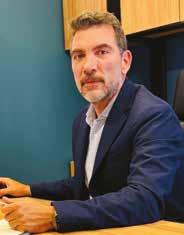
1. What is shoulder arthroplasty?
Shoulder arthroplasty, also known as shoulder replacement surgery, is the surgical replacement of damaged joint surfaces with durable, biocompatible implants. It is one of the most successful procedures in modern orthopaedic surgery, aiming to relieve pain, restore shoulder function and improve the patient's quality of life. Depending on the underlying condition, the procedure may involve an anatomic total shoulder arthroplasty, a hemiarthroplasty, or a reverse total shoulder arthroplasty. The latter is primarily indicated in patients with severe rotator cuff deficiency or complex shoulder pathology.
2. When is shoulder arthroplasty recommended?
Shoulder arthroplasty is recommended when the joint has sustained advanced damage and pain, stiffness or loss of function can no longer be effectively managed with conservative treatment, including medication, physiotherapy or injection therapies.
The most common indications include osteoarthritis, post-traumatic arthritis, complex proximal humeral fractures, rotator cuff arthropathy and inflammatory joint diseases such as rheumatoid arthritis.
3. Is shoulder arthroplasty only for older patients?
No. Although degenerative arthritis is more common after the age of 60, the decision to perform shoulder arthroplasty depends primarily on the condition of the joint rather than the patient's age.
Younger patients may require shoulder replacement following severe trauma, congenital abnormalities or inflammatory joint diseases. Every case is assessed individually, taking into account the patient's functional demands, activity level and overall health.
4. How long does recovery take?
Hospitalisation is usually brief, and most patients return home the day after surgery.
During the first week, patients are generally able to perform basic daily activities independently. This is followed by a structured physiotherapy programme to gradually restore shoulder mobility and strength. Most patients achieve substantial functional recovery and return to their normal daily activities within approximately six months.
5. Is shoulder arthroplasty safe, and how long does it last?
When performed by an experienced shoulder surgeon and followed by an appropriate rehabilitation protocol, shoulder arthroplasty is considered a highly safe and reliable procedure.
Modern implants are designed for excellent durability, and long-term clinical studies have demonstrated outstanding survivorship, with the vast majority of patients experiencing significant pain relief and improved shoulder function for many years. Ongoing advances in implant technology, surgical techniques and preoperative planning continue to enhance long-term outcomes while further reducing the need for revision surgery.
Cervical syndrome is a condition that affects an increasing number of people due to modern lifestyles involving sedentary work, poor posture, and long hours spent using computers and mobile phones. This syndrome covers all diseases of the cervical spine that manifest as symptoms in patients. These symptoms include neck pain and headaches. When there is pressure on the nerve roots, pain can descend to the hand (radiculitis) and cause numbness; in severe cases, weakness may also occur.

The most common cause of cervical syndrome is a herniated disc, where part of the disc has moved out of position and is pressing on outgoing nerve roots. Common causes include degenerative lesions, which can result in the narrowing of the spinal canal, the formation of osteophytes, the loosening of vertebral joints and spondylolisthesis. These often appear with age or chronic neck strain. Injuries and fractures, as well as post-traumatic injuries, also contribute to cervical pathology.
To make an accurate diagnosis of the exact cause, a clinical examination by a neurosurgeon specialising in the cervical spine is necessary, as well as magnetic resonance imaging.
The conservative treatment of the above diseases involves avoiding loads, jerks and neck strain, as well as taking analgesics and anti-inflammatories in combination with physiotherapy and mild muscle strengthening. However, in cases of myelopathy involving intense pressure on the spinal cord or decreased muscle strength, immediate surgery is necessary to prevent permanent neurological damage. Surgical treatment may be recommended if conservative treatment has been unsuccessful after a reasonable amount of time and if the patient’s quality of life has been adversely affected for an extended period.
Modern neck surgery techniques are highly effective and, in many cases, minimally invasive and safe. Thanks to them, cervical syndrome, which affects many people, can be successfully treated, thereby improving quality of life -provided the patient is referred to a specialist in time.
The main surgical techniques used, depending on the case, are cervical decompression and spinal fusion, posterior cervical foraminotomy/discectomy, and cervical arthroplasty.
Theofilos Machinis
Theofilos Machinis is an Assistant Professor of Neurosurgery at VCU University, Virginia, USA and a former Director of Neurosurgery at Virginia Hospital, USA. He has many years of academic experience in America and is internationally recognised for his scientific and clinical work in brain and spinal microsurgery. He specialises in treating neck conditions using the most modern and effective methods. He divides his time between VCU University in the USA and Athens, where he is Director of the Neurosurgery Department at Metropolitan General Hospital. He also maintains a clinic at Eleftherias Square in Chania.
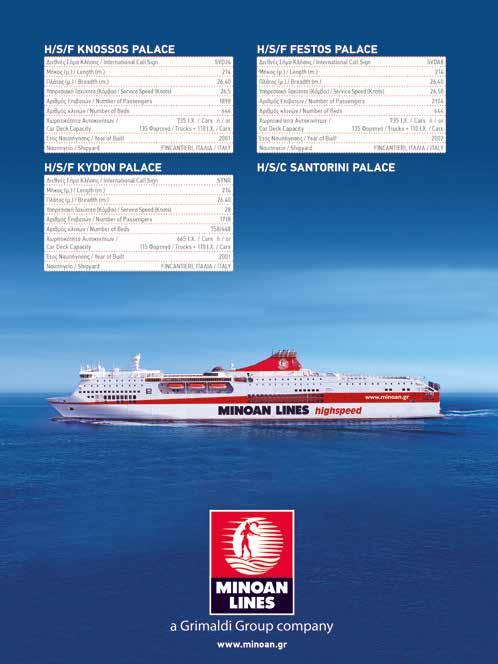
Under a different name, Santorini Palace has been charted out on a long-term basis.
ΜΙΝOAN LINES
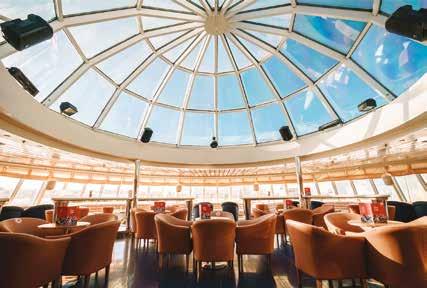
Enjoy
From the moment of embarkation until the arrival at the final port destination, the main objectives of the trained personnel of MINOAN LINES are the safety of their passengers and the assurance of a deluxe and comfortable travel experience. Begin your journey in one of the welcoming, hospitable, modern, comfortable, health safe lounges and public areas of the company’s cruise ferries, savoring your cup of coffee, meal, drink or dessert while enjoying the great blue color of the Greek seas.
The company has already completed 50 years of successful operation, it was founded in the Cretan city of Heraklion in 1972, and its course in the shipping sector began in 1974. Since then, it has played a leading role in the routes it serves and has set the standards in travel innovation, holding a prominent position among the foremost passenger ship companies in Greece as well as in Europe.
Since 2008 MINOAN LINES has been a member of the Italian Grimaldi Group, one of the largest carriers of vehicles and machinery of all types (roll-on/roll-off), containers and passengers in the world. The Grimaldi Group is headquartered in Naples, Italy, with branches in more than 25 countries, 17,000 employees and over 130 vessels approaching more than 140 ports worldwide.
The network of MINOAN LINES covers a wide range of domestic and foreign tourism. With our luxurious and ecological ships, we connect with the domestic routes, Heraklion, Crete and Piraeus and with the Adriatic routes, Greece with Italy. Cruise Ferries KNOSSOS PALACE and FESTOS PALACE make the trip more pleasant and comfortable than ever, connecting Piraeus with Heraklion with daily departures. In addition, a direct connection is offered from Piraeus and Heraklion with the enchanting Milos, in just a few hours, with the floating palaces KNOSSOS PALACE and FESTOS PALACE with daily itineraries all year round.
With regard to the selection of accommodation categories, it is worth noting that MINOAN LINES offers various cabin and accommodation categories on its ships. You can choose to travel in economy class, enjoying the services in the spacious and comfortable lounges of the ship, in the new VIP seats, which offer privacy and comfort in a specially designed area of the ship, or in one of the different cabin categories, depending on your needs, whether you are travelling alone, with friends or with your family. In fact, for those travelling with their beloved four-legged friends, MINOAN LINES offers specially designed Pet cabins if you wish to be with them during the journey.
Also, for lovers of Italy, it is worth noting that the ship KYDON PALACE operates on the route Igoumenitsa - Brindisi. Under the Greek flag and Greek crews, the daily itineraries of KYDON PALACE are operated, in conjunction with the itineraries of EUROPALINK, by GRIMALDI LINES.
Apart from the unparalleled aesthetics and luxury, the high safety, quality and comfort of our company’s vessels, every passenger of MINOAN LINES can enjoy during the trip, a wide range of services.
Shop for select products at one of the stores on board - treat yourself or buy for your beloved ones. Hop on-line on your own smartphone, tablet or laptop from the comfort of your coach or seat, using Wi-Fi services available.
The new à la carte Cretan menu is available on the FESTOS PALACE and KNOSSOS PALACE ships of MINOAN LINES, alongside other
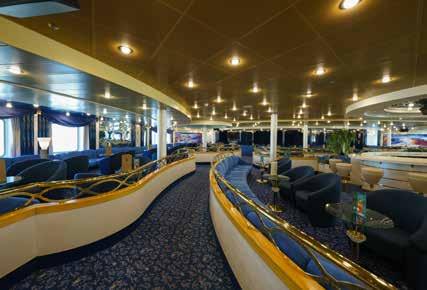
interesting options, on the PIRAEUS-ΜILOS-HERAKLION-MILOSPIRAEUS routes, and is certified with the "Cretan Cuisine" Quality Label by the Agri-Food Partnership of the Region of Crete. Regarding the meals options, in the two restaurants, A la carte and Self Service, of our cruise ferries KNOSSOS PALACE and FESTOS PALACE, the experienced chefs will travel you with their gastronomic creations and quality ingredients, ma-
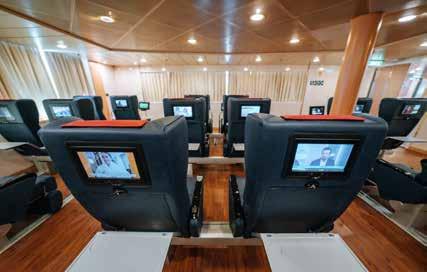
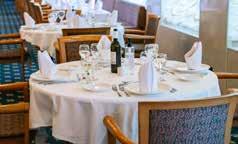
ny of which are produced from the fertile soils of the Cretan land. Dining options include an A la carte and a Self Service restaurant, where experienced chefs take diners on a gastronomic journey with their culinary creations, made with quality ingredients, many of them being the fruits of the fertile Cretan soil.
Comfort, luxury and quality services on board are combined with the hospitality and courtesy of our vessels’ staff to travel you quickly and safely to your favorite destinations!
MINOAN LINES, since their establishment, have recognized their responsibility towards society and seek to act and operate actively and consistently within the principles of Corporate Social Responsibility by developing innovative actions and presenting important social work.
The company always strives, based on its anthropocentric philosophy, and with full respect towards its principles and values, to encourage and reward worthwhile initiatives and efforts.
Being aware of its social role and in the context of its corporate strategy and commercial policy, MINOAN LINES promotes an integrated, coordinated, quality and significant social work, by setting important goals, actively participating and supporting, on an annual basis, through sponsorships (financial support or free / discounted tickets with the cruise ferries of MINOAN LINES’ fleet) socially vulnerable groups, various cultural associations, social organizations, sports clubs, organizations, educational and charitable institutions, animal welfare organisations, aiming for the prosperity of the society as a whole and its progress.
All in all, we must emphasize that in the rich plan of Corporate Social Responsibility activities, the cultivation of environmental awareness and sustainable development are promoted. MINOAN LINES is the first company in the field of Greek passenger shipping that fully complies with the new requirements of the International Maritime Organization (IMO), having invested and completed the installation of exhaust gas cleaning devices (SCRUBBERS), in the high-speed ferries KNOSSOS PALACE, FESTOS PALACE and KYDON PALACE, converting them into more environmentally friendly vessels.
MINOAN LINES does not just follow developments, it pioneers in them and continues to be on a growth trajectory by investing in the future and development of the tourism product for the benefit of our country.
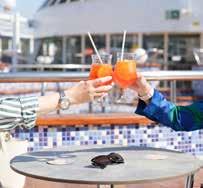


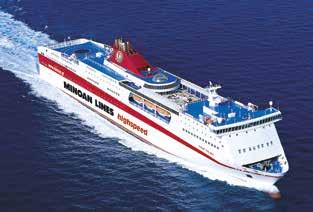
inoan Lines is the most highly regarded shipping company in Greece and Europe. It has won several quality awards and top distinctions for its vessels, services and outstanding professional standards from a number of highly rated institutions and publications, as follows:
LLOYD’S LIST GREEK SHIPPING AWARDS 2025
Line of the Year»
TOURISM AWARDS 2025 ΧΡΥΣΟ
TOURISM AWARDS
TOURISM AWARDS
Travel.
ΧΡΥΣΟ
Online Strategy.
Online Strategy
(Travel Experience),
Lines,
GREEK HOSPITALITY AWARDS 2020 & 2018
TOURISM AWARDS
Branding / Public Relations / People Strategy.
Attractions & Destinations
CORPORATE SUPERBRANDS
ICAP GROUP
«True Leader»
- Passenger Line of the Year».
LLOYD’S LIST GREEK SHIPPING AWARDS 2025 «PASSENGER LINE OF THE YEAR»
TOURISM AWARDS 2025
GOLD AWARD in the “Promotion of Local Greek Cuisine” category, nominated as “Journey to Cretan Gastronomy / Greek Inspired Gastronomy Restaurant”.
TOURISM AWARDS 2024
GOLD AWARD in the category Promotion of Local Greek Cuisine, under the nomination title "Journey to Cretan Gastronomy / Greek Inspired Gastronomy Restaurant"
SUPERBRANDS 2024
THE TOP CORPORATE BRAND in Greece’s transport sector for 2024.
TOURISM AWARDS 2022
GOLD AWARD in the Corporate Social Responsibility Actions category, with nomination title "Minoan Lines is always close to the society and its values!"
GOLD AWARD in the Social Media Presence category, with the nomination title: “Minoan Lines continues its dynamic presence in Social Media”.
TOURISM AWARDS 2021
GOLD AWARD in the Search Engine Optimization (SEO) Strategy category, with the nomination title “Optimization of SEO Strategy in 5 countries”.
GOLD AWARD in the Social Media Presence category. Minoan Lines continues its dynamic presence in social media (Facebook and Instagram).
TOURISM AWARDS 2020
GOLD AWARD for Travel Experience, in the Travel section/category.
GOLD AWARD for the Online Strategy of Minoan Lines, in the Online Strategy section/category.
GREEK HOSPITALITY AWARDS 2020 & 2018
“Best Greek Coastal Shipping company”.
TOURISM AWARDS 2019
GOLD AWARD for the Support of Local Communities and Corporate Social Responsibility actions, implemented by the company, in the Branding / Public Relations / People Strategy category.
GOLD AWARD for the “New Destinations” in the Attractions & Destination category.
CORPORATE SUPERBRANDS 2018-2019 & 2016-2017
“Top Corporate Brand Name in the Sea Transportation Sector”.
ICAP GROUP - 2018 & 2017
“True Leader” in the category “Maritime Shipping”.
TOURISM AWARDS 2018
GOLD AWARD for MINOAN LINES BONUS CLUB, the pioneering and flexible customer loyalty program.
GOLD AWARD for the reduction of the energy footprint of the company's vessels and the protection of the environment.
GOLD AWARD for the integrated On-Line Digital Campaign entitled “Away with the Müllers”.
TOURISM AWARDS 2017
GOLD AWARD in the category “Supporting local communities / Actions of Corporate Social Responsibility”.
GOLD AWARD in the category “Online presence and communication” for the NEW Minoan Lines’ Online Booking System.
LLOYD’S LIST GREEK SHIPPING AWARDS 2016
“Passenger Line of the Year”.



Το πρωτοποριακό ΠΡΟΓΡΑΜΜΑ ΠΙΣΤΟΤΗΤΑΣ ΕΠΙΒΑΤΩΝ των ΜΙΝΩΙΚΩΝ ΓΡΑΜΜΩΝ, έχει συμπληρώσει 496.000 μέλη στα 20 χρόνια επιτυχημένης λειτουργίας από την έναρξη του, αποδεικνύοντας την τεράστια απήχηση του
•
Tηλ.:


The truly innovative customer loyalty program of Minoan Lines now has 496.000 members and 20 years of successful operation from the launch, demonstrating its enormous appeal to the passenger public in Greece and abroad.
Gold Award for Minoan Lines Bonus Club at Tourism Awards 2018 & Silver Award for Loyalty Programs at Tourism Awards 2021 & 2022.
Benefits:
• 10-20% discount on CRETE, MILOS, ADRIATIC routes.
•Free tickets in all accommodation and private vehicle categories.
•10-20% discount at the bars and restaurants on board.
•10-15% discount at the stores on board.
• Promotions and offers only for members.
*Not applicable on ixed dues.
YOUR BONUS CLUB CARD IS AVAILABLE DIGITALLY!
Minoan Lines Bonus Club goes digital! We have good news for you!
As a Minoan Lines Bonus Club member, you don’t need to have a physical card in order to enjoy all the benefits
Log in to your Minoan Lines Bonus Club account at www. minoan.gr and download your digital loyalty card, print it or save it to your smartphone, tablet or laptop for quick access to your membership details.