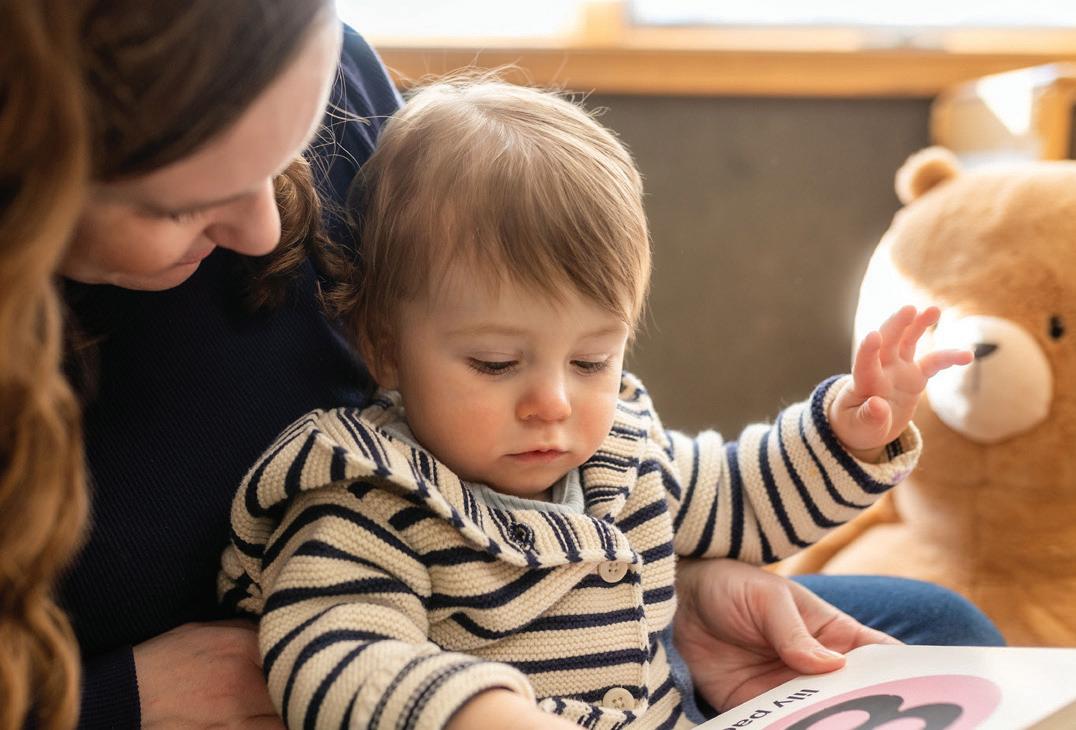
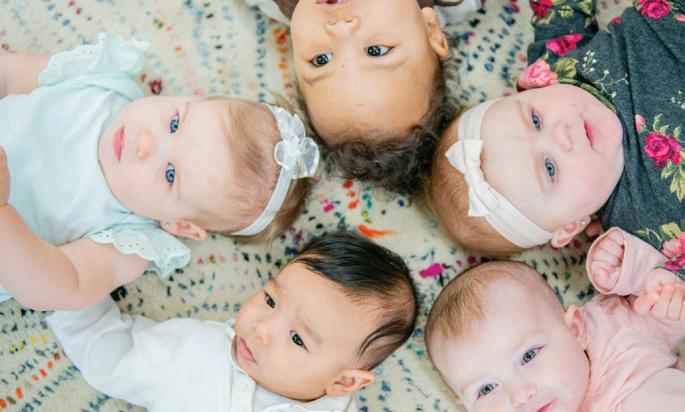
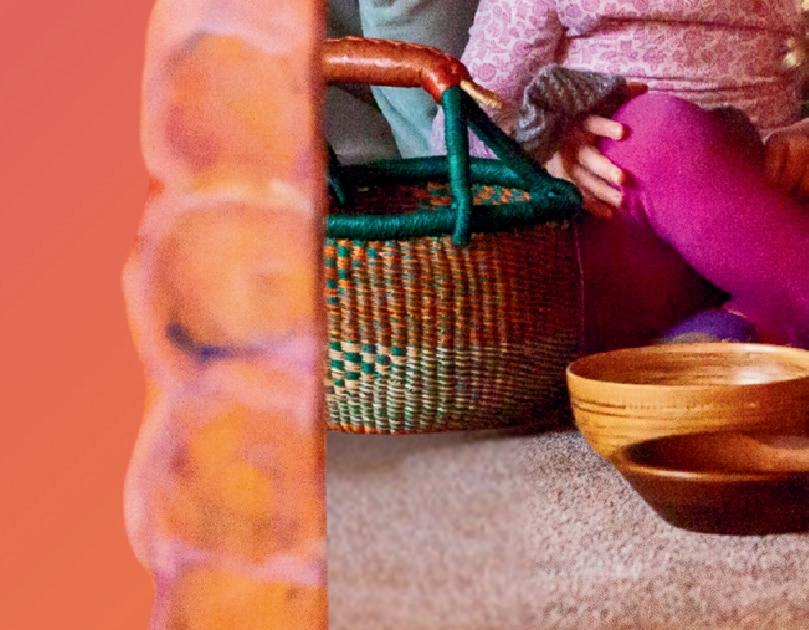
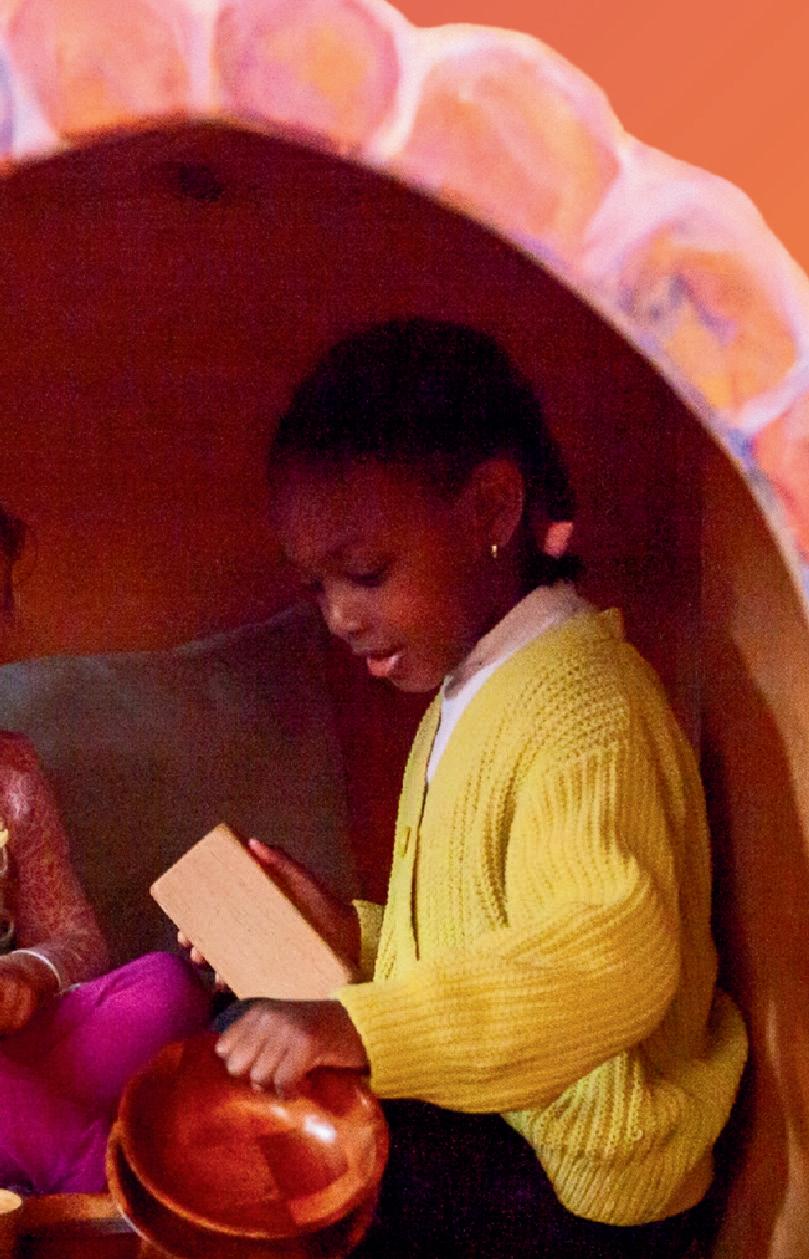
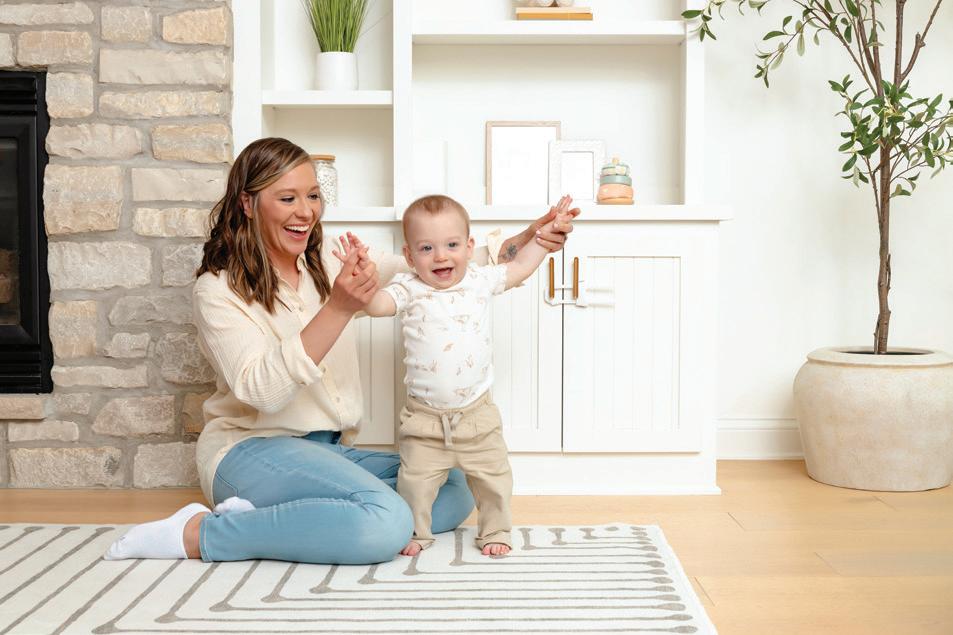
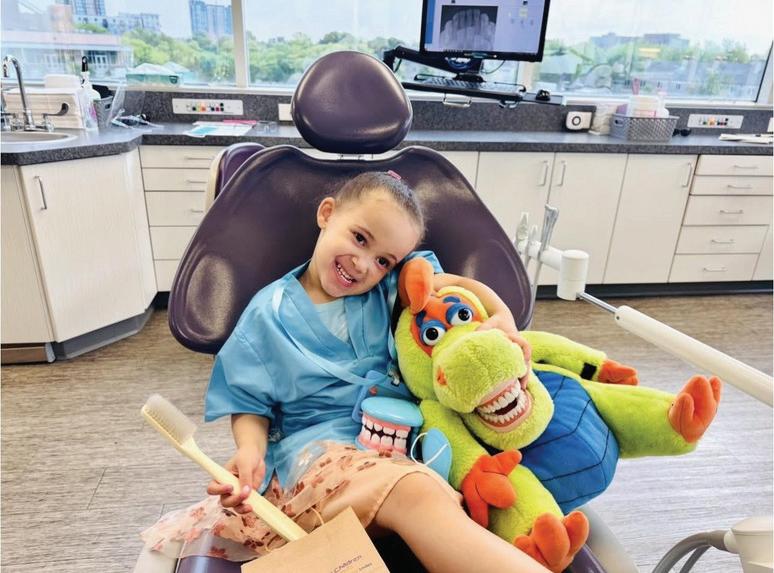
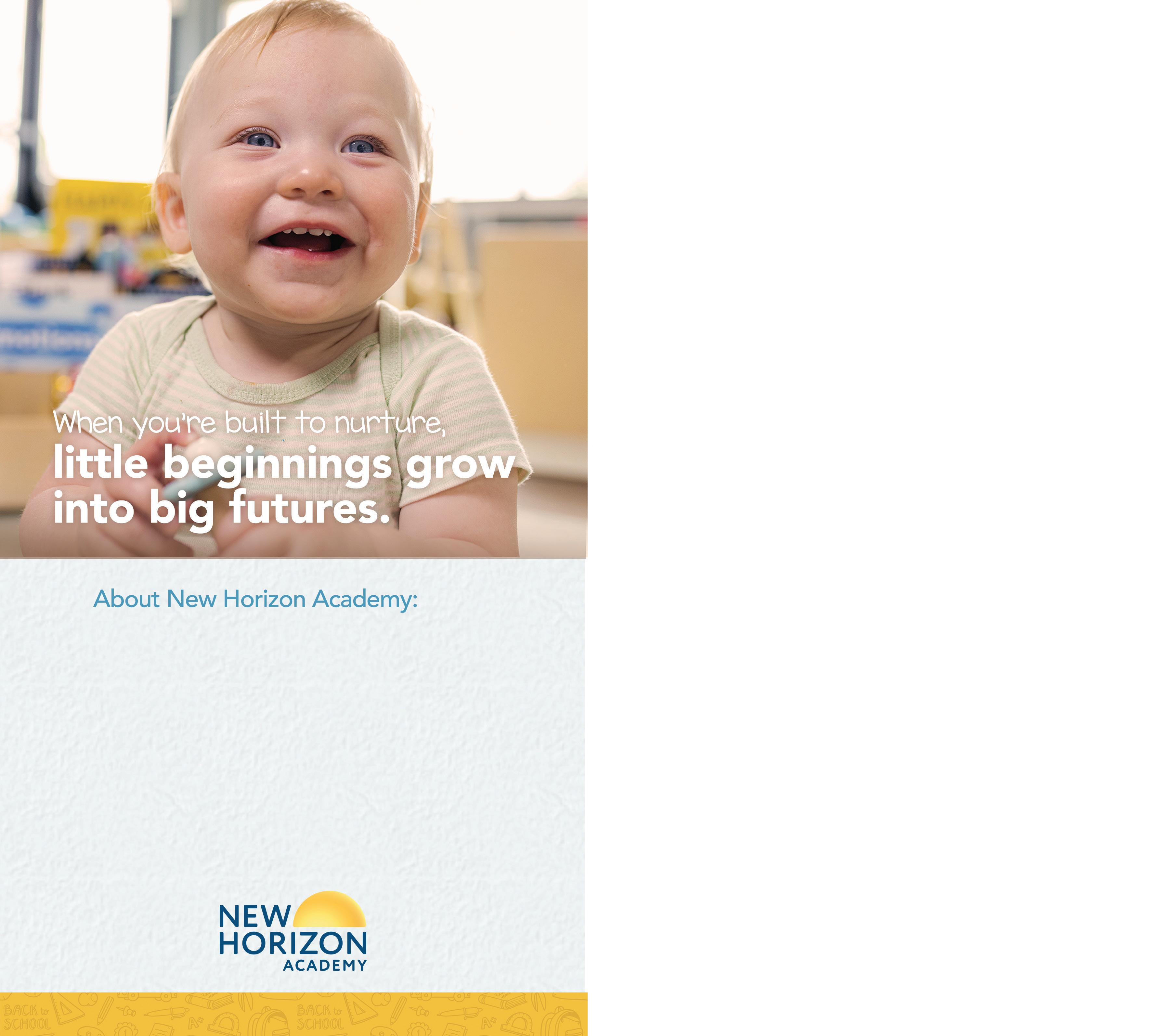
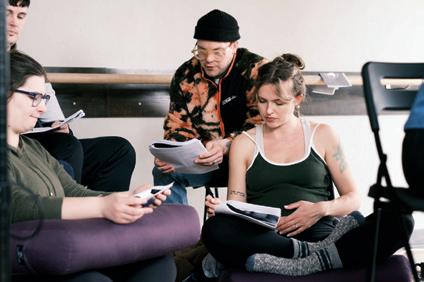
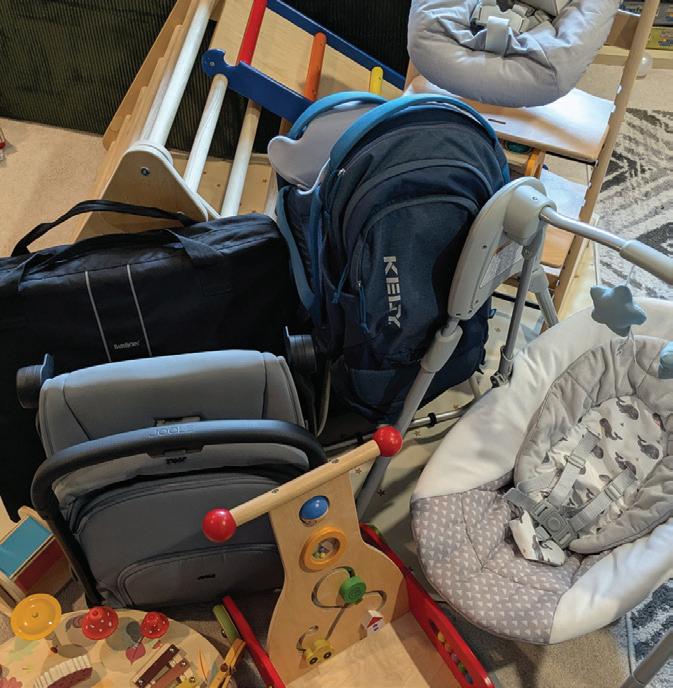
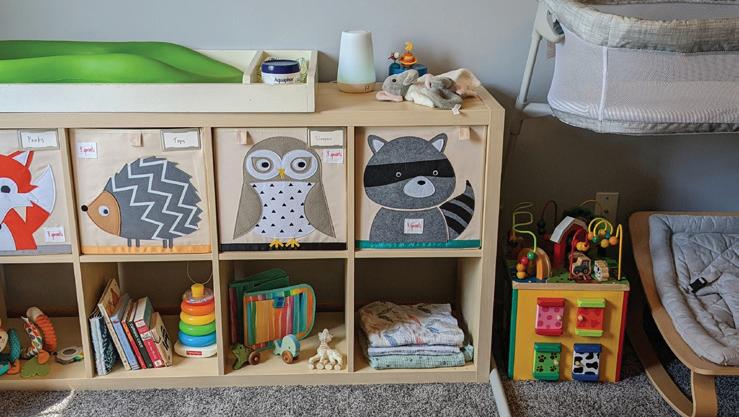
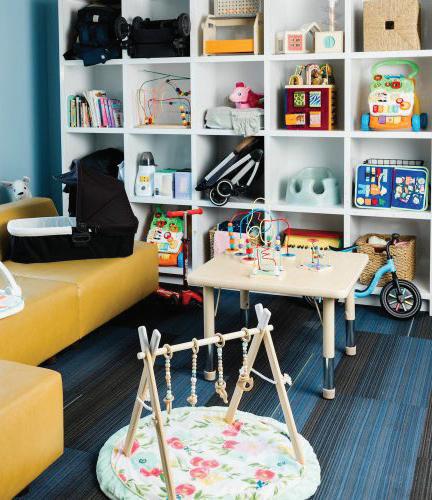
The Kinderberry Hill infant program is designed to nurture early development while celebrating each infant’s unique needs. Individualized plans offer a thoughtful balance of social, physical, and language experiences in a cozy, secure classroom setting.
the Unique advantages of kinderberry hill
• Small Group Sizes
• All Infant Essentials Included
• Caring, Connected Teachers
• Fresh Meals From On-Site Chef
• Engaging Outdoor Classrooms
• On-Site School Nurse
• Early Sign Language Exposure
• STEAM-Inspired Play
• Introduction to Spanish
• All-Inclusive Tuition
Visit our schools and experience firsthand what makes Kinderberry Hill such a special place for families. KinderberrY Hill.com
Most Parents Prepare Too Late
SAFETY ISN’T TOP OF MIND
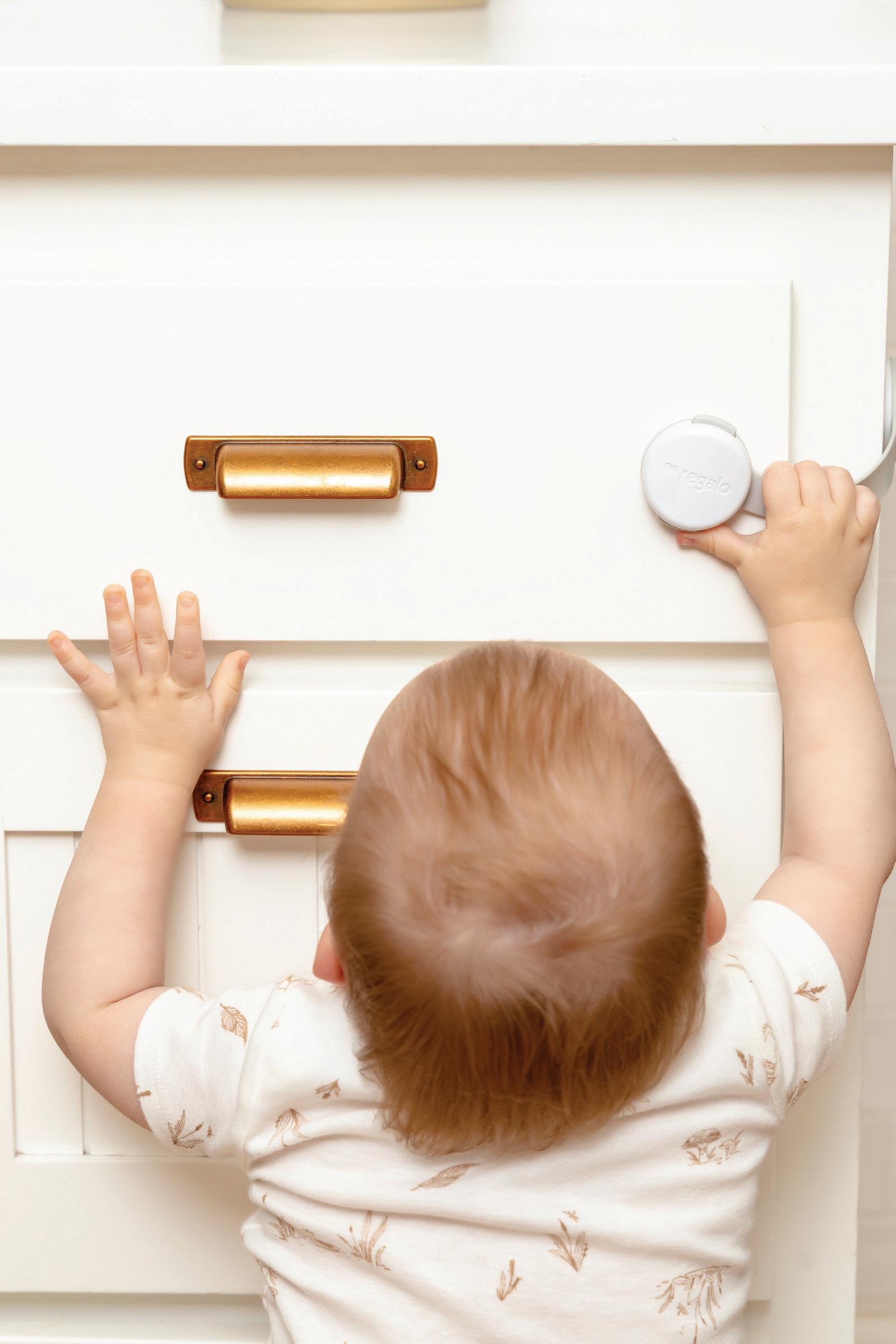
Parents often prioritize feeding, clothing, and nursery items over safety essentials when registering.
Of parents wish they baby-proofed sooner. 68%
1 in 3
Parents experience a safety scare at home, many before fully baby-proofing.
Of child injuries happen at home. 70%
SAFE BEGINNINGS START HERE
AT REGALO®, WE’RE PARENTS TOO
We know how much the little things matter.
As a family-owned brand for over 30 years, everything we create is designed to make life with little ones safer, easier, and a little less stressful.
Safety is our top priority, always.
Every product is rigorously tested and voluntarily certified to meet and exceed industry standards, so you can feel confident in every moment.
BABY-PROOFING GUIDE
For your baby, through all stages.
Stay Connected!
From first rolls to first steps, every stage brings new risks. The good news? You can stay one step ahead.
When You’re Looking For A Look What to
for
Tanni Haas, Ph.D.
PEDIATRICIAN
By: Tanni Haas, Ph.D.
It’s important to find the right pediatrician: If you choose well, you’ll have a great physician for your kids for years to come. But what should you look for when you’re
Evidence of credentials and experience. Make sure that whoever is on your list of candidates has the right qualifications. A copy of their medical school diploma, certificate in pediatrics, and license to practice should be made available by the office staff if you request it. Aside from checking their credentials, find out how long they’ve been in practice and where. Have they only worked in a private practice? Have they also worked in an urgent care facility or at a hospital? Experience in a variety of settings is a definite plus.
looking for a pediatrician? Based on my own experiences, as well as conversations with other parents, I’ve compiled a list of nine important things to consider.
Solo or group practice
Another thing to consider is whether you prefer a pediatrician who
stranded. In a group practice, but they’re guaranteed to be
works in a solo or a group practice. There are advantages and disadvantages to both options. In a solo practice, your kids are guaranteed to always get seen by their own doctor, but when s(he) is away you’re left stranded. In a group practice, your kids they may not always get seen by their own doctor, but they’re guaranteed to be seen by somebody.
Hospital affiliation(s).
Check what hospital(s) the pediatricians you’re considering are affiliated with. If something happens to your kids, it’s reassuring to know that their pediatrician has admitting privileges to one or more of the best hospitals in the area, including the local children’s hospital.
Check what hospital(s) the
Communication and philosophy of care.
A good pediatrician knows how to interact with kids and adults alike. Your pediatrician should be warm and friendly and speak to your kids at their level. They also should be a good listener and patiently respond to any questions or concerns you may have. Choosing the right pediatrician is also about finding someone who shares your philosophy of care. Make sure that your pediatrician agrees with you on such basic issues like breastfeeding and how long to do it, how to properly toilet train your kids, and under what circumstances your kids should be prescribed antibiotics.
Location, office hours, and appointments. One of the keys to finding the right pediatrician is availability. Finding the perfect pediatrician isn’t useful if s(he) isn’t available where and when you are. Look for someone whose office is conveniently located near your home, workplace, or your kids’ day care or school; ideally all three places so that you can get there quickly in an emergency. It’s also important that the pediatrician has evening and/or weekend hours and offer same-day appointments. Weekend hours are great even in a non-emergency. It’s much less
Environment, office staff and services.
It’s important that the entire experience of going to see the pediatrician is pleasurable. The office staff should be courteous,and the waiting area should be clean and with some books and toys to entertain your kids as they wait to be seen. It’s also useful if the practice offers additional services like on-site lab work, X-rays and MRIs. Some pediatricians have lactation nurses on staff to help new mothers. Think about which services matter the most to you and ask the pediatrician if s(he) offers them.
stressful to take Saturday the late
stressful to take the kids to the pediatrician on a quiet Saturday morning than doing so in the late afternoon on a weekday after you’ve been at work and your kids have been at day care or in school. When the office is closed, there should be an answering service that forwards your messages, and you should be able to email the pediatrician with any questions. are great even in a
...Continued on page 9
If you choose well, you’ll have a great physician for your kids for years to come.
A final piece of advice:
Hold on to your notes about the pediatricians you didn’t select for one reason or another. If your insurance changes, you may find yourself looking for a new pediatrician, and it could take a while to find another one that’s right for your family.
Excellent reviews. A good pediatrician will have excellent reviews whether you ask your friends, family members, colleagues, or your own physician for recommendations. But here’s the rub: don’t just ask people who they’d recommend, also ask WHY. Make sure that you share the same philosophy of care as the people you’re asking for recommendations; otherwise you could end up very disappointed. The same principle applies to online reviews: steer clear of simple thumbs-up-or-down recommendations. Instead, look instead for reviews that explain in detail what they like about certain pediatricians. Some of the most popular places to look for online reviews include Healthgrades, RateMDs, and ZocDoc.
most popular places to look for
Good insurance coverage. Medical care can be very expensive if you don’t have a good insurance plan. Ask the pediatricians you’re considering whether they accept your insurance plan and what, if anything, the co-pay is for the most common procedures.
Tanni
Haas, Ph.D. is a Professor in the Department of Communication Arts, Sciences & Disorders at
the City University of New York –Brooklyn College.
Every day, joy is born here.
Give your baby a strong start and an even stronger future at The Birthplace, Fairview’s family-friendly birth centers. Our compassionate team of experts is here to support your birthing choices, with personalized comforts and thoughtful details that make giving birth here feel like home, rather than a hospital.
Learn more at fv.care/birthplace
The First Month Postpartum:
What to Watch
FOR IN
you and your baby
There’s a quiet shift that happens after baby arrives. The focus moves — rightfully — to this new little person. Their feeding, their sleep, their needs. And somewhere in that transition, your body becomes something you simply move through, rather than something you actively care for.
The first month postpartum isn’t about doing everything perfectly. It’s about noticing. Paying attention. Allowing support in.
Because both you and your baby are adjusting — and small things early on can make a meaningful difference.
By: Dr. Jesse Lillejord
things early on can make a
3 Rest 3 Heal 3 Take it Slow
FOR YOU: What Your Body Might Be Telling You
Postpartum recovery is often described in broad terms — rest, heal, take it slow. But what does that actually look like in your body?
Many women experience:
Tailbone or pelvic discomfort
Sitting or transitioning positions may feel surprisingly uncomfortable. This often relates to how the pelvis moved during labor and how it’s settling afterward.
Wrist and “mommy arm” pain
From feeding, holding, and carrying your baby, your body is pulled forward in ways it hasn’t experienced before. This can lead to wrist pain, thumb irritation, and forearm tension — often mistaken as something you just have to live with.
Neck and upper back tension
Feeding and looking down at your baby for hours a day creates a constant forward pull. Over time, this can lead to stiffness, headaches, and a sense of tightness that builds as the day goes on.
Numbness into the hands
Sometimes lingering from pregnancy, sometimes new — often connected to fluid changes and positioning. These are common. But they’re not things you need to ignore.
Gentle chiropractic care and pelvic floor therapy can help restore movement, improve posture, and guide your body back into coordinated strength — especially as you adjust to feeding, carrying, and recovering all at once.
FOR YOUR BABY:
Subtle Signs to Watch For
Babies are learning everything from scratch — feeding, digesting, settling. And sometimes, their bodies need support in that process too.
You might notice:
Feeding challenges
Difficulty latching, clicking sounds, or long, inefficient feeds can sometimes be related to tension in the jaw, neck, or body — not just feeding technique.
Fussiness or gassiness
If your baby seems uncomfortable after feeding or struggles to settle, it can be connected to how their nervous system and digestion are functioning together.
Preference for one side
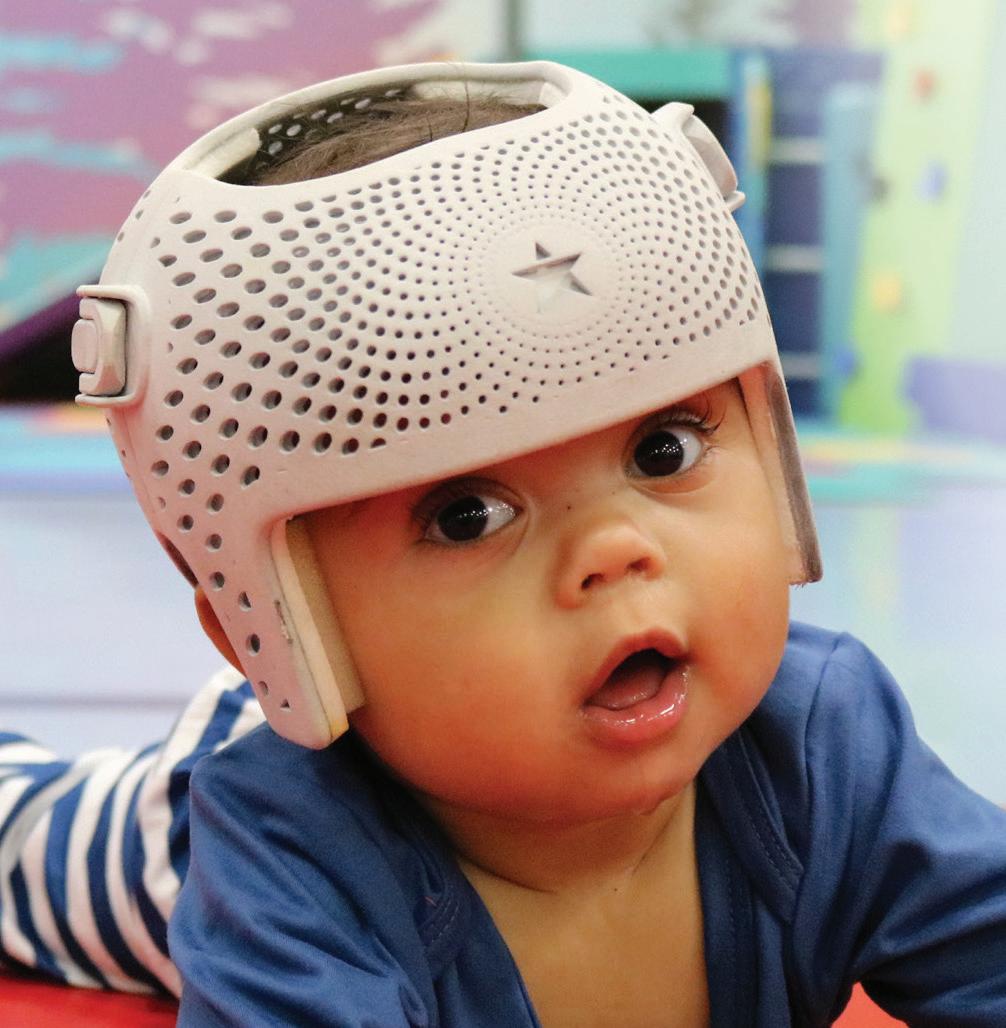
If your baby consistently turns their head one direction or resists the other, it may indicate tightness that can also contribute to flat spots over time. These patterns are common — and often respond well to gentle, early support.
...Continued on page 15
For babies, gentle bodywork like pediatric chiropractic care and craniosacral therapy, along with lactation support, can help ease feeding challenges, reduce tension, and support a more settled, comfortable start.
A Different Approach to Support
In the early postpartum weeks, support doesn’t have to be complicated.
It can look like:
Adjusting how you hold and feed your baby
Bringing awareness to your posture throughout the day
Incorporating gentle movement and breathing
Asking for help sooner, not later
Simple tools can also make a difference:
A supportive pillow setup while feeding
A small pillow or towel for low back support
A neutral wrist position during holds
Taking breaks to reset your posture
Please share! Once you are done reading, please share it with your friends, family and/or co-workers! Thank you.
The Bigger Picture
Postpartum recovery isn’t just about healing from birth.
It’s about helping your body find its way back to coordinated, supported movement — while caring for a newborn at the same time.
And for your baby, it’s about allowing their system to settle and adapt in a way that feels comfortable and supported.
You don’t need to do everything.
But noticing what your body and your baby are telling you — and responding with support — can change how this season feels.
Remember This
• The first month postpartum is a beginning.
• Not just for your baby, but for your recovery too.
And this is your reminder:
• You are still part of the picture.
• And your body deserves support in this season, too.
Bio:
Dr. Jesse Lillejord is the founder of Chiro for Moms, a specialty perinatal clinic dedicated to supporting women and children through pregnancy, postpartum, and early development. The clinic offers gentle, integrative care including chiropractic and pelvic floor therapy, creating a thoughtful, supportive space for moms and babies alike.
PENING HROUGH
5 WAYS TO PREPARE FOR Family Photos
By: Megan Norman
How to Prepare Your Kids (and Yourself) for a Newborn and Family Photography Session
If you’re getting ready for a newborn and family photography session, you might be feeling a mix of excitement and nerves. As a mom and a photographer, I know the pressure we put on ourselves to make everything go just right. But here’s the truth: these sessions aren’t about perfection. They’re about connection. The love in the middle of the joyful whirlwind.
So let’s talk about how you can prepare in a way that makes this experience meaningful, not stressful.
happen when you’re just being yourselves. If your toddler is running in circles or someone needs a snack break and the dog won’t stop photo bombing, that’s okay. These details tell your family’s story. You don’t need to perform. You just need to show up.
Talk to Your Kids Ahead of Time
Let Go of the Picture-Perfect Ideal
Most kids do better when they know what to expect. A few days before the session, take a minute to talk to your older kids about what’s coming. Keep it light: “A friend is coming over to take some pictures of us while we hang out with the baby. We’ll play, cuddle, and just be together.”
This is the big one. If you’re holding onto an idea of matching outfits, perfectly behaved kids, and spotless homes, let it go. The most meaningful moments
Let them know they don’t have to do anything special. No smiling on command. No sitting still. Kids can bring a favorite toy, take breaks, and move at their own pace. Your home is their safe space, and that alone helps them relax.
Made for Minnesota Mom is a podcast and community for Twin Cities moms navigating pregnancy, postpartum, and motherhood.
A Little Prep Goes a Long Way
You don’t need to make this a production. A few things that help:
3Have diapers, wipes, a change of clothes for baby, and any comfort items nearby
3 Choose outfits that feel like you: comfort over costume, soft textures, colors that feel natural
3Don’t deep clean your house. I’ll find one or two spots with good natural light and we’ll work from there. Your home should look lived in, because it is.
Feed Everyone First
One of the simplest ways to set your session up for success is making sure everyone is well-fed beforehand. Hungry kids have a harder time staying calm and present. Feed the toddlers, feed the baby, and don’t forget yourself. It sounds small, but it makes a real difference.
Consider a Fresh 48 Session
If you love the idea of capturing your baby while everything is still brand new, a Fresh 48 session might be for you. These happen at your birthplace within the first 48 hours. No posing, no pressure. Just your new family in the quiet bubble of those first hours: tiny fingers, new sibling curiosity, and the kind of love that fills up a whole room.
Trust the Process
Once I walk through your door, you get to take a deep breath and just be home with your people. I’ll guide things in a way that feels relaxed and natural. I expect noise, movement, diaper changes, and kids who need a minute to warm up. That’s not something to fix. It’s all part of photographing your family right where life is actually happening.
This is a chance to pause and soak in the beautiful, messy life you’ve built. When you look back at these photos, I want you to feel it all over again.
Bio: Megan Norman has been photographing Twin Cities newborns, fresh 48s, and families since 2010. She also hosts Made for Minnesota Moms, a local podcast for Twin Cities women navigating pregnancy and motherhood.
A Modern Guide to Baby’s First Foods:
INTRODUCING SOLIDS
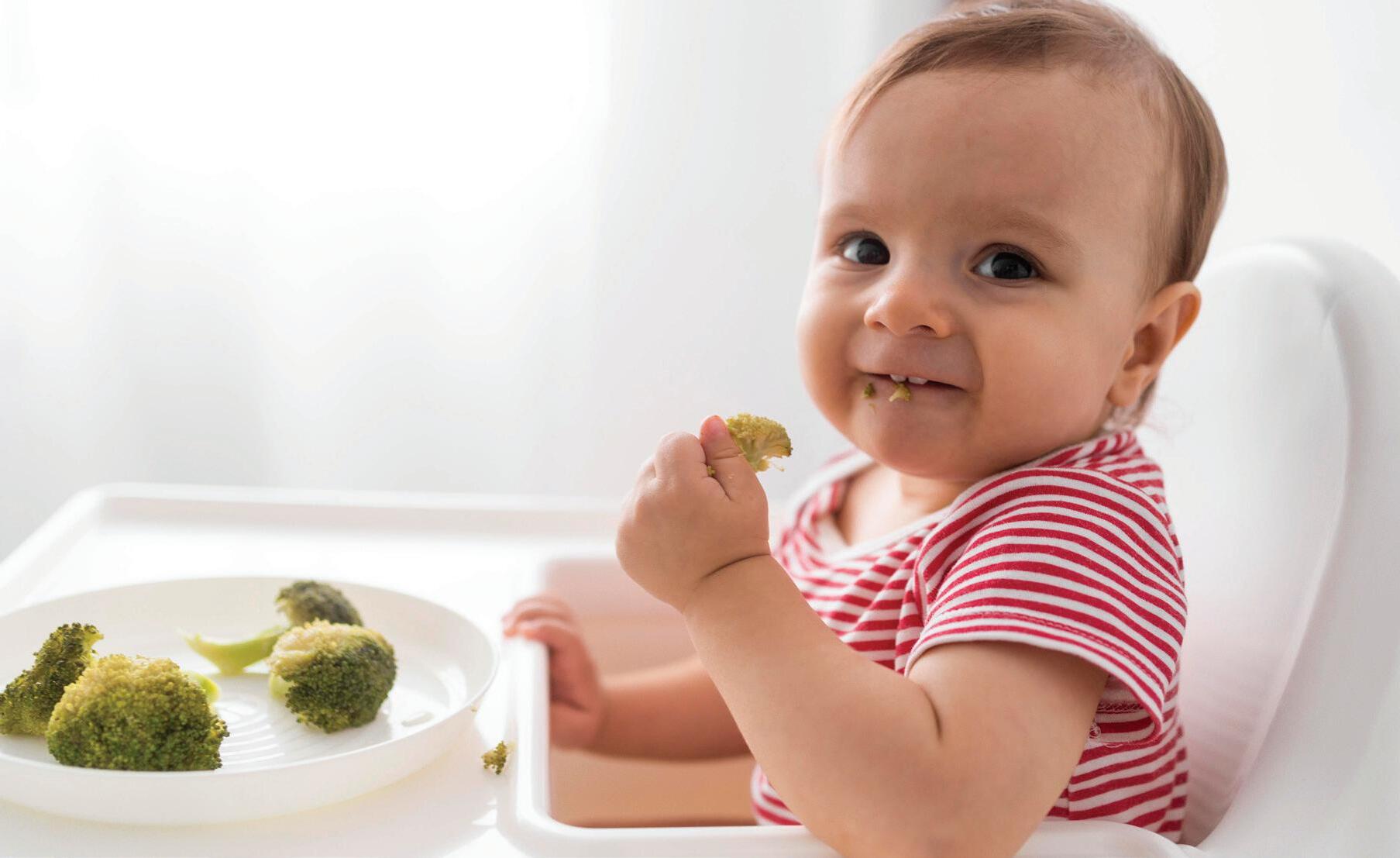
There’s something unforgettable about your baby’s first bite. The funny faces, the mess, the excitement—it’s all part of the adventure. Introducing solids is a
When should babies START SOLIDS?
Most babies are ready for solid foods around 6 months, though some may show signs a little earlier. Instead of focusing only on age, look for readiness cues:
• Sitting up with support
• Good head and neck control
• Showing interest in food (watching you eat, reaching for food)
• Opening their mouth when food is offered If your baby checks these boxes, you’re likely good to go.
big milestone, but it doesn’t have to feel overwhelming. With a few simple guidelines, you can make this stage fun, safe, and nourishing for your growing baby.
Start simpleAND EXPECT A MESS
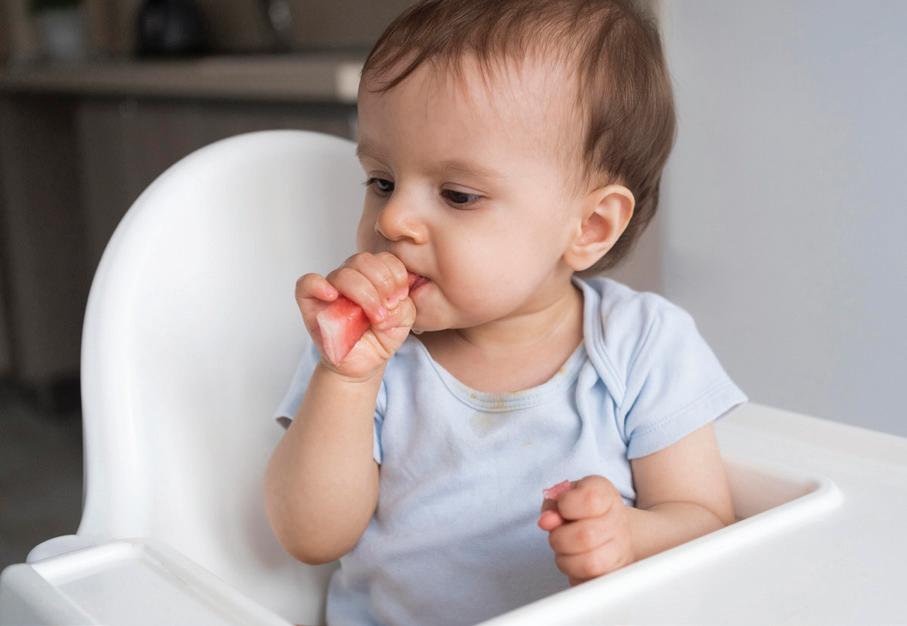
First foods don’t need to be fancy. Soft, easy-to-grab options like mashed avocado, sweet potato, oatmeal, or banana are great places to start. Whether you choose purées, finger foods, or a mix of both, let your baby explore.
And yes—this is your permission to embrace the mess. Touching, squishing, and even tossing food are all part of how babies learn.
3Keep milk in the mix
During the first year, breastmilk or formula remains your baby’s main source of nutrition. Think of solids as a complement, not a replacement. Start with small amounts once or twice a day and gradually increase as your baby shows interest.
3Offer a variety of nutrients
Around 6 months, babies need more iron and zinc, so it’s helpful to include foods like:
• Iron-fortified cereals
• Meats or poultry (soft, shredded, or puréed)
• Eggs
• Beans, lentils, and tofu
Healthy fats are also important for brain development. Foods like avocado, full-fat yogurt, nut butters (thinned), and eggs are excellent additions.
3Don’t delay allergens
Guidance has changed in recent years: introducing common allergens early and often may actually help reduce the risk of food allergies. Foods like peanut butter (thinned), eggs, dairy, and wheat can be introduced when your baby is ready for solids.
If your baby has severe eczema or a known allergy, check with your pediatrician first.
3Skip a few foods (for now)
A few guidelines are still important to follow:
• No honey before age 1
• Avoid offering cow’s milk as a drink until after the first birthday
• Stay away from choking hazards like whole grapes, popcorn, nuts, and large chunks of raw vegetables
Always supervise your baby while eating.
What about water?
Once solids are introduced, you can offer small sips of water with meals. But don’t worry—your baby will continue to get the hydration they need from breastmilk or formula.
Build healthy habits early
This stage isn’t just about nutrition—it’s about shaping your child’s relationship with food. Offer a wide variety of flavors and textures, including vegetables, fruits, proteins, and grains.
If your baby refuses something, don’t stress. It can take 10–15 tries before a new food is accepted. Keep it lowpressure and try again another day.
Make it a family experience
One of the best ways to encourage healthy eating? Eat together. Babies learn by watching you, so bringing them to the table helps build positive habits from the start.
A gentle reminder for parents
There’s no one “right” way to introduce solids. Some babies dive right in, while others take their time— and that’s completely normal. Follow your baby’s cues, trust your instincts, and enjoy the process.
Because in between the messes and the milestones, you’re raising a curious little eater—one bite at a time.
CHOOSING THE EARLY EDUCATION right Program for Your Family
By Katie Heruth
How to find the perfect fit for your child’s growth and happiness.
Choosing an early education program is one of the most important decisions you’ll make as a parent. These first school experiences set the foundation for your child’s love of learning, social-emotional growth, and future academic success. With so many options available—preschools, Montessori programs, naturebased schools, and more—it can feel overwhelming to figure out which one is best for your family.
Qualified, Caring TEACHERS
A Warm, Welcoming ENVIRONMENT
The heart of any early education program is its teachers. Ask about staff qualifications, including degrees or certifications in early childhood education. More importantly, observe how teachers interact with children.
Skilled educators don’t just manage a
Children learn best when they feel safe and cared for. When you visit a school, pay attention to the atmosphere. Are teachers greeting children by name with smiles? Does the space feel inviting and child-centered?
Look for evidence of respect and kindness. For example, classrooms should display children’s artwork, books should be easily accessible, and teachers should be down at eye level when interacting with children. These are all signs of a nurturing environment where kids are valued.
Are they patient, encouraging, and engaged? Do they ask open-ended questions and support problem-solving? Skilled educators don’t just manage a classroom—they guide and inspire curiosity while fostering independence and confidence.
A Balanced, Play-Based CURRICULUM
In early childhood, play is learning. A high-quality program offers a mix of structured activities and open-ended play. Look for a curriculum that supports all areas of development—cognitive, social-emotional, physical, and creative.
Hands-on experiences such as building with blocks, exploring nature, or engaging in dramatic play help children build important life skills. Be cautious of programs that focus too heavily on worksheets or rigid academics at this age.
Small Class Sizes and INDIVIDUALIZED ATTENTION
Every child grows at their own pace. Small class sizes and low teacher-to-child ratios ensure that each child gets the attention they need. This individualized approach allows teachers to support strengths, address challenges, and nurture emerging interests.
Ask about class size and how teachers differentiate learning to meet children’s unique needs.
Accreditations and LICENSING
Before enrolling your child, make sure the program meets state licensing requirements for health, safety, and staff qualifications. Licensed programs must follow strict guidelines related to child safety, teacher training, and facility standards, which helps give families peace of mind.
• NAEYC (National Association for the Education of Young Children): Recognized as one of the highest standards in early childhood education.
• NECPA (National Early Childhood Program Accreditation): Focuses on comprehensive program quality and teacher training.
• AMSI (American Montessori Society or AMI (Association Montessori Internationale): Important for Montessori-based programs.
recognized quality ratings:
Beyond licensing, some schools pursue national accreditations that go above and beyond basic requirements. These accreditations are a strong indicator of quality and continuous improvement.
Well-known organizations to look for include:
Also look for quality rating and improvement
• Minnesota’s Parent Aware rating system: a voluntary quality rating and improvement system that uses a 1- to 4-star scale to show how well programs use best practices (including readiness for kindergarten).
accredited and what steps they
Ask schools if they are accredited and what steps they take to maintain their standards.
These layers of oversight
These layers of oversight and recognition help ensure a program doesn’t just survive regulation but strives toward excellence.
...Continued on page 25
Strong
Communication with FAMILIES
Early education is a partnership between parents and teachers. Look for a program that values family involvement and keeps you informed about your child’s day and their progress.
Trust your Instincts
Ultimately, the best program for your family will feel like a place where your child is happy, supported, and excited to spend their day. After doing your research and visiting schools, trust your instincts. You know your child better than anyone.
Regular updates, parent-teacher conferences, and open-door policies are all signs of strong communication. A great program will view you as an essential part of your child’s learning journey.
Practical Considerations That FIT YOUR LIFE
While philosophy and environment are crucial, practical details matter too. Consider location, tuition, hours, and transportation. Does the program align with your family’s schedule and budget? These logistical factors can make a big difference in your day-to-day experience.
Support for pregnancy, birth + new motherhood
By taking the time to carefully evaluate your options, you’re setting the stage for a positive,| joyful start to your child’s educational journey. program will view you as an essential part
QUESTIONS TO ASK WHEN TOURING A SCHOOL
When visiting childhood programs, bring this list to guide your conversations:
✔ What does a typical day look like for the children?
✔ What is your approach to play and academics?
✔ How do you communicate with families?
✔ What is the teacher-to-child ratio?
✔ Is the program state licensed and are there recent inspection reports available?
✔ Does the school have any national accreditations?
✔ How do teachers handle discipline and guide behavior?
✔ What safety and health measures are in place?
✔ How do you support children with different learning styles or needs?
A Reuse Playbook for Cradle to Curb:
BUSY TWIN CITIES PARENTS
By: Erika Harmon
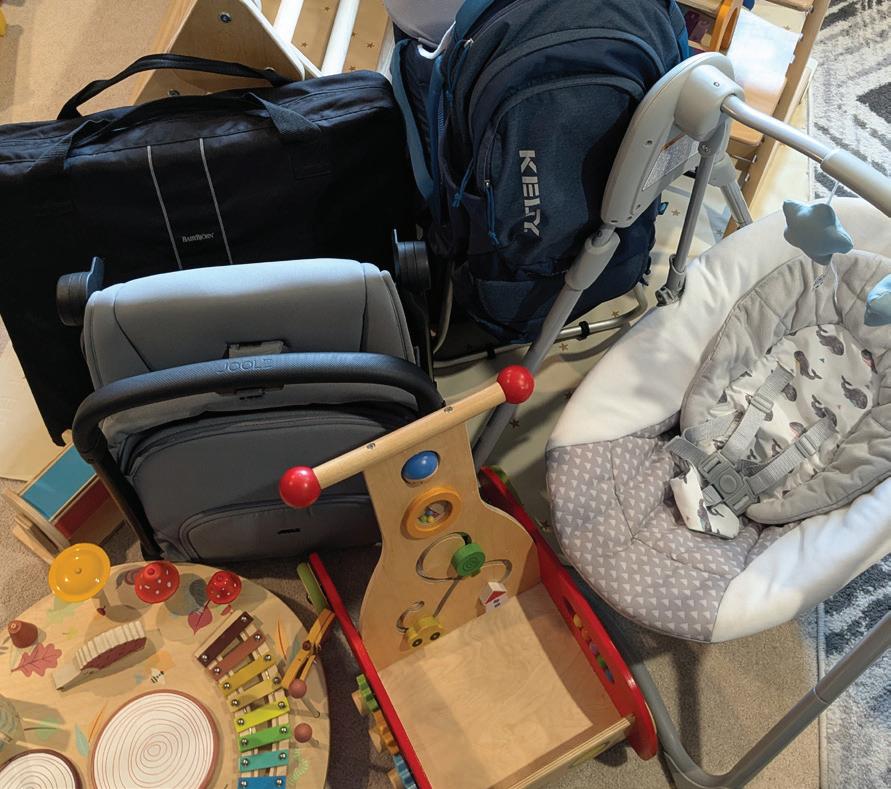
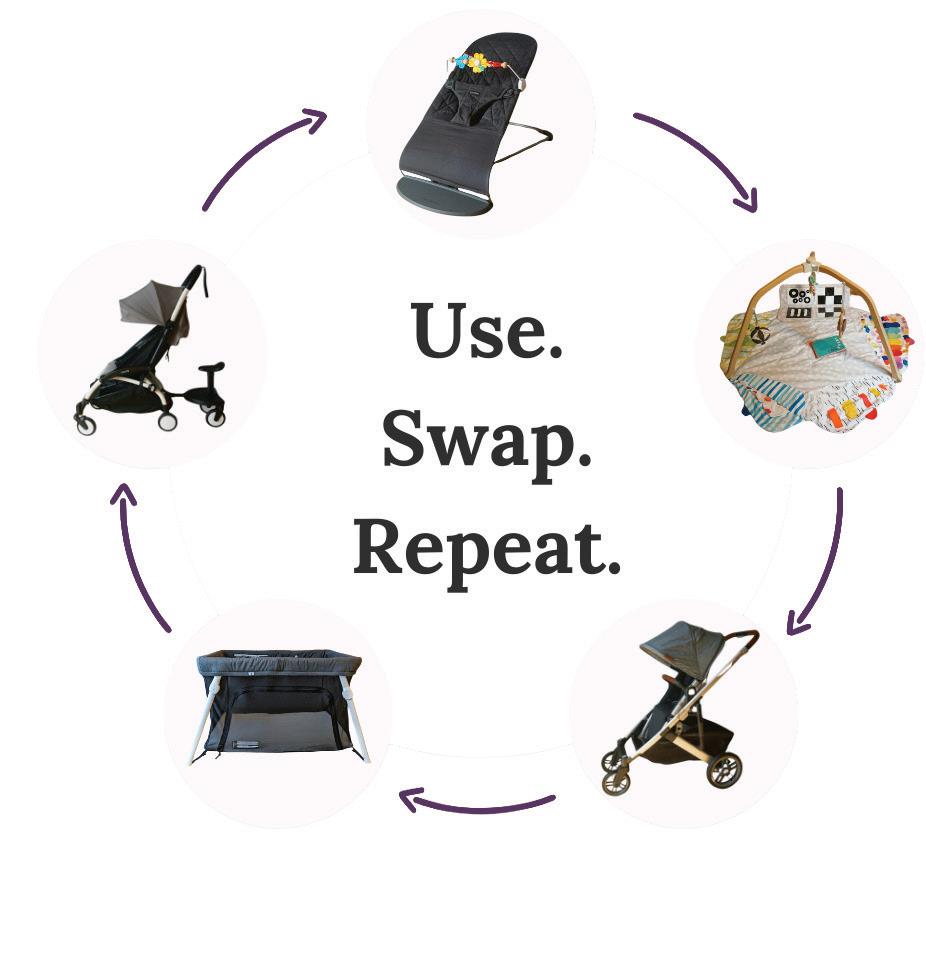
Many baby items are useful for only 2 to 6 months (looking at you, bassinets and activity centers!), which makes splurges tough to justify. Buying used to save on gear is now the norm—83% of parents with a baby or toddler have purchased secondhand for their child—and the supply is abundant: roughly $2,000 worth of durable baby gear is produced for every baby born in the US.
But nobody has time to deep-clean musty Marketplace strollers. And how can you tell if that high chair on the Buy Nothing group was part of the recent recall?
Some items, like car seats and crib mattresses, should only be reused if they come from trusted family or friends. For the many items that can be safely reused, picking a few reliable strategies and local resources can save you hundreds a year without the hassle.
Reuse-Friendly Registry
If friends and family want to help you gear up for baby, point them toward sustainable options. With Babylist and Poppylist you can curate a registry of products from any store, including Stork Exchange, Goodbuy Gear, and other services that sell open-box or gently used gear and toys. On Babylist, the “Open to Secondhand” toggle nudges gift-givers to check reuse options first, and lets you signal which items you’d rather get new.
Local Resale Shops
Parent-run resale shops pre-screen items for safety and completeness. In the Twin Cities, try Kids Rack in Champlin, Kid to Kid in Eagan, and Eco Chico in St. Paul. If you visit every season or so, you can keep clutter from piling up at home while you earn store credit toward clothes and gear for baby’s next stage.
Neighborhood SWAPS
Swaps build community by meeting multiple needs in a low-effort, social way. Look for city- or organization-hosted baby gear swaps (Bloomington holds these regularly), or gather 10–15 families from your daycare or preschool for an hour on a Saturday to swap toys, books, or clothing while the kids play. Build your village while you build your child’s wardrobe.
Anything left in great condition can be donated to local services that support new parents or foster families.
Lending LIBRARIES
Storytime at the library is a baby-andtoddler classic for good reason. You may not know Minnesota has lending libraries for other things kids churn through quickly.
The Minnesota Toy Library lets you check out 5 toys at a time and swap them at one of three locations when your kid is ready for new ones. Babywearing Twin Cities hosts regular meetings where you can learn different wearing techniques, get a fit check, and borrow carriers for a month at a time. There’s a wide variety of carrier types, and fit and preference can vary so much between wearers. Baby Gear Group delivers strollers, bassinets, and bouncers for members to use at home, with the option to swap them out as baby grows.
Lending libraries are a low-stakes way to figure out what gear actually fits your life before you commit to buying.
Product SELECTION
One last tip: when you purchase, consider brands with strong replacement-part offerings. It makes secondhand finds easier to refurbish, keep working, and pass on when your kid outgrows them. Veer, Nuna, Stokke, and BOB stand out for their commitment to sustainability.
(Want help narrowing down what’s safe to reuse? Check out CPSC guidelines for key safety checks for used bassinets, high chairs, and strollers, and the year that regulations for each category last changed.)
Bio:
Erika owns Baby Gear Group Twin Cities, a library-style service designed to make the sustainable choice the easy choice for busy parents. She’s mom to a chatty, snuggly four-year-old and adorable one-year-old, and in her down time she enjoys food tourism, growing things, and excellent books—usually as audiobooks, lately!
These local partners support our goal to feature stories on various topics that appeal to today’s parents, from health to education, travel, entertainment, and more.
GOLD LEVEL
SILVER LEVEL
BRONZE LEVEL
New in the Minneapolis Area!
CENTERS CONVENIENTLY LOCATED IN CHAMPLIN, RAMSEY & PRIOR LAKE
ENROLLING INFANT, TODDLER & PRE-K PROGRAMS
• Extended hours
• Seedlings® Early Childhood Education Curriculum
• STREAM, Yoga & Mindfulness, Sign Language, Spanish, and Music included
• Parent eCommunication app
• Interactive whiteboards and iPad technology
• Enhanced health & safety protocols with air purification and filtration
• ParentView® Internet Monitoring
• State-of-the-art security systems
• NAEYC Accredited • 4-Star Parent Aware Rated • A Star Tribune Top Workplace