MI26 GOVERNMENT PROGRAMME REPORT

Mining Indaba 2026: Critical insights from the Ministerial Symposium, Intergovernmental Summit and Country Showcases
Mining Indaba 2026: Critical insights from the Ministerial Symposium, Intergovernmental Summit and Country Showcases

Accelerating demand for critical minerals, tightening supply conditions, and shifting geopolitical priorities are reshaping how and where capital is deployed. Within this context, Africa’s mineral endowment is no longer peripheral to global markets. It is central to them.
Yet the nature of competition has fundamentally changed.
The challenge is no longer attracting investment in isolation. It is the ability to structure the conditions under which capital can be deployed at scale, with clarity, and in a way that delivers longterm value. In this environment, competitiveness is defined less

Zeinab El-Sayed, Director, Government & Institutional Partnerships
Investing in African Mining Indaba
In a shifting global landscape, Africa’s competitiveness will be defined by execution, not endowment.
by resource endowment and more by the strength of systems: policy frameworks, infrastructure, institutional capacity, and the ability to coordinate across borders and stakeholders.
Mining Indaba 2026 took place at this intersection.
Across the Government Programme, a clear shift emerged. Conversations have moved beyond positioning and intent toward execution and delivery. The focus is increasingly on how to translate mineral wealth into investable systems, and how to align policy, capital, and industry around shared implementation pathways.
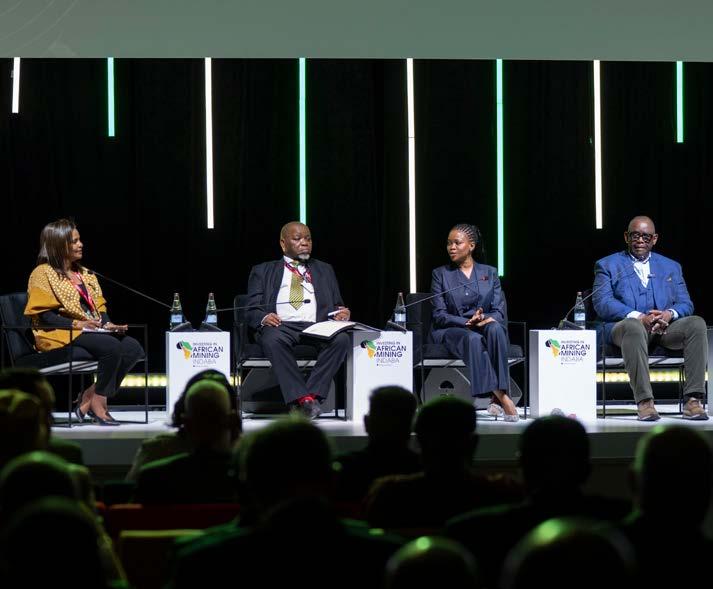
This evolution reflects a broader shift across the continent. Mineral development is no longer being considered in isolation, but as part of a wider system encompassing energy, infrastructure, industrial policy, and regional integration. The question is no longer what Africa has, but how effectively it can organise to unlock it.
In this context, the role of Mining Indaba is also evolving.
It is no longer only a convening platform. It is increasingly acting as a point of convergence where policy direction, capital allocation, and industry strategy begin to
align, and where the foundations of partnership and implementation are established.
This report reflects that shift. It captures not only the key insights emerging from the 2026 Government Programme, but the structural dynamics shaping the next phase of Africa’s mining sector. The direction is clear. Africa’s opportunity will not be defined by resource endowment alone, but by its ability to organise across systems and stakeholders to deliver coordinated, investable outcomes at scale.

The Mining Indaba 2026 Government Programme took place at a defining moment for Africa’s mining sector. Accelerating global demand for critical minerals, tightening supply conditions, and shifting geopolitical dynamics are reshaping how and where capital is deployed. Within this evolving landscape, Africa’s mineral endowment is no longer peripheral it is central to global industrial strategy.
Across the Ministerial Symposium, the Intergovernmental Summit (IGS), and the Country Showcases, a clear and consistent message emerged: Africa’s challenge is no longer resource availability, but the ability to translate that potential into coordinated, investable systems.
A fundamental shift in tone was observed throughout the programme: discussions moved beyond high-level positioning toward the practical conditions required to mobilise capital, scale production, and develop integrated value chains. This reflects a broader maturation of the sector, where competitiveness is increasingly defined not by geology, but by policy alignment, infrastructure readiness, and partnership models.
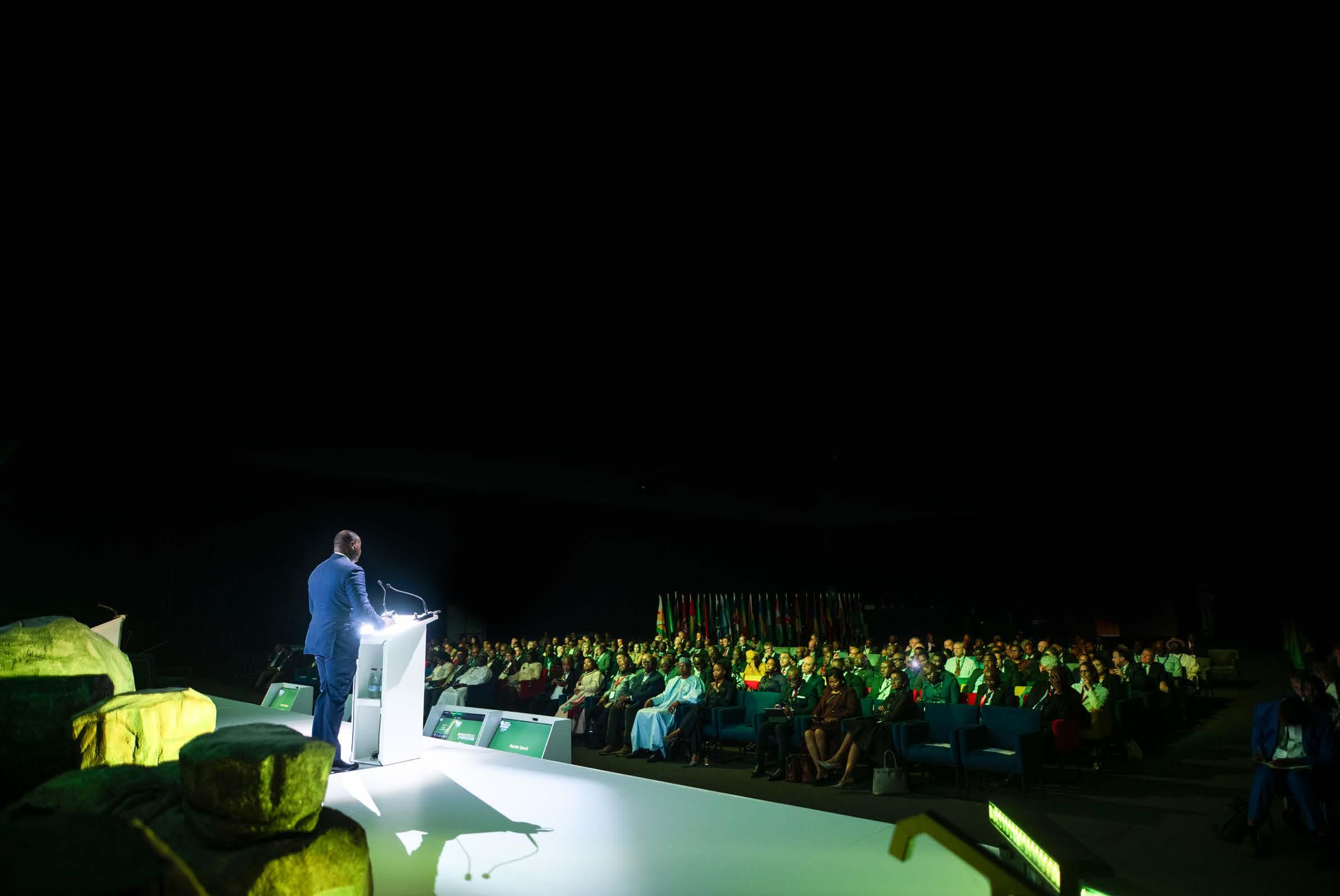
Three structural dynamics shaped the discussions:
First, capital is available but constrained by systems
Across sessions, and reinforced in both ministerial and CEO roundtables, the core constraint is not access to finance but the ability to structure bankable opportunities. Fragmented regulatory frameworks, weak project preparation, and infrastructure deficits continue to limit capital deployment.
Second, regional integration is emerging as the foundation of scale
Investors finance markets, not individual jurisdictions. The shift toward cross-border corridors, integrated value chains, and harmonised policy frameworks reflects a growing recognition that competitiveness depends on regional coordination rather than national fragmentation.
Third, partnership has become the primary operating model
Public-private collaboration, co-investment structures, and engagement with development finance institutions are no longer optional: they are central to delivering projects at scale. The quality and structure of partnerships are increasingly determining where and how capital flows.
At the country level, a more differentiated investment landscape is emerging. Leading jurisdictions such as South Africa, Namibia, and Egypt are positioning themselves as value chain and processing hubs, while countries such as the Democratic Republic of Congo, Zambia, Guinea, and Angola continue to anchor global supply through scale and resource depth. In parallel, reform-driven markets including Côte d’Ivoire, Ghana, and Mozambique are attracting strategic, early-stage capital, supported by improving regulatory frameworks and growing investor confidence.
Across these diverse contexts, a common direction is evident. African governments are increasingly aligning mining with broader systems including energy, infrastructure, industrial policy, and trade, reflecting a shift from extraction-led models toward integrated economic development strategies.
The Government Programme at Mining Indaba 2026 therefore reflected more than a series of policy discussions. It captured a transition in how Africa is positioning itself within global mineral value chains from a supplier of resources to a strategic actor seeking to capture greater value, strengthen its bargaining position, and shape the terms of engagement with global capital.
Africa’s next phase will be defined not by new strategies, but by the discipline of implementation.
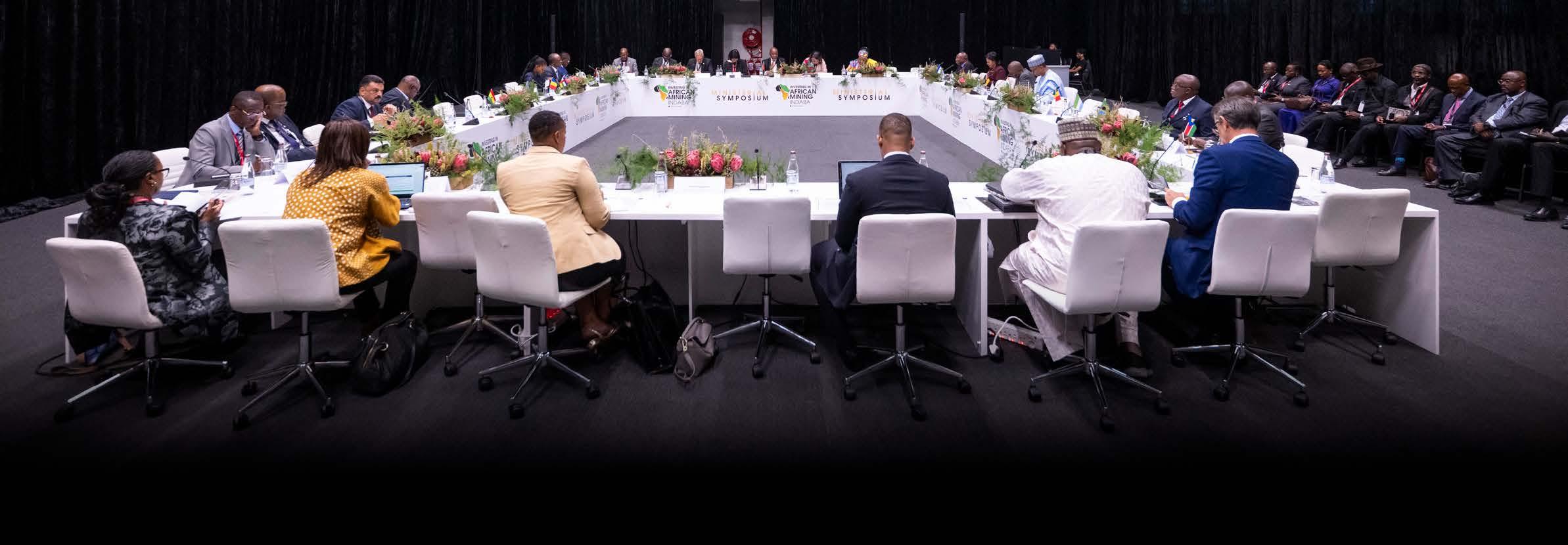
The Mining Indaba Government Programme brings together three complementary platforms for government engagement: the Ministerial Symposium, the Intergovernmental Summit (IGS) and the Country Showcases. Together, these initiatives form the backbone of policy dialogue at Investing in African Mining Indaba, creating a space where governments, industry leaders and development partners can engage in constructive discussions on the evolving priorities of Africa’s mining sector. These platforms illustrate how Mining Indaba continues to support stronger partnerships, greater policy alignment and deeper engagement between African governments and the global mining community.
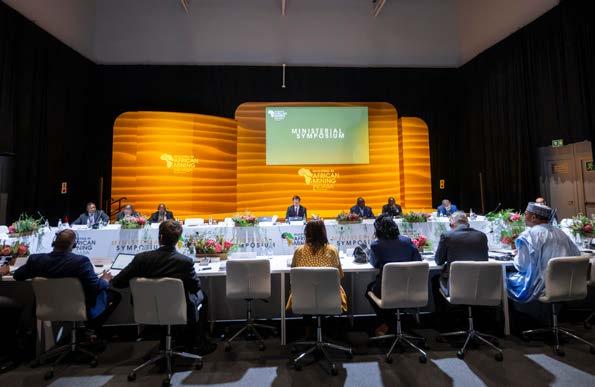
Taking place on Sunday 8th February, the Ministerial Symposium serves as the programme’s flagship high-level policy dialogue, convening ministers and senior officials from across the continent and beyond. It provides a platform for governments to articulate national priorities, exchange policy perspectives and engage directly with investors, multilateral institutions and industry stakeholders on the future of Africa’s mineral development. The Intergovernmental Summit (IGS), held over two days from 10th to 11th February comprised a series of
high-level ministerial addresses, panel discussions and partnership spotlights, bringing together governments, industry and institutions to exchange perspectives and advance collective approaches to policy alignment, investment, infrastructure and value chain development across Africa’s mining sector. The Country Showcase programme running in parallel on two stages from Monday 9th to Wednesday 11th February provides a platform for African governments to present investment-ready opportunities, policy reforms, and partnership models, positioning their mining sectors to attract capital and advance value chain development
Policy making in the mining sector is inherently dynamic, shaped by the interaction of national development objectives, regulatory frameworks, global market dynamics and the broader geopolitical context surrounding minerals and resource security.
The government sessions during Mining Indaba 2026 highlighted the increasing importance of partnership-driven approaches, both among African governments and between the public and private sectors, in advancing sustainable mineral development.
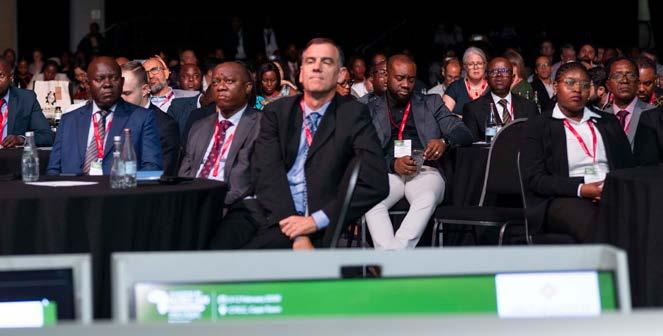
Across the Ministerial Symposium, the IGS and the Country Showcases, discussions underscored several shared priorities emerging across the continent. These include the strengthening of unified and transparent regulatory frameworks, the acceleration of regional cooperation and strategic partnerships, and a growing emphasis on value addition and beneficiation within African economies. At the same time, shifting geopolitical dynamics surrounding critical minerals are reinforcing the strategic importance of Africa’s resource endowment and the need for coordinated policy approaches that maximise long-term development outcomes.
A central message of this report is that the Government Programme at Mining Indaba now provides more than a platform for dialogue. It facilitates policy exchange, strategic alignment and collaboration among stakeholders shaping the future of Africa’s mining sector. The discussions and insights emerging from these sessions offer an important reflection of how governments are positioning their mineral sectors within an increasingly interconnected global landscape.
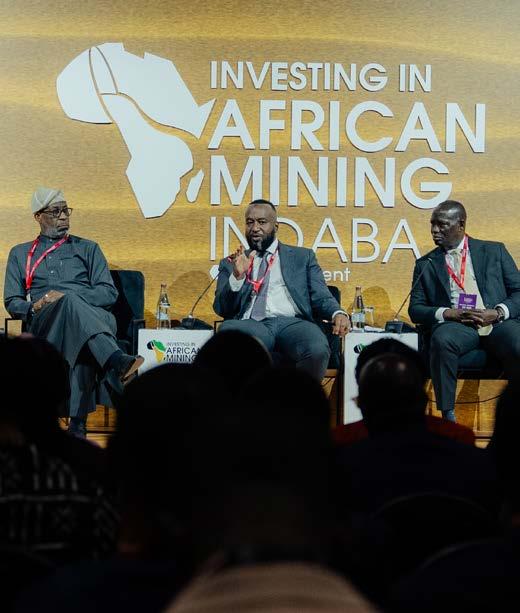
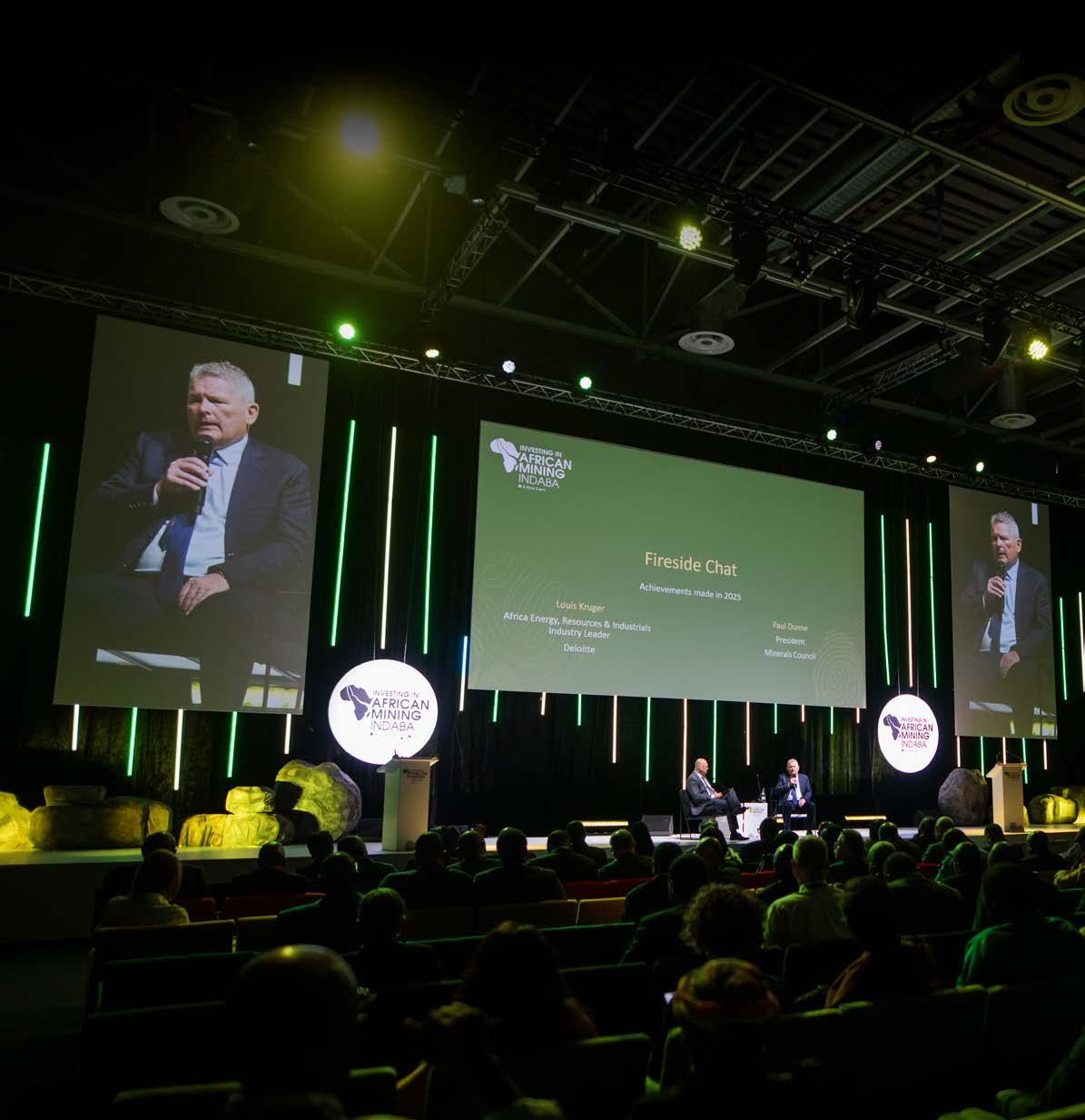
Mining Indaba 2026 marks the 14th edition of the Ministerial Symposium, held against the backdrop of shifting global geopolitics, accelerating demand for critical minerals and a renewed push for value addition across African mining jurisdictions.
The 2026 Symposium took place at a defining moment for the global mining sector. The emergence of large-scale public and private funding mechanisms aimed at securing critical mineral supply chains, coupled with heightened geopolitical volatility, is reshaping the strategic importance of mineralproducing regions. In this context, Africa’s resource endowment is increasingly positioned at the centre of global industrial, energy, and security agendas.
The mining sector is poised for a major commodity boom in 2026 driven by a surge in global demand for metals. At the same time, supply conditions are tightening. Key commodities are experiencing structural constraints. Copper, one of the key energy transition metals had a strong start to 2026 driven by factors including supply disruptions. Gold has surged past $5000 per ounce in 2026, reaching highs of $5500 in March
2026, reflecting heightened market uncertainty and reinforcing its role as a strategic hedge. Meanwhile, other commodities are entering prolonged periods of structural deficit, while supply in segments such as platinum group metals (PGMs) remains highly concentrated geographically, particularly in South Africa. These dynamics are reinforcing the strategic value of stable, diversified, and scalable mineral production.
Alongside structural shifts in global demand and supply, the mining sector is undergoing a parallel transformation in operational models. The concept of the “Digital Mine” has moved beyond pilot initiatives to become an emerging operational standard. Yet, for many African producers, the challenge lies not in adopting advanced AI solutions, but in building the foundational digital and infrastructure systems required to support them. Digitalisation was already seen as game changer in the 2024 Mining Indaba, notably for productivity and collaboration. In 2025, the focus shifted towards implementation and operational performance. Digitalisation and automation emerged as critical enablers of operational performance across multiple sessions at Mining Indaba 2026. While artificial intelligence was not positioned as a standalone theme, its applications were embedded within broader discussions on productivity, cost optimisation, and resilience.
However, discussions also highlighted a structural gap across many African jurisdictions. While advanced digital and data-driven solutions offer clear opportunities, their deployment remains unevenly constrained by persistent challenges related to energy reliability, infrastructure deficits, and limited digital capacity. Against this backdrop, the Ministerial Symposium provided a high-level policy platform to
Second, there was a clear transition from national investment narratives to regional capital platforms. Across sessions, the emphasis moved toward cross-border coordination, reflecting the understanding that capital at scale is mobilised through integrated markets, regional value chains, and shared infrastructure systems.
examine how African governments can collectively respond to these converging pressures. A central theme emerged: the need to move beyond fragmented, nationally driven approaches toward more coordinated, regional, and value chain-oriented strategies that position Africa not only as a supplier of minerals, but as a competitive industrial actor within global markets.
Execution now depends on structured collaboration across public and private actors
Under the subtheme “Banking on Africa: Mobilising capital through partnership,” the 2026 Ministerial Symposium marked a decisive shift in both structure and intent, positioning capital mobilisation not as a financing challenge alone, but as a function of policy alignment, institutional credibility, and strategic partnerships.
First, the programme moved from agenda-setting to capital-oriented implementation. Sessions were structured to identify how policy, infrastructure, and industrial strategies can translate into bankable opportunities, signalling a shift from dialogue to deal-enabling environments.
Third, the Symposium reframed capital mobilisation as a systems challenge rather than a financing gap. Discussions consistently pointed to the fact that capital exists but is constrained by fragmented policies, weak project preparation, and insufficient risk mitigation frameworks.
Fourth, the expanded role of invitation-only roundtables signalled a move toward partnership-driven execution. These closed-door engagements created space for governments, investors, and industry leaders to align on practical financing models, risk-sharing mechanisms, and implementation pathways.
Fifth, and finally, the tone of the Symposium reflected a shift toward strategic urgency in a competitive global landscape. As demand for critical minerals accelerates, Africa’s ability to mobilise capital will depend on how effectively it structures partnerships, both internally across countries, and externally with global investors on terms that support long-term value creation.
Mining Indaba 2026 marked a decisive shift from ambition to execution, with African governments increasingly aligning around value chain development, regional coordination, and industrialisation while confronting persistent constraints in infrastructure, exploration, and institutional capacity.
At its core a clear message emerged: Africa does not lack resources. The challenge is building the systems that turn those resources into industries, and in turn, into bankable opportunities.
Capital is available, bankable ecosystems are not
The central challenge is not access to finance, but the ability to structure investable, de-risked opportunities through coherent policy and institutional frameworks.
Partnership is the primary vehicle for capital mobilisation
From PPPs to regional corridors and value chains, capital flows where risk, returns, and responsibilities are shared across actors.
Regional integration is the foundation of scale
Investors finance markets, not countries. Mobilising capital at scale requires integrated regional platforms, not fragmented national approaches.
Policy alignment is a precondition for investment
Harmonised licensing, fiscal regimes, ESG standards, and trade frameworks are
risk and attract long-term capital.
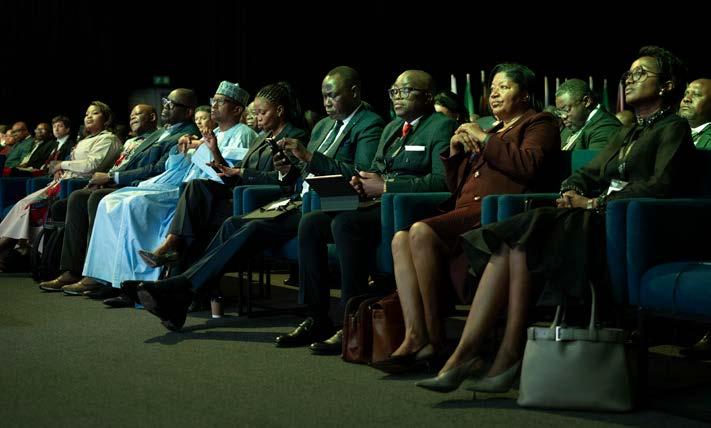
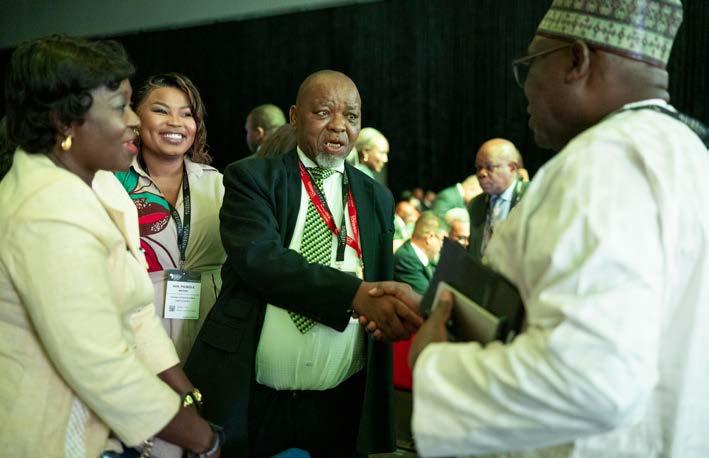
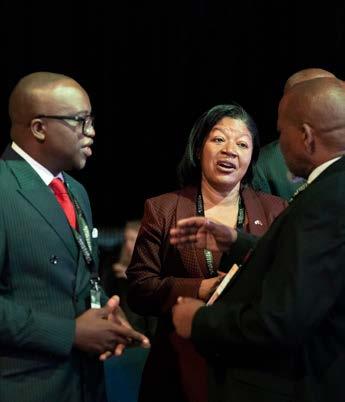
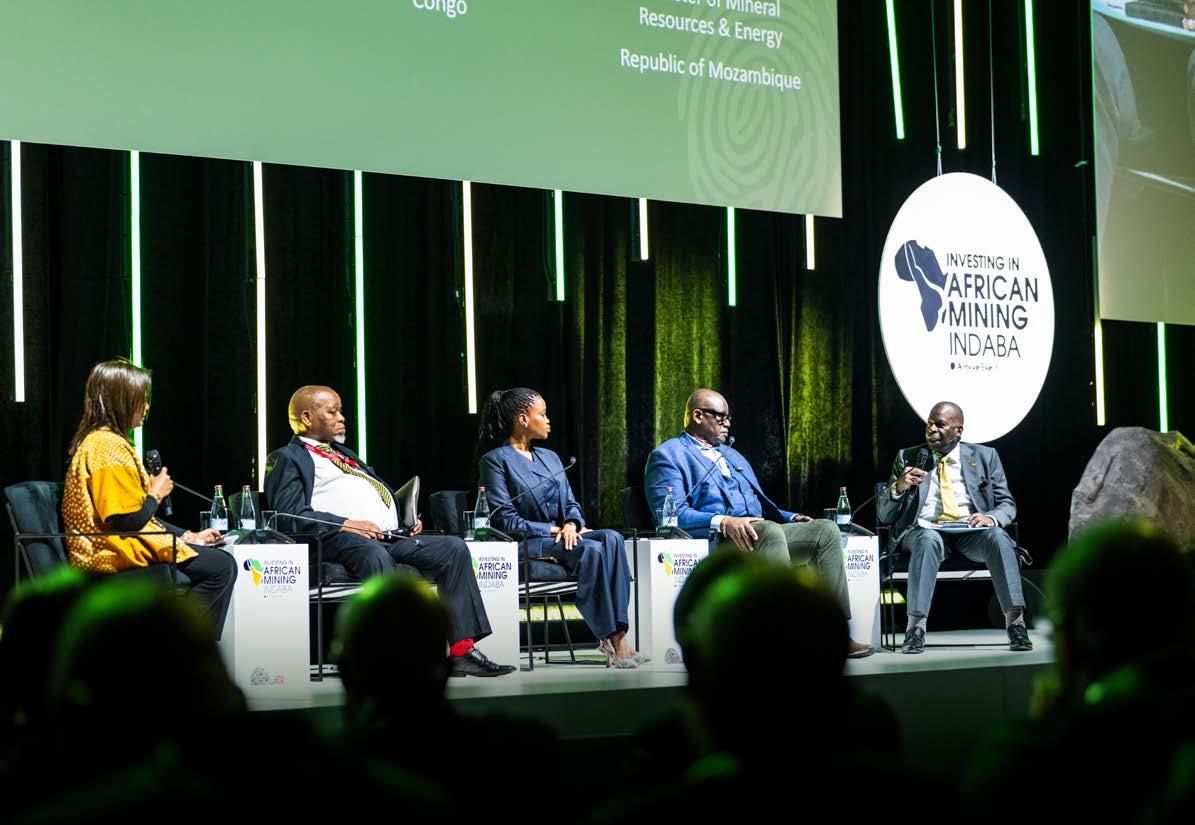
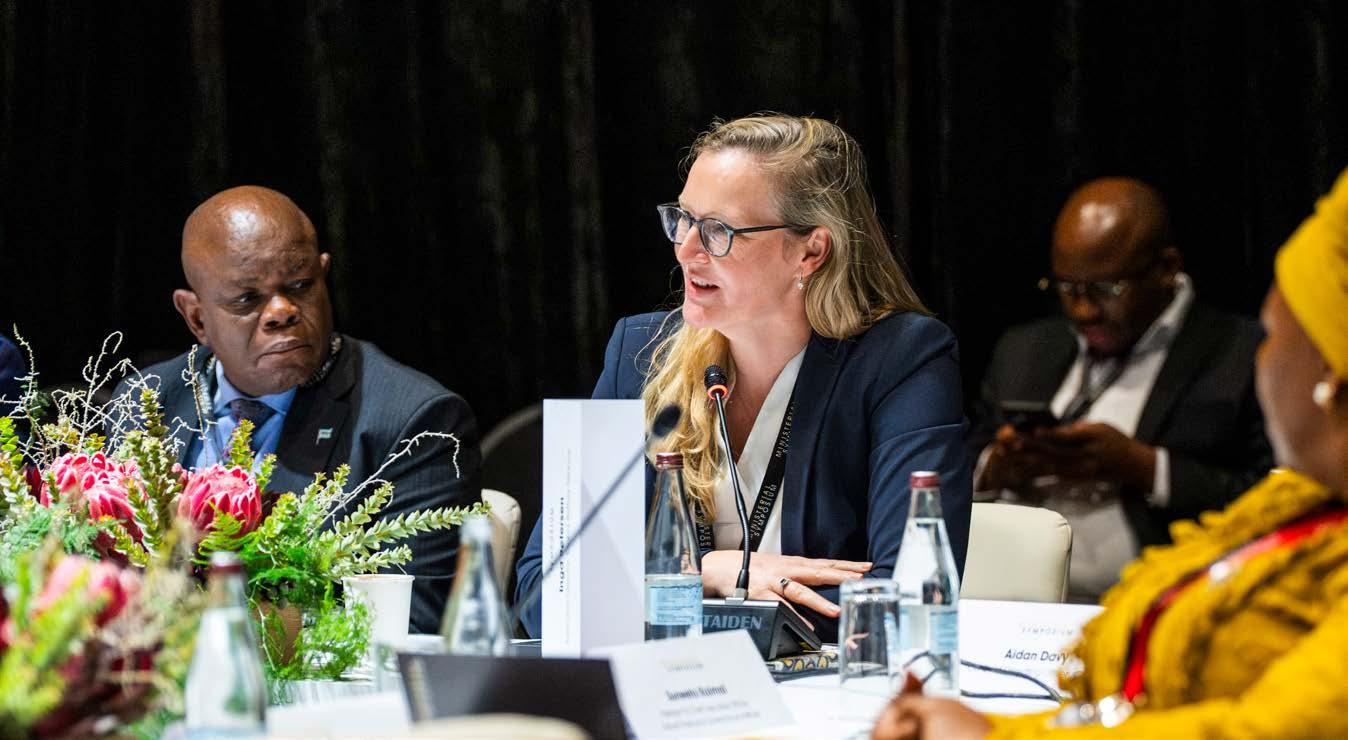
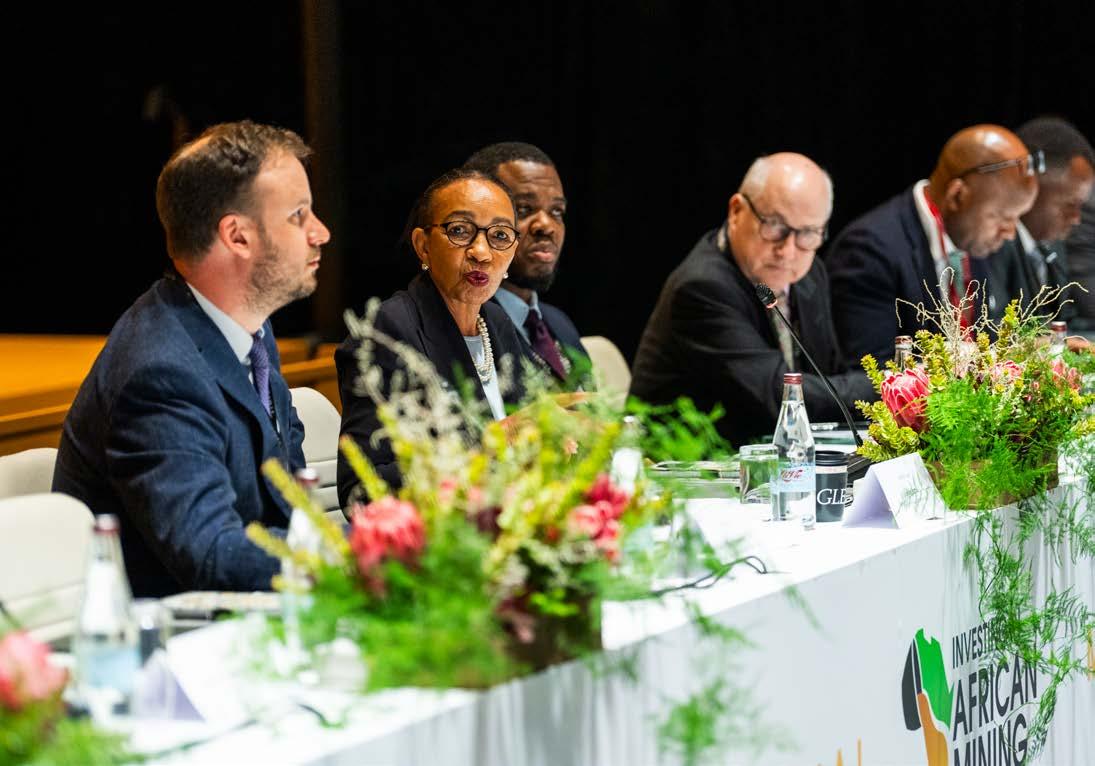
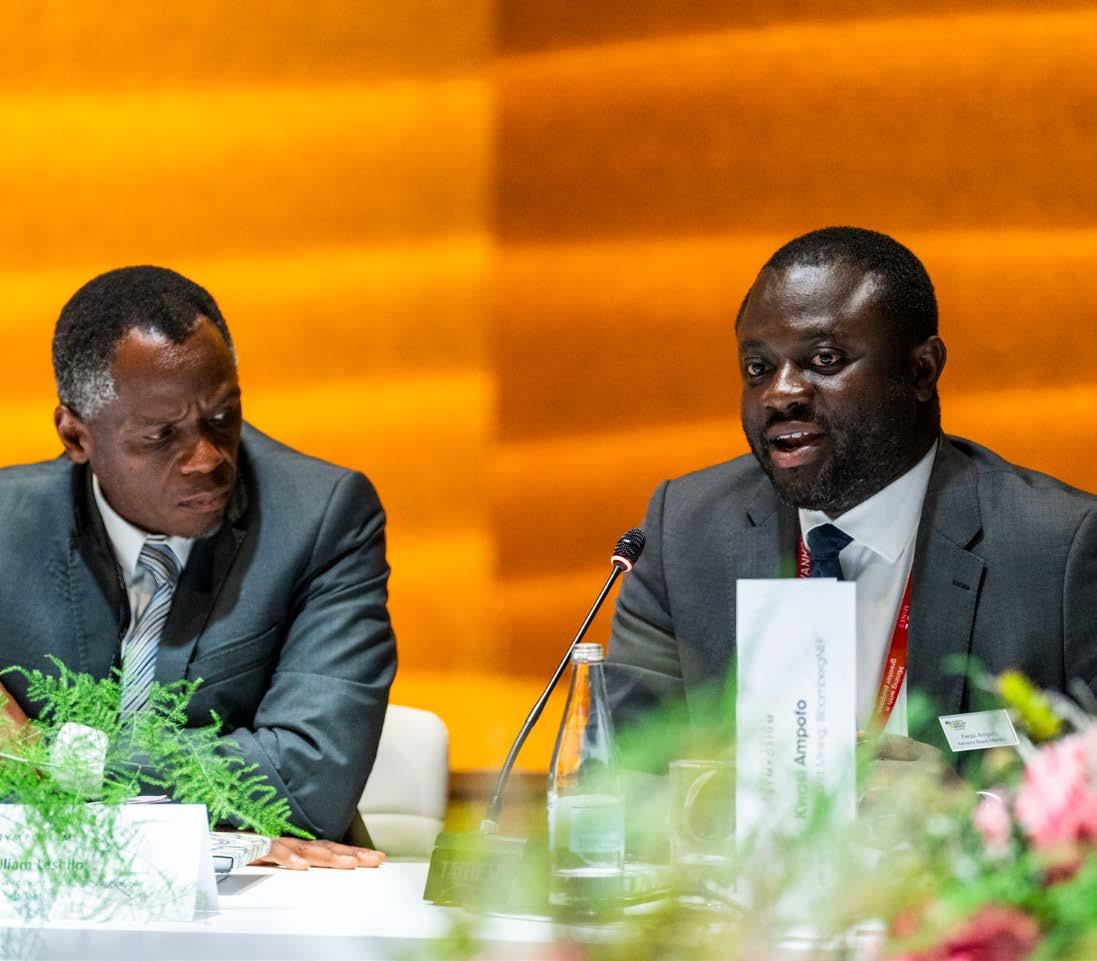
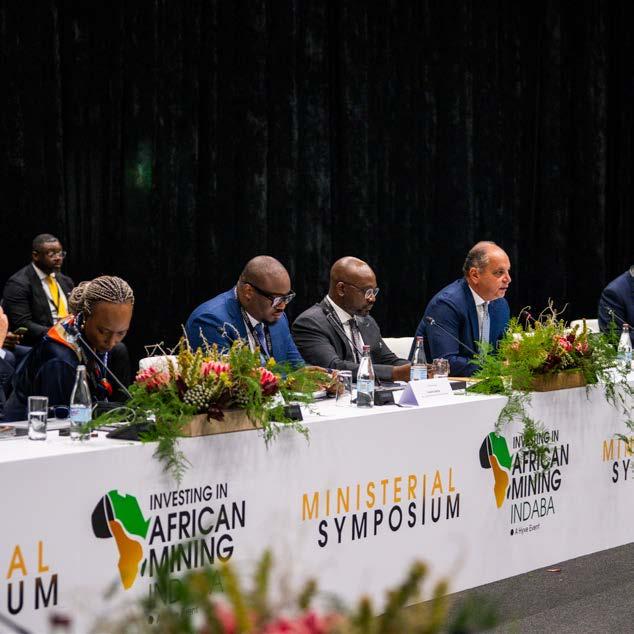
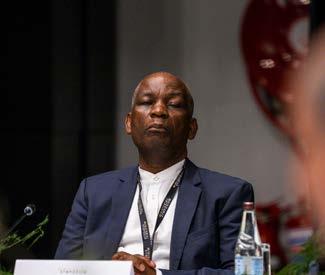
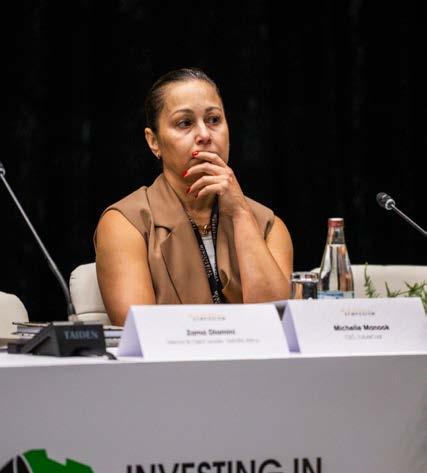
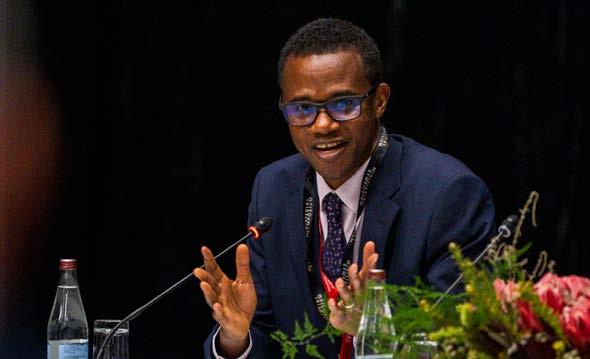
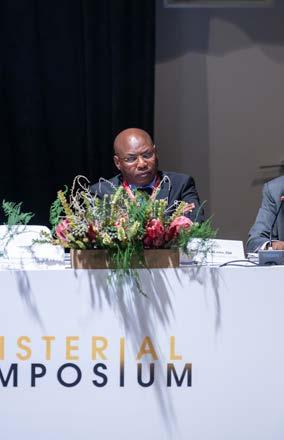
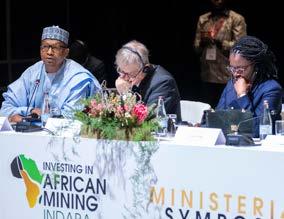
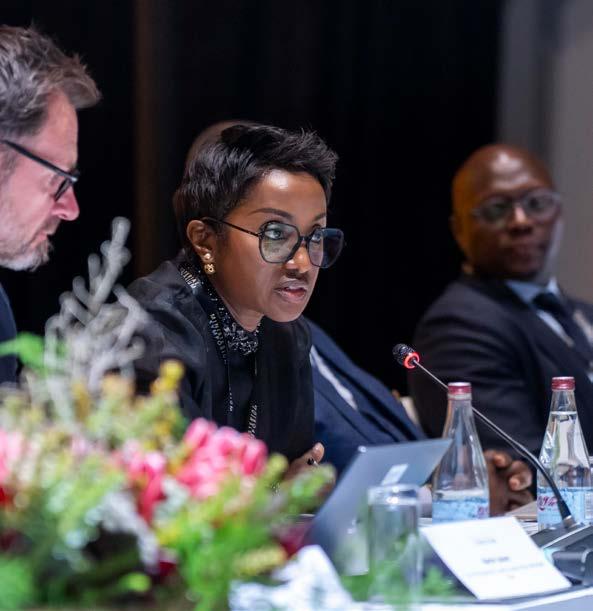
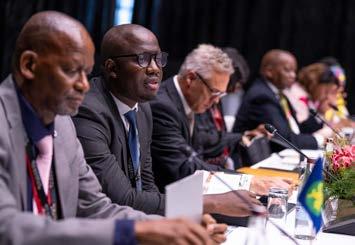
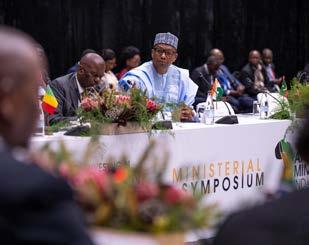
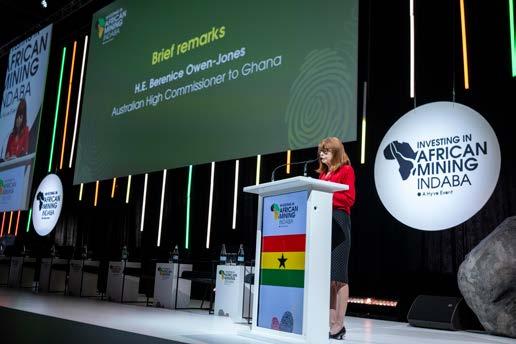
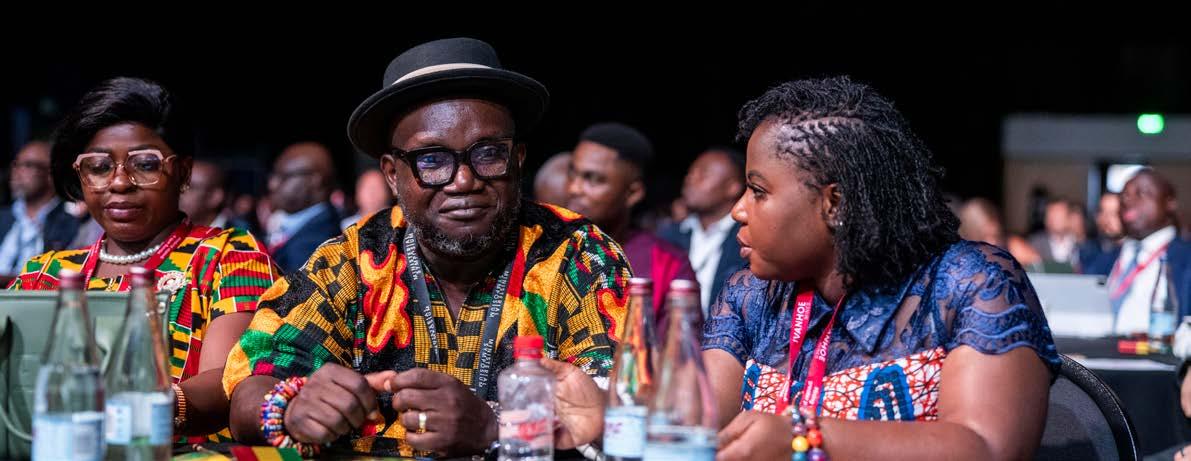
The 2026 Ministerial Symposium convened high-level participation from across government, industry, and finance, reflecting the growing strategic importance of Africa’s mineral sector in the global economy.
Participants included ministerial and senior government representatives from across the continent, alongside regional and continental institutions engaged in advancing Africa-wide policy frameworks and integration agendas. The private sector was strongly represented by mining companies, industrial actors, and technology providers, complemented by development finance institutions, multilateral banks, and private investors, underscoring the central role of partnership in mobilising capital.
In this context, Mining Indaba continues to play a distinctive convening role, bringing together African governments, global investors, and industry leaders within a single platform. This unique positioning enables dialogue to move beyond parallel discussions toward aligned, cross-sector engagement on investment and implementation pathways. Overall, the breadth and seniority of participation reinforced the Symposium’s role as a strategic platform at the intersection of policy, capital, and industry, with increasing relevance for shaping partnerships and unlocking investment across Africa’s mineral value chains.
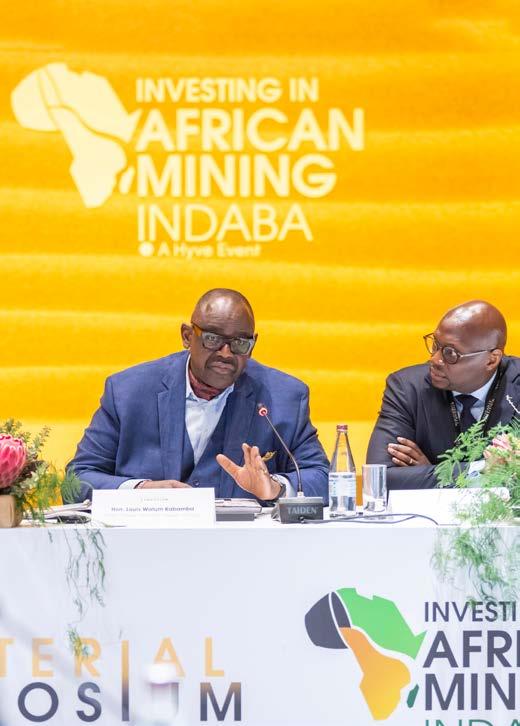
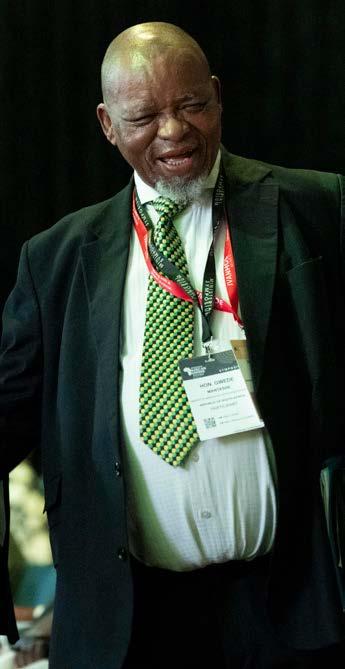
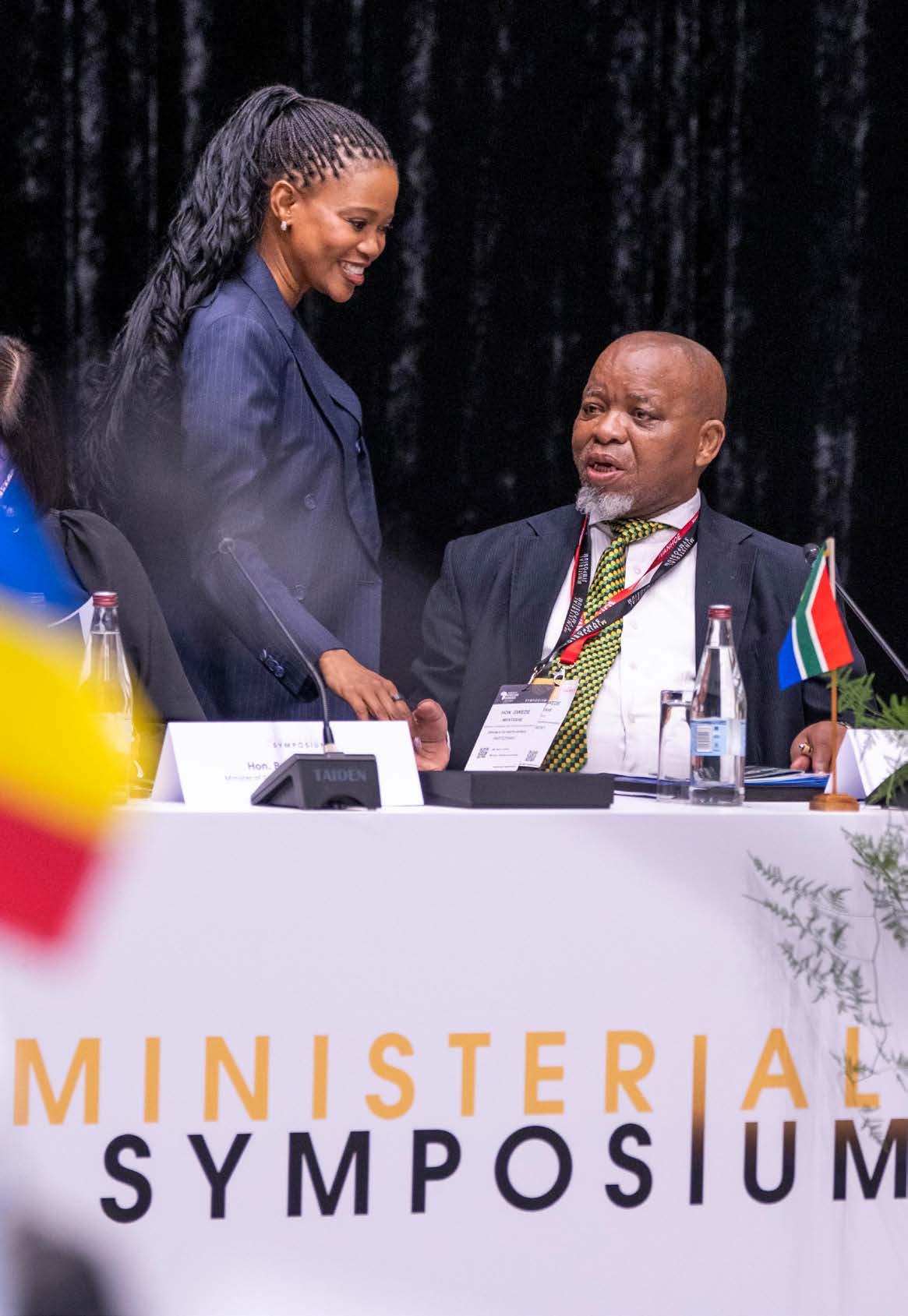
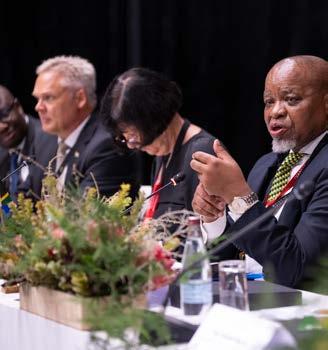
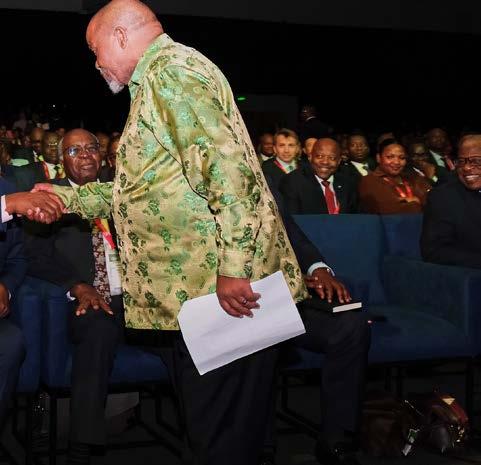
Hon. Gwede Mantashe, Minister of Mineral and Petroleum Resources, Republic of South Africa
In his opening remarks, Hon. Gwede Mantashe, Minister of Mineral and Petroleum Resources of the Republic of South Africa, underscored the growing global focus on critical minerals, noting that, in the current geopolitical and economic context, the distinction between “critical” and “non-critical” minerals is increasingly blurred, with each resource playing a strategic role in industrial development and energy security.
He outlined the strategic objectives underpinning South Africa’s Critical Minerals Strategy, anchored in driving economic growth and employment through industrialisation and increased mining output, while positioning the country as a key player in regional value chains. Central to this vision is the promotion of regional collaboration, particularly through the development of beneficiation hubs across Southern Africa.
Minister Mantashe further highlighted the adoption of a categorized approach within the strategy, classifying minerals according to varying levels of criticality, from high to moderate, thereby enabling more targeted and context-specific policy interventions. Notably, he addressed the inclusion of coal as a critical mineral, emphasising its continued importance as a cornerstone of South Africa’s energy mix and a significant contributor to economic activity.
He also stressed the importance of strengthening foundational enablers across the sector, including skills development and capacity building, increased investment in research and development, the promotion of mineral recycling, and the expansion of infrastructure and manufacturing capabilities. These elements, he noted, are essential for advancing beneficiation and ensuring that African countries capture greater value across the minerals value chain.
As global demand for critical minerals accelerates, driven by the energy transition and industrial transformation, exploration has re-emerged as a strategic priority within the mining sector. Yet, despite holding some of the world’s most prospective geological formations, Africa continues to attract a disproportionately low share of global exploration investment. This gap reflects not a lack of resource potential, but persistent structural constraints within exploration and licensing systems.
Sessions underscored that exploration remains the “front door” of the mining value chain, yet Africa continues to capture a disproportionately low share of global exploration expenditure despite its significant resource endowment. Participants noted that while the continent attracted approximately USD 1,45 billion in exploration investment in 2025 this represents only around 10–11% of global spend, far below comparable jurisdictions such as Canada, Australia, and the United States.
Discussions highlighted that the core constraint lies in the investment readiness of licensing systems, rather than geological potential. Persistent bottlenecks include limited access to reliable geological data, lack of clarity in available licensing areas, lengthy and bureaucratic permitting processes, and challenges related to land access and community engagement.
A strong convergence emerged around the need for transparent, digitalised and efficient cadastral systems. Country examples, including Nigeria, the DRC and Kenya, demonstrated that digital licensing platforms can significantly improve transparency, reduce corruption, free up inactive license areas, and enhance investor confidence.
The sessions also emphasised that geological data should be treated as a public good, requiring sustained government investment. Limited availability and accessibility of data continue to increase exploration risk and deter junior mining companies, which
are critical drivers of early-stage discovery. Participants noted that improved data systems, including the use of advanced technologies and AI, can materially reduce exploration costs and accelerate project timelines.
Beyond technical reforms, policy continuity and regulatory stability were identified as critical concerns. Investors require assurance that licensing regimes and fiscal terms will remain consistent across political cycles. In this regard, strengthening technocratic institutions and insulating regulatory systems from political disruption were highlighted as key to building long-term investor confidence.
Finally, the discussion pointed to the importance of regional approaches to exploration and licensing. Mineral belts and geological formations often span multiple countries, yet regulatory frameworks remain fragmented.
Greater regional coordination both in licensing systems and geological data sharing was identified as a pathway to attract larger-scale, cross-border investment and reduce duplication of efforts.
• Position exploration as a strategic public priority, with sustained investment in geological data

• Accelerate digitalisation and transparency of licensing systems
• Ensure policy stability and institutional continuity to reduce investor risk
• Prioritise jurisdictions with clear, predictable and efficient regulatory frameworks
• Focus on markets actively derisking early-stage exploration
• Leverage partnership models to navigate high-risk, capitalintensive environments
• Advance harmonisation of licensing frameworks across borders
• Support shared geological data systems and capacity-building
• Enable regional investment corridors to attract large-scale exploration capital


As global demand for critical minerals accelerates, infrastructure and energy have emerged as decisive enablers of mining competitiveness. While Africa holds an estimated 30% of the world’s mineral resources, structural deficits remain stark, with nearly 600 million people lacking access to electricity and the continent capturing only around 3% of global energy investment.
Sessions focused on this topic underscored that infrastructure and energy are not peripheral constraints, but core value multipliers. Without reliable, affordable electricity and efficient transport systems, mineral resources remain economically unviable; conversely, integrated infrastructure can significantly enhance project economics and unlock downstream industrialisation.
Discussions highlighted that the primary challenge lies less in resource availability than in system fragmentation. Energy generation capacity, mineral deposits, and demand centres are unevenly distributed across countries, yet limited cross-border integration prevents efficient allocation. Similarly, inadequate rail, road, and port infrastructure particularly for landlocked countries and bulk commodities continues to constrain market access and scale.
A key theme was the need to shift from a focus on capital scarcity to investment mobilisation and bankability. While an estimated USD 83 billion per year is required to close the electricity access gap, the constraint is not the absence of capital, but the ability to structure, de-risk, and deliver bankable projects. In this context, Development Finance Institutions and multilateral actors were identified as critical in providing risk mitigation, blended finance, and early-stage project support.
The session also emphasised the importance of an integrated mining infrastructure nexus, where infrastructure is developed alongside resource projects and anchored in mining demand. Such approaches particularly through corridor development and industrial power solutions offer a pathway to move beyond enclave extraction towards broader economic transformation.
Finally, strong emphasis was placed on regional coordination. Cross-border power trade, shared transport corridors, and harmonised regulatory frameworks were identified as essential to overcoming fragmentation, avoiding duplication, and unlocking large-scale, competitive infrastructure systems across the continent.
• Position infrastructure and energy as strategic enablers of mining and industrial policy, not standalone sectors.
• Prioritise bankable project pipelines through stronger project preparation, clear regulatory frameworks, and PPP models.
• Invest in reliable, competitive power supply to support beneficiation and long-term mining operations.
• Adopt long-term planning that extend beyond political cycles, particularly for large-scale infrastructure projects.
• Focus on jurisdictions demonstrating integration between mining, infrastructure, and energy planning.
• Target opportunities in corridor development, industrial power solutions, and logistics systems linked to resource projects.
• Engage earlier in the project cycle, particularly in project preparation and risk-sharing structures, where value creation is highest.
• Leverage partnerships with DFIs to mitigate risk and improve project bankability.
• Advance cross-border infrastructure and energy integration, particularly power pools, rail corridors, and port access.
• Develop continental risk mitigation and financing platforms to reduce cost of capital and crowd in private investment.
• Harmonise regulatory frameworks for cross-border energy trade and infrastructure development.
• Support the development of regional mining corridors that link resources, infrastructure, and industrial hubs into scalable investment ecosystems.


As global demand for critical minerals intensifies, the question of how Africa captures greater value from its resources has moved to the centre of the mining agenda. Despite its resource wealth, the continent continues to derive limited economic value from extraction, with mining contributing on average only around 7% to GDP in resource-rich countries, highlighting a structural gap between production and broader industrial development.
Sessions underscored that industrialisation is not automatic, it is a policy choice. Moving beyond extraction towards value addition requires deliberate strategies to connect mining with manufacturing, infrastructure, and wider economic systems. The objective is not beneficiation for its own sake, but value creation that is economically viable and globally competitive.
Discussions reflected a growing shift in policy approaches, with several countries introducing local content requirements, downstream processing obligations, and increased state participation to capture a larger share of mineral value. In some cases, these measures have begun to catalyse investment in processing industries. For example, Nigeria’s regulatory push has supported the emergence of mineral processing facilities and attracted significant capital into value addition segments.
At the same time, a clear gap remains between policy ambition and the conditions required to deliver it. Industrialisation depends on reliable energy, infrastructure, skills, and access to technology. Where these foundations are weak, mandatory beneficiation risks reducing competitiveness and discouraging investment. Participants also noted that many national markets lack the scale needed to sustain full value chains on their own.
This led to a strong emphasis on moving beyond national approaches towards regional value chains. Given the scale and capital intensity of industries such as battery manufacturing, green steel, and fertilizers, regional integration is essential to achieving competitiveness. Coordinated approaches can enable the development of specialised and complementary industrial hubs across the continent rather than fragmented, duplicative efforts.
The discussion also highlighted a gap in partnership ecosystems. While mining companies play a role in early-stage processing, the midstream and downstream segments are often led by specialised industrial players and technology providers who remain underrepresented in African investment discussions. Attracting these actors alongside financing partners is critical to building complete and resilient value chains.
Industrialisation was ultimately framed as part of a broader development pathway, linked to job creation, economic diversification, and participation in green growth. This requires stronger alignment between mining, industrial, energy, and trade policies to ensure coherence and long-term impact.
• Shift from extraction-focused approaches to integrated mining and industrial strategies.
• Ensure enabling conditions such as energy, infrastructure, skills, and regulatory efficiency before mandating beneficiation.
• Move towards partnershipdriven policy frameworks that reflect economic realities.
• Align mining, industrial, and trade policies to support longterm value creation.
• Focus on scalable value chain opportunities, including processing, refining, and industrial hubs.
• Prioritise jurisdictions with clear industrial strategies and supportive ecosystems.
• Partner with governments and DFIs to develop midstream and downstream capabilities.
• Leverage the energy transition to build competitive and sustainable industrial platforms.
• Advance regional value chains to overcome market size constraints.
• Coordinate industrial policy frameworks and investment strategies across countries.
• Facilitate partnerships with global industrial players and technology providers.
• Support financing mechanisms for large-scale, cross-border industrial projects.
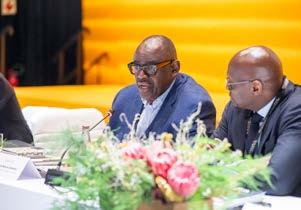
The 2026 Ministerial Symposium signalled a clear inflection point. As global competition for critical minerals intensifies, Africa’s advantage will not be defined by resource endowment alone, but by its ability to convert that endowment into coherent, investable systems. The message was unambiguous, capital is ready but it will only move where policy is aligned, risks are structured, and partnerships are credible.
Under the theme “Banking on Africa: Mobilising capital through partnership,” the Symposium reframed the continent’s mining agenda around execution regional integration over fragmentation, coordination over competition, and value creation over extraction. In a rapidly shifting geopolitical landscape, Africa is no longer on the margins of global supply chains, it is at their centre. The question is no longer whether capital will come but whether the continent can organise itself collectively and strategically to capture it.
Hon. Gwede Mantashe, Minister of Mineral and Petroleum Resources, Republic of South Africa African countries should avoid under- cutting or undermining one another in the pursuit of profit. Instead, infrastructure should be recognised as a complementary advantage that strengthens regional cooperation rather than fostering competition. The Critical Minerals agenda should move beyond the simple buying and selling of commodities and focus on building a sustainable future anchored in balanced, diversified economic growth. The AU proclamation is available and should be used for sharing of information to advance the economy of the continent.
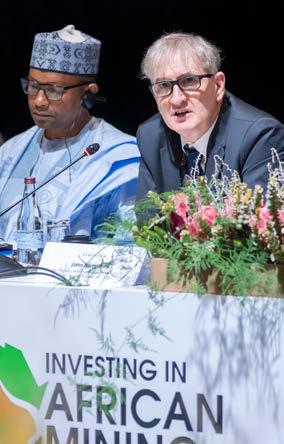
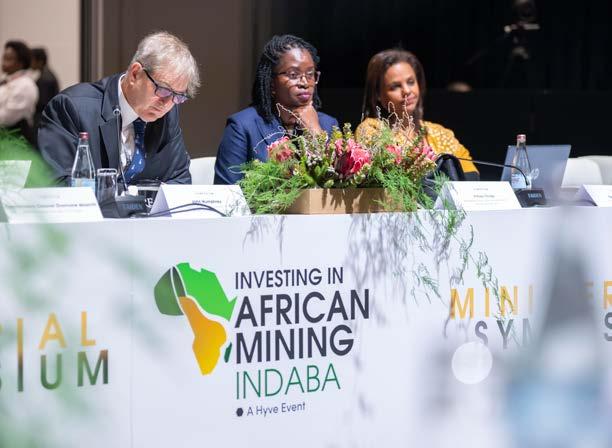
A first-of-its-kind roadmap linking Africa’s strategic minerals to investment, infrastructure and industrial growth.


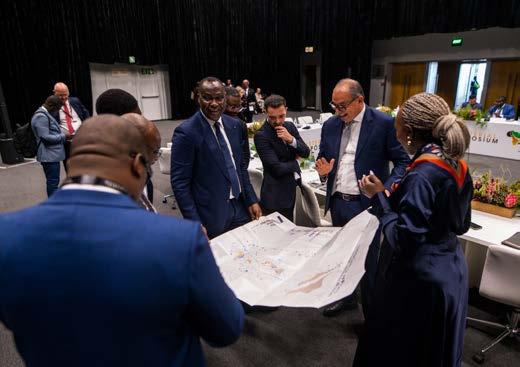
“The Compendium of Africa’s Strategic Minerals maps full value chains and links reserves and production to processing capacity, power and transport infrastructure, and regional industrial corridors—improving data transparency to de-risk exploration, lower the cost of capital, and guide smarter investment into mining and the enabling infrastructure needed for beneficiation and integrated regional value chains”

“Africa’s strategic minerals story is no longer about isolated deposits it is about building connected, competitive value chains at scale. The African Compendium of Strategic Minerals 2026 brings, for the first time, a system level view that links mineral wealth with infrastructure, logistics and processing potential. As the global energy transition accelerates, Africa’s role will be defined not by potential alone, but by coordination, execution and the strength of our collective ambition”
Zeinab El-Sayed, Director, Government & Institutional Partnerships, Investing in African Mining Indaba.

Linking Resources to Value Chains: A System-Level View of Africa’s Industrial Opportunity
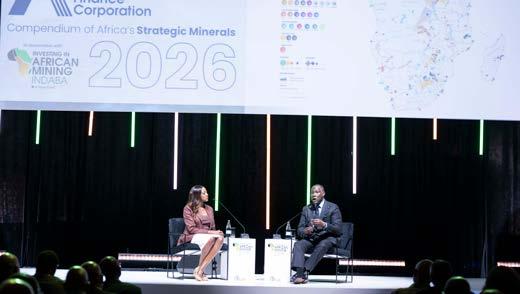
Launched at the Ministerial Symposium during Mining Indaba 2026, the Compendium of Africa’s Strategic Minerals—developed by Africa Finance Corporation (AFC) in association with Mining Indaba—provides a comprehensive, system-level perspective on Africa’s mineral endowment and its role within global value chains.
The Compendium moves beyond a resource-based narrative to examine how reserves connect to processing capacity, infrastructure, and industrial development. It reflects a growing recognition that Africa’s competitive position will be determined not by the scale of its resources alone, but by its ability to translate these into integrated and commercially viable value chains.
As global demand for critical minerals intensifies, the question of how Africa captures greater value from its resources has moved to the centre of the mining agenda. Despite its resource wealth, the continent continues to derive limited economic value from extraction, reflecting a persistent gap between production and broader industrial development.
The Compendium positions this challenge within a broader systems context, highlighting that value capture depends on the alignment of policy, infrastructure, capital, and market access. Industrialisation is not an automatic outcome of resource extraction, but the result of deliberate and coordinated strategies.
Resource production remains disconnected from downstream processing and manufacturing
• Africa holds a significant share of global strategic minerals, yet value realisation remains concentrated upstream
• The core constraint is not resource availability, but the absence of integrated value chain ecosystems
• Fragmentation across policy, infrastructure, and investment continues to limit scale and competitiveness
• Industrial development requires alignment across mining, energy, transport, and trade systems
• The shift underway is from extraction-led growth towards value chain-driven industrialisation.

The Compendium identifies a set of interdependent enablers required to translate mineral wealth into sustainable economic value. These reflect a shift from isolated interventions towards coordinated, systemlevel approaches.
Value creation depends on linking extraction to processing and manufacturing. This requires coordinated development across multiple stages of the value chain, rather than standalone projects.
Reliable energy, transport, and logistics systems are critical to industrial competitiveness. Without these foundations, downstream investment remains constrained.
Investment is not absent, but constrained by risk, fragmentation, and weak project structuring. Unlocking capital requires regulatory clarity, bankable project design, and blended financing models.
National markets alone are often insufficient to support full value chains. Regional integration enables scale, specialisation, and the development of competitive industrial hubs.
• A system-level view of Africa’s mineral value chains
• Analysis of investment conditions, constraints, and opportunities
• Insights into infrastructure, policy, and industrial linkages
• A framework for aligning capital, regulation, and development priorities.

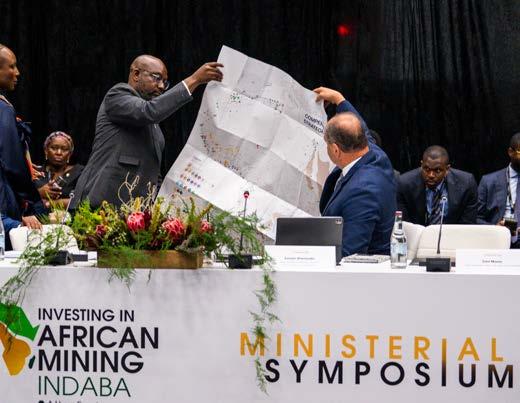
Access the Compendium to explore the data, insights, and frameworks shaping Africa’s next phase of mining and industrial development. SCAN TO DOWNLOAD THE FULL REPORT

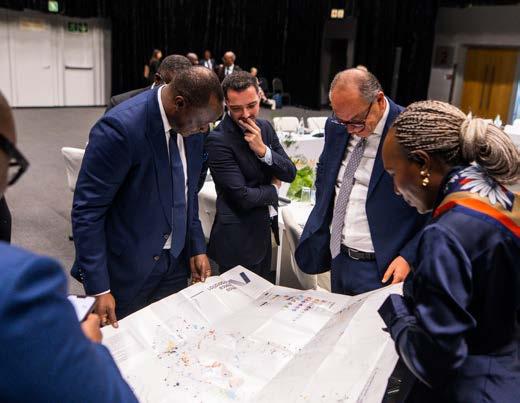
The Ministerial Roundtable extended the discussion on industrialisation and value chains into a focused, closed-door setting. This high-level exchange brought ministers together to examine how Africa’s critical minerals agenda can move from policy alignment toward coordinated implementation at continental scale.
Discussions reflected a clear shift in tone from ambition to execution.
As one minister noted, “Africa is not short of minerals; what is required now is alignment in how we govern, process, and trade them.” Within this context, critical minerals were positioned not as a standalone opportunity, but as a strategic entry point into broader industrialisation, infrastructure development, and regional integration pathways.
A strong convergence emerged around the need for coherent and harmonised policy frameworks. Ministers emphasised that fragmented national approaches continue to limit scale and weaken Africa’s collective bargaining position. Calls were made for greater alignment under continental frameworks, including the development of an African Unionlevel approach to critical minerals governance, capable of guiding regulatory consistency while remaining anchored in national priorities.
Several interventions emphasised the importance of predictable and transparent regulatory environments. One minister noted that “clarity in fiscal and regulatory systems is not a technical detail, it is the foundation of investor confidence.” The importance of moving beyond national reform agendas toward shared continental rules and standards was repeatedly underscored as a condition for industrialisation.
The roundtable also reinforced the role of regionalisation as a structural enabler of competitiveness. Ministers emphasised that value addition cannot be achieved at national level alone, given the scale requirements of downstream industries.
Interventions highlighted the need to build integrated regional markets, supported by crossborder infrastructure including transport corridors and rail networks, as well as deliberate coordination in developing specialised and complementary industrial hubs across countries.
As articulated in the roundtable, “industrialisation will not happen country by country; it will happen through regional systems.”
Infrastructure and financing constraints featured prominently across ministerial contributions.
Persistent deficits in energy, transport, and processing capacity were identified as key barriers to scaling the sector. In this context, ministers pointed to persistent deficits in energy, transport, and logistics systems, noting that “without infrastructure, resources remain stranded.“ and called for innovative financial and risk-sharing models, alongside stronger partnerships with development finance institutions, to unlock long-term capital and support the development of value addition industries.
A number of interventions also stressed the importance of skills development and institutional capacity as foundational enablers. As one contribution highlighted, “Africa must invest in its people with the same urgency as it invests in its resources.” The need for a coordinated, pan-African approach to capacity building emerged strongly, including leveraging existing centres of excellence and expanding specialised training in mining, metallurgy, and geosciences to support both upstream and downstream segments of the value chain.
Environmental and social considerations were integrated throughout the discussion. Ministers emphasised that sustainability, responsible resource management, and long-term environmental stewardship must be embedded within mining strategies, alongside the need to address security challenges in mining regions and ensure that mineral development delivers tangible socio-economic outcomes.
Across interventions, a broader geopolitical dimension also emerged. Ministers highlighted the importance of greater African agency over its mineral resources, with one noting that “Africa must not compete within itself for value but act collectively to capture it.” Ensuring that partnerships with international actors are structured to support value addition, industrialisation, and long-term development outcomes was identified as a strategic priority.
Overall, the Ministerial Roundtable reinforced the direction of travel set across the Symposium. Advancing Africa’s position in critical minerals will depend not on isolated national strategies, but on the continent’s ability to align policies, integrate markets, and structure partnerships that translate resource potential into coordinated, investable systems.
While discussions throughout the Symposium highlighted diverse national contexts and priorities, several common approaches to policy design and implementation emerged. The table below distils these into a set of best practices, capturing practical lessons and replicable strategies that can support more effective and coordinated action across the sector.
• Infrastructure & Regional Integration.
• Exploration & Investment Ecosystems.
• Energy & Industrial Alignment.
• Value Addition & Industrial Policy.
• Lobito Corridor (Angola–DRC–Zambia); Simandou (Guinea); Port of Maputo (PPP model).
• Botswana (state-backed exploration entity); South Africa (exploration fund, cadastral reform, 90-day permits); Morocco (multi-generational policy approach).
• Angola (hydropower linked to industrial clusters); Mission 300 (DFI-led electrification).
• Guinea (bauxite → alumina); Nigeria (processing-linked licensing); Zimbabwe (ferrochrome & lithium incentives); Gabon (manganese export ban);.
• Unlock scale and enable crossborder value chains.
• De-risk early-stage investment and attract exploration capital.
• Support mining-led industrialisation through integrated systems.
• Capture greater value through downstream processing.
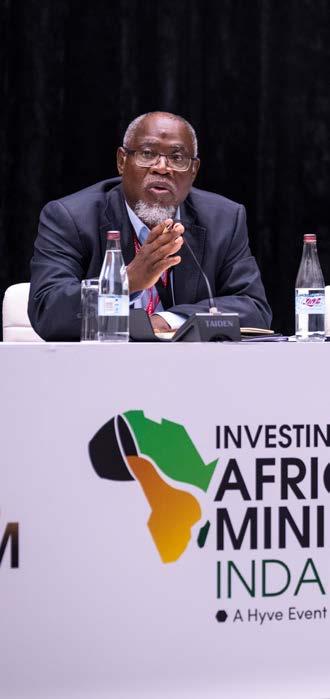
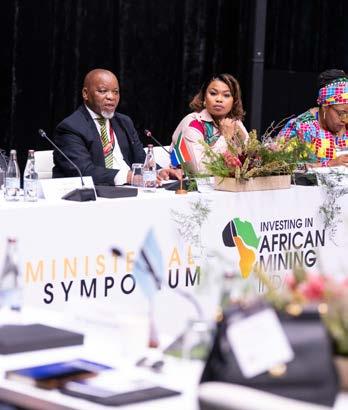
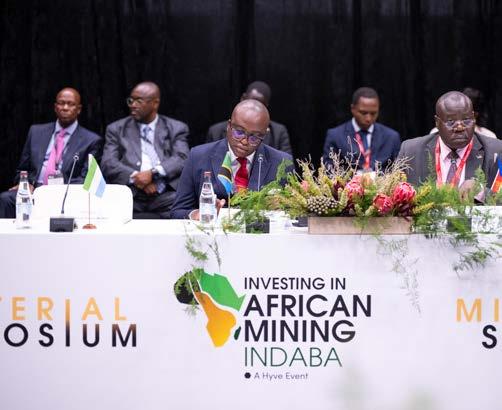
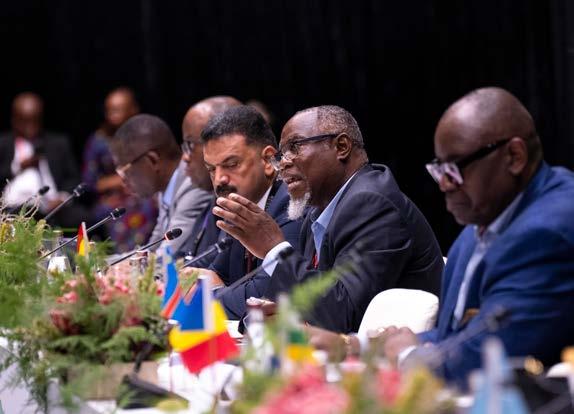
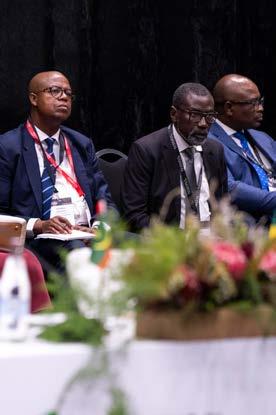
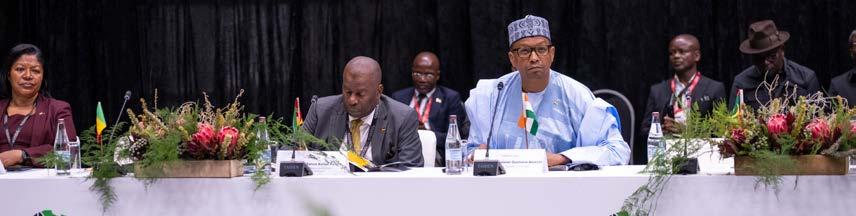
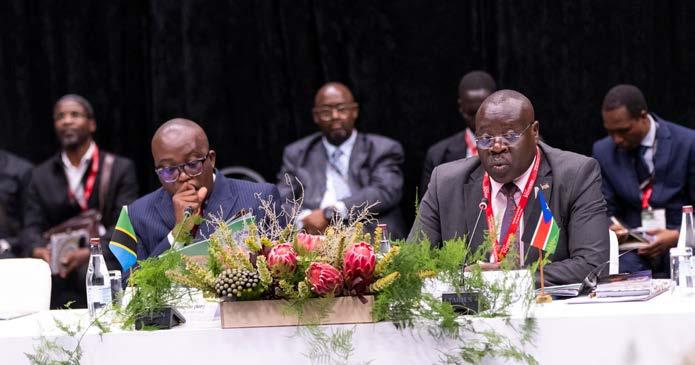
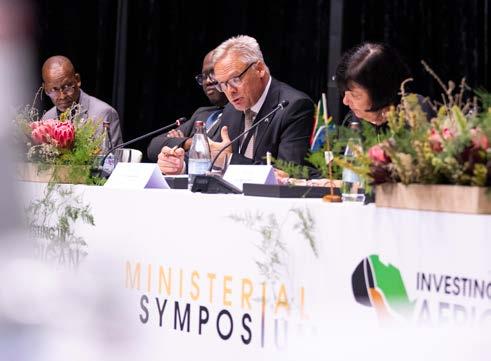
While ministers focused on defining policy direction and strategic priorities, the CEO Roundtables tested how these ambitions translate under the pressures of capital, operations, and market expectations. Taking place in parallel, these discussions provided a critical counterpoint, bridging strategic intent with execution realities. It is at this intersection between policy ambition and industry response that the next phase of Africa’s mining sector will be defined.
The CEO Roundtables provided an industry-led perspective on the conditions required to finance and deliver the next wave of mining projects across Africa. Bringing together senior executives, investors, and financial institutions, the discussions focused on translating policy ambition into investable opportunities, with particular emphasis on early-stage project financing, risk allocation, and partnership models.
Through discussions, and echoing consistently across other sessions, a clear message emerged: capital is not absent, but constrained by risk, fragmentation, and weak project structuring. As one participant noted, “the challenge is not attracting capital, but creating the conditions under which it can be deployed with confidence.” This framing aligned closely with broader Symposium discussions, reinforcing that Africa’s financing gap is fundamentally a systems challenge rather than a liquidity constraint.
A central focus of the roundtable was the persistent difficulty in financing early-stage mining projects. Participants highlighted a combination of structural barriers, including policy uncertainty, weak security of tenure, limited geological data, and high cost of capital particularly for junior and emerging players. Long project timelines, coupled with regulatory volatility, were seen to amplify risk perceptions and deter investment. As reflected in the discussion, “projects that take a decade to develop cannot operate in policy environments that shift every electoral cycle.”
In response, there was strong convergence around the need to de-risk projects through regulatory clarity and institutional credibility. Clear, stable, and transparent frameworks, alongside predictable licensing systems and effective dispute resolution mechanisms, were identified as foundational to unlocking capital. Strengthening administrative capacity and ensuring continuity in policy implementation were also highlighted as critical to building investor confidence.
The discussion further emphasised the importance of modernising financing models. Traditional project finance structures were seen as insufficient to support earlystage development, prompting calls for more flexible instruments, including royalties, streaming agreements, and blended finance solutions. The role of catalytic capital, particularly from sovereign wealth funds, development finance
institutions, and public investment vehicles, was identified as essential to crowd in private investment and anchor project financing.
Access to geological data and transparency in licensing systems also emerged as critical enablers of exploration investment. Participants highlighted the role of digital cadastral systems and publicly available geodata in reducing entry barriers, improving targeting of exploration activities, and enhancing overall investor confidence. However, it was noted that data systems alone are insufficient without clarity on permitting, rights enforcement, and exit mechanisms.
A key theme was the need to mobilise African institutional capital. While pension funds, sovereign wealth funds, and domestic investors have the potential to provide long-term, patient capital aligned with mining project timelines, their participation remains limited. Constraints include regulatory restrictions, lack of sector expertise, and fiduciary requirements favouring lower-risk assets. Participants highlighted the need for new financial instruments, regulatory reforms, and pan-African investment platforms to better channel domestic capital into the sector.
Regional integration was also positioned as a critical lever for scaling investment. The AfCFTA framework was identified as a key mechanism to harmonise regulations, reduce fragmentation, and enable the development of regional investment ecosystems.
Cross-border infrastructure, shared value chains, and coordinated capital markets were seen as essential to achieving the scale required to attract global investors and support large-scale industrial development.
Public-private collaboration models featured prominently throughout the discussion. Participants emphasised that governments cannot be expected to act solely as regulators, nor mining companies as sole providers of infrastructure. Instead, coinvestment and partnership models involving governments, DFIs, and private sector actors were identified as necessary to deliver bankable and inclusive projects. Successful examples highlighted the importance of standardised frameworks, risk-sharing mechanisms, and early-stage public capital to crowd in private investment.
The roundtable concluded with a clear signal: moving from opportunity to delivery will require stronger alignment between policy, capital, and industry execution.
As one participant noted, “Africa’s advantage will not be defined by its resources alone, but by its ability to structure projects, partnerships, and capital at scale.” This reinforces a broader shift across the Symposium from discussion to implementation, where the focus is no longer on identifying constraints, but on building the systems required to overcome them.
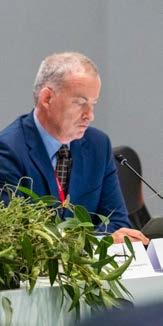
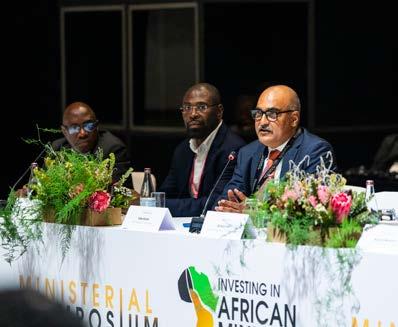
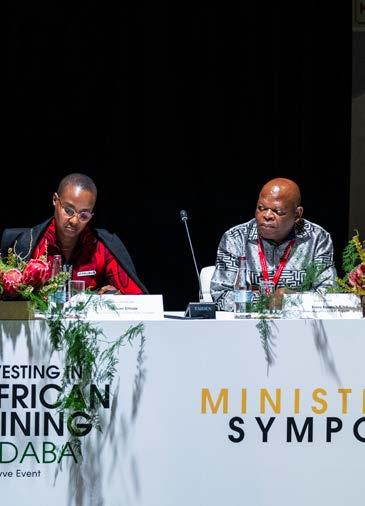
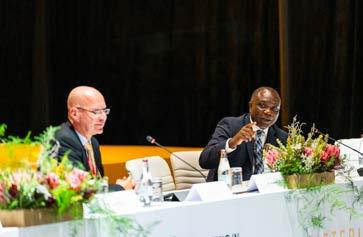
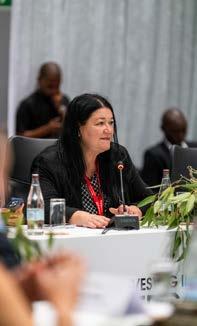
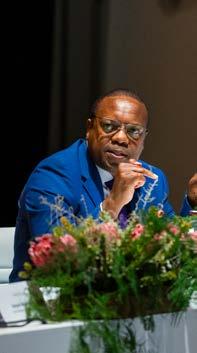
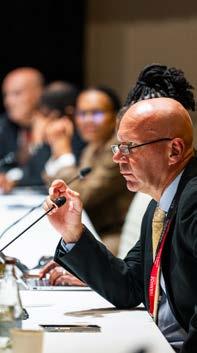
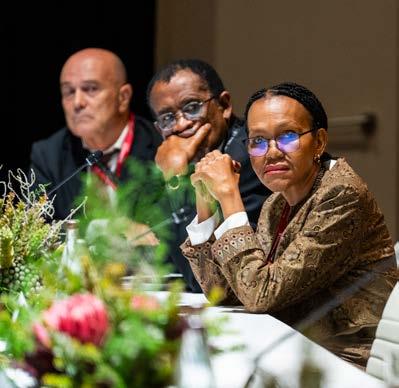
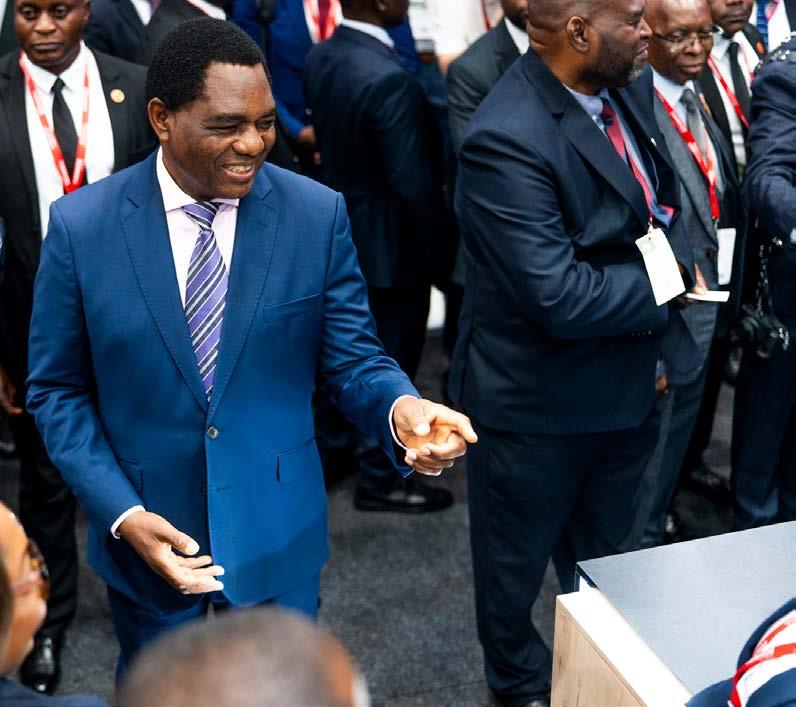
“Zambia agrees that we are stronger together. We all have capabilities, endowments, skills and experience. But no single one of us has enough to deliver the total package for our economies.”
H.E. Hakainde Hichilema, President, Republic of Zambia
Zambia’s mining-led recovery is being driven by deliberate, focused action:
• Policy reform and regulatory certainty
• Stronger institutions and governance
• Strategic alignment with investors
• Technology-led sector modernisation
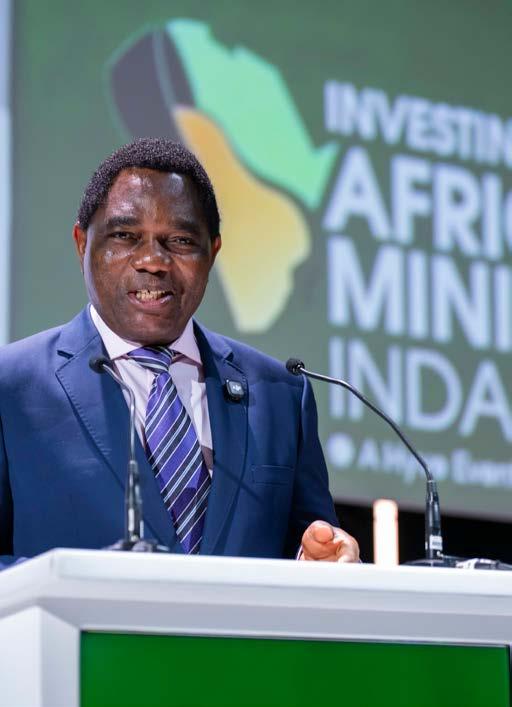
“If we do that, others will support our strategies. It’s easy to support people with a clear vision. But we must get organised, so we can be worthy partners in the global community.”
H.E. Hakainde Hichilema, President, Republic of Zambia

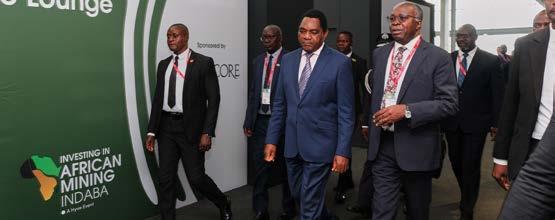
Mining is central to unlocking the continent’s economic potential and positioning Africa at the forefront of the global economy.

Mining is about empowerment, equity and shared prosperity. Let us use it to unlock Africa’s promise of better opportunities for the young people of our continent.
H.E. Hakainde Hichilema, President, Republic of Zambia
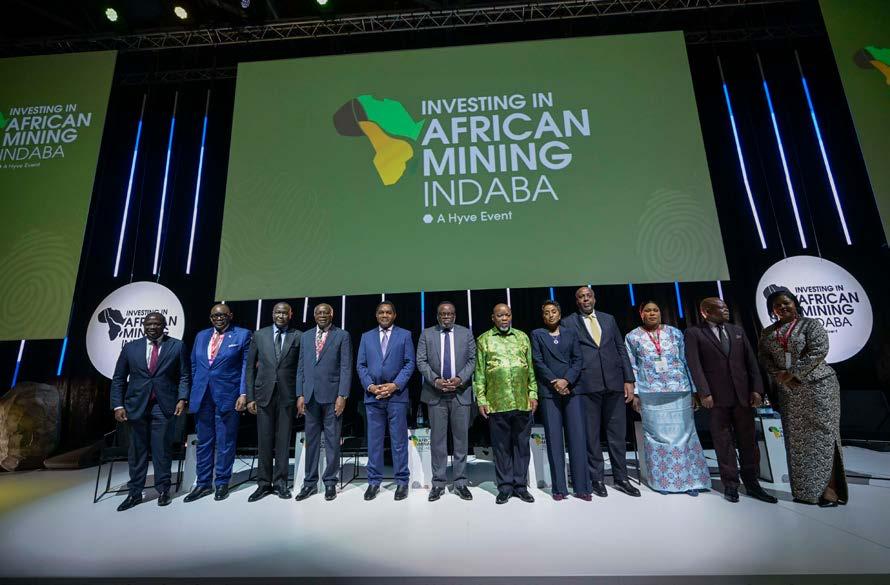
“We have to take leadership.”
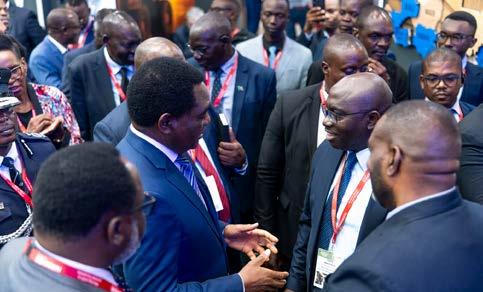
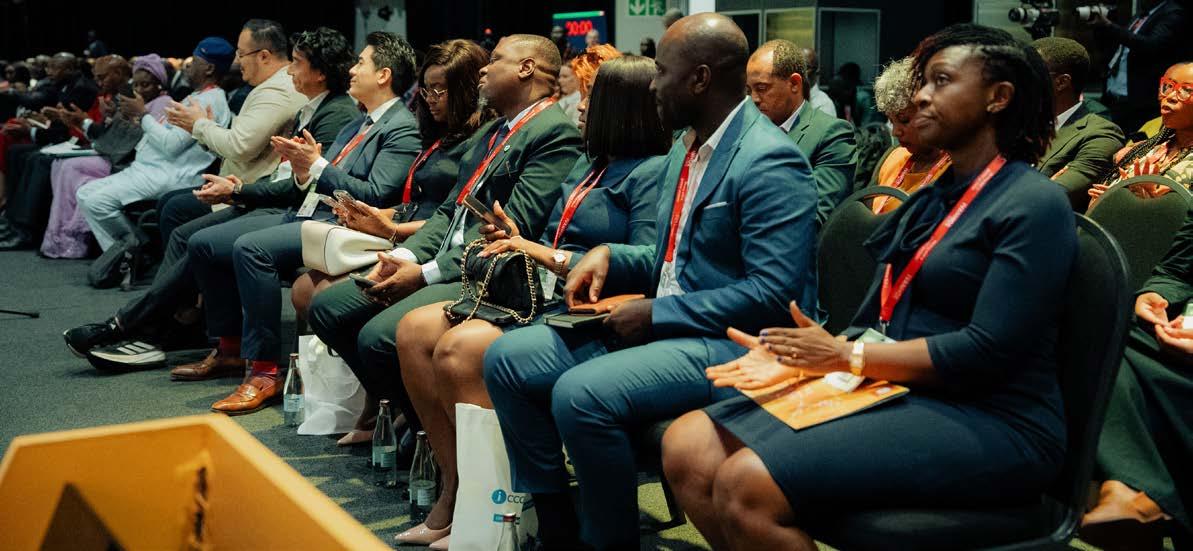
Sponsored by: African Development Bank & Open Society Foundations
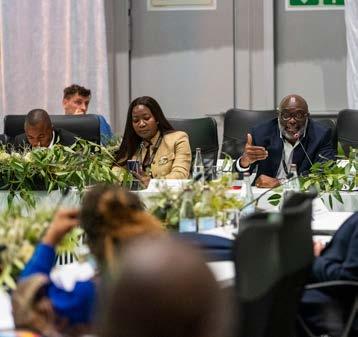
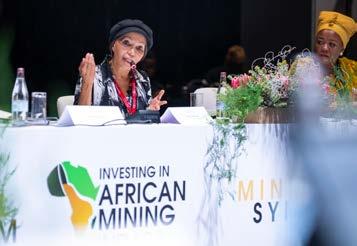
Running alongside the Ministerial Symposium, the IGS convened a diverse mix of senior policymakers, industry executives, development finance institutions, multilateral organisations, regional bodies, and strategic investors through a series of high-level panel discussions.
The IGS brought together perspectives spanning governments, global mining companies, financial institutions, continental policy organisations, and civil society creating a uniquely multi-layered dialogue on the future of Africa’s mining sector. This breadth of participation reinforced the Summit’s role as a crosssector platform, where policy, capital and operational realities intersect.
Across sessions, a consistent signal emerged, Africa’s mining challenge is no longer about potential it is about coordination, credibility, and execution.
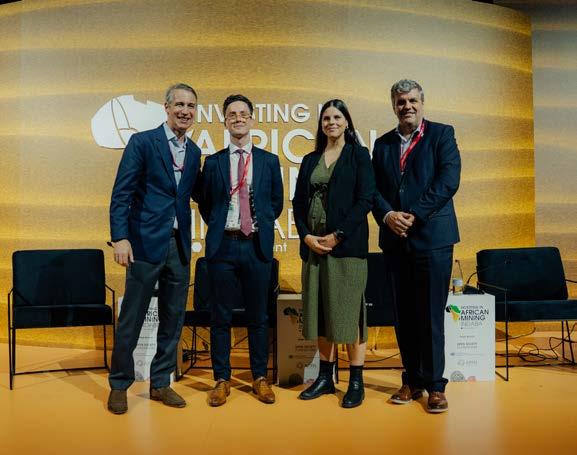
Partnership as the operating model Across sessions such as “How can governments and miners build partnerships that deliver long-term value?” and “Can Chambers of Mines bridge the gap between national priorities and shareholder value?”, discussions brought together representatives from African governments, national chambers of mines (including Ghana, Namibia, and South Africa), and major mining operators. Partnerships were no longer framed as enabling tools, but as the core architecture of delivery.
A clear convergence emerged around the need to rebalance roles across stakeholders. Governments are expected to strengthen regulatory clarity and institutional capacity, industry to deliver operational efficiency and capital deployment, and development partners to provide risk mitigation and coordination. This aligns closely with the principles of the AMV which positions partnerships as central to linking mineral extraction with broader development outcomes.
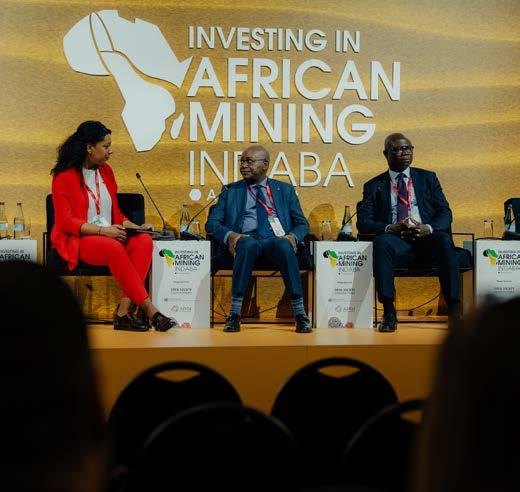
At the same time, the discussions made clear that partnership quality remains uneven. Where governance is weak or roles are blurred, partnerships risk reinforcing fragmentation rather than unlocking value.
Bankability, not capital as the constraint
Sessions including “Has global instability improved Africa’s relative attractiveness to investors?” and “What is holding Africa back from delivering largescale infrastructure at speed and scale?”, featuring perspectives from institutions such as commercial banks, development finance actors, and international partners including the European Union, reinforced a critical point: capital is available, but Africa continues to struggle to convert opportunity into investable pipelines.
The continent still attracts a disproportionately low share of global investment. Weak project preparation, governance risks, and regulatory uncertainty continue to increase the cost of capital and delay financial close, with governance gaps alone adding up to 20–30% to project costs. The implication is clear; Africa’s challenge is not mobilising capital but structuring it into bankable systems.
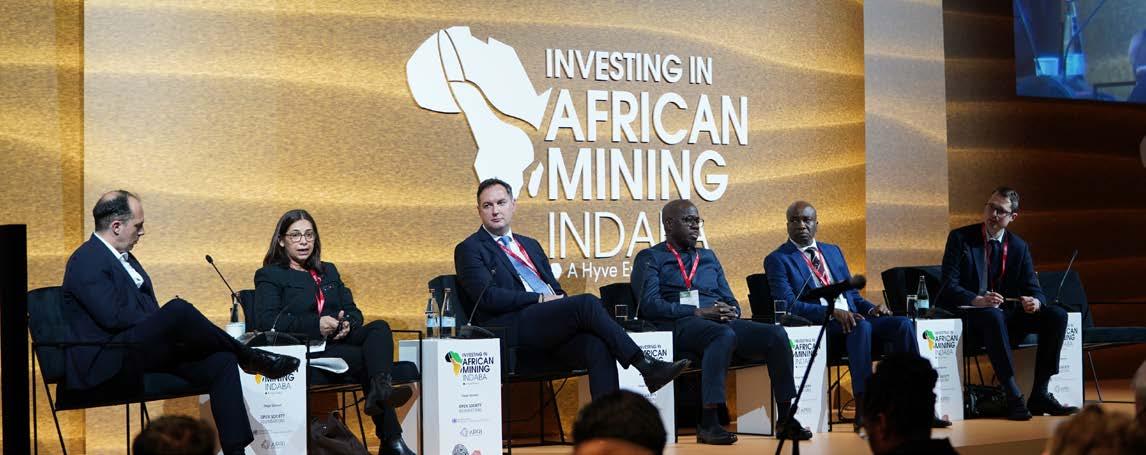
Infrastructure as a strategic system
Across “How can Africa close its transmission infrastructure gap to power mining and industrial growth?” and “Can public-private infrastructure models be scaled across Africa?”, discussions involving energy ministries from countries such as South Africa and the DRC, global mining companies, infrastructure funds, and the World Bank Group positioned infrastructure as the decisive enabler of competitiveness and industrialisation.

The conversation moved beyond generating capacity toward transmission, distribution, and system integration, highlighting that infrastructure deficits remain one of the most binding constraints on value addition. With nearly 600 million people lacking access to electricity, mining-led industrialisation remains structurally constrained.
Strategic corridor models particularly those emerging across Southern and Central Africa, including developments linked to Angola illustrate a shift toward integrated systems linking resources, energy, logistics, and industrial hubs. These approaches signal a transition from project-based thinking to ecosystembased development, where infrastructure is designed around value chains rather than individual assets.
Policy credibility as a driver of investment
The session “Can Africa balance resource nationalism with investment certainty?”, which brought together perspectives from global mining companies, African policymakers, and institutions such as the International Finance Corporation, reflected an important evolution in thinking. The issue is no longer whether countries should assert control over their resources, but how they do so.
Participants emphasised that predictable fiscal regimes, transparent licensing systems, and institutional continuity are now the primary drivers of investment decisions. Countries aligning reforms with frameworks such as the AMV, and embedding them within broader industrial strategies, are increasingly perceived as credible partners for long-term capital.
In this context, policy credibility is no longer a technical issue, it is a strategic asset.
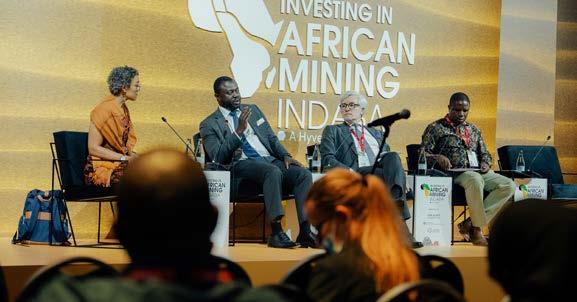
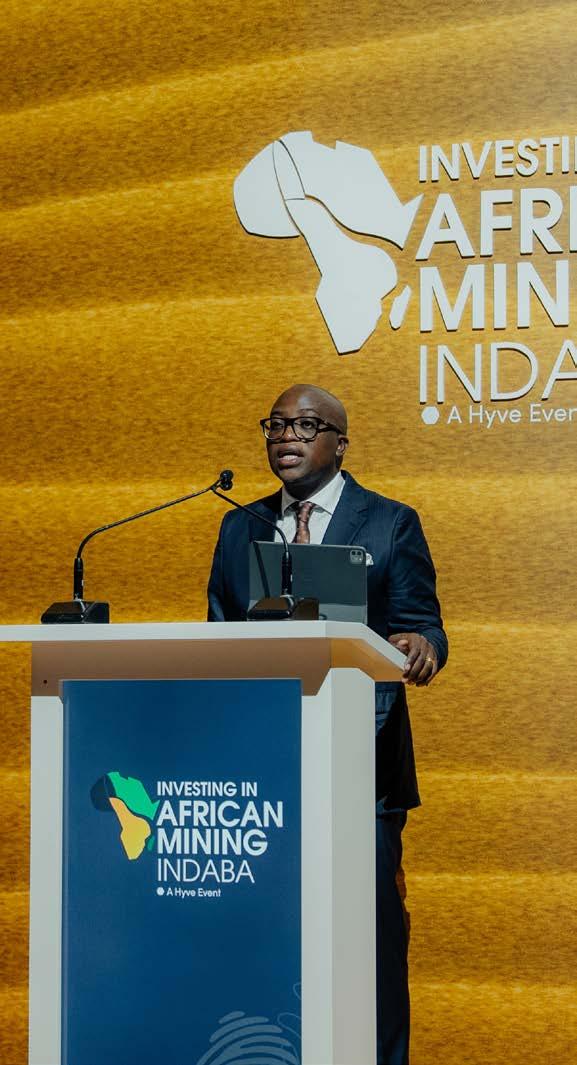
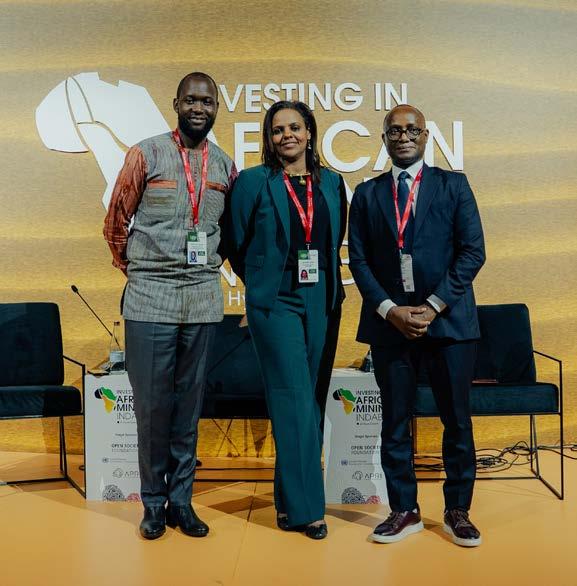
Sessions such as “How close is Africa to real regional and continental integration?”, which featured ministerial participation from countries including Ghana, Nigeria, Kenya, and Sudan, alongside “Can global coordination finally turn ASGM reform into real progress?” involving actors such as the World Bank Group and World Gold Council, highlighted a persistent structural gap between ambition and execution.
While frameworks such as the AfCFTA and AMV provide a strong foundation, implementation remains uneven. Mineral endowments, infrastructure systems, and value chains are inherently regional, yet policy frameworks remain largely national. Examples of cross-border collaboration including shared power systems, coordinated geological mapping, and regional approaches to ASM demonstrate the potential of integration. However, these efforts remain fragmented. Without deeper alignment, Africa will continue to compete within itself rather than position as a unified investment destination.
Across sessions including “Can Africa’s mining industry thrive in an age of conflict and global uncertainty?”
and “Is the ground shifting between Africa and mining majors?”, discussions involving representatives from the European Commission, African governments, and global advisory institutions brought the geopolitical dimension into sharper focus.
While not always framed explicitly as a binary contest, discussions reflected the growing influence of major powers in shaping Africa’s mineral future. China’s long-standing presence continues to shape infrastructure development and vertically integrated value chains. In parallel, the United States and its partners alongside initiatives such as the EU’s Global Gateway are positioning themselves through partnership-driven, standards-based approaches focused on transparency and supply chain resilience.
At the same time, new entrants including actors from the Gulf, India, and Turkey are introducing alternative models of capital deployment, often prioritising speed and strategic positioning. This evolving landscape is expanding Africa’s options but also raising the stakes. The central question is no longer who invests but on what terms.
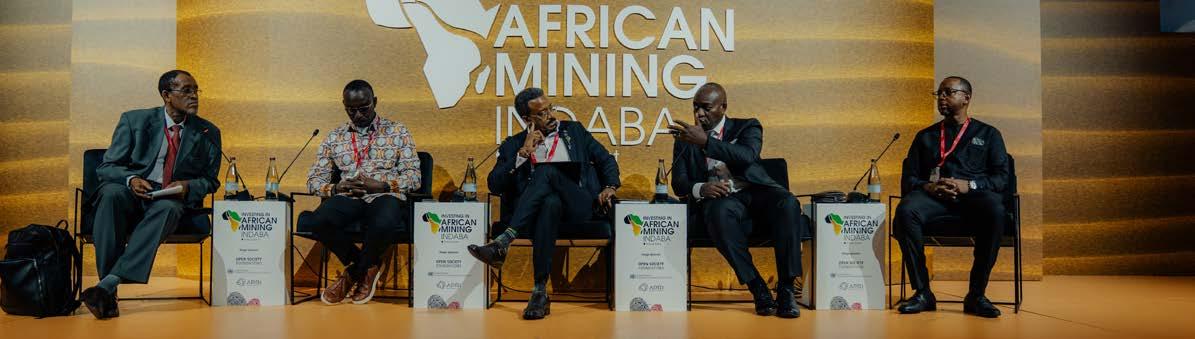
Sessions including “How can miners and governments partner to deliver fair community resettlement?” alongside discussions on ASGM reform bringing together governments, mining companies, civil society organisations, and development partners underscored that social performance is now a core investment condition.
With an estimated 10–15 million people directly engaged in artisanal and small-scale mining, the sector sits at the intersection of livelihoods, governance, and value chains. Initiatives such as the EGC–ERG partnership in the DRC, involving both state-owned entities and private operators, illustrate emerging models for formalisation, traceability, and value capture.
More broadly, discussions highlighted a shift away from project-level social interventions toward systemic approaches anchored in public institutions. Social licence is no longer a reputational issue it is a determinant of operational continuity, financing, and long-term value creation.
The IGS pointed to a clear recalibration of priorities. The next phase for Africa’s mining sector will not be defined by new strategies, but by the ability to execute existing ones at scale.
Three shifts stood out during the IGS. First, from fragmented initiatives to coordinated delivery systems. Advancing frameworks such as the AMV and the AfCFTA will require stronger alignment across governments, industry, and institutions, particularly in licensing, infrastructure planning, and value chain development. The focus must move toward integrated ecosystems where policy, capital, and operations reinforce one another.
Second, from capital mobilisation to capital structuring. The constraint is no longer access to finance, but the ability to translate opportunities into bankable pipelines. This will depend on strengthening project preparation, improving governance, and scaling risk mitigation mechanisms through partnerships with development finance institutions and private capital.
Third, from transactional engagement to strategic partnership design. As geopolitical competition intensifies, Africa has greater leverage in shaping how capital enters its markets. The priority is to structure partnerships that support industrialisation, enable value addition, and anchor long-term economic transformation rather than short-term extraction.
Across all themes a common thread emerged, delivery will hinge on the strength of coordination across borders, across sectors, and across stakeholders.
The Intergovernmental Summit sharpened a central reality, Africa is not short of capital, partners, or opportunity what remains scarce is alignment.
Under the banner of “Stronger Together: Progress Through Partnerships,” the discussions made clear that the continent’s next phase will be shaped not by individual national strategies, but by its ability to act collectively, structure partnerships with intent, and deliver at scale. Across all themes, a clear throughline emerged that delivery will hinge on the strength of coordination across borders, across sectors, and across stakeholders.
It is within this context that the Country Showcases took on particular significance. If the IGS defined the strategic direction, the showcases demonstrated how that direction is being translated at national level revealing how countries are positioning themselves within this emerging landscape of partnerships, capital mobilisation, and value chain development.
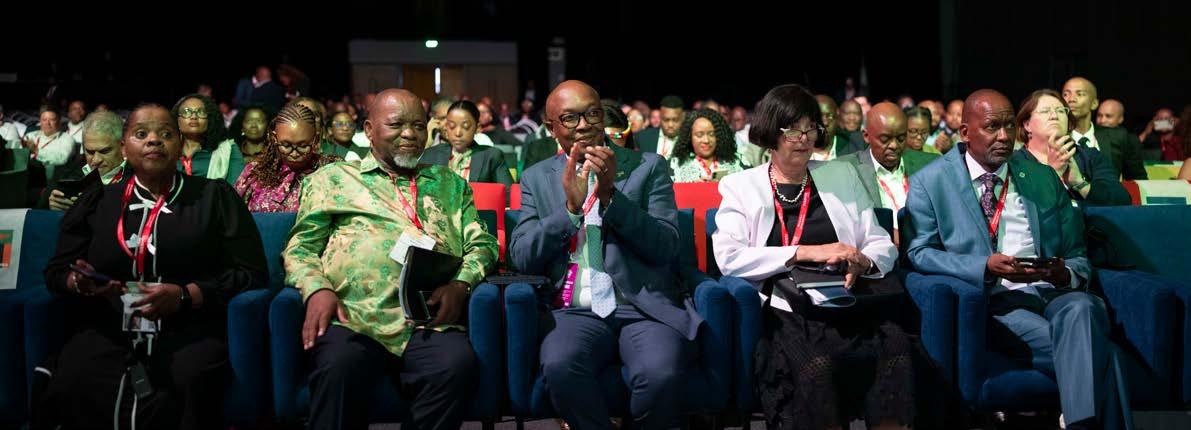
The 2026 Country Showcase programme brought the theme “Stronger Together: Progress Through Partnerships” into sharp focus, positioning Africa as increasingly investment-ready and strategically aligned.
The 2026 programme featured Country Showcases from: South Africa, Democratic Republic of Congo, Angola, Botswana, Côte d’Ivoire, Ghana, Guinea, Mali, Namibia, Zambia, Mozambique, Egypt, and Mauritania. Across 13 countries, a clear shift emerged from promoting assets to structuring bankable opportunities grounded in regulatory reform, policy clarity, and value chain development. South Africa set the tone as host, opening the country showcase programme by linking its critical minerals strategy with downstream ambition and investor confidence, a positioning that echoed across the 3 days programme.
While the sessions reflected diverse mineral endowments and stages of sector maturity, a clear convergence emerged. Across jurisdictions, governments are repositioning their mining sectors beyond extraction toward value addition, industrialisation, and integration into global supply chains. This shift is taking place within an increasingly competitive geopolitical landscape, where access to capital, infrastructure, and markets is shaping national strategies as much as geology itself.
Beyond individual country narratives, a set of common strategic signals emerged pointing to a continent moving with increasing alignment and intent. Collectively, the showcases signalled a more strategic, reform-driven, and collaborative positioning of Africa’s mining sector where countries are not competing in isolation but increasingly advancing together to attract and anchor investment.
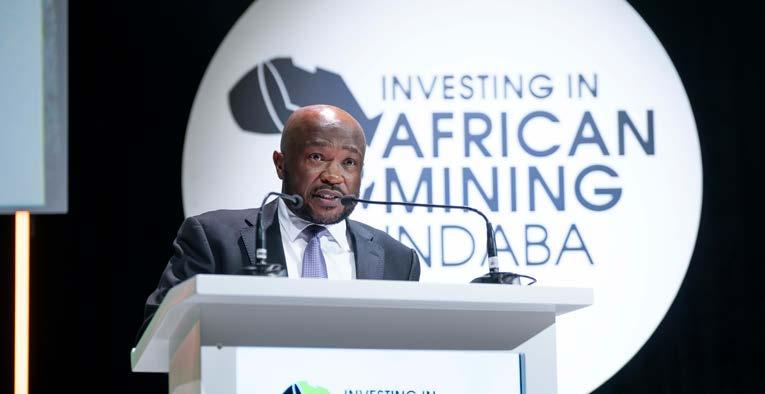
Guinea’s Simandou 2040 programme illustrated one of the most ambitious approaches, framing mining as a catalyst for broader economic transformation through infrastructure, industrial development, and human capital investment. The interactive session illustrated a new model of African mining development where largescale resources are leveraged to unlock integrated infrastructure corridors and long-term industrial value.
A consistent theme across the showcases was the transition from export-led extraction models toward domestic value creation.
Several countries highlighted policies aimed at integrating mining with downstream industries, including refining, processing, and manufacturing.
South Africa positioned value chains at the centre of its industrial strategy, linking minerals to energy, transport, and trade policy. A defining feature of South Africa’s approach is its emphasis on integrated value chain development. Rather than treating mining, energy, logistics, and industrial policy as separate domains, the country is advancing a coordinated framework aimed at enabling local beneficiation and industrialisation. Similarly, Mozambique and Angola emphasised integrated project development models, combining extraction with beneficiation and local industrial participation.
Across sessions, regulatory clarity emerged as a decisive factor in attracting investment. Countries including Côte d’Ivoire and Angola highlighted ongoing reforms to improve transparency, licensing efficiency, and investor protection.
During the Angola Business Day, this shift was particularly evident, with a strong emphasis on building a transparent, digitalised, and investor-ready mining sector. Reforms such as the implementation of a digital mining cadastre are strengthening licensing clarity and reducing risk, supported by a pipeline of projects in copper, rare earths, gold, and lithium, and backed by existing infrastructure. More broadly, digital cadastre systems, updated mining codes, and streamlined permitting processes are increasingly being deployed as strategic tools to enhance competitiveness and attract long-term capital.
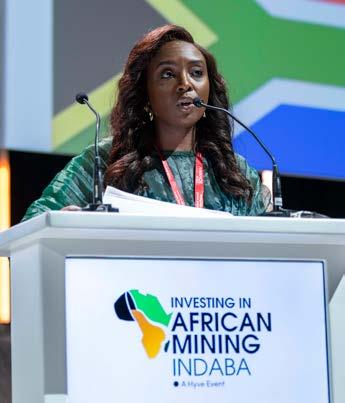
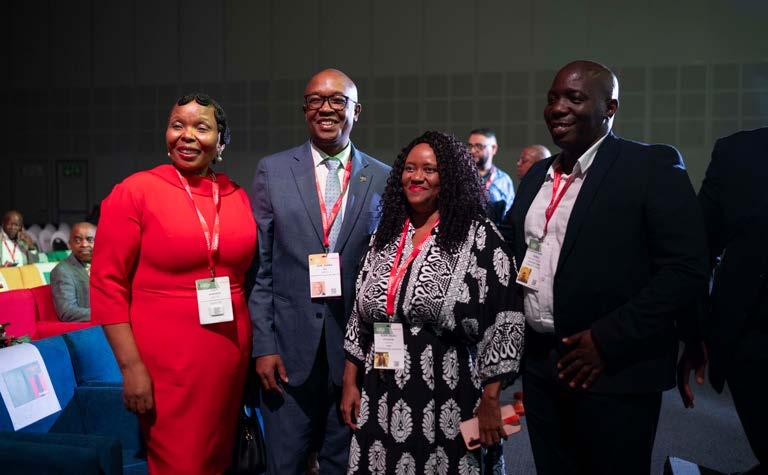
Namibia’s positioning within the 2026 Country Showcases reflects a mining jurisdiction anchored in policy certainty, institutional credibility, and longterm strategic clarity. A defining feature of Namibia’s approach is its emphasis on predictability as a competitive advantage. Government representatives highlighted a regulatory framework that is transparent, structured, and aligned with national development objectives, ensuring that investment conditions remain both secure and commercially viable.
This reflects a broader shift: regulatory frameworks are no longer viewed as administrative mechanisms, but as strategic instruments in the global competition for exploration and project financing capital.
Infrastructure as a Critical Constraint and Opportunity
Infrastructure, particularly energy, transport, and logistics was consistently identified as both a bottleneck and a strategic priority.
Angola and Namibia highlighted the role of ports, rail corridors, and energy systems in enabling large-scale mining operations. South Africa emphasised reforms in rail and energy to restore competitiveness, while Zambia linked its ambition to reach 3 million tonnes of copper production by 2031 to improvements in infrastructure and energy reliability.
Across the board, it became clear that infrastructure is not a supporting factor, but a core determinant of project viability and investment attractiveness.

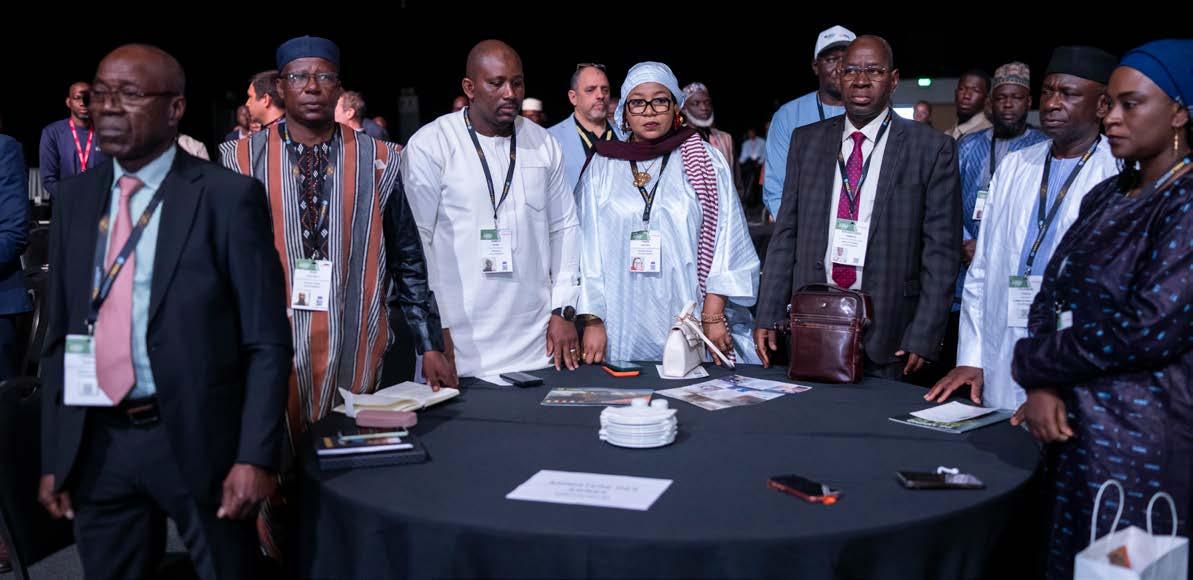
Several countries underscored the importance of high-quality geological data and transparent information systems in unlocking investment. Mozambique and Zambia showcased national geophysical mapping initiatives aimed at de-risking exploration, while the Democratic Republic of the Congo highlighted progress in the digitalisation of its mining cadastre. The DRC breakfast session brought together major operators and financial institutions, underscoring the scale of opportunity. At the same time, discussions highlighted persistent constraints particularly surrounding energy shortages, regulatory complexity, and governance challenges making clear that unlocking the country’s full potential will depend on sustained, well-structured partnerships between government, industry, and capital.
Overall, the different countries’ efforts signaled a broader transition toward data-enabled mining ecosystems, where access to reliable geological and licensing information plays a central role in investment decision-making.
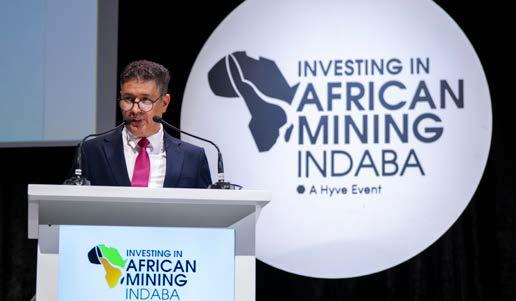
Public-private partnerships and multi-stakeholder collaboration featured prominently across the showcases. Botswana’s long-standing partnership model in the diamond sector continues to serve as a reference point for resource governance. In Mali, discussions focused on rebuilding investor confidence through new partnership frameworks and enhanced local participation. Ghana emphasised collaboration across government, private sector, and artisanal mining actors to support formalisation and sector growth. A defining feature of Ghana’s approach is its emphasis on policy credibility as a driver of investment. The country has consistently positioned itself as a stable and predictable jurisdiction, underpinned by robust legal frameworks, transparent regulatory systems, and a commitment to investor protection. The establishment of the Ghana Gold Board represents a targeted intervention to address fragmentation in gold trading, improve transparency, and increase the retention of value within the domestic economy.
This reflects a broader evolution toward partnershipdriven mining models, where capital, technology, and governance are increasingly shared across actors.

Beyond sector-specific reforms, several countries framed their mining strategies within a broader geopolitical context.
Guinea highlighted innovative financing mechanisms and state participation models to align national and investor interests. South Africa emphasised the role of trade agreements in supporting industrialisation and value addition, while the DRC reiterated its ambition to shift from raw mineral exports to domestic processing and industrial development.
These approaches illustrate a growing recognition that mineral policy is not only economic policy, but also a lever of geopolitical positioning in global supply chains.
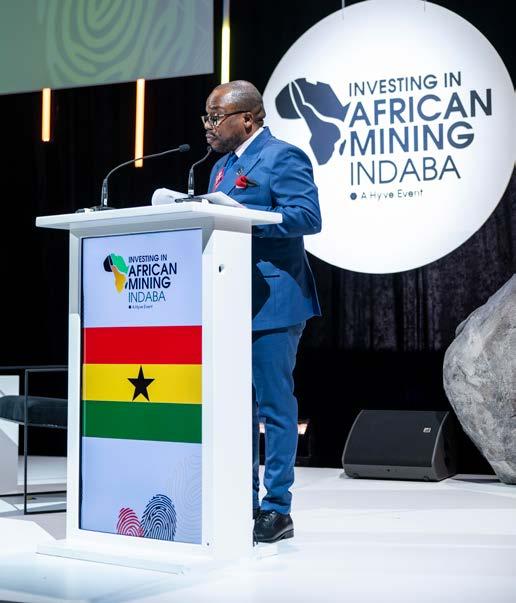
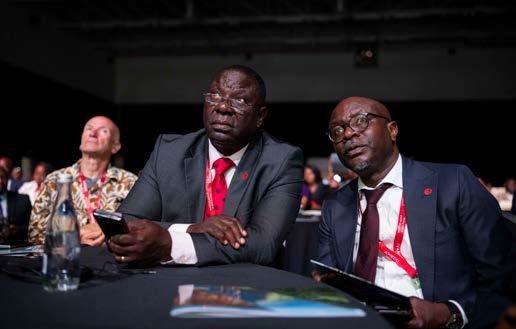
Egypt’s participation reflected a growing ambition to position itself as a regional hub for mineral development and processing, supported by regulatory reforms and a strategic geographic position linking African, Middle Eastern, and European markets.
Mauritania reinforced its role as a key iron ore producer, while signalling increasing interest in integrating mining with logistics corridors and emerging energy initiatives, including opportunities linked to green industrial development.
As global competition for critical minerals intensifies, capital is becoming increasingly selective flowing not simply toward resource availability, but toward jurisdictions that can offer scale, stability, and strategic alignment with evolving supply chain priorities.
Insights from the Country Showcases indicate that future investment will concentrate around a set of emerging corridors, commodities, and policy environments where risk is mitigated and value creation is clearly defined.
Africa’s mining investment landscape is no longer defined by individual jurisdictions, but by how countries position themselves within these interconnected systems. The Country Showcases reveal a number of emerging investment clusters shaping where and how capital is likely to move next.
Below: (visual aid, flow chart) Africa Mining Investment Flows: From Resources to Systems”
The visual below maps how these dynamics translate into identifiable investment flows across the continent highlighting the shift from isolated opportunities to integrated systems of production, infrastructure, and value chains.
Concentration of capital in tier one resource jurisdictions
Democratic Republic of the Congo & Zambia Guinea Angola
Copper and cobalt remain central to electrification and battery value chains
Increasing focus on scaling production and improving regulatory stability
Simandou positions
Guinea as a global iron ore powerhouse
Large-scale, longlife assets attract infrastructure-linked capital
Diversification beyond diamonds into critical minerals
Strong positioning through infrastructure corridors (Lobito)
Emergence of value chain and processing hubs
South Africa Namibia Egypt
Integrated approach linking minerals, energy, transport, and trade
Focus on beneficiation and downstream industrialisation
Stable governance, uranium and critical minerals
Strong positioning in energy transition supply chains
Reform driven growth markets: varying risk profiles, high upside potential
Moderate risk, reform advancing markets
Côte d’Ivoire & Ghana
Strengthening regulatory frameworks and investment climate
Diversification beyond gold into critical minerals
Strategic significance
Capital at this level is driven by volume, longterm supply security, and geopolitical relevance. These markets are no longer optional they are strategic anchors in global supply chains
Strategic significance
Frontier markets, highercomplexity, high upside
Mali
Rebuilding investor confidence through revised mining frameworks and partnerships
Strong gold production base with long-term potential
Stand alone jurisdictions:
Strategic significance
Frontier markets, highercomplexity, high upside Mozambique
Emerging projects, particularly in critical minerals and industrial materials
Increasing focus on integrated value chains
These markets combine reform momentum, established production, and early-stage opportunities, positioning them as strategic entry points for investors seeking long-term exposure to emerging mineral value chains.
Botswana and Mauritania illustrate distinct but equally compelling investment models within Africa’s mining landscape.
Mauritania is emerging as a frontier growth platform, increasingly linking its mining sector with energy development and integrated infrastructure. This approach signals a shift toward future value addition and industrial expansion, positioning the country as a high-potential jurisdiction for long-term, partnership-driven investment.
Botswana, by contrast, stands in a category of its own. Its strength lies not in scale, but in consistency and credibility. With a long-standing track record of regulatory stability, strong institutions, and effective public–private partnerships, Botswana continues to attract capital seeking predictability and long-term security.
Together these jurisdictions highlight a broader reality, capital is not directed solely toward scale, but toward environments that combine clarity, stability and strategic direction.
Resource backed export platforms and emerging energy mining integration zones
Strategic significance
Emerging industrial platform linking Africa to Europe and the Middle East
Focus on processing, logistics, and regional trade integration
Capital here is driven by value capture, not just extraction. Investors are increasingly targeting jurisdictions that can process, refine, and export higher-value products.
Major iron ore exporter with established rail-toport logistics
Mauritania
Increasing alignment between mining and emerging energy opportunities (notably green hydrogen)
Strong positioning as an Atlantic export gateway
Mauritania is in its own distinct category of investment and is emerging as a jurisdiction that combines established resource bases with strategic logistics infrastructure and growing integration with energy systems.
Governance led investment model and mature partnership jurisdictions
Globally recognised public-private partnership model in the diamond sector
Strong governance, institutional continuity, and investor confidence
Increasing focus on diversification beyond diamonds and development of downstream opportunities
Strategic significance
Botswana Botswana stands as a benchmark for resource governance, demonstrating that long-term partnerships and institutional stability are more effective in reducing investment risk than short-term incentives. Its experience underscores that alignment between government and industry is central to sustained value creation and economic transformation.
Taken together, the Country Showcases highlighted a continent in transition. While national approaches remain distinct, a shared direction is emerging one defined by value addition, regulatory modernisation, infrastructure investment, and strategic partnerships. The central challenge moving forward lies in execution. As global competition for capital intensifies, Africa’s ability to align national strategies with regional frameworks and deliver on these ambitions will determine whether it captures a greater share of value from its mineral wealth in the years ahead.
Mining Indaba 2026 signals a clear shift in Africa’s mining trajectory. The debate is no longer about potential, but about execution.
Across the Government Programme, a common thread emerged: the conditions required to unlock capital are increasingly well understood. The constraint now lies in translating these into coherent systems where policy, infrastructure, and investment operate in alignment.
What is taking shape is a more disciplined and differentiated investment landscape. Capital is becoming more selective, moving toward jurisdictions and corridors where scale, predictability, and strategic intent are clearly defined. In parallel, countries are repositioning not only as producers, but as participants in broader value chains increasingly linking minerals to energy, infrastructure, and industrial development.
This evolution is unfolding within a more competitive and complex geopolitical environment. Africa’s resource base is attracting sustained global attention but also placing greater emphasis on how partnerships are structured and what they deliver over the long term. The balance between attracting investment and capturing value is no longer theoretical it is actively being negotiated.
The implications are clear. Progress will depend less on new commitments and more on the ability to implement existing frameworks with consistency and coordination. Fragmentation remains the central risk, alignment, the primary opportunity.
Africa enters this next phase with a stronger strategic position than in previous cycles. Whether this translates into sustained industrial growth will depend on the continent’s ability to organise across borders, align policy with execution, and convert opportunity into systems that can operate at scale.
Be part of the leadership driving investment, policy alignment, and industrial transformation across the continent.
REGISTER YOUR INTEREST FOR MI27





Zeinab El-Sayed,