9-12 February 2026
9-12 February 2026

Laura Nicholson Industry Director
Mining Indaba 2026 marked a defining moment in the evolution of the event and, I believe, in the journey of African mining itself. Under the theme “Stronger together: Progress through partnerships” we did more than convene conversations. We encouraged people to break down traditional barriers and actively consider how to partner, collaborate and work together.
Celebrating our industry’s appreciation and adoption of the theme, and what became our overarching strategy, is also reflected in the numbers. This year, attendance grew to over 12,000 delegates, a 16% increase on Mining Indaba 2025, reflecting strong, balanced growth across all audience groups, including mining companies, governments, investors, downstream buyers, community representatives and service providers – importantly, not only in numbers but in the depth and quality of engagement. Scale matters, but what stood out most was the intentionality with which people came together to listen, challenge and find common ground.
From my own perspective, the success of this year’s theme was evident in the maturity of collaboration we saw turn into action between the two convention centres. Across stages, closed-door roundtables and informal conversations, there was a shared understanding that progress depends on partnership between governments and industry, investors and operators, and critically, with communities. These were not abstract discussions, but practical, delivery-focused exchanges rooted in shared responsibility.
The many successes we achieved this year – not as an event but as an industry – were not just once-offs, but the beginning of a movement for change. We have started something that must continue well beyond a single week in Cape Town. Partnerships cannot exist only in moments or MOUs; they must be nurtured, strengthened, built over time, exercised and always, grounded in trust. As an event – we’ve facilitated the start of many great partnerships, and thank you to the industry for accepting the challenge and putting a concept into practise.
Now that this movement is underway, our role is to keep pushing it forward. Stronger together is no longer just a past theme, it is our path ahead. And this is only the beginning.

Attendance data and audience demographics
The leading gathering for African and global mining leaders
Since 1994, Investing in African Mining Indaba has been the key event for mining professionals, investors and industry leaders. Focused on economic growth and sustainability, it facilitates networking, deal-making and discussions on innovation, sustainable practices and investment in Africa’s mining sector. The 2026 event showcased major successes, highlighting groundbreaking deals, industry advancements and the future of mining in Africa.
Overall delegate attendance
12,000+
119
Countries Represented
1,700+ +20% vs MI25
58
Number of Government Ministers
700
Executives from Mining Companies
6,000+
Meetings as part of Business Matchmaking Programme
1,600+
151
Downstream Buyers (+23% vs MI25)
Audience impressions
1.425 BILLION
A spotlight on some of the relationships forged, partnerships progressed and deals done at Mining Indaba 2026...
1. Strategic MOU signed during Mining Indaba week
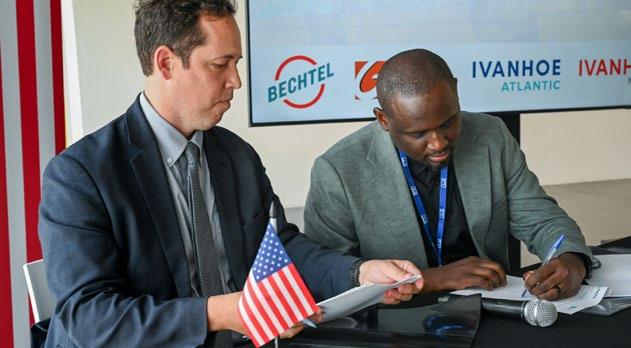
Metalex Commodities Inc. signed a strategic MOU with Anzana Electric Group during a BCIU-hosted session in Cape Town. The event highlighted U.S. support for critical minerals projects across Sub-Saharan Africa.
Read more
3. U.S. Delegation Highlights Critical Mineral Strategy at Mining Indaba 2026
The U.S. delegation at Mining Indaba 2026 underscored America’s sharpened strategic focus on securing resilient critical mineral supply chains amid rising geopolitical and economic pressures.
Read more
5. ERG Africa and Entreprise Générale du Cobalt sign MoU to formalise responsible artisanal mine in DRC
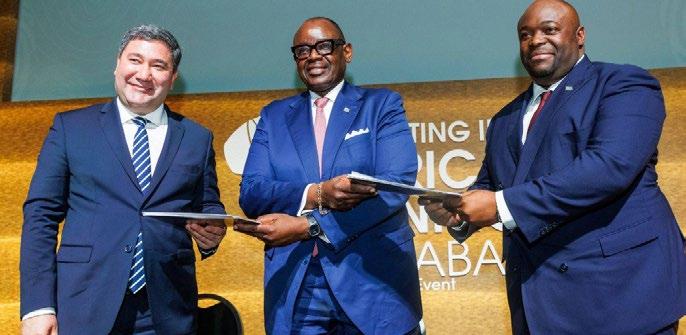
ERG Africa and the Entreprise Générale du Cobalt (EGC) signed an MoU on the sidelines of Mining Indaba 2026 to advance the formalisation and professionalisation of responsible artisanal cobalt mining in the DRC.
Read more
2. Afreximbank and DBSA launch game-changing trade finance pact
Master Risk Participation Agreement signed at Mining Indaba 2026 to scale trade finance, de-risk cross-border transactions and accelerate beneficiation of critical minerals.
Read more
4. Major R600m exploration boost announced at Mining Indaba 2026
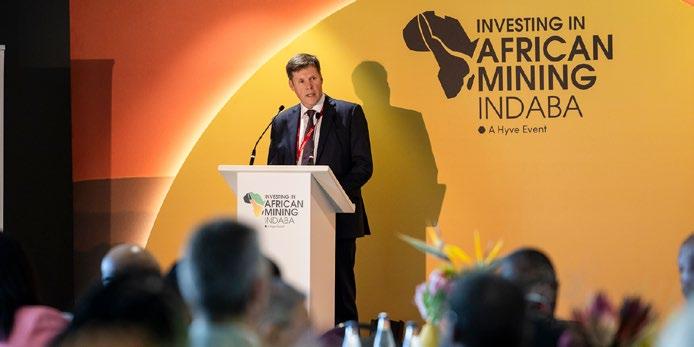
Anglo American confirmed an additional R200-million investment into the Junior Mining Exploration Fund during Mining Indaba, bringing total funding to R600-million.
Read more
6. Namibia signs the Luanda Accord at Mining Indaba 2026
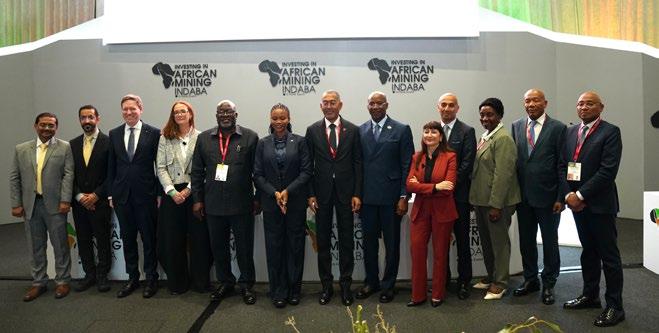
Read more
“Mining Indaba 2026 has begun under the theme ‘Stronger Together: Progress Through Partnerships’, highlighting the importance of the industry as an ecosystem.”
WATCH | Miners expected to give SA fiscus a boost
“Some critics often describe events like this as little more than “talk shops”. However, the 2026 Investing in African Mining Indaba proved to be quite the opposite”
WATCH | Mining industry welcomes engagements at the 2026 Investing in African Mining Indaba

“The commitment to data enhancement ensures a robust foundation for fostering growth in the mining exploration sector”
WATCH | Han: Nowhere in the world has more potential for exploration than the DRC - CNBC Africa
Mining Indaba 2026 generated global attention across leading mining, financial and mainstream media. Coverage focused on partnership-driven growth, critical minerals, regional integration and the evolution from extraction to economic architecture.
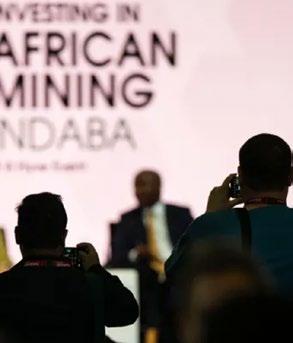
“The Indaba’s technology and innovation hub will display cutting-edge advancements, featuring talks on autonomous rigs and artificial intelligencepowered targeting systems, which promise to revolutionise low-impact drilling”
READ | Day three of Mining Indaba focuses on Africa’s mining potential and innovation exploration than the DRC - CNBC Africa
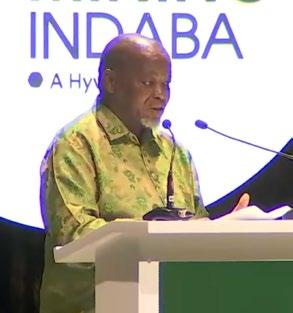
“The government has reaffirmed its commitment to a more predictable and transparent regulatory framework to attract investment while advancing transformation”
WATCH | Investment and licensing in focus at Mining Indaba
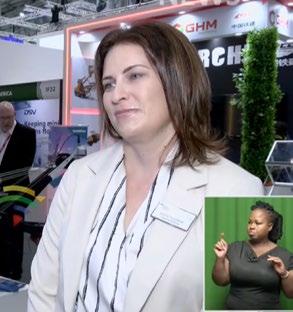
SABC
“South Africa is looking to take that and move it forward with the conversations starting this year at the Investing in African Mining Indaba.”
WATCH | Mining Indaba | Africa’s mining future takes centre stage on Day 2 - Laura Nicholson
Bizcommunity
“The South African mining sector is facing a growing skills drain as the country’s technical workforce ages, top engineering talent head overseas, and the tertiary-to-industry pipeline needs fixing. This was one of the topics in a panel discussion on Gauteng: Africa’s Mining Innovation Capital at the 2026 Investing in African Mining Indaba in Cape Town.”
READ | #MiningIndaba: Is South African mining ready for the skills of tomorrow?
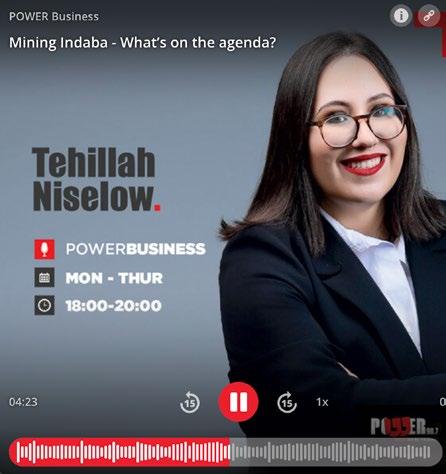
PowerFM
“An Impressive number of ministers attended from across Africa”
LISTEN | Mining Indaba - What’s on the agenda?POWER Business - Omny.fm

Mail & Guardian
“At the 2026 Mining Indaba in Cape Town, the emphasis was on digitalisation and technological advancement of the industry.”
READ | Modernising mining: Cybersecurity must be central, not optional – The Mail & Guardian
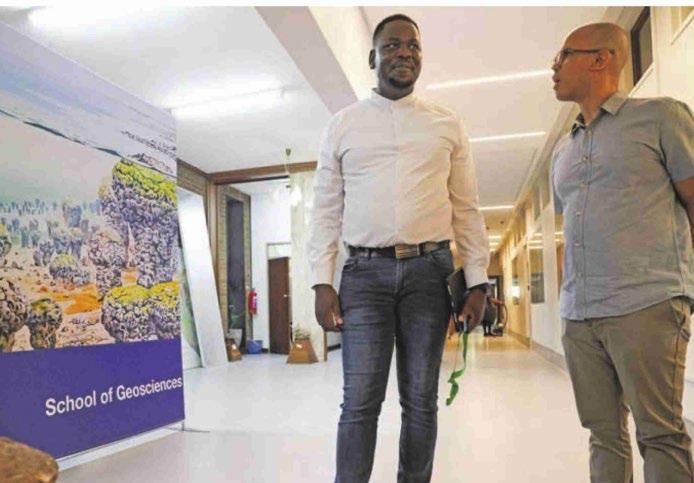
Daily Maverick
“One of the key themes at the Investing in African Mining Indaba in Cape Town will be exploration and finding ways to bridge the yawning gap between speculation and the reality of the treasures that lie beneath the ground”
READ | Africa’s mineral exploration
“It’s a one stop shop to meet all the players within the value mining chain globally, it’s not specific to just Africa.”
Tumelo
Mokhobo,
Regional Director SSA, CRU International Ltd.
“Mining Indaba is a pit stop where you get different people and back grounds that are feeding into the mining chain.”
Faith Mutete, CEO, Women in Mining Zimbabwe
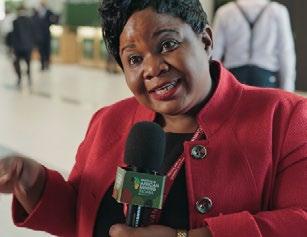
“If you are going to be a serious player in the mining space, then this is where you need to be. This is where the decision makers are and if you aren’t here you don’t have access to them”
Wynand Venter, Managing Member,Wynsam Wealth
“Mining Indaba has been an excellent show for us. Bringing together financiers, off-takers and mining companies focused on Africa creates real value through meaningful conversations.”
Dr Jason Pend Gu, EVP Corporate Development, Sakariya Mines & Minerals
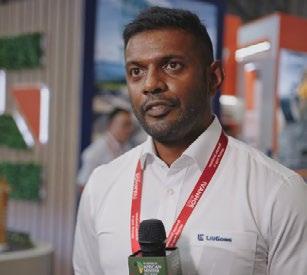
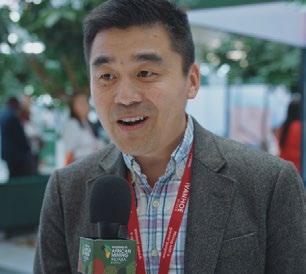
“Mining Indaba is the perfect platform for us. We meet future clients, potential clients and our current clients. We showcase our equipment and engage with a global audience.”
Gavin
Santhia,
Mining Director, LiuGong Africa
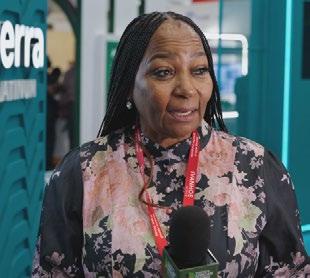
“Mining Indaba is a great place to showcase who we are, what we do and how we want to be experienced. It was our debut - and there’s no better place to connect with all mining stakeholders in one place.”
Yvonne Mfolo, Executive Head of Corporate Affairs & Sustainability, Valterra Platinum
Mining Indaba prioritises partnerships between communities, mining companies and governments to ensure equitable growth and long-term prosperity.
“Strong social compacts are built through partnerships rooted in trust, transparency and inclusive decision making. Empowering communities, involving traditional authorities, and setting clear, accountable agreements allows projects to scale beyond pilots and deliver lasting impact.”
Yvonne Mfolo, Executive Head of Corporate Affairs & Sustainability, Valterra Platinum
To stay competitive, the mining industry must evolve rapidly, leveraging advanced solutions and partnerships to optimise operations, enhance safety, and minimise waste.
“At BCG, our experience is that digital & AI value is 10/20/70: 10% models and algorithms, 20% data and platform, 70% human-centred adoption, process redesign, capability building, and change leadership. That message came through strongly in the Disruptive Technologies discussions at Mining Indaba 2026.”
Puso Thahane, Partner, Boston Consulting Group
By fostering both intra-African and global collaboration, Mining Indaba can support Africa’s position itself as a mining powerhouse, to unlock economic wealth.
“What is key, is for there to be clarity in vision and streamlined objectives of a mining sector that ensures knowledge driven, well governed, transparent and mutually beneficial partnerships across and amongst States, private sector, civil society and most importantly local communities, towards outcomes aligned to the Africa we want.”
Tunde Muritala Arisekola, Officer-in-Charge& Senior GMIS & AMREC/PARC Advisor, AMDC

An understanding of Africa’s strategically valuable resources in cohesive partnerships can unlock their full potential.
“The global transition offers a once-in-a-generation opportunity to reposition Africa. Let us move from conversation to conversion. Let us ensure that Africa’s mineral wealth drives the industrial development of an integrated, industrial and prosperous African future.”
Samaila Zubairu,
President & CEO Africa Finance Corporation


By aligning mining companies with downstream buyers, Africa can quickly grow its mining project potential, refine its local beneficiation strategies and strengthen economic resilience.
“Industrial value-add in African economies is a developmental imperative. By prioiritising the inclusion of the Downstream Buyers audience, Mining Indaba is helping drive the a strategic initiative to connect mining companies with industrial consumers to accelerate the African continent’s economic diversification.”
Dr Martyn Davies, Chairman, Downstream Buyers Committee
Mining Indaba explores how strengthening infrastructure will transform Africa from a raw-material exporter into a hub of innovative manufacturing.
“The industrialisation of a nation only becomes effective when infrastructure is within reach and becomes a catalyst for economic resilience.”
Daouda Diakité, Principal Advisor to the Ministry of Mines and Geology of Guinea

As the sector navigates sustainability demands and technological shifts, visionary leaders play a key role in shaping its future. Mining Indaba provides a platform for these trailblazers.
“The metals and minerals beneath our feet will help determine whether the world succeeds in delivering a more inclusive, more resilient, and more sustainable future. How we mine them, how we partner to develop them, and how we share their value will define our legacy,”
Duncan Wanblad, CEO of Anglo American
Strengthening partnerships between governments, investors, and mining businesses will attract investment, accelerate development, and improve efficiency – driving sustainableand profitable growth.
“Investment in Africa’s mining sector must balance economic growth with environmental and social impact. This year’s discussions reinforced that collaboration and strategic investment are critical to building a resilient and future ready mining industry. As a Pan-African bank, we remain committed to investing in Africa’s mining future and believe partnerships are key to unlocking the continent’s mining sector.”
Shirley Webber, Coverage Head, Resources & Energy, Absa CIB
As the energy transition accelerates globally, Africa’s vast critical minerals place it central to geopolitical shifts. It is integral to Africa’s development that this transition happens in a just manner, with Africa involved in the conversation.
“Through Mining Indaba, conversations highlighted the need to shape innovative directions for mines to move toward zero waste and zero emission while scaling up production - driving forward the just energy transition with sustainable growth.”
Christophe Fleurence, VP, Africa TotalEnergies Renewables


Mining Indaba showcases the need for governments and mining companies to collaborate on policies that protect both miners and the land – securing benefits for future generations.
“Real, sustainable change only happens when the industry works together for global benefit.”
Mark Rodgers, MD, Africa Asia Pacific, Newmont
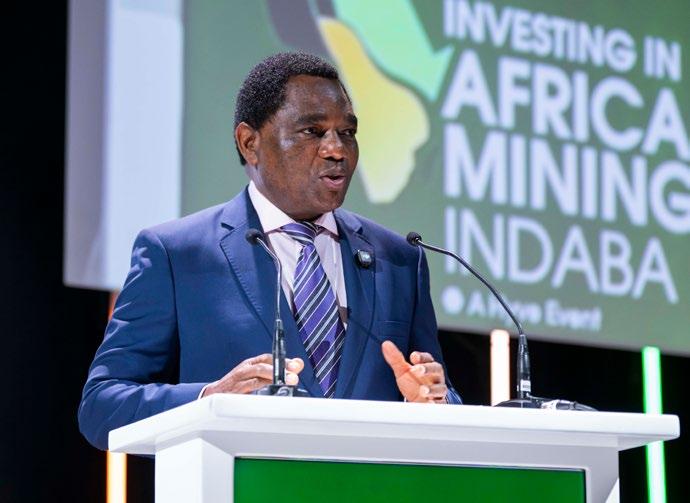
“Whether it’s the Tazara Railway or the Lobito Corridor, we need to focus not just on transport, but on what we are transporting. We need a shared vision for beneficiation that moves beyond the port-to-pit approach. Mining is about empowerment, equity and shared prosperity. Let us use it to unlock Africa’s promise of better opportunities for the young people of our continent.”
H.E. Hakainde Hichilema, President, Republic of Zambia
A strong, trust based partnership between mining companies, investors, governments, communities, downstream buyers and service providers is essential to align priorities, build confidence, and drive a shared, sustainable direction for the entire mining ecosystem moving forward.
Embedding sustainability into business operations is crucial to align it with operational efficiency and climate action, ensuring economic benefits and positive impacts for future generations.
Leveraging AI, digitalisation, and advanced process control methodologies can optimise energy consumption and improve recovery rates, reducing operational costs and enhancing efficiency in mining.

Empowering women in the mining industry requires genuine collaborations, overcoming regulatory barriers, and prioritising collective success to drive transformation and equitable participation.
Proactive skills development and training programmes are necessary to address the transformative impact of AI and automation, equipping young professionals with digital literacy, technical expertise, and leadership skills for sustainable mining practices.










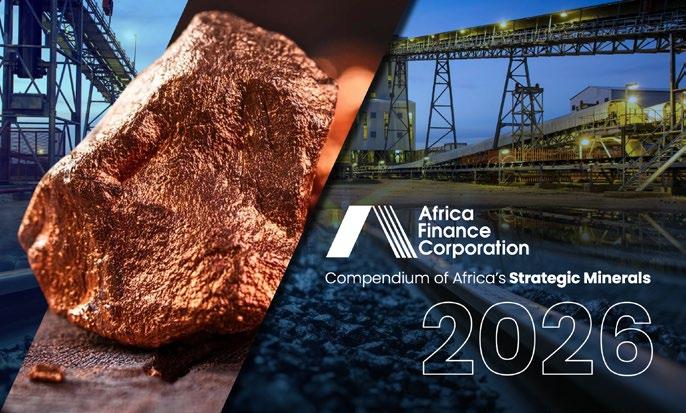
At Mining Indaba 2026, the Africa Finance Corporation (AFC) launched the inaugural Compendium of Africa’s Strategic Minerals, a landmark publication designed to reframe how Africa’s mineral endowment is understood and developed.
Produced in collaboration with governments, regulators and industry stakeholders, the Compendium provides a comprehensive analysis of the minerals that will shape Africa’s industrial future, from critical energy transition minerals to the raw materials that underpin infrastructure, food systems and manufacturing.
Rather than viewing minerals solely through the lens of global supply chains, the Compendium adopts an Africa-centred perspective, examining how mineral resources can support domestic industrialisation, regional value chains and long-term economic resilience.
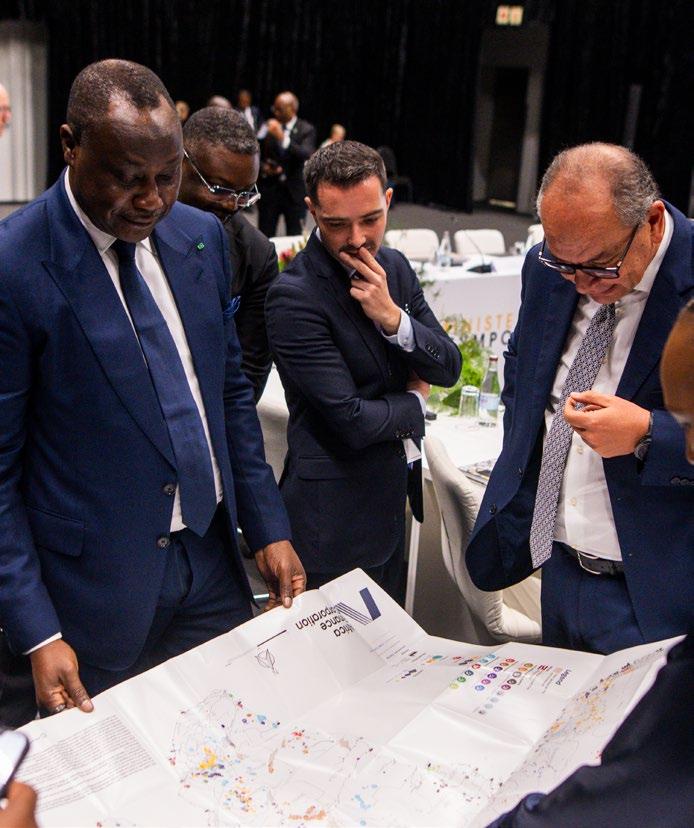
While Africa possesses one of the world’s richest and most diverse mineral endowments, the continent currently captures only a fraction of the value embedded in these resources.
The Compendium highlights the infrastructure, processing capacity and policy coordination required to translate mineral wealth into industrial development, investment opportunities and regional integration.
By linking geological endowments with energy systems, transport infrastructure and downstream processing potential, the publication provides investors, policymakers and industry leaders with a clearer framework for identifying where the next generation of African mining investment may emerge.
The launch of the Compendium at Mining Indaba reflects the event’s unique role as a platform where governments, financial institutions and industry leaders converge to shape the future of Africa’s mining sector. By bringing together stakeholders from across the mining value chain, Mining Indaba continues to support initiatives that strengthen transparency, improve market understanding and unlock the full potential of Africa’s mineral resources.
“Africa’s mineral wealth becomes transformational only when it is developed systemically - across sectors, value chains and borders.”
Zeinab
El-Sayed Director, Government & Institutional Partnerships Investing in African Mining Indaba
Held on Sunday 8 February ahead of the official opening day, the 2026 Mining Indaba Ministerial Symposium marked a clear evolution in the continental mining conversation. The debate has moved beyond extraction metrics and into the realm of economic architecture.
Across the discussions, one theme emerged with clarity: mining cannot remain the destination. It must function as a catalyst.
As reflected throughout the symposium deliberations, Africa’s mineral wealth will not deliver structural transformation through exports of raw materials alone. The opportunity presented by critical minerals and the global energy transition is real. But geological advantage does not automatically translate into industrial power. That requires deliberate coordination of policy, infrastructure, capital, and regional strategy.
What distinguished this year’s dialogue was its systems orientation. Ministers, development finance institutions, and industry leaders converged around the need to move decisively along the value chain, from extraction to processing, from isolated projects to integrated corridors, and from national competition to regional alignment.
The mine, in this framing, is not the goal. It is the anchor.
When treated as anchor infrastructure, a mining project can trigger power generation, logistics development, supplier ecosystems, and downstream manufacturing. When treated in isolation, its impact remains finite. The shift from project thinking to ecosystem thinking signals a maturing strategic posture across the continent.
The launch of the Compendium of Strategic Minerals in partnership with Africa Finance Corporation (AFC) reinforced this transition. More than a reference document, the Compendium situates mineral resources within broader industrial and geopolitical contexts, linking geology to infrastructure, policy, and capital pathways.
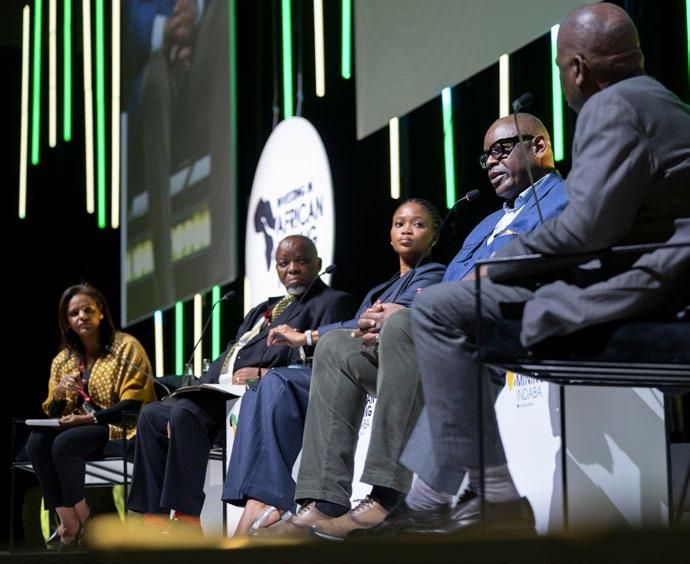
Its introduction at the Symposium underscored a shared recognition that data, transparency, and institutional alignment are prerequisites for implementation.
Equally prominent was the emphasis on governance and coordination. Stability, regulatory clarity, and capable institutions are not ancillary concerns. They are competitive advantages. Regional corridors were discussed not simply as transport routes, but as industrial backbones capable of reducing costs, de-risking investment, and anchoring long-term demand.
Mining Indaba’s role in this evolving landscape is not to dictate outcomes, but to convene seriousness. Its neutrality allows governments, financiers, operators, and infrastructure players to interrogate structural questions collectively. From that vantage point, patterns become visible: where bottlenecks persist, where corridors could unlock scale, and where collaboration can replace fragmentation.
If this year’s Symposium demonstrated anything, it is that the continental conversation has matured. The focus is no longer solely on extraction volumes or fiscal regimes. It is on industrial capacity, regional integration, and economic durability.
The mine may catalyse growth. But the architecture built around it will determine whether that growth endures.

Zeinab El-Sayed Director, Government & Institutional Partnerships Investing in African Mining Indaba
Over three days, thirteen nations presented coordinated reform agendas and investment pathways, demonstrating how governments are aligning policy, infrastructure and capital to accelerate delivery.
The narrative has evolved from opportunity to execution readiness.
MI26 was not defined by aspiration. It was defined by alignment.
South Africa positioned itself as a critical minerals and downstream value-add hub, emphasising regulatory certainty and project acceleration.
Mozambique highlighted investment-ready projects within an expanding mineral and energy portfolio.
Egypt showcased regulatory reform, digital licensing and cadastre modernisation to improve transparency and predictability.
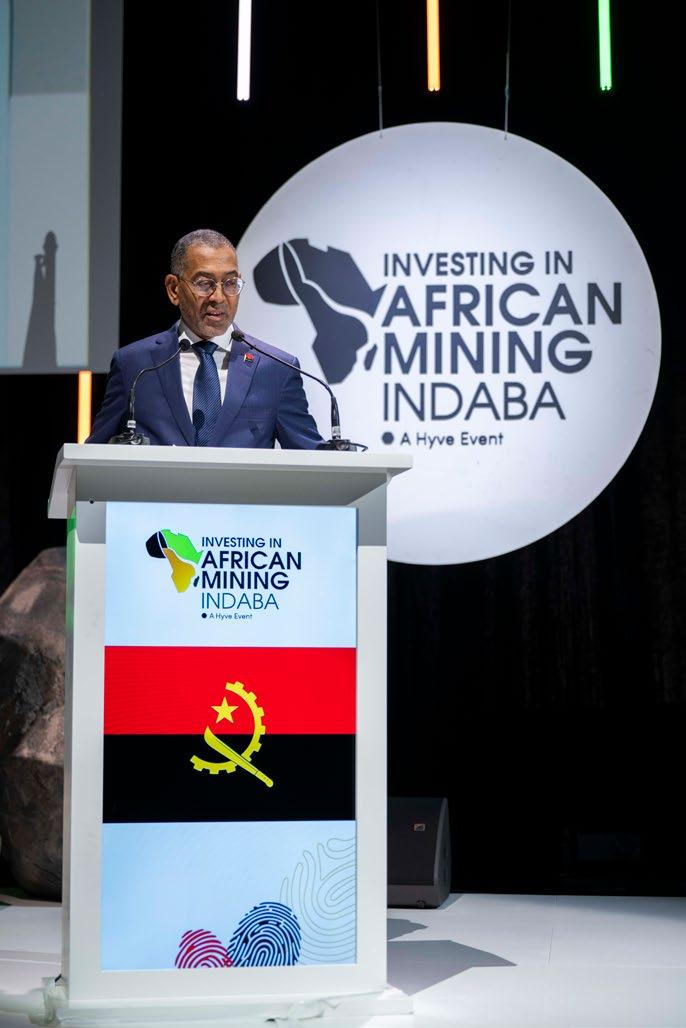
Angola reinforced institutional coordination through its Mining Cadastre Portal and structured public–private engagement.
Côte d’Ivoire emphasised governance reform and strengthened geoscientific data to support investor confidence.
Guinea outlined an integrated industrial roadmap linking Simandou to infrastructure, energy and sovereign positioning.
Zambia focused on geological mapping innovation and policy stability underpinning copper and critical mineral growth.
Mauritania presented itself as a stable, infrastructure supported mining destination with diversified mineral potential.
Democratic Republic of Congo linked mining expansion directly to energy alignment and downstream industrialisation.
Mali detailed revised mining legislation balancing competitiveness with local value creation.
Botswana articulated its transition beyond diamond dominance toward diversified value chains.
Ghana emphasised policy certainty, beneficiation and formalised medium-scale mining frameworks.
Namibia closed the programme with a reform-driven beneficiation strategy aligned with Vision 2030.
Running alongside the Showcases, the Intergovernmental Summit examined Africa’s minerals trajectory in the context of shifting geopolitical dynamics and global supply chain reconfiguration, with discussions centring on implementation.
Ministers underscored that while continental policy architecture is robust, the priority now is delivery:
• Advancing beneficiation and mineral-based industrial clusters
• Strengthening regional value chains
• Sequencing infrastructure at scale
• Translating reform into bankable projects
The tone was pragmatic. Industrial ambition must be matched by project preparation, capital mobilisation and execution discipline.
As global demand for critical minerals intensifies, participants affirmed both the legitimacy of resource sovereignty and the necessity of investment stability. Predictable legal frameworks, fiscal clarity and institutional capacity were recognised as non-negotiable foundations for durable partnerships.
Energy transmission, rail, ports and logistics corridors were identified as the principal enablers of industrialisation. Governance efficiency, earlystage project preparation and regional coordination were repeatedly highlighted as determinants of competitiveness. Cross-border infrastructure and power pool integration were positioned as strategic, not optional.
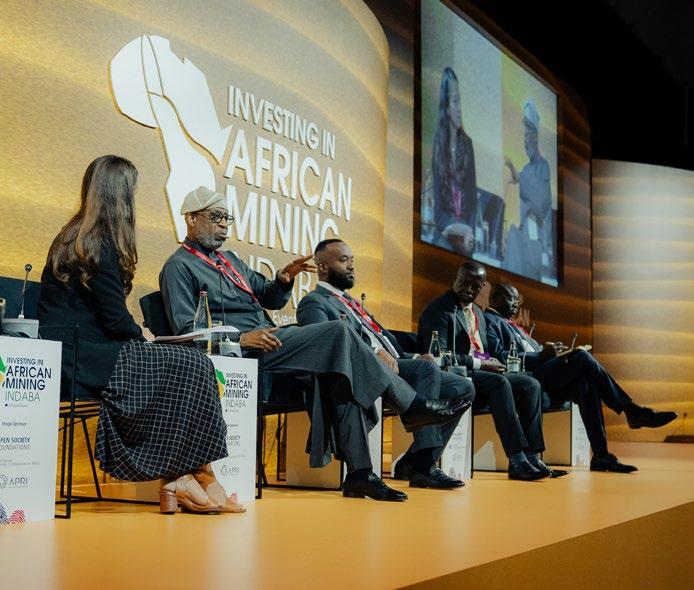
Formalisation of artisanal and small-scale mining, strengthened community engagement and transparent revenue management were recognised as structural components of sector legitimacy.
Governance excellence, including digitised cadastre systems, geological data strengthening and regulatory transparency, was framed as a competitive advantage.
Human capital development, innovation ecosystems and diaspora engagement were identified as essential to post-2030 industrial ambition.
MI26 government engagement reflected a continent increasingly aligned around execution. The emphasis has shifted from resource abundance to implementation capacity.
Africa’s mineral wealth remains strategic. Its transformation, however, will depend on governance strength, infrastructure sequencing, institutional clarity and regional coordination.
As the platform looks toward MI27, the focus will sharpen further on measurable delivery: projects reaching financial close, beneficiation strategies moving into operation, infrastructure corridors advancing beyond feasibility and continental frameworks translating into coordinated action.
The direction is clear. Africa is not simply signalling opportunity: it is structuring for scale.
This year’s expanded Investment Village once again positioned itself as a premier convening platform, connecting mining companies with high-quality African projects and a diverse, sophisticated investor audience. Attendees included private equity and institutional investors, family offices, sovereign-backed investment vehicles, and strategic industry partners.
Sponsored
by

The Explorers Showcase hosted 40 early-stage exploration companies collectively representing a compelling pipeline of high-potential projects across the African continent.



















by

Complementing this, the Junior Mining Showcase featured 11 junior mining companies spanning the full spectrum from advanced exploration through development and into production.









Together, the two showcases formed a cohesive capital continuum, enabling investors to engage with opportunities across every phase of the mining lifecycle. Throughout the week, discussions initiated on the exhibition floor progressed naturally into deeper, more strategic engagement within the Investment Programme. These sessions explored capital allocation dynamics, commodity outlooks, evolving financing structures, and Africa’s expanding role within global value chains.
Across these conversations, a consistent theme emerged: the future of mining investment will be defined by transparent, deliberately coordinated partnerships between governments, financiers, mining companies, and local communities. Sessions reinforced that success in 2026 and beyond will depend on disciplined capital deployment, shared value creation, and the strengthening of local ecosystems – underpinned by the industry’s accelerating focus on in-continent beneficiation and broader value addition.
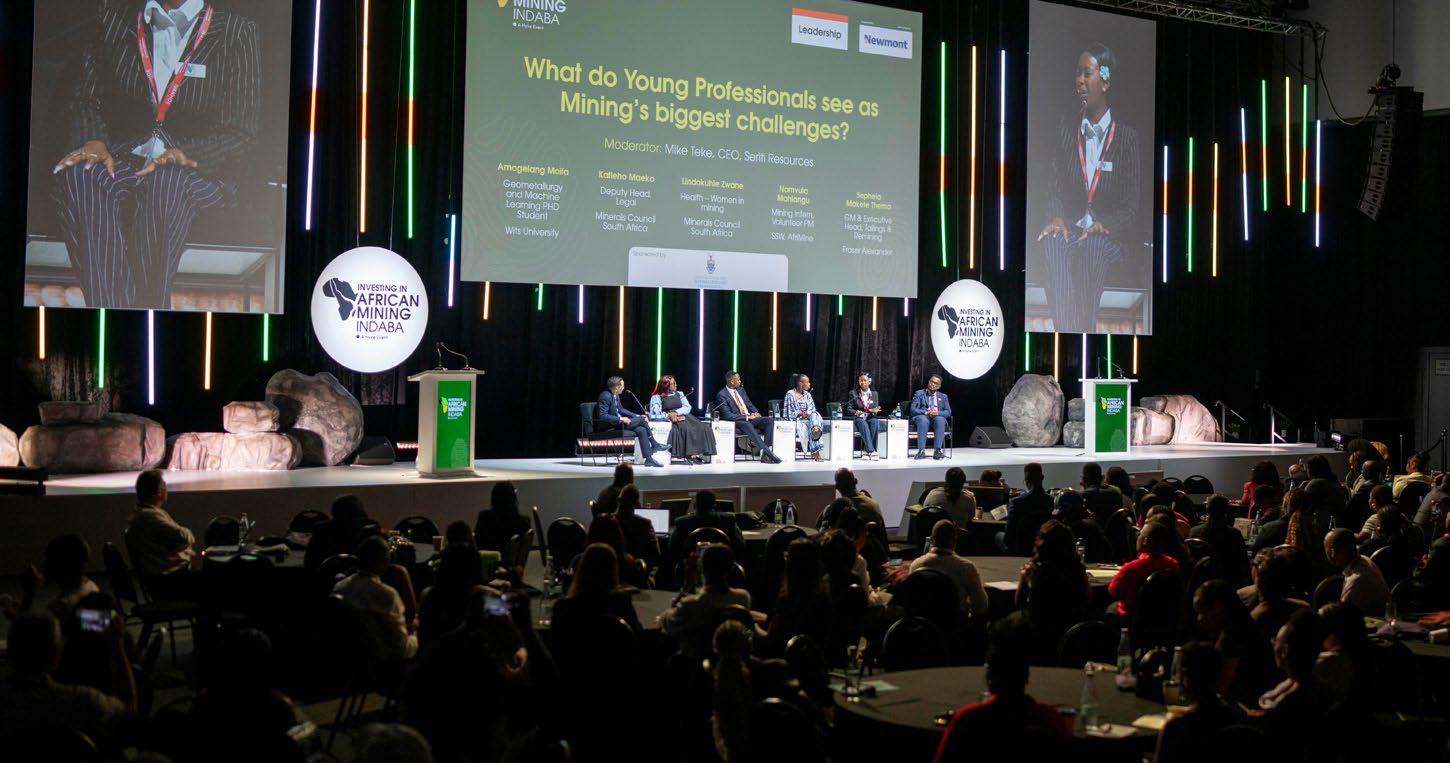
Mining Indaba’s youth proposition took on a new lease of life in 2026 with the Young Professionals Programme, the evolution of the Young Leaders programme.
For the first time, the programme was sponsored by Wits University, with Minerals Council South Africa becoming knowledge partner. This allowed us to directly tap into the views of both industry and youth to create a programme that was built from the ground to help young professionals progress their careers.
Every session on the programme was built first and foremost to answer the question “how does this help young professionals progress into leadership”. With Wits University and Minerals Council’s continued support, we were able to create a programme that had this question at its foundations.
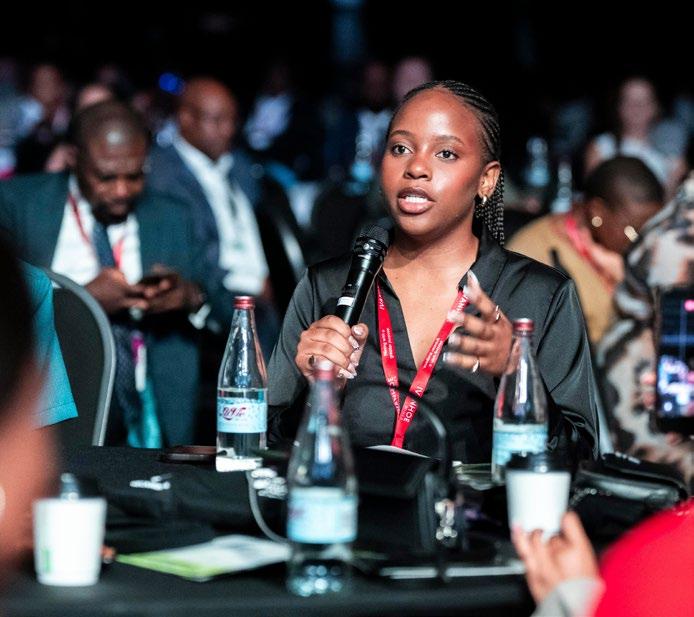
Africa’s next generation of miners are hungry to make their impact on the mining industry.
The programme featured young professionals debating with CEOs including Mike Teke from Seriti Resources about mining’s biggest challenges, as well as deep dives into mining leaders’ careers with the Chair of Anglo American South Africa Nolitha Fakude providing fascinating leadership insights.
This year, Mining Indaba welcomed a significant increase in participation from global downstream buyers – a clear indication of the sector’s growing focus on securing long-term, reliable mineral supply; forging direct partnerships with mining companies and governments; advancing industrialisation opportunities across Africa; and ensuring responsible, transparent sourcing of critical minerals.
The audience included major organisations such as Cargill Metals, Amazon, BMW, Volkswagen Group Africa, Mercedes-Benz South Africa, Isuzu Motors South Africa, Rand Refinery, Electra Battery Materials Corporation, and Kian Smith Company, among others, representing the automotive, energy, technology, and processing sectors.
Across the week, discussions underscored the urgency of moving beyond raw material extraction toward integrated manufacturing ecosystems –where industries such as mining, automotive, energy technology and materials processing jointly catalyse broader industrial development. With its rich mineral base, expanding workforce, and strategic geographic position, Africa is well-placed to deepen localisation, expand regional supply chains, and build globally competitive industries. The mining sector has a pivotal role to play in enabling this transition.
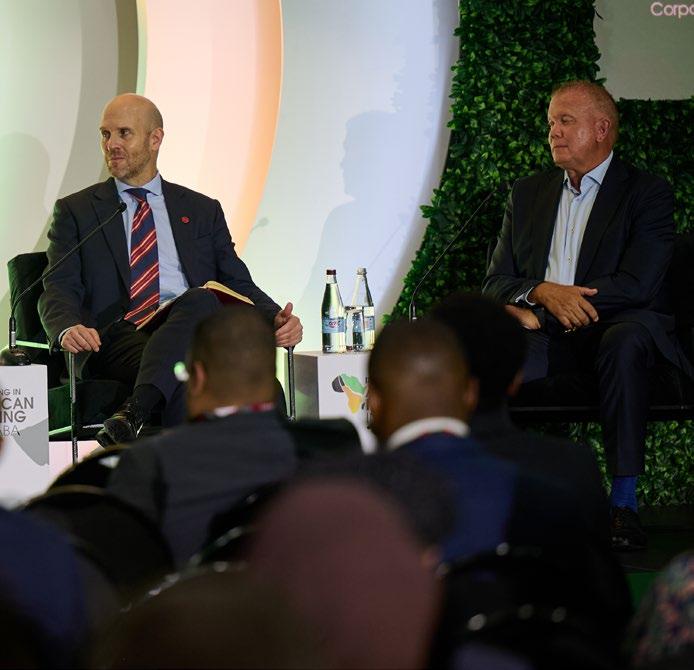
A consistent theme throughout was the critical importance of partnership. Effective collaboration between governments, mining companies, off-takers, financiers, and industry stakeholders is essential to building resilient industrial ecosystems – reshaping how value is created, captured, and retained across the continent.
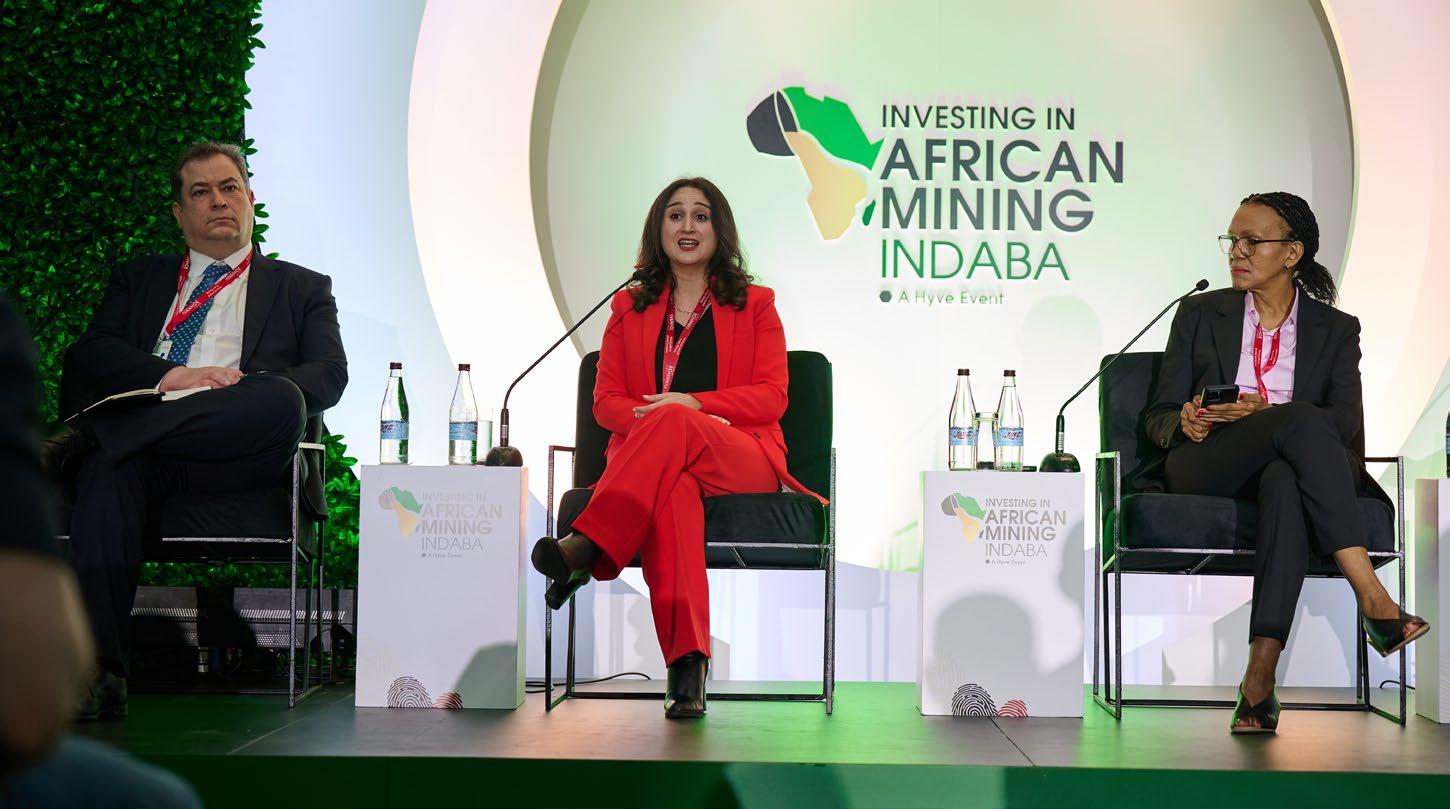





















8-11 February, Cape Town, CTICC