

MINIMISING VEHICLE-TO-VEHICLE COLLISIONS
EFFICIENT FLUID AND SLURRY CONVEYANCE
INTELLIGENT EDGE IN FLEET MANAGEMENT

MODERN SHEQ RISK MANAGEMENT (MSRMTM) COURSE
Accredited In-house & Public Training
E-Learning for All Professional Levels
Understand & Apply SHEQ Principles
EXPERT SHERQ CONSULTANTS & SPECIALISTS
Risk Assessments, Education and Training, Consultation and SHERQ System
Implementation, Behavior Based Safety, Business Continuity Management, Software Solutions, Auditing.
RCAT™ – THE ORIGINAL & PROVEN METHOD
Don't Settle for Less – Choose RCAT™
Structured & Effective Incident Investigation
Real-world Case Studies (Investigation Services, Training and Software) & Practical Tools
DON’T VENERATE IMITATIONS
Structured & Effective Incident Investigation
Real-world Case Studies & Practical Tool
Prevent Recurrence with RCAT™
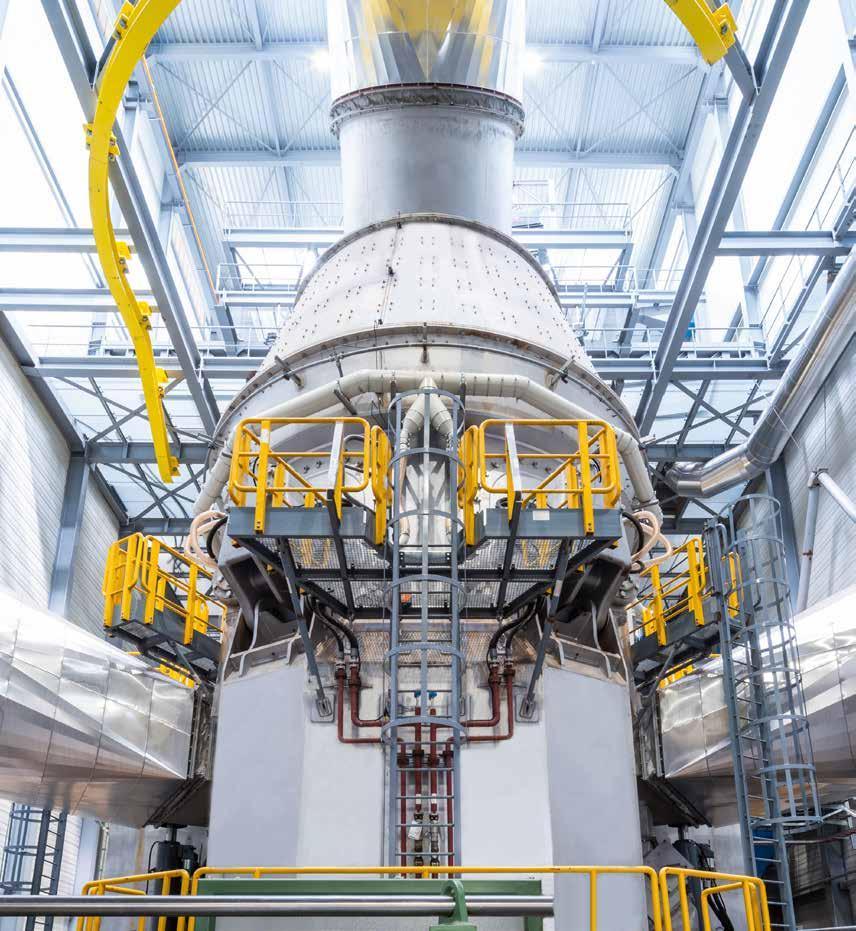

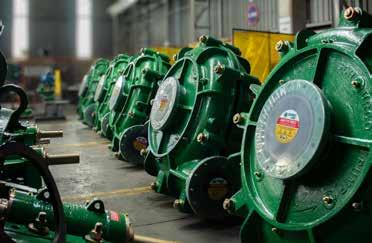
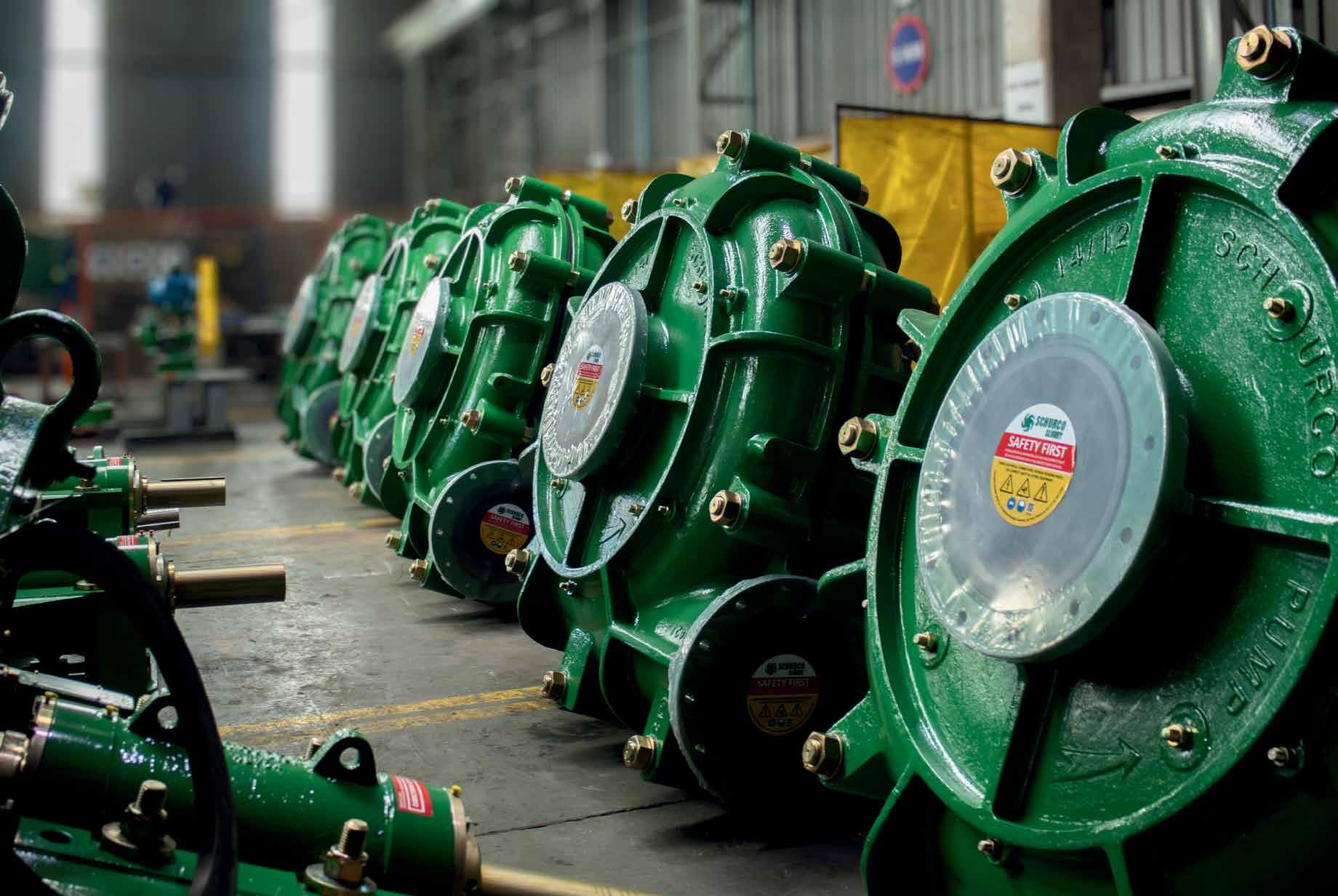
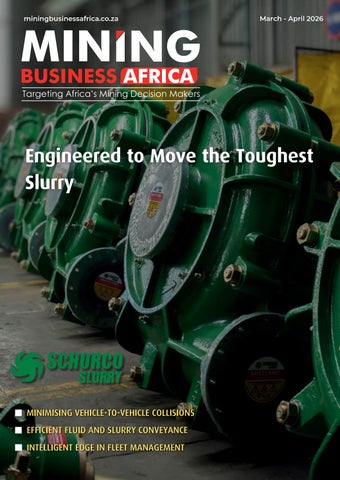
Cover Image: Schurco Slurry
Why Africa’s Slurry Systems Demand More than Theory
Slurry systems sit at the heart of mining operations, yet remain widely misunderstood. Design assumptions often fail once exposed to real, complex field conditions. True performance is not theoretical—it is proven where systems actually operate.

Editor
Nick Barnes
editor@miningbusinessafrica.co.za
+27 10 055 3356
Writers
Jimmy Swira
Jimmy@miningbusinessafrica.co.za
+ 27 10 055 3356
Rejoice Ndlovu
rejoice.ndlovu@miningbusinessafrica. co.za
+ 27 010 055 3356

Sales and Marketing
Winnie Sentabire
winnie@miningbusinessafrica.co.za
+27 83 530 6832 | +27 10 055 3356
Angeline Ntobeng
angien@miningbusinessafrica.co.za
+ 27 078 322 5938
+ 27 010 055 3356
Accounts
Precious Chirunga
accounts@miningbusinessafrica.co.za
+ 27 10 055 3356
There is no crystal ball to foretell the future.
This saying rings especially true with regard to the effects of the War in Iran on the world economy.
We were sold the expectation that the war would take just a few days - regime change would happen and the world would be “a better place,” as the war hawks in the USA pontificated in their press briefings - and then it would be business as usual. But that has not been the case.
Who would have thought that the price of crude oil would surge from $50 to $125 per barrel in just five weeks?
For every industry globally, this means far more than a statistic.
Energy constitutes the biggest operating cost - onservative estimates put this at 30 percent in mining and other energy-intensive heavy industries. This means significantly higher running costs. Besides energy, operations require consumables, spare parts, and service providers. High oil prices will not spare these areas either.
Already, mining executives, OEMs, EPCM firms and other stakeholders have expressed concern about how the limited supply of petroleum and diesel will impact their operations from pit to port. The longer the war continues, the more strained the oil supply chain becomes, and the higher the price will go.
It is the wish of everyone - and indeed of every one of us - that things return to how they were before 28 February 2026 (peace in the Middle East).
Nick Barnes editor@miningbusinessafrica.co.za
Art Director/Layout
Augustine Ombwa
Arobia Creative Consultancy
austin@arobia.co.ke
+254 790 153 505
Circulation/Sales
info@miningbusinessafrica.co.za
+ 27 10 055 3356
Published By Media Icon (Pty) Ltd


By Rejoice Ndlovu
Energy does not merely power economies. It defines them.
When electricity flows consistently, factories operate, mines expand production; small businesses open their doors with confidence, and investors commit capital without hesitation. When it falters, development slows.
In South Africa’s case, energy reform has become synonymous with economic reform.
In an exclusive interview with Mining Business Africa ahead of Africa Energy 2026, the Deputy Minister of Electricity and Energy of South Africa, Samantha Graham-Maré, outlined how the country is repositioning energy not simply as infrastructure, but as a strategic catalyst for longterm development both domestically and across the continent.
At the centre of this strategy lies policy certainty.
“The IRP is essentially your electricity blueprint for the short, medium, and long term,” she said. “Without an IRP, you have no policy certainty. You have no blueprint to work from, and you have no idea what sort of pipeline investments you are going to have.”
That clarity matters. For years, uncertainty around South Africa’s Integrated Resource Plan has stalled industrial decision-making. Manufacturers could not confidently localise. Developers hesitated. Capital waited.
“Only once that IRP came out were people able to then say, ‘We foresee there is going to be 17 gigawatts of wind that is going to be installed.’ Manufacturers of wind energy components can then look at that and say, ‘Okay, it is a sufficient

pipeline for us to invest in manufacturing in South Africa.’”
Energy planning, she emphasised, is not about megawatts alone. It is about building an industrial ecosystem.
“It creates an environment where people are looking at investment not just in wind or solar or battery energy itself, but also in manufacturing and the service industry as well.”
This is where renewable energy becomes an economic multiplier.
Yet generation alone is not enough. Transmission has emerged as a critical constraint. South Africa’s grid was historically designed around coal-fired generation concentrated in Mpumalanga. Renewable resources, however, are strongest in the Northern Cape, Eastern Cape, and Western Cape.
“We started bringing all these programmes online and then discovered that our renewable energy resources are not located where our coal resources are,” she explained. “Our grid was really focused on the coal belt because that is obviously where we were getting the most supply.”
The result was a bottleneck. Renewable energy projects could not connect to the grid at scale.
“So, we identified then, having done a study, that we need about 14,000 kilometres of transmission line.”
That figure is transformative. It represents one of the most ambitious grid expansions in the country’s history.
To accelerate delivery, government introduced an Independent Transmission Programme, running parallel to the Transmission Development Plan managed by the National Transmission Company of South Africa.
“What we have done with the transmission programme that we are running from the department side is that we have split the 14,000 kilometres into a 10-year programme. So, it is about 1,400 kilometres a year that we need to develop.”
The first rollout alone covers 1,164 kilometres, with the majority unlocking renewable capacity in the Northern Cape.
“We went and identified the sort of lines and nodes that would unlock the most capacity for the least amount of spend.”
Importantly, the projects were divided into seven packages to mitigate delivery risk.
“We felt that to give one project to one bidder would put us at risk because if there was a problem with that bidder on that project, we would lose that entire year’s worth of transmission rollout.”
Financing, too, is being structured innovatively.
“This is not going to be funded by the Treasury. It is a credit guarantee vehicle that we have developed in partnership with the World Bank,” she said. “Ultimately, the idea is that the credit guarantee vehicle is a more attractive vehicle for financing than a sovereign loan from a country, so they can get better rates and better outcomes.”
Preferred bidders are expected to be announced in alignment with finalisation of the credit guarantee mechanism.
While grid reform progresses domestically, South Africa’s energy ambitions are expanding continentally.
After its recent G20 engagement, the country recognised the need for stronger African leadership.
“After G20, we realised that as South Africa, we really needed to take more of a leadership role in Africa,” she said. “With 600 million Africans having no access to energy, the rollout of renewable energy has become of paramount importance.”
South Africa is participating in the scaling-up of renewables programme with the European Union, linked to Mission 300 alongside the World Bank and the African Development Bank. The goal is to extend energy access to 300 million Africans.
“These countries have given us a substantial amount of money to do our Just Energy Transition, to do that move from coal to renewables,” she noted, referencing the
International Partners Group supporting South Africa’s Just Energy Transition.
When asked whether the United States’ withdrawal from parts of the Just Energy Transition funding created a gap, she was candid.
“No, it did because they pulled out quite a substantial amount of money that had been committed through the JET programme,” she said. “But that gap was very quickly filled. Europe has proven itself to be a wonderful partner for South Africa and for Africa.”
She added that collaboration with the United States is not permanently closed.
“America’s not our enemy, they are just not our partner at this point,” she said. “I don’t think it is an absolute exclusion.”
Meanwhile, partnerships are diversifying.
“We are also getting a lot of the Asian countries that are coming forward and wanting to collaborate and partner. They have a lot to teach us. There is a lot for us to learn.”
China continues to play a visible role in both South Africa and across the continent, though diversification remains essential.
“You don’t want to be beholden to one country that ultimately then exercises too much control in your own country. Our sovereignty is important and that requires us to be very careful in terms of the geopolitical landscape that we navigate.”
Africa Energy 2026, she believes, will reinforce South Africa’s investment case.
“What Africa Energy will do is showcase that South Africa is open for business,” she said. “Not just as South Africa, but that South Africa is open for business to support the rest of the continent with their energy ideals.”
The message to investors is layered.
The IRP provides certainty. The Renewable Energy Master Plan anchors industrialisation. The transmission investment demonstrates commitment. A critical minerals strategy supports beneficiation and green hydrogen ambitions.
“It is a country that is serious about renewable energy. It is serious about industrialising around


renewable energy. It is serious about new technology,” she said. “We believe that it is a country that is worth investing in in terms of the renewable energy space.”
For Mining Business Africa readers, the most compelling part of the conversation may be the interplay between mining and energy.
“In simple terms, it is really a very, very circular economy,” she explained.
“If you look at energy now, 85 percent of our power comes from coal-fired power stations. So, we need coal to generate electricity. Obviously, coal needs to be mined.”
Mining itself is energy-intensive.
“Coal mines per se are very heavy users of electricity, so obviously they need electricity to power the coal mining operations.”
Beyond coal, critical minerals form the backbone of renewable infrastructure.
“Your platinum group metals are needed to build energy infrastructure. We need them to make batteries. We need steel to build our transmission lines. We need the platinum group metals for electrolysis to do green hydrogen.”
The relationship is inseparable.
“It is an absolutely circular economy where both mining and energy are completely reliant on each other for the success of both.”
As global markets increasingly demand greener supply chains, mining operations are also integrating renewables into their own energy mix to preserve the integrity of so-called green value chains.
“None of that can happen without each other,” she concluded. “That interplay between mining and energy is absolutely critical and fundamental to both environments.”
In a country long defined by its mineral wealth and now reshaping its energy architecture, that interplay may well determine the trajectory of its next growth chapter.
Energy, as the Deputy Minister’s remarks make clear, is no longer a constraint or a narrative. It is a development narrative.
And increasingly, it is a continental one.








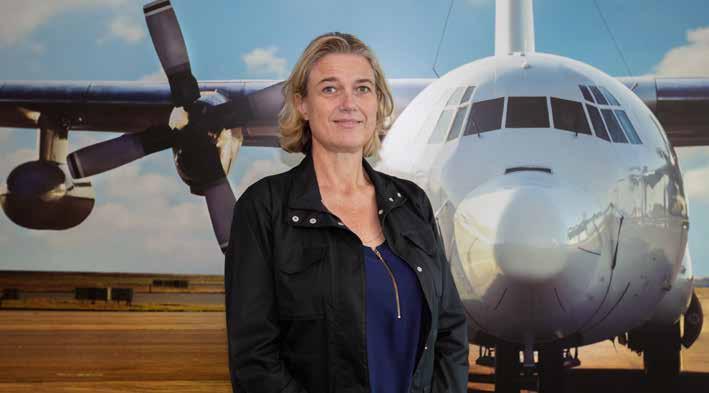
Air Charter Service (ACS) Johannesburg CEO Lyndee du Toit explains why aviation logistics are becoming essential for mining operations across the continent
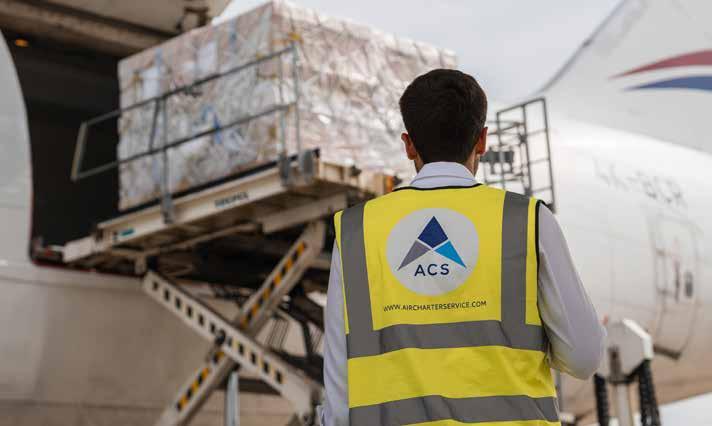
Reliable transport is one of the most critical components of successful mining operations in remote regions. Across Africa, many mines operate in isolated areas where infrastructure is limited and logistical challenges are constant. In these environments, air charter services have become an essential tool for maintaining operational continuity.
According to Lyndee du Toit, CEO of Air Charter Service (ACS) Johannesburg, aviation support plays a fundamental role in ensuring that mining sites remain productive, well supplied and connected to the outside world.
“This is a critical component to operations within any remote mining operation for both passenger and cargo services. This not only includes crew changes of personnel but also supply of vital equipment and supplies including foodstuff and recovery items for uninterrupted operations to save vital time, and most importantly money, caused by shutdowns.”
Mining companies operating in remote African locations often face complex logistical obstacles. Limited transport infrastructure, challenging terrain and seasonal weather disruptions can all affect the movement of workers, equipment and supplies.
Du Toit explains that many mining sites simply cannot rely on conventional transport systems.
“One of the greatest challenges for remote mining operations in Africa is, by nature, the geographical complexities of these locations. There is often not enough capacity via scheduled service, if any, to these locations. Many are inaccessible by road, and seasonally, not possible due to rains, therefore charter is the only feasible option to keep operations consistent. Air Charter Service is able to combat these challenges by offering solutions via private charter to mitigate the risks mentioned above to satisfy customer requirements in their entirety.”
The fly-in, fly-out (FIFO) workforce model has become common across the global mining sector, particularly for remote sites. Air charter services allow mining companies to transport workers efficiently while adjusting aircraft capacity to match operational needs.
Du Toit says ACS offers flexible solutions tailored to each project’s requirements.
“Air Charter Service is able to support these operations both on an ad-hoc and long-term basis. This support is offered by utilising the best aircraft suitable to the requirements for both passenger count and cargo requirements. The benefit of using Air Charter Service is the ability to have flexibility in that peak periods larger aircraft can be used and in lower periods smaller ones, saving clients money and ensuring the right aircraft are utilised to support ongoing operations whilst minimising costs to the client.”
The company has supported numerous FIFO
From workforce movements to critical cargo and executive travel — Air Charter Service delivers tailored aircraft charter solutions across Africa’s most remote and time-critical operations.

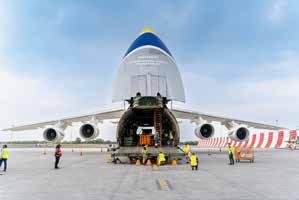

With 40+ offices worldwide, Air Charter Service operates in Africa from its office in Johannesburg
Group Charter
Flying Mining Teams to Remote Sites
Reliable crew rotations to keep your operations moving.
Group Charter: +27 10 590 1097
Cargo Charter
Transporting critical mining equipment
Urgent spares, oversize loads, and project cargo delivered efficiently.
Cargo Charter: +27 10 590 1099
Private Charter
Direct travel for mining leaders
On-demand flights for executives and site visits in Africa and beyond.
Private Charter: +27 10 590 1098


operations worldwide. One notable example involved long-term rotations between South Africa and the Democratic Republic of the Congo.
“Air Charter Service has been involved in many ad-hoc and long-term operations supporting FIFO operations globally, however, one recent example is a long-term contract that we supported twice weekly rotations between South Africa and the DRC carrying both passengers and cargo. This successful operation operated for over four plus years and ensured consistency and reliability for the mining house involved.”
In the mining sector, emergencies such as medical evacuations or urgent equipment transport require immediate action. Air charter operators must be able to deploy aircraft quickly and efficiently.
Du Toit says ACS operates around the clock to ensure urgent requests can be handled without delay.
“Air Charter Service has access to every commercially available aircraft available on the market and operates a 24/7 business model, ensuring customer requirements can be dealt with immediately. Based on the required routing, aircraft can be dispatched in as little as 2 hours, however this is dependent upon required permits which can extend dispatch times. For medical evacuations, there are often permits in place or can be granted quickly due to the nature of the flight. Air Charter Service has an excellent working relationship, together with its operators, with many of the African Civil Aviation Authorities to expedite these permissions, ensuring our
customers’ needs are met as quickly and efficiently as possible, ensuring their personnel are able to seek the relevant medical care.”
Mining operations frequently require the movement of high-value equipment and specialised personnel. Selecting the correct aircraft and ensuring safety compliance are essential components of such missions.
Du Toit explains that ACS’s global network enables it to source suitable aircraft for a wide range of specialised requirements.
“Again, as Air Charter Service has access to every commercially available aircraft on the market, both passenger and cargo, we are able to source the most suitable solution for our customers’ needs. This, combined with our vast global experience in undertaking these operations, means that Air Charter Service is perfectly situated to handle any high-value movements or technical team transportation. Our compliance department ensures all operators that we use are properly vetted, ensuring your equipment and team are always in safe hands.”
Ensuring safety in remote airstrips
Operating aircraft into remote or underdeveloped airfields requires careful planning and strict compliance with aviation regulations.
Du Toit says detailed operational assessments are carried out before any flights are conducted.
“Air Charter Service works closely with its operators to undertake in depth studies upon route analysis, airfield operating conditions,
fire categories, handling equipment and fuel availability, hours of operation, customs, and immigration requirements.”
“Air Charter Service also discusses with its proposed operators the certification required to operate into these remote locations and ensures any option offered is certified to meet these criteria. Again, our compliance team will ensure all documentation is in order.”
Demand trends in mining aviation
Activity in the mining sector continues to influence demand for charter aviation services, particularly as exploration and production fluctuate.
“There has been a small uptick in the recent year where the industry requires more assistance to assist with both passenger and cargo charters.”
Du Toit notes that commodity markets also influence aviation logistics demand.
“Commodity prices do affect the demand. Higher pricing or production can increase or decrease the requirements from the mine sites in question.”
across global mining regions
With decades of experience supporting mining logistics, ACS has built expertise across some of the world’s most challenging operating environments.
“Air Charter Service has vast experience in operations in many mining regions and can assist in most fields of the logistic operation.”
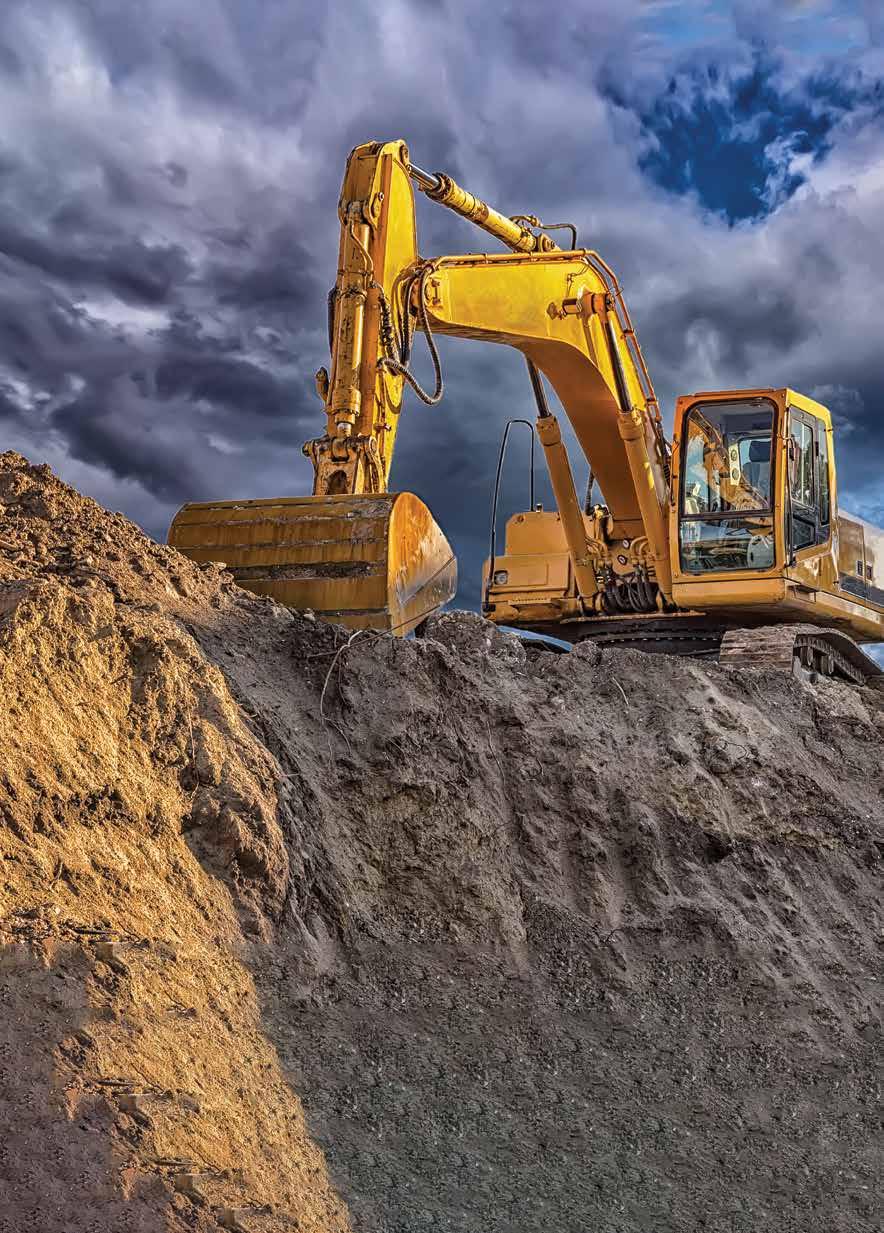
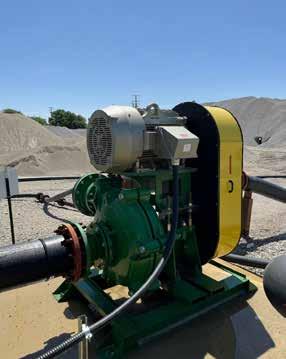
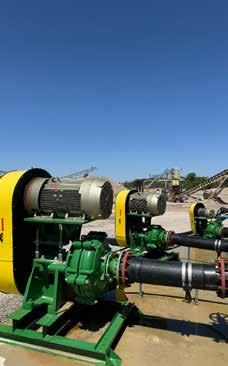
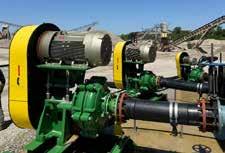
Across Africa’s mining operations, slurry systems operate at the centre of production—yet too often at the edge of understanding. From mill discharge to tailings transport and dewatering, these systems carry abrasive, high-density mixtures through complex circuits where even small inefficiencies can translate into significant losses. Despite their importance, slurry systems remain one of the most misapplied and misunderstood components in mining.
The issue is not a lack of technology. It is a reliance on theory.
For decades, pump selection has been driven by curves, calculations, and catalogue specifications. On paper, these systems appear predictable. Flow rates align, efficiencies peak, and performance looks assured. But in the field, those assumptions quickly unravel. Every slurry system behaves differently, shaped by variables that cannot be fully captured in design models alone. Particle size distribution, slurry density, pipe configurations, fluctuating tank levels, and operator practices all influence how a system performs in reality.
The consequence is familiar across the industry. Pumps are pushed outside their
optimal operating range, often far from their Best Efficiency Point. The result is accelerated wear, unstable operation, rising energy consumption, and ultimately, unplanned downtime. What begins as a design decision becomes an operational cost.
Increasingly, mining operations are recognising that performance cannot be defined at the point of specification. It must be proven under real conditions.
This shift toward field validation is redefining how slurry systems are evaluated. In practice, the true measure of a pump is not how it performs on a curve, but how it behaves over time, under pressure, and within the complexity of an operating plant. Engineers working directly on-site are seeing a consistent pattern emerge: systems that perform reliably are those that have been observed, adjusted, and validated in the field, not simply installed according to theoretical expectations.
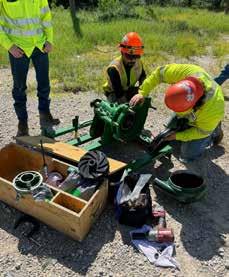
This reality is particularly evident when performance claims are tested beyond documentation. In one recent case, a client required confirmation that replacement components would integrate seamlessly with an existing installation. Rather than relying
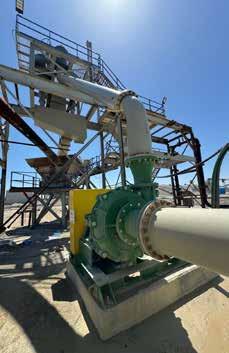
on specifications, the response was practical. Equipment was transported to site, a pump was rebuilt on location, and components were installed under live conditions. The outcome was immediate and unambiguous. The system operated as required, without modification or compromise. It was not a demonstration of compatibility on paper, but proof of performance in practice.
Such examples highlight a broader truth within slurry systems: certainty is earned through experience.
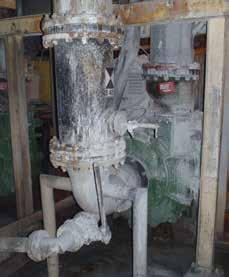
Nowhere is this more apparent than in the analysis of wear. Inside every slurry pump, wear patterns provide a direct record of how the system has been operating. Erosion, uneven material loss, and localised damage are not random failures. They are signals. They reflect velocity, flow stability, suction conditions, and whether the pump is operating within its intended range. For those who understand how to read them, these patterns offer insight into the system as a whole.
What they reveal, more often than not, is that pumps rarely fail in isolation. Systems fail.
Instability in flow, air entering the system, excessive velocity, or operation outside design
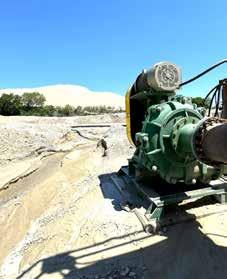
parameters all contribute to premature failure. In many cases, the pump becomes the visible point of failure, but the underlying cause lies elsewhere. Addressing these issues requires a shift in perspective—from replacing components to understanding system behaviour.
A recent chrome plant application illustrates this clearly. Persistent failures had been attributed to material limitations, leading to repeated changes in component selection. Different materials were trialled, each offering marginal improvements but no lasting solution. The pattern of failure remained. Only when the system itself was examined did the true cause become evident. High velocities, significant friction losses, unstable feed conditions, and air entrainment had created an operating environment that no material could withstand indefinitely. The system was being forced beyond its natural limits.
This is a recurring theme in slurry systems. When performance is driven beyond what the system can sustain, failure will occur somewhere. If not through blockages, then through wear. If not wear, then through downtime. The system will always find a point of compromise.
Responding to this reality requires more
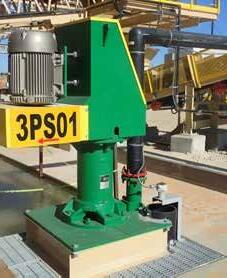
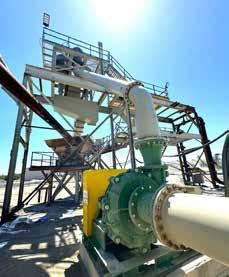
than stronger materials or heavier construction. It demands an application-driven approach to engineering. Equipment must be designed not only for performance, but for the conditions in which it will operate. In Africa, where mining environments are often variable and demanding, this becomes even more critical. Pumps must accommodate changing feed conditions, abrasive materials, and operational variability without sacrificing reliability.
Equally important is the role of knowledge. Even the most robust equipment will underperform if it is incorrectly applied or poorly operated. Many failures attributed to mechanical limitations can be traced back to installation errors, misalignment, or operation outside intended parameters. Training and knowledge transfer are therefore not secondary considerations—they are central to performance. When operators understand how a system behaves, they are better equipped to maintain stability, extend wear life, and reduce the likelihood of failure.
This intersection between engineering and operational understanding is reshaping the role of equipment providers. Increasingly, the expectation is not simply to supply pumps, but
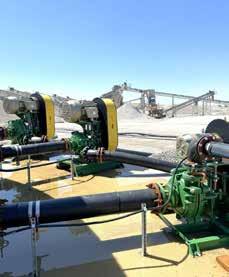
to contribute to the performance of the system as a whole. This involves ongoing engagement, performance monitoring, and a willingness to work alongside operators to refine and improve outcomes over time.
In this context, the distinction between supplier and partner becomes significant. Where once the relationship ended at installation, it now extends into the operational life of the system. Performance is no longer a static outcome, but a continuous process of evaluation and improvement.
As mining operations across Africa continue to evolve, so too must the approach to slurry systems. The complexity of these environments leaves little room for assumption. Systems must be understood in context, validated in practice, and managed with a balance of engineering precision and operational insight.
The future of slurry performance will not be defined by better catalogues or more detailed curves. It will be defined in the field, where theory meets reality and where performance is measured not by expectation, but by output.
Ultimately, success in slurry systems is not determined by the equipment installed. It is determined by what that equipment enables.
The incorporation of telematics in the huge fleets of mobile equipment in African operations has significantly improved availability and reliability, besides enhancing safety and helping mines achieve Level 9 compliance.
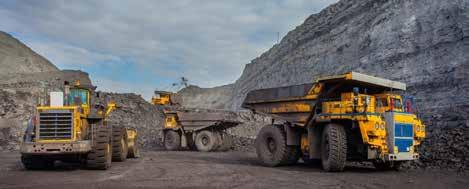
By Rejoice Ndlovu
One area where the adoption of digital technologies in fleet management has had a profound impact is predictive maintenance, where equipment reliability has improved through significantly reduced downtime and increased uptime.
To appreciate the scale of the advantage that digital technologies have given reliability managers and maintenance managers, one needs to examine the limitations of traditional maintenance.
Traditional maintenance schedules
For all its benefits—of course it serves the purpose in some respects—traditional maintenance schedules have limitations where greater accuracy is needed.
Traditional maintenance schedules involve fixed intervals for servicing equipment. Doubtless, this method ensures some level of operational reliability. Of course it serves the purpose. However, it can lead to unnecessary downtime or unexpected failures, particularly when vehicles experience highly variable operating conditions. It is difficult to imagine the impact of this on haul availability at a gold mine in South Africa. Even short periods of downtime disrupt ore volumes supplied to mills.
The digital edge
In contrast, the incorporation of sensors and IoT devices on critical mobile equipment deployed across mining operations enables real-time data collection and analysis. This provides fleet managers with insight into the condition of their mobile equipment and helps them determine the actions to take.
Telematics use sensors, satellite navigation, onboard diagnostics, telecommunications, and
data analytics (machine learning algorithms) to monitor the actual condition of critical components, such as engines, brakes, hydraulics, and tyres. No guesswork. Effectively, they remove guesswork from maintenance schedules.
For instance, using algorithms, the system detects patterns that signal emerging wear or potential failure. It generates maintenance alerts before breakdowns occur, allowing mines to schedule interventions proactively.
But predictive maintenance is only one part of the wider operational visibility that telematics brings to fleet management.
Cliff de Wit, Managing Director South Africa & Group Chief Innovation Officer at Accelera Digital Group (former Chief Technology Officer at Netstar), explains: “Using telematics, mines can track vehicles, gather data and enable insights to enhance safety, boost production, and ensure legal compliance.”
Ensuring equipment reliability and availability
To boost production by reducing the risk of unnecessary equipment downtime, mines can utilise telematics and artificial intelligence to carry out predictive maintenance. In this way, they can ensure equipment reliability and availability.
A critical point de Wit raises is that “telematics and intelligent fleet analytics give operators the ability to see what was previously invisible.” He states that with granular data on vehicle performance, mines can proactively manage risk, driver behaviour, and road conditions.
From small gains to substantial benefits
And the small gains from predictive maintenance compound to substantial benefits: avoiding costly breakdowns and extending the lifespan of
expensive equipment. In mining, haul trucks and loaders can cost several million dollars each. So, extending operational life by even a few percent can translate into significant savings.
Truant operator behaviour is an understated problem in mining fleet management. But it is the reality - in fact, one of the causes of collision accidents.
Ideally, it is assumed that operators are responsible enough to follow regulations and drive responsibly. However, this does not take into account inherent human lapses in concentration due to fatigue or substance abuse, equipment failure (which is something out of their control), or even sheer negligence.
Where humans fall short, telematics fills the gap, encouraging better driver behaviour.
Cracking the whip
It acts as a ‘big brother’ of some sort, cracking the proverbial whip at the operator in the cabin at the slightest hint of trouble.
In remote areas, any lapse in monitoring or operator awareness can lead to accidents with severe consequences, such as fatalities, irreparable equipment damage, and possible environmental pollution from engine oil spills or fuel leaks.
Conveniently, telematics continuously monitor vehicle location, speed, direction, and operational status. They provide mine control centres with real-time alerts for unsafe behaviour or potential collisions. Operators receive immediate warnings when entering restricted zones, approaching hazards, or exceeding speed thresholds.
Integrated proximity detection and collision avoidance systems come into play, automatically slowing vehicles if risk thresholds are breached. Drivers receive instant feedback on unsafe acceleration, sharp cornering, and harsh braking. In the end, these systems do not merely monitor vehicle location, but also create a culture of accountability and awareness among operators. Over time, this improves overall driver behaviour, which contributes to reducing incidents that can disrupt production.
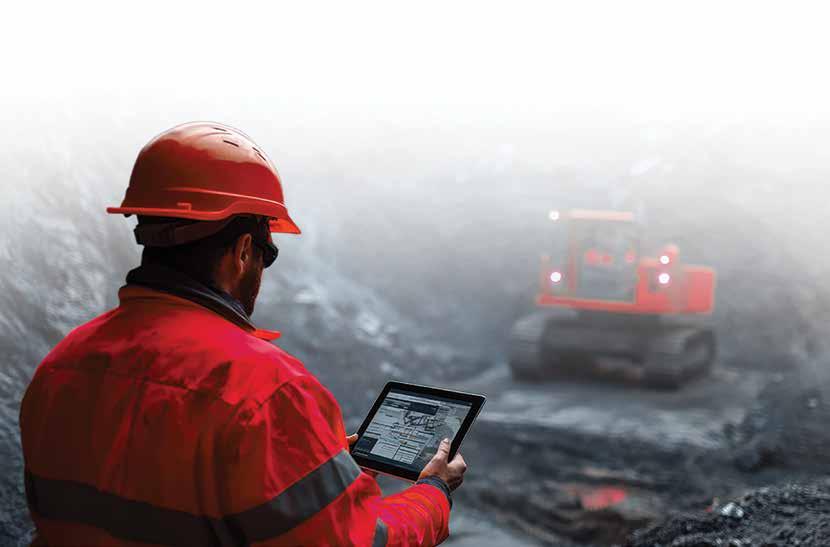
Across Africa’s mining sector, fuel has quietly become one of the most underestimated cost and risk factors in daily operations. While commodity prices, labour, safety, and compliance dominate boardroom discussions, fuel losses often remain hidden in plain sight—absorbed into operating costs, written off as shrinkage, or accepted as “the cost of doing business.”
Yet the reality on the ground tells a different story.
Fuel is no longer just an operational input. It is a strategic asset—one that directly affects profitability, uptime, safety, and sustainability. As mining operations expand into remote regions and logistical complexity increases, the ability to monitor fuel from delivery to burn has become critical.
This is where real-time fuel intelligence is reshaping the future of mining operations across the continent.
The True Cost of Fuel Loss in Mining Mining fleets are among the most fuel-intensive assets in any industrial environment. From haul trucks and excavators to generators, bowsers, and light vehicles, fuel flows continuously through
operations—often across vast, unsecured distances.
Traditional controls such as dipsticks, paper logs, manual reconciliations, and siloed tracking systems are no longer sufficient. These methods are reactive by nature, prone to manipulation, and blind to real-time losses.
Fuel theft, unauthorised siphoning, inaccurate refuelling, short deliveries, and inefficient consumption patterns collectively cost mining operations millions each year. Worse still, these losses often go undetected for months—only surfacing during audits or after margins have already been eroded.
In an industry where margins are under constant pressure, this level of exposure is no longer acceptable.
From Guesswork to Intelligence: The Shift to Real-Time Fuel Visibility
Modern mining operations require continuous, verifiable fuel visibility—not estimates, assumptions, or retrospective reporting.
Advanced fuel intelligence platforms now enable operators to:
• Track fuel from delivery point to final burn
• Monitor live bowser activity and vehicle consumption
• Detect anomalies, leaks, or unauthorised usage instantly
• Reconcile fuel volumes automatically
across sites
• Link fuel usage directly to specific assets, operators, and routes
This shift from manual oversight to data-driven control transforms fuel from a loss risk into a measurable, manageable resource.
Rather than asking “How much fuel did we lose last month?”, mining teams can now ask “Why is this asset consuming more fuel today—and what do we do about it now?”
Real-Time Alerts: Stopping Theft Before It Happens
One of the most powerful advantages of live fuel intelligence is prevention rather than investigation.
Real-time alerts flag irregular behaviour the moment it occurs:
• Refuelling outside approved zones
• Fuel flow when engines are off
• Unexpected drops in tank levels
• Bowser activity outside scheduled hours
• Consumption patterns that deviate from norms
Instead of discovering losses after the fact, operations teams can intervene immediately— often stopping theft before it escalates.
For remote mining sites, where physical supervision is limited and security challenges are heightened, this level of visibility is a gamechanger.

Cost reduction in mining has traditionally been associated with difficult trade-offs—reducing headcount, extending service intervals, or delaying capital investment.
Fuel intelligence offers a different path.
By optimising consumption rather than cutting capacity, mining operations can achieve real savings without compromising productivity or safety. Accurate fuel data enables:
• Identification of inefficient driving or idling behaviour
• Optimised refuelling schedules
• Reduced mechanical wear linked to improper fuel use
• Improved maintenance planning
• More accurate forecasting and budgeting
The result is lower operating costs driven by insight, not sacrifice.
Beyond cost and security, fuel monitoring plays an increasingly important role in governance, audit readiness, and ESG reporting.
Mining companies are under growing pressure to demonstrate:
Transparent operational controls
• Responsible resource usage
• Reduced environmental impact
• Strong internal governance systems
Live, auditable fuel data supports these objectives by creating a defensible digital trail—one that withstands scrutiny from auditors, investors, and regulators alike. Fuel intelligence is no longer just an operational tool; it is part of a broader governance framework.
While fuel monitoring technology exists globally, solutions built for controlled environments often fail in African mining contexts—where connectivity is inconsistent, terrain is harsh, and operational conditions are unpredictable.
What sets African-focused platforms apart is their ability to operate reliably in:
• Remote locations
• Extreme climates
• High-risk environments
• Multi-site, cross-border operations
This practical, field-tested approach is essential for mining operations that cannot afford downtime or data gaps.
Executive Insight: From Visibility to

According to Rordon Cowley, Founder of DigitFMS, the biggest shift mining companies must make is changing how they view fuel entirely.
“For years, fuel has been treated as a necessary expense rather than a controllable asset. What we’re seeing across Africa is a mindset shift— where mining operators demand live visibility, accountability, and proof. When you can see fuel moving in real time, you move from reacting to losses to preventing them entirely. That’s where

real savings are unlocked.”
Cowley adds that the most successful operations are those that integrate fuel intelligence into everyday decision-making, not just reporting cycles.
“The goal isn’t just to stop theft. It’s to create operational discipline. When teams know fuel is visible from delivery to burn, behaviour changes, efficiency improves, and losses disappear.”
Fuel monitoring delivers maximum value when integrated with broader fleet intelligence.
By linking fuel data with vehicle tracking, engine diagnostics, and operational metrics, mining companies gain a unified view of asset performance.
This holistic approach enables:
• Smarter dispatch decisions
• Accurate cost-per-ton calculations
• Improved asset utilisation
• Reduced downtime
• Enhanced safety oversight
Rather than operating in silos, fleet and fuel intelligence together provide a single source of operational truth.
As mining operations across Africa compete for capital, contracts, and credibility, operational efficiency has become a key differentiator.
Companies that can demonstrate:
• Tight cost control
• Reduced losses
• Data-driven decision-making
• Transparent reporting are better positioned to scale sustainably and withstand market volatility.
Fuel intelligence is no longer optional—it is a competitive advantage.
The future of mining in Africa will be defined not only by what is extracted from the ground, but by how efficiently, responsibly, and intelligently operations are managed.
Real-time fuel intelligence represents a critical step in that evolution—turning one of mining’s biggest cost centres into a source of measurable control and savings.
Fast fuel control.
Real savings. Zero theft.
Contact us today for a no-obligation fleet audit. Our specialists will tailor the right solution for your business.
https://digitfms.co.za
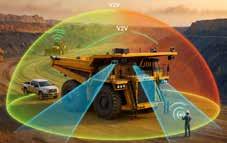
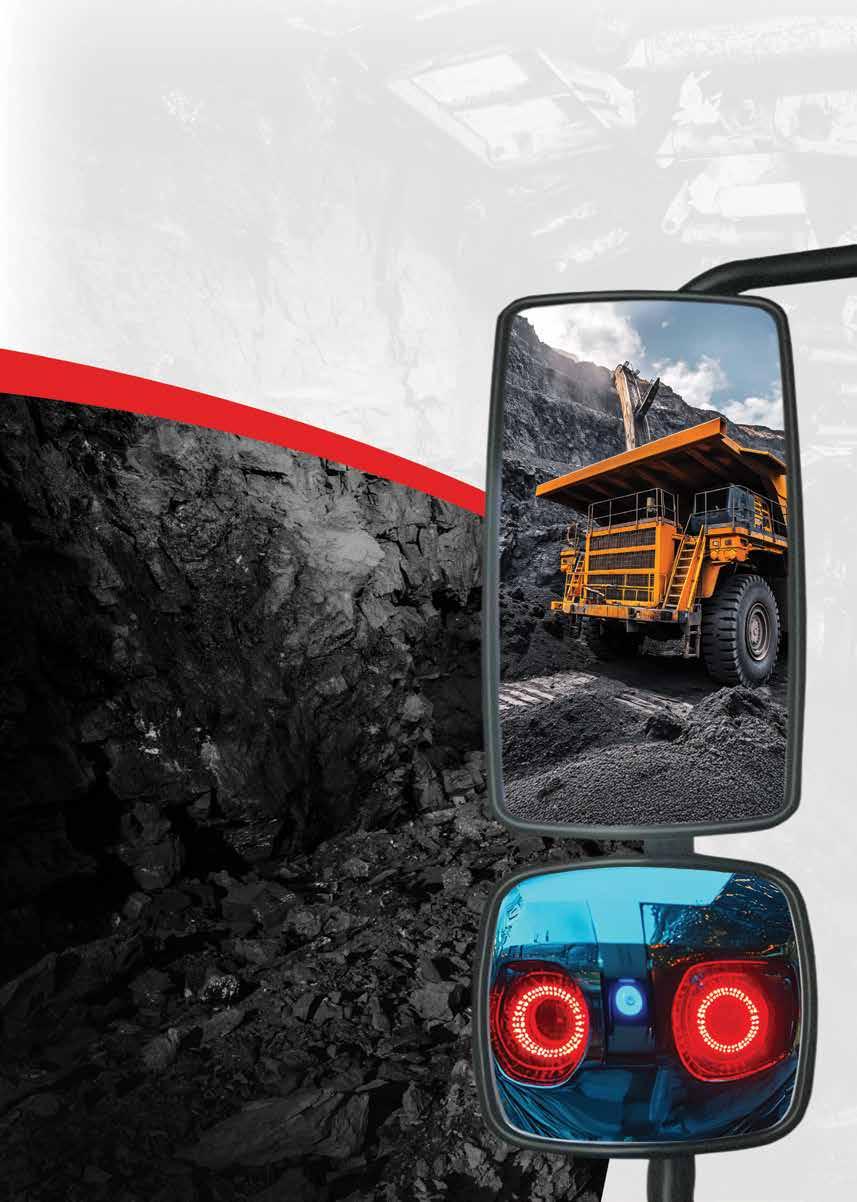
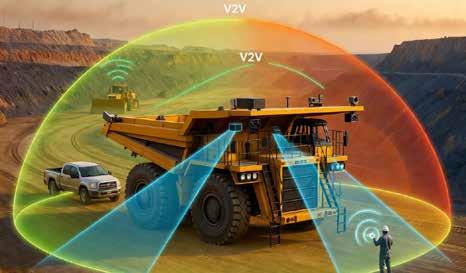
The integration of Proximity Detection (PD) and Collision Avoidance Systems (CAS) helps mitigate the risk of vehicle-to-vehicle collisions, as well as vehicles hitting structures or personnel in underground critical mineral and gold operations. These are harsh environments where multiple trucks, loaders, and personnel operate in tight corridors. Of course, adopting PD and CAS comes at a significant cost, but in the long term it pays dividends through facilitating Level 9 compliance.
By Rejoice Ndlovu
In mining, when it comes to safety, there is a rule of thumb: the more the activity, the higher the risks. This is the current situation in African mining, especially in gold and critical minerals operations, with high global demand for these commodities.
There is a lot of movement of large fleets of mobile equipment - haul trucks, loaders, and excavators - at any point in time, performing different tasks in tight corridors. This increases the risk of vehicle-to-vehicle collisions, as well as vehicles hitting structures or personnel.
Level 9 compliance
Level 9 compliance, a global safety benchmark, obligates mining companies to mitigate these risks by investing in suitable proximity detection and collision avoidance technologies. The regulation requires the integration of multiple safety systems that monitor vehicle movement, detect potential collisions, and prevent incidents before they occur.
While this may seem a grudge undertaking to most mining companies, understandably given the huge OPEX burden, most companies are recognising it as a necessity.
Thankfully, increasingly advanced collision avoidance and proximity detection technologies are making it relatively easier for mining companies to reduce accidents and meet safety requirements. They enable proactive hazard mitigation and real-time operational control.
The enabling technology
Proximity detection systems utilise radar, LiDAR, ultrasonic sensors, and camera technologies to continuously monitor the environment
around mobile equipment. These systems alert operators to hazards by automatically applying braking, or even stopping vehicles where hazards are detected.
Going a step further, collision avoidance technology alerts operators and actively prevents incidents. For instance, modern haul trucks, loaders, and excavators can now be equipped with automatic braking, steering corrections, and geofencing to maintain safe distances from other equipment, structures, and personnel.
Providing more detail, Gert Roselt, CEO of Probe Integrated Mining Technologies, states:
“Electronic systems automatically slow down the machine and apply a controlled stop if a dangerous interaction is detected when the operator has failed to take evasive action to the prior Level 7 and Level 8 alerts.”
There is concrete evidence of a significant pay-off from adopting these technologies through increased operator safety and improved operational efficiency. Mines that implement proximity detection systems report fewer vehicle collisions and lower equipment damage rates. Generally, these mines consistently achieve regulatory compliance.
Beyond safety, by reducing collisions and equipment damage, mines save significant repair costs. In addition, avoiding operational downtime ensures equipment availability.
Last but not least, actionable data gathered from alerts and incidents helps operators refine processes, identify high-risk zones, and implement preventative strategies. This ensures zero collisions, compliant mining.
While there is no question about the pivotal role of technology in enabling Level 9 compliance, equally important is the organisation’s readiness to embrace it. However, this is not always the case, as Anton Lourens, CEO of Booyco Electronics, explains:
“Many operations are still not ready to operationalise PDS within their daily activities, safety systems, or workflows. Successful adoption demands coordinated involvement from all stakeholders, including the mine’s own management, operators, regulators, technology suppliers, and TMM OEMs.”
In a nutshell, effective collision avoidance requires not just hardware, but a culture of safety and coordination throughout the mine.
Zambian copper mine reduces risks by 60%
There is an uptake of these Level 9 technologies in African mining. A case in point is a leading copper mine in Zambia, which recently integrated proximity detection and collision avoidance across its entire fleet of haul trucks and underground loaders. The benefits this brought to the mine within the first three months were tangible: near-miss incidents decreased by 60%.
One thing is clear: Level 9 compliance, which integrated CA and PDS facilitate, is not just a regulatory requirement, but a measurable operational benefit.
There is no debate about this: one of the emerging trends to watch in 2026 is the integration of CAS and PDS with autonomous and semi-autonomous vehicles. Vehicles with Level 9 compliance capability can safely operate with limited human intervention, while still ensuring that emergency braking and hazard detection are fully functional. This is especially useful for night operations in surface mines and underground mining, where human visibility and reaction time are limited.


Minetec Smart Mining rollouts are currently underway across the continent, marking a new phase of digital maturity in the South African mining sector. As regulatory pressure increases and operational risk becomes less tolerable in modern mining environments, Collision Avoidance Systems (CAS) have moved from optional enhancements to strategic safety infrastructure.
outh Africa has rapidly become a hotspot
for CAS innovation, particularly following
the Department of Mineral Resources and Energy’s (DMRE) increased enforcement of collision avoidance requirements across mining operations. As regulatory expectations intensified and compliance deadlines approached, mines were compelled to accelerate their adoption of practical, siteready solutions. While several manufacturers operated in the market, Minetec’s differentiation lay not only in technology but in origin. In 2018, amid growing regulatory pressure, Canyon Mining Services sought a practical collision awareness solution tailored to real production conditions. However, existing systems either failed to address the complexity of pit-floor realities or came at a cost that made large-scale implementation commercially impractical.
This challenge sparked close collaboration and led to a system built from operational feedback, designed by miners, for miners, ensuring every innovation met the uncompromising demands of live production environments.

traditional proximity warning device. It functions as a fully integrated in-cabin operational hub. The system consolidates reverse camera feeds, biometric key control, radar inputs, fleet monitoring, load and production monitoring, and various input/output integrations onto a single interface.
Level 9 integrates directly with the machine through a Machine Interface Controller (MIC), allowing the system to communicate with the vehicle’s braking and control systems. Within defined geo-fenced zones, fully customizable to site layouts, the system can automatically issue slow or stop commands in high-risk scenarios.
Interventions are carefully structured: Speed limiting activates thresholds defined.
data, enabling evidence-based safety reviews rather than anecdotal reporting. By integrating with broader enterprise systems, CAS data can contribute to operational analytics, bridging safety, productivity, and asset management into a unified digital framework.

Emergency stop functionality operates within controlled speed parameters. Geo-zones ensure intervention only occurs in relevant operational areas.
Importantly, the system offers multiple operational modes. Mines can operate in standard Level 8 mode, simulation modes where potential interventions are displayed but not executed, or fully active Level 9 intervention mode. This graduated adoption model supports operator training and change management before live automation is introduced.
The objective is not aggressive automation, but intelligent risk mitigation. Interventions occur only when a genuine collision trajectory is calculated, preventing unnecessary production interruptions caused by nuisance alerts.

technology, Minetec maintains a clear philosophy: technology alone does not create safer mines.
Successful implementation depends on operator engagement, training, and behavioral alignment. Change management is embedded into every rollout. Operators are trained to understand system logic, risk thresholds, and appropriate responses. Simulation modes allow teams to experience Level 9 scenarios before live activation.
Rather than replacing human awareness, the system enhances it. Operators remain central to decision-making, supported by intelligent assistance. This approach prevents over-reliance while ensuring the workforce feels ownership of the technology.
True safety transformation occurs when people and systems function as one.


Rather than crowding the operator’s environment with multiple independent systems, Minetec provides a streamlined platform that reduces distraction while increasing situational awareness.
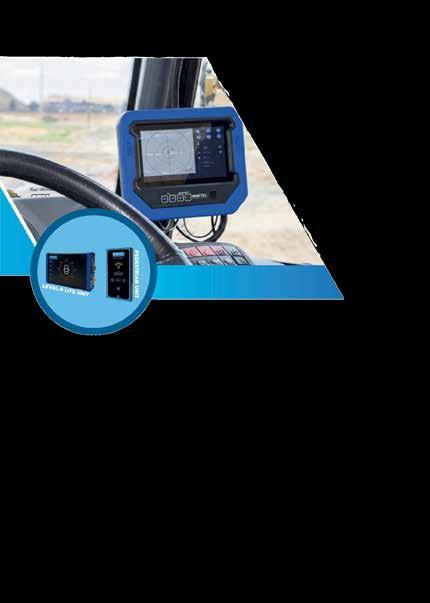
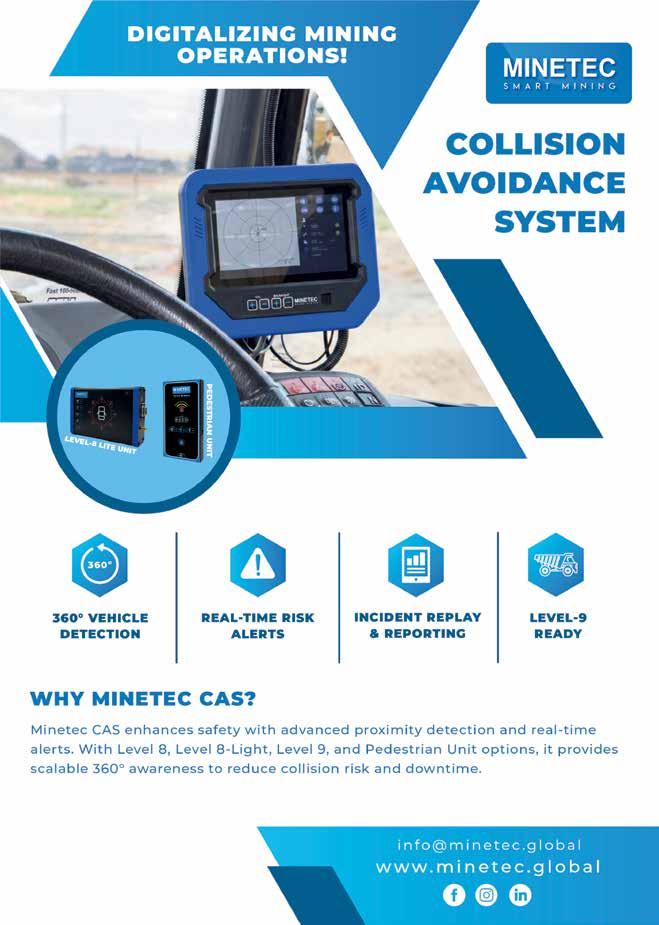
The Level 8 unit forms the backbone of most deployments. Designed for harsh mining environments, it is readable in bright sunlight, dimmable for night operation, features adjustable audio alerts, and includes black-box recording functionality for incident analysis.
The Level 8 Lite unit provides a compact solution ideal for light-duty vehicles and visitor fleets, while Pedestrian Units deliver acoustic, vibration, and visible alerts to protect vulnerable personnel on site.
Together, these components create a 360degree safety mesh — a connected environment where vehicles, pedestrians, and infrastructure communicate in real time.

capability as a future ambition, Minetec has implemented operational Level 9 intervention on active mine sites.
Mining environments are unforgiving. Dust, fog, heavy rain, and extreme temperatures can compromise sensing technologies. Minetec’s radar integration enhances detection capabilities by identifying not only vehicles and pedestrians but also structures and obstacles, even under challenging environmental conditions.
With no moving parts and ruggedized components, the system is designed for durability and long-term performance in heavy-duty applications.
This reliability is fundamental: safety systems must function consistently under the harshest operating conditions.

Minetec’s CAS does not operate in isolation. It is supported by a comprehensive server architecture that enables real-time reporting, control room monitoring, and remote maintenance oversight.
Through centralized dashboards, mine management can access:
High-risk heatmaps
Collision hotspot analysis
Overspeed reports
Detailed intervention logs
Replay functionality for incident investigation
The system captures equipment movement history, including time, speed, and location
deployment efficiency. Installation procedures were developed by mining installers with practical field experience. Modular design, special mounting brackets, and straightforward integration reduce downtime and simplify maintenance. Systems are optimized for installation during scheduled equipment servicing wherever possible.
Shorter lead times have become increasingly important as mines face regulatory deadlines and accelerated safety mandates. Minetec’s manufacturing and supply capabilities allow for rapid mobilization, supporting fleet-wide rollouts without extended waiting periods. In safety-critical projects, responsiveness matters.

Technology deployment is only the beginning of the journey. Sustained performance depends on consistent support. Minetec operates a structured service and support model that includes remote monitoring, maintenance server integration, operational assistance, and continuous system updates. Firmware upgrades and feature enhance-
ments protect customer investment while ensuring systems remain aligned with evolving standards.
The platform is also designed for scalability. Mines can expand beyond CAS into complementary solutions such as Fuel Automation Systems, Asset Management Systems, Fatigue Monitoring, and Production Monitoring, all integrated within the same digital ecosystem. This modular architecture allows clients to adopt a long-term digital roadmap rather than fragmented standalone technologies.
By combining high-speed, low-latency 5G/LTE infrastructure with robust in-field hardware, Minetec ensures consistent data transmission from equipment to centralized Smart Server platforms. This enables real-time reporting, high-risk heatmaps, intervention tracking, and operational dashboards without interruption. Reliable connectivity allows mine managers to move beyond reactive incident response toward predictive safety management and data-driven production optimization. However, technology evolution must remain aligned with global safety direction.

real-time safety ecosystem. In large, remote mining operations, infrastructure limitations can undermine even the most advanced safety technology. To address this, Minetec has developed strategic partnerships with global telecommunications and infrastructure leaders, enabling the integration of 5G and LTE network capabilities into its safety architecture.

Minetec actively participates in and aligns with international safety and mining bodies such as ISO, the Earth Moving Equipment Safety Round Table (EMESRT), and the International Council on Mining and Metals (ICMM).
Engagement with these organizations ensures that product development anticipates regulatory shifts and industry best practices rather than merely responding to them. As regulatory frameworks mature and digital transformation accelerates, compliance alone is no longer sufficient. The industry’s Zero Harm ambition requires intelligent systems,
robust connectivity infrastructure, operator engagement, and long-term strategic partnerships.
Minetec continues to support its installed base through structured service programs, consistent updates, and upgrade pathways that protect customer investment. Systems are designed for maintainability from inception, enabling installation and servicing during planned equipment downtime to minimize operational disruption.
The company’s journey reflects the broader evolution of modern mining safety, from miner-driven design origins to advanced Level 9 intervention, from ruggedized hardware to AI-enhanced analytics, from isolated alerts to fully connected safety ecosystems powered by next-generation connectivity.


The future of mining safety will not be defined by alarms alone. It will be defined by how effectively technology, infrastructure, global standards, and human engagement integrate into a cohesive operational strategy.
In that intersection lies sustainable Zero Harm, not as an aspiration, but as a measurable and achievable operational outcome.

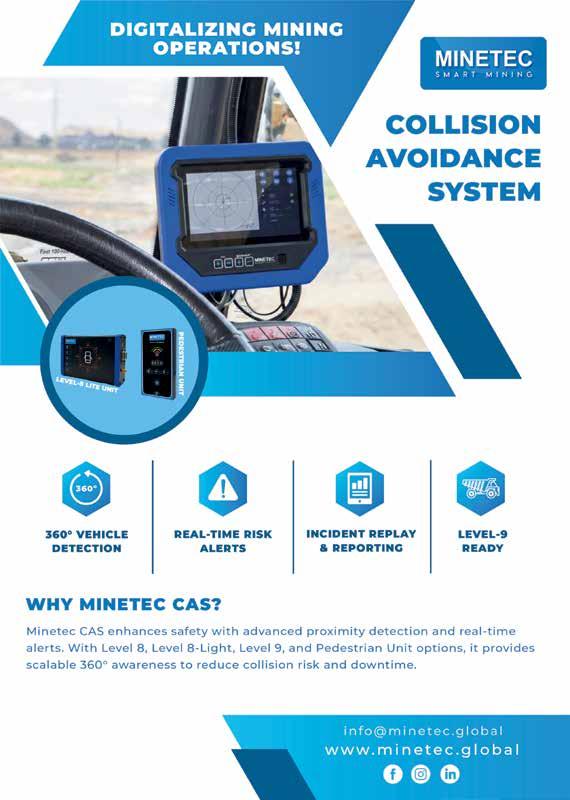


Minetec CAS enhances safety with advanced proximity detection and real-time alerts. With Level 8, Level 8-Light, Level 9, and Pedestrian Unit options, it provides scalable 360° awareness to reduce collision risk and downtime.
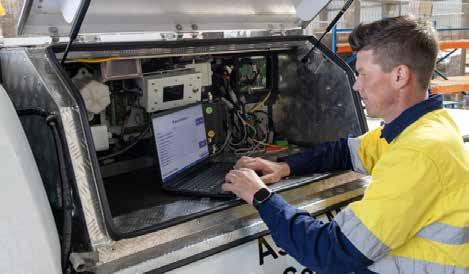
With South Africa’s Level 9 vehicle intervention requirement raising the bar for compliance, Booyco Electronics highlights the need for early cross-departmental collaboration to ensure smooth and effective system rollout.
As African mines strive to improve safety standards while adapting to tightening regulations and rapid technological change, Booyco Electronics says stronger collaboration across the mining value chain will be critical to the future success of proximity detection systems (PDS).
Booyco Electronics CEO Anton Lourens emphasised that coordinated effort between technology providers, mining companies, original equipment manufacturers and regulators is essential for effective implementation.
“Effective PDS rollout only happens when technology suppliers, OEMs, mines and regulators work in step,” he said. “We have seen real progress, but the industry must deepen these partnerships if we want sustainable long-term success.”
Lourens noted that Booyco Electronics’ journey has mirrored the evolution of mining safety technologies over nearly two decades.
When we first introduced what were then
called collision warning systems, the technology and regulatory landscape looked very different,” he said. “Our close work with OEMs and mines over the years has ensured that our solutions evolve with their real-world operational needs.”
According to Lourens, structured change management plays a pivotal role in ensuring the successful deployment of PDS technologies.
“Phased implementation works,” he said. “When operators, supervisors and management understand the system and buy into the process, you get safer more responsive environments and far fewer disruptions.”
The introduction of South Africa’s Level 9 vehicle intervention requirement under the Mine Health and Safety framework has further intensified the need for collaboration across the sector.
“Level 9 has accelerated conversations across the industry,” Lourens explained. “But technology alone cannot overcome challenges around operator resistance, production concerns
or fears of nuisance trip-outs. Those issues require engagement, communication and shared commitment.”
He stressed that mines that involve all key departments from the outset tend to achieve the most successful outcomes.
“When production, engineering, finance, HR and safety sit around the table from day one, implementation is smoother and acceptance is higher,” he said.
Lourens also highlighted the importance of risk-led planning as the foundation for any PDS rollout.
“A PDS can only protect people if the mine’s baseline risk assessment is current and aligned to its traffic management plan,” he said. “Without that foundation, you cannot determine meaningful intervention zones or identify the highest risk equipment.”
Operational readiness has emerged as another crucial factor in successful implementation.
“We often find that mines have the hardware on site, but the people, processes and infrastructure aren’t ready,” Lourens said, noting that this misalignment can result in system bypassing, deployment delays and lower acceptance among workers.
Looking ahead, he believes the industry’s shift towards sensor fusion technologies will require even deeper cooperation among suppliers and equipment manufacturers.
“Mixed fleets need interconnected technologies,” Lourens explained. “Standardised interfaces are a step forward, but genuine supplier-to-supplier collaboration is what will unlock full fleet-wide protection.”
He concluded that the complexity of modern mining safety systems means no single stakeholder can deliver effective solutions alone.
“PDS touches everything – compliance, mine planning, equipment design and behaviour on the ground. No single stakeholder can deliver all of that alone. Partnerships remain the backbone of a future ready Zero Harm mining environment.”

Electric submersible pumps are proven highly effective in tackling stubborn water ingress, abrasive sludge, and sediment buildup that conventional pumps often cannot handle. They are delivering reliable and efficient dewatering in challenging African mining environments like Zambia’s Copperbelt and the DRC.
If there is an expression to describe what African mining operations encounter when they go deeper underground in search of valuable ore, it is this: the deeper you go, the more challenging it becomes.
Certainly, one of the challenges they encounter is underground water ingress caused by heavy rainfall or natural seepage. This is particularly evident where ingress increases as barriers are breached or as depth increases.
Interestingly, underground water ingress accounts for a significant part of total water inflows. It ranges between 40 and 60 percent in some regions like the Democratic Republic of Congo (DRC).
Due to climate change, ingress due to heavy rainfall has become a burden even in semi-arid regions. This is prompting mining companies to spend significantly on pumping to maintain safety, prevent flooding, and sustain production.
Typically, excess groundwater ingress causes sediment accumulation in underground dams, which requires the settled material to be resuspended and dense sludge to be removed. Using conventional dewatering pumps to handle groundwater ingress, while it may work somehow, often proves problematic in handling this bottleneck.
As an alternative, electric submersible pumps have proved effective when deployed to remove ingress from underground dams as well as sumps, shafts, or collection points.
Why electrical pumps are preferred?
Original Equipment Manufacturers (OEMs) or their suppliers based shared information from recent industry reports, supplier announcements, and official case studies with this publication. The information highlighted features that make submersible pumps effective for underground ingress:
• Pushing water upward efficiently without priming issues.
• Reliable in wet harsh conditions: sealed, waterproof motors (often with multiple mechanical seals) prevent water ingress
into electrical components.
• Ability to handle solids, abrasives, and corrosive fluids common in groundwater dewatering.
• No exhaust fumes, quieter, easier integration with power grids or generators.
• This is particular in modern designs: features like variable frequency drives for energy efficiency and adaptability to fluctuating inflow rates. They excel at pumping out dirty, abrasive, or slurry-laden water directly from sumps, shafts, or collection points.
These features make the pumps more effective, as recent case studies demonstrated.
Project updates underline that one of these features make submersible pumps effective for safe operation metres below surface to remove dirty, abrasive, or slurry-laden material at deep levels in dams underground.
At a mine in Zambia’s Copperbelt, severe sediment/sludge buildup drastically reduced underground dam capacity; this affected dewatering. Handling the high-density slurry was beyond what conventional dewatering pumps could manage.
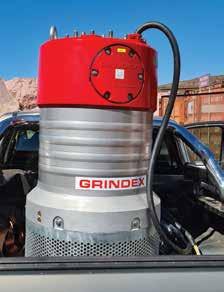
Once deployed, an electric submersible pump from Grindex cleared the accumulation effectively, which restored capacity, facilitating effective dewatering. Specifically, the Grindex Bravo 400 - with its integrated agitator to re-suspend settled material, hard-iron construction for abrasion resistance, and ability to handle dense sludge - proved ideal where conventional pumps fell short, according to reports from Integrated Pump Technology, the regional distributor. This has contributed to growing demand for Grindex pumps across the Copperbelt for tough sludge and slurry removal in underground conditions.
In the DRC, at a remote copper mining operation which was going deeper, groundwater ingress and slurry-laden water became a challenge. To handle this, a fleet of pumps was used to run continuously to dewater. This ensured the continuity of production.
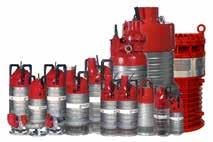
Similarly, recent updates indicate that fleets of Grindex units (from 5.5 kW to 90 kW) have been operating continuously since 2022 at major DRC copper mines. These are providing reliable performance in high-inflow, deep-level environments where groundwater seepage usually intensifies with depth.
Efficiency and durability
Overall, these examples, among others, illustrate that electric submersible pumps have the durability, efficiency in handling abrasive slurries and sludge, and ability to maintain safe, productive operations in Africa’s challenging underground mining settings.
African mining operations face rising costs, safety pressures, and environmental demands in conveyance of abrasive and corrosive slurries. One one wonders whether, they will stick with manual valves, or embrace the smart technology reshaping the industry?
By Rejoice Ndlovu
The Technavio”Valves in Mining Market” analysis (2025-2029 forecast) says the global shift towards valve automation in mining is driven by the recognition of the relevance of smart technology. It is only natural to ask the question: is the sector in Africa going with the flow or making do with manual systems in 2026?
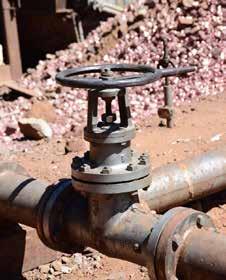
Do valves really need to be smart? If it is not broken, why fix it, so goes the saying. Manual valves work well and serve the purpose, so why do African mines really need smarter options?
You can understand, or appreciate this, if you have listened to mine managers relating to their peers and stakeholders about the challenges they have faced in the contemporary environment during forums like the recent Investing in African Mining Indaba. In essence, there are a myriad of familiar issues relevant to the context of valves, with environmental and safety compliance, and the increasing TOTEX (total expenditure) of underground mining (and mining in general) the most relevant ones .
In fact, preceding the Indaba, in previous editions of Mining Business Africa, leading industry commentators have observed that these factors are impacting investment decisions and are driving the shift from manual to smart valve options.
For this reason, mining companies have no choice but to go smart to enable the shift from reactive to predictive valve operations.
But what do smart valves offer? Global trends suggest much more.
There are global trends in mining that have redefined the role of valves. The following are the most prominent ones:
1. Integration of IoT, sensors, and real-time monitoring
Traditionally, the approach to maintenance has, for all intents and purposes, been reactive, due to the limitations of the manual techniques that were at the disposal of maintenance managers and reliability engineers. While well-intended, this resulted in downtime when least desired, at the peak of production.
Filling the gap, smart valves with embedded sensors track pressure, temperature, flow, vibration, and position. This capability enables predictive maintenance, which reduces unplanned downtime (often around 20–30%, and higher in some cases) and prevents leaks or
failures in abrasive slurry, chemical dosing, and water management applications.
2. AI opens opportunities
Most revolutionary is the opportunity that AI has opened in the areas of anomaly detection, automatic adjustments, digital twins for simulation, and proactive decision-making.
3. IIoT connectivity
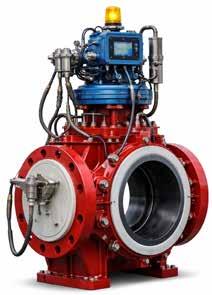
Increasingly, electric, pneumatic, and digital actuators with IIoT connectivity are replacing traditional setups. They allow for remote operation through integration with SCADA/PLC systems for centralised control.
4. Low-emission and robust designs
There is a focus on low-emission designs, corrosion- and abrasion-resistant materials, and valves that support water recycling and reduced energy use in processing plants. In addition, there is demand for reliable automated valves that are robust and can persist under extreme conditions.
Progress and obstacles
Noteworthy, African mining is not falling behind these trends.
So far, it has been observed that, in valves, the use of digital twins, sensors, and predictive analytics is gaining traction in projects beyond South Africa to several African mining hubs such as the DRC, Zambia, and Ghana. However, despite this, obstacles abound, mainly in the following areas:
• Slower rollout of full IIoT/smart systems due to infrastructure (connectivity, power) and cost constraints in remote areas
• Skills shortages for advanced digital maintenance
• Raw material price volatility affecting valve costs (compelling mining companies to hold on to their manual valves)
decisions
Generally, while some mining operations have embraced valve automation (smart valves), others are still holding on to their traditional valves, seeing no urgent need to change. However, as they begin to feel the burden of current mining conditions, they will sooner or later face hard decisions: whether to embrace smart technology or continue with familiar manual operations and their inherent limitations.

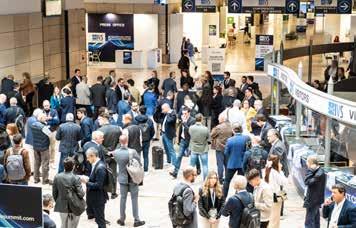
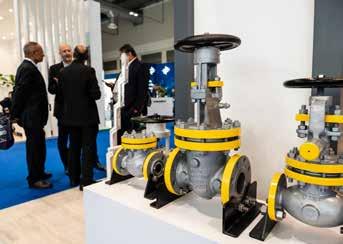
At a time when the manufacturing industry is facing increasing challenges, the industrial valve and flow control sector stands at the center of more demanding technological and operational challenges. In this context, the sixth edition of IVS - Industrial Valve Summit serves as an international point of reference for companies, buyers, decision-makers and professionals across the supply chain.
Less than two months to go to IVS 2026. The Summit will take place at the Bergamo Exhibition Centre, in Italy, from May 19th to 21st, confirming its steady growth path. Its objective remains to provide the sector with a structured forum for dialogue, professional development and networking, meeting the growing demand for specialized content and high-level engagement among global stakeholders.
The 2026 edition will further evolve the event format. The exhibition area will expand with two
additional halls, bringing the total to four, while the program will run over three full days open to the public, effectively shaping a dedicated “Valve Week.” From Tuesday, 19 May, the scientific sessions will begin in parallel with the official opening of the exhibition area.
Thanks to the scientific contribution of VALVEcampus - the Association dedicated to training industrial valve manufacturers and a long-standing partner of the Summit - IVS 2026 will offer a technical programme designed to address the most pressing challenges facing the industry. Special focus will be placed on emerging technologies and on opportunities offered by new application markets such as hydrogen, water management, CCUS (carbon capture, utilisation and storage) and LNG, all key strategic drivers for industrial development.
The programme will be structured around six main thematic areas: standardisation and
standard development; digital technologies applied to valves, actuations and control; valve design and materials for severe services; advanced sealing solutions for industrial valves; AI applied to mechanical design, procurement and manufacturing; additive manufacturing.
Alongside these sessions, four highly specialised round tables will address complex topics, including subsea valve actuation in deepwater environments, the use of choke valves in high-pressure systems, the performance and safety of control valves in critical applications, and surface treatment technologies to enhance component resistance to erosion and corrosion. Additional broader conferences are also currently being defined, focusing on applications and market trends in the industrial valve sector.
Visitors can get the free pass to join the event through the official IVS - Industrial Valve Summit website.


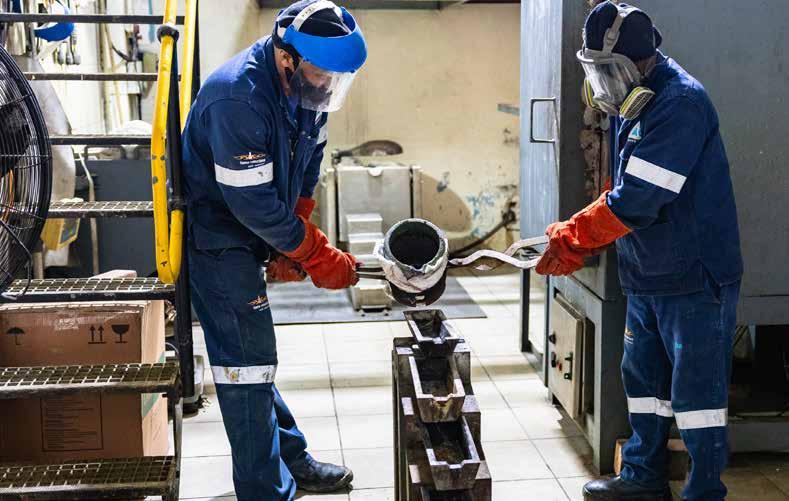
This year Upward Spiral 1471 marks 15 years of continuous operation, a milestone that reflects not only resilience, but a rare achievement for a black-owned, privately funded, independently built enterprise in South Africa’s mining and industrial sector.
Since its establishment in 2011 as a provider of technical services, Upward Spiral has followed a steady path of diversification and growth. Between 2014 and 2017, the business expanded its involvement in larger-scale infrastructure-related projects, laying the groundwork for broader industrial capability.
As South Africa’s mining sector increasingly turned its focus toward sustainability, rehabilitation and the re-processing of historic mine dumps, Upward Spiral 1471 identified an opportunity to apply its engineering capability to responsible resource recovery.
This strategic shift, which started in 2018, marked a defining moment in the company’s growth trajectory.
In 2021 the business expanded its scope to include mining operations, tailings processing, environmental management
Upward Spiral 1471 celebrates 15 years of driving sustainable growth through innovation, engineering excellence and responsible resource recovery
and integrated logistics culminating in the formal establishment in 2022 of Upward Spiral 1471; a consolidated operating entity capable of supporting complex industrial and mining operations.
The company has continued to strengthen its footprint through the growth of its mining operations, expansion of its logistics fleet and an intensified focus on responsible and sustainable resource recovery. It has achieved this without institutional backing, without multinational ownership and without the safety net of public funding. Instead, its expansion has been driven by disciplined reinvestment, technical expertise and an ability to identify opportunity where others saw constraint.
Upward Spiral 1471’s mining division focuses on the responsible processing of historic mine dumps and tailings, enabling the recovery of residual minerals while contributing to environmental rehabilitation.
The business operates under the required regulatory framework and holds the necessary mining and processing approvals to
conduct compliant recovery operations. Its approach prioritises safety, environmental stewardship and operational efficiency, ensuring that historic mining liabilities are transformed into productive assets.
By combining technical expertise with modern processing methods, the company supports the mining sector’s transition toward sustainable resource utilisation.
This year the business has expanded to include an open cast mining operation at Snake Road in Benoni.
Environmental responsibility forms a cornerstone of Upward Spiral 1471’s operating philosophy.
The company delivers environmental services that include waste management and water treatment solutions, through its state-of-the-art waste management plant, rehabilitation and site remediation.
These innovate solutions, many developed in-house, support both mining and industrial clients seeking to reduce environmental risk, improve compliance and restore affected land.
Through licensed operations and carefully managed processes, Upward Spiral 1471 contributes to cleaner operations, reduced environmental impact and long-term land recovery.
A key differentiator for the business is its fully integrated logistics capability.
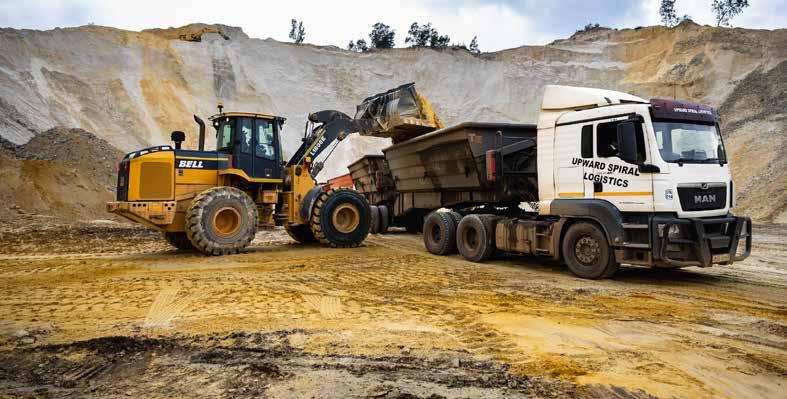
Upward Spiral 1471 operates a fleet of yellow plant, tipper trucks and specialised transport vehicles, enabling the safe and efficient movement of material across mining and industrial sites. This in-house capacity reduces dependency on third-party providers, improves cost control and enhances operational reliability. The logistics division plays a vital role in supporting mining operations, waste movement and large-scale site developments.
The company’s original service offering remains an important part of its operational portfolio. As the mining and industrial sectors continue to evolve, Upward Spiral 1471 remains focused on innovation, efficiency and sustainable growth.
Upward Spiral 1471 continues to deliver specialised engineering and technical support services for industrial, commercial and municipal clients. This division provides the technical backbone that supports the company’s broader operations and enables seamless integration across business units.
Upward Spiral 1471 is led by an experienced executive team with deep expertise across engineering, mining operations, logistics and project management. The leadership philosophy is grounded in accountability, operational discipline and long-term sustainability. Management places strong emphasis on safety, regulatory compliance and workforce development, recognising that people remain the company’s most valuable asset. Through hands-on leadership and a culture of continuous improvement, the company maintains high standards of governance while remaining agile and responsive to industry demands.
Upward Spiral 1471 is committed to operating responsibly and creating shared value for the communities in which it operates.
The company actively supports:
• Local employment and skills development
• Health and safety training initiatives
• Environmental rehabilitation projects
• Community upliftment programmes linked to operational sites
Over the past decade, the company has created more than 1 500 jobs, rehabilitated over 120 hectares of degraded land, and treated more than 15 million litres of contaminated water, reducing the risks associated with abandoned mining sites and safeguarding local water sources.
As the mining and industrial sectors continue to evolve, Upward Spiral 1471 remains focused on innovation, efficiency and sustainable growth.
The company’s integrated operating model positions it to meet the growing demand for responsible resource recovery and compliant industrial operations.
As the company celebrates 15 years of progress, its story remains one of persistence and purpose: proof that with vision, discipline and commitment, locally built businesses can not only endure but thrive in one of the country’s most demanding sectors.


Across Africa’s mining landscape, tailings storage facilities (TSFs) have moved decisively from the margins of technical debate to the centre of strategic conversation. Spend a few minutes on LinkedIn, in conference corridors, or scrolling through miningfocused social media threads, and the shift is unmistakable. Tailings is no longer just an engineering discipline — it is a boardlevel, investor-facing, community-sensitive issue that directly influences a mine’s license to operate.
he present-day conversation across the
continent is shaped by three powerful
currents: governance and GISTM implementation, performance-driven monitoring and water management, with renewed focus on dewatering, dry stacking, and reprocessing as risk-reduction strategies.
First, governance has become visible. The Global Industry Standard on Tailings Management (GISTM) has reframed tailings as a public accountability exercise. Across Africa, operators — particularly those with international exposure — are aligning structures around Accountable Executives, Responsible Tailings Facility Engineers, Engineers of Record, and Independent Tailings Review Boards.These roles are increasingly referenced in public disclosures and investor briefings.
What is striking in present industry discourse is the scrutiny around implementation. It is one thing to state alignment with GISTM principles; it is another to demonstrate that governance is embedded in daily operations. Social media discussions often centre on questions like: Who signs off on stability? How independent is the review process? Is the emergency preparedness plan tested or theoretical? Transparency is becoming currency.
In Africa, where many TSFs are located near communities, farmland, and shared water resources, the governance conversation is inseparable from trust. Legacy facilities — some designed decades ago under different standards — remain part of today’s risk landscape. When official updates or investigation findings from past failures are released, they reignite debate around accountability, stewardship, and the adequacy of oversight. The memory of tailings failures, both locally and globally, continues to shape stakeholder expectations.
Second, the industry is talking openly about performance — and the fundamentals are back in focus. Monitoring, surveillance, and water management dominate present-day dialogue.Practitioners increasingly acknowledge that standards and policies do not prevent failures; disciplined execution does.
Across much of Africa, climate variability adds complexity. Intense rainfall events, prolonged drought cycles, and changing storm patterns challenge historical design assumptions.Water balance modelling, freeboard management, seepage control, and deposition planning are no longer technical details buried in annual reports; they are now operational controls under active scrutiny.
A recurring online theme is the need for “continuous proof.” Operators are being asked — by investors, regulators, and communities — to show evidence of ongoing stability, not just periodic assurance. This has driven growing interest in real-time monitoring technologies, remote instrumentation, and more rigorous surveillance regimes. At the same time, the sector recognises a capacity challenge: sustaining experienced tailings expertise across geographically dispersed operations is not simple. Building repeatable systems that remain robust despite staff turnover is part of the modern tailings challenge.
Third, innovation is being reframed as risk mitigation. Dewatering, filtration, and dry stack tailings are among the most frequently shared and debated topics in African mining forums.Dry stacking is increasingly discussed not as a niche solution but as a strategic response to water scarcity, consequence reduction, and long-term liability — albeit with careful consideration of cost, energy requirements, throughput, and operational complexity.
Similarly, tailings reprocessing is gaining renewed attention.It sits at the intersection of remediation and resource recovery: reducing legacy footprint while unlocking additional metal value. In a continent rich with historical mine waste deposits, this dual opportunity is compelling. The online narrative reflects a sensible and realistic view — these approaches are not universally applicable, but where they fit, they can materially alter a site’s risk profile.
What unites these conversations is a common thread: consequence matters.The industry’s tolerance for high-consequence, poorly understood risk has narrowed. Stakeholders expect mines to demonstrate that they understand downstream impacts, have credible emergency preparedness plans, and actively reduce risk wherever feasible.
In this environment, the most valued partners are those who can connect governance frameworks to field performance — and sustain that connection over the full lifecycle of a facility.
This is where Geotheta comes in.
Geotheta works across the lifecycle of tailings facilities — from design and optimisation to ongoing facility management and closure planning. Acting as Engineer of Record, the team supports owners and operators in translating policy into consistent, auditable practice on site. Beyond compliance checklists, the focus is on ensuring that surveillance systems, deposition strategies, and water management controls function reliably in real operating conditions.
GISTM support is another core strength. For operations navigating conformance journeys, Geotheta bridges governance requirements with practical engineering controls, helping organisations embed accountability structures and risk processes that stand up to scrutiny.
Dam break assessments and consequence classification form a further critical capability. By applying rigorous modelling to clarify downstream risk, Geotheta enables better-informed decision-making — from design upgrades to emergency planning and stakeholder communication. And because competence is foundational to performance, targeted training and workshops help build tailings and mine waste capability across technical and management teams.
Africa’s tailings future will not be defined by a single technology or policy. It will be defined by credible governance, disciplined execution, and a willingness to adapt to climatic, social, and regulatory realities. Operators who move beyond minimum compliance toward demonstrable risk reduction will be best positioned to secure long-term trust.
If your operation is navigating GISTM implementation, reassessing TSF risk, exploring dry stack or reprocessing options, or strengthening Engineer of Record oversight, now is the time to act.
For a conversation about practical, fieldproven tailings solutions across Africa, email hello@geotheta.com
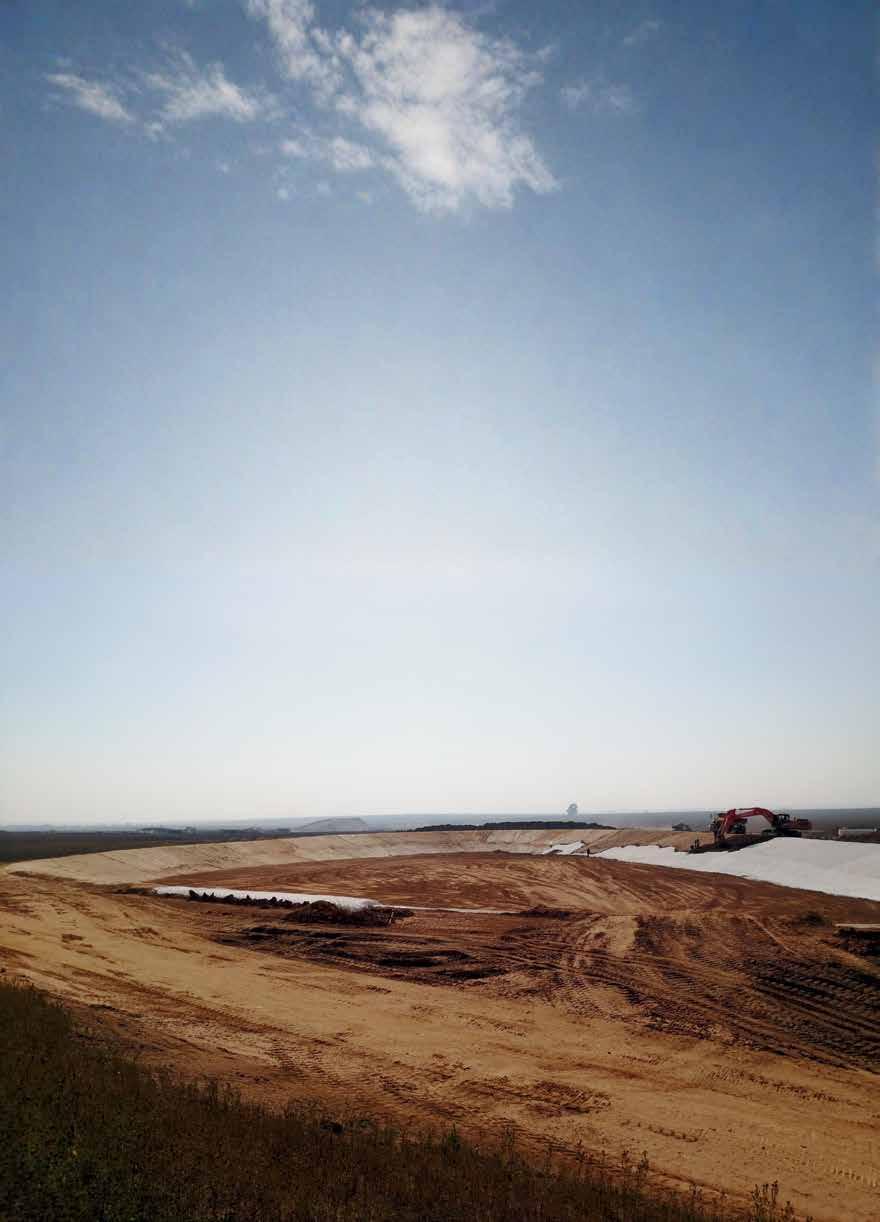
As global demand for critical minerals surges, Africa now holds real leverage. The question is whether it will seize this moment and finally move beyond merely exporting raw ore to building battery plants, refineries, and industries that create jobs and lasting wealth, just like the oil-rich Gulf states.

By Rejoice Ndlovu
Africa has an endowment of mineral resources – copper, gold, platinum, lithium, name it.
But, as African countries have learned –and it must be said the hard way – having an abundance of mineral resources in your territory does not automatically translate into wealth. And African countries have no one but themselves to blame for this scenario.
For years, African mining has focused narrowly on extraction volumes of crude minerals, ignoring another equally important part: local value addition through downstream beneficiation.
The brutal truth is that, in many countries, even the substantial revenue earned from extraction is not accounted for due to bad governance. And statistics don’t lie – in Transparency International Rankings, many African countries are among the lowest.
But there is a general sentiment sweeping throughout the continent that it is high time the situation changed. The continent needs to translate its mineral resources into real value for its people.
Oil-rich Gulf countries like Qatar, Kuwait,
the United Arab Emirates and Saudi Arabia are being cited as examples of what prudent management of resources can achieve with good planning and thorough implementation under good governance.
For the continent, recent developments in the world provide a conducive atmosphere to change the state of affairs in the right direction. The leverage
Unlike in the past, this time most resource-rich countries have more leverage, or “hold the cards” to borrow President Donald Trump’s favourite phrase.
Currently, there is a global demand for critical minerals, which is only predicted to increase. This has driven higher demand for the critical minerals that the African continent has in abundance. These minerals serve as inputs for renewable energy systems, electric vehicles, construction, telecommunications, and advanced manufacturing. Against the backdrop of this development, Africa has evolved as a central pillar of global supply chains.
Beneficiation and downstream industrialisation
To make the most of this development, African mining must prioritise beneficiation and downstream industrialisation. For instance, instead of exporting raw lithium ore, countries
must invest in battery precursor production, strengthening smelting and refining capacity instead of shipping unrefined copper concentrates.
In general, beneficiation is the pragmatic way resource-rich African countries can deepen local processing capacity, create jobs, strengthen the manufacturing sector, and mitigate vulnerability to commodity price volatility.
Encouragingly, recent developments indicate that things are shaping up.
As was acknowledged at the 2026 Investing in African Mining Indaba, there are ongoing policy discussions around local value addition. In addition, strategic mineral policies are increasingly tied to industrial development plans.
While this is encouraging, talk is cheap; bold action is needed.
There should be no illusion that this transition is an event.
In fact, it is a long process which may take time and requires political will if the plans are to materialise.
First things first – there are a number of issues that have to be addressed.
The first one is infrastructure.
In many African countries, infrastructure gaps remain one of the most significant constraints on mining expansion. Hence countries have to develop reliable rail networks, efficient ports, stable energy systems, and functional roads.
The success of this hinges on regional integration, which was one of the underlying themes at the 2026 Investing in African Mining Indaba.
The second one – without question, the most important one – is good governance.
Governance is undoubtedly the foundation of mining-led economic growth. With respect to mining, tenets of good governance – transparent licensing processes, predictable tax regimes, and strong rule of law – are fundamental to attracting long-term capital.
Clearly, Africa stands at a defining moment.
Currently, the global economy is restructuring supply chains, prioritising critical minerals, and emphasising ESG compliance. With its endowment of resources, Africa has the leverage to make the most of these favourable conditions and move from resource rich to resource smart. But will it seize the moment?
‘Water interacts with virtually every stage of the mining process. It is used in crushing and milling circuits, flotation systems, leaching operations and slurry transport. Poor water quality can negatively affect these processes by introducing unwanted minerals or chemicals that interfere with extraction efficiency.’
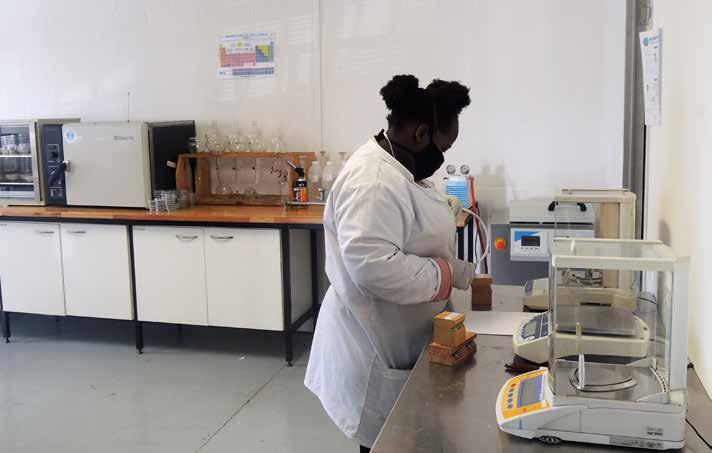
In modern mining operations, the function of water is far more than a supporting utility – it is a critical process component that influences operational efficiency, environmental compliance and long-term sustainability.
From ore processing and dust suppression to cooling systems and tailings management, large volumes of water move through mining process plants every day. Keeping tabs on the quality of this water is therefore essential to ensure that plant operations run smoothly and that environmental responsibilities are met.
Water-quality testing has become a central element of responsible mining practices across Africa. WearCheck Water, a division of condition monitoring specialist WearCheck, offers a wide
range of scientific water analysis services to help mines understand the chemical composition of the water they use and discharge, providing the insights needed to manage risk, protect the environment and maintain regulatory compliance.
General manager of WearCheck Water, Thelma Horsfield, outlines why water quality matters in process plants, ‘Water interacts with virtually every stage of the mining process. It is used in crushing and milling circuits, flotation systems, leaching operations and slurry transport. Poor water quality can negatively affect these processes by introducing unwanted minerals or chemicals that interfere with extraction efficiency.
‘For example, dissolved metals, excessive alkalinity or contaminants can disrupt flotation chemistry, reduce recovery rates or accelerate
corrosion of equipment. In addition, suspended solids and scaling compounds can damage pumps, pipelines and processing equipment, increasing maintenance costs and causing unplanned downtime.
‘Equally important is the role water quality plays in environmental stewardship. In South Africa and many other African countries, mines are legally required to ensure that any wastewater leaving their operations meets strict regulatory standards. If contaminants enter nearby rivers, groundwater or ecosystems, the environmental and reputational consequences can be severe.
‘Water testing provides mining operations with the scientific data they need to make informed decisions,’ explains Horsfield. ‘By understanding
exactly what is in the water, operators can address potential problems before they escalate.’
Mining environments present several potential sources of water contamination. Process chemicals, naturally occurring minerals and waste materials can all influence water quality. Acid mine drainage, for instance, is a well-known challenge in many mining regions and must be carefully monitored to prevent environmental damage.
In gold mining operations, cyanide is commonly used during extraction processes, which makes ongoing monitoring of wastewater essential. Uranium may also occur naturally alongside gold-bearing ore, requiring careful analysis to ensure that radioactive elements do not enter surrounding water systems.
Similarly, chrome mining operations must monitor for hexavalent chromium (chromium-6), a potentially harmful element that can occur as a by-product of ore processing. Regular testing ensures that these substances remain within safe and regulated limits.
Water used in mining operations may also originate from boreholes, surface water sources or recycled process water streams. Continuous monitoring helps detect whether contaminants from the plant are migrating into surrounding water resources or returning to the process stream.
To determine water quality accurately, specialised laboratory techniques are required. WearCheck Water operates ISO/IEC 17025:2017-accredited laboratories in Johannesburg and Cape Town, providing scientifically validated testing services for mines across Southern Africa.
Water samples submitted for analysis typically undergo a range of chemical and microbial tests. These tests are performed using sophisticated techniques such as inductively coupled plasma analysis (ICP-OES and ICP-MS), photometric and electrometric methods, and other accredited analytical procedures. Such technologies allow technicians to detect even trace levels of metals, salts, organic compounds and microbial contaminants.
The results provide a detailed chemical fingerprint of the water sample, enabling mines to determine whether the water is suitable for process use, safe for discharge or in need of treatment.
‘Different mining commodities have different regulatory requirements,’ Horsefield notes. ‘Coal, gold and diamond operations may each have specific guidelines governing water discharge. Our role is to analyse the samples and provide accurate information so that mines can operate within those regulations.’

Across Africa, regulatory frameworks governing water management in mining are becoming increasingly stringent. In South Africa, for example, the Department of Mineral Resources and Energy works closely with environmental and water authorities to ensure that mining operations protect surrounding ecosystems.
Many mining licences require regular water monitoring as part of environmental compliance. In some cases, samples must be taken both upstream and downstream of mining operations to confirm that activities are not affecting the quality of nearby rivers or streams.
Failure to comply with wastewater regulations can result in fines, operational restrictions or even suspension of mining licences. For this reason, many operations incorporate routine water testing into their environmental management programmes.
While environmental compliance is a major driver, says Horsfield, water testing also delivers broader operational benefits. ‘Monitoring changes in water chemistry over time can provide early warning of emerging issues within the process plant, such as equipment corrosion, scaling or contamination.’
WearCheck Water laboratory technician, Mcasisi
is
here working on an ICP-OES instrument in one of the company’s water-testing laboratories.
Water quality monitoring can also support surrounding communities and industries. In areas where mining operations coexist with agriculture or residential settlements, testing may be used to confirm the safety of drinking water or irrigation supplies.
Ultimately, ongoing monitoring allows mines to respond proactively to changes in the water environment.
‘Water conditions can change quickly due to rainfall, seasonal shifts, industrial activity or natural events,’ explains Lelaka. ‘Regular monitoring helps operators detect these changes early and manage them effectively.’
As mining companies strive to improve sustainability and environmental accountability, water management is becoming a strategic priority. Reliable laboratory testing provides the scientific foundation needed to manage this vital resource responsibly.
By combining advanced analytical techniques with industry expertise, WearCheck Water’s laboratories play a key role in helping mining operations maintain efficient process plants while protecting the environment.
This year, WearCheck marks 50 years of science in action, because when it comes to reliability, clear results make for clear water and enhanced efficiency.
































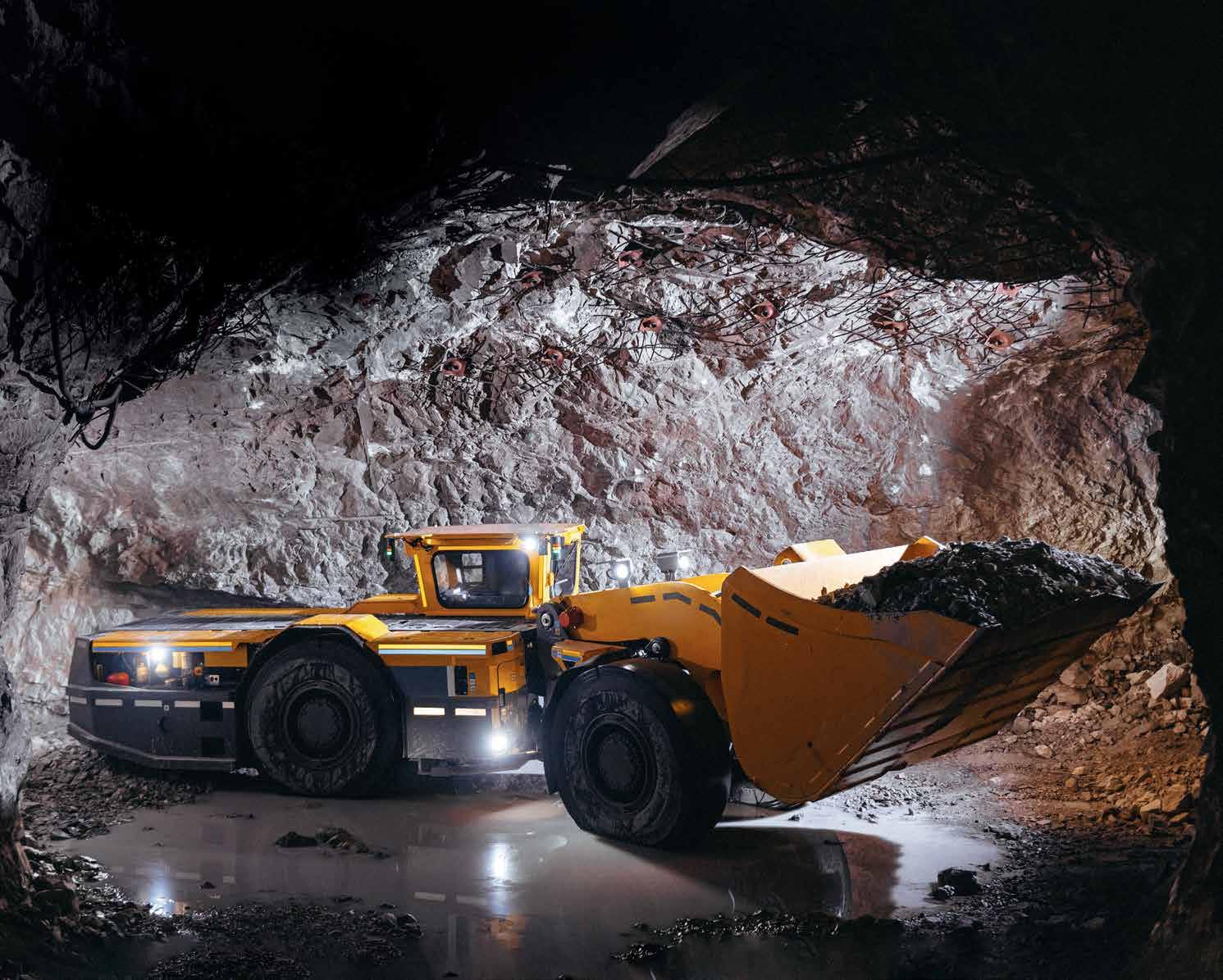


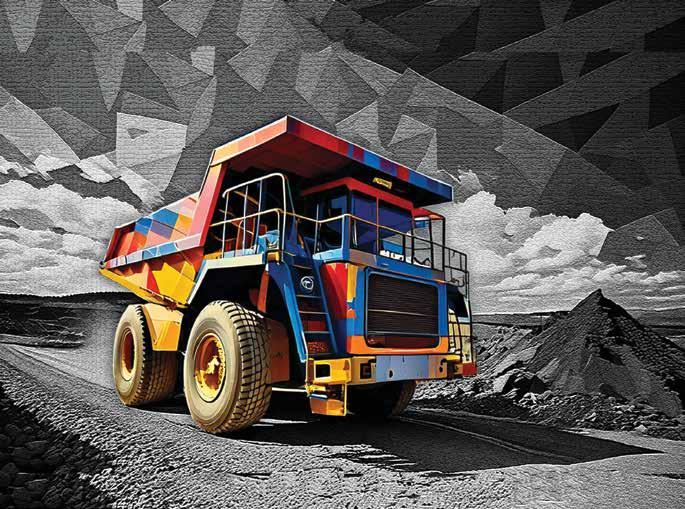
Every minute of downtime can have significant financial consequences, which is why proactive maintenance is crucial in this high-stakes environment.
WearCheck’s advanced oil, fuel, and coolant analysis enables you to identify hidden issues before they escalate. By detecting early signs of wear, mechanical , we help you reduce maintenance costs, extend equipment life, and
Partner with us
Less downtime. More production.
marketing@wearcheck.co.za
Mining Business Africa (MBA) is Pan-African bi-monthly publication that focuses on latest developments in mining and allied industries in Africa. The publication covers the scope of critical activities from pit to port – mineral exploration (prospecting), mine planning and development, extraction, mineral processing, storage transportation, as well as beneficiation.
Mining Business Africa provides the desired mileage for companies looking to promote their products and services to a specific niche clientele in the African Mining Sector. Subscribers are located or at least involved in projects in South Africa, Botswana, Zimbabwe, Zambia, Kenya, Democratic Republic of Congo, Kenya, Tanzania, Ghana and Nigeria.
MBA is published by Media Icon, a company manned by personnel with a combined experience of 30 years in the publishing space. TO ADVERTISE | CALL: + 27 10 055 3356 | Email: info@miningbusinessafrica.co.za