DAIRY FARMERS OF ONTARIO ANNUAL GENERAL MEETING Bringing together Ontario's dairy community
THE VOICE OF ONTARIO DAIRY PRODUCERS
DAIRY FARMERS OF ONTARIO ANNUAL GENERAL MEETING Bringing together Ontario's dairy community
THE VOICE OF ONTARIO DAIRY PRODUCERS
Legacy in action – Ed Schouten’s commitment to his family, farm, community and dairy industry
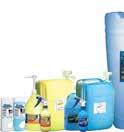
A seamless transition to healthier hooves and safer barns
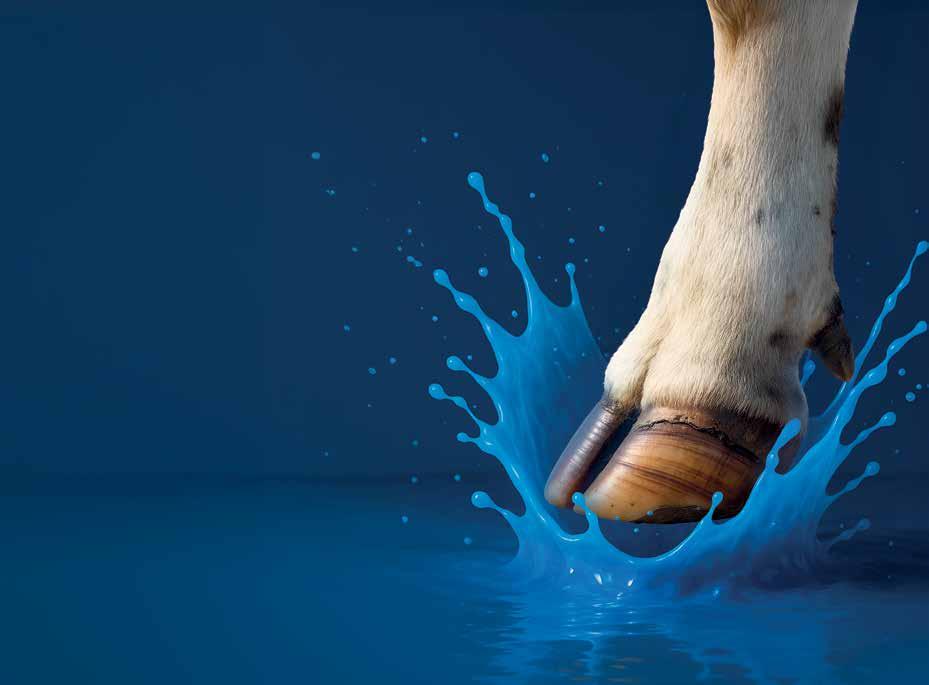
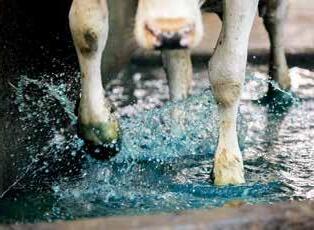
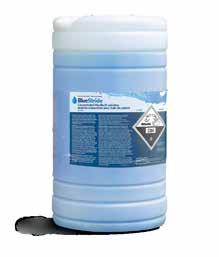
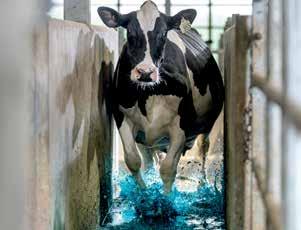
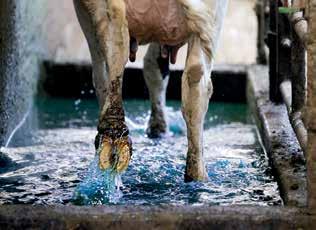
BlueStride™ integrates smoothly into your current routine while delivering real advantages: improved cow comfort, and safer conditions for handlers. It’s a small change with big — and blue — impact! Make the switch with confidence. Make it BlueStride.

PUBLISHED BY
DAIRY FARMERS OF ONTARIO
6780 Campobello Road Mississauga, ON L5N 2L8
COMMUNICATIONS
Sandra Da Silva sandra.da-silva@milk.org 905-817-2178
ADVERTISING
Pat Logan pat.logan@milk.org 519-788-1559
GRAPHIC DESIGN
Katrina Teimo
CONTRIBUTORS
Robert Matson, Jeanine Moyer, Bruna Mion, Lilian Schaer, Hannah McCarthy
Canada Post Publications Mail Sales Product Agreement No.40063866.
Return postage guaranteed. Circulation: 8,000. ISSN 0030-3038. Printed in Canada.
SUBSCRIPTIONS
For subscription changes or to unsubscribe, contact:
MILK PRODUCER
6780 Campobello Road
Mississauga, ON L5N 2L8
Phone: (905) 821-8970
Fax: (905) 821-3160
Email: milkproducer@milk.org
Opinions expressed herein are those of the author and/ or editor and do not necessarily reflect the opinion or policies of Dairy Farmers of Ontario. Publication of advertisements does not constitute endorsement or approval by Milk Producer or Dairy Farmers of Ontario of products or services advertised.
Milk Producer welcomes letters to the editor about magazine content.
*All marks owned by Dairy Farmers of Ontario.
WEBSITES & SOCIAL MEDIA
www.milkproducer.ca
www.milk.org
Facebook: /OntarioDairy
X: @OntarioDairy
Instagram: @OntarioDairy
LinkedIn: dairy-farmers-of-ontario

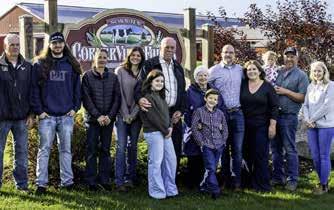
Ed Schouten, a lifetime of achievement is measured not by accolades, but by commitment – to family, farm, community and the Ontario dairy industry.
Colostrum management: Beyond day one
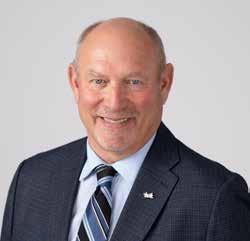
By Mark Hamel, Dairy Farmers of Ontario Chair and Board Member, Region 11, representing producers
in the counties of Bruce and Grey. Mark also chairs the Ontario Advisory Committee for Milk and Transportation and serves on the P5 Supervisory Body and Markets Committee.
As the first month of the year draws to a close, I find myself looking back on 2025 not only as Chair of Dairy Farmers of Ontario, but as a dairy farmer who shares the same early mornings, changing market pressures and deep pride in our work that every producer across this province experiences. This past year reminded us of our sector’s resilience — and of the responsibility we all carry to make sure Ontario dairy continues to thrive.
Throughout 2025, dairy farmers across the province demonstrated unwavering commitment to producing high-quality, local milk. Our focus on animal care, responsible production and continuous improvement helped us maintain strong consumer trust. Demand for Ontario dairy remained steady, reflecting the value families place on dependable, locally produced food and on the stability of our supply managed system that is the backbone of our sector’s resilience.
Yet the year also brought challenges: to supply management, to on-farm costs and operations, and industry market shifts. While we faced these challenges head on – as farmers always do – they
made one thing clear: the long-term success of our sector will depend on thoughtful investment and intentional progress. In 2026, this must be our focus.
Growth in Ontario’s dairy sector depends not only on strong farms, but on a processing system ready to meet today’s opportunities and tomorrow’s demands. While farms continue to evolve with modern barns, automation and advanced herd management tools, our long-term success increasingly relies on ensuring that Ontario has the processing capacity to match the high-quality milk our producers deliver every day.
Strengthening the province’s processing infrastructure is essential to maintaining stability, competitiveness and value for producers. Strategic investment in processing, whether through expansion, modernization or new facilities, will help ensure that every litre of milk has a reliable market. This is not simply about efficiency; it’s about building the foundation for future growth and creating opportunities for products that meet the evolving needs of Canadian consumers.
Sustainability will also remain central to our growth. Consumers increasingly expect transparency and environmental responsibility, and dairy farmers are well-positioned to lead. Continued investment in sustainable innovations will help us strengthen both environmental performance and public trust.
Vicky Morrison
Finally, relationships and partnerships matter. Our ability to grow as an industry depends on strong relationships with processors, retailers, governments and the communities we serve. By working collaboratively within Ontario and across Canada, and continuing to advocate for policies that support stability, innovation and sustainability, we can set our sector up for longterm success.
2025 challenged us, but it also reaffirmed our priorities. With strategic investment, shared commitment and a clear focus on growth, 2026 offers a powerful opportunity to strengthen Ontario’s dairy sector — today and for the generations that follow.
At a Special Board meeting held on January 15, 2026, following Dairy Farmers of Ontario’s (DFO) 2026 Annual General Meeting, the Board elected its 2026 Board executive.
Arlene Minott was re-appointed as corporate secretary to the Board. Rey Moisan was re-appointed as treasurer to the Board.



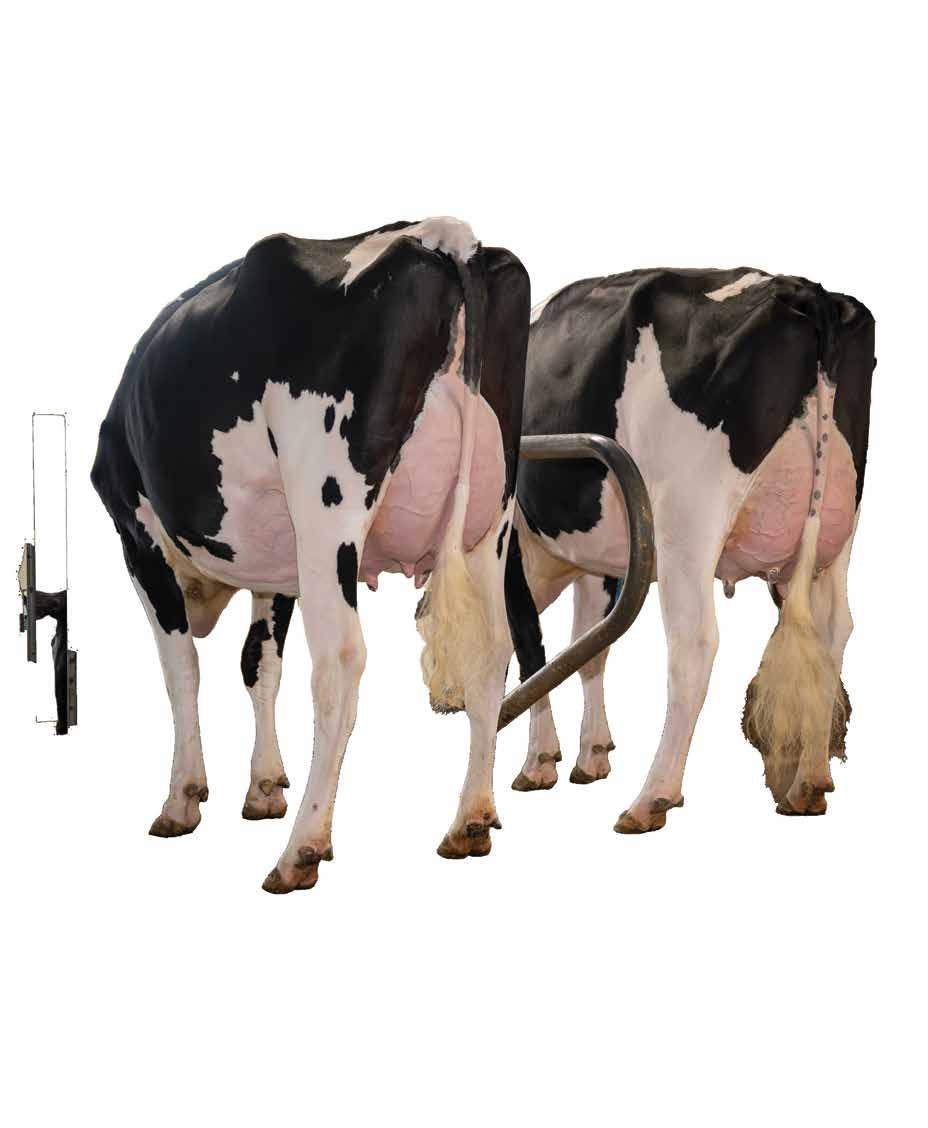
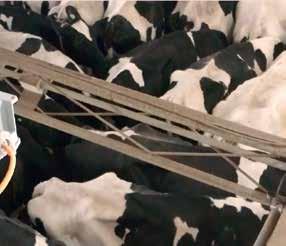
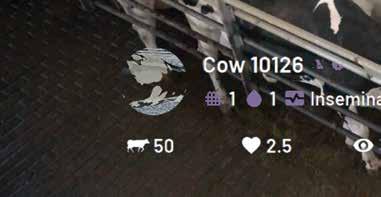
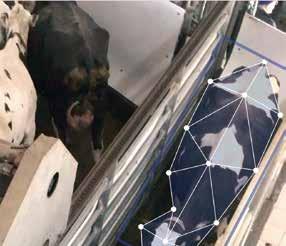
Every step, every movement matters. CattleEye continuously analyzes your cows to detect the earliest signs of lameness or stress. Fewer risks, greater productivity. Because a healthy herd means a thriving farm.



BRITISH COLUMBIA
Mountain View Electric Ltd.
Enderby — 250 838-6455
Pacific Dairy Centre Ltd.
Chilliwack — 604 852-9020
ALBERTA
Dairy Lane Systems
Leduc: 780 986-5600
Blackfalds: 587 797-4521
Lethbridge: 587 787-4145
Lethbridge Dairy Mart Ltd.
Lethbridge — 888 329-6202
Red Deer — 403 406-7344
SASKATCHEWAN
Dairy Lane Systems
Warman — 306 242-5850
Emerald Park — 306 721-6844
Swift Current — 306 203-3066
MANITOBA
Tytech
Grande Pointe — 204 770-4898


Conestogo Agri Systems Inc.
Drayton — 519 638.3022 1 800 461-3022
Dairy Lane Systems
Komoka — 519 666-1404
Lawrence’s Dairy Supply Inc.
Moose Creek — 613 538-2559
McCann Farm Automation Ltd.
Seeley’s Bay — 613 382-7411
Brockville — 613 926-2220

McLaren Works
Cobden — 613 646-2062
Performance Dairy Centre Inc.
Embro — 519 423-9119
Wood’s Dairy Source
Keene — 705 295-3247
ATLANTIC PROVINCES
Atlantic Dairy Tech.
Charlottetown, PE — 902 368-1719
Sheehy Enterprises Ltd.
Shubenacadie, NS — 902 758-2002
Lower Queensbury, NB — 506-478-4878
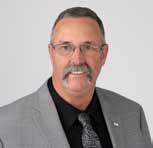
By Cheryl Smith, Dairy Farmers of Ontario CEO
As we look ahead to a new year of opportunity, it is a privilege to reflect on the remarkable contributions and steady leadership of Ontario’s dairy sector.
Dairy is far more than an agricultural category – it is a powerful economic engine, a source of community resilience and a driver of innovation. Most importantly, it is an industry that delivers every single day for Ontarians.
Ontario’s dairy industry leads as the largest agricultural sector in the province, contributing more than $8.7 billion to Ontario’s GDP in 2025 and supporting over 91,000 jobs across farms, transportation, processing and retail. With more than 10,000 dairy farm families across over 3,100 farms, the sector produces more than 3.18 billion litres of high-quality milk annually, ensuring a stable, local supply of nutritious products that Ontarians depend on.
This consistency is one of the many ways our industry continues delivering value to consumers, communities and the broader economy.
At the centre of this ecosystem stands Dairy Farmers of Ontario (DFO) as the sole delegated
marketing authority for milk in the province. DFO’s stewardship of supply management provides farm-gate stability, supports food security and enables producers to invest confidently in innovation and sustainability.
Through our strategic leadership and unwavering commitment to integrity, collaboration and accountability, DFO is delivering the vision and mandate needed to guide our sector into the future for the benefit of Ontario.
This leadership was reaffirmed at the 2026 Dairy Farmers of Ontario Annual General Meeting, where Premier Doug Ford emphasized that dairy is a pillar of Ontario’s economy – a clear sign of the sector’s strength and continued delivery of economic value. With strong consumer demand, Ontario dairy is meeting expectations while also delivering new opportunities for processors and retailers to grow.
These results confirm what Ontarians have always known: Ontario dairy delivers. The industry is delivering jobs, delivering economic impact, delivering nutritious products and delivering leadership in a changing agricultural landscape.

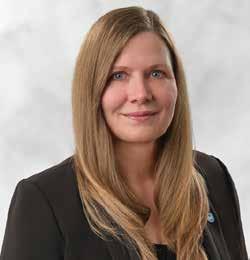
Cheryl Smith
Dairy farmer equity and trust have never been higher, and it continues to strengthen – we see it in the growth of dairy consumption, the positive feedback in consumer reports, the attendance at our events and the impressions generated from our consumer initiatives.
Every day, we are reminded that this success is built on generations of dedication, innovation and stewardship. From adopting new farming practices to investing in sustainability and animal care, Ontario’s dairy farm families continue delivering excellence day in and day out.
To our producers, your work sustains our communities, fuels our economy and ensures that Ontarians have access to fresh, local, highquality dairy products. Together, we will continue to deliver a strong, resilient and prosperous future for Ontario’s dairy sector.
Dairy Farmers of Ontario’s (DFO) Field Services Representatives (FSRs) are not only milk inspectors, they are also your support for everything from milk quality troubleshooting to quota questions and paperwork, questions about policies and regulation, and anything else related to DFO and how it applies to your farm. Our 13 FSRs have seen and heard a lot. This column was created to use their collective expertise to share answers to some of the most common questions received.
MILK QUALITY INVESTIGATIONS are often associated with penaltyrange test results, but in reality, support is available well before issues reach that stage. Field Service Representatives work proactively with producers to identify, investigate and resolve milk quality concerns at any point along the spectrum.
FSRs receive regular notifications highlighting farms with elevated or trending milk quality indicators. These reports help flag emerging concerns and enable FSRs to prioritize outreach. Using this information, they schedule on-farm investigations to assess equipment, milking routines, hygiene practices and overall management factors that influence milk quality.
Quality investigations are not limited to farms already facing penalties. Producers are encouraged to contact their FSR as soon as concerns arise — even when results are still within acceptable ranges. Early engagement creates the opportunity to make gradual, manageable improvements rather than urgent corrections under time pressure. FSRs can often share experience from other farms, sharing knowledge and efficiently troubleshooting issues.
While the ideal situation involves early collaboration, FSRs are frequently called once penalty thresholds have been reached. At that point, changes must often be implemented quickly, which can be challenging.
The most effective milk quality programs are built on partnership, communication and early action. Proactive use of FSR expertise helps protect milk quality, reduce stress and support long-term success on the farm.
While the ideal situation involves early collaboration, FSRs are frequently called once

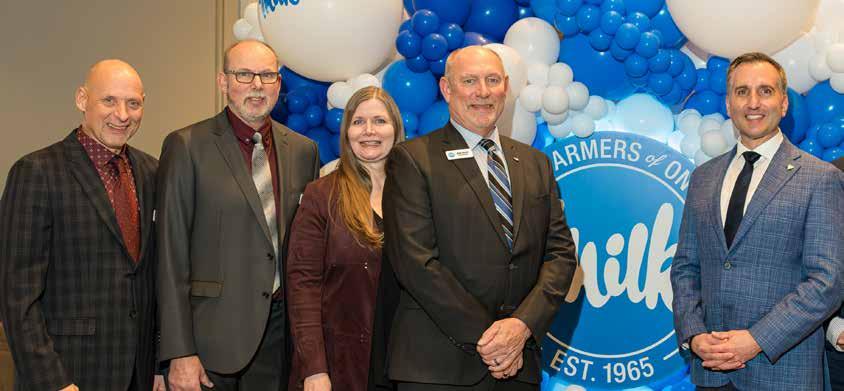
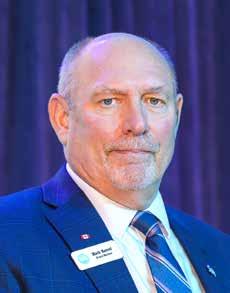
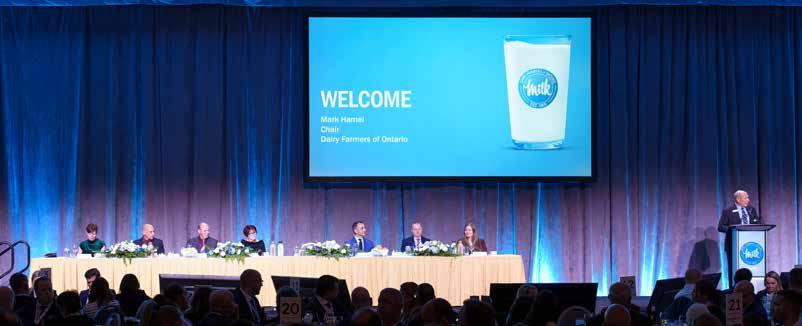
At the Dairy Farmers of Ontario Annual General Meeting, Chair Mark Hamel delivered a clear and confident message: Ontario’s dairy sector is strong, united and poised for meaningful growth.
Hamel opened by reflecting on a milestone year for DFO and the six decades of leadership that have shaped Ontario’s dairy landscape. He credited supply management as the backbone of the sector’s stability, providing farmers with predictability, supporting high production standards and enabling the industry to navigate global economic and trade uncertainty with resilience. Protecting this system, he emphasized, remains a shared responsibility among all producers.
Looking ahead, Hamel highlighted DFO’s progress toward its 2030 strategic plan, with a focus on production growth and expanding processing capacity. He underscored the need for new investment, both on farm and in processing facilities, to meet consumer demand and unlock future opportunities. “Processing investment is the only way we will realize market opportunities for producer growth,” he reminded attendees.
Hamel also pointed to the importance of creating space for the next generation of dairy farmers. Ensuring that new entrants can participate in a
thriving, future focused sector is central to maintaining government support and driving long-term sustainability.
Collaboration emerged as a major common thread in his remarks. From farmers and processors to retailers, and ultimately consumers, the dairy value chain relies on shared goals and integrated solutions. Hamel highlighted DFO’s strengthened relationships across agriculture, government and industry as key to advancing priorities like sustainability, innovation and responsible growth. He also stressed the importance of continued collaboration with P5 and P10, noting that sustained, coordinated efforts with these partners are critical to advancing the progress already made.
He also spoke to the need for strong advocacy – telling dairy’s story clearly, proudly and factually. With misinformation increasingly prevalent, Hamel reaffirmed the sector’s commitment to transparency and public trust, emphasizing the essential role dairy plays in Ontario communities and the broader food system.
Closing on a personal note, Hamel reflected on farming with his family, now into its sixth generation, and the pride he takes in representing a sector defined by quality, community and purpose.
“Together,” he said, “we’ll continue to build a strong, innovative and sustainable future for dairy, and for the broader agrifood community that depends on our shared success.”
With clear priorities and renewed momentum, Hamel’s address set an optimistic tone for the year ahead which is rooted in collaboration, investment and an unwavering commitment to delivering high-quality Canadian milk.
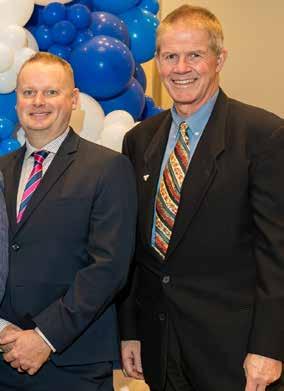
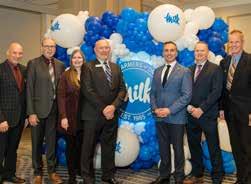
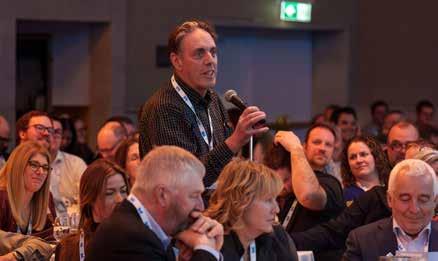
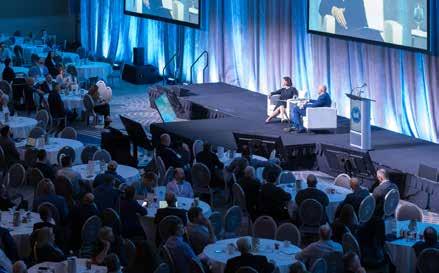
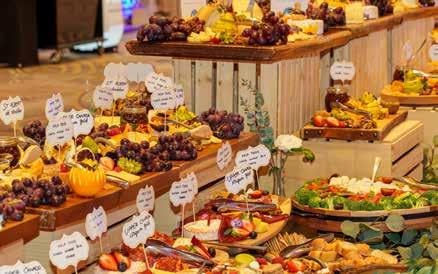
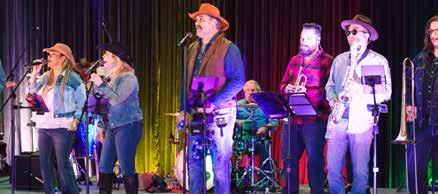
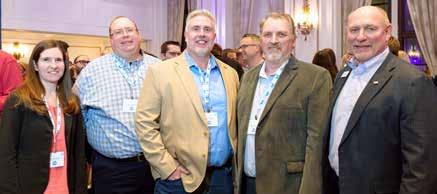
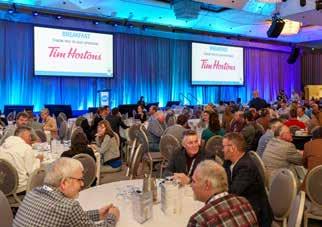
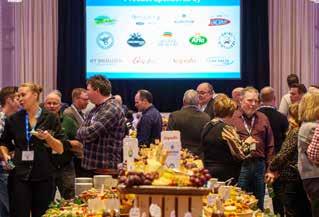
DAIRY FARMERS OF ONTARIO (DFO) brought together producers, industry stakeholders and special guests at the Annual General Meeting (AGM), held January 13 to 15, 2026, at the Fairmont Royal York hotel in Toronto, Ont. The event provided an important forum to reflect on achievements from the past year, discuss priorities for the year ahead and showcase key initiatives shaping the future of Ontario’s dairy sector. Attendees engaged in presentations and panel discussions and explored displays that highlighted the breadth of work underway across DFO and within Ontario’s dairy community.
In this special edition, Milk Producer presents highlights from the 2026 AGM, featuring photos of key moments and attendees that underscores the dedication of DFO and Ontario’s dairy farmers, and their ongoing commitment to supporting and nourishing communities with high-quality Ontario milk.
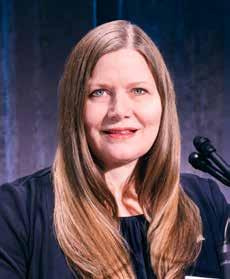
Dairy Farmers of Ontario CEO, Cheryl Smith, took the stage at the AGM with a message of strength, pride and unwavering momentum for Ontario’s dairy sector. Addressing a record 800 attendees, Smith spoke to DFO’s milestone anniversaries and reaffirmed the organization’s central role in delivering high-quality milk for Ontario families every day.
Reflecting on DFO’s 60-year legacy, Smith emphasized that the sector’s success begins on the farm. Ontario’s more than 10,000 dairy farmers continue to demonstrate resilience, dedication and a commitment to quality. Over the last fiscal year, DFO delivered positive growth, including a 2.5 per cent quota allocation and further quota issuance to support increasing demand.
Smith highlighted the scale and efficiency of Ontario’s dairy system, as well as the industry’s economic contribution. Each year, 31 transporters collect more than three billion litres of milk from 3,100 farms, delivering to 90 processing plants while achieving continued efficiency gains. In Ontario, the industry supports over 91,000 jobs and contributes $8.7 billion to Ontario’s GDP.
Consumer trust remained a central theme of Smith’s remarks. With approximately 2,000 regulatory inspections conducted each year and delivery of the Raw Milk Quality Program, DFO continues to uphold excellence and maintain strong confidence among Ontario consumers. Smith noted that the values associated with dairy, such as trust, quality, community and national pride, have never been stronger.
She also emphasized dairy’s growing presence in the marketplace. DFO’s “always-on” media strategy, sport partnerships, grassroots initiatives and nutrition-focused messaging generated an impressive 19 billion consumer impressions last year. Awareness of the milk logo remains high at 83 per cent, linked to health, nostalgia and wellbeing. Meanwhile, DFO deepened its community impact through donations to food banks and a cumulative $3.6 million contributed to children’s hospitals since 2019.
Looking ahead, Smith outlined a strategic focus on value creation, market development, stewardship, operational excellence and increasing processing capacity. Early results, including rising production volumes and increased quota, signal strong momentum as the sector moves toward its 2030 goals.
Smith closed by recognizing DFO’s dedicated team and Board, reaffirming the organization’s purpose: “Together we will continue to deliver high-quality milk, nourish communities and grow our sector for the benefit of Ontario and Canada.”
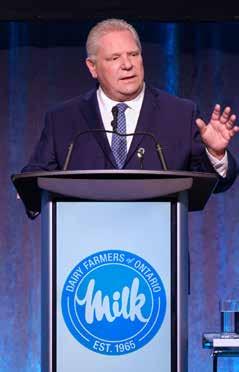
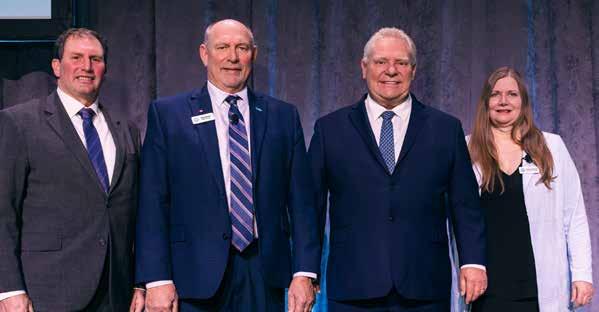
“Canada’s supply management system has kept food on the table for Canadian families for decades.
Ontario will always support the federal government as they work to defend Canada’s supply management system during ongoing trade negotiations, and we will always stand with our farmers. We will stand and fight day after day but we’re never giving up supply management as long as I’m Premier, because Ontario farmers and your products are the best in the entire world."
The Honourable Doug Ford, Premier of Ontario, delivered a resounding message of support for the province’s dairy sector during his keynote address at Dairy Farmers of Ontario’s Annual General Meeting.
Speaking to more than 800 attendees, the Premier praised the dedication and impact of Ontario’s dairy producers. “Ontario farmers are the backbone of our province,” he said. “You work day-in and day-out to deliver high-quality food for families here at home and around the world.”
Ford highlighted DFO’s six decades of leadership in maintaining world class production, safety and quality standards, which has helped solidify the province’s reputation as a global leader in dairy excellence. “Your work has been absolutely essential to help grow Ontario’s dairy industry and its reputation for outstanding quality,” he said.
The Premier also underscored his government’s broader plan to strengthen Ontario’s competitiveness and resilience in the face of global uncertainty. With more than $220 billion earmarked for critical infrastructure, the province aims to bolster economic opportunities across communities, including rural and agricultural regions. He urged producers to remain focused on Ontario’s capacity for growth rather than on external pressures such as international tariffs.
Ford emphasized the crucial role of the agriculture and food sector, which is Ontario’s largest manufacturing industry, surpassing even the auto sector. The province is investing over $343 million through the Ontario Agrifood Innovation Alliance to support innovation, productivity and global competitiveness.
Reaffirming his commitment to Canada’s supply management system, Ford thanked DFO for its ongoing partnership and pledged to continue advocating for the sector. “Canada’s supply management system has kept food on the table for Canadian families for decades,” said the Premier. “Ontario will always support the federal government as they work to defend Canada’s supply management system during ongoing trade negotiations, and we will always stand with our farmers. We will stand and fight day after day but we’re never giving up supply management as long as I’m Premier, because Ontario farmers and your products are the best in the entire world.”
Ontario’s Minister of Agriculture, Food and Agribusiness, The Honourable Trevor Jones, brought a message of deep appreciation and forward momentum to the Annual General Meeting. Opening his remarks, Minister Jones thanked producers and industry partners for taking time away from their operations to participate in the event, recognizing the commitment that drives the sector every day.
The Minister highlighted the significant role dairy plays in Ontario’s economy, noting its substantial contributions to provincial employment and GDP. He emphasized the government’s continued commitment to strengthening the agrifood sector through targeted, strategic investments. Among these initiatives is the Dairy Processing Modernization Initiative, designed to help farmers and processors adopt new technologies, expand capacity and enhance overall efficiency. “Through this initiative, many more businesses across the province are receiving strategic funding
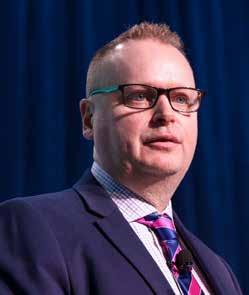
to modernize equipment, boost production efficiency,” he said.
He also pointed to recent funding that supported repairs and upgrades to the Dairy Education Centre at the University of Guelph’s Ridgetown Campus – a hub for training the next generation of dairy leaders and advancing sector innovation.
Underscoring the importance of producing safe, trusted, locally grown food, Minister Jones reaffirmed the government’s support for Ontario dairy on the national stage. Echoing Premier Ford’s strong and clear statements from the morning, he stressed the province’s unwavering commitment to Canada’s supply management system and to standing up for both producers and processors in ongoing policy and trade discussions. “We remain committed to Canada's supply management system,” he said. “That's confidence in our system and that's our confidence in what you do every day.”
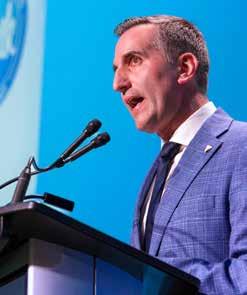
Jones concluded by thanking Dairy Farmers of Ontario for its strong collaboration and expressed optimism for continued partnership. Together, he said, the sector can deliver meaningful progress for the entire food system, strengthening Ontario’s resilience, competitiveness and global reputation.
At the AGM, Ontario Farm Products Marketing Commission Chair, Brendan Byrne, brought a clear message: collaboration, modernization and strong governance are shaping a vibrant future for the province’s dairy sector.
Speaking to delegates, Byrne emphasized his dual perspective as both regulator and farmer. “I do farm with my family,” he noted, underscoring his commitment to practical, on-farm realities. He praised the dedication it takes for farmers to leave their operations to attend events like the AGM, acknowledging the unseen hands keeping farms running back home. Byrne highlighted the Commission’s recent work modernizing key Milk Act regulations, which include steps that support new technologies, updated sanitation standards and evolving production practices. He stressed that regulatory changes must be thoughtful, collaborative and in the best interests of farmers: “It’s the push to get it right.”
He also recognized the essential role of Ontario’s broader dairy supply chain, from processors to transporters, who together help move three billion litres of milk each year. And as national policy discussions continue, Byrne underscored Ontario’s responsibility to ensure a strong, coordinated and competitive supply managed system.
With a forward-looking DFO Board and leadership team, Byrne said he’s optimistic about the sector’s momentum heading into 2026. “A strong dairy industry depends on collaboration, trust and continual modernization,” he said. “I look forward to working with all of you to keep Ontario’s dairy sector thriving.”

Matthew Gaudreau, Executive Director of Policy and Economics at the Canadian Dairy Commission (CDC), outlined how the national cost of production (COP) study supports transparent and reliable milk pricing across the country. He opened by reaffirming the survey’s purpose: “to provide a statistically valid measure of costs of efficient production of milk across Canada to inform price.” The study calculates a weighted average cost per hectolitre of milk, ensuring farms contribute data in proportion to their production volume.
Gaudreau walked producers through the COP calculation process, developed in collaboration with Statistics Canada and provincial milk marketing boards. He emphasized the need for rigorous sampling requirements to maintain statistical validity. Only farms meeting specific eligibility criteria can participate, and safeguards ensure that no single operation disproportionately influences outcomes.
He also highlighted year-over-year cost shifts, including reductions in purchased feed, fuel, lubricants and crop inputs such as fertilizers, herbicides and pesticides. However, rising interest rates continue to increase capital costs, while producer labour expenses climbed in 2024 due to changes in labour composition and rising wages.
Gaudreau noted the diversity among COP sample farms, adding that while larger farms generally have lower production costs, many medium-sized farms remain among the most efficient. He concluded by underscoring the CDC’s commitment to reviewing and modernizing the COP process as part of its strategic plan.
Together, these insights underscore the importance of a trusted, data-driven approach to understanding production costs across Canada. As the CDC continues refining the COP process, producers can move forward with greater confidence in a system designed to support fairness, transparency and long-term sustainability.
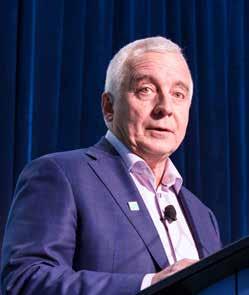
Dairy Farmers of Canada (DFC) President, David Wiens, brought a unified message to the Annual General Meeting, emphasizing the importance of unity and coordination as the sector prepares for a pivotal year.
Wiens opened by expressing his appreciation for the DFO Board and recognizing their leadership to the industry. During his address, Wiens outlined the DFC Board’s renewed mission, vision and values – integrity, equity, collaboration, adaptability and transparency – developed and approved at last year’s DFC AGM. He emphasized that putting these principles into practice requires close alignment between DFC and all provinces. “Successfully putting these into practice hinges on close collaboration between DFC and the provinces, including Dairy Farmers of Ontario,” he said. “It is how we will all be prepared to handle the challenges of the coming year.”
He highlighted the recent appointment of Annie AcMoody as DFC’s incoming CEO, noting her extensive policy, economic and sustainability expertise as a major asset for the national organization at a time when the industry faces growing pressures.
Wiens addressed the ongoing trade pressures facing Canadian dairy, particularly as the Canada-United StatesMexico Agreement approaches its formal review. He stressed that despite U.S. claims, American processors already benefit from considerable tariff-free access, and reiterated DFC’s position that no new concessions are acceptable. He pointed to the thousands of submissions sent to Global Affairs Canada and DFC’s own presentation to the House of Commons International Trade Committee as proof of a united and vocal sector.
Wiens closed by reinforcing that national unity will define dairy’s ability to protect supply management, support farm families and safeguard Canada’s food sovereignty. He encouraged producers to continue lending their voices at upcoming national advocacy events, noting that success depends on provinces standing together.
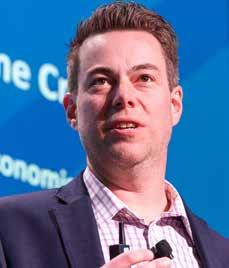
Graeme Crosbie, Senior Economist at Farm Credit Canada, offered a comprehensive look at the economic forces shaping the year ahead and the opportunities emerging for Canada’s agrifood sector.
Crosbie opened by outlining the cautious investment climate captured in a recent Bank of Canada survey, which found that nearly half of respondents planned to reduce capital spending on items such as machinery, buildings and intellectual property. He noted that “uncertainty has changed business planning,” leading many businesses to scale back.
With historically weak investment becoming even more pronounced, he emphasized that boosting productivity will be essential to reversing the trends of the past year and a half, requiring coordinated effort across policy makers, industry leaders and stakeholders.
He then highlighted demographic concerns, pointing to the sharp population slowdown and “the largest population drop ever” recorded in the third quarter of 2025. Despite these challenges, Crosbie identified key areas for optimism. While food inflation remains elevated, dairy continues to perform competitively, with strong growth in protein heavy dairy categories throughout 2025. He noted that demand for high protein products shows promising potential in the near and medium-term, though longterm market stability will be critical.
Turning to broader agricultural productivity, Crosbie explained that although growth remains positive, it has slowed compared with earlier decades. He pointed to three focal areas for improvement: enhancing efficiency on farms and in processing, scaling operations through expansion, and advancing innovation across the entire food ecosystem.
Crosbie’s outlook serves as a reminder that even in uncertain conditions, strategic investment and productivity gains can unlock meaningful progress. With collaboration and innovation at the forefront, producers are well-positioned to navigate change and drive sustainable growth.
Daniel Tisch, Ontario Chamber of Commerce (OCC) President and CEO, delivered a candid assessment of the economic landscape and a clear call to action for 2026. “People think chambers represent big business, but we represent all business – every size, every sector, every community,” he told delegates, underscoring the value of DFO joining the OCC to amplify dairy’s voice across the province.
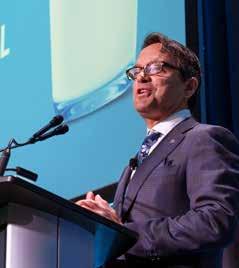
Tisch framed 2025 as a tale of two themes: “uncertainty” driven by volatile U.S. tariff moves and “resilience” shown by Canadian businesses that continued to invest, hire and adapt. While unpredictability has slowed investment and frozen some long-term decisions, businesses across Ontario continue to demonstrate an ability to adapt. Their confidence in their own future, he noted, remains stronger than their confidence in the broader economy.
He also warned that persistent tariff threats risk eroding North America’s competitiveness: “We no longer live in a world of national economies, we live in international ecosystems,” he said. “Trade agreements aren’t just legal documents, they’re economic lifelines.” As Canada approaches the CanadaUnited States-Mexico Agreement (CUSMA) review, he argued for “review and renew, not redo.” Tisch stressed the importance of maintaining a strong trilateral agreement and preserving supply management.
Turning his focus to agriculture, Tisch praised dairy’s province-wide impact on advanced food manufacturing to transportation, energy, technology and rural job creation. “When dairy is strong, Ontario is stronger; and when Ontario is strong, Canada is strong,” he said, recalling a recent visit to a Chatham Kent farm where “technology, sustainability practices and data driven decisions” were on full display.
OCC has four priorities for the year ahead: a competitive trade and business climate (including defending supply management in negotiations), supporting healthier and safer communities, advancing talent development and expanding critical infrastructure. “The world’s getting rough and Canada’s got to get buff,” he quipped, urging governments to replace complacency with competitiveness and to speed up credential recognition, resource development and interprovincial mobility.
Above all, Tisch championed unified advocacy. When industry sectors speak together, rather than as separate voices, “government respond best” and meaningful change becomes more achievable. “Unified advocacy gets results,” he said. For producers navigating change, his message was pragmatic and optimistic: keep innovating, keep investing and keep speaking with one voice.
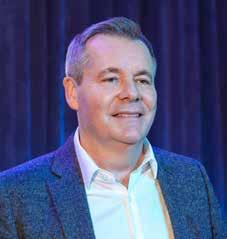
Carman
Allison,
VicePresident of Business
Development at NielsenIQ, offered a data-driven look at the forces shaping today’s food marketplace and what they mean for the dairy sector. His presentation supported ongoing industry work to advance shared priorities and strengthen dairy’s position in an evolving consumer landscape.
Allison began with an overview of inflation trends, noting that while grocery continues to outperform other retail sectors, 83 per cent of consumers report feeling increased financial pressure due to rising living costs. Food inflation remains above the overall inflation rate, increasing 3.3 per cent over the past year. He also highlighted that Canada is experiencing some of the fastest price increases globally, driven in part by a weaker Canadian dollar that affects NielsenIQ’s U.S. dollar based data.
Despite these economic pressures, dairy stands out as a strong performer. Nineteen per cent of consumers are spending more on dairy, with national dairy spending up 5.2 per cent and volume increasing 1.7 per cent – outpacing overall fast moving consumer goods, where spending rose 3.6 per cent and volume held nearly flat. Ontario mirrors this momentum, posting 5.3 per cent growth in dairy dollars. “Dairy is outperforming,” he said. “Both on dollars and also on volume.”
Meanwhile, plant based alternatives continue to see both volume and dollar declines. “There is a lot of innovation, they are improving, it’s highly processed and they are addressing some of those things as well, but a lot of consumers are looking for natural and that is one of the advantages you have over this category is the importance of natural,” he shared.
Allison also pointed to shifting consumer behaviour, particularly the growing preference for locally made products. Items labelled “made in Canada” grew at seven per cent – twice the rate of the total industry –while products labelled “made in the U.S.” declined eight per cent.
As the industry continues through 2026, Allison’s insights point to both the resilience of dairy and the shifting consumer behaviours shaping its path forward. With data showing clear momentum behind Canadian and natural made products, the sector is well-positioned to capitalize on emerging opportunities, particularly in protein and nutrient-rich foods. “We can’t ride the wave of growth anymore from more consumers, we have got to think strategically.”
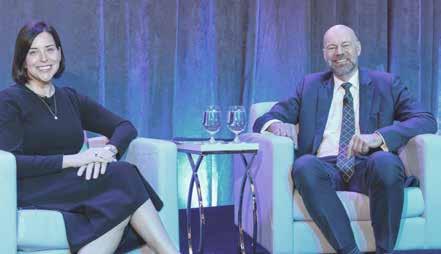
Andrea van Vugt, Chief Operating Officer & Practice Lead, Trade and Federal at Wellington Advocacy, and Stephen de Boer, former Ambassador to the World Trade Organization and current member of the firm’s Strategic Advisory Board, participated in a fireside chat exploring Canada’s political and economic landscape, and what to expect in 2026. Their discussion centered on how domestic policy decisions and global dynamics will shape resilience and competitiveness in the year ahead.
The conversation kicked off with reflections on Prime Minister Mark Carney’s strong focus on the economy. De Boer cautioned that this emphasis “could be to the detriment of other things in Canada,” while van Vugt pointed to the federal government’s new Memorandum of Understanding with Alberta as a noteworthy shift, easing tensions and strengthening energy collaboration compared to the previous administration. Both panelists noted the political challenge of managing a cabinet navigating changing priorities.
They also examined how environmental policy fits into the government’s agenda. De Boer suggested that the Prime Minister “will still move forward with climate change initiatives, just not right now.” The discussion then shifted to competitiveness and interprovincial trade. De Boer emphasized the need for political consensus to remove trade barriers, while van Vugh described it as a missed opportunity that governments are not doing more to reduce regulatory and administrative burdens. “There is something fundamental that makes them immovable,” van Vugt shared.
Turning to international trade, van Vugh and de Boer highlighted concerns surrounding the upcoming CUSMA review. De Boer predicted that President Donald Trump may use the process to seek concessions but will ultimately be unsuccessful – though tariffs remain a possibility. Both noted that supply management, particularly in dairy and chicken, will be central to discussions, with U.S. focus on tariff rate quota (TRQ) administration already apparent. “They want access for their exccess production,” de Boer said.
Despite potential tensions, van Vugt and de Boer expressed confidence that Canada can remain competitive by approaching these issues with clarity and coordination. Their perspectives offer a grounded, forward looking lens for industry leaders preparing for what 2026 may bring.
Chief Financial Officer, Rey Moisen, delivered a comprehensive financial update, outlining strong 2025 performance across DFO’s General, Marketing and Research Funds. He highlighted disciplined cost management, strategic investments and stable reserve levels, noting that the 2026 budget continues this momentum with planned investments in enhanced sample testing, updated software systems, national program support, and expanded training and lab services across the organization.
Shifting focus to milk quality and field services, Jeff Hyndman, DFO’s Executive Director, Regulatory Compliance and Quality Assurance, opened a question and answer (Q&A) session by sharing early success from the enhanced lab services introduced in 2024. Faster, more frequent testing is already helping farmers detect issues sooner, contributing to improved Bactoscan trends and fewer penalty range samples.
Before turning it over to Emily McDonald, Manager Field Service and Raw Milk Quality Programs, for the Q&A, Hyndman closed by reminding producers that Ontario’s dairy sector has continually strengthened milk quality standards over decades and each time, farmers have adapted successfully.
McDonald moderated the question period with DFO’s Field Service Representatives (FSRs), Mike Arent, Betty-Anne Elliott and Jeannette Herrema, alongside Hyndman to address questions directly from delegates. The FSRs, drawing on experience ranging from six to 45 years, shared practical, on-farm guidance and encouraged producers to reach out proactively when facing quality concerns.
As the session wrapped up, one message resonated clearly: producers are not navigating changes alone. DFO emphasized that the combination of stronger lab data, proactive field support, and early education and commitment will help the industry continue to thrive.
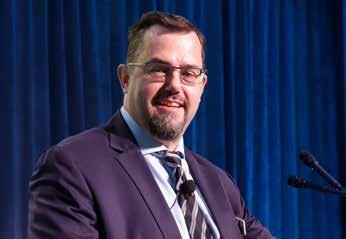
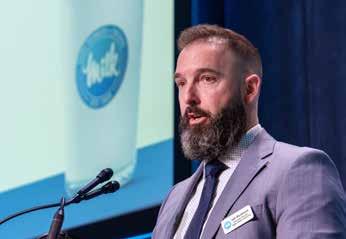
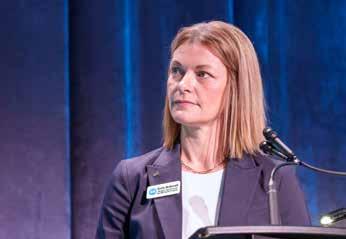
Faster, more frequent testing is already helping farmers detect issues sooner, contributing to improved Bactoscan trends and fewer penalty range samples.
- Jeff Hyndman, DFO’s Executive Director, Regulatory Compliance and Quality Assurance

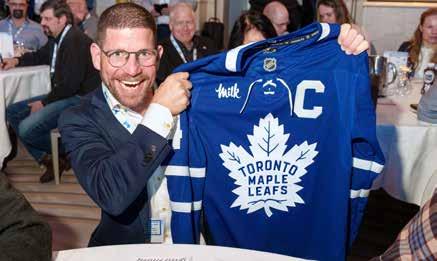













This prestigious award is an honour for me that I never expected. It’s also the biggest achievement of
my life.
— Ed Schouten
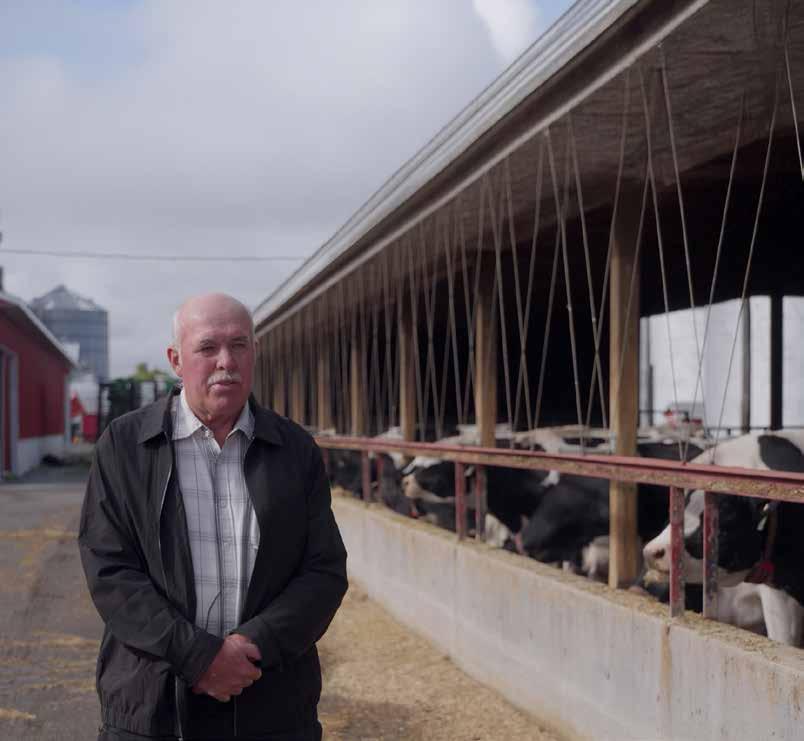
By Jeanine Moyer
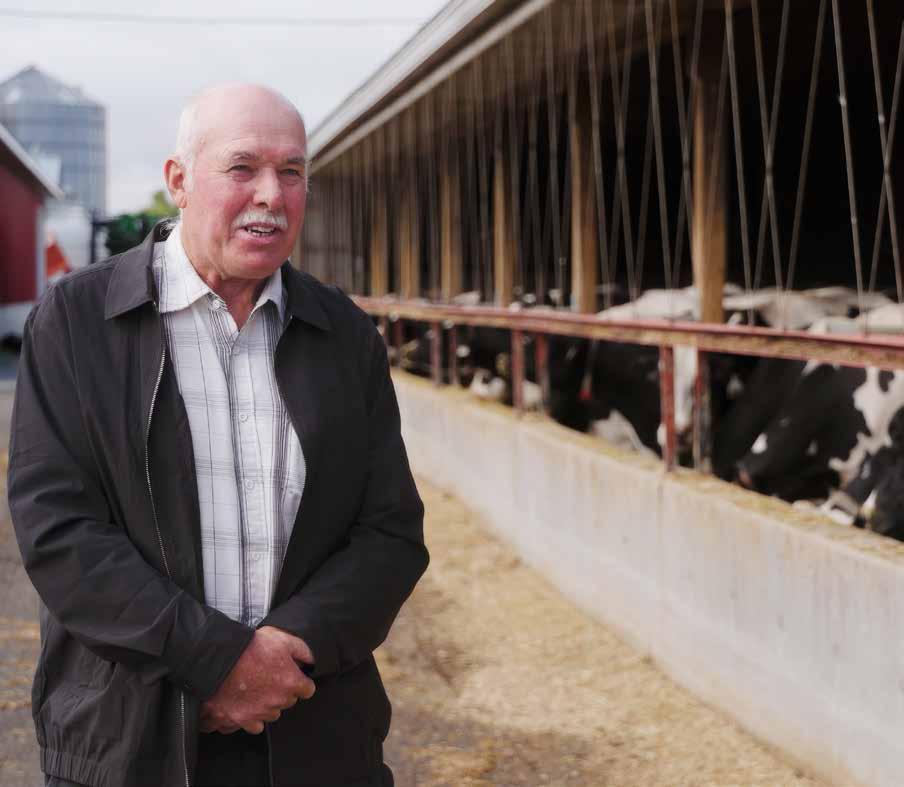
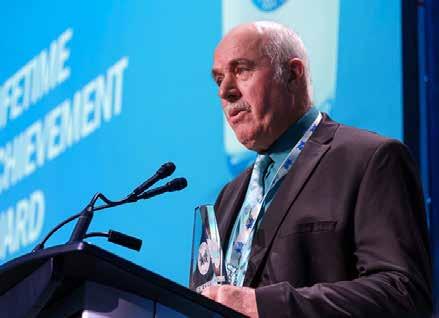
FOR ED SCHOUTEN, a lifetime of achievement is measured not by accolades, but by commitment – to family, farm, community and the Ontario dairy industry. That unwavering dedication has now been recognized with Dairy Farmers of Ontario's (DFO) 2026 Lifetime Achievement Award.
“This prestigious award is an honour for me that I never expected,” admits Schouten of Schouten Corner View Farms Ltd. near Richmond in Ottawa, Ont. “It’s also the biggest achievement of my life.”
Schouten describes himself as a lifelong farmer who started working with cows when he was five years old. He says there was never a doubt in his mind about what he wanted to do – he wanted to farm and he’s proud to have had the ability to farm his entire life. Over the years, Schouten has built a successful and progressive dairy farm south of Ottawa, leaving a legacy rooted in family, community service and dairy excellence.
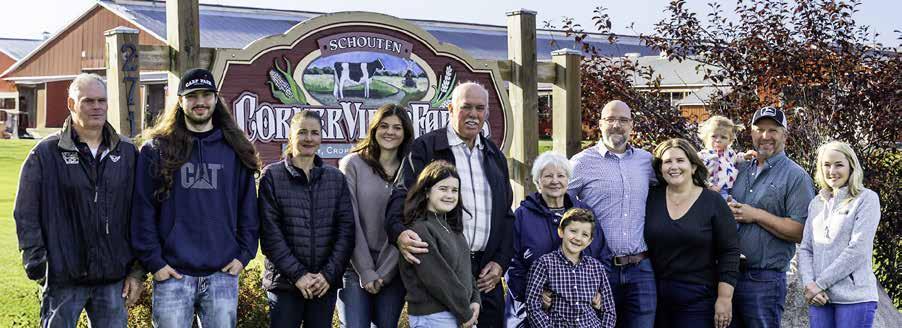
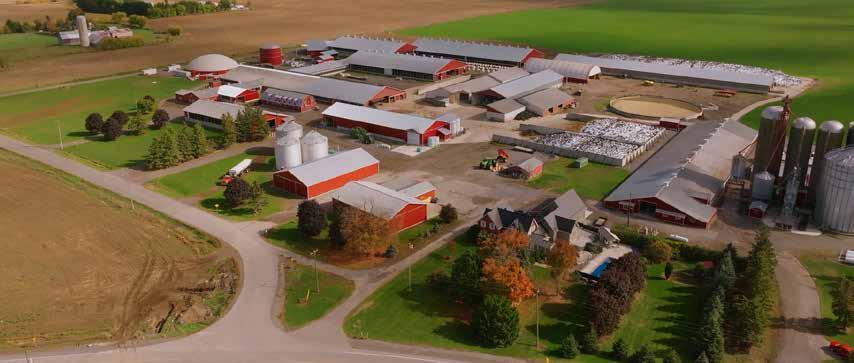
“We’ve all worked together to build what we have today,” says Schouten, reflecting on generations of his family’s contribution to the farm. Throughout his life, he worked alongside his father, brothers, wife and all four of his children. Today, Schouten Corner View Farms Ltd. is co-owned by Schouten, his daughter Jessica Schouten and her husband Ben Forman. Together, and with the help of their staff of 15 employees, they milk 700 Holsteins in a double 25-parallel parlour three times a day. They also milk cows in a separate single 14-parlour, using the milk from the fresh cows to feed their calves. The farm has grown to span 3,500 acres of field crops, multiple barns designed for each stage of age and production, a methane digester, along with a grain elevator and dryer.
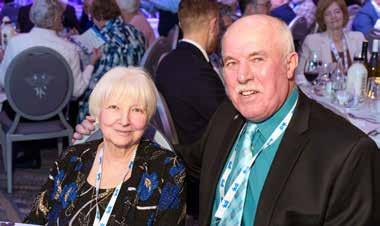
Schouten Corner View Farms Ltd. is co-owned by Schouten, his daughter Jessica Schouten and her husband Ben Forman. Together, and with the help of their staff of 15 employees, they milk 700 Holsteins in a double 25-parallel parlour three times a day. They also milk cows in a separate single 14-parlour, using the milk from the fresh cows to feed their calves.
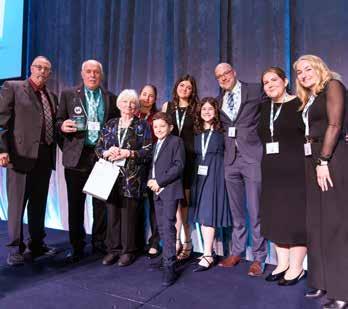
I wouldn’t have achieved everything I have without my family. I’m proud of what we’ve built and have a lot to be thankful for.
— Ed Schouten
Vision, leadership and impact
Schouten is known for his forward-thinking vision, and his daughter Jessica says her dad has never shied away from taking risks in pursuit of progress. But it isn’t just his on-farm accomplishments that have earned Schouten industry recognition – it’s his leadership, commitment to the dairy sector and strong sense of community. In fact, Brian Burnett, DFO 2nd Vice-Chair and Board Member for Region 2, says he nominated Schouten for the award for his contribution outside of the dairy industry. “Ed has always been a phenomenal advocate for agriculture and is known for his work in the community, and with fellow agriculture producers in the area,” he says.
According to Jonathan Schouten, his father often says that “what’s good for one farm is good for all farms.” This philosophy is reflected in Schouten’s talent for connecting people and making positive change happen. Jonathan says that his dad is known as a ‘connector’ and a leader and he’s proud of the legacy his dad has created on the family farm and within the community.
Well-deserved honour
"Ed exemplifies the very best of Ontario’s dairy community. His lifelong commitment to innovation, collaboration and community service has left a lasting imprint on all of us," says Mark Hamel, DFO Chair. "On behalf of Dairy Farmers of Ontario, we are honoured to recognize Ed’s extraordinary contributions with this year’s Lifetime Achievement Award. His leadership reminds us that when one farm thrives, we all do. Congratulations, Ed.”
Schouten received the award at the Annual General Meeting in January 2026.
“This award means everything to me,” says Schouten. “It must mean I’m doing something right, and it makes me proud to be recognized.” Among Schouten’s many contributions was his visionary approach to developing the ethanol industry. In the mid-1990s, he was part of a group of eastern Ontario farmers – the Seaway Valley Farmers Energy Co-
operative – who came together with the goal of building an ethanol plant. The initiative aimed to create a market for surplus corn flooding the region, generate green energy and produce valuable byproducts for livestock feed. While the venture ultimately did not succeed, Schouten acknowledges that the efforts of he and his fellow cooperative members were instrumental in laying the groundwork for Ontario’s biofuels industry. “I’m proud to say that today, we have a biofuels market that produces renewable fuel, a valuable feed source and a market for our crops,” he says.
Legacy in action
Schouten’s commitment to his family, farm, community and the dairy industry has not only earned recognition, but has also inspired others to follow his example.
Friend and fellow dairy farmer, Nick Thurler, describes Schouten as a leader in the dairy industry and says, “Ed has shown us the direction in which the dairy industry should be going.”
Beyond his community involvement, Schouten serves as an inspiration to those closest to him too. His grandchildren proudly celebrate Schouten’s Lifetime Achievement Award and are inspired to carry his values forward. Granddaughter Samantha Clarke says she hopes to follow her grandfather’s example as a family-oriented entrepreneur and communityminded business leader.
“I wouldn’t have achieved everything I have without my family,” says Schouten, noting that together they have built their family farm through generations of hard work and visionary planning. “I’m proud of what we’ve built and have a lot to be thankful for.”
Farm succession has also been a priority for Schouten, who says that while the process is ongoing, he’s proud that Schouten Corner View Farms Ltd. will continue under the third generation with his daughter and son-
Ed exemplifies the very best of Ontario’s dairy community. His lifelong commitment to innovation, collaboration and community service has left a lasting imprint on all of us," says Mark Hamel, DFO Chair. "On behalf of Dairy Farmers of Ontario, we are honoured to recognize Ed’s extraordinary contributions with this year’s Lifetime Achievement Award. His leadership reminds us that when one farm thrives, we all do. Congratulations, Ed.
— Mark Hamel, DFO Chair
in-law. He reminds fellow farmers of the importance of farm succession, and advises farmers that “the sooner you start, the better.” Schouten emphasizes that while farm family transition can be complex, it is essential — not only for individual farms and families, but for the future of the dairy sector.
Looking ahead, Schouten says he trusts that the Canadian dairy industry is in good shape. “We produce some of the best food in the world, and we don’t have to rely on any other country for our high-quality milk,” he says, noting that current trade talks may be concerning for the industry, but he believes Canada’s dairy industry and supply management system are proven — and there should be no reason to change.
Looking ahead, Schouten says he trusts that the Canadian dairy industry is in good shape. “We produce some of the best food in the world, and we don’t have to rely on any other country for our high-quality milk,” he says, noting that current trade talks may be concerning for the industry, but he believes Canada’s dairy industry and supply management system are proven, and there should be no reason to change.
By Robert Matson, Production Research Manager, Dairy Farmers of Ontario
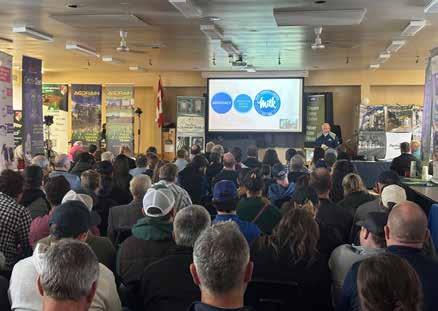
Grey Bruce Farmers’ Week has consistently adapted to technological change and now offers a livestreaming option. This means that those from across Ontario or around the world can tune in to presentations and engage with the speakers.
SINCE 1966, Grey Bruce Farmers’ Week has provided farmers with opportunities to network and learn from experts across a variety of topics. The event is coordinated by Grey Ag Services, with speaker and topic selection guided by a committee that includes producers. The event spans a week and is unique, offering commodity-specific days, with 2026 featuring beef, dairy, goats, sheep, horses and crops. This year, Grey Bruce Farmers’ Week held its Dairy Day on Thursday, January 8th, 2026, in Elmwood, Ont.
The event included a keynote presentation by Dr. Jodi Wallace, a veterinarian and dairy producer from Ormstown, Que. Dr. Wallace’s presentation focused on the importance of reproductive efficiency for dairy herd profitability and discussed factors that affect profitability, including genetics, epigenetics and genomics; management and facilities; control of metabolic disease; and nutrition. Dr. Wallace highlighted the link to increased metabolic disorders, reduced longevity, reduced milk production and higher rates of involuntary culling due to poor reproduction.
A highlight of the Dairy Day each year is the producer panel. This year, the panel included three Ontario producers: Larissa Hamel of Harmony Holsteins, Kristen Stevenson of Pendora Dairy Ltd. and Rob Kirkconnell of Valleykirk Farms Ltd. The panel also included Dr. Wallace, and was moderated by Dr. Cynthia Milternburg, lead veterinarian for Animal Health and Welfare at the Ontario Ministry of Agriculture, Food and Agribusiness. The panel members started with a brief five-minute presentation on their operation and then all panel members answered questions from the moderator and the audience. This brought together producers and veterinarians with decades of experience with calf care.
Other presentations from the day included a Dairy Farmers of Ontario (DFO) update by Mark Hamel, DFO Board Chair, which highlighted activities over the last year.
Sessions on succession planning for dairy operations and Navigating Dairy Economics and cost of production (COP) in 2026 were also highlights of the day.
Grey Bruce Farmers’ Week has consistently adapted to technological change and now offers a livestreaming option. This means that those from across Ontario or around the world can tune in to presentations and engage with the speakers. This use of technology also makes presentations available on demand for 30 days after the event. There are also several presentations that are available only on demand.
This year, Grey Bruce Farmers’ Week decided to incorporate ecologically themed topics into each day of the week, rather than separating them into a dedicated day in their week-long programing. The incorporation of Ecological Day into each commodity day was intended to acknowledge that all producers are stewards of the environment.
In support of this initiative, Brian Burnett (DFO Board Member, Region 2 and DFO representative on the national sustainability committee) recorded an on-demand presentation on efforts Ontario producers are making to nourish a healthy environment. His presentation highlighted that across Ontario, dairy farmers are continuing to advance on-farm solutions to meet the Canadian dairy industry's target of netzero greenhouse gas emissions by 2050 in five focus areas: carbon footprint, regenerative agriculture, biodiversity, plastics and energy.
Overall, the event was well-attended again this year with standing room only and many attending virtually. The event would not be possible if not for the many industry sponsors supporting the Dairy Day. More information on Grey Bruce Farmer’s Week and access to some recorded presentations can be found on the Grey Agricultural Services website at https://www.greybrucefarmersweek.ca.
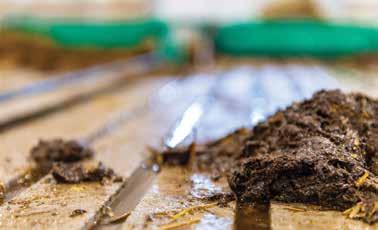
The SW cable drive unit was designed to make your life easier. It gives more freedom with regard to installation, provide efficient operation, and require minimal maintenance.
This unique design allows lateral movement of the drive as the cable is being wrapped around the rotating drum. The coiling is done without excessive stress or friction on the cable.
BRITISH COLUMBIA
Mountain View Electric Ltd.
Enderby — 250 838-6455
Pacific Dairy Centre Ltd.
Chilliwack — 604 852-9020
ALBERTA
Dairy Lane Systems
Leduc: 780 986-5600
Blackfalds: 587 797-4521
Lethbridge: 587 787-4145
Lethbridge Dairy Mart Ltd.
Lethbridge — 888 329-6202
Red Deer — 403 406-7344
Dairy Lane Systems
Warman — 306 242-5850
Emerald Park — 306 721-6844
Swift Current — 306 203-3066
MANITOBA / NW ONTARIO
Penner Farm Services Ltd.
Blumenort — 204 326-3781
Thunder Bay ON – 800 461-9333
Tytech
Grande Pointe — 204 770-4898

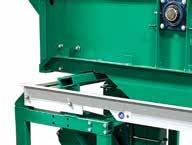





Lifting base and vertical wheels
Elevating the drive unit over the cross gutter allows you to use the space available efficiently, keeps the working area clean, and makes maintenance easier.
Efficient and gentle cleaning.
GEA’s cable alley scraper systems are quiet and operate without disturbing the normal behavior of the herd.
Claire Snoddon Farm Machinery Sunderland — 705 357-3579
Conestogo Agri Systems Inc.
Drayton — 519 638-3022
1 800 461-3022
County Automation
Ameliasburg — 613 962-7474
Dairy Lane Systems
Komoka — 519 666-1404
Keith Siemon Farm Systems Ltd.
Walton — 519 345-2734
Lamers Silos Ltd.
Ingersoll — 519 485-4578
Lawrence’s Dairy Supply Inc.
Moose Creek — 613 538-2559
McCann Farm Automation Ltd.
Seeley’s Bay — 613 382-7411
Brockville — 613 926-2220
McLaren Works
Cobden — 613 646-2062
Melbourne Farm Automation
Melbourne — 519 289-5256
Watford — 519-876-2420
Silver-Tech Systems Inc.
Aylmer — 519 773-2740
Dunnville — 905 981-2350
ATLANTIC PROVINCES
Atlantic Dairy Tech.
Charlottetown, PE — 902 368-1719
Mactaquac Farm Equip. Ltd.
Mactaquac, NB — 506 363-2340
Sheehy Enterprises Ltd.
Shubenacadie, NS — 902 758-2002
Sussex Farm Supplies
Sussex, NB — 506 433-1699
Eastern Ontario Dairy Days has been an annual event for 50 years.
Dates: St. Isidore Dairy Day - Wednesday, February 11, 2026
Kemptville Dairy Day - Thursday, February 12, 2026
Join us at the Eastern Onario Dairy Days, where dairy producers from across the region come together to share knowledge, network and explore the latest innovations in the industry!
The Eastern Ontario Dairy Days are held in two locations: the St. Isidore Recreation Centre on Wednesday, February 11 and the North Grenville (Kemptville) Municipal Centre on Thursday, February 12, 2026. We appreciate the support we receive from all of you: area dairy producers and industry sponsors.
Our Purpose: To provide an opportunity for area dairy producers to meet and be educated on the latest technology, discuss pertinent marketing issues and interact and exchange ideas with other dairy professionals.
Details: http://www.eontdairydays.com/
The South Western Ontario Dairy Symposium (SWODS) is back for its 41st year.
Date: Thursday, February 19, 2026
Location: Woodstock Fairgrounds, 875 Nellis Street, Woodstock, ON Registration: On-site ($30/person)
For over four decades, SWODS has been a key event for Ontario’s dairy industry, bringing together producers, dairy experts, researchers and industry leaders to exchange knowledge, share innovations and celebrate the incredible achievements of the sector.
Expert Speakers:
• Dr. Tom Overton, Cornell University: Using High Oleic Soybeans in Dairy Diets
• Vincent Cloutier, National Bank: Navigating CUSMA Revisions & Evolving Consumer Expectations.
• Dr. Chris Church, Central Dairy Solutions: The Business of Dairy Farming: How Can You Get More from Your Advisors?
• Kristin Benke, Dairy Farmers of Ontario: Past and Current Dairy Market Trends and Milk Production.
Details: https://dairysymposium.com/
Date: March 3 - 5, 2026
Location: Virtual event
The Sustainability of Canadian Agriculture 2026 Virtual Conference is a key event gathering researchers, producers and industry for discussions on holistic farm sustainability, moving beyond just greenhouse gas (GHG) emissions to explore secure food systems, new research models and integrating industry with science, all under the broader "Farming Beyond Net Zero" theme. Key sessions focus on global perspectives, innovation for resilient systems, connecting research to market and engaging diverse stakeholders, with workshops like the Holos model for GHG estimation.
Key Themes & Focus Areas:
• March 3 - Theme 1: Perspectives on sustainability and secure food systems, looking at global challenges and national actions.
• March 4 - Theme 2: Redefining sustainability, moving past greenhouse gas focus to explore whole-farm approaches.
• March 5 - Theme 3: New models for research and industry collaboration, fostering innovation.
Co-hosted by the University of Manitoba's National Centre for Livestock and the Environment and Agriculture and Agri-Food Canada.
Details: https://umanitoba.ca/agricultural-food-sciences/sustainabilitycanadian-agriculture-2026


Better than ever and included with your milk recording subscription
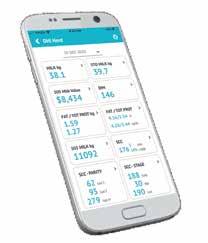


Review key metrics and swipe through graphics to quickly spot variations in the herd.
View animal profiles, sort cow and heifer records, and analyze data to determine which animals require attention.
A proven time-saver for retrieving test day results, production, SCCs, milk values, and lactation history.
Learn more and contact us to get started




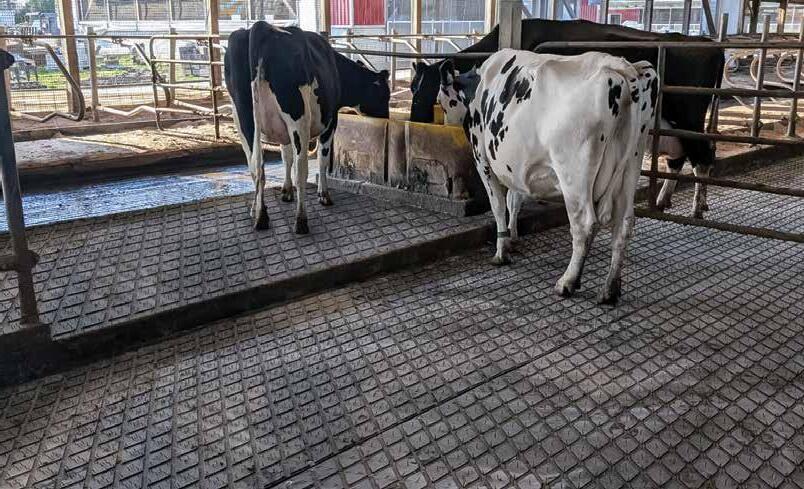
www.agritraction.com AGRI-TRAC Milled our dair y barn floors in August of 2000.22 Years later we just had AGRI-TRAC backto do them again. It lasted 22 Years! We chose AGRI-TRAC bothtimesinstead of grooving because it works and lasts. We have experience, grooving does NOT work! Thank you AGRI-TRAC. Mario Vriens Friendly Farms Arthur, ON
AGRI-TRAC gives thecows the Traction they need without being too aggressive on their feet We also like how the floor is easy to scrape and clean.
Date: March 9, 9:30a.m. - 2:30p.m.
James
AGRI-TRAC milled our dairy barn floors in August of 2000. 22 years later we just had AGRI-TRAC back to do them again. It lasted 22 Years! We chose AGRI-TRAC both times instead of grooving because it works and lasts. Thank you AGRI-TRAC
Location: Grey Ag Services: Unit 3, 206 Toronto St. S, Markdale, ON
Building for the Future: Considerations for New Dairy Barns, Cynthia Miltenburg, Angie Wilson, Christoph Wand & Tom Wright, Ontario Ministry of Agriculture, Food & Agribusiness (OMAFA).
Details: www.greyagservices.ca
ON
Our breeding is done the traditional way, in the field, in an effort to bring you the best possible results on your farm.
That is why we are The Leaders in Non-GMO Seed Corn

Date: March 10 - 13, 2026
Location: Red Deer Resort & Casino, Red Deer, AB
Over three days, industry leaders will present on current research and new technology to address challenges for efficiency facing the dairy industry. The program kicks off on Tuesday, March 10th with sponsor-led workshops and the Western Canadian Dairy Seminar (WCDS) opening reception. A wide rage of topics will be covered during the seminar including: managing milk composition, disease and biosecurity, calf management, feeding trace minerals and more.
The 2026 WCDS will feature three virtual farm tours as part of the producer panel, with this year’s focus on Adapting to Change. The 2026 WCDS will also host Student Research Oral and Poster Competitions on Thursday, March 12th View the program at https://wcds.ualberta.ca/ program/.
Registration is open ($425 for full registration, single day and student pricing also available). You can register online or download our registration form at https://wcds.ualberta.ca/ registration/.
The Western Canadian Dairy Seminar (WCDS) was started in 1982 by Dr. John Kennelly from the University of Alberta, in collaboration with other founding organizations with a shared vision to support the growth and success of the Canadian dairy industry. The WCDS continues to carry on the mission of providing connections within the dairy industry and supporting Canadian dairy producers. The seminar now draws nearly 900 delegates from across Canada and the world (USA, Europe, and Asia) and is recognized as one of the premier dairy conferences in the world.
Date: March 19, 2026, 9:00a.m. - 4:00p.m.
Location: GrandWay Events Centre, Elora, ON and online
The Ontario Farmland Trust’s annual Farmland Forum is back with a refreshed and innovative program! Join farmers, planners, municipal staff, conservationists and community members for a day of collaborative dialogue focused on strengthening the long-term success of Ontario’s agricultural sector through sound land-use planning and policy, and leave inspired with practical tools to champion farmland protection in your local communities.
Details: https://ontariofarmlandtrust.ca/resource/2026-farmland-forum/
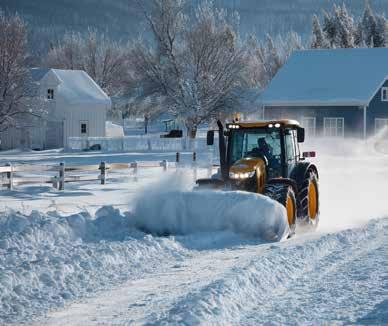
Producers are asked to ensure that laneways and yards are cleared and salted/sanded (as needed) to enable safe and timely milk pickups.
Together, we all play a role in getting milk from farm to plant. On dairy farms this includes:
• Ensure yard and laneway are fully cleared of snow;
• Use poles and reflecting markers to mark edges and obstacles;
• Apply sand and salt to eliminate icy areas;
• Reduce snowbanks at entrances to ensure clear visibility for leaving and entering laneways;
• Ensure your laneway and yard have ample room and a clear path for your milk truck to make a proper turn.
Following these procedures will provide Bulk Tank Milk Graders/Drivers safe access to your farm and allow them to provide timely service to other producers and on-time delivery to dairy processors.
Date: April 1 & 2, 2026 - 9a.m. - 4p.m.
Location: Stratford Rotary Complex, Stratford, ON
Special Events:
April 1, 4p.m. – 6p.m. DairyFEST
The can’t miss party of CDX! Network with industry professionals and producers in the Cow Coliseum following the first day of the show. Featuring live music, a cash bar and cheese buffet featuring the best in Canadian Cheese!
April 1, 7p.m. Calves for a Cause
Happening the first night of XPO at 7p.m. in the Cow Coliseum. Selling 40 live lots with proceeds going to the London Children’s hospital.
Situated in the heart of Ontario’s leading dairy region, the Canadian Dairy XPO (CDX) is Canada’s largest dairy industry showcase.
Each year, more than 300 exhibiting companies from around the world present their latest innovations to over 17,000 professional attendees –producers and their families from across Canada and the United States.
CDX is organized by DLG Markets North America, the German Agricultural Society founded in 1885.
Details: https://canadiandairyxpo.ca/


















TOTAL REQUIREMENTS IN OCTOBER saw a decline compared to October last year with a 2.4 per cent decrease. On a 12-month basis, growth continues to be strong at 3.5 per cent. The same trend was seen in quota requirements for October. The market wasn’t as strong as projected for Thanksgiving, but we will continue to monitor sales in the lead up to Christmas.
At the P5 level on an 11-month basis, P5 is one per cent above the production forecast, with very strong production this fall. The November fill rate on incentives was historically high with a 70 per cent fill rate in November for the two days in Ontario, and a 62.3 per cent fill rate for P5. There was a significant increase in butterfat content across the P5. In Ontario, the average fat test increased to 4.46.
The forecast for 2026 is butterfat growth will be slower than 2025 due to population and other economic factors. However, it
is expected that there will be continued strong growth in highprotein markets.
In November 2025, butter stocks reached 35,216 tonnes, down from October by 2,221 tonnes. Butter stock forecast continues to be about halfway between the optimistic and average scenarios at this time, and levels continue to be at the highest seen in the last five years.
Cheese stock levels for the month of November 2025 were at 105,382 tonnes, down 709 tonnes from October and higher than the last five-year average.
For the 52 weeks ending November 29, 2025, sales for fluid milk, fluid cream, yogurt, ice cream, cheese and butter increased/decreased by -0.3, 0.3, 6.4, 7.0, 1.9 and 2.2 per cent, respectively.
Canadian butterfat requirements in kilograms and actual butterfat production across the P10.
12-month production (in millions of kilograms)
12-month requirements (in millions of kilograms)
Canadian production has increased by 3.7 per cent over the previous 12 months, and requirements have increased by 4.2 per cent over the previous 12 months.
Average increase in retail sales for dairy products sold in Ontario and the dairy product’s share of the total market sales, including at hotels, restaurants and institutions.
This graph shows Ontario’s SNF-BF ratio for the last 12 months.
As of March 26, 2022
* Source: AC Nielsen & StatsCan NOTE: There is a two-month lag in the national retail sales data.
• Total requirements in October saw a decline compared to October last year with a 2.4 per cent decrease. On a 12-month basis, growth continues to be strong at 3.5 per cent ;
• The forecast for 2026 is butterfat growth will be slower than 2025 due to population and other economic factors. However, it is expected that there will be continued strong growth in high-protein markets;
• For the 52 weeks ending November 29, 2025, sales for fluid milk, fluid cream, yogurt, ice cream, cheese and butter increased/decreased by -0.3, 0.3, 6.4, 7.0, 1.9 and 2.2 per cent, respectively.
Percentage of the total milk produced in Ontario that was used to produce dairy products.
Milk & Cream
and Ice Cream Cheese
November 2025
For November 2025 (kg of butterfat/kg of solids non-fat)
*There is a two-month lag reporting these figures.
% Solids non-fat
Class 1a1 (includes Classes 1a2, 1a3, 1c and 1d for confidentiality reasons) Fluid milk and beverages
Class 1b Fluid creams Class 2a Yogurt, yogurt beverages, kefir and lassi
Class 2b4 (includes Classes 2b1, 2b2 and 2b3 for confidentiality reasons) Fresh dairy desserts, sour cream, milkshakes and sports nutrition drinks
Class 2b5 Ice cream and frozen yogurt
Class 3a1 Specialty cheese
Class 3a2 Cheese curds and fresh cheeses
Class 3b2 (includes Class 3b1 for confidentiality reasons) Cheddar cheese and aged cheddar
Class 3c1 Feta
Class 3c2 Asiago, Gouda, Havarti, Parmesan and Swiss
Class 3c4 (includes Classes 3c3 and 3c5 for confidentiality reasons) Brick, Colby, farmer’s, jack, Monterey jack, muenster, pizza cheese, pizza mozzarella and mozzarella other than what falls within 3d
Class 3c6 Paneer
Class 3d Mozzarella used strictly on fresh pizzas by establishments registered with the Canadian Dairy Commission
Class 4a Butter and powders
Class 4d (includes Classes 4b1, 4b2, 4c and 4m for confidentiality reasons) Concentrated milk for retail, losses and animal feed
Class 5a Cheese for further processing
Class 5b Non-cheese products for further processing
Class 5c Confectionery products
MONTHLY PRODUCER AVERAGE GROSS BLEND PRICE
A total 3,146 producers sold milk to DFO in November compared with 3,163 a year earlier.
ONTARIO DEDUCTIONS, PER HL
For November 2025
* These figures are based on Ontario’s average composition for November 2025 of 4.4642 kg butterfat, 3.4004 kg protein and 5.9456 kg other solids, rounded to the nearest cent.
*
The graph below shows the 12-month blend price for the P5 provinces and Western Milk Pool (WMP).
*There is a two-month lag reporting these figures.
The December 2025 Class III Price, US $15.86 per hundredweight, is equivalent to C $49.29 per hectolitre. This equivalent is based on the exchange rate US $1 = C $1.369 the exchange rate when the USDA announced the Class III Price.
The Class III Price is in US$ per hundredweight at 3.5 per cent butterfat. One hundredweight equals 0.44 hectolitres. Canadian Class 5a and Class 5b prices track U.S. prices set by the U.S. Department of Agriculture.
Source: USDA
Co-ordinated by Dairy Farmers of Ontario’s communications and economics divisions. Questions? Please email questions@milk.org.
STAY UP TO DATE!
Weekly Update email newsletter every Friday for Ontario dairy producers.
Milk Producer magazine is the voice of Ontario dairy producers. Subscribe for free or read online at www.milkproducer.ca.
Dairy Farmer Update provides updates with the monthly milk cheque.
Producer Dashboard , a secure platform behind your password on MMS that contains important news, updates and forms.
www.milk.org
Facebook: /OntarioDairy X: @OntarioDairy Instagram: @OntarioDairy
/company/Dairy-Farmers-of-Ontario
By Bruna Mion, PhD, Dairy Production Expert – Nutrition and Management, Lactanet
THE WEEKS BEFORE AND AFTER CALVING are the most challenging weeks in the life of a dairy cow. In a very short period, the whole metabolism needs to adjust to support the transition from pregnancy to lactation. Energy, protein and mineral requirements increase, but feed intake is usually suboptimal during this period. As a result, cows often face energy mobilization, mineral imbalances, inflammation and a less efficient immune system. This combination increases the risk of diseases.
On top of the metabolic changes, cows also experience many management changes: cows move from the dry pen to maternity/fresh cow pen, change groups, switch diets and follow a different routine. All of these changes add more challenges to the transition period.
Yet, this is the reality of the dairy farming cycle: we need cows to calve regularly, and therefore, every cow must go through the transition period. Our job is to make this period as smooth as possible to support wellbeing and production. Ideally, every cow becomes a “four event cow” where we only remark calving date, breeding date, confirmation of pregnancy and
“I’m an udder guy…
dry-off. However, challenges do happen during the transition, and their consequences could last throughout the entire lactation.
Why challenges during transition matter
Research shows how costly transition problems can be:
• Body condition score loss: Cows that lose more than 0.5 units of body condition score in the transition period produce 1.5 to 4.1 kg less milk/day, have a lower probability of becoming pregnant, and have a 29-day longer calving-to-pregnancy interval.
• Subclinical hypocalcemia: Cows diagnosed with lower calcium levels in blood (subclinical hypocalcemia) in the first few days after calving have four times more chance of having diseases, produce less milk, and are more likely to be culled.
• Diseases in early lactation: Cows that have diseases during the transition period produce 400 kg less milk and 17 kg less butterfat in that lactation, are 19 per cent less likely to become pregnant and more likely to lose pregnancy.





“I’m an udder guy. I like udder quality, udder texture.

That’s the foundation,” says Jamie Black. He manages the show herd owned by Jonathan and Alicia Lamb at Oak eld Corners Dairy, Batavia, N.Y. They are housed separately from the farm’s larger commercial dairy.
“We use Udder Comfort™ on all fresh cows for the rst few milkings,” he explains. “It helps them settle in, keeps udders soft, and gets the texture where we want it. For any udder issue, this is our go-to.”



That same steady care helped Lovhill Sidekick Kandy Cane EX-96 earn Grand Champion Holstein and Reserve Supreme at the 2025 World Dairy Expo. The Lambs are all involved, and they credit their dedicated team. Congratulations! Scan QR to read the story! Or go to qrco.de/WDE25_KandyCane
Even when we identify these challenges and try to fix them, the consequences remain. Cows never really catch up to the performance of cows that did not face problems. This is why it is so important to monitor cows closely during the transition period so we can detect challenges early, understand how cows are coping and improve our management to reduce the risks for the cows entering the transition period next.
Key metrics to monitor during transition
1. Body condition score change
The 2023 Code of Practice for Care and Handling of Dairy Cattle recommend a body condition score (BCS) of 2.75 to 3.25 at dry-off, and 2.75 to 3.25 at calving.
While hitting the target BCS is important, the amount of change in BCS is just as critical because it is strongly linked to milk production and reproductive success. For this reason, it’s important to score cows at dry-off and again at calving, and avoid losses greater than 0.5 units.
2. Incidence of disorders
About one-third of cows experience at least one disease during the transition period. Although the ideal would be 0 per cent, here are practical alarm levels used in the industry.

Based on Lactanet Canada benchmarks and NYSCHAP Transition Cow Guidelines.
3. Rumination
Several farms now use collars or sensors to monitor rumination. These rumination sensors are usually part of the same activity monitoring systems used for heat detection. Drops in rumination can signal important physiological events (such as calving), stress or early signs of disease. For this reason, monitoring rumination in fresh cows is very useful for identifying cows that may need attention.
•
•
Most of the cows ruminate between seven to nine hours per day, although this can vary with stage of lactation, diets, farms and the type of sensor used. Looking at the herd’s average rumination time can help identify cows that are lower than expected. However, most systems also generate automatic alerts when a cow shows a significant drop in rumination (and/ or activity), making it easier and faster to spot cows that may be experiencing an issue.
Milk production in the first 45 days in milk (DIM) is another useful indicator of transition success. Tracking the average production of the fresh group, as well as the amount of variation among cows, can help to identify animals producing below the group average. However, relying on milk production alone has a limitation: cows that produce close to the herd average may still not be reaching their full potential. They might look “normal” compared to the other cows, but their production may still be lower than expected due to a transition challenge that went undetected.
New tools to get a complete picture: Transition Management Index (TMI)
Lactanet recently launched the Transition Management Index (TMI) to give dairy producers an objective tool to assess the success of the transition period management. The TMI works by comparing how much milk a cow is expected to produce (based on factors such as previous lactation performance, udder health, genetics, season and dry period length) to her actual 305-day projection calculated in the first 45 DIM.
When the production meets or exceeds expectations (positive TMI), it suggests that the cow experienced a smooth transition with minimal challenges. On the other hand, when her production is below what is expected (negative TMI), it indicates that she likely faced challenges during the transition period, which is negatively affecting her performance.
By looking at the herd’s average TMI and proportion of cows with a negative index, producers and their advisors can quickly assess the transition period management. Low herd average or a high proportion of animals with a negative index suggest that the transition management practices should be reviewed, aiming to reduce transition challenges and minimize negative consequences in the herd performance. Lactanet clients can take advantage of this new tool, which is available free of charge until March 2026.
Transition sets the pace for the entire lactation. When cows face too many challenges in this period, we can treat them and support their recovery, but we cannot fully recover the milk or fertility they have lost. A proactive approach, monitoring key metrics, reacting quickly to problems and continually improving management, leads to healthier cows, better production and improved reproductive performance. Good transition management always pays off in the long run.

Using High Oleic Soybeans in Dairy Diets
Dr Tom Overton, Cornell University
Navigating through CUSMA Revision & Evolving Consumer Expectations
Vincent Cloutier, National Bank
Lunch featuring Food From Our Farms
The Business of Dairy Farming: How can you get more from your advisors?


Dr Chris Church, Central Dairy Solutions
Past and Current Dairy Market Trends and Milk Production
Kristin Benke, Dairy Farmers of Ontario

Dairy Farmers of Canada (DFC) works closely with dairy supply chain partners to make sure that farmers have access to more practical on-farm resources, helping them reach herd management and sustainability goals. Here are some of the successes from last year we will be building on in 2026.
Back in September, DFC unveiled the newly developed Canadian Dairy Hub website with Lactanet and partners from across the dairy industry. Intended to turn the latest dairy research into accessible information, the new Canadian Dairy Hub is a bilingual online platform that gives dairy farmers practical, science-based resources such as videos, factsheets, webinars, and other tools. Check it out now at dairyhub.ca/en/
Last year, DFC was proud to unveil its new Student Program for students and postdoctoral researchers involved in DFCfunded research projects. This initiative is designed to help bridge the gap between research and real-world applications. Students receive access to networking and training events, knowledge translation and transfer activities, and recognition for their valuable contributions to the future of the Canadian dairy sector.
The Canadian Podcow is a podcast made by Canadian dairy farmers, for Canadian dairy farmers. Hosts Sarah Sache and Andrew Campbell explore the issues with guest experts, providing analysis and perspectives about dairy farming and the dairy value-chain both here at home and internationally.
In the latest episode, the hosts look at CowSignals. This is a preventative approach to animal care that may help dairy farmers observe and interpret cows’ behaviour and physical cues to better understand their health and comfort. Sarah and Andrew explore how, by using CowSignals to pay closer attention to signals related to feeding, lying, rumination, posture, and stress, farmers can identify management or environmental issues early, before they turn into disease or lost productivity.
They talk to Amélie Mainville, a certified CowSignals Master trainer, about how the approach may help farmers goals related to improving animal welfare, supporting healthier, longer-living cows, and enhancing overall farm efficiency and profitability.
You can find the Canadian Podcow on Spotify, Apple Podcasts, YouTube, or anywhere you find podcasts.

DFC’s Quarterly Skim gives farmers a glimpse into what is happening in the marketplace and provides insight on what to expect in the upcoming months. Our goal? To help you keep tabs on how the marketplace for dairy products is evolving.
For the fourth-quarter 2025 edition, we examine the latest cost-of-production data and its impact on farmgate prices. Additionally, we analyze how import levels for selected dairy products have changed compared to last year under Canada’s international trade agreements.
Finally, we review dairy sales in the Canadian market, including retail and other markets.
Follow the QR code to download:

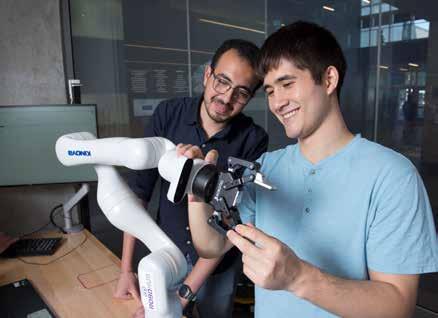
By Lilian Schaer, Livestock Research Innovation Corporation
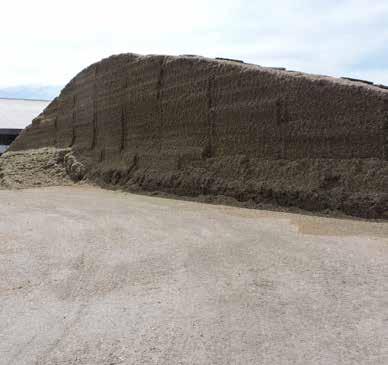
IT’S BEEN A YEAR since Dr. Mary Wells, dean of engineering at the University of Waterloo (UW), headlined a panel discussion on engineering a better farm at the annual Livestock Research Innovation Corporation (LRIC) symposium.
It was an early part of LRIC’s work to learn what on-farm challenges –identified by Ontario’s livestock commodities – could be solved with engineering, while also starting to make connections with some of Ontario’s engineering schools to introduce them to possibilities offered by the agriculture sector.
Early this past summer, UW Engineering hosted the Future of Ag Tech Symposium, welcoming members of the livestock industry to its Waterloo campus to showcase its innovation and tech capacities.
Climate change, emerging diseases, changing societal expectations and an evolving regulatory environment are all big picture challenges facing the livestock sector, and according to LRIC CEO Kelly Somerville, finding effective solutions will need innovation and a willingness to do things differently.
“It’s still important that livestock farmers focus on continuous improvement and efficiency in production, but issues like reducing antimicrobial use or finding ways to reduce emissions also matter — and they go beyond the research and innovation capacity of a single livestock commodity,” Somerville said.
This means the industry needs expertise in automation, engineering or computer science, for example, that can be applied to support the betterment of the livestock sector.
That’s why, for the past several years, LRIC has been encouraging crosssectoral research approaches and building relationships with scientists and experts not traditionally linked to agriculture who can bring new perspectives to the table.
Waterloo is home to Canada’s largest engineering school, which is among the world’s top 50 for engineering and technology, as well as the world’s largest co-operative education program. UW Engineering has an annual research budget of approximately $80 million and more than 10,500 students.
“We don’t have an agriculture or food school, but there is a lot of engineering at Waterloo with professors who are interested in the sector but don’t have the connections with the industry,” said Michele Van Dyk, UW industry engagement manager. “We do a lot of research here, and we are looking for agtech applications.”
This includes robotics and automation, vision and imaging systems, data capture technologies, wireless communications, sensor development, artificial intelligence and explainable decision-making, cybersecurity, logistics and supply chain optimization, remote monitoring, climate resilience, energy efficiency, air quality, biomedical devices, biomanufacturing, epidemiology and more.
Climate change, emerging diseases, changing societal expectations and an evolving regulatory environment are all big picture challenges facing the livestock sector.
Wearable technologies, for example, are being developed to provide real-time health monitoring and could soon enable wearable drug delivery systems. In robotics, new systems are being designed to automate repetitive tasks, helping to reduce labour costs, while ensuring consistency in areas like livestock feed or growing crops.
Computer vision and image analysis are being used to support remote sensing via drones and satellites, offering detailed insights into field conditions and land use. Wireless and remote monitoring technologies are enabling radio frequency identification (RFID) tracking and advanced movement detection, while sensors are being used to detect water leaks and monitor gas emissions.
Meanwhile, circular economy innovations are turning plastic, crop residues and livestock waste into sustainable products, including bioplastics and renewable fuels, such as ethanol, hydrogen and biodiesel.
In addition to making connections between researchers and agricultural organizations, Waterloo’s well-known co-op program is an excellent way to introduce engineering students to the opportunities and technology in agriculture.
Through a four- or eight-month work term, students are embedded with companies to tackle actual projects and work assignments; many students return to a former co-op employer following graduation for full-time, permanent work.


“We are developing a talent pool, and we have the skills you need in data analysis, programming, robotics and artificial intelligence, but we also put emphasis on teaching soft skills like communications, critical thinking, customer service and project management,” explained Alyssa Kuron, industry strategist, Co-Operative and Experiential Education at UW at the event.
This could be one way for the sector to attract a new generation of workers to help address the ongoing shortage of skilled labour in particular.
Kuron encouraged ag sector employers to think about the roles that need filling in their organizations and to consider UW co-op — not just in engineering but across all of UW’s six faculties — to fill the gap. Government programs are available to support co-op student wages, she noted.
LRIC will continue to nurture its burgeoning relationship with UW, as well as work on outreach to other engineering schools as part of its ongoing mandate to drive innovation in Ontario’s livestock sector.
“New approaches and initiatives like Engineering a Better Farm that expand our horizons beyond those of just our sector are what’s needed to help the livestock industry rise to the challenges of the future,” Somerville said.
Livestock Research Innovation Corporation is funded in part by the Sustainable Canadian Agricultural Partnership (Sustainable CAP), a five-year, federal-provincialterritorial initiative. This article is provided by LRIC as part of its ongoing efforts to report on research, innovation and issues affecting the Canadian livestock industry.
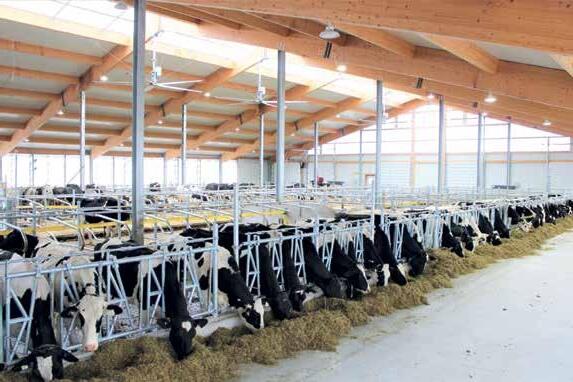
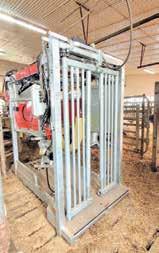
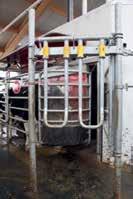
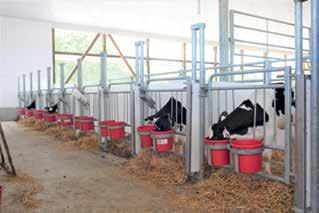
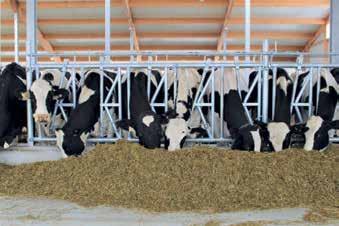

By Hannah McCarthy, Ph.D. Student, University of Guelph
THE PREWEANING PERIOD is one of the most critical phases in a dairy cow's life. Not only does it carry the highest risk, with the average mortality between five and 10 per cent on Canadian dairy farms, but it can also influence the animal’s long-term development and productivity. Preweaning health and nutrition can affect postweaning growth and health, age at first calving, first lactation yield, lifetime yield and lifetime profitability.
Numerous studies have shown that colostrum is one of the most important factors in determining preweaning health. Calves are born with a naïve immune system and have low levels of circulating immunoglobulins in their bloodstream making them highly susceptible to disease. They acquire immunoglobulins, primarily immunoglobulin G (IgG), via the colostrum provided by the dam or a colostrum replacer. These immunoglobulins provide the calf with passive immunity for the first few weeks of life, until they begin producing IgG of their own.

Colostral IgG is only effectively absorbed into the bloodstream of the calf until 24 to 36 hours of life. However, colostrum contains more than just IgG. It contains various other bioactive compounds such as growth factors, immune cells and bioactive peptides. The first milking after calving contains the highest concentration of these components, but their levels remain elevated until about the sixth milking. This period produces what is referred to as “transition milk,” typically from the second to sixth milking postcalving.
Traditionally, dairy calves are fed one or two meals of colostrum, and the transition milk is discarded. However, in a more traditional rearing system where the calf is reared by the dam, the calf would naturally be consuming
the transition milk. As the roles and absorption of many non-IgG bioactive compounds are not fully understood, transition milk may benefit the calf.
In one study out of the University of Alberta, calves were fed either colostrum, milk or transition milk from 12 to 72 hours of life, following an initial colostrum meal at birth. Calves that received the transition milk had higher serum IgG concentrations than those calves fed whole milk, though colostrum-fed calves had the highest concentrations overall. Additionally, both transition milk and colostrum-fed calves had increased intestinal development by day three of life, compared to the milk-fed calves.
Another study from the University of Guelph examined the effects of four diets on preweaning growth and health:
1) milk;
2) transition milk;
3) extended colostrum (10 per cent colostrum, 90 per cent milk) and
4) transition milk, followed by extended colostrum.
While there was no effect of the diets on growth, calves receiving either transition milk or extended colostrum had a lower hazard of diarrhea in the first three weeks of life and a reduced hazard of preweaning mortality. Other studies have also observed decreases in preweaning pneumonia rates and improved weight gain using similar feeding strategies.
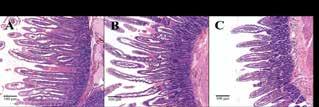
An emerging area of research involves using colostrum or transition milk therapeutically during stressful periods. One study out of the University of Guelph assessed the effects of feeding a 50 per cent milk and 50 per cent colostrum mixture during an episode of diarrhea. Calves fed this mixture for four days recovered more quickly from the diarrhea. Interestingly, they also found that the colostrum treatment increased preweaning average daily gain, even though the colostrum was only fed for a short period of time. Another study from the University of Guelph provided a 25 per cent colostrum and 75 per cent milk mix once daily during a one-week weaning period. This supplementation improved average daily gain during the weaning week (week nine) and continued to have positive effects on gain into the postweaning period (weeks 11 and 12).
The mechanisms behind these benefits are still not fully understood. Some researchers attribute the effects to the additional fat and energy provided in colostrum. However, even in studies that control for energy and fat content, positive health outcomes have been observed. A prevailing theory is that bioactive compounds beyond IgG may still be absorbed or exert local effects on the calf’s gut. Although further research is needed to clarify the mechanisms behind the observed benefits and to optimize feeding
protocols, the existing evidence strongly suggests that colostrum has benefits that extend well beyond the immediate postnatal period.
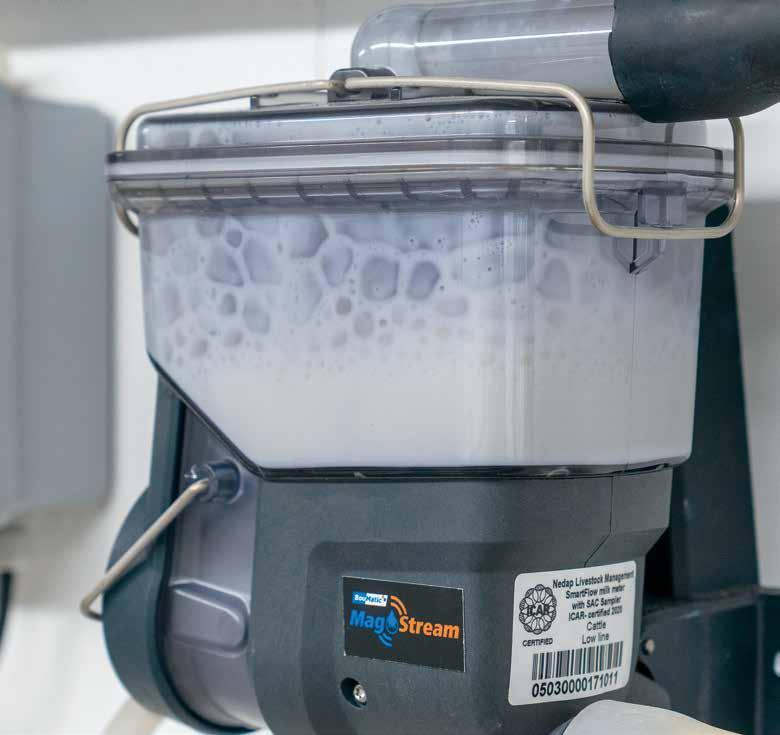
Contact Your BouMatic Dealer Today!
Dundas Agri-Systems Brinston 613-652-4844
Optimum Agri Belle Vallee 705-647-5040
Penner Farm Services Blumenort 800-461-9333 204-326-3781
The MagStream™ milk meter is wirelessly streaming data as it provides a 100% free flow of the milk stream. For maximum efficiency, the meter accurately monitors the milk flow and milking process to smartly automate cluster take-off, adaptive pulsation, stimulation and more. And the meter ensures a continuous and completely free milk and air flow, making vacuum drops and fluctuation caused by milk meters a thing of the past. Cows are milked Gently, Quickly and Completely™, improving milk quality - and the life of your dairy. Leran more aobut this ICAR freelow meter at BouMatic.com/MagStream