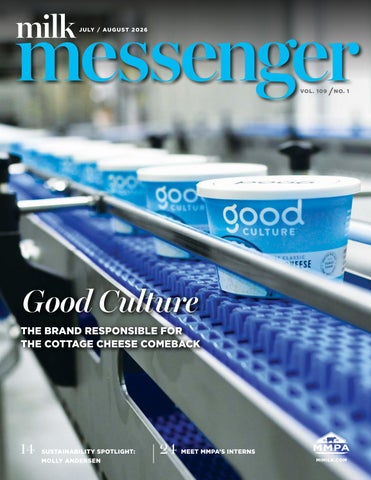
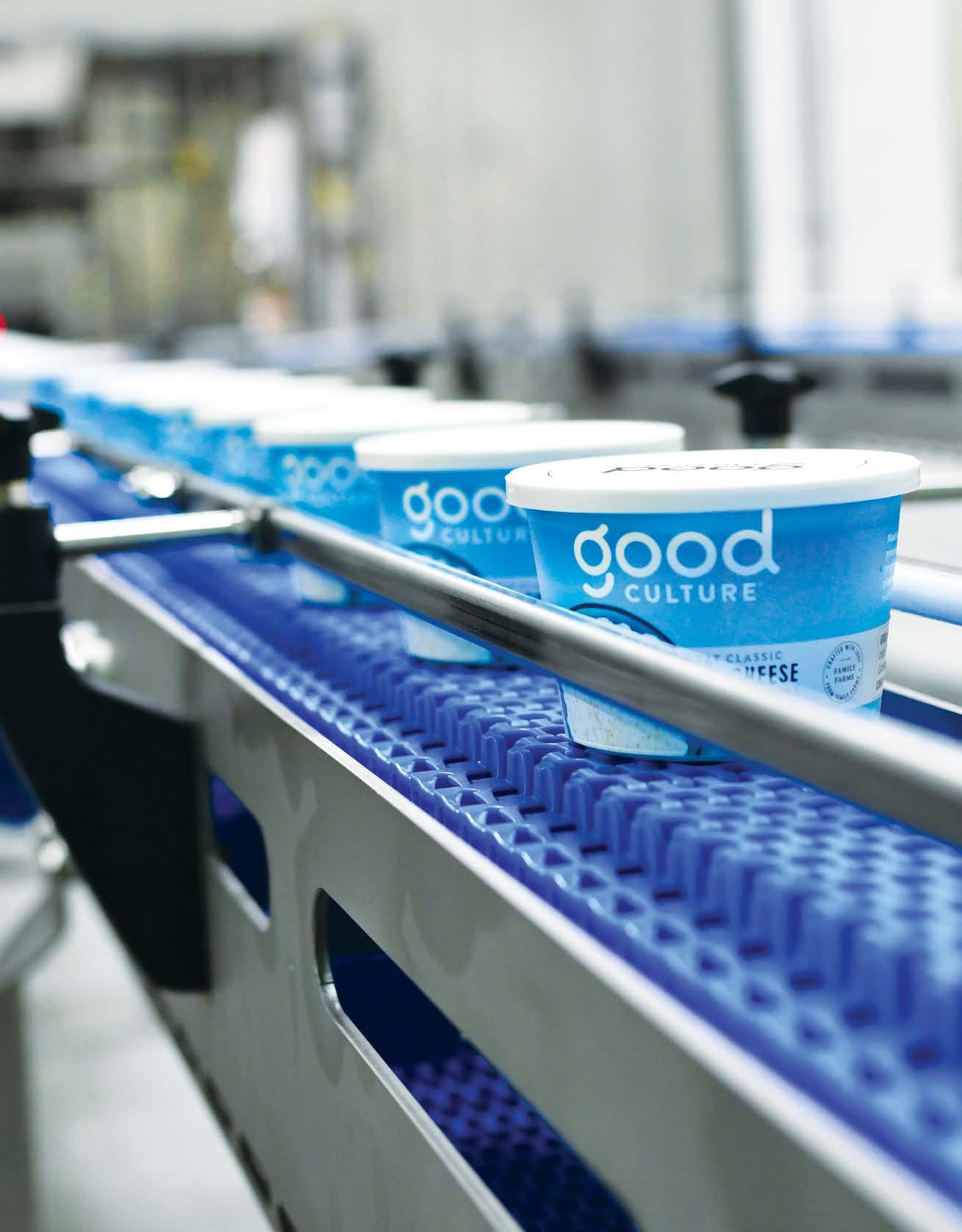
Good Culture
THE BRAND RESPONSIBLE FOR THE COTTAGE CHEESE COMEBACK
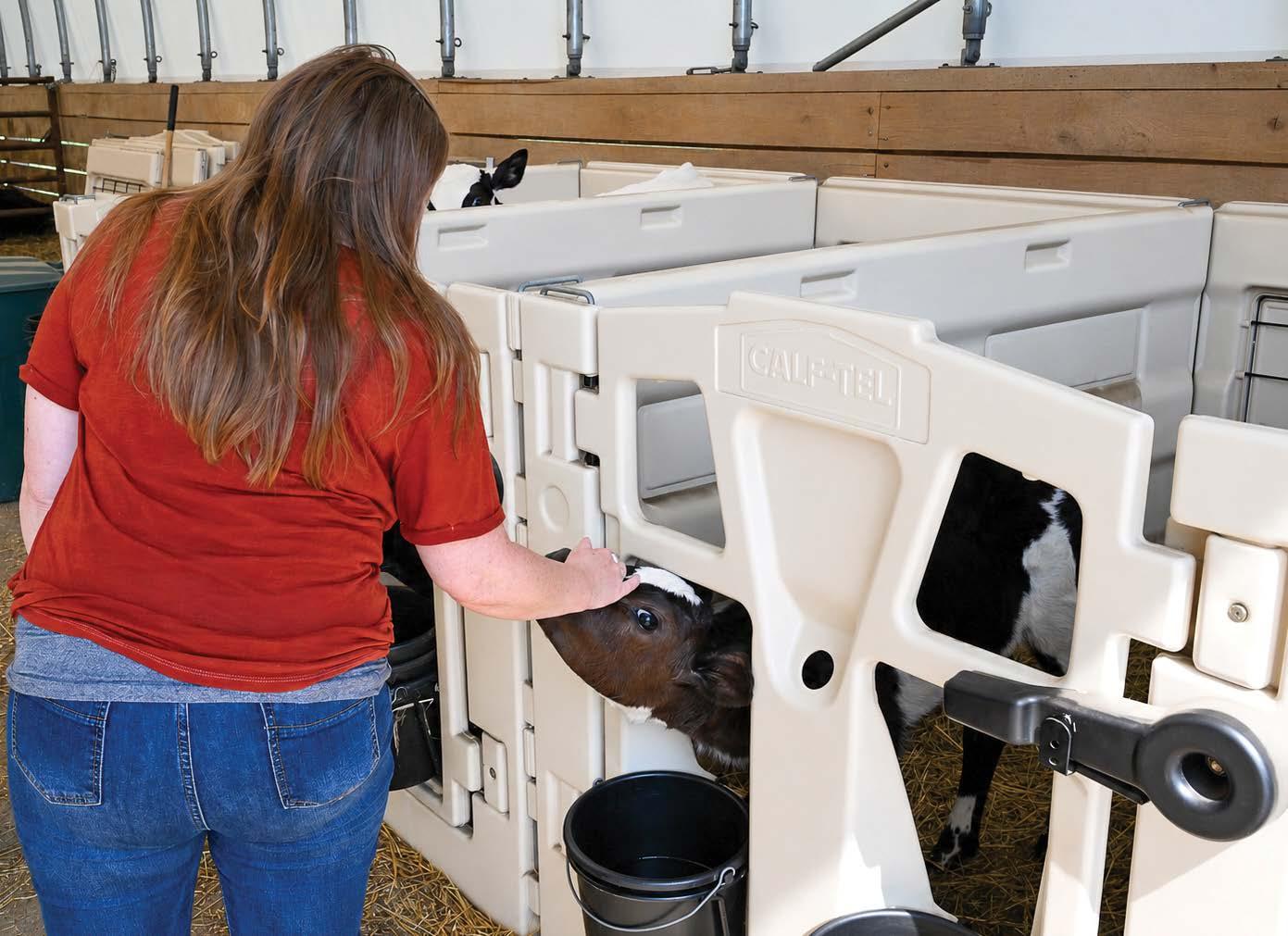
that can withstand challenges, support employees, adapt to changing markets and remain strong enough to continue for generations to come. This philosophy drives nearly every decision Molly makes at McCracken Andersen Farms, where she, her husband Brandon and her father work together to milk approximately 100 cows and farm 1,200 acres.
18 GOOD CULTURE: THE BRAND RESPONSIBLE FOR THE COTTAGE CHEESE COMEBACK
Good Culture began with Jesse Merrill recognizing that cottage cheese had been left behind. That realization became the foundation for a brand that helped bring fresh relevance to the category and connect with a new generation of consumers. As the comeback continues, Good Culture’s partnership with MMPA highlights the dairy farmers helping make that growth possible.
24 MEET MMPA’S INTERNS
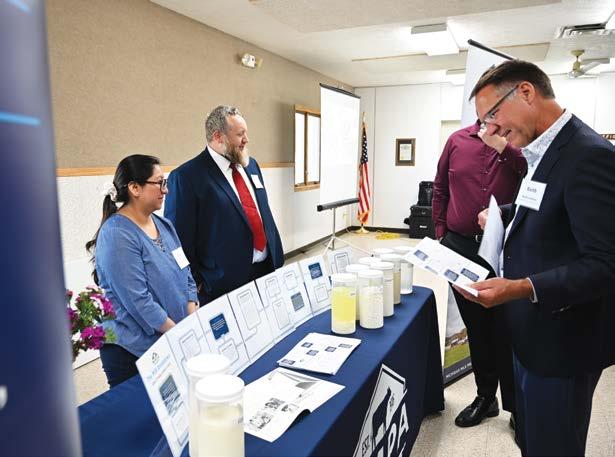
Each year, MMPA welcomes a group of interns who bring fresh perspectives, energy and a passion for their work. Whether they’re gaining experience in quality assurance, field services or accounting, these students play a key role in helping us serve our members and carry out our mission. Their time with MMPA is more than just a summer job, it’s a chance to apply classroom knowledge in real-world settings, explore potential career paths in agriculture and connect with cooperative members and staff.
“My favorite part of the internship has been the people and the opportunity to learn from them every day. The team has been supportive, kind and eager to help me grow professionally.”
SARAH AZEEZ, MMPA
(PG. 24)
MMPA OYDCs champion industry causes during Washington, D.C. fly-in (pg. 12)
MMPA welcomes guests during Remus ribbon cutting celebration (pg. 10)
Editor’s Note
BY EMILY KITTENDORF-KING
Few dairy products are having a moment quite like cottage cheese, but its comeback is about more than a trend. It’s a story of innovation, quality and people who see potential in dairy and pursue it with purpose. That spirit carries throughout this issue of the Milk Messenger , from MMPA’s newly announced partnership with Good Culture to the farmers, interns and industry leaders helping shape dairy’s future every day.
On the Cover
I had the opportunity to meet with Jesse Merrill, CEO and co-founder of Good Culture, and hear the story behind the brand revolutionizing cottage cheese (pg. 18). It’s an inspiring example of someone who came into dairy from the outside, became passionate about the product and set out to perfect a cottage cheese recipe centered on clean ingredients and high quality. Now, they’ve partnered with MMPA to continue driving cottage cheese’s comeback (pg. 10).
Also Inside
That renewed excitement around cottage cheese continues inside with a closer look at how the product is made and what sets it apart (pg. 22). You’ll also meet Molly Andersen (pg. 14) in the latest Sustainability Spotlight as we continue highlighting female farmers, along with this year’s MMPA interns (pg. 24), many of whom are new to dairy and gaining hands-on experience across our operations. Together, these stories celebrate dairy and the people helping move the industry forward.
VOL. 109 / NO. 1
Milk Messenger (USPS # 345-320) is published bimonthly by the Michigan Milk Producers Association, 41310 Bridge Street, Novi, MI 48376-8002. Periodicals postage paid at Novi and additional mailing offices.
POSTMASTER: Send address changes to Milk Messenger, PO Box 8002, Novi, MI 48376-8002.
President and Chief Executive Officer
Joe Diglio
Managing Editor
Sheila Burkhardt, Chief Corporate Affairs Officer
Editors
Emily Kittendorf-King, Editor & Advertising Manager
Mikayla Bowen, Editor messenger@mimilk.com
Publication Designer
Stacy Love rezudesign.com
Printing
Foresight Group, Stacey Trzeciak staceyt@foresightgroup.net
Publication Office
MMPA Milk Messenger P.O. Box 8002, Novi, MI 48376-8002 p: 248-474-6672 f: 248-474-0924
e: messenger@mimilk.com w: mimilk.com
Established in 1916, MMPA is a member owned and operated dairy cooperative serving dairy farmers in Michigan, Indiana, Wisconsin and Ohio. An Equal Opportunity Employer – F/M/V/D
Subscriptions: mimilk.com/subscribe
MMPA members - 50¢ per year
Non-members - $5 per year
Circulation: 2,600 (ISSN 0026-2315)

Three Projects, One Purpose
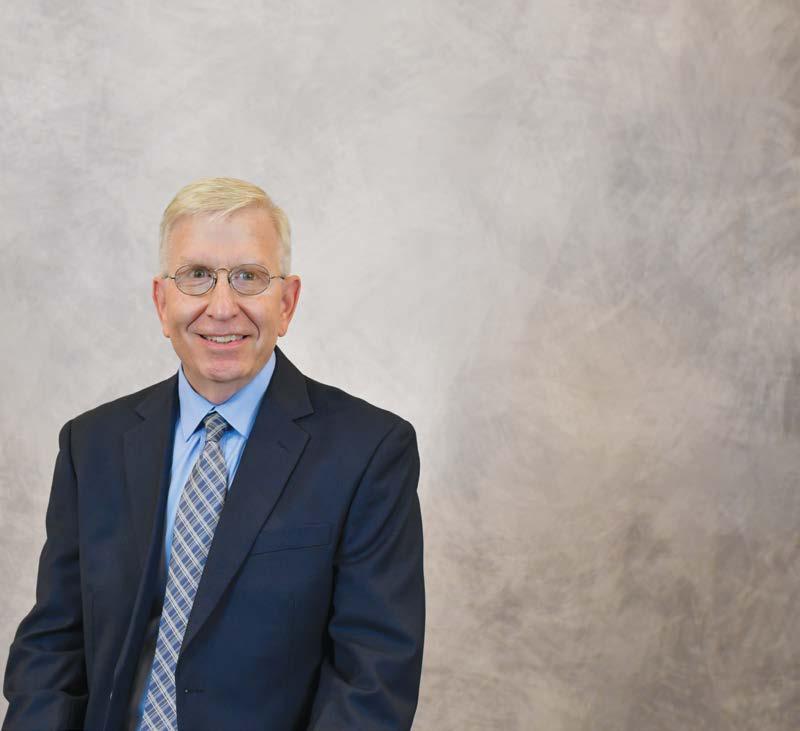
BY BRAD PARKS, MMPA CHIEF BUSINESS OFFICER
MPA had three major projects taking shape at the same time: Dairy Distillery’s ethanol plant in Constantine, the ultrafiltration expansion in Ovid and the cottage cheese plant in Remus. Each one took a tremendous amount of team work and coordination to bring together in a relatively short amount of time.
Projects like these do not come together because of one person or one department. They come together because a lot of people do their part and keep moving in the same direction. Engineering, operations, quality, maintenance, human resources, IT, sanitation, regulatory and leadership all had a role to play. Contractors, suppliers and project partners did too. At every stage, it took people asking questions, solving problems and thinking ahead
That looked a little different at each location. At Dairy Distillery, teams worked through the construction, installation, commissioning and testing needed to begin producing ethanol from milk permeate. That meant bringing together equipment, lab capabilities, operators, regulatory understanding and startup processes around a product very different from what we are traditionally used to in milk and dairy.
In Ovid, the teamwork showed up in how closely the construction side and the engineering and equipment side had to work together. The building had to be ready to support the equipment, utilities had to be in place, and controls, wiring and programming had to connect everything so the system could run the way it was designed. From silos and piping to refrigeration and control panels, there were a lot of moving parts, and everyone had to stay aligned to keep the project moving forward.
Remus may be the clearest example of just how much coordination these efforts require. In less than a year, that facility underwent a major transformation from a mozzarella cheese plant to a cultured dairy operation. That took demolition, rebuilding, new equipment, updated systems and extensive startup planning. At the same time, teams were hiring employees, setting up the lab, preparing sanitation and quality programs, training people on the process and thinking through how the plant would function every day once it was up and running. It was not just a construction project. It was a full team effort to stand up an entirely new operation.
One of the biggest themes across all three projects was coordination. Weekly meetings kept teams connected and decisions moving. One of the recurring questions throughout the process was, “What are we not thinking about?” That question mattered because projects like these are built on details. It is not just the large equipment or the construction timeline that matters. It is also the day-to-day realities of how people will work in the plant, how systems will connect, how quality will be maintained and how operations will succeed once startup begins.
One of the key things in all of these projects was making decisions for the long term. The goal was to build facilities that work well every day, produce high-quality products and create lasting value for our members.
What gives me confidence in these investments is the demand in the marketplace: Dairy Distillery’s ethanol product has strong demand, ultrafiltered milk has strong demand, and cottage cheese has strong demand. These projects diversify our product mix, diversify our capabilities and expand the value-added use of our members’ milk. They give us more flexibility, more tools in the toolbox and more opportunities to return higher value back to our members. Just as important, they reflect what can be accomplished when MMPA’s team, our contractors and partners, and the support of our board and members all come together behind a shared goal.
BRAD PARKS
What Does Participation in the FARM Program Mean for MMPA Members?
WE ASKED THE EXPERTS:
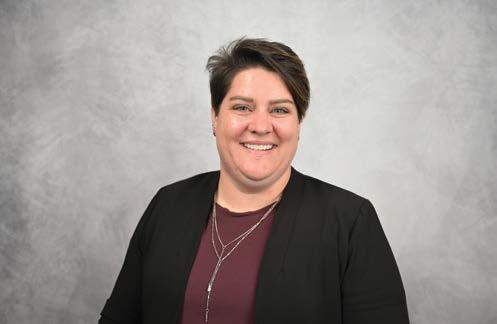
Sarah Michalek
MMPA FARM SUSTAINABILITY MANAGER
FARM Environmental Stewardship (ES) is a farm-level environmental assessment and customer assurance program that provides a comprehensive estimate of greenhouse gas emissions on dairy farms.
The Michigan Milk Producers Association (MMPA) implements this program on a selection of farms using a stratified random sampling protocol recommended by FARM. This approach largely satisfies reporting requirements of customers as it aligns with international standards for representative sampling. The data generated by FARM ES is used in aggregate to report greenhouse gas emissions to dairy buyers and to demonstrate progress.
For farmers the FARM ES program provides tools and resources to measure and improve their footprint, including what-if scenarios to assess the impacts of potential practice or technology adoption. FARM ES continues to showcase the great conservation work dairy farmers have done for generations while equipping farms to make decisions that align with their individual sustainability and economic goals.
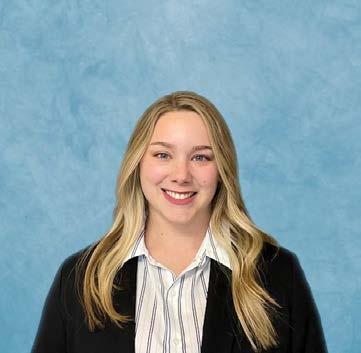
Rachel Rogers
MMPA SUSTAINABILITY COORDINATOR
The National Milk Producers Federation’s FARM Workforce Development (WFD) Program helps dairy farms strengthen employee safety, workforce management and human resource practices. As expectations around employee wellbeing continue to grow, the FARM WFD evaluation provides a practical framework for identifying opportunities to reduce risk.
The evaluation offers farm managers tools and resources to enhance employee training and implement HR and safety best practices. It is designed for farms of all sizes, including those with non-family employees and family-operated farms.
Many farms already have strong workforce and safety programs in place, and this evaluation highlights those efforts while helping identify areas for improvement. To prepare, producers should gather documents such as employee onboarding materials, safety plans, training records and other HR resources. During the evaluation, a trained evaluator reviews documentation, observes workplace safety practices and discusses policies with farm management. FARM WFD evaluations provide assurance across the dairy supply chain that farmers are committed to safe, productive work environments while meeting industry standards and demonstrating continuous improvement.

Deb Gingrich
MMPA ANIMAL CARE COORDINATOR
Built by the dairy industry for the dairy industry, the National Milk Producers Federation and Dairy Management Inc. FARM (Farmers Assuring Responsible Management) Program uses sciencebased standards developed by dairy farmers, veterinarians, animal scientists, cooperatives and processors. Rather than allowing regulations or customer requirements to dictate on-farm practices, dairy farmers created a unified program grounded in research and continuous improvement.
The FARM Animal Care Program includes evaluations by trained professionals to identify strengths and opportunities for improvement on participating farms. Third-party verification helps ensure consistency across the program.
By working together under one industry-led program, dairy farmers, cooperatives and processors demonstrate a shared commitment to animal care and responsible management. This approach helps maintain customer confidence while reducing the burden of multiple audits and differing standards, creating a credible framework that supports continuous improvement and demonstrates dairy’s commitment to doing what is right for cows, consumers and the industry.


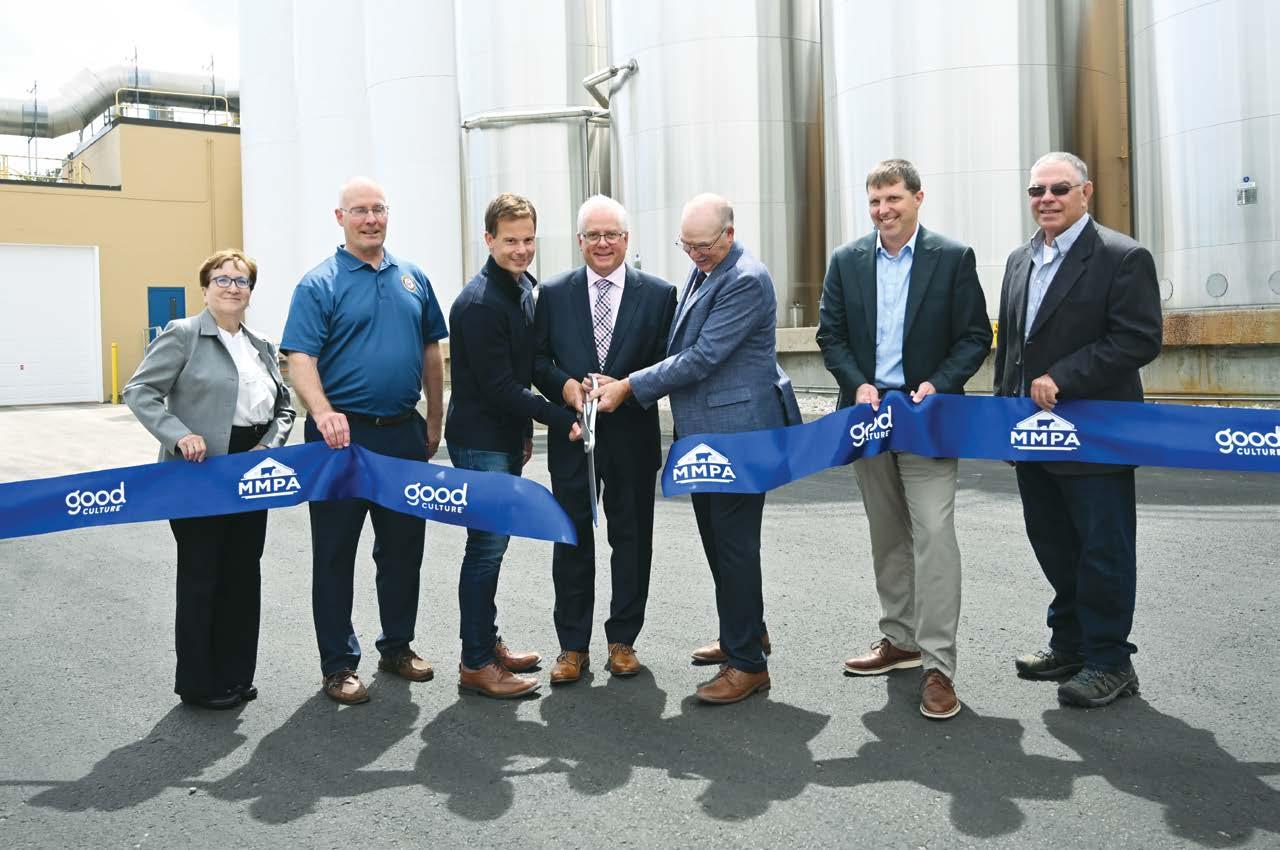
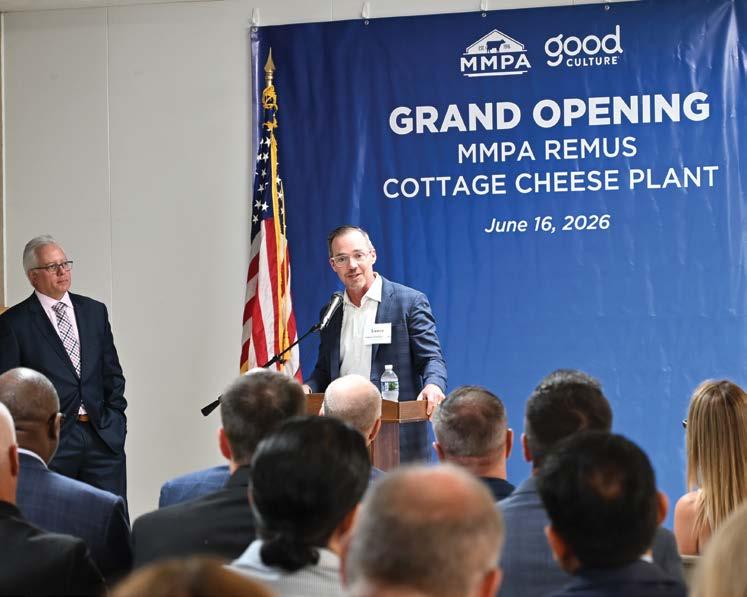
MMPA celebrates grand opening of Remus facility, announces cottage cheese partnership with Good Culture
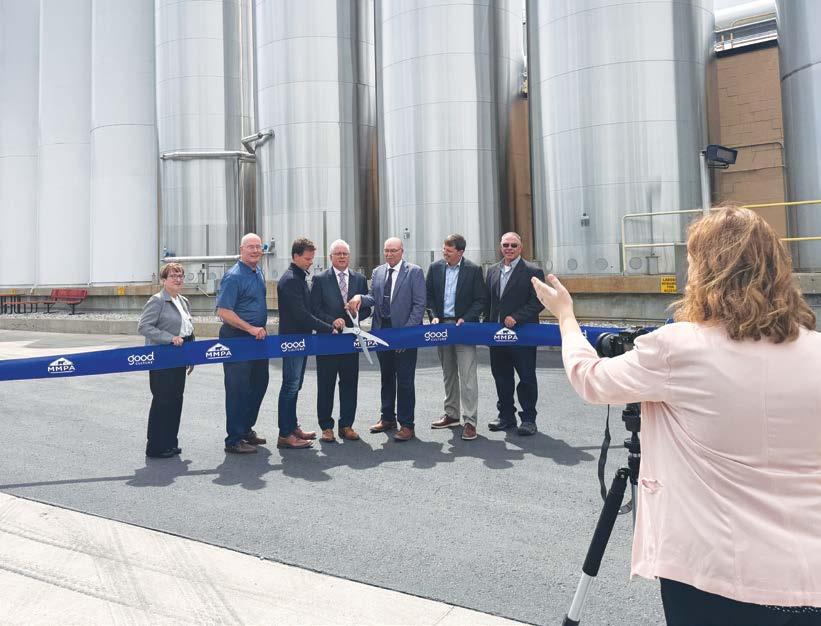
The Michigan Milk Producers Association (MMPA) hosted a ribbon cutting ceremony on June 16, 2026, to celebrate the grand opening of its Remus, Mich., processing facility and announced a new partnership with Good Culture to produce cottage cheese at the site. The milestone marks the official launch of operations at the facility MMPA acquired last year, expanding the cooperative’s processing capabilities and introducing cottage cheese to its product portfolio.
“This grand opening is an exciting moment for our cooperative and our member-owners,” said Joe Diglio, MMPA President and CEO. “With the launch of our Remus facility and our partnership with Good Culture, we are expanding our capabilities in a growing dairy category while continuing to invest in the future of dairy. This project reflects our commitment to innovation, strategic growth and delivering greater value for the farm families who own this cooperative.”
“This partnership is a major step forward for Good Culture, allowing us to scale, maintain control over our supply, and get our products onto more shelves nationwide,” said Jesse Merrill, CEO and Co-Founder of Good Culture.
“From day one, our brand has been
built on doing things the right way, and working with a values-aligned partner makes it possible to grow without sacrificing the quality our consumers know and trust.”
The Remus plant signals MMPA’s continued evolution as a dairy processor focused on building new markets for members’ milk. With investments in Remus and recent growth at its Ovid plant, MMPA is expanding its ability to meet changing consumer demand, grow with innovative customers and create long-term value for the dairy farm families who own the cooperative.
“We are proud to partner with Good Culture, a brand that shares our commitment to quality and innovation,” said Doug Chapin, MMPA Board Chairman. “This investment shows what
ABOVE: MMPA and partners cut the ribbon at the official opening of the MMPA Remus, Mich., facility on June 16, 2026. Pictured (L-R): Brenda Flory, Senior Business Development Manager, Michigan Economic Development Corporation; Congressman John Moolenaar (MI-02) Jesse Merrill, CEO and Co-founder of Good Culture, Joe Diglio, MMPA President & CEO; Doug Chapin, MMPA Board Chairman; Tim Boring, Director of Michigan Department of Agriculture and Rural Development; and Lee Carte, Wheatland Township Supervisor.
can happen when member-owners put their confidence behind a shared vision. Together, we’re creating new markets for our milk, supporting our communities and helping deliver nutritious dairy products to more consumers.”
“I’m truly excited to see this great day for Remus, great day for Michigan, and honored to be part of the celebration as a legislator,” said Congressman John Moolenaar (MI-02). “It’s important for Michigan because we’re the top six dairy producing state and it’s fantastic what’s happening here.”
“Michigan continues to be a real source of innovation, and an example that hard things can get done, whether it’s repurposing facilities and bringing life into them, or giving farms the opportunity to make more money by adding more value to the products they’re doing,” said Tim Boring, Director of Michigan Department of Agriculture and Rural Development, “The impact of these partnerships has been emphasized here today, and it does take a lot of partners coming together. We’re proud at MDARD to be a small piece of that.”
The grand opening event also featured remarks from Leprino President & CEO Lance FitzSimmons, Michigan
Economic Development Corporation
Senior Business Development Manager Brenda Flory, Wheatland Township Supervisor Lee Carte and Mecosta County Commissioner Chris Zimmerman followed by a ribbon cutting ceremony at the Remus facility.
MMPA producers scoring 95 percent or higher on Grade A Surveys and Federal Check Ratings
BEAVER RUN FARMS DAIRY LLC*
CRANDALL DAIRY FARM LLC*
E B RIDGE DAIRY LLC*
GRAMER FARMS LLC*
KEVIN AND LANE PIXLEY*
LADINE DAIRY FARM LLP*
RICHARD R WARDIN*
BRAID FARMS INC
CASEY MOORE
CLARINDA FARMS LLC
CLEARVIEW DAIRY FARM LLC
DONAL FARM LLC
GREENTOP ACRES LLC 5
HAMMOND DAIRY FARM LLC
JAMES A/JOHN J HUGGETT
MILKY WAY DAIRY LLC
RITTER FARMS LLC
SHOWALTER DAIRY FARMS LLC
SONRAY ACRES
VANDENBERG AND VANDENBERG
*100
MMPA SCHOLARSHIP OPPORTUNITIES
Michigan Milk Producers Association (MMPA) members, children of members and employees of members attending Michigan State University (MSU), Purdue University or The Ohio State University are eligible to apply for MMPA scholarships. Authorized by the MMPA Board of Directors, the scholarships encourage post high school study for careers in dairy management to continue the education and implementation of innovation on member’s dairy farms.
Students attending MSU who are pursuing a dairy management certificate in the Institute of Agricultural Technology or who are enrolled in the Dairy Concentration Program in the Department of Animal Science may apply for $2,000 per semester (for members or children of members) or $1,750 per semester (for employees of members) scholarship monies. Preference given to those students enrolled in the 2-year dairy management program. Scholarship applications are due by September 1.
At Purdue University and The Ohio State University, there is a $1,000 scholarship available for a student who is a member or child of a member enrolled in any agriculture-related major.
To apply online or to find more information about scholarships, visit mimilk.com/scholarships.
Leprino Foods President & CEO Lance FitzSimmons also joined in the festivities reflecting on their history with the facility and their continued partnership with MMPA.
MMPA OYDCs visit
Washington, D.C.
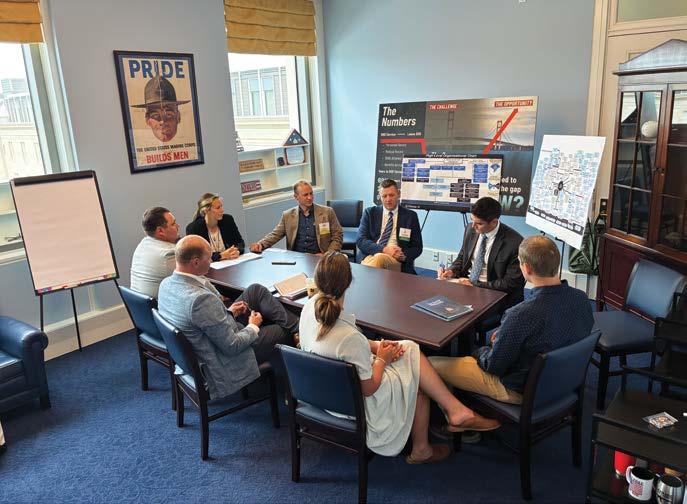
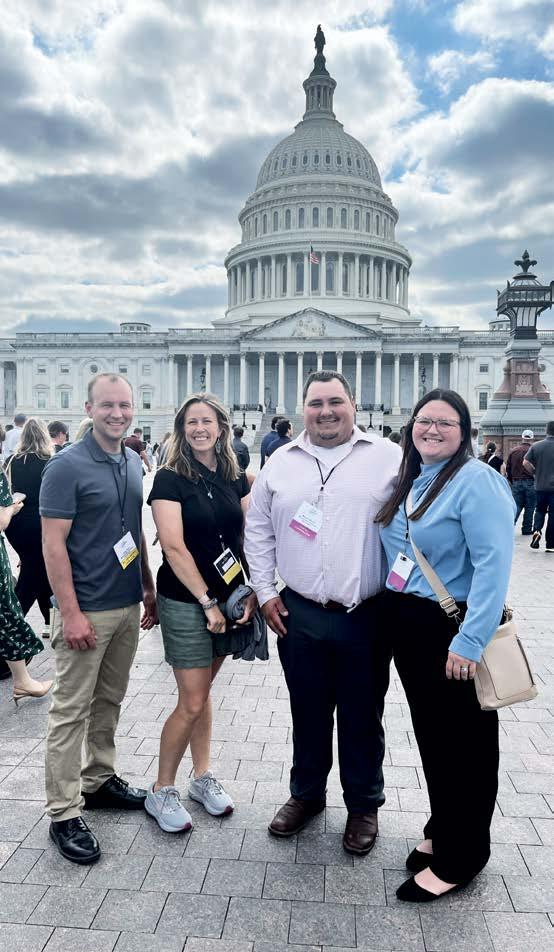
Dale and Lynnae Dick and Mason and Whitney Smith, 2025 MMPA Outstanding Young Dairy Cooperator winners and runners-up respectively, joined other young dairy farmer leaders from throughout the U.S. in Washington, D.C. in June for the National Young Cooperators (YC) Program’s annual Dairy Policy and Legislative Forum, held in conjunction with NMPF’s June Board of Directors meeting. The three-day event included discussions about political engagement and dairy policy issues, along with training on how to be an effective advocate and spokesperson for dairy.
MMPA OYDCs visited Capitol Hill and spoke with members of Congress and their staffs advocating on issues ranging from agricultural labor to the recent return of New World screwworm to the United States.
MMPA participates in Michigan Dairy Foods Awareness Day at Capitol
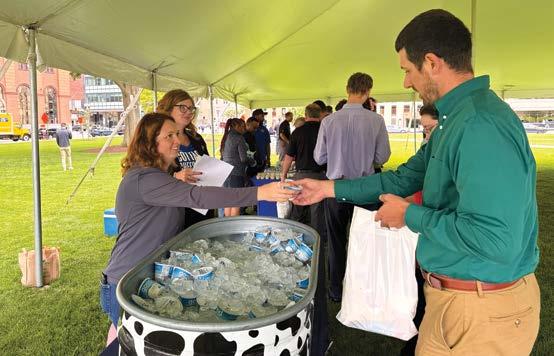
In honor of June Dairy Month, Michigan’s dairy industry came together on June 17 for the annual Michigan Dairy Foods Awareness Day, held on the Capitol Lawn in Lansing. This event shines a spotlight on the vital contributions of Michigan’s dairy sector to the state’s economy and food supply
Throughout the day, state legislators had the opportunity to sample a variety of complimentary dairy snacks and beverages while connecting directly with local dairy processors. This year, MMPA proudly distributed Good Culture, highlighting the recently announced partnership and our continued commitment to innovation and nutrition in dairy products.
H-2A
Guidance Updates
The Trump Administration released guidance that gives dairy farmers clarity on how they can use the H-2A visa program, confirming that dairy work can qualify for H-2A workers when a farm can show it has a temporary or seasonal labor need. Under the new guidance, dairy farms with distinct breeding or calving seasons may be able to establish a qualifying seasonal labor need tied to those production cycles. The memorandum also acknowledges that certain herd management responsibilities vary throughout the year, creating potential seasonal labor demands. As a result, employers may be able to demonstrate a temporary or seasonal need when workers perform tasks that differ between spring and summer versus fall and winter. Although some dairies have already successfully used the H-2A program, the clarity should open the door for more producers to apply.
This announcement is a critical first step. Dairy farms operate 365 days a year and need access to a reliable workforce yearround. That’s why efforts continue with House Agriculture Committee Chairman GT Thompson to advance broader reforms, including expanded H-2A access and solutions that address current workforce stability.
Dale and Lynnae Dick and Mason and Whitney Smith
New World Screwworm in the United States
The USDA has confirmed several detections of New World Screwworm (NWS) in Texas and New Mexico, as of publication. Federal and state animal health officials have ramped up surveillance, testing and trapping efforts while working to track where the infestations may have originated. They’re also releasing sterile insects, reaching out to livestock owners and veterinarians to help contain the spread.
New World screwworm is a destructive pest whose larvae feed on the living tissue of warm-blooded animals, causing painful wounds, infections, production losses and, in severe cases, death. Dairy cattle can become infested through open wounds or natural body openings, with newborn calves particularly vulnerable because healing navels can provide an entry point for larvae.
Producers should closely monitor cattle, especially newborn calves and animals with wounds, for signs of infestation. Watch for draining or non-healing wounds, unusual irritation or discomfort, and the presence of maggots or eggs in wounds or around body openings. Additional information, resources and updates are available at screwworm.gov.
Michigan takes additional steps to prevent NWS
Effective June 17, Michigan implements new domestic animal entry requirements to prevent spread of NWS. The Michigan Department of Agriculture and Rural Development (MDARD) announced new domestic animal movement requirements designed to keep New World screwworm (NWS) out of Michigan. While no detections have been found in the state, confirmed infestations in southern U.S. states has prompted MDARD to take proactive action to safeguard against negative economic impact and protect animal health.
Effective June 17, 2026, animals originating directly from an infested premises are prohibited from entering Michigan until that site is officially released from quarantine. The new restrictions also outline requirements for wound care, preventative treatment and documentation for those animals originating out of an area marked by USDA as an NWS Infested Zone or an Adjacent Surveillance Zone.
Dairy producers planning to import animals from states with known NWS detections are strongly encouraged to review the updated requirements at https://www.michigan.gov/ mdard/animals/diseases/screwworm/import-requirements.
You put everything into your herd. Only smaXtec delivers precise health insights from inside the cow, helping you spot issues earlier and act before they become costly challenges. See how precision pays off
BY MIKAYLA BOWEN
MMPA IS COMMITTED TO COOPERATIVE SOCIAL RESPONSIBILITY AND SUSTAINABLE BUSINESS PRACTICES THROUGHOUT OUR ENTIRE SUPPLY CHAIN. AT THE FARM LEVEL, MMPA MEMBERS ARE ALSO ON A SUSTAINABILITY JOURNEY.
IN RECOGNITION OF THE UNITED NATIONS’ DESIGNATION OF 2026 AS THE INTERNATIONAL YEAR OF THE WOMAN FARMER, THIS YEAR’S SUSTAINABILITY SPOTLIGHT SERIES CHECKS IN WITH A HANDFUL OF OUR FEMALE MEMBER FARMERS WHO ARE LEADING THE CHARGE.
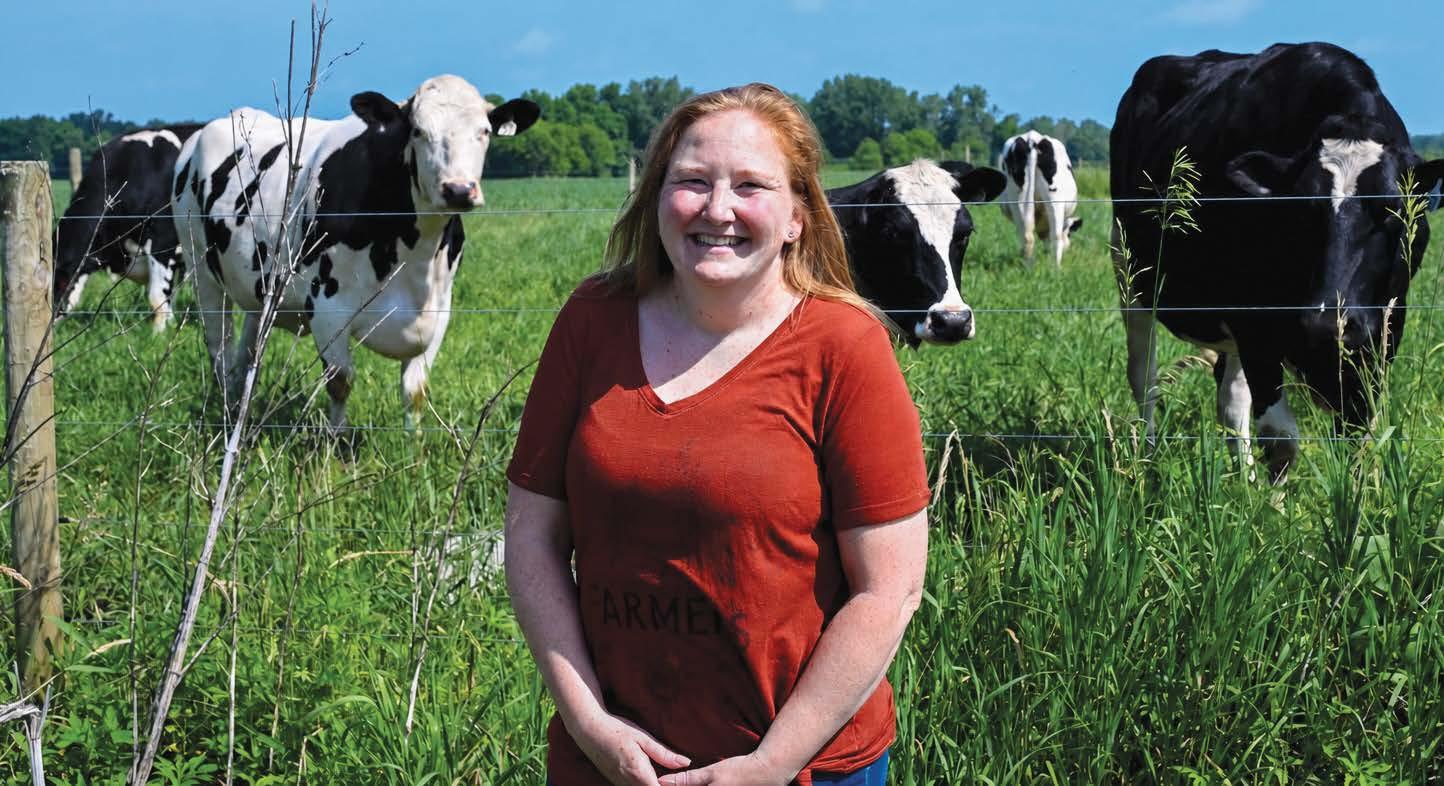
Molly Andersen
“W hen I hear sustainability, the goal is to keep it around for the next generation and to be able to pass something on,” said MMPA
member Molly Andersen.
“It’s our job to make it viable and to keep it in good shape for the future.”
That philosophy drives nearly every decision Molly makes at McCracken Andersen Farms, where she, her husband Brandon and her father work together to milk approximately 100 cows and farm 1,200 acres.
For Molly, sustainability means much more than environmental stewardship. It means creating a farm business that can withstand challenges, support employees, adapt to changing markets and remain strong enough to continue for generations to come.
The path began when Molly graduated high school and learned her father was considering selling the dairy herd.
“I didn’t want to see it go,” she said. “I wanted to keep it going.”
While many of her classmates were preparing for college loans, Molly had earned a full-ride scholarship to Central Michigan University. Instead of taking on student debt, she made a different investment.
“I took out my first FSA Young Farmer loan to buy cows when I was 18,” Molly said. “Instead of taking out college debt, I took out a cattle loan.”
Like many beginning farmers, the experience came with hard lessons. She experienced health challenges in purchased animals, but Molly remained determined to grow the herd and continue improving the operation.
“That’s why it’s been such a slow growth,” she said. “We learned a lot from it.”
Today, the farm has grown from roughly 50 milking cows when Molly became involved to around 100 milking cows, with plans to continue expanding through home-raised replacements.
As a woman taking over the dairy operation, Molly also faced challenges that had little to do with cows.
“I remember the first salesperson that came in,” she recalled. “The first thing he said to me was, ‘Where’s the man on the farm?’”
At the time, Molly was responsible for managing the dairy herd. She pointed the salesperson toward her father, who promptly directed him right back to her.
“I kind of told you that,” Molly remembered thinking when he returned. Experiences like that taught her an important lesson.
“You have to prove yourself,” she said. “It is a man’s world. I feel like I grew up in a man’s world.”
Over the years, however, she has seen attitudes change and more women stepping into leadership roles across agriculture.
“I think there’s a huge place for women in the farm world,” Molly said. “There are things we bring to it that men lack, and there are things they bring that we lack. It’s a give and take.”
When asked what advice she would give young women considering a career in dairy farming, her answer was simple.
“Be strong. Don’t get intimidated,” she said. One of the biggest lessons Molly has learned is that long-term sustainability requires diversification.
“If I could give any advice, diversify,” she said.
That belief led Molly and her husband to launch a wedding venue down the road from the farm in 2018. What started as a side business has become an important part of the operation’s financial stability.
“The wedding venue allows us to put all the farm money back into the farm,” Molly said.
Today, the venue hosts weddings nearly every weekend from spring through fall, providing an additional revenue stream that helps offset market volatility and fund future improvements.
The same mindset influences other management decisions on the farm. The Andersens utilize beef-on-dairy breeding, forward contracting and continually evaluate ways to improve efficiency and manage costs.
Environmental stewardship also remains a priority. The farm has implemented cover crops, crop rotation, soil sampling and nutrient management planning to improve soil health and make the most of available resources. A new manure storage facility and manure management improvements are helping position the farm for future success.
“We’re trying to be good stewards of the land and the animals,” Molly said. “I think that’s any farmer’s goal.”
Recent investments have included a new double-10 parlor, expanded calf facilities and additional infrastructure designed to improve animal care and operational efficiency.
“We take pride in taking good care of our cows,” Molly said. “A lot of our cows have names. We know our cows by name.”
Just as important as caring for the animals is caring for the people who help make the farm successful.
KEYWORDS
“I always wanted to get the farm to a size where we could afford good help,” Molly said.
The farm currently employs two full-time team members and an additional parttime helper. Molly believes investing in employees is essential to the long-term sustainability of any operation.
“We’re very blessed to have them,” she said.
Finding dependable employees can be one of the biggest challenges dairy farmers face, but Molly credits her team for helping keep the operation running smoothly day after day.
“To have people you can rely on and know they’re going to take care of the cows for you, and they love the cows just as much as you, is huge.”
For Molly, sustainability ultimately comes back to preparing the farm for the future.
“It’s hard to see so many small farms selling out,” she said. “You hope that’s not going to be you.”
Through diversification, stewardship, strategic investments and a strong support team, Molly is building a farm she hopes will remain viable for years to come.
“Our job is to make it viable for the next generation,” she said. “And to be able to pass something on.”
VERIFICATIONS
FARM Animal Care
FARM Environmental Stewardship
BEEF-ON-DAIRY- A PRODUCTION SYSTEM WHERE DAIRY COWS ARE BRED WITH GENETICS FROM BEEF BREEDS (SUCH AS ANGUS OR LIMOUSIN) TO PRODUCE CROSSBRED CALVES THAT ARE FINISHED FOR BEEF.
FSA YOUNG FARMER LOAN- A FINANCING PROGRAM DESIGNED FOR BEGINNING FARMERS AND RANCHERS WHO HAVE OPERATED A FARM FOR 10 YEARS OR LESS AND DO NOT OWN FARMLAND EXCEEDING 30% OF THE AVERAGE FARM SIZE IN THEIR COUNTY. THESE LOANS PROVIDE TARGETED CREDIT OPPORTUNITIES AND DOWN PAYMENT ASSISTANCE TO HELP INDIVIDUALS ESTABLISH OR EXPAND THEIR AGRICULTURAL OPERATIONS, PARTICULARLY THOSE WHO MAY HAVE LIMITED ACCESS TO TRADITIONAL FINANCING OR STARTUP CAPITAL.
SOURCE: U.S. DEPARTMENT OF AGRICULTURE
MMPA SUSTAINABILITY MISSION
To continually strive for a more sustainable future for our community, our environment, our economy’s health, and for the lives and world around us.
Support MSU’s Dairy Programs through MMPA match campaigns
MMPA’s history with Michigan State University (MSU) goes back to the beginning with our founding in MSU’s Agriculture Hall, and for generations MSU has helped strengthen the dairy industry through research, education and outreach. In support of that legacy, MMPA is backing two important MSU dairy fundraising efforts through matching campaigns and encourages members and employees to note their MMPA affiliation when contributing to either campaign:
Dairy Cattle Teaching and Research Center Campaign
The new Dairy Cattle Teaching and Research Center reflects MSU’s ongoing commitment to Michigan’s dairy industry and rural communities. Advocacy from the dairy community led the state of Michigan to invest in this facility, but to fully fund it, additional private support is needed.
Goal: Raise $2.50 per cow in Michigan to help collectively raise $1 million. Contributions will be matched up to $200,000 by MMPA.
Dr. Joe Domecq Dairy Education Endowment
Thanks to support of dairy producers and industry partners an endowment was established in 2023 to recognize Dr. Joe Domecq’s lifelong service to the dairy industry. Efforts are now underway to build on the initial endowment to not only honor Dr. Domecq, but to expand teaching capacity of MSU dairy education programs, launch a student run herd and develop a stand-alone Dairy Science major at MSU.
Goal: Raise $2.5 million to expand the Dr. Joe Domecq Dairy Education Endowment. Contributions will be matched up to $50,000 by MMPA.
Help strengthen the future of dairy education at MSU. By supporting the Dairy Cattle Teaching and Research Center Campaign and the Dr. Joe Domecq Dairy Education Endowment, you can help expand MSU dairy education and strengthen teaching capacity to meet enrollment growth and student interest in the MSU Dairy Program.
All contributions and pledges designated MMPA from members and employees from May 1, 2026 through June 1, 2027 would be matched by MMPA up to $50,000 for the Domecq Endowment and $200,000 for the Dairy Facility Campaign. Pledges to either campaign can be made over a five year time period. When giving through MMPA’s effort, your gift also counts toward MSU’s campaign totals. That means by indicating your afilliation with MMPA when giving to MSU, your support helps advance both the MMPA campaign and the corresponding MSU campaign. Eligible gifts may also receive recognition from both MMPA and MSU.
All contributions are an investment in the students who will lead our industry, the research that will move it forward and the partnership between MMPA and MSU that has served dairy farm families for generations.
Members may give using the same methods outlined by MSU for each campaign. When making your gift, please note you are affiliated with MMPA. We recommend following up with a phone call or email to Kyle Cutler at 616-204-6648 or cutlerky@msu.edu, or contacting the MMPA Member Relations team at memberrelations@mimilk.com to ensure your contribution is properly earmarked.
How To Give:
MSU Dairy Facility Campaign
• Online at https://give.msu.edu/?sid=20997
• Mail a check payable to Michigan State University to University Advancement, 535 Chestnut Road, Room 300, East Lansing, MI 48824 with “DCTRC Producers Campaign-MMPA” specified in memo.
• Call or email Kyle Cutler at 616-204-6648 or cutlerky@msu.edu.
Dr. Joe Domecq Dairy Education Endowment
• Online at https://givingto.msu.edu/ gift/?sid=9436
• Mail a check or pledge to Michigan State University, Department of Animal Science, 474 S Shaw Ln #1290, East Lansing, MI 48824, made payable to Michigan State University and designate: Domecq, CANR (A105121) - MMPA
Improving operations from the ground up.
We know your farm operations are constantly evolving. That could mean the need for land, buildings, renovations, or anything in between. GreenStone has been helping farmers and agribusinesses make the investment in the land they need for over 100 years.
With locations across Michigan and northeast Wisconsin, we're here when you're ready to talk.

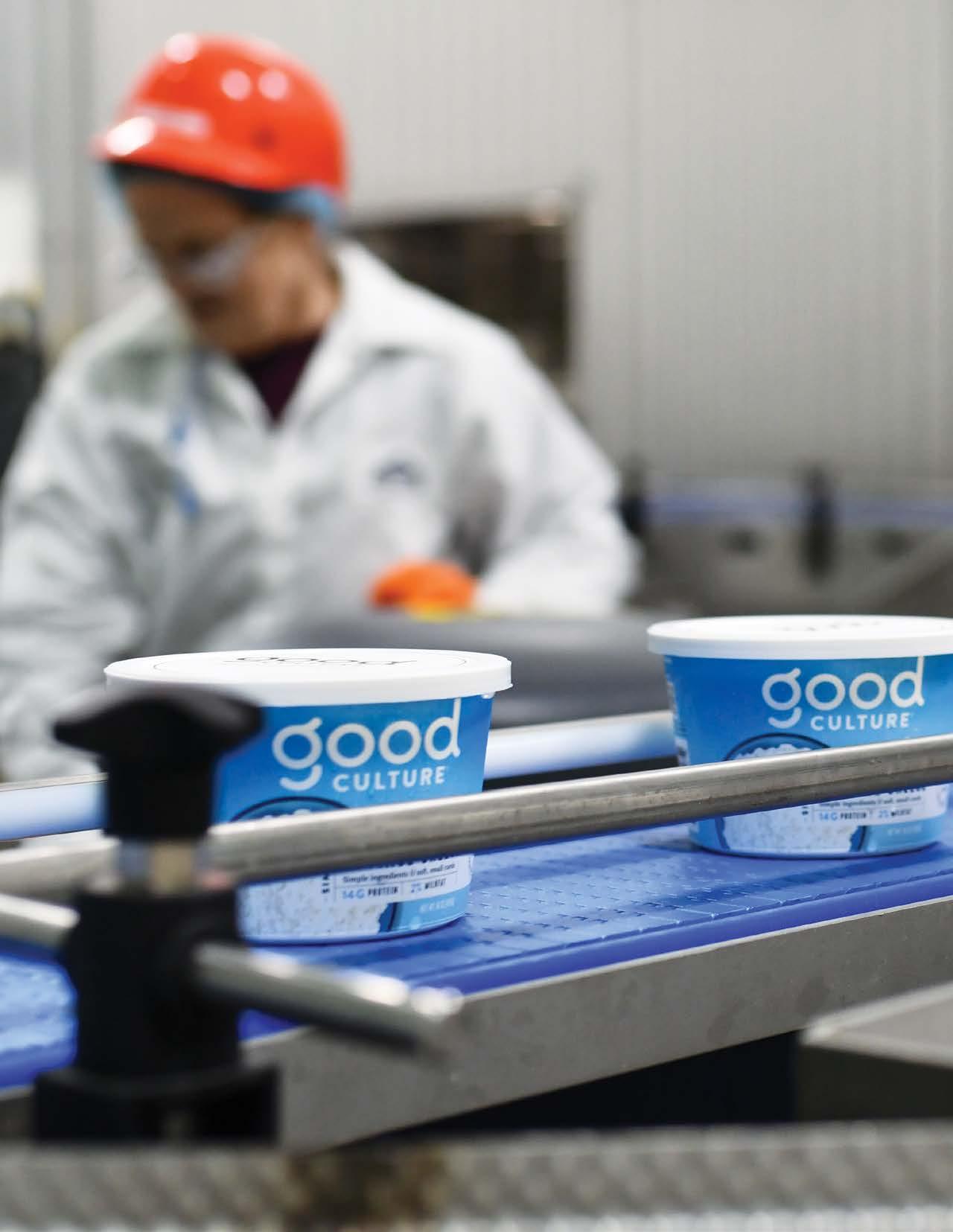
We created a product that was heavily differentiated from a taste and texture standpoint: thicker, creamier and cleaner.”
JESSE MERRILL
Good Culture:
THE BRAND RESPONSIBLE FOR THE COTTAGE CHEESE COMEBACK
BY EMILY KITTENDORF-KING
When Jesse Merrill first turned his attention to cottage cheese, he did not see a trendy product or a fast-moving category, he saw a missed opportunity.
By that point, Merrill had already built a career in consumer packaged goods, helping grow startup beverage brands in the betterfor-you space. He had worked with tea companies where he helped scale them during a period of rapid growth and learned firsthand what it takes to build a missionled brand with staying power.
Still, the company Merrill would eventually found did not begin with a carefully planned dairy strategy. It began at home.
“My wife was pregnant, and she was eating a lot of cottage cheese,” Merrill said. “And I had not thought about cottage cheese in a long time.”
The more he looked, the more he felt the category had been left behind. The packaging was uninspiring, the product experience was disappointing, and the ingredient labels did not align with the kind of real food he cared about personally.
“I picked up the tub, and I took a look at it, and I wasn’t impressed with the packaging, the branding or the marketing,” Merrill said. “The product inside was also uninspiring. It was soupy, slimy and didn’t really taste good. It wasn’t a great experience, and then I looked at the ingredient statement, and it was loaded with additives.”
But alongside that, Merrill saw something more important: a product naturally high in protein, low in sugar and packed with untapped potential.
“That was the light bulb moment,” Merrill said. “I’m like, okay, this is an overlooked superfood. No one’s talking about it. It’s not being presented in the right way.”
An Overlooked Opportunity
That realization became the foundation for Good Culture.
From the beginning, Merrill believed cottage cheese was not failing because consumers no longer wanted nutritious dairy foods. It was failing because the category had not been reinvented for modern shoppers. If a company could deliver a better product, present it with more relevance and connect it to younger consumers, he believed the category could grow again.
This was not a small ambition. Merrill was entering a declining category that many brands had largely accepted as static. But he believed cottage cheese still had room to win, especially if
it could move beyond its outdated reputation as a diet food.
“If we can find a way to bring relevance back to this overlooked superfood and market it in a way that will bring younger consumers in, there’s a huge opportunity,” Merrill said.
Building a Better Cottage Cheese Brand
Good Culture officially launched in 2015 after Merrill spent the previous year building the concept and finding a manufacturing partner. The company entered the market through natural food chains in regions of the U.S., but the launch was only the start of a much harder process: convincing shoppers to look twice at a category many had ignored for years. That challenge shaped the company in its earliest days.
“We had to reframe the category for consumers, reimagining the category and then presenting it in a way that would get them to pay attention and listen,” Merrill said. “And that was really, really challenging at first.”
It was even harder because Good Culture was not just introducing a new brand, it was introducing a cleaner, short shelf-life dairy product.
“With dairy, especially clean-label, there is a short shelf-life. You don’t
have a lot of time to build consumer interest and consumer love,” Merrill said. “The product needs to sell.”
So Good Culture chipped away. Merrill and his team focused on product quality, in-store education and steady consumer connection. They worked to disrupt old shopping habits and prove that cottage cheese could deliver a completely different eating experience. The product itself became one of the company’s clearest differentiators.
We created a product that was heavily differentiated from a taste and texture standpoint: thicker, creamier, and cleaner,” Merrill said.
“Our real food, simple ingredient story created a clear contrast with the competitive set.”
Winning Over a New Generation
That product focus gave Good Culture credibility, and its marketing gave it momentum. Over time, the company steadily built a loyal following, but a major turning point came in 2023 when an influencer’s TikTok recipe using Good Culture to make ice cream went viral. What followed was not just a moment for the brand, but a moment for the category.
Consumers began using cottage cheese in pancakes, bagels, smoothies, pasta dishes and other high-protein meals.
Suddenly, younger shoppers were not just willing to try cottage cheese, they were actively looking for ways to use it. Merrill saw the shift up close, even in his own family.
“I went from being the lame cottage cheese dad to the cool cottage cheese dad,” Merrill said.
For Good Culture, the moment validated what the company had believed all along: cottage cheese was more versatile, relevant and appealing than the category had been given credit for. Since then, Merrill said the category has surged, and Good Culture’s own growth has accelerated right alongside it. Still, Merrill does not see the work as finished.
“It does feel like there’s still a ton of opportunity to continue to grow the category through more innovation,” Merrill said.
As the company grows, Merrill says the focus remains fixed on the values that built it. Strategy may evolve, but Good Culture’s foundation will not.
“We will always be a clean label-focused product brand. We will always lead with mission and authenticity first,” Merrill said. “We will continue to be obsessed with the consumer and be a consumer-led organization. And we will always have a qualityfirst mindset.”
A Partnership Built on Shared Values
Those values are part of what makes the company’s partnership with Michigan Milk Producers Association (MMPA) a meaningful fit. It’s a partnership that is more than just about a product on a shelf, but a relationship between a brand and the farm families whose milk makes that product possible. For Merrill, that connection matters deeply.
“MMPA shares that quality obsession,” Merrill said. “We have shared values with MMPA, which is
a big reason why we were so excited to work with them.”
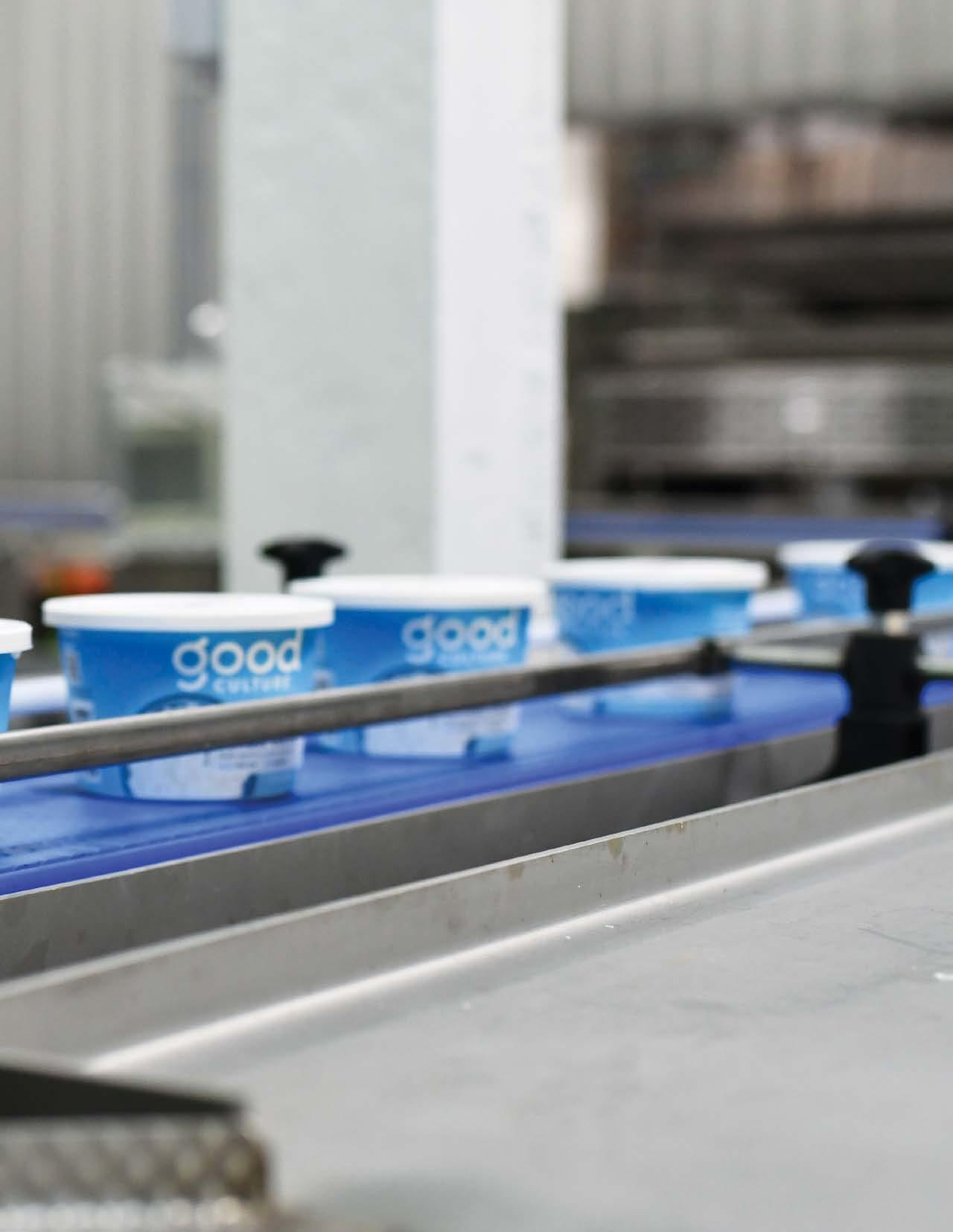
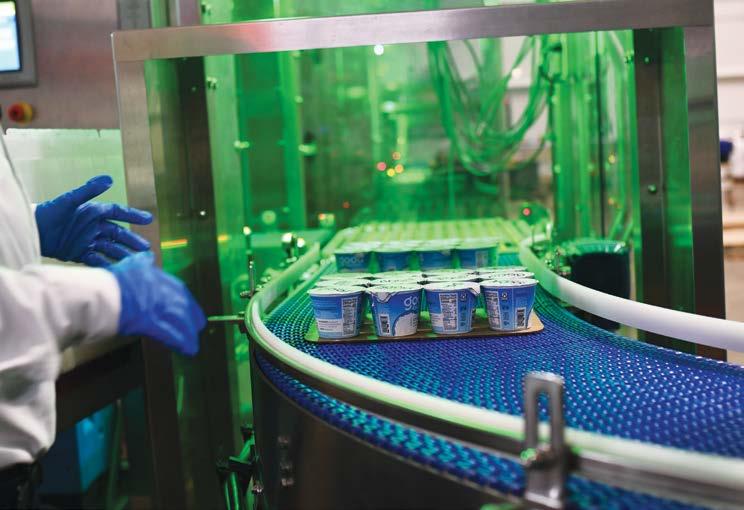
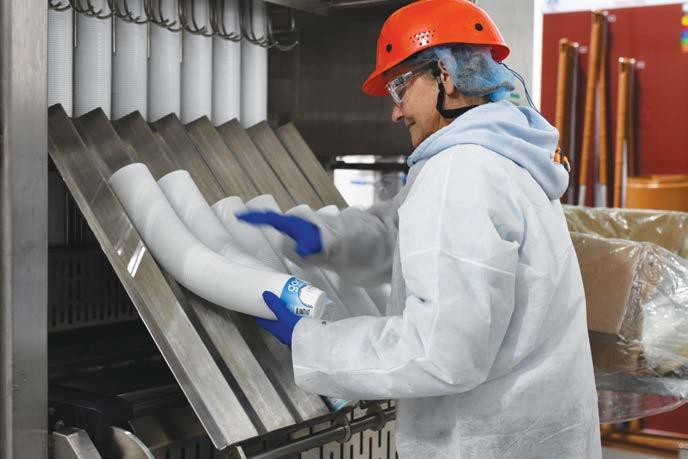
As part of the partnership, MMPA is producing Good Culture cottage cheese at their new plant in Remus, Michigan, serving as not only a supply solution for a fast-growing brand, but as partners aligned in quality, values and community impact.
“Our consumers are looking for real food products and real starts at the farm,” Merrill said. “Dairy farmers are the backbone of everything that we do. Without them, we don’t have a product, we don’t have a brand.”
For a company built on the idea that an overlooked dairy food could become relevant again, that perspective feels fitting. Good Culture may have started with one founder noticing a problem in his own kitchen, but its growth has depended on much more: a better product, an obsessed consumer base, and a dairy supply chain capable of helping the company scale.
As cottage cheese finds new life with younger consumers, Merrill believes MMPA producers should see themselves in that story too.
“The work that your farms do builds the foundation for a brand that’s giving the next generation a reason to fall in love with dairy again,” Merrill said.
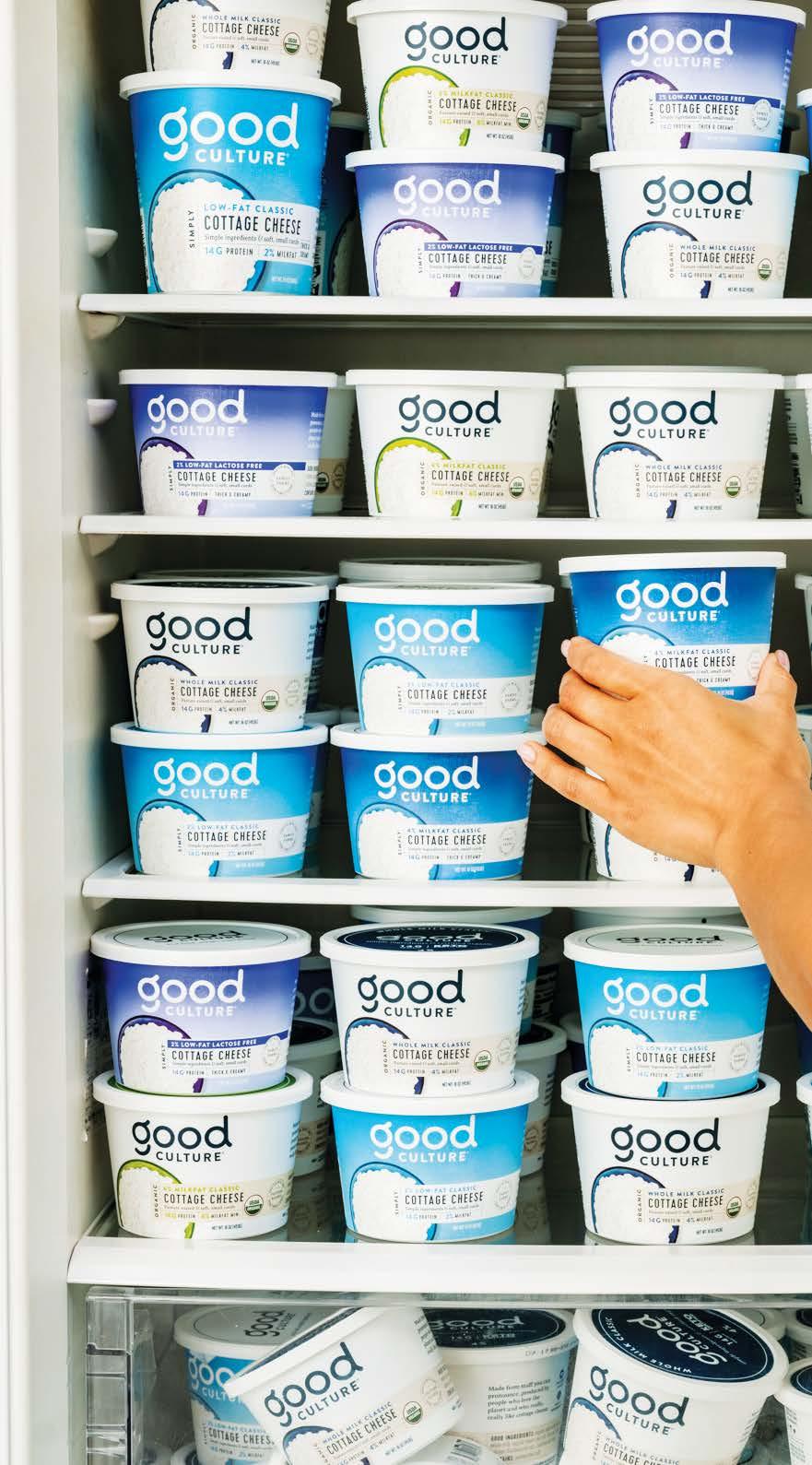
Today, Good Culture has positioned itself as the modern cottage cheese brand One that speaks authentically to younger consumers and makes an old category feel fresh again.
RAW MILK
Raw milk is received at the plant from the farm and it is tested for temperature to ensure freshness, antibiotics to ensure it is antibiotic-free, and for components like fat and protein to ensure quality.

PASTEURIZATION
The milk is then pasteurized to kill any harmful pathogens and ensure safety.
CREAM SEPARATION
The pasteurized milk is separated into cream and skim milk using a cream separator that uses centrifugal force to separate the heavier portion of milk (skim milk) and the fat-rich, lighter portion of milk (cream).
CREAM
Cream is the fat-rich portion of milk. It can be used later in the cottage cheese process to make the creamy dressing that coats the curds, or it may be sold for other dairy uses like butter, ice cream or other cream products.
The Milk Breakdown
HOW COTTAGE CHEESE IS MADE
PACKAGING
The finished cottage cheese is filled into containers, sealed and coded. It is then packed and placed into cold storage until quality checks are complete. After final testing and approval, the cottage cheese is released for shipment. From there, it heads to customers and consumers.
ADDING DRESSING
A creamy dressing is prepared using cream separated earlier in the process, along with other dairy ingredients such as nonfat dry milk and salt. This dressing is what gives cottage cheese its smooth, rich, spoonable finish.
The cooled curds and dressing are gently mixed together so the dressing coats the curds without breaking them down too much, creating the finished texture consumers recognize.
WASHING CURDS
After the whey is removed, the curds are washed and cooled. This step removes the residual lactose and acid from the curd surface, helping slow further fermentation.
SKIM MILK
Skim milk is the starting point for cottage cheese. It contains protein, lactose and minerals, but very little fat, making it ideal for forming curds.
ADDING CULTURES
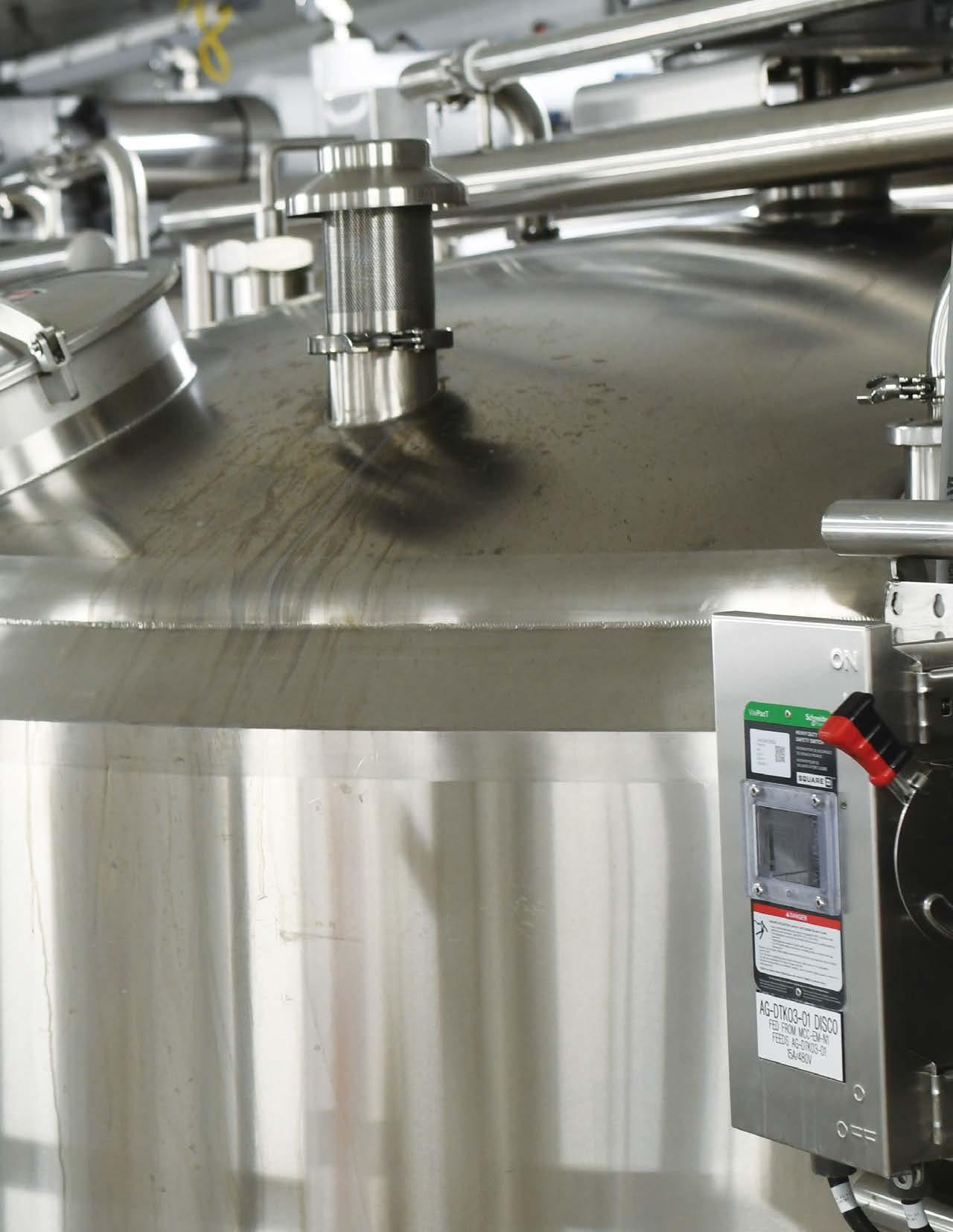
The warm skim milk enters the cheese vat, where starter cultures are added. These beneficial bacteria begin turning lactose, the natural sugar in milk, into lactic acid.
CURDS
The curds are the soft milk solids that remain after acid development, cutting and cooking. They are made mostly from casein proteins and are the part of the milk that becomes the actual cheese.
DEVELOPING ACID
As the starter cultures work, the milk becomes more acidic due to production of lactic acid. This drop in pH is one of the most important steps of cottage cheese production because it changes how the milk proteins behave and converts the milk into curds. As acidity increases, the skim milk thickens from a liquid into a soft, yogurt-like gel. Acid development also contributes to the mild tangy and fermented flavor associated with cultured dairy foods and helps create the clean, delicate character of cottage cheese.
CUTTING CURDS
Once the milk has formed into a soft gel, it is cut into small cubes using special cheese knives. This helps separate the solid curds from the liquid whey and begins shaping the size of the finished curds.
DRAINING WHEY
The whey is drained from the vat, leaving behind the curds.
WHEY
Whey is the liquid portion left behind when milk separates into curds. It contains water and valuable milk components: lactose, minerals and whey proteins. It can be processed further into whey protein ingredients for foods, beverages and protein powders, or used for animal feed.
HEALING AND COOKING
After cutting, the curds rest briefly in the whey to firm up and help them hold their shape. The curds are then slowly heated so they release more moisture and develop the tender texture expected in cottage cheese. At this stage, the mixture contains two parts: curds and whey. The curds are the solids that become cottage cheese, while the whey is the liquid left behind.
MEET MMPA’S
Each year, MMPA welcomes a group of interns who bring fresh perspectives, energy and a passion for their work. Whether they’re gaining experience in quality assurance, field services or accounting, these students play an important role in helping us serve our members and carry out our mission. Their time with MMPA is more than just a summer job, it’s a chance to apply classroom knowledge in real-world settings, explore potential career paths in agriculture and connect with cooperative members and staff. In the following profiles, meet the talented interns who are making a difference at MMPA this summer.
Sarah Azeez
Northville, Michigan
Internship: Quality Assurance Internship
College: Michigan State University
Year in School: Spring 2026 Graduated Senior
Major: Animal Science
Dream Job: USDA Food Safety Inspector or Food Safety Auditor
What previous experience did you have that helped prepare you for your internship?

Prior to my internship, I worked at the Michigan State University Dairy Cattle Teaching and Research Facility Center, where I gained hands-on experience with dairy operations, animal care, sanitation practices, and attention to detail. I also brought a strong science background through coursework in biology, chemistry, and microbiology, which helped me understand many of the quality and food safety concepts used in the plant.
How did this MMPA internship experience fit into your future career goals?
This internship helped me discover a strong interest in food science, quality assurance, and food safety. Learning about audits, testing procedures, regulatory standards, and product quality has shown me how I can apply my science background in the dairy industry and pursue a career focused on ensuring safe, high-quality food products.
What do you like most about working in the dairy industry?
What I enjoy most is the people. Everyone I have met has been incredibly welcoming, patient, and willing to teach. I have been encouraged to ask questions, and people have taken the time to explain processes and share their knowledge, which has made learning rewarding.
What was your favorite experience working as an MMPA intern?
My favorite part of the internship has been the people and the opportunity to learn from them every day. The team has been supportive, kind, and eager to help me grow professionally. Being able to apply what I’ve learned in biology, chemistry, microbiology, and dairy science to real-world quality assurance work has made the experience especially meaningful.
INTERNS
Eli Jackson
Grayling, Michigan
Internship: Food Systems Fellowship
College: College of Veterinary Medicine
Year in School: 2nd year
Major: DVM
Dream Job: Veterinarian
What previous experience did you have that helped prepare you for your internship?
The Food Animal Club at Michigan State College of Veterinary Medicine put on many events for students that helped me get my feet wet for my internship. They held lectures by Dr. Roger Thomson which went over milk parlor management, and other basic facets of the dairy industry.
How did this MMPA internship experience fit into your future career goals?
My internship experience greatly advanced my knowledge of the dairy industry. With my future career goal of becoming a veterinarian, understanding the big picture of the industry is a valuable resource when communicating with farmers. I spent much of my time with co-op staff and farm staff all over the state. I have seen what is important to farmers and how the co-op is there to assist. Overall, this experience has given me the real-world education that I can apply when assessing dairy medicine cases.
What do you like most about working in the dairy industry?
I most enjoyed getting to talk with farmers and getting to look at their facilities. Dairy farmers across the state are one of a kind and I wish more people knew how hard they worked to provide safe, top-notch nutrition to their communities.
What was your favorite experience working as an MMPA intern?
My favorite experience working as an MMPA intern was completing FARM evaluations. This gave me great insight into how much farmers care about their cows, facilities, and procedures.
Emmanuel Kalejaye
Canton, Michigan
Internship: IT Intern
College: Eastern Michigan University
Year in School: Recent Graduate (Class of 2026)
Major: Information Technology

Dream Job: Network Engineer / Desktop Support Specialist
What previous experience did you have that helped prepare you for your internship?
My experience at Eastern Michigan University helped build a strong foundation in IT through coursework, labs, and hands-on projects. I also spent a lot of time troubleshooting technology and learning about networking, systems, and end-user support. Those experiences helped me become comfortable solving technical problems and prepared me to step into a professional IT environment.
How did this MMPA internship experience fit into your future career goals?
This internship has been a great opportunity to gain realworld IT experience and see how technology supports a large organization. My long-term goal is to work in network engineering while continuing to develop my skills in desktop support and user services. Being able to learn from experienced professionals and work with the technologies used in a business setting has given me valuable insight into the career path I want to pursue.
What do you like most about working in the dairy industry?
What I like most is learning about an industry that I did not know much about before joining MMPA. It’s interesting to see how technology plays an important role in supporting daily operations and helping different teams stay connected. I’ve also enjoyed learning more about the cooperative and how it supports dairy farmers across Michigan.
What was your favorite experience working as an MMPA intern?
Getting out into the field and seeing different environments first hand has been one of the most interesting and rewarding parts of my internship experience. It gave me the opportunity to see how operations can vary from site to site and how the IT team supports employees across multiple locations.
Michael Peterson
Elkhart, Indiana
Internship: CMMS
College: Valparaiso University
Year in School: Sophomore
Major: Mechanical Engineering and Economics
Dream Job: Propulsion engineer at NASA

Elita You
Ann Arbor, Michigan
Internship: Finance/Accounting
College: Yale University
Year in School: Rising Sophomore
Major: Economics and Math
Dream Job: FP&A Analyst

What previous experience did you have that helped prepare you for your internship?
This internship, in many ways, is a natural progression of the previous opportunities shaping my career path. Before this internship I had the privilege to intern for the City of Elkhart’s Engineering Department. While these two positions may seem incongruous the technical skills I learned along with the amazing support I was given allowed me to feel confident and comfortable moving to this position.
How did this MMPA internship experience fit into your future career goals?
In terms of career goals, my primary goal is always flexibility and understanding. At this point in my journey I can imagine a variety of different paths in my future. This experience allows me to understand an industry and help better determine where I can make an impact.
What do you like most about working in the dairy industry?
So far, my favorite part of working in the dairy industry is working behind the scenes to create impact. Dairy impacts so much of our lives and getting to be a part of that impact is truly incredible.
What was your favorite experience working as an MMPA intern?
My favorite part of working as an intern has been the atmosphere of working in the plant and the various learning opportunities I’ve already been given regarding plant operations.
What previous experience did you have that helped prepare you for your internship?
My coursework at Yale and involvement in student organizations helped prepare me for my internship at MMPA. Through finance and consulting projects, I developed problem solving skills which I’ve been able to capitalize on in this internship. My experiences teaching and tutoring math taught me to communicate more effectively and better adapt to new challenges.
How did this MMPA internship experience fit into your future career goals?
I am interested in pursuing a career in finance, and my internship at MMPA gave me valuable exposure to the accounting and financial processes that support a large organization. Understanding how financial information is recorded, reconciled, and utilized will provide a strong foundation for future roles in finance. This experience improved my analytical thinking, quantitative skills, and knowledge of the accounting industry, which will certainly be valuable throughout my career.
What do you like most about working in the dairy industry?
One of my favorite aspects about the dairy industry is the complexity of the process from the farmer to the grocery store. Prior to this internship, I did not realize how many moving parts are involved and how accounting supports and interacts with each of them. Because of this, I have had the opportunity to explore different aspects of accounting, such as invoicing, account reconciliation, and inventory. Seeing how all these pieces come together to benefit the cooperative and its members has been insightful and rewarding.
What was your favorite experience working as an MMPA intern?
My favorite experiences have been learning more about dairy from a financial perspective as well as the Dairy Month celebrations. My supervisor, Will Pekarek, gave me a presentation on the dairy industry and how prices are determined for the various classes, which I found to be especially interesting and useful.The Dairy Month celebrations gave me the opportunity to connect with my coworkers and enjoy various types of dairy.




MICHIGAN BEEF INDUSTRY COMMISSION
“RESTAURANTS & RANCHES” VIDEO SERIES SURPASSES 1.3 MILLION VIEWS
The Restaurants & Ranches video series was a partnership between Michigan Beef Industry Commission (MBIC) and NCBA to feature farms and restaurants across Michigan that highlight the unique production styles and cuisine of our great state! You can view the videos on MBIC’s social media channels, and they will soon be coming to YouTube!
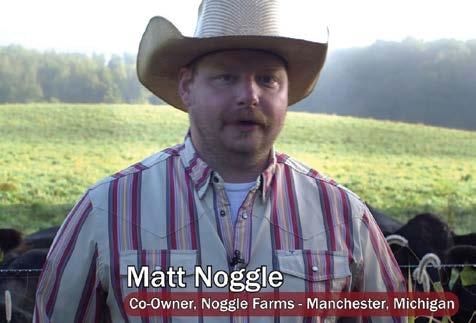
TIGERS YEARBOOK & SUMMER BILLBOARDS

MBIC was featured in the 2026 Tigers Yearbook which is estimated to reach 2 million fans. This partnership also provides a hospitality package that is used for social media giveaways to further extend the investment. Also, be on the lookout for beef billboards. Messaging and placement were curated to keep beef top of mind as Michiganders and out of state visitors travel this summer! Estimated impressions for the summer billboard campaign are 13 million!
GIRLS WHO GRILL EVENT
Girls Who Grill is a hands-on event designed to bring women together to build confidence around grilling beef while learning about beef cuts, nutrition and production in a fun, welcoming environment! Michigan’s event happened in June and reinforced these positive messages with consumer influencers.
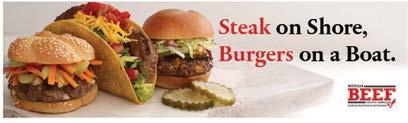
THE 2026 GREAT LAKES BURGER LEGENDS ARE...
HEROS FOOD & SPIRITS - Delton, MI
FRITA BADIDOS - Ann Arbor & Detroit
GOOGS PUB & GRUB - Holland, MI
RED COAT TAVERN - Royal Oak, MI
ZOMBURHERS - Hamilton, MI
GLENDALE BURGER SHOP - Traverse City, MI
BURGERFI - Northville, MI
NONLA BURGER - Grand Rapids, MI
BUNKHOUSE BURGERS - Clarkston, MI
The Great Lakes Burger Battle is designed to seek out and promote 100 percent beef burgers prepared in Michigan restaurants. MBIC will be promoting the Top 10 burgers through a strategic partnership with Michigan influencers that will include social media features, digital content and other promotional efforts to showcase the winning burgers and the establishments that created them. Be sure to give them a try!
NATIONAL UPDATES
Whole and 2% Milk Options Now Allowed at Breakfast and Snacks
Whole and 2% milk will be allowed in all school meal programs including lunch, breakfast and snacks. Expanding these options to additional meal programs removes a key implementation barrier, enabling schools to offer preferred milk options across all meal programs. It also gives schools more flexibility and choice when selecting milk options to better accommodate diverse student preferences and nutritional needs.
Checkoff Brings ‘Body by Cheese’ to Life for National Cheese Day
With consumers increasingly seeking protein-rich foods to support active lifestyles, the dairy checkoff leveraged National Cheese Day on June 4 to position cheese as a convenient, highquality protein option through its Dairy Does More platform.
The National Cheese Day activation, launched by Dairy Management Inc. (DMI), introduces “Body by Cheese,” a lighthearted campaign designed to connect cheese with fitness, wellness and snacking occasions. At the center of the effort is the Parm Bar, a 2-ounce block of domestically produced parmesan packaged in a protein-bar-inspired wrapper that highlights cheese’s protein benefits in a modern way.
Beverage Boom Turning Consumer Demand Into Dairy Sales
As consumer tastes shift toward trendy food and beverage offerings with protein and wholesome nutrition, your checkoff’s proven partnership strategy positions dairy to rise to the top of restaurant menus. Through strategic investments with restaurant partners, your dairy checkoff team has driven sales of an additional 18.48 billion pounds of dairy from 2009 to 2024.
LOCAL UPDATES
World Cup Excitement to Drive Milk Sales
This summer, American Dairy Association Mideast is leveraging the excitement of the FIFA World Cup through the national Dairy Does More initiative to drive milk sales across Ohio and West Virginia. Digital ads target health-conscious consumers and families with youth athletes, highlighting the performance benefits of white and chocolate milk. Clickto-cart technology automatically adds milk to shoppers’ Walmart carts, creating a seamless path from engagement to purchase.
Educating Future Health Professionals About Dairy
The American Dairy Association Mideast is helping future health professionals build a stronger understanding of dairy nutrition and modern dairy farming. Through in-person and virtual educational programs, dietetic interns learn about dairy’s nutritional benefits, current research and common misconceptions about dairy foods.
Most recently, ADA Mideast engaged with students from Ohio University, Columbus State, Miami University, Cleveland VA Medical Center and University Hospitals. Students also connect directly with dairy farmers through farm tours and conversations, gaining firsthand insight into how milk is produced and the care that goes into raising dairy cows.

Getting in the Game with Esports
FDF and UDIM launched a new partnership with PlayVS, a national organization that works with school districts through competitive online gaming. We were the Diamond sponsor of the PlayVS Cup, a nationwide virtual tournament, and the 2026 “District of the Year” award, earned by Orange County Public Schools in Orlando. This collaboration brings dairy nutrition messages into digital arenas, with brand integration across broadcasts, social media and gameplay experiences. From on-stream moments featuring chocolate milk to supporting championship events and recognizing top-performing districts, the partnership highlights how real dairy fuels focus and performance.
Cows and Creators
A group of influencers, athletes, and nutrition experts recently visited Horning Farms in Manchester, Michigan, for a behind-the-scenes look at how milk moves from farm to table.
During the Cows & Creators event, attendees rotated through on-farm stations, connected directly with farmers, and experienced firsthand the care, nutrition, and sustainability practices involved in dairy farming. The focus was on capturing real, unscripted moments and genuine interactions throughout the day. Photos and videos from those experiences were later shared on social media, helping tell an authentic story of modern dairy farming to a broader audience.
Whole Milk Hand-Delivered to the Indy 500 Winner
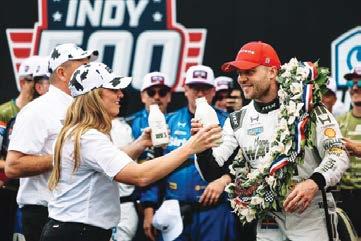
Dairy Farmer Ashley Stockwell of Stockwell Farms (Hudson, Indiana) successfully delivered ice-cold whole milk to the 2026 Indianapolis 500 winner, Felix Rosenqvist. Stockwell, alongside dairy farmer Brian Rexing, presented milk to not only the winning driver, but to the winning team owners and chief mechanic.
At the height of viewership, 8 million race fans from around the world watched Rosenqvist cross the finish line during the closest race in history.
Polar King to the Dairy Farm
American Dairy Association Indiana recently partnered up with NxtGen Network to host a June dairy farm tour for Polar King Symposium Summit attendees in Fort Wayne, Indiana. With guests traveling to the Hoosier state from all around the country, it was only appropriate that a dairy farm tour and lunch on the farm occurred. Thanks to Sarah Kuehnert of Kuehnert Dairy, guests were greeted by holstein cows, toured their on-farm processing facilities and enjoyed fresh pizza at the “Udder Up Cafe.”
Bringing Dairy Science to Classrooms
FDF and UDIM recently attended the Florida Science Education Leadership Association annual conference and the Michigan Science Teacher Association’s annual board retreat. Each event was full of thought leaders in school districts across Florida and Michigan.
In Florida, attendees participated in a Macromolecules lab that used different levels of milk to test for proteins and fat. Educators learned that all fat levels of milk provide 13 essential nutrients and the same amount of protein.
In Michigan, attendees screened samples, using gel electrophoresis, to determine the genotype of different bulls and cows. Their findings would help them make recommendations to a producer looking to increase their chances of offspring with a higher level of the K-casein gene.
Through these partnerships, STEM professional development opportunities are now being planned for the 20262027 school year.
Ohio Ag Net with CEO Scott Higgins

American Dairy Association Mideast CEO Scott Higgins joined the Ohio Ag Net Podcast to discuss the impact of the dairy checkoff program, current dairy sales trends and growing consumer interest in nutrition. The conversation highlighted how checkoff investments are helping keep dairy relevant with today’s consumers. Listen by scanning the QR code.
Freeliners Policy
The Freeliners column is open to current MMPA members who wish to advertise—at no charge— goods or services relating directly to their dairy farm operations.
• An item submitted will be published for no more than two consecutive issues (one issue, unless otherwise requested). After that, it will be withdrawn.
• It will be published again for no more than two consecutive months only if the member resubmits the item by writing or calling the Novi office.
• Reference to a name of a firm or other commercial enterprise with which a member is involved will be deleted, with permission of the member.
• If the member does not wish such deletion, he/ she may choose to have the item published as a Classified Ad at the regular per-line rate.
• Freeliners must be received by the 10th of the month preceding desired month of publication.
FOR SALE: Polled Holstein, Jersey and Norwegian Red bulls. AI bred from very functional dams. Many young bulls to choose from. Hardy and healthy with strong feet and legs, raised on pasture. Competitively priced. Young beef bulls also available. For pictures and pedigrees call or text 906-287-0746.
FOR SALE: Dairyplan C-21 software system with computer. Call 810-728-6237.
FOR SALE: John Deere 348 baler with number 40 thrower, inoculant applicator, ready to work. $7,900. Call 810-728-6237.
FOR SALE: New Holland 890 chopper with 27P hay head. Low use. $6,500. Call 810-728-6237.
FOR SALE: New Idea bale conveyor, late model 50’, good shape. $3,750. Call 810-728-6237.
FOR SALE: 8 CoPulsation milking system pulsators with new control board. Complete. Call 810-728-6237.
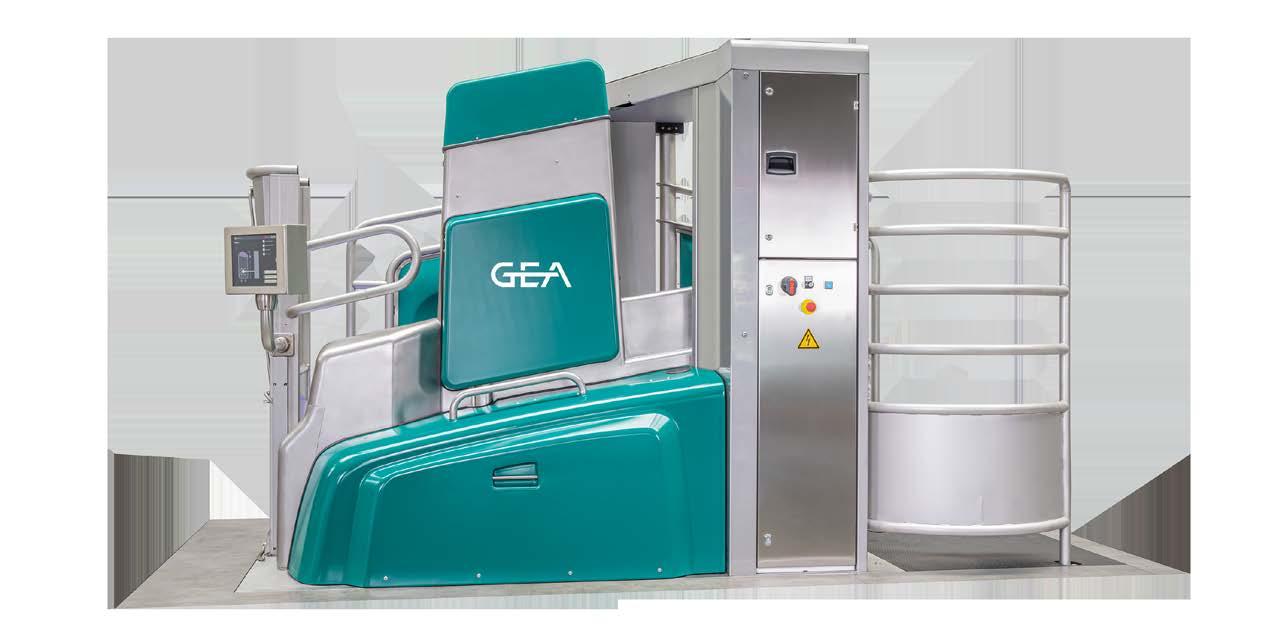
FOR SALE: Delaval 78 vacuum pump $100 ; Delaval milk jar pump with new motor $200; Delaval single pulsation, steel body pulsators and control box; GEA stainless plate cooler $250; and Delaval receiver jar, 3 top holes $100. Call 616-406-5611.
Looking for dairy heifers to custom raise on pasture for 2026 season. Over 1,500 fenced acres intensively rotationally grazed. Very good economic daily gains with flexible, custom health and breeding protocols and low pest pressure. Send your young stock to the Upper Peninsula and have them return with strong feet and legs, excellent social skills and gorgeous temperaments. Call Richlo Dairy at 906-287-0746.
FOR SALE: Calf hutches, various manufacturers. $100 each, OBO. Call 989-259-8697.
FOR SALE: Snap tester and Delvo tester available $50. Call 989-370-0604.
Classifieds
Classifieds Policy
Cost for classifieds is $25 for the first 35 words and then $5 for each additional word. Payment due with order. All ads must be received by the 10th of the month preceding desired month of publication. MMPA neither sponsors nor endorses products or services advertised in the Milk Messenger
OPPERMAN GROOVING INC., home of the original cost effective DIAMOND sawed grooves 1/2 inch wide, 3/8 inch deep on 4 inch centers for best cattle traction since 1978. We also offer texturing. Call 517-647-7381
DAVIDSON CEMENT GROOVING, INC: No water needed. Wider, rougher grooves for better traction. We also offer texturing for your previously grooved floors. Three operators will travel Michigan and other states. No interest payment terms. Est. since 1987. Call 1-800-365-3361.
CONCRETE GROOVING BY TRI-STATE SCABBLING, home of the 2” wide groove. Best traction, lowest prices. Call 800-554-2288 or visit www.tristatescabbling.com.
A SURE WAY TO KEEP YOUR COWS UPRIGHT! Concrete grooving/texturing provides high quality traction in new and old concrete, fast service. NIENOW GROOVING. Call Cliff at 989-635-1494.
FOR SALE: NEW & USED MILK TANKS. We stock all sizes, makes, models. Special prices to co-op members, corporate & private farms. Contact us anytime, day or night. Special on 2000 gal. Muellers for $13,900 & up. 2700 & 4000 gal. Muellers. Call 800-558-0112 for quote.
STRAW & DRY HAY (large & small bales).
Feed Oats, Feed Barley and Corn Silage. Delivery Available. Call 989-723-1886 or 989-277-1414.
ALFALFA HAYLAGE (excellent & fair grades) & CORN SILAGE. Call 989-723-1886 or 989-277-1414.
SEED CORN - “Minnesota 13” open pollinated 85-day yellow field corn seed. High protein, High yield, high fat, fast drydown. Great Digestibility! 80,000 graded seeds $100.00. Call 989-284-5052 or visit JanksSeeds.com
OPEN POLLINATED CORN SEED. Early varieties Green Haven Open Pollinated Seed. Hulles Oats, Einkorn Wheat. Call 607-566-9253 or visit openpollinated.com.
FRESH CUT PINE SAWDUST. 130 yards delivered on walking floor trailers. Serving Dairy Producers since 1989. Call 888-639-8585.
A+ WELDING AND FABRICATION now offering mobile repairs and Fabrication. Suspension work, leaks, new side boxes, tail light boxes, ladders or bumpers. Frame repairs and 5th wheel plates. All work done mobile. Free estimates and very reasonable rates. Call 989-824-7593.
Chemical Safety
BY RACHEL ROGERS, MMPA SUSTAINABILITY COORDINATOR
Farms commonly use fertilizers, pesticides, disinfectants and other chemicals that can pose serious health and safety risks if handled improperly. Safe handling of these chemicals and proper training is essential for keeping employees and farm owners protected.
Anyone working with or around chemicals on the operation should understand the risks associated with the chemicals present and know how to protect themselves. Workers should receive training before handling hazardous chemicals and whenever new products or hazards are introduced. Training should cover how to read labels and safety data sheets (SDSs), use personal protective equipment (PPE), and respond in case of an emergency.
By following chemical safety best practices, farmers can reduce workplace injuries, improve employee awareness and create a safer work environment.
SOURCE: Upper Midwest Agricultural Safety and Health Center
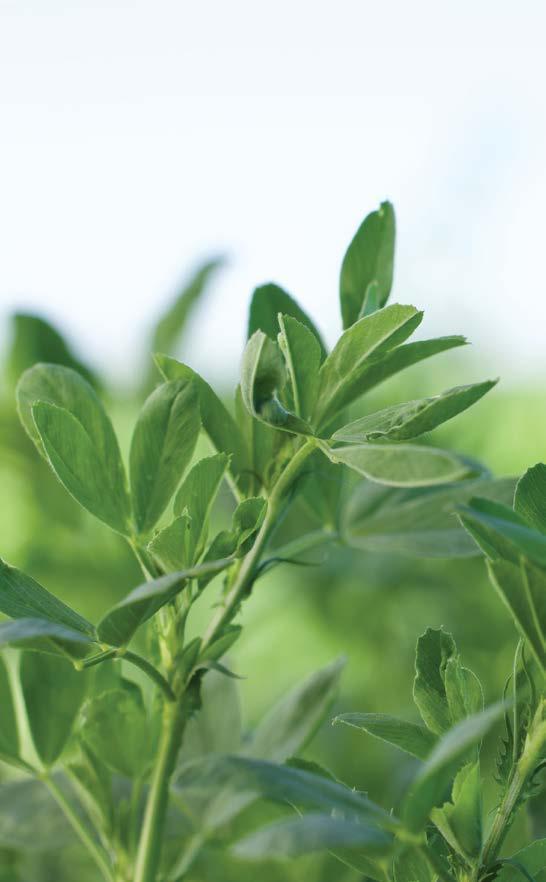

The MMPA Farm Supply Store carries SureCare 5 mil nitrile exam gloves, providing excellent protection for medical use food handling and light industrial applications. They are powder and latex free to minimize irritation and allergic reactions ranging in sizes from small to extra-large.
Contact Jake Riley at 248-912-5070 or the Farm Supply Store at 989-317-8370 for more information.Store at 989-317-8370 for more information.
MMPA Fiel d Staff
Ben Chapin, Member Services Director
Steve Lehman, Raw Milk Compliance
989-289-0731
989-330-1638
Doug Soehnlen, Member/Superior Supply Representative 330-575-4643
Joe Packard – Area Supervisor.................................... 248-520-3481
Kylie Crandall
Logan Archibald
269-967-7351
947-265-0817
Brandon Ewers 231-414-4539
Emily Patton
Christy Dinsmoore – Area Supervisor
248-880-3785
248-513-7920
John Lehman 248-444-6775
Chelsea Smith ............................................................................. 231-519-2455
Ella Cloud-Schneider
269-245-6632
Halli Pawlowski 248-474-6672
Sarah Michalek – Farm Sustainability Manager
248-305-0537
Deb Gingrich, Animal Care/Sustainability ................................ 248-520-3580
Rachel Rogers, Sustainability Coordinator 248-826-7243
MMPA Labs
Novi (Monday-Friday, 8 a.m.-4:30 p.m.)
In Michigan .......................................................................... 800-572-5824
Toll Free 800-233-2405
Ovid (Daily, 6 a.m.-10 p.m.)
Constantine (Daily, 7 a.m.-10 p.m.)
989-834-2515
800-391-7560
Farm Supply - Mt. Pleasant
Stephanie Walther, Farm Supply Manager ....................
Jake Riley, Mt. Pleasant
Farm Supply Sales
989-824-3321
248-912-5070
Main Line ...................................................................... 989-317-8370
Toll Free 877-367-6455
Orders (Novi) 800-572-5824, then dial 2
Fax 989-317-8372
Novi Headquarters
Main Office
Local line
248-474-6672
Toll free 800-572-5824
President and Chief Executive Officer
Joe Diglio ext. 202
Chief Corporate Affairs Officer
Sheila Burkhardt .......................................................................... ext. 208
Chief Business Officer
Brad Parks ext. 341
Operations
Mark Gibbons ext. 238
Laboratory Supervisor
Teresa Farmer ext. 219
Quality
Sudeep Jain ext. 305
Member Services
Emily Keranen .............................................................................. ext. 203
Human Resources
Kelly Kerrigan ext. 301
Sales
Molly Costaris ext. 209
Communications
Emily Kittendorf-King ext. 234
Senior Corporate Controller
Jeannie Strain ext. 312
Member Relations
Jessica Welch ext. 303
Manufacturing Plants
Canton, Ohio
Matt Rogers, Plant Manager 330-477-4515
Constantine, Michigan
Dave Davis, Plant Manager 269-435-2835
Ovid, Michigan
Rodney Gutierrez, Plant Manager 989-834-2221
Middlebury Cheese Company, Middlebury, Indiana Plant Manager ...................................................................... 574-825-9511
Remus, Michigan
Ryan Belleville, Plant Manager 989-309-3630
If you are unable to reach your assigned member representative, please contact the representatives listed in your area. Your assigned member representative is listed on your quality statements or can be found by visiting mimilk.com/contact/field-staff and searching by your producer number.
Board of Directors
Officers
Doug Chapin, Board Chairman
Tony Jandernoa Board Vice Chairman
Eric Frahm, Treasurer
Joe Diglio, President and CEO
Sheila Burkhardt, Secretary
Brad Parks, Chief Business Officer
Todd Hoppe, General Counsel
Directors-At-Large
Aaron Gasper, Lowell, MI 616-291-4092
Bruce Benthem, McBain, MI 231-920-1615
Kris Wardin, St. Johns, MI 989-640-9420
District Directors
1 Paul Keener Ashland, OH 330-988-0139
1 Kurt Steiner Creston, OH 330-464-1219
2 Brian DeMann Martin, MI 269-720-7637
2 Brian Preston Quincy, MI 517-376-1350
3 Doug Chapin Remus, MI 231-349-4059
3 Amy Gingrich LeRoy, MI 231-388-0496
4 Eric Frahm Frankenmuth, MI 989-213-6696
4 Corby Werth Alpena, MI 989-464-5436
5 Tony Jandernoa Fowler, MI 989-593-22245
5 Scott Lamb Jeddo, MI 810-327-6135
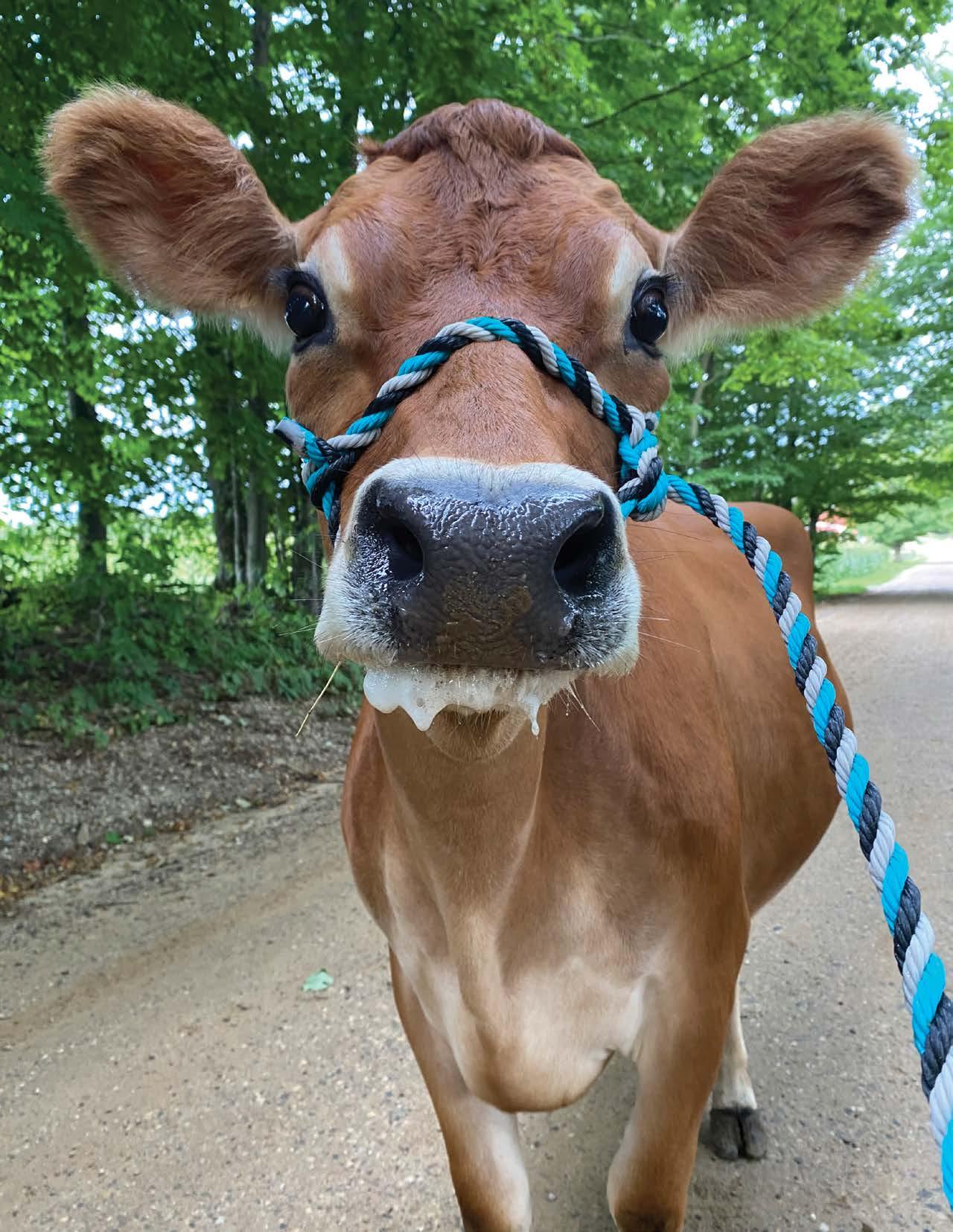
Along the leafy lane you proudly stand, a velvet-nosed queen, a farm kid’s dream.
With foamy kisses and a soft-eyed view, leaning in close, posing right on cue.
Dusty lanes bring memories of laughs and hay, and county fair fun that won’t fade away.
A season of sweet memories under sunny skies, with a gentle farm friend strolling by my side.
Photo by Melvin and Diane Puschel, Hopkins, Michigan
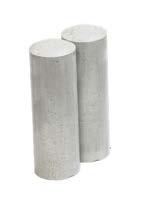
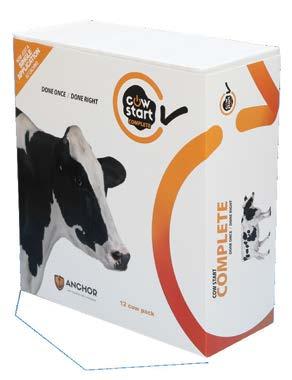
The Next Generation Transition Cow Bolus
Cows given two Cow Start™ Complete boluses at calving produced +5.3 pounds more milk per day over the first 100 days of lactation, returned to breeding sooner, and had higher first-service conception.