Military Systems & Technology Magazine - Edition 1 - 2026
As an established web portal for the International Defence & Aerospace Industry, we strive to provide a comprehensive and detailed listing of Military Equipment Suppliers, Products and Services. This magazine is designed to keep you up-to-date with latest news and events within the Defence Industry’s Governing Bodies, Organisations and Companies. A Multi-Media Portal for the International Defence & Aerospace Industry
For more information, technical guidance or the latest subscription packages available for Military Systems, please contact us where one of our team will be more than happy to advise you. T:
tony.nutt@militarysystems-tech.com
www.militarysystems-tech.com
Advanced Coating - The Military systems and Technology Benchmark for Parylene Coating
ST Engineering - Multi-layered Capabilities for the Modern Battlefield
Argon - The Silent Menace: Atmospheric Hazards Lurking in Confined Spaces
G&H - Inertial Sensing Technologies Enabling Missiles and UAVs
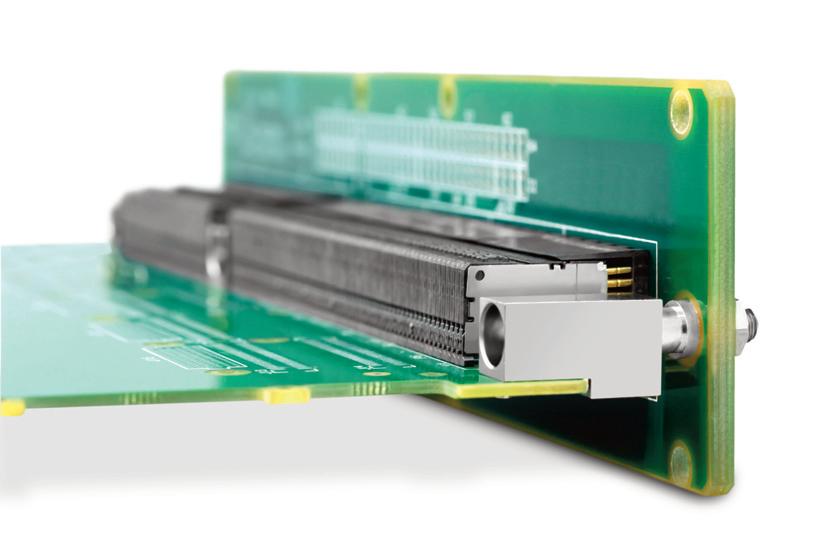
Chess - The Power of Modular Design in Modern Defence and Security Systems
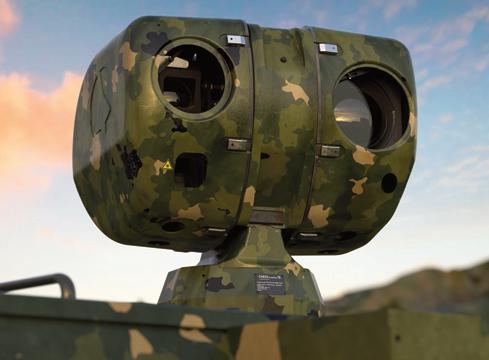
Nedinsco - Seeing What Others Cannot: Engineering Visibility Where It Matters Most
EOS - Engineering for the Realities of Modern Conflicts
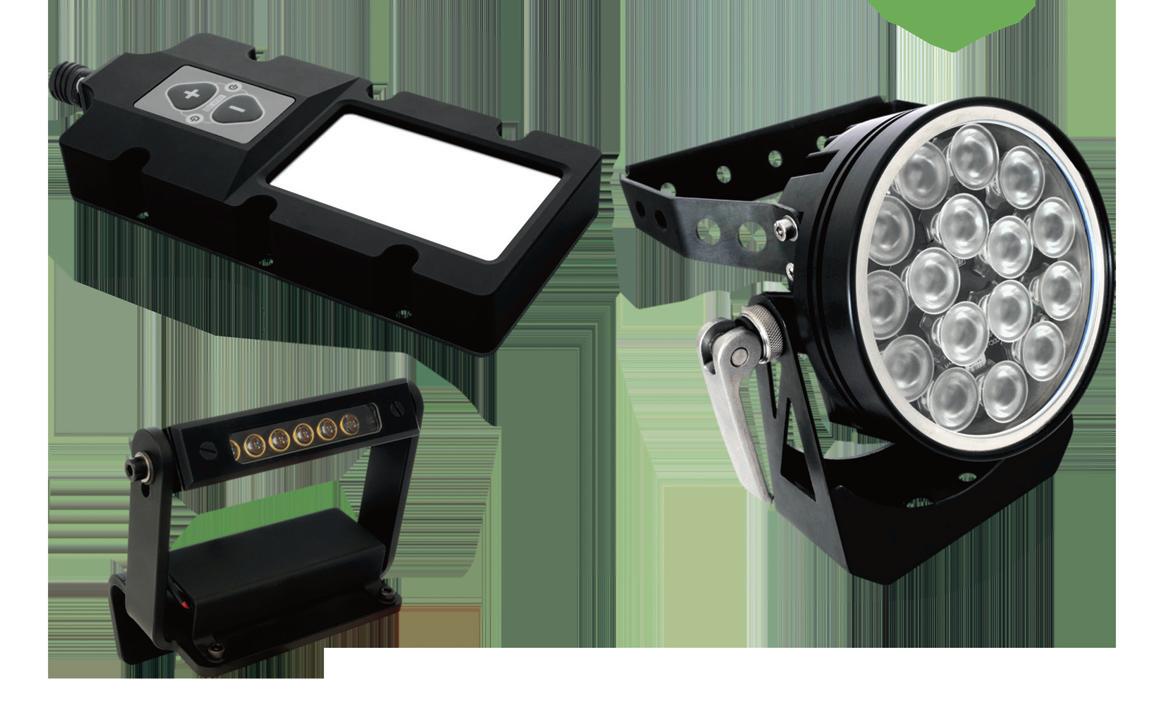
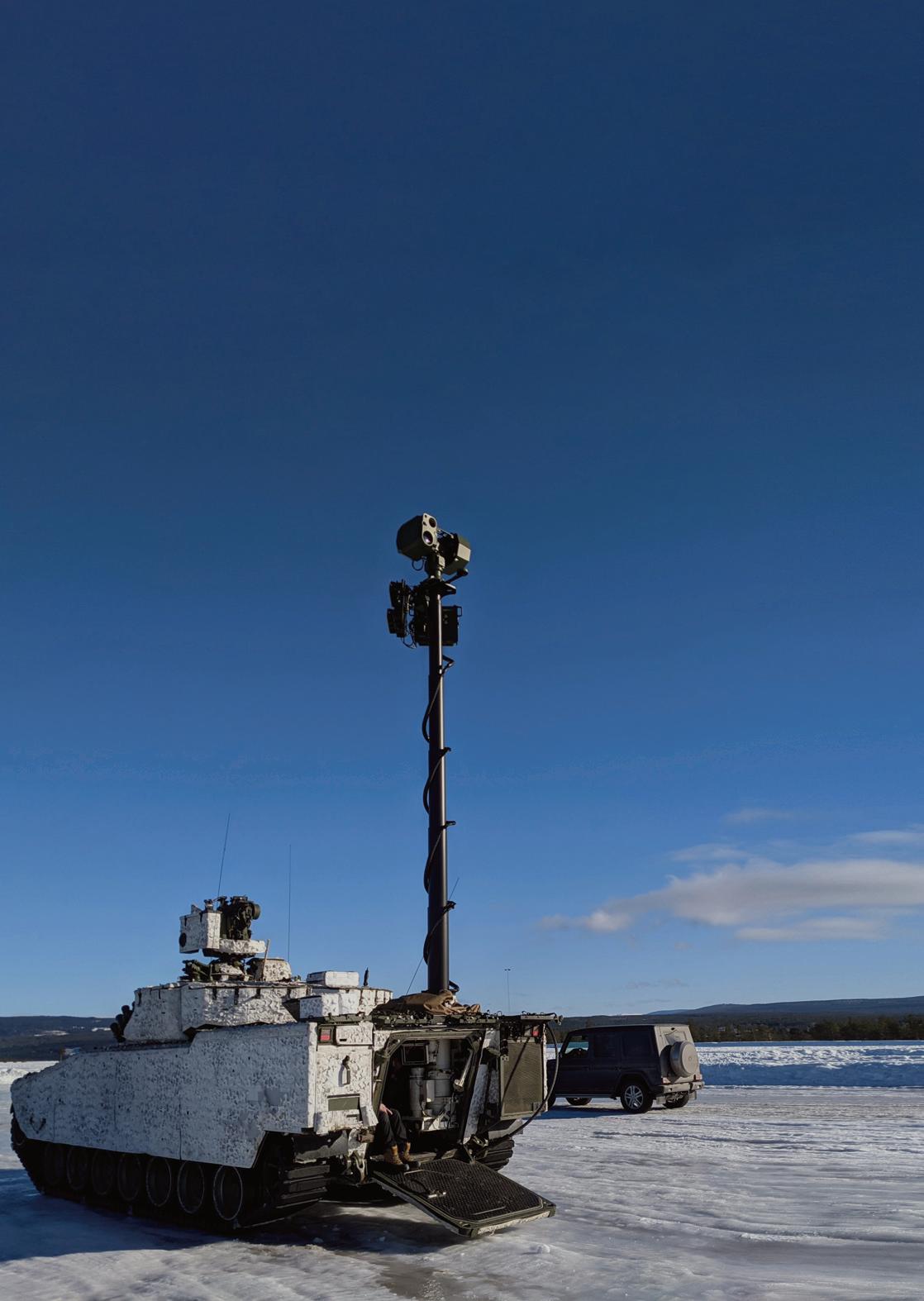
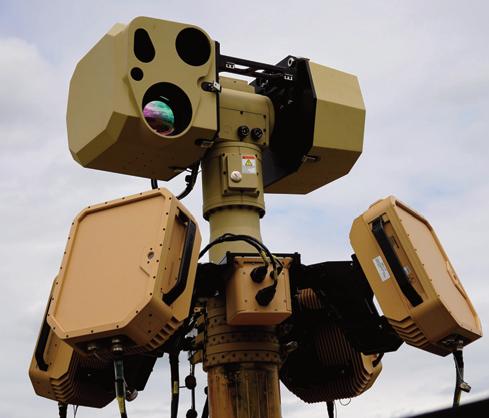
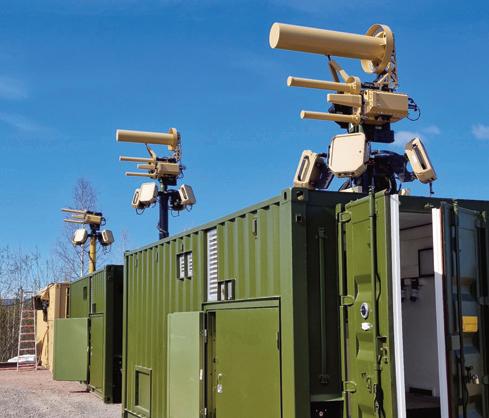
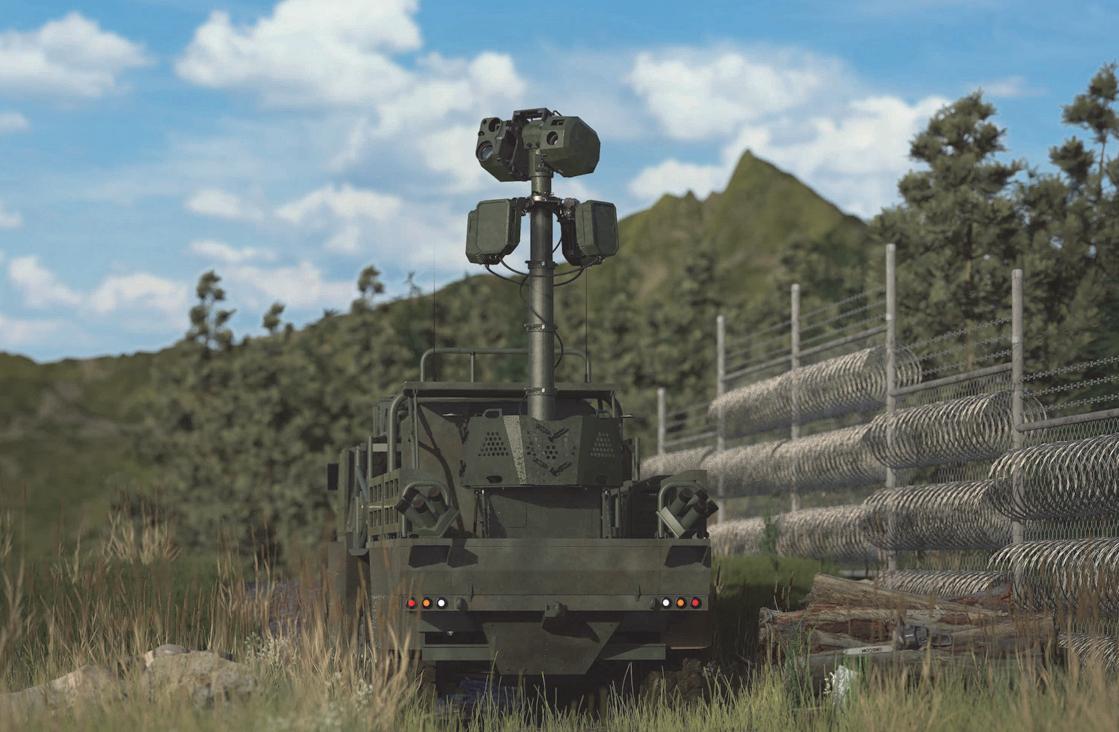
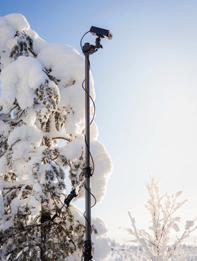
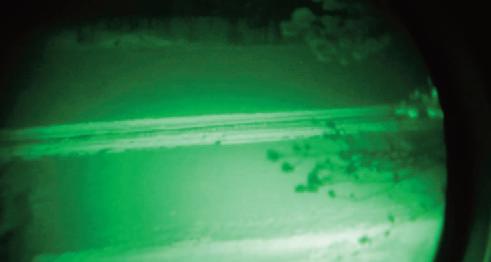
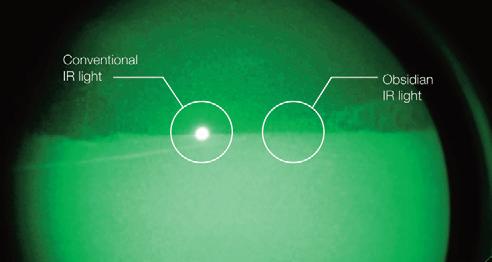
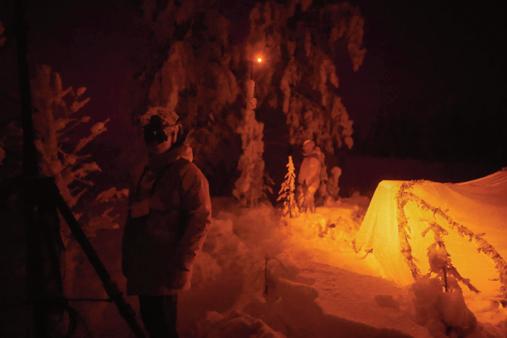
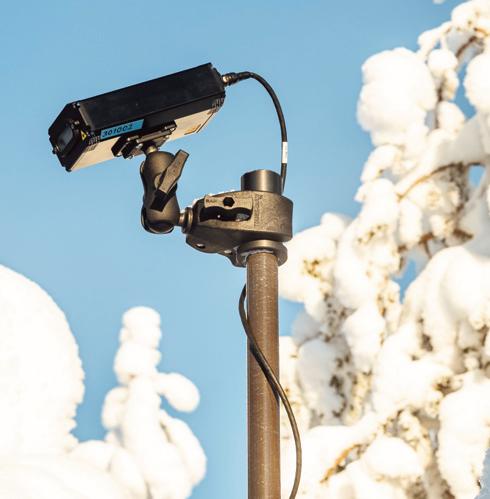
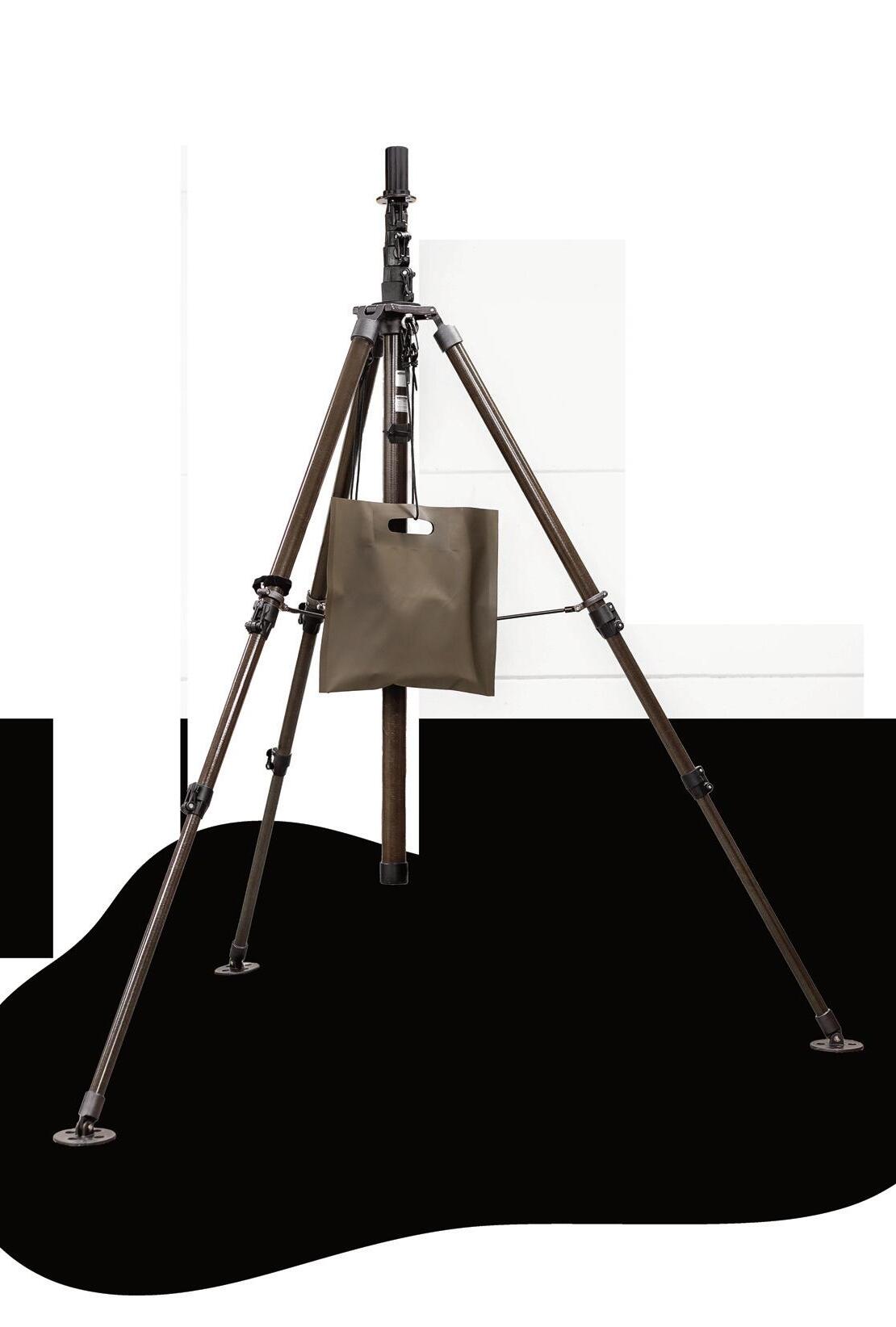
Mastsystem - Tactical Mast Systems and limited signature IR Light:
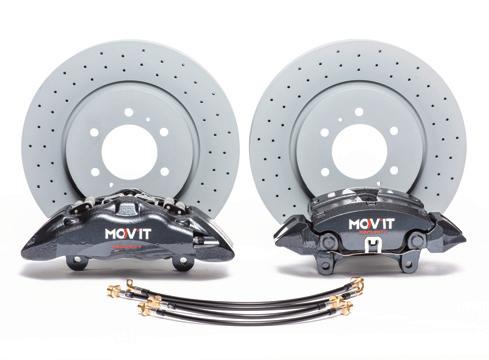
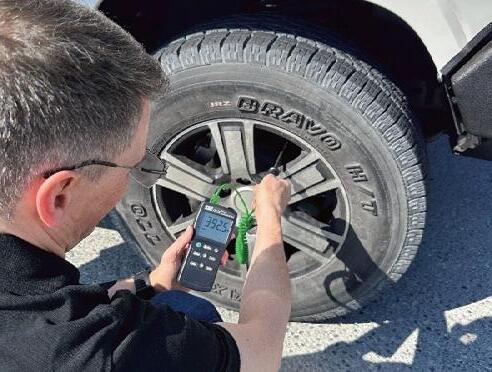
TSS International - When Five Tonnes Decline to Slow on Demand
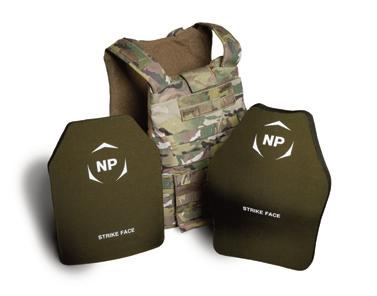
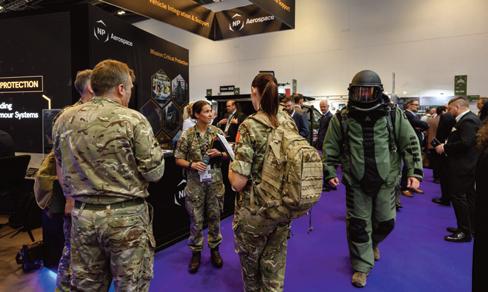
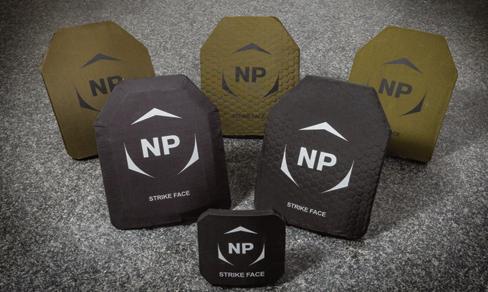
NP Aerospace - Expanding Global Protection Capabilities
AEI Systems - AEI Systems to Showcase VENOM LR at DSA 2026 Following Strong Interest at Enforce Tac
The Military systems and Technology Benchmark for Parylene Coating. IN
AEROSPACE, DEFENSE, AND HIGH-RELIABILITY ELECTRONICS, FAILURE IS NOT AN OPTION.
The protection of micro-electronics, complex geometries, and sensitive assemblies require more than a coating process, it requires a controlled, certified, and engineered system designed for repeatability at the microscopic level.
That is where Advanced Coating stands apart.
Located in Rancho Cucamonga, California, Advanced Coating has become synonymous with precision Parylene conformal coating for aerospace, defense, medical, and industrial electronics where performance, protection, and uniformity are non-negotiable.
Driving Toward NADCAP Certification in 2026
As part of our continued commitment to the highest level of process control and quality assurance, Advanced Coating is on track to achieve NADCAP accreditation in 2026 for our Parylene conformal coating processes.
NADCAP is not simply a certification — it is the aerospace and defense industry’s benchmark for:
• Verified process control
• Documented repeatability
• Operator qualification and training
• Strict material traceability
• Equipment calibration and maintenance discipline
• Audit-proven compliance to aerospace special process requirements
For OEMs, primes, and Tier suppliers, NADCAP signals one thing clearly:
Your coating partner operates at the same disciplined level as your flight-critical manufacturing processes.
This accreditation strengthens our existing AS9100 / ISO 9001 quality management system and aligns Advanced Coating directly with the stringent expectations of military specifications, aerospace standards, and high-reliability electronics manufacturing.
Engineered for Complex Geometry and MicroTolerance Applications
Parylene is uniquely suited for the protection of advanced electronics — but only when applied with precision.
Advanced Coating specializes in:
• Uniform micron-level thickness control
• Complex 3D geometries and tight tolerances
• Optical clarity applications
• High-temperature and specialty Parylene variants
• Selective masking and precision application
• Repeatable coverage on sensitive assemblies
• Protection against vibration, altitude change, moisture, fuels, and contaminants
Our processes are engineered to ensure consistent dielectric strength, chemical resistance, and long-term reliability in the harshest operating environments.
Current Certifications & Compliance
Capabilities at Advanced Coating
Advanced Coating’s Parylene conformal coating services are backed by a suite of formal quality and compliance credentials that position the company as a trusted partner for defense, aerospace, and highreliability electronics programs:
Formal Quality & Aerospace Certifications
• ISO 9001:2015 — International standard for quality management systems.
• AS9100D — Aerospace quality management system meeting stringent industry requirements.
These certifications demonstrate that Advanced Coating operates within an established quality structure recognized globally in aerospace and defense supply chains — from documentation and process control to continuous improvement and corrective action systems.
Defense & Security Compliance
• ITAR Registered — Compliant with U.S. export controls crucial for defense-related coating services.
• ISO 27001 & NIST 800-171 Compliant — Frameworks for information security and protection of controlled data in supply chains.
Environmental & Material Standards
• REACH & RoHS Compliant — Demonstrates responsible material use and alignment with global hazardous substances restrictions.
• FDA Biocompatibility — Supporting medical and implantable applications.
Process & Production Compliance
• ESD Compliant — Fully Electrostatic Discharge-protected production environment.
• FOD Program Compliance — Foreign Object Debris control systems in place to support high-risk aerospace/defense production.
Industry Application Standards
Per industry-recognized coating techniques and test standards:
• IPC-CC-830 Type XY conformal coating standard.
Quality and On-Time Delivery That Customers Rely On
Advanced Coating is recognized by customers across aerospace, defense, and medical sectors for two defining characteristics: Uncompromising Quality & Consistent On-Time Delivery
These are not marketing claims, they are operating principles embedded into our daily production systems, planning discipline, and continuous improvement culture.
Our customers trust us because we understand that coating is often the final step before assembly, integration, or deployment. Delays and defects are simply not acceptable.
Partnership at the R&D Stage
What truly differentiates Advanced Coating is how early we engage. We work directly with engineering and R&D teams during development to:
• Review design intent and geometry
• Identify masking and coverage risks early
• Recommend Parylene variants based on environment and function
• Prevent downstream coating issues before production begins
• Reduce rework, scrap, and schedule delays
This proactive communication ensures a smoother path from prototype to production and strengthens long-term customer partnerships built on technical trust.
LEADERSHIP DRIVING THE FUTURE OF PARYLENE
“Innovation in Parylene isn’t about tomorrow, it’s about delivering next-generation performance today.”
Ernest Garcia
Under the leadership of General Manager Ernest Garcia, Advanced Coating continues to expand its technical capabilities, quality systems, and customer engagement model to meet the evolving needs of aerospace and defense electronics. The focus remains simple: push the limits of what Parylene protection can achieve while maintaining the highest standards of operational excellence.
Advanced Coating
Performance. Protection. No Compromise.
For mission-critical electronics where reliability is paramount and standards are uncompromising, Advanced Coating delivers Parylene solutions engineered for the next generation of aerospace, defense, and high-reliability applications.
Rancho Cucamonga, California 800-722-1444 | International Programs Supported
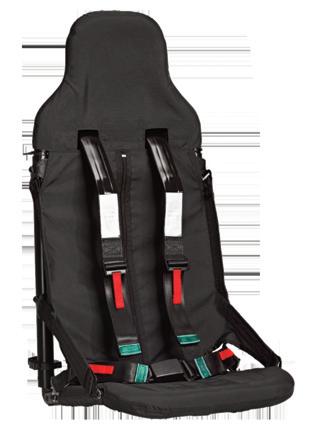
Mine Blast & Utility Seat Systems
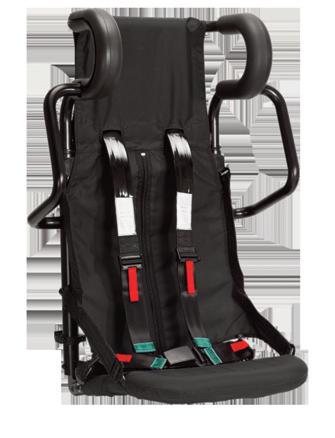
The SCHROTH Mine Blast Protected
Seat Systems are tubular lightweight
systems with a unique resettable
Energy Absorbing (EA) system
designed into the seat.
The EA design and technology comes from the years of experience SCHROTH has with energy management in seatbelt systems. The design of the seat gives the occupant not only excellent protection in a mine blast event, but also offers excellent protection in the event of an accident or impact. The All Belts to Seat (ABTS) design allows the vehicle manufacturer to optimize the installation of the seat within the hull. An integrated footrest can also be incorporated into the seating system for additional lower-leg protection. The unique SCHROTH EA technology is tunable to match the size and weight of the vehicle as well as the level of protection required and the available space within the vehicle interior. The EA is also designed to reset itself and offer high levels of protection for the secondary (slam down) event.
ed seating
wo versions:
• SU-62 compact forward- or rear-facing seat
• SU-63 side-facing seat with full or side specific headrest for exceptional side impact protection
The SCHROTH seating comes standard with an ECE certified lightweight 4-point harness restraint. Restraint systems with ECE complaint 5-point seatbelts are also available.
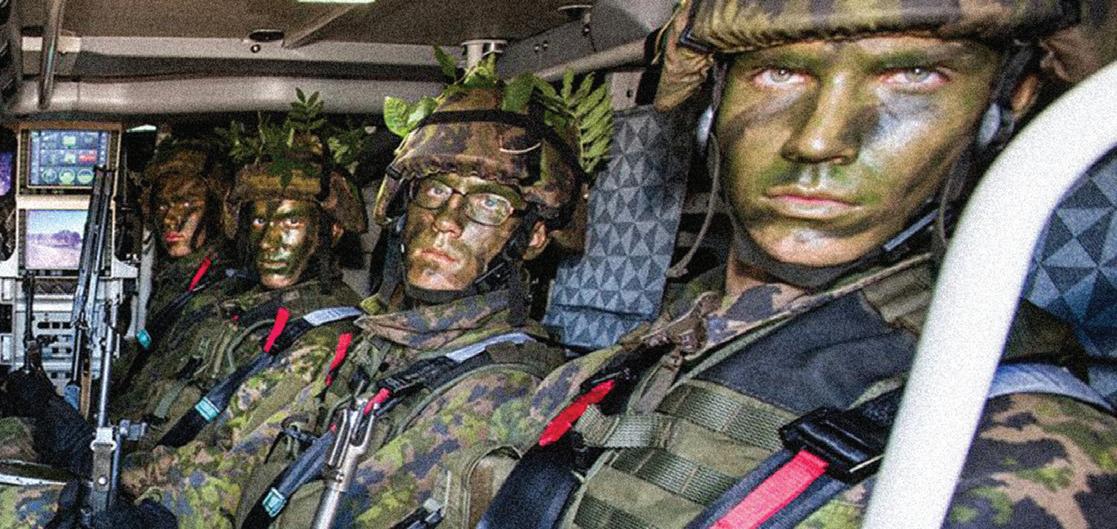
SCHROTH offers the ideal system for military personnel & troop transport configurations.
KEY FEATURES
• Quick release, wall-mounted interface
• Modular construction
• Spring Loaded Self-Folding, storable seat pan
• Foldable backrest
CUSTOM APPLICATIONS
Our lightweight seat systems may be adapted to many ground vehicle applications. We can assist with interface, integration, installation and ergonomic requirements as well as any vehicle specific seat modifications that may be required.
CONTACT:
Werner Koch
Tel: +49 2932 97420
E-Mail: werner.koch@eu.schroth.com
Protecting the Systems That Protect the Mission
Engineering for Real Conditions
Protective solutions must be designed with practical realities in mind.
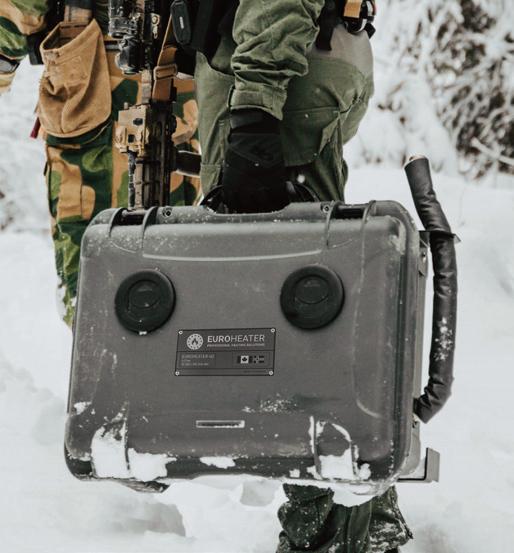
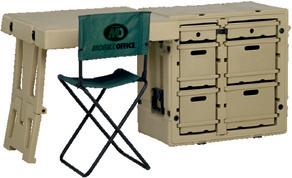
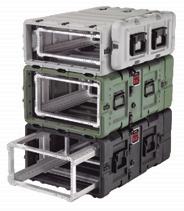
High-performance engineered resin cases are widely adopted in defence applications because they:
· Absorb and dissipate impact energy
· Resist corrosion and environmental degradation
· Maintain structural integrity across wide temperature ranges
· Offer reduced weight compared to traditional metal enclosures
Weight reduction directly supports mobility, simplifies handling, and improves efficiency across multi-stage deployment cycles.
Durability is not about surviving a single drop — it is about consistent protection over years of operational use.
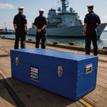
Engineered Transport Protection in Modern Defence Operations
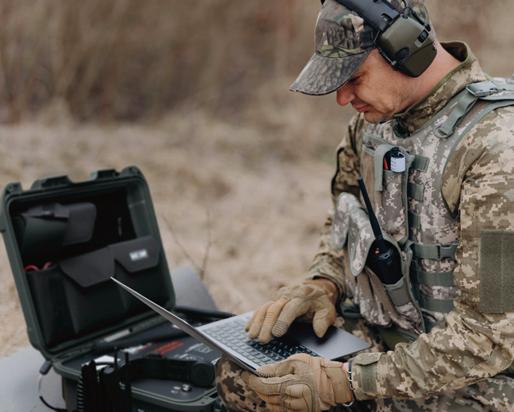
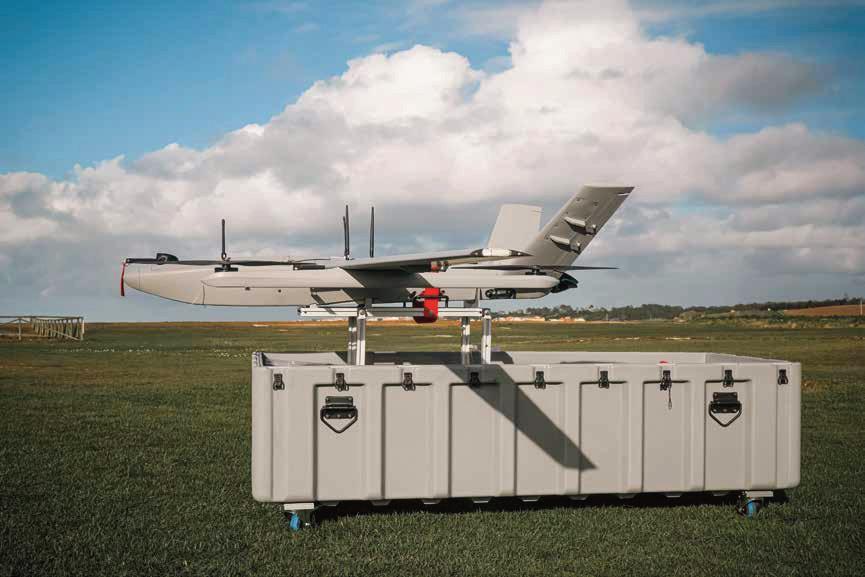
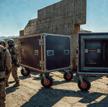
Mobility defines today’s defence landscape. ISR units, secure communication systems, portable surveillance platforms, drone technologies, and targeting equipment are expected to deploy rapidly and perform reliably in unpredictable environments.
Yet while significant focus is placed on system performance, one critical phase is often overlooked: transport.
Transport is frequently the most vulnerable stage in a system’s lifecycle. Even minor shock events can affect connectors, internal components, or calibration integrity. Over time, cumulative stress impacts readiness.
Between deployments, equipment is:
· Loaded and repositioned under operational pressure
· Transferred across vehicles and aircraft
· Exposed to vibration during ground transport
· Subjected to pressure changes in airlift
· Deployed in environments involving dust, moisture, and temperature extreme
Operational capability depends not only on system design — but on condition upon arrival.
European Considerations
Across Europe, defence procurement is placing greater emphasis on:
· Supply chain resilience
· NATO-aligned manufacturing ecosystems
· Long lifecycle durability
· Sustainable material innovation
Protective systems that withstand repeated deployment cycles reduce replacement frequency and long-term operational costs. At the same time, advancements in recycled high-performance materials demonstrate that sustainability and mechanical strength can coexist — an increasingly relevant factor in European defence programs.
Continuing the Conversation at Eurosatory
The upcoming Eurosatory in Paris provides an opportunity to examine how transport protection supports broader system reliability.
At this year’s exhibition, NANUK will present engineered protective case solutions developed for demanding defence environments.
Professionals attending Eurosatory who wish to explore how integrated transport protection can support operational readiness are invited to connect with the NANUK team during the exhibition. visit our new website: businessnanuk.com
Protecting Sensitive Electronic
Systems
Modern defence capability increasingly relies on electronics:
· ISR processing modules
· Secure communication devices
· Portable radar and surveillance systems
· Drone command and control equipment
These systems require more than containment. They demand:
· Precision interior protection
· Vibration mitigation
· Secure retention during repeated movement
· Effective environmental sealing
Custom-engineered foam interiors and tailored configurations help preserve stability and readiness. A well-designed protective case becomes part of the system’s reliability strategy.
ACTIVATED CARBON CLOTH FOR THE DEFENCE SECTOR
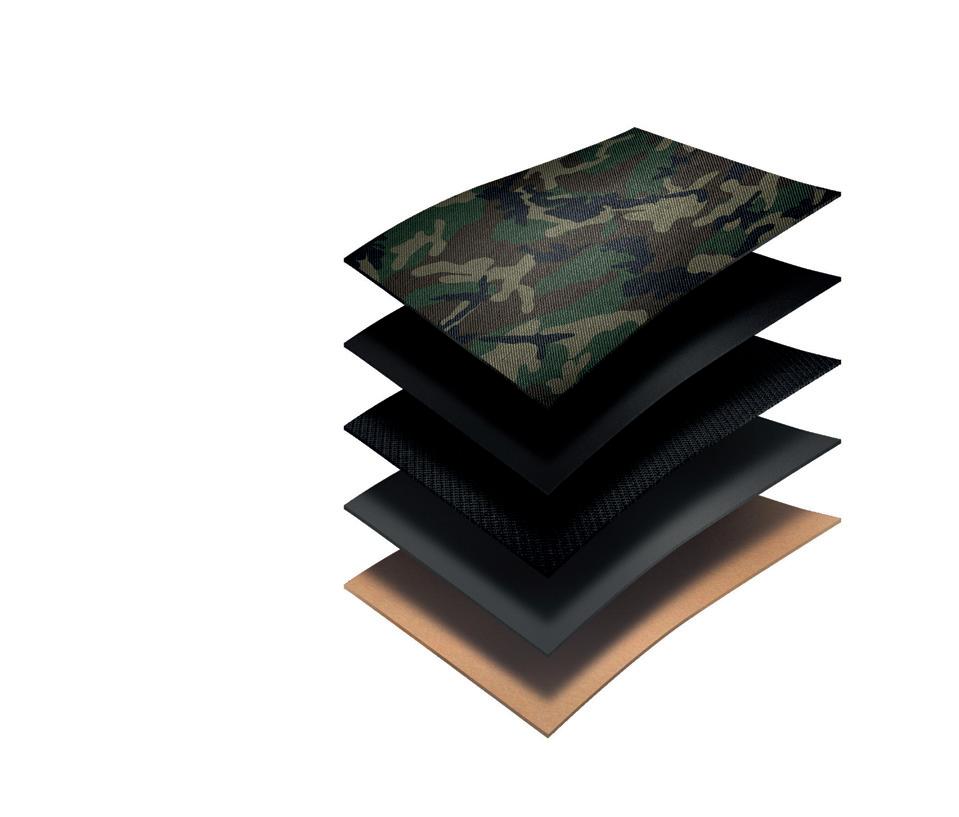
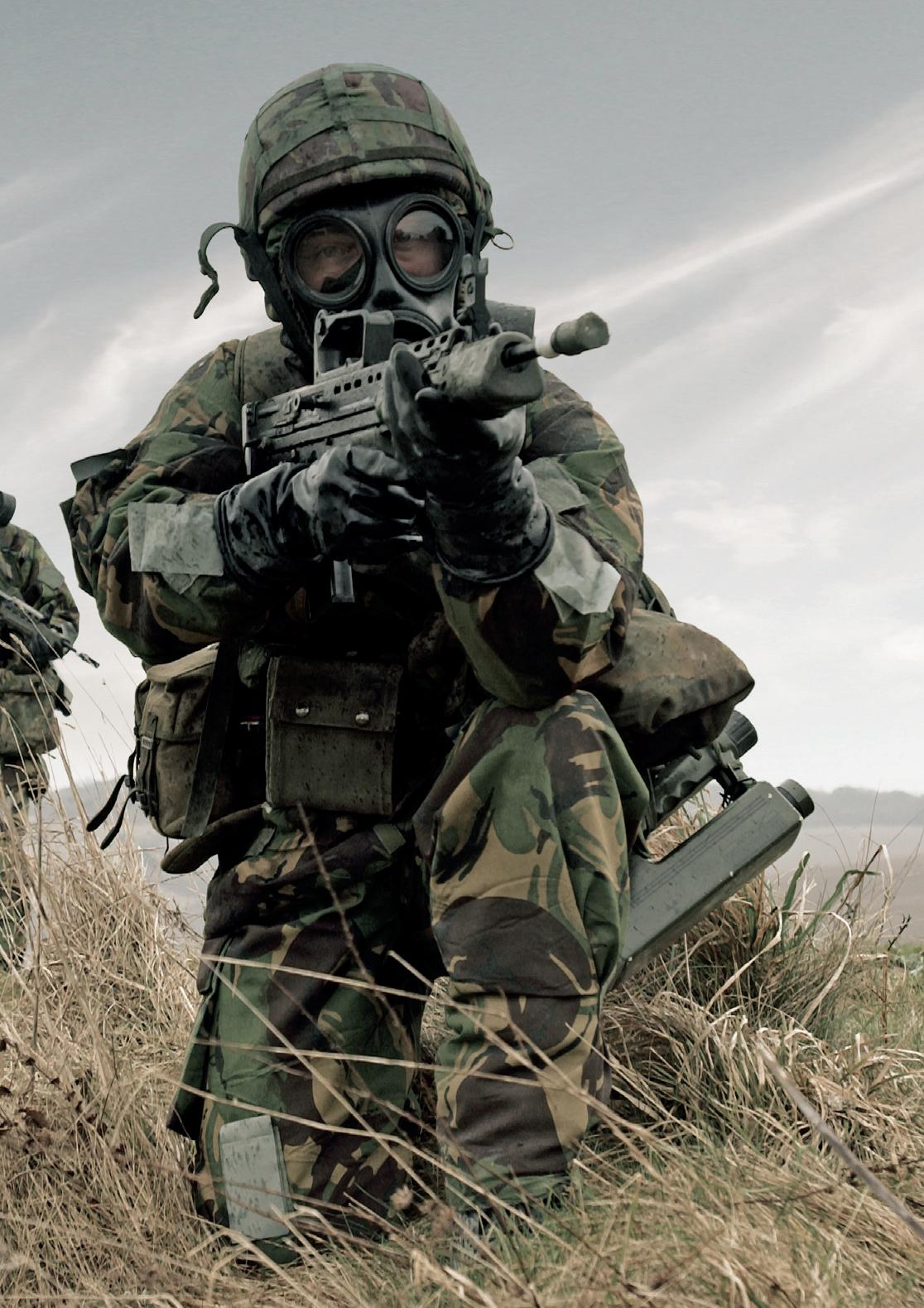
Flexzorb™ - The flexible, lightweight protective textile that is widely used by many of the world’s leading defence vendors, making us the leading provider of activated carbon cloth for defence applications.
Lightweight and breathable, Flexzorb is used in a range of defence applications, including:
– CBRN Respirator filtration media – CBRN Personal protective equipment (PPE) – CBRN decontamination wipes – Missile decoy media – Phosphine gas adsorption media
WHEN FAILURE ISN’T AN OPTION
Chemviron, the European Operation of Calgon Carbon Corporation, has a long history of protecting and defending troops with our activated carbon products, and we remain committed to providing adsorbents to combat chemical warfare agents. In an environment where there is no room for failure, why wouldn’t you rely on products that have been used and trusted for over half a century?
Quality, Reliability and Traceability
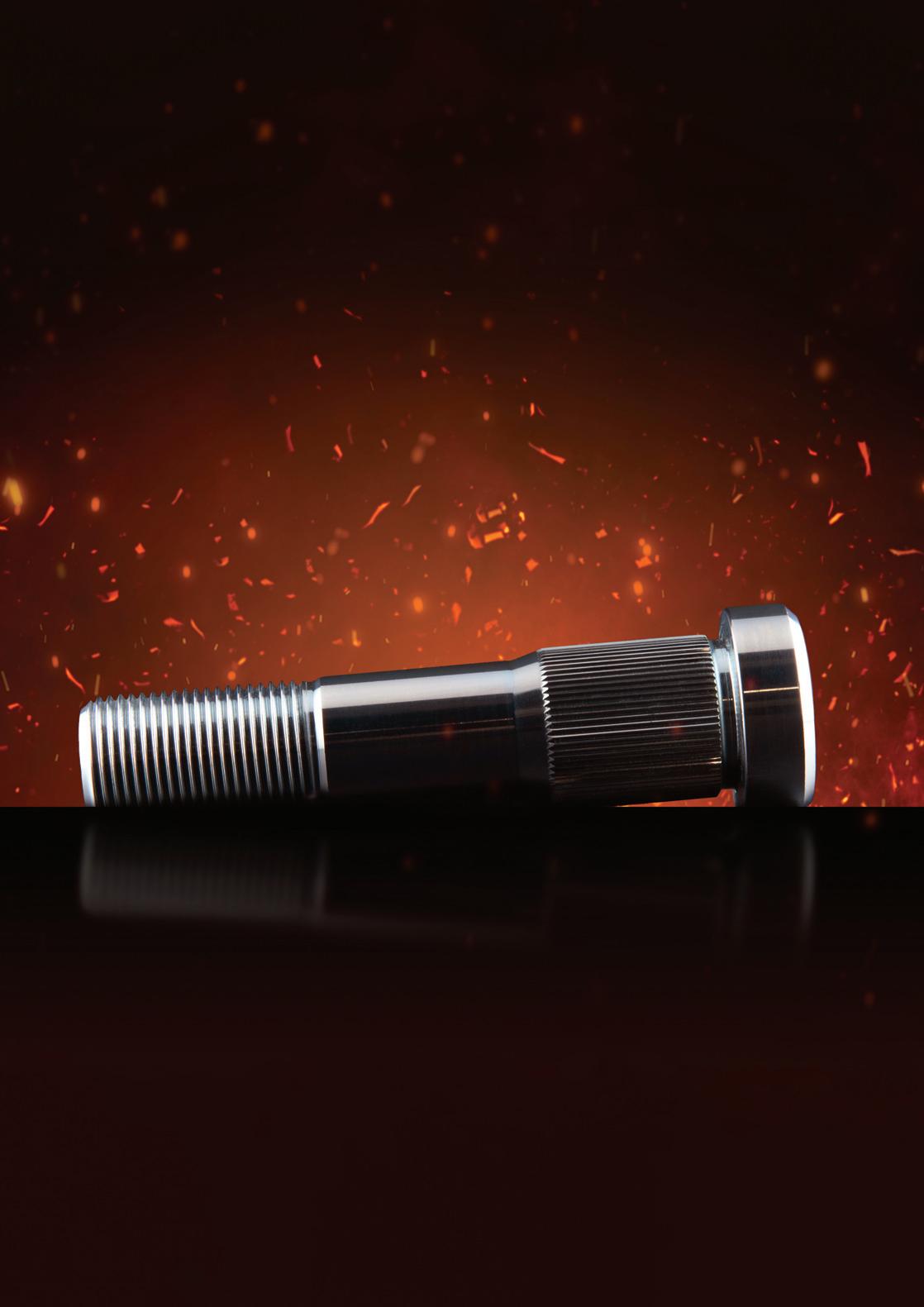
Defence Industry Fasteners
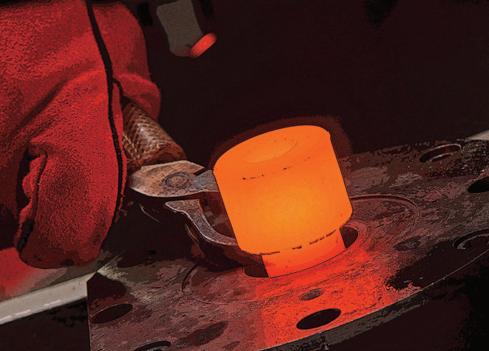
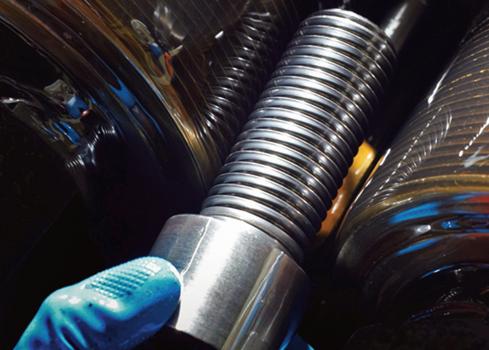
NSSS is a UK Fastener manufacturer producing high end fasteners for use in defence applications where Quality, Reliability and Traceability are paramount. CNC turning, hot forging, a heat treatment facility and onsite testing provides total control over quality and lead times. Established in 1971 we have over 50 years experience of supplying fasteners for the world’s most demanding and critical applications.
Being UK based we can offer quick resolutions to urgent demands with technical support on hand.
We produce a broad range of fasteners using high-grade alloys, stainless, duplex, titanium, brass, and exotic metals sourced from EU mills. Whether manufactured to your drawing or to ISO, DIN, ANSI, or BS standards. Our accreditation to BS ISO 9001:2015 ensures the highest standards in everything we do.
Birmingham Tel: +44 (0) 121 515 0121
London Tel: +44 (0) 1895 430003
Technical & Capability Overview
CNC Turning: Thread diameters from 2 mm to 64 mm, tolerances to ±0.01 mm.
Hot Forging: Thread diameters from 5 mm to 36 mm, lengths up to 720 mm; head types include socket screws, hex, hex flange, ferry head (12 point), square.
Thread Rolling: Suitable for most imperial and metric thread diameters
Centerless Grinding: Precision down to 10 microns with shoulder tolerances of h8 or f9.
In-House Heat Treatment: Atmosphere-controlled hardening and tempering, computerized control with full data logging.
Online Ordering: User-friendly web shop for quick, hasslefree purchasing.
Worldwide Logistics: From small-box consignments to pallets with EU Regulation 833/2014 & CBAM documentation.
Web: www.nssocketscrews.com
Email: info@nssocketscrews.com
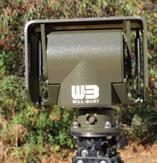
WILL-BURT INTEGRATION & ELEVATION SYSTEMS
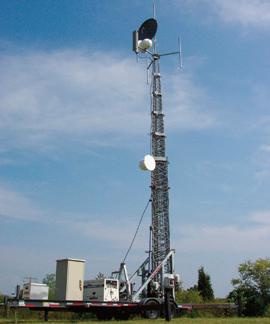
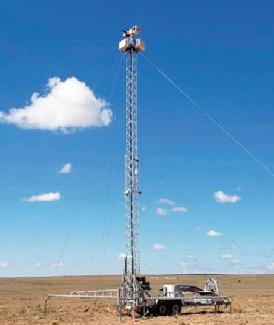
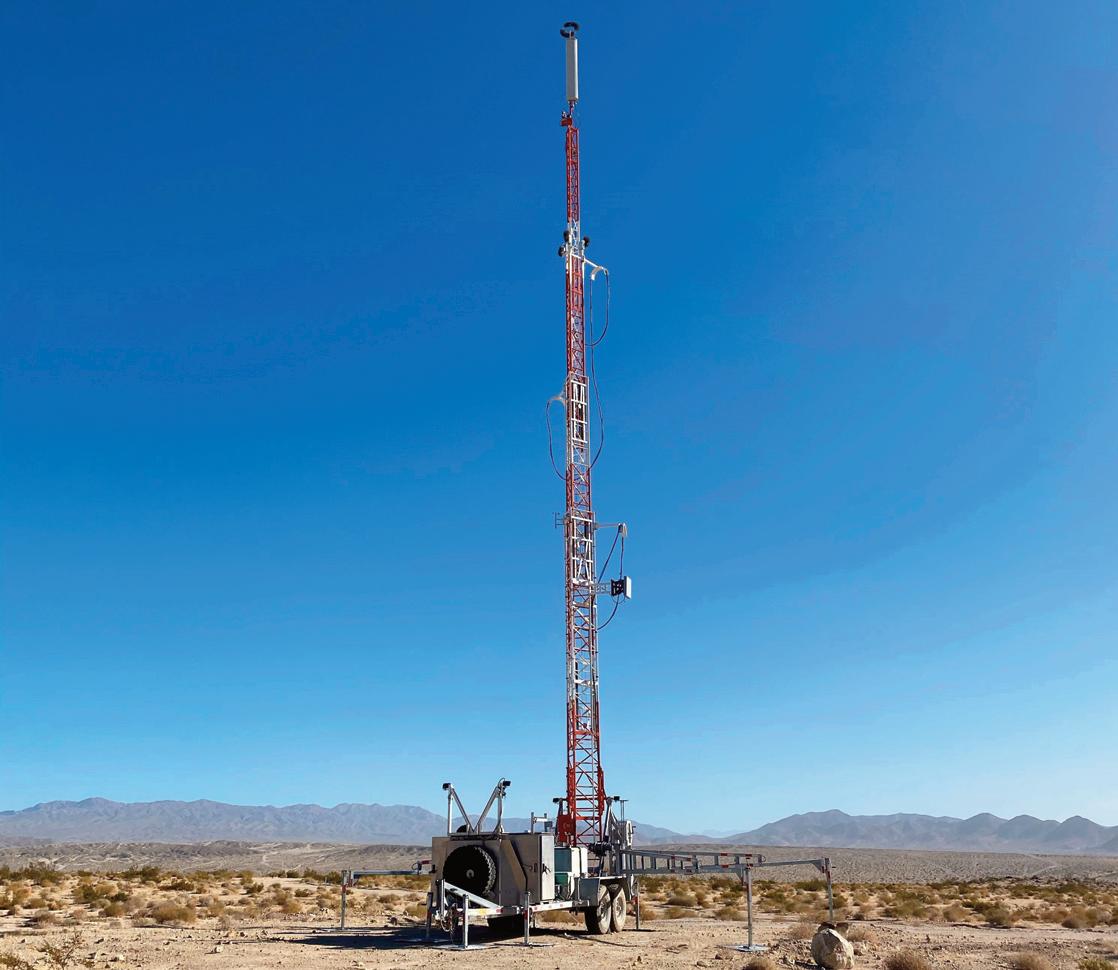
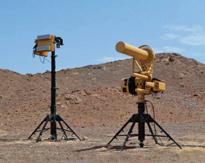
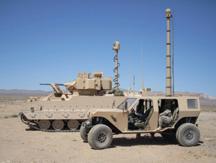
The Will-Burt Company, with the acquisition of Aluma Tower and Integrated Tower Systems (ITS) now offers integrated Telescoping Steel and Aluminum Tower Systems AND Telescoping Mast Systems – an elevation solution for every need! Will-Burt is a global leader in the design, manufacture, sales and rental of an extensive and affordable line of rapid-deployment Mobile Tower & Mast Systems; Tower & Mast Integrated Trailers, Trucks, Communication-Site-on-Wheels (COWs), and Mast-, Satellite- and Tower-Integrated Mobile Command and Communication Centers. This state-of-the-art equipment is designed speci昀cally to support a global contingent of clientele representing the following industries:
• Telecommunications, Infrastructure Development / Restoration; Tower Owners/Operators Multi-media, Broadcasting
• First Responder, Public Safety and Emergency Management; Law Enforcement, Incident Command, Search & Rescue
• National Security / Homeland Defense, Domestic & Foreign Military Initiatives; Tactical, Support Functions, and Counter UAS
• Border Security, Immigration and Customs Enforcement; Disaster Preparedness/Emergency Response
• Geophysical, Oil & Gas and Alternative Energy; Meteorological, Frequency and Weapon Systems Testing
• Transportation, Aviation, Aerospace and Construction; Entertainment, Logistics, Engineering, Municipal & Corporate Programs
• Global Support of Special Events; Political, Commercial, Industrial, Sporting, Civic and Numerous other Industries
Will-Burt’s innovative rapid response systems are manufactured to both civilian and military speci昀cations and built to withstand many of the world’s most demanding environments. Will-Burt controls every aspect of manufacture and assembly through an ISO 9001:2015 certi昀ed quality management system in all manufacturing locations. Will-Burt’s engineering expertise and vertical integration capabilities allows for ef昀cient COTS products and unique custom designs for the seamless installation of common or client-speci昀c technologies, or pre-integrated with a Will-Burt or client-furnished Communications, Surveillance, or Counter UAS Solutions. Will-Burt’s rapidly deployed systems are proven key components in establishing the 昀ow of vital information from remote and urban areas of need.
To learn more about our innovative elevation products, visit our website at www.willburt.com. Will-Burt is headquartered in the USA with locations and support around the globe and is 100% employee-owned.
Multi-layered Capabilities for the Modern Battlefield
Battlefield dominance is being redefined by the convergence of AI, manned-unmanned teaming and hybrid power.
These innovations accelerate decision-making, enhance reach and resilience, and determine how swiftly militaries can sense, decide, and act — staying one step ahead of their adversaries.
Beyond individual platforms, with greater emphasis now placed on unmanned systems, land capabilities and resilient supply chains — reflecting the reality of modern, multi-domain operations. Recent conflicts in Europe and the Middle East have underscored a crucial lesson: technological advantage is only valuable if it can be integrated, sustained and adapted under real operational pressure.
Imagine a forward operating base in a chaotic city centre, where every sound counts – engines, radios, footsteps. In such
an environment, stealth is not an option; it can be the key to avoiding detection. That’s where hybrid electric drive (HED) vehicles come in.
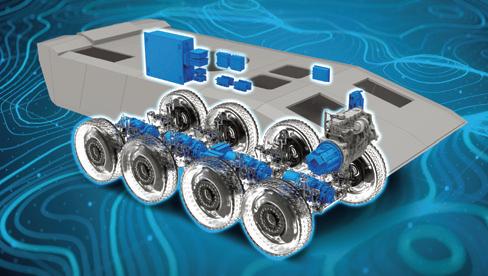
HED allows troops to switch to silent electric mode, effectively concealing their position when it matters. Even more importantly, it provides deployed forces with dependable exportable power at the point of need. Platforms can sustain command posts, sensors, radars, unmanned vehicles and electronic warfare systems without reliance on exposed, noisy generators. The result is a lighter logistics footprint, longer mission endurance and greater flexibility for commanders operating at the edge. Silent electric running is available when concealment is required, but the real operational value lies in delivering sustained power where it is hardest to provide.
“Export power means mission flexibility. When your platform can directly power command systems, unmanned assets, and energy-hungry payloads like Direct Energy Weapons - without mobile generators - it gives Manned Unmanned Teaming (MUM-T) forces a decisive edge.”
said Jensen Chew, product director for electrification and 4x4 vehicles at ST Engineering.
Acoustic and thermal signatures are reduced, allowing low-heat ‘silent watch’ operation. On an 8X8 platform, this equates to roughly 25 km of near-silent movement and up to 24 hours on standby. Fuel use falls by around 30 per cent, easing pressure on already stretched supply chains. Live demonstrations at these events are expected to showcase both off-road performance and power export under simulated threat conditions.
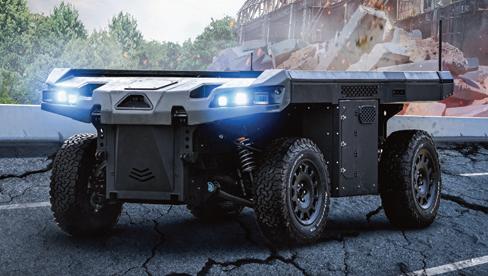
Unmanned systems are pushing operational stand-off even further. The TAURUS is a multi-role Unmanned Ground Vehicle (UGV) that features customisable modularity and mobility superiority. Towable with regenerative fast charging, it can carry supplies, evacuate casualties, mount remote weapons, conduct surveillance or deploy smaller drones as required. Its all-electric drivetrain delivers up to 20 kW of configurable DC or AC power, turning it into a forward energy hub. Equipped with robust autonomous navigation, it is operatable even in Global Navigation Satellite System (GNSS) denied environments. Features include a follow-me mode, waypoint navigation and obstacle avoidance. It can travel at 40 km/h independently or 80 km/h when towed, handling 60 percent gradients and 30 percent side slopes.
Unmanned aerial vehicles are also transforming urban operations, often in ways that do not make the headlines. Platforms such as ARES, a micro unmanned aerial vehicle (UAV) delivers real-time imagery to those who need it most, enhancing the ability of troops to react quickly and shortening the decision cycle. That early awareness can be critical. Protection remains paramount, particularly for platforms that require rapid upgrades. ARIELE delivers a pragmatic solution: modular, bespoke, and lightweight Passive Add-On Armour designed for swift integration. The
concept is straightforward—enhance survivability without compromising operational requirements.
When it comes to Transparent Armour, compliance with standards such as MIL-STD-810H and STANAG 4569 has become the baseline; most systems now meet these requirements. The real differentiator lies in weight and visibility. CleArmour’s transparent ceramic technology slashes mass—up to 50% lighter than conventional glass armour—while maintaining optical clarity, even post-impact. ARIELE’s own Armour Glass follows the same principle, reducing weight by more than 20% across STANAG Levels 1 to 3. It may not be glamorous, but for mobility and endurance, these gains are mission-critical.
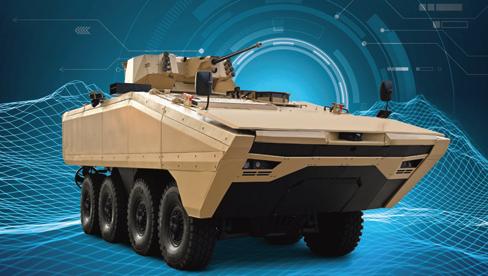
On the ground, what really pulls everything together is MUM-T. Vehicles such as the TERREX s5 are becoming mobile hubs rather than simple transport platforms. At 35 tonnes gross, with space for a two-person crew and 10 troops, it is not small, but still moves quickly on roads and has the range to stay with dispersed units. While the figures - 120 km/h, a range of around 1,000 km, and 60 per cent gradients - may be familiar, the interest lies in how the vehicle is deployed. Hybrid variants add limited silent-move capability and, more importantly, substantial onboard power. This feeds digital systems offering all-round awareness, automated target tracking and ‘see-through’ armour, all tied together through the New Generation Power Processor. In practice, this allows the vehicle to cue indirect fire or counterUAS assets before a threat can get close. These technologies give crews the confidence to operate in rapidly evolving threat environments.
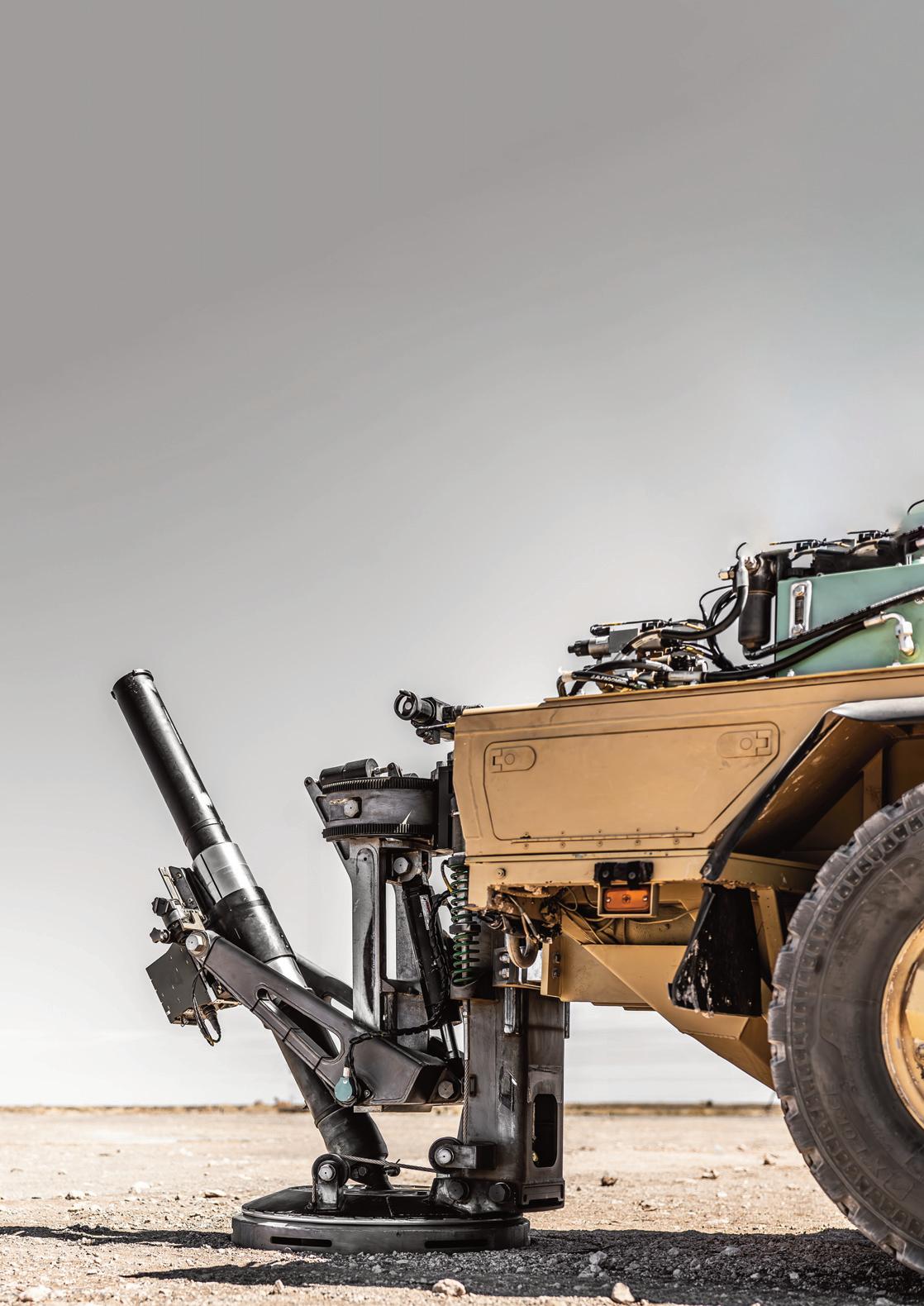
Mortars are now receiving the same treatment. The Ground Deployed Advanced Mortar System (GDAMS) is light and platform-agnostic. It can be brought into and out of action quickly, around 15 seconds with a two-person crew, and features digital controls. It supports both 81 mm and 120 mm tubes, with good accuracy out to 9 km. As crew safety of the mortar remains a concern, a blast diffuser noticeably reduces the blast-overpressure and acoustic footprint.
“Success belongs to forces that integrate seamlessly— platforms that serve as the MUM-T mothership, drones providing persistent ISR, and mortar systems delivering rapid, shoot-and-scoot fires.
This
integration compresses decision cycles and gives commanders decisive, uncontested control of the battlespace.”
said Tan Pek Tong, Deputy President, Head, International Defence of Land Systems at ST Engineering.
Smart MRO is transforming sustainment by integrating digitalisation, advanced analytics and intelligent automation to maximise fleet availability, reduce ownership costs and improve operational efficiency. Beyond maintenance, remanufacturing and additive manufacturing capabilities are reshaping supply-chain resilience, addressing obsolescence and extending asset service life through localisation. This approach aligns with the visions of several nations, including Saudi Vision 2030, which aims to localise 50 per cent of military spending — a goal reinforced by the new Supply Chain Zone at defence events.
Training neatly closes the loop, with AI-enabled mixed reality (AR, VR and XR) tools now used for MUM-T, vehicle handling and tactical drills. Less obvious perhaps, but these tools are helping multinational forces work together anytime, anywhere – still one of the hardest things to practise outside operations.
For ST Engineering, the takeaway is clear: the competitive edge comes not from isolated platforms, but from the seamless integration of systems, people, and sustainment to ensure mission success. Through smarter sustainment, unmanned systems, and adaptive protection, we’re shaping the future of warfare. With digitisation enhancing sense-and-strike capabilities, we empower forces to outpace threats by moving information and support faster than ever before.
The Silent Menace: Atmospheric Hazards Lurking in Confined Spaces
Unveiling How Argon's Simulators Turn Invisible Risks into Manageable Realities
The unseen peril of atmospheric hazards
There’s something quietly unsettling about atmospheric hazards. Unlike fire, you can’t see them. Unlike a sudden earthquake, you don’t feel them coming, sometimes the first hint is already too late. So, if you ever wonder how responders keep their cool when the air itself becomes the enemy, read on.
Confined spaces: a persistent and predictable danger
Around 15 people die each year in confined spaces across the UK, a figure consistently cited in industry and safety literature. In maritime settings, the risks are equally persistent: investigations over the past decade continue to highlight recurring failures in pre-entry testing, continuous monitoring and rescue planning. These aren’t freak occurrences; they’re predictable failures in systems where training often amounts to reading from textbooks and imagining what a gas detector might say. It’s one thing to read about chemical leaks, atmospheric hazards or radiation scares; quite another to train for them realistically without inviting disaster.
Argon Electronics: Pioneering safe training for complex threats
In this context, as the UK faces more complex civil and military
challenges, companies like Argon Electronics are playing a steadily growing role, becoming increasingly more important. With a UK heritage dating back to 1987, Argon develops simulators that allow teams to train for CBRNe (chemical, biological, radiological, nuclear and explosives) and HazMat incidents without exposure to real agents. Their equipment supports training across emergency services, maritime organisations and defence establishments, a role that places them firmly within the UK’s wider safety and preparedness architecture.
Essential Instruments: The lifeline in hazardous environments Picture an engineer entering an enclosed cargo hold, or a firefighter about to step into a confined space after a spill. The instruments they depend on, multi-gas monitors, photoionisation detectors, oxygen meters and combustible gas readers, form the backbone of their situational awareness. Argon’s simulators are designed to replicate the behaviour of this kit with high fidelity. Handheld devices respond as their real-world counterparts do, but operate through safe training proxies rather than live gases.
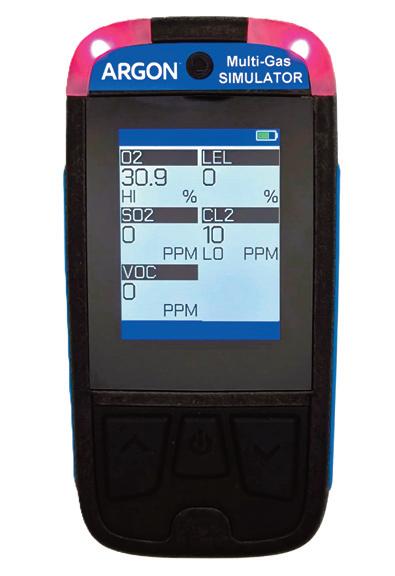
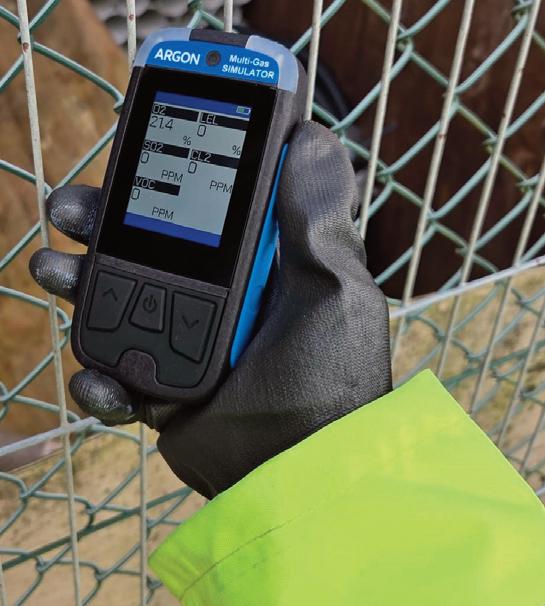
Introducing the MultiGAS-SIM: precision without the peril Argons’ Generic MultiGAS-SIM handheld simulator, introduced publicly in 2025, mirrors the look, feel and operation of a multi-gas detector, including button presses and screen layouts. It runs on standard AA batteries, requires no calibration gases and can pair
with an instructor’s app via Bluetooth for real-time oversight. The aim is accurate, instrument-level simulation that reflects what frontline responders genuinely rely on.
Felipe Arrighi, Director of Business Development at Argon says “We created the MultiGAS-SIM to fill gaps in confined space training for toxic industrial chemicals, informed by our chemical warfare expertise. Ultrasound mimics vapour dispersion effectively, identifying issues like unsealed entries. It replicates various gases, densities, and oxygen drops securely, enabling authentic practice of operational intricacies.”
Overcoming logistical hurdles for versatile training
This design removes many of the logistical burdens associated with using real detectors in training, consumable gases, regular sensor replacements and the need for controlled environments. Because the system uses simulated signals rather than hazardous materials, training can be carried out almost anywhere: indoors, outdoors, in confined spaces or large open areas. Argon’s wider ecosystem, including Long Range Vapour Source (LRVS) emitters and options such as PlumeSIM for complex multi-hazard scenarios, allows instructors to escalate from simple leak simulations to large-scale CBRNe training events.
“In a key 2025 NATO exercise, the MultiGAS-SIM exhibited high fidelity. Teams navigated hypoxic undergrounds and mixed lab contaminants. Real-time readings revealed overlooked flaws. Its understated realism heightened focus, exposing hidden weaknesses,” Arrighi explains. “What matters most is the realism these tools enable. Atmospheric hazards are often subtle, invisible and fast-changing, and effective training needs to capture that.”
Tragic lessons from real-world incidents
The consequences of missed cues are well documented. In 2014, at Goole Docks, three people died aboard the cargo vessel Suntis when oxygen levels dropped to about 5–6% in a hold, an atmosphere so depleted that it caused immediate collapse with no warning. In 2020, an incident in West Yorkshire saw a welder and a colleague overcome by argon gas during work inside a vessel, demonstrating how odourless asphyxiants can accumulate unnoticed. More recently, maritime reports from 2025 have described fatalities linked to carbon monoxide generated during the heating of Coconut Fatty Acid Distillate in a cargo tank. Across these cases, investigations identify the same themes: insufficient atmospheric testing, poor ventilation and unstructured rescue attempts that turn workers and emergency responders into secondary victims.
Bridging theory and practice through simulation
Simulated training environments allow teams to experience these hazards safely, oxygen depletion, toxic spikes, vapour movement
and stratification, and to learn how readings shift in response to decisions made under pressure. This helps bridge the gap between textbook knowledge and real-world performance, especially in major exercises where multiple agencies must work together under realistic conditions.
“Early feedback from response teams suggests their skills have improved, they’re keeping a closer eye on gas levels instead of just reacting when alarms go off. Compared with older training methods, this feels like real progress. Users say the simulations are realistic enough to let them make quick, independent decisions under pressure, even without actual alarms,” adds Arrighi.
The enduring value of practical preparedness
In the end, the value of Argon’s work lies in its insistence that safety cannot be theoretical. As risks across industry, maritime operations and civil defence become more interconnected, accurate simulation becomes not a luxury but a foundation. These tools are not a ‘nice to have’; they exist so that crews can make sound decisions when the margin for error disappears. |And if the coming years bring new challenges, as they surely will, organisations that invest in realism, competence and disciplined practice will be far better prepared than those that only trust to luck.
WHEN EQUIPMENT FAILURE IS NOT AN OPTION
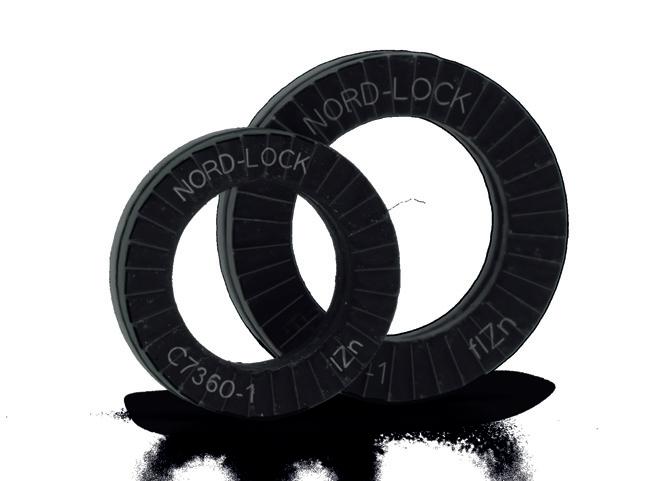
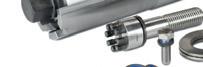
Mechanical integrity takes on a whole new meaning when operating deep in the unknown, In the most demanding environments, there’s no room for loose bolts.
Land systems, aerospace and naval vessels all rely on Nord-Lock to keep every bolted connection secure — even when repairs or shelter are out of reach.
To simplify procurement and logistics, our NSN and NCAGE codes are easy to access. Choose Nord-Lock to protect your equipment — and, above all, your people.
PRECISION GUIDANCE IN HARSH ENVIRONMENTS:
INERTIAL SENSING TECHNOLOGIES ENABLING MISSILES AND UAVS
Modern military operations increasingly take place in contested, denied, and degraded environments.
Precision navigation and guidance - once heavily dependent on external references such as GPS - must now be sustained under conditions where signals are disrupted, jammed, spoofed, or unavailable altogether. For missiles and unmanned aerial vehicles (UAVs), this reality has elevated the importance of inertial sensing technologies capable of delivering reliable performance independent of external infrastructure.
At the core of these guidance systems are advanced photonic technologies. High-energy laser sources, ruggedized optical components, and inertial sensors such as ring laser gyroscopes (RLGs) provide the stability, accuracy, and resilience required to support mission-critical guidance functions. As missile and UAV platforms evolve toward greater autonomy and longer mission durations, these photonic elements play a central role in enabling assured navigation in the most demanding operational environments.
Inertial Sensing as a Foundation for Modern Guidance Systems
Guidance, navigation, and control (GNC) systems rely on accurate measurement of position, orientation, and motion. While satellite-based navigation systems offer high absolute accuracy under benign conditions, their vulnerability in contested environments has driven renewed focus on inertial sensing as a foundational capability rather than a backup.
Inertial sensors measure motion internally, allowing platforms to maintain navigation accuracy without reliance on external signals. For missiles and UAVs, this capability directly impacts survivability, targeting accuracy, and mission success. The longer a system can operate autonomously with acceptable error growth, the greater its operational flexibility in environments where GPS availability cannot be assumed.
Among inertial technologies, optical gyroscopes - particularly ring laser gyroscopes - have long occupied the high-performance end of the spectrum, delivering exceptional stability and low drift under extreme conditions.
Ring Laser Gyroscopes: Proven Performance Under Extreme Conditions
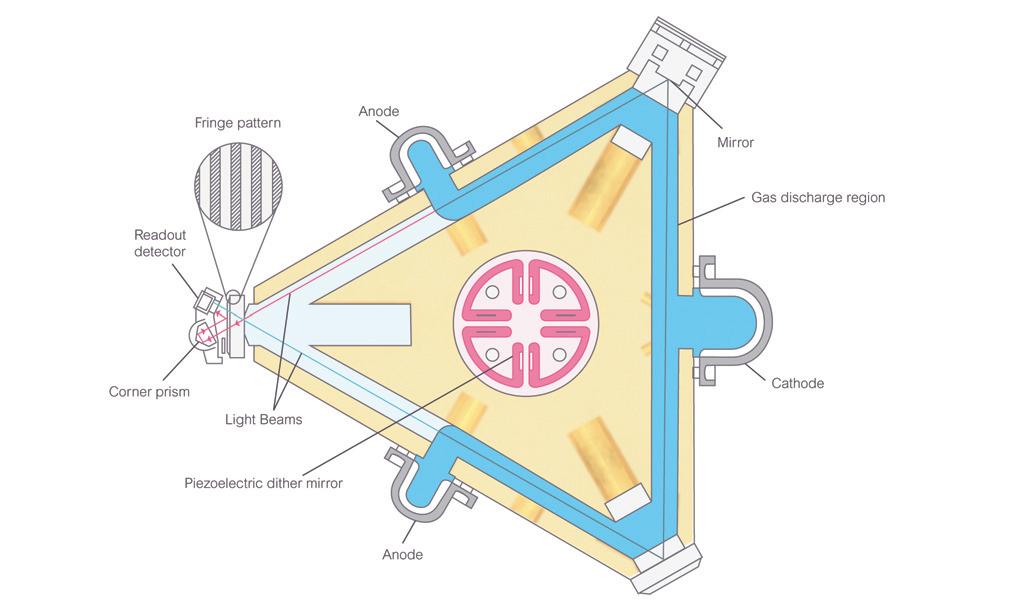
Ring laser gyroscopes measure rotation using optical interference within a closed laser cavity. Unlike mechanical gyros, they contain no moving parts subject to wear, enabling long operational life and consistent performance. Compared to lower-cost inertial alternatives, RLGs offer superior bias stability and ultra-low drift, attributes that are critical when navigation accuracy must be preserved over extended periods without external correction.
RLG technology is widely deployed across aerospace and defense platforms, including commercial aircraft, missiles, satellites, and other military vehicles. This broad deployment reflects not only the inherent performance advantages of the technology, but also its maturity and reliability under real-world operating conditions characterized by high shock, vibration, and wide temperature excursions.
Gooch & Housego designs and manufactures defense-grade RLG components engineered specifically for these environments, supporting inertial navigation solutions where performance margins are tight and failure is unacceptable.
Navigation in GPS-Denied and Degraded Environments
The operational importance of inertial sensing is most apparent in GPSdenied scenarios. In modern conflict environments, deliberate jamming and spoofing have transformed GPS degradation from an edge case into a planning assumption. Even in non-combat settings, terrain, urban environments, and atmospheric effects can disrupt satellite signals.
In such conditions, navigation accuracy becomes a function of inertial sensor stability. All inertial systems experience some degree of drift over time; however, the rate at which errors accumulate varies dramatically between technologies. For missiles and UAVs operating autonomously for extended durations, this drift directly limits mission time, targeting precision, and confidence in guidance outcomes.
When platforms transition from a high-accuracy reference point to fully autonomous navigation, gyros with low drift and high long-term stability outperform lower-precision alternatives. This capability is particularly critical for high-value UAV missions, where extended loiter times, complex flight paths, and autonomous decision-making demand consistent navigation accuracy well beyond the limits of short-duration inertial systems.
The Inertial Technology Landscape: Performance Versus Practicality
The inertial sensing landscape encompasses a range of technologies, each optimized for different performance, cost, and integration requirements. Micro-electromechanical systems (MEMS) gyros dominate high-volume, cost-sensitive applications, offering compact size and low power consumption at the expense of long-term stability. Fiber optic gyroscopes (FOGs) occupy an intermediate position, balancing performance and complexity for certain aerospace applications.
Emerging approaches based on photonic integration continue to attract interest, promising reduced size and improved manufacturability. As photonic integration matures, these technologies may play an increasing role in future inertial architectures. However, their long-term stability, environmental robustness, and survivability under extreme aerospace and defense conditions remain areas of active evaluation.
Within this spectrum, RLGs continue to represent a benchmark for high-performance inertial sensing. Their combination of stability, maturity, and demonstrated performance under harsh conditions ensures ongoing relevance for applications where navigation accuracy and reliability outweigh cost or size considerations.
Evolving RLG Technology for SWaP-Constrained Platforms
While RLGs are a mature technology, innovation continues to address emerging platform requirements - particularly the pressure to reduce size, weight, power, and cost (SWaP-C). This trend is especially pronounced in missile and UAV platforms, where payload capacity and power budgets are tightly constrained.
Recent advancements in RLG development have focused on reducing form factor while preserving performance. Achieving this balance is non-trivial; as physical dimensions shrink, maintaining optical stability becomes increasingly challenging. Ultra-flat polishing, precision finishing, and tight control of optical alignment are essential to prevent performance degradation in smaller architectures.
These advances allow RLG technology to remain competitive in applications where lower-performance inertial solutions may meet size or cost targets but fall short on long-term accuracy. For high-value platforms, the ability to deliver reduced SWaP without sacrificing stability ensures continued adoption of RLGs as system requirements evolve.
UAV Proliferation and the Demand for Long-Duration Accuracy
The rapid proliferation of UAVs across military domains has reshaped requirements for inertial guidance systems. While some UAV applications can tolerate modest navigation errors over short missions, others demand sustained accuracy over extended flight durations, often in GPS-challenged environments.
For these high-value missions, inertial performance directly influences operational effectiveness. Low drift and high bias stability enable longer autonomous operation before accumulated error exceeds acceptable thresholds. In this context, RLG-based systems remain well suited to UAV applications where mission endurance, precision, and reliability are paramount.
As UAV platforms continue to diversify - from tactical systems to longendurance autonomous vehicles - the demand for inertial technologies that balance SWaP constraints with uncompromising performance is likely to persist.
Engineering Stability Inside the Gyroscope
The performance of a ring laser gyroscope depends on the precise interaction of multiple specialized components. Mechanical stability, optical quality, and environmental resilience must be engineered as a unified system rather than optimized in isolation.
The RLG frame plays a critical role in maintaining geometric stability of the optical cavity. Materials with near-zero thermal expansion are essential to preserve alignment across wide temperature ranges. Zerodur®, a glass-ceramic material widely used in precision optical applications, provides the dimensional stability required for inertial sensing in harsh environments.
Within the optical path, mirrors, beam splitters, prisms, and wedges must maintain ultra-low loss and precise alignment under shock, vibration, and thermal cycling. Superpolishing techniques achieving surface roughness better than 1 Å RMS, combined with highreflectivity, low-loss ion beam sputtered (IBS) coatings, are critical to sustaining optical performance throughout the system’s operational life.
Vertical Integration and Subsystem Assurance
In aerospace and defense applications, performance assurance extends beyond individual component specifications. Tolerances stack, interactions compound, and long-term reliability depends on consistency across manufacturing processes and production runs.
Vertical integration offers a strategic advantage in this context. By designing and manufacturing the complete RLG component packageincluding the frame and all critical optical elements - G&H maintains tight control over material selection, process parameters, and quality assurance. This integration reduces sourcing complexity, mitigates supply-chain risk, and supports consistent performance across deployed systems.
Extensive in-house metrology and environmental qualification further support this approach, enabling verification of optical surface quality, geometric tolerances, and environmental resilience at sub-micron and
sub-angstrom levels. All RLG components are designed and manufactured in G&H’s Moorpark, California facility, operating under ISO9001 and AS9100 certification and compliant with ITAR requirements - supporting secure supply chains for U.S. and allied defense programs.
Enabling Confidence in Mission Execution
Precision guidance in modern military systems is not achieved through a single technology, but through the integration of multiple subsystems operating reliably under extreme conditions. High-energy laser sources, ruggedized optical components, and inertial sensors such as ring laser gyroscopes form a critical foundation for this capability.
As missiles and UAVs continue to evolve toward greater autonomy, longer mission durations, and operation in contested environments, the demand for high-performance inertial sensing will remain strong. By combining deep photonic expertise, advanced manufacturing capabilities, and decades of experience in aerospace and defense applications, G&H supports guidance system designers in delivering reliable, high-confidence navigation solutions for the most demanding missions.
Why SWaP Is the Limiting Factor in Modern Radar Deployment
In practice, size, weight, and power consumption often constrain where radars can be deployed.
Traditional radar systems, even compact ones, remain too large, too heavy, or too power-hungry for many emerging applications. Dronemounted collision avoidance needs radar that fits within tight payload budgets. Distributed perimeter sensing requires units that can operate for extended periods without substantial power infrastructure. Covert surveillance demands sensors small enough to deploy discreetly.
The constraint isn't just physical - it's operational. Weight and power requirements frequently determine what missions are viable.
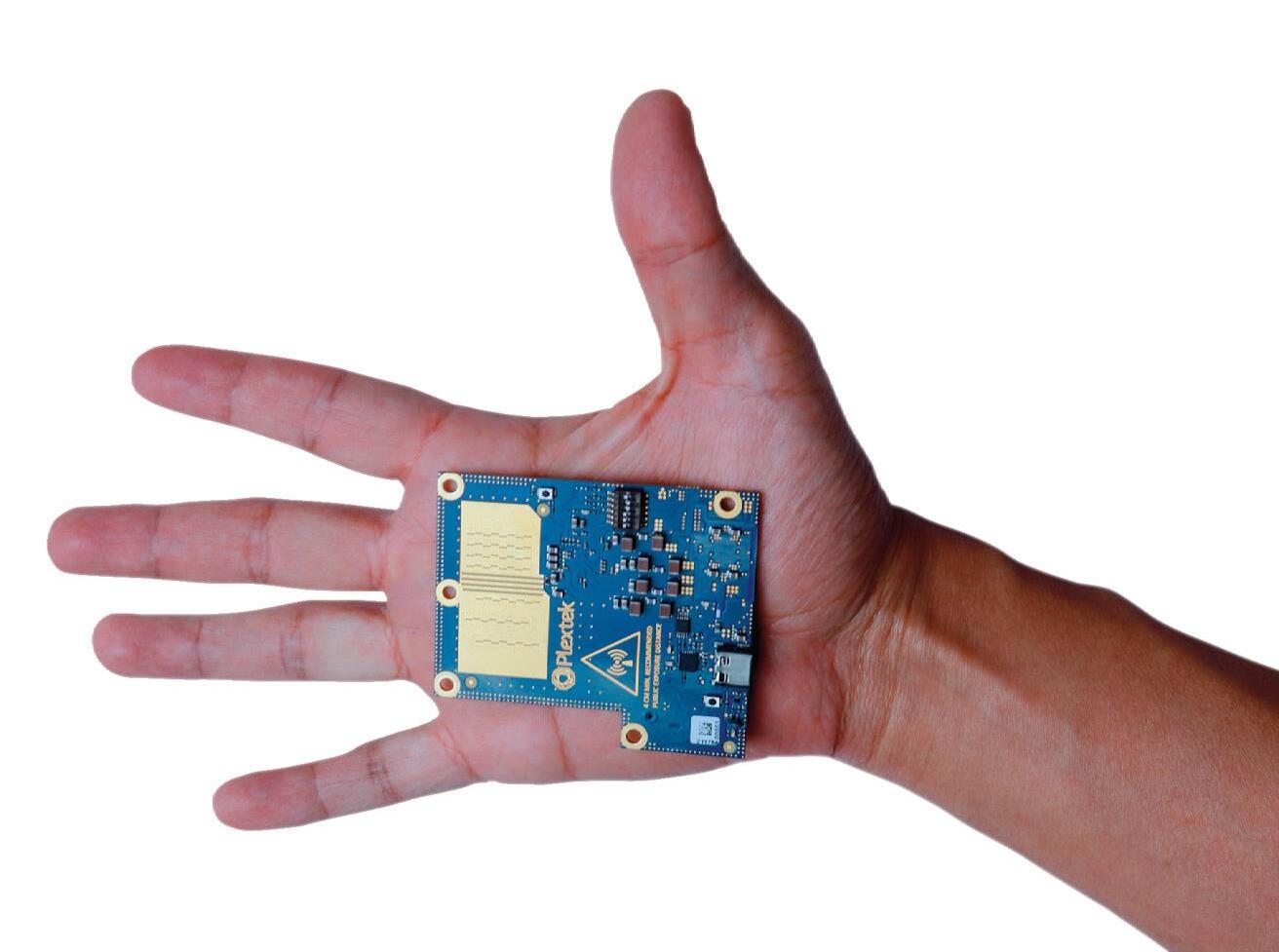
Plextek's PLX-T60 technology platform demonstrates what becomes possible when radar SWaP reduces dramatically. At 70 x 60 x 8 mm,
18 grams, and 2.5 W power consumption, the platform operates at SWaP parameters an order of magnitude below conventional compact radars.
Capabilities Unlocked at Ultra-Low SWaP
Uncrewed aerial systems gain collision avoidance and terrain mapping capability. The 18g weight and 2.5W power budget fit within smalldrone constraints where existing radar solutions simply do not. Such radars could support autonomous navigation in GNSS-denied environments where visual systems fail.
Distributed ground sensors become deployable at scale. Multiple units can be positioned to provide comprehensive site coverage without requiring substantial power infrastructure at each location. The small form factor allows placement in locations where larger sensors would be impractical or conspicuous.
The technology operates at 60-64 GHz and incorporates an integrated antenna. Detection range reaches up to 250 metres for personnel, and greater for vehicles. Range resolution is from 4 cm.
Different configurations address different operational requirements: wide field of view for very short-range detection, and extended
range options for perimeter monitoring. The platform flexibility allows development partners to configure systems for specific mission profiles.
The architecture supports networking multiple units together for expanded coverage. This distributed sensing approach allows comprehensive monitoring of complex sites where single-point surveillance proves inadequate.
Staring Radar Architecture: Continuous Coverage Without Compromise
Conventional compact radars scan sequentially. They look in one direction, then sweep to another, which may result in missed detections and limit target observation time.
The PLX-T60 platform uses a staring architecture instead. It illuminates a large volume continuously and forms digital receive beams. This provides coverage across the entire field of view simultaneously, reporting target range, velocity and angle with no gaps, and no trade-off between coverage and focused observation.
Ultra-fine range and Doppler resolution enable the system to distinguish small targets and reduce false alarms even in cluttered environments. For perimeter applications, this means fewer false alerts from unwanted environmental returns.
From Prototype to Deployable Capability
The PLX-T60 is configured for TAK and SAPIENT compliance, enabling integration with standard command and control architectures. USB connectivity and 5 V power supply simplify integration into development platforms.
What the platform demonstrates is that radar capability at extreme low-SWaP levels is technically achievable. For organisations developing autonomous systems, distributed surveillance networks, or covert sensing solutions, the specifications prove what is now possible. The technology exists. The question becomes what applications these capabilities enable.
Want to continue the discussion?
Find out more and get in touch with the Plextek team here:
www.plextek.com/defence
D5 RIID: LOCALISE. CONFIRM. ACT.
Localise faster. Adjudicate smarter.
Operate confidently at scale.
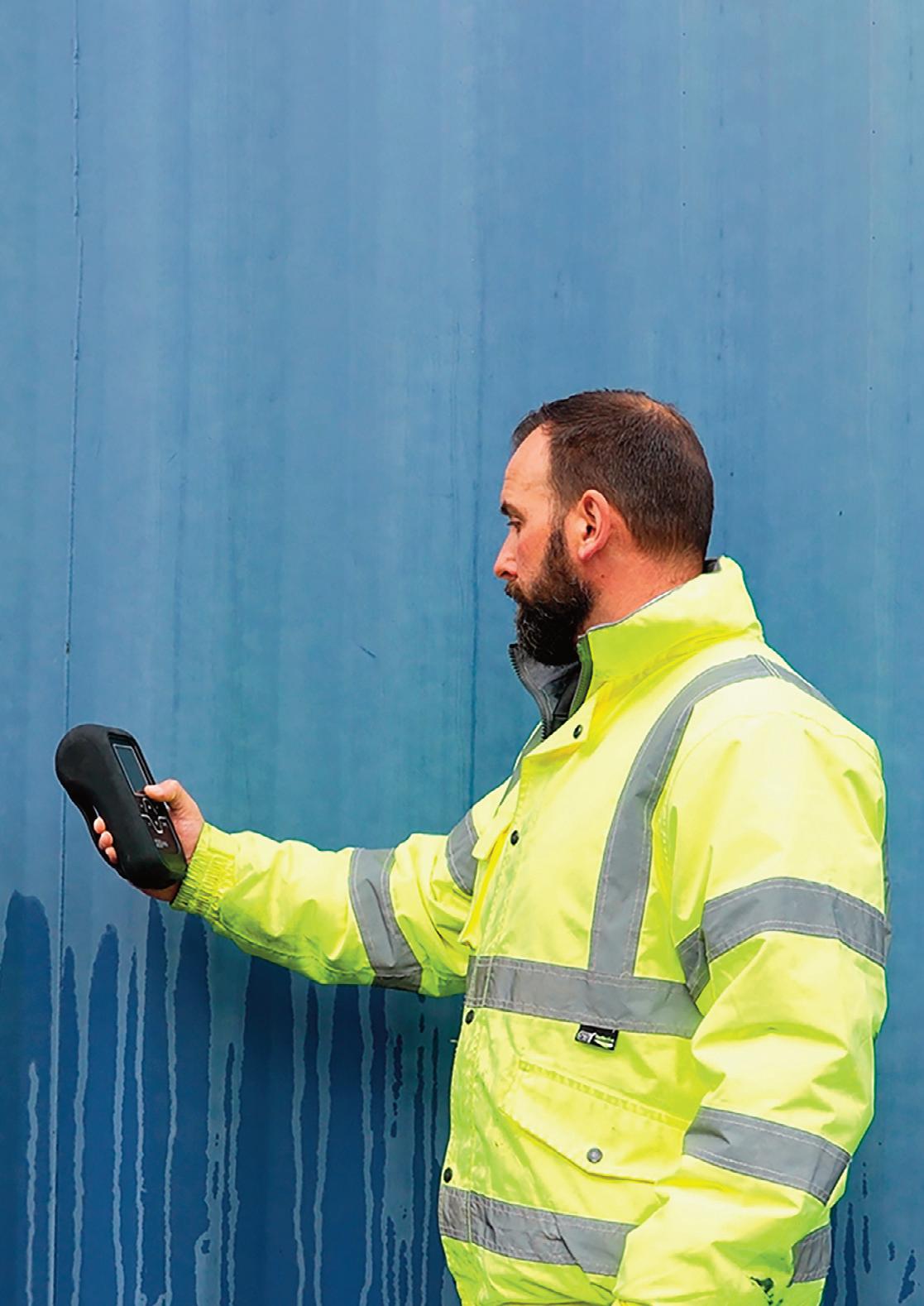
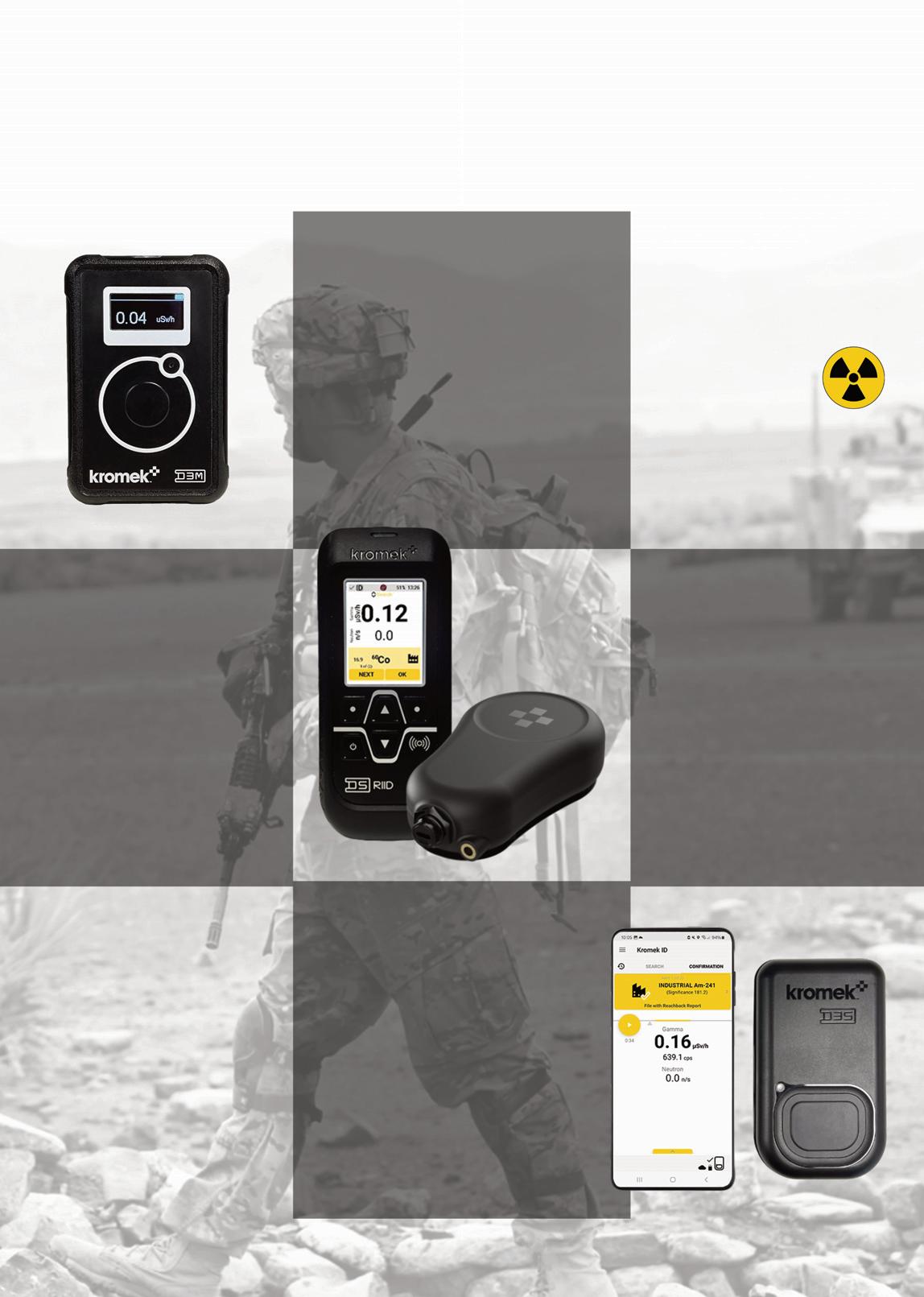
The Kromek D5 RIID is designed for confident field adjudication.
It combines precise source localisation, <4% medium resolution spectroscopy, and flexible reachback options to deliver accurate data wherever operations take place, including disconnected environments.
Advanced localisation rapidly guides operators to shielded or masked sources using adaptive statistical thresholds and intuitive audio feedback. Medium resolution performance sharpens spectral clarity, reducing ambiguity and improving confidence in isotope identification. Built for modern CONOPS, the D5 exports ANSI N42.42 data natively, integrates with ATAK and robotic platforms, and enables QR-code reachback when networks aren’t available, ensuring critical data reaches decision makers without delay.
Localisation: From “somewhere nearby” to “right here”
Locating shielded or masked sources quickly is critical for operator safety and mission success. The D5’s localisation mode establishes a live background, applies statistical thresholds, and guides the operator using audio cues that increase in frequency as the source is approached.
Recent enhancements allow thresholds to be set in multiples of sigma and adjusted dynamically as background rises near the source. This preserves sensitivity and accelerates final approach in cluttered or high-background environments. Ensuring localisation concludes with confirmation, not uncertainty.
Medium-resolution (<4%) energy performance and high sensitivity sharpen peaks and clarify trends in weak or mixed fields, so localisation concludes with confirmation, not uncertainty.
Reachback: Reliable and accurate data, anywhere
Clear spectra are only useful if they can be shared quickly. The D5 RIID stores ANSI N42.42 files natively and supports rapid reachback to off-site experts for secondary analysis.
Crucially, the D5 supports reachback without a network. Spectra can be exported as QR codes, allowing a remote adjudicator using InterSpec to open foreground and background datasets in seconds, no pairing, cables, or cloud connectivity required. Disconnected operations stay decisive, and adjudication is never limited by bandwidth.
Networked By Design: From a single detector to a common operational picture
Whether securing a checkpoint, surveying a site, or coordinating a city-scale response, the D5 is built to integrate. ATAK/TAK compatibility, sensor hub connectivity, and UGV support via Remote Mode ensure data flows beyond the handheld.
Field adjudications contribute directly to a shared operational picture, enabling faster, more coordinated decision making.
Remote Mode: Distance for safety. Continuity for intelligence
In high-risk or contested environments, Remote Mode allows operators to deploy the D5 on robotic platforms, maintaining standoff while preserving spectroscopic performance.
Alarms and isotope identifications are delivered in real time, and ANSI N42.42 files can be relayed immediately for reachback and incident coordination, ensuring operator safety without compromising mission-critical data.
Medium Resolution: Clarity reduces false decisions
Medium-resolution spectroscopy (<4%) produces narrower peaks than low-resolution handhelds, simplifying identification in complex or mixed-isotope scenes and strengthening both onscene and remote adjudications.
With a design target of one false alarm per 24 hours, the D5 minimises nuisance alerts, allowing teams to focus on real threats, not instrument noise.
A complete radiological and nuclear architecture
Effective radiological and nuclear operations rely on layered sensing: handheld adjudication, static monitoring, mobile survey, and aerial mapping—connected through secure, resilient data pathways.
Within this architecture, the D5 RIID is the agile adjudicator. It localises precisely captures decision-grade spectra and delivers data via network or QR-code reachback, to those who need to make quick decisions. This ensures critical information reaches the people who need it quickly, safely, and reliably.
The D5 RIID brings precision, resilience, and interoperability into a single handheld platform, supporting confident identification, confirmation, and coordination in any operational environment.
Designed for disconnected, high-risk, and complex scenarios, it ensures decision-grade data reaches the right people, quickly and safely, enabling teams to act with confidence, reduce uncertainty, and focus on real threats.
www.kromek.com
Innovative Piedrafita System to optimise fleet performance and efficiency:
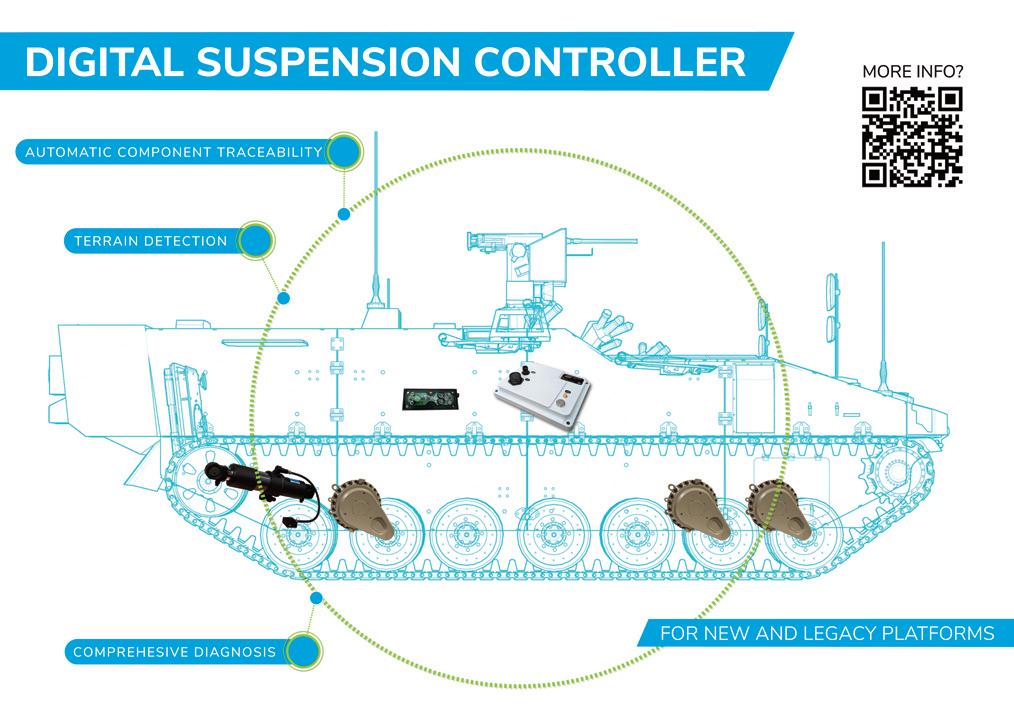
DSC - DIGITAL SUSPENSION CONTROLLER
In the field of defence, vehicle availability and performance are critical factors that directly impact the operational capability and safety of missions.
Piedrafita, a leading company in technological innovation, has developed an advanced suspension monitoring system designed to improve the availability, performance and efficiency of military vehicle fleets. This technological development focuses on providing detailed, real-time monitoring of each vehicle, detecting and preventing possible failures that could compromise its correct operation.
Robust and compact hardware: the heart of the system
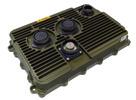
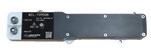
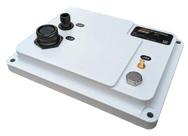
Piedrafita's suspension monitoring system is based on a robust and compact hardware, known as Smart Logger. This device is key to the management of suspension systems, integrating sensors strategically placed in the dampers and different components of the system. These sensors are capable of collecting essential data about the use in real conditions, allowing an exhaustive analysis of the vehicle's behaviour. The Piedrafita Smart Logger not only collects data, but also processes it in real time, providing valuable information that can be used to optimise vehicle performance and increase efficiency.
This proactive approach allows operators to detect and prevent potential failures before they become critical issues, ensuring greater fleet availability.
Comprehensive monitoring of suspension elements
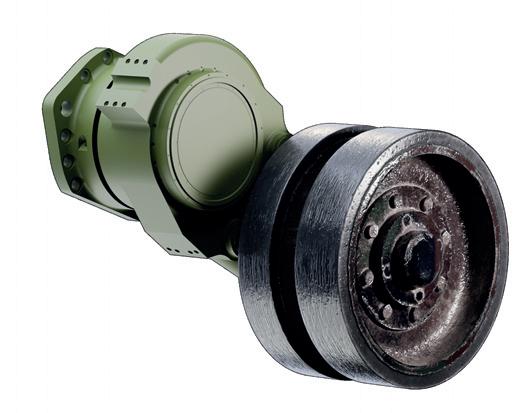
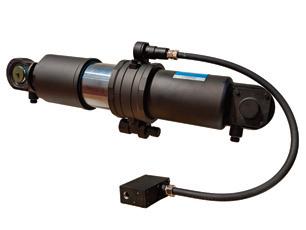
In addition to the dampers, the system monitors the track tensioner, a vital component that protects the running gear from external overloads and ensures safe suspension damping. The incorporation of sensors in the intelligent track tensioner allows constant monitoring, ensuring that any anomalies are detected and addressed immediately. This not only extends the service life of the suspension, but also contributes to the overall safety and efficiency of the vehicle.
Data recording, processing and analysis
Piedrafita's Digital Suspension Controller is designed to record, process and analyse data from both the vehicle and the different suspension components. This real-time data processing capability is essential to provide valuable information that can be used to improve maintenance decision making throughout the vehicle's lifecycle.
By identifying patterns and trends in component wear and tear, operators can plan maintenance more effectively, reducing downtime and optimising fleet performance.
DSC system functionalities
Piedrafita's Digital Suspension Controller (DSC) offers a number of advanced functionalities that make it a comprehensive solution for defence vehicle fleet management. The main functionalities of the system include:
1.
Terrain Detector
The DSC provides real-time knowledge of the type of terrain over which the vehicle is travelling. This functionality is essential to adapt the suspension behaviour to the terrain conditions, thus improving vehicle stability and performance.
2. Suspension Data Management
The system continuously monitors and processes information from the suspension sensors, providing a detailed view of component status and performance. This information is crucial for identifying potential problems before they affect vehicle operation.
3. Component Traceability
The DSC also offers full traceability of suspension components. This means that the system keeps a detailed record of which suspension element is fitted to which wheel on the vehicle, allowing for more efficient and accurate maintenance management.
Main features of the DSC system
Piedrafita's Digital Suspension Controller stands out due to a number of advanced features that enhance its functionality and performance:
• Advanced Algorithmics: The DSC uses advanced algorithms to monitor and process data in real time. This allows the system to identify the type of terrain and severity of use of each device, providing accurate and timely information for decision making.
• Traceability: The system provides information at all times on the status and location of suspension components. This traceability capability is essential for effective maintenance management and to ensure that components are in optimum condition.
• Decision support: The system notifies when a suspension is nearing the end of its service life and needs to be replaced. This functionality helps operators plan maintenance more effectively, reducing downtime and ensuring vehicles are always in optimal condition.
Preventive and Corrective Maintenance
Keeping the fleet in good condition is essential to reduce breakdowns, accidents and operating costs. DSC optimises maintenance by using
real sensor data to monitor vehicle condition and performance. It predicts the optimal timing and frequency of preventive and corrective maintenance based on the actual usage and condition of each vehicle. DSC also identifies and diagnoses potential faults and problems before they become critical.
• Preventive Approach: Vehicle and crew safety is a priority for any fleet manager. Adopting a preventive approach is one of the best ways to ensure that the fleet operates efficiently. Using a remote diagnostic system such as DSC provides information on vehicle faults as they arise. Sensors indicate when there is a problem that needs urgent attention, allowing for extended vehicle life and ensuring the highest quality maintenance.
• Remote diagnostics and performance monitoring: DSC facilitates the monitoring of vehicle performance, ensuring smooth operation. It also predicts when parts will need to be replaced, enabling advance planning of orders so that you are always prepared. Reliable software stores driver information, vehicle records and maintenance issues in one place, making it easy for managers to access at all times.
• Vehicle reports: These reports help to understand vehicle functions and measure parameters such as costs, performance and maintenance, providing crucial information for decisionmaking and optimising the performance of the military vehicle fleet.
Compatibility and Versatility in Harsh Environments
The Piedrafita DSC is fully compatible with new and legacy platforms, covering vehicles from one to seventy tonnes. This versatility makes the
system an ideal solution for use on a wide range of vehicles used in defence, including:
• Unmanned Ground Vehicles (UGVs)
• 4x4, 6x6 and 8x8 vehicles
• All Terrain Vehicles (ATVs)
• Infantry Fighting Vehicles (IFV)
• Self-propelled artillery systems (SPH)
• Main Battle Tanks (MBT)
Its innovative development is designed for a range of target audiences, including:
• Vehicle manufacturers
• Subsystem manufacturers
• Maintenance centres
• End-users
Commitment to innovation and excellence
With this new technology, Piedrafita reaffirms its commitment to innovation and excellence in fleet management. The Digital Suspension Controller provides advanced tools that ensure optimal performance and maximum vehicle operability in demanding operating conditions. By integrating DSC into your fleets, the availability and efficiency of defence vehicles will be significantly improved, ensuring the success of your missions and the safety of your crew.
Find out all its capabilities in the following video: https://www.youtube.com/watch?v=bjQrt9czf6g
www.piedrafita.com
Thermal Infrared Sensor Design
Considerations for Counter-UAS Defense
Executive Summary
The use of small, low-cost drones has rapidly expanded across military and public safety environments, creating an urgent need for effective Counter-Unmanned Aerial System (C-UAS) solutions. This paper outlines how EO/IR sensors form the backbone of the C-UAS kill chain, and compares the trade-offs between lower-cost imaging systems and high-performance, multi-sensor architectures. It highlights the challenges of long-range detection, where drones may appear as only a few pixels, and performance is constrained by the Signal-to-Noise Ratio (SNR). The paper also emphasizes the limitations of both classical MTI and AI-based object detection at the edge of visibility. Finally, it underscores the essential role of advanced Image Signal Processing (ISP) in improving SNR, stabilizing low-contrast targets, and extending effective detection and tracking range.
Introduction and Background
The drone threat is emerging across tactical and public safety scenarios. The proliferation of small, inexpensive, and maneuverable drones is a great challenge for both military planners and for the protection of public, commercial, and industrial vulnerabilities. It is not hyperbole to state that there is an arms race between offensive drones and C-UAS solutions.
Electro-optical (EO) and thermal infrared (IR) imaging have become core technologies for detecting and tracking drones. To perform a cost/benefit analysis, developers need to understand the trade space of C-UAS systems, including detection range limitations, radar system capabilities, image signal processing, embedded processors, and Artificial Intelligence (AI) models. Although each air defense system is
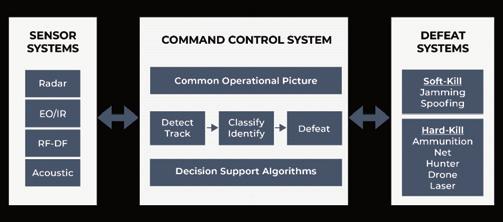
developed against a specific set of air threats, their kill-chains all typically consist of three complex sub-systems: Sensor Systems, Command Control System, and Defeat Systems.
The Russian-Ukrainian war has become a crucible for UAS innovation, accelerating the capabilities and tactics of drones. Though defeat systems like radio jamming, GPS signal jamming, and kinetic effectors are deployed along battle lines, these systems are expensive and have limited deployment in public safety applications.
EO/IR Imaging Systems for Drone Detection
Cost-effective electro-optical (EO) sensors offer high resolution and appropriate focal length lenses. Passive infrared (IR) sensors are sensitive to thermal photon emissions instead of visible light, making IR ideal for 24/7 operations. EO cameras have higher angular resolution, which directly translates to pixels on target: this is a critical system
FIGURE 1 C-UAS PROCESS TO DETECT, TRACK, IDENTIFY, AND NEUTRALIZE DRONES
parameter for early drone detection. However, the SNR of the EO pixels on a small drone is often low due to limited contrast against a sky background. IR cameras can often detect drone motion represented by as small as a 2x2 pixel cluster, given the sky’s cold background. In addition, classification cues, including shape, motion patterns, and thermal signatures, help IR distinguish drones from birds, aircraft, and clutter to minimize false positives, which often diminish the effectiveness of imaging systems.
C-UAS Solution Design Considerations
C-UAS detection systems fall into two separate cost and performance categories: lower cost and high performance. Lower-cost, imaging-only detection systems with <1000-meter drone detection distance integrate EO and Longwave IR (LWIR) uncooled sensors with fixed focal length lenses and cost between $50K and $150K. These systems are typically limited to a fixed field of view (FOV) or scanning 90 to 180 degrees horizontally, which is useful for perimeter monitoring. Advanced, highperformance, multi-sensor detection systems with >1000-meter range incorporate EO and cooled Midwave IR (MWIR) cameras with continuous zoom (CZ) optics and radar. These systems cost between $150K and $1M and can be configured to provide a full 360-degree FOV for maximum situational awareness.
Lower-cost C-UAS solutions typically include the following:
• EO and uncooled LWIR infrared cameras with either long focal length or zoom optics
• Fixed or pan and tilt mounting
• Embedded computer for object detection and tracking
• Defeat system, typically RF jamming
High-performance C-UAS solutions typically include the following:
• EO and cooled MWIR cameras with long-range, CZ optics
• Pan and tilt or stabilized gimbal on stationary or mobile platforms with extendable masts
• Wide-area, high-resolution radar units used for camera slew to cue
• Acoustic sensors
• Server or PC-based
• Defeat systems – all types, including kinetic
When selecting an EO camera, there are many specifications to consider: color versus monochrome, resolutions up to 200MP, and rolling versus global shutter. There are system-level trades for pixel rate, edge embedded signal processing, bit rate, sensitivity, and lens selection. EO systems provide 2x to 8x more resolution and pixels on target than an IR camera, but the detection range performance is a function of SNR.
When selecting an uncooled LWIR thermal camera, most systems specify a 640x512-resolution sensor with a thermal sensitivity of less than or equal to (≤)20 millikelvins (mK) and fast optics specified by a fnumber between ƒ0.9 and ƒ1.4. This translates to a lens aperture (diameter) nearly equal to the focal length, but there is a practical size limit to longer focal lengths and zoom ranges. There is also a cost crossover point from uncooled LWIR to cooled MWIR at focal lengths greater than approximately 250 mm.
Today’s MWIR systems incorporate compact closed-cycle coolers with Mean Time to Failure (MTTF) of up to 27,000 hours that operate at low power. Because this sensor technology is much more sensitive than uncooled LWIR, optics as slow as ƒ5.5 can be used, enabling focal lengths more than 1000 mm while keeping the lens assembly to a manageable size and cost. Today’s cooled MWIR sensors have 8-micron pixels with resolutions up to 1280x1024 and sensitivity of 30 mk.
EO/IR Moving Target Indication at Low SNR
EO/IR C-UAS systems employ Moving Target Indication (MTI) algorithms as a first stage, using techniques including frame differencing or temporal differencing and background subtraction. Near the detection limit, noise is indistinguishable from motion, and pixel-level noise fluctuations can look like small moving objects from frame-to-frame, especially under high gain or low light. Background movements, including moving foliage, clouds, water, heat shimmer, and shadows, generate “false motion.” Increasing detection thresholds keeps false positives manageable but can disproportionately suppress true detections at the edge of visibility.
MTI detections are subject to significant false positives. It is good practice to accumulate MTI detections and quantify detections in a hierarchy. The user can then determine how sensitive the system should be relative to early detections and acceptable false positives. The camera produces many noisy “blobs” or micro-tracks that need to be confirmed. In operation, MTI at the limit of detection often acts as a candidate generator for an AI object detector and target tracker.
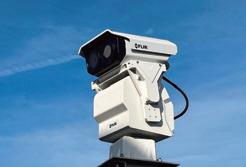
FIGURE 2 LOWER-COST C-UAS (LEFT) AND HIGH-PERFORMANCE C-UAS (RIGHT)
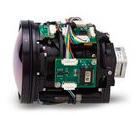
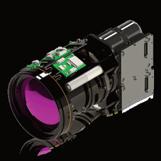
FIGURE 3 FIXED 73 MM LWIR (LEFT), 14-75 MM CZ LWIR (CENTER), 15-300 MM CZ MWIR (RIGHT)
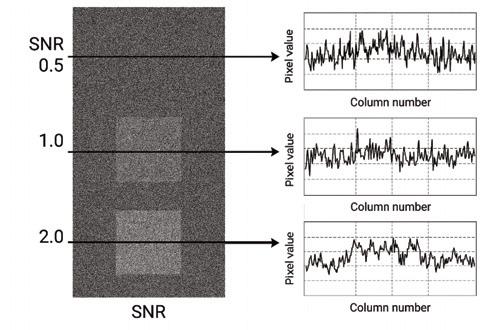
FIGURE 4 EXAMPLE SNR GRAPHIC
Target Detection and Tracking Using EO/IR Object Detectors
Deep learning, AI-based object detectors are widely used for drone detection in EO/IR video systems and can follow the same ontology as the human perception classes of detection, recognition, and identification. They incorporate multi-scale feature extraction:
• Detection (>10x10 Pixels): Generalized classifiers (drone vs. bird vs. plane) and localization (bounding box) for small to large targets based on limited training data
• Recognition (~20x10 Pixels): Fine-grained classifiers for target classes such as quadcopter, fixed wing drone and airborne ISR aircraft
• Identification (~30x20 Pixels): Fine-grained classifiers based on extensive high-resolution training data of application-specific classes such as Shahed, quadcopter make and model, and fixed wing loitering targets
Limits of Detection for EO/IR
For drones at long range, EO/IR performance is often SNR- and resolution-limited, forcing the system to operate near the limit of detection. For a small quadcopter or fixed-wing drone, the angular size at long range may be only a few pixels or even sub-pixel. At that point, the drone’s apparent size is comparable to or smaller than the point spread function (PSF) of the optics. Atmospheric effects, including scattering, haze, and turbulence, can further reduce contrast and introduce random blur. Limit-of-detection conditions often correspond to:
• SNR: Low SNR (1–3) at the pixel or small-patch level
• Area: Very small apparent area (<20 pixels)
• Background: Intermittent visibility as the drone crosses complex backgrounds, e.g., trees, buildings, clouds, etc.
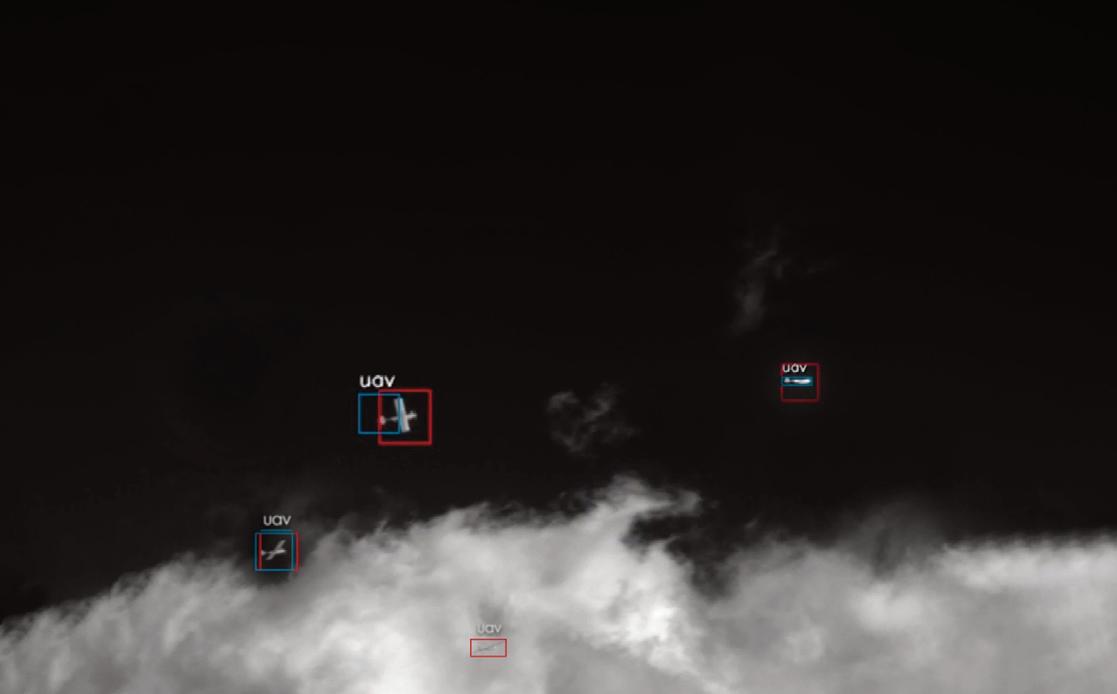
Most object detectors degrade severely when the object is below approximately 10×10 pixels. At 3×3 or up to 5×5 pixels, the network has very little detail, shape cues are limited, texture is nonexistent, and only gross motion/contrast remains. If network training does not include very small, noisy targets, the detector will miss targets or produce unstable outputs. Detectors trained using clean daytime imagery, specific backgrounds, and strong contrast targets may be especially challenged or fail in low-light or night conditions, haze or humidity, and background variations, e.g., desert vs. urban vs. maritime.
At the limit of detection, any mismatch between training and deployment distributions is magnified. Training data labeling and annotation practices are very important for very small targets. Manual annotation can be prone to error. Bounding boxes may not line up with the true target and may miss targets entirely at the extreme range. This introduces label noise that can confuse the detector and limit its ability to learn fine distinctions at low SNR.
Furthermore, training data rarely includes examples of small, strongly blurred drones; most CNN networks are biased toward sharp or moderately blurred targets. Blur and camera motion are major constraints on EO/IR drone detection, especially at long range or on
moving platforms. Tracking-by-detection pipelines rely on detections that are consistent in position and size. Blur causes jitter and size variability, breaking data association. Classical trackers, e.g., KLT features or template matching, struggle when the internal appearance of the template changes drastically due to blur direction and magnitude.
To improve performance, development teams can use data augmentation, including scaling, noise injection, blur, and illumination changes. Training on synthetic data enables rendering drone models into realistic backgrounds and negative examples of birds, planes, and clutter. Multi-frame or track-aware detectors can be employed using sequences instead of single frames.
EO/IR Image Signal Processing
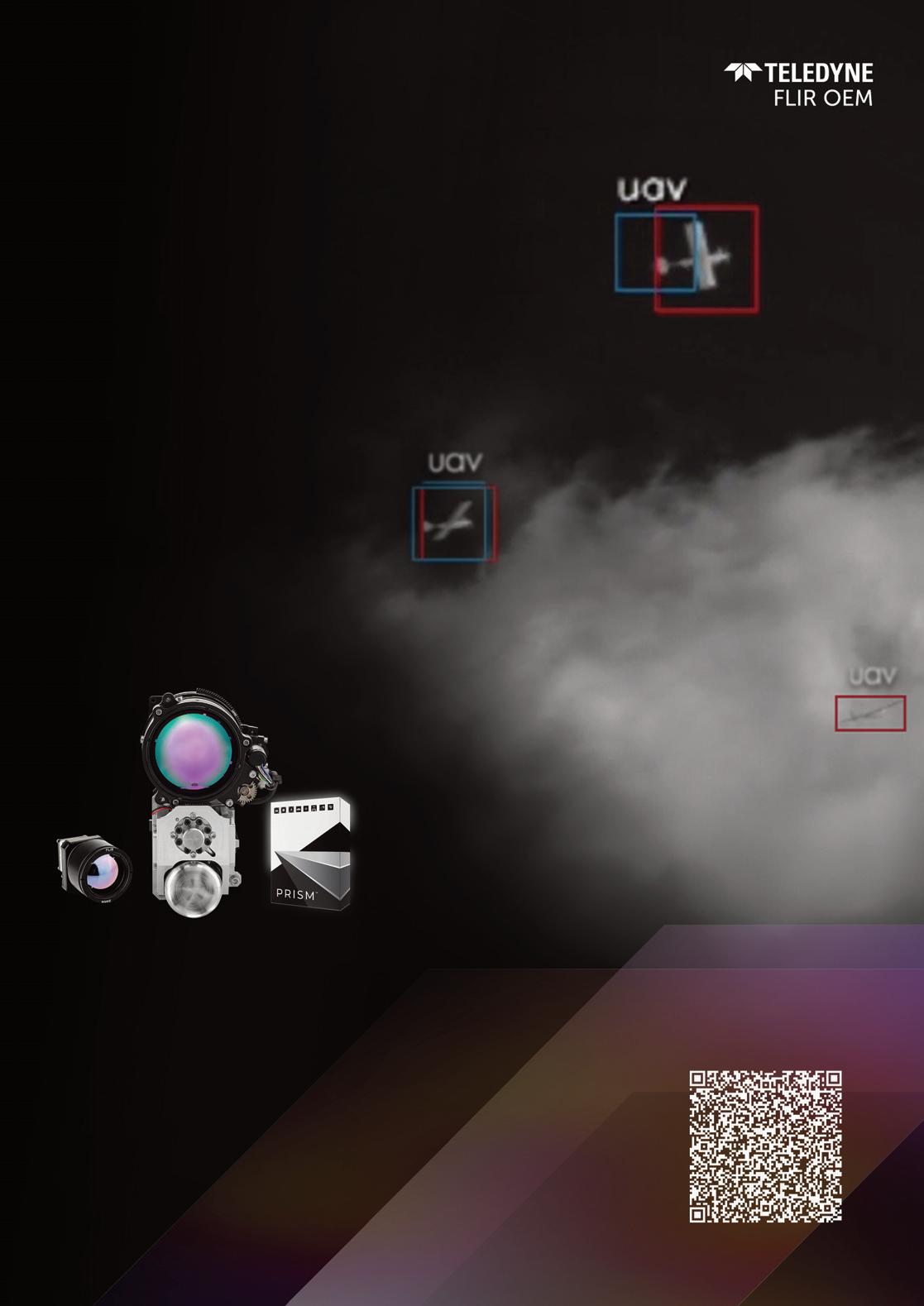
ISP for EO/IR camera systems refers to the set of algorithms and hardware functions that convert raw sensor data into usable, high-quality imagery that supports detection, recognition, identification, measurement, and automated decision-making. In EO/IR systems, especially thermal IR cameras, raw output from the focal plane array (FPA) is noisy, nonlinear, and uncorrected. ISP transforms this raw data into stable, calibrated, visually optimized imagery in real time. SNR and network performance and reliability depend on the quality of ISP for improving target Detection, Recognition, and Identification (DRI). Teledyne FLIR OEM has developed IR ISP algorithms to improve the SNR and at the limits of detection (~2x1.5 pixels) that increase the range to initiate drone tracking by up to 20%. To learn more, please visit
www.oem.flir.com/prism-family.
FIGURE 5 DRONE DETECTION VIDEO PIPELINE
FIGURE 6 EO/IR SYNTHETIC SIMULATION WITH FIXED WING AND QUADCOPTERS AT RANGE
FIGURE 7. TELEDYNE FLIR OEM ISP SUPER RESOLUTION EXAMPLE
Oxley Appoints Phil Ashworth as Group Chair
The Oxley Board is pleased to announce the appointment of Phil Ashworth as Oxley Group Chair.
Phil has a had a long and successful career in the defence industry and brings a breadth of experience from both his time in the British Army and through his senior roles with several blue chip defence companies.
Phil was awarded the prestigious Battlespace Businessman of the Year Award in 2023, in recognition of his ‘huge contribution to the UK defence industry.’
Phil served for 27 years in the British Army as an Intelligence, Surveillance, Reconnaissance & Target Acquisition (ISTAR) specialist retiring in the rank of Major. On retirement from the Army, Phil held roles with Lockheed Martin, Roke Manor Research and Chemring. In 2017 he was appointed Managing Director of Exensor Ltd and subsequently became UK CEO of Bertin Exensor Ltd. Phil held several key executive positions as a Board member and joined Oxley Group in August 2024 as a Non-Executive Director before taking up the position of Chair. Phil’s considerable experience enables him to bring strategic vision, strong leadership and effective governance to the role.
Commenting on the appointment Phil said, “I am privileged to step into the role of Oxley Chair at such a critical time for the business. With global demand for advanced and resilient technologies increasing, our priority is clear: accelerate sustainable growth while continuing to deliver the trusted technologies our customers rely on. I look forward to working with the Oxley leadership team to develop our strategy, invest in nextgeneration innovation, and deliver solutions that keep the UK and our allies safe.”
Oxley Group CEO Darren Cavan added, “I’m delighted to welcome Phil as our Chair, his deep industry expertise, strategic vision, and proven leadership will be invaluable to Oxley as we continue to deliver our strategic vision and perform against our ambitious growth targets.”
SMITHS INTERCONNECT
The landscape of high-speed radio frequency (RF) interconnects is continuously evolving, driven by the need for enhanced performance, simplified assembly, and improved durability.
For decades, the Subminiature Push-On (SMP) connector has been a staple in many RF applications. However, a new, solder-less, springloaded solution, EZiCoax, offers significant advantages over traditional SMP contacts, particularly in complex, board-toboard architectures.
The Traditional Subminiature Push-On (SMP) connector
The traditional SMP connector was first developed in the 1980s and initially marketed as GPO. Today, numerous manufacturers offer compatible SMP connectors used across a variety of applications. SMPs are typically a three-piece system, featuring two male connectors, referred to as shrouds, which are designed to be surface mount or through-hole soldered to Printed Circuit Boards (PCBs) and come in two types: Detent and Smooth Bore. The third piece, a female connector, is referred to as Bullet and completes the mating of the two male connectors located on adjacent PCBs.
Traditional SMPs are usually robust RF contacts capable of operating from DC to 40 GHz with low insertion loss. They are designed for a nominal 50 Ohms impedance, operate between –55ºC and 165ºC and exhibit good leakage characteristics, offering better than −60 dB rejection.
A Solder-less Solution
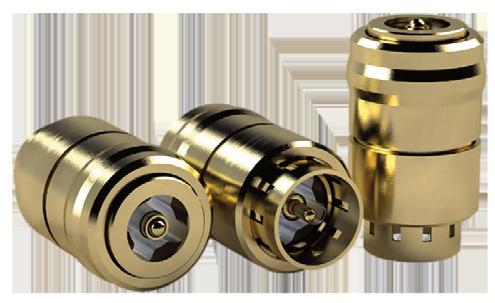
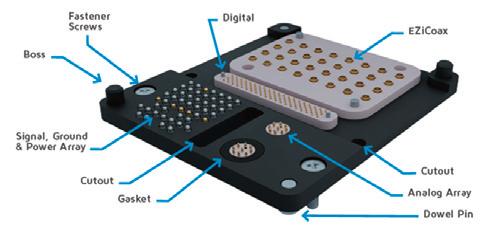
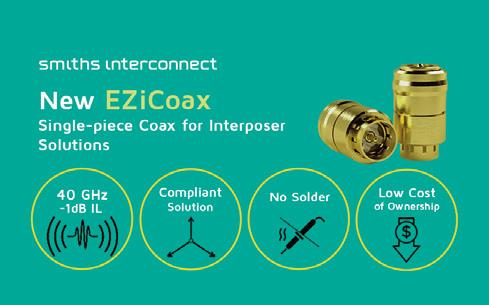
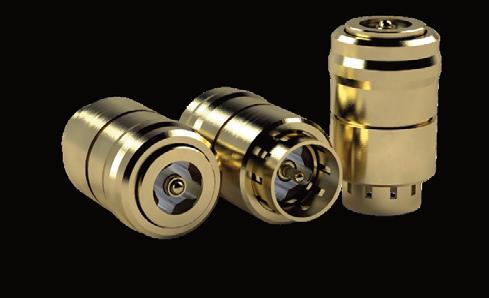
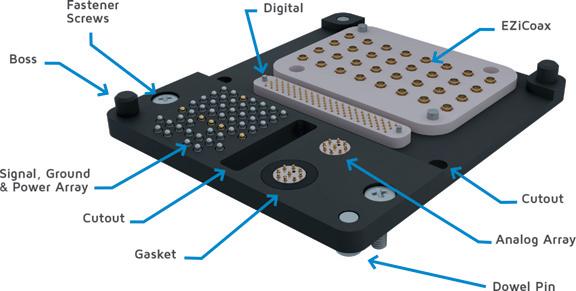
Smiths Interconnect has introduced EZiCoax, a new single-piece, spring-loaded coaxial connector designed for high-speed RF applications. EZiCoax features a double-ended design with a springloaded signal and ground contact, fully encapsulated within the assembly. It mates between two PCBs by compression, eliminating the need for any soldering. EZiCoax is designed to be supplied in an interposer—a frame that aligns the contacts precisely to the PCB. A significant benefit is that interposers can be highly customised and can incorporate both digital and power contacts alongside the coax, providing a comprehensive solution for mixed-signal applications. The smallest coax offers a low profile, with a 3.30mm board-to-board distance and can be used on a pitch as small as 3mm.
While SMPs can be blind-mated, this often presents challenges due to the potential for misalignment and the high forces required. Mating a single SMP connector can require up to 9 lbs of force. For a PCB assembly with, for instance, 32 connectors, the total mating force would exceed 280 lbs.
Performance and Qualification
EZiCoax is a 50 Ohm RF contact that performs out to 40 GHz. Its performance characteristics are exceptional:
• Insertion Loss: Better than −1 dB through 40 GHz.
• Return Loss: better than −15 dB through 40 GHz.
• Crosstalk: near and far-end crosstalk is better than −60 dB through 40 GHz.
• Environmental and Electrical: working temperature range is −55ºC to 165ºC.
• Electrical: the signal pin current capacity is 1 Amp, and the dielectric withstanding voltage is 500 V DC.
EZiCoax has been qualified in accordance with ESCC 3402 ESA Space qualification. Key qualification highlights include:
• Random vibration of 53.79 Gs.
• Mechanical shock of 100 Gs half sine.
Both shock and vibration tests were repeated three times in all three axes.
Misalignment Tolerance
With traditional SMP-style connectors, board-to-board tolerances and shroud placement can lead to three types of misalignments:
Radial Misalignment: This occurs when the shrouds are offset from true centre in the X, Y, or both directions.
Axial Misalignment: This is the distance variation (in the Z-direction) between the two PCBs. Angular Misalignment: A product of both radial and axial misalignment, causing the bullet to sit at an angle within the shroud.
EZiCoax exhibits remarkable performance under misalignment, which is critical for system reliability. The performance is optimized by designing the PCB to the recommended pad layout, which specifies a 26mil signal pad with a 41mil anti-pad.
EZiCoax has been tested under Axial Misalignment: the performance remains strong, with insertion loss at the maximum working height of 0.138 inches (3.5 mm) dropping only to about −1.1dB of attenuation.
With Radial Misalignment, performance also remains highly stable. There is less than a half dB shift in insertion loss with a mismatch of ±10 mils (0.25 mm) in the X and Y directions.
Angular Misalignment: since interposers are designed to ensure the PCBs are flushmounted and parallel, angular misalignment is minimized. If it does occur, the design allows for up to 2.5 degrees of displacement with less than −1 dB of loss.
Interposer Solutions and Applications
An interposer is an electrical interface that routes connections between one socket/connection and another, essentially bridging two opposing sides of a PCB. The housings are typically made of engineered plastics like TECAPEEK or Ultem, though other materials may be used for specific environmental or electrical needs.
Interposer designs can incorporate various features: dowel pins or bosses for precise alignment, thru-holes and hardware for securing the assembly as wells as custom features like cutouts to avoid existing system components and the ability to integrate environmental or electromagnetic interference (EMI) gasketing.
EZiCoax is an improved alternative to older methods of passing RF signals in interposers, with arrays that typically require a grounded housing and take up considerably more space on the board.
EZiCoax primarily targets Space and Military applications which
notably demand high performance and ruggedness while benefiting significantly from increased ease of installation and system reworkability.
In Applications like Satellites, Deep Space Probes/Rovers, HTCS antennas, launch vehicle avionics, telemetry modules, as well as the Active Electronically Scanning Arrays (AESA) radar systems used in defence, EZiCoax is well suited to replace current RF interconnects offering the possibility of 90% weight saving, easier assembly, extremely reliable performance with an overall lower cost of ownership.
By providing a robust, solder-less, and highly tolerant solution, EZiCoax simplifies assembly and enhances the reliability of highfrequency board-to-board connections across critical industries.
Features and Benefits of EZiCoax
In conclusion, the EZiCoax spring-loaded coax connector offers a significant leap forward compared to traditional soldered SMP contacts, primarily by delivering a substantially lower cost of ownership. This advantage stems from the stark differences in assembly and handling. Unlike SMP, which requires a complex, multistep process involving soldering of the shrouds, specialized tools for installation/removal, post-soldering flux cleaning and, finally, costly maintenance plans requiring regular inspection of the soldered joints, EZiCoax simplifies the process immensely. It utilizes compression mounting and alignment via the interposer features, making assembly quick and the connection reliable. Furthermore, the spring-loaded technology within EZiCoax dramatically improves product life and reworkability; it requires only a low mating force and no extraction force for de-mating, allowing the interposer to be assembled and removed repeatedly without the risk of PCB damage associated with the high forces of SMPs. Finally, EZiCoax provides by design superior reliability by absorbing greater misalignment, tolerating up to 0.25 mm of axial and 0.33 mm of radial misalignments.
Outstanding Performance Ease of Assemby/Installation
High-Speed Signaling to 40 GHz with better than −1 dB of Insertion Loss.
Absorption of Axial (Z-axis) and Radial (X/Y) misalignment.
Quali昀ed to ESA ESCC 3402.
Compression mounted, no soldering, quick and easy. Interposer has special alignment features.
No special tools or post-soldering cleaning required.
Mating/De-mating Forces
Low mating force (approx. 5 oz per coax).
No extraction force required for de-mating thanks to Spring Probe Technology. Protects against PCB damage.
Integrated Coax, Digital & Power Contacts for a Complete Interposer Solution
Reworkability
Interposer can be assembled on and off the PCB many times without special tooling, minimizing risk of damage to the boards.
No need for soldering inspection. Lower Cost of Ownership.
Wedge Lock Washers HEICO-LOCK®
Maximum reliability even under extremes of vibration or dynamic loads
HEICO
Fastening Systems
The best value to secure and tighten bolted joints
THE POWER OF MODULAR DESIGN
IN MODERN DEFENCE AND SECURITY SYSTEMS
By Chris Henderson, Product Manager at Chess Dynamics
Some of the most important engineering decisions in defence have been driven by a simple question:
...how do you adapt an existing platform to meet new operational demands without starting again from scratch?
During the Second World War, Major General Percy Hobart oversaw the development of what became known as ‘Hobart’s Funnies’, a series of armoured vehicles adapted from standard tank chassis to perform specialist roles. Mine clearance, bridging and obstacle breaching were achieved not by inventing entirely new vehicles, but by modifying a proven base platform to solve defined operational problems.
The principle was practical rather than theoretical. Preserve what works. Adapt what must change.
Modern defence programmes operate at far greater technical complexity, yet the underlying challenge is similar. Threats evolve. Platforms diversify. Systems are expected to operate across static infrastructure, vehiclemounted installations and mobile deployments, often over service lives measured in decades.
In this context, modular design isn’t a stylistic preference. It’s a structural response to uncertainty.
The Realities of Contemporary Defence System Design
Modern defence system design is defined less by individual technologies and more by architectural flexibility. Engineering teams must deliver systems that can incorporate advancing capability while remaining stable enough to support long service lives.
Technology cycles are shortening. Sensor resolution improves. Processing power increases. Software capability expands. Yet procurement and qualification processes remain rigorous and time-intensive. Yet once deployed, architectural constraints are far harder to adjust than they are
at concept stage. The challenge is not simply to integrate new technology. It is to do so without destabilising the wider system structure.
Architecture decisions made early in a programme carry long-term consequences. If flexibility is not designed in from the outset, it becomes increasingly difficult and costly to introduce later.
Integration complexity adds further pressure. Modern surveillance and targeting systems rarely operate in isolation. They must exchange data, align with command structures and integrate into wider digital ecosystems. Integration is not a secondary consideration. It is central to operational effectiveness.
Design approaches that assume static requirements struggle in this environment. What is required instead is an architectural foundation that anticipates change through defined interfaces, disciplined subsystem design and structured upgrade paths.
The Limitations of Fixed Architectures
Many legacy systems were designed as fixed, monolithic solutions. They were optimised to meet a defined requirement at a specific point in time. Within that context, they often perform effectively.
Development in such systems typically follows a linear sequence. A requirement is defined. A design is produced. Hardware and software are integrated. Testing begins. If new functionality is required, the cycle repeats. Each iteration consumes time and engineering resource.
In low-volume defence manufacture, non-recurring engineering often dominates total programme cost. The design, qualification and validation effort invested in each bespoke configuration may equal or exceed the cost of the hardware itself. When similar functionality is redesigned repeatedly across product lines, inefficiencies multiply.
These dynamics become more pronounced as operational needs evolve. Fixed architectures that were optimised for a specific requirement can expose structural constraints when new capability is introduced.
At that point, the impact moves from architectural limitation to programme pressure.
Lead times extend. Engineering teams spend effort recreating solutions rather than improving them. Integration risk increases as each new configuration introduces fresh uncertainty.
Over time, this rigidity can influence lifecycle decisions. Introducing a new sensor or upgrading processing capability may require significant redesign and requalification effort. In some cases, systems are replaced
not because performance has failed, but because the underlying architecture cannot accommodate change economically.
Modularity as Disciplined Engineering
Modular design offers a different path. Rather than treating each system as a unique construction, modular architectures define subsystems with clearly managed interfaces. These subsystems can be reused, refined and redeployed across multiple platforms.
Reuse is not simply a matter of convenience. It enables deeper engineering investment. When a control module or processing unit is intended for use across several systems, it justifies comprehensive validation and continuous refinement.
Over time, maturity accumulates. Known issues are resolved systematically. Reliability improves. Performance margins are better understood.
A practical illustration lies in control electronics. Historically, separate platforms may employ distinct control boards, each carrying its own maintenance burden and obsolescence risk. Consolidating to a common control architecture reduces duplication and allows improvements to be deployed across multiple systems simultaneously.
This shifts engineering effort away from repetition and towards optimisation. Rather than recreating similar functionality, teams can focus on enhancing robustness and performance within a stable architectural framework.
Scaling Capability Without Wholesale Replacement
A key advantage of modular architecture is incremental scalability. When subsystems are defined clearly and interfaces disciplined, capability can evolve without discarding established foundations.
Sensors can be upgraded as detection requirements change. Processing units can be refreshed to support increased data rates or new algorithms. Software modules can be enhanced without requalifying entire systems.
Provided the architecture has been designed to accommodate such evolution, these changes don’t require complete redesign.
This has direct implications for long-life programmes. When architecture is modular, obsolescence doesn’t automatically trigger wholesale replacement. Instead, specific subsystems can be refreshed while the core structure is preserved, protecting earlier investment and maximising system availability.
Over time, capability development becomes an incremental process rather than a series of resets. Structured upgrade paths allow improvements to be introduced in line with operational need. Emerging threats and shifting mission priorities can be addressed without forcing redesign of the entire system.
Integration and Parallel Development
Integration risk remains one of the most persistent challenges in complex defence programmes. In architectures that are fixed but not designed to be scalable or modular, subsystem development often proceeds sequentially.
One element is completed before the next begins. Integration occurs late in the schedule, when design flexibility is limited.
Modular architectures support a more parallel approach. With welldefined interfaces, subsystems can be developed and validated concurrently. Each module is treated as a bounded system with its own verification regime.
This doesn’t eliminate integration risk. It reduces it by retiring uncertainty earlier in the development cycle, when corrective action carries lower cost and schedule impact. Subsystems arrive at integration with greater maturity. Interface compliance can be confirmed earlier. Issues are identified when corrective action is less disruptive and less costly.
From a programme management perspective, this improves predictability. Schedule confidence increases. Late-stage redesign becomes less likely. Engineering effort is directed towards refinement rather than recovery.
Design Trade-offs and Disciplined Scope
It’s important to distinguish modularity from indiscriminate flexibility. Designing a system to address every conceivable scenario can result in excessive weight, power demand and complexity.
There is often a decision between a modular product, designed to be plug and play, and a modular design, designed to be easy to adapt. The former often requires a large amount of investment and a well understood roadmap. The latter is often a more cost-effective compromise.
Effective modular design therefore requires disciplined scope. The objective is not to create a system that can do everything. It’s to provide sufficient adaptability within defined boundaries.
In practice, this often means designing for the majority of anticipated use cases while preserving architectural headroom for future evolution. It also requires early dialogue between engineers and customers about how capability may need to change over time.
Without this discipline, modularity risks becoming an abstract aspiration rather than a practical engineering strategy.
Verification as Strategic Investment
One of the less visible advantages of modular architecture lies in verification. When subsystems are clearly defined, they can be supported by dedicated test environments and validation tools.
Investing in verification infrastructure early enables optimisation beyond minimum compliance. Performance can be characterised thoroughly. Edge cases can be explored. Confidence in subsystem behaviour increases before integration.
As modules are reused across programmes, the value of this investment compounds. Validation effort is not repeated from first principles. Lessons learned are retained within the architecture.
For organisations operating in demanding environments, this depth of validation contributes directly to operational confidence.
Designing for Uncertainty
Defence history demonstrates that operational priorities evolve rapidly. The emergence of improvised explosive devices required new detection and protection measures. The proliferation of unmanned aerial systems reshaped sensing and tracking requirements. Coordinated drone activity continues to influence system design considerations.
It is unrealistic to anticipate every future scenario in detail. However, it is possible to design architectures that can accommodate change.
Modular design doesn’t guarantee immunity from disruption. It provides a structured means of responding to it. By preserving architectural flexibility and investing in subsystem maturity, organisations create systems that can evolve without structural upheaval.
Engineering for Long-term Adaptability
Modular design represents a deliberate engineering response to the realities of modern defence programmes. It addresses evolving threats, long service life expectations and increasing integration complexity.
By defining disciplined interfaces, reusing proven subsystems and investing in verification at module level, defence organisations can reduce duplication, mitigate integration risk and support incremental capability growth.
The objective is not novelty. It is resilience. In an environment defined by change, systems designed to evolve are more likely to endure.
Engineered for Performance Manufactured for Reliability
Modern militaries are rapidly adopting electrified platforms, from hybrid tactical vehicles to unmanned systems and distributed power networks.
Modern military ground vehicles are required to perform reliably in some of the most demanding environments imaginable, from extreme desert heat to arctic cold. Sustained vibration and continuous high-load operation require today’s platforms to operate at peak performance under conditions that test every system. Within this environment, effective thermal management is no longer a secondary consideration…it is a mission-critical.
High-output diesel engines, turbochargers, exhaust aftertreatment systems, auxiliary power units (APUs), and increasingly power-dense electrical architectures generate substantial heat. When not properly controlled, this heat can degrade nearby components, reduce electronic reliability, increase infrared (IR) signature, and shorten overall system life. As vehicle designs become more compact and integrated, the margin for thermal error continues to shrink.
ThermoDyne specializes in addressing these challenges through the
design, engineering, and manufacture of high-performance exhaust insulation and heat shield systems. With ourZ decades of experience across aerospace, automotive, industrial, and defense sectors, ThermoDyne delivers engineered thermal solutions that enhance efficiency, protect components, and perform reliably in the harshest military environments.
Thermal Management is a Core Capability
Military ground systems have evolved dramatically in recent years. Armored and tactical vehicles now integrate advanced mission electronics, communications systems, sensors, active protection technologies, and hybridized power architectures. These capabilities bring increased power density and thermal load, often within confined engine compartments and tightly packaged vehicle layouts.
Without effective thermal control, excess heat can lead to:
• Premature failure of hoses, wiring, seals, and structural components
• Reduced reliability of electronic control units and mission systems
• Increased maintenance requirements and lifecycle costs
• Elevated surface temperatures pose safety risks to crews and maintainers
• Increased IR signature that can compromise survivability
As a result, defense OEMs and system integrators increasingly view exhaust insulation and heat shielding as integral design elements rather than add-on solutions. Managing heat at the source improves reliability, enhances safety, and supports sustained operational readiness.
An Engineering-Driven Approach
ThermoDyne’s approach to exhaust insulation is rooted in custom engineering. Rather than relying on standardized products, each insulation system is designed specifically for the application it supports. This ensures optimal performance within the unique constraints of each military platform.
During development, ThermoDyne works closely with customers to evaluate:
• Operating temperatures and duty cycles
• Exhaust system geometry and available clearance
• Vibration, shock, and mechanical loading
• Weight limitations and vehicle balance
• Environmental exposure, including moisture, dust, and chemicals
• Maintenance access and expected service life
This collaborative, application-specific process yields insulation systems that integrate seamlessly into vehicle designs while delivering consistent thermal performance and durability throughout the platform’s operational life.
Advanced Insulation Solutions for Military Applications
ThermoDyne’s insulation portfolio incorporates advanced materials and precision manufacturing techniques developed for extreme operating environments. DynaGuard® forms the foundation of ThermoDyne’s solutions for military land-based vehicles and armored systems.
DynaGuard® Flexible Insulation Systems
High Thermal Performance in Confined Spaces
DynaGuard® is a flexible, high-performance insulation system engineered for applications where space constraints, complex routing, and extreme heat loads intersect. Utilizing textile-encased microporous insulation materials, DynaGuard delivers exceptional thermal resistance in a compact, lightweight form.
Key Advantages
Custom Fit for Complex Exhaust Routing Military exhaust systems must navigate armor packages, suspension components, drivetrains, and mission equipment. DynaGuard systems are engineered to follow these complex geometries precisely, ensuring full thermal coverage without interference or installation difficulty.
Superior Heat Resistance with Minimal Weight Microporous insulation materials provide outstanding thermal efficiency while adding minimal mass—an important consideration for vehicle mobility, fuel efficiency, and payload capacity.
Durability Under Vibration and Compression Designed for harsh operating environments, DynaGuard insulation resists compression set and maintains performance under sustained vibration, shock, and thermal cycling.
Enhanced Crew Safety and Component Protection By significantly reducing surface temperatures, DynaGuard systems protect adjacent components and reduce burn risk during maintenance operations, improving safety and reducing downtime.
Typical Applications
DynaGuard systems are well suited for:
• Exhaust manifolds and piping
• Turbocharger housings and downpipes
• Exhaust aftertreatment components
• Confined engine compartments in armored vehicles
• Areas adjacent to crew compartments or sensitive electronics
In each case, DynaGuard helps control heat at the source, protecting mission-critical systems and improving overall vehicle reliability.
Exhaust Insulation as a Strategic Investment
For military vehicles, exhaust insulation is more than a protective layer—it is a strategic investment in performance, safety, and lifecycle management.
Well-engineered insulation systems provide:
• Improved thermal efficiency by retaining heat within exhaust systems
• Protection of nearby components from heat-related degradation
• Reduced risk of unplanned maintenance and thermal failures
• Lower external surface temperatures for improved crew safety
• Reduced IR signature, supporting survivability and concealment
• Extended service life of exhaust and surrounding systems
By addressing these factors early in vehicle design, ThermoDyne’s solutions help customers achieve reliable performance across a wide range of operational conditions.
Integrated Exhaust Systems and Heat Shields
Precision-Engineered | Built for Performance
In addition to flexible insulation systems, ThermoDyne designs and manufactures integrated exhaust systems and heat shields as part of a complete thermal management strategy. This system-level approach allows exhaust components, insulation, and shielding to be optimized together.
Benefits include:
● Improved thermal control and airflow management
● Simplified installation and reduced assembly time
● Enhanced durability through coordinated material selection
● Consistent quality and performance across production programs
For military customers, this integrated capability supports readiness, reliability, and long-term sustainment.
Manufacturing Excellence and Quality Focus
ThermoDyne’s commitment to reliability extends beyond engineering into manufacturing. Each insulation system is produced using advanced processes and rigorous quality controls to ensure consistent performance in demanding military applications.
Manufacturing capabilities include:
• Precision cutting, forming, and sewing
• Tight dimensional tolerances for exact fit
• High-quality materials selected for extreme environments
• Scalable production to support prototype through full-rate manufacturing
This focus on manufacturing excellence is essential for defense programs, where consistency, repeatability, and reliability are critical.
Proven Across High-Demand Industries
ThermoDyne’s insulation solutions are proven not only in defense but also across aerospace, automotive, industrial, and commercial sectors where performance margins are narrow and failure is not an option. This cross-industry experience informs material selection, design strategies, and manufacturing practices that directly benefit military customers.
A Trusted Partner for Military Thermal Solutions
ThermoDyne operates as a collaborative engineering partner, supporting customers from concept development through production and sustainment. This partnership approach ensures that thermal management solutions align with platform objectives, integration requirements, and long-term support needs.
Why ThermoDyne?
• Custom-engineered solutions tailored to military platforms
• Advanced materials and precision manufacturing
• Proven performance in extreme environments
• Commitment to reliability, quality, and long-term partnership
Supporting the Next Generation of Military Ground Vehicles
As military ground systems continue to evolve, effective thermal management will remain a defining factor in performance and survivability. Higher power densities, advanced electronics, and compact designs demand insulation solutions that are lighter, more efficient, and more durable.
ThermoDyne is ready to meet these challenges—engineering and manufacturing high-performance exhaust insulation and heat shield systems that help military vehicles operate safely, reliably, and effectively in the world’s most demanding environments.
Let’s build a solution together.
Contact ThermoDyne to learn how advanced exhaust insulation and engineered thermal systems can enhance the performance, safety, and longevity of your military ground vehicle platforms.
Engineering Thermal Protection for the Modern Battlefield
www.thermodyne1.com | info@thermodyne1.com
Next-Generation Protection for War昀ghters
The
Increased Capacity at RunFlat International
We are excited to share an update on the expansion of our operations, including new machinery and on-site infrastructure. This £2.5m investment will ensure a significant increase in capacity to meet the evolving requirements of our customers.
The new casting plant was opened on 4th February 2026 by the Board of Directors: Alex Masters, Eric Cartelet, Tom Westley Snr and Tom Westley Jnr.
What's New?
CNC MACHINES
another 3 arriving in March. All our RunFlats are machined inhouse to the same exacting standards.
CASTING PLANT
All of our RunFlats are cast in our in-house chemical plant in the UK. Our new machinery will almost double our casting capabilities and help reduce our leadtime.
STORAGE FACILITY
The construction of this new building allows us to greatly increase our on-site storage, therefore streamlining our operations and ensuring uninterrupted production.
NEW EMPLOYEES
We are delighted to welcome over 10 new members to the team. These are spread throughout our casting, machining and fitting centre, ensuring increased output from all departments.
Thank you for your ongoing support as we continue to expandnone of this would have been possible without the trust and loyalty of our customers.
This investment should result in shorter leadtimes and the ability to take on larger contracts. Please get in touch to discuss any upcoming requirements.
We are looking forward to an exciting year ahead.
Ultra-High Reliability Reference Sources for Mission Critical Apps.
For the past 65 years, Greenray quartz crystal oscillators have served as high reliability reference sources for industrial and military applications that require low g-Sensitivity and excellent phase noise in order to optimize system performance while operating under the most demanding environmental conditions.
State-of-the-art vibration compensation enables our oscillators to deliver excellent phase noise performance and the short and long-term stability necessary in high shock and vibration environments.
Leveraging our extensive design and manufacturing experience, Greenray space-qualified TCXOs have been designed specifically for LEO (low Earth orbit) satellite applications and/or deep space exploration. They offer guaranteed, long-term performance under radiation exposure from 30krad to 200krad.
Our T1254, T1354, T1276 and T1282 Series TCXOs are ideal for high orbit transponders, LEO nano/micro satellites, RF telemetry systems, multiband converters and upconverters.
The Y1631 Series clock oscillator is available from 60 to 130 MHz and combines low phase noise and ultra-low g-Sensitivity performance (to 9 x 10-11/g). It features a 17.3 mm sq. SMT package, +5 Vdc supply and +10 dBm sinewave output. It is ideal for a variety of aerospace-specific and other applications.
For more information and comprehensive product Data Sheets, visit us at www.greenrayindustries.com. Or talk to a frequency control expert today – call Greenray at +1 717-766-0223.
Award-winning Quality, On-Time Delivery & Customer Service Testing, Screening & Qualification per MIL-PRF-55310
IPC-J-STD-001 including Space Addendum Certified Operators
QMS Certified to AS9100D & ISO9001:2015 standards
In-House Qualification Testing
Reliability Calculations
Phase Noise vs. Vibration Testing
When The Going Gets Tough...
Radar, SATCOM, airborne communications, GPS, telemetry – these and other military systems rely heavily on high performance crystal oscillators to optimize system performance under the most demanding operating conditions.
Oscillators function as the heartbeat of these systems, generating the frequency – the timing reference signal – they require to function effectively. They are designed to perform precisely and reliably under any and all conditions that the system may encounter. Noise in the system –phase noise – and sensitivity to shock and vibration, or g-Sensitivity, are the critical performance parameters that must be addressed.
Data communications systems used in military applications often require that the signal be multiplied to a higher frequency. And because noise degrades exponentially, it is necessary to start with as little phase noise as possible.
The presence of high phase noise in the oscillator of a receiver, for example, will limit the sensitivity required to detect very low power signals, such as weak signal returns from a distant target.
While an ideal oscillator would generate a pure, noise-free sine wave, all oscillators produce noise due to active devices in the circuit. Fortunately, design, manufacturing and test advancements in recent decades have enabled crystal oscillator phase noise performance previously thought to be impossible.
While crystal oscillators provide today’s system designers with frequency reference sources that can offer exceptional phase noise and frequency stability performance, one aspect that may not be considered initially is the signal degradation that can occur when the oscillator is exposed to vibration in the application environment. Even moderate levels of vibration can adversely affect a low noise signal – and increase phase noise.
Although it is not possible to completely eliminate the effects of acceleration on the frequency of a quartz crystal oscillator, by understanding the vector nature of the crystal’s g-sensitivity characteristic, the impact in most applications can be minimized and managed acceptably.
For a more thorough technical discussion of the g-Sensitivity characteristics of oscillators and the implications for defense and airborne system platforms, visit the Tech Articles page at www.greenrayindustries.com. And be sure to read the Applications Note “Acceleration Sensitivity Characteristics of Quartz Crystal Oscillators’ –available for download via the QR Code:
SEEING WHAT OTHERS CANNOT:
ENGINEERING VISIBILITY WHERE IT MATTERS MOST
How Nedinsco works with defence customers to turn operational headaches into solid electro-optical systems.
THE CLARITY OF VISION
Often, in the operational environments, as the weather turns nasty or the battlefield obscurants roll in, the difference between getting it right and getting it wrong often comes down to what you can actually see in the moment. Nedinsco B.V., the Dutch electro-optics company, has been doing this for more than a hundred years: taking real operational problems and building systems that give people usable information when it matters most.
As one of their senior team puts it:
“For the customer, it’s never simply about what a sensor can do on paper; it’s about what the system actually enables them to see, understand and act on when they’re out there in real conditions.”
COTS hardware is not for Nedinsco. Whether its armoured vehicles moving through dust and fog, drones feeding back live video and images in real time, or submarines scanning the horizon from periscope depth, the work is about combining precision optics, rugged mechanics, stabilised electronics and software into something that actually works on the platform, out in the field, under pressure.
PROBLEM-FIRST ENGINEERING
Modern defence platforms generate huge amounts of visual data, yet reliability of clarity remains surprisingly elusive. Dust, darkness, salt spray, vibration, rapid movement, temperature extremes and tight integration requirements are all challenges that need to be overcome.
Nedinsco started in the Netherlands and has become a renowned specialist in electro-optics, opto-mechatronics and stabilised sensor systems.
“When a defence customer comes to us,” a company expert explains, “the first conversation isn’t about lenses or megapixels. It’s about the platform, the environment, what’s not working today, and what absolutely has to work tomorrow. We start with the problem and build from there.”
Only once those questions are properly understood does the detailed engineering discussion begin. Getting involved early means the system can be designed into the architecture rather than bolted on later.
GROUND VEHICLES: CLARITY UNDER CHALLENGING CONDITIONS
Armoured and reconnaissance vehicles often operate in transitional light, low visibility and poor conditions. Standard driver cameras frequently struggle in the “grey
zones”, twilight, operational obscurants, fog, where neither daylight nor thermal imaging alone is enough.
In one recent project the customer specified dependable 24-hour vision. Nedinsco fused day and thermal sensors with careful image processing so the crew sees one coherent picture instead of switching between feeds.
UNMANNED SYSTEMS: INTELLIGENCE IN MOTION
Tactical UAVs and UGVs have strict limits on weight, power and space, yet still need stabilised, multi-sensor payloads that deliver clear imagery and integrate with command systems. Nedinsco’s NedEye gimbal family was developed in Europe to address exactly that. The gimbals combine electro-optical and infrared sensors, are mechanically robust, and modular enough to be adapted across different platforms without compromising the vehicle’s performance.
AI AND THE NEXT GENERATION OF ELECTRO-OPTICS
ISR systems now produce far more video than any operator can watch in real time. Nedinsco’s acquisition of the Dutch vision-AI company ViNotion has allowed them to embed intelligent processing directly into the sensor payload, automatic detection, classification and tracking that actually reduces workload rather than adding to it.
But the technology only matters if it works outside the lab explains a designer. “These systems have to work in the field, in heat, in cold, in dust, with real operators under pressure. If AI can’t give operators clear, dependable insights when they’re actually out in the field, it’s not useful, just theory. We validate everything where it actually matters.”
NAVAL OPERATIONS:
PRECISION BENEATH THE SURFACE
Modern submarine optronic masts replace the old periscope with high-resolution cameras, infrared sensors and laser rangefinders while keeping the boat stealthy. Nedinsco supplies the optical assemblies for several of these systems. They have to survive salt water, vibration and sudden movements, and still deliver accurate data every time.
MODULARITY, LIFECYCLE SUPPORT, AND PARTNERSHIP
Almost everything Nedinsco builds is designed to be modular and upgradeable. A camera developed for one vehicle can be adapted for another; new sensors can be added years later; software updates continue throughout the platform’s life. Most defence programmes run for 20–30 years, so long-term support is not an afterthought, its designed in from the start.
What sets the company apart is how early and how deeply they get involved. Customers tend to bring them in at the requirements stage, the two sides shape the solution together, and then Nedinsco stays with the system, through
production, through upgrades, through sustainment, often for decades. That continuity is rare and valuable, and it makes a big difference not only to the procurement teams, but to the actual End Users.
DECISION ADVANTAGE UNDER PRESSURE
At its core, electro-optics in defence is not about lenses or cameras; it is about giving people the ability to make the right decision when the stakes are high and time is short. Nedinsco’s approach is straightforward, start with the actual problem, get the integration right from day one, test everything out in the field, and support it for the long haul. Its straightforward, but vital, as it turns sensors into something that genuinely multiplies capability. In the end, it is not about seeing everything. It’s about seeing what matters, when it matters. And that’s a mission winning requirement.
Where to with Defence Against Chemical Biological Radiological and Nuclear Weapons (CBRN)?
Is it the time for magic and fairy tales?
www.lutra-associates.com
Once upon a time CBRN was called Nuclear Biological Chemical (NBC) defence. Wags said it actually stood for No Body Cares.
Too many people, especially politicians and public servants and yes some, many(?), service people had difficulty rationalising the use of such weapons. Regrettably a slow but inextricable rise in their use taking advantage of that failure of imagination, belief and loss of experience of them means the new mnemonic probably means Could Be Required Next (or even Now). Sadly, too true. Accept that the failure of imagination, even rationality, has in fact hollowed out the ability of the UK to respond to CBRN because to those that understand the subject the situation is obvious. The UK
is not alone but it was once a world’s leader in the subject and others have still played follow my leader. Reinstating this capability is the subject of this article.
Reinstatement is more philosophy than capability driven because unless the philosophy and rationale is understood the capability will never be delivered. Lutra Associates has been at the forefront of firstly trying to stem the development of this lamentable position and hopefully has slowed the process at times whilst keeping abreast of the technical situation
The House of Commons all Party Defence Committee has just produced a swingeing criticism of the UK’s ability to defend itself and also Europe in its Nov 2025 report; The UK contribution to European Security. The section on the civil population and the need and methods to imbue resilience are particularly good and apposite. However, in the author’s opinion they have not gone far enough in that whilst Nuclear (mainly as a nuclear power) gets 44
mentions Chemical, Radiological and Biological, can as far as can be seen, get none and especially in the section on involving the civil population and preparing them for war fighting and resilience it is not mentioned.
The recent death of an aged family member reminds the author of conversations he had with her and his grandfather on the “Chemical Threat” to civilians and the measures that were taken in the 1930s to protect civilians and troops against CW, “gas”. That generation had experience of gas, there were still casualties painfully walking the streets, wheezing in their chairs at home and in hospital beds who were long term casualties and visual, and audible, reminders. Indeed, my grandfather had “a touch of gas” in 1917, his description was horrific.
Churchill understood this threat and always knew that the civil population were the real target. He was therefore resolute in advocated and obtaining at least a deterrent stockpile. Latterly Syria proved this to be the case and the wisdom of the approach. Fortunate that Churchill did because through a combination of circumstances it prevented Hitler using “Gas” against the D Day landings. (A subject for another article in another place). The Civil Defence measures were a key part of this robust resilience. Make the target difficult or not a target and it stops being a target. When the author mentioned the increasingly lackadaisical approach to civil CBRN protection in an RUSI lecture some years ago many civil servants were quick to say that there would be panic amongst the civil population. His response, not well received, was that it’s a good idea to trust the population, they are remarkably resilient, and their approach were convenient excuses for laziness and foolish parsimony.
What the report should do is twofold. It should cause former office holders political and appointed officials and their advisers to hang their heads in shame for allowing the situation to develop. It demonstrates; a lack of imagination and belief in historical lessons and the evidence they could see and hear with their own eyes and ears and a lack of gumption. In other words political cowardice. Secondly it should be a bugle alarm call to their successors. Yes, it will cost money, probably quite a lot, but there are plenty of things that can be done to acquire it. A study of how health and long term care was provided pre NHS and is provided elsewhere worldwide could be revealing.
The recent UK Strategic Defence revue is almost as lacking in mention of CBRN, although additional CBRN health care gets a cursory passing mention. A key issue is the military does not allocate enough weight to the problem. Experience tells the author there are two major reasons for this. The lack of political will and policy infects the military advice, or rather, the lack of it and the allied lack of imagination, experience and observation of the obvious prevents that advice being freely developed and given. The aim is not preventing the population (and the horses) being spooked! The second reason is that in too many cases the person responsible for dealing with CBRN is one rank or grade lower than those with whom they are having to compete for money and visibility. So the armoured branch will be represented by say a major and CBRN by a captain. In a hierarchical structure that has an effect. When there are briefings, questions or money is being allocated or all three combined, the junior person comes last so their answers are inevitably lost in the noise.
We are used to images such as this being central to CBRN response but it is wider than this: are your ships and armoured vehicles fitted with effective CBRN protective systems? are your police suitably equipped? and your public suitably protected prersonally, at home and in public?
So where to? At a recent NATO CBRN conference hosted by the UK in London the UK MOD launched the government’s new CBRN policy. Three months later no sign of that launch in parliament, on government electronic media or in the mainstream media. Many countries attended. Many pointed out the lack of capability across NATO and in the free world. There were references to recent threats and incidents of increasing seriousness going back over a number of years not least from the UK Minister of State present. As the day and subsequent weeks unfolded one was reminded of the quote by FM Guderian about the UK’s ability to write manuals but never following them.
There were frequent references to lack of money and of that equating to lack of interest which has spread to industry. In circumstances like this industry should be screaming "let us get on with this because it does not come about by magic and fairy tales." Are we too late to arrest this direction and velocity of spread? In a previous existence the author was privileged to be part of a small discussion group with the MoD’s chief scientific adviser about equipment and operational technology and research for the MOD. The group was a mixture of specialities across the
military domain. The “big defence” and “interesting capabilities” fraternities kept wanting to discuss planes and boats and tanks, IT etc. CSA, Professor Sir Mark Welland, kept pulling them back to the crucial importance of CBRN. Then within CBRN, detection as the key technology area was a recurrent theme of what he had to say.
This illustrates another aspect of where CBRN sits within the defence firmament. It’s “bugs and smells” and therefore it lacks military sex appeal. Something to pay lip service to, tick the boxes and assess presence but not assess performance in operational assessments and definitely not a big boys’ toy. One of the most interesting documents that has been produced on CBRN goes back to the 1970-80 era when the O’Connor Study was carried out. It was a root and branch examination of threat, response (capability required) and equipment required to achieve the desired capability to achieve the stated aim of a doctrine of “Survive to Fight”.
All the team involved were big boys’ toys officers at inception but to a man came away convinced that the British Army’s and by
inference the Royal Navy’s and Royal Air Force’s collective Achille’s heels were what was still called NBC Defence. More is the pity that some of the wider recommendations about Civil Defence and cross government working were not heeded since the Armed Forces are merely “the tip of the spear”. They depend on the support of the civil population and infrastructure. They were convinced that whilst some segments were good others were less so. They made the point time and time again that the team was only as good as the weakest link/member and would break apart without being strong in each and all segments. Each segment needed to overlap others and be welded to them since weak bonds would fracture and the whole split apart.
The result, a full, at the time, modern technology, equipment schedule, was in many respects as brave and far sighted as the Army’s decision in the 1920s to mechanise and get rid of the horse as the army’s prime mobility and motive platform and power source. True the way had been sign posted in the 1914-18 World War and the same was true for “Gas” from 1914-18 and “Radiation, Atomic and Nuclear” in 1945. However, the need to fight the corner for the money, time and effort to convert to a modern doctrine and equipment mix employing the best of available technology required thought and skill to achieve. In the current climate we need to deploy similar gumption, thought and skill and dare I say it, more of the same, to repair the damage that inattention, short sightedness and British professional parsimony have caused.
The whole nation concept is key. The House of Commons Defence Committee report praises the Finnish model of resilience that they went to see. Years of doing business worldwide convinced the author that the approach to defence in a variety of neutral counties mainly Nordic and Switzerland and Austria, “Total Defence in Sweden” is the right model. It starts in the schools, covers everything from industrial support and resilience to protection of the civil population. This last element is key. People at the front must be satisfied that their families and friends are as protected as possible and people at home need to be satisfied that the armed forces will not have their lives unnecessarily put at risk. All must understand the threat, the issues and the responses. From a CBRN perspective that means, for example, respiratory protection for all-military and civilians not necessarily the same but at least the means to survive in place for civilians and training, training and training and education education and education for all. This delivers confidence which stops panic. As mentioned earlier, it starts in schools. Equally there needs to be protective shelters as either places of refuge or continued work (for example Hardened Aircraft Shelters at airbases and Citadels on ships and at and in HQs). One can hear the cries of money, money, money, The response is twofold. “You should have thought of that before you skimped in the first place” and, “the cost of doing it is as nothing as compared to the cost of not doing it”, and further if you design in from the beginning you can use the facilities for lots of other things and uses.
CBRN is an evolving threat. There are two aspects to this the operational effect and technical threat/capability. The first is what
the enemy will set out to achieve (this assumes we will not use them, except strategic Nuclear Deterrence) the second how they will seek to achieve this effect. Some of this latter is the delivery system and some is the agent characteristics and method of operation. Both aspects require continuous and thorough and, might one say, realistic study of the enemy’s capability. The latter implies the same but also a detailed technical understanding of what it is, how it works and crucially how to nullify the agent and its effects.
This implies three things, political will to see the obvious, secondly an effective technical, political and capability intelligence service and finally a technical research capability populated by technically excellent people not frightened to examine what has or has not been found, to ask the searching questions and seek the answers and then speak about their finding to the political decision makers, elected and appointed. It goes without saying that this latter collective must listen and act, not raise the corner of the carpet and deploy a broom or worse not see the pile of dust.
One lesson from history is appropriate. Experience has shown that the speed of development and need for rapid action in the field of “Gas”, Chemical Warfare, NBC CBRN, call it what you will, means that much of the procurement and development of defensive equipment needs to be left to SMEs, small and medium enterprises and frequently require procurement activity outside the normal ponderous mechanisms beloved of bureaucratic systems. It is only in this way that you will achieve the agility, flexibility and decisiveness needed to succeed. “Action This Day” was a favourite phrase of Churchill’s. Yes it went wrong on occasion, but it worked. History needs to repeat itself.
The upshot of all of this? Well despite protestations by those, elected and appointed, in government the House of Commons Report found there still was not enough emphasis on SMEs in defence procurement and the procurement procedure was ponderous, even the new one. There is not enough Cross Government activity concerning Defence and Security and the whole thing can not keep pace with the reality of the changing threats in the modern world. If we are going to stem CBRN’s retreat, hold its position and quickly turn to advance from our current woeful situation several people will have to work a lot harder, be more agile and achieve “Action This Day”. Lutra Associates with all our experience is here to help companies and governments achieve this.
BUILDING
HIGH-INTEGRITY MULTI-LANGUAGE SYSTEMS FOR
DEFENCE:
Integrating C/C++, Ada/SPARK, and Rust
Modern military platforms are increasingly software-defined. From mission systems and avionics to autonomous vehicles, secure communications, radar processing, and electronic warfare, defence capability now depends on complex, interconnected software stacks operating under strict safety, security, and certification constraints.
However, few defence programmes begin with a clean slate. Decades of investment in legacy C and C++ code coexist alongside mature Ada-based high-integrity systems, while new development initiatives are increasingly turning to Rust for memory safety and modern tooling. The result is not a single-language ecosystem, but a multilanguage reality.
The strategic question is, how do we safely and efficiently integrate them?
The Operational Reality: Polyglot Defence Systems
Military systems are rarely homogeneous. A single platform may include:
• Legacy C modules handling low-level hardware interfaces
• C++ frameworks providing object-oriented abstraction layers
• Ada components used for safety-critical control logic
• Rust for managing secure communications or new subsystem development
Replacing all existing code is neither economical nor operationally feasible. Instead, defence organisations must manage and modernise heterogeneous codebases while maintaining compliance with standards such as DO-178C, CSS-E-ST-40C, ECSS-Q-ST-80C, DEF STAN requirements, and emerging cybersecurity frameworks. A structured multi-language strategy allows programmes to:
• Preserve validated and certified legacy assets
• Introduce memory-safe components where risk is highest
• Reduce vulnerability exposure in security-critical paths
• Maintain long-term maintainability and supply-chain resilience
C and C++: Performance and Legacy Strength
C and C++ remain foundational in defence environments. However, unmanaged memory, undefined behaviour, and concurrency hazards present well-known risks. Static analysis, coding standards (such as MISRA or CERT), and robust testing frameworks help mitigate these risks, but they do not eliminate entire classes of vulnerabilities. As cybersecurity requirements tighten across defence supply chains, reducing memory-related defects has become a strategic priority.
Ada/SPARK: Proven Assurance for Safety-Critical Systems
Ada has long been associated with high-assurance defence systems. Designed with reliability and maintainability in mind, Ada provides:
• Strong typing and contract-based design
• Built-in concurrency support
• Deterministic behaviour suitable for real-time systems
• Long-standing certification pedigree in aerospace and defence
Its formally verifiable subset, SPARK, enables developers to mathematically prove the absence of runtime errors and verify functional correctness properties. In high-integrity contexts where failure is unacceptable, this capability is particularly valuable. Rather than replacing C/C++, Ada is often deployed to encapsulate safety-critical components, forming a trusted core within a broader system architecture.
Rust: Memory Safety for the Next Generation
Rust has gained traction across defence and government sectors due to its compile-time enforcement of memory safety and concurrency correctness without relying on garbage collection.
Rust eliminates entire classes of vulnerabilities, including use-afterfree errors, data races, and null pointer dereferencing.
For new subsystems, particularly those exposed to external inputs or network interfaces, Rust provides a compelling balance of performance and security.
Many defence organisations are now adopting Rust incrementally, integrating it alongside established C, C++, and Ada codebases rather than attempting wholesale rewrites.
Engineering Safe Interoperability
The core challenge of multi-language systems lies in safe interoperability. Language boundaries can introduce subtle but significant failure points, including mismatches in calling conventions, inconsistencies in data representation, incompatibilities in exceptionhandling mechanisms, and misunderstandings of memory ownership and lifetime management. If not carefully controlled, these issues can undermine system reliability and complicate assurance activities.
Addressing these risks requires a disciplined and structured integration strategy. Interface layers must be clearly defined and rigorously specified to prevent ambiguity between components. Foreign Function Interfaces (FFIs) should be stable, well-documented, and, where possible, formally verified to ensure predictable behaviour across language boundaries. Maintaining consistent data models across languages is equally critical, as is deploying toolchains capable of performing cross-language analysis to detect defects that might otherwise remain hidden.
Where feasible, safety-critical logic should reside within languages that offer strong correctness and safety guarantees, such as Ada or Rust. Legacy or performance-sensitive components can then be encapsulated behind carefully verified interfaces, enabling
programmes to preserve existing assets while maintaining high assurance across the overall system architecture.
Tooling Across the Software Lifecycle
Managing a polyglot codebase requires lifecycle tooling that operates coherently across languages. This includes:
• Static analysis to detect defects early (shift-left)
• Formal methods for critical modules
• Coverage analysis for certification evidence
• Secure build pipelines and provenance tracking
• Long-term support for compilers for programme lifecycles measured in decades
Without integrated tooling, multi-language environments risk fragmentation, duplicated effort, and inconsistent assurance levels.
Looking Ahead
For defence primes and system integrators, the goal is not linguistic uniformity, but architectural coherence, ensuring that each language is used where it delivers maximum operational value, while maintaining end-to-end assurance.
As autonomy, AI integration, and connected battlefield systems expand, software complexity will continue to grow. Programmes that embrace structured multi-language architectures, combining C/C++, Ada, and Rust with rigorous verification and analysis, will be better positioned to deliver secure, certifiable, and sustainable defence capabilities.
The future of high-integrity defence software is not single-language. It is disciplined, verified, and interoperable.
Mission ready
At Babcock, we approach everything with a broader perspective, delivering defence engineering that creates our customers big picture. Our General Logistics Vehicle is built on decades of experience supporting the Army’s toughest assets - designed for reliability, adaptability, and mission success for generations.
This is lifetime engineering.
WHY DISTRIBUTED UNMANNED SIGINT IS BECOMING DECISIVE IN THE ELECTROMAGNETIC BATTLESPACE
Across NATO and partner nations, unmanned systems (UxS) are being structurally embedded into force design and operational planning. Their role is moving beyond replacing crewed platforms towards changing how forces sense, survive, and operate in contested environments. This shift is not about removing the human from the cockpit or driver’s seat; it’s about giving commanders new ways to generate capability, mass, and persistence across the battlespace.
Operational experience over the past few years has accelerated this change. In high-intensity conflict environments, unmanned aerial vehicles (UAVs) and unmanned ground vehicles (UGVs) are now routinely deployed into areas where human presence would previously have been accepted as an unavoidable risk. Logistics resupply, casualty evacuation, and forward reconnaissance are now being conducted by UxS, fundamentally reducing humans’ exposure to danger.
Both allied armed forces and adversaries have undertaken a tactical and structural rethink of the battlefield. In this new order, the electromagnetic spectrum has become an arena of competition: data and communication links are targeted; controllers are hunted. Survivability is increasingly determined by electromagnetic discipline. In this environment, equipping UxS with electronic warfare (EW) payloads to detect and geolocate adversary radio frequency (RF) emissions is reshaping Electromagnetic Spectrum Operations (EMSO).
The expanding engagement zone and the primacy of spectrum awareness
The geometry of modern conflict has expanded. Engagement zones stretch well beyond traditional line-ofsight boundaries, and Sensor-to-Shooter cycles operate across multiple domains. Within this enlarged area, detection accelerates the targeting cycle. Units that emit carelessly are identified, tracked, and targeted rapidly.
Forward-deployed UxS cannot be considered solely as reconnaissance platforms. Increasingly, they must operate together, forming a wide-area electromagnetic sensor network capable of detecting and geolocating adversary emitters while maintaining a low signature profile themselves.
Passive RF sensing is uniquely suited to this role. Unlike active sensors, passive SIGINT payloads observe without revealing intent. Distributed UAV, UGV, or USV networks
create a layered picture of adversary communications, radar activity, and control links—providing command and control (C2) with an electronic order of battle (EOB). In contested airspace, detection of RF signals can provide early warning.
Netted, time-synchronised passive sensors use Angle of Arrival (AoA) and Time Difference of Arrival (TDoA) techniques, which identify and geolocate target emitters without requiring an exquisite, large, vulnerable platform. When integrated into C2 architectures, these sensors can cue additional sensors or effectors, accelerating the targeting cycle.
The value of SIGINT payloads is not only in detection, but in the generation of structured data (bearings, geolocations, signal characteristics), which can be fused with other ISR sources to create actionable intelligence.
UxS with SIGINT payloads become part of a distributed electromagnetic intelligence architecture rather than isolated reconnaissance assets.
Economics, scale, and industrial reality
A recurring theme in discussions about UxS is scale. High-attrition environments demand systems that are attritable. If an unmanned platform becomes too expensive, it stops being operationally viable as a massdeployable tool.
This economic constraint has direct consequences for payload design. SIGINT capability can no longer be reserved for a handful of exquisite airborne platforms. To support distributed operations, RF sensing must be modular, compact, and affordable enough to be deployed across hundreds of platforms.
While operational demands expand, many European armed forces are simultaneously managing structural contraction in personnel numbers. Unmanned capability is increasingly viewed as a mechanism for generating scalable mass and persistence without proportional human increases. Within this model, sensing becomes the force multiplier.
Integration: the decisive factor
For procurement authorities and integrators, the question is not only whether a payload can detect a signal. It is whether that payload can be integrated rapidly and effectively into existing architectures.
Interoperability has emerged as a gating factor for UxS capability. Data must be shareable. Outputs must align with recognized standards. And integration into battlefield management systems must be via open APIs.
This means modern uncrewed SIGINT payloads must balance RF performance with integration readiness, without imposing excessive integration overhead. Factors such as the need for edge processing when bandwidth is constrained or communications are degraded must be balanced with optimizing for size, weight, and power (SWaP) and addressing self-generated RF emissions and antenna placement challenges.
To address these challenges, industry has begun developing compact, modular passive RF payloads designed specifically for integration onto UAV, UGV, and USV platforms. These systems combine wideband spectrum monitoring, edge processing, automated detection and I/Q capture within SWaP-constrained form factors.
From loyal wingman to forward sensing layer
There has been much talk of the “loyal wingman” concept— autonomous systems accompanying crewed aircraft. Yet perhaps UxS will increasingly be deployed further forward, sensing in the electromagnetic battlespace before manned assets arrive—“no blood for first contact”.
Within this emerging model, SIGINT payloads become the eyes and ears of the formation. They provide early detection of threats, identify adversary sensors, and enable commanders to understand the spectrum environment before committing higher-value assets. UxS are delivery mechanisms for sensing and deciding; the payload defines the capability.
The speed of trust
The tempo of modern conflict places pressure on traditional acquisition cycles. The ability to integrate, validate, and iterate capability alongside end users—known as the “speed of trust”— is emerging as a determinant of combat effectiveness.
For uncrewed SIGINT systems, this demands openness, transparency, and rapid integration pathways. Spiral development models, experimentation-led procurement, and collaborative exercises between industry and operators are increasingly essential. Sensors must not only perform technically; they must be adaptable and upgradeable within evolving architectures.
Conclusion
UxS are transforming warfare not because they are unmanned, but because they can carry sensing and effect capabilities into contested space at scale and with reduced risk.
As electromagnetic exposure becomes more closely linked to survivability, passive RF sensing is starting to underpin how forces detect, decide, and act. Distributed SIGINT payloads, spread across networks of autonomous platforms, offer a practical route to a more resilient and scalable electromagnetic advantage.
Looking ahead, the real value of UxS is likely to sit less in the platform itself and more in the sensing and intelligence architectures they support. In contested environments, spectrum awareness is quickly becoming one of the decisive factors.
CRFS is an RF technology specialist for defense, national security agencies and systems integration partners. We provide advanced capabilities for real-time spectrum monitoring, situational awareness and electronic warfare support to help our customers understand and exploit the electromagnetic environment.
www.crfs.com
TEKEVER AR3 EVO
Modernize armed forces in months, not years, with distributed RF sensor networks delivering RF monitoring, I/Q capture, and precise geolocation.
• c-UAS & Air Defense
• ISR in complex environments
• SIGINT / COMINT
• Grey zone operations
• Maritime domain awareness
• Electronic Support Measures
KRAKEN K3 SCOUT
SCHIEBEL CAMCOPTER S-100
RHEINMETALL MISSION MASTER
PROTECTING MILITARY UAV SYSTEMS FROM TRANSPORT TO DEPLOYMENT
Military UAV systems have become a critical capability for modern defence forces. From intelligence, surveillance and reconnaissance to force protection and maritime security, unmanned systems play a central role in European defence strategies and NATO operations. As these platforms increase in complexity and value, protecting them throughout transport, storage and deployment is a key operational requirement
For 50 years, Peli Products has supporte d defence forces and NATO-aligned organisations by delivering rugged, mission-ready protection and transport solutions for critical military equipment. T h i s long-stan di ng e x per i en c e no w e x ten d s f ull y i nto m i l i tar y UAV s y stems, w here rel i ab i l i t y, interoperability and readiness are essential.
ENGINEERED FOR MODULAR UAV TRANSPORT
Heavy-duty and tactical UAV systems operated by European armed forces are typically transported in modular con昀gurations, with air frames, payloads, ground control equipment and support systems packed separately. MALE-class and tactical ISR platforms rely on sensitive electronics, precision sensors and propulsion components that must be protected during repeated transport and redeployment.
Peli offers a wide range of rotationally moulded single-lid c a ses a nd large-fo r m a t t ra nspo r t cont a ine r s designed
speci昀cally for modular military systems. These solutions provide exceptional resistance to impact, vibration, dust, moisture and extreme temperatures, ensuring consistent protection across all operational environments.
W hethe r t ra nspo r ting a i r f ra me sections , e l ect ro-optic al p ayl o a ds , b a tte r ies o r g r ound suppo r t equipment , Pe l i cases maintain structural integrity under load and repeated handling. Their robust construction ensures that UAV components arrive fully protected, within de昀ned tolerances, and ready for assembly and operation
HERGESTELLT IN DEUTSCHLAND MADE IN GERMANY
NATO COMPATIBILITY AND OPERATIONAL INTEROPERABILITY
Interoperability is fundamental to modern military logistics
Peli transpor t solutions are designed to integrate seamlessly into NATO supply chains, with many con昀gurations available with NATO Stock Numbers to support standardised procurement and lifecycle management across allied forces.
Peli’s stackable and pallet-compatible case formats optimise space utilisation and load stability during air, sea and land transport. This enables complete UAV systems to be moved ef昀ciently between manufacturers, system integrators, maintenance depots and operational theatres without repackaging. Reducing handling cycles directly lowers the risk of damage and supports rapid deployment in multinational operations.
CORE FEATURES OF PELI SOLUTIONS FOR MILITARY UAV SYSTEMS
Peli’s protection and transport solutions for military UAV systems are de昀ned by the following core features:
+ NATO and MIL-STD compliant designs
+ High resistance to mechanical shock, vibration and environmental exposure
+ Watertight and dustproof sealing for all operational climates
+ C ustomisable interiors supporting modular UAV con昀gurations
+ Stackable and pallet-compatible formats for defence logistics
+ P roven durability with long service life in military operations
CUSTOM PROTECTION FOR COMPLEX UAV SYSTEMS
Each military UAV programme presents unique logistical and technical challenges Peli works closely with defence cont ra cto r s a nd mi l it ary units to deve l op custom-engineered interior solutions tailored to speci昀c UAV architectures and mission requirements.
Precision-cut foam, multi-layer interior designs and engineered retention systems secure UAV components according to mass, fragility and access requirements. These solutions provide controlled load distribution and vibration attenuation while enabling fast inspection, assembly and repacking in 昀eld conditions
This balance between protection, accessibility and durability is essential for maintaining operational tempo during training, exercises and deployed missions.
SUPPORTING READINESS ACROSS NATO OPERATIONS
A s mi l it ary UAV techno l og y continues to evo l ve , the requirement for robust, compliant and mission-ready transport solutions remains constant. Effective protection throughout the logistics lifecycle supports system availability, reduces maintenance burden and preserves mission readiness.
Peli’s long-standing collaboration with defence forces and N ATO par tners ensures that UAV systems are protected from initial transport through deployment and recovery. More information is available at: https://drones.peli.com
From transport to deployment, Peli delivers the con昀dence th a t mi l it ary UAV s y stems wi ll pe r fo r m when it m a tte r s most.
ENGINEERING FOR THE REALITIES OF MODERN CONFLICTS
Precision, integration and layered defence sit at the centre of EOS’s long-term strategy.
From stabilised remote weapon systems to high energy laser capability, EOS aligns engineering with operational demand.
BUILDING CAPABILITY
There are defence companies that operate largely out of the spotlight, quietly designing complex systems, steadily developing capabilities, and letting operational performance define their reputation. Electro Optic Systems (EOS) has followed that model since 1983, well before counterdrone warfare, autonomous platforms and high energy laser systems became central to defence discussions. Only in recent years has a wider international audience begun to recognise how closely the company’s technology portfolio aligns with current operational needs.
From its headquarters in Canberra, EOS has developed a business spanning two distinct but increasingly connected areas: Defence Systems and Space Systems. The common thread is precision, measured in stabilisation tolerances, tracking accuracy, beam control and sensor integration. These are the parameters that determine whether equipment performs reliably under operational conditions, or fails.
PRECISION IS A DISCIPLINE, NOT AN ADD-ON
The company’s Remote Weapon Systems (RWS) reflect this thinking. The
R400 , one of its most widely fielded platforms, is built to carry mediumcalibre weapons while still maintaining accuracy on the move. Three-axis stabilisation, combined with integrated electro-optical/infra-red sights and digital fire-control software, allows crews to find and engage targets without ever stepping outside the protection of the vehicle. That emphasis on first-round hit probability is not accidental; it mirrors the realities of modern engagements, where exposure windows are brief and opportunities rarely come twice.
Since developing its first RWS for the US military in 2004, EOS has delivered more than 2,800 systems worldwide. It’s a statistic that says as much about long-term user confidence as it does about manufacturing output. Today, EOS RWS are in service with armed forces across Australia, Europe, North America, the Middle East and the Asia-Pacific. Across the wider range, the architecture scales without sacrificing modularity. Heavier RWS variants accommodate larger weapons and more extensive sensor suites, yet the underlying design philosophy remains consistent, with sensors, effectors and software treated not as separate elements, but as parts of a single, integrated system. That level of integration becomes increasingly significant in roles such as countering uncrewed aerial systems.
CONFRONTING THE GROWING THREAT OF DRONE SATURATION
Customer priorities are increasingly shaped by drone saturation, not isolated UAVs, but coordinated attacks involving multiple small, fast and inexpensive platforms. The challenge is not only technical but economic: using high-cost interceptors against low-cost drones is difficult to sustain over time.
EOS addresses this through a layered approach. Different threat profiles and engagement distances call for different responses. The Slinger counter-drone system is an example, configured as a stabilised weapon station optimised for aerial targets. It combines radar cueing, EO/IR tracking and fire-control algorithms tuned for small UAS, providing a kinetic option where electronic warfare may be ineffective and missile solutions disproportionate.
HIGH ENERGY LASER CAPABILITY
“Kinetic systems on their own don’t solve the issue of engagement volume,” Dr Andreas Schwer, CEO for Electro Optic Systems, explains. “Magazine depth, reload cycles and logistics all impose limits. That’s where high energy lasers start to make real operational sense.”
High energy laser weapons differ fundamentally from conventional guns or missiles. Engagement occurs at the speed of light, without ballistic flight time, and with a technically deep magazine so long as power and thermal limits are managed. Targets can be engaged sequentially without the pauses associated with reloading.
EOS’s 100-kilowatt-class laser system, Apollo, illustrates this shift. Designed for counter-UAS missions, it brings together beam-director assemblies, precision tracking and thermal management engineered to sustain beam quality during continuous operation. Unlike jamming or other soft-kill measures, the laser offers a physical defeat mechanism, damaging or disabling critical components rather than merely disrupting them.
The transition from development to contracted capability is already well underway. In 2025, EOS secured an export contract with the Netherlands for its 100-kilowatt-class counter-drone high energy laser system, marking a clear step from demonstration to deployment. The company also announced a conditional contract in the Republic of Korea for a system in the same power class, alongside plans to establish a joint venture to support the Korean market. Taken together, these moves signal a technology progressing beyond trials and into operational service.
DETECTION ALWAYS REMAINS DECISIVE
Even so, the effectiveness of any effector depends on detection and tracking. Small drones present difficult signatures, with low radar crosssections and unpredictable flight paths. Reliable sensing and classification remain the decisive factors. This requirement led EOS to enter into an agreement to acquire the MARSS group business in January 2026. MARSS, founded in 2006 and headquartered in the UK, brings the NiDAR command-and-control platform, an AI-enabled sensor-fusion system built for complex, multi-sensor environments.
NiDAR functions as an orchestration layer, combining inputs from radar, radio-frequency, electro-optical and acoustic sensors into a unified operational picture. Algorithms assist with classification, reduce false alarms and prioritise threats, while effectors, kinetic systems, jammers, interceptors or lasers, can be cued through a single interface.
The technical importance lies in latency and data coherence. Information from multiple sensors must be aligned and processed in near real time. Operators retain decision authority, but automated processing reduces workload, particularly in swarm scenarios where numerous tracks develop simultaneously. Integrating NiDAR with EOS’s RWS, Slinger and high energy laser weapons supports the company’s shift toward delivering complete counter-drone solutions rather than standalone hardware. Sensors detect, the command layer manages the picture, and effectors provide the response, a straightforward concept supported by complex engineering.
Dr Andreas continues: “Europe has grown in importance for us. Defence investment is increasing, particularly around layered air defence, and procurement strategies are clearly focused on sovereign capability, local industry involvement and long-term sustainment. EOS’s vertically integrated approach, with design and IP retained in-house, fits naturally with that direction.”
PRECISION ACROSS DEFENCE AND SPACE
RWS continue to underpin this presence. Programmes such as Australia’s LAND 400 Phase 3 Infantry Fighting Vehicle project include integration of enhanced R400 variants on new platforms, pairing stabilised lethality with updated sensing and targeting capabilities.
In parallel, the Space Systems division develops optical tracking, laser ranging and precision sensing technologies for monitoring objects in orbit. Space domain awareness now carries clear implications for security, satellite protection and operational resilience. The underlying disciplines, stabilisation, tracking accuracy and beam control, are shared across both domains.
Seen over time, the progression is consistent. Optical expertise informs stabilised weapon systems; those systems evolve into counter-drone and high energy laser capability. Each development builds on established disciplines in sensing, stabilisation and integration, refined through operational demand.
For technical audiences, the emphasis remains on measurable performance, beam physics, tracking fidelity, stabilisation accuracy and system integration. For a broader readership, the picture is simpler: EOS is addressing core challenges of modern defence with systems designed to work together and adapt as requirements evolve.
There is more ahead, additional programmes, partnerships and development cycles, but the underlying trajectory is clear. EOS has built its position through steady technical progression, and its future relevance will likely be judged the same way: by what it delivers in practice.
EFFICIENCY ENGINEERED
FOR THE FIELD
Operational requirements in modern defence environments continue to evolve, placing increasing emphasis on mobility and adaptability in the field. In response to these shifting demands, FAUN Trackway Limited continues to advance an engineering-led approach that brings together operational efficiency and sustainability in temporary access and mobility solutions.
In challenging and everchanging conditions, infrastructure must be rapidly deployable, highly reliable, and capable of repeated use, therefore, efficiency extends beyond immediate performance to encompass transportation demands. Systems engineered with weight optimisation and structural resilience in mind can help reduce the logistical burden whilst maintaining the robustness required for challenging terrain.
Lightweight, reusable Trackway® solutions offer measurable operational advantages, faster deployment, and simplified recovery processes, which can significantly reduce the resources and time required to establish temporary access routes. These capabilities are particularly valuable in environments where mobility, responsiveness, and supply chain constraints directly influence mission effectiveness, helping to reduce environmental impact and risk.
Sustainability is playing an increasingly important role in modern engineering strategy, and lifecyclefocused design, prioritising durability, reusabilit y, and material efficiency, helping reduce waste while extending a product service life. Temporary infrastructure systems designed for repeated use can significantly lower environmental impact without compromising operational capability.
Well engineered temporary surfaces improve manoeuvrability, safeguard sensitive ground conditions, and enhance predictability for both personnel and equipment. These benefits support operational continuity while also promoting responsible terrain management, a growing priority across training, humanitarian, and deployed operations. As defence organisations continue to balance readiness, performance, and environmental considerations, efficiency and sustainability remain closely connected objectives.
FAUN Trackway Limited’s ongoing product developments reflect this alignment, focusing on solutions that deliver reliable operational performance while supporting more resource-conscious deployment models. Engineering choices in materials and structural design play a critical role in system longevity and maintenance demands. Trackway® systems designed for repeated recovery and redeployment reduce replacement requirements and associated resource consumption, directly supporting broader sustainability goals.
By integrating efficiency-driven engineering with lifecycle sustainability principles, FAUN Trackway Limited continues to support forces operating in demanding environments where infrastructure must perform reliably, adapt rapidly, and deliver lasting operational value.
Proven performance across multiple climates and terrains; Bespoke and tailored engineering expertise, with lifetime product support;
Modular, scalable systems designed for operational flexibility;
Tried and trusted by militaries and engineers worldwide.
Specifying a Stabilizer System: Quantum Keeps it Simple!
Types of Stabilizers for Navy Platforms
Modern naval operations demand increasingly precise platform stability under a wide range of environmental and operational conditions. From seakeeping performance at higher sea states, to enhanced weapon accuracy and overall system reliability, active stabilization systems have become a mission-critical component of modern naval operations and fully integrated combat systems.
Why Stabilize Naval Platforms
Today, active stabilization of military platforms is not a luxury but an operational necessity. The sea state can seriously impact the performance of radars, electro-optical sensors, remote weapon stations, and communications arrays, as well as compromise the launch and recovery of small boats or helicopters, and hinder
rescue missions. Additionally, stabilizers enable more predictable weapon deployment, reducing the risk of equipment failure, and increasing the probability of mission success in difficult sea conditions where instability would otherwise limit effectiveness.
Not a one-size-fits-all solution
Quantum Marine Stabilizers offers highly advanced stabilization systems, giving Naval Forces the ability to perform their duties at peak performance on a stable platform. Over the past several years, Quantum has delivered advanced marine stabilization systems to 20 International Navies, supporting a wide range of platforms, including patrol vessels, cutters, frigates, and other military platforms.
Active stabilization solutions are not a “one-size-fits-all” application. Each platform requires a purpose-built approach aligned with its mission profile, anticipated operating environment, and performance objectives.
Quantum has been perfecting stabilizers for the last 40 years. During that period, the lessons learned for military applications is worth noting. In recent years, stabilizers have evolved from a discretionary option to an operational necessity. Today, performance attributes are often assessed using CFD simulations, hydrodynamic studies and performance predictions. CFD and hydrodynamic studies evaluate the flow of water around the stabilizer fin and hull. These tests evaluate lift to optimize stability, drag to quantify fuel efficiency, potential cavitation that may cause vibration or noise, and overall seakeeping characteristics. Performance predictions analyze the roll reduction percentage, response time, drag and impact on speed and stabilizer effectiveness in calm versus heavy seas.
For instance, reducing the roll motion from 10 degrees to 2 degrees makes an enormous difference for safer helicopter landings, successful drone deployments and retrievals or most importantly, critical rescue missions. Quite simply, sustained efficiency and full crew capabilities in elevated sea states make stabilizers not just advantageous — but essential.
With shipbuilding budgets under increasing pressure, Quantum engineers solutions that balance cost with vessel requirements. The “standard” fin has long been the preferred system for a number of military applications, delivering proven performance without exceeding budget limits. While “standard” may suggest a single, off-the-shelf (COTS) solution, that is not the case. The standard fin size and placement will be impacted by the vessel’s length, beam, natural roll period, metacentric height and hull envelope. By sizing and placing a fin properly, it will directly impact stabilizer performance and efficiency gains.
Navies today are focused on building smarter and more efficiently. By specifying the right stabilizer system early and accurately, ship performance can be optimized while minimizing risk and costly redesigns. After all, the goal of military operations is mission effectiveness — and stabilizers play a key role in delivering it.
For more information: sales@quantumstabilizers.com https://quantumstabilizers.com/military
Frictape SpiderNet
assets,when active UAS countermeasures fail to eliminate threats.
In the modern theatre of conflict, active Counter-UAS systems alone are not sufficient, we regularly see evidence of UAS systems avoiding active countermeasures.
While electronic warfare and kinetic interceptors are critical, they are no longer infallible. As hostile actors evolve their tactics to bypass these primary shields, Frictape SpiderNet stands as the world’s first entirely passive, high-performance physical barrier—the final, failsafe safeguard for high-value assets.
When Active Countermeasures Fail: The Growing Gap
Recent global conflicts have exposed a critical vulnerability: active systems can be saturated, jammed, or simply avoided.
• Saturation Attacks: In 2025 and early 2026, mass deployments of low-cost loitering munitions, such as the Geran-2, have been used to systematically "drain" air defense resources. These "attrition" campaigns launch hundreds of drones simultaneously to overwhelm radar tracking and exhaust expensive interceptor stockpiles.
• Electronic Evasion: Modern UAVs are increasingly equipped with anti-jamming GPS, inertial navigation, and AI-driven navigation and target selection. These technologies allow drones to continue their mission even when their radio links are severed, making "soft-kill" jammers less effective.
• Environmental Blind Spots: High-end interceptors and laser systems often struggle in low-visibility conditions. For instance, recent reports from Ukraine in early 2026 noted that harsh winter weather and night conditions significantly reduced the effectiveness of active interceptor drones.
The Role of SpiderNet: Protecting what’s inside
SpiderNet is designed specifically for the moment these primary defenses fail. It operates as a "set-and-forget" physical shield that protects the asset directly, adding a new protective layer to active countermeasures.
• Non-Electronic & Always Active: Unlike systems that require power, sensors, or human intervention, SpiderNet is always "on". It cannot be jammed, spoofed, or blinded.
• High-Energy Stopping Power: Drawing on 40 years of aviation-grade engineering, the system can stop drones carrying up to multiple megajoules of kinetic energy— enough to neutralize heavy loitering munitions that have breached the outer perimeter.
• Modular Resilience: The failsafe design ensures that if one panel is impacted, the rest of the structure remains intact. This modularity allows for rapid field repair and continued protection against subsequent waves of attack.
Strategic Implementation: SpiderNet reinforces existing C-UAS systems by offering a cost effective, high-durability layer that active systems cannot match. It can be utilized to protect:
• Critical Infrastructure: Electrical substations, parts of nuclear plants, oil tanks and oil refineries that are potential targets for precision strikes.
• Military Assets: Hangars, shelters, Mobile armored units (including cope cages), command centers
In Summary: As drone threats move toward autonomous swarms and evasion-hardened technology, relying solely on active measures is a high-risk strategy. SpiderNet provides the physical certainty needed to protect what matters most when active countermeasures fail to eliminate the threat.
In Summary
SpiderNet is as a fully passive, highly engineered textile-based safety netting solution as the last line of defence, to augment active countermeasures.
• Stopping power against high-impact drones and UAVs
• Modular, scalable design for varied use cases
• Durability with low cost and maintenance
• Tailoring to complex shapes and environments
When the Grid Fails:
THE VITAL ROLE OF GENERATORS IN UKRAINE’S HARSH WINTER
This winter has placed extraordinary pressure on Ukraine’s energy system.
Temperatures have dropped well below freezing across large parts of the country, while repeated attacks on power plants, substations, and transmission lines have severely disrupted electricity supply. In such conditions, power outages are not merely inconvenient—they are dangerous.
Electricity is the backbone of modern society. In winter, it becomes the backbone of survival.
A Fragile Energy System Under Extreme Conditions
Ukraine’s national grid was designed to distribute electricity from large centralized power plants across vast distances. When key components of that system are damaged, entire regions can lose power within seconds.
In freezing temperatures, this has immediate consequences:
• District heating systems stop circulating warm water.
• Electric boilers and heat pumps shut down.
• Water supply systems lose pressure as pumps fail.
• Hospitals switch to emergency mode.
• Telecommunications networks become unstable.
Buildings cool rapidly when heating systems stop. In apartment blocks connected to centralized heating, residents may have no independent heat source. Even short outages can cause pipes to freeze and burst, leading to long-term structural damage.
In this environment, backup power is no longer optional—it is critical infrastructure.
How Generators Keep Essential Services
Running
A generator provides independent electricity when the main grid fails. Most emergency units used in crisis environments are diesel-powered. They operate by converting mechanical energy from an internal combustion engine into electrical energy through an alternator.
When connected via a transfer switch, the generator can either start automatically when a power outage is detected or be activated manually. Within seconds, it begins supplying electricity to prioritized circuits.
This allows critical systems to continue operating, including:
• Operating rooms and intensive care equipment
• Heating systems in shelters and hospitals
• Water pumps and sanitation systems
• Refrigeration for medicines and food
• Communication and coordination centers
Generators can be sized according to need—from small portable units for local facilities to larger industrial systems capable of supporting entire buildings or heating stations.
Correct sizing is essential. Power demand is measured in kilowatts (kW), and both peak loads and continuous loads must be calculated carefully. An undersized generator risks overload. An oversized unit operating under very low load for long periods may suffer reduced efficiency and long-term wear.
Fuel: A Critical Part of the Equation
In emergency conditions, diesel generators are often the preferred solution.
Why diesel?
• It is widely used for transport, logistics, agriculture, and emergency vehicles.
• It is more stable and less volatile than gasoline.
• Diesel engines are durable and designed for continuous operation.
• Fuel efficiency under load is generally higher than gasoline alternatives.
Fuel supply remains a logistical challenge in a country at war, but diesel distribution networks are often prioritized because they support both civilian and essential services. Imports from neighboring European countries and coordinated humanitarian logistics help ensure that hospitals, municipalities, and critical infrastructure sites receive the fuel they need.
Proper fuel management is equally important. In extreme cold, winter-grade diesel must be used to prevent fuel gelling. Storage tanks must be protected from water contamination, which can freeze and block fuel systems. Additives and heated storage solutions may be required in prolonged sub-zero conditions.
Without secure fuel access, even the most reliable generator becomes ineffective. Power resilience depends on both equipment and supply chains.
Technical Challenges in Sub-Zero Temperatures
Operating generators in harsh winter conditions introduces additional technical considerations.
Cold starts: Low temperatures reduce battery capacity and increase engine resistance. Engine block heaters and battery warmers are often installed to ensure reliable starting.
Continuous operation: In prolonged outages, generators may need to run for many hours—or even days—without interruption. Regular monitoring of oil levels, coolant systems, and load balance becomes essential.
Maintenance and testing: Generators must be tested regularly under load to ensure readiness. In crisis situations, preventative maintenance is critical. A generator that has not been properly maintained may fail at the exact moment it is needed most.
Powering More Than Buildings
Backup generators do more than power equipment—they sustain communities.
In hospitals, uninterrupted electricity keeps ventilators running and operating theatres functional. In water facilities, it maintains sanitation and access to clean water. In schools and public buildings, it can transform facilities into heated shelters for families displaced by conflict.
Electricity supports communication between loved ones, coordination among emergency services, and the operation of local businesses that provide essential goods.
In freezing temperatures, power equals warmth, safety, and continuity.
A Collective Effort
The scale of Ukraine’s energy challenges requires coordinated international support. Governments, humanitarian organizations, private companies, and local communities all play a role in strengthening resilience.
As a supplier of reliable power solutions, Svenska Kraftprodukter is part of that broader effort. Recently, we collaborated with Lions Clubs International to deliver three generators to Ukraine. While modest in scale compared to the country’s vast needs, the initiative reflects a shared commitment to practical support—providing equipment that can immediately protect lives and sustain essential services.
For us, this cooperation underscores a fundamental belief: preparedness saves lives. Backup power is not just a technical solution—it is a safeguard against uncertainty.
Reliability When It Matters Most
Ukraine’s harsh winter highlights a universal lesson. Energy resilience is not something that can be improvised in a crisis. It requires planning, correct equipment, secure fuel supply, and ongoing maintenance.
When infrastructure is damaged and temperatures drop far below zero, dependable backup power becomes a stabilizing force. A generator may be a machine of steel and copper, but in the right place at the right time, it represents warmth, security, and hope.
And in winter, that makes all the difference.
Next-Generation Protection for Next-Generation Kit:
WHY STARK DEFENCE HAS CHOSEN LEAFIELD CASES’ AEGIS SYSTEM FOR DRONE DEPLOYMENT
Leafield Cases is proud to announce that Stark Defence has selected its Aegis Custom Cases to protect and transport its new drone system, the Stark Owe-V.
As drones become ever more critical in modern operations, so too does the need for protection and rapid deployment. Already trusted by defence, medical, industrial and scientific teams worldwide, Aegis delivers the durability and flexibility required for mission-critical equipment.
Why Aegis?
Battle-Proven Protection – Rotationally moulded to exceed MIL-STD-810G, Def Stan 81-41 Level J and STANAG 4280, Aegis Cases are waterproof, dustproof, impactresistant and vibration-damping.
Custom-Fit Interiors – Bespoke in-house designs ensure equipment is securely housed, from drones to medical supplies and film gear.
Rapid Deployment – With options ranging from compact quadbike-ready cases to large-scale transport solutions, Aegis enables fast loading, deployment and repacking. Deploys in 5 minutes.
Smart Stacking & Handling – A patented cross-stacking system ensures secure loads in transit, while tie-down anchor points and glove-ready handles deliver reliability in the field.
“We chose Leafield’s Aegis Cases because they deliver the protection, mobility and deployment speed we need on operations. For any organisation moving advanced equipment in demanding environments, that combination is essential,” said a Stark Defence spokesperson.
Drone Cases spokesperson on why he chose Aegis Cases “Because they are readily available, they fulfill all necessary mission requirements and military standards and because I love Leafields MD.”
Supporting Modern Defence Needs
For Stark Defence, Aegis is about more than protection - it’s about operational readiness and agility. In today’s fastmoving conflicts, drones must be deployed and recovered quickly. With Aegis, Stark Owe-V drones arrive protected, deploy rapidly, and can be repacked just as swiftly.
Built in Britain, Trusted Worldwide
Every Aegis Case is designed, engineered and manufactured in Wiltshire, UK. This enables tight quality control, true customisation and fast turnaround times. While proven in defence, Aegis Cases are also used in emergency services, energy, field science and film production, wherever critical kit must stay safe and deployable.
About Leafield Cases
Leafield Cases is a leading UK-based manufacturer of rotationally moulded protective cases, serving defence, emergency, medical, industrial and creative sectors. With in-house engineering and decades of expertise, Leafield delivers rugged, reliable solutions trusted worldwide.
Discover more at: leafieldcases.com
Protect what matters. Wherever your mission takes you.
cutting edge design and materials technology made in the uk, TRUSTED WORLDWIDE
Protecting what protects us
& LAW
ABOUT US
Guartel Technologies Ltd is a world leading company specialising in the design and manufacture of high quality, metal, mine, wire detectors and Counter IED products.
PRODUCTS
Guartel Technologies products are all designed and manufactured at our production facility near Southampton, England. Guartel is a MoD security vetted organisation, our staff, premises and systems are cleared to the appropriate level. Our products are in-service with police forces, security services, NGOs, NATO and other military forces world-wide. We supply a range of products for use in Counter IED, EOD, Search and Demining operations.
TACTICAL MAST SYSTEMS AND LIMITED SIGNATURE IR LIGHT:
How to Conceal a Forward Operating Base
Mastsystem at Griffin Tech Days 2026 — portable mast systems field-tested at −30°C in Lapland, Finland.
The problem: light gets you killed IR signature management at forward operating bases is no longer a niche concern—it is the most immediate survivability problem for ground forces. There is no safe rear area anymore. Ukraine has made that clear. Any detectable emission (thermal, electromagnetic, optical) is found and struck. Strike drones now account for up to 80% of personnel casualties. Every forward operating base, logistics hub and staging area must assume it is being watched.
The IR domain is the most immediate headache for ground forces. A standard IR illuminator allows you work at night, but it also broadcasts your position to anyone with night vision, often at several kilometres. With NVGs and FPV drones carrying thermal cameras now everywhere on both sides, an uncontrolled IR, be that NIR or thermal, signature is a targeting beacon.
This is not a hypothetical. Night vision devices were once exclusive to a handful of advanced militaries. Now they are all over the battlespace. The adaptation cycle has compressed to weeks—deploy a new countermeasure and expect the sensor response almost immediately. The bind is obvious: forces need darkness to survive, but darkness requires light, and light creates signatures that draws fire. Thermal concealment suppresses thermal emissions by up to 96%, but that does not help if optical IR (NIR) emissions give the position away at the same time. What is missing is a third option: illumination that works at close range but stays invisible at any distance that counts.
Griffin Tech Days 2026: testing in the Arctic
Griffin Tech Days (GTD) was a technology experimentation event run by the Finnish Defence Forces near Kemijärvi in Lapland, Finland. It was not a traditional trade fair. Technologies, including military mast systems, surveillance equipment, and drone countermeasures, were tested in real field conditions, not in simulation.
The temperatures plummeted to −30°C. Everything had to work in ice, deep snow, and extreme cold. GTD was designed to separate what works from what only works in a brochure.
What we demonstrated
The demonstration featured Mastsystem one of seven participating companies, under the coordination of Telva Oy, defence company based in Helsinki. The group integrated tactical antenna mast systems with limited signature IR technology to demonstrate a complete concealed base concept.
Participating companies:
• Telva (Obsidian IR light)
• Mastsystem (tactical tripod mast systems)
• Ghosthood (thermal concealment)
• BRP Finland (snowmobiles)
• Canon Nordic (full-spectrum camera)
• Senop (night vision devices and thermal camera)
• CPE Production (operator helmet).
Obsidian: limited signature IR light
Obsidian is a military-grade limited signature infrared light made by Telva, launched in August 2023. It addresses the IR problem directly: sufficient illumination for close-range work (driving, base setup, maintenance) while staying undetectable at distances that matter. Through NVGs, its detection threshold is around 300 metres*. Within that, it illuminates a working area up to 50 metres. A conventional IR light is easily visible through NVGs over several kilometres. The difference is significant—an order of magnitude or more.
intended end users include special operations forces, armoured units, logistics and engineer units, and artillery and air defence—anyone who needs to move, build, or work at night without giving away their location. Telva distributes its products across Europe through their partners in Poland, Germany, Benelux, Norway and Denmark.
Every aspect of the concealed base concept hinges on one critical factor—freedom to assemble the light sources in locations that provide efficient illumination but limited signature. Elevation is essential— without it, the physics do not work. That is why Mastsystem's role was not merely supportive; it was foundational.
Mastsystem provided two TM58 telescopic tripod masts, extended to approximately 4–6 metres, with Obsidian lights mounted on top. The
TM58 is a glass fibre composite tripod mast rated for up to 6 metres deployment height with a 5 kg vertical top load—enough for a mounted IR light, sensor, or antenna. The complete system weighs just 11 kg (plus 3 kg of accessories), packs down to 1.7 metres for transport, and deploys in minutes using telescopic sections locked with mechanical latches. No external power, no vehicle, no tools. The TM58 is designed to operate reliably from −40°C to +55°C, which mattered at GTD's −30°C.
These portable mast systems serve as elevated platforms for the Obsidian lights, and elevation matters tactically. Think about it from a geometry standpoint. Raising the light to 4–6 metres gives uniform area coverage, eliminates ground-level shadows that complicate closerange work, and optimises the emission angle so a single source covers the entire working area while staying invisible at distance. A ground-mounted light covering the same area needs either higher output power, which risks increasing the detection signature, or multiple units spread across the area, each one a separate signature risk. One limited signature light on a single mast solves both problems: better coverage and fewer detectable emission points. In signature management, fewer sources at lower power are the goal, not a compromise. The mast makes the concept achievable.
Mastsystem's tripod mast line covers heights from 1.6 to 6 metres and top loads from 5 to 30 kg, all in man-portable glass fibre composite construction. The lighter TP44 tripod models handle up to 30 kg at heights up to 3 metres, suitable for heavier narrow-beam antennas or sensors like Saab's Sirius Compact system, which Saab already deploys on Mastsystem tripods. For the GTD concealed base application, the TM58's 6-metre reach was the right choice: enough height for effective light distribution, light weight for two operators to carry and set up in deep snow wearing thick Arctic gloves.
The tripod configuration deploys and repositions fast without vehicle support. At GTD, this was not a theoretical advantage, operators moved and redeployed the masts during the demonstration sequence in real Arctic conditions, proving the rapid-deployment capability that Mastsystem has built over 40 years and having delivered so far close to 40,000 delivered mast systems worldwide.
*Subject to surrounding conditions, light settings, angle of view etc.
The demonstration sequence
The demonstration began at the Kemijärvi airfield after nightfall. The surveillance mast deployment was set up around 300 metres from the audience, near the treeline at the edge of the airfield. The base included the two Mastsystem tactical masts with Obsidian lights, a camo-netted snowmobile, a camouflage-protected firing position, a dome tent and four operators wearing helmet-mounted NVGs. The sequence was built around direct comparison. First, a standard flashlight: immediately visible to the naked eye, NVGs, and camera. Then standard IR, clearly visible through NVGs and the Canon fullspectrum camera. When the standard IR was switched off, the audience learned the Obsidian lights had been running the entire time. Nobody had seen them.
The next phase demonstrated the use of the Obsidian light as a vehicle light. Live camera footage showed a snowmobile departing from the base using a standard IR light, with the driver equipped with night vision devices. The snowmobile was clearly visible from 300 meters using night vision devices and the Canon camera. The snowmobile conducted tactical driving for approximately two minutes and arrived at the observation point, where the IR light was replaced with the Obsidian light. The Obsidian light was easily visible near the observation point through night vision devices, but once the snowmobile had moved approximately 150 meters away, it disappeared completely from view. The snowmobile then drove back to the base along the same route, while the audience attempted to detect its position without success.
In the final phase, the audience walked toward the base, stopping at approximately 100meter intervals to check whether the base could be detected with night vision devices. The lights only became visible when the audience was approximately 100 meters from the base. At the base, the audience was able to inspect the Obsidian light, tripod masts, snowmobiles, and camouflage nets.
Demonstrations ran exactly as planned. A few points stood out in particular:
• Defence professionals specifically praised the approach of presenting seven companies’ products as one integrated concept rather than isolated demos. The combination, limited signature IR on elevated masts, thermal camouflage, NVGequipped operators, came across as a practical, deployable system, not merely a collection of products.
• The −30°C conditions were a genuine test. Mastsystem’s portable mast systems received specific praise for ease of operation with thick gloves, low weight, and Arctic temperature performance.
What this means for procurement
Signature management at the tactical level is no longer optional. Mast systems and integrated signature management solutions must be tested under realistic conditions, not as isolated product specs reviewed in a conference room.
Mastsystem's lightweight tripod masts fulfils the role that makes the rest of the system work: a man-portable platform that elevates sensors, lights, comms, or surveillance equipment to effective operational height without the logistic footprint of a vehicle-mounted mast. The same tripod that elevated an Obsidian IR light at GTD is able to carry an EW sensor, a communications antenna, or a surveillance camera at the next deployment. With glass fibre composite construction qualified to environmental standards, Mastsystem tripods are not a niche product, they are a platform that integrates into any concealed base architecture. GTD validated that versatility under harsh Arctic conditions.
Finland’s approach, Arctic-proof equipment, modular construction, dispersed operations, whole-of-society mobilisation, is one of the more coherent national models for the kind of distributed, concealed base operations that modern threats require. The technologies at GTD reflect that: practical, integrated and tested in the type of environment here they will be used.
Your next step: find the right mast configuration for your mission
Every concealed base, forward sensor position, and rapid-deployment communication node needs a mast platform. Mastsystem has delivered close to 40,000 mast systems to over 50 countries in more than 40 years, and our team configures every system to the specific mission requirement.
Whether you need a tripod mast for signature-managed base lighting, an elevated platform for EW sensors or surveillance cameras, or a vehicle-mounted mast for mobile communications, we will help you find the right configuration. Our consultation and quotation process is driven by your operational requirements, not by a predefined product catalogue.
Request a consultation or technical specification from Mastsystem:
Obsidian™ limited signature IR light by Telva Oy: Contact: Joe Pimenoff | Email: joe.pimenoff@telva.fi Web: www.telva.fi/en | www.obsidiandefence.com
www.militarysystems-tech.com
WHEN FIVE TONNES DECLINE TO SLOW ON DEMAND
Stopping power, heat, and the awkward physics of armoured mass
In discussions about civilian armoured vehicles, people tend to focus on the obvious measures of protection, armour ratings, glazing, and external security indicators.
That’s important, of course, but the systems you don’t immediately see can be just as critical for keeping the occupants safe. Braking performance is a perfect example.
The issue came into sharp focus at the 4th Annual CAV Forum in Geneva, where specialists, End Users and engineers examined how armouring alters vehicle dynamics in ways that are sometimes
acknowledged, sometimes glossed over. Sascha Lucas of MOV’IT High Performance Brakes tackled it head-on, focusing not on marketing claims or component aesthetics but on the physics governing deceleration in high-mass platforms.
BECAUSE ONCE ARMOUR IS ADDED, THE NUMBERS CHANGE RATHER QUICKLY.
A production SUV designed around a gross vehicle weight in the region of three tonnes can, after conversion to higher ballistic levels, exceed five tonnes. The increase isn’t incremental; it is transformational. Kinetic energy rises with the square of speed and scales with mass, so braking events that were comfortably within the thermal capacity of the OEM brake system can begin to drive temperatures into regimes where fade, pad degradation, and inconsistent pedal force to braking ratio appear. Not immediately, perhaps. But under repeated load cycles.
Lucas’s argument was measured and, frankly, difficult to dispute. Larger rotors and multi-piston callipers are not a shortcut to shorter stopping distances; tyre grip and ABS thresholds remain decisive. The engineering challenge lies elsewhere – heat dissipation, stiffness under pressure, friction stability at elevated temperatures, and repeatability across successive braking events.
REPEATABILITY MATTERS MORE THAN PEAK FIGURES.
Thermal management, in particular, becomes unforgiving in armoured vehicles. Each high-energy stop converts substantial kinetic energy into heat. Without sufficient rotor mass, ventilation, and pad material resilience, temperatures climb quickly. As they climb, friction coefficients drift. Pedal travel lengthens. Driver confidence erodes. It is rarely one dramatic failure; more often a gradual softening, a hint of inconsistency, the sense that something is not responding quite as crisply as it should.
UNCERTAINTY CREEPS IN.
These considerations sit squarely within the operational territory of TSS International. Established in 1976 in the Netherlands, TSS has long positioned itself around what it terms “Armour Mobility”, a practical recognition that protection is compromised if a vehicle cannot maintain control, manoeuvrability, and mechanical reliability under increased mass and altered load distribution.
BRAKES ARE CENTRAL TO THAT EQUATION.
TSS’s approach has historically centred on runflat systems, heavyduty wheel assemblies, and associated mobility solutions, but braking upgrades have become an increasingly important element as vehicle weights continue to rise. Partnerships with specialists such as MOV’IT GmbH reflect a systems-level view: braking performance cannot be treated as an isolated upgrade bolted onto an otherwise unchanged platform.
Everything interacts. Tyres, suspension, axle loads, brake balance. And this is where the conversation becomes, admittedly, a little less tidy. Because once you begin tracing cause and effect, increased kerb weight leading to higher kinetic energy, leading to elevated brake temperatures, leading to potential fade, leading to longer stopping distances, leading to greater tyre load transfer, leading to altered stability margins, you realise how quickly “just fit bigger brakes” reveals itself as an incomplete and unsatisfactory answer.
IT RARELY IS THAT SIMPLE.
TSS’s broader portfolio reflects that interconnected reality. Heavy-duty wheels address higher static and dynamic loads. Runflat systems preserve mobility after tyre damage. Suspension enhancements compensate for mass and centre-of-gravity shifts. Self-sealing fuel tanks mitigate secondary risks associated with ballistic threats. Each subsystem, while distinct, contributes to maintaining predictable vehicle behaviour.
PREDICTABILITY. THAT’S THE THREAD RUNNING THROUGH ALL OF IT.
The CAV Forum discussions reinforced a shift already underway within the sector. Buyers and operators are asking different questions now. Less emphasis on component dimensions or piston counts, more on thermal curves, fade resistance, and behaviour under repeated braking cycles. How does the system respond after successive highenergy stops? Does pedal travel remain stable? Is brake balance
preserved as axle loads change with armour distribution? These are not abstract concerns. Civilian armoured vehicles spend much of their service life in dense urban traffic, executing frequent low-speed stops interspersed with occasional high-load braking events. Add gradients, high ambient temperatures, variable road surfaces, the duty cycle is neither gentle nor predictable.
WHICH IS PRECISELY THE POINT.
Perhaps the most useful takeaway from Lucas’s presentation was not a specific technical detail but a framing: braking systems in armoured vehicles are not performance accessories. They are safety-critical controls operating under conditions for which the original vehicle was never designed.
A SUBTLE DISTINCTION, BUT AN IMPORTANT ONE.
In protective mobility, success rarely announces itself as a distinct dramatic moment, there is no visible confirmation that accompanies accomplishment. It is present instead in the absence of incident, the vehicle that slows consistently, the driver who trusts the pedal response, the occupants who remain unaware of the thermal and mechanical margins being quietly managed beneath them. It’s not glamorous, just dependable, and in this field, dependable is exactly what you want.
EXPANDING GLOBAL PROTECTION CAPABILITIES
Over the last seven years, NP Aerospace has significantly expanded its global survivability and protection portfolio, establishing itself as a mid-tier defence business with a strong international footprint.
2026 is set to be another year of significant progress and growth for the company
- strengthening strategic partnerships and continuing to innovate across armour and vehicle protection programmes.
Body armour plate range expansion
NP’s in-house R&D teams focus on both emergent customer requirements and the ongoing development and upgrading of existing products, ensuring solutions continue to evolve to meet the needs of those who rely on them. NP Aerospace has recently extended its highperformance, high-specification product offering with the new BZ API
multi shot ballistic plate; a high-grade lightweight plate designed to stop armour-piercing ammunition.
Team LionStrike partnership continues
It’s been a busy start to the year for the Vehicle Systems, Services and Spares team as activity in the 5.73 acre UK facility continues to ramp up with new global integration and support programmes. NP is continuing to work in partnership with GM Defense and BAE Systems – as team LionStrike – to offer the UK Ministry of Defence a mobility solution to rapidly modernise its ground vehicle fleet for the Land Mobility Programme (LMP). The team joined forces at the International Armoured Vehicles conference in Farnborough in January to outline latest developments.
Launch of new women’s armour system
NP Aerospace showcased a new specialist women’s body armour at
Enforcetac in Germany in February, gathering a host of positive feedback from servicewomen and others across the industry. The new curved ballistic plates deliver increased protection and comfort, in nine size configurations to fit >95% of servicewomen. Launched in conjunction with an adaptive carrier from Logistik Unicorp, the system delivers a critical gap in servicewomen ballistic protection and is available as an armour piercing and non armour piercing solution.
Global demand for NP EOD suits
The team had a record year in 2025 for EOD suit production with multiple contracts for NATO allies, as global demand for NP suits increases. Former EOD operators form part of the team at NP Aerospace so that in addition to ensuring that equipment can be relied upon when it matters most, they also have the necessary capabilities for specialist demonstrations and enhanced safety advice and guidance. A recent contract for 100 plus 4030 ELITE suits has now been delivered to a key military customer with orders received for further suits.
Strategic Partnership with ITEN Defense
NP Aerospace has formed a strategic partnership with ITEN Defense, a US-based specialist in opaque and transparent armour technologies. The partnership brings together two highly complementary businesses to deliver an enhanced, locally supported specialist armour and survivability engineering offering to the US market, alongside selected wider global opportunities. The partnership establishes a framework for both companies to explore joint manufacturing and market access opportunities.
Full Rate CAV Vehicle Production
In January NP Aerospace announced the entry into full rate production,
with their upgraded armoured Toyota Land Cruiser LC300 vehicle. NP Aerospace acquired the IP for this product, along with certain other assets of Jankel Armouring Limited in 2024. Since then, NP Aerospace has applied their acclaimed vehicle engineering and integration, production and supply chain skill sets to this vehicle to reach this important production milestone. NP Aerospace are expecting to produce over 100 LC300 vehicles over the next 12-18 months.
Proven Survivability partner
As demand for personal protection and protected mobility solutions increases worldwide, NP Aerospace remains firmly focused on delivering proven protection and operational confidence to its customers. For more information contact info@npaerospace.com
HOW SURVIVAL SYSTEMS LIMITED
Bits of the devils that are in the detail are scale, capability ownership, making the system a system, allowing a system to be put together and attitude to spending. Those are the “bits” but we are getting to the point where we can make some statements and draw some conclusions and start to hook the bits up. At this stage we have a blank sheet of paper.
The first thing to understand is the value of the capability bearing in mind it may be a contributor to a bigger whole. Remember too that value is not only monetary. A capability often enables a
DESIGN, MAKE, & DEPLOY A SYSTEM THAT IS A SYSTEM OF SYSTEMS. THIS IS NOT A SIMPLE SITUATION. It has bedevilled defence forces since time began.
kinetic or operational capability to take place. Two prime questions emerge. What are the penalties of not having it and what can be gained from having it. Having it may well allow other capabilities to be improved and new savings and thus activities achieved either more copiously or from scratch. As part of a bigger system, or an enabling capability, the links between the systems need establishing stressing the synergies. This is a fundamental first step. Capability is filling up the clean sheet of paper!
The next issue is ownership, it’s what makes it happen. There must be corporate and individual owners both in industry and government. Starkly stated the question is what are the benefits for the individual owner? What are the incentives to get the system into the hands of the users preferably to time, cost and performance. Experience in a number of countries shows that most frequently this incentive is recognition of performance. The recognition can be advanced promotion, monetary reward or public praise e.g. honours and awards. Again, overseas experience shows that recognition is the seed corn of a system. People who own bits of the system want to deliver effect, no system no effect. The corporate and individual owners together take the system into the wider operational capability. The corporate owners keep the bellyachers away, help steer the individual owner and put the system into context.
Having established an individual owner within the government system the next issue is finding individual owners within the industrial provider. First question is this a start from scratch or existing capability. There are distinct areas essentially, industrial and scientific, with all the sub species of these two, regulatory, scientific probity, test and evaluation training etc etc. A good individual owner will draw all of these to themselves creating a good project team. Good project teams are good because they believe in what they are doing and why. Tick boxing team members need not apply. Process is important but belief far more so. If companies already have the wherewithal to deliver, great, creating something new is a different challenge but not something to be daunted by.
What does ownership give you? For a start it looks at the whole system. It is about “is this the right solution to the problem”. It does not matter if the solution is scientific, operational or design it is about being the right fit to the requirement and recognising that requirements change as time moves on. Flexibility and the capability to insert new and different technologies are important both before procurement and then through life.
Getting the right solution may well be an individual or a team choice but by looking at the situation as a system solution the whole capability can be assessed. A clear understanding of what you want to do is therefore critical. It goes back to populating the blank sheet of paper. At this stage issues such as maintenance and support, through life costs and longevity of the platform and capability become clearer. Frequently these items are considered to be of little or no importance compared to the initial new equipment costs. Too many forget that defence equipments often
have lives in excess of 50 years. Failing to spend enough grey matter getting the support right may well result in spending an awful lot of green matter i.e. money, as time goes on. Maintenance and support, ignored until in service, becomes a money pit. Considered as a system from the start it enhances the capability.
The sheet of paper is getting quite full but illustrating the value of this approach one would do well to look at the history and performance of Survival Systems Limited (SSL), a Halifax Nova Scotia, Canada, based company (https://survivalsystemsgroup.com/) specialising it training crews of ships, vehicles and aircraft in survival in the event of a mishap over or in water. The start point of their journey was the company’s founder ditching and realising what an ordeal survival was. He took ownership of the issue and decided to do something about it.
The first issue, capability, seemed pretty straight forward but it was only when the mechanics of survival were examined that it became apparent it was neither simple nor straight forward. The conclusion was a system was needed and breaking the requirement down into capability blocks essential. Understanding the building blocks of capability required research and development. SSL decided to invest and hired two genuine experts to inform its activities.
Anything the weather gods can throw at you so can SSL.
Survival Systems Limited had to work out the building blocks involved. Why and how had people survived incidents and crucially why had they not? What could be done to help people survive and what needed to be done to increase their chances of survival? Were these improvements issues of design or understanding or training? Were they intuitive or counter intuitive, could they be improved by design or training? All questions SSL’s R&D team and its Engineers and Designers set about solving.
That put Survival Systems Limited into a position to prioritise what had to be done but at the same time bear in mind the downstream issues such as maintenance and support. First concept was critical. Up to this point much training in the subject had no scientific or engineering basis. Survival systems went back to first principles. Whereas then extant systems usually used old airframes modified to allow training it quickly became apparent that with the multitude of different airframe types involved and multiple sites where training was needed this was not cost effective. For a start the old airframes were often environmentally unsound with materials that could be both polluting and dangerous. They also needed storage space, a lot of it if there were several aircraft types involved, to maintain environmental cleanliness Rectifying these issues was imperative.
Better to start from a custom designed solution and taking advantage of this adopt a modular design that could be changed from representing one airframe design to another by simply using a base floor and replacing panels rather that whole airframes had many advantages. Previously the training modules called HUETS (Helicopter Underwater Escape Training Systems) were old airframes de-natured, cleaned up and modified, an expensive and at times difficult and always time consuming process. Often they were made of materials legal or acceptable at the time of manufacture but no longer so.
The Survival Systems Modularisation concept meant the panels could be stored more economically one floor module and several bolt on panels on a toast rack basis rather than different modules thus enabling several different variations to be stored in a much more compact way. The resulting savings in space and building footprint representing a major saving. Modifications to airframes designs as new roles and layouts were decided upon were cheaper and more quickly achieved as the training modules were much simpler and more economically available when a change of airframe lay out was decided upon. New panels could be constructed rather than new airframes manufactured or old ones modified and trainers were available pre introduction into service rather than post. Crew procedures could be worked on pre acceptance and changes to design and fittings made before delivery of a system. The crews thus felt they had valued input. This basic modular design of a standard floor base with swapable panels became the Survival Systems Limited Modular Egress Training Simulators (METS®) a world leading capability. From that point SSL took designing and implementing a system many stages further.
The METS® is, if you like, the glamourous end of the system. It is joined by three other sub systems; the lifting system, the safety system and design and the electrical system. To say these are subsystems is probably a misnomer because they are all interrelated and have critical hooks to the other elements, as espoused in the second paragraph. For instance, part of the safety system is the need to get the METS® out of the water quickly in the event of an emergency. This implies being able to lift a lot more than just the METS® because as a minimum it will be full of water and people. That implies a lifting system matched to the task and the METS®. In any event there are people to be lifted so the lifting system has to comply with the regulations involved with lifting people without safety lines. There are all sorts of redundancies built into the system to enable it to work in extremis. Extra couplings, which must be matched to the METS®, additional cables, emergency stops, emergency power in the event of a complete power failure, redundancy through and through.
Take that a stage further and put the lifting system into a building with a METS® and look at the building that contains them. Different access, floor space envelopes, roof heights, foundations and building methods-some of the selected buildings are brand new custom built, some are how shall we put it, heritage. One lifting system does not fit all buildings, but all lifting systems have to fit the safety systems and regulations.
Moving away from providing the system to maintaining, upgrading and improving it, the sixth paragraph, may well actually be the expensive bit. Too frequently the military and the financiers, wedded to an old fashioned, competitive at the expense of everything else, believe it is cheaper to find another contractor to take on the maintenance. It may save a few pennies this week, month or year but it always costs more in the long term. Far better to allow the team that thought of, designed, manufactured, provided and then commissioned the system to take on its through life provision and maintenance. Survival Systems look at this from a realistic and pragmatic position. Maintenance teams cost money, but no one knows more about the system than the designer and the builder. Similarly, the system will last in service far longer than the helicopter, other platform or ship it serves. Retraining maintenance teams is expensive so why not allow the builders and maintainers to be one and the same. As the company progresses allow the next generation of employees to be double hatted too. The matched longevity of the equipment and the team has other advantages. The designers and builders can see what is coming down the track both materially and conceptually and they can design and build around what is there and fundamentally works. It also allows a system to evolve more naturally rather than progress as a series of fits and starts based on a competitive contract system itself afflicted by the odd hiccup!
Then there are other things to make a system truly a system. The real definition comes back to the third paragraph. A true owner, especially in the military, needs to own and develop the whole system. For Survival Systems Limited this first came about in
collaboration with the French Navy. Discussions with the CESAN aircrew survival school and facility showed up how much it cost, and is often wasted, to run a proper course of training which included measured and certified issues like parachuting into water. All the rescue facilities and the direct and indirect costs of for example providing the safety systems for this sort of activity is expensive.
A wise “owner” asked Survival Systems Limited what would the costs be of doing the whole course in one facility without having to make rescue swimmers, helicopters and rescue boats available whilst realising that assembling all the expensive facilities might come to naught due to the weather and the whole time consuming and costly activity repeated with the risk of the weather gods deciding they did not want to play again. SSL had something available along similar lines and some modifications to the design met the military as opposed to the civil need. CESAN now has a full manageable environmental training facility allowing reproducible conditions which ensure a common level of certifiable sea survival training. The cost savings have been enormous the training benefits equally so. True vision and true ownership. SSL’s Survival Training Simulation Theater (STST™) which was what SSL had already developed is the foundation of this system and is able to deliver everything the weather gods can think of and deliver. If they can deliver a system of systems, why can’t SSL ( https://survivalsystemsgroup.com/ ) deliver for you too?
Different pool designs different cranes, same tasks and safety features.
AEI Systems to Showcase
VENOM LR at DSA 2026 Following
Strong Interest at Enforce Tac
AEI Systems, the UK medium-calibre gun specialist and a core subsidiary of the SYS Group, will participate in the Defence Services Asia (DSA) Exhibition and Conference 2026, taking place from 20–23 April in Kuala Lumpur, Malaysia.
Following a successful presence at Enforce Tac (23–25 February) where VENOM LR generated significant international interest, AEI Systems will present its low-recoil, adjustable-rate 30x113mm revolver cannon to one of the most important defence exhibitions in the Asia-Pacific region.
DSA serves as a key platform for defence authorities, system integrators and industry leaders across South-East Asia and beyond. The participation of AEI Systems reflects its growing engagement with regional partners and its commitment to delivering advanced, ITAR-free medium-calibre solutions for modern operational requirements.
VENOM LR – Low-Recoil, Adjustable Firepower for Multi-Role and Counter-UAS Operations
At the centre of the presence of AEI Systems will be the 30x113mm VENOM LR. Designed and engineered in the UK, VENOM LR is a revolver cannon developed to meet the evolving demands of land, maritime and unmanned platforms.
Recognised for having the ability to fire at one of the highest rates within its class, VENOM LR offers:
• An adjustable rate of fire from single shot to 1,300spm
• Low-recoil
• Low energy consumption
• Superior flexibility for platform integration
Its low-recoil characteristics make it particularly well suited for integration on lightweight armoured vehicles, naval vessels and Remote Weapon Systems (RWS), where platform stability and structural integrity are critical.
At DSA 2026, VENOM LR will be presented installed within the UNIROBOTICS TRAKON 30 RWS , delivering a fully stabilised, combat-ready solution optimised for multi-role operations and Counter-UAS (C-UAS) applications.
The VENOM LR and TRAKON 30 configuration offers an effective response to emerging aerial threats, including unmanned aerial systems and asymmetric airborne platforms, whilst maintaining superior ground engagement capability.
Positioned for Regional Adoption
VENOM LR is currently progressing through engagement and evaluation phases aimed at entry into several regional inventories. Its ITAR-free status, ammunition flexibility and adaptable rate-of-fire configuration position it as a compelling solution for nations seeking sovereign capability, operational independence and future-ready firepower.
Leadership Perspective
Simon Angel, Managing Director of AEI Systems, commented:
“Following the exceptional level of interest we received at Enforce Tac, DSA represents a timely and important opportunity to further engage with partners across the Asia-Pacific region.
In light of the emerging tensions and evolving security dynamics around the World but, in particular, the Middle East, we are seeing a renewed and urgent focus on the protection of critical national infrastructure against asymmetric aerial threats. VENOM LR has been engineered from the outset to deliver adaptable, high-performance firepower for modern multi-role missions and, as such, it offers a particularly compelling and cost-effective
Counter-UAS solution.
When integrated with the TRAKON 30 RWS and paired with an effective radar cueing solution, VENOM LR provides a responsive and scalable defence capability. This configuration enables accurate engagement of aerial threats whilst maintaining the flexibility to perform conventional fire support roles.
We are observing increasing demand from nations seeking advanced, ITAR-free medium-calibre capability that can be deployed rapidly to safeguard strategic facilities and high-value assets. DSA provides an important platform to demonstrate how British engineering, supported by the SYS Group’s integration expertise, delivers a practical, cost-efficient and operationally proven solution for today’s evolving threat environment.”
About AEI Systems
AEI Systems is a UK medium-calibre gun specialist and a core subsidiary of the SYS Group, delivering advanced gun systems and integrated firepower solutions for air, land, sea and unmanned platforms worldwide.
PROTECTIVE ENGINEERING AS A STRATEGIC ENABLER IN MODERN DEFENCE PROGRAMMES
As defence systems become increasingly sophisticated and electronically complex, vulnerability during transport, storage and deployment continues to grow alongside capability.
Mission-critical assets now integrate advanced communications, sensitive electronics and specialist assemblies. These systems may move across multiple transport modes before reaching the theatre, yet protective engineering is still often considered late in programme development. That approach is evolving.
Across defence procurement and systems integration, containment is increasingly recognised not as packaging, but as a controllable factor in operational risk, cost and readiness assurance.
The Operational Risk of Transit and Storage
Equipment damage frequently occurs not in use, but during:
Multi-modal transport
Repeated loading and unloading
Environmental exposure during staging
Long-term storage
Rapid redeployment cycles
For high-value electronic systems, even minor shock or vibration fatigue can compromise performance.
The consequences extend beyond repair costs. Deployment delays, replacement lead times and programme disruption introduce additional operational and financial risk.
Early integration of protective engineering directly reduces these exposures.
Integrating Protection into System Design
Effective containment systems must be engineered around:
Equipment geometry and fragility
Handling frequency and transport method
Environmental exposure
Storage duration
Access requirements in operational settings
When protection is considered during early-stage development, it supports reduced damage rates, improved repeatability and lower total cost of ownership.
Protection becomes part of system design rather than a reactive procurement decision.
Manufacturing Control and Repeatability
For defence programmes, consistency and specification control are essential.
Containment systems must deliver:
Dimensional accuracy across production runs
Structural durability across repeated use
Material consistency
Documented configuration control
In-house design and manufacturing oversight across CAD development, structural engineering, foam machining and assembly reduces supply chain fragmentation and supports continuity across framework agreements.
This level of control strengthens suitability and supply confidence.
Structural and Environmental Resilience
Military deployments expose equipment to shock, vibration, moisture, dust, and temperature extremes.
Rotationally moulded housings and reinforced case structures provide impact resistance and long-term structural stability when engineered to specific operational profiles.
Durability is achieved through alignment between material selection, environmental conditions and usage frequency.
Internal Architecture as a Performance Factor
External strength alone is insufficient. Internal architecture often determines survivability.
Precision-engineered foam interiors:
Immobilise sensitive components
Distribute impact loads
Protect connectors and interfaces
Support organised deployment layout
CNC-machined inserts ensure repeatability across batches, supporting consistency in multi-unit and long-term programmes.
In high-value defence systems, internal precision is critical to operational reliability.
Supporting Defence OEMs and Integrators
Across the defence sector, collaboration between OEMs, integrators and specialist manufacturers remains central to programme success.
Custom-engineered containment systems support:
Initial deployment packages
Retrofit and upgrade rollouts
International shipping and staging
Secure storage solutions
Long-term framework agreements
When design, foam engineering, rotational moulding and case manufacture are managed within a controlled facility, programme stakeholders gain clarity, accountability and repeatability.
Protection becomes an integrated capability, not a peripheral procurement decision.
Engineering Readiness
Operational readiness depends on assurance that equipment will perform as intended.
As defence technologies continue to evolve, protective engineering must evolve alongside them. Strategic containment design safeguards not only physical assets, but programme continuity and mission capability.
In modern defence operations, readiness begins long before deployment.
It begins with engineered protection. It begins with Trifibre.
Trifibre designs and manufactures custom protective casing solutions for
From structural housings to precision CNC-engineered foam interiors, our systems are developed to reduce operational risk and support lifecycle reliability.