






The Elbe Group, founded in 1919, is the marketleading company in the production of drive solutions for vehicles and mechanical engineering.
With 7 production sites and more than 1.100 employees we are close to our customers through global presence
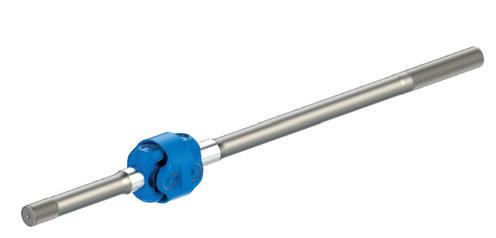
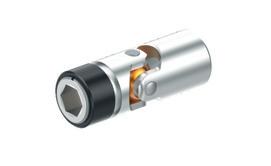
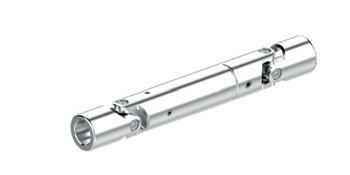
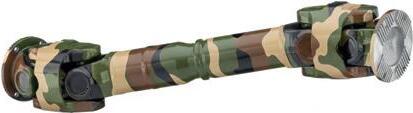
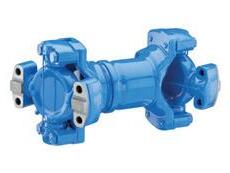
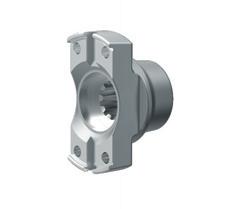
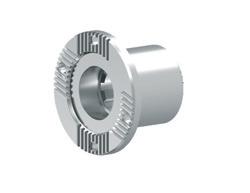
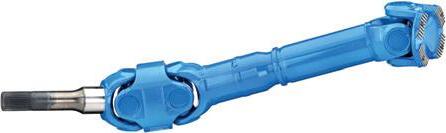

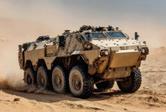
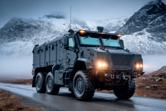

Parc des Expositions de Paris Nord Villepinte June 15–19, 2026 Hall 5B | Booth A282
elbe-group.de


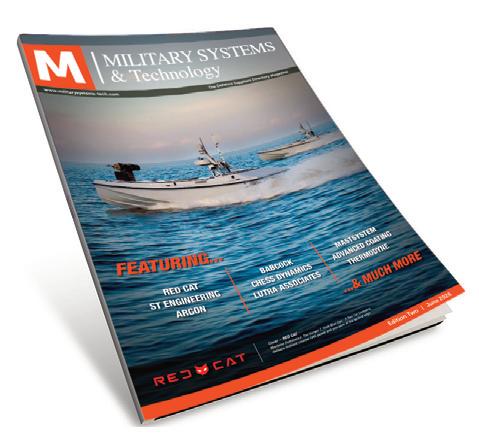
As an established web portal for the International Defence & Aerospace Industry, we strive to provide a comprehensive and detailed listing of Military Equipment Suppliers, Products and Services. This magazine is designed to keep you up-to-date with latest news and events within the Defence Industry’s Governing Bodies, Organisations and Companies.
For more information, technical guidance or the latest subscription packages available for Military Systems, please contact us where one of our team will be more than happy to advise you.



The Millimetres That Decide Whether a
helicopter operations
- Fast, Unpredictable, Unforgiving. And in many cases, misunderstood
on
Coating - Rancho Cucamonga: Protecting the Next Era of Aerospace and Defense
Systems - Highlight VENOM LR at EUROSATORY 2026 Ahead of CCS 2026 Sponsorship Participation
- Telescopic Mast Systems for Defence and Security. Meet the Team at Eurosatory 2026
- Containing the Uncontrollable: Advancing Military Fire Protection with DynaGuard® EVB Fire Blankets
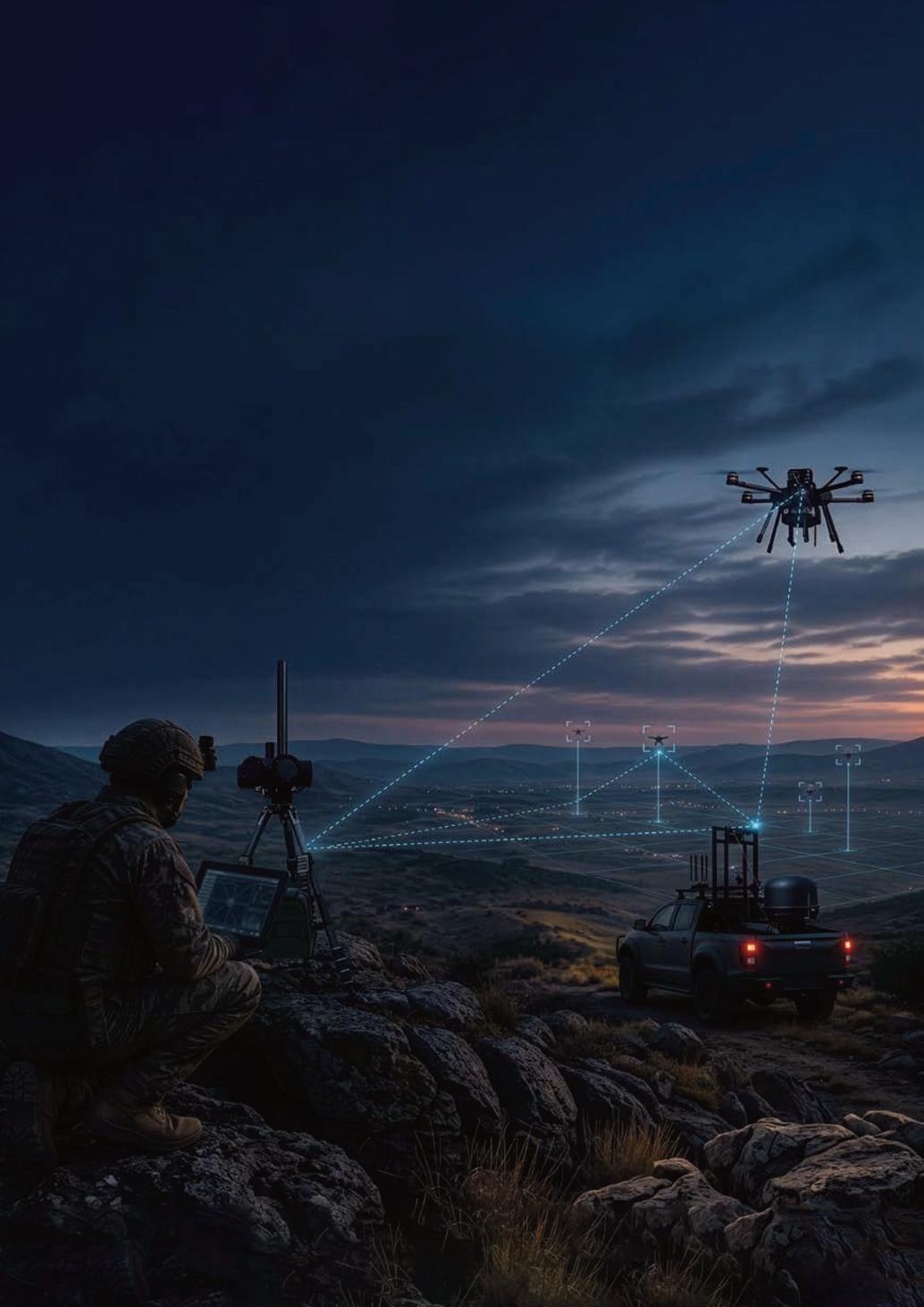
- SpiderNet™: The Final Safeguard against hostile drones and UAVs

We have extensive experience in the production of specialized and customized drive shafts and flanges for the original equipment market in commercial vehicles.
Many well-known, globally active manufacturers have relied on our expertise for decades, particularly in military applications.
We are family-owned and place a very high priority on fair and long-term business relationships. We guarantee reliable supply chains from Europe.
Already our founder Gottlob Elbe defined the values which are still valid today at Elbe: customer focus, technical excellence
and the willingness to grow with our customers’ requirements. For us these values are a guarantor for long-term and successful partnerships.
Worldwide the brand ELBE stands as much for tradition as it does for innovation.
We act consciously and responsibly. To protect the environment and to use our energy resources as effectively as possible – we take both for granted.
Security with regard to data protection and IT is important to us. Therefore, this section of our daily work has been certified, too. To act worldwide and deliver without any loss of time – this can be realized by our status as Authorized Economic Operator (AEO-F) for customs simplifications.Our certifications document our standards and performance.

• IATF 16949:2016 – Quality management system
• ISO 50001:2018 – Energy management system
• ISO 14001:2015 – Environmental management system
• ISO/IEC 27001:2022 – Information security management system
• IEN 15085-2 – Welding of railway vehicles- and vehicle parts
• IEN ISO 3834-2 – Fusion welding
• TISAX Assessment
• AEO-F (Export) – Authorized Economic Operator
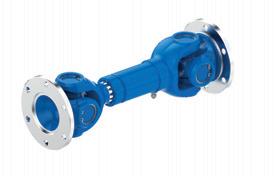
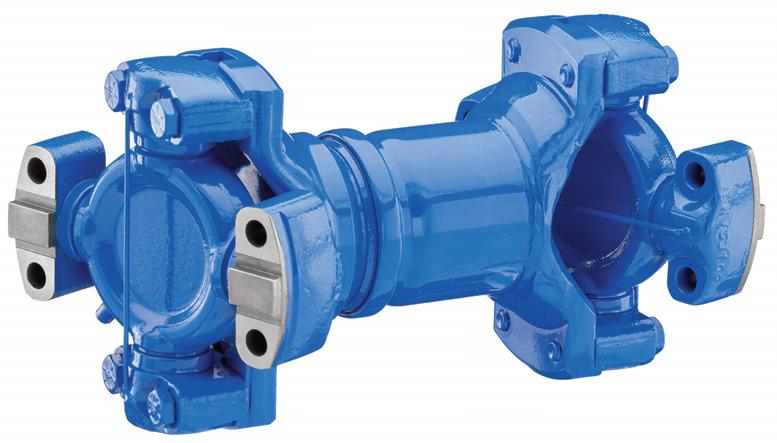
We develop and produce custom-fit drive shafts for use in special vehicles – not replicas, but individually manufactured products for main and auxiliary drives. With decades of experience in the development of drive shafts for trucks, agricultural and construction machinery, rail vehicles and special vehicles, we offer you custom-fit special solutions – and support you from the initial idea through to series production.
Our product range:
• Cardan drive shafts
• Centered drive shafts
• Double joints
• Drive shafts Wing-Style
• Precision Cardan Shafts
• Cross Cardan Shafts
• Ball and Socket Shafts
• EST Sensory Drive Shaft
• Rigid Shafts and Torsion Springs
• Spiders
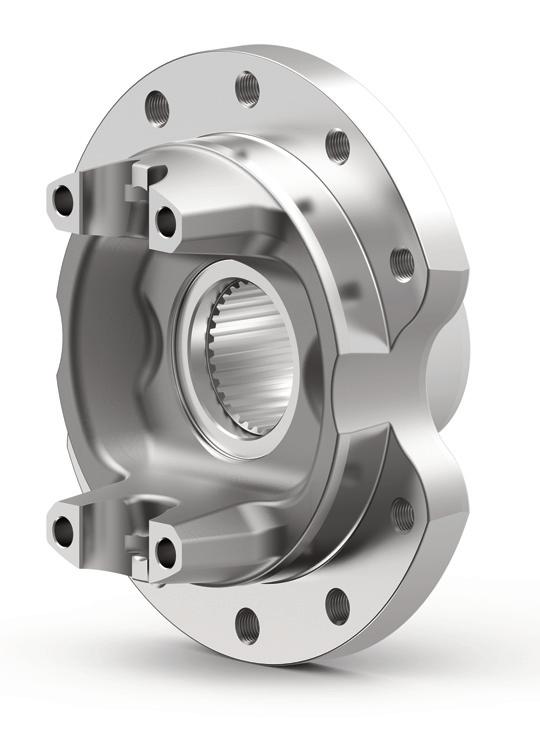
• Flanges for gearboxes and axles

The cardan shaft as a solution for a wide
The drive shaft is used in a variety of applications. In vehicles, it transmits the power from the transmission to the axles and is therefore an essential component in the drivetrain that enables the vehicle to be driven. Both cardan shafts and double cardan shafts are used here. In agriculture, tractors and other agricultural equipment (e.g. combine harvesters) use the cardan shaft for the main drive and also to drive various attachments. By adapting to different angles and directions of movement, cardan shafts can significantly increase the efficiency and versatility of agricultural machinery.
The cardan shaft is also used in industrial mechanical engineering and plant construction by transmitting the movement of motors to other parts of the machine, thus ensuring the smooth operation of production lines and manufacturing plants. Thanks to its robust design and its ability to transmit large forces, the cardan shaft contributes to the efficiency and longevity of industrial systems.
The versatility of a cardan shaft is demonstrated by its numerous applications in vehicle construction, agriculture and industry. In vehicle construction, the cardan shaft is crucial for transmitting the drive power from the engine or transmission to the wheels, especially in vehicles with rear-wheel drive or allwheel drive. High-performance double universal joint shafts are used for steered and driven axles as well as for independent suspension. The drive shaft makes it possible to transmit power efficiently even under varying driving conditions, which is of great importance for driving stability and vehicle performance.
The use of a cardan shaft offers numerous advantages. The cardan shaft can transmit movements with offset at different angles. This flexibility is particularly important in applications where movements are not linear. A high-quality cardan shaft is robust and has a long service life. The use of high-quality, application-specific materials and precise manufacturing techniques ensures a long service life. In addition, the cardan shaft ensures efficient power transmission, which optimizes energy consumption. Efficient power transmission is crucial for reducing energy losses and improving the overall performance of a system.
central role in special vehicle construction: they form the direct connection between drive and axle, transmit torque, compensate for movements – and thus ensure that special vehicles can move forward safely even under full load.
Requirements and special features in special vehicle construction

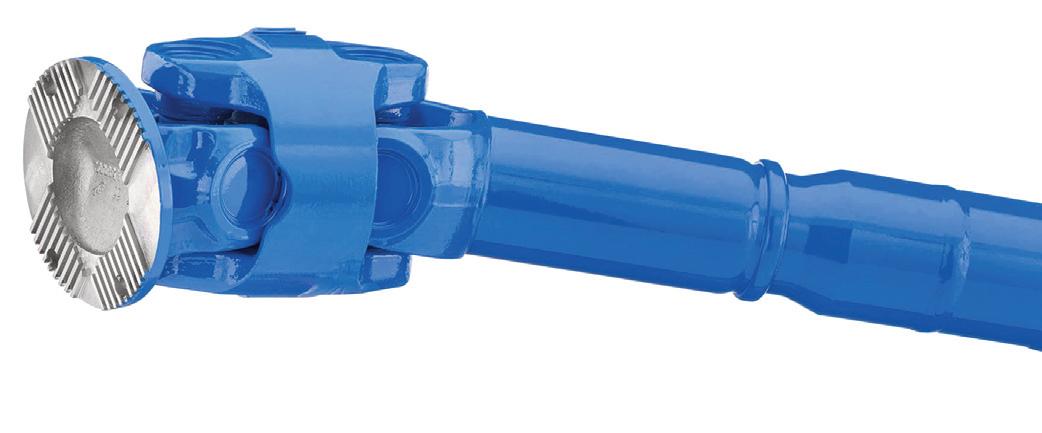
Another advantage of the drive shaft is its ability to absorb shocks. This is particularly important in vehicles where unevenness on the road or in terrain can lead to vibrations. The drive shaft can absorb these shocks and at the same time protect other vehicle components from damage caused by impacts.
The versatility of the cardan shaft is also reflected in its adaptability to different operating conditions. It can be used in a variety of environments, from extreme temperatures to humid or dusty conditions. In particular, our robust design and the use of specific materials make the cardan shaft resistant for use in demanding environments.
In addition, a drive shaft is relatively easy to maintain and repair. The cardan shaft is designed in such a way that it can be easily dismantled and serviced if necessary. This facilitates regular inspection and maintenance, which in turn helps to extend the service life of the PTO shaft and reduce downtime.
Whether on the way in a flood zone or during rescue operations: Special vehicles must function reliably even under extreme conditions. As indispensable drive components, drive shafts play a
Special vehicle construction requires higher standards than the classic commercial vehicle segment. This means that drive shafts for special vehicles must also be able to withstand demanding conditions and heavy loads. These include, among other things
• Tight space conditions in the drivetrain,
• high torques in a compact design,
• frequent load changes and extreme temperatures,
• long service life and
• high demands on the service life of the vehicle.
In addition, many vehicles are also equipped with auxiliary units: pumps, power generators or hydraulic systems are used wherever electrical energy or mechanical power is required on site, for example to operate lifting gear or extinguishing systems. Power is therefore transmitted via a special PTO shaft that is perfectly designed for the design, application and power requirements of the auxiliary drive.
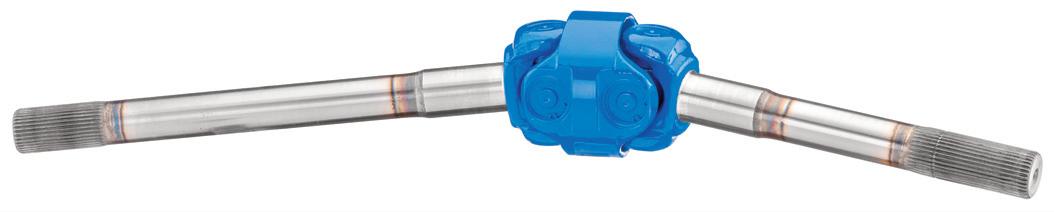

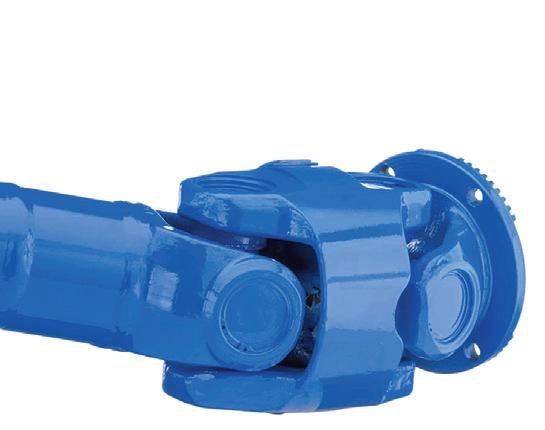

In vehicles for special applications such as military vehicles, drive components often have to withstand higher demands – for example when driving in rough terrain, under difficult environmental conditions, including climatic conditions, while at the same time requiring high technical availability. The selection of the right drive shaft is therefore always based on the specific vehicle type and its actual requirements profile:
Standard drive shafts: Designed for use under relatively stable operating conditions, for example with longitudinal drives in a classic drive train of a fire-fighting vehicle.
High-performance cardan shafts: Optimized for high torque peaks, changing loads and special climatic requirements – e.g. for swap bodies, all-terrain special vehicles such as wheeled armoured vehicles or for airport fire departments.

Customized drive shafts: For customer- or application-specific installation situations or special vehicles with special requirements for power take-offs, we at Elbe develop tailormade special solutions for your specific application on request.
The more specific the vehicle profile, the more individual the requirements for the drive shaft.
Do you have a technical question or are you planning a specific project? Then don’t hesitate to get in touch with us –we look forward to hearing from you, also via our contact form: Contact form | Elbe Group.
As an experienced manufacturer of drive shafts, we have been developing and producing high-quality drive components for over 100 years – precisely tailored to your requirements. Our products are used worldwide and stand for tested quality and a long service life, even under demanding operating conditions.
Our service at a glance:
Broad product range: From proven standard universal joint shafts to individually designed custom-made products.
Tailor-made drive shafts: We can supply you with drive shafts that fit your (special) vehicle and its installation conditions exactly.
High-quality materials: Designed for high torques, strong load changes and maximum service life.
Fast delivery: Thanks to large stocks and optimized logistics, we deliver flexibly and on time.

Expert advice: From selection and design to series delivery –our team will support you right from the start.
The technical design is always based on the load spectrum of your vehicle. Our theoretical calculations are validated by test bench results to ensure operational safety even under real conditions.
www.elbe-group.de/en
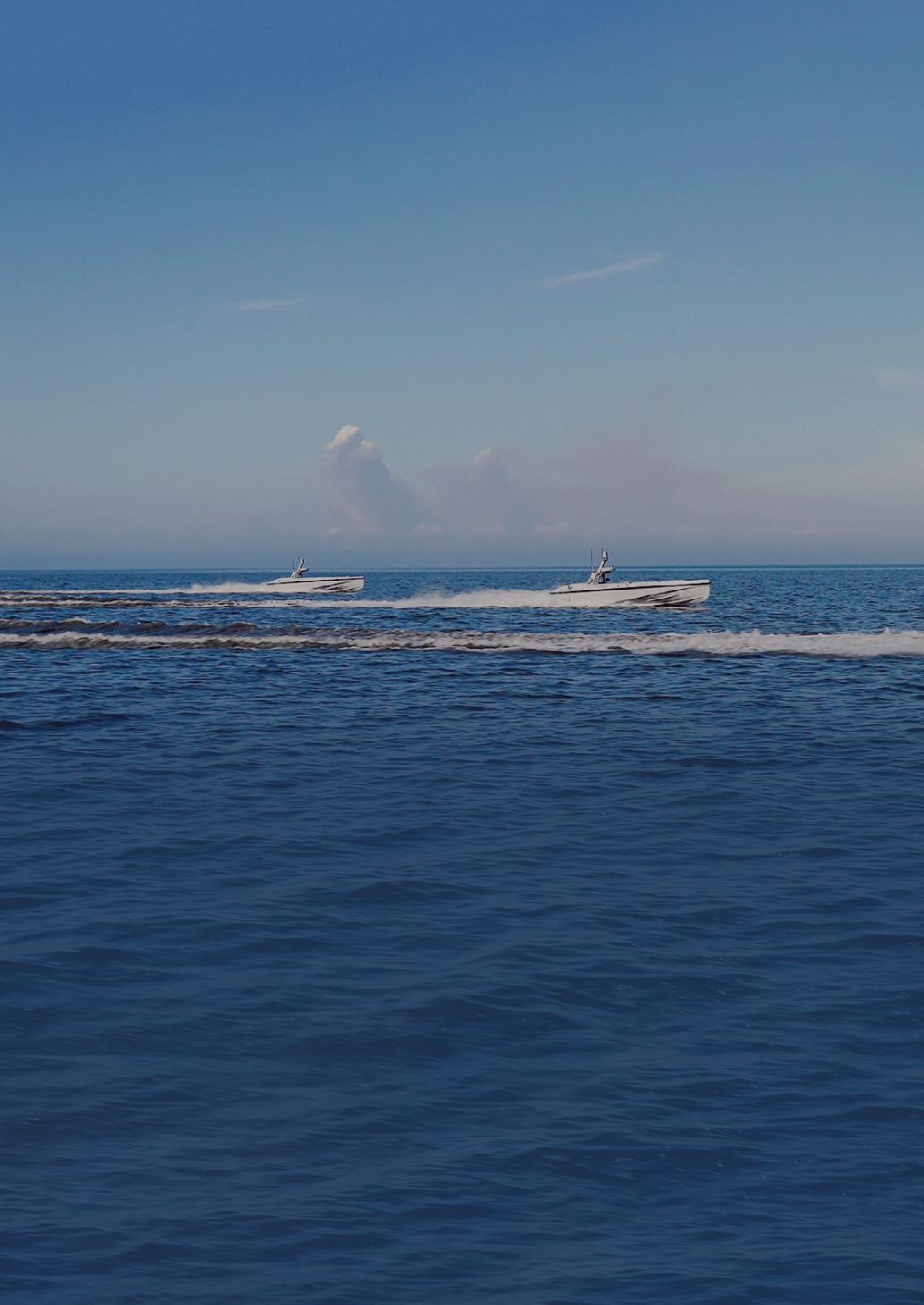
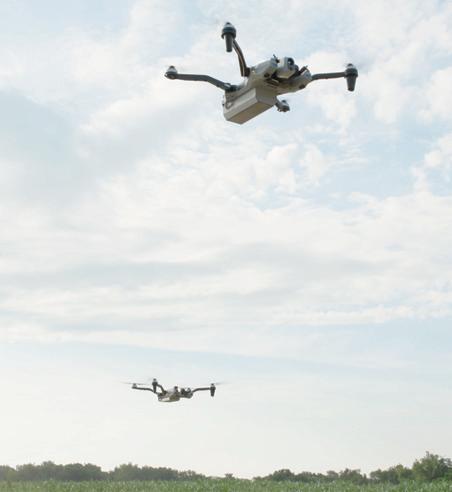
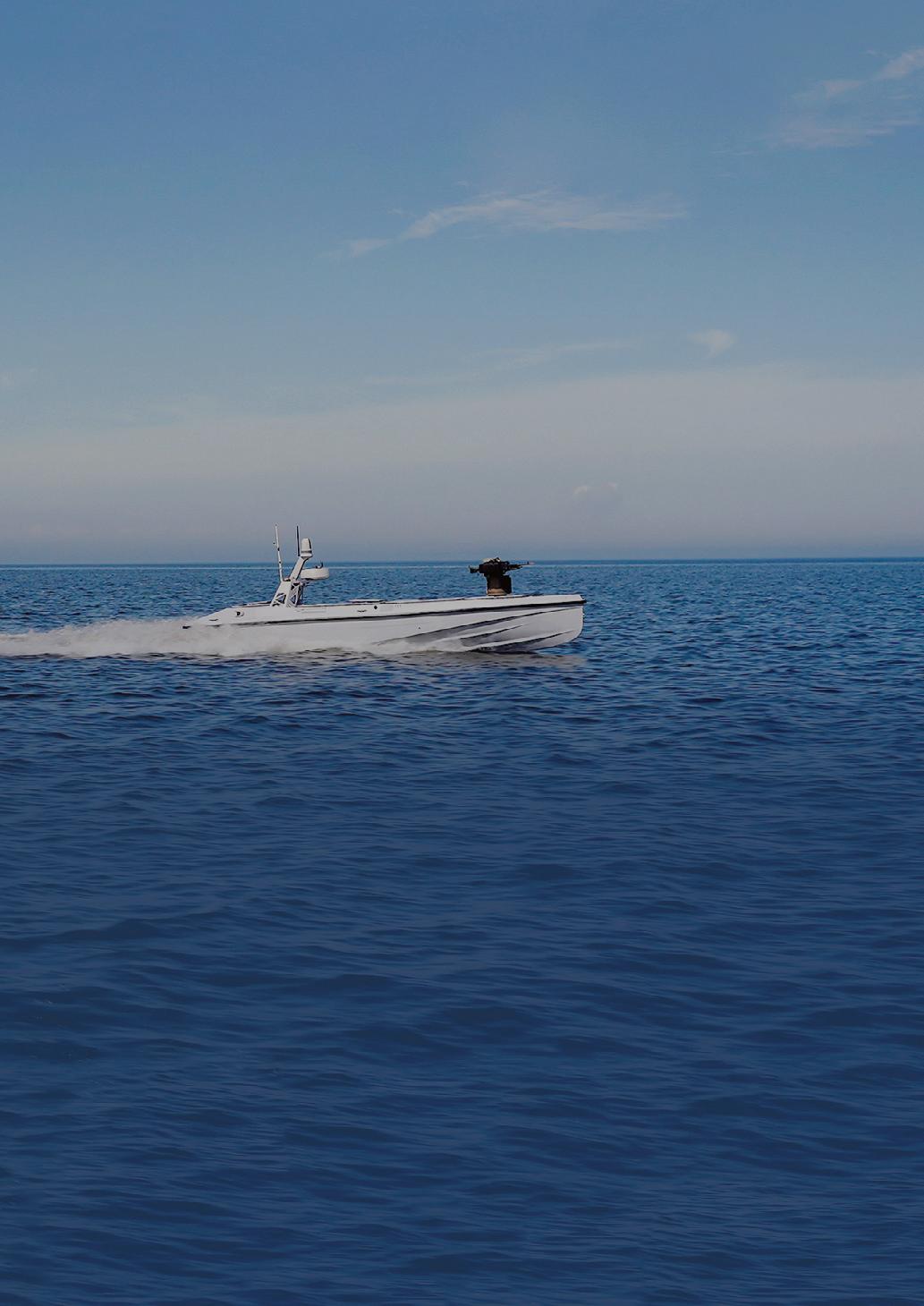
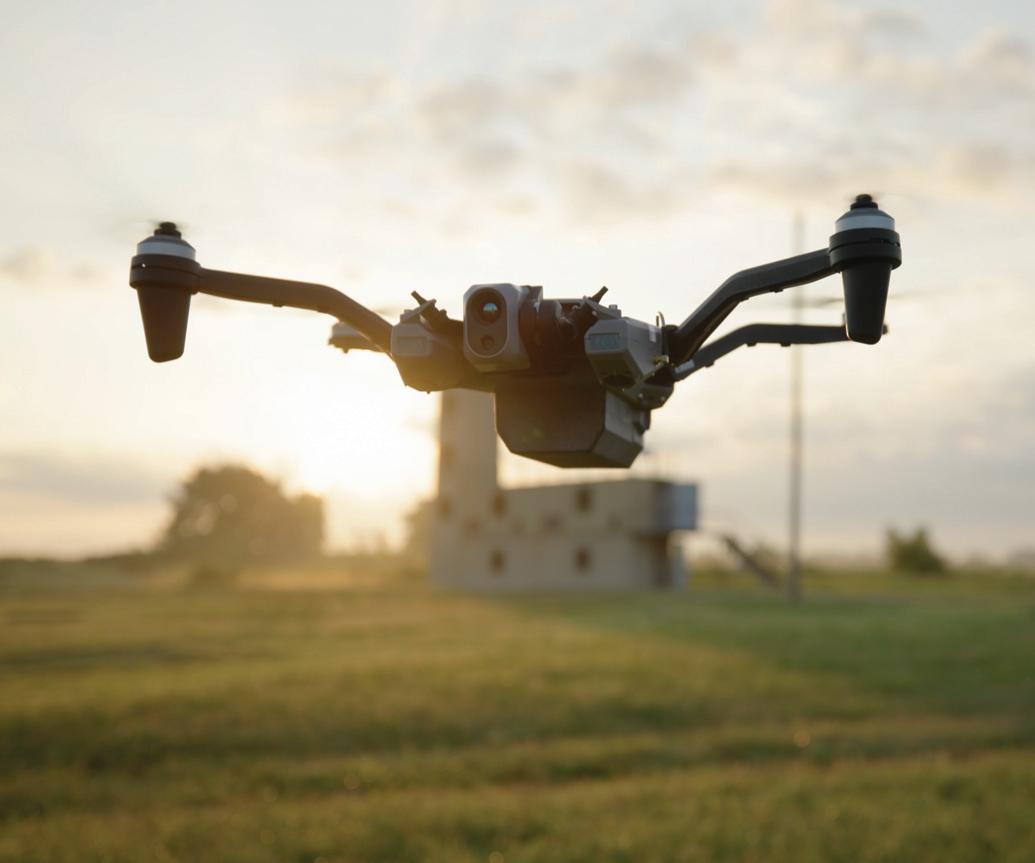
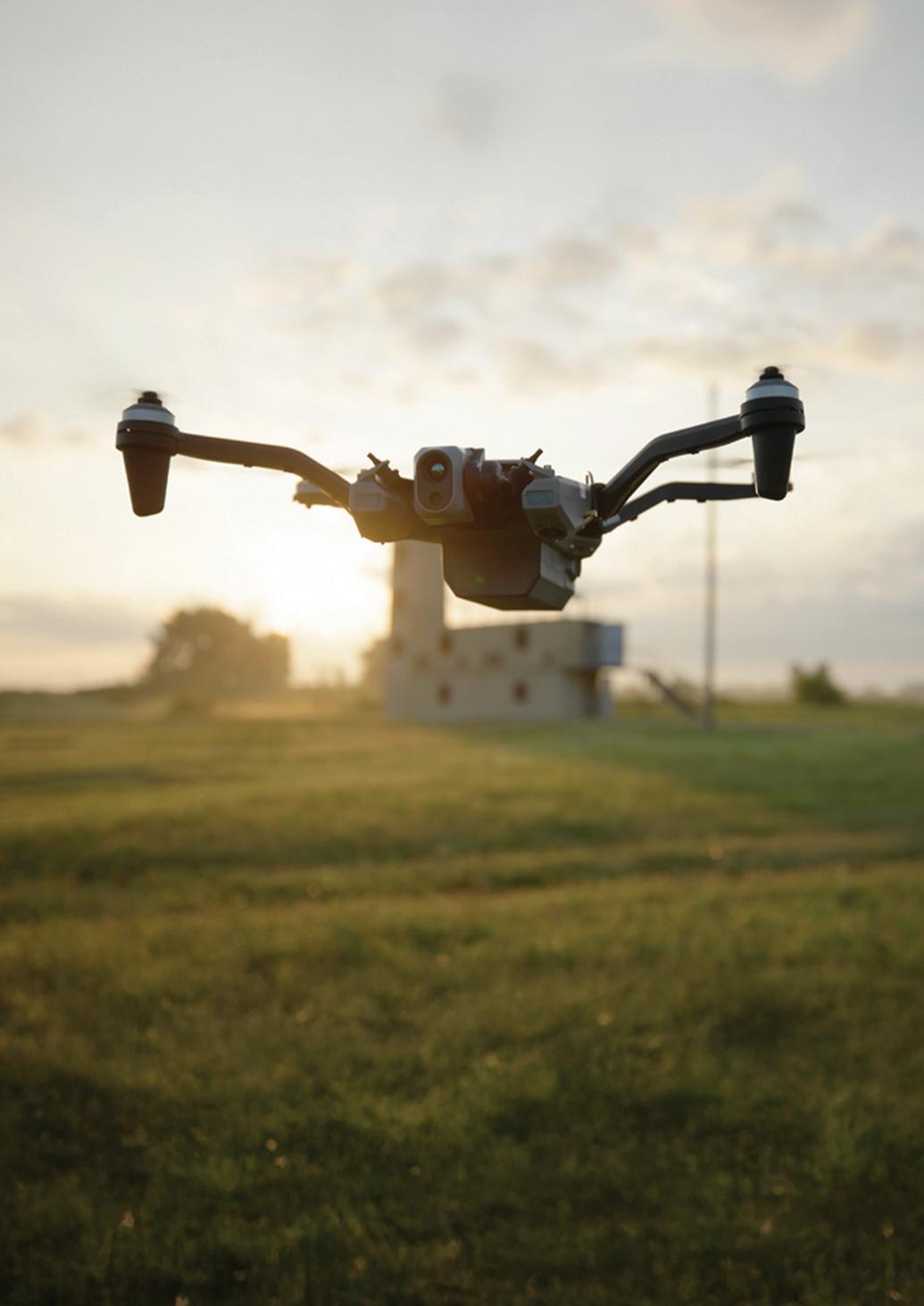
Red Cat Holdings, Inc. (Nasdaq: RCAT) (“Red Cat” or the “Company”), a U.S.-based provider of advanced all-domain drone and robotic solutions for defense and national security, today announced it has acquired Apium Swarm Robotics, a California-based developer of distributed control systems for autonomous swarming drones and uncrewed surface vessels (USVs).
architecture for integration across Red Cat’s Family of Systems. The acquisition deepens Red Cat’s ability to deliver intelligent, adaptive unmanned systems that enable coordinated operations in contested and communication-degraded environments.
“Autonomous drone swarming is becoming an imperative for strategic advantage and mission success on the modern battlefield,” said Jeff Thompson, CEO of Red Cat. “Near-peer adversaries are moving quickly to develop systems that can operate in coordinated, decentralized ways, and Apium’s proven, scalable swarm technology will help Red Cat remain at the forefront of this rapidly evolving space.”
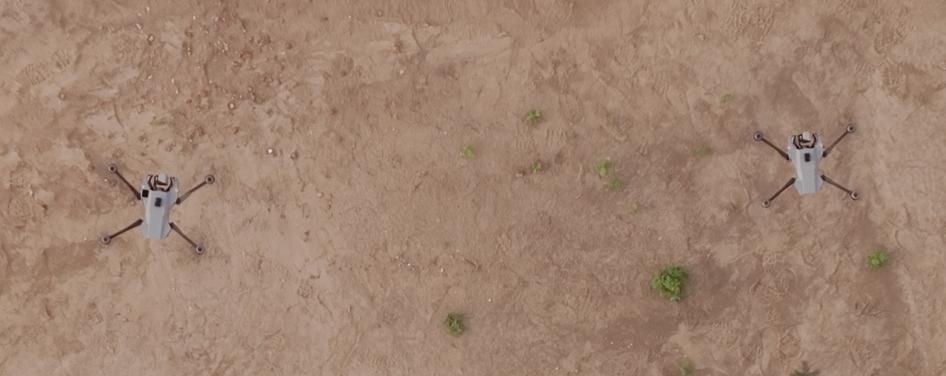
decentralized control approach enables greater resilience, lower operator burden, and more effective performance in complex scenarios, including GPS- and comms-denied operations.
“Red Cat is building more than individual platforms. It is creating a foundation for integrated, multi-domain autonomy,” said Josh Ziska, CEO of Apium Swarm Robotics. “We believe that intelligent swarms of aerial and maritime systems will fundamentally redefine tactical operations, and with Red Cat’s support, we are ready to deliver that future at scale.”
Red Cat and Apium first partnered in 2025 through Red Cat’s Futures Initiative, a program focused on fast-tracking the deployment of multi-domain autonomous systems through integrations with industry-leading software and hardware companies. Apium successfully demonstrated autonomous multi-agent missions using Red Cat’s drones at the Army’s 2025 ACM-UAS Industry Day and Red Cat’s Innovation Day in February 2026.
The further planned integration of Apium’s technology will enhance Red Cat’s entire Family of Systems, which includes the Black Widow™, a purpose-built ISR drone currently fielded by the U.S. Army as part of the SRR Program. By embedding Apium’s autonomy layer, Red Cat will enable swarming behavior that enhances coordination, survivability, and operational flexibility in future conflicts.
Red Cat (Nasdaq: RCAT) is a U.S.-based provider of advanced alldomain drone and robotic solutions for defense and national security. Through its wholly owned subsidiaries, Teal Drones and FlightWave Aerospace, Red Cat develops American-made hardware and software that support military, government, and public safety operations across air, land, and sea. Its Family of Systems, led by Black Widow™, delivers unmatched tactical capabilities in small, unmanned aircraft systems (sUAS).
Expanding into the maritime domain through Blue Ops, Inc., Red Cat is also innovating in uncrewed surface vessels (USVs), delivering integrated platforms designed to enhance safety and multi-domain mission effectiveness. Learn more at: www.redcat.red
Apium builds distributed autonomy for unmanned systems. The company equips drones and robotic platforms with real-time swarming capabilities, enabling decentralized decision-making, mission adaptability, and collaborative behavior at scale. Built to be intuitive, rugged, and platform-agnostic, Apium’s technology delivers field-ready autonomy for the tactical edge. Learn more at: www.apium.com


rotationally moulded, tough, DURABLE, waterproof cases
cutting edge design and materials technology made in the uk, TRUSTED WORLDWIDE


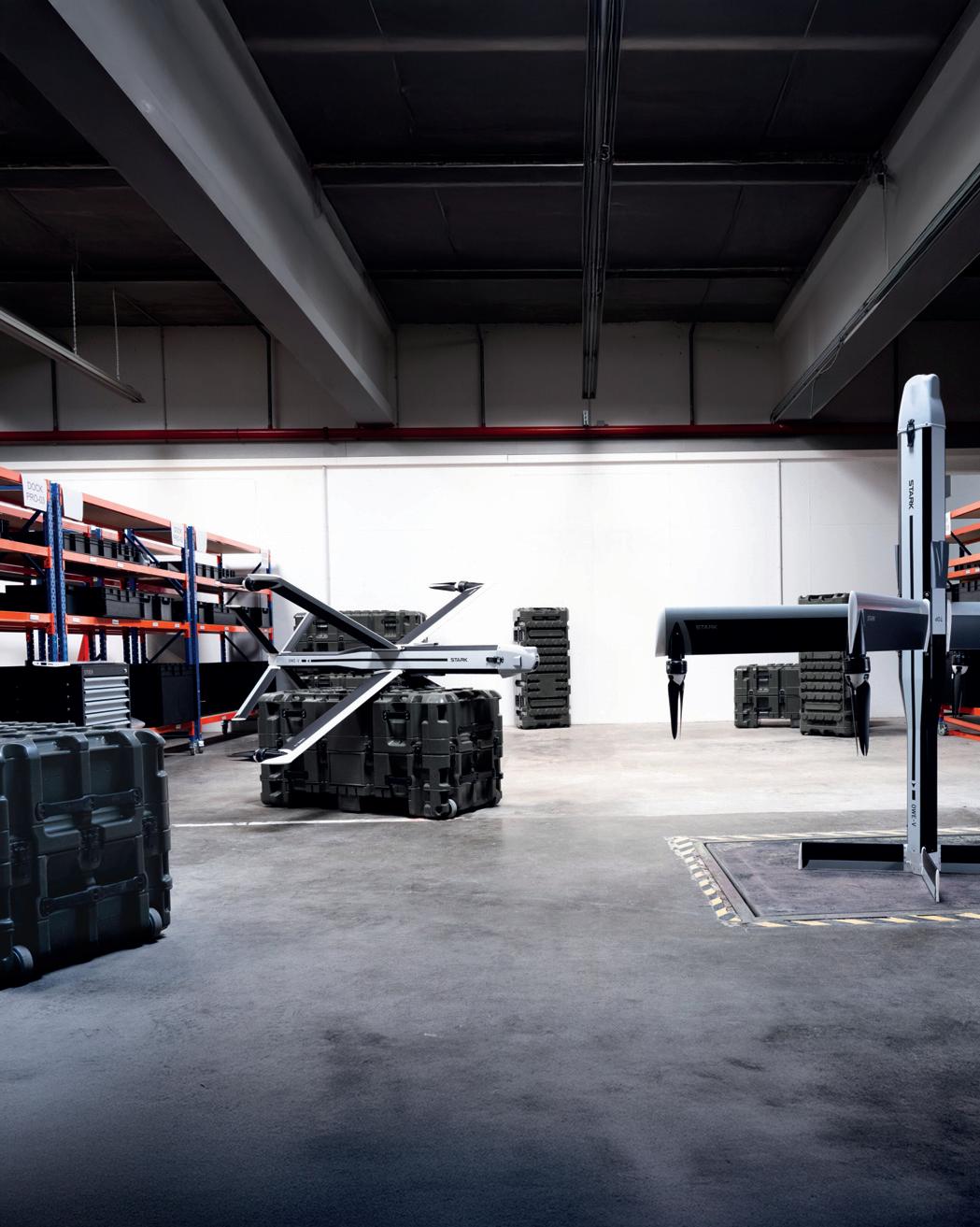
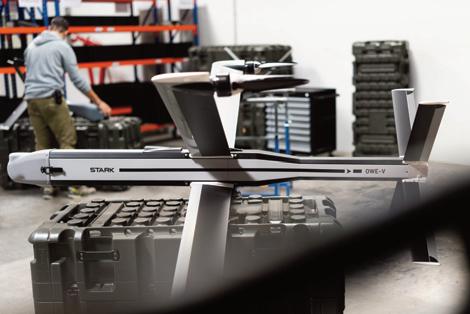
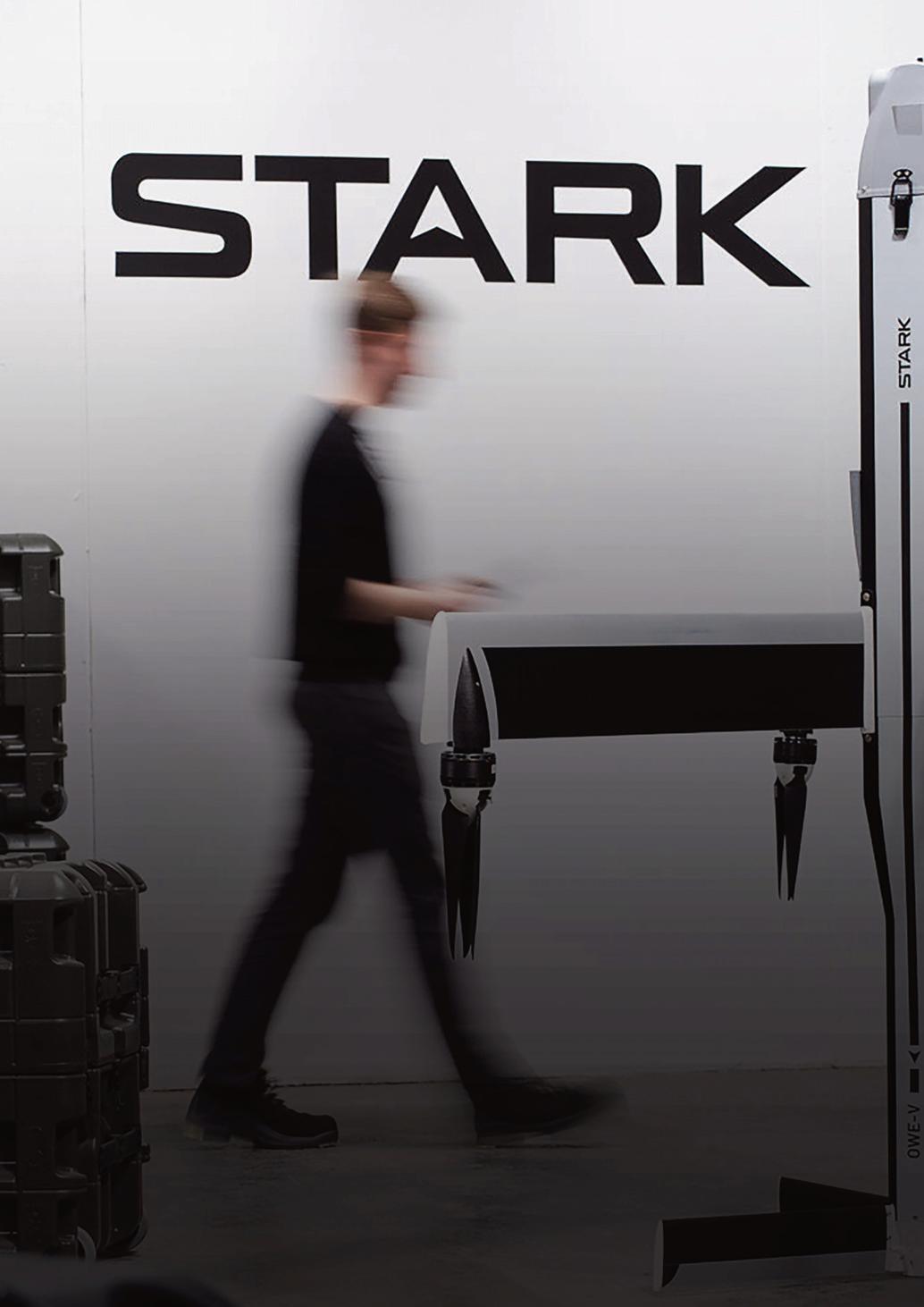
Leafield Cases is proud to announce that Stark Defence has selected its Aegis Custom Cases to protect and transport its new drone system, the Stark Owe-V.
As drones become ever more critical in modern operations, so too does the need for protection and rapid deployment. Already trusted by defence, medical, industrial and scientific teams worldwide, Aegis delivers the durability and flexibility required for mission-critical equipment.
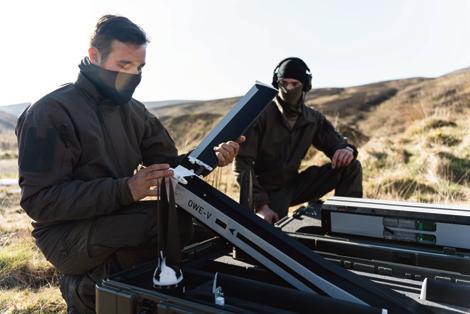
Battle-Proven Protection – Rotationally moulded to exceed MIL-STD-810G, Def Stan 81-41 Level J and STANAG 4280, Aegis Cases are waterproof, dustproof, impactresistant and vibration-damping.
Custom-Fit Interiors – Bespoke in-house designs ensure equipment is securely housed, from drones to medical supplies and film gear.
Rapid Deployment – With options ranging from compact quadbike-ready cases to large-scale transport solutions, Aegis enables fast loading, deployment and repacking. Deploys in 5 minutes.
Smart Stacking & Handling – A patented cross-stacking system ensures secure loads in transit, while tie-down anchor points and glove-ready handles deliver reliability in the field.
“We chose Leafield’s Aegis Cases because they deliver the protection, mobility and deployment speed we need on operations. For any organisation moving advanced equipment in demanding environments, that combination is essential,” said a Stark Defence spokesperson.
Drone Cases spokesperson on why he chose Aegis Cases “Because they are readily available, they fulfill all necessary mission requirements and military standards and because I love Leafields MD.”
For Stark Defence, Aegis is about more than protection - it’s about operational readiness and agility. In today’s fastmoving conflicts, drones must be deployed and recovered quickly. With Aegis, Stark Owe-V drones arrive protected, deploy rapidly, and can be repacked just as swiftly.
Every Aegis Case is designed, engineered and manufactured in Wiltshire, UK. This enables tight quality control, true customisation and fast turnaround times. While proven in defence, Aegis Cases are also used in emergency services, energy, field science and film production, wherever critical kit must stay safe and deployable.
Leafield Cases is a leading UK-based manufacturer of rotationally moulded protective cases, serving defence, emergency, medical, industrial and creative sectors. With in-house engineering and decades of expertise, Leafield delivers rugged, reliable solutions trusted worldwide.
Discover more at: leafieldcases.com
Protect what matters. Wherever your mission takes you.

www.leafieldcases.com
MODERN SENSOR SYSTEMS PROMISE EXTRAORDINARY CAPABILITY, BUT ONCE PAYLOADS LEAVE THE ROOFLINE, TINY MECHANICAL IMPERFECTIONS CAN QUIETLY BECOME OPERATIONAL FAILURES.
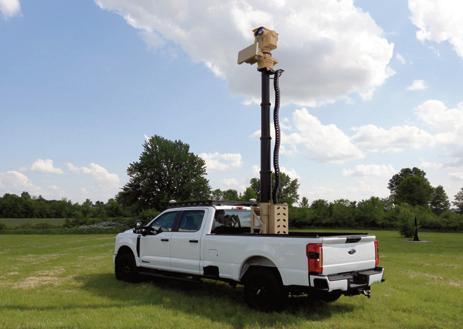
Will-Burt knows there is a reason radar crews still talk about mast movement in millimetres. Not metres. Not degrees. Millimetres.
Ask almost any engineer who has spent time around mobile radar systems what ruins a good sensor and the conversation usually ends up in the same place. Not software. Not processing power. Movement. Tiny amounts of it. A few millimetres at the base of a mast. Slight torsional flex introduced somewhere during integration. A mounting point that behaved perfectly well in the workshop, then spent months vibrating across rough ground on the back of a military vehicle before somebody noticed the imagery drifting or the radar track starting to wander.
That is the problem with elevated sensor systems. Small mechanical issues rarely stay small for long. And the higher modern payloads go, the less forgiving they become.
Counter-UAS systems, expeditionary communications nodes, bordersurveillance radars and mobile command posts all depend on the same basic requirement, getting sensors, antennas or EO payloads high enough to see what they need to see, while keeping the structure stable enough for the data to remain usable. Once radar and optics are elevated well above a vehicle roofline, tiny movements start becoming much larger ones.
Which is where The Will-Burt Company still finds itself in demand.
Founded in 1918 in Orrville, Ohio, the employee-owned company manufactures telescoping mast systems, tactical trailers, pan-and-tilt positioners and
deployable tower infrastructure for defence, security and communications applications, with operations spanning the United States, the United Kingdom, Germany, and Singapore.
Traditionally, that meant supplying the elevation system itself. Increasingly, though, customers appear to be asking for something broader.
“A few years ago most conversations started with, ‘We need a mast, what fits this payload?’” says David Cotsmire, Chief Marketing Officer at Will-Burt.
“Now it’s more likely to be, ‘Here’s the radar package. Here’s the vehicle, or maybe we haven’t chosen the vehicle yet. We need t he whole thing integrated and working properly.’ That’s become much more common.”
It also creates a different kind of engineering workload.
Because once a mast stops being treated as a standalone product and becomes part of a mobile ISR or air-defence platform, the difficult work often sits underneath the sensor rather than above it. Load distribution. Centre-of-gravity changes. Power management. Cable routing. EMI mitigation. Suspension behaviour. Shock isolation. Environmental sealing. Access for maintenance.
One engineer involved in vehicle integration work mentioned spending days resolving a clearance problem caused by two supplier drawings being several millimetres apart. Not glamorous. But it is the sort of detail that decides whether a fielded system behaves reliably or spends its operational life developing faults.
seems
be where Will-Burt has steadily expanded its role.
Part of that came through acquisition. The addition of Aluma Tower, Integrated Tower Systems and the longstanding inclusion of GEROH under the wider business structure means the company now operates across aluminium telescopic lattice towers, steel telescoping lattice towers, pneumatic mast systems and mechanical mast architectures under a single engineering organisation.
That matters because the trade-offs are rarely straightforward.
Lightweight aluminium systems reduce transport weight and simplify deployment. Steel lattice structures offer rigidity and payload advantages. Pneumatic mast systems allow rapid elevation and compact vehicle integration. Different missions pull those priorities in different directions and, as often happens with defence platforms, the final configuration usually ends up being shaped as much by transport constraints, deployment timelines, available vehicle space and sustainment realities as by the sensor package itself.
“The useful thing for us now is we’re not trying to force one architecture into every application,”
Cotsmire says.
“Some customers are completely weight-driven. Others care more about rigidity, especially once radar gets involved. Sometimes deployment speed becomes the deciding factor because they need the system operational quickly.”
The physics underneath those decisions has not changed much, even if the payloads have.
Will-Burt’s pneumatic mast systems, for example, are designed around stabilised telescoping aluminium sections with internal keyways intended to maintain directional alignment during extension and operation. Larger configurations extend beyond 20 metres depending on payload and windloading requirements.
That last point matters more than brochures sometimes admit.
Payload figures on elevated systems are never just payload figures. Sail area matters. Wind loading matters. Vehicle stability matters. Outrigger geometry matters. A mast that performs perfectly well on flat hardstanding may behave rather differently on uneven ground in poor weather.
“If you’re putting radar and optics twenty metres in the air and the structure’s moving around, you’re going to see it in the sensor picture,” Cotsmire says with a knowing smile. “At that point you’re chasing stability issues instead of using the system properly. The software can only compensate for so much.”
That emphasis on stability is one reason elevated sensor systems continue appearing in demanding air-defence and surveillance applications. Will-Burt’s mast systems have long been associated with military air-defence, expeditionary communications and persistent ISR roles, particularly were repeated deployment and transport cycles place continuous stress on structures and mounting assemblies.
Nobody inside the company pretends that makes Will-Burt a prime contractor. That is not really the point. The more revealing detail is the sort of environments these systems end up operating in, mobile air defence, expeditionary communications, border surveillance and persistent ISR applications where vibration exposure, repeated deployment and environmental stress are routine rather than exceptional.
The company says its products undergo third-party environmental testing against Mil-STD-810 requirements alongside internal qualification and longterm field evaluation. That includes vibration, shock loading and corrosion exposure, predictable problems for systems expected to spend years mounted on tactical vehicles or trailers.
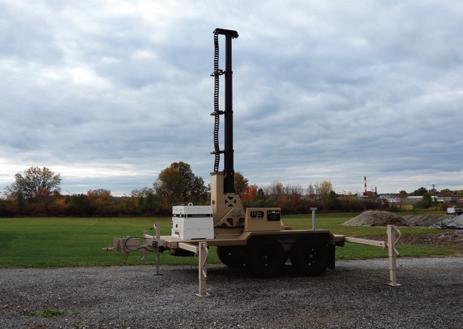
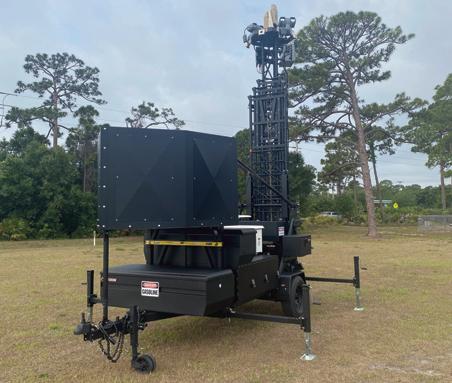
For all the defence sector’s focus on software-defined capability and autonomous sensing, a great deal still depends on fabrication quality, welding consistency and whether assemblies behave properly after repeated transport cycles. Several defence manufacturers now outsource parts of that mechanical integration work because it is time-consuming, specialised and awkward to scale internally.
“Some of the bigger companies don’t necessarily want engineers tied up solving mounting problems or trailer interfaces,” continues Cotsmire.
“But somebody still has to make all that hardware work together in the real world. We’ve been building and fabricating these kinds of structures for a long time.”
Defence procurement discussions tend to focus on sensors, effectors, software and autonomy layers because those are the visible technologies attracting investment. The physical infrastructure supporting those systems receives far less attention, despite often determining how well the capability performs once deployed.
A radar mounted on an unstable platform does not become less unstable because the processing software improves. An EO payload does not stop vibrating because the sensor itself is expensive. Eventually the engineering underneath the system catches up with the electronics sitting on top of it.
Not because mast movement sounds dramatic in a specification sheet, but because modern sensor systems increasingly operate in environments where tiny alignment errors become operational problems very quickly. A bracket slightly out of tolerance. A structure flexing more than expected. A vehicle settling unevenly after deployment. As Will-Burt knows all too well, usually, that is where the performance difference starts.

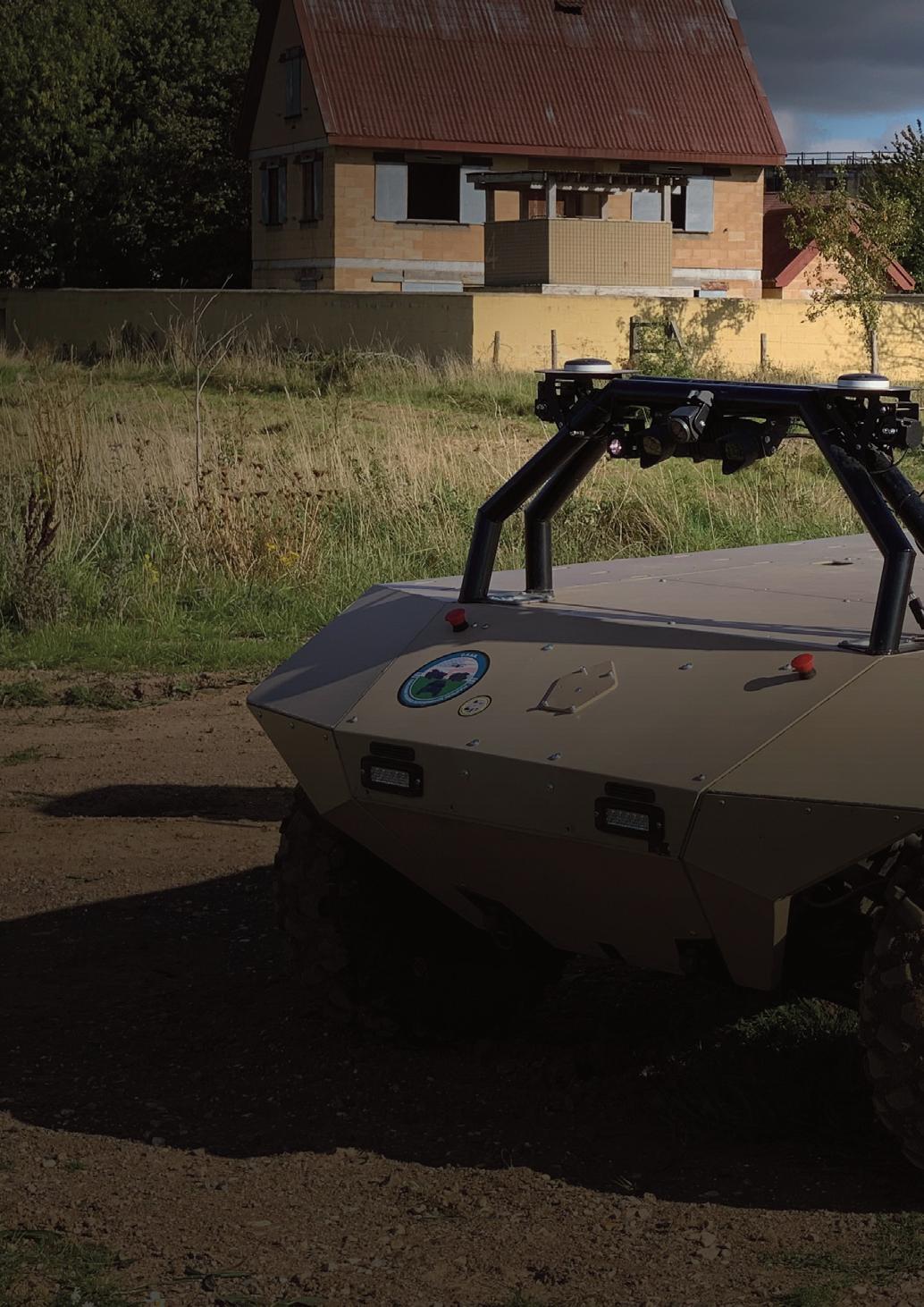
It doesn’t take much for an operational picture to change.
Recent incidents in the Red Sea have highlighted how quickly multiple threats can develop, and how much pressure that places on detection, tracking, and decision making in real time.
This shift is being felt far beyond a single region. Across Europe, land programmes are being asked to deliver capability that’s not only effective in isolation, but reliable as part of a wider system, often under conditions where time, clarity, and confidence are limited. Detection is no longer the defining challenge it once was. The focus has shifted towards how these functions connect, feeding into a broader architecture that enables faster, more confident decision making without overwhelming the operator. This places equal importance on stabilisation, processing, data handling, and integration as it does on the sensing itself.
At the same time, the environments in which these systems operate are
becoming more demanding. Contested and GPS-challenged conditions are no longer edge cases. They are increasingly part of the baseline. Generating reliable target data under these conditions is not straightforward. It requires a level of agility, precision and consistency that can only be achieved when sensing, mechanical performance, and processing capability are aligned from the outset.
This is reflected in the themes shaping Eurosatory. Multi-domain integration, remote engagement, land manoeuvre and air mobility all point towards the same underlying challenge: how to deliver capability that remains effective as complexity increases. The scale of the event itself mirrors that pressure. With continued expansion and a growing emphasis on operational realism, the focus is firmly on solutions that can perform in practice, not just on paper.
One of the less visible but equally important aspects of this shift is architectural. Defence systems are expected to remain in service for decades, yet the technologies that underpin them evolve far more quickly. Threats develop and evolve, sensors improve, processing capability advances, and software continues to expand in both scope and expectation. Designing systems that can accommodate that change without repeated redesign is now a fundamental requirement.
This is where modularity has moved from being a design preference to a practical necessity. Rather than treating each system as a fixed solution, modular architectures allow subsystems to be developed, validated, and refined independently, then integrated through clearly defined interfaces. That creates space for capability to evolve over time, whether through sensor upgrades, processing improvements, or new software functionality, without destabilising the wider system.
Alongside this, there is a clear move towards processing closer to the point of capture. Smaller, lower power modules are enabling video processing, detection, and classification to take place within or alongside
the sensor itself, reducing reliance on centralised architectures and lowering the burden on wider system bandwidth. This shift towards distributed sensing and processing is changing how systems are designed, integrated, and deployed, particularly in environments where resilience and efficiency are critical.
These challenges are already being worked through across programmes, platforms, and operational environments. They are also reflected directly in the capabilities being developed and deployed.
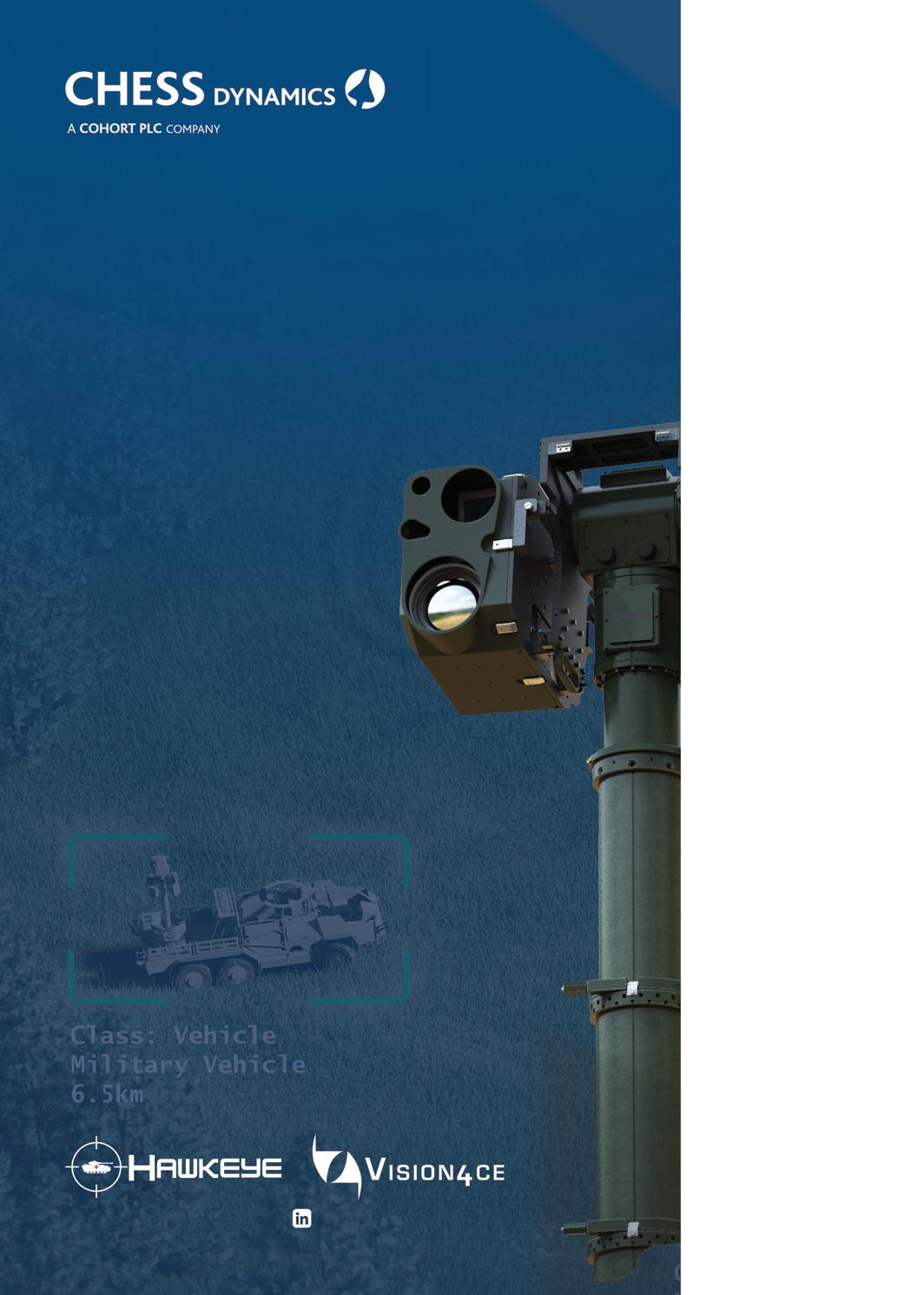
At Eurosatory 2026, Chess Dynamics is showcasing a portfolio that has been shaped around these realities, bringing together sensing, processing, and precision positioning in configurations designed to reliably deliver critical capability under demanding operational conditions.
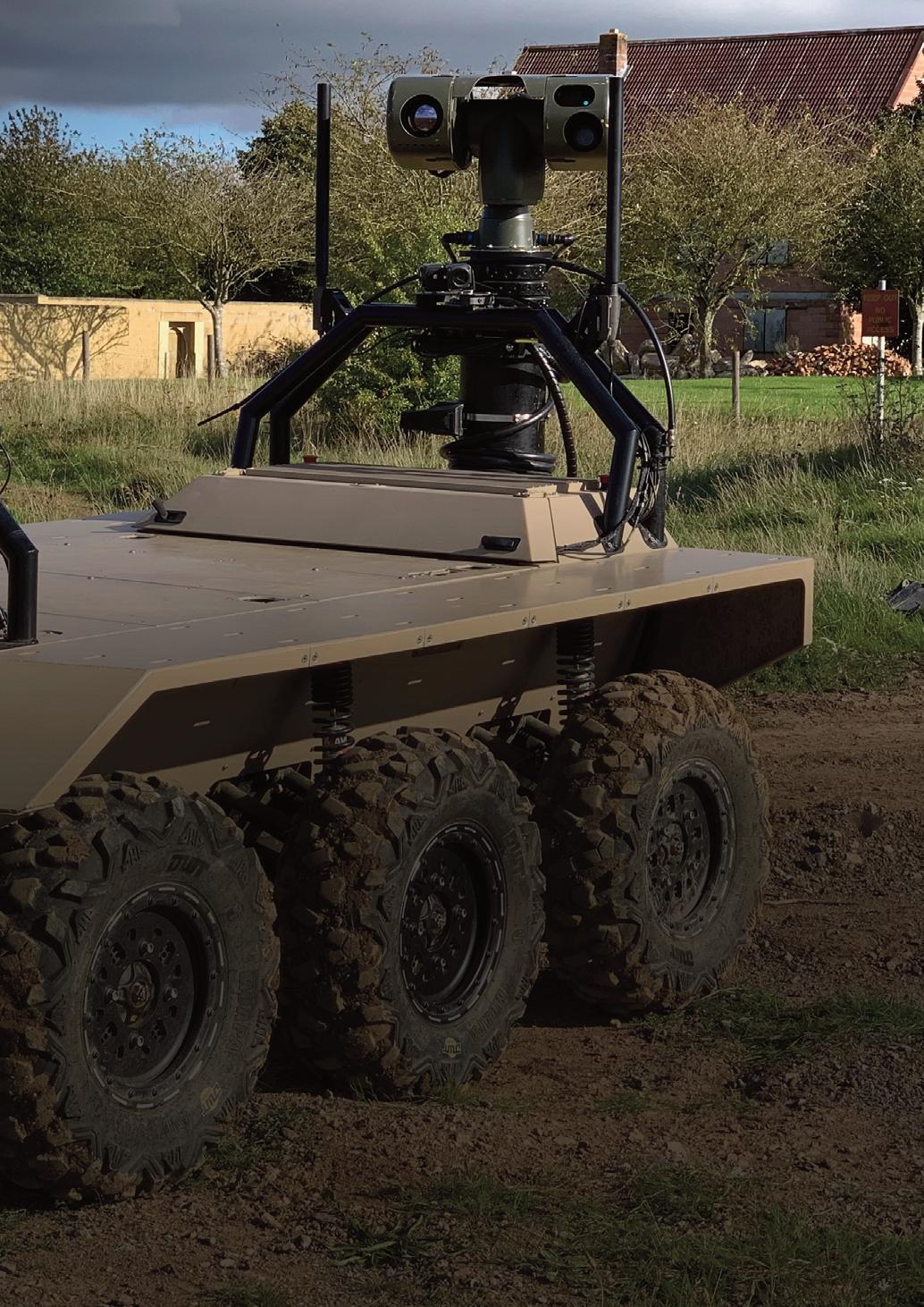
At the centre of this is the Hawkeye family of systems. Designed as modular, multi-sensor platforms, Hawkeye systems support surveillance, targeting and fire control across a range of land-based applications. The full-scale Hawkeye EOSS-D on display on stand D409 (Hall 5/5A) at Eurosatory provides long-range electro-optical surveillance and targeting capability, supporting detection, identification, and tracking of airborne, surface or land targets over extended distances in demanding conditions. This has been recently employed in a GBAD configuration.
Alongside this, Hawkeye MS and Hawkeye AD demonstrate how the same architectural approach can be adapted to different operational roles. Hawkeye MS brings together multi-sensor surveillance and targeting within a compact, flexible system, while Hawkeye AD is configured specifically to support ground-based air defence, where low latency detection and tracking are critical to precision control of the effector, whether that be hard or soft kill.
What underpins all of these systems is the ability to generate and maintain a flow of high-confidence target information. Achieving that
consistently requires more than sensor performance alone. Stabilisation, mechanical precision, and processing all play a part in ensuring that the data operators rely on is accurate, repeatable, and usable in real time, particularly in environments where traditional reference points such as GPS may not be available.
Levels of accuracy like this are not assumed. They are increasingly being subject to formal performance assessment and validation as part of international programmes, reflecting the growing importance of trust in target data.
That same emphasis on reliable, actionable information sits behind Chess Dynamics’ Vision4ce technology. Acting as the intelligence layer within electro-optical systems, Vision4ce enables detection, classification, and tracking to take place as part of an integrated workflow. The use of advanced classification techniques reduces false positives, while DEFT tracking focuses processing on relevant regions of the image, enabling more stable and reliable tracking behaviour over time even when targets e.g. drones attempt to act evasively and camouflage themselves in cluttered backgrounds.
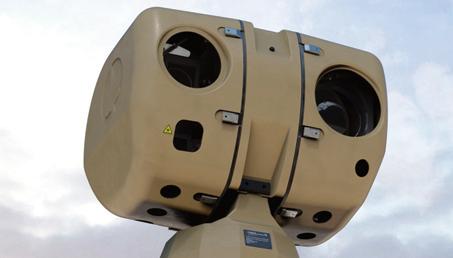
The continued evolution of the Vision4ce CHARM portfolio reflects this broader shift towards distributed processing. By enabling video data to be processed at or near the sensor, these modules reduce the need to transmit large volumes of raw data across the system, improving efficiency and supporting faster decision making. The introduction of increasingly compact, low-SWaP processing options extends this capability into more constrained environments, opening up new possibilities for integration within sensor payloads and compact platforms.
While sensing and processing often take centre stage, the electromechanical foundation that supports them is equally critical. Chess Dynamics’ DYNAXIS positioner portfolio provides the precision movement, control, reliability and stability required to ensure that sensors and payloads perform as intended.
Systems such as Cobra, Viper, Zeta, and the high-torque OMEGA positioner are designed to operate across land, maritime, and multidomain environments, supporting payloads ranging from lightweight tracking sensors through to complex, high-mass RF and radar arrays. OMEGA, for example, delivers the mechanical strength and stability required to carry payloads of up to 500 kg, maintaining reliable and accurate performance under conditions such as vibration, wind loading, and platform motion.
This level of mechanical precision is not simply about movement. It directly affects sensing and targeting performance. Without stable, accurate positioning, even the most advanced sensor or processing capability cannot deliver reliable results. By treating positioning as an integral part of the system rather than a supporting function, Chess ensures that performance is maintained across the full operational chain.
This approach is reflected in how the positioner portfolio has evolved. Rather than being developed in isolation, these systems are engineered as part of a wider architecture, designed to support electro-optical sensing, tracking and targeting in real operational environments. This includes managing the practical challenges of payload integration, stabilisation under dynamic conditions, and consistent performance over time. These are areas where theoretical precision alone doesn’t translate into reliable performance.
The result is a family of positioners that are not only modular in design, but proven in application, supporting a wide range of payloads and

platforms while maintaining the stability and control required for highconfidence sensing and targeting.
These capabilities are not presented in isolation. At Eurosatory, they will be shown as part of integrated configurations that reflect how they are deployed in practice. This includes containerised C-UAS systems and vehicle-based integrations combining the Modular Integrated Pod System (MIPS) and Hawkeye MS, demonstrating how detection, tracking, and response can be delivered across fixed, mobile, and rapidly deployable platforms.
Taken together, the systems on display provide a practical view of how modern defence capability is being shaped, not as a collection of individual technologies, but as an integrated, adaptable architecture designed to operate in complex and evolving environments. This is less about individual components and more about how those components perform together under operational conditions.
As Eurosatory continues to grow in both scale and relevance, it offers a timely opportunity to step back and look at how these challenges are being addressed. For Chess Dynamics, the focus is not on presenting isolated capabilities, but on demonstrating how those capabilities come together to support real-world outcomes, delivering performance that can be relied upon when it matters most.
This perspective is shaped through long-standing relationships with over 200 international customers and close collaboration with prime contractors, where the emphasis is not just on capability, but on how it integrates, performs, and endures over time. The systems are battlespace-proven over more than 25 years in conflicts across the globe.
Visitors to Hall 5A, Stand D409 in the UK Pavilion will be able to explore these systems in more detail and discuss how they are being applied across current and future programmes.








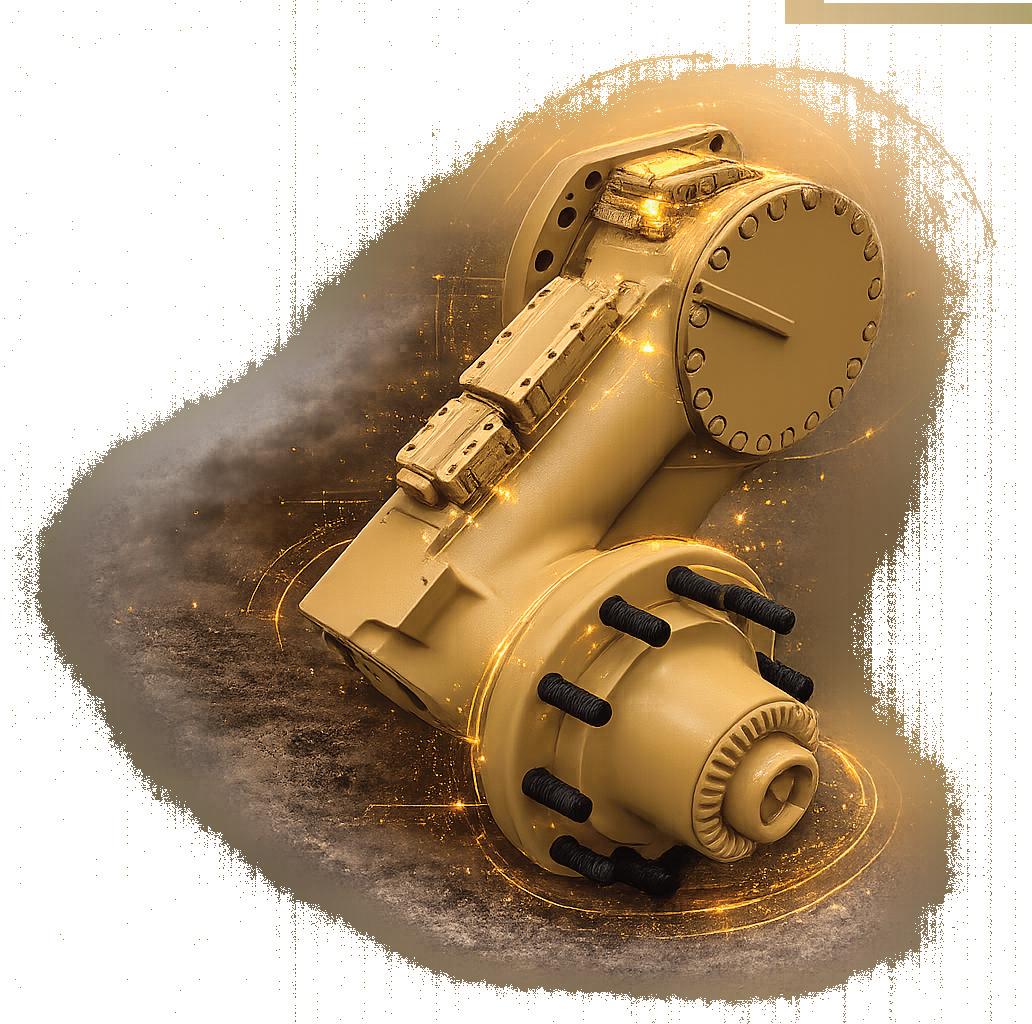
Ride Height Control System (RHCS™) Module
Active Damping System (ADS®) Module
We power freedom.
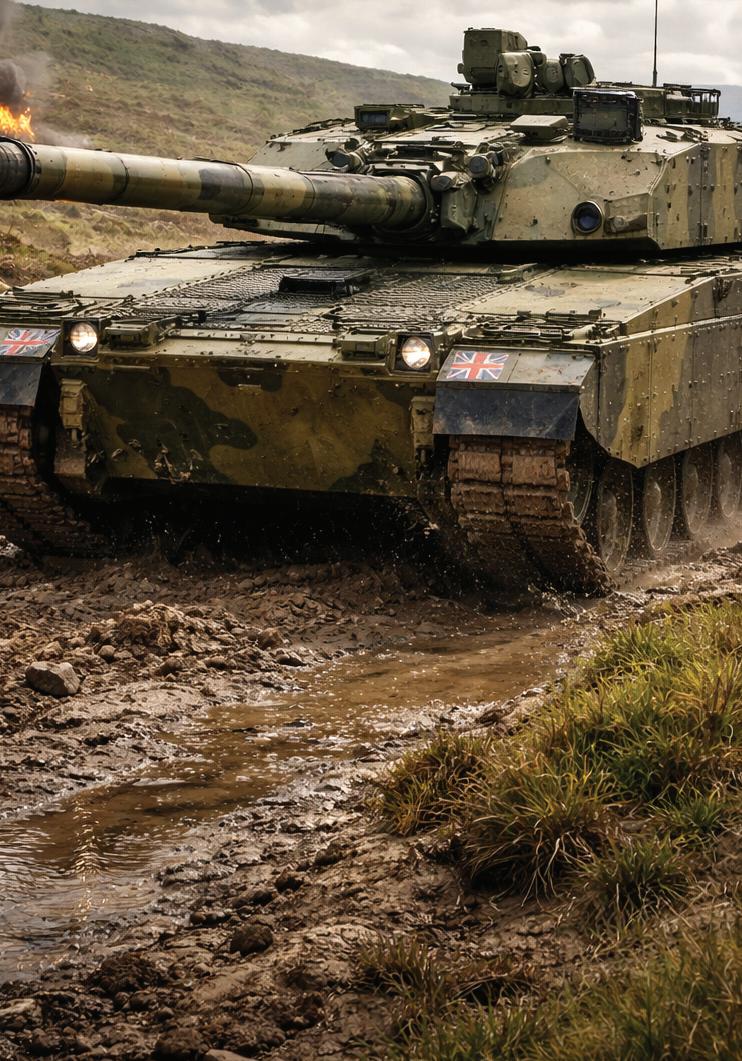

With more than a century of engineering heritage, Horstman has built a reputation for delivering world-leading suspension solutions for both tracked and wheeled combat vehicles. Its technologies are not only proven in service across global fleets but are also designed with a clear forward trajectory. The company’s approach is grounded in a simple principle: deliver performance today while enabling evolution for tomorrow. Future Proof. Field Ready.
Horstman challenges conventional thinking around vehicle mobility. Rather than treating suspension as a fixed subsystem, it is engineered as part of a broader mobility architecture. This includes the integration of optional upgrade kits such as Ride Height Control Systems (RHCS™), and Active Damping Systems (ADS®) designed to enhance vehicle dynamics across varying operational conditions. The result is improved crew effectiveness, reduced fatigue, greater on-the-move accuracy, and increased platform longevity.
At the core of Horstman’s offering is a diverse portfolio of suspension technologies, including Hydrogas®, Hydrostrut®, InArm®, and both Rotary and Linear Damper systems, each tailored to specific vehicle requirements. These systems are complemented by modular upgrade kits that allow customers to incrementally enhance performance without the need for full platform redesigns. This modularity is critical in an era where vehicle lifecycles are extending, and operational performance demands are increasing.
At Horstman we believe mobility is a decisive advantage. That belief drives us to challenge convention, think differently, and relentlessly pursue better solutions. It’s why we push boundaries; we believe that every customer can build their optimal mission-ready vehicle. Our belief that mobility is a decisive advantage shapes how we work. We deploy globally experienced engineering and project teams to create multiple alternative solutions, drawing from our extensive suspension product portfolio and modular mobility upgrade kits. We then evaluate these options collaboratively with our customers, aligning performance outcomes with their mission needs and aspirations to determine the optimal path forward.
Horstman Group operates at the point where mobility defines battlefield effectiveness. In modern land systems, mobility is no longer a supporting function. IT IS A DECISIVE ADVANTAGE. The ability to move faster, adapt to terrain, maintain stability under fire, and integrate emerging technologies directly influences survivability and mission success. This is where Horstman’s expertise is focused.
This system-level approach enables Horstman to support a wide range of platforms, from Main Battle Tanks (MBT) and Infantry Fighting Vehicles (IFV) to wheeled Armoured Personel Carriers (APC) and logistics vehicles to next-generation Autonomous and Robotic Systems. As uncrewed and optionally crewed vehicles become more prevalent, the demands on mobility systems are increasing. Stability, control, and adaptability must now be achieved not only for human operators but also for autonomous decision-making systems. Horstman is actively developing solutions that align with these emerging requirements, ensuring that our mobility systems enable future force capabilities.
A key differentiator for Horstman is its focus on upgrade-ready design. Through technologies such as Active Damping Systems (ADS®), Ride Height Control Systems (RHCS™), and advanced Prognostics and Diagnostics, vehicles can be enhanced with new capabilities as operational needs evolve. This aligns with a broader industry shift toward modular, open architecture that allows for rapid integration of new technologies without extensive redesign or downtime.
Horstman’s commitment to innovation is matched by its dedication to reliability and support. We have solutions designed for all price points. Our systems are engineered to perform in the most demanding environments, from extreme temperatures to high-intensity combat conditions. At the same time, the company provides comprehensive support throughout the lifecycle of its products, ensuring that customers can maintain peak performance over decades of service
As defense forces around the world modernize and adapt to increasingly complex operational landscapes, the importance of mobility will only continue to grow. Platforms must be faster, more agile, and more adaptable than ever before. They must be capable of integrating new technologies while maintaining proven reliability. Horstman stands at the center of this challenge, delivering solutions that bridge the gap between current capabilities and future requirements.
Mobility is not just about movement. It is about control, adaptability, and advantages. Horstman Group understands this at its core, and through its engineering expertise, global experience, and commitment to innovation, it continues to redefine what is possible in vehicle mobility.

“ “
to carry out their missions in the highest quality equipment. In the GLV, they’ll 昀nd a vehicle which has been developed to tackle the toughest of terrains - all while providing its occupants with a safe, practical and comfortable interior. Babcock has taken an automotive icon in the Toyota Land Cruiser and used our expertise to transform it from successful civilian vehicle into an adaptable troop carrier suitable for ful昀lling a range of operationally critical tasks.
Chris Spicer, Managing Director, Engineering & Systems Integration, Babcock
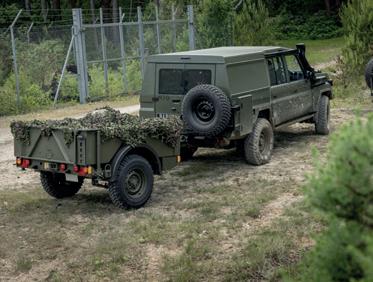
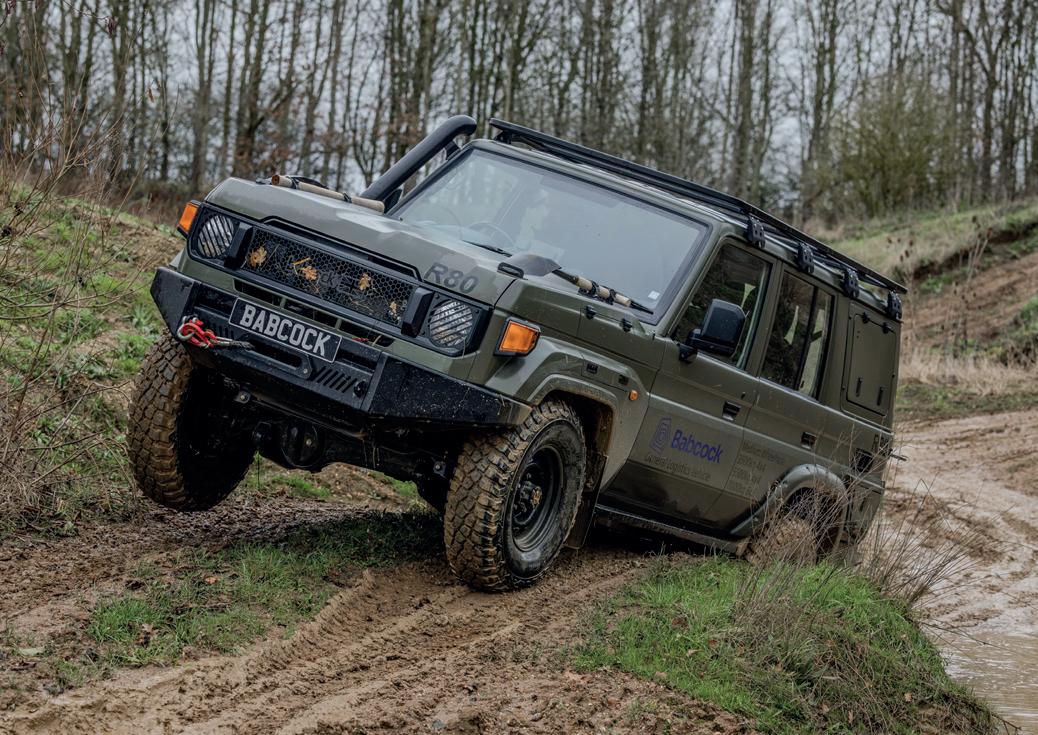
Babcock’s General Logistics Vehicle (GLV) series can fulfil a multitude of tasks for militaries across the world.
The GLV is an effective, reliable, and affordable all-terrain vehicle which will enable militaries and security forces to operate larger multi-role fleets. Tough and reliable, easy to maintain and repair, and with global spares availability that’s second to none, the GLV can be relied upon both in the UK and around the world.
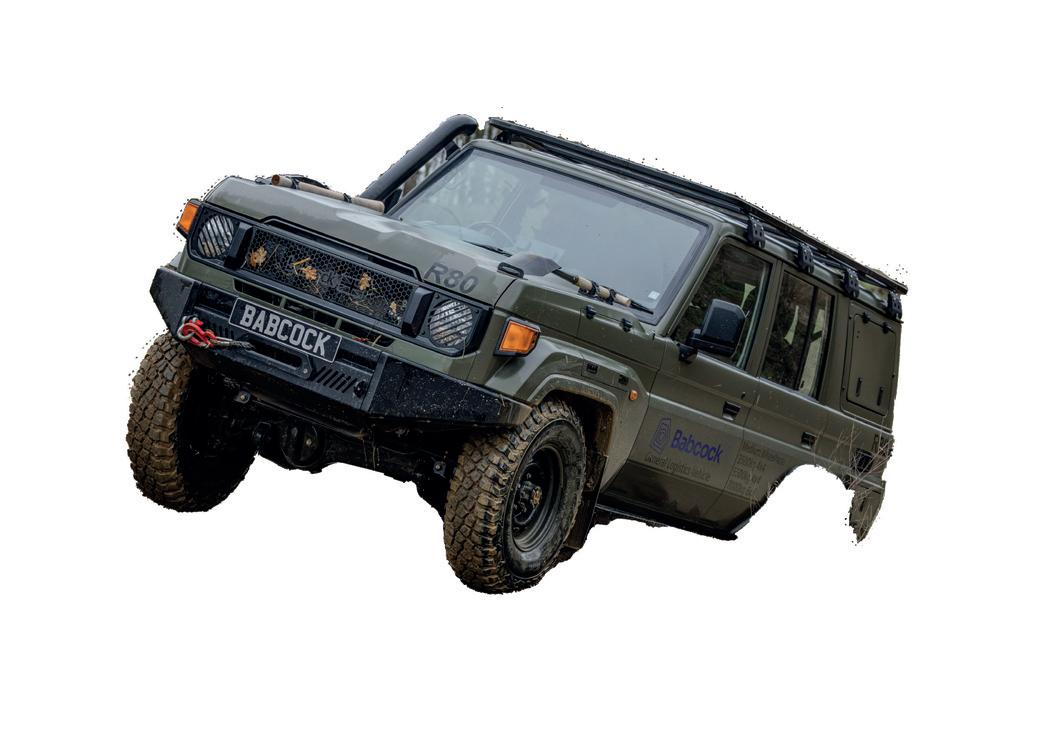
It is based on the iconic Toyota Land Cruiser LC70 platform, with vehicles undergoing significant military specific modifications by our teams in the West Midlands to prepare them for the demands of operational service.
We’re engineering a GLV variant for every mission – with the Medium Wheelbase (MWB), Long Wheelbase (LWB) and Utility model as the core vehicles in the range.
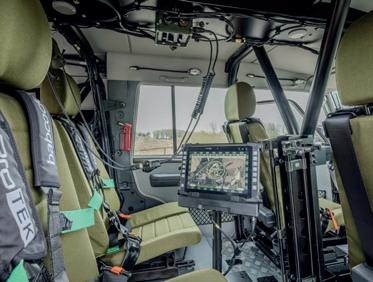
The GLV MWB has four individual crew seats and storage capacity for a four-person team to comfortably stow what is required for a 72-hour patrol, making it the perfect command and control vehicle or small-team patrol vehicle. The turning circle of just 12.6 meters is the tightest available compared with other military and security vehicles in its class.
The LWB can accommodate four occupants in independently adjustable military crew seats as well as their personal weapons and equipment, while also stowing a NATO pallet in the load space. With a payload of one tonne and space for up to four pallets, the Utility can provide the logistical support required for mission critical operations.
Other variants, such as a rapid response ambulance and light utility model, are also available to fit specific requirements
The GLV series offers a common vehicle base with various role modules to meet the needs of different missions in evolving theatres of operation. Optimum functionality is provided through value-engineered specifications which prioritise operational effect whilst maintaining passenger comfort and ease of operation in a highly affordable package.
The GLV is available with a range of optional packages, including:
• 6×6 conversions
• Wheelbase and chassis extensions
• Zonal armour kit installations
• High output power systems upgrades
If you’re attending Eurosatory, visit Babcock in Hall 5a, stand D371 to see the GLV up-close.

Providing customers with peace of mind motoring
End user comfort, safety, manoeuvrability, and protection has been foremost in the design and production of the GLV. The ergonomically designed cabin accommodates the widest range of driver dimensions compared to other utility vehicles in the market with no loss to urban or offroad mobility.
Through our significant and unique experience with equipment support and asset management, we ensure that critical vehicles are readily available and affordable, and that the through-life costs of the GLV series are kept to a minimum.
At Babcock, we approach everything with a broader perspective, delivering defence engineering that creates our customers big picture. Our General Logistics Vehicle is built on decades of experience supporting the Army’s toughest assets - designed for reliability, adaptability, and mission success for generations.
This is lifetime engineering.


High-performance bolt locking for every challenge.
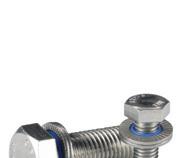
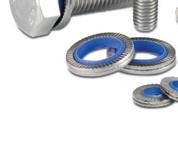
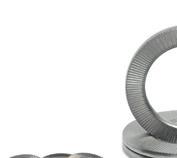
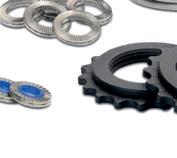
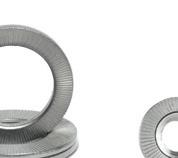
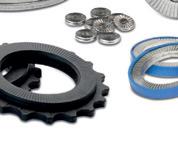
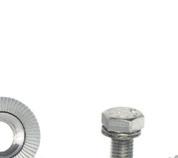
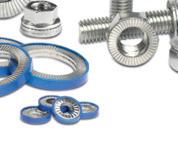
The ultimate bolt locking system that allows reaction armfree tightening with most branded high-torque tools. HEICO-LOCK® Wedge Locking Systems



















From lifecycle resilience to high-speed VPX and SOSA-aligned architectures, Interface
Concept has built its reputation on hardware that keeps going as programmes, platforms and requirements change.
Some companies grab the headlines; others just get on with it, becoming part of the kit engineers rely on day in, day out. Interface
Concept is definitely in that second camp. Whether it's radar processing, mission computing, networking backplanes or subsystem integration, their boards are usually there doing a simple job: shifting data reliably, putting up with rough conditions and staying supportable long after the original plans are old news.
Founded back in 1987 and based in Quimper, the company has spent nearly four decades designing and making embedded boards and systems for defence, aerospace and tough industrial settings. In this line of work, longevity isn't about flashy branding, it's a must. Platforms stick around for decades, while needs shift, parts go obsolete and supply chains get shaken up.
IC has a straightforward, methodical way of doing things.
The company takes a proactive approach to obsolescence, tracking component status, arranging last-time buys, qualifying second sources and planning redesigns well in advance. Where possible, compatible parts are introduced as straightforward substitutions; where that is not viable, PCBs are adjusted to accommodate

alternatives or components are stockpiled to bridge supply gaps. For higher-volume programmes, form, fit and function replacements are offered, and for platforms unable to absorb that change, then dedicated storage options can be put in place. It is a practical, methodical model familiar to anyone involved in sustainment or midlife upgrades, underpinned by long-term technical support spanning hardware, low-level software, repairs and lifecycle commitments that frequently extend beyond a decade.
Interface Concept’s products have evolved alongside broader trends in embedded defence electronics. VME was the mainstay for loads of older mission systems, while VPX, OpenVPX and SOSA profiles are now key for newer ones, thanks to demands for more bandwidth and better interoperability.
“We’ve kept an eye on emerging standards,” Brigitte Jousselin, in charge of Marketing & Communication Interface Concept said. “We brought in VPX designs not long after the standard came out, and by 2010 we were shipping a 6U VPX Ethernet switch and singleboard computers.”
At the same time, the company has continued to invest in VME, recognising that many deployed platforms will remain in service for years to come. The architecture is still widely used, and new Intel Tiger Lake and Arm-based VME boards are being introduced alongside an updated Ethernet switch range, including VITA 31.1 variants. This two-pronged strategy reflects operational reality: naval vessels, aircraft and land systems rarely undergo wholesale architectural replacement, resulting in mixed environments where backward compatibility is essential.
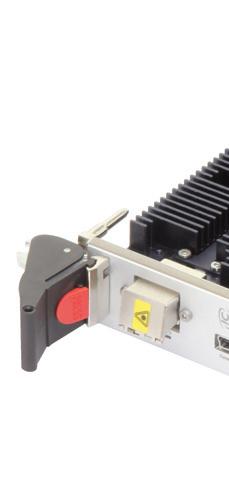
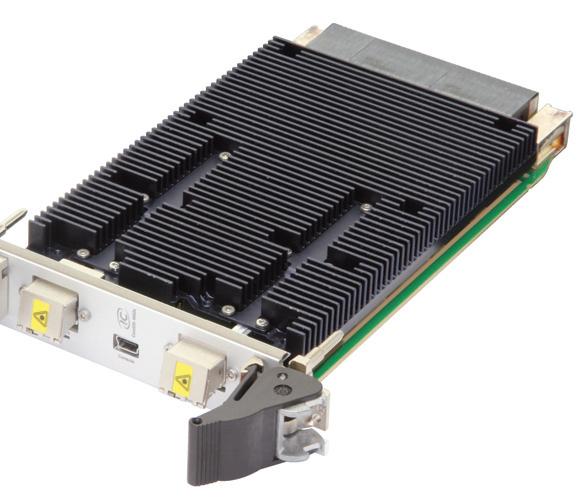
IC’s ComEth Ethernet switch and router family is central to their networking lineup. It comes in 3U and 6U VPX, plus VME and CompactPCI formats, scaling from 1 GbE up to 100 GbE, with support for copper, fibre, optical front panels and VITA 66.5 interfaces. Setups include Layer 2 and Layer 3 switching, dual-plane designs and hybrid



Having the hardware and control software tightly aligned cuts down on the usual hassle of shoehorning third-party products into platforms they weren't built for.
For compute, IC’s SBC and DSP range covers Intel Xeon D and Xeon W processors, plus the Arm-based ones using NXP Layerscape and QorIQ chips. Standard setups include ECC-protected memory, highspeed Ethernet, PCIe links and, in some cases, onboard FPGAs for acceleration or custom interfaces. FPGA-centric platforms, like frontend processing boards with AMD Kintex, UltraScale and Versal devices, handle deterministic processing and low-latency data. FMC and FMC+ mezzanine support lets you add modular I/O without redoing the base board.
But performance is only half the story. Thermal management, mechanical limits and ruggedisation are make-or-break, not shouldhave, especially in conduction-cooled setups.
As Lionel Provost, Strategy and Marketing Vice-President, put it: “We invest in cutting-edge embedded technologies while preserving our added value in the system’s critical elements, including thermal management, performance and modularity.”
With cybersecurity ramping up and supply chains under the microscope, procurement choices are shifting. Interface Concept’s
focus on internal development ties into both technical and strategic needs, with hardware design, firmware, bootloaders and board support packages all done in-house.
“We keep a secure development chain,” Mikelig Roudaut, Sales Director Interface Concept continues “Hardware, firmware, bootloader and BSP are all controlled internally, which helps with code integrity and cybersecurity goals. We also stick to European design and manufacturing, with our own export-control knowhow covering ITAR and EAR.”
This fits the growing push in NATO and allied programmes for sovereignty and clear software origins.
Open standards, applied pragmatically. The company slots its portfolio into open architectures, especially VPX, OpenVPX and SOSA principles.
“The SOSA Technical Standard and MOSA approach are reshaping defence systems by enabling faster integration and long-term availability,” Lionel, said recently “We aim to support that shift with a field-proven portfolio of SOSA-aligned solutions.”
That said, the company knows formal standards sit alongside programme-specific needs and wider frameworks like STANAG. In the end, aligning with standards has to be balanced against optimising performance and fitting mission limits.
In a market with big multinationals and specialist niches, IC sets itself apart with quick decisions and solid expertise.
Mikelig sums it up “Fast decision cycles, strong low-level software and hardware know-how, and a wide portfolio. Customers like an ecosystem that covers switches, SBCs, FPGA platforms, firmware, BSPs and long-term support.”
It's a straightforward pitch, but it matches how long-term customers see the company: solid expertise, ongoing commitment and steady improvements. More often than not, that comes down to hardware that just keeps working through upgrades, redesigns and years of service. For engineers juggling performance, interoperability and longevity, that history is the reassurance they depend on.

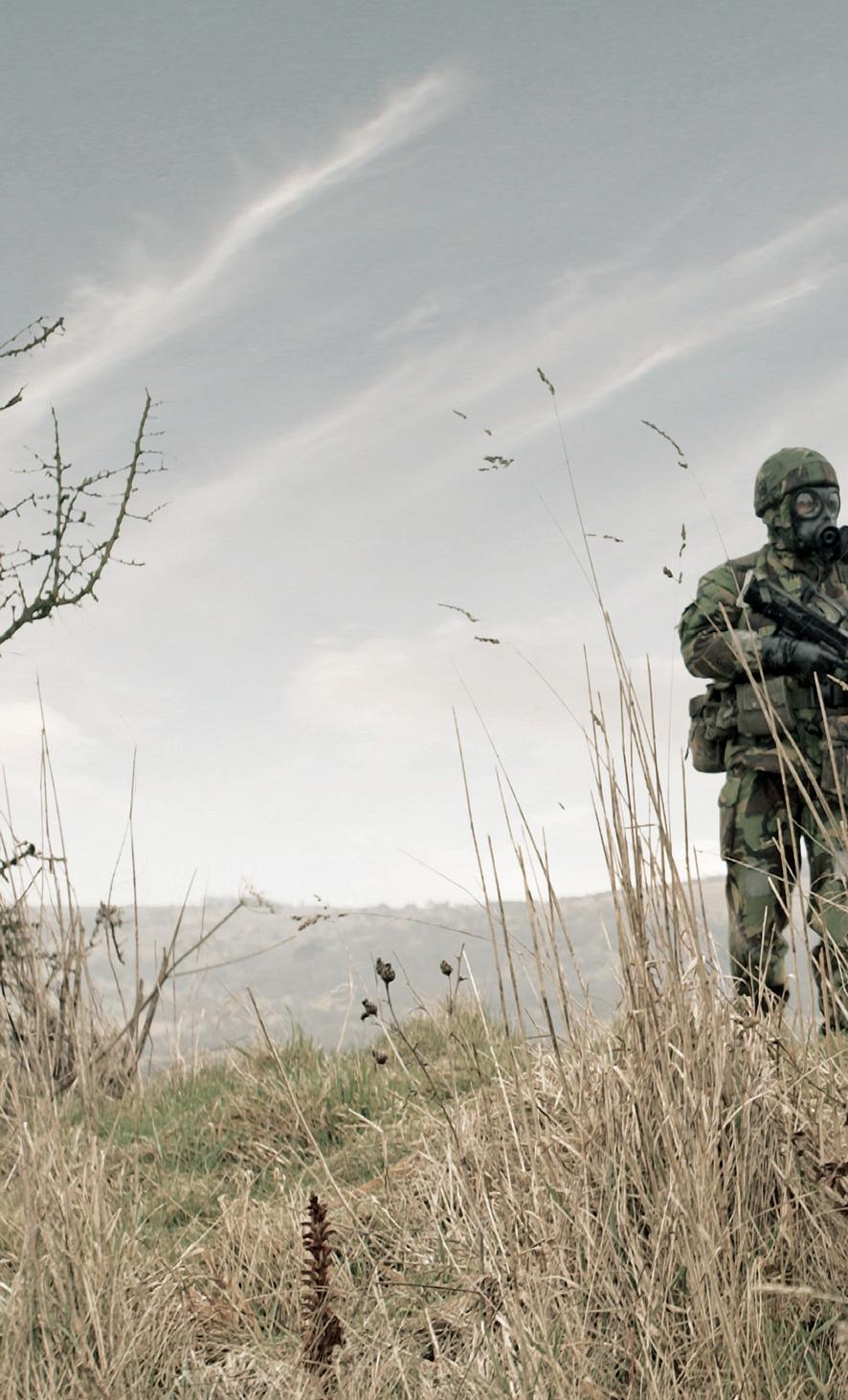
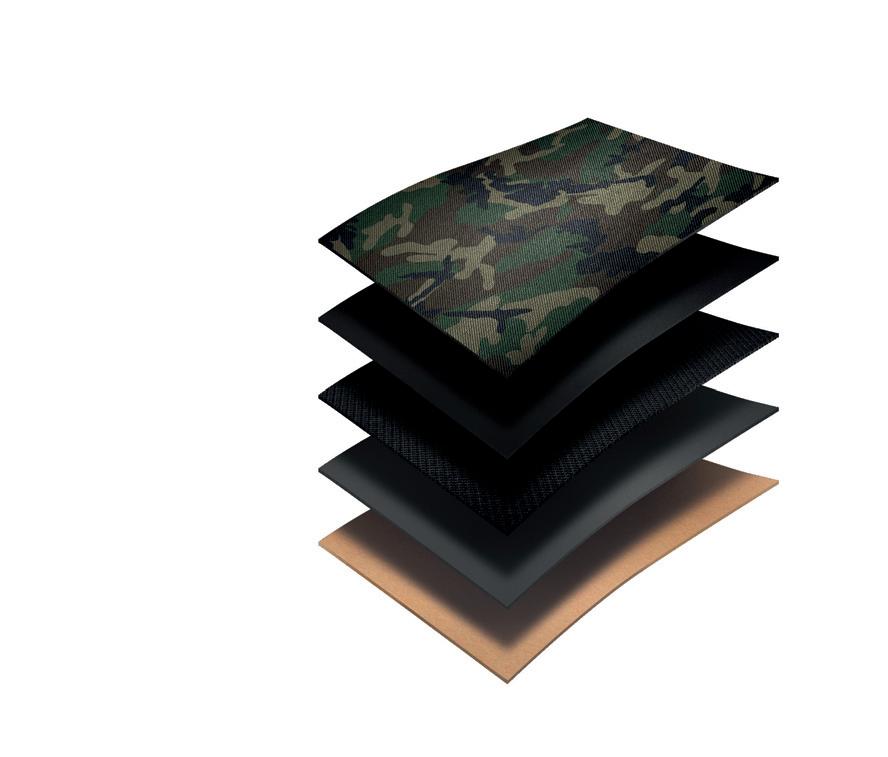
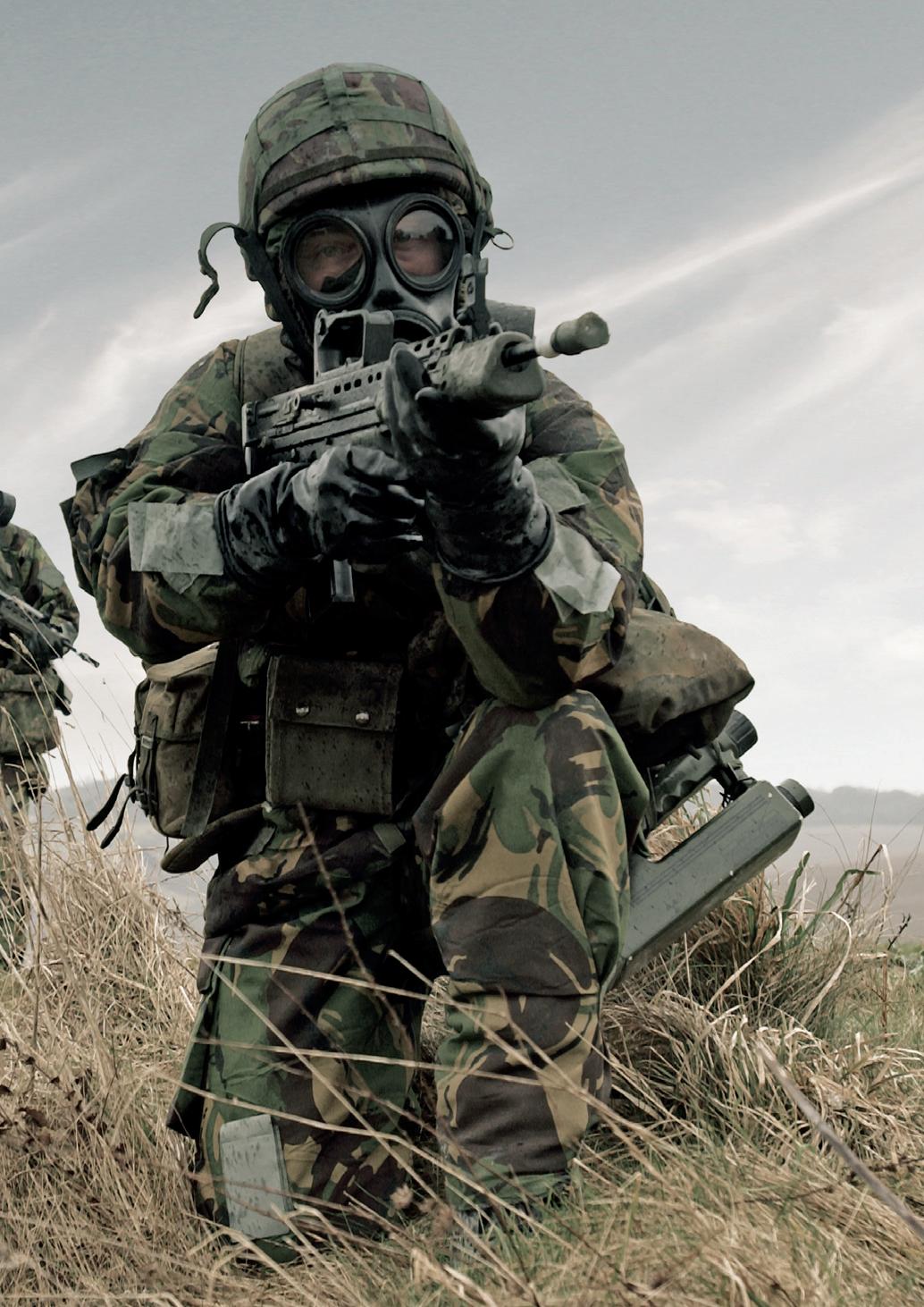
Flexzorb™ - The flexible, lightweight protective textile that is widely used by many of the world’s leading defence vendors, making us the leading provider of activated carbon cloth for defence applications.
Lightweight and breathable, Flexzorb is used in a range of defence applications, including:
– CBRN Respirator filtration media – CBRN Personal protective equipment (PPE) – CBRN decontamination wipes – Missile decoy media – Phosphine gas adsorption media
Chemviron, the European Operation of Calgon Carbon Corporation, has a long history of protecting and defending troops with our activated carbon products, and we remain committed to providing adsorbents to combat chemical warfare agents. In an environment where there is no room for failure, why wouldn’t you rely on products that have been used and trusted for over half a century?


The Spain-based Alpha Unmanned Systems was searching for dependable military-grade fastening components, it found Nord-Lock.
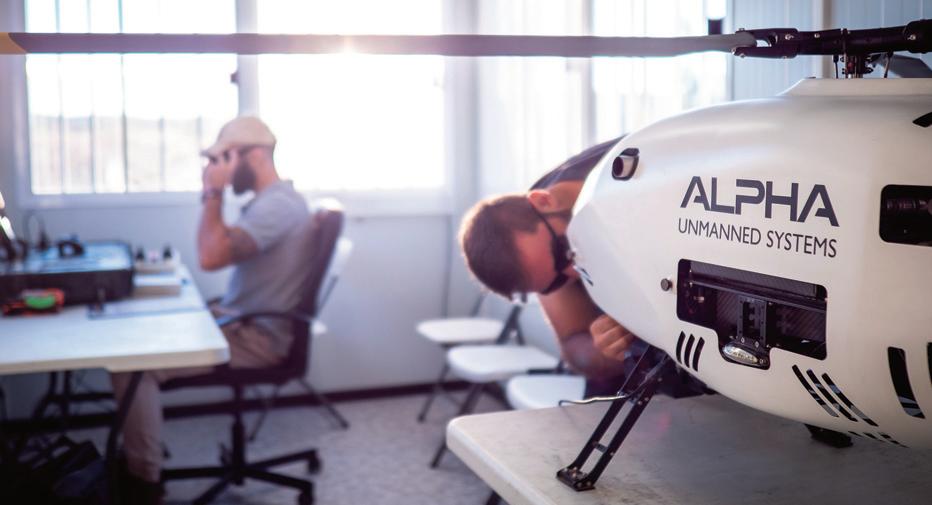
In the world of tactical unmanned aircraft, simplicity and reliability are essential. Unmanned aerial vehicles (UAVs) need to work right out of the box, which requires being easy to operate and maintain.
For Alpha Unmanned Systems, a global leader in UAV helicopters, that means constantly evaluating improvements to their systems, often seeking simple solutions to advance design and streamline operations.
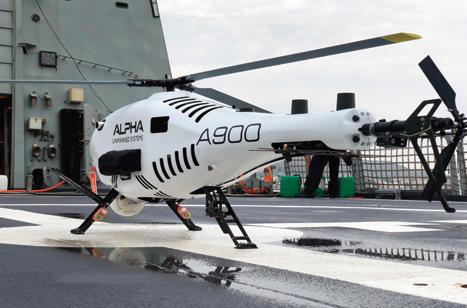
The Madrid-headquartered Alpha manufactures tactical UAVs helicopters. Built for military applications, they’re fuel-powered and specifically developed for marine operations, such as

maneuvering from the back of a small moving ship with fully automatic flight capabilities, including take-off and landing.
According to Álvaro Escarpenter, CTO and Founder at Alpha Unmanned Systems, military units, navies, and border forces around the world utilize the company’s UAV helicopters for surveillance, observation, and reconnaissance.
“We have customers in 14 countries – from the Greek Navy, who operate them from different ships in the Aegean, to the Bulgarian border police, who use them in coordination with Frontex (the EU’s agency for border control),” says Escarpenter.
So, when Alpha needed a replacement component to ensure the dependability of its UAV helicopters that could be implemented simply, it looked beyond Spain’s borders and found the Swedishmade Nord-Lock® Washer.

A key feature that differentiates the UAVs of Alpha Unmanned Systems from many others is the integration of a 100cc boxer engine into each design. It can run on gasoline and on heavy fuel, which is an important requirement for safer naval operations. More importantly, being fuel-powered gives Alpha’s UAV helicopters an advantage over similarly classed battery-powered platforms.
“If a customer wants to fly one of our helicopters 100 kilometers away on an automated mission to search out targets or to do reconnaissance, then the fact that it’s fuel-powered means they’ve got that range,” explains Escarpenter. “It also enables up to four hours of autonomy and the ability to lift around four kilos, which is quite a lot for its size.”
Fuel-powered helicopter platforms operate at high engine revolution levels. In late 2025, Alpha’s design and manufacturing team, leveraging continuous daily flight evaluations of each UAV helicopter system, identified an opportunity for a preventative design improvement on the exhaust manifold system.
Another aircraft maker might have just added verifying and retorquing specific bolted connections as a critical point in the platform’s pre- and post-flight checklists, but Alpha wanted to do more – address the issue on the manufacturing side but without redesigning anything, especially the engine.
“We really put a lot of care and attention on the engine,” says Pablo Frutos, Head of Manufacturing at Alpha. “we needed to find a long-term, reliable solution, which is what led us to Nord-Lock.”
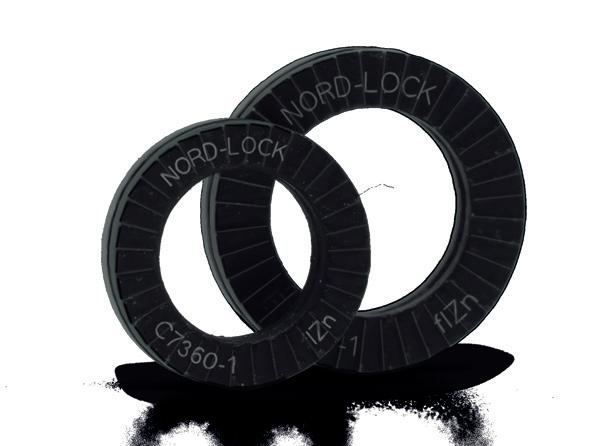
It didn’t take the manufacturing team at Alpha Unmanned Systems long to discover Nord-Lock and its secure-locking washers. Using wedge-locking technology, Nord-Lock® Washers keep bolted joints from loosening with tension rather than friction and prevent unintentional rotation once tightened. What’s more, they’re highquality made, fitting well within military-grade standards, and have long been a staple in the global defence industry.
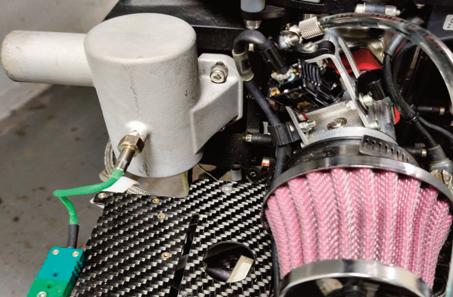
By the end of 2025, Alpha’s daily flight operations included UAV helicopters with Nord-Lock® Washers. The company plans to continue running the tests with in-depth maintenance overhauls after 50, 100, and 200 hours of flying. But so far, according to Frutos, everything checks out.
“The results have been pretty positive. We’re seeing that the bolts remain in place and there's no need to retorque,” he says.
“And our pre-flight checks have been simplified.”
The benefits of using Nord-Lock’s washer, however, go beyond secure bolted connections. As Frutos explains, it’s not only simplified operations but also taken a potential issue off the table – furthering the dependability of Alpha Unmanned Systems.
“At the end of the day, if the Indonesian Coast Guard – which is a customer of ours – invests in a multimillion-dollar platform to survey the islands and coasts around Indonesia, then they want a system that’s going to respond, that’s reliable, and that is relatively easy to maintain and deploy,” he says. To provide that, Alpha must constantly identify ways to enhance and upgrade its UAV helicopters.
“With Nord-Lock, we’ve gone with what may look like a simple solution," says Frutos. “But it’s all about having a proven, well-designed, well-manufactured military-grade component that just fits into the system very easily.”
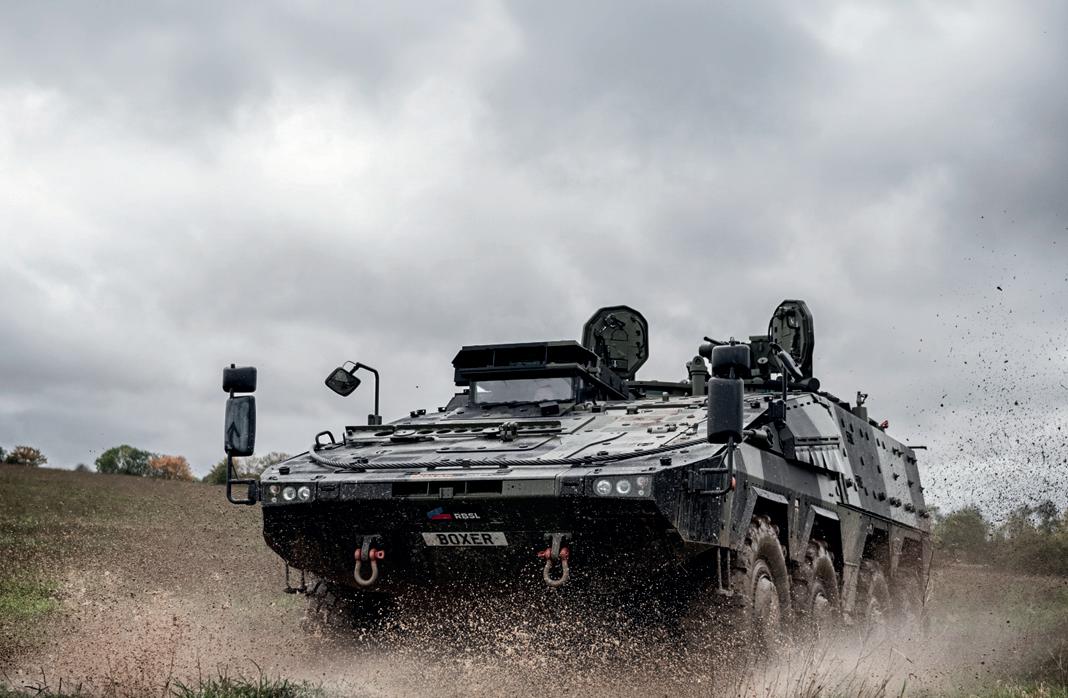
Mechanical integrity takes on a whole new meaning when operating deep in the unknown, In the most demanding environments, there’s no room for loose bolts.
Land systems, aerospace and naval vessels all rely on Nord-Lock to keep every bolted connection secure — even when repairs or shelter are out of reach.
To simplify procurement and logistics, our NSN and NCAGE codes are easy to access. Choose Nord-Lock to protect your equipment — and, above all, your people.
And in many cases, misunderstood.
When lithium-ion batteries fail, they don’t follow the usual script. They behave differently, and that’s where the risk starts to build, and where teams can get caught out.
It usually doesn’t begin with anything dramatic. A hiss. Maybe a sharp pop. Sometimes just a thin plume of grey-white smoke from something that, at first glance, doesn’t seem capable of causing much trouble. Then the temperature climbs. Gases begin to build. And what you thought you were dealing with a moment earlier shifts into something else entirely, often before anyone has had time to take stock.
Lithium-ion batteries now sit behind a huge range of everyday systems, from handheld tools and consumer electronics through to e-bikes, e-scooters, vehicles and industrial infrastructure. Failures are still relatively rare, and that’s worth saying, but when they do happen, the speed and behaviour can catch people out. These are devices designed to store and release energy in a controlled way; when that control is lost, the release is anything but predictable.
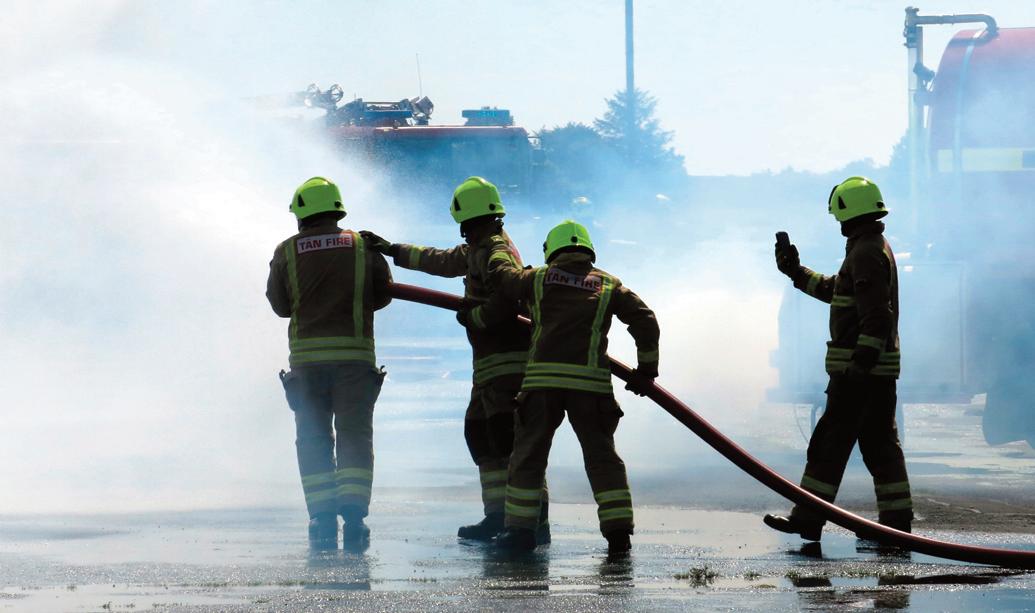
A fire in the UK city of Glasgow, linked to a vape battery, brought some of this into focus. It wasn’t just the ignition that raised concern. It was how the incident developed. Rapid heat release, dense smoke, and the presence of hazardous gases meant that what may have looked like a fairly routine fire quickly became something more complex once crews were on scene.
“People still tend to frame these as ‘just fires’, and they’re not,” says Felipe Arrighi, Director of Business Development at Argon Electronics. “Once thermal runaway starts, you’re dealing with gas release, pressure, sometimes re-ignition. It behaves
differently, has a life of its own. If you haven’t seen it before, it can throw you.”
That difference matters more than it first appears.
Battery failures introduce a chemical dimension that isn’t always covered in standard fire or safety training. Gases such as hydrogen fluoride and carbon monoxide can be released, particularly in enclosed or poorly ventilated spaces. Without the right awareness, or the ability to detect what’s actually in the atmosphere, it’s easy to misread what’s happening, especially as conditions begin to escalate.
Regulation is starting to catch up. In the United States, guidance from organisations such as the US National Fire Protection Association increasingly reflects the need to understand hazardous atmospheres alongside fire. Standards such as NFPA 1010 now place greater emphasis on gas monitoring and detection as a core capability for firefighters, recognising that what’s in the air can be as critical as what’s burning. It’s not a complete answer, but it does show where expectations are heading.
In many organisations, preparation still leans on classroom sessions, written procedures, and the occasional live exercise. All
useful, necessary, even, but they don’t always translate into confident decisions when conditions change in real time. And lithium-ion incidents tend to do exactly that. They evolve quickly and aggressively.
“Watching a video is helpful, but it’s passive,” Arrighi explains.
“You’re not making decisions, you’re not reading your detectors, you’re not dealing with the pressure of it, developing your sense of situational awareness or muscle memory. That’s the bit that stays with you.”
And that’s the training gap, really, knowing something in theory versus having had to act on it.
In a live situation, responders, whether fire crews, industrial safety teams, or site personnel, are taking in multiple streams of information at once. Gas readings. Heat levels. Visual cues. All feeding into decisions that have to be made on the spot. Without prior exposure to something even remotely similar, experienced people can still hesitate. Just for a moment. Sometimes, that’s all it takes.
This is where Argon Electronics has built its approach. The UKbased company has spent more than three decades working with responders and detector manufactures developing training systems for CBRNe and hazardous environment response. The idea is simple: make training as realistic as possible without introducing actual risk. Instructors can easily implement a simulated hazardous environment within minutes in any location they choose to which the highly realistic training instruments respond.
That difference becomes clear in practice. Operators use the simulators just like their own detectors. They see readings change. They respond, communicate, reassess, and sometimes get it wrong before correcting course. That repetition matters. It builds a level of familiarity that classroom learning on its own doesn’t quite provide.
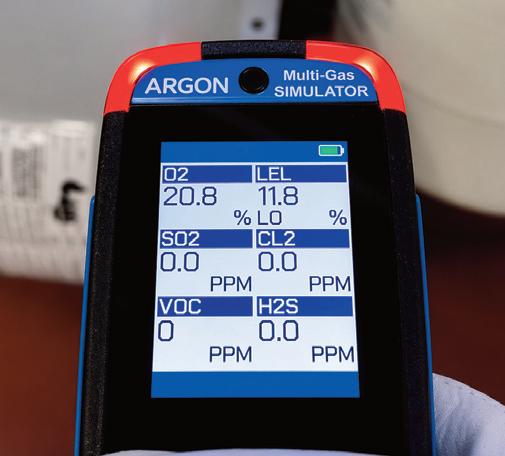
Applied to lithium-ion battery incidents, the same principle applies. Argon’s Long Range Vapour Sources (LRVS) can simulate gas release and dispersion, helping teams train under evolving conditions in a safe, controlled environment. While no simulation can perfectly replicate real-world pressure, this approach comes much closer to the challenges responders face in the field. Some users have even enhanced lithium battery scenarios by integrating LRVS hazards into a battery leak simulation that produces a thermal imaging heat signature. Combined with Argon’s Generic MultiGAS, this creates a highly realistic and memorable training experience.
“We see a lot of technically competent teams,” Arrighi says, “but they haven’t had the chance to apply that knowledge in a realistic environment. Once you introduce uncertainty, incomplete information, that’s where the real learning starts.”
There’s also the question of how different teams operate together, which usually only becomes obvious when things don’t quite line up. Incidents like these rarely sit with one group. Fire, medical, site teams, sometimes external agencies, all working at the same time, not always with the same picture in front of them. Training in
isolation has its limits. And it shows.
Adoption of this kind of approach is mixed. Some organisations are moving quickly, updating training, building in training capability more formally, testing new methods. Others move more slowly. Not resistant, exactly, but balancing it against other priorities. Understandable, perhaps. Still a risk.
Argon Electronics sits in that space, focusing on bridging the gap between theory and practice. Its systems are used across defence, emergency services, and industrial sectors, with an emphasis on realism, repeatability, and the safe delivery of complex scenarios. It reflects a broader shift across the industry, where training is starting to mirror the complexity of modern hazards, not just their presence.
Argon’s proven approach centres on detection-led training and the simulation of hazardous environments. As battery technologies continue to spread, and as incidents, however infrequent, continue to surface, that approach is likely to become more relevant.
Lithium-ion batteries aren’t going away. Their use will only increase, across more applications, in more places, often where failure carries wider consequences than expected. The benefits are clear enough. The risks are less visible, until they’re not.
Training needs to feel real enough that when something goes wrong, the response isn’t built on assumptions that don’t quite hold up. Familiarity with the nature of the hazard and how quickly the situation can change, the ability to monitor and evaluate the operational environment is essential. Because when a lithium-ion battery fails, there isn’t much time to think it through. By the time you realise what’s happening, you’re already making decisions that can save lives.
Counter-UAS has become one of the clearest examples of how defense systems get built under pressure.
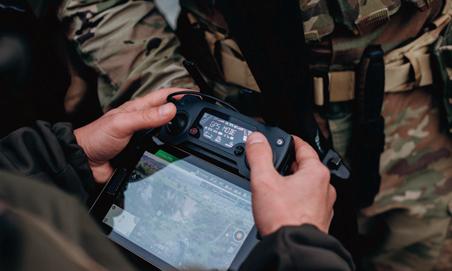
Threats evolve quickly. tactics change weekly, new sensors and effectors show up fast. Programs are expected to move from concept to fielded capability without years of clean-sheet design.
That pace puts a spotlight on a reality engineers already know: The hardest part is often integration. Counter-drone systems rarely rely on a single silver-bullet technology, instead combining detection, tracking, identification, decision support, and defeat mechanisms into one working stack.
When schedules tighten, the integration layer – power, data paths, harnessing, shielding, and serviceability – determines whether the system comes together smoothly or becomes a series of last-minute fixes.
A typical counter-drone capability blends multiple elements:
• Detect: radar, RF sensing, EO/IR, acoustic, or combinations of these
• Track and ID: sensor fusion, correlation, classification, and confidence scoring
• Defeat: jamming/spoofing, kinetic intercept, directed energy, or layered approaches
• Control: user interfaces, mission planning, engagement logic, and integration with broader C2
Each element brings its own physical requirements. For example, radar and EO/IR sensors drive placement constraints and cable routing, while RF subsystems introduce shielding concerns. Even a portable system can end up looking like a compact network of power, data, and mechanical interfaces that must survive movement and real handling.
When teams move quickly on developing counter-drone systems, there are some predictable failure points.
Tight packaging is one failure point as counter-UAS systems often carry meaningful power loads alongside sensitive signals and high-speed data. Connector selection, pin assignment, wire gauge, and thermal margins become part of system reliability, especially when everything is compressed to fit a vehicle, shelter, or portable form factor.
Another is managing signal integrity and EMI [electromagnetic interference] in a dense environment, as counter-drone architectures can place radios, processors, and sensors in close proximity. High-speed data paths and RF subsystems increase susceptibility to crosstalk and interference, which means that cable shielding and grounding choices can’t be treated as afterthoughts without inviting debug cycles late in test.
As more sensors, effectors, and compute nodes get added, harnessing complexity can also become difficult. Multibranch assemblies, mixed signal types, and multiple connector families increase build friction and validation effort. The harness becomes a “system within the system,” and small changes can create large ripple effects.
Counter-UAS systems are used, moved, maintained, and reconfigured,
with this on-the-move aspect creating potential failure points during service and sustainment efforts. Field handling creates strain, repeated mate/unmate cycles, and access constraints that don’t show up on a clean block diagram. If access is awkward, connectors and cables get stressed during the moments when teams are working fast.
There’s a lot of discussion about lower-cost, potentially single-use drone applications. In practice, documentation and compliance expectations often push back. Even when the unit price is meant to be low, the integration environment still needs repeatability in the form of known interfaces, reliable workmanship, test evidence, and a process the program can stand behind.
This is where interconnect choices matter. A design that relies on improvised parts, inconsistent tooling, or fragile routing may hit a cost target on paper while creating rework and schedule churn during integration and sustainment. Programs that move fast tend to do better when the integration layer remains standardized and traceable.
Counter-UAS programs that integrate cleanly often share a handful of practical habits.
For one, they reduce connector family sprawl as fewer connector families typically means fewer tools, fewer assembly variants, and fewer chances for confusion during build and maintenance. Standardization also supports consistent training and inspection.
Combining power and signal contacts into a single compact footprint can reduce connector count and simplify routing when space is tight. I t also reduces the number of cable runs that need shielding, strain relief, and sealing.
Strain relief and routing features also deserve early attention, because tight bend radii, pinch points, and hard-to-reach mating interfaces turn
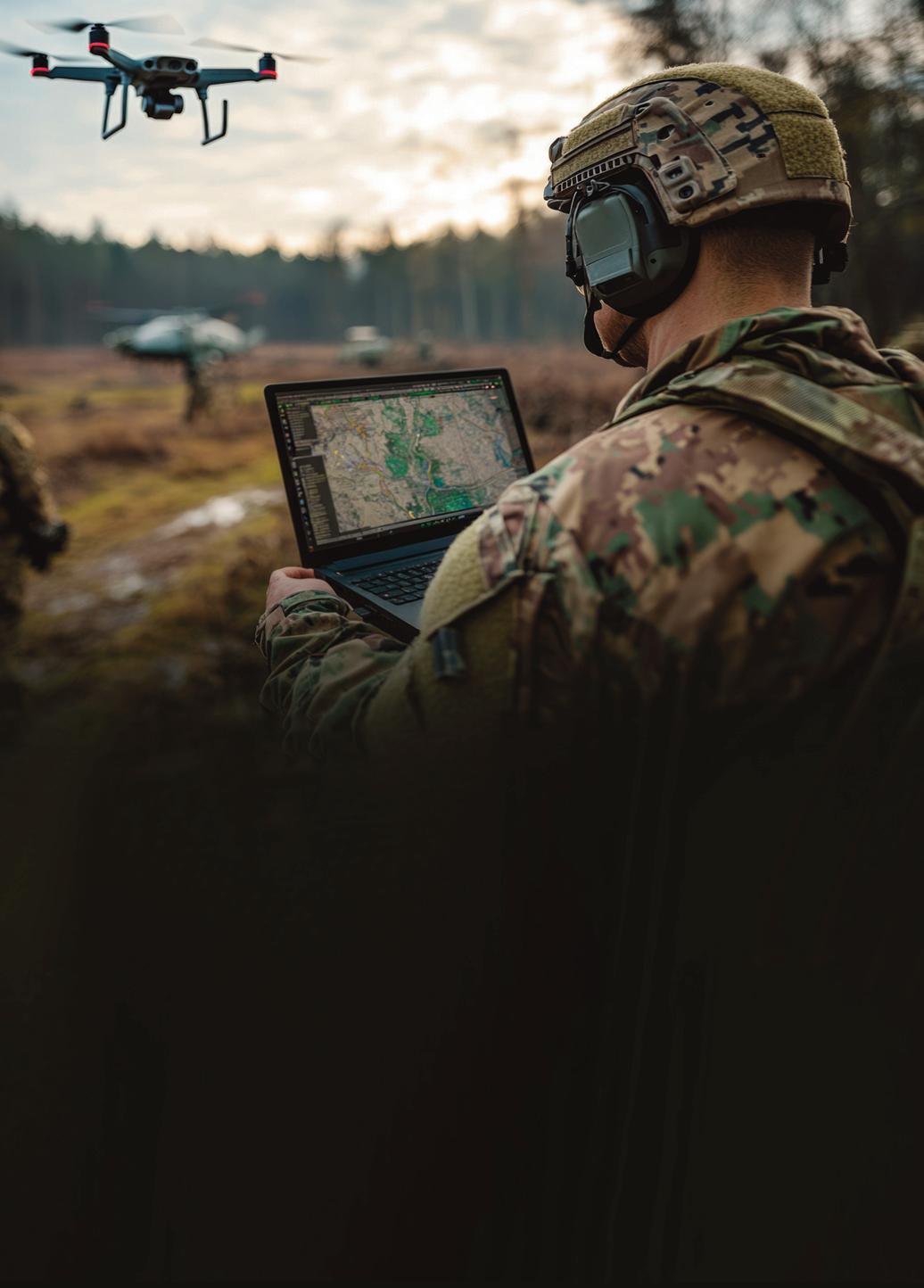
into reliability problems under field use. Designing for realistic mate/unmate access reduces damage during maintenance and integration work.
Connectors also bring standardization, which helps speed up inspection and verification. If a program expects quick iteration, the harness should support inspection and verification. Repeatable workmanship standards and test practices reduce ambiguity during debug. Many teams lean on established workmanship and inspection standards for cable assemblies and qualification planning to keep builds consistent across iterations.
Lastly, a proven way to speed up design process is with smart planning at the beginning, especially with managing EMI. Shielding and grounding decisions become system-level choices in dense counter-UAS builds. The goal is to control interference without turning the harness into a bulky, stiff constraint that undermines SWaP [size, weight, and power] targets.
Counter-drone capability is evolving quickly, and the integration pressure isn’t going away. As systems move toward layered defenses –multiple sensors, multiple defeat options, more compute at the edge –the number of interfaces grows. The integration layer becomes the limiter when it’s treated as a late detail.
Programs that handle this well treat interconnects and harnessing as part of the system plan from the beginning. Early decisions around connector families, shielding, routing, access, and test approach reduce rework later. That discipline supports faster iteration, more reliable field performance, and fewer integration surprises when the system scales. The technology stack may get the headlines, but the system succeeds when power, data, and physical interfaces come together reliably under real timelines and real handling.
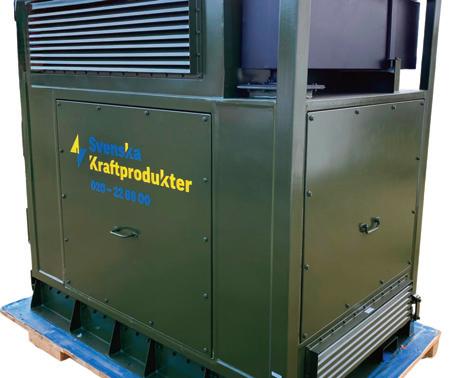
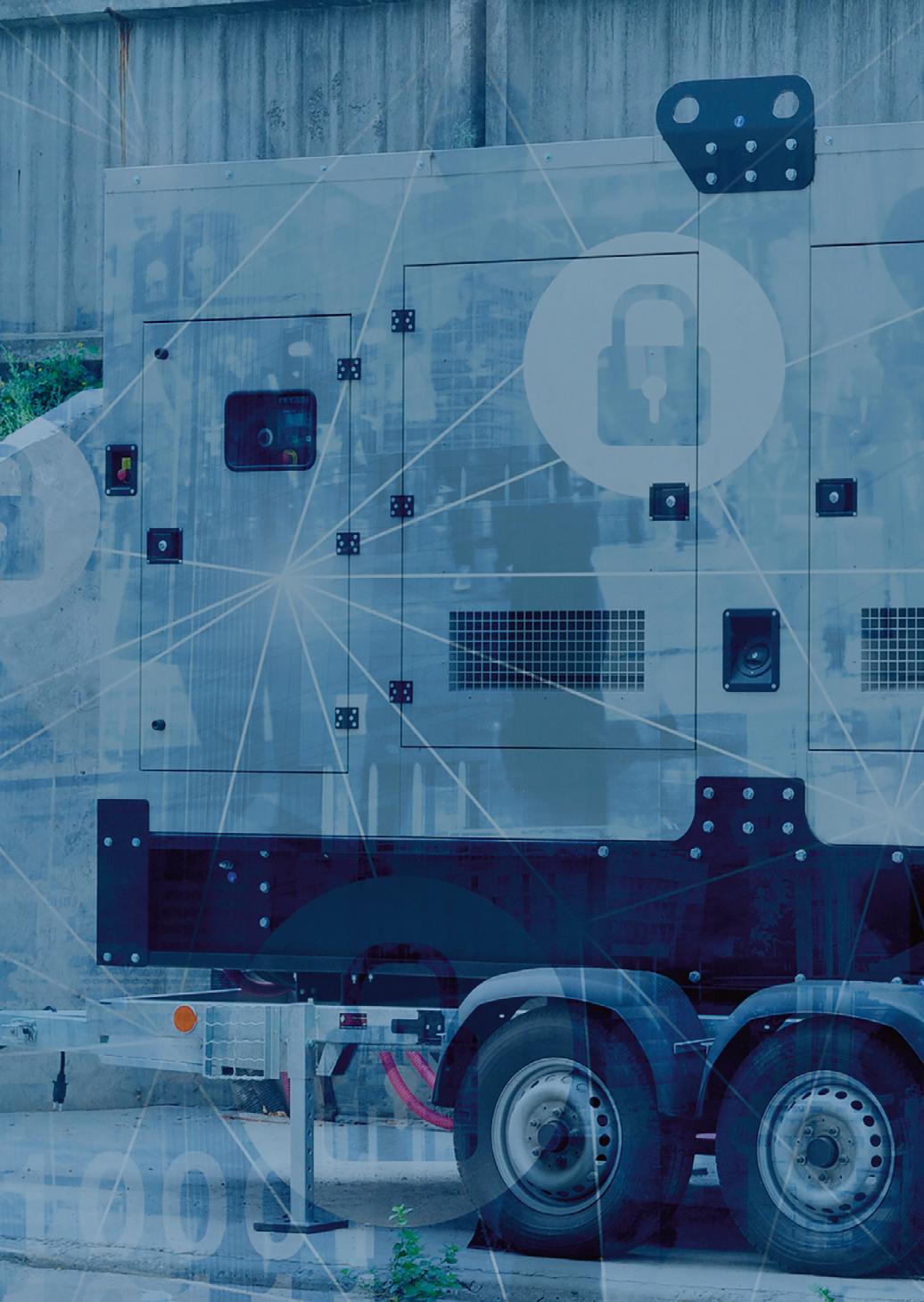
Portable and stationary generators support everything from communications and surveillance to life-support systems in deployed environments. In recent years, these systems have evolved from standalone units into connected assets, integrated with digital monitoring and control platforms. This development offers clear operational advantages, but it also introduces cybersecurity risks that must be carefully managed.
Many of our customers see significant value in connecting their generator systems. Remote monitoring allows operators to track performance in real time, optimize fuel consumption, and plan maintenance more efficiently. Predictive servicing reduces downtime and ensures that critical equipment remains operational when it is needed most. In complex and dispersed operations, the ability to oversee multiple units from a central location can greatly improve both responsiveness and resource allocation.
At the same time, connectivity creates new points of exposure. Each interface, whether through wireless communication, satellite links, or internal networks, can potentially be
exploited if not properly secured. Power generation systems were not always designed with cybersecurity as a primary consideration, and this is still evident in some legacy installations. Weak authentication, outdated software, and unsecured communication protocols remain common issues.
The risks are not limited to data breaches. A compromised generator system can have direct operational consequences. Unauthorized access could disrupt power supply, alter system behavior, or in worst cases cause physical damage to equipment. In a military context, even a temporary loss of power can have serious implications for mission effectiveness and personnel safety.
Addressing these challenges requires a pragmatic and structured approach. Strong access control is fundamental, ensuring that only authorized personnel can interact with the system. Software and firmware must be kept up to date, and all unnecessary services or interfaces should be disabled. Encryption of communication channels helps protect against interception, while network segmentation limits the potential spread of an intrusion.

It is also important to recognize that cybersecurity is not a one-time effort but an ongoing process. Regular risk assessments, monitoring of system activity, and clear operational procedures are essential components of a resilient setup. Equally, personnel must be aware of the risks associated with connected systems and trained to follow established security practices.
The increased use of connected generators reflects a broader trend towards digitalization in military logistics and infrastructure. The benefits are clear, and for many users they are already indispensable. However, these advantages must always be weighed against the risks. With the right safeguards in place, it is possible to achieve both operational efficiency and a high level of security. Without them, the same connectivity that enhances capability can become a vulnerability.
In an era where global logistics and offshore dependencies pose increasing risks to national security projects, HMG Paints is doubling down on UK Defence Supply Chain Resilience.
By leveraging its Manchester-based manufacturing headquarters. HMG is providing the UK defence market with unprecedented speed of supply, elite technical support, and a robust alternative to international sourcing.
As prime contractors and the Ministry of Defence (MOD) increasingly prioritise supply chain security, HMG Paints has emerged as a critical partner for OEMs and Specifiers. By maintaining all research, development, and production within the UK, HMG eliminates the "offshoring risk" that has recently hampered the availability of mission-critical coatings.
“The feedback from the field is clear: the industry needs more than just a product; it needs a resilient partner,” commented Alan Sharples, Defence Sales Manager for HMG Paints. “We are working closer than ever with OEMs to ensure that UK-made equipment is protected by UK-made coatings, removing the volatility of international lead times and ensuring that projects stay on track, no matter the global climate.”
HMG’s "Agile Manufacturing" model allows for a level of responsiveness that remains unmatched in the sector. HMG maintains deep stocks of key products, including the vital Def Stan 80-225 system, the IRR and CARC resistant coatings utilised on many defence assets.
While many competitors quote weeks for delivery, HMG offers fast nationwide shipping, frequently assisting customers with same-day delivery to resolve urgent production bottlenecks and assist when demand surges.



As a proud family business that for over 95 years has prided itself on developing partnerships, customers deal directly with HMG, ensuring that technical queries and orders are processed without the delays of a multi-country distribution network where orders can often take months rather than days.
The transition to modern and performance coating systems such as Def Stan 80-225 (replacing 80-206, 80-207, 80-208, and 80-209) requires more than just new paint; it requires technical expertise. HMG’s specialist team provides hands-on support to help engineers navigate, IRR (Infra-Red Reflective) and CARC (Chemical Agent Resistant Coating) specifications and Environmental Compliance. By working closely with
customers HMG ensure they can provide the exact coatings requirements for a customer performance requirements including coatings which are Chrome VI-free or even low VOC requirements without sacrificing performance.
Additionally, HMG have a large portfolio of defence coatings which are easy to identify via their ever popular coatings guide and can even assist specifiers, OEM’s and refinishers with NSN (NATO Stock Number) identification and codification for new equipment.
HMG’s Defence Specialist Team will be showcasing their latest innovations in coatings resilience and technical application at two of the industry's most significant events; DVD 2026 in September 2026 taking place at UTAC Millbrook – Stand C3MO8 and DSEI UK 2027 between 7th and 10th September 2027, ExCeL London – Stand N4-102
Attendees are encouraged to visit the stands to discuss how HMG can de-risk their paint and coating supply chains through JOSCAR-accredited, British-made solutions.
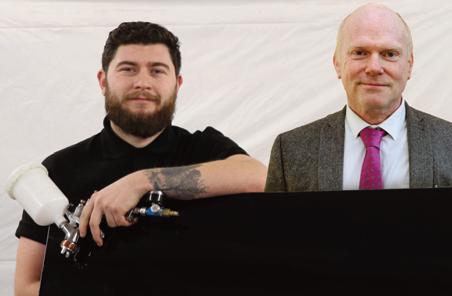
HMG Paints’ commitment to the UK goes beyond its Made in Britain accreditation. By renewing its JOSCAR (Joint Supply Chain Accreditation Register) status, HMG continues to provide a streamlined, pre-qualified procurement route for the aerospace, defence, and security sectors. From tactical vehicles and armour to bridges and containers, HMG’s coatings are engineered for durability and delivered with the speed that modern defence demands. These additional accreditations stand alongside their existing ones for ISO 9001, ISO 14001, Cyber Essentials and SMETA to show that HMG has defence companies covered.
To discuss your defence paint and coatings requirements you can contact the HMG Defence team directly via defence@hmgpaint.com or alternatively find out more about the range of Def Stan products and bespoke development services at: www.hmgpaint.com/products/landing/Defence
If you require further information on the press release, please contact:
Stephen Dyson HMG
Paints Communications | 0161 205 7631
sdyson@hmgpaint.com or marketing@hmgpaint.com


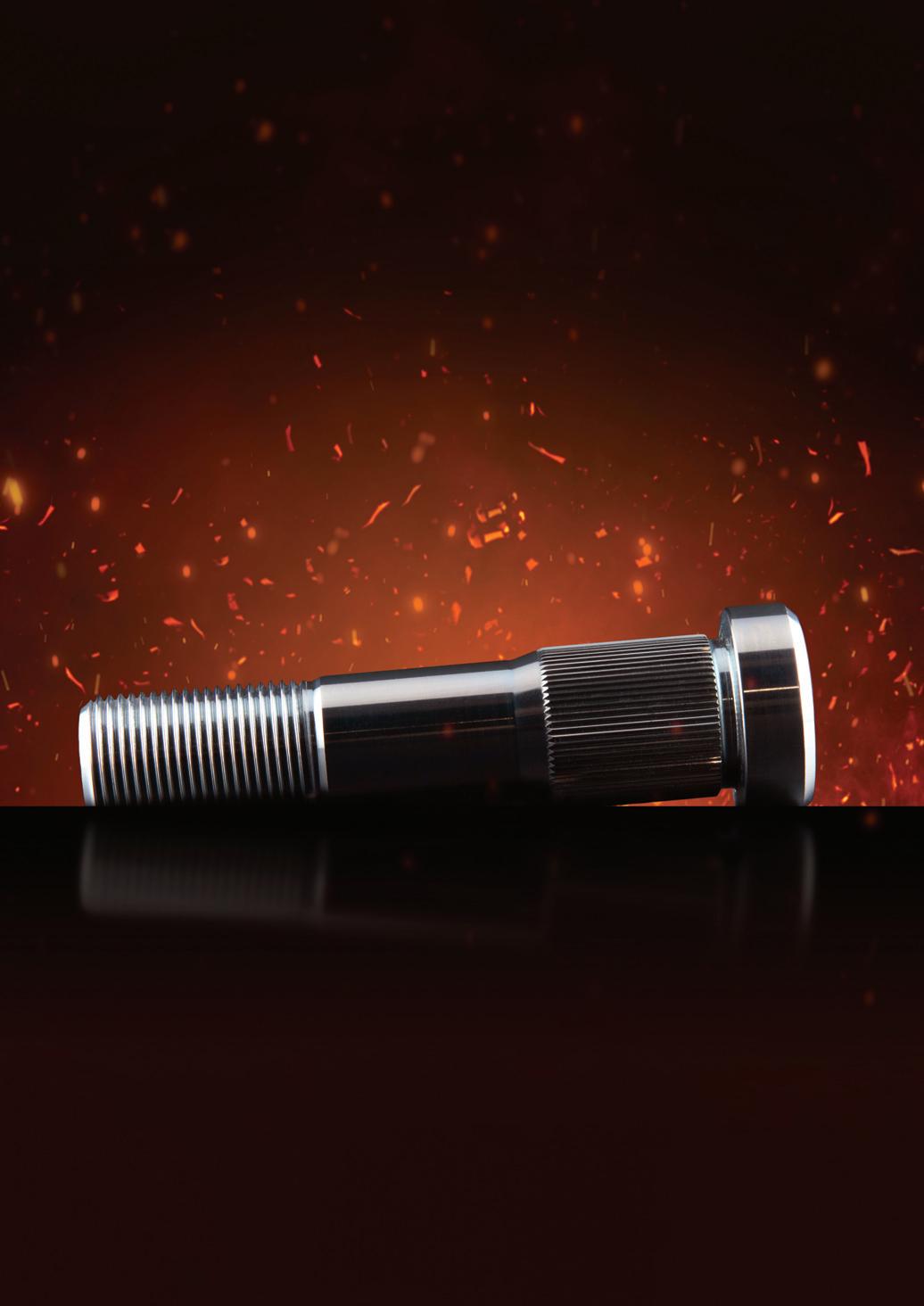
NSSS is a UK Fastener manufacturer producing high end fasteners for use in defence applications where Quality, Reliability and Traceability are paramount. CNC turning, hot forging, a heat treatment facility and onsite testing provides total control over quality and lead times. Established in 1971 we have over 50 years experience of supplying fasteners for the world’s most demanding and critical applications.
Being UK based we can offer quick resolutions to urgent demands with technical support on hand.
We produce a broad range of fasteners using high-grade alloys, stainless, duplex, titanium, brass, and exotic metals sourced from EU mills. Whether manufactured to your drawing or to ISO, DIN, ANSI, or BS standards. Our accreditation to BS ISO 9001:2015 ensures the highest standards in everything we do.
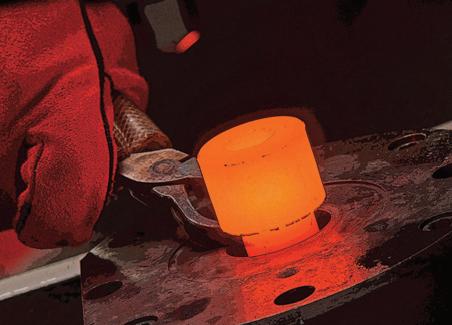
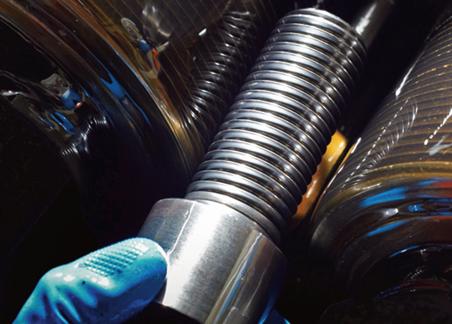
Birmingham Tel: +44 (0) 121 515 0121 London Tel: +44 (0) 1895 430003
CNC Turning: Thread diameters from 2 mm to 64 mm, tolerances to ±0.01 mm.
Hot Forging: Thread diameters from 5 mm to 36 mm, lengths up to 720 mm; head types include socket screws, hex, hex flange, ferry head (12 point), square.
Thread Rolling: Suitable for most imperial and metric thread diameters
Centerless Grinding: Precision down to 10 microns with shoulder tolerances of h8 or f9.
In-House Heat Treatment: Atmosphere-controlled hardening and tempering, computerized control with full data logging.
Quality Assurance: Certificate of Conformity, Mill Certificates, 3.1 Inspection Certificates, PPAP (Levels 1–5), FAIR AS9102.
Plating: Zinc & Passivation (Clear/Yellow/Black), Galvanizing, Geomet®, Delta Protekt®, Xylan®, Aerospace Cad plating (DEF STAN 03-19).
Thread Locking: Patlok®, Tuflok®, Precote®, Eslok®, Anulok®, Wedgelok®.
Online Ordering: User-friendly web shop for quick, hasslefree purchasing.
Worldwide Logistics: From small-box consignments to pallets with EU Regulation 833/2014 & CBAM documentation.

Web: www.nssocketscrews.com
Email: info@nssocketscrews.com
In 2026, the aerospace and defense industry is no longer evolving at a measured pace. It is being rewritten in real time.
Traditional assumptions about warfare, force protection, and sustainment continue to be shattered by the speed of technological change. Across today’s defense landscape, low-cost drones, autonomous systems, counter UAS requirements, predictive maintenance, and distributed manufacturing are no longer future concepts. They are present-day realities shaping procurement, production, and battlefield readiness.
From our vantage point at Advanced Coating in Rancho Cucamonga, California, these changes are not abstract. We see them directly in the expectations of aerospace and defense manufacturers who demand higher performance, faster turnaround, tighter process control, and greater resilience across every link of the supply chain. At the heart of this resilience is a specialized, mission-critical technology: Parylene conformal coating.
As drone technology proliferates and artificial intelligence moves from the battlefield into maintenance operations, production environments and service hangars alike are being transformed. The defense sector is asking more from materials, coatings, electronics, and manufacturing partners than ever before. As Ernest Garcia puts it, “Drones are the biggest battlefield innovation in my generation. The fight back against a drone epidemic is underway. The last two years I’ve seen an explosion of autonomous and first-person-view drones on the battlefield. These are low-cost solutions that have proved capable of delivering major effects, making this technology the weapon of choice.”
That observation matters because these systems are not simple. They may be lighter in weight, but they are increasingly dense with sensors,
circuit boards, connectors, optics, and advanced electronics. Those assemblies must perform in environments defined by vibration, humidity, pressure changes, rain, wind, particulate contamination, and harsh operating conditions. This is where the specific expertise of Advanced Coating becomes a strategic asset.
In Rancho Cucamonga, we specialize in the application of Parylene, a unique polymer that is applied via a vapor deposition process. Unlike liquid coatings that are sprayed or dipped often resulting in "pooling" or uneven thickness Parylene grows at a molecular level. It penetrates the smallest crevices of a high-density circuit board, providing a truly conformal, pinhole-free barrier. For the "low-cost" but "high intelligence" drones Garcia mentions, this means the electronics can survive the transition from a humid jungle to high-altitude cold without a single micro-fissure in their protection.
As Garcia notes, “Warfare is no longer being shaped only by major platforms. It is being reshaped by lightweight, intelligent, low-cost systems that can be produced faster, deployed wider, and adapted in real time. That puts enormous pressure on the electronics inside those systems to perform flawlessly in unforgiving environments."
In the aerospace world, weight is the enemy of range and payload. Traditional silicone or epoxy coatings can be heavy and bulky, sometimes interfering with the delicate RF signals required for autonomous navigation. Advanced Coating’s Parylene solutions offer a distinct advantage: they provide superior dielectric strength and environmental isolation at a fraction of the thickness of other materials.
Because Parylene is applied in a vacuum chamber, it coats uniformly over sharp edges and inside tiny holes. This level of precision is mandatory for the modern aircraft systems designed to be cheap enough to lose but reliable enough to win. If a sensor, board, or communication system cannot maintain integrity under vibration, moisture, altitude, and thermal stress, then the mission is already at risk before the platform ever reaches the field. At Advanced Coating, we ensure that the "intelligence" inside these systems remains uncompromised, regardless of the theater of operations.

For high-reliability aerospace and defense electronics, protection cannot come at the expense of function. The ideal coating solution must be thin, uniform, lightweight, and capable of protecting sensitive assemblies without materially affecting signals, fit, or performance. As systems become more compact and more exposed to harsh environments, the margin for error continues to shrink.
That is why engineering discipline and process repeatability matter so much at our Rancho Cucamonga facility. We don't just "apply" a coating; we engineer a barrier. Our process begins with rigorous surface preparation and masking, ensuring that only the components requiring protection are coated, while keeping critical connection points clean. Working with top-tier defense manufacturers, we see firsthand that the next generation of airborne and autonomous electronics requires coating processes that are both technically precise and operationally dependable. Protection must be consistent across complex geometries and sensitive electronic assemblies. Whether it is an ultra-miniature PCB for loitering munition or a complex satellite communication array, the Parylene applied at Advanced Coating acts as an invisible, weightless suit of armor.
Just as important, the broader defense industrial base is shifting away from older assumptions about centralized, just in time supply chains. The future is moving toward surge capacity, resilient domestic production, and more flexible industrial support. Production capability and repair capability are steadily moving closer to the point of need.
Advanced Coating is a vital node in this new, resilient American supply chain. By maintaining a world class facility in California, we provide domestic aerospace partners with the "surge capacity" required in modern conflict. When a manufacturer needs to scale production of a new counter-UAS system or a fleet of autonomous underwater vehicles (AUVs), they cannot afford to wait for overseas logistics. They need a partner in their own backyard who understands ITAR, CMMC compliance, AS9100 and NADCAP quality standards, and the sheer urgency of defense timelines.
Garcia summarizes the modern mindset clearly: “In today’s defense environment, protection is not just about survivability. It is about preserving performance.”
At Advanced Coating, we believe that the coating is the final, most critical step in the manufacturing journey. You can design the most advanced AI processor in the world, but if it fails due to salt-fog corrosion or a stray conductive particle, the technology is worthless. So why trust just anyone with this task?
As we look toward the remainder of 2026 and beyond, the role of Advanced Coating in the national defense landscape will only grow. We are not just a service provider; we are the guardians of the hardware that keeps our nation secure. By perfecting the application of Parylene, we allow engineers to dream bigger, build smaller, and deploy faster. The next era of aerospace is here. It is fast, it is autonomous, and it is incredibly demanding. At Advanced Coating, we are ready to protect it… one molecule at a time.
www.AdvancedCoating.com
Rancho Cucamonga, California 800-722-1444 | International Programs Supported


Avant Electronics Limited is a UK-based supplier specialising in electronic components for aerospace, defence, and other high-reliability industries, with a strong focus on quality, traceability, and rapid sourcing.
Emerging defence technologies such as AI-powered drones, quantum computing, autonomous robotics, and soldier-worn AR are transforming military capability. These systems rely on advanced components that are often scarce, with long lead times and increasing global demand.
At the same time, many defence platforms require long-term support, creating continued demand for obsolete and end-of-life (EOL) components. This dual pressure supporting both cutting-edge innovation and legacy systems is placing strain on supply chains.
Avant Electronics supports organisations by sourcing both leading-edge and hard-to-find components through a global network of vetted suppliers. Operating to AS9120 and ISO 9001 standards, all parts are rigorously inspected and fully traceable.
By reducing delays and ensuring continuity of supply, Avant helps defence and aerospace organisations maintain operational readiness in an increasingly complex market.
Modern defence capabilities are being shaped by a new wave of advanced technologies, each placing unique demands on electronic component sourcing:
Unmanned systems are becoming increasingly autonomous, using artificial intelligence to perform surveillance, targeting, and decision making tasks with minimal human input. These platforms rely on high-performance processors, sensors, and communication modules many of which are cutting-edge and in high demand.


While still emerging, quantum computing has the potential to revolutionise cryptography, intelligence analysis, and simulation. Defence organisations investing in this space require highly specialised components, often produced in limited volumes with complex supply requirements.
From logistics support to battlefield operations, autonomous robotic systems are reducing risk to human personnel. These systems depend on a wide range of electronic components, including motion control systems, embedded processors, and advanced connectivity solutions.
Next-generation soldier systems are incorporating AR for navigation, targeting, and real-time data visualisation. These wearable technologies demand compact, ruggedised, and highly reliable electronic components capable of operating in extreme environments.

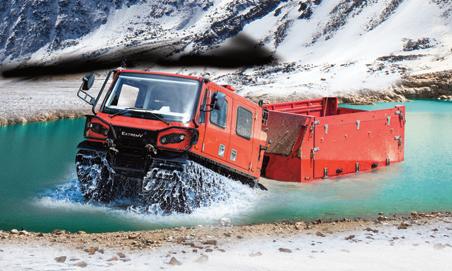
Once considered a distant and largely inaccessible frontier, the Arctic is now rapidly emerging as a critical arena for global competition and national security. With temperatures rising at nearly four times the global average, previously ice-bound routes are opening, revealing new shipping lanes and untapped natural resources. These developments are reshaping geopolitical dynamics and elevating the importance of sustained presence in the High North.
For Canada, this shift has sharpened the need for dependable, year-round operational capability in the region. Ensuring Arctic sovereignty now hinges on deploying systems specifically engineered to perform in some of the harshest conditions on earth.
At the heart of Canada’s response is the Domestic Arctic Mobility Enhancement (DAME) programme. More than a simple replacement for the aging BV206 fleet, DAME is designed to deliver a modern, scalable mobility solution that meets operational demands while supporting national industrial and alliance priorities.
The programme envisions up to 170 amphibious, highly mobile vehicles capable of carrying a full infantry section and sustaining autonomous missions for up to 72 hours in austere Arctic environments. Rather than focusing on highly specialised configurations, DAME prioritises adaptability, durability, and consistent performance.
This creates a unique opportunity for industry to deliver not only vehicles, but a fully integrated solution that combines mobility, digital systems, mission capabilities, and long-term sustainment.
Operating in the Arctic requires more than rugged equipment—it demands platforms purpose-built for extreme cold, uneven terrain, and limited infrastructure. The ExtremV platform, assembled and integrated in Canada by Roshel, reflects this approach. Built on the proven Bronco articulated all-terrain vehicle lineage, it offers a dual-cabin design connected by an articulating joint, allowing enhanced traction and stability across snow, ice, muskeg, and soft terrain.
Its modular rear compartment supports rapid reconfiguration for multiple missions, including troop transport, command

operations, logistics support, and medical evacuation. This versatility enables a single platform type to perform multiple roles while reducing logistical burden.
Cold-weather readiness is embedded as a baseline feature. Systems such as reliable engine cold starts, enhanced cabin heating, robust insulation, de-frosting capabilities, and hardened electronics ensure both operational reliability and troop safety during prolonged sub-zero deployments.
In the Arctic, mobility alone is not sufficient. Vast distances, sparse infrastructure, and limited communications require platforms to function as connected, intelligent nodes within a broader operational network.
ST Engineering contributes deep expertise in command-andcontrol systems, battlefield management, and secure communications. Through digital integration, platforms gain capabilities such as sensor fusion, real-time ISR feeds, and mobile command functionality—enhancing decision-making at the tactical edge.
Designed to align with NATO standards, these systems support interoperability with allied forces. Importantly, digital upgrades provide a cost-effective way to modernise capability without the risks often associated with large-scale procurement programmes.
The demands of Arctic missions place a premium on endurance and independence. By integrating advanced mission systems— such as resilient power management, cold-adapted propulsion solutions, and beyond-line-of-sight communications—ST Engineering enhances the operational reach of mobility platforms. When combined with C4ISR capabilities, vehicles such as the ExtremV evolve into more than transport assets; they become fully functional command-and-control nodes. This transforms the operational model from isolated vehicles to an interconnected system capable of supporting complex, distributed missions across the Arctic.
ST Engineering’s role within DAME is structured to complement Canadian leadership. Acting as a technology partner and systems integrator, the company focuses on mission modules, subsystem integration, and targeted upgrades to existing fleets.
This approach enables incremental capability enhancements while mitigating programme risks. By modernising legacy systems alongside new acquisitions, it supports operational continuity and maximises value for the Canadian Armed Forces (CAF).
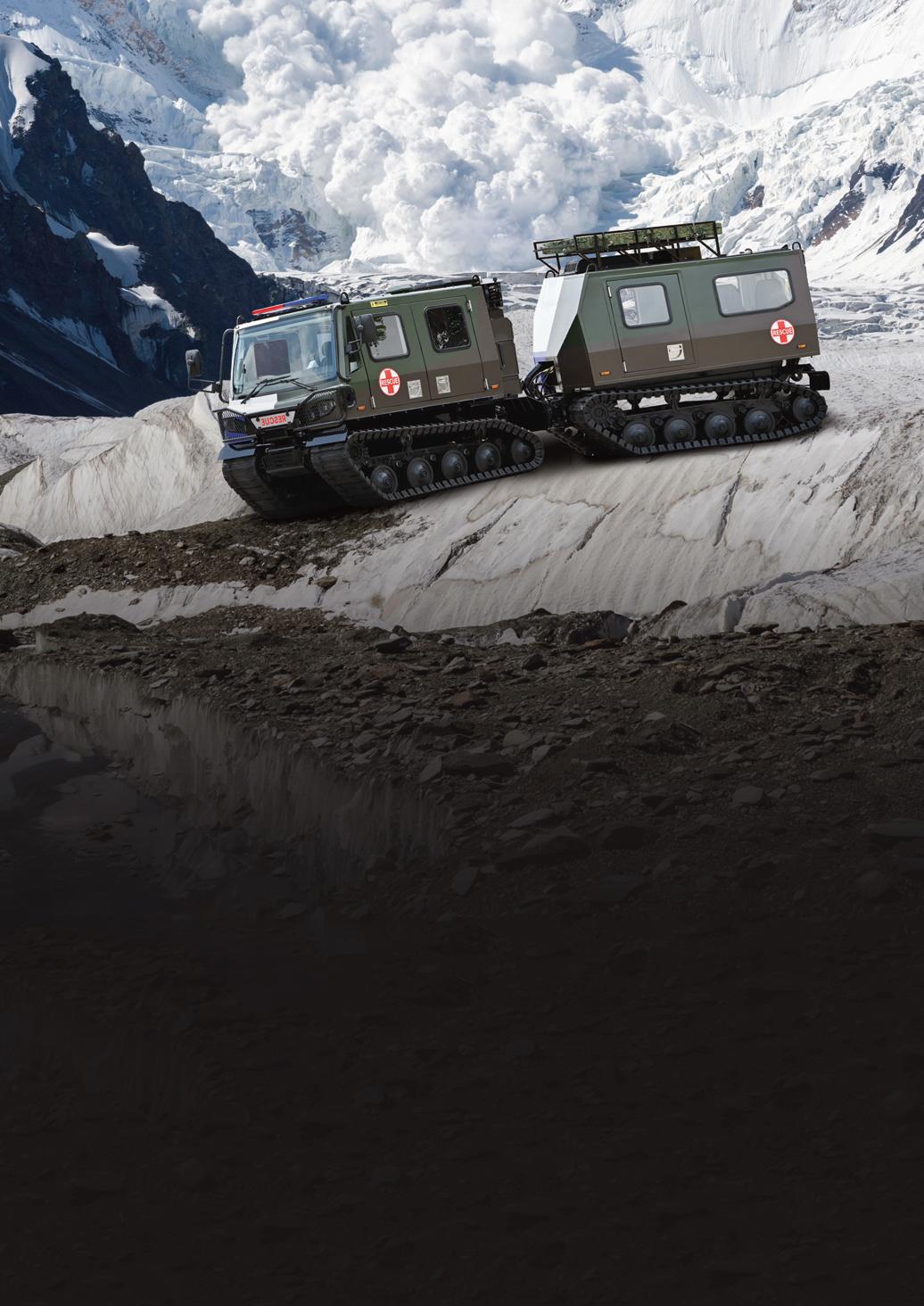
A defining feature of DAME is its emphasis on domestic industrial participation. Under Canada’s Defence Industrial Strategy and Industrial and Technological Benefits framework, the programme aims to strengthen national capabilities while delivering operational readiness.
As the Canadian prime contractor, Roshel leads manufacturing, integration, and sustainment activities within Canada. This ensures strong domestic content, resilient supply chains, and job creation. The inclusion of Indigenous-owned businesses further reinforces economic development in northern communities. Collaboration with Kinetics Drive Solutions (KDS), ST Engineering’s Canadian subsidiary, supports localisation of advanced technologies such as powertrain systems and Arctic mobility expertise. Through structured technology transfer, these partnerships help build sovereign intellectual property tailored to Canadian needs.
Given the long service life of military platforms, sustainment is a critical consideration. ST Engineering incorporates supportability from the outset through condition-based maintenance, digital fleet monitoring, and comprehensive training and data transfer. Delivered by Roshel within Canada, this model enhances responsiveness, reduces dependence on overseas supply chains, and supports operational sovereignty while keeping lifecycle costs under control.
The combined strengths of Roshel and ST Engineering align closely with DAME’s objectives. Their approach rests on four key elements: Canadian-led production and sustainment, a proven Arctic-capable platform, advanced digital integration, and reduced programme risk through established engineering expertise.
Environmental stewardship is also addressed through low ground-pressure designs that minimise impact on fragile Arctic ecosystems.
DAME represents far more than a fleet replacement initiative. It is an opportunity to establish a resilient, scalable Arctic capability rooted in Canadian industry and enhanced by global expertise. By embracing modular systems, prioritising sustainment, and integrating digital technologies from the outset, Canada is positioned to strengthen its sovereignty, support allied operations, and maintain stability in an increasingly contested region. In doing so, DAME sets the foundation for a modern Arctic force—one that is capable, connected, and built for the future.
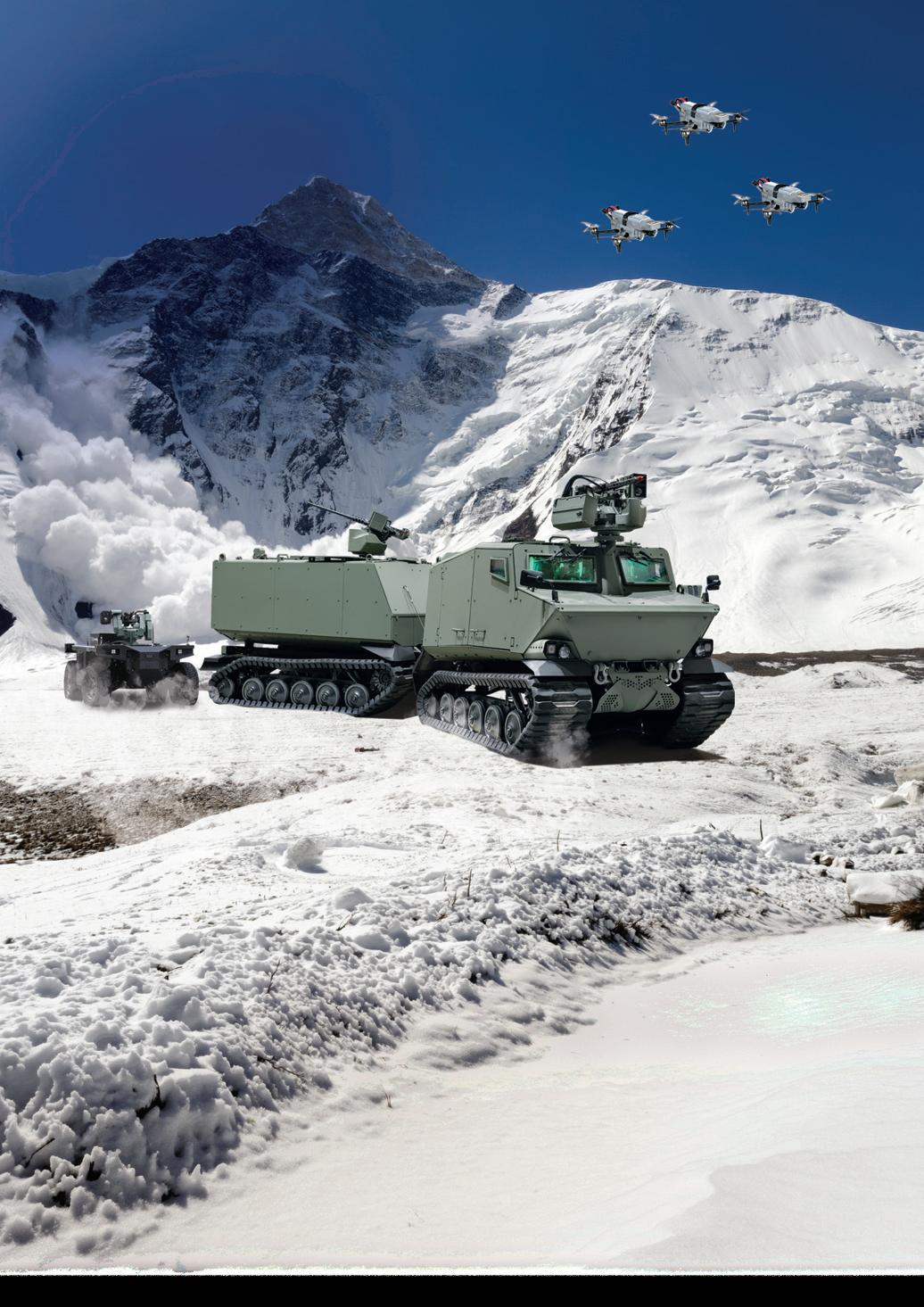

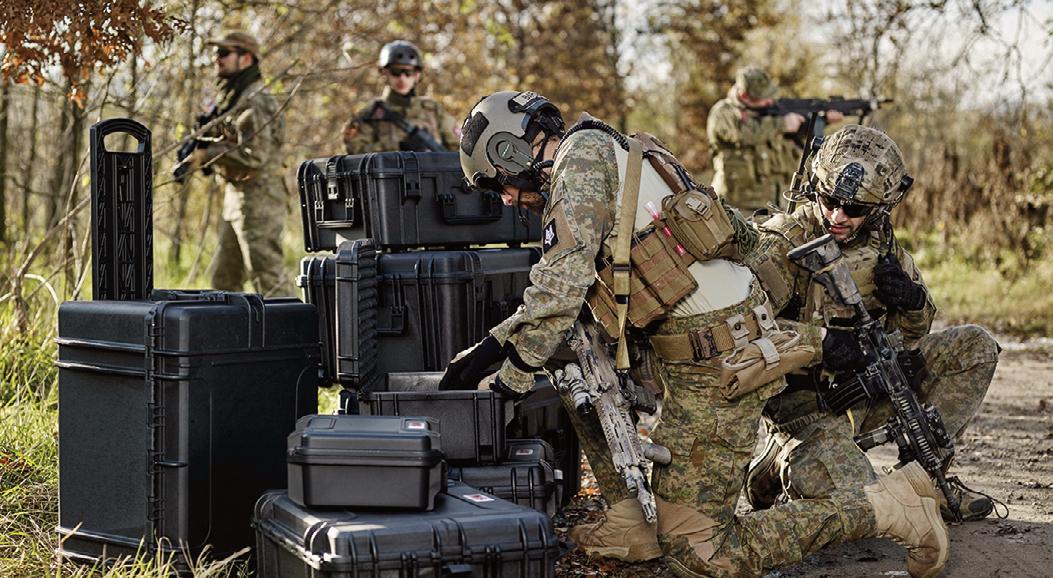


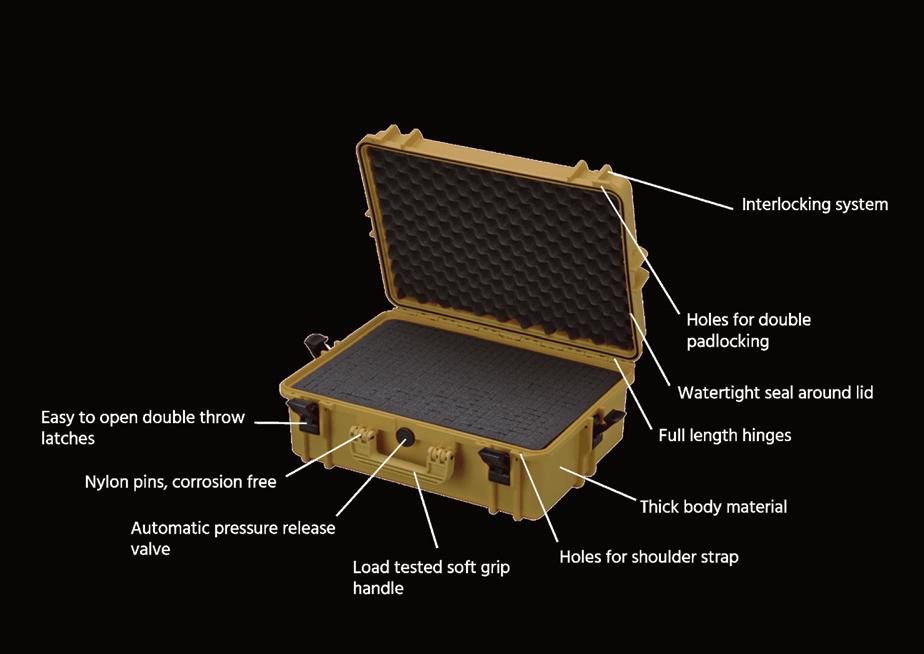
: info@tri昀bre.co.uk : +44 (0)116 232 3166 : tri昀bre.co.uk






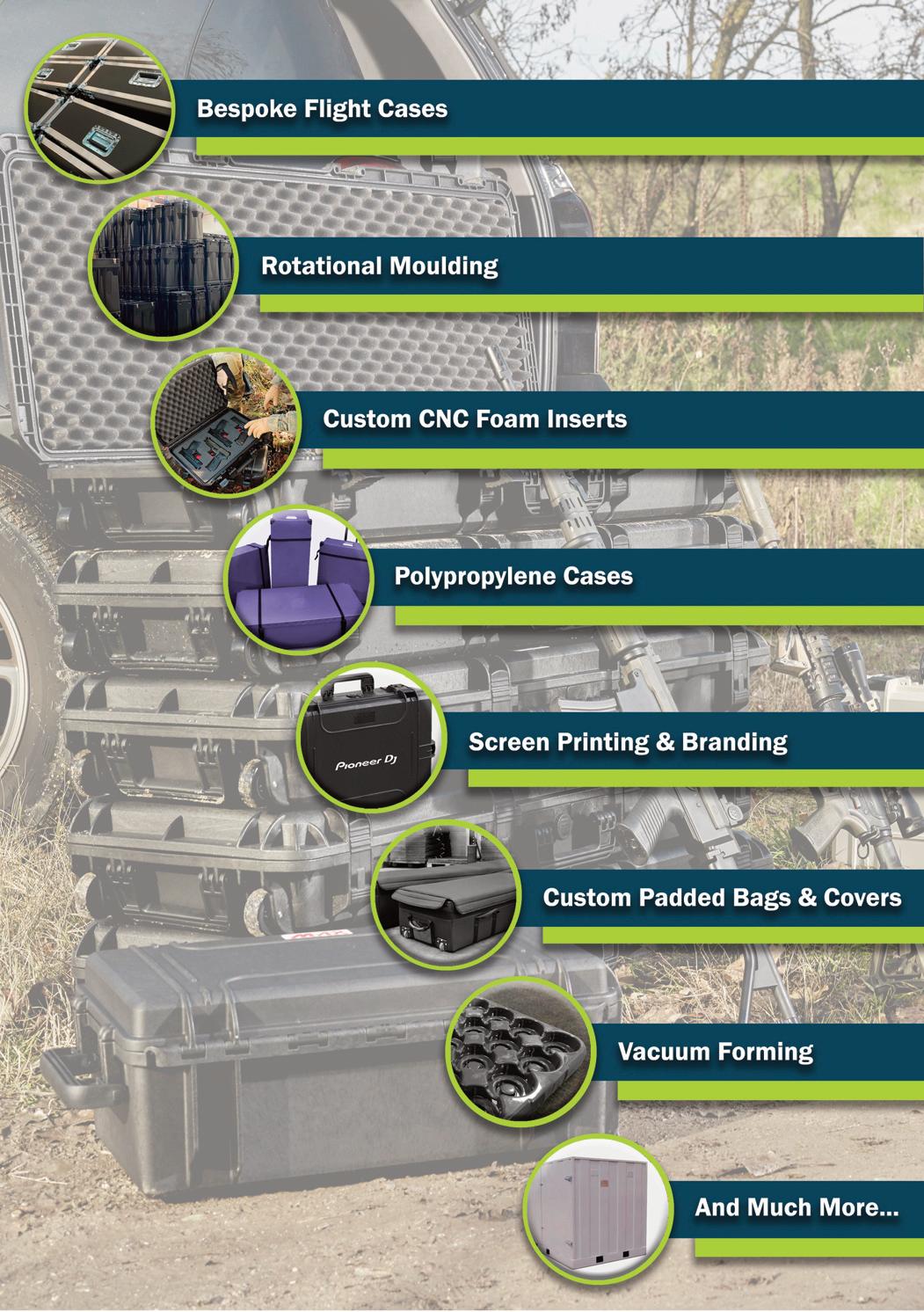
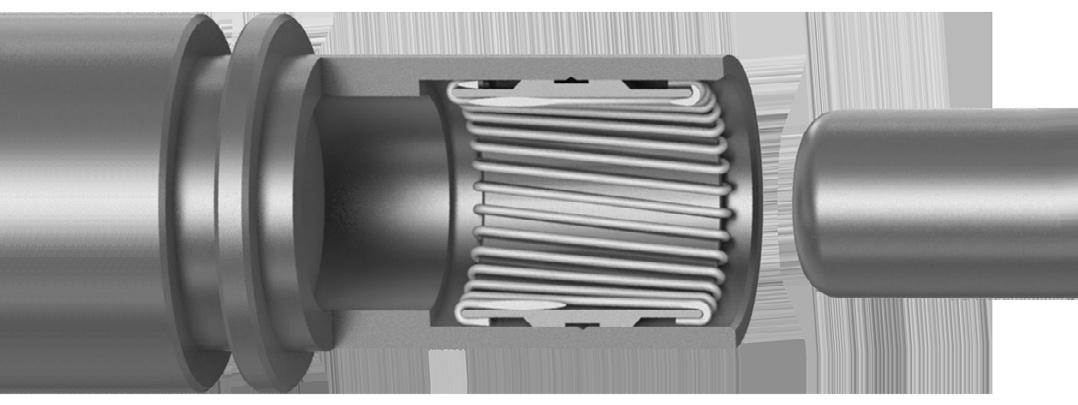
Batteries sit at the heart of modern electrical architecture, enabling electrification at scale.
Batteries don’t just store energy—they enable cleaner operations, lower environmental impact, and a practical pathway to tomorrow’s low carbon future. That’s why battery systems are not optional addons; they are core to the infrastructure for the energy transition.
Across applications in aerospace and defence, rail, and mining, battery system architectures look different — but one component is always common: the power connector. Different applications operating in different environments, different duty cycles, but a shared dependency on the same fundamental interface. And as system power and current levels increase, this commonality exposes a fundamental technical vulnerability – power loss.
The Challenge
As battery systems scale in power and current, the connector becomes a critical stress point. Figure 1 shows the key mechanisms at play with the electrical contacts in the power connector.
Figure 1 - Mechanisms in play within the electrical contact
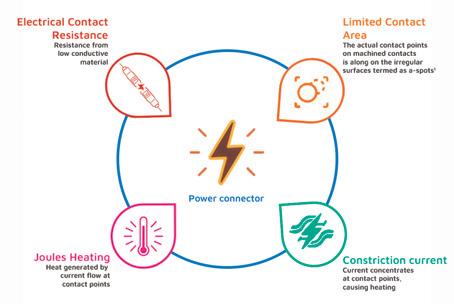
It starts with electrical contact resistance of the contacts. Even when using highly conductive materials, resistance exists at the interface between mating surfaces. That challenge is compounded by limited contact area. Contacts don’t touch uniformly resulting in current flow through microscopic contact spots, known as a-spots. This means current is naturally constricted into very small areas resulting in constriction current. This leads directly to Joule heating - heat is generated precisely at those contact points where current density is highest due to constriction.
If the physics was not enough unforgiving at the electrical contacts’ interface in a power connector, the challenges are exacerbated by contaminant films, thermal cycling, vibration, and material degradation, which are commonly present where the connectors are operating. As shown in Figure 2, these interplays reduce the amount of energy transferred.
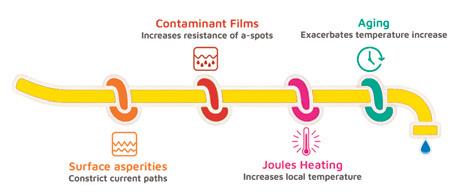
Figure 2 – Issues that exacerbate and limits power connector’s performance
The electrical contact resistance Rc is expressed as: ����
The constriction current is made worse by contaminant films—such as oxides, dust, or residues from the operating environment. These films further increase the resistance of the microscopic contact points - a-spots, which further limit effective current flow and therefore increasing the constriction resistance. The constriction resistance for a single circular contact spot can be approximated as: ��������������������������
Where ρ is the material resistivity and a is the radius of the contact spot.
As requirements for current increases, the current density at these micro-contacts due to constriction rises sharply. This leads directly to Joule heating, expressed by:
This is the critical problem, because heating scales with the square of the current, any increase in current — or any degradation in contact quality—causes a rapid temperature rise. As temperature increases, resistivity (ρ(T)) rises, which further increases Rc. This creates a loop: higher temperature leads to higher resistance, which leads to even more heating, expressed by: ��(��)=��0(1+��(�� ��0)
Over time, these effects compounded by aging, due to thermal cycling, vibration, and material degradation exacerbate temperature rise and resistance growth, leading to long term instability in connector performance — often before other parts of the battery system reach end of life.
So, when we ask whether the connector is the weakest link, the
physics tells us clearly: In high power electrified systems, connectors are not passive components — they are thermally and electrically active elements that directly limit reliability, efficiency, and scalability. That is why connector design — contact geometry, material selection, surface treatment, and force management — are becoming just as critical as design of the battery cells themselves.
So, while connectors may look small passive components, in high current electrified systems they are active reliability drivers. Addressing contact resistance, managing heat, and maximizing effective contact area is essential if we want battery systems that are not just powerful — but safe, durable, and scalable across demanding applications.
Multi-point 360° contacts distribute current across many parallel contact paths, increasing the effective contact radius and therefore reducing constriction resistance:
Where a is the radius of the contact spot.
Hypertac Green Connect™ as seen in Figure 3, is a lead-free and beryllium -free, hyperboloid, multipoint, 360° contact system designed to deliver low electrical resistance, superior current carrying capability, and exceptional mechanical robustness. By combining a high conductivity, high strength copper alloy body (90% IACS or International Annealed Copper Standard) with a hyperboloid socket cage formed from novel high conductivity wires, Hypertac Green Connect™ addresses the classic trade-off between conductivity and mechanical integrity — outperforming brass-based contacts (limited by lower conductivity) and pure copper contacts (limited by lower mechanical strength). While pure copper offers excellent conductivity, it lacks the yield strength and fatigue resistance required for rugged, high vibration environments.
The Hypertac Green Connect™ alloy preserves high conductivity while providing the mechanical rigidity and wear resistance necessary for long life performance.
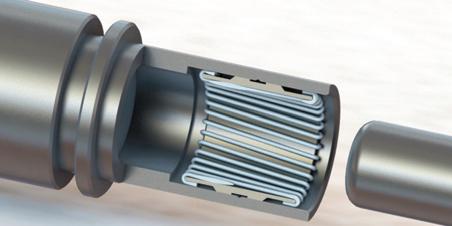
Unlike stamped contact technologies that attempt to emulate a hyperboloid geometry it exhibits higher electrical contact resistance due to limited true contact area and spring uniformity, the Green Connect™ technology employs individually formed, high conductivity wires in a genuine hyperboloid arrangement. Benefits include - lower contact resistance, enhanced thermal behaviour, improved vibration resilience and stable performance over life.
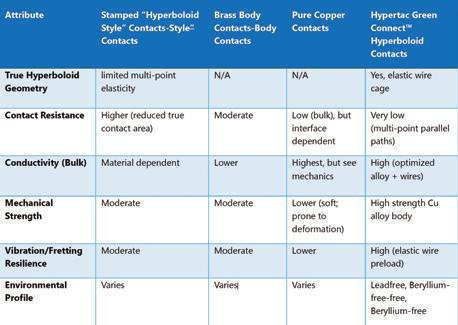
The HPB connector series with the Hypertac Green Connect™ technology has been designed to handle greater currents with minimal losses due to Joules heating while maintaining safety and durability under extreme operating conditions.
The connector is available in 300 Amp and 400 Amp variants, both rated at 1500 volts DC, enabling its integration into modern high voltage architectures. Beyond continuous operation, the HPB connector series contact system supports robust peak current capability (see Figure 4), offering peak ratings of 500 Amp for 210 seconds in the 300 Amp version and up to 1000 Amps for 90 seconds in the 400 Amp variant for 55°C temperature rise. Such elevated peak capabilities are critical in applications characterised by transient high current events at part of a standard duty cycle profile, such as traction acceleration, or inverter load steps – where system integrity must be upheld without exceeding temperature rise limits or jeopardising connector durability.
In addition to electrical performance, the HPB connector series places strong emphasis on safety, most notably through the inclusion of a High Voltage Interlock (HVIL). HVIL serves as an active safety mechanism that integrates with the system’s control architecture to prevent the connector from being energised during mating or
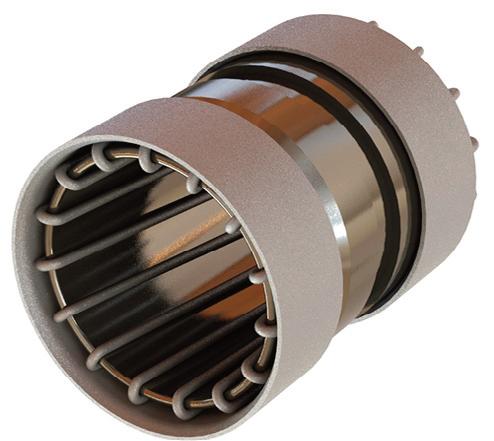
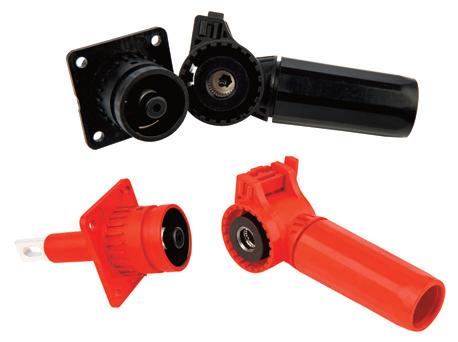

become essential to ensure that high voltage connection and disconnection events are carried out with maximum safety.
Another major advantage of the HPB connector series is its compact design. By combining low contact resistance with high current carrying-carrying efficiency, the connector enables meaningful miniaturization without compromising performance. A smaller connector footprint enables system designers to downsize associated power cables, reduce harness weight, and optimise packaging volumes where space and weight savings translate directly into improved system efficiency and cost savings.
The mechanical resilience of the HPB connector series ensures suitability for rugged, high stress environments. Designed to PD3 (pollution degree) performance expectations and sealed to IP67 when mated, the connector offers substantial protection against dust, moisture, vibration, and mechanical shock. For industries such as railway transportation, heavy industrial machinery, and defence applications where operational environments are harsh and equipment downtimes are costly, this resilience contributes directly to improved system reliability and lifecycle performance.

The HPB connector series stands out as a next-generation high power interconnect solution engineered for high performance, safety, and sustainability. Its combination of hyperboloid 360° contact geometry, high continuous and peak current capability, HVIL safety integration, rugged mechanical design, and compact form factor allows it to address the full spectrum of challenges associated with modern highpower electrical systems operating in arduous environments. For designers seeking to optimize both technical performance and lifecycle value, HPB connector series provides an advanced, reliable, and forward-looking solution.

Proven performance in harsh environments: designed to meet PD3 standards with IP67 ingress protection.


High peak currents for long duration.
Maximum reliability on temperature rise.

Unmatched protection: double locking system, HVIL and padlock-ready cover.
Low power consumption with Hypertac Green ConnectTM contact.

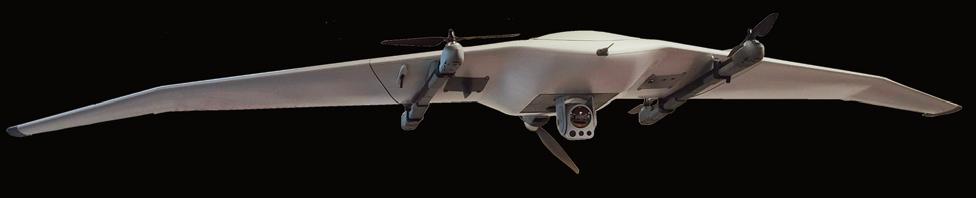

Eurosatory 2026 in Paris; the global defence and security community gathers to explore what is next.
New platforms, new technologies, and new ideas will all be on display. But for many visitors, the real question remains unchanged: how do you ensure that systems work when conditions are at their worst?
For Nedinsco, that question has defined more than a century of engineering. Throughout the entire week, the Dutch electro-optics specialist will be present to demonstrate how it continues to translate real operational challenges into dependable, field-proven solutions.
Because in defence, performance is never about specifications alone. It is about what works when visibility
Instead of beginning with components, the process begins with the operational problem itself.
When engaging with customers, discussions are not centred on megapixels or sensor ranges. They focus on the platform, the mission, and the gaps in current capability. What is not working today? What must work tomorrow? Only once those questions are fully understood does the engineering begin.
This problem-first mindset is what visitors to Eurosatory will encounter. Not a catalogue of products, but a set of solutions shaped by real operational needs.
One of the defining challenges in modern defence systems is integration. Sensors, software, and mechanical systems must operate as a single, coherent unit. When

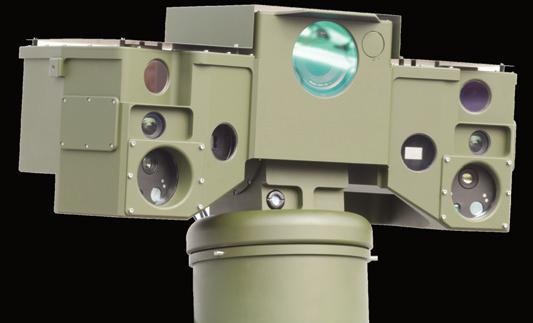

platform architecture from the start. This ensures that performance is not only achieved, but sustained under operational conditions.
At Eurosatory, this philosophy will be reflected in the systems on display, including back-up sights, boresight systems, driver vision enhancement cameras, stabilised electro-optical payloads, advanced camera solutions, and precision motion platforms.
Rather than functioning as standalone components, these solutions are engineered as part of a fully integrated system architecture, ensuring reliability where it matters most.
In dynamic environments, stability is everything. Sensors mounted on moving platforms must deliver clear, usable imagery regardless of motion, vibration, or terrain.
Nedinsco’s advanced Pan & Tilt Platforms are engineered to meet exactly these demands. Designed and manufactured in-house, these systems combine rugged mechanical construction with advanced gyro-stabilisation and precise motion control.
The role of such platforms goes far beyond simple positioning. They serve as the foundation for situational awareness and targeting accuracy. Whether acting as a commander’s sight, a gunner’s system, or a surveillance payload, their ability to maintain stability directly impacts mission effectiveness.
At Eurosatory, visitors will see how these platforms maintain performance even under demanding conditions. High power-to-weight ratios, compact designs, and flexible configurations allow them to be deployed across a wide range of applications, from armoured vehicles to naval systems.
Equally important is adaptability. Programmable control parameters enable systems to be fine-tuned to specific mission requirements. This flexibility ensures that performance is not fixed, but tailored.
Multi-Sensor Clarity in Complex Environments
Operational environments rarely present clear, ideal conditions. Instead, they exist in “grey zones” where visibility is compromised and traditional imaging approaches fall short.
One of the recurring challenges for ground vehicles, for example, is achieving reliable 24-hour vision. Daylight cameras struggle in low light, while thermal systems alone may lack context. Switching between feeds increases cognitive load and reduces situational awareness.
Nedinsco addresses this by combining multiple sensor types into a single, coherent output. Through careful integration and image processing, operators receive one unified view rather than multiple disconnected streams. This approach is not about adding more data. It is about delivering the right information in a usable form.
At Eurosatory, this focus on clarity will be central. Demonstrations will highlight how fused sensor systems improve perception and reduce operator workload, particularly in complex and rapidly changing environments.
As ISR-systems evolve, the volume of videodata continues to grow. Human operators cannot realistically process everything in real time. This creates a new challenge: how to extract actionable insight without overwhelming the user.
Nedinsco’s integration of AI-driven capabilities addresses this directly. By embedding intelligent processing within the sensor payload itself, detection, classification, and tracking can be performed at the edge.
The key, however, is not the presence of AI, but its usefulness. Systems must deliver reliable results under real conditions, not just in controlled demonstrations. This is why validation plays a critical role. Technologies are tested in the environments where they will actually be used: in heat, in cold, in dust, and under operational pressure.
Nedinsco’s solutions are deployed across a wide range of domains, each with its own unique challenges.
On land, systems must endure vibration, shock, and harsh environmental conditions while maintaining clarity and precision. On unmanned platforms, size, weight, and power constraints add further complexity. At sea, saltwater exposure and constant motion demand exceptional durability and stability.
Despite these differences, the underlying principle remains consistent: systems must work reliably in the environments for which they are designed.
From stabilised sensor systems for vehicles to modular payloads for unmanned platforms, the emphasis will be on solutions that are both adaptable and robust.
Defence platforms are long-term investments. Programmes often span decades, during which requirements evolve and technologies advance.
Nedinsco designs its systems with this reality in mind.
Modularity is a core principle, enabling components to be upgraded, replaced, or adapted over time. A camera developed for one platform can be reconfigured for another. New sensors can be integrated without redesigning the entire system.
This approach extends beyond hardware. Software updates and ongoing support ensure that systems remain relevant and effective throughout their lifecycle.
At Eurosatory, this long-term perspective will be a key theme. Solutions are not presented as static products, but as evolving capabilities that can adapt alongside operational needs.
One of the factors that consistently distinguishes successful defence programmes is the quality of collaboration between stakeholders.
Nedinsco positions itself not simply as a supplier, but as a partner. By engaging early, contributing to system design, and remaining involved throughout the lifecycle, the company ensures continuity and alignment.
This continuity has tangible benefits. It reduces integration risks, shortens development timelines, and ensures that systems remain aligned with operational realities.
For visitors at Eurosatory, this partnership approach will be clearly visible.
Conversations are expected to go beyond product specifications, focusing instead on challenges, requirements, and long-term objectives.
At its core, electro-optical technology is not about sensors, platforms, or algorithms. It is about enabling better decisions.
In high-pressure situations, the ability to see clearly and interpret information accurately can make the difference between success and failure. Systems must provide not just data, but understanding.
Nedinsco’s work is ultimately focused on this outcome. By combining precision optics, stabilised mechanics, advanced electronics, and intelligent processing, the company delivers systems that enhance situational awareness and support decision-making.
This is the message that underpins its presence at Eurosatory 2026.
Throughout the entire exhibition week in Paris, Nedinsco will welcome visitors to explore its latest developments and discuss how its solutions can be applied to real-world challenges.
From advanced Pan & Tilt Platforms to integrated multisensor systems and AI-enabled capabilities, the focus will remain consistent: delivering performance where it matters most.
Because in the end, it is not about seeing everything. It is about seeing what matters, when it matters. And that is what defines mission success.
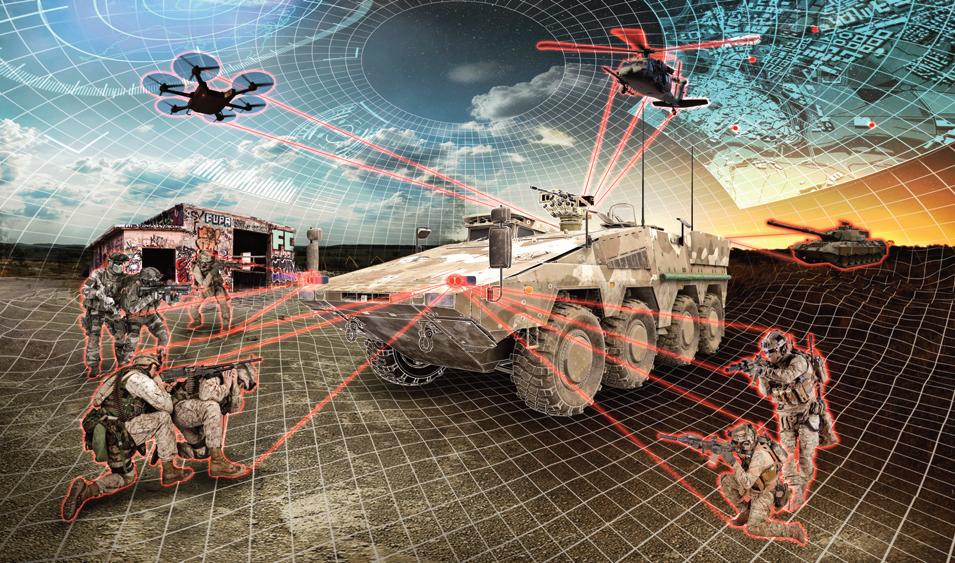


See what we’ve been up to >

Since 1961, Greenray Industries has been a preferred provider of precision, high performance reference sources to many of the world’s leading Military, Defense and Industrial manufacturers.
Our critical design and manufacturing innovations enhance product performance and reliability, and our quartz crystal oscillators help RF engineers realize their unique frequency control solutions.
Our latest T1354 Series TCXO features 100 krad (Si) TID and ultra low acceleration sensitivity in a rugged, hermetic package. It is ideal for LEO and MEO apps, high orbit transponders and RF telemetry systems.
For performance, precision and reliability on the ground, in the air, and beyond – call +1 717-766-0223 and talk to a frequency control expert today.



It is also about the point at which the original environment used to develop, build, and verify that software is no longer available or supported. This is on top of changes in the execution environment, new use cases, and security fixes.
Obsolescence is driven by a "perfect storm" of four factors:
1.Environment Shifts: The way systems are used evolves, with more connectivity, more inputs, and different use cases.
2.Hardware Shifts: Modern silicon has a much shorter lifecycle than the equipment it inhabits. When a processor reaches end of life, hardware needs to be replaced, and software needs to be ported, triggering a massive re-verification effort.
3.Toolchain Evolution: Compilers and Integrated Development Environments (IDEs) evolve. If you need to fix a bug ten years into a program, can you still run the exact version of the compiler used for the original certification?
4.The Human Element: The "grey-out" of institutional knowledge is real. When the engineers who wrote the original Ada or C code retire, they take the "why" behind the design with them.
The risks of ignoring obsolescence are primarily financial and regulatory. Under functional safety guidelines such as DO-178C, any change to the software, even a minor patch, requires evidence that it hasn't compromised safety.
If your toolchain is obsolete and can no longer be used, you cannot simply "re-run" the tests. You may find yourself forced into a full-scale recertification effort that can cost millions of dollars. Organizations often underestimate this, leading to a technical debt that eventually becomes a barrier to necessary security updates or functional improvements.
"Software obsolescence isn’t just a maintenance issue; it’s a strategic challenge that needs to be addressed from the very beginning of a program."
Currently, many organizations rely on "frozen" environments, keeping ancient laptops or virtual machines alive just to maintain a specific toolchain. They expect to be able to re-hydrate these environments if and when needed. This is a costly and risky strategy, with risk always present. This risk needs to be quantified and carried as a continuous business risk.
Another way to mitigate that risk is to rely on a third party to provide Long-Term Support (LTS) for the technology that the environment relies on. This removes a major headache for the team, allowing it to focus on creating differentiating value rather than worrying about worst-case scenarios. Fixed cost, stable planning, and stability are key. By choosing stable, well-supported languages and tools that offer long-term qualification artifacts, companies can ensure they have a path forward for 20 years, not just 20 months.
Continuous Assurance Requires Deep Automated Verification
Automation and continuous assurance are other factors in derisking a program. Rigorous automation, to the extent that a program's assets can always be considered in line with the certification evidence, provides an escape hatch in case an unforeseen event happens. It is much easier to migrate a program with fully automated test and verification assets from one technology base to another. It significantly shortens the recertification timeline and reduces cost.
• Automate Regression Testing: Makes it easier to prove that a hardware or technology swap didn't break the software.
• Reuse Evidence: Strategic verification allows teams to carry over certification credits from previous versions, significantly reducing the cost of updates.
The combination of shift-left and memory safety moves safety obligations from individual developers to the compiler or interpreter, ensuring that security is a structural component of the code rather than an afterthought.
The impact of memory-safe languages on software obsolescence is significant. While a memory-safe language is a programming language like any other, the final program artifact is less susceptible to memory-related bugs such as buffer overflows or use-after-free. These are the types of issues that are frequently the root cause behind the need to issue emergency patches when using more traditional, unsafe languages like C or C++. When code is more secure, it is less
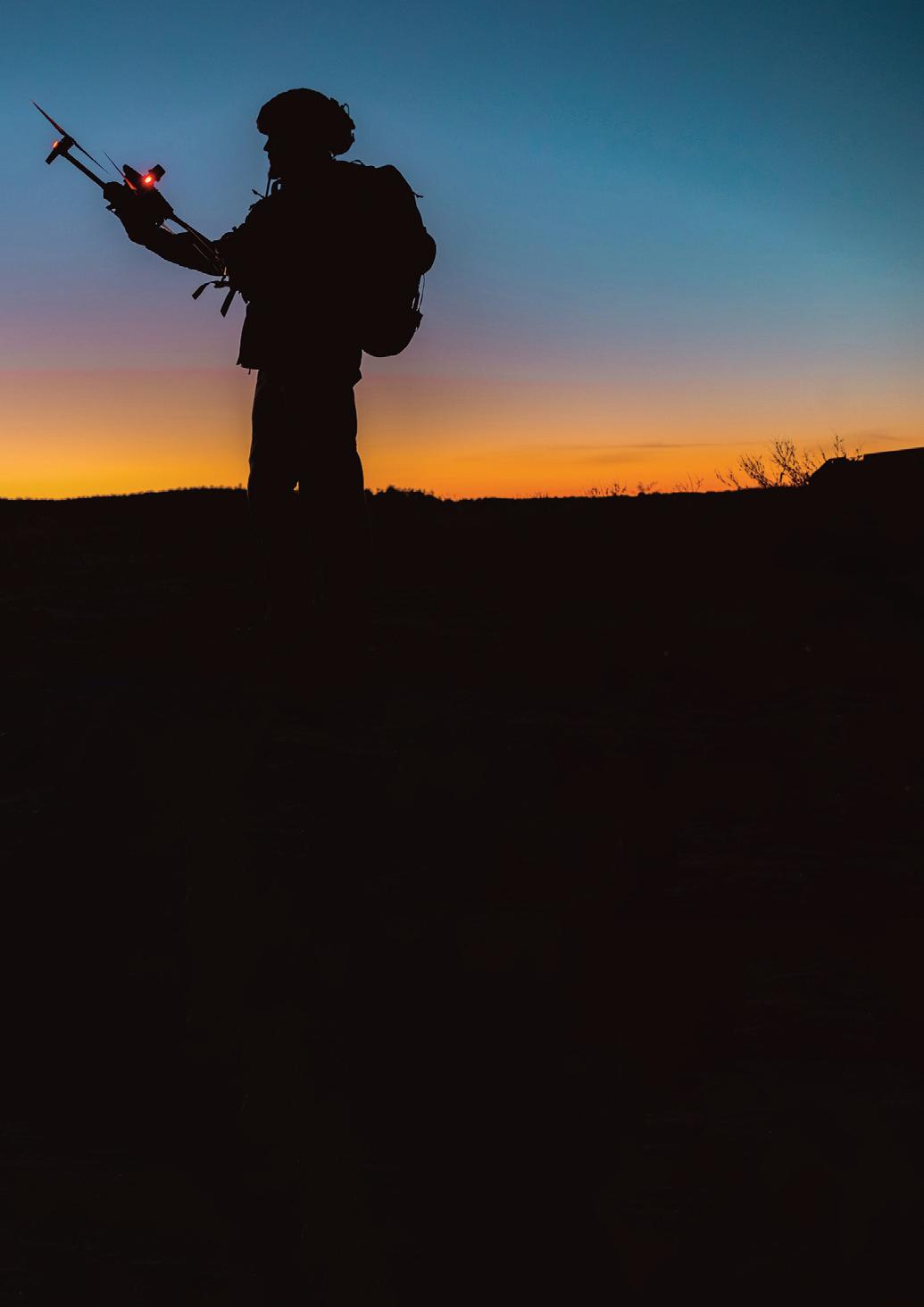
likely to become "brittle" or unpatchable (a key sign of obsolescence), allowing it to serve its purpose for much longer.
Memory-safe languages can also modernize legacy systems as part of a multi-language approach. Replacing older, unsafe components with memory-safe code, or starting new projects in them, extends the lifespan of the software and makes it easier to comply with modern security standards.
The future of managing obsolescence lies in "shifting left"; addressing verification and sustainability at the start of the requirements phase rather than at the end of development. Shift left security testing means that the team takes security seriously from the beginning, less security issues in fielded software, hence less obsolescence.
Furthermore, by incorporating shift left and thinking about verification and sustainability from the beginning, you can increase automation and better pivot when needed.
If you are starting a new program today, the experts' advice is clear: begin with the end in mind. Design your software architecture, choose your toolchains with the assumption that the world will look very different in 2045, and don't try to boil the ocean, build where you have differentiating value, partner where others can provide greater value. In the future, the most valuable asset won't just be the code that works, but the environment that keeps it working.


AEI Systems, the British medium-calibre gun specialist and a core company of SYS Group, will participate in EUROSATORY 2026, one of the world’s leading defence and security exhibitions, where the company is expected to further strengthen its position within the global mediumcalibre weapons market.
Following increasing international demand and recent successful engagements across Europe, the Middle East and Asia-Pacific regions, AEI Systems will present its flagship 30x113mm VENOM LR cannon system together with integrated Remote Controlled Weapon System (RWS) solutions developed by fellow SYS Group company UNIROBOTICS. Unlike traditional exhibition participation focused on a single static display, VENOM LR will appear across four separate exhibition stands throughout EUROSATORY 2026. The system will be integrated onto both land and naval platforms, demonstrating the weapon’s exceptional flexibility and ease of integration across multiple operational environments.
In addition to being showcased at the CANiK stand, the system will also
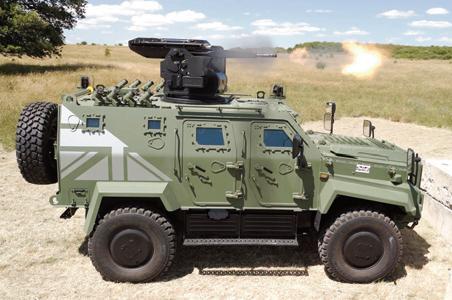

appear on several partner and integrator platforms, underlining the growing international interest in VENOM LR as both a domestic requirement solution for the United Kingdom and an increasingly important defence export product.
AEI Systems further confirmed that, following EUROSATORY 2026, the company will continue its international engagement programme through its sponsorship participation at CCS 2026 where VENOM LR and associated integrated solutions are expected to play a central role in future operational discussions and live capability demonstrations.
VENOM LR – The Next Generation Medium-Calibre Solution for Modern Warfare
At the centre of the AEI Systems presentation will be the 30x113mm VENOM LR revolver cannon, designed and engineered in the United Kingdom to address the evolving requirements of modern warfare and future unmanned operations.
VENOM LR has rapidly emerged as one of the most attractive mediumcalibre systems for next-generation unmanned and remotely operated platforms due to several key operational advantages:
• Adjustable rate of fire over a wide range
• Low recoil
• High accuracy
• Low energy consumption
• Lightweight integration
• High platform flexibility
The low recoil load allows integration onto a wide range of platforms that would traditionally be unable to support medium-calibre weapon systems. These include lightweight tactical vehicles, unmanned ground vehicles (UGV), unmanned surface vessels (USV), naval platforms, Remote Controlled Weapon Systems (RWS) and distributed air defence architectures.
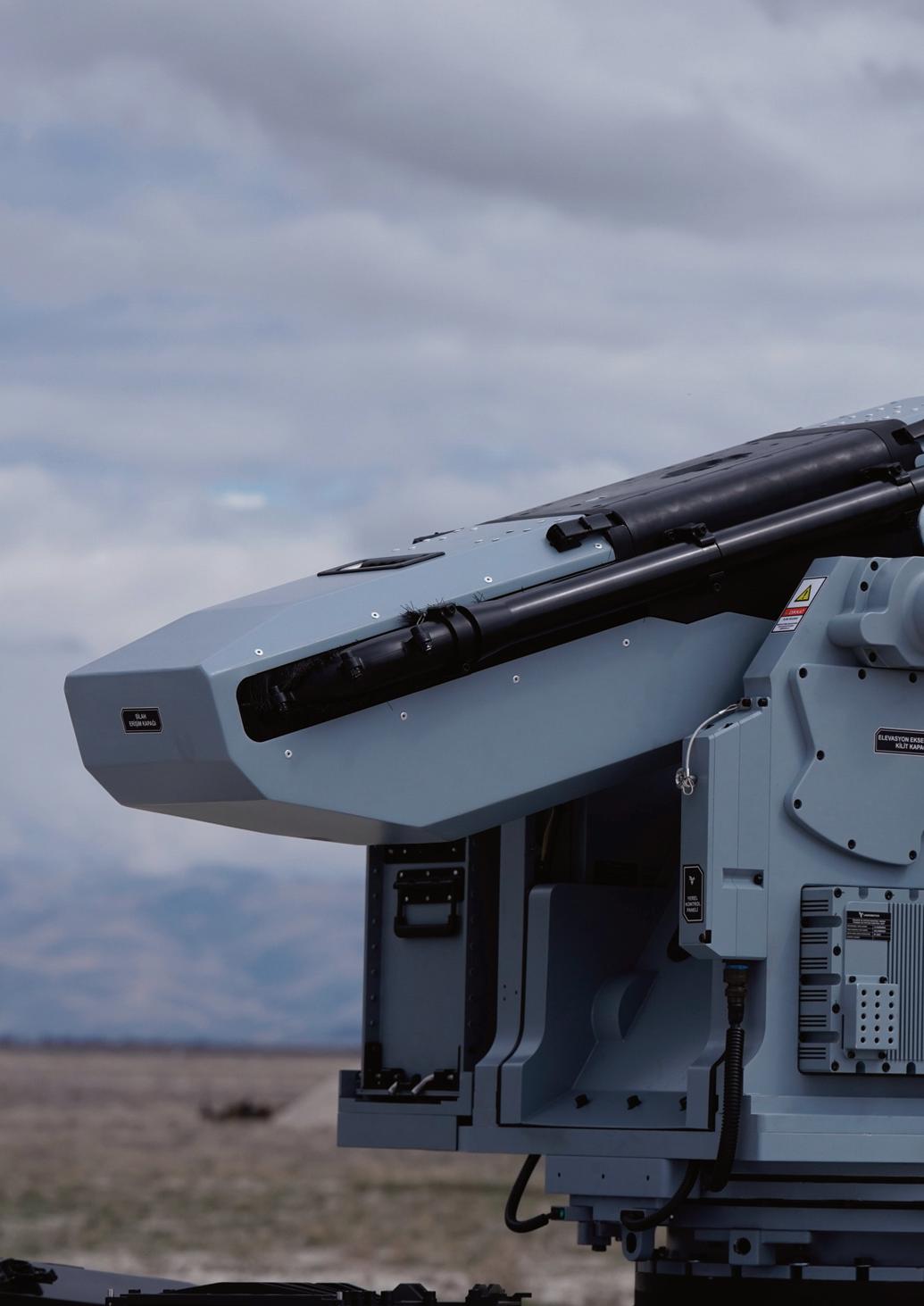
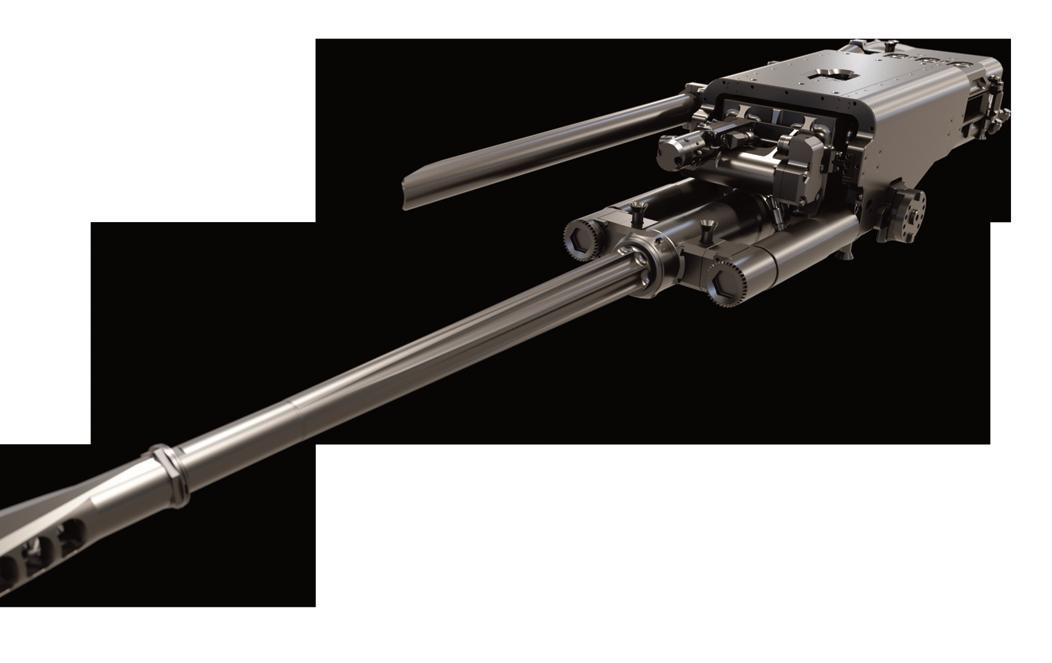
The combination of:
• The VENOM LR adjustable and high-rate firepower,
• The TRAKON 30 advanced stabilisation and tracking capability,
• The ability modern proximity-fused ammunition solutions,
creates an effective, cost-efficient response against emerging aerial threats. These include unmanned aerial systems and asymmetric airborne targets.
This integrated solution is attracting growing international attention from defence authorities and system integrators seeking a scalable and rapidly deployable protection solution for critical infrastructure, military bases and mobile combat formations.
AEI Systems stated that several new agreements and strategic cooperation discussions are expected during EUROSATORY 2026 as international demand for ITAR-free medium-calibre capability continues to increase.
Thanks to its:
• operational flexibility,
• rapid integration capability,
• low lifecycle cost,
• and sovereign supply chain advantages,
VENOM LR continues to position itself as one of the most competitive and future-ready medium-calibre systems available on the international market.
Simon Angel, Managing Director of AEI Systems, commented: “EUROSATORY 2026 represents an extremely important milestone for AEI Systems and the wider SYS Group ecosystem.
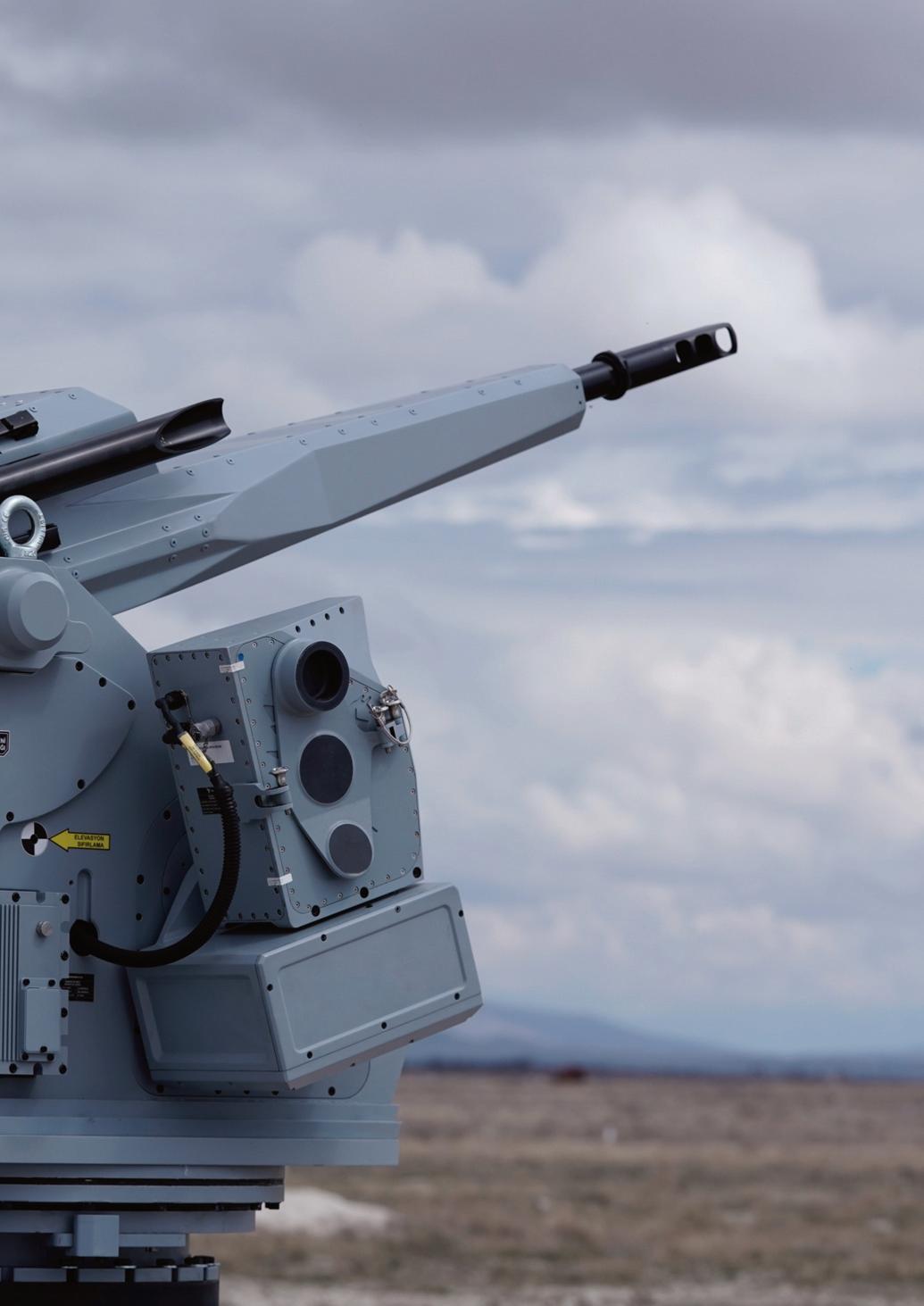
generate excessive recoil forces.
Together with the UNIROBOTICS TRAKON 30 RWS, we are offering not just a weapon system but a complete, scalable operational solution capable of addressing modern battlefield realities, including the rapidly evolving Counter-UAS environment.
We believe EUROSATORY and CCS 2026 will further demonstrate the growing international confidence in British-engineered defence solutions and SYS Group integrated medium-calibre capability.”
AEI Systems is a UK based medium-calibre gun specialist, and a core company within SYS Group, delivering advanced gun systems and integrated firepower solutions for land, sea and unmanned platforms worldwide.
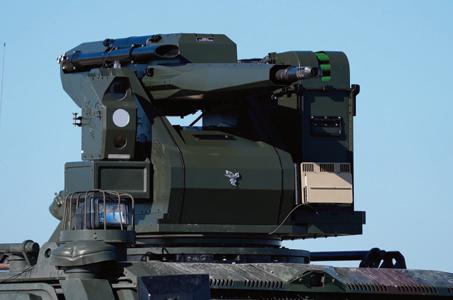
Mission-critical environments demands absolute reliability at every level of engineering.
From military vehicles to weapon systems, components are subject to extreme mechanical stress and continuous dynamic forces. Under these conditions, self-loosening of bolted joints can escalate into catastrophic failure. In the field where maintenance opportunities are limited and failure carries significant consequences, reliable fastening solutions are essential to maintain performance, safety and mission success.
The risk of bolt failures due to self-loosening caused by vibration and dynamic loads is often frequently underestimated. In dynamically loaded assemblies - like in military vehicles, weapon systems, or aerospace
defense applications - the absence of effective locking systems can lead to gradual preload loss and subsequent self-loosening of bolted joints. HEICO-LOCK® Wedge Locking Systems offer various and reliable solutions that prevents self-loosening by maintaining bolt preload forces.
HEICO-LOCK® offers a wide range of innovative bolt locking devices and combination products that covers even the most demanding applications. All products from this series are based on the proven wedge locking principle. The functional principle relies on a two-washer system with radial ribs on the outer surfaces and opposing wedges on the internal surfaces. During tightening, the outer radial ribs imprint into both the underside of the bolt head or nut and the bearing surfaces of the components, creating a locking interface.
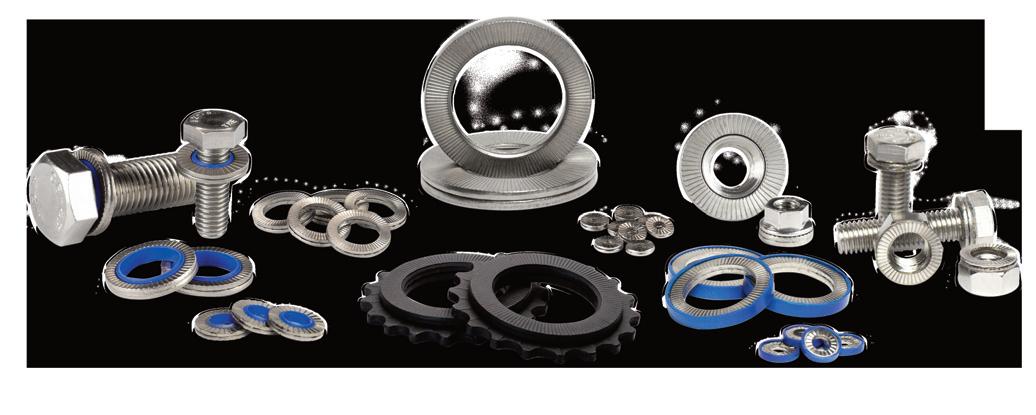
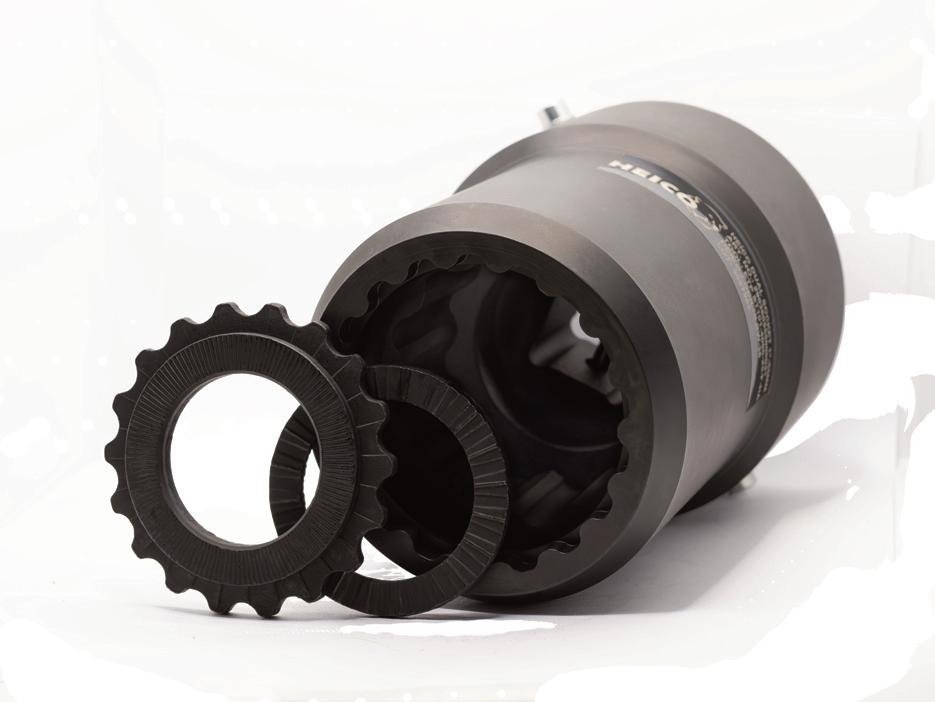
The inner surfaces consist of wedges arranged in opposing orientation. When the joint is subjected to transverse vibration or dynamic shock loading, any tendency for rotational loosening results in a relative displacement between the washer pairs. Due to the angle of the wedges being greater than the thread pitch angle, this displacement is converted into a slight increase of the clamping force rather than a loss of preload.
This is how the HEICO-LOCK® wedge locking washer system ensures that any tendency toward self-loosening is actively counteracted by the geometry of the system itself, maintaining the clamp load stability even under extreme dynamic operating conditions.
In addition to the established wedge lock washers, the German HEICO Group provides a variety of smart product variants and combined fastening solutions - for every application requirement.
The HEICO-LOCK® Combi-Washers offer significant advantages in terms of handling and field usability. The integrated inner plastic ring with small internal tabs enables the washers to be attached easily onto any standard bolt type. This also allows the pre-assembly of bolt and washer.
From an operational perspective, this simplifies the assembly process considerably and reduces the installation time under field conditions. A real advantage in military and maintenance scenarios, where rapid component replacement and high operational readiness are essential.
The HEICO-LOCK® Wedge Lock Nuts, a captive combination of a nut and a wedge lock washer pair, also provide distinct handling advantages. By integrating the locking element directly into the fastener, installation is
HEICO Dual Sockets with HEICO-LOCK® Reaction Washers and HEICO-ONE Safety-Washer
simplified and the risk of assembly mistakes can be reduced. In M14x1.5 - M24x1.5 and 7/8“-11 BSF, this product solution is suitable for wheel fastening applications, providing reliable security for on-road and off-road vehicles.
With the new Reaction Washers, HEICO revolutionizes the tightening of large bolted joints by the use of electric, hydraulic and pneumatic hightorque tools. From nominal size >M24, the required tightening torque typically exceeds what can be applied manually. In these cases, hightorque tools are used for installation and maintenance. Increasingly, high-torque tools are also applied to smaller dimensions, such as M16, particularly where large quantities of identical fasteners are installed.
Conventional high-torque tools require reaction-arms or mounts to absorb counteracting forces during tightening. This force is transferred to surrounding components to stabilize the tool. Despite these supports, serious pinch-point safety risks remain for the worker, e.g. hand injuries, crushing hazards, and tool slippage - even for experienced operators.
The new Reaction Washers enable a reaction-arm free tightening and simultaneous protection against self-loosening of bolted joints.
Special HEICO dual sockets enable compatibility with high-torque tools from most major manufacturers, allowing users to continue using their existing equipment, but now, reaction arms and external supports are no longer required. The reaction force is transferred directly through the gear-shaped outer geometry of the washer within the socket system, ensuring controlled load distribution. This allows the tightening torque to be applied purely axially, avoiding harmful bending moments.
For through-bolt applications where backup wrenches are traditionally required, HEICO has developed the HEICO-ONE Safety-Washer. This friction-based single washer features wave-shaped locking ribs on both sides, which immediately embed into the component surface and bolt head or nut, effectively preventing rotation of the passive side during tightening. This ensures a more accurate and much safer torque tightening process for through-bolt applications.
With significantly safer handling, reduced assembly times, and compatibility with major torque-tool systems, the HEICO-LOCK® Reaction Washers set new standards in advanced fastening technology.
With over 125 years of experience in fastening technology, the HEICO Group manufactures high-performance bolt locking solutions and pretensioning systems for tightening bolted joints.
“Quality made in Germany” has been the guiding principle of the company since its founding. Today, HEICO is recognized as an expert in the field of bolted-joint technology. From its production site in Germany, equipped with state-of-the-art production machinery, 430 employees serve more than 1.400 customers in 76 countries worldwide.
Designed for demanding bolted joints - HEICO-LOCK® Wedge Locking Systems are predestined for military applications
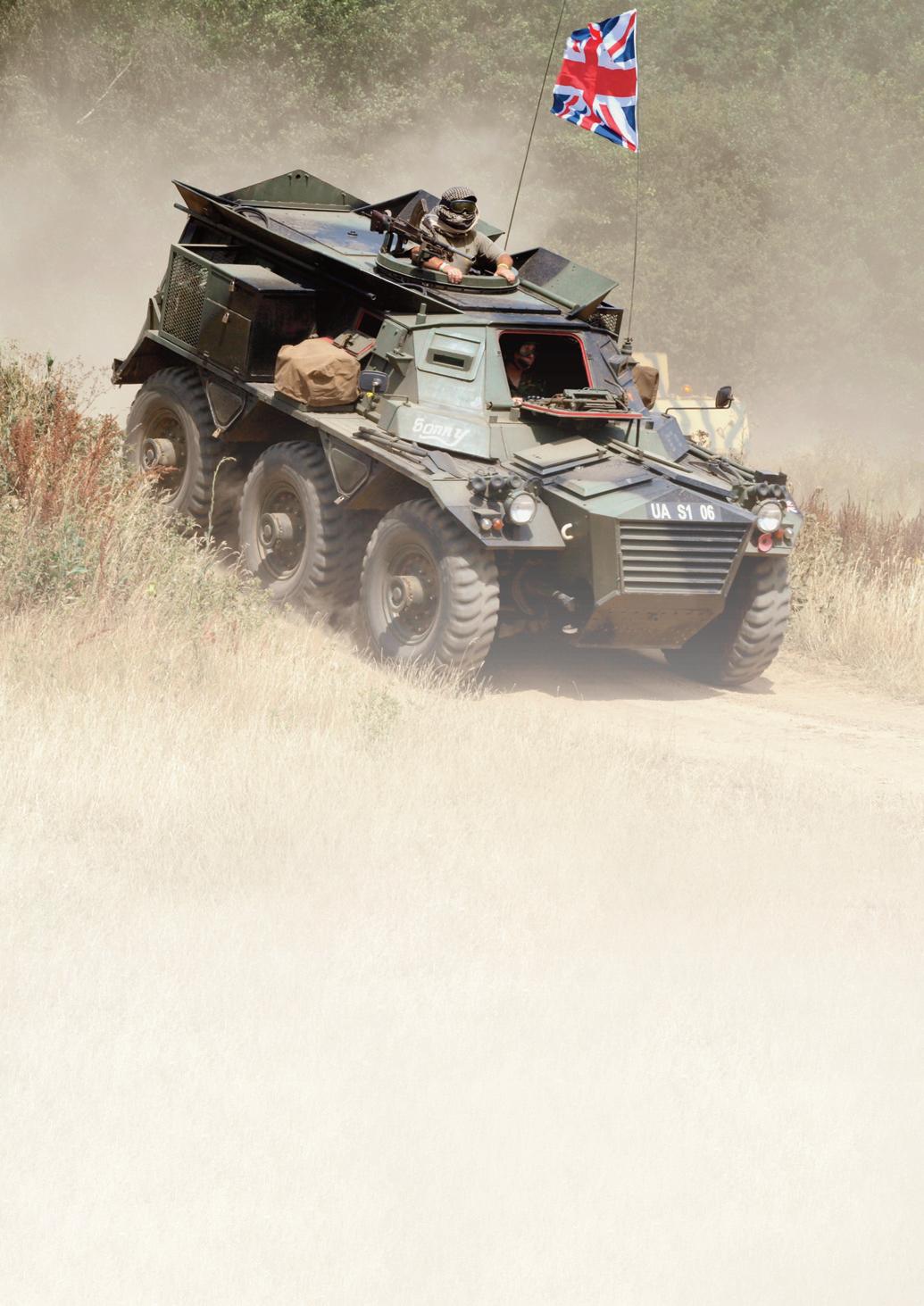
A high degree of vertical integration covering in-house tool and machine construction, in-house heat treatments and surface refinements, combined with continuous quality process controls has always defined the quality philosophy of the HEICO Group.
With 13 HEICO subsidiaries worldwide, supported by local warehousing and a strong national and international distribution network, HEICO ensures high product availability, short delivery routes, and professional technical support.
More about HEICO Group at:
www.HEICO-GROUP.com

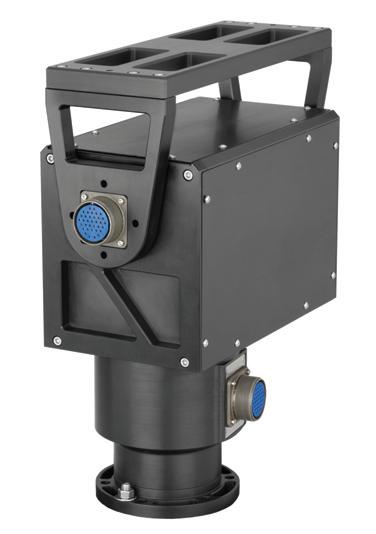

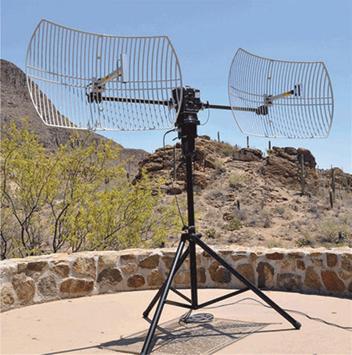
The necessity of UAV detection and tracking fast and agile unmanned aerial vehicles (UAV’s) is critical in the face of numerous incidents that threaten public safety and infrastructure.
Remote Ocean Systems, a leader in developing pan and tilt positioners has introduced The Pathfinder. With a payload capacity of 100 pounds, harmonic drive gears, the Pathfinder offers key advantages such as high reduction ratios in a single stage, zero backlash and high precision functionality.
The Pathfinder can be connected to a wide range of UAV antenna systems, sensors and payloads as well as those found in counter drone systems and it also has the ability for building command structure to enable end users to develop their own graphical interface.
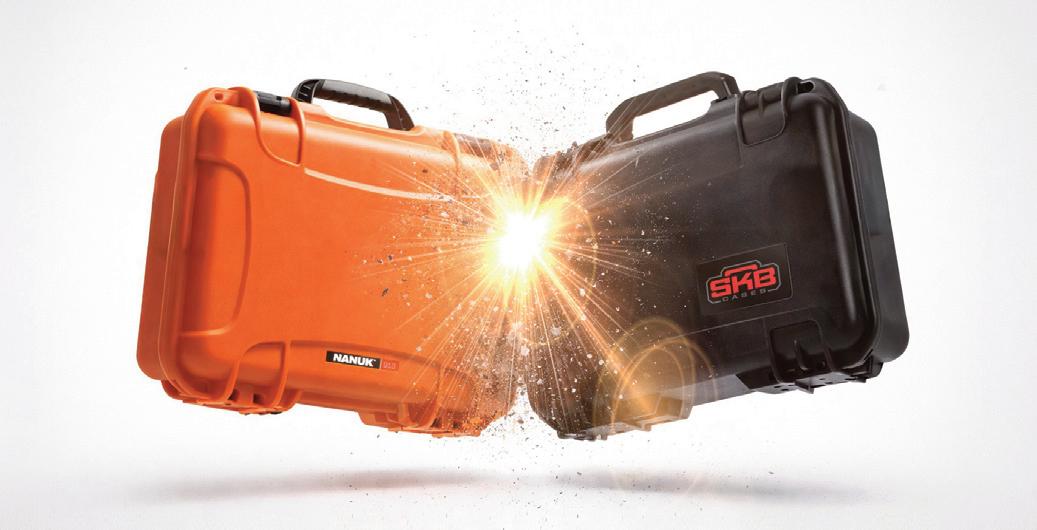
In today’s defence environment, protecting missioncritical equipment requires more than durability—it demands reliability, supply chain security, and operational efficiency.
The strategic combination of NANUK and SKB Cases brings together two industry leaders to deliver a stronger, more complete protective solution for military and defence professionals worldwide.
By combining complementary strengths, NANUK and SKB now offer an expanded portfolio designed to meet the full spectrum of defence needs:
• Injection-molded cases for lightweight, IP67rated protection and mobility
• Rotationally molded cases and racks built for heavy-duty deployment and extreme environments
• 19” rack systems for secure transport of sensitive electronics and communication equipment
From UAV systems and weapons platforms to medical kits and command-and-control equipment, customers can now access a complete range of protective solutions through a unified approach.
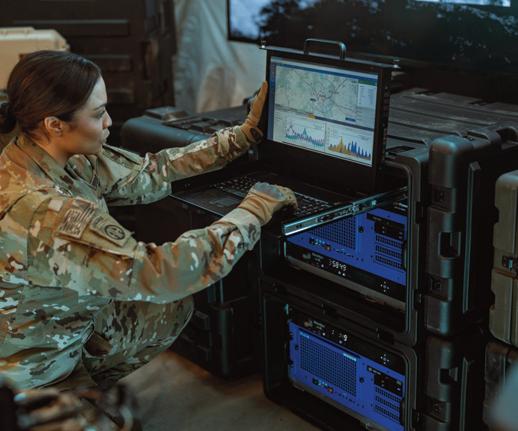
This combination is built around one goal: delivering greater value to defence customers.
• More solutions, one partner – Simplify sourcing with a broader, integrated product range
• Secure North American and EU supply chain
- Reduce risk with Canadian, U.S., Mexico and EU-based manufacturing
• Proven performance – Protection engineered to meet demanding military standards and real-world conditions
• Customization at scale – Tailored interiors and configurations to match mission-specific requirements
Delivering improved readiness, streamlined operations, and greater confidence in the field.
See the combined strength of NANUK and SKB in action at Eurosatory 2026.
• NANUK – Hall 5a, Booth E351
• SKB – Hall 5a, Booth B219
Visit our booths to:
• Explore integrated protection solutions across both brands
• Discuss your specific applications with our experts
• Identify opportunities to streamline sourcing and improve operational efficiency
Or connect with us now to start the conversation and discover how NANUK and SKB can support your next mission: Businessnanuk.com / SKBcases.com.
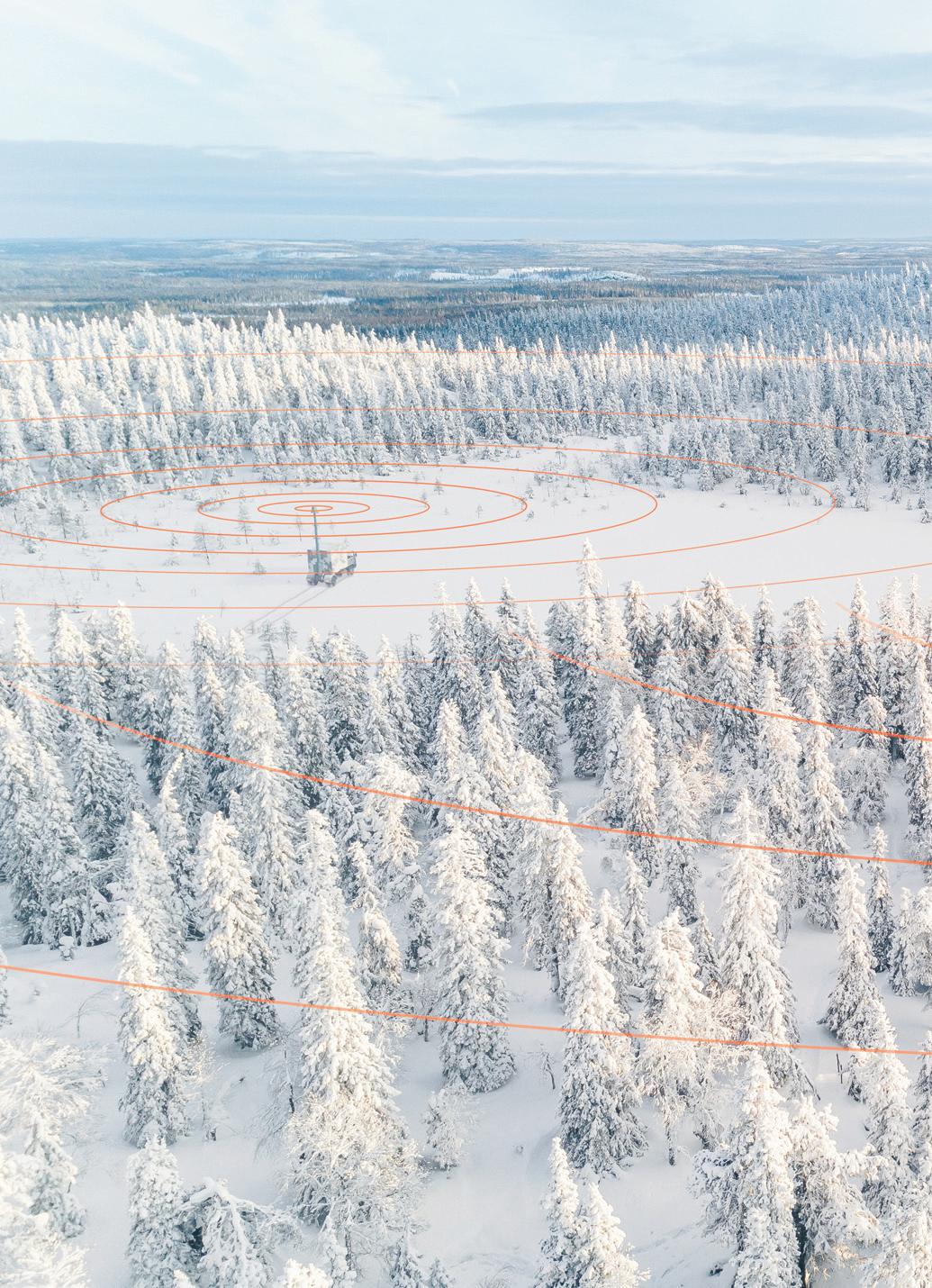
Eurosatory is back in Paris this June and Mastsystem will be there with a full line-up of tactical telescopic masts ready for hands-on inspection. The show runs at Paris Nord Villepinte from 15 to 19 June 2026 and is the biggest land and air-land defence event in the world, with more than 1,700 exhibitors and over 60,000 professional visitors expected from 150+ countries.
This year you’ll find us at our own dedicated stand in Hall 5b, Stand B65, where our team will walk integrators, end-users and armed forces representatives through the mast systems they rely on in the field.
At our stand, you can:
• See hands-on demonstrations of EXB, EXL, Tripod and other mast systems
• Test mast deployment yourself — push the buttons, feel the build quality
• Discuss your specific operational requirements directly with our technical experts
• Explore vehicle integration, mounting and accessory options
• Request tailored configurations and quotation
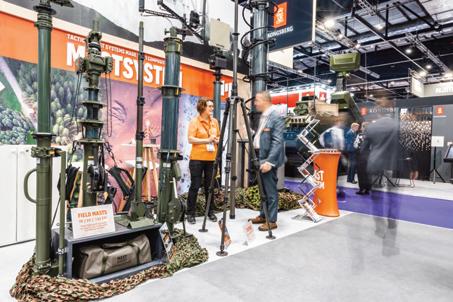
This year, Mastsystem’s focus at Eurosatory is on three core product categories:
• EXB Vehicle-Mounted Telescopic Mast
• EXL Field-Deployable Telescopic Mast
• Tripods for Tactical Communications
Each one will be running live on the stand, so you can see how they deploy, retract and behave under load.
Built for fast, repeatable vehicle deployment, the EXB extends up to 15 metres at the push of a button and carries up to 150 kg depending on configuration. The electric winch and double belt drive keep deployment controlled even in harsh conditions.
Key features:
• Push-button extension with manual backup
• Full carbon fibre construction
• AC or DC power compatibility
• Optional vehicle mounting kits
• No guy ropes required
• Suitable for EW, C4ISR, and mobile surveillance
• Compliant with MIL-STD-810, ISO, and AQAP


For missions that need real height, heavy payloads, or semi-permanent installations, the EXL is built for the job. It reaches up to 50 metres and supports loads up to 150 kg, with up to 10 composite sections and automatic mechanical latches for stability.
Whether you’re building a command post, monitoring a border, or supporting emergency communications, the EXL gets the antenna where it needs to go and keeps it there.
Key features:
• Lightweight carbon-glass fibre construction
• Manual or electric winch operation
• Guy rope anchors at multiple levels
• 360° rotation at the mast base
• Compliant with MIL-STD-810, ISO, and AQAP
• Easy to maintain in field conditions
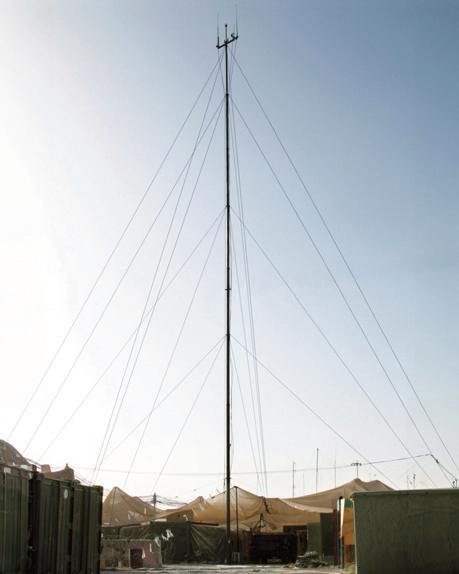
Our composite tripods are built for rapid deployment in rugged terrain and short-mission setups. They’re a strong fit for tactical links, drone command stations, observation posts and mountaintop repeater systems. Anywhere mobility and reliability matter more than absolute height.
Key features:
• Telescopic legs with quick-lock clamps
• Adjustable height
• Compatible with antennas, cameras, and ESM equipment
• Compliant with MIL-STD-810, ISO, and AQAP
Every Mastsystem product is designed and manufactured in Heinävaara, Finland. From raw composite material to finished mast, the whole process happens in Finland. That control is what separates a mast that performs in the field from one that almost does.
Our masts are tested in conditions most equipment never sees. Sub-arctic cold, driving rain, salt air and continuous deployment cycles are part of the validation process, not exceptions to it. That’s what Made to Stand actually means, and Eurosatory is a good place to see it up close.

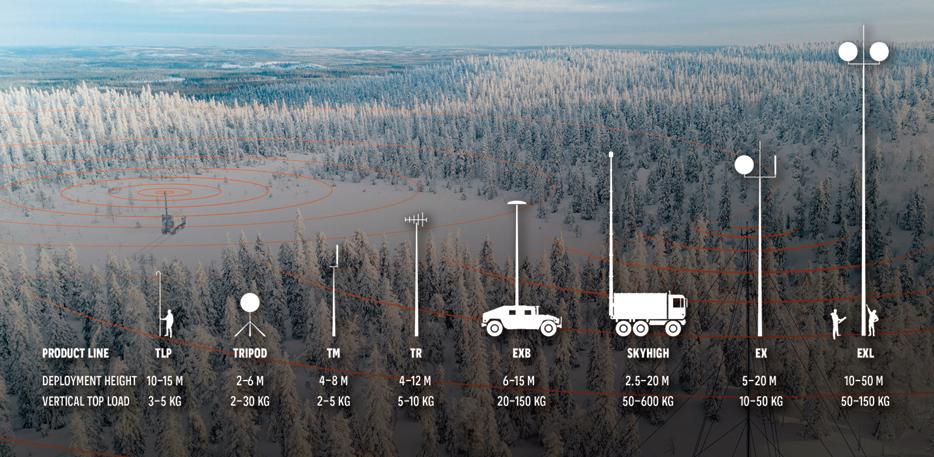
Light mast systems for man-portable applications:
• TM-Masts (also vehicle and shelter mountable)
• TR-Masts (also vehicle and shelter mountable)
• TRIPODS
Field masts, up to 50-meters and 150 kg top loads:
• EX-Masts (also vehicle and shelter mountable)
• EXL-Masts (also vehicle and shelter mountable)
Vehicle/shelter/platform mounted mast systems:
• EXB-Masts
• SKYHIGH-Masts

Request a consultation or technical specification from Mastsystem:
Email: sales@mastsystem.com
Web: www.mastsystem.com

Our on-site team at Eurosatory 2026
• Riitta Sorsa • Jarmo Pelli • Virpi Krohns • Henri Pisto



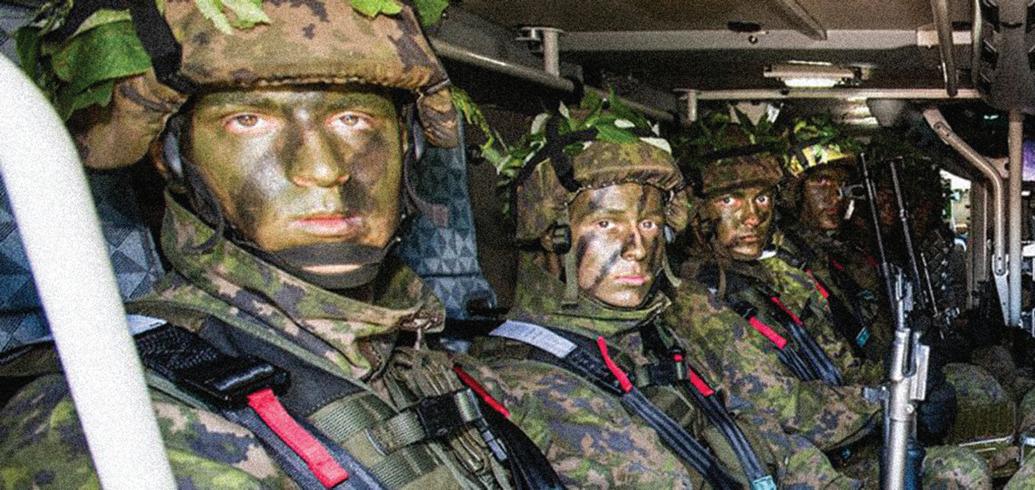

The SCHROTH Mine Blast Protected
Seat Systems are tubular lightweight
systems with a unique resettable
Energy Absorbing (EA) system
designed into the seat.
The EA design and technology comes from the years of experience SCHROTH has with energy management in seatbelt systems. The design of the seat gives the occupant not only excellent protection in a mine blast event, but also offers excellent protection in the event of an accident or impact. The All Belts to Seat (ABTS) design allows the vehicle manufacturer to optimize the installation of the seat within the hull. An integrated footrest can also be incorporated into the seating system for additional lower-leg protection. The unique SCHROTH EA technology is tunable to match the size and weight of the vehicle as well as the level of protection required and the available space within the vehicle interior. The EA is also designed to reset itself and offer high levels of protection for the secondary (slam down) event.

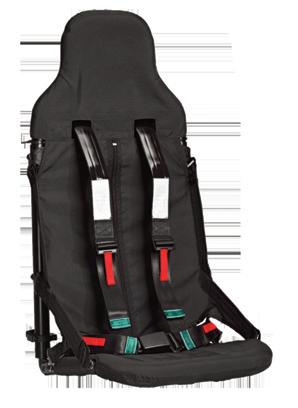
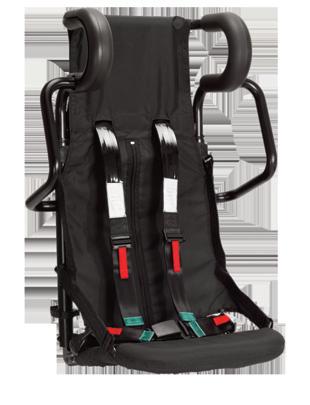

ed seating
wo versions:
• SU-62 compact forward- or rear-facing seat
• SU-63 side-facing seat with full or side specific headrest for exceptional side impact protection
The SCHROTH seating comes standard with an ECE certified lightweight 4-point harness restraint. Restraint systems with ECE complaint 5-point seatbelts are also available.
SCHROTH offers the ideal system for military personnel & troop transport configurations.


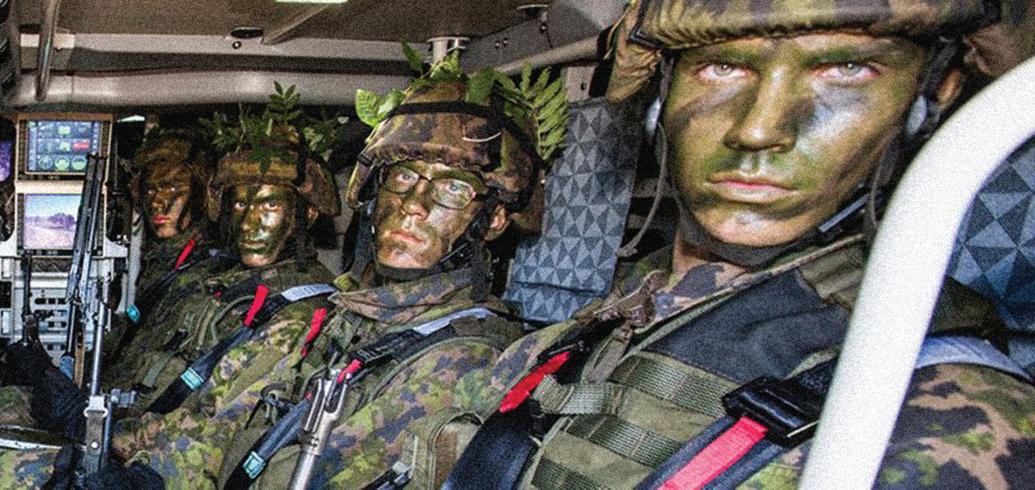

KEY FEATURES
• Quick release, wall-mounted interface
• Modular construction
• Spring Loaded Self-Folding, storable seat pan
• Foldable backrest
CUSTOM APPLICATIONS
Our lightweight seat systems may be adapted to many ground vehicle applications. We can assist with interface, integration, installation and ergonomic requirements as well as any vehicle specific seat modifications that may be required.
CONTACT:
Werner Koch
Tel: +49 2932 97420
E-Mail: Werner.koch@eu.schroth.com
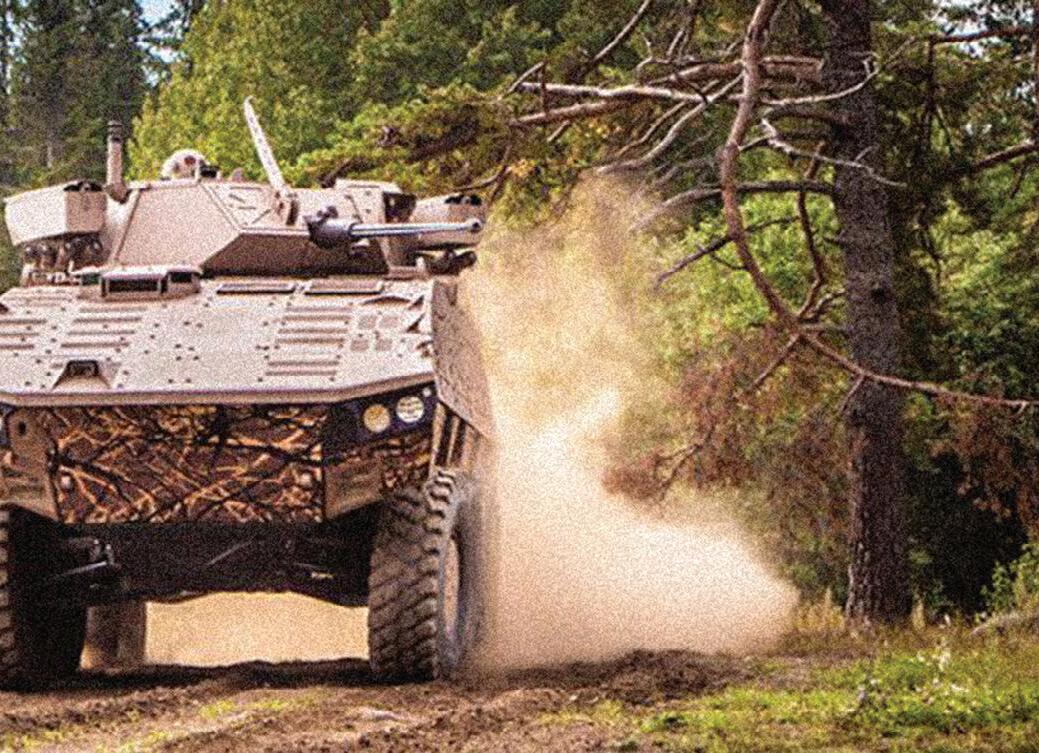

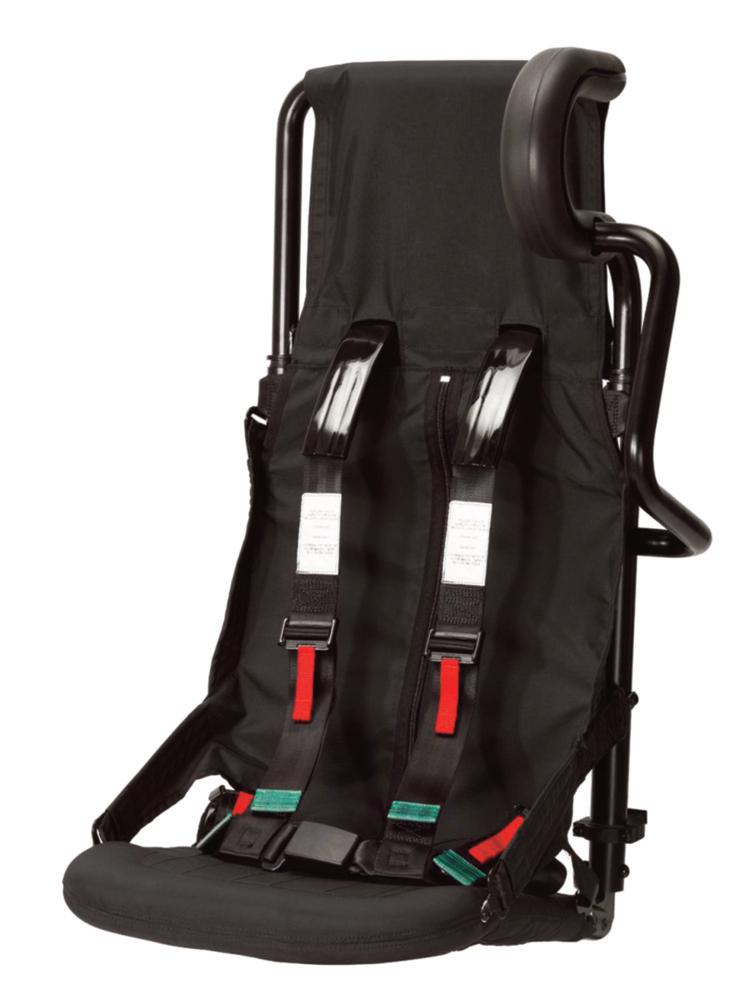
In the challenging environments of military 昀eld hospitals, reliable equipment is essential. Ensuring critical medical supplies, diagnostic tools, and communication systems remain functional, secure, and easily transportable is paramount for effective operations.

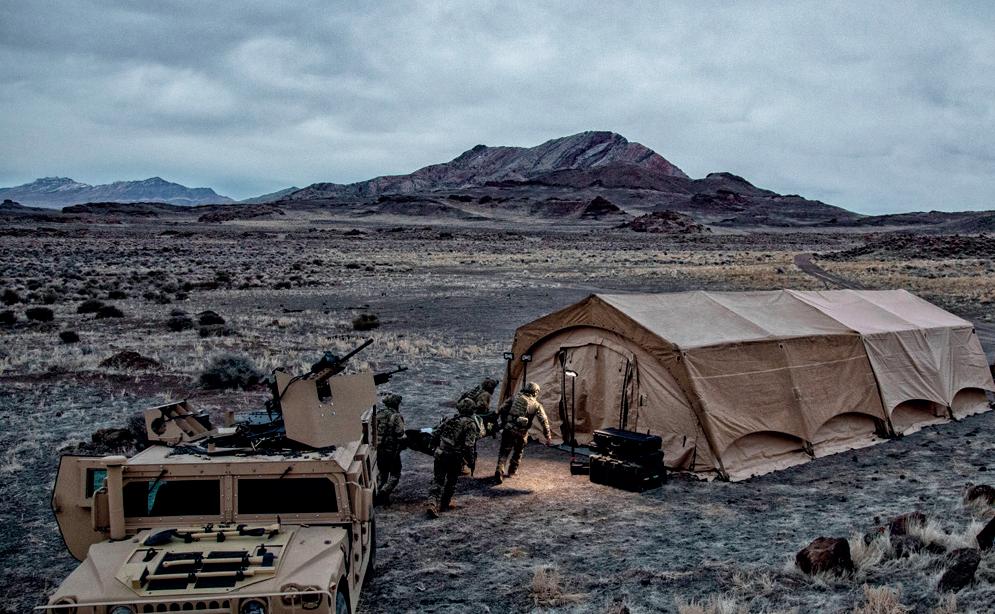
Peli, a registered trademark of Pelican Products, has over 45 years of experience in delivering premium protective cases and advanced lighting solutions. Recognized globally for their durability and performance, Peli’s products are trusted by military forces, healthcare professionals, and 昀eld engineers. Every Peli product is designed to withstand extreme temperatures, rough handling, and harsh environments, making them the perfect choice for the critical needs of 昀eld hospitals. Additionally, Peli protective military cases are rigorously tested to MIL-STD standards, ensuring they meet the demanding requirements of military use. Peli’s continuous development, 昀eld testing, and improvement of its products based on user feedback have led to an exceptionally reliable portfolio that excels under the harshest conditions.
Every 昀eld hospital operation is different, and Peli understands that a one-size-昀ts-all solution doesn’t always meet the needs of diverse missions. That’s why Peli offers customization options, from bespoke foam interiors for unique medical devices to special labeling and organizational features. This 昀exibility allows military procurement agencies to ensure every piece of equipment is securely stored and easily accessible when needed.
Peli’s engineering teams across the across France, Spain and Germany are dedicated to designing, developing, testing, and manufacturing customized case solutions. These centers are equipped to work on bespoke projects, ensuring that each solution meets the exact speci昀cations required by the military and defense agencies around the world. This approach allows Peli to develop tailored cases that 昀t speci昀c equipment, such as portable diagnostic machines or essential surgical tools, offering superior protection during transportation and storage.
Peli products are already being used by military 昀eld hospitals worldwide. These products have been tested and proven under real-world conditions, supporting medical teams in various operational environments. By choosing Peli, military procurement agencies and 昀eld hospital personnel can trust that their equipment will perform, even in the most unpredictable situations.
When it comes to safeguarding critical equipment and supplies in military 昀eld hospitals, reliability, durability, and performance are non-negotiable. Peli’s comprehensive range of protective cases, Medchests, 昀eld desks, and lighting solutions provide 昀eld hospital personnel with peace of mind, knowing their equipment is secure, operational, and ready to perform when needed. The combination of 昀eld-tested designs, robust materials, and customization options makes Peli an invaluable partner in supporting military medical operations.
+ Durability and Reliability: Peli products are known for their rugged construction, ensuring that equipment is protected from the harshest conditions.
+ Customizable Solutions: From custom foam interiors to specialized cases for speci昀c devices, Peli offers tailored solutions that meet the unique needs of 昀eld hospital operations.
+ Ease of Transport: Designed to be lightweight yet extremely robust, Peli cases make it easier for medical teams to transport equipment eciently and safely.
+ Global Standard Compliance: Peli’s packaging solutions are battle-tested and meet Global Military standards, including MIL-STD-810 certi昀cation, which can be adapted to meet local military testing requirements.
+ Trusted Globally: Peli has a proven track record with military and healthcare professionals worldwide, making it a go-to choice for reliable, 昀eld-ready equipment protection.
Peli’s range of products for 昀eld hospitals includes protective cases, Medchests, 昀eld desks, and lighting systems, ensuring all essential equipment is safe, operational, and ready for use.
Field hospitals rely on sensitive medical equipment that needs robust protection during transport and storage. Peli’s protective cases offer unmatched durability, shielding instruments from moisture, dust, and harsh conditions. Available in various sizes and customizable with foam interiors, they ensure tailored, secure storage. Additionally, Peli’s EMS cases are designed for organizing first aid supplies and medical kits, featuring compartmentalized interiors for quick access during emergencies.
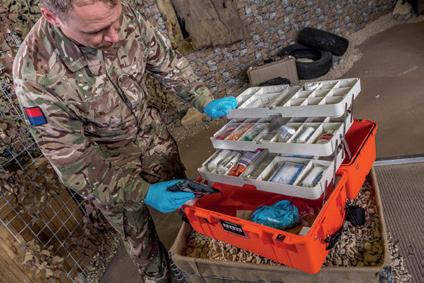
Peli’s Medchests are specialized, robust containers designed speci昀cally for organizing and transporting medical supplies in demanding 昀eld conditions. One of the standout features of the Medchest is its unique drawer system, which provides easy access to critical medical tools and supplies. Each drawer can be customized with dividers to accommodate various items, from bandages and syringes to diagnostic equipment and medications. The drawer system is designed to prevent shifting during transport, ensuring that supplies stay organized and secure, even in rough conditions.
Ecient organization and quick setup are critical in a 昀eld hospital environment. Peli’s 昀eld desks offer portable, foldable solutions that serve as mobile workstations for medical and administrative personnel. Easy to transport and set up, these desks provide a sturdy and functional workspace, equipped with storage drawers and compartments to hold essential documents, laptops, and other administrative tools.
Lighting is critical for 昀eld hospital operations, especially during triage and nighttime equipment setup. Peli’s portable lighting solutions deliver reliable, powerful illumination in compact, easy-to-use designs. With options ranging from hand-held torches to area lights, Peli’s lighting products ensure that medical teams have the light they need to work eciently, regardless of the conditions.
Peli’s Remote Area Lighting Systems (RALS) are particularly bene昀cial in 昀eld settings. These battery-powered, rechargeable units are fully portable, foldable, and extremely easy to set up. They produce safe and clean energy with long run times, making them ideal for temporary medical camps, emergency setups, and other 昀eld hospital applications. The larger area RALS units can provide up to 24,000 lumens and can run continuously for up to 24 hours, ensuring uninterrupted light throughout the entire shift.
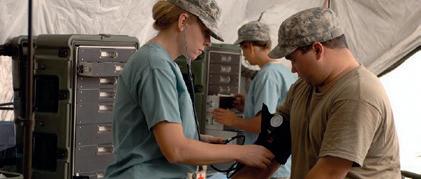
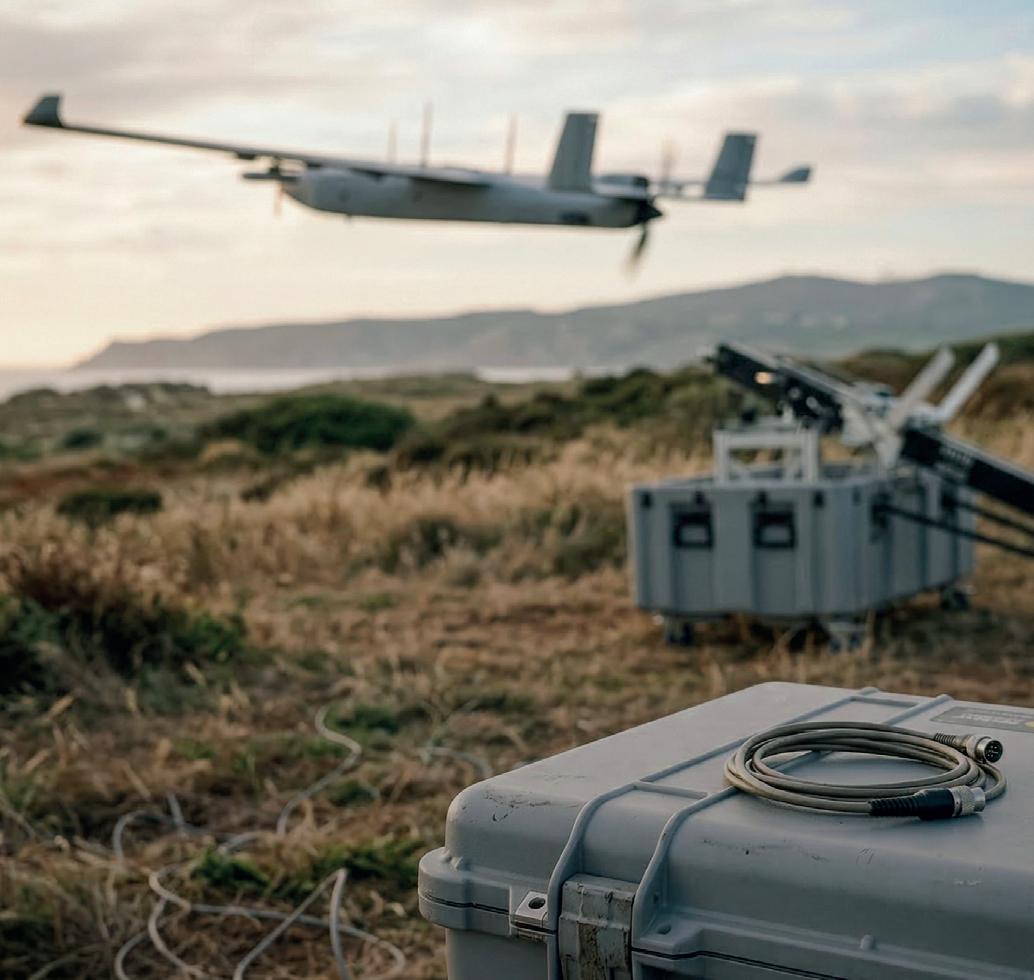
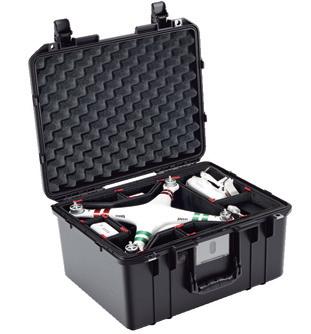
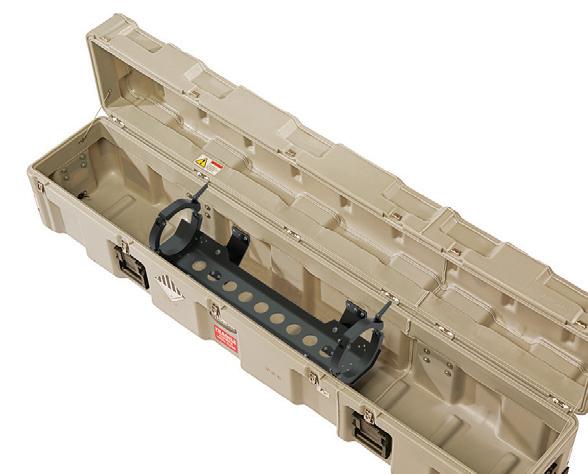


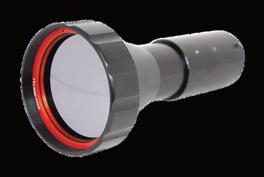
Ge-FREE MWIR LENS ASSEMBLIES
EMBEDDED IMAGE PERISCOPES
LASER PROTECTION FILTERS
With manufacturing and engineering operations in the UK and USA, G&H delivers vertically integrated optical and photonic solutions for missioncritical applications.

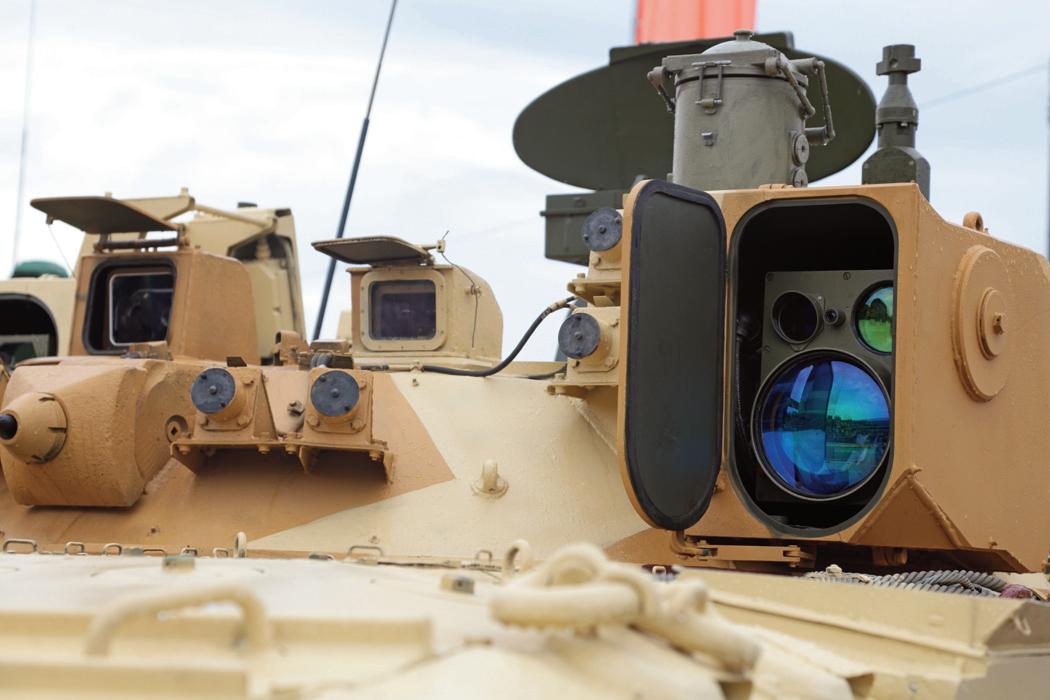



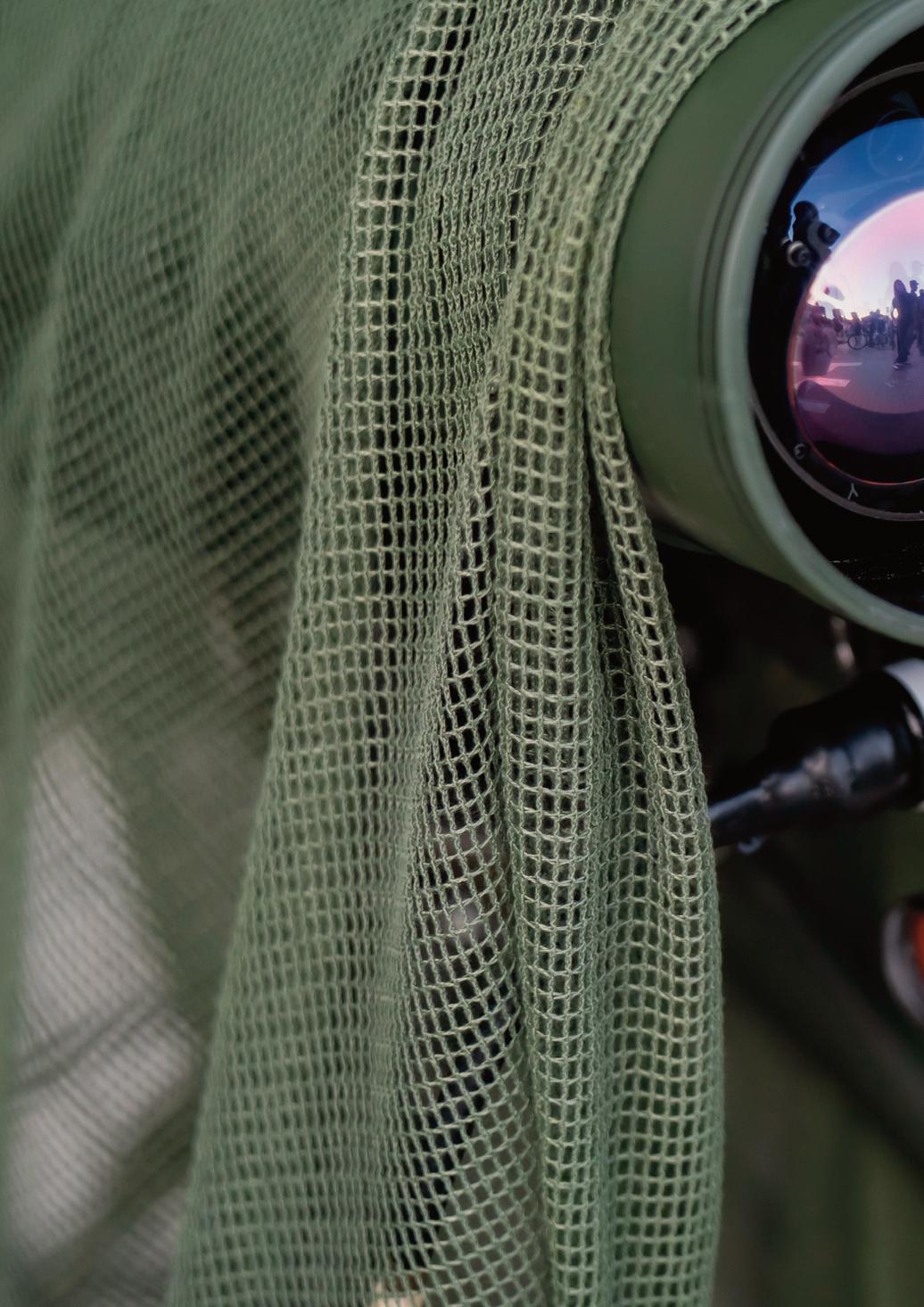
G&H (LON: GHH), a global leader in optics and photonics technology, will showcase its expanded defence solutions portfolio at the Eurosatory 2026 exhibition taking place June 15-19, 2026, at the Paris Nord Villepinte Exhibition Centre. Visitors can meet the G&H team in Hall 4, Booth E100.
Building on decades of experience supporting global defence and aerospace programmes, G&H has significantly expanded
its capabilities through the acquisitions of Phoenix Optical Technologies in the UK and Global Photonics in the US. Together, these additions strengthen G&H’s expertise across precision optics, advanced optical coatings, infrared imaging, integrated vision systems, and photonic subsystems for mission-critical applications.
At Eurosatory 2026, G&H will highlight technologies supporting enhanced situational awareness, infrared imaging, laser protection, optical communications, and integrated vehicle vision systems, including its new Garnet™ MWIR lens assemblies, Embedded Image Periscope (EIP), and Thin-Film Lithium Niobate (TFLN) manufacturing developments in the United States.
Among the key technologies on display will be G&H’s latest Embedded Image Periscope (EIP) solution, designed to enhance operational effectiveness and situational awareness for armoured fighting vehicle (AFV) crews operating in complex environments.
The EIP integrates a full high-definition electronic display with custom relaxed-view biocular optics, enabling operators to transition seamlessly between direct optical viewing and indirect electronic display modes. The system has been engineered with optimized size, weight, and power (SWaP) characteristics to support deployment in demanding military environments where space constraints and energy efficiency are critical.
Designed with ergonomic controls and high-performance optics, the EIP improves operator comfort during extended missions.
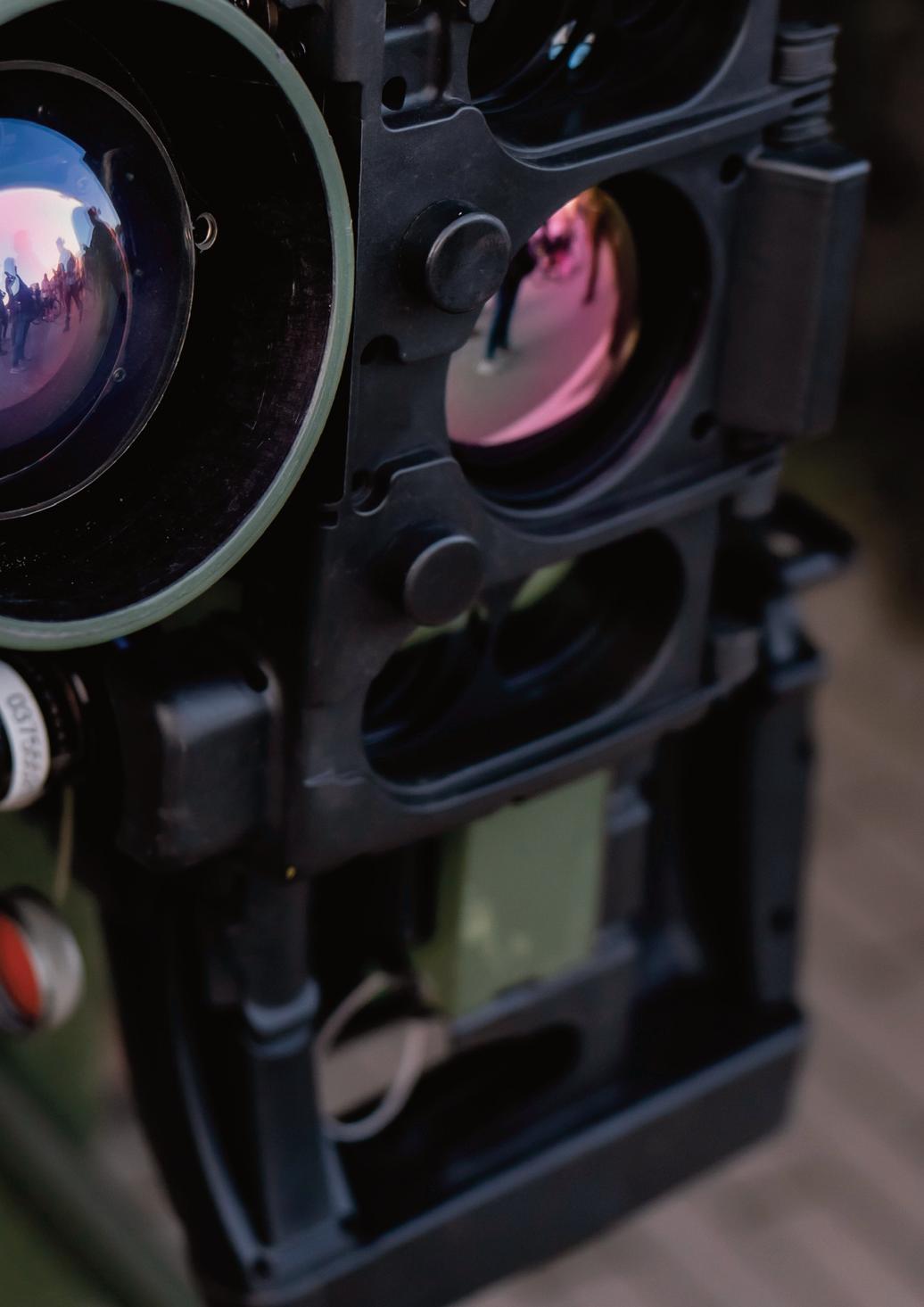
The compact ruggedized solution supports enhanced visibility and target acquisition across demanding battlefield conditions.
Paired with the G&H | StingRay FireAnt™ SWIR lens assembly, the platform delivers enhanced day and night situational awareness capabilities. FireAnt™ is a continuous zoom shortwave infrared (SWIR) lens solution specifically engineered using SWIR-optimized materials and advanced anti-reflective coatings to maximize in-band transmission and image resolution.
The combined system provides AFV crews with superior visibility in degraded visual environments, enabling improved detection, navigation, and threat identification capabilities during low-light and obscured operations.
G&H will also feature its new Garnet™ MWIR lens assembly series, developed by G&H | StingRay as a next-generation infrared imaging solution designed to support long-term supply chain resilience for defence and surveillance applications.
Derived from the proven Ruby™ platform, the Garnet™ series eliminates the use of Germanium and Chalcogenide materials while maintaining the high-performance imaging capabilities required for mission-critical operations. As global defence manufacturers increasingly seek resilient alternatives to constrained materials, the Garnet platform provides a forwardlooking solution that addresses both performance and supply continuity requirements.
Engineered for operation across the 3-5 μm wavelength range, the Garnet™ series delivers achromatic optical performance and supports multiple system configurations, including f/2.3, f/2.5, and f/4.0 architectures with image formats up to 21 mm.
These lens assemblies feature manual focus with lock functionality and a standard IR bayonet mount, enabling rapid integration into a variety of imaging and sensing platforms. The
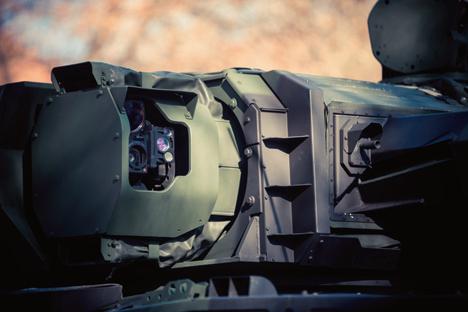
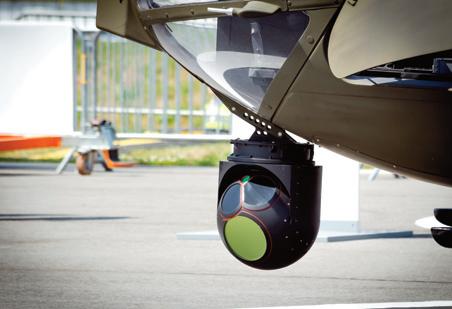
systems are optimized for intelligence, surveillance, and reconnaissance (ISR), border security, target acquisition, and long-range detection applications where both optical performance and material availability are essential.
By removing dependence on Germanium and Chalcogenide materials, G&H is helping defence integrators reduce long-term procurement risk while maintaining operational effectiveness in high-performance infrared imaging systems.
In collaboration with Sentinel Photonics, G&H will showcase integrated laser detection technology embedded directly within its vehicle periscope system.
The Sentinel-equipped periscope combines advanced lightsensing elements with high-speed signal processing to provide rapid warning alerts to laser radiation commonly encountered in military operating environments. The solution is designed to help vehicle crews identify and respond to threats generated by laser rangefinders, target designators, dazzlers, and other hostile laser systems.
The integrated architecture allows operators to maintain continuous situational awareness while receiving immediate threat notification, supporting faster decision-making and improved survivability in contested environments.
Designed for efficient deployment across both new and legacy vehicle platforms, the compact low-power solution operates from a standard vehicle power feed while requiring minimal power consumption of only two watts. The technology can be integrated with minimal modification to existing vehicle interfaces, reducing installation complexity and enabling streamlined fleet upgrades.
In addition, the system can interface with onboard countermeasure or weapon systems to support automated or operator-assisted threat response capabilities.
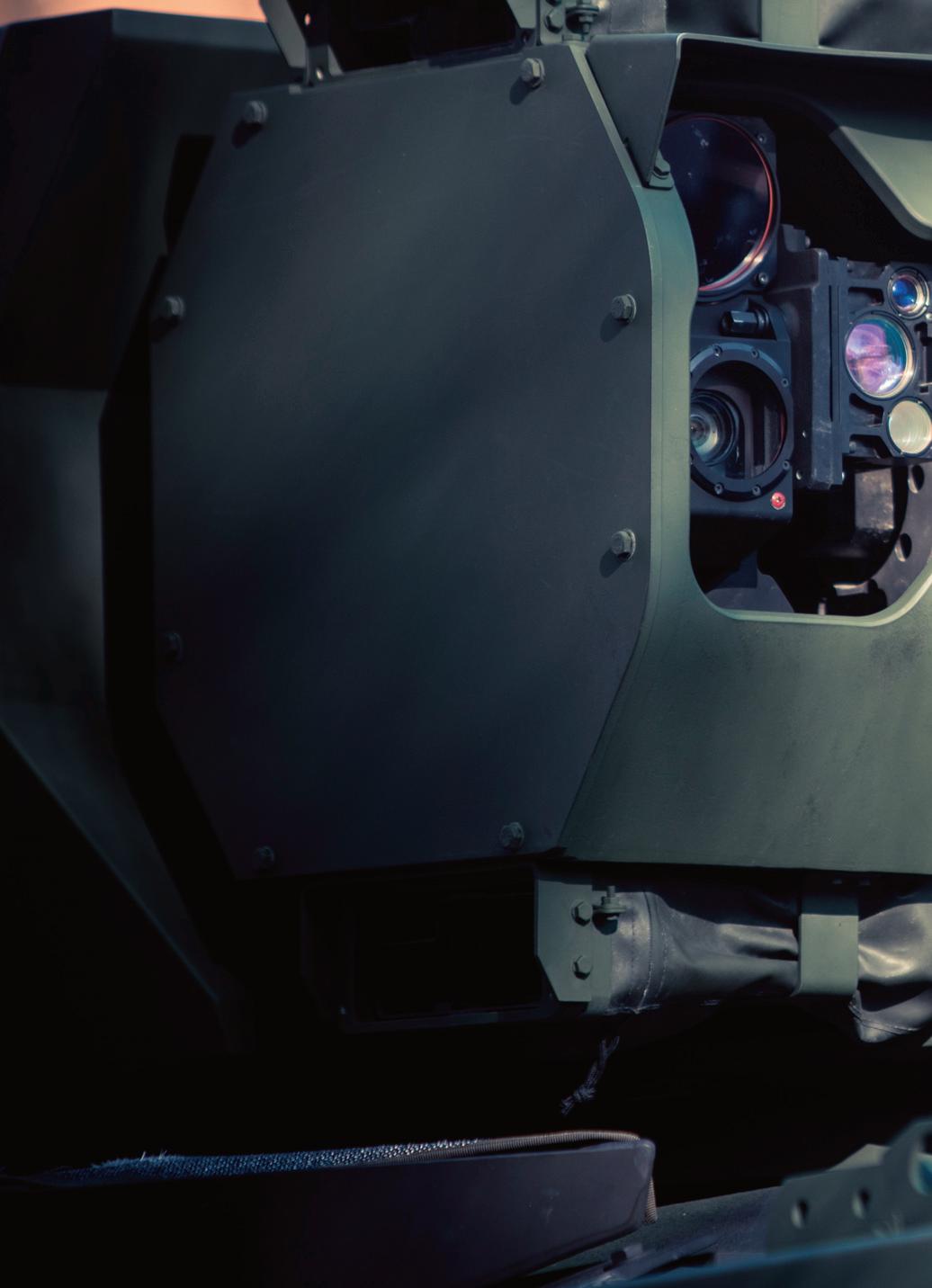
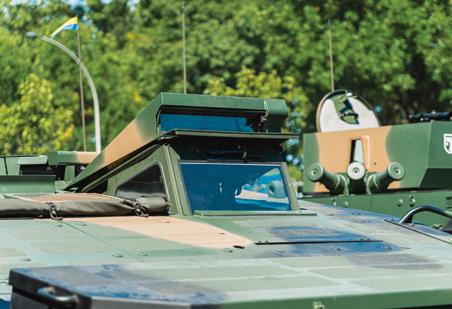
Integrated Sentinel laser detection technology is available across all existing and future G&H | Kent periscopes while maintaining the original periscope form factor and installation footprint, ensuring compatibility with current vehicle architectures.
G&H, in collaboration with Sentinel Photonics, will also present the FROST laser protection filter range developed by G&H | Artemis to protect operators against increasingly common battlefield laser threats.
Designed for integration with riflescope objective lenses, the FROST filters provide protection from laser dazzling and blinding effects caused by systems such as spotters, laser rangefinders, illuminators, and directed countermeasure devices.
Importantly, the filters are engineered to maintain visual clarity, target visibility, and operational effectiveness while protecting
users from harmful laser exposure. This balance between protection and optical performance is critical for modern military operators working in laser-intensive operational environments.
Manufactured to military-grade standards, the ruggedized filters are designed to withstand harsh field conditions and are compatible with a broad range of riflescope platforms used across defence and security forces worldwide.
The solution enables personnel to preserve situational awareness and maintain targeting effectiveness without compromising tactical performance or mission capability.
In addition to the featured systems and technologies, G&H will display a broad portfolio of mission-ready optical and photonic solutions supporting a wide range of defence applications.
Additional technologies and capabilities on display will include:
• Vehicle vision systems and AFV periscopes
• Laser protection filters and survivability optics
• Precision optics for avionics and directed energy systems
• ISR lens assemblies and infrared imaging systems
• Advanced photonic materials and optical subsystems
• Integrated optical and photonic assemblies for defence platforms
The company’s integrated approach to optical engineering, manufacturing, and systems integration enables G&H to support defence customers with complete end-to-end solutions designed for reliability, survivability, and operational performance in the most demanding environments.
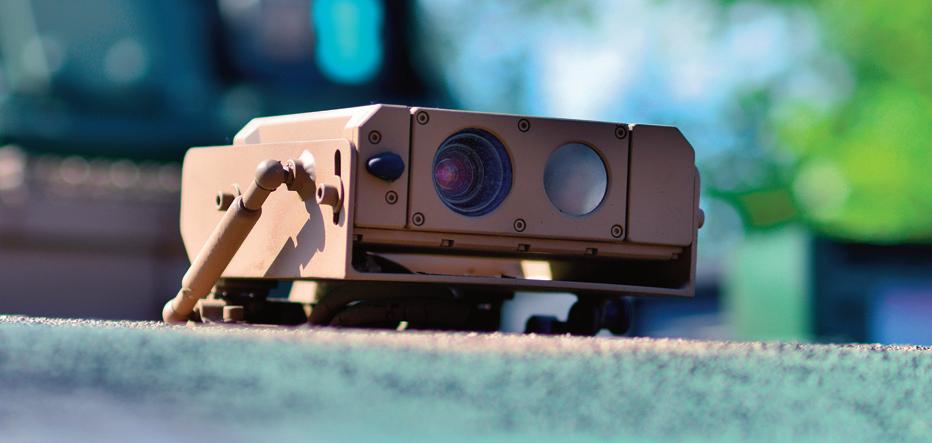
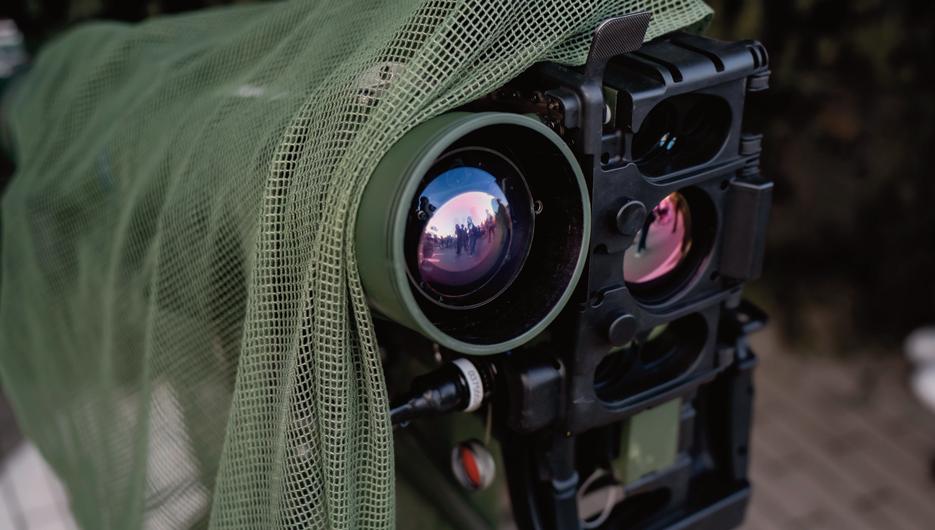
G&H continues to invest in advanced optical technologies and strategic partnerships to support the evolving needs of the global defence community. Through ongoing innovation in infrared imaging, optical communications, photonic materials, and laser protection technologies, the company remains focused on delivering solutions that enhance mission effectiveness and operator safety.
“Eurosatory provides an important platform for G&H to demonstrate the breadth of our expanded defence optics and photonics capabilities,” said Kerrie Sivewright, Senior Sales Director for Optical Systems at G&H. “From advanced vehicle vision systems and infrared imaging to laser protection and precision optical assemblies, we continue to invest in technologies that enhance protection, situational awareness, and operational performance for defence customers worldwide. We look forward to connecting with international partners and supporting the next generation of defence and security programmes.”
With manufacturing and engineering operations across the UK and United States, G&H supports defence programmes with vertically integrated optical and photonic manufacturing capabilities spanning components, coatings, subsystems, and integrated systems. Visitors
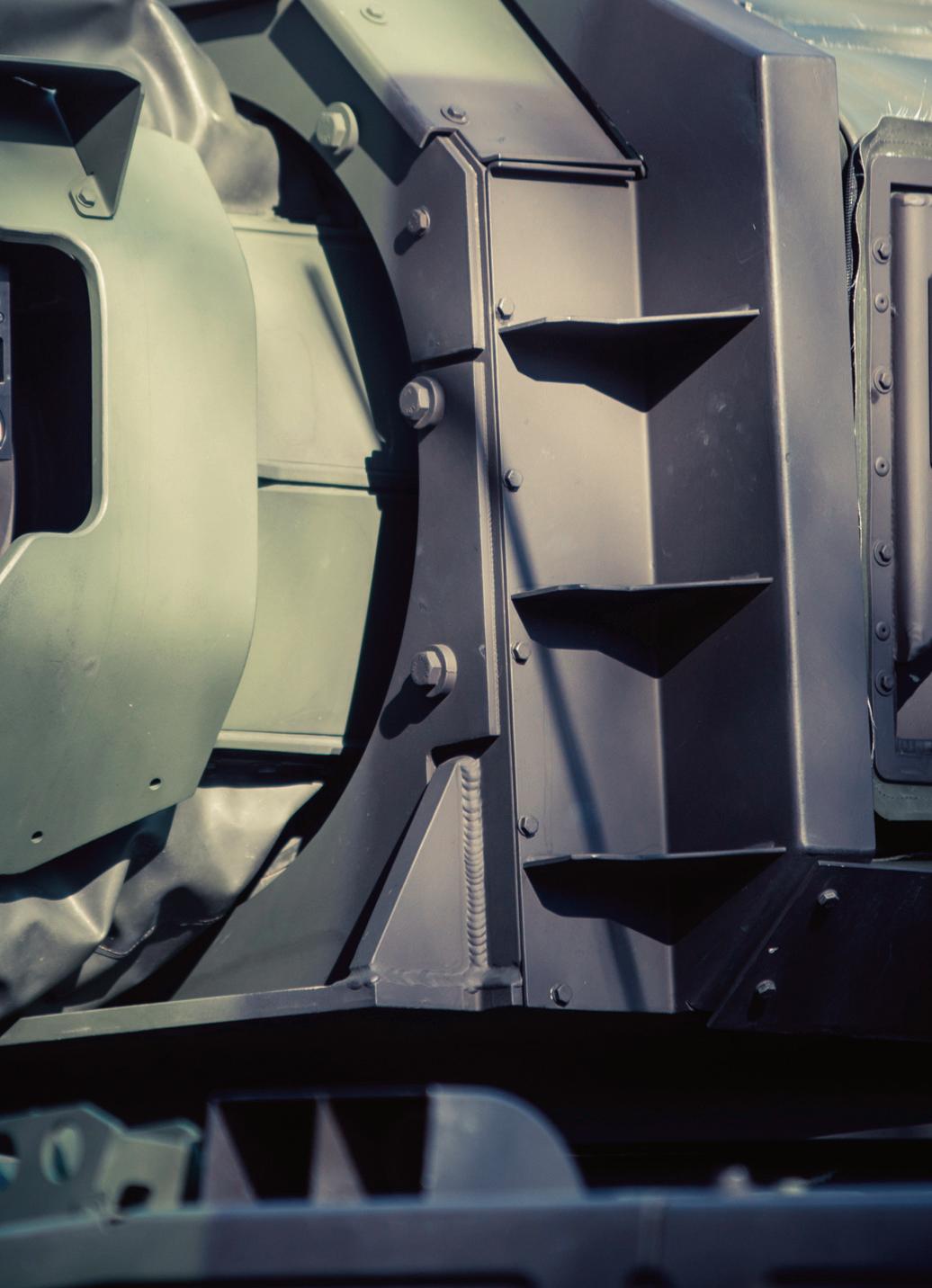
team in Hall 4, Booth E100 to explore the company’s latest innovations in infrared imaging, optical communications, integrated photonics, and photonic materials for defence and high-reliability applications.
For more information, or to book a meeting, please visit:
https://gandh.com/events/eurosatory-2026
gandh.com
As military systems evolve toward electrification, autonomy, and high-density energy storage, a new and complex risk is emerging across the battlespace: lithium-ion battery fires and thermal runaway events.

From hybrid tactical vehicles and unmanned systems to portable microgrids and aerospace platforms, lithium-based energy systems are now central to operational capability. These technologies introduce fire hazards that behave very differently from traditional fuel-based threats resisting conventional suppression methods.
To address this challenge, ThermoDyne’s DynaGuard® EVB Fire Blanket delivers a critical advancement: a rapid-deployment thermal containment system that isolates fire and enables active cooling through the blanket itself.
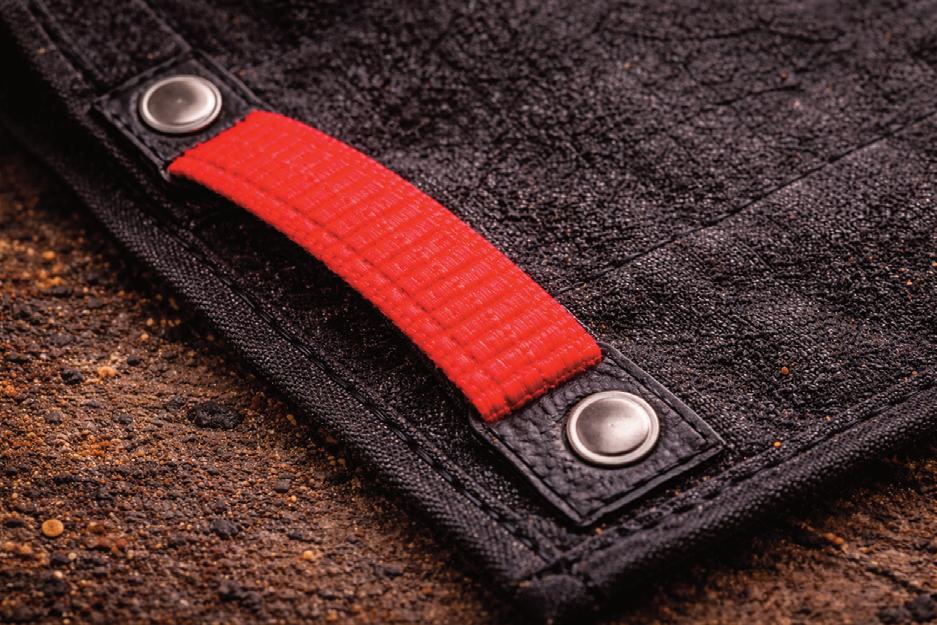

Modern military operations increasingly rely on electrified systems to enhance mobility, reduce signatures, and support distributed energy strategies. These systems introduce:
• Rapid thermal runaway events
• Extreme heat output beyond conventional suppression
• Toxic and flammable gas release
• High risk of fire propagation in tightly staged environments
These risks are amplified in forward operating bases, shipboard compartments, maintenance depots, and flight lines, where space is limited and assets are concentrated.
Traditional firefighting methods—water, foam, or chemical agents— often struggle to fully control lithium-ion battery fires, particularly without direct access to the heat source.
The DynaGuard® EVB Fire Blanket is engineered to go beyond traditional fire blankets by incorporating a water-permeable design. This allows responders to apply water directly through the blanket while it remains in place over the fire.
This creates a controlled, two-phase response:
IMMEDIATE
• Blanket is deployed over the affected vehicle or equipment
• Flames, heat, and gases are contained at the source
• Fire spread to adjacent assets is prevented
ACTIVE COOLING
• Water is applied through the blanket—not around it
• Cooling reaches the battery cells driving thermal runaway
• Continuous application reduces the risk of reignition
Critically, the blanket remains in place throughout the process, maintaining containment while enabling suppression.
This aligns with real-world operational guidance:
Deploy → Cover Completely → Do Not Remove → Apply Water Through Blanket → Continue Cooling
This combined containment-and-cooling capability is particularly valuable in military settings where:
• Personnel exposure must be minimized
• Fires occur in tight or confined environments
• Access to the source of the fire is limited or hazardous
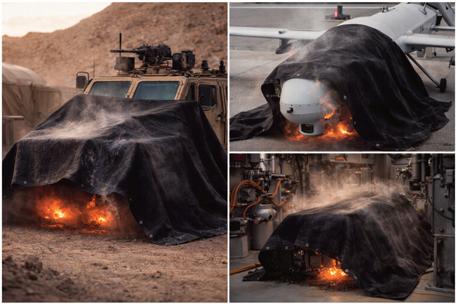
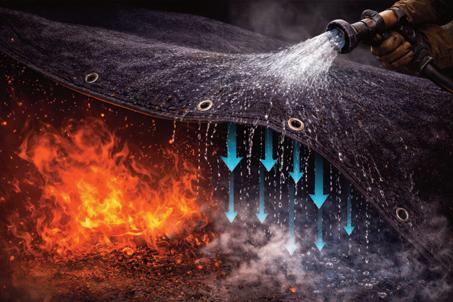
By allowing water application without removing the blanket, operators can:
• Maintain full thermal containment
• Deliver cooling directly to the hazard
The result is a safer, more controlled firefighting approach that supports both mission continuity and personnel protection.
Multi-Domain Applications
ELECTRIFIED GROUND VEHICLES
As hybrid and electric tactical vehicles enter service, the risk of batteryrelated fires increases across motor pools and forward operations.
Advantage: Rapid containment prevents fire spread, while water application through the blanket cools the battery without exposing the hazard.
MAINTENANCE DEPOTS & FORWARD OPERATING BASES
Battery charging stations and repair facilities concentrate high-energy systems in confined spaces.
Advantage: Enables immediate containment and controlled cooling, reducing damage to infrastructure and adjacent equipment.
AEROSPACE & UAV OPERATIONS
Unmanned systems and electrified ground equipment rely heavily on lithium-ion batteries, particularly during charging.
Advantage: Provides a fast-response solution that allows continued cooling without disrupting surrounding operations.
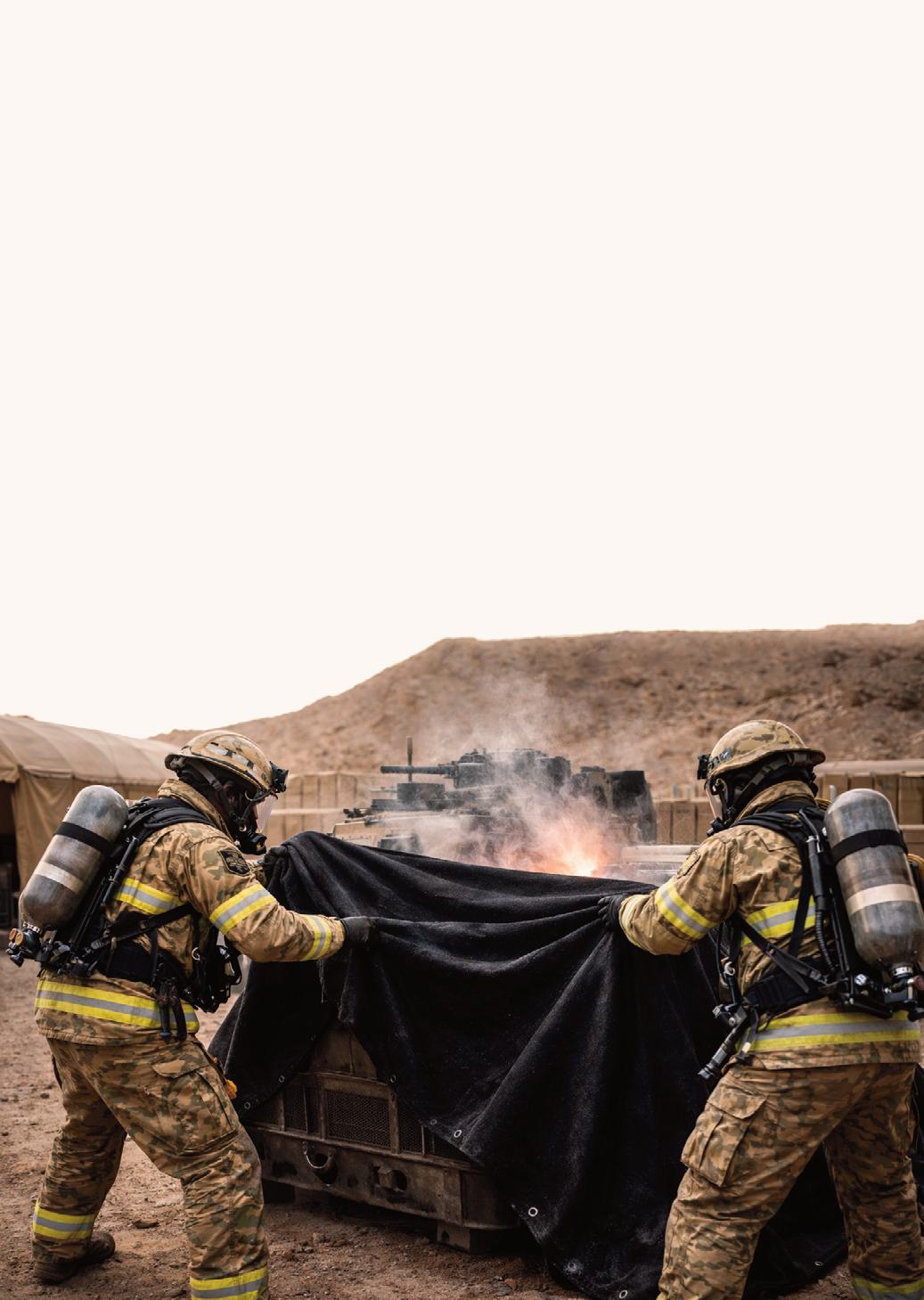
Fire control at sea requires precise management in confined, high-risk spaces.
Advantage: Blanket contains fire and smoke while allowing water to be applied through the blanket, directly to the source minimizing contamination.
Portable energy storage systems are critical to modern deployments but introduce significant fire risk.
Advantage: Prevents cascading failures while enabling sustained cooling in remote or resource-constrained environments.
Drawing on ThermoDyne’s expertise in advanced thermal management systems, the DynaGuard® EVB Fire Blanket is designed for demanding operational conditions:
• High-temperature resistant materials for extreme events
• Water-permeable construction for active suppression
• Durable, reusable design for repeated deployment
• Lightweight and portable configuration for rapid response
This ensures the system integrates seamlessly into existing safety protocols while addressing the unique challenges of lithium-based energy systems.
Modern military fire protection must go beyond suppression alone. It must:
• Contain the hazard
• Control escalation
• Enable effective cooling at the source
The DynaGuard® EVB Fire Blanket achieves all three—providing a practical, field-ready solution for one of the most dangerous emerging threats in modern operations.
As electrification reshapes the battlespace, so too must the strategies used to manage risk.
By combining thermal containment with water-permeable cooling capability, the DynaGuard® EVB Fire Blanket delivers a new standard in fire response—one that enhances safety, survivability, and operational readiness across all domains.
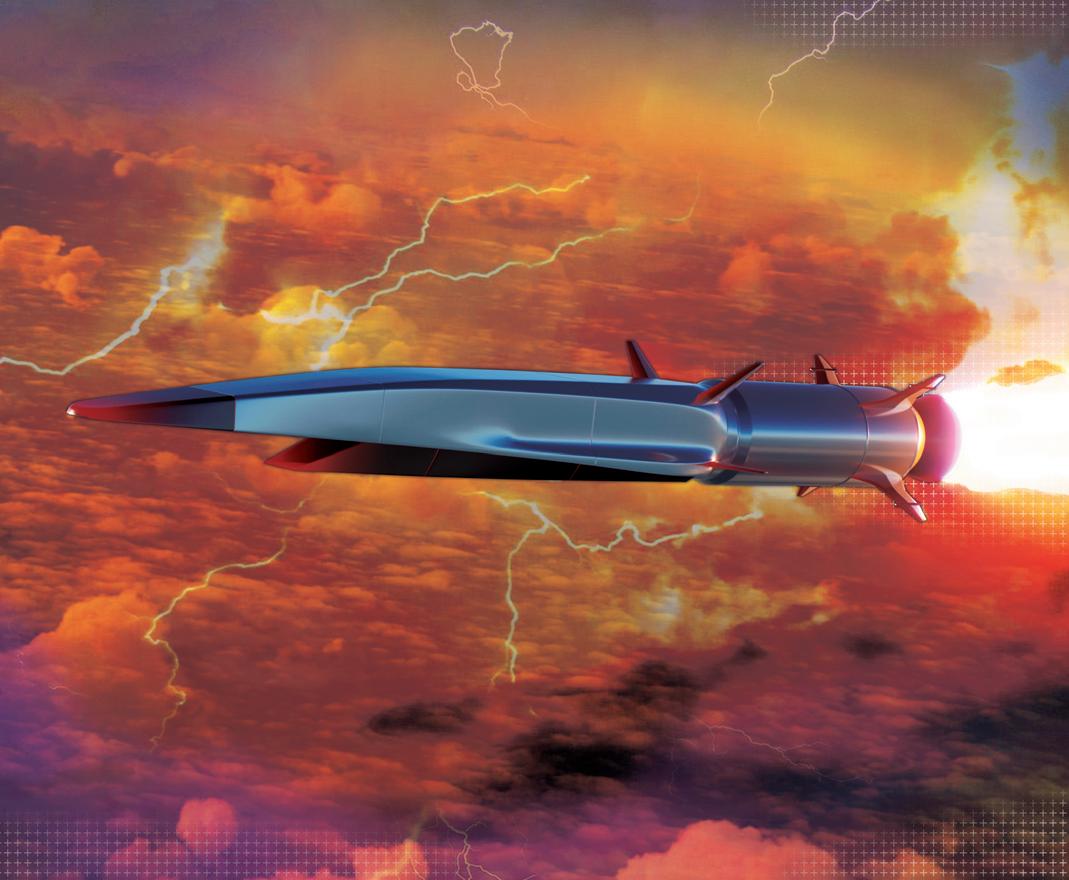
In hypersonic defense, speed and precision win battles — but protection wins missions. ThermoDyne delivers ultra-high-performance thermal systems that endure extreme heat, minimize energy loss, and meet the toughest size and weight demands — key to extending 昀ight time to target.



We don’t just insulate — we engineer thermal intelligence. With decades of innovation in aerospace and defense, we’re the design authority behind integrated thermal protection systems that perform when it counts.

/ F: 00-1-574-293-0047
As modern armed forces face increasingly complex operational scenarios, military vehicle design is undergoing a profound transformation.
Mobility, survivability, electrification, predictive maintenance and digitalisation are no longer independent capabilities; they are now deeply interconnected elements of a single operational ecosystem. In this rapidly evolving environment, companies capable of integrating advanced engineering with real battlefield requirements are becoming essential strategic partners for defence programmes worldwide.
One of those companies is Piedrafita, a Spanish engineering group that, after nearly four decades of technological development, has established itself as a specialised supplier of advanced mobility systems, intelligent
data acquisition technologies and power electronics for military vehicles operating in the harshest environments.
Visitors attending Eurosatory 2026, from 15 to 19 June, will have the opportunity to discover the company’s latest technologies and developments firsthand at the Piedrafita stand, where the group will showcase innovations spanning its three business areas: mobility systems, predictive maintenance and digitalisation, and solid-state power distribution.
Modern armoured vehicles must operate across highly diverse terrains while maintaining high levels of protection, payload and operational endurance. Achieving this balance requires increasingly sophisticated suspension and mobility technologies.
Piedrafita Systems has positioned itself at the forefront of this field through the development of advanced hydropneumatic suspension solutions, rotary damping technologies and specialised mobility subsystems.
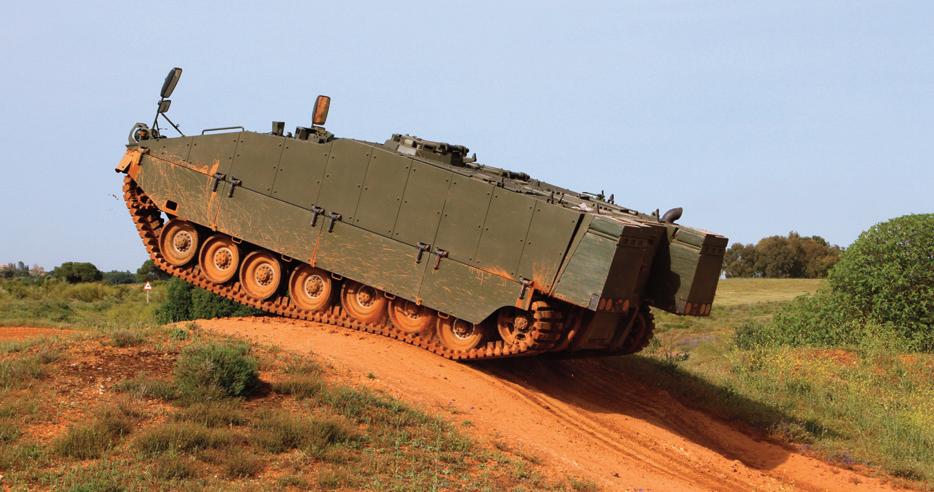
Among the company’s most distinctive technologies are its rotary dampers, an area where Piedrafita has become a recognised global specialist.
Unlike traditional linear damping systems, rotary dampers offer significant advantages in compactness, integration flexibility and energy dissipation efficiency. These systems are particularly valuable in heavy armoured vehicles, where available space is limited and weight optimisation is critical.
Piedrafita’s patented rotary damping technologies are designed to support extremely high wheel loads while maintaining reduced dimensions and lower system mass. Their architecture simplifies installation both in newly designed vehicles and retrofit programmes for legacy fleets.
The reduced footprint also enables engineers to optimise internal vehicle layouts, an increasingly important factor as modern platforms integrate more electronics, batteries, protection systems and crew equipment.
One of the company’s flagship developments is the SRB (Suspension Rotativa Blindados), an advanced hydropneumatic rotary suspension system for armoured vehicles.
Developed within the framework of the European Defence Industrial Development Programme (EDIDP 2020) and later reinforced through the European Defence Fund (EDF 2023), the SRB2 programme represents one of the most ambitious collaborative suspension initiatives currently underway in Europe.
Piedrafita leads the multinational consortium behind the project, reinforcing its role as a key contributor to European defence technological sovereignty.
The SRB system aims to redefine tactical mobility by combining rotary damping and hydropneumatic suspension technologies into a fully integrated solution capable of significantly improving:
• Vehicle stability
• Crew comfort
• Mobility at high speeds
• Survivability
• Weight optimisation
• Maintainability
The compact architecture of the SRB is especially attractive for future combat vehicle concepts where modularity, hybrid propulsion systems and reduced maintenance footprints are becoming increasingly important.
Complementing its rotary technologies, Piedrafita has also developed advanced linear hydropneumatic suspension columns designed for both next-generation vehicles and upgrade programmes.
These integrated suspension units combine elastic and damping functions into a single compact assembly, simplifying installation and reducing overall system complexity.
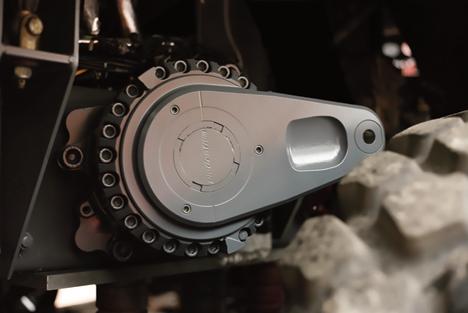
The technology also incorporates hydraulic preload systems and nonlinear elastic response curves tailored to individual vehicle architectures, optimising ride quality across varying terrain conditions.
Piedrafita’s hydropneumatic track tensioner has been engineered to optimise track behaviour under highly demanding operational conditions. The system automatically adapts to terrain-induced tension variations and track wear, improving vehicle handling, reducing fuel consumption and extending component lifespan.
The solution is designed for vehicles up to 70 tonnes and is compatible with both metallic and rubber tracks.
The defence industry is increasingly shifting from reactive maintenance toward predictive, data-driven sustainment strategies. This transition is placing intelligent data acquisition systems at the centre of future military vehicle architectures.
This is where Piedrafita Prognostics plays a major role.
With almost 40 years of experience in onboard instrumentation and data acquisition, Prognostics has developed a comprehensive range of Smart Logger systems capable of operating in highly demanding military environments.
These systems can function either as standalone units or fully integrated within NGVA-compliant architectures.
Their capabilities include monitoring and analysing:
• Powertrains
• Suspension systems
• Drivetrains
• Weapon systems
• Turrets
• Operational usage data
The result is a detailed understanding of vehicle health and operational behaviour, enabling maintenance actions to be planned before failures occur.
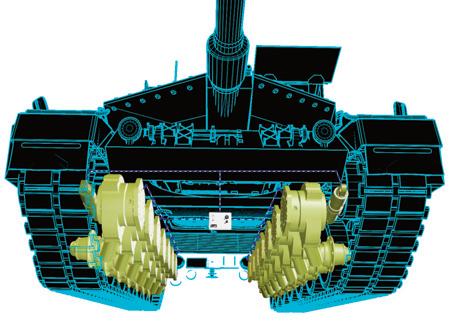
One of Prognostics’ most important innovations is the DSC (Digital Suspension Controller), a system designed to bring real-time intelligence to vehicle suspension management.
The DSC enables:
• Terrain detection
• Monitoring of vehicle usage severity
• Diagnosis of suspension components
• Running gear health analysis
• Traceability of installed components
This digitalisation process represents a major step toward fully connected military vehicles capable of self-diagnosis and advanced fleet management.
For armed forces operating large fleets under demanding conditions, these capabilities can significantly reduce downtime, improve readiness rates and optimise lifecycle costs.
Another major development is SICCOM, Piedrafita’s intelligent traceability platform.
The system combines QR codes, RFID, NFC and barcode technologies with artificial intelligence algorithms capable of recognising and reconstructing component data automatically.
This enables full lifecycle tracking of vehicle components without manual intervention, improving logistics management, maintenance traceability and configuration control.
As defence fleets become increasingly digitalised, systems such as SICCOM are expected to become essential building blocks within future sustainment architectures.
As military platforms integrate more electronic systems, sensors, communications equipment and active protection technologies, electrical power management is becoming a mission-critical capability. Traditional relay and fuse-based architectures are rapidly approaching their practical limits.
To address this challenge, Piedrafita DefPower has developed a complete family of MILPDUs (Militarised Power Distribution Units) based on solid-state technology.
DefPower’s MILPDUs replace conventional fuse and relay boxes with programmable solid-state systems that are more compact, reliable and adaptable.
The systems support 12V, 24V and 48V architectures and can easily integrate into both new-generation platforms and legacy vehicle upgrades.
Key advantages include:
• Reduced size and weight
• Fully programmable logic
• CAN bus integration
• Support for analogue and digital inputs
• Integrated transient protection
• Simplified hardware standardisation across vehicle variants
These characteristics are particularly important as military vehicles move toward hybrid and fully electrified architectures.
All DefPower solutions are developed to comply with demanding military standards, including MIL-STD and Def Stan certifications.
This ensures reliable operation in highly challenging operational conditions involving shock, vibration, electromagnetic interference and extreme temperatures.
The compact nature of the systems also simplifies vehicle integration and frees valuable internal space for mission equipment.
At Eurosatory 2026, Piedrafita will present what is effectively a complete technological ecosystem for next-generation military mobility. From advanced rotary suspension systems and hydropneumatic track tensioners to intelligent predictive maintenance architectures and solidstate power electronics, the company’s portfolio reflects the growing convergence between mechanical engineering, electronics and digitalisation in modern defence platforms.
In a defence landscape increasingly defined by operational readiness, modularity and lifecycle optimisation, companies capable of integrating these domains coherently are becoming indispensable.

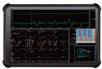


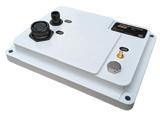
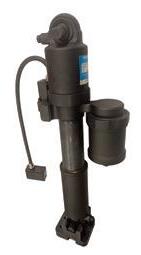
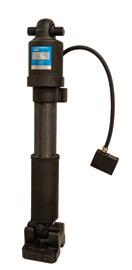
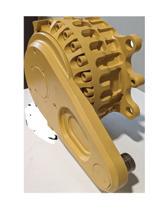
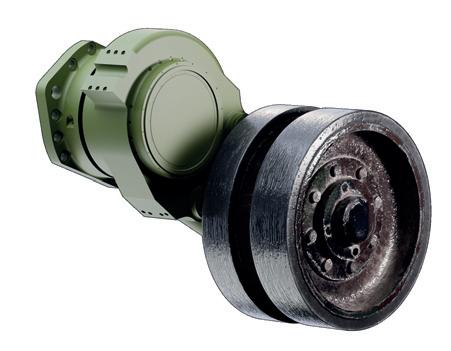





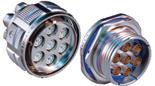
Next-generation training, including:
• Exercise design, development and delivery
• Wargaming
• Live and simulated exercise support
• Interoperability systems
• And more
Modern military operations are becoming increasingly defined by complexity, uncertainty and the need to operate in environments that present significant hazards to personnel.
Among the most dangerous of these threats are radiological and nuclear materials, whether encountered during military conflict, terrorist incidents, infrastructure attacks, illicit trafficking operations or post-incident remediation missions. In such situations, rapid situational awareness is critical, as well as the protection of the personnel tasked with entering and assessing these environments.
For armed forces and specialist CBRN units, there is a clearly defined challenge of how radiation threats can be identified, characterised and monitored without unnecessarily exposing troops to danger.
The growing use of remote radiation detection technologies capable of delivering accurate, real-time intelligence while allowing operators to maintain a safe standoff distance. Advances in detector sensitivity, communications integration and unmanned system compatibility are transforming how military organisations approach radiological threat detection, enabling faster decisions, greater operational flexibility and significantly improved troop safety.
Radiation incidents are inherently unpredictable, which means that military personnel may encounter radioactive materials operations. In these environments, exposure risks can increase rapidly, particularly
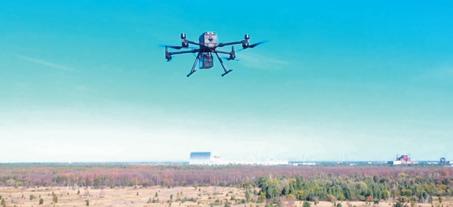
where threats are concealed, shielded or combined with other operational hazards.
Traditional radiation detection methods often required personnel to move directly into potentially contaminated areas to conduct surveys and identify radioactive sources. However, modern operational doctrine increasingly prioritises remote reconnaissance wherever possible, reducing unnecessary exposure and preserving operational capability.
Unmanned ground vehicles (UGVs), robotic systems and remotely deployed sensor systems are now playing an increasingly important role in military and emergency response operations. When equipped with advanced radiation detection capabilities, these systems allow operators to investigate hazardous areas from a safe distance while still gathering the critical data required to support informed tactical and strategic decisions.
This approach protects personnel while improving operational efficiency. Teams can survey areas faster, characterise contamination more accurately, and give commanders earlier situational awareness before committing troops to potentially dangerous locations.
Remote radiation detection systems are designed to combine high-performance spectroscopy with operational flexibility. Mounted onto a robotic platform or UGV, a radiation detector can enter high-risk environments independently while transmitting live information back to operators located safely away from the threat area.
In this configuration, operators can receive rapid alarms, spectral analysis and isotope identification data in real time. The detector continuously collects information throughout the mission, enabling users to assess contamination levels, identify radioactive isotopes and monitor changing environmental conditions without direct human exposure.
This capability is particularly important in military scenarios where time-sensitive decisions must be made under pressure. Whether assessing a suspected dirty bomb incident, investigating a compromised facility or conducting battlefield reconnaissance, commanders require immediate and reliable information to determine the appropriate response.
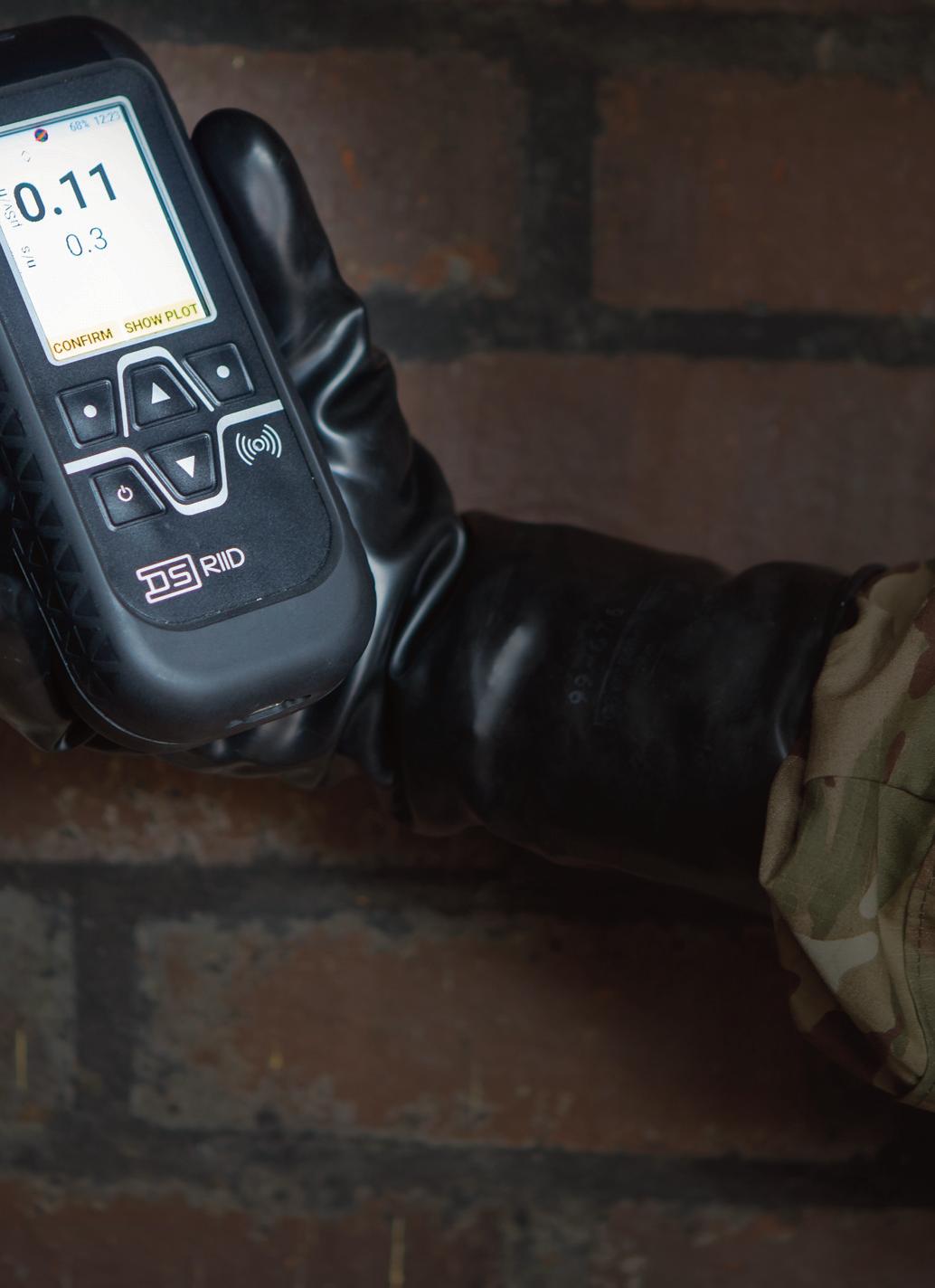
By integrating radiation detectors directly into a UGV’s communications infrastructure, data can be transmitted wirelessly or through wired connections across extended operational distances. This allows personnel to maintain situational awareness even as robotic platforms travel deep into hazardous or inaccessible areas.
Furthermore, modern systems enable collected data to be shared with remote technical authorities and specialist support teams. Spectral files can be transmitted for secondary analysis and adjudication, allowing additional expertise to contribute to operational decision-making in real time. This collaborative approach improves confidence in threat identification and supports more coordinated emergency responses.
Different isotopes present different levels of risk, require different response procedures and may indicate entirely different operational scenarios. The ability to rapidly and accurately identify radioactive sources therefore plays a major role in determining the appropriate course of action.
High-sensitivity radioisotope identification devices (RIIDs) provide this capability by analysing the energy spectrum emitted by radioactive materials. Advanced spectroscopic performance enables operators to distinguish between naturally occurring radioactive material, medical isotopes, industrial sources and potential nuclear threats.
In operational environments, this capability becomes even more important because radioactive sources are rarely encountered under ideal conditions. Threat materials may be weak, heavily shielded, mixed with other isotopes or obscured by complex background radiation.
Modern RIIDs are designed to address these challenges through high sensitivity and enhanced spectral resolution, enabling operators to categorise isotopes with greater confidence even in difficult conditions. For specialist CBRN units, the availability of high quality adjudication spectra significantly improves the accuracy of assessments and reduces uncertainty during critical missions.
Military operations place exceptional demands on deployed equipment. Radiation detection systems intended for operational use must therefore be capable of functioning reliably in extreme and unpredictable conditions.
Harsh temperatures, dust, vibration, moisture and physical impacts are all common realities in deployed environments. Equipment failures during a live operation can delay mission objectives, compromise situational awareness and increase risk to personnel.
To address these challenges, military-grade radiation detectors are engineered to meet rigorous defence standards for durability and environmental resilience. Compliance with recognised military specifications ensures devices can operate reliably across a wide range of operational conditions, whether mounted on vehicles, integrated into robotic platforms or carried by dismounted personnel.
Reliability is especially important during prolonged deployments where equipment may need to remain operational for extended periods with minimal maintenance. Stable detector performance, long operational life and low maintenance requirements all contribute to reducing lifetime operational costs while increasing mission readiness.
At the same time, usability remains a critical consideration. In highpressure situations, operators cannot afford to spend valuable time navigating complex interfaces or lengthy setup procedures. Modern RIIDs are therefore designed for rapid deployment, with fast startup times, intuitive interfaces and minimal training requirements.
As military operations become increasingly data-driven, the ability to share information rapidly across operational networks is becoming just as important as the performance of the detector itself.
Modern battlefield environments rely heavily on integrated situational awareness systems that provide commanders and frontline personnel with a unified operational picture. Radiation detection systems are now evolving to become part of this wider digital ecosystem.
Integration with tactical situational awareness platforms allows radiation data to be distributed across command networks in real time. This enables commanders, CBRN specialists and operational teams to visualise radiological threats as part of a broader operational picture, supporting faster and more coordinated decision-making.
The value of this connectivity extends beyond the battlefield. In multinational operations or civil-military response scenarios, data sharing between agencies and technical authorities can significantly improve coordination and reduce response times.
Importantly, advances in communications technology are also helping to overcome limited network availability, one of the key challenges of operating in contested or degraded environments.
Spectral information and isotope identification data can be exported and shared through alternative means, ensuring critical intelligence remains accessible even in environments where communications infrastructure is compromised.
This flexibility increases operational resilience and helps ensure decision-makers continue to receive the information they need, regardless of the communications environment.
Another critical aspect of military radiation detection operations is localisation, the ability to pinpoint the precise location of a radioactive source.
Advanced localisation modes support the process by using background radiation measurements to establish detection thresholds and guide operators toward the source. Audible and visual indicators increase in frequency or intensity as the operator approaches the radioactive material, enabling more precise searches.
Recent developments in localisation technology have further improved search accuracy by enabling thresholds to adapt dynamically to changing background conditions. This is especially valuable in complex operational environments where naturally fluctuating radiation levels could otherwise interfere with effective source tracking.
Enhanced localisation performance allows operators to conduct more efficient searches, reduce investigation times and improve overall mission effectiveness.
The increasing accessibility of radiological materials, combined with the continued risk of state and non-state actors exploiting CBRN capabilities, means military organisations must remain prepared to detect and respond to radiological threats quickly and effectively.
At the same time, greater emphasis is being placed on unmanned systems, distributed operations and network-enabled decisionmaking. Radiation detection technology is evolving alongside these trends, becoming more mobile, more connected and more adaptable to modern operational requirements.
Remote detection capabilities are likely to play an even greater role in future military operations as autonomous systems become more widely deployed. The integration of radiation detectors with robotic platforms, battlefield management systems and remote technical support networks will continue to improve operational awareness while reducing risks to personnel.
Radiation detection equipment has long been a critical component of military CBRN capability, but advances in remote detection technology are fundamentally changing how these missions are conducted.
The ability to deploy compact, high-performance RIIDs on unmanned platforms allows military personnel to investigate hazardous environments while minimising direct exposure to radiological threats. Real-time alarms, accurate isotope identification and integrated communications capabilities ensure commanders receive the information they need to make timely and informed decisions.
At the same time, ruggedised construction, rapid deployment capability and enhanced networking functionality provide the operational flexibility required for modern military environments.
As threats continue to evolve, protecting troops while maintaining operational effectiveness will remain a central priority for defence organisations worldwide. Remote radiation detection technologies are helping to achieve exactly that, enabling safer operations, faster decision-making and greater confidence in the most demanding and hazardous conditions.


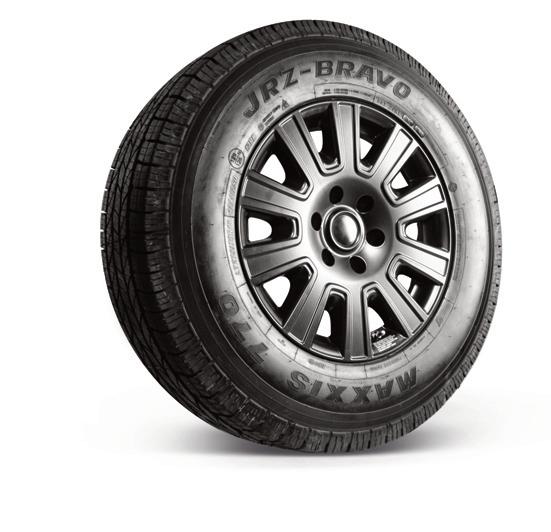
Extra protection changes everything. Weight, heat, braking, stability, and whether a vehicle can still keep moving when it matters.
Most people notice the armour first.
The thick glass. Heavy doors. The way a vehicle suddenly sits lower and wider once protection has been added to it. What gets missed is what happens underneath afterwards, because once you start adding serious weight to a platform, things begin changing quite quickly.
Brakes heat up faster. Suspension geometry shifts. Steering feels different. Tyres are carrying loads they were never originally designed around. Even a puncture becomes a much bigger problem when the vehicle weighs several tonnes more than standard.
That awkward space between protection and mobility is where TSS International B.V. has spent years working. Long before “mobility solutions” became one of those phrases every company started using.
Founded in the Netherlands in 1976, TSS built itself around a fairly simple idea: armour only matters if the vehicle can still move properly after something has gone wrong.
“There’s no value in protection if the vehicle stops becoming usable,” says Louis Huijzen, who leads the TSS business today. “Once armour goes onto a vehicle, you can’t just think about one component anymore. Everything is affected by the weight.”
It sounds obvious enough. But in practice, a lot of armoured vehicles still end up chasing fixes for problems created elsewhere. A protected SUV or utility platform can gain huge amounts of weight after conversion. Sometimes far beyond what the original civilian chassis was intended to deal with. That extra mass changes almost everything about how the vehicle behaves, particularly over time.
It’s the repeated stops afterwards. Heat building into the braking system. Components getting pushed harder than they were designed for. Response becoming inconsistent when the vehicle is fully loaded and operating in poor conditions.
TSS has put a lot of focus into that area, particularly with braking systems developed alongside MOV’IT for heavier platforms including armoured Toyota Land Cruiser 300 vehicles. The emphasis seems to be less about headline stopping distances and more about maintaining consistent braking performance when the system is under repeated stress.

Which, realistically, is what operators care about.
In testing on heavily armoured platforms, upgraded systems showed far stronger resistance to brake fade during repeated high-energy braking cycles than some more standard setups. That matters in urban driving especially, where vehicles can go from crawling traffic to hard braking very quickly.
The company approaches mobility in a fairly joined-up way overall. Runflat wheel assemblies designed for heavier loads. Self-sealing fuel tanks intended to reduce the risk of fire after ballistic damage. Suspension systems aimed at bringing back some stability and control once armour changes the vehicle’s handling characteristics.
None of it is particularly flashy. And maybe that’s why it works.
“There’s a difference between something performing well once and performing properly every day,”
Huijzen says.
“Customers are asking tougher questions now. They want to know how systems behave after repeated use, under load, in heat. Not just in ideal conditions.”
That feels pretty reflective of where the wider market has gone. Protection levels keep increasing, which means vehicle weights keep climbing with them. At the same time, operators are expecting more reliability from platforms already being pushed hard mechanically.
TSS has gradually moved further towards complete mobility packages
because of that. Wheels, runflats, braking systems and associated components developed and tested together rather than treated as separate upgrades bolted on afterwards. There’s probably a practical reason for that approach. Once everything carries your name, there’s not much room left for excuses between suppliers. It’s also the kind of conversation the company expects to be having throughout the week at Eurosatory 2026 in Paris, where TSS will be based on the Netherlands Pavilion among a wider industry increasingly focused on what happens after the armour has been fitted, not just before it.
Beyond vehicles, the company has also expanded into personal protection systems, including the SKYDEX IsoFit helmet liner platform trialled with military users in Europe. Different product category, same sort of thinking behind it really, reducing fatigue, improving long-term comfort, helping equipment work properly over extended periods. After nearly fifty years, TSS still seems focused on the same core idea it started with.
What matters is whether the vehicle still behaves the way it needs to when conditions turn bad. Whether the brakes still respond properly late into a journey. Whether damaged tyres still keep the vehicle moving. Whether the added protection has quietly created new weaknesses somewhere else. That’s the side of the problem TSS has spent decades dealing with. Not the part most people notice first, but usually the part that matters when it counts.
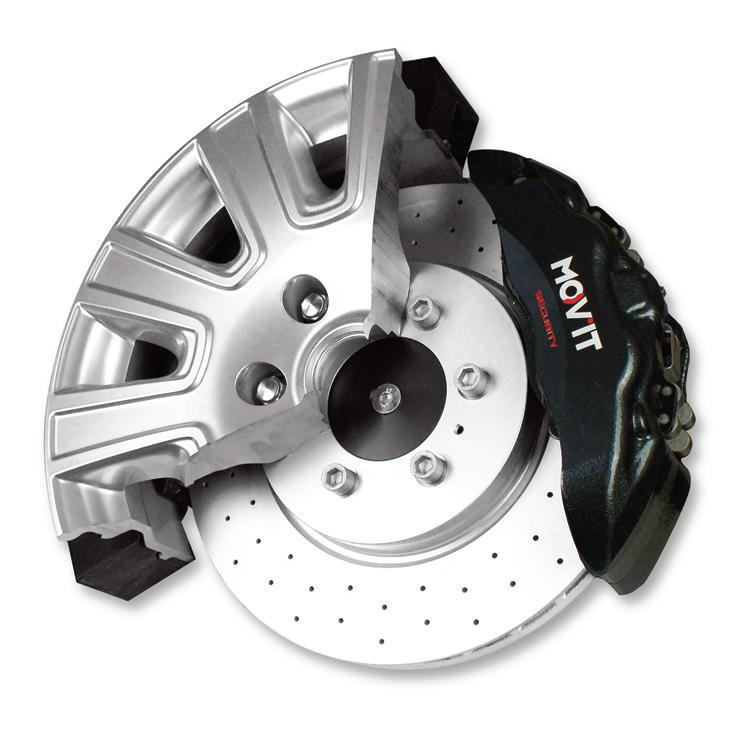
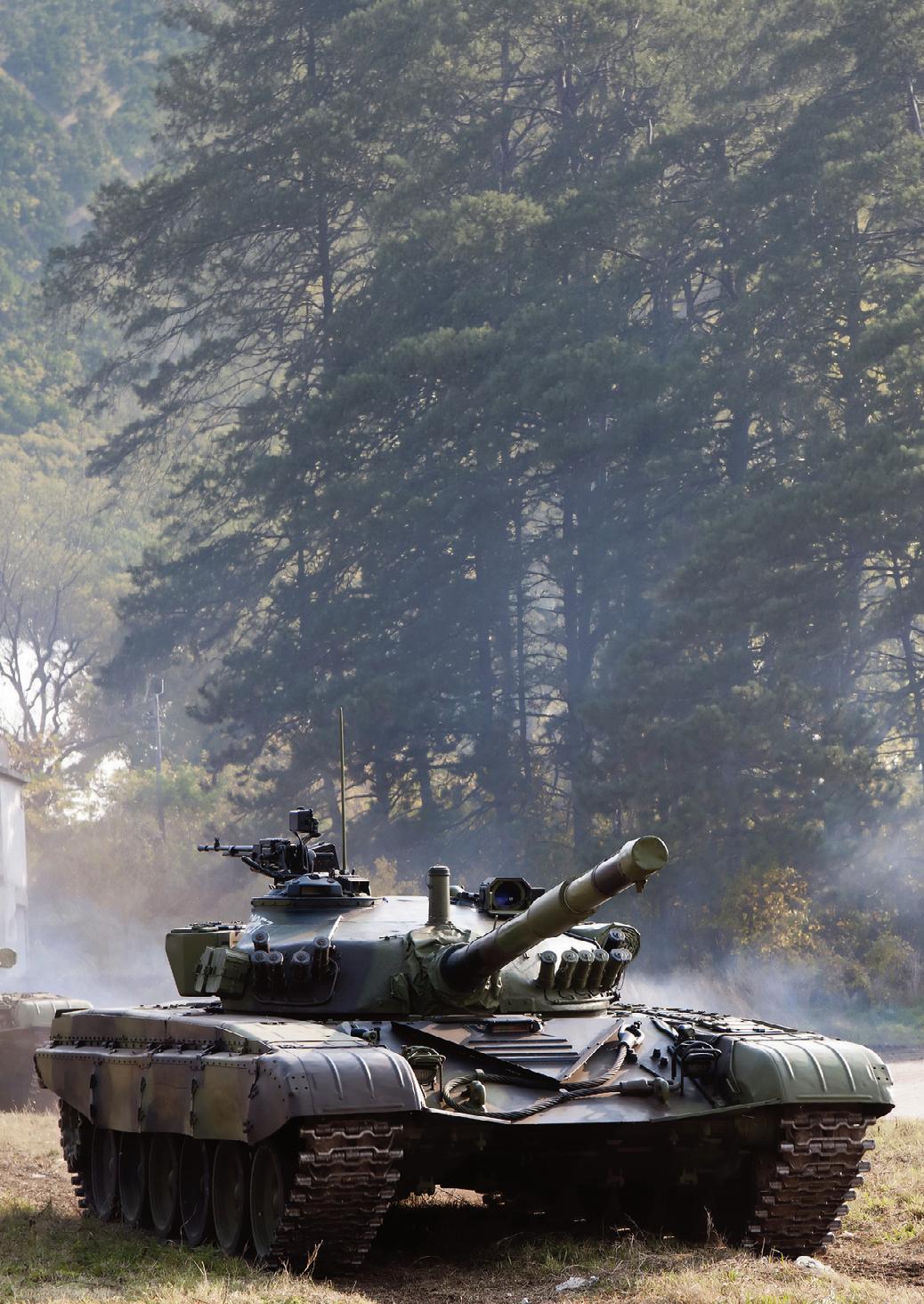

INDEPENDENTLY APPROVED. COMBAT PROVEN. MADE IN THE UK.
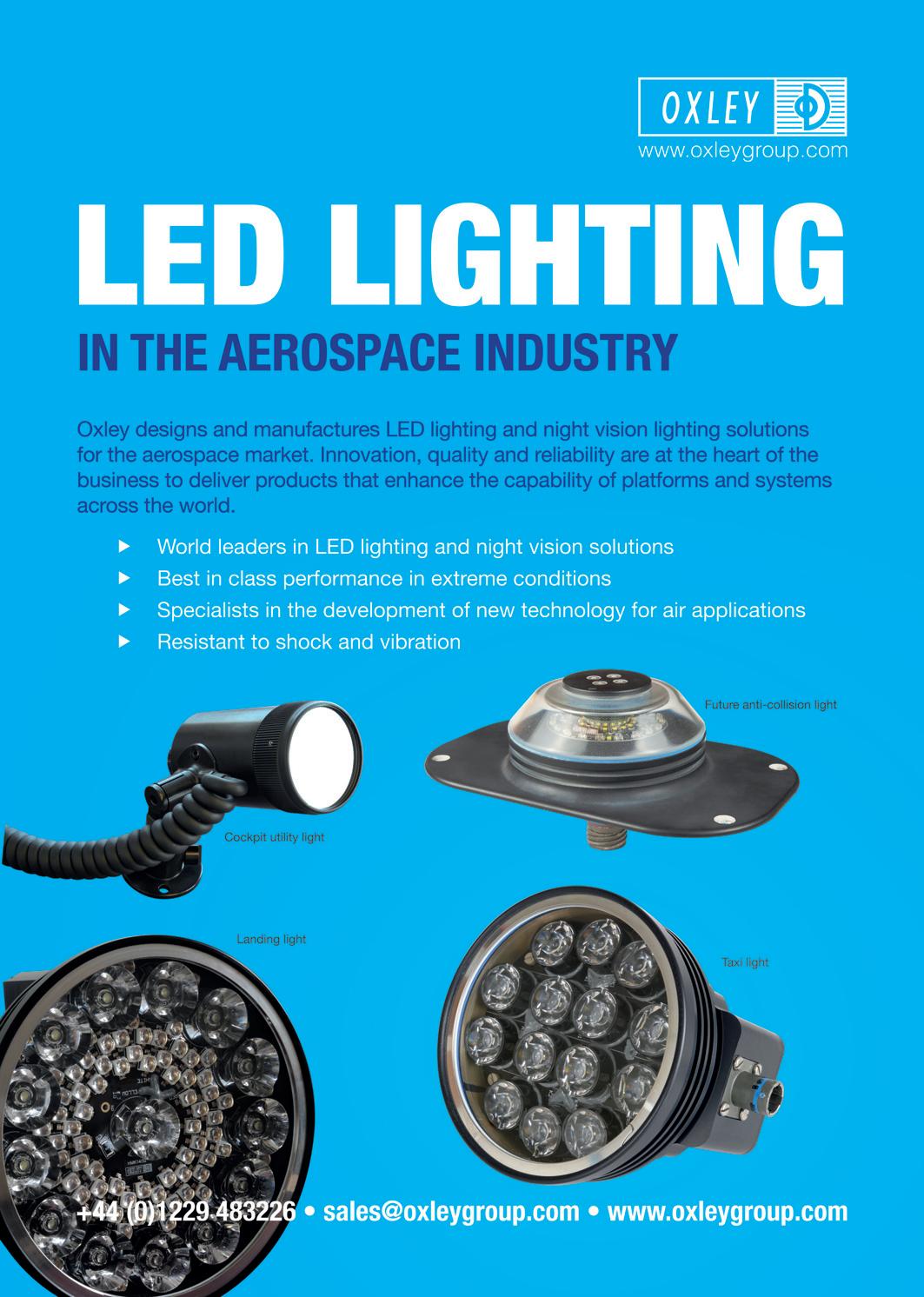

In 2025 and early 2026, we have witnessed a shift where commercial data centers, energy grids, oil storage tanks and nuclear facilities have become targets for attacks. While electronic warfare and kinetic interceptors remain critical, they are not infallible. As hostile actors evolve their tactics to bypass active countermeasures, Frictape SpiderNet™ stands as the world’s first entirely passive, highperformance physical C-UAS safety net - the final, failsafe safeguard for high-value assets.

Recent global conflicts have exposed critical vulnerabilities in active defense systems. Active measures can be saturated, jammed, or simply avoided.
• Saturation and Attrition: In early 2026, mass deployments of low-cost loitering munitions have been used to systematically "drain" air defense resources. These "attrition" campaigns launch hundreds of drones simultaneously to overwhelm radar and exhaust expensive interceptor stockpiles.
• Precision Strikes on Infrastructure: In March 2026, drone strikes on data centers in the UAE and Bahrain proved that physical destruction can bypass even the most advanced digital redundancies. Similarly, a May 2026 strike on the Barakah Nuclear Energy Plant triggered fires at electrical generators, underscoring the gravity of threats to critical infrastructure.
• Energy Warfare: Drones have increasingly targeted oil refineries - such as the 2026 Aramco Ras Tanura attack and successful Ukrainian strikes on major Russian refineries in May 2026 - causing price spikes and operational shutdowns.
• Environmental Blind Spots: High-end interceptors often struggle in low-visibility conditions. Reports from Ukraine in early 2026 noted that harsh winter weather and night conditions significantly reduced the effectiveness of active interceptor drones.

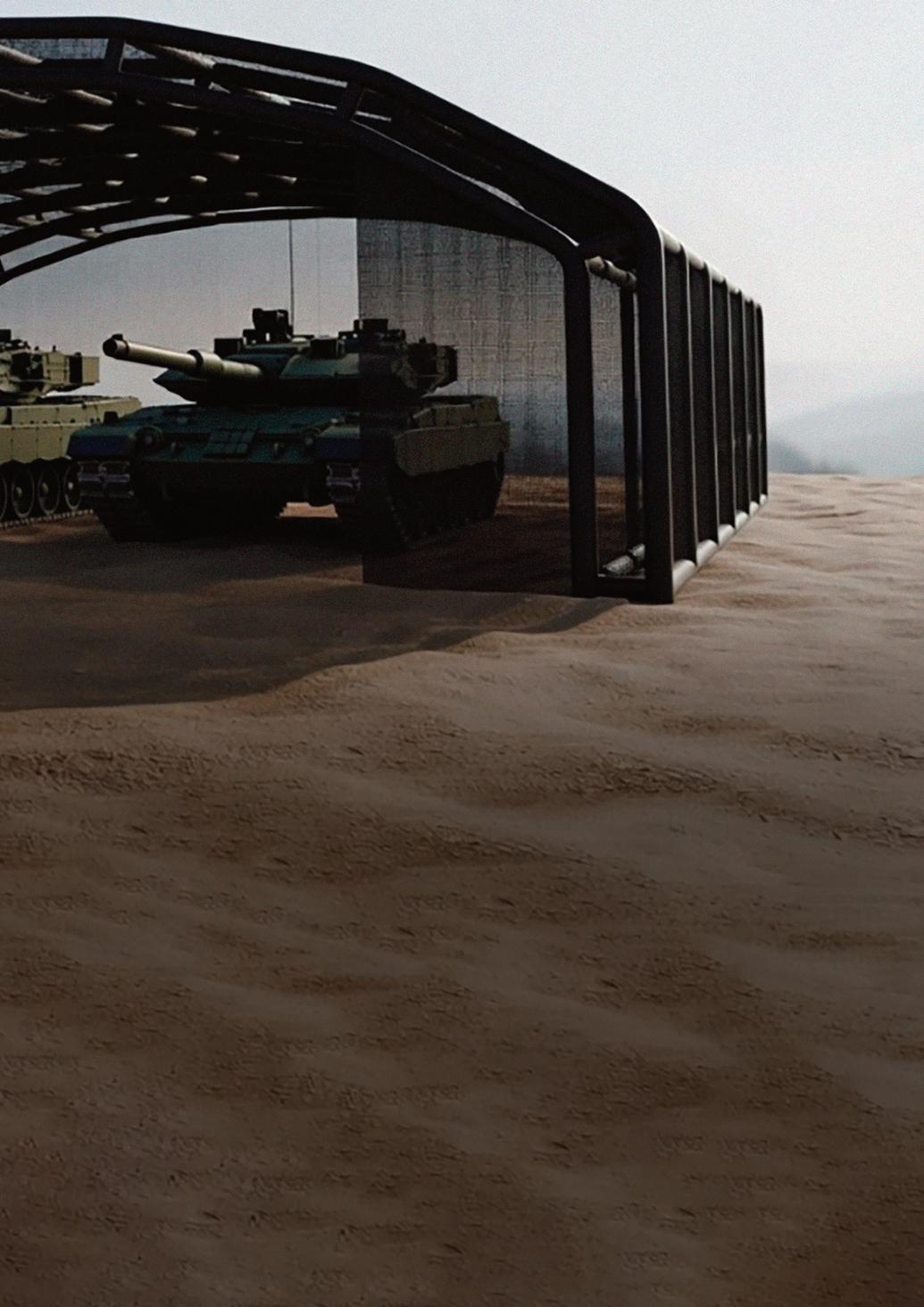
SpiderNet™ is designed specifically for the moment active countermeasures fail to remove threat, or they do not exist. It operates as a "set-and-forget" physical shield that protects the asset directly, adding a crucial protective layer to active countermeasures.
• Non-Electronic & Always Active: Unlike systems requiring power or sensors, SpiderNet™ is always "on". It cannot be jammed, spoofed, or blinded.
• Extreme Stopping Power: Drawing on 40 years of aviationgrade engineering, the system can stop Group 3 and 4 UAVs - such as the Shahed 136 - carrying high amounts of kinetic energy.
• Modular Resilience: The failsafe design ensures that if one panel is impacted, the rest of the structure remains intact, allowing for rapid field repair and continued protection against subsequent waves of attack.
• Made from synthetic fibres, not metal: Highly engineered fibre mesh is stronger and much lighter than typical metal mesh structures. Corrosion is no concern, and it does not block radars that may be located inside the shelter.
We are pleased to announce that shipments of SpiderNet™
systems have officially begun, providing immediate protection to high-value assets across the globe.
Beyond the netting itself, Frictape offers comprehensive support for the design and implementation of the superstructure. Our team can help tailor the physical framework to complex shapes and environments - from curved domes to specialized "cope cage" configurations for mobile armored units.
Whether you are shielding critical infrastructure or military field assets, SpiderNet™ provides the physical certainty needed to protect what matters most when active countermeasures fail.
“Given our purpose we are here to serve generations of people whose lives are “at risk” over water and to ensure there is work for our children and grandchildren”

is a favourite saying of Paul Douglas the Owner, President and CEO of Survival Systems Limited (SSL) the Halifax Nova Scotia Canada based supplier of world leading escape trainers for the crews and passengers of vessels or platforms that may have a mishap whilst traversing or in the water.
He is on record as saying he expects his team to remember that the company’s aim is to continue to save lives long into the future and by doing so to provide employment for children and grandchildren of current workers. The business model the company has adopted is to always think long term taking the customer into their confidence, ensuring that the company do the right thing by the customer.
How do SSL and Paul enable this philosophy to work in practice? First and foremost, “think long term” is a mantra within the company. This is engendered by making sure that the people recruited to the company are the best available from the pool of applicants for a role, but only if they have the attributes required or there is a better than average chance of them achieving the standard required. Better not to recruit than to fill a post with someone unwilling to excel, unwilling to put the customer before self and not willing to see beyond the current task, business trip or contract. Then they are looked after, trained, where necessary, and allowed to develop and grow into positions of greater responsibility and given every support to carry out their role. They are thoroughly engrained in and with the purpose and role, in the widest sense, of Helicopter Underwater Egress Training Systems (HUETS). They realise HUETS are lifesaving capability enablers and money saving devices.
People in the company willingly commit to the ethos because they can see the benefits of what they are doing. This is evident in three ways. Firstly, by ensuring customers are happy there is much greater feedback from them-it’s a team effort where they, owners, users and employees
Maker or Maintainer?
are all aiming at a similar goal. Secondly the process is manifestly correct because in a business where results are difficult to quantify there is a huge amount of regenerated and follow on business. Thirdly the employees themselves ensure their colleagues maintain the ethos and seek to make the most of every scrap of information that is available.
These three attributes allow the team, users and employees alike to come up with new ideas and improvements whether they impact design, service or usage. The aim and the outcome is continuous improvement. Everyone sees the benefits and it becomes further ingrained in working practices and attitudes. From these ideas based on the operational use of existing equipment and understanding where new trends are taking future equipment innovative ideas and new thinking develops. This two way interaction is further based on solid science and engineering backed by thorough Research and Development of both the new thoughts and ideas from other sources.
Clients feel they are being taken into the development teams’ confidence, and they thus have a stake in new SSL development and products. Now part of history but very much part of SSLs long term success was the move to Modular HUETS, SSL’s main product line Modular Egress Training Systems (METS®). Up to the point where METS® emerged HUETS were traditionally old airframes (or boat or vehicle) carcasses cleaned up environmentally and modified for physical safety. This was never a satisfactory process. Environmentally there was always a sheen of lubricants on HUET pools. The modifications required to remove jagged edges to allow easy access for trainees and safety staff removed many key problem areas and issues the trainees had to solve. This fidelity issue is critical. Without reality there is not much point in doing the training. Hard training delivers results. Easy training merely engenders self-satisfaction which only lasts until reality has to be confronted.
By moving to METS® and modularity the clients were saved a lot of money. Before modularity the different airframes had to be stored in a protected environment, so they did not take hazards into the pool. Bird droppings, rodent and birds’ nests, litter etc have all been reported. Thus, the storage had to be secure and indoors. Then there were the additional knock on issues of parking and moving the HUETS around the available space to allow the HUET to be moved from storage slot to the pools. By moving to a modular approach base platforms which, if necessary, can be stored as a stack, onto which the airframe can be represented with total fidelity by replaceable clip on/in panels. The panels can be stored in a large “toast rack” on wheels. Huge savings in

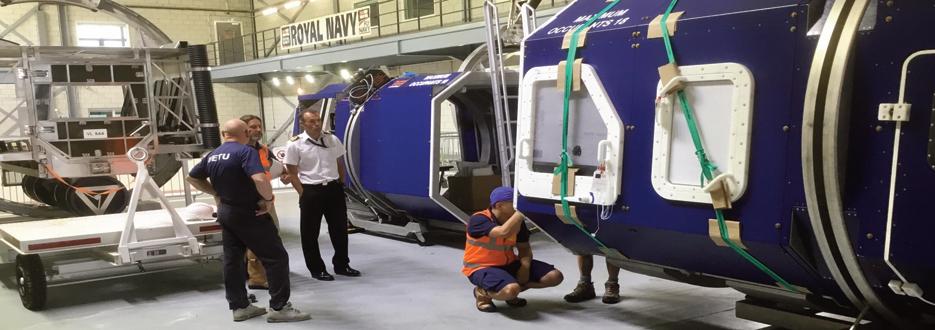
space are achieved. In this day and age space equals money and size equals bricks and mortar, or equivalent, concrete and steel which all equals more money. The follow on financial savings from manufacture, availability and productivity are huge.
Follow on savings in time and cost are as great or even greater. No need to wait for an airframe to become tired and time expired simply use a standard base and construct or modify existing panels. The same is equally true as an aircraft (or boat or amphibious vehicle) goes through life and undergoes upgrades or changes of role or other changes which call for different internal configurations. A side benefit is that when new configurations are being considered the specifiers/designers can call for a near perfect replication of their concept to check that movement in the cabin and crucially out of it whilst underwater and upside down is possible and given different options which is best or easiest or safest to operate in. Equally the flight crew can check that they can operate and egress with minimum trouble working out drills to be adopted and the resulting training.
From the original issues of environmental contamination and hazardous edges and projections it can easily be seen that materials which are lighter and do not in themselves present environmental or safety, e.g. snagging, issues make the whole equipment set easier to deal with. This low cost and low hassle approach make long term working with SSL much easier to achieve than constant stopping and starting the competitive churn often espoused by many Treasuries and Ministries which results in different storage and maintenance systems.
Because SSL sets out to cherish the long term approach there are a number of commercial approaches it can put forward which can allow clients to pick and choose commercial solutions that are appropriate to their training, financial, use and longevity plans. These approaches can take form as outright purchase with a long or short pay back term, long or short leases either as gaps in acquisitions occur as events unfold or long or short term loans as the client’s plans evolve.
If you are looking to the long term there must be a clearly visible and very efficient support system, clearly visible, coherent and designed around maximum availability of the platforms for the user, understood by all and constantly kept up to date. This also implies that the units should be designed around minimum maintenance in the first place. Interesting twists to SSL’s approach to this aspect are that routine maintenance is performed by the instructors at the training facility. The instructors are re certified during the maintenance period and much of the more detailed and bespoke maintenance is carried out by people usually employed in the design, development and manufacturing teams.
Thus, people back at the factory do not loose contact with the products or the people who use them. It is all part of the process of maximum involvement with the clients and making them feel they are part of the process, own future design and development and their opinions are valued and taken account of.
So where does this policy of long termism, client involvement, keeping the workforce in touch with the subject the product and the users lead. Well, it is no accident that many of SSLs customer base are returning clients. Equally the worlds of helicopters, amphibious vehicles and small fast government/quasi government boat operators are close knit and not frightened to talk to each other. Word of mouth is a wonderful recommendation, and respective users cross pollinate each other’s thinking. When you know you have the best in class and you helped select the key attributes you are as proud of it as the manufacturer is. Some of those long term repeat customers with whom a detailed relationship has evolved include;
After acquiring the first METS® Model 40, the German Navy acquired another METS® Model 40 – and are using both M40s.
After first acquiring a METS® Model 30, the RNLAF acquired a METS® Model 40. The METS® Model 30 is still being used with designed Apache Cockpit Modules.
In Australia, after the RAN (HMAS Albatross), the Army (Townsville), Special Air Services Regiment (Swanbourne), the RAN NBCD academy (HMAS Cerberus) came to SSL to design and deliver a RHIB launch and recovery trainer.
The US DoD, USN, US Army and USAF and the USCG all have SSL Systems in service at multiple sites in continental US and elsewhere.
Work is underway exploring regional or alliance wide use of common systems to enable more effective training, common training and use of common resources.

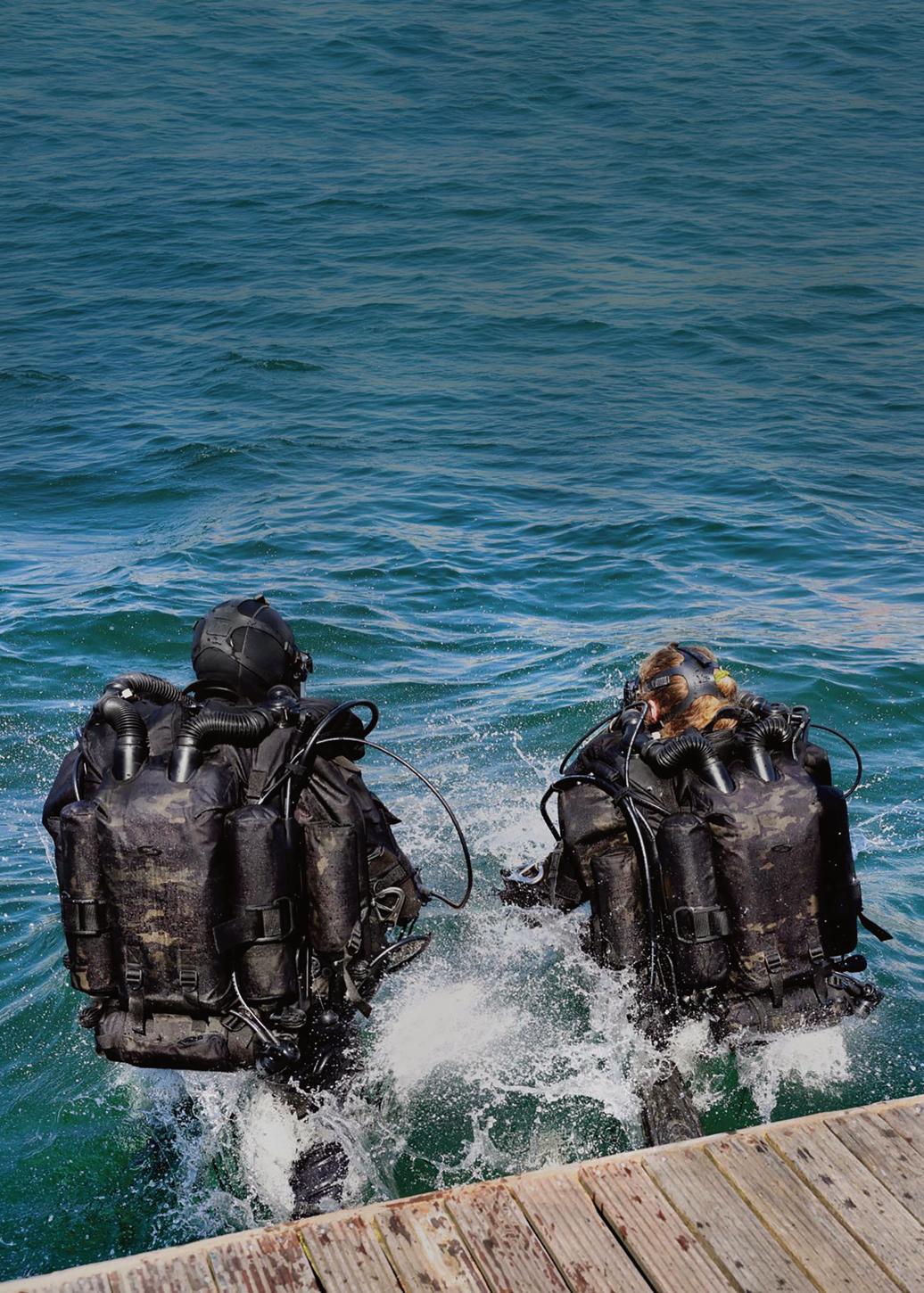
James Fisher Defence (JFD), a global provider of specialist marine and defence solutions enabling mission success at sea, has achieved Conformité Européenne (CE) certification for its Stealth Multi-Role® (SMR) rebreather, marking an important milestone in the continued advancement of the company’s military diving capability. Since its unveiling in 2025 development activity and operational testing has been undertaken to validate the system’s performance across a broad range of dive conditions and it is now ready for release to the market.
As military diving operations become increasingly complex, defence forces are seeking life support systems capable of supporting longer endurance missions, enhanced operational flexibility and high levels of reliability in demanding underwater environments. Developed in collaboration with operational stakeholders across global defence forces, SMR has been precision engineered to address these evolving requirements while prioritising diver safety, usability and operational reliability.
With a compact and improved ergonomic design, SMR has been engineered to support mobility and usability throughout extended duration operations, allowing divers to focus on their mission with confidence that their equipment will remain fully operational. Its modular, multi-role configuration is intended to enable operators to adapt the system across different mission profiles while maintaining consistent performance in operating environments where there is zero margin for error.
Peter Laughton, Head of Defence Diving – Military Products at JFD, said:
“Modern military diving operations place increasing demands on life support systems, particularly during prolonged or complex missions where reliability and adaptability are critical. Through the continued development of Stealth Multi-Role®, JFD is applying decades of operational life support expertise to support the evolving needs of defence diving communities."
Richard Devlin, Managing Director, James Fisher Defence, said:
“Building on more than four decades of established life support experience, Stealth Multi-Role® leverages JFD’s unique insight gained by supporting defence diving contracts across the world, having sold thousands of systems to global defence forces and often with integrated support services which assure full operational availability.
“Following CE certification of Stealth Multi-Role®, we look forward to continuing engagement with operators and demonstrating its capabilities in support of future military diving requirements.”
JFD brings extensive experience and specialist technical capability to global maritime and defence operations and is a trusted partner to multiple international navies. Through the continued development of the SMR life support system, the company is reinforcing its commitment to safety, operational assurance and the ongoing evolution of military diving capability.
The kernel of this article were three seemingly unrelated incidents bound up with a fourth.
The recent UK Strategic Defence Review came down hard on the need for national resilience and an increase in everyone’s commitment to it. Covering the organization of the country, the role of industry and industrial preparedness and resilience and willingness to look after its own security and protection, the need for other government departments to willingly play their part in it, the roles of the “blue light” and other emergency services and the role of voluntary services but above all a need for greater “security resilience” backed by improvements in awareness, mass, stocks and technological uptake.
The term recent is relative, “recent” is rapidly slipping backwards largely because the Defence Investment Plan, upon which SDR is dependent, is not materialising. Largely due it is rumoured by Treasury not accepting what Defence is saying and using this as a delaying tactic. Is this an example of another government department not recognising the existential threat that exists toward the United Kingdom and more broadly Europe and NATO? Over my career in defence, 50+ years, this has been a constant obstacle to effective defence. Treasury needs to look at their procedures and orthodoxy because two of the unrelated incidents would not have occurred had the Treasury existed in its current form with current practices. It seems to ignore the fact that the Prime Minister is the First Lord of the Treasury, and the role of the occupants of the treasury building are merely accountants/scorekeepers/option pricers and little else.
So the three seemingly unrelated incidents:
• The Second World War Double Cross counter espionage activity which “turned” German agents and then fed misleading information to the German high command from Hitler downwards.
• The preparation of the whole infrastructure which led to Bletchley Park, Enigma/Ultra, et al and the massive undertaking to keep the whole thing under wraps and secret and most importantly of all not openly discussing it, or one’s part in it, even decades after the event.
• The recent attempt to fly, or claim that it had been done, a “drone” with a hazardous payload over the Israeli Embassy in London.
Double Cross. I grew up in the 1950’s and 60’s in Willingham, a village in Cambridgeshire. No different to countless other villages at the onset of WW2 except……It was the start of the double cross saga, ground zero if you like. Opposite the Church was a grocery store and chemists owned and run by a lady called Connie Mills and the bus terminus for several bus routes. One day shortly after the outbreak of war a well, if not quite correctly, dressed and slightly dishevelled gentleman, presented himself at the shop and proffered a £5.00 note in payment for some trivial item. In those days this was a huge amount of money, my mother and aunt did not recall seeing one for some years thereafter. The two girls were helping in the shop. Connie was immediately suspicious of the flush stranger and quietly asked them to go and get Pat Murphy, the village policeman. Connie kept the stranger talking, no busses being imminent. Between Pat and Connie’s questions it became apparent he was wrong’un. Arrival of men in macs and trilbies followed and he was conveyed elsewhere in “big black” cars. He was the first of the XX agents. He had been parachuted into UK, hugely inaccurately as it turned out, by the Luftwaffe as part of a bigger plot to undermine the UK currency, report on UK preparations to resist invasion and other such nefarious activities. The choice offered to him was “turn” or the firing squad. Subtly done, but he turned! He was then used to attract other agents and then he and they sent a stream of coherent but misleading reports to Germany for the rest of the war. Nothing more was heard of this until the authorised publication of the book XX ie double cross. This would not have been possible had there not been for a backbone of resilience across the country instilled by a vigorous public information campaign. People were on the look out for enemy agents and did not trust people they did not recognise or who’s story did not add up. People also knew that loose tongues cost lives. However beyond that there was within government the wherewithal to think of such a thing in the lead up to war.
Bletchley Park et al. Without in anyway playing down the brilliance of the codebreakers and engineers who developed the machines and the algorithms to do the donkey work of crunching the numbers there are some other unsung heroes. True there was a huge lead into the programme because the Royal Navy in particular understood the importance of code breaking, signals intelligence and electronic warfare in the wider sense as a result experience in the 1914-18 War. However, people had to be spotted, recruited, organised, trained, encouraged, administered, supported and all the other 1001 things that have to be




done to gets an organization as complex and intricate as the Enigma/Ultra organization up and running and effective. Critically they all had to be encouraged not to reveal the existence of the organization and what it did. We all pay homage to Bletchley and rightly but we should remember too; the outstations, the courier networks for getting signals in, product distributed to analysts who could make sense of the treasure trove of information emerging from the ether and then results out. All done securely. It was a huge undertaking. Forethought, financing probably kept away from the Treasury’s prying eyes and ears(!) and relying of the sense of resilience ingrained in the population all helped. Post war the afore mentioned aunt married a brilliant Cambridge educated mathematician fluent in German, and some other languages. He was self-effacing to the point of invisibility, but could rip through the Times crossword in a few short minutes, usually before his tea was cool enough to drink. He had finished the war in Germany as part of 21st Army Group. I could never quite get to the bottom of why such an obviously talented individual did not rise higher than he did in the Royal Artillery until a quietly spoken comment overheard at a social function at Cambridge caused a cascade of scales to leave my eyes. He was an Enigma/Ultra Liaison officer between UK and senior commanders in Europe.
Drones and the Israeli Embassy. It speaks volumes that the Blue Light response to the Israeli Embassy was as all-encompassing as it was. The blue light services and others responded to the issue quickly and effectively and a lid was quickly put on the speculation there and then. As a supposed CBRN expert the phone melted. An endless stream of questions arrived from the ether; What do you think it was?, How dangerous was it?, Who?, What is the threat to the local population?, What is the threat to the wider population?, Surely its not possible to deliver agent or material from a drone?
The connections between these three episodes, all of which I have had some part, mostly tangentially, in is complex. However interconnected they are.
They are all examples of national resilience. Equally they are all part of the constant hidden war between the UK and the Queens and now the King’s enemies. What in previous times has been called “The Great Game”. The same person who had talked to my uncle in Cambridge in later life once described it as nothing like a game just unremitting thinking, trying to look ten moves ahead and realizing that more was
needed and trying to equip yourself with the wherewithal in terms of people and equipment against an adverse financial background. The evidence from the drone incident is that the thinking and effort is still there but the willingness to speculate is evidence we are not as resilient as we once were. Equally lest we just blame the media people taking pictures of Iranian missiles flying past are equally thinking in a less resilient way. Every photo gives the enemy targeting information: were we on target? how far were we off? The UAE Government understands that. It just seems that British holiday makers do not. Again we forget that the V2 threat was partly derailed by mis information about where strikes occurred.
Industrial resilience is interesting issue. There have been several well publicised attacks by; cyber, fire, or deliberate damage. The obvious question, would those events have occurred previously? The supplementary questions: would the perpetrators have been reported before the event or tracked down so quickly. Would protective measures beyond those required by insurance have been employed in a truly resilient society. It can be argued that in terrorism events the flow of information is usually pretty good but increasingly much of it is electronic from CCTV, phone intercepts etc. People forget that the Salisbury/Amesbury Novichok incidents, and clear evidence of the Russian involvement, was down to really effective counter terrorist investigation using CCTV evidence. Investigation is post not pre event There were people then, as now, who do not agree with the government but from talking to the era’s dwindling survivor group even those who disagreed with the government felt they owed more to the country than to the enemy. Those survivors of that, perhaps simpler, era also feel that there is now more of a resident group of people who are actively against the country and what it stands for, not the government, the country. The two are different.
The country is not as “security” resilient as it once was. Electronics has concurrently empowered the attack, aided investigation and reduced resilience often without the general population understanding this or the consequences of it. In addition there is now what a previous generation sees as a resident weakness. The electronics require to overcome the issues are going to have to be really clever as is the social messaging.