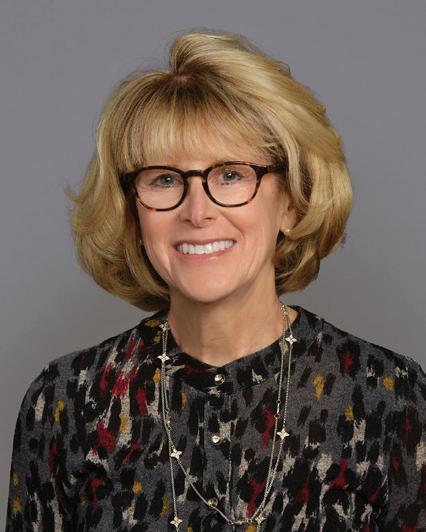
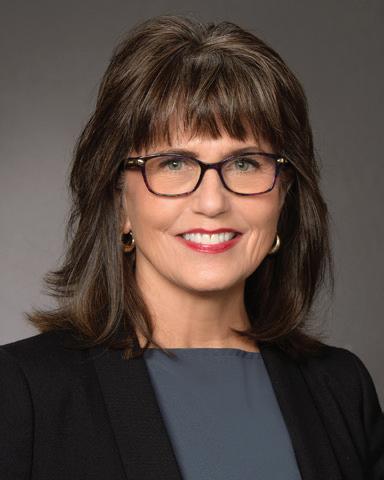
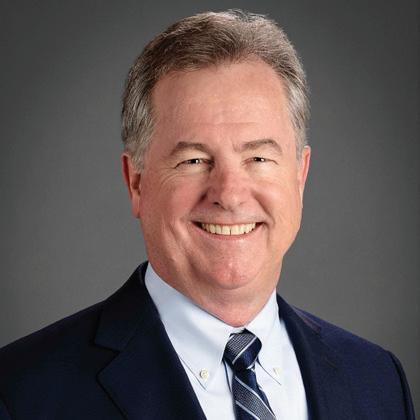
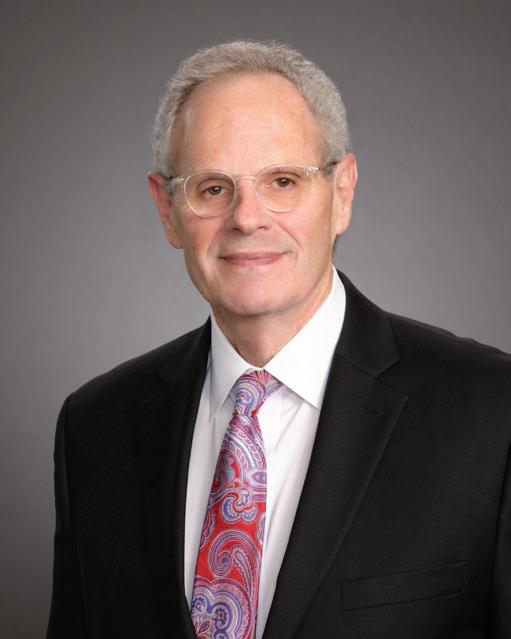
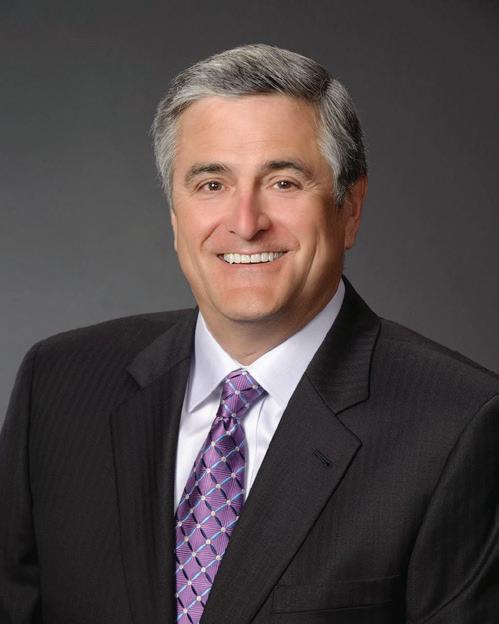
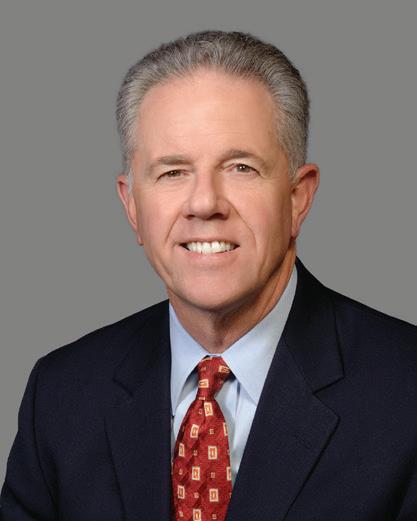
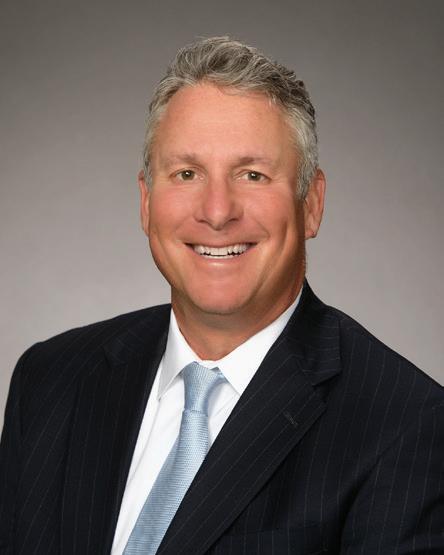
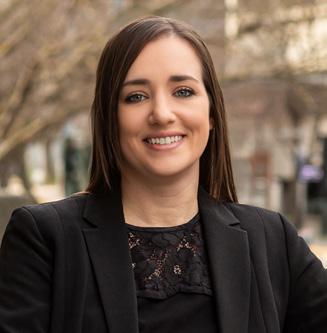
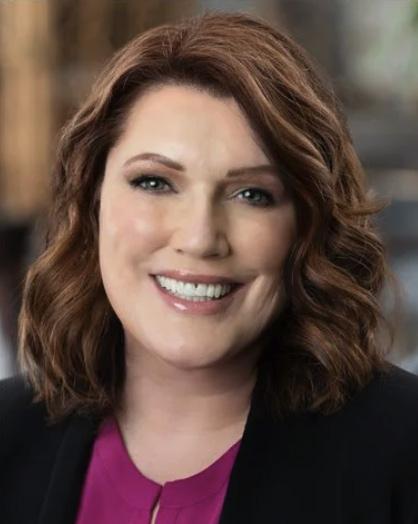
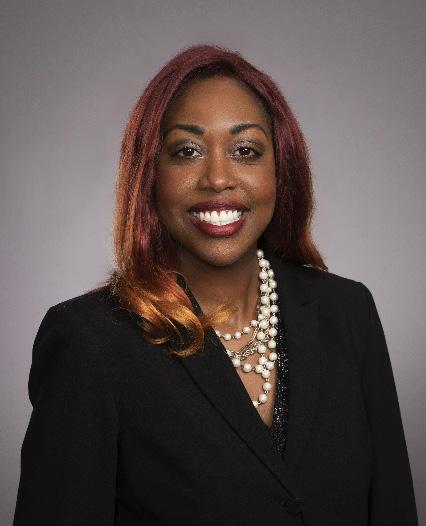
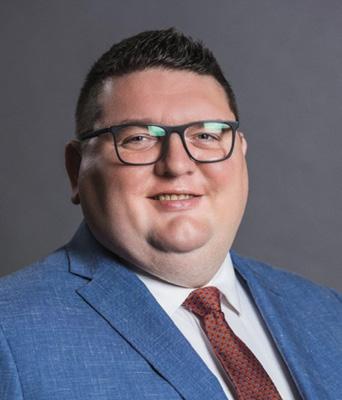
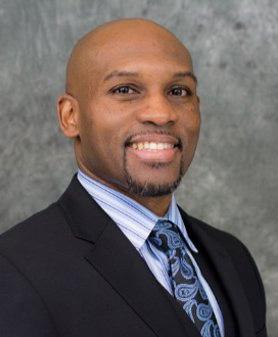
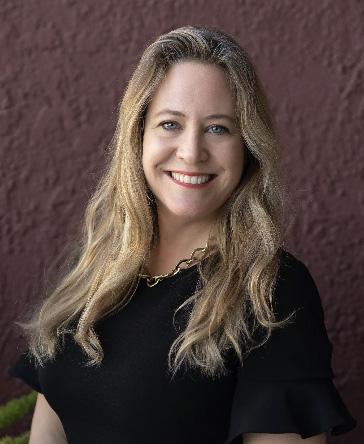
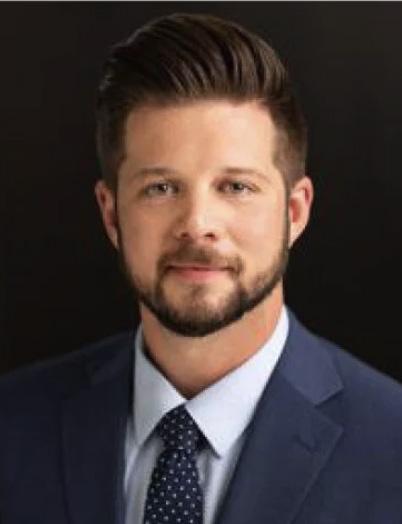
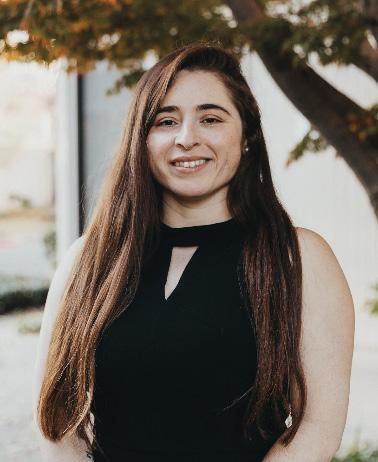
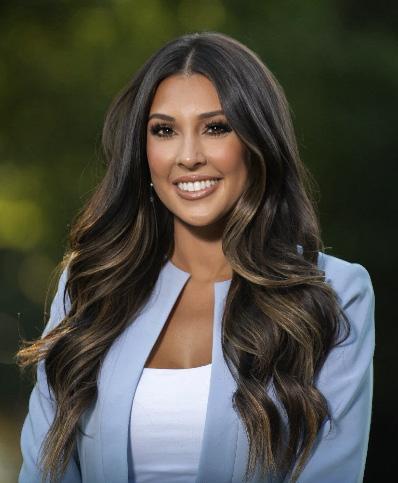
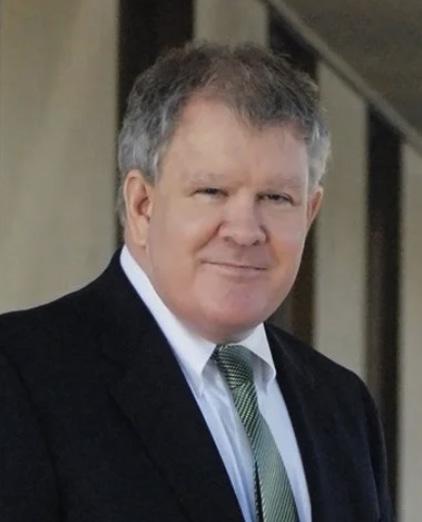
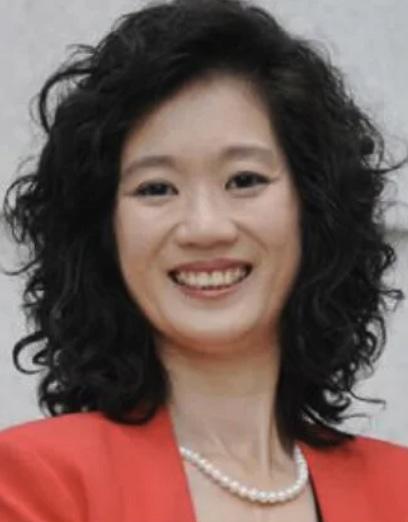
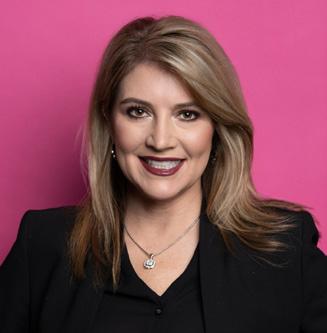
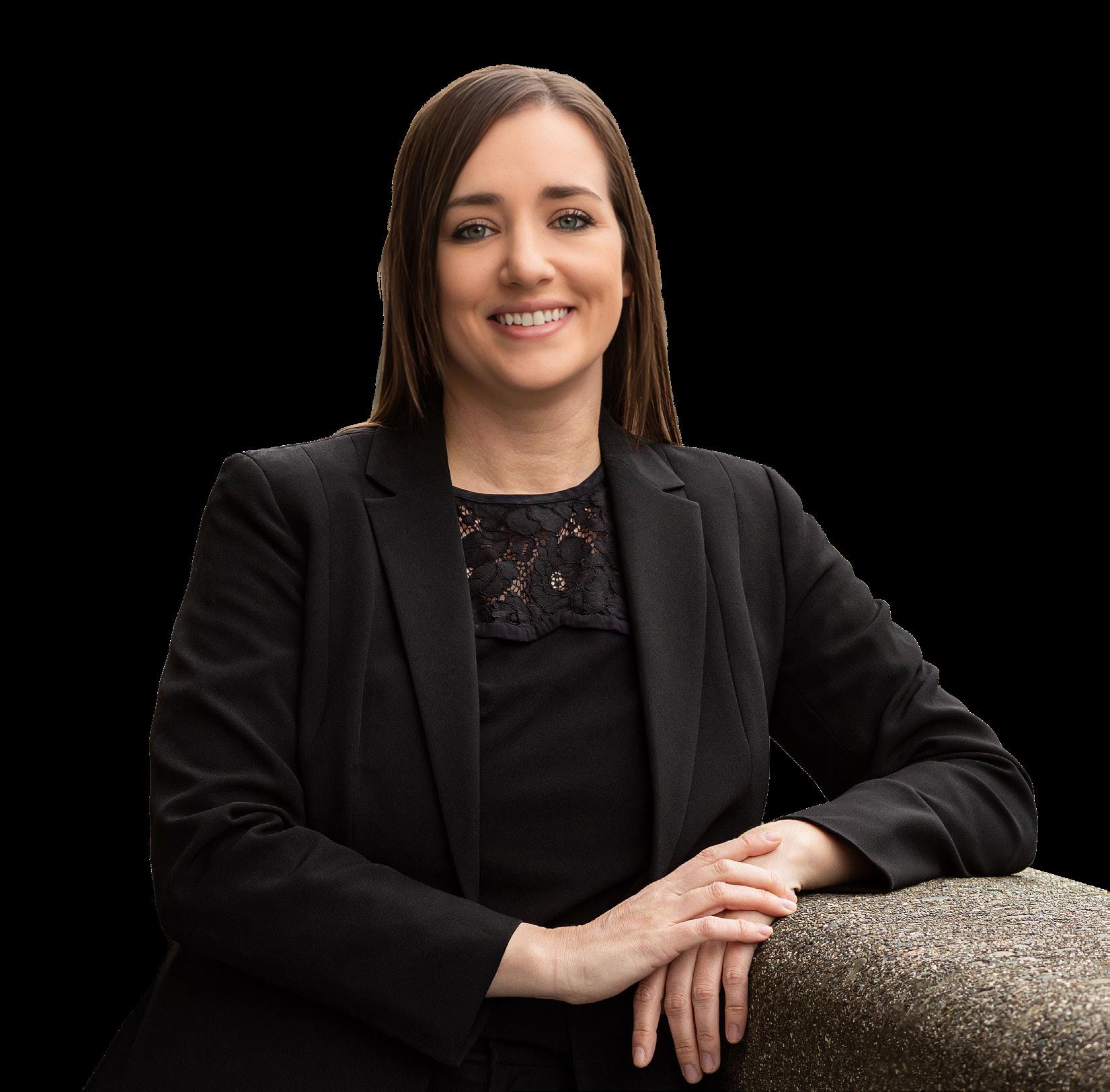
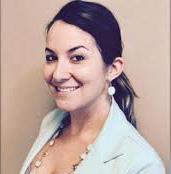
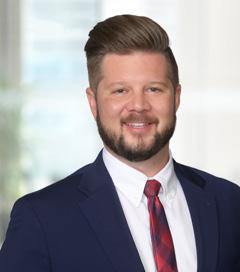
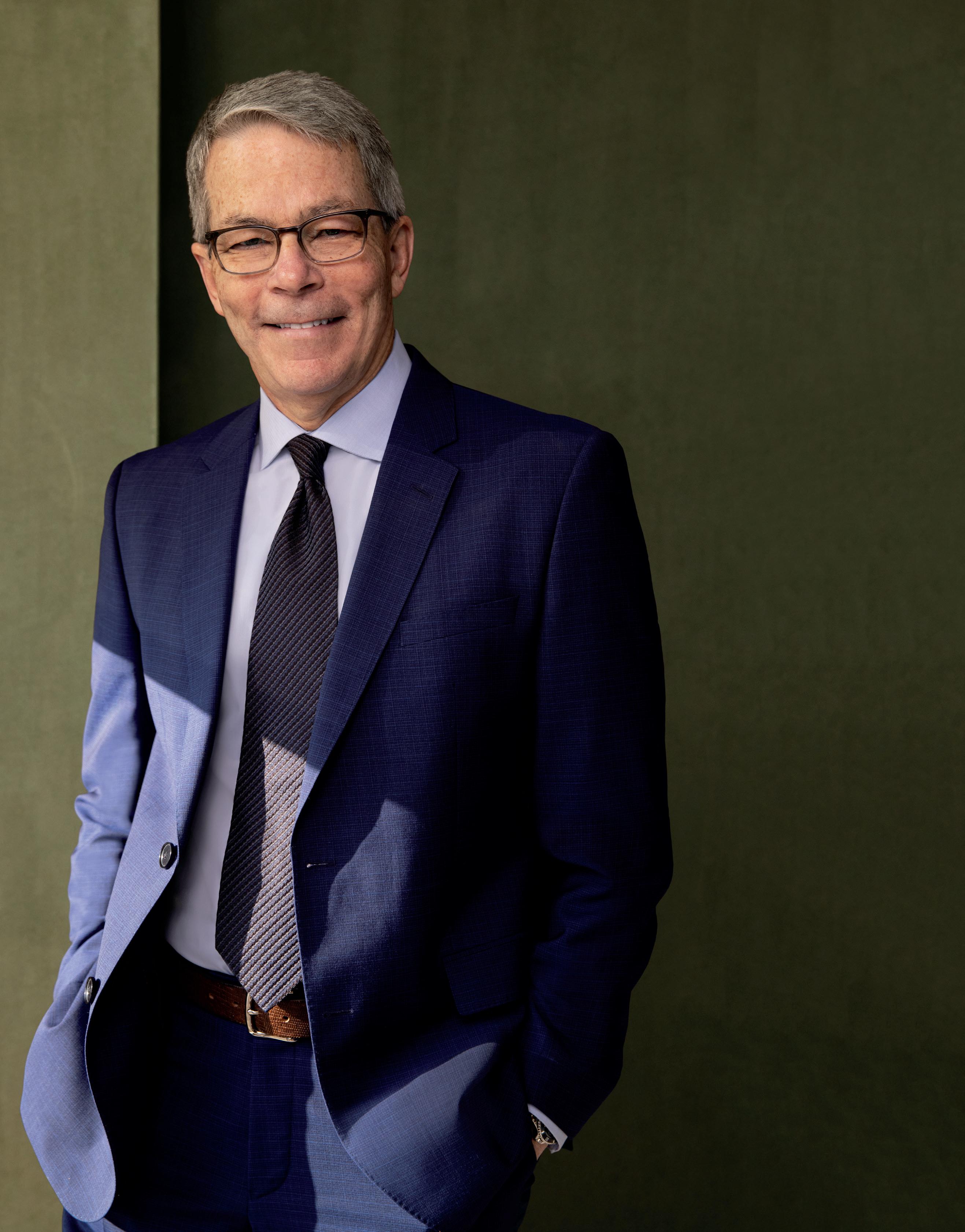
Gayle eskridGe provides mediator, arbitrator, and discovery referee services throuGhout california. located in rancho cordova
Conducted over 285 mediations and over 175 arbitrations. Member of American Arbitration Association Arbitrator and Mediator panels for both Employment and Commercial Law.
• Professional Member of the Southern California Mediation Association
• Senior Mediator with Mediate.com
• Certified in Mediation by the Los Angeles County Bar Association Dispute Resolutions Services (2002)
• Martindale Hubbell® AV Preeminent Attorney® (every year since 2003)
• California Super Lawyer® (every year since 2012)
• Martindale-Hubbell® Top Rated Lawyer in Litigation (Every year since 2015)
INDEX Lawyer SACRAMENTO
EDITOR-IN-CHIEF
Ellen
Arabian-Lee
EDITOR
Heather
PRODUCTION
Milenko Vlaisavljevic milenko@sacbar.org
EXECUTIVE
SCBA
Danielle
FEE
Nadine
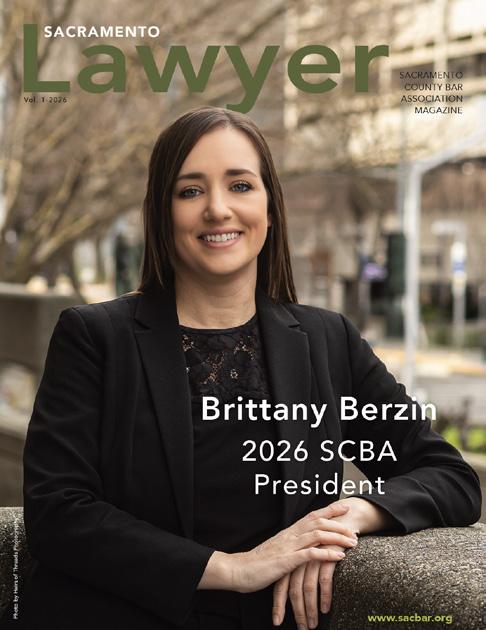
Cover Photo by Jessica K. Wilson Photography
10 12
22 30 18
Sacramento Lawyer welcomes letters and article suggestions from readers. Please e-mail them to support@sacbar.org. The SCBA reserves the right to edit articles and letters submitted for publication. Please contact the SCBA at 916-564-3780 for deadline information. Web page: www.sacbar.org. Caveat: Articles and other work submitted to Sacramento Lawyer become the copyrighted property of the SCBA. Returns of tangible items such as photographs are by permission of the editors, by pickup at the SCBA office only. 26
Sacramento Lawyer (USPS 0981-300) is published by the Sacramento County Bar Association, 8950 Cal Center Drive, Bldg. 2, Ste. 346, Sacramento CA 95826. Issn 1087-8771. Periodicals postage paid at Sacramento, California. Postmaster: Send address changes to Sacramento Lawyer, 8950 Cal Center Drive, Bldg. 2, Ste. 346, Sacramento CA 95826. Copyright 2026 by the Sacramento County Bar Association.
Brittany Berzin is the President of the Sacramento County Bar Association. She can be contacted at brittany@norcaladvocates.com.
A Renaissance in Motion: Building Momentum for SCBA in 2026
By Brittany Berzin
s we move further into 2026, SCBA is already seeing the kind of engagement that gives me confidence about the year ahead.
Last week, five of our sections and divisions co-hosted Meet the Bench, bringing together members of the bar and nearly 20 members of the judiciary, including Presiding Judge Hon. Lawrence G. Brown, Assistant Presiding Judge Hon. Steven M. Gevercer, and Court Executive Officer Kelly Sullivan. It was a strong turnout and, more importantly, a meaningful one. When the bench and bar take time to connect outside the courtroom, it strengthens professional relationships and reinforces the collegiality that defines our local legal community. We are grateful to the judges and court leadership who joined us and continue to support an engaged and professional bar.
At the end of last year, I shared
that the theme of 2026 would be a Renaissance year for SCBA. By that, I meant continued rebuilding and renewed energy — strengthening this organization, increasing meaningful involvement, and improving what we offer our members. Meet the Bench is a strong example of what that looks like: collaboration across sections, active participation, and meaningful engagement between the bench and bar.
The work now is to carry that energy forward and continue building on the progress already underway.
A strong bar association depends on engagement. If you have ideas about programs or events you would like to see, I would welcome hearing from you. If there are ways SCBA can better support your practice, please reach out. And if you are interested in becoming more involved — whether by joining a section, helping plan an event, or
serving in a leadership role — I encourage you to connect with me. Participation is what turns momentum into lasting growth.
I am grateful for the opportunity to serve as President this year and look forward to continuing this work together.
Brittany Berzin SCBA President
Your 2026 SCBA Board of Directors:
EXECUTIVE OFFICERS
MEMBERS AT LARGE
Brittany Berzin
Tanner McKay
Andrew Blan
Glen Williams
Andi Liebenbaum 2026
John Orcutt 2026
Jennifer Mouzis 2026
Shari Covington 2027
Sean Wisman 2027
Justin Ward 2027
Daniel Kozieja 2028
Greg Reaume 2028
Carla Castaneda 2028
Section Rep. Mauriah Conway
Rep. Dustin Amrein
Rep. D. Michelle Flores
Barristers’ Club of Sacramento Division
Carly Mora
Solo Small Practice Division
Rob Hofmann
Conference of California Bar Associations
Sean McCoy
AFFILIATE REPRESENTATIVES
Asian/Pacific Bar Association
Emmanuel Salazar
Capitol City Trial Lawyers Association Shahid Manzoor
Capital Pro Bono Vacant
Cruz Reynoso Bar Association Jizell Lopez
Federal Bar Association Zach Malinski
J. Reuben Clark Law Society Paul Hoybjerg
Leonard M. Friedman Bar Association Eliezer Cohen
SacLegal Bar Association
David Bell
Sacramento County Bar Foundation
Richard D. Silvestri
South Asian Bar Association
Aparna Agnihotri
St. Thomas More Society Association Angela Lai
Wiley Manuel Bar Association
Sierra Williams
Women Lawyers of Sacramento Vanessa Raven
Sacramento Valley Paralegal Association
Kathy Bailey
Sacramento Legal Professionals Association
Dawn Willis
CA Lawyers for the Arts Vacant
Promote your firm, services, or organization while supporting SCBA’s mission through Sacramento Lawyer Magazine and the SCBA Weekly Newsletter.
Sheet.
Scholarships Unlock Doors of Opportunity and Uplift Our Community
By Judge Emily E. Vasquez (Ret.)
ursuing one’s dream of a career in the law is an exciting and rewarding journey, but it can also come with a hefty financial burden. Law school is expensive. The cost of tuition, books, study materials, and other expenses quickly add up. Thankfully, there are organizations that award scholarships. In particular, the Sacramento County Bar Foundation (Foundation) and the Sacramento County Bar Association (SCBA) understand the vital role of scholarships in making law school accessible to talented and motivated students and help shape
their future dreams. In this regard, these two organizations have established scholarships to help ease the financial stress for aspiring law students.
The Foundation has been awarding its annual “Access to Justice Scholarship and Grant,” for many years to deserving law students who exemplify a strong commitment to improve the quality and accessibility of justice in California. In 2024, the SCBA established the “Justice Arthur G. Scotland Commitment to Community Scholarship.” This scholarship was inspired by and honors Justice Ar-
Judge Vasquez (Ret.) is currently the Appellate Judge for the Yocha Dehe Wintun Nation and a Neutral with Judicate West, serving as a mediator, arbitrator, and special master for matters statewide in a variety of civil cases, including class action and PAGA matters.
thur G. Scotland’s extraordinary career and dedication to community service, mentorship, and access to justice. This scholarship is awarded to law students who exemplify a deep commitment to the legal community and to community service.
Scholarships
Help Lay the Foundation for a Distinguished Legal Career
Scholarships continue to serve as a cornerstone for the future of the legal profession by helping to break down financial barriers that often deter talented individuals
from pursuing a legal career. They help ensure that the profession benefits from bright and diverse folks, regardless of their economic background, fostering integrity in our legal system to better serve society’s needs. The Foundation and SCBA’s annual award of scholarships to deserving law students helps lay the foundation for a distinguished legal career.
I am pleased to support and celebrate these scholarships because I know that scholarships are more than just financial lifelines; they are catalysts that can redefine the trajectory of an individual’s life which also uplift families and society as well. I fully appreciate that I would not be in my present position without the scholarships awarded to me by UC Davis and UC Berkeley School of Law. I am immensely grateful for the wonderful opportunities that these two venerable and excellent universities provided to me. I come from humble beginnings. My parents were poor, migrant farmworkers and they had no money to send me to college. During my senior year in high school, I was awarded a four-year academic UC Regents Scholarship to attend UC Davis. Without that scholarship, I would not have been able to attend college. And UC Davis did so much more, it gave me the strength and confidence to dream the “big dreams” – that I could be a lawyer.
As a child, I never dreamed I’d be a lawyer much less a judge. I could not possibly have predicted that my life’s journey would lead to where I am today. The four-year Regents Scholarship awarded to me by UC Davis and the scholarships awarded to me by UC Berkeley School of Law changed the trajectory of my life. They provided me with the opportunity to obtain a college and legal education and to have a most rewarding and ful-
filling life and career. I also worked part-time all through college and law school and I had to take out a few educational loans “to make ends meet,” but the scholarships were a tremendous help. I believe that education is a valuable wealth that provides lifelong enrichment. It’s important to remember that scholarships are not just financial support, they also provide opportunity, equity, and excellence in legal education and practice.
What We Invest in Future Generations is One of the Best Legacies That Any One of Us Can Leave!
I remain eternally grateful for the opportunities provided to me, and I have tried “to pay it forward” my entire life and career. You don’t pull up the drawbridge or pull up the ladder once you’ve made it. As lawyers of this honorable and noble profession, we have an obligation to help the person behind us, so they can go even higher than us. I am very pleased to support these scholarships. Through these scholarships, the
Foundation and SCBA are investing in our future legal leaders and building a legacy of service for our community for years to come. Your gift to support these two scholarships will help bring about a more robust, diverse, and inclusive legal profession and positive changes in our community.
Scholarship Support Is a Priority of the Foundation and SCBA’s Fundraising Efforts. Please Donate Generously to These Two Important Scholarships.
The donation LINK is: https://www.paypal.com/ donate?campaign_id=VC6LSKS7K42UE&source=qr Scholarship support is a priority of the Foundation and SCBA's fundraising efforts. Please donate generously to these two important scholarships.
The donation LINK is: https://www.paypal. com/donate?campaign_ id=VC6LSKS7K42UE&source=qr
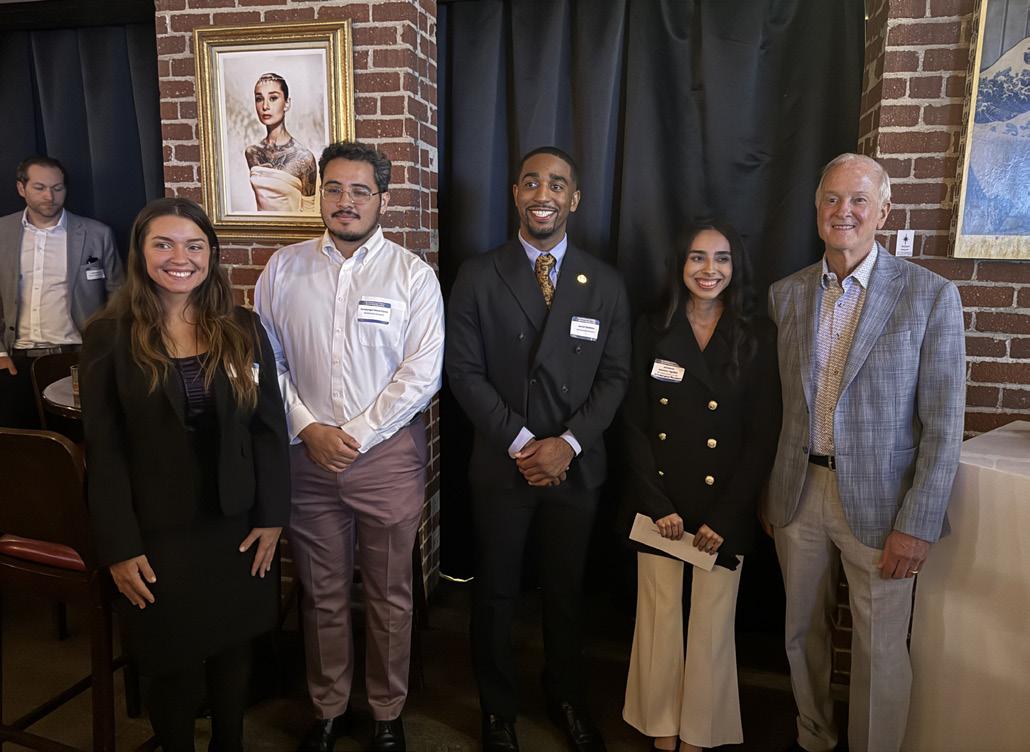
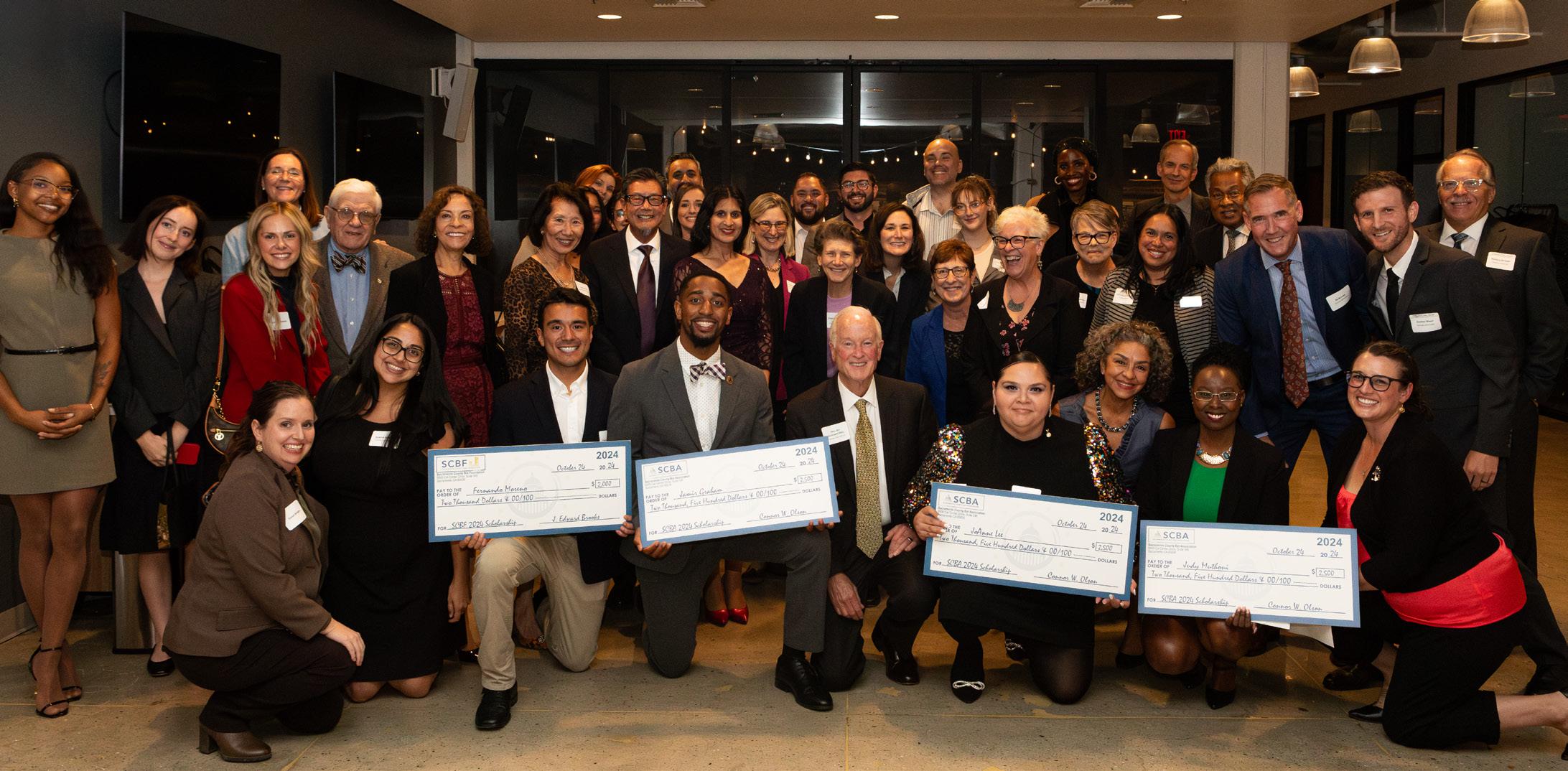
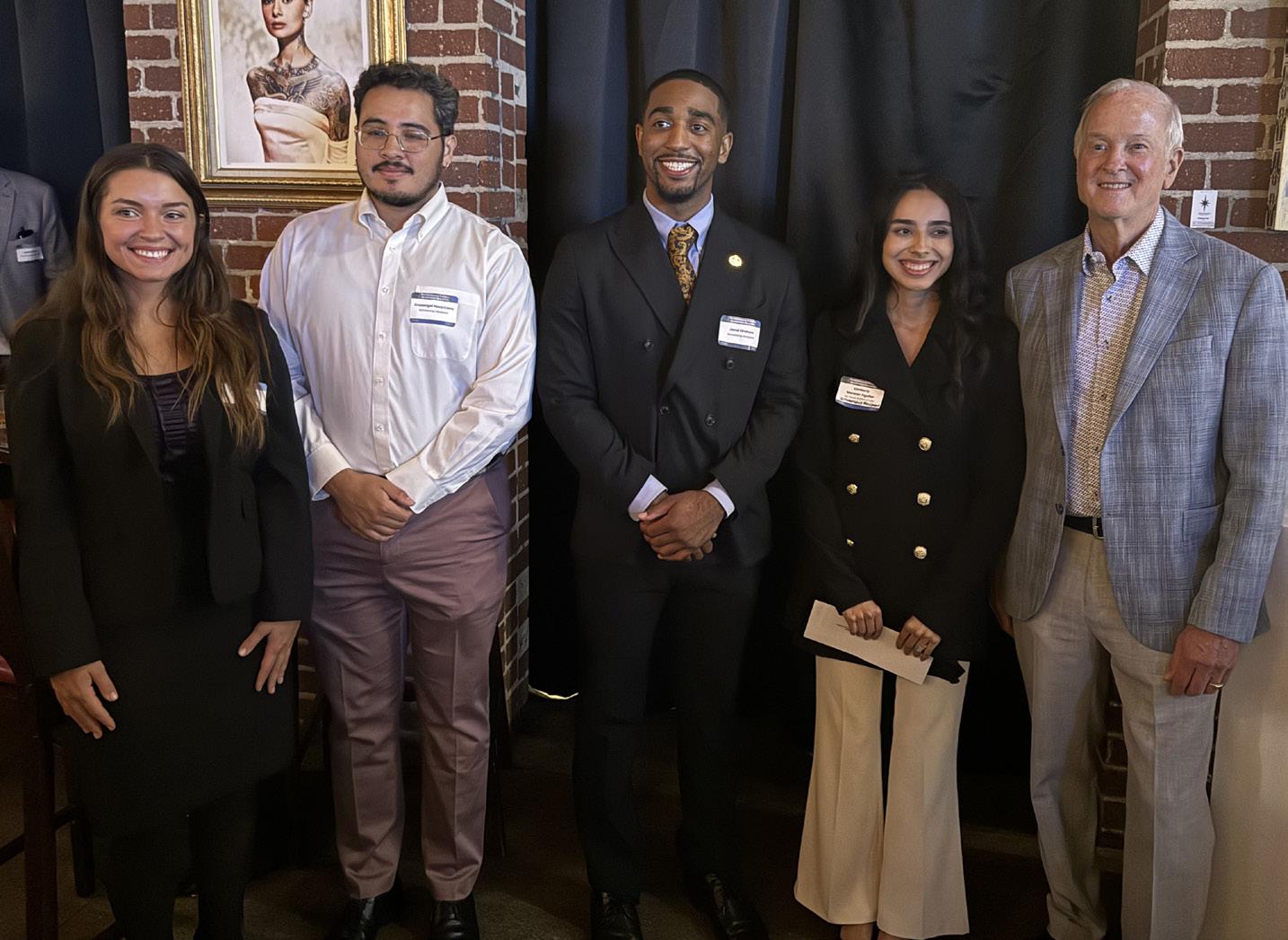
Justice Arthur G. Scotland (Ret.) with scholarship recipients at the scholarship event held on October 8, 2025.
New California Employment Laws for 2026
By Laura McHugh
ffective January 1, 2026, new employment laws went into effect in California, including several signed by Governor Newsom. Employers should update employee handbooks, personnel policies, and procedures to ensure compliance with these changes.
Minimum Wage
Effective January 1, 2026, California’s minimum wage will increase to $16.90 per hour. Minimum annual salaries for exempt employees (i.e., professional, administrative, executive) will increase to $70,304.
Local city and county ordinances may require a higher minimum wage than the state. These local higher rates only apply to hourly employees, not exempt employees.
Different minimum wage laws apply to certain workers in health care (ranging from $18.63-$23/ hour) and fast-food chains ($20/ hour).
Notices to Employees
Senate Bill 294: “The Workplace Know Your Rights Act”
The Workplace Know Your Rights Act (SB 294) requires employers to provide employees a standalone written notice by February 1, 2026, and annually thereafter, about certain workplace rights, including information on specific constitutional, employment, and labor rights as well as unfair immigration practices and interaction with law enforcement agencies. The California Labor Commissioner will issue a model notice template by January 1, 2026. The new law also requires employers to notify an employee’s designated emergency contact if the employee is arrested or detained at work, or during work hours if the employer had actual knowledge of the event. Employees have until March 30, 2026 to designate an emergency contact.
Compliance records must be kept for three years.
Senate Bill 446: 30-Day Window to Provide Data Breach
Notifications
SB 446 narrows the State’s data-breach notification rules by requiring that any business or entity conducting business in California and owning or licensing computerized data with personal information must notify affected California residents within 30 calendar days of discovering or being notified of a breach of security. If the breach impacts more than 500 California residents, the entity must also submit a sample copy of the consumer notification to the California Attorney General’s office within 15 calendar days of notifying consumers. The bill allows for delays only for legitimate law enforcement needs or to determine the scope of the breach and restore system integrity.
Laura McHugh is a senior partner at women-owned Duggan McHugh Law Corporation and has been representing employers in employment and labor law matters for over 25 years.
Recordkeeping Requirements
Senate Bill 513: Expansion of Personnel File Inspection Requirements
Under California Labor Code section 1198.5, employees are required to make available for inspection personnel records relating to an employee’s performance or grievance. SB 513 amends this requirement to include employees’ training and education records. “Education and training records” include the following:
• Name of the employee
• Name of the provided training
• Duration and date of the training
• Core competencies, including skills in equipment or software, of the training
• Resulting certification or qualification
Section 1198.5 makes it a crime for an employer to violate these requirements.
Senate Bill 464: Mandatory Penalties for Pay
Data Reporting Failures
Under current law, private employers with 100 or more employees, or that engage labor contractors with 100 or more employees, must file an annual Pay Data Report with the California Civil Rights Department (CRD) no later than the second Wednesday in May each year for the prior calendar year. Under SB 464, beginning January 1, 2026, courts are required to impose civil penalties (rather than only permitted) against an employer that fails to file the report if requested to do so by the CRD. Employers are required to collect and store any demographic information separately from the employee’s personnel records. Beginning on January 1, 2027, the number of job categories that the employer must report will increase from 10 to 23. Starting with reports due in May 2025, public employers
with 100 or more employees will become subject to equivalent pay reporting obligations.
Discrimination, Harassment & Retaliation
Senate Bill 303: Bias Mitigation Training
This bill creates Government Code section 12940.2 to clarify that an employee’s assessment, testing, admission, or acknowledgment of their own personal bias, if made in good faith during or as part of bias-mitigation training, cannot be used against the employer as proof of unlawful discrimination under the Fair Employment and Housing Act. The purpose of this new law is to encourage employers to continue offering implicit and unconscious bias training without fearing employee participants may later claim their participation amounted to discriminatory treatment.
Assembly Bill 250: Revival of Statute of Limitations on Sexual Assault Claims
AB 250 amends Code of Civil Procedure section 340.16 to revive specific sexual-assault civil actions by reviving claims that were otherwise timely barred by the statute of limitations. To revive a claim, a plaintiff must demonstrate that one or more entities engaged in a cover up – defined as a “concerted effort to hide evidence relating to a sexual assault that incentivizes individuals to remain silent.”
FEHA Regulations Amened Regarding the Use of AI in Employment
Effective October 1, 2025, the California Civil Rights Department finalized amendments on using artificial intelligence (AI) and automated decision systems (ADS) in the workplace. Under the revised regulations, it is unlawful for an employer to use ADS in a manner
that discriminates against applicants or employees.
The regulations clarify the application of existing anti-discrimination laws in the workplace in the context of new and emerging technologies, like AI. The regulations aim to:
• Make it clear that the use of an automated-decision system may violate California law if it harms applicants or employees based on protected characteristics, such as gender, race, or disability.
• Ensure employers and covered entities maintain employment records, including automated-decision data, for a minimum of four years.
• Affirm that automated-decision system assessments, including tests, questions, or puzzle games that elicit information about a disability, may constitute an unlawful medical inquiry.
• Add definitions for key terms used in the regulations, such as “automated-decision system,” “agent,” and “proxy.”
Senate Bill 53: Transparency Regarding Use of AI In Employment
Governor Newsom signed SB 53, the “Transparence in Frontier Artificial Intelligence Act,” which became effective January 1, 2026. This new law is designed to govern “frontier” models, which are large, cutting-edge systems built by major developers with substantial resources. The aim of the law is to encourage innovation while protecting public safety and property from catastrophic risks. Any large frontier developer must create and publicly post a Frontier AI Framework that explains how it identifies and mitigates catastrophic risks, follows recognized safety standards, and conducts oversight. The law further requires developers to share summaries of risk assessments
with the State on a regular basis and prohibits false or misleading statements about their compliance. Enforcement will include civil penalties – potentially up to $1 million per violation – and ongoing oversight by the California Government Operations Agency.
SB 53 protects whistleblowers (i.e., employees who raise concerns about catastrophic risks or violations) with anti-retaliation measures, anonymous reporting options, and the ability for employees to seek injunctive relief in court.
Hiring and Firing
Assembly Bill 692: Employment Contract Repayment Prohibition
AB 692 creates Business and Professions Code section 16608 and Labor Code section 926, which prohibit employers, training providers or debt collectors from entering into employment contracts that impose financial penalties, repayment obligations or fees tied to the termination of employment. The bill would define these contracts as contracts that restrain a person from engaging in lawful possession, trade, or business, and as void and contrary to public policy.
This law does not apply to certain contracts that relate to discretionary bonuses or relocation payments, so long as they meet certain requirements, including:
1. The repayment terms are in a separate agreement that is different from the original employment agreement;
2. The employee must be advised of their right to consult an attorney and be given at the minimum five (5) business days to be able to review with the attorney before signing;
3. Any repayment obligation for early separation must be prorated based on the remaining retention period for the employee, solely up to two years, and can-
not accrue interest;
4. The employee must have the option to defer receipt of the payment until the end of the retention period; and
5. The repayment may only apply if the employee leaves voluntarily or is terminated for misconduct.
This bill would allow employees who have been subject to the prohibited conduct of a contract to bring an action on behalf of that worker and other persons similarly situated. A violator may be liable for actual damages and/or penalties.
Assembly Bill 858: COVID-19
Right of Recall Extended
AB 858 expands the sunset date for COVID-19-related recall and reinstatement rights to January 1, 2027 for employees in the hospitality and business services industry (including, but not limited to, hotels, event centers and employer that provide maintenance services).
Senate Bill 617: CalWARN Notices Expanded
This bill introduces new requirements for employers in California when providing written notice under the California Worker Adjustment and Retraining (CalWARN) Act when implementing a mass layoff, relocation or termination at a covered establishment. Employers will be required to include whether they plan to coordinate services through the local workforce development board or another entity. They must also include certain language regarding rapid response activities offered by the local workforce development board, as well as information related to statewide food assistance programs, such as CalFresh, and a functioning email address and telephone number of the employer.
Wage and Hour Laws
Senate Bill 642: Pay Equity and Pay Scale Definition
Existing law under the California Equal Pay Act requires employers to provide pay scale information to applicants and employees when requested; employers with 15 or more employees must prove “pay scale” information in job postings. SB 642 revises the definition of “pay scale” to mean “a good faith estimate” of the salary or hourly wage range the employer reasonably expects to pay for the position upon hire. The new law also increases the statute of limitations under the Equal Pay Act from two (2) to three (3) years, and claims may relate back up to six (6) years. Additionally, the definition of “wages” and “wage rates” was changed to include “all forms of pay, including but not limited to, salary, overtime pay, bonuses, stock, stock options, profit sharing and bonus plans, life insurance, vacation and holiday pay, cleaning and gasoline allowances, hotel accommodations, reimbursement for travel expenses, and benefits.”
Assembly Bill 774: Wage Garnishment Law
AB 774 updates California’s Wage Garnishment Law by requiring employers to provide levying officers with additional information in the employer’s return related to wage garnishments. This allows judgment creditors to obtain more complete information from employers when collecting judgments.
Senate Bill 261: DLSE
Strengthened Enforcement on Wage Judgments
Under this bill, employers who fail to pay their final wage judgments will face significant penalties – up three times the amount of the unpaid judgment plus interest
if the judgment remains unpaid for 180 days after the appeal period expires. The new law will allow for the recovery of attorneys’ fees and costs and broader enforcement options for the Labor Commissioner, including successor employer liability. The bill requires the full amount of the penalty unless the employer can show by clear and convincing evidence that good cause existed to lower the penalty. Half of the penalty amount would go to the employee, and the other half would go to the Division of Labor Standards Enforcement (DLSE) for enforcement of labor laws.
Assembly Bill 751: Rest Periods for Safety Sensitive Positions
AB 751 extends the exemption of certain rest-period requirements for employees in specifically designated “safety-sensitive” positions at petroleum facilities and specifically applies to refineries that use alternative feedstocks to produce fuel.
Senate Bill 809: Employee Vehicle Business Expenses and Independent Contractors
SB 809 clarifies that existing law does not consider ownership of a vehicle used to perform labor or services for compensation, whether personal or commercial, as determinative of a worker’s status as an independent contractor. It further clarifies that the Labor Code provision requiring employers to reimburse employees for necessary work-related expenditures (Labor Code section 2802) includes costs associated with the use of personal and commercial vehicles. In the context of construction trucking, SB 809 requires employers to reimburse employees who are commercial drivers and who own their trucks, tractors, or trailers for expenses related to use, maintenance, and depreciation. Further,
the new law creates the “Construction Trucking Employer Amnesty Program,” that allows qualifying construction contractors to avoid statutory or civil penalties for previous misclassifications for drivers as independent contractors. To qualify, contractors must enter into a qualifying settlement agreement by January 1, 2029.
Leaves of Absence
Assembly
Bill
406: Judicial Proceeding and Jury Duty Leaves
On October 1, 2025, Governor Newsom signed AB 406 into law, which took immediate effect. AB 406 expands the scope of paid sick leave and job-protected unpaid leave, allowing crime victims and their family members to take lawful leave while participating in judicial proceedings.
AB 406 also amends existing jury duty leave law (Labor Code Section 230) by removing the requirement that employees provide reasonable advance notice before taking time off to serve on a jury. However, when employees use paid sick leave or unpaid job-protected leave specifically for jury duty, the standard notice requirements apply (reasonable advance notice unless not feasible).
The new law also restores the enforcement authority of the Division of Labor Standards Enforcement (DLSE).
Senate Bill 590: California’s Paid Family Leave Expanded to Cover Designated Persons
Under SB 590, starting July 1, 2028, California’s Paid Family Leave (PFL) benefits will extend to employees who need time off to care for a “designated person” – an individual related by blood or with a relationship equivalent of a family relationship. When applying for family temporary disability benefits, employees must identify this
person and declare under penalty of perjury how they are related by blood to the person or how their relationship is equal to a family relationship.
Labor Law
Assembly Bill 288: Expansion of PERB’s Authority to Private Employers
AB 288 expands the jurisdiction of California Public Employment Relations Board (PERB) to include oversight of private sector employers subject to the National Labor Relationships Board (NLRB) under the National Labor Relations Act (NLRA). Employees would be able to petition PERB for relief when the NLRB fails to provide a timely remedy. Among other things, PERB would be able to certify elections, decide unfair labor practice cases, and order binding mediation or other relief (including civil penalties). The legislation also creates a PERB Enforcement Fund to receive collected penalties and support PERB’s increased workload.
Noteworthy Employment Law Decisions from 2025
Carranza v. City of Los Angeles: “Totality of the Circumstances” Hostile Work Environment
In Carranza, plaintiff, a Los Angeles Police Department officer, became the target of a degrading campaign involving a doctored nude photo circulated among other officers. Despite her requests, the department failed to take corrective action, allowing the photo’s distribution to continue unchecked. The court found this created a hostile work environment, making it difficult for the plaintiff to perform her duties. The court applied the 2019 amendments to FEHA, which allow a single incident to establish liability if it unreasonably interferes with work performance or creates an intim-
idating environment. This case emphasizes a broader interpretation of what constitutes a hostile work environment under FEHA, looking at the “totality of the circumstance.” This approach considers the overall impact of the harassment, rather than requiring a pattern of bad acts, and recognizes the impact of widespread, unchecked distribution of harmful materials. This case highlights the importance of employers taking appropriate corrective action upon learning of potential harassment. Also, employers should implement policies and training to address and prevent harassment, considering the broader implications of the “totality of the circumstances” approach.
Bradsbery v. Vicar Operating, Inc.: Meal Period
Waivers
In Bradsbery, the court ruled that prospective meal period waivers for shifts of five to six hours are enforceable, provided the waivers are written, voluntary, and revocable at any time.
Iloff v. LaPaille: Good Faith Defenses and Liquidated Damages
Labor Code section 1194.2 provides proven minimum wage violations are sufficient for liquidated damages, which are designed to compensate employees for unpaid minimum wages and to penalize employers. In Iloof, the California Supreme Court ruled that an employer may claim a good faith defense to liquidated damages. A good faith defense requires “an employer must show that it made a reasonable attempt to determine the requirements of the law governing minimum wages,” such as by taking affirmative steps to understand wage and hour laws. However, the court reiterated ignorance of the law is not a defense.
Kruitbosch v. Bakersfield Recovery Services: Coworker Harassment
In Kruitbosch, a California court determined that while a coworker’s off-site harassment is not automatically imputable to an employer, the employer can still be liable under the FEHA for its response to a complaint. In this case, alleged that a female coworker subjected him to unwanted sexual advances, including sending him unsolicited nude images, visiting his home uninvited, texting him sexual propositions and an offer of drugs, and leaving a cucumber covered with a condom in his driveway. The conduct occurred while the employee was on a month-long leave of absence because his partner died.
The court reaffirmed that offsite harassment must be work-related to be actionable. However, the court made clear that an employer’s response to an off-site harassment complaint itself can create a hostile work environment, even if the off-site harassment is not work-related . The court emphasized that the “totality of the circumstances” must be evaluated to determine whether a work environment is reasonably perceived as hostile or abusive. Here, the court determined that the employer’s response could have altered Kruitbosch’s working environment in an objectively severe manner – it refused to investigate the complaint, failed to admonish the alleged harasser, and made a mockery of the employee’s complaint.
Caldrone v. Circle K Stores, Inc: Age Discrimination and In-Office Hiring
In this age discrimination case, the Ninth Circuit Court of Appeals found summary judgment was inappropriate where Plaintiff raised issues of material disputed facts as
to whether the employer followed its established practice of seeking internal applications for an available position. The court found the employer’s decision not to post a promotion and instead handpick a younger candidate supported the older employees’ claims. The court found that the failure to follow the standard hiring procedure prevented the older, qualified employees from applying and, combined with evidence of the decision-maker’s ageist comments, created a triable issue of pretext for discrimination.
Ames v. Ohio Dept. of Youth Services: Requirements for Reverse Discrimination
In Ames, the United States Supreme Court ruled that Title VII discrimination plaintiffs who are members of a “majority group” are not required to meet a higher evidentiary burden than those in minority groups. Accordingly, a plaintiff who falls within a majority group, such as heterosexual or male, has the same burden of proof as other protected categories.
Conclusion
The 2026 employment law changes are significant and will impact nearly all California employers.
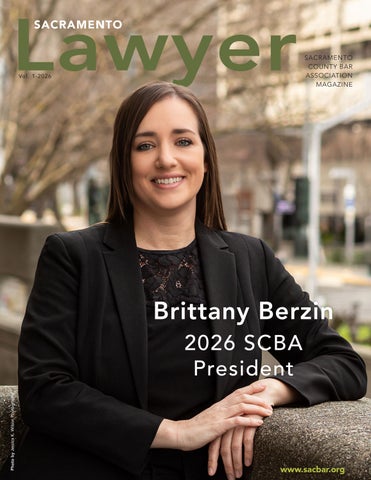
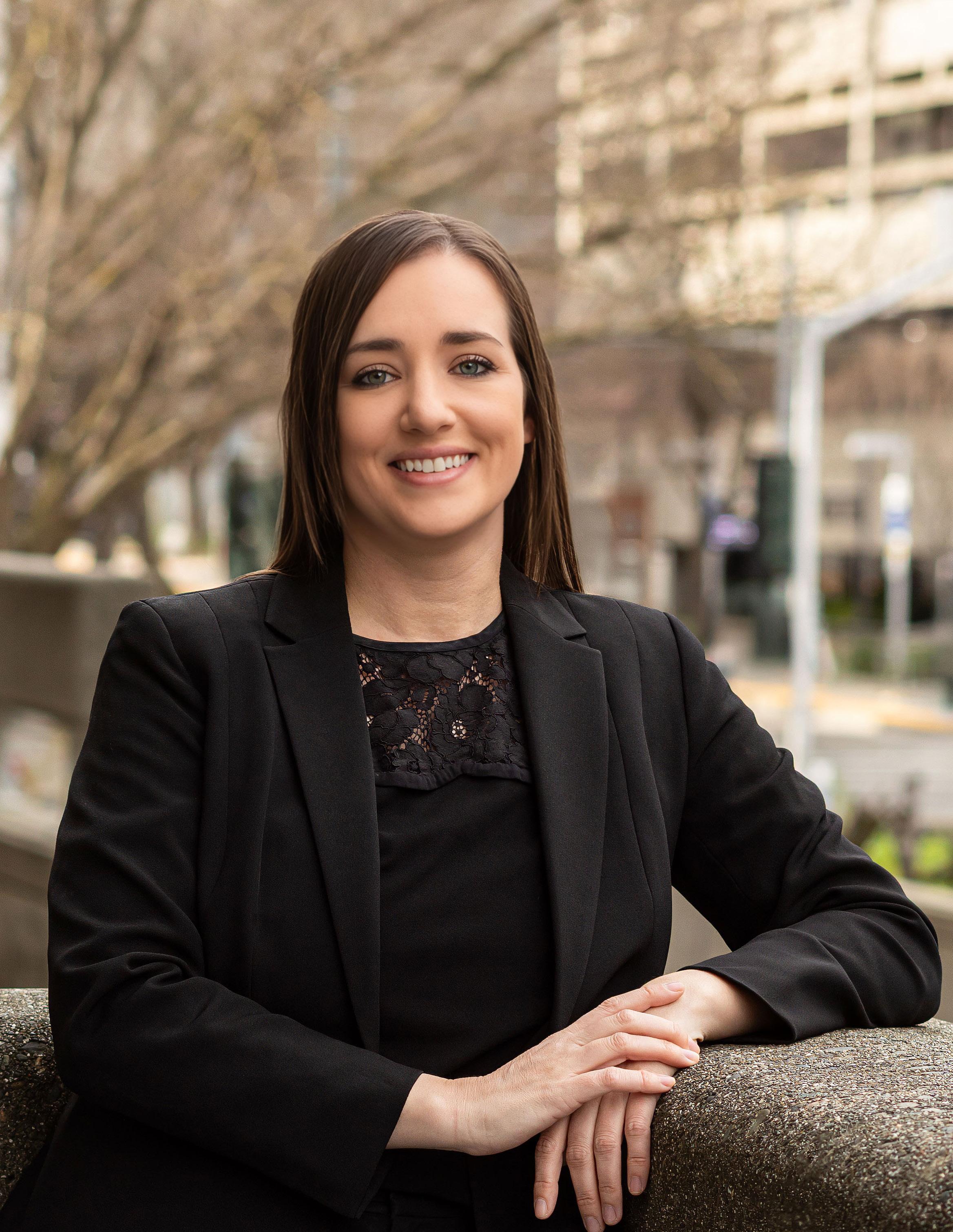
Meet the New SCBA President: Brittany Berzin
By Connor W. Olson
f you’re reading this and wondering whether the SCBA presidency comes with an extra day of the week – same. Because, as I write this, Brittany Berzin is preparing for a two-week jury trial while simultaneously handling a seven-figure mediation, leading SCBA’s annual board member retreat, and serving as 2026 board president of the Center for Workers’ Rights. In other words: casually doing what most of us would consider an entire year’s worth of professional output… before lunch. And she does it with a sense of humor that makes it not just bearable for the people around her, but genuinely enjoyable.
Here’s one more fact that makes her story even better: Brittany is the first SCBA President born in the 1990s. So, for anyone still clinging to the theory that the younger generation lacks drive or work ethic, I’d like to introduce Exhibit A.
“Wait… how does a small firm keep getting the presidency?”
Let’s address the question I know some of you are thinking (and a few of you are brave enough to say out loud): How does a small firm have such a tight grip on the SCBA presidency? After all, I served as SCBA President in 2024 – and now here we are again.
The honest answer is: we didn’t plan it. But the fact that it happened is actually one of the best examples of what SCBA does at its best – creating real connections that lead to real opportunities.
When Brittany was an attorney at Shimoda & Rodriguez Law, PC, she had a workplace requirement that I think every smart firm should impose: attorneys are expected to be involved in the SCBA. That’s how she found her way into the Small & Solo Practice Division, where I first met her while I was serving as chair.
It didn’t take long to notice the obvious: she was sharp, relentlessly hardworking, thoughtful – and, crucially, she had a genuinely great sense of humor. (That last trait matters more than people admit. What we do is a lot easier when the person next to you can make you laugh at the end of a long day.)
As we worked together on the Small & Solo Practice Division board and crossed paths at events (she was also a board member with SCBA’s Labor & Employment Section), I realized she was someone I wanted on my team. I was in the “track” process toward the presidency (Treasurer → Vice President → President), and I asked her to run for Treasurer because I knew I could count on her. She said yes. Not long after, I half-joked that if she ever wanted to start a firm, I’d be in. One thing led to another, and we launched NorCal Advocates. And despite the fact that
Connor is a past president of the SCBA and an attorney with NorCal Advocates. He can be reached at connor@norcaladvocates.com.
I have the lower bar number and was SCBA President at the time, I told her immediately: you should be the president of our firm. She has led with confidence and charisma ever since.
Northern California roots, real authenticity, with a “live and let live” philosophy
Brittany has deep Northern California roots – we were actually both born and raised here – and you can feel it in her approach to life and leadership: grounded, practical, and quietly fearless. She has a strong sense of who she is, a “live and let live” philosophy, and a habit of taking care of whatever is in front of her – whether that’s a client in crisis, a board initiative, a colleague who needs support… or one of her beloved animals.
Yes, animals. All kinds. But especially dachshunds – and her newer addition: a bearded dragon.
And the way she acquired the bearded dragon tells you everything you need to know about her: she went to Petco for treats and came home with a bearded dragon. Which probably confuses most but makes perfect sense if you know her.
The heart behind the intensity
It wouldn’t surprise me if people first notice Brittany’s seriousness – because she is serious about her work, her clients, and her commitments. But what you learn quickly, once you work with her, is that she has an enormous heart.
She’s the kind of person who looks for the human angle – the exception, the nuance, the reason to give someone grace. That trait showed up even early in her career when she was working as a bank teller. She constantly pushed her managers to help people: to waive a fee, to release a check when someone truly needed the money – because rules matter, but people matter too.
It also explains what drives her professionally. She is passionate about standing up for workers, consumers, and has an undeniable passion for the wrongly accused. Long before law school, she was already thinking about injustice – and especially the irreversible kind.
As she put it: she’s been against the death penalty “for as long as [she] can remember” because it feels inevitable that innocent people are executed, and she couldn’t
accept how easily society writes people off after conviction.
Built for the work: curiosity, grit, and the “don’t tell me I can’t” factor
If you want to understand how Brittany became the kind of leader who can juggle trial prep, mediating major cases, and a presidency launch, start with two traits: curiosity and grit.
Her mom describes her as a child who “completely [lost] herself in books,” absorbed details effortlessly, and – most tellingly – loved debate and questioned everything. That same instinct matured into a habit of careful listening (and note-taking), thorough research, and coming back with a fully formed position – exactly what you want in both a lawyer and a leader.
And then there’s her competitive streak. Brittany herself admits she doesn’t like being told she can’t do something – it feels like a challenge. Her example is perfectly onbrand: someone recently doubted she could swim a mile, so she went and swam a mile.
Her childhood stories are equally on-brand: when she was told the stove was hot, she tested that
Brittany as a baby.
Brittany in grade school
Brittany was always reading.
hypothesis by putting her whole hand on it. (Curiosity sometimes comes with consequences.)
The people who know her best
One of the best ways to meet a leader is to hear from the people who watched her become one.
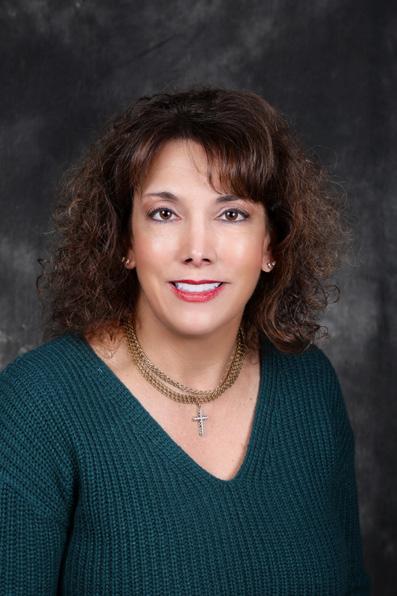
Her mom describes her growth with pride – not growth away from her nature, but growth into her confidence: still curious, still thoughtful, still principled, now paired with a leadership style rooted in both conviction and compassion. She also notes how Brittany pushed herself outside her comfort zone over time – taking on roles and experiences that shaped her into the leader you see today.
Her sister captures a different side: protective, mischievous, authentic –and hilarious. She recalls childhood “Christmas Eve strategy sessions,” with one recurring theme: Brittany required her fair share of bed space, even during a sibling sleepover –leading to her sister waking up with her face pressed to the daybed bars while Brittany slept peacefully “like an angel.”
And then there’s the description that, if you’ve ever been on the receiving end of her “curiosity,” you’ll appreciate: Brittany didn’t
just argue as a kid. She argued with exhibits, evidence, timelines, and motive. “I’d walk into the parent/ sister conversation thinking I was innocent and leave questioning my entire life,” her sister wrote.
That is, frankly, the foundation of a very good trial lawyer.
A marathon training partner, Liza Medina, saw that same determination play-out in a different arena. She met Brittany during training for the California International Marathon, when Brittany had never run even a half marathon before – then watched her stick with the training, help others with research on gear and nutrition, and ultimately earn a personal record at CIM in 2021: 3:59.
Even better: Brittany stayed at the finish line to cheer as others finished, because that’s who she is.
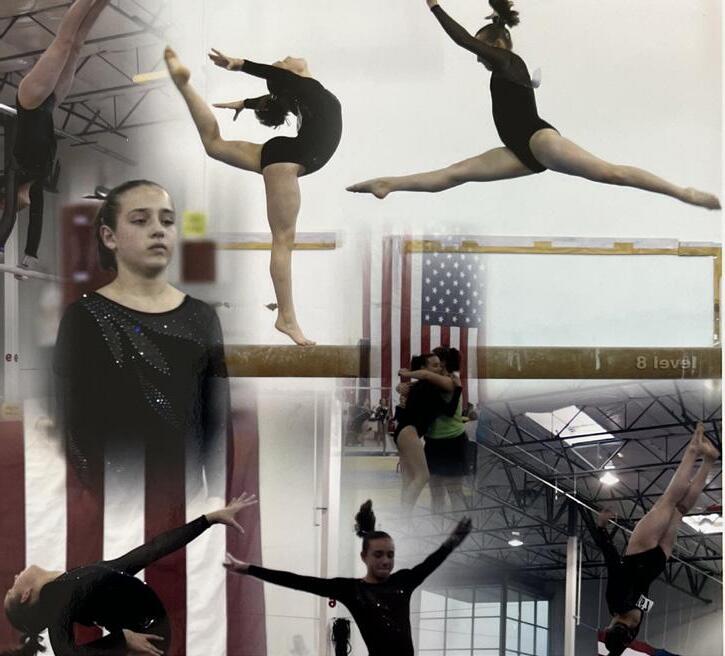
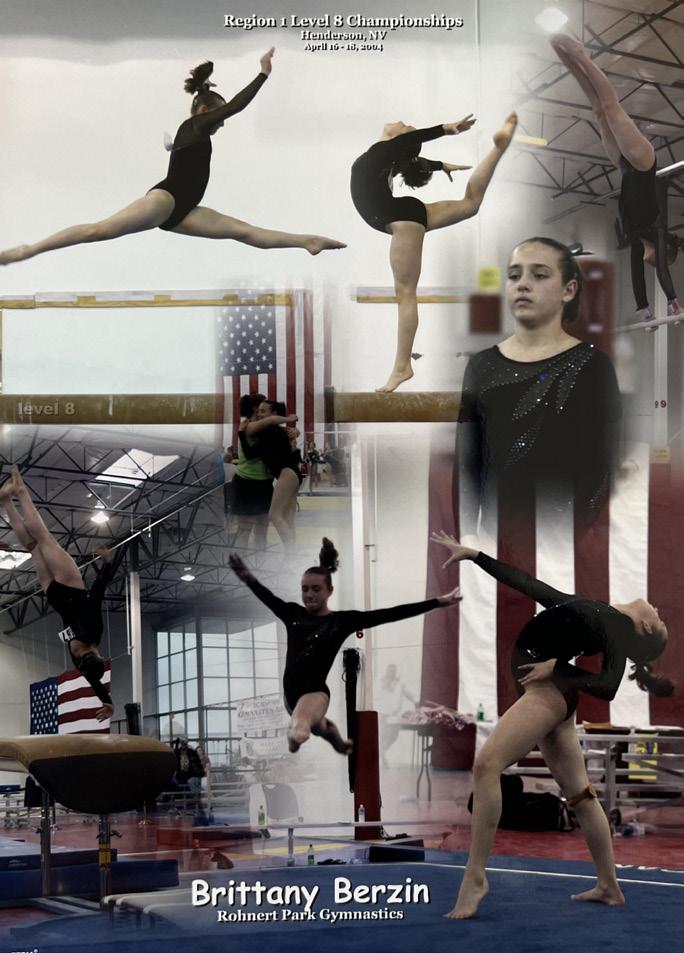
Her longtime gymnastics coach saw that same relentless drive years before Brittany ever trained for a marathon. “The remarkable thing about Britt is how she could change from the most adorable, funny, goofball of a kid to a steel eyed competitor in a second,” he recalled. “Everyone loved Britt –she was like a big care bear… until she stepped onto the floor or
mounted the beam.” Beam was her best event, and in his words, that alone “should tell anyone all they need to know about Britt,” because she was meticulous to the point of obsession.
While a junior attorney, assistant Caitlyn Lopez recalls Brittany as someone who kept an “open door policy,” remained calm under pressure, gave clear guidance, and led with empathy and kindness – supporting staff, acknowledging their growth, and lifting others up while carrying a heavy workload herself.
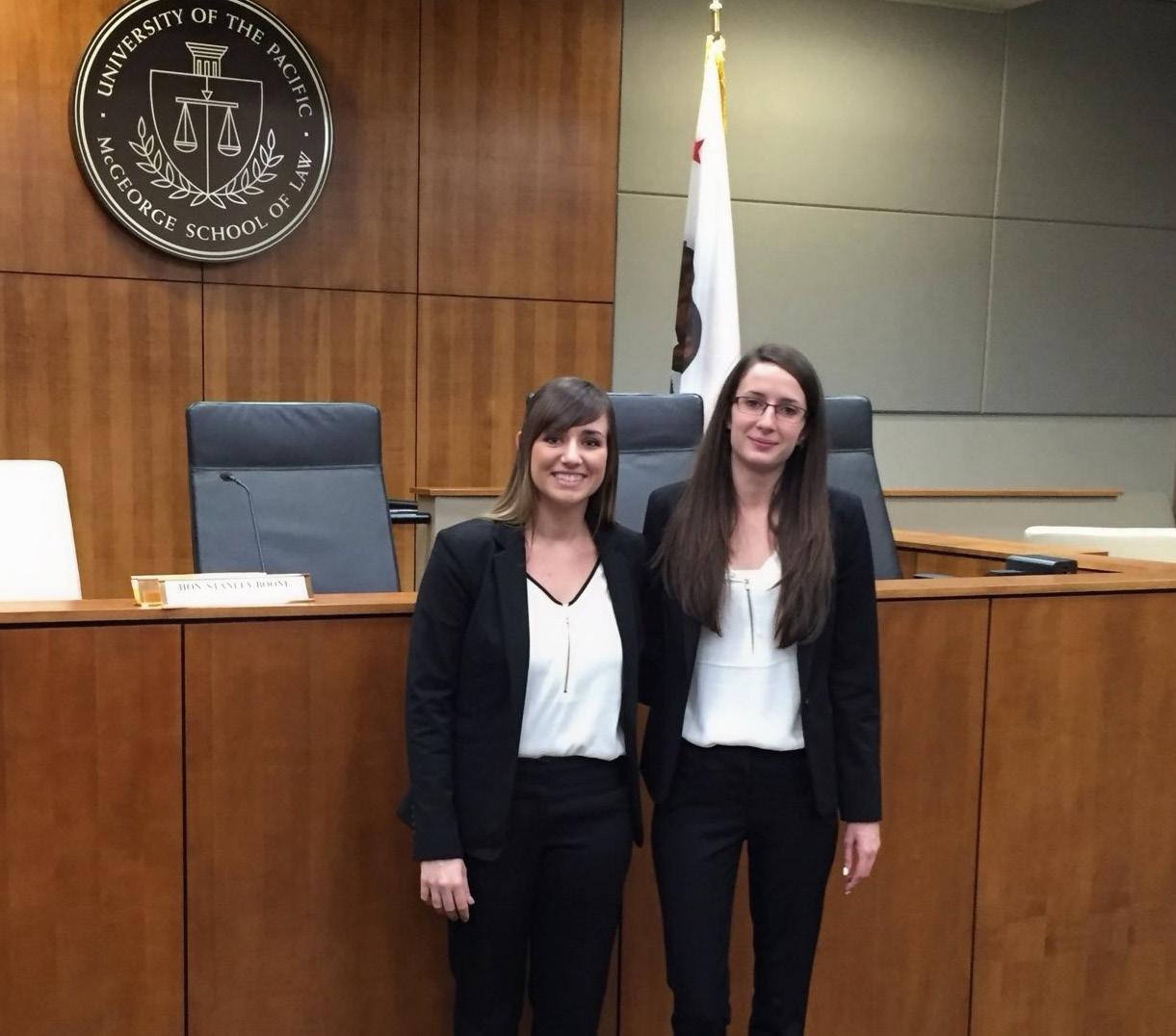
And her best friend from law school describes her in a similar way: loyal, steady, and surprisingly funny, someone who lifted others up long before titles or leadership roles – making her rise to SCBA President feel both natural and well earned.
A 2026 vision: the “Renaissance” theme
Brittany is bringing a “Renaissance” theme into 2026 – an invitation for members to get involved, build a stronger legal community, and help shape the next chapter of the bar together.
And if you’ve ever wondered whether you have something mean-
Brittany’s senior photo.
Brittany doing gymnastics 2004.
Brittany’s loveable dogs, Violet and Darwin.
ingful to contribute, even if you’re new, busy, or not sure where to plug in, this is your year. Brittany’s leadership style isn’t about exclusivity; it’s about participation. She’s proof that bar involvement isn’t just résumé padding. It’s where mentorship happens, where friendships form, where professional lives
change direction, and where unexpected opportunities appear.
The simplest summary
If I had to summarize Brittany Berzin, it’s this:
She is undeniably impressive. But she’s also deeply human: principled, funny, and kind. A serious
leader with a big heart. The kind of person who will outwork the room, then stay late to make sure everyone else gets across the finish line too.
SCBA is lucky to have her. And if you haven’t met her yet, you’re going to enjoy getting to know her in 2026.
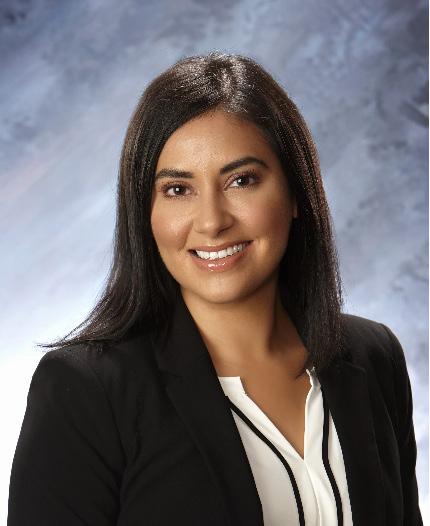
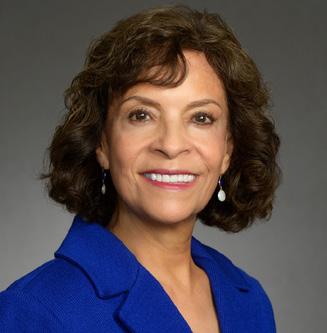
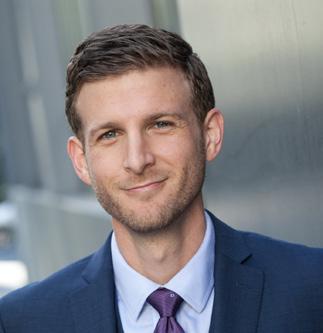
Effective November 4, 2025, Judge Kronlund joined our firm as a Mediator and Arbitrator after serving 30 years on the California Superior Court for San Joaquin County. During her distinguished judicial career, she managed a high-volume direct civil calendar for over 15 years, presiding over a wide range of complex civil matters.
Judge Kronlund has conducted well over 1,000 civil settlement conferences and presided over more than 200 jury trials and thousands of court trials spanning nearly every area of law. Known for her direct and practical approach, she provides valuable insight into litigation risk and brings a unique ability to connect with individuals from all walks of life—qualities that foster resolution and understanding in mediation and arbitration settings.
Judge Kronlund earned her Bachelor of Arts in Psychology, cum laude, from Pepperdine University; her Juris Doctor, with Distinction, from McGeorge School of Law; and her LL.M. in Dispute Resolution from the Pepperdine Caruso School of Law, Straus Institute.
She made history as the first female South Asian American judge in California and held numerous leadership roles, including Presiding Judge of Juvenile Court, Supervising Judge of the Civil Department, and Direct Civil Judge.
We are delighted to welcome Judge Kronlund to our panel and look forward to the expertise, fairness, and commitment she brings to alternative dispute resolution.
Brittany with her mother, Barbara.
Brittany and Alex Poletti after Mock Trial.
The Quiet Cornerstone of Fairness: SCBA’s Fee Arbitration Program
By Tom Roberts
hen a dispute arises between an attorney and a client over legal fees, emotions can run high, trust can erode, and the path forward can feel unclear. For years, the SCBA’s Fee Arbitration Program has served as a steady, impartial forum where those disputes can be resolved fairly, efficiently, and with dignity – for clients and attorneys alike. It is not a flashy program. It does not generate headlines. But it is one of the most important public service commitments the legal profession makes to the people of California.
A Vital Service to the Public— and the Profession
The Fee Arbitration Program exists for a simple but powerful reason: to ensure that disagreements over legal fees do not spiral into prolonged conflict, litigation, or mistrust of the legal system. For clients, the program offers a low-cost, accessible alternative to court – one that is designed to be understandable, neutral, and respectful. For attorneys, it provides a structured, confidential process to resolve disputes without reputational harm or unnecessary expense.
Under California’s Mandatory
Tom Roberts is the Executive Director of the SCBA. He can be reached at troberts@sacbar.org.
Fee Arbitration framework, attorneys are generally required to participate when a client timely elects the process, but the program itself is grounded in voluntarism and professionalism. SCBA arbitrators are not compensated for their service. They step forward because they believe in fairness, accountability, and the integrity of the legal profession.
That combination – mandatory access for clients and voluntary service by arbitrators – is what gives the program both credibility and legitimacy.
Powered by Volunteers
At the heart of SCBA’s Fee Arbitration Program is a remarkable group of volunteer arbitrators. These attorneys and public members give their time, expertise, and judgment to hear disputes carefully, weigh evidence thoughtfully, and issue reasoned decisions. Many serve repeatedly, balancing demanding professional lives with this essential form of public service.
Their work is not easy. Fee disputes are rarely just about numbers. They often involve stress, disappointment, and miscommunication on both sides. Arbitrators must listen closely, remain impartial, and bring both legal knowledge and human judgment
to the table.
Simply put, the program does not exist without them.
The program also benefits from the steady leadership of the Fee Arbitration Committee, whose members work behind the scenes to ensure that cases are handled fairly, efficiently, and in accordance with governing law.
The Challenge We Face: A Growing Backlog
Like many dispute resolution programs across California, SCBA’s Fee Arbitration Program is experiencing a significant backlog of cases. Demand for the service has increased, while the number of available volunteer arbitrators has not kept pace.
The impact is tangible. Cases take longer to schedule. Clients wait longer for resolution. Attorneys may have unresolved matters lingering longer than anyone would prefer.
Part of this challenge reflects the structure of the program itself. In matters involving larger amounts in dispute, cases are typically heard by a panel of three arbitrators unless the parties agree otherwise. One member of that panel must be a non-attorney arbitrator, reflecting the program’s commitment to balance, fairness, and public participation. At present, the pool of available non-attorney arbitrators is especially limited, which can make it difficult to assemble panels and move cases forward promptly.
The backlog is not a failure of the program – it is evidence of its value. People turn to fee arbitration because it works. But to continue delivering timely, high-quality resolutions, we need to expand our pool of volunteer arbitrators, including both attorneys and qualified non-attorney community members willing to serve.
An Invitation to Serve – and to Learn
To support and expand our arbitrator pool, SCBA provides free training for new fee arbitrators, and that training is eligible for CLE credit. The training covers the legal framework governing fee arbitration, ethical considerations, procedural expectations, and best practices for conducting hearings and reaching decisions.
For attorneys, serving as a fee ar-
bitrator offers meaningful benefits:
• Public service that strengthens trust in the profession
• Practical insight into fee agreements, billing practices, and client communication
• CLE credit at no cost
• A collegial and professionally rewarding experience
Whether you are a seasoned practitioner or a newer attorney seeking to deepen your understanding of professional responsi-
bility and client relations, fee arbitration service is both valuable and impactful.
Why This Matters
Public confidence in institutions, including the legal system, cannot be assumed. Programs like fee arbitration are among the most tangible ways the profession demonstrates accountability and commitment to fairness, not in the abstract, but in practice.
Every case resolved through arbitration is one less dispute headed
to court, one more client who feels heard, and one more attorney who can move forward with clarity.
But the program can only continue to meet that promise if volunteers step forward.
Join Us
If you are interested in serving as a volunteer fee arbitrator, or would like more information about upcoming training opportunities, I encourage you to reach out. Attorneys can also support the program by encouraging qualified non-at-
torney colleagues and community members to consider serving as volunteer arbitrators.
Please contact me directly at troberts@sacbar.org.
By volunteering, you are not just helping to resolve individual disputes. You are helping to sustain one of the legal profession’s most important commitments: fairness, professionalism, and accountability when disagreements arise.
Strengthening the Foundation: The Power of Choice Through SCBA Membership
By Lindsey Hutchison-Gilfillan, MBA, CISR
or over a century, the Sacramento County Bar Association (SCBA) has served as a bedrock of our local legal community. It is a space where professional standards are upheld, justice is championed, and lifelong connections are forged. However, beyond networking and MCLE trainings and seminars, one of the most vital roles is its ability to provide tangible, “big-firm” advantages to every member, regardless of practice size.
Central to this mission is the SCBA’s commitment to providing high-quality member benefits. For over 20 years, the SCBA has partnered with Hutchison Financial Group to design and implement insurance and financial programs specifically tailored for the legal profession. Offering medical insurance programs that cover some of the largest hospital systems in
the greater Sacramento area along with dental, vision, life, liability and a number of other benefits. This long-standing collaboration ensures that the individuals who safeguard our legal system are, themselves, well-protected.
The Level Playing Field
For small firms, the “business of law” can often feel as demanding as the practice itself. While large firms benefit from dedicated HR departments and immense scale, smaller offices must often navigate the complexities of healthcare, retirement planning, and insurance on their own. The SCBA bridges this gap by leveraging the collective strength of its entire membership.
By working closely with Hutchison Financial Group, SCBA offers a variety of choices that might otherwise be out of reach for a smaller practice. This partnership is built on the philosophy that “one size fits all” rarely fits anyone well. In today’s economic climate, having a greater variety of benefit choices – from comprehensive medical and dental plans to specialized life and disability coverage – provides members with real, measurable value. It allows a small firm to access the same quality of care and financial security as a partner at a national firm.
A Legacy of Support
Over the last two decades, the legal landscape and healthcare regulations have shifted signifi-
Lindsey Hutchison-Gilfillan, MBA, CISR is Vice-President of Hutchinson Financial Group located in Roseville. She can be reached at lindsey@hfgins.com.
cantly. Throughout these changes, the SCBA’s benefit programs have remained a constant, evolving to meet the modern needs of attorneys. This 20-year history of collaboration ensures that members have access to a resource that understands the specific risks and requirements of the legal industry.
SCBA’s benefit offerings act as a knowledgeable guide to help navigate the nuances of employee benefits, allowing firm leadership to keep their focus where it belongs: on their clients and the practice of law.
Community and Connection
The SCBA is a vibrant ecosystem. From the Small Practice/Solo Division to the various substantive law sections, SCBA provides the infrastructure for success. Members are encouraged to visit www.sacbar. org to explore the full breadth of what is available. Whether you are looking for a mentor, a referral network, or a robust benefits package, SCBA is designed to help your practice thrive.
As we look toward to the future, the SCBA remains dedicated to enhancing the lives of Sacramento’s legal professionals. By providing better choices and greater value through its partnership with Hutchison Financial Group, SCBA continues to sustain the legal community.
SCBA Annual Meeting Recap
By Hannah Vogel
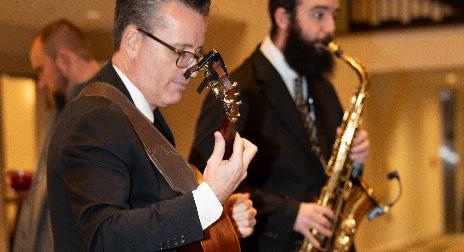
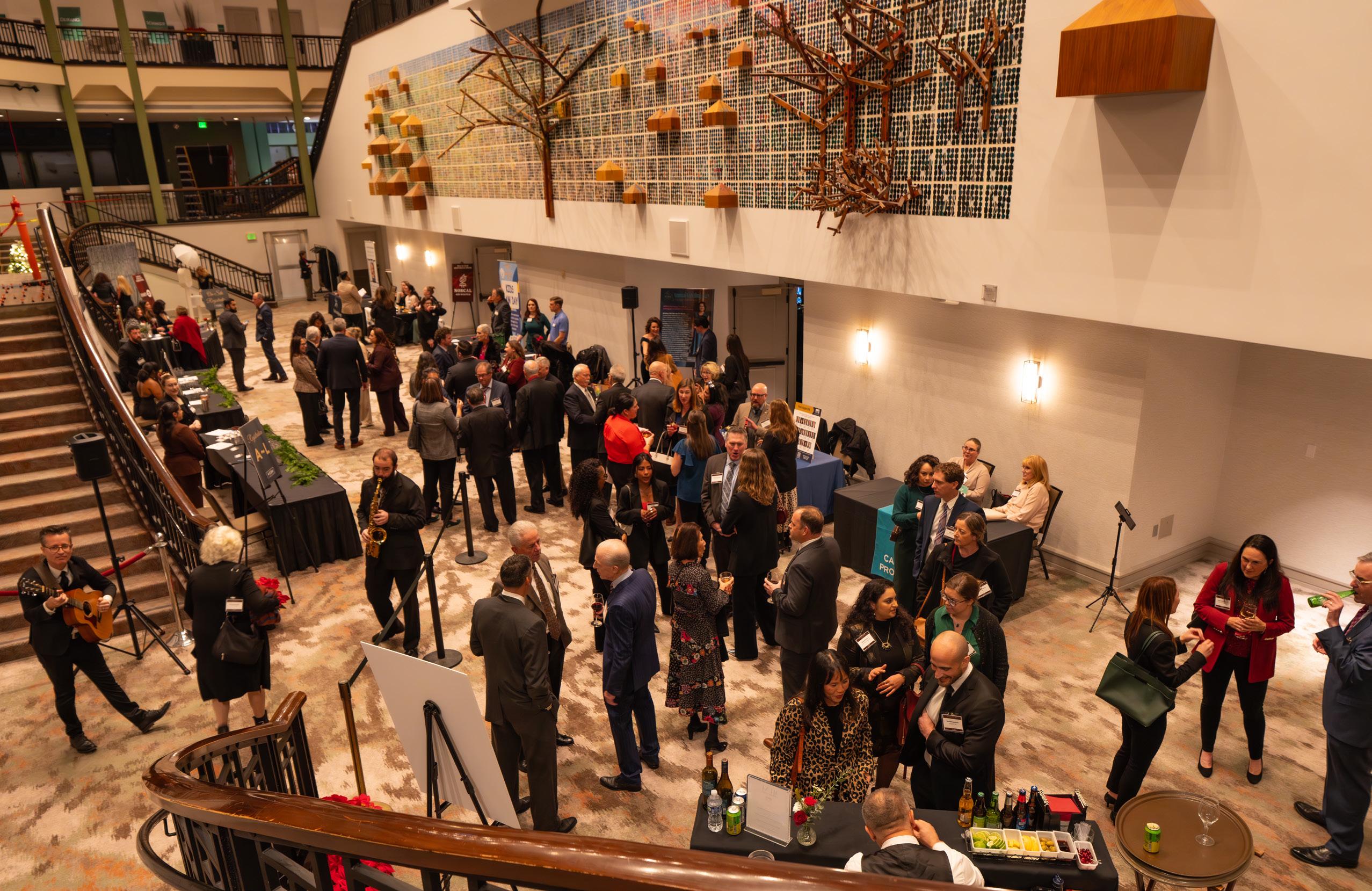
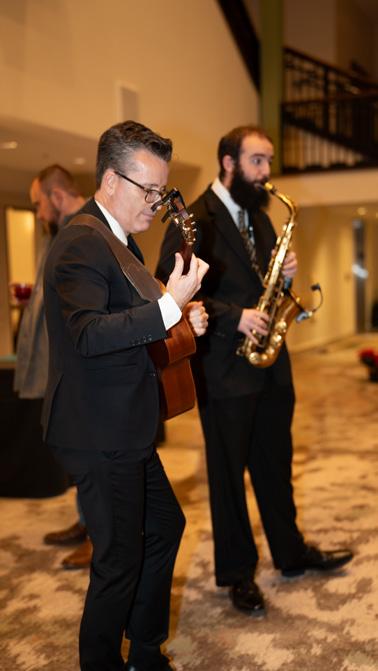
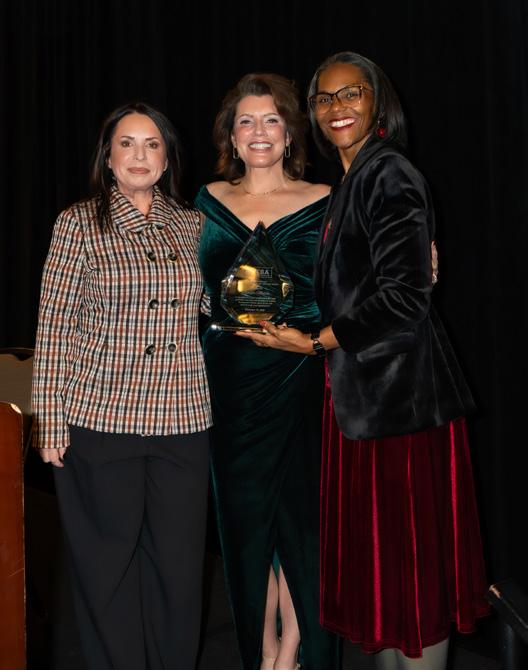
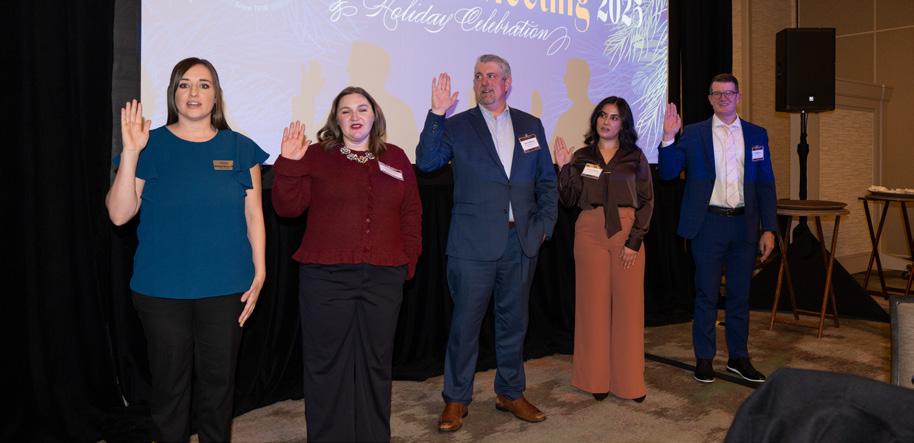
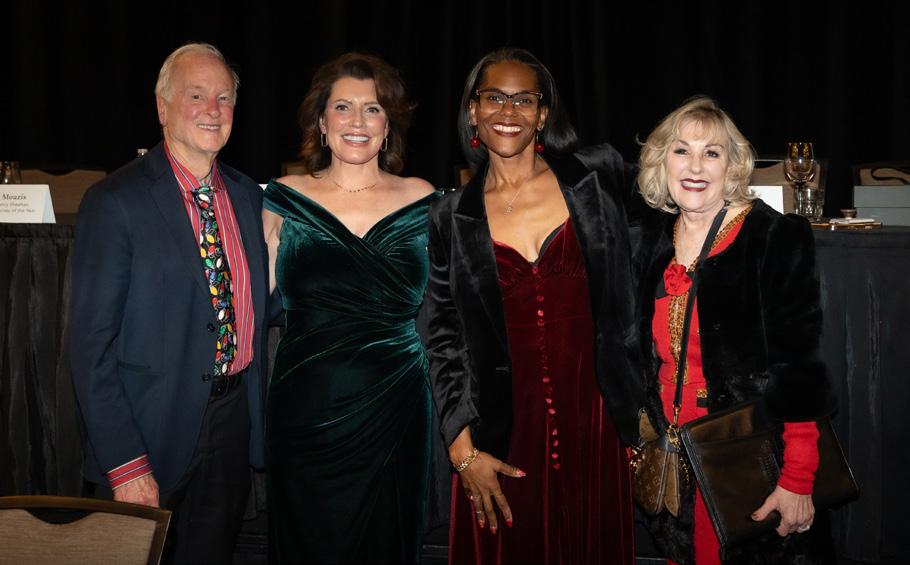
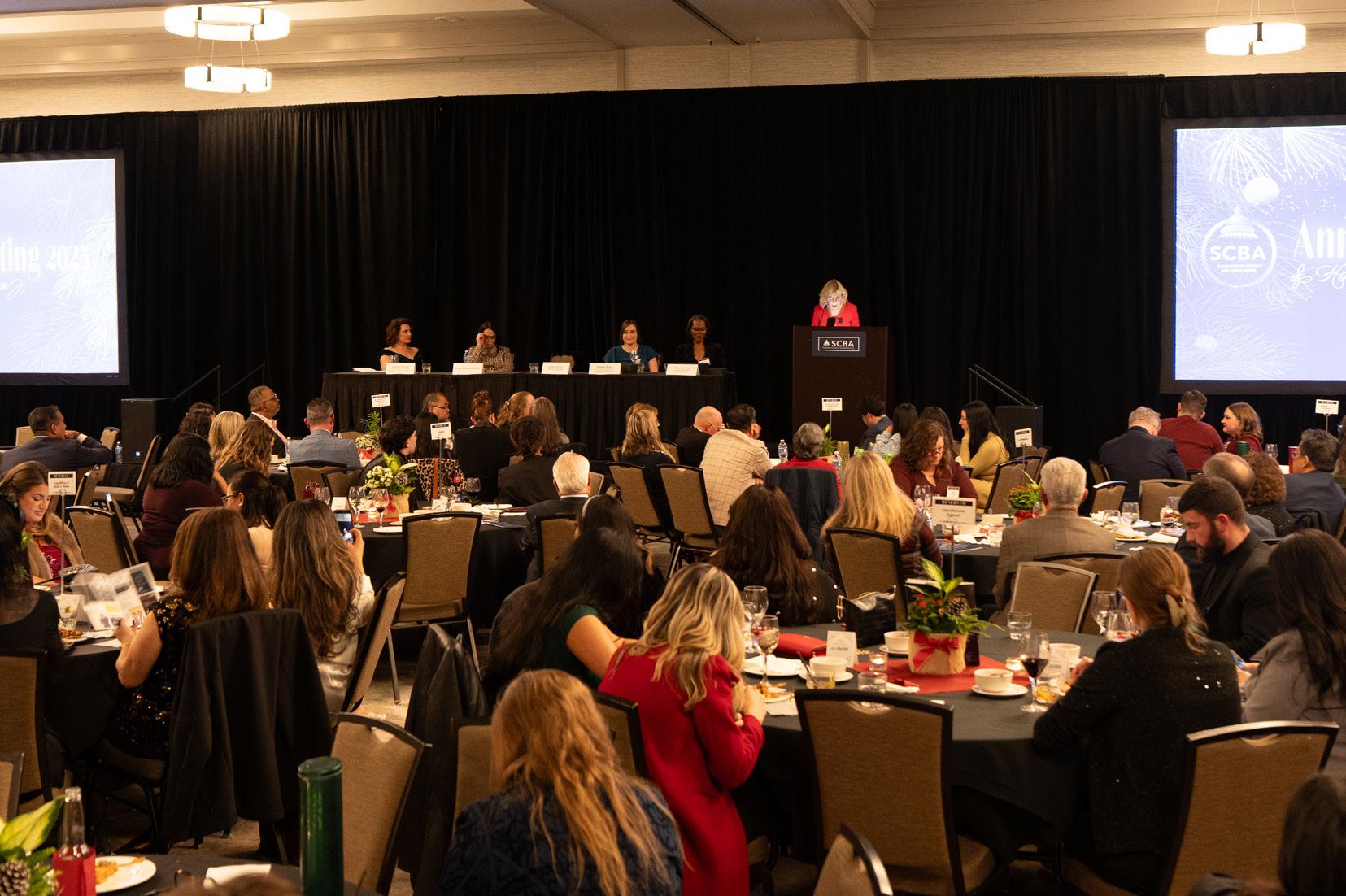
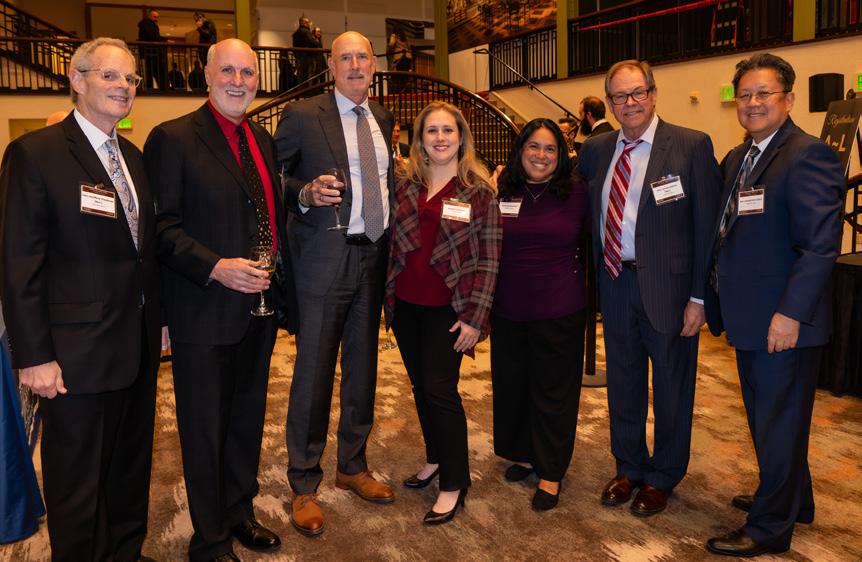
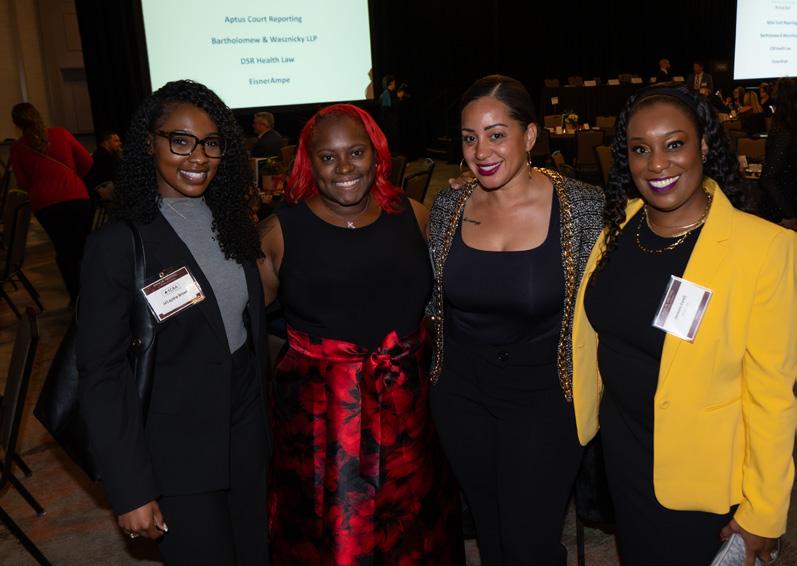
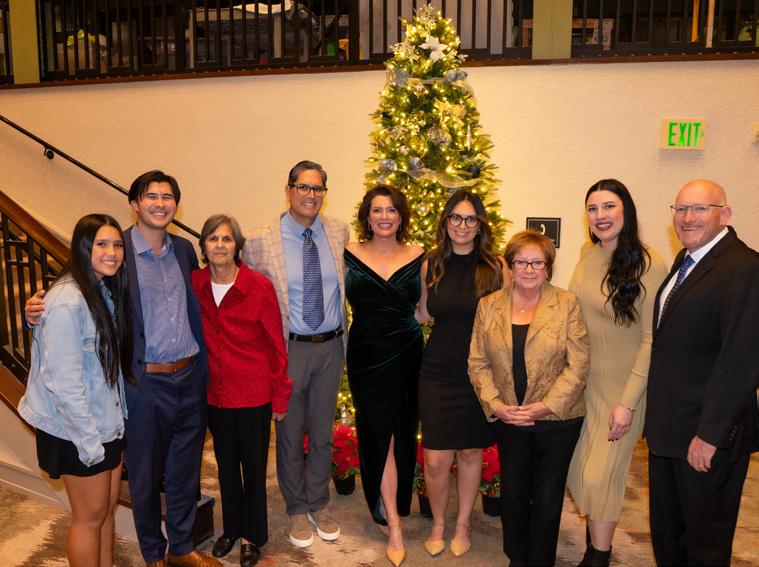
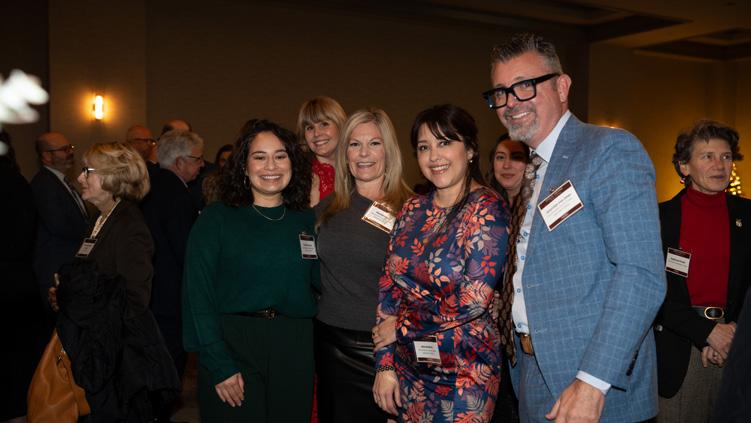
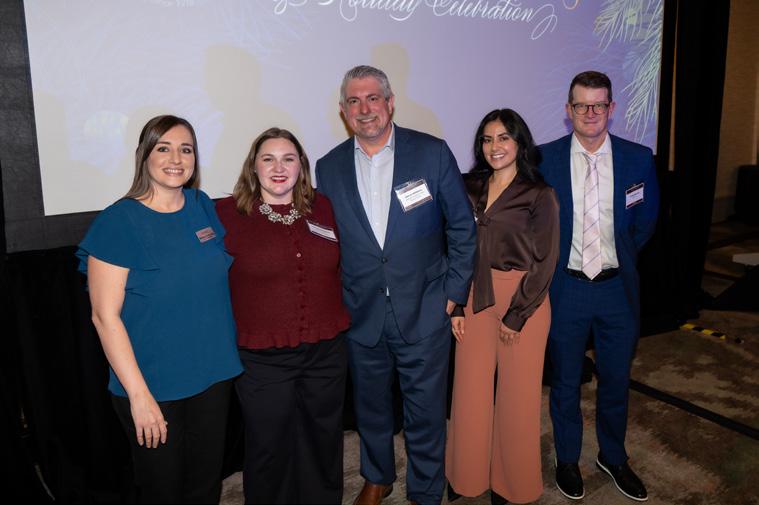
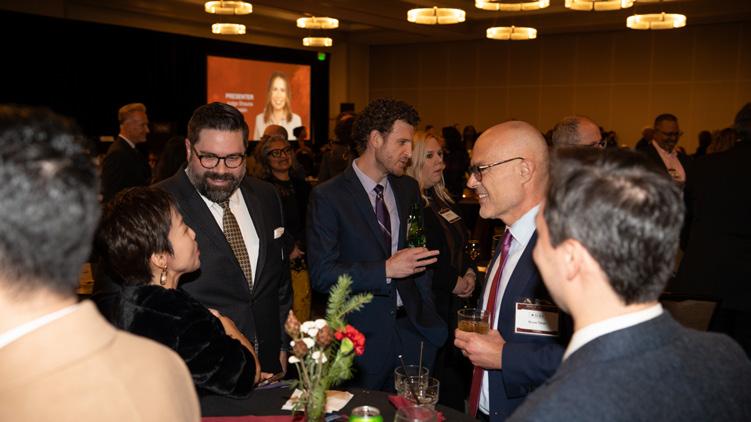
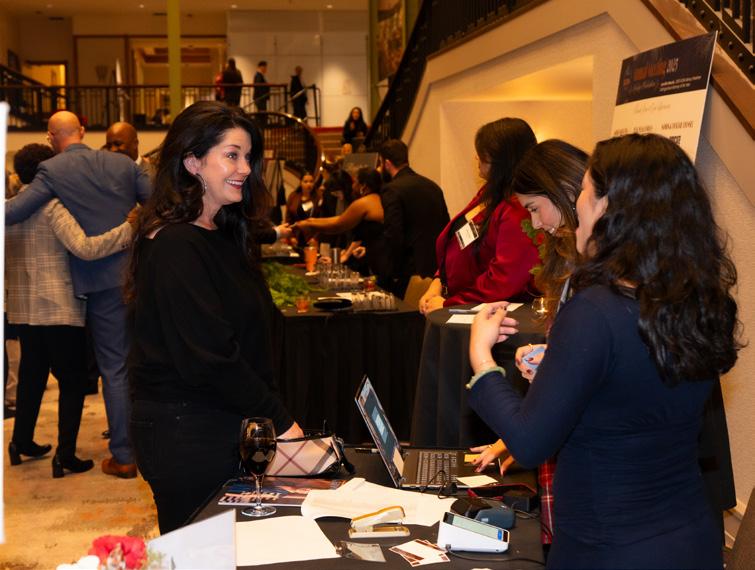
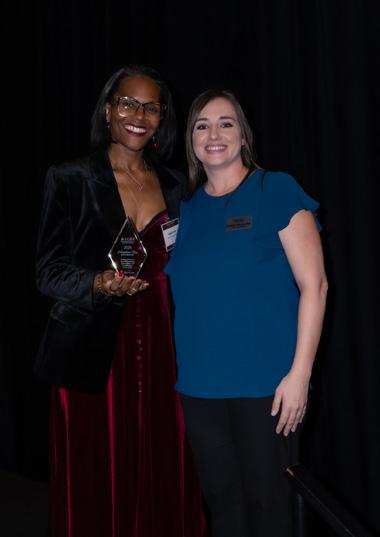
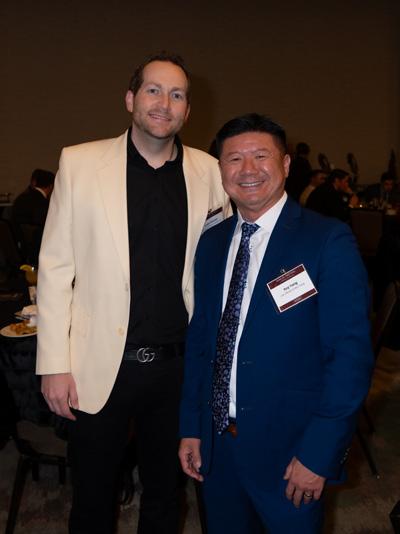
he Annual Meeting & Holiday Celebration brought festivities, cocktails, and cheer to the Sheraton Grand Sacramento Hotel on Wednesday, December 10, 2025. Nearly 350 members and guests came together for an evening of connection, celebration, and reflection, made possible with the generous support of 40 event sponsors. SCBA proudly swore in the 2026 Directors and Officers and honored Jennifer Mouzis as the 2025 Nancy Sheehan Distinguished Attorney of the Year. The evening featured live music, a festive photo booth, and a warm holiday atmosphere that made the celebration truly memorable.
Outgoing President Angelina Ray marked the occasion with the presentation of the President’s Award to Professor Dominique Hinson, in recognition of her out-
standing contributions to SCBA and her leadership in helping host the Trial Advocacy Conference in August 2025. Professor Hinson joined the University of the Pacific McGeorge School of Law faculty in July 2024 as Associate Director of Trial Advocacy and Associate Professor of Law, Legal Practice. Widely respected for her work in advocacy education, she brings extensive experience as a trial and appellate advocacy instructor, national trainer with the National Institute of Trial Advocacy, and former leader within the National Association of Legal Advocacy Educators. Her dedication to mentoring law students and practicing attorneys alike continues to elevate the profession.
Managing Attorney Heather Tiffee of Capital Pro Bono then presented the 2025 Capital Pro Bono
Hannah is the SCBA Event Services Manager, and she can be reached at hvogel@sacbar.org.
Award to Andres “Felipe” Garcia
Since passing the bar in 2021, Felipe has demonstrated an extraordinary commitment to service, joining Capital Pro Bono in 2022 and volunteering consistently with the Misdemeanor Expungement Project. Over the past three years, he has donated more than 200 hours and has personally assisted over half of the clients served by the project. A Sacramento native and Civil Engineer with the Department of Water Resources, Felipe exemplifies the impact of pro bono service through his dedication to the community.
The evening also featured a keynote address by Hon. Consuelo Maria Callahan, who offered thoughtful and inspiring remarks to attendees. Judge Callahan also administered the oath of office to the 2026 SCBA Board, marking a
meaningful and ceremonial beginning to the new leadership year.
Judge Shauna Franklin, Sacramento County Superior Court, then introduced her longtime friend and colleague, Jennifer Mouzis, as the recipient of the 2025 Nancy Sheehan Distinguished Attorney of the Year Award. Jennifer shared heartfelt remarks, stating, “This is the highest honor of my career, not just because of the prestige of the award or the remarkable attorneys who have received it before me, but because of what it represents to me. I am deeply humbled to be recognized and profoundly grateful to everyone who has supported me on this journey.” Named in memory of Nancy Sheehan, a civil rights and employment law attorney and the first female partner at Porter Scott, the award honors a legacy of integrity, leadership, and
professionalism that Jennifer so clearly embodies
One of the evening’s most meaningful moments was outgoing President, Angelina Ray, introducing incoming President Brittany Berzin, symbolizing a thoughtful and seamless transition of leadership. Angelina was sincerely thanked for her dedicated service, steady leadership, and commitment to advancing SCBA throughout her term. As Brittany steps into the presidency, members expressed excitement and optimism for a year focused on growth, engagement, and forward-looking goals that will continue to strengthen the legal community and association in 2026.
The celebration concluded with a giving drive in support of Court Appointed Special Advocates of Sacramento County. Thanks to the
generosity of attendees, the event raised significant donations and collected many items benefiting foster youth throughout Sacramento. Everyone who donated was entered into a raffle featuring prizes generously contributed by local businesses, including Miner’s Leap Winery and Scribner Bend Vineyards. The presentation was led by Mathew Romsa, Donor Relations Director of CASA Sacramento County, alongside Ruby Bitzer, an SCBA section chair, and CASA committee member. As SCBA looks ahead to 2026, the evening served as a reminder of the strength, generosity, and leadership within our community. We look forward to building on this momentum and welcoming members to another year of meaningful programs, connection, and celebration.
CBA Sections are truly the heart of our organization. As Section Representatives, we are committed to supporting section leaders and helping their sections grow and thrive. This year, we will host quarterly check-ins with section leaders to share updates, answer questions, and ensure information flows smoothly between each section and the SCBA Board.
Our goal is to help sections build strong, vibrant communities that offer valuable MCLE programs, engaging mixers, and events—both independently and in collaboration with other sections. We want these programs to be relevant, timely, and impactful for members, and we are here to support you in making that happen. Each section is re-
quired to host at least two MCLE programs and one in-person social event annually.
Section Representatives and Assigned Sections
Mauriah Conway: Cannabis, Criminal, Family, Health Care, Immigration, Probate, Tax, Barristers’ Division
Michell Flores: Administrative Law, Appellate, Civil Litigation, Environmental, Intellectual Property, Public Law, Solo Small Practice Division
We are excited to make this a successful year for all sections. Together, we can create engaging programs, foster professional growth, and strengthen our legal community.
SACRAMENTO
Mauriah Conway Dustin Amrein Michell Flores
Coming to America in Search of a Better Life and Career - Dmytro Lyushenk
By Renald Konini
mytro Lyushenko is a Ukrainian attorney, legal document assistant, and a Commissioned Notary Public of the State of California. Lyushenko is also an entrepreneur and researcher in the field of digital asset regulation. Currently, he serves as a representative of the National Bar Association of Ukraine in the United States.
Lyushenko was born on July 9, 1991, in Mykolayiv, Ukraine. At the age of 9, he developed a passion for professional cycling, following in the footsteps of his father who was a professional cyclist. Lyushenko competed in professional cycling events from age 9 to 16. He was a member of the Ukraine National Cycling Team during that time.
After high school, he studied at Kyiv International University. In 2012, he earned a bachelor’s de-
Renald Konini is an attorney at Shimoda & Rodriguez, PC, where his practice focuses on wage and hour class actions, Private Attorneys General Act claims, harassment, discrimination, retaliation, wrongful termination, and personal injury cases. He can be reached at rkonini@shimodalaw.com.
gree in law. From 2012 to 2014, he worked at a corporate law firm practicing corporate law. From 2014 to 2016, he pursued a master’s degree in international and business law from the Academy of Personnel Management, in Kyiv. His entrepreneurial spirit led him to start his own law firm in 2015 named Dmytro Lyushenko and Partners, where he practiced business and corporate law. In 2021, he joined as a senior partner, the Loyalty Group Law Firm, where he practiced white color crime defense. Lyushenko found white-collar crime cases interesting and felt passionate about them.
However, in February 2022, his life and career drastically changed due to the start of the war in Ukraine. Lyushenko explained that the war changed everything. His way of life, his future, the people, and hir career. At the beginning of the war, there was a lot of confusion and misinformation, especially when the Russian Army was close to Kyiv. It was almost impossible to practice law at that time because people were worried about their lives, where to shelter, and where to find food. Litigation and legal issues took a back seat because people had to deal with life threatening events. Only basic food, such as bread, milk, potatoes, and eggs were available on different days of the week. He recalls that people from his town gathered
and helped each other.
He recalls having an app called “air raid” that alerted them when to take shelter due to the bombing. He remembers that the walls of his house would shake even when the bombing was miles away. His mother, his wife, and his little daughter would sleep in the basement of the house five to six nights per week. He still remembers that while the bombing occurred, his daughter was worried about her toys and would ask him in the basement if he got all her stuffed animals and toys. Sometimes, they would forget one toy but would try to get it after a couple of hours when the bombing stopped.
As the war continued and there was no sign of peace, Lyushenko decided to move out of Ukraine to provide safety and a better life for his family. He decided to move to the United States because he had already been in the US as an exchange student in 2010 and 2011. The experience that he had as an exchange student played a big role in his decision to move here because he liked the culture of the country and he believed that if he worked hard, he would be able to have a good life in this country. Also, he knew the language and was confident that he would be able to succeed here and have an opportunity to pursue a career in law.
He moved to California in 2024 because California allows attor-
neys who have a license from other jurisdictions to sit for the bar exam. He also thinks that California is a beautiful state and loves to travel and explore different parts of the state. His first job in California was as a janitor. After finding a job, Lyushenko started to plan his career and started acting on his goals. He became a licensed public notary and a legal document assistant. He uses his skills and experience to help low-income people and immigrants from the large Slavic community in the area. He is very entrepreneurial and has founded many organizations in a short period of time. He has founded Golden Gate Visa LLC, which provides immigration and legal document services, NOTA LLC, which provides legal technologies and digital asset solutions, NOTA Digital Currencies Research Center Inc., a nonprofit organization conducting research in the fields of Web3 and digital assets, and Grace Inc., a nonprofit organization that provides humanitarian and educational services for low-income immigrants and refugees. Additionally, in November 2025, Lyushenko submitted written input to the Crypto Task Force of the US Securities and Exchange Commission (SEC) regarding the regulation of digital assets and has coauthored many articles in that space.
While founding many organizations and helping people in his community with notary services and legal document assistance, Lyushenko also has found time to study for the California Bar. He is registered to take the February 2026 Bar and hopes to become an immi gration lawyer to help Russian and Ukrainian speakers with immigration issues. He states that there is a lack of immigration lawyers in the area who speak Russian or Ukrainian. He believes that this country provides great opportunities and he would love to practice law in California. He wishes to become an immigration lawyer and would like to litigate immigration cases. Also, he is looking for a position in an immigration firm to gain experience while studying and waiting for the bar results. His goal is to help his struggling com munity with immigration issues.
Lastly, he joined the SCBA in April 2025 to meet le gal professionals from around the area for professional development. As a representative of the Ukrainian Bar Association, he is excited to spread the knowledge that he gains here with other Ukrainian attorneys interested in practicing law in California. Lyushenko is very thankful and grateful to the SCBA for helping him and featuring him in this article. Lyushenko can be contacted by phone at (916) 460-0977, or by email at lyushenkod@yahoo.com. His office is located at 730 I Street, Sacramento, California 95814.
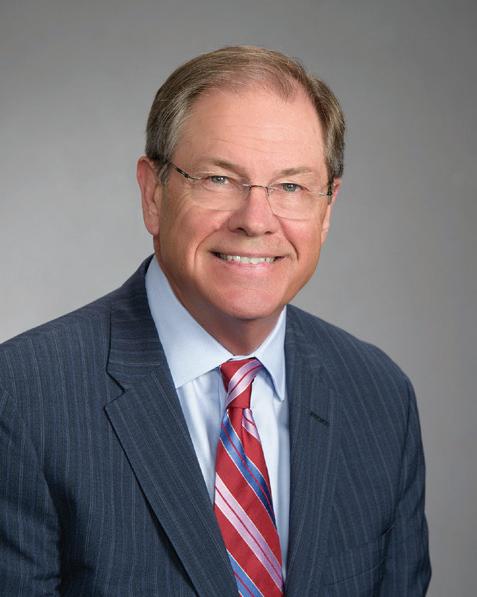
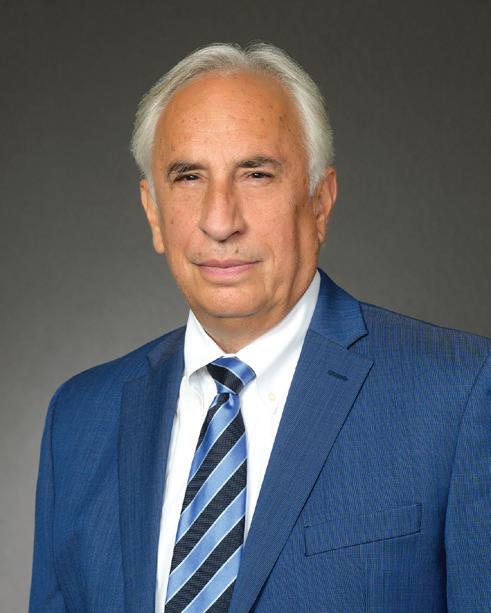
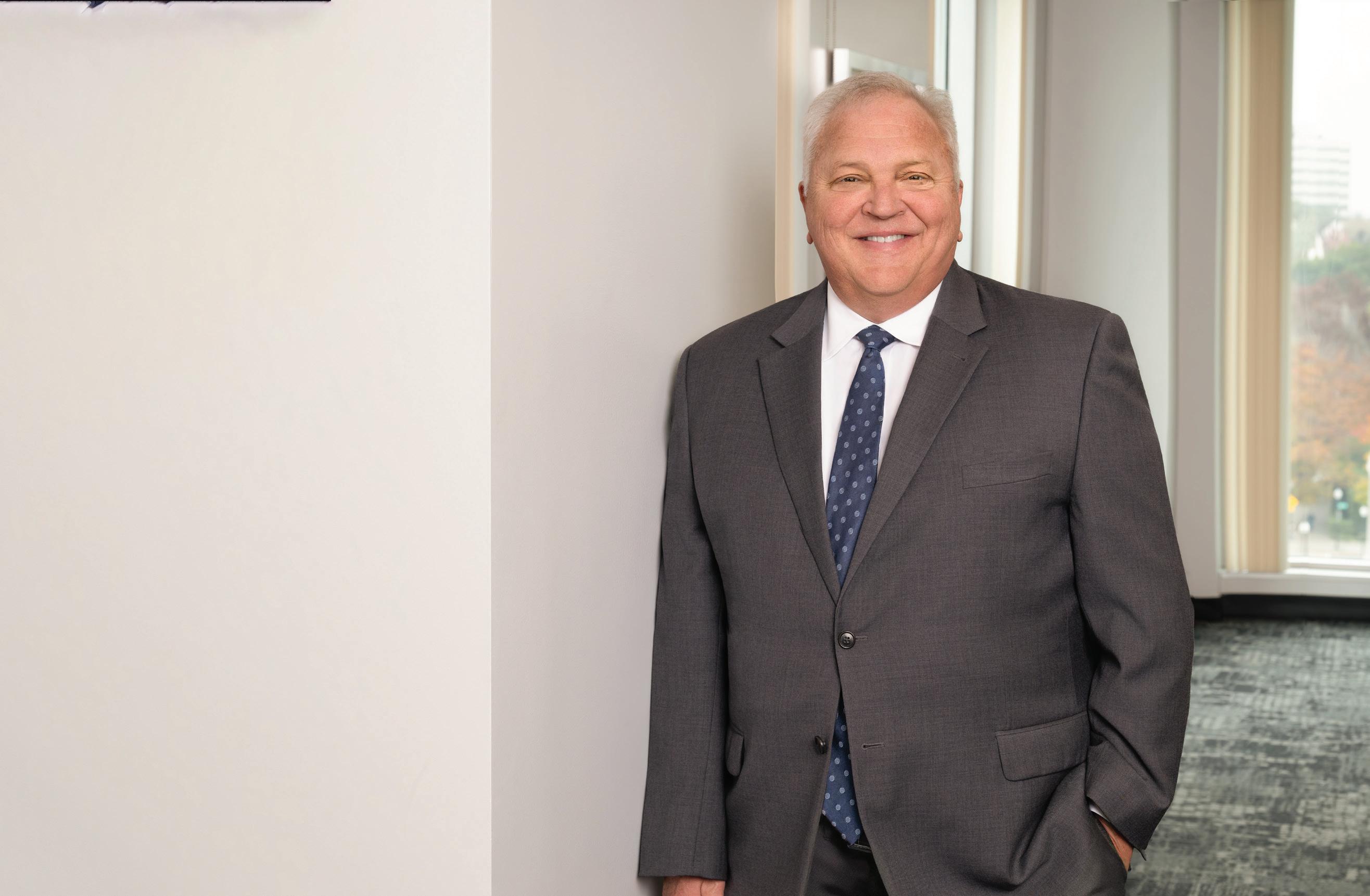
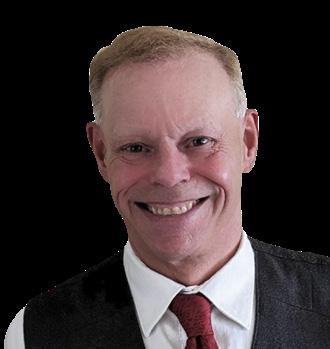
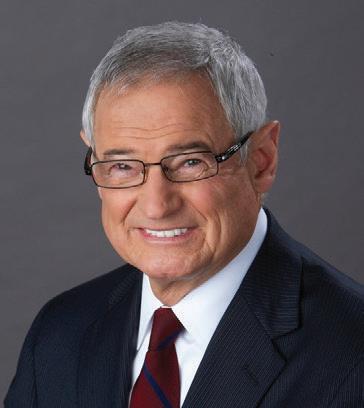
REX DARRELL BERRY
Drawing on four decades representing employers in complex employment matters, Rex Darrell Berry serves as a neutral who carefully evaluates cases, listens to all perspectives, and guides parties toward informed resolution.