What the proposed changes mean for retirement funds
www.alexforbes.com
06 The government is developing a new national system to centralise all unclaimed financial assets, such as unpaid retirement benefits, dormant bank accounts, forgotten investments, and unpaid insurance payouts to ensure these funds are eventually returned to the rightful beneficiaries.
“For four decades, investors rode a tailwind of globalisation and leverage; those tailwinds are now headwinds. Capital is more expensive, geopolitics matters again, and the assets once considered safe no longer offer the same protection. The US Federal Reserve, which once absorbed shocks, is now a source of volatility. Global peace is also in question.”
18 INSIDE THE AI SCARE TRADE
Today’s anxiety centres on artificial intelligence (AI), not whether it will change the world, but who it will leave behind.
RESILIENCE IN A SHIFTING GLOBAL LANDSCAPE
24 Pension funds require predictable sovereign frameworks, credible debt strategies, and investable infrastructure pipelines.
When employee benefits work together, they create a stronger foundation for employee well-being and organisational performance.
IRFA Talk is published on behalf of the Institute of Retirement Funds Africa by Mikateko Media. 7 Norton Way, Rondebosch, Cape Town, 7700 www.mikatekomedia.co.za
Brandon Johnson (Commercial Manager) +27(83) 406 3700 brandon.johnson@mikatekomedia.co.za
The 2026 National Budget Speech and the proposed changes for retirement funds
Disclaimer: The views expressed in this publication do not necessarily reflect those of the Board and Management of Mikateko Media (Pty) Ltd and the Institute of Retirement Funds Africa, nor do we take responsibility for third party advertising and pricing supplied. While precautions have been taken to ensure the accuracy of information, neither the editor, publisher nor Mikateko Media can be held liable for any inaccuracies, injury or damages that may arise. All correspondence regarding the publication should be directed to Mikateko Media.
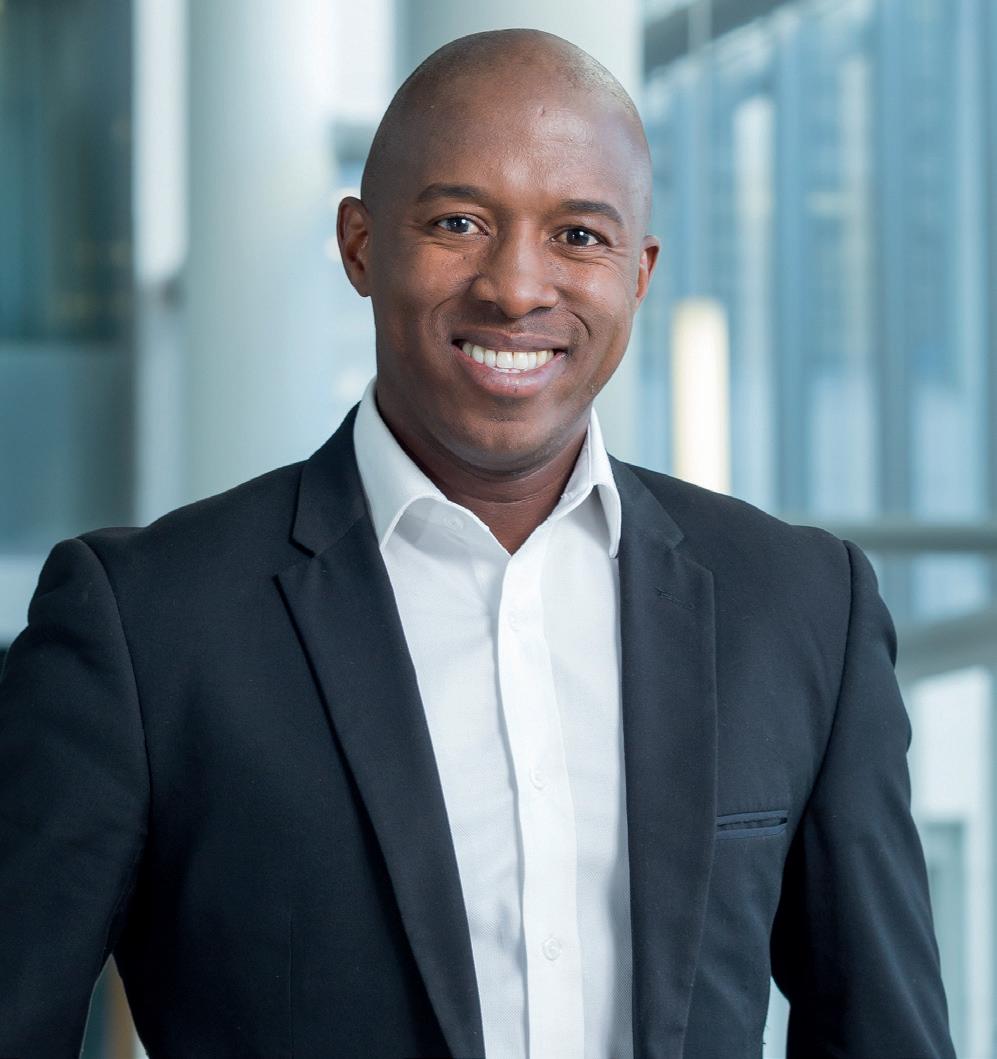
Siboniso Nxumalo, Chief Investment Officer: Old Mutual Investment Group
FROM THE IRFA PRESIDENT
― The evolution and entrenchment of the two-pot retirement system remains one of the most significant structural developments affecting our industry. ―
The 2026 South African Budget Speech once again highlighted the delicate balance between fiscal discipline and the need to support households in an environment of ongoing economic pressure. Within this context, several policy positions — both explicit and implied — carry important consequences for the retirement fund industry and, ultimately, for the outcomes experienced by South Africans in retirement.
The continued reinforcement of retirement savings as a cornerstone of financial security is the key message to carry forward. With limited fiscal space to expand state-supported retirement benefits, there is a clear and consistent policy direction: individuals, supported by employers and the retirement fund ecosystem, must play a greater role in securing their own retirement outcomes.
In this regard, the evolution and entrenchment of the two-pot retirement system remains one of the most significant structural developments affecting our industry. The implications of the two-pot system are now becoming more visible and measurable. The system acknowledges the financial realities faced by members — providing controlled access to a portion of their savings, while preserving a dedicated component for retirement.
However, the true impact of this reform extends far beyond its technical design. It has fundamentally shifted the relationship between members and their retirement savings. Increasingly, members are actively engaging with their funds — not only at retirement or upon resignation, but throughout their working lives. Withdrawal decisions, preservation choices, and contribution behaviours are now more immediate, more frequent, and more complex. This increased level of interaction introduces both opportunity and risk.
On the one hand, greater access can lead to improved financial resilience during times of need. On the other hand, without adequate understanding and guidance, it may erode long-term retirement adequacy.
The emphasis on preservation, the stability of tax incentives, and the recognition of long-term savings as a national priority all point to a simple but powerful conclusion: better retirement outcomes will depend not only on policy, but on meaningful, sustained member engagement.
As an industry, we must acknowledge that the traditional model, where members are largely passive participants, no longer serves the system we are building.
The future retirement ecosystem must be designed around active, informed, and supported members.
This requires a step-change in how we approach engagement:
n From compliance to comprehension: Communication must move beyond regulatory disclosure toward true understanding. Members need clear, accessible explanations of how decisions today affect their income tomorrow.
n From episodic to continuous engagement: Interaction cannot be limited to annual benefit statements or exit events. The two-pot system necessitates ongoing, realtime engagement, supported by digital tools and timely interventions.
n From generic to personalised guidance: Members face diverse financial circumstances. The use of data and technology must enable tailored nudges and decision-support tools that reflect individual needs and risks.
n From product-centric to outcome-centric thinking: The goal is not participation in a fund, but financial security in retirement. Every engagement touchpoint should reinforce this objective.
We must also be realistic about the challenges being faced. Economic pressures, including high unemployment and rising living costs, continue to constrain members’ ability to save. This makes the quality of engagement even more critical. When members do interact with their savings — whether to withdraw, contribute, or switch funds — those moments must be supported by clear, responsible guidance.
Looking ahead, the retirement ecosystem in South Africa must evolve into one that is more connected, more responsive, and more member-centric than ever before. Collaboration between funds, administrators, advisors, regulators, and employers will be essential in building this environment.
As an industry, our direction of travel is clear. It places responsibility and opportunity squarely within our industry to shape a system that delivers dignity, security, and sustainability in retirement.
Our collective task is equally clear: to transform increased access into increased understanding, and engagement into better outcomes.
Geraldine
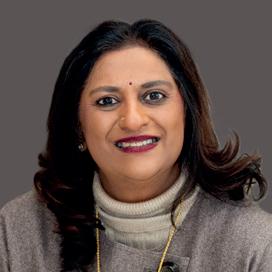
Geraldine Fowler President of the Institute of Retirement Funds Africa (IRFA)
GLOBAL HEADLINES
Business updates from around the world
AI DOOM LOOP HITS MARKETS
A stock-market “doom loop” is rippling through companies tied to artificial intelligence (AI), driven by two clashing fears. Investors worry AI will disrupt entire industries, prompting selloffs in firms seen as vulnerable. At the same time, they doubt that massive spending by giants like MicrosoftAmazon, Meta Platforms, and Alphabet will generate meaningful returns soon. After years of AI-fuelled gains, sentiment shifted as earnings reports failed to justify soaring capital expenditures, expected to exceed $600 billion in 2026. Since late January, shares have slumped, erasing roughly $1.5 trillion in value and dragging the Nasdaq-100 lower. Meanwhile, new AI tools are rattling sectors from finance to logistics. While some see overreaction, others warn volatility may persist until clearer payoffs emerge.
Ethiopia’s EV pivot gains speed after fossil-fuel car ban
Ethiopia’s ban on fossil-fuel car imports is reshaping its auto market and easing pressure on public finances. Since 2024, the government has slashed tariffs on electric vehicles (EVs) while blocking gasoline and diesel models, accelerating a shift driven more by fuel-import costs than climate goals. EVs now account for nearly 6% of vehicles on the road, up from less than 1%. Chinese brands dominate showrooms, including BYD and Chang'an, with models priced competitively against used gasoline cars. Banks are also more willing to finance new EVs than ageing imports. The policy is underpinned by surplus electricity from the Grand Ethiopian Renaissance Dam (GERD), completed in 2025, which has strengthened energy security and lowered power costs. Seventeen assembly plants are now operating, with a target of 60 by 2030. Challenges remain — limited charging infrastructure and patchy electricity access — but for Africa’s second-most populous nation, EVs are fast becoming industrial policy as much as transport reform.
SUPREME COURT STRIKES DOWN TRUMP TARIFFS, WALL STREET REACTS
The US Supreme Court struck down President Donald Trump’s sweeping global tariffs in a 6–3 decision, delivering a major blow to his economic agenda and triggering swift moves across financial markets. The court ruled Trump exceeded his authority by using the International Emergency Economic Powers Act to impose “reciprocal” tariffs worldwide and targeted levies tied to fentanyl trafficking. Chief Justice John Roberts wrote that Congress grants tariff powers “clearly and with careful constraints,” which it did not do in this case. Conservative Justices Neil Gorsuch and Amy Coney Barrett joined the majority, while Brett Kavanaugh dissented, warning any refund process would be “a mess.” Stocks climbed on relief that tariffs seen as a drag on growth may be rolled back. However, Treasuries and the dollar fell amid concerns over lost revenue. The White House signalled it will pursue alternative trade measures. *Accurate as at 20 February 2026
South Africa’s trade ministry to oppose liquidation of Tongaat Hulett
South Africa’s trade ministry said it will oppose the proposed liquidation of Tongaat Hulett, warning of serious consequences for jobs, farmers, and the broader sugar industry. The 134-year-old company is one of the country’s largest sugar millers, with capacity to process 2 million metric tonnes. It employs thousands across South Africa, Zimbabwe, Mozambique, and Eswatini, and supports extensive rural supply chains. The move follows a recent announcement by the company’s lead secured creditor Vision Group that efforts
FAST FACTS
$21.78 billion
Uganda has increased its projected public spending for the 2026/27 financial year by 12.7% to Shs78.2 trillion (Ugandan shillings) ($21.78 billion), up from 69.4 trillion. Previous government statements indicate priorities include completing the East African Crude Oil Pipeline (EACOP), advancing oil production, mineral quantification and refinery development, and building a standard gauge railway.
186%
AngloGold Ashanti reported a 186% surge in 2025 headline earnings to $2.725 billion, up from $954 million, as gold output rose 16% to 3.1 million ounces. The miner benefited from a 45% increase in its average gold price and declared total annual payouts of $1.8 billion. It also announced 4.9 million ounces in reserves at its Arthur Gold Project in Nevada (US), with planned capital expenditure of $3.6 billion and projected average annual production of about 500 000 ounces over nine years.
R2 BILLION
to rescue the embattled firm had failed. The business rescue process began in 2022 after major accounting irregularities surfaced. Vision said provisional liquidation would protect assets and preserve operational stability. Trade and Industry Minister Parks Tau said the department would join other stakeholders in opposing the application and back lawful efforts to secure a durable solution. A court hearing on provisional liquidation was set for 27 February, with an estimated 250 000 grower jobs and 2 600 direct roles at stake.
15K
China accounted for more than 85% of roughly 15 000 global humanoid robot installations in 2025, compared with 13% in the US, according to Barclays. Chinese startup Unitree Robotics expects 10 000–20 000 shipments in 2026 and lists its G1 robot at $13,500. In contrast, Tesla has said its Optimus robot’s production cost could fall below $20,000 if output reaches 1 million units annually.
Standard Bank Group has raised R2 billion ($123.76 million) through Africa’s first financial loss-absorbing capacity (Flac) bond issuance. The four-tranche deal drew over R10 billion in bids from more than 30 institutional investors. Enabled by South Africa’s 2023 resolution framework, the notes can be written down or converted to equity in a crisis, aligning with global standards set by the Financial Stability Board to shield taxpayers and protect senior creditors.
National Budget 2026
This article covers the 2026 National Budget Speech and the proposed changes for retirement funds which were announced by Finance Minister Enoch Godongwana, including the adjustments to contribution limits and annuitisation thresholds. -
Minister Godongwana opened his 2026 Budget Speech by reflecting on South Africa’s challenging recent history and the reforms implemented over the past several years. He noted that crises such as state capture and the country’s placement on the FATF grey list had ultimately become catalysts for deep structural change. Accordingly, he stated: “We have reached an important turning point in the management of our public finances.”
He stressed that the “economic recovery underway is not accidental, but the outcome of a disciplined and sustained fiscal framework implemented over multiple years.” The Minister highlighted that debt is projected to stabilise for the first time in 17 years, with expectations that it will continue to decline.
These improvements in fiscal health have contributed to: n South Africa securing its first credit rating upgrade in 16 years.
n The country's removal from the FATF grey list.
n A reduction in national borrowing costs, creating space for future growth and development.
The Minister emphasised that these developments signal restored credibility, renewed resilience, and a nation regaining its footing.
To further strengthen household financial resilience, the Minister announced targeted initiatives designed to boost long-term savings and improve retirement outcomes for fund members.
These include increasing the annual tax-free investment limit and raising the retirement fund contribution deduction cap and the retirement interest de minimis threshold for annuitisation, which has remained unchanged for the last 10 years.
On personal income tax, brackets have been fully adjusted for inflation in 2026, a departure from the bracket freeze seen in previous years.
Together, these changes are designed to enable individuals to save more tax-efficiently and strengthen long-term retirement adequacy.
Infrastructure remains a central pillar of the fiscal strategy. Over the medium-term, public-sector infrastructure spending is projected to exceed R1 trillion, with allocations prioritised for transport, logistics, water infrastructure, and energy security.
RETIREMENT FUND REFORM PROPOSALS
In the 2023/24 tax year, the retirement fund lump sum benefit and withdrawal tax brackets were adjusted upwards by 10%. No changes were made to these brackets in the 2024/25 and 2025/26 tax years, and they remain unchanged for the 2026/27 tax year.
Retirement Fund contribution deduction rules
Amounts contributed to pension, provident, and retirement annuity funds during a year of assessment, including both employee/member and employer contributions (if applicable), are deductible in the hands of members of those funds.
Currently, the tax deduction for retirement fund contributions is limited to the lower of 27.5% of taxable income (before capital gains) or R350 000 per year, as set out in section 11F of the Income Tax Act. In the 2026 Budget, National Treasury proposed increasing the monetary cap from R350 000 to R430 000, marking the first adjustment in 10 years. This change will allow higher income earners to deduct a larger portion of their retirement fund contributions, thereby reducing taxable income and increasing overall tax relief.
... the economic recovery underway is not accidental, but the outcome of a disciplined and sustained fiscal framework implemented over multiple years.
Any contributions that exceed the annual tax deductible limit are carried forward to the next year of assessment and treated as contributions made in that subsequent year. This rollover mechanism is expressly provided for in section 11F of the Income Tax Act, which enables taxpayers to preserve the tax benefit of excess retirement fund contributions instead of losing them.
These carried forward amounts are gradually reduced over time when they are set off against retirement lump sum benefits or post retirement annuity income. This means that any previously non deductible contributions can still deliver a tax advantage in the future, as SARS applies the rollover amounts, to reduce the taxable portion of lump sums or annuity income at retirement.
Retirement annuitisation threshold
The retirement de minimis threshold is the minimum benefit amount that allows a member to take their entire retirement savings as a cash lump sum. If the member’s retirement interest exceeds this threshold, they must use at least two thirds of it to purchase an annuity or a combination of annuities.
To determine whether a member falls below the threshold, the law requires the following to be included:
n Two thirds of the member’s pre-1 March 2021 non-vested benefits in the vested component, plus
n The full value of the retirement component.
If the resulting amount is at or below the de minimis threshold, the member may take the full amount in cash at retirement.
Currently, the de minimis threshold is R247 500 (three-thirds) and applies to the total fund credit at retirement. This means that if a member elects to take one-third as a cash lump sum, and the remaining two-thirds of the member’s pre-1 March 2021 non-vested benefits in the vested component, together with the full value of the retirement component, total less than R165 000, the full amount can be taken in cash.
The 2026 Budget proposes increasing the de minimis threshold to R360 000 (three-thirds), which will also apply to the total fund credit at retirement. This means that if a member elects to take up to one-third as a cash lump sum and the remaining two-thirds of the member’s pre-1 March 2021 non-vested benefits in the vested component, together
with the full value of the retirement component, total less than R240 000, the full amount can be taken in cash.
Application of the de minimis limit for multiple living annuities held by the same insurer
The Income Tax Act currently allows a living annuity to be paid as a lump sum when its value falls below the R125 000 de minimis limit. It is proposed that this limit be increased to R150 000.
The government has also confirmed that the definition of “living annuity” in section 1 of the Income Tax Act will be amended to explicitly state that to determine the prescribed de minimis limit for the commutation of a living annuity into a single payment, the value of all the living annuities that an annuitant holds with a specific insurer or fund must be taken into account. This means the de minimis limit will apply per policy issuer, rather than per individual policy.
The government is of the view that applying the threshold on a per-policy basis would allow early commutation of multiple small annuity policies, thereby undermining long-term retirement income security.
For example, assume an annuitant has three living annuity policies with insurer A valued at R130 000, R40 000, and R60 000 respectively. When determining whether a policy may be fully commuted as a lump sum, the value of the policy being commuted, together with the value of any policy already commuted with the same insurer, must be taken into account.
If the annuitant first elects to commute the R130 000 policy, they may do so because its value is below the R150 000 de minimis limit.
However, if the annuitant then wishes to commute the R40 000 policy, the value of the previously commuted R130 000 must be included in the calculation. The combined total becomes R170 000, which exceeds the R150 000 de minimis limit.
As a result, the R40 000 and R60 000 policies may not be commuted as lump sums.
As such, it is proposed that section 1 of the Income Tax Act be amended to explicitly require that the de minimis limit be applied cumulatively to all living annuities held with the same insurer or fund.
The Legal and Technical Committee of the IRFA is responsible for preparing and submitting Annexure C submissions each year. These submissions outline the policy, legal, and regulatory issues that IRFA requests the Minister of Finance and National Treasury to consider for the National Budget and the upcoming legislative cycle. In November 2025, the IRFA proposed increases to several long-standing monetary limits.
These included:
n An increase to the retirement fund contribution deduction cap, which remained at R350 000 for a decade.
n An increase to the living annuity commutation de minimis threshold.
n An increase to the tax free portion of the retirement lump sum benefit table.
These proposals were based on the rolling 12 month Consumer Price Index (CPI) as of 1 March of each year, with IRFA recommending incremental adjustments to maintain the real value of these limits over time. We are pleased that the Minister responded to these concerns in the 2026 Budget, where several monetary limits were indeed raised. This change is a welcome development for the retirement fund industry because it supports better retirement outcomes for members by ensuring that excess contributions are never lost, but instead continue to enhance members’ long-term retirement benefits.
UNCLAIMED FINANCIAL ASSETS
The government is developing a new national system to centralise all unclaimed financial assets, such as unpaid retirement benefits, dormant bank accounts, forgotten investments, and unpaid insurance payouts.
The aim is to ensure these funds are eventually returned to the rightful beneficiaries rather than remaining with financial institutions or being eroded by fees.
A single national structure will be established to manage and administer these assets. This will include:
n A central manager to invest the assets cost-effectively.
n A central administrator to maintain accurate records, trace beneficiaries, and handle all administration through one coordinated system.
The transition will happen in stages, starting with retirement
funds, where beneficiary identification systems are already more advanced. Over time, the framework will extend to all other financial institutions holding unclaimed assets.
This reform aims to address long-standing problems, such as inconsistent definitions of “unclaimed assets”, fragmented record keeping, and fees that reduce asset values. A unified database and administration process should make it easier to trace beneficiaries and provide a simpler, more reliable claims process.
The government will publish a discussion document for public consultation in due course.
CONCLUSION
“This Budget reflects our shared journey and the belief that together we can build a more equal, more prosperous economy.”
As the Minister brought the 2026 Budget Speech to a close, he shifted from the technical details of fiscal planning to the broader principles guiding South Africa’s long-term trajectory. He stressed that the country’s Budget must serve its constitutional and developmental responsibilities.
“The progressive realisation of the fundamental socioeconomic rights enshrined in our constitution is essential to our mission to deal with inequality, poverty and unemployment,” said Minister Godongwana.
The Minister ended his speech by reaffirming that:
“To achieve our ultimate goal of bettering the lives of our people, we must continue pursuing this sovereignty. A budget and a fiscal strategy that advances inclusive growth and the sustainability of public finances is a crucial part of achieving this greater freedom. It moves us closer to fulfilling our constitutional promise to do all that it takes for our people to live with dignity and prosperity.”
This year’s National Budget presents a more constructive outlook for 2026 and beyond, reflecting tangible improvements in fiscal stability alongside continued efforts to support long-term economic recovery.
Nancy Andrews Vice President of IRFA
Understanding the FSCA’s new Regulatory Reporting Requirements
WHAT TRUSTEES AND PRINCIPAL OFFICERS NEED TO KNOW
South Africa’s retirement fund industry is entering a new era of transparency and accountability. The Financial Sector Conduct Authority’s (FSCA) forthcoming Regulatory Reporting Requirements (RRR) will significantly reshape how pension funds prepare financial statements, disclose investment information, and demonstrate sound governance.
These changes were the focus of a recent webinar hosted by the IRFA, facilitated by Cedrick Pila, IRFA Board Member and Chairperson of the Retirement Funds Audit Committee, together with IRFA CEO Wayne Hiller van Rensburg.
Rather than a technical accounting session, the discussion centred on what trustees and principal officers need to know to fulfil their fiduciary responsibilities in a rapidly evolving regulatory environment. This article summarises the key insights from the webinar in an easy-to-understand manner.
WHY THE RRR IS BEING INTRODUCED
At its core, the new framework addresses long-standing weaknesses in the sector’s reporting regime. Historically, retirement fund reporting has been governed by multiple
Board Notices and guidance documents that have become outdated, inconsistent, and difficult to apply uniformly. The FSCA’s Statement of Need on RRR explains that the reforms aim to:
n Align reporting more closely with international standards.
n Replace outdated formats and exemptions.
n Ensure consistency across funds of all sizes.
n Strengthen regulatory oversight and member protection.
Notably, the regulator acknowledges that full International Financial Reporting Standards (IFRS) are not perfectly suited to pension funds. The new framework therefore establishes a sector-specific reporting regime informed by IFRS principles but tailored to retirement funds. This distinction is important: funds will not simply be ‘moving to IFRS,’ but to a hybrid framework designed specifically for their operations.
A UNIFIED FRAMEWORK REPLACING FRAGMENTED RULES
The draft Prudential Standard consolidates multiple existing requirements, including earlier Board Notices governing financial statements and audits, into a single instrument. The aim is to eliminate inconsistencies that previously made sector-wide analysis difficult and reduced comparability between funds.
The framework rests on four key pillars:
1. Enhanced financial reporting aligned with IFRS principles.
2. Mandatory external audits for all funds.
3. Standardised regulatory reporting templates.
4. Expanded ESG and investment disclosures, including look-through reporting.
Together, these measures aim to give regulators, boards, and members a clearer picture of fund health, risks, and governance.
MANDATORY AUDITS
One of the most consequential changes is the removal of audit exemptions previously granted to smaller funds. Under the old regime, funds below certain asset thresholds could avoid full audits. The FSCA concluded that this created unequal protection for members and limited effective supervision. The new approach now requires audits for all funds, regardless of size – a decision the regulator justified as necessary to ensure consistent application of accounting standards and to detect risks early.
Consultation feedback revealed significant concern about increased costs, particularly for small or terminating funds. However, the FSCA maintained that the benefits of stronger oversight outweigh the financial burden and that boards must plan accordingly.
MORE DATA, MORE TRANSPARENCY — AND MORE WORK
Industry stakeholders also highlighted the operational impact of the new requirements during the consultation process.
■ Additional time needed to prepare financial statements.
While exact costs vary by fund, the FSCA expects boards to exercise due diligence to ensure expenses remain reasonable while still protecting members.
ESG REPORTING AND LOOK-THROUGH DISCLOSURE
The RRR significantly expands disclosure expectations regarding investments, particularly sustainability factors and infrastructure exposure. Funds will need to report not only top-level holdings but also underlying assets within pooled investments – a requirement aligned with amendments to Regulation 28.
Consultation responses indicated that this area is complex and still evolving, with uncertainty around data availability and classification methodologies. The FSCA has indicated that international sustainability standards (such as IFRS S1 and S2) may serve as guiding frameworks.
IMPLEMENTATION TIMING
Although the standard specifies an effective date of 1 January 2026, the practical application depends on each fund’s financial year-end. In most cases, the requirements will apply to the first year-end occurring after that date. Importantly, the regulator has acknowledged that implementation will require system enhancements, template updates, and training – reinforcing the need for early preparation rather than waiting for final confirmation.
GOVERNANCE IMPLICATIONS FOR TRUSTEES
A central theme of the webinar was that the RRR does not turn trustees into accountants. Instead, it raises expectations around oversight.
Boards of retirement funds will need to ensure that service providers:
■ Are prepared for the new reporting framework.
■ Can supply required data in the correct format.
■ Have realistic implementation plans.
■ Provide clear evidence of readiness.
Trustees remain responsible for approving financial statements, accounting policies, compliance budgets, and auditor appointments – decisions that now carry heightened scrutiny.
STRENGTHENING TRUST IN THE RETIREMENT SYSTEM
Ultimately, the RRR represents more than a compliance exercise. It is part of a broader effort to enhance transparency, comparability, and confidence in South Africa’s retirement savings system.
While the transition will bring operational challenges and additional costs, the intended outcome is a more resilient industry in which all members – regardless of the size of their fund – receive the same level of protection and assurance.
As emphasised during the IRFA webinar, funds that begin preparing now will be far better positioned to meet the new requirements and to demonstrate strong governance in an increasingly demanding regulatory landscape.
Cedrick Pila Board Member of IRFA
Emerging markets are now the adults in the room
Ray Dalio’s Principles for Dealing with the Changing World Order focuses on the central idea that the world moves through repeating cycles of debt, power, and renewal. For me, it was not in the halls of empire that I was exposed to these serial cycles, but in the messy, exhilarating world of global emerging markets.
What I experienced as an emerging markets investor was not peripheral to the global markets story, it was a preview. The turbulence that once defined the developing world has now spread to the developed one. The world Dalio described was already forming on the horizon; as emerging markets investors, we were just standing closer to its front line.
A THREAT TO THE GLOBAL ORDER
Between 2011 and 2018, as part of a team managing a longonly emerging markets equity fund, we moved through cities that were rewriting their own futures. From the traffic-choked ambition of Mumbai, the industrial pulse of Shenzhen, and the political theatre of Brasília, right through to the vibrant optimism of Johannesburg. Every city was its own experiment in progress – rising, stumbling, reforming, and reinventing.
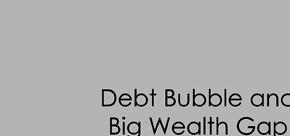
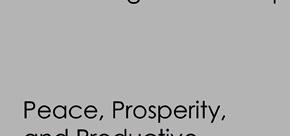
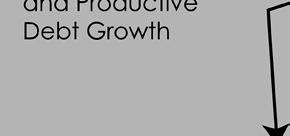
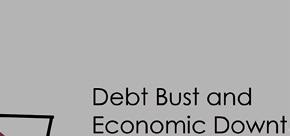
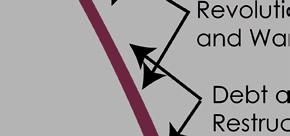
In these emerging markets, confidence could swiftly turn to panic, capital could flee at the first hint of political turmoil, and extraordinary companies emerged strongest from chaos. The same forces Ray Dalio wrote about – debt, inequality, conflict, and the erosion of trust – were already visible; not in textbooks, but on the ticker tape and trading screens we lived by every day. See the cycles depicted in the graph.
During this period, the West set the tempo. It thought in dollars, measured success in basis points off the United States (US) Treasury yield curve, and interpreted global risk through the lens of Wall Street. Emerging markets were seen as the outer orbit. But since then, the roles have reversed. The frontier has become the centre, and Donald Trump’s targeted attacks on BRICS+ indicate the threat they have become to the global order.
Following the rise of political risk in 2016 with Brexit, Trump, and populism in Europe, the assumption that advanced economies were stable began to crumble. Developed markets started behaving like emerging ones, while many emerging markets were maturing, reforming, and stabilising. Characteristics once associated with emerging markets –fiscal recklessness, policy uncertainty, populist politics – are now prominent in the developed world. The distinction lies not in geography but behaviour. The question is whether an economy is disciplined, adaptable, and capable of reform.
THE END OF THE EASY MONEY AND THE PEACE DIVIDEND
With the US having hit its highest debt level in history, currently sitting at over $36 trillion, debt has become the defining feature of the Western model as shown in the table.
First $10 trillion 50+ years
Next $10 trillion 9 years $20T
Next $10 trillion 5 years $30T
Latest addition 1 year $33T
Source: Bloomberg
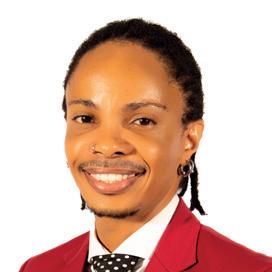
Siboniso Nxumalo Chief Investment Officer at Old Mutual Investment Group
For us, real value lies beyond where most are willing to look. So we go further. Into the outer limits. This is where we uncover overlooked insights and untapped data to build long-term success. This is how we champion the unseen
For four decades, investors rode a tailwind of globalisation and leverage; those tailwinds are now headwinds. Capital is more expensive, geopolitics matters again, and the assets once considered safe no longer offer the same protection. The US Federal Reserve, which once absorbed shocks, is now a source of volatility.
Global peace is also in question. After the Cold War, Western nations enjoyed what economists called the peace dividend. They spent less on defence and more on consumption, technology, and comfort. That era has ended. The wars in Ukraine and the Middle East have reminded us that peace is fragile and that energy, supply chains, and territorial security have strategic value again.
Meanwhile, China has asserted itself as both an economic and military power. Its Belt and Road Initiative (BRI), technological leadership, and growing influence in BRICS+ signal a deliberate reshaping of the world order. Trade wars, sanctions, and tariffs, including those proposed again by Trump, are not just political theatre; they are instruments of competition.
THE RISE OF THE EAST
In Beijing in 2017, what struck me was what was missing – no Google, Facebook, or Amazon – only Baidu, Alibaba, and Tencent. China had built a parallel digital universe. In addition, the world’s most valuable tech companies may still be US-listed, but the foundations of their dominance – semiconductors powering artificial intelligence (AI) – are manufactured largely in Taiwan, by Taiwan Semiconductor Manufacturing Company (TSMC). The tension across the Taiwan Strait is therefore about control of the technological foundations of the future global order.
Today, the East writes much of the global script. India has become the world’s most populous nation and one of its most dynamic economies. China remains a manufacturing and financial powerhouse. Gulf states are deploying capital across Africa and Asia. Meanwhile, the West shows signs of fatigue: high debt, political polarisation, and social division.
IN GOLD WE TRUST
The rise in gold prices is not about jewellery demand. It is about trust, or the erosion of it. Central banks in China, India, and Turkey are buying record amounts of gold as they diversify away from the dollar and question the sustainability of Western fiscal policies.
We are moving away from an age of financial wealth to an age of tangible wealth. When confidence in paper
assets weakens, investors turn to things that are material: energy, commodities, productive land, and gold. For a century, financial assets have outperformed real ones. That pendulum may now be swinging back.
South Africa stands at the crossroads of this global realignment. As a resource-rich member of BRICS+, it benefits from the East’s appetite for metals, minerals, and food security, but its financial markets remain deeply connected to Western capital. That duality can present both strength and vulnerability.
Today, the East writes much of the global script. India has become the world’s most populous nation and one of its most dynamic economies.
The world may reward producers of real assets, but only those who deliver them with consistency. South Africa’s role in the energy transition through platinum group metals, copper, and manganese positions it well, provided we maintain policy stability and institutional strength. Gold’s resurgence captures the mood of the current moment. Its rise is not merely an inflation hedge or a safehaven trade; it reflects the world’s unease with the dollarcentric financial order. The ascent of gold is, in many ways, a mirror of doubt, a vote of caution against debt-fuelled prosperity and monetary excess, and a signal that scarcity, credibility, and discipline are once again being repriced.
FROM RELIANCE TO RESILIENCE
It is often said that little happens in a year, but a decade can change everything. Now the question is, how far will this changing world order go? What will money mean when trust itself begins to fade? Where will the debt settle, what will security cost, and how will value be measured in a world learning to prize resilience above overreach?
We invest for the long term, which is another way of saying we invest in time itself. The task of investors is to look beyond what moves today, and see what is becoming inevitable; in other words to sense the next tide before it crests. Perhaps ten years from now, we will look back on this very moment and realise that the next great shift had already begun – quietly, invisibly, yet in plain sight.
The great retirement reset Six powerful trends reshaping retirement funds
From flexible retirement to AI-powered investing and alternative assets, retirement funds are undergoing a major transformation. Here are the trends redefining how people are approaching retirement.
Across the world, the retirement landscape is undergoing a profound transformation. Longer life expectancy, technological innovation, evolving regulations, and changing investor expectations are forcing retirement funds to rethink how they operate.
In 2026, retirement funds are no longer simply vehicles for long-term savings. They are evolving into sophisticated financial ecosystems designed to help individuals accumulate wealth, manage risk, and generate sustainable income throughout retirement. Here are six powerful trends reshaping the retirement fund landscape today.
RETIREMENT IS NO LONGER A FIXED DESTINATION
The traditional idea of retiring at a specific age is rapidly fading. Today’s workforce is living longer and increasingly choosing more flexible retirement paths. Instead of stopping work completely at age 60 or 65, many people are gradually transitioning into retirement through part-time work, consulting, or entrepreneurial ventures. Governments and regulators are also adapting pension systems to reflect these realities. For example, reforms in pension legislation globally are introducing more flexible retirement options and new benefits designed to improve member protection and access to savings.
The result is a shift away from rigid retirement timelines toward a more personalised retirement journey.
THE INDUSTRY IS SHIFTING FROM SAVING TO SUSTAINABLE INCOME
For decades, retirement funds focused primarily on helping members accumulate assets. But the industry is now placing far greater emphasis on what happens after retirement.
The challenge many retirees face is turning savings into a reliable income that lasts throughout retirement. As a result, retirement funds are increasingly offering in-plan retirement income solutions, including hybrid target-date funds, annuity marketplaces, and systematic withdrawal strategies.
These innovations are helping retirees navigate the complex decumulation phase, ensuring that retirement savings provide a predictable income while managing longevity and market risks.
ESG INVESTING HAS BECOME A CORE PENSION STRATEGY
Environmental, Social, and Governance (ESG) investing has rapidly moved from a niche concept to a core strategy for many retirement funds.
Because pension funds invest over long-term time horizons, they are particularly exposed to risks linked to climate change, social instability, and governance failures. Integrating ESG considerations helps funds identify long-term risks while supporting sustainable economic growth. In practice, this means retirement funds are increasingly investing in areas such as renewable energy, sustainable infrastructure, and companies with strong governance frameworks.
For many funds, ESG is no longer simply a moral preference; it is a fundamental part of risk management and long-term investment strategy.
TECHNOLOGY IS TRANSFORMING RETIREMENT PLANNING
Technology is rapidly reshaping how retirement funds operate and how members interact with their savings. Artificial intelligence, advanced analytics, and digital platforms are now being used to improve portfolio management, enhance risk modelling, and deliver more personalised financial advice.
For members, this means better digital tools for tracking retirement savings, adjusting contributions, and receiving personalised investment recommendations. At the same time, retirement funds are using technology to improve governance, streamline compliance, and optimise asset allocation in increasingly complex markets.
2 3 4 5
PENSION FUNDS ARE INVESTING BEYOND TRADITIONAL MARKETS
Another major shift is the growing allocation of retirement fund assets to alternative investments. Historically, pension portfolios were dominated by equities and bonds. Today, funds are increasingly investing in private
equity, infrastructure, private credit, and real estate to enhance diversification and returns. Private markets and real assets now account for about 20% of pension fund allocations globally, reflecting a long-term shift away from traditional asset classes. This diversification helps retirement funds manage market volatility and access new sources of long-term growth.
6
RETIREMENT FUNDS ARE BECOMING GLOBAL POWER INVESTORS
Large pension funds are no longer passive investors; they are becoming major global financial players.
Around the world, pension funds are directing capital into infrastructure, technology, private markets, and economic development projects. This includes investments in renewable energy, digital infrastructure, and private companies.
In many cases, retirement funds are outsourcing investment management or partnering with specialised asset managers to access a broader range of investment opportunities and expertise. As a result, retirement funds are playing an increasingly influential role in shaping global financial markets.
THE BIG CHALLENGE: HELPING PEOPLE SAVE ENOUGH
Despite innovation across the retirement industry, one issue remains constant: many individuals are still not saving enough for retirement. Rising living costs, competing financial priorities, and longer life expectancy mean that retirement savings must stretch further than ever before. Policymakers and industry leaders are therefore exploring solutions such as automatic enrolment programmes, increased contribution levels, and improved financial education to help close the retirement savings gap. Ultimately, the success of retirement systems will depend not only on investment strategies but also on encouraging consistent saving behaviours.
A NEW ERA OF RETIREMENT
The retirement fund industry is entering one of the most significant periods of transformation in its history. Flexible retirement paths, smarter income solutions, responsible investing, and technological innovation are reshaping how retirement savings are managed and delivered. For investors, this means retirement planning is becoming more personalised, dynamic, and sophisticated. The question is no longer simply, “When will you retire?” Instead, a more important question is emerging: “How will your retirement savings support the life you want to live?”
Martin Hyde Head of Distribution at Sasfin Wealth
Why quality may be hiding in plain sight
Financial markets have an enduring habit of swinging between optimism and anxiety. Today’s anxiety centres on artificial intelligence (AI), not whether it will change the world, but who it will leave behind.
The latest phase of AI adoption has triggered sharp selloffs across software, information services and parts of the digital economy, as investors rush to reprice perceived disruption risk. For quality investors, this moment is less about technological disbelief and more about valuation discipline.
The prevailing narrative is neat and intuitive: AI lowers barriers to entry, reduces the need for human users and ultimately renders traditional software invisible. If that story is correct, many incumbent businesses deserve to trade at lower multiples. But markets rarely get both the speed and the direction of disruption right at the same time.
THE ANATOMY OF THE AI SCARE TRADE
The bear case for incumbent software companies generally rests on three assumptions. First, that AI democratises coding to the point where enterprise software becomes commoditised. If anyone can prompt a working application into existence, why pay for established platforms? Second, that productivity gains translate directly into fewer paid users, undermining seat-based pricing models.Third, that autonomous agents will bypass user interfaces (UI) altogether, leaving software companies unable to monetise their products.
Each assumption contains a kernel of truth. Together, they have driven a rapid and largely indiscriminate derating of businesses
perceived to be exposed to AI disruption. But they also oversimplify how large organisations actually operate.
SOFTWARE IS NOT JUST CODE
The first error is to confuse software with code. Code is cheap. Systems of record are not. Enterprise software exists because organisations require security, compliance, auditability, permissions architecture, and deep integration with legacy systems. These features are not easily replicated by a bespoke AI-generated tool, regardless of how functional the output may be.
In reality, the cost of failure matters far more than the cost of software. Large enterprises are inherently risk averse. They do not entrust sensitive data, regulatory obligations, or mission-critical workflows to untested platforms with no balance sheet, no service guarantees, and no recourse when things go wrong.
This is why incumbents tend to survive technological shifts that appear existential at first glance. The cloud did not kill enterprise software. Mobile computing did not render established platforms obsolete. Distribution, trust, and embeddedness have repeatedly proven more durable than theoretical technical superiority.
Clyde Rossouw Head of Quality at Ninety One
PRODUCTIVITY RARELY DESTROYS DEMAND
Concerns around seat-based pricing are more nuanced. While AI will undoubtedly change how work is done, history suggests productivity gains do not automatically reduce demand. When the cost of a unit of work falls, the volume of work often increases. Lower friction enables greater complexity, broader usage, and deeper integration across organisations. AI may pressure pricing models at the margin, but it also expands use cases and creates opportunities for value-based or outcome-driven pricing. The relationship between productivity and revenue is rarely linear.
AGENTS ARE MORE LIKELY TO REINFORCE INCUMBENTS
The most sophisticated fear is that autonomous agents render software invisible. But this assumes those agents sit outside existing ecosystems.
In practice, the most effective agents are likely to be embedded within incumbent platforms, precisely because those platforms already own the data, the workflows, and the customer relationships. Agents require context, and context lives inside systems of record.
This creates an irony that markets appear to be underestimating: many of the businesses being sold off as AI ‘losers’ may be best positioned to monetise agentic workflows over time.
THE REAL MOAT: DATA AND TRUST
As AI models proliferate, intelligence itself becomes commoditised. Whether one uses proprietary models or open-source alternatives, the differentiator increasingly lies in data.
High-quality businesses tend to own proprietary datasets — protected by regulation, contracts or the sheer cost of replication — that are inaccessible to public AI models. These data assets do not disappear with AI adoption: in many cases, they become more valuable as usage grows.
Trust matters just as much. Enterprises do not switch vendors lightly, particularly when data integrity and compliance are at stake. Trust takes decades to build and seconds to lose. That asymmetry strongly favours incumbents with established relationships.
CYCLICALITY HIDING IN PLAIN SIGHT
While software businesses are being priced for disruption, other parts of the market are being treated as defensive simply because recent growth has been strong.
Segments tied to synchronised capital spending are increasingly valued as though demand is immune to economic cycles. History suggests otherwise.
Periods of heavy capital expenditure often bring forward years of future demand, followed by inevitable digestion phases. When spending pauses, businesses dependent on a narrow set of large customers tend to remind investors that they are, by definition, cyclical.
The contrast is striking: highly predictable, recurring-revenue businesses are being priced as structurally impaired, while capital-intensive, momentum-driven businesses are being priced as safe.
WHEN “SOFTWARE IS DEAD” BECOMES INTERESTING
From a quality perspective, this inversion creates opportunity. Many mission-critical software and information services businesses remain deeply embedded in customer workflows. Payroll, compliance, financial infrastructure, and industryspecific platforms are not discretionary expenses.
In a downturn, organisations are far more likely to delay experimental projects than to remove systems that keep the business functioning.
While some assets will undoubtedly be disrupted by AI, the market’s broad-brush approach risks overlooking the resilience of businesses with high switching costs, strong retention, and recurring cash flows.
QUALITY IN A MOMENTUM-DRIVEN MARKET
Markets currently appear to be in a phase where fear and momentum coexist. Valuations in some areas imply uninterrupted growth, while others reflect near-term obsolescence. Risk-adjusted returns and downside protection have faded from the conversation, often a sign that discipline is being tested.
Quality investing has never been about avoiding change. It is about backing businesses with resilient economics, strong balance sheets, and the capacity to adapt. When those businesses are priced as though disruption is inevitable and value-destructive, the margin of safety improves.
History shows that markets are usually better at identifying disruption than at identifying the eventual winners. When sentiment moves faster than fundamentals, patience and selectivity tend to be rewarded.
Creating a holistic approach to employee benefits
Employers and retirement fund trustees are rethinking how they structure employee benefits. Instead of viewing retirement savings, healthcare, and group risk cover as separate components, organisations are beginning to recognise the advantages of integrating them into a single, holistic strategy. When these benefits work together, they create a stronger foundation for employee well-being and organisational performance.
Employee health has a direct impact on productivity. When people are physically and mentally well, they tend to be more engaged, resilient, and effective. On the other hand, poor health results in absenteeism, presenteeism, and reduced output, all of which carry financial consequences for employers.
The financial implications for employees are equally significant. Without adequate healthcare cover, many face unexpected medical costs that can push them into debt or compel them to access retirement savings earlier than planned. This disrupts long-term financial security and adds pressure on workplace performance.
Preventative care, often supported through employer-sponsored benefits, plays a crucial role in breaking this pattern. Routine checkups, screenings, and early intervention can reduce the severity and cost of medical conditions. Over time, improved health outcomes help moderate group risk premiums and support retirement adequacy, producing a benefit for both employees and employers.
THE ROLE OF EMPLOYERS AND TRUSTEES
Employers and trustees play a pivotal role in shaping the futures of their members. In South Africa, retirement funds remain one of the most effective vehicles for long-term savings. Default contribution, employee benefits, and default investment frameworks all work together to protect members from poor decisions or premature withdrawals.
However, health benefits are still too often viewed as optional extras rather than part of the core employee value proposition. Trustees tend to focus on retirement outcomes, while employers see the real-time effects of health challenges, including mental health issues, chronic illnesses, and associated financial strain.
By embedding healthcare considerations into benefit design, employers and trustees can create an environment that supports employees more comprehensively. This integrated approach strengthens loyalty, improves retention, and helps build more sustainable organisations.
BREAKING THE CYCLE OF POOR HEALTH AND FINANCIAL STRESS
Financial stress remains one of the biggest contributors to deteriorating health. In turn, poor health leads to rising personal costs, reduced earning capacity, and long-term financial pressure.
Breaking this cycle requires coordinated support that addresses both health and financial wellness.
Research has shown several benefits for employees who receive integrated financial and health support:
n They are twice as likely to contribute consistently to retirement funds.
n They are less likely to experience long-term debt stress.
n They are more likely to report better physical health.
Workplace programmes that combine financial advice with healthcare education have been shown to improve absenteeism, engagement, and overall well-being, contributing to better long-term outcomes.
PRACTICAL STEPS TOWARDS INTEGRATION
To strengthen the link between health and financial benefits, employers and trustees can:
n Promote integrated advice: Provide financial and healthcare guidance that considers individual circumstances and group benefits, supported by data-driven insights.
n Simplify healthcare navigation: Offer clear, accessible options such as gap cover and critical illness products. Help employees understand and use their benefits effectively.
n Leverage technology: Personalise benefits with digital tools which can improve portability and make information more accessible. They can also support decision-making and track progress.
n Expand the scope of well-being: Position wellness as a core part of the employee value proposition, not as an add-on.
Although integrated models can offer compelling rewards and incentives, employers and trustees should be mindful of the risks that arise when multiple products and services are tightly linked under a single provider. Integration works best when it empowers choice and adaptability rather than creating dependencies.
The most effective models bring together health, risk, and retirement benefits in a way that remains flexible and transparent. This allows employers to tailor solutions without locking members into structures where rewards or value are lost if any single element changes.
By focusing on practical, real-time value for all employees and ensuring benefits remain accessible and adaptable, organisations can avoid the pitfalls of all-or-nothing models. This approach supports long-term well-being and financial security, while giving employees confidence that their benefits can evolve as their needs change. The future lies in the integration of advice and planning rather than the integration of products alone.
A MOVE TOWARDS INTEGRATED BENEFIT FRAMEWORKS
The introduction of the Alexforbes One umbrella fund solution aligns with the broader shift towards integrated benefit structures. It brings together services that employers often manage independently, including healthcare consulting, debt management support, discretionary savings options, and access to broader financial services. These offerings are delivered within a single, integrated framework.
The accompanying rewards programme provides practical, real-time value for employees without behavioural qualifiers, supporting organisations that want a more streamlined approach to benefits.
LOOKING AHEAD
As medical scheme choice season approaches, structured advice becomes increasingly important. Employees need guidance that helps them select cover suited to their needs and financial circumstances. Trustees and employers share responsibility for ensuring that healthcare is integrated into benefit design rather than treated as a separate or secondary consideration. In a country where an unexpected health event can destabilise even the most carefully planned financial future, overlooking healthcare in employee benefits leaves both employees and employers vulnerable.
THE FUTURE OF EMPLOYEE BENEFITS
The path forward lies in integrating advice and planning across retirement, healthcare, and risk benefits. When these elements work together, organisations can support a healthier and more financially secure workforce. This strengthens productivity, stability, and the long-term resilience of the business. Michael Prinsloo
Executive: Corporate Solutions at Alexforbes
Strengthening resilience in a shifting global landscape
Africa faces a widening fiscal gap at a time of increasing global uncertainty. According to McKinsey & Company’s report, The Fiscal Path for Africa: Strengthening Resilience in a Shifting Global Landscape, governments across the continent generated approximately $572 billion in revenue (20% of GDP) in 2023, while expenditure reached $785 billion (26% of GDP), resulting in a fiscal deficit of roughly $200 billion, or 6% of GDP.
External financing conditions are simultaneously tightening. Based on announced reductions in official development assistance (ODA), Africa could face up to $30 billion in annual aid cuts. In 2023, 42 of 54 African countries relied on ODA for more than 10% of government revenues. Multilateral institutions accounted for 35% of ODA flows, while 21% originated from US bilateral channels. The report identifies an estimated $200 billion annual public finance uplift potential, equivalent to roughly 6% of GDP. Of this, $125 billion (64%) could come from revenue acceleration and $75 billion (36%) from cost optimisation.
On the revenue side, Africa’s average tax-to-GDP ratio remains below the World Bank’s 15% growth benchmark. Optimising existing tax and customs systems represents an $85 billion annual opportunity. A one-percentage-point increase in tax-toGDP ratios could generate $30 billion annually, or $150 billion by 2030. Improving non-tax revenues, including state-owned enterprise dividends and asset monetisation, could unlock an additional $40 billion annually.
On the expenditure side, procurement improvements could yield $25 billion annually. Enhancing capital allocation efficiency, across approximately $160 billion in annual capital expenditure (13% of GDP), could deliver $35 billion in savings. Refinancing and renegotiating debt service costs, which exceeded $160 billion in 2024, could free up $10 billion annually, while better-targeted transfers and subsidy reforms could generate $5 billion in additional savings.
Debt vulnerabilities remain elevated. By 2025, 25 African countries had exceeded the 20% debt-service-to-revenue
threshold. Nineteen countries face both high debt-service burdens and low domestic revenue bases, while 27 countries have low revenues despite more manageable debt costs.
Structural constraints persist. Forty-six African countries derive more than 60% of exports from raw commodities, and manufacturing contributes less than 13% of GDP on average. Only five countries combine diversified exports with strong private-sector depth.
For Africa’s retirement industry, fiscal resilience is foundational. Pension funds are long-duration investors; they require predictable sovereign frameworks, credible debt strategies, and investable infrastructure pipelines. Africa’s fiscal deficit, currently about $200 billion, is not merely a gap to finance but a system to redesign. Stability buys time. Delivery builds credibility. Depth secures resilience. The report concludes that strengthening domestic revenue mobilisation, improving expenditure efficiency, and enhancing economic diversification are central to building fiscal resilience amid shifting global dynamics.
If governments can mobilise even a portion of this $200 billion annual opportunity, they will not only reduce reliance on volatile external funding but also crowd in domestic institutional capital. For leaders in retirement funds, this represents both a responsibility and an opportunity: to help shape a fiscal future that shifts Africa decisively, from borrowing to building.
McKinsey & Company’s report, The Fiscal Path for Africa: Strengthening Resilience in a Shifting Global Landscape: https://www.mckinsey.com/industries/social-sector/our-insights/fromborrowing-to-building-a-new-fiscal-path-for-africa
Investment Excellence. Proven Over Time.
Sasfin Asset Managers is now Otto1890, carrying forward over a century of heritage and expertise. Our new name reflects who we have always been: grounded in tradition yet focused on building for the future.
Successful investing demands more than conviction. It requires the judgement to take appropriate risk at the appropriate time and the discipline to hold steady when others do not.
Through a disciplined, repeatable process, our senior team delivers consistent, risk-adjusted outcomes across our full fund range. We take considered positions and provide complete transparency on how and why we invest.
Recognised as runner-up for Manager of the Year 2025 at the Raging Bull Awardsassessed on a risk-adjusted basis across all strategies.
Since 2005, Argon Asset Management has followed a disciplined, researchdriven investment approach focused on helping individual and institutional investors grow and protect their assets.