
R&B Icons New Edition, Boyz II Men, and Toni Braxton Deliver an Unforgettable Night of Throwbacks in Detroit

R&B Icons New Edition, Boyz II Men, and Toni Braxton Deliver an Unforgettable Night of Throwbacks in Detroit
By Ebony JJ Curry SENIOR REPORTER
By Sam Robinson SENIOR REPORTER
Detroit Rep. Karen Whitsett on Monday announced she will not seek re-election and will not run for public office again, citing a faith-based decision rooted in her commitment to Jesus Christ.
Whitsett assumed office in 2023; her current term ends on Jan. 1, 2027.
Whitsett added that while she will not be a candidate again, she plans to remain engaged in civic life by supporting leaders across party lines who are “committed to improving lives and strengthening families based on God’s word.”
Late Thursday night, Sept. 14, a historic moment unfolded in American labor relations as the United Auto Workers (UAW) union initiated a strike against Ford, General Motors (GM), and Stellantis. For the first time, the union took simultaneous action against all three major Detroit-based automakers. The action involves approximately 13,000 UAW members in assembly plants across Michigan, Ohio, and Missouri, who walked off their jobs after existing labor contracts ex-
By Ebony JJ Curry
Shortly before midnight on Sept. 14, GM released a statement expressing disappointment with the strike action, despite offering what it termed an “unprecedented economic package” that included historic wage increases. Stellantis
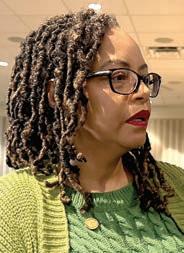
Karen Whitsett
“I will not be seeking re-election for this office, and I will not be running for any office ever again. This is not a political calculation—it’s a spiritual decision,” Whitsett said.
She emphasized that her decision is driven by conscience and accountability to God.
n a breathtaking celebration of talent, determination, and the unyielding spirit of Black excellence, the Michigan Chronicle marked its 10th Annual 40 Under 40 event Thursday evening. This year’s soirée, drenched in the theme “All Black Everything with Gold Accents,” transcended expectations and essential ly illuminated the golden gems within the true essence of Black excellence. Hosted by the charismatic duo of Andre Ash and Lynzee Mychael from Michigan Chronicle’s Finally Friday, the night was a triumph for the city of Detroit and its vibrant community of young Black professionals.
Brown’s commitment to empowering the city through fashion and entrepreneurship has left an indelible mark.
Whitsett has been drifting further away from the party since she stopped showing up for sessions.
Last week, she gave a shoutout to Robin Barnes, a Black conservative who highlighted her trip to the White House to meet with the Trump administration.
The evening sparkled with a golden promise as we celebrated remarkable individuals from various walks of life. Among the honorees were the brilliant and visionary co-founders of Detroit Hives, Nicole Lindsey and Timothy Paul Jackson. Their work has not only changed the landscape of beekeeping and urban farming in Detroit but also exemplified the transformative impact Black professionals can have on their communities.
By Sam Robinson SENIOR REPORTER
“Entrepreneur of the year – that’s a big deal,” said Brown. “It’s always an honor to be honored and it’s always a blessing to be in a room full of so many talented, accomplished, and popular people that look like me. I’m geeked. I started making and selling clothes as a kid and I always knew that I would have a business, but I never knew it would be Detroit’s brand name business, so I take a lot of pride in the fact that our business represents our city’s pride.”
“Oh now I can see how racist the president is,” Whitsett posted the same day, linking a video of late Civil Rights icon Jesse Jackson praising Donald Trump for helping his effort in the 1990s.
also expressed disappointment in a statement, saying the company immediately went into contingency mode to protect its operations.
By Ebony JJ Curry SENIOR REPORTER
Michigan Gov. Gretchen Whitmer last week suggested what most Democratic voters have felt since last year: Secretary of State Jocelyn Benson is expected to become the party’s nominee for governor.
Leonard, state Sen. Minority Leader Aric Nesbitt and businessman Perry Johnson are running for governor as Republicans.
Taking home the Corporate Excellence Award was Dannis Mitchell, Director of Community Engagement at Barton Malow.
DPD Chief James White Says Increased Police Presence Culled Violence By Andre Ash
ness district that had been the lifeblood of the community.
On Duggan, Whitmer said that she still views the independent former Detroit mayor as a Democrat.
DIGITAL ANCHOR
“Together we have created a social, environmental, and financial impact through bees,” said Jackson. Lindsey followed that sentiment with, “It is through our local partnerships and collaborative efforts that we exist in over 28 plus locations managing the health of 4.5 million honeybees – humbly speaking our movement has inspired others locally, nationally, and even internationally to take on similar missions.”
Last month, Whtisett shared a number of posts from conservative meme accounts, including one condemning abortion, and another headlined, “Ex-gay man’s life radically transformed by Jesus after studying the bible.”
“On abortion specifically, we say there is no such thing as Black-on-Black crime, but in my view abortion is exactly that,” Whitsett told the Chronicle in a text message Monday.
For many Detroiters, Interstate 375, or I-375, has long been just another stretch of urban highway, a concrete artery connecting different parts of the city. To some, it’s a mere convenience; to others, it’s an unremarkable part of their daily commute. However, there’s a deeper, far more troubling story beneath the surface of this seemingly ordinary freeway—a story of pain, displacement, and the lasting impact on Black Detroiters.
Genesee County Sheriff Chris Swanson is the other Democratic candidate still in the race with Benson, though he is trailing far behind in polling and campaign fundraising.
The primary election is August 4.
Detroit Hives, a pioneering organization founded by Lindsey and Jackson, harnesses the power of urban beekeeping to revitalize neighborhoods in the Motor City. Their initiative not only addresses critical issues like environmental conservation but also provides valuable education and employment opportunities to Black De-
On Saturday, Roslyn Ogburn, Whitsett’s potential successor, held her first campaign event at a community center on Grand River.
The UAW has branded the industrial action as the “Stand-Up Strike,” focusing on specific plants within each automaker. UAW President Shawn Fain stated, “This strategy will keep the companies guessing. It will give our national negotiators maximum leverage and flexibility in bargaining. And if we need to go all out, we will. Everything is on the table.” Union leaders have also indicated that additional plants could be targeted in future waves if negotiations remain stalled.
“It is so important to recognize that there are young leaders across the country, many that are born here in Detroit. I represent our city nationally and I tell people, ‘Yea I’m a D-girl I’m from the west-side of Detroit,’” Mitchell expressed. “But more importantly, I’ve been able to have experiences within an industry that not many of us, specifically women of color, have the opportunity to engage in and I’ve been the youngest person in the room, the only Black person in the room, and the only Sistah in the room, and I really had to articulate the importance of showing up, giving chances when others won’t, and being persistent.” As a trailblazing Black woman thriving in a predominantly male-dominated industry, her unwavering commitment to fortifying the connections between businesses and Detroit’s communities is unde-
It’s a history marred by pain, injustice, and economic devastation. More than 130,000 residents, primarily Black, were forcibly displaced. Families were uprooted, generational wealth was obliterated, and a thriving community was torn asunder. The wounds inflicted by I-375 run deep, transcending the physical barrier of a freeway to penetrate the very soul of Black Detroiters.
towards mending the wounds inflicted on Black Detroiters and restoring a sense of belonging that was so callously torn away in the past.
“Mike Duggan is a Democrat, he’s been a Democrat for 40 years, he was the Democratic mayor of Detroit, he did some great things, and we worked together,” Whitmer said. “As we look to the high stakes of this upcoming election and we think about who our secretary of state, who our Attorney General, who our governors are, we want a free and fair election, I think anything that could compromise that should raise concerns for everyone. It’s something in the back of my mind as I watch this play out.”
A string of shootings in Greektown in mid-April left both visitors and residents of this bustling downtown destination in awe. One of these shootings tragically claimed the life of a popular and beloved security guard following a dispute with a patron.
The I-375 Boulevard Project is about more than just correcting historical injustices; it’s about redefining the future. It will connect downtown Detroit to surrounding neighborhoods, bridging the gap that was placed upon the city decades ago.
At a roundtable Benson’s campaign hosted Monday in Grand Rapids, the state’s election chief said as governor she would ban private investors from buying houses their first 100 days on the market, tax short-term AirBnb style rentals and expand tax credits to prioritize building. Duggan last month laid out his education plan in Grand Rapids, $4.5 billion education plan to hold administrators accountable, boost early reading outcomes, expand career and technical education, and create a five-year school grading plan.
Ogburn’s event was attended by dozens of community members, including Detroit City Council member Denzel McCampbell, who defeated Whitsett in a city council race last November.
“I have a feeling it is becoming pretty clear who the candidate is going to be, but until the people of Michigan make it official, my job will be to make sure we are prepared for the fall,” Whitmer said without naming Benson during an appearance on MichMash, a podcast by Gongwer News Service and Michigan Public’s WDET.
This painful legacy can be traced back to the nation’s interstate highway program of 1956—a program that aimed to connect the country but often did so at the expense of marginalized communities. In the case of I-375, it meant carving a path through the heart of Black Detroit, reinforcing segregation, and perpetuating inequality.
The male suspect allegedly shot the guard before fleeing the scene, while his female companion is accused of concealing the weapon in her bra.
By Andre Ash
DIGITAL ANCHOR
Whitsett was absent from 51 of the 66 House session days in 2025, telling the Detroit News that the session wasn’t worth showing up for.
The tale begins in what is now Lafayette Park, once known as Black Bottom—a neighborhood rooted in African-American culture and history. Named after its dark, fertile soil, Black Bottom flourished during the mid1900s, nurturing the dreams and aspirations of prominent Detroiters like Coleman Young, Joe Louis, and numerous other Detroit legends. But in the name of urban renewal in the 1950s, this vibrant neighborhood was systematically dismantled, erased from the map, and replaced by a lifeless stretch of asphalt.
The governor, the vice chair of the Democratic Governor’s Association, said she wouldn’t make an endorsement because there’s still a primary election. However, her comments on the show last week reveal how Democratic leadership is feeling about the state of the race.
Duggan’s campaign told Michigan Chronicle that Duggan left the party in 2024 when he announced his run for governor. While Duggan was a Democrat as mayor, the Detroit mayor’s office is technically a nonpartisan office.
Detroit’s Unhoused People
These incidents unfolded during an unseasonably warm spring, leading to increased pedestrian traffic and heightened tensions in the densely populated downtown area.
For one to aptly recognize the harm caused by such projects, it is vital to note that some of the planners and politicians behind those projects built them directly through the heart of vibrant, populated communities—oftentimes to reinforce segregation and sometimes as part of a direct effort to replace or eliminate Black neighborhoods.
Today, the resurgence of Paradise Valley stands as a testament to the indomitable spirit of Black Detroiters and the enduring legacy of Black excellence. This historic district, once a vibrant hub for Black businesses and culture, is experiencing a renaissance that harkens back to its glory days. The destruction of Black Bottom may have torn apart a thriving community, but the resolute determination of a new generation of entrepreneurs and visionaries is reclaiming that lost legacy.
Whitmer told Gongwer/WDET that it would be a mistake to underestimate any of the candidates in the race to replace her.
The surge in crime and the influx of visitors to Detroit’s downtown core garnered the attention of the Detroit Police Department (DPD), catching them somewhat off guard.
On Monday, Swanson joined Teamsters Local 332 nurses, who have been on strike for months, on the picket line. He told Bulwark last month the Democratic Party is “the party of the people,” saying most voters across party lines are exhausted by the political division. Swanson has said he would reduce FOIA exemptions to increase government transparency, audit and restructure Michigan Economic Development Corporation (MEDC), “to make it work for everyone, not just the political insiders.”
“What benefit is it for me and my constituents to drive to Lansing for a resolution, a road-naming bill, the designation of a state butterfly?” Whitsett told the News.
Fain clarified the union’s strategy: “I want to give a major shoutout to the thousands of members who are on the picket lines right now fighting for all of us. The Stand-Up Strike is a new approach to striking. Instead of striking all plants at once, select locals will be called on to stand up and walk out on strike. This is our generation’s answer to the movement that built our union – the sit-down strikes of 1937. We told the Big 3 that Sept. 14 was the deadline and we meant it. We gave the companies our economic demands eight weeks ago and it took more than a month to get to the table.”
Whitsett was criticized by Democrats after breaking with the party more than once over abortion, alternative COVID-19 treatments, paid leave, and sick time.
The union is pushing for a comprehensive list of demands. This
Homelessness continues to plague urban communities, with families and individuals grappling with the challenges of making ends meet in today’s economic climate. Whether it’s struggling to meet monthly mortgage payments or coping with soaring rental costs in a housing market marked by shockingly high prices, a variety of factors contribute to the growing issue of people becoming unhoused.
While the residential areas bore the brunt of this demolition, the heart of Black Bottom, its thriving business center, remained largely untouched. Restaurants, theaters, clubs, and bars—the very places that brought Detroit’s Black community together—were concentrated around Hastings Street, the epicenter of African-American culture in the city.
U.S. Rep. John James, former attorney general Mike Cox, former Lt. Gov. Tom
Housing Resource Helpline in response to the challenges that residents face in navigating the complex system of housing services. The helpline provides a single point of contact for people seeking housing assistance and connects them with the resources they need.
Candidates for governor in recent weeks have traveled across the state to meet with voters.
But now, after decades of enduring the scars of I-375, there is a glimmer of hope on the horizon. Plans have been unveiled to transform this once-divisive freeway into a vision that seeks to right the wrongs of the past while heralding a new era of inclusivity and community revitalization.
James White, Chief of Police for the Detroit Police Department, said: “We were caught somewhat flat-footed right out the gate. By design we went into the spring deployment, which is less than the mid-summer deployment, and saw we say an uptick in violence that first warm weekend.”
He has also supported a “cooling off” period for elected officials to become lobbyists. Elected office isn’t an audition for a different job. You can reach Sam at srobinson@ michronicle.com
Chief White attributes the violence in Greektown to a combination of weather conditions and a surge in population.
As we look to the high stakes of this upcoming election and we think about who our secretary of state, who our Attorney General, who our governors are, we want a free and fair election, I think anything that could compromise that should raise concerns for everyone. It’s something in the back of my mind as I watch this play out.”
Meagan DunnJulie Schneider
Historically, shelters have provided a temporary respite for those in need, often serving as the first or second option after exhausting alternatives like staying with friends or family. Shelters offer a place to rest one’s head and a warm meal, albeit sometimes for extended periods. For others, being unhoused means living in cars or makeshift outdoor
Then, in a cruel twist of fate, Hastings Street, too, was obliterated a few years later, making way for the construction of I-375. This marked the final blow, sealing the fate of Black Bottom and signaling the beginning of the end for Paradise Valley, the Black busi-
Support for the helpline comes from the Gilbert Family Foundation, which has pledged $10 million over three years to fund the program. Wayne Metro Community Action Agency manages the helpline, making it accessible to all Detroit residents. This initiative simplifies access to the City’s various housing services, ensuring that residents in need can easily find assistance.
Fueled by more than $100 million from the Infrastructure Investment and Jobs Act and other partners, this ambitious project aims to create jobs, remove barriers to economic growth, and reconnect the neighborhood with the rest of Detroit. It is a step
In the heart of Paradise Valley, Blackowned businesses are not just flourishing but thriving, offering diverse services, products, and experiences that pay homage to the past while paving the way for a prosperous future. From jazz clubs to soul food restaurants, the Black Press, and art galleries to fashion boutiques, this revival is breathing life into the very essence of what once made this neighborhood a vibrant cultural epicenter. It’s a resurgence that extends beyond brick and mortar; it represents the resurgence of a spirit that refuses to be subdued.
Detroit City Councilman Fred Durhal III, representing District 7, where Eastern Market resides, told the Michigan Chronicle, “It’s still very early in the process, MDOT is
—
He explained, “ We saw numbers downtown that we have not seen, ever. People are emerging from COVID and there’s a feeling that we’re in a post-COVID era… and with the venues downtown and the reasons to come down with all the activities that are going on, we saw hundreds of more people and, in particularly, young folks, teenagers that we hadn’t seen.”
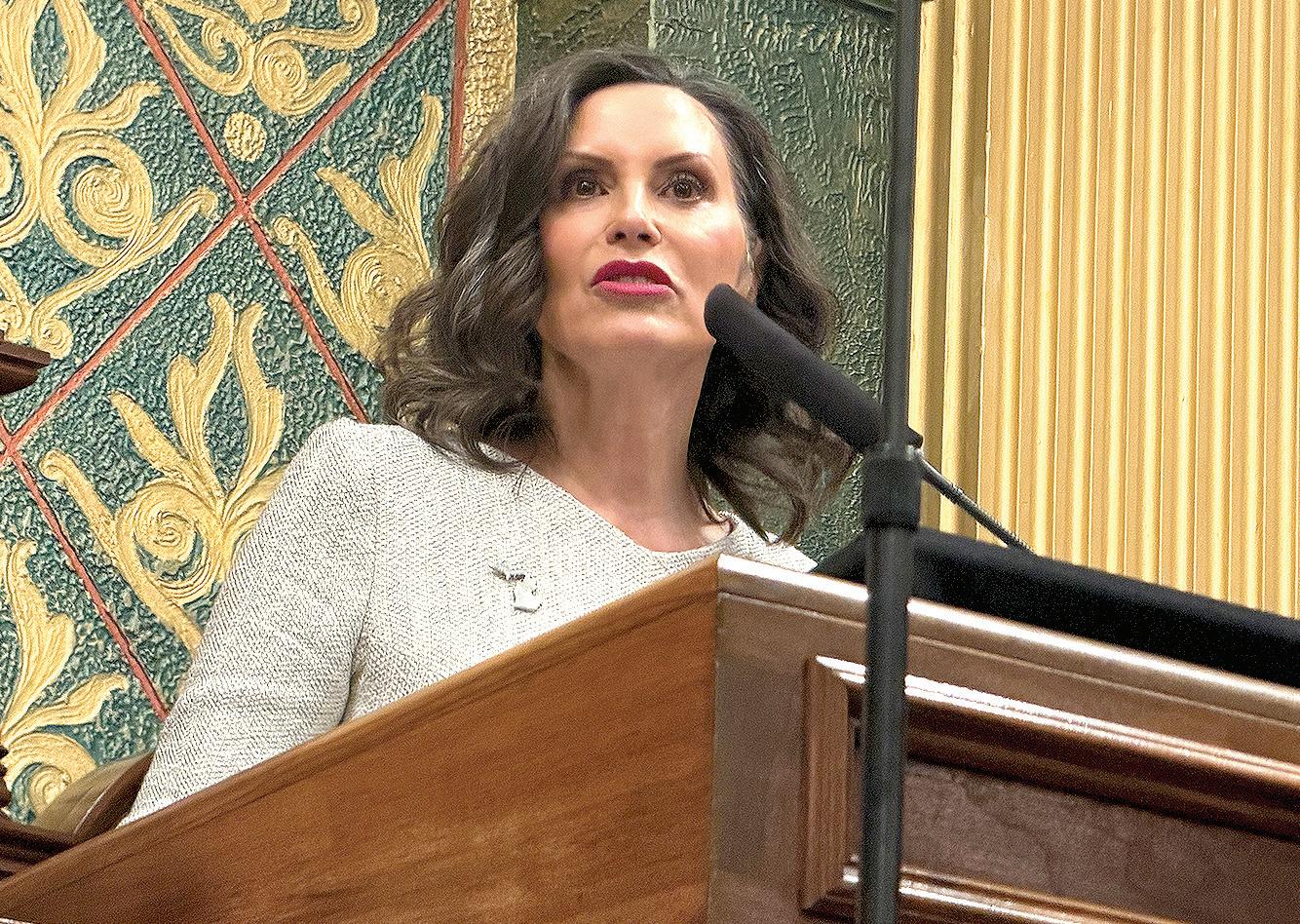
Gov.
Gretchen Whitmer
Responding swiftly to the surge in violence, DPD adjusted its deployment plans. Rather than waiting for mid-summer, they deployed officers in the spring itself to address the situation.
By Lynzee Mychael MULTIMEDIA JOURNALIST
The causes of homelessness are as diverse and complex as the individuals experiencing it. In response, the City of Detroit has adopted a holistic approach to combat this issue.
By Jeremy Allen EXECUTIVE EDITOR
“Providing services and high-quality housing to persons at risk of or who are experiencing homelessness is a key priority of the City of Detroit, said Julie Schneider, Director of Detroit’s Housing and Revitalization Department.
“The city and its partners offer a lot of great services to help Detroiters with their housing needs, but they don’t mean much if people don’t know how to access them,” said Mayor Mike Duggan. “Thanks to the efforts of our partners and the generous support of the Gilbert Family Foundation, we now have a simple process to guide residents to the right housing resource and a growing number of programs to help them.”
Michigan’s legal cannabis industry entered 2026 in a fragile state. Now, a bipartisan group of lawmakers is moving to reverse the policy that many operators say pushed the market closer to the edge.
The Gilbert Family Foundation’s broader commitment involves pledging $500 million to support projects across Detroit over the next ten years, with housing initiatives being a significant part of their contribution.
What a Federal Government Shutdown Could Mean for Detroiters?
“This means focusing on building the pipeline of supportive housing and coordinating with the Continuum of Care on the delivery of critical resources such as emergency shelter, rapid rehousing, and diversion and prevention programs. It also means preserving and expanding affordable housing options for Detroiters of all incomes and improving housing stability though comprehensive service offerings available through the Detroit Housing Resource HelpLine and Detroit Housing Services Division within HRD.”
In May 2023, the City of Detroit launched the Detroit

Senate Bill 810, introduced Feb. 26 by State Sen. Jonathan Lindsey, would repeal the 24% wholesale cannabis tax that took effect Jan. 1.
The tax was adopted last fall as part of a broader road funding package and applies to the first transfer of cannabis from a grower or processor to a retailer. The new tax is layered on top of the 10% excise tax consumers already pay at the register, as well as the state’s 6% sales tax.
From the days of the Great Migration when thousands of Black families flocked to Detroit in search of jobs and a better life, to the pivotal role they played in the city’s cultural and musical heritage, Black Detroiters have left an indelible mark on the city. However, in recent years, Detroit has experienced significant gentrification, which has raised concerns about the displacement of long-standing Black residents. Similar to a setting sun, there’s a rising spirit, and Black Detroiters are reclaiming their place in the city, despite the challenges posed by gentrification.
Notably, Detroit has witnessed a consistent decrease in recent years, with the number of unhoused residents steadi ly declining. In 2019, approximately 7,847 people were unhoused and entered the City’s community response system. In 2021, about 5,687 people experienced homelessness.

According to the City of Detroit, since the start of the fiscal year 2019 to 2021, Detroit saw a 28% decrease in the
Lindsey, a Republican from Coldwater, framed the repeal as both an economic and constitutional issue.
The rise in visitors to the Greektown area is evident in data from Placer.ai, a location analytics company specializing in visit trends and demographic insights through geolocation-enabled mobile devices. From May 1-Aug. 27, 2022, there were 1.3 million visits and 655,000 visitors to Greektown, according to Placer.ai. In the same period this year, these numbers increased to 1.4 million visits and 670,000 visitors.
As Detroit’s downtown area continues to attract both residents and visitors, the police department has implemented various enforcement measures to manage the increased population. Notably, metal detectors have been strategically placed throughout Greektown to deter the illegal carrying of firearms.
businesses, and lead to widespread job losses across the state, which are already being reported,” Lindsey said when introducing the bill.
showing unmistakable signs of contraction. According to the Michigan Cannabis Regulatory Agency, adult-use dispensaries generated $3.17 billion in sales in 2025, down from $3.27 billion in 2024. A 3.1% year-over-year decline may appear modest on paper, but it marked the first annual drop since recreational sales launched in late 2019 and signaled a market shifting from expansion to survival.
because of discrimination, but they were also coming because Black people was doing some stuff. When did Black people start doing things in the city? They started doing things in this area in the 1800’s. In the 1800’s the major thing that they were doing in Detroit is they were the leaders in the fight against slavery. The Underground Railroad is the root in the city of Detroit to all of this Black innovation that you see coming
“We have strategically placed them at key points, “ Chief White explains. It has been a deterrent for some, and some have tested it. If you are legally carrying a weapon and carrying a CPL, have a great day. If you’re
Newer data has heightened industry concern. Based on figures released by the Cannabis Regulatory Agency, cannabis sales in Michigan fell 16% between December 2025 and January 2026. That drop was a steeper seasonal drop than in prior years and 8.3% lower than January 2025 sales.
“I opposed the new tax increase, first and foremost, because it represents an unnecessary growth of government. Lansing’s budget does not need to grow larger; we simply need better discipline. This tax will also damage Michigan
During the Great Migration, thousands of Black families from the South came to Detroit in search of jobs in the booming automobile industry. Despite facing discrimination and segregation, they built vibrant communities on the city’s
“I also don’t believe that in the long term this mechanism will generate the expected revenue, especially if sales go down as a result of the increased taxes or legal challenges against the tax prevail.”
The legislation arrives at a moment when Michigan’s once-booming adult-use market is
coming to Detroit because Black churches were here, black schools were here, and its was Black businesses here,” said Jordon. “They were coming of course
Since voters legalized marijuana in 2018, Michigan’s regulated cannabis industry has generated more than $13 billion in total sales and approximately $2.2 billion in excise and sales tax revenue supporting schools, roads, and local governments. Industry leaders say the sector now employs roughly 47,000
women been premoment of the final. a law1931 law effect, asked the affirm that constitucontain abortion. Our Planned Advocates of founding coalition
ReproducAll, a affirm abortion and freedom in constitution,” Giroux. is that everything in aborMichigan, makes we will we can patients care they
to have representalegislacollection and criminal jusrecomcollection analywith the AttorMichigan Law Standards Association Prosecutors stakeholders collect and strategically. warHouse Operations hearand other would ban of noknock urging the pass reform and Whitmer to the leg-
embraces. transforleadership as a approach that change the syscircumstancoperating Ivory “Transformationdoesn’t just do certhem view of and exdrive that because what create everyentire because
From page A-1
excise tax, along with $188 million in annual sales tax revenue.
Elected officials are also working to keep Roe v. Wade intact thus holding off Michigan’s 1931 trigger ban. Governor Gretchen Whitmer released a statement saying, in part:
But those gains have come alongside mounting strain on the industry, as more than 550 dispensaries and cultivation facilities have closed over the past several years, and thousands of workers have lost jobs.
By the end of 2025, Michigan had 2,171 active cannabis licenses, a decline from the previous year and the first such drop since adult-use legalization began. Nearly half –1,000 licenses – are inactive. Growers have been hit especially hard, with nearly one-third of cultivation operations closing since the market opened.
“The words ‘Roe overturned’ are no longer theoretical. I want every Michigander to know— no matter what happens in D.C., I’m going to fight like hell to protect access to safe, legal abortion in Michigan…”
More than legal implications, overturning Roe v. Wade would impact several systems across the spectrum. With the potential to drive both foster and adoption numbers upward, a ban on abortions could leave many women to choose a less safe route restoring ‘back alley’ and illegal abortion practices, including self-abortions. Moreover, African American women and women of color, who already have a long-storied history with access and inclusion in medi-
Detroit has seen its own contraction, with at least 14 cannabis businesses closing since the city began issuing licenses in late 2022. Even so, the market remains saturated and even oversaturated, as new entrants continue to replace those that exit, keeping supply high and prices compressed.
That saturation has driven Michigan’s cannabis prices to historic lows. The average retail price for an ounce of recreational cannabis dropped to just over $58 in December 2025. A year earlier, it was more than $69. In late 2023, it exceeded $95. Michigan has become one of the most affordable legal cannabis markets in the country. That means there’s a clear benefit for consumers, but a serious challenge for operators trying to maintain margins. And with the recent legalization of recreational-use cannabis in Ohio, Michigan’s down-south neighbor, customers who normally drive to Michigan to purchase cannabis might stay in-state, which puts even more of a strain on cannabis shops near the state line.
islature adopts it.
Increase school funding: Statutory changes to increase the School Aid Fund revenue by at least $3.6 billion and establish a permanent weighted funding formula based on student and community needs and universal preschool (0-3).
“Michigan is a mature cannabis market, which is great for consumers but not always great for businesses,” a Michigan attorney who has spent nearly half of his 14-year legal career advising cannabis companies previously told the Michigan Chronicle. “It’s highly saturated. There’s significant price compression, and margins are already razor thin.”
With these already-present struggles, the 24% wholesale tax represents what many in the industry describe as a structural shift rather than a modest adjustment.
“This new tax is fundamentally different,” the attorney said. “It doesn’t happen at the retail level. It happens higher up the supply chain.”
While the tax is assessed on wholesalers, its financial impact moves quickly throughout the system. Growers and processors must decide whether to absorb the cost, renegotiate contracts, or raise wholesale prices. Retailers, already competing aggressively on price, face their own dilemma: pass higher costs to consumers, reduce promotions, or compress mar-
Reject censorship in history instruction: Encouraging Gov. Whitmer to ensure the goal for Michigan schools should be history instruction that is presented by professionals with the subject matter expertise, pedagogical skills, and judgment necessary to present complex information to students that are grounded in provable facts and add to the understanding of modern-day America.
Increase mental health supports for the Black community: Recommending Michigan set a goal of increasing the number of Black mental health service providers by 20% each year over five years.
Huntington and the Michigan Chronicle proudly announce the kickoff of the 10th Annual S.W.A.G. (Students Wired for Achievement and Greatness) Scholarship Awards, marking a decade of sustained investment in Detroit’s next generation of leaders.
people believe that they need to for themselves and others to live better lives.”

Since its inception in 2015, the S.W.A.G. Scholarship Awards have provided critical financial support, mentorship, and recognition to Detroit high-school seniors who demonstrate leadership, resilience, and a commitment to community—often in ways not fully captured by grades alone. Over the past 10 years, Huntington has awarded scholarships to more than 200 Detroit students and invested nearly $2 million in scholarships and education-focused programming through the initiative.
“Reaching the 10-year mark is a testament to the students, families, educators, and partners who believe in the power of opportunity,” said Gary Torgow, Chairman of Huntington’s Board of Directors. “We believe in the holistic impact that S.W.A.G. makes in supporting local students pursue higher education, inspiring future leaders, and fueling the long-term strength of Detroit’s neighborhoods.” In celebration of the program’s 10-year milestone, the 2026
“Chancellor Ivery is a true transformational leader and an outstanding CEO, who is more than worthy of the CEO of the Year Award he just received, “ said Prof. James C. Mays, who teaches entrepreneurship and supply chain management at WCCCD’s Corporate College. “In his 27 years at WCCCD, Dr. Ivery has elevated WCCCD to become nationally recognized for excellence and innovation and preparing our students professionally and personally to do great things in the world.”
cine and healthcare, may be adversely impacted by the decision to overturn Roe v. Wade.
gins further.
“Taxes don’t disappear,” the attorney said. “They get pushed up or down the supply chain.”
For consumers accustomed to deep discounts and aggressive promotions, even modest price increases can alter purchasing behavior. “In a mature market, nobody has the luxury of simply raising prices,” the attorney said. “You raise prices, you lose customers.”
That risk is amplified by Michigan’s unique competitive landscape. The state maintains a long-standing caregiver market that predates legalization and operates outside the same tax and regulatory structure as licensed businesses. Ohio’s recent launch of legal sales has also introduced new cross-border competition.
“If prices rise too much, consumers will go back to the gray or illicit market,” the attorney said. “That’s just economic reality.”
“What we are really concerned about is the impact on our patients. Access to abortion is already out of reach for far too many Michiganders, especially Black people and people of color who face additional barriers to care as a result of systemic inequalities and institutional racism. Losing access to legal abortion will impact those communities most, forcing people to become parents or expand their families against their will. Being able to decide and control if, when and how to become a parent is central to building and living a healthy, happy life,” said Vasquez Giroux.
Industry advocates argue that this dynamic undercuts the core goals voters approved in 2018, which was to displace the illicit market, to protect consumers through regulation and testing, and to generate stable public revenue. From their perspective, the wholesale tax disrupts a structure that voters deliberately designed.
Beyond the scope of pro-choice versus prolife, the fight for reproductive choice is one of freedom. As Michigan officials work to ensure each woman who finds herself in the position to choose has access to care without the threat of legal action, many wonder
“The voters who approved legalization in 2018 deliberately chose a tax structure designed to keep prices reasonable and eliminate the illicit market,” said Robin Schneider, executive director of the Michigan Cannabis Industry Association. “The Legislature ignored that wisdom, and now we’re seeing the consequences: business closures, job losses, and consumers being driven back to illegal purchases. We urge lawmakers to repeal this destructive and unconstitutional tax before more businesses close and more Michiganders lose their jobs.”
The health committee recommends reviewing state licensure policies to address the barriers that Black psychologists face in obtaining licensure in Michigan.
Ensure equitable distribution of state health funds: Ensure all Michigan communities with a significant Black population receive adequate funds to address mental health issues.
Schneider said the 24% wholesale tax is “destroying an industry that employed 47,000 Michiganders and generates hundreds of millions in annual tax revenue.” Multiple cannabis businesses have announced closures or significant layoffs since the tax took effect just two months ago, including a shutdown of a cannabis operation in Webberville. And a particular dispensary in the Upper Peninsula laid off 61 employees and closed permanently at the end of 2025 because forecasts projected that they wouldn’t be able to sustain as a profitable entity.
Protecting Black voting rights: Urge state officials to remain vigilant in the fight against schemes to disenfranchise Michiganders of color.
Critics of the wholesale tax have also objected to how it was enacted. Rather than advancing as standalone marijuana legislation, the tax was folded into a broader budget and infrastructure funding package during latestage negotiations last October.
what the Supreme Court will rule in the upcoming days. Despite the decision, advocates on both sides of the argument are willing to continue their pursuits.
ironic figure, given “420” is widely recognized in cannabis culture.
Earlier efforts to raise marijuana taxes had stalled, in part because the original adult-use law outlined a specific tax structure and required a supermajority vote in the Legislature to make changes. “Voters knew exactly what they were voting on,” the attorney said. “That structure was part of the deal.”
“Overturning Roe v. Wade would be a terrible break with nearly 50 years of judicial precedent and – more importantly – a blow against individual freedom. It is my hope that the majority of justices will reject the findings of this draft. If that is not the case, we need to stand with Senate Majority Leader Schumer and Gov. Whitmer in support of their efforts to preserve the right to reproductive freedom,” said Chair Alisha Bell, on behalf of the Wayne County Commission.
Lindsey’s bill would repeal the wholesale tax entirely, restoring the prior framework centered on the 10% excise tax at the point of sale. The measure has bipartisan co-sponsors, though its path forward remains uncertain. Repealing the tax would reopen questions about how to replace projected road funding revenue, a key justification offered when the policy was adopted.
From the industry’s standpoint, however, the immediate concern is stability. The tax took effect with limited implementation guidance, forcing businesses to adjust contracts, pricing models, and compliance systems in real time.
“The tax went into effect with essentially no runway,” the attorney said. “There are still dozens of unanswered questions about how the tax applies.”
A prior legal challenge seeking to block the tax did not secure a preliminary injunction, allowing it to remain in place while litigation continues. “Even if the industry wins, that’s a long and expensive battle,” the attorney said. “And the tax is real in the meantime.”
The battle remains personal for workers across retail, cultivation, processing, transportation, compliance, and security. As margins continue to tighten, staffing decisions grow more difficult. Municipalities that host cannabis businesses could also feel secondary effects if closures accelerate, potentially reducing local revenue distributions.
“This tax is forcing the industry into maturity whether it’s ready or not,” the attorney said. “And not the kind of maturity that I mentioned earlier. I mean the kind of maturity that demands a certain kind of operations savvy that a lot of current retailers are still learning.”
Whether Senate Bill 810 gains traction will signal how lawmakers assess the trade-offs between infrastructure funding and the long-term health of a regulated industry that has become a significant economic contributor in less than a decade.






From page A-1
She met with President Trump at the White House during the pandemic, where she championed hydroxychloroquine as a treatment. In April 2020, the FDA warned healthcare professionals against using hydroxychloroquine and chloroquine to treat COVID19 unless people were in the hospital or a clinical trial. Data collected by the FDA found heart problems at a higher rate among people taking these medicines compared with those who didn’t take them.
In 2024, as Democrats tried to push through key pieces of legislation during the final days of controlling the Legislature amid the lame duck period, Whitsett joined Republicans in protesting the House, leaving Democrats without a quorum.
Democrats celebrated Whitsett’s announcement that she wouldn’t run for office in the future.
“Good riddance,” said Michigan Democratic Party Chair Curtis Hertel.
finish line at the end of their control of the Legislature.
“The rep. has refused to go to work,” Hertel said. “By partnering with republicans why important things weren’t able to get done, water affordability, a number of issues important to her constituents. Add that to actively working with Republican Speaker Matt Hall. The people of that district are Democrats, they want their district rep to go to work and get things done for them.” Hertel said the state party took away VIN access to Whitsett earlier this year, meaning she was unable to access key Democratic voter data, contact info, and other campaign tools.
“We believe people should work in bipartisan way, but not when it comes to elections and fundraising; She hasn’t been a democrat in some time.”
Hertel said for now, Democrats will have to wait out Whitsett’s term.
“This wasn’t a marijuana bill,” the attorney said. “Cannabis became the funding mechanism at the last minute.” He noted that the state projected roughly $420 million in additional revenue from the new tax — an
“BLAC members have worked hard to identify the needs of the Black community and we feel these recommendations will provide a solid first step towards breaking down barriers in education, community safety, health and business,” said BLAC Co-Chair Dr. Donna L. Bell.
BLAC will hold a vir-
For now, operators remain in what many describe as a holding pattern as they adjust month by month in a market defined by uncertainty.
“This is going to be a survival exercise,” the attorney said. “People were already hustling just to stay afloat. Now the rug’s been pulled out while they were still trying to find their footing.”
“Word,” replied Livonia Democratic state Senator Dayna Polehanki.
Hertel, in an interview with Michigan Chronicle on Monday, said Whitsett was a major reason why Democrats weren’t able to bring certain legislation to the
“We’re past the point of time where a recall would work,” Hertel said. “The House is the only one who can expel a member. Last time used was for Todd Corser and Cindy Gamrat. It’s unlikely speaker hall will be trying to get rid of Karen Whitsett.”
You can reach Sam at srobinson@michronicle.com

S.W.A.G. Scholarship Awards will distribute $120,000 in student scholarships, with individual awards ranging from $5,000 to $25,000 for undergraduate students and a $10,000 award to one
event, visit www.michigan.gov/BLAC.
S.W.A.G. Alumni scholar pursuing post-secondary education. The program continues to prioritize Detroit students with a minimum 2.25 GPA, reinforcing the belief that leadership potential, character, and perseverance matter alongside academic performance.
“The S.W.A.G. Scholarship Awards were created to recognize students whose stories, leadership, and determination extend beyond what a transcript alone can show,” said Hiram E. Jackson, Publisher of the Michigan Chronicle. “As we mark ten years of this program, we are proud of the pipeline of leaders it has helped
A3 | March 11-17, 2026
By David Cowan
It is easy to judge a city by what rises above it — new buildings, cranes on the skyline, and headlines announcing investment.
But the real measure of a city’s health happens at street level.
It shows up in whether people feel welcome in a park. Whether families gather in public spaces. Whether neighbors see their community reflected in the places where they meet, celebrate, and spend time together.
Public spaces are where civic life lives.
Across Detroit, from neighborhood parks to Downtown gathering spaces, these places help define how we experience the city. They support small businesses, create opportunities for community events, and offer something every city needs: shared space where people from different backgrounds can come together.

At the Downtown Detroit Partnership, we have seen firsthand how intentional investment and stewardship can transform public space.
Campus Martius Park, once an underused area, now welcomes more than five million visitors each year. Beacon Park, Paradise Valley Park and Plaza, Capitol Park, and other Downtown spaces have become active destinations that host concerts, family programming, cultural celebrations, and community gatherings.
But the lesson from this work is simple. Public spaces are never finished. They evolve as neighborhoods evolve. They respond to how people use them, what communities need, and how cities grow.
That is why Detroit is continuing to invest not just in parks themselves, but in the knowledge and partnerships needed to make them better.
Recently, the Downtown Detroit Partnership secured a $100,000 Community Placemaking Grant through the national nonprofit Project for Public Spaces. The grant supports new ideas for improving the streets and public spaces surrounding Campus Martius Park and Cadillac Square, helping us adapt to the growing number of people who live, work, and visit Downtown.
Project for Public Spaces (PPS) is a global leader in placemaking — the practice of designing public spaces with communities so they reflect how people actually live, gather, and connect.
This June, Detroit will be the host city, with DDP serving as co-host, for the Fifth Annual Placemaking Week with Project for Public Spaces, bringing practitioners, community leaders, planners, and advocates from around the world to exchange ideas about building more people-centered cities.
But this gathering should not be limited to
See PUBLIC SPACES Page A-4
By Sam Robinson SENIOR REPORTER
Michigan Secretary of State Jocelyn Benson, the frontrunner to become the Democratic nominee for governor, is spending the weekend in Selma, Alabama for the annual celebration of Civil Rights leaders who fought for the right to vote.
As Michigan’s elections chief, Benson has championed the work of Black voting rights activists of the Civil Rights era, who she says are a central inspiration to her work. She’s been going to Selma to walk the Edmund Pettus Bridge to honor them for 30 years.
Voting rights remains the unfinished work, Benson said in an interview Thursday with Michigan Chronicle from inside Detroit homeless and treatment shelter, Mariners Inn.
Benson is one of two Democratic candidates for governor, with Genesee County Sheriff Chris Swanson. Lt. Gov. Garlin Gilchrist backed out of the race to run for Secretary of State earlier this year. On Sunday, she’ll join nationwide advocates in the annual march across the Edmund Pettus Bridge. It’s the site of Bloody Sunday, March 7, 1965, where peaceful demonstrators were
By Sam Robinson SENIOR REPORTER
The leader of a national political group aimed at America’s working class said that Michigan Democrats missed their opportunity to enact sweeping policy that would have benefited the state’s most vulnerable residents.
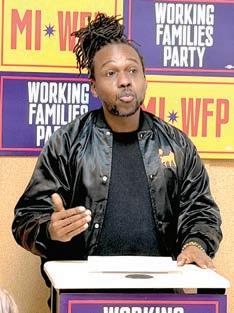
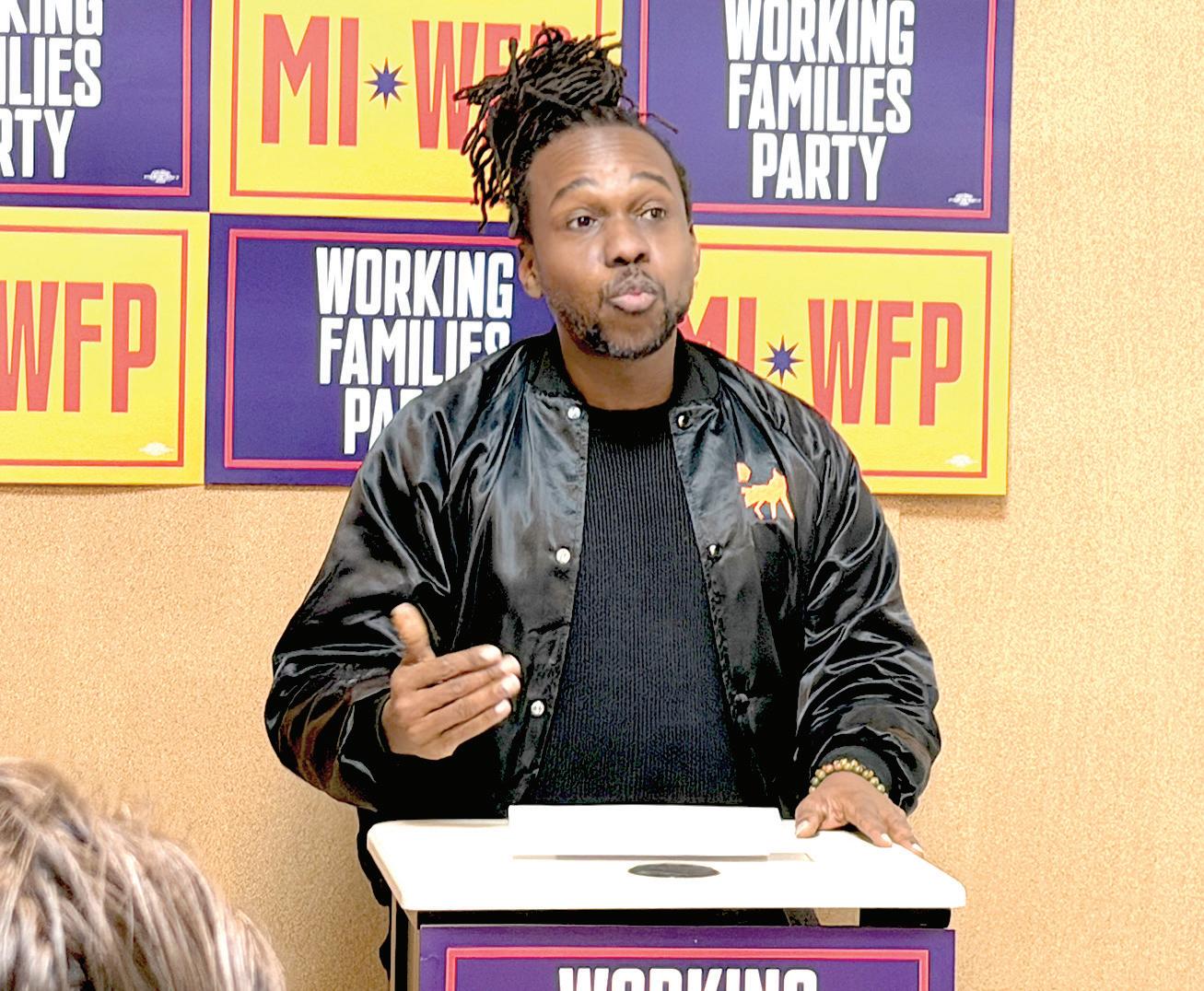
“Michigan is a labor state, but you wouldn’t necessarily know that by the outcomes coming out of the Legislature,” said Maurice Mitchell, the national director of the Working Families Party.
Mitchell came to Detroit last week at an endorsement event at the Mothering Justice office near Eastern Market.
“Democrats are calling out Trump, and they should, but when they have trifecta power it’s not enough to simply call out Trump,” Mitchell said. “They actually need to deliver for working people. Democrats here had a trifecta and unfortunately, they squandered that trifecta. That was a time for them to use all of that power to demonstrate what it looks like when we have power, and the people have power.”
Mitchell said voters see Republicans enact their will when in power.
“At least the right wing knows what to do with power, which is why we have to build alternatives, so the next time we have governing power, we actually wield it,” Mitchell said. “People are fed up with the status quo, they understand that the right wing is fascist, but they also believe too many Democrats are status quo as well.”
Mitchell said the goal of the Michigan Working Families Party is to transform local politics to better serve working people, while the national group aims to build a new force in American politics.
Deploying door knockers and political education literature, the group has helped elect Georgia Senator Reverend Raphael Warnock, New York Mayor Zohran Mamdani, and boosted several Detroit lawmakers, such as council members Gabriela Santiago-Romero, Latisha Johnson, and Denzel McCampbell.
While in control of the executive and legislative branches of government from 2022-2024, Michigan Democrats passed some wish list items like gun control, a repeal of right to work, increases to the earned income tax credit, protections for LGBTQ+ residents under the state’s civil rights law, free breakfast and lunch to all 1.4 million public school students and expanded access to community college.
However, infighting among Democratic state representatives resulted in a disappointing end to the two years of complete Democratic control in Lansing.
House Republicans stalled efforts when they walked out in protest of thenHouse Speaker Rep. Joe Tate’s refusal to put certain legislation up for a vote. Democrats couldn’t get a quorum before or after Tate forced members to return. He adjourned the House without seeing votes on several items already passed by the Democratic controlled Senate.
More gun safety provisions, police accountability, water affordability, government transparency, juvenile justice, driver’s licenses for undocumented residents, and several other efforts championed by advocates were left to die before seeing votes in the House.
While some Democrats blamed Tate’s leadership, others pointed fingers at Democrats like Rep. Karen Whitsett, D-Detroit, who joined Republicans in protesting the House. Insiders point to the loss of two members to their successful mayoral elections, which left the House deadlocked 54-54 for a brief period before special elections saw Democrats retake their majority, 56-54.
Branden Snyder, the state director for the Michigan Working Families Party, said the endorsement event on Friday was a big day for the Michigan group, adding that it was their first-ever press conference. The progressive group on Friday endorsed U.S. Rep. Rashida Tlaib; state Rep. Donavan McKinney, D-Detroit, in his primary challenge of U.S. Rep. Shri Thanedar; and Mid-Michigan’s William Lawrence, who is running in the Democratic primary for the state’s 7th Congressional District, currently represented by incumbent Republican U.S. Rep. Tom Barrett.
“I know that Donavan will go to Washington D.C. and understand what

From page A-3
Benson told the Chronicle that in prayer amid crossing the bridge during her 1999 visit, she dedicated herself to continuing the work toward racial equality.
“All I ever wanted to be in that moment and through my life was someone who would have stood at the foot of that bridge and been courageous enough to march forward anyway,” Benson said. “And that created my whole life, everything I’ve done. The reason I moved to Detroit was to clerk for Judge Damon Keith — so that I can learn from him about what the unfinished work of that movement was.”
Benson compared the current GOP effort to eliminate the state’s affidavit option for voters unable to provide ID at the polls to tactics used in the past to prevent Black Americans from voting. Under the constitutional amendment passed in 2022, voters without ID can cast a ballot by signing an affidavit confirming their identity. It’s a crime to lie on an affidavit, but election officials can’t undo the vote after it’s cast.
On Thursday, the GOP-backed Citizens Only Voting constitutional amendment campaign submitted 750,000 signatures to the state’s Bureau of Elections moving forward their effort to place the proposal on the ballot. The proposal’s language states that for voters unable to prove citizenship or obtain a photo ID, a process would be put in place to ensure access to a state ID free of charge.
The group needs to collect 446,196 valid voter signatures to put its proposal before voters this fall.
Michigan conservatives seized on the news last year that an MDOS review identified 15 non-citizens that cast a ballot in the 2024 General Election. However, Benson recently shot down allegations of widespread fraud by noncitizens voting, saying the findings from Macomb County Republicans showing hundreds of potential noncitizen votes were the result of misread data.

“The fact that you have people using misinformation to try to potentially make it more difficult for for citizens to vote,” Benson said. “Michigan citizens vote — layers and layers are in place to ensure only eligible citizens are voting in our elections. It gets very, very difficult when you see partisan and politically driven changes to our elections that are not designed to make voting easier and more convenient, but are only designed to make people afraid to vote and create more hoops, not unlike the poll taxes and literacy tests of years past.”
Voting rights advocates say the proposal would create unnecessary barriers for voters to cast their ballot.
“What it will do is make it more difficult for all of us to register and vote, resulting in the disenfranchisement of tens of thousands of eligible American citizens across the state,” Promote the Vote Action’s Micheal Davis, Jr. said in a statement. “It’s voter suppression, pure and simple, and we’re confident Michigan voters will see this effort for what it really is.”
At last year’s jubilee in Selma, Benson met the sister of Viola Liuzzo, who was killed by Klansmen after driving from Detroit to Selma to join the hundreds of marchers that Sunday in 1965.
She was shot while driving Leroy Moton, a Black civil rights volunteer, back to Selma.
Liuzzo, a mother of five who was married to a Teamsters union organizer, is known as the only white woman killed during the Civil Rights movement.
Jocelyn Benson and Rosemary, the sister of Viola Luizzo, who is known as the only white woman killed during the Civil Rights Movement. Photo: Jocelyn Benson
Mary Liuzzo Lilleboe, Liuzzo’s daughter, died last year at 77, the Free Press reported.
As a student at Cooley High School in Detroit, Mary Liuzzo witnessed the targeting of her family by local racists who shot through her home and littered garbage on their lawn. At one point, they burned a wooden cross in front of their home.
Viola stands memorialized in statue form at Liuzzo Park on Detroit’s west side, where a playground and memorial park are dedicated in honor of her and her friend, Sarah Evans.
You can view this year’s Selma Jubilee’s weekend event lineup here.
This year’s event is capped by a tribute to late Civil Rights icon Rev. Jesse Jackson, who died last month.
You can reach Sam at srobinson@michronicle.com
policies we need to fight for, will understand not to sell us out, who understands it’s actually about returning people’s calls when they have constituent service issues,” McCampbell said. “As a city council person, right now we’re going through the budget process. Our budget is getting smaller as we’re seeing a smaller impact from the federal government. To have folks there that will fight for our local communities is key, and that’s who Donavan is.”
Tlaib on Friday suggested that the reason Democrats in Congress aren’t looking for bold ideas to benefit poor and
planners and professionals.
Detroit’s neighborhood leaders, block clubs, and community organizations should be part of the conversation too.
That is why the PPS is offering scholarships for local neighborhood groups to attend Placemaking Week. These scholarships will give community leaders the opportunity to learn practical tools for improving parks, activating vacant spaces, strengthening neighborhood identity, and creating public spaces that reflect the people who use them every day.
The knowledge shared during Placemaking Week can apply just as much to a neighborhood park on Detroit’s west side as it does to a large Downtown space. Ideas about community programming, small business activation, safety, and design are relevant across the city.
Great public spaces do not happen by accident. They happen when communities
low-income residents is that most of her Congressional colleagues are millionaires.
“They are an income class that is really disconnected with the pain and the suffering that many of my residents are going through here in Michigan,” Tlaib said. “Even though many people come from their district in a way of really wanting to change the world, I think when they get there, they’re at a point where something halts them and stops them — it’s like paralyzation. It’s not even about selling out, it’s becoming so numb that you don’t act.”
You can reach Sam at srobinson@michronicle.com
are invited to shape them.
Detroit’s resurgence has brought new energy to the city. The next phase of that growth must ensure that public spaces across our neighborhoods continue to evolve in ways that reflect the people who live here.
Because the truth about great public spaces is simple: they are never static. They are living places that grow and change with the communities around them.
And the more Detroiters help shape them, the stronger our city becomes.
Neighborhood organizations interested in learning how to improve their local parks and gathering spaces are encouraged to apply for scholarships to attend Placemaking Week this June in Detroit at PlacemakingWeek.org.
David Cowan is Chief Public Spaces Officer for the Downtown Detroit Partnership. A native Detroiter, he leads the team responsible for programming and stewarding Downtown Detroit’s parks and public spaces, which host more than 1,200 events and activities each year.

“
By Dr. Anthony O. Kellum
CONTRIBUTING WRITER
The phrase “40 acres and a mule” has become one of the most recognizable symbols of unfulfilled promise in American history. Yet to understand its true significance, one must look beyond the phrase itself and recognize what it represented the earliest serious attempt to give formerly enslaved Black Americans the economic foundation necessary to participate fully in the American experiment. At its core, the promise was not simply about land, it was about power, autonomy, and the opportunity to build generational wealth. In January of 1865, near the end of the Civil War, Union General William T. Sherman issued Special Field Order No. 15, setting aside roughly 400,000 acres of land along the coasts of South Carolina, Georgia, and Florida for settlement by newly freed Black families. The land was to be divided into parcels of up to forty acres. Later, some families were provided surplus army mules to help cultivate the land. For millions of formerly enslaved people whose labor had built the agricultural wealth of the American South, this policy represented something profoundly transformative the possibility that freedom would come not only with legal status, but with an economic foundation.

Land ownership meant stability. It meant food security. It meant the ability to produce income independent of former enslavers. Most importantly, it meant the ability to transfer wealth and opportunity to the next generation. In a country where property ownership has long been one of the primary pathways to economic mobility, this moment held the potential to fundamentally reshape the economic trajectory of Black Americans.
That moment, however, was fleeting. Within months of the war’s end, President Andrew Johnson reversed Sherman’s order and returned much of the confiscated land to former Confederate landowners. The newly settled Black families who had begun building farms and communities were forced off the land. The promise of “40 acres and a mule” was effectively erased before it had the chance to take root.
The consequences of that reversal cannot be overstated. Had the policy been sustained, it could have created an early class of Black landowners with the capacity to accumulate, leverage, and pass down wealth. Instead, the vast majority of formerly enslaved people were pushed into systems such as sharecropping and tenant farming, arrangements that often kept them economically dependent on the same landowners who had once enslaved them.

By Ebony JJ Curry SENIOR REPORTER
A tax bill sits on the counter long after dinner. Some people keep it face down. Some people open it, close it, then open it again, hoping the numbers change. That stress has a date attached to it this year.
Wayne County Treasurer Eric R. Sabree is urging homeowners behind on property taxes to enroll in a taxpayer assistance payment plan by March 31, 2026, a deadline that lines up with Michigan’s tax-foreclosure timeline for properties still unpaid deep into delinquency.
“We don’t want anyone to lose their home or property to foreclosure, and we have taxpayer assistance programs to help you,” Sabree said. “The deadline to enroll in these programs is March 31, 2026, so we encourage you to go online or contact us to get started today. Our team is standing by to help you.”
Property taxes run through a multiyear process. Taxes that remain unpaid by March 31 in the third year of delinquency are foreclosed by the foreclosing governmental unit.
Sabree’s office points to recent progress as proof that intervention changes outcomes.
Wayne County recorded 2,111 tax foreclosures in 2024, the Treasurer’s Office called that the county’s lowest number since 2003. The Treasurer’s foreclosure statistics notes that the office has saved over 50,000 people from property tax foreclosure within the past two years and reports an 85% reduction in foreclosures in the last three years.
That is the big picture. The small picture is a homeowner trying to keep a roof, a deed, a family address. Delinquent taxes pile up during layoffs, caregiving, medical bills, and rent hikes that swallow what used to be “extra.” For Black families, that pressure hits a nerve.
Homeownership holds the memories, the block, the stability, the chance to pass something down. Sabree’s office says three programs are available for eligible taxpayers.
The Stipulated Payment Agreement (REGSPA) offers a structured way to repay delinquent property taxes over time through defined payment terms.
The Distressed Owner/Occupant Extension (DOOE) is geared toward owner-occupants facing financial hardship who need additional time to resolve delinquent taxes while working to stay in the home.
The Interest Reduction Stipulated Payment Agreement (IRSPA) offers a payment plan that may include reduced interest charges for eligible taxpayers, lowering the overall cost of repayment for those who qualify.
Residents can start online at WayneCountyMI.gov/Treasurer or schedule an in-person appointment by calling (313) 224-5990. The Treasurer’s Office recommends reviewing program details and eligibility requirements, completing the appropriate application with property information and tax notice details ready, then submitting before March 31, 2026.
The office also emphasized the part people need to plan for once they get enrolled. Payments must stay on time to remain in the program.
For residents who do not know which program fits, the Treasurer’s Office says staff will walk taxpayers through eligibility, required documents, and the application process: General email: taxinfo@waynecountymi.gov
Payment plans email: wctopaymentplans@waynecountymi.gov
Detroit homeowners also have a city-level lane worth knowing about while addressing back taxes.
Detroit’s HOPE program, the Homeowners Property Exemption, provides an opportunity for eligible homeowners to be exempt from current-year property taxes based on household income. HOPE is an annual application, and approved homeowners still pay certain fees, with the city noting the solid waste fee is discounted by 50% for HOPE-approved homeowners.
The broader tax-foreclosure story has also shifted in another way. Money is now moving back to residents who lost property through foreclosure and may be owed surplus proceeds.
By early January 2026, the Treasurer’s Office said more than $3.8 million had already been paid back out in Wayne County to former property owners and other eligible interest holders. The money reflects a major change in how Michigan handles tax-foreclosure auction proceeds, after court rulings and state-law updates made clear counties can’t hold onto leftover profit once the tax debt and fees are covered.
For many Detroit residents and families in older inner-ring suburbs, the refunds land as something closer to back pay than a bonus. The previous system hit hardest where wealth is most fragile and where homeownership often doubles as the family’s main asset.
For decades, the mechanics were brutal and simple. A property could be seized for unpaid taxes, sold at auction, and the former owner could walk away with nothing—even when the sale price cleared the tax bill by thousands, even when the overage was large enough to change someone’s life. Housing advocates, legal scholars, and community groups have argued that setup functioned like legalized taking, with Black homeowners and low-income Detroiters disproportionately caught in the churn.
By Mark S. Lee GUEST COLUMNIST
Detroit has always been a city of builders, problem-solvers, and risk-takers. From manufacturing to mobility, retail to the creative economy, businesses here have learned to adapt through economic cycles, policy shifts, and market disruption.
Today, another shift is underway: the rise of artificial intelligence (AI) and smart technology. For many entrepreneurs, in particular, the question isn’t if to use AI—but how and monetize it.
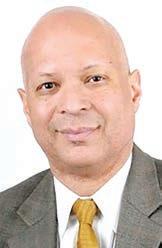
Mark S. Lee
The good news is that AI is no longer just for big business or tech startups, but for those looking to grow through innovation while connecting with consumers in a technology-enabled economy.
Many of the tools available today are affordable, easy-to-use, and designed to support teams. Not necessarily replacing human interactions but enhancing in a cost-effective manner.
Think efficiency first, not elimination.
Small businesses often operate lean, with owners wearing multiple hats. AI can help lighten that load by handling routine, time-consuming tasks. Tools that automate appointment scheduling, invoicing, payroll, and customer reminders allow business owners to spend more time on strategy, sales, and community relationships.
To wit, AI-driven chat tools can answer basic customer questions after hours; while bookkeeping software can identify cashflow trends before problems arise.
Use technology to make better financial decisions.
Access to capital and cash-flow management remain top concerns for local businesses. Financial tools can analyze spending patterns, forecast revenue, and flag potential risks. Rather than reacting to financial stress, business owners can plan. This kind of insight is especially valuable in a city where many entrepreneurs are growing businesses while rebuilding personal and generational wealth.
Monetize, don’t just modernize.
The real opportunity with AI isn’t only saving time—it’s generating revenue.
AI allows small businesses to personalize marketing based on customer behavior, increasing repeat purchases and average transaction value. A neighborhood retailer
can analyze sales data to identify buying patterns and automatically promote complementary products.
A service provider can use automated follow-ups to encourage referrals or upsell premium offerings. Restaurants can leverage online ordering data to suggest add-ons that increase ticket size.
AI can also help businesses refine pricing strategies. By analyzing demand trends and competitor data, owners can adjust pricing strategically rather than guessing. Even small margin improvements can significantly impact profitability over time.
Technology opens doors to potentially new revenue streams, such as creating digital products or become e-commerce extensions of brick-and-mortar stores. These scalable offerings generate income without dramatically increasing overhead.
Bottom line (pun intended), improving cash flow and reducing revenue loss can be just as impactful and financially rewarding as attracting new customers.
Level the playing field in marketing and outreach.
Marketing budgets for are often limited. AI tools can help close that gap and can assist with drafting social media posts,
email campaigns, website content, and even customer surveys.
Used properly, AI can help businesses communicate more consistently and professionally, without losing their authentic voice.
The goal is to be clear, consistent, compelling, and visible while speaking in an authentic voice to audiences you want to connect and attract.
Protect what you’ve built.
As businesses adopt more digital tools, cybersecurity becomes essential. A single data breach can derail a small operation. AI-enabled security systems can monitor for unusual activity, prevent fraud, and help safeguard customer information. Protecting data isn’t just a technical issue—it’s about trust.
Customers expect businesses to handle their information responsibly.
Invest in people, not just platforms.
Technology works best when employees understand and trust it. Focus on basic training and skill-building so staff can use new tools confidently. This doesn’t require advanced technical expertise.
Short workshops, online tutorials, and peer learning can go a long way. When
From page A-5
Detroit’s mass-foreclosure era did not happen in a vacuum.
After the Great Recession, the city was already dealing with job loss, population decline, and municipal instability. Reporting over the years has documented how Detroit properties were over-assessed for prolonged stretches, producing inflated tax bills that raised constitutional issues and pushed residents— especially seniors and people living on fixed incomes—into delinquency on amounts they should not have been billed in the first place.
Then the numbers turned into neighborhood damage.
Between 2011 and 2015, Wayne County foreclosed on tens of thousands of Detroit properties. Homes cycled through auction. Blocks thinned out. Speculators bought up properties for low prices. Families lost houses they had owned outright for decades over debts that sometimes totaled a few thousand dollars. In many cases, the county sale brought in far more than what was owed, yet the former owners saw none of the excess.
Michigan Supreme Court decisions later disrupted that practice.
In Schafer v. Kent County and Hathon v. State of Michigan, the court held that keeping surplus proceeds from tax-foreclosure sales violated property owners’ rights, confirming that former owners and other interest holders can be entitled to the “remaining proceeds” after unpaid taxes, interest, and administrative fees are deducted from the auction sale price.
Those rulings also reached backward, covering foreclosures that occurred before December 22, 2020, which opened a path for many residents who had already lost property to seek compensation. The Legislature then updated state law to build a claims process through Circuit Court, requiring eligible individuals to file motions connected to the specific foreclosed property.
In Wayne County, the claims process runs through the Wayne County Circuit Court, and funds are released only after court review and approval. County officials have said that structure includes documentation requirements and multiple steps, which means the process can move slowly even when a claim is valid. Still, payments have continued to go out, with additional
claims under review and more expected as cases are finalized.
Awareness remains one of the biggest hurdles. Former owners have moved. Paper trails have been lost. Some people assumed foreclosure meant every tie to the property was permanently severed. Others remain distrustful of government processes after years of displacement and aggressive tax enforcement.
The Treasurer’s Office has responded with outreach meant to reach eligible residents and explain a legal process that can feel intimidating—through paid advertising, direct mail to last-known addresses, billboards, television and radio ads, and multilingual materials. Under Michigan law, only surplus funds from the auction sale are available, and claims must be filed within set deadlines. People with mortgages, liens, or other interests tied to the property may also qualify depending on their standing at the time of foreclosure.
To claim remaining proceeds, eligible former owners or interest holders must file a motion with the Wayne County Circuit Court related to the foreclosed property, including proof of ownership or interest at the time of foreclosure, proof of identity, and other required documentation.
If approved, the Treasurer’s Office issues payment. County officials caution the process takes time because claims must move through the court system before any money can be released.
Even with the shift toward restitution, Wayne County officials stress that foreclosure prevention remains the priority. Payment plans and assistance programs exist to keep residents in their homes before tax debt becomes unmanageable, with community organizations and nonprofits often serving as the bridge for residents who need help navigating the options.
None of that changes the immediate reality for families staring down the calendar. March 31, 2026 sits ahead. People who need a payment plan have a short window to act, gather documents, and get enrolled.
Help exists. The deadline exists too.
Ebony JJ Curry can be reached at ecurry@michronicle.com
From page A-5
people see technology as a support system rather than a threat, adoption improves and productivity increases.
Keep Detroit values at the center.
Detroit businesses are deeply rooted in relationships, community, and purpose. Enabling AI technology should enhance those values— not undermine them. Being transparent about how technology is used, protecting customer privacy, and maintaining a human touch all matter.
Small businesses have a unique advantage because know their customers by name, not just by data point.
To be clear, AI and technology are not silver bullets. They are tools—powerful ones—that can help businesses operate smarter, generate new revenue, and remain competitive in uncertain times. Used thoughtfully, they offer an opportunity not just to survive change, but to shape it. In Detroit, resilience isn’t new. The tools may be different, but the mindset remains the same. We invite readers, business owners, and future entrepreneurs to follow along, ask questions, and engage. If you have story ideas or questions, you can email Lee at m ark@leegroupinnovation.com or visit leegroupinnovation.com.

Even so, Black Americans continued to pursue land ownership with remarkable determination. By the early twentieth century, despite immense structural barriers, Black farmers had accumulated millions of acres of land across the South. By 1910, African Americans owned roughly 15 million acres of farmland in the United States. This achievement was extraordinary when one considers the hostile economic and political environment in which it occurred.
But progress rarely went uncontested. The rise of Black landownership was met with systematic resistance. During the Jim Crow era, a complex web of laws, policies, and social practices worked to undermine Black economic advancement. Segregation restricted access to markets and capital. Discriminatory lending practices limited financing options. Property disputes were often adjudicated in courts that offered little protection for Black landowners. In many cases, violence and intimidation were used to force families off their land. Entire communities that had begun to build independent economic ecosystems were dismantled or displaced.
By the time the United States entered the twentieth century’s industrial era, many African Americans were migrating to cities in search of economic opportunity. Yet the barriers to property ownership did not disappear they simply evolved. In the 1930s, federal housing policies introduced a new mechanism of exclusion that would shape the modern housing market for decades, redlining.
Government-backed mortgage programs, designed to expand homeownership and stabilize the housing market during the Great Depression, relied on neighborhood grading systems that assessed lending risk. In many cities, predominantly Black neighborhoods were outlined in red on federal maps and classified as hazardous for investment. Banks and lenders used these maps to justify denying mortgages or offering financing on far less favorable terms.
The result was a form of economic segregation that restricted where Black families could buy homes and suppressed property values in Black communities. At the same time, millions of white Americans were able to access federally backed mortgage programs that made suburban homeownership widely attainable. After World War II, programs such as the GI Bill helped expand the American middle class through homeownership, but discriminatory lending practices ensured that many Black veterans were excluded from these benefits.
Over time, the cumulative impact of these policies became visible in the nation’s wealth gap. Home equity has historically been one of the largest components of household wealth in the United States. When one group of citizens is systematically restricted from accessing that asset class for generations, the economic consequences are profound.
Yet focusing only on the barriers tells an incomplete story. What is equally remarkable is the persistence of Black Americans in the pursuit of property ownership despite these obstacles. From the Reconstruction era through the civil rights movement and into the present day, the desire to secure land, homes, and property has remained a central aspiration within the African American community.
Today, the legal barriers that once restricted access to housing have largely been dismantled.

Fair housing laws prohibit discrimination in lending and real estate transactions. Mortgage products exist that are specifically designed to help first-time buyers enter the market. Down payment assistance programs and community lending initiatives have expanded access to capital. In many ways, the structural environment surrounding homeownership is more open than at any time in the nation’s history.
And yet, opportunity alone does not guarantee participation. The historical legacy of exclusion still shapes perceptions, financial behaviors, and levels of access to information. For this reason, understanding the history of property ownership in America is not merely an academic exercise. It is a strategic necessity.
This is where the philosophy behind the Property is Power becomes particularly relevant. The premise is straightforward, but profound property ownership is one of the most powerful tools available for building stability, wealth, and long-term economic independence.
Ownership creates leverage. It allows individuals to build equity over time, to borrow against appreciating assets, and to pass wealth to future generations. It transforms housing from a monthly expense into a long-term investment. At the community level, higher rates of homeownership often correlate with greater neighborhood stability, stronger local institutions, and increased political influence.
For Black professionals, entrepreneurs, and community leaders today, the question is not whether the historical barriers existed they unquestionably did. The question is what we choose to do with the opportunities that now exist.
The freedoms available to African Americans in the housing market today were not easily achieved. They emerged through generations of struggle, activism, and policy reform. To overlook those freedoms or to treat homeownership as a peripheral financial decision is to underestimate the strategic role that property plays in economic empowerment.
Understanding the history of “40 acres and a mule,” Jim Crow, and redlining provides essential context. It reveals how deliberately property ownership was restricted and why the wealth gap that exists today did not emerge by accident. But history should also serve another purpose it should illuminate the extraordinary progress that has been made and the possibilities that lie ahead.
In the twenty-first century, the pathway to property ownership is no longer closed. It requires preparation, education, financial discipline, and strategic decision-making, but it is accessible in ways that previous generations could scarcely imagine.
For a community that was once systematically denied land, homes, and access to capital, the act of ownership carries meaning that extends beyond individual success. It represents a continuation of a long historical journey, one that began with the pursuit of land after emancipation and continues today through the acquisition of homes, investment properties, and real estate portfolios.
The lesson of history is not that progress was impossible. The lesson is that progress requires persistence, awareness, and action. As we reflect on the long arc from the broken promise of forty acres to the present moment, one conclusion becomes clear property has always been more than land.
Property is Power! is a movement to promote home and community ownership. Studies indicate homeownership leads to higher graduation rates, family wealth, and community involvement.


By Harmony Lloyd DEPUTY GENERAL MANAGER AND COO
The pandemic didn’t just disrupt transit — it clarified its purpose. When daily routines disappeared almost overnight, what remained revealed who public transit truly serves and why it matters.
For years, SMART built routes and schedules around the traditional rushhour commuter. Morning peak, evening peak, everything optimized for the nine-to-five office worker. Then COVID hit, and those commuters disappeared overnight. What remained were the people who’d always been there, but we hadn’t fully centered in our planning: those getting to medical appointments, grocery stores, essential services. People for whom transit wasn’t convenient but necessary.
This realization changed everything. We weren’t just a commuter service that some people happened to depend on. We were essential infrastructure that some people happened to commute on. That shift in perspective is now permanently built into how we operate. Learning What Riders Actually Need
Once we understood who we were really serving, we had to figure out what they needed. The answer turned out to be simpler than we expected: show up when you say you will, provide real-time information they can trust, and keep everyone safe. Rider behaviors confirmed this shift. We don’t see sharp morning and evening peaks anymore. Demand spreads throughout the day because people’s lives don’t fit neat commuter patterns. They’re weighing us against Uber, Lyft, and bikes for every trip. We had to become more reliable and more responsive, or they’d choose something else.

So, we started listening more intentionally. Social media, customer service calls, monthly sounding boards with the SMART team, community meetings, and regular surveys of riders. Every piece of feedback now gets routed immediately to someone who can act on it. What we heard consistently was one word: frequency. Riders want buses often enough that missing one doesn’t wreck their whole day. We’re at about 75% of our 2019 ridership levels and growing every year. The most effective strategy for bringing people back has been reaching driver capacity so we can deliver the reliability people expect. Turns out you can’t be rider-first if you don’t have enough operators to run the service.
Becoming Agile Enough to Adapt Understanding what riders need is one thing. Being able to respond quickly is another. Five years ago, transit changes happened once every couple of years at best. When we launched SMARTer Mobility, it was the first major system overhaul in decades.
That’s absurd. Communities change faster than that. Rider needs evolve. We needed to get more agile.
Now we monitor ridership patterns constantly and make targeted adjustments every few months. Big changes still take time, but we’re not waiting years between improvements. This required a cultural shift. We started pushing staff to question the “why” behind every decision. Industry standard says put a bus stop every quarter mile. Fine, but does that make sense next to a highway? In a spot with no sidewalk? Just because a guideline exists doesn’t mean it fits every situation. If it doesn’t make sense for the actual people trying to use it, we change it.
What Success Actually Looks Like
All of these points toward a clear vision of us. SMART should be reliable, frequent, and easy to use. Transit shouldn’t be the barrier people have to overcome to get where they need to go. It should just be part of the journey.
Here’s what I hope changes most: the perception that Metro Detroit doesn’t have real transit.
We do. It’s called SMART, and it provided 8 million trips last year. That’s 8 million times someone got to work, a doctor’s appointment, school, a job interview, the grocery store, or to see family. Buses aren’t inferior to trains or cars. They’re the backbone of transit, providing flexibility and coverage that fixed rail alone never could.
The future of transit isn’t just about massive infrastructure projects. It’s about understanding who depends on us, listening to what they need, and being nimble enough to adapt as communities change. The pandemic forced us to learn that lesson the hard way. Now we’re building a system around it, one trip at a time.
By Sam Robinson SENIOR REPORTER
Highland Park Mayor Glenda McDonald and two community activists have filed campaign committees to lead Highland Park, a city of less than 10,000 residents.
Community activist Joshua Lamere and Shamayim “Mama
Shu” Harris have also filed campaign committees with the Wayne County Clerk.
The Aug. 4 primary and Nov. 3 general elections will elect Highland Park’s mayor, five council members (two at-Large, one from each of the three districts), City Clerk, and City Treasurer.
The filing deadline for candidates is April 21 at 4 pm.
Court challenges left McDonald as the only name on the ballot in the Nov. 2022 election, where Highland Park City Council President Carlton Clyburn, Jerry Massey, and Maurice Turner all mounted write-in campaigns.
“When I took office, Highland Park faced serious challenges— but we refused to accept
decline as our destiny,” McDonald said. “Together, we chose progress over paralysis, accountability over excuses, and action over empty promises. The results speak for themselves.”
McDonald, who has lived in Highland Park since 1971, said during her first campaign that the city needed to increase tax revenues to address dangerous blight, spur economic development, and support existing retail in the city’s commercial corridor.
During her tenure, Highland Park has launched a hot meal program for seniors, secured nearly $1 million for rec center upgrades, installed 10 solar-powered streetlights (with another 50 scheduled for Spring 2026) through partnerships with Soulidarity and Solartronic, and completed a one-mile stretch of the Joe Louis Greenway in collaboration with the Joe Louis Greenway Partnership.
Prior to politics, McDonald was the founder of the McDonald PhelpsFoundation, a nonprofit that serves at-risk youth by pro-
For Wayne County homeowners and property owners juggling tight budgets, getting reliable tax help quickly can make a big difference. Right now, even though winter weather and major construction can make in-person appointments at the Treasurer’s office more challenging, the Wayne County Treasurer Eric R. Sabree offers Wayne County property owner numerous online taxpayer assistance tools that help eligible taxpayers address delinquent property taxes and avoid falling further behind.
You can find information and begin the process for payment plans and related assistance online through the Treasurer’s Payment Plans page: waynecountymi.gov/Government/Elected-Officials/ Treasurer/Payment-Plans.
“We don’t want anyone to lose their home or property to foreclosure, and we have taxpayer assistance programs that you can access online to help you,” said Wayne County Treasurer Eric Sabree. “The deadline to enroll in these programs is March 31, 2026, so we encourage you to go online or contact us to get started today.”

“It’s also important to remember that once you enroll in a taxpayer assistance plan, you must continue to make your payments on time, said Treasurer Sabree. “Go online or contact us today to get started. We’re here to help.”
There are three online assistance programs available to eligible taxpayers:
Stipulated Payment Agreement (REGSPA)
For taxpayers who qualify, REGSPA provides a structured agreement to repay delinquent property taxes over time, helping households move toward compliance through set payment terms.
Distressed Owner/Occupant Extension (DOOE)
DOOE is designed for eligible owner-occupants facing hardship who need additional time to resolve delinquent taxes while working to remain in their homes. Interest Reduction Stipulated Payment Agreement (IRSPA)
IRSPA offers eligible taxpayers a stipulated payment agreement that may include reduced interest, easing the overall cost of repayment for those who qualify. How to get started
The Treasurer’s Office recommends residents begin online by reviewing program details and eligibility requirements as soon as possible, then completing the appropriate application through the Payment Plans page. Having basic property and tax notice information available can help speed up the process. The deadline to be enrolled in an assistance plan is March 31, so it’s important to start the process as soon as possible. Need help choosing the right option?
Residents with questions about eligibility, required documentation, or the application process can contact the Treasurer’s Office directly: Phone: (313) 224-5990
Email: taxinfo@waynecountymi.gov or wctopaymentplans@waynecountymi.gov
Online: waynecountymi.gov/Government/Elected-Officials/Treasurer/Payment-Plans
In addition to online assistance programs, the Wayne County Treasurer’s website,waynecountymi. gov/treasurer, also offers information about:
■ Paying or Checking Taxes Online
■ Making an Appointment
■ Applying for a Hardship Extension
■ Finding Payment Options
■ Auctions & Claims Information
■ Property Tax Info
■ Looking up your Property Tax Bill
■ Community Partners Assistance
■ Frequently Asked Questions
■ FOIA Requests (Freedom of Information Act)
■ Deed Certification Process
For more assistance you can call or contact the Wayne County Treasurer’s office at: Phone: (313) 224-5990
Email: taxinfo@waynecountymi.gov.
viding supplementary educational services. She was elected to the Highland Park Board of Education in 2012, then to the charter commission in 2014, before being elected as city council president pro tem in 2015.
She also ran for mayor in 2019 before her victory in 2022, losing by 28 votes to former Mayor Hubert Yopp.
“I am running for reelection to finish what we started and to continue fighting for every resident, every business, and every family that calls Highland Park home,” McDonald said in a press release.
McDonald’s campaign raised $1,200 during the latest reporting period, ending the cycle with $587. Her campaign has been largely self-funded, according to Wayne County campaign finance records.
Harris, better known as Mama Shu, is the founder of the Avalon Village. Harris’ “eco-village” provides community resources from what used to be a blighted, vacant lot.
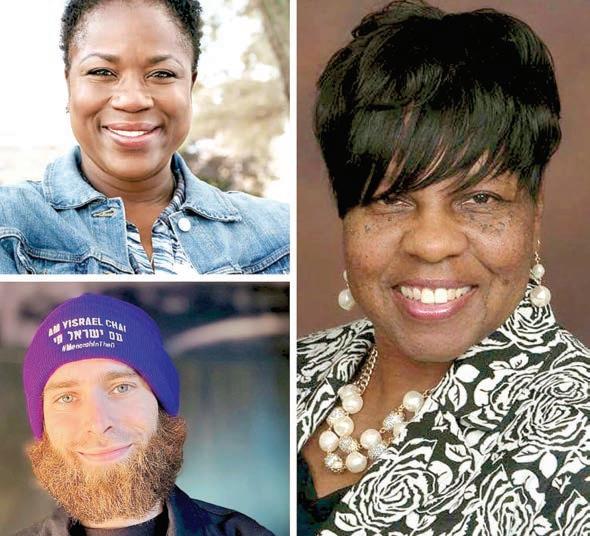

By Miss AJ Williams
Gardening is often seen as a quiet hobby or a source of fresh food, but for many, it has become something more meaningful. In the slow rhythm of watering, pruning, repotting, and observing, there is a practice of mindfulness. In a time marked by digital overload and emotional fatigue, even a single potted plant can become a reason to pause. There is nothing polished about starting a garden. The soil is messy. The instructions are vague. Plants rarely respond to urgency, and they do not guarantee results. Some seeds never sprout. Some leaves wilt without warning. This unpredictability is part of what makes gardening compelling. It resists control. Some things thrive with little effort, others struggle despite constant attention. Progress does not follow a schedule. The process requires flexibility and the ability to respond rather than dictate.
Unlike many wellness trends, gardening does not depend on curated aesthetics or expensive tools. It requires presence more than perfection. The simple act of observing how light filters through a window, how soil feels to the touch, how leaves shift over time, can gently return the body and mind to the present.

There is a physical mindfulness in the work. Hands in soil, breath steady, eyes focused. The task demands awareness. Pour the water. Turn the pot. Trim the stem. These small actions pull attention away from anxiety and toward what is real and right in front of us.
Many therapists and wellness practitioners recognize the therapeutic value of tending to plants. The structure of gardening—with its cycles, pauses, and small changes—mirrors what we often strive for in emotional healing. There is comfort in the repetition. There is peace in the slowness.
For those navigating stress, burnout, or uncertainty, plant care can provide a sense of grounding. Tending to something alive builds a rhythm into the day. It creates quiet, intentional moments of care. Even when growth is not visible, even when a plant does not flourish, the practice itself remains meaningful.
Not every plant will survive. Sometimes a leaf yellows, a root rots, or a pot cracks. These moments are not failures. They are reminders of how delicate and responsive life can be. The lesson is not to perfect the process, but to stay engaged with it. To show up again. To try again. To notice the shifts.

Story and Photos by
Aaron J. Thornton, Contributor
More than 20,000 fans packedLittle Caesars Arenafor a night that felt less like a concert and more like an R&B summit. It was a celebration of timeless hits, with New Edition, Boyz II Men, and Toni Braxton sharing one historic stage and Detroit bore witness to a R&B coronation of music as part of The New Edition Way Tour, from three acts whose influence shaped decades of sound and style.
On a stage that was set up so that fans could be seated completely around it, providing a 360-degree view, Ricky Bell, Ronnie DeVoe, Michael Bivins, Johnny Gill, Ralph Tresvant, and Bobby Brown rose in a single line from below. The six members of New Edition drew roars and screams from the crowd and started into song.
Moments later, the trio of Boyz II Men were elevated from beneath the stage. They opened with “Water Runs Dry” on a center part of the stage that was more like a bridge connecting the main stage where New Edition was, to an area that extended into the crowd.
It was in this last section that the songstress Toni Braxton emerged, also rising from below, setting the tone in stunning fashion. She was draped in a red and black sequined leotard adorned with feathers, delivering a sultry performance of “Get So High,” flanked by four background vocalists in black sequin dresses, each gracefully wielding large feather fans that added Old Hollywood glamour to the stage. She followed with the song “How Many Ways,” dazzling the arena with a seamless blend of elegance and sensuality.
As the other artists left, Johnny Gill stepped into the spotlight performing “Fairweather Friend,” dressed sharply in a tailored blue suit paired with bold black and white shoes. Six dancers in white shorts, tops, and boots brought crisp choreography and high energy behind him, matching the intensity of his powerful vocals.


Bell Biv DeVoe kept the momentum going with crowd favorites “Do Me!” and “When Can I See You Smile Again,” their chemistry and swagger reminding fans why their hits still dominate decades later.
New Edition’s Ralph Tresvant then joined forces with Boyz II Men for “Do What I Gotta Do.” Dressed in sleek black sequin suits, Tresvant topped off his look with a black hat, the ensemble shimmering under the lights.
Then came Bobby Brown, another member of the New Edition team who also had a successful solo career. He wasted no time igniting the crowd with “Don’t Be Cruel.” “Detroit, you know the words! Sing!” he commanded, and the audience obliged, rising to its feet in a deafening singalong. With the trio that made up the group Bell Biv DeVoe backing him, Brown broke into an impromptu dance break that had the arena chanting, “Go Bobby! Go Bobby!” as he soaked in the love.
By Miss AJ Williams
Behind Rochester’s charming storefronts stands the Royal Park Hotel, long a favorite for weddings and elegant events. After a multi-million-dollar renovation, this boutique property now offers a more intimate staycation for Detroiters seeking a refined escape just beyond the city. The newly refreshed hotel along peaceful Paint Creek has unveiled a renovation inspired by the quiet romance of an English
Braxton returned to the stage for a performance of “Just Be a Man About It,” rising from the extended stage in a flowing gold gown with a long, elegant train that she whipped on the stage with theatrical flair. She was dancing with a chair serving as her prop while four dancers in all black executed sharp choreography around her, with chairs of their own, creating a striking visual.

From page B-1
gazed out at the sea of faces. “Over 20,000 fans. Look at all the beautiful people in Detroit,” she said. “Thank you all for my job, for putting me on this stage. I love you so much for that. Thank you for loving me.” She mentioned her battle with lupus and revealed that doctors once told her she would never perform again. “But the man upstairs had a whole other plan for me,” she proudly stated, drawing applause.
The seven-time Grammy award winner delivered a few a cappella verses of “Love Should’ve Brought You Home” before dedicating “Breathe Again” to the lateWhitney Houston. “It was her (Houston’s) favorite song,” Braxton shared, her voice tender and reverent.
Boyz II Men returned with “I’ll Make Love to You”. Wearing black tuxedo pants, white shirts, and red sequin blazers, each member ascended from different sections below the stage with roses in hand, which they gifted to lucky women in the front rows. “Detroit, thank you,” they said, drawing warm cheers.
Following an intermission where a DJ kept the energy alive with hits from every era, Bobby Brown reemerged to open the second half of the show in a bold pink suit, white shoes, and a white top hat to perform another one of his hit songs, “Roni.” Ralph Tresvant followed, coming back onto the stage singing “Sensitivity.” Dressed in all black with a hat to match, accompanied by six dancers in fur coats and short blonde wigs.
Johnny Gill then stormed the stage in black leather performing the song he produced as part of the group LSG, “Body,” before transitioning into his signature hit “My, My, My.” Mid-song, Gill stepped offstage and walked through the pit, serenading fans against the barricade and handing out roses before returning to center stage to finish strong.
Braxton appeared once more in a black leotard with tuxedo tails and a top hat. In the midst of her set, the tempo slowed and a violinist dressed in white emerged and played on the closest stage as clouds and unicorns filled the video screen, a dreamy prelude to “Un-Break My Heart,” which Braxton then performed above the back part of the stage in a white flowing dress and angel wings, elevated on a platform.
The sound of raindrops, thunder, and chirping birds hinted at what came next. The opening notes of “Can You Stand the Rain” brought five members of New Edition, all in white with white top hats, back to the stage to a standing ovation. The cheers were among the loudest of the night as they lingered afterward, soaking in the love.
Michael Bivins then took a moment to formally introduced Boyz II Men, with Shawn Stockman reflecting on their Motown Records deal and thanking Bivins for his role in their journey. “We spent a lot of time in Detroit. Hope we did you guys proud,” Stockman said, and noting the historic nature of the tour.
He added, “This is something special: three acts, never been
From page B-1
Of course, no getaway is complete without good food.
The hotel’s on-site restaurant, PARK 600, serves European-inspired cuisine with a modern twist. Dinner offerings are solid and thoughtfully prepared, though some dishes may leave diners wishing for a little more boldness or flair. It’s the kind of dining experience that satisfies but doesn’t necessarily steal the show.
Where the culinary experience truly shines, however, is the hotel’s weekend high tea.
If dinner is the opening act, Saturday morning tea on the terrace is the headliner.
Set against the backdrop of early spring trees just beginning to bloom, the terrace transforms into a scene that feels lifted straight from a lifestyle magazine. Delicate tiers of petite chicken salad sandwiches arrive, joined by warm scones served with cream and bright lemon curd. The setting is both elegant and comforting, offering a quiet moment of indulgence that feels distinctly elevated without becoming overly formal.
Add a raspberry mimosa or a glass of wine to the experience, and suddenly the morning becomes something special.
For many Detroit women look-
ing for a stylish but low-pressure escape, the high tea experience alone may be worth the drive. It strikes that perfect balance between chic and relaxed, offering a little glamour without requiring a passport or a plane ticket.
Beyond the dining experience, the hotel’s renovated spaces also reinforce its reputation as one of Southeast Michigan’s premier event venues. From weddings to corporate gatherings, the updated ballroom and meeting spaces now reflect the same garden-inspired aesthetic found throughout the property.
The Conservatory, a stunning glass structure originally constructed in Belgium and assembled on-site, remains one of the hotel’s most memorable architectural features and continues to serve as a light-filled setting for celebrations and seasonal programming.
Yet despite its popularity for large events, the Royal Park Hotel still maintains the quiet charm that makes it feel personal rather than commercial.
That balance of tranquility and luxury is the key appeal for Detroiters seeking a staycation; the Royal Park Hotel stands out as a true escape from the noise and routine of daily life, offering an experience that refreshes both body and mind. You’re close enough to explore

done in entertainment history, over 160 million records sold between the three.” Boyz II Men then took a moment to pose for a photo with New Edition and thanked the band members behind the artists before launching into “Water Runs Dry,” followed by “On Bended Knee,” which ended with Stockman kneeling at the front of the stage, pausing dramatically before the final note.
New Edition returned in coordinated white outfits with long black sequin coats, revisiting classics like “Mr. Telephone Man” and “Candy Girl,” transporting the crowd back to the ‘80s and ‘90s. Then the group performed “Cool It Now,” like it was 1984 all over again.
Boyz II Men came back out and offered a heartfelt tribute before performing “One Sweet Day,” honoring those lost. During this, Stockman wore a shirt bearing the face of Detroit’s ownAaliyahin remembrance. They closed their set with the enduring anthem “End of the Road, one of their most recognized songs.”
Johnny Gill returned to stage to perform “Rub You the Right Way,” joined by his New Edition bandmates, Bell Biv DeVoe, Ralph Tresvant, and Bobby Brown, all dressed in white pants and black blazers. Brown then stepped forward for “Every Little Step” and “My Prerogative,” keeping the crowd on its feet, dancing and singing.


Rochester’s walkable downtown shops and restaurants, but far enough removed from the noise of city life to truly unwind.
In many ways, the Royal Park Hotel succeeds because it doesn’t try too hard. It simply offers what many people
Finally, Bell Biv DeVoe launched into “Poison,” bringing New Edition and Boyz II Men together onstage for a joyous, high-energy finale. As the last notes rang out, it was clear the night wasn’t just a concert, it was a living tribute to decades of R&B excellence.
The New Edition Way tour stop in Detroit was one of 30 cities, which commenced less than a month earlier in Oakland, CA and is slated to conclude in early April in Houston, TX. The tour is another presented by the Black Promoters Collective, a group of six of the top concert promoters and production companies bringing culturally relevant live entertainment experiences around the nation.
This kind of attention has a way of spreading. People begin to ask quieter questions. What else in my life needs tending? Where have I been neglectful? What needs light, water, and space?
Gardening offers no loud breakthroughs. No quick wins. But it does offer presence. It brings the body into conversation with the world around it. The senses become attuned not to performance, but to care. In this way, a small pot of mint on a windowsill can become a kind of meditation.
Spiritual wellness does not always need ritual or ceremony. Sometimes it is built through a daily act of noticing. Through watching something grow slowly, change shape, or even rest. Gardening is not a metaphor for healing. It is the practice of it. It is a place where attention becomes care, and care becomes connection. The soil holds more than roots. It holds rhythm, memory, and stillness. And for those willing to listen, it holds space to simply begin again.




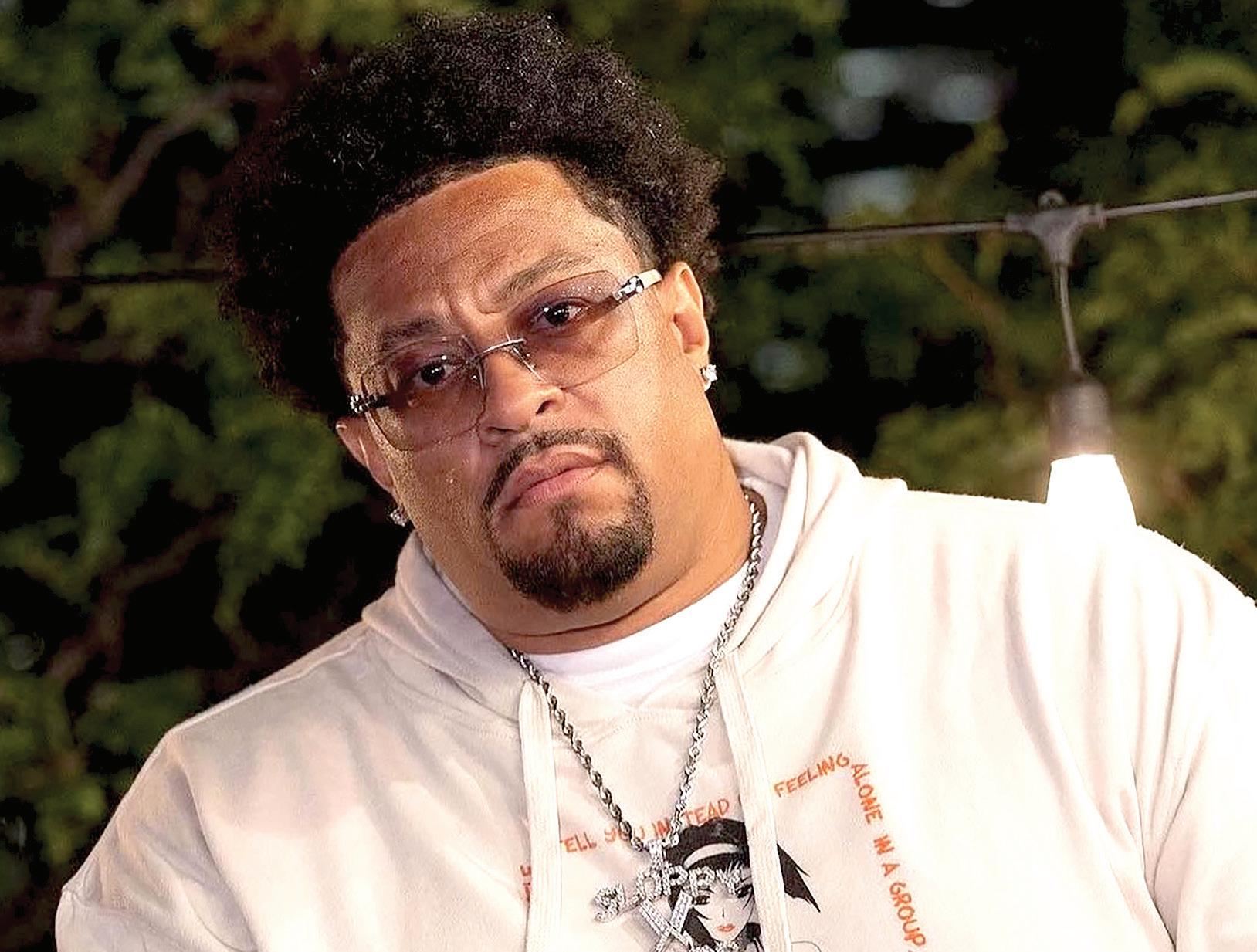
By Aaron Foley EDITOR-AT-LARGE
Longtime restaurateur and nightlife fix-
ture Michael Brown, known in nearly every corner of Detroit from downtown to Dexter Ave. as “Mike B.,” was killed in a shooting that injured two others early Saturday morning outside a bar on the city’s west side, prompting a widespread outpour of shock and sympathy from across the region.
The Detroit Police Department is asking residents to come forward with any information about the shooting outside the Suite 100 cocktail bar, located on Schaefer Highway near Puritan Avenue. As of publication, no arrests have been made.
Brown’s death comes in the wake of the sudden passing of popular jeweler Darrel “D. Hasty” Hasty, whose cause of death is still unknown but was confirmed by coworkers in videos posted to social media Saturday morning. Both men earned loyal followings as influencers in their respective industries, and both traded in accessible Detroit luxury while remaining accessible to the community themselves. The 33-yearold Hasty held court at Hutch’s Jewelry in
Oak Park, while Brown was the proprietor of Sloppy Chops and Sloppy Crab, both in the city.
For 52-year-old Brown, however, his death comes just as his decades-long career in local hospitality and entertainment was reaching higher peaks. After taking a familiar Detroit path from party promoter to club owner, by all accounts, Brown had bigger plans in the works after moving into restaurants – namely expanding his Sloppy brand at a time when a wave of new Blackowned establishments were starting to find their footing in revitalized neighborhoods citywide.
“He created more than a restaurant – he built opportunity, community, and a gathering place where people from all walks of life could come together,” wrote DJ Motorcity, one of the city’s most celebrated jockeys, on Facebook. “He showed what leadership looks like in action: Investing in his dreams, employing our people, and contributing to the culture and economy of this city.”
Sloppy Crab, now known as the Crab Sports Bar, opened in 2021 on East Jefferson Avenue across from the Renaissance Center. Detroiters have always loved a sea-
By Aaron Foley EDITOR-AT-LARGE
Employees at Hutch’s Jewelry took to social media this weekend to address speculation about the future of the Oak Park retailer, whose charismatic lead jeweler died suddenly last month, while the murder of the store’s owner in 2021 still looms large in the public’s mind.
Posting directly to the Hasty at Hutch TikTok account, Hutch’s employees AJ Williams and Jay “Jay G” Graves acknowledged the passing of Darrel “D. Hasty” Hasty, whose death during the penultimate weekend of February led to a wave of tributes from customers and admirers alike.
within spitting distance of the RenCen answered the question of “where are the Black people downtown,” while Sloppy Chops showed that restaurants like the ones downtown could thrive in the neighborhoods.
“The fact that we are Black men — my partners, Chef Al [Maxley] and I — competing against some of the biggest seafood and steak houses means something. It pushes us to work harder,” Brown said in a 2022 Yahoo profile.
For Brown, it was a culmination of a profile built in bringing Detroiters together in celebratory environments where they could be seen and feel seen.
“#blackwallstreet was all we talked about. We lost a real one,” noted comedian and former WJLB personality Foolish.
After long stints of producing and promoting hip-hop artists and throwing events, Brown came into operating the former Club Status on Eight Mile and Telegraph as well as its previous iteration as Dynasty Lounge throughout the late aughts and into the 2010s. As a manager, former employees and budding promoters noted his willingness to take a chance on people just starting out in the nightlife business.
“I was lost on how to get some money when I left the streets alone. You allowed me to throw parties at Status and showed me legal money to spend the same,” wrote Facebook user Heavyy Pape.
That same sentiment came from artists who remembered Brown’s eye for talent and boosted them at weekly hip-hop showcases, making both establishments – and Brown himself – integral to the city’s underground rap scene.
“Us hip-hop heads was there for Murda the Mic night faithfully every week,” said Jay Morris, an artist and paint design entrepreneur. “Some of the bonds I created there I still have to this day and that was well over 20 years ago.”
Brown seemingly had a finger in all areas of Detroit entertainment for the past two decades; more than 2,000 Instagram posts blasted to more than 12,000 followers – no small feat for a Detroit personality not in media, sports, or hair – is evidence of such.
food restaurant, ranging up and down the price range from Joe Muer to Dot & Etta’s, but blending the nightclub experience that Brown honed for years – occasional cover charges to be part of the in crowd, cocktails with heavy pours, celebrities popping in from time to time – with elaborate crustacean creations made Sloppy Crab one of downtown’s most active scenes for a time, putting it in the ranks of Floods Bar & Grille and Sweetwater Tavern.
Before Sloppy Crab, there was Sloppy Chops that opened in 2020 on Six Mile right off the Lodge (West McNichols Road a few blocks from M-10 for our purist readers), a top-dollar steakhouse with ribeye and tomahawk cuts on the menu, but quickly became known for its $2 lamb chop specials – another delicacy beloved by Detroiters that, according to lore, is so popular that it’s one of the more frequent items to come through the grocery terminal near the Ambassador Bridge.
Both restaurants arrived during ongoing conversations in the city as Detroiters saw new developments cropping up everywhere, but couldn’t always determine which ones were for whom. For Sloppy Crab, opening

“Just want to come here and say thank y’all for all the condolences y’all sent, all the love y’all sent, everything –we greatly appreciate it,” a visibly emotional Williams said from behind a display counter as Graves looked on. “We definitely needed it.”
Hasty’s cause of death has not been disclosed. With deep-dive knowledge of Cartier frames, education in crafting custom gold pieces, and lessons in other aspects of Detroit’s signature jewelry styles, the 33-year-old became the face of Hutch’s Jewelry through his TikTok account and other platforms after the store’s owner, Dan “Hutch” Hutchinson, was killed in a murder-for-hire plot in 2022.
Between tragedies, however, the retail-
er’s profile grew, and not just with Hasty’s five-digit follower counts. The store began collaborations with the Detroit Pistons, while celebrities from out of town, including Rick Ross, E-40, and Trippie Redd, were added to a growing client roster.
How exactly Hutch’s moves forward from here is yet to be seen. Williams offered little detail about the store’s future, only reassuring customers that the store would remain open.
“We not going nowhere. We staying here. Stay tuned,” Williams said.
You can reach Aaron at afoley@michronicle. com.

Walking alongside the Southfield Lathrup High School graduate were several longtime friends, devoted relatives, and perhaps most notably his five children – baby faces at one point in his feed, prom send-offs, and high school graduations on the grid years later. And if it seemed like Brown had love for everybody, he did – far beyond his own blood.
“Why would anyone kill Mike B? This man literally hosted my mom’s memorial service for free for my family, out of the love and kindness of his heart,” Maya Jones, a local nail technician and fashion designer, wrote on Facebook.
The love was reciprocal. Dotted throughout Brown’s social media are photos with fellow entrepreneurs (“Detroit is full of bosses,” he writes in one caption), reels of patrons talking about how much fun they’re having at one of their establishments, and one post in particular from 2020 that, in a dedication to a recently deceased friend, is more poignant now.
“Life is short and time is something we can’t get back,” Brown wrote. “Love your family and friends now!! Even when you’re ‘busy’ make time to check in your family and friends!!!”
You can reach Aaron at afoley@michronicle.com.








(StatePoint) Ever take a trip to the grocery store and feel overwhelmed by all the choices available? Save time and money by opting for products already tested by other consumers.
Product of the Year USA, the nation’s largest consumer-voted awards program dedicated to recognizing product innovation, has announced the winners of the 2026 Product of the Year Awards. Winners were selected based on the opinions of 40,000 American shoppers through an independent national study conducted by Kantar, a leading global research firm.
So the next time you’re at the supermarket, be on the look-out for this year’s winners, which include the grocery store essentials listed below. You can easily find these crowd-pleasing foods and beverages when shopping in-store and online by simply looking for Product of the Year’s red seal of approval.
Breakfast: Eggo Protein Waffles and Pancakes
Eggo Protein Waffles are crispy on the outside and fluffy on the inside, while Eggo Protein Pancakes are golden, fluffy and delicious. Both come in multiple flavors and offer a wholesome, tasty way to fuel mornings with 20% of the recommended daily value of protein in every serving.
Granola: ALDI-Exclusive Simply Nature Granola Bites
Available in Strawberry or Chocolate Chip, these bites are great for breakfast, a midday boost, or a convenient on-the-go treat. With low calories, non-GMO ingredients, and gluten-free certification, they provide a healthy and satisfying option to enjoy anytime. Healthy Beverage: Clearly Canadian Originals
The original flavored sparkling water has launched a new Sunset Orange flavor bursting with fresh clementine and zesty citrus notes, with a touch of sweetness and a crisp refreshing finish. Crafted with pure Canadian spring water with naturally occurring hydrating minerals, its naturally big flavor relies on simple ingredients.
Hydration: Jumex Hydrolit +Advance
This high-performance hydration drink is designed to fuel your body and mind, delivering five essential ions for optimal electrolyte balance, natural caffeine for sustained energy, and choline to boost focus and mental clarity. Whether you’re training, recovering, or on the go, Hydrolit +Advance goes beyond the basics to keep you performing at your peak.
Kitchen Essentials: Reynolds Kitchens Parchment Cooking Bags
Parchment Cooking Bags offer an innovative way to prepare flavorful meals in just three steps. Place the bag on a sheet pan and fill with your ingredients, fold it closed, and bake. The parchment bags lock in moisture and flavor, making it easy to create delicious, family-sized meals with minimal cleanup. Perfect for busy weeknights, they bring ease, taste and satisfaction to your kitchen.
Meal Ingredient: Knorr Flavor Bases
Knorr Premium Flavor Base is your secret to rich, authentic taste in every dish. Crafted by professional chefs with real, quality ingredients, each jar makes up to 52 cups of flavorful stock perfect for soups, marinades and roasted vegetables.
Plant Based: Organic Valley Oat Beverage
This new plant-based beverage blends ethically sourced, sustainably grown organic oats, water, and salt with organic MCT oil-rich texture and frothiness. Free from gums and seed oils, it’s also non-dairy and lactose-free—perfect for lattes, smoothies, baking and more!
Protein Snack: Tyson Chicken Bites Cups
Delivering 35 grams of protein per serving, these chicken bites can be enjoyed as an appetizer or snack with your favorite dips.
Rice: Ben’s Original Single-Serve Rice Cups
These convenient single-serving rice cups offer a quick, easy way to enjoy perfect rice in the perfect size for on-the-go meals, a quick snack or a convenient side for busy days and contain no artificial flavors or colors from artificial sources.
Spreadable Cheese: Rondelé by Président
Blending milk, cream, garlic and savory herbs into a whipped, creamy spread, this cheese delivers rich, comforting flavor to elevate everyday snacking, simple meals and casual entertaining. Made with no stabilizers, it offers quick convenience and versatility for busy lifestyles.
Additional winners include:
Cheese: Organic Valley Original American Cheese Block
Frozen Dessert: Kinder Frozen Dessert
Frozen Entree: Butterball Cook from Frozen Premium Whole Turkey
Health & Wellness: ALDI-Exclusive Elevation Ultra Filtered Milkshakes
Wine: Elliot Cooper Chardonnay
Zero Sugar Beverage: Clearly Canadian Zero Sugar For more information and the complete list of this

ore than 10 years ago, a mere five words frightened desk jockeys everywhere: “sitting is the new smoking.” Still, many people across the U.S. are walking less than they used to. Long days spent sitting can take a toll over time, negatively impacting bodies and minds.
Research from the American Heart Association shows 1 in 4 adults in the United States sits for longer than 8 hours each day, leading to an increased risk of cardiovascular disease, obesity, Type 2 diabetes, certain cancers and premature death.
Feeling stretched by the demands of everyday life is common. However, simply adding just 20 minutes of daily physical activity may reduce the risk of disease and improve mental health, according to research published in “JAMA Internal Medicine.” Additionally, being physically active reaps many benefits down the road. It keeps your mind sharp as you age; studies show higher levels of fitness are linked to better attention, learning, working memory and problem solving. It also slashes risk of depression and boosts an all-around sense of joy. Research continues to show physical activity, like walking, reduces stress, boosts mood and promotes overall well-being. This year, in honor of National Walking Day – created by the American Heart Association more than 10 years ago to encourage more movement throughout the day and help people live longer, healthier lives, one step at a time – consider these ideas to get your body moving to help lower stress, improve sleep, lift your mood and support both mental and physical health.
Step into the Great Outdoors
Slipping on a pair of comfortable walking shoes and heading outside is a simple way to get more movement in your life. Walking outside has the added benefits of helping reduce stress, improving mood and boosting cardiovascular health. Sunshine also provides a boost of vitamin D and immune support.
Make It Fun
Think of movement as something you give yourself, by moving more your way. When you choose activities you enjoy, it becomes easier to make them part of your day. If you can’t find 20 minutes for a walk outside, even short bursts of movement can help. Walking in place at a brisk pace, walking up and down the stairs in your home, finding a quick dance workout online or even seated exercises and stretch breaks throughout the day can help you feel more refreshed and ready to take on everyday tasks, like cooking and running errands.
Walk with a Furry Friend
Pets can be a great motivator to get moving. Plus, taking your furry friend for a stroll can support heart health, lower stress and boost overall happiness. In fact. a study published in the “Journal of Physical Activity and Health” shows dog owners are 34% more likely to reach their fitness goals and get the recommended amount of physical activity than those who don’t have a dog. Walking with your pet can also lead to more social connection, such as meeting neighbors or other pet owners.
Pound the Pavement with a Pal
Walking solo can be good for introspection, but bringing a friend, family member or coworker can make the time pass more quickly and add connection to your routine.
Explore a greenway, waterfront or indoor mall for a fresh way to get some steps. If a loved one isn’t available to join you, make a phone call while you walk or take a meeting or conference call outdoors if your work allows it.

Every step counts. Visit Heart.org/movemore for more tips to get moving.