
Ask Yourself the Unconventional Business Questions
William J. Hallan
MRA President and CEO
Not long ago, our marketing team put us through a brand exercise for Retailers Insurance Company—and I’ll be honest, some of the questions felt a little out there.
If RIC were an airline, which one would it be? What’s our spirit animal? Come up with 10 nouns that define us. How do agents and policyholders actually perceive us?
At first glance, it’s easy to dismiss this kind of exercise as fluffy or even uncomfortable. We tend to think of our organizations in practical terms—products, services, and results. But these questions push you into a different space: perception.
And perception matters.
What we believe our brand stands for and how others experience it aren’t always the same thing. You might think your business is known for exceptional service, but do your customers describe it that way? You may pride yourself on reliability, but does that come across as consistency or complacency?
That gap between intention and perception is where real insight lives.
For us, the exercise sparked valuable conversations. It highlighted strengths we should lean into and revealed areas where we need to be clearer, more consistent, or more intentional. It also reinforced something simple, but important: your brand isn’t what you say it is—it’s what others experience.
Here’s a challenge: Have you done this for your store?

In a competitive retail environment, understanding your brand isn’t optional. It’s essential. From the CEO
Boards of Directors
Michigan Retailers Association
Bryan Neiman Chair
Neiman’s Family Market, St. Clair
William J. Hallan President & CEO Michigan Retailers Association
Dan Marshall Vice Chair
Marshall Music Company, Lansing
Peter R. Sobelton Treasurer
Mondial Properties, Birmingham
Bill Golden Past Chair Golden Shoes, Traverse City
Bo Brines Little Forks Outfitters, Midland
Kim Edsenga Meijer, Inc., Grand Rapids
Antoinette Kramar Orin Jewelers, Northville
John Leppink Leppink’s Food Centers, Belding
Joseph McCurry Credit Card Group
Kendra Patterson Michigan Barn Wood & Salvage, Mason
Thomas Ungrodt TDU Consulting, LLC, Ann Arbor
Larry Meyer Board Member Emeritus
D. Larry Sherman Board Member Emeritus
Ask your team a few unconventional questions. Ask your customers, too. What words come to mind when they think of your business? What would they compare you to?
The answers might surprise you. More importantly, they’ll give you a clearer picture of where you stand—and where you can improve.
Michigan Retailers Services, Inc.
William J. Hallan President & CEO
Thomas P. Clement Chief Operating Officer and General Counsel
Orin Mazzoni, Jr. O & T Investments LLC
Joe Swanson Target, Retired
William J. Hallan
MRA President and Chief Executive Officer
Michigan Retailer Magazine
William J. Hallan Publisher
Victoria Veda Editor
Rachel Schrauben Copy Editor and Content Director
Josh Delany Design/Layout Manager, Photographer
Shandra Martinez Contributor
With every issue, we reach retail owners, managers, and executives who make spending decisions for 15,000 stores and websites across the state.
To request a media kit, email Rachel Schrauben at rschrauben@retailers.com



Friend of Retail Preview
The questions we’re asking candidates in 2026
Interview with a Regulator
Detroit mayor Mary Sheffield on meeting consumer demand
Capitol Day 2026 Recap
Retailers gathered in Lansing for a full day of advocacy
Retailers Insurance Safety Tip
The dangers of heat exposure
Mike’ Corner Market in Vassar
Serving the community through convenience and late hours
Buy Nearby Weekend is Oct. 2-4, 2026
Get your store ready for the annual celebration
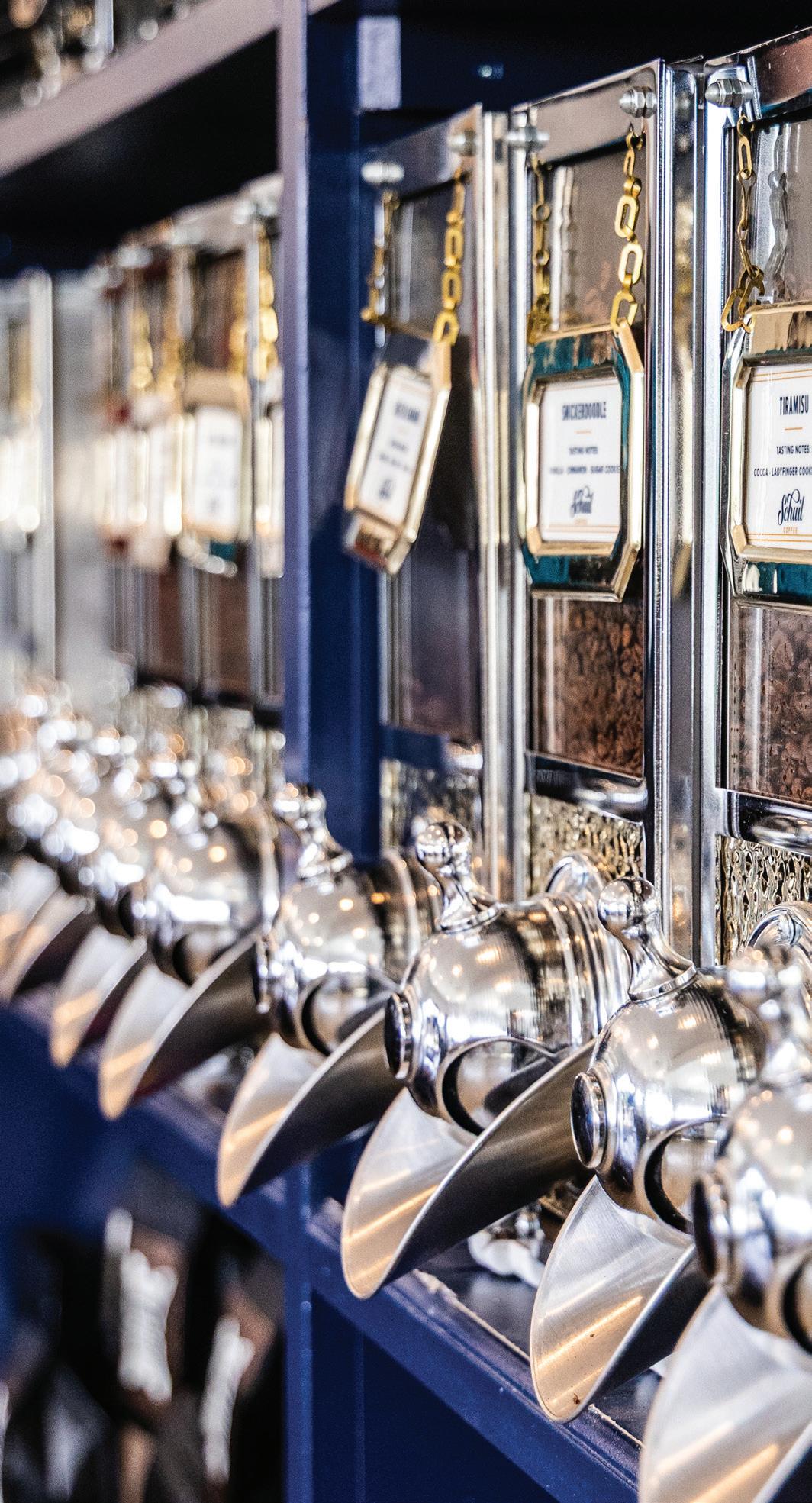
Schuil Coffee Starts Early to Serve
Customers
Employees arrive hours before doors open to prep for morning rush
Departments
From the CEO
Ask Yourself the Unconventional Business Questions
Under the Dome The Bipartisan Push to Overregulate Groceries
Creative Counsel
Legally Speaking Passing CORCA is Long Past Due 6 8 10 14 13 16 18
Why Creating Memorable Retail Experiences Matters
Regulatory Rundown
Milestone Members New Members
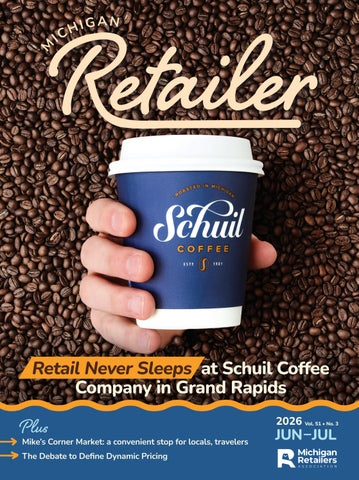
On the Cover
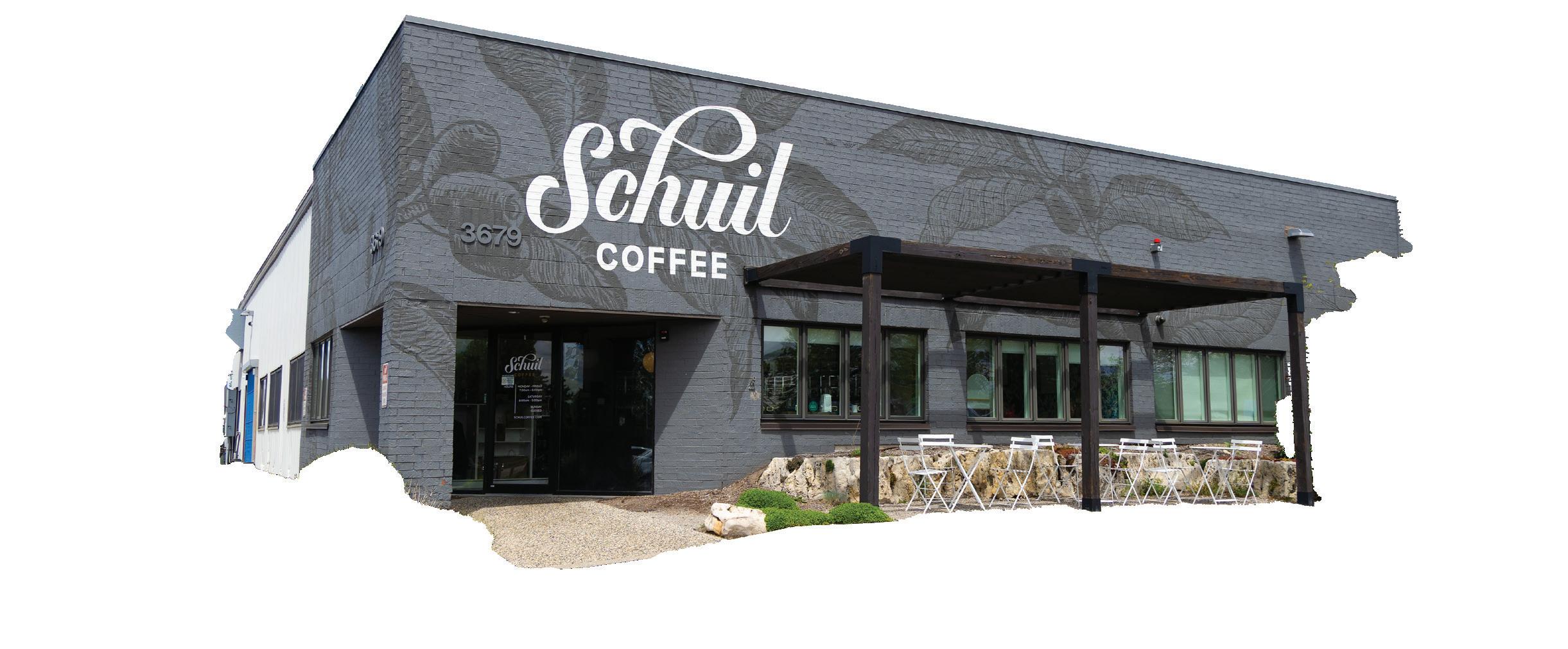
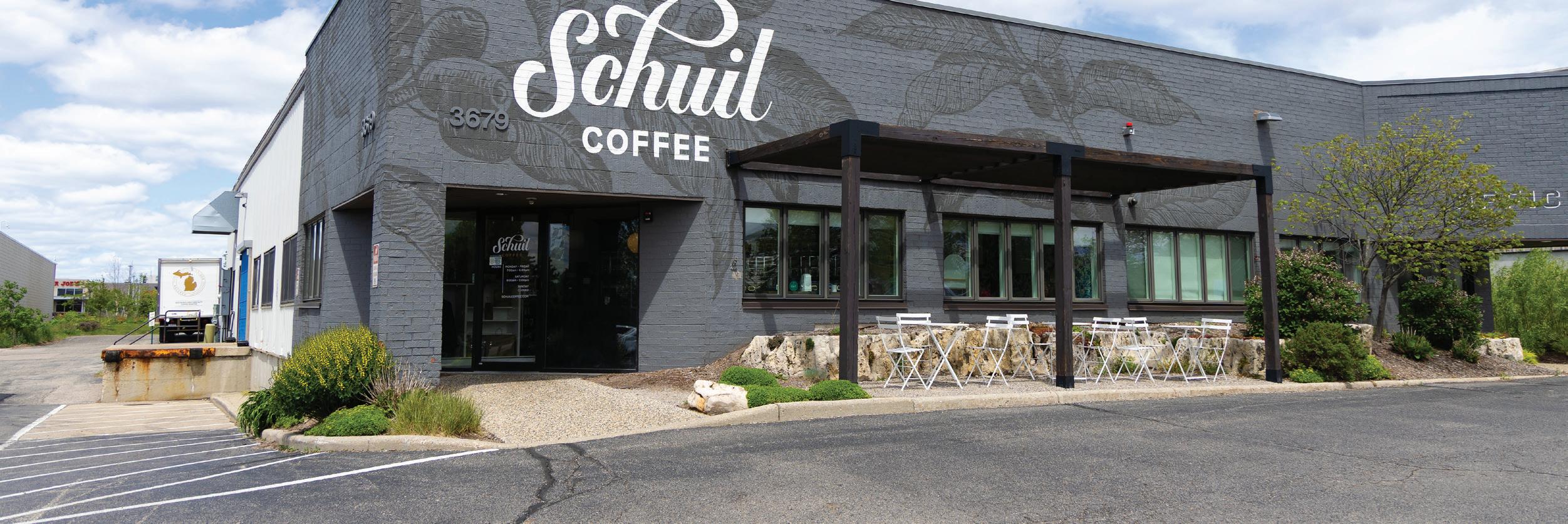
Schuil Coffee Company in Grand Rapids prides itself in serving some of the highest quality, specialty coffee in the state.

Passing CORCA is Long Past Due The Bipartisan Push to Overregulate Groceries
Tom Clement MRA Chief Operating Officer and General Counsel
If you need any further proof that the wheels of federal legislation move at an excruciatingly slow pace, look no further than the Combatting Organized Retail Crime Act (CORCA).
CORCA is a bipartisan bill with overwhelming support on both sides of the aisle that has died painfully in two prior Congresses. CORCA’s aim—to partner federal, state, and local authorities to combat organized criminal enterprises which act at a national and international scale and cost the American tax payer billions of dollars—seems fairly uncontroversial.
The argument against is that this legislation will have the unintended consequence of inadvertently and disproportionally sweeping poor and minority offenders into harsher federal penalties. This is a similar argument that we hear at the state level, and it is nonsense.
MRA, and our national partners, have made it crystal clear that retail crime exists at two very different levels. The first is the low-level retail theft with the classic example being an individual who steals items from a store for their own personal gain, either out of desperation or criminal proclivity. We have statutes for these crimes and they have been effectively enforced at the local level for years. Organized retail crime on the other hand, as its name suggests, exists on a grand scale, at great taxpayer expense, and in no way implicates the “low level” criminal that opponents fret over.
Fortunately, CORCA may be on the precipice of a breakthrough, having unanimously cleared the House Judiciary Committee in January 2026 and the full House on May 12, 2026 with a vote of 348-60. With passage in the House achieved, the push is now on for swift Senate approval before the midterm elections. As has been the case in prior Congresses, timing will be tight.
MRA has reached out to our full Congressional delegation to encourage movement on CORCA and we encourage you to do the same. If you need assistance with contacting your representatives, email me at tclement@ retailers.com.
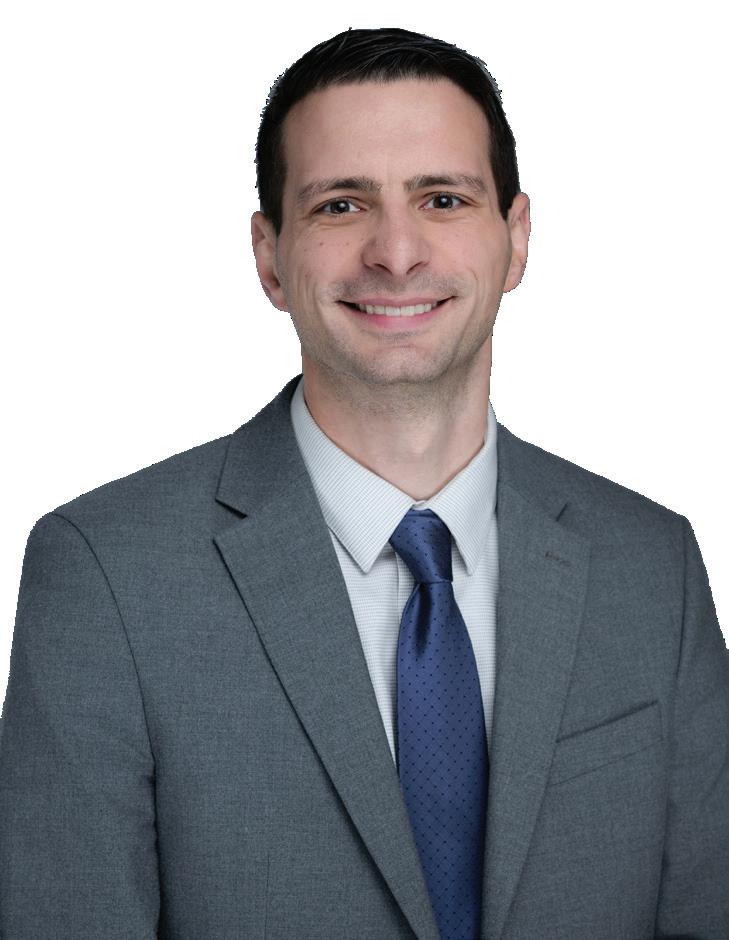
Drew Beardslee MRA VP, Government Affairs
The sitcom Arrested Development once demonstrated the ignorance of its comically out-of-touch family by having matriarch Lucille Bluth ask, “It’s one banana, Michael. How much could it cost—ten dollars?”
Her son retorts: “You’ve never actually set foot in a supermarket, have you?”
It’s a question many elected officials should answer. Politicians around the world have long been criticized for not knowing the cost of everyday staples that many constituents closely, and painfully, track.
A follow-up question: if you don’t know what a gallon of milk costs, why should you be in charge of setting milk prices?
Regulators in both parties see grocery prices as a problem to fix—and themselves as the answer. The New York City mayor is proposing government-run grocery stores, Democratic U.S. Senators have introduced legislation pushing for immense Federal Trade Commission power over prices, and the president has blamed “corporate greed” for price increases that came in the wake of his own cost-raising tariffs.
To be sure, consumers are facing higher costs. Supply chain disruptions from the wars in Ukraine and Iran, the higher cost of imported goods under increased tariffs, and other external shocks all play a role in an item’s price. Despite it all, grocery store profit margins have remained slim. If there’s a cost problem, it’s not greed.
So, what’s the right price for a banana? No one knows. Economists call this the “knowledge problem,” the information required to set the right price for an item— preferences, available resources, local circumstances—is dispersed among millions of individuals and can’t be centralized.
Our modern elected officials should step inside a supermarket with a willingness to learn about the economic realities at play. How much could it cost—a little humility?
Why Creating Memorable Retail Experiences Matters
Vic Veda MRA VP, Communications
Consumer behavior is ever-evolving, especially since the development of e-commerce shopping. The convenience of online shopping, the competition to price match, and the wide variety of products available through a screen that fits in the palm of your hand can be hard to compete with. But one thing remains true—a positive, memorable retail experience will keep shoppers coming back.
Personalized service still holds value. Customers remember how they feel in your store, and that influences how quickly they’ll return. If you leave your customers feeling valued and recognized, the relationship you build will drive loyalty.
But service is only half the equation; a memorable customer experience is key. Give your customers a reason to visit beyond buying products. Turn shopping into an experience. Do you have excellent product knowledge that leads to top-notch recommendations for related items? Do you have a skill set that can be taught in a workshop or demonstration? Can you host a local artisan and feature a special collection of products? Or consider hosting a VIP shopping event for loyal customers to say thanks for their support.
Remember that customer experience is impacted by your store environment, too. The music, the smell, the lighting, and the layout all matter. Creating unique, engaging displays, inviting spaces, and even opportunities for photos/social content can encourage shoppers to stay in your store longer (and spend more, too!)

Delighting your shoppers at checkout can leave a lasting impression. Offer a free sample or gift with purchase, complimentary gift wrapping, a strong loyalty rewards bonus, a treat for kids or pets, or a surprise treat tucked into their bag for later. A small act of kindness can go a great length in building relationships with customers that will keep them coming back again and again.

Michigan Brewers Guild Announces Great Beer State Collaboration
The Michigan Brewers Guild has introduced the Great Beer State Collaboration, a new initiative strengthening ties between Michigan breweries and agricultural businesses powering the craft beer industry. Launched in May and running through February 2027, the program will feature five regional campaigns showcasing collaborations between breweries and suppliers such as hop growers, malt houses, yeast labs, and honey producers.
Participating breweries will craft specialty beers using Michigan-grown ingredients, with each release available in taprooms during its region’s campaign period. The initiative is designed to drive traffic to member breweries, promote Michigan-made products and highlight partnerships growing the state’s craft beer community. Visit mibeer.com/Resources/News-Features for more information and a list of participating breweries.
The Michigan Brewers Guild has been an MRA member since 2018.
Washtenaw Dairy Featured in Food and Wine Magazine
Food and Wine recently named the signature ice cream flavor in each 50 states and Washtenaw Dairy in Ann Arbor was highlighted for having Michigan’s featured flavor.
The ice cream flavor that screams Michigan? None other than the red, yellow, and blue favorite, Superman.
Washtenaw Dairy has been an MRA member since 2012.
Share Your News with Us
We’d love to celebrate your anniversaries, special events, and happenings. Email news@retailers.com and tell us what you’re up to!
Friends of Retail An Early Look
The Questions We’re Asking Candidates in 2026
2026 is a significant election year for Michigan. The entire State House and Senate are up for election, as are all United States House members. On top of that, Michigan will also have statewide elections for governor, United States Senate, attorney general, secretary of state, and supreme court. Big changes could be in store for 2027, but there are great opportunities for retailers throughout the political process.
Each election cycle, MRA evaluates candidates for state legislative office, surveying them on issues that matter the most to retail and scoring current officeholders based on their votes on key retail issues.
Two questions we ask every election cycle are “Have you ever held a management-level or supervisory role in retail?” and “Have you or a close family member ever owned or operated a retail business in Michigan?” Candidates and elected officials with firsthand experience in retail and small business have a keener sense of the economic realities of doing business in the state, and that experience gives us a great conversation starter on the campaign trail or in the Capitol.
We’re also asking questions to gauge candidates’ opinions on our top retail priorities. One question asks about a candidate’s views on new technologies and strategies like dynamic pricing. Others measure a candidate’s positions on the 1976 bottle deposit law, the Michigan Consumer Protection Act, and funding for the Pure Michigan program. By asking a broad range of policy questions, we can start to paint an accurate picture of how a candidate might govern if elected, and whether we may be able to count on them as an ally.
Look for our 2026 Friends of Retail later this summer, and help elevate candidates who are looking out for the good of retail.





Detroit Has Real Consumer Demand and Not Enough Stores to Meet It. We’re Fixing That.
By Mayor Mary Sheffield, Mayor of Detroit
Detroit is a city on the rise. Over the past decade, we’ve seen rising household incomes, a growing population of young professionals and families, and billions of dollars in private investment transforming our neighborhoods and downtown. Yet, one critical sector has not kept pace: retail.
Across the city, residents are asking for more places to dine, shop, and access everyday goods and services. Commercial corridors with strong foot traffic and growing residential density still have too many vacant storefronts and too few retailers meeting local demand.
That gap is not a challenge - it is one of the greatest retail opportunities in the country, and my administration is moving to close it.
Our goal is clear: to make Detroit the easiest, most predictable, and most attractive city in America for retail investment. To lead that effort, I am appointing Detroit’s first-ever Director of Retail Attraction, a dedicated position focused solely on helping retailers succeed in our city.
This new role will work directly with national and regional brands, local entrepreneurs, property owners, and
dining, and essential services. Neighborhoods such as Livernois/McNichols, East Warren/Cadieux, and Northwest/ Grand River offer established commercial corridors, strong community identity, and growing customer bases, yet remain underserved by quality retail.
Downtown Detroit continues to attract millions of visitors annually while adding new residents, employers, and office tenants, creating even greater demand for destination shopping and neighborhood-serving businesses alike.
National retailers are already responding. Alo, Apple, Free People, Timberland, Tecovas, and other major brands have recently chosen downtown Detroit for expansion. These are not isolated wins—they are strong market signals. Retailers with options are choosing Detroit because three things are true about our city: strong consumer demand, strategic location, and a market that is still far from saturated.
To further support that growth, my administration will be launching the Retail Attraction Fund, providing targeted financial assistance to help established retailers enter new markets by offsetting buildout and startup costs. This fund is designed to lower barriers to entry, activate vacant

The Debate to Define Dynamic Pricing
Motivated by a fear that retailers will try to disadvantage consumers, more than 30 states are considering legislation that would regulate the use of customer information and digital algorithms to set prices. There are more than 100 bills introduced around the country, with at least five at play in Michigan. That’s a lot of potential regulation to keep track of, made harder by the fact that there are few agreed-upon definitions.
In Michigan, there are separate bills banning the practice of “dynamic pricing,” “surveillance pricing,” and more.
In one draft, dynamic pricing is defined as a pricing system that adjusts the price of food based on external conditions like the time of day, the day of the week, the weather or temperature, or customer attributes. An example might be: using an algorithm to automatically raise the price of ice cream on a hot day.
In another draft, surveillance pricing is defined as setting customized prices for different individuals or groups based on personally identifiable information collected through electronic surveillance technology. An example here might be: tracking a customer’s location to raise prices as a customer gets closer to the store.
Retailers May Have to Defend Strategies
To be fair, these definitions are not set in stone until either of these bills become law, which is very unlikely given the current legislative makeup. But they’re worth flagging as emerging issues. Technological advances aren’t slowing down, and retailers should be prepared to defend their pricing strategies.
Many of the bills, in Michigan and around the country, are motivated by the assumption that retailers and businesses are always out to exploit customers. In reality, retailers know that happy customers are return customers, and that it’s in the best interest of both retailer and consumer to set the right expectations about any shopping experience.
Retailers should take concerns about privacy and transparency seriously, and consumers deserve confidence that businesses are treating them fairly. But lawmakers should also be careful not to confuse every use of technology or data with exploitation. Pricing has always reflected supply, demand, timing, and consumer behavior—whether through coupons, loyalty programs, seasonal sales, or inventory management.
As legislatures debate these proposals, the challenge will be distinguishing between genuinely deceptive practices and the ordinary evolution of modern retail. If policymakers get that balance wrong, they risk creating vague rules that punish innovation, increase compliance costs, and ultimately make shopping less convenient and more expensive for consumers themselves.
Regulatory
Dates & Deadlines
Monthly:
Sales & Use Tax – Monthly & EFT – On or before the 20th day of the following month.
Withholding Tax – Monthly & EFT – On or before the 20th day of the following month.
Retailer’s Prepaid Wireless 911 Surcharge – Within 30 days of the close of each month. Receipt of a complete Form 5012 is required regardless of payment method.
Quarterly:
Corporate Income Tax (CIT) Estimated Returns and Payments (Jan. 15, April 15, July 15, Oct. 15)
Sales & Use Tax – Quarterly & EFT – On or before the 20th day of the month following the quarter (Jan. 20, April 20, July 20, Oct. 20)
Withholding Tax – Quarterly – On or before the 20th day of the month following the quarter (Jan. 20, April 20, July 20, Oct. 20)
Unemployment Employer’s Quarterly Wage/Tax Reports (Jan. 25, April 25, July 25, Oct. 25)
MRA Member Benefit:
Labor Law Posters
Members who previously requested older versions of the labor law poster should have received the free updated State poster following the addition of the Earned Sick Time Act information and Resources for Michigan Veterans poster. Please note the version numbers located in the corner of your posters before you order. Up-to-date posters include the following version numbers:
• Federal, Version 4.24
• State, Version 4.25
To get your free state and federal posters, use coupon code LABOR1 during checkout. Additional poster sets cost $30 each plus tax.
Order your poster set today! Shop.Retailers.com
Capitol Day Recap
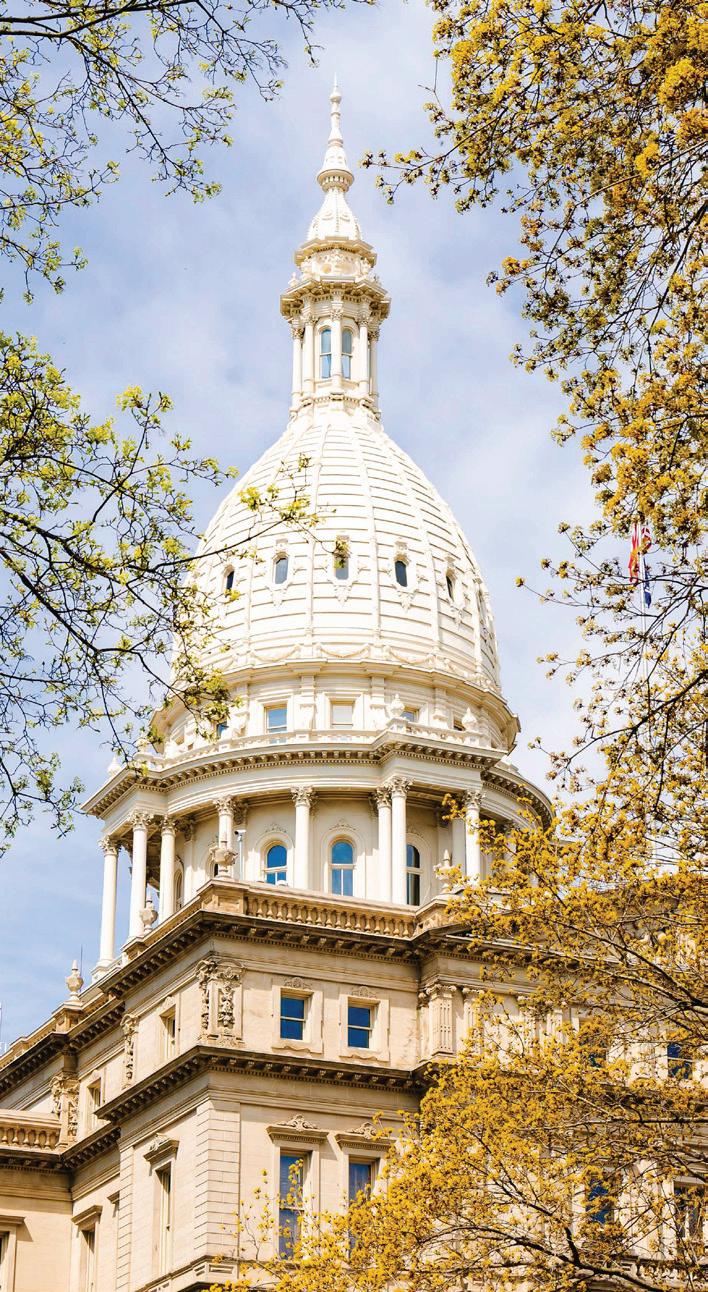
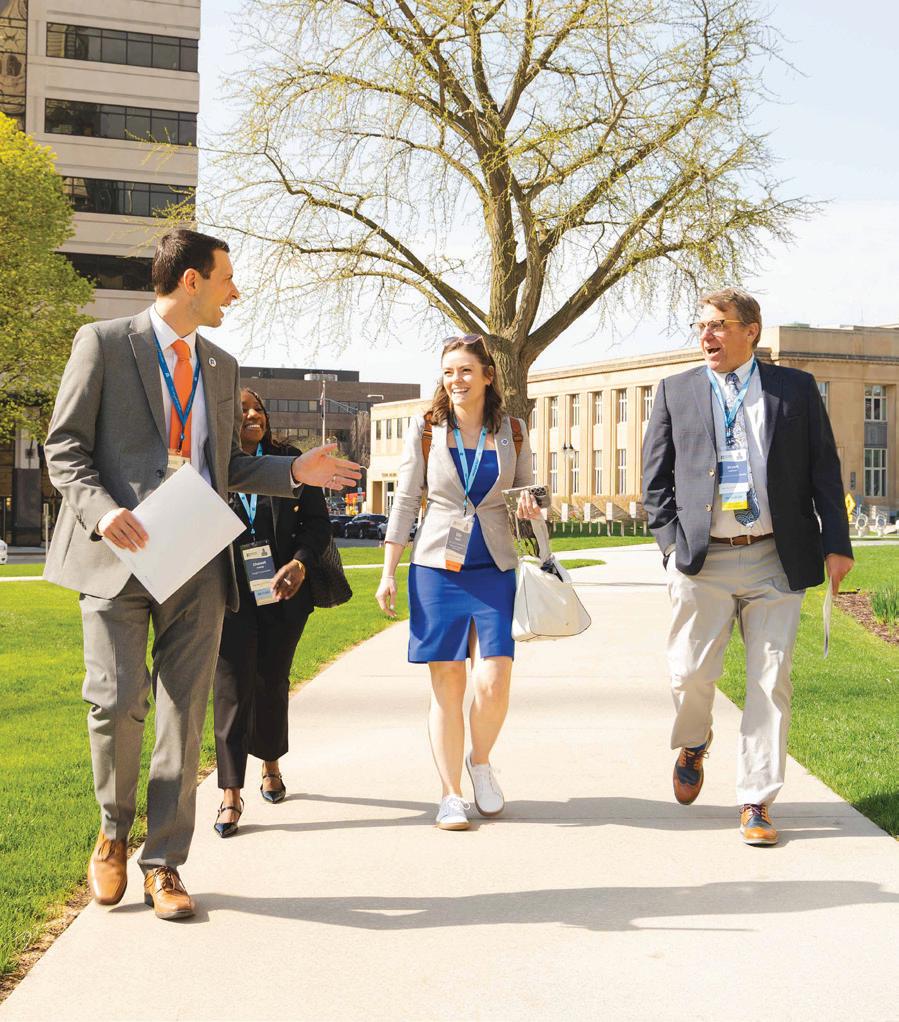
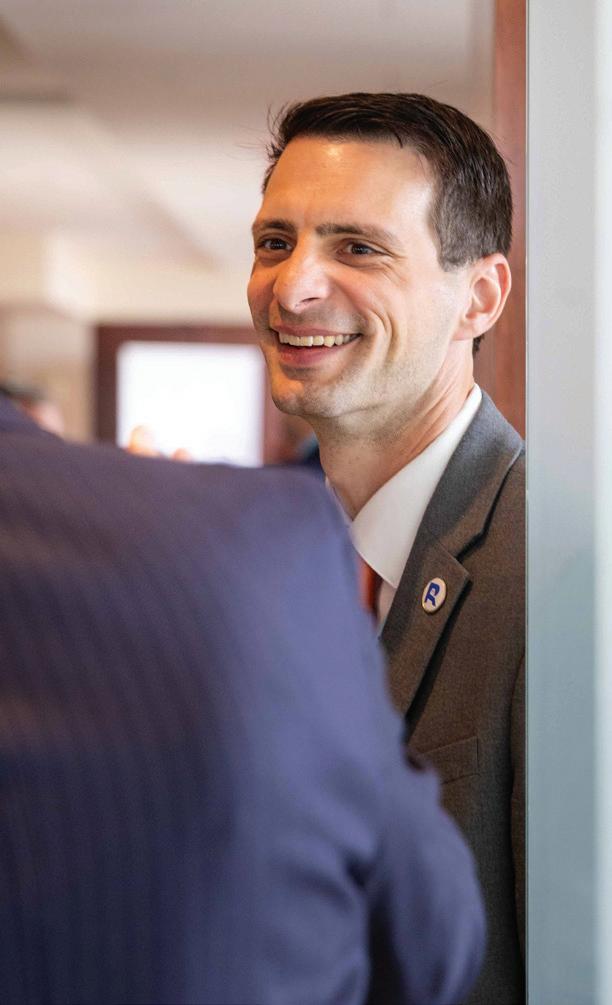
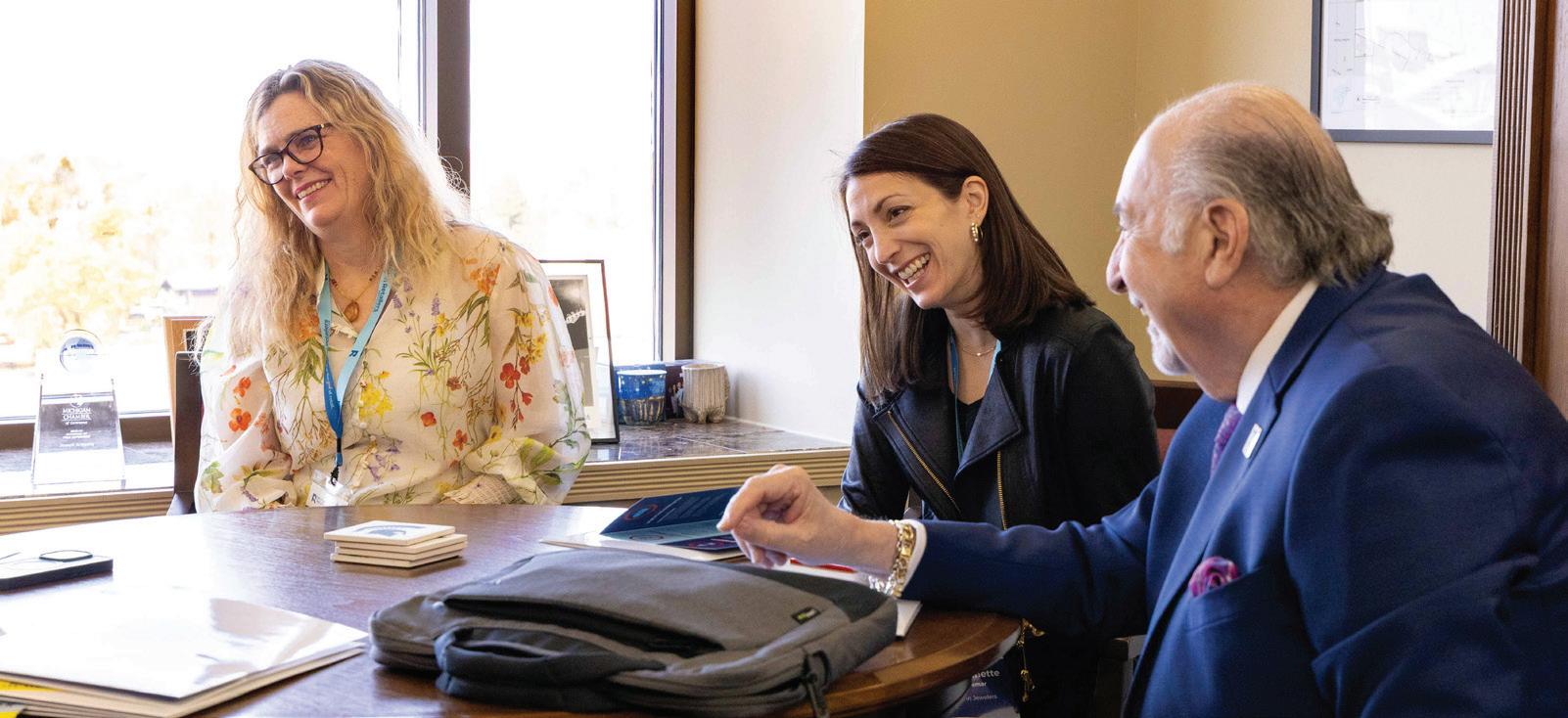
Michigan Retailers Association hosted Capitol Day on April 22. The event brings retailers together with legislators, their staff, and other retail advocates to share the impact of legislation on their businesses and to ensure their voices are heard through personalized meetings with their local representatives and senators.
More than 20 retailers from across the state and various retail industries attended around 30 meetings with legislators and their staff.
Top Issues Discussed
Participating retailers discussed a wide range of policies with legislators, covering everything from their opposition to expansion of the bottle deposit law to their desire to be part of the growing conversation around dynamic pricing.
Retailers also made sure to express their support for continued funding for the Focused Organized Retail Crime Enforcement unit within the Attorney General’s budget and for a pair of policy bills that would add gift card fraud to the state’s Organized Retail Crime Act. Capitol Day was especially well-timed this year, with several MRA members able to attend the committee hearing in which House Bills 4598 and 4599 were favorably reported to the full Senate.
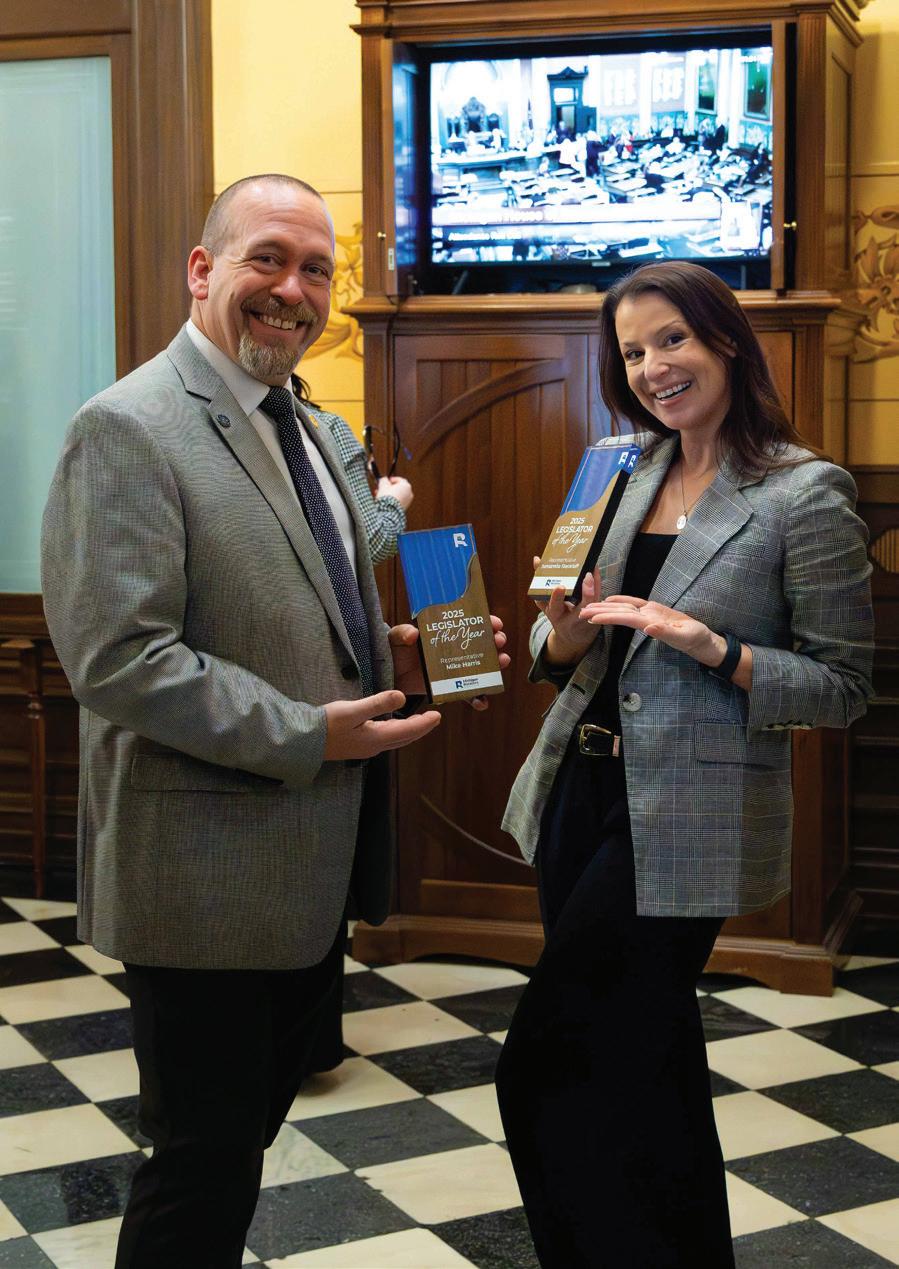
MRA’s 2025 Legislators of the Year
Representatives Mike Harris (R-Clarkson) and Samantha Steckloff (D-Farmington Hills)
Legislative Reception
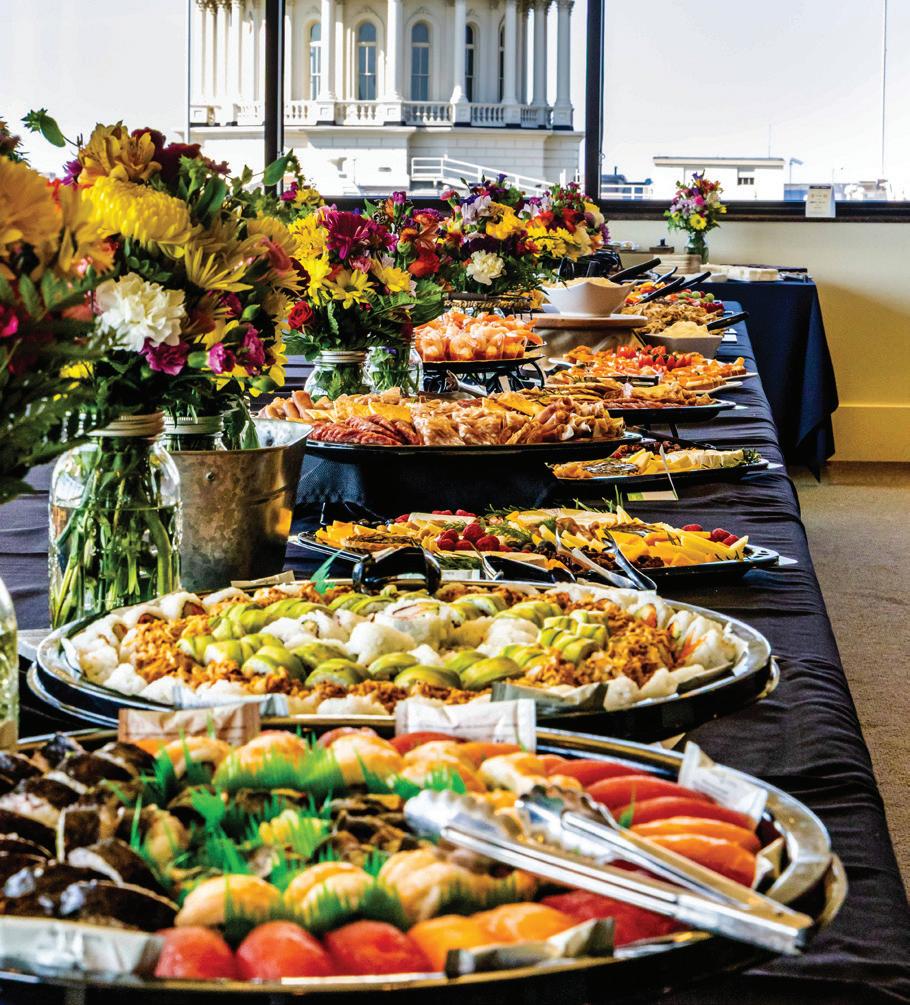
The day ended with an evening reception with cocktails, conversation, and a plentiful and delicious spread of appetizers and hors d’oeuvres prepared by MRA member, Busch’s Fresh Food Markets.
Special Thanks to Event Sponsors
Capitol Day and the Legislative Reception would not be possible without the generosity of our sponsoring businesses:
Capitol Day takeaways from the next generation of Retail

By Savannah Patterson Michigan Barn Wood and Salvage
Growing up with parents as small business owners has exposed me from a very young age to how politics and government impact businesses. I’ve watched my parents start a business, I’ve watched it grow, and I’ve gotten to see how running a business works. I’ve worked with my parents at Michigan Barn Wood and Salvage in Mason since I was a preteen, and I’ve helped out since I was young. My interest in government and the Michigan economy has truly stemmed from this unique experience.
When I was presented with the opportunity to attend MRA’s Capitol Day, I was curious to learn more about the government side of the economy and how it works. Seeing how the Senators and Representatives listened to and considered the concerns of local business owners really put into perspective that bringing light to issues is not impossible, but actually very easy. I think it’s important for young people to be involved in conversations about business and entrepreneurship because they are the future of the workforce and our state.
The Home Depot
National Retail Federation
Retail Industry Leaders Association
Kwik Trip, Inc. SWAG BAG
Dykema
Fraser Tea
Kindsvatter, Dalling & Associates, Inc.
Lean Rocket Lab
Michigan Barn Wood & Salvage
Heading into my sophomore year in high school, I know I want to go into the dermatology field and start my own practice. With that, I’ll have to understand the government and the economy and know what is happening in the political world around me.
I’m extremely grateful to MRA for the opportunity and learning experience to attend as an advocate for Capitol Day, and I hope to attend again in the future!


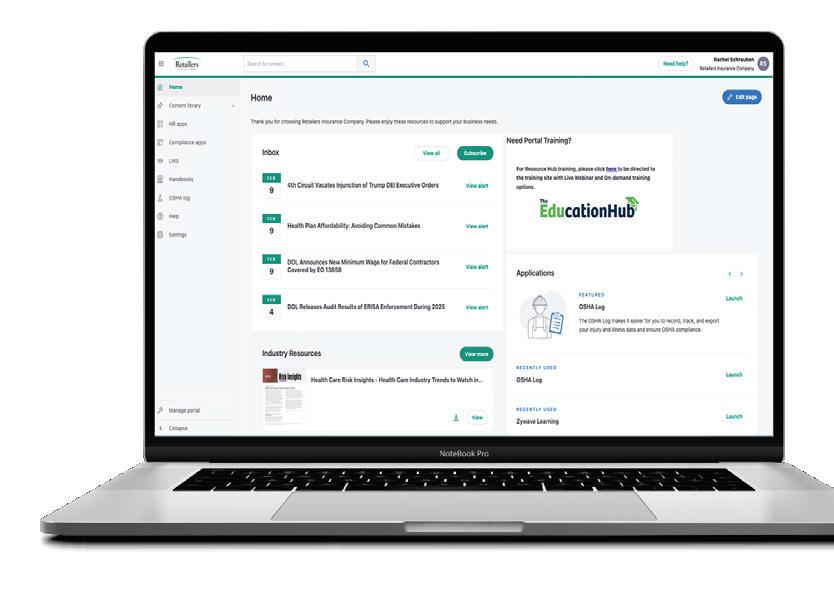
Compliance Support to Help Reduce Risk
Staying compliant doesn’t have to be complicated. The ResourceHUB centralizes compliance tools and guidance related to key federal and state regulations, including:
• ACA, FMLA, COBRA resources Compliance notice and poster builders
• Multi-state law comparison tools OSHA log documentation tools
• Incident tracking and reporting support
• Calendars and reminders for important compliance deadlines
Safety Tips
From Retailers Insurance Company

Dangers of Heat Exposure
Seasonally high temperatures pose serious risks to workers, especially in physically demanding or outdoor environments. Without proper precautions and necessary breaks, heat-related illnesses can develop quickly and become dangerous. Understanding the warning signs and how to respond can protect workers and prevent emergencies.
Heat Stroke
Heat stroke is the most severe heat-related illness and is a life-threatening emergency. Symptoms include confusion, fainting, seizures, excessive sweating or red, hot, dry skin, and a very high body temperature. Call 911 right away if you believe an individual may be experiencing heat stroke. While waiting for emergency responders, move the worker to a cool, shaded area, loosen or remove outer clothing, and actively cool them by fanning air, applying cold packs to the armpits, and using cool water, ice packs, or compresses. If the worker is conscious, provide water and stay with them until help arrives.
Heat Exhaustion
Heat exhaustion is more common but can escalate if left untreated. Workers may experience cool, moist skin, heavy sweating, headache, dizziness, nausea or vomiting, weakness, irritability, thirst, and a rapid heartbeat. At the first sign, the worker should stop activity and rest in a cool, shaded area. Encourage them to drink plenty of water or other cool beverages and apply cold compresses or ice packs. If symptoms worsen or do not improve within 60 minutes, seek medical attention. Workers should not return to work for the remainder of the day.

Heat Cramps and Heat Rash
Heat cramps and heat rash can be common side effects of heat, but they’re also important warning signs of excessive heat exposure. Heat cramps involve painful muscle spasms, often in the abdomen, arms, or legs, typically caused by heavy sweating and loss of electrolytes. Workers should stop activity, rest in a cool area, hydrate, and wait several hours before returning to strenuous work, seeking medical attention if cramps persist. Heat rash, the mildest form of heat-related illness, appears as clusters of red bumps on the neck, upper chest, or skin folds and, while not usually dangerous, can cause discomfort and irritation; keeping the skin dry and working in cooler, less humid conditions can help relieve symptoms and prevent further issues.
Employers can reduce risks by encouraging frequent breaks, strategically planning outdoor work time during the morning hours, providing access to water and shaded or air-conditioned spaces, and training workers to recognize early symptoms. Proactive prevention is key to keeping workers safe in the heat.
Find more helpful safety resources and training guides through our Retailers ResourceHUB. The HUB is free for Retailers Insurance Company policyholders and includes additional HR and hiring templates, OSHA documentation logs, and a Learning Management System with training courses.
Request Access to the Retailers ResourceHUB
Please note: Access to this system is only available to our current policyholders and independent agents. To find an agent near you, visit RetailersInsurance.com.
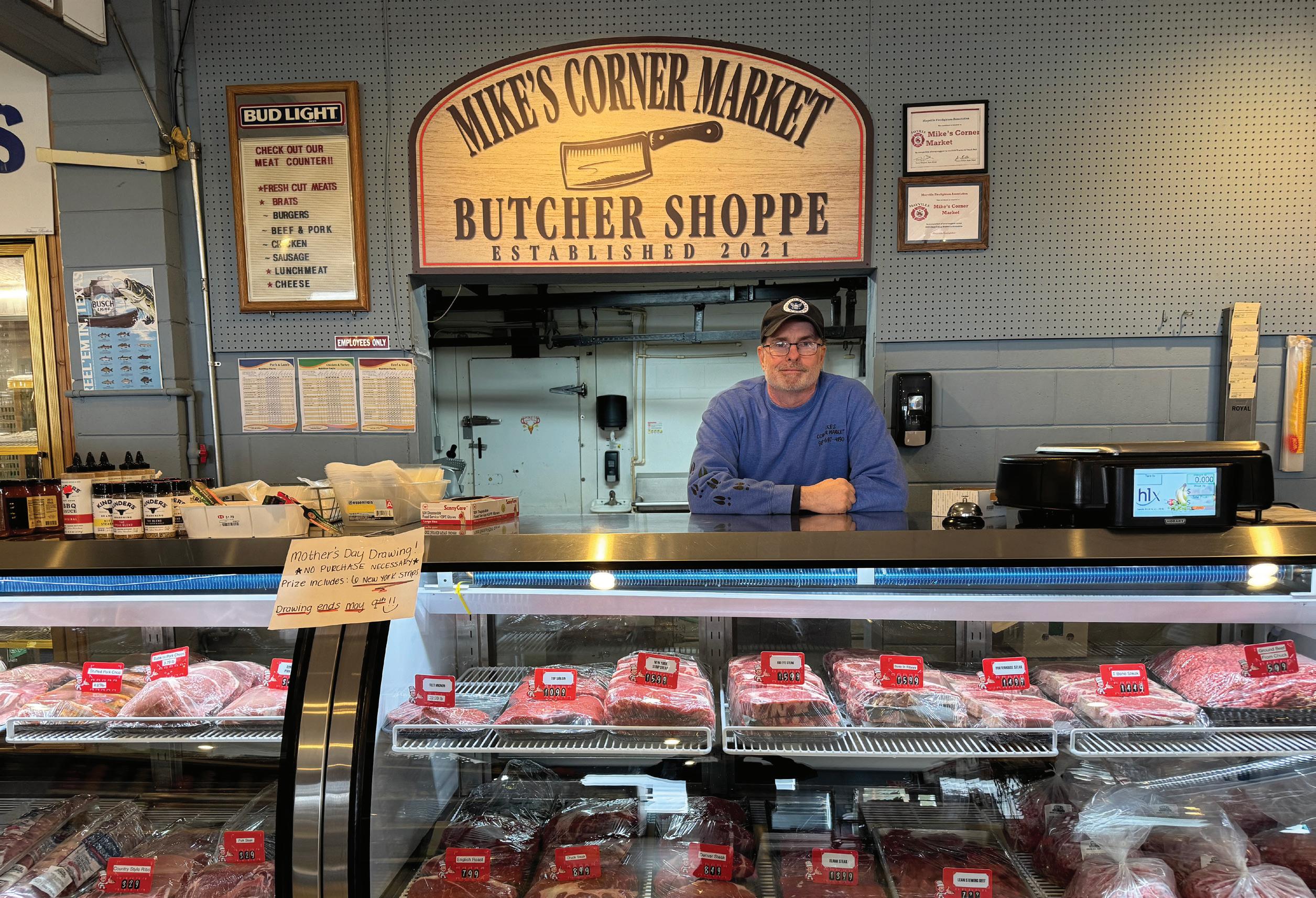
Mike’s Corner Market Serves Communities Through Convenience, Quality Meats, and Late Hours
By Shandra Martinez
Michael Graham believes retail is about understanding customers and meeting their needs, even if that means keeping the lights on long after other stores have closed.
The owner of Mike’s Corner Market in Vassar and a second location near Linwood has spent more than a decade building neighborhood grocery stores focused on convenience, quality meats, and customer relationships.
“I’d rather sell volume,” Graham said. “Sell it as cheap as you possibly can and try to sell more volume instead of trying to get all your margin in one sale.”
That approach has helped Graham compete with larger chain stores while giving customers the personal service and flexibility they expect from a local business.
Before owning retail stores, Graham spent years working in medical technology, but he was familiar with the grocery business from a young age. His father worked with the
United Food and Commercial Workers union, which gave Graham an early look at grocery stores across Michigan.
“I was always around the business,” Graham said. “Just riding around with him, going to all the older stores back in the day, I kind of learned the industry.”
After serving in the military and later working for Abbott Laboratories repairing medical equipment, Graham decided to make a career change that would give him more flexibility with family life.
“I kind of got out of that to take care of my kids, so they didn’t have to grow up in daycare,” Graham said.
Hours driven by customer demand
He purchased his first store near Linwood about 11 years ago. That location includes a gas station and serves
commuters traveling to jobs in nearby communities.
About five years ago, Graham added the Vassar location, a historic building that has been a post office, gas station, and butcher shop. The store is known for its meat department and serves visitors staying at a nearby campground.
One way Mike’s Corner Market stands out is through its evening hours.
Both locations stay open until 10 p.m., providing a convenient option for customers needing groceries, fuel, or last-minute items after work.
“If they know you’re open, they’re going to come,” Graham said. “You will never know if you don’t have the business if you don’t try.”
The Linwood-area store opens as early as 6 a.m. to serve commuters, while the Vassar location opens at 8 a.m.
Graham said extended hours can help rural retailers better serve their communities, but they also require careful planning.
“It’s helpful for the public,” he said. “But it’s hard sometimes because wages are going up. Minimum wage went up. It’s tough to balance it out to make it work.”
Retailers considering later hours should study customer habits and local competition carefully before making the change.
“You have to really feel out your market and see if it’s something feasible,” he said.
Known for meat department
A major draw for Mike’s Corner Market is its butcher department, which Graham said has become central to the business identity. The stores feature fresh-cut meats, smoked products and an extensive lineup of house-made bratwursts in flavors ranging from macaroni and cheese to pineapple teriyaki.
“We have maybe 15 to 20 different flavors of brats,” Graham said.
The specialty meat selection has helped attract customers from well beyond the local area.
“We get people coming all the way from down towards the Flint area, a whole hour away, to get some brats,” he said. Graham said retailers must continue evolving and offer something unique to stay competitive.
“You can’t just rely on a pork chop and a steak,” he said. “Sometimes you have to reach out there and try new things.”
The business also produces its own smoked meats, snack sticks, and jerky using commercial smokers at the store.
“That really helped the game,” Graham said. “People like your snack sticks and they like the jerky. It’s just one more area where people will come in and buy something.”
Coping with higher expenses
Like many independent retailers, Graham said the biggest challenge in recent years has been rising costs.
“The biggest thing I noticed is just pricing,” he said. “Anything you buy is almost double now.”
Since joining the Michigan Retailers Association in 2024 for merchant processing services, Graham said he has continued looking for ways to adapt the business while managing rising costs and changing consumer habits.
That reality has forced Graham to continually rethink purchasing strategies, pricing, and vendor relationships to remain competitive with larger retailers.
“You really have to be creative and look for vendors that might offer it a little cheaper,” he said.
Graham credits much of the stores’ success to employee retention and strong management teams.
“I’ve never lost a full-timer,” he said.
Rather than working every shift himself, Graham focuses on operations, ordering and overall store direction while empowering his managers to run day-to-day operations.
“I made sure my managers were top-notch, well-trained,” he said. “I let them run the store.”
Local relationships
Community involvement also remains a priority for Mike’s Corner Market.
The business sponsors local school activities, cheerleading programs and equestrian teams, and contributes to fire department and school fundraisers.
“Whatever they need, usually money, I’ll give them a donation,” Graham said
During community festivals, the stores have hosted family-friendly activities, including bounce houses and prize giveaways for children.
Graham and his wife, Dr. Susan Sallach, are beginning to think about eventually slowing down and preparing for retirement. He remains proud of the business they built and the role it plays in the surrounding communities.
“Retail – if you’ve never done it before, don’t jump in head first,” Graham said with a laugh. “It’s going to bite you.”
But Graham said the long hours, evolving products, and community relationships have made the journey worthwhile.
Oct. 2-4, 2026
is Almost Here!
Join MRA in celebrating Michigan-based retailers from October 2-4 for our annual Buy Nearby Weekend.
This year marks the 13th Buy Nearby Weekend celebration, encouraging shoppers to “Keep Your Money in Michigan” by supporting small businesses and buying nearby. The Buy Nearby Economic Impact Study, conducted each year with Public Sector Consultants, shows the importance of supporting local retailers and outlines the impact of shifting 10% of our online and out-of-state purchases back to a Michigan-based business.
Why Should You Buy Nearby?
Shifting 10% of our online shopping back to a Michigan-based business would help:
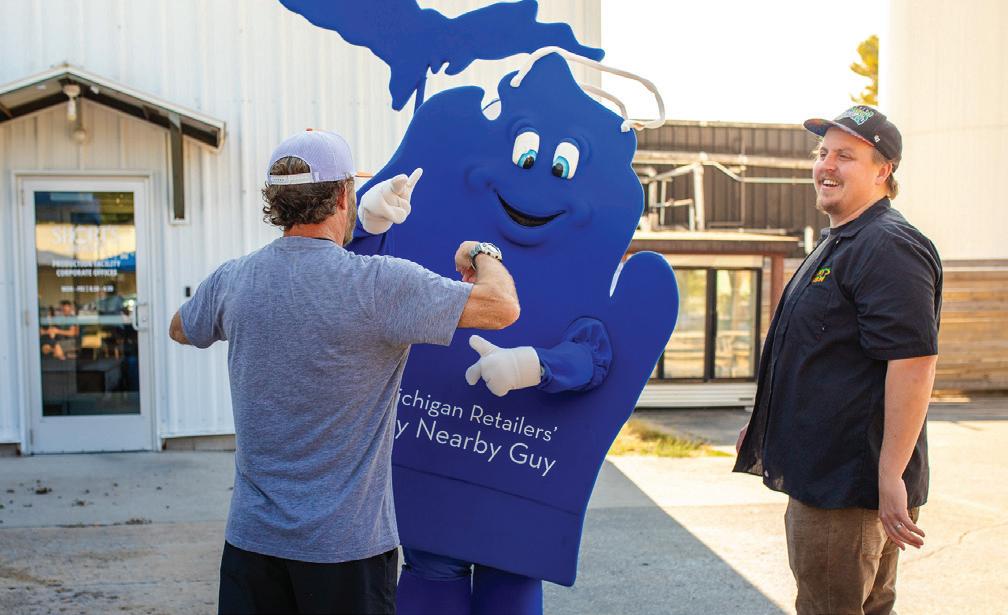
Buy Nearby Weekend 2026 Activities
• Free Party Packs for MI-based retailers
• Buy Nearby Guy’s Road Trip
• Participating Member Map and Directory
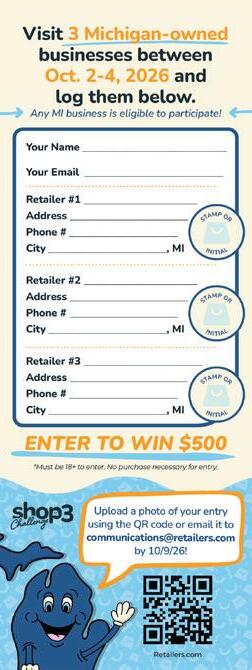
• Shop 3 Challenge Punch Card Contest:
• $500 prize for one lucky shopper, plus THREE winning retailers!

How to Get Involved
Claim your Buy Nearby Weekend Party Pack!
Michigan Retailers Association member businesses and Michigan-based retailers are eligible for a FREE Party Pack with posters, infographics, punchcards, merch, and more to help celebrate the weekend. Claim your packet at Retailers.com/buynearbyweekend2026 by August 31, 2026.
Share the Shop 3 Challenge Punch Card Contest
Share punch cards with your shoppers for a chance to win great prizes. To enter, shoppers must visit three locally-owned retailers during Buy Nearby Weekend and get a stamp/initial from each before submitting their entry online. One lucky shopper’s punch card will be drawn for a $500 gift card! Plus, each of the three retailers listed on the punch card will win a prize, too! Member businesses will receive a $100 gift card, and non-member businesses will receive a 1-year MRA membership. No purchase necessary for entry. See website for details.
Promote Buy Nearby Weekend Online

Add your logo/brand to punch cards by sponsoring a Community Party Pack!
Help spread the word: Create posts and share the Buy Nearby Weekend events and festivities on your social media, websites, and newsletters. Give your customers a great excuse to come shop during the first weekend in October. Visit BuyNearbyMI.com/media-kit for downloadable graphics and more. This media kit will be updated periodically leading up to the event, so check back for new materials often.
Bring the Buy Nearby Guy to your Community
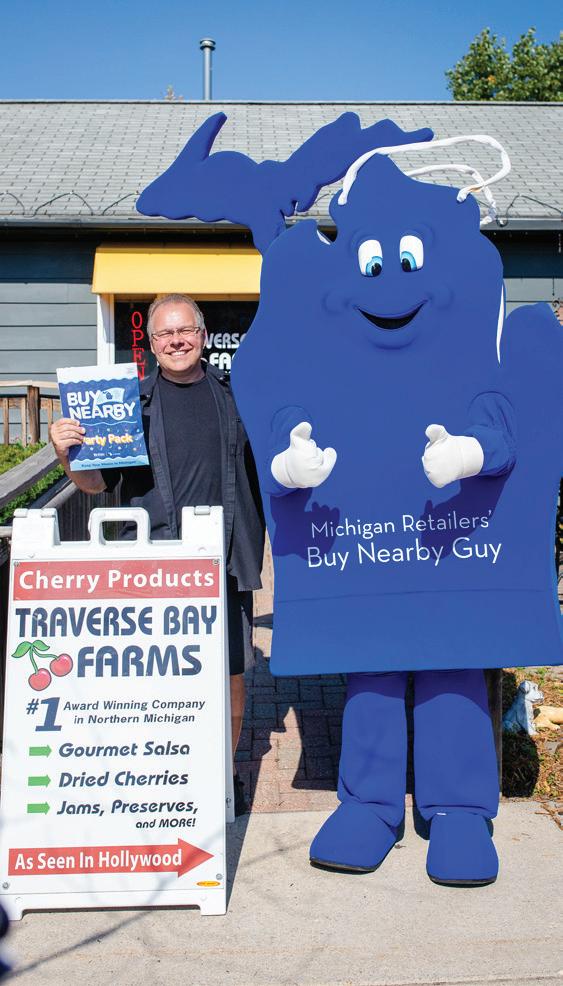
Become a Buy Nearby Guy Road Trip sponsor and bring the beloved Michigan-shaped mascot to your town. Claim the Ultimate Destination or a Pit Stop to share a visit from the Buy Nearby Guy with shoppers in your community. Stops are limited!
Contact MRA’s marketing team at communications@retailers.com for road trip information.
Become a Sponsor

Sponsorship opportunities are now available. Support the Buy Nearby program and help us create the best Buy Nearby Weekend celebration yet. Contact communications@retailers.com for more information.
SCHUIL COFFEE STARTS EARLY TO SERVE MICHIGAN CUSTOMERS EVERY DAY
By Shandra Martinez
Before most people in Grand Rapids wake up, workers at Schuil Coffee Company are already busy. Coffee roasters start before the sun rises, preparing for wholesale and online deliveries.
By 6 a.m., cafe employees are getting ready for the morning rush before customers begin arriving at 7 a.m.
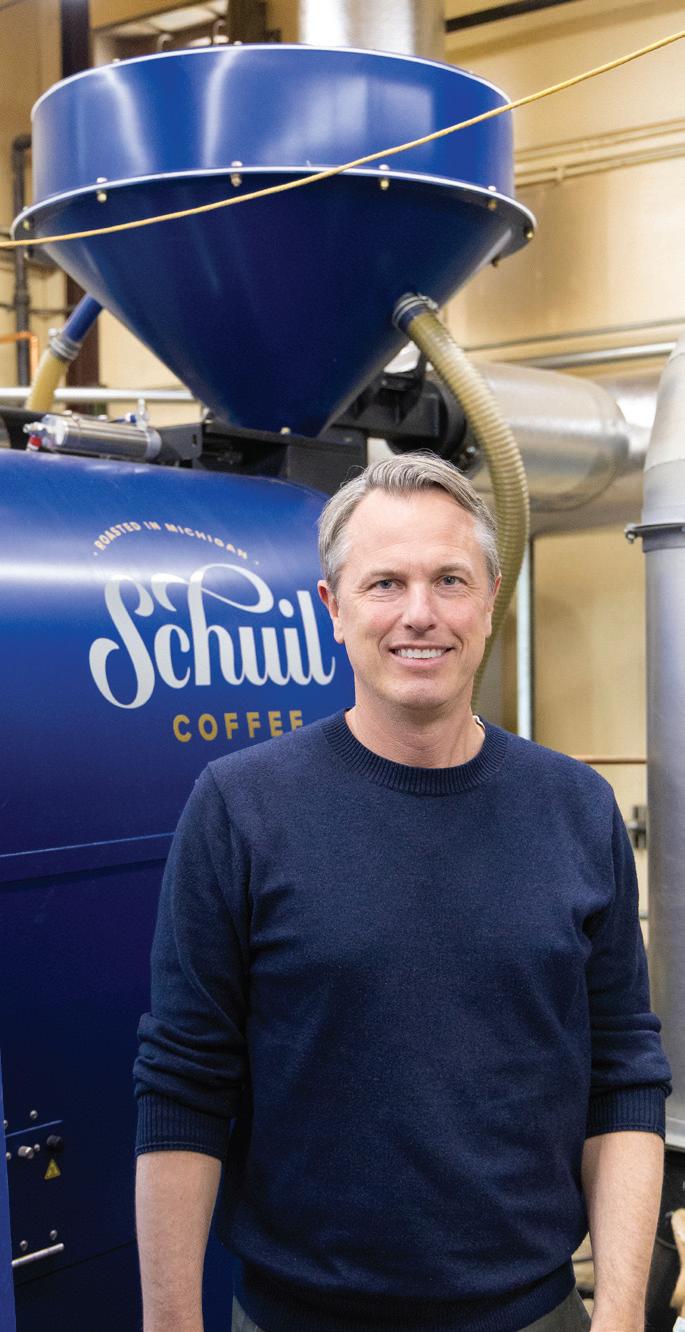
Owner Tim Volkema said the early morning routine is inherent to the business.
“Our production team actually gets here a little earlier,” Volkema said.
Schuil Coffee Company is celebrating 45 years in business this year. Over the decades, the company has built a strong reputation by making coffee available in many ways, from café drinks before work to bags of beans sold in grocery stores and online orders delivered to customers’ homes.
Garry and Gladys Schuil started the company in 1981 after Gary, while traveling through Europe, noticed the coffee was better there. At the time, specialty coffee was hard to find in the United States, and Schuil became Michigan’s first specialty coffee roaster.
Later, the business was passed down to the founders’ daughter, Greta. Tim Volkema bought the company in 2017.
“I really wanted to own my own business,” Volkema said.
Before entering the coffee industry, Volkema worked in management consulting, brand management, and e-commerce leadership at Amazon. He was searching for a business with strong fundamentals and a loyal customer base when Schuil Coffee Company caught his attention.

OVERSEEING GROWTH
Nearly nine years later, the company has expanded significantly. What began as a respected local roaster has grown into a multi-brand operation that now includes Schuil Coffee, Sparrows Coffee, and the recently acquired Leelanau Coffee Roasting Company in Glen Arbor.
The business employs about 80 people. While the cafés are the public face of the company, most of the operation is wholesale, supplying coffee to grocery stores, restaurants, churches, offices, and retailers throughout the region. The company also maintains a growing e-commerce business.
Volkema credits much of the company’s success to the foundation built by the Schuil family.
“They did an amazing job building a great reputation on the quality of their coffee and with community engagement and relationships,” he said. “We’ve grown the business substantially, but really based on that same foundational principle of high quality, locally–owned, with high customer service.”
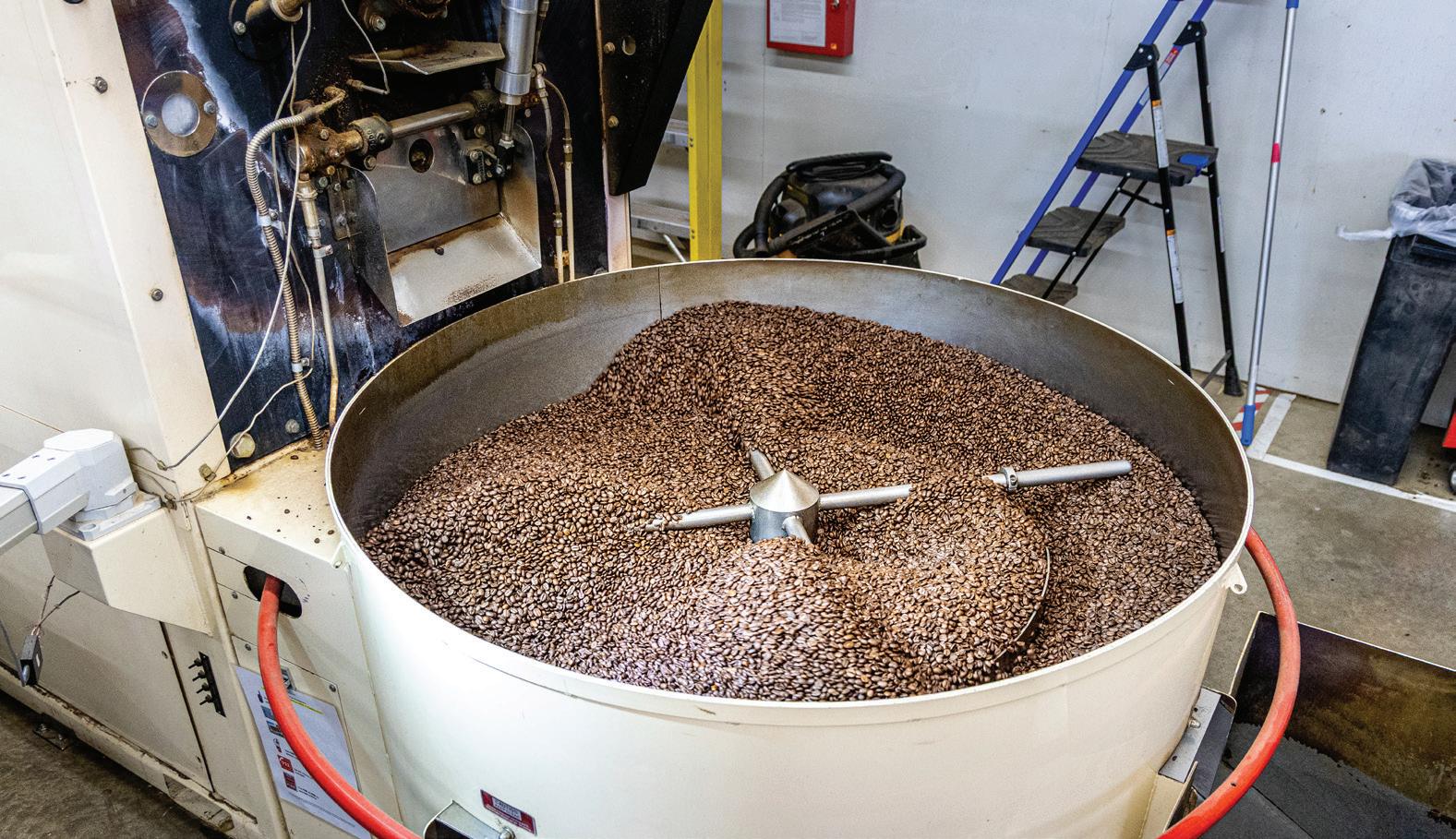
service begins long before sunrise.
The cafés generally open at 7 a.m., but preparing for those first customers requires hours of behind-the-scenes work. Production crews roast and package beans while café teams prep espresso machines, pastries, and specialty drinks.
RELYING ON A STRONG TEAM
Many retail businesses face the challenge of balancing customer expectations with employee schedules and burnout. Volkema said building a strong management team has been essential as the company has grown.
“I’ve been able, over time, to grow the business enough to hire a good team,” he said. “I have a very strong management team, and that’s really helpful.”
The company also emphasizes employee creativity and local engagement. Each café develops its own seasonal drinks and personality. Sparrows Coffee has a more modern, minimalist aesthetic, while Schuil’s cafés lean into a warm, classic atmosphere.
“It wouldn’t be good if I came up with them,” Volkema joked about the rotating drink menus. “That’s the café team that comes up with them.”
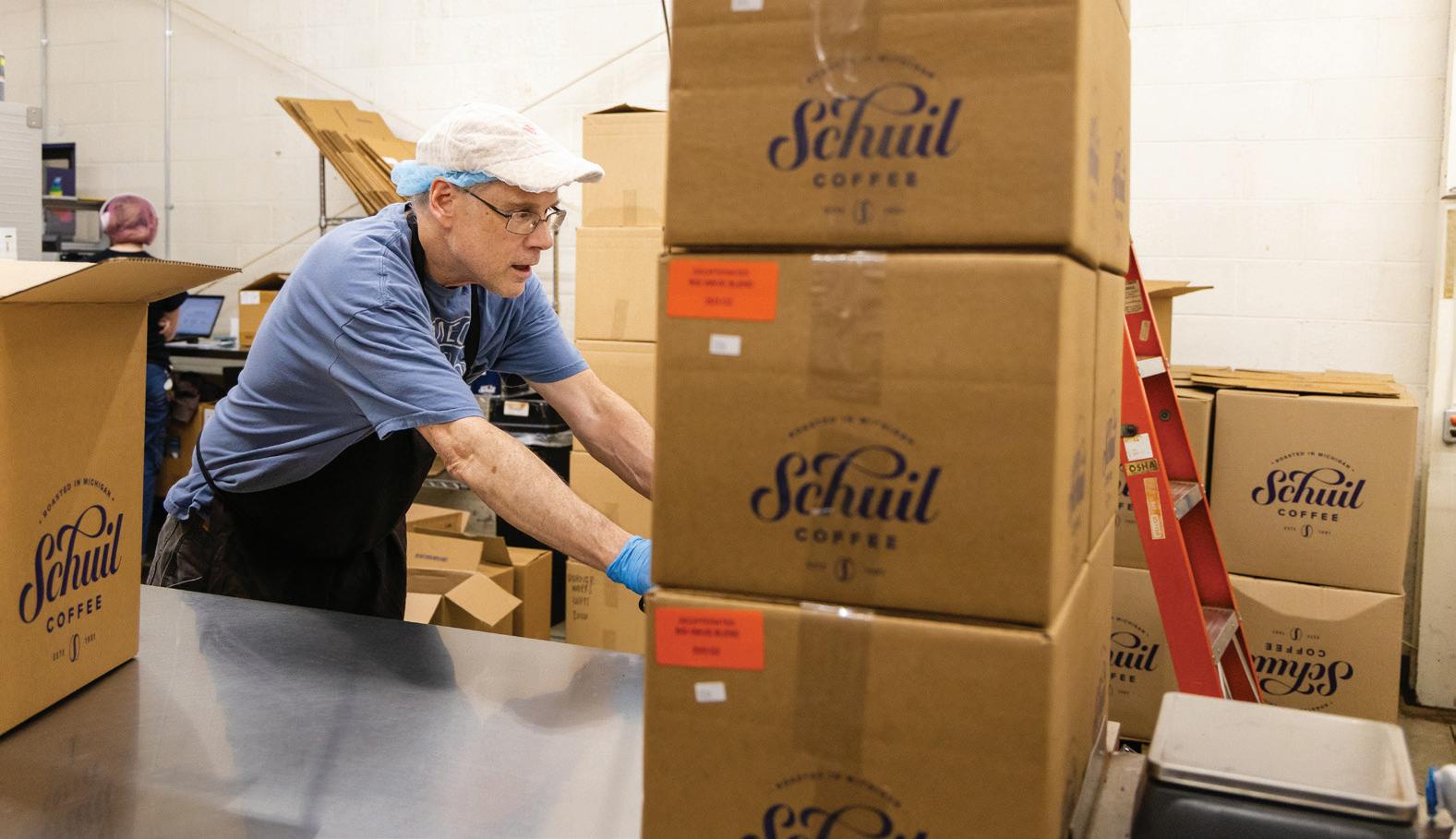
Tim Volkema, Owner
Customer

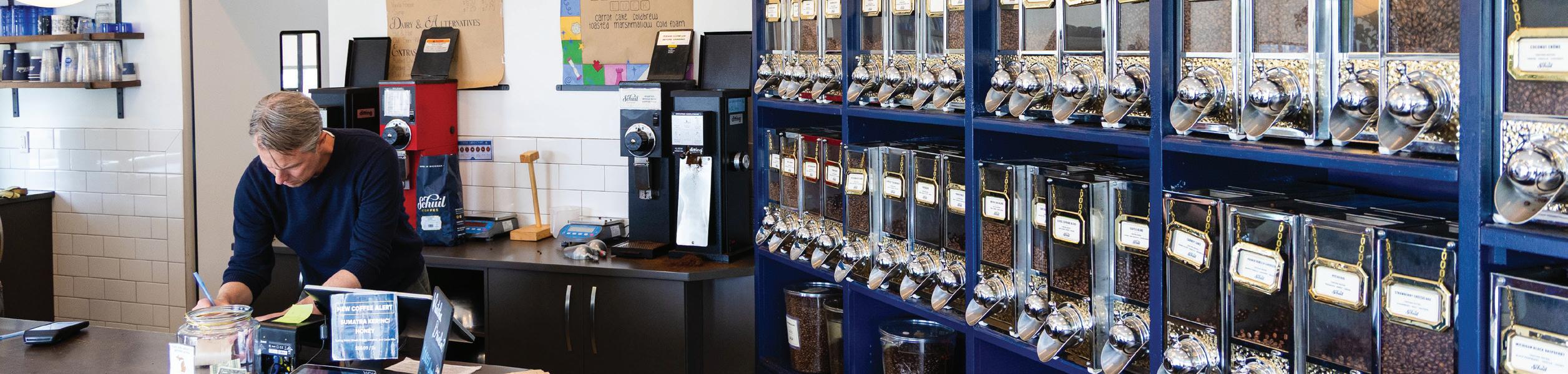
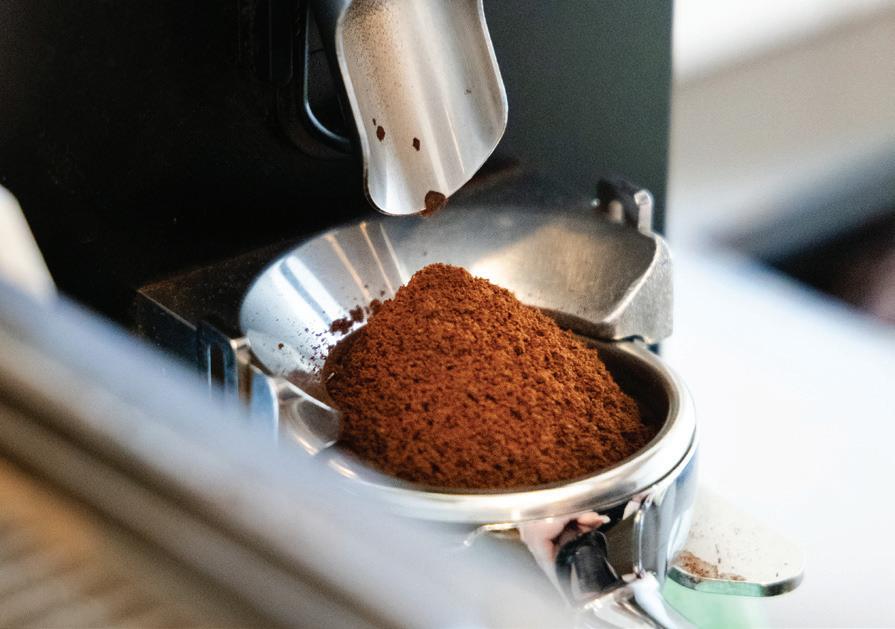
Helping the community has become an important part of the company. Each month, the cafés choose a special drink connected to a charity. Part of the money from sales of that drink is donated to that local nonprofit.

Volkema said the idea started with one store manager and quickly spread to all of the company’s cafés.
“I honestly think it’s great internally, too,” he said. “I feel like people who work here love it as well.”
IDENTITY IS VALUED
The company’s connection to the community became even more important during the COVID-19 pandemic. While the cafés struggled during shutdowns, Schuil’s grocery and online sales grew as more people made coffee at home.
“We provide a food product, so we were an essential business,” Volkema said. “Our grocery business did really improve, as did our e-commerce business.”
The company is now entering its next chapter with the addition of Leelanau Coffee Roasting Co., a longtime northern Michigan brand with a devoted following. Volkema said the business plans to preserve the company’s identity while modernizing some aspects of the operation.
One of the most rewarding parts of owning the business, Volkema said, has been the ability to move quickly and adapt.
“When we think a decision is right, just make the decision and move,” he said. “I have preferred to be more nimble.”
After years spent advising other businesses, he said there is deep satisfaction in building something of his own—and becoming part of customers’ daily routines along the way.
“It’s been really cool to be part of that growth and to build my team,” Volkema said.

Welcome
New Members
CR Concrete LLC, Algonac
Wings of Hope, Allegan
Earthscape Home, Ann Arbor
World Association for Infant Mental Health Inc., Ann Arbor
HWC Moving LLC, Ann Arbor
Community Dispo LLC, Ann Arbor
Marengo Sewing Studio LLC, Ann Arbor
Bay Valley Adult Foster Care Inc., Bay City
Michael C Clawson PLLC, Birmingham
Kem Bushi, Brooklyn
T’s Tanning Salon, Cadillac
J and J Hotel LLC, Cedarville
Detroit Charter Company, Detroit
Buckmack LLC dba Better Cannabis, Detroit
Pavilion Enterprises LLC, Douglas
Flynn’s Landscape & Snow Removal LLC, East Tawas
Nextgen Auto Solutions, Elkton
New Unions Bridal LLC, Ferndale
Great Lakes Landscape Inc., Flint
Harmony Sound Lounge, Frankenmuth
Gigi’s Snack Shack LLC, Freeland
Life Chiropractic GR LLC, Grand Rapids
Moore and Sons Roofing Inc., Grand Rapids
K2K Consulting LLC, Grand Rapids
QSL LLC, Grand Rapids
LLSH LLC, Grand Rapids
Filla Life Media LLC, Grand Rapids
City of Holland, Holland
Tailored Marketing & Sales LLC, Holland
Superior Sport Store, Holland
Country Club of Jackson, Jackson
Dejay Truck Accessories LLC, Jenison
Refine Michigan Co., Kalamazoo
Whipple and Company LLC, Lake City
NextGen Era LLC, Lake Orion
MM Agriculture LLC, Lansing
Capital Transport LLC, Lansing
Collected Concepts, Lincoln
T-Tool Co. Inc., Livonia
Manistee Discovery Cove, Manistee
TJ’s Pub, Manistee
McDonald Trucking Inc., Mount Pleasant
Threedor LLC, Muskegon
Michigan Downtown Association, North Branch
3 Green LLC, Pontiac
KAPP Walled Lake LLC, Pontiac
Danco Automotive LLC, Portage
Redford Group LLC, Redford
Bug Craft LLC, Saginaw
Occasional Details LLC, Saginaw
McCoy’s Hilltop Bar LLC, Sault Ste. Marie
Pace Grinding Inc., Shelby
KG Powersports LLC dba M&M Sports Center, South Boardman
The Coin Slot, Traverse City
Bearcat Metal Working, Ubly
MDS Construction Inc., Vassar
Green J & J Holding LLC, Vassar
Livingston Handyman Connection, Whitmore Lake
Kheti LLC, Whitmore Lake
Widdles Balloons LLC, Wyoming
Master of Ceremonies LLC, Wyoming
Ypsilanti District Library, Ypsilanti
Milestone Members
Thank you for your continued loyalty to Michigan Retailers Association! If you’ve been a member for five days or five decades, our commitment remains the same: supporting your success.
Antiques Art & Collectible, Pellston
Burke & Hogan, Illinois
Centric Laboratories Inc., Grand Rapids
DBI Business Interiors, Lansing
Holland Vision Systems, Holland
Kent McKenzie Jewelers Inc., Bad Axe
Phillips Jewelers, Coopersville
Prenger & Co. LLC, Muskegon
Target Sports, Royal Oak
The Columbus Tree, Ithaca
Anesthesia & Pain Management Consultants
PLLC, Lansing
Critical Care Medicine Associates PC, Dearborn
Hyzer Hill Kuzak & Co. PC, Bad Axe
Iron Fish Distillery LLC, Thompsonville
Marquette Junior Hockey Corp., Marquette
Midwestern Consulting Co. LLC, Ann Arbor
MIFL Recycled Clothing Inc., Jackson
Sonotronic Inc., Novi
The Festival Foundation, Traverse City
The TicketMachine.com, Okemos
United Church of Wayland, Wayland

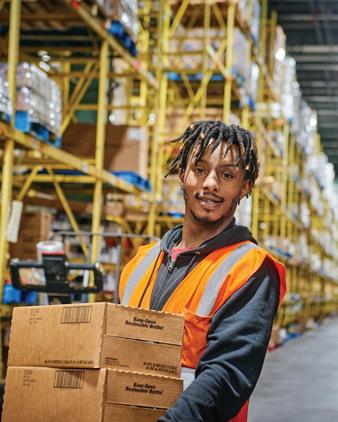
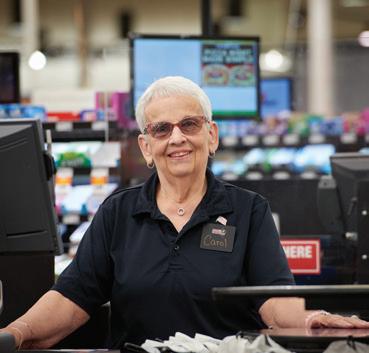
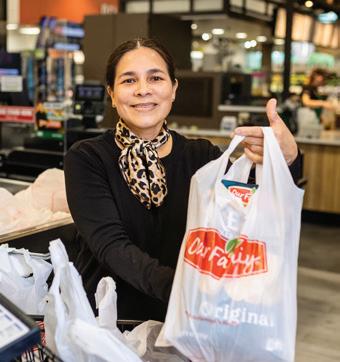
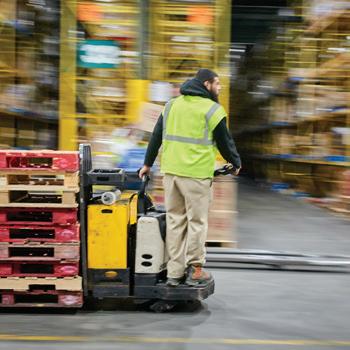
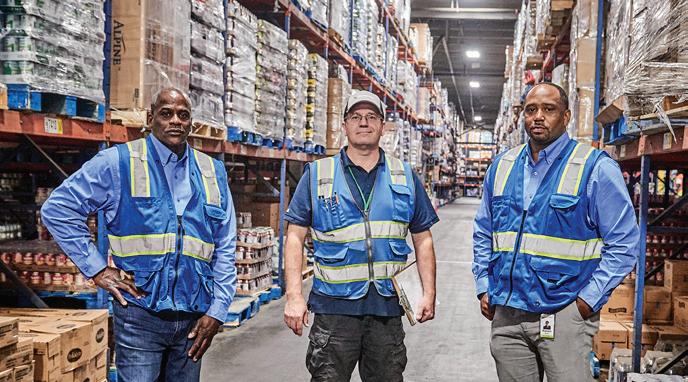
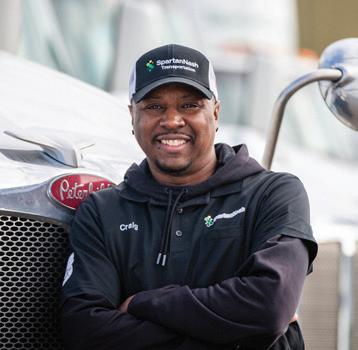

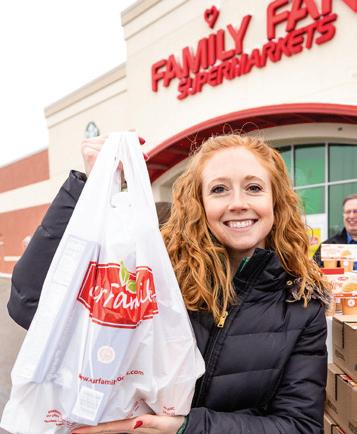
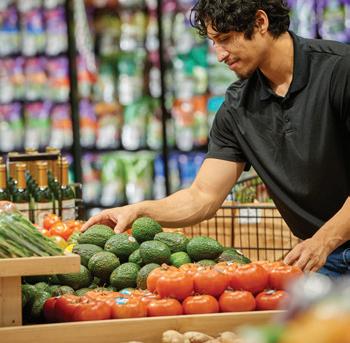
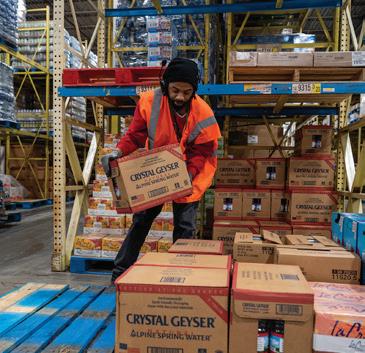
WE DELIVER FOR INDEPENDENT GROCERS.

SpartanNash is a food solutions company that combines decades of retail experience with a global supply chain network. And now, as part of the C&S Wholesale Grocers family of companies, we serve even more communities, delivering end-to-end grocery solutions to independent retail customers across the U.S.
We’re experts in wholesale distribution, offering affordable, turnkey solutions, marketleading products and best-in-class support services — all provided by team members committed to keeping you informed, efficient and profitable.