FOOD & DRINK PROCESSING & PACKAGING

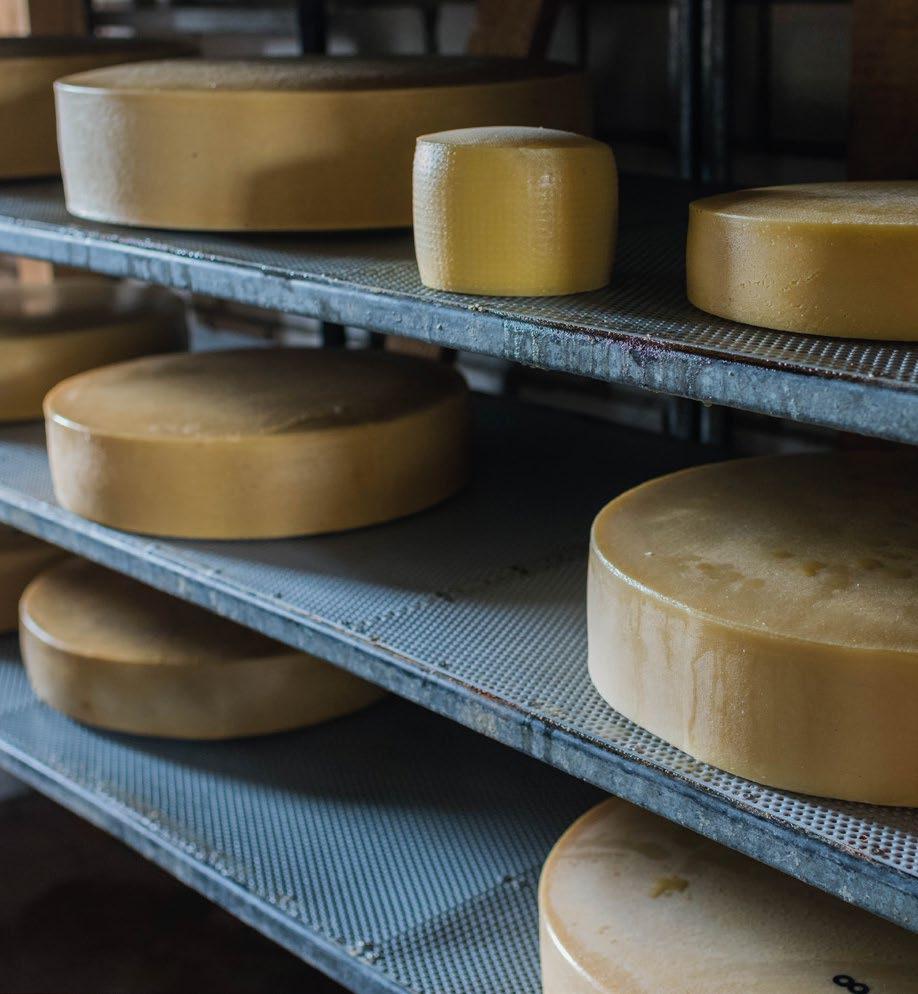
The world’s largest supplier of premium perforated solutions with over a century’s experience in perforation.
Page 27


The world’s largest supplier of premium perforated solutions with over a century’s experience in perforation.
Page 27
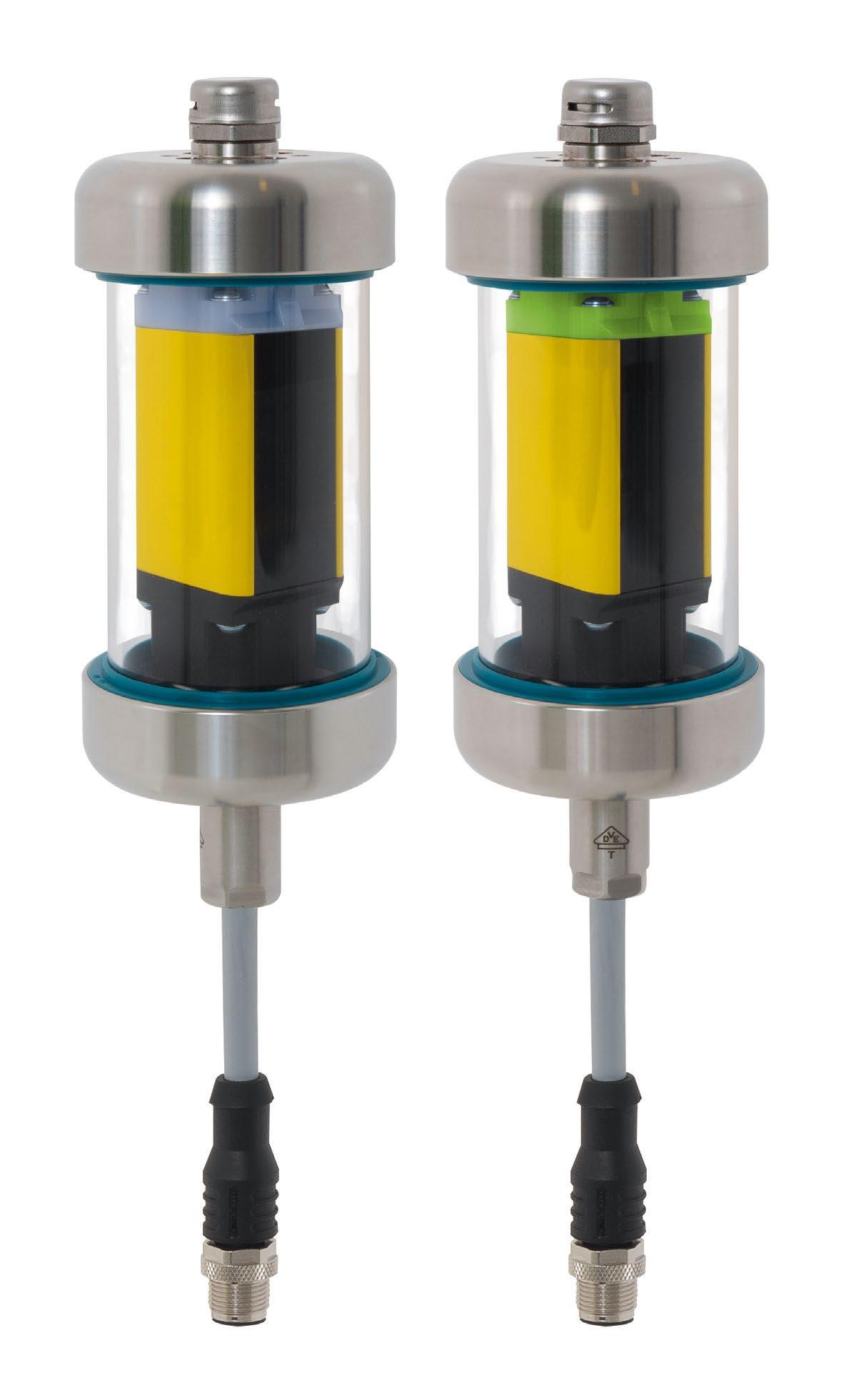
The Schmersal Group has designed a new safety light barrier especially for hygiene-sensitive uses in the food processing industry, such as milk and meat processing.
This version has evolved with the demands of standard cleaning operations in the industry as the sophisticated design helps to ensure IP69 degree of protection (protection against the ingress of water from high-pressure of steam cleaning).
The protective enclosure with external gaskets satisfies stringent standards and is designed to cope with frequent cleaning with water, foam, lyes, high-pressure or hot steam.
SCHMERSAL | Enigma Business Park Malvern, Worcestershire, WR14 1GL
www.schmersal.co.uk
uksupport@schmersal.com


Editor Amanda Buckingham editor@fdpp.co.uk
Business Manager Josh Holmes josh@mhmagazine.co.uk
Martin Holmes martin@fdpp.co.uk
Digital Sales Manager Jessica Bennett T: 01227 936971
Sales Manager Jamie Bullock jamie@mhmagazine.co.uk Tel: 01227 936971 M H Media Global Ltd. 18/20 Newington Road, Ramsgate Kent, CT12 6EE Tel 01304 806039 www.fdpp.co.uk
Schmitz leila@mhmagazine.co.uk
Features
< 10 UNDERSTANDING THE INVISIBLE VARIABLE – TEMPERATURE
The hidden science behind safe, efficient food production
< 16 DEEP WATER BLUE RAISES BOILER SAFETY AND PERFORMANCE WITH CEA-ENDORSED TRAINING
Deep Water Blue’s intensive two-day Steam Boiler Water Treatment Training course is designed for boiler operators, engineers and managers
< 30 ‘PFAS-FREE’ THE CHALLENGES OF COMPLIANT PACKAGING
What does ‘PFASFree’ actually mean for companies looking to be compliant by August?
< 44 MACH SHOW PREVIEW
Powering UK Industry - A wide range of solutions, live and in action, making it the year to visit
< 50 INTRALOGISTEX 2026
Engineering the Future of Intelligent Intralogistics
< 60 BREAKING BOTTLENECKS
Software to solve food and beverage’s costly headache
Walk into any food factory and you will find dust. Flour around mixers, sugar near packing lines, crumbs under conveyors. Most is removed with an industrial vacuum cleaner, often chosen because it was available not because it was right.
That matters. Food dust can be harmful to breathe in and many common products including sugar, cereals and flour are combustible. A poor choice of cleaning equipment does little to control that risk and can even make it worse.
The starting point is simple: understand what you are picking up and where you are working. From there the specification of the vacuum system, the filtration and the tools can be matched to the actual hazard instead of guessed at.
BVC – British Vacuum Cleaners – is built by Quirepace in Fareham and supplied as industrial vacuums to order. Rather than pushing a fixed
catalogue, the company sizes and configures each machine for the job it will be doing.
M-Class and H-Class machines are used where dust is hazardous to health. Where there is a risk of an explosive atmosphere an ATEX rated unit is required. In many food plants both issues apply so a single machine may need certification for hazardous dust and explosive dust together.
Primary filters can be supplied in a range of media including anti-static options. Hazardous dust machines use additional stages so that collected product stays in the bin and the discharge air is clean.
BVC Quirepace also designs application specific variants. Some units provide both vacuum and low pressure blown air to help dislodge stubborn deposits. Others are supplied with high level cleaning equipment for steelwork and services or are linked into production controls so they start
and stop with the process. The aim is a vacuum that is part of the process design, not just another piece of mobile equipment.
Tools, hoses and the people using them
Performance at the nozzle can be as important as performance at the machine. Hoses that are too large for heavy material will not maintain enough conveying velocity. Hoses that are too small for bulky waste will block. BVC offers a range of hose sizes so the system can be set up for what is really being collected, whether that is dense product, light packaging waste or fine dust around machinery.
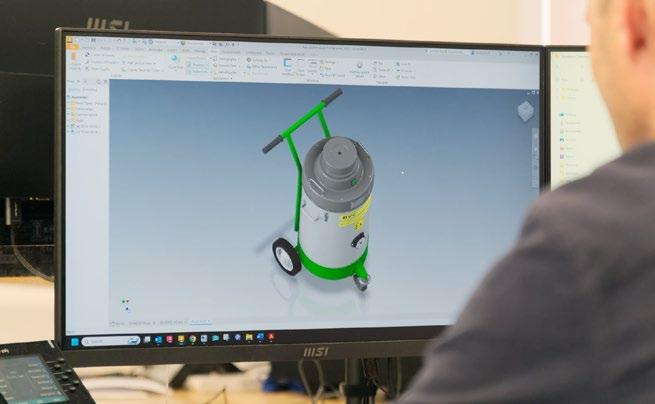

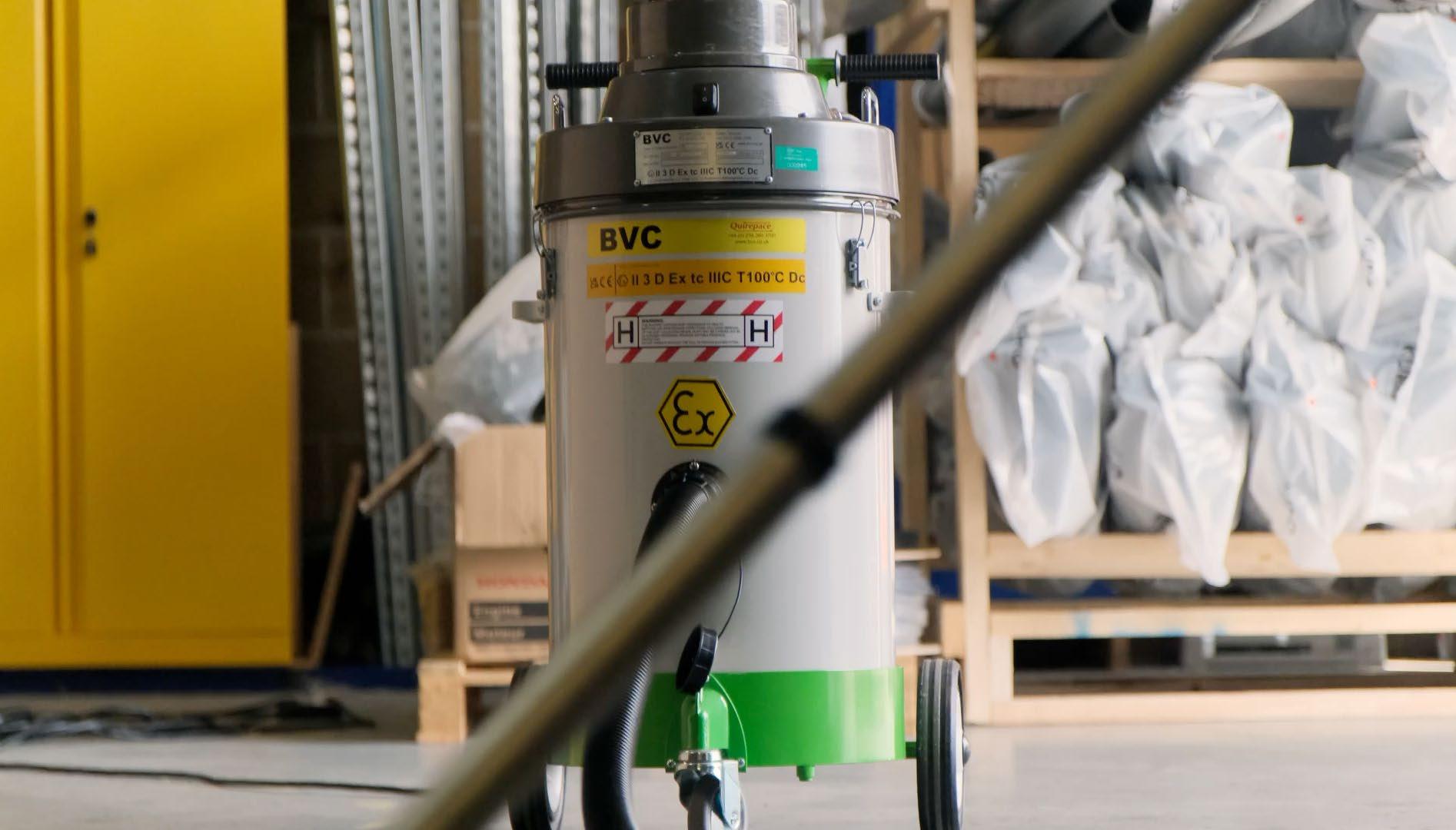
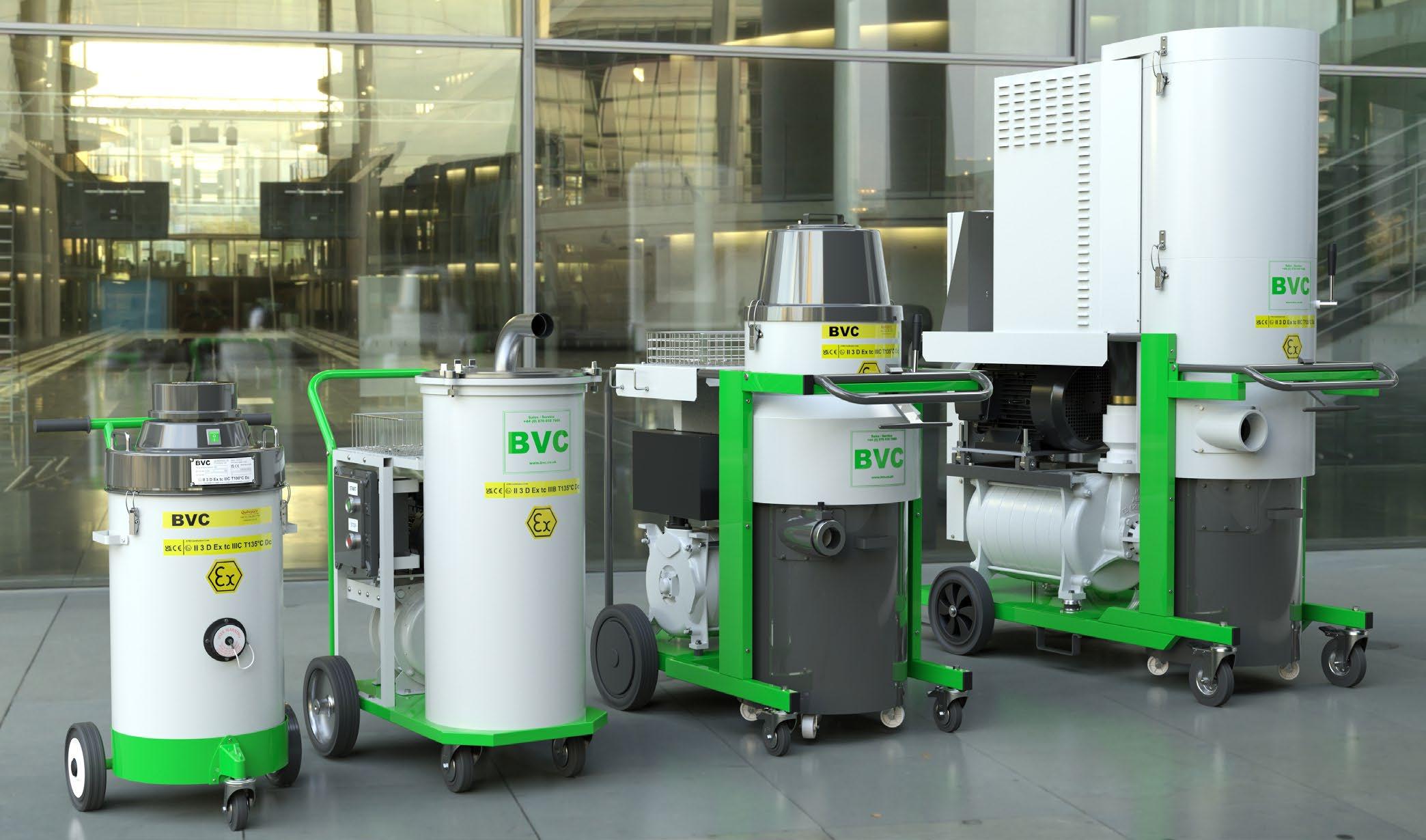
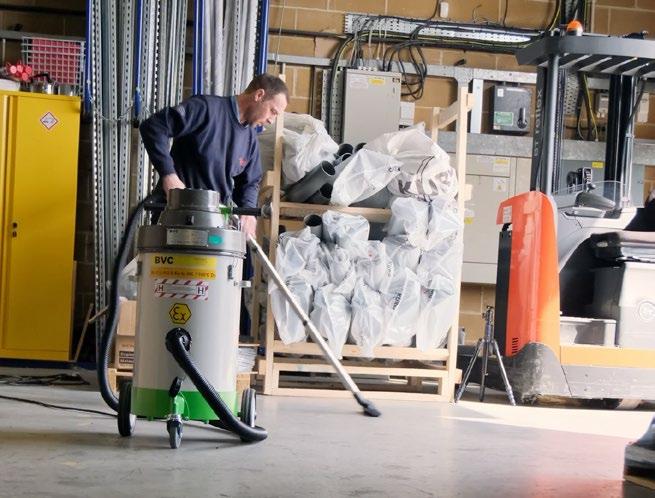
Floor tools are available in robust metal constructions with adjustable height. Inserts can be changed so the same body can be used with either brush strips or rubber lips. For bulk product, aeration tools help keep material moving in the airstream instead of bridging.
Getting these details right makes daily cleaning quicker and less frustrating so operators are more likely to use a system that actually clears debris and hygiene standards benefit.
Portable machines will always have a place because they are flexible and simple to move. On larger sites though, the number of machines and cable routes can grow to the point where they get in the way of production.
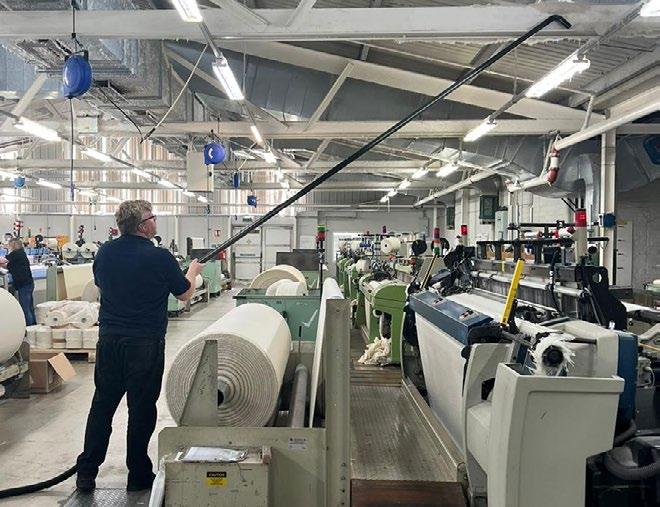
In that situation Central Vacuum Cleaning is worth serious consideration. A central plant, usually located in a service area, is connected to the factory by fixed pipework with connection points around the building so that operators can plug in a hose where dust and spillages occur.
There is no machine to wheel across the factory and no trailing power leads. For the engineering team, maintenance and filter changes happen in one place instead of many. Performance is consistent at each outlet and the system can be designed into the wider dust control strategy.
Industrial vacuum systems fill up with abrasive product, run in hot and cold environments and are often used every shift. If they fail, production, hygiene and audit readiness are all affected.
For that reason whole life value usually matters more than lowest purchase price. BVC industrial vacuum cleaners are manufactured in the UK and supported by BVC Quirepace’s sales and engineering team, local service and spares and a five year parts warranty.
Treat vacuum cleaning as part of the factory safety and hygiene system, not as an afterthought and the choice of equipment becomes clearer. Working with a specialist manufacturer makes it easier to match the solution to the real risks on site and to keep pace as production changes.
BVC Quirepace offers free on site demonstrations of BVC equipment at food factories in the UK. For more information or to discuss your site, contact Quirepace:
T: 023 9260 3700
E: bvcsales@quirepace.co.uk
W: www.quirepace.co.uk | www.bvc.co.uk
Mention Food & Drink Processing & Packaging when you contact us and we will apply a 5% discount to your first order for BVC industrial vacuum equipment.
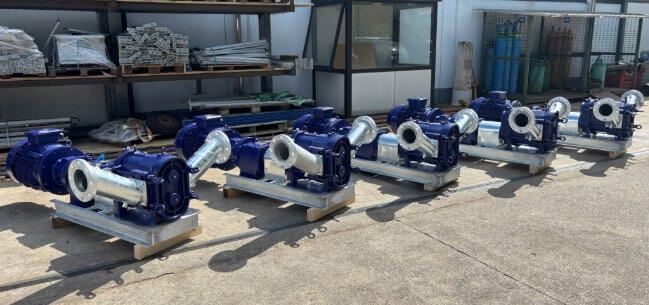
Rotary lobe pumps aren’t just for moving liquids—they’re helping vegetable processing plants go green. With water costs rising, more harvested produce is sent to automated processing facilities where wastewater can be efficiently recycled.
Traditionally seasonal vegetables may have been cleaned during collection in fields, however due to increased water and labour costs, operators are increasingly relying on automated plant to undertake this otherwise manual and inefficient process for the washing and packaging of seasonal produce.
Suspended sand, silt and stones are creating havoc with existing wastewater recirculation pumps, as traditionally systems were designed to handle low concentrations of abrasive solids. As processing facilities are having to cope with higher solid content, users are finding that existing pumps are no longer suited for the application at hand.
Premature failure of existing pumps is generally caused due
to 2 reasons. First of all, there is mechanical seal failure due to abrasive solids being transferred at high speeds causing elastomers in seals to be cut and leak. Secondly, pumps are cavitating due to suspended solids settling at pumps inlets causing units to be starved of liquid.
One way to resolve these issues, whilst maintaining high flow rates is to use a rotary lobe pump. These pumps handle the job reliably, keeping water moving smoothly while helping plants save resources and cut costs.
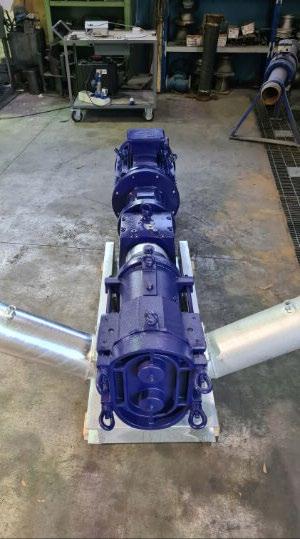
A Rotary Lobe Pump is a positive displacement pump that uses two synchronised, counter-rotating lobes to move fluids, in this case, wastewater. As the lobes rotate, they trap fluid in pockets, draw it into the pump, and then force it out the discharge port as the volume decreases.
These pumps are versatile and extremely effective and are widely used in abrasive applications as
they can handle viscous and abrasive liquids without damage to the unit.
They handle everything from thin to thick fluids, even those with suspended solids, can self-prime up to 8M and can pump in either direction for ultimate flexibility. Their steady, non-pulsating flow stays consistent under any pressure, making them perfect for precise processes like filling lines.
At North Ridge Pumps, we don’t do off-the-shelf. We combine expertise and experience to deliver the perfect pump for your project—built to last and perform. With 25+ years as the UK’s leading independent manufacturer and distributor of pumps, we know how to tackle any application, anywhere, with reliability you can count on.
For the Right Pump, Every Time visit North Ridge Pumps at www.northridgepumps.com to see how we can help.
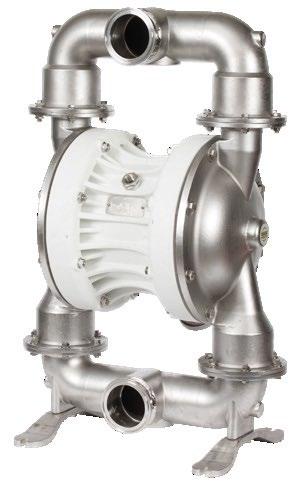
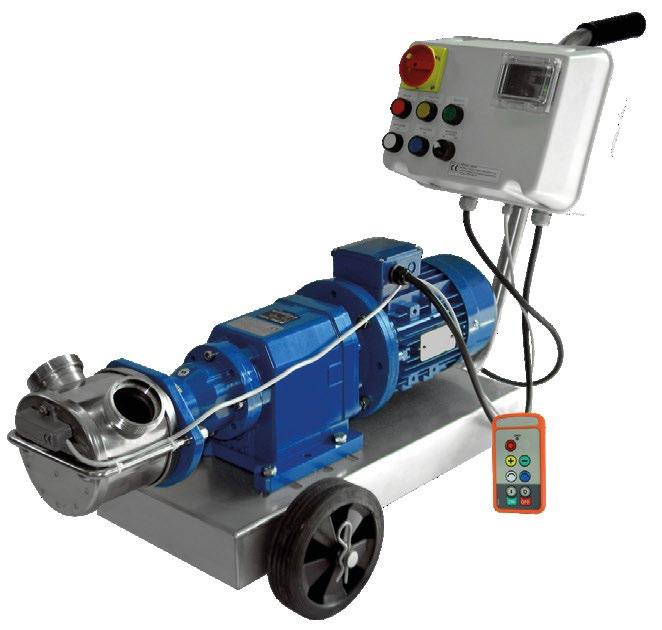
Optimise performance with specialist support

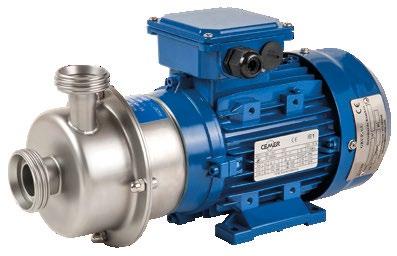
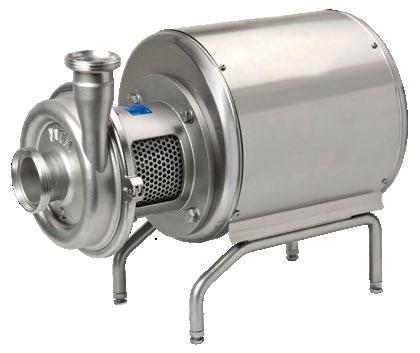
Whether you’re dealing with clogging, separation, downtime, or other issueit’s costly. Time wasted troubleshooting and lower production mean missed targets and less profit. A sanitary pump is the solution but choosing the right one feels like stepping into a minefield. You know what you need it to do but with so many options, it’s difficult to know which is best for your process and parameters.
+ Accelerated stator wear
+ Clogging
+ Changes to fluid consistency
+ Clean-in-place and sterilise-in-place hygiene issues
+ Crushing of sensitive products
+ Inconsistency in finished product
+ Inaccurate transfer of flavourings or ingredients
+ Liquid separation
+ Seal wear or failure
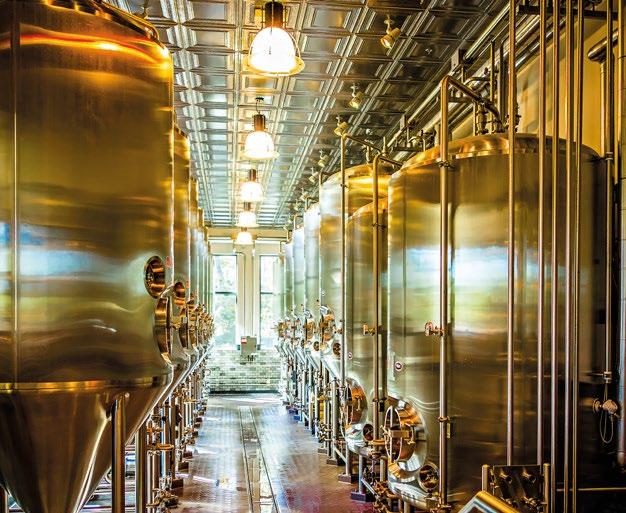
We’ve been engineering sanitary pumps for sectors such as distilling, brewing, food manufacturing/processing, and more, for 20+ years. We understand industry-specific processes and know what it takes to optimise performance through better-suited pump design - giving you complete peace of mind.
Our expert engineers understand your process and guide you through the options, so you can confidently select the most suitable sanitary pump.
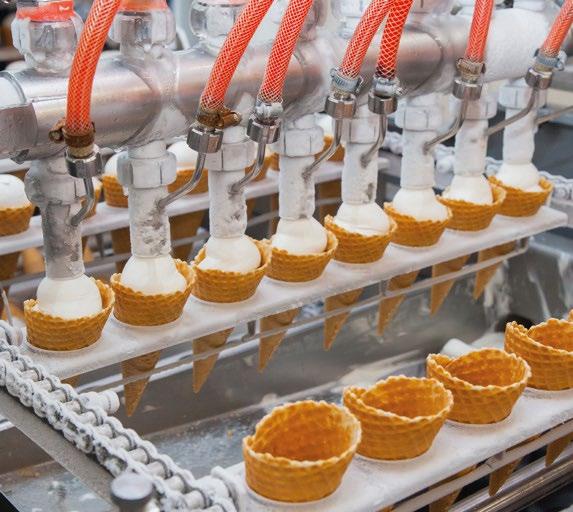
EXAMPLE PRODUCTS:
+ Abrasive mixtures
+ Creams, milk & ice cream
+ Edible oils & fats
+ Fish & meat
+ Fruits eg. cooked apples, plums, berries, grapes
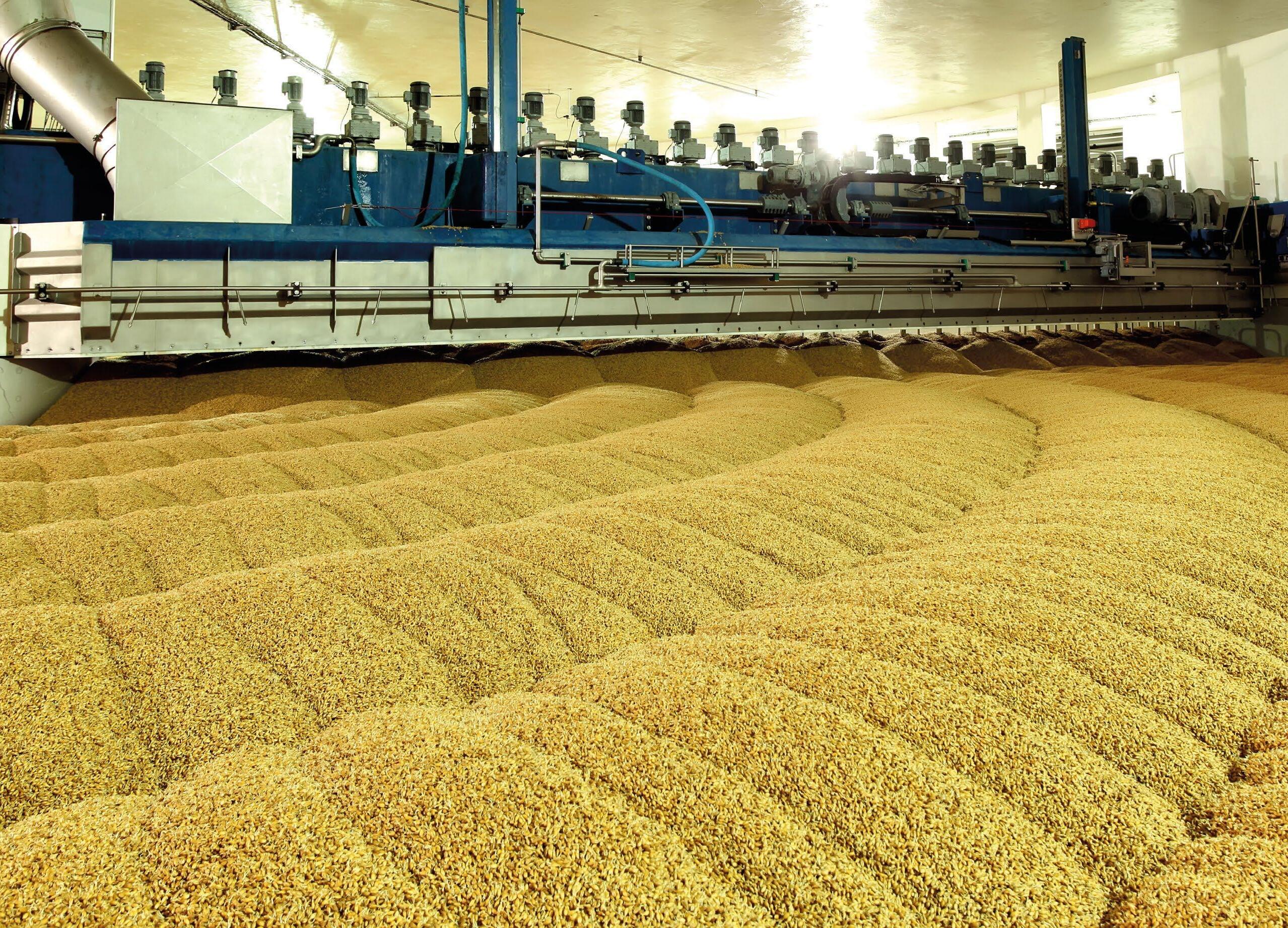
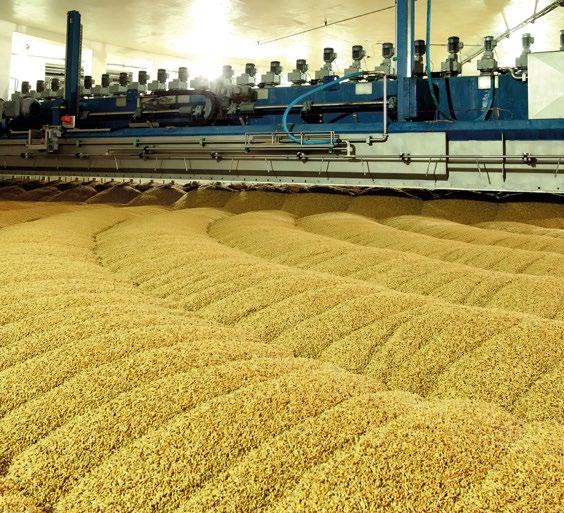
+ Grains & seeds
+ Pastes & purees
+ Syrups, juices & alcohols
+ Vegetables & peelings
+ Waste eg. trimmings, packaging & offcuts
+ Sheer sensitive liquids
+ Solid laden or viscous mixtures
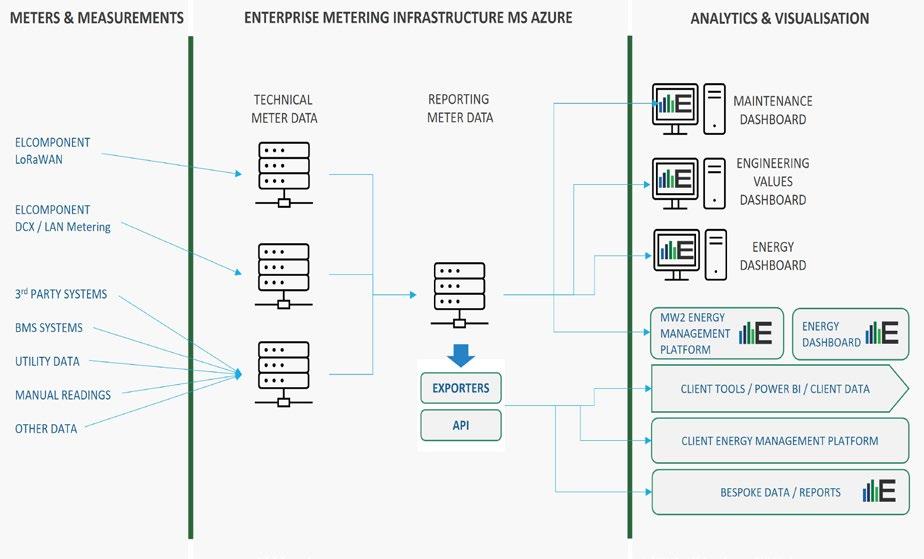
In today’s food processing industry, energy is both a major cost and a critical operational input. Yet many organisations still rely on fragmented, poorly commissioned metering systems that deliver inconsistent and unreliable data.
The result is uncertainty around cost allocation, sustainability reporting, carbon accounting and operational performance.
The reality is simple:
Without high-quality metering data, there can be no high-quality energy management.
Most large, multi-site food manufacturers experience similar challenges.
• Meters fail, meters are renewed or are installed incorrectly. Communications drop out. Data is incomplete, mis-scaled or inconsistently configured.
• Information is split between utilities, legacy metering systems and BMS platforms, often with no clear ownership or audit trail.
Metering and data issues frequently remain undetected for months, undermining reporting accuracy and business confidence
Elcomponent Enterprise Metering
An enterprise approach to metering data management resolves and captures these risks.
By accepting any metering data to a central location, validating,
identifying issues and passing good quality data to any system is key for maximising decision making and efficiencies.
Rather than treating metering as a collection of devices, leading organisations should be considering metering systems as strategic infrastructure.
Whilst, using disparate systems with a mixture of technologies across multiple sites is challenging, organisations can start to control the quality and data availability by adopting a centralised solution for metering data.
Enterprise Meter Data Management unifies data from any source: sub-meters, utility meter data, 3rd party EMS, wireless metering, BMS, APIs and data files - into a secure, validated and monitored environment.
Data is made available, in a consistent manner to any analysis system. Allowing the organisation to use data in different systems in the knowledge that metering data is consistent, real world metering issues are identified.
Increasing data quality and availability to provide better energy management
In an ideal world, organisations should deploy a dedicated energy monitoring system, not simply a collection of random technology, building management system (BMS) or SCADA adapted for energy reporting.
Elcomponent can provide dedicated Energy Monitoring Systems that provide realtime diagnostics, track every component of the metering chain, analyse wireless signal performance, and automatically
identify missing or anomalous data. This provides even greater visibility and early detection of metering issues.
The ‘Enterprise Meter Management Solution’ will accept data from other systems where data tracking and error detection can be greatly improved.
Good quality metering requires:
• Correct meter specification and installation by experienced engineers
• Robust commissioning and validation processes
• Continuous system diagnostics and data completeness monitoring
• Proactive maintenance of loggers, communications and power supplies
• Clear governance of configuration, naming conventions and scaling
It is clear that the customer must always own their data and should have unrestricted access to it.
Our Enterprise Meter Management Solution ensures energy data is available via secure APIs and automated exports to thirdparty energy management platforms, ESG systems, billing tools, or business intelligence environments such as Microsoft Power BI
Elcomponent stands apart, with over 40 years of metering expertise.
From systems, installation, commissioning to software tools providing open, flexible architecture - “any system in, any system out”
Elcomponent delivers enterpriseready metering solutions. sales@elcomponent.co.uk www.elcomponent.co.uk
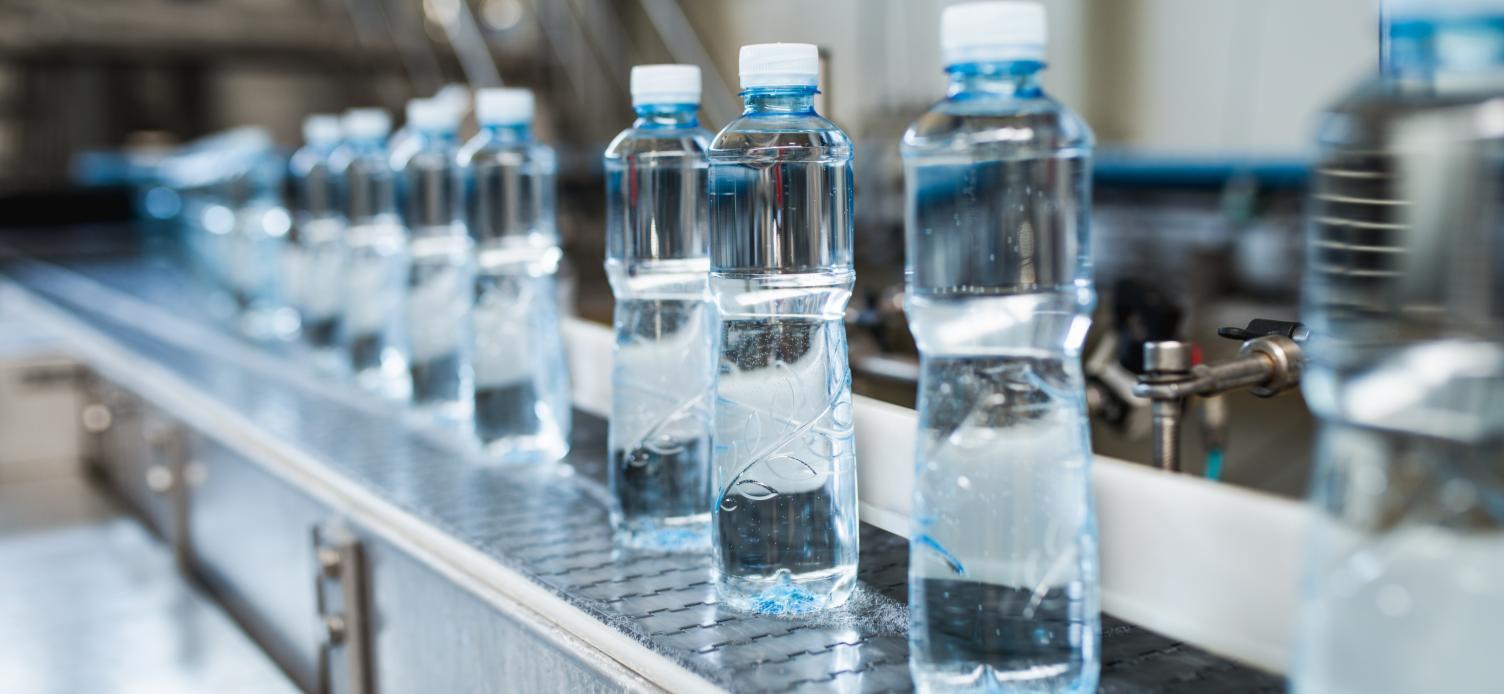






In the food and drink industries, precision is not just a process requirement, it’s a commercial and legal necessity. Every stage of production, from raw ingredient storage to packaging and distribution, relies on maintaining controlled environmental conditions. Yet, temperature uniformity is often the most underestimated variable.
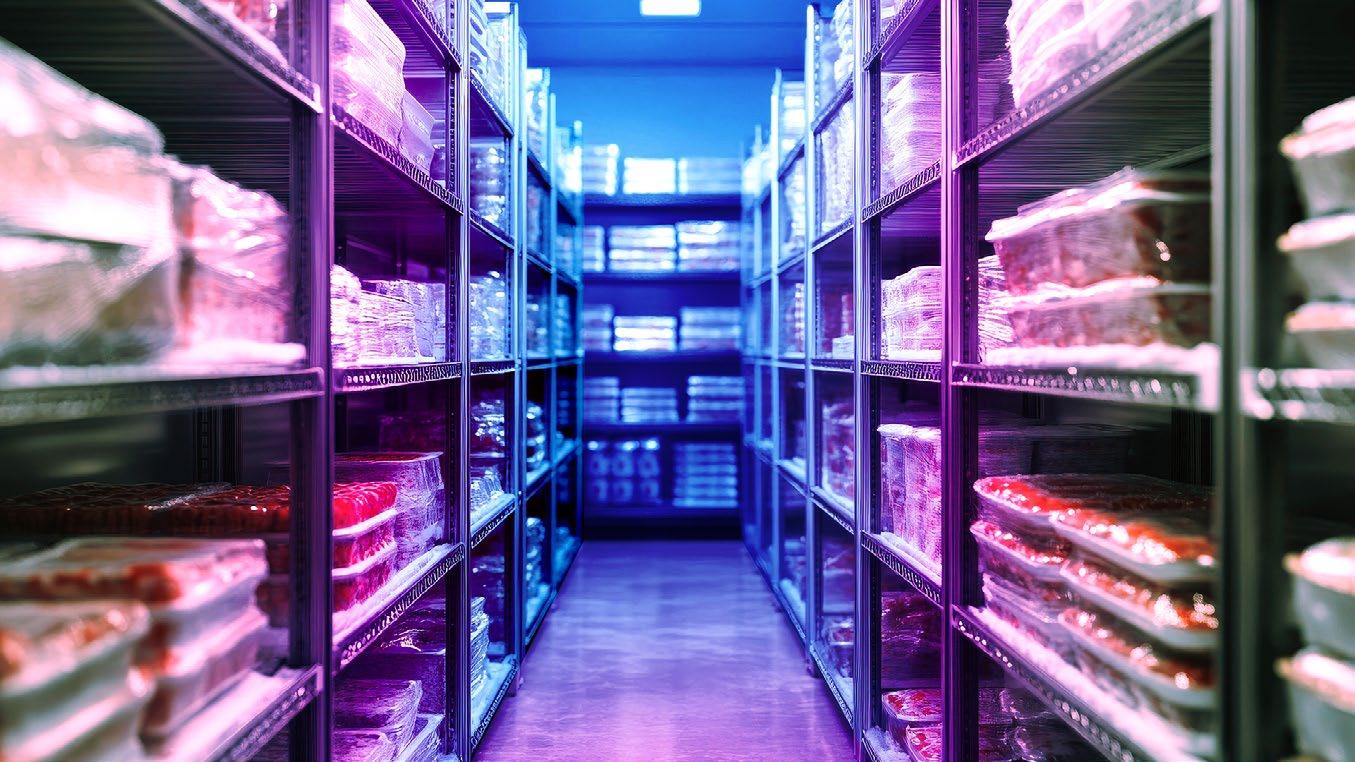
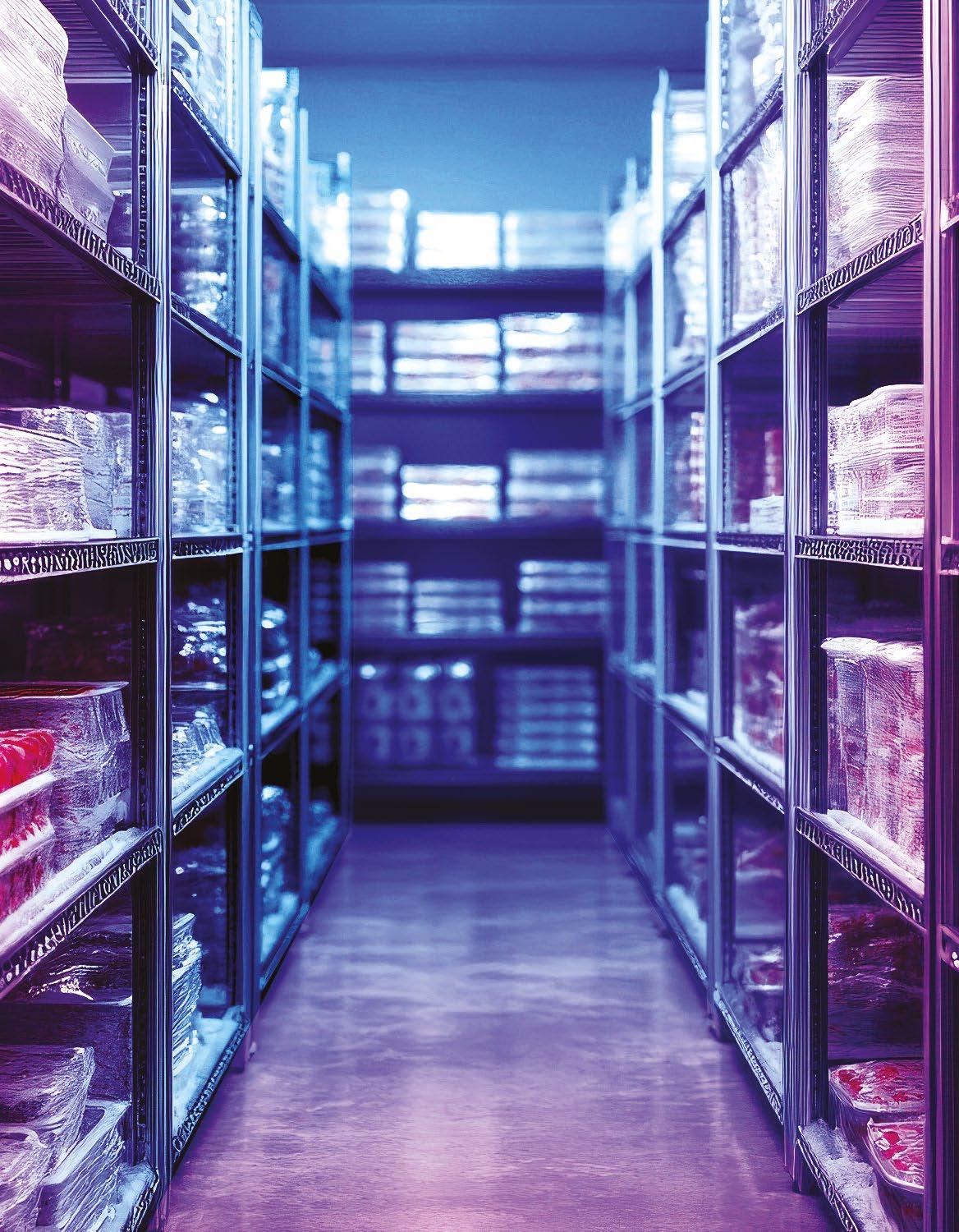
Even a few degrees of fluctuation in a cold room or process area can compromise product quality, trigger compliance issues, or lead to costly product losses. For modern food processors and packagers, thermal mapping, also known as temperature mapping, has become a cornerstone of quality assurance and regulatory compliance.
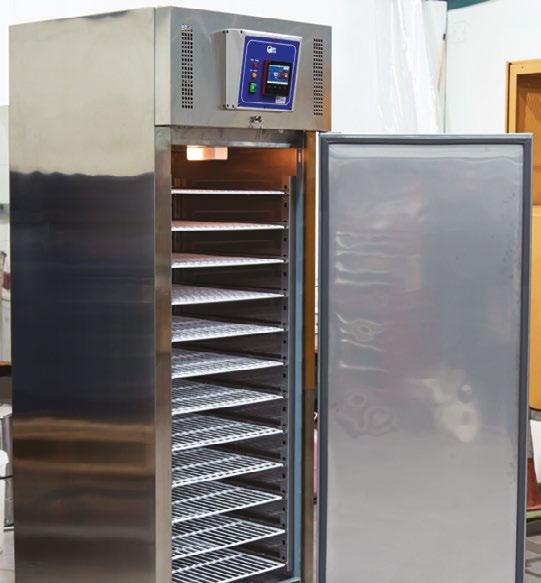
Thermal mapping is the process of assessing and documenting how temperature is distributed across a controlled space over time. Using precision data loggers, sensors are strategically placed to capture detailed readings and identify inconsistencies such as hot spots, cold spots, or uneven airflow.
These studies go beyond routine monitoring, they create a detailed profile of how a facility behaves under real operating conditions. For facilities handling perishable goods, this insight can mean the difference between a safe, compliant product and one at risk of spoilage or contamination.
Temperature control is integral to both product safety and energy efficiency. Without consistent mapping and validation, facilities risk:
• Product degradation or spoilage due to temperature excursions.
• Inconsistent batch qualityleading to waste and loss of consumer trust.
• Non-compliance with HACCP, BRCGS, or ISO 22000 requirements.
• Increased energy consumptionfrom overcompensating heating or cooling systems.
Thermal mapping identifies the true performance of storage, refrigeration, and process areas to help ensure that systems perform as expected, and to enable proactive correction before small inefficiencies turn into major failures.
1. Quality Assurance Managers
As a QA Manager, the priority is ensuring every product that leaves the site is compliant and safe. Thermal mapping gives you traceable, audit-ready data to demonstrate that environmental controls meet regulatory expectations and internal standards.
2. Facilities and Maintenance Engineers
FM professionals need precise information on system performance. Mapping studies can help you identify where airflow or refrigeration inefficiencies are occurring, and can often pinpoint issues such as blocked ducts, uneven air distribution, or insulation failures.
3. Operations and Site Managers
Responsible for productivity and cost control, you can use mapping data to optimise HVAC and refrigeration systems, reducing energy spend while maintaining consistent product conditions.
Even in highly automated facilities, temperature variations can arise from multiple factors:
• Door openings and workflow traffic.
• Uneven air circulation or fan malfunctions.
• Variations in product load and stacking height.
• Equipment performance differences between zones.
• External climate and building insulation.
Without documented validation, these variables can lead to uneven chilling or freezing, shortened shelf life, or microbial growth which are all critical issues in food production. A single incident of temperature non-compliance can result in expensive recalls and damage to your brands reputation.
Thermal Mapping for Regulatory Confidence
Regulators and auditors increasingly expect documented proof that temperature-controlled areas have been validated through mapping studies.
Thermal mapping provides:
• Evidence of compliance with regulatory standards (BRCGS, HACCP, ISO 22000, FDA).
• Assurance during audits - mapping reports demonstrate due diligence.
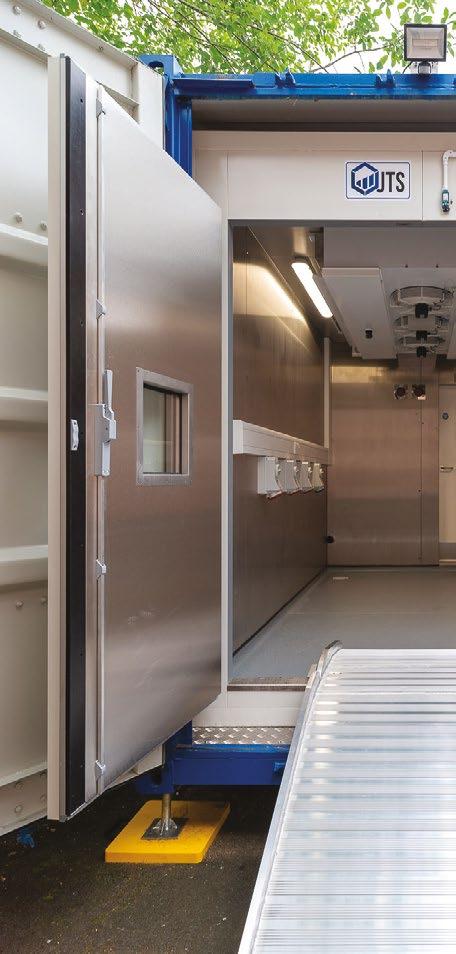
• Support for validation of new installations - confirming new cold rooms, freezers, or production lines meet design specifications before commissioning.
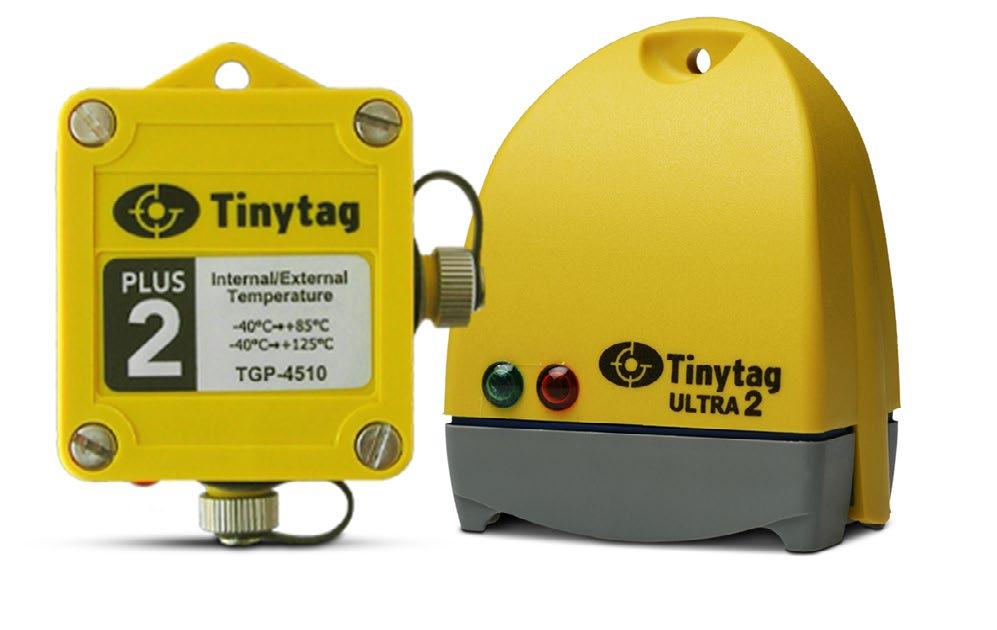
Tinytag: Trusted Environmental Monitoring from a British Manufacturer
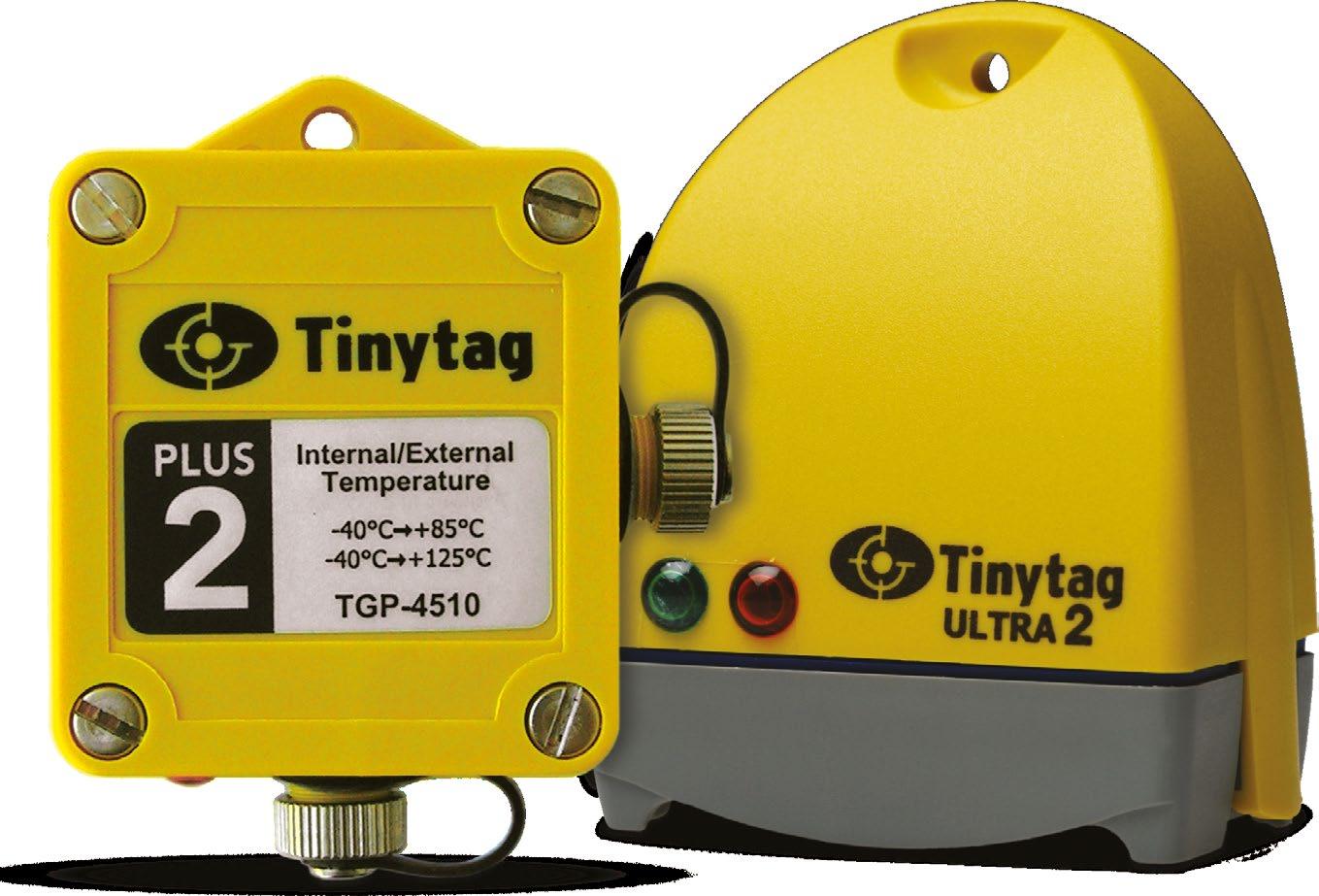
Manufactured in Chichester, West Sussex, Tinytag by Gemini Data Loggers are known globally for their accuracy, reliability, and robustness. With over 40 years of experience, Gemini’s Tinytag range has earned the trust of industries where data integrity is critical such as in the food, pharmaceutical, and biotechnology sectors.
Tinytag data loggers measure temperature, humidity, CO2, energy and other conditions across a wide range of environments, from production zones and cold rooms to transport and warehousing. Our rugged design and simple operation make our data loggers ideal for the challenging conditions found in food and beverage facilities.
Beyond Monitoring: The Tinytag Thermal Mapping Service
Whilst our data loggers provide continuous environmental tracking, thermal mapping takes monitoring further by validating entire areas through planned, strategic studies.
Our trusted partner, Valcomm, delivers comprehensive thermal mapping and validation services tailored to each facility’s specific needs:
• Thermal Mapping Studies: Detailed temperature distribution analysis identifying hot / cold spots across process and storage areas.
• Validation Services: Full documentation ensuring compliance with food industry and regulatory standards.
• Consultancy: Expert advice on best practice, risk mitigation, and system optimisation.
Together, Tinytag and Valcomm offer flexible solutions from fully managed projects to guided DIY mapping kits, helping facilities of all sizes achieve compliance with confidence.
Key Benefits of a Tinytag Thermal Mapping Programme
• Assurance of temperature uniformity - safeguarding product integrity throughout production and storage.
• Regulatory compliance - meeting BRCGS, HACCP, and ISO 22000 standards with auditable data.
• Improved energy efficiencyidentifying inefficiencies to reduce running costs.
• Risk mitigationpreventing product loss and unplanned downtime.
• Operational insight - optimising layout, airflow, and loading practices.
The real value of mapping lies not only in data collection but in data interpretation. Tinytag’s intuitive software can help you to transform thousands of logged readings into actionable insights, allowing managers to visualise trends, identify anomalies, and implement corrective actions quickly.
By combining historic and real-time data, organisations can move from reactive to proactive environmental management, maintaining both compliance and efficiency.
Conclusion: A Measured Approach to Quality
Thermal mapping is more than a regulatory checkbox, it’s a strategic investment in product quality, safety, and operational resilience. In an era of rising energy costs and tighter compliance standards, accurate environmental data is the foundation of good manufacturing practice.
With our proven expertise, British manufacturing heritage, and partnerships with industry specialists like Valcomm, food and drink processors can ensure their environments are validated, efficient, and ready to meet both customer expectations and regulatory demands.
Tinytag by Gemini
Accurate, reliable, and trusted environmental monitoring solutions for the food and drink processing industry.
Learn more: www.geminidataloggers.com/ thermal-mapping

Air
Reduced
Customised
Proven
Choice


Ideal
Larger
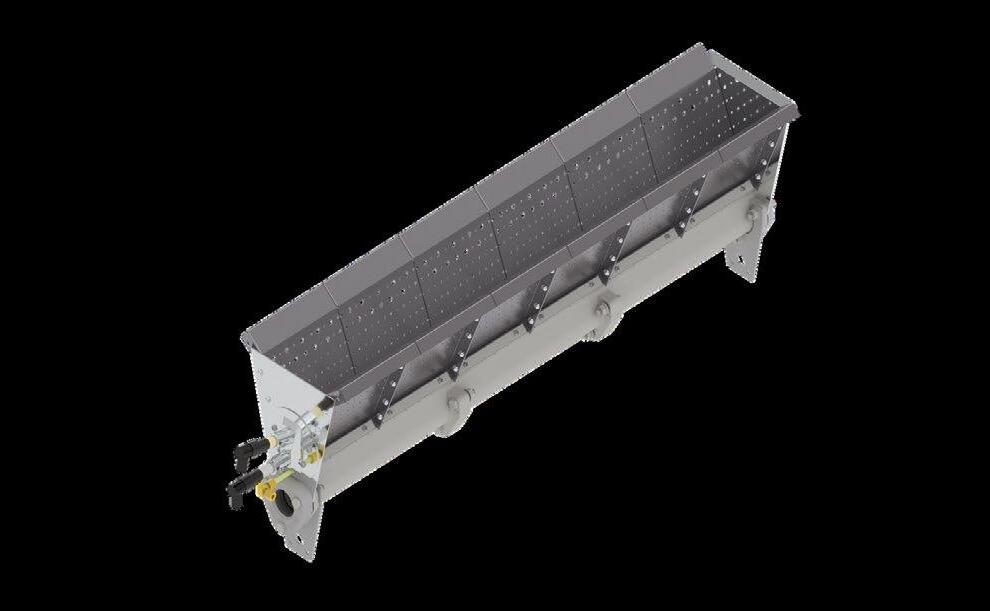
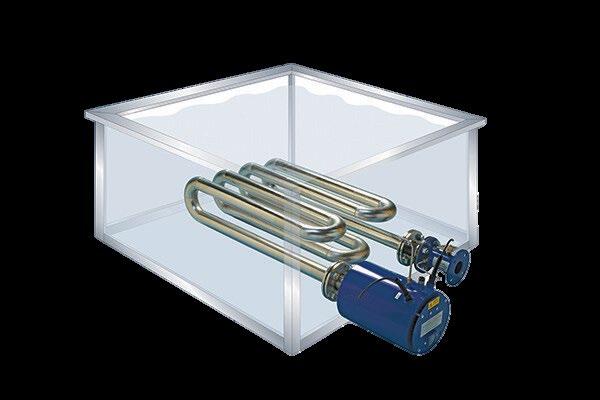
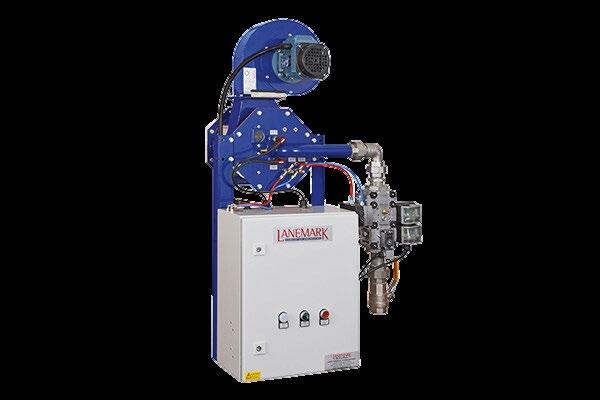
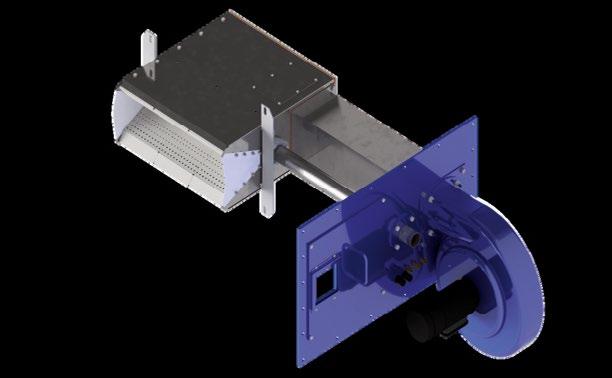
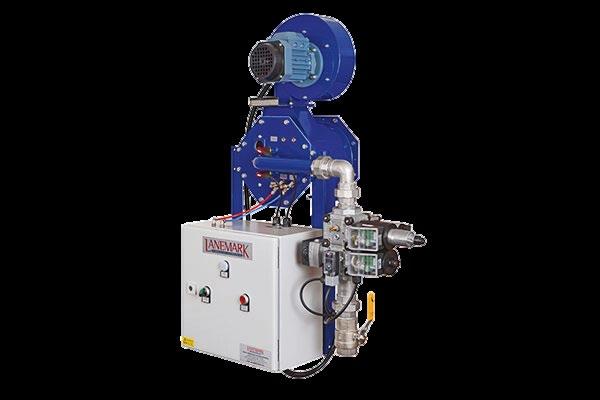
Our gas burner systems offer users reliable, high efficiency, process heating solutions.
From design, manufacturing and supply to installation, commissioning and ongoing support, we fulfill process liquid, oven and air heating needs for both new-build and conversion projects.


Scalable
Proven
Heat
Packaged
info@lanemark.com




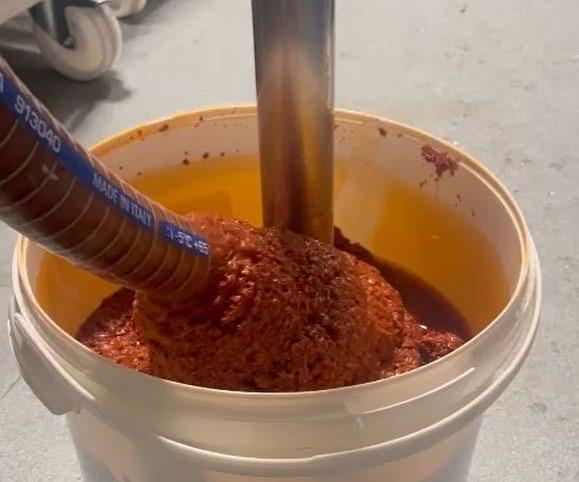
With a huge variety of products needing to be handled, when it comes to the manufacturing and process industries, no two pump requirements are the same. Getting the right pump, rather than just one that “does the job” is the key to saving yourself from excessive wear, unnecessary maintenance, product waste, process failures and energy costs. This case study is an example of the importance of just that.
A manufacturer and supplier of bulk food pastes and marinades to the catering industry contacted Castle Pumps with a container emptying pump enquiry to improve the productivity of their current manual process. They were looking to pump sundried tomato paste from their processing machine, where the sundried tomatoes get chopped into the blend, into 15kg buckets that are then supplied as the final product.
The challenge of this particular food transfer pump requirement is the product itself that is being handled. As well as being very
viscous, it contains various degrees of solids including abrasive tomato seeds and stringy tomato skin, which for many pumps result in clogging or component wear. Constant unblocking of a pump and consequential maintenance is not something the client could accept due to the considerable impact on process productivity.
The viscosity of the fluid being pumped is always an initial consideration for pump specification, which can sometimes be difficult when the customer doesn’t know exactly what viscosity it is. Castle Pumps knew however from looking at a picture of the fluid that it was thick and therefore a pump capable of handling the viscous nature at a reasonable flow rate without clogging was required.
One of the services Castle Pumps offer when it comes to container emptying pumps, is pump testing, where they will trial the pump
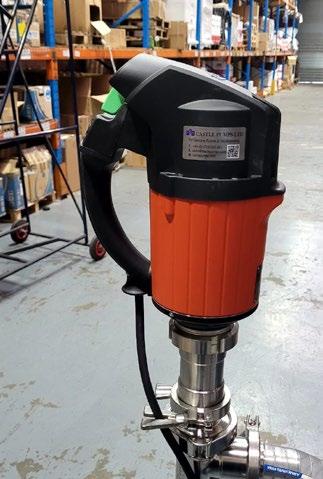
handling the fluid in question to confirm that it can move it as expected. Due to the viscous, dry and abrasive nature of the sundried tomato paste and its solid content, a sample keg was requested to be sent to the factory to perform the test with one of their Viscopower progressive cavity drum pump models. These models can handle high viscosity fluids up to 100,000cP and solids up to 8mm in diameter thanks to the flexibility in the stator.
To meet its requirement as a food grade barrel pump, the FDA Viscopower is designed with minimal dead space, a closed mechanical seal and electropolished surfaces for hidden voids or inaccessible parts. It can also be disassembled in just 30 seconds for quick cleaning with minimum effort.
After seeing how well the Viscopower high viscosity drum pump worked with the tomato paste, the customer was confident that the solution would handle the viscosity, seeds and skin without clogging, and placed the order for the pump complete with food grade PVC hose and hygienic Triclamp fittings.
If you’re looking for the right pump to deliver your process or perhaps have a challenging fluid you need to transfer, contact the pump exerts at Castle Pumps.
For further information, please visit www.castlepumps.com
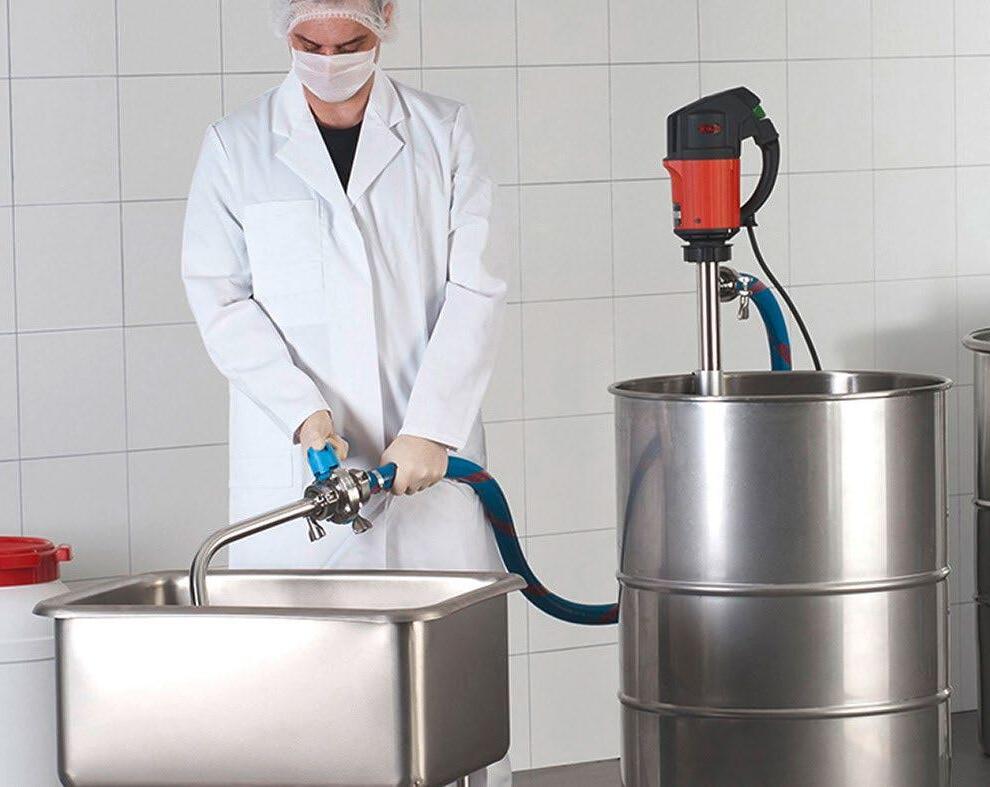
Pump smarter, not harder. Use our 15 years’ experience to save excessive wear, process failures, product waste & operator time.
✓ FDA & 3A hygienic solutions for food and drink
✓ Highly accurate dosing of ingredients & additives
✓ Delicate fluids sensitive to consistency changes
✓ Solid-laden products without crushing or clogging
✓ 99.98% barrel emptying to prevent product waste
✓ Models for the safe handling of cleaning chemicals
Contact our technical sales engineers now!

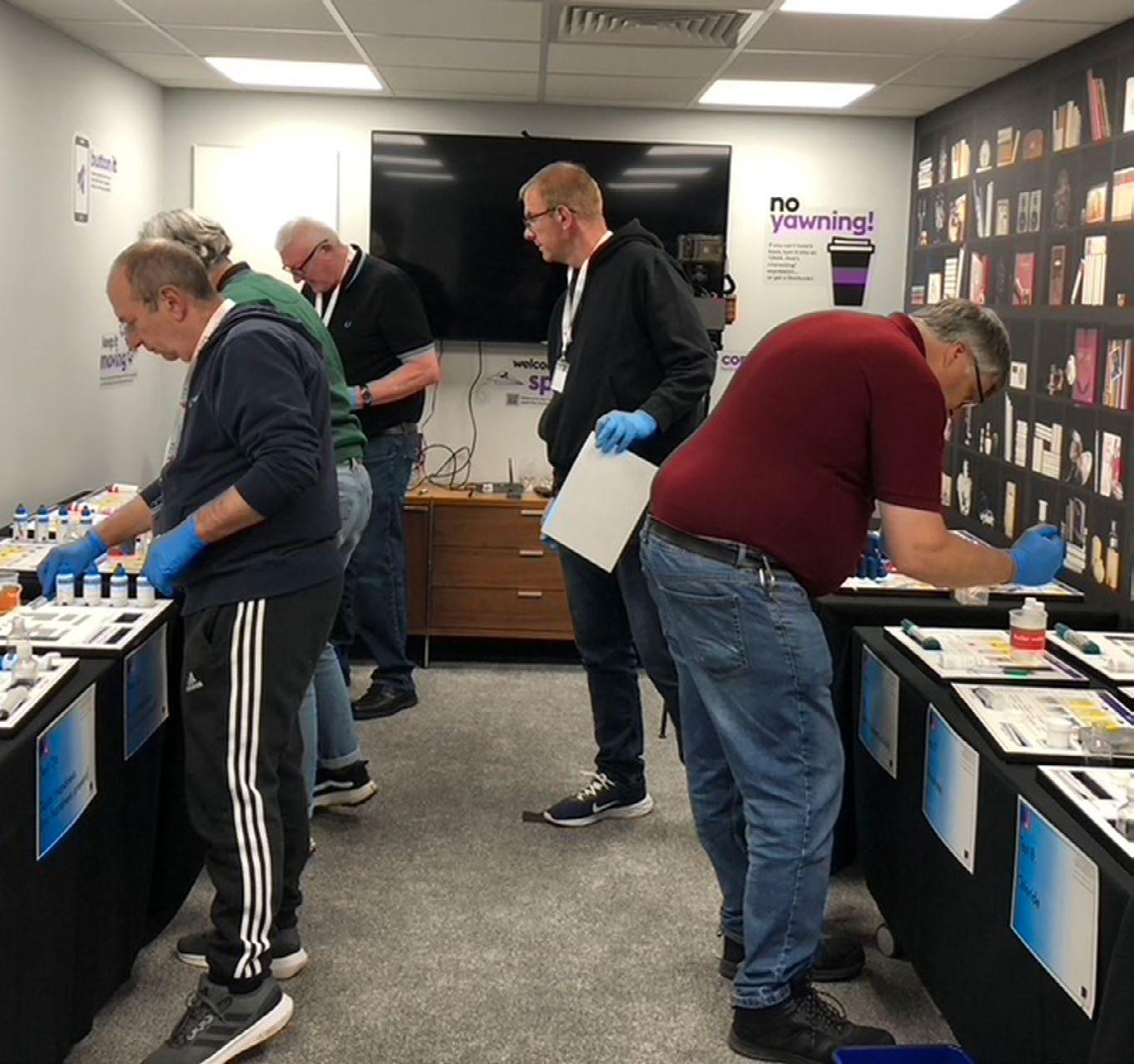
Accredited by the Royal Society of Chemistry and endorsed by the Combustion Engineering Association, Deep Water Blue’s intensive two-day Steam Boiler Water Treatment Training course is designed for boiler operators, engineers and managers, with the content translating BG04 Boiler Water Treatment Guidance and HSE INDG436 requirements into clear, usable actions in the boiler house.
Addressing the BG04 skills gap Training that focuses on the requirements of BG04 addresses a growing gap in steam system management, not just in carrying out tests, but in truly understanding them. Many engineers can record pH, TDS or alkalinity readings, yet do not feel confident enough to interpret trends, identify early warning signs or make operational adjustments. As experienced boiler operators retire and maintenance
teams take on broader responsibilities, practical steam expertise is being diluted.
BG04 has been designed to provide clear guidance on boiler water treatment and monitoring, however in busy environments, testing can become a compliance exercise rather than a proactive risk control measure. Results are logged but not always analysed; parameters are met, but system operation is not fully understood. The challenge is not the guidance itself, it is translating it into informed, day-today operational decisions. Effective training bridges that gap, turning data into insight and compliance into confident plant management.
Drawing on more than 20 years of specialist experience in boiler water treatment and steam systems, Deep Water Blue combines rigorous technical content with highly
practical sessions and a one-hour examination, all helping operators on their path to competence. Successful candidates receive a CEA-branded ID card and certificate that remain valid for five years, giving employers tangible evidence of training and due diligence.
From test results to safer, more efficient plant
The two-day course tackles the core causes of boiler water treatment failures and unplanned downtime by focusing on real plant conditions, testing routines and corrective actions that align with BG04 and industry best practice. Better water treatment knowledge does more than improve compliance, it directly protects people, plant and performance.
For example, without understanding the link between high total dissolved solids (TDS) levels, foaming and carryover, rising readings can be dismissed as routine variation, when in reality poor control can lead to priming, water hammer and damage to valves and pipework, with corrosion or tube failure becoming a real safety risk in more serious cases. An engineer who understands the data intervenes early, not after damage occurs.
Efficiency is equally affected. Even a thin layer of scale dramatically reduces heat transfer, increasing fuel consumption and carbon emissions. Correct hardness control, blowdown management and internal chemical treatment help maintain clean heat exchange surfaces and reduce wasted energy.
Asset life follows the same pattern: poor pH and alkalinity control will lead to corrosive conditions if allowed to persist, while effective
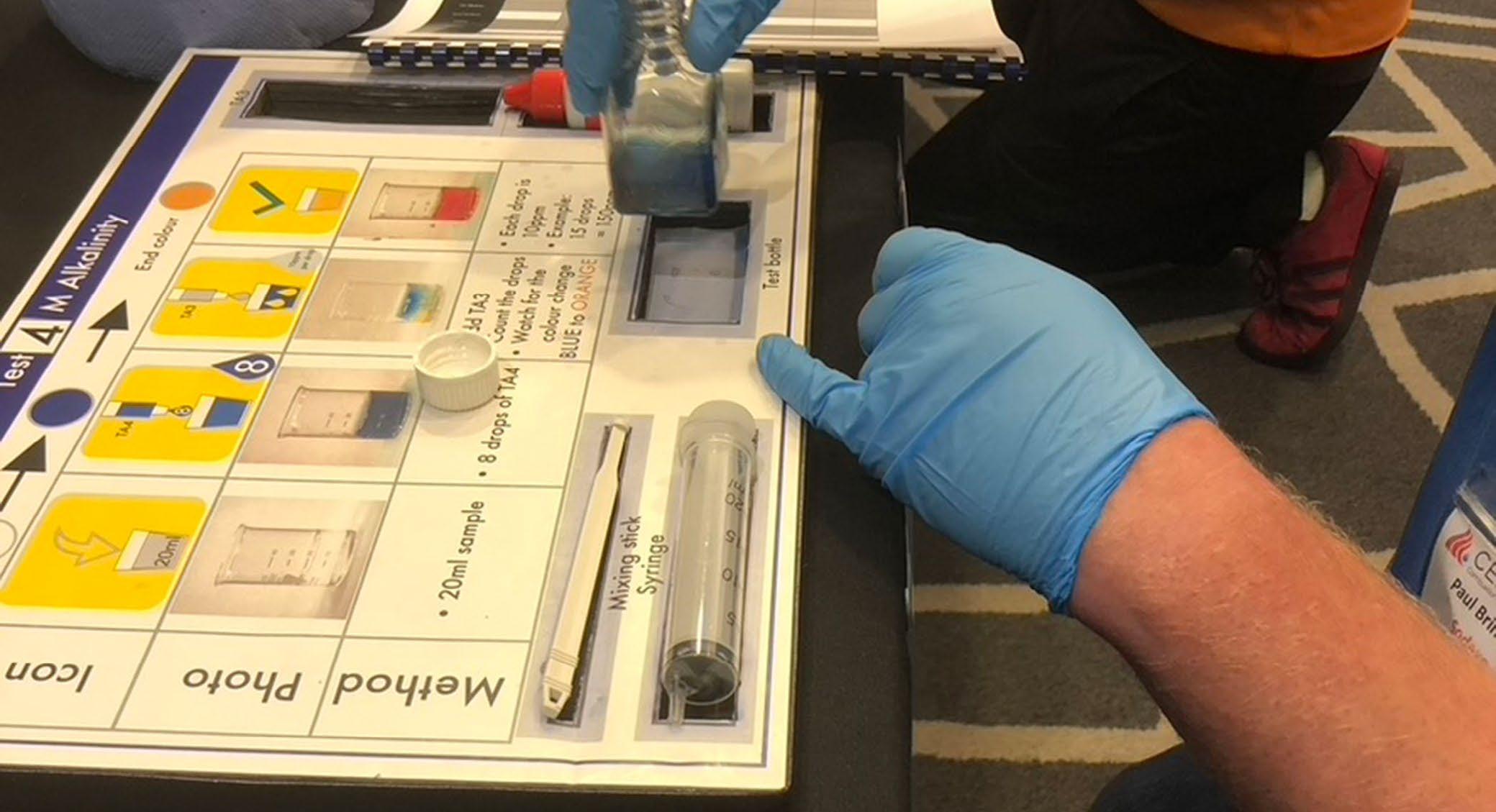
oxygen control – combining the correct use of oxygen scavengers with mechanical deaeration –prevents pitting corrosion in steam systems.
Commenting for Deep Water Blue, senior water treatment consultant Wendy Liston says: “When operators understand why water chemistry matters, they move from reactive maintenance to confident, preventative control, strengthening safety, efficiency and long-term resilience.”
Delegates learn how to recognise developing problems, interpret test results and challenge external contractors where necessary, protecting both assets and energy budgets. Deep Water Blue delivers the training at dedicated centres, customer sites and online, providing flexible access for NHS trusts, universities, manufacturing plants and other critical facilities.
In fact, recent programmes have seen over 70 personnel complete CEA steam boiler water training through Deep Water Blue, supported by interactive classroom and virtual formats.
Lessons from NHS, education and manufacturing sites
As Wendy explains, delivering steam boiler water treatment training across NHS, education and
manufacturing environments has highlighted an important truth. “While operational pressures differ, the fundamental challenges are remarkably similar. Testing is usually taking place, chemical dosing systems are installed and logbooks are being completed, but the underlying “why” is often missing. Engineers may know the target range for TDS or pH, yet feel uncertain about trend analysis, root causes or corrective action.” says Wendy.
Where practical training is provided, confidence increases and management shifts from reactive response to proactive control, with increased efficiency in fuel, water and chemical consumption along with improvements in asset life and safe system operation. This mirrors the CEA’s findings that the vast majority of boiler incidents stem from poor management of boiler water treatment, which makes focused, accredited training essential for duty holders.
Deep Water Blue’s course was developed in partnership with the CEA to address this gap and is delivered in plain English so that operators and managers can apply what they learn immediately on site.
Proven training, ongoing support
Having completed a BG04 training course delivered by Deep Water
Blue on behalf of the CEA, one NHS Estates Manager commented: “The course covered a lot of information, delivered in concise chunks that were easy to absorb. The structure was clear, logical and effective, and it gave me the confidence to implement new testing techniques and to understand the importance of water treatment as an engineer and not as a chemist.”
Another participant from EDF Energy added: “Very good, very informative. Gave us everything we could want. We learnt a lot.”
Deep Water Blue also supports organisations with pre-course introductory training, on-demand video learning and follow-up site visits, reinforcing skills and embedding robust boiler water management over time. This continuous approach helps clients achieve safe, efficient and compliant boiler operation while extending plant life and reducing the total cost of ownership.
Deep Water Blue has confirmed dates throughout 2026 for its twoday Steam Boiler Water Treatment courses, with all taking place at the company’s Training & Technical Centre in Stevenage. Further information can be found at https:// www.deepwaterblue.co.uk/trainingcourses-competency/
Over the past few decades, consumer expectations regarding food quality, safety, and freshness have risen steadily. To meet these expectations, fresh fruits and vegetables sold through supermarkets and commercial channels must pass increasingly stringent sorting and inspection procedures.
Post-harvest quality assessment relies on both extrinsic properties, such as color, shape, size, and surface defects, and intrinsic properties, including internal bruising, ripeness, moisture content, sugar level, and firmness. These quality parameters determine the most
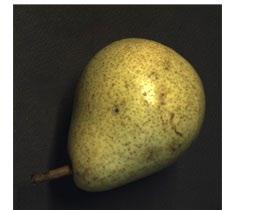
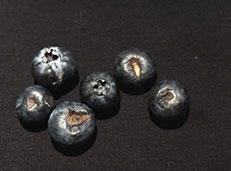

suitable downstream application for each product, such as peeling, slicing, frying, canning, or fresh consumption.
Until relatively recently, many of these assessments were performed manually. In several regions, manual inspection is still widely used. However, rising production volumes, labor constraints, and the need for consistent quality across domestic and export markets have made automated optical sorting systems a key enabler for food producers. Automation improves throughput and repeatability, reduces predictive and preventive costs, and increases overall supply chain efficiency.
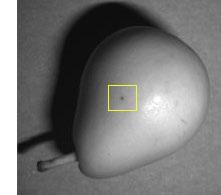
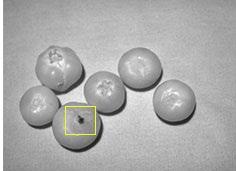
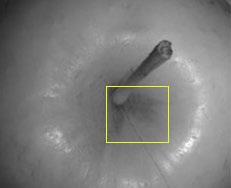
Standard color (RGB) machine vision cameras are highly effective for identifying surface-level attributes, including visible defects, geometry, color consistency, and surface texture. These systems are widely deployed and remain essential for many sorting tasks.
However, a growing number of quality-related issues are not reliably visible on the surface. Early-stage bruises, internal browning, water-core, moisture gradients, and sugar-related ripeness differences may show little or no visible contrast, especially in the early stages of degradation.
Visible wavelengths (approximately 400–700 nm) largely interact with the surface of fruits and vegetables and provide limited penetration below the skin. As a result, inspection systems increasingly combine RGB imaging with nearinfrared (NIR) wavelengths to gain insight into internal product characteristics.
RGB + NIR: combining surface and internal information
By extending inspection into the NIR range (typically ~700–1000 nm), sorting systems can detect changes related to water content and internal structure that are not visible in RGB alone. Common applications include:
• Detection of internal bruises in apples, pears, and potatoes
• Identification of water-core and internal browning
• Early indicators of texture degradation
Using RGB and NIR together allows producers to assess both external appearance and internal condition in a single inspection step, improving throughput and enabling lower system complexity
while reducing the risk of defective products reaching the consumer.
The alignment challenge and the prism-based solution
When multiple spectral bands are used, spatial alignment between channels becomes critical. Even small misalignments can lead to incorrect defect sizing or misclassification, particularly when acceptance thresholds are tight, and line speeds are high.
Prism-based multispectral cameras address this challenge at the optical level. In these cameras, incoming light from a single lens is spectrally separated by a prism block and directed onto multiple sensors. Because all spectral channels share the same optical path and viewpoint, pixel-level correspondence between RGB and NIR is inherently maintained.
This approach eliminates the need for external opto-mechanical alignment between cameras and ensures stable, repeatable registration over time, an important advantage in industrial sorting environments.
Additional benefits of the prismbased approach include:
• Compact camera design suitable for space-constrained machines
• Simultaneous exposure of all channels
• Robust performance at high line speeds
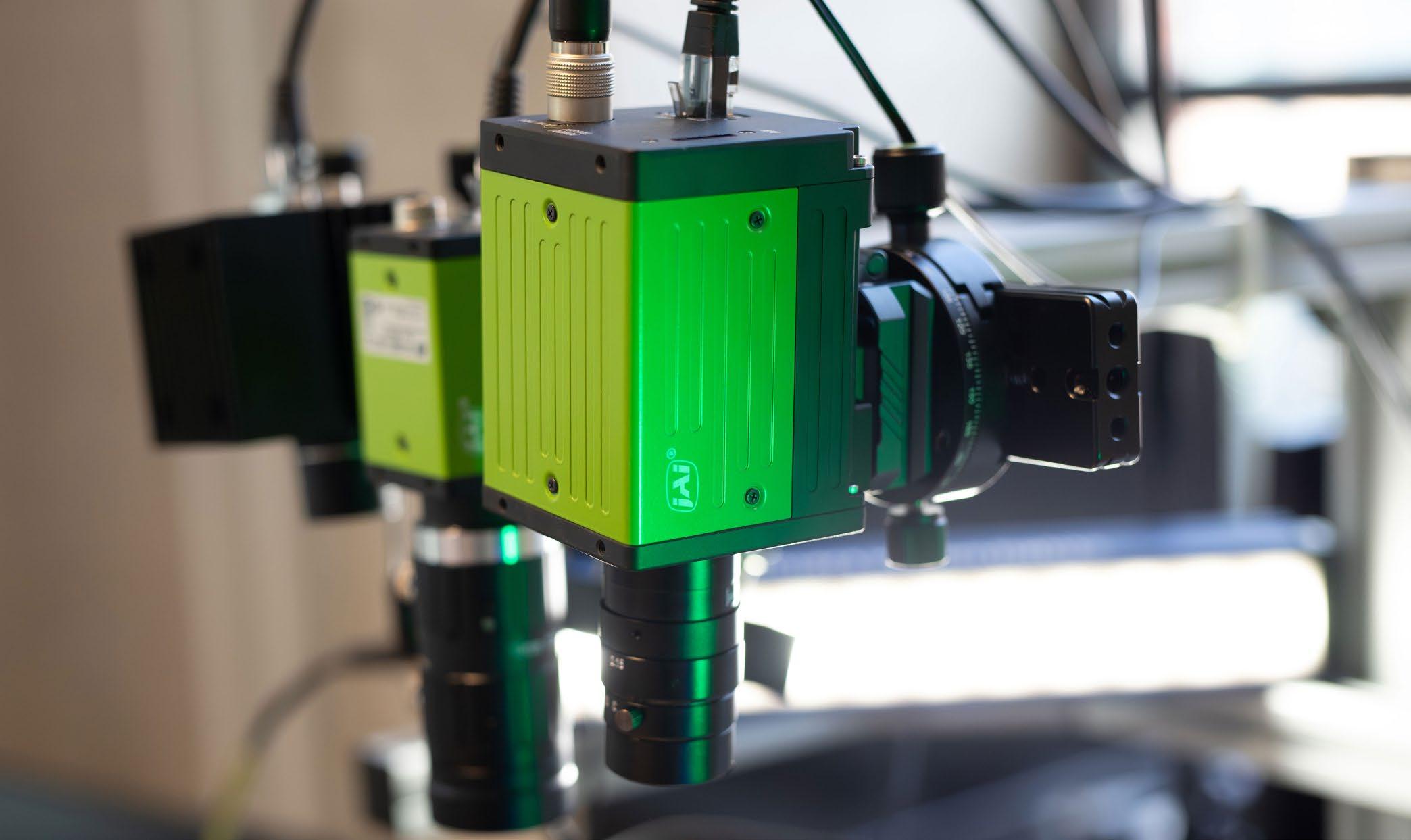
JAI’s Fusion Series 3-CMOS multispectral prism camera providing simultaneous images of three different spectral bands in a single camera - a visible color channel from 400-670 nm, a near infrared (NIR) channel from 700800 nm, and a second NIR channel from 820-1000 nm.
Looking ahead: extending into SWIR
While RGB + NIR already enables powerful surface and subsurface inspection, many food-sorting applications benefit from access to short-wave infrared (SWIR) wavelengths, where absorption is directly linked to chemical composition.
SWIR wavelengths enable:
• More direct measurement of moisture and dehydration
• Improved correlation with sugar content (Brix)
• Detection of fat and oil content in nuts and meat
• Reliable discrimination of foreign materials such as stones, glass, and plastics
• Inspection through certain thin packaging films
As food sorting continues to evolve beyond surface inspection, prismbased multispectral cameras provide a robust and scalable foundation. By combining RGB and NIR today, and extending into SWIR in the near future, these systems enable more accurate classification, higher throughput, and simpler integration for machine builders and food producers alike.
For more information on prismbased multispectral cameras for optical food and fruit sorting, please visit www.jai.com.

As part of any food processing operation monitoring, controlling and validating food cook temperatures is critical to the success of any HACCP strategy.
Knowing the accurate core temperature of your product during any cook regime is essential.
You may know the live temperature of the oven from the controller systems but not the product itself.
Manual testing with a handheld thermocouple is an option but this will interrupt the cook cycle creating delays and reducing productivity as well as cook efficiency.
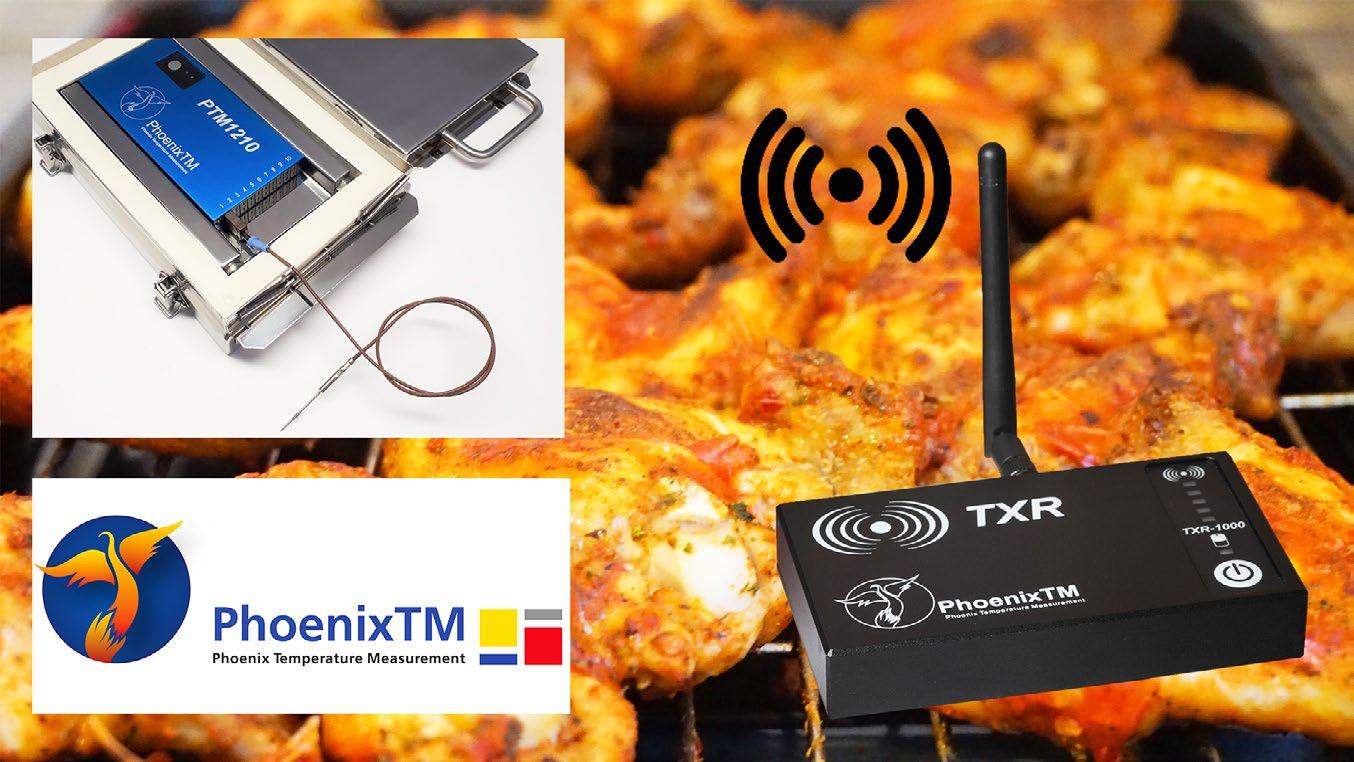
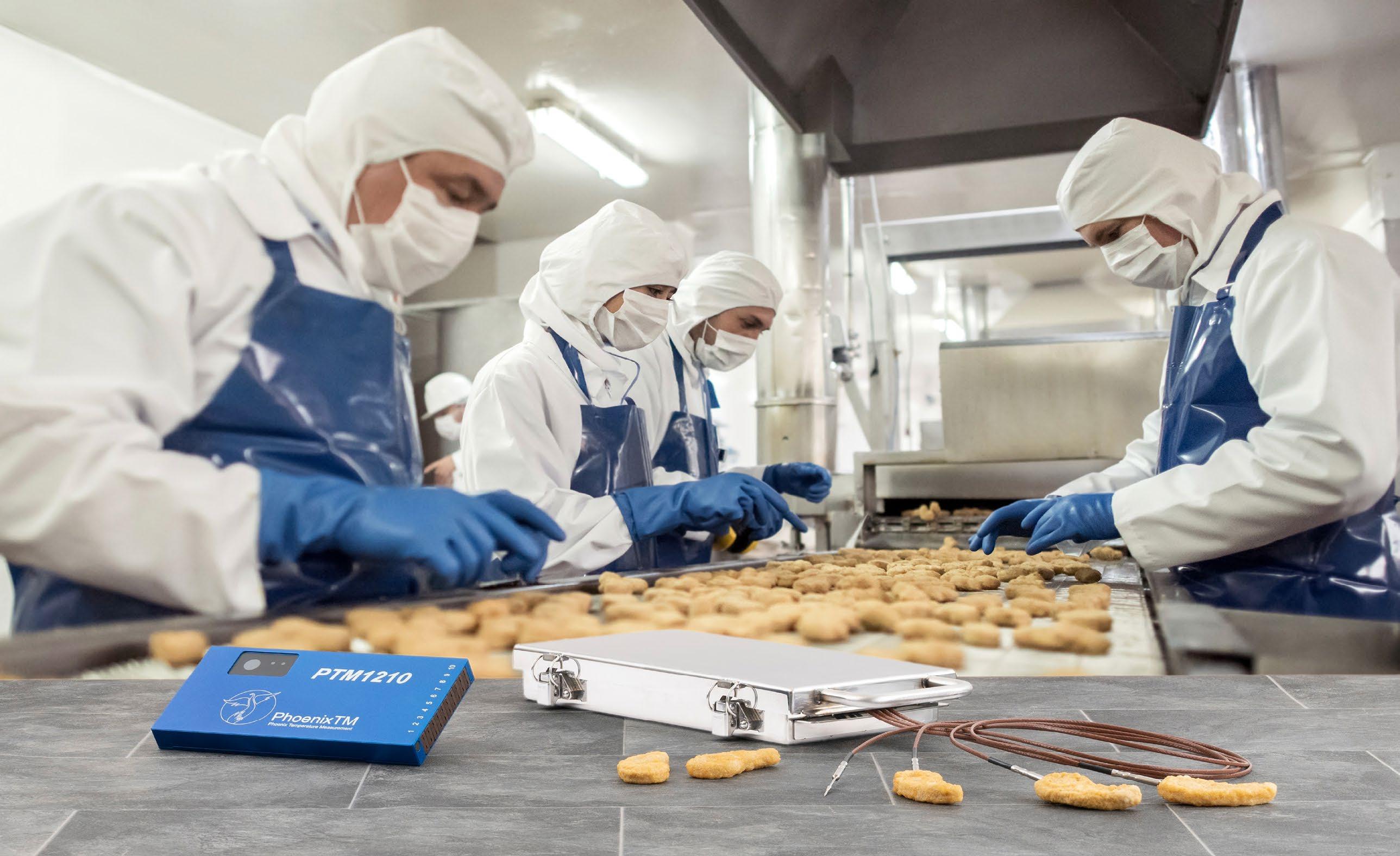
Complementing its range of thruprocess temperature monitoring systems designed specifically for the Food industry, PhoenixTM offers a real time RF telemetry system option.
Food cook temperature data measured by the thermally protected data logger, using thermocouples, is stored in the memory of the data logger.
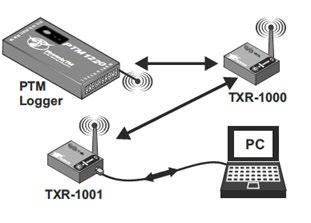
Simultaneously temperature data is transmitted direct from the data logger via a thermally insulated RF antenna exiting the barrier with the thermocouple cables. The RF signal transmitted out of the oven is then passed along a series of repeater units (‘Lwmesh’ networking protocol)
back to the main coordinator connected to the monitoring PC. The repeater units are powered by battery and are not physically linked by any cable. As such they can be positioned where needed and moved with ease (No expensive infrastructure or installation costs).
Employing real time operation, product core temperatures over the product rack or conveyor mesh belt width can be monitored live.
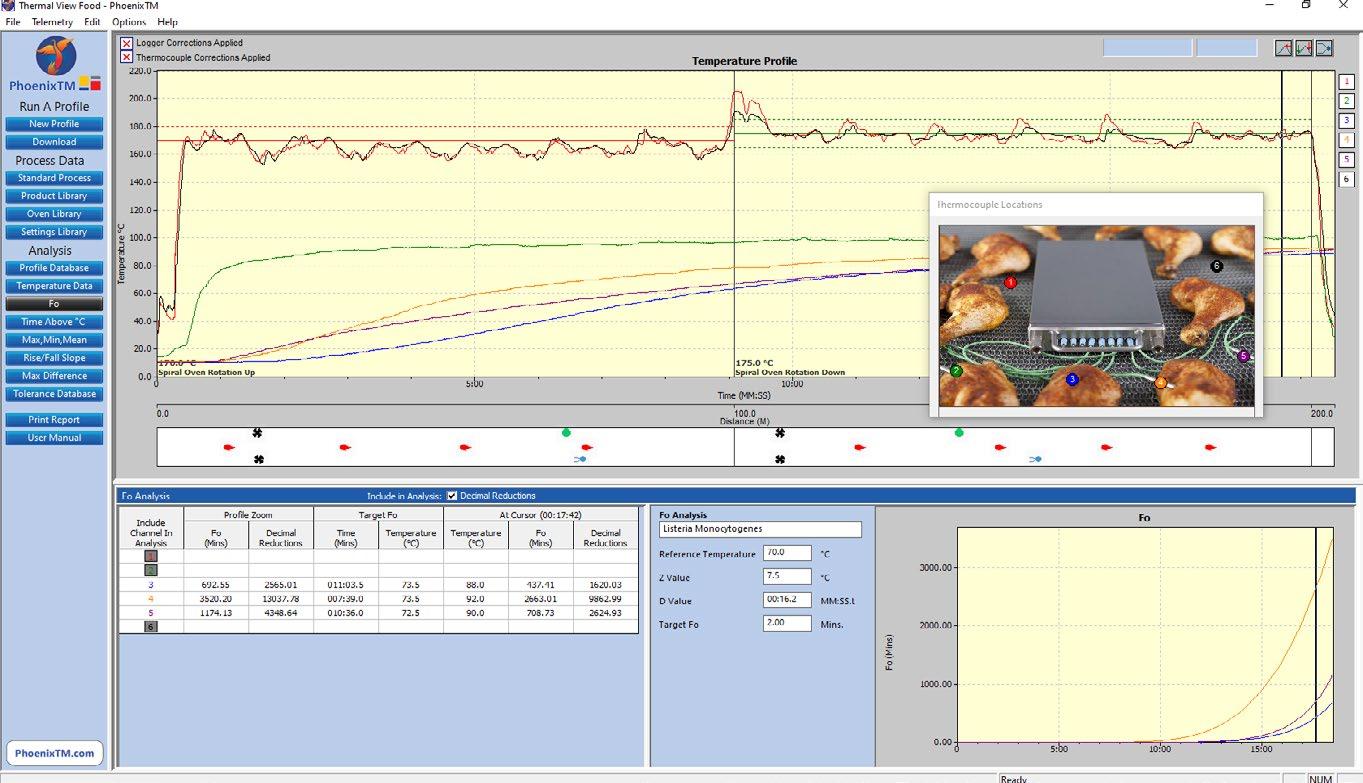
Cook programs can be controlled therefore by true product temperature. This may be far more efficient than cooking to a set cook program time which may overcook just to be safe. Using Real Time RF telemetry new cook programs can also be optimised and validated with efficiency and confidence.
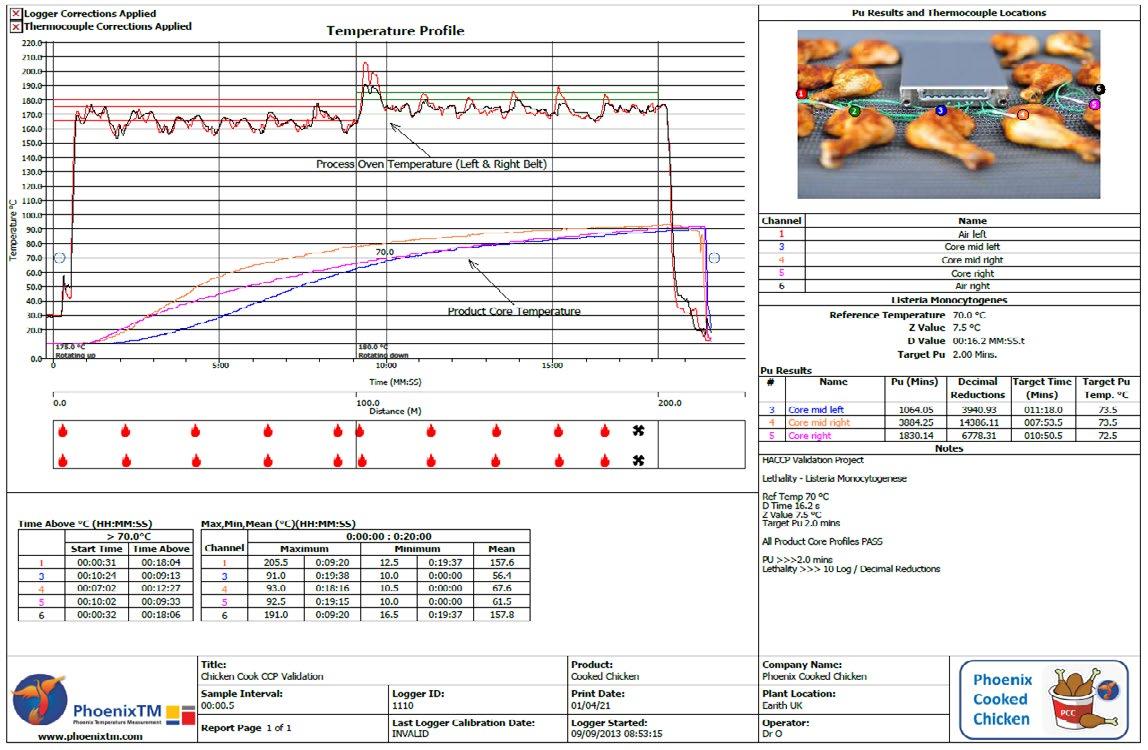
The full temperature profile can be fully analysed, post run, for complete HACCP compliance.
A comprehensive suite of analysis tools converts the raw profile temperature data into useful process information. Analysis tools also include the ability to calculate Fo/Pu values for the process against target micro-organisms.
The information gathered, further to process validation, can be used to allow informed process problem solving and optimisation to maximise product quality, yield, process productivity and efficiency.
See live what a difference a PhoenixTM system could make to your cook operation.
Contact PhoenixTM to help Find, Fix and Forget your Cook Problems!
Further Information www.phoenixtm.com
Product Safety
Process Efficiency
Improved Product Yields
Rapid Fault Finding
Full HACCP Certification
Thru-process temperature monitoring solutions for all your cook applications
PhoenixTM Technology
• Accurate IP67 data logger (Type K or T)
• 10 Measurement Points for full oven mapping
• Thermal barrier options to suit cook regime
• Comprehensive thermocouple range
• Standard miniature thermocouple plugs
• Calibrated thermocouple options
• Food trays and thermocouple jig options
• Full lethality (Fo/Pu) and reporting
• Real Time RF Telemetry options
• Local efficient calibration and service support
Phoenix Temperature Measurement

Quality and consistency sit at the heart of every food and beverage brand. They shape reputation, build trust, and decide whether a product earns a place on the shelf. As the sector adapts to new ingredients, regulations, and consumer expectations, particle size analysis has become a core part of quality control and product development.
Endecotts has specialised in this field for more than 80 years. Its equipment helps manufacturers monitor performance, meet compliance standards, and maintain the quality that customers expect, from laboratory testing to production.
Endecotts designs and builds instruments for one purpose: dependable, repeatable results. The company’s products are used across food and beverage production, including baking, dairy, beverages, confectionery, and other process industries.
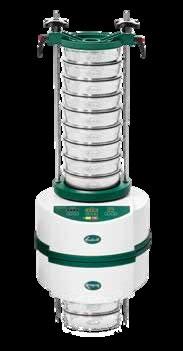
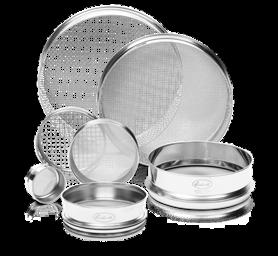
Made from high-grade stainless steel and supplied with Calibration Certificates to ISO 3310 or ASTM E11, Endecotts sieves provide full traceability. Each is measured and
inspected to confirm accuracy before it leaves the factory.
Electromagnetic drive systems automate the sieving process. They remove much of the variation found in manual testing and ensure consistent outcomes over long production runs.
Used to measure viscosity and flow rate in sauces, dressings, and spreads. These instruments help food producers maintain uniform texture and appearance across every batch.
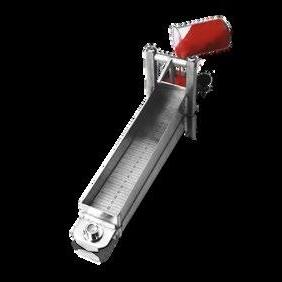
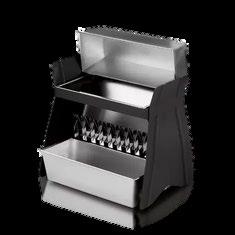
Accurate sampling is vital for representative testing. Endecotts dividers ensure powders, grains, and other bulk materials are split precisely, giving reliable data for process control.
Together, these instruments form a complete solution for measuring and managing particle size, from incoming ingredients through to the finished product.
Particle size influences nearly every characteristic of a food or drink, be it flavour, texture, solubility, or stability.
• In baking, flour size affects dough formation, structure, and crumb.
• In coffee and tea, grind size governs extraction and taste.
• Spice and seasoning producers depend on uniformity for even blending.
• Powdered dairy products rely on correct sizing for solubility and flow.
• Chocolate and confectionery require precise control to achieve a smooth finish.
• In beverages, sieving prevents sedimentation and ensures a consistent mouthfeel.
Accurate particle analysis helps producers maintain these qualities, reduce waste, and keep every batch within specification.
Manufacturing excellence depends on reliable measurement. Endecotts instruments support that aim by giving clear, repeatable results that stand up to scrutiny. Decades of engineering experience have shaped the company’s range, which continues to evolve with new materials and production techniques.
Whether testing ingredients in a development lab or monitoring production in a busy factory, Endecotts equipment helps ensure every batch meets the same standard of quality and consistency.
For more information or to speak with a specialist:
www.endecotts.com
sales@endecotts.com



ENDECOTTS delivers premium particle analysis equipment for the food and beverage industry. Our equipment is precision-engineered and EU-made for unbeatable quality.




There are several trends in the food and beverage industry that are influencing the growing importance of advanced particle analysis, such as:

Health & Nutrition Focus

Clean Label & Natural Products
Plant-Based & Alternative Proteins
Food Safety & Quality Assurance
Sustainability & Waste Reduction

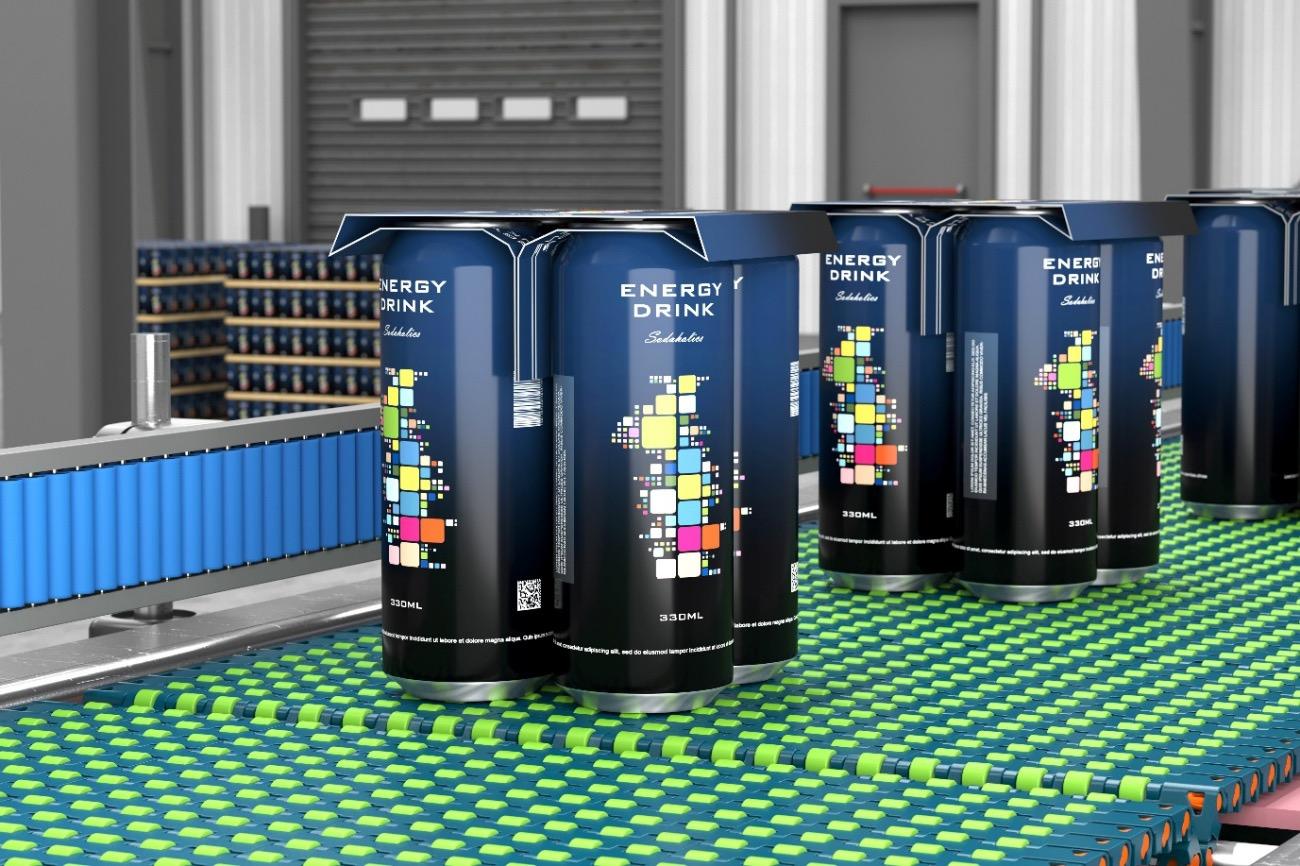
Packaging is often the very first touchpoint a consumer has with a beverage, and as such it plays a vital role in shaping perception, preference, and purchasing decisions. To stay relevant, packaging must constantly evolve to reflect changing consumer tastes, rising environmental expectations, and tighter retailer requirements. This means producers are constantly rethinking how beverages are presented, bundled, and shipped – prompting a wave of innovation across materials, formats, and production processes that will ensure that not only does a product look good, but arrives at its destination without any damage.
For example, smaller multipacks, slimline cans, lightweight bottles, cardboard clips and mixed-format packs are increasingly replacing heavier, shrink-wrapped formats. These new solutions are more
eco-friendly and shelf-efficient, but they can also introduce new operational headaches on the production line – especially when it comes to conveying and packaging.
According to Sander Boers, Strategic Account Manager –Beverage at Regal Rexnord, what were once seen as packaging challenges are now opportunities for innovation and optimization.
“Changes in packaging formats naturally influence how products move through the line, from handling and alignment to maintaining consistent speeds,” he explains. “But with the right technologies and design approach, it’s entirely possible to adapt quickly and keep lines running smoothly, even as formats evolve.”
With over 90 years of experience supporting beverage production lines around the world, Regal
Rexnord is well placed to respond. Drawing on its extensive product portfolio – which includes trusted names like Rexnord™, System Plast™, Sealmaster™, and ModSort™ – the company is helping beverage producers navigate this packaging transition with smart, stable, and sustainable conveying solutions built to meet the challenges of today and tomorrow.
One of the most noticeable changes in recent years is the shift toward smaller, less uniform packaging units. Where once a supermarket shelf might have been filled with 24-packs of identical cans, today you’re just as likely to find four- or six-packs, mix-and-match bundles, or slim cans joined together by a minimalist paperboard carrier.
These shifts can create real challenges for line stability.
“We’re seeing a much wider range of packaging formats, and many of them are inherently less stable,” Boers explains. “Sleek or slim cans, for example, have a smaller footprint than traditional ones. That means less contact with the conveyor surface and a higher risk of tipping. This is especially true during dry running or when moving across conveyor gaps.”
At the heart of many of these stability issues is the space between conveyor segments — known as the dead plate.
“Smaller products struggle more with large transfer gaps,” says Boers. “It’s not just about tipping, but also preventing jams, reducing
To address this, Regal Rexnord has introduced new belts such as the 1533 Series LBP (Low Back Pressure) MatTop™ Chain, a 15mm pitch modular belt featuring integrated rollers directly within the belt surface. This innovation allows for tighter transfers without dead plates, enabling smooth motion even for narrow or unstable packs.
Meanwhile, the Rexnord 1540 Curve System with tangential belt operation ensures a consistent very small transfer zone across the entire belt width – something not all curve systems can guarantee.
“With many more traditional designs, the transfer gap can widen significantly near the belt edges,” Boers says. “Ours stays uniform, which is critical for line layout flexibility and pack integrity.”
For Regal Rexnord, these developments are part of a broader
These small adjustments play a key role in helping producers maintain line performance despite any reduced packaging stability caused by modern designs.
Dry-running that delivers
Sustainability is another key driver behind packaging changes, and not just in the materials themselves. Many beverage plants are transitioning to dry-running conveyor systems, minimizing the use of water- and soap-based lubrication to reduce environmental impact, simplify wastewater treatment, and improve workplace hygiene and safety by keeping production floors clean and dry.
Dry-running, however, places greater demands on conveying components. With no lubricants to reduce friction or ease product flow, chains must offer low-friction
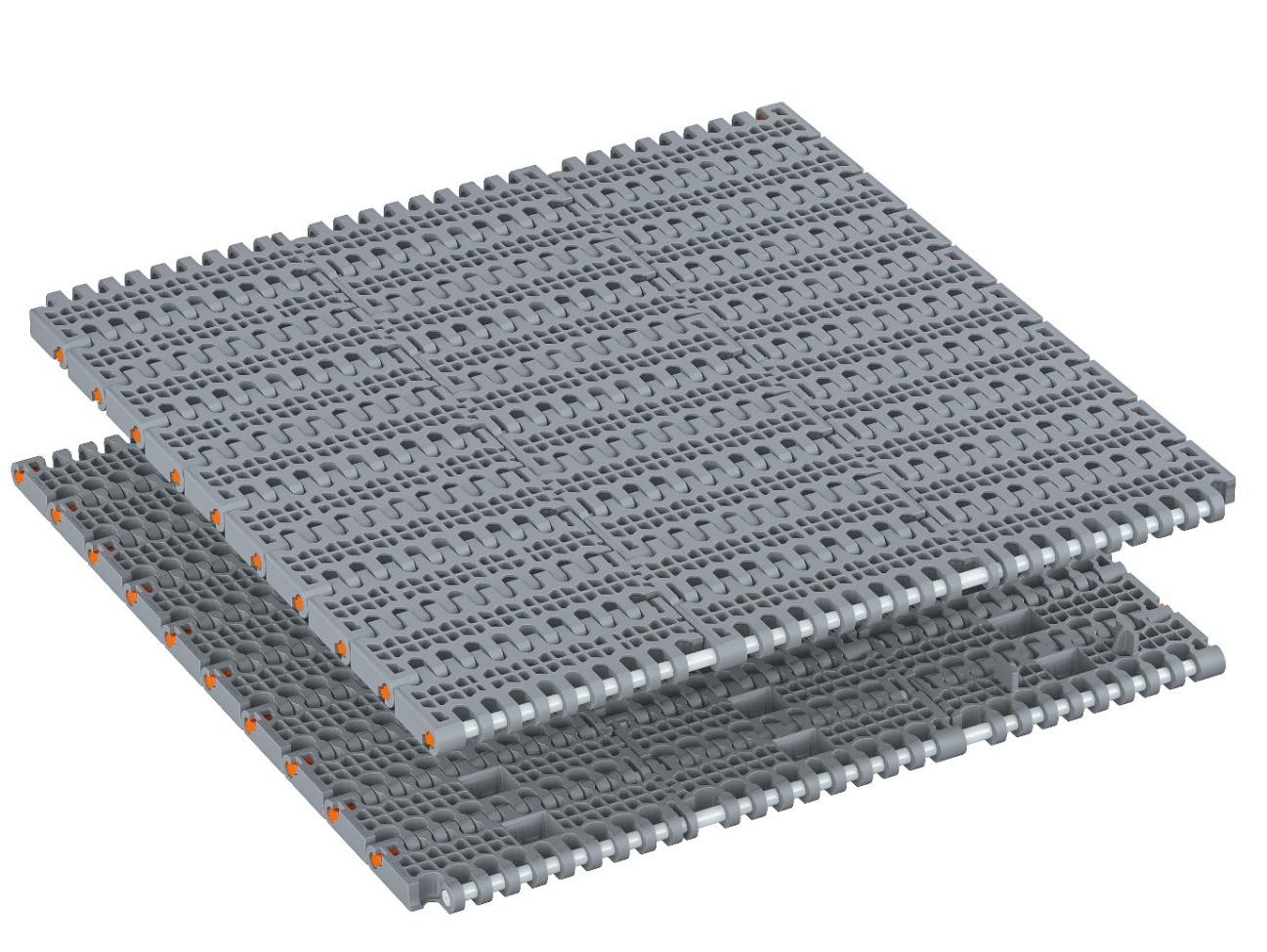
The Rexnord™ 1100 Series FlushTop™ MatTop™ Chain was designed with these demands in mind. Purpose-built for dryrun applications, the 1100 Series combines a flat, smooth conveying surface with an open-hinge design that enables efficient cleaning. Its universal geometry supports PET, glass, and aluminum cans with equal reliability, eliminating the need for multiple chain types on a single line.
Engineered to perform in the toughest food and beverage environments.
From processing to packaging, every component in a powertrain system needs to meet the highest standards of hygiene and reliability. Regal Rexnord provides stainless steel drives, washdown motors, and precision conveying systems designed to keep production lines running safely and efficiently while meeting strict hygiene standards.
Our technologies are trusted by global food and beverage manufacturers to maximise uptime, minimise product waste, and simplify maintenance.
“With older systems, you might have needed different chains for each product type, plus backups in different materials or widths,” says Boers. “Now, with the 1100 Series, many customers are consolidating to a single chain type, cutting down on inventory, simplifying changeovers, and improving sustainability.”
Built on decades of expertise and innovation, we help you see beyond individual parts to build a powertrain with unlimited possibilities.

www.regalrexnord.com
Supporting sustainability at every level
From energy-efficient lowfriction materials to simplified standardization strategies, Regal Rexnord’s packaging solutions help reduce cost and environmental impact at every stage. RunDry designs help limit water and chemical use. Meanwhile, innovations like the new small transfer curve system and LBP belts with embedded rollers reduce product waste caused by tipping or instability.
The company is also investing in long-term system sustainability by extending product lifespans and simplifying maintenance. For example, the 1100 Series’ cleanable open hinge reduces downtime during sanitation, while belts with smaller pitches – such as the 1533 series belt – reduce the need for complex transfer components, minimizing failure points.
“It’s all about futureproofing,” says Boers. “Packaging is going to keep evolving. Our goal is to provide systems that are flexible, efficient, and ready to adapt, so drinks manufacturers don’t have to overhaul everything every time the market shifts.”
Regal Rexnord’s 30,000 associates around the world help create a
better tomorrow by providing sustainable solutions that power, transmit and control motion. The Company’s electric motors and air moving subsystems provide the power to create motion. A portfolio of highly engineered power transmission components and subsystems efficiently transmits motion to power industrial applications. The Company’s automation offering, comprised of controllers, drives, precision motors, and actuators, controls motion in applications ranging from factory automation to precision tools used in surgical applications.
The Company’s end markets benefit from meaningful secular demand tailwinds, and include discrete automation, food & beverage, aerospace, medical, data center,
energy, residential and commercial buildings, general industrial, and metals and mining.
Regal Rexnord is comprised of three operating segments: Industrial Powertrain Solutions, Power Efficiency Solutions, and Automation & Motion Control.
Regal Rexnord is headquartered in Milwaukee, Wisconsin and has manufacturing, sales and service facilities worldwide.
For more information, including a copy of our Sustainability Report, visit RegalRexnord.com
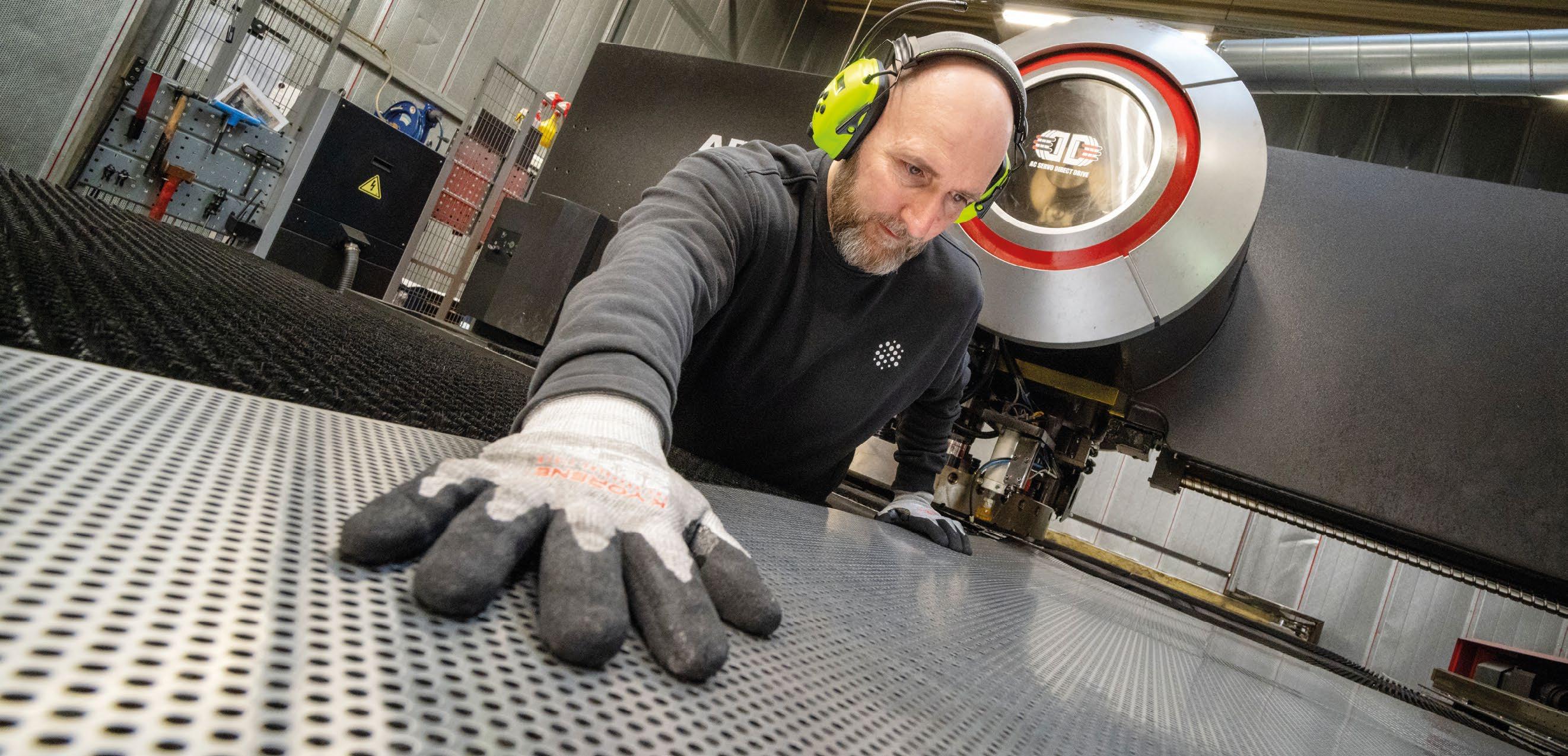
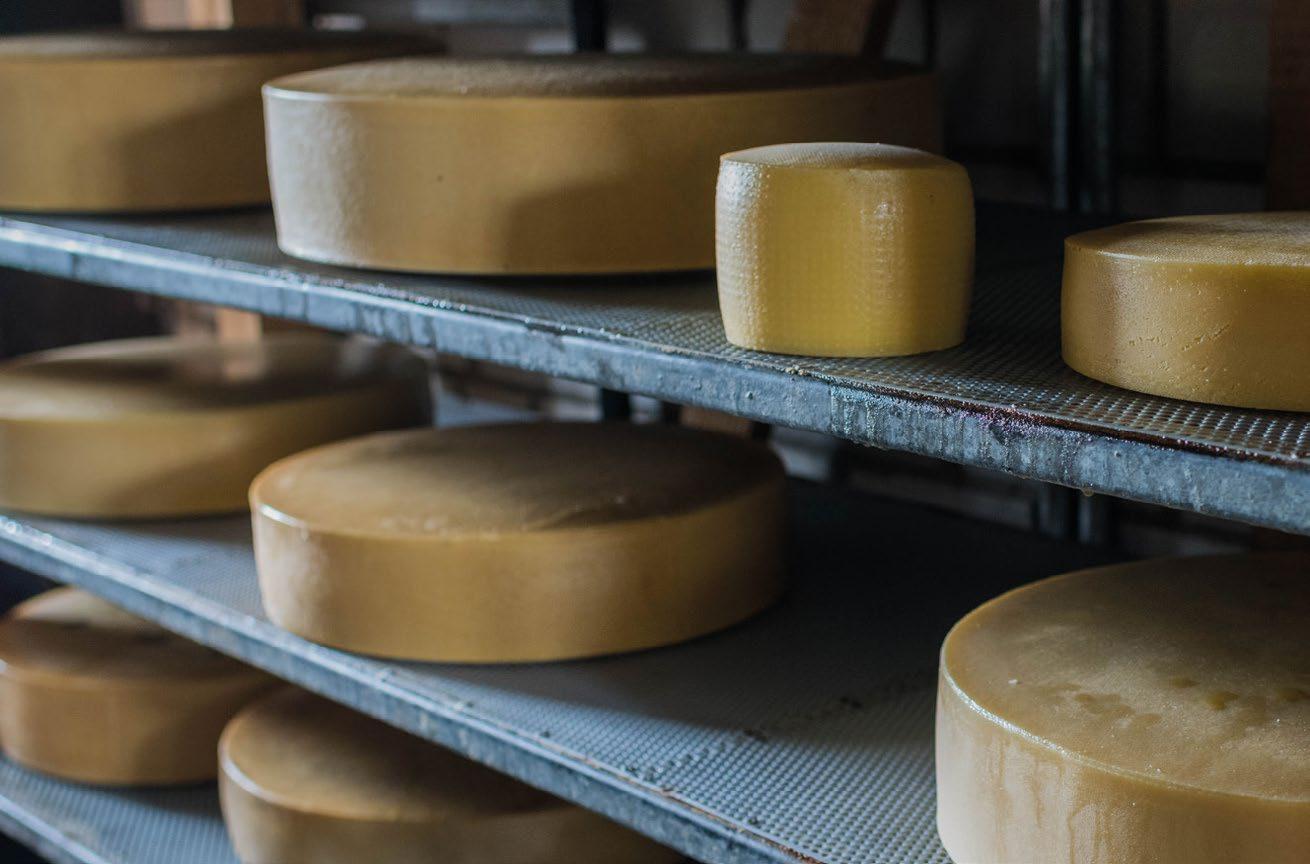
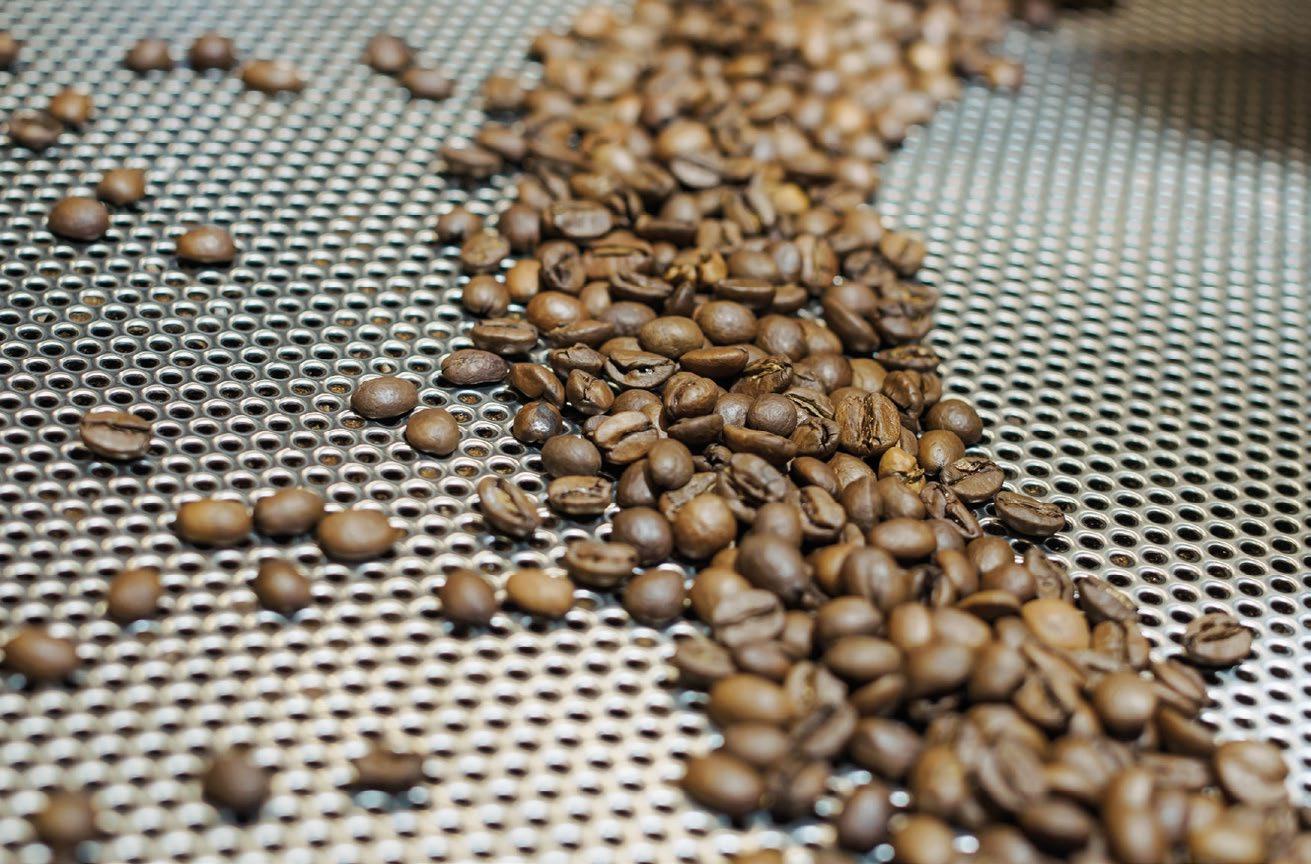
Our passion for perforation drives us to create innovative perforated solutions tailored to your needs.
Discover the advantages of partnering with the world’s largest supplier of premium perforated solutions. With in-house tool shops and skilled experts, we have the know-how and capacity to help you achieve your goals and benefit from the possibilities that perforation offers.
If you would like an overview of your options and wish to explore the potential for your industry further, we invite you to visit us online at rmigsolutions.com. Here, you can learn more about perforation, applications, products and solutions for key sectors.
The website brings together essential knowledge about perforation, hole types, materials and dimensions, enabling you to strengthen your decision-making and save valuable time in the process. If you have any questions or are ready to order, our competent staff will assist you further.
By Emily Herbertson, Ideagen


The EU Deforestation Regulation is set to reshape traceability requirements across the food and drink industry, and its implications go far beyond a simple compliance deadline.
Formally amended in December 2025 and enforceable from 30 December 2026, the EUDR requires that products entering the EU market are verifiably deforestation-free. It covers seven
commodities central to food and drink manufacturing cattle, cocoa, coffee, palm oil, rubber, soya and wood, along with derived products from chocolate and ready meals to paper-based packaging.
What sets the EUDR apart from previous compliance requirements is the depth of traceability it demands. This is not about country-of-origin declarations or certification logos. It requires geolocation data from the farm where a commodity was produced. For an industry built on complex, multi-tier global sourcing, that changes the conversation entirely.
The traceability challenge
Food and drink businesses understand traceability. Decades of food safety regulation have built strong foundations in documentation, auditability and supplier quality management. But the EUDR pushes the needle for
visibility further than most existing systems can reach.
A single fruit pot from a fast-casual dining chain can involve over 11 supply chain tiers spanning four continents. Most manufacturers know their direct suppliers well.
The EUDR, however, asks for data from Tiers 3, 4, even 10, for instance, the smallholder farmers and cooperatives at the very beginning of the chain. For a confectionery business sourcing cocoa from West Africa, or a bakery buying soyabased ingredients that have crossed multiple borders before arriving at

the factory, that level of visibility doesn’t materialise overnight. Gathering geolocation information this deep in the supply chain requires sustained engagement with producers building trust, explaining the regulatory context, and often providing practical tools to help farmers map their own land. It represents a fundamental shift in how supply chain and compliance leaders within food businesses need to think. Moving away from managing direct suppliers to gaining full visibility of their suppliers’ suppliers – proactively mitigating risk that they previously couldn’t see.
It’s important to recognise that the EUDR is not an isolated initiative. The UK’s Environment Act has established a framework for deforestation due diligence that is still being operationalised, and similar proposals have surfaced in the United States through the FOREST Act. Regulators worldwide are converging on the same expectation that businesses can demonstrate, with data, where their products come from and how they were produced. This European standard is the first formalised framework and it shows a global direction of thought.
For any business whose products, ingredients or raw materials feed into an EU-bound supply chain, the implications are direct. European customers will need traceability data flowing back through every tier to meet their own obligations. But traceability is becoming a core theme in its own right, as business leaders start to recognise the competitive advantage of seeing a risk deep within their supply chain before it becomes a media crisis or a financial threat. The challenge is the business change required to shift from a reactive mindset to a proactive one. Those that take that step towards building deep visibility into their supply chains now won’t just be ready for the EUDR. They’ll have a foundation that grows with them as the regulatory landscape continues to evolve in this direction.
Building that proactive foundation starts with looking inward at the tech stack, internal processes and document management practices that underpin your supply chain oversight. In many businesses, procurement holds supplier lists, quality teams manage certifications, sustainability tracks ESG metrics, and logistics owns shipping data. Each function does its job well, but none of the systems speak to each other. When the EUDR asks for end-to-end traceability from source to shelf, businesses find themselves trying to conduct a risk assessment by checking five different spreadsheets, three email inboxes and a filing cabinet.
This is where the concept of unified supplier intelligence comes in. A connected, robust data foundation built once and built well can flex to meet whatever comes next. Whether that’s the EUDR’s geolocation requirements, the outcomes of the April 2026 simplification review, or an entirely new traceability framework, the groundwork doesn’t need to be repeated. It simply evolves.
For food and beverage businesses, deep supply chain traceability is rapidly evolving from competitive advantage to industry standard. The EUDR may be one of the first formal regulatory requirements,
but it won’t be the last with similar frameworks already emerging in the US, UK and beyond. What starts as a response to EUDR compliance becomes a strategic asset, empowering businesses with the ability to identify risks before they escalate, build stronger supplier relationships grounded in transparency, and protect brand reputation in a market where provenance questions are only growing louder.
The businesses that recognize this shift early and invest in robust traceability foundations won’t just be keeping pace with regulation, they’ll be better equipped to anticipate disruption, respond with confidence, and turn supply chain transparency into a genuine competitive differentiator.
Learn more about the EUDR regulation in our ultimate guide here [https://go.ideagen.com/ fdpp-eudr-guide], or speak to the Ideagen Food & Beverage [https:// go.ideagen.com/fdpp-eudr-ad-foodbev-solutions] team about turning the traceability requirement into a competitive advantage
Learn more about the EUDR regulation in our ultimate guide here [https://go.ideagen.com/fdppeudr-guide], or speak to the Ideagen Food & Beverage team [https:// go.ideagen.com/fdpp-eudr-ad-foodbev-solutions] about turning the traceability requirement into a competitive advantage


With the PPWR creating a seismic shift in food and drink packaging across Europe, what does ‘PFASFree’ actually mean for companies looking to be compliant by August?
Here Peter Tindale, European Sales Director at Selig Group, a global leader in container sealing and venting technology, discusses the challenges.
The PPWR and PFAS in food contact packaging
The Packaging and Packaging Waste Regulation (PPWR, Regulation (EU) 2025/40) became law in Feb 2025 and needs to be applied to food contact packaging by 12 Aug 2026. It explicitly restricts the use of ‘forever’ PFAS chemicals in food contact packaging used in Europe from this date, with specified limits of 25 ppb (parts per billion) for any single PFAS measured via targeted analysis, 250 ppb for the sum of PFAS measured and 50 ppm when including polymeric PFAS in broader measurements.
Many disposable trays, cups, boxes and liners were traditionally coated in PFAS-containing coatings for their water and oil resistance. So, packaging providers for retail food and take-away food service areas are having to explore PFAS-free alternative coating technologies at present.
However, a particular challenge for packaging producers is the use of total fluorine limits as the legal compliance metric to confirm if a product meets the PFAS maximum limits. Total fluorine (TF) tests tell the producer how much fluorine is in the packaging, but not which PFAS, whether it’s polymeric (highly stable) or mobile or whether it can migrate into food. So, a tiny amount of inert fluoropolymer may cause a packaging failure, while a more toxic, mobile PFAS could pass if below detection. Also, the regulatory threshold of 25 ppb per PFAS is at the threshold of quantifiable limits in complex matrices, meaning that two labs
could test the same packaging and get different conclusions.
So, with TF testing the measurement of choice for PPWR food contact packaging compliance, how can producers offer customers ‘PFAS-free’ food contact packaging with confidence? Well, many are embracing a two-tier testing strategy of total fluorine screening and targeted PFAS analysis if the TF is elevated, to test for extractable/ionic PFAS and assess migration relevance.
Here at Selig, as well as ensuring many of our liner and foam ranges have PFAS NIA (not intentionally added) solutions available, our technical team is working closely with customers to ensure that switching to these products is a smooth process within the factory. Change is coming, so are you ready?
For more information on Selig’s global capabilities and solutions, visit www.seliggroup.com, and for further information, contact: marketing@seliggroup.com
Join the leading brands that trust Selig Group to provide innovative, sustainable solutions that enhance package appearance, safety, and performance. Enhance your packaging with Selig’s PFAS-NIA venting solutions today.

By Neil R. Phillips – Gore CMgr Director
In the high-stakes world of industrial capital expenditure, success is measured not by the effort expended, but by the state of the business once the dust settles. The critical question for any leader is simple: What does your organisation actually look like the day after the project is handed over?
Leaders typically face three compromise-heavy choices for project delivery: absorbing the permanent overhead of internal staff, relying on individual interims who offer short-term fixes without long-term accountability, or engaging EPCM firms whose ‘lighttouch’ models often prioritise their own profit margins over project precision. LMS offers a fourth way: high-impact expertise without the inflated cost.
Traditional project management models often struggle to provide a
satisfactory cost-effective answer. Organisations frequently find themselves trapped between the “idle-time” drain of full-time contractors or the diluted focus of internal teams dragged into operational firefighting, or EPCM not getting deep enough into the detail . Legacy Manufacturing Solutions (LMS) was founded in 2001 to change this trajectory with and ISO certified end to end flexible resource—ensuring that when a project ends, the business is leaner, faster, and positioned for immediate growth.
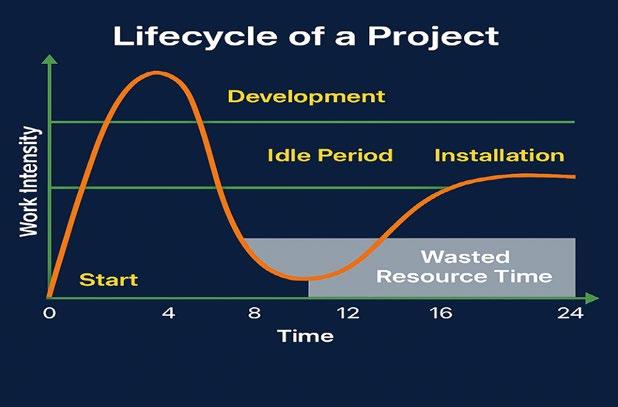
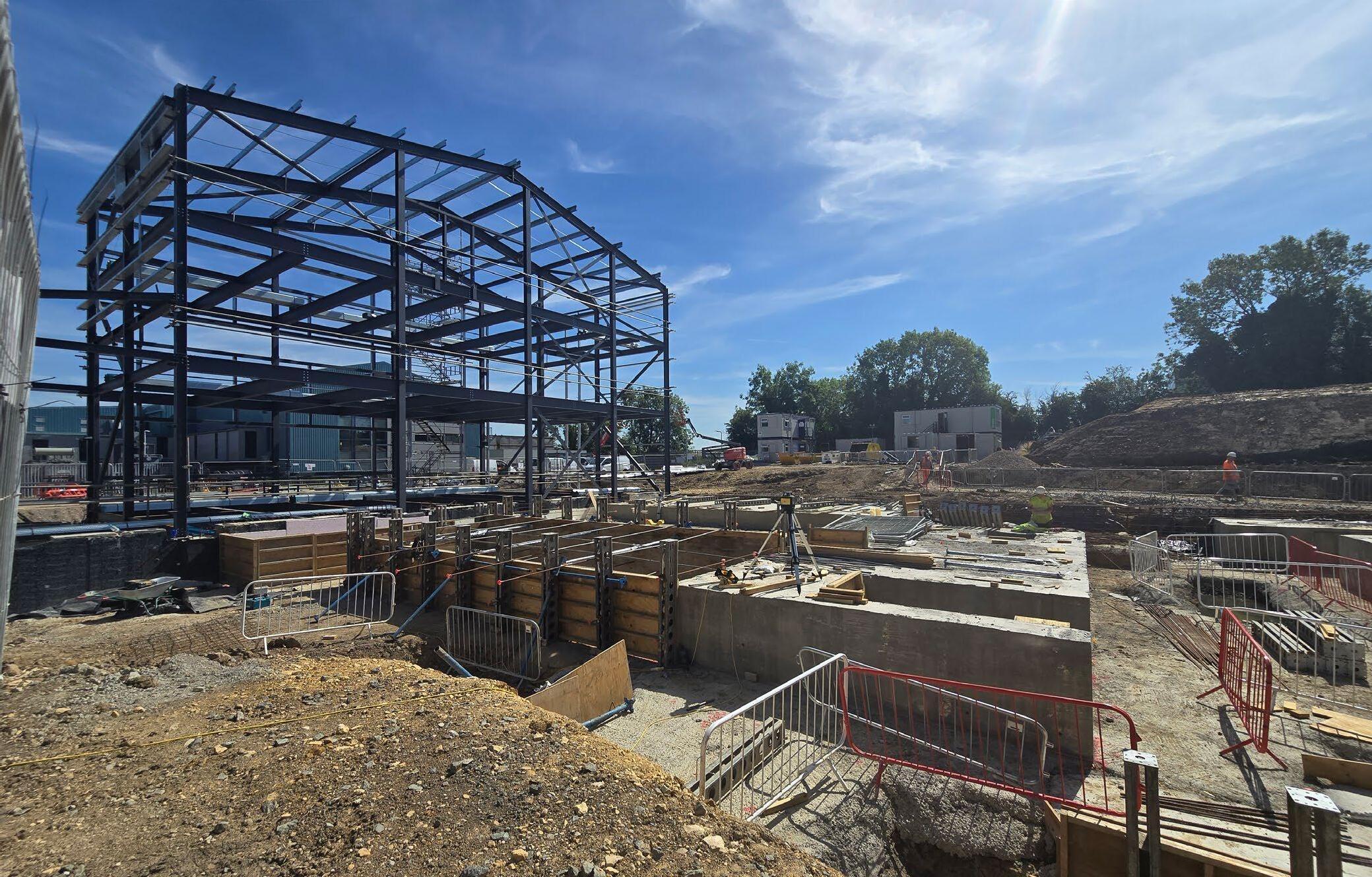
Experience is the ultimate currency in manufacturing, but its true value lies in the quality of the final handover. With a portfolio of hundreds of successful projects across diverse global sectors, LMS ensures a seamless transition from construction to full-scale production.
Our deep, “on-the-ground” history means that potential challenges are addressed before they become delays. For our clients, this translates into facilities that start up flawlessly and capital investments that deliver their intended return from day one, rather than being mired in postlaunch corrections.
Conventional consultancies and the use of interims are charged for
fixed periods where a contractor sits on-site for the project duration, LMS operates on a flexible, ondemand model.At the heart of the LMS philosophy is a commitment to smarter resource allocation.
By providing decisive guidance at critical milestones, we eliminate the burden of bloated overheads and idle labour. This focused approach ensures projects move faster and more cleanly, leaving the client with full financial control and a project that stays on budget, without the typical draining “hidden costs” of traditional project management delivery.
“With hundreds of successful completions and over 200 years of collective expertise, LMS provides the decisive advantage needed to deliver projects on time, on budget, and without drama.”
The “Legacy” in our name refers to the depth of technical wisdom we bring to every engagement. While many firms rely on a single interim manager, LMS clients gain access to a multidisciplinary team.
This allows us to deploy specific specialists exactly when they are needed—whether the challenge
involves writing User Requirements Specifications, full tenders and analysis, or complex end-to-end project delivery. The result is a build characterised by technical precision and zero compromise on quality.
Too many projects lose their way at the finish line, where the original vision is often lost in a rush to complete a checklist. We act as a seamless extension of your leadership team, protecting the strategic “why” from concept through to handover.
This continuity ensures that the final result aligns perfectly with your long-term goals. By providing this high-level strategic oversight, we simplify the complex, allowing business leaders to remain focused on the future rather than
being pulled back into rework or operational recovery.
Your project deserves more than just management—it deserves a transformation that endures long after the contractors leave the site. Bring the hard-earned experience of hundreds of successful builds to your factory floor and gain the confidence that comes from a steady, expert hand.
Smarter. Leaner. Proven.
Visit: www.legacymanufacturing.solutions
Contact us today to discuss your project roadmap.

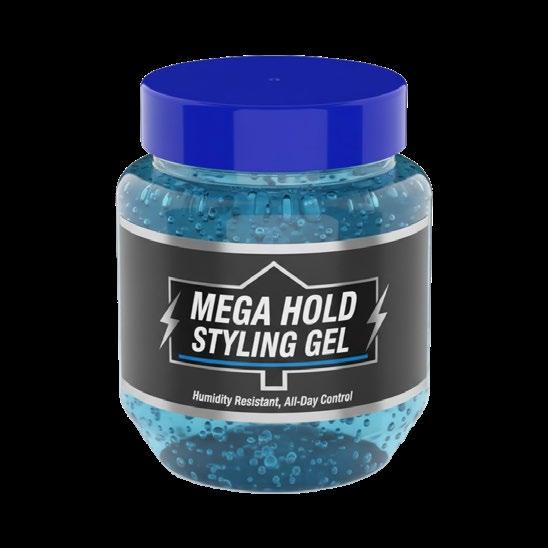
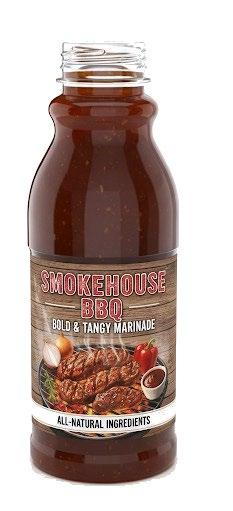
Moulded Packaging Solutions Ltd is a family-owned manufacturer of plastics packaging, based in Blyth, Northumberland. Established in 2006 by industry experts Alan Charlton and Iain McLeod, the company began production in 2007 from a modest 6,000 sq ft facility in South Northumberland. With over 60 years of combined experience in polymer manufacturing, plastics moulding, and packaging, our founders created a lean and responsive operation tailored to meet customer needs. Specializing in PET/rPET containers, MPS provides both a range of standard items and fully customized designs. Our focus covers various sectors, from food service to industrial applications, with a strong emphasis on reusable, recyclable, and sustainable products.
Quality assurance is fundamental to MPS. We are ISO 9001:2015 certified, and in 2018, we achieved an AA grade under the BRCGS Packaging Global Standard on our first attempt—a distinction we consistently uphold. Additionally, our investments in ecoefficient machinery, green energy sourcing, and environmental
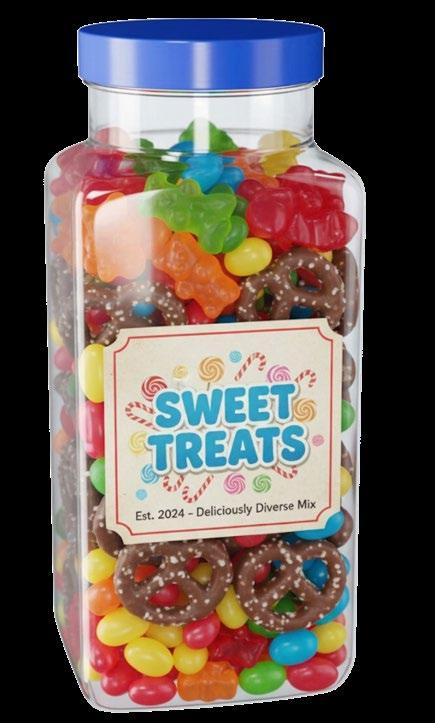
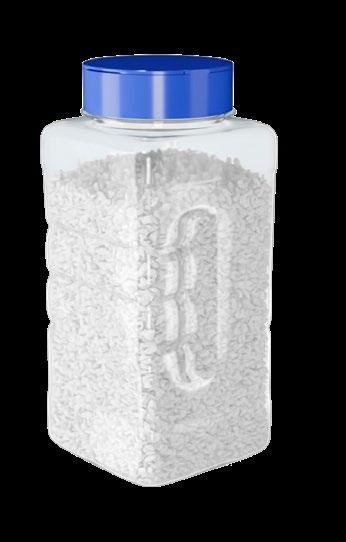
waste management support our commitment to reducing our carbon footprint.
Under the joint leadership of Charlton (Managing Director) and McLeod (Manufacturing Director), MPS positions itself as a responsive, independent UK manufacturer— merging community roots with international reach. Our mission is to provide customers with adaptable, premium-grade packaging solutions while promoting regional employment and sustainable practices.
MPS is here to assist, creating packaging solutions tailored to our customers’ needs, guiding them through the development process from the initial concept to the finished product. Our highly skilled design and mould manufacturing team has access to a variety of global resources. Our customers can trust that our mould quality and manufacturing lead times are among the best in the industry, as we maintain highly competitive mould prices and aim to transition from the finalization of approved designs to production-scale manufacturing in as little as 8 weeks.
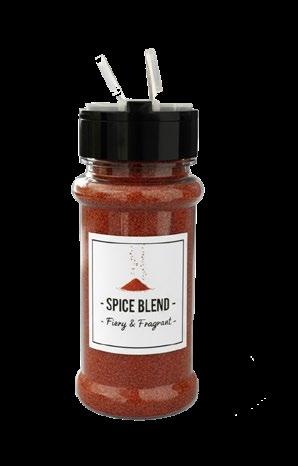
Some other key information:
• Manufacturing our own preforms as part of two-stage injection blow moulding
• Bottles and Jars stock ranging from 100ml-6000ml
• Various shapes including round, square, rectangular, and square round
• Recent investment includes 38mm neck, to go alongside our popular 63mm, 70mm and 110mm
• Capacity to expand and undertake new projects
At MPS, we’re proud to be one of the few remaining independent UK based manufacturers where our flexibility offers key benefits to our customers.
www.mps-europe.com

Due
popular
In specific our 3 Day ‘DSEAR with a Bang’ Training Course, which will now include our latest revision of the 252 page training manual.
The manual acts as a reference document, to assist those who need to conduct DSEAR risk assessments in the future.
Spaces are currently available for:
April: 14th-16th
May: 12th-14th
June: 9th-11th
Courses will also run from September through to December, and remember - We also offer bespoke training on site, should you require a more tailored experience?
We have also compiled a series of videos, which demonstrate how failures occur, each will be featured both on our website in the coming weeks, but immediately on LinkedIn, the first on which screened just a few weeks ago.
To find out more - Follow us on LinkedIn.

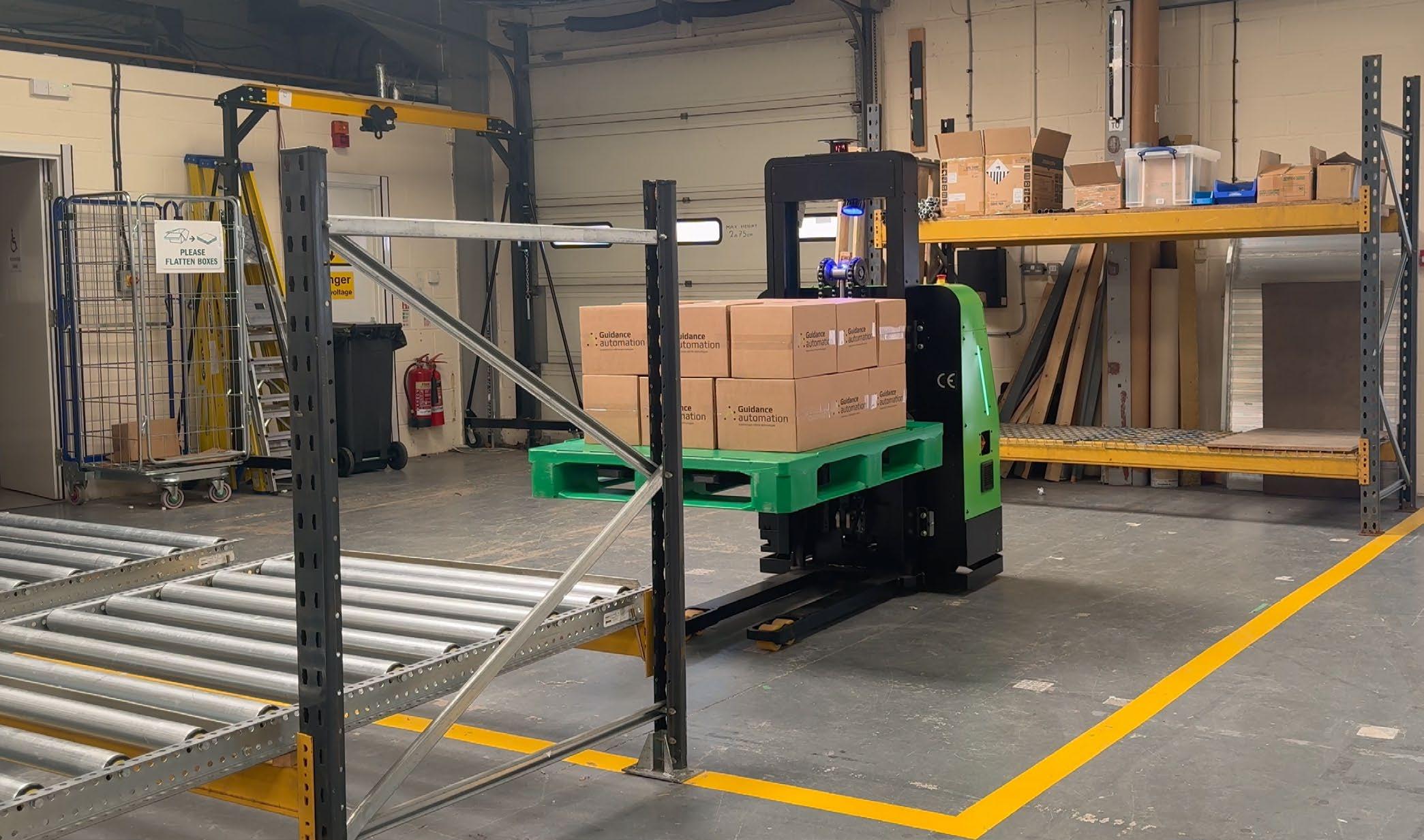
In drinks manufacturing, improvement efforts tend to focus on filling, changeovers, labelling and inspection. These stages attract close attention, and rightly so. They are critical points in the process where small inefficiencies can quickly multiply.
In practice, productivity is often lost elsewhere.
In many plants, once a product is sealed, boxed or palletised, it becomes easier to handle.
Hygiene restrictions reduce, tolerances widen and the task shifts from precision processing to straightforward movement. Yet this is often the point at which highly engineered systems give way to very traditional ways of working.
Finished cases accumulate at the end of conveyors. Pallets queue for collection. Skilled operators walk significant distances to move goods between packing, storage and despatch. Fork lift trucks carry out frequent, short movements that add no value to the product itself, but still absorb time, labour and floor space.
Capital investment typically concentrates on the core process, where performance is most visible and easiest to justify. End-of-line movement is often treated as an operational issue to be managed day to day, rather than as a process in its own right. Fixed automation can be difficult to justify in areas where layouts change, volumes fluctuate or seasonal peaks dominate.
The result is that the bottleneck is not the bottle, but what happens next.
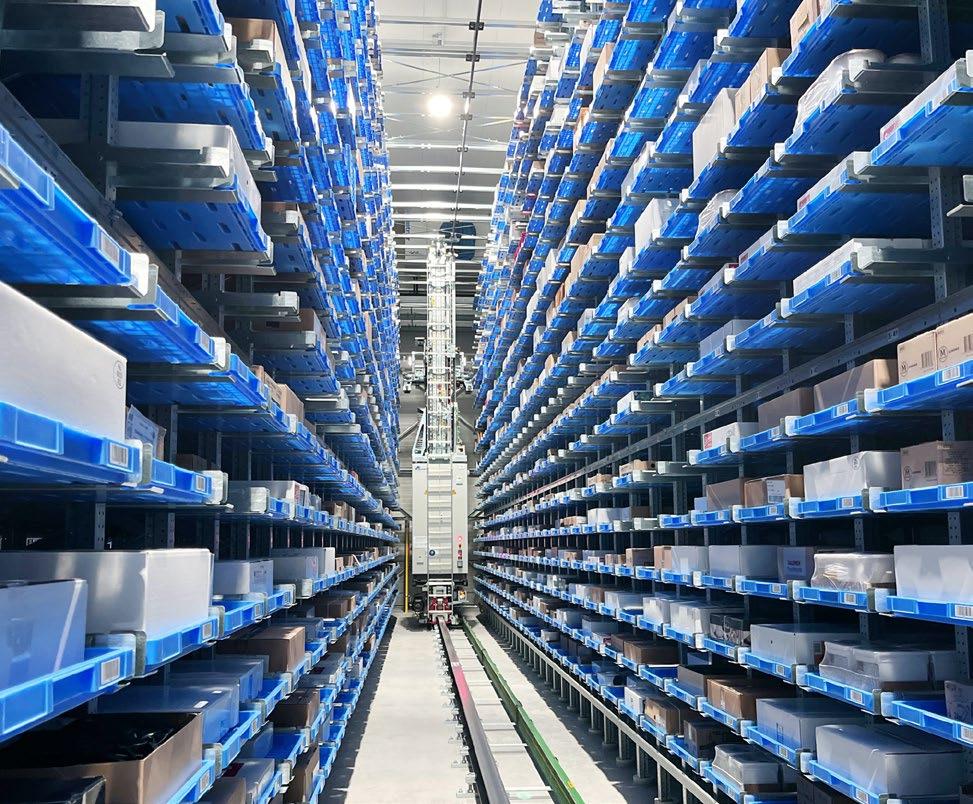
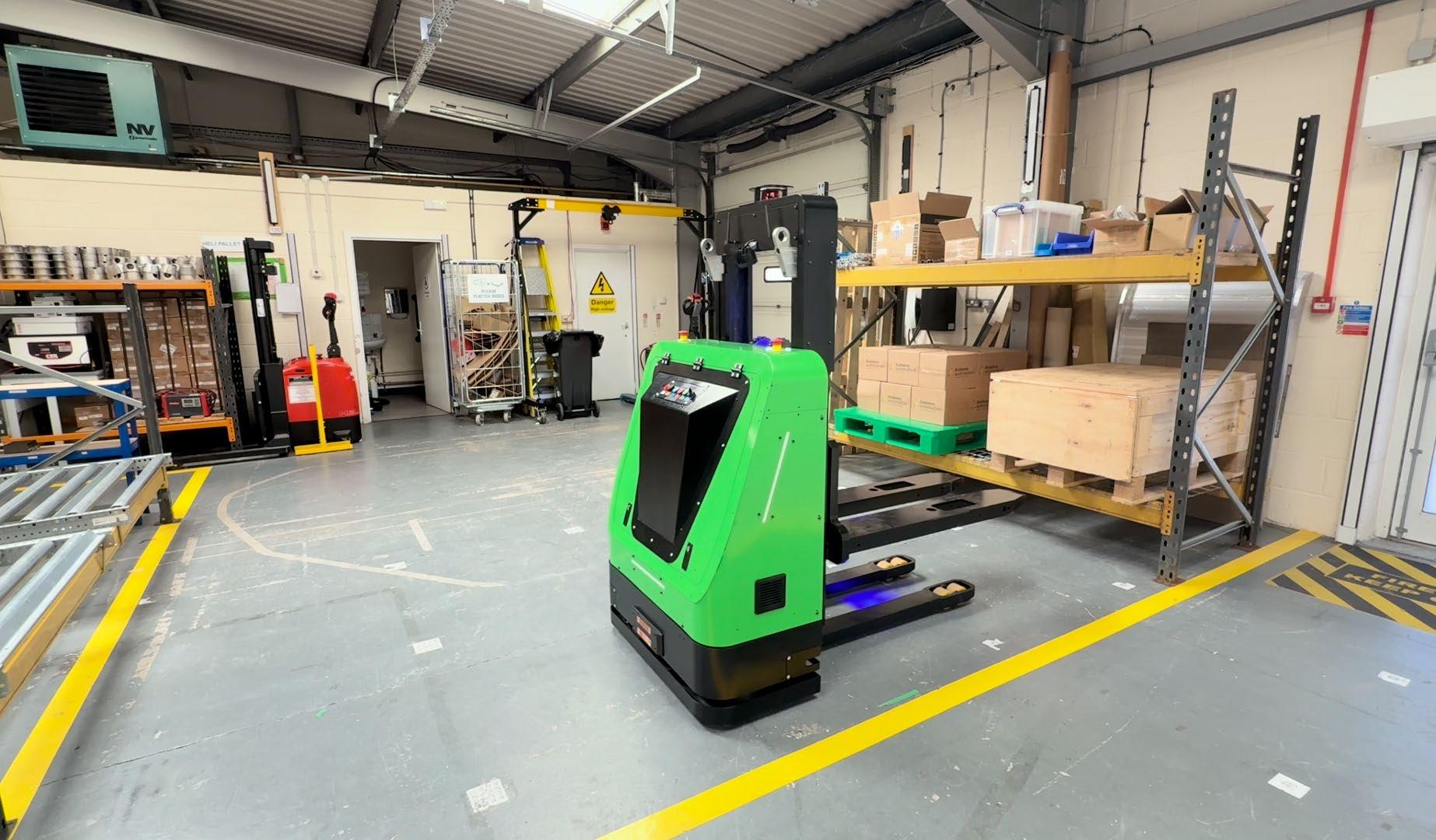
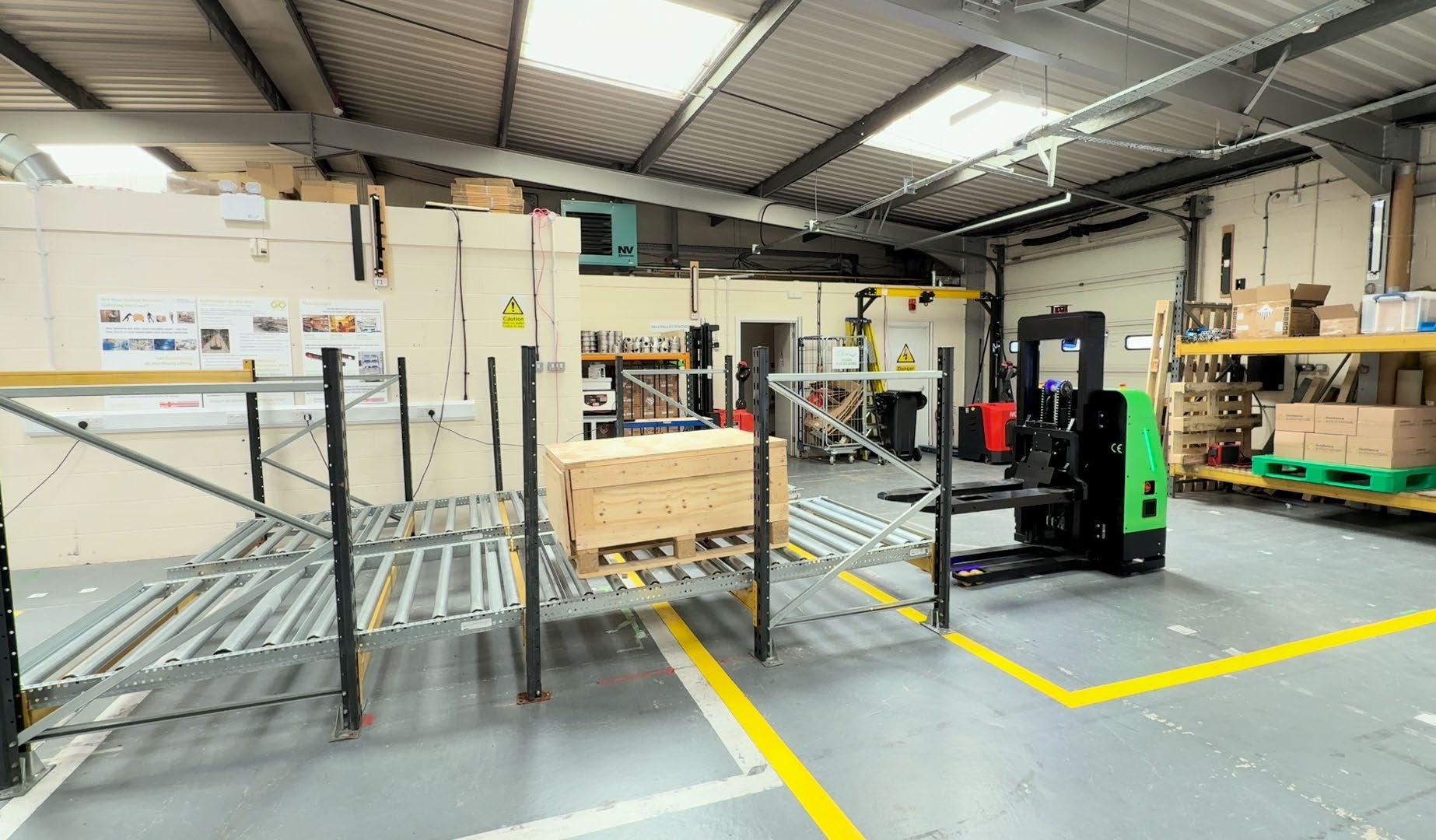
Autonomous vehicles provide a practical way to address this gap, enabling packaged product to move through wrapping, storage and despatch without the extra handling and vehicle movements that often sit outside the main production flow.
These repetitive, low-skill tasks are well suited to automation. By removing routine material movement, operators can focus on quality, coordination and other value-adding work rather than transport between processes.
What often determines whether this type of automation is considered is not technical capability, but commercial risk. A pay-per-hour model changes that equation. Instead of committing capital based on projected returns, automation can be deployed in live conditions and assessed on actual performance.
Costs are linked to productive hours, with capacity able to scale in line with demand. For drinks producers managing promotions, seasonal volume changes or frequent format variation, this flexibility is significant.
There is also a workforce consideration that is easily overlooked. End-of-line handling is physically demanding and repetitive, yet it often relies on experienced people who could add greater value elsewhere. When autonomous vehicles take on routine movement, skilled staff spend more time on quality, coordination and continuous improvement.
In practice, productivity gains are often achieved not by pushing
machines harder, but by removing the small delays and interruptions that surround them. In drinks manufacturing, these delays frequently sit between packing and despatch.
Bottling is rarely the real constraint. Looking beyond it can be one of the simplest ways to unlock capacity without disrupting processes that already work.
Discover how flexible automation can help improve productivity beyond the bottling line.
Tel: +44 116 243 6250
enquiries@guidanceautomation.com
www.guidanceautomation.com/ autonomous-go/


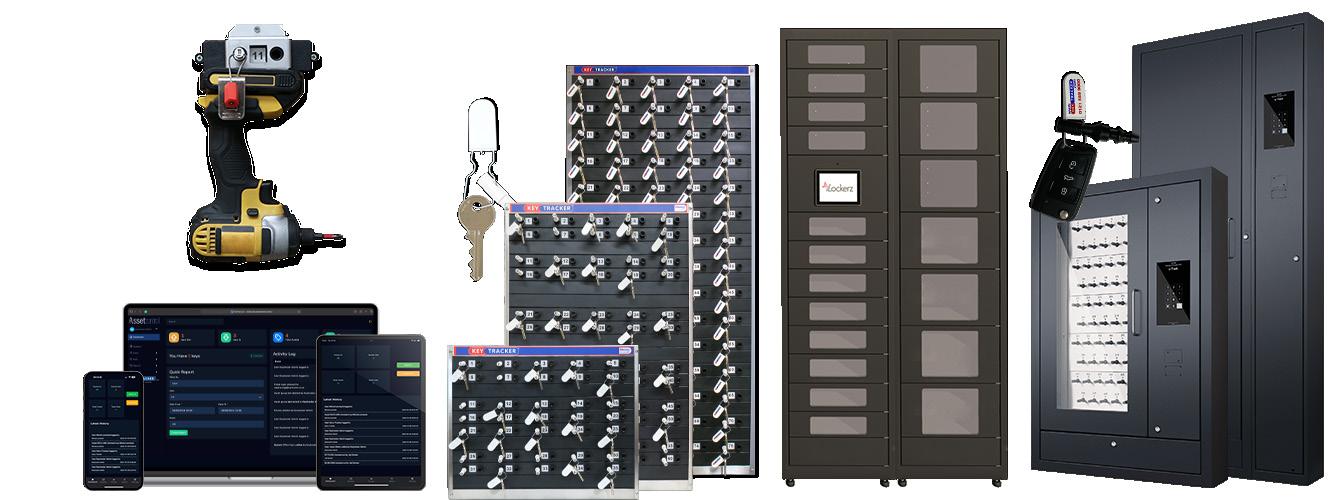
KeyTracker’s solutions facilitate compliance with safety regulations and standards in the food processing industry. By investing in KeyTracker’s key and asset management solutions, the industry can ensure compliance with industry regulations, increase productivity, and reduce costs associated with key loss or theft.

Albert Bartlett is a family-owned business that has been operating for over 70 years as the UK’S leading supplier of fresh potatoes. Over the years, the company developed their product range and now also supplies produce from fresh vegetables to frozen goods, which are available to purchase at major retailing supermarket, Asda or on their very own Albert Bartlett website.
Before being introduced to KeyTracker’s key & asset management systems, Albert Bartlett had nothing in place to monitor their keys or assets. The absence of a management system allowed for items to go missing or be misplaced by whoever used them last, which would cause a lot of frustration.
After speaking with a member of KeyTracker’s sales team, Albert Bartlett decided to purchase a T1 system which is a single unit used to monitor the use of items. Since the purchase of their management system, they have been able to track the use of their company radios and Android tablets, as the personalised access pegs allow every staff member to see who is in possession of the items at that current time. The implementation of the system has enforced accountability among the staff members and has helped to prevent the items from going missing. Their items are now kept in a secure and organised space which has increased the company’s peace of mind about the whereabouts of the items at all times.
Improved Efficiency
Increased Security
“I would recommend the system for the peace of mind and security that it brings. Our business journey with KeyTracker was very smooth. They have been very friendly, they’re fast to respond and always very helpful.”
Today, after successfully operating for over 30 years, Laser S.O.S. Group’s core business sectors are in the support of a comprehensive range of solid-state lasers and IPL platforms used in various industrial applications such as drilling, cutting, welding, marking, diamond cutting, the manufacture of jewellery, medical and beauty application. These days, lasers have become as common as drills and lathes and their application has grown exponentially.
LaserSOS has grown from an operation that supplies consumable items such as laser lamps, laser crystals, laser optics and mirrors, cooling systems and power supplies to an organisation that not only supplies but also produces and maintains complete laser delivery systems throughout the world. It continues to develop tailor made solutions for specialist application such as diamond cutting and marking.
LaserSOS is an independent operation that through its success in the international laser market has been able to develop close and effective working relationships with a broad range of providers of technologies, products and services used by laser systems. These close relationships and the volume of business the company can place has
helped obtain better and quicker levels of service and support for its clients worldwide.
The breadth of stock held by the organisation is second to none and where competitors may offer a client a single laser lamp, LaserSOS can provide several types with a variety of technical and commercial options. On frequent occasion, speed of delivery can be the paramount consideration and LaserSOS has developed a knowledge and experience of the necessary logistics to deliver an item anywhere across the globe.
LaserSOS provides its clients with extensive and in-depth
technical understanding of key laser technologies, gained by the development of procurement and sales of a broad range of components and services plus its own in-house facilities.
Frequently, a client will provide photos or samples of products it requires but will only have the laser system name and no part number. Finding solutions quickly can help facilitate business growth along with the maintenance of comprehensive stock levels.
Today, the business is not simply a merchanting operation. Over time, it has created and enhanced its in-house assembly and test facilities. Its current facilities located several miles outside of Cambridge offers a one stop shop providing components and technical services direct to all laser end-users.
LaserSOS has active operations in the USA, Germany, Poland and India providing technical and commercial support across the globe.
For further information, please visit www.lasersos.com

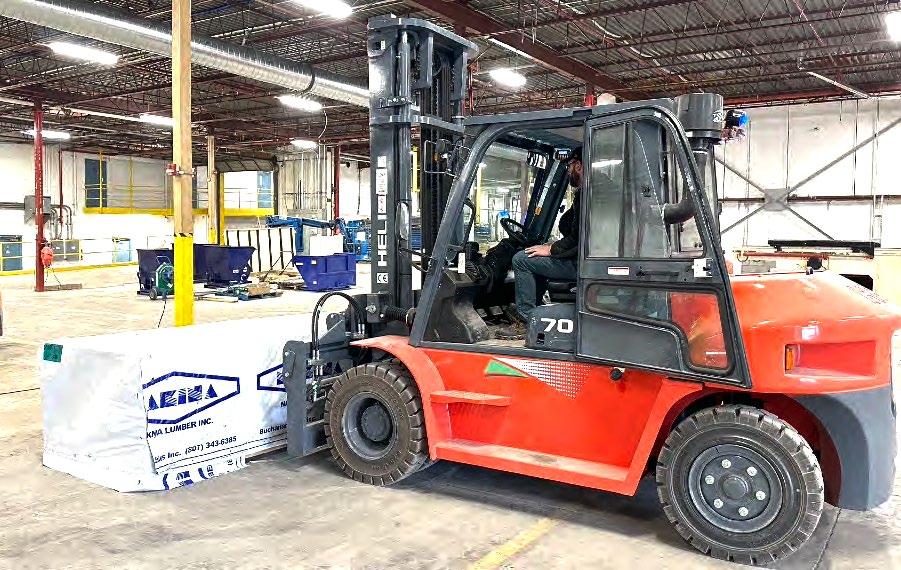
InfoHUBX is a RF wireless industrial vehicles data connectivity and communication gateway developed by Integrated Visual Data Technology Inc. (IVDT).
It is specifically designed for small and medium operational facilities to connect material handling vehicles such as forklifts and electric pallet trucks to a local area network (LAN) for real-time fleet management and operational reporting.
• Automatic Data Collection: It serves as a dynamic gateway that
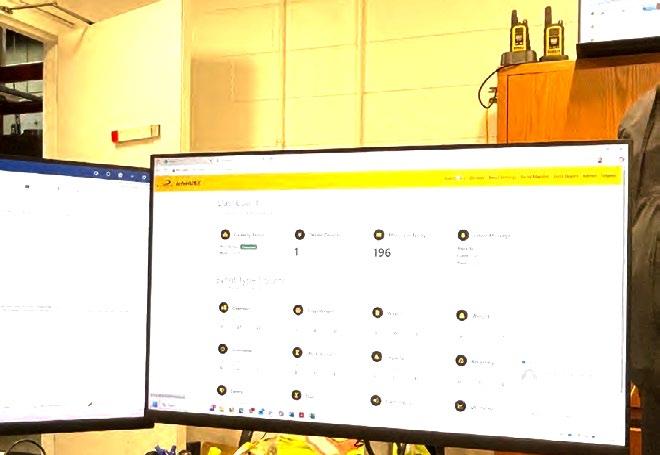
collects automatically operational data and event notifications from vehicle onboard systems (IVDT’s SkidWeigh Patented Technology products).
• Real-Time Monitoring: Fleet managers can access data via an interactive local web portal or receive automatic email notifications through SMTP servers for events like operator ID#, vehicle weighing loads, impacts, overloads, operational idling, justified downtime events or OSHA safety checks compliances.
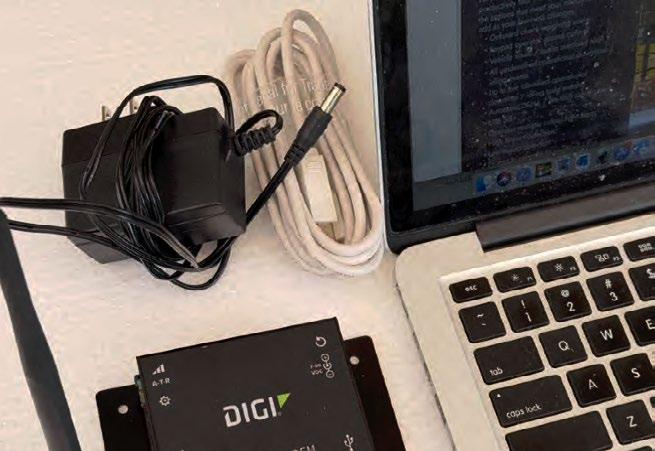
• Network Compatibility: The system uses 900 MHz RF long range wireless technology to communicate, which does not require a license and is compatible with most existing networks.
• Cost Efficiency: Unlike many cloud-based telematics solutions, InfoHUBX operates without ongoing monthly subscription fees or recurring data costs.
• Security: Data remains on the end user’s local network, reducing the security risks associated with sharing data with OEMs or thirdparty cloud providers.
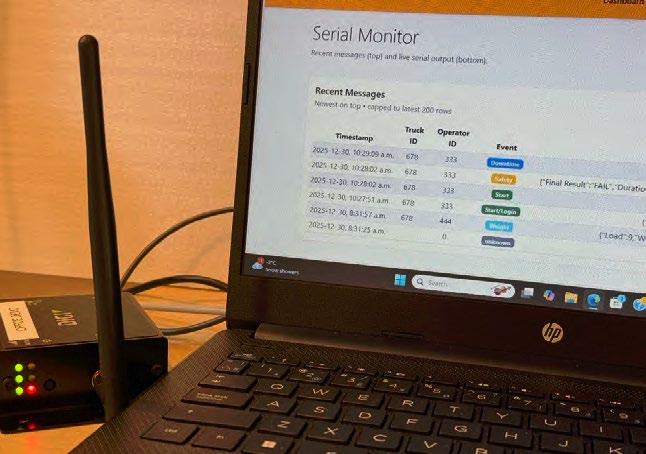
• Fleet Management: Targeted primarily at small to mid-size fleets with mix vehicles makes that need visibility into vehicle operational utilization and productivity without complex IT infrastructure.
• Safety Compliance: Integrates with systems like the OSHAX to provide 100% preshift vehicle safety compliance by storing and extracting records digitally.
• Industries: Used in sectors like, manufacturing, utilities, big box facilities, warehousing, LTL transportation, recycling operations to manage load weighing data and operational efficiency in real-time.
With industrial automation and connected equipment becoming standard expectations, platforms like InfoHUBX are helping lift truck dealers transform from equipment suppliers into strategic partners in digital fleet management. The important part to understand is ‘it doesn’t have to be complicated.
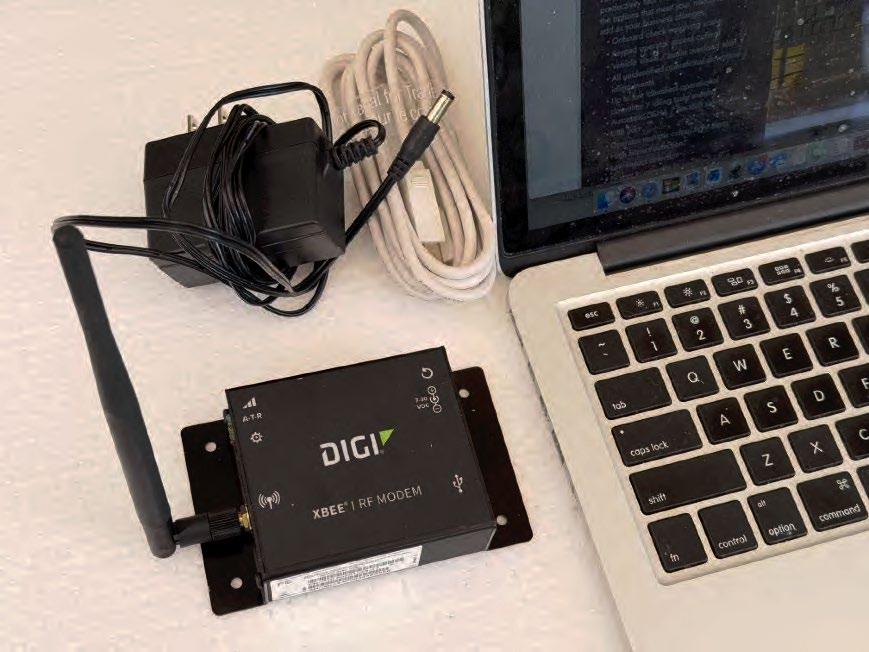
All offerings provided by InfoHUBX are end user managed and supported, elevating dealers to an advisor role in the field of material handling and allowing the various departments of the dealership to concentrate and support the end user through core offerings such as equipment sales and service.
As lift truck dealers leverage for understanding of operational
data to improve service quality, productivity, and safety outcomes for customers, the traditional role of a lift truck dealer is evolving underscoring the value of the uniqueness of InfoHUBX in the North American material handling market.
www.skidweigh.com
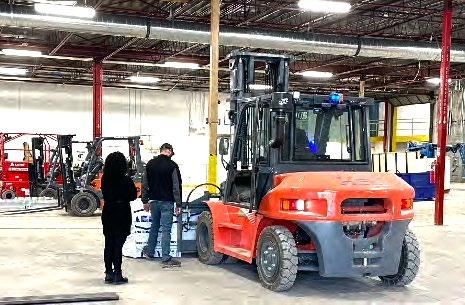
A wide range of solutions, live and in action, making it the year to visit
MACH 2026, the UK’s national event for inspiring, innovating and connecting manufacturing, returns to the NEC Birmingham from 20-24 April 2026. As the UK’s longest-running exhibition of its kind, MACH 2026 brings together over 500 leading exhibitors to showcase the broadest range of manufacturing technology solutions in the country. Its unique scale and scope make it an essential event for the sector, providing a platform for innovation, collaboration and industry insight. The five-day event provides attendees with a perfect opportunity to explore the latest cutting-edge products and services, which can improve the efficiency and sustainability of business operations.
The UK manufacturing industry plays a significant role in contributing to the success of the UK economy. There are over 325,000 small and medium-sized UK manufacturing and engineering enterprises, which are recognised as the backbone of the UK economy. This cross-industry event is specifically designed to address real manufacturing challenges, helping manufacturers navigate through issues such as rising operational costs, skills shortages, supply chain disruptions and geopolitical uncertainty. MACH 2026 offers plenty of opportunities to discover and explore solutions that will help manufacturers remain competitive in this challenging environment.
MACH 2026 brings together organisations from across the UK and beyond, attracting professionals from all areas of manufacturing, including design and engineering, production and operations, maintenance and asset management, and supply chain management. This creates a valuable network of connections that operates in a wide range of rapidly evolving sectors, including aerospace, automotive, medical technology, chemicals,
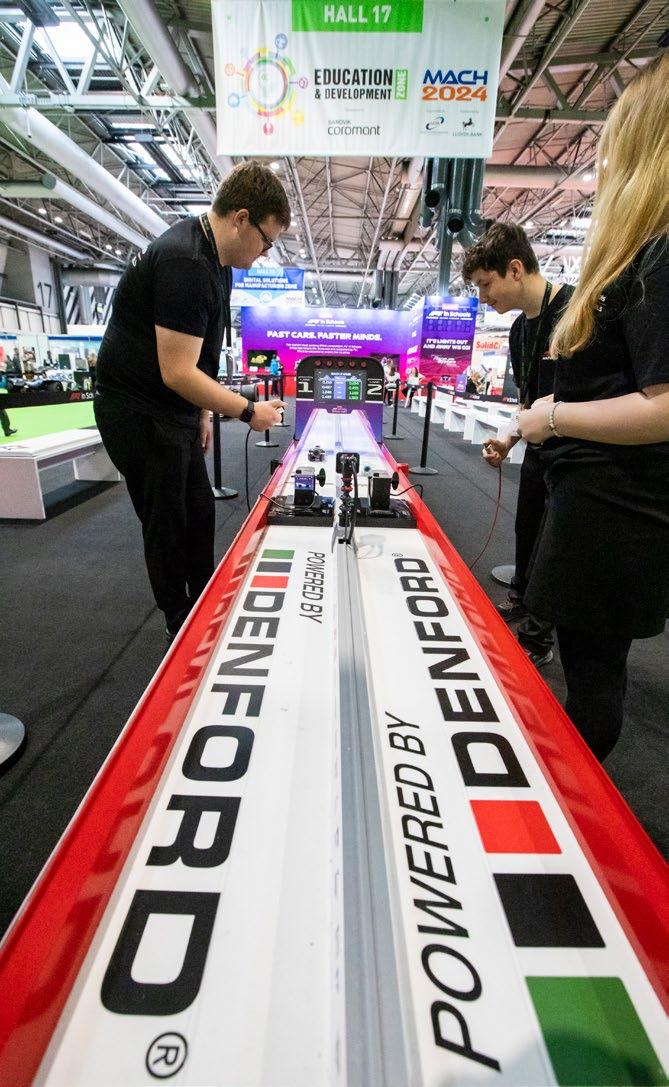
pharmaceuticals, food, agriculture, defence, rail and transport.
As the UK’s national showcase for the manufacturing community, MACH 2026 provides exciting developments for experienced machinery users to explore. At the same time, it provides those new to the industry with ample opportunities to learn, discover and engage with the innovative and thought-provoking world of manufacturing.
The exhibition offers live technology demonstrations, expert-led insights, and practical, sector-specific solutions. Attendees leave equipped with actionable knowledge and inspiration to enhance their businesses and drive innovation, helping them find solutions to their manufacturing challenges and prepare for the future.
MACH 2026 offers compelling reasons to attend this April. More than 500 exhibitors from across the manufacturing spectrum will showcase their latest innovations live and in action, from automation and robotics through to grinding, sheet metalworking and surface finishing. This will give attendees a first-hand
experience of solutions that can enhance efficiency and performance within their businesses. The event also provides extensive networking opportunities, allowing attendees to connect directly with knowledgeable industry professionals.
In addition, MACH features an inspiring seminar programme led by leading industry experts, offering attendees the chance to gain insights, stay abreast of the latest industry developments, and benefit from a wealth of practical knowledge and expertise.
Building on this learning and insight, MACH 2026 will also feature the improved Knowledge Hubs, offering attendees practical guidance and expert advice on the latest manufacturing technologies. Strategically located across the show floor, the Knowledge Hubs will focus on key industry topics: automation and robotics, additive manufacturing and 3D printing, data and AI, and machining and tooling.
MACH is owned and organised by the Manufacturing Technologies Association (MTA), which also encompasses a cluster of organisations, including Engineering Supply Chain UK (ESCUK), Additive Manufacturing UK (AMUK) and MTA Training.
James Selka, CEO of the Manufacturing Technologies Association (MTA), said: ‘Following the success of MACH 2024, the Knowledge Hubs return even bigger and better for 2026. These interactive hubs give manufacturers practical guidance on adopting new technologies, connecting them with experts and suppliers, and providing insights that drive productivity, efficiency and competitiveness.’
Register now to get your free prereg pack and start planning your visit today: www.machexhibition.com
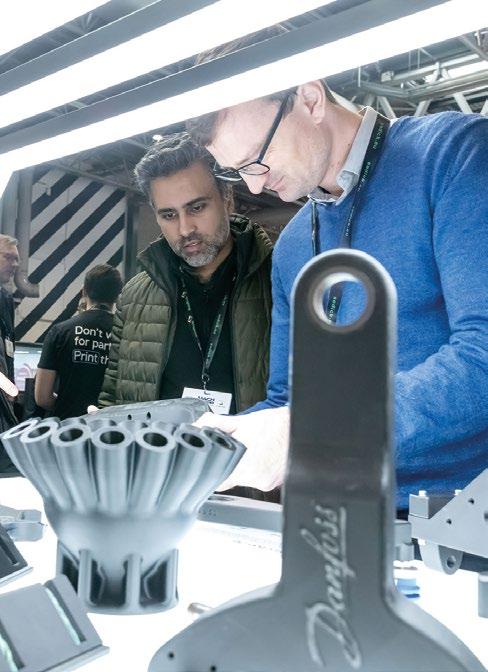
Continued rise in seafood consumption asks for smarter, more sustainable packaging
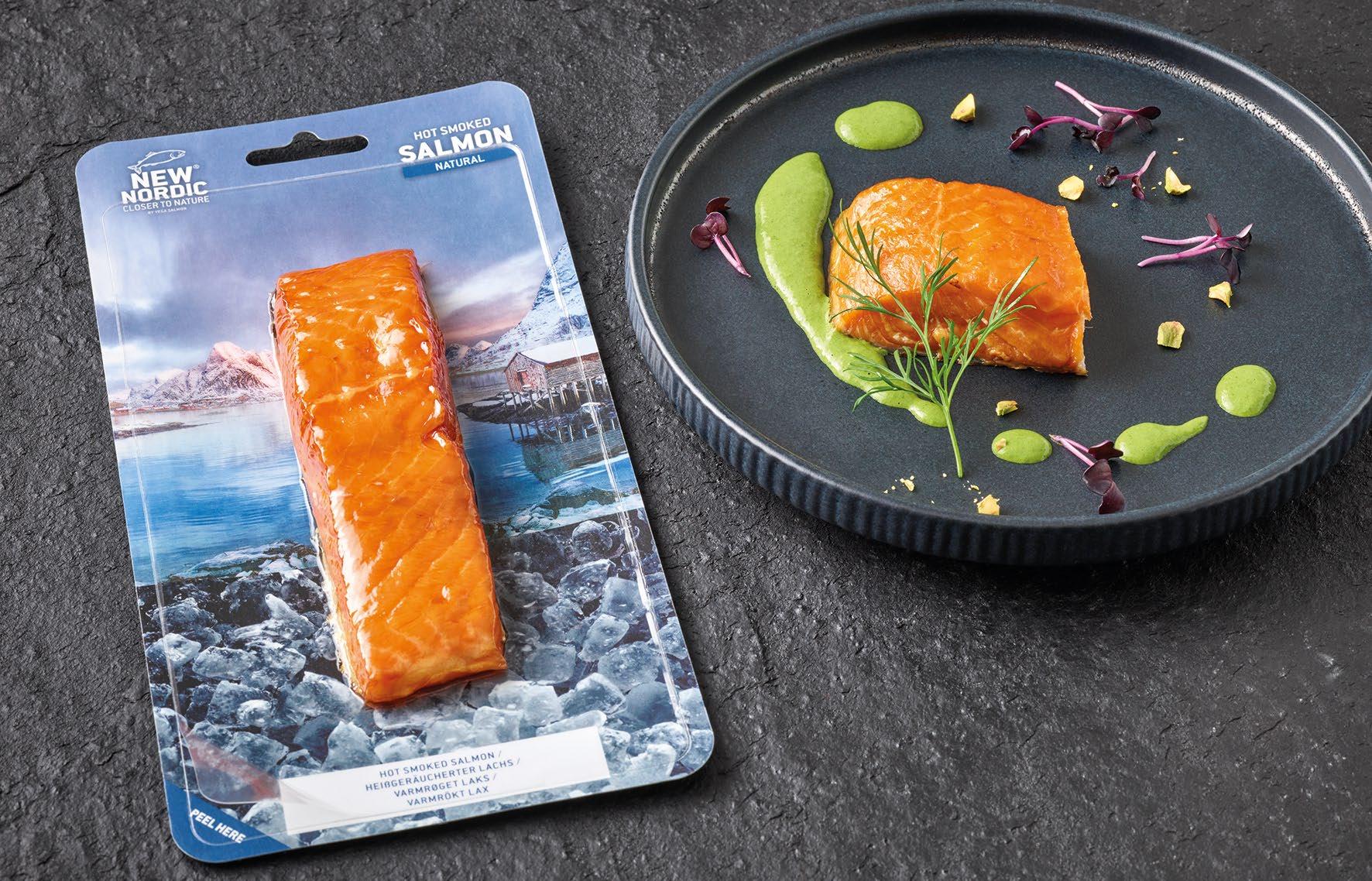
Global consumption of fish and seafood products continues to climb. In many regions, consumers show increased awareness for healthy and sustainable diets, and seafood remains a favourite, thanks to its nutritional value and diverse culinary options. As the demand rises, so does the pressure on manufacturers to deliver freshness, safety, and sustainability. This makes modern packaging solutions more important than ever. An important reason for SEALPAC to return to the Seafood Expo 2026 in Barcelona.
At their stand 3LL200, the packaging experts from Germany will be showing their latest packaging solutions for the global seafood industry, including the renowned and proven FlatSkin® concept on a SEALPAC M-Flex traysealer. In its Supermarket of Innovations, the company presents numerous innovative seafood packaging concepts from international
markets, all produced on SEALPAC equipment. As such, it will be an important source of inspiration for seafood companies that want to further develop their packaging concepts and adapt them to changing market needs.
FlatSkin®: sustainability meets optimal shelf life and attractive presentation
Recognizing the need for environmentally responsible packaging, several years ago, SEALPAC invented the FlatSkin® packaging system. This revolutionary concept combines prolonged shelf life with a highly attractive presentation and sustainable use of materials. It is suitable for a wide range of seafood products and will turn each of those products into a true highlight at retail. Fresh salmon, for example, is sealed under a deep vacuum directly onto a flat cardboard
carrier, which has an ultra-thin plastic liner. A highly transparent skin film fixates the product onto the cardboard base, which allows for vertical presentation at retail. After taking out the product, the thin plastic liner can be easily removed, to allow for separate disposal.
Furthermore, SEALPAC’s FlatSkin® concept offers strong branding opportunities thanks to the doublesided printing of the cardboard base. Overall, it offers a significant reduction in plastic usage of up to 75% compared to traditional vacuum skin packaging.
Amax-series traysealers: highperformance, fully automated packaging
For seafood manufacturers that require high outputs and maximum efficiency, SEALPAC’s Amax-series traysealers deliver cutting-edge
performance. These machines are built for continuous, high-speed packaging. Every Amax traysealer processes various tray formats, tray materials, and packaging concepts, including resource-saving solutions like ultra-light, hybrid, or monomaterial trays. They are equipped with the fastest tool changeovers on the market, thus supporting frequent product changes. Users benefit from reliable processes and low costs per package, ultimately resulting in a swift return on their investment.
M-Flex traysealer: flexible solution on a small footprint
Not all manufacturers operate at high outputs. For smaller companies, like artisanal fish processors, start-ups, catering providers, or delicatessen stores, SEALPAC offers its semi-automatic M-Flex traysealer. This compact, flexible machine delivers professional-grade packaging on a small footprint. Despite its semi-automatic nature, the M-Flex supports the full range of SEALPAC’s innovative packaging concepts, such as FlatSkin®, Modified Atmosphere Packaging (MAP), and sealing-only applications. Its servo-driven film transport enables precise control, even with complex packaging concepts. This traysealer will be demonstrated live at Seafood Expo 2026, so feel free to bring your products.
The new standard in thermoforming: SEALPAC F-series
Availability was key in the design of the high-performance F-series thermoformer range. Features such as automatic film alignment, automatic chain tension correction, and continuous process monitoring reduce manual intervention and minimize unplanned downtime. Its modern hygiene concept, with the easy-to-clean design and simplified maintenance, also contributes to efficiency.
The unique film and tooling quick exchange systems on the F-series are likewise designed for continuity: film reels and forming or sealing tools can be replaced with minimal effort. This not only accelerates the changeover process but also makes
it safer for the operator. At the same time, optimized energy and air consumption reduce ongoing operating costs. The combination of high process reliability, maintenance-friendly design, and reproducible output ensures that the F-series thermoformer quickly pays for itself, especially at high production volumes of seafood products.
As the consumption of seafood continues to rise, manufacturers and retailers face the challenge of ensuring product freshness, optimal shelf life, and responding to growing demands for sustainability. SEALPAC’s packaging innovations rise to the occasion. The FlatSkin® packaging concept, for example, reduces plastic usage, simplifies recycling, and offers an eye-catching presentation. Meanwhile, SEALPAC’s range of machines, from the highoutput Amax-series, via the flexible M-Flex traysealer, to the highcapacity F-series thermoformers, provides packaging solutions suited to a wide variety of production
scales and business needs. For seafood companies, big or small, which prioritize freshness, shelf life, sustainability, and packaging efficiency, SEALPAC stands out as a trusted partner in packaging. Visit us in Barcelona and find out for yourself!
SEALPAC is exhibiting at Seafood Expo 2026 in hall 3, stand 3LL200.
www.sealpacinternational.com
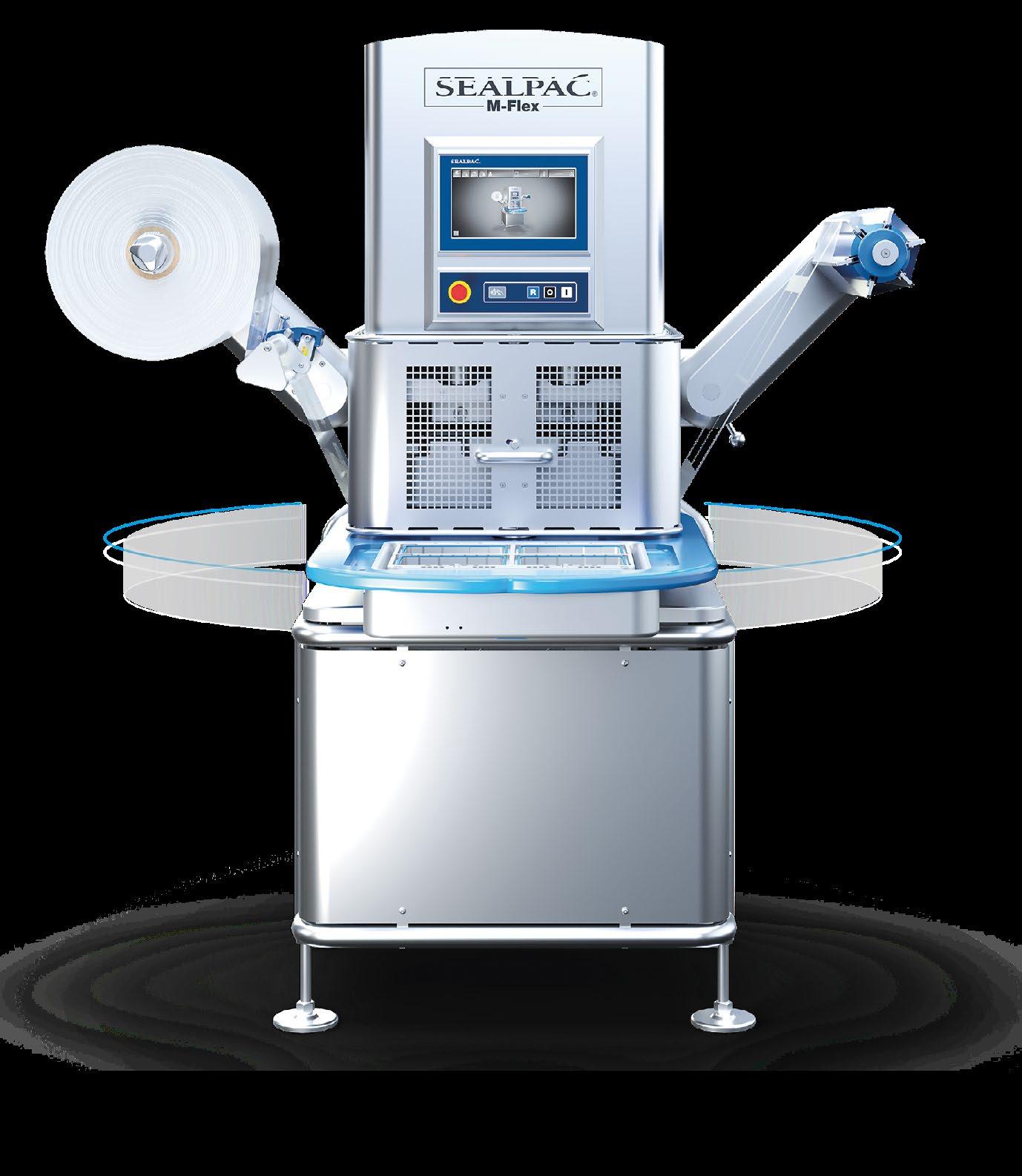
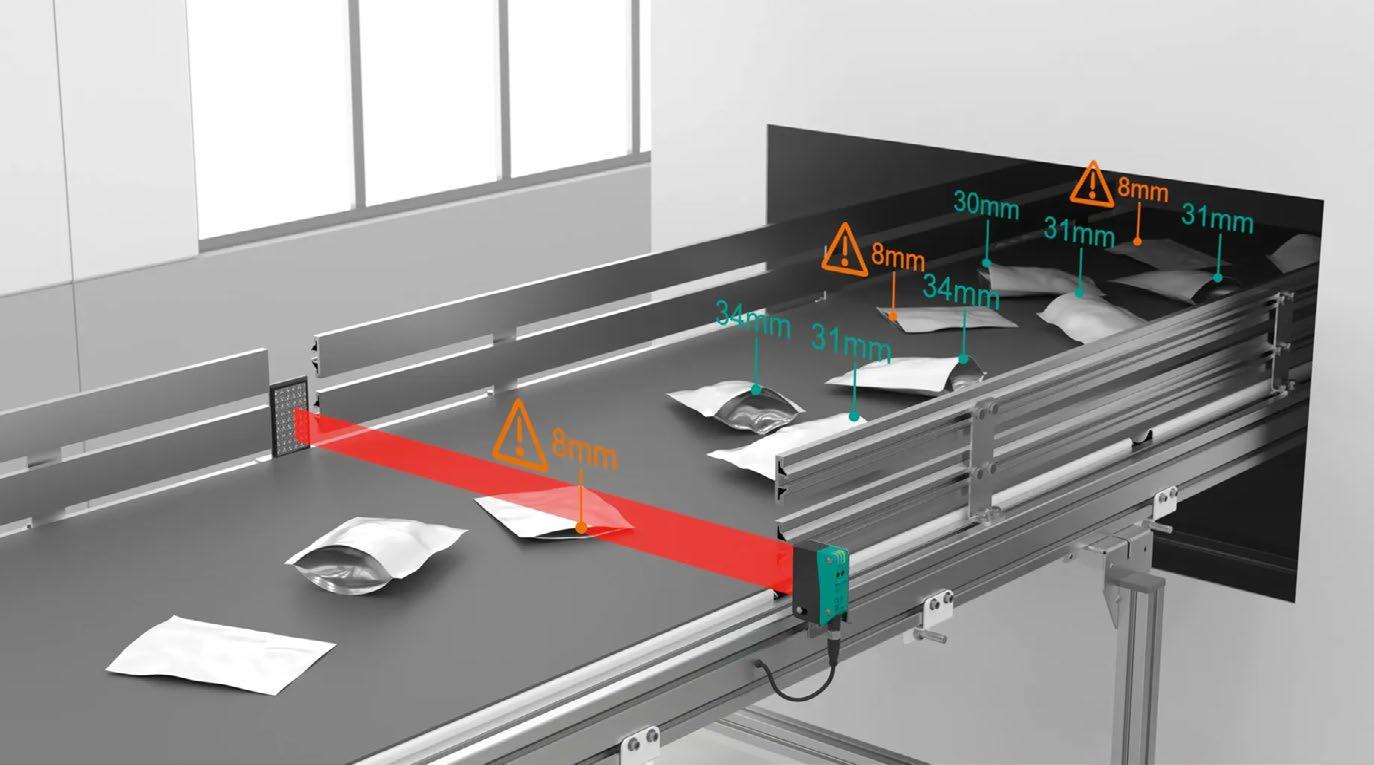
Pepperl+Fuchs introduces the R305 retroreflective area sensor, designed to reliably detect irregularly shaped objects from a height of just 2 mm. With a 60 mm light band, configurable detection parameters, and a sensing range of up to 4 m, the sensor offers exceptional flexibility for logistics and materialhandling applications. Integrated height measurement and an IOLink interface offer significant advantages over conventional retroreflective sensors.
Reliable Detection of Small and Nonhomogeneous Objects
In many applications, precise object detection is essential for smooth operation. Traditional retroreflective sensors often reach their limits when detecting very small objects that are not perfectly aligned within a point-shaped detection beam. Irregular contours may also cause multiple switching signals.
The R305 retroreflective area sensor overcomes these limitations by using a wide light band rather than a single-point beam. Even very narrow object edges are detected reliably, and interrupted contours trigger only a single switching event.
Maximum Flexibility for a Wide Range of Applications
The sensor’s light band consists of five individual beams, each 12 mm wide. Individual beams can be deactivated to ignore interfering objects or to adjust the detection height to accommodate narrow openings. The contrast level can also be adjusted to reliably detect transparent materials such as clear glass.
Users can select between two operating modes:
• Standard resolution mode: detection range up to 4 m
• High resolution mode: minimum detectable object down to 2 mm
Adjustments can be made directly on the device via rotary selector switch and push button, or precisely configured using IO-Link.
for Optimised Processes and Predictive Maintenance
In addition to detecting object presence, the R305 simultaneously measures object height. Measurement and status data are transmitted to the control system via IO-Link, enabling sorting, classification, and monitoring applications that improve process quality and efficiency.
The continuous availability of diagnostic data also underpins predictive maintenance strategies.
Easy Commissioning and Stable Operation
The Easy Alignment Mode enables fast installation using a visual LED indicator. A side-looker adapter allows 90-degree offset mounting for confined installation spaces.
The Auto-Teach function automatically adapts the sensor to its environment after power-up, eliminating the need for manual readjustment after maintenance shutdowns. During operation, intelligent signal compensation automatically adjusts light intensity to counteract dust, dirt, or changing ambient light conditions, ensuring consistently reliable detection and reduced maintenance effort.
• Reliable detection regardless of object shape or position
• Minimum detectable object size: 2 mm
• Beam blanking and adaptable detection area
• Fast commissioning with predefined parameters and easy alignment
• Reduced maintenance via autoteach and signal compensation
• Integrated object height measurement for sorting and monitoring
More information: www.pepperl-fuchs.com/en-gb/ news/reliable-object-detectionregardless-of-shape-or-size-gn6144
Contact sales@gb.pepperl-fuchs.com Tel: 0161 633 6431








* pothole) (fewer salt rock than corrosive less 80%
* friendly Environmentally (all natural/contains no urea)
* needed product less so Concentrated
* (5kg) buckets ycarr to easy in Available with scoop or 1.2kg shakers
* bags tonne covered in available Also to store outside
* restrictions storage or handling No


Short-run label production is becoming a day-to-day reality for drinks producers. SKU growth, seasonal launches and frequent artwork updates are putting increasing pressure on label supply, especially where premium presentation is required on clear, metallic effect or dark materials.
Against that backdrop, OKI Europe will sponsor the Global Drinks Awards, supporting a programme that recognises quality and innovation across the sector. The sponsorship also reflects the practical shift underway in label production, where flexibility and responsiveness can matter as much as unit cost.
One technology addressing this challenge is the OKI Pro1050 digital label printer. Using five-colour printing (CMYK plus WHITE toner), it enables opaque white underprint and strong colour on a wider range of substrates, helping brands maintain shelf impact without relying on longer, plate-based runs. For co-packers and in-house teams, the same capability can simplify short-run planning, reduce changeover time and limit obsolescence when compliance or design changes occur late in the cycle.
The Global Drinks Awards offer a timely view of how packaging and presentation continue to influence buying decisions, particularly in premium and craft categories.
www.oki.com/uk/printing/label-printer/








Our product can be distributed using traditional gritting methods or can be mixed with water to create a safe sprayable de-icer.
Order directly online at









More than 11,000 logistics, warehousing and supply chain professionals are expected to attend IntraLogisteX 2026 when it returns to the NEC Birmingham on 18-19 March 2026. Now in its 11th year, the event has firmly established itself as the UK’s flagship exhibition for intralogistics, warehouse systems engineering and end-to-end supply chain innovation.
Organised by Logistics Manager Magazine, IntraLogisteX has evolved beyond a traditional warehousing event. For industrial engineers, systems integrators, automation specialists and continuous improvement leaders, the 2026 edition will provide a comprehensive platform to evaluate the technologies, architectures and integration strategies shaping the next generation of intelligent facilities.
Industrial engineering is increasingly defined by integration, linking robotics, controls, software, data analytics and material flow into cohesive, scalable environments.
IntraLogisteX 2026 will bring together more than 300 exhibiting brands demonstrating solutions across:
• Automated storage and retrieval systems (ASRS)
• Robotics and autonomous mobile robots (AMRs)
• Conveyor and sortation systems
• Motion control and drives
• Warehouse control systems (WCS) and warehouse execution systems (WES)
• Industrial IoT and connected operations
• Digital twin modelling and simulation
• AI-driven optimisation and predictive analytics
• Energy-efficient and sustainable infrastructure
For engineers responsible for facility design, throughput optimisation and capital project delivery, the event offers a rare opportunity to evaluate interoperable systems side by side.
IntraLogisteX 2026 is co-located with the Robotics & Automation Exhibition, the Sustainable Supply Chain Exhibition and the newly launched Fulfilment & Last Mile Expo.
Together, the four events create a holistic ecosystem that mirrors real-world supply chain operations. Automation, sustainability, digital transformation and customer fulfilment strategies do not operate independently, and neither does this event. For warehouse managers, supply chain directors, COOs and technology leaders, the combined format offers a 360-degree perspective on operational performance and long-term resilience.
See the Industry’s Most Advanced Solutions Live
The exhibition floor will feature live demonstrations of integrated automation systems operating in realistic intralogistics environments from robotic picking and palletising to high-speed sortation and intelligent fleet management.
Visitors will be able to explore cutting-edge technologies from some of the most influential names in global automation and supply chain technology, including:
• Rockwell Automation – Connected operations, control systems and digital manufacturing integration
• Bosch Rexroth – Smart automation, motion control and factory integration
• Boston Dynamics – Mobile robotics and advanced intelligent automation
Körber Supply Chain – WMS, WCS and supply chain software integration
• Toyota Material Handling –Automated trucks, smart fleets and connected intralogistics
• Swisslog – Robotics, software and end-to-end warehouse automation solutions
For industrial engineers evaluating ROI, scalability and lifecycle performance, the ability to analyse mechanical systems, control logic and software integration in a live environment delivers practical insight beyond technical datasheets.
Conference Programme Focused on Real-World Implementation
Alongside the exhibition, IntraLogisteX 2026 will host a comprehensive conference programme featuring more than 60 sessions delivered by retailers, manufacturers, logistics operators and technology specialists.
Confirmed speakers include:
• Promise Akwaowo, Process Automation Analyst at Royal Mail
• Meritxell Corbeto Gonzales, RPA Project Manager at Bayer
• Michael Becher, Vice President Digitalisation & AI at Körber Supply Chain
• Agnes Wamagui, Knowledge Transfer Manager at Innovate UK
• Moe Sufian, Robotics and Automation Lead at Airbus
• Nina Gryf, Senior Policy Manager at Make UK
11,000+ aTTENDEES
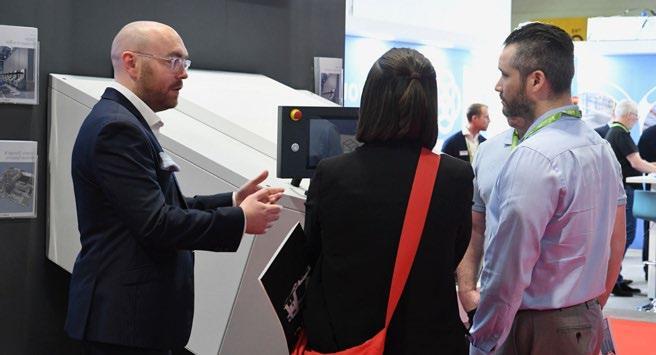
60+ speakers the uk’s largest EVENT FOR WAREHOUSE AND LOGISTICS TECHNOLOGY AND AUTOMATION
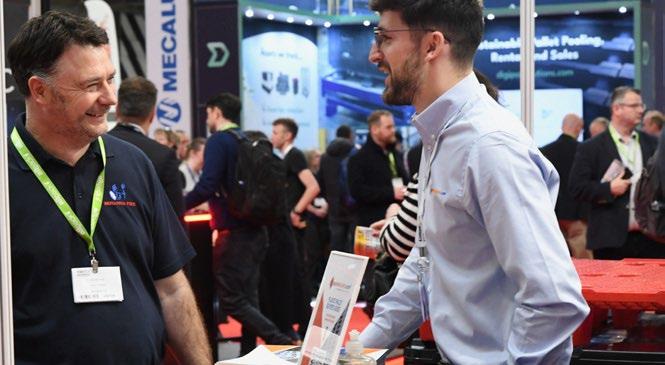
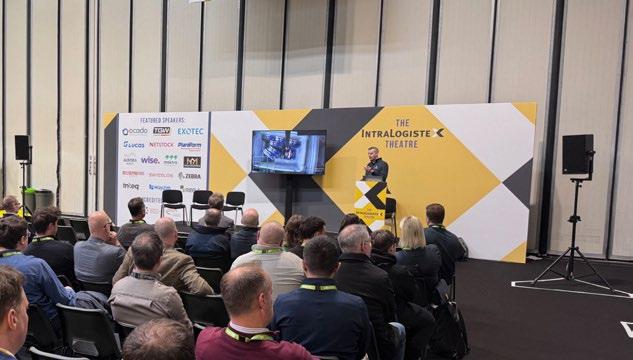
featuring all THE LATEST innovations in MATERIALS HANDLING, PACKAGING, ROBOTICS & automation,, STORAGE, WAREHOUSE management, BARCODE & labelling, picking & sortation, Mobile scanning, warehouse automation, transport management, safety solutions, and much more
REGISTRATION IS OPEN AND TOTALLY FREE
Visit our website to GET YOUR TICKET NOW:
EXHIBITING BRANDS INCLUDE:
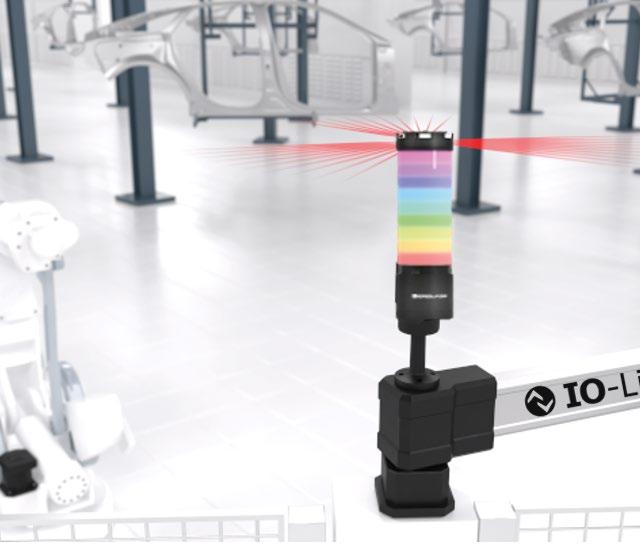
Digitalisation in industrial automation increasingly depends on reliable data from the lowest levels of the production process. Sensors and actuators are no longer simple switching elements; they are information providers. IO-Link has emerged as a key technology enabling this transformation.
As the first internationally standardised point-to-point communication interface for sensors and actuators, IO-Link allows consistent, bidirectional data exchange between the control system and field devices. Communication takes place via a standard, unshielded three-core cable — supporting both intelligent IO-Link devices and conventional sensors.
The interface enables parameterisation and diagnostics during operation, allowing maintenance teams to monitor device status without interrupting production.
What makes IO-Link different?
IO-Link combines simplicity of wiring with digital communication. Unlike conventional I/O wiring, the technology transmits both process values and device information in parallel.
Key characteristics include:
• Interference-resistant communication
• No requirement for shielded cables
• Cyclic transmission of up to 32 bytes of data
• Integration into existing fieldbus and Ethernet architectures
• Automatic device identification to prevent incorrect replacement
A standardised, vendorindependent interface
IO-Link is defined in the international standard IEC 611319, ensuring interoperability across manufacturers and sensor technologies. Because the interface is independent of higher-level networks, it can be connected to almost any industrial communication system via an IOLink master.
Standardised device profiles also simplify commissioning and maintenance. Replacement sensors can automatically receive stored parameters, reducing setup time and avoiding configuration errors.
Efficiency gains and lower lifecycle costs
The technology reduces wiring complexity by using a simple three-core cable for distances up to 20 meters between the device and the master. At the same time, it replaces multiple analogue and switching interfaces with a single communication channel.
The result is:
• fewer connection variants
• simplified installation
• reduced spare-parts inventory
• lower engineering effort
Minimising downtime
IO-Link devices can be configured directly from the control system and located via identification functions. Integrated data storage allows automatic parameter download when a device is replaced — even during operation.
This significantly shortens maintenance interventions and increases plant availability.
Transparency down to the field level
One of the main advantages of IO-Link is the availability of comprehensive device data. In addition to process values, users can access diagnostic information and internal device status.
This transparency enables:
• predictive maintenance strategies
• early detection of faults
• optimised service planning
• reduced unplanned stoppages
IO-Link, therefore, represents more than a communication interface — it provides a foundation for data-driven automation, bringing Industry 4.0 concepts down to the sensor and actuator level.
More information: www.pepperl-fuchs.com/en-gb/ landingpage/industrial-sensors/iolink-gp29598
Hands-on IO-Link workshops are also offered, allowing participants to explore parameterisation, diagnostics, and predictive maintenance techniques in practical application environments
Contact
sales@gb.pepperl-fuchs.com
Tel: 0161 633 6431
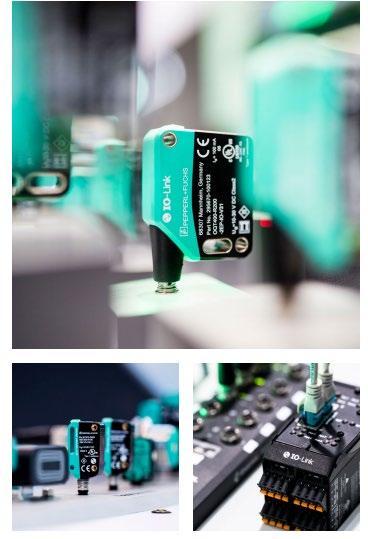

To safeguard high-hazard operations, drive reliability and ensure long-term business sustainability, EEMUA’s Asset Integrity Leadership Certificate course provides new and established industry leaders with the strategic framework to foster a culture of safety and excellence – from front line to C-suite.
Flexible online modules: Engaging learning to fit around work schedules over four months – in-depth, part-time, blended learning.
Interactive case studies and scenarios: Applying learning directly to asset integrity leadership challenges.
Expert trainers: Learn from experienced industry professionals with years of practical integrity management experience in demanding, time-sensitive environments, across a wide range of industry sectors, geographies and cultures.
at:

The full steam output is available within 3-5 minutes after the system is turned on. The output can be regulated continuously from 0 to 320 kg/h. Installation of the safe and space saving steam system can be placed in almost any working environment. The width of the steam generator matches standard door size (less than 80 cm).
Maintenance of the unit with simple one-view control and remote control. The steam generators are pre-piped and prewired, with feed water tanks included in the steam units.
Also available as stainless steel variant. This means that steam can be produced for industrial or culinary needs.
https://www.certuss.co.uk/products/ electric-steam-generators/electricale10mx-e320mx/
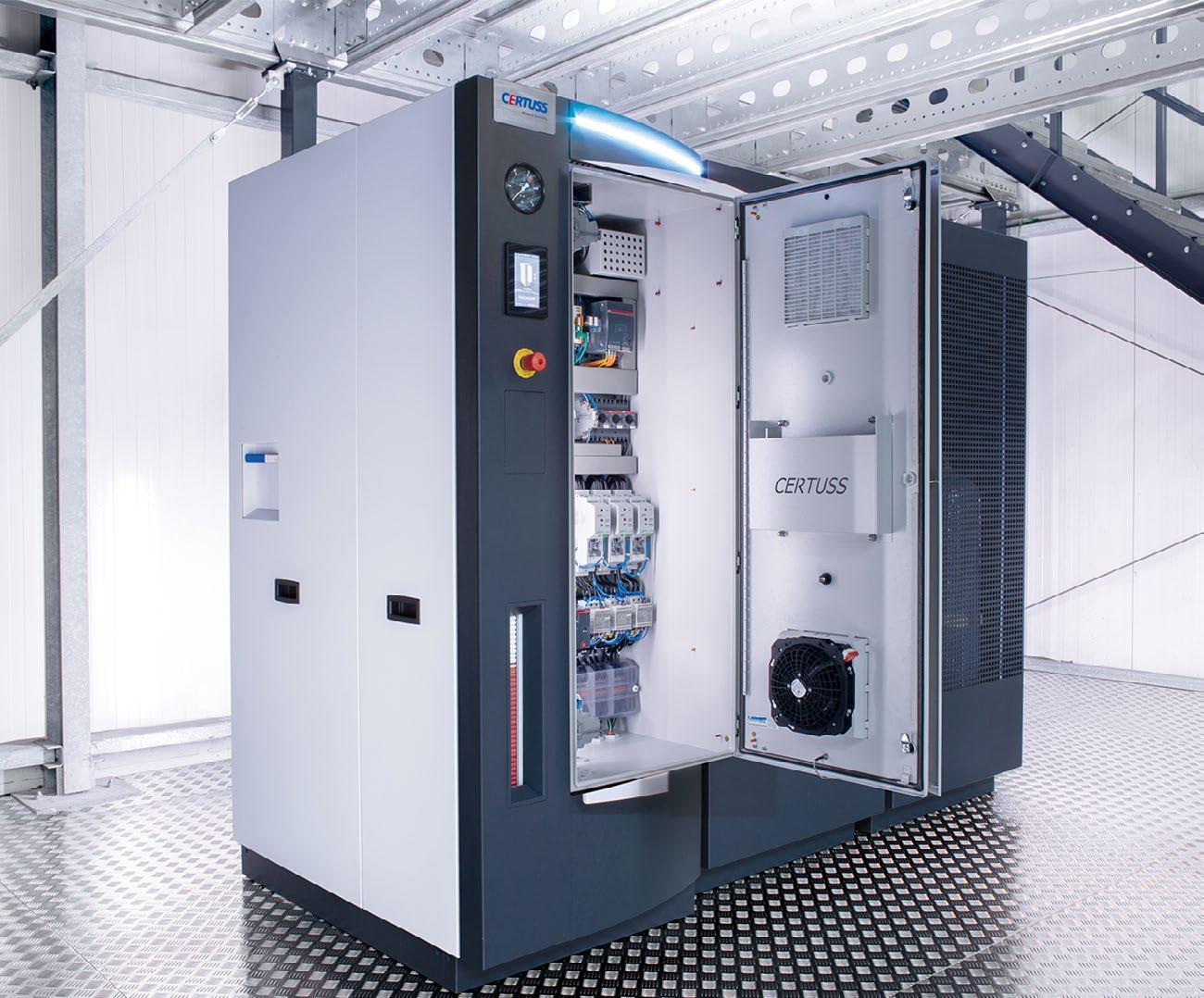
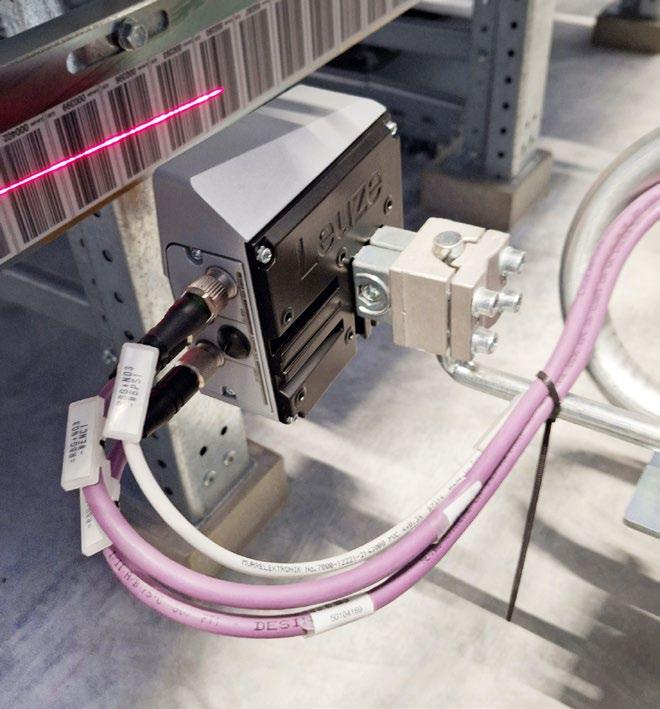
Früchte Jork GmbH from BadenWürttemberg, Germany – a familyrun fresh food wholesaler – has reached an important milestone: Its new, fully automated deep-freeze warehouse is in operation. What may look like ‘just’ another high-bay warehouse to outsiders is a quantum leap for the company: faster order picking, optimized processes and significantly improved working conditions for employees. The project was implemented by the intralogistics experts at Klinkhammer Intralogistics GmbH.
Why the new warehouse was necessary
As one of the leading food wholesalers in the region, Früchte Jork supplies over 13,000 items to around 600 restaurants and hotels within a radius of 180 kilometers. The company’s steady growth brought the previous manual deep-freeze warehouse, in which order picking was carried out with forklifts at minus 22 degrees, to its limits. Together with Klinkhammer, Früchte Jork developed a concept that takes storage capacity, picking performance, and energy efficiency to the next level. “In recent years, we have evolved from a traditional fruit and vegetable wholesaler to a fresh produce service provider. The automated logistics center is another milestone in our growth strategy,” says Maximilian Jork, Managing Director of Früchte Jork GmbH.
The new, automated deep-freeze warehouse has 26,280 tray storage positions. The goods are stored efficiently in terms of both space and energy – and leave the warehouse as automatically as they came in.
Goods-to-person picking delivers the trays directly to the workstation at an ergonomic height. This means less bending, less lifting, and less time in the frosty storage area.
for perfect
An integrated sequence buffer ensures that orders are processed in exactly the right order. Flexible tray systems allow various sizes of cartons to be stored. State-ofthe-art stacker cranes with camera technology ensure precise control and reduce energy consumption by recovering power during braking. The result: greater precision, shorter distances and reduced electricity consumption.
Precise and safe – even at minus 30 degrees
The Leuze FBPS 607i bar code positioning system increases efficiency and reduces costs in automated warehouse operations. Klinkhammer has been using the FBPS 607i from Leuze for
positioning its stacker cranes since 2022. The first safe bar code positioning system with redundant SSI interface and integrated heating enables use even at temperatures as low as -30°C. Connected directly to the drive’s frequency converter, the system reacts in just 10 milliseconds. At the same time, the FBPS meets the stricter requirements of the new machinery directive: Where two separate devices were once needed to achieve the required performance level, today a single FBPS does the job. This saves time during installation and integration and also makes the solution economically attractive.
The new deep-freeze warehouse is just the beginning. In the second expansion phase, automatic shuttle warehouses for chilled and dry goods were put into operation, which automatically combine orders. This makes the entire logistics process even more efficient. With this investment, Früchte Jork is not only boosting its competitiveness but also making a clear statement: Modern automation can increase productivity and save energy – all while ensuring better working conditions.
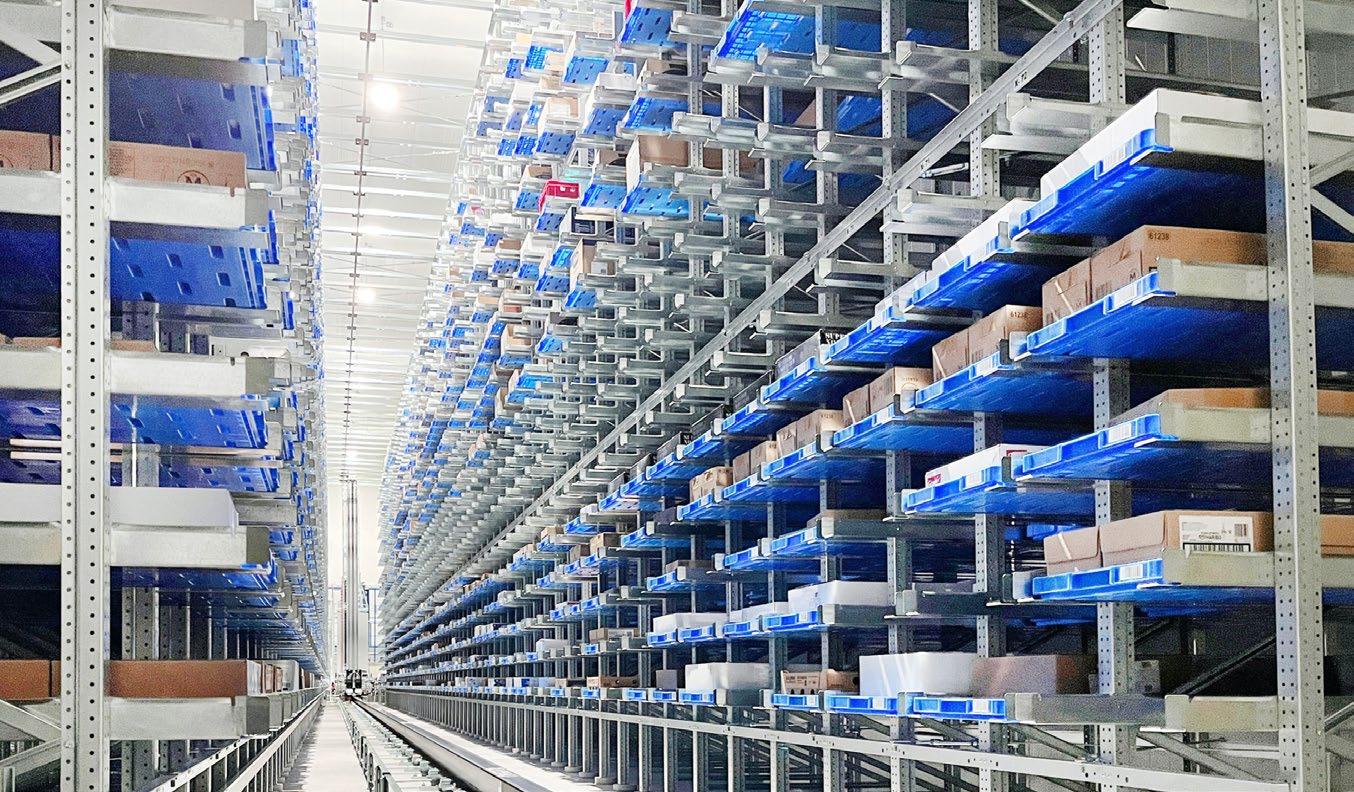
About Leuze
With curiosity and determination, the Sensor People from Leuze have been creating innovations and technological milestones in industrial automation for 60 years. They are driven by the success of their customers. Yesterday. Today. Tomorrow. The technology leader’s high-tech product range includes a number of different sensors for the field of automation technology.
Among these are switching and measuring sensors, identification systems, and data transmission and image processing solutions. As a Safety Expert, Leuze is also
focused on components, services and solutions for safety at work. Leuze concentrates on its core industries, in which the Sensor People have extensive, specific application knowhow and many years of experience. These include intralogistics and the packaging industry, machine tools, the automotive industry as well as laboratory automation. Leuze was founded in 1963, headquartered in Owen/Teck in Southern Germany.
Today there are about 1600 Sensor People around the world who are working with determination and passion for progress and transformation To make their
customers successful in a constantly changing industry. Regardless of whether in the technological competence centers or in one of the 21 sales companies, supported by more than 40 international distributors.
www.leuze.com
Leuze electronic Ltd 1B Fenice Court
Phoenix Park Eaton Socon St. Neots PE19 8EW
Gary Hockin
Phone: 01480 408 508
gary.hockin@leuze.co.uk
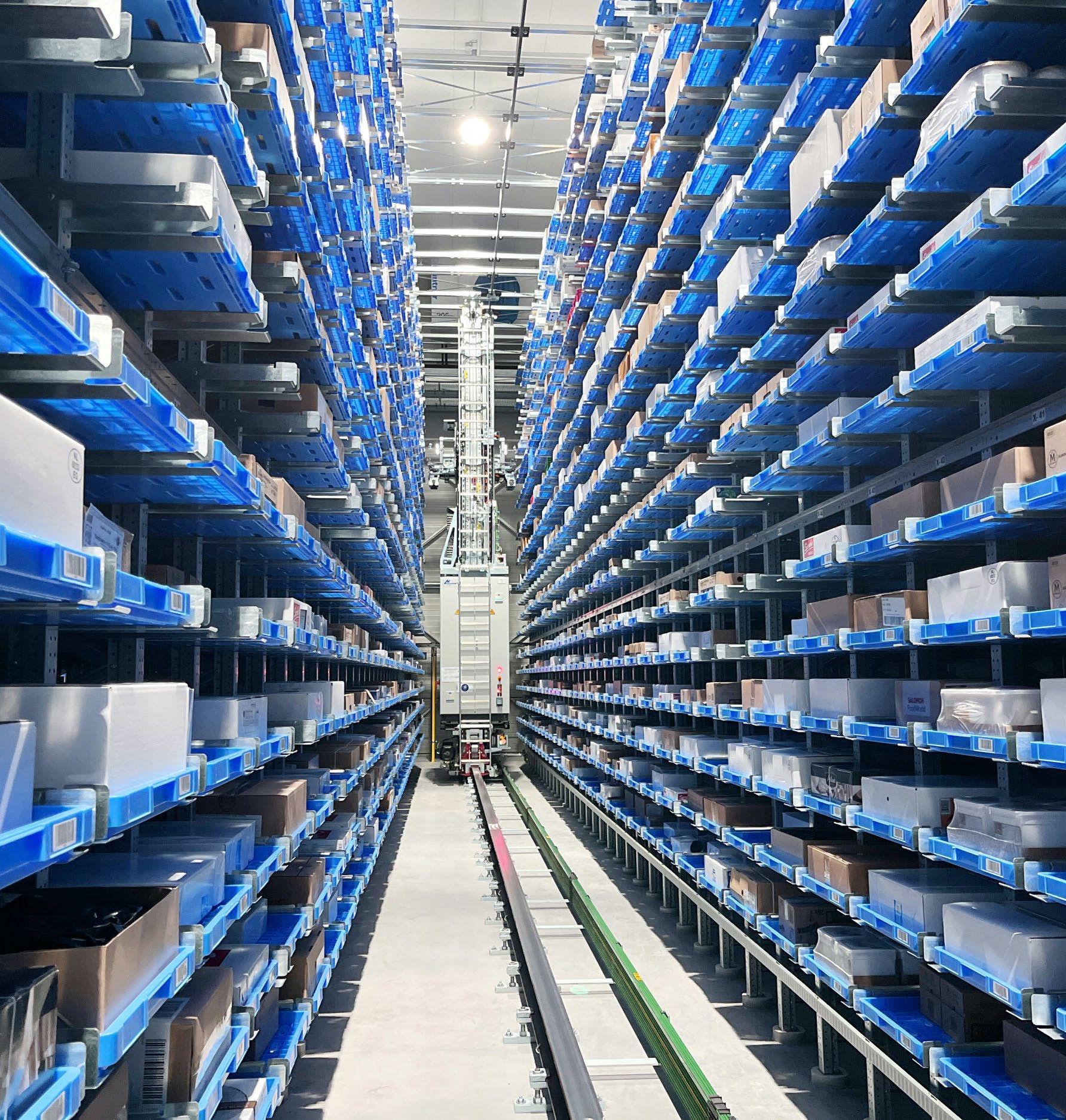
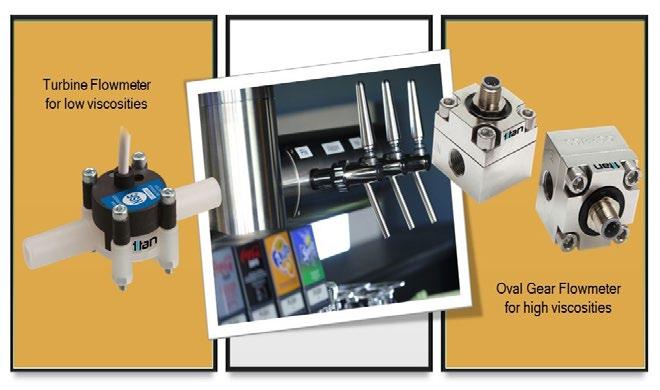
Titan Enterprises’ robust flowmeter technology is helping beverage manufacturers maintain accuracy, consistency and efficiency in soft drink dispensing systems worldwide.
Soft drinks are typically produced by combining water (still or carbonated) with a syrup flavour concentrate. Major manufacturers such as Coca-Cola rely on twindispense systems to precisely control and blend each fluid to an exact concentration — ensuring the consistent taste and quality consumers expect.
To achieve this, dispense systems must accurately measure syrup and water during every pour. For low-viscosity syrups, flavour additives and diluents, turbine flowmeters provide an effective and economical solution. Titan’s NSF-approved 800 Series and Beverage flowmeters are widely specified within the food and drinks industry for monitoring and flow measurement of these fluids. Proven in demanding applications, they deliver reliable performance and are frequently used as costeffective alternatives to flow switches.
As syrup viscosity increases, positive displacement oval gear flowmeters become the preferred solution for accurate dosing. Syrup viscosity can vary significantly —
for example, sugar-free syrups are typically less viscous than full-sugar formulations. Oval gear technology is particularly well suited to handling these variations, maintaining precise flow measurement across a broad viscosity range.
Where enhanced accuracy is required, oval gear meters can be calibrated to suit specific syrup types. Modern dispensing software can store and switch between multiple calibration profiles for a single meter, enabling multisyrup dispensing using one oval gear “syrup meter”. While syrup temperature and viscosity may vary, maintaining accurate flow rate measurement remains critical to delivering the correct total volume — and therefore the intended flavour profile.
Building on its proven OG2 design, Titan Enterprises developed a dedicated syrup meter to meet Coca-Cola’s OEM specifications for multi-flavour dispense machines. Manufactured from food-grade polymer rather than stainless steel, the meter provided a low-pressure, cost-effective solution ideally suited to beverage applications. Titan’s oval gear flowmeter range measures flow rates from 0.01 to 500 litres per minute, operating via a low differential pressure that drives two precision oval gears, one incorporating chemically resistant magnets for signal detection.
Traditionally, separate syrup and water lines require individual flowmeters within soft drink dispensing systems. However, the beverage sector is evolving rapidly. Modern dispense equipment is
becoming more compact and modular, with flavours and CO2 increasingly added at the point of sale rather than during bottling. This shift is encouraging OEMs to integrate oval gear and turbine technologies within a single compact device to meet space constraints.
Titan has responded by developing an OEM dual-line flowmeter capable of measuring both viscous and non-viscous liquids side by side within a single unit. This innovation supports smaller equipment footprints while maintaining precise measurement performance at the point of dispense.
“These types of product developments can translate into significant environmental and financial savings for the beverage industry,” explains Neil Hannay, Senior Development Engineer at Titan Enterprises. “Higher-viscosity concentrates reduce transport volumes, energy use and CO2 emissions when diluted at the point of sale to deliver a fresh end product.”
In addition to lowering transport and maintenance costs, venues can reduce on-site stockholding requirements — saving valuable storage and refrigeration space.
For further information on Titan’s range of turbine and oval gear flowmeters, visit Titan’s website. To discuss a liquid flow measurement solution for your specific OEM application, contact Titan Enterprises on +44 (0)1935 812790 or email sales@flowmeters.co.uk
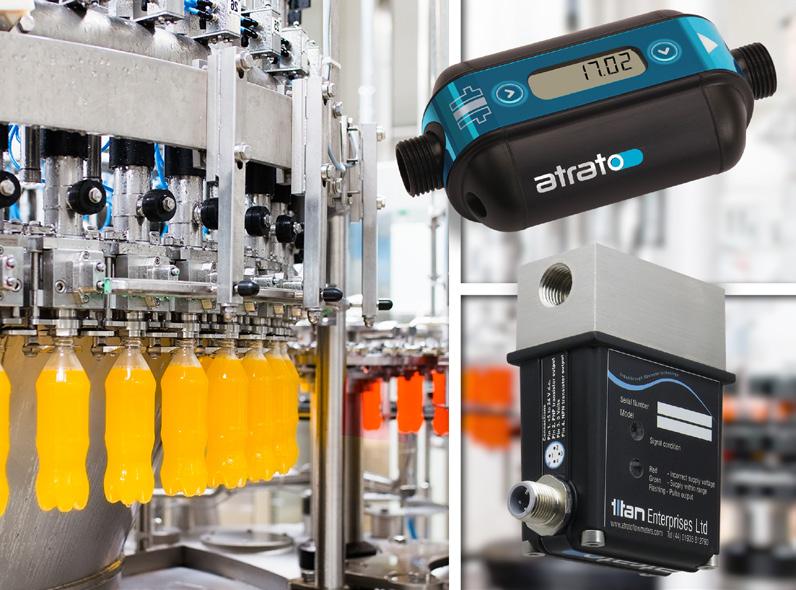
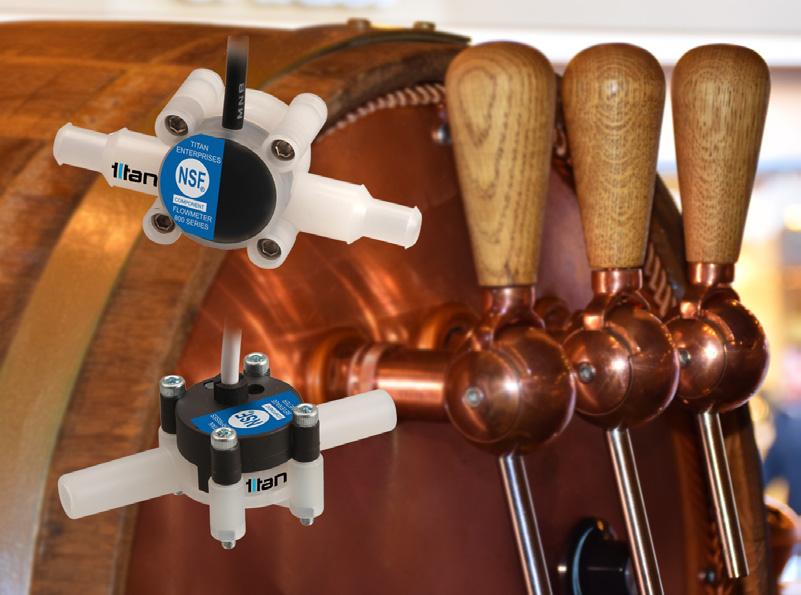
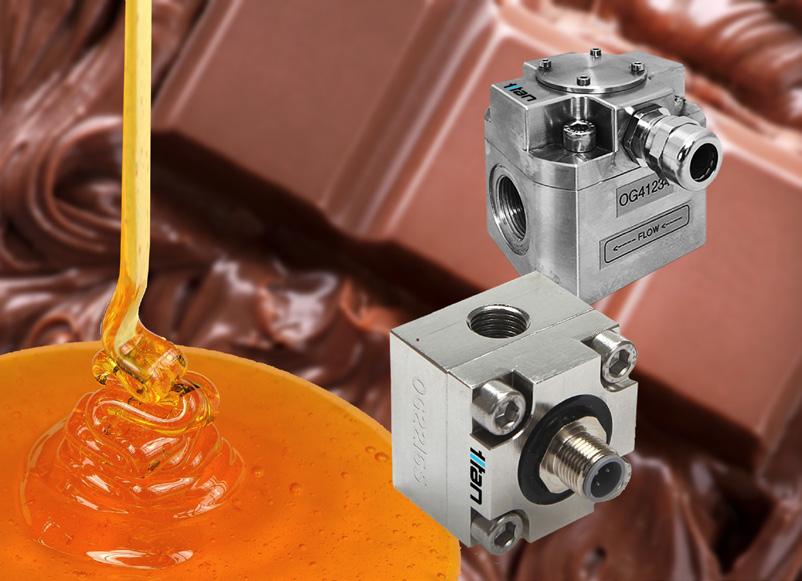
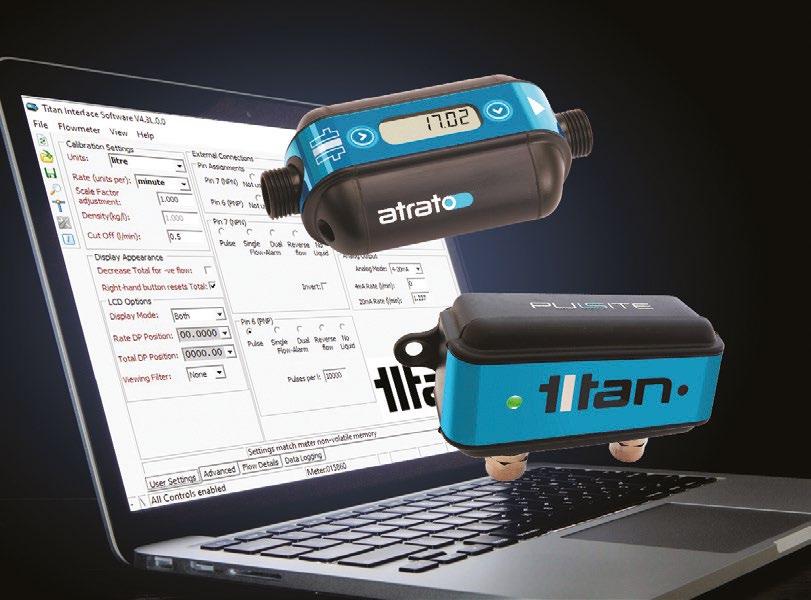
Titan Enterprises is a leading design and manufacturer of innovative end user and OEM high-performance flowmeters and flow measurement instrumentation, used within a wide range of processes, environments and applications.
• Compact, robust, reliable
• Excellent accuracy and repeatability
• Measure low to high flow ranges and viscosity
• High chemical resistance
• NSF-Approved mini turbine flowmeters
• ATEX-compliant and high pressure Oval Gear models
• OEM bespoke design capability
Titan’s liquid flowmeters are designed and manufactured to ISO 9001 with traceable calibrations.
+44 (0)1935 812790 sales@flowmeters.co.uk www.flowmeters.co.uk

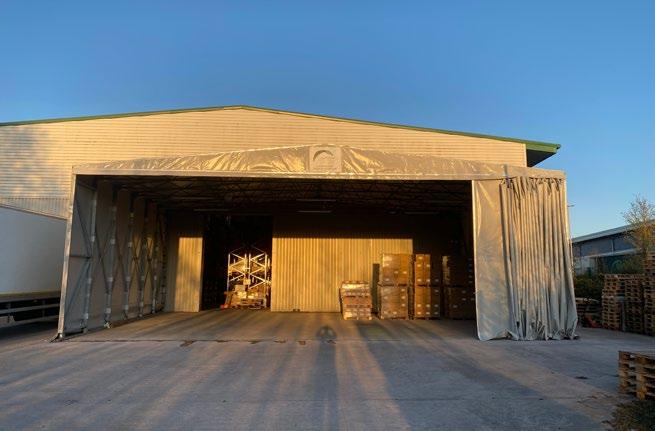
The warehousing and distribution industry continue to face a duality of excess space available and a severe lack of it. On the one hand, ecommerce businesses are under increasing pressure to fulfil orders in record time and therefore need stock that is ready to go the minute shoppers have checked out their basket but on the other hand, they are anxious about holding too much stock. Brands and retailers are displaying a wary behaviour on what they are willing to commit to, no doubt influenced by the significant fluctuations experienced by supply chains in recent years.
Ecommerce continues to boom and customer expectations are at an all-time high. Delivery times are shrinking as the pressure for speed increases. Orders are smaller but more frequent, which increases the demand for efficiency even during times of market volatility and supply chain disruption. Responding quickly to last minute orders and ensuring timely fulfilment is especially critical during peak shopping seasons like Black Friday and Christmas but planning for the rest of the year is a challenge. Throw in the moneysaving trends for a “low buy” or even “no buy” 2026 as well as ‘project pan’ which are being pushed by powerful social media channels and the pressure mounts further. Consumers may be pushing back against over-consumption but still expect speed and efficiency when
they resist the urge to impulse buy. Satisfying consumer demand matters more than ever in a highly competitive industry as it doesn’t just drive repeat business, it fuels online reviews and word-of-mouth recommendations, which generate new business. It’s exhausting, but if the warehouse buildings intended for optimum storage, efficient goods handling, careful loading and unloading etc are not fit for purpose then the whole operation is likely to be at risk.
Efficiency is paramount and scalability is critical. Being flexible and adaptable to changing market dynamics doesn’t just apply to how much stock is held but how it is held. Wasted space will waste money but a lack of space could reveal weaknesses in warehouse operations during intense periods.
For over 35 years, we have been designing industrial warehouse buildings that are flexible enough to evolve with a business and versatile enough to respond to differing trends. They are built to last but, in this climate of caution, more and more clients are looking for temporary solutions. Businesses that are unable to look too far ahead, are adopting shorter-term strategies with the anticipation of having to adapt quickly. Temporary warehousing can remove the long-term commitment of adding more bricks and mortar or entering into a fixed rental agreement on a site. The location of warehouse buildings seems to be as critical as the space they offer, since micro-fulfilment centres and last-mile delivery solutions appear t0 be increasingly popular. Strategically located warehouses enhance the agility of a business and our buildings help to address this issue as they can
be easily removed, relocated and repurposed.
Innovation is key and obviously, there has been a lot of progress made in automation and robotics, artificial intelligence, cloud-based management and advanced data analytics but innovation doesn’t just apply to technology. Rethinking how best to optimise the space you’ve already got and the space you need, whether that’s on demand for a short-term spike or on a long-term basis, can also help to innovate your operations s o they can cope effectively in a fluctuating, rapidly evolving industry.
With a traditional build, the space is rigid and doesn’t offer the elasticity that businesses need to thrive. Our buildings are fully bespoke and designed to your specifications, no matter how awkward the shape, height, size or orientation. They are quick to deploy and can be easily modified to provide the much-needed flexibility required.
Their versatility also makes them suitable for collaborative, shared warehousing, which can help businesses increase efficiency by pooling resources and reducing expenses without having to shoulder the financial burden alone. If one company decides to move on and go solo, the structure can be easily modified to suit new tenants or work even harder for the remaining business.
If warehouse buildings are going to remain relevant, they need to evolve with the industry they serve.
For more information, contact sales@coprisystems.com www.coprisystems.com
As energy saving targets and product quality requirements evolve, accurate real-time monitoring of plant and equipment becomes ever more important. But most steam trap users are still working with out-of-date information collected “by hand” on long intervals. DCO Systems is working to modernise steam monitoring with cost-effective monitors that eliminate work and deliver continuous real-time analysis.
Periodic inspection to real-time insights (“Time is money”)
Failing to resolve faults quickly has significant costs. Typical industry estimates are for a yearly failure rate of around 10% of traps. A UK site with 100 traps inspected annually could expect losses of nearly £16,000 from traps that fail in the year. This assumes medium size leaks, while large leaks (a “blowing trap”) are even more costly.
Working with surveys that are only undertaken periodically (often only on an annual basis) can mean that faults are not detected for many months.
Outdated fault knowledge prevents timely maintenance. A lack of timely maintenance raises the cost of steam and reduces product quality through the poor delivery of steam; the risk of damage from water hammer also increases in the presence of failed cold traps.
Real-time knowledge of performance optimises the site maintenance routine and greatly reduces the duration of equipment fault conditions. Reducing fault time significantly reduces costs.
Better monitoring is possible
Technology advances have enabled new monitoring capabilities across all types of plant and production sites, and steam systems can very much benefit from those advances too. Better energy harvesting, as well as new sensor and communication technologies, deliver more capabilities and more functionality more easily.
The use of energy harvesting technology eliminates the restrictions of cabled and
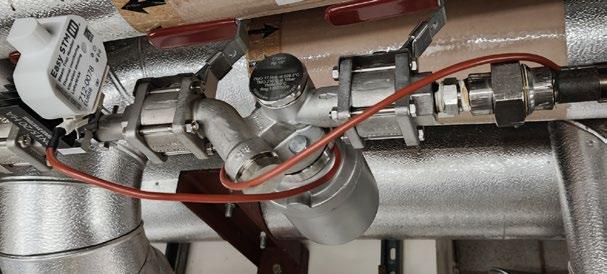
battery powered devices. Monitors can now be on continuously, collecting more sensor data more often. This creates an unmatched depth and breadth of data on your steam systems.
Simplified deployment for quicker piloting and monitor scaling
Avoiding complicated, high-cost installations is critical to quickly deploy pilot and test projects and demonstrate the benefits of the latest monitoring technology.
Designed and manufactured in the UK, DCO Systems’ Easy Steam Trap Monitor delivers on this promise. Eliminating invasive installation work, operating independently of onsite IT infrastructure, the simplified deployment reduces time to go live and delivers benefits more quickly for a faster return on investment (ROI).
sales@dcosystems.co.uk www.dcosystems.co.uk

Promptly identify steam trap leaks and faults with real-time monitoring solutions. With fast deployment from a pilot through to a whole site installation, no invasive work (no shutdown requirement) and no integration with local networks or IT systems required.
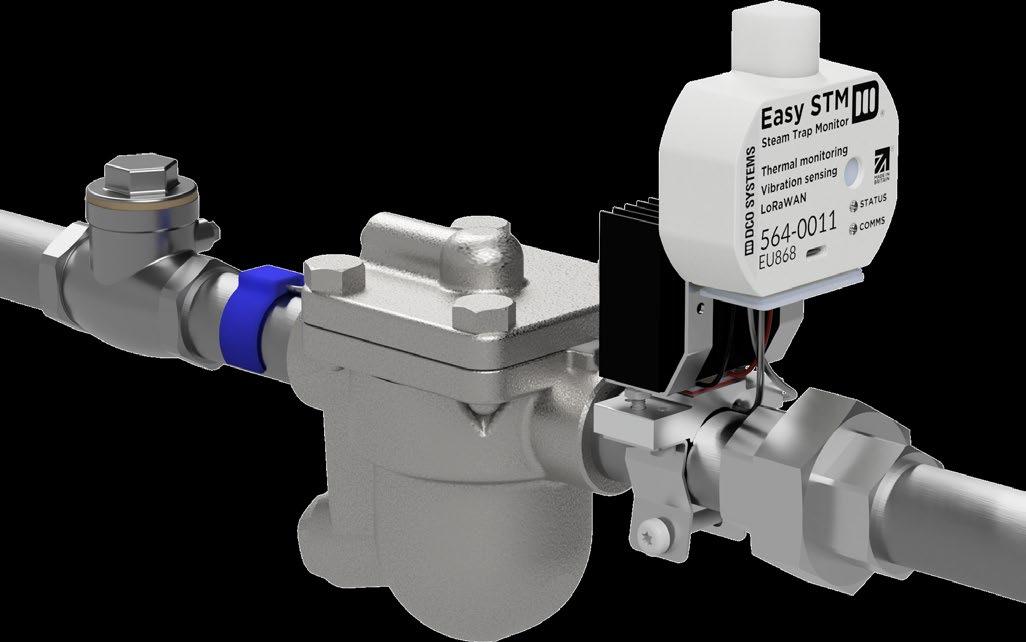
⦿ Simple - Quick install on any steam trap type
⦿ Cost effective - High return on investment through loss reduction
⦿ Zero maintenance - Energy harvesting eliminates battery changes
⦿ Live data - Real-time temperature, acoustic, vibration, etc.
⦿ Turn-key - End-to-end solution with no on-site IT requirements
⦿ Wireless Technology - With support for world-wide LoRaWAN and BLE standards





In food and beverage, the stakes are especially high — a single point of delay can undo the efficiencies achieved everywhere else. Here, Beth Ragdale, software business manager at industrial automation and control specialist Beckhoff UK, explains why tackling bottlenecks requires a rethink of traditional production lines, moving beyond purely mechanical fixes to embrace flexible, software-driven solutions.
The word “bottleneck” carries more weight in food and beverage than almost any other sector. A 2018 study by Garvey found that many companies in the sector experience as much as 500 hours of downtime every year, to the tune of $20,000 to $30,000 an hour. That’s $10 to $15 million dollars lost to downtime a year.
This is an industry where speed is critical, hygiene is non-negotiable
and the smallest of slowdowns can ripple through the production line, throwing schedules off balance and squeezing margins.
While it’s impossible to prevent bottlenecks entirely, the real stepchange in reducing the impact of bottlenecks comes from integrating software-driven control that can adapt the line in real-time, removing the need for mechanical redesigns.
Traditionally, manufacturers have responded to bottlenecks by redesigning machinery. A slow capping station? Make it bigger, faster, stronger. A conveyor lagging behind? Upgrade it.
Mechanical design is vital. It provides the strength, reliability and precision that production lines need, but it has limits. Physical systems are inherently fixed once built and even carefully tuned equipment can become a constraint when demand shifts, product formats change or new regulations emerge.
This is particularly the case when it comes to stock keeping unit (SKU) proliferation and rapidly changing consumer preferences, requiring food and beverage producers to have equipment that can adapt as quickly as the market does. This calls for a rethink of what’s considered “core” to the production line, moving beyond purely mechanical solutions.
Instead of relying solely on mechanical redesign to break bottlenecks, the conversation is moving towards software-driven flexibility. These are systems that use mechanics as a foundation but rely on advanced control to orchestrate production at a much more granular, adaptable level.
Mechanics provide the strength and reliability, while software offers adaptability, precision and the ability to orchestrate production in far more dynamic ways. It’s this kind of flexibility that opens new possibilities.
Instead of running the entire line at the speed of its slowest process, software can manage the flow so faster stages feed into slower ones in a controlled, balanced way. Rather than tearing down equipment for every changeover, adjustments can be made in code.
In terms of hygiene, food and beverage plants face strict cleaning and sanitisation requirements, often involving partial disassembly of machinery. Systems designed with minimal exposed components, smooth surfaces and sealed drives reduce cleaning time while maintaining safety standards.
This is where linear transport systems, like Beckhoff’s XTS, come into play. The XTS uses a sealed, hygienic design that minimises exposed mechanical complexity, reducing the effort and time required for cleaning. This is not only a win for food safety but also another way to reclaim productivity otherwise lost to extended cleaning cycles, a bottleneck many overlook.
At first glance, the XTS looks like a conveyor — a way of moving products from point A to point B. Rather than relying on fixed mechanical paths and timing, the XTS uses software-controlled movers that can be positioned and operated independently along a flexible track.
Each product carrier becomes its own controllable element, capable of varying speed, acceleration and position on demand. Instead of all products moving at the same pace through every stage, the line can slow down for delicate operations,
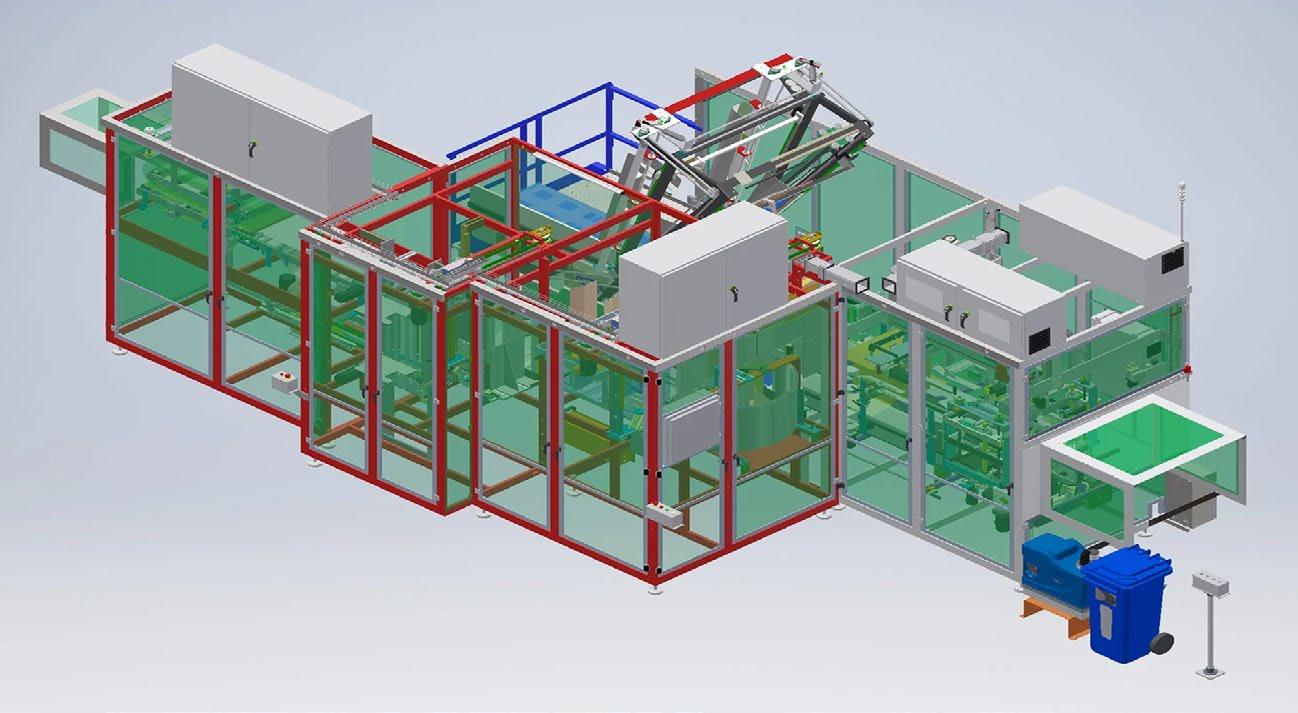
speed up where capacity allows and even reroute flows dynamically.
These flexible motion profiles also open up opportunities for process optimisation that go beyond eliminating existing bottlenecks. Producers can use real-time data from the XTS to identify emerging slow points before they become critical.
Predictive adjustments can be made during a run, maintaining optimal throughput even as variables shift. Over time, this allows for a more proactive approach to productivity, one where bottlenecks are anticipated and avoided rather than reacted to after they occur.
However, it’s worth acknowledging that no production system can ever be entirely free of bottlenecks. The theory of constraints, which is a process improvement methodology that emphasises the importance of identifying the system constraint or bottleneck, teaches us that there will always be a slowest step. Remove one, and another will take its place.
The goal isn’t to chase the impossible dream of eliminating bottlenecks entirely, but to create a production environment in which they can be moved, resized and managed with minimal disruption.
Mechanical redesigns have a role here, but they are most powerful when combined with the adaptability of software-driven motion systems. Real-world results show how this approach pays off.
In one frozen pizza facility, replacing mechanical change-outs with the XTS eliminated lengthy manual adjustments between 26 different SKUs, cutting downtime and maintaining a high throughput of 15 cases per minute without product damage. In a sector where downtime can cost tens of thousands of pounds an hour, that kind of flexibility doesn’t just keep production flowing, it saves millions in potential lost revenue.
For more information on the XTS, visit the Beckhoff UK website or call +44 (0)1491 410 539.
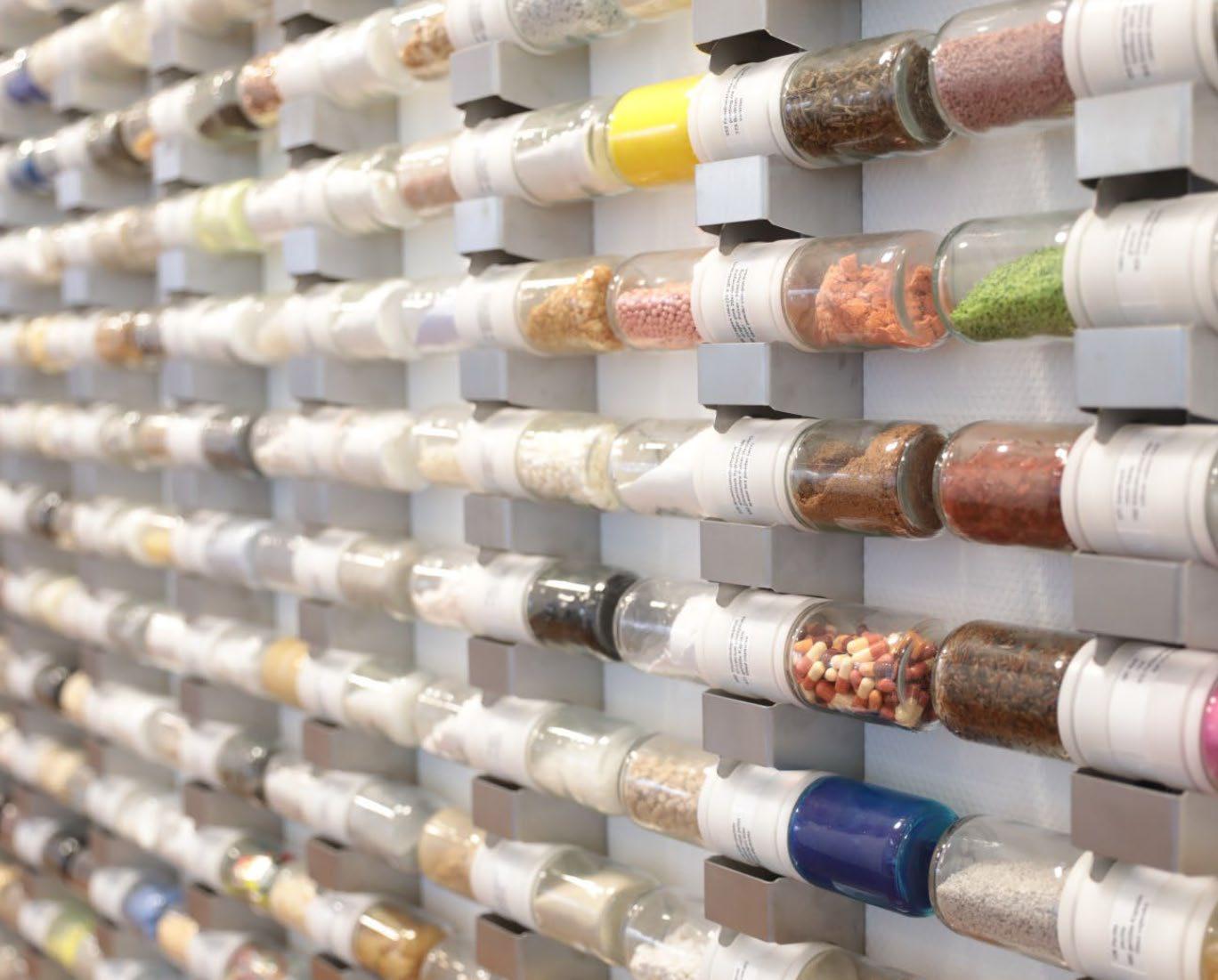
Food manufacturing in the UK has never been short on innovation. But as AI accelerates change at an unprecedented pace, engineers are under pressure like never before. Expectations around efficiency, traceability, sustainability, and labour reduction are rising as the margin for error shrinks. To futureproof production, engineers must design processes that move away from manual handling and embrace automation with reliability front of mind.
That transition is well underway. Robotics, intelligent controls, and data-driven systems are becoming standard across modern food factories. Yet alongside the opportunity comes caution. Automation brings risk: system instability, quality variations, unexpected breakdowns, and the fundamental question of trust. Production can no longer rely on operators to compensate for unpredictable material flow. Small inefficiencies multiply quickly, and downtime escalates faster than ever.
Choosing the right partner matters. Not the quickest or cheapest supplier, but one with deep
experience, practical knowledge, and solutions engineered to adapt as production evolves.
Volkmann UK is that partner. For over five decades, they have specialised in hygienic, dustfree, and ATEX-certified vacuum conveying and bulk material handling. Their systems move powders, granules, and small parts efficiently, protecting product integrity and operator safety. What sets them apart is how this expertise translates to everyday production - faster changeovers, minimal manual handling, predictable flow, and reduced downtime. For engineers, that means less firefighting, fewer microdisruptions, and lines that run as designed.
Material handling is often overlooked, yet it has a profound impact on efficiency. A conveyor may appear to “work,” but how long does it take to clean? How often does it trigger stoppages? How much manual intervention is still required? These small disruptions accumulate into lost hours, bottlenecks, and reduced throughput. Volkmann’s vacuum
conveyors address these issues directly: Tool-free disassembly, modular designs, and fully enclosed, dust-free operation allow rapid cleaning, quick changeovers, and reliable performance, quietly boosting throughput.
Volkmann UK continues to innovate with operator safety and product integrity at the core. Expert engineers provide guidance and ensure solutions are seamlessly integrated, even into complex production lines. Beyond vacuum conveyors, Volkmann also offers drum discharge units, bulk bag unloading stations, vibratory feeders, and rip-and-tip equipment, enabling fully integrated material handling solutions tailored to sitespecific challenges.
In a sector where consistency is non-negotiable, competitive advantage comes from more than the latest technology. It comes from removing inefficiency at its source, ensuring predictable, safe, and high-quality material flow. With intelligent material handling from Volkmann UK, engineers can design production lines that are not only automated, but resilient, flexible, and ready for the future.
To help engineers see these benefits in action, Volkmann UK offers free, no-obligation on-site trials of their vacuum conveyors, allowing teams to assess performance, efficiency, and ease of integration before committing to a solution.
VOLKMANN UK Limited, Unit 4
Anglo Office Park, Lincoln Road, High Wycombe, Bucks, HP12 3RH +44 (0) 1494 512228
mail.uk@volkmann.info
https://uk.volkmann.info
LinkedIn - Volkmann UK
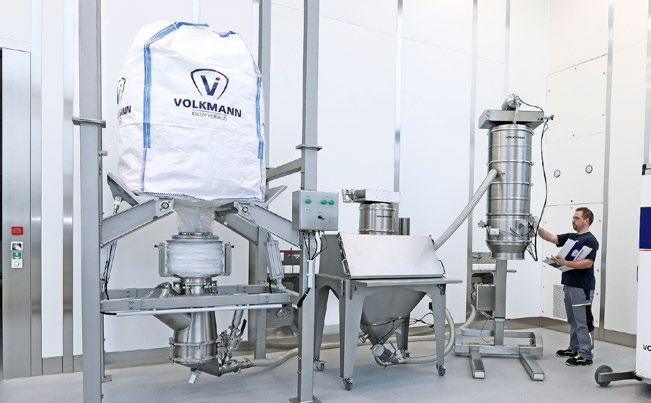
Linx Printing Technologies has invested in two Cat Mini Order Pickers from long-term material handling equipment supplier Impact Handling, part of Aprolis UK, to enhance safety and efficiency across its UK warehouse operations.
The leading UK-based manufacturer of industrial coding machines has worked closely with Impact Handling for several years, during which time it has supplied a wide range of MHE equipment to support Linx’s evolving operations, including flexi trucks, counterbalance trucks and electric pallet stackers.
When Brian Fowler, EHS Adviser at Linx Printing Technologies, began reviewing how to further enhance safety within the company’s warehousing operations across its two sites, Impact Handling was a natural first point of contact. Following an internal risk assessment, Linx identified the need to replace the mobile warehouse safety steps that were being used.
After discussing Linx’s requirements, Impact Handling recommended its Cat Mini Order Picker/Work Assist Vehicle range. As part of the wider Cat EQ Lithium product line – which also includes power pallet trucks, and compact stackers – the Mini Order Pickers provided excellent stability, ease of use and precise control in warehousing operations, whereas previously, warehouse operatives utilised manually manoeuvred mobile steps to pick and store stock at height.
While incidents were rare, the risk assessment highlighted several concerns, particularly staff reaching from the top of the steps to access stock, limited stability, and difficulties maintaining safe points of contact while carrying loads which posed unnecessary risks.
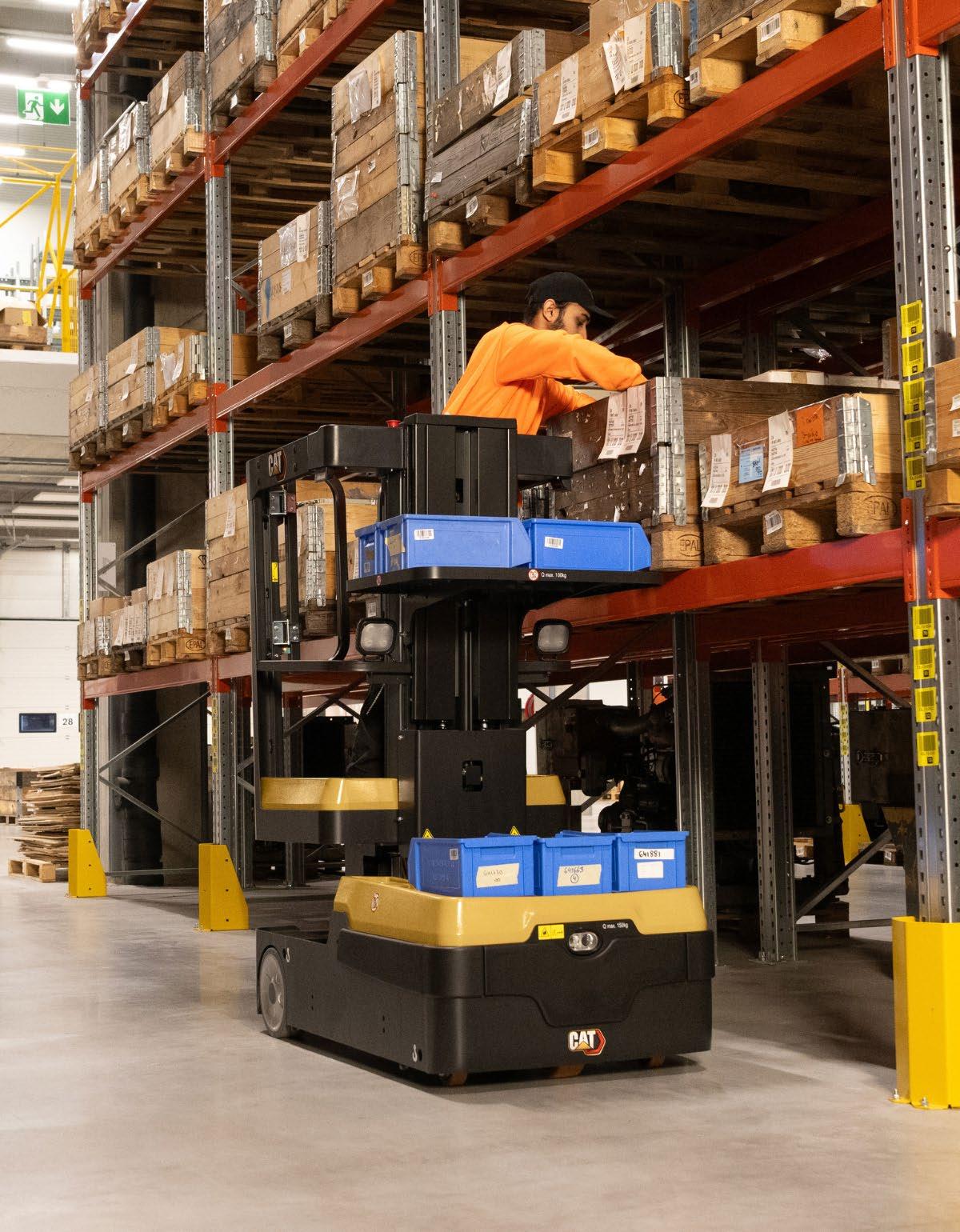
Featuring a stable mast and chassis with built in safety interlocks, the Cat Mini Order Pickers’ manoeuvrable, self propelled design makes them ideal for confined warehouse environments, improving both productivity and safety by enabling operators to handle heavier loads at height with greater control and reduced risk.
Crucially for Linx, the frontmounted carry plates allow operators to move multiple cartons at height in a controlled and stable way, improving both safety and picking efficiency. Thanks to its stable mast and robust chassis, the
platform can be safely elevated to 3 metres, allowing operators to pick items up to 5 metres high.
For a company working with ink production and hazardous chemicals, Brian Fowler viewed these solutions as a safer approach that also helped streamline day-today operations.
He commented: “From the very first discussion, Impact Handling clearly understood the challenges we were facing and quickly recommended the solution that was the perfect fit for our operation.
“As a business, we’re always looking for ways to improve, and health and safety remains a key priority for us. Our initial risk assessment highlighted the need to move away from traditional mobile steps to allow warehouse operatives to handle heavier loads in a safer way and to do so, we turned to the Cat Mini Order Pickers.
“Operators now no longer need to climb the previously used mobile steps while carrying loads, dramatically reducing the risks associated with working at height.”
Linx initially trialled one Cat Mini Order Picker, and following an overwhelmingly positive response from warehouse staff, the business invested in two units, deploying one in each of its two warehouse facilities located in St. Ives, Cambridgeshire.
Brian Fowler continued: “Since introducing the Cat Mini Order Pickers into our operations, we have seen clear improvements in not only safety, but productivity as well. Previously, our warehouse operatives could only carry a single carton up the steps at a time.
“With this equipment, they can now transport between 60 and 90kg per lift, allowing up to 12 boxes to be moved in one trip. As a result, tasks that once required 30 individual journeys can now be completed in roughly two trips, significantly improving throughput and creating a safer working environment.
“This is why we place such high value on this type of equipment. They’re not a ‘nice to have’ for us, they are an essential investment that protects both the wellbeing of our staff and the integrity of our products. The Cat Mini Order Pickers have also proven popular with our employees, who have taken to them quickly and now see them as an invaluable part of being able to undertake their day-to-day roles.”
Stuart Parnell, Area Sales Manager at Impact Handling also said: “We were pleased to support Linx with the specification and supply of Cat Mini Order Pickers; equipment that genuinely serves to not only
transform safety within warehouse operations but also supercharge productivity levels.
“Impact Handling’s role goes beyond just supplying high-quality equipment. We listen, advise, and ensure our customers receive the solution that best fits their needs. Our delivery of such material handling equipment to Linx perfectly illustrates this approach; matching the right solution to the right brief, leading to benefits such as reducing risk, and making everyday tasks simpler and more efficient for operators.”
Contact us now to learn more or schedule a demo.
0800 169 9789 sales@impact-handling.com www.impact-handling.com


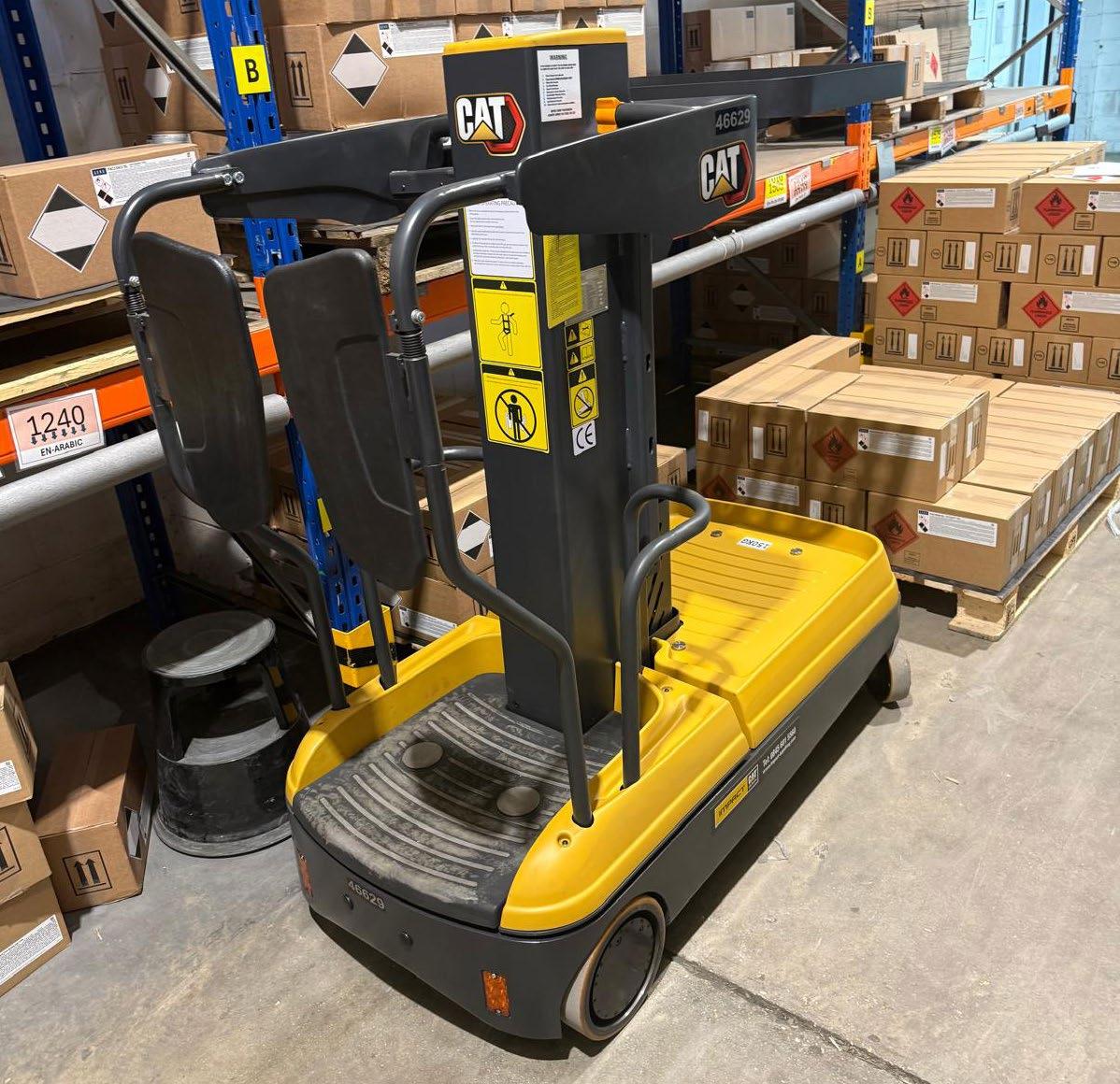
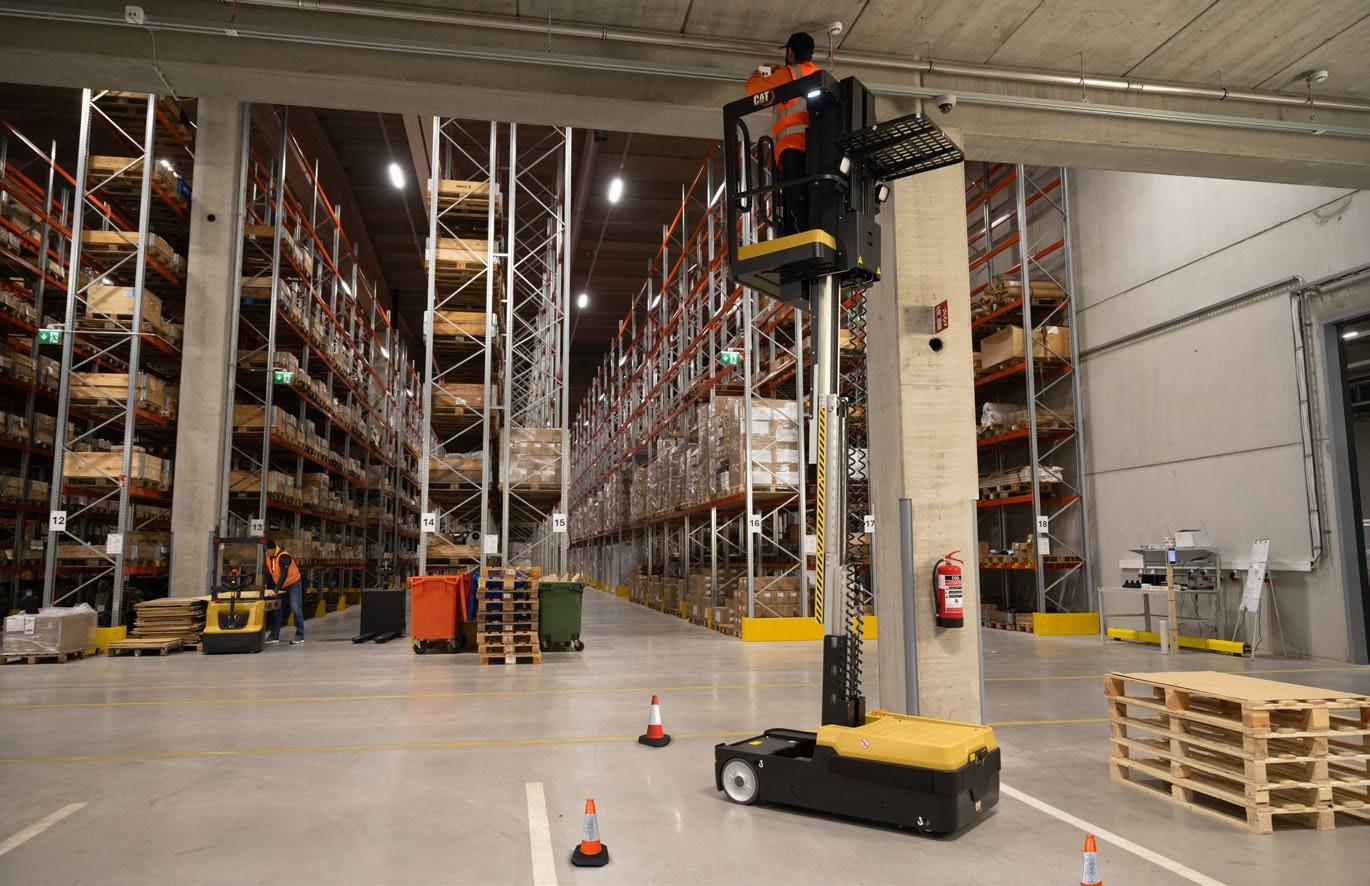
In food and drink production environments, downtime remains one of the most costly and disruptive challenges manufacturers face. While major machinery failures often attract the most attention, many inefficiencies originate elsewhere − in the handling and storage equipment that supports daily operations.
Poorly designed or unsuitable racks, trolleys, workstations and containers can quietly undermine productivity. Congested aisles, awkward access, unstable loads or under-performing equipment all contribute to lost time, increased manual handling and unnecessary interruptions. Over time, these seemingly minor issues can have a significant impact on throughput, safety and operational efficiency.
This is where intelligent equipment design plays a critical role. Handling and storage solutions that are engineered specifically for the task in hand can help remove friction from production processes, enabling smoother movement of goods, easier cleaning and safer working practices. Small design considerations − such as wheel specification, load
distribution, material choice or dimensional accuracy − often have a disproportionately large influence on how efficiently a production area operates.
For more than a century, Invicta has worked closely with food and drink producers to address these challenges. Manufacturing all products in-house at its North Yorkshire facility, the company designs and produces robust metal and plastic equipment that integrates seamlessly into realworld production environments. Its extensive product range includes trolleys, racks, trays, dollies, bins and worktables, all built to withstand continuous use in demanding, highoutput conditions.
While standard products are available for quick ordering, many inefficiency issues are best resolved through bespoke design. By collaborating with customers at the design stage, Invicta’s engineers can adapt or develop equipment that fits precise workflows, space constraints and hygiene requirements. This tailored approach often leads to improved movement through


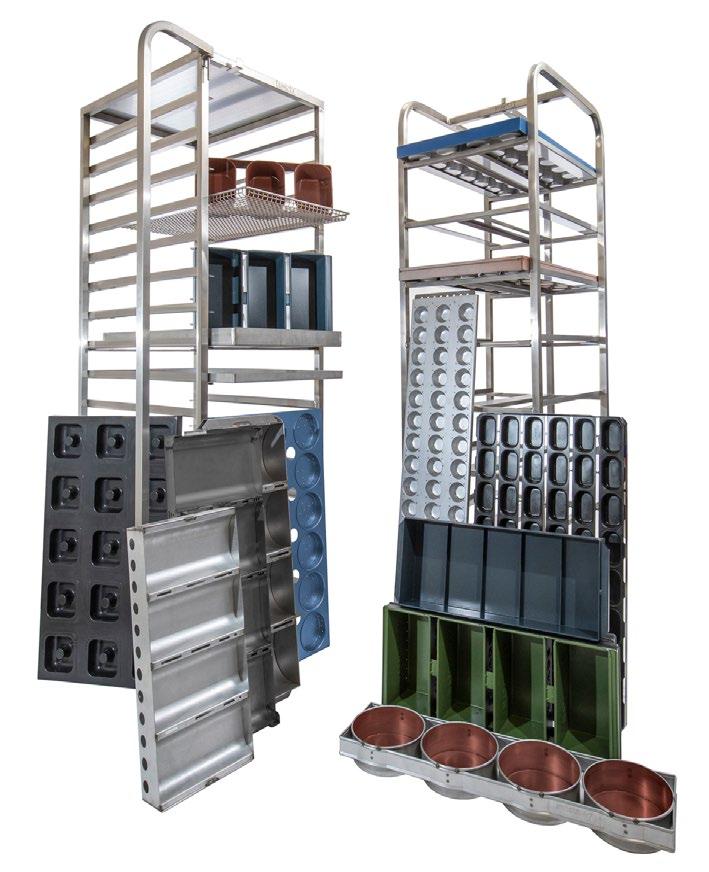
production areas, reduced handling errors and longer service life − all contributing to more efficient operations.
“Our focus is always on designing equipment that works reliably day after day,” says Martin Brown, Managing Director at Invicta. “By understanding how our customers operate, we can engineer solutions that reduce handling issues, improve efficiency and help minimise avoidable downtime.”
Durability also plays a key role. Good-quality equipment that is built to last requires less frequent replacement and fewer repairs, helping production teams maintain continuity. In many cases, relatively small design adaptations have delivered significant improvements in workflow and reliability for food producers.
For food and drink producers looking to review their operations or explore how tailored handling and storage solutions could support day-to-day working practices, Invicta’s team is available to discuss requirements.
Visit www.invictabakeware.co.uk, call 01751 473483, or email sales@invictabakeware.co.uk
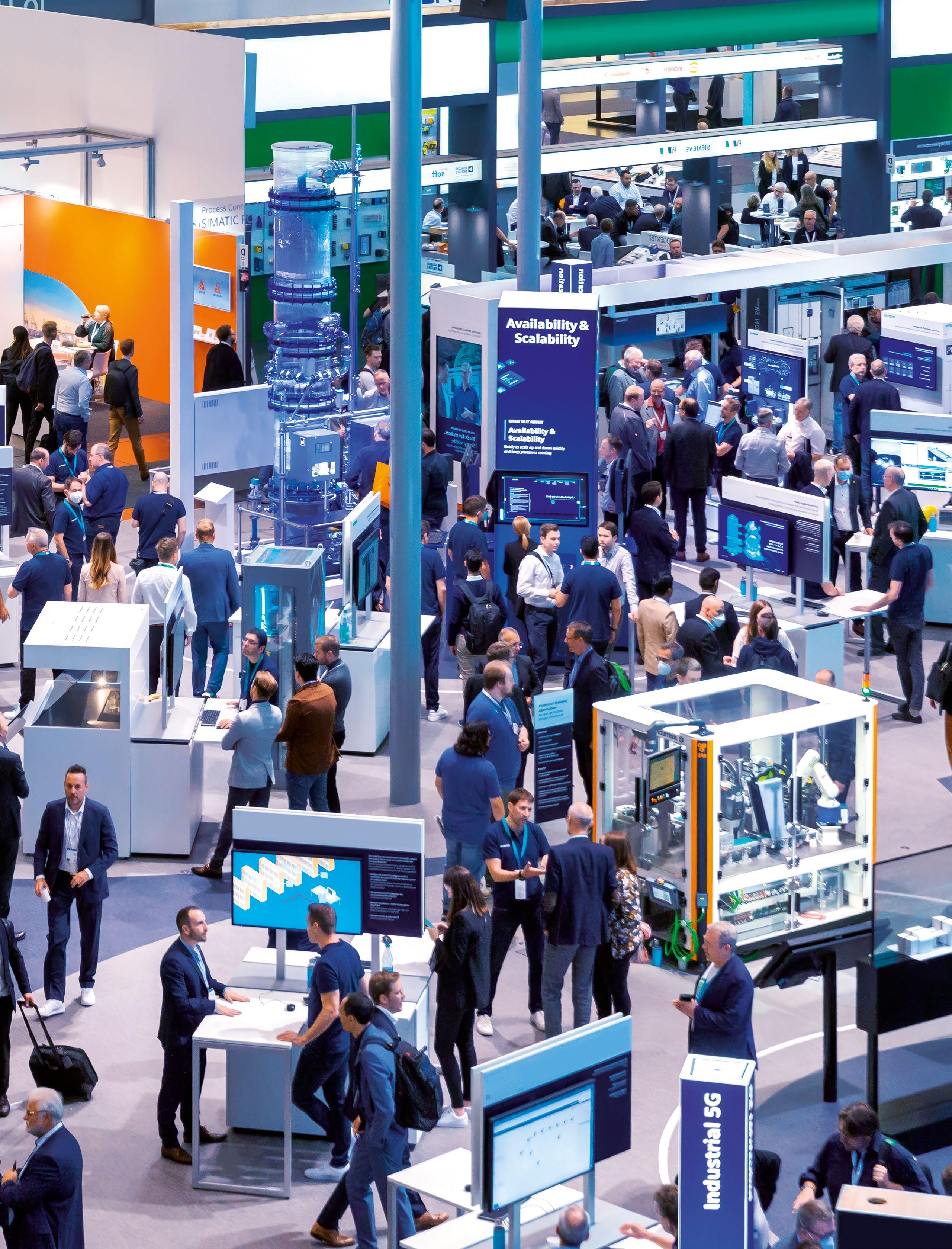
Bretts is one of the UK’s most established and trusted warehousing and distribution companies specialising in ambient foods.
The company’s quest to provide customers with a consistent, highquality service has led to a number of long-standing relationships with some of the best-known brands on supermarket shelves.
Among them, Conserve Italiaproducer of Cirio - which has used Bretts’ services for over 30 years.
In that time consumer demand for Conserve Italia’s products has increased. In line with changing demands Bretts frequently reviews its offering in a bid to continue delivering best value and an unrivalled service.
It’s a formula that works well. With an impressive heritage spanning more than 90 years Bretts strives daily to continue laying strong
foundations to futureproof the business, ensuring its longevity for decades to come.
Quality service from Bretts Transport helps conserve Italia’s business to ripen
A consistently solid and reliable logistics service—one that has become integral to maintaining a strong brand reputation—sits at the heart of a decades-long relationship between Guyhirn-based Bretts Transport and one of its longeststanding partners, Conserve Italia.
The partnership spans more than 30 years, during which Bretts has supported Conserve Italia’s continued expansion. The Italian agri-food cooperative is one of Europe’s leading producers of preserved fruit and vegetables and represents more than 14,000 Italian farmers whose crops supply well-known products such as juices, purées, canned tomatoes
and syrups. Its portfolio includes major European brands with strong UK presence, including Cirio and Valfrutta.
Nicola Zannoni, Supply Chain Director and Client Relations at Conserve Italia, said Bretts’ strong values, combined with consistently high service quality, had been fundamental to the longevity of the relationship.
He said: “When goods are handled with care and delivered properly it reflects strongly on our brand. Whether our products are being delivered into a supermarket or just-in-time it is really important to us that each and every one of our customers receives the service they pay for.”
Having worked with Bretts for more than 20 years, Nicola says it was one of the first supplier relationships he forged—and one that has grown alongside the cooperative’s own development. In the last 15 years alone, delivery volumes have doubled, something Nicola credits in large part to Bretts’ reliability and flexibility.
He said: “I remember the first time I ever visited Bretts’ premises. Over the following years it was interesting to see how the company continued to evolve – how their warehouses were growing and the improvements they were making.
“This reflection of their success mirrored our own fantastic growth.
“In 2010 Bretts was delivering 11,000 pallets for us and today they deliver between 20,000 and 25,000. And their flexible service means they can manage all sorts of deliveries for us – whether an Amazon or Costco, a Tesco or Morrison’s, or a BFS, 3663 or

Country Range, or simply just-intime delivery for Hello Fresh.
“Anything from a full truck to just two or three pallets is within their capabilities which is excellent as it is just the sort of flexibility we require.”
Nicola recalls one of the most challenging moments of his career—the UK’s nationwide driver shortage—which coincided with Conserve Italia’s planned launch of its Cirio brand in the UK market.
He said: “Bretts MD Simon Brett offered to make changes within his own business and did not hesitate in increasing the number of employed drivers by 30 or 40, as opposed to agency drivers – enrolling every one of them on to a training course.
“It was a great success and perfectly demonstrates why our relationship has lasted for over three decades.
“The company really is a great fit for our needs.
“Recognising that the quality of its people goes hand in hand with delivering a quality service, Bretts invests substantially in people development and training. Simon and his team know if you want to be competitive you have to invest. Today if we have a problem we know exactly who we need to go to and indeed it’s Bretts who are pushing us to see what we can do next to keep pushing the relationship forward.”
While some finished products travel directly from Italy to the UK, most arrive via Italy or France into Bretts’ facilities, where the team handles unloading, storage, order preparation and onward distribution across multiple retail and foodservice channels.
Nicola added: “Nowadays we are living in times where you have to be attentive to every side of your business. There is greater pressure from retailers so we need to ensure that we meet all the demands expected of us – ensuring our deliveries are on time and in full.
“It’s a highly competitive business and hard to survive in business today unless you make this kind of mentality your mantra but Bretts has long been a key player in helping us to ensure we are not wasting time or resources or facing problems with food waste or damage.”
Bretts CEO Simon Brett said: “Over the years Conserve Italia has grown to become a highly-respected leader in its field and we at Bretts are delighted to have played such a significant part in its exciting journey.
“We constantly strive for excellence within our own business – whether investing in more staff and resources to meet customer demand and expectations, or ensuring our standards throughout our operations are continuously high, achieving the highest grade possible in the British Retail Consortium (BRC) audits, and in turn this has
helped us attract and retain business from high quality customers such as Conserve Italia.
“Not ones to rest on our laurels we work closely with the BRC who at our request now conduct unannounced monthly visits to ensure our standards remain high at all times.”
www.brettstransport.co.uk
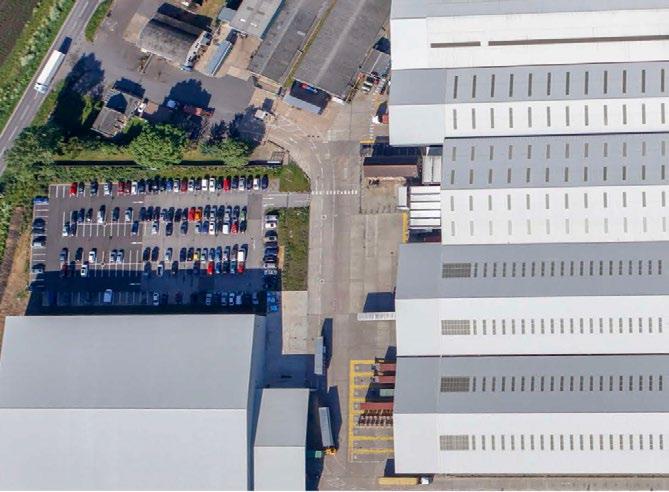
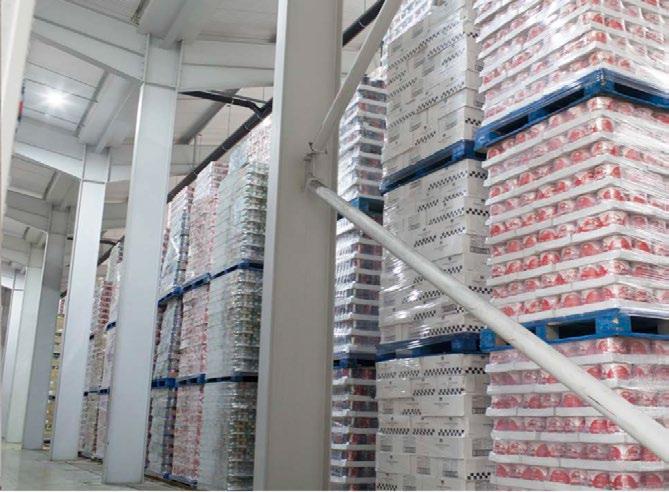
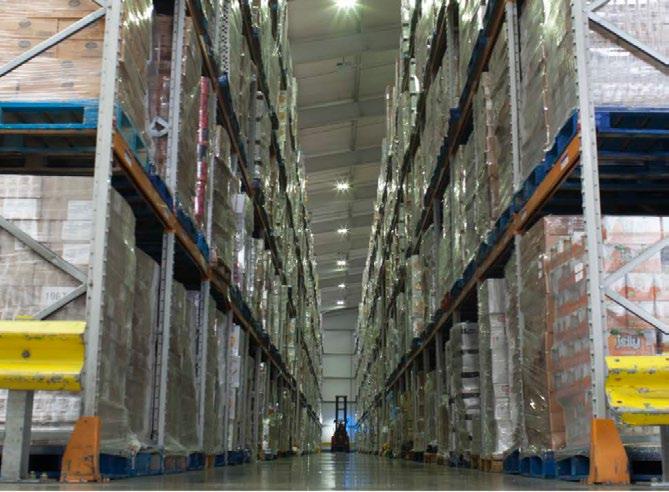

With 40% of core manufacturing skills expected to change by 2030, digital systems are essential for supporting a more agile and adaptable manufacturing workforce.
To address these needs, Nulogy has introduced its Manufacturing Operating System (MOS) to enable faster, smarter operations for manufacturers, 3PLs and contract packers. Nulogy MOS unifies production, quality, compliance, maintenance and warehouse activities on a single platform, with fast and easy implementation. Customers can start with the solution that solves their greatest challenges today, and scale as their needs evolve.
For food and drink processors, Nulogy provides real-time visibility into every manufacturing step, from inventory management to quality control.
In a sector where traceability and audit readiness are essential, consolidating these functions can eliminate information gaps and reduce the risk of errors.
In many manufacturing facilities, critical data still sits in disconnected or paperbased processes, with 49% of UK businesses reportedly still operating a physical paper filing system, creating operational blind spots that are only brought to light when something goes wrong.
Nulogy MOS tackles these blind spots with fast implementation to address a specific priority area or bottleneck and then expand usage as needs evolve. This scalable approach prioritises measurable operational wins over an expensive, cumbersome full system overhaul.
In high volume, margin-sensitive sectors such food and drink manufacturing, even small improvements in efficiency can yield significant financial gains. Nulogy’s real-time operational data provides the means to achieve these efficiency wins.
And, with Nulogy, this data can also be shared in real time across sites, giving multi-site operators a competitive edge.
Fast return on investment is a key factor in successful technology adoption. Early MOS users report reduced material waste, improved visibility and better equipment efficiency. Some of Nulogy’s customers include Sysco, Cranswick, Bushmills, Autoliv, and McCloskey International.
As customer expectations and regulatory scrutiny continue to rise in the food industry, instant access to reliable compliance data is increasingly viewed as a baseline requirement.
Companies using Nulogy’s MOS can aggregate food safety and quality feedback in real time. Real-time response and action builds trust through transparency, demonstrates stronger compliance, and helps prevent issues before they turn into crises.
Nulogy’s MOS launch comes as the food and beverage sector seeks digital tools that boost resilience without long implementation cycles. The system supports organisations of all sizes and grows with the business, helping improve responsiveness, lower costs, and boost customer satisfaction.
www.nulogy.com
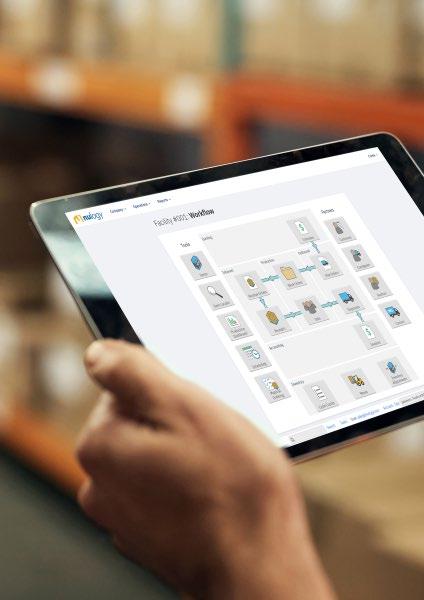

Developed and verified ‘for industry, by industry’, EEMUA 231 Mechanical Integrity courses are for i n dustrial engineers at every career stage – with reality built - in to aid efficient hands-on work with primary containment and prevent loss of hazardous substances, including with pressure systems
• Satisfy industry requirements at each competency level – Awareness, Basic application, Practitioner, Leader
• Covering: *Legislative environment *Industry good practice *WSE *Equipment design *Operational considerations *Audit
*Asset condition *Test techniques *Inspection roles, process & reports *Postponement *Responses to findings
*ALARP *Record keeping *Feedback *User responsibilities & competencies *Operating Limits *Decision Making
• Certificated up to 5 years – CPD-approved.

• Flexible delivery to suit Learners and companies – Blended, Live online, Classroom, E-learning, or In-house.
• Courses throughout each year available to all – free or discounted to EEMUA Members and Associates
Mechanical Integrity Practitioner Certificate (MIPC®) – part-time, blended, live online learning – on-site or on-call – 1:1s and Mentor Support –workbook builds from day-1 for immediate application on-site of EEMUA 177, 231 and 232 guidance, and the PSSR ACOP – certificated for 5 years via exam and portfolio assessment –in-depth learning for 27 weeks, flexible 4 hours per week – CPD of 110 hours The MIPC course adapts to the engineering needs of each Learner, company and site/s via a 2-hour induction (to fit work schedules ahead of the course) – learning on the next course starts 19 October 2026


EEMUA Hydrogen Damage Mechanisms Basics –blended, live online – for those with at least 1 year of experience – flexible learning 4 hours per week –CPD 21 hours – next course starts 20 April 2026
EEMUA 231 Mechanical Integrity Basics blended, online learning – at Basic application competency level – flexible 4 hours of learning per week for 3 weeks – 12 hours of CPD – certificated via exam – next course starts 28 September 2026
EEMUA 231 Mechanical Integrity e-learning –set at the Awareness level – with 1 hour of CPD –immediately available – on-demand
EEMUA Pressure Systems Seminar – Birmingham, UK – 23 April 2026
online-learning@eemua.org
Hyroic is a new range of precision drying systems developed to support the demands of modern food and beverage production lines.
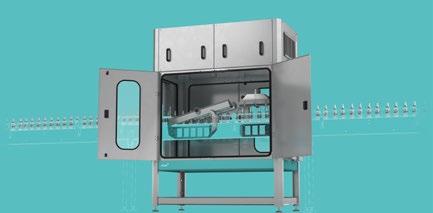
Designed for bottles and cans, Hyroic has been engineered to integrate directly into highspeed environments where effective moisture control is critical to quality and efficiency.
Developed by Air Control Industries, Hyroic draws on decades of experience in industrial airflow and process engineering. The range reflects a shift from broad, energyintensive drying approaches to a more controlled, targeted method that focuses airflow only where needed.
Built around a modular philosophy, Hyroic systems are compact, flexible, and designed to adapt as production lines evolve. This allows manufacturers to address specific moisture-related challenges, such as date-code quality, inspection reliability, and downstream rejects, without significant disruption to existing layouts.
By combining precision airflow with efficient system design, Hyroic helps producers improve consistency, reduce reliance on compressed air, and support more energy-conscious operation, while maintaining the speeds required by today’s food and beverage lines.
Hyroic Systems
Tel: +44 1297 630960
Email: sales@hyroicsystems.com

www.eemua.org

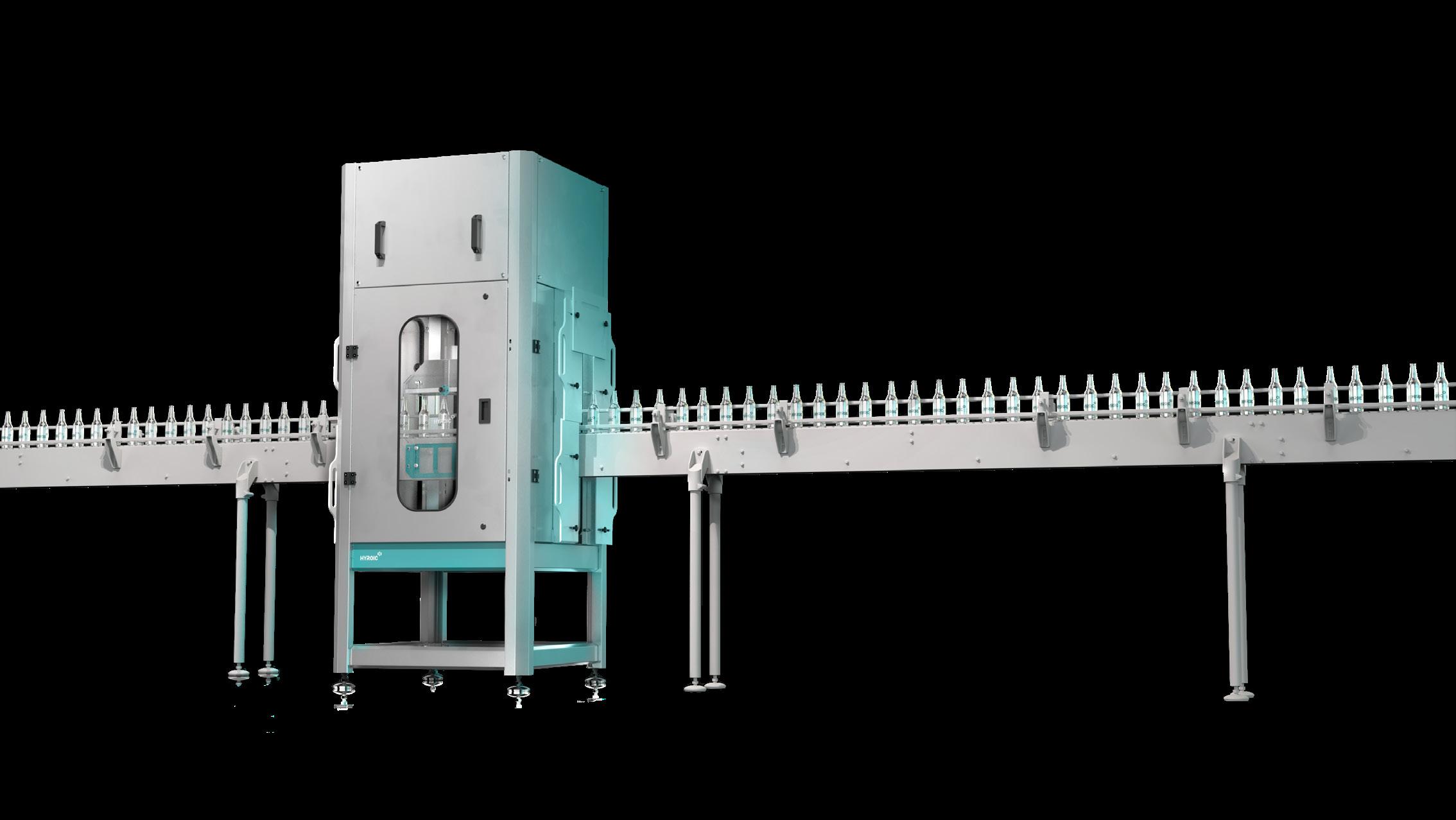
Product quality, product safety. The guiding mantra in dairy production. That’s why the world’s leading dairy producers rely on the products and solutions developed by DMNWESTINGHOUSE. Our rotary valves and diverter valves offer the highest level of precision engineering, preventing bridging and possible contamination during conveying processes. At the same time, they guarantee unparalleled cleanability, drastically increasing product safety while reducing downtime for maintenance and repairs.
Through years of experience and valuable partnerships, DMN-WESTINGHOUSE has gained a deep understanding of the global dairy industry and its challenges. We have earned the trust of an industry where hygiene, cleanability, and safety are paramount. In our R&D department, we leverage innovative technology, setting the dairy industry standard. In our factories, we control every step in the manufacturing of heavy-duty rotary valves and diverter valves.
Just like you, we strive for unparalleled quality and consistency. A commitment underscored by our compliance
with current certifications, including USDA, EHEDG-ED Class II and ATEX. Whether it’s about infant formula, lactoferrin, (plant-based) milk powders, caseinates or probiotics, at DMNWESTINGHOUSE, we help you maintain the highest quality standards in dairy.
Many producers of dairy products, ranging from baby formula to lactoferrin, rely on our renowned heavy-duty rotary valves. These valves come in two types and various sizes: the drop-through type (AL/AXL/AML) and the blowthrough type (BL/BXL/BXXL). They comfortably comply with the stringent hygiene standards the dairy industry needs to maintain. All product contact surfaces consist of food-grade material, polished to perfection. They are all radiused and polished to an astonishing 0,8 μm Ra (150 grit), and the rotor vanes have precisely chamfered edges preventing the build-up of conveyed dairy powders.
MZC-series: standard for safety, hygiene and cleanability
Cleaning intervals will vary depending on which dry dairy substances are processed. To reduce cleaning time and resulting downtime, we developed the MZC rotary valves based on our AL— and BL-series. The MZC-I and MZC-II are equipped with supporting rails so the rotor and end cover can be removed. The MZC-II opens on two sides for unprecedented easy access and superior cleanability.
These valves facilitate premium process handling, raising the bar in cleanability, hygiene, and safety. The rotor body clearances are set automatically when the rotary valve is closed after cleaning.
Our diverter valves: boosting efficiency and hygiene
Diverging and converging powders or granulates is a daily routine in dairy production. Safety, efficiency and maximum hygiene are key. That’s why our 2-TDV, 3-TDV, M-TDV, and GPD diverter valves are very much in demand.
· Our 2-TDV and 3-TDV diverter valves are designed for quick disassembly and streamlined distribution. The 2-TDV effortlessly handles two destinations, while the 3-TDV targets three.
· The M-TDV efficiently handles the pneumatic transport of powders or pellets, diverging and converging flows to multiple destinations. Available in different sizes, offering up to 14 ports.
· Our diverter valves are the perfect choice for systems needing regular, quick cleaning with minimal downtime.
Would you like to know more about DMN-WESTINGHOUSE rotary valves or diverter valves and discover why we are the dairy industry’s choice worldwide?
Please get in touch with the DMN-WESTINGHOUSE: +44 1249 818 400 or dmn.uk@dmnwestinghouse.com
For more information or to speak with a specialist:
www.endecotts.com sales@endecotts.com +44 (0)20 7487 5860
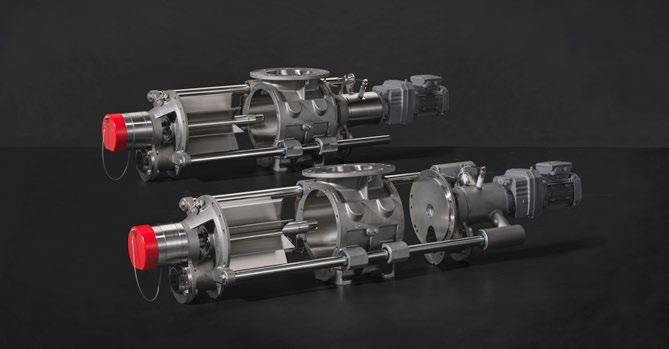
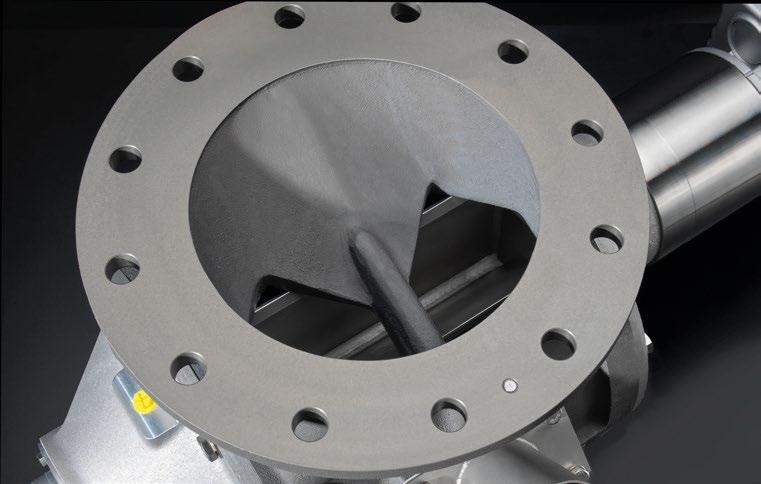
TAILORED SOLUTIONS AND SOLID SUPPORT FOR VARIOUS INDUSTRIES WORLDWIDE
Whatever industry you are in, from plastics to pharmaceuticals and from dairy to aquaculture, you wouldn’t want your production compromised by faltering input of raw materials.
Let DMN-WESTINGHOUSE add reliability to your dry bulk handling processes. Since 1950, we have excelled in designing and manufacturing high-end rotary valves and diverter valves with a stark focus on durability, cleanability and compliance.
Discover your future-proof solution at dmnwestinghouse.com
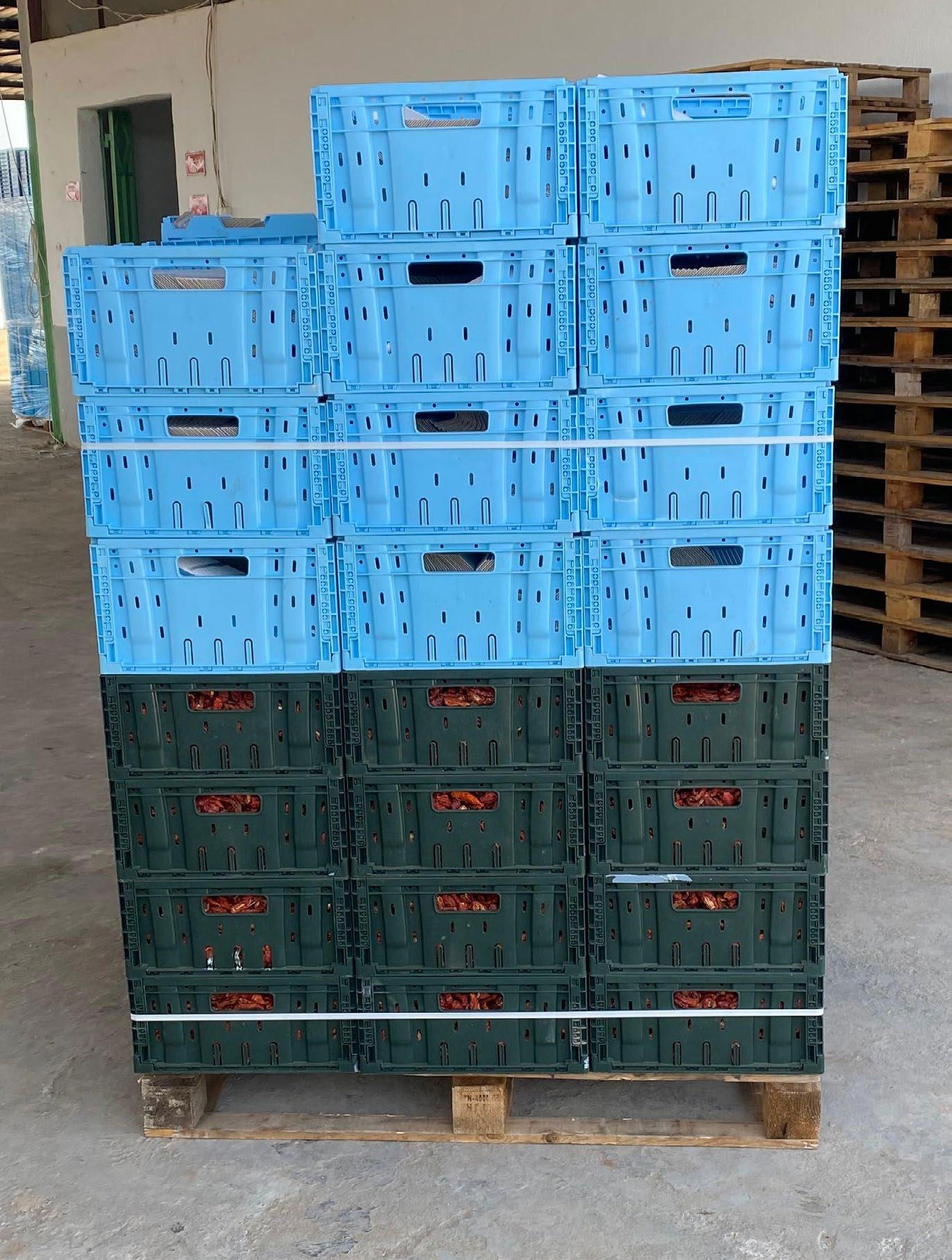
As sustainability moves to the top of the retail agenda, reusable packaging has become a practical and proven way to cut waste, reduce costs, and improve efficiency across the supply chain. For retailers, it delivers even more: cleaner shelves, faster restocking, and more attractive displays that help sell more while complying with sustainability goals and packaging regulations.
Tosca is at the forefront of this shift. As a global leader in reusable and
100% recyclable plastic packaging and pooling solutions, Tosca provides packaging solutions that keep products moving safely, efficiently, and sustainably from factory to shop floor. Its integrated beverage solution - combining the UDP half pallet with durable plastic beverage trays - shows how reusability can drive both operational performance and commercial success.
Reusable plastic packaging offers increased consistency, durability, and hygiene compared to singleuse packaging. Made from 100% recycled and fully recyclable plastic, Tosca’s packaging is designed for repeated use, maintaining strength and quality through every cycle. Unlike cardboard or wood, plastic doesn’t absorb moisture, warp or splinter - making it ideal for food and beverage environments where both hygiene and presentation are paramount.
By switching from single-use packaging to reusable plastic solutions, retailers and brands reduce their dependence on disposable materials, cut carbon emissions, and eliminate packaging waste. Independent analysis shows that, compared to a single-use display of 100 products, the UDP half pallet can reduce carbon emissions by 400–600 kilograms of CO2 equivalent, delivering measurable sustainability gains without compromising efficiency.
Tosca’s pooling model takes reusability one step further. Instead of owning packaging assets, customers pool them through Tosca’s managed network. Once used, each pallet, crate, or tray is collected, inspected, washed, and redistributed by Tosca -ensuring every item remains in circulation for as long as possible.
This system reduces capital investment, eliminates storage and maintenance costs, and guarantees consistent availability, even during seasonal peaks. By keeping assets in use across multiple customers,
pooling significantly reduces waste, streamlines operations, and ensures that every component of the supply chain contributes to a truly circular economy.
Within this model, Tosca’s UDP half pallet and plastic beverage tray combination provide a complete, retail-ready beverage display system that brings the benefits of reusable packaging directly to the shop floor. Built for efficiency, the UDP half pallet combines a load capacity of up to 500kg with a compact 800 × 600 mm footprint, enabling faster handling and easier movement through warehouses, distribution centres, and stores.
The beverage trays are designed to sit securely on the UDP, forming a sturdy and hygienic merchandising platform that moves seamlessly from truck to shop floor. This retailready system eliminates unpacking and shelf-stocking, saving valuable time and labour. Staff can restock quickly, keeping displays full, neat, and easy to access.
Durable and easy to clean, the trays maintain spotless shelf appeal and protect against spills or product damage - creating a consistently premium look that enhances brand image and helps attract shoppers. The result is a cleaner store
environment, faster replenishment, and measurable labour and waste savings.
In-store, the UDP and trays are more than just operational tools – they’re powerful sales drivers. Their modular, space-saving design enables eye-catching end-of-aisle and seasonal displays that can be moved, refreshed, or repositioned in minutes. Retailers can react faster to promotions or stock changes, maximising every square metre of selling space.
For customers, these displays offer a cleaner, more engaging experience. Products are wellpresented and easy to pick up, encouraging impulse purchases and reducing the clutter associated with single-use cardboard. In the UK, this approach has already proven successful for retailers: Tosca’s beverage solution is widely adopted by over 150 FMCG brands, driving efficiency and sales growth while cutting environmental impact.
Proven performance across Europe
“The UDP half pallet is more than a logistics tool - it is a proven driver of revenue,” says Laurent Le Mercier, EMEA President, Tosca. “By moving directly from production to the shop floor without the need
for unpacking or handling, it allows retailers to launch promotions faster, optimise every square metre of selling space, and generate additional sales even when shelf space is at capacity.’’
Following its success in the UK, Tosca’s beverage solution is expanding across Europe, helping retailers and brands enhance efficiency, improve hygiene, and embrace sustainability with a proven, circular model.
From the warehouse to the shop floor, Tosca’s reusable packaging solutions deliver measurable impact: cleaner operations, smarter merchandising, and stronger sales. With durable plastic assets, a robust pooling network, and a focus on efficiency at every stage, Tosca helps beverage retailers turn sustainability into a source of competitive advantage.
uk_sales@toscaltd.com
Contact Us - Tosca EU

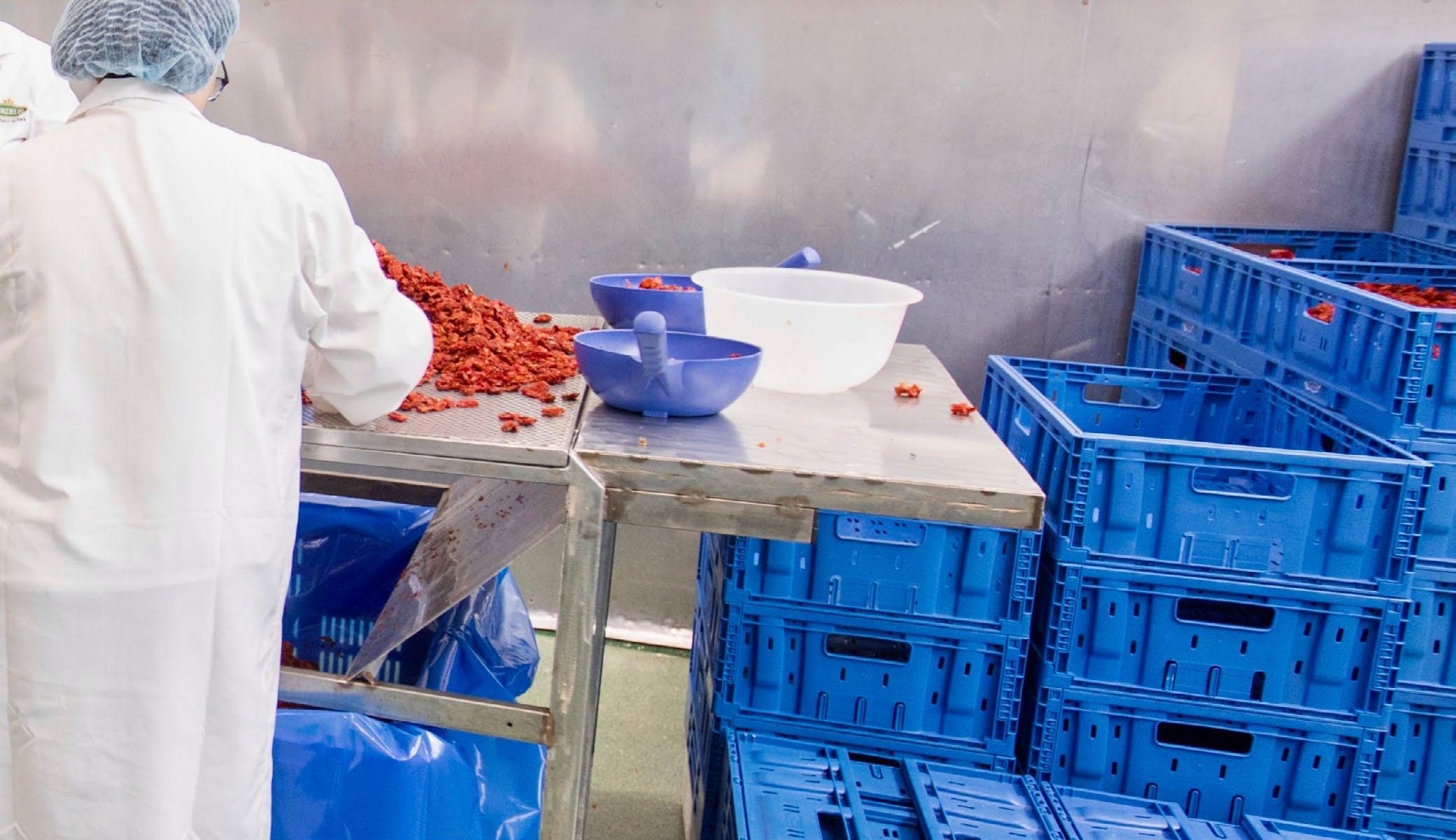
ifm electronic has introduced the SM Foodmag, a line of magneticinductive flow meters designed to deliver precise flow measurement tailored to the food and beverage sector. Built to uphold stringent hygiene requirements while enduring demanding process conditions, the SM Foodmag offers a versatile solution for everything from small dosing lines to large supply pipelines.
The SM Foodmag eliminates blind spots during production by leveraging IO-Link technology to provide comprehensive process data. Unlike traditional sensors that simply monitor flow, this innovative device simultaneously measures four critical process parameters: volumetric flow, total volume, temperature, and conductivity. This multi-parameter capability enables manufacturers to reduce the number of measurement points in their systems while gaining more detailed insights into their operations.
Designed specifically for the food industry, the sensor is suitable for a wide range of media, including milk, cream, beer, fruit juices, and water. It is fully compatible with CIP (Cleaning in Place) and SIP (Sterilise in Place) processes, featuring a durable stainless-steel construction and the ability to permanently withstand media temperatures of up to 150°C. The integrated conductivity measurement further boosts efficiency by detecting phase changes in the media, enabling optimised cleaning cycles and minimised waste.
A standout feature of the SM Foodmag is its modular flexibility. The system comprises a measuring pipe, seal, and process adapter, making it fully customisable to suit specific installation needs. Covering a variety of line sizes, the sensor can be easily retrofitted into existing systems thanks to standard installation dimensions and a variety of adapters, including weldin, clamp, or DIN connections.
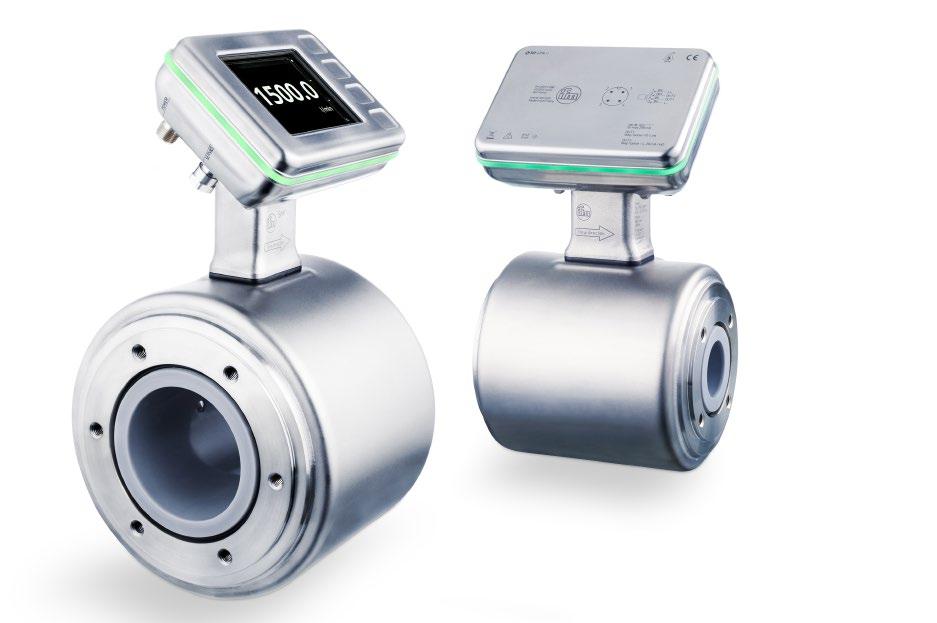
Operators will appreciate its userfriendly design. The device is equipped with a fully graphic, and rotatable, 3.5” display and a 360° LED status ring, offering instant visual feedback on the sensor’s operational status. A guided installation wizard and app-based menu structure make configuration both quick and intuitive. For seamless digital integration, the SM Foodmag uses IO-Link to transmit data reliably to controllers and IT systems, ensuring full transparency and enabling Industry 4.0 implementation.
The robust construction also addresses common mechanical challenges. By separating the measuring pipe from the electronics and incorporating a slim, lightweight housing, the SM Foodmag significantly reduces the risk of failure caused by vibration and shock. A standard M12 connector ensures a watertight, error-free connection, eliminating the need for the complex terminal chambers often associated with traditional flow meters.
www.ifm.com
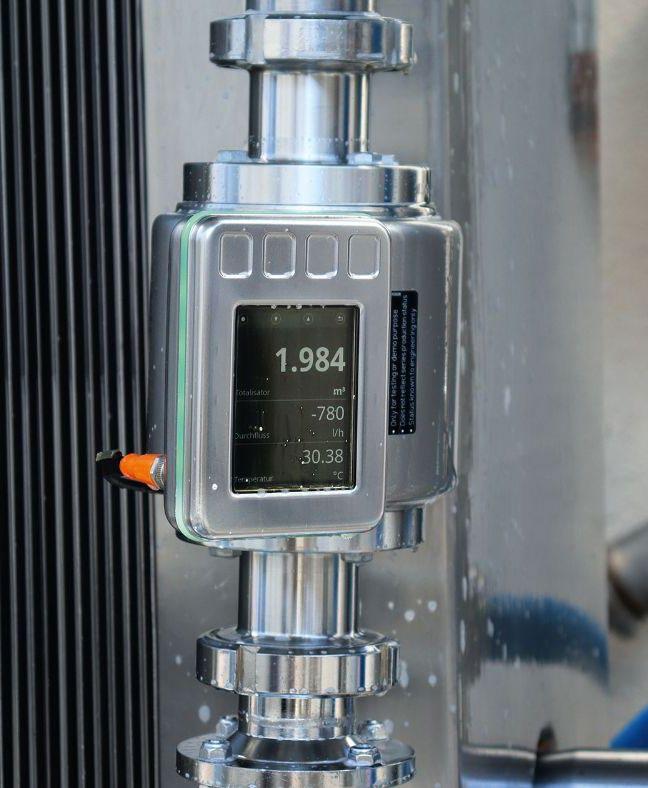
Ruland’s shaft collars and rigid couplings are engineered to meet the demanding needs of food processing, packaging, and handling systems, offering solutions that enhance efficiency and reduce downtime.
Rigid couplings are available in a wide variety of sizes and styles for food packaging applications such as case erectors, cartoners, and form, fill, seal equipment. The couplings are ideal for shaft-to-shaft connections and precise servo driven applications as they do not introduce misalignment, vibration, or bearing noise into the system. They have precision honed bores, anti-vibration hardware, and opposing hardware on two-piece styles to ensure superior fit, alignment and holding power. Ruland offers 303 stainless steel couplings with hardware of like material as standard stock items. Proprietary Nypatch antivibration hardware is used to prevent galling, provide event seating of the screw, and allow for repeated screw installations.
Clamp style shaft collars are commonly used for guiding, spacing, stopping, mounting and component alignment. The shaft collars have a tightly controlled face to bore perpendicularity (TIR of ≤ 0.05 mm) which is critical when used as a load bearing face or for aligning components such as bearings or gears. They are machined to a fine burr free finish that reduces the likelihood of metallic system contamination. Shaft collars made from 303 and 316 stainless steel utilize hardware of like material for consistent corrosion resistance and to meet regulatory standards. Plastic shaft collars can be used as a costeffective alternative to stainless steel at the expense of performance. They are supplied with stainless steel hardware for corrosion resistance. Ruland also offers anodized aluminium shaft collars with stainless steel hardware for areas of the system where stainless steel or plastic is not required.
www.ruland.com
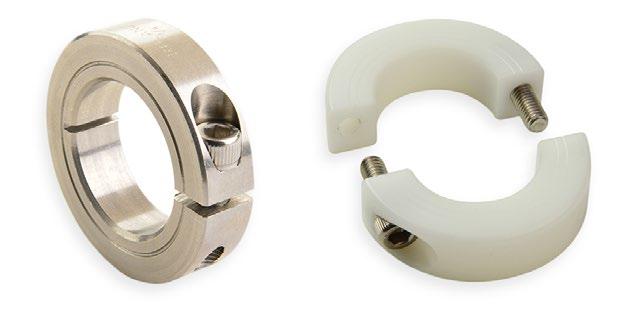
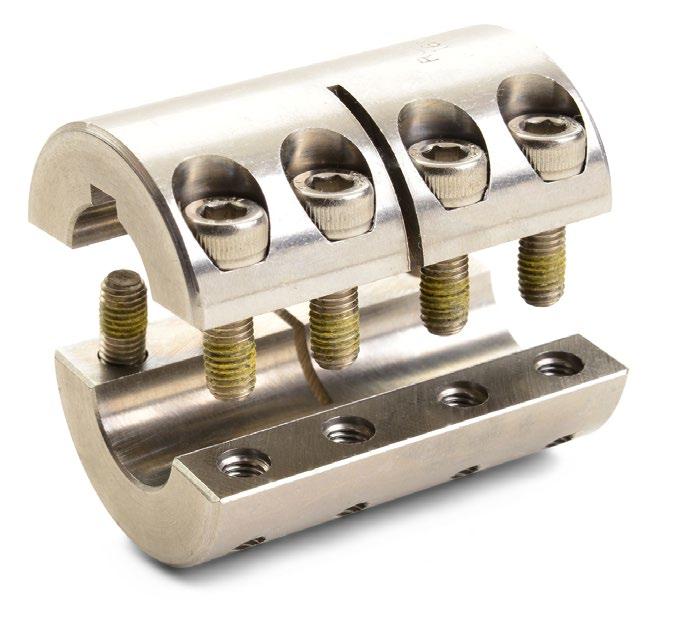
• Reduced contamination risk due to a fine burr-free finish. • 303 and 316 styles available to match corrosion resistance with the application. • Superior fit, finish, and holding power due to proprietary manufacturing processes developed over 85 years.
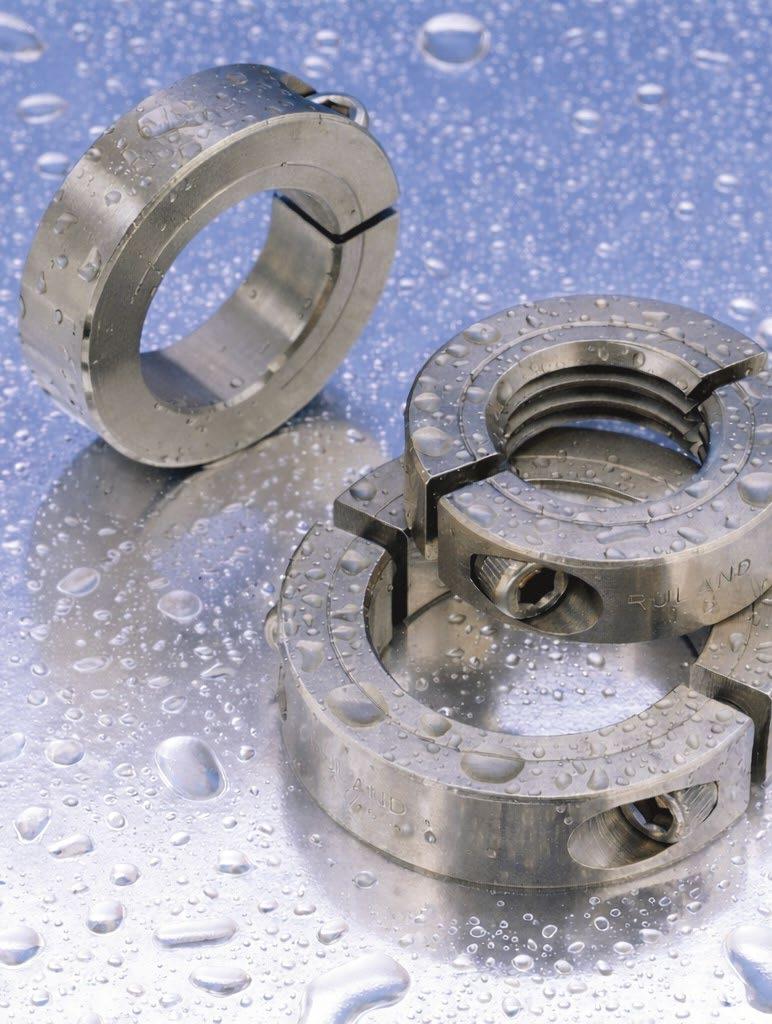
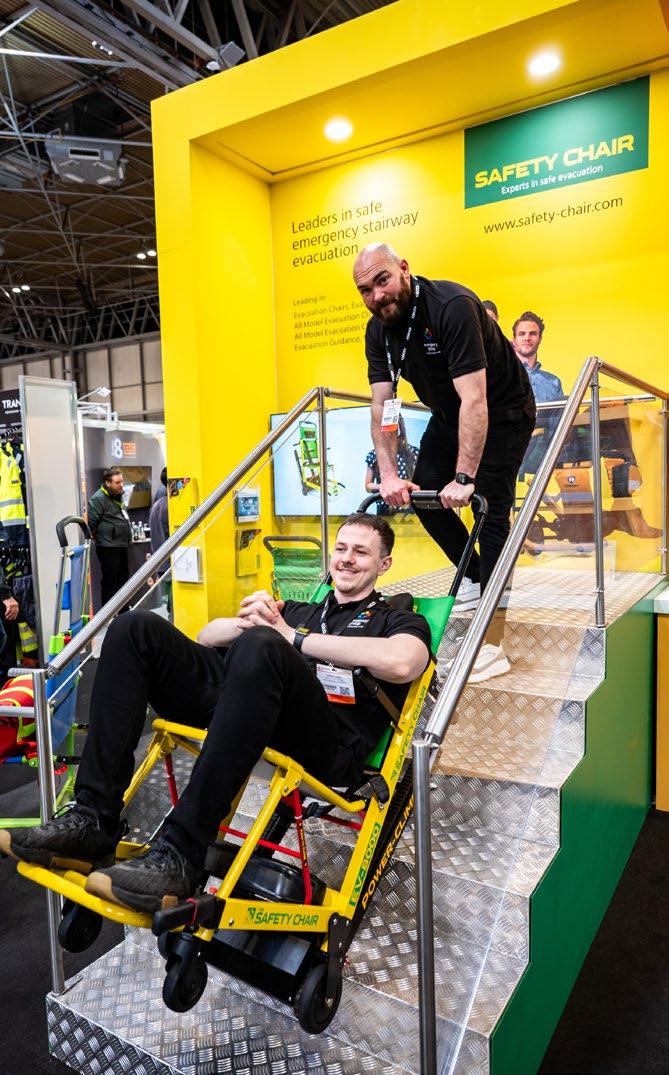
The Health & Safety Event will return bigger and better than ever on 28-30 April 2026 at the NEC Birmingham. This large-scale event will reunite the entire health and safety sector, featuring a wide range of exhibitors, valuable networking opportunities, and CPD-accredited content.
The latest and innovative products and services across the industry will be showcased, with 400+ exhibitors providing visitors the chance to find out what’s new on the market and source new suppliers. Exhibitors will include Draeger, JSP, Mascot Workwear, Milwaukee, Portwest, RS, U-Power and many more.
Over the course of three days, attendees will have access to 60+ hours of free CPD-accredited content across multiple theatres, alongside live demonstrations, interactive workshops, and exclusive networking opportunities.
CPD accredited content
The Keynote Theatre (supported by IOSH) is the main stage at The
Health & Safety Event will welcome key industry speakers who will be providing the latest news and updates as well as regulations, guidance, and training within the health and safety industry.
Visit the Practical Safety Theatre to hear from the experts on how to create a safe and compliant working environment. Gain the practical tools and knowledge to protect you and your employees from danger, whilst helping to look after the future of your business or organisation.
Our Knowledge Exchange Theatre will feature a series of sessions covering the challenges faced by health and safety professionals and practitioners. Hear from industry experts who are making a difference in the workplace and safety culture.
A popular theatre is The Driver Safety Theatre (in partnership with Driving for Better Business). Hear from leading experts share a series of presentations and panel discussions covering legislation updates, driver fatigue, distraction, staff culture, vehicle safety and much more.
Finally, our Lone Worker Safety Live will be bring bite-size interactive sessions, experts, and those with practical experience will share their knowledge to bring you best practice ways to manage the key issues of wellbeing, safety, and security for lone and remote workers.
partnerships
In partnership with British Safety Industry Federation and their Registered Safety Supplier Scheme, this dedicated trail will help visitors navigate around the show to meet BSIF members who have signed a binding contract to offer safety
equipment and services that meets the appropriate standards, fully complies with the PPE regulations, and are appropriately marked.
The event is continually backed by the leading associations in the sector including the British Safety Industry Federation, NEBOSH and UK Asbestos Training Association and more.
Co-located events
The Health and Safety Event 2026 will be co-located with The Security Event, The Fire Safety Event, The Workplace Event, and the National Cyber Security Show. Access all shows with just one pass.
Find out more at: www.healthandsafetyevent.com
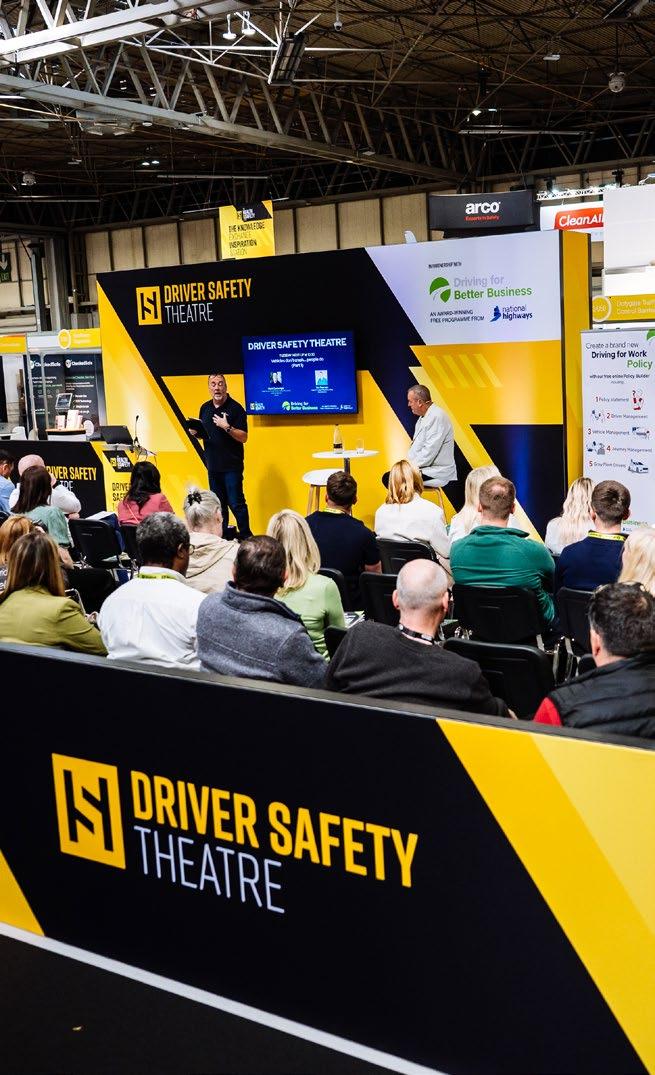






































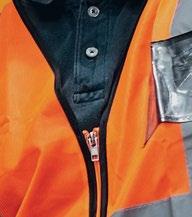









ePac Flexible Packaging continues its strong growth across Europe with a series of strategic investments focused on expanding production capabilities, improving operational efficiency, and supporting rising customer demand for sustainable, digitally printed flexible packaging. These initiatives reinforce ePac’s commitment to delivering fast, flexible, and high-quality packaging solutions to brands of all sizes.
Across its European network, significant upgrades are underway at ePac facilities in Lyon, Innsbruck, Silverstone, and Poland. In Lyon, the site has expanded its manufacturing footprint and added a new external onsite warehouse to improve material flow and operational efficiency. New technology installations include an HP Indigo 200K digital press and a Totani pouch converting line, alongside increased staffng to support continued growth.
At the Innsbruck facility, ePac is executing a major scale-up designed to accelerate both digital print output and pouch production. Planned investments include the installation of an HP Indigo 200K digital press, followed by the addition of multiple Totani pouch converting lines. The site is also expanding its specialised team to support enhanced production capabilities and technical expertise.
In the United Kingdom, ePac’s Silverstone operation is responding to growing demand for pouches and rollstock by expanding its converting output with the
addition of a new Totani pouch line. Increased operational headcount will support higher throughput while maintaining the speed, quality, and reliability customers expect.
Meanwhile, ePac Poland is expanding its lamination and converting capabilities to support customers across Central and Eastern Europe. The site is installing a Karlville Laminator, enabling both thermal and solventless lamination. This investment broadens the facility’s product offering and enhances its ability to deliver highperformance packaging solutions supported by advanced lamination technologies.
Together, these investments strengthen ePac’s European manufacturing network, enabling faster lead times, greater flexibility, and improved responsiveness to customer needs. They also reinforce
the sustainability advantages of digital printing, including reduced material waste and the elimination of minimum order requirements.
“Our focus is on delivering the best possible experience for our customers,” said John Peat, Group Vice President – Operations.
“By expanding our operations and deploying the latest digital technologies, we’re ensuring our sites across Europe continue to operate with speed, efficiency, and reliability.”
ePac remains committed to supporting brands as they innovate, expand, and scale, providing flexible packaging solutions that help them stand out and grow.
For more information about ePac Flexible Packaging and its services, please visit
www.epacflexibles.co.uk

ADT Flexibles is an independent supplier of high-performance hose assemblies for the Food & Drink sector, manufactured in the UK and built for hygiene-critical, highdemand environments.

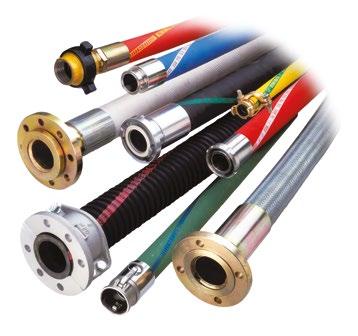
From PTFE lined stainless steel braided hose assemblies for pharmaceutical and biotech applications, to FDA-approved rubber food hoses, silicone hygienic hose, food-grade PVC suction and delivery hose, and PU food grade ducting for dry product transfer - we deliver reliable solutions for every stage of your process.
All assemblies are available with hygienic end fittings including Triclover, DIN, RJT, SMS and IDF with in-house fabrication for bespoke elbows, dip tubes, tees and cross pieces to meet exact system requirements.
With sizes up to 4” (ducting to 300mm), anti-static options, over £2 million in stock and next-day availability on key lines, ADT Flexibles helps keep production moving and downtime to a minimum.
Speak to our friendly team today to discuss your application or urgent requirement on 0113 253 5569 email office@adtflex.co.uk or visit our website www.adtflex.co.uk
For over 30 years, Klöckner Pentaplast has been setting the benchmark in high-performance stretch films. Now, the company introduces its iconic PVC range as kp FlexiStretch® King of Cling™, designed to meet the exacting demands of busy catering operations.

Engineered for professional kitchens and large-scale food-togo environments, kp King of Cling™ delivers superior stretch, best-in-class cling, and crystal-clear transparency to maintain food freshness and enhance presentation. Its thin gauge offers maximum protection while reducing material waste and lowering overall packaging costs.
Versatile and fully compliant with food-contact standards, the film is suitable for a wide range of applications, from high-fat foods to frozen products, and works seamlessly on manual and automatic systems, including Ulma, Omori, and Automac lines.
Manufactured at certified sites in Europe and China, kp FlexiStretch® King of Cling™ ensures consistent quality and a reliable global supply.
Catering operators seeking to elevate food presentation and protect product freshness can explore the full potential of kp’s premium stretch films.
Discover how kp FlexiStretch® King of Cling™ can transform your packaging operations at www.kpfilms.com
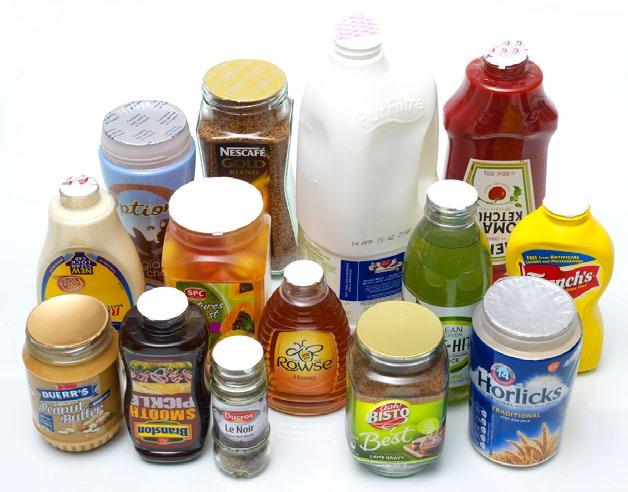
Enercon Industries, the global leader in induction cap sealing technology, has officially launched two new induction cap sealers across Europe.
Building on the proven performance and reliability of the Super Seal™ Touch range, – the new Super Seal™ Pro and Super Seal™ Max bring enhanced performance, smarter controls, and improved usability, setting a new standard in induction sealing technology.
Designed for use in a wide range of packaging applications, including food
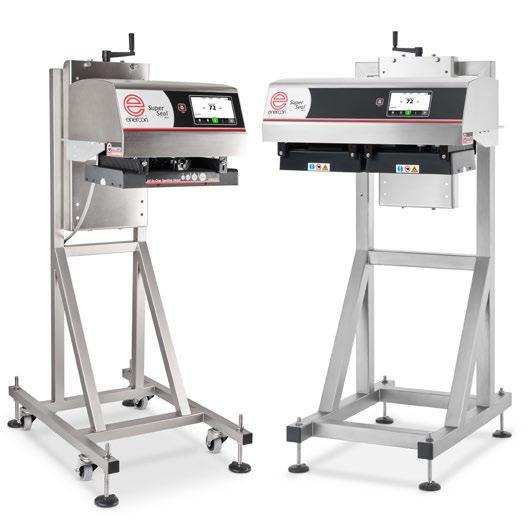
and beverage, these machines can seal containers with cap diameters of 15mm to 150mm, and can run at up to 100 metres a minute.
They can be used as a stand-alone production unit or be fully integrated into a continuous filling and capping line, giving complete flexibility of operation.
Among the new key features are:
• Larger 7” touchscreen – offering simplified system navigation and new tools to assist with set-up, operation, and troubleshooting.
• External USB port – for quick software updates, and easy export of event, maintenance, and fault logs.
• Advanced fault logging – automatically captures critical operating data before, during and after an event for faster technical support.
• Wider network compatibility – now supports nearly all standard protocols for remote control and monitoring.
• Improved recipe management –store up to 50 recipes for quick line changeovers.
• Multi-level user security – ensuring controlled access for different operator levels.
Enercon Industries has over 50 years’ experience of supplying its world leading induction cap sealing equipment to both large and small companies. Every day its machines securely seal billions of containers worldwide, ensuring product integrity, preventing leaks, and building consumer confidence for countless brands.
Visit https://bit.ly/46T5zZQ to learn more.
Email: sales@enerconind.co.uk 01296 330542
A dry vacuum offers many advantages to users from a wide range of sectors. These include longer running performance and ultimately greater efficiency in the processes. As one of the leading suppliers of speciality gases, welding accessories and automation solutions, OE Meyer from the US state of Ohio has been relying on dry vacuum technology since January of 2023. By switching to the DRY screw vacuum pumps and the oxygenresistant VARODRY HD/O2 from Leybold, the company from the Midwest of the USA has achieved significant process improvements. Owned by the employees
OE Meyer has seven different locations throughout the state and is 100 percent owned by its 130 employees. The company has been providing the highest quality products and services since 1918. This credo has also helped the specialists maintain their legacy for a century. OE Meyer supplies its customers with industrial and speciality gases as well as welding and production systems. Customised solutions are aimed at industry, agriculture, the healthcare system and the gastronomy. The focus is on both young start-ups and established large companies. The Americans concentrate on general and medical gas and industrial gas filling as well as cylinder, oxygen and inert gas filling.
When using the previous vacuum pumps, there was a serious problem with oil leaks. ‘The oil leaks caused considerable costs on the one hand and safety risks due to slipping hazards and environmental damage on the other. The oil changes also cost around 1,600 dollars each,’ says Mitch Robinson from OE Meyer, looking back. In order to keep pace with modern operational safety and environmental standards and reduce costs at the same time, it was therefore only logical to replace the existing vacuum technology. ‘This step was a good opportunity to offer the customer OE Meyer a sustainable alternative with the dry VARODRY HD/O2 vacuum pumps,’ recalls Josh Miller from Leybold. The introduction of the dry-running DRY vacuum pumps also confirmed the change.
‘The investments were right across the board, and the new pumps proved to be clean, ergonomic and efficient in use,’ summarises Mitch Robinson from Leybold. The dry technology now eliminates oil contamination and backflow, ensuring a safe working environment. Just as importantly, the oxygen-tolerant VARODRY HD/O2 fits seamlessly into current processes and has led to greater
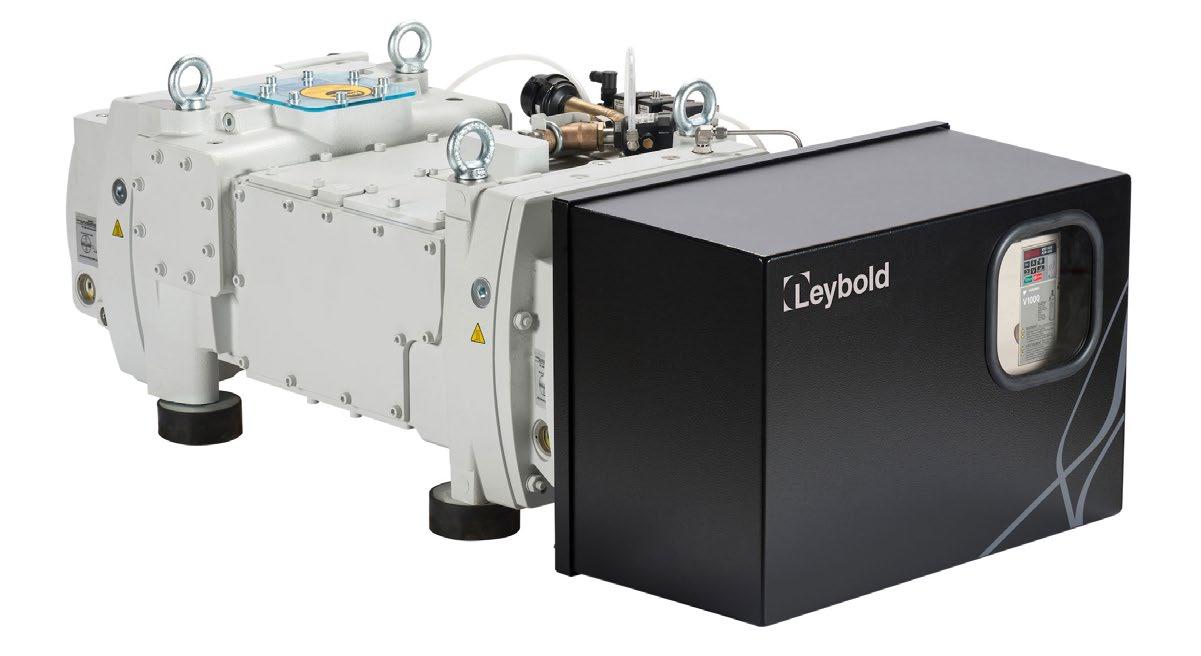
operational efficiency and savings, for example in the filling process with medical oxygen. What’s more, certification for operation with oxygen-rich processes gives employees confidence in handling dry vacuum technology.
The dry DRYVAC from Leybold also ensures better performance and a longer service life: it combines a higher production yield with minimised contamination risks, especially in demanding processes. In addition, the switch to DRY vacuum pumps has resulted in savings of approximately $10,000 per year in PFPE oil consumption alone. In addition, the elimination of maintenance issues during oil changes means savings of $10,000. So, despite initial concerns, operational efficiency has improved, making the entire operation cleaner and more profitable.
‘We have also had nothing but good experiences with Leybold’s services so far. The customer support provided by the maintenance staff was punctual and uncomplicated,’ says Mitch Robinson from OE Meyer, describing the interaction. The employees have not only received effective solutions for their specific problems, but also insights and tips on how to improve their skills and carry out maintenance work themselves. For example, it only takes 15 minutes to change a belt on the VARODRY. ‘The bottom line is that our overall satisfaction with Leybold’s products and services is high,’ says Mitch Robinson, summarizing the overall benefits. www.leybold.com
With over 35 years experience in pumping viscous materials, Kecol is the number one choice of many of The World’s leading pharmaceutical, cosmetic and food manufacturers.

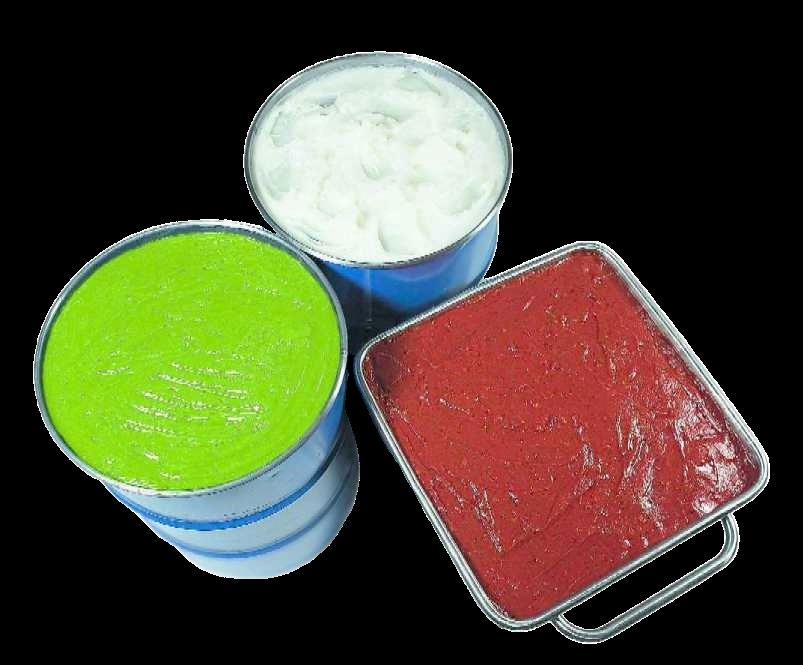
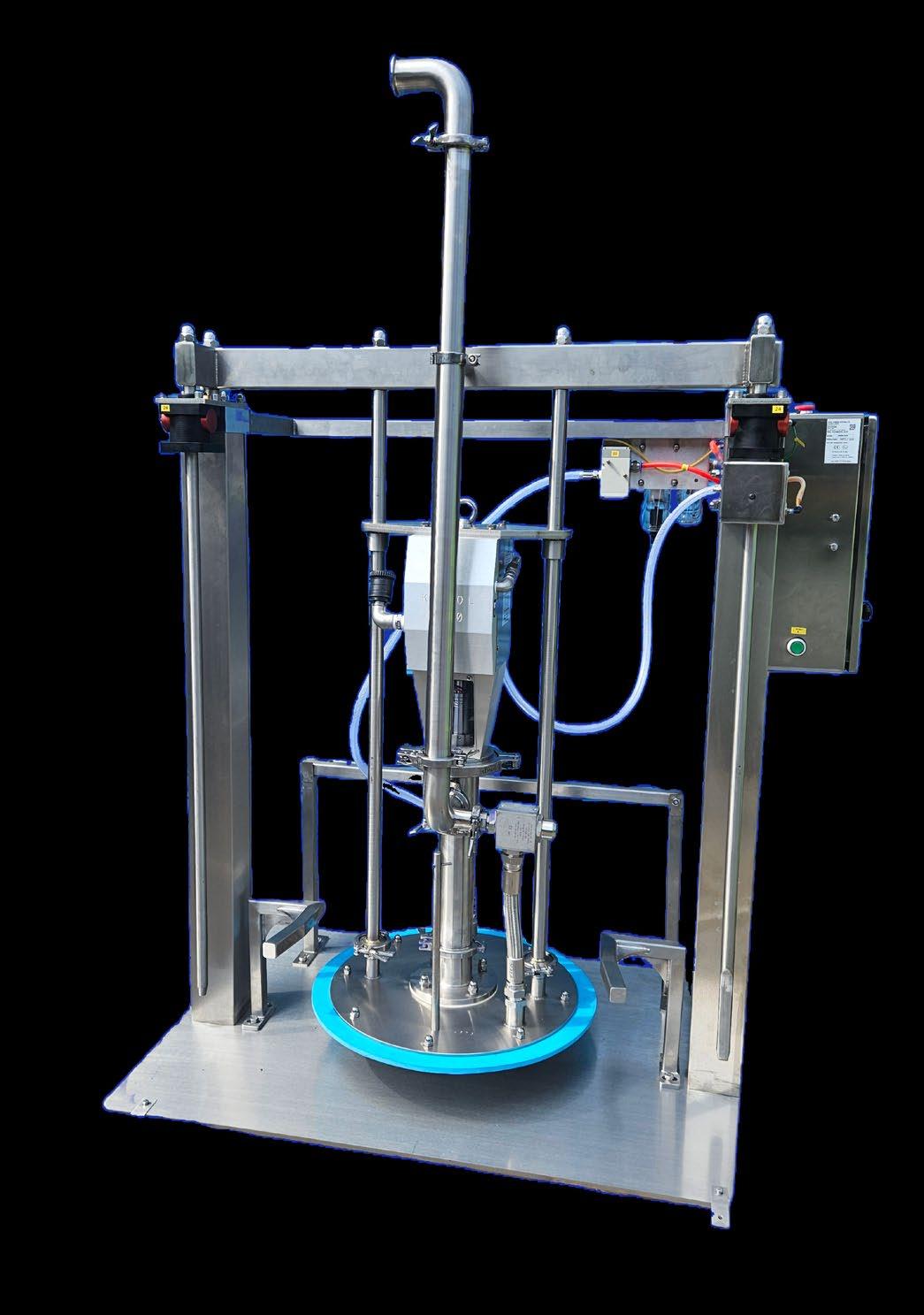
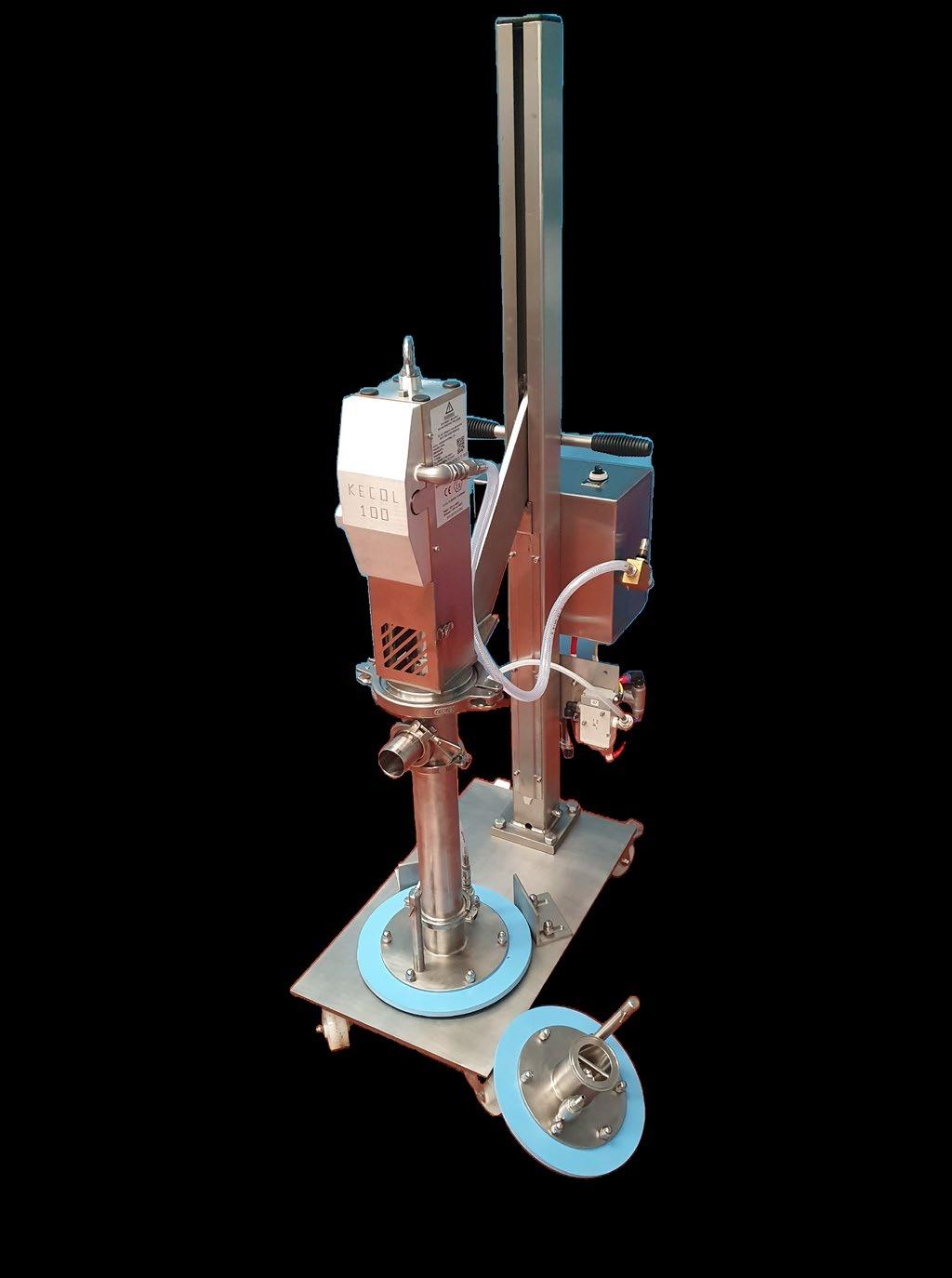
Protect your products and your brand with the Niton XL5 Plus – the world’s smallest , most powerful handheld XRF.
Food Industry Applications
Ideal for food production and processing. Quickly Identifies metallic contaminants. Ensures top food safety standards. Reliable on-site metal screening
Fast , Lab- Quality Results
Powered by a 5W micro x-ray tube and SDD detector.
Delivers rapid, precise measurements in the field.
Smart Data Management
Wi-Fi, GPS, and Bluetooth connectivity. Enables seamless data transfer, geotagging, and digital workflow integration.
Call us on 01256 397860
Request a Demo www.nitonuk .co.uk /xl5