
HOLE NOTES
HOLE NOTES
The Official Publication of the MGCSA V. 61, #3 June 2026
PRESIDENTIAL PERSPECTIVE JOHN CAMERON, CGCS
NATIONAL GOLF DAY REED BOHM 8
WHY LIFTS MATTER IAN NAUS
2025 STEWARDSHIP GRANT SPRINGFIELD GOLF COURSE
ROLL IT FORWARD
JACK KOENIG
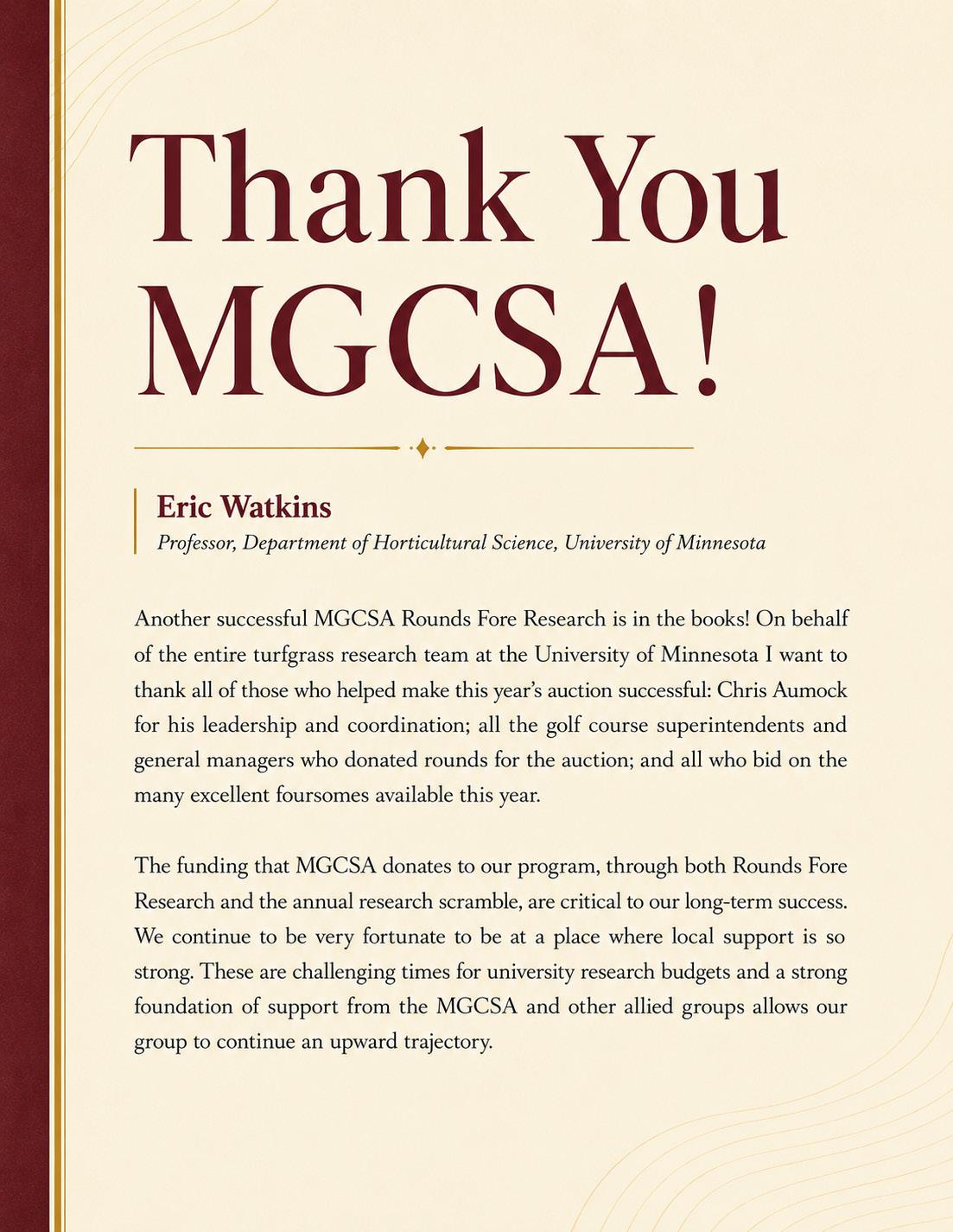
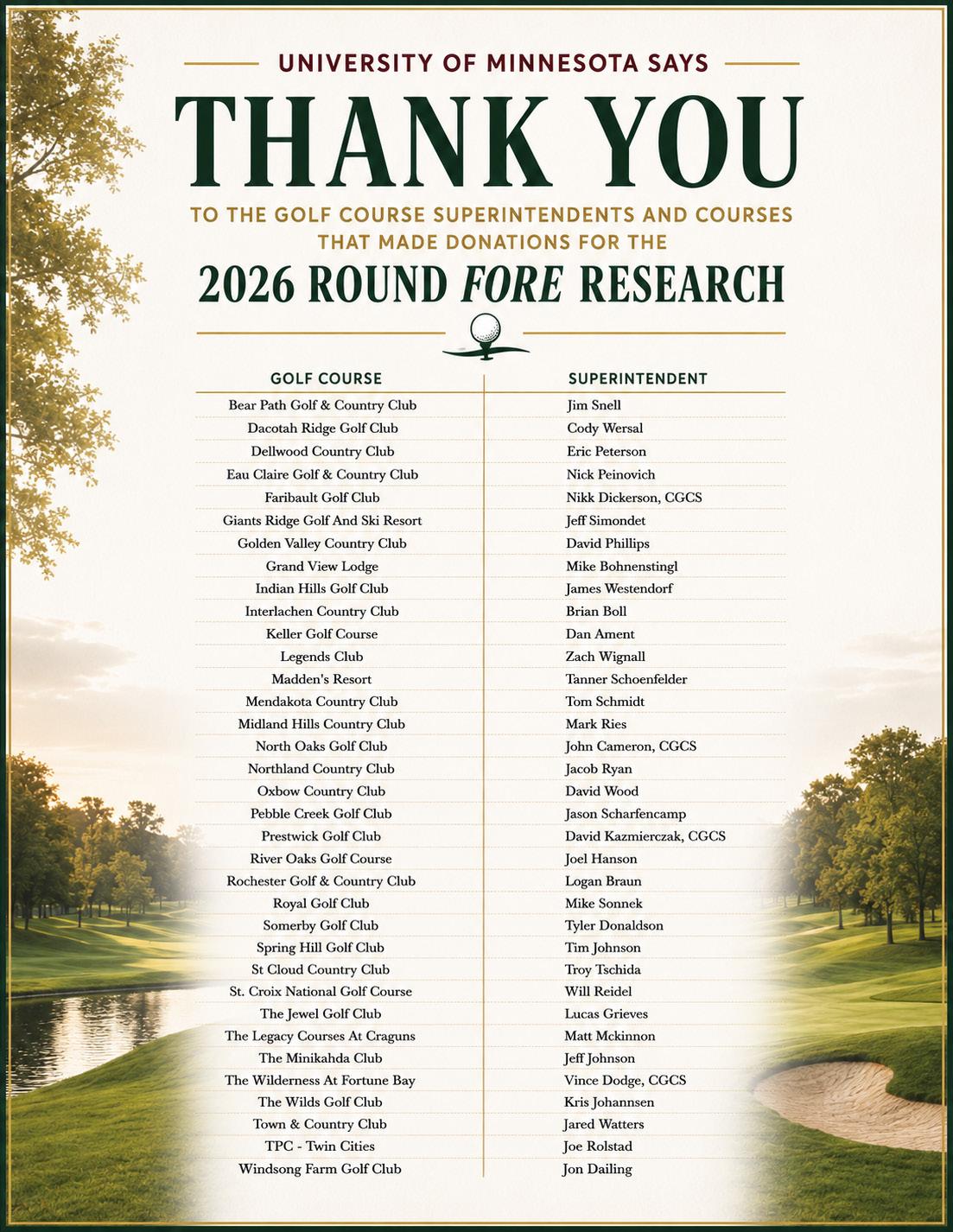
UMN:R4R THANK YOU!
ERIC WATKINS
GET TO KNOW ‘EM NOAH KRAML FROM THE HIGH GRASS CHRIS AUMOCK
Board of Directors
President: John Cameron, CGCS
Vice President: Jason Scharfencamp
Sec/Treas: James Westendorf
Ex-Officio: Nikk Dickerson, CGCS
Director: Wade Huesman
Director: Reed Bohm
Director: Dan Ament
Affiliate Director: Brandon Young
Affiliate Director: Chad Blank
Executive Director: Chris Aumock
MGCSA
PO Box 2028
42
48
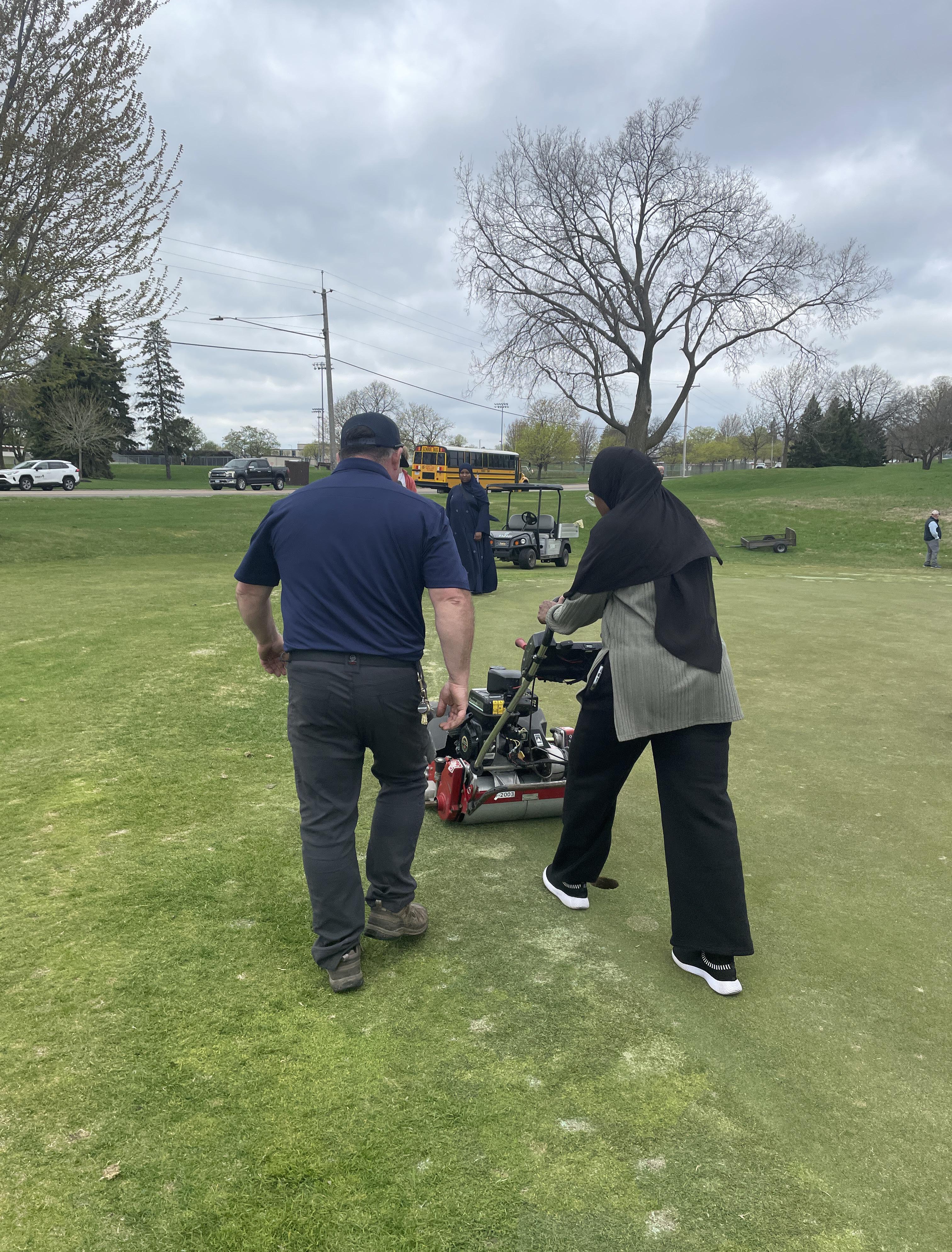
Cover: Walk mowing with Highland Super Jamie Beznason
Above: Watering in the rain, still not something we would do!
Maple Grove, MN 55311 Event Calendar:
SW Exposure - Mankato 6/25 NE Exposure - Silver Bay 7/20 SE Exposure - Lake CIty 7/29 Northern Green Outdoors 8/11
MGCSA Championship 9/8
Pesticide License Recert Event 9/16 The Scramble 9/21 Wee One 10/5
Hole Notes (ISSN 108-27994) is digitally published bi-monthly, 6 issues per year, by the Minnesota Golf Course Superintendents’ Association, PO Box 2028, Maple Grove, MN 55311. Chris Aumock Publisher. Please send any address changes, articles for submission, advertising and concerns to chris@mgcsa.
My heart goes out to every superintendent, grounds team, and golf facility that spent their spring dealing with winterkill while waiting for a break in the weather to kickstart recovery. This spring greeted us with more frost delays than I can remember in recent years. Maybe it was just extra noticeable knowing it wasn’t helping our recovery and seed germination efforts. Hopefully, you had the chance to educate your stakeholders on the unpredictability of Mother Nature and reiterate that she is always in charge, no matter what best
John Cameron, CGCS North Oaks Golf Club
management practices you implement at the golf course. As you can see from this archived article from 1997, history tends to repeat itself.
Then, in true Minnesota fashion, we dove headfirst into a hot stretch that felt like mid July! Going straight from winter dormancy into summer stress is something we are all feeling right now. These daily challenges and adversities are exactly what make superintendents so integral to the golf industry. Hang in there—we will be complaining about snow before you know it!
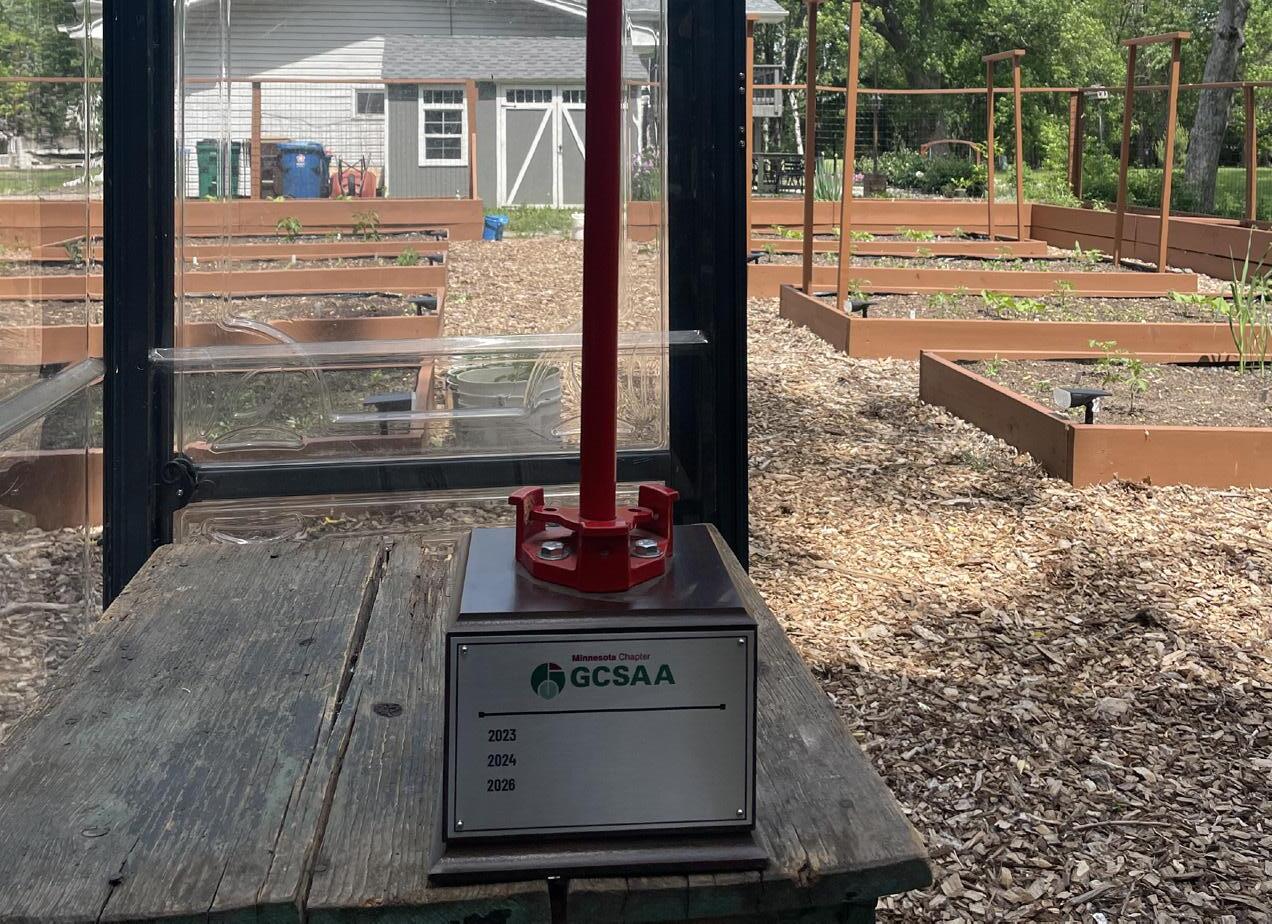
When we are focused on daily course setup, tournament calendars, and equipment maintenance, it can be difficult for many of us to find time to engage with the association. Thank you to everyone who has participated in recent First Green events, outreach initiatives, helping bring back the coveted Cup Cutter trophy at the Border Battle, and the ever popular Don White Match Play. Your participation in these events is the best way to keep our 99 year association moving forward, focused on its mission of advancing the industry together.
Even if you aren’t able to attend many of our events, please know that your membership dues are constantly at work through daily efforts like advocacy and stewardship. Having participated in both our local Day on the Hill in St. Paul and the national gathering in Washington, D.C. this year, I’ve gained a whole new appreciation for these initiatives.
Honestly, experiencing them firsthand makes paying my dues worth it alone. Seeing our Executive Director, Chris Aumock, the GCSAA, and our allied associations working so diligently gives me great peace of mind. While we are all busy with our teams
managing our golf courses, it’s comforting to know someone always has their eyes on our industry’s best interests. I’d like to extend a sincere thank you to everyone who lobbied on our behalf this year—and to those who couldn’t make it, thank you for supporting these vital efforts with your membership dollars.
Beyond educating, lobbying, and networking, the association is also working to return direct value back to your home facility and family members. We are excited to award funding toward the upcoming Stewardship Grant Program. This initiative is an excellent way for you to complete—or
help fund the completion of—a capital project that your facility might not otherwise have the means to accomplish. I am looking forward to seeing who this year’s recipients are as the applications are reviewed and voted upon by a blind panel of industry experts. Alongside these facility grants, we also have our member scholarship opportunities under review, including the Joseph Garske Par Aide and the MGCSA Legacy scholarship programs. These are both longstanding benefits of the association, and ones I hope all ~635 of our members are aware of. Best of luck to all who applied this year!
MGCSA NEW MEMBERS - May/Jun 2026
Jack Kelley
Jack Hackbarth
Victor Brekke
Hazeltine National Golf Course Class C
Hazeltine National Golf Course EM
Indian Hills Golf Club Student
Jordan Trudeau Loggers Trail Golf Course Class C
Derik Gertken
American Peat Technology Affiliate
























































WHY LIFTS MATTER
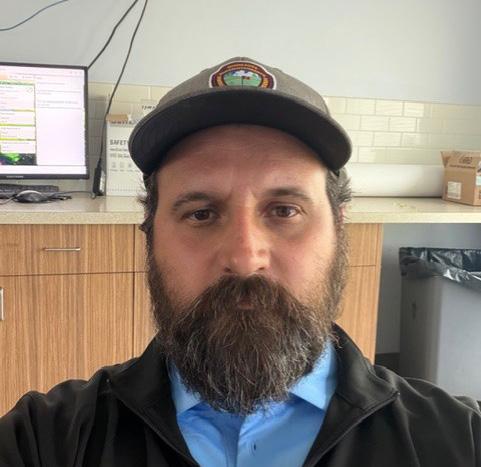
IAN NAUS MEDINA GOLF & COUNTRY CLUB
My name is Ian Naus and I am the head Equipment Manager/Mechanic here at Medina Golf & Country Club in Medina, Minnesota. For my "tech tip" I'll be talking about how having a functional lift has transformed my maintenance practices. Before our new golf lift was installed, we had a Trion brand lift that
had become unsafe and unusable. We made the call to install a new Golf Lift, GL9. In my time here it has been a major pain crawling under equipment to check height and cut on our reel mowers and also our rotary mowers. Performing tasks like switching blades and greasing. With the help of a lift, I can fully inspect the decks, reels, engine, belts,

hoses, and chassis, leading to more effective repairs. Utilizing a lift has also increased efficiency, which will directly result in equipment longevity. It can be intimidating to learn wrenching while navigating my first head EM position. Having a lift has significantly increased my confidence and reduced opportunity for frustration or missed repairs. The ability to view the equipment in its entirety has been incredibly beneficial to my learning and development.
COST VS. BENEFITS (ROI)
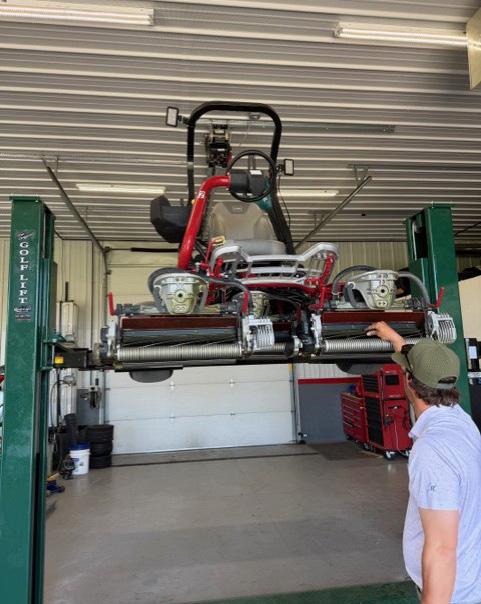
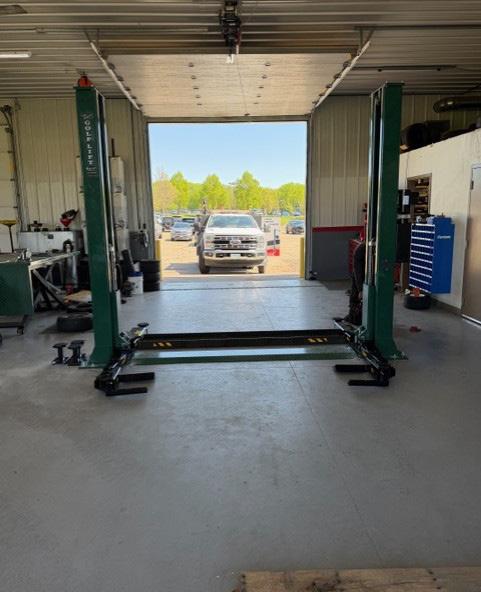
Although there is a relatively high initial upfront investment, the purchase and installation, the benefits often outweigh the cost. Time saved by faster, more efficient repairs translates directly into labor cost reductions. For example, I can save about 30–60 minutes per day just being able to set reels faster. Plus, lifts help catch maintenance issues early, which facilitates a solid preventative maintenance plan. Most golf course shops find that lifts improve uptime so machines spend less time parked for repairs. I can confidently say that it is the most important piece of equipment in my shop.
YOUR HOME FOR ROBOTIC SOLUTIONS

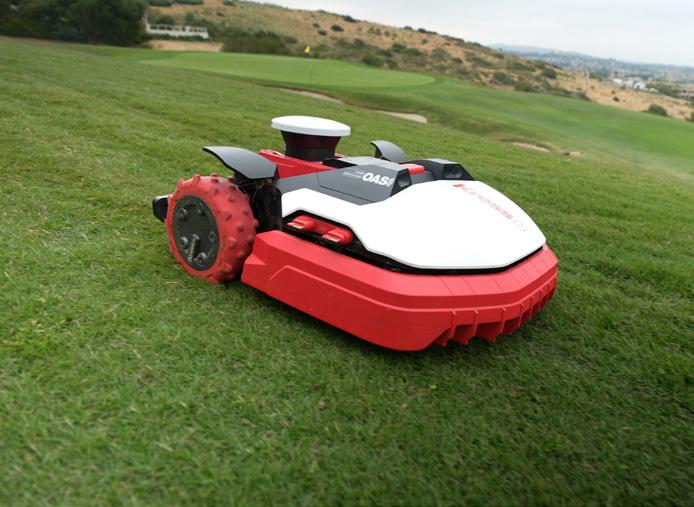



Is your to-do list longer than the grass in the rough?
Robotic mowers can help you improve the quality and safety of your courses. They allow you to not be stuck to a mowing schedule and focus your time on one of your many other responsibilities.
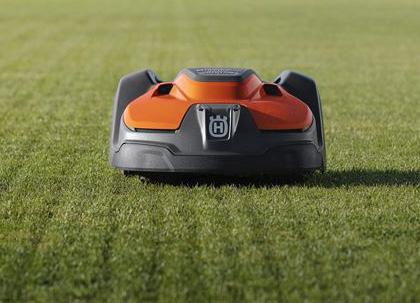
• Save money on fuel and labor costs
• Save time, mow anytime!
• Maintain healthier grass
• Control mower from anywhere
• Environmentally friendly solution with zero emission
Financing & Service Packages available
Combine packages and receive 365/7 support through our Service Dept.
Contact one of these associates for more information:
Ryan Popp
RPopp2@siteone.com
612.384.9889
Brandon Young
BYoung@siteone.com
612.749.3172















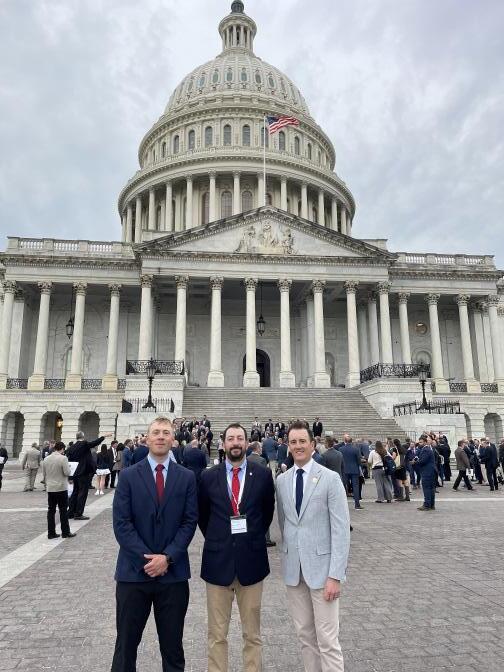
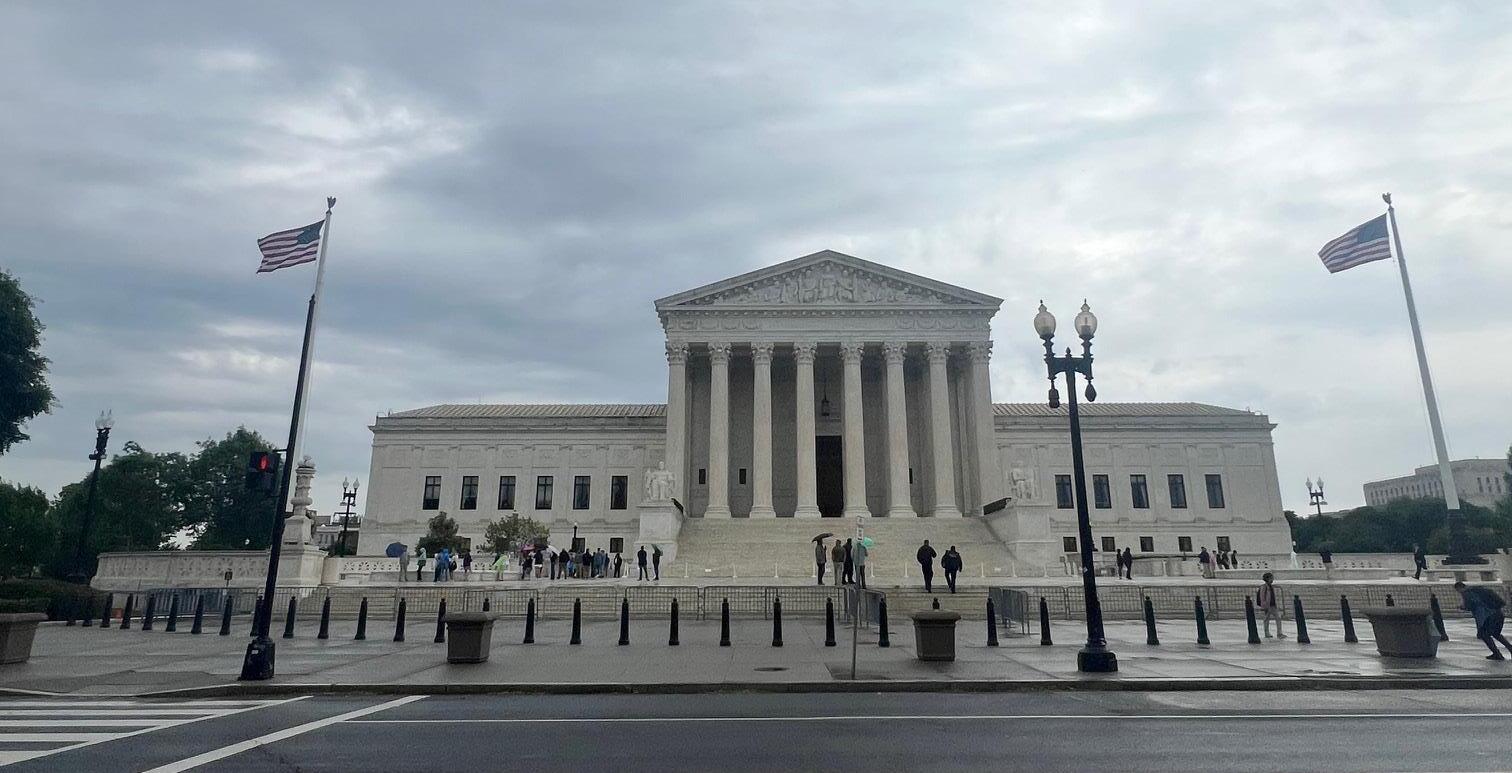
In the beginning of May, the MGCSA attended the 2026 National Golf Day in Washington D.C. In attendance from Minnesota were Executive Director, Chris Aumock, John Cameron, MGCSA President, Reed Bohm Board Director, and Kyle Kriewall, Strategic Golf Account Manager with The Toro Company.
Together we represented Minnesota and met with our representatives and discussed the issues that golf faces.
Tuesday included a community service project by the American Golf Industry Coalition. The group was divided with some sent to Old Soldiers GC for course
cultural practices and general maintenance while the other group did landscaping and mowing on the national mall. With this year being the 250 anniversary of the United States and an estimated 20+ million visitors to Washington D.C. it was pretty cool knowing that we played a part in the overall aesthetic of the
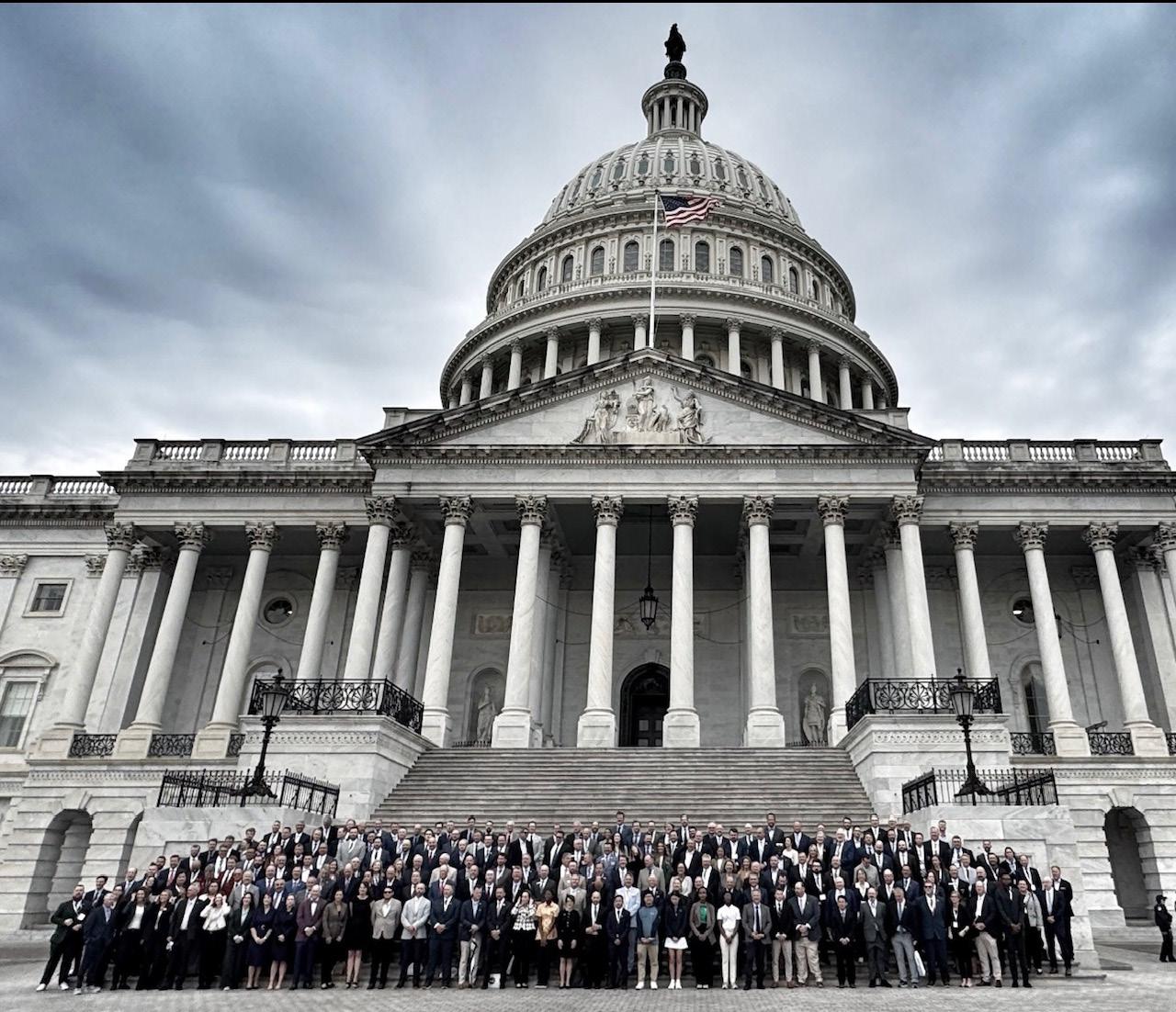
mall. Later that evening we had keynote speakers and briefings/training on the issues and fixes we as an industry are looking for.
Wednesday was our day on Capital Hill. If you have never been to D.C. before I can’t encourage you enough to go. The scale and overall beauty of the buildings are truly something to behold. After a quick group photo our state group went off and met with our specific state representatives. With everything going on in the state of Minnesota and the country as a whole, politically we were
curious how some of the meetings could potentially go. With that being said I can truly say that every representative we met with, we as the golf industry could find common ground with issues we have. Whether it was H2B visas, showing the state economic impact of golf, modernizing the tax code or looking into funding for new turfgrass studies, both sides of the aisle could find things we agreed needed to be addressed.
Overall, in my opinion the golf industry as a whole is in a great position. We
will always have our battles with topics like water and land resources but it seems with the growing coalition on both the democratic and republican sides, we are gaining traction with economic impact and being viewed as environmental stewards.
As Chris has said we must continue to show up and represent ourselves and the superintendent profession in a professional manner, and show that as an industry we are forward thinking and ever evolving.
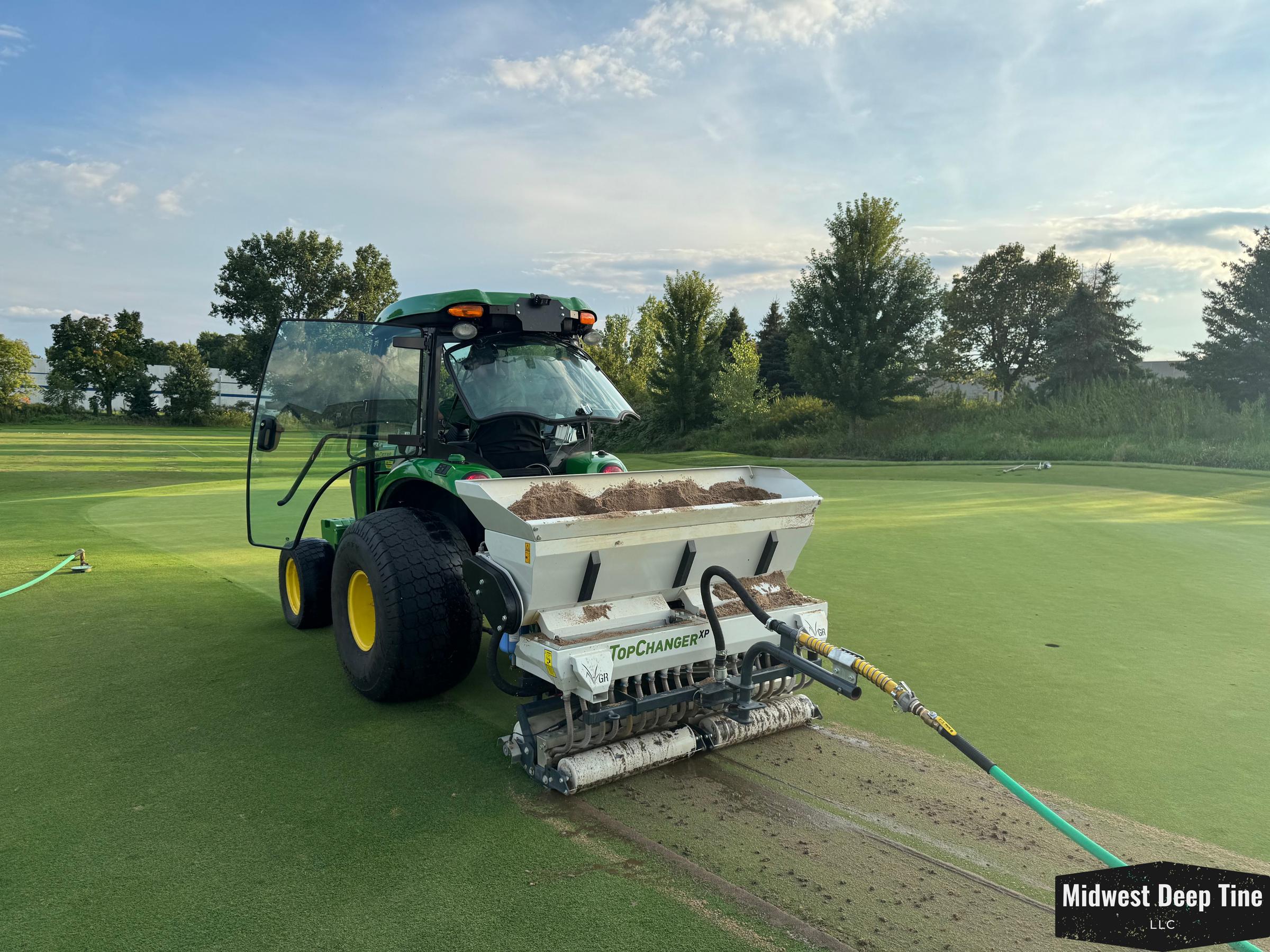
Topdressing
Grinding

Alexandria Exposure
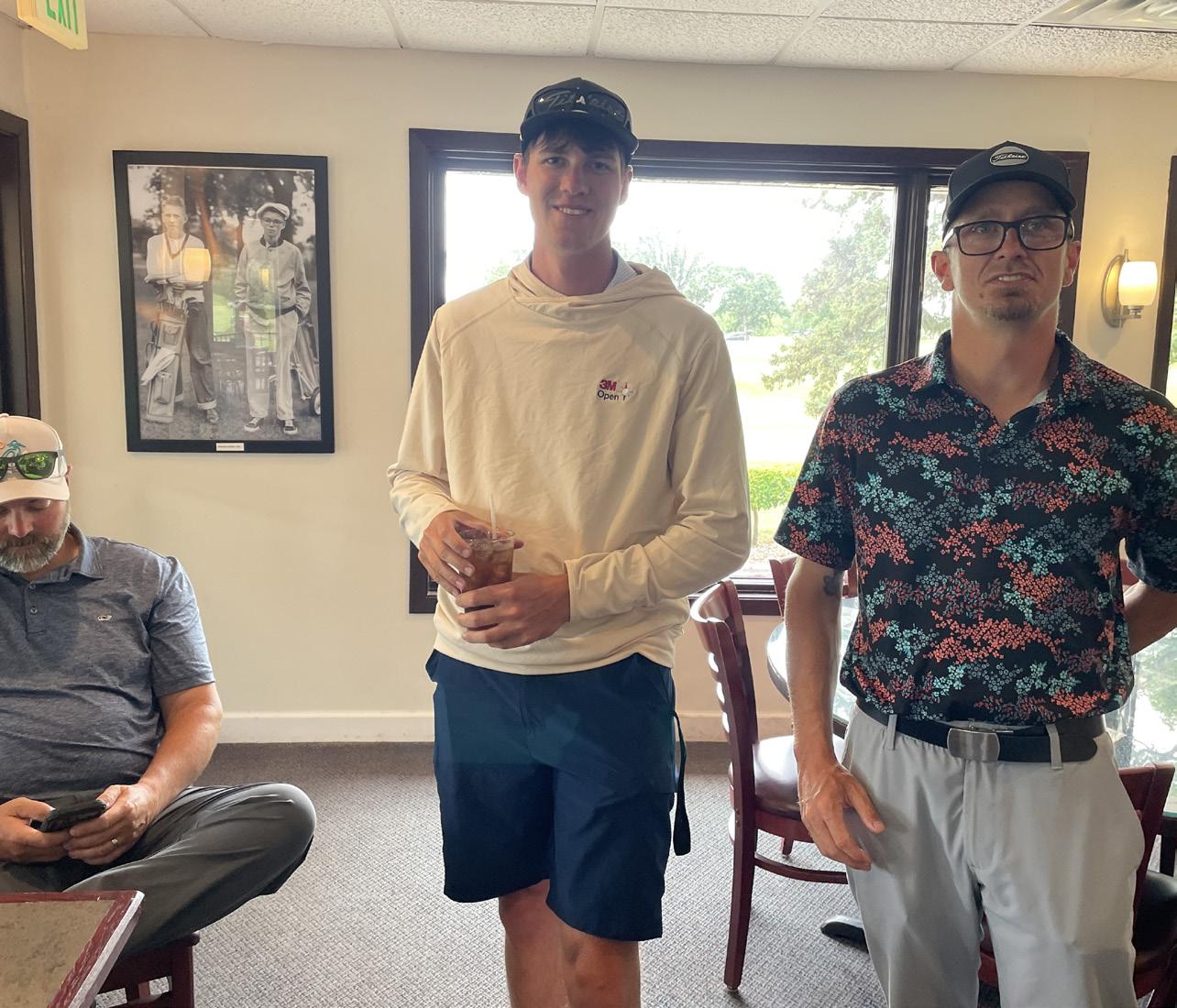
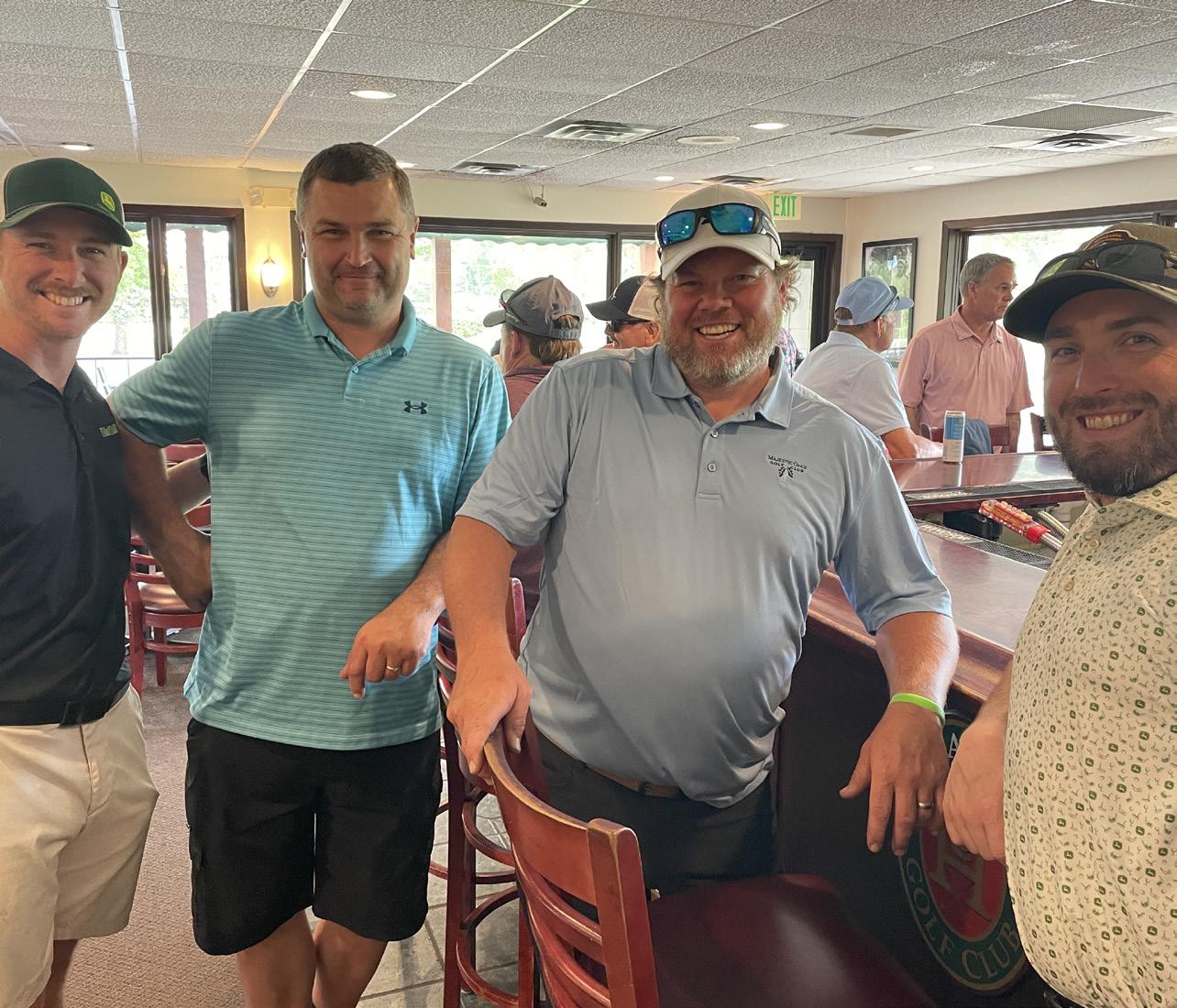
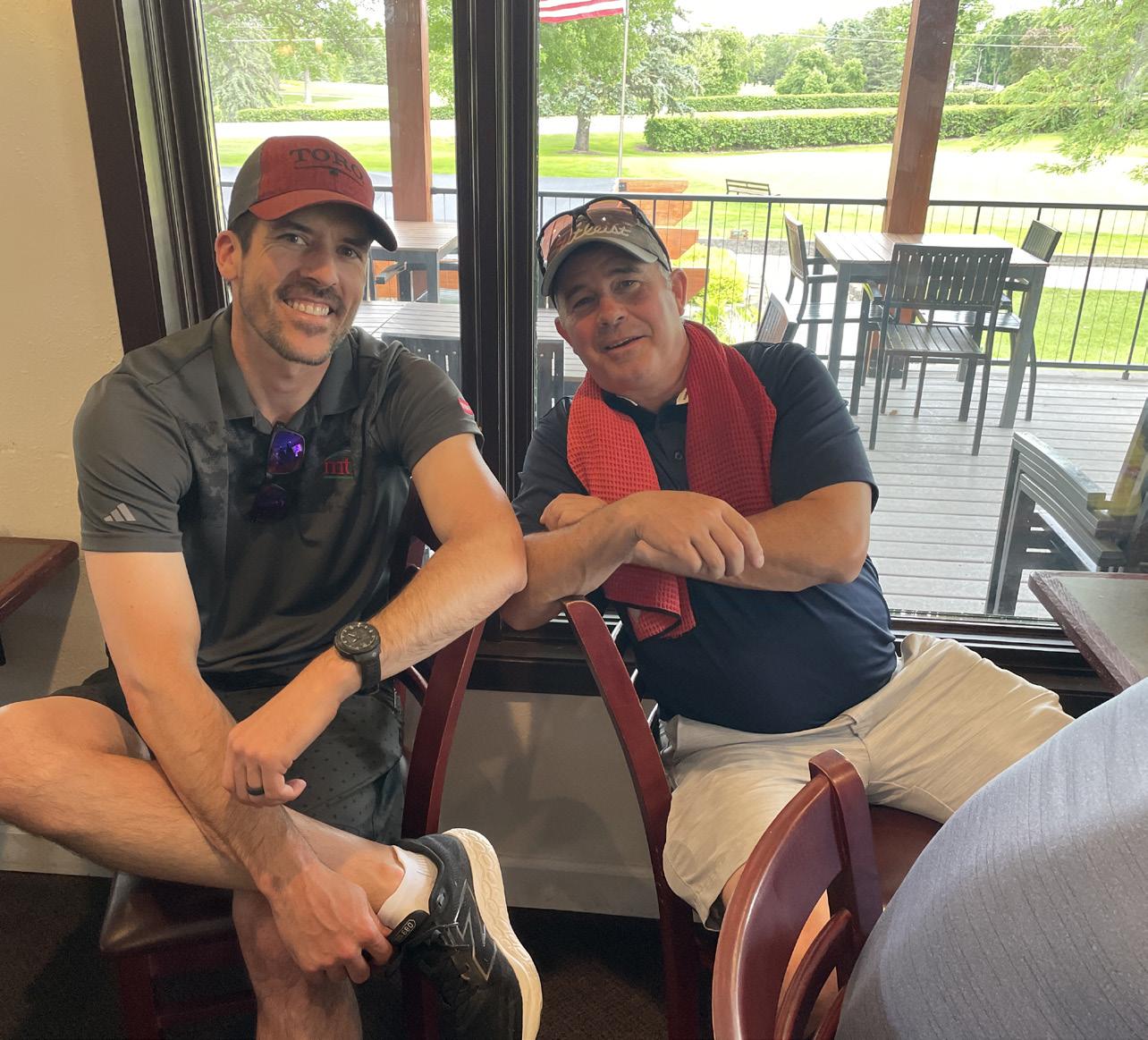
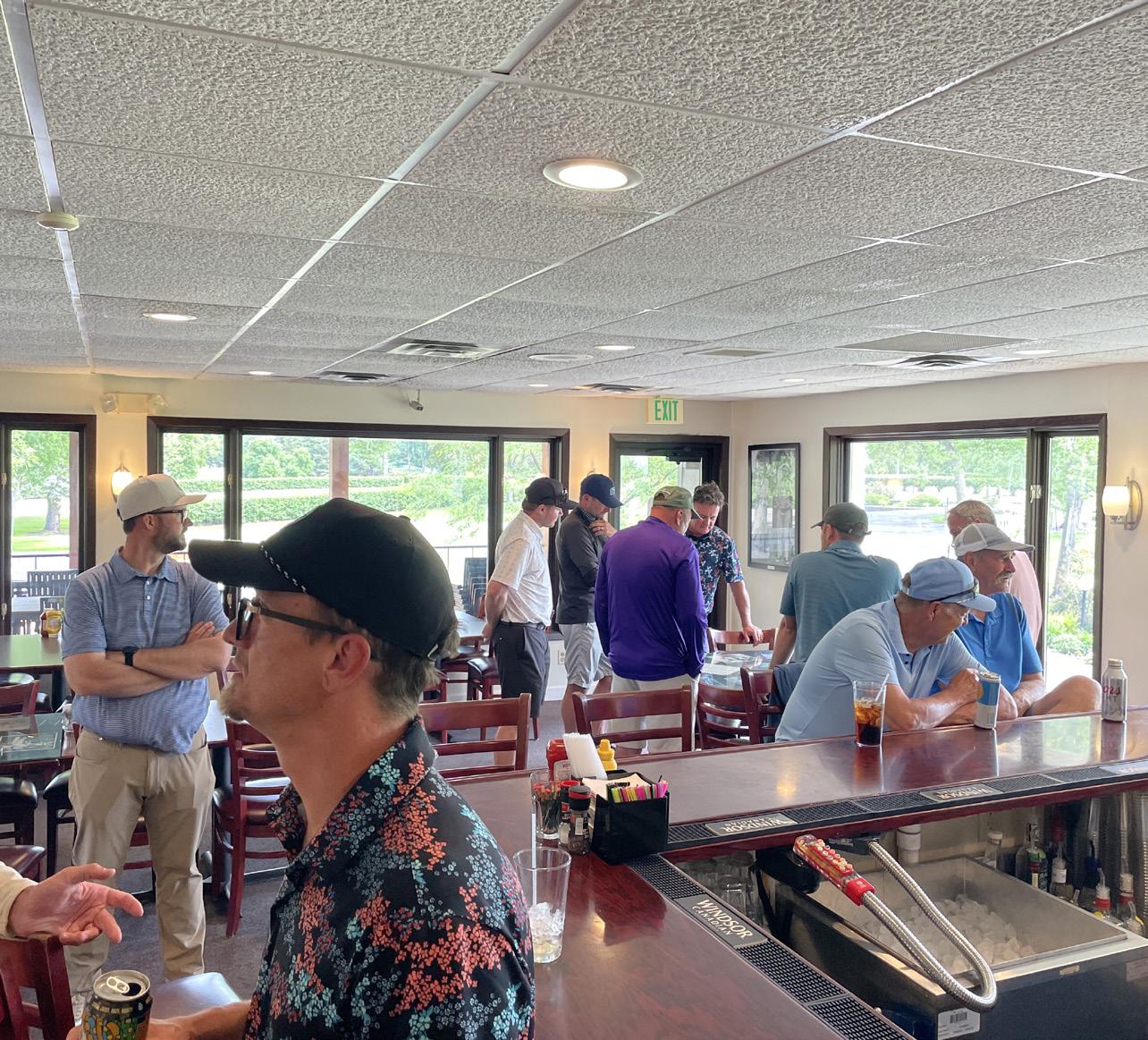
Thank you to our host Superintendent Donnacha, O’ Connor, and the team at Alexandria Golf Club for a beautiful day of golf! Thank you to all of our attendees and partners for supporting this years NW Exposure Golf Event!




Topdressing Sands & Mixes

Our Sands meet USGA guidelines and are available with green pigment. Custom mixes can be blended for your individual needs using our 4-bin computerized Accublender.
Bunker Sands
Our bunker sands are always washed and screened. Choose from:
•Plaisted Bunker Sand Natural Tan
•Plaisted Pro Bunker Sand Blend Natural Tan
•700 Best Signature 100% Crushed Off White
•900 Best Signature 100% Crushed White
Golf Construction Sand Mixes
Our mixes all use USGA sand and a combination of fine grade peat and screened black dirt. Chose one of our popular mixes or we can custom blend one.
•USGA Coarse Gravel - A great bridging rock used as a drainage layer.
•Construction Sand & Peat Mixes - 50/50, 60/40, 70/30, 80/20, 85/15, 90/10
•Construction Sand & Black Dirt Mixes - 50/50, 70/30, 80/20
•Construction Sand/Peat/Black Dirt Mixes - 1-1-1, 60/20/20, 70/20/10, 80/10/10
Cart Path & Road Base
•3/8” with fines river rock
•Class II buff limestone or red rock
•Class II, III, IV crushed granite
•Class 5 gravel
•Recycled concrete, crushed asphalt, conbit


Bagged Products
•Dry topdressing sand
•Dry tournament topdressing sand
•Dry green topdressing sand
•Dry early-green black topdressing sand
•Dry 70/30 green divot mix
2025 MGCSA STEWARDSHIP GRANT PROGRAM
Jenn Schultz
Springfield Golf Course
“Tree-mendous’ efforts.
These are just a few pictures of the effects weather and nature wreck havoc for trees on golf courses. Over the past three winters, our golf Superintendent and helpers have removed several dying and affected trees. Volunteers have spent countless hours planting
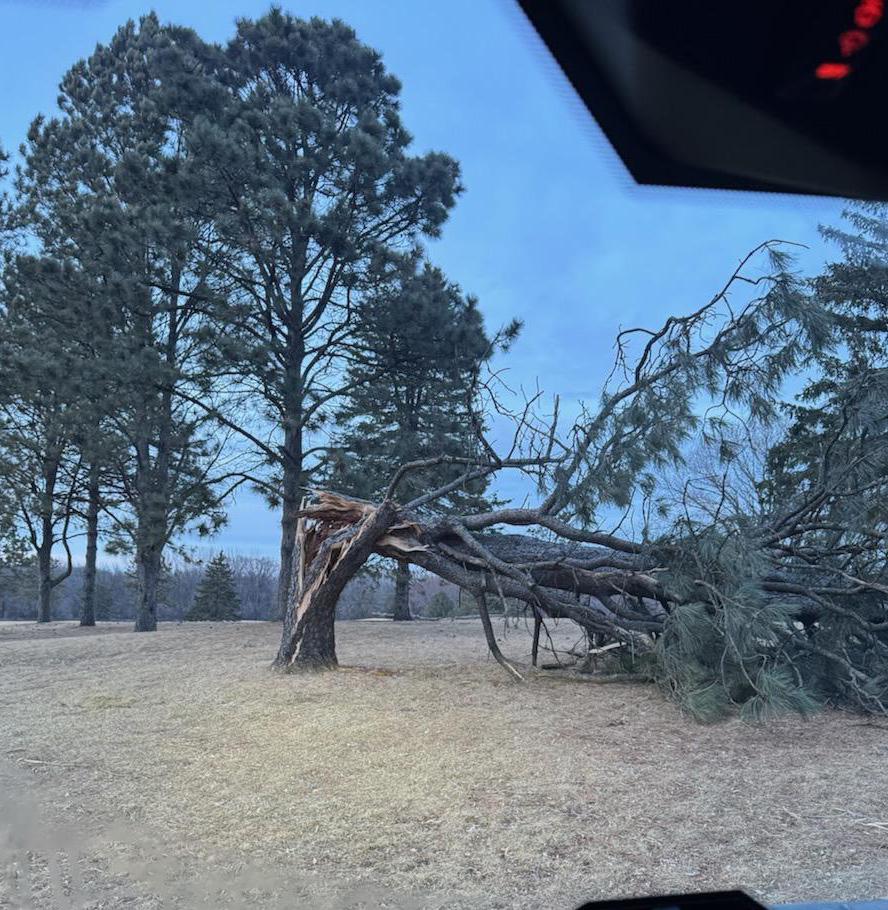
and caring for trees for years on the golf course. Some trees were planted to provide relief from golf shots going astray from one fairway to another. Not all golfers are placing tee shots in the middle of the fairways - no matter how much they desire to. Now the next generations of volunteers have spent more time to remove
the trees that have been infected by disease and/ or weather/storms.
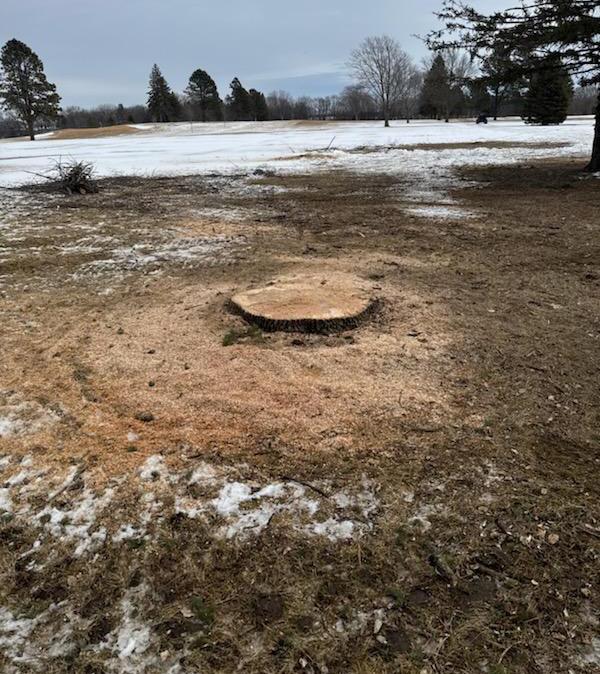
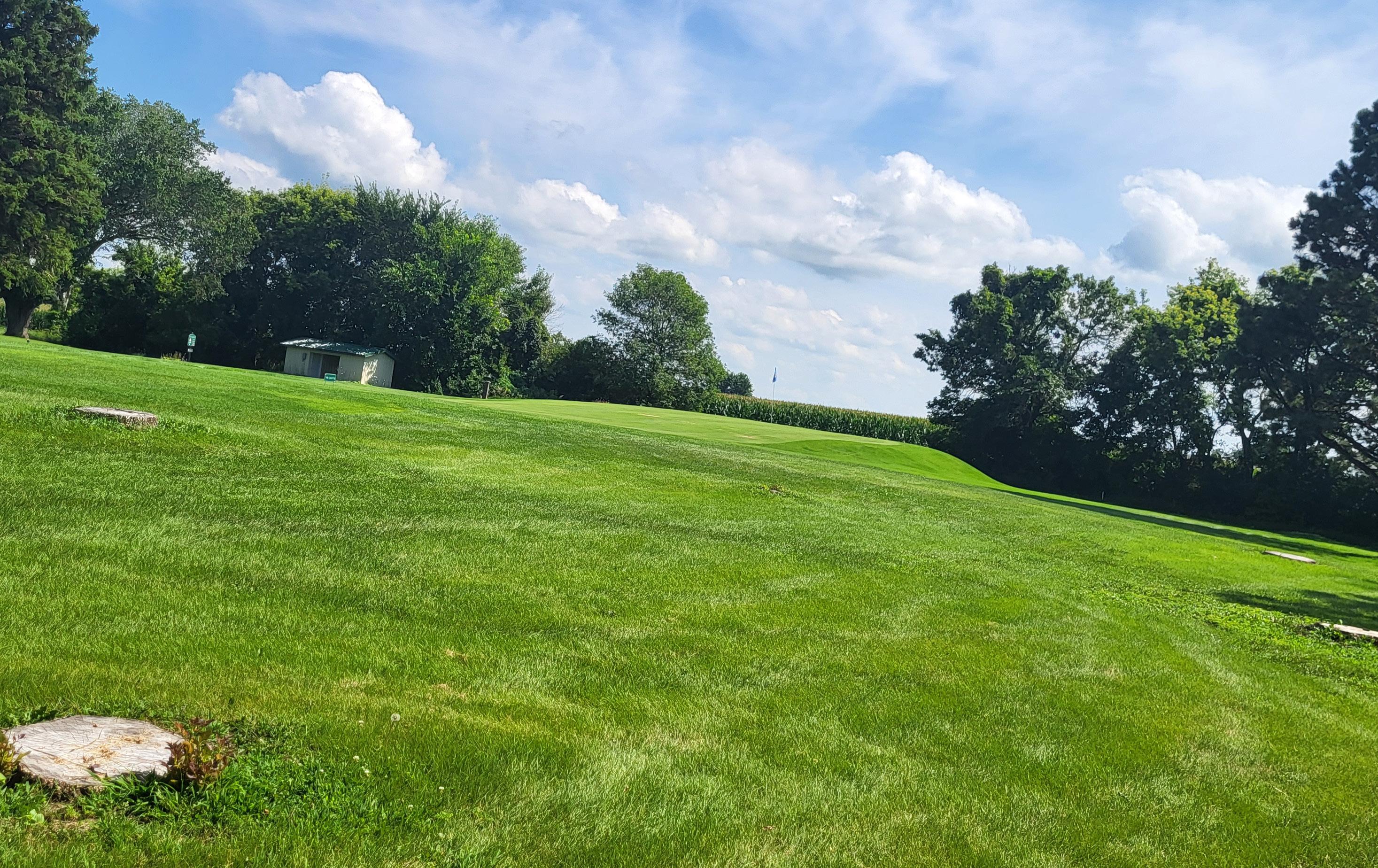
These pictures show the amount of effort needed to not only cut down and removed the trees but clean up after them. Stumps need to be ground out and blank holes filled back in. In the last two springs the local youth golf teams have helped fill and
cover 60+ vacant tree stumps in efforts to prepare the grounds for golfing.
Grant money from your association plays a vital part in starting new tree growth for the Springfield Golf Course. Our deepest appreciation continues to be extended to the MN Golf Course Superintendents Association for branching back out to courses in need of support with projects of growth like ours.
OU TD OORS
AUGUST 11, 2026
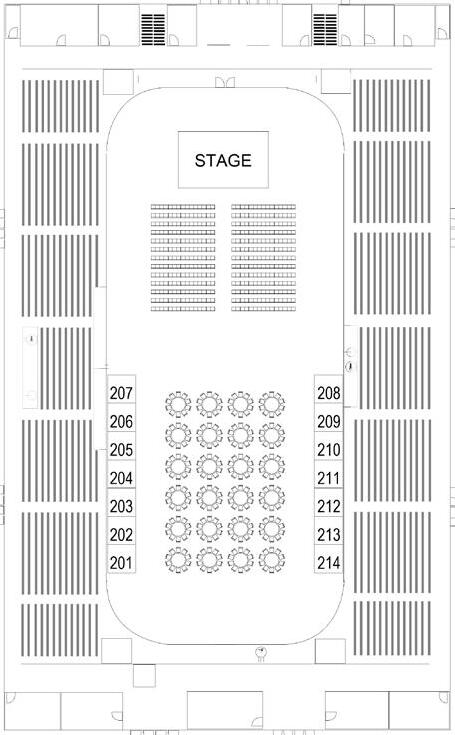
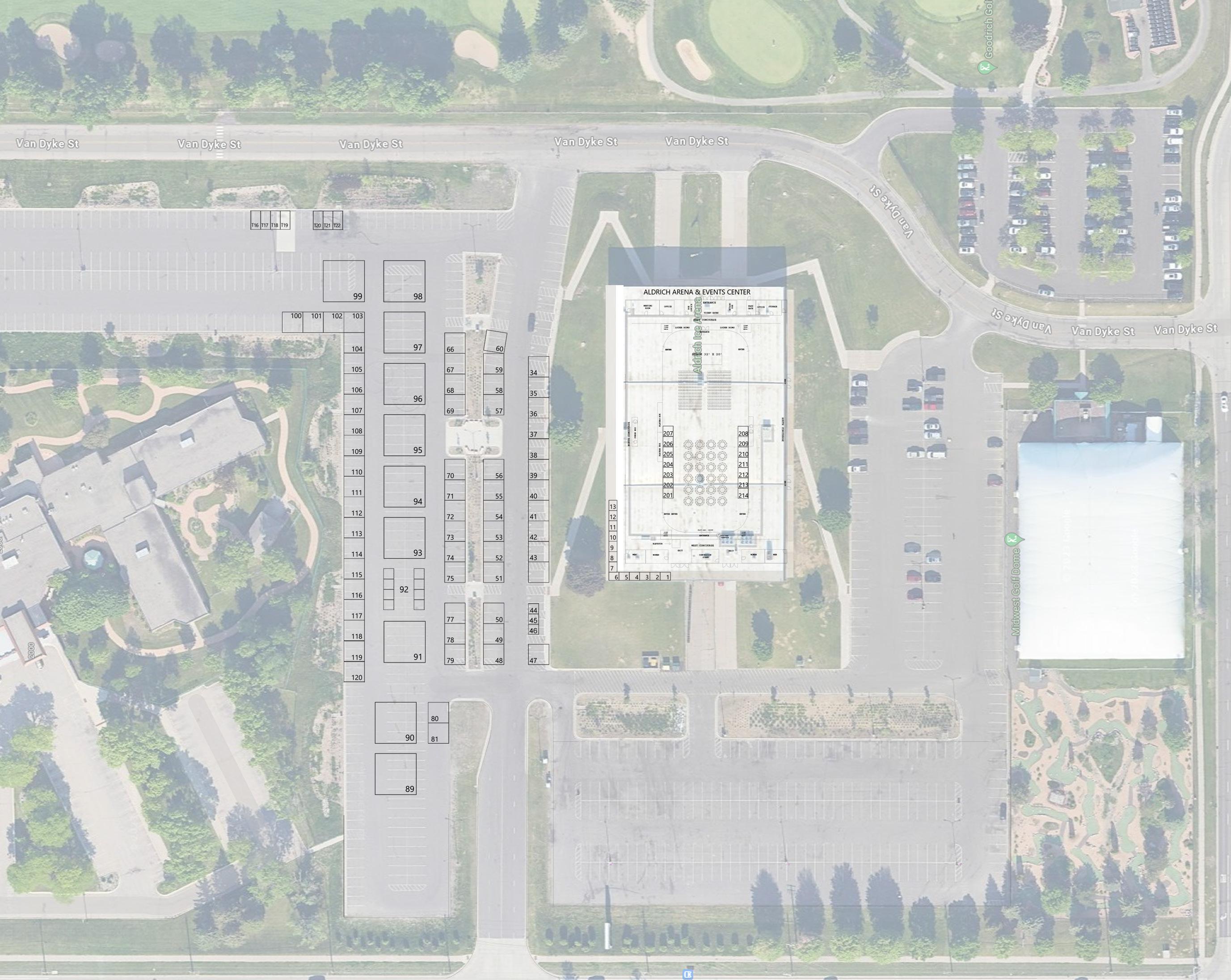
Aldrich Arena + Grounds Maplewood, MN

SCHEDULE
8:00am
Registration Opens/Name Badge Pick Up
Check in at the registration desk on the west side of Aldrich Arena to pick up your name badge and lunch ticket.
11:30am – 1:00pm Lunch
Join your peers for lunch inside Aldrich Arena. Be sure to bring your ticket provided with your name badge.
8:30am – 2:30pm Trade Show
Visit with vendors who are excited to assist you in finding solutions to help you and your team succeed! Plus, ever want to test out that mower or drive that skid steer before you made a purchase? There will be both a pavement track and a grass path for you to do just that throughout the event.
8:30am – 2:30pm
Village Education, Hands-On Sessions, and More!
We’re currently busy building the education track for 2026. See NorthernGreen.org for updated education content as it becomes available!





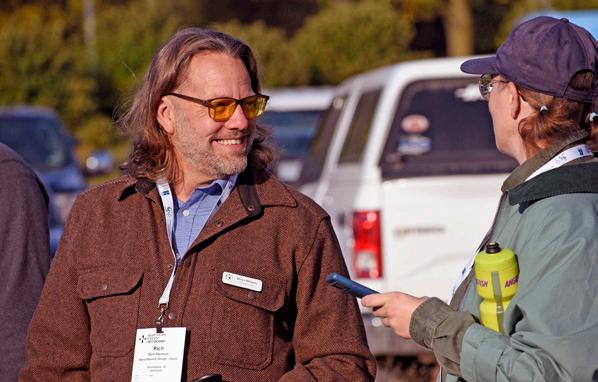
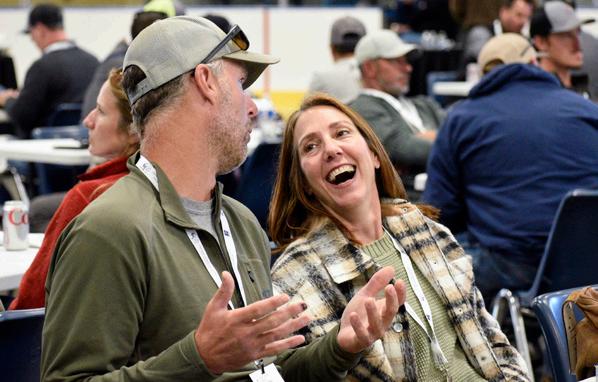
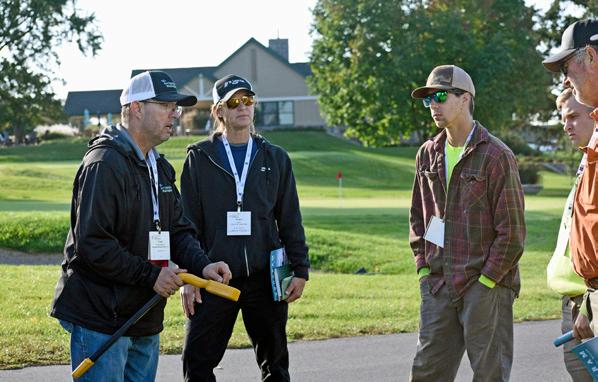




Expanding the impact of Northern Green with an annual event OUTDOORS! Visit exhibitor booths, operate equipment, and participate in interactive and hands-on events happening throughout the day. Get your in-season questions answered as you connect with colleagues and forge valuable connections.

WHAT TO KNOW NOW:
1 SAVE THE DATE! August 11, 2026
2 SAME VENUE!
Aldrich Arena + Grounds (1850 White Bear Ave, Maplewood, MN 55109)
3 FREE PARKING! There are large parking lots onsite, and overflow parking across St. Paul Rd at Woodland Hills Church.
4 LUNCH IS PROVIDED!
5 RAIN OR SHINE! Dress to participate in hands-on activities and to visit active job sites.
Attend sessions relevant to you.

Test drive equipment.
Aldrich Arena Stage
Turf Track
CAREER EVENTS
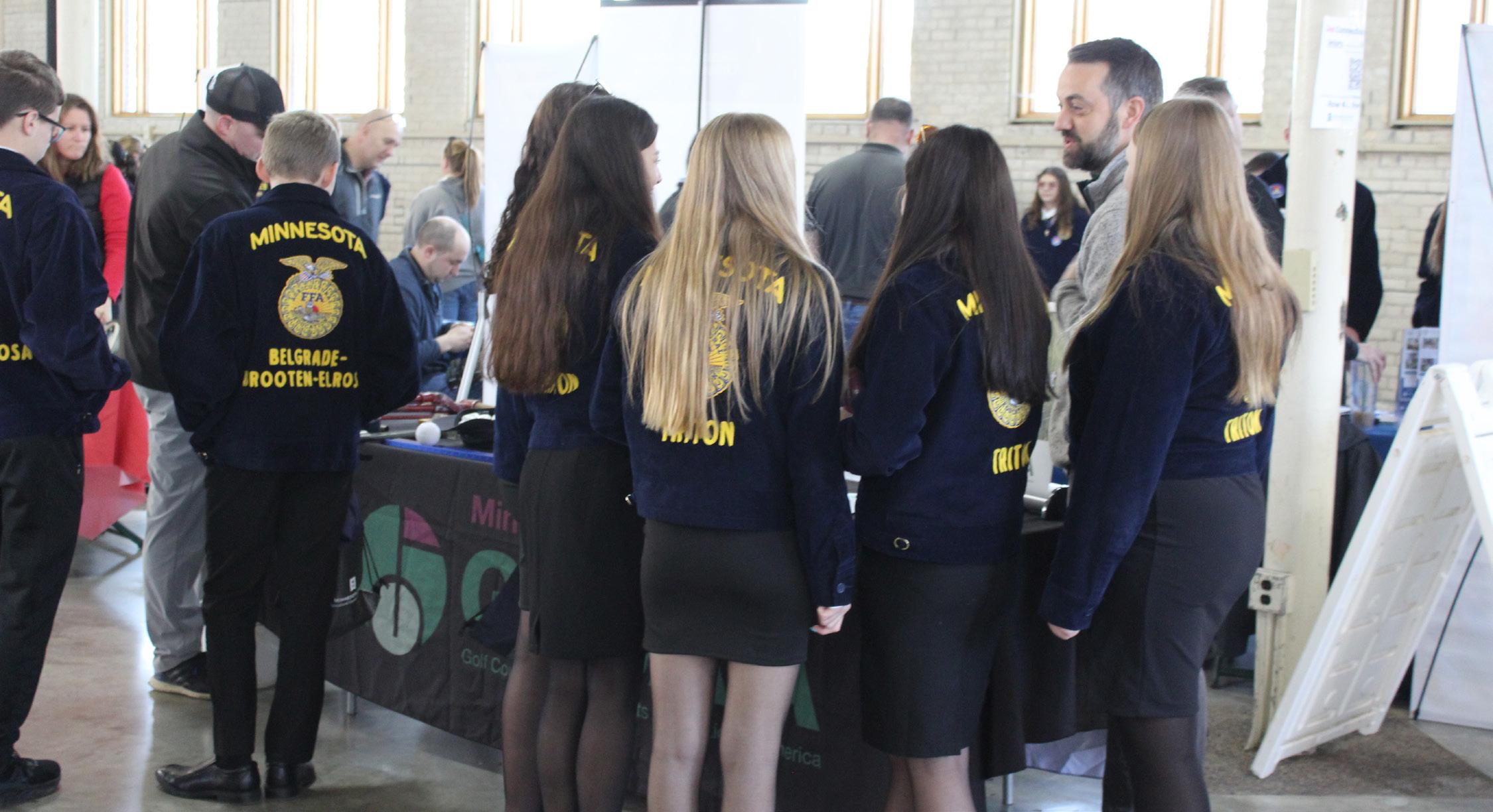
This spring, MGCSA continued to support the FFA State Convention, making this our 4th year of participation. Thank you to Dan Ament for joining me at this years event and talking to students about careers in Turfgrass Management!
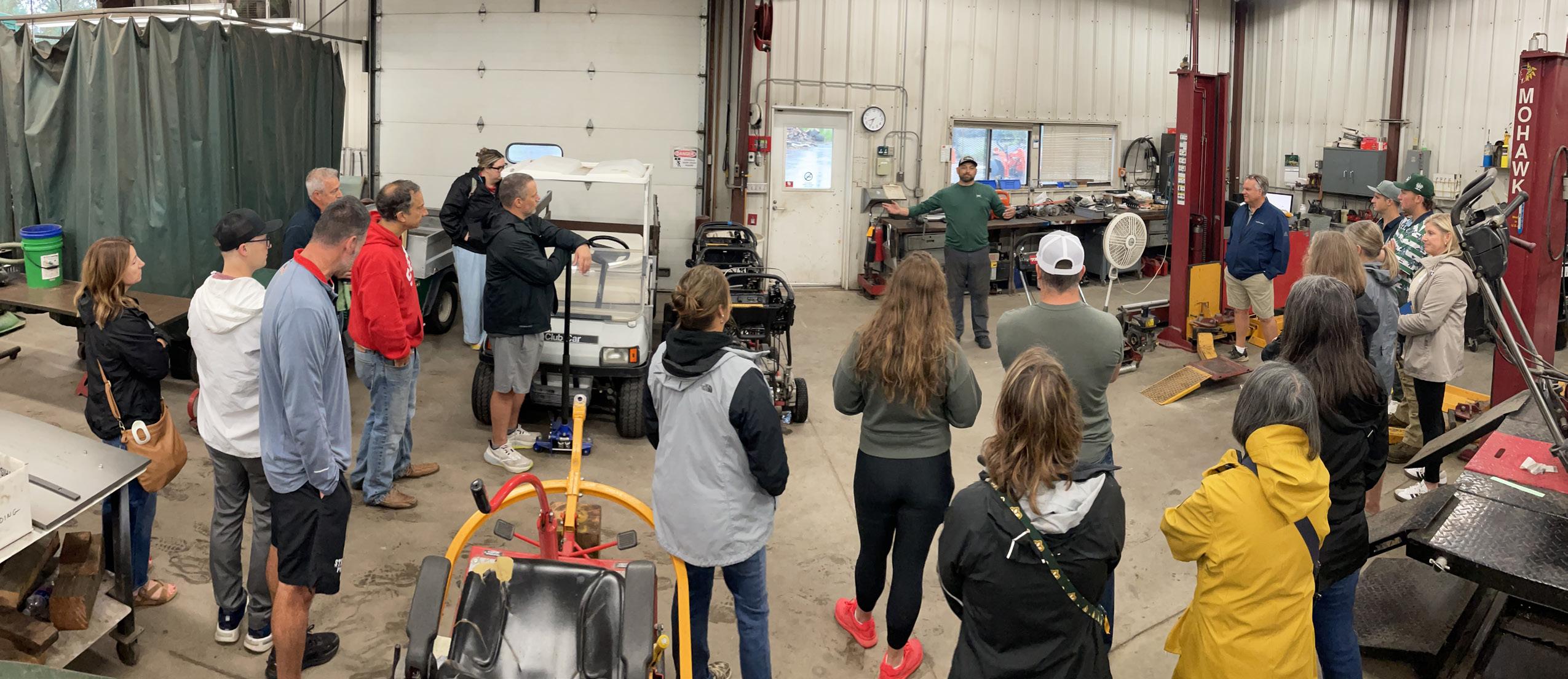
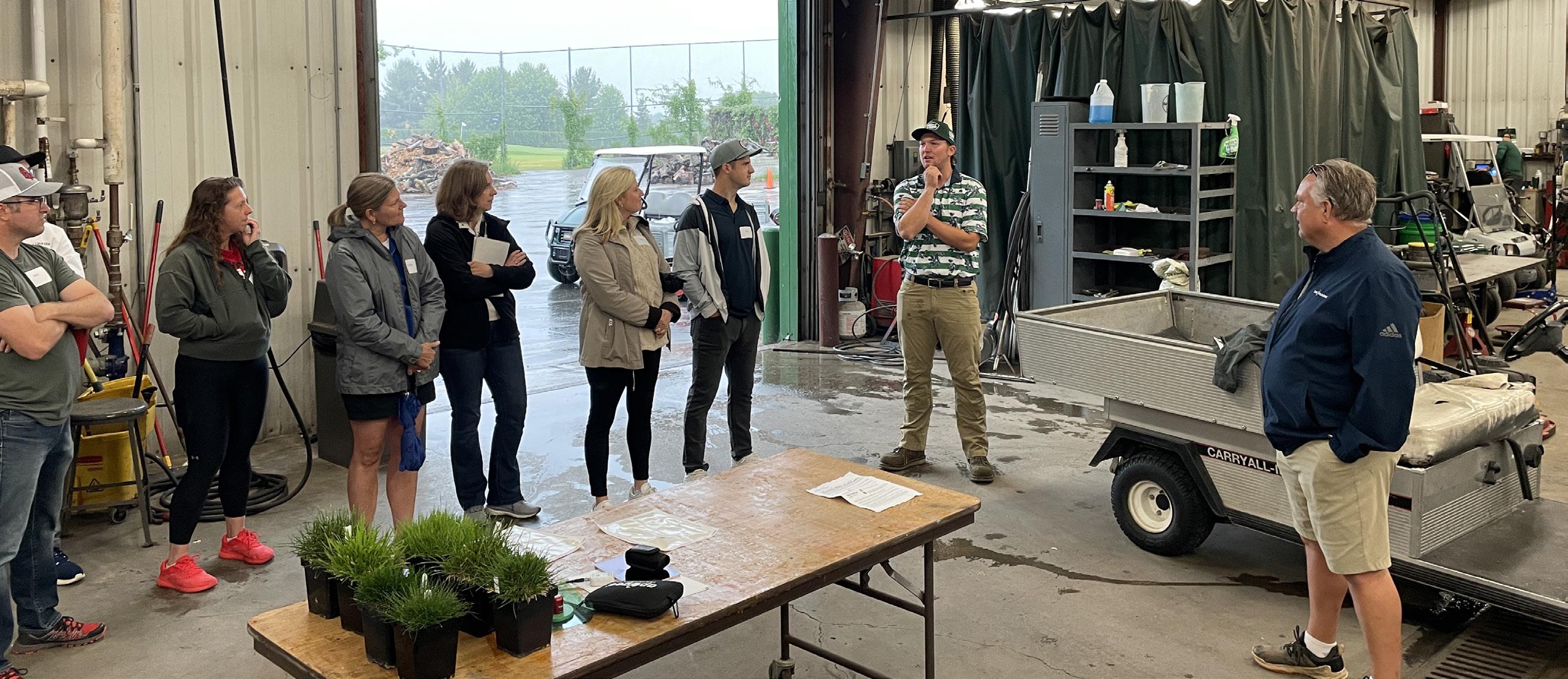
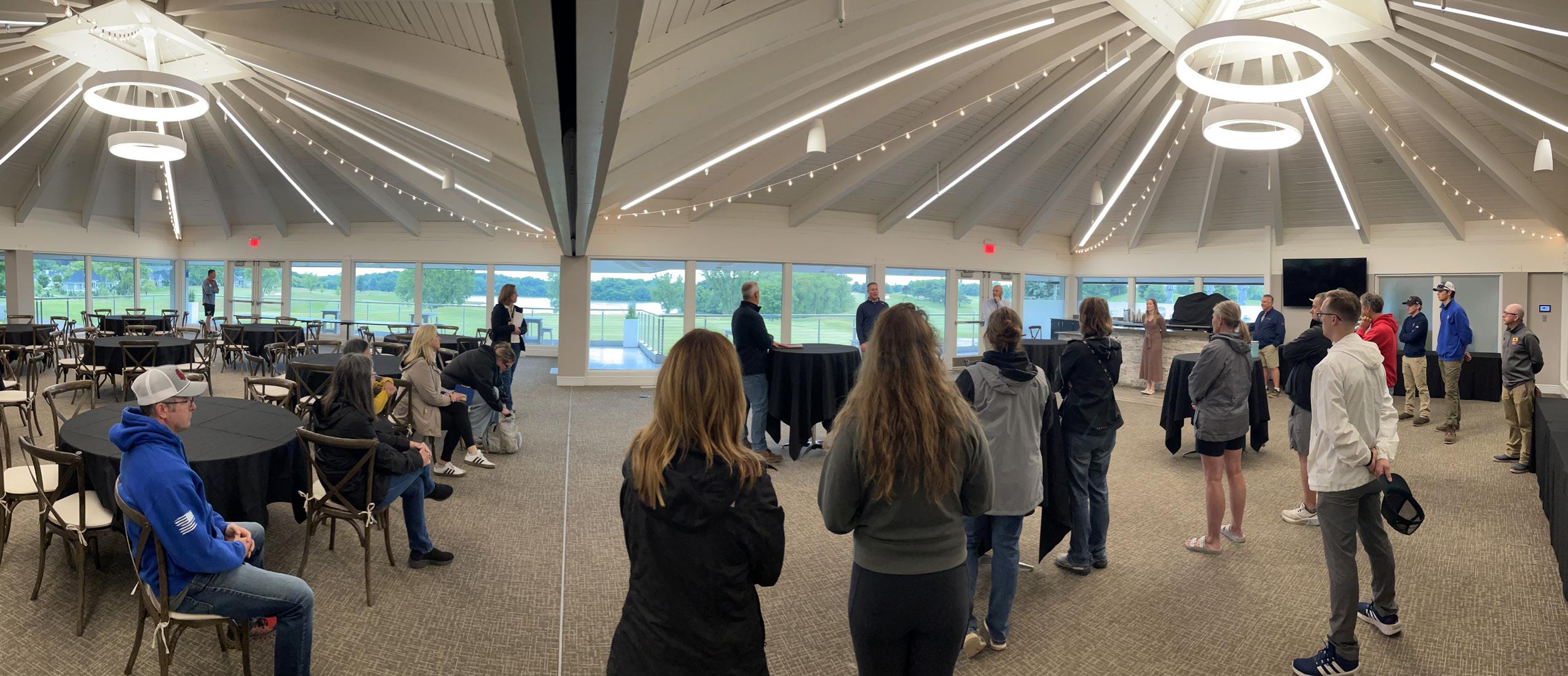
This past week, we were able to participate in a new event for us, the East Metro Teachers Externship Program. This is a 3-day workshop for high school teachers, for them to explore different industries and career pathways to share with students.
Mike Sonnek and The Royal Club were willing hosts for this event, and althougth it rained all morning, we had a great morning talking about all careers in golf; turf, equipment, research, events, f&b, pro, etc.
Thank you again to Mike, Jonathan, Dom Petrella, and all the team at Royal Club for helping us host this successful event!
Bottom: FFA Convention Right: Teacher Externship
BORDER BATTLE
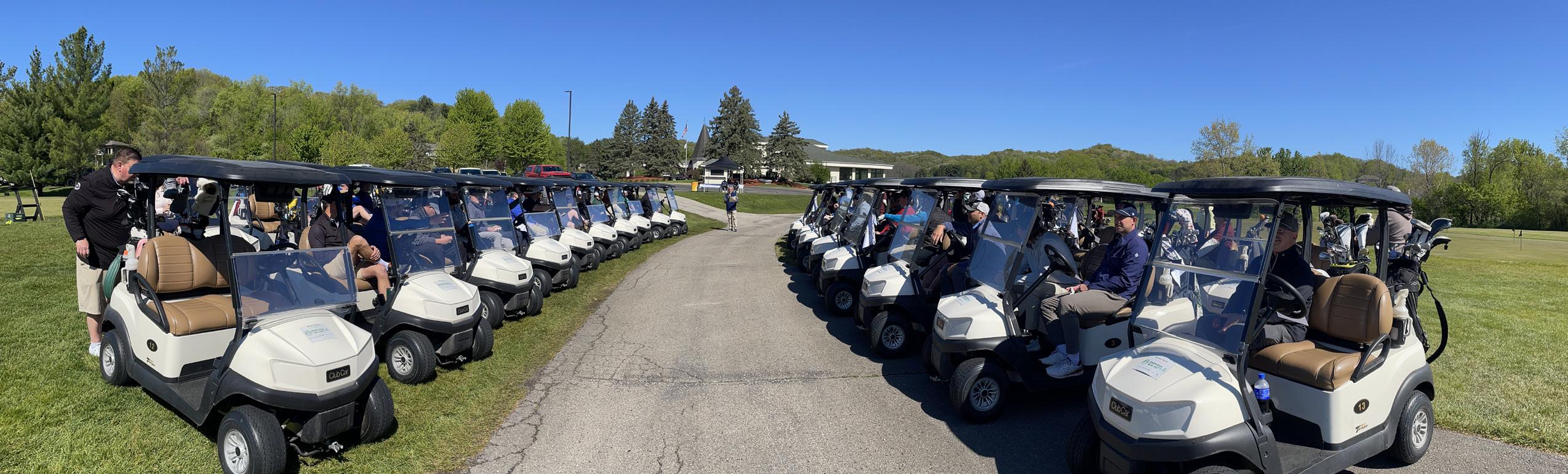
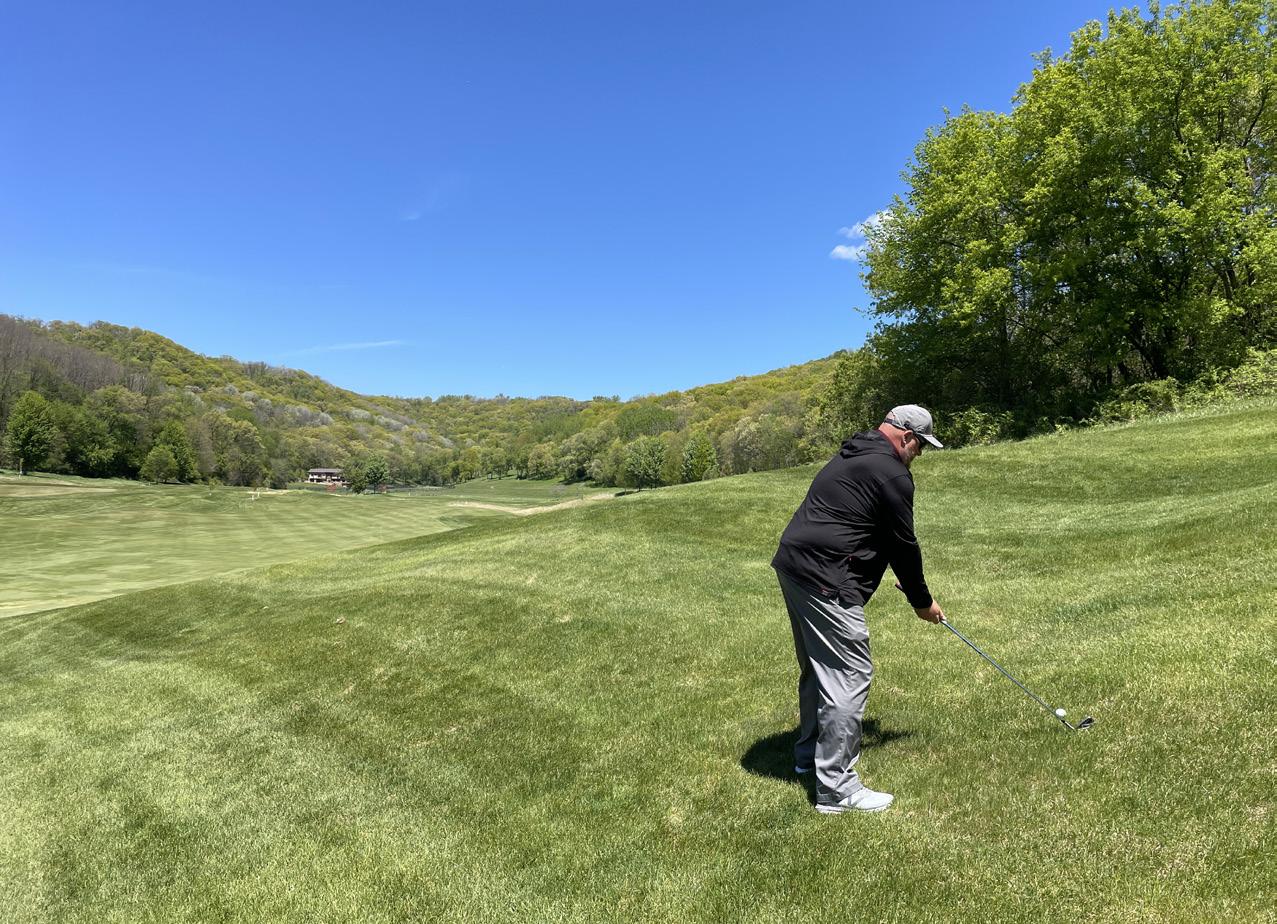
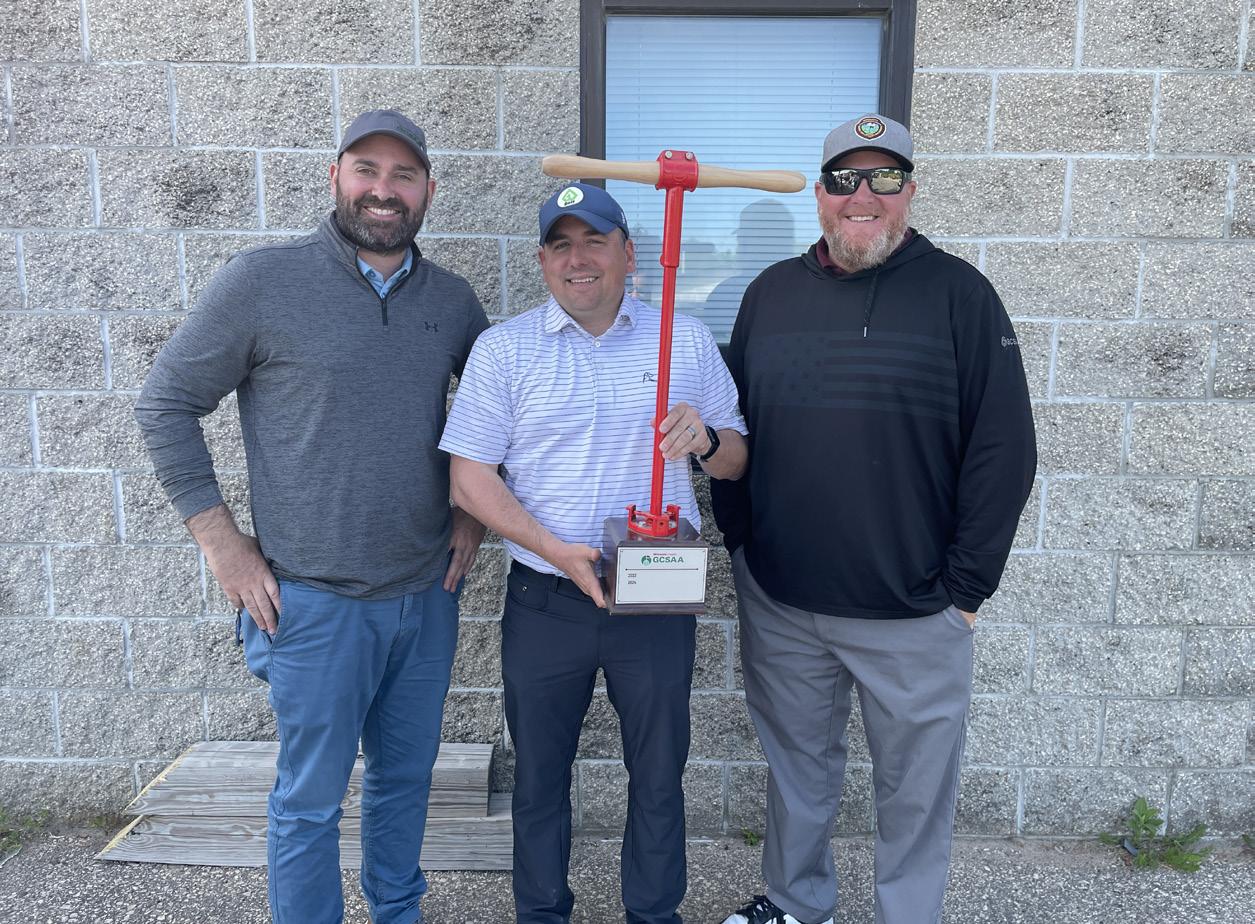
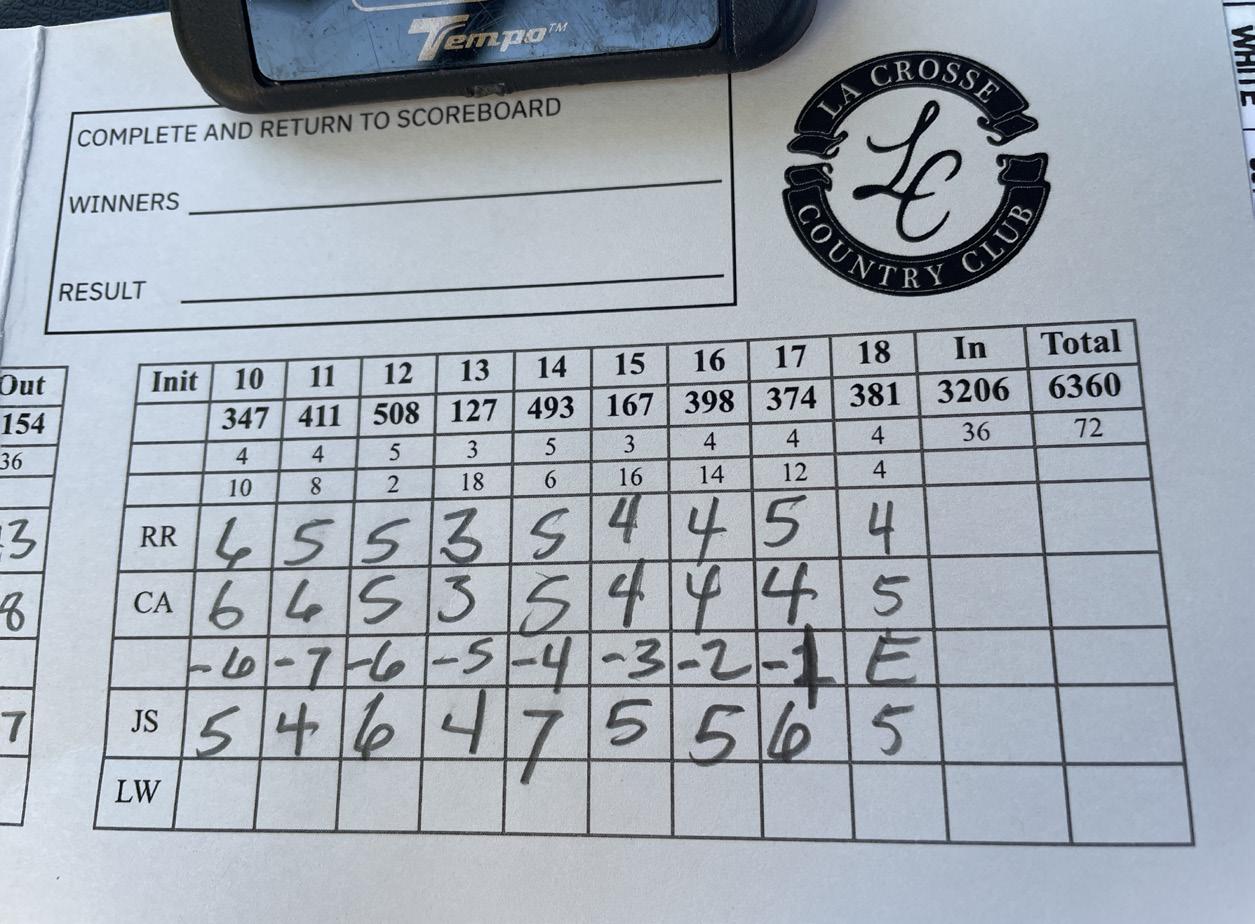
The trophy returns to MN with a commanding 12-4 win over the WI chapter. Thank you to all of our attendees, partners, and our host Greg Willman, for another successful Border Battle! We’ll return to LCC next May for our 5th annual match, and we hope we can see the 40+ (or more) of you again next year!
ROLL IT FORWARD
Jack Koenig
Minneapolis Golf Club
Like many people in this industry, I didn’t initially plan on a career in golf course maintenance. While attending UMD and pursuing a degree in accounting, I found myself drawn toward the golf industry and
eventually discovered a passion for turfgrass management that completely changed my career path.
My journey started at The Wilds Golf Club, where I worked in the pro shop as a teenager. During that time, I got to know JoJo, who would later play a significant role in my career. One of my favorite stories from those days goes back to when I was 16
years old. I jokingly told JoJo that if he ever became a Golf Course Superintendent, I would come work for him.
At the time, neither of us thought much of it, and I certainly didn’t envision myself working in golf course maintenance.
From The Wilds Golf Club, I joined the team at Minneapolis
Golf Club under Jared Keller. My time at Minneapolis Golf Club gave me a firsthand look at what it takes to maintain a premier golf course and helped strengthen my passion for the profession. It was also where I began building many of the relationships that continue to influence me today.
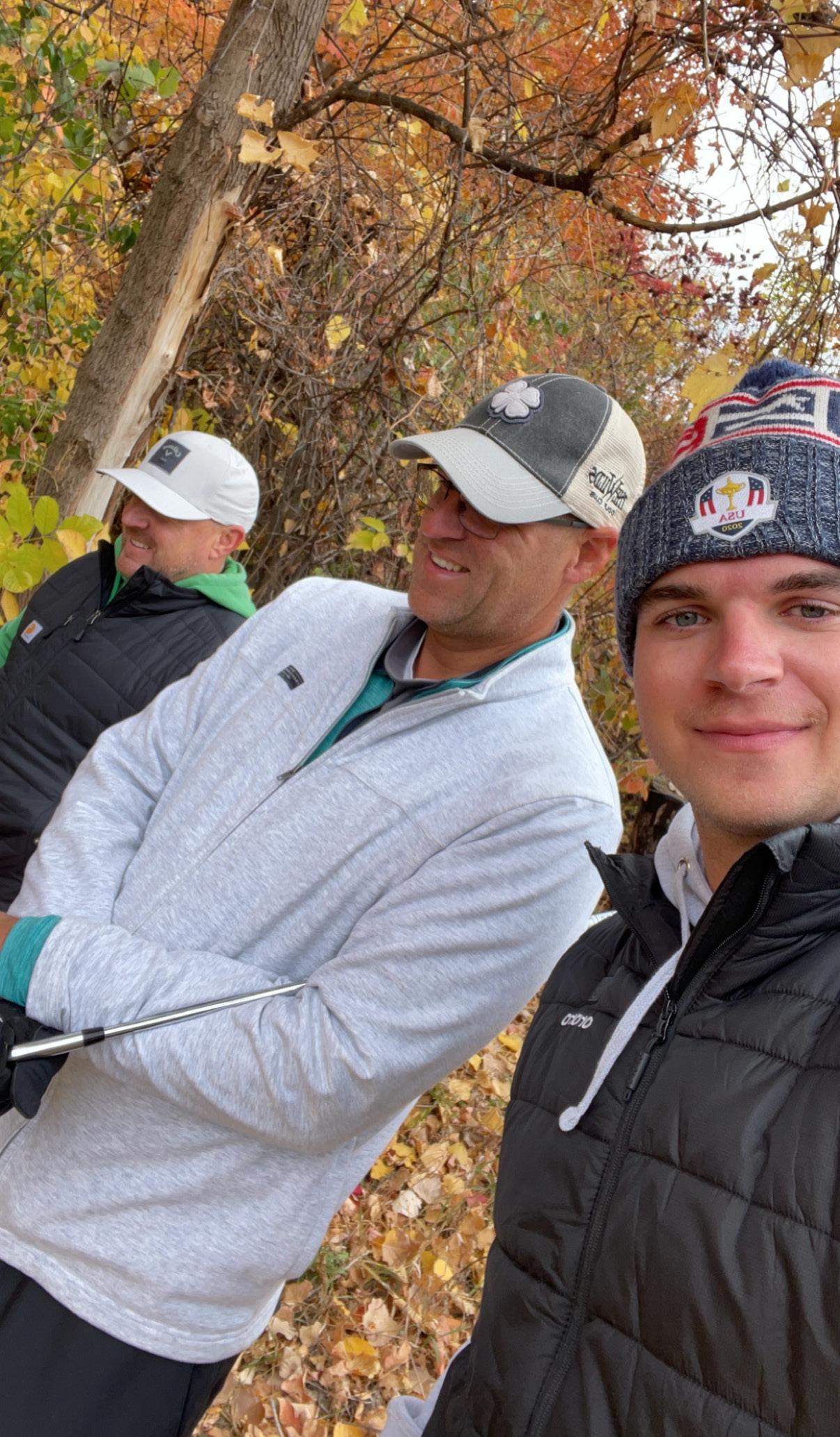
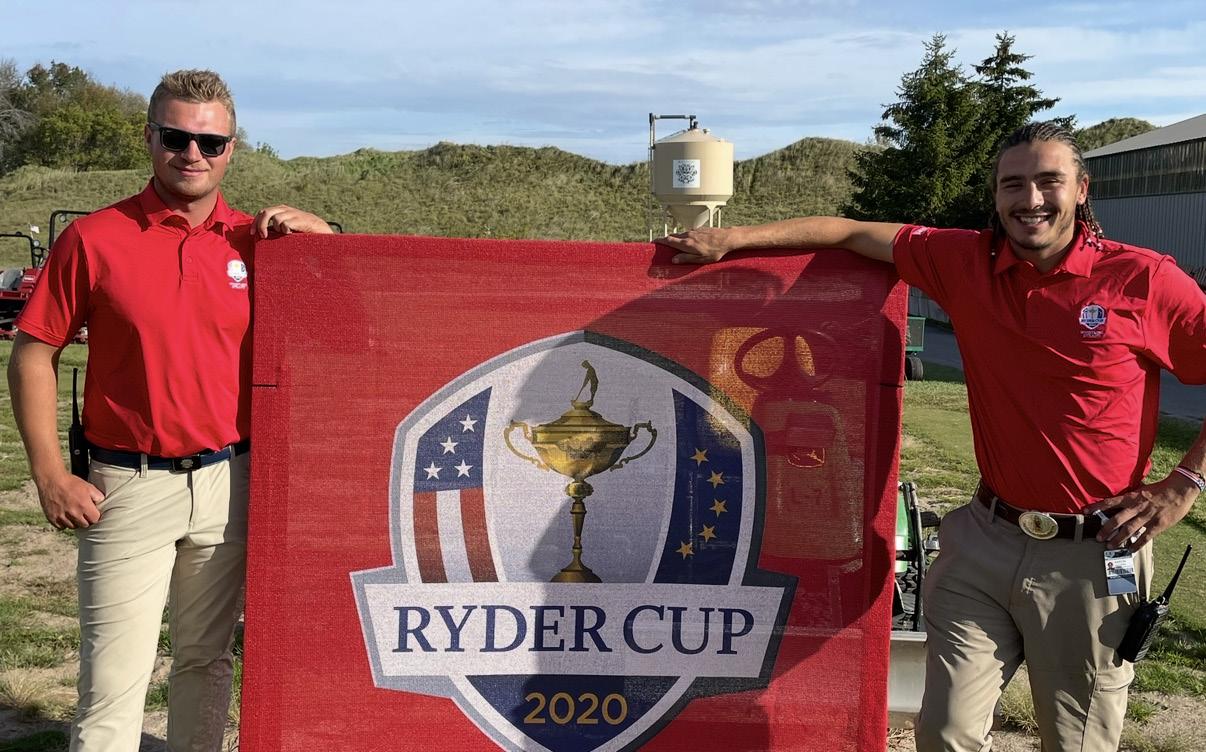
Following Minneapolis Golf Club, I had the opportunity to intern at Whistling Straits during the 2021 Ryder Cup. Working one of the biggest events in golf alongside turf professionals from around the world remains one of the top memories of my career. The atmosphere, preparation, and pride that went into
hosting an event of that magnitude was something I’ll never forget.
After the Ryder Cup, I spent a season at Medinah Country Club outside Chicago. Working at another world-class facility broadened my perspective and allowed me to continue learning from some of the best
people in the industry. Following my time at Medinah, I returned to The Wilds Golf Club, this time on the maintenance side and working directly under JoJo. Looking back, it’s funny how that conversation from years earlier came true. What started as a joke between a teenager working in the pro shop and a mentor in
the industry eventually became reality. I spent two seasons learning under JoJo, gaining valuable experience and further developing my passion for the profession.
Today, I have come full circle and am fortunate to serve as the Assistant Superintendent at Minneapolis Golf Club. Reflecting on
my journey, one thing that stands out is the importance of relationships in this industry. The people you meet, learn from, and work alongside often have a lasting impact on your career.
For that reason, I’d like to nominate JoJo for Roll It Forward.
Beyond being someone I’ve worked with, he is someone who helped introduce me to the maintenance side of the industry and played an important role in my
development. The fact that a conversation we had when I was 16 years old eventually came true is a reminder of how small and connected the golf industry really is, and why the people in it make this profession so special.



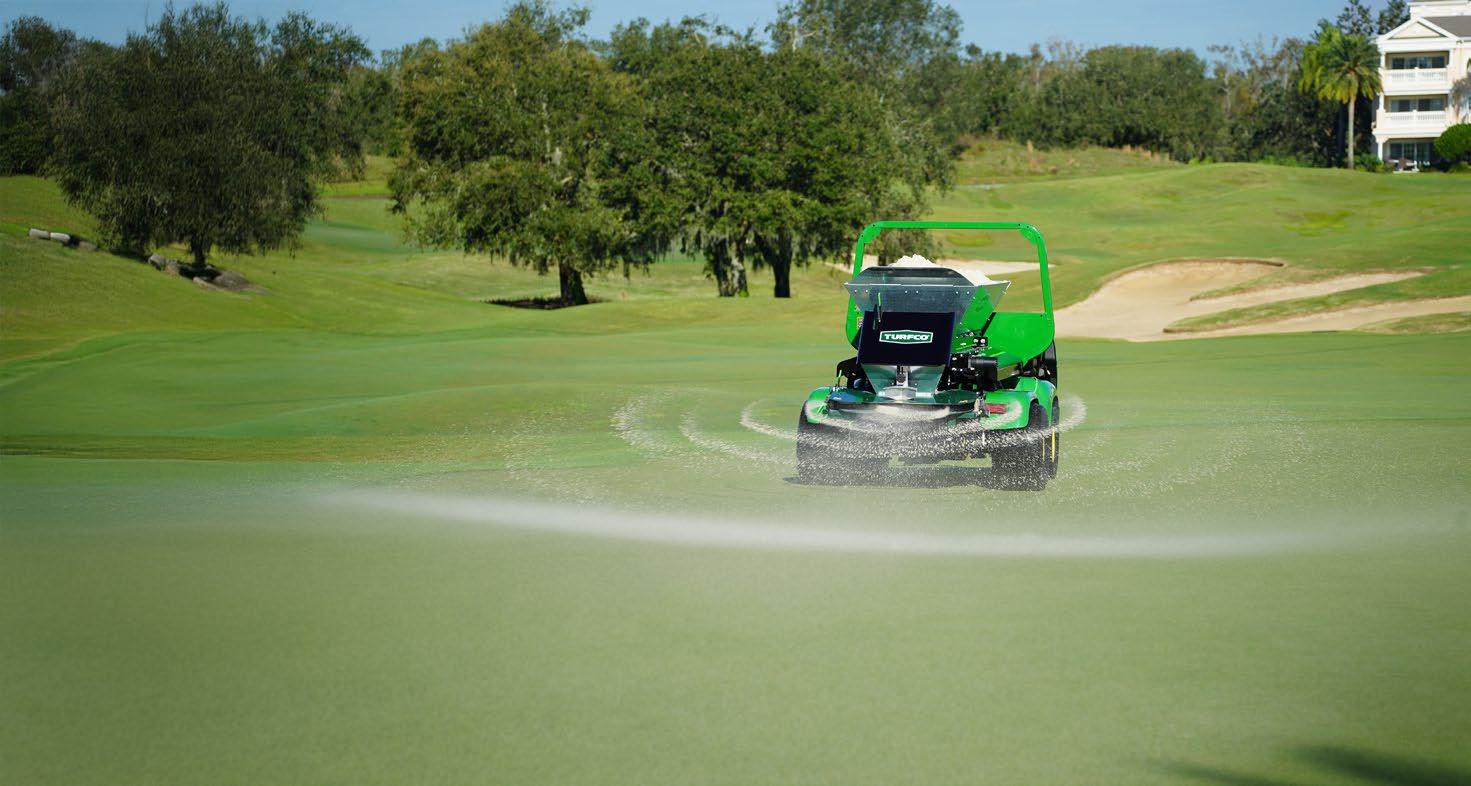
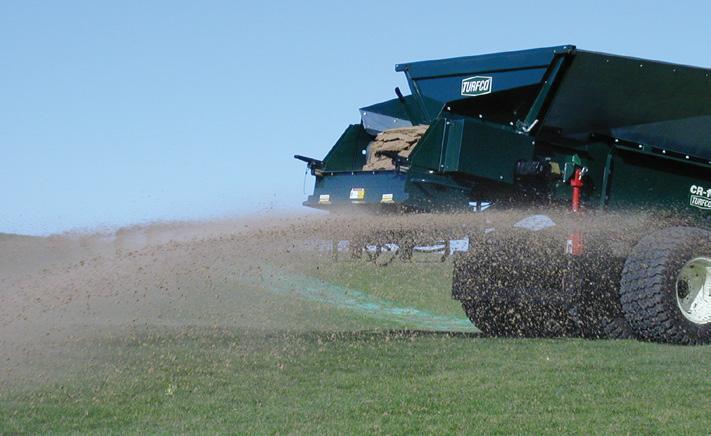
What makes us the #1 brand according to the NGF? The 1550 delivers a more even, more consistent spread meaning fewer passes, less disruption and more time for the next job. So easy to use, it gives you the confidence to nail your application every time. It even tells you the exact rate. Ready to up your game and maximize productivity? Nothing tops the 1550 Topdresser.
WIDESPI N™ 1550
HIGHLAND FIRST GREEN
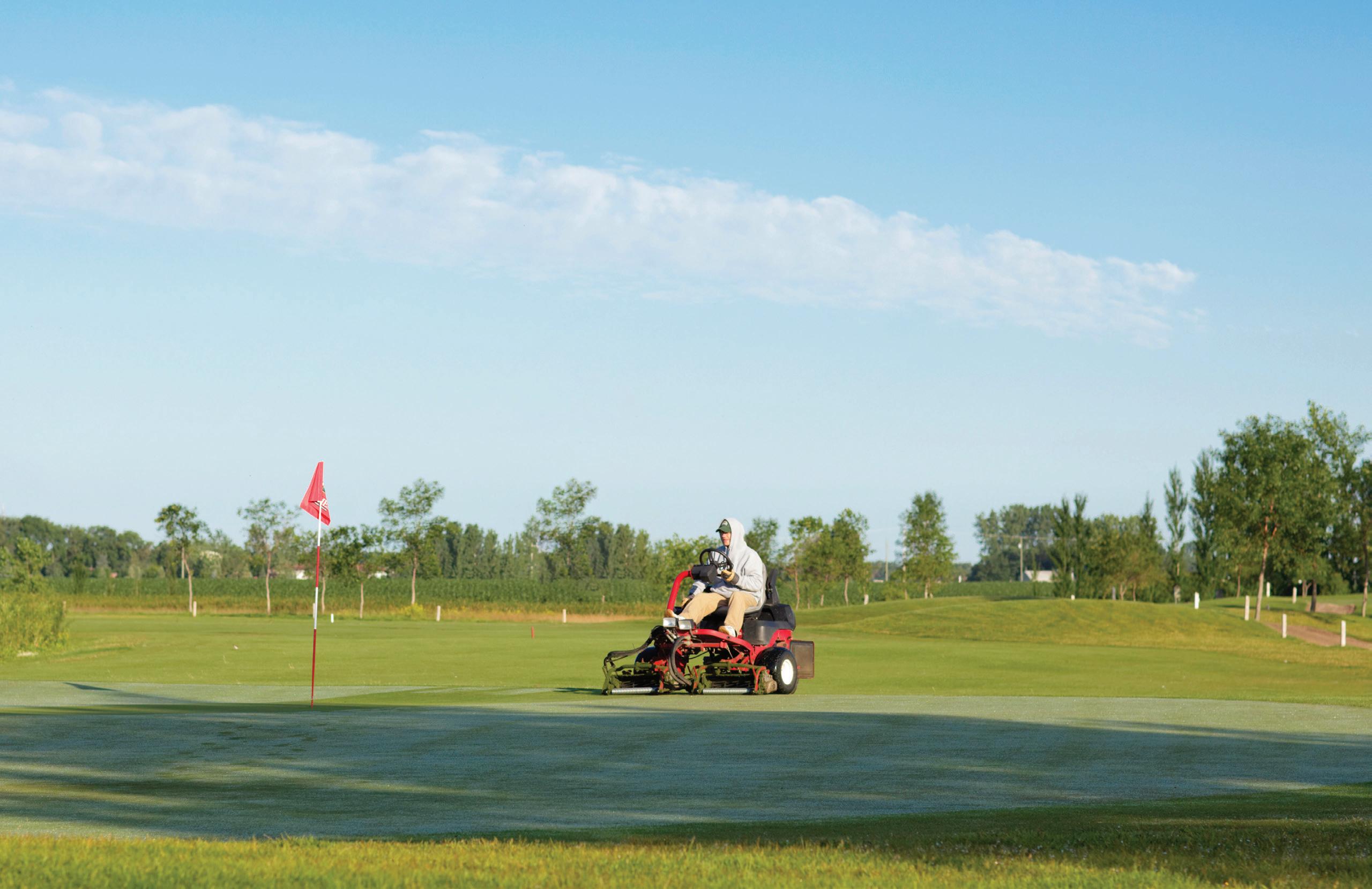
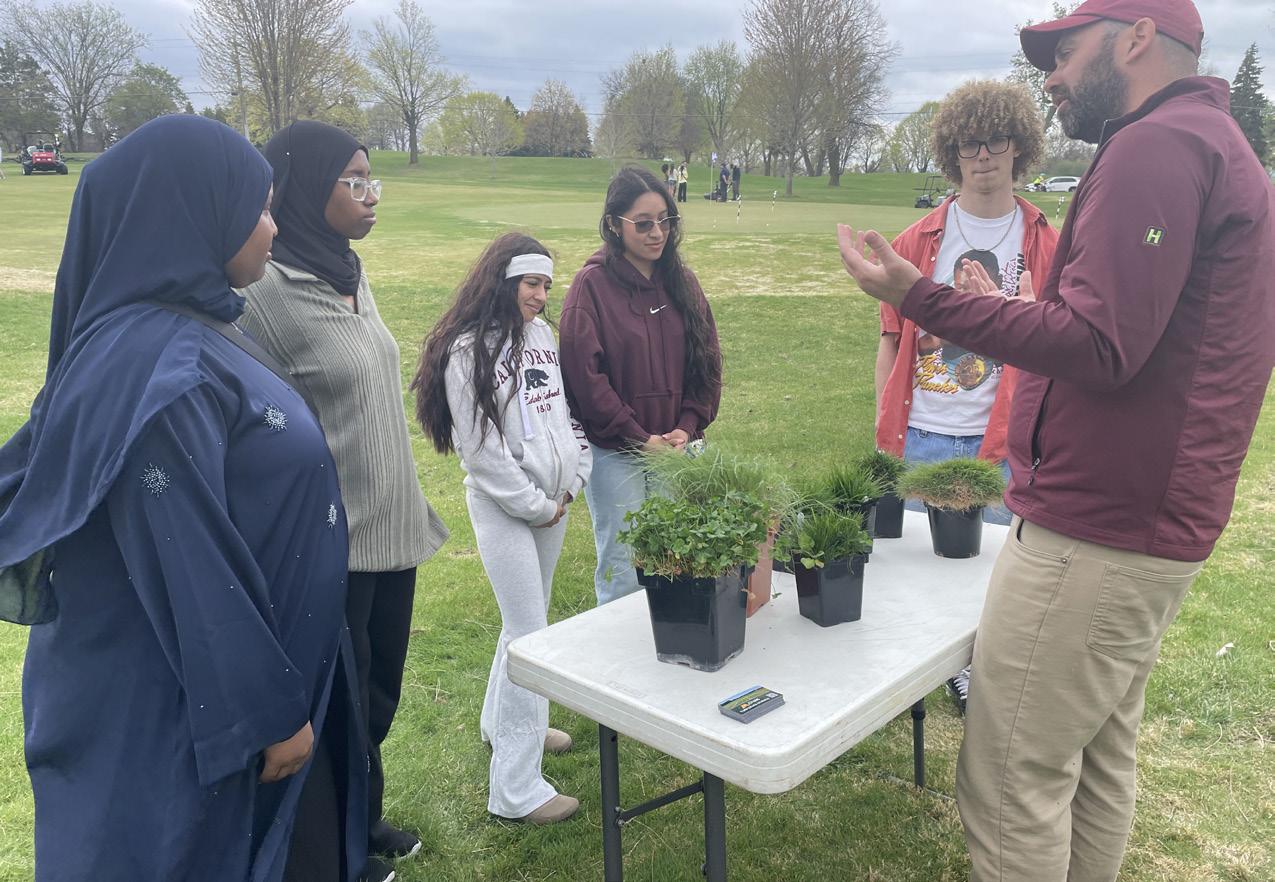
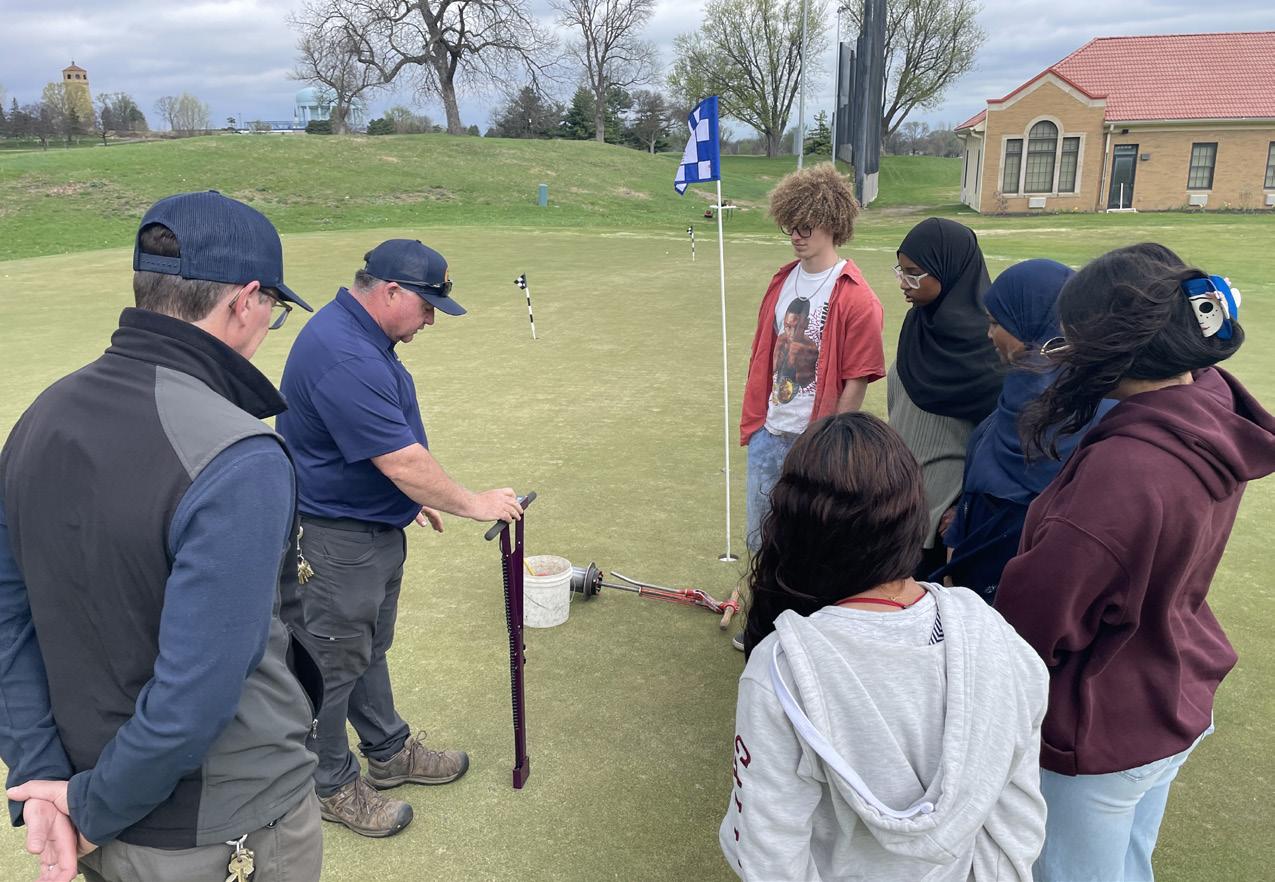
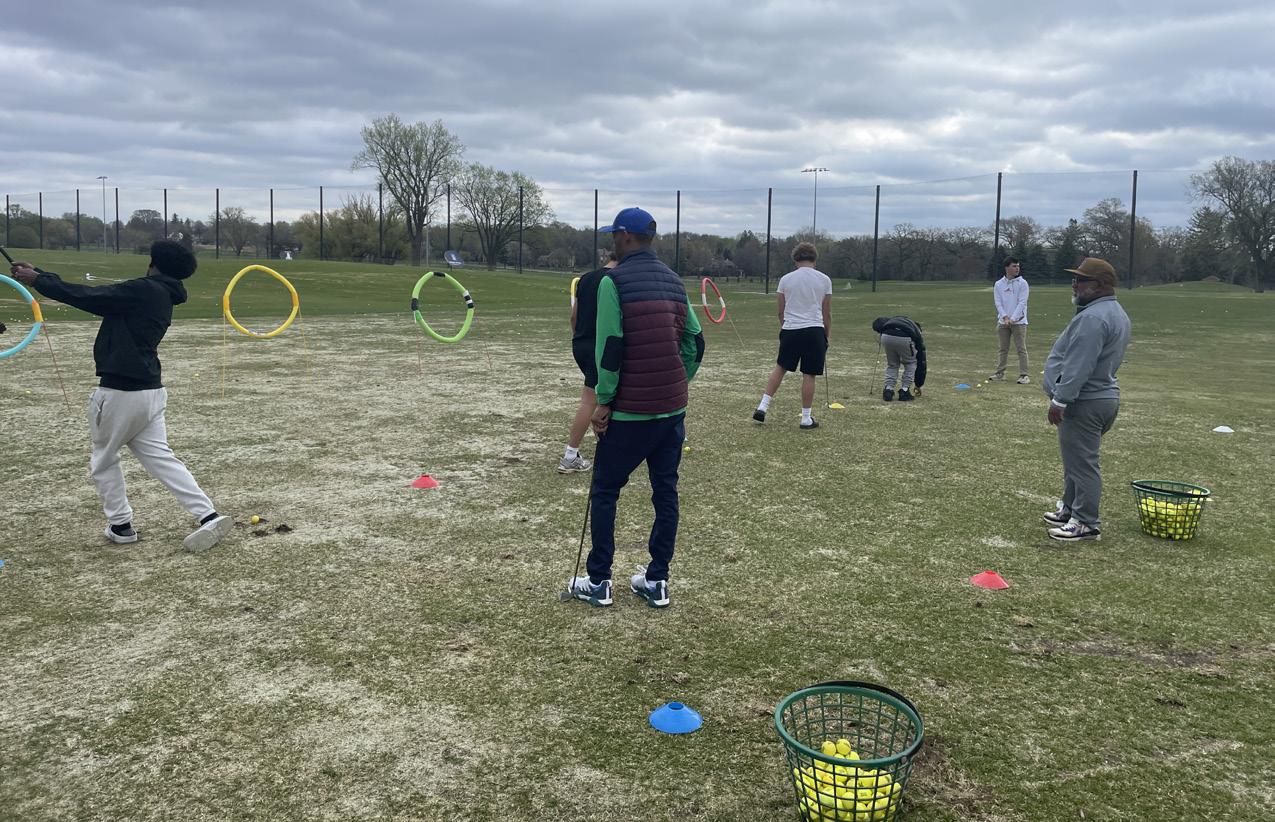
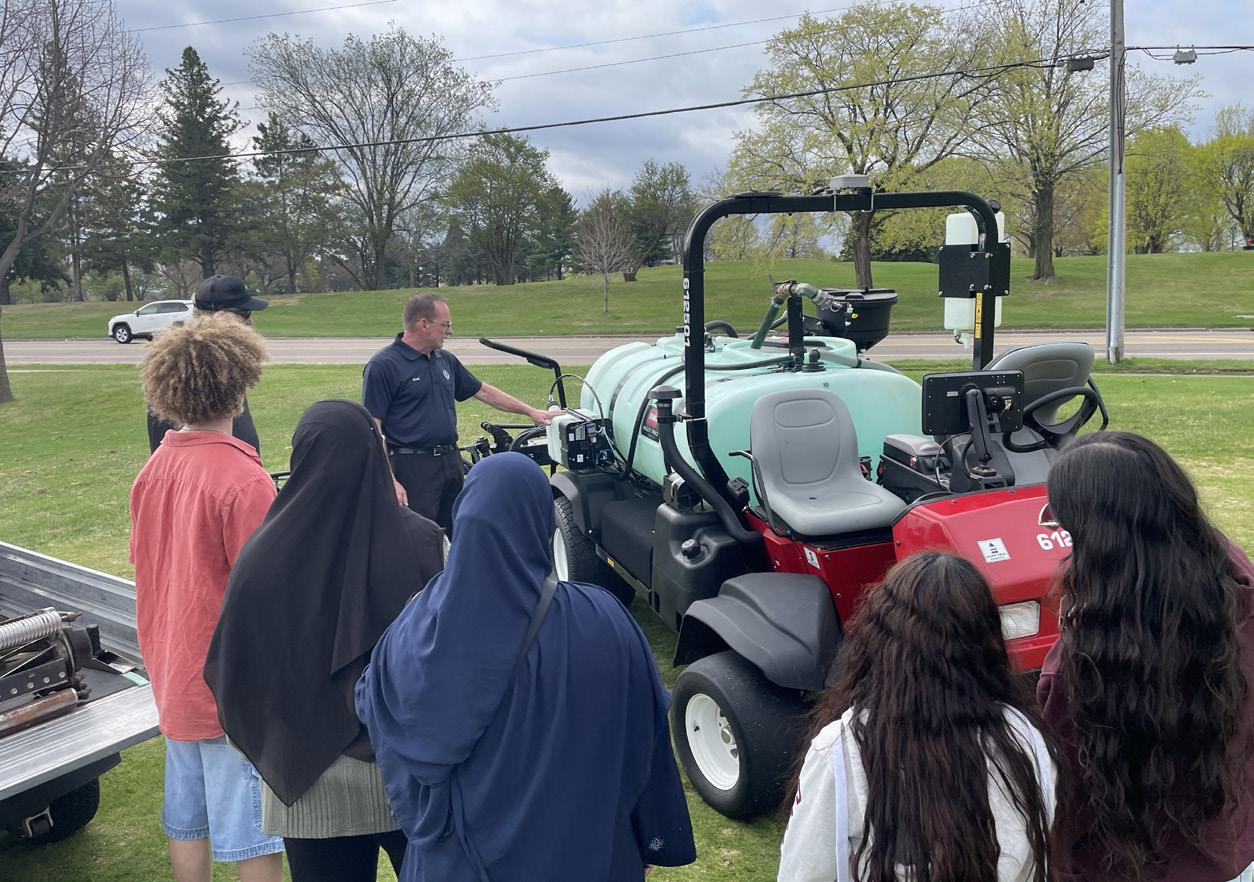
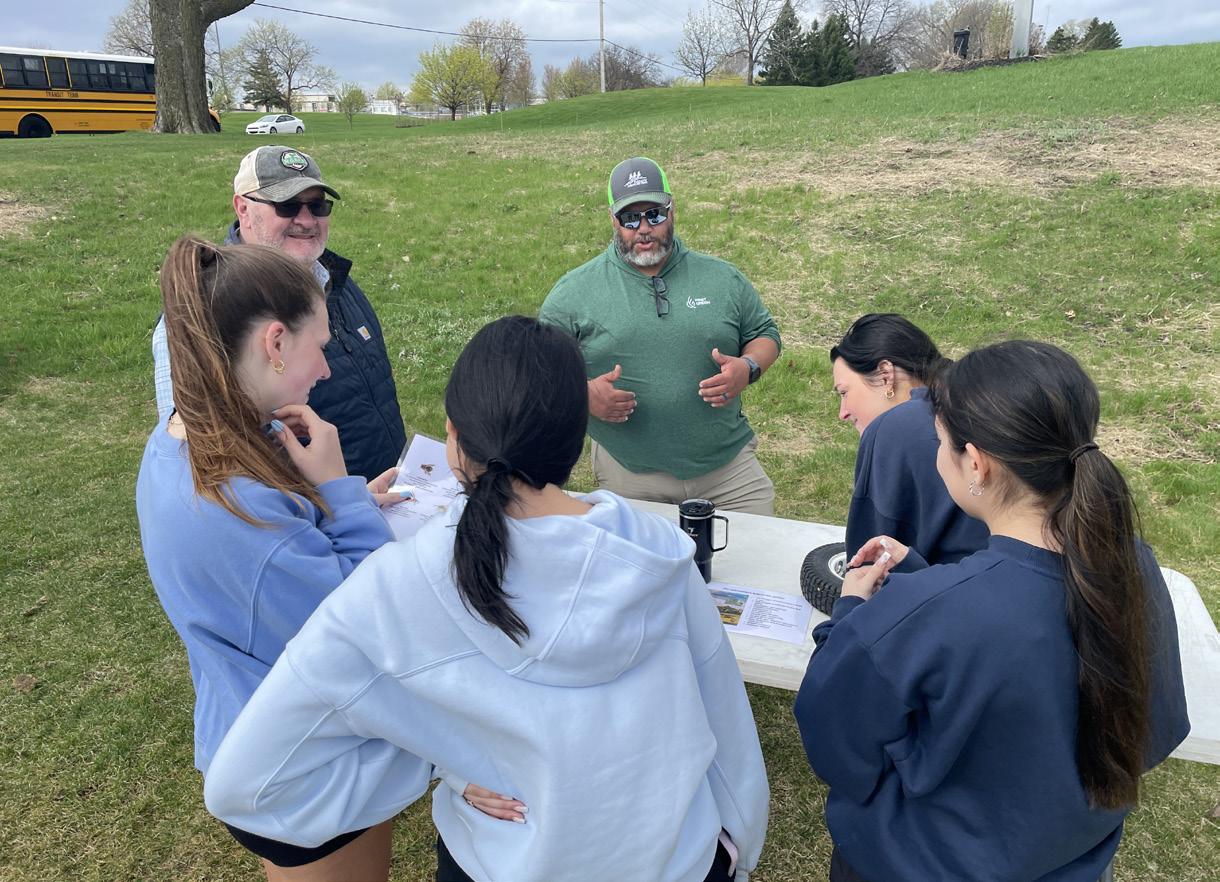
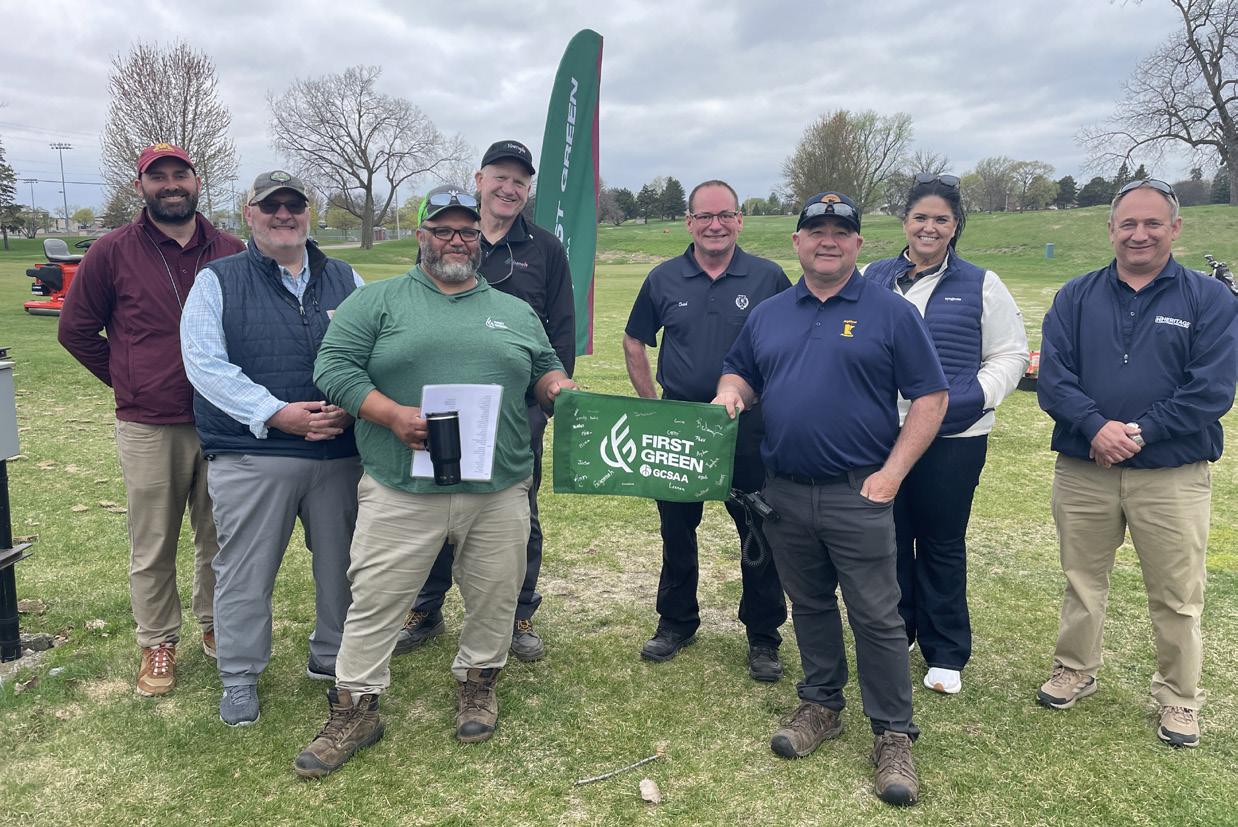
Highland recently hosted students from the Mendota Heights are for a day of learning about turf and golf course management! Thank you to our hosts; Jamie Bezanson and Dave Schwarz, First Tee MN, and all of our volunteers for making this another successful First Green event!
GET TO KNOW ‘EM
NOAH KRAML
Course Superintendent
Golf
Purple Hawk Country Club

PUBLIC/PRIVATE/#HOLES
FT EMPLOYEES:
SEASONALS:
YEARS IN THE POSITION: YEARS IN TURF INDUSTRY:
CAREER/JOBS:
Public, 18 1, PT winter mechanic 9 4 months as super 10
Burl Oaks, Hazeltine, Minnesota Valley, Seminole, Rochester GCC
TURF SCHOOL:
ROUNDS PER YEAR:
TYPES OF GRASS:
Penn State
40-45,000 since covid
Tees & Fairways -Hodgepodge - Mostly bent, low mow blue, poa
Greens - Bent
ACREAGE:
Greens - 3
Tees - 3
Fairways - 24
MASTER PLAN WANT:
The club wants to be a destination course, and I think conditions can do that for a course. I want the members of private clubs to come up this way and golf out here and say holy crap, its a pretty good golf course. Thats kind of my master plan right now. Just get the conditions back up.
EQUIPMENT WANT:
We got a deep tine, which is huge, topdressers are old but get the job done. We did just get a roller this spring but I would really love to have grinders and being able to grind reels here.
ANYTHING DIFFERENT OR UNIQUE YOU DO THAT COULD BENEFIT OTHERS: DO YOU HAVE ANY FAVORITE MEMORY/FUNNY STORIES FROM YOUR TURF CAREER?
Not really, its a combination of the guys I worked for.
We had a prank at Seminole, where they made the interns hold a tray to hold the sparks coming off the grinder. I was so bought in, he said we catch them, then weigh it, so I’m sitting there for like 3 minutes. It stops, they are behind me laughing, so I threw the tray down! We had another intern come down and he caught on, so I felt a little stupid.
We had some parking brakes that weren’t the best, and a guy parked it on a slope you shouldn’t be driving on. He rolled it all the way back into the ditch, he bailed eventually but tried to save it.
WHAT IS A CLASSIC MOVIE YOU RECOMMEND TO OTHERS:
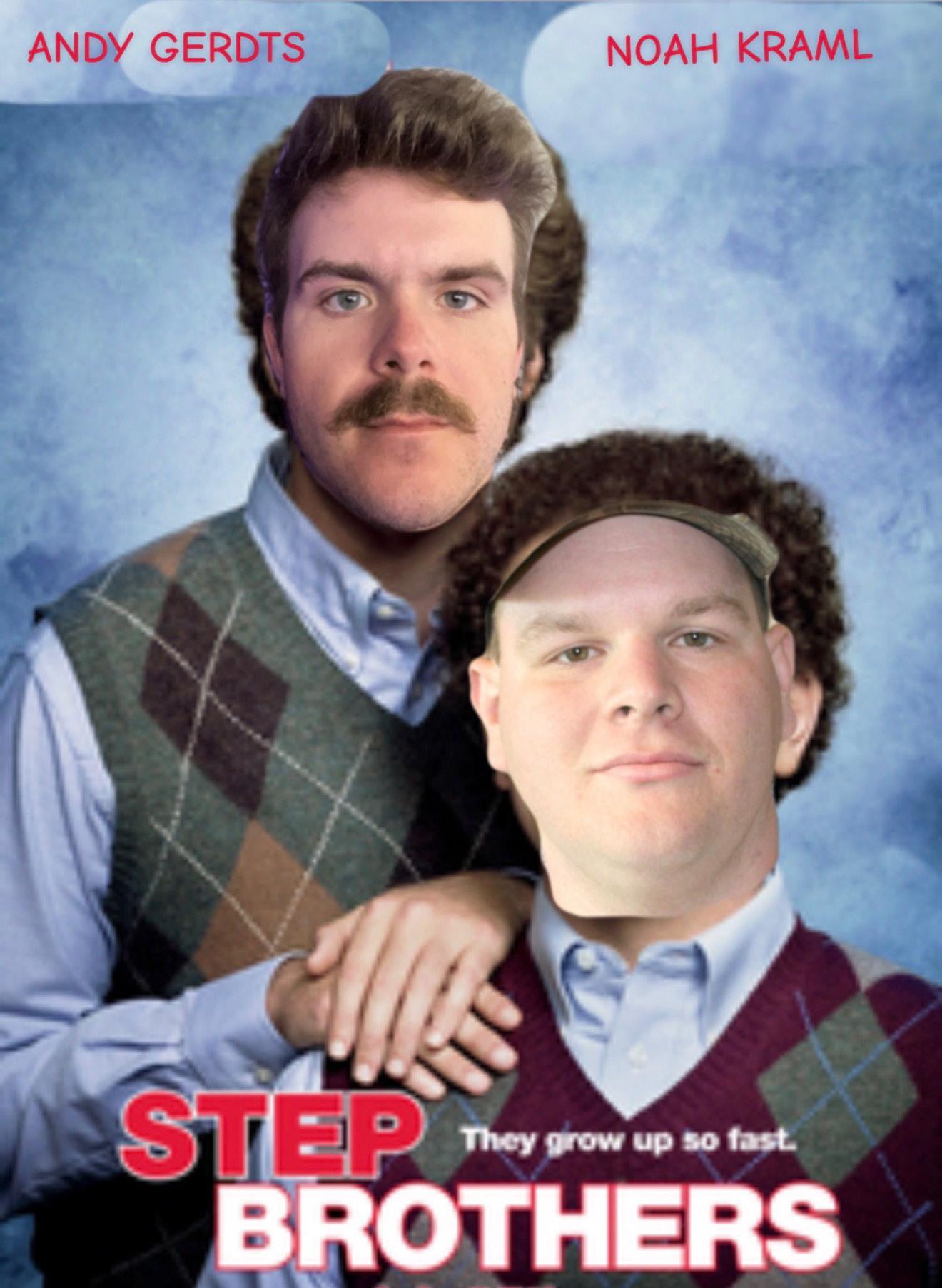
Step Brothers, big Will Ferrell fan right now. I just like the dumb humor in it. It allows me to unplug.
FAVORITE VACATION SPOT:
FAVORITE TASKS:
It’s been a long time, but Mexico allinclusives. We used to go as a family to Cancun every year. When I turned 12/13, we started going to Florida because we had a free spot at someones condo we got to use.
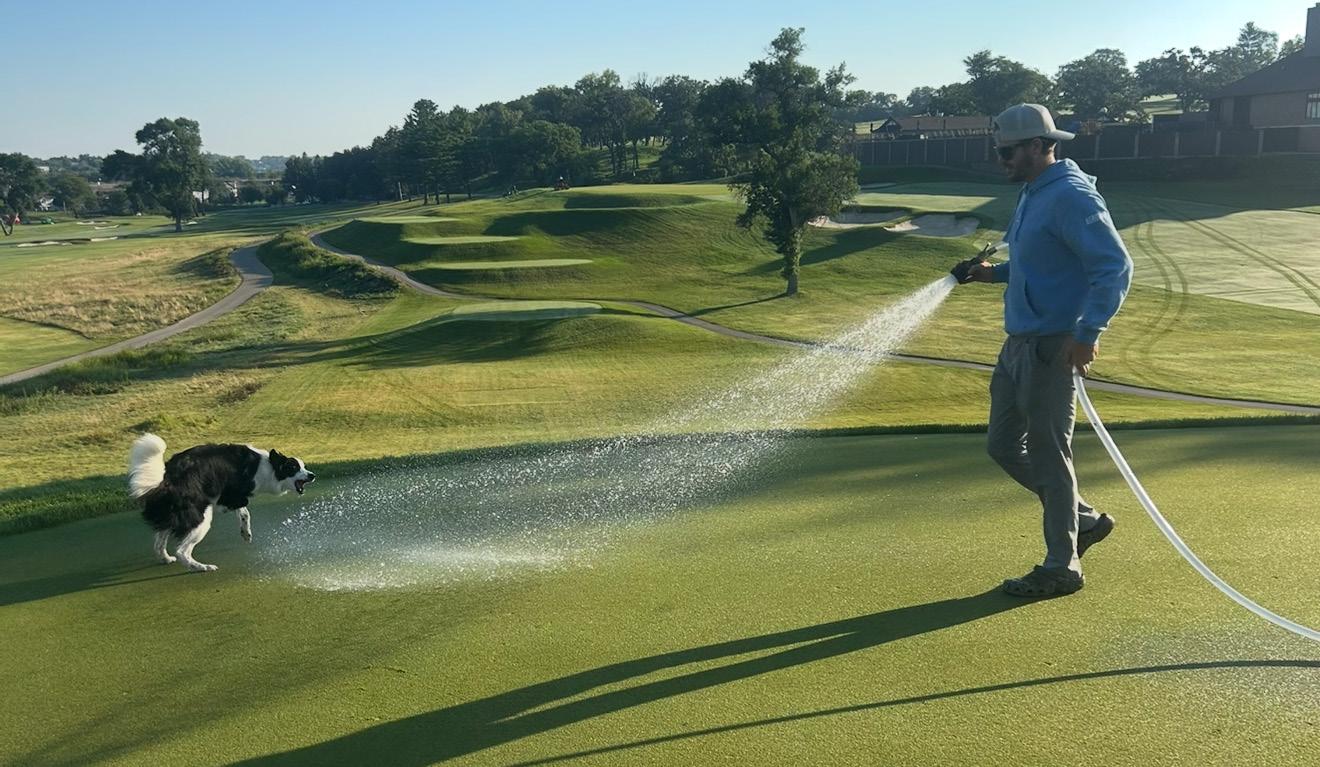
Hand watering, when it’s only hand watering. Places where we combine it with cup cutting, I don’t like.
LEAST FAVORITE TASK:
HAVE YOU PLAYED ANY FAMOUS GOLF COURSES:
Probably raking bunkers at Hazeltine. I was not a hand raker at all. There was on time where I only did a little clean up pass in it, and it got sent in a group message for being terrible, it was only a square foot of bunker raked. Irrigation is always terrible, especially don’t like the pipe work when the pipe is completely offset.
All of the courses I worked at. Nothing crazy, I would really like to get out to see Whistling Straights.
WHO IS IN YOUR FOURSOME:
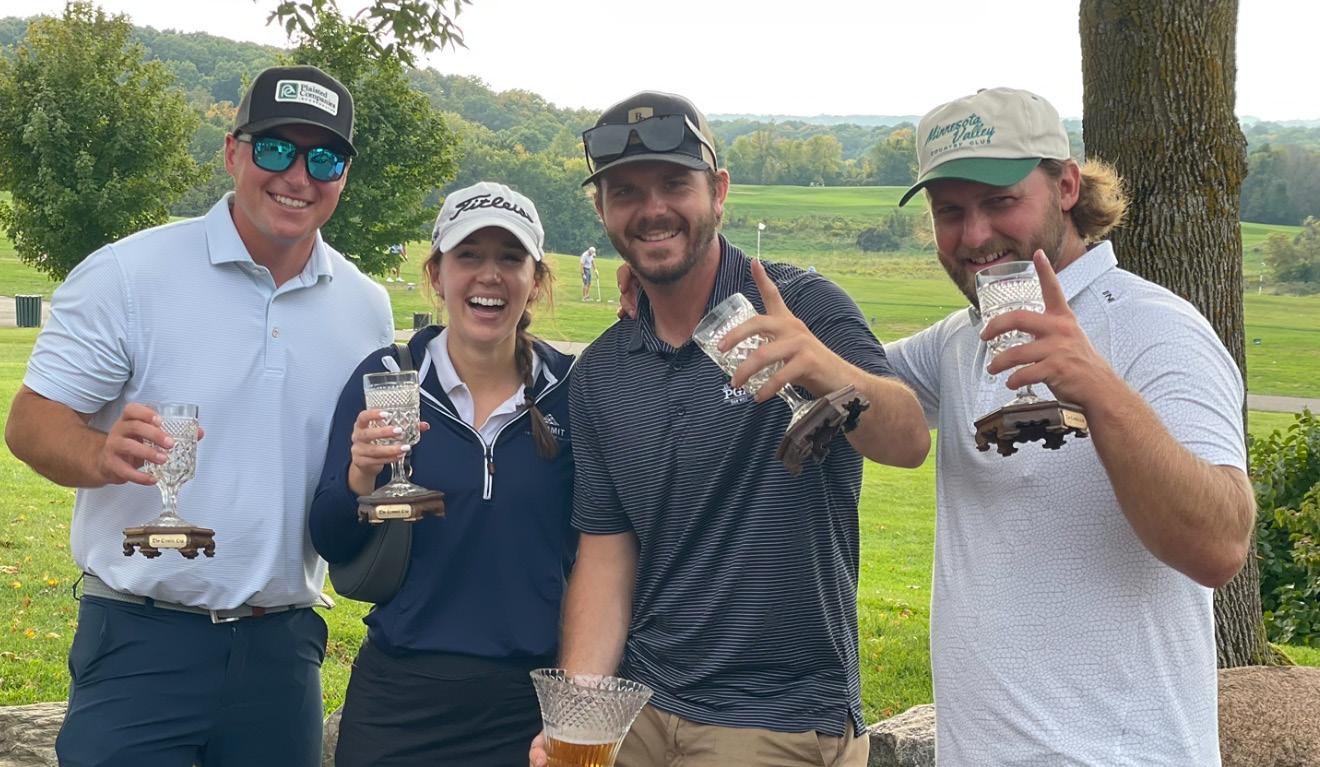
Chad Blank, our connection has grown since I took on this role. We’d have to throw Tiger in there. Probably my dad then.
WHATS ONE PIECE OF ADVICE YOU’VE RECEIVED IN YOUR
Don’t be afraid to mess up. It’s bound to happen. If you’re going to mess, do it 100 miles per hour. It’s worse if you do at 50%, might as well make the mistake at full throttle and not half. Mistakes happen, don’t be scared to make that mistake, then don’t be afraid to get back on the horse after that mistake, and keep going.
WHATS THE BIGGEST CHANGE
STEPPING INTO SUPER ROLE:
The politics!
Listen to the full conversation with Noah on the HOLE NOTES PODCAST! Available on many of your favorite podcast sites!



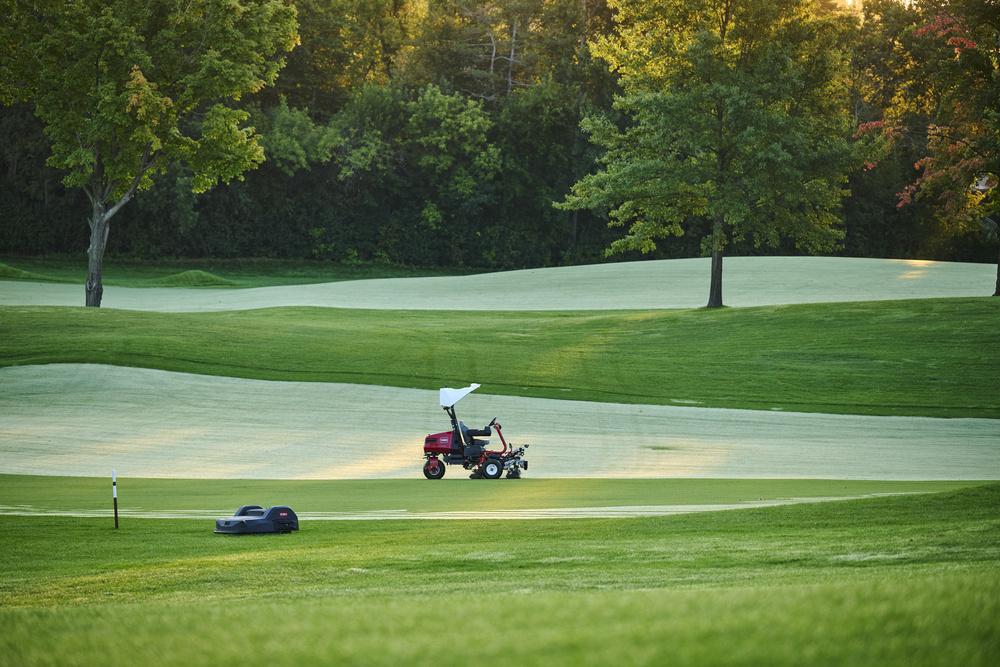


Maximize the beauty and playability of your course with MTI’s turf solutions.
Our comprehensive range of reliable equipment, backed by more than 70 years of industry expertise and support, helps you maintain pristine landscapes.
Offering the top brands in the industry, we provide the tools and support you need to create safe, inviting, and sustainable outdoor spaces.
Contact us today for an on-site product demonstration or to learn more.


UMN FIELD DAY
UMN RESEARCH
WINTERTURF:
WHY IT MATTERS FOR GOLF COURSE SUPERINTENDENTS
Dr.
Eric Watkins
Professor, Department of Horticultural Science, University
of Minnesota
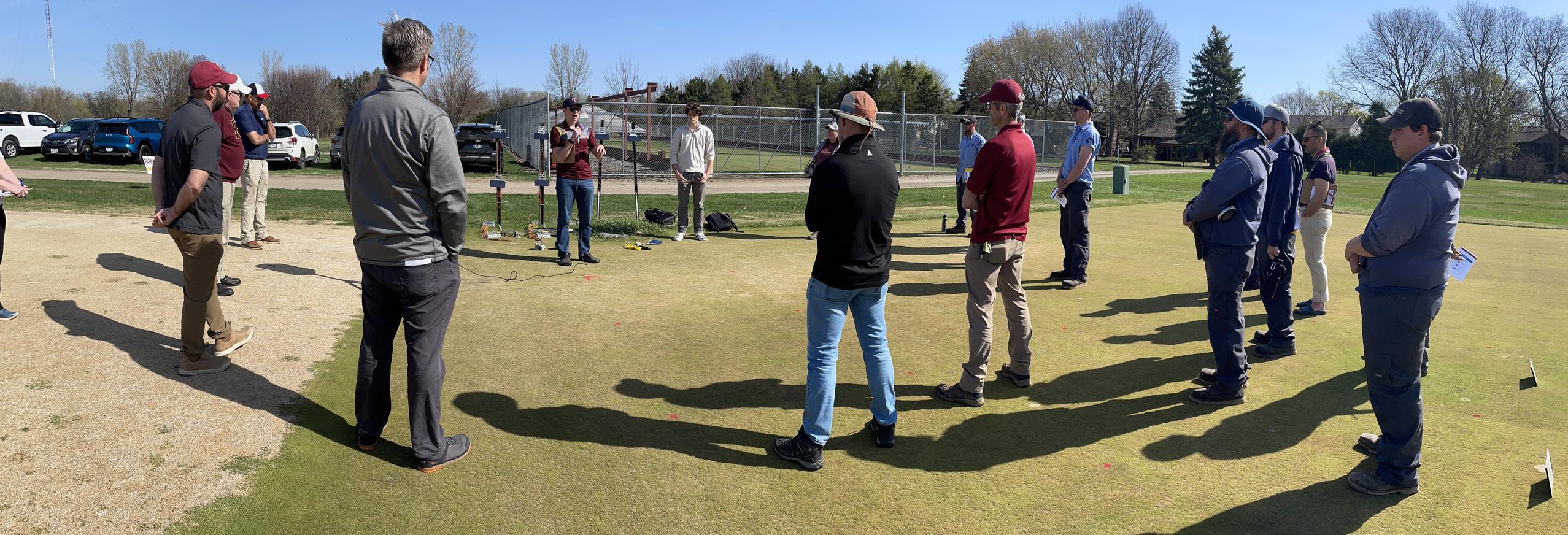
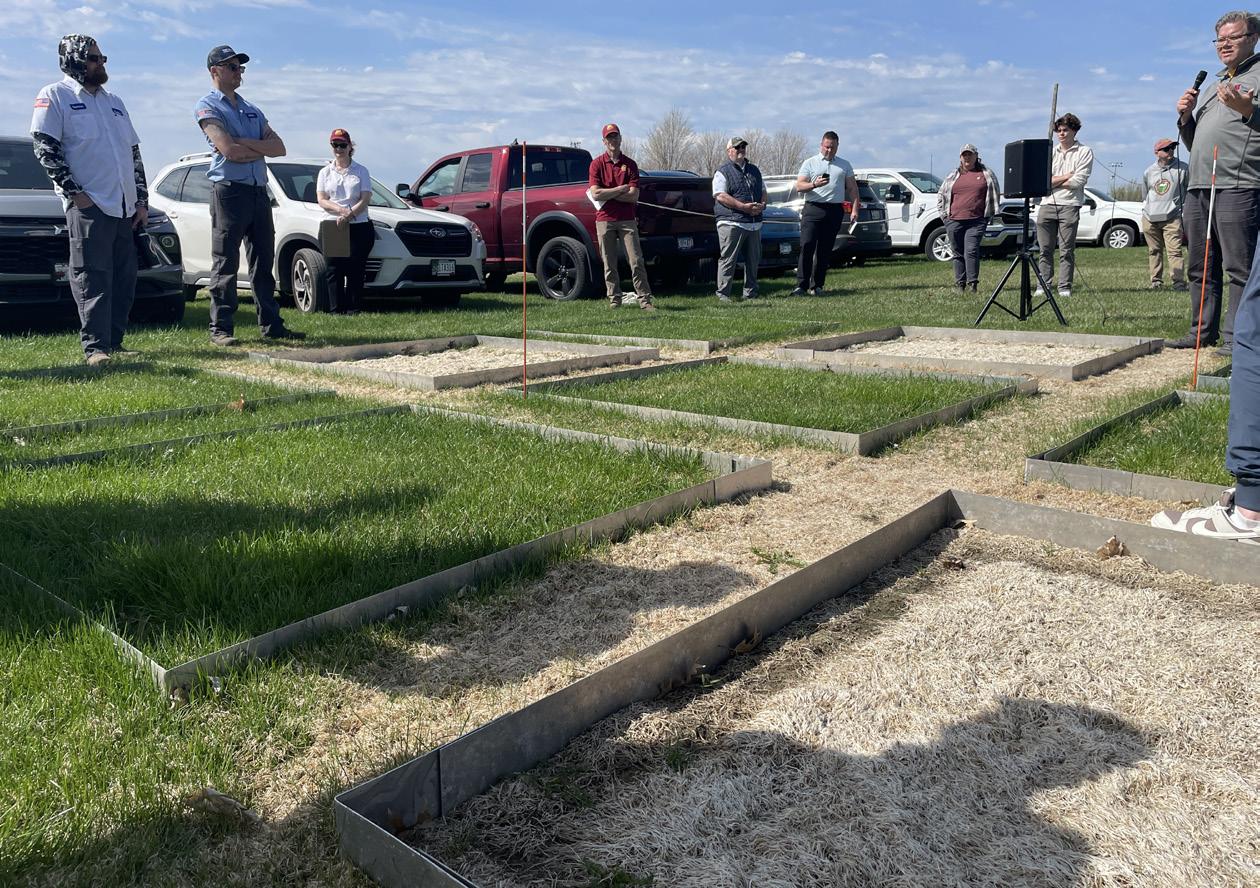
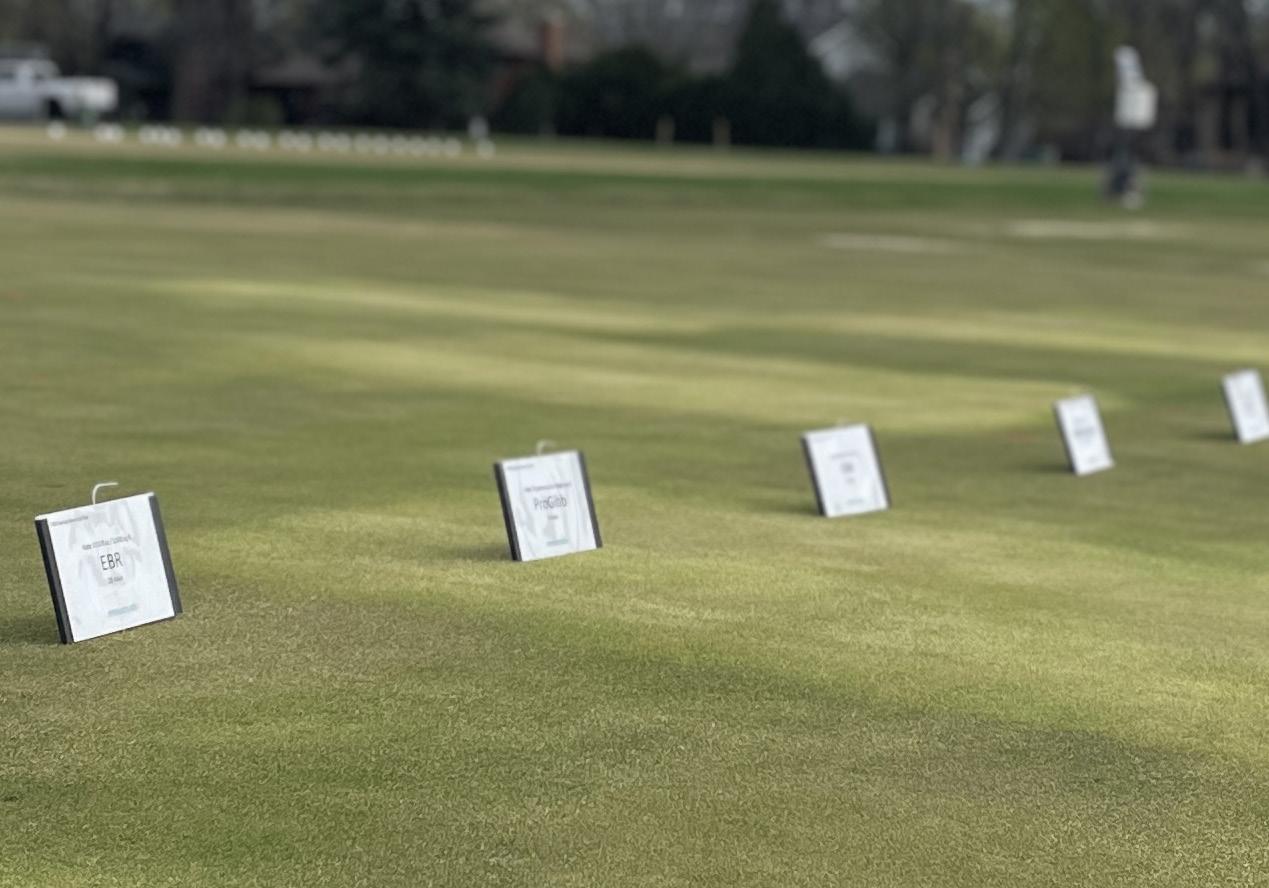
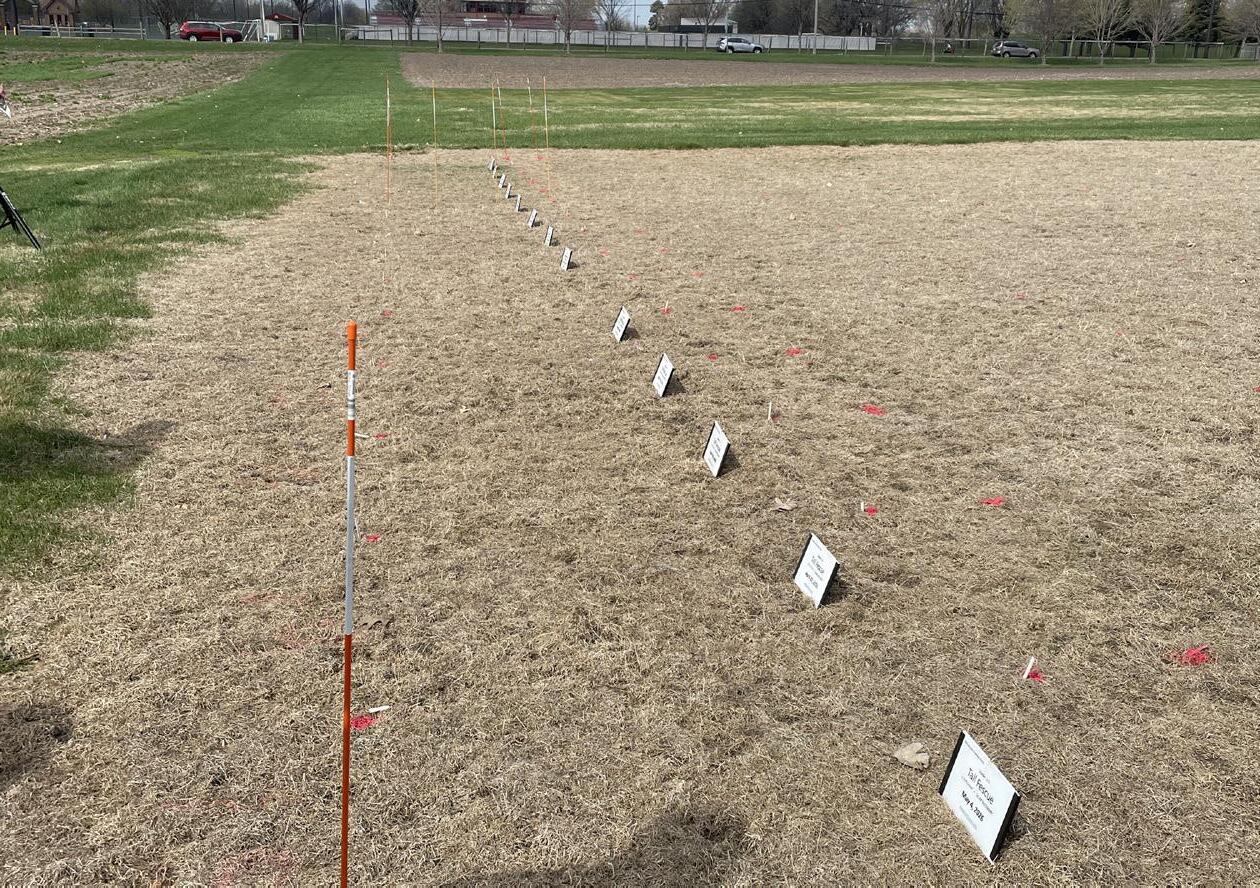
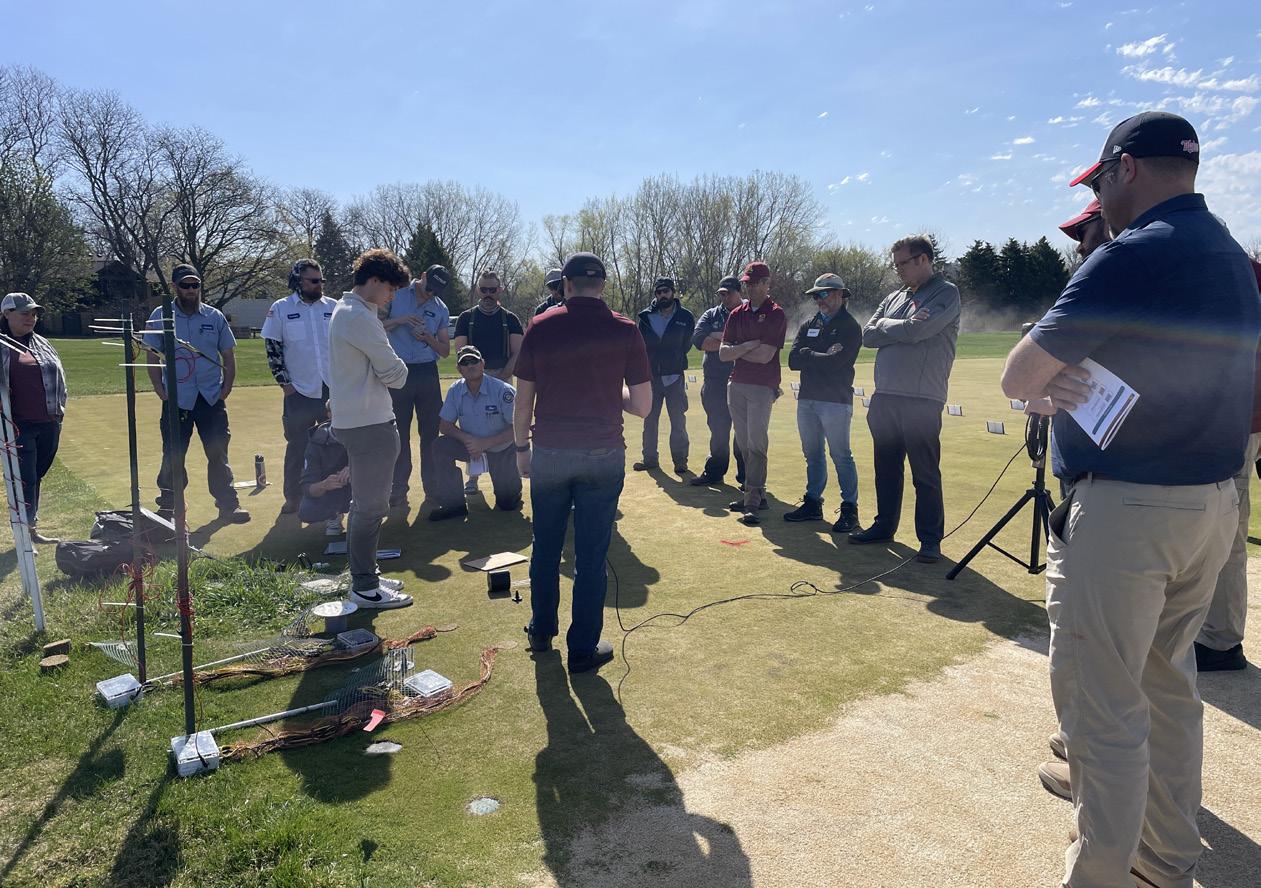
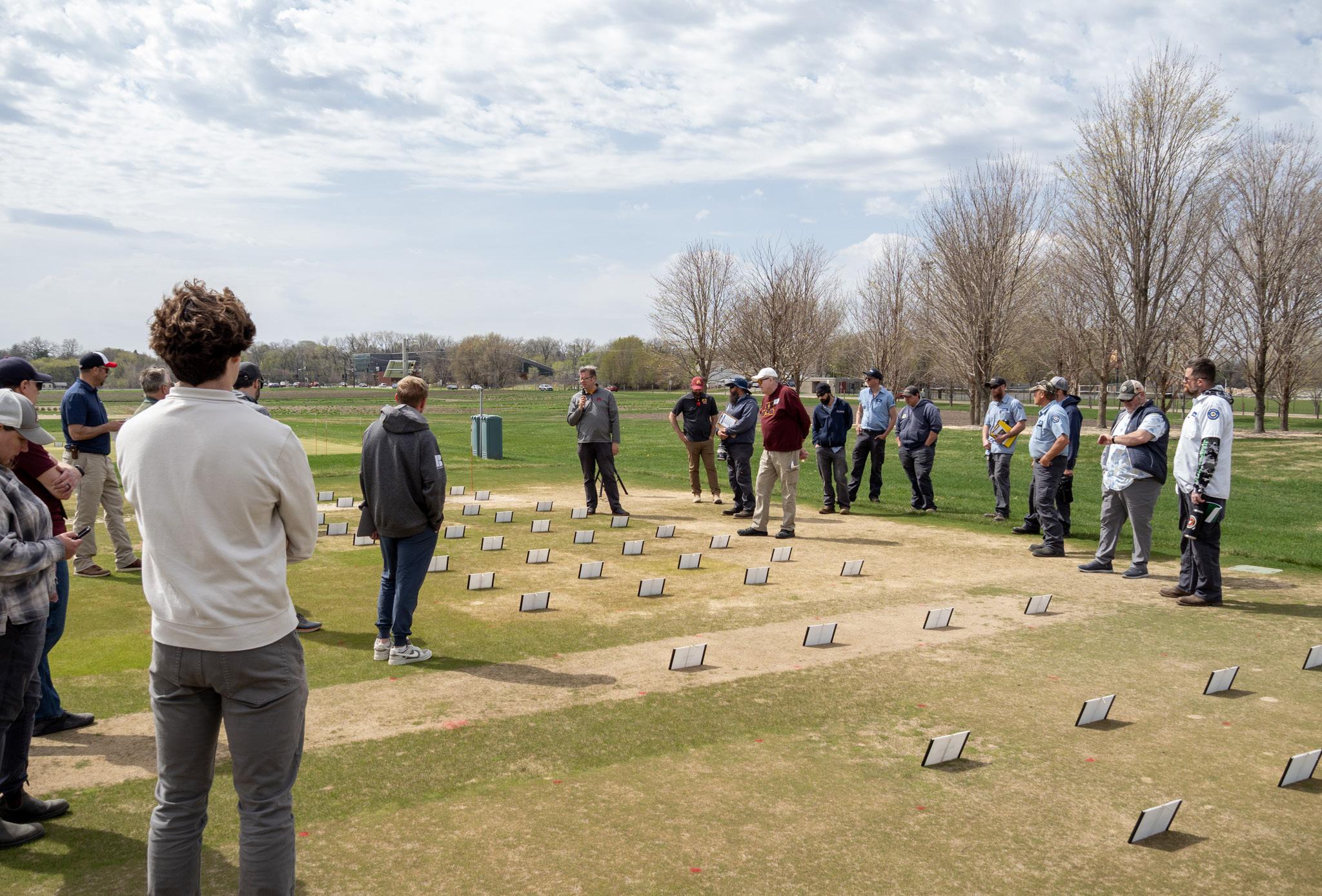
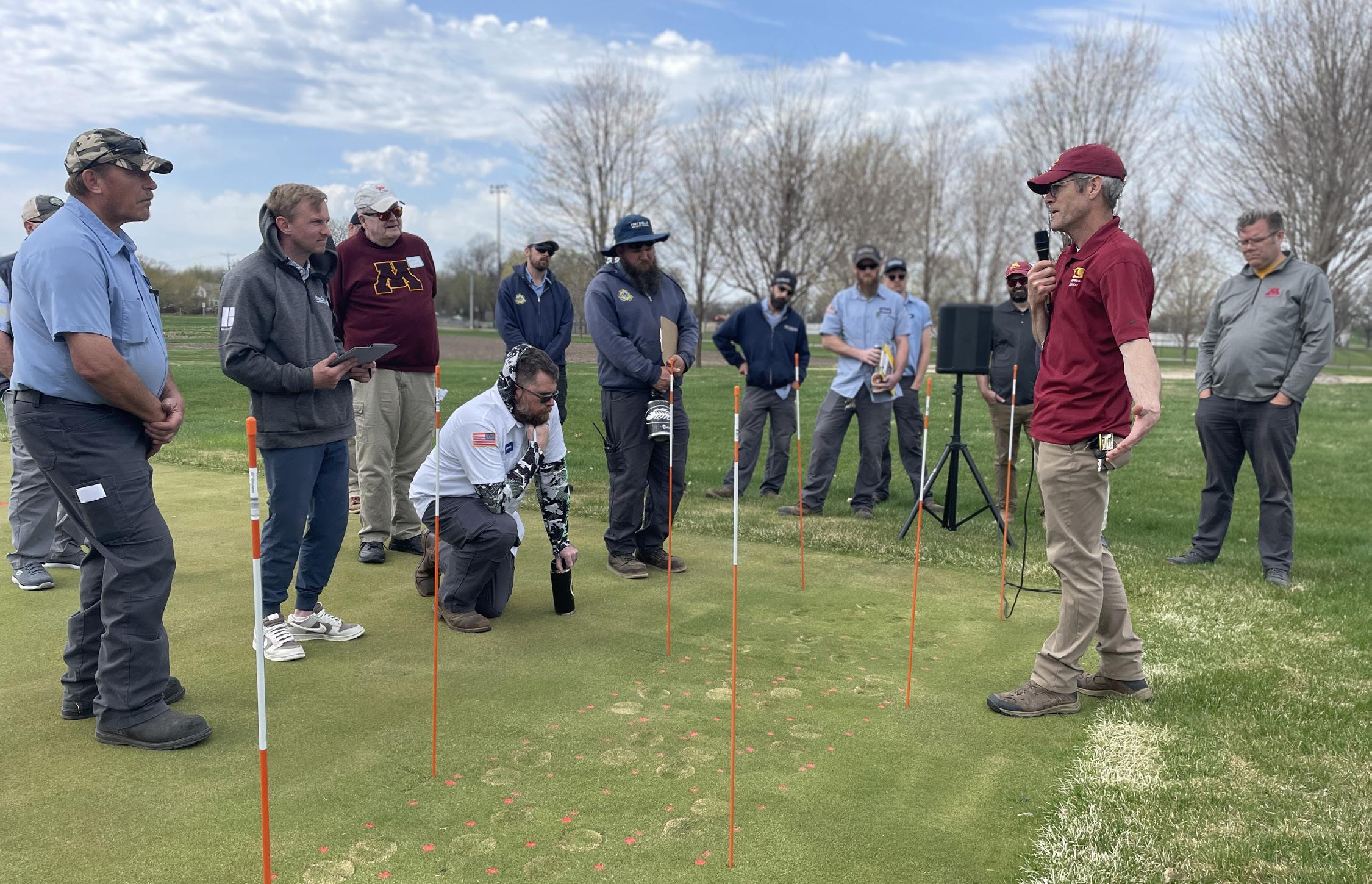
Earlier this spring we held a WinterTurf field day, where our team shared research results on topics related to how grasses survive (or don’t survive) the winter, and strategies to more easily recover from damage that may occur. Most of this work is part of the USDA funded WinterTurf project, that I’ve written about a few times for Hole Notes. Now that we are approaching the end of the first round of funding for WinterTurf, I wanted to reflect on some of the progress that
we have made and show you where we are heading as we continue on this journey to get a better handle on winter stress injury of turfgrasses. Here are a few things we’ve learned that I consider the most important for golf course superintendents in Minnesota.
Resistance to snow mold fungicides is not currently a problem
The snow mold research team, led by Paul Koch (UW-Madison), has
completed a number of studies related to controlling this important disease. Perhaps the most impactful and relevant of these is one that evaluated a large number of disease isolates collected from around the world for resistance to snow mold fungicides. Importantly, Dr. Koch and his team did identify some isolates with increased levels of fungicide resistance, but they were not widespread and are not believed to be a concern at this point. A paper describing this work
will soon be published in the journal Plant Pathology.
Late fall topdressing has some tradeoffs
Late fall topdressing is a very common management strategy among cold climate golf course superintendents, and with good reason. Adding a layer of
insulation against cold and ice makes perfect sense, and should protect grasses against both severely low temperatures and winter desiccation. There is, however, little research on this practice, so our turfgrass management research team, led by Kevin Frank (Michigan State University) tested late fall topdressing at six locations, on both annual
bluegrass and creeping bentgrass. Because winter stresses were not a major problem at any research site, we weren’t able to determine if late fall topdressing conferred any benefit to the greensheight grasses. We were, however, able to see if there were any benefits or drawbacks to this practice during winters when conditions were not
damaging. For creeping bentgrass, there were no major tradeoffs--the quality of the turf was no different when heavily topdressed compared to lighter topdressing or no topdressing; one exception to this is that snow mold might be more prevalent under heavy topdressing due to the higher surface temperature that results from the practice. For annual bluegrass, however, there were some sites where there was a clear negative effect from the topdressing on spring turf performance. As many readers know all too well, the winter of 2025-2026 caused a lot of winter stress damage on golf courses in Minnesota, even on creeping bentgrass, and much of this appears to be due to desiccation. Growing risk of winter desiccation will likely lead to even more use of late fall topdressing, so this is a topic we will likely keep investigating.
insights
Satellite imagery can provide important
When we started this project, it was clear that in order to build models to predict winter damage on golf greens, we needed to have examples of heavily damaged golf greens, either historically or at present. Fortunately for the golf course superintendents who help us by monitoring greens on their courses, we’ve had very few severely damaged golf greens since the project started in 2021. We are quite certain, however, that outside of our 100+ collaborators, there have been many examples of damaged greens. To capture this information, our remote sensing team, led by Bryan Runck (UMN), is exploring the use of satellite imagery. Using modern spatial analysis and mapping techniques, WinterTurf researchers can quickly ascertain instances of greens that suffered winter damage. This allows us to not be limited to only the courses
who actively collect data for the WinterTurf project, expanding our dataset by orders of magnitude, both in the future, and several years into the past for years in which satellite imagery exists. Progress in remote sensing is allowing our data scientists to more quickly model winter damage and develop predictive models that you can use on your golf course to determine when to take action during the winter.
Too much light can harm turfgrasses in the late winter and early spring
After winter has started to recede, and plants are exposed to sunlight, you might think that more light is better. However, when it comes to turf that has been affected by winter stress, or new seedlings that have emerged from late fall dormant seeding, less light might be the ticket. WinterTurf plant physiologists, including Michelle DaCosta (University
of Massachusetts) and Dominic Petrella (UMN) have shown that under some conditions, such as grasses that are trying to recover from ice encasement, plants suffer from the high light intensities of spring. This stress is called photoinhibition, and if these findings continue
to be confirmed, new recommendations for recovering from winter stress damage will be needed.
What’s next for WinterTurf?
Now that funding for the first WinterTurf project is almost complete, we are
in the planning process to submit a proposal for another round of funding. Regardless of the outcome of that effort, we hope to continue working with MGCSA and researchers throughout North America and northern Europe to investigate this very important problem.
UMN TURF BLOG
FROM THE HIGH GRASS
We’ll always be talking about water!
Over the last few weeks, I have shared some additional information on potential changes and issues affecting our industry. First, the potential changes to the plumbing code that would categorize stormwater as irrigation, affecting our holding ponds, piping, parts, and labor. Secondly, the continued water quality findings of 4-Hydroxychlorothatlonil (a chlorothalonil degradate) in groundwater, and surface water to a lesser degree. Both of these issues revolve around water and could lead to direct impacts to our profession and industry in the future. I wanted to provide an update as to where things are now.

proposed changes to stormwater reuse.
First, the impact of this proposed adoption of chapter 15 of the Uniform Plumbing Code will greatly affect other industries and especially municipalities. As golf, we are one small subset of the stakeholder groups, but cities and other industries will be drastically affected, and are now leading our collective efforts opposing these changes.
which is a good first step. At the Plumbing Boards next meeting (which has just scheduled a special meeting to address this), we will have a strong presence from our stakeholder group to provide comments.
This proposal is far beyond reasonable, and any effort to implement and enforce this would be difficult.
MN Plumbing Board
We had a group meeting last week to discuss our next steps. We are continuing to work every angle around this issue, communicating with key agency staff, informing state legislators, and eventually directly to the plumbing board. There are currently efforts within the agencies to retract the initial request for this action,
The Plumbing Board does currently have the authority to make these changes, but given the timetable for action, there would ample time for our group to draft rulemaking or legislative changes prior to implementation. We will keep you updated as needed, when we need members to make their legislators aware, but you can always reach out to your reps now, build that relationship for us and yourself.
Thank you to those who have already reached out to their legislators, as we have made progress. As mentioned above, we have gotten a special meeting on the calendar to address our concerns. Hopefully, we can kill this language before its adopted.
Chlorothalonil degradates in MN groundwater
I recently attended our annual Pesticide Management Plan Committee (PMPC) meeting, where we reviewed the annual water testing data from the MDA. Minnesota has an extensive water quality testing program that has been in place for many years. The goal of this committee (which I am currently a member) is to review the data and provide insights and recommendations to the MDA Commissioner on maintaining safe water quality standards throughout MN.
implemented by MDA to preserve water quality. With 4-Hydroxychlorothalonil, they are just learning about this chemical degradate. They found it in test samples a few years ago and are concerned about its high detection frequency and maximum concentrations in samples. If this data continues to be significant, it could be labeled a “Common Detection Pesticide” by the MDA Commissioner. Defined as “detection of a pollutant that is not due to misuse or unusual or unique circumstances but is likely the result of normal use of a product or practice.” This is not saying golf/farms are using it improperly, but these samples are a result of regular, label rate use.
future changes in the state, but as of now, there are no punitive effects regarding these detections.
As degredate detections and frequency increase, discussion takes place if new education needs to be
If you are contacted by the MDA about well testing or notified of local detection, please let me know, so we can keep track of where they are identifying this degradate. If this happens, you are NOT in any trouble, it will be an informative notification, to ask you to assess your Chlorothalonil use. As these detections expand, they could lead to
Above all of this, we are still waiting for the EPA label changes regarding Chlorothalonil. These will reduce the annual use rates for all turf areas, so you will need to review the new labels when they are available. The MDA recently released a new set of BMP’s which anticipate some of those changes. They did not want to wait for the approved label, as they wanted to get this education out as soon as possible. We recently shared those, but you can find them on the website on the Best Management Practices page. We always need to review our programs and applications, but this is a strong reminder that we should do it more often. For now, we have access to these products, but things may change in the future, and being prepared with alternatives, reduced uses, or backup plans will only benefit your operations.