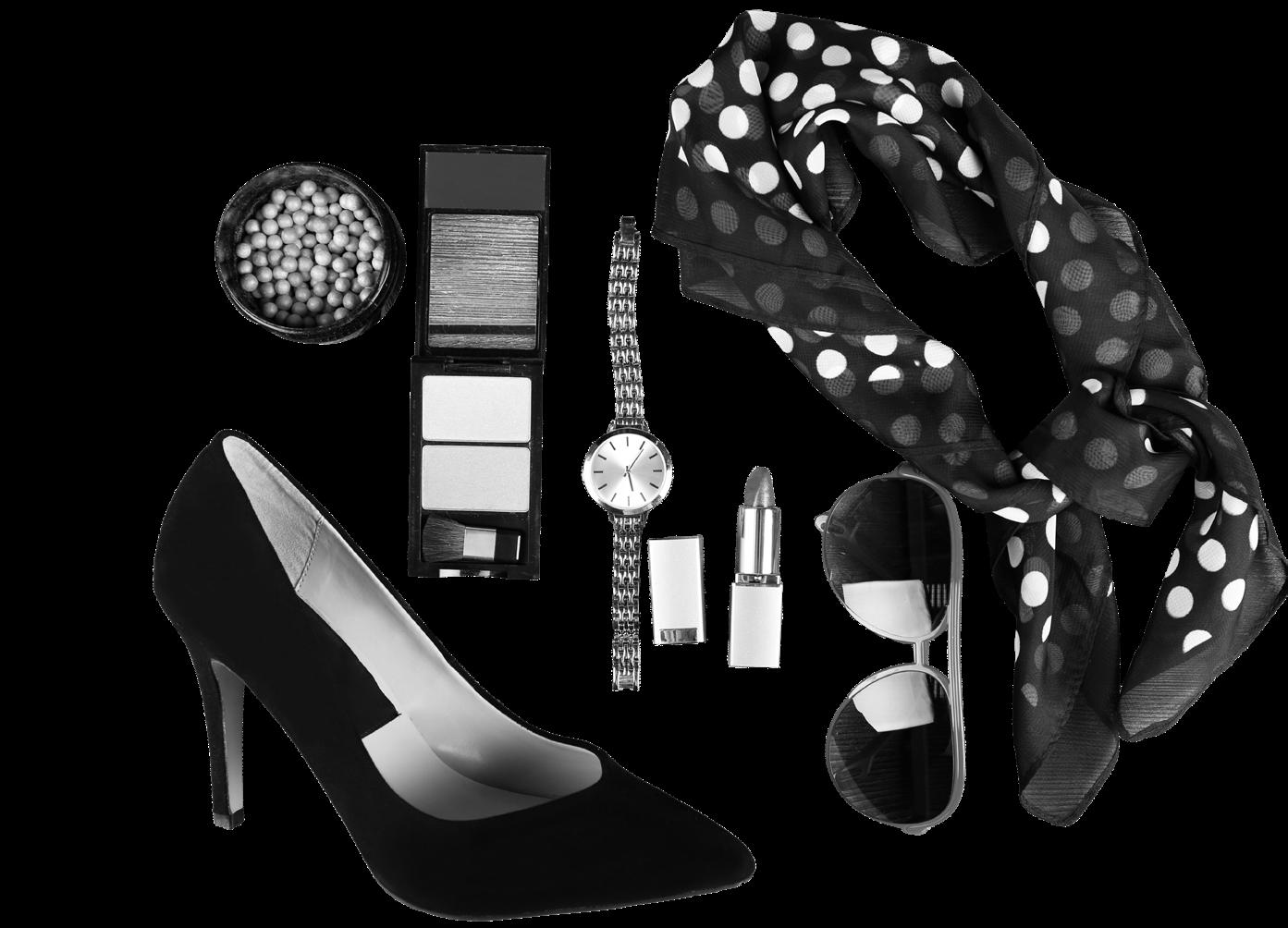
Written by Isabellawoo and Meenakshi25
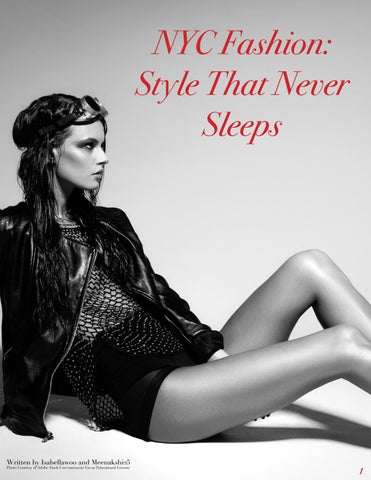
Written by Isabellawoo and Meenakshi25

New York City’s fashion scene is a dynamic tapestry woven with creativity, innovation, and an indomitable spirit that reflects the city’s diverse culture. As a global fashion capital, New York has a storied history and an enduring influence that extends far beyond the glitz of Fashion Week. This article delves into the reasons behind New York’s fashion preeminence, exploring its rich history, cultural significance, and the unique style that continues to captivate the world.
Resilience of New York Fashion Week
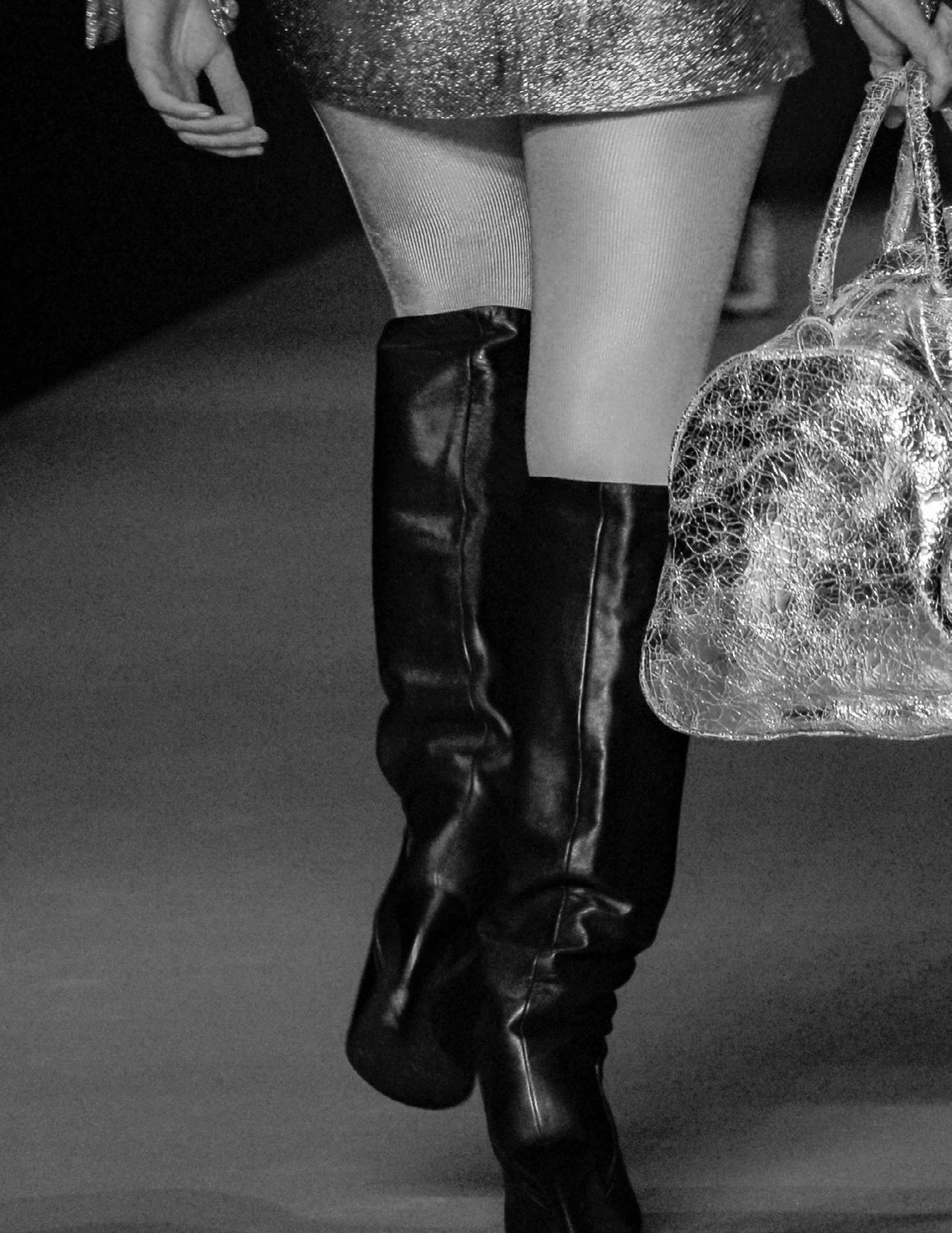
Despite the unpredictable weather and challenges such as the infamous snowstorm Nemo in 2013, New York Fashion Week has consistently demonstrated its resilience. The event’s ability to persevere through adverse conditions is a testament to the city’s unwavering commitment to fashion. Attendees, undeterred by the elements, continue to showcase their style with high heels, mini skirts, and delicate resin beads, proving that fashion knows no season.
The origins of New York Fashion Week can be traced back to the 1940s. Eleanor Lambert, a visionary publicist, established what was then known as “Press Week” in 1943. This pioneering event was the world’s first organized fashion week, held at the Pierre and Plaza Hotels, and it provided American designers with a platform to showcase their work to fashion editors and journalists during a time when World War II made travel to Paris difficult.
Before Press Week, the United States had already been hosting fashion shows for several decades. The first recorded fashion show in the country took place in 1903 at the Ehrich Brothers store in New York, aimed at attracting middle-class housewives. By the 1920s, fashion shows had become a mainstream marketing tool for department stores, often featuring dramatic themes and exotic elements.
Some fashion historians view the birth of New York Fashion Week as a strategic move to shift the fashion spotlight from Paris to New York during the war. The occupation of Paris by Nazi forces jeopardized the city’s fashion dominance. American media outlets declared the end of Paris’s “fashion dictatorship,” positioning New York as the new fashion epicenter. The New York Sun famously stated, “With the collapse of Paris, the
designer which belongs to us will lead the fashion.” Indeed, World War II reshaped the international fashion landscape, granting the United States a newfound identity in the fashion realm.
The 1950s marked a significant era for American fashion. The scarcity of goods during the war spurred innovation, prompting American designers to look inward for inspiration rather than relying on European trends. This led to the development of a distinct “American style” that gained prominence on the global stage.
John Steinbeck once described New York as a city with many flaws, yet one that becomes irreplaceable once it feels like home. Diane Von Furstenberg, a renowned fashion designer, echoed this sentiment, highlighting New York’s unique and fearless style. The city attracts individuals eager to express themselves, and during Fashion Week, fashion becomes the city’s language, visible in every corner, from the subway entrances to the billboards on taxis.
However, it’s important to note that Fashion Week is not the sole focus of the city. Life in New York continues with its usual pace, with other events and news capturing the public’s attention.
As The New Yorker aptly puts it, “On the street of New York, every week is Fashion Week.” This constant pulse of fashion activity is what makes New York an unparalleled fashion capital.


New York’s fashion status is not just about the glamour of Fashion Week; it’s about the city’s ability to continuously reinvent itself and its fashion industry. The city’s fashion legacy is interwoven with its history, culture, and the spirit of its people, making it an irreplaceable hub for designers, enthusiasts, and trendsetters alike.
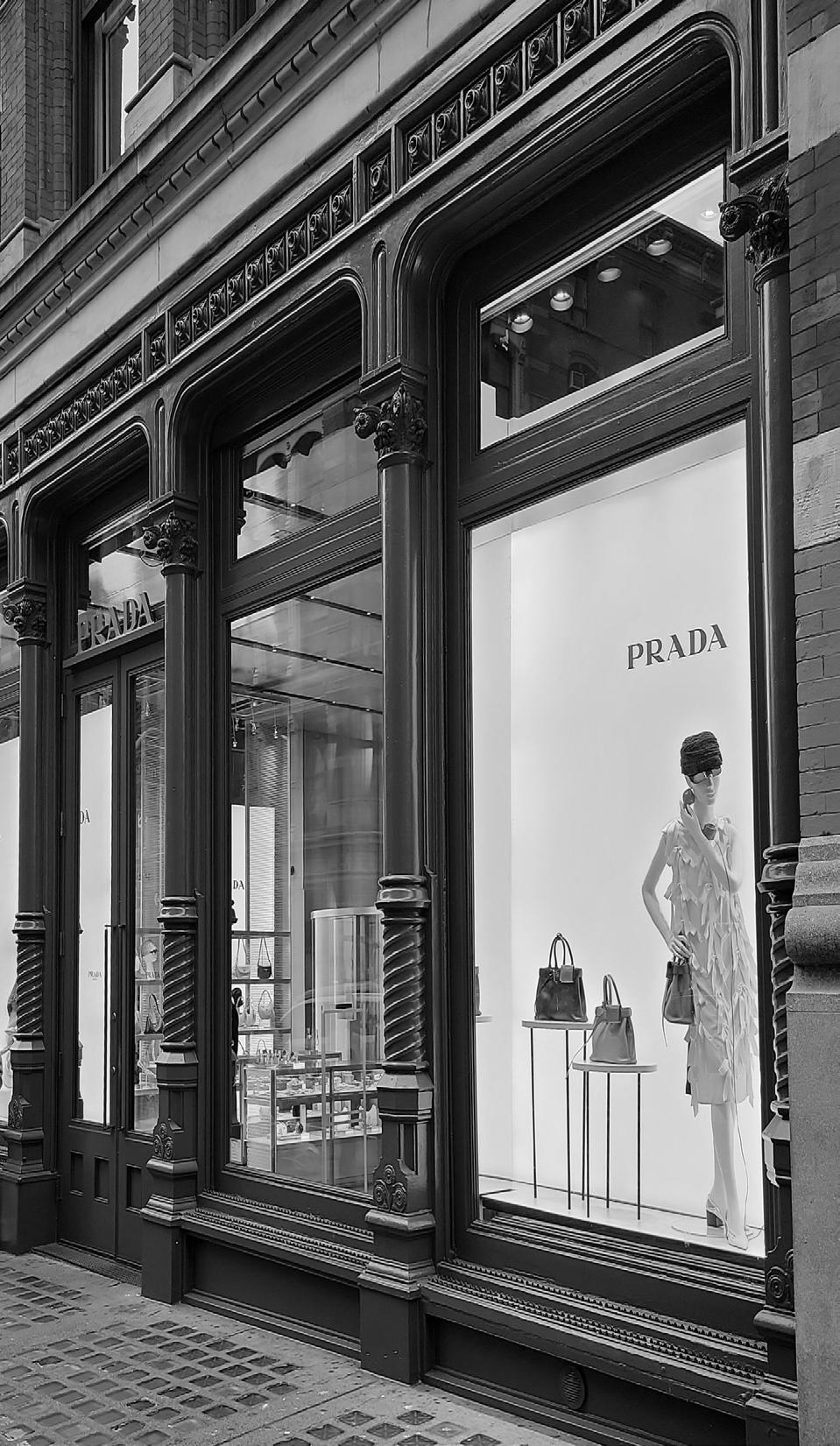

Fashion is a universal language that transcends borders and cultures, influencing the lives of people worldwide. From the latest runway trends to everyday street style, fashion is an ever-evolving industry that captivates the attention of both young and old. With the rise of online shopping, staying trendy has never been easier. This article delves into the dynamics of the fashion industry, its impact on society, and the convenience of online shopping, backed by intriguing statistics and insights.
The fashion industry is a colossal entity, generating approximately $2.5 trillion in global annual revenues (McKinsey & Company). This sector is not just about clothing; it encompasses a wide array of products including accessories, footwear, and even technology-integrated wearables. Fashion is a part of daily life, influencing how individuals express themselves and perceive others.
People of all ages are keen to keep up with the latest fashion trends. According to a survey by Statista, 67% of consumers in the United States follow fashion trends to some extent. This desire to stay updated is not limited to any specific age group; both young and old are equally invested in looking fashionable.
Fashion trends are incredibly diverse, offering something for everyone. Whether it’s size, color, pattern, or style, the options are endless. This diversity is driven by a growing number of designers entering the industry, each striving to offer unique and high-quality apparel and accessories.
The influx of new designers has significantly elevated the standards and quality of fashion products. According to the Council of Fashion Designers of America (CFDA), there are over 500 registered designers in the U.S. alone, each contributing to the rich tapestry of fashion choices available today.
Online shopping has revolutionized the way people access fashion. With the convenience of shopping from home, consumers can easily browse through a plethora of options with just a few clicks. According to eMarketer, global e-commerce sales are expected to reach $6.38 trillion by 2024, a significant portion of which is attributed to fashion retail.
Convenience: Online stores are accessible 24/7, allowing consumers to shop at their convenience.
Variety: A wide range of products from various brands and designers are available.
Discounts and Offers: Online stores frequently offer discounts and sales, making it easier to find fashionable items at lower prices.
Online fashion stores have gained immense popularity. Websites like ASOS, Zara, and H&M offer extensive collections and frequent WWsales, making them go-to destinations for fashion enthusiasts. According to a report by Business Insider, ASOS saw a 23% increase in sales in 2020, highlighting the growing trend of online fashion shopping.
The fashion industry is continually evolving, with trends changing rapidly. Sustainability is becoming a significant focus, with more brands adopting eco-friendly practices. According to a report by the Global Fashion Agenda, 75% of fashion companies have improved their environmental and social policies in recent years.
Sustainable fashion is gaining traction, with consumers becoming more conscious of their environmental impact. Brands like Patagonia and Stella McCartney are leading the way in sustainable fashion, offering products made from recycled materials and promoting ethical manufacturing practices.
“According to a report by the Global Fashion Agenda, 75% of fashion companies have improved their environmental and social policies in recent years.”
Fashion is an ever-evolving industry that plays a crucial role in our daily lives. With the rise of online shopping and a growing focus on sustainability, the future of fashion looks promising. Whether you’re a trendsetter or someone who prefers classic styles, the fashion industry offers something for everyone.