Matchmaking
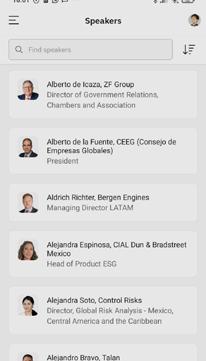
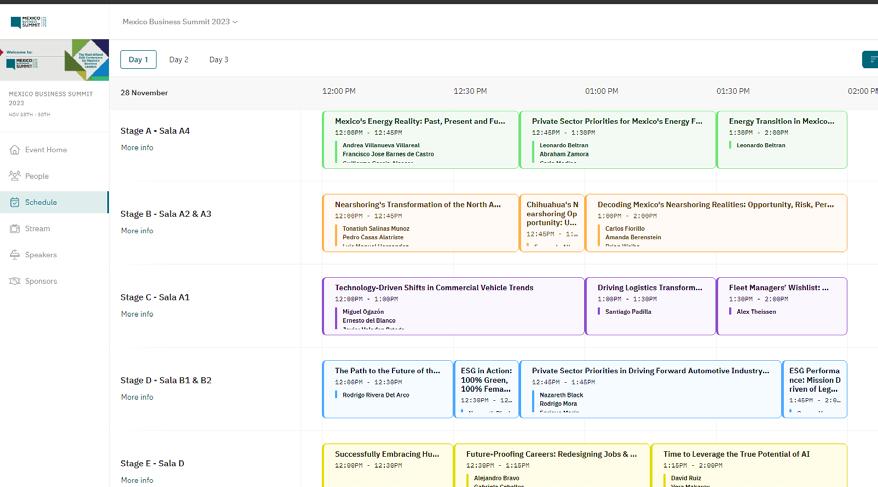
Mexico’s leading B2B conference organizer uses a customized app to deliver an unparalleled experience
223 participants 36
2nd Edition
6 sponsors
47,877 visits to the conference website
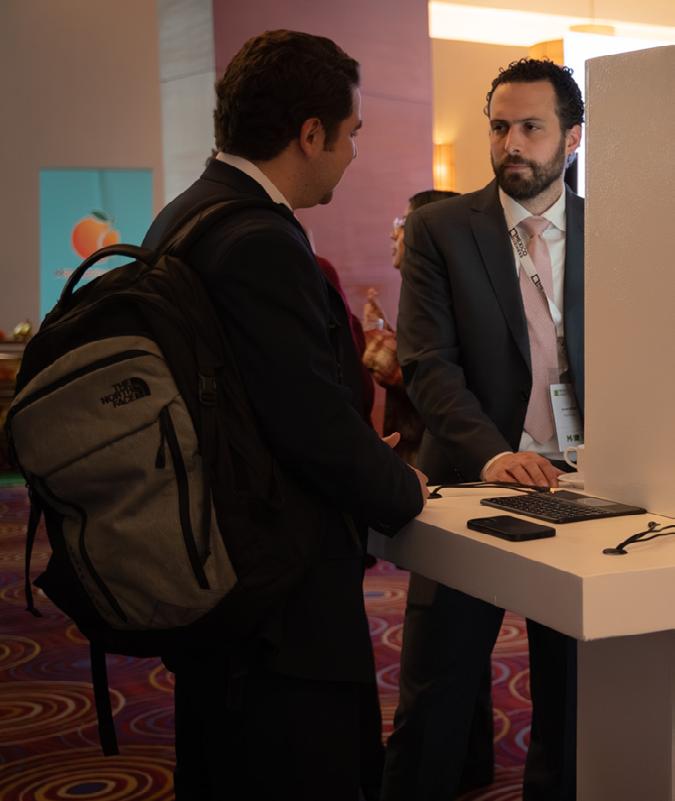
967 matchmaking communications
303 1:1 meetings conducted
Trading 825 Networking
• a3p Imperllantas
• Accenture México / AMITI
• Acciona Energy
• ACT
• Adiestra
• Afore X XI Banorte
• ágora /Kyndryl
• Agua Óptima
• Aires de Campo
• Airspace
• Alcaldía Coyoacán
• ALSEA
• Amazon
• AMEn EER
• Ammper
• An ES
• AnTAD
• aosenuma
• Apala Group
• Apple
• APRoCAL
• Arca Continental
• Area Industrial
• Asociación de Municipios Mexicanos y Ciudades Inteligentes (AM MECI A.C.)
• Asociación de n egocios e Industria Verde A.C.
• Asociación EMA
• Atlas Renewable Energy
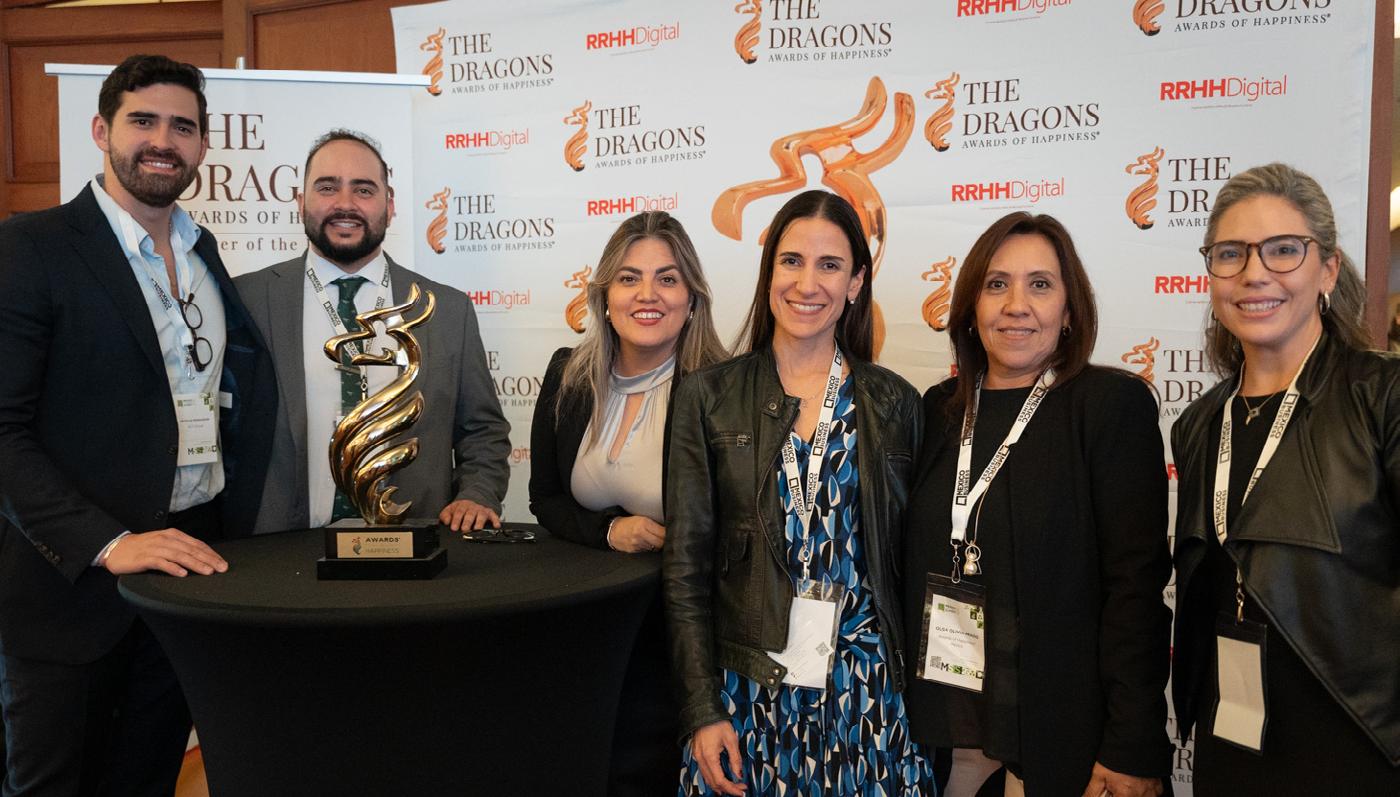
• Awards of Happiness® México
• Ayesa ingenierías
• Bachoco
• Balaga potencia
• BanCoppel
• BBVA
• Becerril, Coca & Becerril
• Blue Arrow
• Blue Like and o range
• B n Americas
• Bolsa Institucional de Valores BIVA
• Bovis
• BritCham
• BSI Group
• Business France Mexique
• Cámara Verde LATAM
• CAMESCo M // Acciona
• CAMESCo M // BBVA
• CAnACI nTRA - Red Ambiental
• Carbon Trust
• Carbonof
• Cataliza Estudio
• CBI
• CEPS
• CFECapital
• CHEP
• Chop Value
• CIAL Dun & Bradstreet
• CICMEX
• CMIC
• Cn Biogas
• CnoG
• Coca-Cola América Latina
• Coca- Cola FEMSA
• CoGEn ERA
• Co MCE
• Co MEn ER
• Compacta
• Co MPECER
• Compeser CA
• Consultora n osotrxs
• Consultores en Energía
• Control Risk
• Co PACEA
• Co PARMEX - Red Ambiental,
• Coppel
• Corporativo Ferrioni S .A. de C.V
• Daimler Truck Mexico
• Dalberg
• Danone Mexico
• Deacero
• Delegación Coyoacán
• Delegación General de Quebec
• DERIMED
• DHL
• DHL Global Forwarding Mexico
• DP Wo RLD
• ECoCE
• Economía Circular
• ECoVADIS
• EGADE Business School TEC de Monterrey
• EL ECono MISTA
• Embajada de Australia
• Endress + Hauser
• Engen Capital
• En GIE México
• Esvicon
• Finsolar
• Fomento al Desarrollo Urbano Sustentable
• FUDI Impact Partners and FUDI Ingredients I Sustainable Sourcing and Impac t Strategy
• Fundacion Helvex
• GARAn I Asesores en Sustentabilidad
• Gasoducto de Morelos SAPI de CV
• GEo DIS
• GIZ Mexico
• Globant México
• Globant México / AMITI
• Gobiero del Estado de Tamaulipas
• GP&H Abogados
• GREEn H2 LATAM
• Grupo Coppel
• Grupo Financiero Banorte
• Grupo FIR
• G rupo Frisa
• Grupo Lala
• GRUP o LoGISTICo I nTEGRAL
• Grupo Presidente
• Grupo Rotoplas
• GRUP o SP o RTS Wo RLD
• H2MÉXICo
• HELVEX
• Holcim Mexico
• Holland House
• horderley
• ICARo
• IDB LAB
• IKEA
• IMSIA - Instituto Mexicano de Soste nibilidad e Ingeniería Ambiental
• Insuco
• Integralia Consultores
• International S o S México Emergency Services S de RL de CV.
• Invest Hong Kong
• J ose Cuervo
• JWA Sustainable Solutions
• KBR I n C.
• KIA
• K n E o S TEC no L o GIA DE C o LAB o RACI on EM PRESARIAL,
• K PMG Mexico
• Kyndryl Mexico
• La Frutologia
• Las Empresas Verdes
• Líderes de México
• Liverpool
• LyS ACADEM y
• Madison
• Manos a la Tierra, A.C
• MEDMAC
• Mercado Libre
• México por el Clima
• Mexico Sin Alergenos
• MEXICo2 Plataforma Mexicana de Carbono
• Michelin
• MIDE
• Ministry of Economy
• Minsait Business Consulting
• Monex Grupo Financiero
• Montalvo
• M ujeres WIM
• nafin
• n ISA En ERGy
• n osotrxs
• nTT Data
• oca Global
• oCDE
• o ficina Regional para América Latina y el Caribe
• o rbia
• PALo IT
• PetStar
• Philip Morris International
• Pietro Fiorentini
• Plantta
• PMI
• Popular Power
• ProChile
• Productazo
• Red BAMX
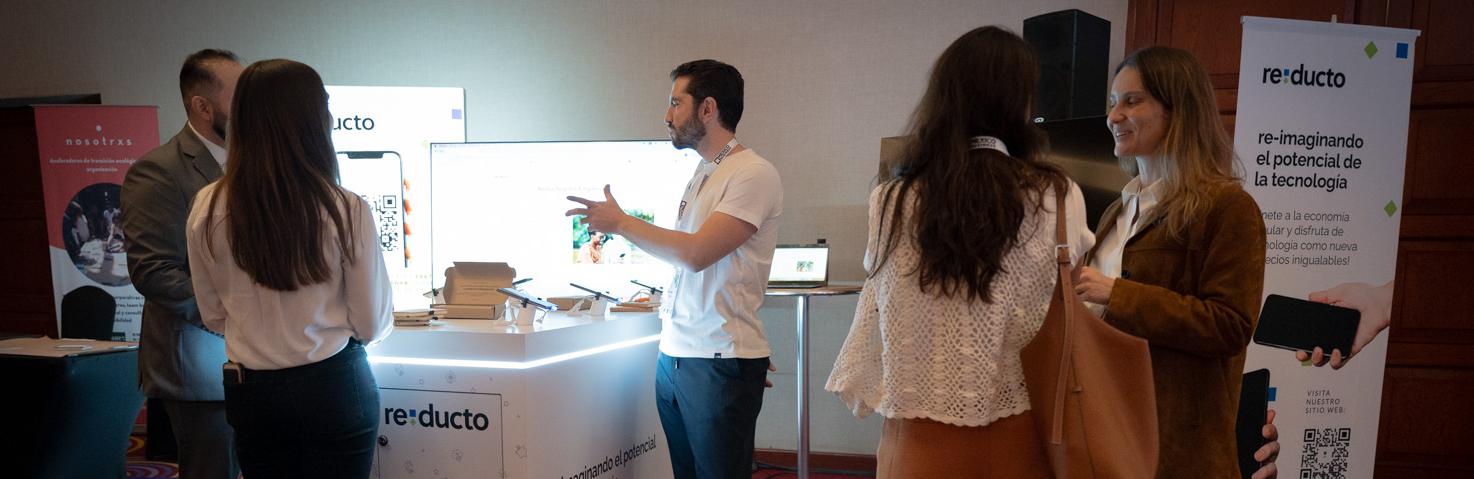
• Reducto
• Reducto / Daysitek
• Revitaliza Consultores
• rieggo Rotoplas
• Ritch Mueller
• Sabio Company
• Sarape Social
• Secretaría de Economía del Estado de Tamaulipas
• Senate of Mexico
• Serna Group
• SGS Beta
• Siemens Energy
• Softtek
• Someone Somewhere
• South Pole
• Spearhead Mexico
• Square Energy
• Starbucks
• Swiss Business Hub
• TeraBites
• Terra Verde
• Tetra Pak
• The Coca-Cola Company
• Three Consultoría Medioambiental
• Traduweb
• U nAM/ Kueponi
• Universidad Panamericana
• USGBC
• VEM o
• Veolia Mexico
• Vinculación y Relación con Embajadas
• Vinte
• Viwala
• Weber Shandwick
• Wo BI
• young AI Leaders Mexico City Hub
• Zuma Energía
THURSDAY, F EBRUARY 19
09:00 FROM GLOBAL COMMITMENTS TO LOCAL ACTION: THE 2030 AGENDA AS A DRIVER OF PRODUCTIVE DEVELOPMENT IN MEXICO
Speaker: Ismael Ortiz, Ministry of Economy
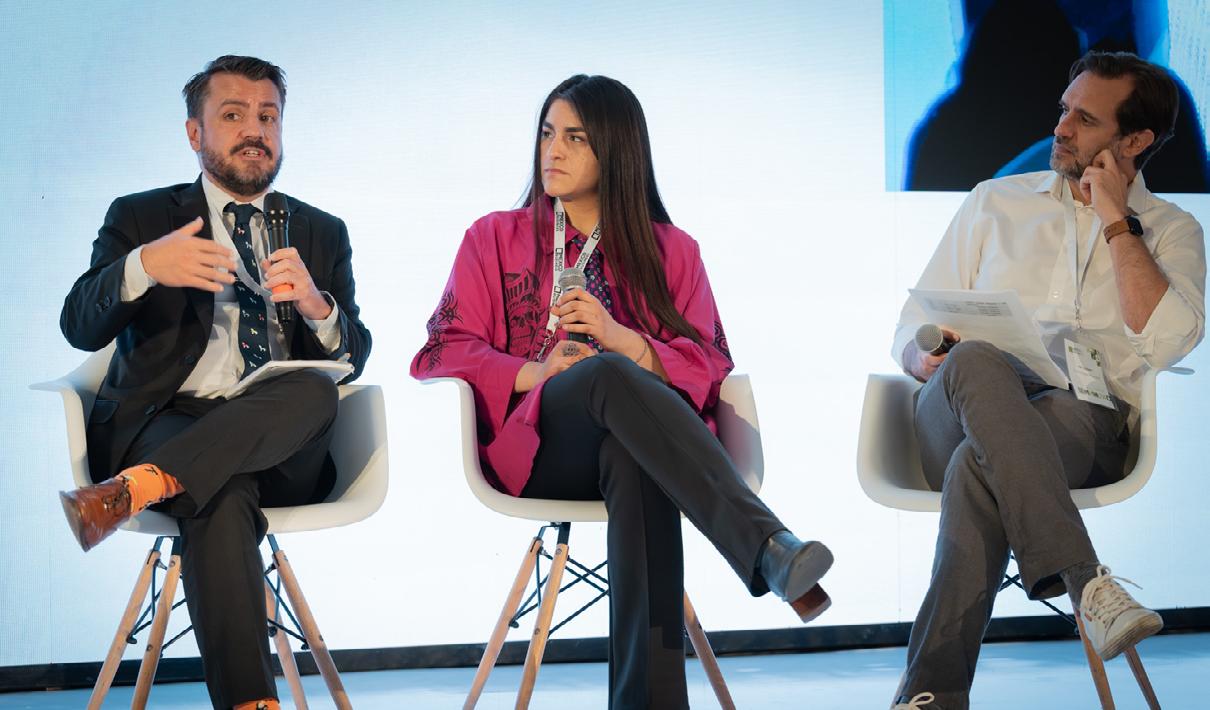
09:30 LEADERSHIP PERSPECTIVES ON THE PATHWAYS TO SUSTAINABILITY
Moderator: Pablo Necoechea, EGADE Business School TEC de Monterrey
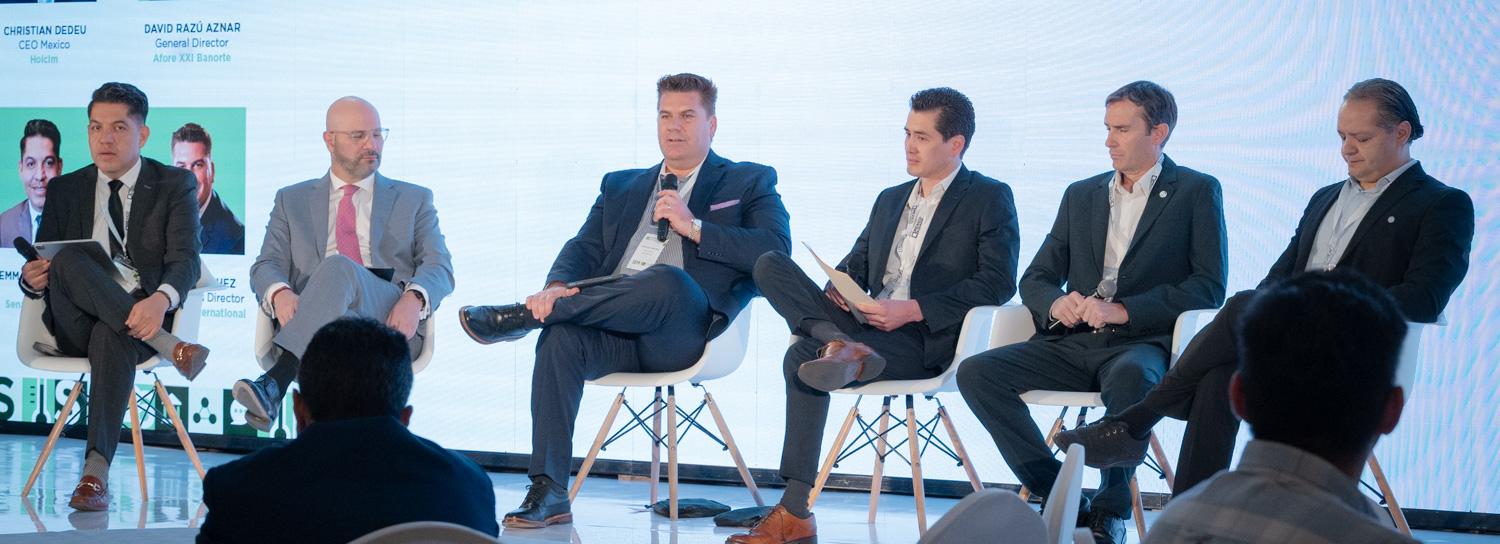
Panelists: Christian Dedeu, Afore XXI Banorte
David Razú, Afore XXI Banorte
Marco Rodríguez, Daimler Truck Mexico
Emmanuel Reyes, Senate of Mexico
Nicolás Sánchez, Philip Morris International
10:30 ESG REPORTING AND TRACEABILITY: THE PURSUIT OF SUPPLY CHAIN SUSTAINABILITY
Moderator: Udi Lazimy, FUDI Impact Partners and FUDI Ingredients I Sustainable Sourcing and Impact Strategy
Panelists: Daniela Brito, IKEA
Eduardo Piquero, MEXICo2 Plataforma Mexicana de Carbono
Helena García, orbia
Alicia Moreno, KPMG Mexico
12:00 FROM LINEAR TO CIRCULAR: UNLOCKING VALUE & RESILIENCE IN MEXICO’S ECONOMY
Moderator: Carolina Garayzar, BanCoppel
Panelists: Adrián Velasco, ECoCE
Ana Lilia Cortés, Veolia Mexico
Fernando Nava, Softtek
Carla Salamanca, Michelin
Vittoria Zaniboni, Reducto
12:45 CLIMATE RISK ON THE BALANCE SHEET: QUANTIFY, PRIORITIZE, ACT
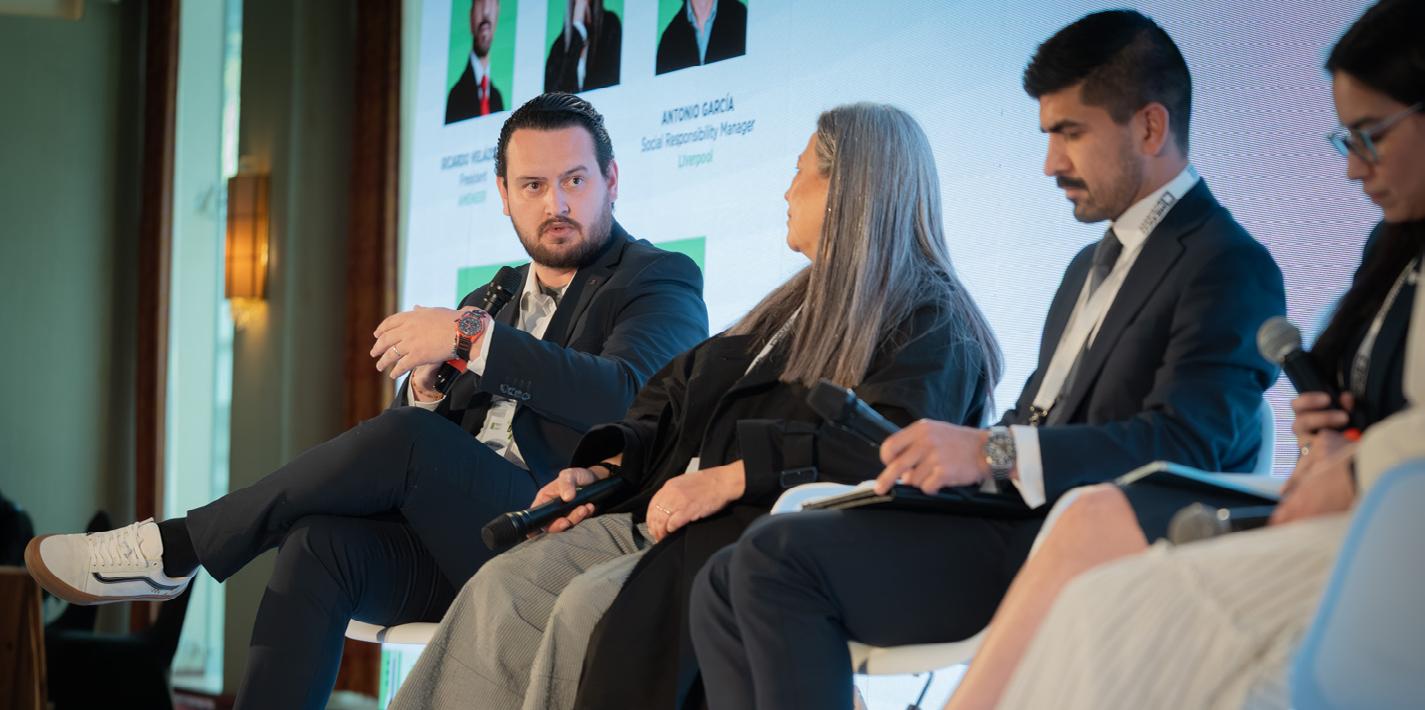
Moderator: Ricardo Velázquez, AMEnEER
Panelists: Alicia Silva, Revitaliza Consultores
Antonio García, Liverpool
Brenda Pequeño, CFECapital
Edna García, Atlas Renewable Energy
15:00 IKEA INSPIRES SOCIETY TO LIVE IN A MORE SUSTAINABLE AND HEALTHY WAY
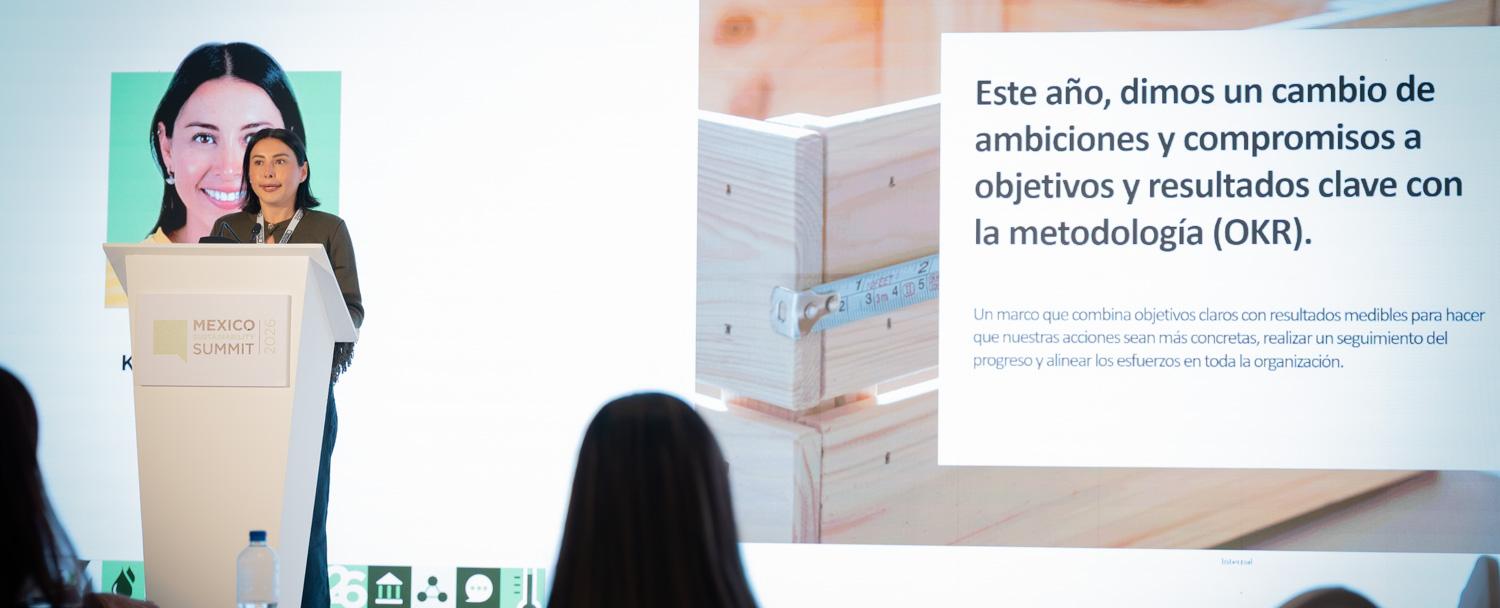
Speaker: Karla del Pino, IKEA
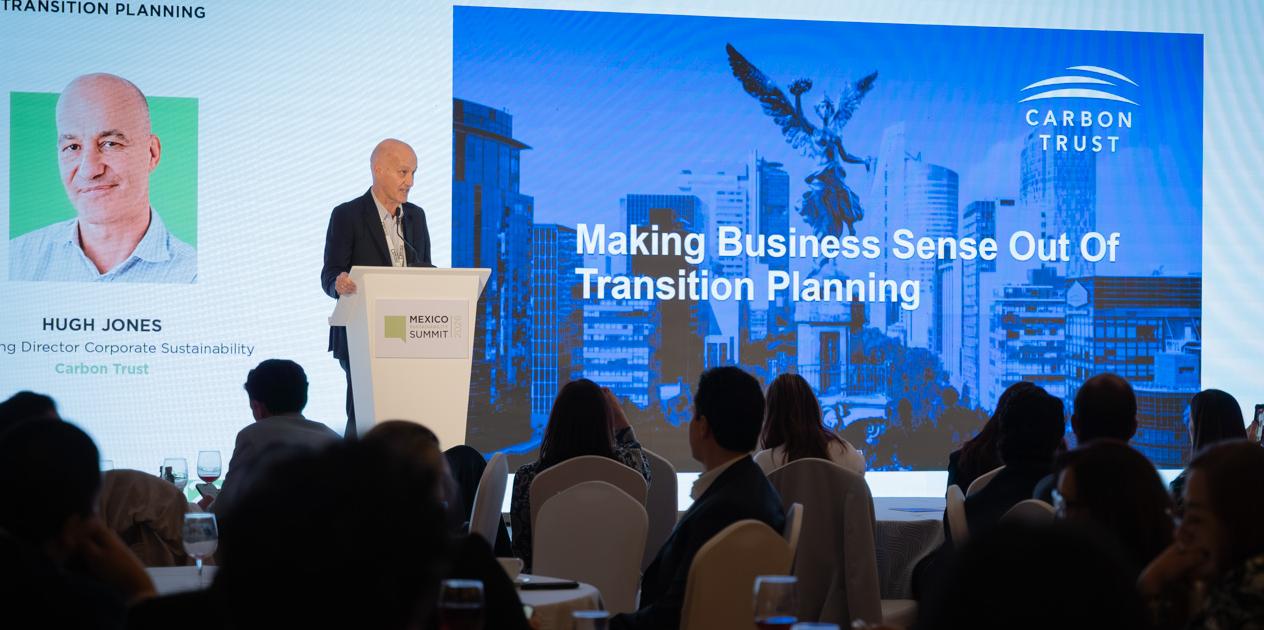
15:10 MAKING BUSINESS SENSE OUT OF TRANSITION PLANNING
Speaker: Hugh Jones, Carbon Trust
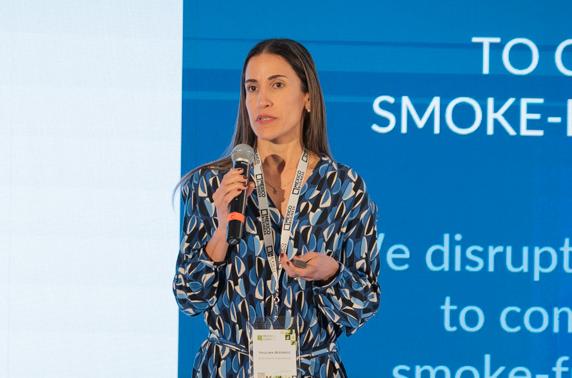
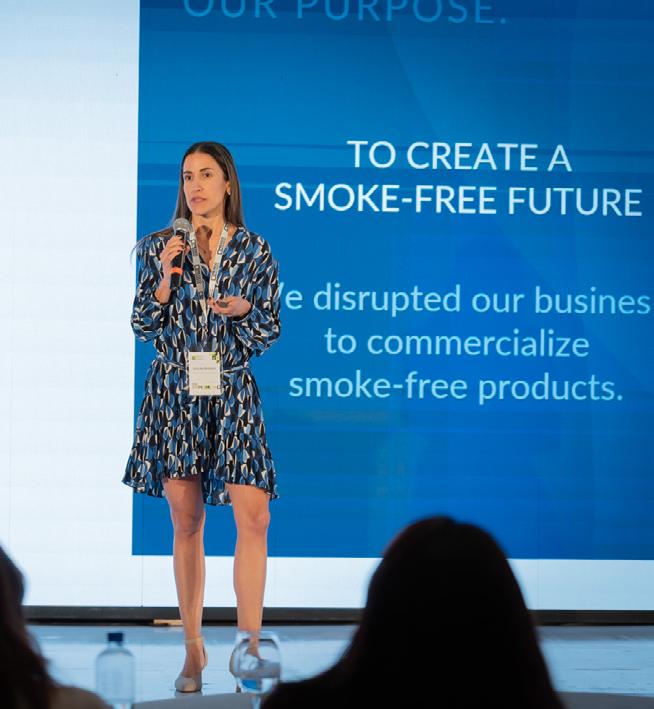
15:20 PMI TRANSFORMATION: ACHIEVE OUR PURPOSE BY EMBEDDING SUSTAINABILITY IN ALL WE DO
Speaker: Paulina Resendis, Philip Morris International
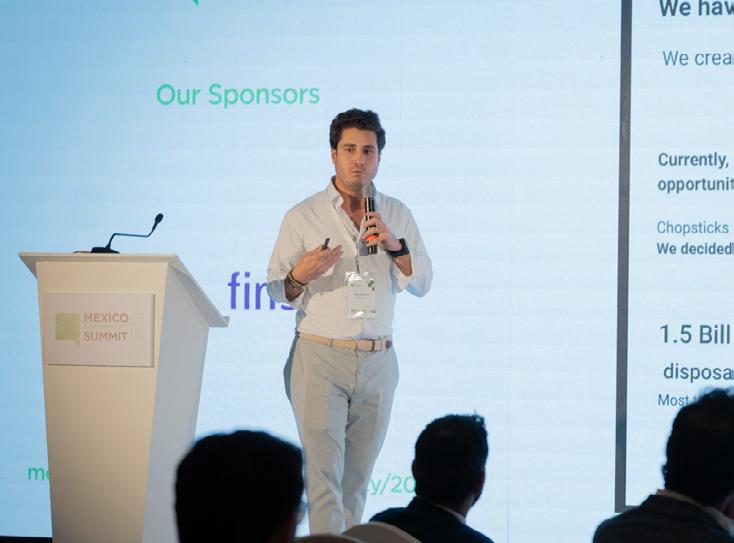
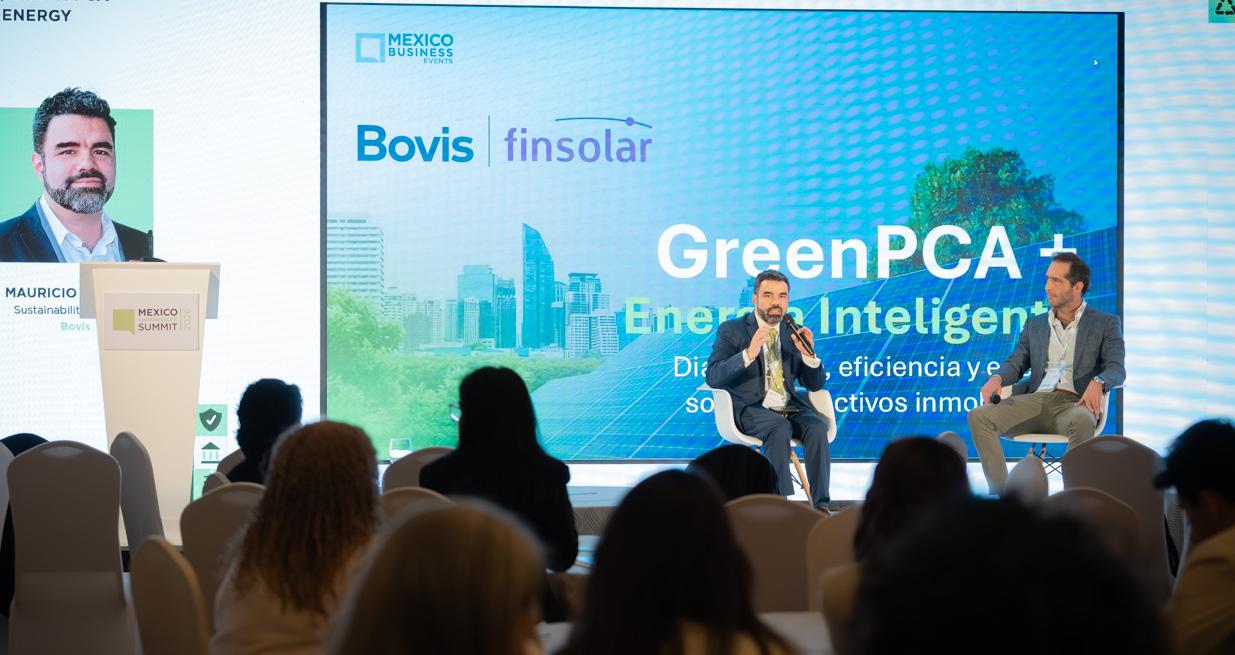
15:30 BOVIS & FINSOLAR | GREEN PCA + INTELLIGENT ENERGY
Speakers: Ian de la Garza, Finsolar Mauricio Ramírez, Bovis
15:40 DRIVING SUSTAINABILITY THROUGH SOCIAL IMPACT
Speaker: Enrique Rodríguez, Someone Somewhere
15:50 FROM WASTE TO RESOURCE
Speaker: Arturo Katz, Chop Value
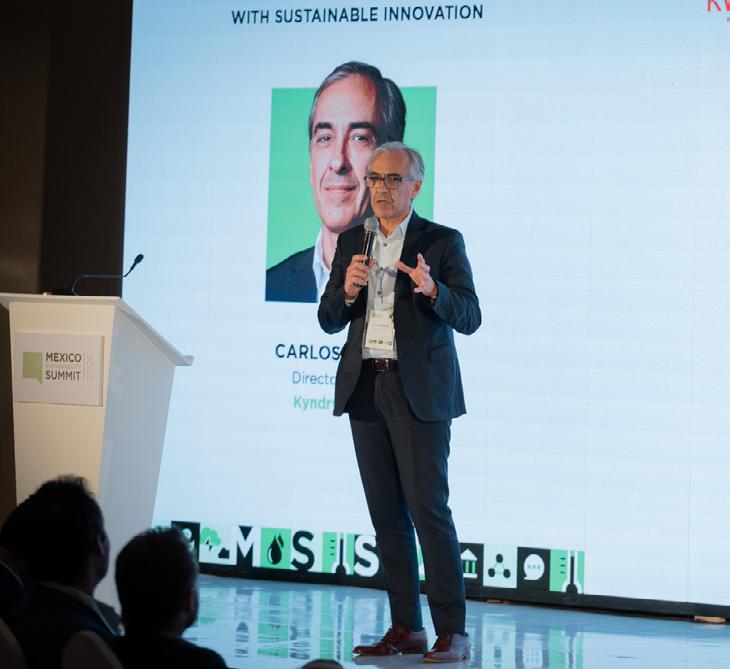
16:00 FUTURE DIGITAL TRANSFORMATION STARTS WITH SUSTAINABLE INNOVATION
Speaker: Carlos Marcel, Kyndryl Mexico
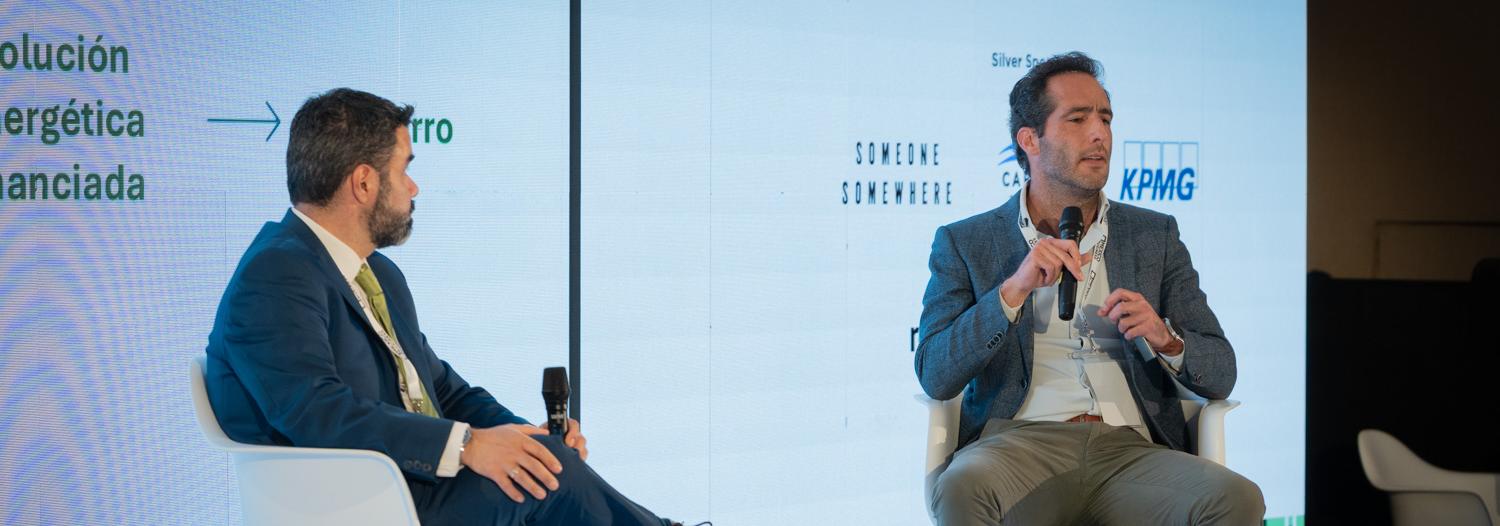
16:15 THE FUTURE OF SUSTAINABILITY FINANCING
Moderator: Alejandro Villarreal, Esvicon
Panelists: José Luis Muñoz, Grupo Financiero Banorte
Cindy Diakité, Viwala
Teresa Pérez, BIVA
Philipp Schukat, GIZ Mexico
THE 2030 AGENDA AS A DRIVER OF PRODUCTIVE DEVELOPMENT IN MEXICO
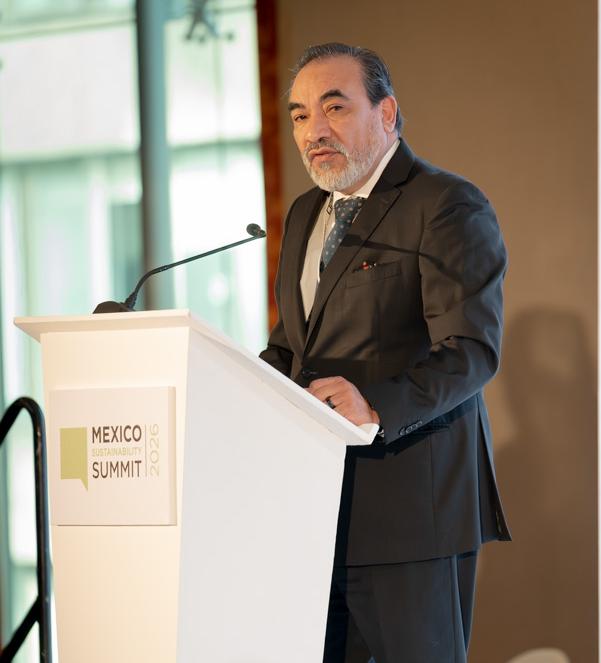
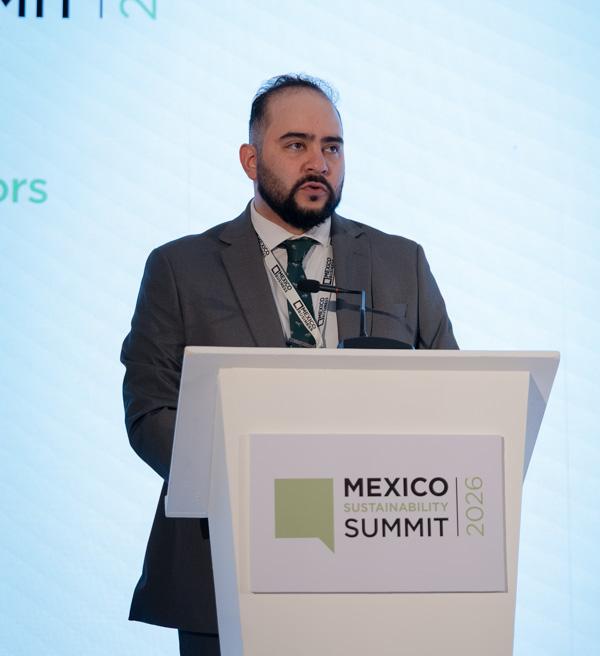
Mexico is moving to align its productive development strategy with the United nations 2030 Agenda, framing sustainability not as an aspirational concept but as a guiding structure for economic policy, said Ismael ortiz, director of the Global Economic Intelligence Unit at the Ministry of Economy.
“Sustainable development is not a distant destination. It is the strategic decision we are taking today to define the Mexico we will build tomorrow”
Ismael Ortiz Director of the Global Economic Intelligence Unit | Ministry of Economy
participation in global value chains, making them “more resilient, more innovative and more competitive.”
For ESG-focused investors, a notable component is the introduction of fiscal incentives directly linked to innovation and workforce development. ortiz highlighted a 25% additional corporate income tax deduction applicable to workforce training and technological innovation expenditures. “This mechanism stimulates productive investment,” he said, “and reinforces knowledge transfer and regional competitiveness under sustainability criteria.”
“The 2030 Agenda is no longer an abstract commitment. It is defining both the present and the future of productive development in Mexico,” ortiz said. “It is one of our priority axes — a transversal principle of national development.” He added that sustained growth cannot exist without social wellbeing, long-term profitability and responsible resource management.
Within the Ministry of Economy, this vision is embedded in Plan México, described as an integrated sustainable industrial policy structured around four core principles. The first pillar reframes sustainability as a driver of innovation and competitiveness.
“Sustainability is not limited to decarbonization,” o rtiz explained. “It encompasses technological innovation, applied science, resource conservation and the consolidation of a genuine circular economy.”
This approach is aligned with the Development Poles for Wellbeing — integrated production platforms where strategic infrastructure, energy, logistics, digital connectivity and specialized talent converge. These hubs are designed to strengthen supply chain integration and enhance Mexico’s
ortiz emphasized that human capital plays a central role in Mexico’s sustainability strategy, aligning upper-secondary and higher education curricula with industry demand — particularly in sectors tied to sustainable industrial growth. “We do not want a bureaucrat defining what industries need,” he said. “We want industries themselves to define what they require from the education system.”
By strengthening collaboration among academia, industry and regional stakeholders, Mexico aims to ensure that technical and professional training responds to the needs of a sustainable economy. In this framework, talent becomes both a transformation enabler and a catalyst for foreign direct investment.
Inclusive Growth and Regional Corridors
The second pillar centers on social and territorial inclusion. “Economic development is only sustainable if it is shared,” ortiz said.
Mexico’s wellbeing corridors are structured around regional strengths and strategic industries, including electric and electronic manufacturing, semiconductors, automotive and mobility, medical devices, pharmaceuticals, agribusiness, clean energy, information technologies, machinery and metals.
These corridors integrate enabling infrastructure, water access facilitation, investment promotion and federal support mechanisms aimed at expanding exports, increasing domestic value content and deepening financial inclusion.
Inclusion, o rtiz stressed, is operational rather than rhetorical. It extends from large corporations to MSMEs , and from metropolitan hubs to remote communities. Social innovation policies , including industrial policy incorporating a gender perspective, are embedded within the framework.
This includes the development of childcare and education centers linked to industrial zones, facilitating higher labor participation among women and expanding economic opportunity. For ESG-oriented investors, this represents a structural integration of social policy within industrial competitiveness strategy.
Circular Economy as Risk Management
The third pillar, regulatory facilitation , addresses a core concern for international investors: certainty. “Productive transformation requires legal and financial predictability,” ortiz said.
A key instrument is the recently enacted General Law of Circular Economy, which establishes policy foundations for sustainable production and consumption patterns. Rather than framing circularity solely as
environmental compliance, ortiz described it as a business optimization strategy.
“It is a tool to optimize costs, secure inputs, reduce supply chain vulnerabilities and open new business models,” he said. In practical terms, circular economy principles aim to mitigate exposure to external shocks, enhance resource efficiency, protect ecosystems and generate green employment across sectors such as manufacturing, energy, construction and agribusiness.
Complementing regulatory clarity is Mexico’s sovereign sustainable finance framework, which channels capital toward eligible projects through green and sustainability-linked bond issuances aligned with the Sustainable Development Goals (SDGs).
“If we establish transparent criteria and accountability mechanisms, investor uncertainty declines and access to sustainable financing expands under more competitive conditions,” ortiz explained.
Institutional Coherence and Agenda 2030 Governance
The fourth pillar, institutional coherence , ensures that Plan México is fully aligned with the 2030 Agenda.
Through the Executive Secretariat of the national Council for the 2030 Agenda, chaired by President Claudia Sheinbaum, Mexico coordinates cross-sector collaboration across four technical committees: social, environmental, economic, and monitoring and evaluation.
Mexico has submitted 31 voluntary local reports to the United nations, ranking first globally in local reporting participation. An additional 25 voluntary local reports are currently underway, alongside collaboration with civil society and the private sector on a second consolidated national report.
These four pillars — transversal sustainability, territorial inclusion, regulatory facilitation
and institutional coherence — are designed to reduce regulatory and financial risks, strengthen international market confidence and ensure that the transition to a lowcarbon economy supports long-term productivity growth.
“The 2030 Agenda is a roadmap for Mexico’s productive development,” ortiz concluded. “Sustainable development is not a distant destination. It is the strategic decision we are taking today to define the Mexico we will build tomorrow.”
LEADERSHIP PERSPECTIVES ON THE PATHWAYS TO SUSTAINABILITY
The cultural shift pushing companies and industries toward sustainability has intensified organizational pressure, as success is increasingly measured not only by profitability but also by actions taken to mitigate, neutralize and, where possible, reverse the negative impacts of production. In this environment, corporate leadership plays a central role in balancing commercial objectives with environmental responsibility, reinforcing the idea that sustainability itself can be a source of competitive advantage and long-term profitability.
Leadership as the Keystone of Decarbonization
“There can be no decarbonization without leadership. Energy is also fundamental — it must be clean, sustainable and sufficient. Sustainability cannot exist only within an organization; it must extend outward, requiring accountability to relevant stakeholders,” said Pablo n ecoechea, professor, EGADE Business School, Tecnológico de Monterrey.
Corporate leaders increasingly structure sustainability strategies around defined pillars to guide decision-making. These typically include energy, from generation to consumption , ESG integration across operations and supply chains, and consumer engagement and education.
Energy Transition and Decarbonization
Energy remains a central pillar of corporate sustainability strategies. Christian Dedeu, CEo, Holcim Mexico, highlighted efforts to reduce reliance on fossil fuels and expand cleaner energy sources.
“Some of our plants obtain up to 70% of their energy from urban and industrial waste. on the electricity side, we are electrifying our vehicle fleet, operating solar-powered plants and developing additional on-site solar generation to advance toward net-zero production,” he said. Dedeu added that approximately 50% of Holcim’s investment portfolio is now allocated to decarbonization initiatives.
Energy efficiency and renewable sourcing must align with broader global climate objectives. Marco Rodríguez, director of external affairs, public policy and sustainability at Daimler Truck Mexico, noted that “globally, the company reduced emissions by 33.5% in 2025 through cleaner electricity sourcing, with 70% of total energy consumption coming from clean sources , evenly split between electricity and gas.”
In Mexico, he added, the Saltillo plant has operated entirely on renewable electricity since 2023, and a new on-site generation project could supply up to 30% of the facility’s energy demand. Rodríguez also highlighted partnerships with Cummins and Packard to develop battery technologies and reduce supply-chain dependence on Asia, underscoring the strategic dimension of energy innovation.
Senator Emmanuel Reyes, a member of the Senate’s energy committee, emphasized the legislative and infrastructure dimensions of competitiveness. “Energy is not just an input; it is the engine of competitiveness. To capitalize on nearshoring and industrial relocation, Mexico must ensure reliable electricity availability. The energy transition will be one of the most powerful tools to modernize industry,” he said.
ESG Integration and Sustainable Investment
Environmental, social and governance (ESG) criteria are increasingly embedded in investment and operational decision-making.
“one of the core elements of the ESG agenda is inclusion of diverse perspectives. We lose significant value when those perspectives are excluded,” said David Razú, general director, Afore XXI Banorte.
Razú explained that the firm supports projects with ESG gaps by offering advisory guidance while prioritizing net-zero initiatives and measuring both direct emissions and associated Scope 3 impacts.
He framed operational efficiency as a bridge between sustainability and returns: “Transitioning to sustainable models requires upfront investment, but it can be highly profitable. Efficiency gains can be translated into financial returns — the challenge lies in executing that transition effectively.”
Afore XXI Banorte currently manages approximately MX$60 billion (around US$3.3 billion) in thematic bonds linked to low- or zero-emission vehicles, waste management and circular economy projects, as well as MX$350 million (US$19 million) invested in insurers managing climate-related risks.
Circularity and Value Chain Collaboration
Circularity, waste management and consumer engagement are critical to closing the sustainability loop.
Holcim’s Dedeu pointed to underutilized construction waste: “Between 12 million and 14 million metric tons of construction and demolition materials are not properly recycled to support housing construction using recycled inputs. The focus can no longer be limited to production; it must include reusing what has already been produced.”
n icolás Sánchez, external affairs representative, Philip Morris International, emphasized the need for systemic collaboration. “Companies cannot achieve sustainability in isolation. Collaboration with customers, legislators, suppliers and governments is essential,” he said.
Sánchez cited circularity initiatives involving energy generation and construction materials developed in partnership with Holcim. “Efforts to leverage post-consumption materials depend heavily on consumer education,” he added, linking corporate responsibility with public awareness and behavioral change.
Strategic Leadership and Governance Alignment
Across sectors, executives stressed that sustainability must be embedded at the strategic and governance levels.
“At Holcim Mexico, sustainability is central to the organization. We do not separate business strategy from environmental strategy; they carry equal weight. If a financial decision has no environmental correlation, we do not pursue it,” Dedeu said.
Similarly, Rodríguez noted that Daimler Truck integrates ESG performance into executive
compensation structures, tying employee bonuses to both financial and sustainability targets to ensure accountability and alignment.
n ecoechea summarized the leadership imperative: “There can be no decarbonization without leadership. Energy must be clean, sustainable and sufficient. Sustainability must extend outward, with accountability to all stakeholders involved.”
Industry-Wide Implications
Across industries, sustainability is no longer peripheral to corporate operations but integral to strategy, capital allocation and risk management. Companies are increasingly linking financial performance with decarbonization, ESG compliance and technological innovation, investing
in renewable energy, circular economy initiatives and strategic partnerships.
While the transition requires significant capital, it is widely framed as essential for long-term profitability, competitiveness and resilience in global markets.
In Mexico, corporate sustainability is evolving from compliance-driven initiatives to structural strategic imperatives embedded within business models. Environmental responsibility is increasingly aligned with operational efficiency, innovation and value creation.
The broader trajectory suggests that integrating sustainable practices is no longer optional but fundamental to corporate resilience, competitiveness and long-term value generation.
ESG REPORTING DRIVES SUPPLY CHAIN TR ACEABILITY
At the Mexico Sustainability Summit 2026, the panel titled “ESG Reporting and Traceability: The Pursuit of Supply Chain Sustainability” explored how ESG reporting in Mexico is evolving from a compliance exercise into a strategic governance instrument. Speakers argued that sustainability reports must function as operational blueprints embedded across departments — not merely annual disclosures aimed at regulators or investors.
The discussion centered on three structural priorities: integrating sustainability into core business operations, strengthening crossfunctional alignment between finance, HR and supply chain teams, and improving data transparency to meet increasingly
sophisticated investor expectations. As panelists noted, capital allocation decisions are progressively tied to verified sustainability performance, particularly in sectors with complex supply chains.
Moderator Udi Lazimy, CEo and Founder, FUDI Impact Partners, framed the conversation by asking how ESG reporting can move beyond transparency toward measurable environmental alignment. He observed that sustainability in Mexico has transitioned from reputational concern to market access requirement. “In an economy integrated into global supply chains, traceability is no longer optional but a prerequisite for participation,” he said.
Daniela Brito, Sustainability Manager, IKEA, described ESG reporting as a management system rather than a communications tool. Under global structures governed by Inter IKEA Group and Ikano Group, sustainability metrics are integrated into operational decision-making throughout the year. “Reporting allows us to identify risk exposure across the value chain and translate that exposure into opportunity,” she said.
Brito acknowledged implementation challenges at the local level, particularly around fragmented data systems and manual reporting processes. She pointed to photovoltaic installations at IKEA stores in Guadalajara and Mexico City, which have generated energy savings of up to 25%, alongside power purchase agreements with Enel. These initiatives, she explained, demonstrate how ESG metrics can directly inform capital deployment. “The report should be a living reference point — not a static document,” she said.
“In an economy integrated into global supply chains, traceability is no longer optional but a prerequisite for participation”
Udi Lazimy CEO and Founder | FUDI Impact Partners
Helena García, Global Head of Sustainability Reporting, Impact and Engagement, orbia, emphasized governance and systems integration. “Sustainability cannot operate in isolation,” she said. She identified data governance and cross-functional coordination as the most pressing structural barriers.
o rbia’s supplier engagement program requires more than 30,000 suppliers to sign sustainability commitments, undergo integrity assessments and participate in performance evaluations. Suppliers with identified gaps receive training and technical support. García also highlighted collaboration on next-generation medical propellants capable of reducing global warming potential by up to 90%. However, she acknowledged limited transparency deeper in the supplier base remains a challenge.
Eduardo Piquero, CEo, MEXICo2 Plataforma Mexicana de Carbono, shifted the focus to climate risk and financial materiality. He noted that extreme weather events, including heat waves, flooding and coastal erosion, are increasing pressure on companies to quantify exposure and build resilience strategies. “Disclosure requirements for listed companies are tightening, and expectations around comparability and transparency will only increase,” he said.
Piquero highlighted the growing adoption of internal carbon pricing mechanisms as a way to integrate climate risk into financial planning. With eleven Mexican states now applying carbon taxes, companies must factor regulatory exposure into investment decisions. “Capital is increasingly selective,” he said. “Investors are unwilling to allocate funds to companies that lack credible sustainability strategies.”
He referenced a Mexican hotel chain affected by recurrent sargassum events, where investors withdrew after concluding that management lacked a long-term climate adaptation plan. The case, he argued, illustrates how ESG reporting intersects with capital retention.
Alicia Moreno, ESG Director, KPMG Mexico, reinforced the idea that reporting is an outcome of sustainable governance rather than its starting point. “The report reflects the maturity of internal systems,” she said. Effective ESG strategy, she added, depends on traceability mechanisms capable of monitoring human rights, deforestation and labor practices, while aligning disclosures with international standards.
According to a 2025 KPMG Mexico study, 80% of companies in Mexico and Central America now allocate dedicated budgets to ESG initiatives. In Mexico specifically, 41% of those budgets are directed toward regulatory compliance, while 39% focus on strengthening ESG disclosure quality. Citing the World Business Council for Sustainable Development’s Business Barometer, Moreno noted, “ninety percent of executives believe the cost of inaction exceeds the cost of transition.”
Panelists agreed that ESG reporting in Mexico still faces structural obstacles, including inconsistent data quality, limited digital integration and communication gaps between departments. However, the overarching conclusion was that sustainability reporting has become a strategic lever for risk management, supply chain integrity and investor confidence.
UNLOCKING VALUE & RESILIENCE IN MEXICO ’S ECONOMY
Mexico’s circular economy debate is shifting from ambition to execution. What began as a sustainability narrative is now taking shape as a regulatory and economic restructuring process, driven by mounting waste volumes, infrastructure constraints and the enactment of the General Law of Circular Economy. Industry leaders argue that the next phase will depend less on declarations and more on implementation capacity.
Kevin Schmidt, Coordinator of DirectivePresidential Management, BanCoppel, said the conversation has matured beyond voluntary commitments. Companies are increasingly evaluating circularity not only as an environmental responsibility but as a risk management and competitiveness strategy.
Still, business leaders warn that legislation alone will not guarantee systemic change. Fernando n ava, Corporate Sustainability Director, Softtek, described the new law as a foundational step but not a finished framework. “It provides direction, but it does not yet define the route,” he said. After three years of drafting, the law establishes guiding principles at the national level, yet sectorspecific rules, enforcement instruments and measurable compliance metrics remain pending.
For Ana Lilia Cortés, Circular Economy Manager, Veolia Mexico, the regulatory inflection point is clear, but operational clarity is still evolving. “The policy architecture exists,” she said. “ n ow the market needs regulatory precision.” She identified lifecycle assessment requirements as one of the most consequential elements of the law, noting that technical feasibility must accompany regulatory ambition.
“If environmental service operators are not involved from the beginning, implementation risks becoming theoretical rather than executable,” Cortés said.
Collaboration emerged as a recurring theme. Adrián Velasco, Director of Flexible
Packaging, EC o CE, argued that circular economy systems cannot be built through bilateral public–private coordination alone. “you need a quadruple helix model: government, industry, academia and civil society,” he said. Without that integration, he warned, circular initiatives may stall.
EC o CE’s experience in PET recycling illustrates both progress and limits. Approximately 60% of PET bottles are recycled in Mexico, yet Velasco acknowledged that broader circular systems remain fragmented. “We must transition from competition to collaboration,” he said. “Circular infrastructure does not yet exist at scale. It must be constructed deliberately.”
Extended producer responsibility (EPR) frameworks are seen as critical to that construction. Carla Salamanca, Sustainability Manager for Mexico and Central America, Michelin, said regulatory certainty is necessary to develop viable markets for end-of-life tire recovery. “In our case, we requested regulation,” she said, emphasizing that coordinated eco-organizations are essential to manage collection, traceability and reintegration of materials.
However, Salamanca cautioned against regulatory overreach disconnected from logistical capacity. Targets must align with existing infrastructure and investment timelines. She stressed that circularity begins at the design stage, where durability, reparability and recyclability are embedded into products from inception.
“If environmental service operators are not involved from the beginning, implementation risks becoming theoretical rather than executable”
Ana Lilia Cortés Circular Economy Manager | Veolia Mexico
The electronics sector presents similar challenges. Vittoria Zaniboni, Co-Founder, Reducto, highlighted the financial implications of redesigning products under right-to-repair principles. “These are structural adjustments,” she said. “They require capital expenditure and long-term planning.”
Cortés added that circularity reframes economic growth rather than constraining it. Extending product lifespans can generate measurable environmental savings while
creating secondary markets. A refurbished electronic device, for example, can avoid water consumption equivalent to approximately 600 showers by eliminating the need for virgin material extraction.
Transitional models are already emerging. Industrial symbiosis initiatives, such as using industrial waste as alternative fuel in cement kilns, demonstrate how linear processes can evolve toward circular inputs. While not a final-state solution, such projects offer intermediate value recovery pathways.
Participants agreed that Mexico’s circular transition is no longer optional. Regulatory foundations are in place, but execution will determine credibility. As Velasco concluded, the timeline for action is tightening, and implementation gaps will become increasingly visible.
CLIMATE RISK ON THE BALANCE SHEET: QUANTIFY, PRIOR ITIZE, ACT
For decades, much of Mexico’s productive sector underestimated the consequences of global warming. Today, climate change has evolved into a material risk that must be reflected on corporate balance sheets, influencing investment decisions and project implementation. Companies are now required not only to prevent disruptions but also to ensure operational continuity and respond swiftly to adverse events.
Climate risk is no longer a distant environmental concern; it has become a financial variable reshaping how companies evaluate investments, manage operations,
and safeguard long-term resilience. Across industries, leaders are rethinking traditional risk models and integrating climate considerations into core business strategy.
This transformation is redefining the role of sustainability within organizations. As Ricardo Velázquez, President, AME n EER, explains: “Whether we like it or not, we live in a capitalist world whose objective is to generate development, but we must find a way to do it sustainably.” His observation reflects a growing alignment between financial performance and environmental responsibility, where sustainability is embedded in value creation rather than treated as a peripheral initiative.
That integration is increasingly visible across supply chains. Velázquez emphasizes that “the goal is to mitigate climate change and prevent temperatures from rising year after year… through collaboration with suppliers and across the value chain,” signaling that climate exposure must be addressed end-toend rather than within isolated business units.
This systemic view is reinforced by Alicia Silva, Director and Founder, Revitaliza Consultores, who warns that resilience cannot be limited to physical assets. “Resilience is not just about the asset itself; the supply chain must also be mapped. What good is staying operational if your raw materials or labor are disrupted?”
In practice, this requires companies to move beyond site-level mitigation strategies and adopt a broader understanding of interconnected risk.
“A robust governance policy, with clear committees and rules, is essential to protect investors’ interests. Without it, all other elements become too weak”
Brenda Pequeño Manager of Investor Relations, Sustainability and Corporate Communications | CFECapital
o perational realities are already forcing that shift. “We have seen workers fainting in factories due to extreme heat. We had not properly named or quantified these phenomena,” Silva said. The historical inability to quantify such risks has delayed action, but that is rapidly changing. Financial tools such as Climate Value at Risk (Climate VaR) are emerging to translate environmental exposure into monetary terms. As Silva notes: “How much does it cost to halt operations because cooling your facility seemed too expensive?”
The question underscores the new paradigm: climate risk must be measured in financial impact, not abstract probability.
Velázquez complements this perspective by noting how the nature of climate risk has evolved. “Addressing climate risk is no longer just a reputational issue; it has become operational.” organizations are increasingly embedding sustainability into decisionmaking structures traditionally reserved for finance and risk management. The emergence of roles such as Chief Financial Sustainability officer, already more common in Europe, illustrates how governance models are adapting.
“The information doesn’t lie. Climate change is not a theory, it is an operational reality across the country,” said Antonio García, Social Responsibility Manager, Liverpool. In Mexico, where exposure to extreme weather, water scarcity and temperature volatility is particularly high, this reality demands comprehensive systems capable of anticipating and mitigating impacts. García explains that “integrated risk management models allow us to prevent impacts on our customers and employees,” expanding the focus beyond infrastructure.
This human-centered approach aligns with Silva’s observations on workforce vulnerability and reinforces the idea that operational continuity depends as much on people as on physical assets. García acknowledges that some risks are unavoidable but emphasizes containment. “There are inherent operational risks, but we must manage them to prevent them from affecting our people and customers.” This layered approach — anticipation, mitigation and protection — reflects a more mature understanding of climate exposure.
The financial dimension of climate risk becomes even more evident when viewed through capital allocation and infrastructure. Brenda Pequeño, Manager of Investor Relations, Sustainability and Corporate Communications, CFECapital, highlights how energy infrastructure is evolving in response. She cited a newly inaugurated power plant capable of reducing water consumption by 90% while monitoring energy supply in real time, an example of climate considerations being embedded into core assets.
Such investments are part of a broader systemic effort. As Pequeño explains, the Federal Electricity Commission plays a central role across the generation, transmission and distribution chain. “There are preparedness measures to prevent service interruptions caused by climate events,” she noted, underscoring the strategic importance of energy resilience for industrial operations.
These shifts are reinforced by financial and regulatory trends. “Seventy-five percent of institutional investor capital comes from long-term vehicles such as pension funds, and they are increasingly required to consider ESG criteria,” Pequeño explained. However, she stressed that governance remains foundational: “A robust governance policy, with clear committees and rules, is essential to protect investors’ interests. Without it, all other elements become too weak.”
Edna García, ESG and Public Affairs Director for Mexico, Atlas Renewable Energy, brings the discussion back to geography. “Climate change is no longer just an environmental risk; it is a financial risk linked to operations across industries,” she said. In Mexico, climate exposure varies significantly by region. Water stress in northern and central states is becoming structural, affecting operations, permitting processes and community relations. Coastal regions,
meanwhile, face recurring hurricane risks capable of damaging infrastructure and halting production.
To navigate this complexity, García advocates a dual investment approach: strengthening infrastructure to withstand extreme events while deploying advanced monitoring systems capable of predicting and responding to climate-related disruptions. The combination of physical resilience and digital intelligence is becoming essential for maintaining operational continuity.
Across sectors, a clear consensus is emerging: climate risk must be quantified, prioritized and embedded into financial and operational decision-making. Tools such as Climate VaR, integrated risk management frameworks and ESG-driven governance structures are no longer; they are fundamental to competitiveness in an increasingly volatile environment.
IKEA PUSHES FOR HEALTHIER, MORE SUSTAIN ABLE HOMES
IKEA targets 90% circularity score, half of products fully circular, as sustainability drives core strategy.
“Sustainability only works if it is accessible to the many,” Del Pino said, reiterating one of IKEA’s foundational principles. She explained that the company integrates sustainability into everyday decision-making, from product development to customer engagement, ensuring it supports long-term competitiveness and resilience.
Among IKEA’s five strategic pillars, sustainability is the only one disclosed publicly. Del Pino described this as a deliberate move toward transparency and measurable accountability. “We have shifted from general ambitions to concrete, trackable commitments,” she said.
IKEA’s sustainability roadmap aligns with the United n ations Sustainable Development Goals and is structured around three focus areas: climate action, healthy and sustainable
living, and the promotion of a just and equal society. The company’s approach combines environmental performance with social inclusion and consumer participation.
In Mexico, a 2025 textile take-back pilot illustrated how circularity can function at the retail level. Customers were invited to return used textiles, which were subsequently processed and reincorporated into new products. The initiative revealed operational gaps in traceability and highlighted the importance of connecting customers directly with circular value chains.
Del Pino also referenced a project that transformed surplus textile materials into an artisan collection. Recovered fabrics were converted into fiber and yarn and sent to o axaca, where local artisans produced
finished goods. The initiative combined circular material flows with community development, demonstrating how traceability can quantify both environmental and social impact.
“Sustainability is not limited to reducing emissions,” Del Pino said. “It requires us to rethink how products are designed, how materials circulate and how communities participate in the value chain.”
She concluded by stressing the need for systemic thinking. Embedding sustainability, she argued, involves empowering employees, suppliers and customers to make daily decisions that support water efficiency, waste reduction and energy conservation. “The transformation happens through thousands of everyday actions,” she said.
MAKING BUSINESS SENSE OUT OF TRANSITIO N PLANNING
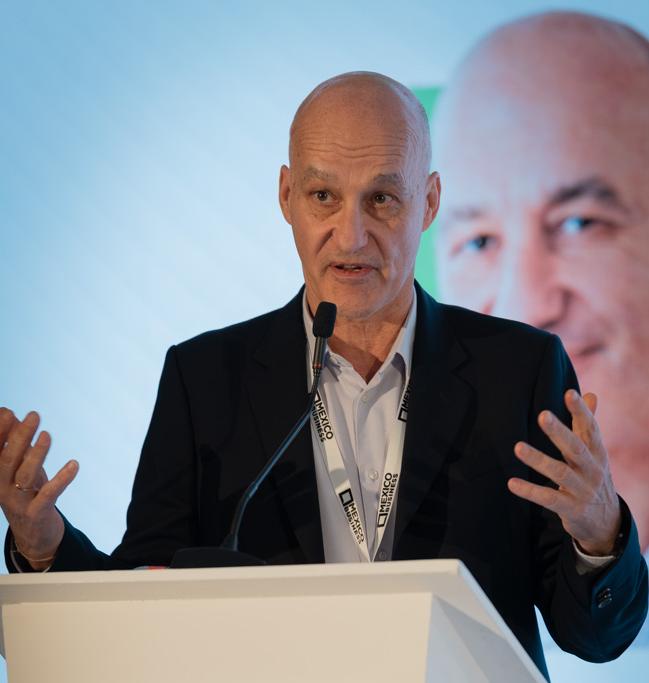
“How can sustainability teams support their businesses through transition planning?” Hugh Jones, Managing Director of Corporate Sustainability, Carbon Trust, posed this question at the outset of his presentation during the Mexico Sustainability Summit 2026.
For Jones, transition planning is no longer a voluntary climate exercise but a business survival strategy. Speaking during his session, Making Business Sense o ut of Transition Planning, he argued that companies must embed climate considerations into core operations or risk long-term disruption. “no company does this perfectly,” he said, “but every company must move in this direction to remain viable.”
“Once internal alignment improved, the company could move forward with confidence”
Hugh Jones Managing Director of Corporate Sustainability | Carbon Trust
Jones warned that the cost of inaction in Mexico could be substantial, citing estimates that climate-related impacts could reduce GDP by as much as 22% if mitigation and adaptation measures are delayed. Despite economic and political headwinds, he noted that corporate awareness has grown significantly over the past decade. While only a small group of companies had structured transition plans in 2016, such frameworks are now far more common. Still, implementation remains uneven. “The metrics exist. The real challenge is execution,” he said.
Survey data from Carbon Trust reveal why progress is slow. Half of companies view transition costs as excessive or difficult to justify. Forty percent report that competing priorities crowd out climate initiatives, and many struggle to clearly articulate the business value of sustainability investments. Data gaps affect more than a quarter of respondents, while unclear regulatory standards and limited internal expertise continue to hinder action.
To overcome these barriers, Jones outlined three strategic priorities: align sustainability
with financial language, strengthen internal foundations and create tangible momentum.
Sustainability teams, he said, must translate climate objectives into financial terms that resonate with decision-makers. Tools such as climate scenario modeling, marginal abatement cost curves and investment prioritization frameworks allow organizations to quantify trade-offs and identify opportunities. “Finance, operations and innovation teams act when they understand risk in economic terms,” he explained.
Governance is equally critical. Shortterm performance pressures often undermine long-term transition strategies. Jones emphasized the need for internal accountability mechanisms, measurable targets and incentive structures tied to climate performance. Without these elements, sustainability efforts risk remaining siloed from mainstream business functions.
Generating momentum requires early wins. Companies should prioritize projects that demonstrate clear returns, improve resilience or unlock new revenue streams. According to Jones, well-designed transition plans can reduce exposure to regulatory risk, strengthen supply chain security and differentiate products in increasingly sustainability-conscious markets.
He cited the example of Carlsberg, where early misalignment between sustainability and finance teams slowed progress. Greater coordination across departments and regions eventually enabled clearer impact measurement and stronger executive engagement. “ o nce internal alignment improved, the company could move forward with confidence,” he said.
Jones concluded that effective transition planning demands integration across finance, operations and supply chains. Data quality, governance discipline and leadership commitment are not optional; prerequisites for turning climate ambition into durable business strategy.
ACHIEVING OUR PURPOSE BY EMBEDDING SUSTAINAB ILITY: PMI
Philip Morris International (PMI) is accelerating its transformation from a conventional tobacco manufacturer into what it positions as a science- and technology-driven consumer company, supported by more than US$14 billion (MX$241 billion) invested in research and development. The company’s stated ambition is to phase out combustible cigarettes by expanding access to smokefree alternatives designed to reduce harm compared with continued smoking.
The financial impact of this pivot is becoming increasingly visible. In 1Q25, 42% of PMI’s net revenues came from smoke-free products.
According to Paulina Reséndis, Sustainability Manager, PMI, the transition represents a structural overhaul rather than incremental change. “This is not a cosmetic shift,” she said. “It requires reengineering products, transforming manufacturing systems and embedding sustainability into the core of the business model.”
Embedding ESG into Governance
To operationalize its strategy, PMI reorganized its ESG framework around two primary dimensions: Product Impact , focused on the health and environmental implications of its portfolio, and o perational Impact,
which addresses how products are sourced, manufactured and distributed.
A dual-materiality assessment underpins this structure, identifying public health and environmental performance as central impact areas. ESG performance is tied directly to executive compensation through a Sustainability Index, reinforcing accountability at the leadership level and aligning long-term incentives with transformation objectives.
Mexico as an operational Benchmark
Mexico has emerged as a strategic market within PMI’s global footprint. Philip Morris Mexico (PMM), which employs approximately 1,500 people, operates a manufacturing facility in Guadalajara that the company describes as a global benchmark for industrial efficiency and environmental performance.
The site contributes to PMI’s Climate Transition Plan, which targets net-zero greenhouse gas emissions by 2040. Among its key achievements:
+ A 32.5% reduction in water consumption between 2019 and 2024, with recertification from the Alliance for Water Stewardship (AWS) in 2025.
+ Deployment of renewable energy solutions, including a biomass boiler sourced from sustainably managed forests and a photovoltaic solar installation for self-generation.
+ Annual investments of roughly US$11 million in infrastructure and innovation, alongside US$180 million in procurement from domestic suppliers.
These measures position the Mexican operation as both an environmental and economic contributor within PMI’s broader sustainability roadmap.
Supply Chain Responsibility and Child Labor Prevention
Beyond manufacturing, PMI’s o perational Impact strategy extends to its agricultural supply chain, particularly in tobacco-
growing regions such as nayarit. Through its Agricultural Labor Practices (ALP) program, the company collaborates with approximately 900 producers to promote fair labor standards, safe working conditions and compliance with social protections.
A central component of this effort is the Child Care Centers (CECIs), operated in partnership with Save the Children Mexico. These centers provide education and protective services for the children of migrant agricultural workers during harvest periods, with the objective of preventing child labor and supporting community stability.
Circular Design and Industrial Symbiosis
Circularity is emerging as a defining element of PMI’s evolving model. Given that products such as heated tobacco devices contain electronic and plastic components, the company is investing in eco-design to improve repairability, extend product life cycles and enhance recyclability.
In Mexico, PMI has established a collaboration with the cement industry to co-process post-consumer waste. Materials that would otherwise be landfilled , including used devices and cigarette-related waste , are repurposed as alternative fuel in cement kilns, contributing to energy generation in construction processes.
“Sustainability must generate operational and financial value,” Reséndis said. “We are working to ensure that circular solutions are scalable, economically viable and embedded in our long-term strategy.”
BOVIS, FINSOLAR UNVEIL REAL ESTATE DECARBONIZ ATION TOOL
Bovis and Finsolar have launched a strategic partnership aimed at transforming how real estate managers approach decarbonization. The centerpiece of the initiative, Green PCA, is an integrated methodology designed for professionals overseeing multiple operational properties or diversified real estate portfolios.
The collaboration, led by Ian de la Garza, CEo and Founder, Finsolar, and Mauricio Ramírez, Sustainability Manager, Bovis, responds to the lack of standardized, technologybacked tools capable of assessing and improving sustainability performance across geographically dispersed assets.
“All of our business activity happens in buildings,” Ramírez said. “Sometimes in a single building, sometimes across many. Knowing our starting point and understanding how to begin decarbonizing and improving efficiency is critical.”
To address this gap, Bovis developed the Green PCA model, which integrates a traditional Property Condition Assessment (PCA) with a comprehensive sustainability diagnostic. “It is the integration of two structured reports,” Ramírez explained. “one identifies the physical condition of the asset and what is required to reach optimal operating standards. The other evaluates how far the property is from meeting its sustainability goals.”
Since 2020, the model has been applied to more than 150 properties, covering
over 2 million square meters nationwide. Beyond providing technical diagnostics, the framework translates sustainability objectives into actionable financial planning. It expands traditional asset evaluation metrics to include energy performance, water efficiency and operational resilience.
The methodology follows a four-step process:
+ Evaluate: Conduct a detailed technical assessment of the property.
+ Identify opportunities: Detect areas for efficiency gains and cost savings.
+ Assess Risks and Investment: Analyze the impact-to-investment ratio of each proposed intervention.
+ Quantify Benefits: Map the pathway toward certifications such as LEED or EDGE, alongside long-term decarbonization targets.
Recognizing the physical limitations of many urban properties, Finsolar complements the framework with off-site renewable energy solutions that eliminate the need for on-site space or upfront capital.
+ Finsolar Ahorro provides immediate savings with zero initial investment.
+ ReduzCo2 offers a scalable solution for properties that cannot expand physically, enabling investment in remote renewable energy projects supported by International Renewable Energy Certificates (I-RECs), ensuring verifiable emissions reductions.
+ Tax optimization Mechanisms allow companies to redirect fiscal liabilities toward renewable generation projects, transforming tax expenditure into productive, sustainability-aligned investments.
The Path to net Zero
Together, Green PCA and Finsolar’s Energyas-a-Service model are positioned as a roadmap for building efficient, future-ready real estate portfolios. The partnership combines Bovis’s expertise in sustainable project management with Finsolar’s financing and renewable integration capabilities to make decarbonization both operationally feasible and financially attractive for Mexico’s property sector.
“There is a physical limit,” de la Garza noted. “In manufacturing, you may only be able to generate 5% or 10% of your energy consumption on-site. Even with regulatory changes, many companies simply do not have the available land to meet total demand through self-generation.”
Implementation challenges often extend beyond technical feasibility. Structural analyses, capital expenditure approvals and internal resource allocation can delay or derail renewable projects.
“That is where many initiatives stall,” de la Garza said. “The tools exist. The financing exists. Regulatory momentum is building. The remaining variable is the speed of corporate decision-making.”
SOMEONE SOMEWHERE BLENDS SOCIAL IMPACT, SUSTAINABILITY
Enrique Rodríguez, Co-Founder and CFo/ Coo, Someone Somewhere, presented a model that integrates circular production, social inclusion and technological innovation as mutually reinforcing pillars of long-term competitiveness.
“Social
impact and business performance are not opposing forces. They can be integrated into a model that is scalable, profitable and measurable”
Someone Somewhere’s approach seeks to convert these parallel challenges into a unified value proposition. The company transforms recycled textile waste into market-ready products while embedding traceability throughout the supply chain. “Consumers can identify the artisan behind each product,” Rodríguez said, arguing that transparency strengthens both accountability and brand differentiation.
Enrique Rodríguez Co-Founder and CFO/COO |
Someone Somewhere
He began by contextualizing the scale of the textile industry’s environmental footprint. Globally, approximately 92 Mt of textile waste are generated each year, positioning the sector among the most resource-intensive industries. At the same time, Mexico is home to an estimated 12 million artisans, yet only around 480,000 operate within the formal economy. Rodríguez described this gap as both a structural inefficiency and a missed opportunity for inclusive growth.
As a certified B Corp, the company aligns social and environmental performance with financial objectives. Rodríguez emphasized that scale has been enabled by the integration of artificial intelligence into product development. A proprietary AI system supports design decisions related to color, texture and materials, reducing development timelines by up to threefold compared with traditional processes. This efficiency allows the company to meet corporate demand while preserving distributed, artisan-based production.
To date, Someone Somewhere has produced more than 25 million units. Rodríguez framed this milestone as evidence that circular inputs and inclusive labor structures can operate at
industrial scale without compromising quality or delivery timelines.
The company’s business model connects artisan communities with global brands through retail, e-commerce and corporate merchandise channels. This demand-driven structure generates recurring income streams for artisans across several Mexican states, reducing informality and improving income stability.
Strategic partnerships illustrate the model’s commercial viability. For example, the company supplies Delta Air Lines with amenity kits produced from recycled textiles and manufactured by artisan groups in oaxaca. It has also collaborated with Ralph Lauren, working with communities in Saltillo and Tlaxcala to develop sustainable product
lines that combine traditional craftsmanship with circular materials.
Rodríguez noted that European companies currently represent a larger share of sustainability-focused partnerships than US firms, citing tariff structures and regulatory constraints as barriers in certain markets.
He concluded by positioning inclusive circularity not as philanthropy but as a competitive strategy. By integrating recycled materials, digital tools and fair labor practices, companies can reduce environmental externalities while strengthening supply chain resilience and market differentiation. “Social impact and business performance are not opposing forces,” Rodríguez said. “They can be integrated into a model that is scalable, profitable and measurable.”
CHOP VALUE CONVERTS WASTE INTO NET-ZERO O PPORTUNITY
As global waste volumes continue to rise, businesses are increasingly exploring circular economy strategies that convert discarded materials into value-added products. Arturo Katz, Co-Founder and CE o, Chop Value, outlined how scalable, design-driven solutions can address both environmental and economic challenges associated with waste generation.
Katz As global waste volumes continue to rise, businesses are increasingly exploring circular economy strategies that convert discarded materials into value-added products. Katz outlined how scalable, design-driven solutions can address both environmental and economic challenges tied to waste generation.
Katz highlighted the magnitude of the issue, noting that more than 2.1 billion of waste are produced globally each year, with projections indicating this figure could reach 3.4 billion within the next 30 years. This trajectory, he argued, demands a shift in perspective: “Waste does not exist; it is an opportunity to build businesses and create change in how we think about materials.”
At the center of Chop Value’s model is the upcycling of used sushi chopsticks—an abundant yet overlooked waste stream. According to Katz, approximately 1.5 billion chopsticks are used every week worldwide, often traveling more than 9,000 km before being discarded after just 20 to 30 minutes of use. By recovering and transforming these materials into durable products, the company demonstrates how linear consumption patterns can be replaced with circular systems.
“The solution lies in rethinking waste as a resource,” Katz explained, pointing to Chop Value’s ability to convert recycled chopsticks into engineered materials used in furniture
and construction applications. Beyond the environmental narrative, he emphasized the importance of economic viability: “We aim to prove that circular economy models are not only sustainable in terms of waste reduction, but also profitable and scalable.”
A key differentiator in Chop Value’s strategy is its decentralized manufacturing approach. By producing locally, the company reduces transportation distances and associated emissions, while also enabling regional supply chains. This model has translated into measurable environmental gains, including a 113% reduction in emissions from raw materials, 41% in manufacturing processes, and 39% in logistics. overall, the company reports a 26% reduction in Co2 emissions across the full product lifecycle, with savings of up to 16,228kg of Co2 per product.
Katz also framed the company’s broader mission within the context of global
decarbonization efforts. “ o ur mission is to accelerate the path to net zero,” he said, underscoring the role of circular manufacturing in achieving climate targets. He also emphasized that chopsticks are just an example of what’s achievable. To support this ambition, Chop Value has already recycled more than 22 million chopsticks and continues to expand its operational footprint.
Looking ahead, the company plans to invest more than US$15 million in advanced recycling technologies, particularly to venture in the processing of textiles and plastics. This expansion signals a strategic move to diversify feedstocks and further scale its circular production capabilities.
By aligning waste reduction with economic incentives, companies can offer a practical blueprint in the transition from linear to circular systems without compromising profitability or quality.
FUTURE DIGITAL TRANSFORMATION STARTS WITH SUSTAINABLE INNOVATION
While Mexican organizations report strong alignment between technology and sustainability strategies, a significant “execution gap” continues to limit measurable and scalable impact, according to Carlos Marcel, Director General, Kyndryl Mexico.
Data presented by Kyndryl show that 80% of organizations in Mexico report a high degree of alignment between their technology and sustainability objectives—one of the
strongest levels of stated intent identified in the study. However, most companies struggle to translate these strategic commitments into quantifiable outcomes.
“The main finding,” Marcel explained, “is that companies are increasingly integrating sustainability initiatives with technological innovation, seeking efficiencies and productivity gains while meeting environmental commitments. But many fail to bridge the execution gap.”
o rganizations may implement waste management programs, reduce paper usage, or improve energy efficiency. yet without linking these initiatives to digital infrastructure strategies and long-term technology roadmaps, their impact remains fragmented and difficult to scale.
A key driver of this disconnect is technological maturity. According to the study, 62% of companies in Mexico are classified as having “legacy-centered” infrastructure, limiting
their ability to integrate advanced tools into sustainability planning. This gap is further reflected in the fact that only 38% of organizations use Artificial Intelligence in a centralized manner to support environmental decision-making.
Without advanced analytics to inform strategy, progress tends to be inconsistent. In 2025, only 45% of Mexican organizations successfully maintained or advanced toward their defined sustainability goals, Marcel noted.
Beyond environmental objectives, Marcel emphasized the tangible financial returns associated with technology-driven sustainability strategies. In one international case, Kyndryl helped a company reduce energy costs by nearly US$2.7 million by optimizing computing power, reducing physical infrastructure requirements, and lowering overall resource consumption.
When assessing technology-enabled sustainability solutions, Marcel identified three core priorities: maximizing energy and water efficiency, strengthening operational resilience, and ensuring regulatory compliance.
Resilience, he argued, is often overlooked in ESG discussions. “When organizations can recover quickly from disruptions, they use fewer resources overall,” he said, linking business continuity directly to environmental performance. “The next stage must be measurable, operational and scalable—and the most important of those is measurable.”
Technology cycles are increasingly compressed, meaning that solutions defined today may become outdated within months. Without continuous performance measurement, companies cannot recalibrate investments or capture efficiency gains from emerging technologies.
“When we define a project, we rarely end exactly where we initially planned,” Marcel said. “Data enables us to make the necessary adjustments.”
Marcel concluded that sustainability is no longer a standalone initiative. Instead, it is increasingly embedded in core business processes and strategic decision-making, signaling a shift from intention to structural integration though measurable execution remains the central challenge.
THE FUTURE OF SUSTAINABILITY FINANCING
Access to financing increasingly depends on early integration between finance and sustainability teams, with investors prioritizing governance, traceability, and clearly defined KPIs, according to speakers at The Future of Sustainability Financing panel during the Mexico Sustainability Summit 2026.
Panelists agreed that ESG criteria are no longer reputational tools but core inputs
“This is not only about purpose; it is about knowing where funds are allocated and how results are measured”
Teresa Pérez
Head of Sustainability and ESG | Bolsa Institucional de Valores (BIVA)
for financial and risk assessment. Capital is available, they said, provided ESG processes are implemented, measured, and transparently reported. SMEs can also access funding through multiple vehicles if they understand how to engage with them strategically.
Alejandro Villarreal, Director General, Esvicon, opened the discussion by noting that emerging markets such as Mexico face the dual challenge of closing technology gaps while improving project bankability to meet growing investor demand. “ESG criteria are no longer a reputational issue; they are necessary for financial and risk evolution,” Villarreal said. He added that while liquidity exists, companies must demonstrate measurable ESG implementation to unlock financing.
José Luis Muñoz, Executive Director of Sustainability and Investor Relation, Grupo Financiero Banorte, emphasized that companies seeking labeled debt instruments must show that sustainability is embedded in their strategy. “Investors need to see metrics, credible projects, measurable KPIs, and confidence in management,” he said. Muñoz warned that presenting financial performance first and ESG as an afterthought creates misalignment. “Integration must begin at the outset if we want to avoid greenwashing,” he added.
Muñoz noted that development banks and public financing instruments can help structure transactions, particularly for SMEs. However, limited disclosure and insufficient data remain barriers for lenders. The introduction of sustainability reporting standards, he said, represents progress, as ESG data increasingly informs credit risk analysis. “That information is valuable for a bank,” he said.
Cindy Diakité, Chief Investment o fficer, Viwala, said investors prioritize execution over narrative. “We look for clear implementation because it functions as a risk control mechanism,” she said. Diakité explained that Viwala provides financing at preferential rates to companies that meet ESG benchmarks, including SMEs that improve performance through impact-linked commitments.
She stressed that governance and traceability are central to investment decisions and must be supported by KPIs tied directly to financial performance. “Sustainability and finance teams are often separated, and that disconnect affects monitoring and longterm stability,” she said. Diakité added that regulators, large corporations, and smaller businesses each have a role in strengthening transparency across value chains.
Teresa Pérez Teuffer, Head of Sustainability and ESG, Bolsa Institucional de Valores (BIVA), underscored that access to sustainable finance depends on traceability and a clear
understanding of investor expectations. “This is not only about purpose; it is about knowing where funds are allocated and how results are measured,” she said. Pérez Teuffer highlighted governance structures, internal controls, and defined processes as prerequisites for issuing sustainable financial instruments.
She added that sustainability should be framed as a financial and risk management issue rather than solely as a mission-driven objective. “Companies do not operate in isolation,” she said, noting that responsibility is shared across value chains. Pérez Teuffer also referenced BIVA’s capacity-building programs designed to support medium-sized companies in preparing for capital market access.
Philipp Schukat, Climate Cluster Director, GIZ Mexico, described green capital as an expanding financing channel because environmental performance directly influences risk profiles. “For financial markets, environmental factors are evaluated in terms of risk,” he said. Schukat emphasized that companies must define sector-specific ESG priorities and communicate them effectively to financial stakeholders.
He also highlighted the role of governments as market enablers—not only regulators— through training, certification frameworks, and data provision. Collaboration among exchanges, development agencies, funds, and banks, he said, can reduce financing costs and broaden access, particularly for smaller and informal enterprises. “The transition requires shared learning, reliable data, and alignment with public policy,” Schukat said.
The panel concluded that sustainable finance in Mexico hinges on governance, data transparency, and coordinated integration between sustainability and finance functions. Translating ESG commitments into bankable, measurable projects requires structured processes, cross-sector collaboration, and accountability throughout value chains.