96th Annual Conference: Advocacy, partnership, and connections
Madison and Sun Prairie shared the hosting stage for MEUW ’s 96th Annual Conference.
Attendees from 40 municipal utilities gathered for “Day at the Capitol” visits, learned about municipal utility governance and finance, heard presentations about the current state of the industry, new and potential legislation that impacts municipal utilities, transmission investments and planning, and energy innovations and research.
More than 130 registrants took part in the 96th annual gathering of municipal leaders
INSIDE THIS ISSUE
New honor recognizes enduring commitment to safety Page 2
Herlitzka has left his mark on public power in Wisconsin Page 4
Despite cost pressures, Wisconsinites face electric rates lower than most Page 6
Made with Public Power: Kikkoman in Jefferson Page 10
Classifieds Page 12
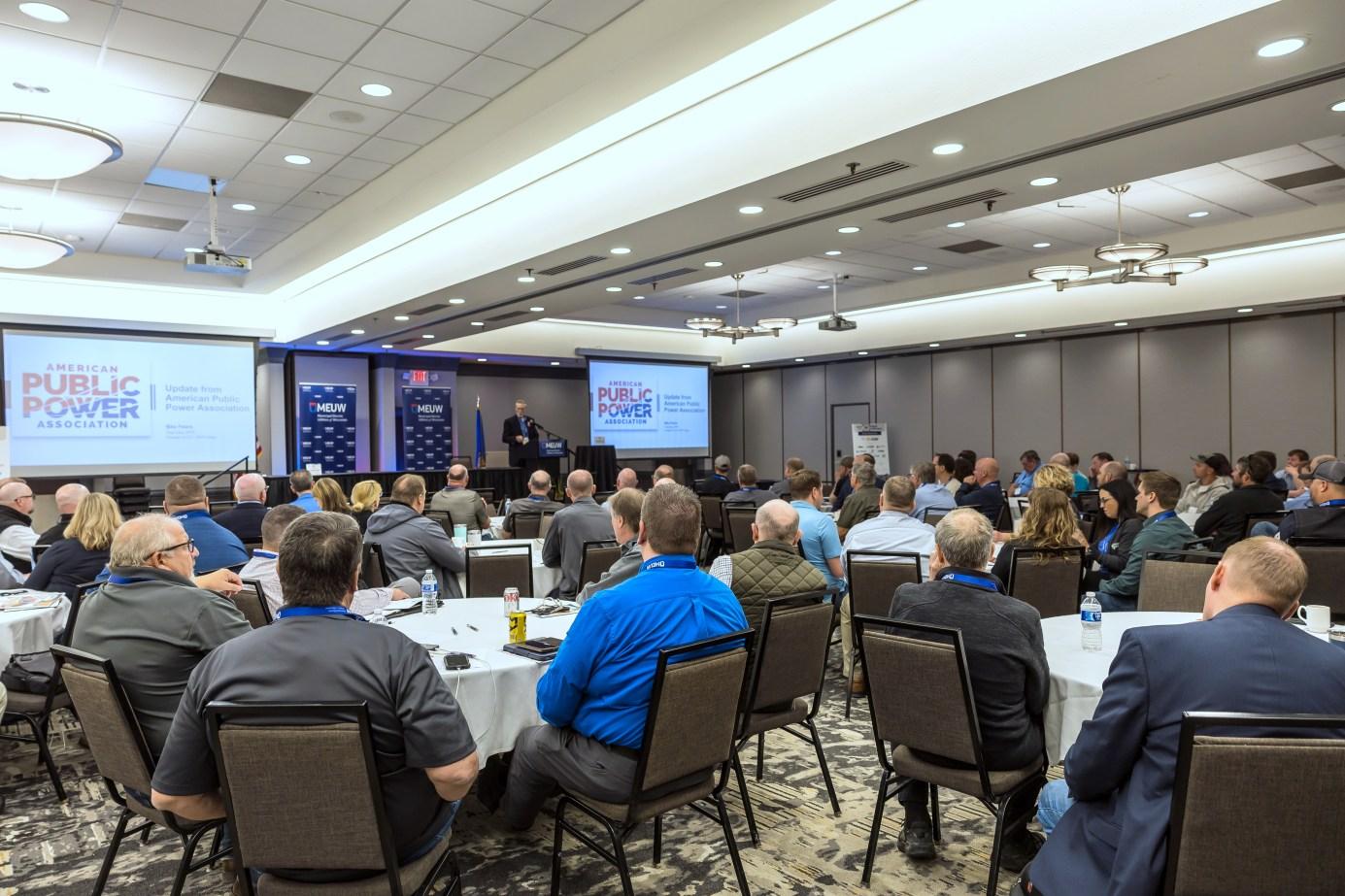
at the DoubleTree Madison East Hotel in Madison. The association ’s Annual Business Meeting was held prior to the conference ’s first general session, with MEUW President and CEO Tim Heinrich providing an update about member-engagement activities and other ongoing initiatives designed to sustain MEUW and add value for member utilities and other stakeholders.
Mike Peters, President and CEO of WPPI Energy, who is slated to become Chair of the American Public Power Association (APPA) in June, provided an overview of issues and trends impacting the public power sector, including reliability challenges, a generation-mix shift, queue-to-build gap, and accelerated load growth. He also highlighted the vital role Wisconsin municipal utilities have long played in advocating for industry issues at the national level.
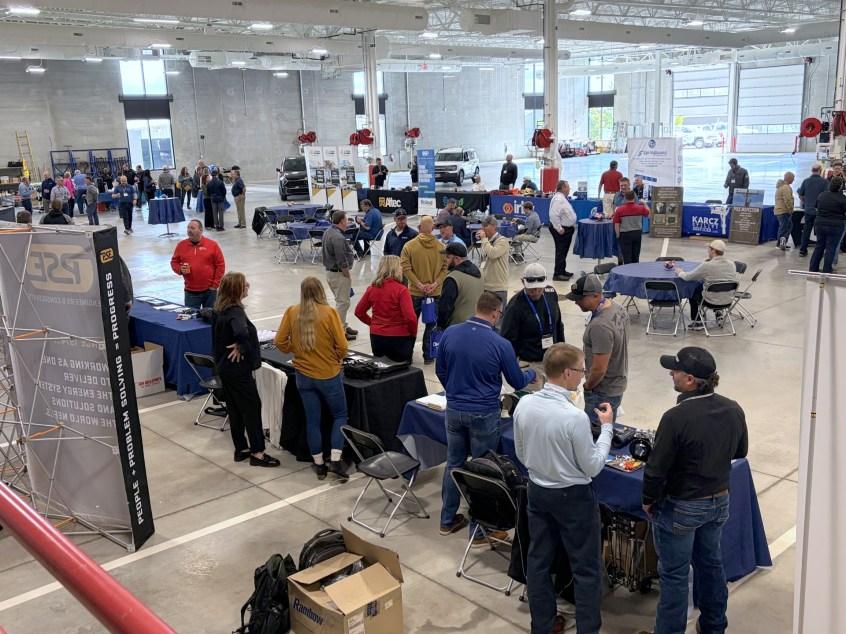
With a mix of education, advocacy, awards, and networking, the Annual Conference offered members a variety of ways to engage, including the addition of a trade show at SPU.
The group then was able to choose from three different breakout sessions, which were held back-to-back to allow for more participation. Julia Potter, Attorney at Boardman and Clark, reviewed the current state of service territory disputes and litigation, and provided helpful insights for utilities to protect their service area boundaries.
Shane Smith, Statewide Utility Project Coordinator from the Wisconsin Department of Transportation, provided new information and updates on the utility coordination work and recent revisions to the easement-acquisition process.
And Mike Czuprynko, MEUW Director of Safety Services and Operations,
Continued on page 3
MEUW recognizes 42 member utilities for safety performance
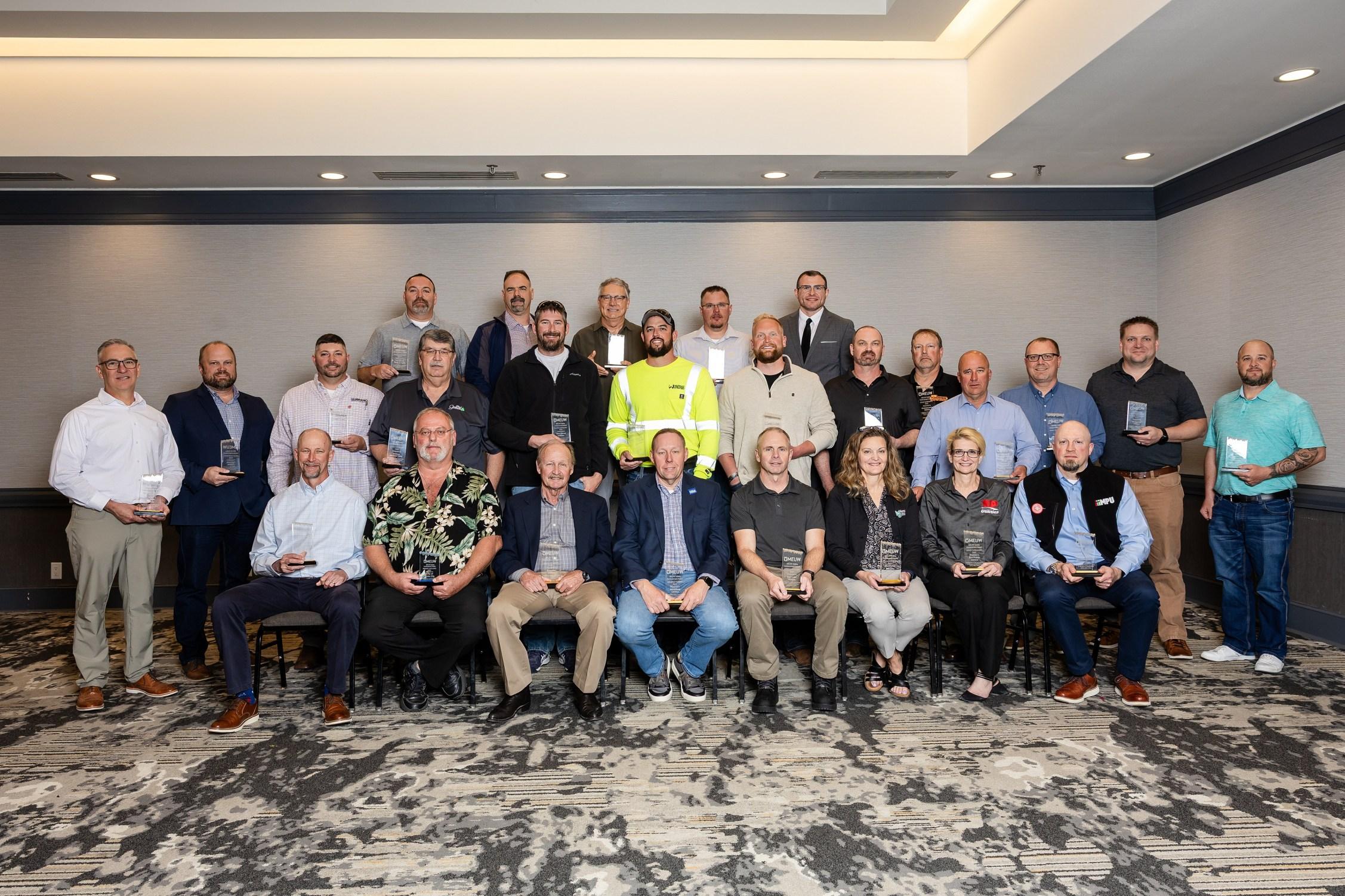
The association presented 42 member utilities with Safety Achievement Awards for their 2025 safety performance. Each was honored at a ceremony held in conjunction with the 96th Annual Conference on May 14.
The MEUW Safety Achievement Award was developed to recognize safety performance and to encourage safety activities by member utilities. Awards are given based on voluntary reporting.
Utilities receive recognition for their dedication to employees ’ on-the-job focus; following safety rules, using safe work practices, and watching out for one another. The metrics are designed to identify leading indicators of safety performance, rather than lagging indicators. MEUW first presented safety awards in 1999.
The Award also acknowledges the commitment of management and the
utility’s governing board to ensuring an environment that supports safe operations. This includes providing employees with the equipment they need to do the job safely and the training needed to maintain or improve skills.
MEUW presented its member utilities with Safety Achievement Awards at the association’s 96th Annual Conference. Accepting on behalf of their community utility were (seated in front row; from left ) Brian Rhodes (Hartford), George Morrissey (Cuba City), Mike Reynolds (Boscobel), Nick Kumm (Marshfield), Tim Aaby (Rice Lake), Melanie Krause (Menasha), Jill Weiss (Sun Prairie), Jeremy Fischer (Manitowoc); (second row) Steve Brooks (Waupun), Ryan Roehrborn (Plymouth), Adam Carroll (Shawano), Brian Carroll (Gresham), Bill Kosmeder (New Glarus), Sam Trace (Waunakee), Dalton Hiley (Columbus), Ed Hoff (Brodhead), Kevin Kaari (Oconomowoc), Scott Gald (Richland Center), Dave Pahl (Kaukauna), Adam Schleicher (Stoughton), Tyler Mosser (Clintonville); (back row) Brian Dellemann (Two Rivers), Jason Bessette (New London), Richard Merdan (Wisconsin Rapids), Nick Koch (Juneau), Isaac Pooler (Trempealeau)
Award recipients are placed in one of three categories gold, silver, or bronze based on scoring against key criteria that promote a strong safety culture. A list of the winners ishere.
New honor recognizes enduring commitment to safety
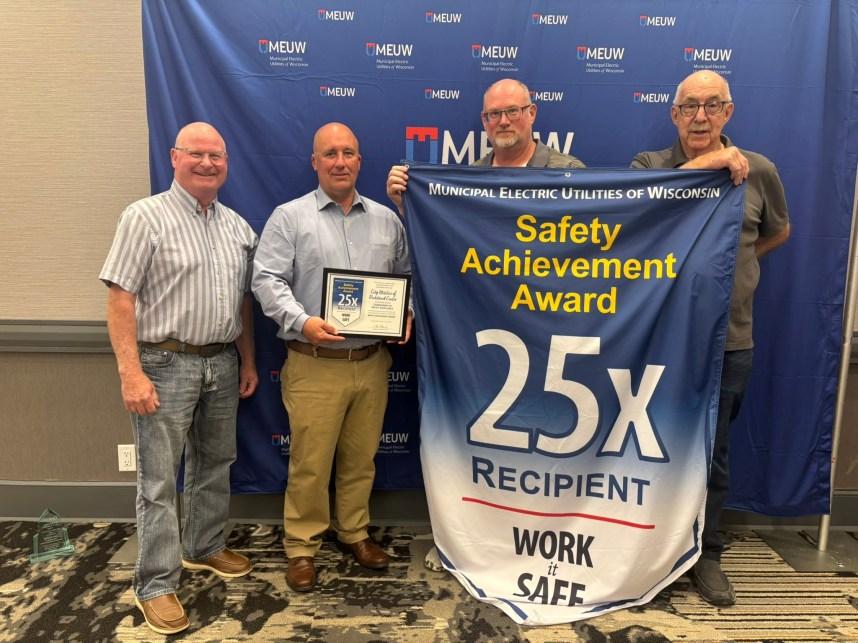
Three municipal electric power companies Arcadia, Eagle River, and Richland Center were recognized as 25-time recipients of MEUW’s Safety Achievement Award. When presenting the new honor, MEUW President and CEO Tim Heinrich said, “The annual recognition celebrates the most recent success in safety. We believe it ’s also important to acknowledge and celebrate the enduring commitment of utility employees, management, and the local utility governing boards who are developing an environment and a culture that supports and values safe operations. ” He added,“Because we know that the trophies are often displayed away from public view, this recognition comes in the form of a large, 6-foot banner that can be hung as a highly visible and continuous reminder of thereward that comes when you 'Work It Safe.' ”
At right, officials from City Utilities of Richland Center accepted a banner recognizing the utility’s ongoing commitment to safety achievement
shared a recap of the severe weather that occurred during last year’s Annual Conference throughout portions of the state, prompting a mutual aid event to be called. He reviewed lessons learned from the response and a review of MEUW ’s notification and support process.
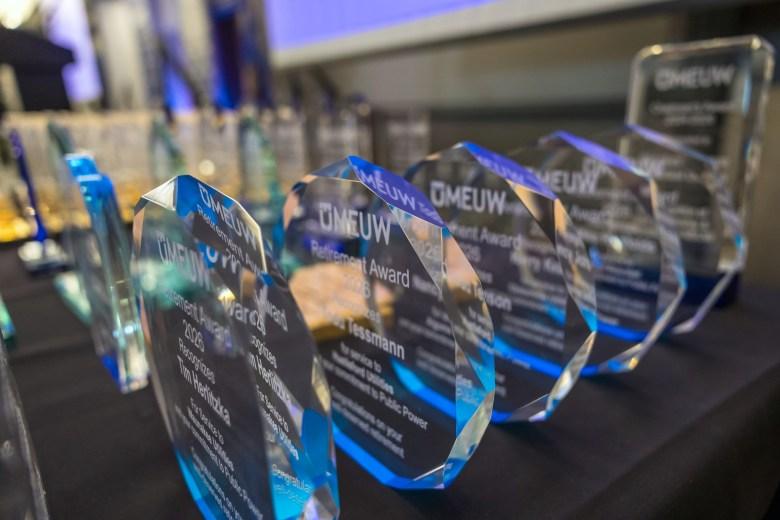
During a lunchtimeawards ceremony , MEUW presented awards to 23 individuals whose work is helping to strengthen public power. Marshfield Utilities also was honored as the first recipient of a new award designed to recognize a company that demonstratesexceptional collaboration, partnership, and mutual support in advancing the goals of publicpower.
Afterward, Ellen Nowak, Vice President of Regulatory and Government Affairs at ATC addressed the group. She thanked the municipal utilities for their support of the Right of First Refusal legislation that failed to pass in last year ’s session. She also shared with the group information on the state of the grid, drivers of load growth, reforms on the horizon, and how upcoming political elections may impact Wisconsin ’s municipal utilities.
Three researchers at the Wisconsin Energy Institute (WEI) presented some of the innovative solutions being developed at Wisconsin’s flagship university ( see story below ). WEI Associate Director Mary Blanchard; Dr. Michael Wagner, Assistant Professor of Mechanical Engineering; and Dr. Giri Venkataramanan, Professor of Electrical and Computer Engineering and the Director of the Wisconsin Electric Machines and Power Electronics Consortium, shared their insights with the group. Continued from page 1
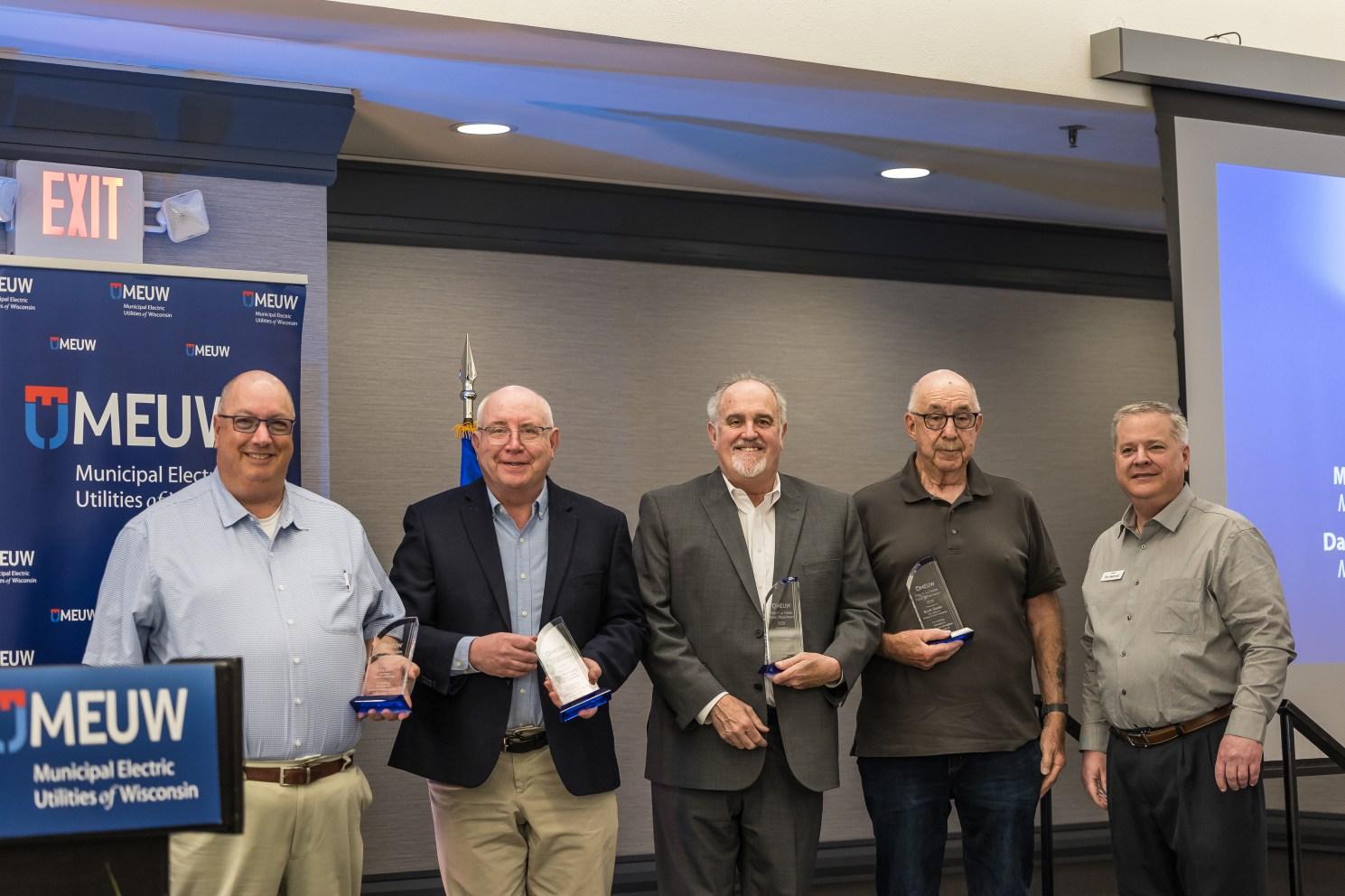
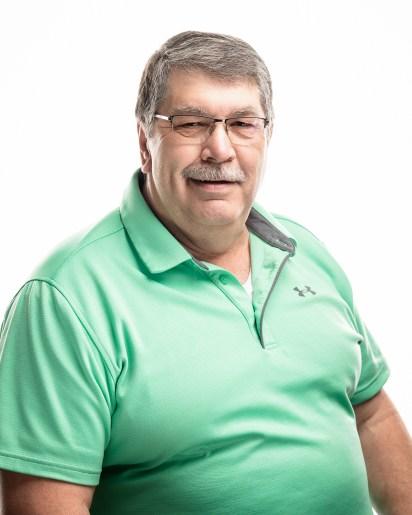
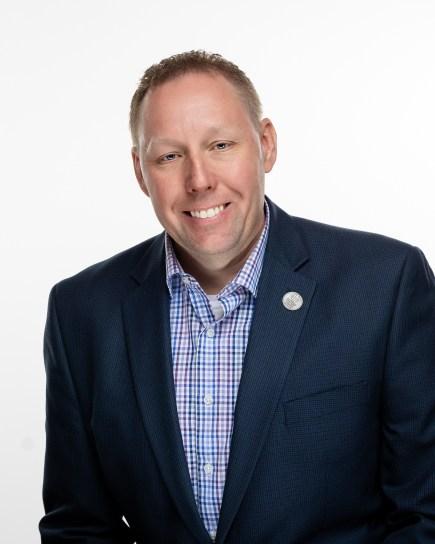
Among the individual honorees at the Awards Ceremony were four municipal governing body members presented with the MEUW’s Philip F. La Follette Public Official Award for their commitment to public power. Recipients included ( from left) Mike Eberl, President of the Marshfield Utilities Commission; Dan Hornung, a longtime member of the Manitowoc Public Utilities Commission; Andy Moss, Cedarburg Light & Water Utility Commission Chair; and Scott Sawle, President of the City Utilities of Richland Center Commission.
Participants were then given the option to participate in one of three facilitated cohort discussion groups. The topics for the discussions included the affordability of public power, cyber and physical security, and lineworker safety and education.
The day concluded with a nostalgic session from Wayne Larrivee, legendary broadcast professional and “Voice of the Green Bay Packers. ” He shared stories about his time working with the Packers Radio Network and interactions with players and coaches.
UW researchers share insights about innovations to address grid challenges
The electric grid faces dual challenges: unprecedented load growth to support artificial intelligence amid a shift toward cleaner but non-dispatch-able generation.
Researchers with the Wisconsin Energy Institute (WEI) at the University of Wisconsin–Madison presented some of the innovative solutions being developed to address these challenges at MEUW ’s Annual Conference on May 14.
WEI leads interdisciplinary research and training to develop sustainable power and fuels, managing $31 million in annual funding to support innovations in bioenergy and other technologies. The institute helps connect indus-
try with experts, technologies, and research to address challenges.
Among the solutions being studied:
◼ Lower frequency operation and line modulation to increase grid capacity using the existing transmission network.
◼ Supercritical carbon dioxide (sCO2) power cycles for increased generation efficiency from solar, nextgeneration nuclear, and existing fossil fuel resources.
◼ Long(er)-duration energy storage (LDES) technologies including thermal storage, reversible storage, second-life electric vehicle batteries, and hybrid energy systems to handle increasingly variable net load.
These efforts highlight UW-Madison's broad range of energy expertise and commitment to the Wisconsin Idea, helping to“de-risk” new technologies and train the future utility workforce to ensure a more reliable and sustainable energy future.
WEI is the collaborative home of energy research and education on the UW –Madison campus. Led by scientists and engineers committed to crossing traditional research boundaries to identify breakthroughs in how energy is sourced and used, WEI fosters projects across disciplines, prepares the energy leaders of today and tomorrow, and enhances public understanding of energy issues. Learn morehere
If you did not attend the conference and are interested in receiving presentation slides, pleaseemail the MEUW Office.
Herlitzka leaves a legacy of service and collaboration
By Sharon Wolf
For more than two decades, Tim Herlitzka has approached his work with a simple philosophy: municipal utilities exist to serve people.
That mindset has shaped his entire careerfrom his beginnings in public accounting to his leadership at Waunakee Utilities and his long-standing involvement with MEUW. As he retires this month, Tim leaves behind not only a stronger utility, but also a legacy rooted in community, collaboration, and service.
Tim’s professional journey began with an accounting degree and a position at Virchow Krause, now known as Baker Tilly. During college, he worked various jobs for Northern States Power (now Xcel Energy), an experience that unexpectedly shaped the course of his career. When he joined Virchow Krause, he was naturally steered into utility accounting, where he developed a specialty that would define the next chapter of his professional life.
That focus on service is what Tim says has made working at a municipal utility especially meaningful. “The satisfaction I get is in providing an essential service to our customers, ” he said.
The relationships built along the way are what he treasures most. Throughout his career, Tim has found the utility industry to be filled with dedicated, supportive people. He is quick to credit the strength of Waunakee Utilities in part to its supportive Utility Commission and the collaborative environment that helped position the utility for continued growth.
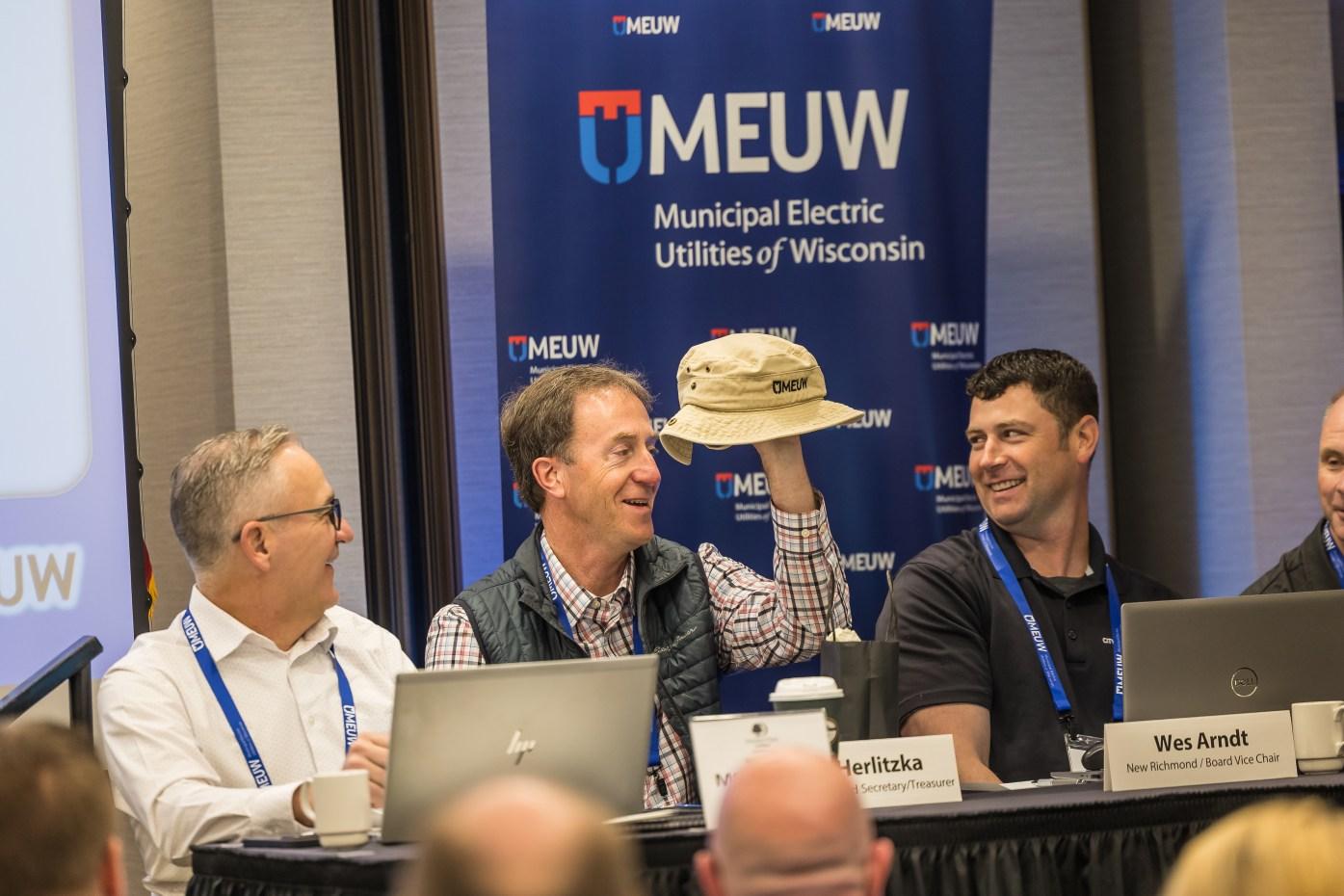
of Directors Tim Herlitzka was presented with a one-of-a-kind MEUW fisherman’s hat at the final Board meeting before his retirement.
He spent 12 years in public accounting, but as his family grew, so did his desire for stability and community connection. Extensive travel no longer aligned with the life he wanted to build.
That opportunity arrived in 2005, when Waunakee Utilities was hiring a finance manager. Shortly after taking that position, a leadership transition occurred and Tim stepped up, taking on both finance and general manager responsibilities. He has remained with the utility ever since.
Over his 21 years at Waunakee Utilities, Tim has witnessed significant change. The community itself has transformed dramatically growing from roughly 4,600 customers to nearly 7,700. Technology has evolved just as quickly, modernizing nearly every aspect of utility operations. Under Tim ’s leadership, the utility completed major infrastructure improvements, constructing a new water tower, developing additional wells, and a full conversion to advanced metering infrastructure (AMI).
“What hasn’t changed is our commitment to our customers, ” he said.“We’ve always been in business for our customers, and we continue to be. The public power model is very different than investor-owned utilities. We are here to serve our customers, not make money.”
s commitment to service extended beyond his local community through his deep involvement with MEUW, including 10 years serving as Secretary/ Treasurer on the Board of Directors.
MEUW doesn’t exist without the he said.“You need participation to make it succeed. ”
Believing that strong organizations are built through shared engagement and responsibility, he consistently encouraged others to become involved with MEUW whether through committees, the Board of Directors, or other leadership opportunities. Among the highlights of his service to MEUW was participating in the executive director hiring process, an experience he described as especially rewarding. (At this year’s Annual Conference, he received the Donald L. Smith Distinguished Service Award MEUW ’s highest honor for his longtime service and dedication to helping advance public power and the association ’s mission.)
Retirement for Tim is less about rigid plans and more about reflection. He looks forward to spending more time with his family, including his wife, a daughter in college, and another in high school. He plans to be intentional about what comes next.
One thing he already knows will remain important is fishing, a long-term passion he hopes to enjoy more often now.
Looking back on his career, Tim offers simple but enduring advice to younger professionals entering the utility industry: work hard, be a team player, get involved, and enjoy what you do.
Those values have guided his own career for decades. And in many ways, they reflect the broader legacy he leaves behind a career defined not by titles or accomplishments alone, but by a steady commitment to serving others.
Develop your leadership skills and learn keys to consistency
As part of the professional development programming, MEUW is offering a oneday leadership development course that focuses on why consistency is essential to being an effective utility leader. Participants will take away practical ideas they can apply to become a consistent leader and learn how consistency can inspire people to work toward a common goal. The class will be held Wednesday, Aug. 5, in Mauston. Details and registration are availablehere.
New seminar will focus on the basics of utility rate setting
MEUW is introducing a one -day preconference workshop related to utility cost-of-service and rate design as part of this year’s Accounting and Customer Service Seminar. Members have consistently expressed interest in a foundational session on electric rate setting, and this training is designed to meet that
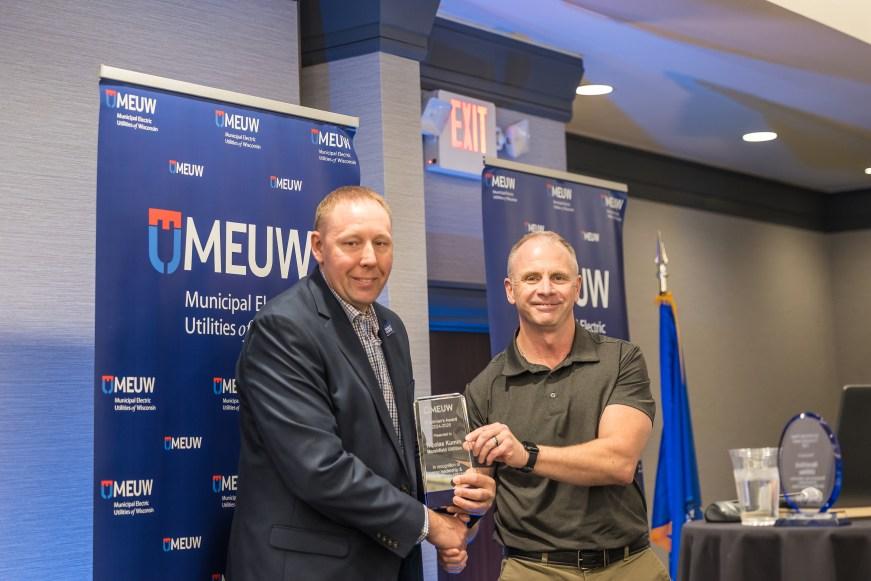
Incoming MEUW Board Chair Tim Aaby of Rice Lake (right) presented Nick Kumm of Marshfield with the Chairman’s Award, recognizing his two years of service leading the MEUW Board of Directors. The leadership transition occurred at the Annual Business Meeting held on May 14.
need. The full-day workshop will provide practical insights for municipal employees, as well as help local utility commissioners and governing body members gain a clearer understanding of the rate-making process. Mark your calendar for Sept. 22 in Mauston (and stick around for the next day ’s seminar). Registration will open July 6.
Accounting and Customer Service Seminar is Sept. 23
Registration will open soon for the annual one-day seminar that brings together municipal electric utility staff with a focus on accounting and customer service topics. Attendees receive updates on regulatory and legislation that affect their utilities and compare best practices to improve their operations. MEUW ’s Accounting and Customer Service Committee assists MEUW staff in developing the day’s program to address industry topics. This year’s seminar is planned for Wednesday, Sept. 23 in Mauston.
Save the dates for Member Roundtables
MEUW will once again host Member Roundtables around the state in September and October, providing local utility leaders an opportunity to connect and network on topics of interest to public power. Members are encouraged to attend one of the five scheduled sessions, along with their utility commissioners or elected officials, to receive updates and participate in roundtable discussions. Planned locations and dates are:
◼ Tuesday, Sept. 29: Bloomer
◼ Wednesday, Sept. 30: Juneau
◼ Thursday, Oct. 1: Hartford
◼ Thursday, Oct. 8: Clintonville
◼ Thursday, Oct. 15: Richland Center
While there is no cost, advance registration is required. Please watch for details about specific locations and sign-up in future communications. Each session will begin at 9 a.m. and wrap up after lunch.
Official monthly publication of Municipal Electric Utilities of Wisconsin, Inc. , the statewide trade association representing the interests of Wisconsin’s public power providers since 1928. This e-newsletter is distributed to more than 1,250 utility professionals and leaders throughout Wisconsin and the Midwest on the first Tuesday of every month.
LIVE LINES has been published continuously for many decades and provides useful information, news on emerging utility issues and legislation, updates on events, training programs and member services, as well as engaging feature stories spotlighting utilities, communities and leaders.
Reader comments and suggestions are welcome send by email to news@meuw.org
MEUW Office Staff
Tim Heinrich President and CEO
Mike Czuprynko Director of Safety Services and Operations
Tyler Vorpagel Director of Legislative and Regulatory Relations
Sharon Wolf Manager of Communications and Events
MEUW Office 725 Lois Drive Sun Prairie, WI 53590 (608) 837-2263
www.meuw.org
An archive of past issues of Live Lines is available at www.issuu.com/meuw
Despite cost pressures, Wisconsinites face electric rates lower than
Against a backdrop of what seems like nearly continuous dialogue about“affordability,” the Customers First Coalition (CFC) is releasing a new White Paper that examines the primary factors affecting energy costs in Wisconsin today, including infrastructure investment, fuel costs, weather, and changing electricity demand. The policy brief concludes that maintaining affordable and reliable energy in the evolving utility industry depends on public policy that sustains effective utility regulation and preserves strong consumer protections like those that ensure large new energy users pay their fair share of infrastructure costs.
consin’s regulated utility model helps ensure that utility investments are reviewed for prudence and cost-effectiveness before costs are passed on to customers, while supporting one of the nation’s most reliable electric systems.
The CFC paper says energy affordability is best understood by looking at total household energy costs not just electric rates. Wisconsin customers generally experience lower total household energy costs than the Midwest average due to lower average energy usage, strong energy efficiency programs, a diversified energy portfolio, and effective utility regulation.
Affordability and “energy wallet ”will be focus of September forum
The Customers First Coalition’s annual Power Breakfast will focus on understanding utility costs. The forum, planned for Sept. 15 in Madison, will bring together policymakers, energy leaders, and stakeholders to explore the key drivers shaping energy costs in Wisconsin.
CFC is an alliance of Wisconsin-based organizations and businesses that includes consumer advocates, municipal electric utilities, rural electric cooperatives, wholesale power suppliers, an investor-owned utility, and utility workers. The Coalition works to ensure that any changes to Wisconsin ’s electric utility regulatory structure put customers first. MEUW is a founding member of the Coalition, which was formed in the late 1990s as a result of the debate about restructuring, or deregulation, of the state ’s electric utility industry.
Wisconsin households and businesses continue to face energy cost pressures associated with infrastructure replacement, electric grid modernization, weather-related usage changes, and evolving energy demand. At the same time, utilities are making significant long -term investments to maintain reliability and prepare for future growth.
Despite these pressures, CFC says, Wisconsin customers continue to benefit from a regulatory framework that emphasizes long-term planning, infrastructure oversight, and customer protection. Wis-
CFC identified five policy approaches that can help maintain affordable and reliable energy in the years ahead, including:
◼ Supporting energy efficiency and demand response programs;
◼ Maintaining a diversified energy portfolio;
◼ Ensuring large new energy users pay their fair share of infrastructure costs;
◼ Preserving strong consumer protections and independent ratepayer advocacy; and
◼ Continuing effective utility regulation that balances affordability, reliability and long-term investment.
An Executive Summary accompanying the policy paper concludes: “Wisconsin’s energy system is not immune from national and global economic pressures, but the state ’s regulatory framework has helped moderate customer impacts while supporting reliable service and long-term infrastructure planning. Maintaining that balanced approach will remain critical as Wisconsin prepares for future growth and evolving energy needs.”
Presenters are expected to discuss how global fuel markets, infrastructure investment, and customer usage especially during Wisconsin winters influence energy bills, and how effective utility regulation helps manage these pressures.
To learn more about the event, visit customersfirst.org . Registration will open this summer.
Utility regulators to meet in Madison this month
The Public Service Commission (PSC) of Wisconsin is hosting the annual Mid-America Regulatory Conference (MARC ) June 7-10 in Madison.Utility commissioners, regulatory staffers, and energy company representatives from 14 states will gather to discuss the most pressing issues facing the industry today. MEUW has joined other trade associations in sponsoring the event.
PSC Chair Summer Strand, who currently serves as President of the MARC Board of Directors, joined the Customers First Coalition ’s Electric Wirepodcast to discuss how regulators balance technical analysis with public policy debates and why forums like MARC matter. The podcast episode is availablehereor wherever you get your podcasts.
PSC approves Alliant’s request for special rate to serve Beaver Dam data center
In a May 7 decision that consumer advocates touted as a step toward greater consistency and transparency in handling large energy users, the threeperson Public Service Commission (PSC) approved Alliant Energy’s revised agreement to serve Meta ’s planned 220megawatt data center in Beaver Dam. Regulators also required the utility to establish a standard electric rate for future large data center customers, saying the changes are designed to ensure Meta not existing utility customers covers the full cost of the power and infrastructure needed for the project.
Meta’s 520-acre campus in Dodge County, a roughly $1 billion development expected to come online in 2027, will operate under a contract with a minimum 10year term. The Commissioners strengthened provisions related to termination charges, financial risk, and reporting requirements to better protect consumers, like they did in an April decision for a data-center rate We Energies proposed for its service area. Alliant's agreement, however, applies only to the Beaver Dam project. The PSC ordered Alliant, which has said it is in talks to bring a dozen additional data center projects in its service territory, to create a standard rate for projects that use at least 100 megawatts of power.
The ruling also highlighted broader concerns about who ultimately pays for transmission upgrades tied to these high-demand projects. Meta is the parent company of several major social media and technology platforms, including Facebook and Instagram, among others.
Tragic roadside death highlights importance of work zone safety
A utility worker was killed April 30, after being struck by a vehicle while conducting survey work in the Town of Troy in Walworth County.
The victim identified as 65-year-old Tim Johnson of New Berlin was an employee of We Energies. According to authorities, first responders arrived after witnesses reported that a westbound vehicle struck a worker near the roadside. Johnson was pronounced dead at the scene.
Officials said the driver was a 50-yearold man from Oklahoma. He remained at the scene and was later arrested on suspicion of homicide by negligent use of a motor vehicle.
The tragedy serves as a sobering reminder of the dangers faced by utility crews, road construction workers, and first responders who work just feet from passing traffic each day.
With June recognized as National Safety Awareness Month, drivers are encouraged to remain alert in work zones, reduce speed near roadside crews, and eliminate distractions behind the wheel. Municipal employees are also urged to review and reinforce workplace safety practices to help prevent future tragedies.
Applications being accepted for 2026 Energy Innovation grants
The PSC will accept applications for the 2026 Energy Innovation Grant Program through June 30. The program will award up to $10 million for projects that reduce energy use, expand clean energy technologies, improve resilience, or support energy planning.
Severe weather causes major outages, prompts mutual aid
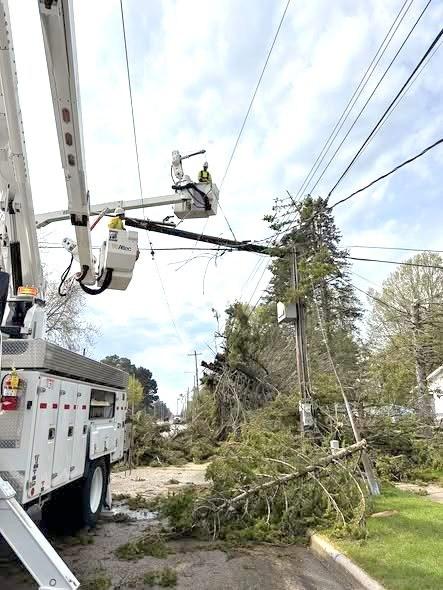
Communities along the Lake Michigan shoreline bore the brunt of severe weather
May 17, with widespread power outages reported in Manitowoc and Two Rivers. Straightline winds caused extensive damage and brought down trees, poles, and power lines across the area.
The large number of outages resulted in calls for mutual aid support to help safely restore power more quickly. At its peak, Two Rivers Utilities reported 3,500 of the utility's 6,000 customers were without power. MEUW coordinated mutual aid crews from Cedarburg, Gresham, Hartford, Kaukauna, Manitowoc, Menasha, New Holstein, New London, Oconto Falls, Shawano, and Waupun to assist with restoration.
Eligible applicants include manufacturers, local governments, school districts, tribes, municipal utilities, electric cooperatives, colleges, hospitals, and 501(c) (3) nonprofits. Projects may focus on renewable energy and storage, energy efficiency and demand response, or comprehensive energy planning and microgrid feasibility studies. Full details are available here
MEUW 2026-27 Executive Committee takes office
MEUW ’s Board of Directors on May 14 elected the association ’s Executive Committee, which, in turn, chose a slate of officers for the coming year.
Board Chair
Tim Aaby
General Manager/CEO
Rice Lake Utilities
Term expires May 2029
Vice Chair
Weston Arndt
Electric Superintendent
New Richmond Utilities
Term expires May 2030
Secretary/Treasurer
Steve Brooks
General Manager
Waupun Utilities
Term expires May 2030
Brian Carroll
Operations Manager
Gresham Utilities
Term expires May 2027
Nicolas Kumm
General Manager
Marshfield Utilities
Term expires May 2028
A complete listing of all members of MEUW ’s Board of Directors is available online atwww.meuw.org/bod
“Day at the Capitol ”was part of Annual Conference
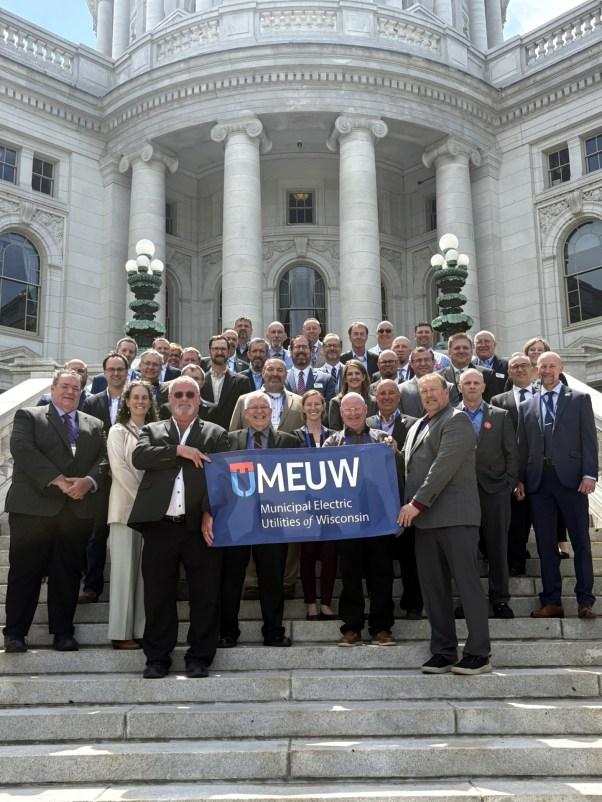
With the 96th Annual Conference happening in Madison, more than 50 members representing 18 MEUW communities helped kick off the event and took part in“lobby day” activities on Tuesday, May 12. Periodically, MEUW staff arranges for members to meet with lawmakers to educate and inform them about the vital role played by public power utilities in our state.
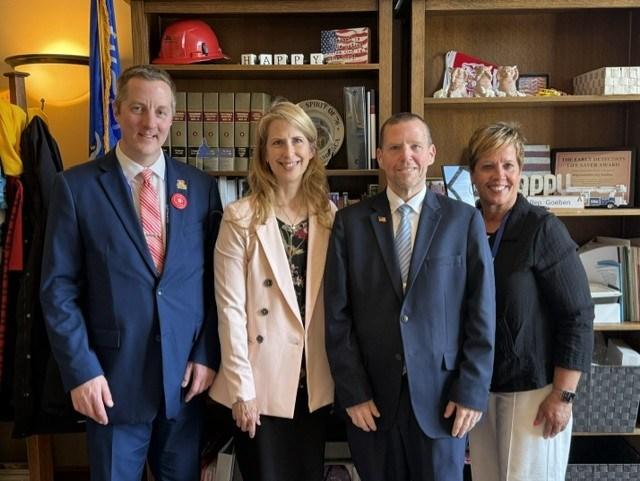
State Rep. Joy Goeben (R-Hobart) (second from left ) took a meeting with Kaukauna Utilities General Manager Michael Avanzi, Kaukauna Mayor Tony Penterman, and Ald. Kelli Antoine during MEUW’s “Day at the Capitol.”
Because they were already coming to Madison, members said they wanted to incorporate a“Day at the Capitol” into this year ’s conference events. After a brief informational session to review the issues and talking points, small groups made their way to the Capitol to visit Senate and Assembly offices for pre-arranged meetings. Among the topics on the agenda was the idea of allowing municipal electric utilities to use a simplified rate case process (similar to what ’s already in place for municipal water utilities).
MEUW members took part in 48 meetings with legislative offices to raise awareness and discuss issues important to public power.
Mega merger would create world’s largest regulated electric utility
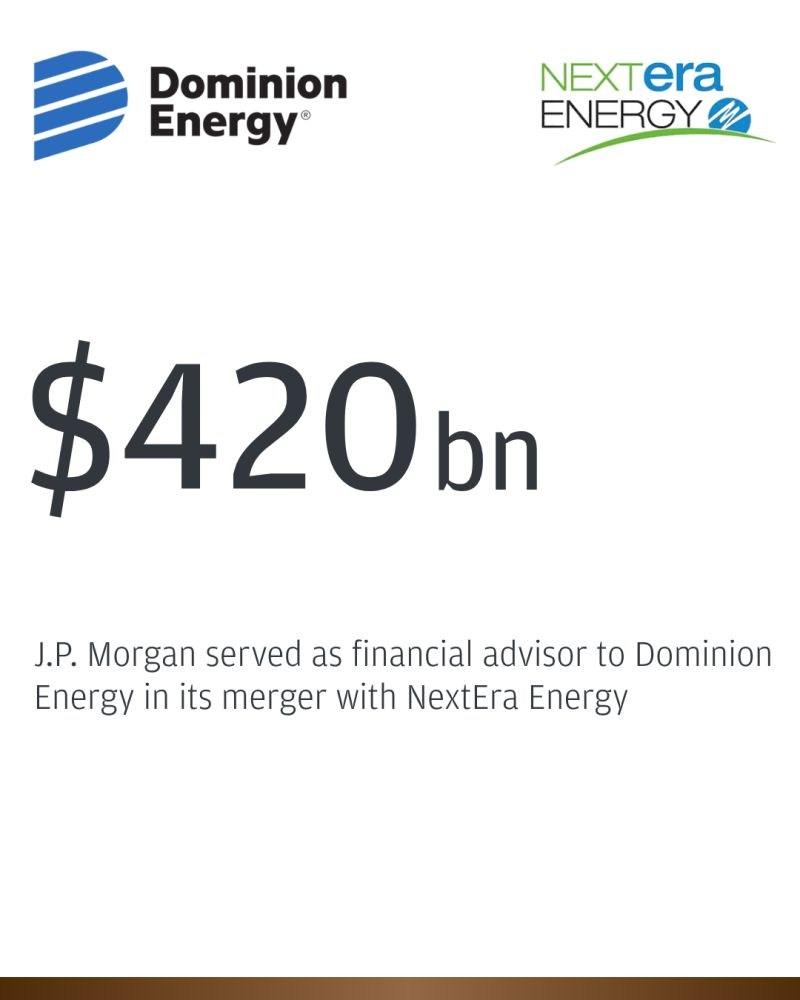
NextEra Energy in May announced plans to combine with Dominion Energy in a deal that would create the world largest regulated electric utility. The merged company which will retain the NextEra name and have dual headquarters in Juno Beach, Fl., and Richmond, Va. serve about 10 million customer accounts across Florida, Virginia, North Carolina, and South Carolina and would own 110 gigawatts of power generation, including the Point Beach Nuclear Plant near Two Rivers and multiple wind farms in Wisconsin. State regulators in Virginia, North Carolina, and South Carolina will review the merger before it can move forward. The companies say local utility operations would remain under current state oversight. They also pledged $2.25 billion in bill credits for Dominion customers, along with employee protections, continued low assistance, and increased charitable giving. Shareholder approval is expected by early 2027, with the merger potentially closing by the end of 2027.
Rethinking hearing tests: How OFMU improved employee experience while reducing costs
or years, Oconto Falls Municipal Utilities (OFMU) relied on a mobile RV service for employee hearing testsbut both the experience and cost left room for improvement.
“We were using an RV camper that would come out back, and there was always outside noise causing issues, ” according to Beth Rank, Interim Utility Manager.“It just wasn ’t an ideal testing environment. ”
With support from MEUW Regional Safety Consultant Chris Rosenthal, OFMU explored alternatives. Mobile testing quotes ranged from $4,000 to $8,000, and hospital testing cost about $175 per employee an expensive option for a team of just 11.
Instead, they chose a portable solution from ExamineTics the Salux Audiometric system. Shipped in a compact kit with an iPad and calibrated headphones, the system guides users through setup and testing. Employees complete the tests themselves in a quiet, controlled environment, with immediate results.
The iPad walks you through everything, ” Rosenthal said. “Employees basically give the test to themselves. ”
The impact was immediate. Employees preferred the quieter, simpler process, and the utility gained more control over scheduling and testing conditions.“Everybody said they really liked this compared to what we did in the past, ” Rank said.“It was a better experience. ”
The cost savings were significant. With this new solution, OFMU saved over $600 compared to hospital testing and far more compared to mobile units. “I think the biggest benefits are that we ’re in control of it and getting better results, ” Rank said.
With easy setup, flexible scheduling, and strong employee feedback, the switch proved highly effective. “I would definitely recommend it to other utilities, ” Rank said.“It’s about thinking outside the box to create a better experience for employees. ”
Caitlin Stene joined Waunakee Utilities as General Manager in mid-May, bringing with her several years of experience working with municipal utilities in her previous roles as Assistant City Administrator and Director of Administrative Services for the City of Sun Prairie and Deputy Village Administrator for the Village of Waunakee. She succeeds Tim Herlitzka who is retiring.
Travis Zelinski recently joined Oconto Falls Municipal Utilities as a Lineworker.
Send us your news! Tell MEUW about new hires, promotions, retirements, honors, and awards, so those tidbits can be shared in MEUW member communications. Simply send an email to news@meuw.orgto share your news.
MEUW Safety & Education Committee chooses new leaders
Over the years, worker safety has become a core service MEUW provides its members. Guiding the association ’s efforts to keep safety top of mind among all municipal electric employees is the Safety & Education (S&E) Committee, comprised of 11 individuals representing the diverse needs of MEUW member utilities.
OFMU ’s experience shows that improving employee experience and reducing costs can go hand in hand with the right approach.
Members of the S&E Committee recently chose Brian Dellemann, Two Rivers Utilities ’ Electric Utility Director, as Chair for the next year. Dave Pahl, Engineering and Operations Director at Kaukauna Utilities, was chosen as Vice Chair, and Adam Carroll, Line Foreman at Shawano Municipal Utilities, is the Committee’s Secretary.
We are fortunate to have an active and engaged group of individuals who give their time and expertise to help MEUW deliver the type of safety program that our members demand, ” said MEUW Director of Safety Services and Operations Mike Czuprynko. He added, We are always interested in member feedback which only helps to make the program stronger.” To provide input, contact Mike at (608) 478-2530, or S&E Committee Chair Brian Dellemann at (920) 793-5550, or any member of the S&E Committee.
Pahl Carroll
Dellemann
Global food manufacturer chose Jefferson as place to
By Karen Whitmer
Kikkoman is best known for its soy sauce, but in Jefferson the company represents far more than a familiar brand on grocery store shelves. The company is completing a $560 million production facility in the city’s Food and Beverage Innovation Campus, an industrial park the community developed to attract manufacturing facilities within those two consumer sectors. City officials say the plant, scheduled to open in mid-September, is expected to create jobs and term economic growth throughout the region.
Jefferson Mayor Dale Oppermann said the city ’s municipally owned electric utility was a major factor in attracting the project. Jefferson was selected from 64 Midwestern communities considered for the facility. Oppermann was re-elected to a ninth term in April and spearheaded efforts to bring Kikkoman to Jefferson.
“We are a public power community, which was key, ” Oppermann said.“We are able to provide electric reliability at a favorable price compared to other locations. ”
Oppermann also credited Jefferson Utilities staff including Business Manager Sarah Hinze, Line Superintendent Nick Baumann and Forster Electrical Engineering President Bruce Beth with helping demonstrate the city’s ability to meet the company’s significant energy demands.
“Our team helped provide the assurance that Jefferson was well-positioned to serve the company ’s substantial electrical demands, ” he said.
Jefferson Utilities has supported the project throughout development, providing temporary construction power, connecting the facility to local infrastructure and relocating a major electrical supply line to accommodate construction. Oppermann said that level of service continues to be an advantage as the city competes for industrial investment.
“They chose to build their plant here because they are confident that the City of Jefferson and Jefferson Electric Utility will be able to continue serving their needs as they grow in the coming years,” he said.
The Kikkoman project is part of a broader wave of industrial development in Jefferson. Oppermann noted that V&V Supremo Foods, a producer of Mexican cheeses and dairy products, plans to break
ground on a new facility later this year, while Onego Bio, an egg protein manufacturer, is expected to begin construction in 2027.
The new facility is expected to create about 50 initial jobs, many involving the operation and maintenance of advanced automated systems.
soy sauce facility in the Western world.” Kikkoman broke ground on the new Jefferson facility in 2024. Jefferson
Kikkoman Corporation traces its origins to the 1600s, when family businesses in Japan began producing soy sauce. Over time, it has grown into a global food manufacturer with products sold worldwide. In addition to soy sauce, the company produces a range of sauces, seasonings and related products.
Its Wisconsin presence dates to 1973, when it opened its first U.S. production facility in Walworth. Kikkoman officials said the state was selected for its access to soybeans and wheat, abundant high-quality water and central location for North American distribution. Today, the Walworth plant is described by the company as the “highest-producing
The 240,000-square-foot plant will produce soy sauce and related seasonings, including teriyaki sauce. When operations begin this fall, the company plans to host a public event with tours of portions of the facility.
Alongside its industrial development, Kikkoman has expanded its presence in Jefferson and across southern Wisconsin through community partnerships and cultural exchange initiatives.
Last summer, the company hosted the“Kikkoman Cookout” during Jefferson ’s Summer Festival in partnership with the City of Jefferson and the Japan America Society of Wisconsin. The event introduced Japanese cuisine and culture to local residents and drew about 650 attendees more than double the number organizers expected. Kikko-
Continued on page 11
Oppermann
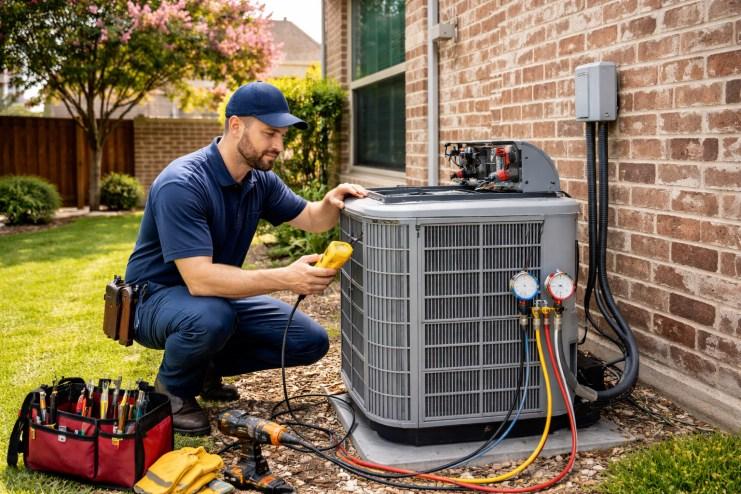
Preparing for peak season: Why AC-tune ups matter for utilities
As temperatures rise across Wisconsin, the importance of proactive air conditioner (AC) tune-ups becomes increasingly clear. For utilities, this seasonal transition brings both an operational challenge and a valuable opportunity to improve system reliability while helping customers better manage their energy use.
Cooling accounts for a significant portion of residential energy consumption, especially during the summer months. In fact, heating and cooling can represent up to half of a home’s energy use, making efficiency in these systems critical to both customer energy use and utility load management. This means that even small inefficiencies in AC performance can add up quickly across a service territory.
Incorporating simple maintenance habits can further improve performance and reduce strain on both equipment and the electric grid. For example, regularly inspecting and replacing air filters is one of the most effective actions customers can take. Dirty filters restrict airflow, increase energy use, and shorten equipment lifespan.
A well-timed AC tune-up is one of the simplest and most impactful steps customers can take before the cooling season begins. During the off-season, systems collect dust and debris and may develop minor mechanical issues. When suddenly pushed into continuous operation, these issues can reduce efficiency, increase energy consumption, and in some cases lead to system failure during peak demand periods.
From a utility perspective, poorly maintained AC units contribute directly to higher peak demand. This increases strain on infrastructure, raises wholesale energy costs, and can heighten the risk of outages. Encouraging customers to schedule annual pre-season tune-ups helps mitigate these challenges. Much like maintaining a vehicle, routine HVAC service ensures systems are“in tip-top shape” and prepared for sustained use.
Kikkoman Continued from page 10
man plans to host another community cookout this summer on July 18 at Rotary Waterfront Park in Jefferson.
Even before the plant ’s official opening, Kikkoman is helping to shape Jefferson through new jobs, investment, and growing community connections. For Jefferson Utilities, the project also highlights the important role community-owned utilities can play in supporting economic development and helping communities attract long-term investment.
Karen Whitmer is a regular contributor toLIVE LINES; she is a freelance communicator from the Fox Valley.
Other valuable maintenance tips include checking the condensate drain to prevent blockages and potential water damage and sealing ductwork to reduce energy loss and improve comfort. Together, these measures not only improve system performance but also extend equipment life and reduce the likelihood of emergency repairs during high-demand periods.
To maximize the benefits of AC maintenance, customers are encouraged to pair tune-ups with a smart thermostat upgrade. Smart thermostats allow users to automatically adjust temperature settings based on occupancy and schedules, helping reduce unnecessary energy use while maintaining comfort. These devices also provide greater visibility into energy consumption and enable remote control, making them a practical and convenient efficiency tool.
Focus on Energy offers a $50 rebate on smart thermostats purchased through the Marketplace, retail stores, or installed by a participating Trade Ally. This incentive lowers the upfront cost and makes it easier for customers to adopt technology that complements their AC maintenance efforts. For more information, visit focusonenergy.com/residential/smartthermostats
The Public Service Commission of Wisconsin provides a handyonline tool that comparesthe total residential electric bill(s) for one utility or multiple utilities (no limit on the number of utilities) for any period of time (including a specific month or multiple months). The information is presented in table or graph format and shows the actual rates that comprise the billing: customer charge, energy charge and either the Power Cost Adjustment Clause (PCAC)or Fuel Adjustment Clause (FAC)plus a total dollar amount billed for each month. The table also provides a calculated average of each rate component as well as the total bill for the time-period shown for each selected utility.
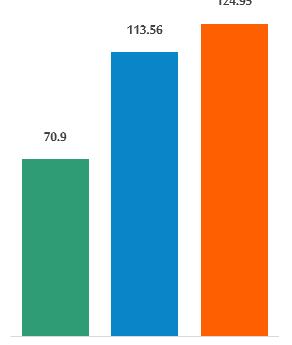
Based on a sample shown below, data from the PSC ’s online database indicates that residential customers of Waupun Utilities a municipally-owned electric company paid significantly less than customers of Alliant Energy and We Energies for the same 600 kWh of electricity charged on their December 2025 bills. Further analysis of data reveals that the average residential bill among all 81 municipal electric utilities for the same month was $76.62.
MEUW has created easy-tofollow instructions to use the online tool, so that municipal utility employees and customers can do their own comparisons. To learn more, clickhere.
MEUW is pleased to promote job openings with its member utilities across Wisconsin. New positions are regularly added to our website check them out here or use your smartphone to scan the QR code below Here are some current opportunities available:
Juneau Utilities Journeyman Lineman or Electric Lineman Apprentice
City of Evansville Electric Line Worker; JourneyLevel or Advance Step Apprentice
New Holstein Utilities Lineman Journey Level or 3rd/4th year Apprentice
Jefferson Utilities Journeyman Lineworker
Waupun Utilities Apprentice Line Technician
City of New Lisbon Journeyman Line Worker
Wisconsin Dells Water & Light Utility Journeyman Lineman
Manitowoc Public Utilities Journeyman Line Technician
New London Utilities Journeyman Line Mechanic
When your utility is hiring, be sure to email the job posting to office@meuw.org.
The latest edition of the MEUW Membership Directory is now available. The publication is available in both print and digital formats and is available to all MEUW members and key stakeholders. The easiest way to access the information included in the directory is through a flipbook that is linked from the bottom of every page ofMEUW.org To request a printed copy, email the MEUW office (shipping and handling charges may apply).