Board of Directors Staff
PRESIDENT
Missi Smith
VICE PRESIDENT
Jill Sheley
SECRETARY
Salyna Gracie
BOARD MEMBER
Nicole Ringgold
TREASURER
Dorothy Mitchel
BOARD MEMBER
Ray Johnston
ADVISORY MEMBER
Don Ashford
EXECUTIVE DIRECTOR
Sarah Jo Lightner
EDUCATION PROGRAM MANAGER
Olga Surmacheva
OPERATIONS AND EVENTS
COORDINATOR
Patti Somerville
VISUAL ARTS SPECIALIST
Maddie Lee James
LITERARY ARTS SPECIALIST
Nick Littman
METHOW VALLEY ARTS INSTRUCTOR
Ali Greb
CREATIVE ECONOMY PROGRAM LEAD
Phoebe Webb
COMMUNICATIONS & MARKETING MANAGER
Cailee Maestro
COMMUNICATIONS & MARKETING ASSISTANT
Mackenzie Mayhem
Methow Arts Magazine
CONTACT
methowarts.org
info@methowarts.org
Instagram: @methowarts
STOCKISTS
We would love to have our magazine in your business, cafe, or venue! If you would like to stock Methow Arts Magazine, please inquire at info@methowarts.org
DESIGNERS AND WRITERS
Cailee Maestro
Mackenzie Mayhem
ILLUSTRATOR
Mackenzie Mayhem
COPY EDITOR
Cailee Maestro
PRINTERS
Wenatchee World
FEATURED ARTIST PHOTOGRAPHER
Roxanne Best
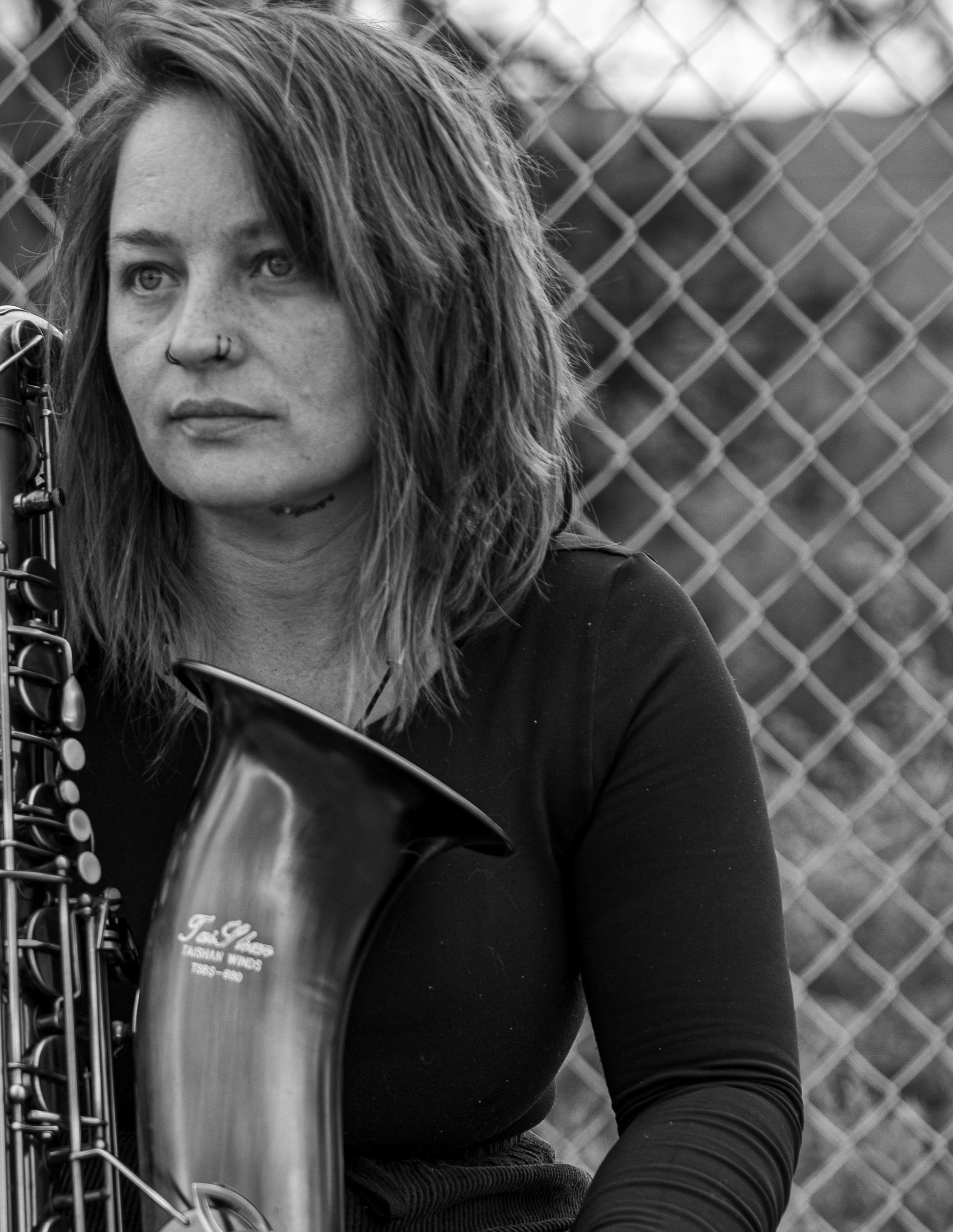
COVER PHOTOS
Roxanne Best
SUPPORTERS
Public School Funding Alliance
Icicle Fund
Community Foundation
Arts WA
Three Rivers Hospital
Waste Wise
Creative West
Blue Star Coffee Roasters
PARTNERS
TwispWorks
Confluence: Art In Twisp
Methow Pride
The Merc Playhouse
Winthrop Rhythm & Blues Festival
The Winthrop Co-op Gallery
Methow at Home
Cascadia
SPONSORS
Blue Star Coffee Roasters
Three Fingered Jacks
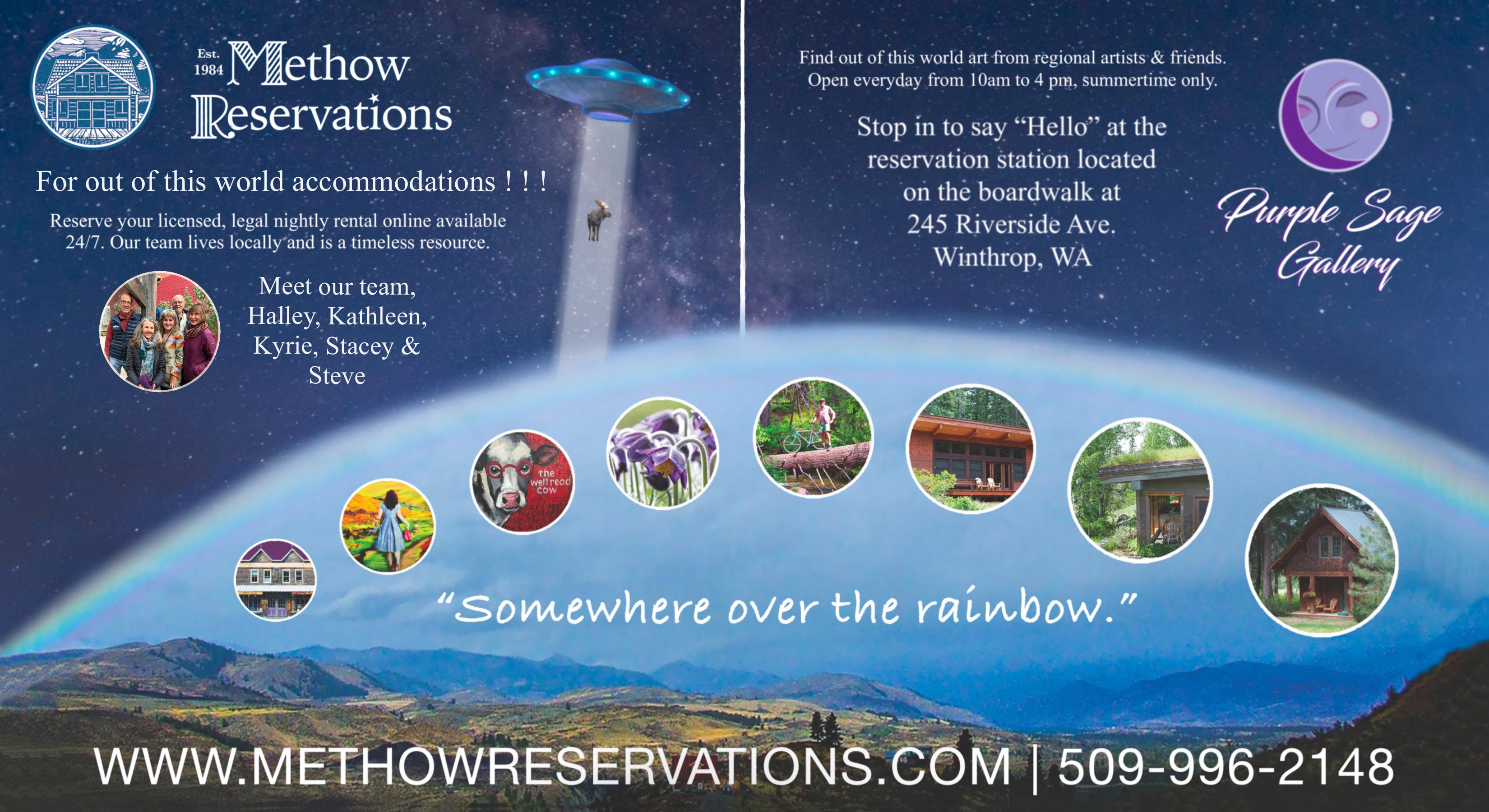
Purple Sage / Methow Reservations
Methow Valley News
Johnston Architects
Methow Trails
KTRT The Root
Tackman Survey LLC
Riverside Printing
The Confluence: Art in Twisp
SPECIAL THANKS
Paid in part by Okanogan County LTAC.
from the director
Dear Community,
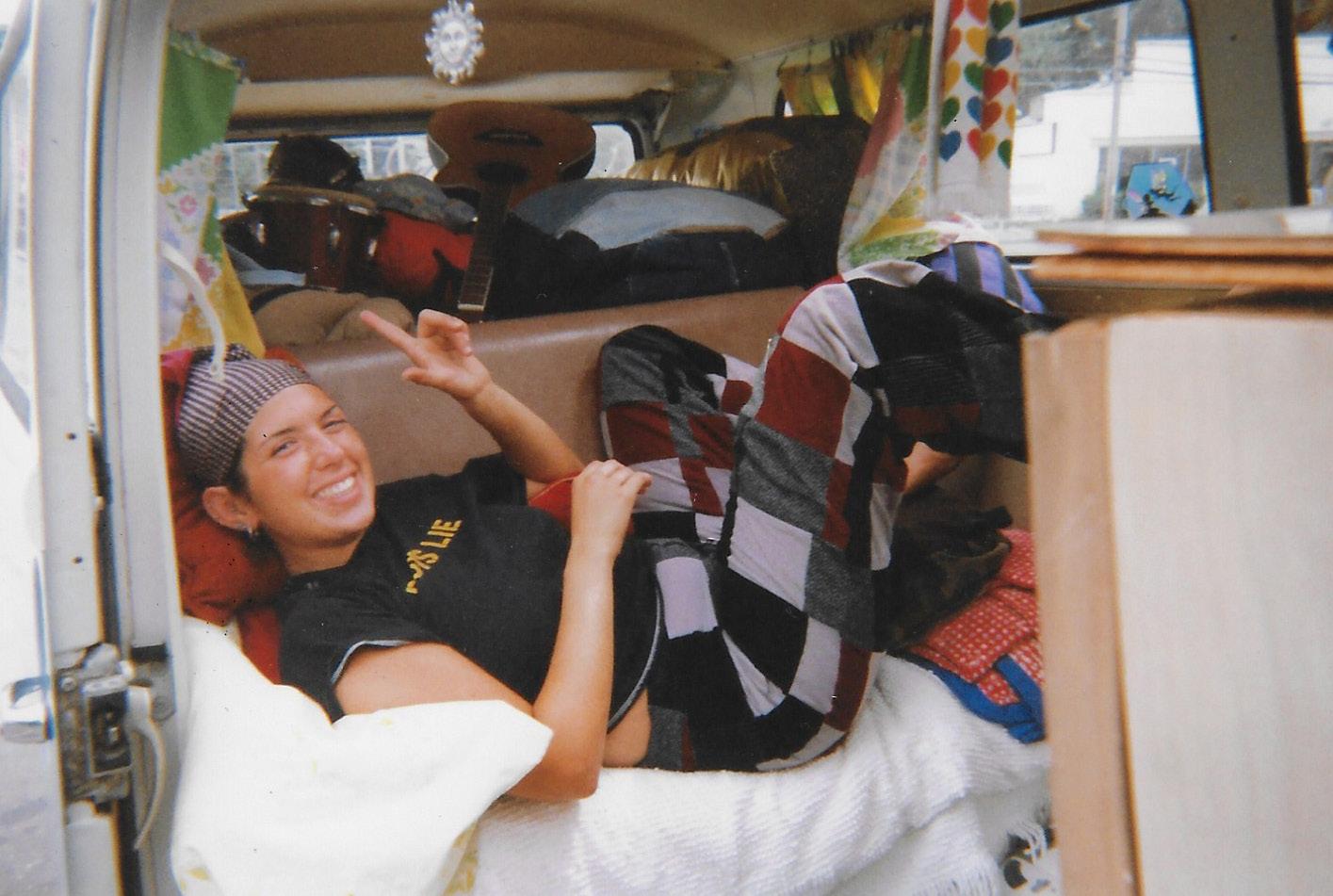
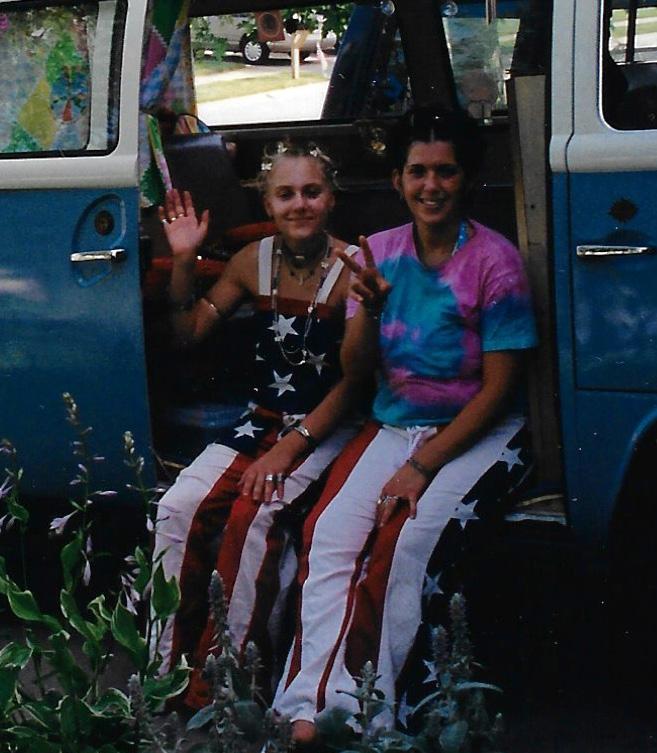
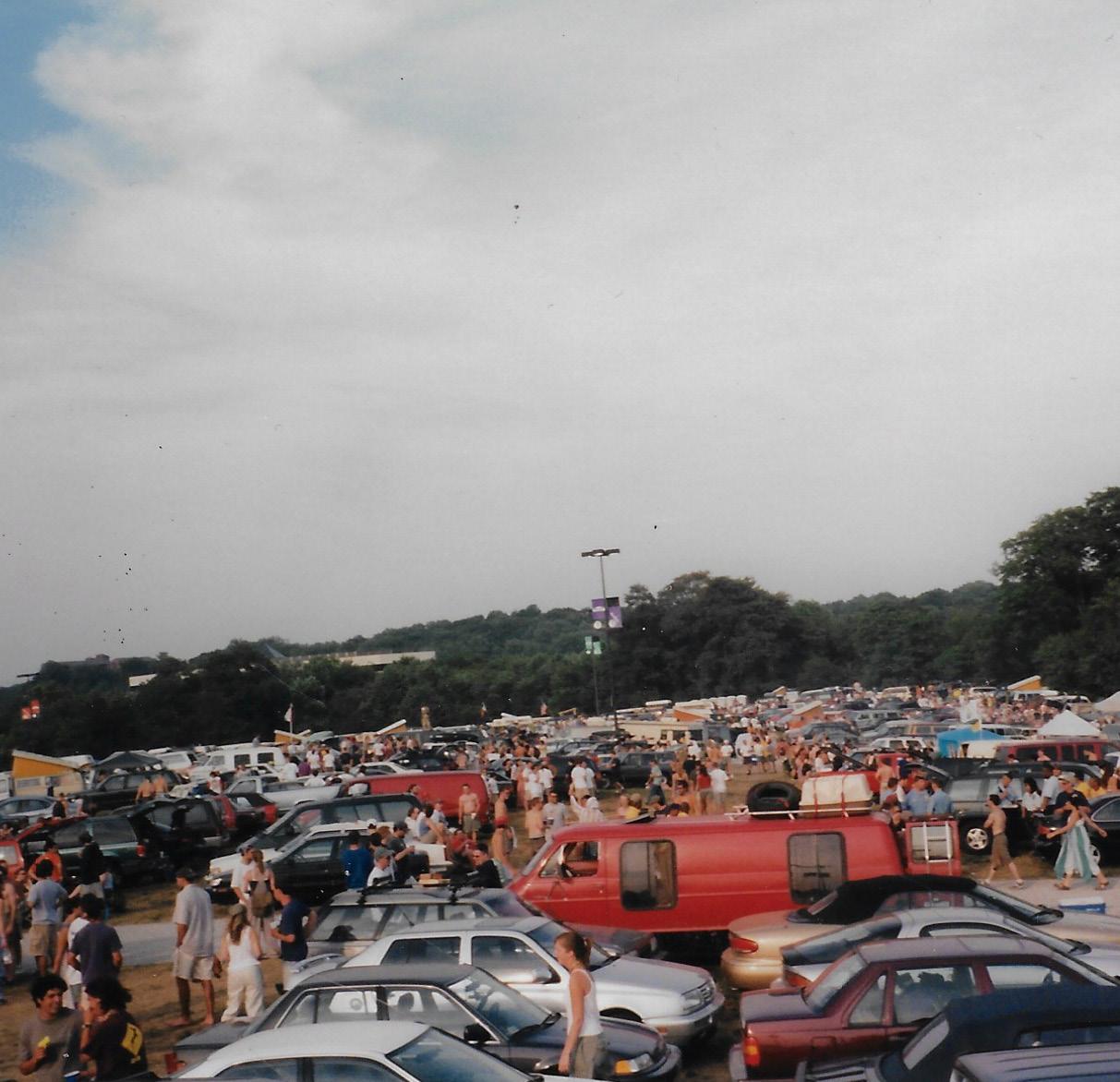
There are moments when I think about how remarkable it is that a young girl growing up in the rural Midwest, with a deep love of music and a vivid imagination, could never have predicted where that passion would lead. Music has a way of doing that. It opens doors we cannot yet see, introduces us to people we have not yet met, and shapes the course of our lives in ways both subtle and profound. To say that music changed my life would be an understatement and not give enough credit to the musicians, producers, fans, and multitude of people I have been fortunate to meet because of live music. I have been privileged to see 83 Phish shows and copious other live music, the photos I added for my letter this magazine are of my time touring in summer 1998 and 1999. My friend, Tiffany, and I would work all winter making patchwork pants and tank tops and spend all summer selling them seeing live music. Later, I had the amazing opportunity to work on an art build at a run of Halloween Phish shows with Russ Bennet and his amazing team of creatives. That year they covered the whole Rolling Stones album, Exile on Mainstreet. At the time, I was regularly listening to that album and
deep dived the stories about the band traveling to the American South and infusing British rock with the roots of American culture. It really felt like a pivotal moment in my life where all the stars were aligning.
For me, music has been a constant companion and teacher. It has connected me to communities, inspired my work, and helped me understand the world beyond my own experience. That journey is not unique to me. For generations, music has been woven into the fabric of the American story. It has celebrated our triumphs, carried our grief, challenged our assumptions, and helped us imagine a better future.
As our nation approaches the celebration of 250 years of American democracy, it is worth reflecting on the role that arts, culture, and the humanities have played in shaping who we are. In 1965, Congress established the National Foundation on the Arts and the Humanities, creating both the National Endowment for the Arts and the National Endowment for the Humanities. The legislation affirmed that the arts and humanities belong to all Americans and are essential to a thriving democracy. Now that legislation is becoming less and less realized as our national institutions dedicated to this work are being dismantled and defunded.
Throughout our history, music has often served as both a mirror and a catalyst. Consider Jimi Hendrix’s iconic rendition of “All Along the Watchtower.” Hendrix transformed Bob Dylan’s already powerful song into an anthem that captured the uncertainty, tension, and questioning spirit of an era shaped by the Vietnam War and a growing movement of resistance and social change at home. The music created during this time serves as an oral history to all of us and every generation to come.
That power of shared experience remains just as important today.
Yet we find ourselves at a moment when arts, culture, and the humanities can no longer be taken for granted. We live in an age of unprecedented technological connection, yet many of us feel increasingly isolated from one another. The places where we gather—in music venues, theaters, galleries, libraries, festivals, and community spaces—are under increasing pressure. Small nonprofit organizations, local festivals, and independent venues that knit together the cultural fabric of our community are working harder than ever to survive.
The truth is simple: arts and culture do not exist without participation.
If you value music, books, storytelling, history, performance, and creative expression, now is the time to show up. Attend the concert. Buy the ticket. Visit the gallery. Volunteer. Become a member. Bring your friends and family. Support the organizations that create opportunities for connection and belonging. Simply, it is an act of patriotism, a civic duty to help solidify our cultural fabric in this country, to ensure that it exists for future generation.
This summer offers wonderful opportunities to do exactly that. We are thrilled to welcome
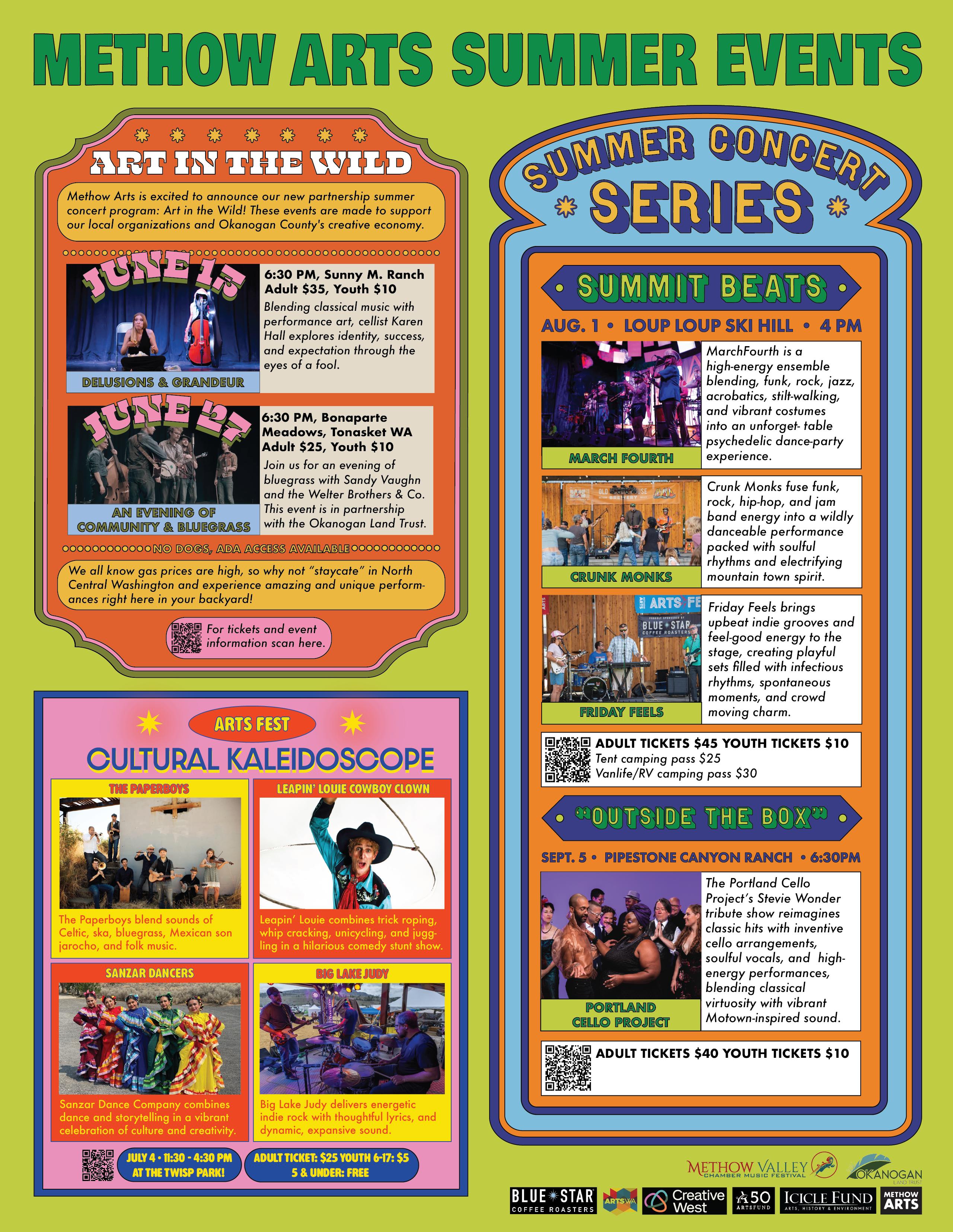
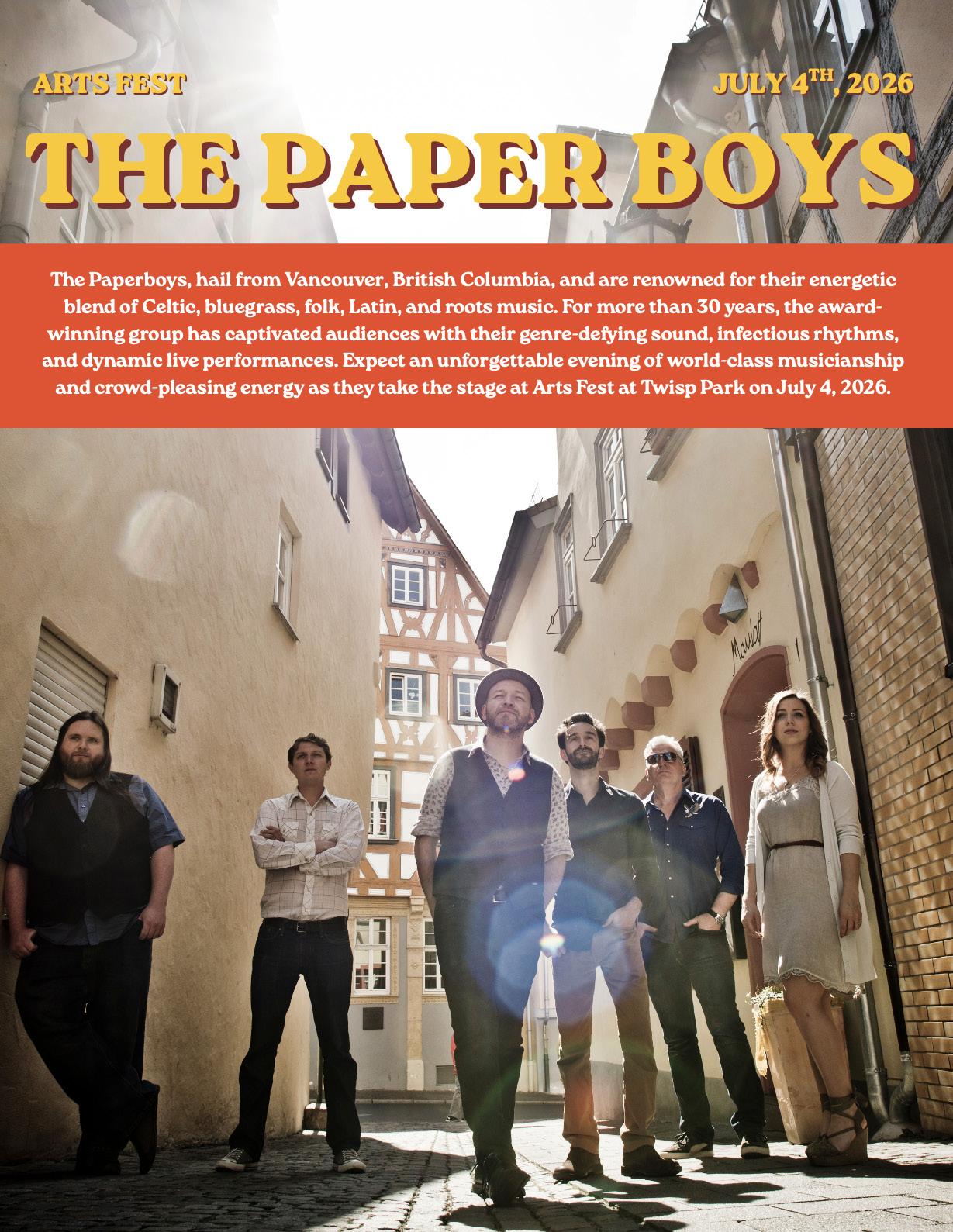
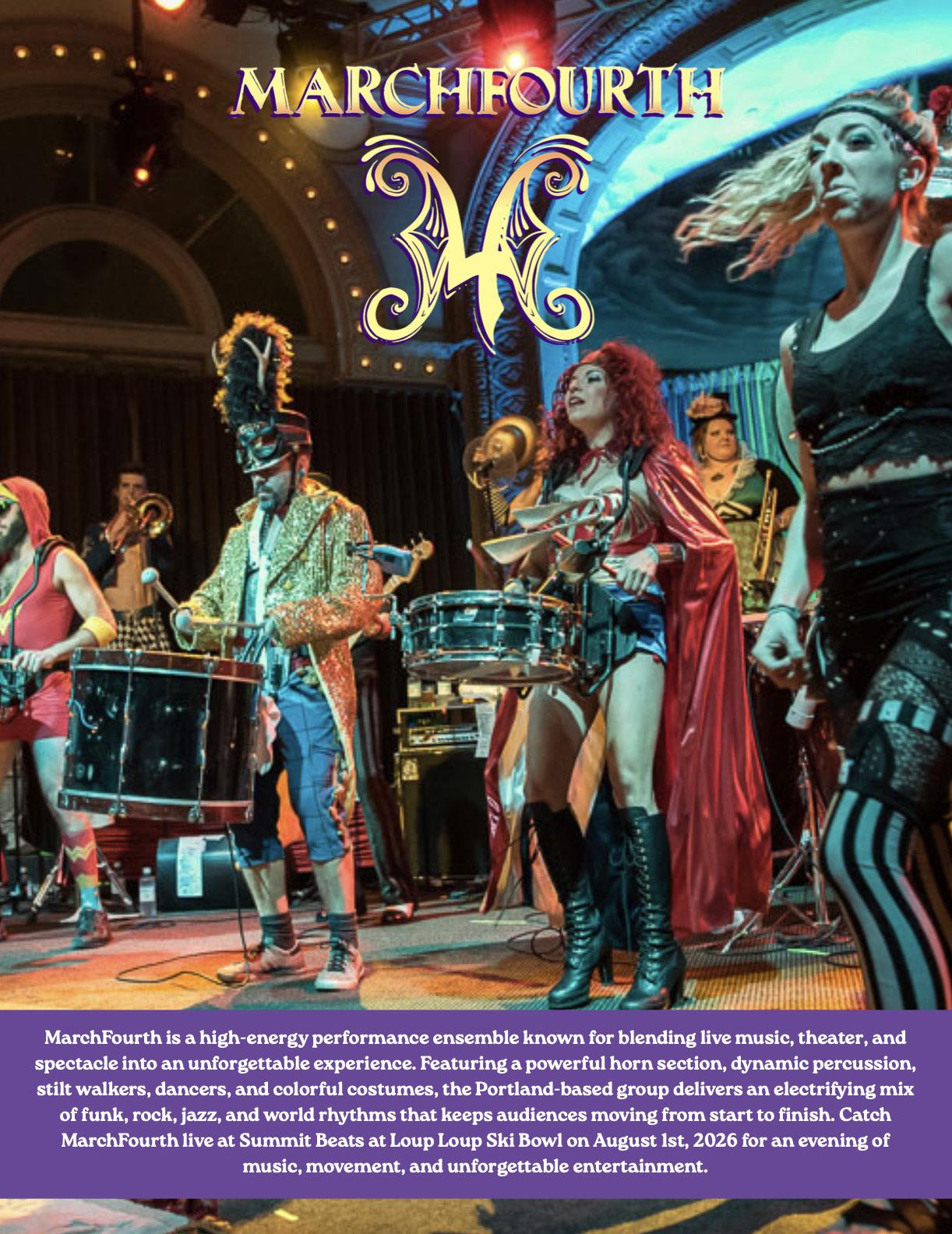
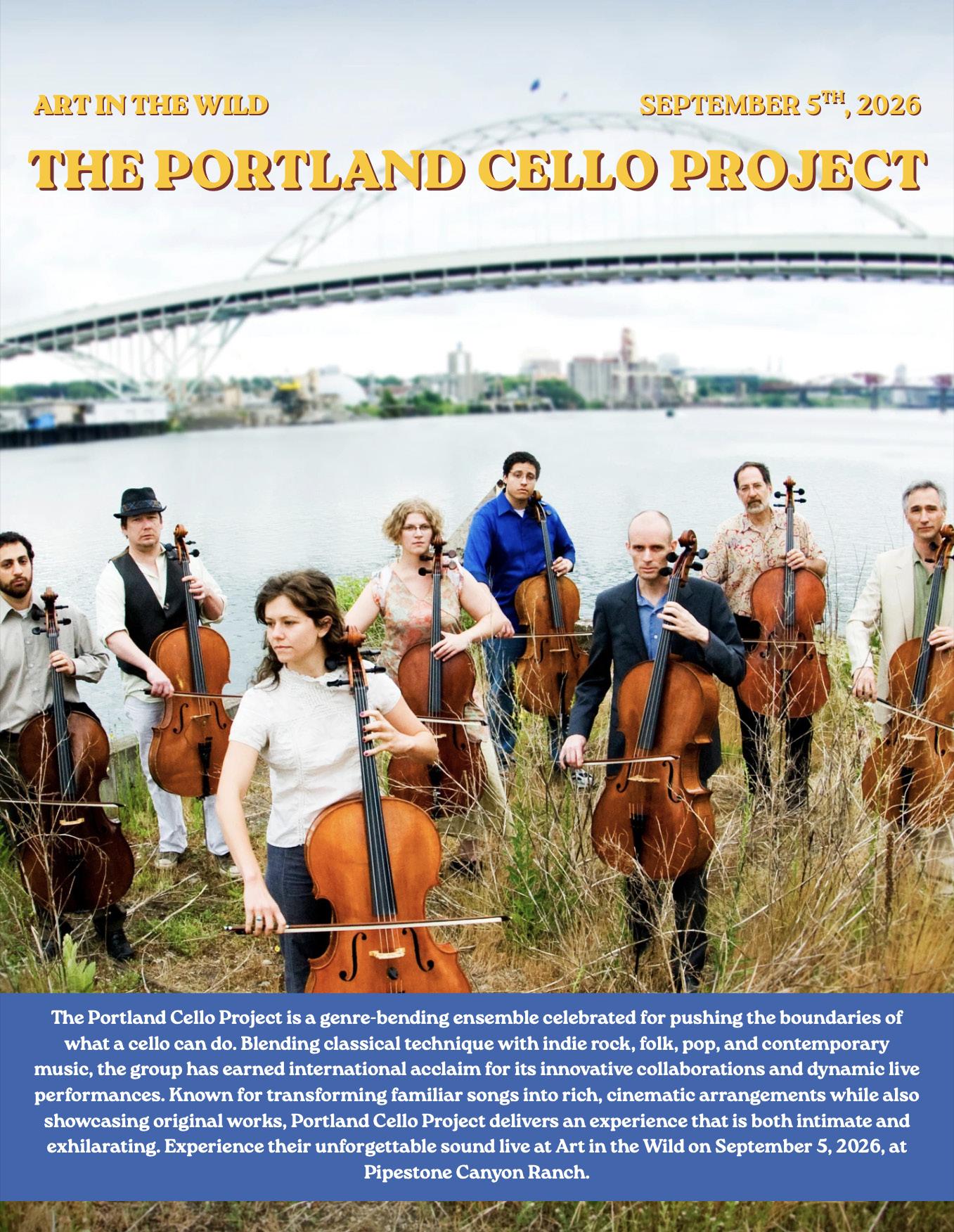
The Paperboys during ArtsFest on July 4, MarchFourth to the Loup for Summit Beats in August, and Portland Cello Project in September. These events are more than performances— they are opportunities to gather, celebrate, and create memories together. They are opportunities to experience the joy of live music alongside neighbors, friends, and visitors right here in your backyard. We understand that more and more live performance feels out of reach to many and that is why Methow Arts works so hard to keep our events affordable and accessible. Big companies like Live Nation are working to ensure only the few have access to live music and performance and Methow Arts is working to keep it local and accessible. You can help us do that by attending, volunteering, and spreading the word.
At their best, the arts remind us that we are part of something larger than ourselves. They help us understand our shared history, celebrate our diverse stories, and imagine what comes next. As we look toward America’s 250th anniversary, I hope we will recognize that preserving our cultural life is not someone else’s responsibility— it belongs to all of us.
Thank you for being part of this community and for helping ensure that live music remains a vibrant and essential part of American life for generations to come.
With gratitude,

Sarah Jo Lightner Executive Director Devoted Phish Fan
Methow Arts enriches the lives of people in Okanogan County by making the arts an integral part of public school education, economic vitality & community. We envision a future where artists & art organizations collaborate & thrive, where the arts are part of the consciousness & experience of people of all ages.
YOU’RE WHOLE AND CAPABLE: TOUCHING LIVES WITH CREATIVE POSSIBILITY
By Nick Littman
Four men in their 30s and 40s out at the Old Schoolhouse Brewery on a Tuesday evening in Winthrop and all their waitress wants to tell them is how her kid came home from school telling her all about their performance—there was Hip Hop and a DJ Spicy Ketchup, there was a live product reveal to a fashion designer, there was some intense spoken word poetry. “Cool, that was us,” they respond.
The next day, in the north county near the border, it’s an Oroville teacher that approaches the group as they’re packing in the parking lot. She wants them to know that three of her students that struggle the most, came up to her after the show and said they got a lot out of it. “It’s so important they realize they can get experiences like this out of school,” she says.
On the third day, when the final performance is finished in Pateros and the students and per-
formers have gone home, a high school student sends message after message to James Pakootas (Pah-ko-tas) over social media. He probably didn’t see her, she starts with, because she didn’t come up to say hi after but she wants him to know the story he told and what he came back from was really impactful to her. She’s had a lot of bad things happening in her life but knows she can choose to move on, knows she can choose to fight for some of her own passions and not give up on her own art and writing.
These are the ripples that begin from finding the right people to give the right message in the places that need it the most—the rural schools of Okanogan County. The message? You belong, you are capable, you are whole.
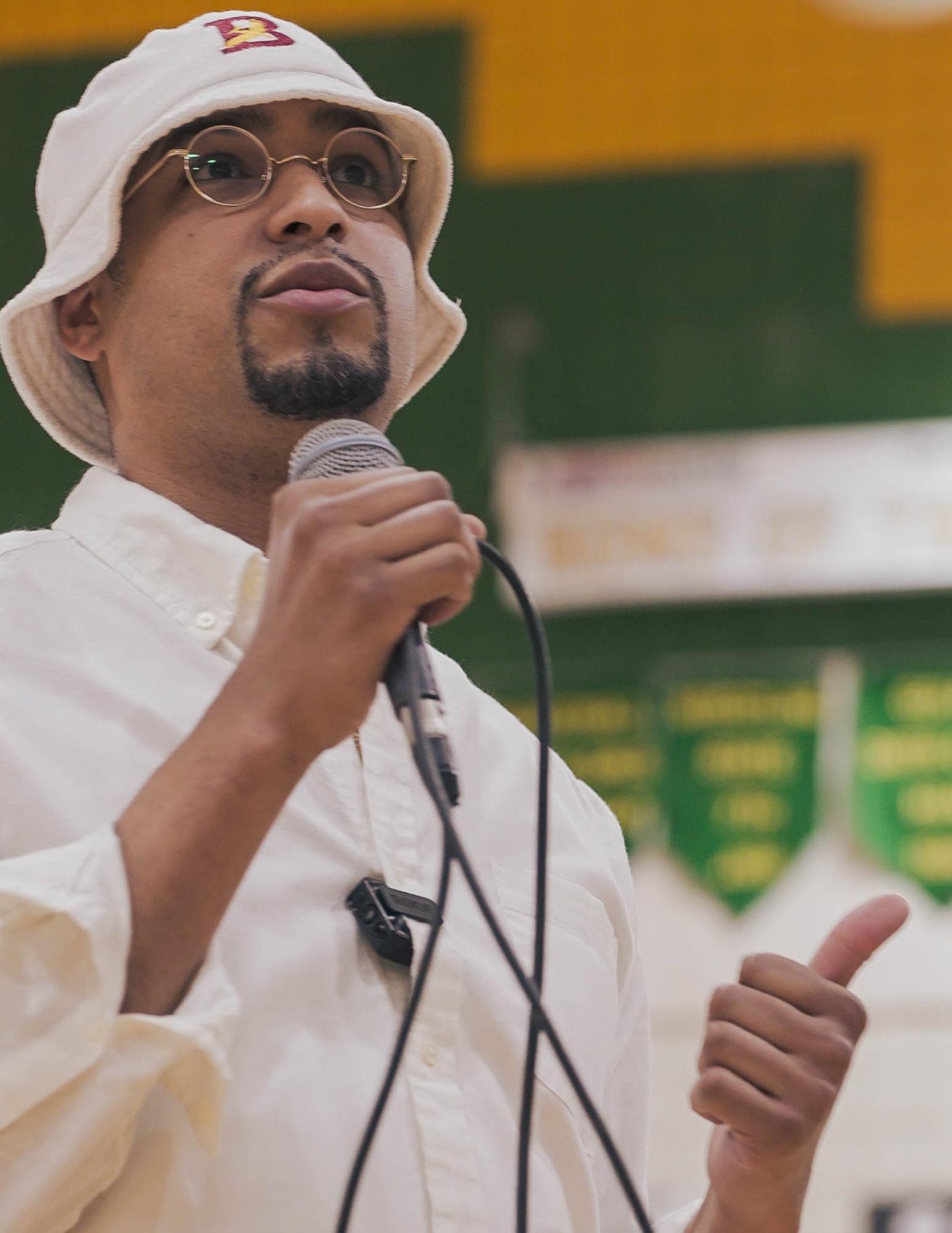
The messengers? A celebrated Native poet and Hip Hop artist who’s come out the other side of intense trauma, an astute and thoughtful fashion
designer and creative entrepreneur who sees potential in everyone, a powerful and uplifting Hip Hop performer who knows how to raise emotion in a room, and, a DJ Spicy Ketchup with a big orange mustache and some of the spiciest dance moves around.
“I
BETTER SWALLOW MY PRIDE, BEFORE THIS TRAUMA COMES TO SWALLOW MY LIFE”
Every memorable performance follows an arc. This one starts by letting the audience feel—in all its heaviness and discomfort and sadness— the trauma from James Pakootas’ life.
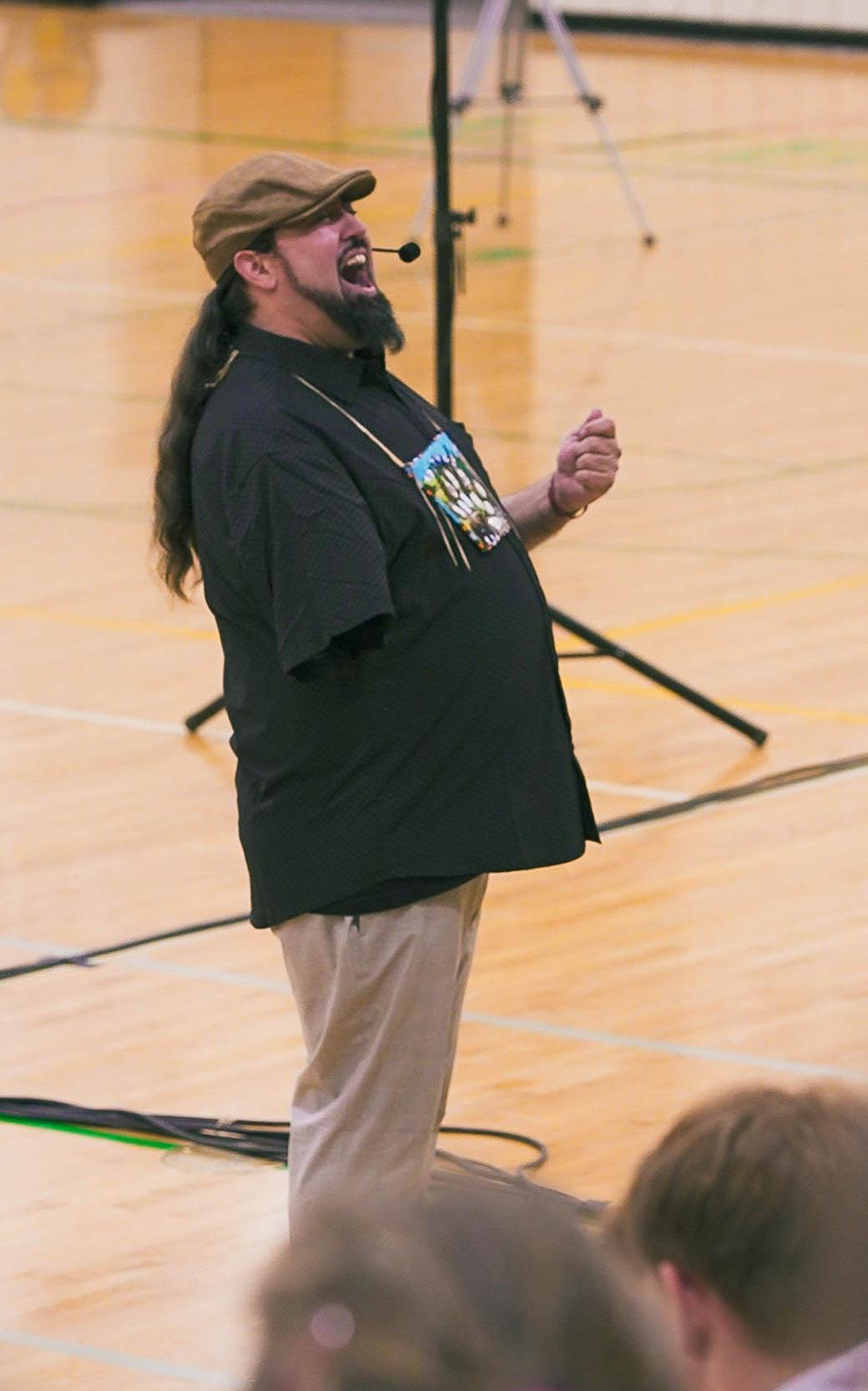
James Pakootas has one arm. He removed his right arm after most of the nerves were severed in a drunk-driving accident 12 years ago. Blackout drunk, he tried to drive home to Nespelem. His red sedan hit a guardrail going 90 miles per hour. The rail punctured straight through the center of his car like a spear and 30 feet out the back. A few inches further left, and he wouldn’t be here.
“EVEN LIVING WITH ONE ARM, I’M STILL WHOLE...”
The accident was an end and a beginning. Childhood abuse, heavy alcohol and drug use and a stint in prison for selling drugs all came before. Transformation and possibility and creation came after.
Following the accident, James started writing poetry and placing poetry to music and producing music videos that gained national attention. He performed at the Kennedy Center and all over the country. He leaned into his culture and began learning his rapidly disappearing native language—nsəlxčin. Soon, he returned to the schools to deliver a message to students he knew were facing their own trauma and isolation and struggle: you’re still whole.
James opens with a song from his own culture— mic-less, deep-bellied, room-grabbing— and yet
he’s surprised that it receives warm applause every time. The students don’t understand the words but they can lean into the emotion of it, they can hang onto the vulnerability of sharing a part of himself. Then there’s two poems that blend spoken word and Hip Hop: one he wrote before he was going to cut off his arm and the other parallels the scars of the earth with our own human scars. He plays a four-minute slideshow of pictures to music—the guardrail going through the car. There’s no shots of him, no blood, just frame after frame of the car: the choice and the consequence. The gym is stone still.
PRESENT AND CAPABLE
The urgency of connecting with these students is real. In Okanogan County, 28% of 6th graders surveyed in the 2025 Healthy Youth Survey said they have seriously thought about killing themselves at some point. Fourteen percent of 8th grade students were unable to stop or control their worrying. Students within these small communities often see limited possibilities in front of them. If they stay in their towns they think they’ll do what their parents do: be a mechanic, be a nurse, work in the orchards. Many carry creative talents but they don’t imagine they can make a profession out of them. Eleven percent of 6th graders and 15.6% of 8th graders reported they had no or very little hope: they didn’t see a way forward.
In the second act, building up from the rawness James opens, Jaiz Boyd takes the microphone and has the students repeat two words: present and capable. He reminds them with a group inhale and exhale to come back to the present moment, to not get carried off in the opinions and chatter of others or their own self-doubt. He wants them to believe that they’re capable too, if they’re moving towards what they’re passionate about and surrounding themselves with the right people, they have immense potential. To harness this potential they might need to leave. They may come back. They may
not. He tells them: find the people who support you, work as a team, we can’t do it all alone.
WHO I AM, WHO I WAS, EITHER WAY... SHOW ME LOVE
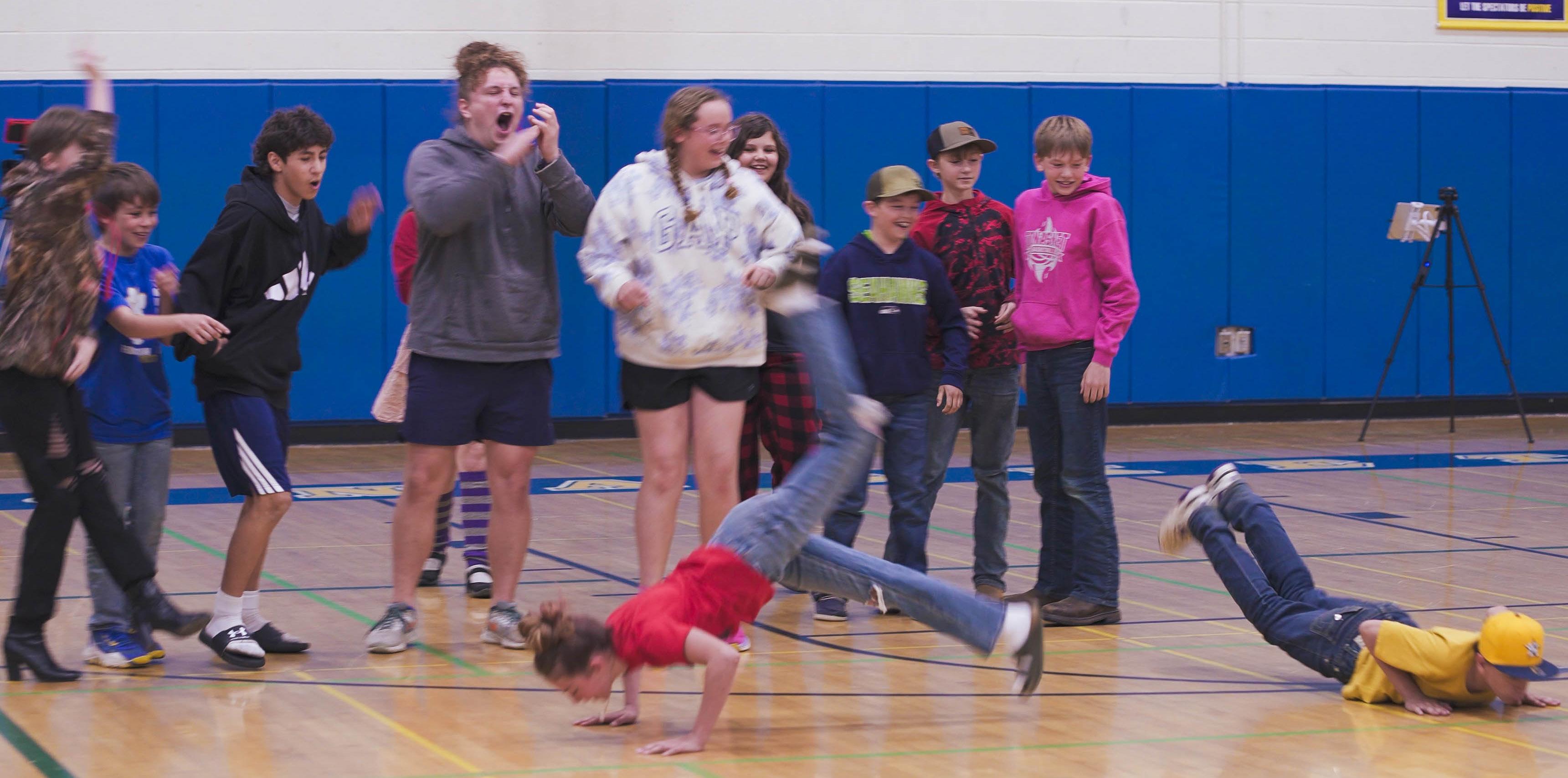
The finishing act is where all that bottled up emotion is released into movement. T.S. the Solution, a Hip Hop artist who knows how to bring body-felt energy into any room, starts his first song with the students providing a clapping rhythm. The next song uses a collective stomp, and then it’s time for the dance off. That’s where DJ Spicy Ketchup comes in.
“Who can show off their moves?” asks T.S. In clusters of friends, they all point to the same person simultaneously. Other middle and high schoolers volunteer themselves. DJ Spicy Ketchup lays down some tunes and starts breaking it down. The gym is full of laughter and cheers as the kids try to imitate Spicy Ketchup’s mean dance moves.
By the finale, T.S. has the whole gym singing the response to his chorus: “Who I am, who I was either way…Show me love,” they shout.
It’s after the show that the real magic happens. Students mob the performers like they’ve just seen Bad Bunny or Taylor Swift. Autographs go on t-shirts, water bottles and Birkies. Selfies are snapped; Instagram handles exchanged. The artists receive the adoration then hand it back: “What do you love to do?”; “What do you want to do when you leave here?”
In these moments, two thoughts strike: so many in these gyms—in places as remote as Tonasket and Oroville—have never seen a show like this. As DJ Spicy Ketchup puts it afterwards (he can actually get pretty philosophical on you), “The more research I’ve seen about social media and AI and the way society is going, cultural experiences and understanding how other people think is one of the most important things you can equip students with, and yourself with—I can
experience other cultures, I can experience other things.”
The second bolt? These four young men are some of the best male role models I can imagine: vulnerable, real, emotive and…cool. They’ve put together an hour-long performance that ignited many lives. How do you hold that? How do you build on that? How do you make sure these students keep being seen, keep having access to creative outlets? That is our challenge at Methow Arts as we work to bring art—authentic human expression—into the lives of students around Okanogan County. We want them to have enough experiences that tell them: your creative voice is worthy and valuable—go forth and use it.
WHERE THE MUSIC LIVES
By Cailee Maestro
There’s a certain kind of magic that only happens during live music. It’s dancing in the grass as the sun drops behind the mountains, hearing a crowd erupt during the first notes of a familiar song, or discovering a musician you’ll never forget.
In Okanogan County, music lives everywhere. Breweries, wineries, patios, parks, community centers, theaters, and small-town gathering places become stages where neighbors and visitors come together.
From bluegrass and folk to jazz, rock, karaoke, DJs, and experimental performances, the county’s music scene reflects the creativity and character of the communities that call it home. Some events draw thousands. Others unfold quietly on a patio beneath string lights.
Music here is woven into everyday life. It brings people together after work, connects neighbors, and turns ordinary evenings into memorable ones. Whether you’re searching for a summer festival, an intimate acoustic set, or a lively night out, the follow-
ing venues, festivals, organizations, and gathering spaces help keep the soundtrack of Okanogan County playing year-round.
METHOW VALLEY AND NORTH COUNTY
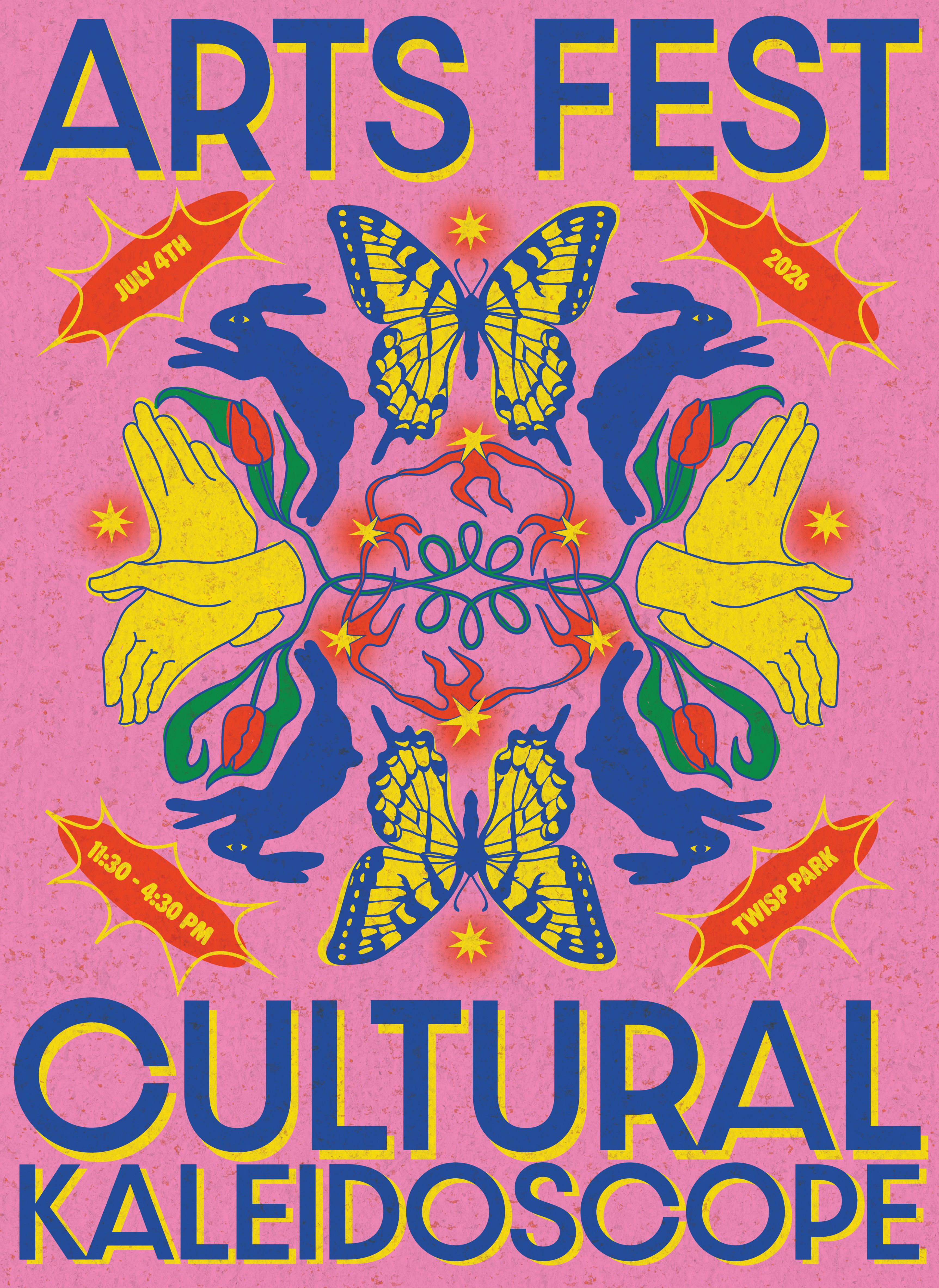
ARTS FEST
Produced annually by Methow Arts, this beloved Fourth of July tradition brings together visual art, live music, performances and family activities in a lively celebration of creativity, culture, and community in the heart of Twisp.
CASCADIA MUSIC
Dedicated to creating connection through music, Cascadia Music presents concerts, educational programs, and community performances that enrich the cultural life of the Methow Valley.
THE LIVES
CASIA LODGE
Set against sweeping Methow Valley views, Casia Lodge hosts occasional live music, special events, and performance evenings that pair dining, hospitality, and entertainment in an intimate mountain setting.
COPPER GLANCE
An intimate cocktail bar tucked into downtown Winthrop that hosts occasional live music nights and small performances in a setting that feels both polished and local.
GUARANTEED FRESH FESTIVAL
A community-rooted festival featuring live music alongside local food, art, and makers, bringing together regional performers and audiences for a celebration of creativity and connection.
JUPITER
During the summer season, Jupiter hosts live music on its outdoor deck, creating a relaxed gathering place where locals and visitors can enjoy food, drinks, and performances in the heart of Winthrop.
MAZAMA PUBLIC HOUSE
A casual mountain gathering spot where live music, open mic nights, and community events bring people together. Performances here tend to feel close and communal, often unfolding alongside dinner, drinks, and long summer evenings.
THE MERC PLAYHOUSE
Known primarily for theater productions, The Merc Playhouse also presents musical performances, concerts, and music-centered productions that bring performers and audiences together in an intimate setting.
MEZA
Known for its food and welcoming atmosphere, Meza occasionally features live music nights that bring together local musicians, residents, and visitors for an evening of dining and entertainment.
METHOW VALLEY CHAMBER MUSIC FESTIVAL
Celebrating its 30th season, this internationally recognized festival brings world-class musicians to the Methow Valley for intimate, curated performances of classical and contemporary chamber music.
METHOW VALLEY CIDERHOUSE
A relaxed summer gathering place known for lawn concerts and live music events featuring regional artists throughout the season.
METHOW VALLEY COMMUNITY CENTER
A longtime community space for dances, folk traditions, seasonal performances, and participatory music events rooted in local culture.
METHOW VALLEY JAZZ FESTIVAL
Bringing musicians from across the Northwest to the valley, this annual festival features live performances and community events celebrating jazz traditions, contemporary improvisation, and musical connection.
OLD SCHOOLHOUSE BREWERY
Seasonal riverside concerts bring regional and touring bands to its outdoor stage, where evenings often fill the patio with a mix of locals and visitors gathered along the Chewuch River.
SUMMIT BEATS
An emerging mountain music experience combining camping, live bands, DJs, local vendors, and art in an alpine setting hosted at Loup Loup Ski Bowl.
SUN MOUNTAIN LODGE
Hosts occasional live performances, seasonal entertainment, and dinner concerts paired with sweeping mountain views.
SWEET RIVER BAKERY
Known for its wood-fired pizza nights, pastries, and welcoming atmosphere, SweetRiver Bakery also hosts live music throughout the summer and fall on its backyard stage.
THE CONFLUENCE: ART IN TWISP
While primarily an arts organization and gallery, The Confluence hosts performances and interdisciplinary events that blend music, visual art, storytelling, and community gathering.
TWISPWORKS
A gathering place for live music, outdoor performances, art events, and community celebrations. Throughout the summer, the campus hosts concerts, creative programming, and Fourth Fridays that bring musicians, artists, families, and visitors together.
WINTHROP RED BARN
One of the valley’s premier gathering spaces, the Winthrop Barn hosts concerts, dances, festivals, and community events throughout the year, serving as a home for live music and cultural celebration.
WINTHROP FOLK AND ROOTS FESTIVAL
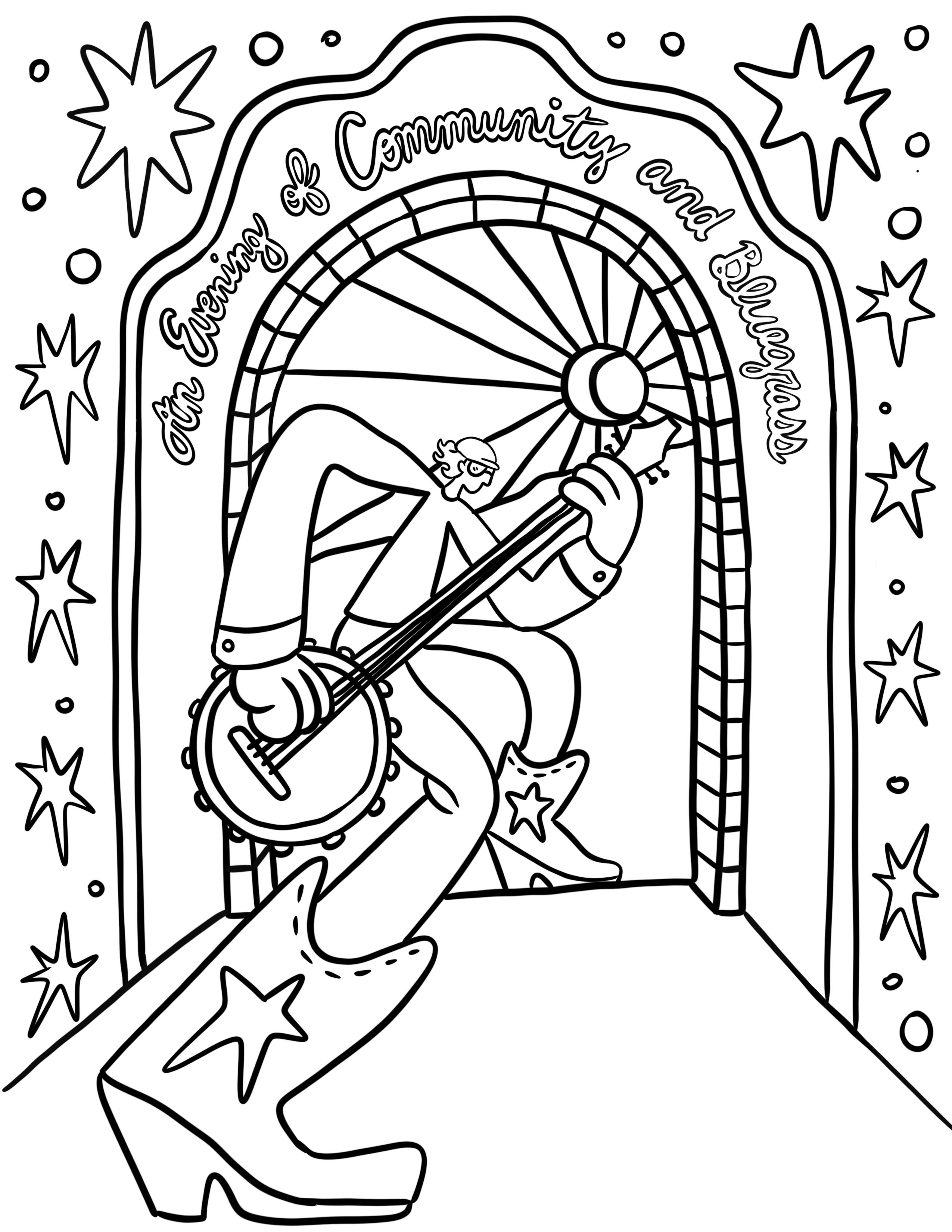
Held in late October at the Winthrop Barn, this weekend festival celebrates folk, Americana, bluegrass, and roots music through live performances, workshops, and community jam sessions featuring regional and touring artists.
WINTHROP RHYTHM & BLUES FESTIVAL
A cornerstone summer event bringing nationally touring acts and thousands of attendees to the Methow Valley each year.
GREATER OKANOGAN COUNTY
AFTERHOURS OKANOGAN
This intimate downtown venue combines coffee, conversation, and live entertainment, regularly hosting musicians, open mic nights, and community performances that create a welcoming space for local talent and audiences alike.
BARTER FAIRE
Part music festival, part marketplace, and part counterculture gathering, the annual Barter Faire draws musicians, performers, artisans, and visitors from across the Pacific Northwest. Live music can be found throughout the event, creating an eclectic and distinctly Okanogan County experience.
DAWG HOUSE
One of Omak’s most active nightlife spots, featuring live bands, karaoke nights, and community gatherings that draw crowds from across the region.
THE RED LIGHT BAR AND RESTAURANT
A classic small town gathering spot known for karaoke nights, live bands, and community nightlife where nearly everyone eventually joins the chorus.
12 TRIBES OMAK CASINO HOTEL
One of the county’s larger entertainment venues,
bringing in touring musicians, DJs, concerts, and larger scale events throughout the year.
OKANOGAN VALLEY ARTS COUNCIL
The Okanogan Valley Arts Council supports and promotes arts throughout north county, presenting concerts, performances, and cultural events that connect artists, audiences, and communities across the region.
OMAK PERFORMING ARTS CENTER
One of Okanogan County’s premier performance venues, hosting concerts, touring musicians, student performances, community productions, and cultural events throughout the year.
OROVILLE GRANGE HALL
A longtime gathering place for community celebrations, dances, and local events, the Oroville Grange Hall continues a tradition of bringing people together through music, social gatherings, and rural cultural life.
TONASKET CREATIVE CULTURAL CENTER
A vibrant community hub dedicated to arts, culture, and creative expression, the Tonasket Creative Cultural Center hosts concerts, performances, workshops, and community events that showcase local and regional musicians while strengthening connections through the arts.
TASTES L I K E SUMMER
Okanogan County Farmers Market
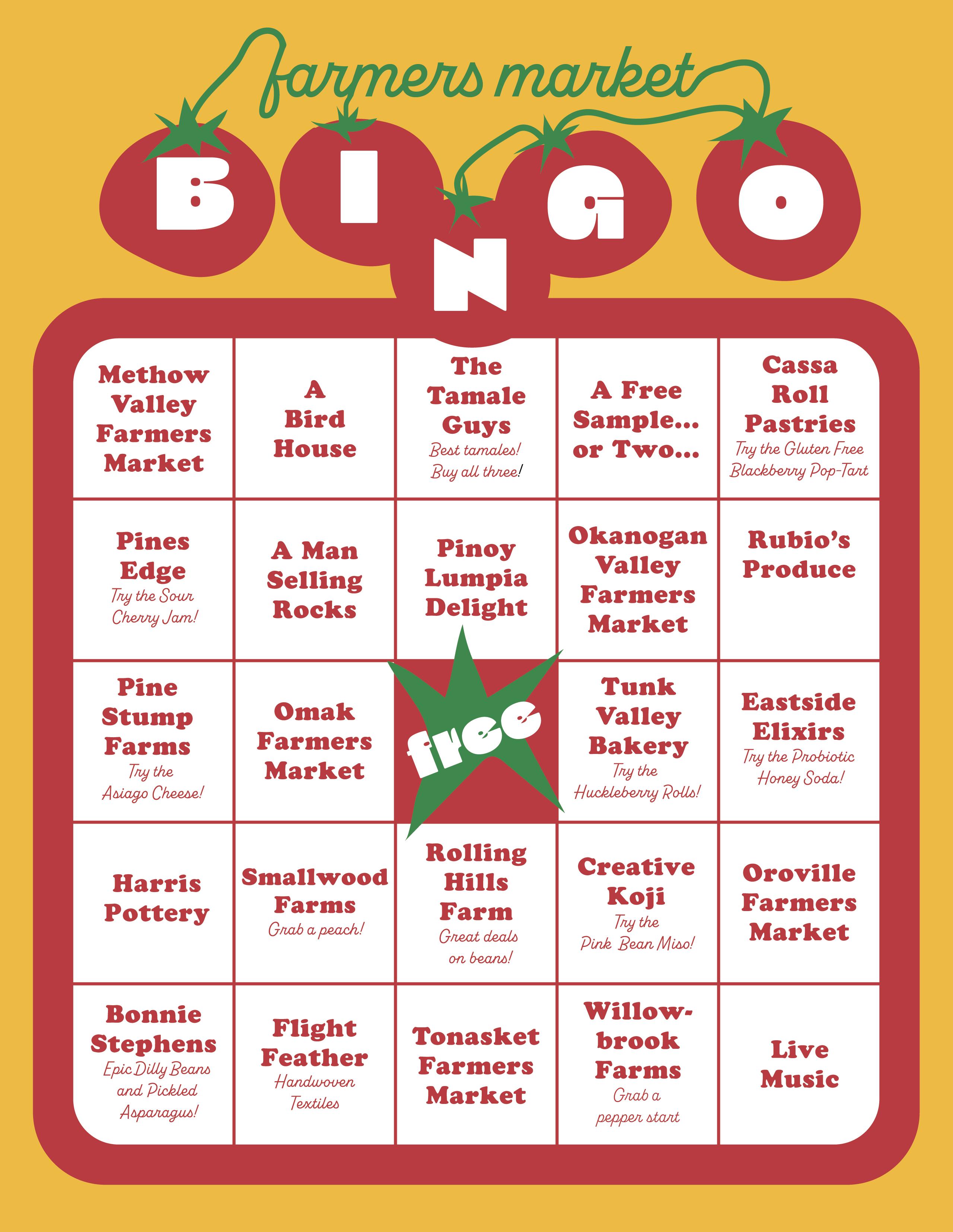
From fresh-picked produce and handmade goods to live music and community connection, summer farmers markets are one of the best ways to experience the heart of our region.
Wander through vibrant booths filled with seasonal fruits and vegetables, local flowers, baked treats, artisan crafts, all while supporting the growers, makers, and creatives who call this place home. Whether you’re stocking up for the week or simply soaking in the atmosphere, these markets are a summertime tradition worth exploring.
METHOW VALLEY FARMERS MARKET
April - October on Saturdays, 9:00 AM12:00 PM at the Community Center in Twisp
Local produce, flowers, baked goods, artisan crafts, and live music
OKANOGAN VALLEY FARMERS MARKET
May - October on Saturdays, 9:00 AM - 1:00 PM at Legion Park on 2nd Ave North
Local produce, handmade goods, baked treats, and family friendly community activities
OMAK FARMERS MARKET
June - October on Tuesdays, 3:30-6:30 PM at Eastside Park, Omak
Lively mid-week market with fresh foods, artisan vendors and seasonal goods
OROVILLE FARMERS MARKET
May - October on Saturdays, 9 AM - 1 PM at 1276 Main Street, Oroville
Known for farm-fresh produce, handmade items, and a welcoming small-town atmosphere.
TONASKET FARMERS MARKET
May - October on Thursdays, 2 - 6 PM at Triangle Park between SR-97 & Western Ave
Known for farm-fresh produce, handmade items, and a welcoming small-town atmosphere.
ON THE SPACE BETWEEN SOUNDS ANGELA CROSS
By Cailee Maestro
Angela Cross does not speak about music as entertainment or even simply as art. She speaks about it as a living system, a way of understanding time, perception, space, memory, and human connection.
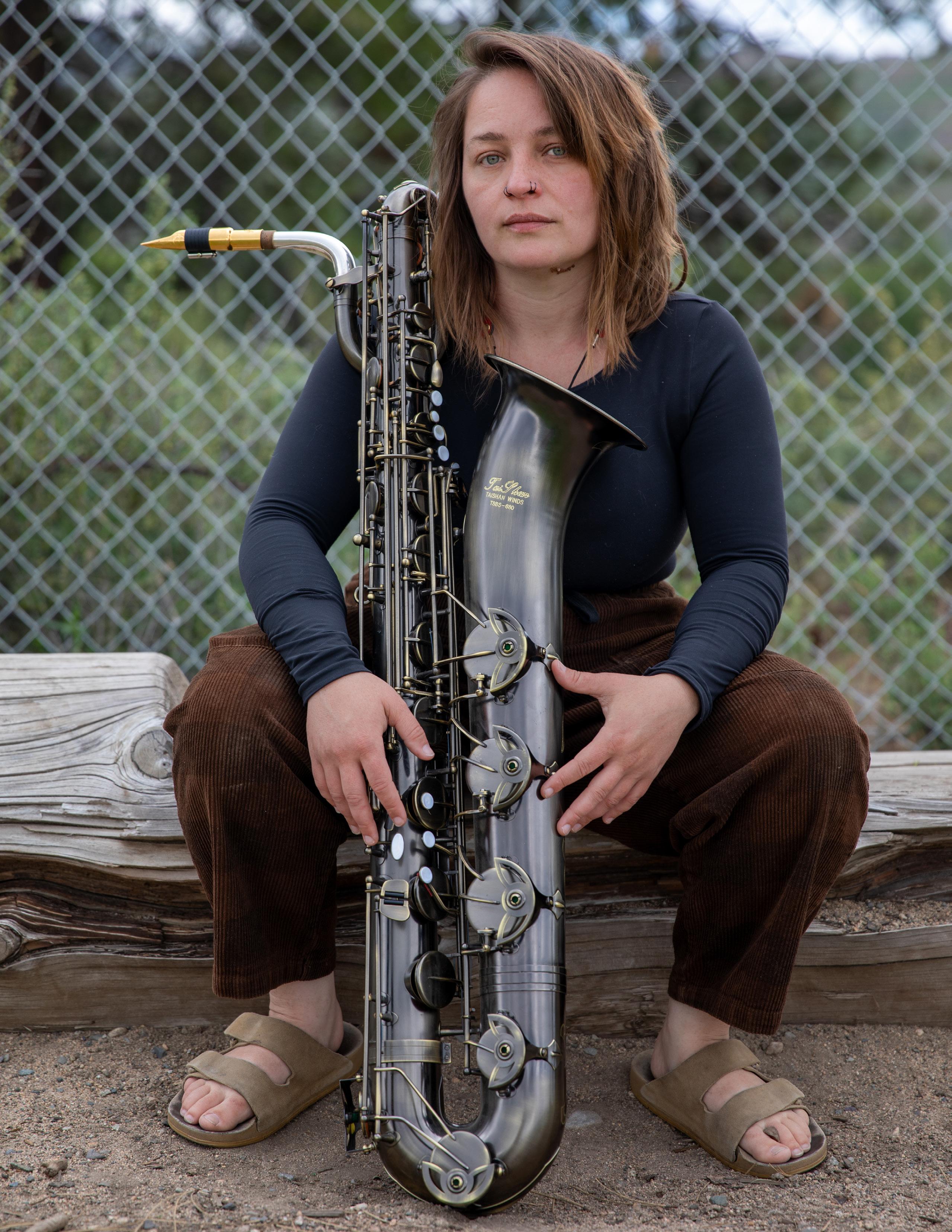
A musician, educator, sound engineer, and lifelong student of sound itself, Cross has spent decades immersed in music from multiple angles: practicing obsessively as a young multi instrumentalist, growing up around recording studios in Los Angeles, studying the architecture of rhythm and harmony, performing, teaching, mixing live sound, and continually questioning how humans experience music both physically and emotionally.
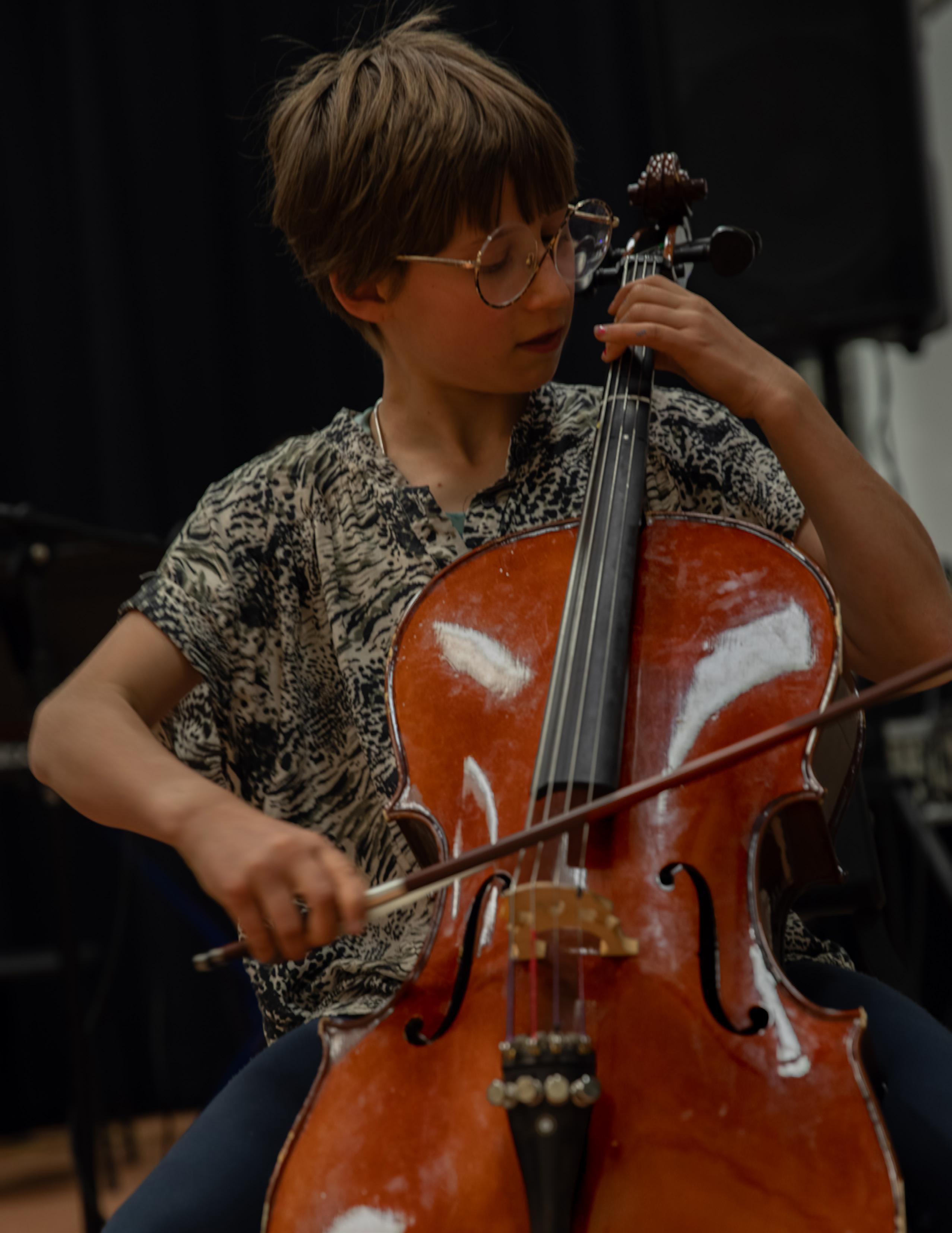
Now based in the Methow Valley, where she serves as the Methow Valley Elementary Music Teacher, Cross brings that lifetime of experience into the classroom while continuing to explore
music as something far larger than performance alone.
In our conversation, she reflects on childhood influence, philosophy, ambition, burnout, sound engineering, education, and the lifelong process of learning how to truly listen.
Cailee: When you talk about music, you often start with physics and time. How do you define music in your own words?
Angela: Music is alive. It is the math of the universe made audible, time felt through the body. At its core, music shapes a single moment, then another. Music lives in the space between them: how we stretch time, divide it, return to it. Rhythm measures time. Pitch is time com-
pressed, vibration fast enough to become tone. Beat becomes pulse. Pulse becomes meter. Meter fractures into subdivision. Tone, what we call notes, is frequency: cycles per second. Time, heard from two ends of the same spectrum. Harmony is not arbitrary. It reflects the proportional logic of the natural world, the simple ratios that govern vibration and resonance. An octave doubles. A fifth stabilizes. These relationships shape consonance and tension.
To learn music is to refine sensitivity to time: how it flows, how it stacks, how it breathes. Practice is layering time against itself, training the mind to hold multiple streams at once. It is physical, cognitive, and deeply human. Before theory, there is experience. Sound, felt and repeated, becomes understanding.
C: You now work closely with young students as the MVE Music Teacher. How does your own relationship with music shape the way you introduce students to sound, rhythm, and creativity?
A: Music education should begin there, with the individual. Can they feel fast and slow? Can they hear and imagine up and down? Can they move through space in relation to sound? Can they double or halve a pulse? These embodied experiences form the foundation for everything that follows.
Reading music should come after, not before. Starting with notation is like asking a child to read before they can speak. You do not begin with the word cat, you hold it, hear it, say it, live it. Then you show how symbols capture that experience. Done this way, reading becomes intuitive rather than abstract.
Too many musicians are taught to read but never to converse. They can recite, but not respond. It is like a world where everyone reads poetry but no one speaks freely. That disconnect is why music education feels fractured.
But this is not new. Humans made music long before notation, drums, flutes, voices echoing through landscapes. Music was communication, survival, ritual. In some cultures, song is still a signal: if it stops, something is wrong. Sound is awareness. Sound is connection.
Modern training often fixates on symbols and forgets the vitality underneath them. We get trapped in theory, or we abandon it entirely, when theory was meant to describe experience, not replace it.
C: So much of your philosophy centers around listening, presence, and awareness. Do you think music changed the way you move through the world as a person outside of performance?
A: Music can be a job. Music can be a hobby or vocation. For me, it’s a way of life. Music gave me connections before I always had language for myself. It saved me from isolation and gave me a place where I felt safe being seen.
I think music also led me to meditation and yoga a lot sooner than I otherwise would have.
C: What was your earliest exposure to music like?
A: My first music teacher was my father, an audio technician for Westlake Audio, the studio used by many chart topping artists of the 80s and 90s. Not only did my dad take me to work and let me be exposed to this very intriguing environment, but he would play music when we got home. He would play guitar while I hummed, invented melodies, and improvised nonsense lyrics. He told me I was good at it. More importantly, he made music feel possible. That early permission planted the seed: music was not just impressive. Music was alive.
In elementary school in Hollywood, that feeling deepened. My music teachers, Edward and Dorothy Ancona, opened a world for me.
“Practice is layering time against itself, training the mind to hold multiple streams at once. It is physical, cognitive, and deeply human. Before theory, there is experience.”
They changed my life. They were the first music changed my life. They were the first music teachers I truly loved, not romantically, but with deep gratitude for the way they revealed something larger.
When I graduated, I brought Mrs. Ancona a small school photo and thanked her for teaching choir and starting recorder club. She looked at me and said, “Whatever you do in life, promise me you’ll always keep playing music.” I did.
Later, after my family moved to the San Fernando Valley, I studied music in Van Nuys. There, I learned tools for counting time and measuring melody, old tools, some reaching back centuries, that remain powerful and yet are often underused in American music education. When students are given the right mental scaffolding, their ability becomes extraordinary.
C: Looking back now, what do you think those early teachers and experiences gave you beyond technical skill?
A: My music teachers were my lifeline. I have always tended toward awkward isolation, but choir, orchestra, and jazz band gave me a place where belonging made sense. They also showed me how deep music could go. I’m still climbing that mountain.
C: What did your training look like as you grew older?
A: From age eleven into my mid twenties, I practiced obsessively, saxophone, flute, clarinet, bassoon, piano, musicianship, often three to eight hours a day. I chased mastery with devotion, but also with a kind of damage. Too much of my training was tangled up in comparison: being better than the person next to me, proving myself, reaching for worth through external validation rather than through listening, expression, and connection.
Then, at Interlochen Arts Camp as a teenager, I
heard something that cut through that.
In a summer workshop, Branford Marsalis, a quintessential jazz saxophonist who was on tour promoting his classical music album, told us he was not the best classical saxophonist, but that he was taking every opportunity he had to make music with great musicians. He talked about how his career unfolded while he had originally been on a path toward becoming a social studies teacher and how, if music slowed down, he could imagine returning to that path.
What I took from him was not a technical lesson. It was an antidote. Musician is not a status. It is a way of being.
Whether you are the best, famous, or obscure, whether music pays the bills or not, whether you are first chair or forgotten in the liner notes, you keep playing. Your status matters less than your relationship to the art itself.
That same truth kept appearing. Music does not come from isolation, perfectionism, or endless self measurement. It happens through life, through relationships, through listening, through being fully here. And that is what music offers: not just sound, but a way of being.
C: You mention chasing mastery and validation when you were younger. How has your understanding of success changed over time?
A: My classical training was deeply external. You sat at the foot of the master and waited to be told you were good enough. I did this for fifteen years. I built a lot of skill and knowledge that way, but very little confidence.
As I let go of needing constant validation, I lost some technical sharpness, but I gained a stronger sense of self and camaraderie with all musicians, no matter their skill level. I stopped trying to impress authority figures and instead started trying to satisfy myself.
C: Was there ever a moment where you almost walked away from music entirely? If so, what brought you back?
A: In the words of Duke Ellington, “Music is my mistress.” I’ve never considered walking away. I don’t even know what that would look like.
C: Looking back now, what would you say to the younger version of yourself who spent years trying to prove her worth through music?
A: I’d tell her to trust her joy sooner. I’d remind her that the world often teaches people to doubt themselves, especially when they are intense, emotional, or “too much.” I’d help her understand that those qualities were never the problem.
And I’d ask her why she loved The Cranberries so much, then learn every song with her until she understood the answer.
C: How did you begin to understand sound beyond just playing instruments?
A: As I became an adult, I had to support myself financially and stay in a relationship with music at the same time. That was harder than it sounds. Los Angeles was expensive, and very few saxophonists I knew could pay the bills with their horn alone. So I went deeper, not away from music, but further into it.
I started paying attention to the sound itself. Not just the notes I was playing, but how those notes moved through space. How they changed in a room. How they were captured, amplified, translated.
I remembered being a kid in recording studios, watching my dad run cables, seeing the hidden architecture behind the music. Back then, it felt distant. Technical. Almost unreachable.
But slowly, I built my own relationship with it. With amplification. With microphones. With
speakers. With rooms. And I realized something: this wasn’t a separate skill. It was the same thing, from a different angle. If rhythm is time measured, and pitch is time compressed, then recording and mixing are how time creates space.
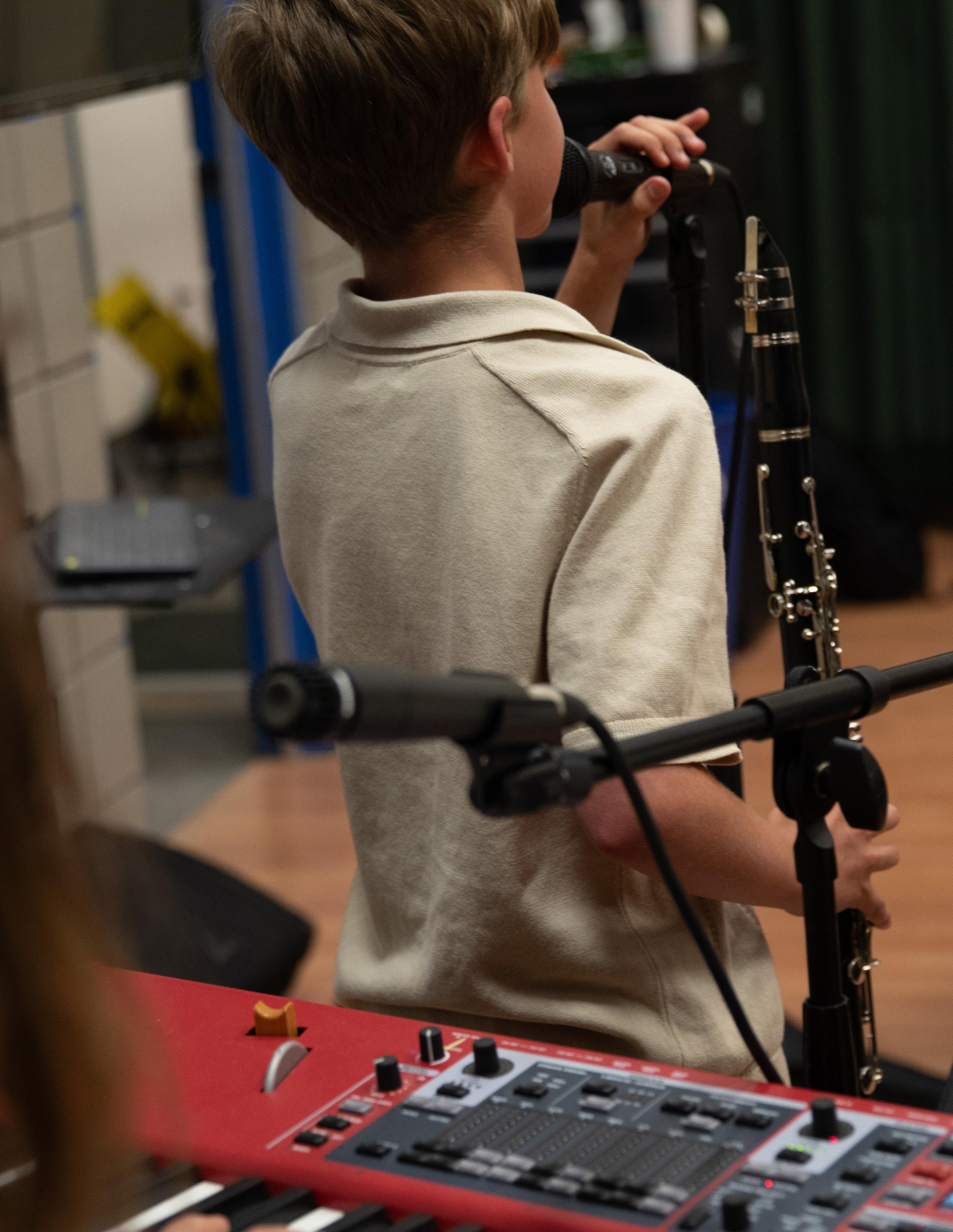
Standing at a mixer, working with a full band, you are not just controlling volume. You are shaping perception. Deciding what arrives first, what sits back, what cuts through, what dissolves. It is sculpting. But the material is invisible. Time. Frequency. Air. You are still inside music, still inside that same living system, just with a wider reach.
C: You’ve lived and worked in very different environments throughout your life. How has living in the Methow Valley shaped your relationship to music, teaching, creativity, or even silence?
A: I was a very late hire into the Methow School District, and moving here quickly as a single mom was incredibly difficult, so I still feel like I am emerging from survival mode.
What has struck me most is how deeply this community values the arts. The parents and students at the elementary school have been welcoming, receptive, and genuinely appreciative of music education. That has meant a great deal to me.
C: What does your life actually look like these days? How do music, teaching, sound, community, and daily life all intersect for you now?
A: During the school year, my life is rigorous. I teach during the day, spend evenings with my son, and most of my free time goes toward rehearsals, performing, or running sound for events.
This season of my life is about pacing. I tell myself I don’t have to lower my goals and expectations, I just have to pace them differently. I also feel so lucky to be surrounded by so many
“It is sculpting. But the material is invisible. Time. Frequency. Air.
You are still inside music, still inside that same living system, just with a wider reach.”
strong musicians in the Methow and to be building creative relationships here.
C: After everything you’ve experienced, how do you ultimately understand music now?
A: Music is alive. Not on paper, but in vibration, motion, and relationship. When we engage in music authentically, through playing, listening, shaping sound in real time, we refine more than a skill. We deepen our awareness of time, space, emotion, and each other. That’s the magic.
C: What do you hope students or younger musicians carry with them after working with you?
A: I hope students will leave with an intuitive sense of harmony, melody, and rhythm, but more importantly, I hope they experience music as a tool for connection and self exploration. Even if music never becomes central to their lives, I hope they feel welcomed, valuable, and free to participate without fear of not being “good enough.”
C: Outside of music, what brings you joy or helps you feel connected to yourself these days?
A: My relationships with family, friends, and bandmates are everything to me. I would do almost anything for the people I love. Life is pointless without the people I get to share it with. I also love sci fi and have an endless proclivity to rearrange my house.
C: When people leave one of your classes, performances, or conversations, what do you hope they feel?
A: Freedom. Freedom to be authentic, emotional, uncertain, messy, joyful, fully themselves. The freedom to be yourself and accept that some people aren’t going to like that. The freedom to be lonely and appreciate that feeling through tones and rhythms.
I hope people feel good about being who they are, and that there is time to metabolize our trauma, pain, and mistakes.
Music, like all art, has the power to shape community, deepen awareness, and create moments of shared humanity. Artists and educators like Angela Cross remind us why arts education matters, not simply as a creative outlet, but as a way of understanding ourselves and one another more deeply.
Through her work with students and her lifelong relationship with music, Angela demonstrates that creativity is not about perfection, but about curiosity, listening, connection, and presence. Her ability to bridge philosophy, science, sound, and human experience makes her not only an exceptional musician, but an inspiring educator and community member.
We are grateful for artists like Angela who continue to nurture imagination and expression in the next generation, reminding us that music is not just something we hear. It is something we live.
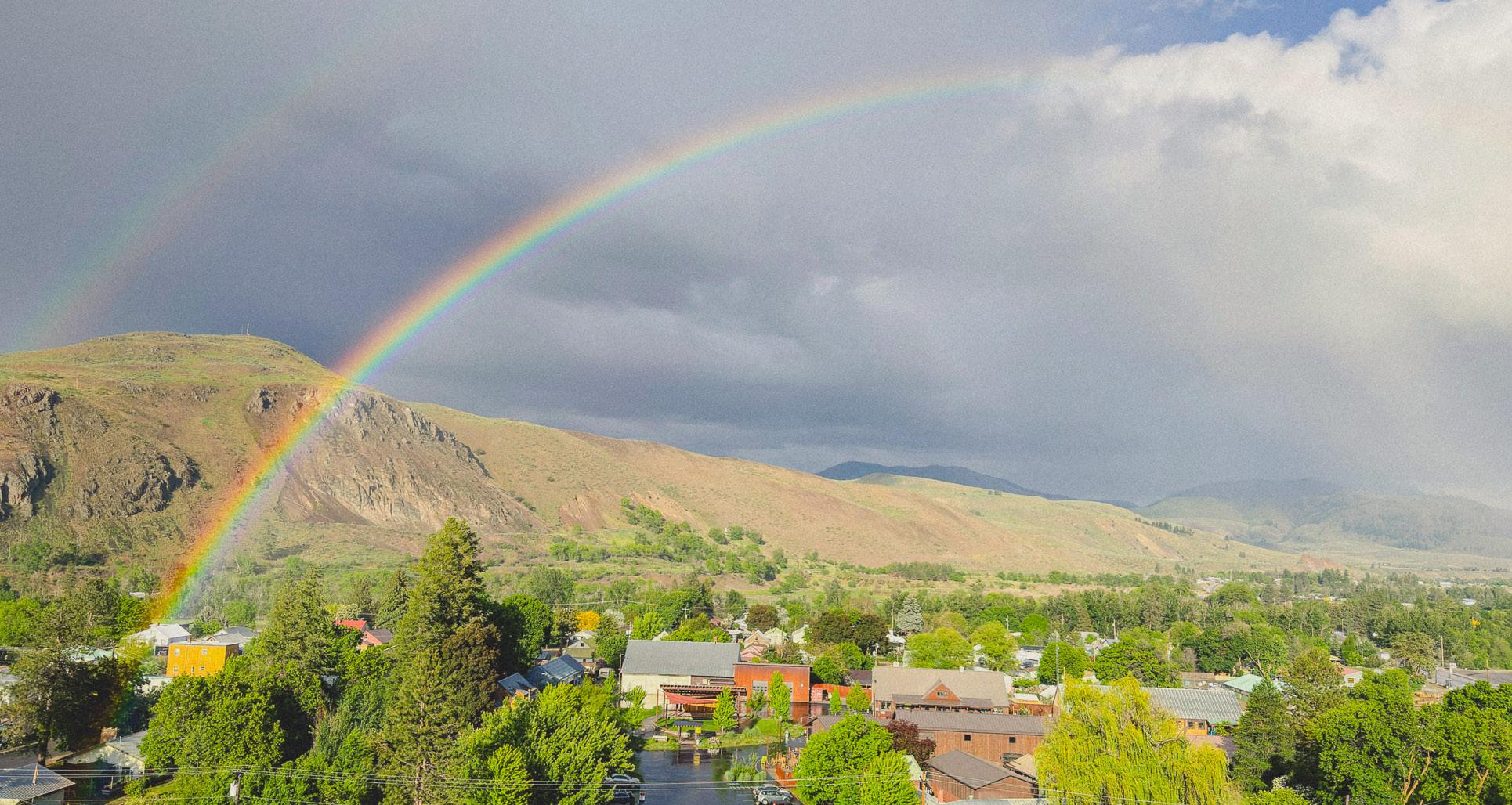
TwispWorks is a nonprofit community campus in the heart of Twisp, WA, on a historic 6.4-acre site. Home to artists, entrepreneurs, and nonprofits, it provides the space, tools, and connections people need to do their best work. From studios and small business support to community events and education, TwispWorks is a hub for creativity, collaboration, and a thriving Methow Valley economy.
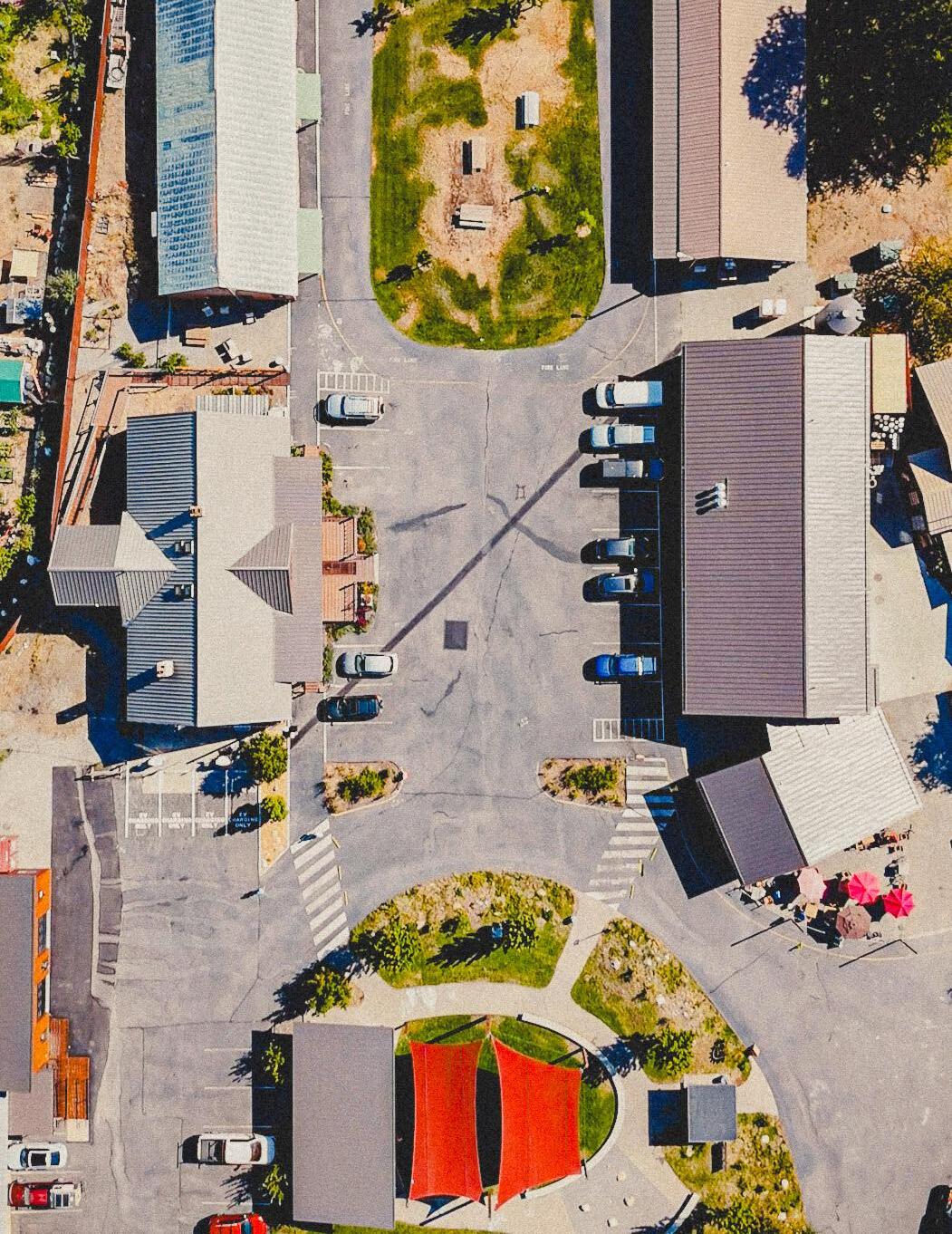
SUMMER IS CALLING: FOURTH FRIDAYS ARE BACK!
By Joe Bastian
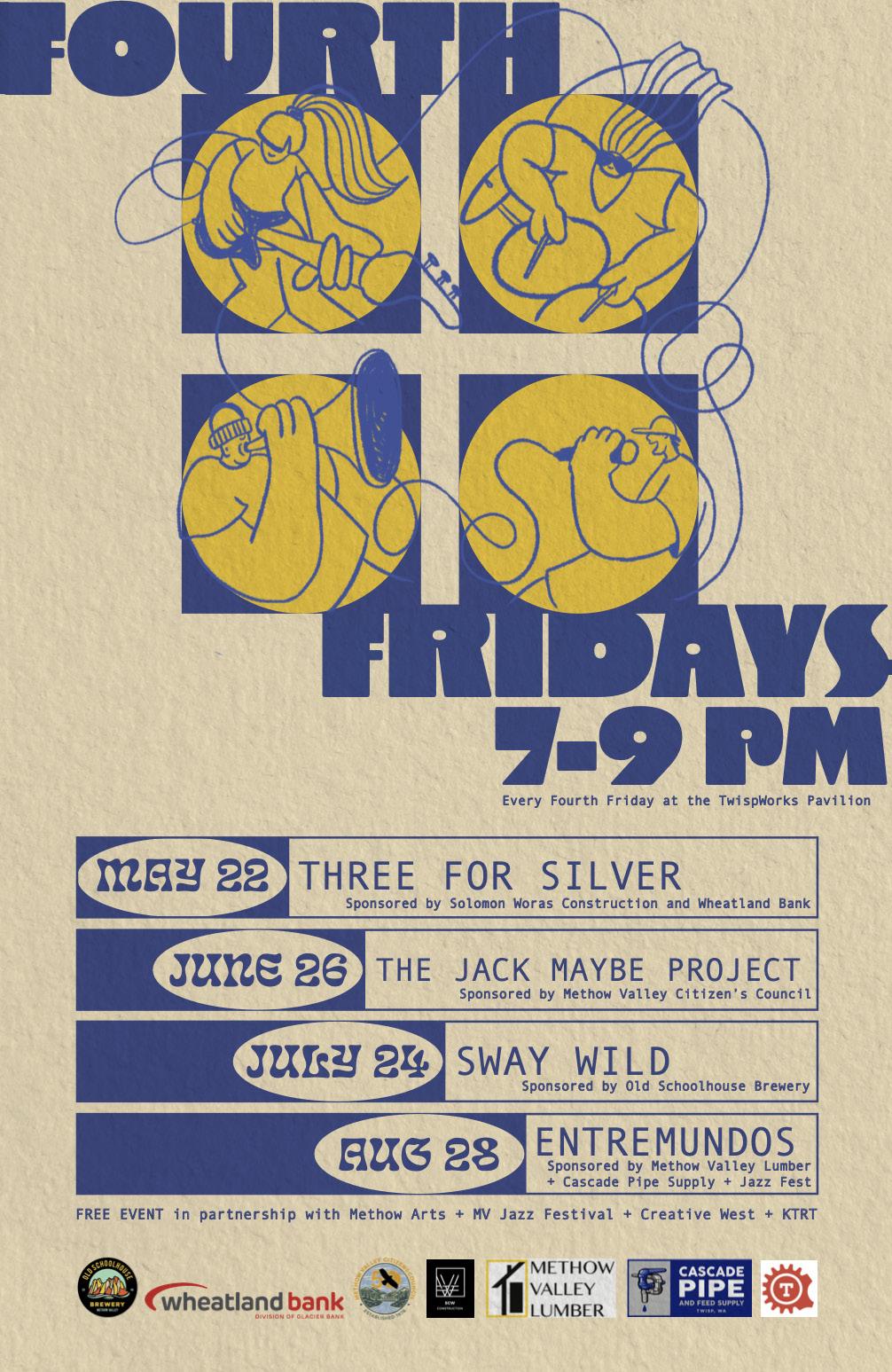
As the evenings get longer and the valley starts to heat up, the Pavilion is calling! We are thrilled to announce the return of Fourth Fridays — our summer-long invitation to gather, dance, and celebrate the magic of live music.
If you haven’t joined us before, the setup is simple: once a month, we turn the center of our campus into a community living room. It’s a free, all-ages evening of live music, local food, and hanging out with your community. Whether you’re looking to catch up with old friends on the lawn or discover your new favorite band, these nights are built for everyone.
This year’s schedule is particularly special, spanning a wide world of genres. We’re traveling from the gritty “Mythic Americana” of the Pacific Northwest to the sun-drenched rhythms of Brazil. We’ve selected this lineup to ensure that every show feels like a discovery, bringing world-
class talent directly to our neighborhood stage. Of course, “free” music involves a lot of behindthe-scenes support. These concerts happen because our local business community believes in keeping the arts accessible. Every string plucked and every mic checked is powered by the generosity of our local 2026 Fourth Friday sponsors: Old Schoolhouse Brewery, Wheatland Bank, Methow Valley Citizens Council, SCW Construction, Methow Valley Lumber, and Cascade Pipe & Supply.
We also want to give a shout-out to our promotional partners: Methow Arts, Methow Valley Jazz Festival, Creative West, and KTRT. Consider this your official invitation. Grab your neighbors, your friends and family, and your best (or most questionable) dance moves. The music starts at 7 PM on the fourth Friday of every month. The vibes are free, and we’ve got the rest covered.
Rythm and Blues
The Winthrop Rhythm & Blues Festival is a three-day event — located at the Blues Ranch on the Methow River in the resort town of Winthrop, Washington — packed full of exciting national and regional entertainment for all ages. There’s on-site camping, food and craft vendors, portable showers, a beer garden, and easy access to the river for recreation and cooling, which all help make the Blues Ranch the perfect setting for Washington’s “best little festival.”
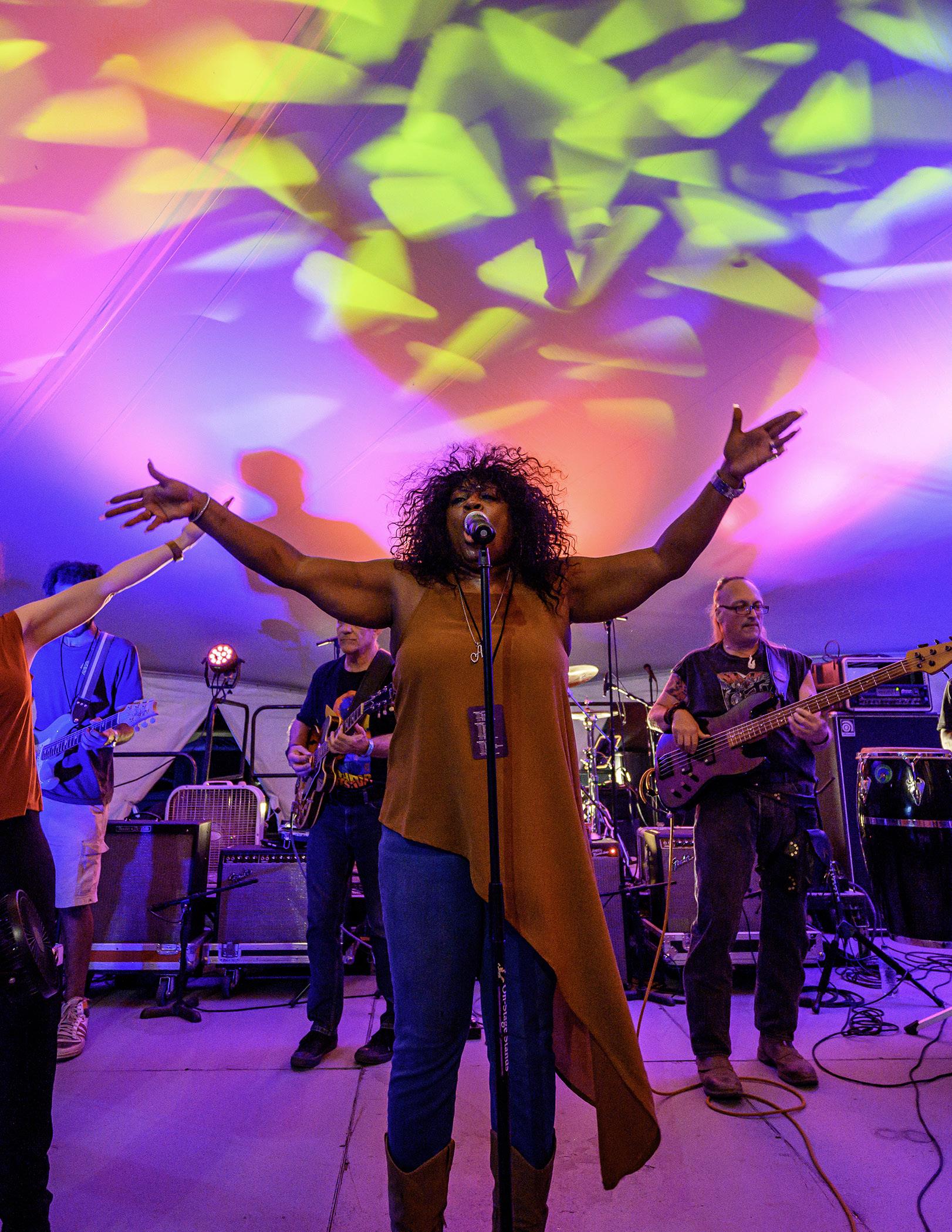
THE WINTHROP RHYTHM AND BLUES FESTIVAL TURNS 39 THIS YEAR !!
By Don Ashford
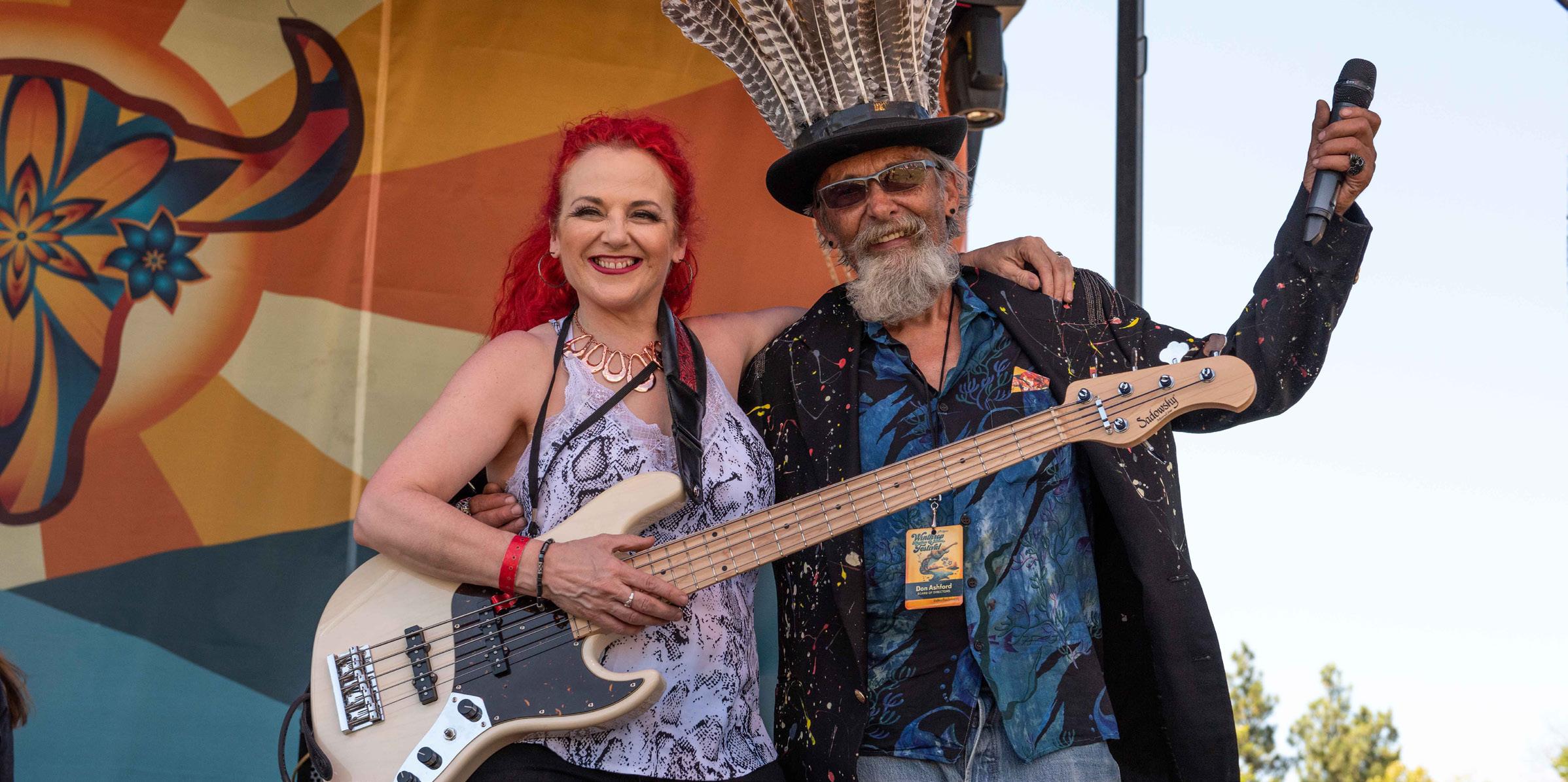
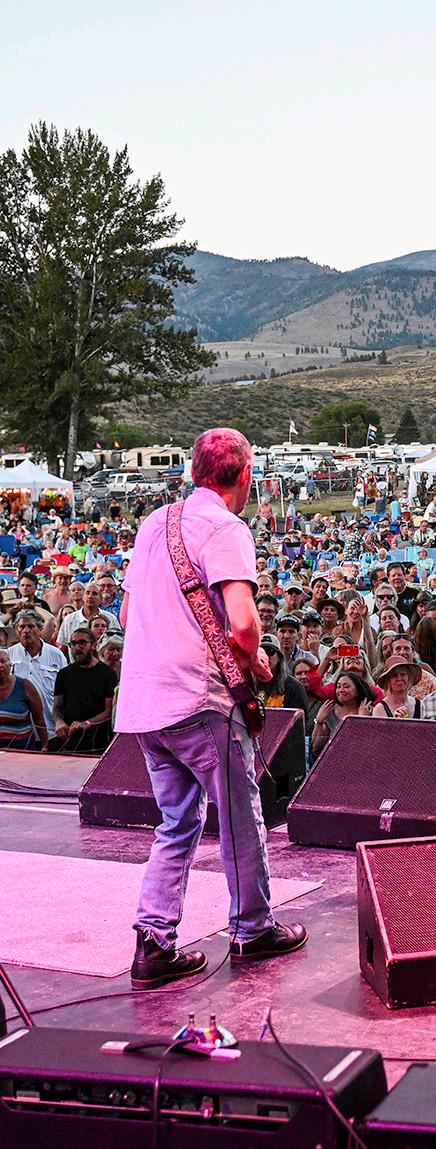
I’m going to write this article in the first person. Partly because I’ve been involved for quite a while, but more than that, I really just plain ol’ love this festival.
The very first Winthrop Rhythm & Blues Festival took place way back in 1988. Back then It was just a single-day concert. The first one was held at the Winthrop KOA campground in Winthrop.
It bounced around to a few other locations in the early days, but found a long term home at the “Blues Ranch” just outside town off Highway 20.
From the beginning the festival brought in some big blues performers and that first year was headlined by legendary blues harmonicist, Charlie Musselwhite.
The main reason the fest was able to hit the ground running right-off-the-bat was due to Jim
Smith who organized the event. Jim Smith was the owner of the Winthrop Palace restaurant and had been bringing legendary music acts there for years.
Jim and friend Tim Langford of Too Slim and the Traildraggers, got together and came up with this idea of throwing a great big outdoors party, with lots of live music, all surrounded by the natural beauty of the Methow Valley.
It worked out and decided to do it again, and again year after year, etc. etc. This super cool community potluck idea was becoming a real “THING.”
Local High Schoolers were the backbone of the volunteer staff back in those days. Nowadays it takes literally hundreds and hundreds of folks volunteering. All for a free ticket and a tee shirt.
Over the last 38 years the Blues Fest has become Washington State’s longest-running and largest blues festival.
I’ve heard many times from both veteran festival goers and newcomers alike that it’s their favorite festival out of any they’ve been to.
I feel the need here to point out how other home grown music festivals, just like Winthrop, are disappearing. They’re being threatened by consolidation of festivals from the likes of Live Nation and Ticket Master. It’s what I call the Industrialization of Music. Always a bad idea.
Here’s a way to push back...buy tickets! And... they’re a bargain! A whole day of music costs a fraction of a single artist concert at a big Live Nation concert.
The Winthrop Blues Festival is a non-profit and any money we make beyond expenses is always donated to local causes, including The Cove Food Bank, The Liberty Bell High School Music Program, local high school music and drama scholarships, regional musician aid funds, and more.
I would suggest getting a camping pass and make it a “Family Camp Trip” with the cool music and dunking in one of only 2 free running undammed rivers in the Columbia drainage thrown in the itinerary.
The festival’s become a fun family reunion for me and mine. We all bring food and set up this gourmet camp kitchen and have the best 3 days of the year.
Give it a try and get those tickets!
For more information and to purchase tickets, visit winthropbluesfestival.com
The Confluence: Art in Twisp, a 501c3 organization, was founded in 1988 by a small, forward-thinking group of artists who felt the Methow Valley needed a place to gather for the celebration of the visual arts. Since that time, The Confluence: Art in Twisp has become a cultural landmark in downtown Twisp.
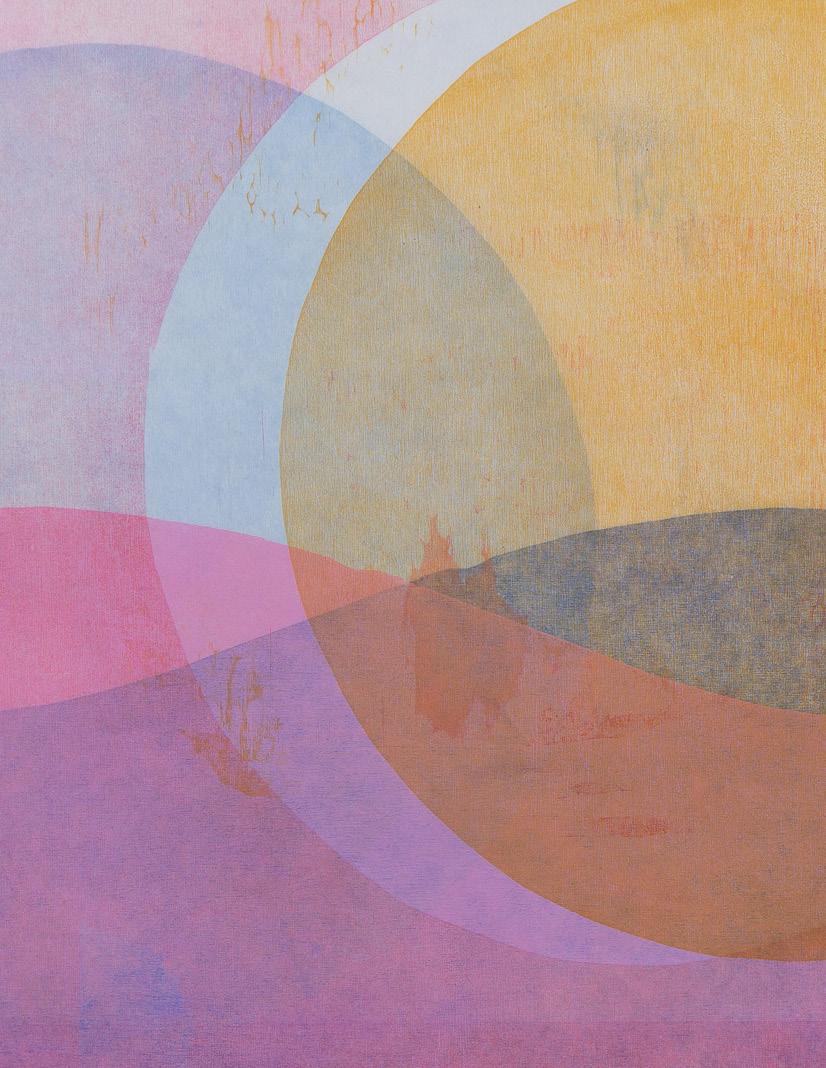
by Amy Simons
Artwork
A CREATIVE SUMMER AT THE CONFLUENCE
By Teresa Mitchell
The Confluence believes that art is a pillar of our rural community. As the only non-profit art gallery in Okanogan County, The Confluence proudly showcases the work of local and regional artists. The gallery hosts sixteen exhibits each year, eight in the main gallery and eight in the Community Gallery, and strives to share work from all segments of our rural community. This summer, the gallery is delighted to bring three exciting main gallery exhibits and three incredible Community Gallery shows that highlight the multitude of talent in our region. The Confluence Gallery Shop boasts a wide selection of handmade jewelry, ceramics, textiles, cards, and one of a kind works from artists across the Methow Valley, Okanogan County, and beyond.
By curating high-quality exhibits and a dynamic gallery shop, The Confluence supports the local economy by putting money directly into the pockets of working artists. The Confluence is
home to the Confluence Poets and hosts regular meetings, workshops, readings, and special events.
Summer at the gallery means incredible exhibits and special events. In addition to gallery openings for our three summer exhibits, The Confluence is proud to celebrate the art of music with two special events in June. Internationally acclaimed Spanish harpsichordist, Irene Roldán, and baroque flutist, Jeffrey Cohan return to the gallery for their highly anticipated Salish Sea Early Music Performance of pieces by Bach and Scarlatti. On June 26, The Confluence will host a rehearsal for artists performing with the Methow Valley Chamber Music Festival. Check out our Summer Events for more details.
The Confluence: Art in Twisp is located at 104 Glover Street in downtown Twisp. Our hours are 10AM-5PM Tuesday - Saturday.
Artwork by Donna Keyser
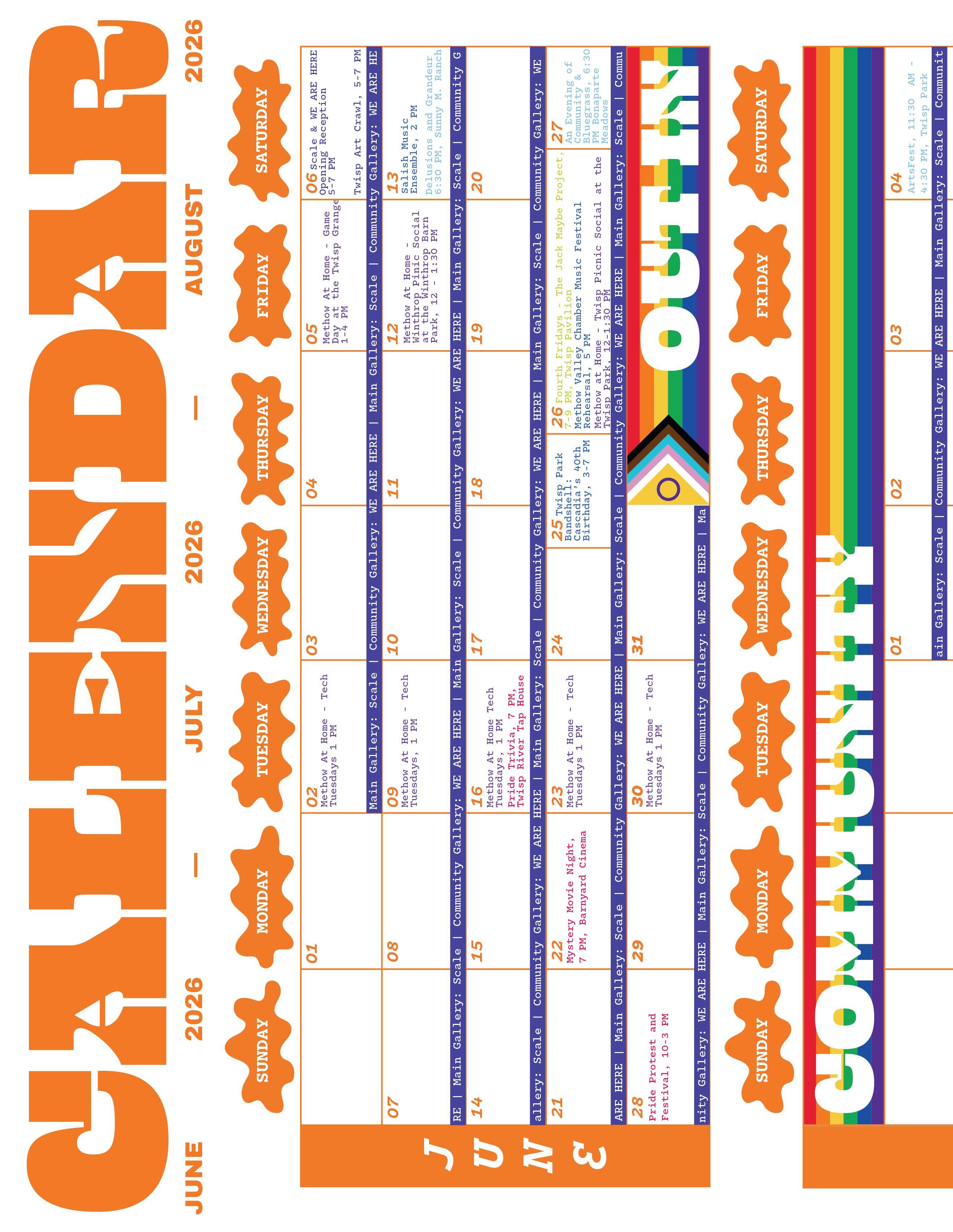
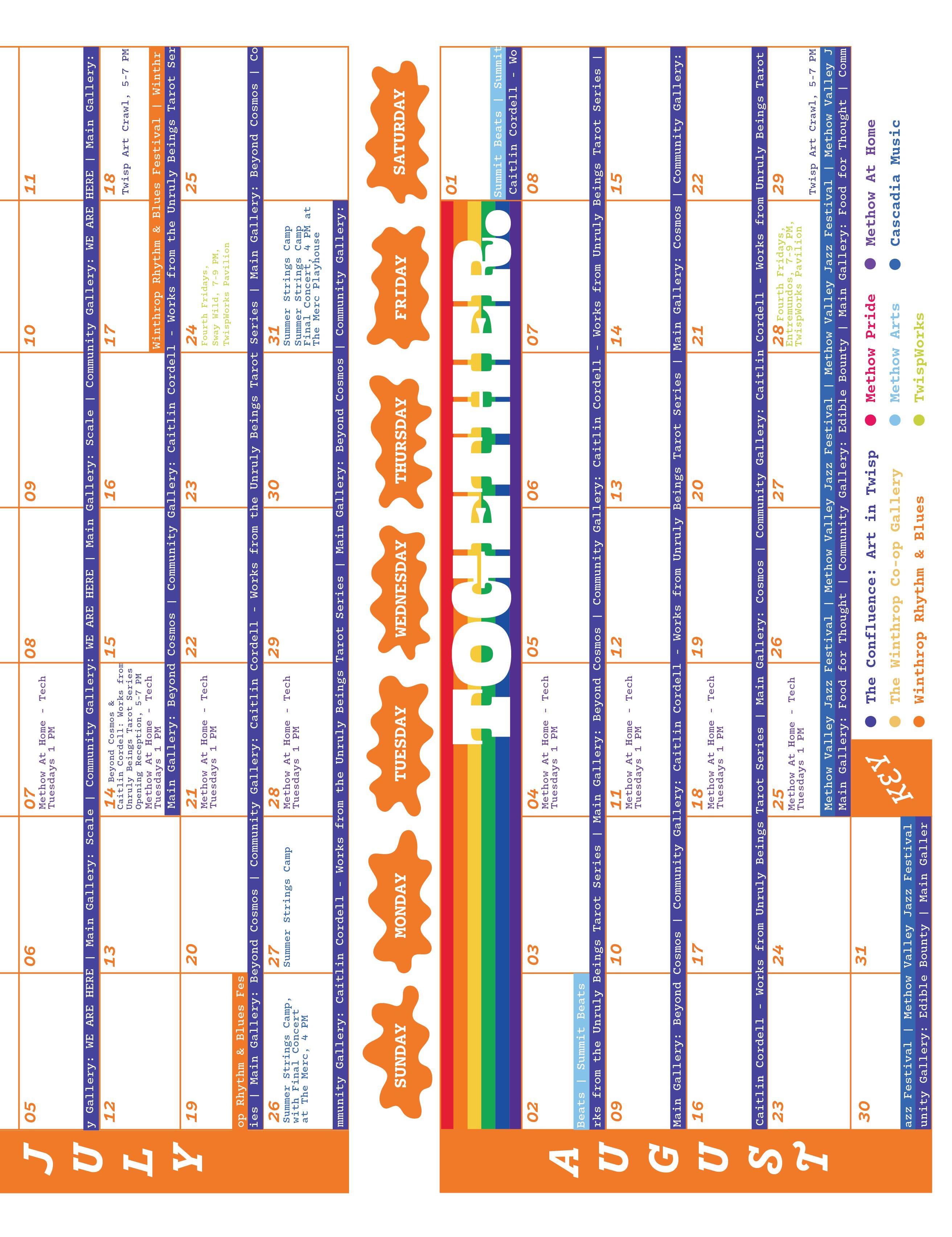
JUNE EVENTS
SCALE
Main Gallery: June 2 - July 11
Opening Reception: June 6, 5-7 PM
Curators: Robin Doggett & Betsy Fetherston
Confluence Gallery presents Scale, an exhibit exploring the dynamics of size. Used as an effect in visual art, scale directs the viewer’s understanding of how two objects relate to one another. As humans we have an innate perception of size that is most often based on how large or small something is as compared to ourselves. In art, such size relationships might be presented true to the natural world or exaggerated unexpectedly.
WE ARE HERE
Community Gallery: June 2 - July 11
Opening Reception: June 6, 5-7 PM
The Confluence is proud to present WE ARE HERE - LGBTQIA+ Art Show + Queer Market. Curated by our partners at Methow Pride, WE ARE HERE is a community-rooted LGBTQIA+ exhibition celebrating the lives, stories, and creativity of queer people across North Central Washington. The show features portraits of local LGBTQIA+ folks by photographer Casey Orr and an ethnography of queer lives in the Methow alongside a vibrant mosaic of polaroids, doodles, letters, printed photos, and cherished objects submitted by community members. All works are rooted in the belief that queer lives are powerful, imaginative, and vital; Our story is our power. Within the exhibition is a curated Queer Market Space for LGBTQIA+ creations with art, prints, stickers, and craft available to purchase. Come to witness and join the story.
Casey Orr will join us live at the opening reception of WE ARE HERE for a POP-UP PORTRAIT STUDIO! Come get your photo taken and experience this visual storytelling!
TWISP ART CRAWL
June 6, 5 PM-7 PM
SALISH MUSIC ENSEMBLE
June 13, 2 PM
Spanish harpsichordist Irene Roldán (Basel, Switzerland) ireneroldan.com and Jeffrey Cohan, baroque flute perform pieces by Bach & Scarlatti Donations of $20-30 Accepted, Open to All.
METHOW VALLEY CHAMBER MUSIC FESTIVAL REHEARSAL
June 26, 5 PM
Spanish harpsichordist Irene Roldán (Basel, Switzerland) ireneroldan.com and Jeffrey Cohan, baroque flute perform pieces by Bach & Scarlatti Donations of $20-30 Accepted, Open to All.
JULY EVENTS
BEYOND COSMOS
Main Gallery: July 14 - August 22
Opening Reception: July 18, 5-7 PM
Curators: Penelope Varn
Immerse yourself in the intense abstract world of artists’ unfettered imagination. Edgy, gritty, and dark; This is not your average science fiction.
CAITLIN CORDELL: WORKS FROM THE UNRULY BEINGS TAROT SERIES
Community Gallery: July 14 - August 22
Opening Reception: July 18, 5-7 PM
Unruly Beings includes artwork from local artist Caitlin Cordell’s newly released tarot deck of the same title. Prepare to experience pieces that celebrate slow magic practice, belief in kinship with all life, and unruly spirits.
TWISP ART CRAWL
July 18, 5-7 PM
august EVENTS
FOOD FOR THOUGHT
Main Gallery: August 25 - October 3
Opening Reception: August 29, 5-7 PM
Curators: Bethany Wray
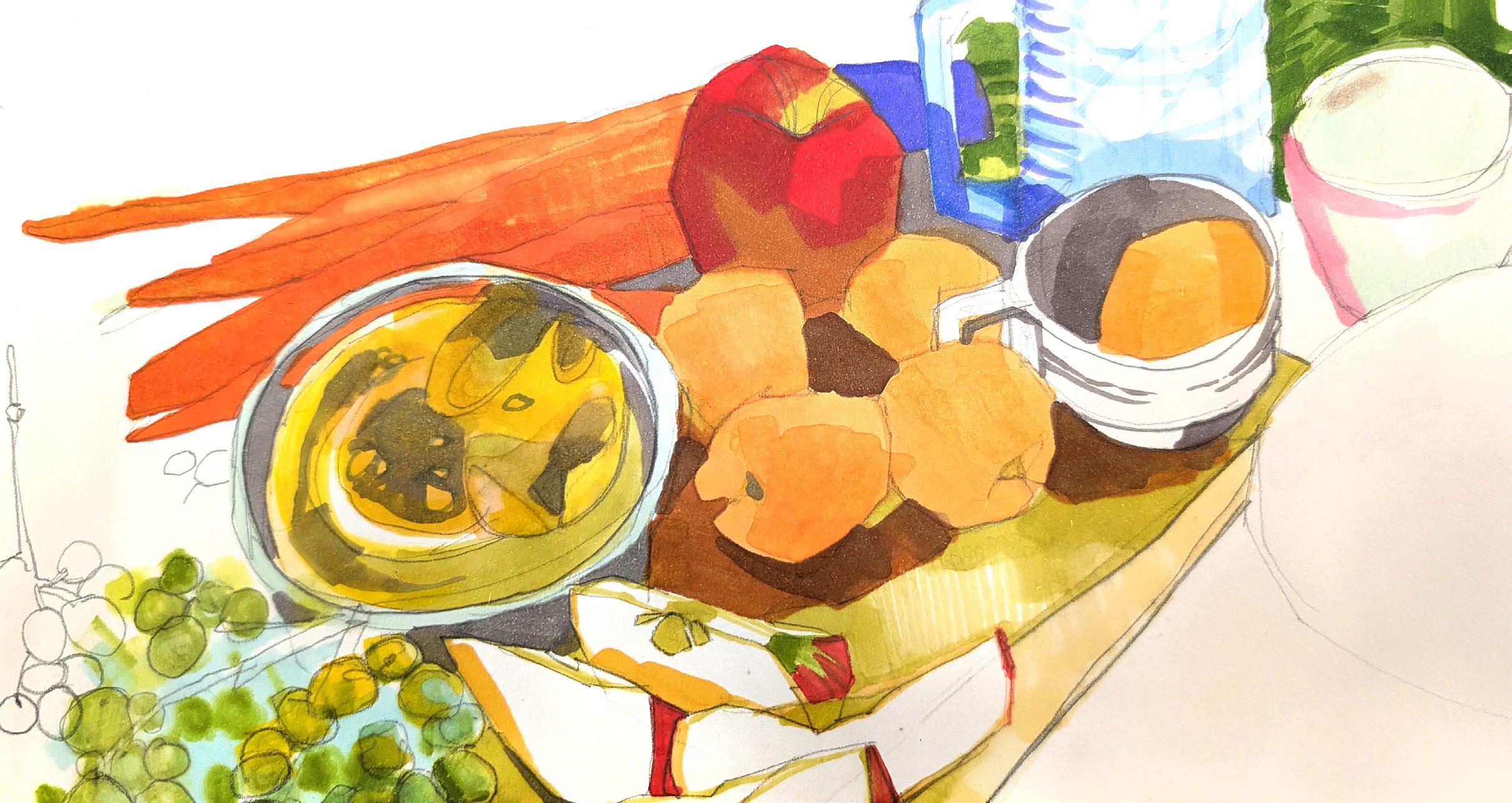
Food is a daily necessity—but it’s also so much more. It nourishes not only our bodies but our identities, traditions, and values. Across cultures and histories, food has served as a powerful symbol—appearing in classical still life, becoming a statement in art movements like Pop Art through works like Andy Warhol’s Campbell’s Soup cans, and continuing to spark conversation today. Food is also inherently political: how it’s grown, sourced, and consumed invites deeper questions about sustainability, labor, and equity. This exhibition seeks to bring together a diverse range of 2D, 3D and digital artworks that explore the many roles food plays in our lives—personal, cultural, aesthetic, and political.
EDIBLE BOUNTY
Community Gallery: August 25 - October 3
Opening Reception: August 29, 5-7 PM
Works by the Twisp Drawing Club.
TWISP
ART CRAWL
August 29, 5 - 7 PM
To contact the gallery, call 509-997-ARTS, email info@confluencegallery.org, or visit www.confluencegallery.org.
Artwork by Jill Timm















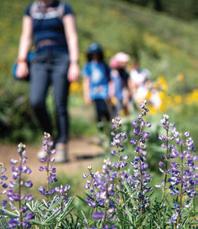




Methow Pride is working toward creating a rural haven where LGBTQIA+ individuals believe in their creative expression, share their voices, build thriving intergenerational relationships, and find rural belonging. We ultimately aim to keep LGBTQIA+ people present, safe, and alive in this rural and natural space.
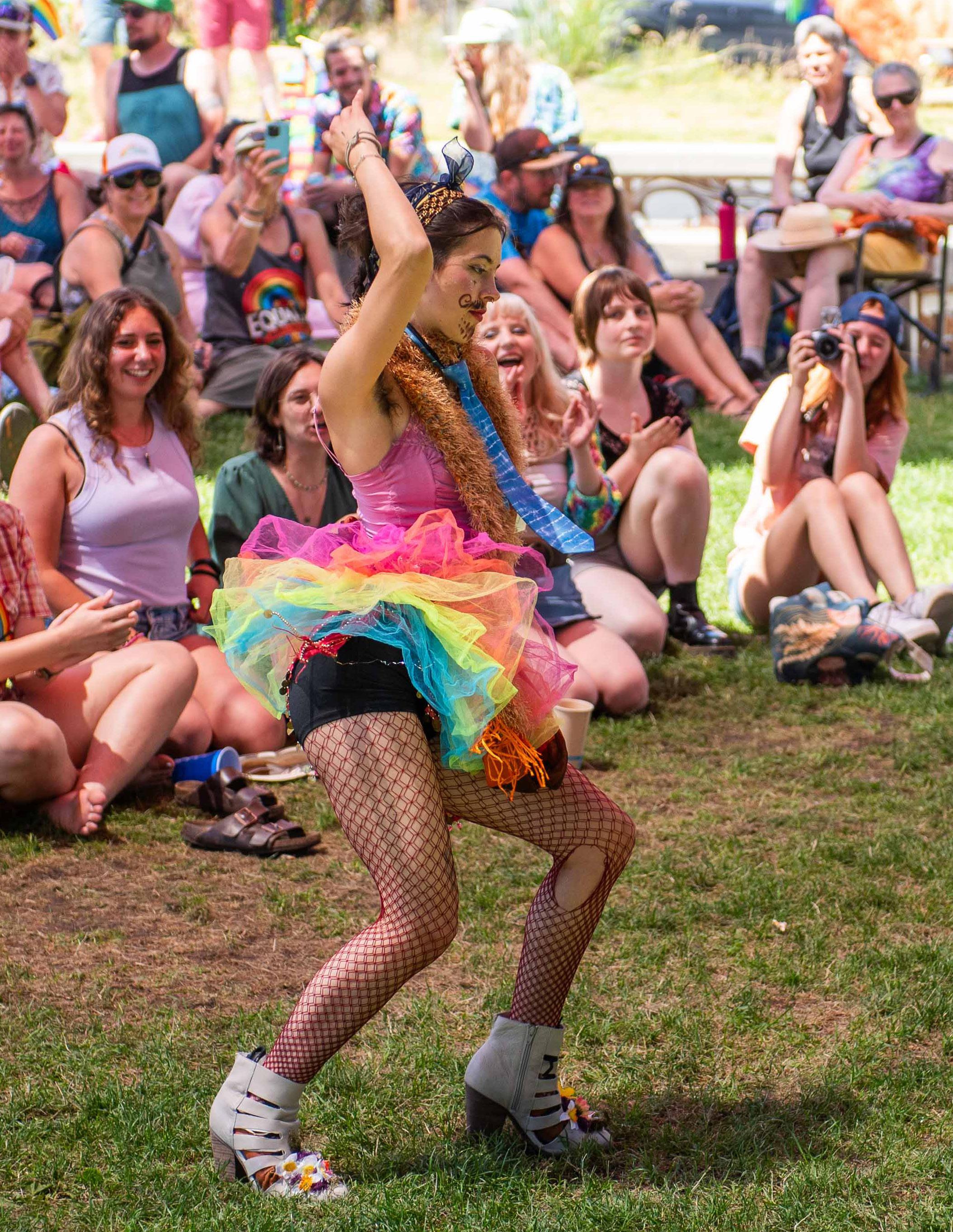
by
Photography
Steve Mitchell
LOVE ALWAYS WINS. HAPPY PRIDE!!
SPOTLIGHT—(UN)SPOKEN: STORIES OF LGBTQ+ LIVES AND LIFETIMES IN THE METHOW VALLEY
By Methow Pride
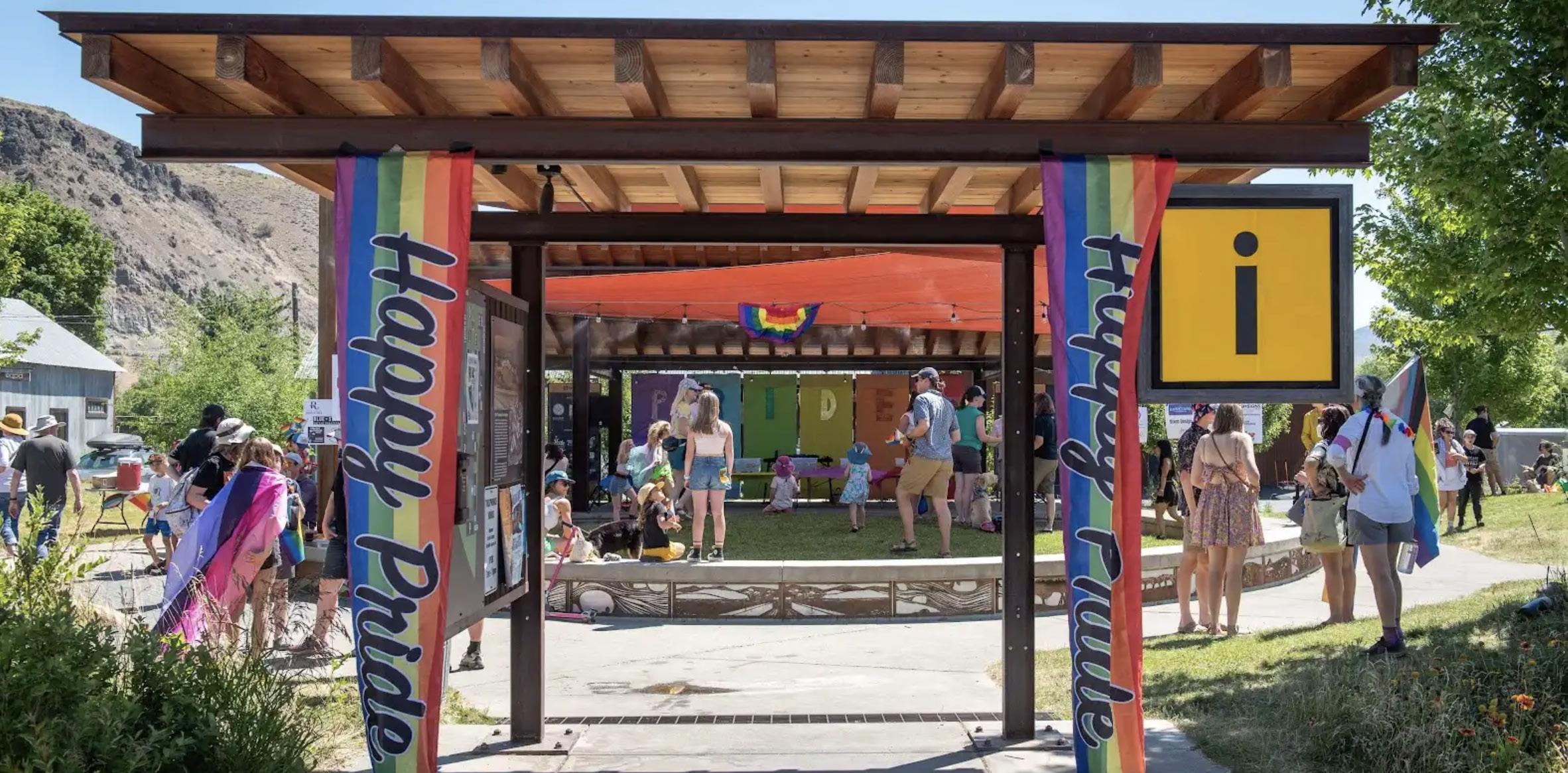
Methow Pride exists so that LGBTQIA+ people in this valley can thrive—not just survive, but build lives with depth, community, and belonging. This year, with generous support from the Effing Foundation for Sex Positivity, we cultivated an older, adult, queer, storytelling project rooted in that vision: seeking out the people who tended what this community is today, learning from them, and making sure their stories are documented, honored, and shared.
The result is (Un)Spoken: Stories of LGBTQ+ Lives and Lifetimes in the Methow Valley, a collection featuring LGBTQ+ adults 65 and older who have called the Methow home for at least a decade, most for thirty years or more. Some were born here. Others followed a partner, a feeling, or a sense that this land had room for them that other places did not. Each older adult was invited to speak on their own terms, in their own words, about what it has meant to be queer, rural, and fully human in this valley.
(Un)Spoken was compiled by Methow Pride Programs Director Celia Gottlieb, whose background in
qualitative research, queer and feminist sociology, and community education is rooted in the belief that storytelling is how communities come to know themselves and deepen their care for their neighbors. The book’s images were created by illustrator Ash Goldstein, whose eye, narrative instincts, and extraordinary artistic gifts brought these stories into a dimension words alone could not reach.
These stories hold ambivalence and silence alongside grit, community, and love. They trace whisper networks and potluck lists that have quietly grown over decades. They are evidence, and this matters urgently right now, that rural queer community has roots, history, and its own infrastructure. It cannot be dismantled or erased.
(Un)Spoken is also an act of intergenerational connection. The older adults in these pages built something, and this book is one way of passing it on, making that history legible to the younger LGBTQIA+ people coming up in this valley and to all of us who want to understand what we are part of.
Photography by Steve Mitchell
you to read it, come to the opening, and add your presence to this living history.
THE FUTURE OF METHOW PRIDE
Methow Pride was founded on a simple belief: that LGBTQIA+ people in this valley deserve to thrive. Over the years, that belief has grown into programs, events, and a community that shows up for each other. We are proud of what has been built—and excited about where we are headed.
This past year, Methow Pride added 50 hours of monthly paid staff time to the budget. This made it possible to expand youth programming, bring allyship education to new audiences, and host weekly events that have become a real anchor in our valley.
WHAT DOES OUR WORK LOOK LIKE?
Queer Community Building Programs: Hosted at the Pride Sanctuary and with allied businesses and organizations, these programs create space for LGBTQIA+ folks to gather, connect, and learn from each other. They include art and soup nights, potlucks, peer support groups, and programming led by queer community members.
An LGBTQIA+ community member is someone who identifies as lesbian, gay, bisexual, trans, questioning/curious/ and beyond!
Valley-Wide Education: Our education programs invite community members including, caregivers and allies, to ask questions and grow in their understanding of the LGBTQIA+ folks. Programs for youth offer young people a space to explore who they are, build relationships with trusted adults, and ask questions without judgment.
Celebratory Events: Larger community events that invite queer folks and allies to come together to uplift and celebrate LGBTQIA+ existence. These include our annual Snowball: Queer Prom, Pride Festival, and Pride Hockey Tournament
WHY THIS MATTERS
The Methow Valley is a place where people build lives rooted in land, neighbor, and community. Methow Pride exists to make sure that LGBTQIA+ people can do the same—fully and without fear.
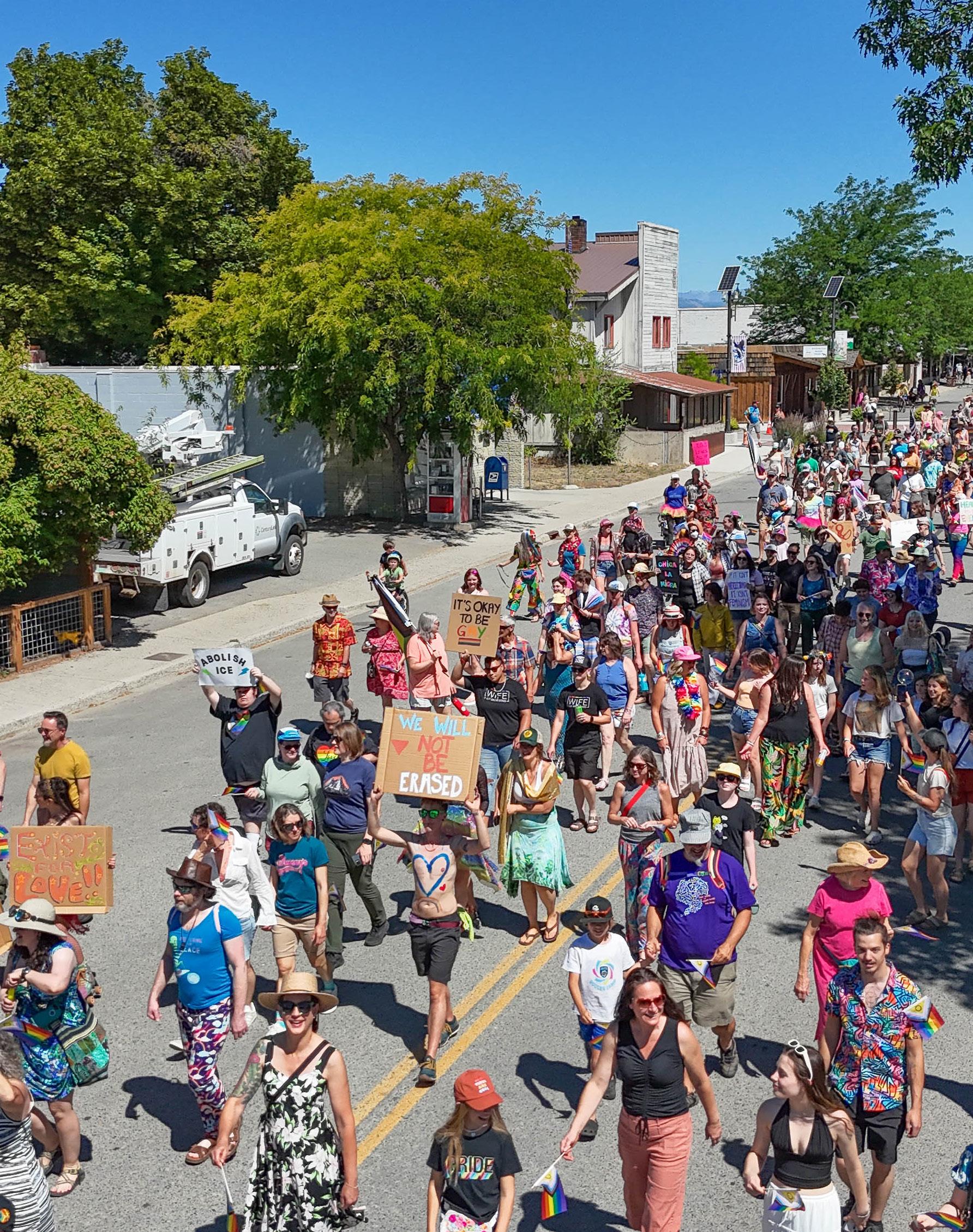
Photography by Steve Mitchell
JUNE 16 @ 7 PM
PRIDE TRIVIA
Twisp River Tap House
Doors open at 5:30. $5 entry fee. Pizza, salad, and drinks for purchase. Cash please!
JUNE 22 @ 7 PM
MYSTERY MOVIE
The Barnyard Cinema
$5 tickets benefit Methow Pride
JUNE 28 @ 10 AM - 3 PM
PRIDE PROTEST & FESTIVAL
10 AM: Twisp Commons Park / Community Center for signmaking, face painting and advocacy
11-12 PM: Protest alongside Hwy 20
12-3 PM: Festival at TwispWorks with musical performances, flash tattoos, games, and more!
Scan for event details!
For queer and questioning young people in a rural community, having that kind of belonging can be life-saving. And for all of us, living in a valley where more people understand and support their LGBTQIA+ neighbors means a safer, stronger community for everyone who calls it home.
WHERE WE ARE HEADING
This year showed us what becomes possible with consistent capacity. With 20 hours of cumulative weekly staff time, we established a weekly presence, grew our programs, and deepened our roots in this valley. Next year, we want to do more.
We are raising funds to grow to 30 hours of weekly staffing, directed entirely toward programs and people:
• More consistent events with options that work for a range of schedules and needs
• Outreach to queer and questioning young people in this valley who don’t yet know we exist
• Lasting relationships with families and community members, so that young people are supported and affirmed
There are queer and questioning young people in this valley who don’t yet know we exist. We want to reach them and build lasting relationships with the caregivers and community members around them, so that young people are supported and affirmed. For LGBTQIA+ adults, new to the valley and long rooted in it, being connected to people like them is integral to their ability to thrive and stay. Building that connection, one relationship at a time, is at the heart of what we do.
HOW TO GET INVOLVED:
• Learn about upcoming events at www.methowpride.org/upcoming-events
• Visit the Pride Sanctuary on Saturdays from
• 10 AM - 2 PM when we are open to the public
• Request an education program at www.info@methowpride.org
• Donate to Methow Pride to support our vision at www.methowpride.org/donate
• Become a business sponsor of Methow Pride! Sponsorships fund year-round events and strengthen community for LGBTQIA+ folks throughout the Methow Valley. For more info visit: www.methowpride.org/sponsor-us
Cascadia Music creates connection in a divided world by sharing the joys of music. Through performances, programs, and community engagement, the organization brings people together to experience the power of music and its ability to inspire, connect, and enrich lives. Based in the Methow Valley, Cascadia Music is committed to fostering meaningful musical experiences that celebrate artistry, creativity, and community.
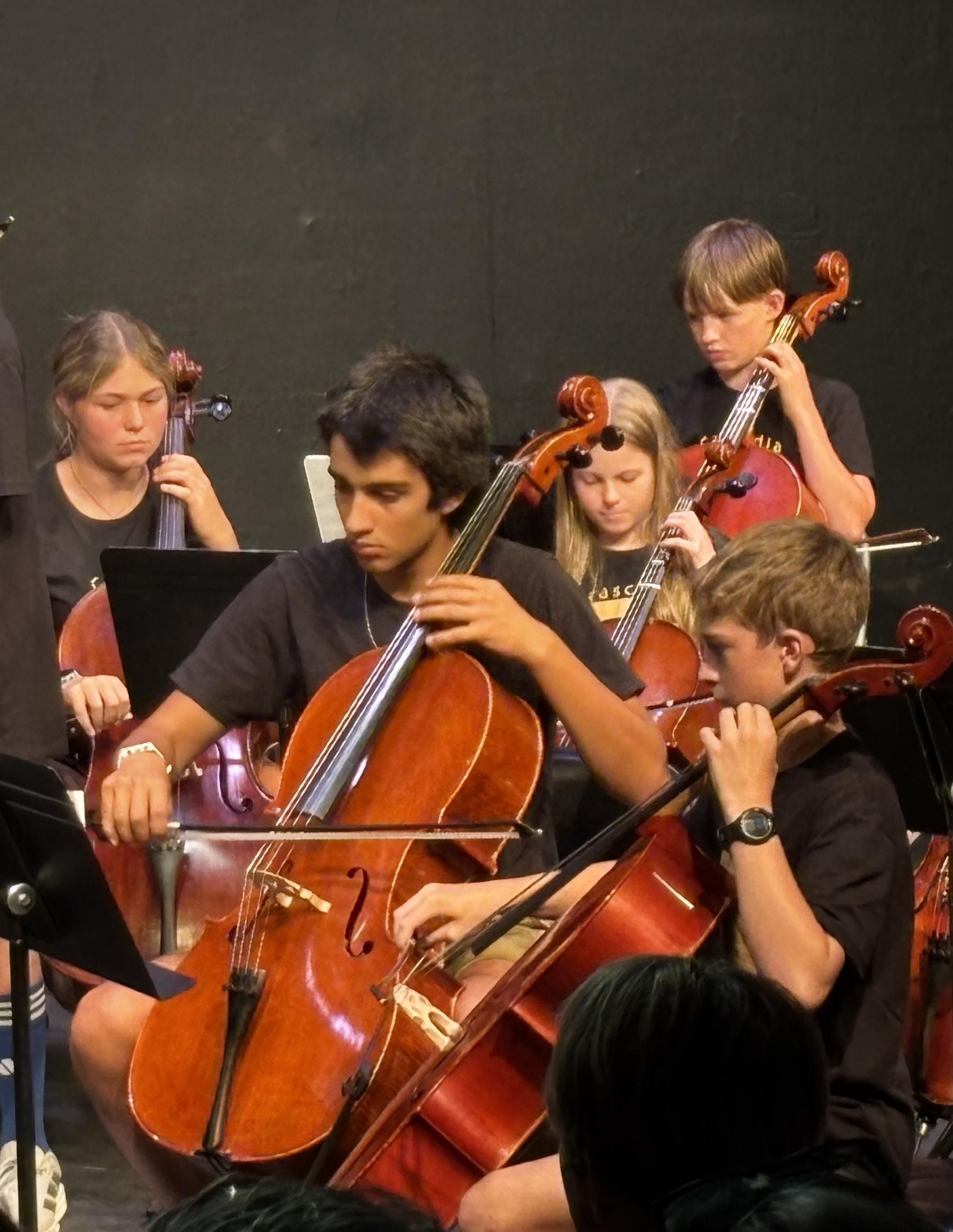
CASCADIA MUSIC CELEBRATES 40 YEARS BUILDING COMMUNITY BY SHARING THE JOYS OF MUSIC
By Katya Chorover
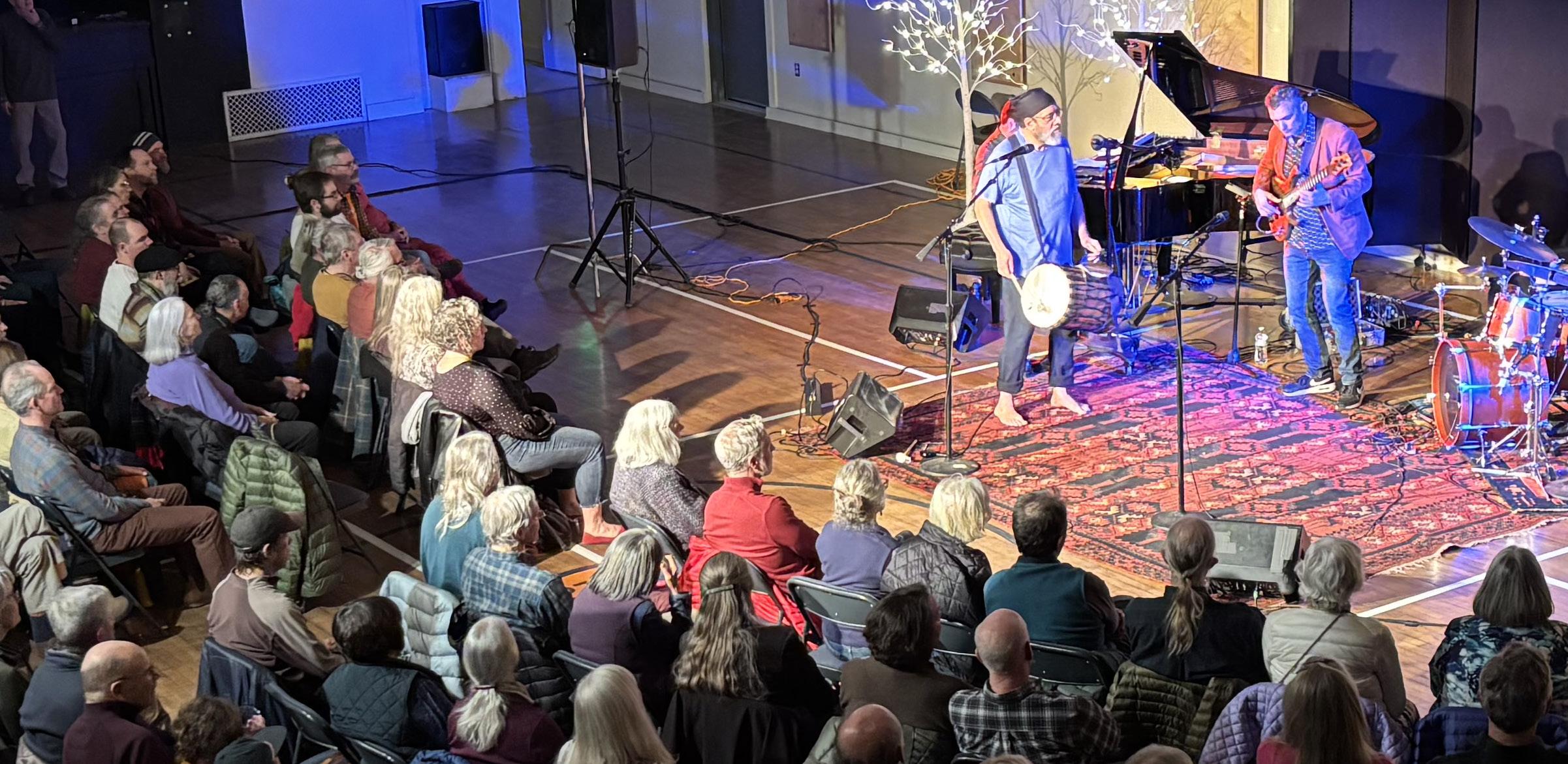
Cascadia Music creates safe, welcoming spaces where individuals find their place in community, and where strangers become friends through the shared joys and power of music.
Founded in 1986, Cascadia Music is now celebrating it’s 40th year! Our programs focus on community music making, visiting artist performances/workshops and music education for adults, children and teens.
OUR PROGRAMS
• Community Ensembles: The Cascadia Chorale and Pipestone Orchestra
• Concerts and Artist-led Workshops / Master Classes
• Cascadia Music Teachers Collective
• Christine Cherrington Memorial Scholarship Program
• Cascadia Instrument Library & Loan Program in partnership with Pam Hunt Studio
• Summer Strings Camp
• School Strings Program funded through a grant from Public School Funding Alliance
• Pipestone Youth Orchestra
A BRIEF HISTORY...
In the fall of 1986, a small group of Methow Valley music lovers got together with a mission to provide music education for local children and develop venues for local musicians to perform. Cascadia, The Methow Music Association, now known as Cascadia Music, initially operated under the umbrella of the Okanogan Historical Society. One of their first community projects was to raise funds and build a band shell on the Shafer Museum property with donated labor, where for several years after the grand opening, Methow Valley residents enjoyed free concerts at the Shafer Museum location.
In 1987, Cascadia’s then Director, Christine Cherrington spearheaded an effort to create a summer music camp for children, with Dr. Gil Seeley from Lewis and Clark University as the music director. The camp was called “The Methow Valley Music Festival” and ran successfully for three years. When Ms Cherrington passed away from cancer at the age of 39, the Cascadia Board lost its energetic director, and the summer festival was temporarily discontinued.
After her passing, the Cherrington family created the Christine Cherrington Scholarship Fund which initially granted a single annual award to one graduating student. To expand its impact, the fund now offers annual scholarships for discounted music lessons to local students of all ages. Cascadia still administers this fund, and since its inception has assisted hundreds of valley students to study music.
In 1992, Cascadia renewed its commitment to provide music and education for the valley, and received its 501(c)(3) non-profit status. July of 1992 Cascadia saw the fulfillment of a dream when a second band shell was built in the Twisp City Park.
Pam and Terry Hunt stepped in to manage the organization in 1998. Throughout the 2000’s they developed The Pipestone School of Music, the Pipestone Orchestra, Pipestone Youth Orchestra, School Strings program (funded by a grant from the Methow Valley Public School Funding Alliance) and a summer strings music camp.
As Cascadia celebrates forty years, we honor and celebrate the vision and hard work of so many folks who have brought us this far!
CASCADIA MUSIC TODAY AND INTO THE FUTURE
Under new executive and board leadership, Cascadia is working to clarify our community’s understanding of our mission and expand our
important role. As we enter our 41st year, our community efforts remain focused on education, local ensembles, and presenting nationally touring artist’s concerts and workshops.
EDUCATION
Cascadia’s educational mission remains the same: to connect local students looking for lessons, with vetted, professional music teachers, while helping local music educators with access to teaching space, business support, and to student financial aid through the scholarship program. We are seeking local music teachers to offer expanded genres such as pop, rock, folk, and songwriting and new instruments such as drums or electric bass.
COMMUNITY ENSEMBLES
For decades, our community orchestra and chorale concerts have been among the valley’s most widely attended seasonal events. These events are the culmination of months of preparation and practice by all involved. Several of the musicians travel from Omak, Chelan, Tonasket and as far away as Wenatchee and even Seattle to take part. These no-audition ensembles are available to all regardless of experience, age, gender, and cultural identity. Participants range in age from 12 to 85 years old, providing a rare context in our modern world, where people of a wide range of experience and age can come together to create beautiful and accessible programs.
VISITING ARTISTS / WORKSHOPS
Attending a live musical performance or workshop can have a life changing impact. A teenager who had never considered jazz walks into a workshop and walks out a different person. That kind of exposure is irreplaceable. Live concerts infuse energy into our community and expose listeners to styles and genres they may not otherwise have access to. In a small rural community like ours, these events are central to maintaining and expanding our connections to each other and to the wider world of art and music. For the 2026-2027 season, we are continuing collaborations with many valley and regional
collaborations with many valley and regional partners such as the Public School Funding Alliance, Methow Valley Community Center, Methow Arts, and The Merc. We are also expanding partnerships to support new organizations and projects such as The Methow Valley Jazz Festival, and The Winthrop Folk and Roots Festival, seeking to leverage our impact and further our mission to create events that inspire and uplift local audiences.
Thank you to our community of funders, (202526 supporters include Community Foundation of NCW through their Give Methow Campaign, ArtsWA, and Confluence Health), and to our many individual and business sponsors for your continued partnership over these past four decades. We are committed to ensuring access to participation by all people, regardless of age, income, gender, identity or cultural background and to build a more inclusive and joyous community by sharing the joys of music. We invite you to join us at an upcoming event, or in our community ensembles!
For more information visit www.cascadiamusic.org or contact Katya Chorover, Executive Director at director@cascadiamusic.org
CASCADIA EVENTS
SALISH MUSIC ENSEMBLE
Confluence Gallery: June 13, 2 PM
Internationally acclaimed Spanish harpsichordist, Irene Roldán, and baroque flutist, Jeffrey Cohan return to the gallery for their highly anticipated Salish Sea Early Music Performance of pieces by Bach and Scarlatti. On June 26, The Confluence will host a rehearsal for artists performing with the Methow Valley Chamber Music Festival.
TWISP PARK BANDSHELL: CASCADIA’S 4OTH
BIRTHDAY PARTY AND PICNIC IN THE PARK
Twisp Park: July 25, 3-7 PM
Featuring performances by Cascadia Music students, teachers and ensembles. Bring a picnic, blanket and stories to share about Cascadia’s history, and impact.
SUMMER STRINGS CAMP
July 27 & July 31
Final Concert: July 31, 4 PM at The Merc Playhouse
Summer Strings Camp for youth 8-18. To register, visit: https://drive.google.com/ file/d/1WBBiR4ZEErtl4ymRVPc8T9LO7-Wg1wrq/view
METHOW VALLEY JAZZ FESTIVAL
August 25-30, 5:30-8:30 PM Daily
A festival sponsor, Cascadia Music presents the Methow Valley Jazz Festival featuring varied performers at different venue throughout the Methow Valley. Featuring acclaimed artists including the Greta Matassa Quintet, Jovino Santos Neto, Entremundos, the Will Lone Quartet with Jenny Xu and Ben Feldman, Lynette Westendorf, Marcus Duke and Nancy Zahn.
NEEDS BASED SCHOLARSHIP PROGRAM
APPLICATION DEADLINE 2026-2027
Septermber 15
Application will be posted on the Cascadia Music Website in mid summer
WINTHROP FOLK AND ROOTS FESTIVAL
Winthrop Barn: October 23-24
2 days, 8 bands with jam sessions and free workshops. More information coming soon!
Stay up-to-date at: www.folknroots.squarespace.com
WHO METHOW MIXTAPES?
IS METHOW MIXTAPES?
THE SECRET SOUNDTRACK OF THE METHOW VALLEY
By Cailee Maestro
There’s something strangely exciting about finding something that wasn’t meant for everyone.
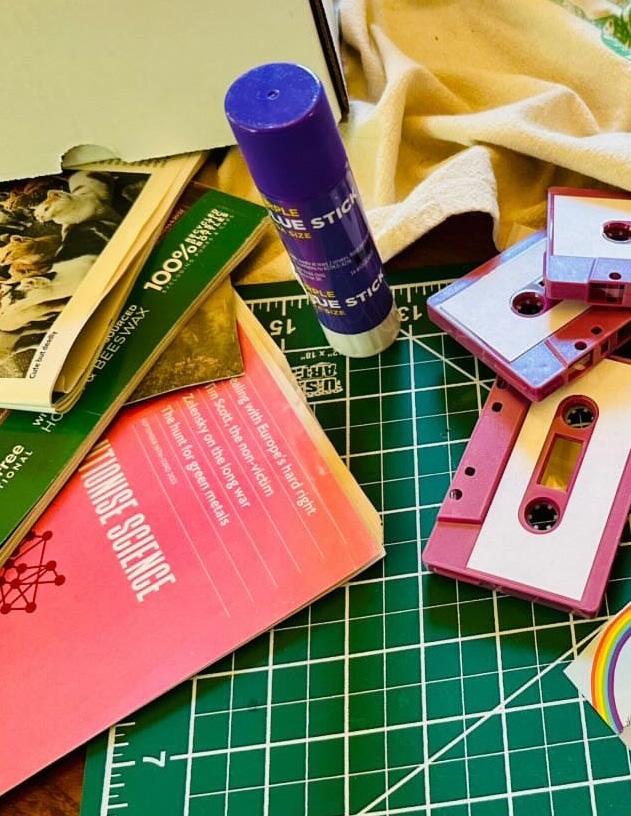
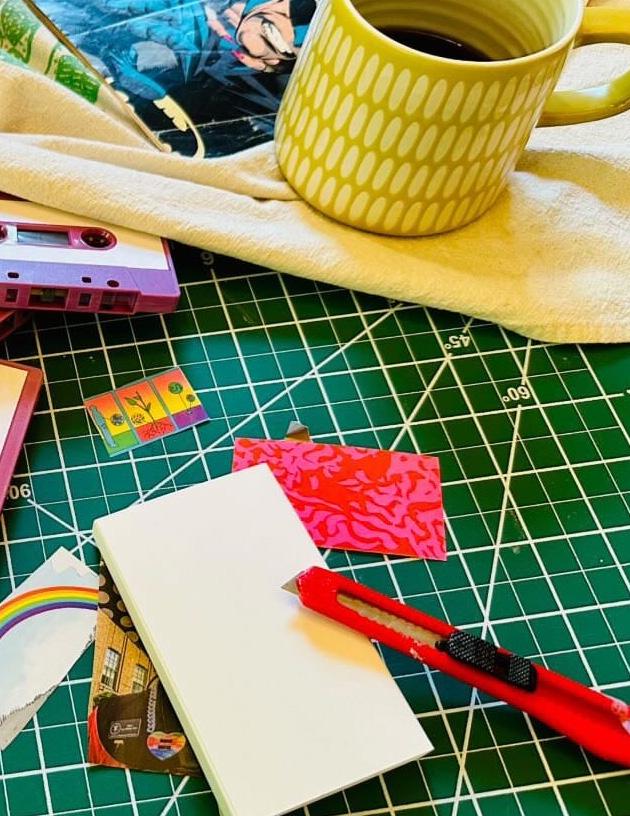
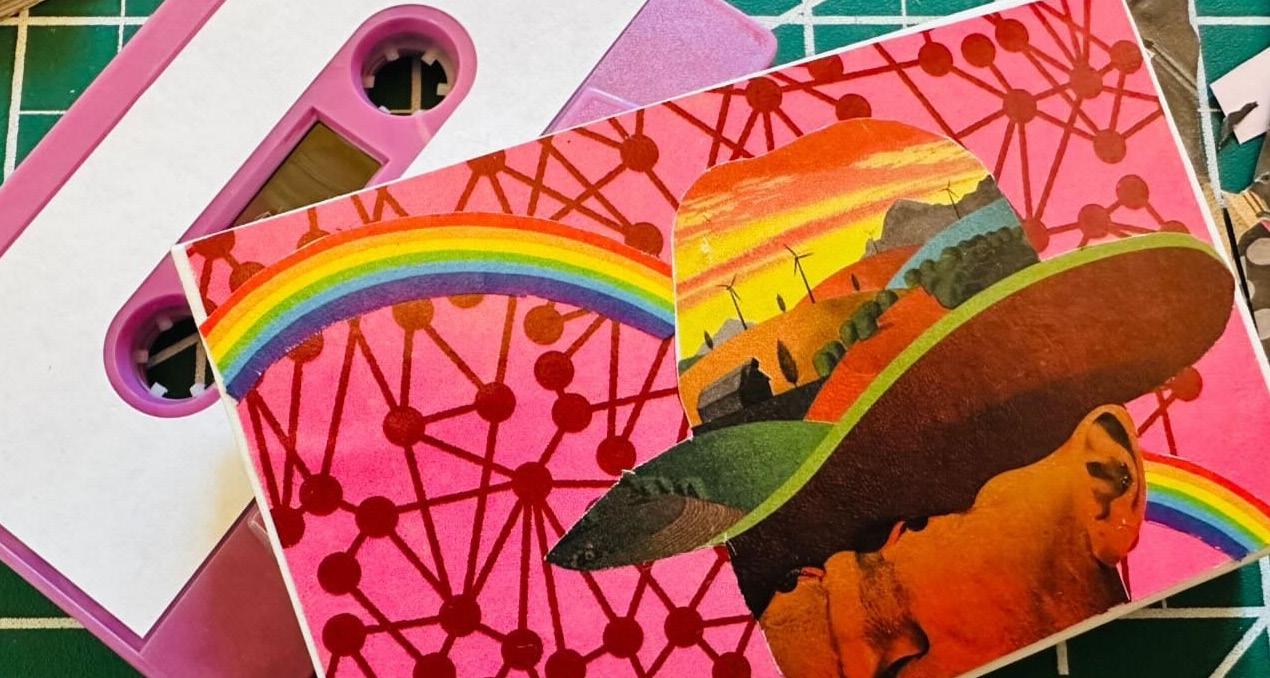
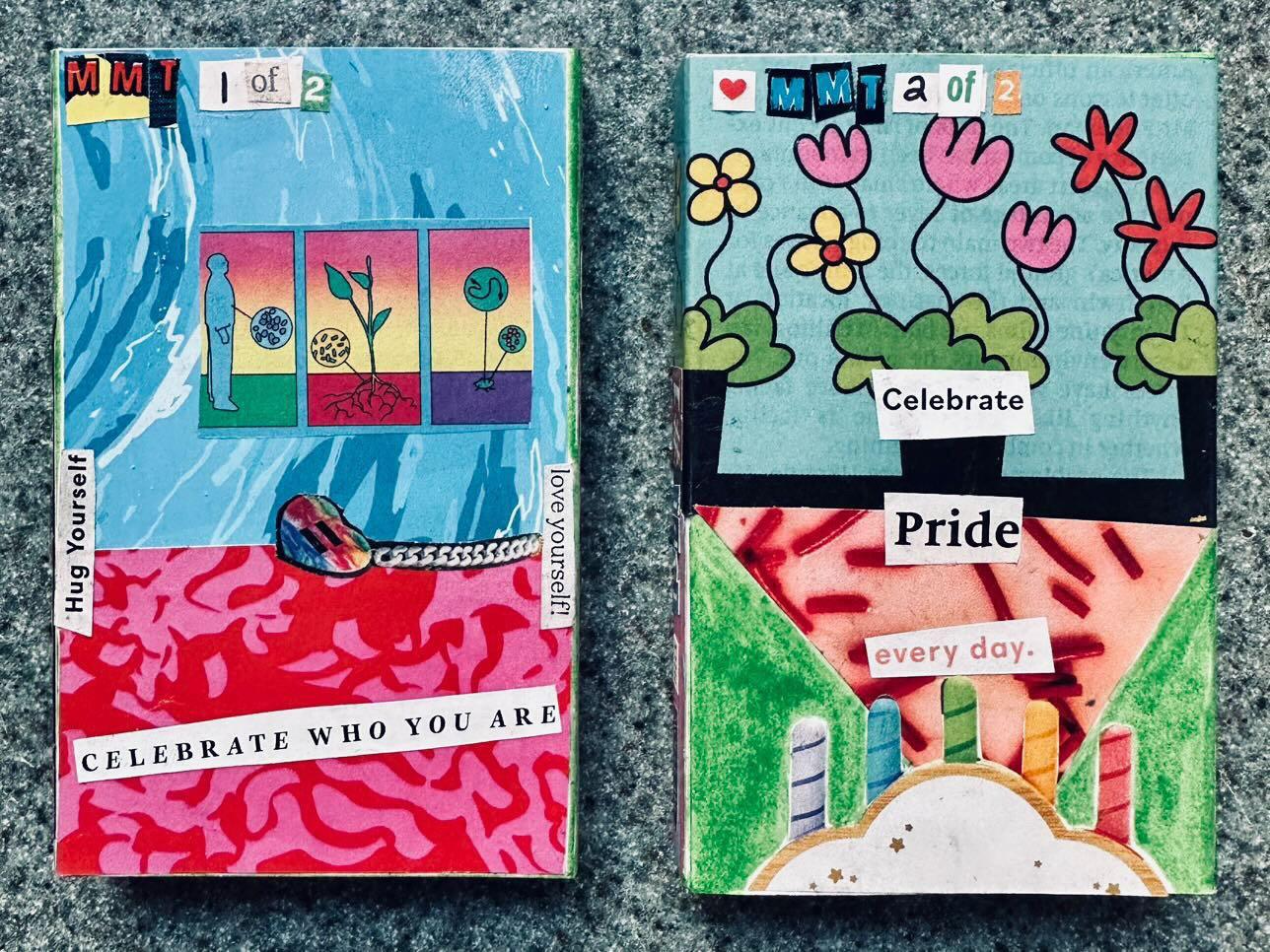
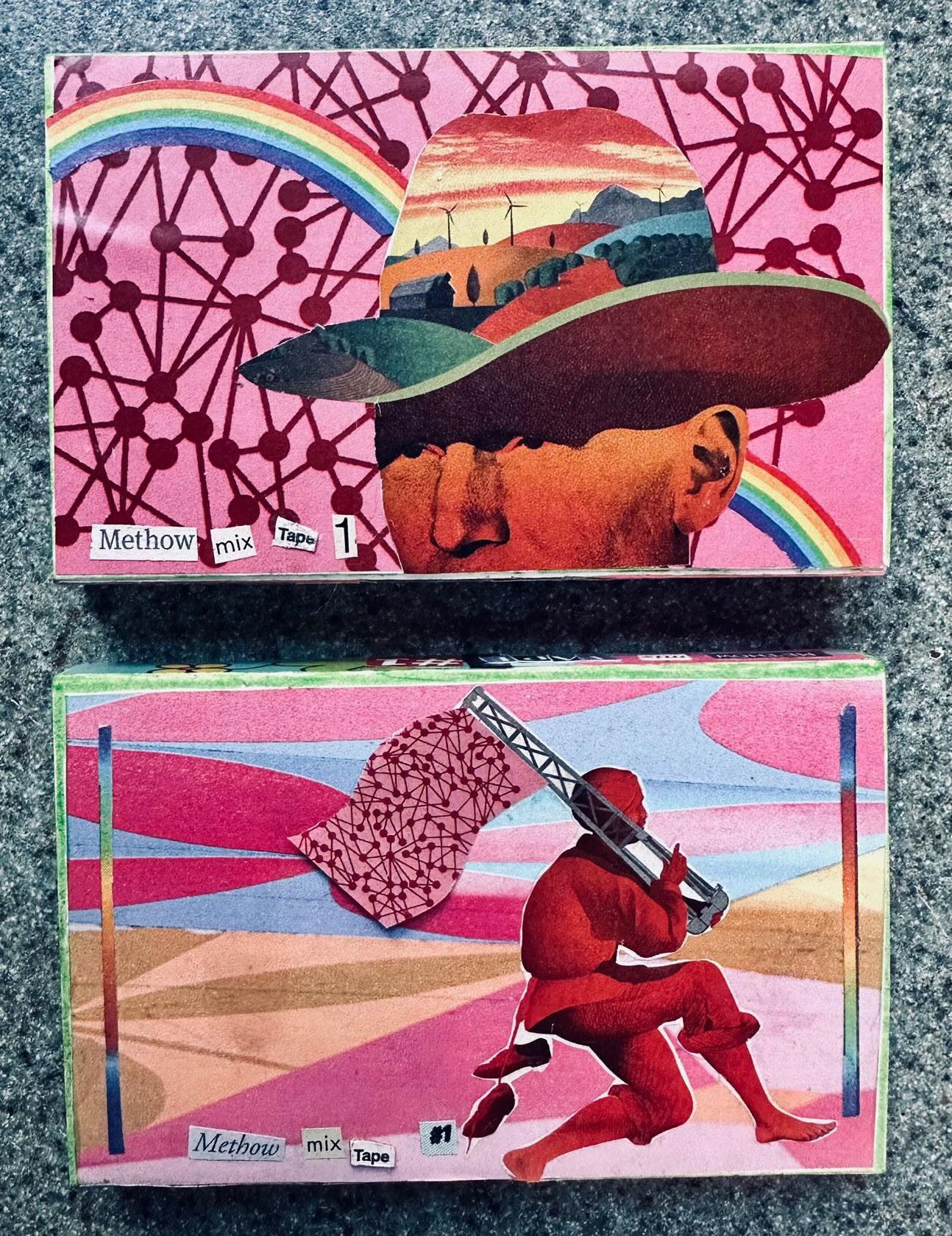
Hidden somewhere in the Methow Valley are cassette tapes, hand numbered, hand designed, and intentionally scarce. Each release from “Methow Mixtapes” exists as only two physical copies, tucked into unexpected places through the valley and revealed only through cryptic online clues. The project blends music curation, visual art, and quiet acts of discovery into something that feels both nostalgic and surprisingly contemporary.
In an era of infinite playlists and algorithm-driven listening, Methow Mixtapes embraces slowness, chance, and discovery. Listeners are invited to search, to stumble upon music rather than scroll past it. The project’s creator remains anonymous, shifting the focus away from authorship and toward experience, the mixes, the artwork, and the act of finding them.
Part scavenger hunt, part community art experiment, Methow Mixtapes raises questions about
how we experience music in the digital age, what physical media still offers us, and whether limitation can actually deepen connection. For the Music Issue, we spoke with the anonymous creator behind the project about curation, discovery, and the role of clandestine art in the Methow Valley.
Cailee: Without revealing your identity, can you tell us a little bit about this project?
Methow Mixtapes: Simply put, I’m making mix tapes and am placing them in random spots throughout the valley to be found by whoever is so inclined to give them a chance. The tapes are loosely themed, featuring a variety of music from across genres with original art on the o-cards. I’ll also post a link with the mix on both Spotify and Apple Music as each mix will only be put on 2 hand numbered cassettes (and because few people have the means to play a cassette anymore).
C: What inspired Methow Mixtapes?
MM: I love music, I love sharing music, and the o-card gives me an excuse to sit down and make some art that I might otherwise be “too busy” for. I also like the limiting size factor of both the cassette itself and the o-card.
C: Being limited to 90 minutes, how do you curate your mixes?
MM: Well, the blank tapes I’ll be using are only 54 minutes total (they were significantly cheaper). To answer the question though, as I said, the goal is to share music I love. While I hope I can turn someone on to some less mainstream artists like Jaimie Branch or Agriculture, there’s still room for the Madonnas and John Cougar Mellencamps of the world should they fit a theme or just feel right for the mix.
C: Do you find that this limitation encourages deeper appreciation for the music?
MM: If nothing else, I hope that the space/ length limitation allows people to maybe endure something that otherwise would be out of their wheelhouse. As devout a music fan as I am, I still tend to be quick to skip a new song after 30 seconds when I think I’ve determined I don’t like it when listening on streaming services. I think physical media, especially cassettes, removes quick and easy judgement.
C: What’s your take on the role physical media has in the digital world?
MM: I don’t want to be a luddite or the person shaking their fist at a cloud, but l miss the commitment that comes with purchasing a record, tape, or CD, usually not having heard 80% of it prior. So, while I’m sad that artists now have a
more difficult time capitalizing on their art, I’m more than happy to see the record executive go the way of the Dodo.
C: Would you say that part of the project is about resisting convenience?
MM: Absolutely, I’ve already alluded to this, but I think between the effortlessness of skipping past digital media and users being fed by an algorithm makes it easy to miss a lot of amazing artwork. Much like ‘we don’t know what we don’t know,’ it can be difficult to know what you like and don’t like if you’re only exposed to what 1s and 0s have determined you will enjoy.
C: Discovery is an important part of this project. In your opinion, how does the effort required to find these mixtapes influence our relationship to physicality and to music?
MM: I like that if someone chooses to actively participate with this idea it will require elements of a treasure hunt in multiple ways. First, they’ll have to find the cassette, they may also need to find a way to listen to it, and then they’ll still have to go through, track by track, hopefully finding something new to them that they’ll love.
C: What conversations are you hoping this project sparks in the Methow Valley?
MM: I haven’t really considered that prior to now, but I can say I hope fellow music loving dweebs such as myself can come together, at least online to appreciate something new to them. I will say that I hope it DOESN’T spark a conversation about my poor music taste.
C: How do you think this project will impact or influence the community?
MM: Again, without meaning to sound dismissive, I haven’t really thought about that. If one person finds their new favorite artist because they stumbled upon one of my tapes, I’d be pleased as punch, but, while I’m sharing this with the valley, I’m really doing this for myself which I think motivates a lot of my favorite art/artists.
C: Your clandestine approach is very mysterious. What made you decide to stay anonymous?
MM: That question has several answers but generally speaking, I don’t want my selections to be influenced by others. I also don’t want who I am
to influence how people hear the music. I want the songs to be judged solely by its own merits without prejudice or presumption.
Follow @methowmixtapes on Instagram to stay up to date on new releases, cryptic clues, and where the next mixtapes will appear throughout the Methow Valley.
Rythm and Blues
Winthrop Gallery is an artist-run cooperative located on the boardwalk in downtown Winthrop, WA. Showcasing a wide variety of original artwork, from painting and photography to jewelry, textiles, and woodworking, the gallery connects visitors with the artists who live and work in the Methow Valley. By celebrating the seasons, the landscape, and the valley’s vibrant creative community, Winthrop Gallery inspires appreciation for both art and place.
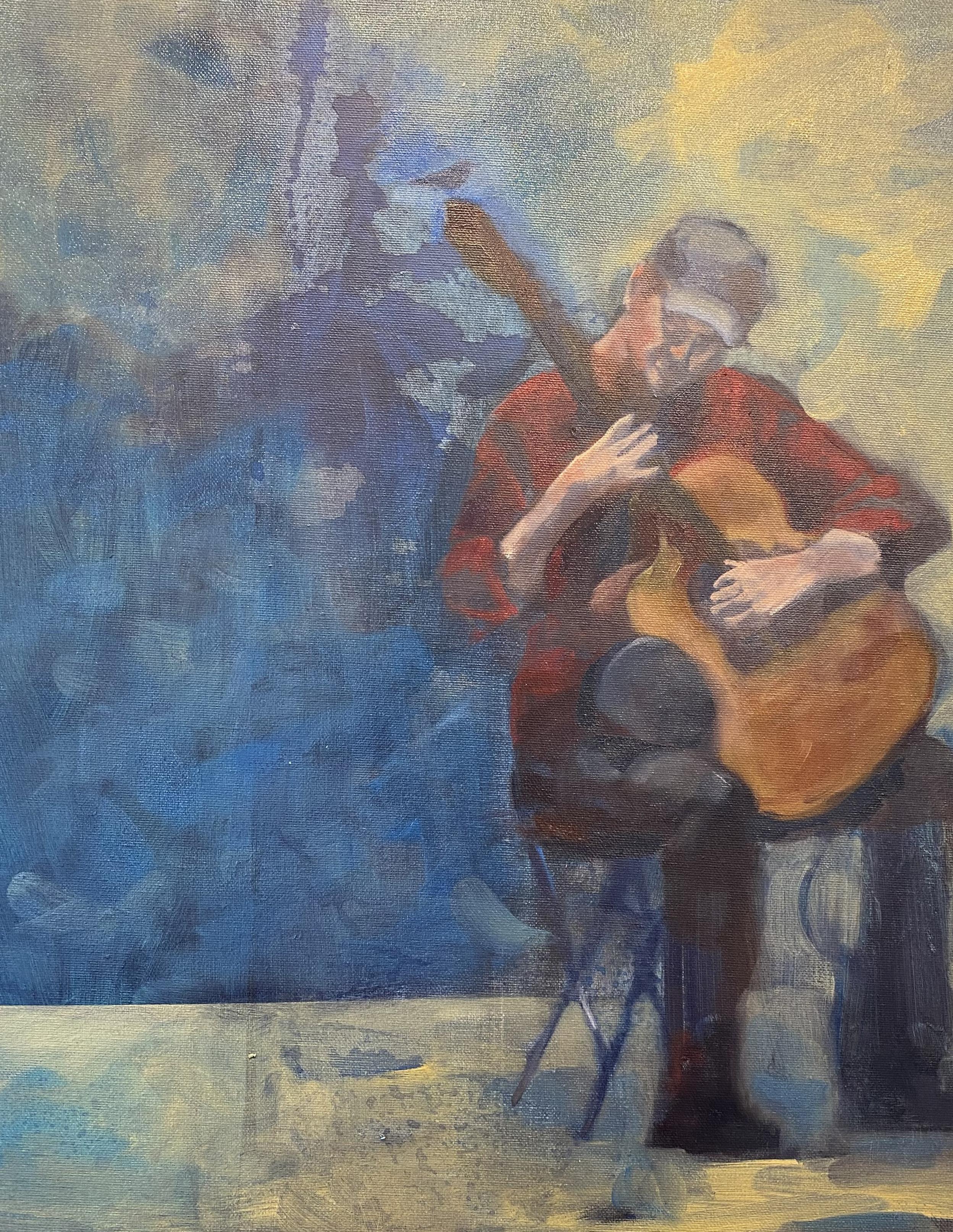
Artwork by Janet Fagan
THE SOUNDTRACK BEHIND THE WORK
By Janet Fagan, Don McIvor, and Paul Christen
Painters, sculptors, ceramicists, jewelers, photographers… so many diverse ways to create and the Winthrop Gallery, as a cooperative in the truest sense holds them all. What unites an eclectic group of creators together as artists? Well there are the obvious things like finding inspiration from the place where we all live and play – and then there are some less obvious ties. One of the most fun to explore is music. When we put the question to our artists how music inspires their work, we received some great responses. Here are a few that we hope you enjoy!
FROM DON MCIVOR:
When we asked Don McIvor how music connects to his wood-working practice he had a lot to share.
“Music is a constant companion in my woodshop, playing through the vintage Advent
speakers I restored or the high-tech Bluetooth hearing protection I wear when the machinery is keening.
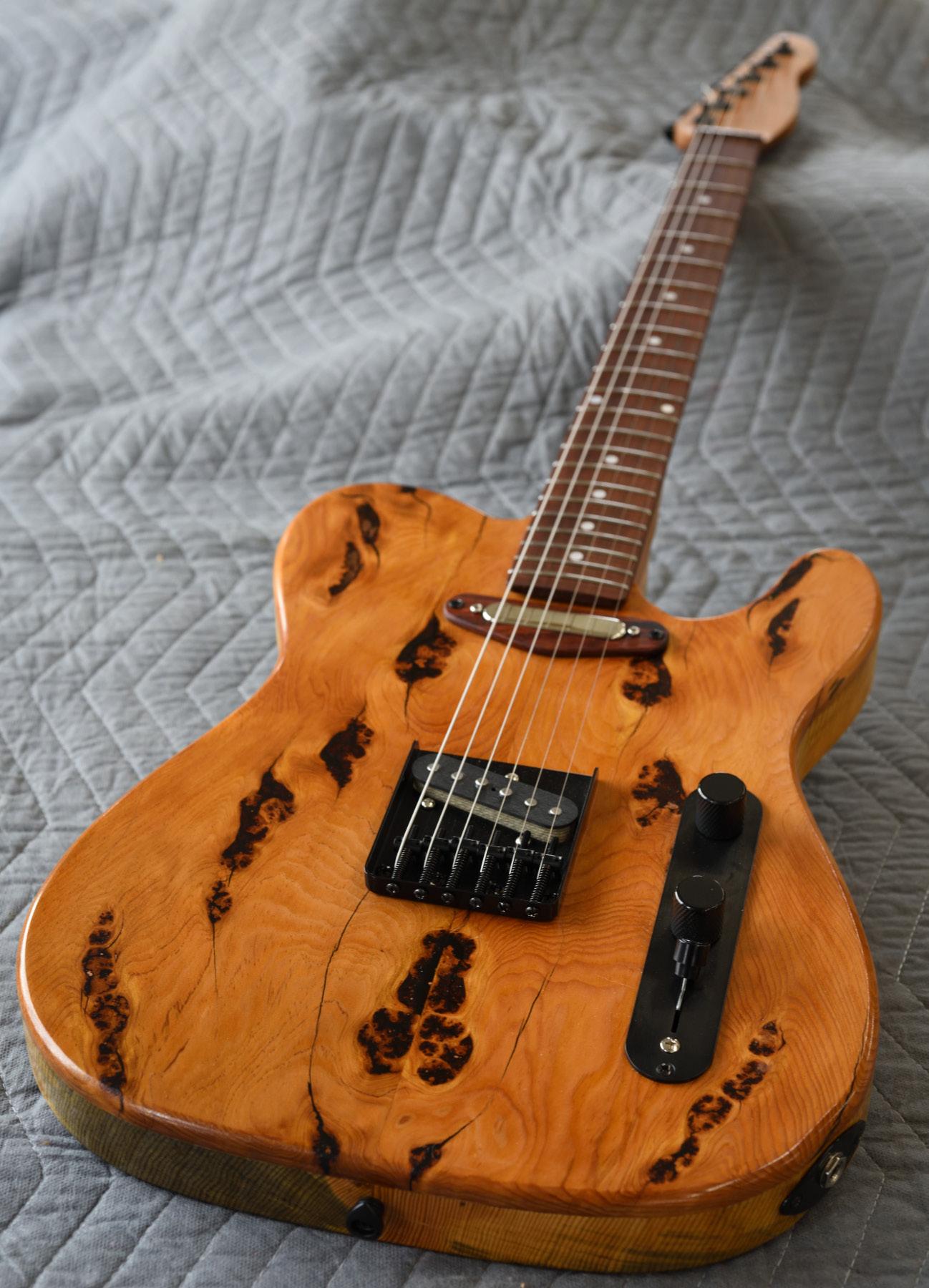
There are many connections between music and woodworking. Here’s an easy one: make an instrument from wood and you give a voice to a tree that can fill a stadium.
I made the guitar pictured here using locally sourced ponderosa pine. The body is from a tree killed by a wildfire; the top is from a burl given to me by a former work colleague. Both the body and top are book-matched and the natural voids filled with copper and resin.
There’s also a more subtle connection in the music that resonates in my studio. Like many creative endeavors, the best music comes from the heart and carries a certain open vulnerability. And while the music is playing, I am making a
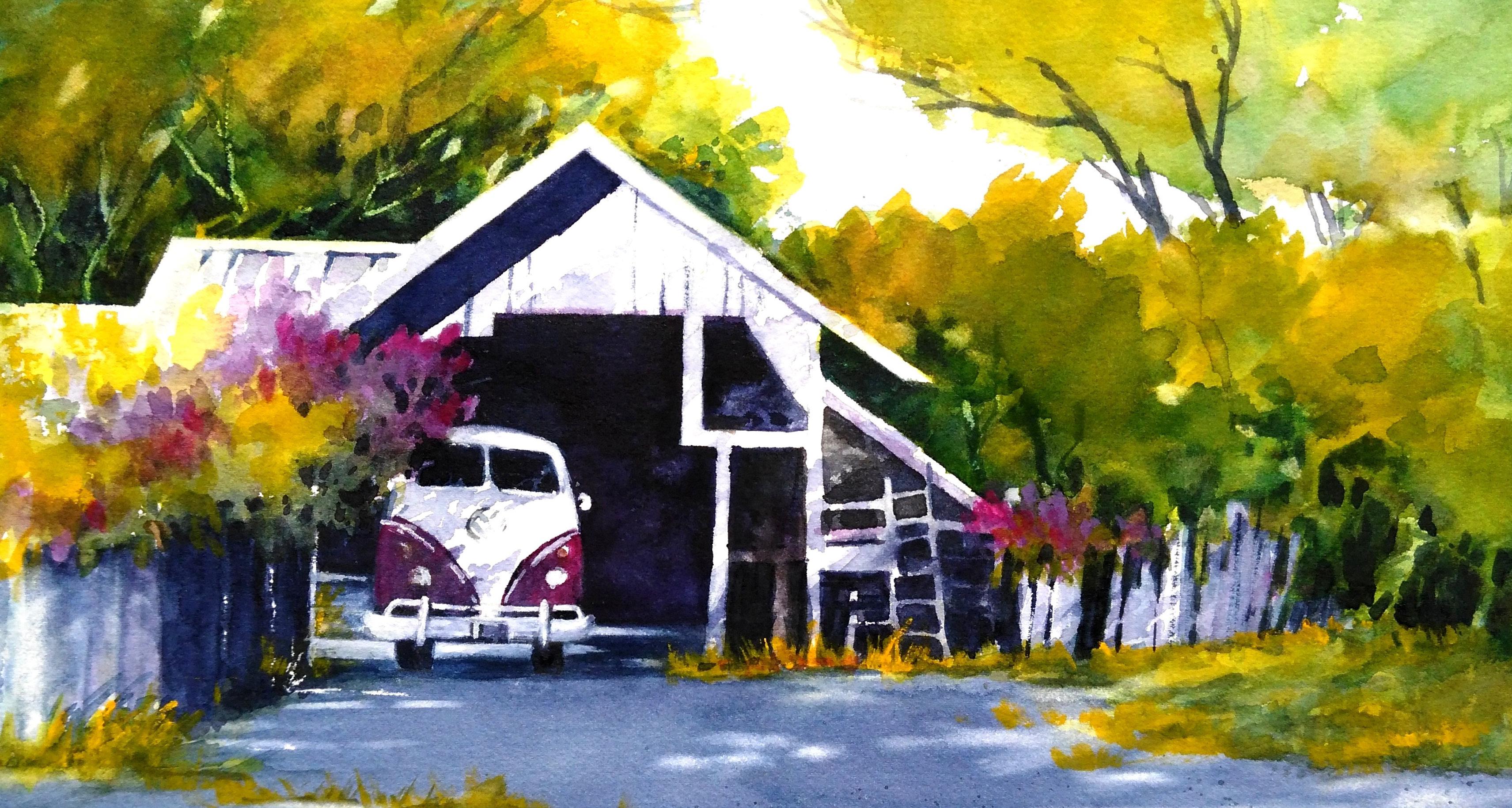
Summer of Love by Paula Christen
connection with a tree that might have taken centuries to grow, as I try to understand what lies within, what it needs to become. My job as a maker is to reflect that dialogue through the material and out to the world.
My taste in music is eclectic, and I might follow a Bach concerto with Led Zeppelin IV, or Billy Strings resetting the future of bluegrass. I can’t pick up a guitar without playing a lot of Jason Isbell; he wields his songwriting pen like a scalpel, aiming straight for bone.”
FROM PAULA CHRISTEN:
Watercolorist Paula Christen offered this when asked about the intersection of music with her work.
“‘Summer of Love,’ the title says it all—a visual anthem of the early ’70s. It was the energy of
new music that shaped those years, laying its tracks alongside memory. In clandestine meadow ‘kegger’ parties, it played from radio dials and eight-track tapes, spilling out of open doors—muscle cars, pickup trucks, and wellworn VW vans into the clear night sky.The air swelled with ‘Take It Easy’ and ‘Born to Run,’ the soundtrack of freedom and forward motion.
This painting was inspired by a long-overdue reunion of four dear friends from that era. What struck me most was this: time had passed, but their spirit had not. Still classic. Still effortless. Like the vintage VW waiting in the shade.”
FROM JANET FAGAN:
Finally, mixed media artist Janet Fagan shared her connection to music in and out of the studio.
“I have a deep history of both painting musicians live, playing music myself, and using music as a teaching tool. One of my very favorite activities used to be taking my paint box to Georgia’s Greek Restaurant in Seattle and painting my favorite Eastern European bands as they played. Painting musicians creating the music I love while enjoying complimentary dessert is an experience that I will never forget! I even had a patron once purchase a wet oil painting right off my easel. It was unforgettable.
Locally I have painted our very own Ben Wheeler as well as my own band. As a teaching tool, music can help certain students access a flow state that is hard for them to reach without it. Music helps me focus in the studio and because I paint standing, dancing often happens!”
To see more of these artists’ work, visit www.winthropgallery.com
Artwork by Don McIvor
Methow At Home supports older adults through the transitions of aging by offering educational programming, social connection, life planning, and volunteer support for household tasks. We foster a vibrant, multi-generational community rooted in joy, connection, and mutual appreciation, where everyone is valued. Our approach is about meeting people where they are, offering a variety of programs and services so that everyone can age at home in the community they love for as long as possible. Get to know the artists in our community through this member spotlight.
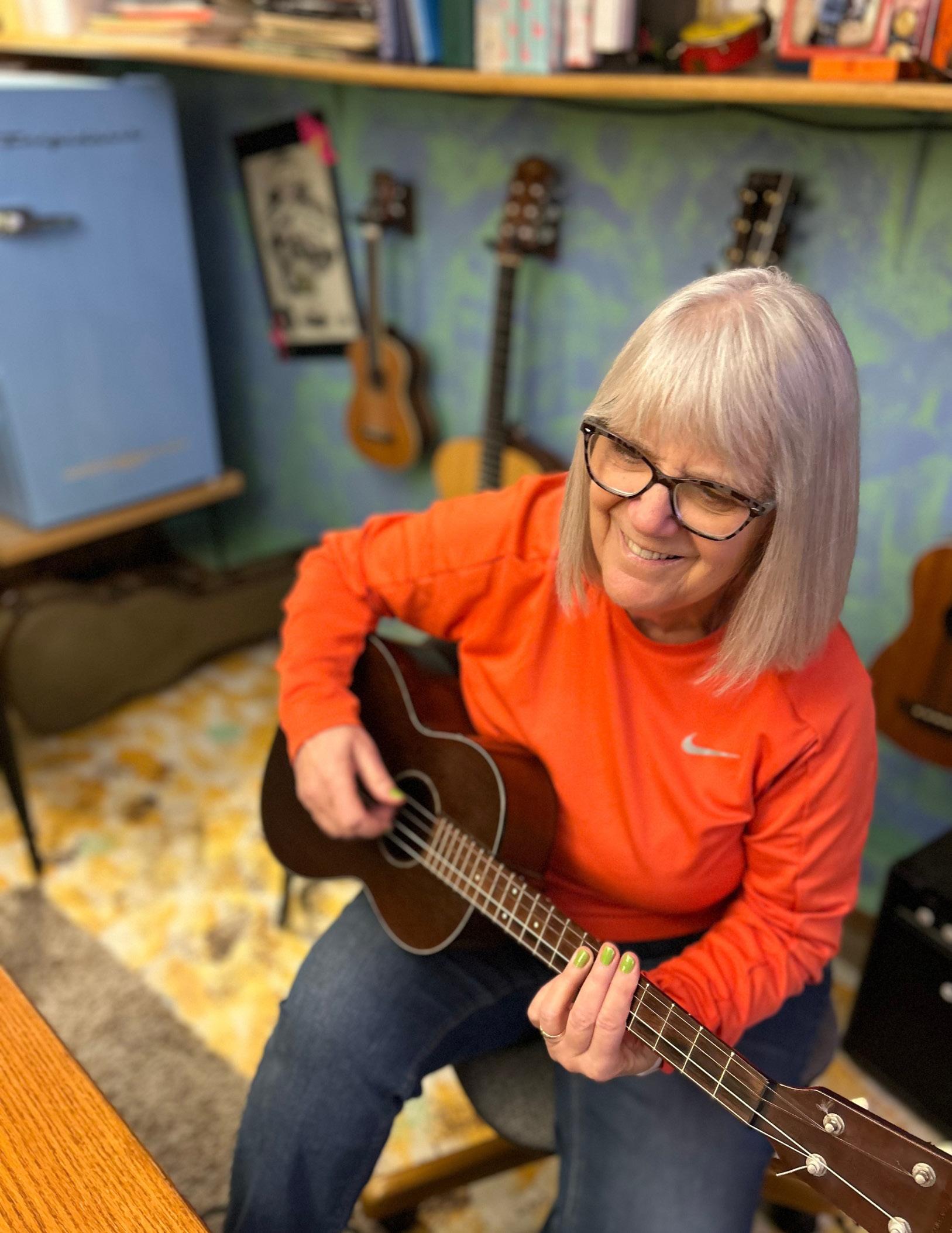
LAURALEE NORTHCOTT ON MUSIC, COMMUNITY, AND AGING AT HOME
By Lindsay Morris
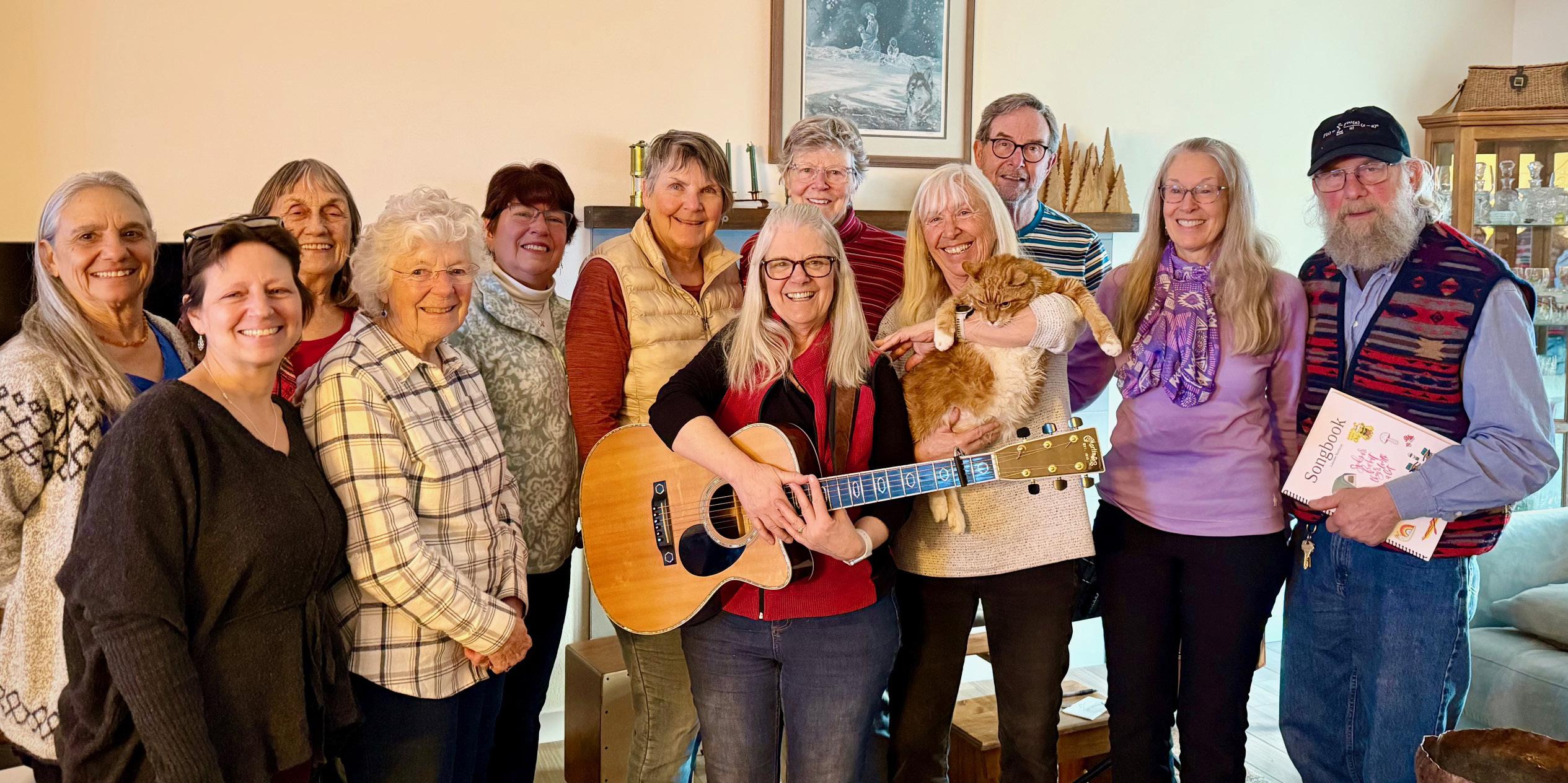
In decades past, downtown Winthrop came alive every Friday and Saturday night with live music and locals dancing well past midnight. It was a vibrant scene—young and middle-aged folks cutting loose after working hard all week for the Forest Service or Wagner Mill, alongside older adults ready for a good time. If you were in the mood for rock and roll, you stopped by The Palace, but if you wanted something more country, you went to Sam’s Place. Either way, you’d find plenty of empty seats but not much room left on the dance floor.
A regular performer on Friday & Saturday nights was Lauralee Northcott with her band Cascade Country. They would start playing at Sam’s Place around 9:30 p.m. and often didn’t stop until after midnight. Playing that many shows, weekend after weekend, demonstrated Lauralee’s passion for music and community.
Even though Lauralee feels comfortable in the spotlight, it was never about ego for her. “The involvement of people around music is special,” she says. “Music unites us. The element of shared participation around a central focus is one of the richest and most rewarding activities of my life.” Being in the presence of Lauralee is like being in the presence of music itself—lively but grounded, like a melody that pops into your head and lifts your day or brings a smile to your face. When you meet her, you realize she’s someone you want in your community for as long as possible because she makes life richer.
Her musical roots run back to her birth, when her mother would sing to her and she would eventually sing back. Though her parents were divorced when she was born, they remarried when she was eight years old, and everyone played together in a family band in Monroe, Washington. Her father played piano and her mother played
drums while Lauralee sang. This early exposure to music set the stage for a lifetime of sharing it with others. She served thirty-four years as a schoolteacher for Methow Valley students, ten of those years spent teaching music. She’s been in countless bands, playing genres from cowboy and western to folk, blues, and country. She’s released ten albums—some with her band Horse Crazy and others solo—and published a book full of stories, poems, and recipes from her time in the mountains.
After she retired from teaching, she spent years touring across the country with Horse Crazy. A particularly poignant memory from her time on the road came from observing older adults while playing at large campgrounds full of wintering retirees. She realized that when older adults “have no friends, when they’re shut in, when there’s nothing for them to do…then they want to go somewhere else.” Because these older adults had left their communities, it meant “they’re not home watching their grandkids’ games. They’re
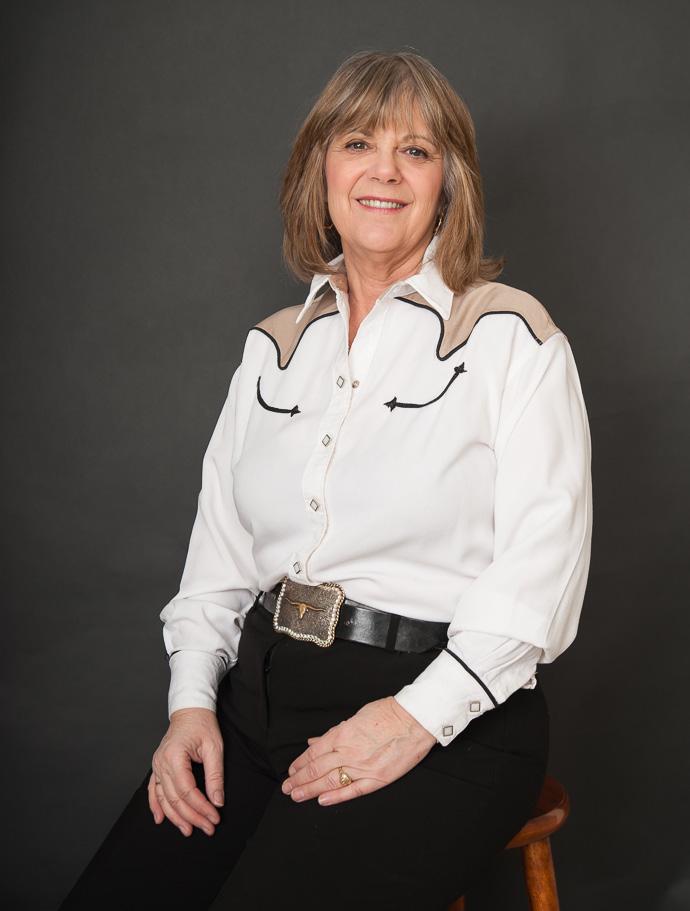
not putting money in the local economy. They’re not staying home.” She understood that communities need older people because “people in every time in their life are important in their communities.” This realization, along with an increasing need to serve as caretaker for her husband, led Lauralee to retire from touring and invest her energy at home. She was ready to leave the road.
Methow At Home became the perfect partnership to not only support Lauralee through the transitions of aging but also to channel her love for music into a program that benefits the wider community. Sing Along with Lauralee Northcott took shape a couple of years ago, with Lauralee serving as the container that holds it all together. It’s a more toned-down experience than her days playing at Sam’s Place, but no less meaningful.
Participants show up with nothing more than their voices. Lauralee hands out songbooks with seventy or so well-known songs, and everyone takes a turn picking a song to sing. The atmosphere is welcoming, light, and playful. As Lauralee describes it, “We wrap our voices around each other, as a metaphor for the way we care for one another emotionally and physically. It is a way to share this amazing experience called living.”
Sing Along with Lauralee Northcott has been a wonderful experience for the Methow At Home community, and it illustrates the necessity of social connection as we age. In 2023, the U.S. Surgeon General, Dr. Vivek Murthy, declared a loneliness and isolation epidemic in our nation. He warned that “loneliness is far more than just a bad feeling—it harms both individual and societal health. It is associated with a greater risk of cardiovascular disease, dementia, stroke, depression, anxiety, and premature death.” The people who leave Lauralee’s gathering aren’t just happier—they are healthier. Because of the work that Methow At Home is doing, older adults like Lauralee are able to age at home and continue giving back to their community.
Like a headstone for something that’s been laid to rest, all that remains today of Sam’s Place is a false storefront in downtown Winthrop. But the sense of community has endured, even though it now manifests in different ways, thanks to people like Lauralee Northcott. Neighbors are still showing up for each other in times of need and celebration. Methow At Home as a community is only possible because the people who live in this valley created a culture that understands we all thrive when we lift each other up.
Interested in becoming a Methow At Home member or volunteer? You can learn more on our website www.methowathome.org or give us a call at 509-996-5844.
METHOW AT HOME EVENTS
GAME DAY AT THE GRANGE
June 7th, July 5th, August 2nd 1-4 PM
Twisp Valley Grange
Every first Sunday of the month come play games at the Twisp Valley Grange! Everyone is welcome! Bring a friend and your favorite board game to teach and enjoy with others, or simply come to join in and try something new. The Grange has supplies for traditional card games. Feel free to pack your favorite snack to share and a drink (alcohol-free, please!). Youth 10 and over who are interested in playing are welcome to come with a parent.
TECH TUESDAY
Every Tuesday 1-3 PM
Winthrop Library Community Room
Join Methow At Home every Tuesday for digital literacy classes. Each week alternates between 1-on-1 support and fun information sessions on various topics. Whether you want someone to fix your computer issue or learn how to take better pictures with your smartphone – Tech Tuesday is
here to help!
WINTHROP PICNIC SOCIAL AT THE PARK
June 12th 12:00 - 1:30 PM
Winthrop Barn Park
Come join Methow At Home for a relaxed picnic in the park — a perfect chance to spend time with friends and meet some new ones. We’ll gather near the river at the picnic tables on the lawn area.Pack your own lunch, bring a chair or blanket, and enjoy an easygoing afternoon together outdoors. There’s no agenda, just good company and a chance to connect.
TWISP PICNIC SOCIAL AT THE PARK
June 26th 12:00 - 1:30 PM
Twisp River Park
Come join Methow At Home for a relaxed picnic in the park — a perfect chance to spend time with friends and meet some new ones. We’ll gather near the river at the covered picnic area. Pack your own lunch, bring a chair or blanket, and enjoy an easygoing afternoon together outdoors. There’s no agenda, just good company and a chance to connect.
Registration isn’t required for these events, but it’s helpful to let us know you’re planning to come. Contact Donna at donna@methowathome.org or call 509-996-5844 for questions
Visit www.methowathome.org/events for more information.

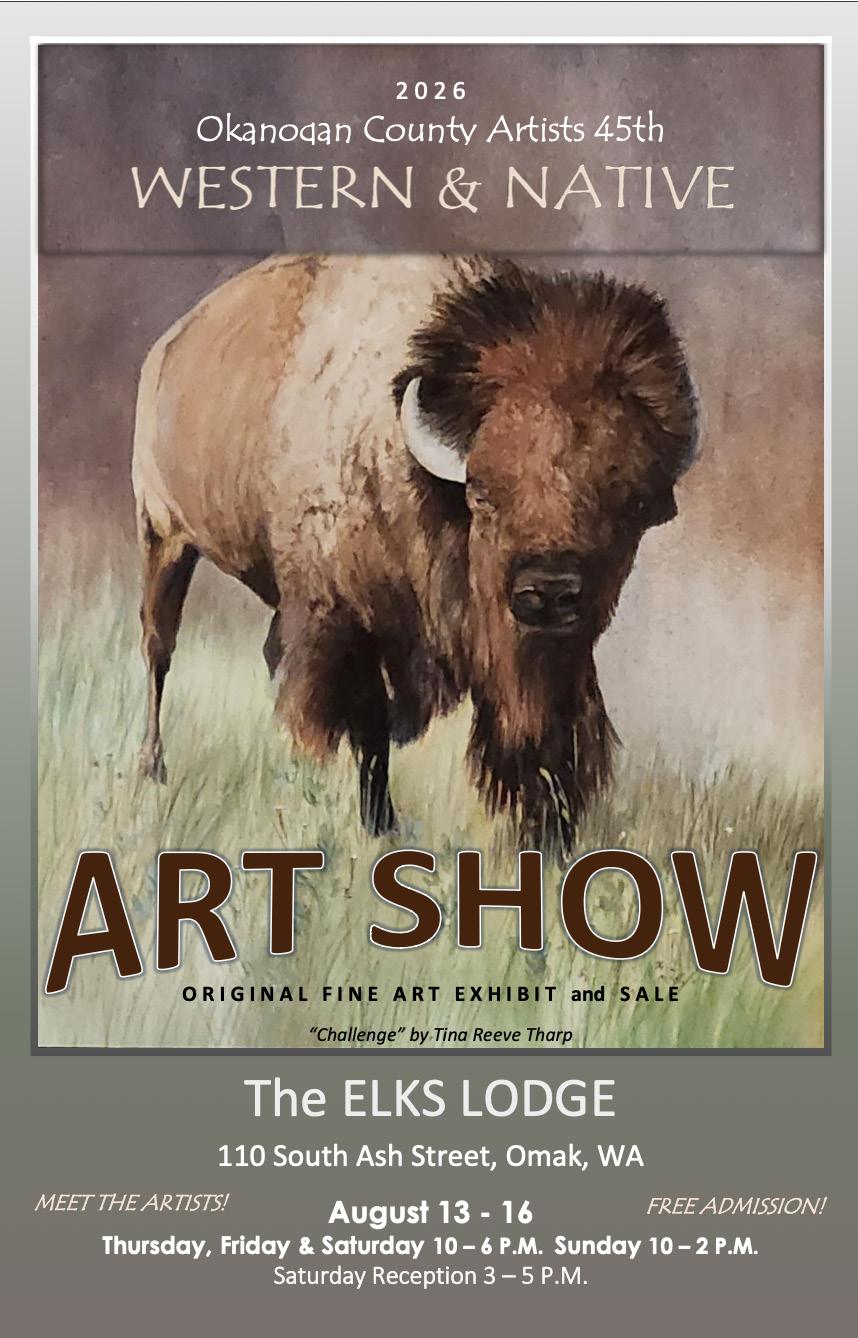
organization? Partner with us. support it? Become a Sponsor. communications@methowarts.org
Our mission is to inspire artistic curiosity, empower creativity, and propel the creative economy in Okanogan County.
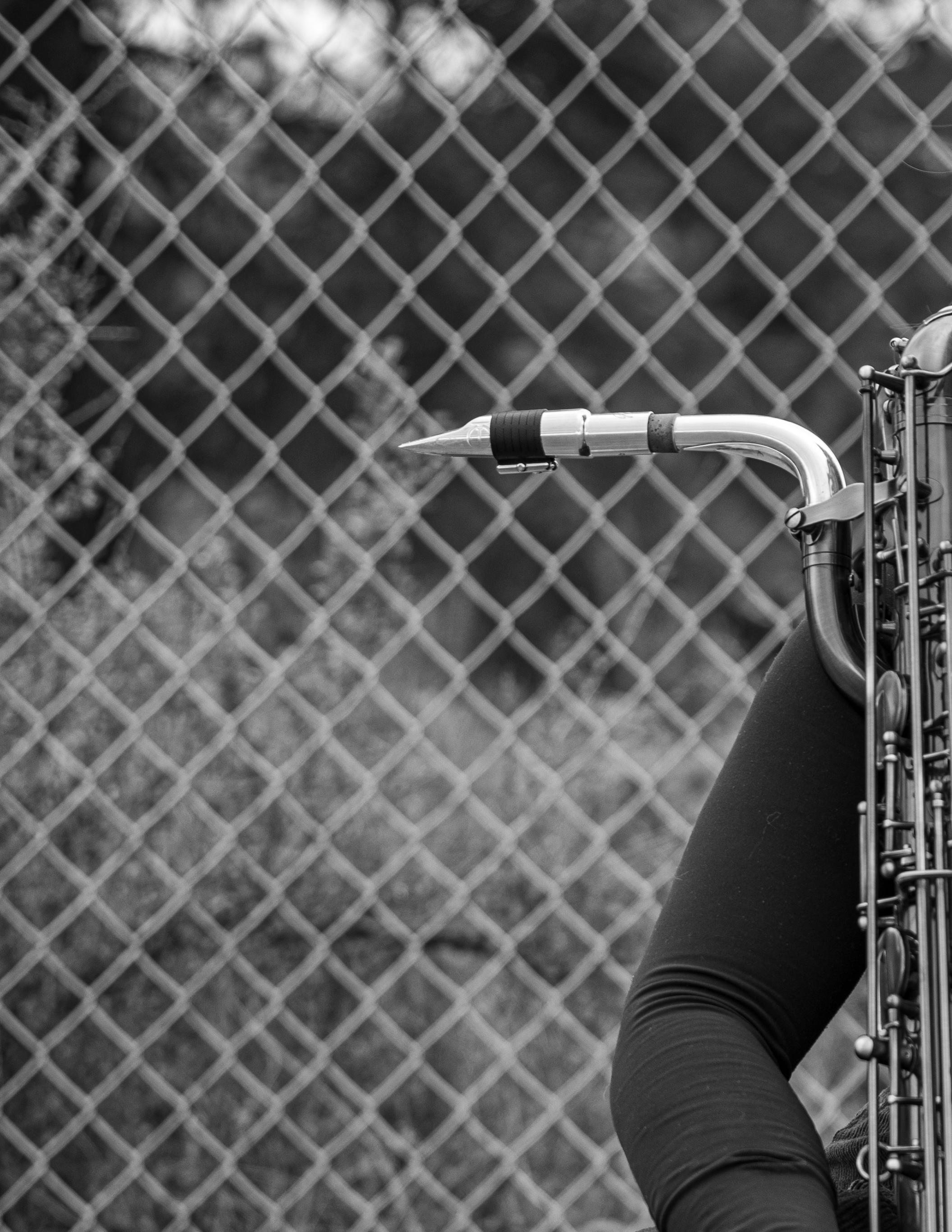
Because art weaves the fabric of humanity, awakens the spirit, enables self-expression, and supports belonging, we believe: Art matters – for all of us.