

We Got Crowns at Sinai?
RABBI MOSHE BEN-CHAIM



RABBI MOSHE BEN-CHAIM

RABBI ISRAEL CHAIT

DANI ROTH
RABBI MOSHE BEN-CHAIM




Just click any icon in




| Please
RABBI ISRAEL CHAIT
Maimonides’ formulation unveils a Mitzvah’s insight
RABBI MOSHE BEN-CHAIM Deciphering intentional Torah ambiguity; a lesson in psychology
DANI ROTH
Gemara enlightens us to the Passover obligation of Sipur
DANI ROTH
Torah repetition reveals yet another brilliant strategy God employed to dispel idolatry
RABBI MOSHE BEN-CHAIM
Passover’s core message: mysticism isn’t real
RABBI MOSHE BEN-CHAIM
Understanding each one’s purpose

Another Jewish mystical blasphemy: Tzimtzum (contraction). is means God occupied all of space, preventing a universe from emerging. erefore,GodhadtoshrinkHimselftomakespace. is errorisduetomystics’inabilitytoadmitignoranceofwhatGodis. Instead,theyequateGodtoma er,occupyingspace.Agravesin.

In every generation, one must display himself as if he personally exited the subjugation of Egypt, as it is stated, “And He took us out from there” (Deut. 6:23). And regarding this, the Holy One, blessed be He, commanded in the Torah (Deut. 5:15, 15:15, 24:22), “Remember that you were a slave”—meaning to say, as if you yourself had been a slave, came out to freedom, and were redeemed. (Maimonides, Hilchos Chametz u’Matzah 7:6) (CONT. ON NEXT PAGE)
This law seems redundant. Maimonides says, “one must display himself as if he personally exited the subjugation”, based on one verse. Then he says this again, “as if you yourself had been a slave and came out to freedom” based on other verses. How do we explain this apparent redundancy?
“In every generation” teaches that one might assume that in a poor generation, one is not obligated to display that, “he himself had exited the subjugation of Egypt.” However, with “In every generation,” Maimonides teaches that regardless of the social situation, this mitzvah remains is intact. This is the meaning of the “V’Hi She’Amda”:
And it is this that has stood for our forefathers and for us; since it is not one alone that has stood [against] us to destroy us, but rather in each generation, they stand [against] us to destroy us, but the Holy One, blessed be He, rescues us from their hands (Hagaddah).
“In each generation” is the operative phrase. If we live in oppressive times, “God rescues us from their hands.” Thus, we view ourselves as beneficiaries of God’s Egyptian Exodus, despite our current social predicament. Maimonides teaches the following:
The reciting of a certain portion of the Law when the first-fruits are brought to the temple, tends also to create humility. For he who brings the first-fruits takes the basket upon his shoulders and proclaims the kindness and goodness of God. This ceremony teaches man that it is essential in the service of God to remember the times of trouble and the history of past distress, in days of comfort. The Law lays stress on this duty in several places: comp. “And you shall remember that you were a slave” (Deut. 5:15). For it is to be feared that those who become great in riches and comfort might—as is generally the case—fall into the vices of insolence and haughtiness, and abandon all good principles. (Guide, book III, chap. xxxix)

[Returning to the question of redundancy]
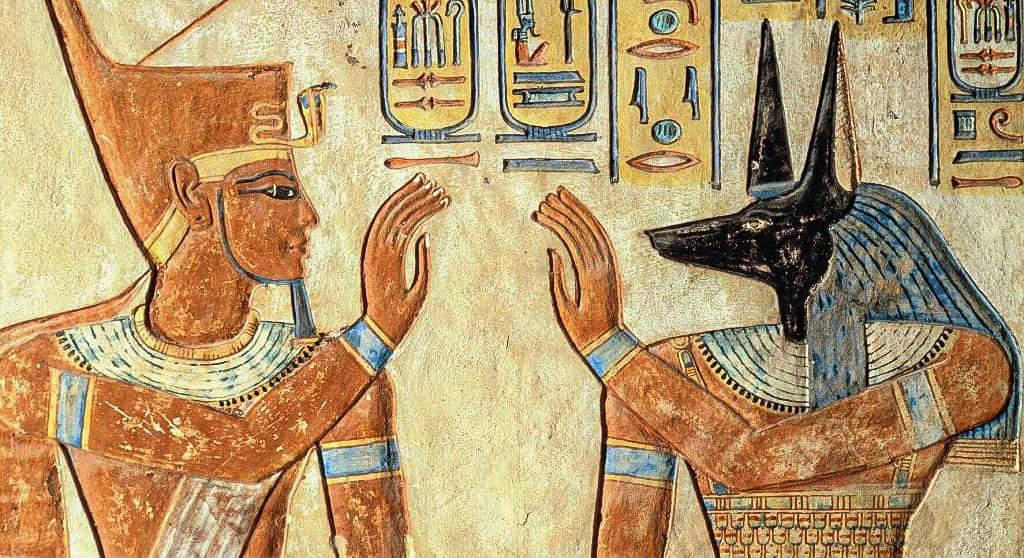
This mitzvah of feeling as though we were freed has 2 expressions. The fundamental mitzvah is “Remember that you were a slave.” This mitzvah of “remembering” is expressed internally. But external communication is also required, that is “And He took us out from there, etc.” Here, one is addressing an “audience,” this is part of Mitzvas Sipure. This is what Maimonides means with, “one must display himself as if he personally exited the subjugation of Egypt.” “Display” refers to communication. Thus, one must experience God’s freedom from Egypt internally, and he also must communicate it. Liharos demonstrates that external communication. [Thus, with this halachic formulation of 2 expressions, Maimonides teaches that one’s “display” at Seder is not a primary mitzvah, but forms an external communicative expression if the primary internal mitzvah, “Remember that you were a slave.” An internal experience precedes an external expression; it is primary.] ■
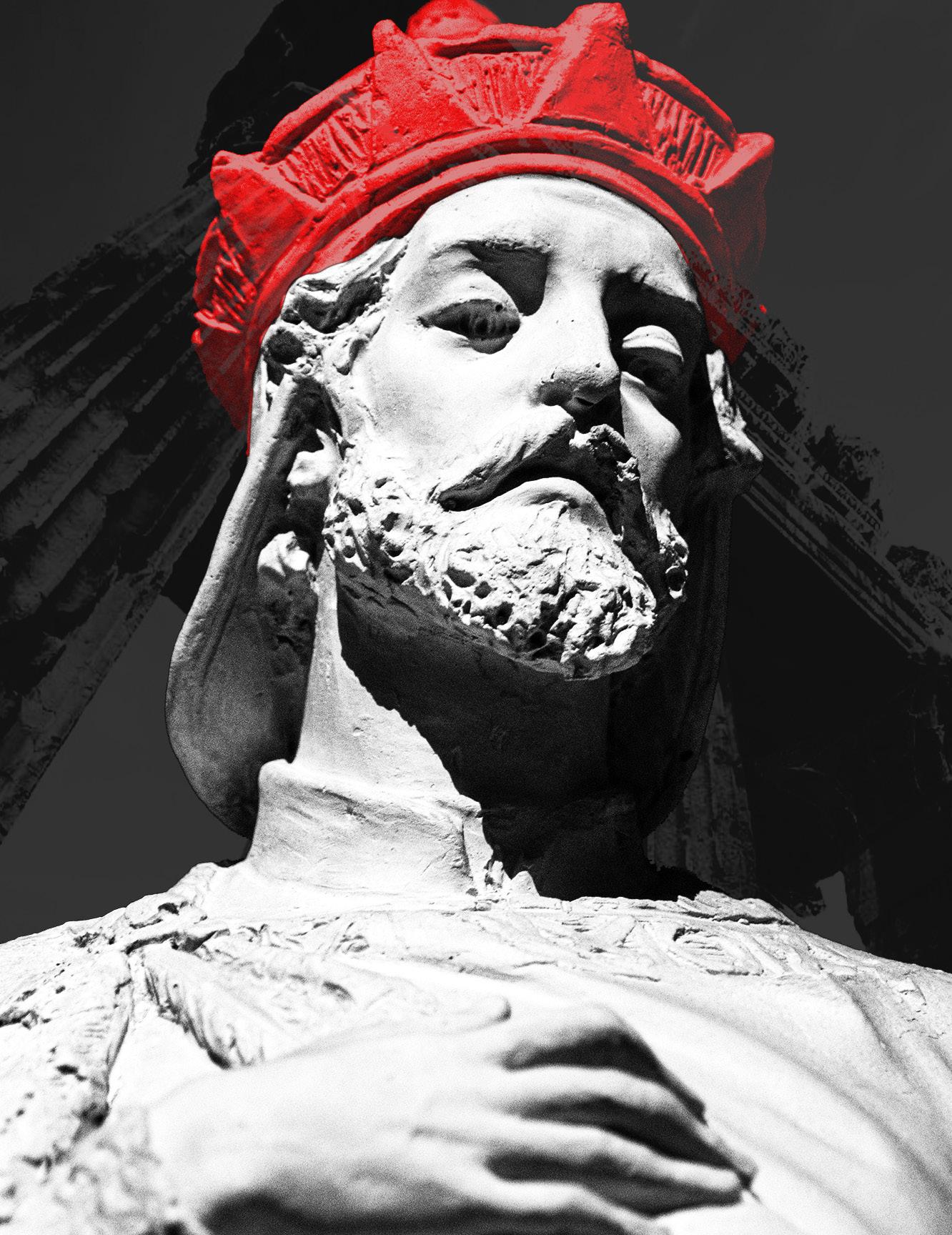

After the Jews sinned with the Gold Calf, God plagued the people. These next verses follow (Exod. 33:1-6):
Then God said to Moses, “Set out from here, you and the people that you have brought up from the land of Egypt, to the land of which I swore to Abraham, Isaac, and Jacob, saying, ‘To your o spring will I give it’—I will send an angel before you, and I will drive out the Canaanites, the Amorites, the Hittites, the Perizzites, the Hivites, and the Jebusites—a land flowing with milk and honey. But I will not go in your midst, since you are a sti -necked people, lest I destroy you on the way.” When the people heard this harsh word, they went into mourning, and no one put on his adornment. God said to Moses, “Say to the Israelite people, ‘You are a sti -necked people. If I were to go in your midst for one moment, I would destroy you. Now, then, leave o your adornments, and I will consider what to do to you.’” So the Israelites remained stripped of their adornments from Mount Horeb.”
Why does God purposefully refer to these things as “adornments,” and not as crowns, clothes or jewelry as the Rabbis describe them? God is hiding something…why?
Why were the people not mournful after the Gold Calf sin or the plague, but mourned only when God said He would not go with them, sending an angel instead? These adornments are clearly related to God being among the Jews, and don’t relate to the Gold Calf sin or the punishment. That is a clue.
Jonathan ben Uzziel o ers a remarkable commentary:
And the sons of Israel were deprived of their adornments, on which God’s great explicit name was written; and which had been given them, a gift from Mount Horeb. And Moshe took and hid them in his tabernacle of Torah instruction.
Sforno says these adornments were a “metaphysical readiness.” He and Jonathan ben Uzziel agree these adornments were gifted at Sinai. What does that mean, as the actual story in Exodus mentions nothing about such gifts. Even more enigmatic is the Gemara’s midrash:
(CONT. ON NEXT PAGE)
Rabbi Simai taught: When Israel preceded “We will do” before “We will hear,” 600,000 ministering angels came and tied two crowns to each and every member of the Jewish people, one corresponding to “We will do” and one corresponding to “We will hear.” And when the people sinned with the Gold Calf, 1,200,000 angels of destruction descended and removed them from the people, as it is stated in the wake of the sin of the Gold Calf: “And the children of Israel stripped themselves of their ornaments from Mount Horeb onward” (Exodus 33:6).
Rabbi Hama, son of Rabbi anina, said: At Horeb they put on their ornaments, and at Horeb they removed them. The source for this is: At Horeb they put them on—as we have said above—and at Horeb they removed them, as it is written: “And the children of Israel stripped themselves of their ornaments from Mount Horeb.”
Rabbi Yochanan said: And Moses merited all of these crowns and took them. What is the source for this?
Because juxtaposed to this verse, it is stated: “And Moses would take the tent [ohel]” (Exodus 33:7).
Reish Lakish said: In the future, the Holy One, Blessed be He, will return the crowns to us, as it is stated: “And the ransomed of the Lord shall return, and come with singing unto Zion, and everlasting joy shall be upon their heads” (Isaiah 35:10). The joy that they once had will once again be upon their heads.
Jonathan ben Uzziel says that the adornments had “God’s great explicit name written on them.” The adornments refers to the Jews’ new identity as a chosen people—the gift from Horeb—as if God’s name is written upon the people. This implies a confidence in Torah’s truths. Confidence is something in addition to uncovering Torah truths. Once a person sees a new idea clearly, and is convinced of its truth, a new phenomenon occurs: he attains an unwavering confidence in God’s truth, in His Torah. “God is my rock, there is no flaw in Him” (Psalms 92:16). God designed us to attain such confidence, as this provides security in Judaism. Some people casually learn Torah, and then learn other philosophies, which may appeal emotionally.
But for the person who arrives at the clear truth through diligent study, nothing can budge him from his commitment to Torah. His view of God as like an unmovable rock. Permanent truth.
Torah also states, “And all the peoples of the earth shall see that GOD’s name is proclaimed over you, and they shall stand in fear of you” (Deut. 28:10). The Rabbis teach this means that other nations will recognize the Torah Jew as a great individual, he follows God’s wisdom. On this verse, Sforno says Alexander the Great bowed in honor a Jewish Priest. What happened at Sinai was the Jews’ realization of their new status as Torah’s recipients, teachers and guards. This endowed them with a fortitude as Howard Salamon put it. They identified as God’s Chosen. But when God said that He would not go with them because they are sti -necked and if He did go with them, they would be consumed, this vanquished the Jews of this identity and confidence. They did not lose this identity when they sinned with the Gold Calf or when they were punished. They lost this identity when God rejected them. It was only then that they realized they in fact didn’t attain truth, as they created a Gold Calf. Their identity and their confidence were lost. Insecurity set in and they mourned the greatness that slipped through their fingers.
Rabbi ama (above) said, “At Horeb they put on their ornaments, and at Horeb they removed them.” This is not a simple historical statement, but he's teaching that Horeb—meaning Sinai—was a double-edged sword. The benefit, of course, was receiving God's Torah. But the downside was accepting a metaphysical God, which was uncomfortable. We see this di culty because when they miscalculated the time of Moses' descent from Sinai, they made the Gold Calf because they needed a tangible leader, as they said, “Moses the “man” who took us out of Egypt, we know not what has become of him” (Exod. 32:1). The Jews were overly attached to the physical leader of Moses. The event of Revelation gave them their crowns, and removed their crowns; there was a benefit and there was a loss. However there was no avoiding the need for the world to have a proof that God exists, that He is not physical, and that He is the source only of Judaism and no other religion. The benefit outweighs the loss.
God hides concepts that can be misconstrued, but he provides su cient hints that enable a wise person to unravel the true meaning. Had God openly written that at Sinai the Jews gained a certain identity
and confidence, many people would not understand what that means, as people are sensual and an identity is intangible. Therefore God writes this in a way which people will not reject, and wise people will see the problems, raise questions, and uncover the answers.
The Midrash teaches that “ministering angels”—man’s intelligence—was the cause of them receiving this gift. Meaning their intelligent realization of both accepting the Torah and then a commitment to studying it—naaseh v’nishma—is generated by man's single intellect. That's why the number of angels—600,000—directly corresponds to the number of men. These angels refer to man's intelligence, which earned him two crowns, meaning he arrived at two great concepts.
But the midrash says the destructive angels—man's emotions—were twice as many: 1,200,000. This is because a two emotions caused them to miss the physical man Moses and succumb to creating a physical intermediary, namely the Gold calf. The two emotions at work here were, 1) their inability to elevate themselves to a higher level and accept a non-physical God, and 2) their over-attachment to a physical leader, Moses.
“And Moses took and hid the crowns in his tabernacle of Torah instruction.” Moses preserved the true ideas, preserved through Torah instruction.
What is the necessity of God teaching us about this identity and confidence? It appears knowing additional benefits of Revelation gives us greater appreciation for God’s plan for man to enjoy the good. Torah is one gift. But another gift is the security in Torah and God: a perfect system of only truths, that He wants the Jew to receive, revel in and teach, and to be fully satisfied with.
“In the future, the Holy One, Blessed be He, will return the crowns”
We will eventually enjoy the messianic era where knowledge of God will be abundant and clear. ■


At the start at Maggid, right after filling the 2nd cup of wine, the first thing said is Ma Nishtana. Ma Nishtana has no mention of the events of Yetzias Mitzrayim, so why should it be included in Maggid? How does this fit in with the mitzvah of “Sipur Yetzias Mitzrayim”? Is it di erent than the mitzvah of “Vihiggadita Levincha”?
Gemara Pesachim 116a discusses the recital of Ma Nishtana. The Mishna says:
The attendants poured the second cup for the leader of the seder, and here the son asks his father the questions about the differences between Passover night and a regular night. And if the son does not have the intelligence to ask questions on his own, his father teaches him the questions.
The Gemara then comments on this:
The Sages taught: If his son is wise and knows how to inquire, his son asks him. And if he is not wise, his wife asks him. And if even his wife is not capable of asking or if he has no wife, he asks himself. And even if two Torah scholars who know the halakhot of Passover are sitting together and there is no one else present to pose the questions, they ask each other.
The Mishna says that if the son can’t ask the Ma Nishtana, then it is the father’s job to teach him the questions he should ask. It seems from here that the father would not fulfill the

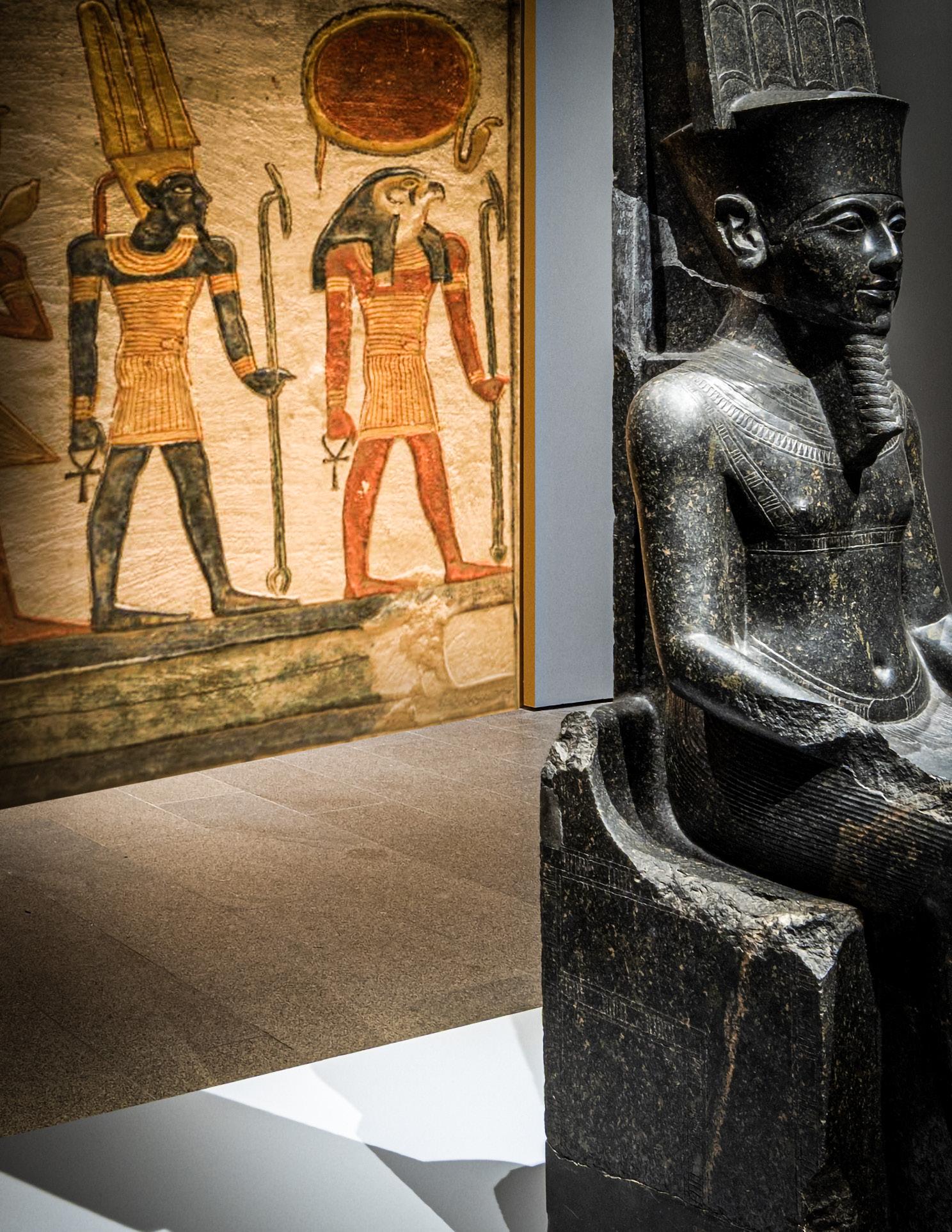

Chiyuv to recite the Ma Nishtana. But the Gemara says if the son is not intelligent enough to ask, the wife asks instead. It seems contradictory, why would the father’s recital of the Ma Nishtana in the capacity of teaching fail to fulfill the Chiyuv?
The answer is that the Mishna and the Gemara are talking about two di erent “Kiyummim” of the Chiyuv Sipur Yetzias Mitzrayim. One means of being Mikayame Supur is Vihiggadita Levincha, teaching your sons so that the story will be passed down to the next generation, which the Mishna addresses. The father has to make the son recognize the distinctions of the night, even if the son doesn’t ask. The Gemara, however, is dealing with the obligation of the “format” of Sipur, a di erent Kiyyum. The best way to do Sipur is through a question-answer format in a dialogue. This is why the Gemara states that the wife must ask if the son cannot partake in a question-answer format. The father teaching the son, without the son initiating the question, is lacking dialogue. This is why both the Mishna and Gemara are needed.
According to Rabbi Yisroel Chait, the best format is teaching a son, where there is dialogue format and transference of knowledge to the son, fulfilling “Vihiggadita Levincha”. The next best format is teaching your wife, where there's no “Vihiggadita Levincha”, but there's transference of knowledge and dialogue. The third level is between two Chachamim, where there's no transference of knowledge, but you have dialogue. And the lowest level is where there is no real dialogue, but you have a dialogue format when one is alone and asks himself.
On further explaining the role of Ma Nishntana, the Gemara later mentions Rav Nachman:
Rav Nachman said to his servant, Daru: “With regard to a slave who is freed by his master, who gives him gold and silver, what should the slave say to him?” Daru said to him: “He must thank and praise his master.”
He said to him: “You have exempted us from reciting the questions of: Why is this night different”. Rav Nachman immediately began to recite: ‘“We were slaves.”
This further proves that the function of Ma Nishtana is to render Sipur (“Avaddim Hayinu”) in the framework of dialogue, and that Sipur is a “response”. After Daru’s answer that a slave should thank his master, Rav Nachman goes straight to Avadim Hayinnu, making it not just a monologue, but part of a dialogue. But without Daru saying anything, Rav Nachman commencing with Avaddim Hayinu would not be a “response.”
The reason for the dialogue format is because knowledge is better received when it is a response, because a response satisfies curious minds already engaged in the discussion. Telling a friend a new idea wont impact him as much as if that idea was part of a discussion. This is important for Sipur as this mitzvah is all about transmitting knowledge.
This is the reason Ma Nishtana comes at the start of Maggid. It starts the conversation which Avadim Hayinnu responds to, creating a dialogue format that best engages the son and best fulfills Sipur. ■
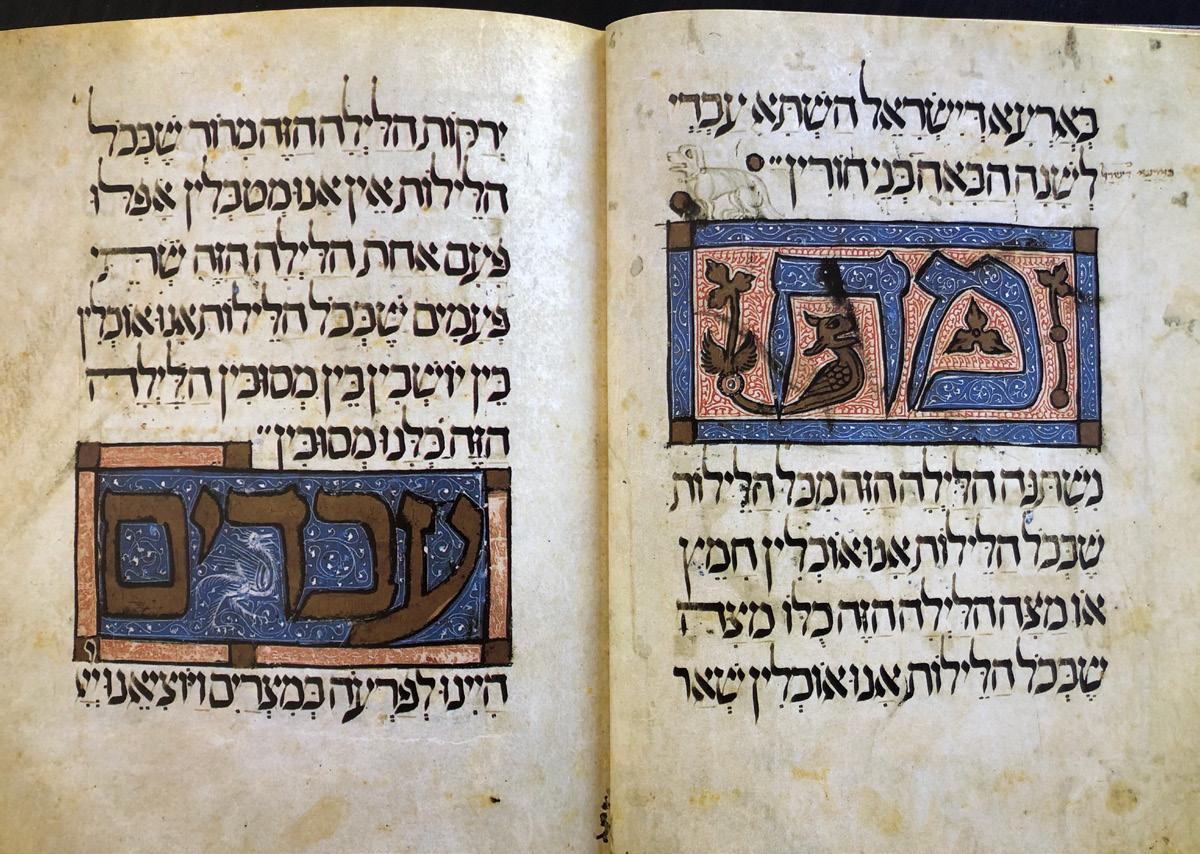


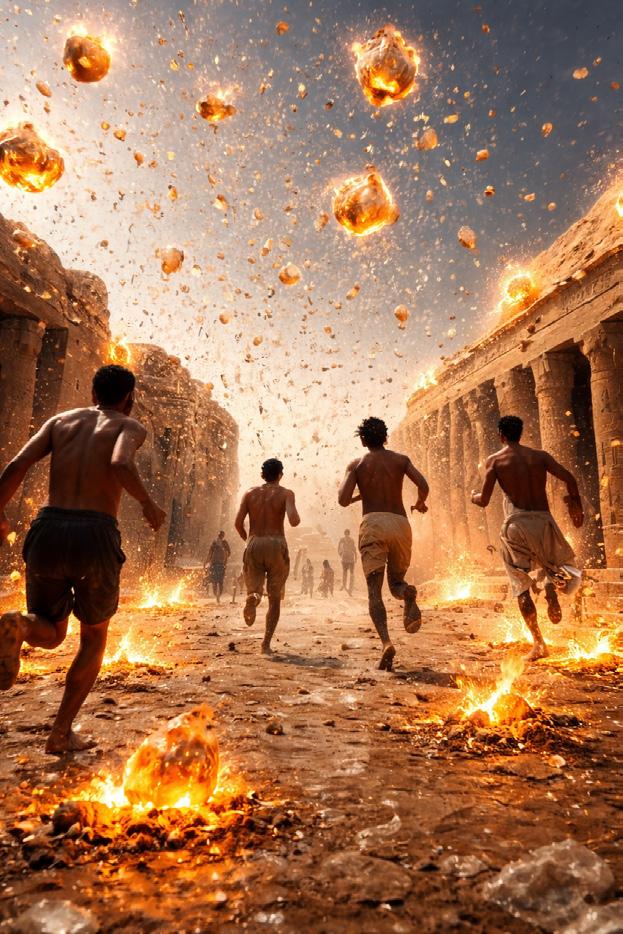



Parshas Bo starts o in the middle of the plagues, just after the plague of hail. In Exod 10:2, just before the plague of locusts, God says, “And that you may recount in your child’s ears, and of your grandchildren how I made a mockery of the Egyptians and how I displayed My signs among them—in order that you may know that I am God.” How will the plague of locusts prove that He is God? To find the answer, we must look at the “stated” purpose of this plague:

DANI ROTH
The locusts shall devour the surviving remnant that was left to you after the hail (Exod. 10:5)
The locusts will eat up all the grasses in the land, whatever the hail has left (Exod. 10:12)
The locusts ate up all which the hail had left (Exod. 10:15)
Such repetition is God’s way of calling our attention to an important lesson. Why did God have to make the locusts devour the “remnants of the hail”? Couldn’t He have destroyed all their crops with the hail alone, without the help of the locusts? Of course He could have! There must be a reason that God used 2 natural methods—not just 1—to destroy the vegetation.
Hail or locusts alone could have destroyed all vegetation. But what is significant is that both plagues worked together for a single cause. This “working together” must have a Designer that orchestrated the identical goal of both plagues. This is seen from the verse in Exod. 10:5, “They shall devour the surviving remnant that was left to you after the hail.” Exodus 10:12 and 10:15 repeat that the locusts would devour the “remnants” of the hail.
Torah repetitions indicate significance.
The lesson is that God controls the heavens (hail) and animal life (locusts). When both realms are harnessed for a single objective, God shows there is a single “Controller” of all natural law.
This answers both questions. The identical objective in both plagues proves a divine plan, as stated in Exod. 10:2, “In order that you may know that I am God.” And the reason God used two plagues for the same objective is to show His rule over all parts of creation.
This was a lesson targeted specifically at Egypt who imagined many forces were relegated to the many realms of the universe. Now, they saw that God controlled weather, animals, and all corners of the universe. If both meteorology and animal life act with the same objective, this means that there is some Designer that controls the heavens and the animals, and directs them for the same objective. God thereby taught Egypt there are not multiple gods, as they believed.
We again see God’s great wisdom in how He teaches man. ■


All books depict history, facts, theories, fiction or poetry. No book is coded with hidden messages beyond the words or patterns revealing marvels. But the Bible (Torah) was written by God, and is “coded.” The order of verses, use of certain phrases, apparent contradictions and other Biblical patterns are pur poseful clues to God’s wisdom.
This book unveils those patterns and shares the hidden messages.





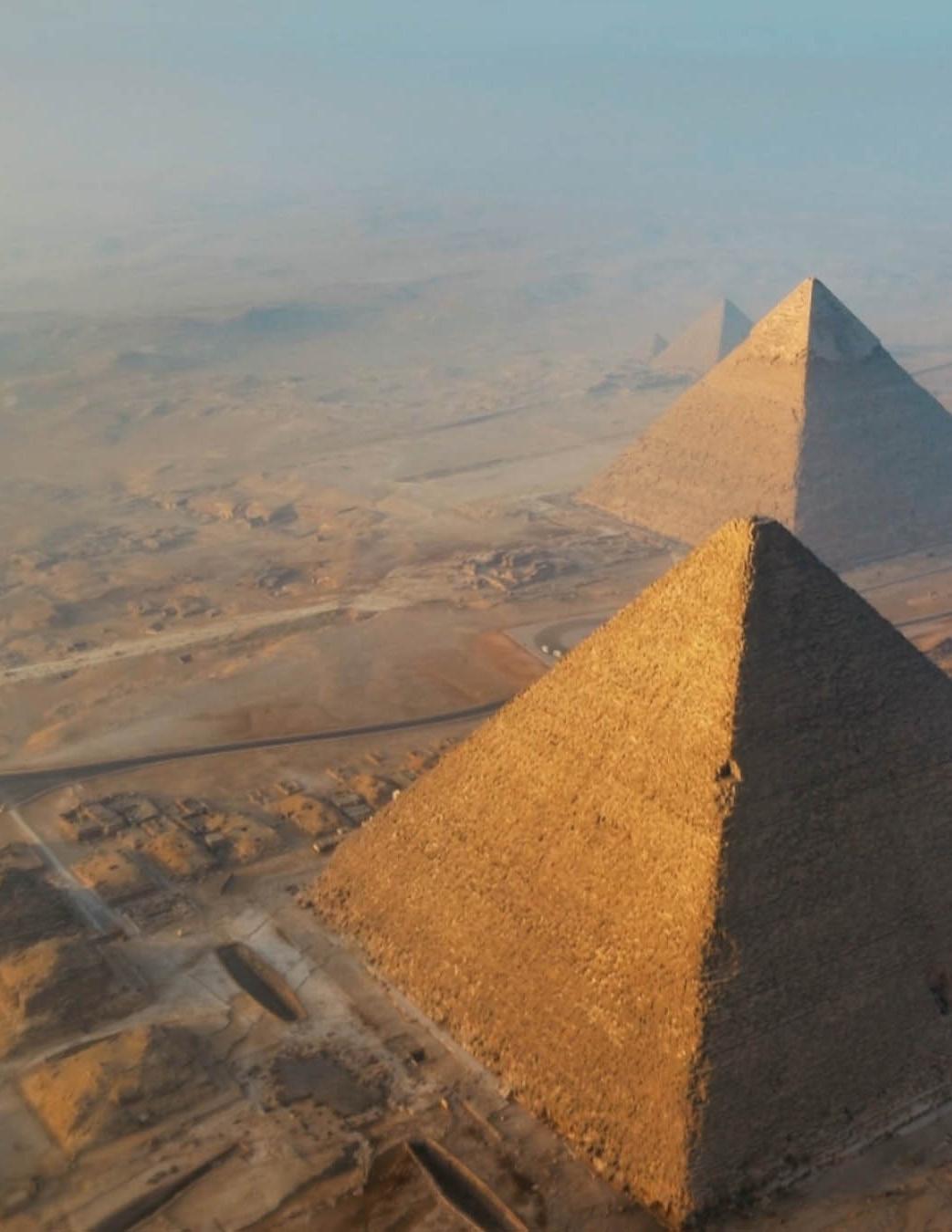


“Those with empty brains say, ‘It’s only because fortune tellers and magicians are true, that Torah prohibits them.' But I say just the opposite of their words, because the Torah doesn't prohibit that which is true, but it prohibits that which is false. And the proof is the prohibition of idols and statues” (Ibn Ezra, Lev. 19:31).

What is Passover’s core theme? God freed us from Egypt’s false mysticism to give us Torah life, a life of wisdom and reality. Yet, 3338 years later, Jews abound in their baseless, mystical and Kabbalistic beliefs, projecting onto God physical properties like emanations, location, contraction, “ein sof” (infinity), light, and gender, violating God who said, “Nothing is similar to Me” (Isaiah 40:18,25). Even Moses could not know what God is, “…for no mortal may see Me while alive” (Exod. 33:20). Thus, for anyone to say they know more than Moses violates God’s words of Moses unparalleled mind, “Never again did there arise in Israel a prophet like Moses” (Deut. 34:10).
The rule is clear: by equating God to anything, one’s idea of God is false. This is the sin of Jewish mystics.
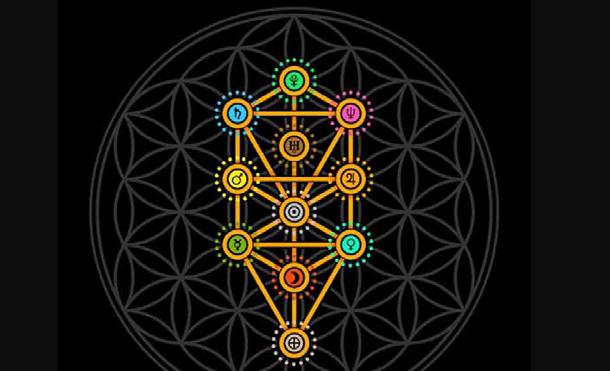
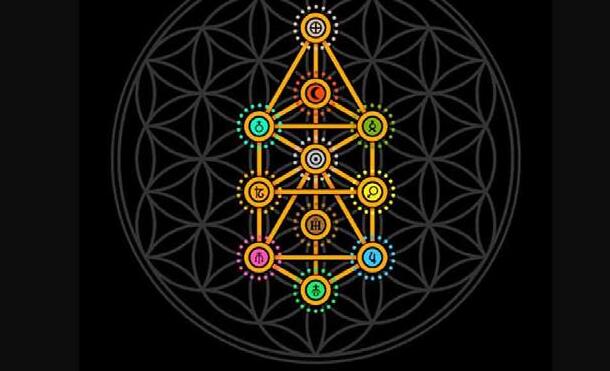
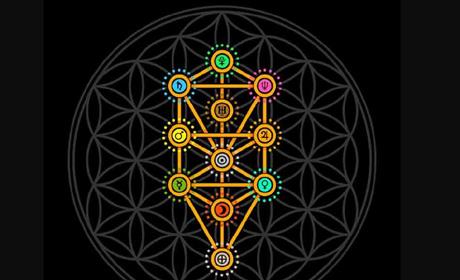
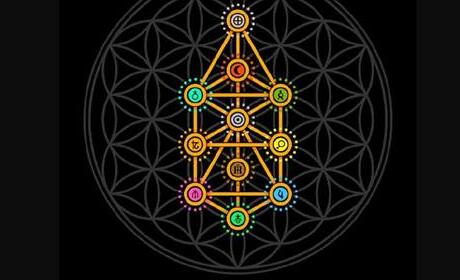
Jewish mystics create drawings of “sefirot,” imaginary “parts” of God. But to convey what God is through a drawing, or event to suggest God has parts, you equate God to the physical world, and convict yourself
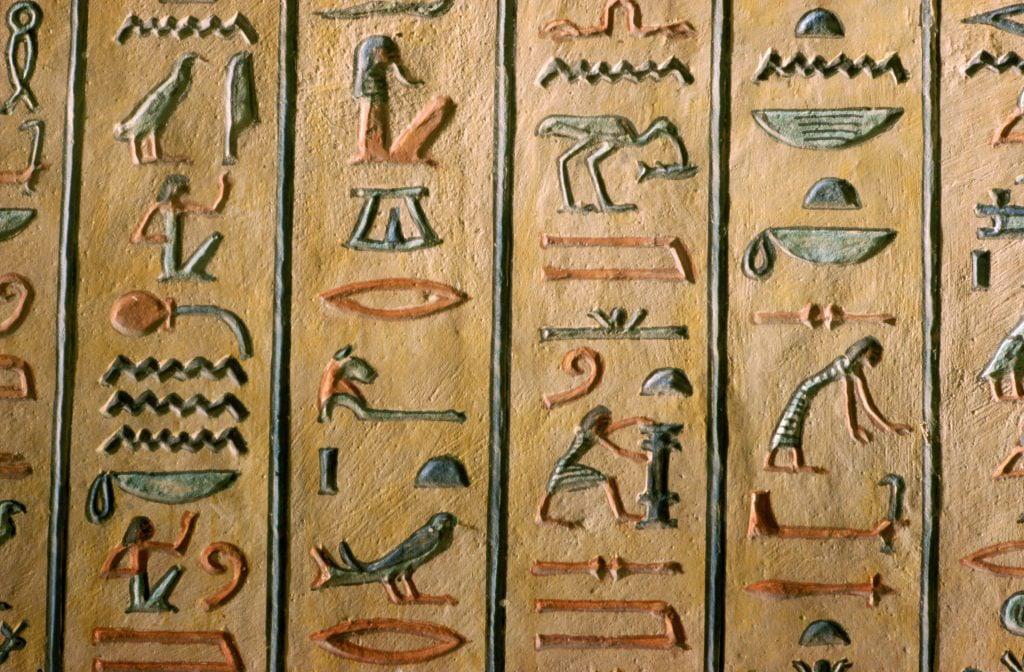
Those nations that you are about to dispossess resort to fortune tellers and horoscopists; to you however the Eternal your God has not assigned the like (Deut. 18:14)
Do not turn to ghosts and do not inquire of familiar spirits, to be defiled by them, I the Eternal am your God (Lev. 19:31).
Thus said God, “Do not learn to go the way of the nations, and do not be dismayed by signs in the sky, for the nations be dismayed by them” (Jer. 10:2).
They (mystical idols) have mouths, but cannot speak, eyes, but cannot see; they have ears, but cannot hear (Psalms 115:5, 135:16).
Thus, the idolatrous nations’ baseless worship of stone gods, fortune tellers, ghosts, and spirits, is equated to the belief in astrology; all are false as Ibn Ezra teaches, and delude man of seeing truth. Additionally as God created everything—even according to mystics—why not relate directly to the Creator as opposed to the (imagined) intermediary forces? After all, He is stronger.
happened with any other religion. In other words, God provided a manner through which we could “prove” what exists and what His will is, and that is based on our senses, namely, what the Jews saw at Sinai. We also reject mystical claims for the same reason: no evidence supports such claims and Torah teaches against mysticism.
When failing to attain a need, mysticism o ers one another possible fix. Even lacking reasoning, people say, “It doesn’t hurt to try it.” Desperation needs no rationale. But it does hurt, as following unsubstantiated practices derails one’s mind from following reason. This conditions one’s mind to not seek reason in other activities, which must result in failure.
God records the lives of the patriarchs and matriarchs as examples of human excellence. They approached all aspects of life using wisdom: be it Abraham’s dealings with Lote and Pharaoh, Sarah’s dealings with Hagar, Isaac’s dealings with Avimelech, Jacob’s dealings with Lavan and Eisav and Esther’s dealings with Achashveirosh and Haman. Torah depicts the patriarchs and matriarchs employing psychological and philosophical wisdom, but never once recognizing what people refer to as “mysticism.” When Abraham faced a famine in Canaan, he did not believe some mystical force would feed him, but he traveled to Egypt which had
food, even risking his life because they were degenerates. He told the king “Sarah is my sister” so they wouldn't kill him. Abraham did not feel mystical forces existed. He knew that all at play was his psychological acumen, the emotions of others, and nature. And even though he was in contact with God, Abraham did not rely on a miracle. Mysticism is found nowhere throughout Torah. The Ten Plagues teach precisely that imagined forces do not exist. God is the sole power; Egypt was devastated.
Jews today claim that there are mystical forces. But why do you never see these Jews quitting their jobs and expecting these forces to provide for their mortgage and food? Their actions contradict their mystical claims. Ask them to prove that mystical forces exist. They can’t. When defenders of mysticism don’t live by their claims, and cant validate them, this exposes their mystical claims as baseless. Why then all the pop-videos endorsing mysticism?
This video generation attracts egos, everyone is creating them. Excluding certain righteous teachers and authorities motivated by true care for others, many create videos for popularity and self-aggrandizement. They feel, “I know Torah’s secrets.” But I have viewed these videos; they o er no substantiation for their claims, primarily because they speak of imagination. Similar to other religions’ promotion of blind faith, these Jewish speakers do not attempt to prove their mystical claims with any scientific, empirical, or airtight logic.
Passover celebrates our rejection of any power other than God. Even Pharaoh knew his astrologers and magicians were useless, as he always called on Moses to terminate the plagues. Why didn’t he ask his magicians? It is as Saadia Gaon said, the astrologers and magicians used sleight of hand, just like today’s magicians. Jews today are split over rejecting or accepting mysticism. Both opinions cannot be correct: either mysticism exists or it doesn’t.
There's only three methods to validate truths: 1) evidence, 2) reason 3) Torah. Not one of these three defend a belief in the “unknown.” And if something is unknown or mystical, it's precisely because it does not exist. ■
Is Judaism mystical, or is it rational, based on reason and proofs?

s is true regarding all God’s acts, the 10 Plagues contained great wisdom and direction for man. As is true regarding all Torah sections, God provides hints to His underlying lessons and clues to His brilliance. In the Biblical verses recording the 10 Plagues, which convey God’s words to Moses, Moses’ words to Pharaoh, and Pharaoh’s reactions, we discover such messages.
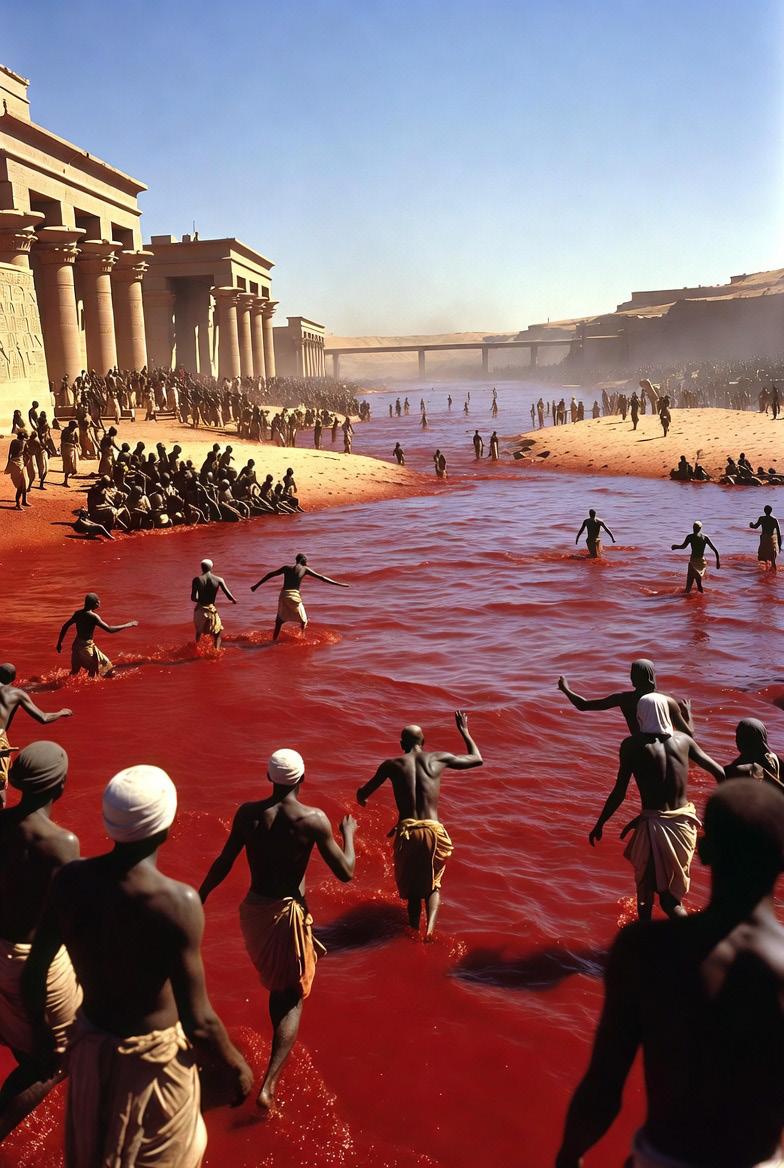
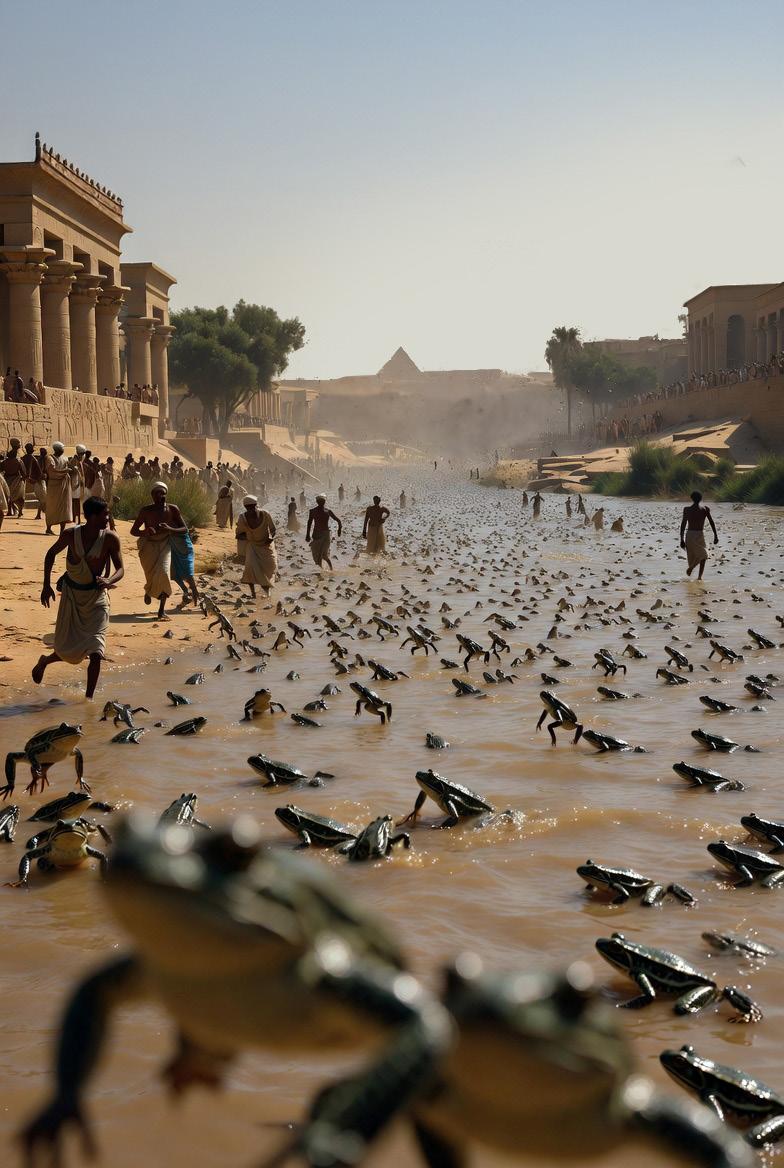
God wished the plagues to unveil Egypt’s idolatrous beliefs as fallacies and recognize Him alone as the Creator. The first plague—Dam—intended to refute the Nile’s divine status. How can a god be subjected to other forces converting it into blood?
Rabbi Reuven Mann wrote: “Pharaoh went to his house and did not give credence even to this” (Exod. 7:23). What do I care where he went after blood took place? Pharaoh took comfort and security in his house and this enabled him to deny reality. And that is why in the next plague, Tzefardaya, Torah makes the point that the frogs invaded his very living quarters to remove that basis of denial.
And I believe Exodus 8:8 proves Rabbi Mann’s point, as this verse refers to frogs as a plague that God “gave to Pharaoh,” and not more inclusively, that He “gave to Egypt.”
Lessons: The Nile was no god; one cannot escape God’s lessons.
When the astrologers could not reproduce the plague of lice, they hid their weakness behind the excuse “it is the finger of God” (Exod. 8:15). God records their feeble attempt at duplicating lice precisely to disarm their claims to astrological power and magic. However, until Shechin, the astrologers retained their positions, for they attributed only this plague of Kinnim to God, but not Dam and Tzefardaya. A purpose in exposing the astrologers was that although their duplication of the previous
two miracles were mere sleight of hand, some ignorant onlookers might attribute powers to them. Saadia Gaon explains that the astrologers used dyes to mimic blood and used chemicals to cause the frogs to leap from the chemically polluted waters. Saadia Gaon remarks that Egypt’s magic was sleight of hand, and nothing more (The Book of Beliefs & Opinions, pg. 153).
Lesson: Powers do not exist outside God.
“And I will distinguish on the day the land of Goshen that My people stand [dwell] upon, restricting Arove from [entering] there, that you may know the I am God in the midst of the land” (Exod. 8:18). Egypt believed in general powers with their many gods: Ptah (god of creation), Ra (god of sun/wind), Matt (god of stars/seasons), Horus (god of the sky), Osiris and Anubis (gods of death), etc. God taught the profound lesson that His dominion extends to Earth: “in the midst of the land.” A distinction between lands exhibited God’s awareness of various peoples. This was a first step in educating Pharaoh on God’s “specific” providence: a view di erent from the Egyptian view of “general” powers. Secondly, animal attacks were alien to the idolatrous view (invented from human insecurity) that gods provide only good. An extension of this second idea was that animal attacks forced the Egyptians to question animal deification, as animals no longer “favored” them as they had believed. This is alluded to as the word “sacrifice” is repeated five times in this plague, indicating Egypt’s reduced veneration of animals, to the extent that Pharaoh approved animal sacrifice.
Lesson: God’s reign extends to the Earth.
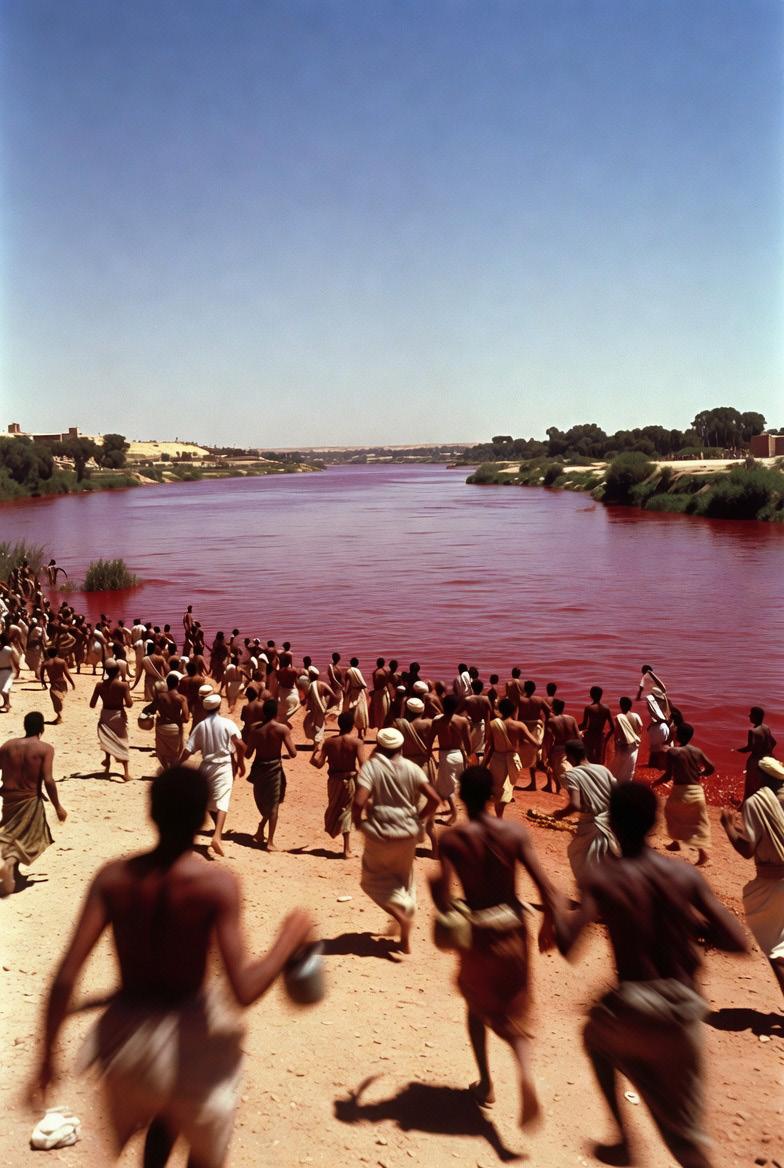
“Pharaoh sent [messengers] and behold, not one of Israel’s cattle died…” (Exod. 9:7).
Dever was a second step displaying God’s specific providence: reward and punishment of individuals expressed through only the sinners’ loss of property. With this verse, God isolates Pharaoh’s intrigue that a God will distinguish between individuals, punishing some and sparing others. From Pharaoh’s response of intrigue, it appears that Egypt did not view their gods as relating to individuals, but as relating to Egypt on the whole.
Lesson: God relates to individuals; He knows man’s thoughts; man is rewarded and is punished based on his relationship to the Creator.
“And the astrologers could not stand before Moses because of the boils; for the boils were on the astrologers and all of Egypt.” (Exod. 9:11)
How do boils—a malady of the skin, not bones or muscles—a ect posture? Also, of what relevance are the boils on “all of Egypt?”
Why mention that, “all Egyptians” had boils, if the message concerns only the astrologers’ inability to stand? Furthermore, of what significance is the astrologers’ inability to stand before Moses, as opposed to standing before Pharaoh or others? And if they truly could not stand, let them sit! But “standing before” someone has another meaning... The primary lesson is that we use the verse as the starting point, and
let it teach us. We must not to start with our own unchecked thoughts and then look for some supporting verse. The posture of lying mystics adds no great wisdom to God's Torah. The real lesson must address the basic theme of the 10 Plagues, as the plague of boils was delivered together with the other nine.
Standing also means to “present one’s self”…to appear before others. The astrologers attempted to reproduce the plagues, only to expose their inabilities. When they could not reproduce the plague of lice, they hid their weakness behind the lying claim, “…it is the finger of God (Exod. 8:15).” It is significant that God records their feeble attempts. So significant, that it appears from the very few words concerning the plague of boils, that the objective of this plague was precisely to disarm their claims of superiority through astrology and magic. Torah verses are selective in their messages, not merely recounting every single historical occurrence. Our verse means to teach that boils purposefully targeted the astrologers.
“And the astrologers could not stand before Moses because of the boils; for the boils were on the astrologers and all of Egypt” refers not to posture, but to their ability to sustain their dignity...they could not “appear” before Moses who outperformed them. They were ashamed. But why were they any more ashamed during the plague of boils? The answer is the second part of the verse: “…for the boils were on the astrologers and all of Egypt.” A comparison is made: both, the astrologers and the Egyptians possessed boils. What about this comparison prevented the astrologers from appearing before Moses? Why was their “equal” status to all other Egyptians an embarrassment to them? We see the answer quite readily. It was the astrologers’ very equality to all other Egyptians that discounted

their claims of possessing powers. They were no better. They could not defend themselves from boils. What type of powerful astrologer allows painful blisters to a ict him? It is the liar who allows this to happen, since in fact, he has no more defense from boils than any other Egyptian. Worse than Kinnim, Shechin embarrassed the astrologers personally, explaining why they could not “appear” before Moses. From this plague and further we never hear from the astrologers again. God’s plan worked. Additionally, not standing before Moses thereby raised Moses’ status.
Lessons: Astrologers are liars; political positions do not validate people; Moses was God’s true emissary.
“For this time I will send all My plagues upon your heart, and your courtiers, and your people, in order that you may know that there is none like Me in all the world” (Exod. 9:14). Egypt feared the heavens (Rabbi Israel Chait) explaining their invention of Horus, the sky
god. With Hail, God intended to show His dominion over another domain: the heavens. We see Egypt’s fear of the heavens, for once the hail commences, Pharaoh said to Moses, “Plead with the Lord that there may be an end of God’s voices and hail. I will let you go; you need stay no longer” (Exod. 9:28). Pharaoh’s deification of the heavens is seen in his mention of God’s “voices,” Pharaoh personified thunder, as if some angry being is behind it, as stated earlier, “For this time I will send all My plagues upon your heart.” More than Dever, Barad displayed a “will” that caused Pharaoh to feel victimized. This lesson is extended to Moses’ rebuke: “Now the flax and barley were ruined, for the barley was in the ear and the flax was in bud [they were sti and snapped under Hail’s force], but the wheat and the emmer were not hurt, for they ripen late [they were soft and bent]” (Exod. 9:31:32). Moses was not teaching agriculture to Pharaoh. He was showing how this plague was designed around Pharaoh’s personality, to teach that his obstinance would cause him to be broken like sti plants, but that he could survive if he
“People could not see one another” (Exod. 10:23).
Solitary confinement is the worst punishment, as man’s greatest need is to be social. When isolated from others, the social need is so powerful that man conjures images of people (shadim) to o er him company. [Rashi says that on the Ark there were shadim, as Noah too was isolated.] The gemara (Gittin 66a, Tosfos) does not say these shadim are dangerous, for they are phantoms of the mind, and not real. The gemara merely says not to greet them as this would raise their status from imaginary to real, and Torah rejects all lies.
“bent” to God’s will as did the soft, late-ripening crops. Here, Moses tells Pharaoh that God has singled him out, and knows him.
Lessons: The lofty heavens too are nothing more than another creation and not to be deified; God includes lessons in His acts.
“They shall devour the surviving remnant that was left to you after the hail” (Exod. 10:5). “Then the Lord said to Moses, “Hold out your arm over the land of Egypt for the locusts, that they may come upon the land of Egypt and eat up all the grasses in the land, whatever the hail has left” (Exod. 10:12).
Torah repeats the intent of Arbeh: to finish Barad’s job. God teaches that He controls weather and animal life. Polytheism is false. For how can weather and animal life target the same objective—destruction of crops—were there not a Being orchestrating an identical purpose from both realms?
Lesson: A single God controls all realms of the universe; polytheism is false.
There is a purpose in Choshech which emanates from isolation. The Egyptians’ loss of social intercourse combined with darkness prevented shadim (even phantoms require a visual basis) thereby forcing their yearning for dialogue to be converted into confronting God, the source of this darkness. Understanding this plague was God’s work, the Egyptians were o ered the opportunity to face God: a force that controls the universe: “For it is not My desire that the wicked shall die—declares the Lord God, [rather] repent, therefore, and live!” (Ezek. 18:32).
Lesson: God knows the human mind and how to make it confront truth.
As Rabbi Chait taught, this plague intended to terminate the transmission of Egyptian culture, which was passed on by the first borns.
In summary, God exposed Egypt’s gods and leaders as phony. He exhibited His control over all corners of the universe. Polytheism is false. God taught Egypt His specific knowledge of individual man and that He rewards and punishes. ■