
SCENIC DESIGNER
LIGHTING DESIGNER
STAGE MANAGER
DIRECTOR
COSTUME DESIGNER
YAO CHEN^
SOUND DESIGNER
DAVID REMEDIOS^
OCTOBER 15 - NOVEMBER 2,
* A p p e a r i n g t h r o u g h a n A g r e e m e n t b e t w e e n t h i s t h e a t r e , M e r r i m a c k R e p e r t o r y T h e a t r e , a n d A c t o r s ' E q u i t y A s s o c i a t i o n , t h e U n i o n o f P r o f e s s i o n a l A c t o r s a n d S t a g e M a n a g e r s i n t h e U n i t e d S t a t e s ^ M e m b e r o f U n i t e d S c e n i c A r t i s t s + M e m b e r o f t h e S o c i e t y o f S t a g e D i r
SYNOPSIS
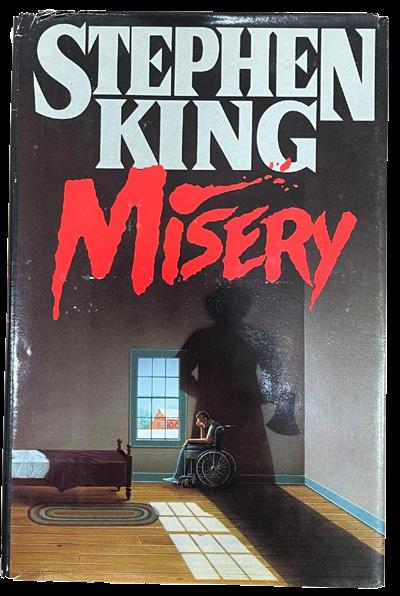
STEPHEN KING AND MISERY
PLAY THE VICTIM: AN INTERVIEW WITH TOM COINER
AFTER THE SHOW: DISCUSSION QUESTIONS
Theatre Arts – Responding, Connecting
T.R.07, T.R.08, T.R.10, T.R.11, T.Co.10
English Language Arts – Reading Literature, Speaking and Listening
RL.1, RL.2, RL.3, SL.1, SL.2, SL.4, SL.6
PSYCHOLOGICAL HORROR AND JUNG’S ARCHETYPAL SHADOW
FEED THE FEAR! SUGGESTED READING AND WATCHING
ADDITIONAL HORROR SUBGENRES TO EXPLORE
English Language Arts – Reading Informational Text, Reading Literature, Speaking and Listening, Writing
RI.1, RI.2, RL.10, W.1, W.2, W.4, W.7, W.9
Theatre Arts – Responding, Connecting
T.R.07, T.R.08, T.R.10, T.R.11, T.Co.10
Media Arts – Responding
MA.R.07, MA.R.08
PERFORMING PSYCHOLOGICAL HORROR
ACTIVITY: DEVISED PSYCHOLOGICAL HORROR SCENES
ACTIVITY: TENSION AND PROXIMITY
Theatre Arts – Performing, Creating T.P.05, T.P.06, T.Cr.01, T.Cr.02, T.Cr.03, T.Cr.10
SUGGESTED READING: “SUPERFANS: A LOVE STORY”
COMPREHENSION QUESTIONS
DISCUSSION QUESTIONS
English Language Arts – Reading Informational Text, Reading, Speaking and Listening
RI.1, RI.6, R.1, R.2, R.6, R.10, SL.1, SL.4
STEPHEN KING’S ON WRITING: A MEMOIR OF THE CRAFT
COMPREHENSION QUESTIONS
DISCUSSION QUESTIONS
English Language Arts – Reading, Speaking and Listening
R.1, R.10, SL.1, SL.4
Theatre Arts – Responding, Connecting T.R.07, T.Co.10
ACTIVITY: KING-INSPIRED CHARACTER CREATION
Theatre Arts – Creating, Performing, Responding
T.Cr.01, T.Co.02, T.P.04, T.P.05, T.P.06, T.R.07
SUGGESTED READING: “HOW HORROR STORIES HELP US COPE WITH REAL LIFE”
COMPREHENSION QUESTIONS
English Language Arts – Reading, Reading Informational Texts, Speaking and Listening
R.1, R.2, R.6, R.10, RI.1, RI.6, SL.1, SL.4,
ACTIVITY: TWO-SENTENCE HORROR STORIES
English Language Arts – Writing, Language Speaking and Listening
W.3, W.4, W.5, W10, L.1, L.3, SL.1
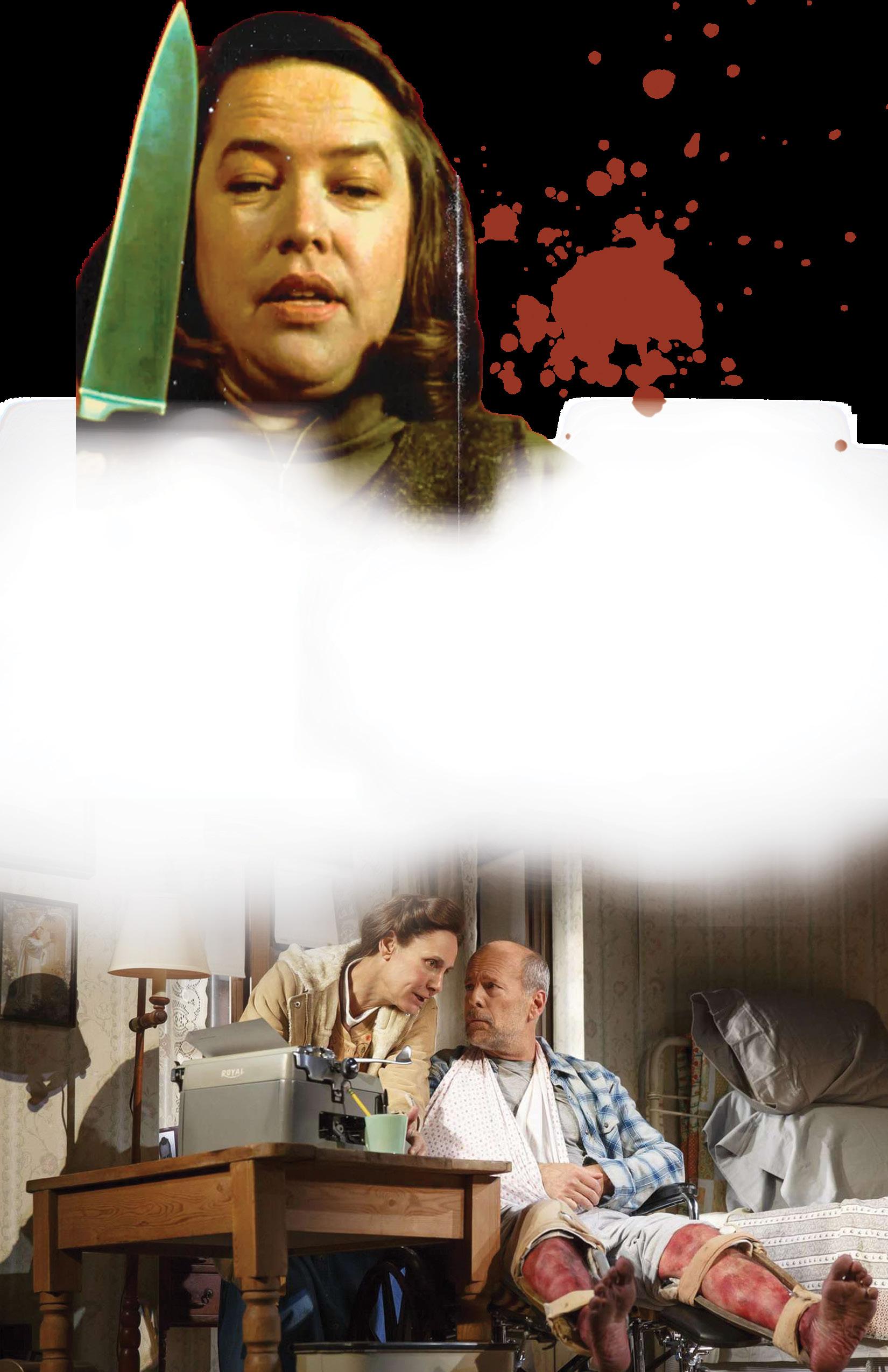
After four days unconscious, successful author Paul Sheldon awakens in Silver Creek, Colorado, in a house he doesn’t recognize. Disoriented and in significant pain, Paul learns from the farmhouse’s sole occupant, Annie Wilkes, that he has been in a car crash.
Annie, a local nurse, tells Paul that she pulled him out of his destroyed car after finding it at the bottom of a hill in the middle of a blizzard. Annie promises to take him to the hospital when the roads are clear, but in the meantime, she has provided him with pain medication, corrected his dislocated shoulder, and done her best to fix both of his legs, which have compound fractures. Annie tells him that she has kept his leather briefcase, which he had in the car with him, safe. Before leaving him to rest, Annie tells Paul that she is his “number-one fan.”
Paul gives Annie permission to read his new manuscript in the leather briefcase. When he tells her that it was “a miracle” that she found him, Annie sheepishly admits to following him, but Paul seems unbothered in the face of her earnest flattery. Annie tells Paul that she has memorized his famous romance series—the Misery novels—by heart. Paul admits that the new manuscript is not a Misery novel, but a contemporary novel about a man who has “lost his way.”
After twenty years of writing romance, Paul is desperate to write more “serious” literature. Nevertheless, he is charmed by Annie’s great love for the Misery series, and he tells her that the ninth book, Misery’s Child, will be released in a matter of days. Ecstatic, Annie goes to feed the farm animals, including her pig, which she has named “Misery.”
While feeding Paul the next day, Annie becomes agitated and angry, complaining about Paul’s use of profane language in his new manuscript. Even after she calms, Paul remains rattled by her drastic change in temperament. Later, Annie tells him that she has called his agent to inform her and his daughter of Paul’s condition. She excitedly reveals that she has purchased Misery’s Child in town, but her high spirits wane shortly after.
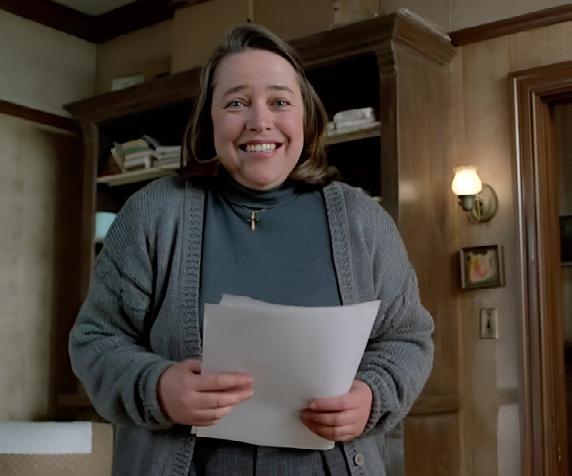
She wistfully reflects on her unhappy previous marriage and tells Paul that it was then that she discovered the Misery novels, which reminded her that she wasn’t alone in the world. Paul tries to warn Annie about the ending of Misery’s Child, but she brushes him off and happily returns to reading.
In the middle of the night, Annie enters Paul’s room, enraged that he has “murdered” the beloved protagonist Misery Chastain by killing her off in childbirth. She reveals that she has not called his agent or his daughter, and that no one knows where he is. After she leaves the house, Paul tries to escape, but fails, collapsing by the bedroom door. When Annie finds him later, she appears to be in better spirits. She believes that God wants her to show Paul “the way.” She then forces Paul to burn the only copy of his new manuscript.

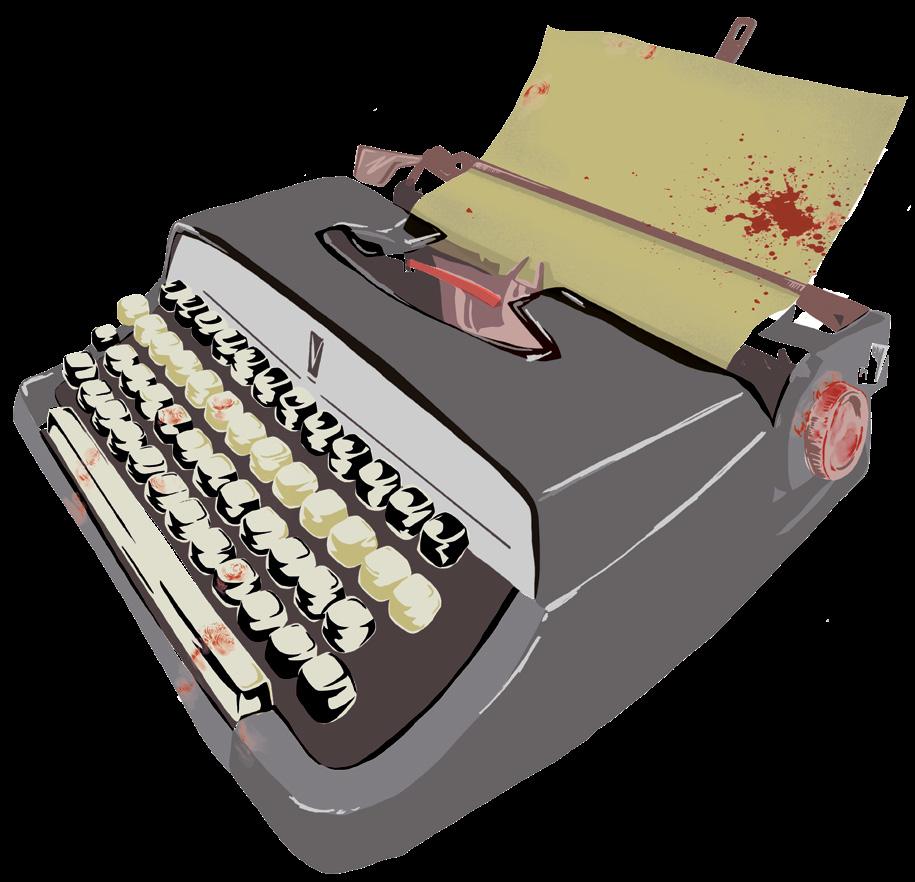
The sheriff visits Annie, inquiring if she knows anything about Paul’s disappearance, but she denies having any knowledge of his whereabouts. Later, Annie surprises Paul with a typewriter, telling him that he must write Misery’s Return. Realizing that he has no choice, Paul agrees, but asks Annie for a different kind of paper that won’t cause the ink to smear. Annie loses her temper again before leaving the house. With Annie gone, Paul finally succeeds in leaving his room. He discovers that the phone lines have been cut, and then finds—and takes— some of Annie’s pain medication stash. He returns to his room just before Annie arrives home.
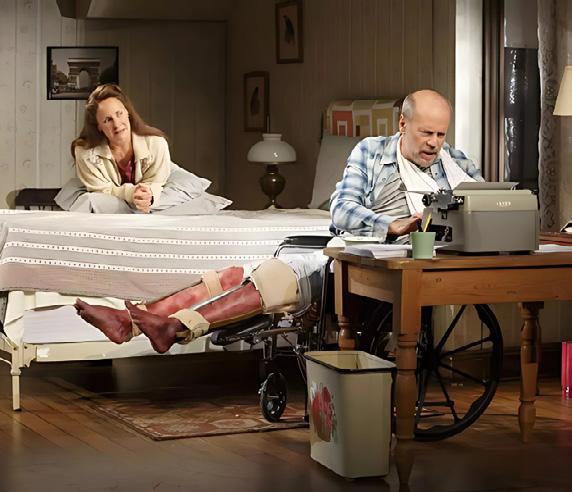

Paul struggles with writing Misery’s Return. Displeased with his efforts, Annie yells at him for a lack of plot continuity and makes him start over. His second effort, which takes some of Annie’s ideas into account, is better received. In an attempt to preserve her good mood, Paul asks Annie to have dinner with him. At dinner, Paul empties multiple pain medicine capsules into Annie’s wine when she isn’t looking, but she spills her glass when she returns to the table. Days later, Annie’s depressive mood returns, and she shares her worry that Paul will leave her when the book is finished.
One night, Paul awakens to Annie sweetly telling him that she knows he’s been out of his room. She tells him that she’s given him a “pre op” shot of fentanyl to relax him, and then promptly breaks his ankles with a sledgehammer. After another visit from the sheriff, Annie informs Paul that the FBI believes him to be dead. Angry, frightened, and in pain, Paul refuses to continue writing and attempts to strangle her, but Annie drugs him, knocking him unconscious.
When the sheriff returns again and discovers Paul, Annie shoots and kills him. Knowing the police will come looking for the murdered sheriff, she tells Paul that they must die together. Paul buys himself time by convincing her to give him one more night to finish Misery’s Return. That night, Paul finishes the book, and he and Annie toast to its completion. Paul then burns the manuscript in front of her. Enraged, Annie attacks him. Following a long and violent struggle, Paul manages to strangle Annie to death.
Some time later, Paul attends the book launch for Misery’s Return. He says that writing the book saved his life, so he saved it in turn. He says that thanks to a certain someone, he “finally understands” the writer he is “meant to be.” An apparition of a bloodied Annie appears. “I’ll never leave you, Paul,” she says. “I’m your number-one fan.”

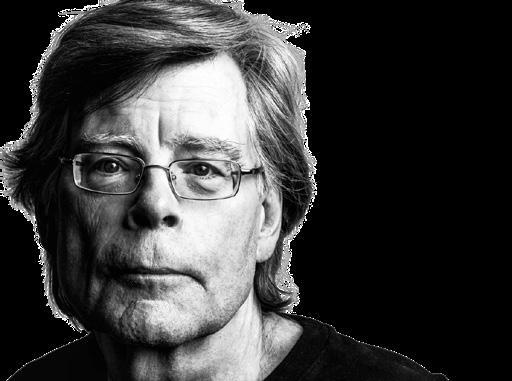
With an expansive portfolio of 65 novels, 200 short stories, and over 100 film and television adaptations, Stephen King is one of the most popular and prolific contemporary American writers. While King’s work spans the genres of science fiction, crime fiction, and fantasy, he is most renowned for his horror novels, which include The Shining, The Stand, It, Carrie, Pet Cemetery, The Dead Zone, and Salem’s Lot.

“King’s new novel, about a writer held hostage by his self-proclaimed ‘number-one fan,’ is unadulteratedly terrifying... The best parts of the novel demand that we take King seriously as a writer with a deeply felt understanding of human psychology.”
- Publishers Weekly
King was born in Portland, Maine, in 1947 and raised primarily by his mother and grandparents. By the time he was a teenager, King had already decided that he wanted to be a writer. He attended the University of Maine, where he studied English and teaching, and he graduated with his BA shortly before marrying Tabitha Spruce in 1971. While raising a young family, King worked as an industrial launderer and a teacher before publishing his first novel, the 1974 sleeper hit, Carrie. In the years that followed, King’s literary output and success skyrocketed, and he became popular among both critics and fans for his compelling characters and plots, as well as his masterful evocation of fear and suspense across a variety of differing horror subgenres. However, in these early days of his career, King struggled with alcohol and drug addiction, a habit that steadily began to affect his writing and family life. King became sober in the late 1980s, and it was around this time that he wrote and published Misery. Themes of addiction and dependency are undeniably woven into King’s novel: Just as Paul becomes addicted to the painkillers Annie provides him with, Annie is addicted to the fictional world of Misery Chastain.
Rolling Stone interview, King noted that Annie served as a sort of manifestation of his cocaine dependency, which he viewed as his “number-one Like King’s relationship with alcohol and drugs, Annie and Paul find themselves caught between dependence and destruction.

Misery was also partially inspired by the fan reception of King’s first fantasy novel, The Eyes of the Dragon, which was published in 1984. Despite praise from critics, The Eyes of the Dragon faced disinterest and backlash from some fans who felt disappointed that King had strayed from the horror genre. Many of these same fans were angered by Misery, which they felt unfairly likened them to Annie Wilkes, a simplification that King acknowledged was not his intention.
To his mind, Misery began as a book simply about “escape.” However, about halfway through writing, King realized that it was about more than just that:
I found out I was actually talking about something as opposed to telling a story…The more I wrote, the more I was forced to examine what I was doing in the art of make-believe; why I was doing it and why I was successful at it; whether or not I was hurting other people by doing it and whether or not I was hurting myself.2
King’s unexpected and interconnected reflections on dependency, purpose, harm, and the nature of fiction ultimately imbued Misery with a dynamic and sweeping sense of terror that forces readers and audiences to consider the complex relationship between writers and readers, and the joys and dangers that come with “the art of make-believe.
1 Stephen King, “Stephen King: the Rolling Stone Interview.” by Andy Greene, Rolling Stone, October 31, 2014, https://www.rollingstone.com/culture/culture-features/ stephen-king-the-rolling-stone-interview-191529/ 2 Stephen King, quoted in George Beahm, The Stephen King Story: A Literary Profile (Kansas City: Andrews and McMeel, 1991), 138.

”Tom Coiner is a New York-based stage and television actor. His stage credits include The Daughter in Law (Mint Theatre), God Said This (Primary Stages), A Winter’s Tale (Utah Shakespeare Festival), as well as Gaslight, A Christmas Carol, and 39 Steps at MRT. On television, he has had recurring roles in The Good Fight, Law and Order SVU, It’s Bruno!, The Night Of, and Boardwalk Empire. He is also featured in Rockstar Games’ Red Dead Redemption 2.He has a BA from Kenyon College and an MFA in acting from the National Theatre Conservatory.3
Generally, what’s your process like for tackling a new role?
I read the play as many times as I can, get really curious about it, then I read/watch as many other plays/ stories by the writer that I can, and then when it’s time to rehearse and perform I give myself over to the play’s imaginary set of circumstances and see what happens!
Are there particular acting skills you consider crucial to the psychological horror genre? What’s the key to giving a bone-chilling performance?
I think for a performance in any style or genre to be convincing, it must find the nuggets of truth, the realism inside of what may be some exceptional circumstances. I think the key to psychological horror is properly navigating all the twists and turns as new information comes at the characters, as they realize how deep a predicament they’ve found themselves in. And I’m intrigued by the capacity people have to surprise themselves when they’re backed into a corner.
This isn’t your first foray into the genre of psychological horror – you played Jack Manningham in MRT’s 2023 production of Steven Dietz’s Gaslight. As Jack, you played a perpetrator of psychological abuse. As Paul, you’re on the receiving end of psychological abuse. Are there similarities in how you’ve approached these two roles? Are there differences? What challenges have these roles posed?
Jack is very mobile, and Paul is very static. But they’re both brilliant minds cracking away at an insoluble problem. They’re both on the hunt for a solution. And each of their successes and failures very much depends on the women in their lives. At some point, each of them ends up keeping secrets from those women.
In terms of preparation, there would be slight differences inspired by the moment, in terms of what to watch or read to get a better feel for the character’s world. Misery and Gaslight are both very specific period pieces; the specific technology around the characters both limits and enhances their efforts to get unstuck. Steeping myself in stories set at similar times allows my imagination to wind the clock back and normalize things that are anachronistic to the modern world.



The twisted relationship between of this play. What is important to consider when performing such intense scenes with a fellow actor?
Trust, faith, humility, and humor. Karen (MacDonald, who plays Annie) and I have worked together a few times now, but this will take us to another level. The physicality and strange intimacy of this play demand the precision of stage combat even in the non-violent moments. Stage combat is a paradox that mimics the larger paradox of acting—it appears you are tormenting and hurting the other person, when in fact the two of you are relying on each other, bolstering each other, making each other look as good as possible.
Do you have any favorite books, movies, or plays in the psychological horror genre? Any dream roles?
Stanley Kubrick’s The Shining is a favorite for me (sorry Stephen)4, but my number-one inspiration is the aquatic tunnel sequence from Willy Wonka & the Chocolate Factory, where Gene Wilder stops being funny and gets very scary indeed.5 At this point in my career, I dream of continuing to be blessed with work as an actor. I dream of roles—delightful, hilarious, terrifying roles —but not one specific role.
Stephen King wrote Misery in 1987. Since then, the story has been adapted for film, television, radio, and the stage. What do you think is so compelling about this story? What do you think Misery offers audiences today?
William Goldman (who adapted Misery for stage and screen) is one of the greatest writers of the 20th century of any genre. And he only wrote two plays and one book for a musical. So, I count myself extraordinarily lucky to be able to work on a play written by the great scribe of The Princess Bride novel and movie, as well as dozens of other fantastic screenplays.
Stephen King has been horrifying the people of the world with the nooks and crannies of his dark mind longer than I’ve been alive. I still look at my darkened window, wondering if a resident of Salem’s Lot will be floating out there knocking for me one night. I still think of my disappointment when (spoiler alert!) Roland the Gunslinger lost the fingers of his shooting hand in Book 2 of The Dark Tower series. I hold many of his movies (any Storm of the Century fans out there?) and books to be treasures of American art.
I think that in today’s society, we still struggle with the blurry line separating celebrities and possessions. By experiencing art, people feel they come to know artists, which can be a good thing, but that can have a dark side. And when one performs or writes or sculpts or paints for the public, certain members of the public can treat one very strangely indeed. This will never go away—it is part of the alchemy of art, and Mr. King has imagined a thrilling worst-case scenario for that alchemy.
Tom Coiner, who plays Paul, references a scene in the 1971 film Willy Wonka & the Chocolate Factory as one of his favorite bone-chilling cinematic moments. As a class, watch this brief film excerpt and discuss: What makes this scene horrifying? Despite the vastly different plots, are there performance aspects in this movie clip that remind you of anything in MRT’s Misery? Consider the following elements: character, pacing, language, lighting, setting, mood, tone, and so on.
1. Throughout his early years of success, Stephen King struggled with drug and alcohol addiction. He wrote Misery in 1987, shortly after becoming sober. In an interview with Rolling Stone, King said. “Misery is a book about cocaine. Annie Wilkes is cocaine. She was my number-one fan.”6
a. How does Misery portray struggles with addiction?
b. What is Paul addicted to? What is Annie addicted to?
c. What does Misery suggest about the effects of addiction on writing?
2. In his 1981 book of essays on the horror genre, Danse Macabre, Stephen King argues that horror “achieves the level of art” because: “it is looking for something beyond art, something that predates art: it is looking for what I would call phobic pressure points. The good horror tale will dance its way to the center of your life and find the secret door to the room you believed no one but you knew of…”7
a. What does King mean when he says horror “predates art”?
b. Based on this excerpt, how might you define King’s phrase, “phobic pressure points”?
c. What “phobic pressure points” are agitated in Misery?
d. Do you agree with King’s argument? Why or why not?
3. King also notes in Danse Macabre that all horror stories fall into one of two groups: “those in which the horror results from an act of free and conscious will” or “those in which the horror is predestinate, coming from outside like a stroke of lightning.”8
a. Do you agree? Why or why not?
b. Can you think of horror books/movies/series that don’t fall into one of these two groups? Are there any stories that fall into both camps?
c. What group does Misery fall into?
4. Despite its usual classification as a psychological horror story, Misery also features elements of body horror, a horror subgenre that viscerally evokes feelings of fear and disgust by depicting the human body in states of pain, transformation, and unnatural distortion. How does the coexistence of psychological horror and body horror affect King’s story?
5. Consider the characters of Paul and Annie. What makes them conventional and/or unconventional characters? Do they fit the traditional victim/villain molds? Why or why not?
6. Consider the ending of Misery.
a. Why does Paul release Misery’s Return instead of again trying to write more “serious” fiction?
b. What does he mean when he implies that Annie helped him understand the writer he was “meant to be”?
7. How is watching a psychological horror play on stage different from watching a psychological horror movie or reading a novel?
a. How do these mediums uniquely conform to the genre?
b. What elements make an excellent psychological horror play? Consider: dramatic structure, staging, character, lighting/costume/scenic design, pace, language, etc.
A subgenre of the ever-popular horror genre, psychological horror’s fear factor stems primarily from the mental and emotional states of its characters, who often face internal turmoil, paranoia, anxiety, isolation, madness, psychological manipulation, and recurrent terror. Because this subgenre lends itself to introspection, writers and filmmakers often use psychological horror as a vehicle to explore societal issues, personal trauma, and the complexities of human nature.

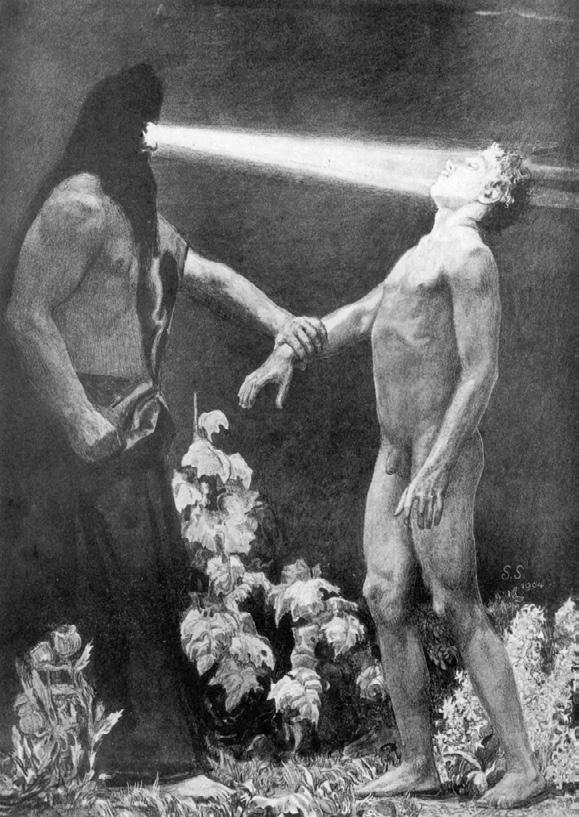
Literary and film scholars often analyze psychological horror narratives through the critical lens of Jungian philosophy. Renowned analytic psychologist Carl Jung conceptualized a number of archetypes—universal human patterns that exist in every person’s subconscious and influence our behaviors, thinking patterns, and emotional states. These archetypes function on both an individual level, where they differ from person to person, and a collective level, where they reflect an aspect of the collective, universal human psyche.
Among these archetypes is “the shadow,” a collection of “dark characteristics” that presents a “moral problem” for an individual’s conscious sense of self.9 Inherently emotional, Jung described the shadow as an entity that thrives off feelings of inferiority, shame, and guilt. Often, individuals project aspects of their shadows onto other people as a way of distancing themselves from what they have “no desire to be.”10 In the psychological horror genre, characters regularly come face to face with aspects of their shadow selves. Through relationships with other characters, chilling happenstances, traumatic events, recalled memories, and mental illness, these characters are often forced to confront parts of themselves they have long kept buried. Jung believed that with adequate self-reflection and criticism, “one can see through” their personal shadow, and healthily recognize the relative evil in their nature. However, as an embodiment of humanity’s universal capacity and willingness for evil, the archetypal shadow of the whole human collective is not so tameable a beast. As Jung articulates, “it is a rare and shattering experience…to gaze into the face of absolute evil.”11
One of the reasons the psychological horror genre is both terrifying and compelling is its ability to merge and tangle the shadow of the individual with the shadow of the collective. In these harrowing plots, a recognition of the shadow self often results in the exposure of the archetypal, universal shadow, forcing readers and audiences to consider the possibility that unadulterated evil is not a human anomaly.
Consider:
1. How might Jung’s concept of “the shadow” be reflected in the characterizations of Paul Sheldon and Annie Wilkes? What dark characteristics do their shadows contain?
2. Who effectively confronts their shadow? Who projects their shadow onto the other?
3. Is the archetypal, collective human shadow of “absolute evil” depicted in Misery, or just the personal shadows of Paul and Annie?
Extension Activity:
1. Have students explore these questions in a formal essay or short, informal writing exercises.
More Psychological Horror Novels by Steven King:
• The Shining (1977)
• The Dead Zone (1979)
• The Dark Half (1989)
• Dolores Claiborne (1992)
• Lisey’s Story (2006)
• Under the Dome (2009)
Classic Short Stories in the Psychological Horror Genre:
• “The Fall of the House of Usher” by Edgar Allen Poe (1839)
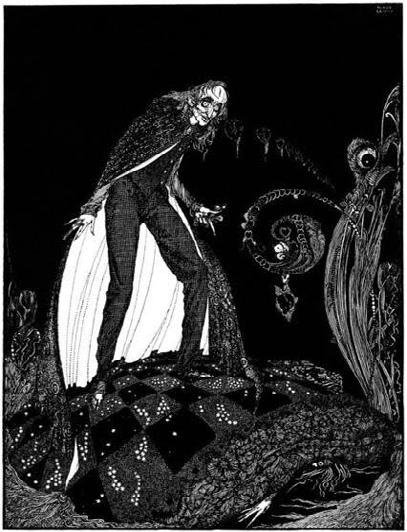
• “The Tell-Tale Heart” by Edgar Allen Poe (1843)
• “The Yellow Wallpaper” by Charlotte Perkins Gilman (1892)
• “The Lottery” by Shirley Jackson (1948)
• “The Landlady” by Roald Dahl (1959)
Psychological Horror Films and Television
• Shadow of a Doubt, directed by Alfred Hitchcock (1943)
• Gaslight, directed by George Cukor (1944)
• The Innocents, directed by Jack Clayton (1961)
• The Vanishing, directed by George Sluizer (1988)
• The Silence of the Lambs, directed by Jonathon Demme (1991)
• Black Swan, directed by Darren Aronofsky (2010).
• “Nosedive” Season 3, Episode 1 of Black Mirror, directed by Joe Wright (2016)
• “Black Museum” Season 4, episode 6 of Black Mirror, directed by Colm McCarthy (2017)
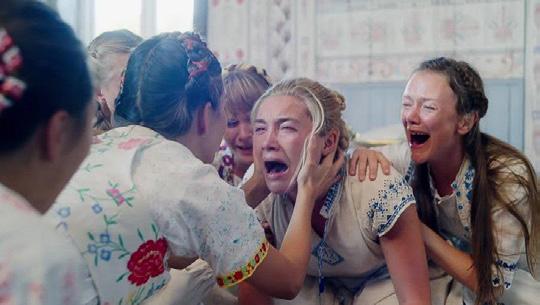
• Midsummer, directed by Ari Aster (2019)
• The Patient miniseries, created by Joel Fields and Joe Weisberg (2022)
• The Fall of the House of Usher miniseries, created by Mike Flanagan (2023)


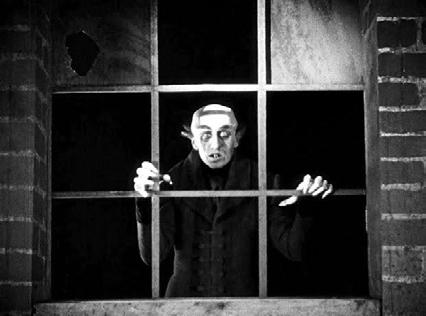

Supernatural Horror – Also known as paranormal horror or fantasy horror, the supernatural horror genre derives its power of fright from creatures and occurrences that transcend what is possible in our natural world. Supernatural horror plots often feature ghosts, demons, vampires, witches, monsters, and unseen evil forces.
Natural Horror – Natural horror explores frightening occurrences caused by things in our natural world. While supernatural horror often explores “the impossible,” natural horror usually terrifies readers and audiences by depicting events that seem “improbable but possible.” Alfred Hitchcock’s The Birds and Steven Spielberg’s Jaws are iconic films in the natural horror genre.
Slasher Horror – A cinematic favorite, slasher horror is often a horror-whodunit. Slasher horror regularly features a masked or disguised killer responsible for multiple murders. Examples of slasher horror films include The Texas Chainsaw Massacre, A Nightmare on Elm Street, Psycho, and the Scream franchise.
Body Horror – Also known as biological horror, this subgenre evokes visceral feelings of fear, uneasiness, vulnerability, and disgust by depicting the human body in states of pain, distortion, and unnatural transformation.By depicting the human body in these various states of distress, body horror often serves as a metaphor for societal issues and personal human struggles.
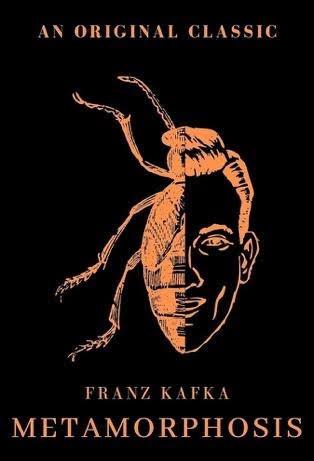
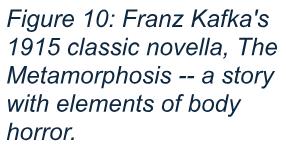
Gothic Horror – A literary favorite, Gothic horror reached peak popularity in the 18th and 19th centuries. While it is often associated with supernatural, psychological, mysterious, and melodramatic occurrences, Gothic horror sets itself apart from many of its fellow subgenres by prioritizing a slow, creeping sense of dread over shocking happenings and jump scares. Common tropes in the Gothic horror genre include isolation, claustrophobia, secrecy, melancholic characters, and places in decay and disrepair. Books in the Gothic horror genre include classics like Wuthering Heights, The Fall of the House of Usher, and The Turn of the Screw.
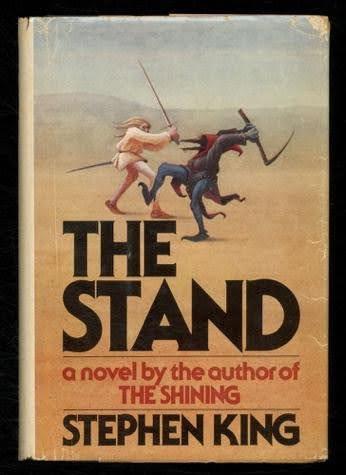
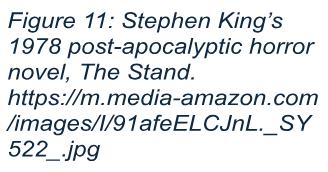

Apocalyptic Horror – Often reliant on certain science fiction tropes, Apocalyptic Horror plots depict a catastrophic event that results in humanity’s struggle for survival. These apocalyptic events include environmental disasters, alien invasions, plagues, zombies, and even sudden, unexplainable events. Post-apocalyptic horror, which explores the aftermath of these catastrophic events, is a subgenre of apocalyptic horror.
Science Fiction Horror – Often merged with apocalyptic and psychological horror, science fiction horror derives its fear-inducing plots from futuristic or intergalactic settings, science experiments gone awry, and technology beyond human control. Mary Shelley is often credited with creating the first science fiction horror novel, Frankenstein.
What helps create a bone-chilling performance? Discuss this question as a class before using the following activities to practically explore how to perform fear and how to induce it!
Have students practice their devising skills by assigning groups of two or three a psychological horror prompt. Each group then expands upon their given prompt to create a devised 1-2 minute performance. This exercise works well as both a quick-thinking warm-up and a longer class activity. When using this exercise as a longer class activity, encourage students to try their scenes multiple ways by experimenting with form, character, plot, language, blocking, context, and exposition. Once they’ve finished, ask them to reflect on what they discovered throughout their experimentation processes.
Psychological horror devising prompts can be found HERE.
Dramatic tension is a critical element in theatre of all genres. In psychological horror, successful dramatic tension can heighten the audience’s feeling of unease, fear, and suspense. Dramatic tension is often woven into a script by the playwright, but it’s up to both actors and directors to successfully build and deliver the dramatic tension, which can be illustrated through inflection, pacing, pausing, and speech patterns as well as physicality and blocking.
In this exercise, students physicalize dramatic tension by performing scenes three different times: the first time, students perform their scenes from fifteen feet apart; the second time, students perform their scenes from five feet apart; and the third time, students perform their scenes from one foot apart. Ask students to reflect on what they notice while performing the three different iterations of their scenes. How did proximity reflect the dramatic tension? Did physical proximity affect how you delivered your lines? Were there moments you felt compelled to move closer or farther away?
Scenes from William Goldman’s Misery and William Archibald’s classic play, The Innocents, work well for this exercise. These scenes can be found HERE.
**Note: As with all theatre exercises, actor comfort, trust, and safety are critical considerations. The suggested proximities in this exercise can be adjusted based on the preferences of each individual student.

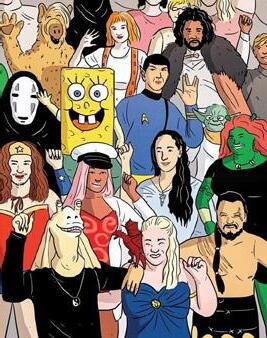
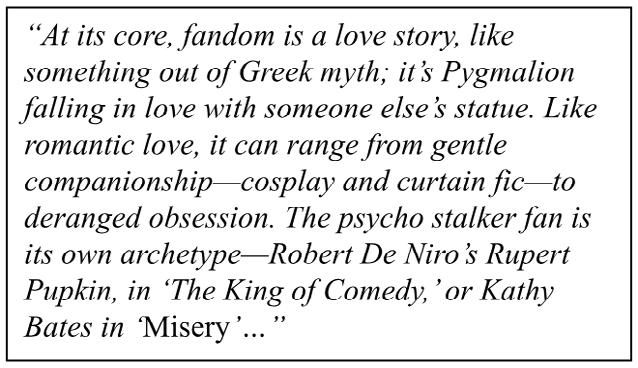
Michael Shulman is an arts and culture staff writer at The New Yorker. In his 2019 article, “Superfans: A Love Story,” Shulman explores the complexities of superfan culture across a wide array of musical, literary, and media fandoms. Shulman’s thought-provoking article— which references Misery—provides excellent critical context for MRT’s production of a Stephen King classic.12
Before or after seeing Misery at Merrimack Repertory Theatre, have students read, consider, and discuss Shulman’s article.
Comprehension Questions:

1. According to Shulman, how do “stans” differ from fans?
2. In Shulman’s view, how and why has fandom changed in the last decade?
3. Who is Henry Jenkins? What is his book Textual Poachers about?
4. What is the root of the word “fan”? When was it first used?
5. What was “Lisztomania”?
6. How did Shulman express his fan status for 90s sitcoms as a teenager? What does he consider “pure” about this experience?
7. How is fandom “like a love story”?
8. What inspired Stephen King to write Misery? Who inspired the character of Annie Wilkes?
9. What happened after King wrote Misery?
10. Comic-Con attendee and aspiring psychotherapist Michael Asuncion says there are “three needs that all people have.” What are they?
Discussion Questions:
1. Shulman argues that fans and fandoms have changed with the rise of social media. Consider the setting of Misery, which is set in the 1980s. How might Misery be different if it were set in the 21st century?
2. Henry Jenkins says that fandom is “born out of a mix of fascination and frustration. If you weren’t drawn to it on some level, you wouldn’t be a fan. But, if it fully satisfies you, you wouldn’t need to rewrite it, remake it, re-perform it.”
a. Is this view depicted in the characterization of Annie? If yes, how so?
b. Do you agree with Jenkins’s statement? Why or why not?
3. Interviewed by Shulman, Stephen King says: “People have gotten invested in culture and make-believe in a way that I think is a little bit unhealthy…I mean, it’s supposed to be fun, right?”
a. Do you think this unhealthy “investment” in culture and make-believe is new? If yes, what is its cause? If not, why not?
b. Where do you think the line is between healthy investment and unhealthy investment?
4. Shulman presents both the negative and positive aspects of fandom.
a. Overall, do you think he portrays fans and fandom in a more positive or negative light? Narratively, how does he achieve this?
b. What are your thoughts on fans and fandoms? Do you agree with Shulman’s sentiments? Why or why not?

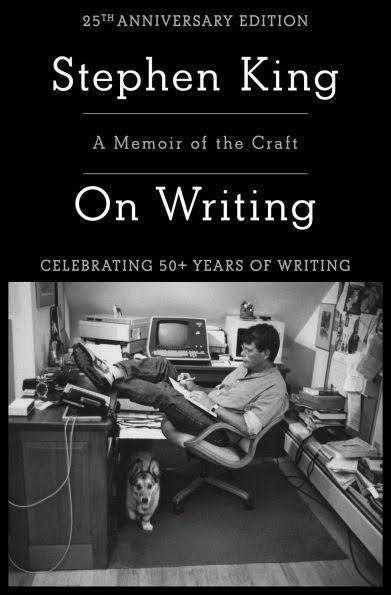
Published in 2000, Stephen King’s On Writing: A Memoir of the Craft functions as both a memoir and a practical guide to writing. In the book’s first section, King reflects on his family, his struggles with addiction, and some of the formative moments in his life as a writer. In the second section of the book, King outlines his “toolbox” of writing tips and tricks. Lauded by fans, critics, and writers, On Writing provides readers with valuable insight into the practice of one of the most celebrated contemporary authors. 25 years after its publication, On Writing remains an excellent, accessible, and often humorous resource for young writers.
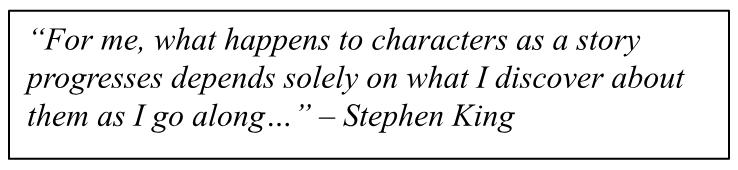
In On Writing, Stephen King discusses his process for creating complex characters in his fiction, providing examples from his numerous novels, including Misery. Have students read, consider, and discuss this excerpt from Stephen King’s On Writing.
Comprehension Questions:
1. Does King agree with the assertion that characters are “drawn from real life”? Why or why not?
2. For King, there are three elements to creating interesting and believable characters. What are these three elements?
3. How does King characterize the character of Annie Wilkes? In his view, what makes this character “frightening”?
4. How does King follow the age-old writing advice of “show, don’t tell” in his characterization of Annie?
5. What elements of himself did King include in his characterization of Paul Sheldon?
6. Who is Johnny Smith? What questions led King to create this character?
7. How does King first introduce Johnny Smith to his readers? What is his reasoning behind this decision?
8. Who is Greg Stillson? Why did King’s readers react strongly to this character?
9. To King’s mind, what is the “job” storytellers have regarding characters?
1. Do you think King’s advice for creating interesting characters in fiction can be applied to creating interesting characters in theatrical texts? Why or why not?
2. Consider the three elements King says are involved in creating an interesting character (elements you see in yourself, traits you see in other people, and pure imagination). How do you think King incorporated these elements into the characters of Paul Sheldon and Annie Wilkes?
3. How did the actors playing Annie and Paul believably portray these different character traits and elements? 4.
In this activity, students use Stephen King’s foundation for creating characters (as referenced in the excerpt of On Writing) to write short, two-character plays in the psychological horror genre. This exercise enables students to experiment with a writing process that begins with character development rather than plot. These short original plays provide students with the opportunity to practice their playwriting skills and reflect on what makes a compelling psychological horror character, both on stage and on the page.
1. Individually or in pairs, have students brainstorm some potential character traits and elements to feature in their short plays.
2. Have students organize their brainstorming in a character outline for each of their two characters. Each outline should have three separate sections: traits the writers observe in themselves, traits they observe in others, and imagined traits and elements. Students should try to think about the plot of their plays only after their characters feel sufficiently active and dynamic.
3. Using their character outlines as a guide, students can then write and refine a play of 2-3 pages, including a one-sentence description of the characters they’ve created, a one-sentence description of the play’s setting, and a one-sentence description of the play’s plot. Students may also include minimal stage directions if necessary. Students’ plays do not have to explicitly depict all the character traits listed in their outline, but one from each of King’s categories should be somehow reflected in their short

If beginner-friendly classes get stuck in the plot development stage too early in their psychological horror prompts used for the devising exercise can also be
As a class or in small groups, have students perform each other’s
Based solely on the playscripts, have the actors of a given scene provide a list of the character traits they think may have been listed in the writer’s out line, so that writers can gauge the success of their scenes and refine their characters and scripts as needed.
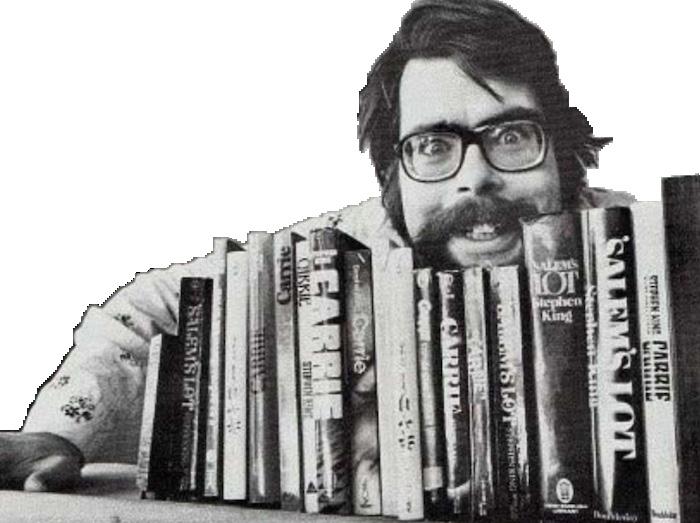
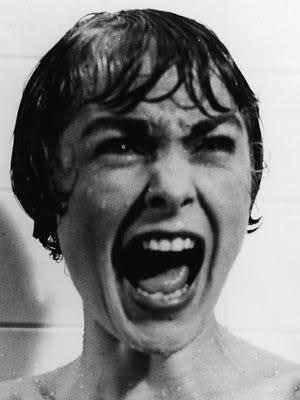
In her New York Times article, “How Horror Stories Help Us Cope With Real Life,” science journalist Melinda Wenner Moyer explores the divisive nature—and rising popularity—of the horror genre. Through interviews with psychology researchers, Moyer shares leading theories on why a genre dedicated to instilling fear in its viewers and readers may be so popular.13
Comprehension Questions:
Have students read Moyer’s article and answer the comprehension questions below.
1. What do some research theories suggest about the personalities of people who like horror and the personalities of people who don’t?
2. What does research suggest about people prone to anxiety? Are they drawn to horror or not? Why might this be?
3. In the wake of the COVID-19 pandemic, what did Dr. Scrivner’s 2020 study reveal? What might this finding suggest?
4. Studies suggest that men are more drawn to horror than women, but that women are more drawn to true crime than men. What might be the reason for this?
5. What did Dr. Scrivner and Dr. Andersen’s 2022 study reveal to be a common reason people enjoyed haunted houses and other frightening experiences?
Extension Activity: Discuss! Who in your class loves horror, and who doesn’t? Ask students to share their own reasons for liking/disliking the genre, and encourage debate!
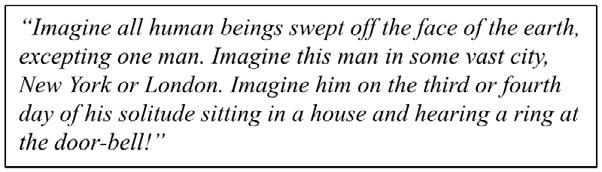
Two-sentence horror stories are a popular genre of microfiction, where writers aim to create eerie, spine-tingling narratives in—you guessed it—only two sentences. Writer and critic Thomas Bailey Aldrich is often credited with writing the first two-sentence horror story in his 1903 book of miscellaneous writings titled Ponkapog Papers. 14 The story, which is actually three sentences, is as follows:
Today, two-sentence horror stories are an online microfiction phenomenon. Lovers of the genre read, write, and share these stories across various social media platforms. 13
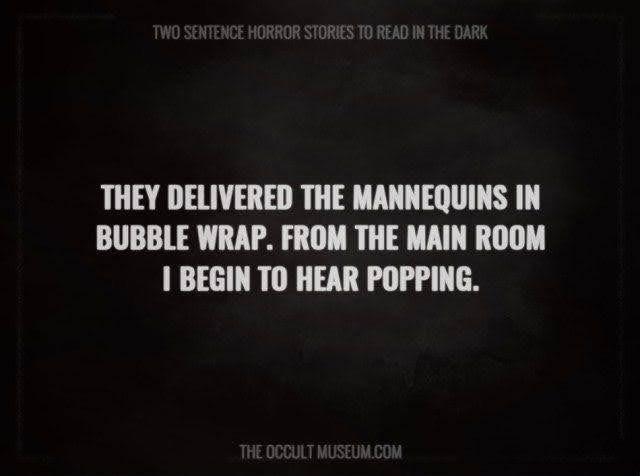
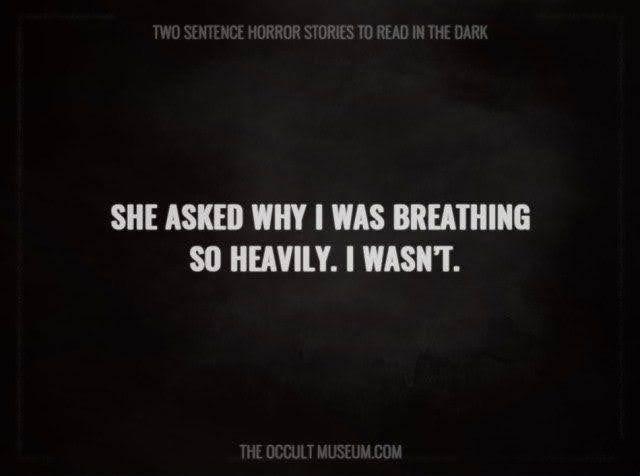
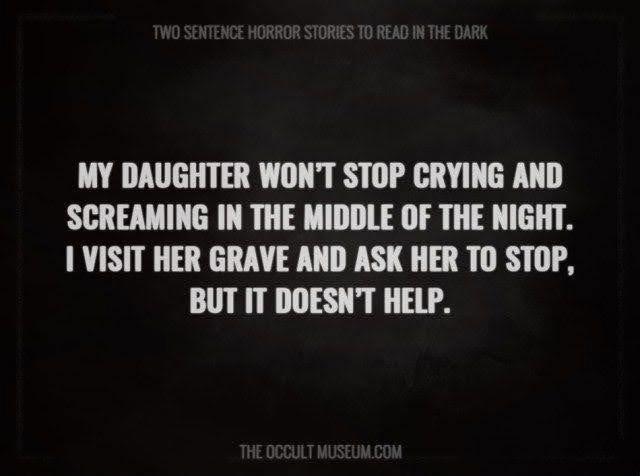
Two-sentence horror stories are a fun, creative way for students to practice conciseness and precision in their writing. Provide students with some examples of two-sentence horror stories (examples can be found HERE and HERE) and discuss the form and style of this microfiction genre as a class. Then, have students try their hand at writing their own two-sentence horror stories.
1. What makes a good two-sentence horror story? Is there a pattern in how these stories are regularly formulated?

2. What writing skills are crucial to writing a great two-sentence horror story? Why are these writing skills important when writing pieces that are longer than two sentences?
1. Consider the plot of Stephen King’s Misery. How might you recount this story as a two-sentence horror story? Write two possible examples.
2. Write three of your own original two-sentence horror stories. Choose a different horror subgenre for each story, e.g., psychological horror, supernatural/paranormal horror, slasher horror, Gothic horror, apocalyptic/post-apocalyptic horror, or science fiction horror.
1. Have students swap and edit each other’s two-sentence horror stories to practice giving feedback and revising their work.
2. Encourage students to read their best two-sentence horror stories to the class. As a class, have a vote for the best one!