Annual Review & Sustainability Report

At Menzies Aviation, we go further to deliver the confidence, care and consistency the aviation industry relies on.
Powered by industry-leading safety, disciplined execution and elevated passenger experiences, we set the standard for operational excellence – every flight, every day.
With a rich heritage dating back to 1833, we have grown to become the world’s largest aviation services company with operations spanning 347 airports in 65 countries. From ground handling and fuelling to air cargo and executive services, we lead in safety, sustainability and performance.
Our global team of 65,000 highly skilled people support our customers with passion, pride and purpose to keep the world moving.
We are committed to delivering exceptional aviation services and continually raising the bar.
We are Menzies Aviation.


Statement from the Executive Chairman
2025 was a defining year for Menzies Aviation. We reinforced our position as the world’s largest aviation services company at a time when airlines and airports increasingly prioritise operational excellence, network scale, and financial discipline.
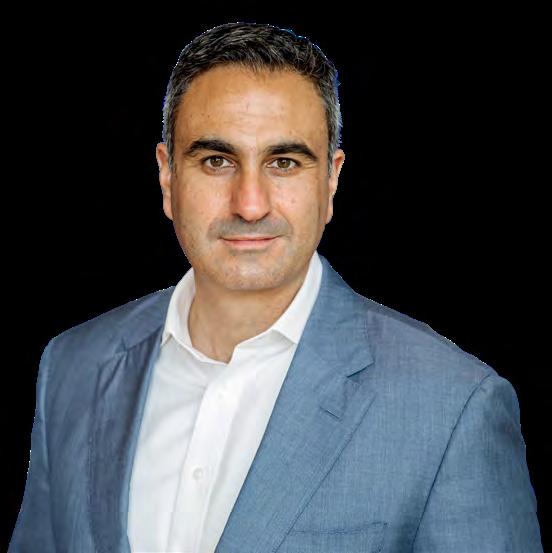
“Our increased scale unlocked significant performance gains.”
In a complex global operating environment, Menzies continues to set the standard for safety, execution, and reliability at scale. Following our acquisition of G2 Secure Staff, we became the largest aviation services company in the United States, further strengthening our leadership in the world’s largest aviation market.
Our global network grew to 347 airports in 65 countries with expansion in both established and growth markets, expanding our ground handling, fuel, air cargo, and lounge operations. This growth extends our ability to serve more airlines, in more locations with an unmatched integrated service portfolio.
Our increased scale unlocked significant performance gains. For the full year 2025, Menzies Aviation reported $3 billion revenue, an increase of
16% and EBITDA of $406m, representing EBITDA margin of 13.4%. Rising volumes in ground handling and fuel services, alongside strategic acquisitions were key drivers in achieving our fifth consecutive year of double-digit growth.
Amid rapid change, we remain anchored in the Menzies ethos – prioritising safety, security and quality. This discipline drives our operational excellence and ensures we scale reliably while maintaining consistent standards across our global network.
Global air travel is projected to reach 5.2 billion passengers and air cargo volumes around 71.6 million tonnes in 2026. With a presence across six continents, disciplined execution and a clear strategic focus, we are uniquely positioned to scale consistently and reliably across borders, supporting aviation’s anticipated growth in the years ahead.
On behalf of the Board of Directors, I would like to thank our 65,000 colleagues, our airline customers and our airport partners for their continued trust and support. I look forward with confidence and a strong sense of responsibility for the role Menzies Aviation plays in the global aviation system.

Hassan El-Houry Executive Chairman
$3bn revenue up from $2.6bn in 2024 16% year-on-year growth
$406m* EBITDA (post IFRS16) 13.4% margin
* This figure does not include interest, tax, depreciation and amortisation.
65,000 team members
In 2025, we focused on growing in the right places, deepening partnerships with our customers and running our business with discipline and efficiency, delivering year-on-year growth across all regions.

“We continued to invest in technology, ESG and our people.”
Our global network expanded to 347 airports in 65 countries, where our teams served 1.6 million aircraft turns, 3.7m fuel turns and handled 2.4m tonnes of cargo. We added 63 airports to our network and maintained a high customer retention rate of over 90%.
Financial performance reflected this momentum. Revenue reached $3 billion in 2025, representing 16% growth on the previous year. Growth was driven by new business and building deeper relationships with existing customers, with more airlines choosing Menzies across multiple locations and services, including ground handling, fuel and air cargo services.
Throughout 2025 we continued to invest in technology, ESG and our people. We advanced the optimisation of core IT platforms, expanded automation and workforce planning tools, accelerated the electrification of ground support equipment (GSE) and strengthened safety and training across our operations.
With substantial market share still available and demand continuing to grow, we are well positioned to continue scaling sustainably – enhancing our services, strengthening partnerships with global airline customers, and remaining agile in a dynamic operating environment.
To our colleagues, customers and partners: thank you for your trust, partnership and commitment. I am proud of what we have achieved together and look forward to working with you all in 2026.

Philipp Joeinig Group CEO
+16% year-on-year revenue growth
+9% increase in aircraft and fuel turns
+63 airports added to our network
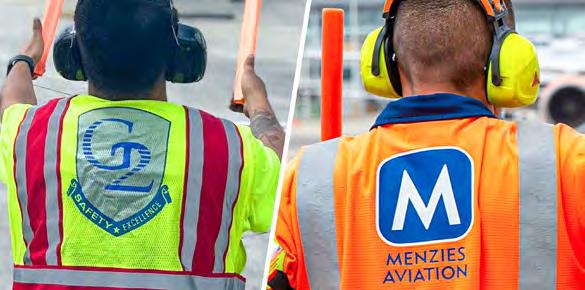
The acquisition of G2 Secure Staff was a significant milestone, doubling our presence to 108 United States airports to become the largest independent aviation services provider in the country.
We secured new ground handling licenses at Miami International Airport and New Terminal One at John F. Kennedy Airport. We also became the first international ground handler to secure an operator certificate in Argentina.
Combined, these achievements deepen our service capability, unlock operational synergies and demonstrate how we are building a resilient and scalable business prepared to support airlines across the Americas and around the globe.
G2 acquisition doubled U.S. airports
1st to secure Argentina operator certificate
We advanced our environmental commitments with the same determination driving our global growth strategy. Reaching our target of 25% electric Ground Support Equipment (GSE) by the end of 2025 – underpinned by more than $200 million invested in fleet modernisation – represents a key milestone on our journey towards achieving net-zero greenhouse gas emissions by 2045.
Europe leads the way with more than half of all GSE now electric, while OSEA has transitioned to 30% electric, proving how quickly meaningful change can happen when ambition is clear and leadership is strong.
Our electric first approach to new motorised GSE will continue, while we also refurbish and repower existing GSE and utilise low emission fuel options. These actions will help us achieve our sustainability goals and reinforce our role as a partner of choice for airlines and airports seeking sustainable, futureready operations.
Airlines today want partners they can rely on –operating in more airports and delivering a broader range of services. In 2025, we continued to meet that need by strengthening relationships with our existing customers, supporting them in more locations and across more of their operations than ever before.
More of our customers now work with Menzies across multiple airports and services, including ground handling, fuel and air cargo. Nearly 500 customers rely on Menzies across multiple airports, with more than 500 partnering with us for multiple services, highlighting the value of our global capabilities and consistent service standards across the network.
We have long-standing relationships with many of our airline partners, some spanning over 30 years. These enduring partnerships demonstrate the trust customers place in our teams and our ability to evolve alongside their needs – expanding service offerings, increasing network coverage and delivering safe, reliable and efficient operations.
We are proud to partner with UK for UNHCR as our first global charity partner. This partnership allows us to use our global reach, our people and our resources to support UNHCR’s vital work and make a real difference in people’s lives.
Funds raised through corporate donations and employee fundraising initiatives will support UNHCR’s lifesaving work – from emergency response to long-term programmes that help displaced families access protection, education, healthcare and livelihoods.
The partnership builds on a growing relationship between Menzies Aviation and UNHCR. Since 2024, we have advanced refugee hiring initiatives in several regions.
Through our collaboration with UNHCR and other NGOs, Menzies has offered meaningful employment to more than 100 refugees across our business.
60 refugees hired in Mexico during 2025 JFK & Miami two new ground handling licenses
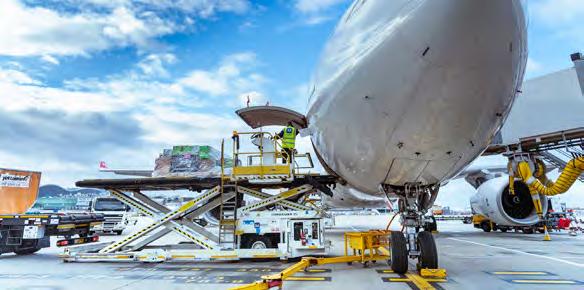


largest aviation services company by countries and airports served
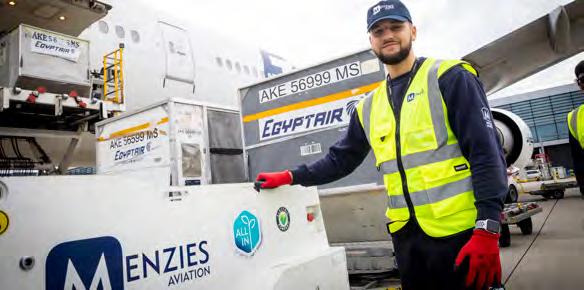
We provide time-critical comprehensive ground services, ensuring efficient and on schedule operations for airlines and passengers. From aircraft and baggage handling to ramp services and passenger assistance, every passenger journey has multiple seen and unseen interactions with our teams. We always do our best to deliver a safe and trusted service, working seamlessly behind the scenes to deliver a world-class passenger experience.
services
We are the world’s largest independent aviation fuel services provider. We deliver fuel farm management and into-plane fuelling services on four continents for the world’s largest fuel suppliers, airlines and airports. Managing the refuelling of aircraft and the infrastructure required to support this service is a precision activity which must operate to rigorous government and industry standards, including safety and environmental regulations.
We manage the global transportation of high value and time critical cargo, offering efficient, reliable and secure solutions for the transportation of goods across airports worldwide. Decades of experience, supported by cost-effective and innovative logistics solutions, means we are trusted to provide a reliable and secure service, ensuring our customers’ cargo reaches its destination on time and in perfect condition.
Pearl Elevated Travel delivers global luxury travel and executive aviation services. Pearl Lounges and Meet & Assist offer premium amenities, concierge support, and fast-track access. Through Pearl Executive Aviation, we provide elite ground handling for private jets, VIPs, and crews –ensuring safety, security, and exceptional service.
Our purpose and culture
As a global leader in aviation services, we work in partnership with airlines and airports to deliver the confidence, care and consistency the industry relies on. Our purpose is to deliver exceptional services that are safe, trusted, and sustainable, helping to redefine efficiency, reliability, and customer experience.
From ground and air cargo services to fuelling and executive services, we set the benchmark for safety, sustainability and performance. Our focus on innovation, technology and collaboration ensures every journey is handled with precision and professionalism – making every connection smoother, every relationship stronger, and every outcome successful.
With more than 65,000 dedicated team members operating across 65 countries and 347 airports, we bring
Our people are at the heart of everything we do. We go further to support one another and deliver excellence for our customers. The energy and diversity of our 65,000 strong team reflect our shared commitment to safety, integrity, and progress – ensuring that every operation, every day, embodies our values and our purpose.
global scale, local agility, and long-term stability to our airline and airport partners. We go further to elevate standards across the world and deliver seamless experiences for our customers and their customers.
Our culture is built on supporting one another, our partners and our customers. It is grounded in strong ethics and integrity, reinforced by our purpose and values and underpinned by a steadfast commitment to safety and security.
We foster a diverse, inclusive, and supportive environment where every employee can thrive. Our people are trusted to make smart decisions, empowered to innovate, and inspired to deliver excellence. By putting our customers’ success first and elevating standards across every operation, we create a culture of care, performance and pride that defines who we are at Menzies Aviation.
Our values put people first. They shape how we support our employees and create an inclusive culture where everyone thrives. They guide every decision and interaction, ensuring we deliver exceptional experiences for our customers and uphold the highest standards of service. By living these values, we stay true to our purpose and achieve our shared ambitions.
Safety & Security always comes first, that’s why we never compromise.
Every day is different; we have the energy and expertise to respond successfully to any situation.
We embrace sustainable business practices and strive for a net-zero future to build resilience and prosperity for all.
Building relationships with those around us makes us all stronger and more successful.
We’re open and honest in all we say and do, creating trust, and growing our reputation for high standards.
Focus
We deliver the best service for our customers and create relationships built on trust.
We go further by focusing on our customers’ success. Working collaboratively across diverse markets, we tailor our services to each partner’s needs while maintaining consistency in service and performance. Our agility, stability and expertise ensure that every customer benefits from operational excellence, safety leadership and lasting value.
We elevate standards through partnership – collaborating with airport partners and service providers worldwide to deliver seamless operations and exceptional experiences. Whether coordinating aircraft movements, managing baggage and cargo, or providing fuelling and passenger services, we act as one team to ensure every journey runs smoothly and sustainably.
We expect the same commitment to excellence and sustainability from our suppliers that we uphold ourselves. Together, we go further by embedding our environmental, social and governance (ESG) goals across our supply chain, strengthening resilience, and building shared capacity for a net-zero future.
We are committed to going further for the communities where we operate. Through our All In plan for a fair and sustainable future, we work with partners to reduce environmental impact, create employment opportunities, and support local charities and community initiatives that drive positive, lasting change.
We work alongside governments and industry bodies to elevate global standards and enable a sustainable future for aviation. By sharing our expertise and advocating for decarbonisation and ESG alignment, we help build an efficient, responsible and future-ready aviation industry.
Our strategy
Strategic pillar
Curate optimum portfolio mix of customers and services to deliver growth and sustainable returns.
Be the partner of choice by creating strong relationships with customers and helping to deliver their goals.
Invest in employees to build a diverse team of motivated and passionate people to deliver safe and secure services.
Expand global footprint responsibly and sustainably, focusing on emerging aviation markets with high growth.
Drive margin improvement by focusing on organic and inorganic growth, cost management and portfolio management.
What we did in 2025
• I ncreased operations to 347 airports globally.
• M anaged 2.4m tonnes of cargo at 76 locations.
• Started up into-plane fuelling at Paris Charles de Gaulle (CDG), our 16th fuel location in Europe
• E xpanded Pearl network to 57 lounges in 20 countries, welcoming 2.5m guests.
• E xpanded operations to 63 new stations to offer more services in more locations.
• H igh customer retention rate of +90%.
• L aunched MILE, next generation e-commerce product to leverage Menzies Aviation and AMI’s air cargo expertise.
• M ACH, our cloud-based cargo management system, is now live in 46 locations with 22 added in 2025 and 55% of our global cargo tonnage now managed in MACH.
• E xpanded our workforce to 65,000 globally, increasing our global headcount by more than 13,000.
• Menzies employees completed 2.4m hours of training and development.
• Increased senior female leadership to 25% and middle leadership remained stable at 28%.
• C olleagues in 62 locations are now wearing our new front of house uniform, designed with comfort and sustainability in mind.
• In collaboration with UNHCR, the UN’s Refugee Agency, we actively recruited from refugee communities.
• D oubled presence in the United States with acquisition of G2 Secure Staff in the world’s largest aviation market.
• Ad ded over 628 electric GSE assets to our global fleet in 2025 to reach our 25% electric GSE by 2025 target.
• We remain committed to maintaining a wellrounded portfolio, balancing our operations in ground, fuel, and air cargo services, while expanding our lounge and executive aviation offering and seeking continuous growth in areas where we can drive value creation.
• We will nurture robust, trusted, and collaborative relationships with our customers, working in partnership to drive mutual success. We will also continue to actively seek fresh alliances to expand opportunities adding value to our business, our airline customers and airport partners.
• Embracing adversity as an opportunity for positive change, we will focus on leadership development and integrating our values throughout the company. We continue to prioritise the safety of our people, creating an inclusive and diverse environment where every employee can thrive.
• I ncreased focus on productivity and new innovative systems and solutions.
• Renewed over 90% of contracts, offering pricing solutions focused on innovation and cost optimisation for customers.
• Strategy to support accelerated growth in mature and new markets.
• E xplored new opportunities with airports to reduce turnaround times and increase productivity.
• P ursue accelerated growth in mature and emerging markets, we will expand our service offering to existing and new customers in additional locations. We aspire to lead in sustainability practices and support our growth responsibly.
• We will continue to seek sustainable business opportunities across our portfolio by focusing on productivity and innovation, working in partnership with our airline customers.
Innovation sits at the heart of how we operate, connect and grow. In 2025, we accelerated the deployment of digital tools that empower our people and enhance our operations to deliver safe, sustainable and more efficient services for customers worldwide.
We continued to transform our cargo operations with our cloud-based cargo management platform, MACH (Menzies Aviation Cargo Handling). First deployed in Bucharest, Romania in 2023, MACH is now live in 46 locations – with 22 added in 2025. It standardises operations, improves accuracy and transparency, accelerates intake, enhances data quality and boosts productivity.
Beyond technology, MACH is building global capacity, a common operating language, and proving we can deliver complex innovation at pace, and scale –modernising not just systems, but how we work.

We launched MILE (Menzies Integrated Logistics for E-Commerce), a fully integrated e-commerce air-cargo solution developed in partnership with Air Menzies International (AMI), to deliver speed, visibility and scale. Combining our global handling network and AMI’s forwarding expertise, MILE provides an end-to-end service powered by MACH. Using automation, digital codes, barcode tracking and handheld integration, it moves shipments faster and more transparently. With priority handling, flexible capacity and digital workflows, MILE is central to our e-commerce growth strategy for 2025 and beyond.
+20% of global air cargo is driven by e-commerce
"By investing in impactful innovation and technology, we are strengthening safety, improving efficiency and resilience, and enhancing the experience of our teams and customers.”
Rami Al-Haddad Chief Information Officer
1.6m air waybills processed since 2023 55% global cargo tonnage managed in MACH
Industry recognition:
• Finalist in the World Air Cargo Awards 2025
• Finalist in the Air Cargo News Awards 2025
• Finalist in the Pride of Ground Handling Awards 2025


Over the past 12 months, our Virtual Reality (VR) training trial with Aviar has enabled employees to practice high-risk tasks in a controlled, immersive environment. The results have been encouraging with 92% positive feedback from participants and greater consistency in training delivery and assessment. Importantly, we have seen a 32% increase in learner engagement and 36% faster time to competency. As part of our blended learning model, VR enhances safety, sustainability and the skills of our employees.
32% increase in learner engagement
36% faster time to competency
• L aunch stations: Iraq, Los Angeles, Heathrow, Sydney and Manchester
• Three core modules: 360° Vehicle Checks, Guide Person and Belt Loader Driver
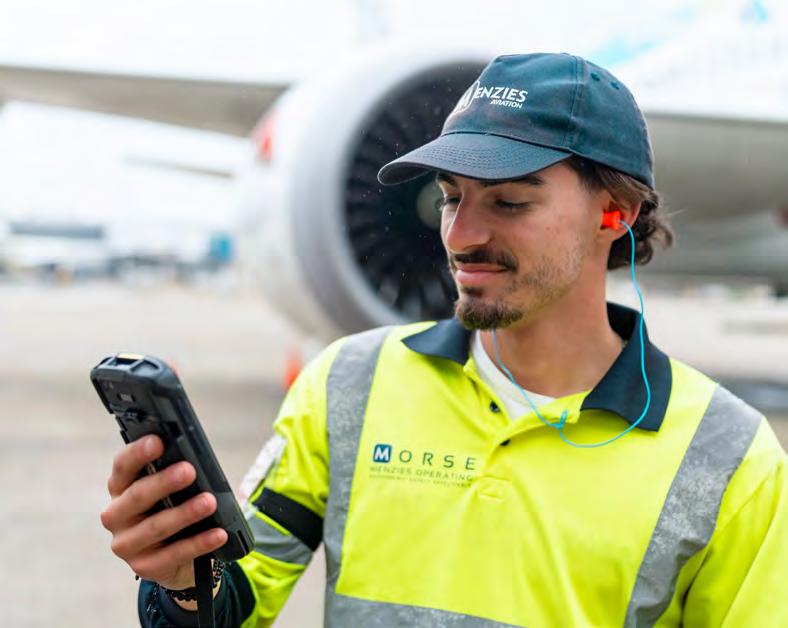
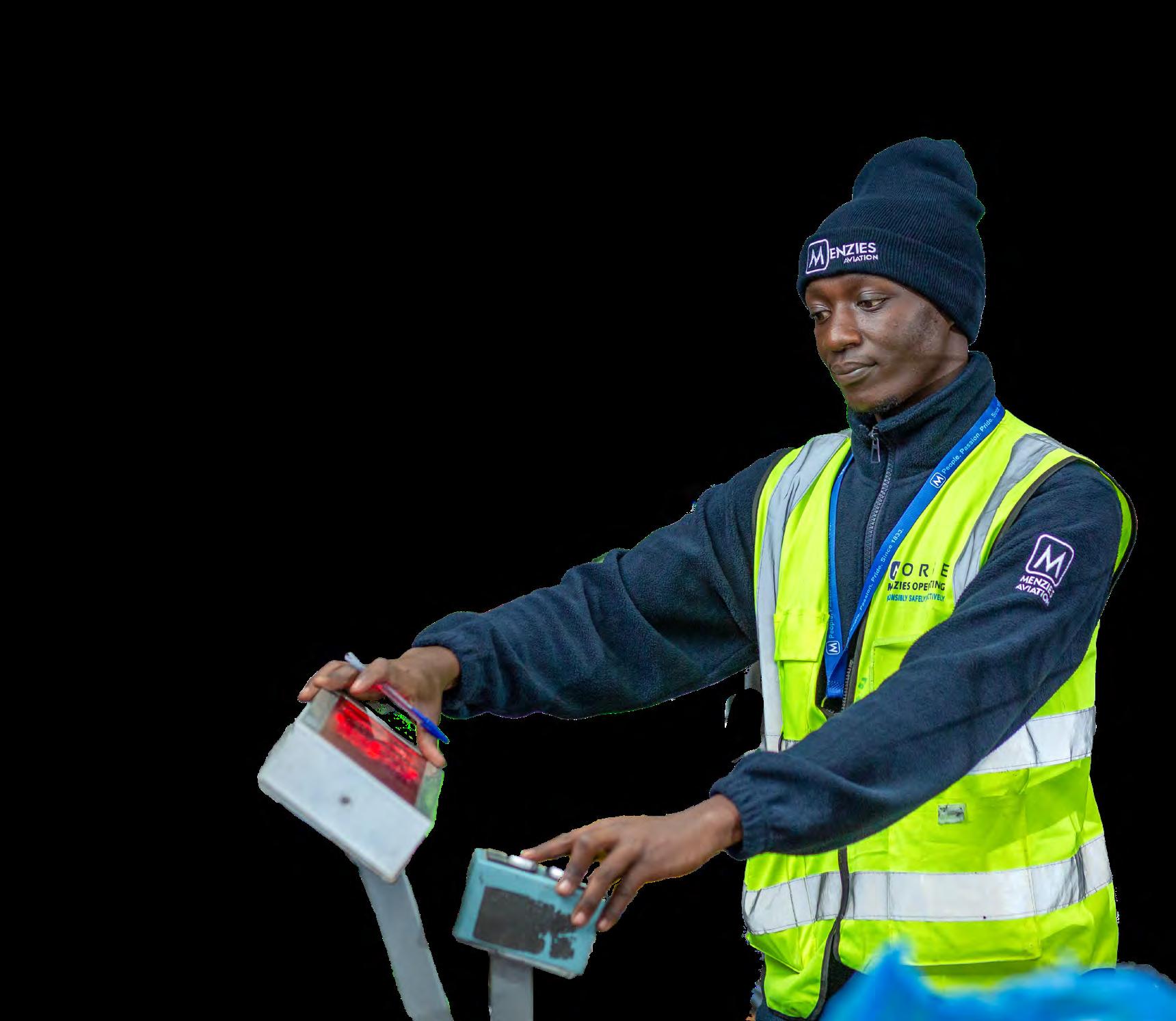
MORSE, our digital Safety Management System powered by EcoOnline, underpins how we report, investigate and learn from safety events. The next step is transformational: integrating AI-enabled analytics to move from reactive investigation to predictive safety. By analysing incident patterns, AI surfaces hidden trends and supports earlier intervention. Human oversight remains essential – AI augments, not replaces. With data insights, and a culture of open reporting, we’re evolving MORSE to anticipate risk – creating a more proactive, predictive and intelligence-led culture.
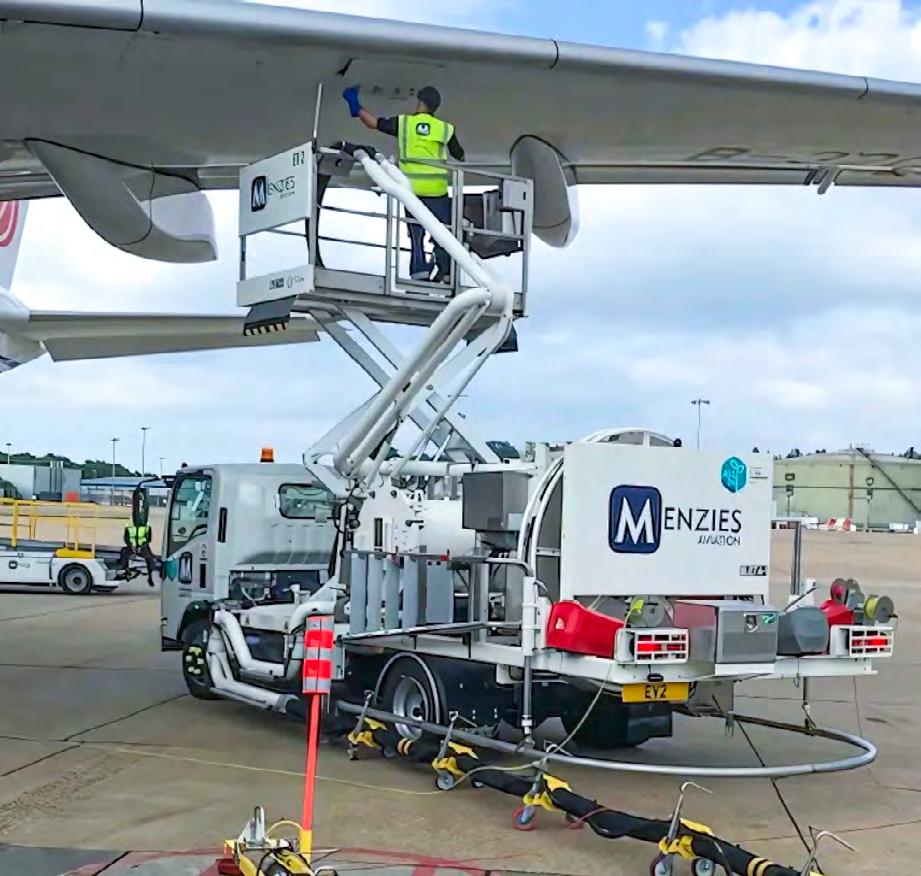
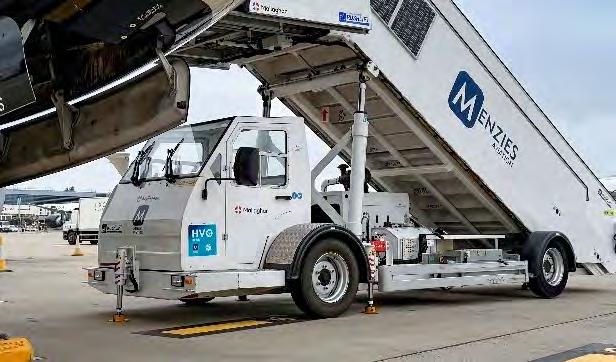
Our fuelling operations at London Gatwick Airport are early adopters of emerging technology with the introduction of two fully electric hydrant dispensers with ExxonMobil. Developed in partnership with Fuel Proof and Magtec, these vehicles mark an important milestone in modernising our fuelling infrastructure. Our Copenhagen fuels team also started using a fully electric hydrant dispenser in early 2026. They support improved air quality, quieter operations, and continued progress toward our commitment to achieving net zero by 2045.
21% increase in reporting in 2025 48k hazards identified globally 7 years of MORSE data to train insights 3 electric hydrant dispensers
30 tonnes Up to 30 tonnes of CO₂ saved per year versus diesel counterpart
We launched a new way for employees, especially our frontline teams, to share ideas that can shape the future of our business. Whether it’s a small improvement or a bold new concept, our Innovation Committee, chaired by our Chief Information Officer, is calling for ideas that will enhance productivity, efficiency and safety. Innovation is about making practical improvements on a local and global scale that will enhance how we work, serve our customers and make innovation a powerful engine for growth.
37 ideas submitted 7 ideas in proof of value stage 4 ideas successfully completed proof of value
We launched a multi-year programme to modernise our resource planning platforms and elevate the employee digital journey. This will drive operational efficiencies for customers while enabling more flexibility and a richer digital experience for colleagues.
50% of employees are active monthly users of our employee app
THROUGH
In partnership with Google, we introduced Gemini AI assistant and deployed ChromeOS devices across key functions. This has streamlined workflows, reduced admin burden and improved the day-to-day experience for our people.
We hit a new high in the Americas in 2025. We doubled our presence in the United States, entered major airport hubs, supported our customers’ growth ambitions and invested in our people.
“2025 has been a year that has required resilience across the Americas – for us, for our customers, and for the industry. Despite ongoing cost volatility and more cautious spend in the market, travel demand has remained broadly stable, and we’ve continued to see pockets of constructive growth and improved operational stability.
Within this environment, our focus has been on strategic long-term expansion and operational excellence. Our acquisition of G2 Secure Staff strengthened our position in the United States where we are now the largest independent aviation service company. Across the Americas we continued to build strong partnerships as we grow with our customers and enhance our service offering.
I am incredibly proud of the progress our teams have made – particularly their commitment to safety, reliability and service quality amid a complex operating environment. Looking ahead, we are well placed to sustain this momentum into 2026 as we continue to invest in our people, expand our footprint and create lasting value for our airline customers and airport partners.”
John Redmond EVP Americas
Secured new business and successfully launched operations for our customers.
• Expanded our partnership with Frontier Airlines at Tampa International Airport (TPA), where we launched ground handling and fuel services for the carrier.

• Strengthened our collaboration with WestJet at Montréal-Pierre Elliott Trudeau International Airport (YUL), growing our partnership to 41 locations.
• At Portland International Airport (PDX), we introduced Persons with Reduced Mobility (PRM) services for Alaska Airlines.
• Deepened our relationship with Aeromexico, adding Denver International Airport (DEN) to the growing network of 35 airports where we support the airline.
Marked 25 years of Menzies Americas with a series of significant contract renewals.
• Extended our long-standing partnership with American Airlines at Chicago O’Hare Airport (ORD) –into-plane fuelling, Tucson International Airport (TUS) and Wichita Dwight D. Eisenhower National Airport (ICT) – passenger and ramp services.
• Secured an extension to our ramp and cabin cleaning partnership with Aeromexico at Monterrey Airport (MTY).
• The $305 million acquisition of G2 Secure Staff in August significantly expanded our Americas business, creating new opportunities for our people and customers.
• We welcomed 12,000 employees, doubled our footprint to 108 U.S. locations and broadened our service portfolio so we now offer a greater range of services in more airports.
• The seamless integration of G2 into Menzies is being executed at pace with the process due to complete in 2026.
• We secured new ground handling licenses at John F. Kennedy’s (JFK) New Terminal One in New York and Miami International Airport (MIA), both key U.S. gateways supporting significant passenger and cargo volumes.
• At JFK, we will deliver a full suite of passenger, ramp and cabin services, supporting up to 20,000 aircraft turns annually and creating 500 local jobs.
• The five-year license at MIA covers ramp handling and baggage, passenger services, ticketing, porter and passenger assistance as well as dispatch and communications services.
1st all-electric GSE terminal in North America at JFK
1st international ground handler to secure an operator certificate in Argentina.
• Our fuel operations expanded at Palm Beach International Airport (PBI) to cover 100% of into-plane fuelling at the airport, serving 20 airlines with a rapid transition completed in 30 days. Further to this, the PBI fuel farm team won the 2025 We Are Menzies Fuel Farm of the Year award for high performance.
• The Casa Menzies employee housing programme in Mexico supports over 340 employees, including refugees, across three sites in Cancún, Jose del Cabo, and Puerto Vallarta.
• In 2025, the opening of Casa Menzies Three in Cancún marked the first purpose-built employee accommodation.
• We also partnered with UNHCR in Mexico to host a successful refugee recruitment event in Guadalajara. Our inclusive employment efforts have resulted in more than 60 refugees joining our Mexico team in 2025. Casa Menzies sites accommodating 340 employees
We strengthened our network, deepened partnerships, and led the way in sustainability across Europe this year, growing with purpose and driving progress for our partners.
“The European market has continued to build momentum, with international passenger volumes now exceeding pre-pandemic levels and cargo demand remaining resilient. Against this backdrop –and while we’ve also worked through more complex labour and licensing processes in parts of the region – we’ve focused on delivering sustainable, strategic growth by entering new markets, expanding our service offering, and strengthening partnerships with airlines and airports.
In 2025 we extended our reach into new territories and major hubs, broadened our fuels network, and advanced several key strategic partnerships that will underpin future growth.
Our teams have delivered these achievements while maintaining the highest standards of safety, service and operational reliability.
Sustainability remains central to our strategy. With over half of our European stations now operating majority electric ground support equipment, we continue to lead our global transition towards achieving net-zero by 2045. These accomplishments reflect the strength, expertise and dedication of our people alongside the trust our customers place in Menzies as their partner of choice.”
Miguel Gomez Sjunnesson EVP Europe
• Achieved a major milestone with more than 50% of our European airports operating with majority electric fleets, making Europe the leader in our global electricfirst GSE commitment.
• Introduced two fully electric fuel hydrant dispensers at London Gatwick Airport (LGW) and one at Copenhagen Airport (CPH), in partnership with ExxonMobil.
• Our ground handling operations at London’s Heathrow (LHR) and LGW transitioned from diesel to Hydrotreated Vegetable Oil (HVO), cutting emissions and building on previous HVO transitions in Gothenburg, Stockholm Arlanda and Amsterdam.
• Expanded our cargo network through the acquisition of Spirit Cargo Handling at Oslo Airport Gardermoen (OSL) – one of our largest facilities in Northern Europe –strengthening our position in Norway’s high-value seafood export market.
Scaled up across Europe, launching services and forging new partnerships.
• Expanded our relationship with easyJet at Glasgow Airport (GLA), marking our 22nd location with the low-cost carrier.
• Kicked off comprehensive ground handling operations for IndiGo at London Heathrow Airport (LHR) and Copenhagen Airport (CPH).
• Celebrated a new partnership with Thai Airways at CPH, supporting the carrier’s operations in Northern Europe.
• Expanded our 30-year relationship with Air China, introducing new passenger, ramp, cleaning and de-icing services at Stockholm Arlanda Airport (ARN).
Strategic renewals strengthened ties with airline partners across Europe.
• Extended our partnership with Air Canada at London Heathrow Airport (LHR) to deliver passenger, ramp and cleaning services.
• Continued our relationship with Wizz Air at London Gatwick Airport (LGW) – building on the 17 locations we support the airline.
• A renewed agreement with Qatar Airways at Copenhagen Airport (CPH) reinforces a partnership that has grown steadily and now spans 8 airports in Europe and 42 globally.
• easyJet renewed its trust in us at Amsterdam Airport Schiphol (AMS), continuing a 30-year partnership at AMS.
• Our European fuels network grew to 16 airports in 2025, with into-plane fuelling operations starting at Paris Charles de Gaulle (CDG), following a series of ITP start-ups in the Netherlands, Germany, and Denmark in 2024.
• We launched ground handling operations for Ryanair at Bucharest Băneasa Aurel Vlaicu International Airport (BBU) – a small but dynamic airport just outside Romania’s capital, currently serving several low-cost airlines.
• We secured a new seven-year license for freighter ramp handling at Brussels Airport (BRU) in Belgium, beginning operations for LATAM Cargo’s 11 weekly flights.
• A new strategic partnership with AS Budapest at Budapest Ferenc Liszt International Airport (BUD) expanded our ground handling capabilities here.
• We opened our first Pearl Lounge in Slovakia at Bratislava M. R. Štefánik Airport (BTS), increasing our lounge network to 20 countries globally, and opened a new Pearl Lounge at BUD, our first Pearl Lounge in Hungary.

Across the Middle East, Africa and Asia, we strengthened our network, delivered operational excellence, and deepened our community impact – while also growing with our customers and partners.
“2025 was a year of both solid delivery and transition for our MEAA business. The regional market continued its upward trajectory, supported by infrastructure investment, new route development and steady passenger and cargo markets.
Our operational landscape has also evolved, including changes to our concession portfolio. We are disappointed to have exited Kuwait but remain proud of our legacy and contribution to the country’s aviation sector.
In this dynamic environment, I am proud of how our teams across the region have consistently delivered operational excellence and purposeful progress.
Our teams have shown that responsible growth and social progress can, and should, go hand in hand. We continued to make a meaningful difference in the communities we operate in – supporting housing projects for genocide survivors in Rwanda and advancing digital education for girls in Uganda. These projects reflect who we are: a company driven by purpose.”
Charles Wyley EVP MEAA

New partnerships with global and regional airlines drives growth.
• Expanded our collaboration with Qatar Airways at Johannesburg O.R. Tambo International Airport (JNB), Cape Town International Airport (CPT), adding cargo warehouse operations.
• Our relationship with Emirates Airlines grew at Jomo Kenyatta International Airport (NBO) in Nairobi, Kenya where we started providing passenger and ramp services.
• Welcomed ASKY Airlines and Brussels Airlines at Kinshasa N’Djili International Airport (FIH), adding a new customer and strengthening our presence in Central Africa.
• Announced ground handling and air cargo operations at the new Dr. António Agostinho Neto International Airport (NBJ) in Luanda, Angola, in partnership with TAAG Angola Airlines and SGA Angola – combining global expertise with local insight to enhance service quality and efficiency.
• Renewed and extended our Pearl Lounge portfolio in Egypt, now spanning 11 lounges across eight airports including Hurghada International Airport (HRG), Borg El Arab International Airport (HBE), Luxor International Airport (LXR) and Aswan International Airport (ASW).
• Secured a 15-year ground handling license at Kempegowda International Airport Bengaluru (BLR), one of India’s fastest-growing airports and building on our longstanding air cargo presence.
• Our housing initiative for survivors of the 1994 genocide against the Tutsi in Rwanda delivered newly built homes in partnership with the government and IBUKA, a local not-for-profit organisation. The homes were inaugurated during our MEAA Station Manager Conference, with survivors, families, and local community members attending.
• We continued our commitment to Girls in Aviation initiatives through a long-term partnership with the Mary Reparatrix School in Entebbe, Uganda, donating computers to support digital learning and empowering young women with technology skills and confidence.
• Partnered with National Polytechnique Felix Houphouet Boigny (INP-HB) to provide aviation training to students, and internships to new graduates of the Faculty of Aviation. 51 airports 22 countries 13.2k employees
Reinforcing long-term customer partnerships with key renewals.
• Renewed partnerships with Air France at Abidjan (ABJ) continuing to deliver integrated ground and air cargo services at one of West Africa’s leading gateways.
• At Entebbe International Airport (EBB), we strengthened our ties with Qatar Airways through renewed agreements covering both wide-body ramp and cargo warehouse services.
• As part of our global business renewal with Qatar Airways, we also renewed contracts in 12 locations throughout MEAA including Pakistan, Iraq, Kenya, Uganda, Mozambique, South Africa and the Ivory Coast.

From expanding our operations and embracing digital innovation to strengthening key airline partnerships, 2025 was a positive year of growth, performance and progress across Oceania and Southeast Asia.
“2025 was another strong year for our OSEA business, with the aviation market showing resilience across the region. Passenger volumes rose steadily, cargo demand remained resilient, and airlines continued to invest in efficiency, reliability and sustainable operations.
In this positive environment, we delivered consistent operational performance, supported by a strong focus on safety and digital innovation. Our teams across Australia, New Zealand, Hong Kong, Macau, Jakarta and Kuala Lumpur continued to uphold a commitment to safety, introduced new technology to drive efficiency, and continued to raise standards in service and sustainability.
The dedication of our people and the trust of our airline partners remain central to our ongoing success in the region. The OSEA team’s commitment to safety, excellence and innovation underpins our progress and ensures we remain a trusted partner to airlines across Oceania and Southeast Asia.”
Darren Masters EVP OSEA

• Opened a second airside cargo warehouse at Sydney International Airport, increasing to three warehouses in Sydney and expanding total cargo space to 20,000 square metres and enabling handling of over 250,000 tonnes annually. It reinforces Sydney as one of our largest and most advanced cargo hubs in the region.
• Increased our Hong Kong team by 7% to more than 1,450 colleagues in line with commercial growth, and achieved a 7% rise in aircraft turns since March 2024.
3rd cargo warehouse opened in Sydney
• Announced roll-out of Nallian’s Truck Visit Management (TVM) platform at Sydney (SYD), Melbourne (MEL), and Auckland (AKL), improving real-time cargo movement visibility and reducing truck waiting times.
• Developed new digital tools in Hong Kong including eLoading, eCards, and baggage eForms to enhance loading accuracy, data input, and baggage claim automation.
• Transitioned to automated employee rostering with Polaris.
20 cargo warehouses in OSEA
Landed new business with leading regional and international airlines.
• Began working with Vietnam Airlines at Hong Kong International Airport (HKG), expanding our customer portfolio at one of Asia’s busiest hubs.
• Launched operations with Malaysia Airlines at Brisbane Airport (BNE), deepening our partnership with the national carrier.
• Expanded our collaboration with Virgin Australia across Melbourne (MEL), Sydney (SYD), Perth (PER) and Brisbane (BNE), adding new wide body services and enhancing our offering at major domestic and international gateways.
• Our new Front of House uniform has been rolled out to 90% of our locations across OSEA.
• Our teams in Brisbane, Sydney and Melbourne prevented 1,372kg of old uniforms from going to landfill by partnering with Textile Recyclers Australia. 27 airports 6 countries 6.6k employees
Key partnerships underscore the confidence our customers have in our capabilities.
• Extended our relationships with Air China and Atlas Air at Hong Kong International Airport (HKG), maintaining ramp and cargo handling services at a key hub for passenger and freighter operations.
• Renewed multiple contracts with Qatar Airways in Australia and New Zealand, including ramp, cleaning and cargo operations at Auckland (AKL), Sydney (SYD), Brisbane (BNE), Perth (PER) and Melbourne (MEL).
90%
OSEA locations wearing the new Front of House uniform
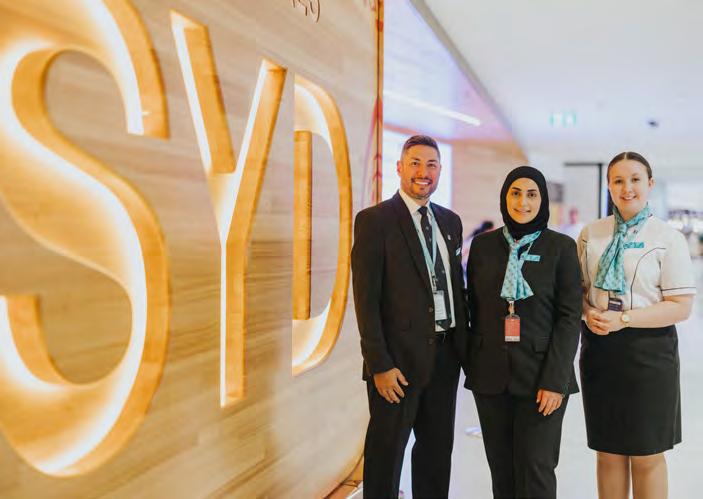
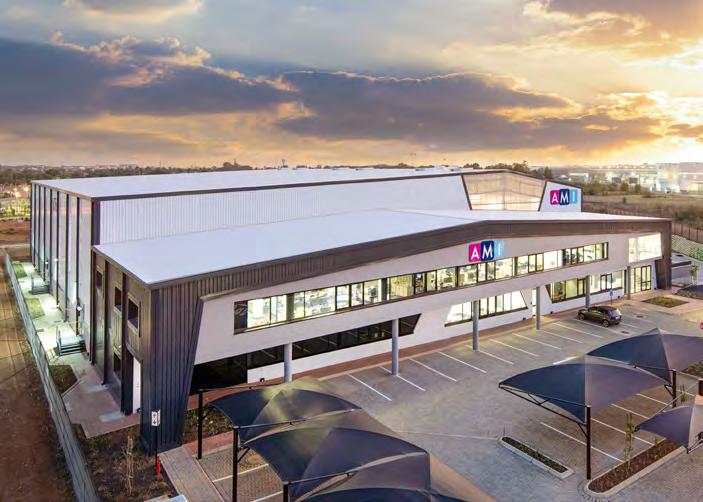
In 2025, Air Menzies International invested in growth and innovation. We expanded our footprint, launched new solutions for customers, and deepened our global connectivity to deliver even greater value to our customers.
“AMI continues with its positive trajectory that is centred on three pillars: growth in tonnage with a 10% annual growth rate in the last 2 years; double digit productivity improvement for the second year in a row (+26% versus 2023); and delivering on key strategic initiatives that deliver a superior customer service, strengthen AMI’s global network, embrace digitalisation and the surge of e-commerce.
The opening of our new facility in New Zealand and the launch of AMI India were significant milestones in AMI’s global expansion – extending our network into new, high-growth markets. At the same time, the launch of MILE combined the strengths of AMI and Menzies Aviation,
offering a fully integrated e-commerce logistics solution with unparalleled visibility and control.
These investments reflect our commitment to innovation, reliability and customer service –ensuring we continue to connect people, products and possibilities across the world.”

• Established AMI India, entering one of the fastestgrowing air freight markets and expanding coverage to 11 countries, boosting connectivity between Asia, Europe, Africa and the Americas. Establishing export consol services to and from AMI India, enhancing connectivity and service reach across our global network.
• Expanded our global AMI consol program, strengthening our network of direct services across key trade lanes. This includes new weekly consol services from Manchester to Mumbai (BOM), Dubai (DXB) and New York (JFK), and from Sydney (SYD) to Los Angeles (LAX).
• Launched a white-label version of our express booking platform, enabling partners to brand the solution as their own, set customer pricing, and sell express services directly with minimal investment.
• UPS domestic services were added to Quick2Ship, expanding the platform’s US express offering and enabling forwarders to book UPS domestic and international services alongside FedEx and DHL.
• Launched a global eCommerce solution that enables transaction management at scale, delivering parcel- evel visibility and control for cross-border eCommerce across MILE’s global network of nearly 100 airports.
• Increased adoption of the express click2ship/quick2ship solution across key markets including the USA, Canada and the Netherlands.
locations 11 countries 400 employees
Driving growth and service excellence through new partnerships
• Joined the WebCargo by Freightos platform, giving UK forwarders live AMI rates and capacity with instant comparisons and e-booking.
• Launched cargo.one, enabling forwarders in the US, South Africa and the UK to instantly search, quote and book AMI capacity online 24/7.
• Partnered with Cargo.AI in the UK, Netherlands, Australia, New Zealand, South Africa & Canada with our inventory now available under their branding. As Cargo.AI operates
as a retail forwarder, this partnership allows us to broaden our reach while maintaining our neutrality promise.
• Partnered with Boxline UCL Group as its agency in Poland and Ukraine, extending our European network and service capabilities.
• Announced new partnership with INNOVA Services BPO, adding scalable outsourced operational support to improve processing efficiency and service continuity across our network.
• Opened a new purpose-built import off-airport de-group facility in Johannesburg, located less than 1km from O.R. Tambo International Airport (JNB) enhancing capacity, efficiency, and sustainability in the South African market.
• Opened a new warehouse in New Zealand near Auckland Airport, increasing warehousing capacity by 25% to support growing trade flows.
• Increased operations in Durban, reaching the highest volume in five years, including more than 1,000 tonnes of perishables exports since November 2024.
+25% warehouse space in Auckland
we’ve made through our All In sustainability plan.
2025 has been a year of rapid growth, surpassing the momentum of 2024. This expansion has challenged us to keep pace with our sustainability initiatives across environmental, social, and governance priorities, while staying aligned with our ambitious targets.
As a global organisation and the largest aviation services provider, we firmly stand by our commitment to act as a responsible corporate citizen – taking meaningful steps in the development of a sustainable and resilient future for our organisation, our people, the planet, and the aviation industry.
We know that delivering a sustainable future requires increased, bold action and collaboration across the value chain – from industry partners to governments and stakeholders. While the journey is demanding, Menzies will continue to be bold, make measurable progress against our goals, and work closely with our partners to drive positive change.
We achieved our 2025 goals of 25% electric GSE globally and 25% women in senior leadership roles – we will discuss these in more detail along with progress across all targets throughout this report.
Guided by our double materiality assessment completed in 2025 and our roadmap to meet our near-term emissions reduction targets for 2030, we are already looking ahead to what’s next. We remain fully focused on improving and embedding sustainability deeper into our operations and delivering on our goals for the next five years and beyond.
Finally, I want to express my gratitude to all the team at Menzies whose unwavering support and commitment to sustainability makes a real difference – and it’s something we can all be proud of.
John Geddes Chief Governance & Sustainability Officer & Company Secretary

Our All In plan for a fair and sustainable future focuses on four key pillars, supported by our dedication to community support and engagement, wellbeing, and strong governance practices. This plan embodies our goals and initiatives and aligns directly with the 10 UN Global Compact Principles and the UN Sustainable Development Goals. It is designed to build resilience within our business, navigate uncertainties in an ever-changing world, mitigate the impacts of climate change, contribute positively to society, and support a sustainable aviation industry.
Our 2025 All In update includes progress on our KPIs and sustainability initiatives, challenges we’ve faced, and incorporates G2 Secure Staff information for the last quarter of the year where noted. With growth taking us to over 65,000 colleagues and 347 locations, embedding the All In plan into our business strategy and risk and investment decision-making processes is more critical than ever to ensure sustainable growth.
he lead in
Our Let’s Check In survey in 2025 sought feedback from our employees on a wide variety of ESG topics. Results from this survey are included throughout this report. More details can be found on page 34.
In 2025 we concluded our double materiality assessment (DMA), supported by specialist consultants ESG360° and Nature Positive. While the initial purpose of this exercise was to ensure readiness with the EU Corporate Sustainability Reporting Directive (CSRD) as well as associated local legislation, the process proved to be a valuable exercise for Menzies in reassessing our All In sustainability programme priorities. Based on the latest position of the EU Omnibus changes and outcomes from the EU Parliament, it is expected that Menzies will currently be in scope on a consolidated basis to report at Group level in 2028.
We invested more time into this process than initially planned, ensuring we included key stakeholders and completed the recommended steps more fully. The DMA has highlighted progress to date, gaps in data and management of ESG issues, and impacts, risks and opportunities for the business.
Next steps will include the implementation of recommendations and actions to address data gaps, and refresh our All In plan to ensure it continues to deliver against our material priorities. We will monitor ongoing updates to the CSRD and other disclosure legislation to comply with any current or future requirements.
Glasgow University Adam Smith Business School participated in our DMA project as an Observer. The project will be used as a case study in sustainability course materials.
The following diagram provides an overview of the DMA methodology and approach.
Understanding the business
• Reviewed current strategy and key documents
• Reviewed risk methodology
• Stakeholder mapping
Data collection
• Reviewed 35+ documents covering policies, databases, processes, website
• Reviewed 40+ pieces of data
• Gaps identified in data and quality
engagement
• Interviews with internal and external stakeholders
• Employee survey results analysed and reviewed
• Existing customer surveys reviewed Research
• Screened for water and biodiversity-related risks using WWF risk filter, and ENCORE data.
• Social and governance risks researched across privacy, working conditions, equal opportunities and other work-related rights
• Identified a long-list of topics considered either to be material or requiring further discussion or evidence
• Workshop to discuss 5 key topics for senior engagement and consideration
• Further research and data to close gaps
• Considered and set thresholds for financial materiality
• Reviewed topics with senior financial stakeholders for financial materiality
• Confirmation of the material topics as agreed with senior stakeholders
• Recommendations and next steps identified for internal action
The DMA identified the following nine material topics as impacts, opportunities and/or risks. Next steps will include actions to fill data gaps, updates to our All In plan and implement sustainability actions and initiatives.
At Menzies, we recognise the aviation industry’s responsibility in addressing climate change and safeguarding the natural environment. We are committed to preventing pollution, protecting ecosystems, and continually improving our environmental performance aligned with international frameworks and environmental standards.
Our ambition is clear: achieve net-zero greenhouse gas emissions by 2045, with targets validated by the Science Based Targets initiative (SBTi).
The environmental pillar of our All In Sustainability plan focuses on decarbonising our global operations through investment in more sustainable fuels and technologies, increasing renewable energy and efficiency, reducing waste, and collaborating across our value chain to deliver more sustainable products and services. From electrifying ground support equipment to sourcing renewable energy, we embed sustainability throughout our business.
This section of our 2025 Sustainability Report outlines our progress against environmental targets, the challenges we face, and the steps we’re taking towards a net-zero future.
Take an electric first approach to new GSE, and increase use of low emission fuels and renewable energy, with the goal of net-zero emissions by 2045. Reduce waste, increase recycling, and move to low environmental impact solutions.
Collaborate with our customers and partners to provide sustainable solutions and efficient aircraft turnarounds.
“2025 has been a year of real progress. We achieved our ambitious goal of 25% electric GSE across our fleet, and accelerated our adoption of loweremissions fuels and renewable energy, making positive strides towards our goal of net zero by 2045.”
Jonathan Hankin Head of GSE

Menzies Aviation had its ambitious net-zero targets validated by the Science Based Targets initiative (SBTi) in May 2024. This approval ensures that our carbon reduction targets for Scope 1 and 2 align with a 1.5*C trajectory. We are not only reducing our own footprint but setting a benchmark for the aviation services industry.
Menzies Aviation commits to reach net-zero greenhouse gas emissions across the value chain by 2045.
• Reduce Scope 1 and 2 GHG emissions 50% by 2030 from a 2022 base year*.
• Reduce absolute Scope 3 GHG emissions from purchased goods and services, capital goods, fuel and energy related activities, waste, business travel, employee commuting and use of sold products 30% within the same timeframe.
• Reduce absolute Scope 3 GHG emissions from the use of sold fossil fuels 42% within the same timeframe.
• Reduce absolute Scope 1 and 2 GHG emissions 95% by 2045 from a 2022 base year*.
• Reduce absolute Scope 3 GHG emissions from purchased goods and services, capital goods, fuel and energy related activities, waste generated in operations, business travel, employee commuting and use of sold products 90% within the same timeframe.
* The target boundary includes land-related emissions and removals from bioenergy feedstocks.
Aligned with our global net-zero approved sciencebased targets, our Menzies CNAC Aviation Services Ltd business became an Action signatory of the BEC Net-zero Carbon Charter in 2024, with a commitment to progress to become a Science-Aligned signatory. This further demonstrates our commitment to decarbonisation in line with a 1.5ºC target, and that of our local team in Hong Kong to play their part in achieving this.

As part of our Let’s Check In global employee survey carried out in Q1 2025, we asked several environment related questions. 70% of our employees believe that Menzies Aviation is actively conscious of its impact on the environment, while a further 20% gave a neutral response.
We reviewed and updated our Environmental Policy in 2025, the latest version of which is published on our corporate website. Our policy details our environmental commitments, strategy, actions and responsibilities for environmental management and protection. Internally, our policy is available to all employees in multiple languages.
We introduced a standalone Global Sustainable Procurement Policy in 2025 to provide guidance across our organisation on applying our sustainable procurement practices including product or service ESG requirements, sustainability-related product/service/ supplier selection criteria and due diligence, supplier expectations and responsibilities, and incentives.
We partner with the International Air Transport Association (IATA) to implement its Environmental Assessment Programme for Ground Handling Service Providers (IEnvA). This industry-specific standard, aligned with ISO 14001:2015, provides a robust framework of environmental management processes and controls tailored for aviation ground services, including ramp, cargo, and de-icing operations.
In 2025, we proudly achieved IATA IEnvA certification for our first locations: our corporate head office, Edinburgh (EDI) ground services, and London Heathrow (LHR) cargo. Building on this milestone, we are working toward certifying additional stations to complement our existing ISO 14001-certified sites in Spain, Pakistan, Hong Kong, and Macau.
By adopting IEnvA, we strengthen local action to deliver our environmental goals and ensure consistently high standards of operational controls and environmental management across our global network.
This emissions statement for the period 1st January 2025 to 31st December 2025 serves as a comprehensive disclosure of our company’s greenhouse gas (GHG) emissions, energy use and mitigation strategies. It also reaffirms our continued dedication to reducing environmental impact in accordance with current UK legislation including the Companies Act 2006 2013 and the Climate Change Act 2008.
Aligned with this, our reporting is in compliance with the requirements of the Streamlined Energy & Carbon Reporting (SECR) framework and Energy Savings Opportunity Scheme (ESOS).
In 2025, we delivered solid progress against our decarbonisation goals while supporting significant business growth.
Scope 1 emissions saw a small reduction of 1% from 2024, despite a substantial increase in operational activity and fleet size. This reflects our continued efforts and progress with the electrification of our ground support equipment fleet and a 50% increase in the use of HVO as a lower-emission fuel alternative.
Scope 2 emissions reduced by 30%, driven by a significant increase in renewable electricity use reported across our network.
Our emissions intensity metrics (per FTE and per $’000 revenue) continue to decline year-on-year, demonstrating improved energy efficiency and operational performance.
Scope 3 emissions increased by 50%, primarily due to expanded reporting boundaries and strong business growth. Category 1 (purchased goods) now includes all direct suppliers, Category 7 (employee commuting) reflects our increased headcount, and Category 11 (sold products) increased in line with higher volumes of deicing fluid and diesel fuel sold during a strong operational year.
Overall, we are making measurable progress in reducing operational emissions intensity while growing our business responsibly.
We have measured and disclosed our global 2025 Scope 1 and Scope 2 CO2e emissions, along with Scope 3 CO2e emissions for those categories previously identified as material, and since validated by the SBTi.
Our baseline year is 2022 for tracking progress against Scopes 1, 2 and 3.
For the purposes of transparency and to support comparisons with previous years, we have reported our full global emissions for all entities, joint ventures, subsidiaries and sister companies including National Aviation Services, as well as the figure for all UK entities and subsidiaries and joint venture
operations, for which we have operational control. Following the acquisition of G2 Secure Staff, we have included Scope 1 and 2 emissions resulting from G2 for Q4 2025.
Our 2025 Scope 1 emissions include:
• D irect emissions from our operations including the combustion of fuel in our ground support equipment and vehicles, as well as gas and other fuel consumption for operating a facility.
Our 2025 Scope 2 emissions include:
• I ndirect emissions from energy purchased for our own use in locations of operation and electric vehicles and equipment.
For Scope 3, we previously screened all categories 1–15, and performed Scope 3 inventories for categories 1, 2, 3, 5, 7, 11 and 15 to set our baseline.
For our 2022 baseline year, our Scope 3 emissions totalled 237,587 tCO2e, accounting for approximately 69% of our overall 2022 emissions. Scope 3 reported emissions for 2025 do not include G2 at this time, unless specifically stated against a category in our emissions table in this report.
Menzies has used the GHG Protocol Corporate Accounting and Reporting Standards and reported our emissions in accordance with the UK Government’s Environmental Reporting Guidelines.
We use a system called ESG360° to enable more efficient data collection and calculation of our emissions. 2025 Scope 1 and Scope 2 data was sourced from our financial accounting systems and imported into ESG360° for analysis.
Some data was also gathered manually from invoices and/or meter readings and entered into ESG360°. Scope 3 data was sourced from a variety

of operational and financial systems, as well as manual data collection. We continue to work on improving the quality of data collection.
Analysis of emissions data across our supplier population enables us to continue to identify areas that would benefit from reductions in carbon emissions. This paves the way for us to engage further in data gathering with suppliers and supports or ongoing development of a data-driven net-zero plan. ESG360° follows with the global methodology set by the Greenhouse Gas Protocol, which supplies the world’s most widely used GHG accounting standards. Using the guidance provided by the GHG protocol, ESG360° measures Scope 1, 2 and 3 emissions.
In tandem, using the emissions factor databases from the Department for Environment, Food and Rural Affairs (DEFRA) and the International Energy Agency (IEA), ESG360° accurately and efficiently carries out carbon accounting, allowing us to report and disclose required information more accurately.
Menzies Aviation’s 2025 greenhouse gas (GHG) emissions have been externally verified to a limited level of assurance by ESG360° with verification of data obtained from invoices undertaken by Hilltop Sustainability. For the full verification statement see page 62.
SCOPE 1 & 2 EMISSIONS (TONNES OF CO2E)
RATIO
Notes:
1. 2 022 is confirmed as our baseline reporting year.
2. F TE figures as at 31st December 2025 were used to calculate the tonnes of CO2e intensity (tCO2e) ratio for 2025, with each previous years respective FTE as at 31st December used for that year’s calculations.
3. We continually improve our data collection and measurement processes, which may from time-to-time result in adjustments being made to previously stated values. We will always disclose where an adjustment has taken place and the reason/justification.
4. S cope 1 emissions are restated for 2024, from 96,273 to 82,749 tCO2e. The new total for 2024 Scope 1 and 2 is 98,785 tCO2e. Intensity ratios for 2024 are also therefore restated. This is due to diesel figures for Oslo incorrectly reported as tonnes rather than litres.
5. G2 Q4 2025 energy and fuel use data has been collected and included in our Scope 1 and 2 emissions.
6. Final 2024 Defra conversion factors applied to 2025 data, with 2024 IEA emission factors used for Scope 2.
7. U nderlying energy use is calculated based on Scope 1 and 2 data only.
As part of our support to delivering finance to low-carbon sustainable development projects, as outlined on page 48, we received high-quality carbon credits equal to 12,400 tCO2e emission reductions. We do not account for these in relation to our decarbonisation targets.
We report against two intensity measures that are common business measures, relevant to our business and reflective of the size of operations:
1. G ross global Scope 1 and 2 emissions in tonnes of CO2e per $‘000 revenue.
2. G ross global Scope 1 and 2 emissions in tonnes of CO2e per FTE (as of 31st December of our financial year).
Description Emissions from purchased goods and services, based on estimates and data from our top suppliers.
Emissions from purchased capital goods, based on estimates and data from top suppliers. Emissions from the extraction, production, and transportation of fuels and energy purchased, for example emissions for resold diesel. This includes WTT emissions based on category 11b.
Emissions from waste generated in our operations. Based on waste data was collected for ground handling, cabin services, cargo and hazardous waste. Our calculations for 2024 are based on improved data from our cargo operations.
Emissions from employee travel for business purposes. We improved data capture on this category, which accounts for a large part of the increase, along with increased employee numbers resulting in more travel.
Emissions based on employee travel survey data taking into account: (1) the mode of transport; (2) transport subtype; (3) the return commuting distance; (4) days worked in office/ year; (5) no of employees.
Emissions from the use of sold products for example, de-icing liquid.
Notes:
1. C ategory 1 now includes emissions data for 16 products and direct services, improving data granularity and alignment with recognised Scope 3 guidance from previous years. N ext year, we will further expand this boundary to include indirect services, strengthening methodological robustness and ensuring fuller representation of upstream impacts.
2. S cope 3 category 7 accounts for G2 personnel for Q4 only, but G2 related emissions have not been included in any other Scope 3 categories at this time.
Our emissions (continued)
electric GSE
22% in 2024
We successfully achieved our global target of 25% electric GSE by 2025, adding 628 electric units to our fleet worldwide. Following the acquisition of G2, we are actively integrating its GSE assets into our operations and aligning them with our electrification and low-emission transition plans. We perform fully electric turns at multiple locations and take an ‘electric first’ approach to all new GSE, wherever possible across our global operations. This is more easily achieved in airport locations that have or are planning on implementing suitable infrastructure and charging points, and especially beneficial where those locations provide electricity from renewable sources.
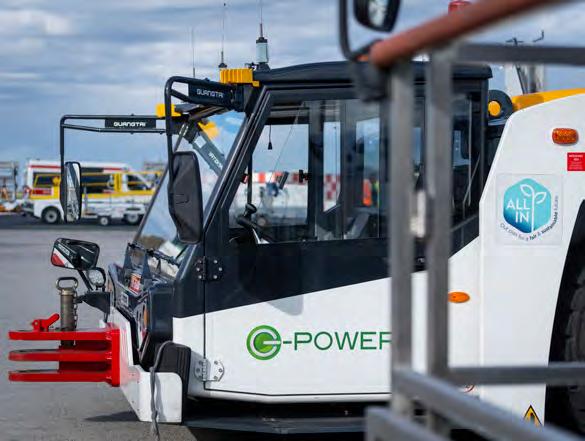
Our Europe region continues to lead the way in both charging infrastructure capability at airports as well as for Menzies transition to electric GSE, with over 50% electric GSE across the region – our other regions have also improved their electric GSE percentages and progress over the course of 2025. Most notably Cairns, Australia and Bangalore, India. Several locations introduced electric GSE for the first time, such as Montreal, Canada.
We supported easyJet with their permanent switch to electric powered Pre-Conditioning Air Units at Milan Malpensa Airport (MXP). AGS, Menzies equity partner at MXP, adapted to new processes and equipment to deliver seamless operations for easyJet on the ground. Initiatives of this nature serve to highlight the strength of collaboration between airlines, airports and aviation services to reduce emissions from ground operations during aircraft turns and what can be achieved when partners support each other on their journey to meeting our aligned sustainability goals. Over 80% of our motorised GSE fleet is now electric at MXP.
Other highlights include:
• Electric ground power unit trial in Cairns, Australia – diesel ground power units generate a significant percentage of emissions during a turn
• Two additional hybrid de-icing rigs entered operation in Manchester, UK
• Introduction of two fully electric fuelling hydrants at London Gatwick, UK and one at Copenhagan Airport, Denmark in partnership with ExxonMobil
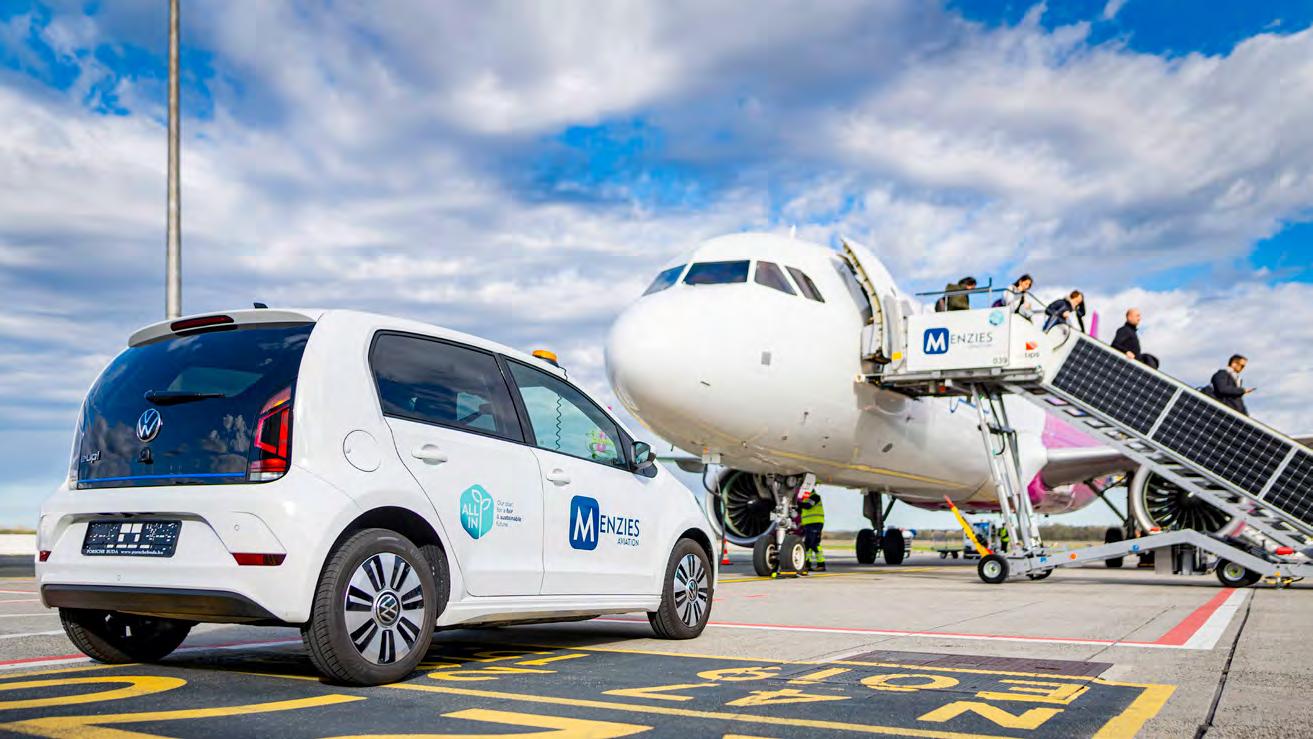
We work closely with GSE leasing providers on our fleet electrification plans and with their support our leased fleet is already over 50% electric. We will develop our relationships further to ensure that we have the flexibility and capability to meet our future fleet targets, and progress towards our net-zero emissions targets.
Building on our repowering progress in previous years, we partnered with Waev Inc in the US to support our baggage tractor engine conversions. Together, we’re actively repowering structurally sound tractors with failing internal combustion powertrains using Waev’s lithium-ion conversion kits. This approach is beneficial economically and extends the useful life of our assets while minimising waste and landfill impact.
With support from Waev, we introduced 20 electric repowered baggage tractors in Colombia this year, with another 26 ready to enter our Americas operations.
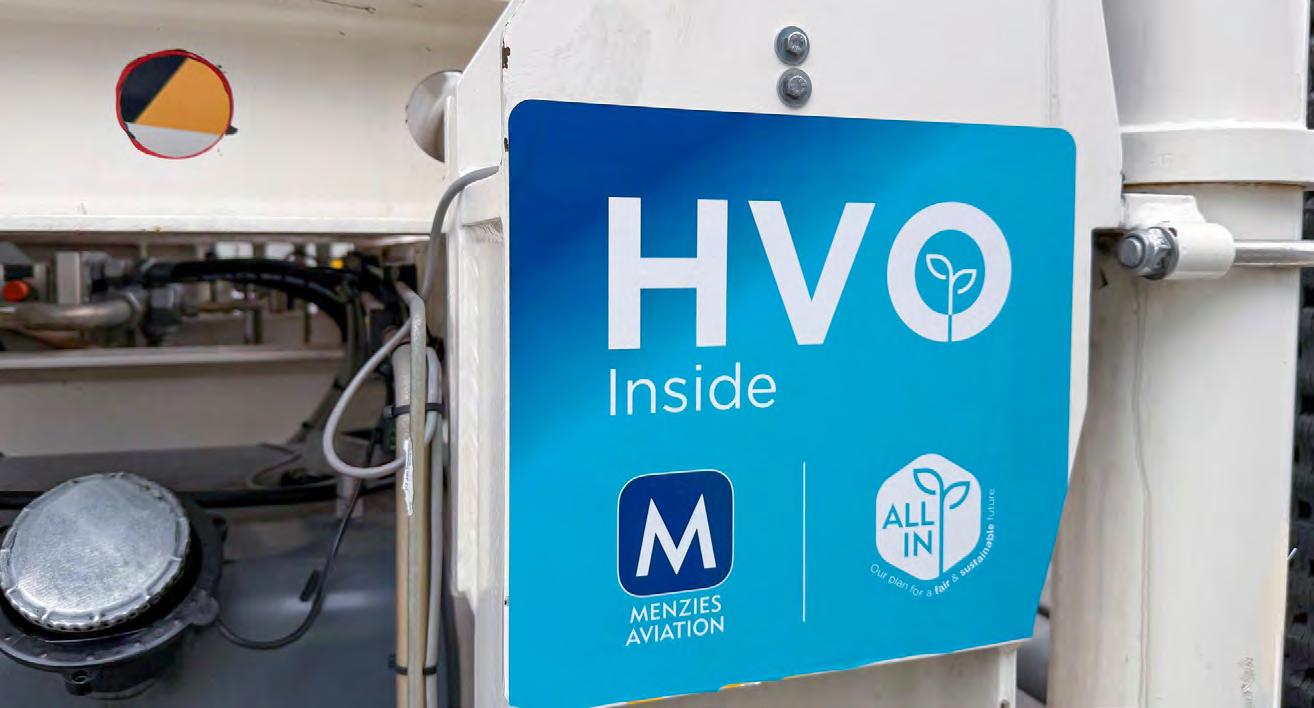
In 2025 we further expanded our use of Hydrotreated Vegetable Oil (HVO) as a replacement for diesel in the UK at London Heathrow and London Gatwick airports, with plans in place for Manchester. This builds on our existing use of HVO as a 100% replacement for diesel in San Diego, Arlanda, Gothenburg, Amsterdam, Ontario, Los Angeles, San Francisco and Santa Ana. HVO is used at a reduced scale in Oslo, Edinburgh and in Spain at Barcelona, Malaga, Almeria and Murcia.
Ensuring the HVO we use is sustainably sourced is a key factor in our due diligence when securing supplies. While we intend further increasing our HVO use, we know this is not a fully scalable solution across our operations but is a good supplemental pathway in addition to our GSE electrification transition and supports our overall progress to reducing our Scope 1 emissions and reaching net-zero.
We are actively increasing our readiness to support the availability of Sustainable Aviation Fuel (SAF) across the airports where we operate. As SAF is fully compatible with existing aircraft and fuelling infrastructure, we are able to support our customers who are adopting it today and as
volumes increase in the future. We are committed to facilitating and expanding SAF distribution, helping accelerate our customers’ transition to lower-carbon aviation.
We managed to limit any increase of Scope 2 emissions while significantly growing our business volumes, and increased the use of renewable electricity both through the provision of renewable energy by several airports, as well as increasing our own certified renewable energy procurement and by taking steps to generate our own renewable energy.
We generate electricity from solar power in Bangalore and Prague with plans for installation in Nairobi and with our building management company at our Edinburgh office in 2026.
Following Menzies successful completion of the ESOS Phase 3 disclosures for the UK in 2024, we submitted our official action plan to the UK Environment Agency in early 2025, outlining activities we plan to take to reduce energy use before the next Phase 4 compliance date, totalling 983,000 kWh of proposed savings. Our action plan was based on the analysis carried out by JRP Solutions, our ESOS Lead Assessor, who conducted a comprehensive energy audit related to buildings, our processes, and transport, and quantified proposed efficiency improvements across our operations.
We subsequently submitted our required Phase 3, Progress Update 1, in December 2025. We are pleased to be making progress including at our London Head Office by reducing energy use resulting in an expected full year saving of 28,000 kwh for 2025, as well as procuring 100% renewable energy. We will further reduce emissions within our London Heathrow and London Gatwick operations following the recent switch from diesel to HVO to fuel our ground support equipment and the introduction of electric and hybrid GSE.
In many locations we are taking simple energy efficiency measures to switch off lights or equipment when not in use and to ensure energy efficient lighting is installed.
We have also completed a proof of concept energy assessment with Vodafone and Fujitsu focused on our London Heathrow cargo facilities. This will help inform plans and decisions we can make to reduce energy consumption going forward. We also believe this type of assessment can be carried out in more locations to reap energy efficiency and cost benefits.
By embracing new and emerging technologies and innovations, we aim to drive meaningful change now and into the future.
Since introducing DHL GoGreen services through our AMI Click2Ship Express booking platform, we’ve seen steady growth in adoption. This trend reflects increasing customer awareness and commitment to sustainable logistics.
GoGreen services are now used globally –across the UK, Asia, the Middle East, Africa, and the Americas – spanning multiple trade lanes and customer segments. Key AMI customers have played a significant role, with some placing hundreds of GoGreen bookings, underscoring the value they place on sustainability.
This progress positions us to continue driving carbon-conscious shipping practices and reinforces our commitment to reducing environmental impact through innovative partnerships.
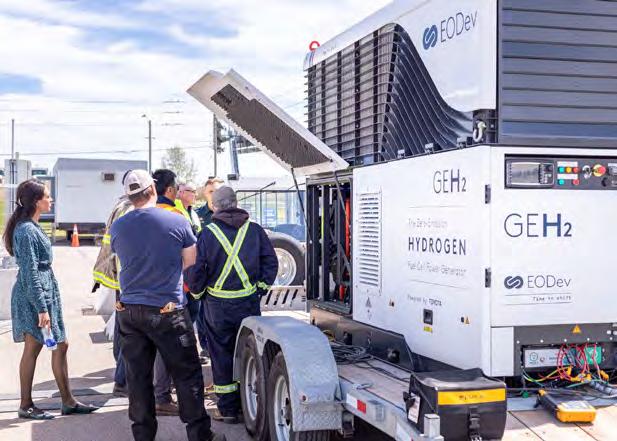
We were delighted to play our part in advancing sustainable ground operations at Toronto Pearson Airport by successfully using a hydrogen generator to charge electric ground support equipment (GSE). The project was led by Greater Toronto Airports Authority in collaboration with key industry partners EODev, Avro GSE, Carlson Energy, Fortbrand Leasing and GSM Aerospace.
We welcome initiatives utilising sustainable technologies that support our commitment to reducing emissions and accelerating the transition to cleaner energy solutions across our global operations.
we leverage to advance our environmental goals
• I mproved data collection and analysis, reducing energy consumption, and minimising environmental impacts.
• We have increased the roll out of ChromeOS laptops, designed for energy efficiency, consuming less energy than comparable operating systems.
• Systems and data hosted in Microsoft Azure energy efficient data centres for Menzies Aviation and AWS for our Air Menzies International (AMI) business, are run using 100% renewable energy.
• Fully implementing data archival management through cold storage and reducing archived data volumes to support energy reduction.
• Smart buildings solutions in London Heathrow Cargo and Sydney Cargo to provide energy use insights and environmental conditions indicators including temperature, humidity and air quality.
• Paper reduction initiatives within our processes and systems, and monthly paper tracking and reporting.
• We use the ESG360° platform to support our emissions data capture and analysis across Scopes 1, 2 and 3. In addition to data capture and carbon accounting, we are able to review physical climate risk analysis, scenario modelling, create decarbonisation pathways, and gain regulatory and legislative insights. The platform has introduced new AI reporting capabilities that help us perform a gap analysis between ESG frameworks and our data.
Circularity remains a cornerstone of our environmental strategy, driving resource efficiency and waste reduction across our operations. In 2025, we are accelerating circular economy practices by extending the life of ground support equipment through refurbishment programs, implementing circular solutions and recycling for materials such as uniforms and packaging, and responsibly recycling or repurposing electrical assets like laptops. We continue to focus on recycling cargo plastics, repurposing decommissioned assets, and prioritising sustainable sourcing. These initiatives not only reduce environmental impact but also enhance operational resilience and efficiency.
Our IT Asset Reuse & Disposal Policy sets out the procedures and controls to be followed for the safe, secure and environmentally responsible recycling and repurposing of electrical equipment and IT assets. In 2025 alone, our team in Australia collected over 500kg of old IT assets including desktops, laptops, and other IT-related electrical equipment. Through their local provider, EraseIT, 260kg of equipment was repurposed. The remaining 248kg was recycled securely and in full compliance with environmental legislation.
Additionally, our European team refurbished and donated laptops to a school in Bulgaria.
We’ve been trialling a new process in our London Heathrow Cargo operation focused on segregating our plastic waste and testing batches to assess the viability for using this to manufacture new cargo plastic sheeting as well as for re-use in other plastic products. We continue to progress this with industry experts with expectation of being live in 2026. We will consider similar solutions in other geographies.
We will collaborate closely with airports, airlines and local waste management providers to help us achieve our goal of reducing waste to landfill.
We continue to expand our use of BioNatur Plastics across the Americas region, offering a more sustainable alternative to virgin single-use plastic sheeting, with all products being recyclable and biodegradable. BioNatur is used in several of our Americas cargo locations including Los Angeles International Airport (LAX); San Francisco International Airport (SFO); Baltimore/Washington International Thurgood Marshall Airport (BWI); Chicago Rockford International (RFD), Toronto Pearson Airport (YYZ); and Dallas Fort Worth (DFW).
We continued to target reducing the use of paper and printing across our operations in 2025. We made significant improvements in adopting digital systems and processes but we fell short of our target to reduce paper use by 10% in 2025.
Changing processes and behaviours in some areas continues to be a challenge. We’re setting a new 10% printing reduction target for 2026 to maintain our focus on this area. We will take actions and campaign to drive adoption and improve use of our digital tools.
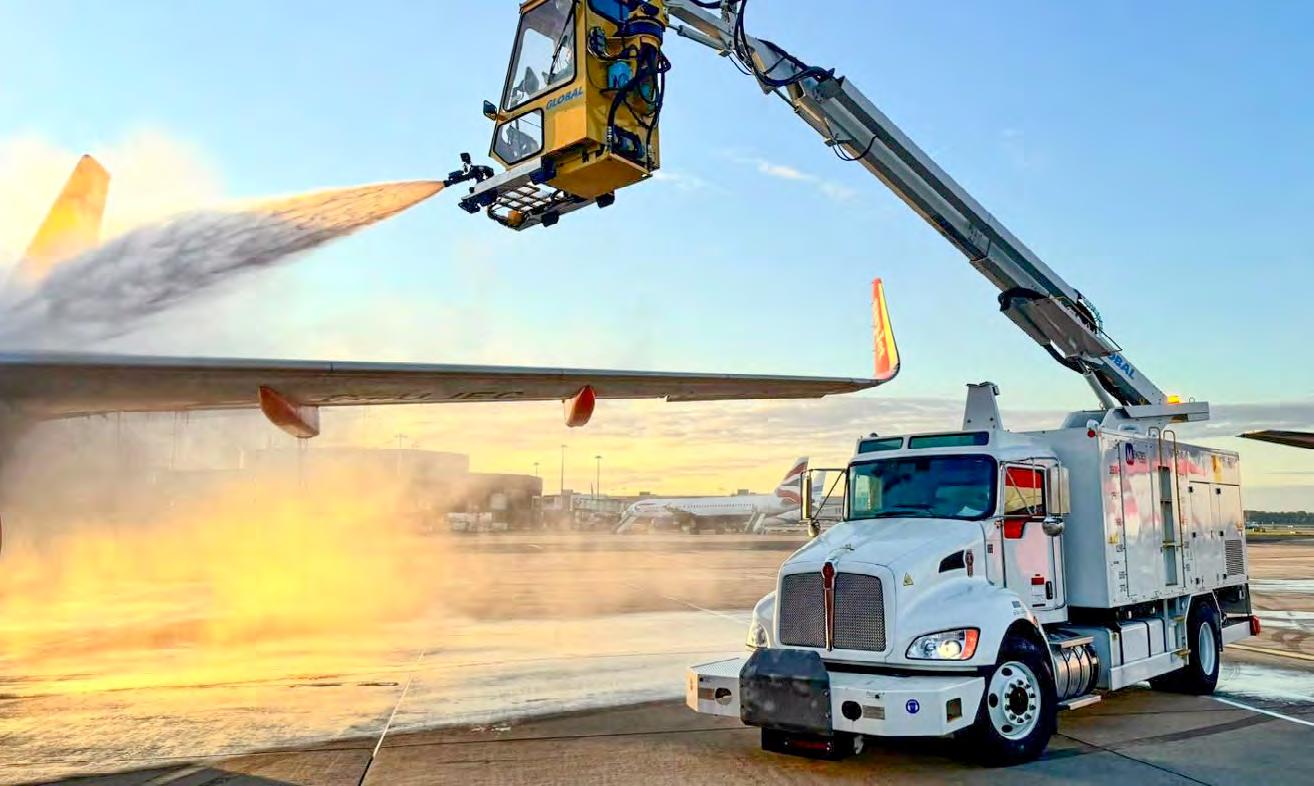
Water consumption remains a key focus across our global operations, including offices, airport facilities, and cleaning services. A significant share of water use comes from aircraft de-icing and anti-icing activities, which are essential for safe winter operations by preventing ice buildup and maintaining aircraft performance.
In 2025, we performed de-icing at multiple locations across Europe and the Americas, using glycol-based fluids mixed with water, heated, and sprayed at high pressure. To minimise waste, we employ automated systems that optimise the temperature, volume, and mix of glycol and water based on real-time conditions. Between January and December 2025, our de-icing activities used 9.4 million litres of de-icing and anti-icing fluid, and resulted in 8,124 tCO2e under Scope 3, Category 11 emissions.
While these activities typically occur outside waterscarce regions, water use and scarcity have been assessed as part of our double materiality analysis. We continue to work closely with airports to reduce environmental impact by improving operational logistics, collecting sprayed fluids, and recycling or reusing them wherever feasible.
In 2025, we introduced two new hybrid-electric de-icing rigs at Manchester Airport, supporting our transition to lower-emission ground services. Looking ahead, we aim to expand hybrid and fully electric de-icing equipment to additional airports and reduce water consumption in de-icing activities where we can.
5.4m
litres of non-potable water used in our global deicing operations
9.4m
litres of deicing and anti-icing fluid used in our global deicing operations
Increasing engagement and knowledge of climate change and environmental management across our employee population is a key component of our All In sustainability plan.
We engage in a variety of ways including employee training, through embedding the IATA IEnvA environmental management system, direct communications via our employee app and other modes, data gathering, webinars, knowledge sharing sessions, our global employee travel survey, and our We Are Menzies Sustainability Award –Sustainability is one of our core values.
Many of our teams around the world have been initiating their own sustainability projects and engaging with customers and other key stakeholders to drive forward our All In plans, which is vital to truly deliver and embed environmental management. It was great to see our team in Macau host their first Macau Green Aviation Forum.
We held a sustainability panel at our Menzies 100 Management Conference, which showcased the work and focus on sustainability across our regions and different parts of our business.
Our Let’s Check In survey in 2025 further sought feedback from our employees on their views on a wide variety of ESG topics. This had an excellent response rate and provides insights and opportunities for us to improve.
We can also drive behavioural change by including ESG criteria in our investment decision-making, learning through volunteering opportunities with our partner community projects, and by setting more specific local targets supported with policy guidance.
Our Environmental Awareness learning module is assigned to 100% of our employees on a rolling basis. This will be rolled out to our new G2 colleagues as we continue the integration into Menzies.
We continue training employees whose roles are more aligned to environmental management in our operations, risk teams and sustainability roles on the IATA IEnvA learning certifications including IATA IEnvA Assessor courses.
We provide sustainability awareness on our All In plan and targets as part of our Code of Conduct learning module that is assigned to 100% of employees globally.
We are rolling out sustainability procurement training to appropriate roles across our organisation.
In 2025 we ran our first tailored Climate Fresk workshop facilitated by specialist facilitators. Climate Fresk teaches the fundamental science behind climate change and empowers teams and individuals to take action. We also delivered our first Climate Pitch workshop to colleagues at our European HR conference. We plan on delivering tailored Climate Fresk workshops to more colleagues in 2026.
The roll out of our new sustainably sourced front of house uniform continued at pace through 2025 around our global operations. The new uniforms use fabrics made from recycled plastic bottles, are produced locally where possible, and are delivered in biodegradable or recyclable packaging. However, this introduces the challenge of sustainably disposing of our old uniforms.
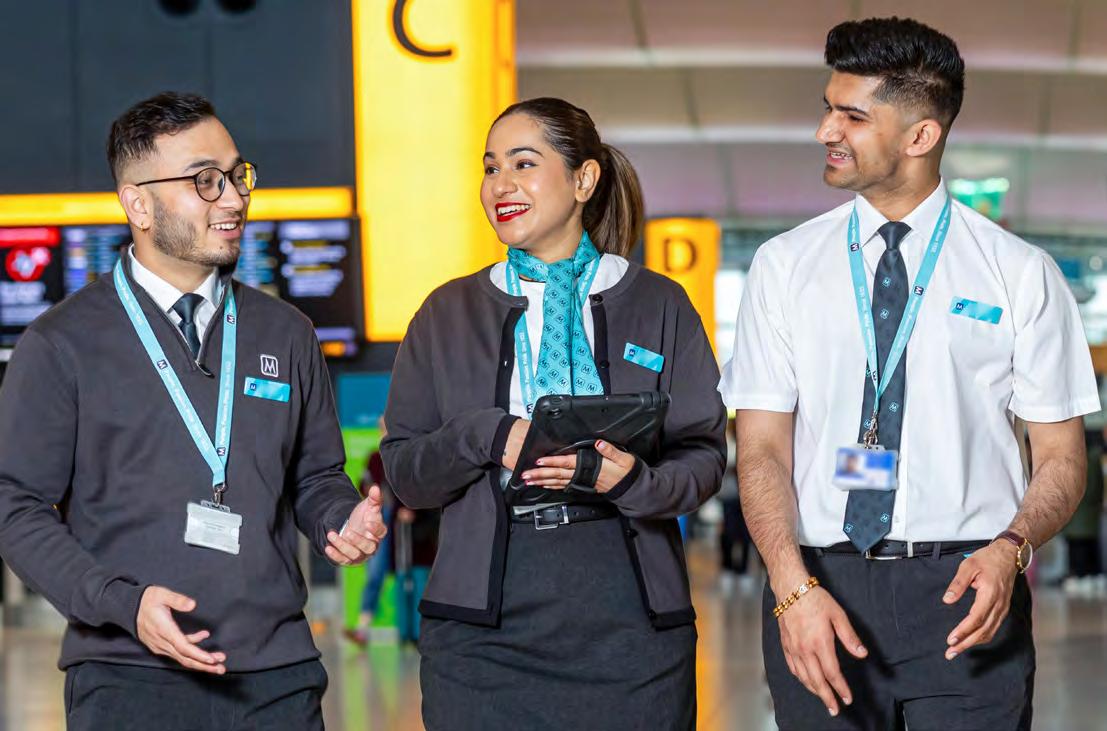
We are proud of our regions for taking the lead in recycling and repurposing the old uniforms, working with local suppliers who can provide secure and environmentally responsible textile recycling services. Our teams in Portugal took the opportunity to give the old uniform a second life – turning 1,278.5kg of uniforms into new items. By partnering with ToBeGreen and the University of Minho, our team embraced upcycling and mechanical recycling to keep materials in use and out of landfill.
This included making 250 ecofriendly, security-compliant pouches, from our own recycled uniforms. In Australia, our teams in Brisbane, Sydney, and Melbourne saved a combined 1,372kg of uniforms from landfill by working together with Textile Recyclers Australia.
2,651kg of old uniforms diverted from landfill so far
As part of our dedication to transparency and accountability, we completed our Carbon Disclosure Project (CDP) response for both Climate and Water Security themes in 2025, showcasing our commitment to measuring and managing our environmental impact.
Participating in the CDP provides another way for us to share progress with our customers on emissions reductions, resource efficiency, and climate risk management, while identifying opportunities for further improvement in our disclosures. This alignment with global best practices in sustainability reporting reinforces our commitment to reducing our carbon footprint.
CDP Scores
Climate change
Water security

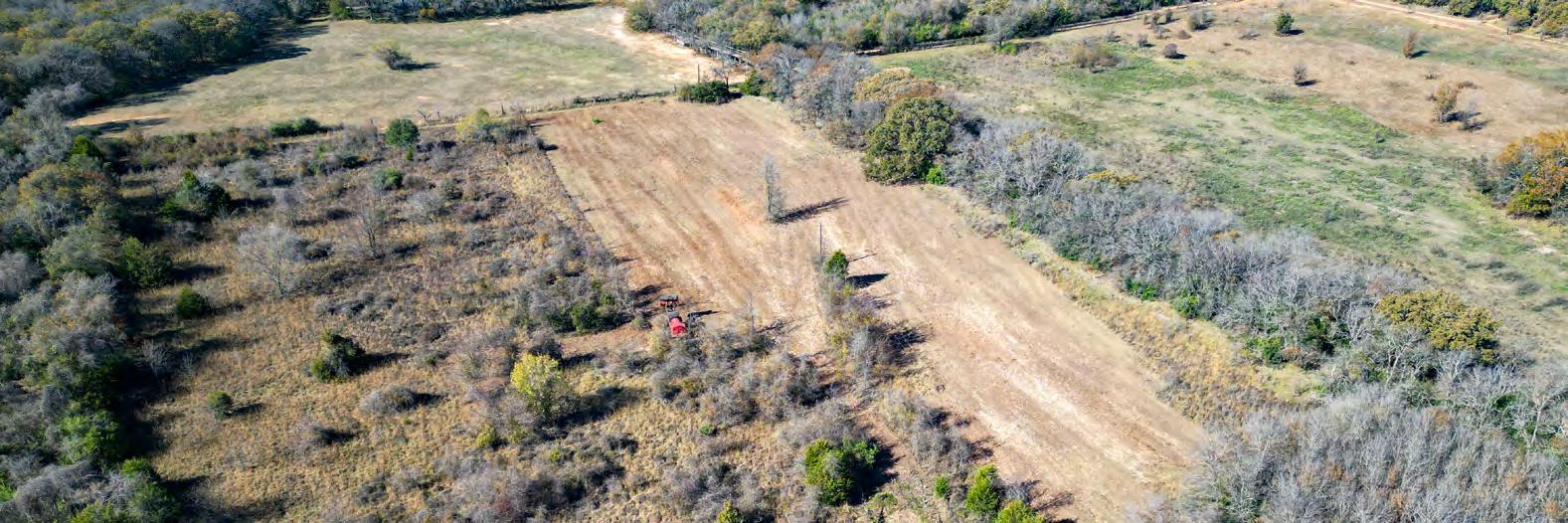
We disclose our sustainability performance through EcoVadis, achieving an independent, globally recognised rating that benchmarks our environmental, social, and ethical practices against international standards. The EcoVadis Carbon Leader recognition represents the highest level on their carbon scorecard. We are delighted to have been awarded this recognition again in 2025, highlighting us as an organisation with best-in-class carbon management systems, clearly demonstrated measurement, reduction strategies, and transparent reporting.

While biodiversity is not identified as a material topic for Menzies, we still believe we have a responsibility to detect and mitigate any risks or negative impacts to biodiversity due to our operations, and to protect the natural environment.
While we cannot influence the location of airport operations we can take steps to ensure there are controls in place to prevent any environmental incidents, for example within our de-icing
operations, maintenance, cleaning and fueling operations. We have training, standard and emergency response procedures in place to prevent, detect, and control any potential chemical spills that could enter a water course, cause soil pollution, and negatively impact the natural environment.
We are conscious of taking steps alongside our airport partners to understand local biodiversity conservation opportunities. In 2025, we attended a biodiversity tour at London Gatwick airport to learn about the initiatives they have in place around the airport campus to protect the natural environment and improve biodiversity, and how we can support them in this.
We are fully committed to preventing illegal wildlife trafficking in compliance with the Convention on International Trade in Endangered Species of Wildlife Fauna and Flora (CITES) and both international and national laws. In support of this our teams are trained to detect and report signs of illegal wildlife trafficking in both our cargo and ground handling operations.
Our teams are trained and equipped to safely and compassionately handle live animals in transit including in our cargo warehouses. We follow IATA’s Live Animals Regulations to ensure animal welfare during loading, transit, and unloading.
With over 65,000 colleagues across our global operations, our workforce forms the heart of our business and is central to long-term value creation. We recognise that our people are key to our success and integral to our growth strategy.
In this section, we demonstrate our approach to creating a workplace culture grounded in fairness, diversity and inclusion, where health, safety and well-being are prioritised. We want all employees to feel safe, supported, and empowered, with continuous opportunities to learn and thrive.
Our commitment extends beyond our own workforce. We uphold internationally recognised human rights standards and take a socially responsible approach across our value chain, engaging with local communities where we operate. Through these actions, we contribute to a more equitable, inclusive, and just society, in alignment with the UN Guiding Principles on Business and Human Rights.
“We are building a culture where inclusion, respect and opportunity are lived every day. By putting our people first and championing visible leadership, diversity and belonging, we are creating a workplace where colleagues feel supported, engaged and proud to be part of Menzies.”
Juliet Thomson Chief People Officer

Our people (continued)
The news feed on our UKG Pro employee app celebrated its first birthday in November 2025. Our app is where employees can get the latest Menzies news, hear from regional and global leadership and receive safety and security nudges. Regional groups and special interest topics, such as our popular AvGeek of the Week competition, offer employees more tailored app content.
Engagement with the app has accelerated over the past year enhancing our ability to reach a much broader segment of our front line operational employees on key topics and news. Functionality includes links to our intranet and SpeakUp system and opportunities for employees to manage their working life more easily, viewing rosters and requesting shift swaps for example.
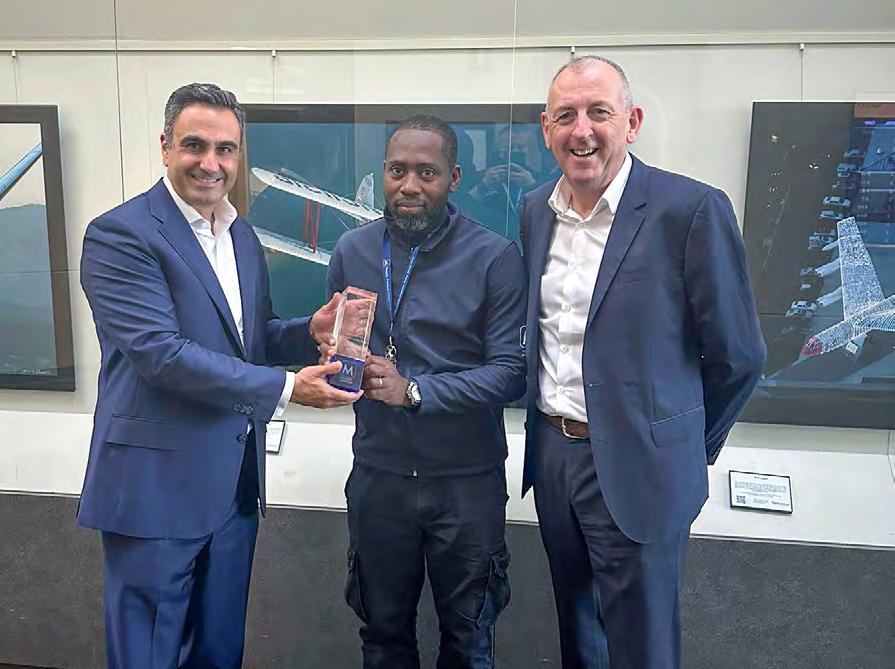
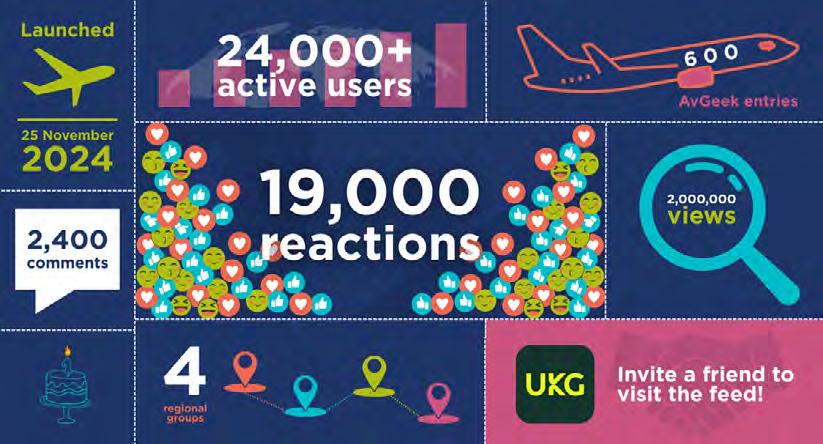
Our annual We Are Menzies Awards celebrate our values and recognise colleagues around the globe who are living them every day.
There are six individual awards, with each aligned to one of our core values: safety & security, teamwork, integrity, agility, customer focus and sustainability. Our 2025 awards received 6k+ nominations (75% YOY increase).
Issouf Ouattara, an HSSE Supervisor based in Denver, USA and winner of the global Teamwork award was chosen as our employee of the year.
Safety & Security
Bernardo Santos, Porto (OPO), Portugal – for reporting damage to an aircraft not handled by Menzies that hadn’t been spotted by the dispatcher or pushback operator, and potentially saving hundreds of lives.
Teamwork
Issouf Ouattara, Denver (DEN), USA – for extending his temporary assignment from two weeks to more than two months and his outstanding teamwork, knowledge, commitment to safety and positive attitude.
Integrity
Ali Musa & Hussein Yasser, Baghdad (BGW), Iraq – for their high ethical standards and setting the example for other colleagues when they found and returned large sums of cash on an aircraft.
6,000 nominations globally
75% increase on 2024
McKeba McAdam, Montego Bay (MBJ), Jamaica – for her proactive approach to leading, organising and managing stations to comply with Menzies Aviation training standards, including scheduling and reporting.
Portugal – for going the extra mile for passengers lost at Lisbon airport, including accompanying them until they boarded their flight.
Sustainability
Rania Bara, Gothenburg (GOT), Sweden – for implementing important procedures to improve how the lounge handles waste, ensuring proper sorting and recycling, and food control systems to minimise food waste.
Our global Let’s Check In survey took place in 2025. We typically run this global survey every two years. This year’s survey was enhanced to evaluate and understand employee wellbeing on a global scale, helping to uncover key strengths, challenges, and opportunities for improvement across the organisation. Topics included:
• Employee satisfaction and well-being
• Health and safety culture
• Diversity, equity, and inclusion
• Ethical behaviour and respect in the workplace
• Opportunities for learning and development
• Work-life balance and mental health support
• Responsible business – climate and community
The survey is instrumental in identifying opportunities for improvement. Results are analysed on a regional and global basis and communicated internally. Our 2025 analysis was supported by Nature Positive, who also provided best practice guidance on designing our survey questions to support.
26,187 responses globally 51% of all employees (+3% vs 2023)
62% of all employees would recommend Menzies Aviation (+6% vs 2023) 70%+ positive responses to all safety questions
65% believe they have the opportunities to grow and develop in their role
80% are aware of the process to report inappropriate activity or behaviour 77% strongly agree or agree they have the skills and training they need to do their job
pay and benefits, worklife balance, recognition culture

To attract and inspire the next generation of aviation talent, we launched our official TikTok channel, led by our Group CEO, Philipp Joeinig, and joined by aviation influencer Mohammad Taher, also known as Mo, The Airport Guy. By embracing TikTok, we’re showcasing career opportunities, connecting with younger audiences, and shining a spotlight on the passion and pride of the people who make Menzies Aviation unique.
1m
views on TikTok
643 career newsletter subscribers
We brought together our Menzies 100 senior leadership group for a management conference focused on shaping the future of Menzies Aviation. The conference was filled with big conversations and bold ideas, enabling our senior leaders to connect in person, share insights and align on the future direction for our business. To cascade these discussions across the organisation, our regions hosted Station Manager Conferences, reinforcing key messages from the M100 conference and creating opportunities for managers to collaborate, learn, and exchange best practices together.
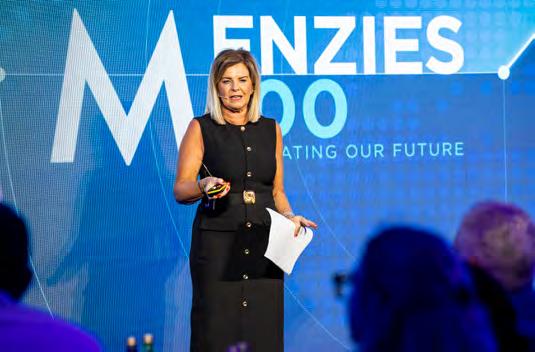
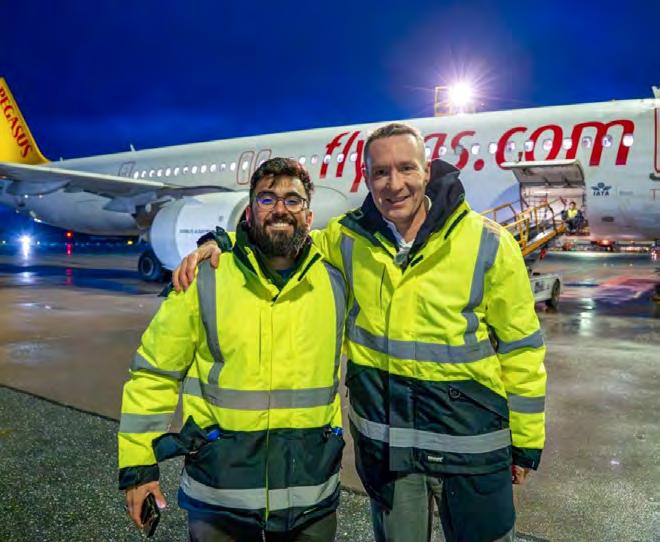
Our Station Manager’s Pledge is a global commitment from our station leadership community to improve working conditions for our colleagues, including break and restroom facilities, and greater visibility of their rosters.
1. You will receive the correct uniform on day one and it will always be renewed on time.
2. I will hold a monthly town hall and Q&A.
3. You will always receive your roster at least one month in advance.
4. H oliday requests will always be actioned within 24 hours.
5. I will provide the right training on a timely basis to support the team in their duties.
6. Roster swaps and change requests will be actioned within 24 hours.
7. I will supply good restrooms and breakout facilities that are clean and fit for purpose.
8. A ny grievance will be heard within 72 hours.
9. You will see me in the operation every day.
10. I will treat my team the way I want the Menzies board to treat me.
Our people (continued)
At Menzies Aviation, we believe that a more inclusive aviation industry starts by unlocking opportunities for everyone. That’s why we’re committed to advancing gender diversity, equity and inclusion ensuring all voices are heard, valued, and empowered to lead. It’s not enough to hire a diverse workforce; for us it’s ensuring that once people walk through the door, they are supported, respected and given equitable opportunities to grow.
Our core focus areas:
• G ender
• Family friendliness
• D isability
• Race
• Engaging young people
• Supporting refugees
We successfully reached our goal of 25% women in senior leadership roles well ahead of our target date but we’re not stopping there. As a signatory of the United Nations’ (UN) Women’s Empowerment Principles, we’re committed to advancing gender equality and inclusivity and supporting the UN Sustainable Development Goals within our operations and the communities in which we operate.
28% females in middle leadership, target is 40% by 2033 25% target of senior female leadership achieved by 2025.

77% of our employees believe that people with different backgrounds, age or gender are able to work together without any discrimination, while a further 12% gave a neutral response.
Our team in Menzies Macau (pictured left) joined forces with Caritas Macau to develop a long-term partnership focused on creating employment opportunities for persons with disabilities. This includes practicing inclusive hiring and mobilising our employees to provide skills-based training and help promote the creative works of individuals, fostering true social integration and championing equal rights.
We offer an accessible recruitment experience. Visitors to our Global Careers Hub can access a wide range of tools to customise their digital experience using the Recite Me assistive toolbar. This includes screen reading functionality, multiple reading aids, customisable styling options and an on-demand live translation feature that boasts over 100 languages, including 65 text-to-speech and styling options. All the functionality of Recite Me’s assistive technology is also available on our Menzies Aviation corporate website.
Recite Me tools are well used on our websites by people across the globe as the annual figures for a selection of the key features show (November 24-25). Recite Me Toolbar features used
* A “user” is counted based on actions from the same IP address and browser. If there is no activity for more than 20 minutes, a new session (user) starts.
We were proud to support Girls in Aviation Day, in partnership with Women in Aviation International. We hosted exciting activities alongside many of our aviation partners at locations across the globe including London, Lisbon, Entebbe, Islamabad and Salt Lake City, where students from local schools and colleges were invited to visit our operations and gain a first-hand look at the exciting world of aviation.
This held special significance, demonstrating the many exciting opportunities a career in aviation can offer while underscoring the importance of diversity, inclusion, and female leadership in shaping the future of our industry.
We are proud to have been a signatory of the UN Women’s Empowerment Principles since 2023 and are committed to advancing gender equality and fostering business practices that empower women.
+180 females have completed our Women in Leadership course so far, including 65 participants in 2025.
Our 2025 figures continue to show a much higher percentage of females employed in our part-time roles. This reflects our flexible working arrangements and improved shift patterns helping to attract more women into aviation.
participants in Women in Leadership training 2025 (total +180 to date). Our people (continued)

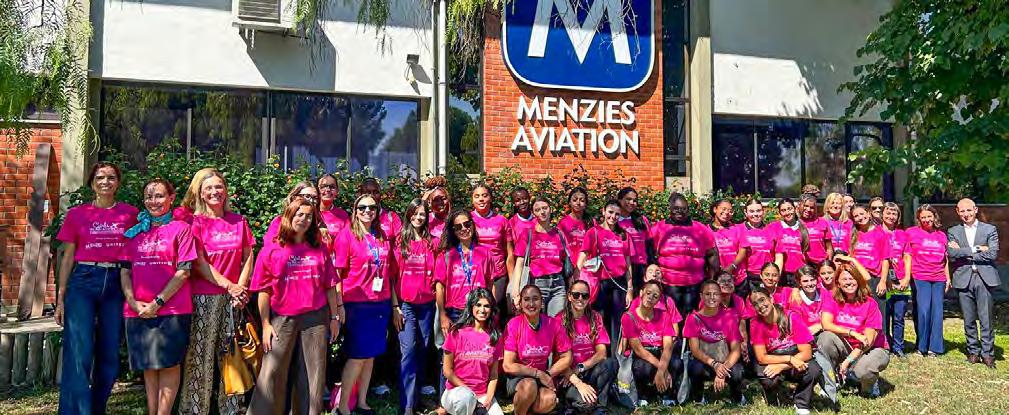
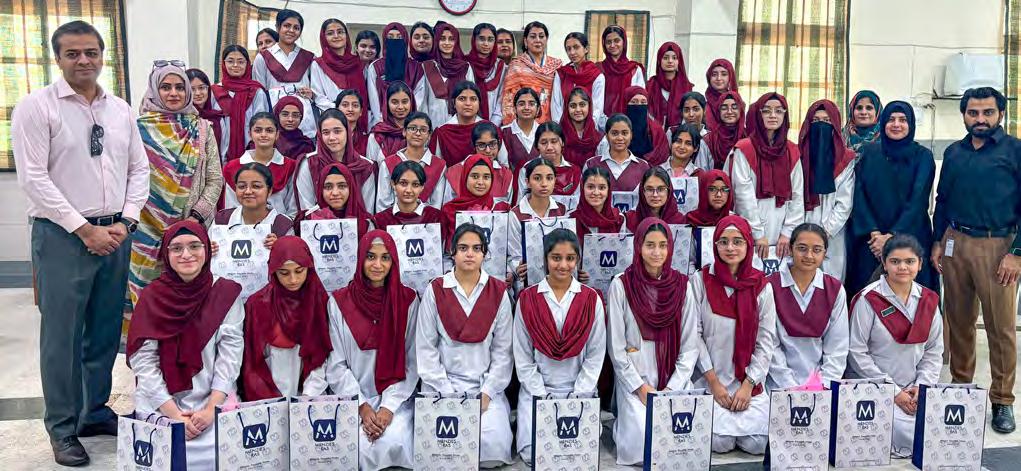
Menzies has a zero tolerance policy for any violence or harassment of any kind in the workplace. We all have a right to work free from intimidation and harassment and in an environment where we feel safe and comfortable. We provide sexual harassment training to employees which aims to educate and reduce the risk of any occurrences in the workplace.
We recognise adequate wages as a material topic and we are committed to ensuring fair compensation practices across our global operations, working closely with numerous trade unions and honouring collective bargaining agreements that protect employee rights and promote equitable pay structures. More than 60% of our employees are covered by collective bargaining agreements. We comply with minimum or living wage requirements, working time directives, overtime and benefits set forth under applicable local laws.
We support equal pay for work of equal value and actively monitor pay practices to prevent discrimination. To enhance transparency, we publish gender pay gap reports for the UK and France, reflecting our commitment to closing gaps and fostering equality. These actions form part of our broader approach to respecting human rights and promoting decent work, in alignment with international standards and the UN Sustainable Development Goals (SDG 8: Decent Work and Economic Growth).
We were delighted to welcome 11,338 G2 Secure Staff colleagues to Menzies in August. Since then, we’ve been working hard to ensure a smooth and positive transition across all 86 G2 locations. Our focus is on creating a sense of belonging and helping every new team member experience the very best of Menzies.
From introducing new uniforms to fostering collaboration and sharing our ways of working, we are committed to building strong connections and supporting our colleagues through this change. By taking the time to learn from each other and work together, we are confident that our G2 teams will quickly feel part of Menzies and integral to our shared success.
We offer employee assistance programmes across several geographies, offering employees 24/7 support to address various challenges in their work and personal lives. Many of our health cover policies across the globe offer mental health support.
We regularly review our family friendly policies and people policies more generally, in all parts of our business and have improved maternity and paternity benefits in some of the countries where we operate this year. It’s important to us to set basic minimum standards that all employees can benefit from, while recognising differing local legislative requirements.
Our Wellbeing Hub is available online for all employees to always access and includes mental, physical and social wellbeing guides as well as varied country specific resources on topics such as
financial wellbeing, mental and physical healthcare resources, as well as employee assistance programmes.
As part of our 2025 Wellbeing Week we held a special leadership learning session on best practices for creating psychological safety in teams. Psychological safety is an important pillar of safety and wellbeing. We aim to actively nurture a culture where colleagues support each other to be open, honest and transparent day to day.
By providing accommodation and access to reliable transportation, we’re helping to remove barriers to employment and open the door to long-term careers in aviation. Menzies Aviation provides employee accommodation facilities in Mexico (Cancun, San José del Cabo and Puerto Vallarta) and Kuwait.
In 2025 our accommodation housed 1,215 employees (16.5% female, 83.5% male) across 9 facilities, with capacity for over 1,250 habitants.
Our Employee Accommodation Policy sets the minimum standards, controls and facilities that are expected to be in place for all employee accommodation to ensure health, safety, security, hygiene, protection of human rights, wellbeing and a comfortable space and environment for residents, and environmental sustainability. We complete accommodation audits annually, with spot checks and visits in between.
We achieve positive results for those employees who we support with accommodation leading to lower turnover, reduced absenteeism and stronger employee satisfaction.
In Mexico, supporting local communities, including refugees, and addressing labour challenges required a people-first solution. Casa Menzies was born out of this belief: a scalable, sustainable initiative designed to address local labour shortages while also transforming lives.
The programme invites candidates from underserved regions, including displaced individuals and refugees, to relocate for work opportunities at key airport locations, ensuring fair recruitment practices and respect for human rights. In May 2025, candidates at our UNHCR partnered refugee hiring event in Guadalajara who expressed an interest in working in Cancún were offered the opportunity of accommodation at Casa Menzies.
This is a year-round recruitment and development initiative, fostering both operational resilience and social impact. Casa Menzies is not only helping our teams meet operational demands amid recruitment challenges but makes a meaningful contribution to both our people and the broader community.
Residents of Casa Menzies typically start as ramp or passenger agents, progressing through structured training into operator and management roles supporting skills development and career development.
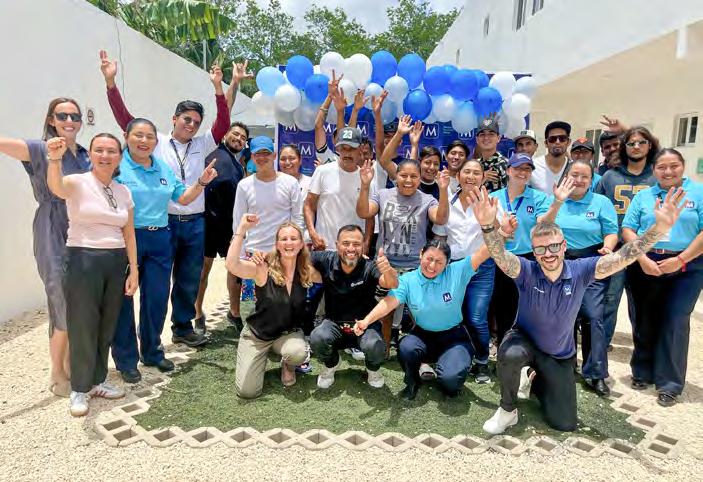
In cities like Cancún, Puerto Vallarta and San José del Cabo, we’ve established recruitment hubs and infrastructure, from company-owned transport to airport-adjacent housing, all designed with our people in mind. With capacity for more than 340 team members over three sites.
Casa Menzies is more than a job –it’s a pathway to stability, inclusion, and opportunity. Many participants choose to settle permanently, continuing their careers with Menzies and enriching the communities we serve. It’s proof that investing in people creates real, lasting returns.
At Menzies, we uphold a zero-tolerance approach to all forms of modern slavery, including child labour and forced labour, and are committed to respecting and promoting human rights across our operations and supply chain. We recognise our responsibility to ensure fair and safe working conditions for all workers, in line with international standards.
As a signatory of the United Nations Global Compact and a member of the UK Global Compact Network since April 2021, we fully support the UN Guiding Principles on Business and Human Rights and the International Labour Organisation (ILO) Declaration on Fundamental Principles and Rights at Work. These commitments form the foundation of our human rights due diligence processes.
Our commitments
employees, contractors, and suppliers. We conduct regular risk assessments as part of our Enterprise Risk Management framework, focusing on regions and sectors with higher vulnerability to human rights risks.
We understand that risks evolve as we expand into new markets, onboard suppliers, or respond to global challenges such as conflict-driven displacement.
• We perform monitoring of our operations and supply chain where risks are most likely to occur.
• We integrate human rights risk indicators into onboarding processes.
• All Menzies employees are required to participate in regular training sessions regarding human rights, fair labour and modern slavery, appropriate to their role.
2.4m
hours of training and development in 2025.
15,000 hours of facilitated leadership training in 2025.
3,459 leadership development courses attended in 2025.
further 1,894 employees in 2025 (30% female/ 69% male/1% undisclosed). It focuses on skills for leading high-performing teams such as leadership behaviours, communication skills, coaching and handling set-backs. Our established Living Leadership programme has now been completed by 1,943 employees globally (26% female/70% male/4% undisclosed) and our Women in Leadership programmes have supported over 180 of our female population in leadership development.
In addition, we have 80 bite sized eLearning modules available on our learning system.
We provide internships and graduate roles across our global operations, creating opportunities for young people to learn new skills and gain valuable aviation experience in a variety of departments. We aim to attract and nurture young talent into aviation, supporting our growth and inclusivity plans. Our people (continued)
• Freedom of Association and Collective Bargaining: We respect employees’ rights to organise and engage in collective bargaining.
• Fair Work and Wages: We ensure compliance with local wage laws and strive for fair remuneration practices.
• Child Labour and Forced Labour: We prohibit child labour and forced labour in all operations and throughout our supply chain.
• No individuals under 16 years of age are employed.
• For workers aged 16–18, we enforce strict restrictions on hazardous tasks and night work to safeguard their health and safety.
Our approach is embedded in our Code of Conduct, Human Rights & Fair Labour Policy, and Third-Party Code of Conduct, which apply to all
Further details on our supply chain governance, including grievance mechanisms and escalation processes, are provided in the Governance section of this report and in our annual Anti-Slavery Statement, published on our website.
During 2025, we detected and prevented one potential instance of human trafficking.
Creating ongoing development opportunities to support career development is an essential part of ensuring that Menzies has the talent to fuel its ambitious growth plans. Our Leadership 365 sessions are centred on leading through change and are well attended by our senior leaders. At our Menzies 100 Management Conference, our senior leaders came together for a special session on how they can grow their skillsets to be future ready leaders. Later in the year they came together again for virtual sessions on building storytelling skills that inspire, build alignment, and drive action.
We have also introduced an innovative pilot programme to foster our next generation of senior leaders that will run through until mid-2026.
We offer our wider teams around the world leadership courses that fit their development stages, roles and responsibilities. For example, our Ready to Lead programme was completed by a
Health and Safety Policy
Health and Safety Manual
Quality Policy
Quality Assurance Manual Emergency Response Procedures Manual Ground Operations Manual
Our safety goals
Continuously increase hazard and near miss reporting using frictionless reporting.
Continue
"We continuously strengthen our MORSE safety culture to ensure safety remains our number one priority. Our ambition is clear: to set the benchmark for safety in our industry, supported by training that equips our people for today’s operations and tomorrow’s challenges.”
Yogesh Parekh Chief Safety and Training Officer
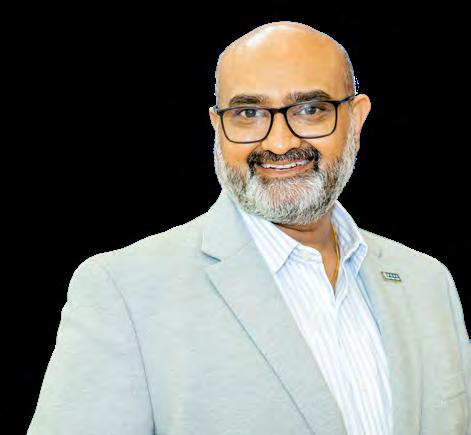
Our growth strategy has seen dozens of new locations and colleagues added to the Menzies network. In 2025, our focus shifted to strengthening performance, embedding consistent standards, and helping new colleagues understand the MORSE code that underpin our safety system. This focus has paid off with aircraft damage and personal injury rates remaining steady throughout that period.
The same focus is needed for the next chapter of growth: the addition of the G2 business in the Americas at the end of Q2 2025. This continuous growth adds complexity, but each new location and integration comes with fresh learnings and an opportunity to strengthen and improve our standards.
‘Stop Work Authority’ has been integral to Menzies Safety Management System for many years, but recent post-incident reviews highlighted its importance. Around 90% of our significant events could have been avoided if someone had stepped in at the right moment. That finding pushed us to elevate ‘Stop Work Authority’ from an embedded principle to a standalone policy with clear, visible backing from the very top leadership of Menzies. The message is simple: if something doesn’t look or feel right, you stop the job – no hesitation, no blame. As we continue to strengthen MORSE culture, we’re placing equal weight on recognising positive interventions to drive behaviours of speaking up early and preventing harm, echoed across every station and every shift.
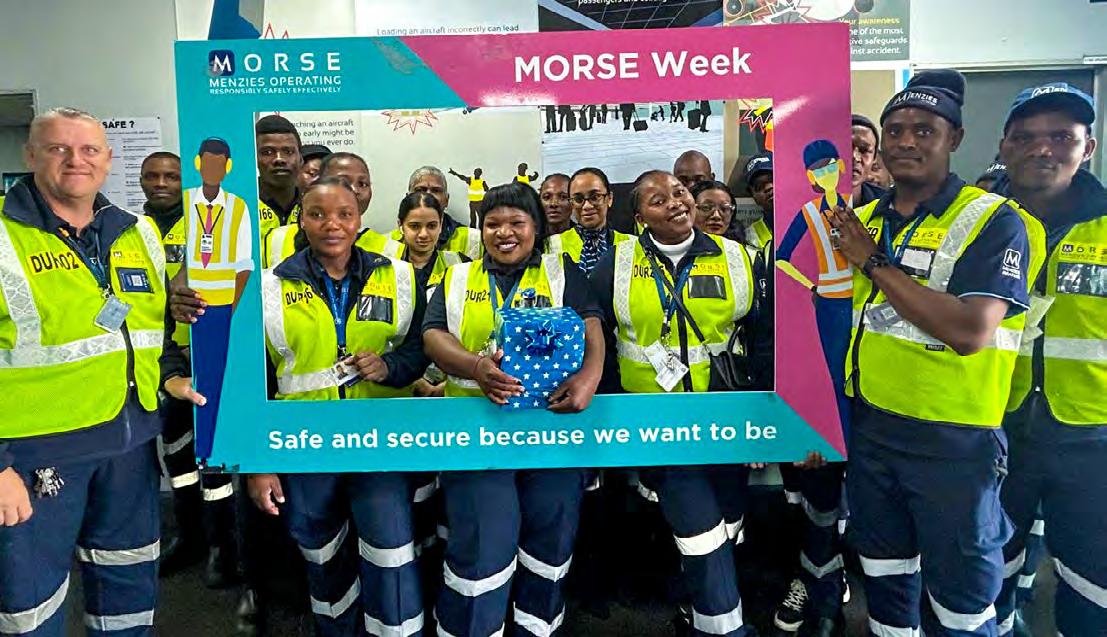
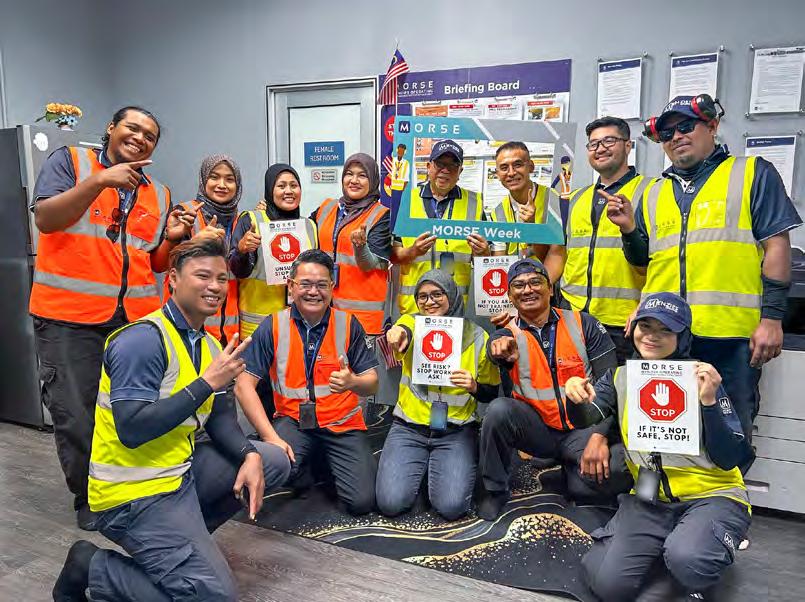
MORSE culture at Menzies is built on the principle of Menzies Operating Responsibly, Safely and Effectively. It’s a way of working where safety and security are woven into the rhythm of daily operations. People are encouraged to observe what’s happening around them, report concerns early, examine issues constructively and achieve steady improvement. The aim is to make accountability and curiosity part of the standard workflow on the ramp and in the warehouse. Our MORSE culture means risks stay visible, conversations remain honest, and minor corrections prevent bigger problems. It turns safety from a compliance task into a shared mindset adapted to every station’s size, pace and maturity.
As part of our Let’s Check In global employee survey carried out in Q1 2025, we asked several safety and wellbeing questions. With the insights gained, we can identify opportunities for change that will have a positive impact on employees and safety. The responses to some of our safety questions were:
70%
of employees believe their physical health and safety are effectively prioritised at work, with a further 14% ‘neutral’.
74%
of employees believe Menzies prioritises safety over on-time performance, with a further 14% ‘neutral’.
91%
of employees said they had the uniform they need to do their job.
A well-run Safety and Security Management System only earns its credibility when it is fuelled by objective evidence.
At Menzies, the backbone of that evidence is the data flowing in from our reporting systems safety reports, quality findings, control checks, and audit outcomes. Station safety meetings use this information to ground discussions in what is actually happening in practice above and below the wing and in our cargo warehouses, not just what should be happening. Trends, recurring issues, and strengthened controls become visible, sharpening local decision-making.
We hold Regional Risk Review Boards that take a data-rich view when comparing performance across stations, highlighting areas where additional support or intervention is needed. Quarterly MORSE meetings consolidate the regional views into an overarching enterprise view, using the combined outputs of safety reporting, quality oversight and audit findings to test the resilience of our controls. We also connect our people data such as staff turnover and overtime. Regular reports are shared and discussed with the Executive Management Board and the Audit Committee. The process culminates in an annual review with the Chairman and CEO, where the year’s safety and quality data provides clarity on operational risk, improvement and accountability. This integrated approach enables Menzies to stay true to aviation’s traditionally strong safety disciplines, while using analytics to drive steadier, safer growth.
Increased reporting indicates a positive step in preventing
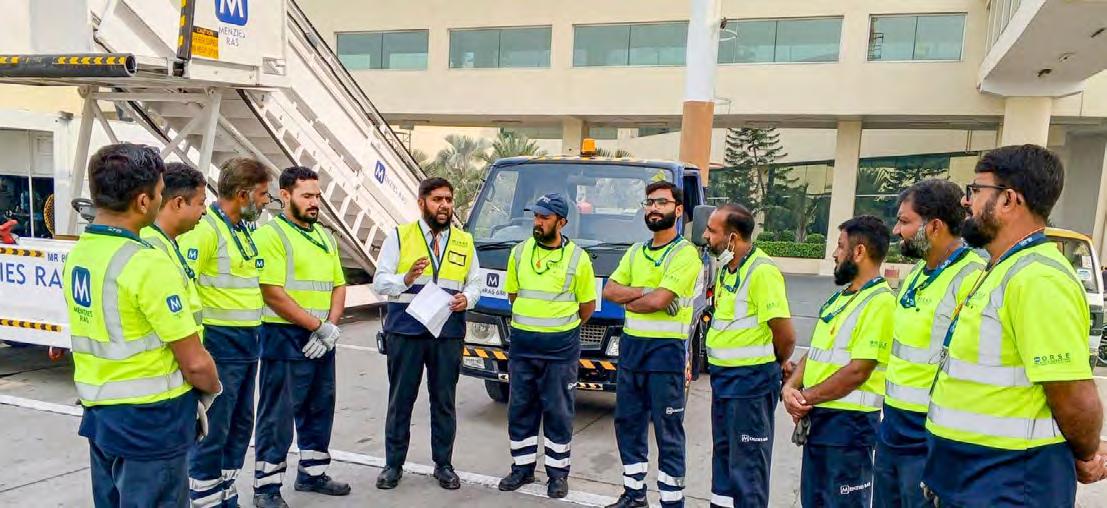
In 2025, we rolled out a trial of our AI-assisted investigation review tool alongside a series of other digital enhancements designed to support our investigators. Developed with EcoOnline and launched in December, the AI component acts as a structured reviewer -highlighting gaps, testing causal logic, and improving the overall consistency of safety reports.
Combined with the wider improvements introduced this year, it provides our teams with a stronger foundation for thorough, reliable investigations and reinforces the learning focus at the heart of our safety culture.
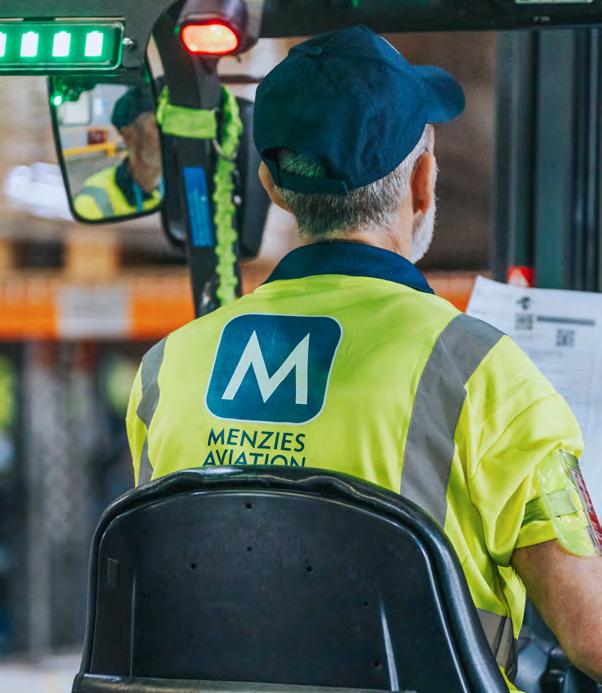
In 2025, we renewed our focus on quality by refreshing our long-standing internal audit programme. A key step in this work was the decision to transition our internal audits to the same platform used for our safety investigations, providing a more integrated, real-time view of operational risk.
This shift streamlines how information is captured, and simplifies the process for our auditees. By removing unnecessary administrative burden, teams can concentrate on meaningful corrective actions and on time closure supporting performance improvement rather than data entry. This strengthens the efficiency and the impact of our quality oversight.
Our teams successfully managed over 1,600 external audits this year, up from over 900 in 2024. Despite this significant increase, our teams maintained a rate of zero findings in 71% of external audits, demonstrating the strength of our operational standards and compliance.
Audits
1,641 external audits in 2025
937 external audits in 2024
71% of external audits with zero findings 71% in 2024
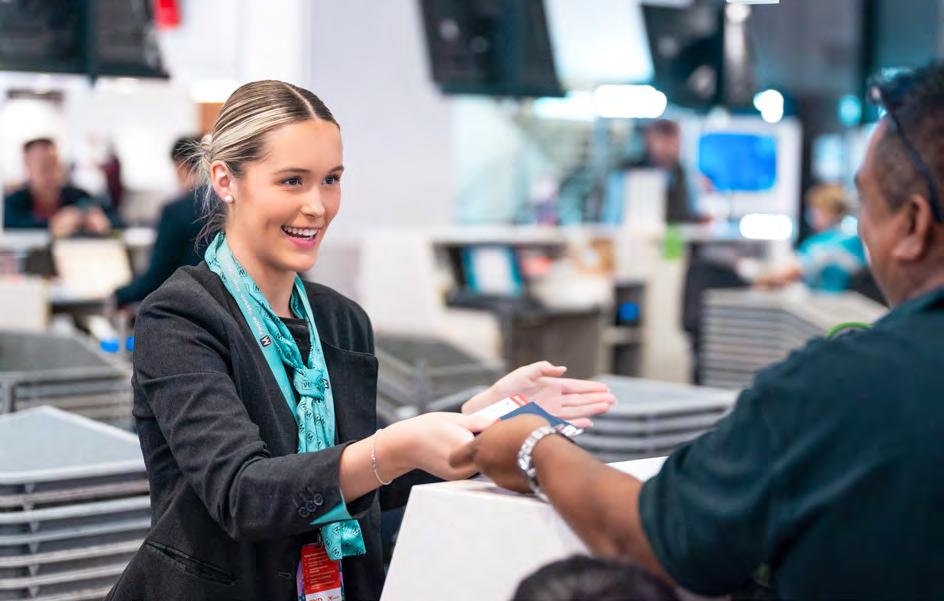
SMART is our mobile, paperless tool for scheduled and unscheduled safety and quality checks. We can acknowledge positive behaviours, track compliance, and ensure any issues are logged as corrective actions or on-site corrections, helping us identify risks and monitor controls.
40 SMART questions are submitted every minute of every day, on average.
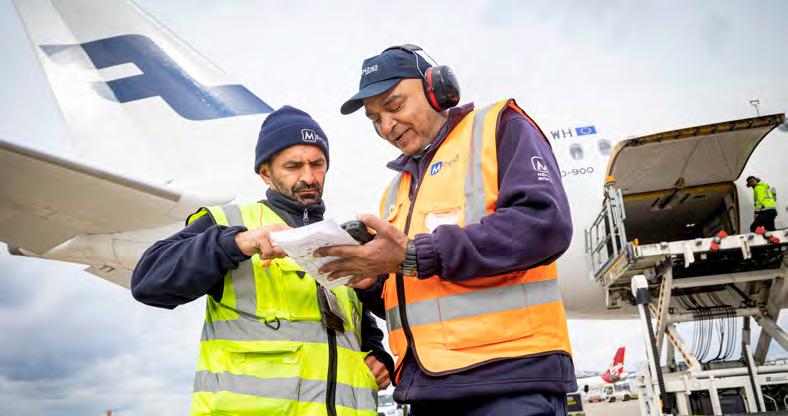
• Total inspections: 40,000 more inspections completed in 2025 vs 2024 indicating a significant increase in inspection coverage relative to operational volume.
• Findings: 10,000 more findings in 2025 vs 2024 suggesting an improvement in inspection focus, quality, and reporting.
• Findings rate: increase from 7.2% in 2024 to 8.1% in 2025 reflecting more thorough inspections and improved detection/reporting and oversight.
In 2025, we achieved a 96% completion rate for safety and operational training, underscoring our commitment to maintaining the highest standards of workplace safety and efficiency. This high completion rate reflects the dedication of our teams to continuous learning and compliance.
We invested 2.4m hours in training and development, demonstrating our unwavering focus on equipping employees with the skills and knowledge needed to operate safely and effectively. This significant time investment highlights our proactive approach to risk management and operational resilience.
96% completion rate for safety and operational training
2.4m hours of training and development
Our safety and quality management systems align with IATA’s ISAGO safety standards and ISO 45001. These standards are applied consistently across our global operations. Notably, we successfully renewed our HQ ISAGO accreditation, working closely with IATA and implementing its latest checklists.
Key policies



Our community goals
Supporting
Communities metrics 100 refugees recruited since 2023
50,000 mangroves planted since 2023
$700k funded towards sustainable development partnerships, community projects, charities and supporting local fundraising by our teams
Supporting the communities where we operate and where our people live is an important part of who we are. Through targeted initiatives and local partnerships, we seek to make a meaningful and positive difference to people and communities around the world.
We understand the power of collaboration in driving meaningful societal change on a larger scale, as well as at a local level. We take action in a number of ways including:
• D eveloping valued corporate partnerships with NGO’s, local organisations and non-profits, resulting in greater opportunities to better address social and environmental challenges, and promote economic development.
• D riving change in our own operations and our supply chain through our policies and business practices that are designed to protect and promote the rights of individuals, and respect the rights of indigenous communities.
• Creating opportunities for teams to engage in their own local communities.
In 2025, Menzies funded over $700k towards sustainable development partnerships, community projects, charities and supporting local fundraising by our teams. This consisted of over $412k in donations and contributions and a further $238k delivering finance to low-carbon sustainable development projects, a small part of which includes the purchase of high-quality carbon credits equal to 12,400 tCO2e of emission reductions.
Working with the right partners is important to us. We research and select high-quality partners and projects that deliver positive impact for the climate, biodiversity, people and communities, and progress towards the UN Sustainable Development Goals.
At Menzies, we recognise that sustainability is not just about reducing our own footprint – it’s about creating lasting, positive change for people and the planet. We believe that as a responsible corporate citizen, we must act now, going beyond our All In targets, direct operations, and supply chain to address broader societal and environmental challenges.
Through meaningful action and collaboration, we aim to support affected communities and restore ecosystems by investing in sustainable development projects beyond our value chain.
These initiatives are designed to deliver tangible benefits and long-term resilience, including:
• Improving biodiversity and protecting species at risk
• Restoring landscapes and safeguarding natural habitats
• Supporting communities economically and socially, fostering inclusive growth
• Strengthening coastal and environmental protections against climate impacts
• Educating and empowering communities to develop local solutions for environmental issues
• Reducing and removing carbon emissions through nature-based and innovative approaches
• Advancing the UN Sustainable Development Goals (SDGs)
Our commitment goes beyond short-term interventions. By building strong partnerships and providing multi-year support, we enable our partners to plan and deliver projects with greater certainty – creating deeper value and measurable positive impacts for both communities and ecosystems. Together, we can turn ambition into meaningful action that drives real change where it matters most.
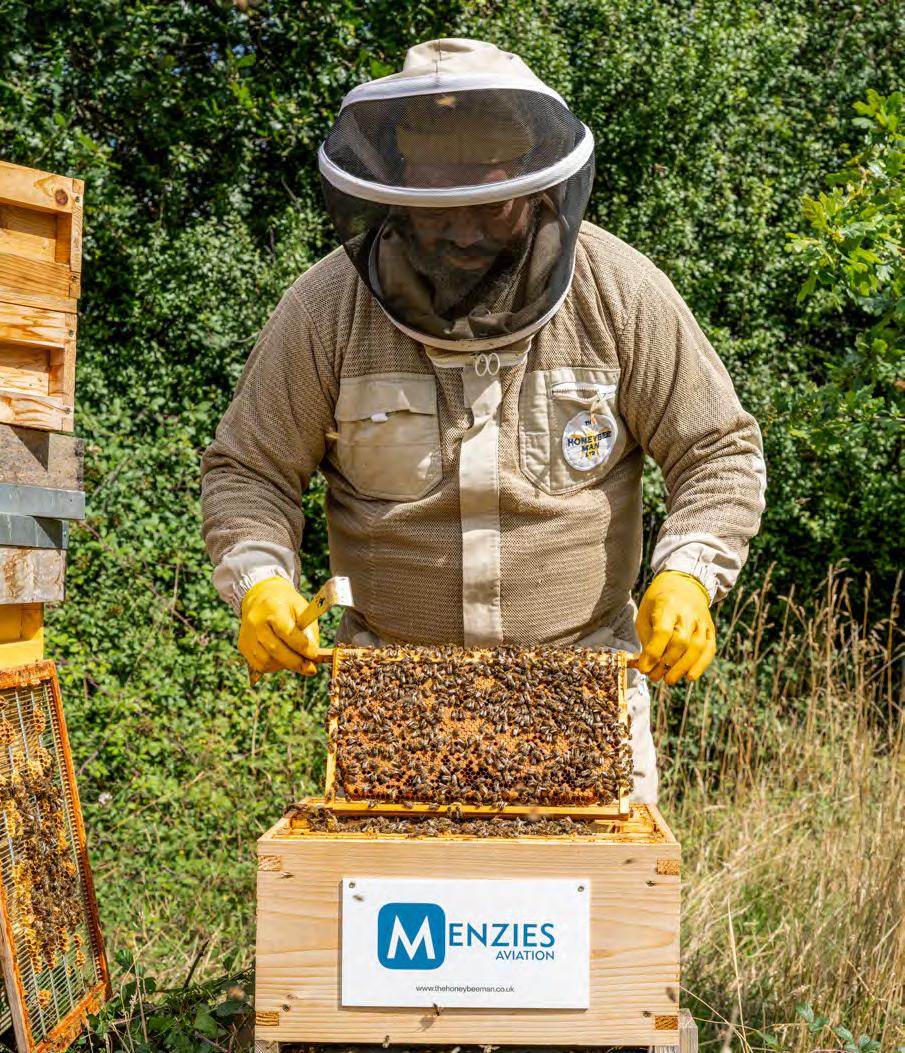
As a global business, we have both the responsibility and the capacity to act in support of those displaced from their homes. We are proud to partner with organisations and support projects that can make a real difference to vulnerable people and communities.
Forced displacement has reached unprecedented levels, with 117 million people worldwide uprooted by conflict, persecution, and climate-related disasters as of mid-2025. This means one in every 70 people on Earth is forcibly displaced, highlighting the urgent need for collective action to address humanitarian and environmental challenges. These figures underscore the importance of integrating social resilience and community support into sustainability strategies, ensuring that our efforts contribute to both climate goals and human well-being. As a global employer, we can provide humanitarian support, offer employment opportunities and assist refugees and displaced people to integrate into their host communities, support local economies and social engagement.
Menzies Aviation has been a member of The Tent Partnership for Refugees (Tent) since 2022 – an alliance of over 400 companies dedicated to integrating refugees though meaningful employment. Since then, we’ve become active participants in Tent initiatives across Europe, the U.S. and Latin America, and proudly serve as founding members of Tent Mexico.
In May 2025, we partnered with UNHCR (the UN Refugee Agency) to run a joint local integration programme in Guadalajara, Mexico to facilitate socioeconomic inclusion through formal employment and community support. This began with a recruitment event, which reinforced our commitment to creating pathways to employment for refugees and displaced talent. More than 50 refugees attended the event and we were delighted to offer employment on the day to more than 20 attendees, followed by a further 15 after the event in our Cancún and Guadalajara airport operations. Since the start of 2025, we have successfully hired 60 refugees in Mexico.
In Mexico, our people-centric solution further supports integration and inclusivity for refugees and displaced peoples by providing accommodation and access to reliable transportation, helping to remove barriers to employment and open the door to long-term careers in aviation.
We are delighted to be supporting UK for UNHCR, the national partner of UNHCR, the UN Refugee Agency, as our first global charity partner in 2026. Building on our initial collaboration in 2024, we agreed a formal partnership with the UK for UNHCR at the end of last year to enable us to deepen our support. As well as raising awareness about UNHCR and progressing our joint refugee employment initiatives, we are committed to fundraising for global UNHCR projects and making a positive difference for refugee communities.


In partnership with IBUKA, we proudly inaugurated ten new homes in Musha, Rwanda for survivors of the 1994 Genocide against the Tutsi, in June this year.
The ribbon-cutting ceremony brought together Menzies leaders, IBUKA, government officials, aviation representatives, survivors, and local community members – turning the event into a celebration of resilience and hope.
The homes were given to families identified locally as being some of the most vulnerable members of the survivor community. This project forms part of the Musha Survivors Village initiative, focused on restoring dignity, fostering healing, and building resilience.
As part of our wider support, Menzies also funded Community-Based Health Insurance (Mutuelle de Santé), ensuring survivors and their families have access to essential healthcare.
This collaboration reflects our commitment to meaningful, long-term action that strengthens communities beyond moments of remembrance.
Supporting the right partners is vital for Menzies to deliver its All In sustainability goals. The partnerships detailed here reflect our commitment to supporting projects that improve biodiversity, protect and restore landscapes, support local communities, and reduce carbon emissions.
We are proud to have been a corporate supporter of Trees for Life since 2021, a rewilding charity based in Scotland. Focused on restoring the once-extensive Caledonian forest, the charity’s vision includes the rejuvenation of entire ecosystems and providing a solution to the climate and biodiversity crises, creating a living, thriving landscape where wildlife and people can flourish together. Most recently, being instrumental in the reintroduction of the first beavers to Glen Affric, 400 years after their extinction in Scotland.
Our partnership with The Honeybee Man includes sponsoring two honeybee colonies within their apiary located at Fairclough Hall Farm, helping to rebuild honeybee populations. Our team visited our hives this year, learning about how vital bees are in pollinating the food we need to survive as well as many of the trees and flowers that provide essential habitats for wildlife. Our busy bees produced nearly 500 jars of honey this year!




This incredible site of prairies, wetlands and forests is one of the largest urban wilderness areas in the United States. Recognised as a National Natural Landmark by the U.S. Department of the Interior, the center is dedicated to education, land stewardship, and ecosystem preservation to support thriving flora and fauna.
Our partnership with Fort Worth Nature Center & Refuge in Texas in 2025 helped fund two pivotal prairie restoration projects – the expansion of native prairie available to the refuge’s bison herd and the prairie restoration habitats for pollinators. This included the creation of a new ADA accessible storybook trail, enriching the experience for both visitors and wildlife. Our local Menzies team was lucky to experience this amazing environment first-hand during an employee open weekend and senior team visit. They were blown away by the work being carried out and learned so much about the restoration work and positive impacts.
Our partnership with ChildFund Rugby supports the delivery of the globally recognised Pass It Back rugby and life skills curriculum in collaboration with Kenya Rugby Union.
In 2025, more than 250 young people participated in sessions with over 50% female participation, blending rugby skills with life lessons in inclusion, leadership, and personal growth. The first cohort of Pass It Back Coaches completed their final assessments in November and celebrated at the closing ceremony. These young Coaches are now ready to deliver the Playing for Equality module in their communities, helping young people build confidence, leadership and understanding of respect and equality and introducing T1 Rugby in Kenya for the first time.




Through the John Maxwell Menzies (JMM) Community Fund, we proudly support a wide range of charitable, voluntary, and community initiatives across the globe – many inspired by nominations from our colleagues for causes close to their hearts. Beyond the Fund, our teams regularly organise their own fundraising activities, demonstrating the power of collective action.
Let’s Check In on community support
65% of employees believe that Menzies Aviation is conscious of contributing to and supporting the communities we operate in, with a further 23% providing a neutral response.
We proudly supported the Maclean brothers’ 139-day, 9,000-mile row across the Pacific from Peru to Australia in 2025. Ewan, Jamie and Lachlan’s non-stop, unsupported journey broke multiple world records and raised £1 million for clean water projects in Madagascar. Menzies contributed towards transporting their boat back to the UK.
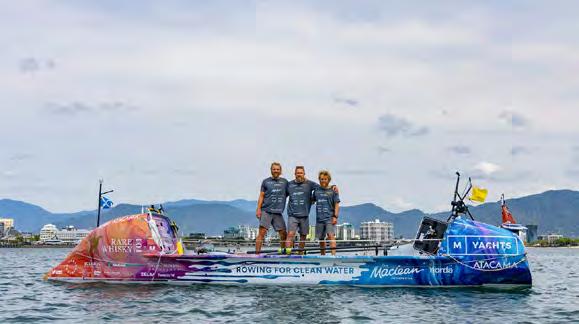

We were honoured to support the Hockey for Hope tournament for the third year, organised by our employee Sharon Needham, Regional Manager for Fuel Operation based in Nova Scotia, Canada. The annual ice hockey tournament raises money for the QEII Foundation to offer mental health and physical therapy support to cancer patients and survivors in Nova Scotia. They stick by them throughout their journey, recognising the many challenges people face following a cancer diagnosis.
Our team in Entebbe, Uganda made a special delivery to the Mary Reparatrix School, donating computers to help fuel the school’s digital learning journey. We hope to empower young girls to embrace digital skills by helping equip them with the tools and inspiration to break barriers. This initiative furthered our partnership with the school, which started with our Girls in Aviation event in 2024, and we’re proud to see the partnership developing!
We support a variety of children’s sports teams nominated by our employees including the Matamata Swifts, based in Matamata, a small Waikato town in New Zealand, with a population of just 9,000 people. It is better known by many as Hobbiton, a fictional village from the Lord of the Rings and The Hobbit movie trilogies. Mike Smith, Logistics Manager at Hamilton aero maintenance (part of the Menzies aviation engineering division) nominated the club for a donation, which helped secure coaching equipment and footballs benefitting 70 children who attend the club’s early development programme.
Our Menzies Macau team set up their “Happy Minds, Happy Work Collective” volunteer recruitment programme, encouraging employees to actively participate in a wide range of public welfare programs in Macau.
Colleagues from EDI Airport and our Edinburgh Group office held a beach clean at South Queensferry, Scotland. Marine litter is not just unsightly, it poses a danger to marine and bird life, as well as a hazard beach users and the environment more widely. The team collected 55kg of waste and recorded the results with the Marine Conservation Society.
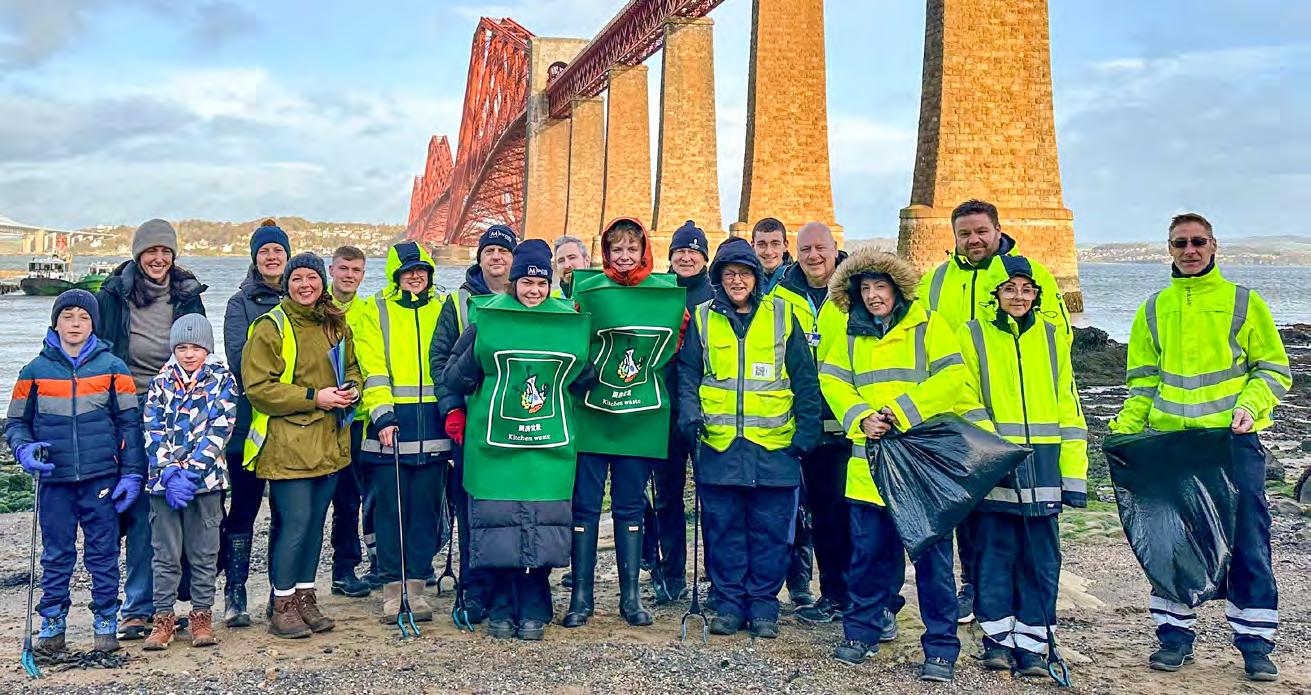
Through our partnership with Climate Impact Partners we provided finance towards low carbon sustainable development projects that deliver on beyond value chain mitigation (BVCM) goals, enabling us to reduce and remove emissions that are outside of our value chain emissions, catalysing the funding of new climate solutions and supporting global net zero goals.
Menzies is funding the planting of 70,000 mangroves during 2023 – 2026 as part of the Accelerating Blue Carbon project with 50,000 having been planted so far. The Kilifi County Mangrove Restoration Project, Kenya, is situated on the beautiful Mtwapa Creek, and is working to restore vital mangrove habitats that support biodiversity and help sequester carbon.
This project seeks to reforest one million acres in the Lower Mississippi Alluvial Valley. Reforestation mitigates hurricane and flood damage, reduces soil and nutrient run-off, restores habitat for plant and animal species, and enables sustainable harvesting, creating jobs for harvesters and processors.
Located in Indonesian Borneo, known as Kalimantan, this project protects nearly 150,000 hectares of peatland ecosystems. Menzies funding contributes to providing livelihoods for surrounding villages including farming, fishing, and non-timber forest product harvesting.

Menzies is supporting two solar power projects in India – Blue Sky Solar and Cleantech Solar Power. These projects increase the supply of renewable electricity to the unified Indian grid, reducing coal and oil consumption, cutting carbon emissions, and diversifying the grid for better energy security.
This project focuses on restoring degraded forest across 14,000+ hectares of tropical forest in Quintana Roo state, Mexico. Menzies funding supports tree planting, protecting endangered species such as pumas, ocelots, parrots and spider monkeys, and creating jobs for community members


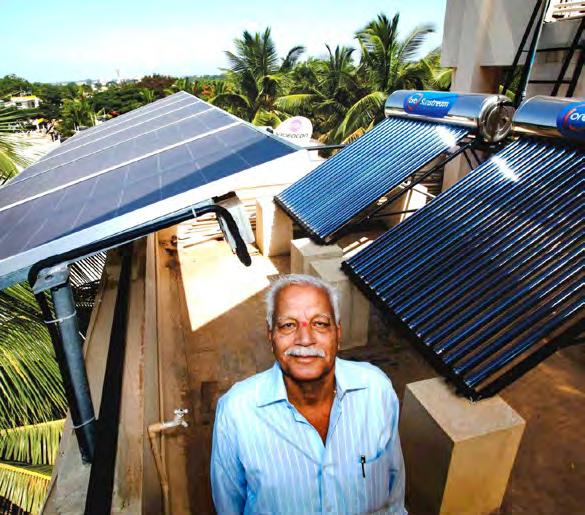
At Menzies, how we govern ourselves reflects our commitment to a sustainable and resilient future. Strong governance is more than compliance –it is a measure of value for our stakeholders, society, and the environment.
We embed robust internal practices that prioritise environmental and social considerations alongside ethical conduct, integrity, and transparency. Our governance framework includes clear policies, accountability mechanisms, and transparent reporting to ensure responsible business conduct across our global operations.
Our corporate culture is anchored in our core values including integrity, safety and security, and sustainability, which guide every decision and action. These values are reinforced through leadership engagement, mandatory ethics training, and open reporting channels, including whistleblower protections.
By embracing this approach, we create structured sustainability plans, hold ourselves accountable, and communicate progress clearly and consistently. This ensures we meet the high standards we set as a company, nurture trust-based relationships, and deliver long-term positive impact for people and the planet.

Governance (continued)
Key policies
Code of Conduct
Third Party Code of Conduct
Speak Up Policy & Guidance
Human Rights & Fair Labour
Anti-Bribery & AntiCorruption
Conflicts of Interest
Gifts & Hospitality Competition Law
Global Sustainable Procurement Policy
Information Security Policy, IT Acceptable Use Policy, AI policy.
Data protection and privacy policies
Risk Committee Terms of Reference

Governance metrics
of employees assigned new Code of Conduct learning
instances of bribery and corruption 20% of the Executive Management Board is female (80% male) 20% of the Board of Directors is female (80% male)
Our ethical goals
Anti-bribery and corruption
Zero tolerance for all forms of bribery and corruption within our business and supply chains.
Fully compliant Operating in full compliance with applicable legislation, ensuring strong ethical and governance practices are up to date, relevant and adhered to.
Cyber security
Ensuring continuous improvement of the confidentiality, integrity and availability of Menzies systems, data and services.
Ethical supply chain Ensuring sustainable and ethical supply chains and partnerships everywhere we operate.
Board of Directors and Board committees
Our Board is responsible for setting the overall strategy and direction of Menzies, ensuring alignment with our growth agenda. It provides guidance and challenges the business to stay on course with its strategic objectives.
The Board’s constituted committees, such as the Audit Committee and Remuneration Committee, play key roles in corporate governance:
Additionally, the Operating Governance
• Remuneration Committee: Manages executive compensation, aligning pay with company performance and shareholder value. It ensures fair and competitive remuneration policies to attract and retain top talent, driving sustainable growth while maintaining accountability.
• Audit Committee: Oversees financial reporting, internal controls, and risk management, ensuring transparency and compliance with regulations. It reviews financial statements, audits, and operational processes to safeguard stakeholder interests.



Committee oversees internal governance by evaluating all organic and inorganic projects, alongside material capital expenditure. This ensures that growth structures and rates of return align with the strategy, direction, and values of the business.






Our Executive Management Board (EMB) oversees the daily development and management of our business, ensuring the delivery of our strategy and effective risk management. They set the strategic direction, positioning our business for sustainable growth and alignment with our sustainability goals.
The EMB ensures that decision-making and approval processes incorporate an ESG (Environmental, Social, and Governance) perspective.
While every EMB member is responsible for sustainability, John Geddes, Chief Governance & Sustainability Officer, holds direct ownership for the development and delivery of our All In plan.
The EMB also establishes the tone and performance goals for senior leadership, integrating ESG targets and initiatives to embed sustainability into our broader business plans.
With support from the EMB, we empower teams across the organisation to drive progress on the All In plan, ensuring success through strategic focus and accountability.
Our stakeholders include our employees, contractors, customers, suppliers, partners, airports, industry bodies, governments, and wider society. We are conscious that effective stakeholder engagement is vital to ensuring our sustainability and to supporting responsible growth. We continuously engage, communicate and partner with our stakeholders in a variety of ways, which helps to demonstrate responsible business practices, build trust, and create transparency and accountability.
Examples of engagements in 2025 includes:
• Inviting our suppliers to participate in the UN Sustainable Suppliers Training Programme and providing a sustainable suppliers toolkit.
• Engaging with employees, customers, airports and suppliers through our Double Materiality Assessment process, which commenced in Q4 2024 and has been completed in 2025.
• Participating in industry platforms, councils and events, such as the UN Global Compact Network UK Annual Summit and the World Economic Forum including at Davos and through the Airports of Tomorrow initiative.
• Engaging with employees through workers councils, employee engagement surveys, Menzies 100 Management Conference, regional station manager conferences, We Are Menzies Awards, employee app communications and presentations to our EMB and senior leadership teams.
• C ollaborating in stakeholder forums and shared initiatives that drive joint progress towards sustainable objectives, for example, London Gatwick Sustainability Forum, China Airlines 10th Annual Sustainable Supplier Conference, Menzies UN Supplier webinar, Menzies Macau Green Aviation Forum.
• Supporting community stakeholders through new engagements and shared objectives, such as the Tent Partnership for Refugees and UNHCR.
Our sustainability report for 2025 includes supporting data and progress against our All In plan and goals, covering the period from 1st January 2025 to 31st December 2025.
Our Sustainability Report is supported with additional detail from the documents listed below, which are available on our corporate website, along with other information updated and communicated from time to time on our corporate website, and other related websites and government databases.
• Annual Modern Slavery Statement
• United Nations (UN): Communication on Progress
Our sustainability report also supports submissions to EcoVadis and for the Climate Disclosure Project (CDP).
Details of our 2025 greenhouse gas (GHG) reporting and methodology can be found within the Environment section of this Sustainability Report on pages 19 to 30. This aims to provide stakeholders with transparency regarding our environmental performance and efforts to mitigate climate change and complies with related reporting requirements including the UK’s Streamlined Energy and Carbon Reporting (SECR).
Our Scope 1 and 2 emissions have been independently audited on a limited assurance basis. ESG and climate specialists, ESG360 Risk Management Limited (ESG360°) provide support on our emissions analysis on an ongoing basis.
Sustainability Reporting Standards (ESRS) during 2025. We have monitored the changes in disclosure requirements for CSRD and ESRS. Menzies expects to be in scope for CSRD as a group in 2028, based on financial year 2027.
In line with California’s Climate Corporate Data Accountability Act (Senate Bill 253), we will report our Scope 1 and Scope 2 greenhouse gas emissions for financial year 2025 by the proposed deadline of August 10, 2026, and prepare for Scope 3 disclosures starting in 2027.
Although enforcement of the Climate-Related Financial Risk Act (Senate Bill 261) is currently paused pending appeal in the Ninth Circuit, we are voluntarily preparing and publishing a climate-related financial risk report aligned with the Task Force on Climate-Related Financial Disclosures (TCFD) framework for 2025 (and with IFRS S2 for future years). This proactive approach ensures readiness should the law be reinstated and reflects our commitment to robust climate governance and stakeholder transparency.
We continue to monitor and evolve our reporting in compliance with new international ESG-related disclosure requirements. We hope to address these in a manner that adds value for our stakeholders and transparently sets out our plans for transitioning towards our net-zero targets and delivering our All In sustainability plan.
Our disclosure response to the Taskforce for Climate-related Financial Disclosures (TCFD) can be found on pages 56 to 61 of this Sustainability Report. In future years we intend aligning with the International Sustainability Standards Board (ISSB) IFRS S1 and S2 standards for this reporting.
Menzies prepared for the European Corporate Sustainability Reporting Directive (CSRD) and corresponding European
In 2025, Menzies Aviation continued to demonstrate transparency and accountability by reporting to the Carbon Disclosure Project (CDP). Our submission aligns with global best practice for climate-related disclosure and supports investor and stakeholder confidence in our climate strategy. We achieved a CDP Climate Change score of C, reflecting progress in governance, risk management, and emissions reduction planning. We continue to improve our score through our All In plan progress, decarbonisation and environmental management, and enhanced disclosures.
At Menzies, we recognise that ethical conduct is fundamental the safe running of our operations, to building trusted relationships with our business partners, and to supporting our All In commitments for a sustainable and resilient future. Upholding the highest standards of integrity is not only a moral imperative but also essential for building trust with our stakeholders and ensuring the long-term success of our global business.
By conducting ourselves and our business activities ethically at all times, we keep our business safe, our people safe and play our part in supporting a fair and just society and creating an ethical culture. We adhere to all applicable legal and regulatory requirements, as well as our robust internal policies and procedures, to ensure compliance with ethical standards and promote good governance practices.
We lead by example, setting the tone from top of our organisation, modelling the values and behaviours expected of all employees, including acting with integrity, honesty, and respect. We communicate our values, ethical standards, and expectations through our policies, learning, guidance and regular updates for every area of our ethics wheel, as well as our wider All In plan.
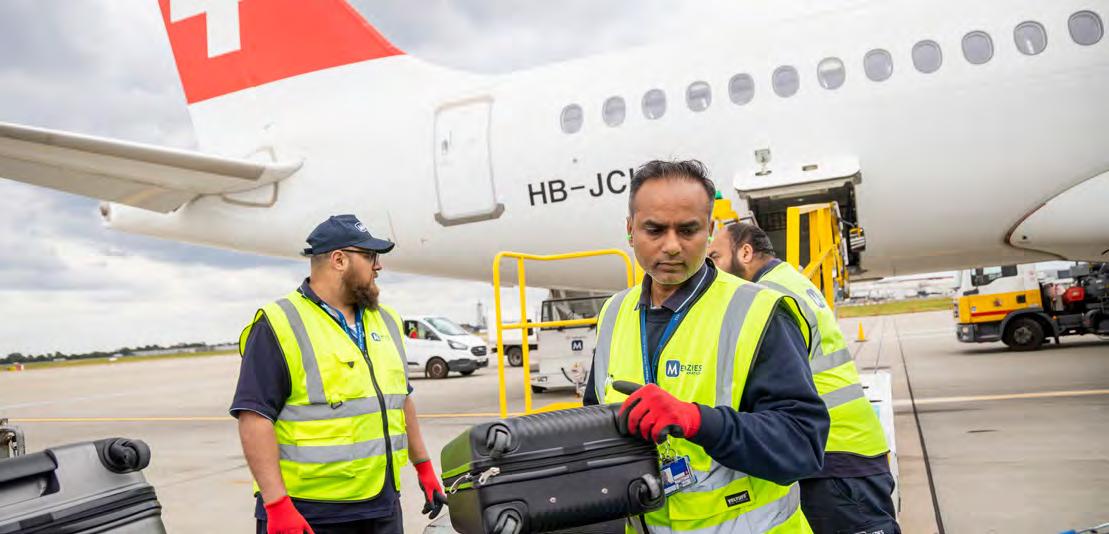
Menzies Code of Conduct forms the cornerstone of our compliance programme and sets the expectations and behaviours for a full suite of ethics and compliance related policies. It is available in over 16 languages and covers awareness of topics including but not limited to: labour, human rights, discrimination, harassment, modern slavery, anti-bribery/corruption, fraud, conflicts of interest, cyber security, data protection and privacy, sustainability, safety, wellbeing, environment, financial integrity e.g. AML, protecting assets, social media, ethical conduct and Speak Up. We deliver mandatory Code of Conduct learning for all global employees.

We have zero tolerance for any form of bribery or corrupt business practices anywhere in or organisation. In 2025, Menzies was not subject to any investigations or convictions related to bribery and corruption. Within our own organisation, we received four localised reports of bribery/ corruption incidents via our SpeakUp platform, all of which were investigated confirmed as unsubstantiated.
We have been a partner of TRACE for many years and utilise their best practice methods, training programs, and risk assessment data, to continuously develop and bolster our internal protocols. This includes conducting specialised and targeted virtual and in-person training sessions for our employee cohorts at heightened risk, as well as senior management and business partners (new and old), covering topics such as bribery, corruption, gifts and hospitality and conflicts of interest.
As a critical component of the supply chain, on which our customers and the wider public rely, we uphold our commitments to data privacy and information security with the utmost seriousness, ensuring robust and appropriate controls are continuously maintained.
We employ a risk-based approach to both data privacy controls and cyber security. This approach includes the continuous monitoring and proactive assessment of evolving threats, including new threat vectors emerging from advanced AI technologies.
During 2025, we continued to invest in strengthening our cyber security program. This ongoing commitment is focused on two key aims: keeping the information we are trusted with secure and ensuring the robustness of our critical business processes.
We carry out assessments of cyber security vulnerabilities throughout the year and actively address identified areas. Furthermore, the maintenance of our ISO 27001 accreditation throughout 2025 serves as continued external validation of our commitment to the highest standards and information security protocols.
In 2025 we have no reported cyber security incidents that led to a breach of data or compromise of systems.
We provide continuous learning, and regularly review and improve our policies, practices, and training programmes to address emerging risks and challenges, as well as changing legislation and best practice guidance. We aim to make them understandable and accessible at all levels, translating them into multiple languages aligned to the geographies we operate in. Code of Conduct training and many of our other ethical and compliance courses are taken by every employee, and other more specific training is role-based. We also deliver ‘face-to-face’ training sessions for senior employees.
Training is completed on a cycle of every 1, 2, or 3 years, dependent on the topic. To further support embedding ethical understanding and behaviours, we provide guidance and prompts via other communications on all ethics and compliance topics.
We assess corporate culture through employee engagement surveys, compliance audits, and leadership evaluations. Insights inform targeted actions to strengthen alignment with our values and sustainability commitments.
We encourage all our employees and third parties to report any concerns including breaches of our Code of Conduct or Third Party Code of Conduct (Codes). Our confidential and independent SpeakUp hotline enables employees and third parties to report any instances of unethical
conduct via phone or online, in their local language, safely and without fear of reprisal. Reports are treated seriously, confidentially and investigated appropriately in line with published procedures and service levels. We can communicate confidentially with reporters via the SpeakUp platform without compromising anonymity where this should be preserved. All reporters receive a recorded outcome and resolution for their case.
In 2025 we received 1,895 cases through the platform. We categorise reports and monitor their statuses and outcomes, ensuring robust investigations and appropriate actions are carried out.
The SpeakUp hotline has become an essential tool in upholding our ethical standards and fostering a culture of accountability across the organisation. By encouraging open communication, we empower individuals to help us address misconduct, mitigate risks, and identify actions, improvements, or training opportunities. This enables us to continually enhance our practices and drive positive change throughout Menzies.
As a good corporate citizen, Menzies is committed to being a responsible and transparent taxpayer, paying the right amount of tax in accordance with the laws and regulations of the countries in which we operate. Our Group Tax Policy is available on our company website.
Our Third Party Code of Conduct sets out the expectations for our partners, aligning it with
our internal Code of Conduct. This document is translated into multiple languages and available on our website. We require all suppliers to confirm their acceptance of the Third Party Code of Conduct, either as a standalone document or embedded within contractual agreements. The Code sets safeguards addressing critical areas such as human rights (including modern slavery and fair labour practices), anti-bribery and anti-corruption, environmental commitments, and more.
We continue to execute a comprehensive business partner due diligence process in collaboration with a leading consultancy firm when entering acquisition, divestment, or joint venture discussions. When needed, we also engage external experts across various specialisms to conduct due diligence on our behalf. We have also introduced a new Global Sustainable Procurement Policy internally with the aim of reducing procurement-related risks and developing opportunities to develop a more sustainable supply chain. We monitor payment terms and conditions and are conscious of supporting local, small and medium suppliers and treating them fairly in contractual dealings.
Our Third Party Risk Management (TPRM) system and procedures enhance our engagement with our global supplier network, which includes approximately 14,000 suppliers. This system enables us to perform auditable risk assessments and due diligence across ESG criteria, supporting our All In goals and sustainable growth agenda. We conduct supplier risk assessments across our global supplier population and continue to refine our due diligence and onboarding procedures.
In 2025 over 60 of our suppliers participated in our first cohort of the UN Sustainable Suppliers training programme, which aims to drive sustainability improvements across our supply chain. Suppliers also took part in a Menzies specific sustainable suppliers webinar and received a bespoke to Menzies version of the UN Sustainable Suppliers toolkit. This will be made available to all of our supplier population globally. We look forward to the second cohort of suppliers participating in 2026.
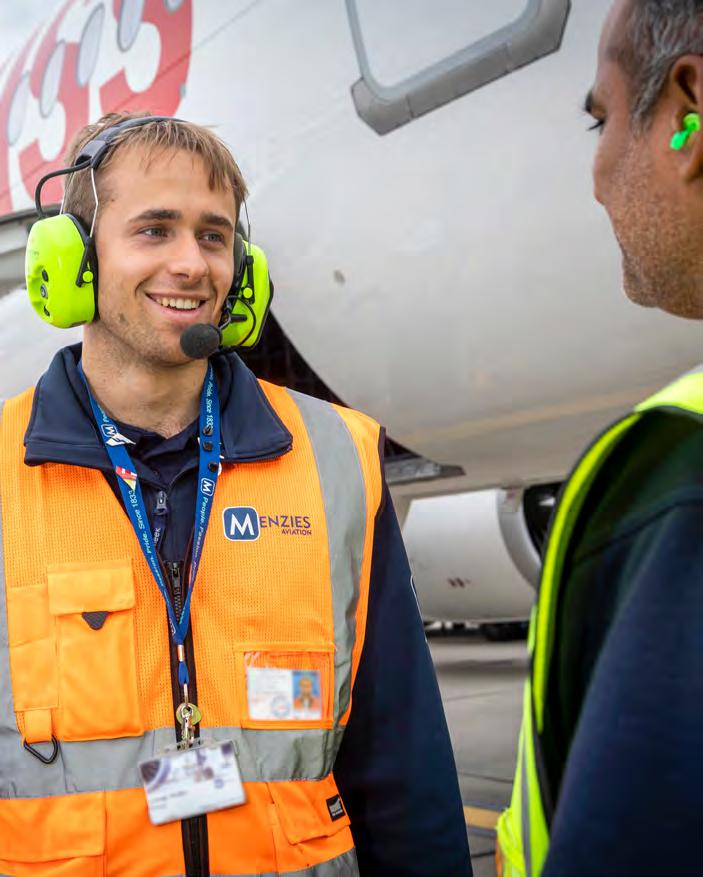
The Menzies Enterprise Risk Management (ERM) framework takes a proactive approach to risk, driving value and sustainable growth through accountability, governance, oversight, and strategic integration. Our ERM system enables the active identification, tracking, and management of risks, providing a dynamic, real-time view of risks, impacts, and actions across our global business, maintained by designated risk owners.
Risks are identified throughout the organisation, and we conduct horizon scanning to detect emerging risks that could materially impact our business. This includes external factors such as technological disruption, regulatory changes, climate change and societal trends. Senior regional leadership and central teams assess risks within their areas, while the Risk Committee regularly evaluates top-down, emerging, and principal risks, considering aggregated impacts, root causes, risk appetite, and mitigation actions.
Risk management is embedded in strategic decisions, investments, and business changes. By continuously testing and improving our framework – including controls and governance –we ensure resilience and responsible growth.
Climate risk is integrated into our ERM procedures including climate-related risks on our business, as well as the impacts of our own business and supply chains on climate change, whether they be physical, transitional or liability related. This engages and brings to life climate-related risks for our senior teams and how these are directly related to our strategy, decision-making and procurement.
In line with TCFD, IFRS S2 and California’s ClimateRelated Financial Risk Act (SB 261), we integrate climate-related risks into our ERM procedures. This includes identifying, assessing, and mitigating physical, transition, and liability risks associated with climate change, as well as evaluating the impact of our operations and supply chain on climate. These risks are linked directly to our strategy, procurement, and decision-making processes.
We use scenario analysis to assess resilience under multiple climate pathways, supported by external ESG and climate experts (ESG360°). We refreshed our climate scenario modelling and risk assessment with participation from our Executive Management Board and regional EVPs again in 2025, which also supported our double materiality – financial materiality assessment. This work informs our transition planning, disclosure commitments and voluntary compliance with SB 261, ensuring transparency and readiness for evolving regulatory requirements.
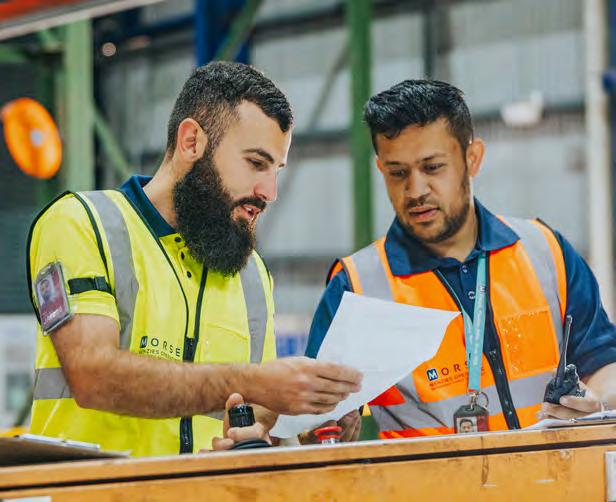
Our Risk Committee provides enterprise-wide governance and skilled business assessment, focusing on top-down, emerging, and principal risks. These risks include strategic, change, financial, regulatory, climate, political, IT, legal, reputational, and others. The Committee performs deep-dive analyses on emerging risk topics.
Chaired by the Chief Governance & Sustainability Officer, the Committee includes the following roleholders, along with specialist roles as required:
• H ead of Sustainability & Corporate Responsibility
• Chief People Officer
• H ead of Financial Planning & Analysis
• SVP Operational Risk
• Chief Information Officer
The Committee meets regularly to review risks related to new business opportunities, alongside the executive management board. It is responsible for instilling enhanced awareness and corporate risk governance in a meaningful way, informing our strategy and action planning.
John Menzies Limited (Menzies Aviation) is committed to addressing climate change and has integrated climate-related considerations into our business strategy and operations. We are pleased to share our report for the fifth year under the Taskforce for Climate-Related Financial Disclosures (TCFD) framework outlining our approach to climate governance, risk management, and our pathway to achieving net-zero emissions by 2045. We have made disclosures consistent with each of the recommendations consistent with ‘comply and explain’ requirements.
We have established Science-Based Targets validated by the Science Based Targets initiative (SBTi), committing to reduce absolute Scope 1 and 2 greenhouse gas emissions by 50% by 2030 and 95% by 2045 from our 2022 base year, and to reduce Scope 3 emissions by between 30-42% by 2030 and 90% by 2045. Our climate transition plan continues to aligns with a 1.5°C world scenario, and we have adopted an ‘electric first’ approach to all investment decisions for new ground support equipment and vehicles.
Climate risks and opportunities are fully integrated within our Enterprise Risk Management (ERM) system called Corestream, ensuring comprehensive management and reporting in line with our risk governance structure. Our approach covers shortterm, medium-term, and long-term time horizons and incorporates scenario analysis based on IPCC Climate Change Projections.
As TCFD has been incorporated into the International Sustainability Standards Board (ISSB) standards created by the IFRS Foundation setting the baseline for various international sustainability and climate disclosures, we intend adapting this report to reflect those changes. By adopting this approach we will enhance the quality and transparency of our disclosures and provide globally comparable information on sustainability-related risks and opportunities.
We completed our double materiality assessment and a review of climate risk scenarios in 2025 supported by specialist consultants ESG360° and Nature Positive. This process was hugely beneficial in determining and validating the material topics for our business as it is now and refocused on priorities. It also provided an opportunity to engage with our internal and external stakeholders and have focused discussions on impacts, risks and opportunities.
We have a better view of how we can improve our data and disclosures and our transition plans.
In 2025 we reviewed a new set scenarios based on the energy transition taking an incremental, realistic and accelerated view, across three time horizons –near-term, mid-term and long-term. This process engaged our executive leadership team supported by ESG360° and created a set of outputs focused on strategic impact, opportunities, executive actions, risks, financial consideration.
We previously carried out a comprehensive physical risk assessment of our top 30 airport locations based on the latest climate science from the Intergovernmental Panel on Climate Change (IPCC). This study highlighted five locations prone to physical risks namely coastal flooding, sea level rise, heat stress and drought in certain regions and locations on periods up to 2050, although no locations were at risk in the short term.
On an ongoing basis, we will risk assess new airport locations we enter into, to ensure any potential risks are identified and considered within the business case.
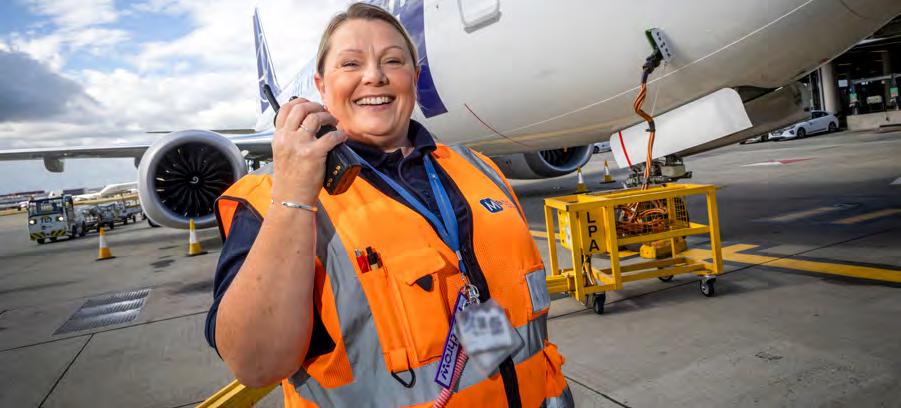
We reviewed and refreshed our latest risk scenarios taking into account the energy transition work undertaken in 2025:
• Implementation of a carbon price, or other taxes may have a direct financial impact should Menzies be unable to reduce its carbon emissions, as well as our competitors (medium/long-term).
• Fast changing consumer attitudes especially in developed European markets, may impact flight volumes/flight caps and result in cost pressures from our customers where there are already tight contractual margins (medium-term).
• U ncertainties around decarbonisation technologies for the aviation sector and supporting infrastructure in some locations may inhibit our ability to meet our own carbon reduction targets and the required pace of change, as well as government targets (short/ medium/long-term).
• Spikes in energy costs and taxes squeezing margins.
• Energy efficiency and decarbonisation actions in operations faster than our competitors, and enabling our customers to achieve their targets faster.
• Leading the market with a robust sustainability strategy and collaborating with our aviation partners to take action, implement change and increase our resilience.
• Accessing grants and subsidies for decarbonisation technologies to offset the level of investment required in new training, technologies and equipment to support delivery of our carbon reduction goals as well as support the goals of the aviation sector more widely.
• B uilding a climate resilient strategy to attract relevant capital.
• C onsidering carbon adjusted pricing models.
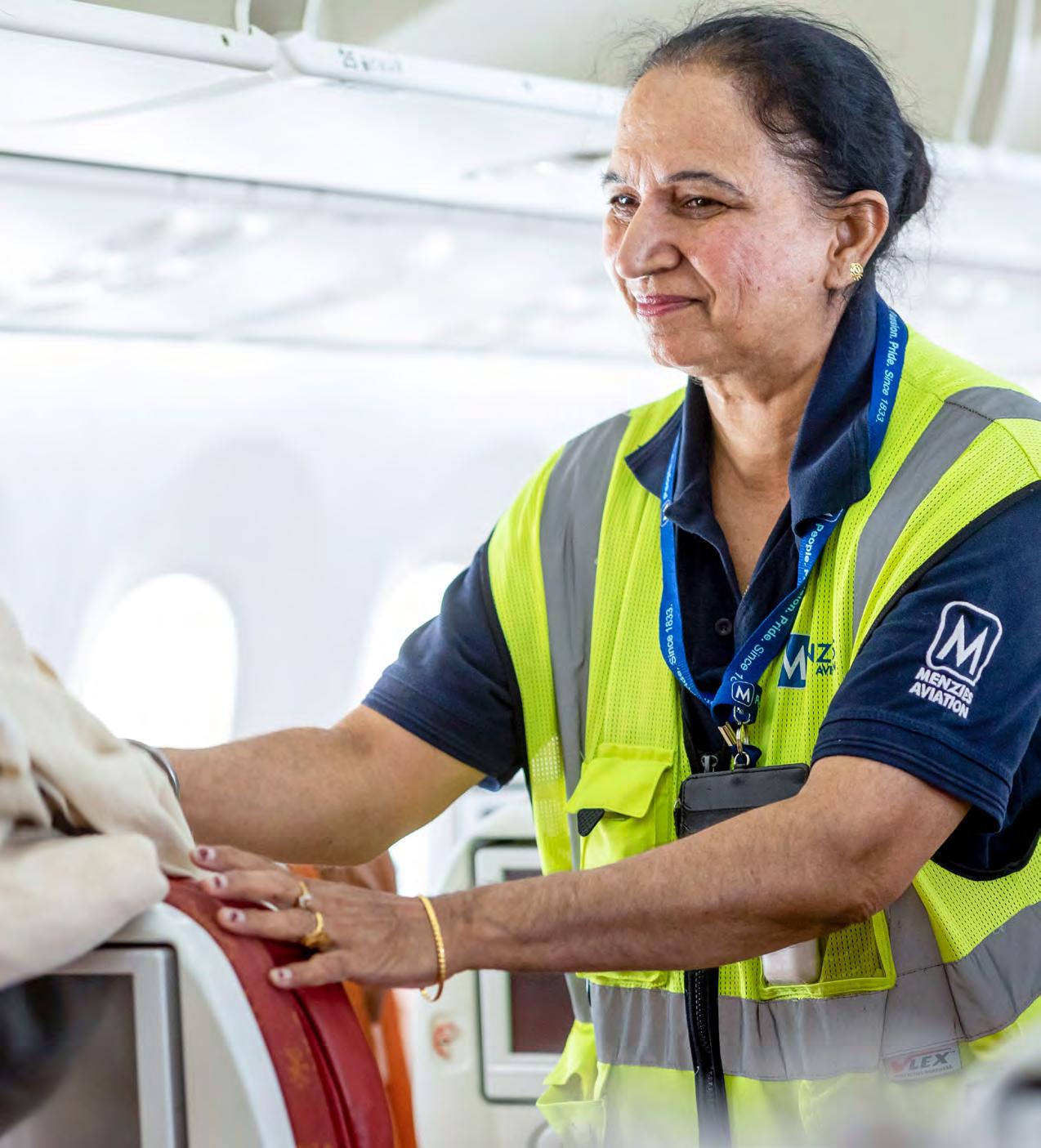
GOVERNANCE DISCLOSURE
A) BOARD OVERSIGHT OF CLIMATE-RELATED RISKS AND OPPORTUNITIES.
B) M ANAGEMENT’S ROLE IN ASSESSING AND MANAGING CLIMATERELATED RISKS AND OPPORTUNITIES.
The Board has accountability for climate change matters at John Menzies. Our governance structure includes positions with climate oversight responsibilities including our Chief Governance & Sustainability Officer) and Chief Financial Officer. The Risk & Audit Committee is responsible for ensuring climate and sustainability-related risks are identified and managed, with oversight of scenario modelling for climate risks. Climate risks are reviewed by the Risk Committee and board-level Risk and Audit Committee throughout the year.
The Executive Management Board is regularly informed of sustainability strategy progress throughout the year by the Chief Governance & Sustainability Officer and Head of Sustainability & Corporate Responsibility, and is involved in supporting key initiatives, opportunities and collaborations. They participated in key initiatives such as our double materiality assessment and scenario modelling reviews. Further details of our governance structure can be found on pages 51 to 55 of this Sustainability Report.
Senior management and the Chief Governance & Sustainability Officer have been directly involved in our scenario planning exercise and assessment of opportunities and risks, as well as participating and shaping our Sustainability Strategy and initiatives. This included awareness sessions led by ESG360° on climate change and external factors. The Risk Committee met regularly during 2025 and reviewed the top-down risks and emerging risks which were quantified following a set methodology.
The Executive Management Board have been informed regularly of progress with our Sustainability Strategy throughout the year and have been involved in and supported key initiatives, opportunities and collaborations. Details of our sustainability plans are communicated directly to over 100 of our senior managers during our M100 update sessions, and we held a sustainability-focused panel discussion at our 2025 M100 senior manager conference.
Members of senior management have been assigned appropriate climate related targets focused on reducing Scope 1 and 2 greenhouse gas (GHG) emissions and associated targets such as paper reduction. These are reassessed annually. Our managers are also tasked with paper reduction targets and other environmental goals such as reducing waste to landfill. Consideration will be given in the coming year to expand more strategic targets to our executives/Board.
A) S HORT, MEDIUM AND LONG-TERM CLIMATERELATED RISKS AND OPPORTUNITIES.
DISCLOSURE
Our climate risk and opportunities assessment sand target-setting cover multiple time horizons including:
• S hort-term: Annual assessment and monitoring of climate risks and progress against targets
• M edium-term: Near-term Science-Based Targets to 2030
• Long-term: Net-zero commitment by 2045 and long-term Science-Based Targets
Our double materiality assessment process currently underway and expected to complete end Q1 2025, has further enhanced our stakeholder engagement and will play a key role in updating our strategy moving forward to map the climate-related risks and opportunities across our supply chain.
We take a pragmatic view of the net zero transition in line with the energy security and economic growth focus from various governments around the globe, which may impact our short-term actions, especially our dependency on airports and airline partners to scale various technologies such as infrastructure to support electrification and provision of renewable energy.
Climate risks and opportunities are integrated into our strategic planning processes. Our assessment covers both physical and transition risks across our operations and value chain, using scenario analysis and consultation with partners and stakeholders including customers, NGOs, regulators, and airports. Pages 18, 5657
B) I MPACT OF CLIMATERELATED RISKS AND OPPORTUNITIES ON OUR BUSINESS, OUR STRATEGY AND OUR FINANCIAL PLANNING.
C) THE RESILIENCE OF OUR STRATEGY TO DIFFERENT CLIMATERELATED SCENARIOS, INCLUDING A 2C OR LOWER SCENARIO.
Net-zero aligned government legislation and changing consumer attitudes towards the aviation sector may have a long-term impact on our business.
We will continue to monitor changes to external impacts and to understand granular strategic and financial impacts of climate risk on our business, which will better enable us to consider and implement any adjustments to our strategy.
We already take an ‘electric first’ approach to all investment decisions around new ground support equipment and vehicles and have expanded our sustainable procurement approach and capital investment procedures to widen this through our business.
Senior management participated in our exercise to refresh our scenario analysis to identify risks and opportunities in 2025, with a focus on energy transition scenarios, as well as completing our double materiality assessment.
The output of this exercise has enabled us to refresh our plans focusing on the areas that are most material to us and we have identified recommendations for our executive team to consider. We are incorporating these insights into our strategic and financial planning processes to support business strategy, investment decisions and financial resilience.
We will continue to review this on an annual basis, including any new material scenarios as they arise. We do not currently believe there are any major risks to our strategy in the short to medium-term
We believe our focus on reducing our carbon emissions and collaborating with our industry partners on implementing change, new infrastructure and supporting each other to achieve our goals, coupled with continuing to develop our mix of aviation services and varied geographies we operate in will ensure our continued resilience in the short to medium-term. This approach aligns with the fact that an ecosystem approach is needed in the aviation sector to reduce risks and to achieve sustainable outcomes.
Our climate transition plan aligns with a 1.5°C world scenario, demonstrating our commitment to building resilience in line with the Paris Agreement goals.
We reviewed and updated our climate risks and opportunities as outlined earlier in this report.
Our risk management process includes several key components:
• R isk Committee Review : The Risk Committee reviews top-down risks and emerging risks using a set methodology. Climate risks are reviewed by the Risk Committee and board-level Risk and Audit Committee throughout the year.
• E nvironmental Policy : Our Environmental Policy includes periodic risk assessments and internal auditing of control systems to ensure effective management of climate-related risks.
• M anagement Accountability : Climate-related targets have been assigned to senior management focused on reducing Scope 1 and 2 GHG emissions, with regular review through Risk Committee and board-level committees.
C) H OW OUR PROCESSES ARE INTEGRATED INTO OUR OVERALL RISK MANAGEMENT.
We have a comprehensive Enterprise Risk Management (ERM) system, Corestream. All climate risks and opportunities including those uncovered from our TCFD implementation process, are managed and fully integrated within our updated ERM processes and are a core part of our risk assessment processes. This integration ensures that climate considerations are embedded in our strategic decision-making and are subject to the same rigorous oversight as other enterprise risks.
Further details of our risk governance structure, risk management framework including details of our approach to identifying, assessing, and managing risk, including integrating climate related risks, can be found on page 55 of this Annual Review & Sustainability Report.
AND TARGETS DISCLOSURE
A) M ETRICS USED TO ASSESS OUR CLIMATERELATED RISKS AND OPPORTUNITIES IN LINE WITH STRATEGY AND RISK MANAGEMENT PROCESSES.
We review our climate-related risks on a regular basis as part of our overarching enterprise risk management framework and procedures, as previously outlined. This includes monitoring our targets for Scope 1, 2 and 3 greenhouse gas emissions reductions as reported on pages 22 to 24 of this report.
We have established Science-Based Targets validated by the Science Based Targets initiative (SBTi). Our climate transition plan continues to aligns with a 1.5°C world scenario.
Near-term targets
• Reduce Scope 1 and 2 GHG emissions 50% by 2030 from a 2022 base year*.
• Reduce absolute Scope 3 GHG emissions from use of sold products related to the sale of fossil fuels 42% by 2030 from a 2022 base year.
• Reduce absolute Scope 3 GHG emissions from purchased goods and services, capital goods, fuel and energy related activities, waste, business travel, employee commuting and use of sold products 30% within the same timeframe.
• Reduce absolute Scope 3 GHG emissions from the use of sold fossil fuels 42% within the same timeframe.
• Reduce absolute Scope 1 and 2 GHG emissions 95% by 2045 from a 2022 base year*.
• Reduce absolute Scope 3 GHG emissions from purchased goods and services, capital goods, fuel and energy related activities, waste generated in operations, business travel, employee commuting and use of sold products 90% within the same timeframe.
* The target boundary includes land-related emissions and removals from bioenergy feedstocks.
We have amended our capital investment governance process to embed improved risk assessment procedures and climate-related impacts and opportunities analysis.
B) O UR SCOPE 1, SCOPE 2 AND IF APPROPRIATE, SCOPE 3 GREENHOUSE GAS (GHG) EMISSIONS, AND THE RELATED RISKS.
Our Scope 1, 2 and 3 greenhouse gas (GHG) emissions reductions are reported on pages 22 to 24 of this report. This includes our baseline year (2022), previous year (2024) and this reporting year (2025).
Methodology for calculating emissions is outlined on pages 22 to 24 of this report, but includes:
• Emissions calculated using the GHG Protocol Corporate Accounting and Reporting Standard
• Reported in accordance with UK Government’s Environmental Reporting Guidelines
• 2 023 GHG emissions externally verified to moderate level of assurance by ESG360
• Data verification from invoices undertaken by Hilltop Sustainability
Our transition risks are directly related to us achieving our 2045 net-zero target.
We are also reliant on support from our suppliers in helping us achieve our emissions reduction targets through the products and services they supply. We engage our suppliers to help measure and to help reduce our emissions.
In 2025, we invited suppliers to participate in the UN Sustainable Suppliers training programme. We will invite a second cohort of suppliers to take part in 2026. The aim of this programme is to build improved sustainability across the value chain.
C) TARGETS TO MANAGE OUR CLIMATE RELATED RISKS AND OPPORTUNITIES AND PERFORMANCE AGAINST THESE TARGETS.
We will take a pragmatic view of the net zero transition in line with the energy security and economic growth focus from various governments around the globe, which may impact our short-term actions, especially your dependency on airports and airline partners to scale various technologies such as infrastructure to support electrification and provision of renewable energy.
Metrics we use to measure performance and manage our climate-related risks and opportunities include:
• A bsolute greenhouse gas emissions in metric tons CO2e for Scope 1, 2, and 3
• Energy consumption totals in MWh
• Energy from renewable sources.
• Emissions intensity metrics per unit currency total revenue and per FTE
• Transport activity-based intensity metrics
• B reakdown of emissions by business division, country/area, location
• Percentage of electric GSE
• Waste to landfill for cargo
Menzies Aviation’s 2025 greenhouse gas (GHG) emissions have been externally verified to a limited level of assurance by ESG360° with verification of data obtained from invoices undertaken by Hilltop Sustainability (Hilltop).
Hilltop is a business sustainability consultancy specialising in carbon auditing, footprint calculations, carbon reduction plans and strategies with the aim of assisting clients on the pathway to net-zero.
Hilltop was provided access to the SUN financial system Carbon Reporting extracts spreadsheet for Q1, Q2 and Q3 2025 along with sample invoices consequent to the invoice request tracker which we provided with the purpose of verifying that invoices have been entered correctly into the spreadsheet and to identify potential anomalies in the data.
Verification has been undertaken using standard audit principles. The data verified by this exercise was provided by Menzies employees, contractors and service providers. It covers operated activities undertaken by Menzies during the first 9 months of the reporting year as referred to by the Annual Review and Sustainability Report 2025. Hilltop Sustainability has not been involved in any data collection activities for Menzies, their contractors or service providers during the reporting period. Hilltop Sustainability confirms that there is no conflict of interest arising and this verification statement and the assurance process has been undertaken independently.
Hilltop Sustainability have been engaged to verify and comment on the data collection, invoice sample and quality of the data entry in relation
to the invoices collected as well as to make recommendations based on its findings
Verification of invoices has been undertaken on the following basis:
• Cross check entries in the data sheet against sample invoices provided to ensure the following:
–I nvoices match entries on the emissions data sheets
–Q uantitative data has been correctly entered – C orrect units of measurement have been used –Fuel and energy types have been correctly attributed
• Review the invoice request tracker to establish how accurately different areas of the client organisation have responded.
• Overall review of the carbon reporting spreadsheet to identify atypical entries and anomalies that would warrant further checking by the client.
In line with last year we once again checked a similar number of invoices (545 – although some entries actually comprise multiple invoices so the true number is larger than this) which is greater than previous years and should provide a clearer reflection of the situation with regards to data entry given the larger sample size. It is also a reflection that this year more airports responded with invoices than have done in the past.
Invoices were requested using a number of criteria:
• Airports were selected who had seemingly had inputting issues the previous year to check if they have corrected the issue.
• Fuel types were selected where there are often areas of confusion, such as LPG and Natural
Gas due to the range of measurement units employed.
• Airports were selected if there were obviouslooking anomalies in the emissions data sheets so that these could be checked.
• N ew airports not seen previously were selected to check that they are adopting the right processes.
• L arger airports were selected to try and capture the larger emissions sources.
1. I n future, whenever invoices are supplied and they do not match the fuel type or accounting period or quantity requested, a brief explanation should be provided. This will encourage accounting teams to check their own work and pick up on more errors themselves.
2. M enzies to communicate more detail on Radius Point system and suggest how quantities of Natural gas and electricity can be verified.
3. Emissions sheets to show if any airport is using guaranteed 100% renewable energy.
4. Ensure that HVO is being correctly reported where used.
5. Further investigation into how errors are happening would be worthwhile through discussion with those responsible for inputting invoice data onto SUN to establish the key causes e.g. is it a translation issue, a lack of understanding about different fuel types, or using AI that is not sufficiently adept at reading the invoices correctly. Once the key issue has been identified appropriate corrective action can be taken.
6. LPG continues to present challenges for accurate airport reporting due to inconsistent delivery and measurement practices. It is supplied in various forms but rarely in
standardised units for recording in SUN. For example, LPG used for forklifts in cargo areas is often delivered in canisters, described either by weight or simply by quantity. At Melbourne Airport, invoices listed LPG in kilograms, and the accounts team attempted to convert this to litres using incorrect conversion factors, resulting in significant errors. Similarly, at San Francisco Airport, LPG was invoiced by the number of cylinders, but some entries in SUN were recorded as US gallons without proper conversion. It would make most sense of entries on Sun to reflect exactly how the fuel is invoiced and let the conversion happen later in the process by people with greater knowledge and understanding. A similar issue occurs with natural gas.
7. I dentify the US and Canadian regional grid that each US airport is located in on the emissions sheet.
8. It is acceptable to use supplier statements that summarise fuel use data, but do not attempt to consolidate batches of invoices into single data entries on SUN.
9. M enzies to review invoice capture procedure and review how to ensure that all invoices get captured on the SUN system.
10. M enzies to review the emissions data sheets before submission for calculation or auditing to check for obvious errors, and correct.
ESG360° completed the conversion factor calculations on behalf of Menzies within the ESG360° system, according to the methodology outlined in ‘Quantification and methodology’ section of this report on page 22 and can attest to the accuracy of those calculations.