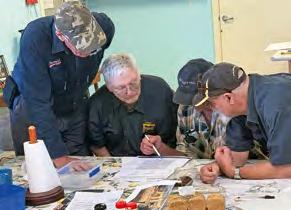
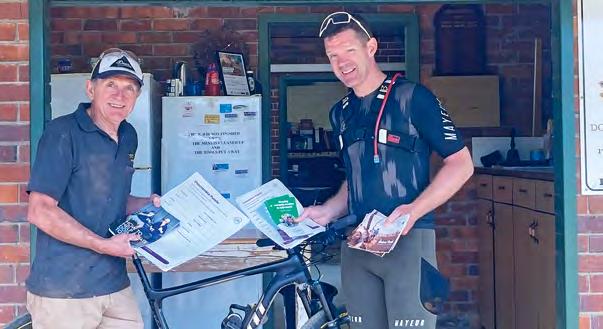
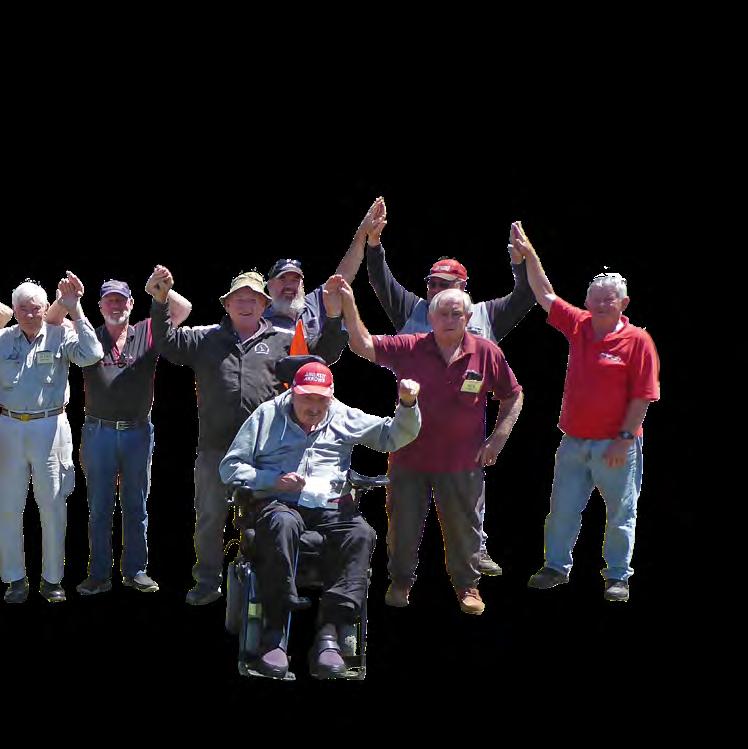
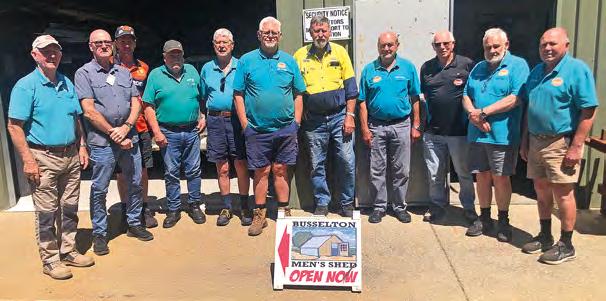
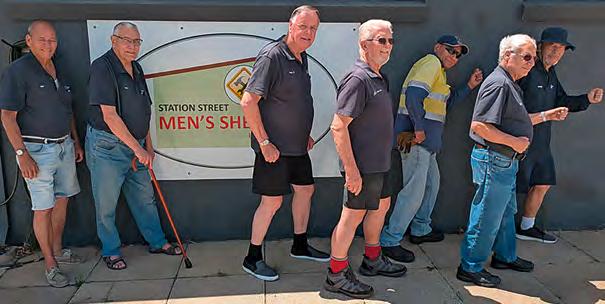
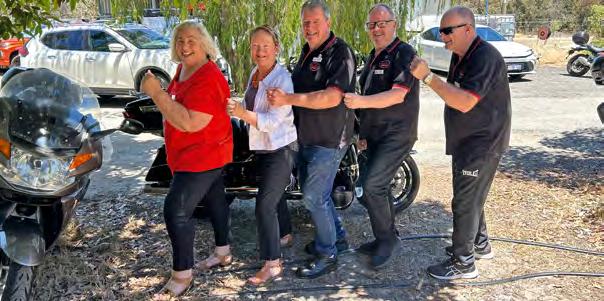
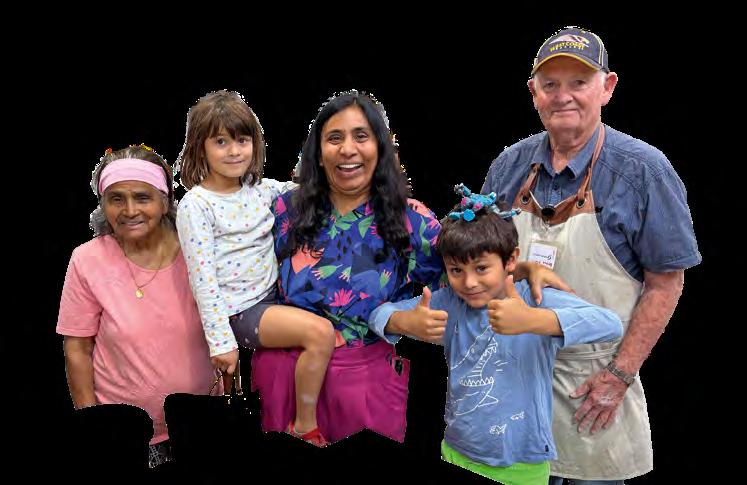
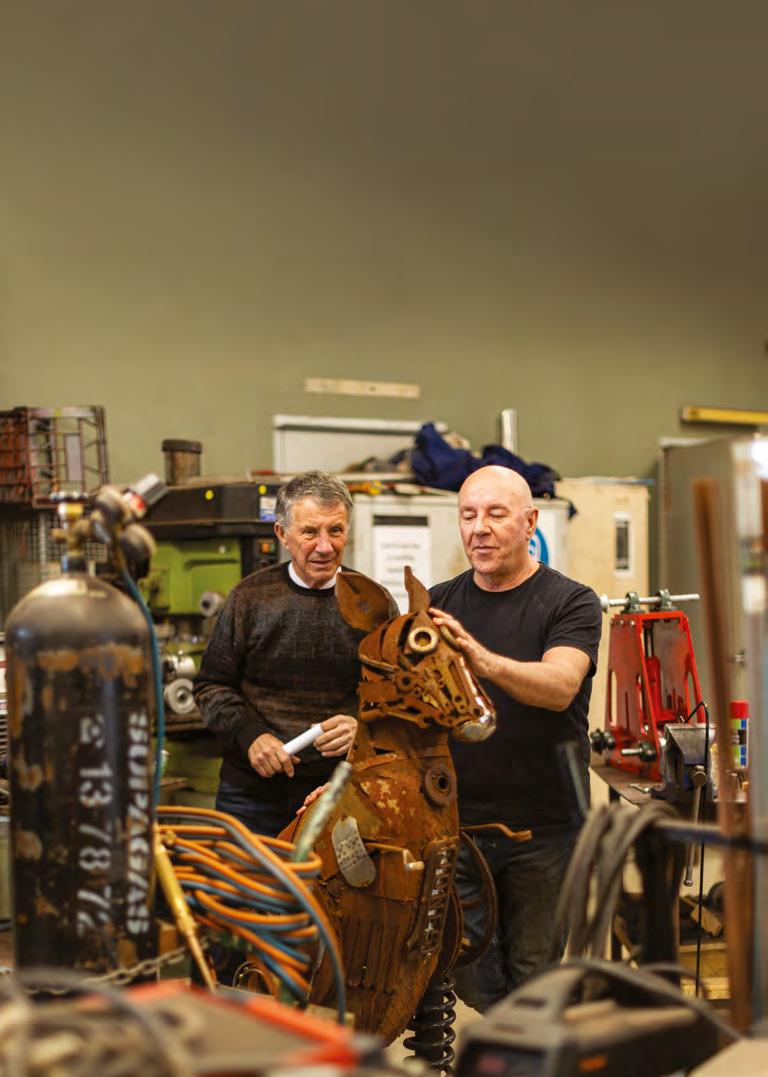
Page 20: Busselton Men’s Shed, Station Street Men’s Shed, Motorcycle Men’s Shed
Page 22-23: Manning Men’s Shed
Page 25: The Rotary Club
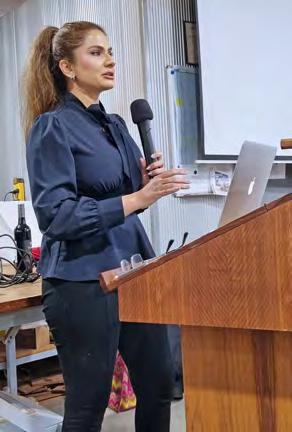
Page 26: Bri Guerrini, Curtin University
Page 27: Men’s Sheds of WA
Page 28-29: Motorcycle Men’s Shed
Page 30-31: Victoria Park Men’s Shed
If you would like to comment on any aspect of this newsletter, please contact us on: (08) 6381 5324 or e-mail: admin@mensshedswa.org.au www.mensshedswa.org.au facebook.com/mensshedswa
All rights reserved. No part of this publication may be reproduced, stored in a retrieval system, or transmitted, in any form or by any means, electronic, mechanical, photocopying, recording or otherwise without the prior written permission of the Publisher and copyright owners. The contents of this publication are believed correct at the time of printing. Nevertheless the Publisher can accept no responsibility for errors or omissions, changes in the detail given or for any expense or loss thereby caused.
Men’s Sheds of WA does not warrant that any website mentioned in this title will be provided uninterrupted, that any website will be error free, that defects will be corrected, or that the website or the server that makes it available are free of viruses or bugs. For full terms and conditions please refer to the site terms provided on the website
SHEDS WA
Hello from the Sheds WA team!
It is my pleasure to welcome you to the first edition of Sheds WA Magazine for 2026. The year is already off to a flying start, with strong momentum, important conversations and exciting opportunities unfolding across our network of Sheds throughout Western Australia.
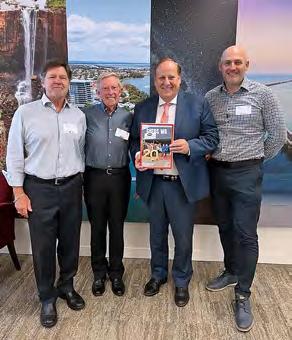
We were honoured to host Dan Repacholi MP, Special Envoy for Men’s Health, who visited WA to meet with Sheds and the Men’s Sheds of WA team. We had a great morning with Dan and his team at the Showgrounds Community Men’s Shed, where Dan joined members for morning tea, enjoyed fresh scones, and most importantly, spent time listening. His message about the importance of regular men’s health checks strongly resonated with our Shedders, reinforcing the vital role Sheds play in creating safe spaces where conversations that matter can happen. We thank Dan for his genuine engagement and for championing men’s health at a national level, and look forward to seeing him back in WA soon.
We were also pleased to meet with Don Punch MLA, Minister for Aboriginal Affairs; Water; Climate Resilience; South West. Minister Punch is a valued supporter of Men’s Sheds and was enthusiastic about our project to support Sheds in remote communities across the Kimberley. I’d like to thank Minister Punch for his time and ongoing support, and I look forward to continuing to work together to strengthen Men’s Sheds and the communities they serve all across the state.
Looking ahead, 2026 promises to be another significant year. Thanks to the continued support of Lotterywest, we are proud to continue our small grants program for WA Sheds. These grants will help Sheds to be innovative in their approach to creating “Thriving Sheds”, aligned with our research partnership with Curtin University, ensuring our work remains evidence-based and communitydriven.
Additionally, it is important to acknowledge that the Men’s Sheds of WA team can’t do it alone. We are grateful for the ongoing support of the following:
• State Government (Department of Communities, Lotterywest and the Mental Health Commission)
• Commonwealth Government (Department of Health and Aged Care)
• Corporate and individual supporters and sponsors including (Wesfarmers, Juniper, Containers for Change, Hip Pocket)
• and of course the WA’s Sheds themselves.
External funding ensures that we can provide a comprehensive level of support, advice and grants to Sheds and helps us to promote important health and wellbeing information to men and Sheds across the State. This funding also enables us to extend our successful 2025 Shed Connect Tour throughout 2026. We will once again be travelling far and wide, running events across the State and visiting as many Sheds as possible.
Strengthening connections, sharing ideas and ensuring every Shed feels supported and heard.
The year ahead is full of promise. Thank you to every Shed, every volunteer and every supporter who continues to make this movement so powerful. Together, we are
building stronger communities, improving men’s health and creating thriving Sheds across Western Australia.
I look forward to seeing you on our travels.
James Wild CEO, Men’s
Sheds of WA
Cervantes: A New Home and Smart Sortin’ Table
By Fiona Peters
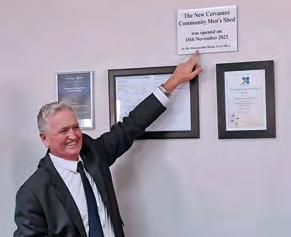
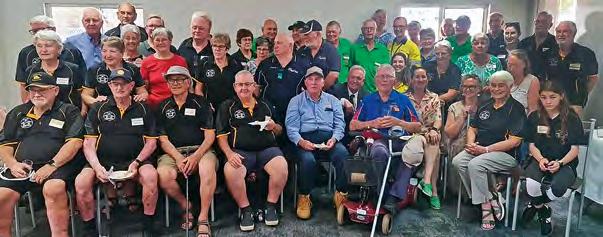
Cervantes Community Men’s Shed has moved into a brand-new, purpose-built Shed, and it’s already proving to be a real game changer. There was a great turnout from Shed mates and neighbours from Moora, Greenhead, Gingin and Jurien Bay at the official opening in November 2025, making it a proud day for everyone involved.
President Murray Ford said the journey to get here has been a long one.
“It’s been quite a challenge to reach this stage, starting with the strategic plan developed back in 2019. Our original shed had limited space, which restricted both activities and membership. This new ‘fitfor-purpose’ shed now gives us room for member meetings, social gatherings and training workshops.”
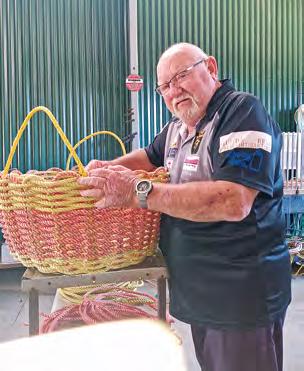
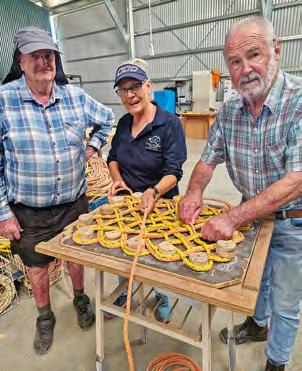
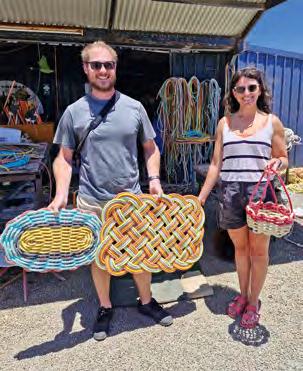
One of the Shed’s standout activities is repurposing old craypot ropes by weaving them into mats, baskets and 4WD bog mats, keeping many thousands of metres of rope out of landfill.
“We sell these woven items at local markets to help fund the running of the Shed and keep activities affordable for our members,” Murray said.
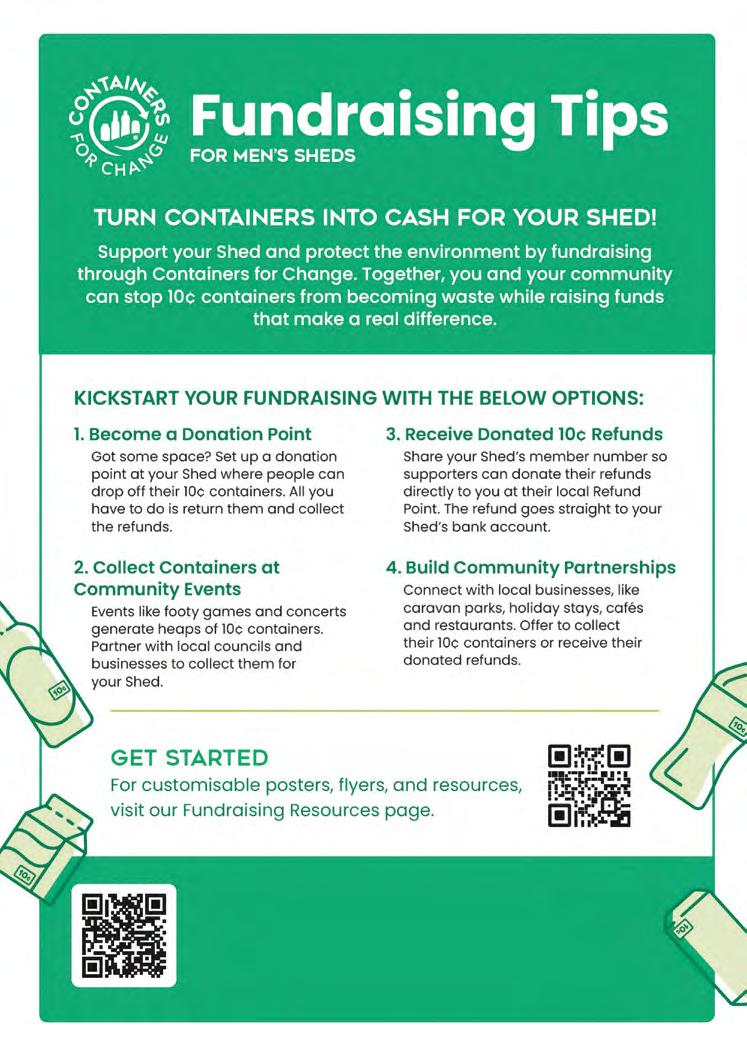
Another strong income stream comes from regularly collecting cans and bottles around town through the Containers for Change program.
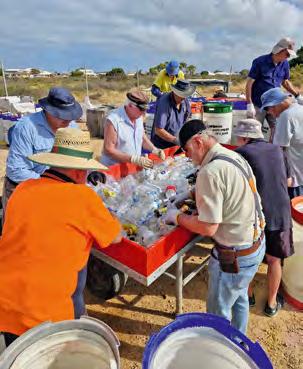
“We’ve built a bespoke mobile sorting table that makes processing bags of bottles and cans an absolute breeze,” he added. If things keep going the way they are, we’re aiming to top one million containers recycled by the end of this year.”
Containers for Change –A Mobile Sorting Table That Works
Most Sheds know the value of Containers for Change. It’s a great way to keep recyclable drink containers out of landfill while bringing in a bit of extra money to support Shed activities.
When you’re dealing with large volumes, a good sorting table makes all the difference:
• Elevates the work, no constant bending
• Saves backs and makes it easier for more shedders to get involved
• Separates wet glass from cans and plastics safely
• Moves easily alongside the trailer, keeping everything within reach
Simple, practical setups like this show how a few smart tweaks in the Shed can make everyday jobs safer, easier and more enjoyable for everyone involved.
Do you have photos of your own Containers for Change setup or clever Shed solutions? Send them through to admin@ mensshedswa.org.au
Not started Containers for Change yet?
Free setup support is available to support Sheds who are new to fundraising through Containers for Change. Get in contact with Andrea for free bins and resources at: getinvolved@warrrl.com.au.
Or if your Shed is already involved, feel free to reach out to Andrea for additional resources to boost your revenue.
A Carpenter’s Craft
Tells the Easter Story at Juniper
By Fiona Peters
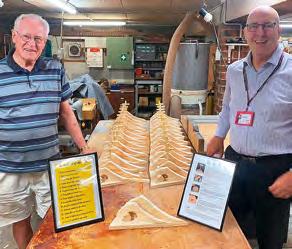
The latest woodworking project by Juniper Rowethorpe Retirement Living Village resident Bill Henshall is set to go statewide.
As part of the retirement village community in Bentley, Bill has enjoyed tinkering around in the Residents’ Shed “when a bloke feels like it”, making bench seats, tables, bookshelves, and more for close to a decade.
When Juniper Chaplain Bruce Grant asked the resourceful 83-year-old if he could help create Easter scenes that would take pride of place at 25 Juniper sites across WA, Bill was quick to make it happen.
Bill purposely decided to create the scenes using wood as Christ was a carpenter.
“Pure and simple, it’s telling the story of the last three years of the life of Jesus,” Bill said.
“The stone rolled back, signifies the resurrection, which is the most important part of the depiction. It’s a deliberate attempt to tell a visual story – not a nail and no glue was used,” he said.
During his career, Bill worked with the Education Department and visited Aboriginal communities in the Kimberley “on and off for 40 years” to talk finance and accounting.
Always enjoying his time in the northernmost area of WA, Bill referred to the region fondly as “a bit of a backyard” and has visited the Kimberley several times since retiring from the workforce.
Since wrapping up work, Bill enjoys nothing more than working on a mix of projects and his latest assignment of more than two dozen Easter scenes took “a few weeks” to make once he had a series of templates in place.
“It became a bit of a production line - the entire shape of it was all done and finished by hand,” he said. “It has meaning, it’s not just an object, but there’s a meaning, there’s a story to it.”
The 25 finished works will soon make their way to Juniper sites across WA in readiness for Easter 2026.
“The whole idea is to create a consideration of what Easter is all about and get everyone to think about it and why the scene is shaped the way it is,” he said.
Away from his projects in the shed, Bill keeps active with regular rowing machine workouts and bicycle rides, pedalling about 200km each week.
With limitless creative ideas at the ready, Bill has more projects in the design stages.
“Retirement’s a dirty word, and I’m sure most retired folk would agree with that,” he said.
Bringing Cyber Safety to the Community
By Fiona Peters
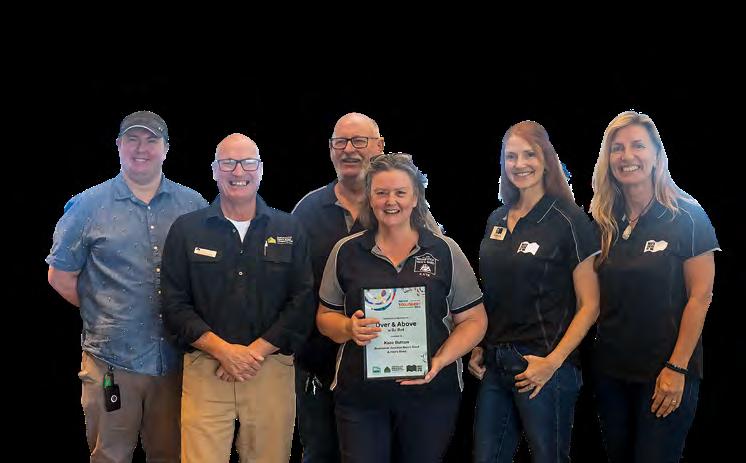
What started as a conversation in a regional Shed has grown into a statewide cyber safety effort. The Brunswick Junction Community Men’s Shed (BJCMS) was awarded a $20,000 grant from the Department of Home Affairs to deliver vital cyber awareness education across WA - a significant achievement.
Congratulations to Kate Bufton, Secretary of BJCMS, who secured the grant, led the project, and will present at the Australian Men’s Sheds Association Gathering in March 2026 to share insights. BJCMS will have the great honour of introducing Dr David Cook to the attendees. Dr Cook has been a valuable and trusted source of information throughout the project, whose expertise has greatly supported its success.
“It’s an issue a lot of people brush off, but it’s something that we need to start getting serious about,” Kate said. “If we can raise awareness at a grassroots level within our community groups, hopefully we can get that message out to avoid costly mistakes.”
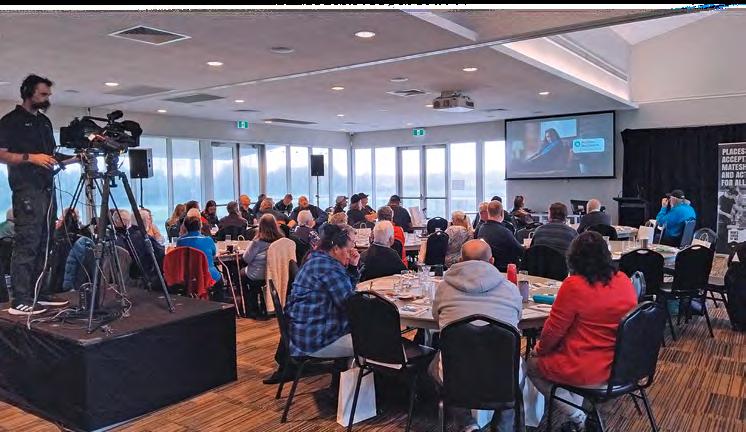
In June 2025, the Shed hosted the ‘Act Now, Stay Secure’ Cyber Awareness event, a highly successful free workshop aimed at helping community members stay safe online. The event was held at the Leschenault Sporting Pavilion in Australind and was streamed live to Men’s Shed groups across Australia.
‘Act Now, Stay Secure’ is in response to the growing threat of online scams and cybercrime targeting everyday users, from seniors to families and community groups. It featured expert speakers:
• Dr David Cook, renowned cybersecurity specialist and author,
• Stuart Torrance, Wellbeing & Health Coordinator at the Australian Men’s Shed Association
• Hon Nola Marino- Retired MP
Attendees learned how to recognise modern threats, from romance scams and deepfake AI risks, to practical steps for protecting personal devices and data.
Streaming the event live and recording the session ensured that not only those attending in person but also shedders from metro and regional areas across the country could benefit from the insights.
You can see the recordings here https://www.youtube.com/@ mensshedsofwa
Taking the Conversation on the Road
The grant also made it possible to roll out Scams & Scones sessions with CyberWest Hub, bringing cyber safety conversations into Sheds over a cuppa. These practical, relaxed workshops have already been held at Albany, Brunswick, Cockburn, Joondalup, and Mosman Park Men’s Sheds, with a final session in March 2026 at Claremont Showgrounds Shed.
The sessions give shedders a chance to ask questions, share experiences, and build confidence in a familiar Shed setting.
The event’s success has blown away Kate and Shed President Peter Lafferty.
“It’s still a bit of a ‘pinch me’ moment. We’re just a small Shed from regional WA, yet we’ve had such a wide impact. It’s been brilliant, sharing practical advice and supporting people who’ve already been caught out by scams.”
Top Cyber Safety Tips for Shedders
• Use a passphrase, not just a password
A short sentence is easier to remember and much harder to crack than a single word.
• Don’t click links you weren’t expecting
If a message asks you to click, download or log in unexpectedly, stop and check first.
• Check for HTTPS before you pay or log in
When shopping or banking online, look for https:// at the start of the web address.
No “s”? Don’t pay.
• Be cautious with unexpected phone calls
Banks, government departments and tech companies won’t ask for passwords or one-time codes over the phone.
• Slow down. Urgency is a red flag Scammers rely on panic. Messages saying “act now” or “account suspended” are often a warning sign.
• When in doubt, ask a Shed mate
A quick chat can save a lot of hassle and money.
Focus on Health Don’t Ignore the Signs
By Fiona Peters
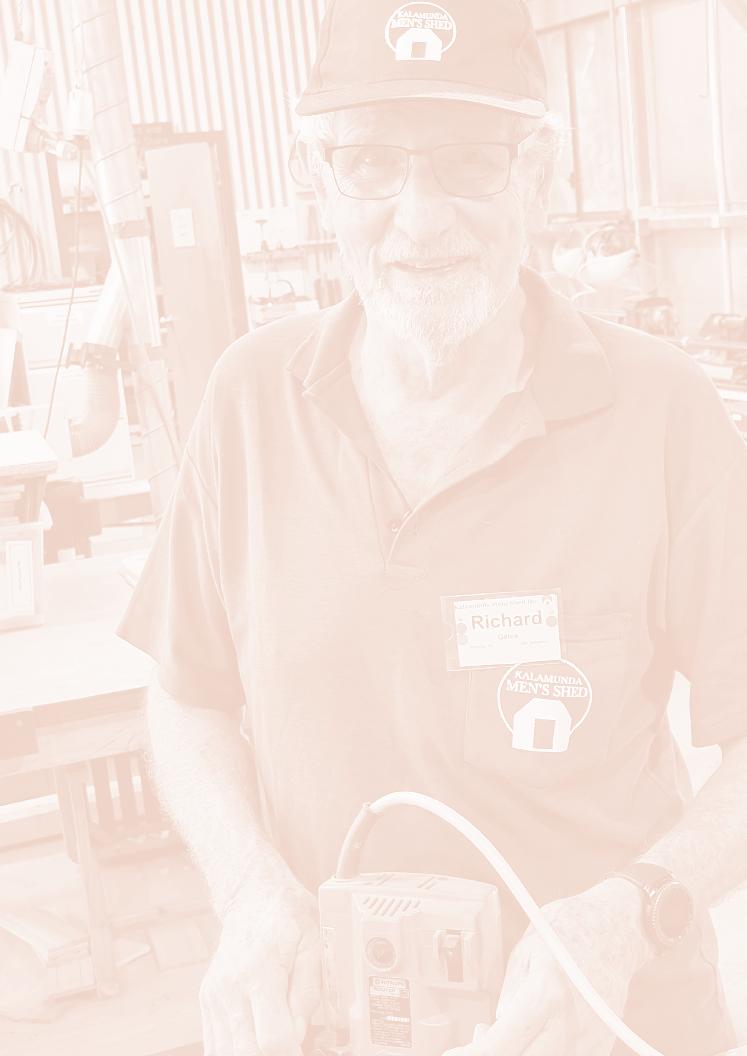
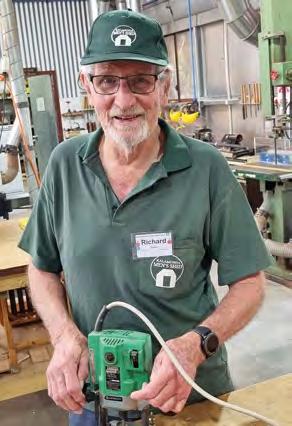
Kalamunda Shedder, Richard Gates was very grateful to have attended regular health talks at the Shed. It saved his life.
Richard recommends no matter how insignificant you think the signs are, get checked.
“I always considered myself reasonably fit. Even in my eightieth year, I regularly went to the gym, walked, and cycled. Living in the Hills, these activities often meant dealing with some steep terrain - some parts easy, others more challenging.
So, after completing my daily routine, I usually felt good. However, at the peak of exercise, I had begun noticing a very slight tightening in my chest and some mild breathlessness. Nothing dramatic. Once I returned to flat ground, everything felt normal again.
Still, I was in a bit of a dilemma: Should I say something or just hope it would go away?
After all, we had long-planned trips coming up, and I didn’t want anything to jeopardise them - not after spending all that money.
This is where the true value of being part of the Kalamunda Men’s Shed came in. At one of our regular monthly meetings, Doctors Annie and Naveed from Mead Medical Centre delivered another informative and engaging health talk. As usual, they stuck around afterward to answer individual questions.
One member mentioned to Dr. Naveed that he was scheduled for a heart procedure the following week. This particular member is a keen cyclist and looks the picture of
health. That made me think: If someone like him needs attention, maybe I should get checked too.
So, when I was getting my COVID booster, I casually mentioned the chest tightening to our GP. That was enough to raise immediate concern - and from there, the process began. Fast forward a few weeks: 12 days in hospital, 9 of them in ICU, and open-heart surgery.
A three-month recovery period is now ahead, but I’m incredibly grateful. My life and lifestyle were saved.”
Advice from Dr Annie:
“Preventative health is the best way to look after yourself even if you feel well. When you see your GP for personalised advice, discuss screening like blood pressure, cholesterol, diabetes check, cancer screening tests, bone density scans, healthy heart checks and stay up to date with immunisations. Never forget the role of self-care, relaxation, mindfulness and mental wellbeing.”
The Lessons
• Don’t dismiss symptoms - even mild ones. If something doesn’t feel right, talk to your GP.
• Make the most of Men’s Shed meetings. The free advice from guest speakers is valuable - listen, and act on it.
• Speak with your fellow Shedders. Sharing your story might just encourage someone else to seek help too.
Richard Gates
Dr Annie
A Shed Without Borders: Supporting an African Shed
By Ray Schmidt and Fiona Peters
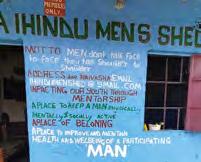
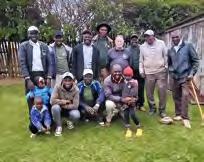
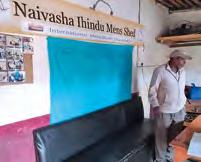
Men’s Sheds are all about blokes looking out for each other and sometimes that support stretches across the world. In August 2025, Ray Schmidt, Secretary of the Serpentine Jarrahdale Men’s Shed, travelled to Kenya with his wife to meet Stephen Kungu and the Naivasha Men’s Shed, a grassroots group of men in the Rift Valley, and explore ways WA Sheds could help.
The Naivasha Shed relies on limited tools and equipment, so the visit was a chance to make a real difference. Ray and his wife presented a donation from their Shed to help the men expand their projects, giving them more opportunities to work, create and support one another.
From the moment they arrived, the welcome was warm and genuine - handshakes, smiles and stories shared - exactly the kind of welcome any Shedders would recognise. Despite the very different setting, the familiar sense of mateship and purpose was clear. Blokes working together, helping each other out, and taking pride in what they’ve built. That’s the Shed spirit, no matter the country.
The Naivasha Men’s Shed plays an important role in its community. For many members, it’s more than a place to work with their hands, it’s a space for connection, learning, and informal support. But with limited tools and equipment, some projects are difficult to get off the ground. That’s where a helping hand from a fellow Shed can make a real difference.
Ray said handing over the donation was a highlight. “It was great to see how much a bit of extra equipment could help the Shed get more projects going. We know how important the right tools are, they give blokes something to work on together and help keep the Shed ticking along.”
Rose also spent time talking with members, learning about day-to-day life in the Shed, and sharing stories about how Men’s Sheds operate in Western Australia. The exchange showed just how adaptable the Shed model is, and how universal the need for purpose, mateship and peer support really is.
Stephen Kungu explained: “Our Shed formed in 2016 when an Irish man introduced the
idea to us. The focus is to mentor young boys, supporting vulnerable bright children and taking care of the vulnerable elderly people in our community.
“It has been difficult to continue since our founder left, but in 2017 when I got my first phone and joined Facebook, I saw there were so many sheds which has really helped to encourage the guys. African life is hard but currently we are 15 members going strong.
“We have one electrical and two welding machines - one Ray supported us with. If anyone is able to be our friend, any kind of support is appreciated.”
The visit has inspired Ray to continue supporting the Naivasha Men’s Shed from
home. He is fundraising to provide more equipment and resources and hopes other WA Sheds will join in. Even small contributions: a tool, a donation, or simply spreading the word can make a big difference.
“This is really about blokes helping blokes,” Ray said. “The Men’s Shed movement has always been about looking out for each other, and that doesn’t have to stop at our own fence line.”
Whether it’s fundraising, or simply staying in touch, every bit of support helps keep the Shed spirit alive. Sometimes, all it takes is one Shed reaching out to another, and that’s where something good begins.
How you can help the Naivasha Men’s Shed
Ways to get involved:
✔ Fundraising: Every little bit counts. Even small donations help buy tools and equipment.
✔ Stay connected: Share your Shed stories, ideas, or just send a message of support, it makes a difference.
The Serpentine Jarrahdale Men’s Shed will be donating a further $500 this year. If you’d like to offer support, contact Ray Schmidt at Serpentine Jarrahdale Men’s Shed sjmenshed@gmail.com
Blokes helping blokes, across the world. That’s what Sheds are all about.
Pedalling for Good Mental Health
By Fiona Peters
In November 2025, something a bit different rolled into Men’s Sheds in the Southwest on two wheels. Building on the earlier success of Psychs on Bikes, a cycling version took to the Munda Biddi Trail, combining pedal power with conversations about mental health, connection and what helps blokes and Sheds thrive.
Mental health trainer Ali Milne took on the big ride, pedalling the full length of the Munda Biddi Trail from Albany to Perth over 10 days and 1,100 kilometres. His good mate Corey followed along in the support vehicle, making sure the wheels, and the conversations, kept turning. Together, they dropped into Manjimup and Donnybrook Men’s Sheds along the way to share a cuppa, a laugh, and a few simple ideas for looking after our mental health.
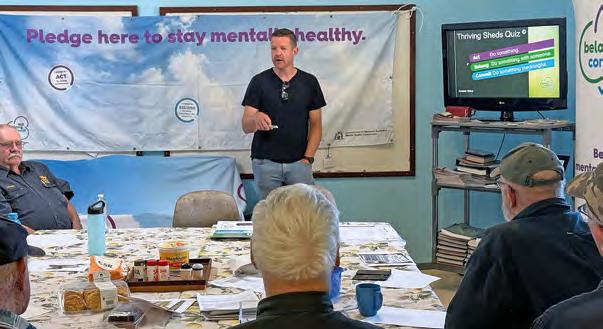
At the heart of the visits was the Thriving Shed Report and spreading the Act Belong Commit message staying active physically and mentally, keeping connected, and committing to things that give life meaning. Together, they provided a practical and positive way for Shedders to reflect on what’s already working well in their Shed and where there might be opportunities to strengthen wellbeing even further. There was no ‘death by PowerPoint’, instead, Shedders got stuck into:
• a light-hearted wellbeing quiz
• bingo, puzzles and word searches to get the grey matter ticking
• group chats about the everyday things already supporting their wellbeing and a few new ideas to try
The focus was simple: sparking ideas, sharing laughs, and helping Sheds keep doing what they do best, supporting blokes to stay connected and well.
Ali spent five to eight hours a day riding mostly alone through bushland and quiet tracks: “Far from lonely, the steady rhythm of the trail brought a sense of calm, solitude without isolation - a good reminder of how time in nature can steady both body and mind.”
For more information, or to organise a visit to your Shed contact Ali at: ali@curamconsulting.au
Small Steps, Big Wins Shed Mates Walking Challenge
By Fiona Peters
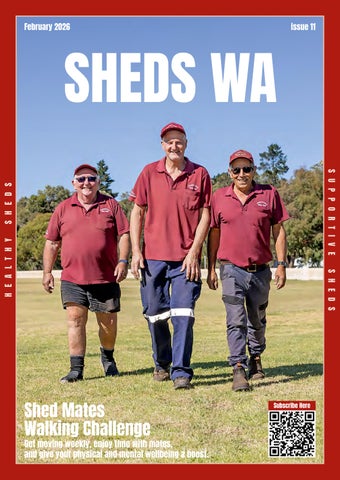
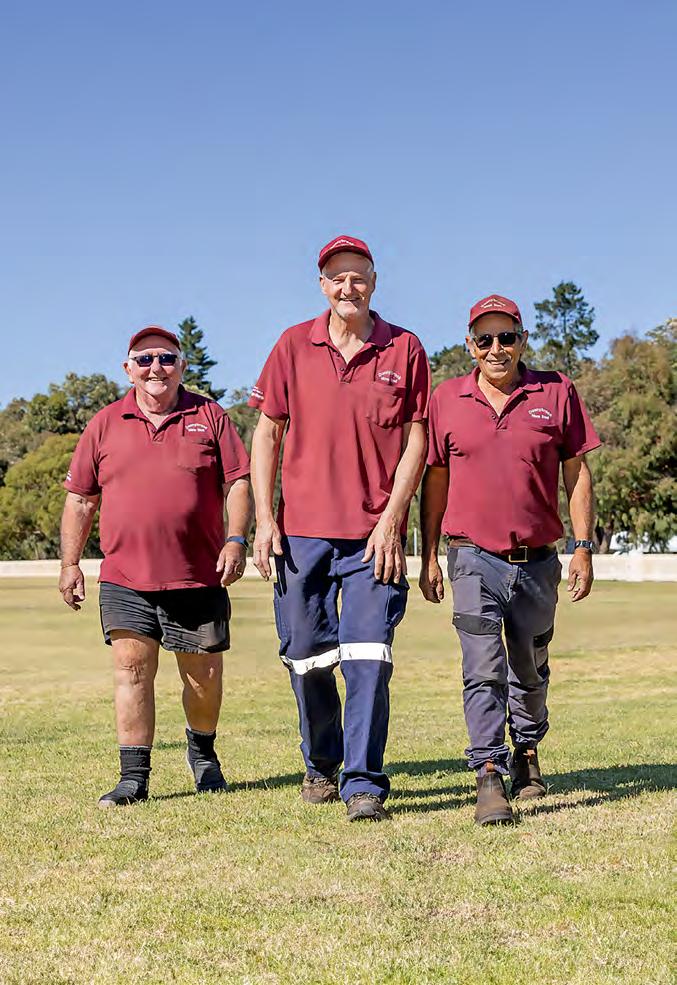
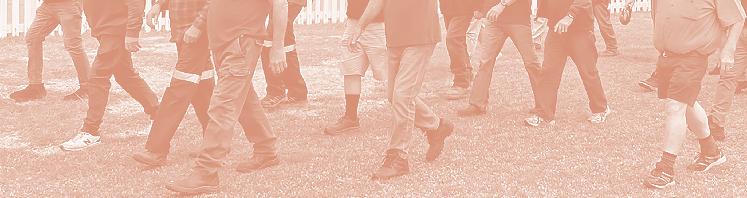
A new month-long Shed Mates Walking Challenge kicked off in November 2025. The aim was simple – get moving weekly, enjoy time with mates, and give your physical and mental wellbeing a boost.
Ran in partnership with the Heart Foundation, the challenge provided an easy, accessible way for Shedders of all ages and fitness levels to take part in a health-focused program.
Throughout the month, nine sheds took part and reported increased daily movement, greater awareness of personal health and strong enthusiasm for a simple activity that could easily fit into everyday life. But the benefits went beyond just physical activity, Sheds also
noticed improved camaraderie, renewed motivation among members, and more open conversations about wellbeing.
Several Sheds have already chosen to continue weekly walking groups beyond the challenge, showing that small steps can lead to longer-term, positive habits.
Purpose of the Challenge
Key objectives were to:
• Boost Physical Wellbeing: Encourage regular movement in ways achievable for all fitness levels. Walking supports heart health, mobility, balance, and general fitness through simple, low-impact activity.
• Strengthen Social Connection: Walking together created opportunities for Shedders to check in, share progress, and reduce isolation.
• Support Mental Wellbeing:
Regular walking has clear mental health benefits, from improving mood and relieving stress to supporting better sleep.
the program with minimal admin, showing that improving health doesn’t have to be complicated - it can be as simple as putting on your shoes and heading out the door.
Meet the teams
Metro Sheds:
• Encourage Friendly Competition and Motivation:
A little rivalry sparked fun and engagement, but participation was always more important than performance.
• Build Healthy Habits Beyond the Challenge:
Sheds were inspired to keep walking groups going after the challenge ended, discovering local tracks, parks, and routes.
• Promote a Culture of Wellbeing in Sheds:
Wellbeing & Health Officers could lead
The Wandering fossils, Gosnells Community Men’s Shed; The Blister Sisters - Gosnells Women’s Collective; The Walking Wheels - Motorcycle Men’s Shed; Gumblossom Feet Beaters - Quinns Men’s Shed: and The Station Street Wanderers - Station Street Men’s Shed.
Regional Sheds:
The BJCMS Walkers - Brunswick Junction Community Shed; The Busselton Crabs - Busselton Men’s Shed; The Phantoms, Donnybrook Men’s Shed and The Daring Amblers - Mundaring Community Men’s Shed.
And the winners are…
Overall: The Phantoms from Donnybrook Men’s Shed who received $500 for the Shed.
Runners up
Busselton Crabs –Busselton
Runners up
Station Street Wanderers –Station Street Men’s Shed
Runners up
The Walking WheelsMotorcycle Men’s Shed
Men’s Shed
Florio Da Re, Vice President of Donnybrook Men’s Shed said: “Initially it was like herding cats but ended up being a great response from the men. There was also a march down the main street with the Donnybrook CWA ladies to highlight Domestic Violence.”
The runners-up: Busselton, Station Street and Motorcycle Men’s Sheds all received Heart Foundation goodie bags and Men’s Sheds of WA caps. Every Shed that participated helped make the challenge a success, not just in steps, but in creating connection and fostering wellbeing.
“It was great to see members motivating each other and even starting new walking routines. We’re going to keep the group going” – Robyn, Motorcycle Men’s Shed.
“Our Busselton Crabs are the shed’s walking group. The name is derived from the style of some of our walkers who spend as much time going sideways as they do forward. It is also great fellowship on the walk” said Ian Macauley, Secretary Busselton Men’s Shed.
Warren Claydon, Wellbeing and Health Officer, and organiser of The Station Street Wanderers said: “We started the challenge
with only a few but every week numbers increased as we got into a routine, and everyone became comfortable with the route. Now we’ve got a regular Thursday morning walk. Because it is quieter on the showgrounds walk than in our shed tearoom, we have no trouble hearing each other and conversations are easy. Thanks to the Heart Foundation for supporting this initiative and good health to all WA shed members for 2026.”
The Bigger Picture
The Walking Challenge highlighted the power of simple, low-cost initiatives. It showed that small, achievable actions like walking a few extra steps each day can have meaningful impacts on physical, mental, and social wellbeing. By bringing Shedders together, the challenge fostered stronger friendships, encouraged conversations about health, and inspired habits that will hopefully continue throughout 2026 and beyond.
A big thank you to everyone who joined in. Here’s to keeping the steps going, who’s in for the next Shed Mates Challenge in November 2026?
Kickstart a Walking Challenge in Your Shed
✔ Pick a time that works for your groupmorning smoko or a weekly walk.
✔ Choose a route nearby, safe, and easy to follow.
✔ Keep it social, walk together, chat, and encourage each other.
✔ Add a little motivation with small goals, milestones, or friendly competition.
✔ Make it regular, even a short, consistent walk helps boost wellbeing and keeps mates connected.
Registering your walk with Heart Foundation Walking is also an excellent way to stay motivated, remain active, build social connections, and support your heart health. It’s also a fantastic opportunity to welcome new members to your Men’s Shed WA.
Contact Ellie for more details: ellie.rennison@heartfoundation.org.au If you set it up, let us know at admin@mensshedswa.org.au we’ll add it to your activities on Find a Shed.
Spotlight on Manning Men’s Shed Hands-On Help: Home Maintenance Skills
By Fiona Peters
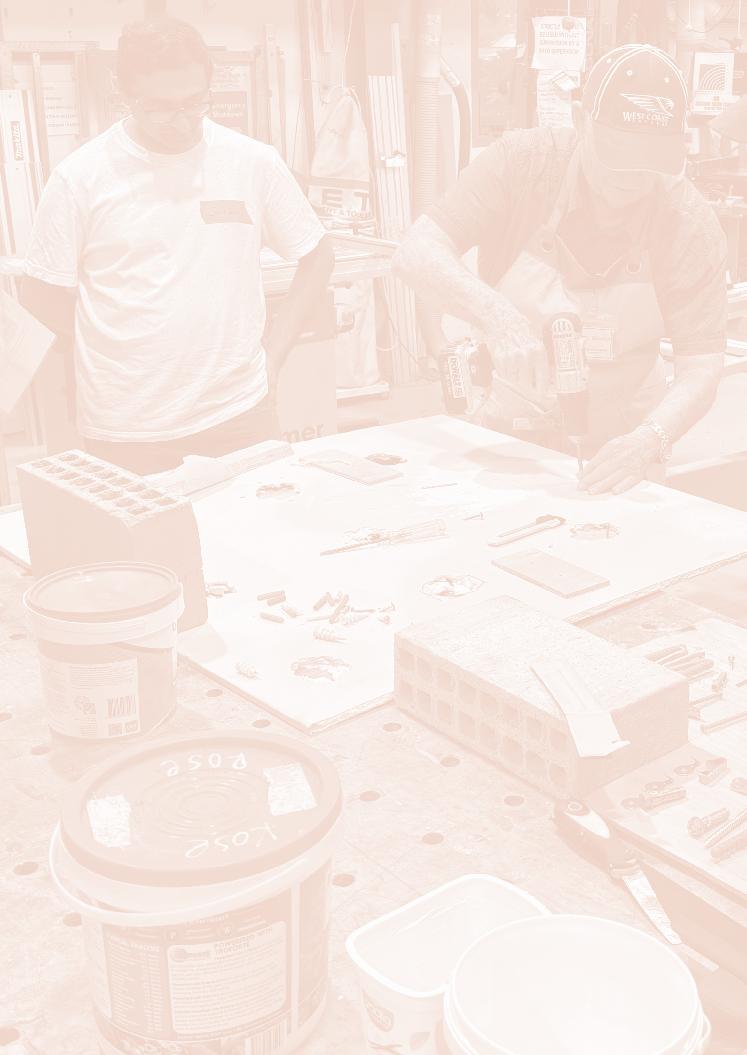
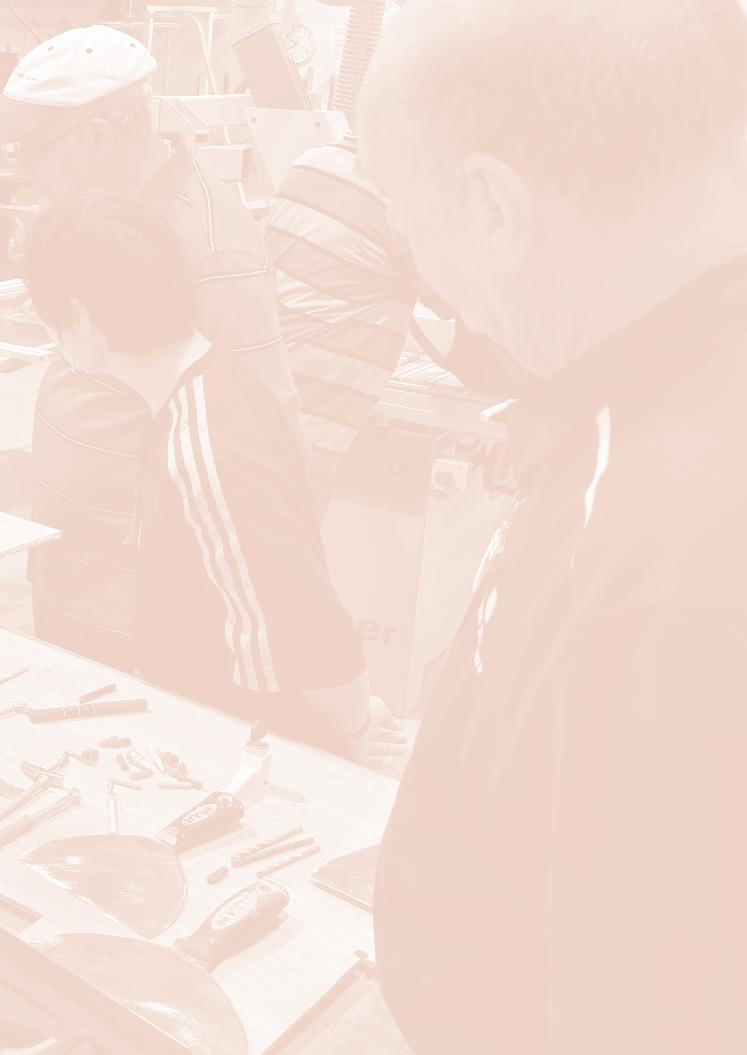
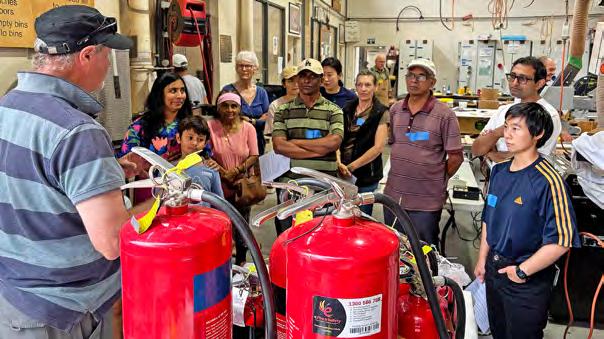
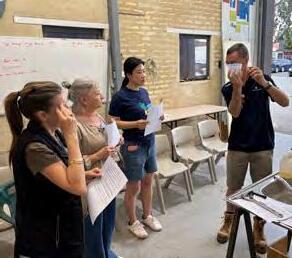
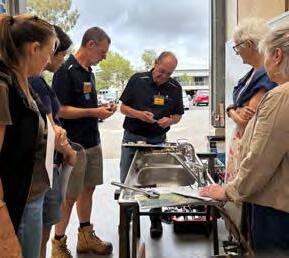
Learning, sharing, and staying safe at home were at the heart of Manning Men’s Shed’s Fix It at Home course, held in November. The day was designed for men and women with low English proficiency or new to Australia and was supported by the Australian Government Stronger Communities Programme. Participants left with practical skills they could use straight away.
The course was led by a crew of experienced Shed Members – Stephen Finch, Graham Rennie and Mark White – with other skilled shedders pitching in to share their knowhow. Together, they guided everyone through common household maintenance tasks, making even tricky jobs feel
manageable and showing that no job is too small to learn. One Shed member even admitted he “learnt a few things himself,” proving that learning goes both ways.
Topics on the day included:
• Plumbing basics, such as taps and hot water systems
• General home maintenance tips and troubleshooting
• Safety with tools and electricity
• Home fire safety, with practical advice on prevention and preparedness
The focus was on practical skills, staying safe, and problem-solving – giving
participants the confidence to tackle small jobs themselves and know when it’s best to call in a pro.
At the end of the day, attendees were thrilled to receive a 75-piece Household Tool Set, handed out by Shed Chairman Mark White. The toolkits meant everyone could put their new skills straight into practice – and take a bit of the Shed home with them.
Graham Rennie said “It’s so rewarding to run programs like this in the shed. I love seeing people build, make connections, learn new skills, and form friendships. It all leads to stronger communities in our area, and that’s what really matters.”
We’ve been running for over 10 years now and the shed has grown from about 50 members a few years ago, now growing every month to well over 100 men and women members today.
Looking ahead, this initiative is set to grow. Graham Rennie, who with his wife is involved in migrant support groups will oversee the project. More presenters with practical skills across home maintenance are being lined up for future sessions.
This course is a perfect example of what Men’s Sheds do best – sharing skills, building confidence, and creating welcoming spaces. At Manning Men’s Shed, everyone left a little more confident, connected, and ready to put their new skills to work.
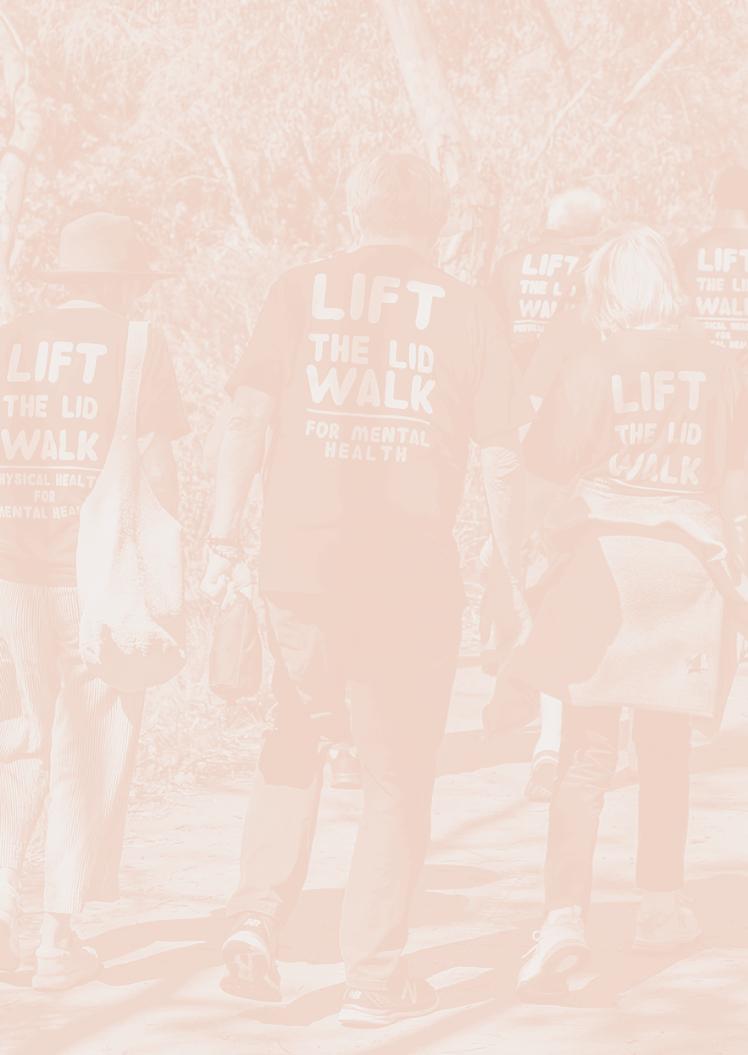
Men’s Sheds Help ‘Lift the Lid’ for Mental Health
By Fiona Peters
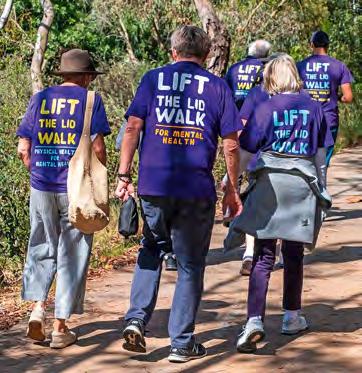
Looking after mental health doesn’t have to be complicated, sometimes it starts with getting outside, having a yarn and walking alongside others. Rotary’s Lift the Lid initiative offers Men’s Sheds across WA a chance to do just that, while helping raise awareness, support mental health research and strengthen community connections.
Lift the Lid Walks promote physical activity for mental health while connecting people with local support services and networks.
Men’s Sheds and Rotary have a long history of working together to strengthen community wellbeing across Western Australia. Over the years, this connection has grown into many practical partnerships, especially in areas of men’s health, community wellbeing and youth engagement. One area we share a particularly strong commitment to is mental health.
Rotarians, through Australian Rotary Health (ARH), have been funding worldclass mental health research for more than two decades. Their work has helped build programs now widely used across WA and internationally, including the Mental Health First Aid suite and PTSD training for volunteer first responders. Before ARH prioritised mental health, Rotarians were instrumental in promoting prostate and heart health, bowel screening, and family and community wellbeing.
ARH’s Lift the Lid program is one of Australia’s most impactful initiatives supporting mental health research. For over 20 years, it has been the leading non-government funder of research into mental health, mental illness and youth wellbeing. ARH is now turning its attention to pre-teen mental health, supporting research into prevention and early detection to help children build stronger mental health before challenges
arise later in life. Their website also features podcasts from researchers discussing their work and real-world outcomes.
Rotary is keen to strengthen partnerships with Sheds by collaborating on Lift the Lid Walks and other local mental health initiatives. These community events have already proven effective in bringing people together, highlighting local support networks and normalising conversations around mental health.
If your Shed is interested in getting involved, whether by hosting a walk, joining one, or exploring other collaboration opportunities, you’re warmly encouraged to reach out. Contact your local Rotarians or the ARH WA team at ARHWAteam@gmail.com, or visit: www.rotarywa9423.org.au/clubdirectory www.australianrotaryhealth.org.au www.liftthelidwalk.com.au
Mateship: Why It Matters for Thriving Sheds
By Bri Guerrini, Thriving Sheds Research Team, Curtin University
Anyone who’s spent time in a Men’s Shed knows that mateship is at the heart of what happens in the Shed - the conversations, the shared projects, the quiet check-ins and the laughs over a cuppa. As part of the Thriving Sheds Project, our research set out to better understand how mateship helps Sheds, and the men in them, thrive.
Humans have a basic need to connect with other people, and the Men’s Shed movement has long been recognised for its role in bringing men together. The Thriving Sheds Model, developed by Curtin University in collaboration with Men’s Sheds of WA, identified mateship as one of eight key factors that support thriving Sheds.
So, what do we mean by mateship, and how does it influence wellbeing?
Mateship is often understood as friendship, companionship and loyalty. It’s not just about how many friends someone has, but
the quality of those friendships and the characteristics that make them meaningful.
Across three surveys, we asked Shed members about their connectedness to other members, to explore how mateship influences participation in the Shed and members’ mental health. In one study involving 168 members from Sheds across Western Australia, we examined what helps people feel more connected, and how that sense of connection relates to mental wellbeing.
Mateship was commonly rated by members as the most important reason for attending a Men’s Shed, followed by the activities of the Shed, supporting other members, and contributing to the community.
Our research showed that engaging in more Shed activities can foster social identification with the Men’s Shed community, the belief that being a Shed member is an important and meaningful part of who a person is. This sense of identification appears to be an important resource. It helps members feel more connected, similar and related to each other, and encourages them to support one another.
We found that when members feel more connected to other Shed members, they are more likely to both provide and receive support. Feeling connected was also associated with less loneliness, fewer depressive symptoms, and higher overall wellbeing.
Another important finding was that members who experience social anxiety were less likely to identify strongly with their Shed, felt a weaker sense of belonging, and were less connected to other members. This highlights how important the Shed environment and culture can be in supporting all members to feel welcome.
What this means for Sheds
Mateship matters - and there are many ways Sheds can help build it. Encouraging members to take part in activities can strengthen their sense of belonging and connection. At the same time, it’s important to recognise that getting involved may feel more challenging for new members or those experiencing social anxiety.
Living the Shed values of inclusiveness, diversity, respect and mateship, and providing peer support, can help create an environment where everyone feels welcome. Peer support might include introducing new members around the Shed, explaining
how things work, including people in group activities, or pairing someone with a buddy they can turn to for support.
Our work highlights that connectedness isn’t just good for Shed culture, it’s good for mental health and wellbeing. When men feel connected to their Shed and the people in it, they are more likely to experience less loneliness, fewer depressive symptoms and greater overall wellbeing.
For more information about the Thriving Sheds Project, visit: https://mensshedswa.org.au/shedresources/what_makes_a_thriving_shed/ Mateship
Wooden Toy Appeal a Great Success
By Fiona Peters
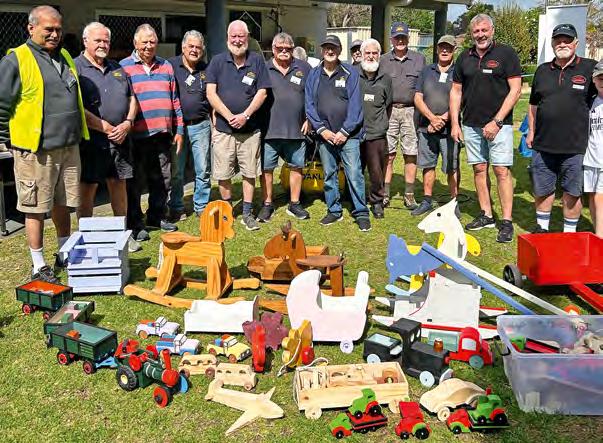
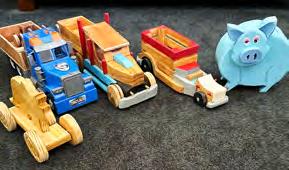
What began as a simple idea has grown into a heartfelt statewide initiative, bringing Men’s Sheds together to support children and families in need. The Wooden Toy Appeal has shown just how powerful it can be when sheds combine their skills, time and generosity for a shared purpose.
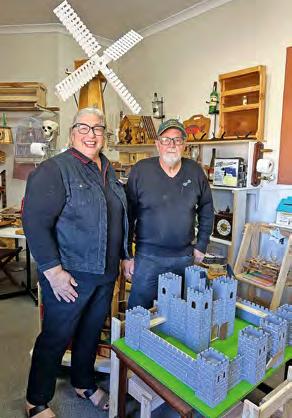
The project was the vision of Gary Pontifex, founder of the Motorcycle Men’s Shed (MCMS), who recognised an opportunity to connect the practical talents found in Men’s Sheds with local charities in a way that was hands-on, meaningful and rewarding for everyone involved. From the outset, the idea struck a chord with sheds across Western Australia.
Men’s Sheds from both metropolitan and regional areas were invited to create
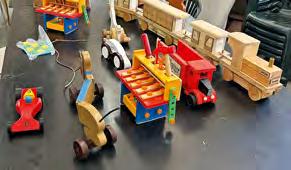
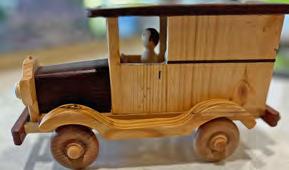
handcrafted wooden toys, which MCMS then collected and distributed to community organisations supporting children and families. The response was outstanding. In total, 23 sheds took part, contributing more than 400 beautifully made toys - each one crafted with care, skill and pride.
The reach of the project was truly impressive, with participating sheds stretching from Kalgoorlie in the east, to Geraldton in the north and Augusta in the south, along with many sheds in between. MCMS members generously volunteered their time to help collect, sort and deliver the toys, making sure they reached the organisations and the children who would benefit most.
To further support the initiative, MCMS also held a raffle at its Annual General
Meeting, with all proceeds donated directly to the participating charities. This year’s recipients included Fostering Hope, Orana House, Starick House, Grandcarers WA and Perth’s Children’s Party - organisations that provide vital support to vulnerable children and families within the community.
Feedback from the Men’s Sheds involved has been overwhelmingly positive. Many blokes shared that the project gave them a renewed sense of purpose - getting into the shed, working alongside mates, and using their skills to create something meaningful. For many, knowing that a toy they had made would bring joy to a child made the effort especially worthwhile.
MCMS extends its sincere thanks to all participating sheds for their generosity, craftsmanship and enthusiasm. The success of this year’s initiative highlights the strength of collaboration across Men’s Sheds and reinforces the positive role sheds continue to play in their local communities. With such strong support, MCMS looks forward to welcoming even more sheds to take part next year.
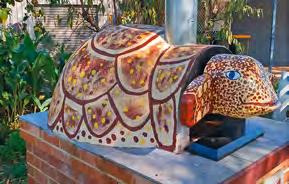
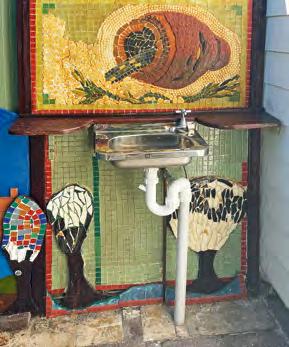
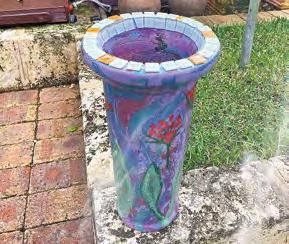
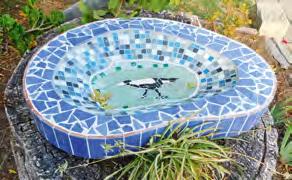
Meet Banksy-A: Art with a Shed Twist
By Fiona Peters
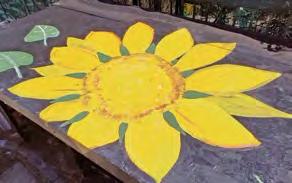
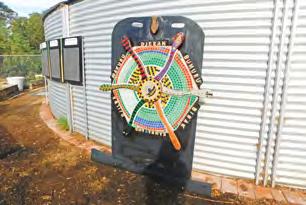
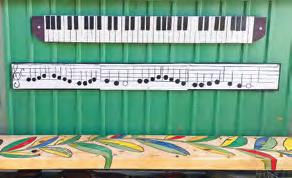
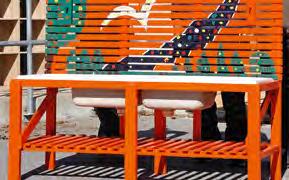
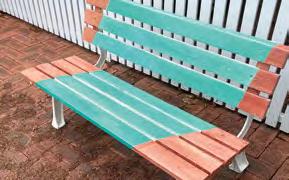
Most people have heard of Banksy, the mysterious England-based street artist whose true identity remains a closely guarded secret. Well, it turns out Victoria Park Men’s Shed has its very own version. Introducing Banksy-A (for Australia, pronounced Banksia), an anonymous local artist who has been quietly and creatively decorating available surfaces around the Victoria Park Men’s Shed. Much like his famous namesake, Banksy-A prefers to let the artwork speak for itself.
The pieces have been popping up around the Shed, adding colour, humour and a bit of character to everyday spaces. From time to time, Banksy-A’s talents also extend beyond the Shed, with artwork created for local schools and community projects.
Keep an eye out next time you’re at Vic Park - you never know where the next piece might appear.
Thanks WA!
$380 million went back to the community through Lotterywest grants last year.
*Financial year 2024-25. Figures are rounded and not inclusive of writebacks or refund amounts.