MELISA DARYA BECEREN
ARCHITECTURAL PORTFOLIO

Personal Information
Melisa Darya Beceren 20th April 2003
Contact Information
+905346282026
Adress melisa.beceren@bahcesehir.edu.tr
İstanbul, Türkiye
Bachelor of Interior Architecture and Environmental Design // 2021-2026 // Level in EQF: 6
Architecture and Design Club (2025–2026) – Design Team Leader, Magazine Team
Architecture and Design Club (2024–2025) - Editor & Designer , Magazine Team - themed “Urban Fabric and Urban Experience of Istanbul.”
Work Experience
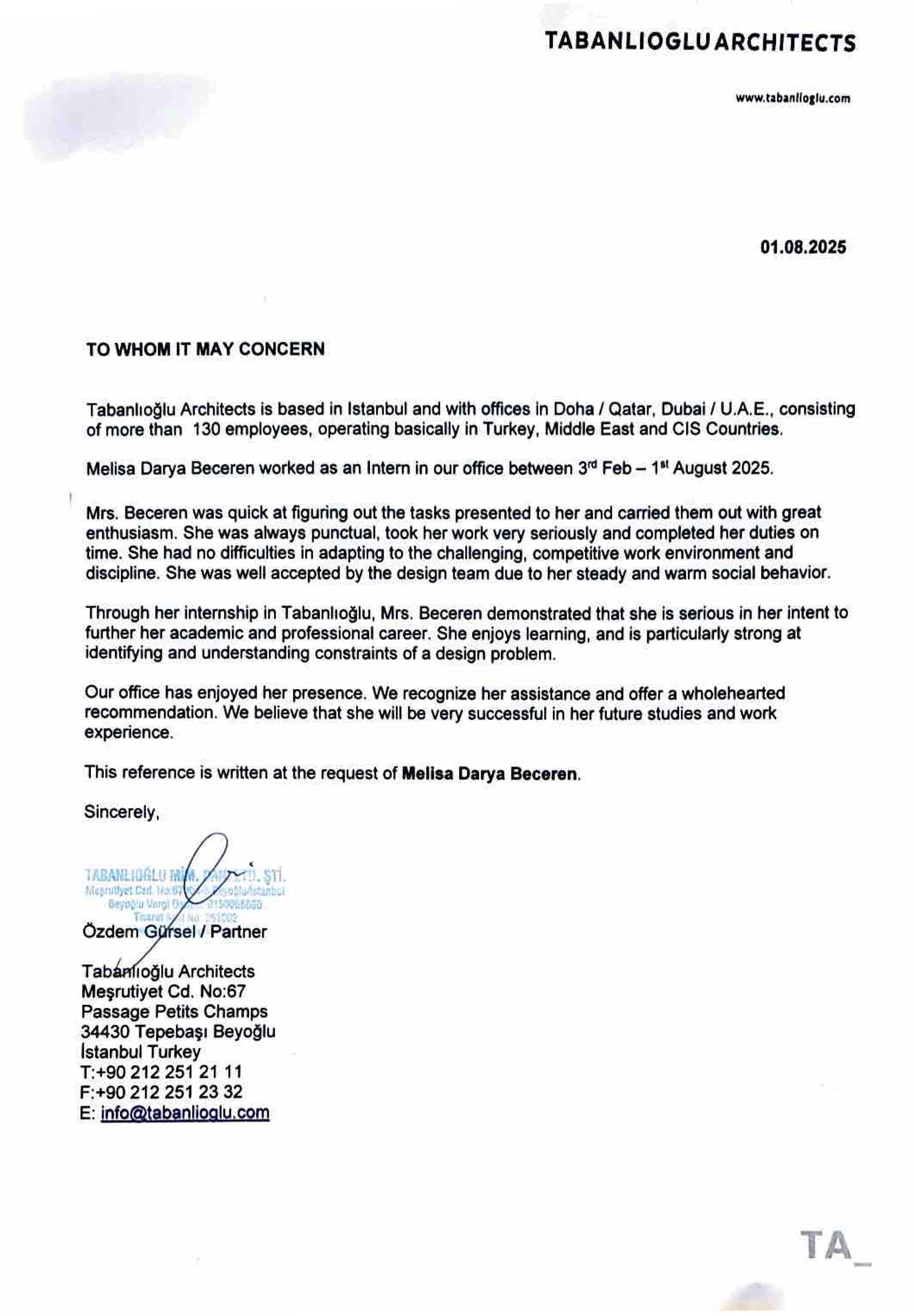
Tabanlıoğlu Architects Feb-Aug 2025 Architectural intern
Makropoli Mixed Use Complex
Divan Hotel Akarteler
Tabanlıoğlu Architects Jun-Jul 2024 Office Internship
Divan Hotel Akarteler
Tersane Istanbul Project Jul-Sep 2024 Construction Internship
Softwares
Autodesk Revit // Intermediate
Autodesk AutoCAD //Advanced
Adobe Photoshop // Intermediate
Adobe InDesign //Intermediate
Adobe Illustrator// Advanced
Lumion 3D Rendering //Advanced
Chaos V-Ray 3D Rendering// Intermediate
Sketchup 3D Modelling// Advanced
Rhinoceros 3D Modelling// Basic
Microsoft Word //Intermediate
International Design Workshop// 29/11/2024 – 06/12/2024 Salzburg Austria
Fachhochschule Salzburg- Circular Design Experiments
Spain Winter School// 26/01/2024 – 09/02/2024 Barcelona Spain
Bahçeşehir University- Architectural Design Workshop
UWL Level 2 Award in Graded Examination in Theory of Music (Grade 5), Solfeggio// Dec 2022
University of West London- Credential ID 513898
UWLQ Level 3 Certificate in Graded Examination in Music Performance (Grade 8), Piano// Sep 2022 University of West London- Credential ID 58229-1
Languages Certificates
Turkish// Mother Tongue
Russian// Mother Tongue
English// B2 - Independent
German // A2 - Basic User
Skills
Project & Construction Management
Measured Drawing
Sketching & Model Making
Animation Making
3D Modeling
Rendering
Construction Drawing
Concept Development
I design architecture as a layered system of thought, culture, and construction. My process begins with sketches and abstract explorations, where concepts are tested, challenged, and refined until every decision carries meaning. I work across disciplines and scales, translating ideas into buildable systems through material logic, structural clarity, and technical precision. Architecture for me is not isolated form making but a response to historical layers, social life, cultural contexts, and natural ecosystems. By understanding how these systems interact, I aim to produce work that is intellectually grounded, technically rigorous, and deeply contextual.
CONTENT
01. City as a house, house as a city
02.Under the same roof
‘‘City as a house, house as a city’’
Year: 2025-2026// 7th semester Design Coure
Location: İstanbul Manifaturacılar Çarşısı 1st Block
Type: Mixed-use public complex
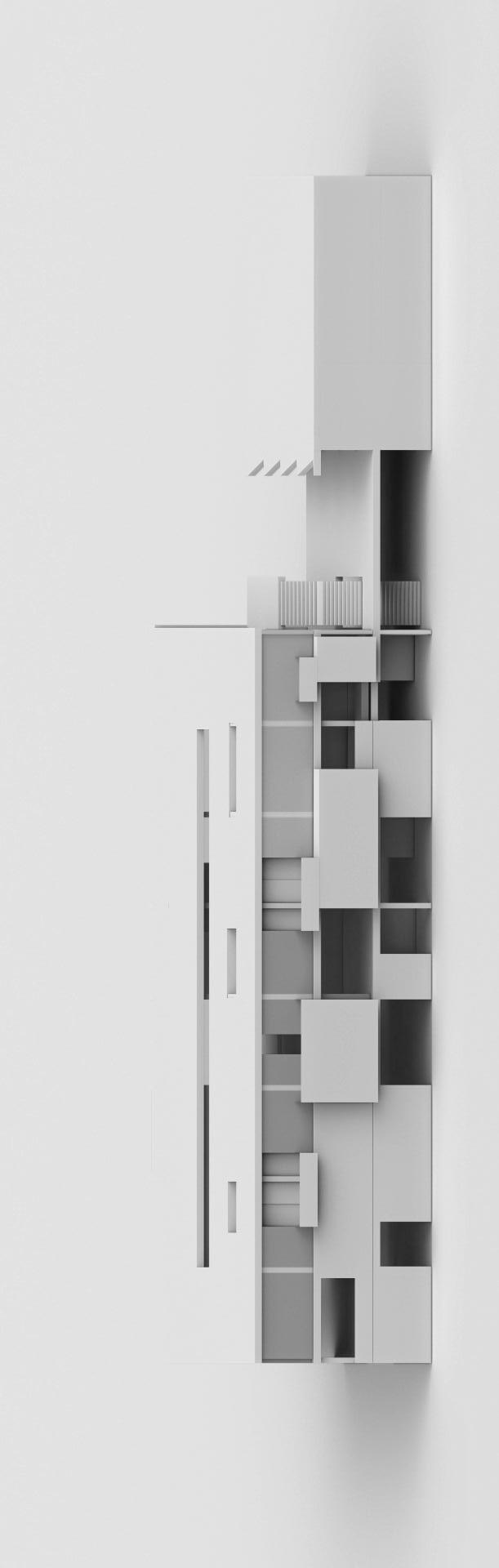
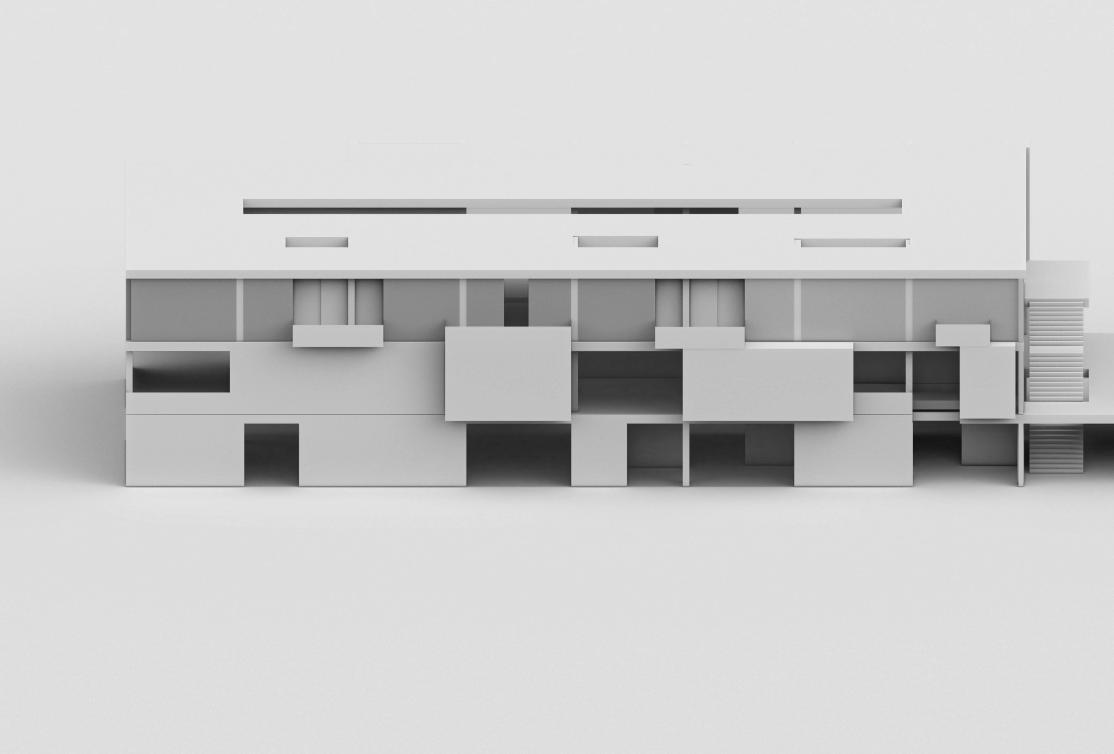
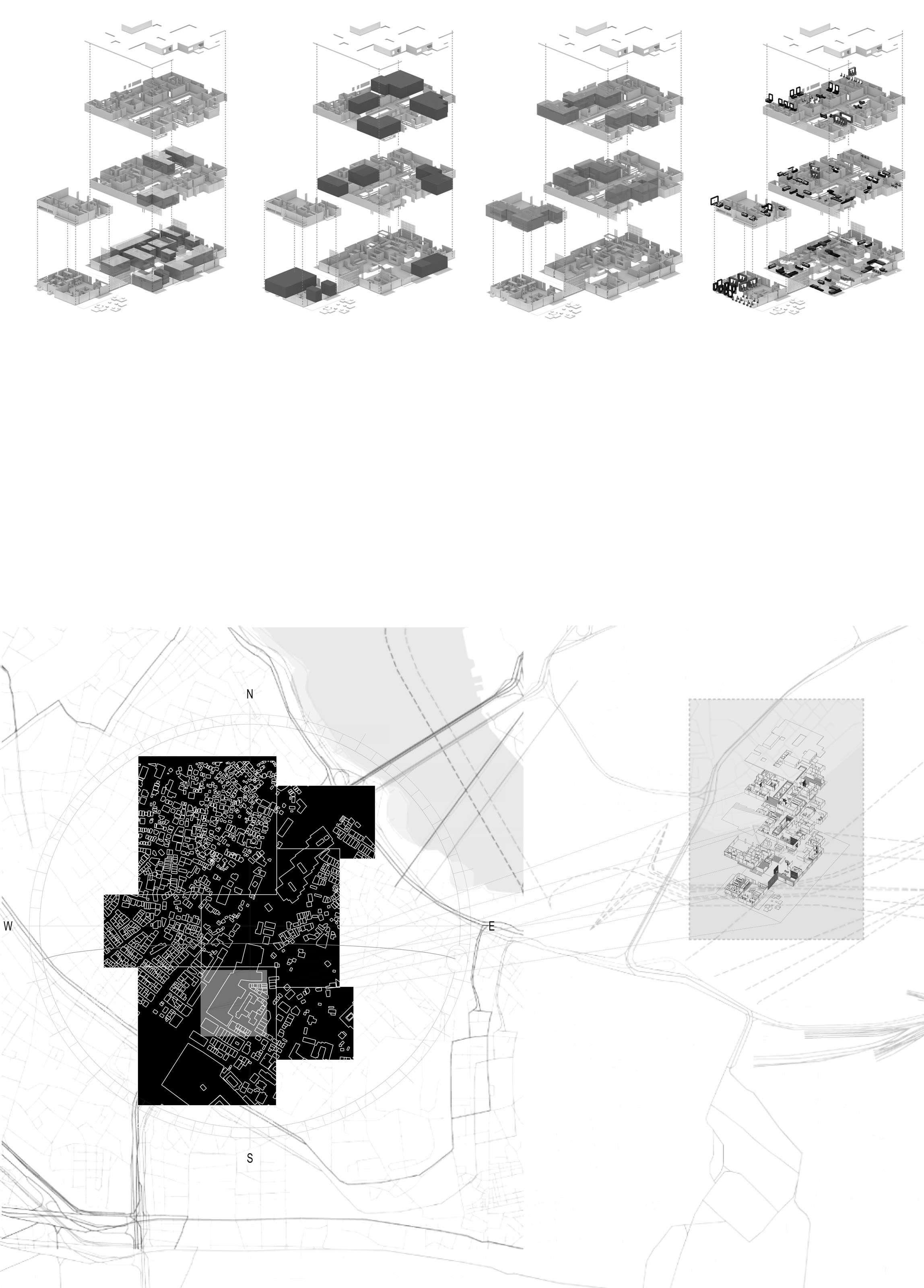
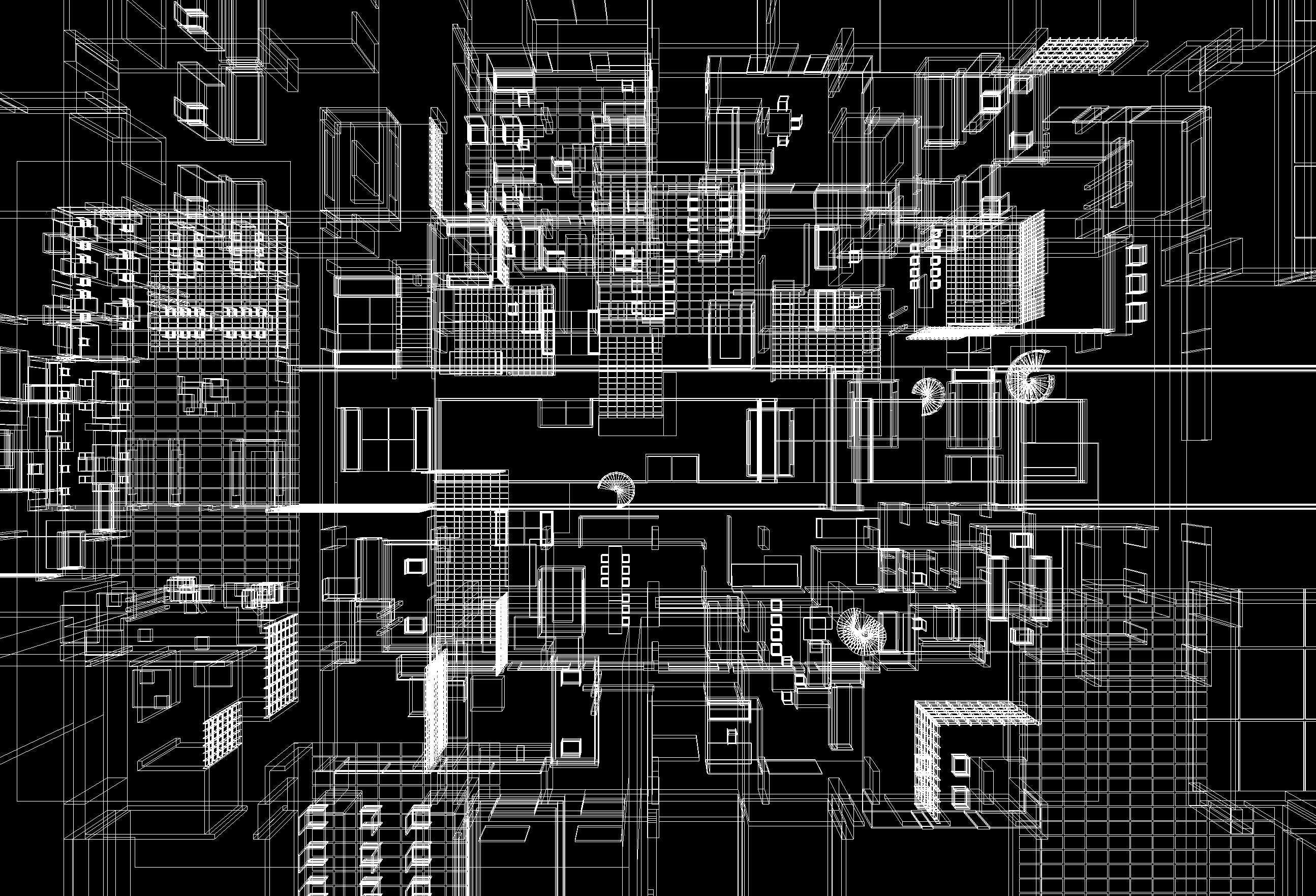
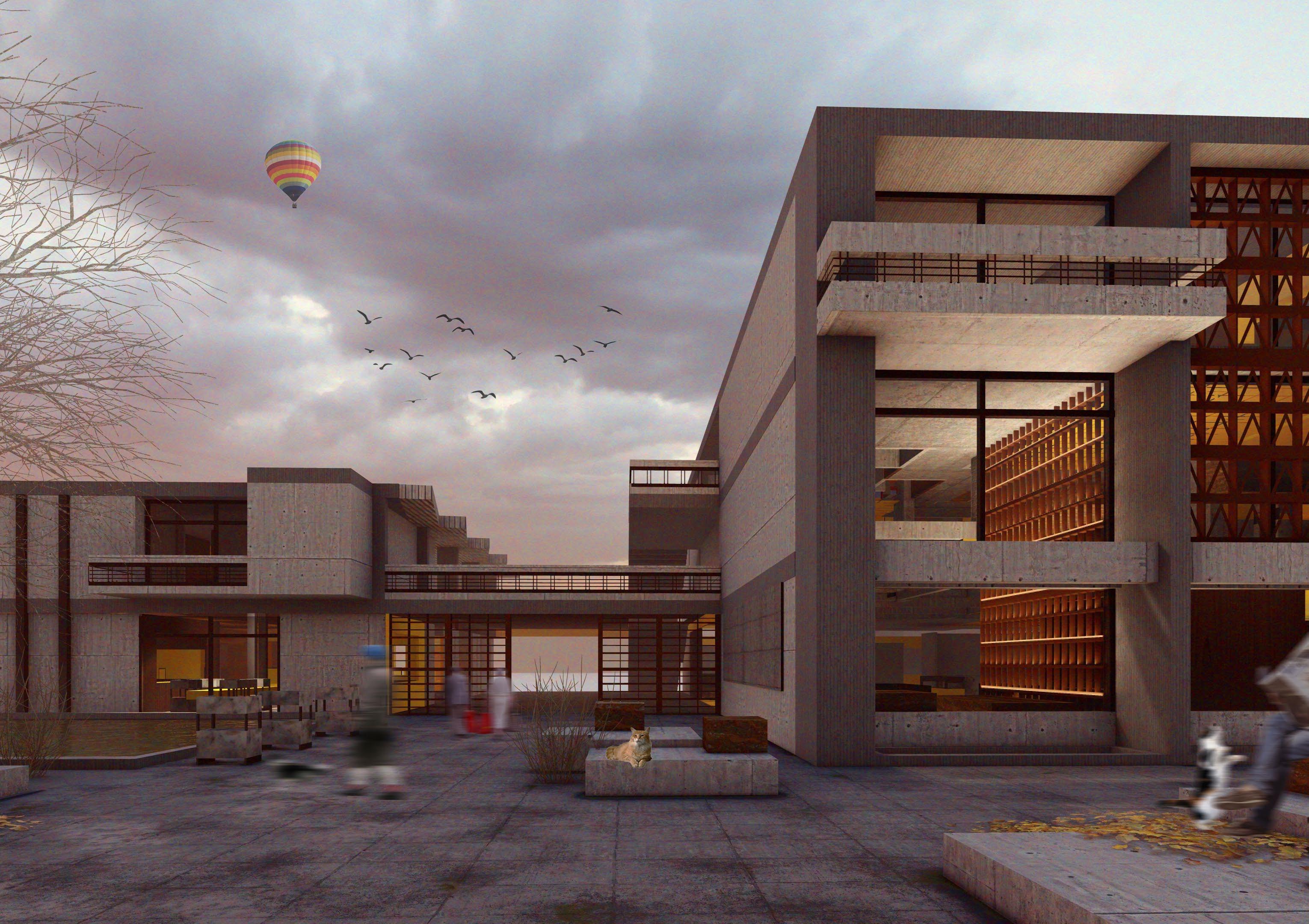
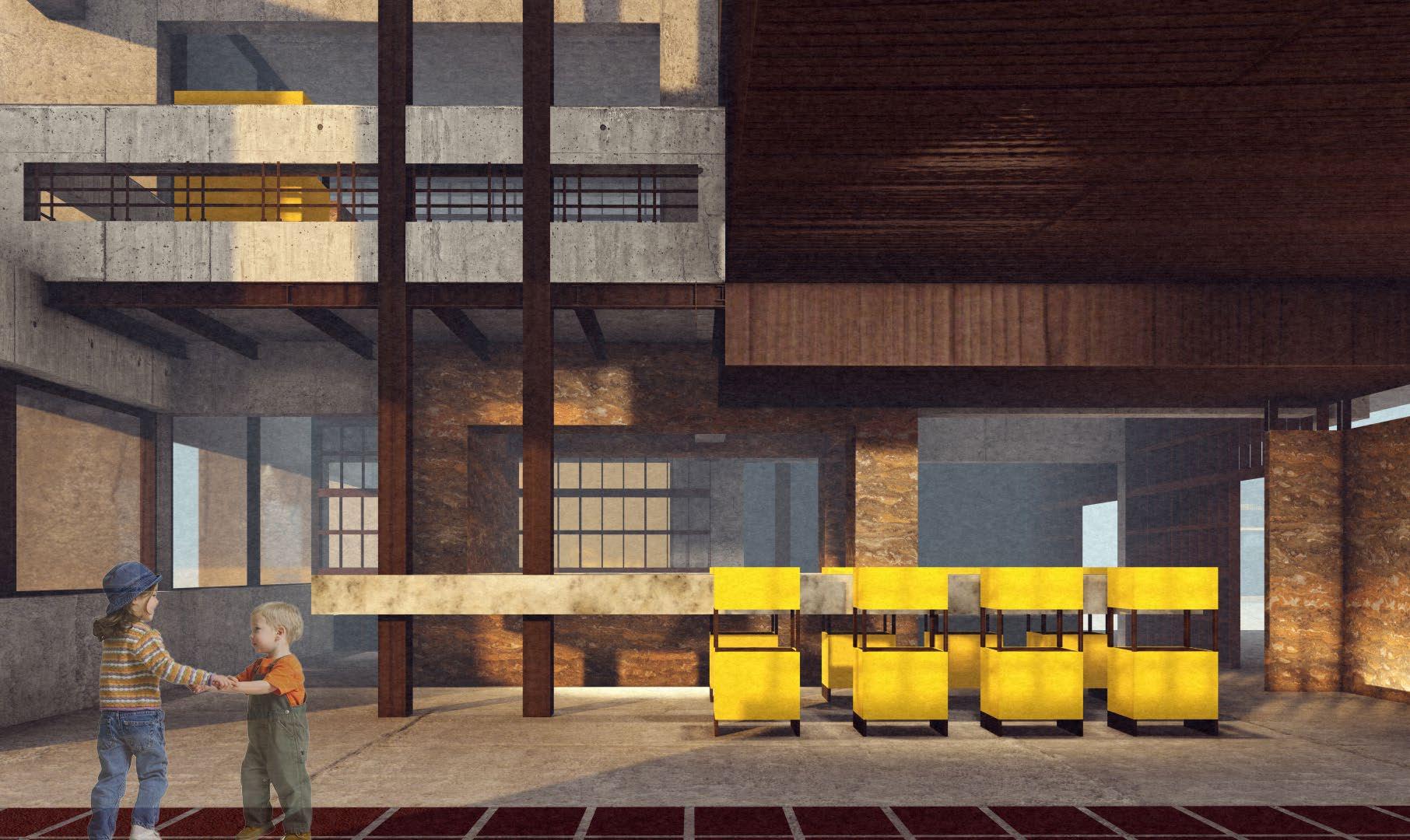
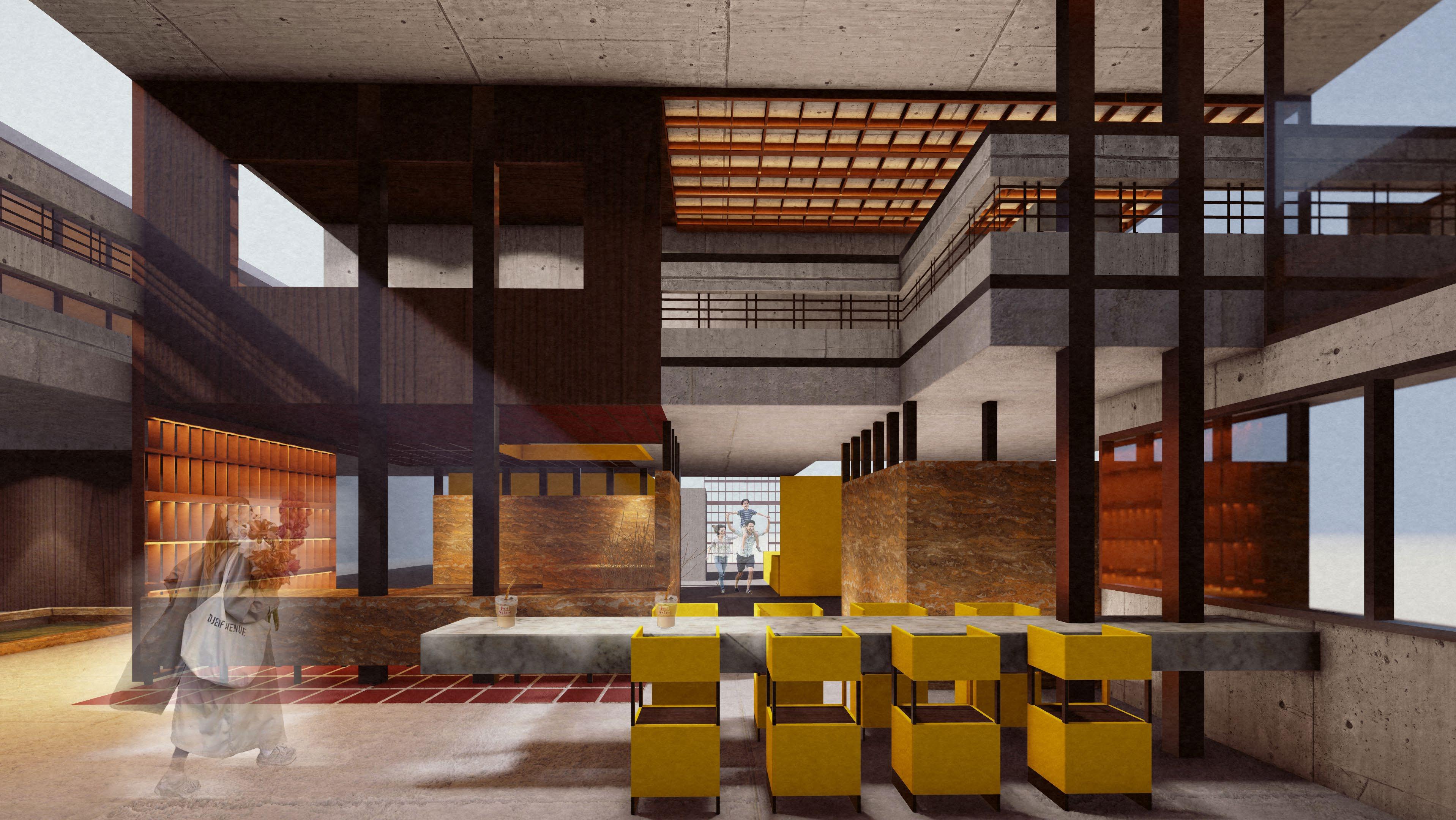
Istanbul Manifaturacılar Çarşı 1st block stands as an example of mat architecture within the city. In this design, I introduced new functions, an urban market space and a dormitory, without disturbing the existing architectural language. The concept was inspired by the City as a House, House as a City manifesto. By creating different typologies in plan and section, I explored the idea of scale within scale. The worn façade and original architectural elements were integrated both internally and externally with contemporary design approaches. The aim was to preserve IMÇ’s architectural value while activating the block with a new urban and spatial experience.
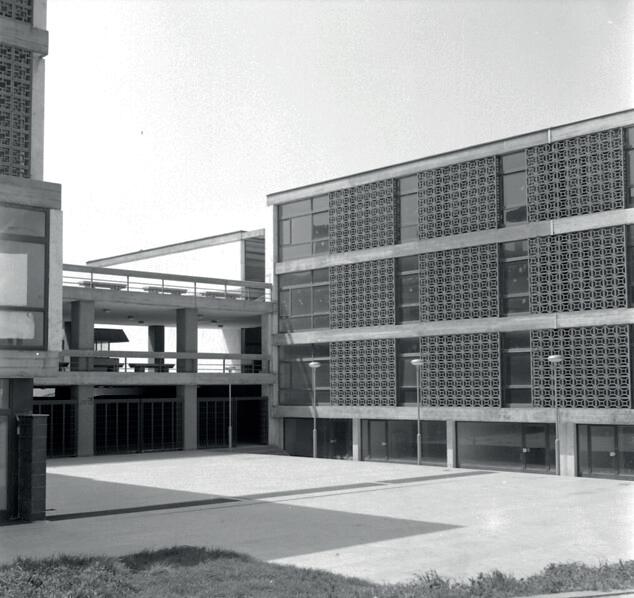
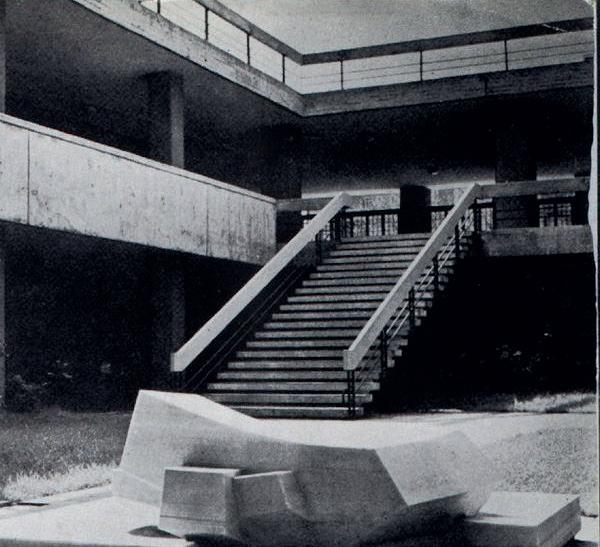
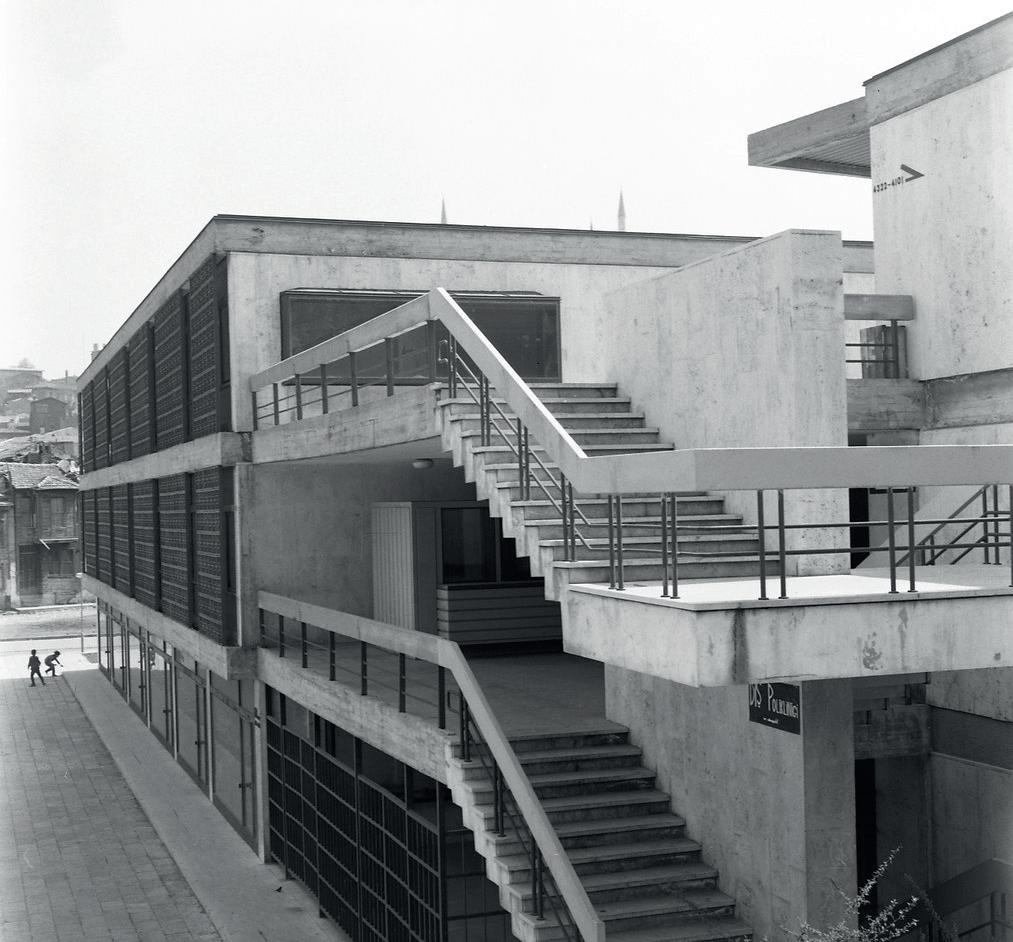
Istanbul Manifaturacılar Çarşısı (İMÇ) is located along Atatürk Boulevard, forming a significant modern urban frontage within the historic commercial fabric of the city. The complex was commissioned by textile merchants who had previously operated around the Mahmutpaşa district and was realized through an architectural competition. Designed by Doğan Tekeli, Sami Sisa, and Metin Hepgüler, it was constructed between 1961 and 1967. The project reflects the principles of Turkish modernist architecture, emphasizing modularity, exposed concrete, and a strong integration of commercial and public space.
The original modernist façade language, modular reinforced concrete structure, and characteristic railing details of Istanbul Manifaturacılar Çarşısı have partially lost their architectural integrity over time due to uncontrolled additions, signage clutter, and various interventions. In particular, the façade proportions, solid void balance, and public circulation elements now produce a fragmented and weakened spatial perception. In response, my concept approach aims to preserve the authentic atmosphere and rhythm of İMÇ while reinterpreting its architectural language through a contemporary intervention.
Dormitory
GASTRONOMIC PRODUCTS
Shopping and Social
Considerıng the cıty’s texture on a micro scale
INTERIOR URBANISM

















































































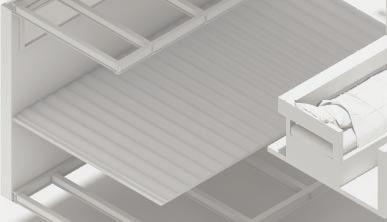
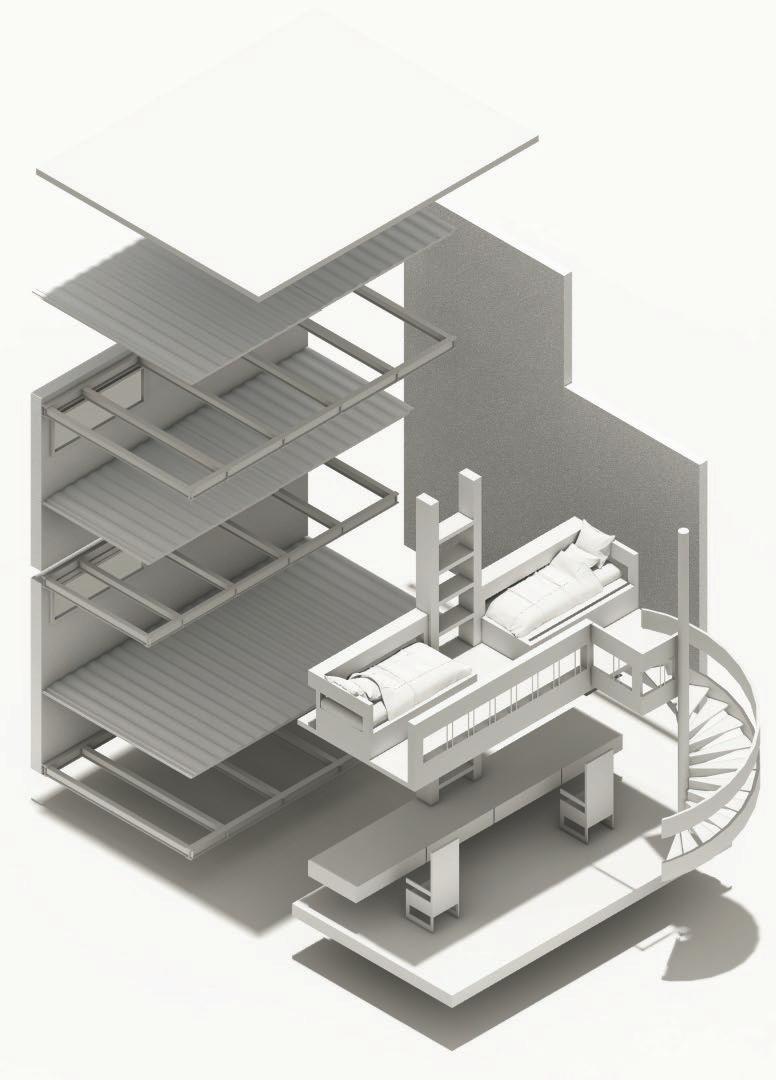
The mezzanine floor was constructed by anchoring IPE steel beams to the reinforced concrete beams of the existing structure. Trapezoidal metal decking was applied over the steel beams to create a lightweight yet structurally efficient floor system. This layered assembly allowed the formation of a new intermediate level without overloading the main structural system, while maintaining construction clarity and structural continuity.
MICRO CONCRETE SCREED
TRAPEZOIDAL METAL DECK
IPE 220 6X6 BOX PROFILE
IPE 240

MICRO CONCRETE SCREED
TRAPEZOIDAL METAL DECK
IPE 240
12.5 GYPSUM BOARD ROCK WOOL
OSB PANEL
MINERAL WOOL
Loft Room Structural Organization



MICRO CONCRETE SCREED IPE 240 MEZZANINE FLOOR

TRAPEZOID FLOORING
IPE 200 VERTICAL

MICRO CONCRETE SCREED 40MM
POLYURETHANE SOUND AND HEAT INSULATION 10MM
REINFORCED CONCRETE SLAB 40CM







W-ST-01
First Floor Urban Market Area
First Floor Urban Market Area
‘‘Under the same roof’’
Year: 2024// 5th Semester Design Project
Location: İstanbul
Type: Kiosk
Area: 200 m2
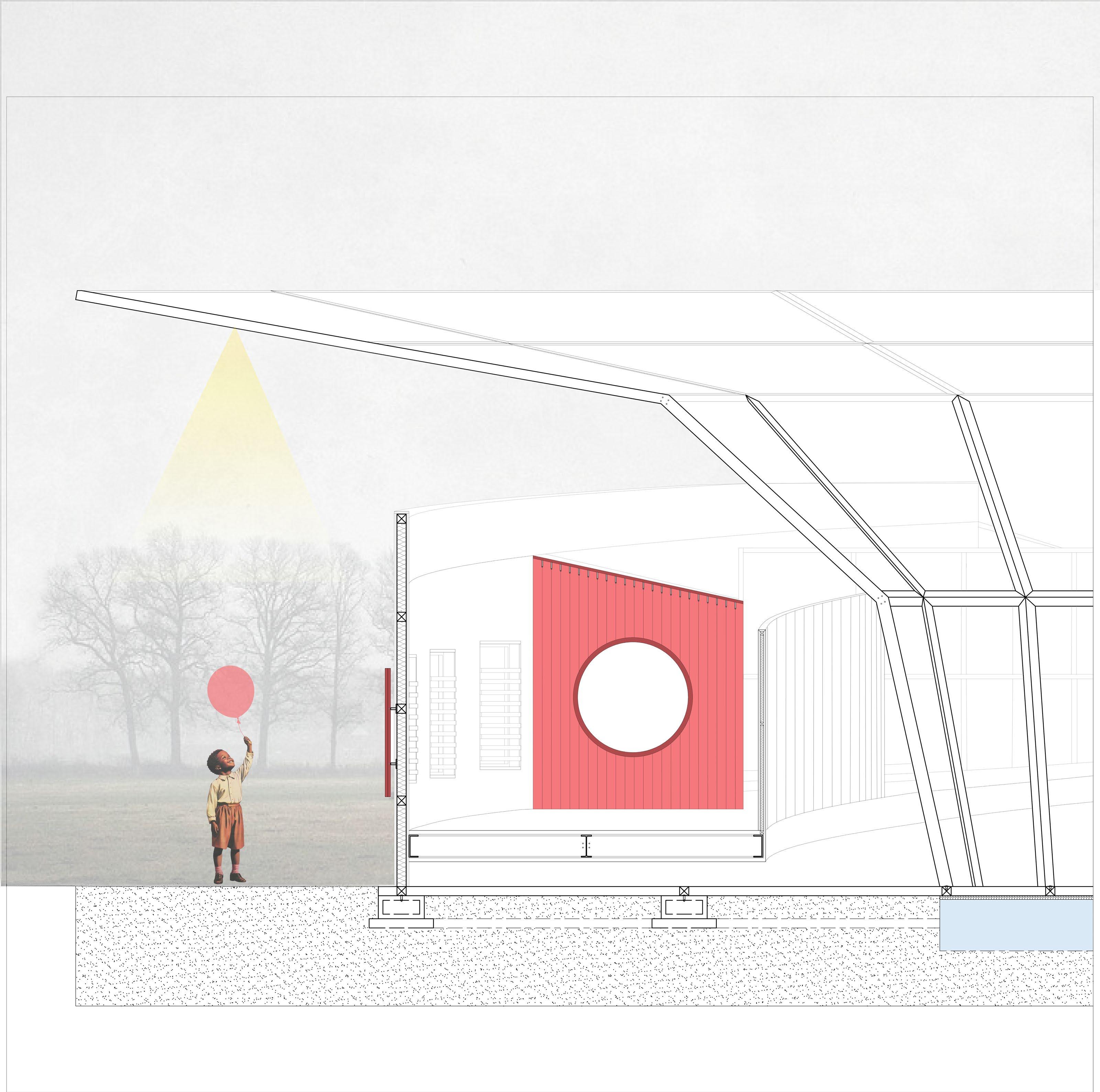
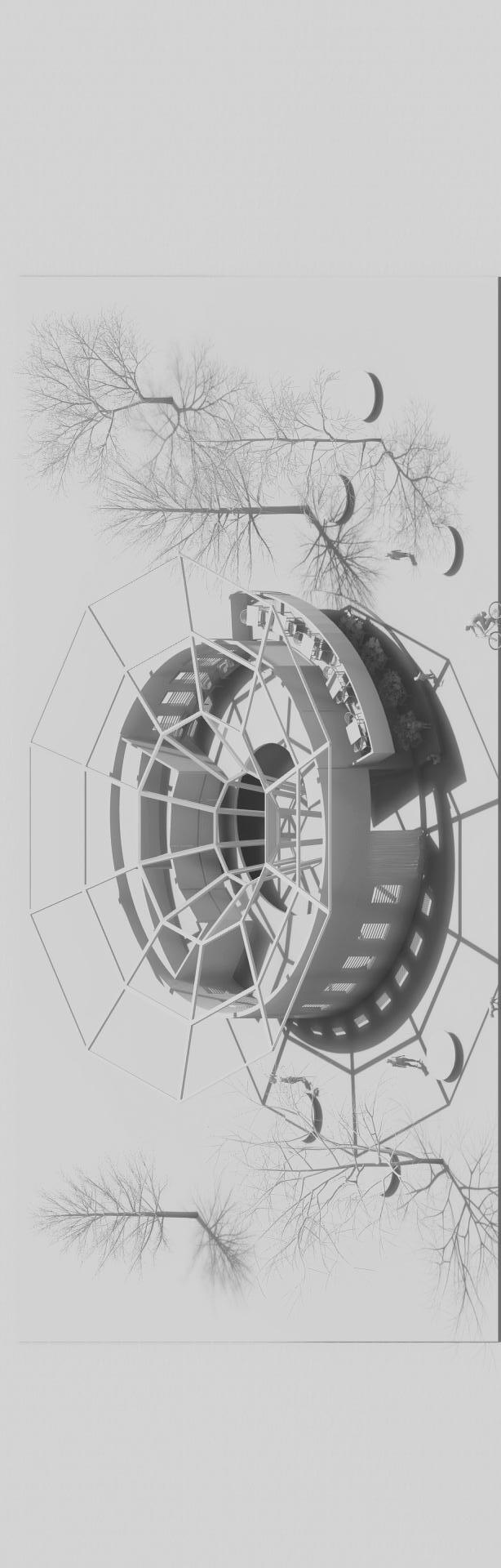
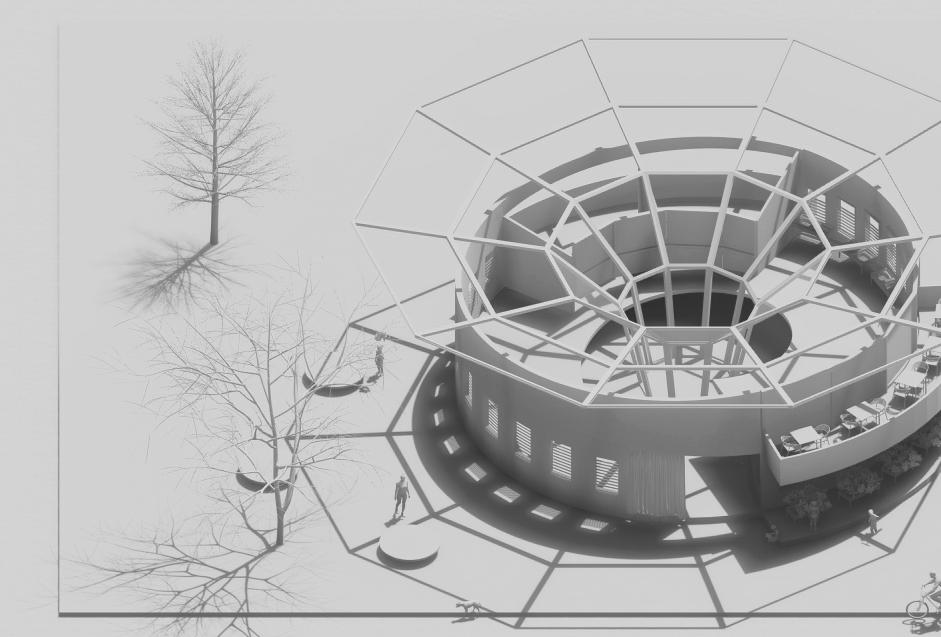
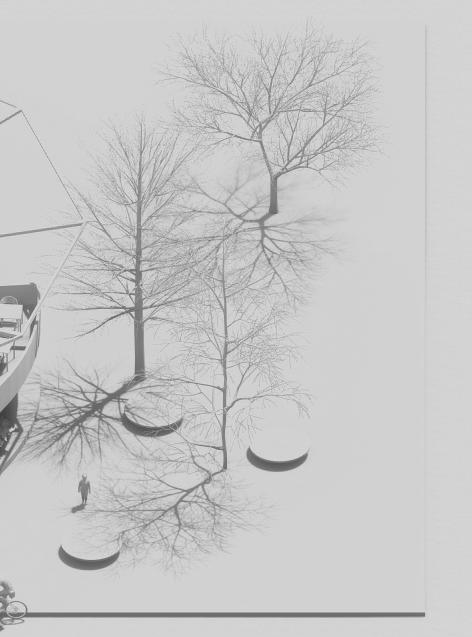
The project was initiated through an analysis of the mission and vision of Save the Children Foundation, from which the concepts of Attraction and Unity emerged as primary drivers. The design aims to raise awareness of the foundation’s work in health, protection, and education while encouraging active engagement and donation.
The spatial organization is structured around a central core representing unity, from which programmatic elements extend beneath a singular roof form. A continuous ramp establishes a sequential narrative, guiding visitors through three thematic zones that interpret the foundation’s focus areas. This circulation strategy transforms information into an experiential journey, supported by sensory and façade interventions that reinforce the concept of attraction. The experience culminates in the donation space, where awareness is translated into action.
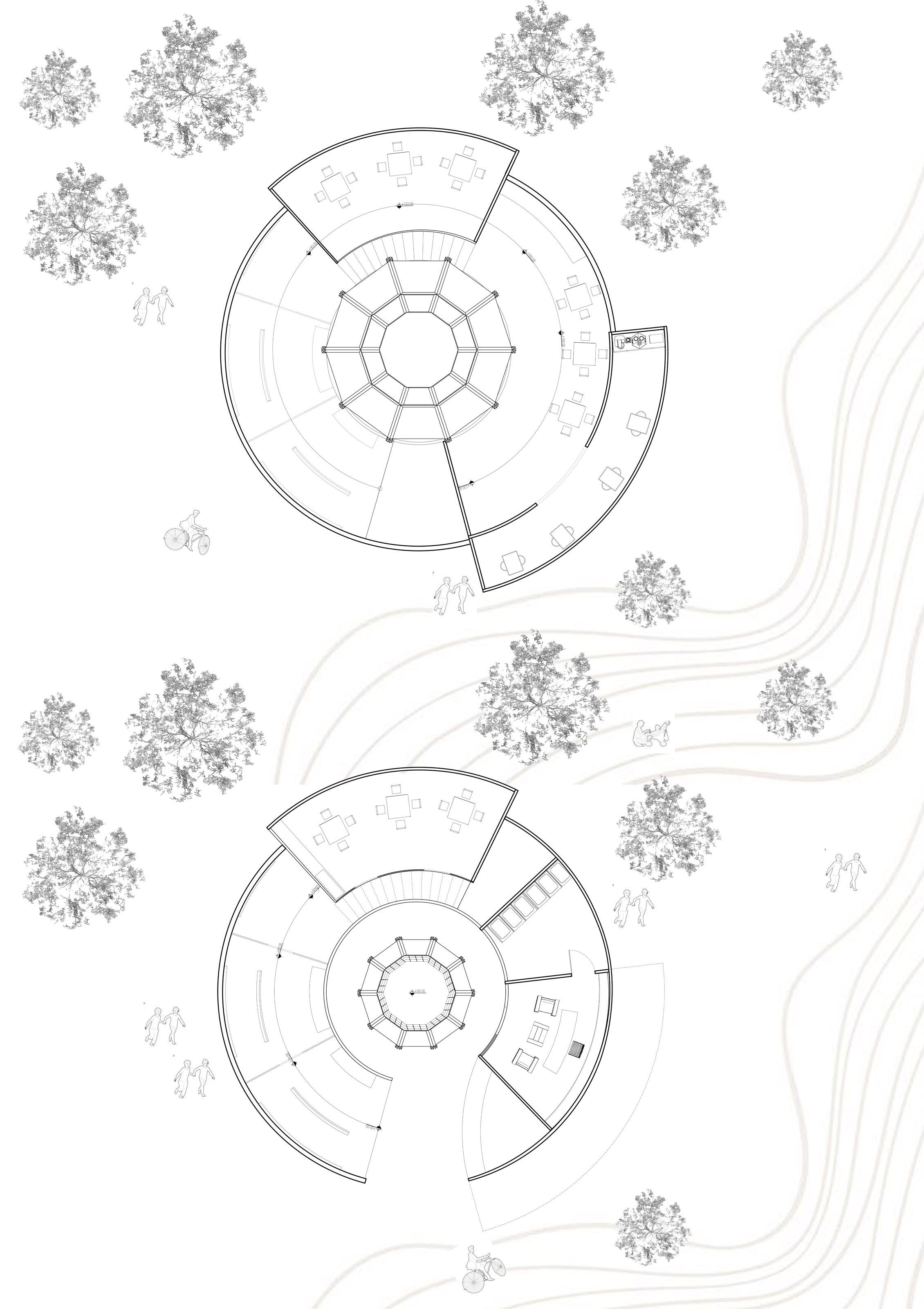
Upper Floor Plan
Ground Floor Plan
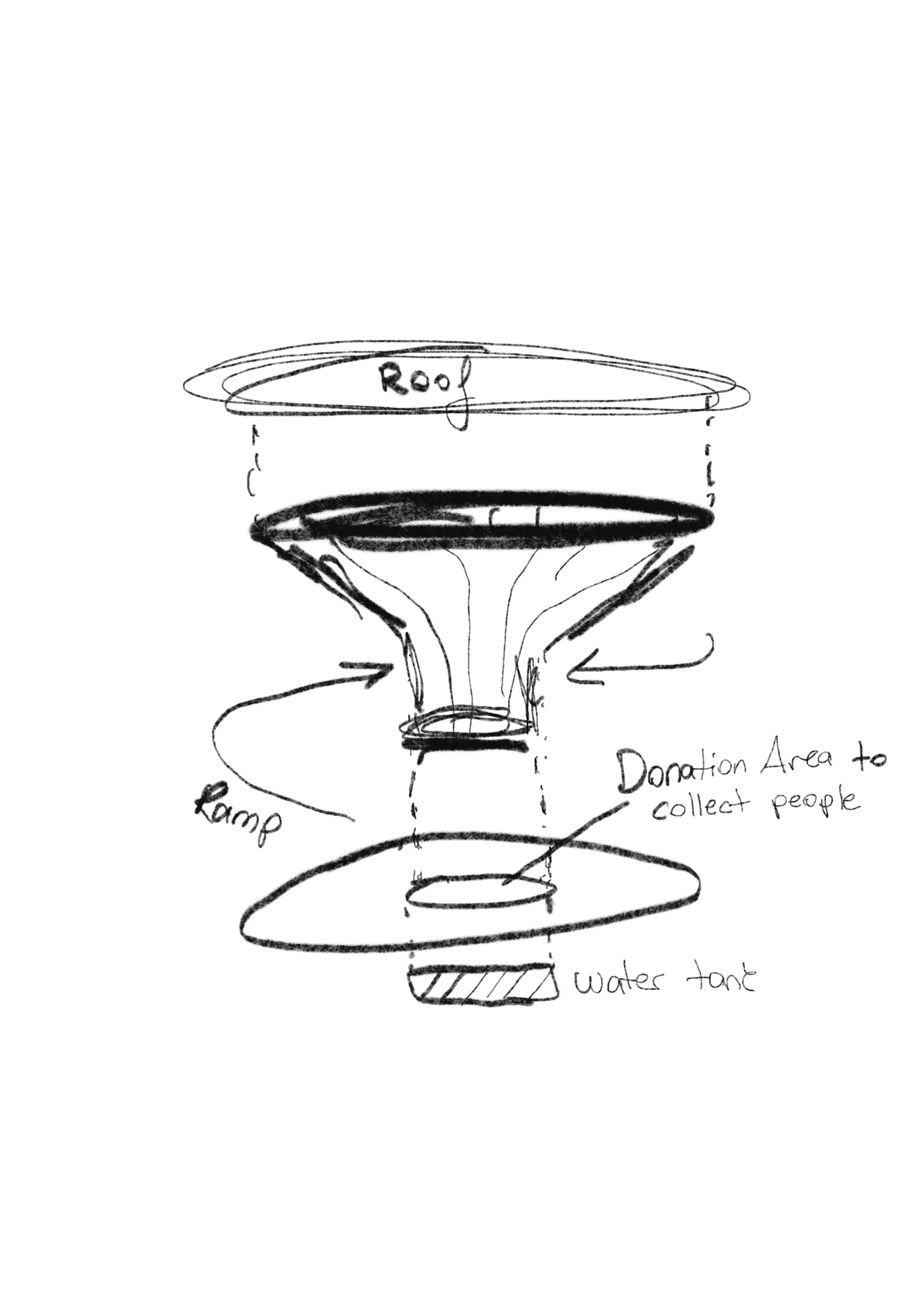
The ramp is supported along its centerline by an IPE steel beam and anchored to the load-bearing wall with C-profile members. In areas where the level difference exceeds 160 cm, additional vertical supports are introduced for stability. At the balcony projections, the system works as a cantilever, allowing the slab to extend without front supports.