Saturday 25 July at 4:30pm (relaxed performance)
Primrose Potter Salon, Melbourne Recital Centre
Sunday 26 July at 11:00am
Iwaki Auditorium, ABC Southbank Centre
Artists
Wendy Clarke flutes
David Thomas clarinet
Georgia White bass clarinet
Tiffany Cheng violin and curator
Anna Skálová violin
Jenny Khafagi viola
Caleb Wong cello
John Arcaro percussion
Louisa Breen piano
Nick Kuiper narrator
Program
Bryce Dessner Murder Ballades (2013) [20']
Joe Chindamo* String Quartet No. 1, Tempesta [18 ’]
interval
Aaron Copland Sextet [15’]
Holly Harrison The Mad Hatter’s Tea-Party [18’]
* MSO Composer in Residence
Running time: 1 hour and 40 minutes, including a 20-minute interval.
Timings listed are approximate.
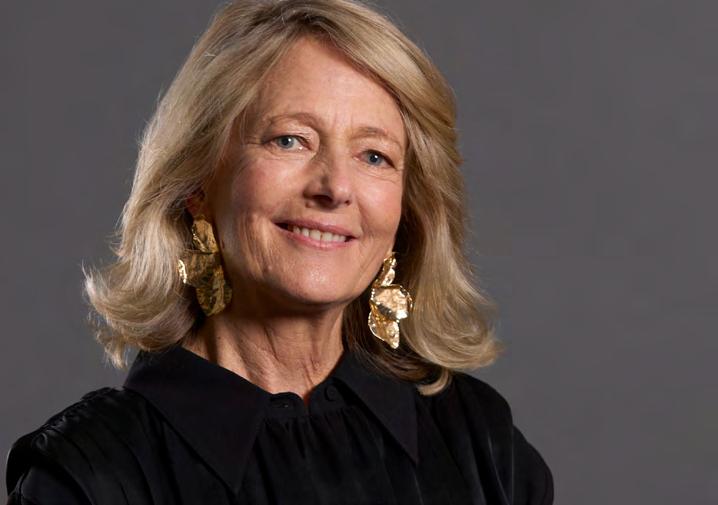
Wendy Clarke has held the position of Associate Principal Flute at the Melbourne Symphony Orchestra since 1991. Born in Perth, she studied with Owen Fisenden at the University of Western Australia, completing a Bachelor of Music degree with honours, after which she was appointed Principal Piccolo with the Western Australian Symphony Orchestra. In 1982 and 1984 she studied briefly in England with Peter Lloyd, Principal Flute of the London Symphony Orchestra. She spent several years at the Western Australian Academy of Performing Arts as a Lecturer in Flute before moving to Melbourne to take up her position with the MSO.
Wendy has performed and recorded as soloist with the WASO, MSO and Academy of Melbourne, and 1996 she was invited to play with the World Symphony Orchestra in Bangkok.
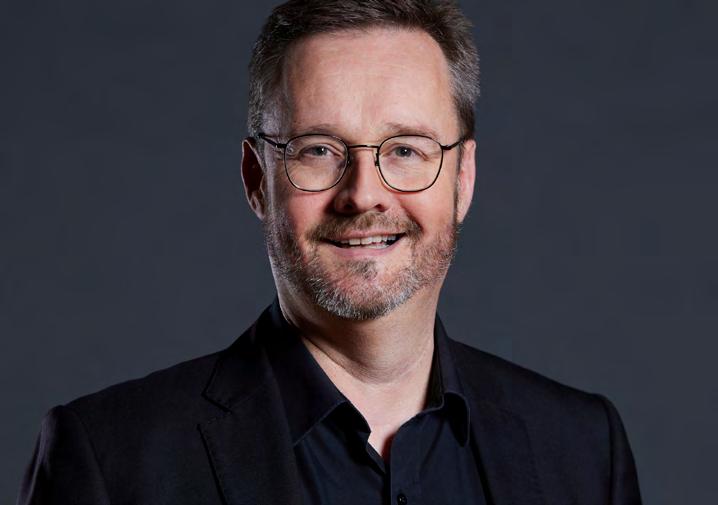
David Thomas has been the Principal Clarinet of the Melbourne Symphony Orchestra since 2000. Growing up in the Dandenong Ranges, he studied at the University of Melbourne with Phillip Miechel, and later at the Vienna Conservatorium with Roger Salander. David has played as a member of the West Australian Symphony Orchestra and is a member of the Australian World Orchestra.
He has appeared as concerto soloist with the Melbourne, West Australian, Sydney, Tasmanian and Darwin symphony orchestras, performing works by Mozart, Copland, Debussy, Françaix and Brett Dean amongst others. Concertos have been written for him by Australian composers Ross Edwards, Philip Czapłowski and Nicholas Routley, and his recording of the Edwards concerto with the MSO conducted by Arvo Volmer has been released by ABC Classic.
David is involved in training the next generation of classical musicians at the Australian National Academy of Music, where he is the principal teacher of clarinet and head of the woodwind department.
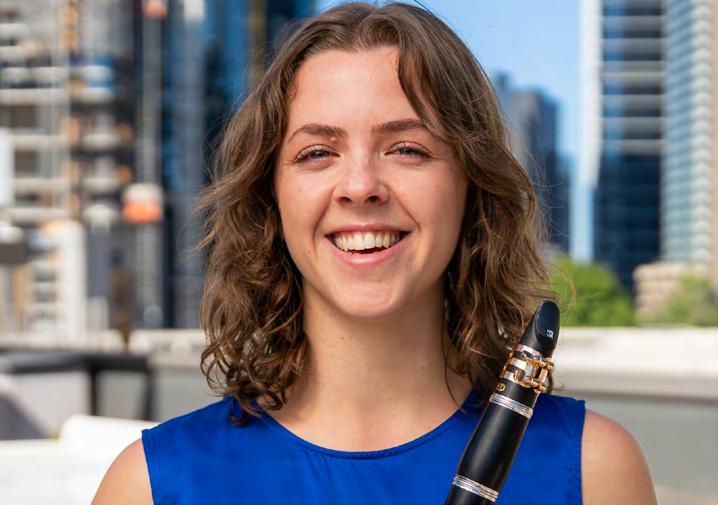
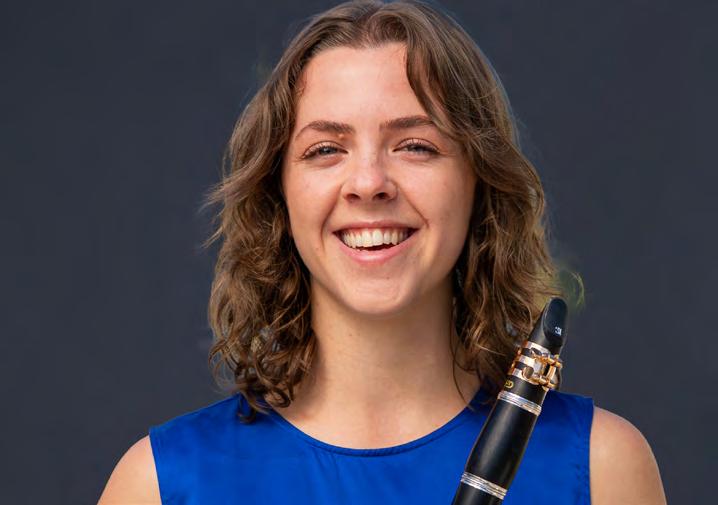
Based in Naarm/Melbourne, Georgia White recently finished studying at the Australian National Academy of Music under David Thomas. Originally from the Bellarine Peninsula, she has called Melbourne home since 2019, when she began studying with David Griffiths at the Melbourne Conservatorium of Music, completing an honours degree in 2023.
Georgia is passionate about diversifying the clarinet repertoire and enjoys sharing lesser-known works by Australian and female composers. She also loves bringing classical music to new audiences, valuing accessibility and cross-disciplinary collaboration. Most of all, she’s inspired by orchestral music – the number of musicians and the variety of instruments, all working together to create colourful and emotional works.
Having played as a freelancer with the MSO since 2022, Georgia is very grateful to be part of the 2026 Academy program.
The MSO Academy is supported by the Robert Salzer Foundation.
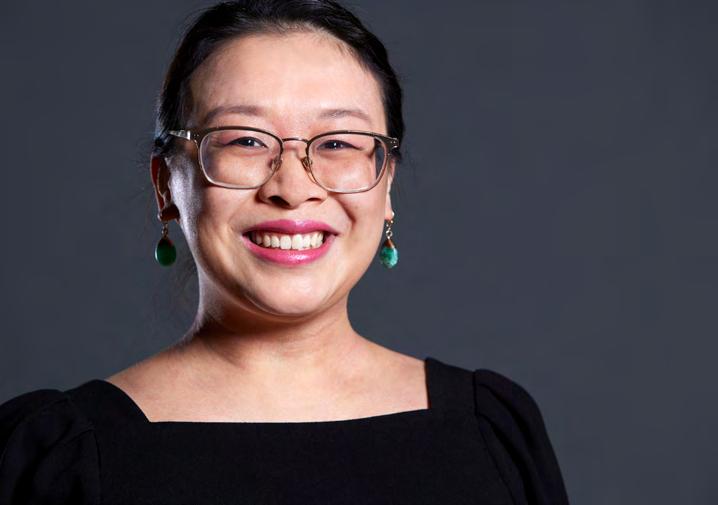
Born in Wollongong, Tiffany began playing the violin at the age of four after being inspired by ABC TV’s Play School. She studied with Liana Bonacorsso, Harold Brissenden and Yasuki Nakamura before commencing her tertiary studies at the Sydney Conservatorium of Music with Robin Wilson. In 2014, she completed a Bachelor of Music (Performance) degree, graduating with first class honours. She then moved to Melbourne to study with Sophie Rowell for three years at the Australian National Academy of Music. In her final year at ANAM, Tiffany was appointed to her current position with the Melbourne Symphony Orchestra.
During her time at ANAM she won the Australian Concerto and Vocal Competition (Townsville) and Kendall National Violin Competition, as well as ANAM’s Brett and Paul Dean Prize for the Outstanding Performance of an Australian Work (Julian Yu’s Passacaglia after Biber). Tiffany is also a keen chamber musician, having won the 3MBS Audience Choice award with the Edesia Quartet at the ANAM Chamber Music Competition.
Position supported by Val Dyke
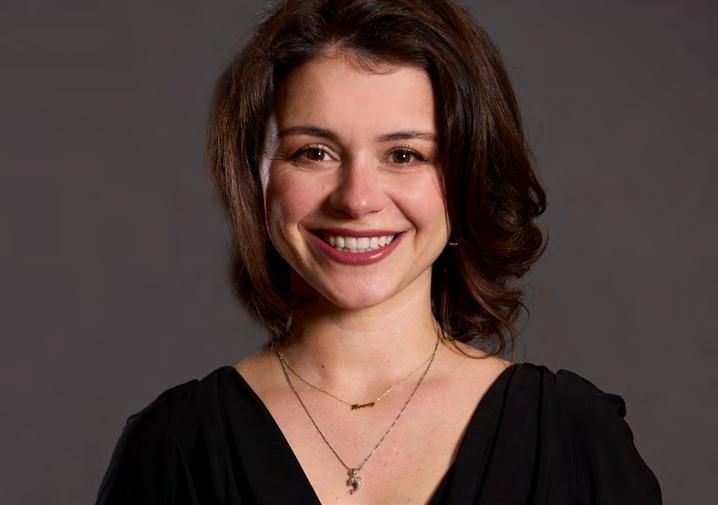
Czech-born violinist Anna Skálová is a member of the First Violin Section with the Melbourne Symphony Orchestra. Before joining the MSO, she was a member of the Sydney Symphony Orchestra and the San Diego Symphony. Anna holds a Performer Diploma from Indiana University and a bachelor’s degree from the University of Michigan, having previously studied at the Prague Conservatory. Her primary teachers included Jaime Laredo, Stephen Shipps and Jaroslav Foltýn.
She has served as concertmaster of the New York String Orchestra, Michigan Philharmonic, University of Michigan Symphony Orchestra and Indiana University Orchestra, and has also performed in the Britten-Pears Orchestra in the UK. She has appeared as a soloist with the University of São Paulo Symphony Orchestra and was a featured soloist in the 8th Emirates International Peace Music Festival in Dubai.
While in the US, Anna won the University of Michigan and Marquette Symphony Orchestra concerto competitions, as well as the grand prize in the Michigan American String Teachers Association (MASTA) Competition and first prize at the ASTA Competition.
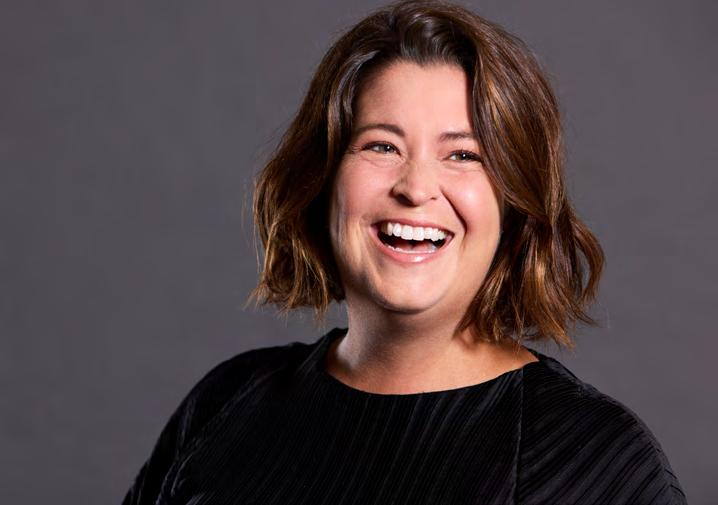
Jenny Khafagi is a Melbourne-based violinist and violist with a passion for chamber music. She was a member of acclaimed contemporary group Syzygy Ensemble for ten years, and has also worked extensively with the Australian Chamber Orchestra’s Inspire Quartet. In Melbourne, she has performed with Inventi Ensemble, Melbourne Chamber Players and the Melbourne Ensemble, as well as the MSO Chamber Players. This year, she joined the Australian String Quartet as guest second violin for their national tour Interwoven.
A frequent guest artist at many of the major Australian music festivals, she has performed with Ensemble Offspring in Sydney and twice held residencies at the Banff Centre in Canada.
As an orchestral musician, Jenny has appeared as guest concertmaster with the Queensland Symphony Orchestra, Orchestra Victoria and Auckland Philharmonia, and toured nationally and internationally on viola with the Australian Chamber Orchestra. She appears regularly as Principal Viola with the Melbourne Symphony Orchestra, as Principal Second Violin with the Melbourne Chamber Orchestra, and in 2023 joined the viola section of the MSO.
Position supported by Margaret Billson and the late Ted Billson
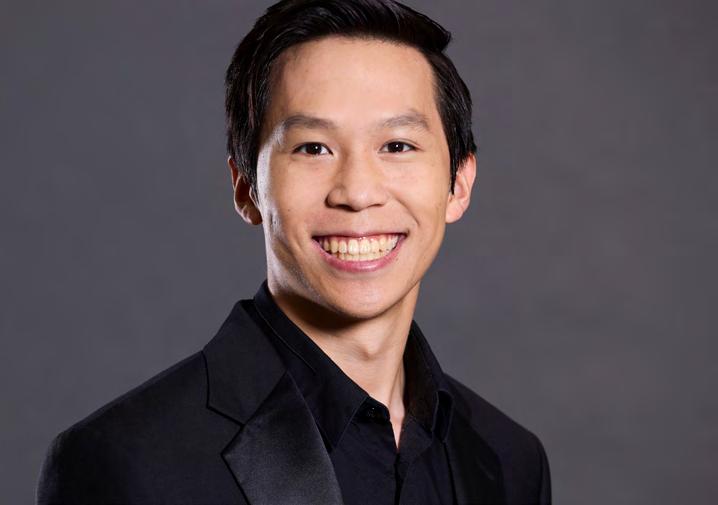
Born in Gundagai, Caleb Wong studied at the Australian National Academy of Music with Howard Penny before completing a Bachelor of Music (Honours) degree at the Melbourne Conservatorium of Music studying with Richard Narroway. In 2023, he completed a Master of Music degree, studying with Hans Jensen at the Bienen School of Music, Northwestern University.
At ANAM, Caleb was joint winner of the Most Outstanding Performance in a Solo Recital award, performed Debussy’s Cello Sonata with Kathryn Stott (broadcast on ABC Classic) and won the 2018 ANAM Concerto Competition performing Prokofiev’s Symphony-Concerto with the Tasmanian Symphony Orchestra. He also won the concerto competitions at both the Melbourne Conservatorium and Bienen School of Music. A member of the Australian Youth Orchestra for many years, in 2019 he toured Europe and Asia as Principal Cello.
Caleb’s concerto appearances include Tchaikovsky’s Rococo Variations in Stephen Baynes’s Constant Variants for the Australian Ballet’s Melbourne and Sydney seasons of Verve (2019), and Beethoven’s Triple Concerto with Emily Sun and Aura Go and the Queensland Symphony Orchestra in 2020.
Position supported by Rosemary and the late Douglas Meagher
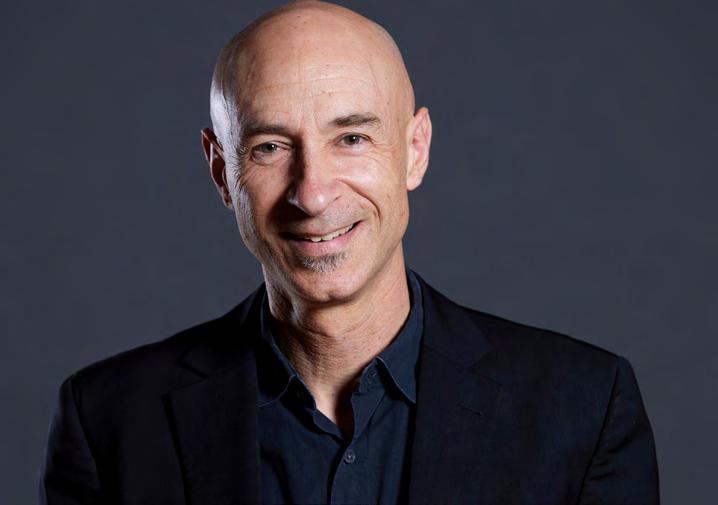
John Arcaro has been a member of the Melbourne Symphony Orchestra since 1990. He has also appeared as a guest timpanist/percussionist with Orchestra Ensemble Kanazawa Japan, Malaysian Philharmonic Orchestra, and the Sydney, West Australian and Tasmanian symphony orchestras.
As a chamber musician and soloist, he has appeared with the Australian Chamber Orchestra, Melbourne Chamber Orchestra, Synergy Percussion, Speak Percussion, Astra, Aphids and the Pokrovsky Ensemble Russia, as well as the MSO, and in 1996 he gave a critically acclaimed performance of Stockhausen’s Kontakte with pianist Michael Kieran Harvey.
John has also recorded numerous film scores and performed with a wide range of popular artists, including Frank Sinatra, Olivia Newton-John, KISS and Sting.
After studying orchestral percussion with leading practitioners in New York and Philadelphia, John graduated from the Victorian College of the Arts with high distinction. He is currently a member of staff at the University of Melbourne and the Victorian College of the Arts.
Position supported by Tim and Lyn Edward
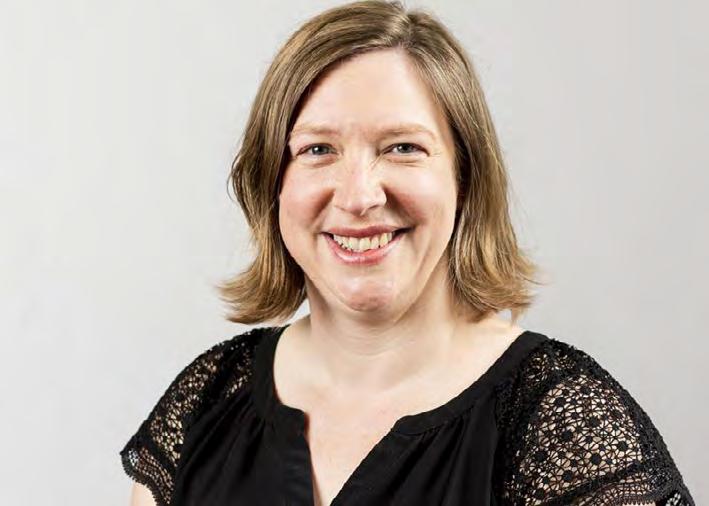
Melbourne-born Louisa Breen is a graduate of the University of Melbourne and the Royal College of Music in London, where she completed a postgraduate diploma and a master’s degree, followed by two years as an RCM Junior Fellow. She also won the Chappell Gold Medal, the RCM’s highest prize for piano, and toured Asia and Australasia with the RCM Premiere ensemble.
While in the UK, she performed as a soloist and chamber musician at such venues as the Purcell Room, Queen Elizabeth Hall, St Martin-in-the-Fields and St John’s Smith Square. In 2004, she won the piano section of the Royal Overseas League Music Competition, soon followed by her solo Wigmore Hall debut.
In 2005, Louisa returned to Melbourne, where she has been working as a freelance pianist. In addition to solo and chamber concerts, she is a regular orchestral pianist with the Melbourne and Sydney symphony orchestras.
Louisa has performed concertos in Australia, the UK, Europe and New Zealand, including the European premiere of Carl Vine’s Piano Concerto (RCM Sinfonietta). As half of the Brown and Breen piano duo, she has released Songs of Home, an album of Australian music, and has had works written for her by Peter Sculthorpe and Ross Edwards.
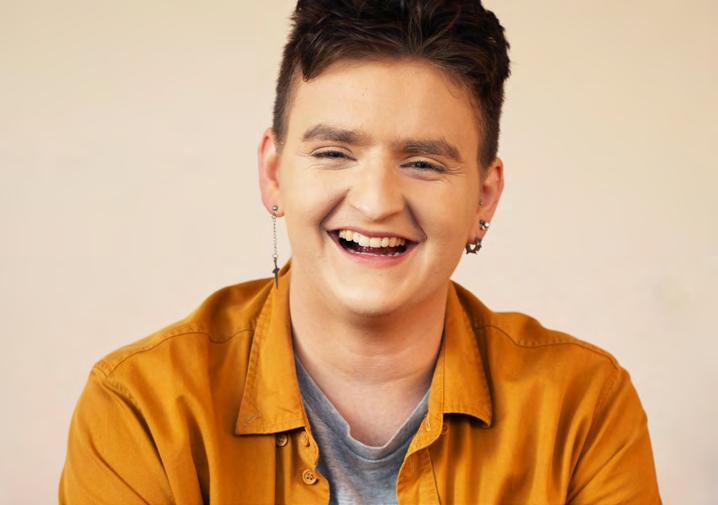
Nick (TACO) Kuiper is an actor, dancer, comedian and double bassist from Naarm. He holds a Certificate of Voice and Communication (AMEB) and a Diploma of Music from the University of Melbourne, where he studied double bass with Rob Nairn and performed regularly as a member of the Melbourne University Symphony Orchestra.
Nick has produced and performed three solo double bass cabaret productions for Comedy and Fringe Festivals, and also co-devised productions of Business Boyz, a physical comedy parody of corporate men, and Foreign Woman, a cabaret comedy about the life of his grandmother. In 2024, he toured regional Victoria as a double bassist and vocalist with cabaret queen Tash York. He has also trained extensively as a dancer, delighting audiences across the country with his burlesque and drag routines.
In his spare time, Nick Kuiper works as a Chartered Accountant and enjoys helping performing artists understand their tax obligations in his revered web-series Tax Time with TACO.
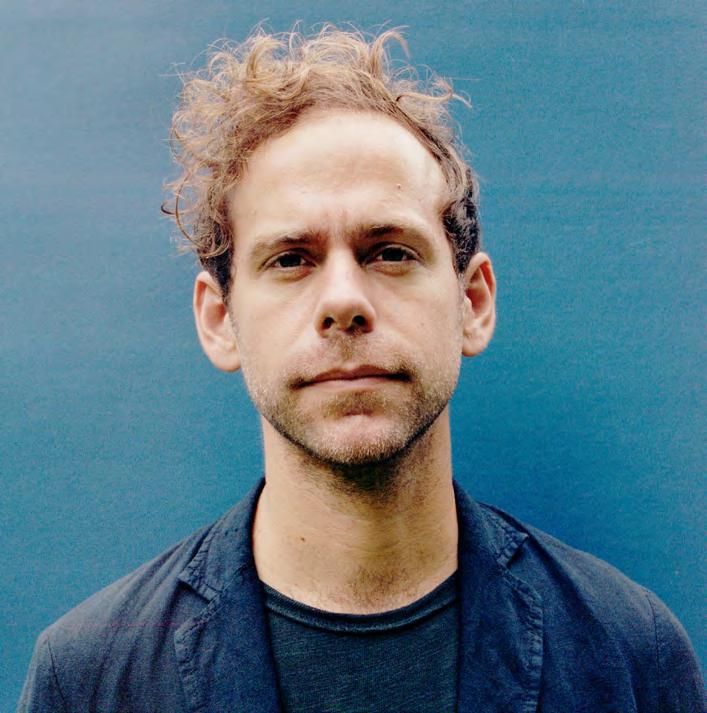
for flute/alto flute, clarinet/bass clarinet, violin, cello, percussion and piano
1. Omie Wise –
2. Young Emily
3. Dark Holler –
4. Wave the Sea –
5. Brushy Fork
6. Pretty Polly
7. Tears for Sister Polly
Every story told in the history of mankind follows one of six basic structures. This school of thought, based on Kurt Vonnegut’s theories, suggests that it is part of human nature to follow these archetypes in an attempt to convey meaning. In essence, we inevitably tell the same stories over and over again.
Following this line of thought, how then do artists distinguish themselves and have a unique voice? How do composers choose which elements to manipulate to engage interest whilst maintaining enough familiarity in order not to completely alienate the audience? New stories are difficult to tell when like begets like.
As long as humans have existed, so too has the crime of murder. ‘There is no shortage of murders in the corpus of ballads,’ remarks David Atkinson in his research on traditional English ballads. When America began its history of colonisation and enslavement, the imported murder ballad from 17th-century Europe began to take its own twisted form, particularly in the Appalachian region.
Oh, listen to my story, I’ll tell you no lies, How John Lewis did murder poor little Omie Wise
Drawing upon his expansive musical experiences across genres, Dessner weaves a soundscape for each violent act. ‘Omie Wise’, ‘Young Emily’ and ‘Pretty Polly’ are old tunes dating back to the 1750s, while ‘Brushy Fork’ is a Civil War-era fiddle tune. In addition to these classic tunes, Dessner creates his own stories with ‘Dark Holler’, ‘Wave the Sea’ and ‘Tears for Sister Polly’.
A pivotal figure in contemporary music, Dessner’s eclectic musical background shines through. One can hear the
American minimalist influences from his early 20s, touring with the likes of Philip Glass and Steve Reich, or the ‘poetic nature of Dutilleux’, especially as he is now based in Paris. Or perhaps one can hear old memories from his years as the guitarist of indie rock band The National. Speaking on his compositional process: ‘everything I’ve absorbed gets filtered through me, consciously or not.’
Ever since the form was developed by Haydn, the ‘father of the string quartet’, it has been widely regarded as one of the purest forms of music. The intimate balance of the four voices creates a perfect medium for a composer to explore their innermost thoughts. The form is simultaneously rich but transparent enough for every detail to be heard; each note of the score must have a deliberate purpose. The composer’s skill is laid bare for all to hear.
A relatively early work in his compositional career, Tempesta synthesises all of Chindamo’s musical experiences as a multi-genre pianist and composer, and as a student of past compositional giants. The quartets of Ravel and Bartók in particular have had a profound effect on Chindamo’s musical ethos. The sensuality of Ravel’s String Quartet, which has inspired him for decades, is contrasted with the ‘wild rhythms, angular melodic contours and dissonant harmonies’ in Bartók’s String Quartets. Influences from his jazz piano career also emerge in this work, notably Chick Corea’s album My Spanish Heart, which first sparked Chindamo’s teenage desire to compose for strings.
‘Tempesta is a musical autobiography of sorts because it takes stock of all that came before and points assuredly to what is in store.’ Quoting author Kate Grenville, Chindamo further remarks: ‘Writing your own memoir is like drinking your own bath water.’
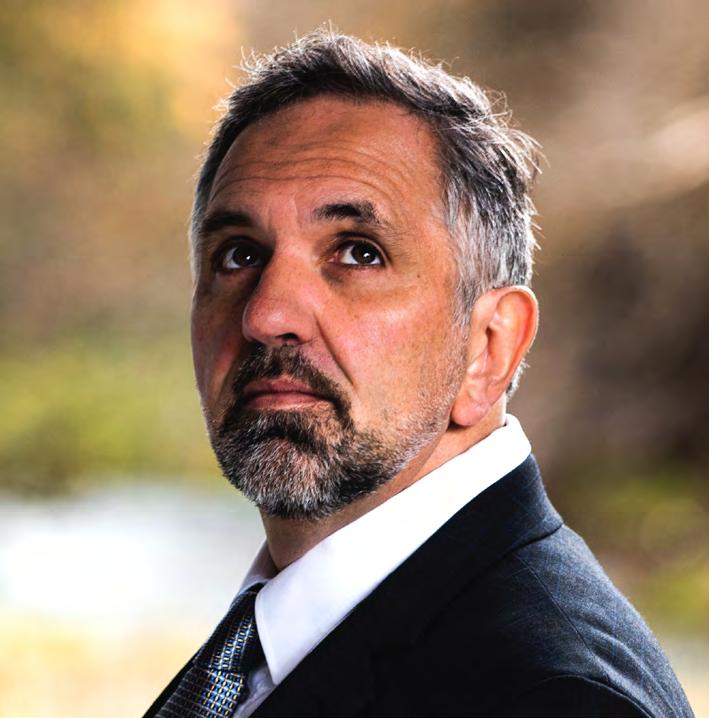
String Quartet No.1, Tempesta (2014)
for two violins, viola and cello
1. Tempesta (Animato)
2. Lament/Seduction (Espressivo/ mournfully – Waltz/elegantly)
3. Frenzy (Scherzando)
4. Flight (Agitato)
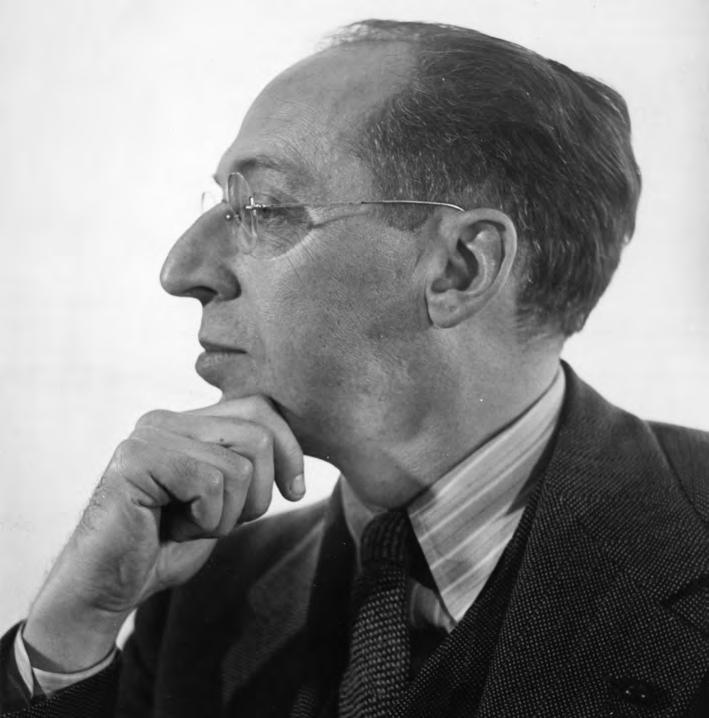
Aaron Copland (1900–1990)
Sextet (1937)
for clarinet, string quartet and piano
1. Allegro vivace –
2. Lento –
3. Finale (Precise and rhythmic)
Often referred to as the ‘Dean of American Music’, Aaron Copland almost singlehandedly defined the American soundscape in a world dominated by European giants and paved the way for future composers. ‘There is a French-sounding music, a German sound, why not American?’ As a lifelong advocate for Americana, Copland’s ‘open’ sound has become synonymous with the American pioneering spirit and the vast sprawling landscape of the nation.
British critic Anthony Burton named Short Symphony (1931–33) as one of the ‘most cancelled major works of the 20th century’. During this early period of Copland’s compositional development, the Short Symphony reflected the experimental, modernist approach to art music at the time, catering only to the intellectual delights of the enlightened, trusting that the masses would follow in due course. His dissatisfaction with the intellectual movement, especially during the financial disasters of the Great Depression, shifted Copland’s perspective to create art that appealed to as wide an audience as possible. He created a deliberately accessible style which he named ‘vernacular’, blending the sounds of pop and jazz to align with the contemporary movement within his artistic circles to ‘Affirm America’.
Copland’s frustrations with the apparent difficulty in performing the Short Symphony led him to arrange the piece for sextet in 1937 in the hopes of procuring more performances. During this time, Copland became fascinated with the movement towards Neoclassicism of Stravinsky, who also recognised the artistic and financial limits in creating art that only pushed intellectual boundaries. The treatment of rhythm and texture in the Sextet clearly demonstrates Copland’s study of Stravinsky’s works. Now considered one of his finest compositions,
Copland remarked ‘one learns to have patience’.
The whimsical nature of Lewis Carroll’s literature has been a constant source of inspiration for Holly Harrison. ‘Nonsense is just a rearrangement of sense and you can make your own rules from within nonsense.’ Her compositions delight in layering opposing ideas from a variety of genres to find new sounds. While juxtaposing different ideas is a cornerstone of compositional technique, Harrison adds another component: humour. With her boisterous exploration of absurdity, Harrison catches her audience off guard as she relishes in ridiculous joy.
Setting spoken words to music has its roots as far back as Ancient Greece. The practice remained quite stagnant as a form through the centuries until Schoenberg revolutionised the technique in Pierrot Lunaire (1912) with the invention of Sprechstimme or ‘speaking voice’. Rather than mimicking speech in song, Schoenberg created a sound that was neither song nor speech. A perfect medium to capture the capricious voice of Harrison and Carroll.
Harrison typically begins her compositional process improvising at the drum kit. ‘If there’s a rhythm that people can hook onto, it immediately feels less foreign. Rhythm feels like something you can enjoy together… [it’s] what’s spiritual about rock concerts, people being in a mosh pit and enjoying things together.’ Her process typically begins at the drum kit. The physicality of moving her body allows her to viscerally experience the sounds she’s exploring, to ‘get inside the sound... It makes sense to me because we play instruments with our bodies… so why can’t we also experience it physically as composers?’
Tiffany Cheng © 2026
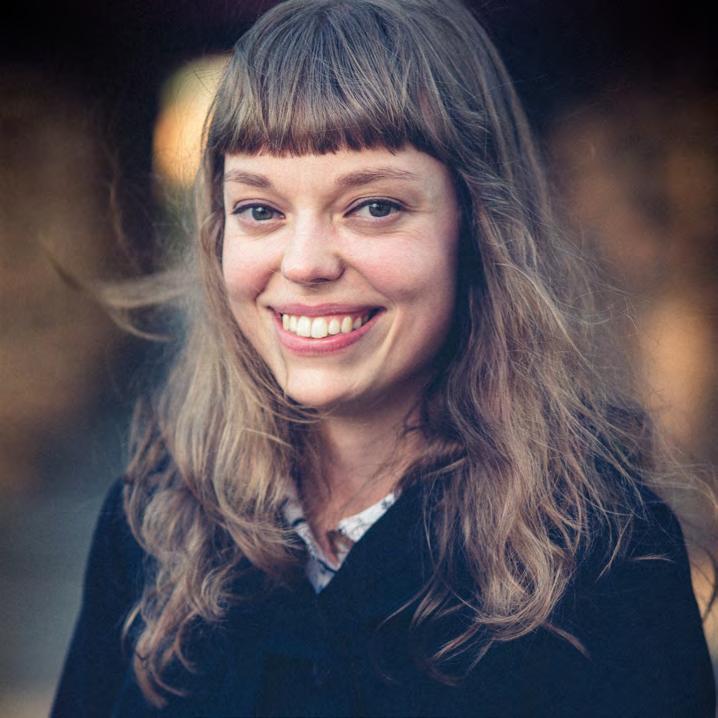
Holly Harrison (born 1988)
Mad Hatter’s Tea-Party (2018)
for narrator, flute/piccolo (Alice), clarinet/bass clarinet (Mad Hatter), violin (March Hare), cello (Dormouse) and percussion (Time)
1. A Little Argument (‘There was a table set out under a tree…’) –
2. What a Funny Watch! (‘I think you might do something better with the time’) –
3. A Twinkle in Time (‘You know the song, perhaps?’) –
4. A Long Tale (‘…It’s always six o’clock now.’)
5. Alice Storms Out (‘…such as mouse-traps, and the moon, and memory, and muchness…’)
Supporting
Paul Noonan, Keypoint Law
Training and Education Partners
Trusts and Foundations
Broadcast and Production Partners
Venue Partners