India’s ecommerce market is projected to cross $150–200 billion by 2026, driven by rapid digital adoption, expanding logistics networks, and the rise of digital payments. But the Indian ecommerce growth strategy in 2026 is no longer about aggressive marketing spend or vanity GMV numbers.
It is about operational discipline, unit economics clarity, and sustainable profitability,supported by a strong ecommerce operations platform
With UPI transactions crossing 10+ billion per month and smartphone penetration accelerating across Tier 2 and Tier 3 cities, the opportunity for D2C brands in India is massive However, rising customer acquisition costs and increasing competition mean growth without control is fragile
In 2026, disciplined operators will outperform aggressive marketers.
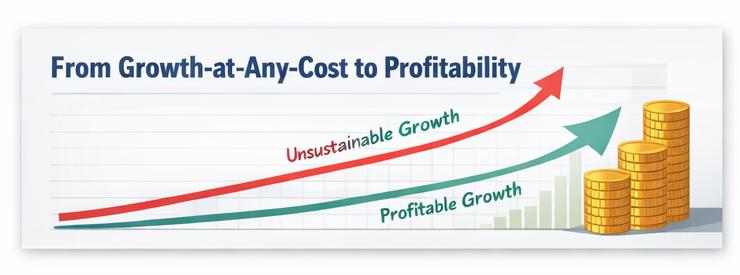
The Shift From Growth-at-Any-Cost to Profitability
Between 2019 and 2022, Indian D2C brands scaled rapidly. Venture capital funding surged. Performance marketing on Meta and Google drove explosive growth
Revenue was the primary headline metric.
Today, the ecosystem has matured
Capital is more selective. Investors are prioritizing profitability, contribution margins, and sustainable cash flow over top-line growth
The modern Indian ecommerce growth strategy now focuses on:
● Contribution margin per SKU
● Return on ad spend (ROAS) stability
● Inventory turnover ratio
● Cash conversion cycle
● Repeat purchase rate
Brands that understand profitability at the SKU level outperform those chasing GMV
Rising Customer Acquisition Costs in India
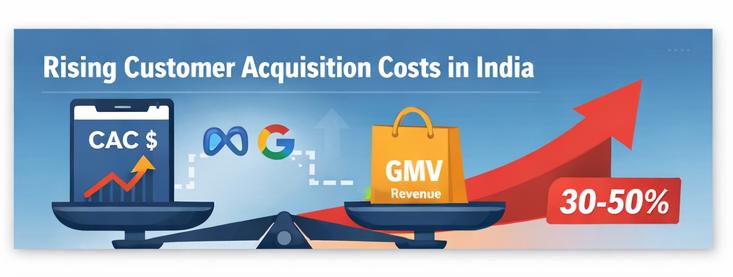
Advertising costs across Meta and Google platforms have increased significantly over the last few years Many D2C brands report 30–50% higher CAC compared to 2021 levels
Why?
● Increased competition
● Ad inventory saturation
● Performance volatility
● More price-sensitive consumers
This has made paid growth less predictable
As a result, scaling a D2C brand in India now requires better performance tracking, creative testing discipline, and a strong focus on payback periods
Growth fuelled purely by ads is no longer stable
Why Unit Economics Matter More Than GMV
GMV looks impressive. But it doesn’t guarantee profitability.
Indian ecommerce profitability depends on:
● Gross margin
● Shipping cost per order
● Return rate
● Payment gateway charges
● COD rejection rates
● Marketing spend efficiency
When founders track contribution margin after logistics and advertising, clarity improves dramatically.
Tools and dashboards that provide SKU-level visibility help brands make smarter inventory and marketing decisions.
In India’s price-sensitive market, precision beats scale
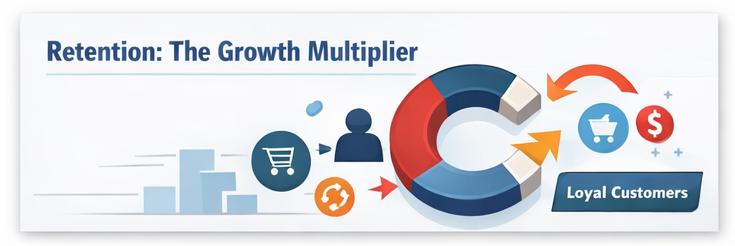
Retention as the Real Growth Multiplier
India’s ecommerce ecosystem is highly discount-driven Switching costs are low Consumers compare prices across marketplaces instantly
Retention becomes the real competitive advantage
Strong D2C brands in India invest in:
● WhatsApp-based post-purchase engagement
● Subscription and replenishment models
● Loyalty programs
● Regional personalization
● Faster customer support
Retention reduces dependency on rising CAC.
If a brand achieves even a 25–30% repeat purchase rate, profitability improves significantly because acquisition costs are amortized over multiple orders.
Trust compounds
Retention stabilizes revenue.
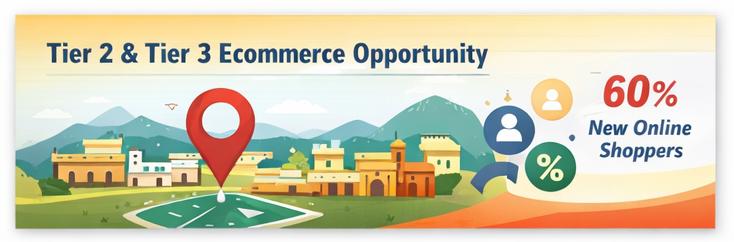
Tier 2 and Tier 3 Ecommerce Opportunity in India
More than 60% of new online shoppers now come from Tier 2 and Tier 3 cities These markets are digitally aware and value-conscious.
They expect:
● Transparent pricing
● Reliable delivery timelines
● Seamless mobile checkout
● UPI and Cash-on-Delivery options
However, expansion into these regions requires backend discipline:
● Regional warehousing strategy
● Accurate demand forecasting
● Localized communication
● Efficient inventory management
Operational inefficiencies surface quickly when scaling beyond metros Brands that treat logistics as a strategic lever outperform competitors.
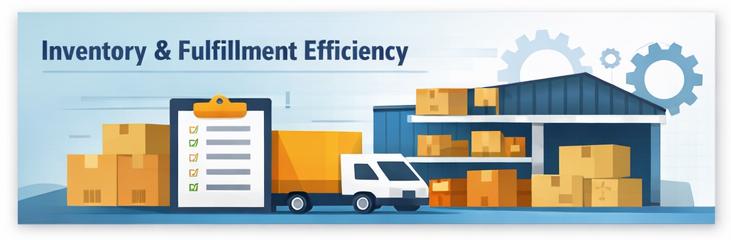
Inventory and Fulfillment: The Silent Margin Drivers
In Indian ecommerce, margins are often won or lost in operations
Common challenges include:
● Stockouts during festive spikes
● Overstocking that blocks working capital
● High reverse logistics cost
● Poor warehouse coordination
Strong inventory planning improves:
● Cash flow
● Delivery timelines
● Customer satisfaction
● Contribution margins
Efficient fulfillment systems are not glamorous but they protect profitability
Behind every visible ecommerce brand is invisible operational strength
The Rise of the Operator-Founder in India
A noticeable trend in India’s D2C ecosystem is the rise of the operator-founder
Instead of outsourcing core growth decisions early, founders are actively involved in:
● Campaign performance analysis
● SKU profitability tracking
● Retention flow optimization
● Vendor negotiations
● Logistics cost management
The Indian ecommerce growth strategy in 2026 favors founders who understand numbers deeply
Launching fast is easy.
Scaling profitably requires discipline
The New Ecommerce Growth Model for India
India’s ecommerce opportunity remains enormous:
● Digital payments infrastructure is strong
● UPI adoption continues to rise
● Logistics networks are expanding
● Consumer trust in online shopping is increasing
But the playbook has evolved
Sustainable ecommerce profitability in India will favor brands that build:
● Strong unit economics discipline
● Clear performance dashboards
● Structured retention systems
● Agile experimentation culture
● Strategic inventory planning
Marketing creates spikes
Operational discipline creates durability
In 2026, India’s ecommerce leaders will not be the loudest brands
They will be the most operationally disciplined ones
Frequently Asked Questions (FAQ)
What is the future of ecommerce in India in 2026?
India’s ecommerce market is expected to exceed $150 billion by 2026, driven by UPI adoption, smartphone penetration, and Tier 2/3 city growth However, profitability and operational efficiency will define long-term winners.
How can D2C brands scale profitably in India?
D2C brands can scale profitably by focusing on unit economics, improving repeat purchase rates, optimizing inventory turnover, and reducing customer acquisition costs through retention strategies.
Why are customer acquisition costs rising in India?
CAC is increasing due to higher competition, ad inventory saturation on Meta and Google, and growing digital adoption among brands. This makes paid marketing less predictable.
Is Tier 2 and Tier 3 India good for ecommerce expansion?
Yes Tier 2 and Tier 3 cities account for a majority of new ecommerce users However, success requires localized communication, reliable logistics, and disciplined backend operations.