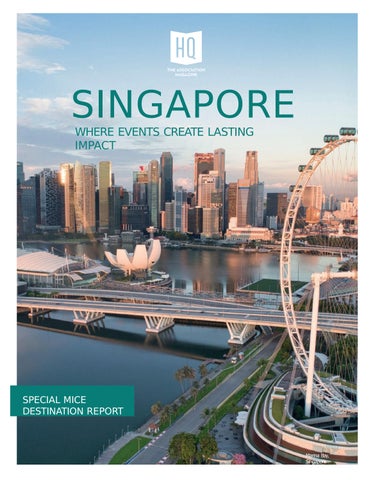

SINGAPORE
WHERE EVENTS CREATE LASTING IMPACT
SPECIAL MICE DESTINATION REPORT

Singapore: Empowering Exceptional Business Events
Singapore is a trusted global business hub and a leading MICE destination strategically located in the heart of Asia Pacific. Its political stability, strong governance, advanced infrastructure and pro-business environment allow international event organisers to operate with confidence and efficiency. Extensive global connectivity and an established innovation and business ecosystem position the city-state as a strategic base for associations seeking to engage with Asia-Pacific markets and build long-term partnerships.
Singapore hosted 144 international association meetings in 2024 and ranked first in Asia- Pacific and third globally in the International Congress and Convention Association (ICCA) GlobeWatch City Ranking. This reflects the city-state’s consistent selection by associations for recurring international congresses and its capability to host a diverse and rich calendar of events across sectors such as medical, technology and science within a highly competitive regional landscape.
Excellent Global Connectivity
Singapore’s accessibility supports its role as an international MICE hub, enabling easy access for delegates attending events from around the world. In 2025, Changi Airport recorded its highestpassengertraffic, and addedtwoairlines and 13 new city links. The airport connects Singapore to more than 170 cities across 50 countries and territories, with direct links across Europe, North America and AsiaPacific. Reflectingconsistently hightraveller experience ratings, Changi Airport has been named the world’s best airport in 2026 by Skytrax, its 14th win. Most visitors to Singapore do not require a visa for stays of up to 30 days, while those who do benefit from an efficient application process, supporting largescale international participation.
A Vibrant MICE and Business Hub
MICE events have been identified as a key growth driver within Singapore’s Tourism 2040 roadmap. The Singapore Tourism Board (STB) has set a target of tripling MICE tourism receipts by 2040, as part of efforts to grow the tourism sector’s total receipts to between S$47 billion and S$50 billion (approximately €32–34 billion). This direction builds on Singapore’s established MICE capa- bilities, with key thrusts including continued investment in infrastructure, a strong calendar of MICE events, and initiatives to strengthen industry and workforce capabilities.
Contents
P2–3
P4–5 Singapore at a glance Global Biomedical Associations Find a Trusted and Long-Term Destination Partner in Singapore
P6–7
P8–9
Singapore: Where Professional Services Industry Events Create Lasting Impact
Singapore as a Strategic Gateway to he Asia-Pacific for Associations
P10–11 Singapore: Where Enriching Experiences Connect, Delight and Inspire
Asia-Pacific. The country ranks as Asia’s most competitive economyandsecondglobally in the International Institute for Management Development (IMD) World Competitiveness Yearbook 2025, and fifth in the Global Innovation Index 2025, supported by a strong Intellectual Property regime. Events held in Singapore connect participants directly with established industry networks, placing them in environments whereresearch, decisionmakers and policy expertise are already present.
World- class Infrastructure and Facilities
Singapore’s MICE sector is supported by its corporate and research base. More than 4,200 regional headquarters operate in the
city, forming the largest such concentration in
Exhibition Centre, Marina Bay Sands Expo
Singapore offers a range of purposebuilt convention centres and meeting venues that cater to different event formats and scales. Suntec Singapore
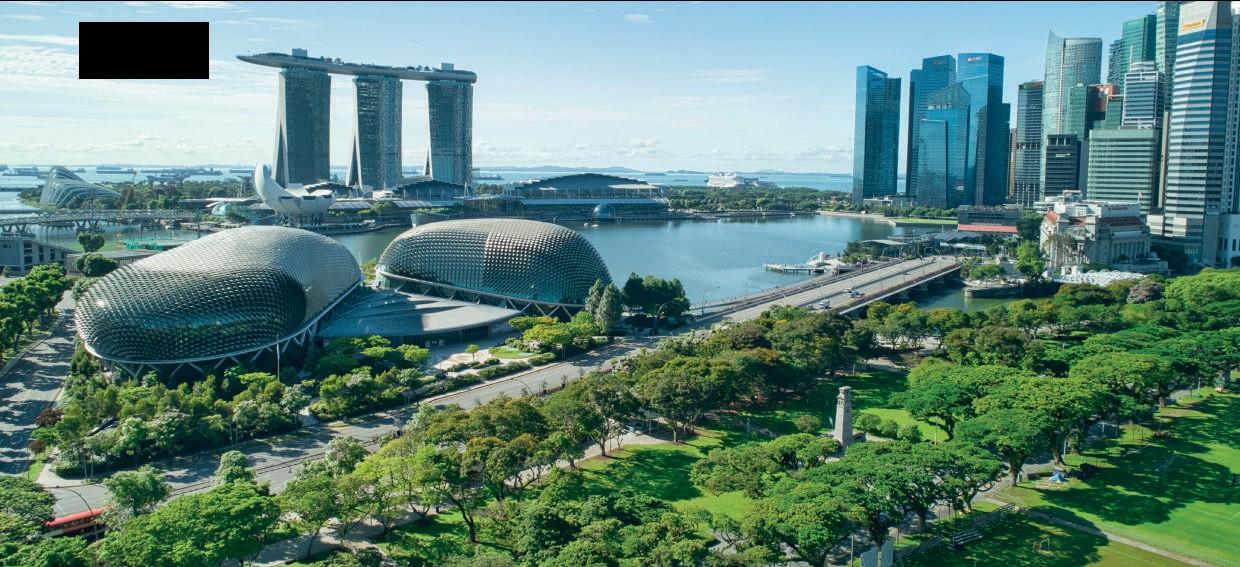
Marina Bay © Singapore Tourism Board
& Convention Centre, Singapore EXPO and Resorts World Convention Centre at Resorts World Sentosa operate within districts that provide close access to accom- modation, dining, retail and entertainment, supported by efficient local transport networks. In July 2025, construction began on a US$8 billion expansion of Marina Bay Sands (approx. €7.4 billion), adding a fourth hotel tower, a 15,000-seat arena and approximately 18,500 square metres of additional meetings and exhibition space. The government is also studying thedevelopmentofanewdowntown MICE hub to complement and strengthen existing offerings in the district, leveraging nearby venues and attractions to enhance the visitor experience.
Building a Greener MICE Industry
Singapore’s approach to sustainable MICE events is guided by the Singapore Green Plan 2030 and the United Nations Sustainable Development Goals, with clear targets, standards and certification programmes in place. The country has been certified as a sustainable destination under the Global Sustainable Tourism Council (GSTC) Destination Criteria and ranked second in Asia-Pacific in the 2025 Global Destination Sustainability Index.
Launched in 2022 with the Singapore Association of Convention & Exhibition Organisers & Suppliers (SACEOS),
Singapore’s MICE Sustainability Roadmap has put in place targets, standards, certi- fication programmes to build a greener future for the MICE industry. As of 2025, all six purpose-built MICE venues and more than 80% of SACEOS members had achieved sustainability certifications, supported by the introduction of the Singapore MICE Sustainability Certification Framework in 2024. For organisers, this provides access to certified venues, services and experiences that support event-level sustainability objectives.
Diverse Cultural and Unique Leisure Experiences
Singapore’s multi-cultural landscape allows delegates to immerse in its rich heritage through walking tours and neighbourhood exploration, including Chinatown, Little India and Kampong Gelam. Diversity is also reflected in its dining scene, where hawker culture, recognised by UNESCO as intangible cultural heritage, is experienced through local hawker centres offering affordable, traditional dishes. Singapore’s culinary landscape also includes Michelin-starred restaurants and award-winning cocktail bars, providing varied settings for informal networking and social programmes.
A year-round calendar of leisure events complements the delegate experience, from major sporting fixtures such as the Formula 1 Singapore Airlines Singapore Grand Prix to large-scale concerts featuring international

performers and cultural festivals acrossthecity. Programmes such as Singapore Incentives & Rewards (INSPIRE) Global 3.0 and the Singapore MICE Advantage Programme (SMAP) support organisers in shaping these experiences. INSPIRE Global 3.0 providesaccess tocurateddining, attractions and team-building activities, while SMAP offers privileges across travel, retail and transport, enabling delegates to engage more fully with the destination.
Singapore continues to compete at the highest level in the global meetings industry through the alignment of its economic priorities, infra- structure planning, sustainability commitments and sector development. The following pages examine how this plays out across biomedical sciences, legal and professional services, technology and artificial intelligence, and how Singapore serves as a preferred gateway to AsiaPacific for associations expanding internationally, empowering exceptional events and delegate experiences that connect and inspire.


SECB@stb.gov.sg Visit Singapore Business Events
www.visitsingapore.com/mice



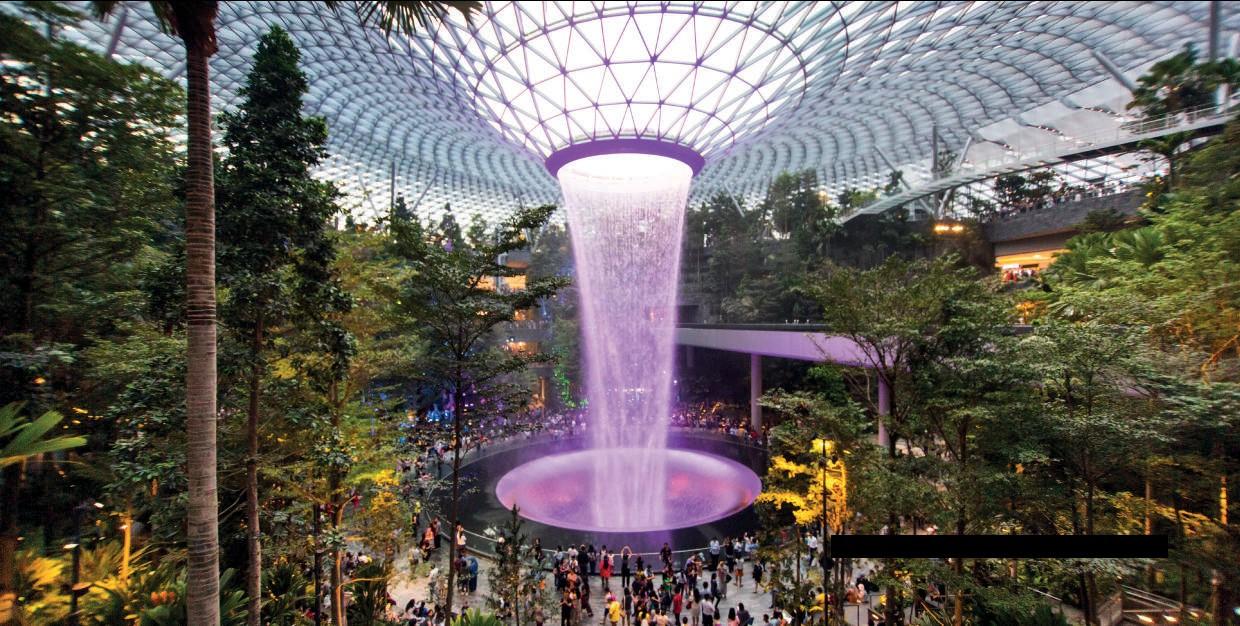
Jewel Changi Airport © Singapore Tourism Board

Global Biomedical Associations Find a Trusted and Long-Term Destination Partner in Singapore
Over the past 25 years, Singapore has built one of the Asia-Pacific region’s most comprehensive biomedical and healthcare ecosystems, spanning research, clinical delivery, manufacturing and regulation. The system reflects sustained national policy and investment in biomedical science and healthcare innovation. Speaking at the 29th International Medical Device Regulators Forum in March 2026, Singapore’s Minister for Health and Coordinating Minister for Social Policies, Mr Ong Ye Kung, noted that national research and development spending reaches around 2% of GDP. This is supported by programmes such as the Research, Innovation and Enterprise (RIE2030) plan, which allocates S$37 billion (approximately €25 billion) over five years to strengthen areas including human health and biomedical innovation.
For international biomedical associations, Singapore offers direct access to the institutions forming its biomedical innovation pipeline: universities, academic medical centres, hospitals and the Agency for Science, Technology and Research (A*STAR). Thanks to its experienced organisers, world-class venues and infrastructure suited to specialised medical congresses, this sector has established the city as a trusted host of international biomedical meetings, placing it at the heart of the scientific and clinical networks that associations seek to engage with.
A Biomedical Ecosystem Designed For Scale And Continuity
Singapore’s role as a biomedical hub reflects long-term coordination across healthcare delivery, academic research, industrial development and regulation. National healthcare clusters such as SingHealth, the National Healthcare Group and the National University Health System work alongside specialist institutions, including the National Cancer Centre Singapore and the National Heart Centre Singapore. These institutions are backed by universities and research institutes, which sustain a continuous pipeline linking scientific discovery, clinical practice, and industry collaboration.
around 100 industry-sponsored clinical trials
The concentration of expertise fosters an active clinical research environment, with
launched in Singapore each year. Congress organisers can collaboration with a wide range of medical specialists and researchers is invaluable. Experts can contribute as speakers, collaborators and hosts of site visits, enabling programmes that connect scientific research, clinical practice and implementation, and enrich the delegate experience.
More than30leading global pharmaceutical and biotechnology companies, including GSK, Roche, Pfizer, Novartis, Johnson & Johnson and Takeda Pharmaceuticals, maintain regional headquarters, R&D centres or manufacturing operations in Singapore. Alongside them, over 400 MedTech companies and more than 60 biopharmaceutical manu- facturing facilities operate locally, forming one of the region’s most concentrated life sciences sectors. Decades of investment
have built substantial manufacturing capacity.
Biopharmaceutical production output doubled to S$13.9 billion (approximately €9.5 billion) in 2023, while MedTech production increased tenfold to S$18.9 billion (approximately €13 billion). This growth is supported by a highly skilled workforce, efficient logistics, and sound regulatory and intellectual property frameworks for global biomedical operations.
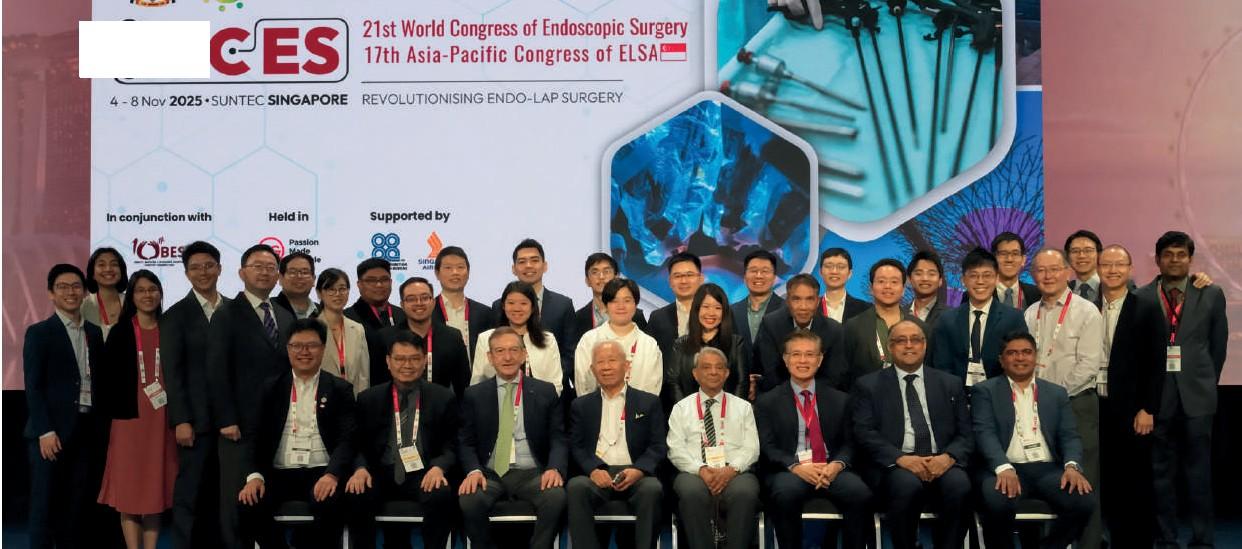
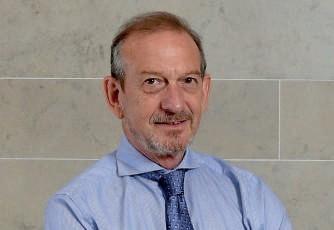
Singapore’s strong biomedical and MedTech capabilities are reflected in the scientific programmes of international congresses hosted in the city. Two examples are the World Congress of Abdominal Wall Hernia Surgery 2024 and the 21st World Congress of Endoscopic Surgery (WCES) 2025, both held in Singapore under the presidency of Professor Davide Lomanto (top left-hand corner of the next page).
21st World Congress of Endoscopic Surgery 2025 © Anderes Fourdy, PCO, WCES 2025

Lomanto says the local technological environment supports advanced surgical education. “The advanced technology available, including connectivity like 5G, makes it possible to organise high-tech educational events,” he explains. “Singapore hospitals are equipped with cutting-edge technology and this facilitates enormously the display of new devices and systems. Participants can experience first-hand technologies such as robotic devices and surgical simulators. Moreover, Singapore being a hub for MedTech makes technology readily available without shipping from overseas.”
At the same time, Singapore’s strategic position and connectivity help bring together global communities. “Singapore is the perfect location for international events,” Lomanto says. “Being in the heart of Asia and having extensive connectivity allows participants, speakers and sponsors to reach the island easily, often with a single stop. Logistics for exhibitors are also straightforward, from shipping and customs to local support.”
Accessibility translated into broad international participation. “In both events we hosted faculty and participants from more than 53 countries spanning South America, Africa, North America, Europe and, of course, Asia,” he notes. “The connectivity and support from Singapore Airlines were instrumental.” Lomanto also emphasises long-term outcomes. “Everything we do at an inter- national congress, from lectures and symposia to hands-on training, should ultimately aim to improve patient safety and care,” he said. At WCES 2025, this translated into more than nine workshops and a three-day series of live surgical demonstrations, including the Minimal Invasive Surgery (MIS) Skills Competition.
AVoteofConfidencefromtheInternational Community
Singapore’s role as a recurring host for major biomedical and healthcare congresses reflects sustained confidence from international asso- ciations. Located in a region facing rapid population
the city is the gateway to clinical expertise, research priorities and patient populations that are relevant to important areas of modern medicine, such as oncology, cardio- vascular disease, diabetes, metabolic disorders and agerelated care. For organisations with growing Asia-Pacific membership, the context allows congress programmes to combine international scientific standards with regional clinical perspectives.
Events spanning surgery, oncology, sleep medicine and healthcare quality have returned over multiple editions, drawn by operational excellence. Among these, the experience of the European Society for Medical Oncology (ESMO) illustrates how Singapore functions not simply as a host destination but as a stable Asia-Pacific anchor for a global association.
“The ESMO Asia Congress is an important annual platform that brings together the Asia-Pacific oncologycommunity,” says Zarina Othman, Head of Asia Region Operations at ESMO. “Its accessibility in Singapore supports broad regional participation, which is essential for a meeting designed for oncology professionals across the region. From an operational perspective, Singapore has offered the consistency and predictability we need to deliver a recurring congress of the scale that is ESMOAsia Congress. Returning to Singapore has allowed us to
processes, stakeholder collaboration and delegate experience, contributing to a stable and impactful congress for the Asia-Pacific region.”
In 2025, Singapore hosted several major inter- national congresses, including WCES, ESMO Asia, the 44th Biennial World Congress of the International College of Surgeons, the World Sleep Congress, and the International Forum on Quality and Safety in Healthcare. In 2026, the city hosts the World Congress of the International Hepato Pancreato Biliary Association, the World Congressof Chinese Medicine and the Enhanced Recovery After Surgery World Congress. In the lead up to 2030, Singapore will host the Congress ofthe Asia-Pacific Academy of Ophthalmology in 2027, followed by the 20th World Congress of Intensive and Critical Care and the Congress of the International Academy of Pathology in 2030, underscoring sustained international confidence in Singapore’s biomedical and meetings sector.
For associations evaluating their next congress destination, the city offers more than facilities or incentives. It provides access to a mature biomedical sector, a diverse regional audience and a delivery environment supporting scientific exchange and long-term collaboration.
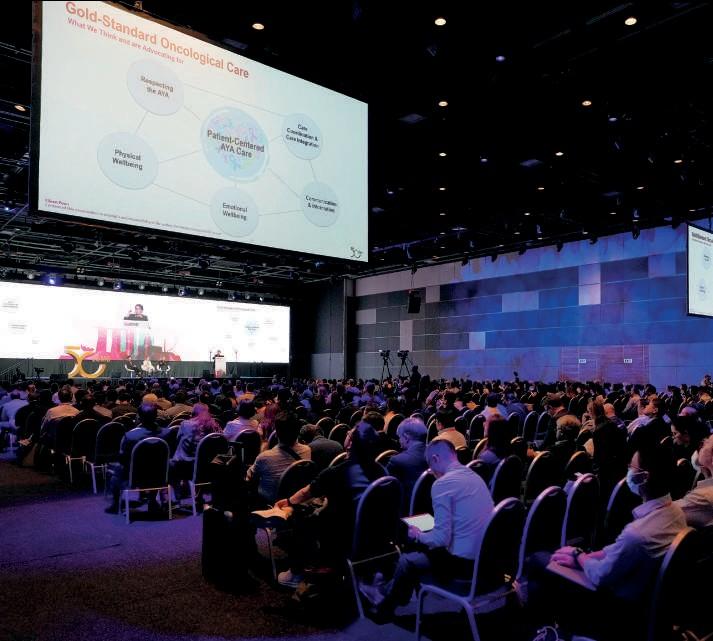
European Society for Medical Oncology (ESMO) Asia Congress 2025 © ESMO
Professor Davide Lomanto

Singapore: Where Professional Services Industry Events Create Lasting Impact
Singapore’s global connectivity, strong business environment, and world-class innovation ecosystem make it a highly trusted, convening ground for professional and financial services events. Flagship gatherings like CREDAI NATCON 2025, the LESI Annual Conference 2025, and Sibos 2027 highlight how the city blends strategic dialogue with real-world innovation, turning meetings into platforms for actionable insights and industry progress
Between the West and the East, Singapore operates not merely as a bridge but as a convergence point where regulatory clarity, innovation capacity and insti- tutional trust align to support high-value decisionmaking. According to the Singapore Economic Development Board, the Professional Services sector contributed 5.6% to Singapore’s GDP in 2025, supported by a talent pool exceeding 230,000 professionals across finance, legal, consulting, engineering and designdisciplines. “Singapore’s unmatched connectivity, trusted regulatory frameworks, and reputation for neutrality make it a premier hub for conferences in the financial, legal and consultancy sectors. Its world-class infra- structure and highly trained professionals further strengthen the city’s capacity to support complex, large-scale events with consistency and precision,” says Nancy Tan, Managing Director of Ace:Daytons Direct, a local Professional Conference Organiser (PCO) specialised in association and corporate events.
Where Global Connectivity Meets Capital, Talent and Innovation
This concentration of expertise is reinforced by Singapore’s status as Asia’s leading regional headquarters hub, attracting multi- nationals seeking proximity to markets and decisionmakers. Combined with a top global ranking for talent in the 2025 Global Talent Competitiveness Index and second place in global competitiveness by the Institute for Management Development, the citystate offers a stable, efficient environment for knowledge exchange. Meetings benefit from direct access to regulators, industry leaders, and technical experts, enabling more actionable outcomes. The presence of major headquarters, including Deloitte and Kajima, further strengthens this ecosystem, embedding association events within active value chains, while the concentration of capital also reinforces Singapore’s role as a hub for global decision-makers.
This depth of capability is amplified by Singapore’s role as a gateway to AsiaPacific’s fastest-growing markets. As a premier global asset management hub, hosting over 80% of the world’s largest managers and S$6.07 trillion (€4.1 trillion) in assets under management in 2024, Singapore reflects strong cross-border financial integration and investor confidence. This scale, combined with international alignment, legal and regulatory credibility, is critical for sectors like private equity and sustainable finance. Located within a seven-hour radius of key markets such as India, China, Japan, and Southeast Asia, Singapore enables Professional Services firms, and the events they host, to engage regional opportunities with minimal friction. Singapore’s position as a leading innovation ecosystem, ranked fifth in the 2025 Global InnovationIndex, ensures meetings are rooted in forwardlooking practice. The expansion of AI innovation hubs by companies like Accenture, PwC and AECOM, alongside analytics platforms such as Aon’s Global

Analytics Hub, shows how solutions are developed locally and scaled regionally. For associations, this translates into events where insights are not only shared but demonstrated, and strategies tested in a highly-connected business environment.
Innovation in Action: A Living Lab for Delegates
As a leading financial centre at the crossroads of international markets, Singapore facilitates access to decisionmakers in the banking, political, technology and regulatory sectors through its unrivalled connectivity and institutional density. This is exemplified by Sibos, SWIFT’s flagship conference, which will return to Marina Bay Sands for the third time in 2027. “As a globally connected financial centre at the forefront of innovation in Asia, Singapore provides a credible business environment for Sibos’ role as a neutral convenor of the international financial community,” says Alan Rowan, Head of Sibos at Swift. “Hosting the conference here deepens engagement across Asia-Pacific and established markets alike, bringing together international banks, market infra- structures, technology providers, fintechs, policymakers and regulators in meaningful cross-border dialogue. This breadth of participation reinforces Sibos’ agenda around

connectivity and interoperability whileensuring the conference remains globally representative and commercially relevant.”
Beyond its convening power, Singapore acts as a living laboratory where delegates experience innovation, policy, and best practices in action
The decision by the Confederation of Real Estate Developers’ Associations of India (CREDAI) to host its flagship NATCON 2025 in Singapore illustrates this dynamic. Bringing together over 1,200 industry leaders, the event was designed not only as a forum for discussion but as a platform for learning from Singapore’s trans- formation into a global urban and economic hub. Its focus on supporting India’s 2047 US$30 trillion (€27.6 trillion) economic vision through real estate underscores the strategic intent behind the location choice. Singapore’s integrated planning, regulatory clarity and technological adoption provide delegates with tangible case studies that can be translated into their home markets, a value reflected in the Memorandum of Understanding (MoU) signed between CREDAI and BCA International to advance collaboration in green building practices, construction methods, workmanship and innovation through bilateral training and site visits. For organisers, this creates programmes enriched by site visits, expert engagement and real-world insight, turning abstract strategies into applicable frameworks.
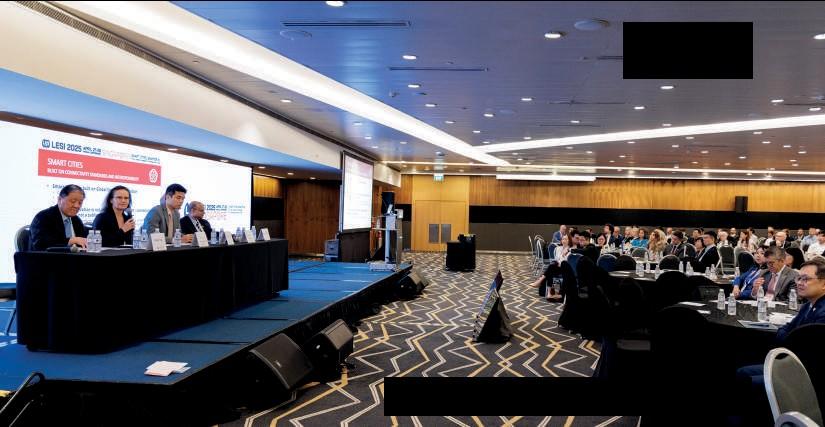
This connection between thought leadership and real-world implementation was further reinforced by the Licensing Executives Society International (LESI) Annual Conference 2025. The event positioned Singapore as a choice destination for dialogue on Intellectual Property (IP) and innovation, while also showcasing Singapore’s world-class venues through a memorable gala dinner at the iconic Gardens by the Bay’s Flower Dome.
legal framework, offering delegates direct access to a thriving community of licensing professionals. The conference theme, centred on smart cities and IP strategies, aligned closely with Singapore’s own development model, allowing participants to engage with concepts in ahighly contextualised environment. Industry visits to the Hyundai Motor Group Innovation Centre Singapore and Changi Airport further demonstrated how IP underpins real-world innovation, from automated technologies to patentprotected systems. The event saw a MoU signed between LESI, the Intellectual Property Office of Singapore (IPOS), and IPOS International to strengthen global collaboration around IP commercialisation. The conference acted as a catalyst for the potential establishment of a new LES chapter in Indonesia, expanding the society’s footprint.
Singapore’s Vibrant Calendar of Marquee Industry Events
Looking ahead, Singapore’s momentum in Professional and Financial Services is reinforced by a strong pipeline of global gatherings that continue to attract industry leaders and deci- sion-makers. Events such as the Institute of Internal Auditors Annual Conference 2026 and SuperReturn Asia 2026 will bring together experts in governance, risk and private capital, while the globally recognised Singapore FinTech Festival 2026, one of the world’s largest platforms on digital financial architecture, will once again convene central banks, regulators and technology leaders to shape the future of finance. Alongside these, TechLaw.Fest 2025 and the INSOL Asia Hub Conference further demonstrate the breadth of Singapore’s expertise, spanning legal innovation, corporate restructuring and cross-border governance. Singapore is not merely a backdrop but an active enabler where
Delegates attending the 2025 LESI Annual Conference in Singapore © LiveStudios Photography Pte Ltd
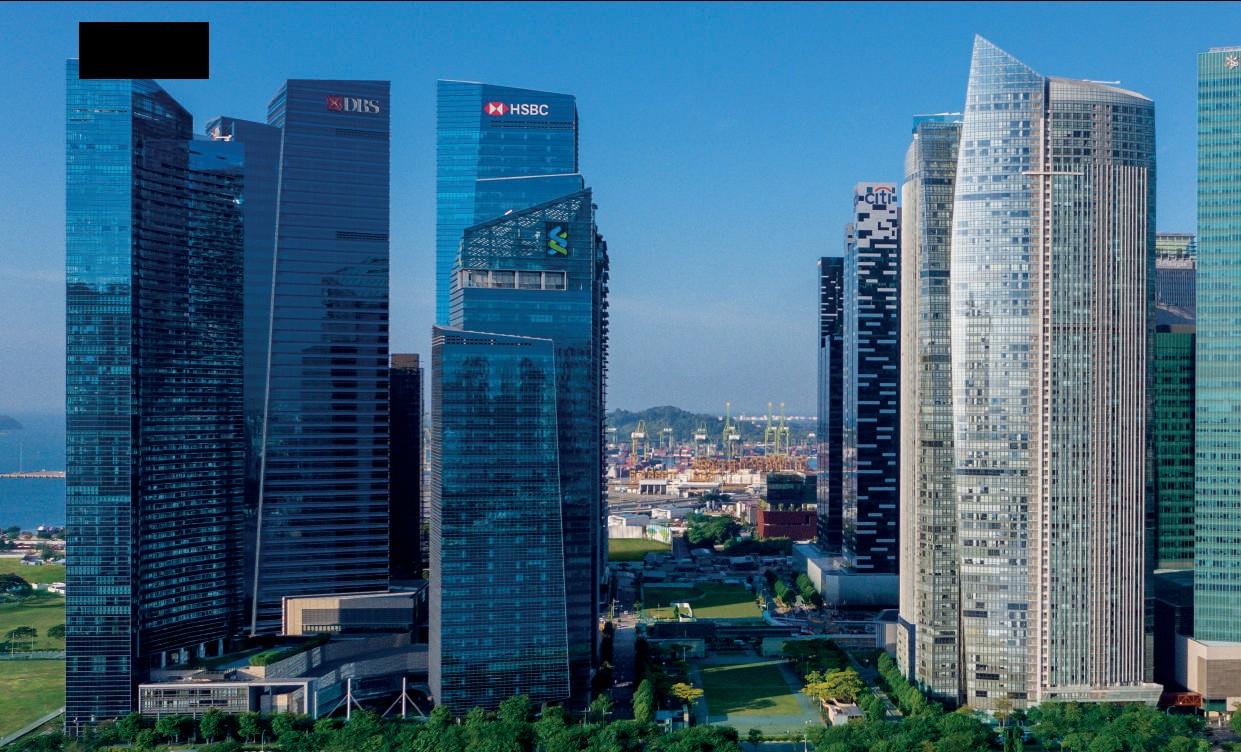
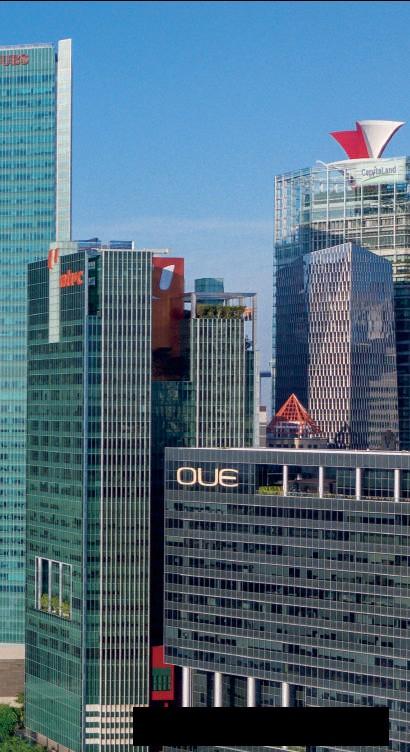
Singapore’s Central Business District © Singapore Tourism Board
Singapore as a Strategic Gateway to the Asia-Pacifc for Associations
In a world unsettled by geopolitical tensions, regulatory divergence and economic recalibration, associations are confronting a new strategic reality. Geographic diversification and internationalisation are increasingly seen as strategic levers for resilience, relevance, and long-term sustainable growth, shaped by a wide range of business objectives. Against this backdrop, Singapore has positioned itself as a strategic gateway and launchpad for associations seeking to expand their footprint in the Asia-Pacific.
From Risk Exposure to Strategic Diversification
The growing complexity of international engagement, from trade disputes to fragmented compliance frameworks, has made global convening more demanding. As associations navigate a complex global landscape, they are increasingly focusing on risk and resilience while seeking new avenues for membership growth. “Destinations that genuinely support internationalisation offer much more than just venues. They provide partnerships, policy stability, and integration into local innovation and industry ecosystems. This means having regulatory transparency and legal stability, easy access to visas, robust local partnership infrastructure, clear financial and compliance frameworks, alignment with association values such as sustainability and inclusion, and a knowledge ecosystem relevant to the association’s field,” says Amy Hissrich, Vice-President, International Affairs Global Operations, of the American Society of Association Executives (ASAE).
“ASAE’s 2025 Insight Update on Meetings found that US-based events face challenges in
attracting international attendance. This reality underscores the importance of geographic diversification as a deliberate risk management strategy. Establishing a presence in Asia-Pacific allows associations tomitigate policy, travel, and geopolitical risks, while positioning themselves closer to growing member bases and industry ecosystems,” she continues. As global asso- ciations increasingly looktowards AsiaPacific as akeyengineforfutureopportunities, Singapore stands out as a pivotal gateway to the region’s expandingeconomic and innovation landscape. “More than half of internationally active asso- ciations plan further growth, with conferences among the largest growth areas. Therefore, AsiaPacific remainsstrategically important due to its economic scale, demographic trajectory, and concentration of innovation ecosystems,” Hissrich adds.
The
Gateway Effect
Singapore offers a unique proposition, combining political stability, strong governance and abusiness-friendly environment, reflected in theInstituteforManagementDevelopment’s 2025 World Competitiveness Ranking, where it is ranked as the world’s second most
competitive economy Strategically located at thecrossroads ofglobal trade routes, Singapore has built a reputation as a leading global business hub and a gateway to the Asia-Pacific region, home to some of the world’s fastest-growing and most dynamic economies. From this stable, wellgoverned, and internationally aligned base, associations can effectively access and engage key markets such as China, India, and Indonesia, while benefiting from a highly-developed ecosystem that supports global operations and knowledge exchange.
“Singapore offers predictable governance, air connectivity, multilingual business capacity, and an established meeting infrastructure. Importantly, the country enables asso- ciations to act as contributors to knowledge exchange, workforce development, and industry advancement,” says Hissrich. Business expansion analyses consistently cite Singapore as the optimal launchpad for organisations seeking regional growth. A competitive and transparent tax regime, an extensive network of free trade agreements and air connectivity to over 170 international destinations underpin this positioning. Instead of navigating a patchwork of legal systems from afar, many
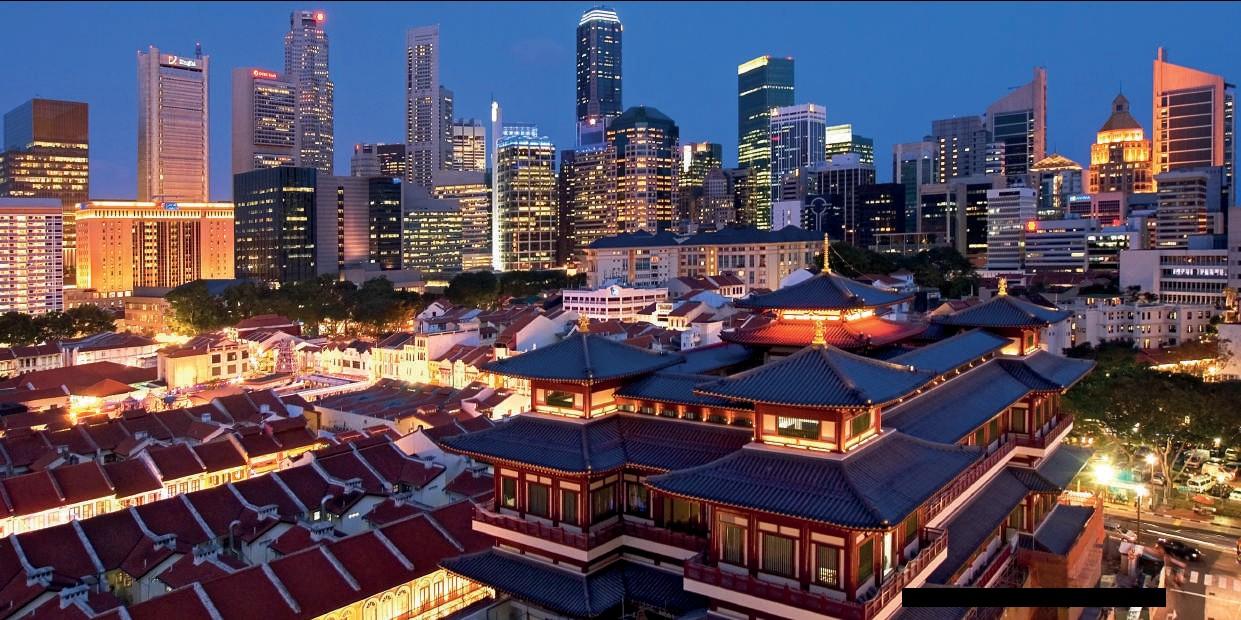
Chinatown © Singapore Tourism Board
organisations tap on Singapore as a base for their regional strategy before expanding outwards in calibrated stages.
Institutional Alignment by Design
Over the past decade, Singapore has consolidated its reputation as a trusted Global Association Hub. Hundreds of international associations and professional societies have established regional or global headquarters there, embedding themselves within a dense ecosystem of regulators, universities, research institutes and corporations. Associations choosing Singapore gain access to a coordinated ecosystem, as well as collaborative platforms that enable them to showcase innovation, foster cross-sector partnerships, integration, and drive wide- reaching industry impact. One such example is ROSCon 2025, which brought together a global community of developers, researchers, and industry leaders in Singapore for a week of technical exchange, live demonstrations, and collaborative discussions shaping the future of open-source robotics and global interoperability standards. During the event, the Open Source Robotics Foundation and A*STAR’s Advanced Remanufacturing and Technology Centre announced a strategic collaboration to develop shared guidelines and testing approaches for Open-Robotics Middleware Framework, use Singapore’s national sandbox at BCA Braddell Campus to trial and validate robotic systems, and encourage broader community participation to help shape practical, widely adopted standards.
Associations in Singapore can tap into strategic partnerships capable of expanding initiatives across the AsiaPacific region. A notable example is the agreement signed between ASAE, the Singapore Tourism Board (STB) and the Singapore Business Federation (SBF). The 2025 memorandum of understanding aimstodeepencollaboration between global associations and Singapore’s business community, foster leadership development, facilitate knowledge exchange and support organisations establishing a presence in Asia. “This collaboration between the STB, SBF, and ASAE, reflects a structured approach to global engagement, through initiatives such as the internationalisation toolkit, seminars, and study missions. The partnership ensures that asso- ciations considering Singapore have a strong
member value and sector leadership,” Hissrich concludes. Building on this collaboration, ASAE, with the support of STB, has also developed The Associations’ Guide to Going Global, a practical resource designed to support associations at the early stages of their interna- tionalisation journey and to provide guidance on expanding into new markets such as Asia-Pacific.
When the Convening of the Global AI Community Crossed Continents
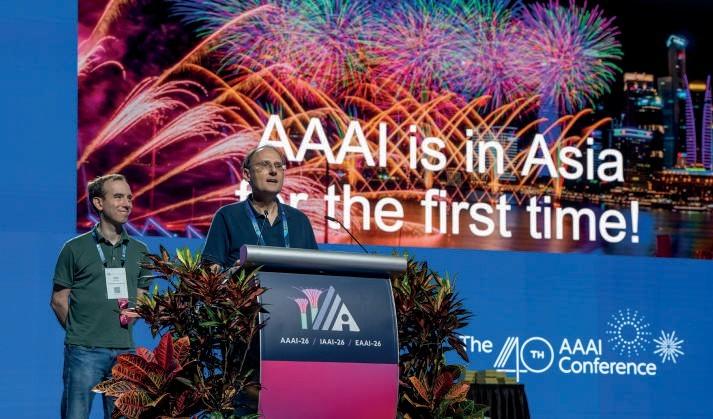
Perhaps the most visible testament to Singapore’s positioning came in January this year, when the Association for the Advancement of Artificial Intelligence (AAAI) held its annual conference there for the first time outside North America. The seven-day event, hosted at the Singapore Expo, drew approximately 10,000 participants –including around 5,000 from China, 1,000 from the United States and a substantial delegation from South Korea. “AAAI selected Singapore after lengthy discussions with the Executive Council about the value of taking the conference outside North America. While it was wonderful to be in a location with so much AI activity, the main consideration was whether attendees would be able to travel easily to Singapore,” said Meredith Ellison, AAAI Executive Director. She noted that, given the large number of authors and attendees from outside North America, it was essential that visas and travel requirements did not become barriers, and that Singapore ultimately enabled broader participation and lower travel costs.
The significance extended beyond numbers. Singapore functioned as neutral ground, enabling East and West to convene at scale within a trusted framework. “I think that any association that is global in the make-up of theirmembership and conferenceparticipation should be hosting events in Singapore. It was a great location that drove participation from Asia-Pacific, which is a growing area for many,” she added. The programme extended beyond academic sessions to curated social experiences, including afull buy-outofthe River Wonderswildlife park fortheopeningreception, illustrating how large-scale infrastructure and experiential design can coexist seamlessly. By hosting AAAI, Singapore demonstrated its capacity not merely to accommodate global events, but to facilitate the evolution of global communities.


Signing moment between ASAE, STB and SBF to deepen collaboration
In 2026, the AAAI held its 40th annual conference for the first time in Singapore

Where Enriching Experiences Connect, Delight and Inspire
As international meeting planners seek out destinations that add value to the delegate experience, Singapore offers a breadth of leisure and social experiences, from cultural tours and attractions to new hotel openings, enabling organisers to design programmes that go beyond the congress setting. Its compact geography places convention venues, hotels, museums, neighbourhoods and attractions within easy reach, supported by a comprehensive local transportation network. For organisers, this compactness enables the integration of dining, cultural and leisure experiences into congress programmes.
World-Class Convention Centres And Meeting Venues
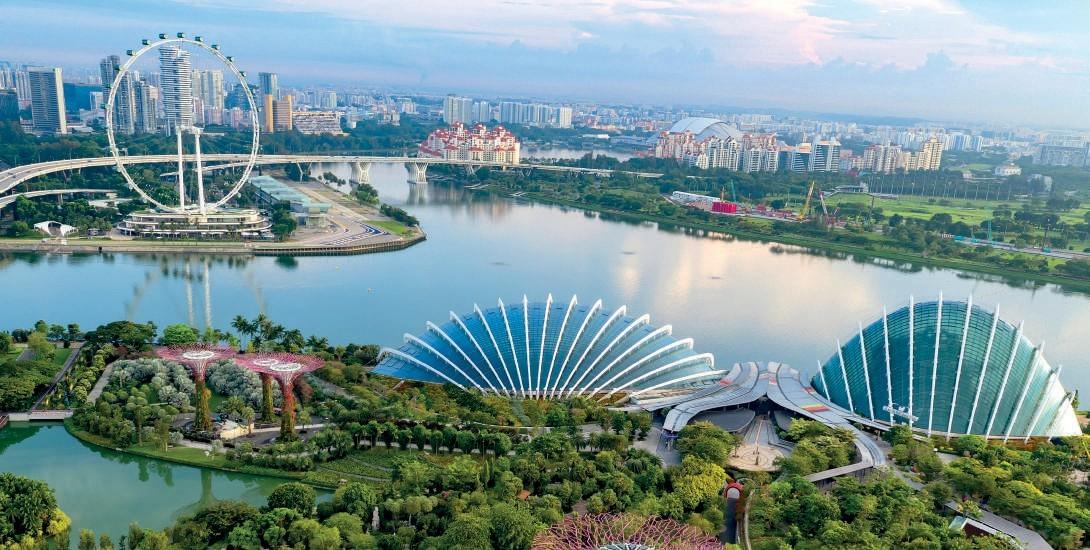
From downtown districts to an island resort destination, Singapore’s MICE venues span a range of locations across the city. In the downtown area, Marina Bay Sands Expo & Convention Centre and Suntec Singapore Convention & Exhibition Centre are located near business hotels, shopping districts and the Civic District’s museums and galleries. From these venues, delegates can reach key attractions such as Gardens by the Bay, alongside the National Gallery Singapore and the Asian Civilisations Museum within minutes, allowing visits without disrupting event schedules.
Other settings offer different advantages. Located just off Singapore’s southern coast, Resorts World Convention Centre at
Resorts World Sentosa combines largescale meeting capacity, including one ofthe region’s largest column-free ballrooms, with direct access to Sentosa island’s array of hotels, attractions, dining and beachfront venues. This allows programmes to include receptions, social events or team activities within a single location. Near Changi Airport, Singapore EXPO is the country’s largest purposebuilt MICE venue, offering the scale and transport links for major exhibitions, congresses and multi-track conferences.
A Culinary Landscape Shaped by Many Cultures
Foodculture remains adirectwaytoexperience Singapore. Hawker centres such as Maxwell Food Centre and Lau Pa Sat reflect a UNESCO-recognisedculinary tradition, serving local favourites such as Laksa, chilli crab, and

Hainanese chicken rice at accessible prices. Hawker centres bring together Chinese, Malay, Indian and Peranakan cuisines in one space, reflecting Singapore’s multicultural identity. The city’s diverse and dynamic culinary scene also offers innovative and awardwinning restaurants and bars, providing planners and attendees a range of settings for informal networking and social programmes.
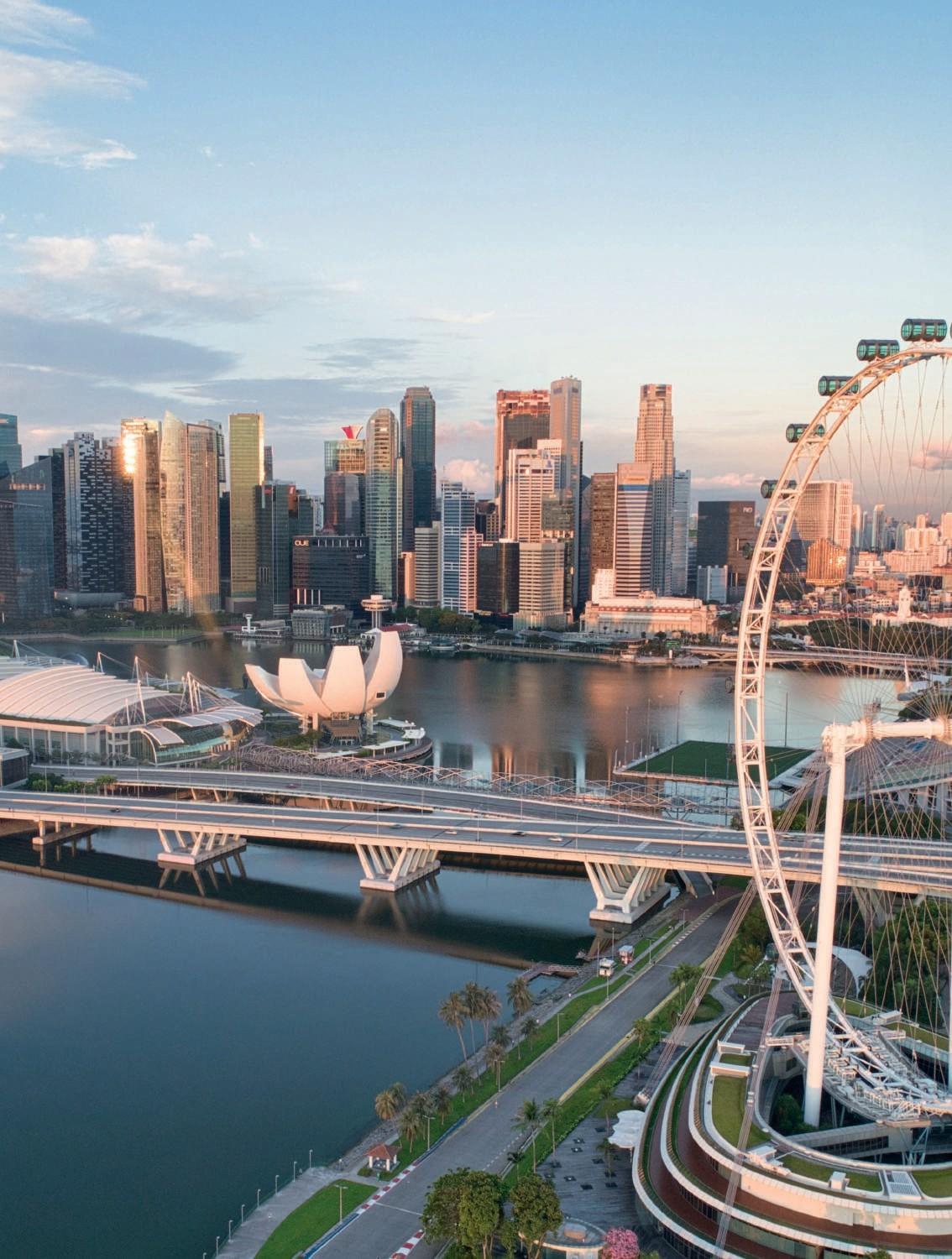
Singapore Flyer and Gardens by the Bay © Singapore Tourism Board
Singapore’s diverse local cuisine