Sleep and Circadian Technologies in Mental Health: Translating Evidence into Mental Health Solutions
Summary of the Sleep and Circadian Innovation Summit


27th February 2026

27th February 2026
The Sleep and Circadian Innovation Summit convened academic, clinical, and industry researchers, research funders, regulators, charities, and lived-experience stakeholders to share knowledge and discuss issues and solutions relating to the future translation of research in sleep and circadian science into innovations for mental health.
Sleep and circadian disruption are increasingly recognised as key features across mental health disorders and are consistently identified as priorities by patients. Advances in sensing technologies, including wearable devices, radar sleep monitoring, smartphone-derived behavioural data, and large population cohorts such as the UK Biobank, are enabling large-scale, real-world measurement of sleep and circadian rhythms. However, major barriers, including data interoperability, proprietary algorithms, device instability (e.g., firmware updates, algorithm changes, device discontinuation), and regulatory uncertainty, are slowing their adoption in research and healthcare.
Clinically validated, standardised, and interoperable sleep and circadian metrics are required to support translation into trials and healthcare. Addressing these challenges will require sustained cross-sector collaboration across academia, industry, regulators, healthcare systems, and patient organisations. Collaborative funding initiatives and continued cross-sector convening will be essential to sustain progress and advance sleep-circadian innovation in mental health.
This white paper summarises the discussions, opportunities, and barriers that were identified at the summit and outlines priority actions to accelerate the translation of sleep and circadian science into mental health research, clinical trials, and healthcare.

This white paper summarises discussions and insights shared by speakers and attendees during the Sleep and Circadian Innovation Summit. The summit was supported by the MRC Circadian Mental Health Network (Partnership Grant MR/X009726/1).
We thank the speakers and attendees for their contributions:
Aidan Nickerson (Eli Lilly), Alice Gregory (Royal Holloway University of London), Amy Ferguson (University of Edinburgh), Andrew Coogan (Maynooth University), Andrew Millar (University of Edinburgh), Andrew Wood (University of Exeter), Annabel Walsh (The McPin Foundation), Camilla Iannone (The Wellcome Trust), Cathy Wyse (University of Edinburgh), Celine Harris (Accelerated Education Tuition Ltd), Christina Steyn (University of Edinburgh), Clara Albinana (University of Oxford), Colin Espie (University of Oxford), Daniel Rosoff (University of Oxford), Daniel Smith (University of Edinburgh), Daniel Thedie (University of Edinburgh), Digby John Quested (Oxford Health Foundation Trust), Ed Shelton (huru), Ekta Patel (Medicines Discovery Catapult), Francesca Edelmann (MHRA), Gurprit Lall (University of Kent), Hannah Sophie Heinrichs (Technical University of Munich), Haya Deeb (University of Edinburgh), James Hodge (University of Bristol), Joanne Kenney (University of Edinburgh), John Batchelor (DEEP Measures Oy), Joseph Gilbody (University of Bristol), Joshua Eggleston (huru), Katrina Tse (University of Oxford), Lampros Bisdounis (The Wellcome Trust), Laura Lyall (University of Glasgow), Liz Tunbridge (Boehringer Ingelheim), Lorena Rosen (BioClocks UK), Lorna Lopez (Maynooth University), Magnus Ivarsson (AstronauTx), Maja Mitchell-Grigorjeva (Bipolar Scotland), Manuel Spitschan (Technical University of Munich), Maria Gardani (University of Edinburgh), Marion Ritchie (Alzheimer’s Scotland), Matthew Bentham (Eisai), Matthew Jones (University of Bristol), Nicholas Meyer (University College London Hospital), Nicole Needham (University of Edinburgh), Raahat Manrai (University of Edinburgh), Rebecca Richmond (University of Bristol), Sara Imarisio (Medicines Discovery Catapult), Sébastien Buchwalder (Oculux Technologies SA), Serena Marija (Sanctuary of Creation), Simon Durrant (University of Lincoln), Sophie Grice (Co-Labb), Thomas Lamb (SleepImage UK), Victoria Gabb (University of Bristol), and Will Goddard (Big Health (Sleepio)).
Prepared by Dr Sophie Grice, from Co-Labb.
Sleep and circadian disruption are increasingly recognised as key features across a range of mental health disorders and are consistently identified as priorities by patients and carers. Recent advances in technologies such as wearable sensing, digital biomarkers, and large-scale population datasets are now enabling real-world measurement of sleep and circadian function. However, despite these advances, translation into clinical tools, therapies, and health-system impact has remained challenging.
The Sleep and Circadian Innovation Summit brought together academia, healthcare, industry, regulators, funders, charities, and lived-experience stakeholders to address this translational gap. The meeting aimed to align priorities across sectors and identify potential practical pathways for translating sleep and circadian science into real mental health solutions.
The summit built on the work of the Circadian Mental Health Network to define priorities, standards, support for early-career researchers, and collaborations in sleep and circadian mental health. The Circadian Mental Health Network recently conducted a priority-setting partnership to identify key research questions about circadian rhythms and mental health (participants were not asked about sleep). This process brought together individuals with lived experience, carers, clinicians, and researchers to define the top priorities for the field to guide future research, collaboration, and funding initiatives1 (Figure 1).
Does the interaction between mental health and the body clock vary by age, especially during different life stages?
What strategies (including medications) are effective in treating disrupted body clocks cooccurring with mental health issues?
What is the relationship between the body clock and mental health in neurodivergent individuals and does body clock disruption worsen mental health in these individuals?
What is the relationship between a disrupted body clock and bipolar disorder, or between a disrupted body clock and psychosis? What are the mechanisms involved in this?
What societal and/or policy changes can prevent mental health issues for, and reduce stigma towards, extreme chronotypes?
What is the relationship between (peri)menopause, mental health and body clocks?
How does mental trauma (e.g., grief) affect the body clock? How can this be managed?
Would it be better for a person’s mental health to follow their own (natural) rhythms or to follow more typical sleep patterns and/or social patterns?
What is the relationship between seasonal changes, body clocks, mental wellbeing and mental health issues?
Can mental health difficulties, such as anxiety or depression, cause disruption of the body clock at a molecular level, or are these driven mainly by behavioural factors? 1 2 3 4 5 6 7 8 9 10
Medicines Discovery Catapult highlighted the importance of cross-sector partnerships linking academia, industry, regulators, and health systems to translate sleep and circadian science into therapies and digital health solutions. The summit’s objectives included:
• To identify advances enabling sleep-circadian innovation in mental health.
• To define barriers to translation and implementation.
• To align priorities across academia, industry, funders, and charities.
• To highlight collaborative pathways for research, funding, and clinical impact.


Advances in sensing technologies are enabling multimodal approaches to measure sleep and circadian rhythms outside laboratory environments, capturing behavioural, physiological, and environmental signals. Measurement approaches include:
• Actigraphy: Research and consumer wrist-worn devices to estimate sleep-wake patterns, activity rhythms, and circadian timing.
• Wearable EEG: These systems provide direct measurement of sleep physiology and sleep-stage dynamics.
• Radar sleep sensing: Bedside, contactless systems capable of monitoring respiration, movement, and sleep continuity during overnight sleep.
• Behavioural timing and smartphone-derived data: Digital behavioural signals such as sleep-wake timing, screen use, activity patterns, and ecological momentary assessments collected via smartphones and mobile applications.
Combining behavioural and physiological signals improves the interpretability of sleep data. Multimodal measurement can help distinguish between disrupted sleep timing caused by circadian misalignment, such as delayed sleep phase or irregular sleep schedules, and disturbances in sleep associated with neural or psychiatric pathology.
The suitability of different devices varies across research populations, with differences in device comfort, wearability, and acceptability that can affect overall adherence and data quality. Consumer wearables have shown high long-term compliance in adolescents and in general populations, making them valuable for scalable real-world monitoring of sleep and circadian rhythms. However, these devices often rely on non-transparent, proprietary algorithms for sleep staging, plus algorithms are often trained on data from healthy young adults.
Research-grade devices provide greater physiological accuracy, with better access to raw data for validation and mechanistic studies. However, these devices may be less feasible for long-term deployment due to increased participant burden, cost, short battery life and technical complexity. Therefore, multimodal

Large-scale population cohorts enable sleep and circadian research by combining self-reported measures, wearable data, and linked health records. The UK Biobank is one of the most widely used resources for population-scale sleep research. Sleep phenotyping within this cohort includes questionnaire measures, wrist accelerometry, and linked health data.
In 2023, researchers introduced an enhanced sleep questionnaire within the UK Biobank cohort to expand the measurement of sleep and circadian health2 (Figure 2). The questionnaire comprised a large number of validated measures and bespoke items designed to capture key self-reported domains of sleep health, circadian function, and symptoms of common sleep disorders. Approximately 185,000 participants completed at least one sleep module of the questionnaire. Respondents were predominantly female, white, and older in age, highlighting population biases that may limit generalisability to more diverse populations.
Within this subset, approximately 40% of those who completed the sleep questionnaire also have accelerometry and imaging data available. Although the questionnaire represents a single timepoint “snapshot” rather than repeated longitudinal sleep assessment, data at this scale creates important opportunities for genetic association studies investigating sleep and circadian disruption and their relationship with mental and physical health outcomes.
Sleep and Circadian Health
Symptoms of Sleep Disorders
Other large-scale wearable datasets have also emerged. In the U.S., cohorts such as the Adolescent Brain Cognitive Development (ABCD) study and the All of Us research programme include wearable device data, including Fitbit-derived measurements, enabling population-level analysis of sleep and circadian patterns. However, many of these datasets rely on proprietary algorithms, which can limit transparency and cross-study comparability.
Additionally, Our Future Health, a UK population health programme, aims to recruit 5 million participants with broader age and socioeconomic diversity. Currently, self-reported chronotype and sleep data are available; however, there are as yet no objective measures of sleep, rest, or activity rhythms.
Several clinical research cohorts demonstrate the integration of multimodal digital sleep and circadian phenotyping in longitudinal mental-health research. The AMBIENT-BD study is a longitudinal cohort investigating sleep and circadian dynamics in bipolar disorder. The study aims to integrate radar sleep sensing (Somnofy), wrist actigraphy, ecological momentary assessment (EMA), and questionnaires in 180 participants with bipolar disorder for 18 months3 .
AMBIENT-BD will combine continuous sleep monitoring with burst-mode behavioural and clinical assessments to characterise sleep and circadian patterns in bipolar disorder. The study generates extremely large datasets requiring structured storage systems, application programming interfaces (APIs), and dedicated research data-management infrastructure and software tools to ingest, curate, analyse, and visualise multimodal sleep data (Figure 3).
The METPSY study will integrate radar (Somnofy) and actigraphy with metabolic biomarkers, clinical assessments, EMA, and continuous glucose monitoring in longitudinal psychiatric populations. METPSY combines continuous physiological signals with intermittent biological and clinical measures across 12 months of follow-up4





These multimodal datasets combine continuous digital signals with intermittent biological and clinical measurements. Integrating heterogeneous data sources requires careful temporal alignment, feature extraction and longitudinal systems modelling approaches.
Together, multimodal cohorts such as AMBIENT-BD and METPSY highlight how combining digital sleep technologies with clinical and biological measurements can enable mechanistic investigation of interactions between sleep, circadian rhythms, metabolism, and mental-health outcomes over time.
Digital sleep and mental-health technologies are regulated according to their intended medical purpose and functionality. In the UK, the Medicines and Healthcare products Regulatory Agency (MHRA) oversees the regulation of medical devices, including digital health technologies and software used for clinical decision-making.
Device classification determines regulatory pathway, with higher-risk technologies requiring independent certification and evidence demonstrating safety, performance, and clinical effectiveness. However, the rapid development of digital sensing technologies and artificial intelligence (AI)-enabled analytics means that regulatory frameworks are still evolving.
Standards for clinical evaluation of digital mental-health technologies are not yet available, especially for tools that generate behavioural or physiological biomarkers from wearable devices and remote monitoring platforms.
Complexity also arises from the boundary between consumer wellness technologies and regulated medical devices. Many wearable devices collect sleep and circadian data but are marketed as lifestyle or wellness tools, meaning that their algorithms and validation standards may not meet clinical regulatory requirements. Regulatory harmonisation across the UK, EU, and international framework is complex and is an additional challenge for developers, researchers and clinicians.
Continuous behavioural and physiological monitoring generates highly sensitive personal data, including detailed information about sleep patterns, daily routines, and health behaviours. The long-term and continuous nature of digital sleep monitoring raises important ethical and governance issues around privacy, consent, and data management.
A framework for clear participant consent is required for long-term digital phenotyping studies, particularly where data may be reused for secondary analysis or AI-based modelling. Governance frameworks must ensure secure storage, encryption, and appropriate access controls.
Data ownership and access rights remain complex. The distinction between consumer-generated and research-generated data ownership is not always clearly defined, especially when wearable devices are used within clinical research settings.
Access to raw or minimally processed data is often restricted by device manufacturers, with many platforms providing processed summary metrics through proprietary software. Limited access to underlying signals can limit independent validation, algorithm transparency, and reproducibility of sleep measurements.
Many consumer sleep devices rely on proprietary algorithms that convert sensor signals into sleep metrics. These algorithms are typically closed and may change over time, limiting transparency and reproducibility across studies.
Software and firmware updates may alter how sleep metrics such as sleep duration, latency, or staging are calculated over time. These changes create challenges for longitudinal research and clinical trials that require stable measurement across extended timeframes.
Additionally, device lifecycles in the consumer technology market are often short. Researchers may spend years validating a device and building analytic pipelines around it, only for the hardware to be discontinued or replaced by a newer model that produces outputs that cannot be compared. This instability is a significant challenge for long-term studies and clinical trials that need consistency in measurements over time.
3.4. INTEROPERABILITY AND STANDARDISATION GAPS
Data collected from different devices often use incomparable formats, preprocessing pipelines, and variable definitions (Figure 4). This lack of interoperability limits the ability to integrate datasets or compare findings across studies and platforms.
The absence of shared analytic workflows and common data standards further reduces comparability between research groups and technologies. Agreement on cross-platform sleep and circadian variables will be necessary to support clinical translation and large-scale data integration.
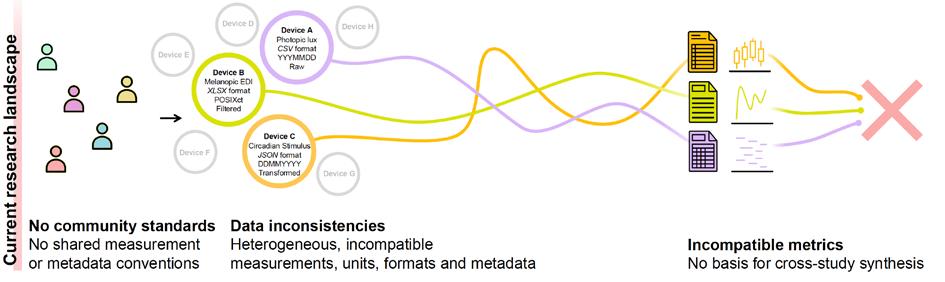
Behavioural measures such as sleep-wake timing and activity rhythms tend to be more consistent across devices, whereas physiological metrics such as sleep architecture and staging are harder to standardise and validate across technologies.
Additionally, core sleep variables such as sleep latency may be defined and calculated differently across devices and studies, further complicating any comparisons and synthesis of findings.
Multimodal datasets combine different signals across multiple timescales, including physiological measurements, behavioural patterns, and environmental exposures. Analysing these complex datasets often requires machine learning and advanced modelling approaches.
Digital phenotyping studies often involve relatively small sample sizes with high-dimensional data, which increases the risk of overfitting. Algorithmic bias and fairness must also be considered when models are applied across diverse populations.
Additionally, many AI systems produce outputs that are difficult to interpret, which may limit clinical confidence and regulatory acceptance. Where AI tools are used to support diagnosis, monitoring, or treatment decisions, they may themselves be classified as regulated medical devices.


4.1.
Agreement on the precise definitions of sleep and circadian variables is needed to support the translation of digital sleep technologies into clinical research and healthcare. Behavioural rhythm measures such as sleep-wake timing, sleep duration, and daily activity rhythms are currently some of the most reproducible metrics across different devices; therefore, these measures may provide a practical starting point for standardisation across devices.
Physiological measures such as sleep architecture and sleep staging remain more difficult to standardise and validate across technologies, especially when derived from consumer wearable devices.
A clear distinction is needed between consumer wellness metrics and clinically meaningful biomarkers. Metrics designed for lifestyle feedback may not meet the validation, transparency, and reliability standards that are required for clinical trials, regulatory evaluation, and healthcare decision-making.
4.2.
Devices that are intended for use in clinical trials require medical-grade validation and stable availability over time. These devices must demonstrate reliability, transparency, and reproducibility across populations and settings.
Stronger benchmarking frameworks are needed before digital sleep metrics can be used as clinical trial endpoints or regulatory evidence. Validation against established reference standards and independent evaluation will be essential to ensure confidence in derived sleep and circadian measures.
Access to raw or minimally processed data is typically necessary for validation and comparison of algorithms. Transparent and traceable data processing pipelines should therefore be encouraged. This will allow researchers and regulators to understand how sleep metrics are derived.
Emerging standards such as the British Standards Institution (BSI) PAS 709 guidance on clinical evaluation of digital mental health technologies aim to provide best-practice recommendations for study design, comparators, outcome measures, and adverse event reporting.
4.3.
Improved interoperability between devices, datasets, and analytic systems will be critical for scaling digital sleep research and enabling clinical integration. Shared metadata standards, consistent time formats, and common data structures are needed to support cross-study comparison and aggregation of datasets.
Adoption of FAIR (Findable, Accessible, Interoperable, Reusable) data principles should underpin sleep and circadian research datasets. Open and reusable analytic pipelines can further improve comparability across studies and technologies, supporting reproducible digital phenotyping research. Integration pathways with NHS and health-system infrastructures should also be defined early in the development of digital sleep technologies.
Digital sleep and circadian technologies that are intended for clinical use must operate within evolving regulatory frameworks. In the UK, digital mental health technologies are regulated as medical devices when they perform medical functions such as diagnosis, monitoring, or treatment support. In these cases the software may be classified as Software as a Medical Device (SaMD) and must meet regulatory requirements relating to safety, performance, and clinical effectiveness.
Efforts to clarify regulatory and evaluation pathways are being supported through initiatives such as the Wellcome-funded Digital Mental Health Technologies (DMHT) project, a collaborative programme between the MHRA and NICE5 (Figure 5). The project aims to provide clearer guidance for developers, researchers, and healthcare systems on how digital mental health technologies should be evaluated, regulated, and implemented.
Developers and researchers should also consider regulatory and evaluation frameworks early in their design and development processes. For example, compliance with the NHS Digital Technology Assessment Criteria (DTAC) and potential NICE evaluation requirements should be considered during technology development to facilitate future clinical adoption. Early engagement between researchers, developers, and regulators can also help clarify standards and regulatory pathways.
Intended purpose and claims
What is the intended purpose and claims as per labelling, IFU and promotional materials? How is a typical user actually using the product?
Medical purpose
Does it aid diagnoses, prevention, monitoring, prediction, treatment of symptoms? Does it target symptoms / conditions at levels considered clinically relevant or diagnosable?
Functionality
f(x)
Is it performing an action on data different from storage, communication or user instruction to show fixed content? Is there evidence that the function is easily verified?
Technologies that are intended for clinical research and trials must also demonstrate stability over time. Clinical studies may run over several years, so it is important that devices and platforms remain available and supported across multi-year timelines. Algorithm transparency and explainability are also important for regulated technologies, as clinicians and regulators must be able to understand how outputs are generated.
Once deployed, regulated digital medical devices are subject to post-market surveillance requirements, including monitoring safety, reporting adverse events, and notifying regulators of significant software or hardware changes.
Translating sleep and circadian science into clinical impact requires sustained collaboration across sectors. Partnerships linking academia, healthcare systems, industry, regulators, and funders are essential for developing, validating, and implementing digital sleep technologies.
Translational accelerators and innovation programmes, such as KQ Labs, which is supported by a strategic partnership between Medicines Discovery Catapult and the Francis Crick Institute, can support validation, regulatory readiness, and scaling of digital sleep technologies. Alignment between research outputs, regulatory standards, and clinically actionable outcomes will be necessary to ensure that advances in sleep and circadian measurement translate into real-world improvements in mental health care.

Pharmaceutical and technology companies are increasingly recognising sleep and circadian processes as important features in mental health. Rather than focusing solely on the development of sedative medications, industry interests are shifting towards improving sleep quality and circadian regulation as potential therapeutic targets across psychiatric disorders.
For drug development and clinical trials, there is growing demand for reliable sleep and circadian biomarkers that can help stratify patient populations, monitor treatment effects, and provide objective endpoints in mental-health research.
Collaboration between academia and industry is essential for advancing translational sleep and circadian science. Several partnership models were discussed in the summit, including early-career training programmes and industry-funded PhD opportunities.
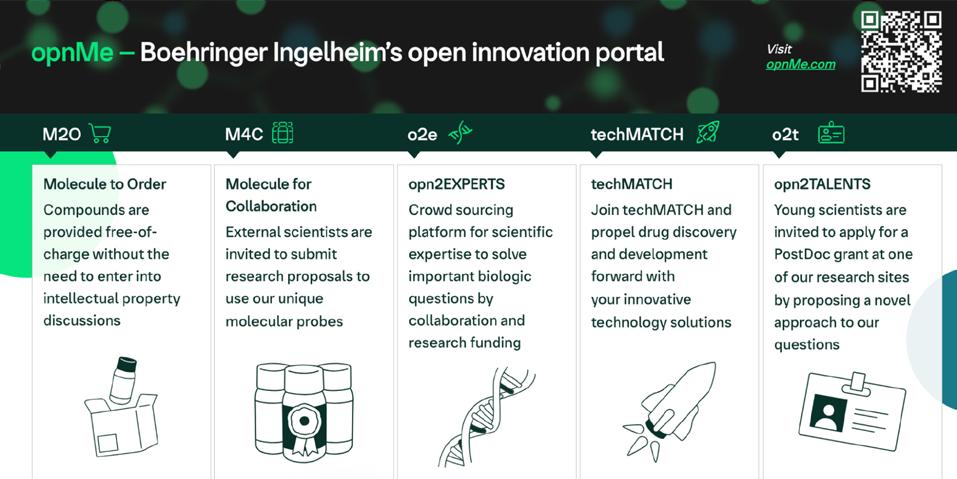
Open innovation platforms also provide mechanisms for collaboration. For example, Boehringer Ingelheim’s open innovation portal (opnMe) enables researchers to access compounds, tools, and collaborative opportunities to support early-stage research (Figure 6).
Organisations such as Medicines Discovery Catapult play an important role in facilitating cross-sector partnerships, linking academia, industry, regulators, and healthcare systems to support the development, validation, and translation of new therapies and digital health technologies.
Major funders are investing in sleep and circadian mental health research as part of broader mental health research strategies. For example, Wellcome has committed to approximately £16 billion between 2022 and 2032 to support research that improves health, with mental health identified as one of its mission-led priorities.
Wellcome supports research through two main funding strands: Discovery Research, which funds blue-sky research across all areas of health, and mission-led programmes designed to deliver real-world impact. Within the Mental Health Mission, the aim is to achieve a step change in understanding and interventions for anxiety, depression, and psychosis.
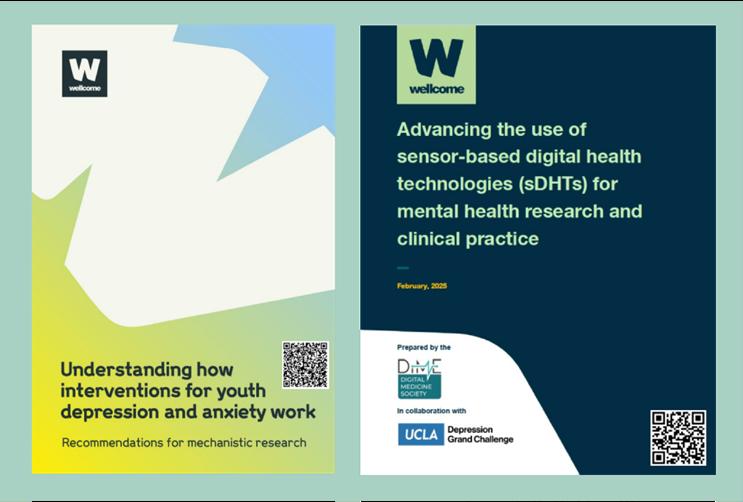
Sleep and circadian processes are recognised within these programmes as important mechanisms that cut across multiple psychiatric disorders. Wellcome’s youth mental-health programme prioritises mechanistically informed interventions that target circadian and behavioural pathways, including sleep, light exposure, and physical activity. Upcoming funding initiatives aim to support scalable trials of these interventions in adolescents (Figure 7).
Wellcome has also invested substantially in research using wearable technologies to study mental health. These initiatives prioritise the development of robust, scalable, and person-centred digital metrics derived from sleep, physical activity, and behavioural data (Figure 7).
Charities and patient organisations play an important role in sleep and circadian mental-health research by supporting participant recruitment, strengthening trust with communities, and ensuring that research priorities reflect lived experience. Partnerships and engagement with organisations such as The Sleep Charity, Bipolar Scotland, and the British Sleep Society can help ensure that research remains relevant to patients and the public.
Public education and dissemination are core responsibilities of the sleep and circadian research community. Effective communication of evidence-based sleep guidance can improve awareness and empower individuals to recognise and address sleep problems. An example discussed at the summit involved a collaboration between researchers and The Sleep Charity to produce an educational animation describing ‘The 5 Principles of Good Sleep Health.’ The animation was narrated by Sacha Baron Cohen and illustrated how partnerships with media and charities can extend the reach of evidence-based sleep advice to large public audiences.
Initiatives like this demonstrate how investment in public engagement can achieve wide dissemination when supported by networks of charities, professional organisations, and media platforms. Cross-sector

Improving adolescent sleep and circadian health was identified as one of the near-term impact areas. Adolescence is a sensitive circadian developmental window, during which biological shifts toward later sleep timing interact with social schedules such as early school start times.
These factors combined with broader social and environmental influences, may contribute to widespread sleep restriction and circadian misalignment in young people. Sleep disruption during adolescence has been linked to affecting mental health and potentially academic performance. Interventions that improve sleep timing, sleep duration, and circadian alignment during adolescence may therefore offer significant mental health and educational outcomes.
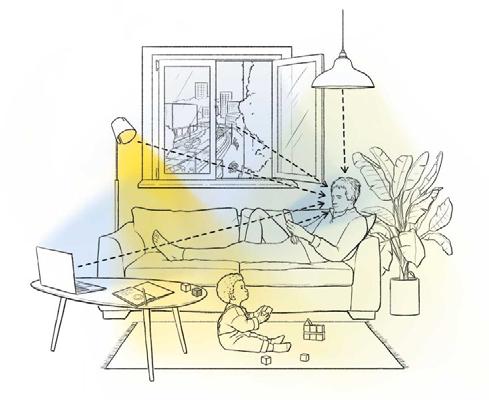
Environmental and societal factors play an important role in shaping sleep and circadian rhythms. Light exposure is the primary environmental signal regulating circadian timing, but real-world light exposure is strongly influenced by behaviour, modern built environments, and social routines6 (Figure 8).
Modern lifestyles often involve reduced exposure to natural daylight and increased exposure to artificial lighting in the evening. These patterns may disrupt circadian rhythms and contribute to delayed sleep timing and sleep disturbance.
Other environmental factors such as noise, temperature, climate, season, and latitude, may also influence sleep quality and circadian alignment. Understanding how these environmental conditions interact with
Measuring real-world light exposure remains challenging, with devices varying in sensor placement, measurement approaches, and metrics, which limits comparability across studies and technologies. Improved measurement of environmental exposures, particularly light, may support the development of environmental and behavioural interventions designed to improve circadian alignment and mental health.

Chronomedicine, which focuses on aligning medical therapies with biological timing, is an emerging area of research and clinical innovation. Circadian phase and sleep timing may guide how individuals respond to medications and behavioural interventions.
Integrating circadian measures into clinical research may help optimise the timing of treatments and improve therapeutic effectiveness. In addition, incorporating sleep and circadian variables into clinical trials may provide new insights into treatment response and improve trial design. Advances in wearable sensing and digital biomarkers may enable more precise measurement of circadian rhythms, supporting personalised approaches to treatment timing and mental-health care.

Sleep and circadian disruption are central mechanisms and targets for intervention in mental health, but to date have been relatively neglected in mental health research. Advances in wearable sensing, digital biomarkers, and large-scale datasets now enable scalable, real-world measurement of sleep and circadian rhythms. These technologies create new opportunities to better understand mental illness, develop targeted interventions, and monitor treatment response.
However, translation into clinical trials and healthcare remains limited by challenges in device validation, data interoperability, proprietary algorithms, and regulatory uncertainty. Addressing these challenges requires sustained collaboration, standardisation, and investment across the research, healthcare, and innovation ecosystem.
Key priorities identified at the summit include:
• Establish interoperable data standards and shared analytic pipelines.
• Define consensus sleep and circadian biomarkers suitable for discovery research, observational studies, and clinical trials.
• Advance validation and benchmarking of digital sleep technologies.
• Strengthen engagement between researchers, developers, and regulators.
• Expand adolescent and population-level sleep interventions.
• Build sustained partnerships across sectors, including academia, industry, research funders, the NHS, and the third sector.
Continued cross-sector collaboration will be essential to translate advances in sleep and circadian science into real-world improvements in mental health care. Sustaining this momentum through ongoing partnerships, coordinated funding, and future Sleep and Circadian Innovation Summits will be critical to

1. Ferguson AC, Kamenska I, Ahmad N, et al. Research priorities for mental health and circadian science: a priority setting partnership of individuals with lived experience, carers, clinicians and researchers. BMJ Ment Health. 2026;29(1):e302101. doi:10.1136/bmjment-2025-302101
2. Tse KYK, Yuan H, Zisou C, et al. Sleep and circadian health in the UK Biobank: Report on the 2023 sleep questionnaire enhancement. SLEEP. Published online March 9, 2026:zsag068. doi:10.1093/ sleep/zsag068
3. Manrai R, Swiffen D, Wyse CA, et al. Ambient and passive collection of sleep and circadian data in bipolar disorder to understand symptom trajectories and clinical outcomes (AMBIENT-BD): Study protocol. Study Protocol. Published online May 19, 2025. doi:https://doi.org/10.12688/ wellcomeopenres.23662.1
4. Rakshasa-Loots AM, Steyn C, Swiffen D, et al. Metabolic biomarkers of clinical outcomes in severe mental illness (METPSY): protocol for a prospective observational study in the Hub for metabolic psychiatry. BMC Psychiatry. 2025;25(1):122. doi:10.1186/s12888-025-06579-9
5. Hopkin G, Branson R, Campbell P, et al. Building robust, proportionate, and timely approaches to regulation and evaluation of digital mental health technologies. The Lancet Digital Health. 2025;7(1):e89-e93. doi:10.1016/S2589-7500(24)00215-2
6. Spitschan M, Zauner J. Light exposure as a modifiable determinant of mental health. Current Psychiatry Reports (in press). 2026. doi:10.1007/s11920-026-01671-7