PACE | Opportunities and innovation in AMR diagnostics | Report
Opportunities and innovation in AMR diagnostics
Mapping the pipeline of emerging technologies
Antimicrobial resistance (AMR) is a growing global crisis, threatening the health and lives of millions of people around the world. Through PACE we are supporting early-stage innovation in medicines and diagnostics that are critical to tackling AMR. Diagnostics that support timely clinical decisions can help ensure patients receive the right treatment sooner, improving outcomes and saving lives.
In 2025, the WHO landscape report 1 highlighted gaps in marketed and pipeline diagnostics for bacterial priority pathogens. Additionally, our previous PACE report 2 outlined the greatest unmet needs in antimicrobial diagnostics, informing the scope of our 2024 Diagnostic Innovations Funding Round.
This report explores the landscape of emerging technologies in development that specifically address the key unmet needs prioritised in our call for new tests to better manage urinary tract infection (UTI), lower respiratory tract infection (LRTI) and blood stream infection (BSI). We consider the strengths and weaknesses, as well as the readiness of the pipeline for each of our priority indications and outline areas where targeted investment and focused innovation could bring them closer to patient impact.
We are encouraged by a range of promising devices in the pipeline and identify five opportunities that, if leveraged correctly, could meet critical needs in the clinic:
The emergence of antimicrobial susceptibility testing without a culture step has potential to tackle some of the time and resource limitations of current techniques and enable same-day results.
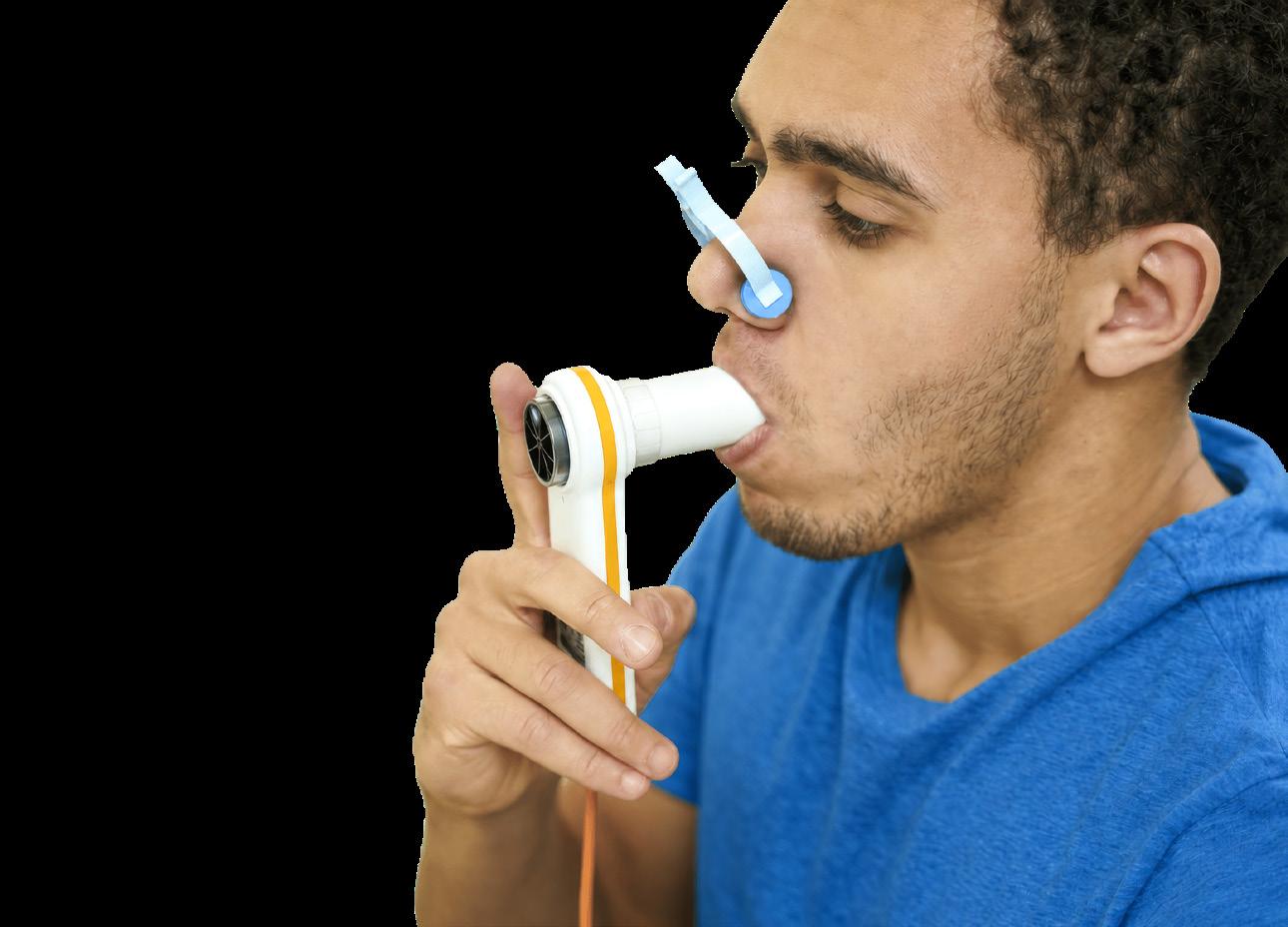
Novel sampling methods, such as breath analysis and new blood tests, which could be less invasive than current options, particularly for LRTI.
Triage tests with a rapid time-to-result and integrated workflows to support easier point-of-care use.
Digital methods that enable faster, easier interpretation of results.
Approaches that could bring molecular testing to primary care and lower resource settings, such as integrated processes, room temperature reagents and using smartphones instead of specialist readers.
Many of these innovations are still early in development and require further validation and optimisation to make them fit for clinical use. The maturity and diversity of products also vary across indications and use cases, and further efforts are needed to translate technologies into formats suitable for low-resource settings.
However, seizing the opportunities outlined in this report could unlock our ability to better diagnose infections and rapidly match patients to the right treatment, reducing the misuse of antibiotics and improving patient outcomes.
We invite innovators, funders and investors to build on our findings, to improve antimicrobial stewardship and deliver better outcomes for future generations worldwide.
Introduction
Antimicrobial resistance (AMR) is a global crisis
From controlling disease to managing infection during surgery and cancer treatment, much of modern medicine is made possible by antimicrobial medicines.
But their use is increasingly jeopardised by the emergence and spread of drug-resistant infections. For patients, this means longer hospital stays, common infections becoming harder to treat and essential procedures becoming more dangerous, with the cost of care and lost productivity often falling on them and their families 3,4
We urgently need new diagnostics to support those in clinical practice worldwide to make timely and informed treatment decisions 1,2. Improved diagnostics can also reduce the misuse and overuse of antibiotics, key drivers of AMR.
Developing such tests is challenging, exacerbated by the rapid, constant evolution of microbial pathogens and the breadth of resistance mechanisms, indications and clinical contexts. Products must be fit-for-purpose, cost-effective and compatible with local infrastructure and workflows to ensure adoption and implementation in the clinic.
If we are to drive progress, we need to support technological innovation and bold new ideas.
Through PACE, we are building a diverse portfolio of early-stage therapeutic and diagnostic projects to address the world’s most threatening pathogens
PACE is a £30 million initiative, combining mission-focused funding, technical expertise and strategic guidance to help innovators overcome developmental barriers and increase the chance of promising technologies impacting patient care.
Since 2023, we have funded and supported 17 projects to address critical areas of unmet need, identified in consultation with healthcare professionals and people with lived experience of AMR.
Understanding critical unmet needs
In our 2024 report 2, we outlined how clinical practice urgently needs timely, accurate and cost-effective diagnostic tools that could provide rapid triage and/or antimicrobial susceptibility testing (AST) for three indications that carry the greatest AMR burden & contribute to the highest use of antimicrobial drugs 10, 11, 12, 13:
Our findings complement those of the World Health Organization, who found significant gaps in the landscape of commercially available and pipeline in vitro diagnostics for bacterial priority pathogens 1. More recently, Gigante et al (2026) identified major diagnostic gaps at primary and secondary care levels in low and middle-income countries (LMICs) 14 .
Although diagnostics do exist for these conditions, they often have limited accuracy or are too slow to guide clinical decision-making. Affordable, accurate, rapid triage tests are needed in primary care to confirm UTIs and distinguish between viral and bacterial LRTIs. Unresolved and recurrent UTIs and LRTIs remain challenging across both primary and secondary care, highlighting the need for new antimicrobial susceptibility testing (AST) that can quickly guide the use of targeted antibiotics; current culture-based methods can take days to confirm the causative pathogen and its susceptibility profile.
BSI is an emergency and people with suspected infection require immediate treatment and typically receive broad-spectrum antibiotics while waiting days for AST following blood culture. Accurate AST that provides same-day results could be live-saving, enabling a rapid shift to targeted therapies, minimising exposure to broad-spectrum antibiotics and improving clinical outcomes.
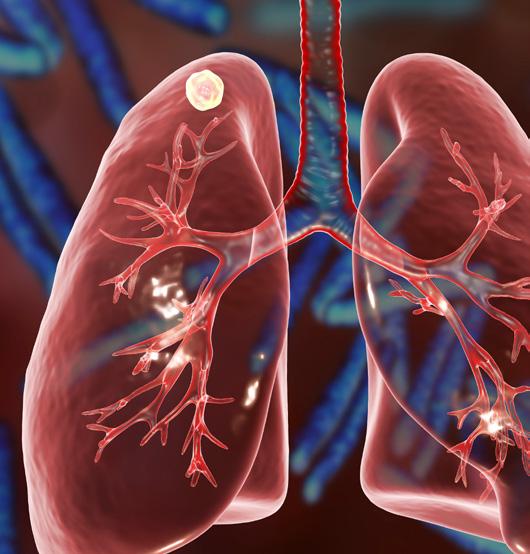
Lower respiratory tract infections (LRTIs)
Blood stream infections (BSIs), including sepsis
Urinary tract infections (UTIs)
The initiative is a collaboration between three leaders in the UK’s health innovation and research community: Innovate UK, LifeArc and Medicines Discovery Catapult.
Five diagnostic scenarios requiring targeted innovation
We distilled these findings into five priority clinical scenarios where focused innovation in the development of new diagnostics could significantly improve clinical decision-making and patient outcomes. Scenarios are summarised in Table 1, alongside key characteristics that future diagnostics should meet. For full details, see 15
1.
Diagnostic need
Rapid triage
Low-cost and accurate testing to determine infection and if antibiotics are needed
Indication
Key characteristics
• Suitable for level 1* healthcare settings
• Time to result: <10 minutes
• Fully or semi-integrated with simple sample prep
A review of the contemporary landscape
We performed a comprehensive analysis of the research and developmental pipeline to identify technologies capable of addressing the diagnostic scenarios in Table 1.
Diagnostic need
Pathogen identification (ID) and antimicrobial susceptibility testing (AST)
Tests that can detect the infection, identify the pathogen and provide information on antimicrobial susceptibility to guide same-day treatment
Indication
Blood stream infection (BSI) including sepsis and neonatal sepsis
Key characteristics
• Suitable for level 1 or level 2* healthcare settings
• Minimal infrastructure required, easy to use with minimal training, without need for pre-culture or extensive sample prep
• Test should provide AST, or pathogen ID and AST
• Time to result: <6 hours
• For LRTI: preference for other sample types beyond sputum and bronchoalveolar lavage
• Suitable for level 2* healthcare settings
• Direct from sample (whole blood), without need for pre-culture or extensive sample prep
• Test should provide AST, or pathogen ID and AST
• Time to result: <8 hours
*Level 1 settings: in high income countries (HICs) includes primary care (GP offices, pharmacies, community health programmes), in low- and middle-income countries (LMICs) includes health centres, health posts and outreach. Level 2 settings: in HICs includes secondary care (emergency and urgent care clinics, walk-in centres) and in LMICs includes district hospitals. Definitions adapted from 15
In this report, we share our findings:
An analysis of the diagnostic technology landscape:
a deep dive into emerging and existing diagnostic technologies, including their key strengths and limitations, and their potential to address our target scenarios
an assessment of diagnostic tests in active development that aim to meet these needs 1 2
An overview of the developmental pipeline:
Importantly, there is cause for optimism, with innovation across the developmental pipeline. If key opportunities are leveraged effectively, with careful consideration of implementation and respective strengths and limitations, promising emerging technologies have the potential to become powerful tools to improve patient diagnosis and safeguard antibiotics for future generations around the world.
Table
Diagnostic scenarios in need of targeted innovation.
Methods
Diagnostic technology landscape overview
We performed a structured review of diagnostic technologies for antimicrobial infections relevant to UTIs, LRTIs and BSIs. We used the GlobalData Medical database (GlobalData), a commercial database of marketed and in development medical devices and diagnostics, to identify relevant products and understand the maturity of the pipeline and readiness of technology for clinical use. This was supplemented with targeted searches in PubMed, Google Scholar and across SBRI Healthcare and CARB-X portfolios to identify additional technologies, explore relative strengths and limitations of different technologies and validate findings. Searches were conducted between January 2025 and May 2025, with additional searches completed in September 2025. Search terms are outlined in Table 2.
Market In vitro diagnostics
Stage of development
Indications
Marketed, in approval process, clinical, pre-clinical, early development
We conducted a complementary review to search for diagnostics on the market and in development for the target clinical scenarios considered in this report. The GlobalData Medical database was again used, supplemented by targeted searches in PubMed, Google Scholar and across SBRI Healthcare and CARB-X portfolios (terms summarised in Table 3). Searches were conducted in the same period as above. We then manually refined and filtered the products in the developmental pipeline and excluded tests that did not meet predefined inclusion criteria (Table 4).
Table 3. Summary of search terms used to identify products in GlobalData Medical for the overview of the marketed & developmental pipeline.
Stage of development Marketed, in approval process, clinical, pre-clinical, early development
Table 4. Inclusion criteria for the overview of the developmental pipeline (1 AND 2, and either 3 OR 4).
Sampling Direct from sample (do not require culture)
Stage In active development (in approval process, clinical, pre-clinical, early development)
Test should detect:
Pathogen ID and AST products
Rapid triage products
Pathogen ID and AST/AMR markers OR AST/AMR markers only (but not pathogen ID only) For BSI: Results in <8 hours For UTI and LRTI: Results in <6 hours
Tests should detect: Host markers, bacterial ID or bacterial vs. viral Results in <30 min
Limitations of this report
This report is based on publicly available and commercially sourced data and may not capture proprietary, unpublished or recently updated developments. While product classifications, development status and performance characteristics could not always be independently validated, the analysis aims to provide a structured and representative overview of the current diagnostic landscape.
Table 2. Summary of search terms used for the overview of the diagnostic technology landscape.
An analysis of the diagnostic technology landscape
We identified a range of promising antimicrobial diagnostic technologies, with relevance to UTIs, LRTIs and BSIs.
We have grouped the underlying technologies into three broad categories:
Molecular tests
Detecting nucleic acid (DNA/RNA) or proteins; primarily genotypic, inferring susceptibility by identifying known resistance markers
Biochemical and chemical tests
Measuring metabolic products, enzymatic activity, or other chemical markers; predominantly phenotypic
Optical tests
Using light-based methods to visualise or analyse samples; can provide phenotypic readouts, genotypic detection or a hybrid of both
For each category, we examine current capability, limitations and real-world applicability for rapid triage and antimicrobial susceptibility testing (AST; see box below). Where identified, we highlight emerging developments and innovations that could address limitations of current tests across different healthcare settings.
the most appropriate antibiotic for a bacterial infection to improve the chance of successful treatment. Currently, AST relies on either phenotypic or genotypic techniques:
Phenotypic testing
Cultured samples are grown and assessed in the presence of different antimicrobials. Accurate, but traditional approaches typically take between two and five days, or more, to reach results and are limited to settings with specialist culture facilities
Genotypic testing
Molecular techniques look for genetic markers of resistance. Typically provides results within hours and can detect slow-growing or unculturable species but only gives a prediction of susceptibility and is restricted to known genes and resistance mechanisms
Ongoing innovation in both phenotypic and genotypic methods is beginning to tackle these limitations, improving speed, predictive accuracy and feasibility across a wider range of clinical settings.
Molecular diagnostics
Polymerase chain reaction (PCR), loop-mediated isothermal amplification (LAMP) and whole genome sequencing (WGS) are well-established techniques that can accurately detect genetic material. They have potential uses for pathogen ID and AST, even for slow-growing or unculturable species. However, PCR and LAMP are inherently limited to detecting defined markers, and WGS interpretation relies on known resistance markers. As a result, genotypic methods alone may demonstrate lower predictive values than the current benchmark for AST, direct phenotypic testing.
PCR-based technologies, including quantitative PCR (qPCR) and digital PCR, can identify and quantify pathogens by detecting and quantifying specific nucleic-acid sequences. Typical workflows take one to four hours and can be combined in multiplex panels for parallel assessment, but the high cost of thermal cyclers on the market and need for sample preparation and cold storage for reagents may be prohibitive in some settings.
LAMP assays are rapid, robust and well-suited to level 1 and low-resource settings. Assays function at a single temperature and require less complex sample preparation than PCR, eliminating the need for specialised equipment. Visual readouts, such as a colour change, can usually be interpreted without specialist training or advanced instruments. Quantitative readouts are possible, but they are generally less precise than with qPCR 17
WGS provides unbiased, genome wide information, enabling the detection of all AMR associated genes and mutations present in an organism, including variants outside the limited targets of PCR or LAMP assays. It also offers strain level resolution and allows identification of lineage specific variants and regulatory region mutations that may influence gene expression and contribute to resistance. However, many WGS workflows require a pre-culture step and their current high cost, as well as the need for technical expertise to perform, are barriers that will need to be overcome for routine use.
AST is a critical tool to identify
Antimicrobial susceptibility testing (AST): a trade-off between genotypic and phenotypic testing
PCR-based technologies
Loop-mediated isothermal amplification (LAMP)
Key strengths
Rapid turnaround, high analytical sensitivity, multiplex capacity, can detect slow-growing or unculturable species
Key limitations
High capital expense, primer design required for each target, no direct viability assessment
The competitive landscape for PCR-based products is vast: our initial searches identified more than 1,000 currently in development for infectious diseases. However, this reduced dramatically when focusing on our target indications.
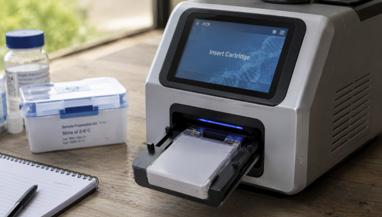
We noted several interesting developments that could help overcome some of the challenges of PCR. For example, integrated, automated platforms that consolidate processing, reaction and analysis steps within a self-contained cartridge could simplify workflows and move PCR from central labs to point-of-care settings.
Key strengths
Results within 60 minutes; simple equipment to maintain single reaction temperature
Key limitations
Complex primer design; limited multiplexing due to primer design and non-specific amplification; primarily qualitative
LAMP is already used in global health settings to detect viral infections such as Ebola and Zika and the pipeline is dominated by tests for viral infections. There are few LAMP tests in active development for the indications considered in this report.
We noted interesting innovations that could integrate LAMP with other platforms to leverage their respective strengths and bring rapid, specific and scalable diagnostics to level 1 settings.
For example:
• Integrating sampling and reaction steps into single-use chips, simplifying workflows and making it easier to perform bacterial vs viral tests in level 1 healthcare settings
• Integrating LAMP and CRISPR to enable rapid, highly specific recognition of single nucleotide polymorphisms for AST 18,19
• Combining LAMP with smartphone interfaces to increase speed of analysis, user-friendliness and robust data capture
Whole Genome Sequencing (WGS)
products in active development
Key strengths
Broad detection capability with high resolution of species; can detect slow-growing or unculturable species; higher breadth of coverage than other molecular methods; no reliance on primers
Key limitations
Often requires a culture step; high capital cost and operational expenses; data protection and security requirements to ensure confidentiality
Chemical and biochemical diagnostics
Chemical and biochemical tests can provide a definitive, phenotypic answer to whether an infection is bacterial or viral and its vulnerability to antibiotics.
Immunoassays use antibodies to detect or quantify molecules in a sample. We identified several interesting assays in development that offer low cost, high speed and simplicity, making them suitable for rapid triage in level 1 healthcare settings.
Breath analysis is based on the concept that lung biology influences the composition of exhaled breath, creating
Since pathogens are often present in samples at very low concentrations, most WGS products in development require a pre-culture step to improve the signal-to-noise ratio between host and pathogen DNA. This exceeds clinically meaningful turnaround time for BSIs.
We did identify two products aiming for results within eight hours, including an end-to-end platform using microfluidics to isolate and amplify bacterial DNA from blood without culture. Both use AI and machine learning to identify drivers of resistance and predict susceptibility more accurately than gene detection alone and could offer a route to effective genotypic AST.
WGS is likely to become a more clinically relevant tool for genotypic AST as sequencing costs decrease, and evidence of clinical utility grows. Other next-generation sequencing technologies that are less highly resolved but do not necessarily require a culture step may also offer useful insights in the future.
Another promising approach to measure bacterial growth is the emergence of rapid miniaturised phenotypic AST systems. Using techniques like microfluidics and nanotechnology, these systems miniaturise biochemical assays to make them more portable and applicable to level 2 settings, providing results within minutes to a few hours. The need for less sample may also be beneficial for neonatal and geriatric care, where obtaining large volumes can be challenging. Most of these products are
BSI AST
Immunoassays
Breath analysis and breathomics
Key strengths
Rapid results; portable
The pipeline for infectious disease immunoassays is broad: we found more than 500 immunoassays in development, mostly for viral infections.
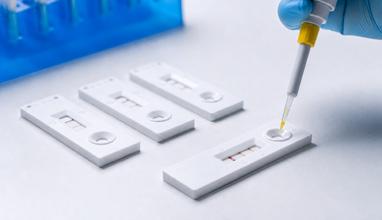
For our target indications, the vast majority of tests focus on pathogen ID and distinguishing between viral and bacterial infections. The pipeline is dominated by lateral flow tests (LFTs) – the technology commonly used in pregnancy tests and at-home Covid-19 tests (for a review, see 21). Low-cost, simple, often handheld and providing results within six and 30 minutes,
Key limitations
Lower sensitivity and specificity; ELISA is laborious
these devices could offer a powerful way to meet rapid triage testing needs in level 1 healthcare settings.
Only two immunoassays in development are focused on AST: one LFT in the early stages of development and one enzyme-linked immunosorbent assay (ELISA) in the clinical stages, focused on UTI. ELISA is likely too labour-intensive for our target settings, but we noted broader efforts to simplify and automate the process, which may make it more applicable to level 2 healthcare.
Of note, just over half the immunoassays identified in development were focused on rapid triage for BSI. Rapid triage for BSI is out of scope for this report, based on the needs we previously identified, although other work has identified a need for rapid triage tests particularly for neonatal sepsis. The finding demonstrates advancing technology and innovation but this is not currently being applied to address the needs of BSI AST.
Key strengths
Non-invasive, quick sample collection; direct and real-time results
Key limitations
Factors like age and comorbidities and contamination can influence results; devices likely require calibration and maintenance; high cost is likely a barrier
Breath analysis and breathomics products can be divided into two groups: online, which analyse samples directly, and offline, which store the sample for later analysis 22. Online tests are likely more appropriate for point-of-care rapid triage.
With only limited information available, it was difficult to clearly differentiate products within the pipeline. We assume most are online tests, since they promise near real-time results and all appear to be for diagnosing infection or pathogen ID. We also identified three approved products, including one that aims to detect bacterial RTI in people with
lung conditions, including cystic fibrosis and chronic obstructive pulmonary disease.
Most breathomics research to date has focused on cancer screening and the detection of Covid-19, and its utility for pathogen ID or distinguishing between viral and bacterial infection in the general public is yet to be validated. If limitations and cost barriers are overcome, breathomics could offer a non-invasive way for clinicians to differentiate between viral and bacterial infections within a single consultation and guide antibiotic use as appropriate.
Biochemical rapid minuaturised phenotypic AST systems
We noted several exciting approaches in this space, grouped as fluorometric and colourimetric assays that measure oxidative metabolic activity and electrochemical impedance assays that measure bacterial growth.
products in active development
Key strengths
Simple; inexpensive; visual readout; resazurin-based assays are not proprietary technology, keeping costs lower
Key limitations Not specific to bacterial cells; not suitable for anaerobic bacteria
Oxidative metabolic activity assays detect a colour change or fluorescent output in response to metabolic changes within a sample. Where disclosed, all products within the pipeline are based on the resazurin assay, which is widely used in laboratory research. This assay measures non-fluorescent resazurin, which is reduced to fluorescent resorufin in the presence of metabolically active cells to provide a quantifiable measure of cell viability.
We found four products in the pipeline using the resazurin assay, direct from urine and aiming for results in under two hours – well within our six-hour
target. Several innovations aim to miniaturise and multiplex the assay, including lab-on-a-chip technology making use of hydrogels, creating a nano-scale matrix upon which bacteria can grow. Most devices however, including two approved products, still require a culture step.
Positioned correctly, oxidative metabolic activity assays could offer level 2 healthcare a simple way to measure antimicrobial susceptibility. We note that that resazurin is not specific to bacteria and any metabolically active cells can contribute to the signal and influence results.
Well-suited to miniaturisation and large-scale production at low cost; high sensitivity
Key limitations
Gram-positive and gram-negative bacteria give different readings; assays use high conductivity media which can cause background noise
Using an electrode to measure changes, EIS assays exploit the electrical conductivity fluctuations that occur within a sample as bacteria grow, or die, in the presence of effective antibiotics 23,24
It is a promising concept for AST, and the technology is well-suited to miniaturisation and large-scale production, but the pipeline is currently small with limited validation on clinical samples. There is one EIS product in development that may meet the diagnostic scenarios considered in this report, using microfluidics to identify bacteria directly from blood and urine in less than 85 minutes. We also found three EIS assays that require a pre-culture step.
Oxidative metabolic activity assays
Imaging and microscopy-based diagnostics
Imaging and microscopy techniques that provide a visual measure of bacterial viability offer another opportunity for phenotypic testing. Most products are based on light scatter, absorption and fluorescence, analysing the way light passes through a sample to describe bacterial characteristics.
Raman spectroscopy analyses each sample’s spectral fingerprint to distinguish unique patterns of proteins, lipids and nucleic acids, and precisely identify different bacterial species 25 Because it can detect small chemical variations in response to antibiotics, the technique has potential for both pathogen ID and AST, but several challenges hinder its translation to clinical use. Current approaches are mostly limited to pre-cultured samples, but some in development aim for results directly from urine 26
Single-cell flow cytometry uses fluorescence to understand bacterial cell characteristics, such as size, granularity and viability, as they flow past lasers in single-cell suspension. While this approach doesn’t yet appear to be widely used in clinical microbiology, it holds promise as a rapid, accurate and highly reproducible pathogen ID and AST approach, especially combined with novel platforms that overcome some of its traditional limitations 27
Like biochemical technologies, the emergence of optical rapid miniaturised phenotypic AST systems may provide new routes to assess antimicrobial susceptibility. These include light-scatter and absorption-based assays to measure bacterial mass and the detection of nanoscale fluctuations to measure metabolic activity.
Raman spectroscopy
Key strengths
Non-destructive; high-resolution; promising in academic studies
Key limitations
No evidence of imaging direct from whole blood; poor reproducibility of data; lack of standardisation; little evidence of clinical use; often requires reference spectra
Raman spectroscopy shows great promise in academic research, using spectral data to provide detailed chemical and structural information about individual cells.
However, a number of challenges hinder its translation to the clinic. For example, direct analysis of body fluids remains challenging, compounded by low pathogen concentrations and the heterogeneous nature of sample matrices 28,29. The need for advanced data processing and machine
learning to interpret results may also be a barrier 25 and there remains a need for standardisation 30
All products in the pipeline aim to provide either pathogen ID or AST direct from sample, for UTIs or BSIs. However, several challenges must be addressed, alongside the need for miniaturisation, automation, high throughput and cost effectiveness, to fully realise the potential of Raman spectroscopy for pathogen ID and AST 31
Single cell flow cytometry
Rapid miniaturised phenotypic AST systems
Nanoscale fluctuations as indicators of bacterial cell viability
products in active development
Key strengths
Rapid; accurate; multiparametric; proven utility to detect bacteriuria and in AST
Key limitations
Cost of machine, reagents and maintenance; sample preparation required; complexity of set up and data analysis
All single cell flow cytometry pipeline products aim to provide AST for BSIs and UTIs, direct from sample and within one to four hours. Within the approved landscape, we also found three tests that can detect bacteria directly from urine and three tests for BSI AST following confirmation of a bacterial infection. Most of these devices, however, require pairing with other tests to meet our target scenarios and may currently be better suited to clinical microbiology labs.
We also noted a range of approaches that integrate single-cell flow cytometry with other platforms, potentially making them more applicable to level 2 settings for AST.
For example, integration with:
• Fluorescent probes and computational analysis could detect cellular lesions that occur within the first few minutes of contact with antibiotics, eliminating the need for culture 32
• Electrical impedance spectroscopy could unite the single-cell analysis of cytometry with the high sensitivity of electrical analysis 33,34
• Digital and AI approaches could improve ease of use and analysis
Key strengths
Highly sensitive; no need for culture; label-free, reducing cost and sample prep time
Key limitations
Response of individual cells may not correlate with responses across heterogeneous samples; different bacteria have different AST response profiles, so may require bacterial ID prior to interpreting AST results
Nanofluctuations are subcellular movements typically involving the cell membrane, cytoplasm or cytoskeletal structures. These correlate with ongoing biological processes and, as such, can provide a measure of metabolic state and/or cell viability. Following antimicrobial exposure, a reduction in bacterial nanofluctuations may provide an indicator of antimicrobial susceptibility
Within the pipeline, we noted the emergence of:
• Structural approaches, such as graphene-based biosensors and functionalised cantilevers coupled with atomic force microscopy. Cantilevers are nano- or micro-structures that oscillate in response to the movements of adhered bacteria and can be detected by atomic force microscopy, potentially providing both pathogen ID and AST 38,39
• Optical approaches, such as bright field imaging and evanescent light scatter, which measure how light decays as it passes through a sample. There is good proof-of-concept for this, based on laboratory strains of E. coli and S. aureus
Given the early nature of much of the pipeline, miniaturisation is not always prioritised, although it is discussed by multiple authors.
Light scatter and absorption phenotypic assays
An overview of the developmental product pipeline
product in active development Related diagnostic scenarios
Key strengths
Typically require minimal sample preparation
Key limitations
Not specific to bacteria (responds to any particulate in a sample)
The pipeline of technologies using light scatter to assess composition of liquid samples is small, limited and mostly in the academic space, with a focus on large volume light scattering microscopy 40 and laser speckle imaging 41. The most advanced asset we could find uses forward light scatter to provide UTI AST within 30 minutes.
We identified six devices with marketed approval that use turbidity, light scatter or other optical techniques. Most of these require culture and cater to laboratory diagnostics, but two are positioned as point-of-care devices that can achieve results direct from urine, substantially speeding up the time to result.
This section explores how previously discussed technologies are being translated into products whose intended use could meet the diagnostic needs of UTIs, LRTIs and BSIs, as outlined in Table 1.
Pipeline activity varies across clinical indications. The largest pipeline, with the greatest diversity of innovations, was observed for UTI AST. The LRTI rapid triage pipeline remains comparatively limited.
Here, we provide an overview of each pipeline, exploring its maturity, key device characteristics and the extent to which current developments align with clinical needs. Where relevant, we highlight emerging innovations that may help address existing gaps in the market.
Chart. A summary of technologies identified in our competitive landscape review.
Rapid triage
New rapid triage approaches for UTI and LRTI could be transformative for level 1 and 2 healthcare settings, ensuring patients receive the right treatment and minimising inappropriate prescription of antibiotics.
For UTIs, the ideal test would support accurate identification of clinically significant infection, while for LRTIs, it would distinguish between viral and bacterial causes of infection and support appropriate treatment decisions. Products should be low-cost, portable or have a small footprint, and require minimal training or sample preparation to enable point-of-care testing. Tests should provide results within a standard doctor’s appointment (under 10 minutes).
Rapid triage tests for LRTI
within developmental pipeline
Lateral flow tests and other immunoassays dominate this pipeline, providing results directly from mucus, sputum or finger-prick whole blood, including one blood test that measures five key mRNA host-response biomarkers to distinguish between viral and bacterial LRTI. We noted one molecular diagnostic, described as a fully integrated, instrument-free test that uses nucleic acid amplification technology and aims to provide a visual read-out within 10 minutes.
Both approaches show promise for rapid triage in LRTI, with the potential to quickly distinguish between viral and bacterial infections in level 1 healthcare settings, potentially within a standard appointment and without the need for expensive equipment. A finger-prick blood test approach would also be more accessible and easier to perform than sputum or mucus sampling.
We identified seven products that have already received approval, measuring C-reactive protein and other markers of inflammation to
rule-in or -out a bacterial infection in two to 20 minutes. Their availability demonstrates that rapid, point-of-care triage for LRTI is feasible and can be integrated into clinical workflows to support decision-making 42. However, as CRP is a non-specific marker that can be elevated in a range of inflammatory conditions, these products are unlikely to realise the step change needed for accurate, stand-alone rapid triage diagnostics for LRTI, highlighting the need for continued investment in more specific approaches.
Rapid triage tests for UTI
within developmental pipeline
Antimicrobial susceptibility testing (AST) and pathogen identification (ID)
This pipeline had greater product diversity than others, spanning biochemical, molecular, and optical technologies and including Raman spectroscopy, infrared spectrometry, and an optical sandwich fluorescent immunoassay. Around a third of products aim for results within six minutes – suitable for a single consultation appointment.
Across both the developmental pipeline and approved landscape, we noted innovations that could support clinicians to interpret results with minimal training, including colourimetric tests and smartphone apps that give a clear readout.
As outlined on page 10, AST currently represents a trade-off between the accurate but slow, infrastructure-heavy phenotypic testing of cultures and the faster but limited genotypic testing. We were excited to see both genotypic and phenotypic innovations aiming to provide rapid, same-day or sameshift results. For UTIs and LRTIs, we defined this as within six hours, within level 1 and 2 healthcare settings. For BSIs we defined this as within eight hours within level 2 settings.
We also noted compact, automated and user-friendly products that could make it easier to perform AST in both level 1 and 2 settings.
Pathogen ID and AST for BSI
All products within the clinical stages of the pipeline, plus the five we identified in the approved landscape, are molecular genotypic diagnostics.
Contrastingly, there’s an emergence of phenotypic tests in the early stages of the pipeline, including a digital imaging approach that aims to give results within four hours, and a rapid miniaturised phenotypic AST system using electrical impedance spectroscopy that aims to give results within two hours, without the need for culture.
Where disclosed, all are benchtop devices, offering space-efficient testing and analysis for point-of-care in level 2 settings.
Pathogen ID and AST for UTI 22 within
This is the largest and most diverse pipeline in our study, spread across molecular, biochemical and optical technologies.
Approximately 40% of the early developmental pipeline is made up of genotypic tests, mostly based on multiplex PCR. We noted several innovations that could make PCR more applicable to healthcare workflows, including reagents that don’t require cold storage and cartridge-based devices that require no specialist training. This may also open new avenues for low-resource settings, provided costs are kept low.
The remaining 60% of the early pipeline, along with most of the clinical pipeline and the two approved products we identified, are based on phenotypic technologies. All are culture-free, and again, we noted the emergence of rapid miniaturised phenotypic AST systems that observe the direct effects of antimicrobials on bacterial growth and viability. We were pleased to see a number of products promising results within 30 minutes, and all within five hours –well within our target of six hours – enabling same-day prescription of the most appropriate antibiotic.
Pathogen ID and AST for LRTI
Summary of findings
We were encouraged by a high degree of innovation across the pipeline. Notably, several products in development for BSI AST aim to deliver results directly from blood in under eight hours, representing significant progress. We also identified a breadth of both phenotypic and genotypic innovations, beginning to tackle some of the limitations associated with current AST techniques.
Considering the scale of the clinical problem posed by LRTIs, this pipeline is surprisingly small. We noted interesting approaches, including the use of AI to aid single-cell analysis, a rapid miniaturised phenotypic AST system that uses electrochemical measurements to detect cell viability, and a fully automated cartridge approach that could enable genotypic testing with minimal training.
Products aim for results within our target time, with two promising answers “within minutes”, and typically work with sputum, broncho-alveolar lavage and tracheal aspirate. There remains a need for alternative, less invasive sample types, such as breath or whole blood.
In this report, we explored how the developmental pipeline of antimicrobial diagnostics is currently positioned to meet the needs of five target scenarios: rapid triage of UTI and LRTI in level 1 healthcare settings, and AST of UTI and LRTI in level 1 and 2 settings in under six hours, and of BSI in level 2 settings in under eight hours. We were particularly interested in products in development that met the needs of healthcare professionals, as determined in our previous report 1 (summarised Table 1).
Despite the innovation, a number of gaps in the pipeline still exist. For all indications, the most promising technologies are in the earlier stages of the pipeline and require further validation and development to make them fit-for-purpose and bring them closer to market.
Gaps specific to each of our indications:
For LRTIs the pipeline was smaller across both target scenarios compared to UTI & BSI. This may be due to a perception that needs are already addressed, given the number of players in the upper RTI field since the Covid-19 pandemic, or the challenges associated with sampling.
For UTIs there remains a need for diagnostics that have improved performance on existing tests, while maintaining a low price point to enable routine use.
For BSIs, there is still a need for quick tests capable of pathogen ID / AST direct from whole blood at comparable costs to blood culture.
Additionally, further translation of many promising approaches into formats suitable for low-resource settings is still needed. This echoes recent findings from Gigante et al (2026) that LMICs still face major diagnostic gaps in level 1 and 2 healthcare settings 14 .
Emerging opportunities and trends
We draw attention to five opportunities where targeted efforts could improve antimicrobial stewardship and ultimately patient outcomes for the UTI, LRTI and BSI diagnostic scenarios explored in this report.
Tests that circumvent the need for culture
A number of approaches promise phenotypic observations without need for culture. For example, rapid miniaturised phenotypic AST systems could provide viability results in minutes and hours rather than days. Several of these systems use biochemical and optical readouts and offer an exciting opportunity to bring accurate, point-of-care AST to level 1 and 2 healthcare settings. However, much of this is still in early development and further work is needed to validate their clinical potential.
Digital methods could enable easier, faster interpretation of results
Combining molecular, biochemical and optical approaches with digital technology, such as AI and machine learning, could minimise the extensive processing time and the need for specialist interpretation of results, supporting the move towards more informed use of targeted antibiotics. Additionally, the use of widely available technologies, such as smartphones, could improve accessibility.
Triage tests with rapid time-to-result
LAMP and LFT-based tests could provide simple, robust and portable tools for rapidly distinguishing between viral and bacterial infections. Integrating workflows, for example into single-use chips, could make it easier to perform at the point of care and be applicable in healthcare settings globally. Lessons may be learned from similar tests already in use, such as those for viral infections.
Overcoming challenges of molecular testing
Cartridge devices that integrate sample prep, analysis and output into one step could bring the accuracy of molecular tests like PCR to primary care and pharmacy settings. Further, the development of reagents that can be kept at room temperature and the use of smartphones instead of dedicated readers could open new opportunities for molecular testing in LMICs and other lower-resource settings.
sampling methods for LRTI
Our LRTI target scenarios called for alternative sampling methods to the invasive and uncomfortable sputum and broncho-alveolar lavage. Generally, there remains a need for more easily obtained sample types across the whole LRTI pipeline. However, breath analysis and breathomics could offer a non-invasive, real-time, point-of-care approach.
Future efforts should aim to improve sensitivity and validate breath-prints, for example with AI and machine learning, and miniaturise technology to handheld or bench-top products that can be used without specialised training. In addition, we identified one test using finger-prick whole blood to measure the host-response, offering an alternative non-respiratory sampling strategy for rapid LRTI triage. Outside our formal analysis timeframe, we also identified a urine-based test relevant to LRTI, suggesting further potential for alternative sampling strategies beyond those presented in this report.
Implications
Earlier studies, including our own and that of the World Health Organization, identified major unmet diagnostic needs on the frontline of patient care and considerable gaps in the landscape of suitable marketed AMR diagnostics 1,2,14
This report builds on these findings with a focus on the contemporary research and development pipeline, focusing on five clinically important diagnostic scenarios where innovation is needed most. We begin to shift focus from pinpointing gaps to identifying opportunities where targeted innovation could dramatically improve patient outcomes by supporting clinicians to make informed decisions about treatment.
Strategically positioned, several promising developments within the pipeline could play a pivotal role in this goal, if limitations are understood and adoption and implementation challenges are overcome. Importantly, there remains ample scope for novel ideas, particularly to address persistent challenges in translating promising approaches into clinically deployable diagnostics across all target scenarios, healthcare levels and in lower resource settings.
Novel
Conclusions
AMR is a growing global threat. Without action, we will find it harder to manage common infections –limiting options for routine procedures, extending hospital stays and increasing risks associated with everyday healthcare. People with drug-resistant infections may face longer recovery times, infection-induced disabilities and increased financial burden, especially in resource-limited settings.
Through PACE, we are building a diverse portfolio of therapeutic and diagnostic projects to address the world’s most threatening pathogens and save lives. We previously identified an urgent need for diagnostic tools that could provide rapid triage and/or AST for three indications with a high burden and rate of empirical antibiotic use: UTI, LRTI and BSI.
In reviewing the developmental pipeline of AMR diagnostics, we were encouraged to find a high degree of innovation that could begin to meet this need. Many developers are taking novel approaches to overcome challenges associated with traditional technologies. However, despite an abundance of technologies in development, much of the pipeline is in the early stages and we found a high degree of variation of technological diversity and maturity across indications and use cases. There also remains a need for innovation that could bring AST to lower resource settings, including LMICs.
Targeted support focused on those technologies with high potential, including addressing challenges related to their adoption and implementation, could help to bring effective rapid triage and AST closer to the clinic.
We invite innovators, funders and investors to build on the opportunities outlined in this report, focusing innovation where the need is most critical to drive the further development of rapid, cost-effective and accurate diagnostic solutions that could be easily integrated into healthcare workflows.
Now, more than ever, we must work together to tackle AMR. By concentrating efforts appropriately, we can drive the innovation needed to safeguard some of our most valuable medicines and deliver better outcomes for future generations worldwide.
To find out more about PACE or to contact our team, visit paceamr.org.uk
References
1 World Health Organization. Landscape analysis of commercially available and pipeline in vitro diagnostics for bacterial priority pathogens. Geneva, 2025. Licence: CC BY-NC-SA 3.0 IGO. Available: https://www.who.int/ publications/i/item/9789240109827.
2 PACE. What are the greatest unmet needs in antimicrobial diagnostics? [Internet]. London, 2024. [Accessed 2026, March 25]. Available from: https://issuu.com/ medicinesdiscovery/docs/pace_unmet_needs_in_ antimicrobial_diagnostics?fr=sY2JiMTczNzQxMDA.
3 Baden LR, Swaminathan S, Almyroudis NG, Angarone M, Baluch A, Barros N, Buss B, Cohen S, Cooper B, Chiang AD, Boghdadly ZE, Gregg K, Hakim H, Ho D, Khawaja F, Lee R, Lee F, Logan C, Manley K, Multani A, Pande A, Pergam S, Pisano J, Saullo J, Schuster M, Seo SK, Shoham S, Taplitz R, Topal J, Wilson JW, Zimmer A, Cassara CJ, Kumar R, Diwan Z. Prevention and Treatment of Cancer-Related Infections, Version 3.2024, NCCN Clinical Practice Guidelines in Oncology. J Natl Compr Canc Netw. 2024 Nov;22(9):617644. doi: 10.6004/jnccn.2024.0056.
4 Siaba S, Casal B, López-Martínez I. The Economics of Antibiotic Resistance: A Systematic Review and Metaanalysis Based on Global Research. Appl Health Econ Health Policy. 2026 Jan;24(1):15-46. doi: 10.1007/s40258-02501001-7. Epub 2025 Aug 30.
5 Antimicrobial Resistance Collaborators. Global burden of bacterial antimicrobial resistance in 2019: a systematic analysis. Lancet. 2022 Feb 12;399(10325):629-655. doi: 10.1016/S0140-6736(21)02724-0. Epub 2022 Jan 19. Erratum in: Lancet. 2022 Oct 1;400(10358):1102. doi: 10.1016/S0140-6736(21)02653-2.
6 The Conversation. Antimicrobial resistance now causes more deaths than HIV/AIDS and malaria worldwide – new study. [Internet]. Birmingham, 2022. [Accessed 2026, March 25]. Available: https://www.gavi.org/vaccineswork/antimicrobialresistance-now-causes-more-deaths-hivaids-and-malariaworldwide-new.
7 GBD 2021 Antimicrobial Resistance Collaborators. Global burden of bacterial an-timicrobial resistance 1990-2021: a systematic analysis with forecasts to 2050. Lancet. 2024 Sep 28;404(10459):1199-1226. doi: 10.1016/S01406736(24)01867-1. Epub 2024 Sep 16.
8 Interagency Coordination Gropu on Antimicrobial Resistance. No time to wait: securing the future from drug-resistant infections, report to the Secretary General of the United Nations. 2019. Available: https://www.who.int/ publications/i/item/no-time-to-wait-securing-the-futurefrom-drug-resistant-infections.
9 McDonnell A, Countryman A, Laurence T, Gulliver S, Drake T, Edwards S, Kenny C, Lamberti O, Morton A, Shafira A, Smith R, Guzman J. Forecasting the Fallout from AMR: Economic Impacts of Antimicrobial Resistance in Humans – A report from the EcoAMR series. Paris and Washinton DC, 2024. World Organisation for Animal Health and World Bank, pp. 58. https://doi.org/10.20506/ecoAMR.3539. Licence: CC BYSA 3.0 IGO.
10 Dolk FCK, Pouwels KB, Smith DRM, Robotham JV, Smieszek T. Antibiotics in primary care in England: which antibiotics are prescribed and for which conditions? J Antimicrob Chemother. 2018 Feb 1;73(suppl_2):ii2-ii10. doi: 10.1093/jac/ dkx504.
11 Smieszek T, Pouwels KB, Dolk FCK, Smith DRM, Hopkins S, Sharland M, Hay AD, Moore MV, Robotham JV. Potential for reducing inappropriate antibiotic prescrib-ing in English primary care. J Antimicrob Chemother. 2018 Feb 1;73(suppl_2):ii36-ii43. doi: 10.1093/jac/dkx500.
12 NIHR Evidence. How to reduce antibiotic use in primary care. 2024. doi: 10.3310/nihrevidence_62286.
14 Gigante V, Murtagh M, Bachmann TT, Rocke T, Trainor BW, Poutanen SM, Roberts T, Vila J, Cameron A. Diagnostics for priority bacterial pathogens: global gaps and re-search needs for curbing antimicrobial resistance in low-resource settings. The Lancet Microbe. 2026 Mar. doi: 10.1016/j. lanmic.2026.101385.
15 PACE. Ideal test characteristics. [Internet]. London, 2024. [Accessed 2026, March 25] Available: https://paceamr.org. uk/wp-content/uploads/2024/10/Ideal-test-characteristics. pdf.
16 World Health Organization. Landscape of diagnostics against antibacterial resistance, gaps and priorities. Geneva, 2025. Licence: CC BY-NC-SA 3.0 IGO. Available: https://www.who. int/publications/i/item/10665326480.
17 Hardinge P, Murray JAH. Full Dynamic Range Quantification using Loop-mediated Amplification (LAMP) by Combining Analysis of Amplification Timing and Variance between Replicates at Low Copy Number. Sci Rep. 2020 Jan 22;10(1):916. doi: 10.1038/s41598-020-57473-1.
18 Roach DJ, Sangruji BP, Bhat S, Tesfamariam S, Ben-Zion I, Bern M, Bagnall J, Shoresh N, Milien L, Bhattacharyya RP. BADLOCK: A Rapid, Portable, Inexpensive Diagnostic for Bacterial Pathogen and Resistance Detection in Resource-Limited Settings. medRxiv [Preprint]. 2025 Oct 9:2025.08.11.25332217. doi: 10.1101/2025.08.11.25332217.
20 TidalSense. The respiratory intelligence company. [Internet] Cambridge, 2026. [Accessed 2026, March 25] Available: tidalsense.com
References
21 Koczula KM, Gallotta A. Lateral flow assays. Essays Biochem. 2016 Jun 30;60(1):111-20. doi: 10.1042/EBC20150012.
22 Ibrahim W, Carr L, Cordell R, Wilde MJ, Salman D, Monks PS, Thomas P, Brightling CE, Siddiqui S, Greening NJ. Breathomics for the clinician: the use of volatile organic compounds in respiratory diseases. Thorax. 2021 May;76(5):514-521. doi: 10.1136/thoraxjnl-2020-215667
23 Yang L. Electrical impedance spectroscopy for detection of bacterial cells in sus-pensions using interdigitated microelectrodes. Talanta. 2008 Feb 15;74(5):1621-9. doi: 10.1016/j.talanta.2007.10.018
24 Ward AC, Connolly P, Tucker NP. Pseudomonas aeruginosa can be detected in a polymicrobial competition model using impedance spectroscopy with a novel bi-osensor. PLoS One. 2014 Mar 10;9(3):e91732. doi: 10.1371/journal. pone.0091732
25 Qi Y, Chen EX, Hu D, Yang Y, Wu Z, Zheng M, Sadi MA, Jiang Y, Zhang K, Chen Z, Chen YP. Applications of Raman spectroscopy in clinical medicine. Food Frontiers. 2024 Jan, 5(2):392. doi: 10.1002/fft2.335
26 Nostics. An adaptable technology to shape the future of targeted healthcare. [Internet] Amsterdam and Cambridge US, 2023. [Accessed 2026, March 25]. Available: https:// nostics.com/applications/
27 Fonseca-Silva D, Gomes R, Martins-Oliveira I, Silva-Dias A, Ramos MH, Pina-Vaz C. Rapid Determination of Colistin Susceptibility by Flow Cytometry Directly from Positive Urine Samples-Preliminary Results. Int J Mol Sci. 2025 Jan 21;26(3):883. doi: 10.3390/ijms26030883
28 Salbreiter M, Frempong SB, Even S, Wagenhaus A, Girnus S, Rösch P, Popp J. Light-ing the Path: Raman Spectroscopy’s Journey Through the Microbial Maze. Molecules. 2024 Dec, 29(24):5956. doi: 10.3390/molecules29245956
29 Usman M, Tang JW, Li F, Lai JX, Liu QH, Liu W, Wang L. Recent advances in surface enhanced Raman spectroscopy for bacterial pathogen identifications. J Adv Res. 2023 Sep;51:91-107. doi: 10.1016/j.jare.2022.11.010
30 Wang Y, Fang L, Wang Y, Xiong Z. Current Trends of Raman Spectroscopy in Clinic Settings: Opportunities and Challenges. Adv Sci (Weinh). 2024 Feb;11(7):e2300668. doi: 10.1002/advs.202300668
31 Zhang W, He S, Hong W, Wang P. A Review of Raman-Based Technologies for Bacterial Identification and Antimicrobial Susceptibility Testing. Photonics. 2022 Feb, 9(3):133. doi: 10.3390/photonics9030133
32 Pina-Vaz C, Silva-Dias A, Martins-Oliveira I, Gomes R, PerezViso B, Cruz S, Ro-drigues AG, Sarmento A, Cantón R. A multisite validation of a two hours antibiotic susceptibility flow cytometry assay directly from positive blood cultures. BMC Mi-crobiol. 2024 May 28;24(1):187. doi: 10.1186/ s12866-024-03341-1
33 Booton RD, Agnew E, Pople D, Evans S, Bock LJ, Sutton JM, Robotham JV, Naylor NR. Rapid antibiotic susceptibility testing for urinary tract infections in secondary care in England: a cost-effectiveness analysis. BMJ Open. 2024 Nov 28;14(11):e081865. doi: 10.1136/bmjopen-2023-081865.
34 Spencer DC, Paton TF, Mulroney KT, Inglis TJJ, Sutton JM, Morgan H. A fast impedance-based antimicrobial susceptibility test. Nat Commun. 2020 Oct 21;11(1):5328. doi: 10.1038/s41467-020-18902-x.
35 Kasas S, Ruggeri FS, Benadiba C, Maillard C, Stupar P, Tournu H, Dietler G, Longo G. Detecting nanoscale vibrations as signature of life. Proc Natl Acad Sci USA. 2015 Jan 13;112(2):378-81. doi: 10.1073/pnas.1415348112.
37 Longo G, Alonso-Sarduy L, Rio LM, Bizzini A, Trampuz A, Notz J, Dietler G, Kasas S. Rapid detection of bacterial resistance to antibiotics using AFM cantilevers as nanomechanical sensors. Nat Nanotechnol. 2013 Jul;8(7):5226. doi: 10.1038/nnano.2013.120.
38 Weeks BL, Camarero J, Noy A, Miller AE, Stanker L, De Yoreo JJ. A microcantilever-based pathogen detector. Scanning. 2023. 25(6):297-299. doi: 10.1002/sca.4950250605
39 Zhou J, Liao C, Zou M, Villalba MI, Xiong C, Zhao C, Venturelli L, Liu D, Kohler AC, Sekatskii SK, Dietler G, Wang Y, Kasas S. An Optical Fiber-Based Nanomotion Sensor for Rapid Antibiotic and Antifungal Susceptibility Tests. Nano Lett. 2024 Mar 13;24(10):2980-2988. doi: 10.1021/acs. nanolett.3c03781.
40 Mo M, Yang Y, Zhang F, Jing W, Iriya R, Popovich J, Wang S, Grys T, Haydel SE, Tao N. Rapid Antimicrobial Susceptibility Testing of Patient Urine Samples Using Large Volume FreeSolution Light Scattering Microscopy. Anal Chem. 2019 Aug 6;91(15):10164-10171. doi: 10.1021/acs.analchem.9b02174
41 Yang J, Zhou K, Zhou C, Khamsi PS, Voloshchuk O, Hernandez L, Kovac J, Ebrahimi A, Liu Z. Label-free rapid antimicrobial susceptibility testing with machine-learning based dynamic holographic laser speckle imaging. Biosens Bioelectron. 2025 Jun 15;278:117312. doi: 10.1016/j. bios.2025.117312
42 York A, Heywood, Middleton and Rochdale NHS Clinical Commissioning Group. Acting on the data: the crucial role community testing can have in combating AMR. [Internet] Rochdale, 2023. [Accessed 2026, March 26] Available: https://www.nationalhealthexecutive.com/articles/actingdata-crucial-role-community-testing-can-have-combatingamr
Author contributions and acknowledgements
Dr Amelia Hallas-Potts
LifeArc Research design, analysis, report drafting
We thank Dr Emily Farthing, independent science writer, for her support in drafting, editing and refining the report. We also acknowledge the contributions of the wider PACE team, whose expertise in data acquisition, literature review and quality assurance was invaluable in producing this work.