It’s peak season for a unique and devastating type of injury. The Consumer Product Safety Commission reports that two-thirds of all fireworks injuries for the entire year happen in the vicinity of July 4th.
Tragic aspects of that cold statistic include the fact that the most injured group are teens, age 15 — 19, followed by kids aged 5 to 9. The most common injuries are burns, and the most injured body parts are hands and fingers (35%), and head, face, eyes and ears (22%).
In 2023 fireworks caused an estimated 9,700 emergency room visits nationally, and 8 confirmed deaths, although the CPSC cautions that reporting is incomplete, meaning that the figures are minimums.
To make sure the statistics for 2026 don’t include a single person from the Aiken-Augusta area, check the following safety reminders from U.S. Fire Administration:
Keep Body Parts Away from Lit
Never place any part of your body over a firework when lighting it.
Be Mindful of Pets and Wildfire Fireworks can frighten pets, causing them to run away or become injured. Fireworks can also start wildfires—use extreme caution, especially in dry conditions.
Supervise Children: Never allow
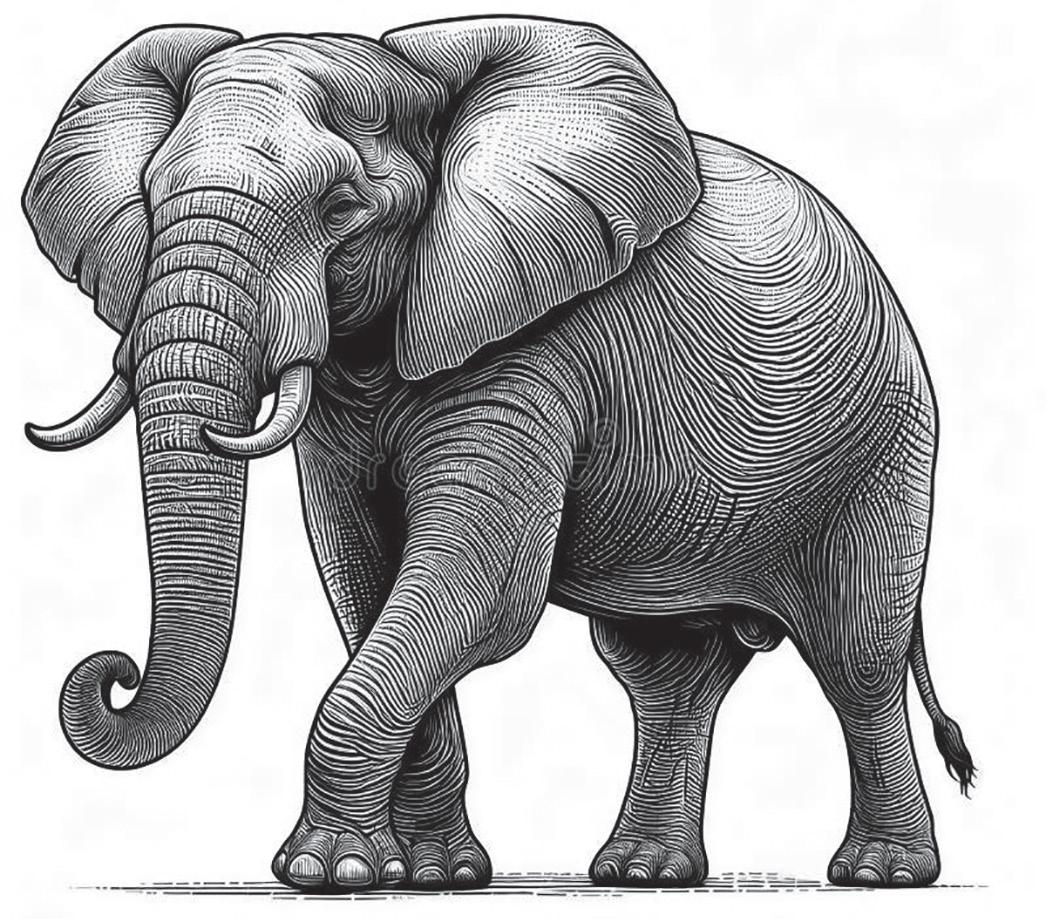
ELEPHANTS
SMELL GOOD
How good? you ask. So good that this analogy accurately describes it: if smell were vision, humans could see 10 feet; dogs could see a mile; elephants could see across the entire United States. This article is not going to be about elephants, but we can’t resist another illustration of elephants’ sense of smell. African elephants have repeatedly been documented as being able to locate water sources up to 12 miles away using smell alone. That’s the equivalent of being on the Augusta Commons and being able to detect a scent from Hwy 88 in Hephzibah, or at Evans Kia on Gibbs Road.
So in the sense of smell department we have to take a back seat to elephants — and that’s a good thing. Do you want a nose that big? But even with our relatively limited capabilities, the human sense of smell is nothing short of astonishing. Of all our senses, it is the most emotionally explosive, neurologically complex, and scientifically mysterious.
PARENTHOOD
by Dr. Warren Umansky, PhD
School will be starting again soon and you are already getting worried. Your child has a difficult time separating from you and going to school. You have had battles in the past in the car line getting your child out of the car. What do you do?
A. Have her start riding the bus.
B. Let someone else drive her to school.
C. Change what you are doing at home to prepare her for school.
D. Talk to your pediatrician. Separation anxiety is a real thing and might require specific treatment.
If you answered:
A. Parents drive their children to school for a number of reasons. Sometimes, it shows the parents’ difficulty separating from their child more than the child’s difficulty separating from the parent. Sometimes it is because of a parent’s fear that riding on the bus does not always provide a safe environment for the child. It might just be out of convenience or to have some quiet time with the child prior to the start of the day. In any case, getting on the bus with friends or neighbors might be a solution to the problem.
B. If a spouse, grandparent, or a reliable friend or neighbor who drives his/her own child to school is available, this might be worth a try. Often, just changing the pattern will help your child learn to adapt to the challenges of her expanding world.
C. Does your child still sleep with you? This can make separation more difficult for you and the child during the day. Are you speaking positively about school on a regular basis? Do you talk at home about your child’s vision for the future and the importance of education toward meeting that vision? Are you doing learning activities daily through the summer to provide a smoother back to school transition in the fall? All of these are factors that influence the child’s feelings of security and her motivation to attend school.
D. If you have followed the strategies during the summer and at the start of the school year and they have not been successful, seeking other resources should be your next step. The school counselor probably has experience with students who have a hard time entering school or classrooms and can offer assistance. Another option would be speaking with your pediatrician, who might refer you to a mental health professional or even suggest a short trial on medication to address anxiety.
You are a caring parent who does all you can to help your child feel loved, secure and successful. Nevertheless, some children have underlying fears that interfere with typical daily life activities. Aside from needlessly worrying, there are many good things you can do to lessen your child’s challenges. Now is the time to employ these strategies.
Dr. Umansky has a behavioral health practice for children in Augusta
• Relief or gratification immediately afterward
• Shame, guilt, or remorse following the behavior
Cognitive Patterns
• Difficulty delaying gratification
• Thoughts centered on the anticipated relief from acting
THOUGHTS
THOUGHTS ABOUT THOUGHTS
“I KNEW IT WAS WRONG BUT I DID IT ANYWAY.” IMPULSE CONTROL DISORDERS
Editor’s note: Written by local mental healthcare professionals, this series explores how people may think and act when affected by common and lesser-known mental health conditions.
Jason is a 32-year-old warehouse employee who has been in trouble multiple times for behavior he later regrets.
He describes an intense feeling that builds inside him — tension, restlessness, and a sense that he has to act. Sometimes it leads to explosive outbursts. Other times it involves stealing inexpensive items he doesn’t need and could easily afford.
Immediately afterward, he feels relief. Then comes the guilt.
Jason has promised himself countless times that he would stop. He has apologized to loved ones, attended anger management classes, and even faced legal consequences. Yet the cycle continues.
When asked why he keeps doing it, his answer is simple: “I don’t know. At the moment, it feels impossible not to.”
Jason’s experience illustrates a group of conditions known as Impulse Control Disorders — disorders characterized by difficulty resisting urges, temptations, or impulses that may be harmful to yourself or others.
What Are Impulse Control Disorders?
Impulse Control Disorders (ICDs) involve repeated failures to resist urges that result in behaviors causing distress, impairment, or harm.
Individuals often describe a pattern involving:
1. Increasing tension or emotional arousal
2. Acting on the impulse
3. Temporary relief or gratification
4. Regret, shame, or negative consequences
Unlike ordinary poor decision-making, these behaviors are repetitive, difficult to control, and continue despite significant personal, social, occupational, or legal consequences.
Examples include:
• Intermittent Explosive Disorder
• Kleptomania
• Pyromania
• Other disorders involving severe behavioral dysregulation
Signs and Symptoms
Emotional Features
• Intense urges or cravings to engage in specific behaviors
• Feelings of mounting tension before acting
• Feeling unable to resist urges despite understanding consequences
Behavioral Patterns
• Repeated aggressive outbursts
• Stealing items without financial need
• Deliberate fire-setting behaviors
• Other repetitive actions that violate social norms or laws
Functional Impact
• Relationship conflict
• Employment difficulties
• Financial consequences
• Legal involvement
• Emotional distress and reduced quality of life
What Causes Impulse Control Disorders?
Researchers believe several factors contribute:
Biological Factors
• Differences in brain regions involved in judgment, reward, and self-control
• Neurotransmitter abnormalities involving dopamine and serotonin
Psychological Factors
• Poor emotional regulation skills
• Trauma exposure
• Difficulty tolerating distress or frustration
Environmental Factors
• Childhood adversity
• Unstable home environments
• Exposure to aggression or maladaptive coping strategies
Most experts believe impulse control disorders develop through a combination of biological vulnerability and environmental stressors.
Behavioral Dysregulation Explained
Behavioral dysregulation refers to difficulty managing emotions, urges, and behaviors in a way that aligns with long-term goals and social expectations.
Many individuals with impulse control disorders do not lack knowledge of right and wrong. In fact, they often understand the consequences of their actions very clearly. The difficulty lies in the ability to regulate behavior.
This distinction is important because impulsive behavior is not always the result of poor character or intentional misconduct.
In some cases, it reflects an underlying psychiatric condition affecting self-control mechanisms within the brain.
ICD and Criminal Behavior
Behaviors related to impulse control disorders can violate laws or social norms.
Examples include:
• Assault during explosive outbursts
• Theft associated with kleptomania
• Property damage or fire-setting behaviors
Having an impulse control disorder does not automatically excuse criminal behavior or eliminate personal responsibility.
Instead, forensic mental health professionals may evaluate whether a psychiatric condition contributed to the behavior, affected judgment, or should be considered in treatment recom-
mendations, sentencing, or rehabilitation planning.
Common Misconceptions
“They just don’t care about the consequences.”
Most individuals with impulse control disorders understand the consequences and often experience significant remorse afterward.
“Plain and simple, this is just bad behavior.”
While behavior is involved, these disorders reflect clinically significant difficulties with self-regulation and impulse management.
“If they really wanted to stop, they would.”
Motivation alone is often insufficient without treatment and skill development.
“They’re dangerous!”
Many individuals function appropriately most of the time and struggle only during periods of heightened emotional activation or specific triggers.
Treatment
Impulse control disorders are treatable, especially when identified early.
Psychotherapy
Cognitive Behavioral Therapy (CBT) helps individuals identify triggers, challenge distorted thinking, and develop alternative responses
Anger management and emotional regulation training can be highly effective
Trauma-focused therapies may address contributing
experiences
Medication
In some cases, medications may help reduce impulsivity, aggression, or co-occurring conditions such as depression, anxiety, or ADHD.
Skills Training
Distress tolerance skills
Emotional regulation techniques
Problem-solving strategies
Relapse prevention planning
Family and Social Support
Supportive relationships can improve accountability, reinforce healthy behaviors, and reduce isolation.
Prognosis
With treatment, many individuals learn to recognize triggers, tolerate distress, and respond more thoughtfully rather than impulsively.
The earlier intervention occurs, the better. Without treatment, impulse control disorders can become chronic and lead to escalating consequences.
Recognizing these disorders as legitimate mental health conditions does not excuse harmful behavior, but it does provide a pathway toward understanding, treatment, and meaningful change.
About Us
IPS provides inpatient and outpatient mental health services, with or without a referral, to help patients and their families progress through the care journey.To make an appointment, call 706-2041366 or visit integratedpsych.care
PICKLE JUICE? SERIOUSLY?
How’s that for a vague question? Reading between the lines, we’re guessing that the question (which we wrote, after all) refers to the alleged benefits of drinking pickle juice for therapeutic and nutritional benefits.
We are here to report that the benefits do not need to be described as “alleged.” Which is not to say that pickle juice is some magical elixir that cures everything from hives to halitosis.
What it can do, according to sources like the Cleveland Clinic and Healthline, is provide fast relief — like faster than 90 seconds — from exercise-induced cramps. Small studies show pickle juice can accomplish this faster than water.
Similarly, it offers rehydration faster than water alone for athletes (or ordinary Augustans in July) who sweat heavily. However, it does this through one of its drawbacks: pickle juice is high in sodium, which helps restore electrolytes after long, hot workouts. That’s a good news-bad news kind of thing. Yes, it may improve hydration and help restore electrolyte imbalance, but an average cup of pickle juice can contain as much as ⅓ of our daily limit on sodium consumption. Excessive dietary sodium contributes to elevated blood pressure, fluid retention, and for those with heart or kidney disease, too much salt is like, well, putting salt on the wound. It doesn’t help. So, all things in moderation — including pickle juice. Who knew?
Another benefit established by clinical tests is assistance in moderating blood sugar spikes. For people with type 2 diabetes, the vinegar in pickle juice can blunt after-meal (what doctors call post-prandial) glucose spikes when consumed in small amounts pre-prandial. Of course, vinegar can aggravate acid reflux, and existing ulcers.
As stated above, pickle juice is not a cure-all. But for cramps and electrolyte recovery, one or two ounces can be a good thing, and a tablespoon before meals (if your doctor agrees) may offer salubrious benefits.
www.AugustaRx.com
Direct editorial and advertising inquiries to: Daniel
Publisher & Editor Email: Dan@AugustaRx.com
Augusta Medical Examiner PO Box 397, Augusta Georgia 30903-0397 (706) 860-5455
Remember how a couple issues back we said there is no shortage of men in medical history who are known as “the father of...” this or that branch of medicine? As further proof we offer Jonathan Letterman, a notable figure we happened upon last week courtesy of a clue on Jeopardy! And yes, he’s another one of those fathers. Born in Pennsylvania in 1824, Letterman was destined for a career in medicine as the son of a prominent surgeon. He graduated from Jefferson Medical College in 1849 and immediately became an assistant surgeon in the Army, serving in various posts from Florida to Minnesota. With the outbreak of the Civil War, Letterman was assigned to the Army of the Potomac in 1861 and medical director for the entire army in June 1862. Weeks later (in August), the Second Battle of Bull Run occurred, resulting in tens of thousands of wounded and dead soldiers.
Shockingly, wounded soldiers lay exposed in the rain on the battlefield for up to a week, suffering from exposure, dehydration, and untreated injuries before they were finally carried off for treatment or died. Some literally crawled or limped up to 20 miles on their own to reach their base camps.
The inefficiency and inhumanity got wide publicity, leading General George McClellan to order Letterman to overhaul the system “by whatever means necessary.”
Letterman is deserving known to this day as the “Father of Battlefield Medicine.” His innovations saved thousands of lives in the Civil War alone, and are still being used today.
Letterman earned that title by taking decisive and practical steps, starting with the very first ambulance corps, men trained to operate horse and wagon teams to quickly extract wounded from the battlefield. But then what?
Letterman introduced the principle of triage, “sorting” the wounded by severity and then routing them to either Field Dressing Stations, on or near the battlefield for initial care; to a Field Hospital, usually a house or barn close to the battlefield for further, more advanced care, including surgery; and/or to a Large Hospital, an existing facility for long-term care and recuperation.
He also organized an efficient system of medical supply distribution to support the various stages and locations for care.
As novel and unconventional as Letterman’s changes were at the time, they worked from Day One. That is clear from the events mere weeks later in September 1862: the battle of Antietam left 23,000 men wounded, and all were off the battlefield and in treatment within 24 hours. It was a dramatic improvement that marked the end of the era of wounded soldiers being left to fend for themselves or die of neglect.
Middle Age
BY J.B. COLLUM
So... I’m 60 Now. I was actually awake when it happened.
I half expected it might be some sort of dramatic event. Maybe there would be a flash of light. Maybe I would suddenly become wise. Maybe I’d wake up with a mysterious desire to spend all day watching the news and Lawrence Welk.
Or maybe I’d turn into a pumpkin! Fortunately, none of those things happened. Especially the Lawrence Welk one. Ugh.
When the clock rolled over to midnight, I was still me. No new aches or mysterious pains. No sudden revelations about the meaning of life. No booming voice from the heavens announcing, “Congratulations! You have unlocked the Senior Edition.”
thing changed. It’s that almost nothing changed.
If someone hadn’t reminded me it was my birthday, Tuesday would have looked suspiciously like Monday. That realization got me thinking. We treat birthdays with a zero on the end as giant milestones. Thirty. Forty. Fifty. Sixty.
But why? Is it just because we happen to use the decimal system? What if we counted in hexadecimals instead? Would turning 48, 64, 80, and 96 suddenly become the big birthdays because they’d look like 30, 40, 50, and 60 in hexadecimal?
The biggest surprise about turning 60 is...
(And yes, I realize I probably lost most of you non-nerd types just now. Hang in there.)
It was surprisingly... normal. Frankly, I was a little disappointed. If you’re going to hit a major birthday, there ought to at least be a sound effect. That was actually comforting.
One thing I did discover is that I don’t even have to change demographic groups yet. If you’ve ever filled out surveys, you’ve probably noticed that a lot of them lump people into age brackets like 18–24, 25–34, 35–44, and so on.
Guess what?
I’m still in the 55–64 category, baby! So technically, I haven’t even graduated into the next old-person group yet. I’m hanging onto this demographic with both hands until they pry me out of it at 65. That felt like a little victory... but not much of one.
I also did what any self-respecting, newly minted 60-year-old does these days.
I looked up senior discounts.
Surely there had to be some hidden treasure waiting for me. I found a few. Nothing life-changing. A discount here. A percentage off there.
The funny part is that I’ve already been getting some of those discounts for years.
Many stores don’t ask for proof. They may ask, “Senior?” At first, I’m slightly offended. Then my inner cheapskate elbows my pride out of the way and tells my face to smile instead of looking indignant.
That’s not lying, is it? I hope not.
Or maybe the cashier takes one look at my gray beard and decides the evidence speaks for itself.
Either way, I wasn’t exactly entering a whole new world of savings. The biggest surprise about turning 60 isn’t that any-
No, hexadecimal wouldn’t work. That’s way too many years between milestones. We’re just not that patient.
We almost expect our lives to divide neatly into chapters where one page ends and another begins.
Real life doesn’t usually work that way. Most of the changes that shape us happen gradually, one decision at a time (sometimes good, sometimes bad). One habit at a time. One lesson at a time. Looking back, the biggest change in my life over the past year had absolutely nothing to do with my age. It had to do with my health. A couple of months ago my doctor started me on insulin for my diabetes, as you may have already read about in earlier editions of this column. To be honest, I wasn’t excited about that. Like many people, I viewed insulin as crossing some invisible line. It felt like admitting defeat.
Instead, something unexpected happened. I started feeling better. Much better.
My energy improved. The brain fog that I’d almost accepted as normal began lifting. Even some of the little aches and pains I’d chalked up to “getting older” weren’t bothering me nearly as much. Ironically, I feel better today at 60 than I remember feeling when I turned 59. I certainly wasn’t expecting that.
It’s a good reminder that sometimes we blame everything on age when something else is actually going on. Getting older deserves some of the blame, but not all of it. Sometimes we’re simply overdue for fixing a problem we’ve been living with.
I’m also finding that 60 feels less like reaching the finish line and more like ar-
Special Forces
Parenting
There is an old military saying that no plan survives first contact with the enemy.
To be clear, if you think I’m referring to my granddaughter (and I am) I am not calling her the enemy. Freyja is not the enemy. She is, however, a nonverbal, deeply determined little girl with Angelman syndrome and severe autism, so any plan involving her should be written in pencil, or maybe even in sand on a beach with the tide coming in.
Freyja lives with us 24/7, so this is not an occasional grandparents and aunt adventure. This is daily life in our house for us and our daughter, Kate. Some days are smooth. Some days are not. Most days have at least one moment where you realize the plan you had in your head was more of a suggestion than an actual plan.
otherwise we are just background noise. But once we get her attention, she can often follow simple directions. That is good, but it also creates a trap. Once you know she understands some things, it is easy to expect that understanding to translate to everything else. If she can put on her shoes when asked, why not this? If she can pick out clothes, why not that?
Maybe she can. Maybe she will. But maybe that other skill is harder in ways we cannot see.
Teaching Freyja is not like buying a LEGO kit with numbered bags, instructions, and pictures showing exactly how everything goes together. It is more like someone hands you a box of loose LEGO bricks, but you are not allowed to look inside. There are holes cut in the sides, and you have to reach in and try to assemble whatever is shown on the package.
The good & bad news: it’s like winning the lottery.
You cannot see the pieces. You cannot see where they go. You are not even sure you have the right color brick in your hand. You feel around, make your best guess, connect what seems like it might fit, and hope you are getting somewhere close. Then, after a while, you pull it out and look. At that point, you feel fortunate if it is even the right general shape.
Lately, I have been thinking a lot about progress. With Freyja, progress does not come evenly. She does not move from one skill to the next in a smooth, predictable order. In some areas, she is showing us that she understands much more than we sometimes give her credit for. In other areas, we seem to be stuck in the same place we have been for a long time.
Potty training is one of those areas. We have been trying hard, and honestly, there has been very little success. She has done it once, which at the time felt like a breakthrough. Now it feels more like winning the lottery. Yes, it happened, but we are not planning our budget around it happening again anytime soon.
That is frustrating, especially because she is making progress in other ways. We can tell her to put her shoes on, and she often will. We can stand her in front of her open chest of drawers and tell her to pick out an outfit, and she will choose a shirt and pants, shorts, or a skirt. We can tell her to bring us her cup so we can refill it, and she will.
Not always. Not instantly. Sometimes we have to repeat ourselves. Sometimes she is in her own little world, and we have to gently touch her shoulder, get her to face us, and help her focus. Sometimes we have to take away the phone or tablet because
That is how teaching Freyja can feel. We are trying to help her learn without always knowing what part she understood, what connected, what was too much, what did not register at all, and what might show up later when we least expect it. Sometimes it feels like a shot in the dark, followed by waiting to see if it hit the mark.
That requires patience. Real patience. The kind you need when you have explained something fifty times and are about to explain it again. The kind you need when you are tired and part of your brain says, “She understands this, so why not that?”
That question can become dangerous if we let it turn into frustration. Freyja is not trying to be difficult. She is a child working through a world that does not always make sense to her, using a brain and body that do not always cooperate the way we wish they would.
So part of our job is teaching her. The other part is teaching ourselves while we do it. We have to watch our tone, our faces, and how quickly disappointment can turn into irritation. If we respond badly, we may make the next attempt harder instead of easier.
Of course we get frustrated. Special Forces Parenting does not turn you into a saint. It mostly gives you more opportunities to realize you are not one.
But love means we keep trying. We adjust. We regroup. We lower our voice. We
Who is this?
Not everyone in healthcare can be Florence Nightingale, right? Despite the long-running series on page 4, there are clunkers in medicine, and we will examine some of them in this series. Unfortunately, there’s enough material to keep this side of the page going for a while.
Many of the scoundrels profiled on this side of the page killed unsuspecting victims. The evil genius of this man was that he actually got people to pay him up front to kill them.
Born in 1965, Kenneth Law operated multiple websites of his own, and lurked in pro-suicide forums online, looking for customers for his DIY suicide package. He shipped out well over a thousand of them to vulnerable buyers in some 40 countries. The kits contained a mask, a hood, and a food preservative that was lethal in the doses he supplied. He also provided (for an additional $150 fee) phone consulations on how to use the products most effectively. Law was discovered by investigators to have raked in hundreds of thousands of dollars from his deadly scheme — and deadly it was: it total, Law is linked to as many as 147 deaths worldwide, including 14 cases in Canada (where he lives), the United States, Australia, New Zealand, and a number of European countries.
In May of this year as part of a plea deal, Law admitted to 14 counts of counseling or aiding suicide. Those 14 counts had previously been first-degree murder charges, a decision that was understandably unpopular with victims’ families.
Under Canadian law, aiding suicide carries a maximum sentence of 14 years per count (although the sentences may run concurrently). British prosecutors identified 286 Law customers in the UK, 112 of whom died (although “only” 79 deaths could be confirmed as directly attributable to products Law supplied). After considering the uncertainty of extraditing Law to the UK, and challenges posed by British law which make it difficult to sustain murder convictions based solely on supplying substances, British officials have suspended their legal claims against Law. However, as part of the plea deal, the 79 deaths in Britain will be considered during Law’s sentencing, which is scheduled for September of this year.
The case has prompted inquiries on both sides of the Atlantic as well as calls for stricter regulation of online platforms that facilitate suicide. In case of Kenneth Law, Canadian authorities were alerted to his operations in 2021, but did not arrest him until May 2023. Vocal suicide rights advocates and a patchwork assortment of regulations relating to suicide across the globe make the legality and enforcement of cases like this a challenge.
WE GET MAIL
I recently had a knee replacement. Maybe I should stop the story right here. If you’ve been through this surgery or know someone who has, you’re likely qualified to write your own version. However, this story isn’t about the surgery; it’s about a memory that surfaced at the most unexpected time.
JUN 29 2026
As I was leaving my first physical therapy session at Peak Rehabilitation, a headline on a newspaper lying on the counter caught my eye: “What’s That Smell?” We all know how a specific scent can instantly transport us back to a favorite meal or a distinct moment in time. But this particular headline triggered a different kind of memory for me.
Several years ago, I launched a monthly column for the Medical Examiner called “The Technobabble Free Zone.” My mission was simple: act as a translator for a medical community that was starting to sound like a low-budget sci-fi movie. We were drowning in a sea of “synergistic paradigms,” “disruptive algorithmic pathways,” “artificial intelligence applications,” and “nanoscale hyper-integration”—buzzwords that usually meant researchers were envisioning brilliant new breakthroughs.
Standing here today, doing the exhausting work of physical therapy to recover, I realize we’ve entered a different era. I’m no longer thinking about the complex algorithms that helped design my implant; I’m just focused on the fact that I’m doing the work and getting back on my feet. The “technobabble” of yesterday has matured into the “salubrity” of today. The complexity is still there, of course, but it has been eclipsed by the simplicity of the outcome: better, faster, and more accurate care.
NORTH AUGUSTA 105 E Hugh St., Suite 103 North Augusta, SC 29841 (803) 441-3937
39-A Varden Drive Aiken, SC 29803 (803) 641-6104
This is the very essence of salubrity—something health-giving, wholesome, and beneficial. It is exactly why the Medical Examiner has such a phenomenal track record. Yes, certain smells evoke memories, but this smell—and that headline—prompted me to offer a personal thank you to Dan Pearson for 20 years of producing Aiken-Augusta’s most salubrious newspaper.
— Dr. Chuck Cadle
TRYTHISDISH
by Kim Beavers,
LEMON DIJON
This recipe was a hit with the taste testers…a surprisingly delicious way to eat asparagus and more. So try this approach with other veggies, like green beans or broccoli.
Ingredients
• 1½ pounds fresh asparagus ends trimmed
• 2 tablespoons extra-virgin olive oil
• 2 tablespoons lemon juice
• 1 tablespoon Dijon mustard
• 2 teaspoons minced lemon zest
• ¼ teaspoon ground pepper
• 1 teaspoon sugar
• 1 tablespoon minced fresh parsley
• 1 tablespoon minced fresh chives or dill
Directions
Blanch the asparagus in boiling water for 3 minutes. Plunge it into a bowl of ice water to stop the cooking and preserve the bright green color. Drain well. Whisk together the remaining ingredients in a small bowl. Pour over
riving at another trailhead. There are still things I want to build. Places I want to visit. Projects I want to finish. Songs I want to learn. Boats I want to sail. Grandkids I want to spoil. And, knowing me, probably a few hobbies I haven’t even discovered yet.
Some things never change. Maybe that’s the biggest lesson. Age is a number, but life is still a collection of adventures. Some adventures are big. Some are small. Some involve travel. Others involve finally reading the instruction manual after you’ve already assembled the thing backward and have extra screws and springs left over. Oops!
Reprinted with permission from the American Dietetic Association’s Cooking Healthy Across America (Wiley, 2004).
The calendar says I’m 60. My arthritis agrees. My curiosity definitely doesn’t. So here’s to the next decade. I have no idea what it’ll bring, but if it’s anything like the last few months, maybe it will bring a few surprises that are actually better than expected.
And if I happen to turn into a pumpkin somewhere along the way...I hope someone at least remembers to carve a smile on my face.
J.B. Collum, the author of this column and Special Forces Parenting, is a local novelist, humorist and columnist who wants to be Mark Twain when he grows up. He may be reached at johnbcollum@gmail.com
TELL A FRIEND ABOUT THE MEDICAL EXAMINER!
etary fiber 2g, Protein 6g.
take a deep breath. We remind ourselves that the goal is not just getting her to comply. The goal is helping her feel safe enough, calm enough, and understood enough to keep learning. Even if she never learns a particular skill, we still want her to be happy.
And she is learning. She brings the cup. She chooses the outfit. She puts on the shoes. Maybe not every time, and maybe not right away, but more and more we are seeing it.
It may not be the progress we were looking for that day. It may not solve potty training. It may not make tomorrow easier. But it is still progress, and progress deserves to be noticed.
No mission briefing survives contact with the child. The plan changes. The timeline changes. The definition of success changes.
But love always stays on mission.
It’s not too early for BACK-TO-SCHOOL immunizations
Part 6 of a series
by Heather Beattie, RN, BSN
As the lazy days of summer come to an end and back-to-school shopping begins, most families are focused on these basic items:
√ School supplies
√ Backpack
√ Lunchbox
But one important item may get overlooked: your child’s Immunization Certificate. Wait... you mean vaccines?
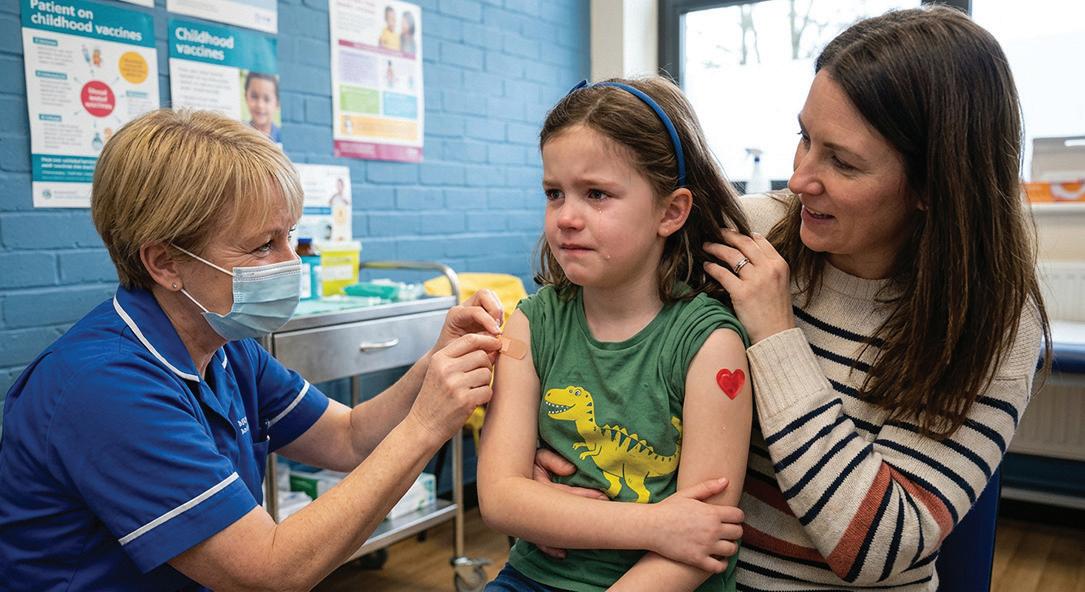
Yes! All students must have an Immunization Certificate (Georgia Form 3231) on file with their school as proof they are up-to-date on immunizations as required by Georgia law for school attendance.
Vaccines required under Georgia Law (Official Code of Georgia, Annotated, Section 202-771, Section 49-4-182 and Section 49-4-183) and the Georgia Department of Public Health (Rules of the Department of Public Health, Chapter 511-2-2) are designed to protect students, their families, and our communities from vaccine-preventable diseases. These requirements must be met when a child enters daycare, Pre-K, and kindergarten through 12th grade in any public or private educational program or institution.
Vaccines by Age
Upon starting Pre-K or a childcare facility, parents or legal guardians must present an up-to-date Georgia Form 3231. This document shows the child has received all the age appropriate immunizations according to guidance found in Georgia law and the Rules of the Department of Public Health.
By kindergarten, a child should have completed all immunizations for vaccine-preventable diseases. These include all required doses of diphtheria, pertussis, and tetanus; hepatitis A; hepatitis B; hib; pneumococcal; polio; measles, mumps, rubella; and varicella (chickenpox) vaccines. Many children complete these by their 4-year-old well-child visit. Then before entering 7th grade, a child will need: a tetanus, diphtheria and pertussis, and
a meningococcal vaccine. There are further requirements before a child enters 7th grade and 11th grade. Upon reaching age 16 or before entering 11th grade, students need a meningococcal booster dose.
One more reminder
In addition to the Georgia State school-required vaccines, there are recommended immunizations based on a child’s age or risk factors. These include the meningococcal B, COVID-19, and influenza vaccines. Importantly, the human papillomavirus (HPV) vaccine, protects against over 90% of cancers caused by HPV. The vaccine helps prevent cervical cancer in women and some oral cancers, and is recommended for boys and girls ages 9-12, before they become sexually active. All of these vaccines may be given at the same time or at a separate appointment if requested.
The American Academy of Pediatrics (AAP) recommends vaccines based on when healthy children’s immune systems are appropriately developed and before they are likely to get exposed to the disease. A current, evidence-based family friendly immunization schedule broken down by birth-6 years and 7-18 years is available at the AAP’s healthychildren.org website.
New to Georgia?
If you have moved to Georgia from another state, your child may require additional immunizations that were not required in your previous state. Your child’s immunization record will be assessed, and any needed vaccines will be administered to help your child comply with Georgia‘s school requirements. Anyone transferring from outside the state must bring proof of their immunizations to their Georgia healthcare provider for the information transfer onto a Georgia Form 3231. School vaccine forms from other states are not accepted but they can be a useful reference for the provider when completing Form 3231.
Start the school year stress-free!
Contact us early! From late July through early September, our health departments experience our busiest time of year – what we call “School-Rush.” Seeing us early helps you:
• Ensure your child meets deadlines
• Allow time for any additional required vaccine doses
• Have a streamlined visit
What to bring
• The child’s most current immunization record
• Any forms provided by the school
• Insurance card (if applicable)
In most instances, health department staff will review your child’s record, update the State’s immunization online registry, administer any needed vaccines, and provide a completed Georgia Form 3231 all in the same day! Call the health department for days, hours, and times for these services. Find all of the District’s local health department locations and contact info at ecphd.com, including Richmond County’s two health departments at Laney-Walker Blvd. and Windsor Spring Road.
More Americans have died on US roads since 200 0 than in World Wars I & II combined
o borrow a pop culture phrase from a few years back and appropriate it for our purposes, Seat Belts Matter. And they matter much more than most of us realize.
Sure, back in the earliest days of seat belts they were little more than plain, garden variety straps. But seat belts have gotten far more sophisticated than early automotive engineers could have ever imagined.
{ SBM
Belts in newer vehicles are engineered to work in coordination with airbags to manage and control the forces at play during a collision. Although seat belts permit free movement in normal driving conditions, within nanoseconds of the start of an impending crash — that’s right, even before the crash, triggered by hard braking — embedded devices called crash tensioners lock down, keeping occupants securely in place. But those tensioners are tempered and cushioned by other devices called force limiters. They permit some belt webbing to spool out (with micro-seconds) to help soften the impact and prevent, in particular, chest injuries.
Despite the technological advances and refinements, seat belts are still doing the same basic job they were originally designed to do: make occupants part of the wreckage. As crazy as that sounds, it’s true.
Without seat belts, people in a crashing vehicle suffer multiple collisions with potentially deadly results.
Let’s say a car leaves the road at 60 mph and hits a tree. Car versus tree is collision #1. The car may come to a sudden and violent stop, but the unbelted passenger(s) continue traveling forward at 60 mph for a split second more until collision #2 occurs as they slam into the steering wheel, the dashboard, the windshield, or perhaps they leave the vehicle and hit the same tree the car did. Then collision #3 occurs when internal organs inside the body that have been along for the same 60 mph ride slam forward. The heart plows into the sternum; the brain bangs against the inside of the skull, and so on.
Seat belts prevent all of that. Cars are designed with so-called crumple zones that absorb and cushion the impact of a crash, in effect slowing down the jolt from sixty to
zero. Even without deliberately-created crumple zones, the laws of physics are unavoidably in play as fenders and other structural components collapse in sequence, soaking up kinetic energy and imperceptibly slowing down the crash. And as we have already established, seat belts further help to cushion the blows. In effect, a belted occupant is part of the structure of the vehicle, not a loose pinball ricocheting around a violent and chaotic scene.
One of the variables in the mix on this topic occurs when some people in a vehicle are belted in and others aren’t. One of the relevant statistics on that scenario: in a frontal crash, an unbelted back seat passenger sitting behind a belted driver raises the risk of death for the driver by 137 percent (as compared to both wearing seat belts).
Seat belts are one of the true success stories in the quest to make driving safer and collisions more survivable. In 1983, roadside studies of observed seat belt use showed a mere 14 percent of front seat occupants used their belts. These days that number is well over 90 percent.
The Insurance Institute for Highway Safety, the source of the statistics we’ve just been quoting, conducted a national telephone survey about ten years ago to determine the top reasons why people don’t wear seat belts. For people who said they use belts some but not all of the time, the top reasons were driving only a short distance, forgetfulness, and discomfort. Among respondents who said they never use seat belts, the top reasons were discomfort, the belief that they aren’t necessary, and a dislike of being told what to do.
Let us all hope that no reader of this column would ever make such a statement. That sounds like a description of someone suffering from the Terrible Twos, not an adult. If a person makes such a statement in all seriousness, imagine how they feel about stop signs, red lights, speed limits, and lane markings. How could they even hold down a job?
Of course, people who don’t wear seat belts run the very real risk that, sooner or later, they won’t have to worry about anyone telling them what to do.
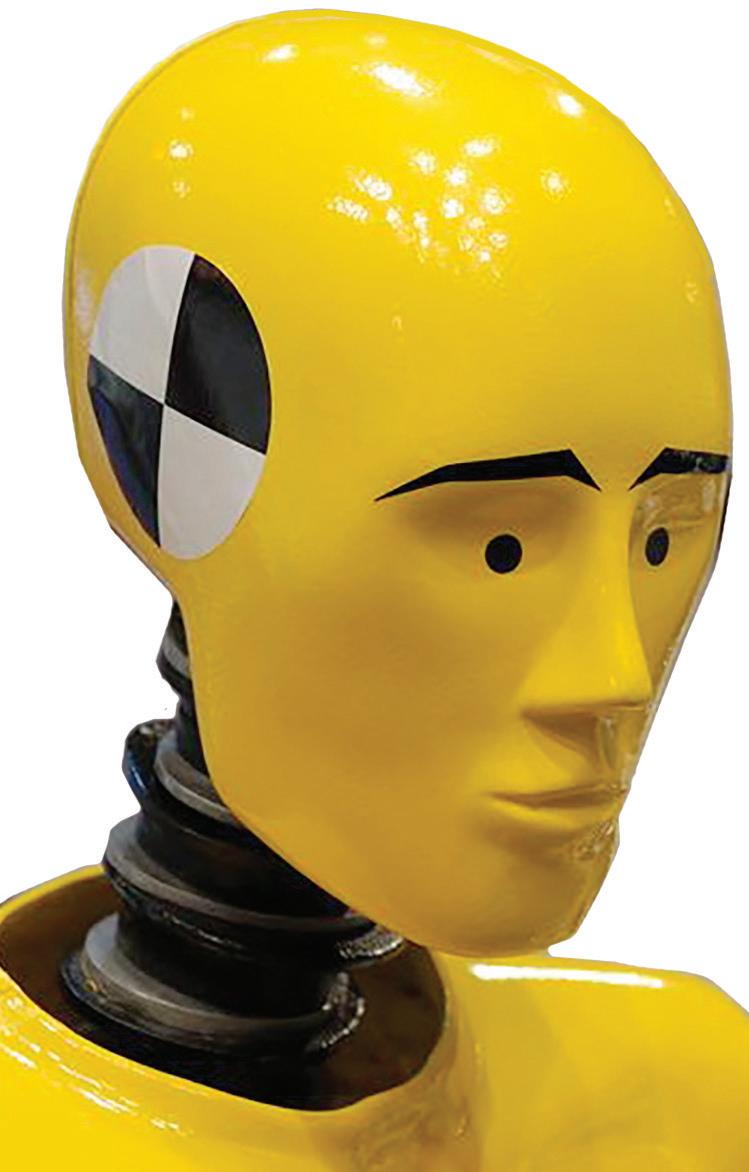
Write your most appropriate, clever, or funny caption to the photo shown for a chance to maybe win whatever cool swag we decide to give away someday. Email your entry to Dan@AugustaRx.com (Multiple entries ok)
DEADLINE TO ENTER: 5:00 PM FRIDAY, JULY 10, 2026
POW! OW!... from page 1
young children to play with or ignite fireworks, including sparklers. Sparklers can reach temperatures over 2,000°F and cause serious burns. Consider safer alternatives like glowsticks, popping streamers, or confetti.
• Choose a Safe Location: Use fireworks outdoors in a clear, open area away from homes, vehicles, dry grass, trees, and other flammable materials.
• Dispose of Fireworks Properly: Soak used fireworks in water and place them in a metal trash can, away from buildings and anything that can burn.
• Follow Manufacturer Instructions: Always read and follow the instructions provided by the manufacturer.
• Monitor for Fire Hazards: Watch for smoldering debris or embers after fireworks have been extinguished, as they can reignite and cause fires.
• Never Relight Malfunctioning Fireworks: Do not pick up or try to relight fireworks that haven’t ignited fully—they can go off unexpectedly and cause injury.
• Check Local Laws: Know your local fireworks regulations. If your area is experiencing drought conditions, do not use fireworks or sparklers, as they can easily start fires.
• Be Prepared: Keep a bucket of water, garden hose, or fire extinguisher nearby in case of fire or malfunction.
• Protect Your Hearing: Fireworks can exceed 150 decibels and cause immediate hearing damage. Take steps to protect your ears.
• Notify Neighbors: Let neighbors—especially those with young children, elderly family members, or pets— know before using fireworks.
Let’s work together to keep our communities safe while celebrating this historic summer. Share these tips widely and encourage responsible fireworks use.
For more information, visit the U.S. Fire Administration website.
HEAD CASECHRONICLES
Confessions of a Semi‑Stable Human
I’ve been thinking, which is always a dangerous way for me to start a sentence.
I used to have this...let’s call it a “mental survival kit.” I’d tell people: “I love humanity. I really do. It’s just the people I have a problem with.”
It felt sophisticated. It gave me permission to be a “humanist”while secretly wanting to throw a toaster at the guy who cuts me off in traffic without using a blinker.
We’ve all been there. You’re at the grocery store. You see someone being...let’s call it
performatively difficult.
You know the type. They aren’t just unhappy; they want to make sure the cashier, the bagger, and everyone in Line 4 is also unhappy.
And in that moment, you don’t see a “neighbor.” You see a glitch. An obstacle. A reason to lose faith in the whole species.
Take my situation.
I have A.D.D. Diagnosed, documented, verified by people with clipboards and expensive diplomas.
I take Adderall.
Now, Adderall doesn’t make me a superhero. It just makes me...equal.
Before the meds, my brain was like a browser with forty-seven tabs open, three of them playing music I didn’t choose, and one of them screaming at me to update a printer driver.
Now? I can finish a thought. A sentence, Sometimes even a paragraph.
But because this tiny orange pill has “street value,” the system treats me like I’m running a pharmaceutical crime ring.
I can’t just have an auto-renew. No. Every month, I have to call my doctor’s office like I’m checking in with a parole officer:
“Hello, yes. Still me. Still not a kingpin. Still just trying to answer emails without falling apart.:
Today was classic. Doctor says, “We sent it.” Great. So I went to the pharmacy. Pharmacy says, “We don’t see it.” Then comes the keyboard clicking. The clicking that says: “I have no idea what’s happening, but I want you to think I do.”
Then the pharmacist looks at me. And it’s The Look. The look that says, “Ohhh, this guy.” Like I’m wearing a trench coat lined with orange bottles, whispering, “Psst...hey kid... you want some executive function?”
After a suitable amount of keyboard clicking she tells me it’s three hundred and eightyfour dollars.
I tell her GoodRx says thirty-eight. She clicks some more and says, “We’ll call you when it’s ready. We’re about to close for lunch.”
I realized in that moment... I’m just a man who needs Adderall to deal with the stress of getting Adderall.
And that’s when the “I love humanity but hate people” thing kicks in.
I love the science that created the pill. I just don’t love the person behind the counter looking at me like I’m the lead character in Breaking Bad just because I want to be able to focus on a conversation.
I spent years thinking there was a “Me”... and then there was “Them.” The sensible people... and the ones who name their sardines before they eat them.
But then I ran into something. A bit of math. A bit of biological reality that made my “I love humanity but hate people” philosophy look, well, a bit silly.
It turns out, that “distance” I was keeping fro everybody else? It doesn’t actually exist. Once you see the math... you can’t un-see the person that you wanted to disappear before. I’ll explain next time.
In the meantime, stay decent. If you can.
and https://rules.sos.state.ga.us/gac/511-2-2.
About the author: Heather Beattie, RN BSN is the Program Coordinator/Immunizations at the East Central Health District, Georgia Department of Public Health. The “What is Public Health?” Series is authored by public health experts at the Georgia Department of Public Health, East Central Health District (ECHD) with administrative offices in Augusta, GA. Learn more about the ECHD at our website: https://ecphd. com
Examiners
I think that girlfriend of yours is inappropriate.
Why would you say that? You’ve never even met her. She’s way too young for you.
PUZZLE
ACROSS
1. Inflammatory start
5. Drop prefix?
8. Duration
12. Dregs
13. Swelling
15. Medical district avenue
16. Ancient false god
17. Soviet forced-labor camp
18. Lakeby Cleveland
19. Put in order
21. Flower secretion
23. Bethesda agcy.
24. Meter prefix
25. Lollygag
28. Eradicates (with “out”)
31. Obamacare acronym
32. Bird description?
35. Oozes
37. Silent
39. Prepare a jet for winter takeoff
41. Finger follower
42. Tubular support for a vein
44. First prime minister of India
46. Healthcare wrkr.
47. List of mistakes
49. “We Will Rock You” is one
51. Type of hygiene
52. Title of a knight
53. Augusta’s famous Dub
56. Warns
61. Monetary unit of Iran
62. Love in Paris
64. Bow
65. Eric of Spamalot
66. Low-grade sandstone
67. Molten rock
68. Reward (archaic)
69. Covenant container
70. Dash; flair
by Dan Pearson
You said she’s Gen Z. That means she could still be in her 20s. Whatever gave you that idea?
What? That’s hername.Her name is Jen Zee .
CAPTION THIS
Check out our new reader contest on p. 10 Write your most appropriate, clever, or funny caption to the photo shown for a chance to win whatever cool swag we eventually decide to give away! Email your entry to Dan@AugustaRx.com
DEADLINE TO ENTER: 5:00 PM FRIDAY, JULY 10, 2026 Have fun!
Sin City star
Type of beer
3. Rip 4. Beech follower
5. Castrate
6. Kill Bill star
7. Type of school
8. Sample for testing
9. Savannah is one
10. Capital of Western Samoa
11. Never (in poems)
13. Brainiac
14. Owing
20. It goes through Sudan
22. Epochs
24. ______ ward
25. Hoover and others
26. Severe/sudden
27. Held by 25-Ds
29. Orchard starter
30. Chilling introduction
33. Kidney-related
34. Recline
36. Grand add-on
38. Registered
40. Removal
43. Pacific diet staple
45. Component
48. Gilbert Islands atoll (and capital of Kiribati)
50. Crown adjective
53. Cut to required size
54. Helper
55. Bulldog’s school
56. Prepare a gun for firing
57. Diving bird
58. First name of a Tulsa university
59. Car model produced until 1988
60. Variety of dive
63. Disfigure
DIRECTIONS: Every line, vertical and horizontal, and all nine 9-square boxes must each contain the numbers 1 though 9. Solution on page 14.
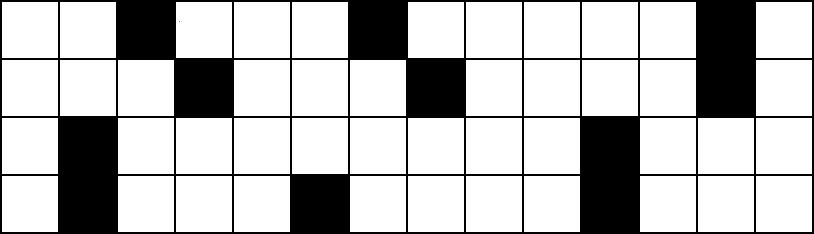
DIRECTIONS: Recreate a timeless nugget of wisdom by using the letters in each vertical column to fill the boxes above them. Once any letter is used, cross it out in the lower half of the puzzle. Letters may be used only once. Black squares indicate spaces between words, and words may extend onto a second line.
on page 14.
with minimal
listed. A sample is shown. Solution on page 14
ATHEBESTMEDICINE
ha... ha...
drunk man comes home late. His wife greets him at the door and angrily asks, “Are you drunk again?!”
The man shakes his head. “Nope.”
“Okay then, prove it. See that clock over there? Can you tell the time?”
“Of course I can,” says the man. He turns toward the clock and screams, “I am not drunk!”
Moe: I saw on the news that it’s super-hot in Europe right now.
Joe: That makes sense: their fans are all over here for the World Cup.
Moe: World Cup fans from Scotland have absolutely taken over Boston!
Joe: Tell me about it! I was there last week and I asked a guy — and this was a guy born and raised in Boston, ok? — so I asked him what time it was. He said ‘4 O’Clock!”
Why
Moe: I’ve really been digging old school music lately.
Joe: How old school? Like Madonna old?
Moe: No, I mean like Bing Crosby old.
Joe: He was definitely huge back in the day. But can you imagine how popular he would have been if he’d been named Google Crosby?
Moe: Yo mama is so fat...
Joe: Whoa, whoa, whoa. Let me stop you right there. I find “yo mama” jokes to be highly offensive.
Moe: I apologize.
Joe: Thank you.
Moe: Your mother is so fat...
Joe: There you go...much better.
Moe: ...that she’s a 4-chin teller.
Moe: Why is it impossible to hear a pterodactyl going to the bathroom?
Joe: Because they’re extinct.
Moe: What do you call a mouse that cusses a lot?
Joe: A cursor.
Moe: Why did the chicken cross the road?
Joe: To show the possum that it could be done.
Moe: Know any good elevator jokes?
Advice Doctor
Dear Advice Doctor, I was at a convention a couple weeks ago, around literally thousands of people, with no problems. I took the next week off from work, so I mostly stayed home and was hardly around anyone. And that’s when I caught a bug! Can you explain that? — Not Making Sense
Dear Not,
Not Making Sense? Now that makes sense. You can’t catch just one bug! I mean, you can, but that’s like mowing one blade of grass. The job is far from done. You need to catch more. Way more!
As I’m sure you know, nobody has just one bug. Insects and other home invaders don’t even come in pairs; they come in the thousands. For every one you see, there are usually hundreds more.
But here is the important point to remember: even if you have a million invaders — mice, roaches, flies, mosquitoes, termites, bed bugs, whatever — getting rid of them is well worth the effort. Notice I didn’t say expense. That’s because there is no comparison between the modest cost of pest control versus the huge cost of pests. (And as for being worth the effort, your pest control service handles that.)
Joe: As a matter of fact, I do. I happen to know 13, but I tell everybody I know 14.
subscribe to the MEDICALEXAMINER?
Because try as they might, no one can stare at their phone all day.
Staring at my phone all day has certainly had no effect on ME!
By popular demand we’re making at-cost subscriptions available for the convenience of our readers. If you live beyond the Aiken-Augusta area, or miss issues between doctor’s appointments — don’t you hate it when that happens? — we’ll command your mail carrier to bring every issue to your house!
NAME
ADDRESS
CITY STATE ZIP
Choose six months for $26 ____ or one year for $48 . Mail this completed form with payment to Augusta Medical Examiner, PO Box 397, Augusta GA 30903- 0397
Think about it: flies alone can carry 100 pathogens, including E. coli and Salmonella. Cockroaches are one of the most significant sources of indoor allergens. Their droppings, shed skin, and saliva cause terrible indoor air quality. As they proliferate — mostly unseen — the situation becomes more and more that we are living in their home instead of them living in ours. When that happens, we’re breathing more and more cockroach allergens, and that causes asthma attacks and allergic reactions, especially in children.
Having intruders of various kinds — flies, ants, roaches, rodents — also means a higher risk of contaminated food and food prep surfaces in the kitchen. That can mean a greater risk of gastrointestinal illnesses.
In some households, the frequent appearance of those individual bugs you referred to means frequent squirts of pesticides. Putting out little fires doesn’t really solve the problem, and the cumulative effect of all those individual sprays is a greater exposure to chemicals than what a pest control service would cause.
People who get rid of their bug infestations report less stress, better sleep, and better overall health. Go for it!
Thanks for writing. I hope I answered your question.
Do you have a question for The Advice Doctor about life, love, personal relationships, career, raising children, or any other important topic? Send it to News@AugustaRx.com. Replies will be provided only in the Examiner.
•
•
•
WORDS
NUMBER
PROFESSIONAL DIRECTORY
ACUPUNCTURE
Dr. Eric Sherrell, DACM, LAC Augusta Acupuncture Clinic 4141 Columbia Road 706-888-0707 www.AcuClinicGA.com
CHIROPRACTIC
Evans Chiropractic Health Center
Dr. William M. Rice 108 SRP Drive, Suite A 706-860-4001 www.evanschiro.net
DERMATOLOGY
Parks Pharmacy 437 Georgia Ave. N. Augusta 29841 803-279-7450 www.parkspharmacy.com PHARMACY DENTISTRY
Jason H. Lee, DMD 116 Davis Road Augusta 30907
706-860-4048 Floss ‘em or lose ‘em!
DEVELOPMENTAL PEDIATRICS
Karen L. Carter, MD 1303 D’Antignac St, Suite 2100 Augusta 30901
Georgia Dermatology & Skin Cancer Center 2283 Wrightsboro Rd. (at Johns Road) Augusta 30904 706-733-3373 www.GaDerm.com Steppingstones to Recovery 2610 Commons Blvd. Augusta 30909 706-733-1935
Home Care Personal Care|Skilled Nursing|Companion 706-426-5967 www.zenahomecare.com
SMELL
... from page 1
About that emotional aspect first... smell is the only one of our senses that scientists describe as having a direct connection to our emotions. That’s because, unlike other senses that are routed through the thalamus, the brain’s “air traffic control tower,” smell signals go straight to the amygdala, the portion of the brain that controls our emotions, and the hippocampus, a memory storehouse. That’s why the barest whiff of something can may us cry, or can launch — with cinematic clarity — a childhood memory that hadn’t surfaced for decades.
From a neurological perspective, smell leaves the other senses in its dust. Vision uses four receptor types (3 cone varieties and 1 rod); taste uses 5 basic receptor types; hearing one, touch - appropriately enough - a handful. Our sense of smell employs some four hundred different receptor types, each tuned to different molecular feature. Yet every odor, complex creatures that they are, activates multiple receptors simultaneously. The aroma of coffee, for instance, activates around 50 receptors; a rose, about 30.
To put that in different words, when the smell of brewing coffee hits our nose, receptors completely unpack it, separately identifying all 50 individual elements that combine to create the aroma we know as fresh coffee, then reassemble it all as a single signal labeled “coffee” to send to the amygdala. It all takes place instantaneously and without any conscious effort on our part.
Imagine if you glanced at an image and saw a bland composition of simple pastels. But because the image
was interesting, you decided to take a closer look, and when you did the colors in the picture became deeper, richer, more nuanced. As crazy as that sounds, it’s exactly what happens when we just quickly sniff something versus deeply inhaling. The latter generates a fuller, richer picture of the scent. No other sense we have has a built-in accelerator that we can activate at will.
The brain uses smell as a tool to help us predict taste, danger, and safety. As a forecasting engine, it helps us avoid eating or drinking something dangerous or deadly, like spoiled food or a chemical that looks exactly like water. Incidentally, olfactory neurons only live 30 to 60 days, meaning that the system must constantly re-learn odor patterns: the sensors that raised a red flag about something 90 days ago are long gone today.
People who study smell describe it as a multi-system network that involves multiple body systems: limbic, autonomic, cortical, emotions, and memory.
The sense of smell is always astounding, no matter whose sense you’re investigating. Dogs, for instance, can detect odors at concentrations as low as one part per trillion, which one source compared to a single drop of liquid in... did you think the next words were going to be “an Olympic-sized swimming pool”? No. The actual comparison given was one drop in twenty Olympic-sized pools. To notice the same odor, human noses would need a teaspoon of the substance in a standard bathtub.
We seem to do just fine, however, even though we
only have about 5 centimeters of real estate devoted to our 400 types of scent receptors. By comparison, a bloodhound has up to 170 cm to accommodate its 800 to 1,200 scent receptors. Elephants have 2,000, the largest quantity known in any animal.
Our sense of smell is perhaps the most under-appreciated of the five, ranking at or near the top of hypothetical surveys where people are asked, “If you had to lose one of the five senses...”
Scientists say the limbic system uses smell to regulate and control stress, fear, bonding, appetite, motivation, and our internal reward system.
Those findings explain why the loss of the ability to smell is associated with depression, anxiety, appetite changes, reduced libido, emotional distancing, and other mood disorders. It is a crucially important ability.
Earlier this year, scientists had a major breakthrough in smell research. It has always been believed that are smell receptors are randomly distributed, but Harvard researchers proved the opposite, that smell receptors are arranged in precise horizontal rows based on receptor types, and the nose smell “map” mirrors the olfactory bulb of the brain.
It might seem like an arcane point — sure, maybe it’s interesting, but what use is it? — but researchers believe understanding the mechanics of the system is fundamental to being able to restore smell in patients who lose this vital ability.
Entire books are available on this topic if you’d like to learn more. Next time: a profile of another one of our precious senses. In the meantime, smell you later!