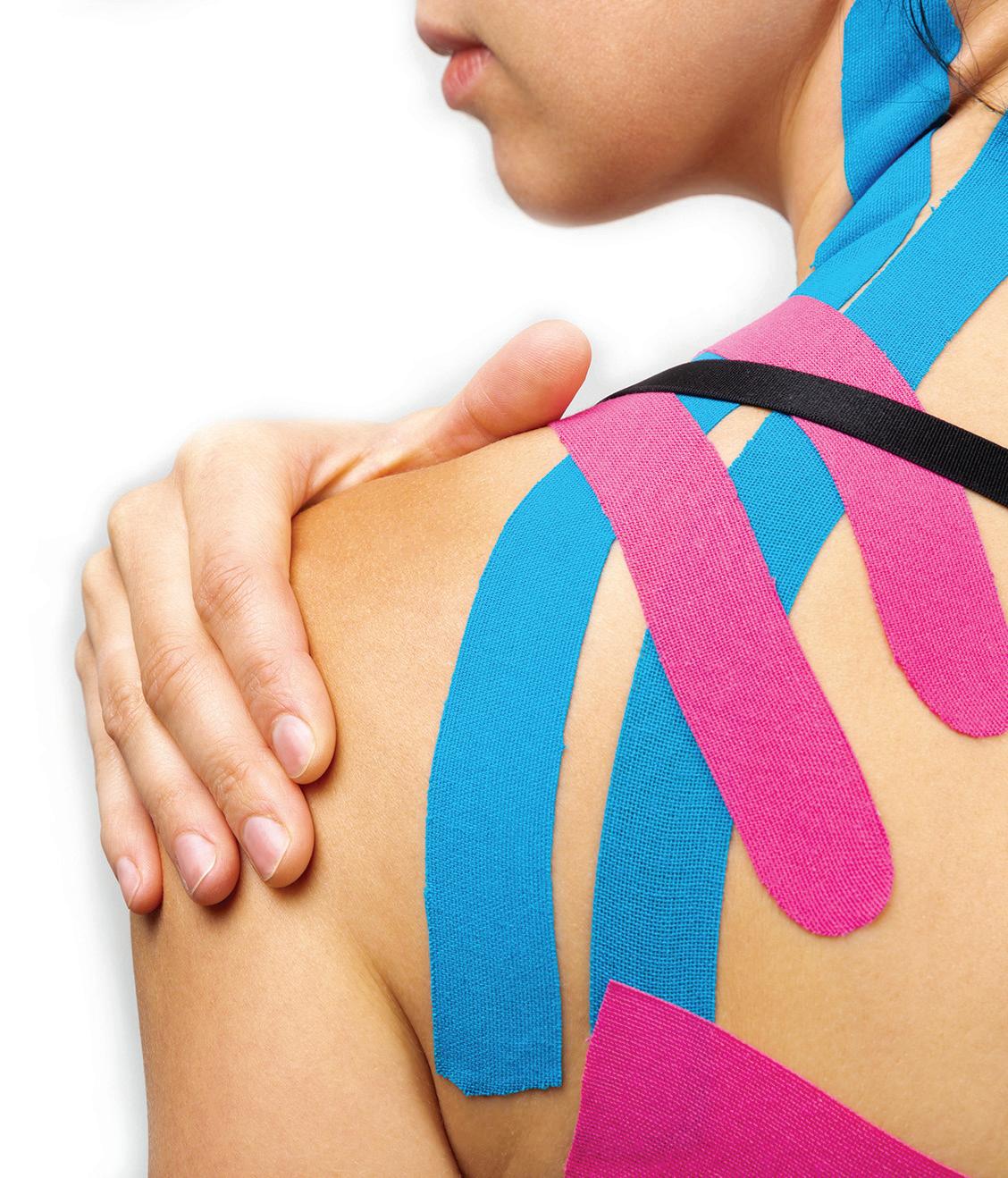
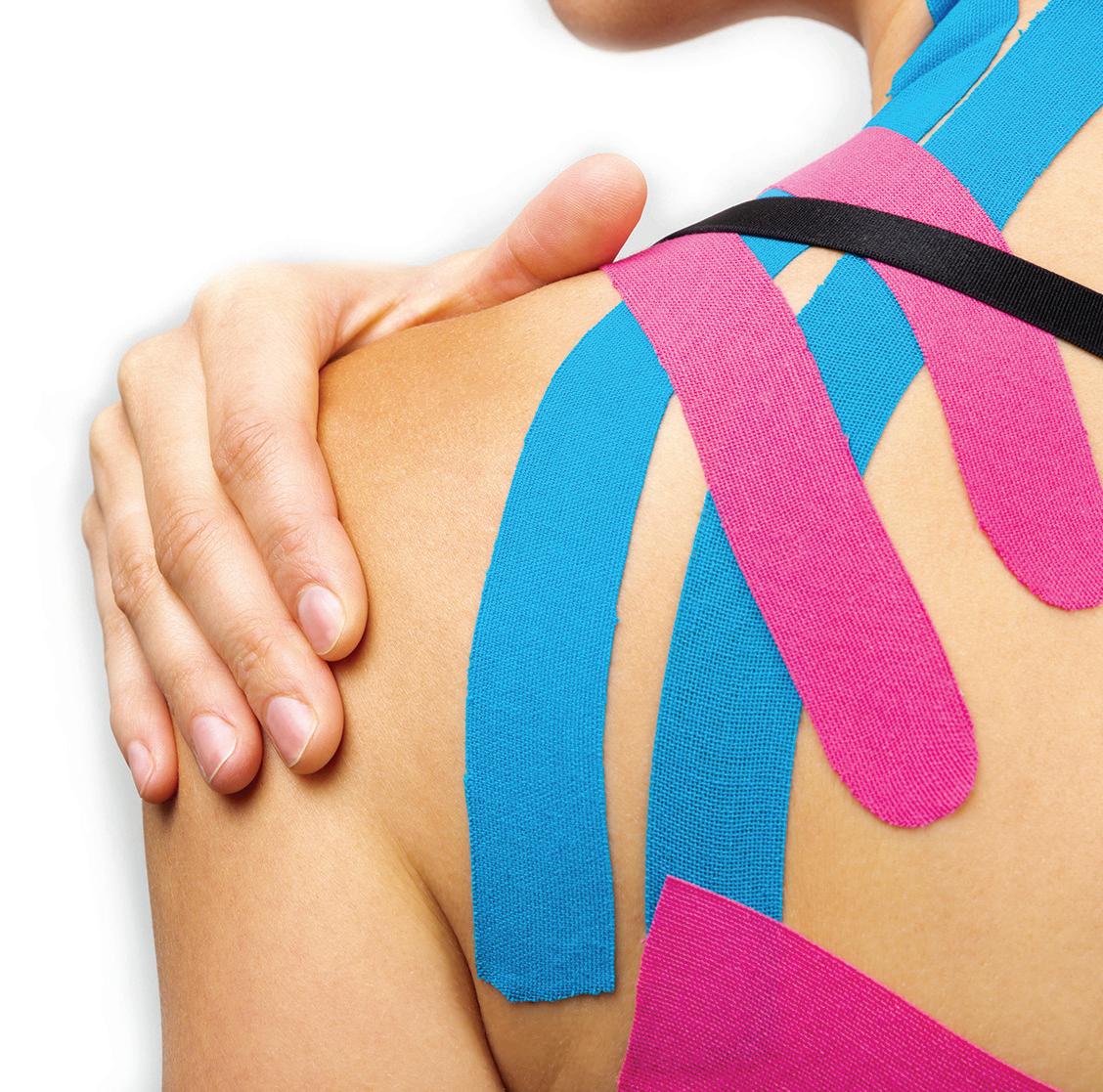
With the summer Olympics in Paris kicking off, spectators around the world will no doubt be seeing the usual parade of athletes in numerous sports who are taped up in unusual ways. Women’s beach volleyball, since it features some of the skimpiest attire in sports, may be where taped athletes are most
What is the stuff? How does it work? Can you and I use it to improve our games and workouts?
Some people refer to it as KT, which is short for kinesio tape. It was invented in the 1970s by Kenzo Kase, a chiropractor trained in Chicago who has practiced in the US and Japan. In fact, the first use of KT in the athletic world was among sumo wrestlers. Dr. Kase marketed the tape as an effective way to support muscles, tendons, ligaments and joints, and in the process help prevent injuries. The tape is also purported to reduce pain by microscopically lifting skin away from pain sensors. The same lifting ability has been advertised as a way to help facilitate greater movement of lymphatic fluids that remove cellular debris and bacteria.
Kinesio tape made its first big splash at the 2008 Beijing Summer Olympics when thousands of rolls were donated to Olympians from all over the world. Many have specifically attributed the tape’s mass popularity to beach volleyball players Misty May and Kerri Walsh. Their dual exposure — hundreds of championships and massive amounts of exposed skin — was a perfect vehicle for publicizing kinesio tape.
Significantly, however, one science writer observed that he had never seen “a single athlete, pro beach volleyball players in cluded, wear Kinesio Tape outside of the Olympics.” His conclu sion was that sponsorship dollars were the sole reason for the popularity of kinesio tape, especially during televised events. Indeed, the scientific evidence supporting the claims made by k-tape makers is somewhere between slim and non-existent. One study found that the “physiological mechanisms by which [the tape] is presumed to work remain hypothetical, and we can only speculate what they might be.” Tape makers counter that sci ence just hasn’t caught up with the reality experienced by athletes the world over — but eventually it will.
That remains to be seen, but even if KT is pure placebo (as most studies seem to conclude), that could be more than enough to convince many to use it. Success in sports is at times as much mental as it is physical, and anything that can offer even the slight est edge might be worth using. That’s particularly true in the context of the Olympics. In one recent qualifying track and field event, the difference between winning and not winning was two hundredths of a second.
The clinical evidence that kinesio tape does anything at all may be extremely scant, but could it be worth two hundredths of a second in placebo effect alone? It’s possible.
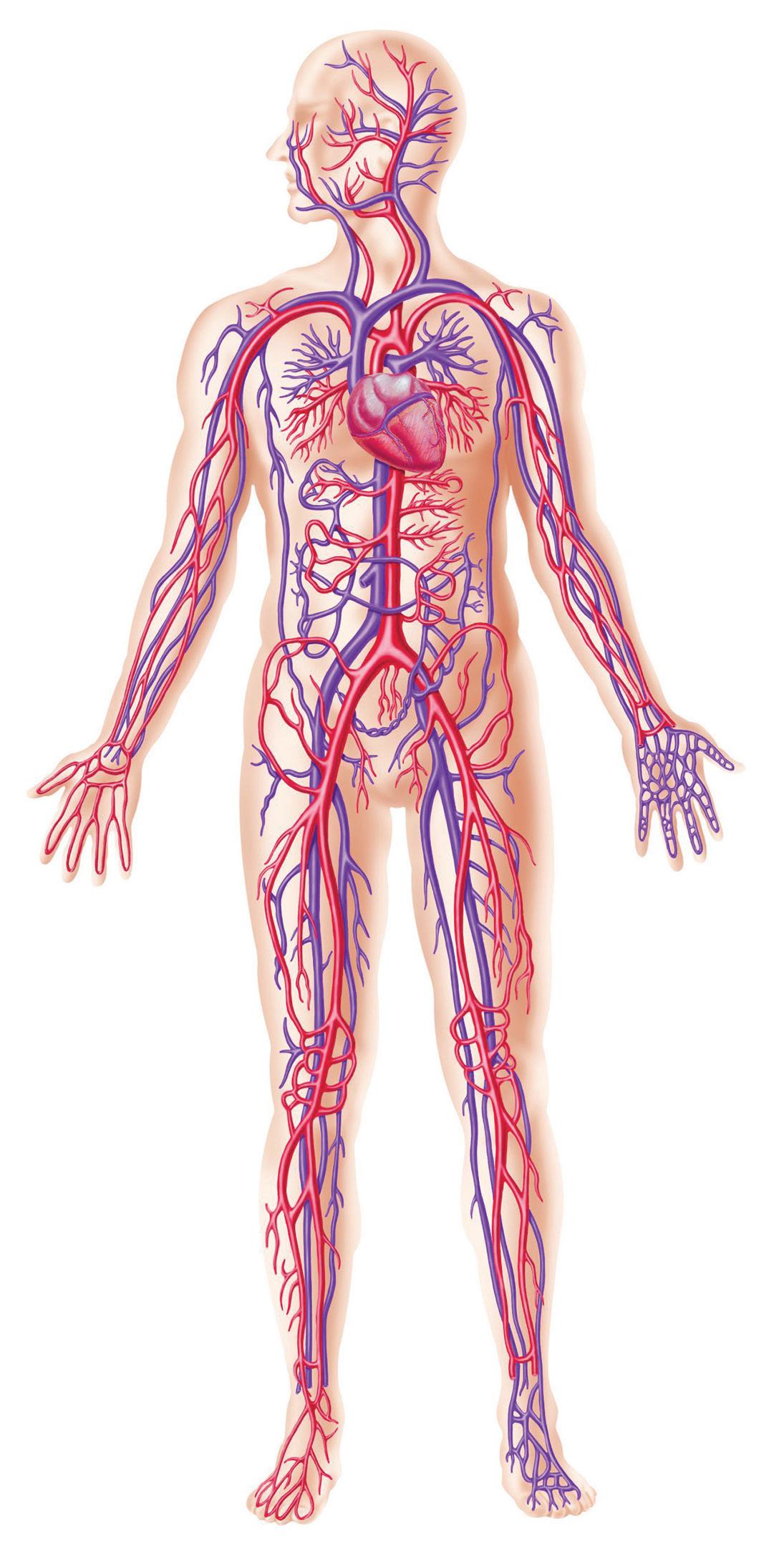
YOU’RE SO VEIN
SYMPTOMS THAT CAN INDICATE VENOUS DISEASE AND VARICOSE VEINS:
Bulging bluish or purple veins visible under the surface of your skin
Painful or achy legs that feel heavy
Muscle cramping in your legs, particularly at night
Itchy legs, especially on your lower legs and ankles
Burning or throbbing sensations in your legs
Swollen feet and ankles at the end of the day
PARENTHOOD
by Dr. Warren Umansky, PhD
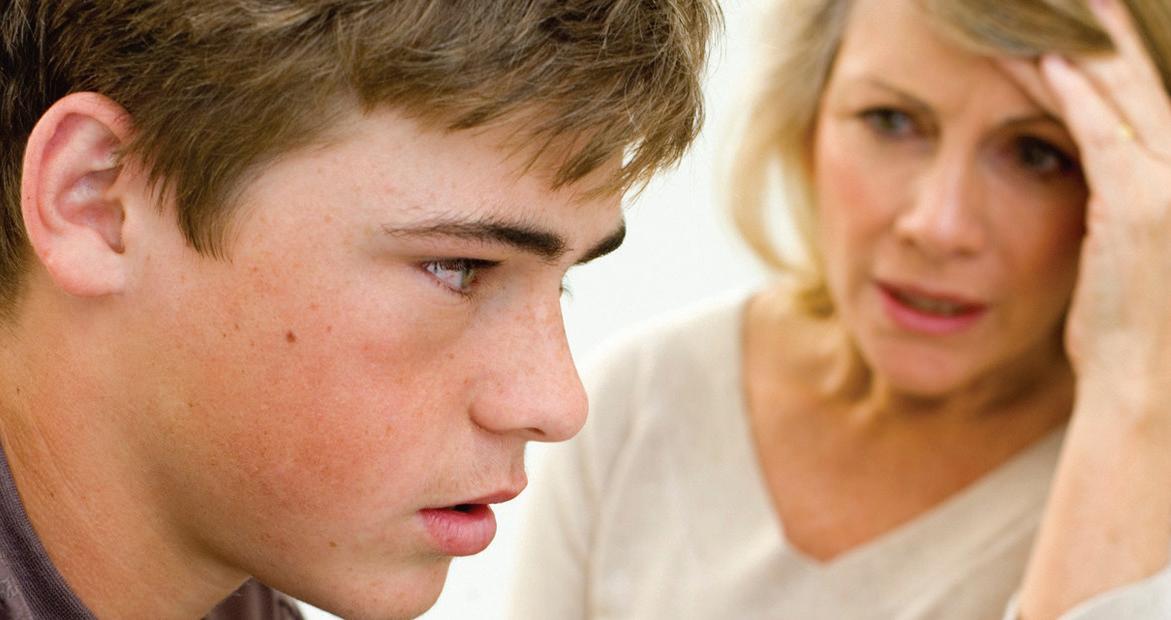
Your child listens to music and watches videos that have a lot of bad language and describe behaviors you don’t approve of. She’s a great kid and does well in school. What should you do?
A. Do nothing. This is normal for kids today.
B. Threaten to cut off her access to the music and videos if she continues to listen to and watch that trash.
C. Listen to the music and watch the videos with her and talk about it.
D. Join a Facebook group and ask for help from parents with the same problem.
If you answered:
A. This is close to a good response. Your parents probably didn’t approve of everything you watched or listened to. Based on your awareness of how your child spends her time, your concern about it, and your quest for what to do, you appear to have the right parenting skills. Vigilance is good and there may not be a need to interfere if she is doing well.
B. This is a harsh response to a child who is a great kid. You risk doing harm where there is none now.
C. This is the best response. Tell her that you respect her entertainment choices and value that she doesn’t act out on what she sees and hears. You’ve done well to nurture that. She may not always want an audience when she is enjoying her music and videos, but let her know that you are available and interested in what she does.
D. Self-help groups can be comforting, but often they also come with a lot of wrong advice. Be discriminating and be comfortable with the approach you choose.
When your child is successful, it most often indicates that you are a parent who is involved in your child’s life in a positive way and have provided good guidance and values. Enjoy that and let your child know that you appreciate her. Dr. Umansky has a child behavioral health practice in Augusta.
MEDICAL MYTHOLOGY
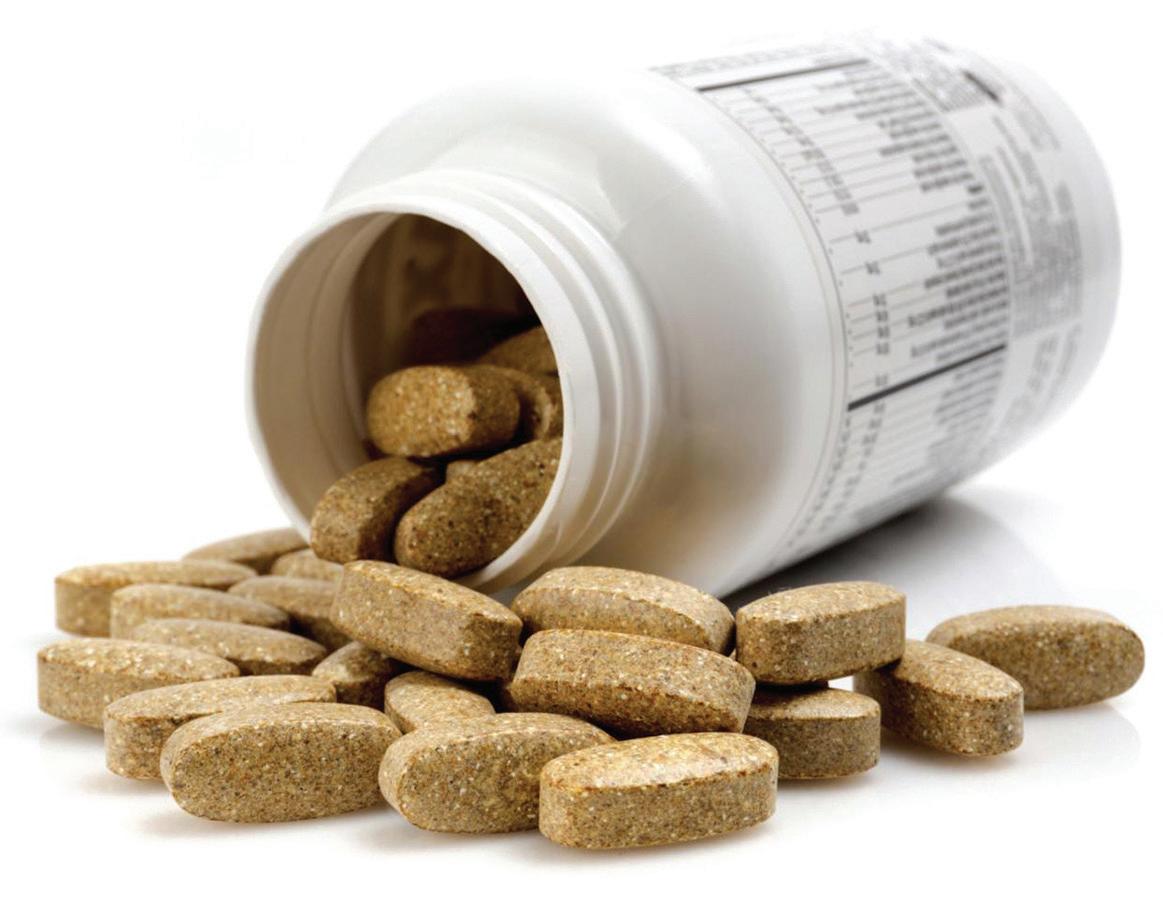
MULTIVITAMINS
Multivitamins (MV) are big business in America, accounting for billions of dollars in annual sales (from $12B to $50B depending on the source). It’s money well spent if they lengthen life and improve health and the quality of life.
And that is the as-much-as $50 billion question: do multivitamins improve health and lengthen life?
If they do, the clear evidence has not yet been found. Surprising? Probably. Simple logic would suggest that getting a well-balanced daily dose of important vitamins and minerals would be a positive thing.
It is actually the opposite.
This unexpected news comes from a study of nearly 400,000 Americans followed for more than 20 years that was published a few weeks ago in JAMA Network Open
Over the 20+ years of following the approximately 390,000 people in the study, there was actually a 4% higher death rate among daily multivitamin users compared to non-users.
What makes a figure like that almost shocking is the presumption that a person who takes a daily multivita-
min is someone who is making a conscious, deliberate and regular effort to enhance their health. If that assumption is true, it makes the higher death rate even more confounding. On the other hand, the study also acknowledged that other multivitamin users might take the supplements precisely because their health is not good. Those potentially skewing factors were mentioned by JAMA as a way of intro-
ducing methods researchers use to adjust their findings accordingly. In other words, if the typical MV user was a healthy, exercising non-smoker, and the typical non-MV user was an overweight, inactive chain-smoker, their vitamin use or non-use would be largely irrelevant. Researchers therefore have to make allowances for various factors to keep results focused on the precise subject under study.
It should be noted that the JAMA article referenced multiple studies, some of which showed slight benefits to regular multivitamin use, and some which did not.
This was the JAMA study’s concluding summary: “We did not find evidence to support improved longevity among healthy adults who regularly take multivitamins. However, we cannot preclude the possibility that daily MV use may be associated with other health outcomes related to aging.”
Not exactly a ringing endorsement, is it?
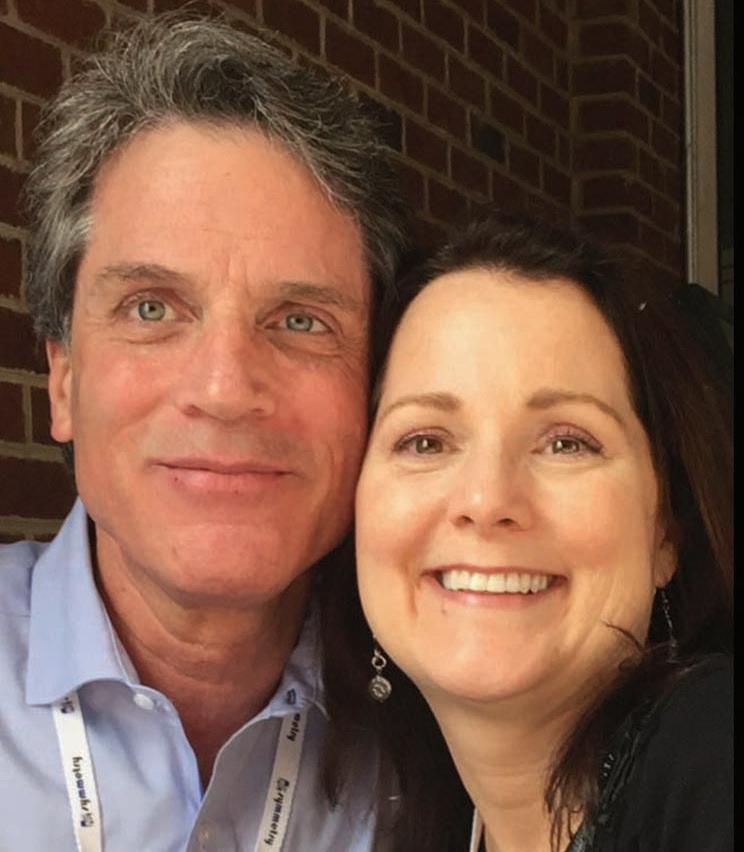
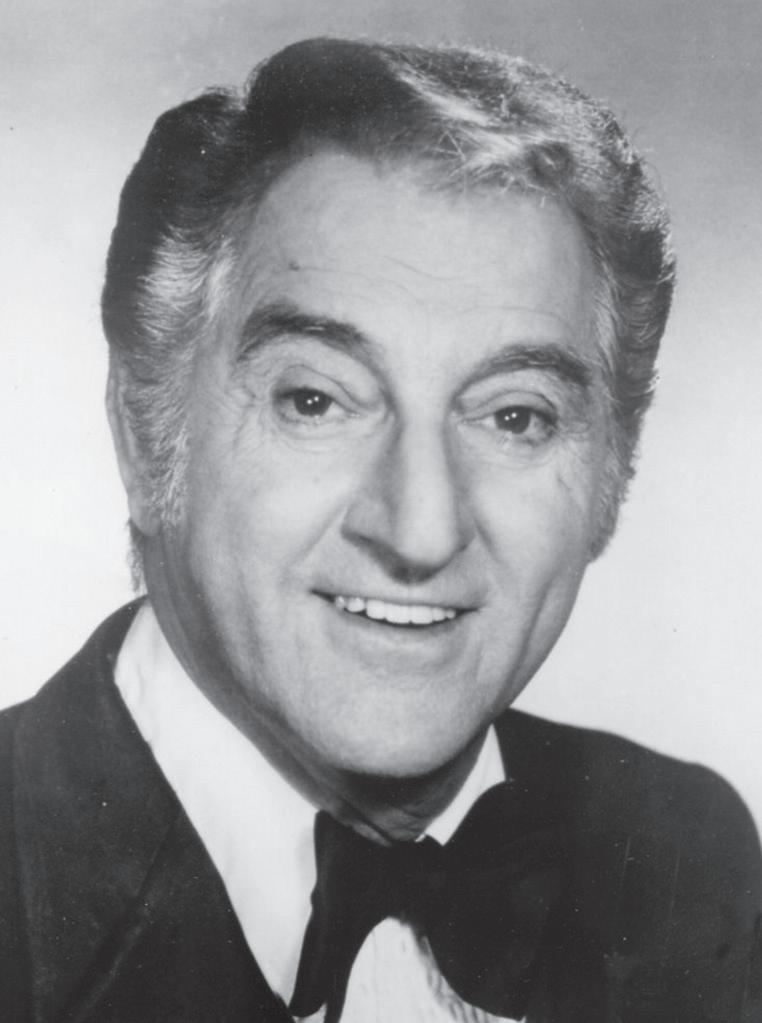
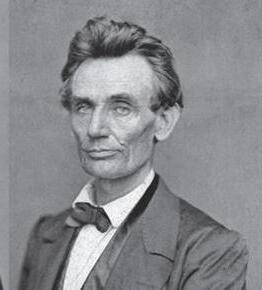
Who is this?
Many people will recognize this man instantly. He is, of course, Amos Muzyad Yakhoob Kairouz, born in Michigan to parents originally from Lebanon. Better known by his stage name, Danny Thomas (combining the first names of two of his brothers), he was a fixture on TV in the 1950s and 1960s, most notably Make Room for Daddy, later known as The Danny Thomas Show. Prior to that he starred in a handful of radio and big screen projects during the 1940s.
Later he became a successful television producer (with Sheldon Leonard and Aaron Spelling among his partners) of programs like The Dick Van Dyke Show, The Real McCoys, The Andy Griffith Show, and The Mod Squad, among others. He would seem, so far at least, to be an unlikely candidate for a profile in a medical publication. That aspect of his life story is an unusual one.
Long before his days in Hollywood, Thomas (sometimes performing then as Amos Jacobs) was a struggling comedian, living paycheck to paycheck in Detroit with his new wife. In 1937 when their first child (Marlo) was about to be born, as a devout Catholic he attended Mass and made a fervent prayer to St. Jude, the patron saint of desperate cases and lost causes. Along with his prayer he made an offering of seven dollars, vowing in prayer that if he (St. Jude) interceded for him he would build a shrine in his honor.
A week later he landed a gig that paid ten times what his offering had been.
Over the ensuing years, Thomas earned back that original offering times many millions, and never forgot the promise he made to St. Jude. Over time, specifics of the shrine began to come into focus with the help of priest Samuel Stritch, who confirmed Thomas in the Catholic Church when he was just 9 years old. Stritch was a lifelong spiritual advisor to Danny Thomas, and some years later as Archbishop of Chicago Samuel Cardinal Stritch, the two crafted the concept of a hospital for needy children. Stritch was a native of Tennessee who suggested Memphis as the hospital’s home.
True to his Lebanese heritage, Thomas in 1957 founded the American Lebanese Syrian Associated Charities (ALSAC), which raises and disburses funds for the hospital. In 2021, St. Jude received $2 billion in donations. The hospital recetly reported that its operating expenses average $1.7 million per day.
Dedicated in 1962 (at which time Thomas was 50), the nonprofit, non-sectarian hospital does not charge patients for care (although some cancer-related costs are not 100% covered). St. Jude has grown to a network of eight affiliated hospitals across the country, is the World Health Organization’s first collaborating partner in a program to increase pediatric cancer survival rates, was named the 2ndbest children’s cancer hospital in the U.S. in 2022, and can boast that one of its researchers, Peter C. Doherty, Ph.D., is a winner of the 1996 Nobel Prize in Medicine.
Not a bad legacy for a starving comedian from Detroit. +
THE NAKED TRUTH
IT AIN’T ALWAYS PLEASANT PART I
From the airport where I parked my plane, Wicca, a nurse and practicing witch, drove a lady friend and me to the end of a dirt road and then turned left into a dark and deep hardwood grove. There in the trees stood an old, secluded, unpainted, two-story house. Chickens roamed the yard. Several normal looking cars resting among the trees made me feel a little less dubious and anxious. No broomsticks in sight. So far, so good.
Friendly and jovial people sipped homemade wine and spoke lightly of past spells and secret cures. They gushed with the friendliness and confidence of those who knew the eternal secrets of the select. They did not do spells for broken bones or gunshot wounds to the head, just vital organs or functional things, like migraine headaches, dizziness, kidney problems, blood pressure, or menstrual cramps. Semi-intangibles. They reveled in love spells.
When the wine glasses were sufficiently empty, the meeting began. My friend and I waited outside the ceremonial room while the coven decided if we were proper induction material. Soon, Wicca ushered me into a bedroom and my lady friend disappeared into another room with a warlock.
Wicca lectured me on the fine points of my impending rebirth into witchdom by shedding my former worldly ways for the ways of the blessed.
Wicca directed me to shower with her. We made an odd couple. I was 6’2” and 186 pounds and by no means the perfect physique. And my scalp hair was thinner than I desired, but chest hair compensated. My father had explained my conflicting hair distribution: “Poor people had to grow their own sweaters.”
Wicca was 5’3” and about 150, carrying a lot of cargo on her upper deck where it counted most. Mother Nature had been kind to her. Long hair piled high in a bun was not what I had pictured as proper witch attire. Her toenails were painted black. She wore a pentagram necklace. Was the same thing happening in the adjoining room? I expected to hear a loud
BASED ON A TRUE STORY
(most of the time)
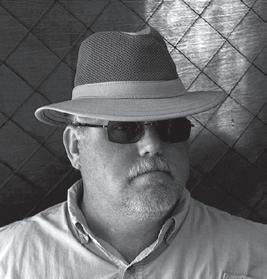
A series by Bad Billy Laveau
scream followed by a sharp slap any minute. It never came. Wicca had a powerful water heater. And lots of Dove soap. Maybe witchdom requires soft, moisturized skin. I questioned not. I was the neophyte; she, the teacher. We washed each other in important places. After all we were medical people and know how bathing should be done, professionally and otherwise. And in a near-scalding shower with a witch, you don’t argue mechanics.
What if the police raided us? There I would be, standing naked, dripping wet, saying I was taking a ritual shower with a naked witch as part of an induction ceremony into ancient witchdom. Not in a thousand years would the cops, my family, or anyone back home believe such a story. Nobody would go for the religious freedom defense.
Wicca applied ceremonial oil to my skin, explaining it invited good spirits. My olfactory senses were overcome with jasmine and lilac vapors, not to mention a few others probably known only to botany majors or Australian aborigines. Lord knows I didn’t want any bad spirits around. I wasn’t all that sure about the good spirits she kept talking about.
In earlier times, Wicca told me, after the ritual bath I would have been deposited naked in an open grave for the night and removed by the coven the next morning, a ritual that symbolized rebirth, similar to Christian baptism. (The ambient temperature of soil at 3 feet is about 58°. How could one avoid hypothermia naked all night in an open grave? One certainly would not want to enter witchdom in the dead of winter.)
In modern times, the grave is skipped, and the bath sufficed. I still shivered. Maybe it was anticipation, maybe fear.
I was given a handmade ceremonial robe required for new warlocks or witches during induction. Strange emblems abounded. It was well worn
and smelled of Lemon Tide. No traces of smoldering sulfur fumes there, thank goodness. Wicca said the High Priestess needs great energy for healing services, and the energy was collected by having sex with a warlock or warlockto-be just prior to the service. I feigned understanding the need for such an emotional high – and it was not that Wicca wasn’t appealing – but I had great doubt that any sane person would go for such a symbolic gesture for the good of witchdom. I suggested a symbolic kiss might do just as well. That met cool indifference. The kiss was of the Saharan variety, somewhat hot due to ambient temperature, but very dry. No saliva germs passed there.
My friend and her warlock met us in the hallway. Her straight-arrow gaze and taut jaw were not reassuring. (Her brain was surely preparing a blistering earful for me if we got out of there alive and sane.)
Dim candles flickered in the ceremonial room. 50-year-old walls had never been adulterated by paint. Hot wax with assorted fragrances clogged the air. Nothing smelled normal or familiar.
Several people sat in a circle and conversed in muted tones. I counted noses: 13. The altar stood at one side of the circle. Several weird and strange objects plus bones of questionable origin added mystic vibes. Surely all would end well if I displayed confidence and glided over the waves of despair like a man in control.
A ceremonial knife “cut the circle” so we could enter. Witches and warlocks with strange and ancient names welcomed us. My eyes adjusted to the dimness and revealed that only my friend and I were clothed. Wicca caught my startled reaction and whispered that we would remove our robes later in the ceremony. (That failed to lessen my tension and uneasiness. )
I could not look my friend in the eye, knowing she was intently preparing a scalding reprimand for later. Apparently at this point we were not worthy of standing naked in a crowded room full of strangers. That was about to change.
+
— To be continued...
Middle Age
BY J.B. COLLUM
Recently there has been a lot of discussion about dementia in the news, particularly within the realm of politics. I’m no expert so I am not going to weigh in on that, and I also don’t want to get involved in the politics of it, but overall I think this has contributed to a healthy national discussion about this topic. The more light we can shed on this subject, the better off we will all be. As someone who has been through the trials and tribulations of being a caregiver for a parent with dementia, Alzheimer’s to be exact, I feel some freedom to speak on the subject.
When we first start noticing signs of dementia in a loved one, we tend to play it down. Strangely, the easiest person to fool is ourselves. It’s even easier than fooling a fifth grader, if a TV game show’s results mean anything. We don’t want to believe it, and so our minds can trick us into denying it. This was the case for us with my father. We didn’t take away his keys to the car until after he had a horrifying accident that, to this day, I don’t know how he survived. Amazingly he didn’t even have to go to the hospital. He only suffered some bruises, while the minivan he had been driving looked like an airplane driven into the earth nose-first at slightly more than mach 3. A large pine tree had clear marks of being sideswiped, and a trail of parts were scattered from the point of first impact in a ditch on the edge of a concrete culvert, and from there to the next culvert, and then more from there to the final resting spot of the van. Every air bag had deployed, and I am pretty sure that after the impact the van was even shorter than a Mini Cooper.
If we, as the loved ones of the person stricken with this awful illness, can fool ourselves about it, how much more so is the person who has it likely to fail to admit it, even to themselves? After all, they not only are the closest to the problem, but they have lost some mental acuity and so are more likely to deny even the possibility of having it. Self-interest is also at play. Even if they have noticed a loss in their mental faculties, they don’t want to admit it for fear of what else they may lose, things like the freedom of
driving, of taking walks alone, perhaps even fear of losing their job. The stress from these worries can contribute even further to their mental deterioration.
To truly be able to help someone, we need to understand them. To do that, we need empathy. Empathy is superior to sympathy. If we are sympathetic, we feel bad for someone, but then perhaps only a moment later, our mind moves on to something else. We aren’t necessarily deeply moved or affected by it. To have empathy, we need to put ourselves in their shoes and imagine how we would feel. We have to imagine that we are facing what they are facing. It is a feeling deep down in the gut. Not exactly like after eating too much of the wrong kind of Mexican food, but it is a close approximation. Empathy is in short supply these days. The world could sure use a lot more of it.
At some point in the ever-descending journey of dementia, certain freedoms do have to be taken away. It is a sad fact, but the alternative can be even more tragic. If we don’t take the keys away from someone who no longer can drive safely, we may be hastening their death, and even worse, they may take others with them: a multi-thousand-pound vehicle is a deadly weapon in the wrong hands. That said, it hopefully doesn’t have to be done in a cold, hard fashion. We should strive to do it in a loving and respectful way, but make no mistake. Once we know that it must happen, we must not delay. It is a false kindness to not intervene. It is even cowardly.
If you or a loved one is showing signs of dementia, don’t delay. Don’t fool yourself. There are medicines that can help. There are also new treatments being tested, and perhaps one day, we will be able to vanquish this foe. Until then, let’s be brave and speak up when we need to, and make the hard choices. Too much is at risk not to.
J.B. Collum is a local novelist, humorist and columnist who wants to be Mark Twain when he grows up. Reach him at johnbcollum@gmail.com
PICKLE JUICE? SERIOUSLY?
It sometimes seems like a new dietary regimen or hack for healthy living comes along every week. That’s a good thing. It means that regular people, as well as medical researchers, are constantly on the lookout for ways to live longer, healthier lives.
Of course, it also means the saying “let the buyer beware” is not going to become irrelevant any time soon. Many health claims are 100% bogus, and that’s the good news. The bad news is that some products not only fail to deliver any benefit; they can actually cause harm or at minimum, delay the use of something that is beneficial.
Which brings us back to our title topic: pickle juice. Perhaps you’ve heard something about its alleged health benefits in passing. What’s the buzz all about, anyway?
Drinking pickle juice has acquired a name for itself in the world of sports medicine. Word is that it can stop exerciseassociated muscle cramps (EAMCs), and do so very quickly, faster than drinking water and electrolyte drinks can.
A few very small studies have demonstrated limited pickle juice benefits, but larger and more structured clinical studies have not provided the kind of conclusive evidence scientists like to see. These studies are the kind which conclude inconclusively, and which often suggest further research is necessary. For example, one study which could not prove a definite anti-cramping benefit from drinking pickle juice said “If pickle juice does relieve EAMCs within the time frame described by others, perhaps an oral reflex or osmoreceptor in the esophagus or gut triggers a central nervous system response,” and that is what halts the cramps, not the juice itself.
Another issue which complicates matters is the wide variation in calories, carbohydrates, sodium, and potassium present in pickle juice from one manufacturer to the next. It’s difficult to say a product will work when one user is using a different version of it than the next person.
One precaution to be aware of: people who have or are at risk for hypertension should avoid drinking pickle juice, which is generally high in sodium content. Similarly, the high acidic content of pickle juice is not friendly to people with stomach ulcers.
One of the challenges to dealing with exercise-induced muscle cramps is that despite exhaustive research, no one yet knows with certainty exactly what causes them. That makes it difficult to offer definitive solutions, and many preventive strategies are overly simplistic (for example,” drink fluids”).
The Journal of Athletic Training recently concluded a major EAMC study by noting that dehydration and electrolyte loss are factors “to a much lesser extent” than commonly believed, offering instead that “exercise cessation (rest) and gentle stretching until [cramp] abatement” is the EAMC treatment that’s supported by “strong evidence.”
Looks like we’ll have to devise some other use for pickle juice.
WARRENVILLE 2355 Jefferson Davis Hwy 803-593-8473 DOWNTOWN DOWNTOWN 990 Telfair St 706-724-0900 W. AUGUSTA W. AUGUSTA 3954 Wrightsboro Rd 706-863-9318 MARTINEZ MARTINEZ 4014 Washington Rd 762-685-5555
AIKEN 536 East Pine Log Rd 803-649-1341
COLUMBIA 4031 Broad River Rd 803-590-8606
FRONT DESK FOLLIES
...wherein we share amusing medical mis-speakings and misspellings we have overheard, or that have been shared with
What have you heard? Please share! EMAIL: Dan@AugustaRx.com or MAIL: PO Box 397, Augusta GA 30903 I was admitted to the hospital for a biopsy. Later, I told my friends all about the results of my autopsy.
TRYTHISDISH
by Kim Beavers, MS, RDN, CDCES
Dietitian Nutritionist,
Ingredients
• 2 medium sweet potatoes (look for longer, thinner-shaped sweet potatoes)
• Vegetable oil cooking spray
• 1 tablespoon cornstarch
• 2 tablespoons canola oil
• 2 tablespoons seasoning blend (or seasoning of choice—see note)
Directions
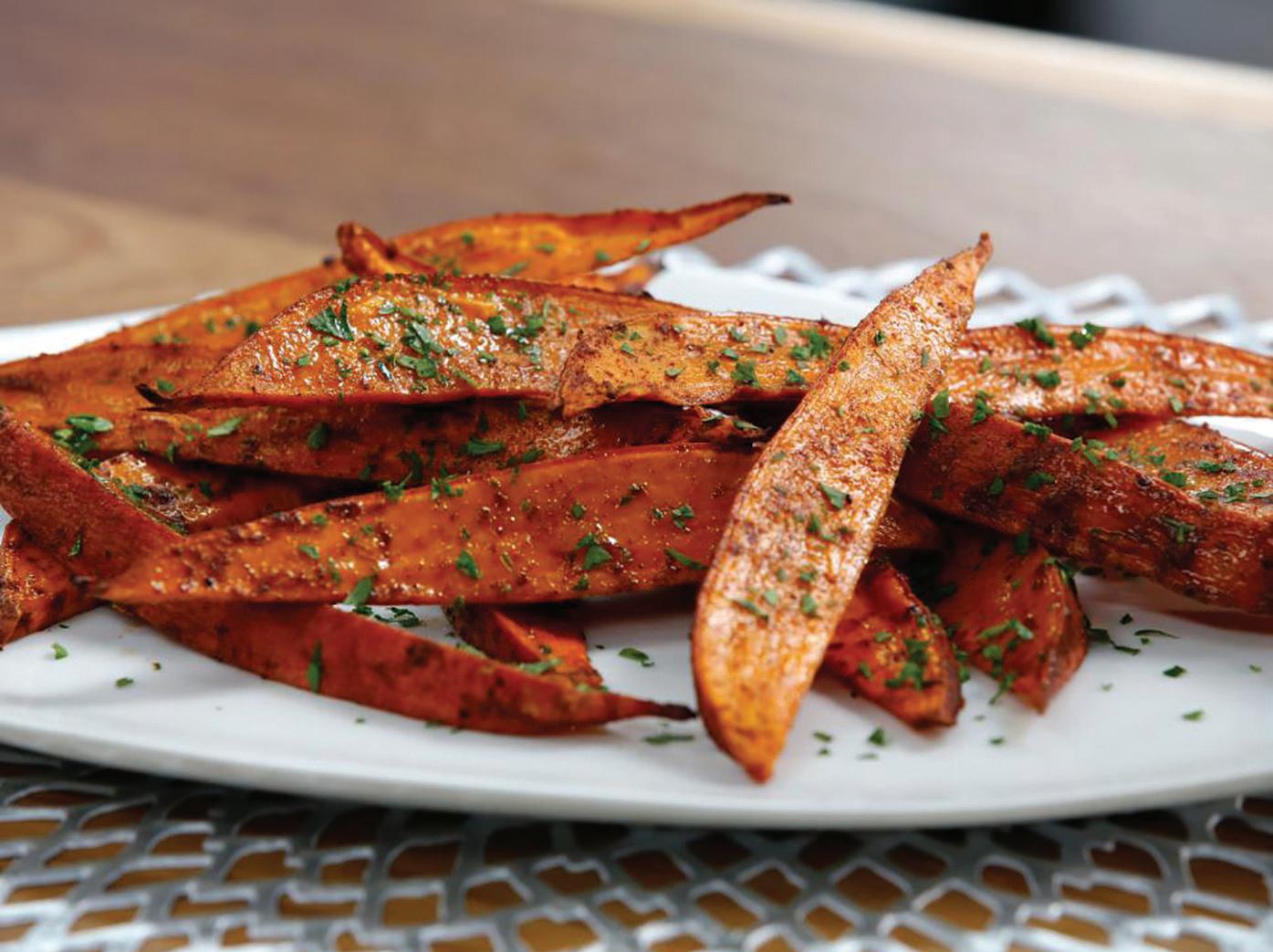
Peel the sweet potatoes and cut them in half, then cut each half into 4 wedges. Soak them in a bowl of cold water as you cut them to keep them from turning brown. Drain wedges once everything is cut and pat dry with paper towels.
Preheat oven to 425°F. Line a large or 2 medium baking sheets with heavy-duty foil and coat with cooking spray. Set aside. Add the sweet potatoes to a large zip-top plastic bag. Sprinkle the cornstarch over the potatoes, and shake, shake, shake to coat the potatoes. Remove sweet potatoes to the baking sheet and toss with oil and seasoning. Arrange the potatoes on the prepared pan in a single layer, not touching. Roast for 30 minutes flipping the wedges halfway through cooking time.
Kim’s Note: This recipe is best if the seasoning blend is made without the zest when using it on the potatoes. Wait to sprinkle 1 teaspoon of zest over the potatoes after they come out of the oven. The zest will burn if used with the herbs (however if you already have this blend made up with zest it will be fine to use per recipe instructions, but beware it may burn a bit). Also note this blend would be great on baked sweet potatoes.
Kim’s Seasoning Blend
This savory blend was designed to provide optimal
flavor with minimal sodium. The use of fresh orange (or other citrus) zest* allows for a touch of customization—to suit any cuisine or palate.
• 1 teaspoon garlic powder
• 1 teaspoon onion powder
• 1 teaspoon dried oregano
• 1 teaspoon black pepper
• 1 teaspoon dried basil
• ½ teaspoon salt
• 1 teaspoon dried parsley flakes
• 1 teaspoon dried thyme leaves
• 1 teaspoon coriander
• 1 teaspoon fresh orange zest
* can substitute lemon or lime zest if desired
Yield: 9-10 teaspoons
Sodium content, 1 teaspoon:
128 mg sodium (½ teaspoon: 63 mg sodium)
FAREWELL TO DREAMS
by Ken Wilson Steppingstones to Recovery
If you are a parent, chances are you know how it goes: You want a young one to love; you have the baby, you cuddle and hold, you show off the baby everywhere you can in real life and on social media.
But pretty soon you discover that raising a baby is hard work! Then comes the Terrible Two’s, followed eventually by adolescence with boundary-stretching clothes and curfew violations. Later they decide they’re not going to be a part of the family business and ultimately may even detest your vocation!
You’re still dreaming though…you’ve established an educational IRA and just want them to find a life’s work that they love. And someone to love and who hopefully loves them back as much as you love them.
You stare at your child
when they’re not aware of it and make a thousand plans for them – dreaming that they’ll choose at least one of your beautiful dreams for them!
Sometimes, somewhere along the way and you’re not sure when, why or how it started, your child experiments with marijuana and maybe beer and learns to like the feeling they get from using the chemical. You don’t even find out for years and by that time the “gateway drug” has progressed to meth or pills. You noticed a change of behavior, little by little, and chalked it up to “growing up.” Until one day you get the call…from jail, the hospital, or the morgue.
For you, life as you once knew it has changed forever. Maybe the dream hasn’t died but it was altered. And seriously altered if your child was one of the unfortunate ones who naively smoked some weed that was laced with Fentanyl (the new
death-drug of this millennium that is so concentrated you can put a million doses of it in a shoe box!) and ended up overdosing and passing away.
There were over 75,000
such deaths in the USA from Fentanyl last year and over 111,000 deaths from overdoses, per se. It is a public health epidemic heretofore unknown.
There is no grief like this grief to the family members left behind. Though the grieving process is similar to other tragic situations, the death of someone overdosing on drugs has a stigma attached in our society, still. It is not anticipatory grief like the death of an aged parent which is “normal”
in the course of life. No, this situation often involves self-blame, guilt, shame, and regret. It is not the kind of grief that people are comfortable talking about – so in many cases they don’t. Stuffed-in grief is debilitating. Every cell in the human body responds in untoward ways to such stifling. It is a silent grief that there is no preparation for, unlike the death of a parent, or after an extended illness.
Another source of conflict arises from one’s religious value system as to the afterlife, or lack thereof, for one who passes away from drugs.
It is a common understanding in the counseling profession that the death of a child is the most painful kind of grief there is. My heart goes out to you if you are in this category. Please be patient and forgiving with yourself. Please find someone to talk to about it. If finances keep you from find-
ing a professional counselor, try the Family Counseling Center who charge according to income. Or attend a grief support group for those who have lost loved ones to overdoses from addiction. One such group I know about in the CSRA takes place at the Hale House every other Saturday morning from 9:30 – 11 a.m. Call 706-722-3060 for the grief support group schedule. Follow through with getting help in your distress and grief, and over time you’ll find relief from the life-sentence you may be feeling today! Farewell to old dreams. Say hello to new ones.
FOODISMEDICINE
Tasty tips from registered dietitians with the Augusta Dietetic District Association
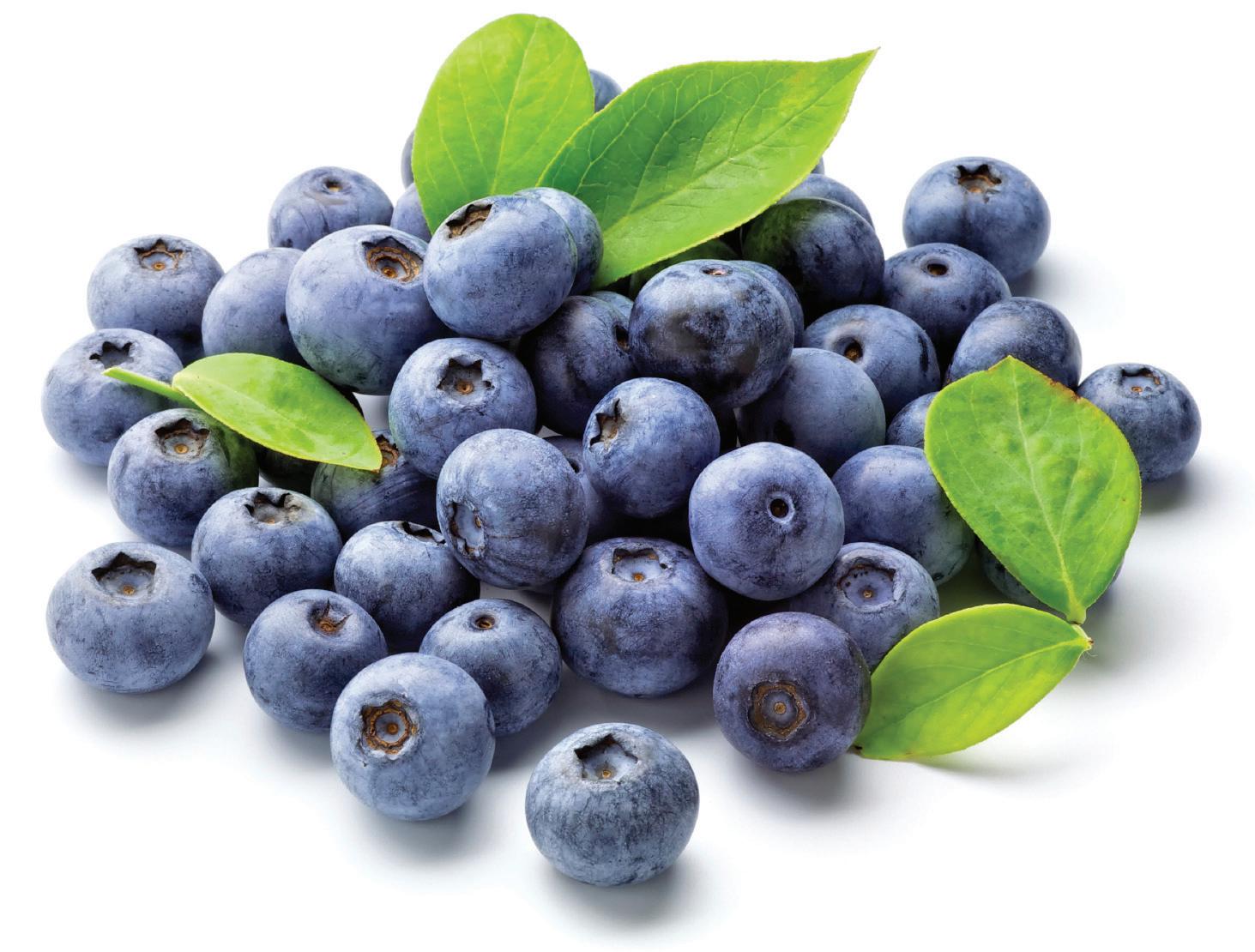
RED, WHITE & BLUEBERRIES!
by Tracey Neely, MS, RDN, LD
Registered Dietitian/Nutritionist
Augusta District Dietetic Association
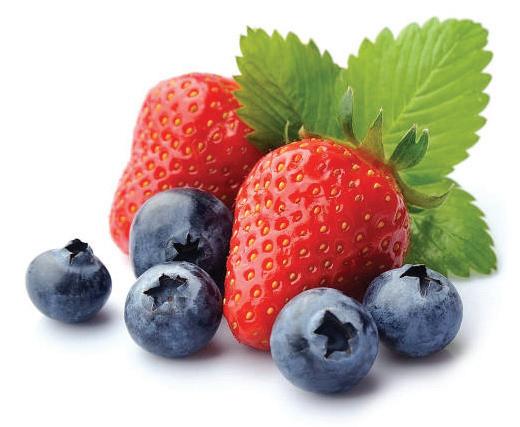
RED, WHITE & BLUEBERRY PARFAIT
This luxurious treat may seem sinful, but it’s actually a low calorie, high fiber, nutrient-dense dessert. There are many recipes with the same name, but my version requires only 3 ingredients and individual glass or plastic dessert cups to optimize the Red, White and Blue theme. No mixing bowl required. It’s great for breakfast, as a snack or a light summer dessert. Make it for a dinner party or a pool party. Both kids and adults love these.
Recipe for 2 servings: 155 kcals per serving
• 1 cup fresh or frozen blueberries (thawed)
• 1 cup fresh sliced strawberries
• 1 cup vanilla or honey flavored low fat Greek or Icelandic yogurt
Layer the 3 ingredients in clear dessert cups and serve.
Americans may have celebrated Independence Day on July 4th, but we can celebrate Blueberries all month long!
Blueberry nutrition and health
Blueberries are popular with health-conscious people due to their “superfood” status which means blueberries are high in antioxidants, vitamins, minerals and flavonoids which are anti-inflammatory. A report by the United States Department of Agriculture (USDA) Agricultural Research Service(ARS) summarizes research that supports several health benefits of blueberries which include: cancer prevention, improved heart health, blood pressure regulation, increased insulin sensitivity in Type 2 Diabetes, improves digestive health and helps reduce cognitive decline in older adults To read the full Blueberries and Health article go to: https://www. ars.usda.gov/plains-area/gfnd/gfhnrc/docs/ news-articles/2014/blueberries-and-health/ Blueberries provide four essential nutrients:
• Vitamin K: used for Bone metabolism, regulating blood clotting
• Manganese: converts proteins, carbs and fats into energy, bone development
Locally Grown Georgia may be called the “Peach State”, but blueberries have become the states top fruit crop according to georgiagrown.com.
The blueberry industry in Georgia accounts for around $350 million compared to only $85 million for Georgia peaches. Georgia’s sandy and acidic soil along with mild winters are ideal for blueberries.
Pick your own blueberries If you truly want a “Farm to Table” experience, visit a local blueberry farm and pick your own. I’d recommend Herb N Berries in Montmorenci, South Carolina, just 40 miles from Augusta. They grow certified organic blueberries. For more information on dates and times to visit the farm, go to herbnberries.com.
Buy local Blueberries at:
The Veggie Park Farmers Market
Thursdays from 4:00PM-7PM
Location: The Hub, 631 Chaffee Ave, Augusta, Ga.
Tracey Neely is a “locally grown” registered dietitian and Georgia native. She is a member of the Augusta District Dietetic Association and wrote this article as a public service to the community. She is not affiliated with any of the organizations referenced in this article and accepts no incentives or compensation for its content. Tracey supports local organic farming and sustainable food production.
CRASH COURSE
It has been said that the most common illegal activity in th is and many other countries is speeding. Nearly everyone speeds sometimes.
It’s not likely anything will challenge speeding’s crown any time soon, but one up-and-coming bad habit that seems to be increasing all the time is red light running.
As we have noted in this space before, it isn’t at all uncommon to see 4 or 5 vehicles still turning or crossing through an intersection even after the crossing street gets its green.
at signalized intersections across the United States.
9. The cost to society of all crashes exceeds $230 billion annually.
10. The tragedies and costs resulting from red-light running are preventable.
Every time a driver runs a red light, they are betting more than they can afford to lose, says the USDOT. Their examples:
GROWING PROBLEM
That means even after the several second interlude when all lanes have a red light, a pause designed to give intersections time to clear. It used to work.
The U.S. Department of Transportation has noticed the trend, even if local traffic enforcement seemingly never does. The USDOT has made a list entitled “Ten Things We Bet You Didn’t Know About Red-Light Running.”
They are:
1. You or your loved ones are more likely to be injured due to a red-light running related crash than any other type of crash.
2. Running a red light or other traffic control is the most common cause of all urban crashes.
3. Someone runs a red light an average of every 20 minutes at urban intersections.*
4. In the last decade, red-light running crashes killed nearly 9,000 people.
5. An estimated 165,000 motorists, cyclists, and pedestrians and injured annually by redlight runners.
6. Half of the people killed by red-light runners are not the signal violators — they are passengers, other motorists, pedestrians, and cyclists.
7. Nearly 93 percent of drivers believe running a red light is unacceptable, yet 1 in 3 drivers report they have done so in the past 30 days.
8. There are an average of 7 fatal crashes and over 1,000 injury crashes EVERY DAY
• A traffic citation and a moving violation on your driving record
• Higher insurance costs for a protracted length of time
• Damage to your vehicle and others
• A lengthy, expensive hospital stay and recovery from injury
• Irreversible consequences if you injure or kill someone else
A trauma surgeon told the USDOT, “Redlight violators likely do not realize that even low speed (30 mph) side impact crashes can be deadly. Because of the relatively thin protection along the side of a vehicle, a large amount of the force is transferred directly to the victim.”
What you and I can do
Step one is easy enough (in theory): decide right now that you will always be prepared to Stop on Red, whether a driver, a cyclist, or a pedestrian — and you will follow through by actually stopping.
Second: obey speed limits (at least approximately), especially in the vicinity of intersections, the most dangerous place on roads anyway, so that you have the time and space to stop before entering the intersection.
Finally, when you’re stopped and you get a green, look in all directions for red-light runners before proceeding, whether you;re driving, cycling, or walking
* Visit http://www.fhwa.dot.gov/stopredlightrunning to access references for the statistics in the list
publish every 1st and 3rd Friday*
* Except when we don’t. The 4th of July interfered with 1st Friday this month, so we’ve temporarily switched to 2nd and 4th Fridays for July and August. We’ll be back on schedule in September.
Spread the love
The #1 word we hear from readers when they talk about the Medical Examiner is love. “We love your paper!” But don’t stop with loving just the Medical Examiner. Save some love for our awesome advertisers. Their support makes this free newspaper possible.
“Thanks for advertising in the Medical Examiner.”
“I was just looking at your ad in the Medical Examiner. Are you open on Saturdays?”
“I saw your ad in the Medical Examiner. I’m calling to ask if you carry....”
More Americans have died on US roads since 2006 than in World Wars I & II combined
The blog spot
— posted by Gregory E. Smith, MD on Jan.
9, 2024
UNIQUE
“My family calls me stupid,” my new patient said, her head lifting just enough that she could make eye contact with me. She paused, waiting to see if I would respond. I waited.
“I know I’m not very smart. I know that. But I have feelings too, you know. I have feelings, just like everybody, just like they do.”
My fingers paused, hovering above the keyboard, waiting, waiting just a little longer. It’s the hardest thing in the world in a mental health encounter to simply be present, to wait. We are all so driven to speak, to fill the silent void with fluffy pink verbal insulation, to keep out the cold, dark silences that force us to think and feel and hurt sometimes.
Her head slowly dropped again, chin nearly on chest. I couldn’t be certain, but I thought I saw a single shining tear drop straight down onto her tattered scarf.
“I’m not stupid. I know things. I know things.”
“It must be very painful for you to have your family treat you this way,” I said.
She looked up again, her head moving back to even with mine, eye contact direct and strong. Her movements were sloth-like, painfully slow and methodical. Her facial features were asymmetrical, a millimeter or two here and there, the alignment off in an almost imperceptible way. She looked at me, her response just as slow as her movement, her tongue finding the gap between her lower teeth, flicking in and out, probing the space, an unconscious rhythmic game of hide and seek.
“People think I don’t pay attention. They say things. They don’t think I hear them or that I pay attention.” Again, that unspoken question aimed directly at me, the one in the room with her now, the one listening to her and watching her.
Her thinking was almost as slow as her movement, but if I waited, if I was patient, there was substance there, feeling and emotion there. There was a person there, a person who struggled with life daily, as we all do. In our fast paced world, where attention spans are seconds long and our capacity for sitting with an idea or a problem is minimal, I could see how she would be marginalized, ignored, left out, and forgotten.
In his excellent book Starry Messenger, Neil deGrasse Tyson tells us that the total number of people who have been born is about 100 billion. The variation in our genetic code actually provides the potential for a million-trillion-trillion possible souls. If it was possible to run through them all, we would arrive back at another us, or at least our twin. In actuality, that will never happen. So we are left with the fascinating fact that “each of us, for all practical purposes, is unique in the universe-now and forever.”
The author also muses that “being alive is the time to celebrate being alive-every waking moment.” “Yes, life is better than death. Life is also better than never having been born. We get to bask in divine sunsets and sunrises. We get to live, and ultimately die, in this glorious universe.”
I looked at my patient in all her flawed, asymmetrical, ruined, hurt, struggling perfection. She was one of 100 billion, and she was fabulously unique. She just didn’t understand that yet.
“Tell me your story,” I said.
And, she did.
Gregory Smith is a psychiatrist +
by Dan Pearson
The Mystery Word for this issue: ALAIARM
Simply unscramble the letters, then begin exploring our ads When you find the correctly spelled word HIDDEN in one of our ads — enter at AugustaRx.com
We’ll announce the winner in our next issue!
ACROSS
1. Aircraft intro, sometimes
5. Drop prefix?
8. Duration
12. Dregs
13. Swelling
15. Medical district avenue
16. Ancient false god
17. Soviet forced-labor camp
18. Great Lake
19. Put in order
21. Flower secretion
23. Bethesda agcy.
24. Medical prefix
25. Loiter
28. Eradicates (with “out”)
31. Obamacare acronym
32. Bird description?
35. Oozes
37. Silent
39. Prepare a jet for winter takeoff
41. Metal fastener
42. Tubular support for a vein
44. First prime minister of India
46. Healthcare wrkr.
47. List of mistakes
49. Blue Cross brand
51. Type of hygiene
52. Title of a knight
53. Augusta’s famous Dub
56. Warns
61. Monetary unit of Iran
62. Secret love affair
64. Bow
65. Doing nothing
66. Low-grade sandstone
67. Molten rock
68. Reward (archaic)
69. Noah’s craft
70. Dash; flair
Sin City star 2. At one’s elbow 3. Duct type 4. Beech follower
5. Castrate
6. Kill Bill star
7. Type of school
8. Sample for testing
9. Savannah is one
10. Capital of Western Samoa
11. Never (in poems)
13. Brainiac
14. Owing
20. It goes through Sudan
22. Epochs
24. ______ ward
25. Hoover and others
26. Severe/sudden
27. Held by 25-Ds
29. Orchard starter
30. Chilling intro
33. Kidney-related
34. Recline
36. Grand add-on
38. Registered
40. Removal
43. Pacific diet staple
45. Component
48. Gilbert Islands atoll (and capital of Kiribati)
50. Crown adjective
53. Cut to required size
54. Helper
55. Bulldog’s school
56. Prepare a gun for firing
57. Diving bird
58. First name of a Tulsa university
59. Type of star
60. Variety of dive
63. Disfigure
with
DIRECTIONS: Every line, vertical and horizontal, and all nine 9-square boxes must each contain the numbers 1 though 9. Solution on page 14.
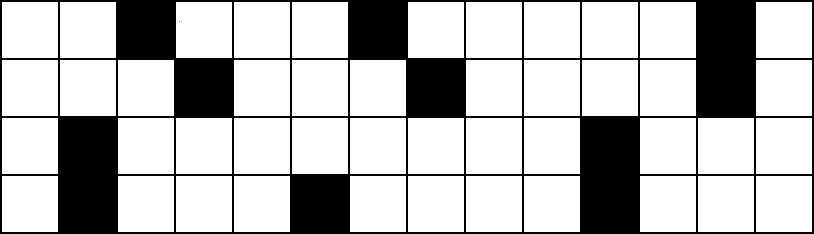
DIRECTIONS: Recreate a timeless nugget of wisdom by using the letters in each vertical column to fill the boxes above them. Once any letter is used, cross it out in the lower half of the puzzle. Letters may be used only once. Black squares indicate spaces between words, and words may extend onto a second line. Solution on page 14.
or numbers with minimal choices listed. A sample is shown. Solution on page 14.
LTHEBESTMEDICINE
eather is rated based on its texture. Cows with abundant water sources usually have softer hides, often A Rated. Hides from cows in hot, dry climates are usually D-Hide Rated
Moe: You got kicked out of the Apple store at the mall? Why?
Joe: I had gas.
Moe: And they kicked you out for that?
Joe: Hey, can I help it if they don’t have Windows?
Moe: Obviously the Secret Service needs to change some of their protocols.
Joe: They already have.
Moe: Like what?
Joe: Like effectively immediately no one can be within earshot of a presidential candidate.
Moe: You know what always always makes me throw up?
Joe: No, what?
Moe: Well, especially at parties.
Joe: I could guess, but I’d rather not. What?
Moe: A dart board on the ceiling.
Moe: Remember that time Chris Rock told a joke about Jada Pinkett Smith and Will Smith slapped him?
Joe: Sure.
Moe: And remember that time Chuck Norris told a joke about Jada Pinkett Smith?
Joe: Uh...
Moe: Will Smith slapped her
Moe: If a Siamese twin was convicted of murder, would the other twin have to go to prison too?
Joe: That wouldn’t be fair.
Moe: But they couldn’t just let the guilty one go free either.
Joe: I guess you’re right. But there is one thing they could never do to the guilty twin.
Moe: What’s that?
Joe: Put him in solitary confinement.
A wife asks her husband to go to the store to get a carton of milk. And if they have avocados, she adds, get six.
The husband comes back with six cartons of milk. “Why did you buy six cartons of milk?” the wife asks.
“They had avocados,” said the husband.
Moe: You ever think it’s weird that childbirth is called delivery?
Joe: What should we call it?
Moe: Takeout.
Moe: What do you call a donkey with only three legs?
Joe: A wonky.
at my phone all day has certainly had no Effect on ME!
when
Dear Advice Doctor,
I read this column every issue and I’m amazed by how many people ask you questions about stuff that isn’t related to medicine. You are a doctor, right? So my question IS about medicine, thank you very much. My doctor is great but his staff is horrible. Every appointment someone different gets under my skin. I think they take turns. Do you think I should find a new doctor, or just ignore his rude and incompetent staff?
Dear S&S,
This is a subject that I think many of us can sympathize with. I know personally, when something gets under my skin, especially this time of year, the culprit is often a mosquito. They are annoying, no question about it.
The question is, what can we do about it?
You can do an internet search and discover dozens of allegedly sure-fire recipes for homemade natural mosquito repellents. They have an undeniable popular appeal because, after all, who wants chemicals sprayed all over their body?
The honest answer to that question is: people who don’t like mosquitoes. The experts say that people who don’t like mosquitoes should think twice about candles, bracelets, and expensive ultrasonic devices that claim to keep mosquitoes away. Researchers at New Mexico State University (and plenty of other institutions) have studied what works and what doesn’t, and they say those chemical sprays do the trick.
As distasteful as that might sound to some, the active ingredient in many sprays (DEET), has been widely used for decades, and studies show it is safe and effective against mosquitoes and ticks carrying malaria, West Nile virus, Zika virus, and Lyme disease, according to the EPA.
Before anyone condemns chemical sprays, consider this chemical: p-menthane-3,8-diol, or PMD. Natural repellant fans would probably automatically avoid it, but p-menthane-3,8-diol is nothing more than the official name for oil of lemon eucalyptus extract. Yes, some chemicals come from plants. Who knew?
And to the point of our discussion, oil of lemon eucalyptus extract (aka PMD) is the only DEET-free spray that New Mexico researchers found to be effective and long-lasting.
— Sad and Sore +
Thanks for writing, and I hope I answered your question.
Do you have a question for The Advice Doctor about health, life, love, personal relationships, career, raising children, or any other important topic? Send it to News@AugustaRx.com. Replies will be provided only in the Examiner.
THE MYSTERY SOLVED
The Mystery Word in
...cleverly hidden in the little house in the p. 11 ad for SPARKLE WASH
THE WINNER: S. NEWMAN! If that’s your name, congratulations! Send us your mailing address using the email address in the box on page 3. The new Mystery Word is on page 12. Start looking!
The Celebrated MYSTERY WORD CONTEST
...wherein we hide (with fiendish cleverness) a simple word. All you have to do is unscramble the word (found on page 12), then find it concealed within one of our ads. Click in to the contest link at www.AugustaRx.com and enter. If we pick you in our random drawing of correct entries, you’ll score our goodie package!
SEVEN SIMPLE RULES: 1. Unscramble and find the designated word hidden within one of the ads in this issue. 2. Visit the Reader Contests page at www.AugustaRx.com. 3. Tell us what you found and where you found it. 4. If you’re right and you’re the one we pick at random, you win. (Winners within the past six months are ineligible.) 5. Prizes awarded to winners may vary from issue to issue. Limited sizes are available for shirt prize. 6. A photo ID may be required to claim some prizes. 7. Other entrants may win a lesser prize at the sole discretion of the publisher. 8. Deadline to enter is shown on page 12.
PROFESSIONAL DIRECTORY
Dr. Eric Sherrell, DACM, LAC
Augusta Acupuncture Clinic 4141 Columbia Road 706-888-0707 www.AcuClinicGA.com
Evans Chiropractic Health Center Dr. William M. Rice 108 SRP Drive,
Rd, Suite 365
Karen L. Carter, MD 1303 D’Antignac St, Suite 2100