CHILDREN’S RIGHTS & ENVIRONMENT

EshaKode
The Right To Play
SusanMelvin
The Wishing Flag Rising From Mathare
EmilyCamacho
The Children Behind The Food We Eat
JoseVelasquez Castellano
Intersectional Connections
EshaKode
The Right To Play
SusanMelvin
The Wishing Flag Rising From Mathare
EmilyCamacho
The Children Behind The Food We Eat
JoseVelasquez Castellano
Intersectional Connections
Editor-in-Chief Managing Editor Raven McCormack
FranciscoVera Manzanares
Eco-hope
FaeKontje-Gibbs
ArtExhibit
HeatProtections LuzVazquezHernandez
NataliaSandí
MichaelWooley: LiftingStonesFora FairerWorld
Sandí Communication Strategist
This edition is rooted on the premise that a safe environm rights How we treat our Earth affects every living being, weather patterns and temperatures inevitably influence t child labor As well as how much more hazardous work environmental factors such as heat
Those environmental factors are connected to the ability clean water, and healthy air to breathe As ecosystem livelihoods which in turn pushes children into labor and education
We live on an intrinsically interdependent web of life wh where there are no isolated issues, just threads of the sam to explore the correlation between the environmental deg is dedicated to the idea that if we protect our planet, w childhoods
Collectively, we have failed to secure safe planetary co response, the kids are braving the leadership and advoc health of our Earth for all of us Some of them have shared these changes with all of us We do children’s rights, we lis educational and human rights-based frames
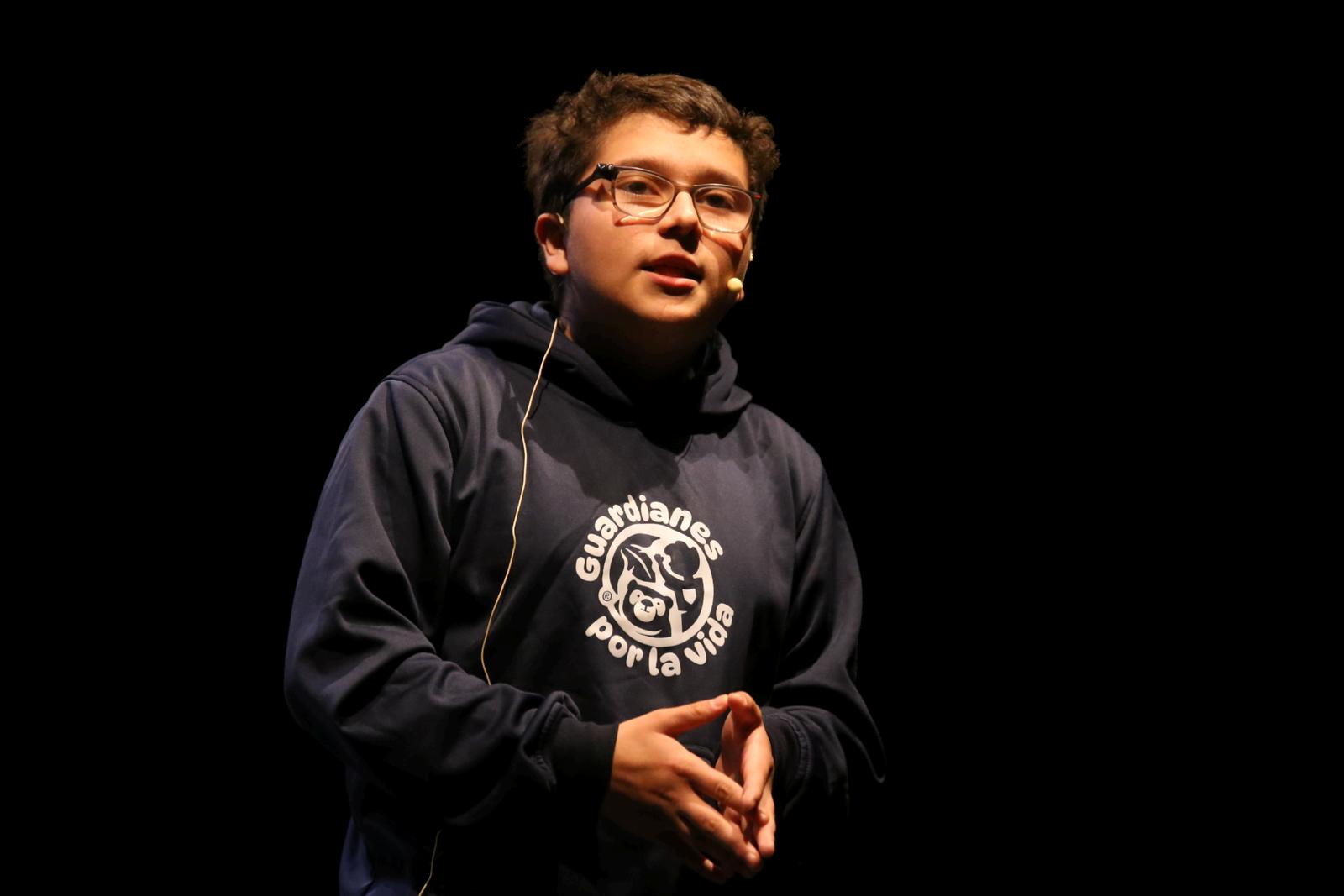
And so, we are thrilled to feature Francisco Vera Manzan Vida (Life Guardians) and a leading voice for environmen him, former child workers share their experiences durin transformation through education The words of Jose Vasquez, Esha Kode, and Susan Melvin are not just storie and to witness children blooming when given an opportuni
Everyone has the power to do something when they choose to Sharing what lights your heart are examples of compassionate action towards community based and reciprocal life changing opportunities Artists like Fae Kontje-Gibbs and Michael Wooley use art and self expression to champion education for our pupils in Kenya, who, now, are safe in a classroom instead of dangerous working sites.
We share stories and weave solidarity, connecting our island community with voices and perspectives from beyond our shores. In a close knit community, we know how far small acts of kindness go. Now, how about we share that island culture with the world?
Our commitment to making the good kind of trouble is unwavering. Following the legacy of our dear founder, and wonderful human being, Len Morris: “People say children are the future, but we say children are now!”. On our end, we remain fiercely committed to carry our mission, until there’s no more stolen childhoods.
Fernanda Mora Brenes PRESIDENT & DIRECTOR
BY FRANCISCO VERA MANZANARES
The flames spread rapidly, causing huge clouds that damage people's health and destroy the life that once inhabited those beautiful places. Once burned, there is nothing left. Imagine working your whole life for a home and then someone else comes along and burns it down, but your neighbors do nothing about it. This is what the ecosystems of our planet are suffering from.
Ultimately, the health of the planet is a reflection of our health as humans, and vice versa, and unfortunately, neither is doing well these days. The Earth as a planet will continue for billions of years until the universe brings it to an end, but what is at stake is life on Earth, including our survival as human species.
“Eco-hope, like many things that exist in our society, is a concept inspired by nature, by a beautiful nature that, no matter how great the challenge, never gives up. ”
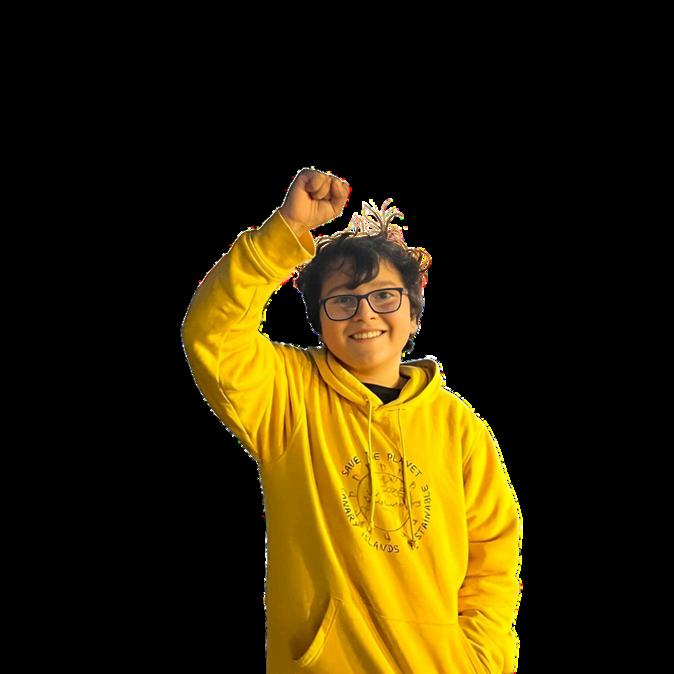
As a citizen of this planet, and having witnessed environmental degradation from a very young age, I decided to take action
As Amnesty International’s slogan says, “Take injustice personally.” The planetary crisis is not only unjust to other species; it is especially unfair to my generation.
Children and adolescents today face the greatest threat to our existence At the same time, we are living through the highest levels of violence since the end of World War II, alongside widespread health challenges and profound wealth gaps and these realities are causing many young people to lose hope.
That loss of hope is dangerous And yet, it is precisely why we are taking action and mobilizing for our rights The challenge of this moment in history is not only to confront the crises before us, but to restore eco-hope.
Eco-hope, like many things in our society, is a concept inspired by nature, by a beautiful nature that, no matter how great the challenges it faces, does not give up; that is, it is resilient and always seeks to cling to life Eco-hope does not deny the seriousness of the problems we face, but rather addresses them from a solution based perspective and uses the force of chaos as fuel for action, which inspires more and other types of actions
Right now, through Guardianes por la Vida (Life Guardians), the movement that began with six schoolmates and now has more than 700 children, we are transforming our eco-hope into tangible actions. For example, we now run ecohope gardens, where children grow fruit and vegetables that are used as ingredients in school cafeterias This is a very important action in the context of a country like Colombia, where malnutrition is a major challenge.
We also have a Network of Guardian Schools for Life, where we carry out more initiatives such as learning and training processes, tree planting (we have planted more than 2,000 trees throughout our history), and environmental and civic literature. All of these actions strengthen us as defenders of what is most important: the right to live in a clean, dignified, and peaceful world
I want to conclude with a clear message for you: we are all defenders of human rights, we all have power: our voice. Please use your voice in favor of life and rights, and do not lose your eco-hope
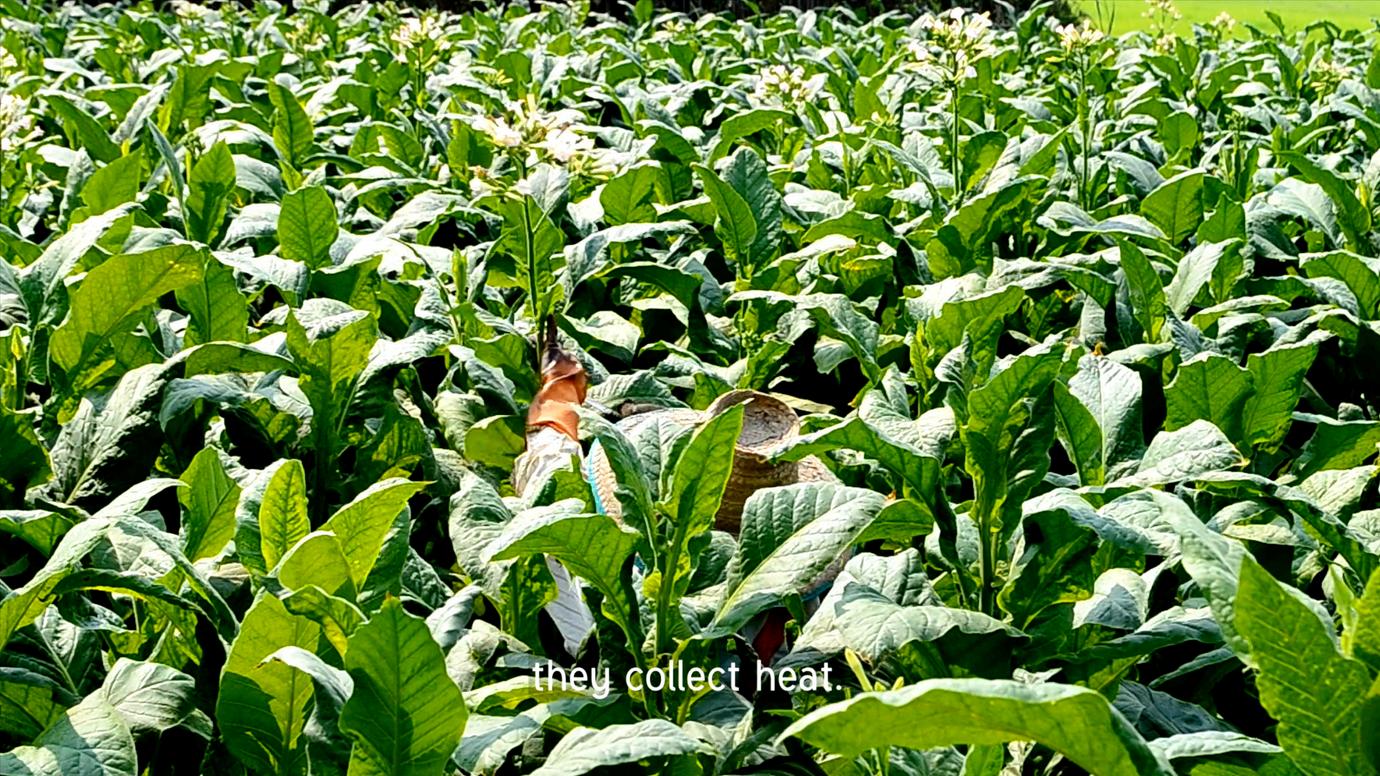
begin working on tobacco farms around the age of ten, eleven, and twelve. Like many children, I worked alongside my mother, as it was the only way I knew how to help. The job itself was physically demanding and pushed my body to its limits. When I arrived back home, I would sit on the couch until nighttime as my burning body refused to move. Working in tobacco has been the hardest thing I have done in my life, and man-made, extreme weather events are only getting worse for the next generation of child workers.
From my own experience, few people are aware of the regulations allowing child labor within the United States. Indeed, there are several laws protecting children from hazardous work; however, these laws fluctuate in agriculture-related work. The Fair Labor Standards Act of 1938 (FLS Act) outlines these conditions, allowing children as young as ten years to be employed on farms.
policy level. This is not to say that initiatives have not been taken to address the matter. The Children’s Act for Responsible Employment (CARE Act) addresses the dangerous conditions within Agriculture by amending the FLS Act. Although the bill has stalled, we must continue to converse on child labor within the United States and around the world.
Moreover, we must recognize child labor in the face of rapid environmental decline, especially where its effects are mainly felt in agriculture, where almost 70% of child labor happens (International Labor Organization). One may assume that environmental changes and child labor have no correlation, but the truth is that overconsumption, pollution, and fossil fuels are enabling natural disasters like floods and droughts, which directly affect child workers.
For instance, the Internationa work in agriculture Their re decreases educational attain increasing demand for it” (Inte
Another example is that after school to help support their fa accessing education, they ar poverty
Educational attainment is a v boiling era challenges acces natural disaster, meaning th Climate-led immigration is no technologies. If we remain p schools, and their communitie

We must change the current narrative, as the circumstances resemble more of an overflowing pot, harming everyone, and especially child workers in agriculture. Experts call to recognize children as agents of change, reduce emissions and pollution, and to protect children from the impact of the worst effects of extreme weather events and environmental degradation. By addressing child labor and environmental intersections, we can seek to ensure that all children remain safe and with their loved ones.
When I worked in agriculture, I had a couple of conversations with other child workers Sometimes we talked about TV shows or school, and other times we talked about our love for our families and their need for financial support. Families around the world are trying to survive and we must ensure that we are protecting them
The intersection of both child labor and extreme weather impacts everyone's lives, ones more than others, and that’s why seeking urgent changes in public policies to protect our planet isn’t just about the environment, it’s about protecting the childhoods, dreams, and families who depend on it
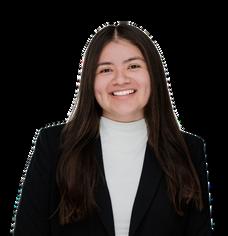
BY LUZ VAZQUEZ-HERNANDEZ
“It was common to see workers faint, as taking breaks in the shade and drinking water, was not enough. I witnessed my mom, dad, and brother faint more than twice in temperatures over 100 degrees which always made me scared. Somehow, we all managed to continue our 12–13-hour shiftsbecauseourpaycheckdependedonhowmanycropswepicked”.
Coming from a background of farm work, I know the struggle against heat At 14 years old, I began picking blueberries in Michigan during the summer, and from there on, I learned to pick a variety of crops all over Michigan and my home base in Florida I spent my weekends and any school days off, including summers, picking strawberries, squash, pickles, peppers, and jalapeños
I learned to push my body and to handle extreme weather conditions I suffered the pains and aches that my parents felt every day However, complaining to my parents was not an option, and my body adapted.
Working in the fields during intense heat were the worst moments. Covered in layers from head to toe, with pants, a long-sleeve shirt, hoodie, and bandana was my daily attire Covering most of my face, the bandana made it hard to breathe in extreme heat; at times, I felt my body, head and eyes just shutting off I felt I could not go any longer, but seeing my parents endure the heat and hold it in, I tried to do the same, and distracted myself in my thoughts.
We could not afford to take long lunch breaks and we often had a bite or two of lunch and a Gatorade, and then immediately went back into the fields. Before I turned nineteen, I stopped working as a harvester because I knew that I had greater opportunities than my parents, and that farmwork was not the only job I could have. My goal is to share my story and pursue my education to drive the changes my community needs
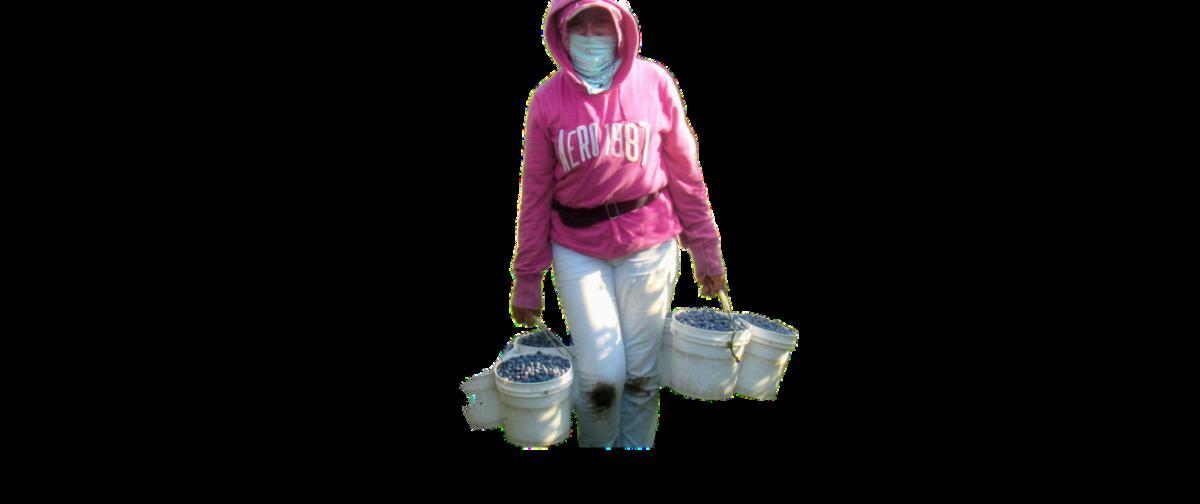

“Farmworkers feed all of us and
As a senior at Michigan State University, I interned with the National Consumers League (NCL) and the Child Labor Coalition (CLC). I am grateful because I get to work closely on policies affecting my community and interests
However, knowing that I got to work inside an office with air-conditioning makes me feel guilty because I know that my parents and younger siblings are in Michigan picking crops in the summer heat, sweating, thirsty, and hoping for a cloud to bring shade to them
As a nation, the United States needs to take immediate action to protect farmworkers from extreme heat exposure As temperatures rise, farmworkers’ suffering is increasing.
Due to increasing environmental instability, the temperatures farmworkers labor under have risen sharply. These extreme conditions have led to perished farmworkers when temperatures exceeded 80 degrees Fahrenheit ” At the same time, more resilient superbugs have emerged, forcing the use of stronger pesticides, which increase the risk of cancer, neurological disorders, and reproductive issues among farmworkers.
A legislative effort to address heat protection is the Asunción Valdivia Heat Illness and Fatality Prevention Act, which sets standards to protect workers from heat, such as ensuring drinking water is accessible, requiring rest breaks, and providing access to shade
The bill would require employers to educate and train workers to recognize and prevent heat illness and mandate emergency protocols
Separate regulatory initiatives have been proposed to protect workers from extreme heat and, therefore, to establish heat safety regulations at work.
This attempts to direct the Occupational Safety and Health Administration (OSHA) to help establish a nationwide protection standard. These two initiatives are vital if we want to protect farmworkers from heat illness
These actions give me hope that farmworkers and other outdoor laborers enduring extreme heat could have safer conditions
BY EMILY CAMACHO
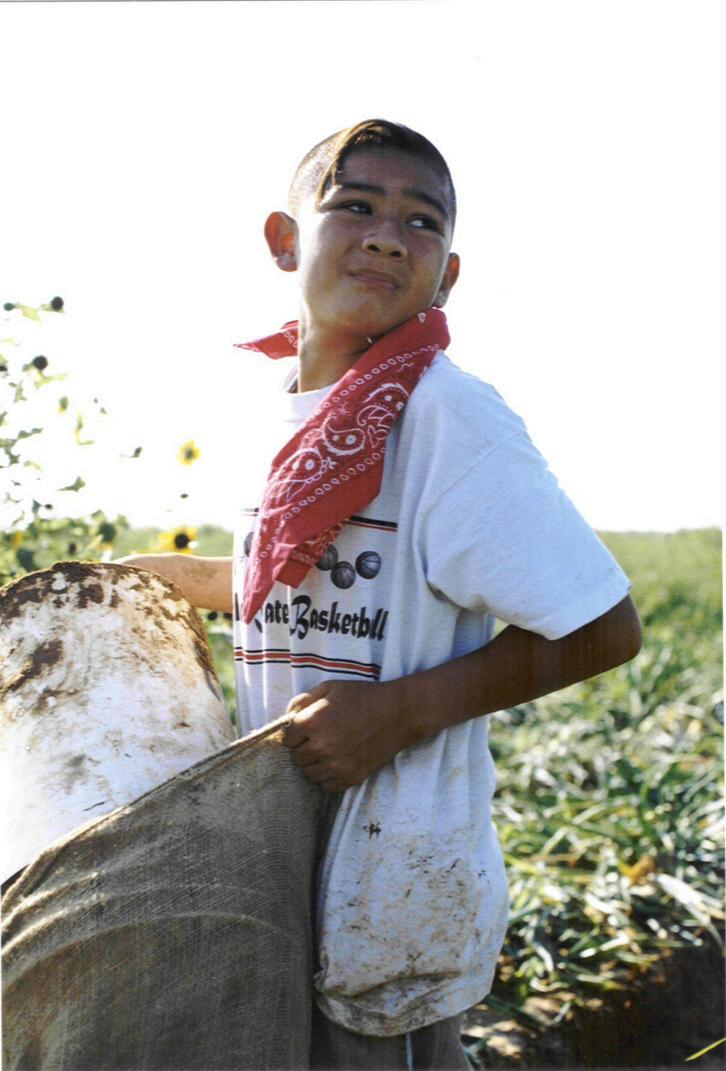
A microphone, lights, a beautiful stage, and a talented showman. Darkness, a bumpy ride, Los Tigres Del Norte playing on the radio, the smell of wet dirt, the faint sounds of birds chirping in the distance. Rough, cracked, tiny hands...
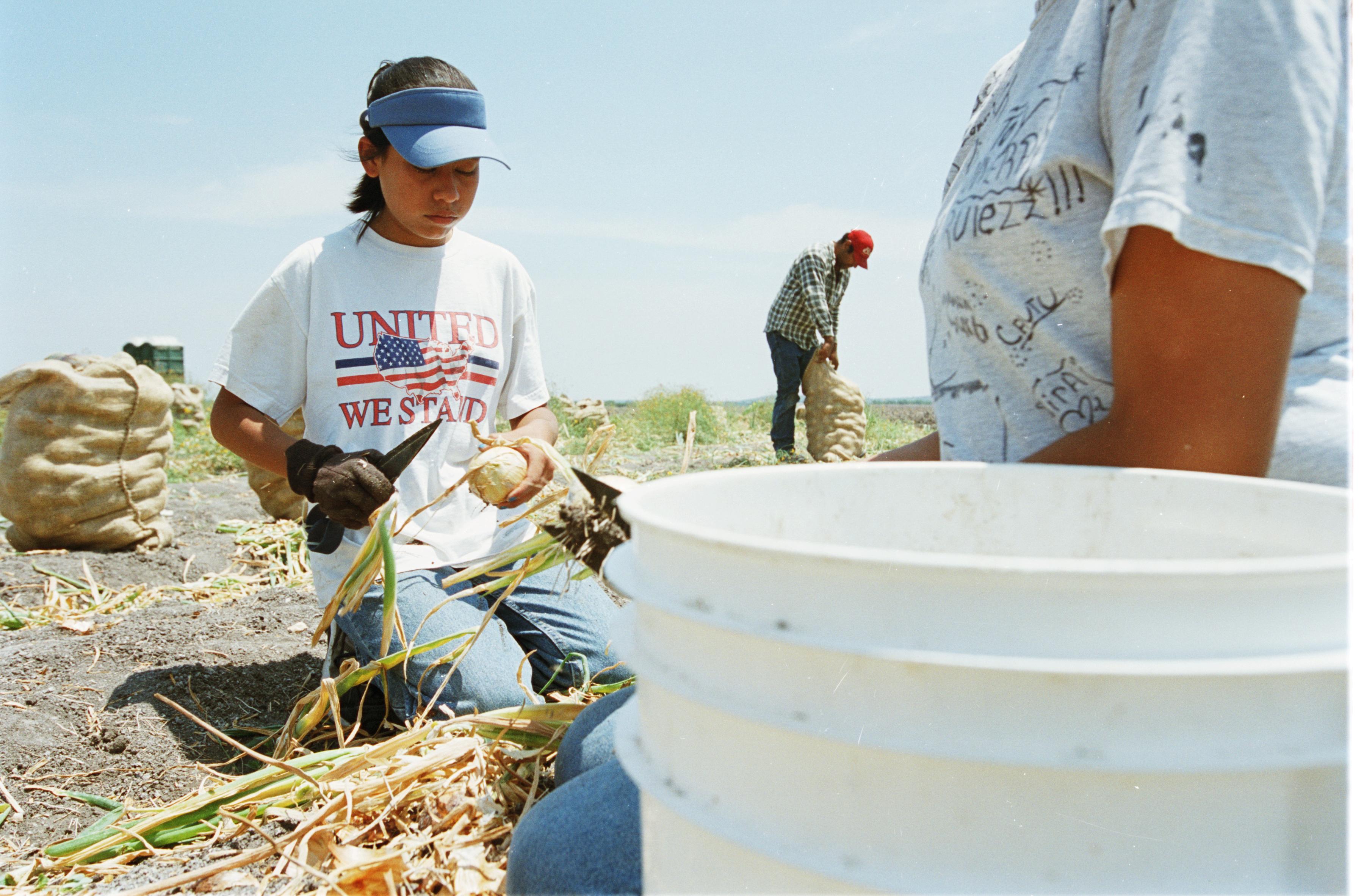
The quick thumping of blueberries filling a small white bucket strapped to the front of my chest, that sound on repeat for the next 9 or 10 hours Hours go by, we start to feel the ache in our backs, our fingers have now turned black, a layer of thick goo like black dirt covers them.
The sun is so beautiful, yet so hot, making our working conditions more challenging; however, the livelihood in the field is incomparable, you'd think we are having a feast. Radios are on, coworkers cracking jokes across the field, everyone laughing, some of us singing, so optimistic I often wonder what it would be like to step on those blueberry, onion, asparagus, wheat and strawberry fields, apple, cherry, and pear orchards, and not have to work in them I imagine myself closing my eyes and listening to the livelihood of my surroundings imagining a completely different setting; a beach.
I am 15 years old, on a job resume I would be able to say I have 8 years of experience although I was just a week old when my nursing mother went back to apple thinning
A couple weeks old, sleeping in my car seat in an empty apple bin inside that orchard. A white noise machine; the jokes across the field, claps, laughs, ladders clinking as they are moved into and out of different trees I am a skilled worker despite my young age, many others like me.
A farmworker child A child picking the food you and I both eat, the prettyl, glossy apples at our local grocery store, so beautiful I can see my reflection on it as I pick it up and hold it up to my face I see big brown eyes, dark, muffled messy hair, I notice my skin looking darker from the countless hours under the sun, I see a proud smile
A diamond in the rough, just like that apple that I once thinned when it was tiny, that I later picked when it looked dusty and dull, now sitting at this grocery store looking beautiful, bright and appetizing. Easily admirable not telling the story behind it, having no idea of the size of the tiny hands that have picked them, of the children behind the food we eat.
A diamond in the rough like that apple, that is what us children are. We are small in size just like those apples being thinned when we start our journey, dusty and dull when they're picked, but glossy and beautiful when we reach the finish line, and start to achieve some of our goals, dreams and aspirations.
Although we are grateful for the experiences we've had, our dream is to outgrow those fields that witnessed so much of our childhood Those fields that unknowingly witnessed us grow up, those fields our families have worked for generations. Those fields; a beautiful stage, the scorching hot sun; stage lights, the food we eat; unknowingly a microphone
A microphone forbidden to be spoken into when you are a child, a child skilled and talented in picking and harvesting the delicious foods in our grocery stores. The children behind the food we eat, the silent voices behind, the silent voices behind the microphone waiting to someday look back and tell the stories of our childhood.

BY SUSAN MELVIN
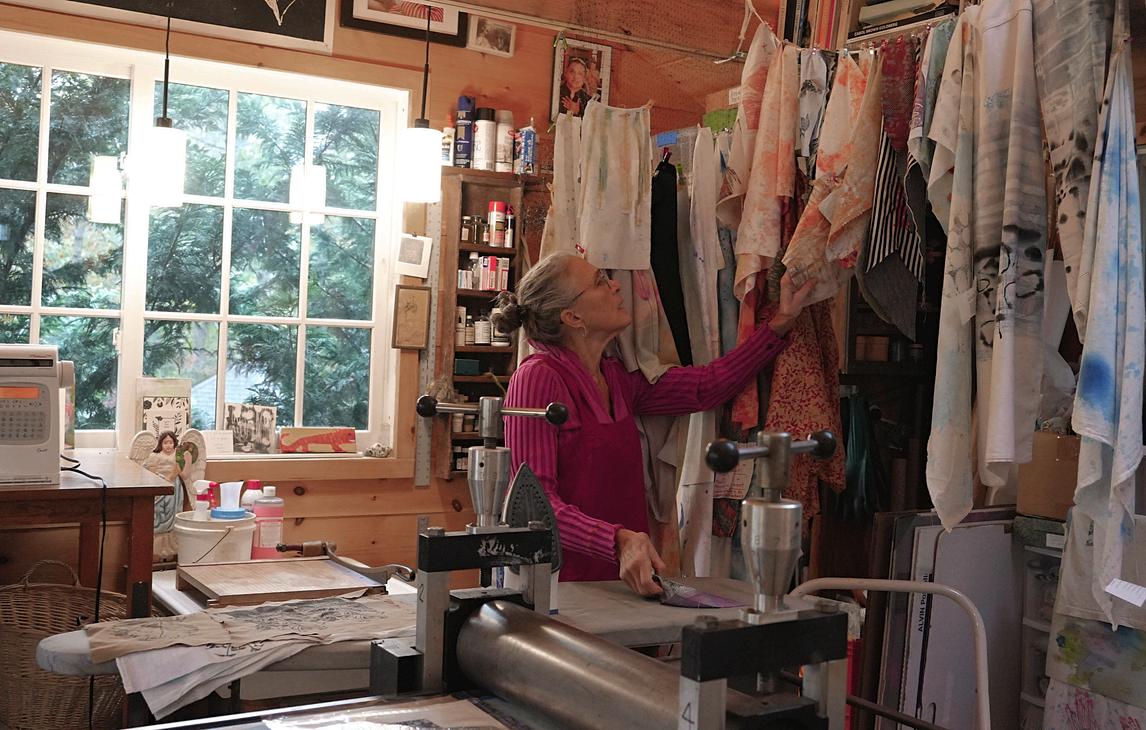
Art is shaped by personal experiences, perspectives, and emotions. Fae Kontje-Gibbs
sees art as a means to transform lives.
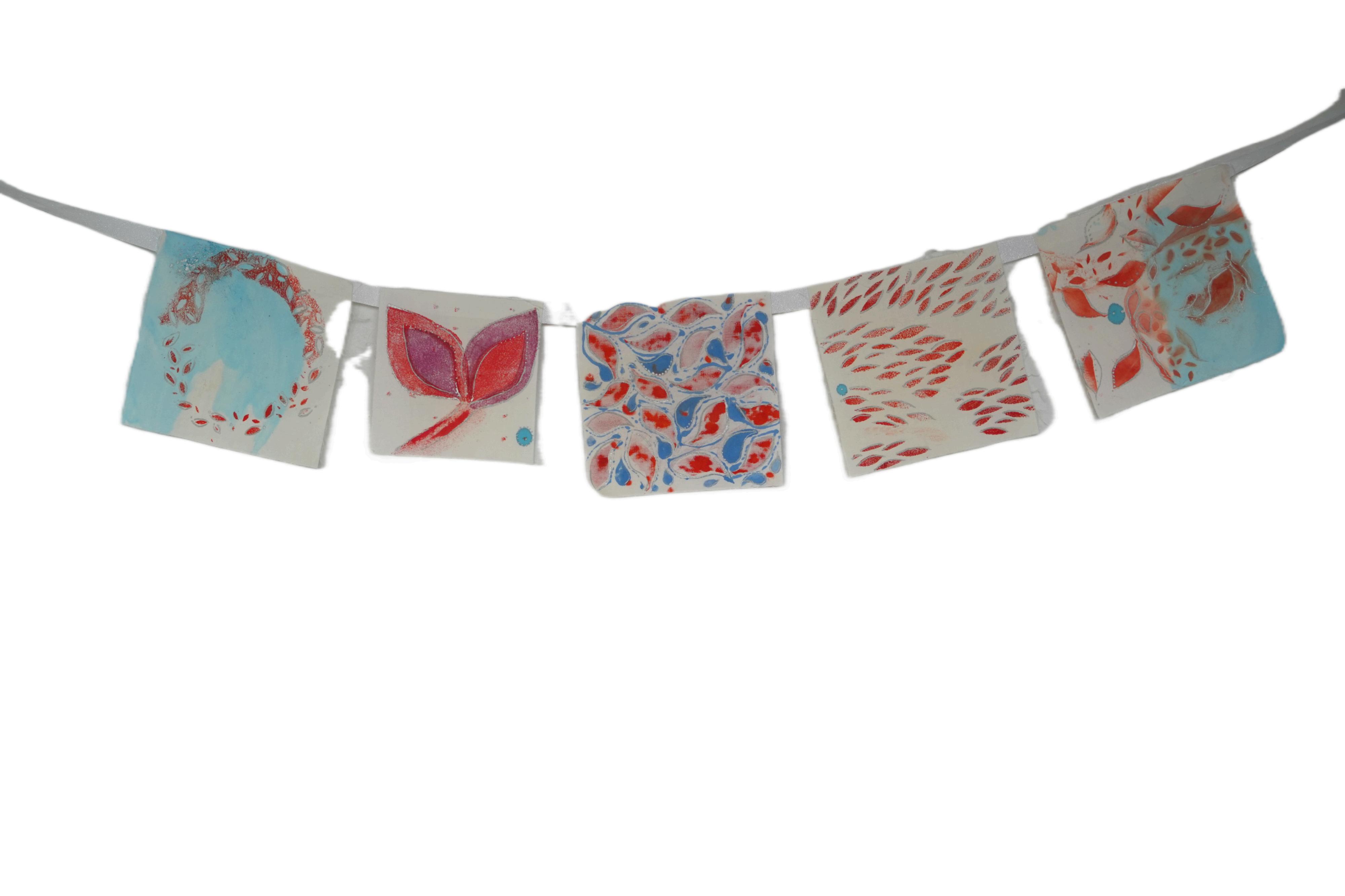
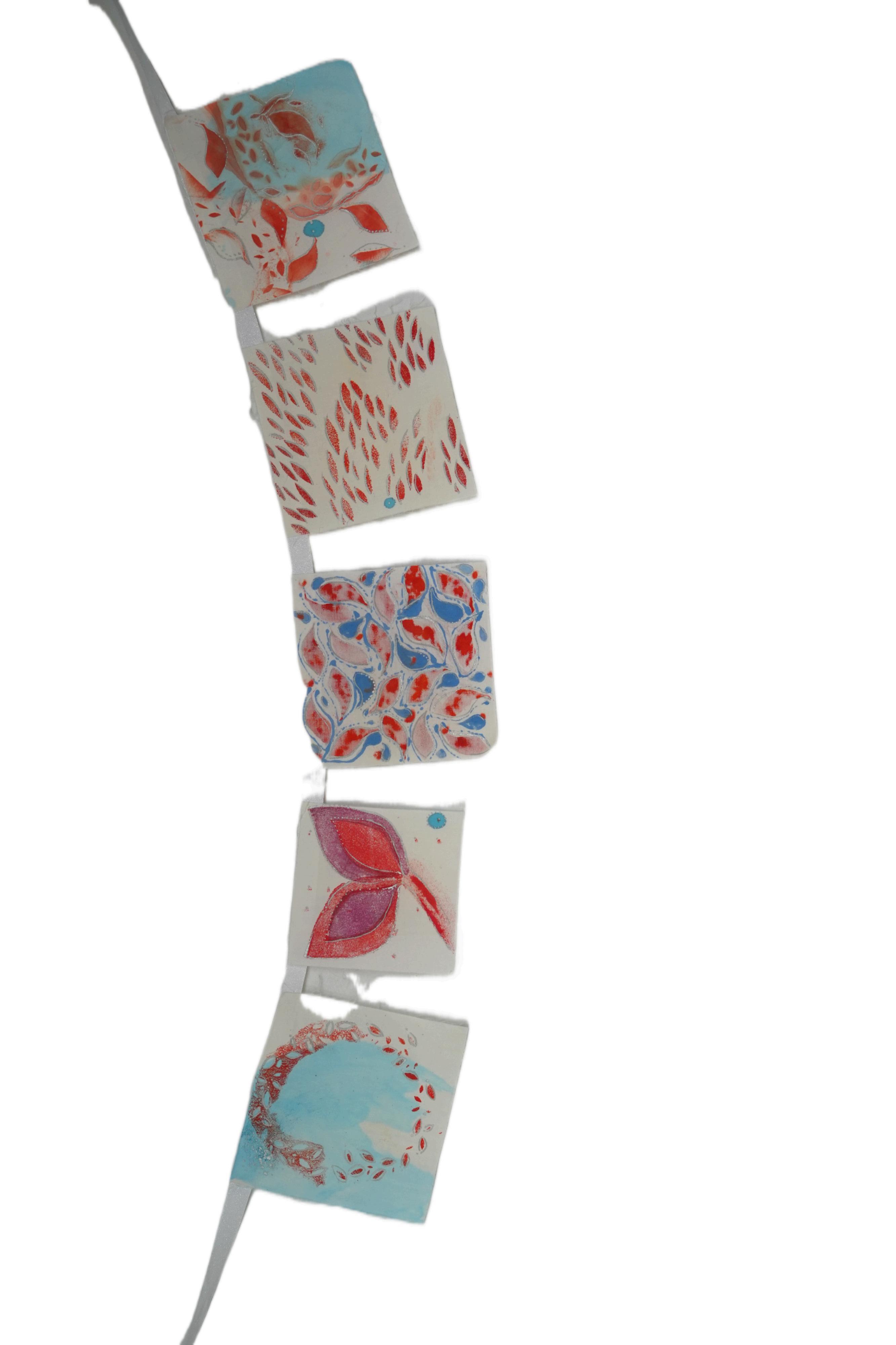
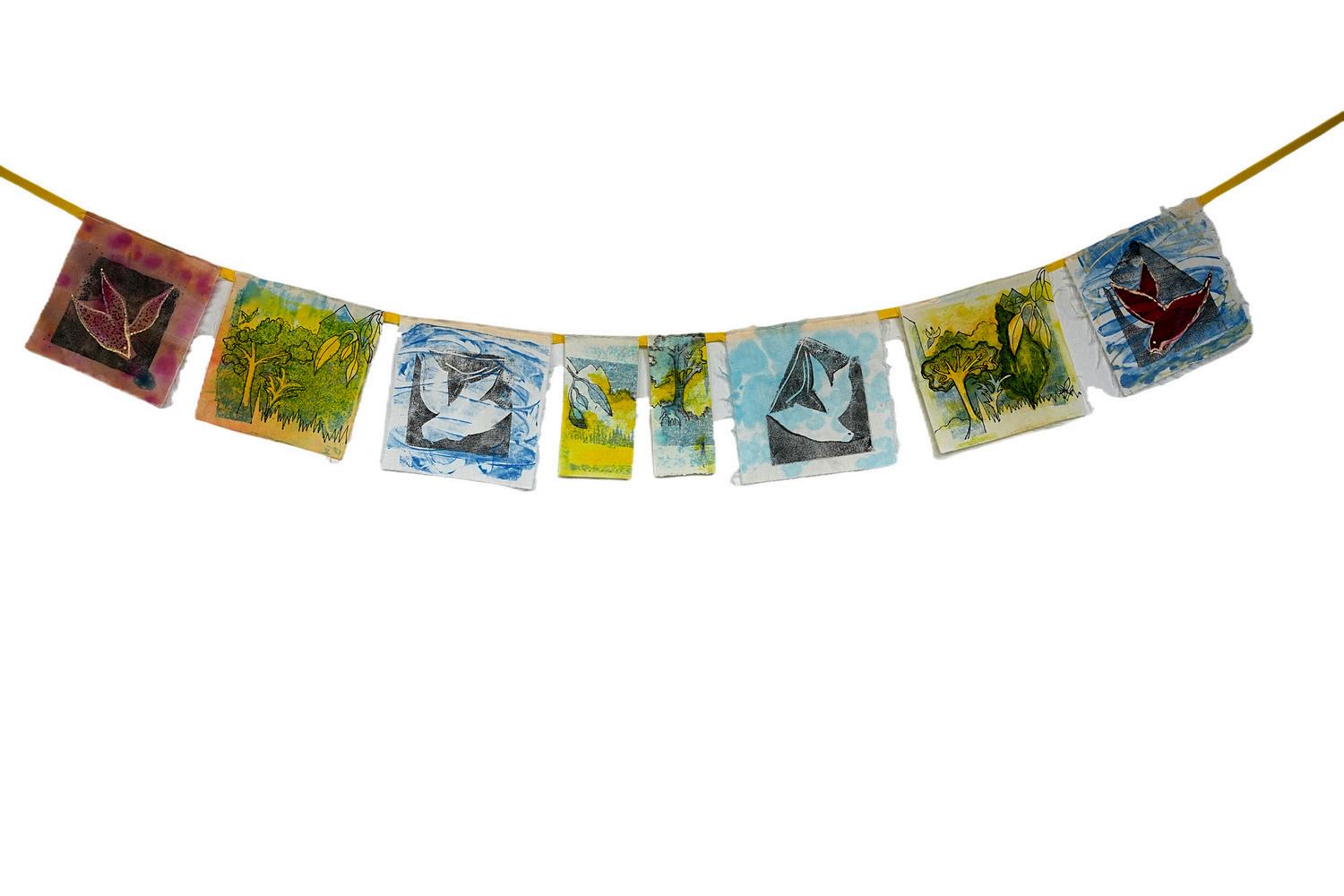
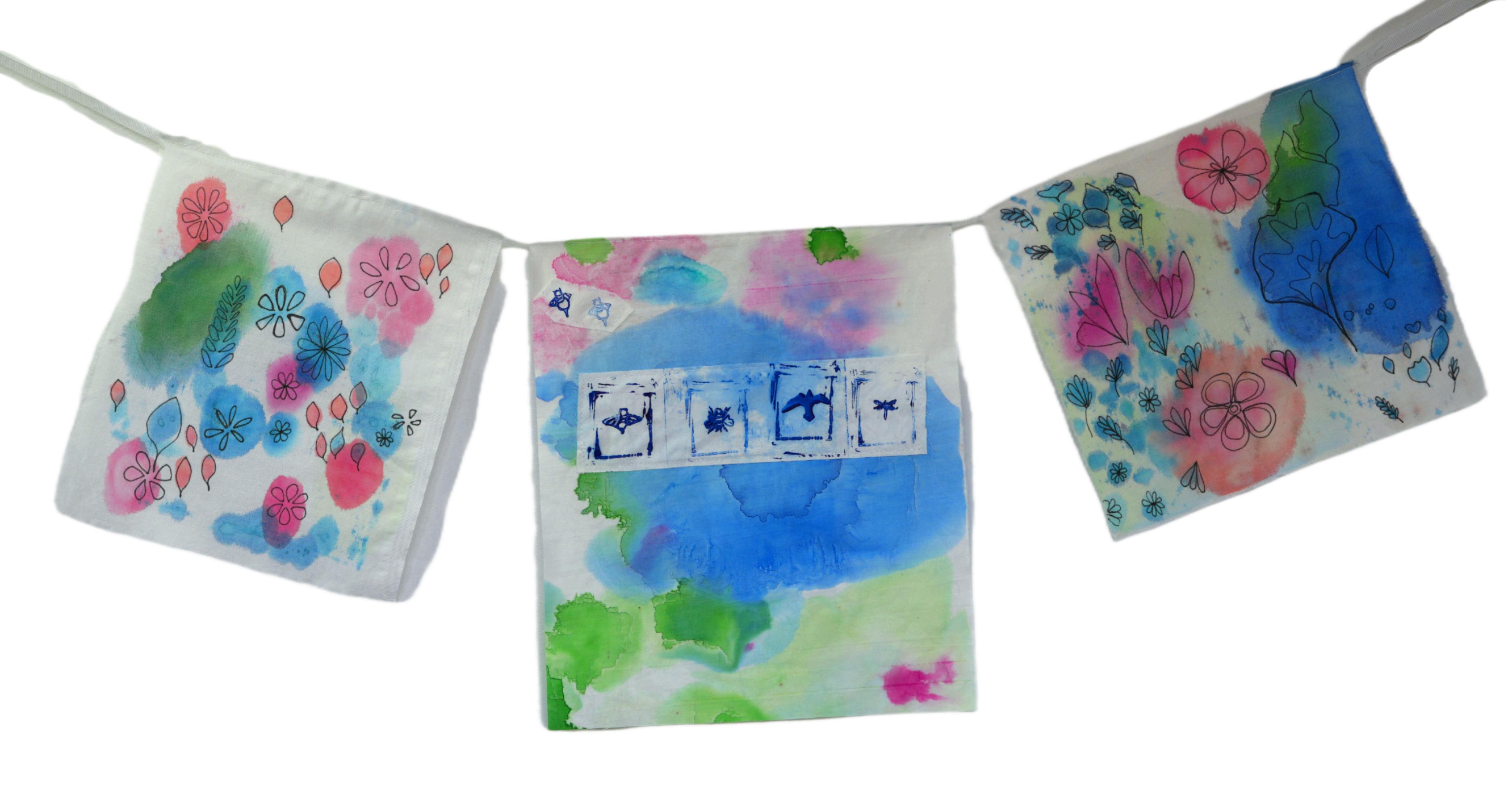
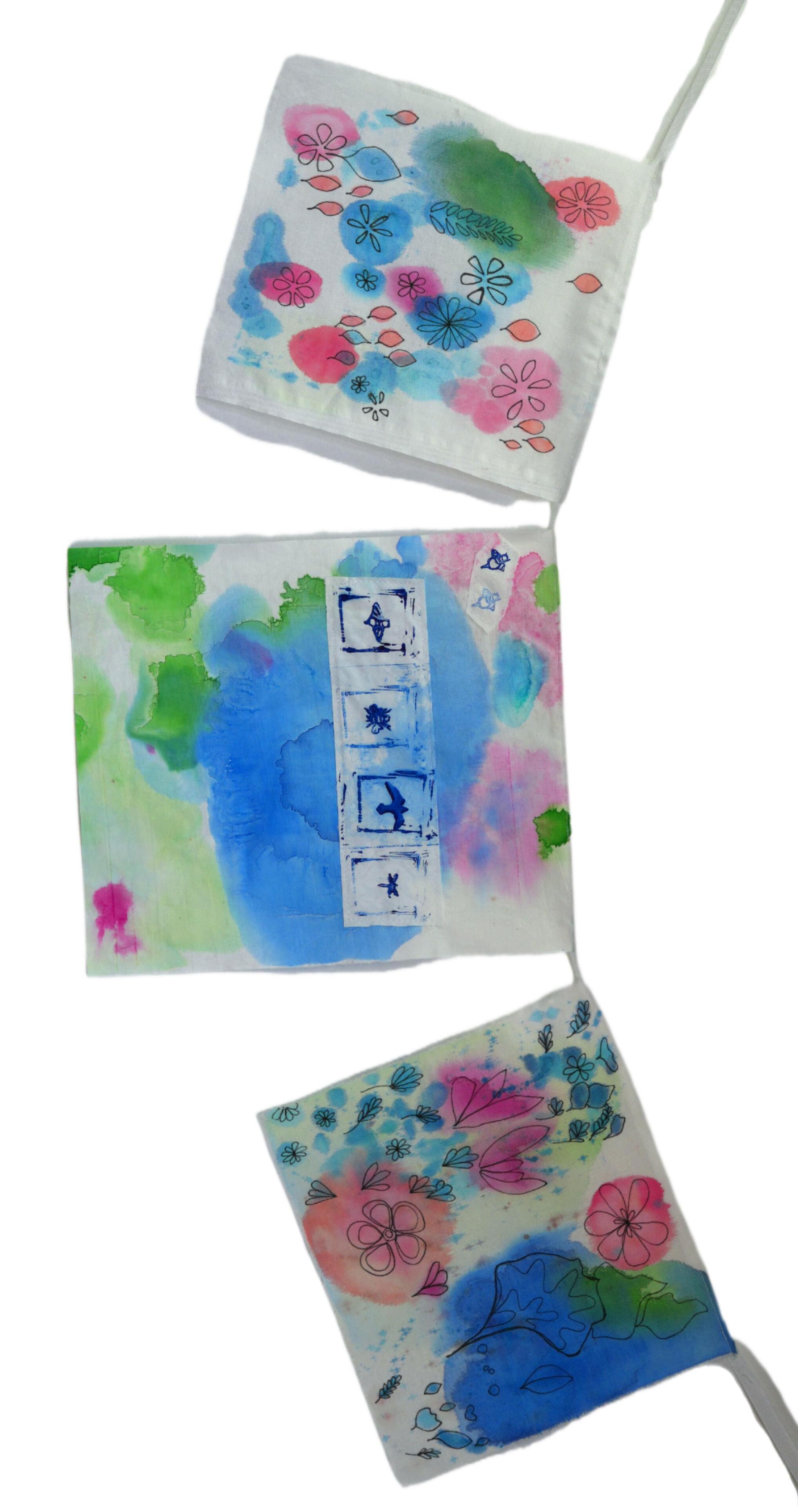
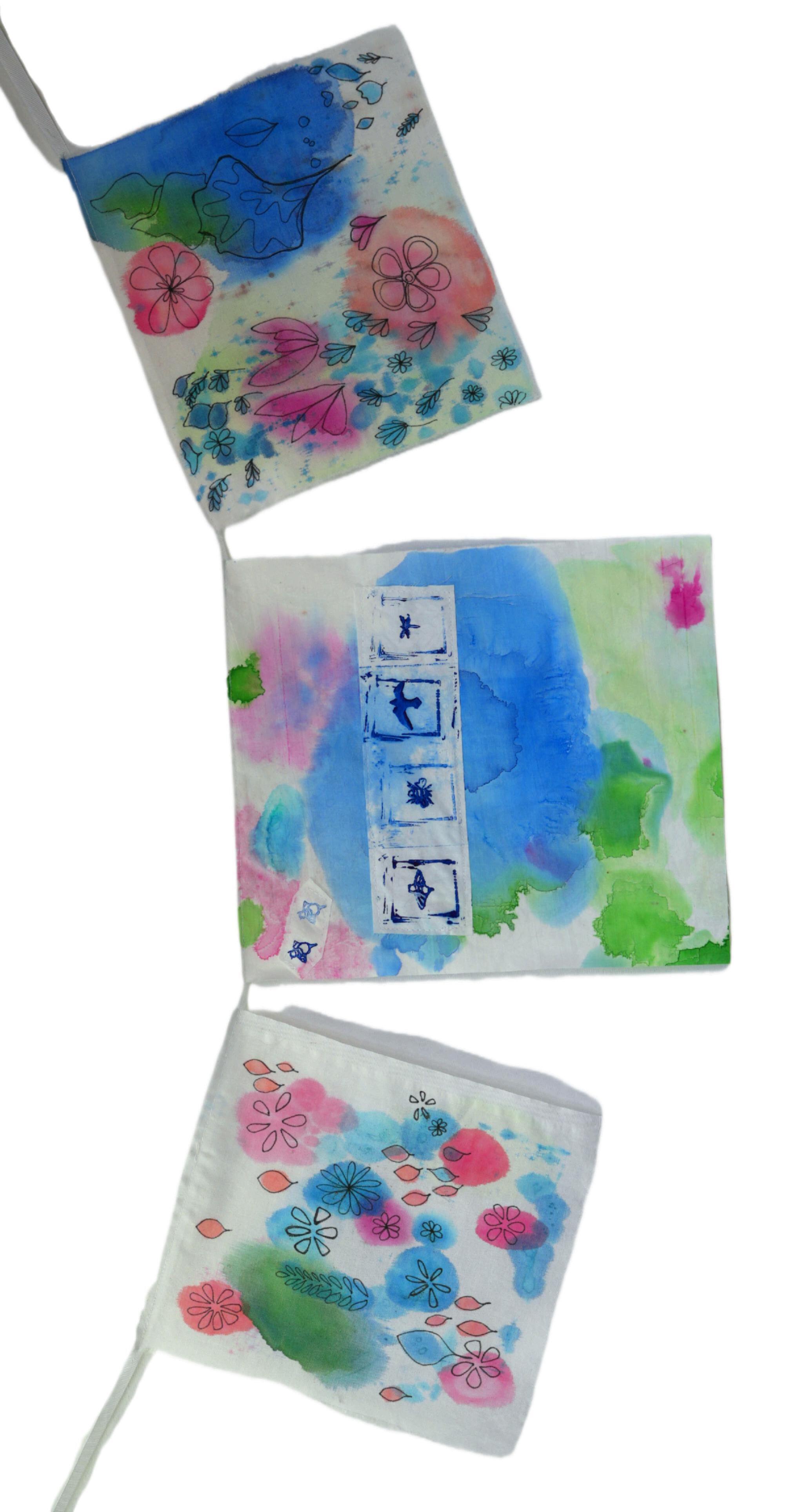
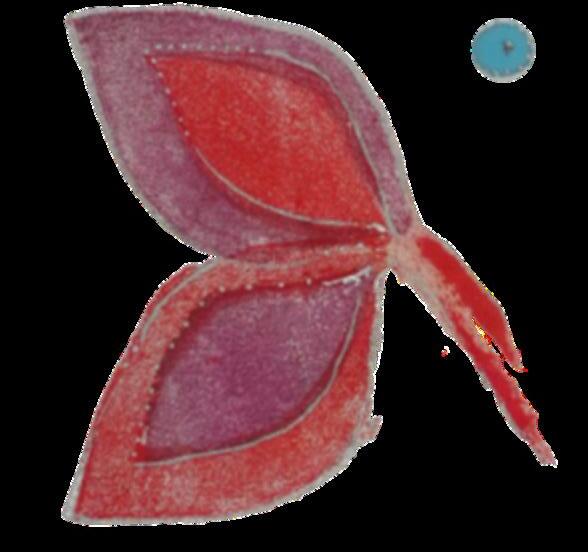
She crafted the Wishing Flags Art Exhibit, inspired by Tibetan prayer flags that spread goodwill and blessings, combining creativity and raising awareness of our cause.
Using pieces of recycled fabrics, Fae paints access to education for the we care for. These lively banners her way of expressing her desire taking real action to create a better for children.
The appreciation of beauty and be enjoyed by anyone. These symbols of connection and people cultures in our shared humanity.
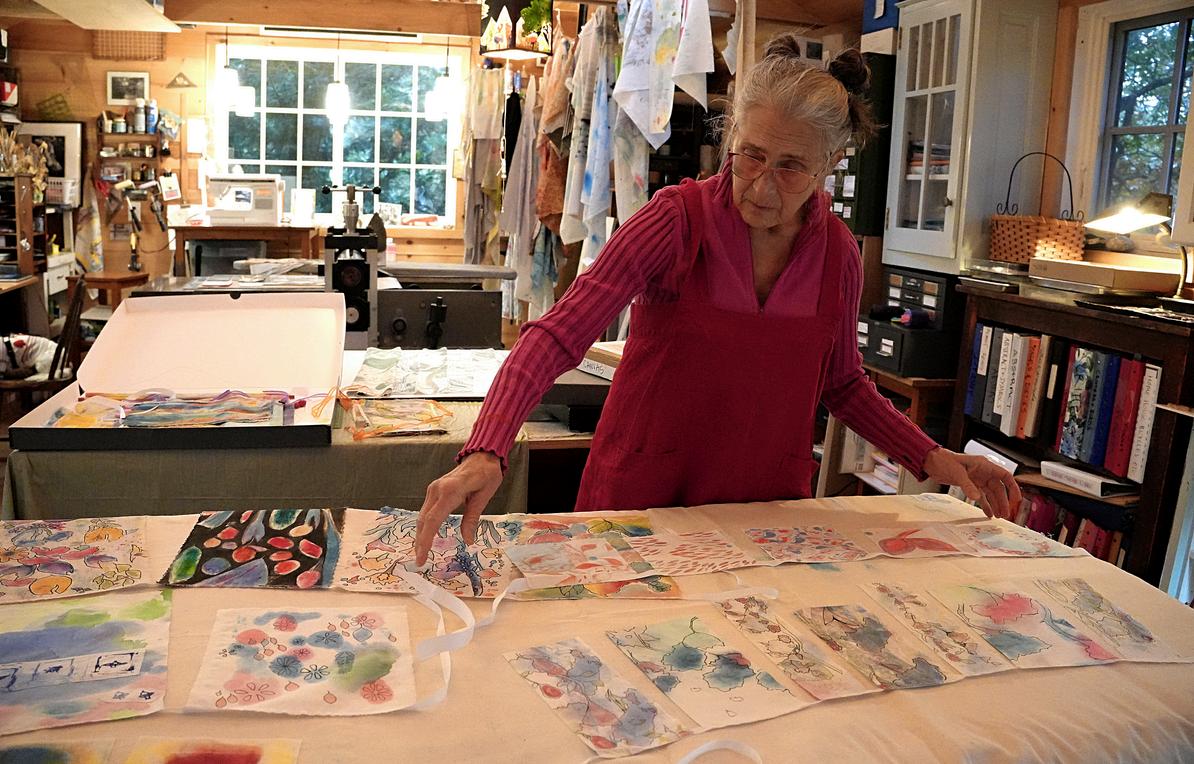
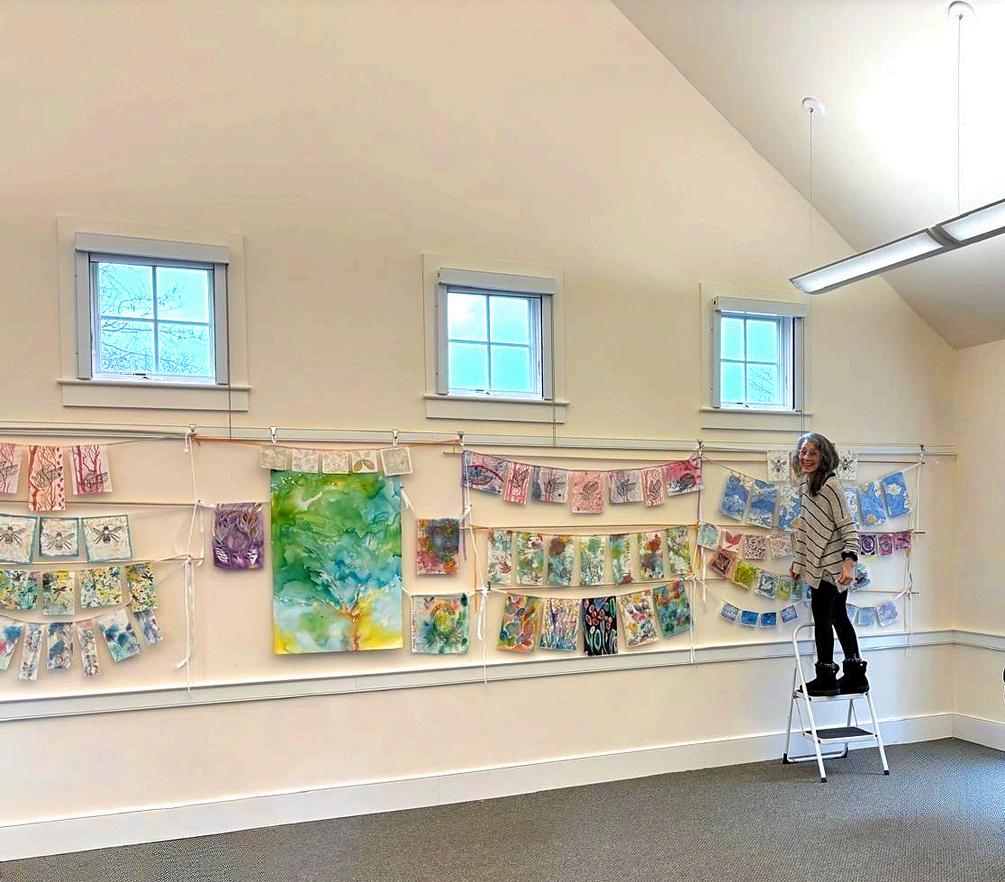
Her love for art began in the 70’s on Martha’s Vineyard, where she found her passion for printmaking. She was captivated by monotypes, a technique that creates unique prints with a rich, painterly quality, which became a signature aspect of her work.
Her desire to share her craft took her to leading community workshops and private classes, to notable artist residencies such as the Tretyakov Gallery in Moscow in 1995.
She reminds us that art is not just about self-expression, it can also be about making a difference. Each flag carries a wish, and compassionate action with the promise of tangible better living conditions.
Through her work, she invites us all to envision, act and believe that everybody can make a positive impact through daily practices and choices.
Fae was instrumental in establishing the Printmaking Studio at the Featherstone Center for the Arts, ensuring that artistic expression is accessible to everyone and until today, she is committed to teaching and encouraging others to discover their own creative potential.
The Wishing Flags remind us of our shared humanity. They ask us to pause, reflect, and take part in a collective vision of compassion and a world free of child labor.
Her works prove that art is more than a pleasant aesthetic experience; it is a message and an action for unity through acts of kindness and creativity.
“EACH WISHING FLAG IS A WISH FOR HEALING, FOR FREEDOM, FOR JOY, AND A GRATITUDE FOR THE GIFTS OF HER LIFE AND THE URGE TO SHARE THEM”.
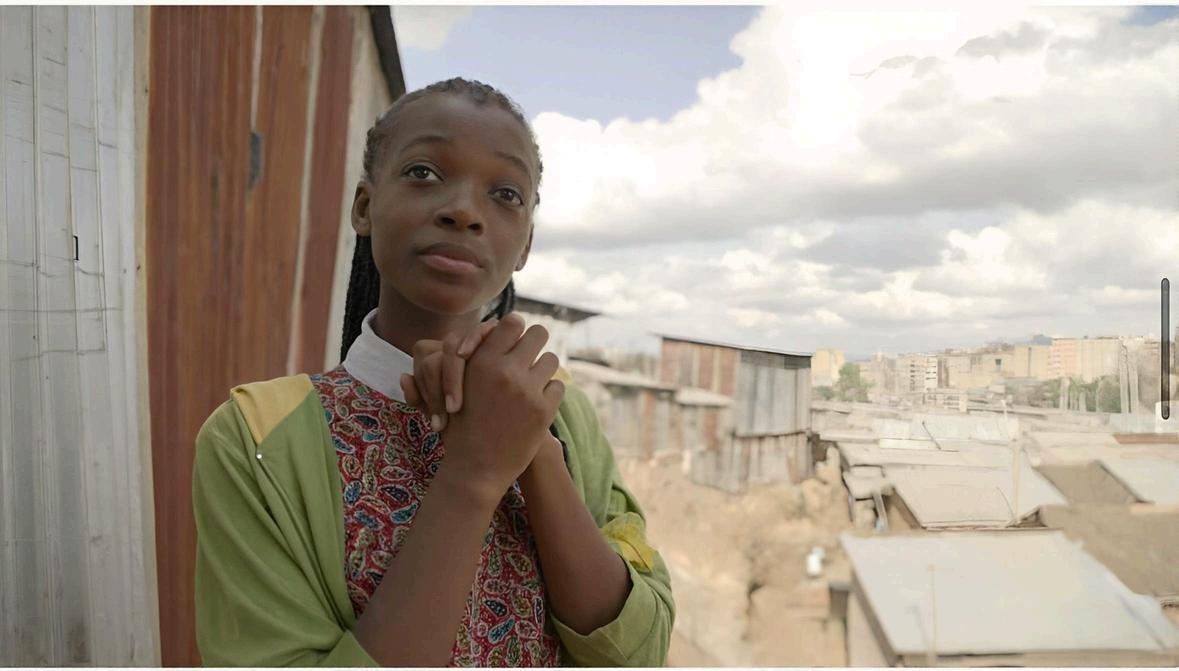
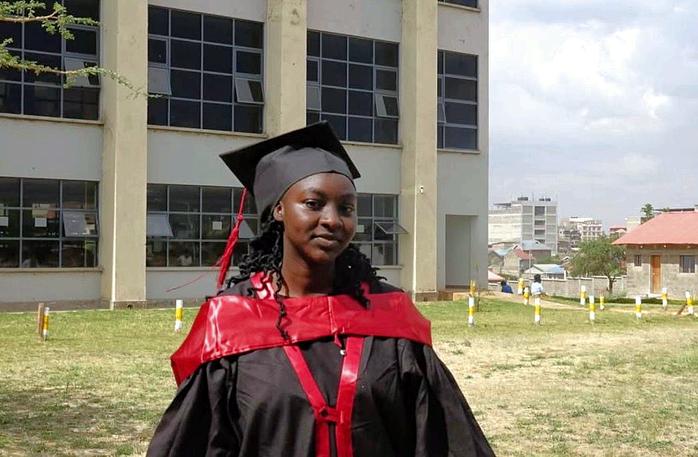
With support of Media Voices for Children, I was a student at the Technical University of Kenya, facing immense challenges growing up in Mathare slums Life was uncertain, but I held onto my dreams, determined to change not just my story but also that of others like me. Today, I stand as a journalism graduate and this is my journey so far
Last year, I proudly graduated with an upper division in Journalism and Mass Communication The road to this achievement was anything but smooth Every hardship, every sleepless night, and every moment of doubt shaped me into the person I am today During my three-month attachment at Kenya Broadcasting Corporation (KBC), I gained invaluable experience in news writing and editing for broadcast, researching and preparing stories, and assisting with live media production
I have learned that hard work eventually pays off Discipline, persistence, and hope are the forces that shape one's future Every challenge I have faced has only strengthened my resolve to be the journalist I aspire to be I no longer see obstacles as setbacks but as stepping stones toward my purpose. I believe that the struggles I have overcome will help me uplift others who face similar challenges
BY SUSAN MELVIN
For example, in Mathare, where I grew up, children face serious environmental challenges Unreliable water supply, pollution, and poor sanitation conditions make life unbearable. Floods displace families, leaving children susceptible to disease, exploitation, and school disruptions. Droughts lead to food shortages, making education a secondary concern as survival takes priority These environmental challenges threaten the rights of children daily, yet their voices are rarely heard This is why I choose to tell their stories
My next course of action is clear; to advocate for children and to give back to society by mentoring young people, amplifying the voices of others and ensuring that no child feels invisible
As I continue this journey, my mission remains steadfast, to be the voice that speaks for children and a role model for those who, like me, have faced hardships growing up I believe that where there is life, there is hope, and every child deserves to live with dignity, security, and opportunities My story is still being written, and I am determined to make it one of impact and change.
“My story is still being written, and I am determined to make it one of impact and change.”
BYNATALIASANDI
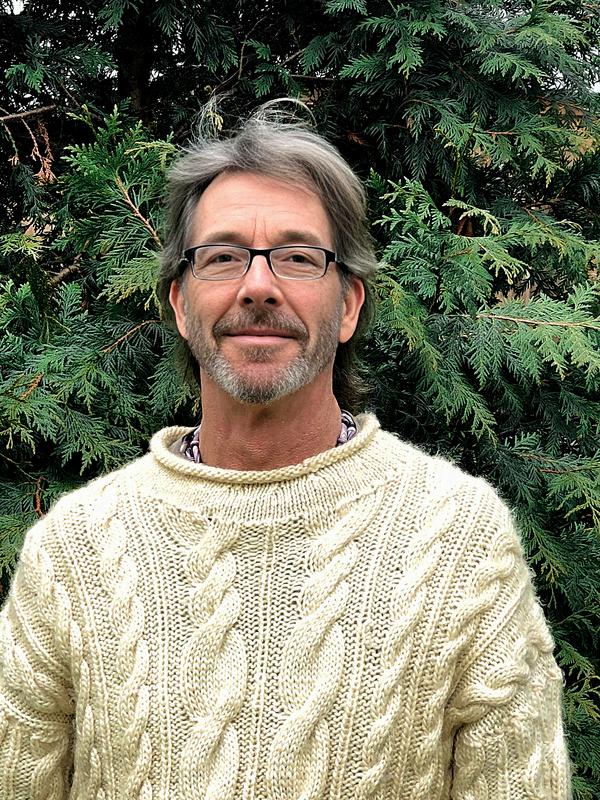
For Michael Wooley, art is not separated from what makes all of us, human beings From the very beginning of his journey, creativity and compassion are paired, his vision is shaped by his belief that every person deserves to be seen, valued, and included.
There is a certain honesty you can only find in the eyes of a child: a clarity that cuts through noise, ego, and discrimination Michael calls this “the language that needs no words ” It is a language of presence, truth, and possibility; and it has guided both his life’s advocacy and his artistic practice
Children, for Michael, are teachers. As he witnessed the realities of children living with physical or cognitive challenges. Their resilience, vulnerability, and strength demand recognition and support
Michael has devoted his life to impacting public spaces on Martha’s Vineyard His creative practice is inseparable from his decades of work supporting people with disabilities
From community engagement, such as making the island’s YMCA pool possible, to swimming for a good cause from Woods Hole to Martha’s Vineyard, to teaching hundreds of kids how to swim, he has spent his life helping others As he often says: “I worked daily to help remove stones, not add more A daily practice of mine to date ”
The stones of separateness and invisibility are carried by too many children and adults with disabilities. Michael invites us to make our steps by becoming aware, to see them, name them, and lift them
Promoting their inclusion is not only a moral choice; it is a right for a disabled person to participate fully in society
When we choose to lift stones rather than add them, we help create a world where every child can rise, flourish, and be celebrated for who they are. Michael reminds us that looking into a child’s eyes is an invitation, a reminder, a promise Their gaze asks us for nothing more, and nothing less, than recognizing each other's humanity
Children, especially, show us new ways of engaging with the world, ways that ask us to slow down, listen, and genuinely understand each other's needs. Michael’s work and way of living are remarkable not only for his artistic eye and love for the underwater world but also for his insistence on making space and lifting stones for a fairer world for all kids
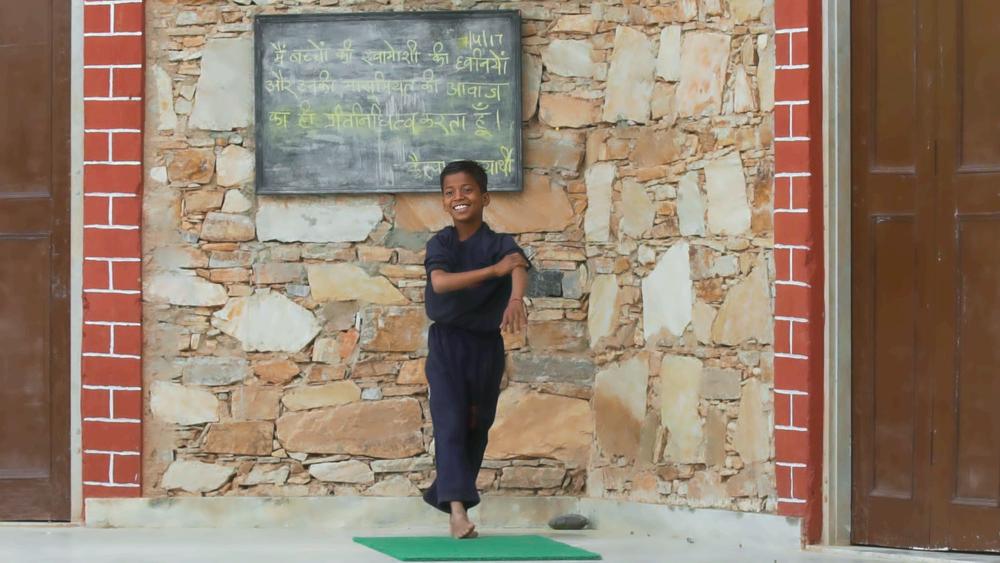
We were dipping biscuits in our chai, basking in the sun, and watching the monkeys leap across the buildings. After a few moments of enjoying nature’s peacefulness, Ajay turned to me and asked, “Didi [older sister], does the air here feel different?”
Taken aback by the sudden question, I just paused as I didn't know what to respond He helped me out and said, "There's less pollution here, right? It feels fresher and purer?" I smiled and nodded as I replied, "Yes, yes, it does."
That’s when it hit me: for Ajay, clean air wasn’t the norm, therefore something special to notice Ajay is one of many boys I met during my time at Bal Ashram, a longterm rehabilitation center located in Rajasthan, India, for survivors of child labor and human trafficking
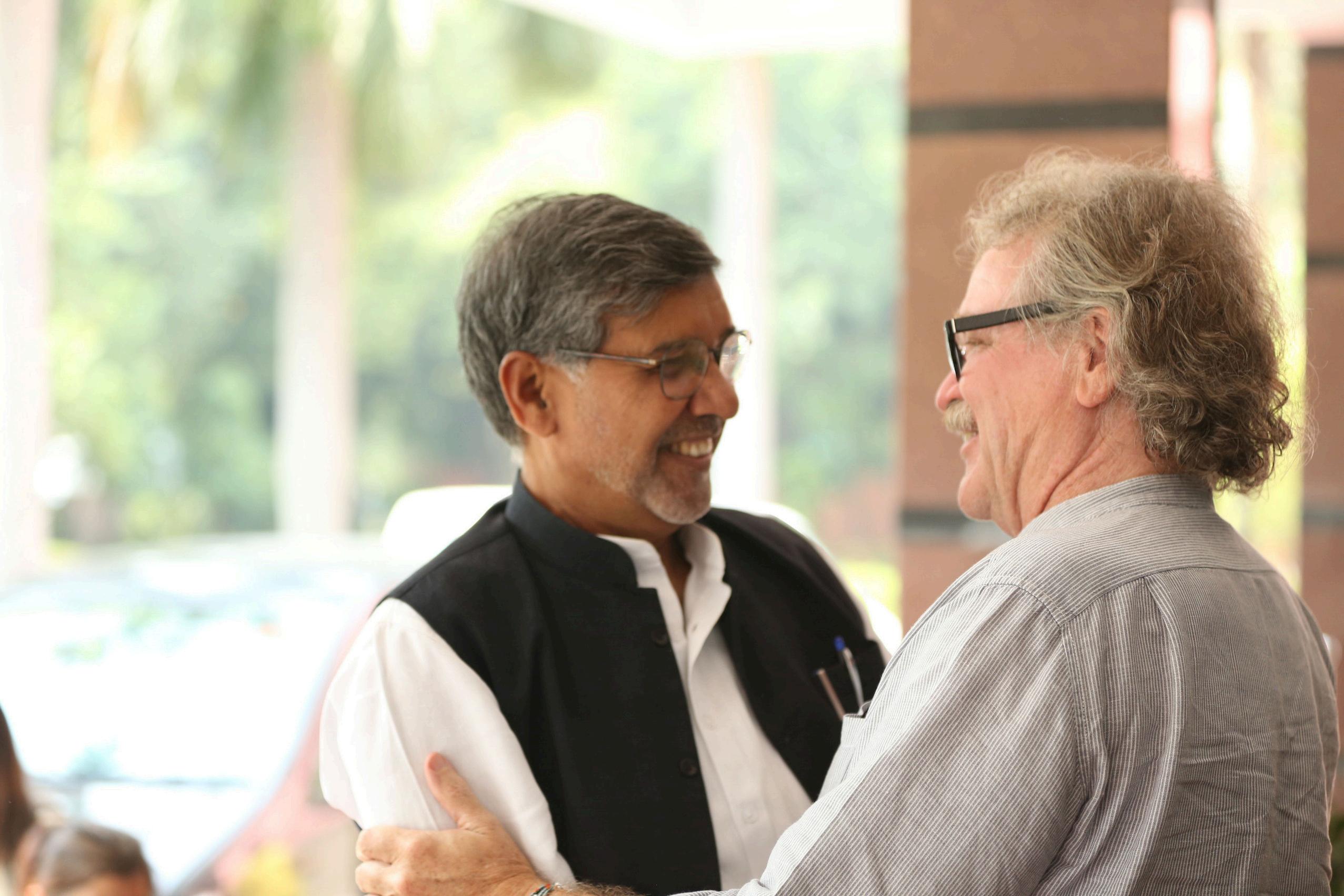
It was established in 1998 by Nobel Peace Prize winner Kailash Satyarthi and Sumedha Kailash to support children rescued from slavery, trafficking, and labor.
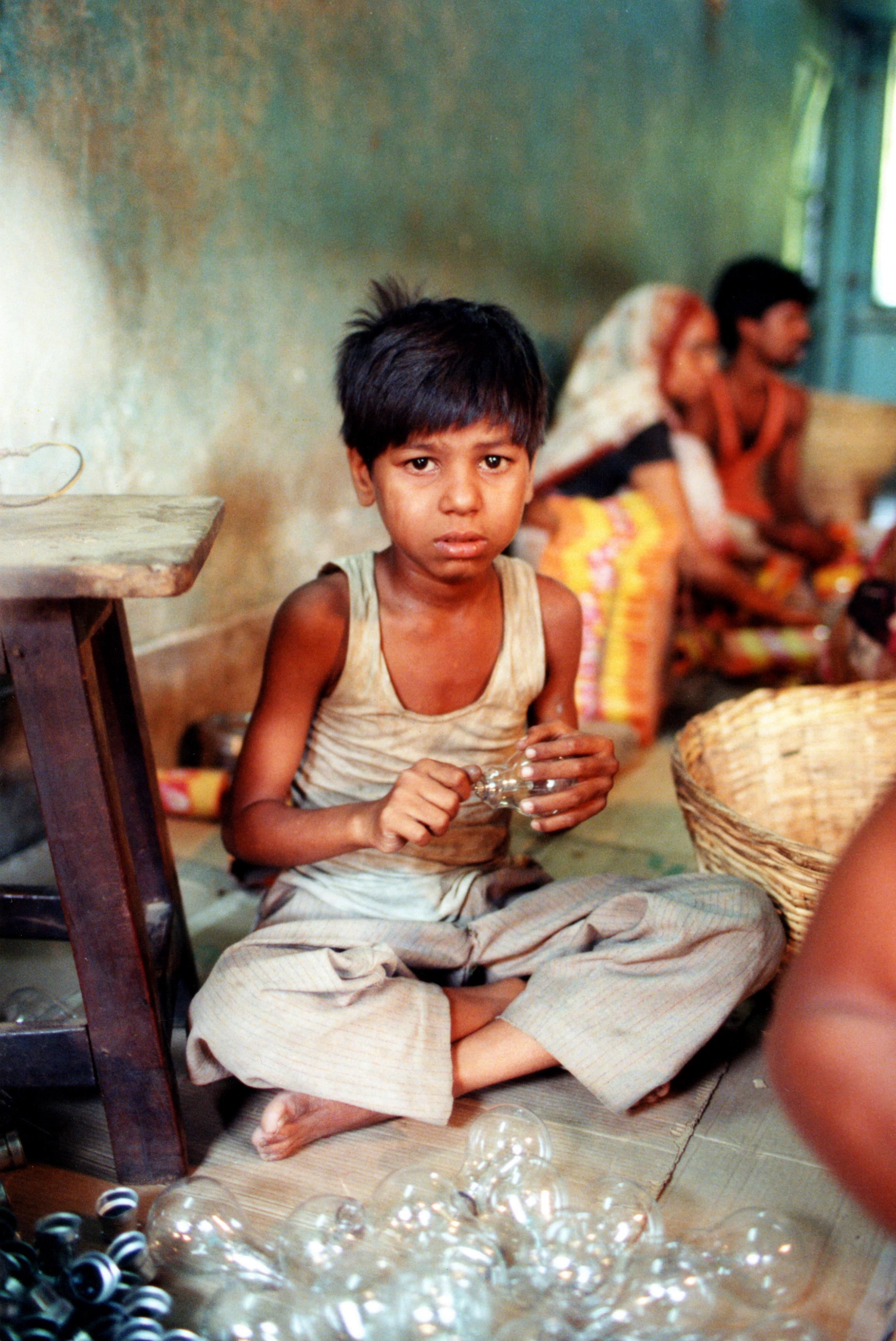
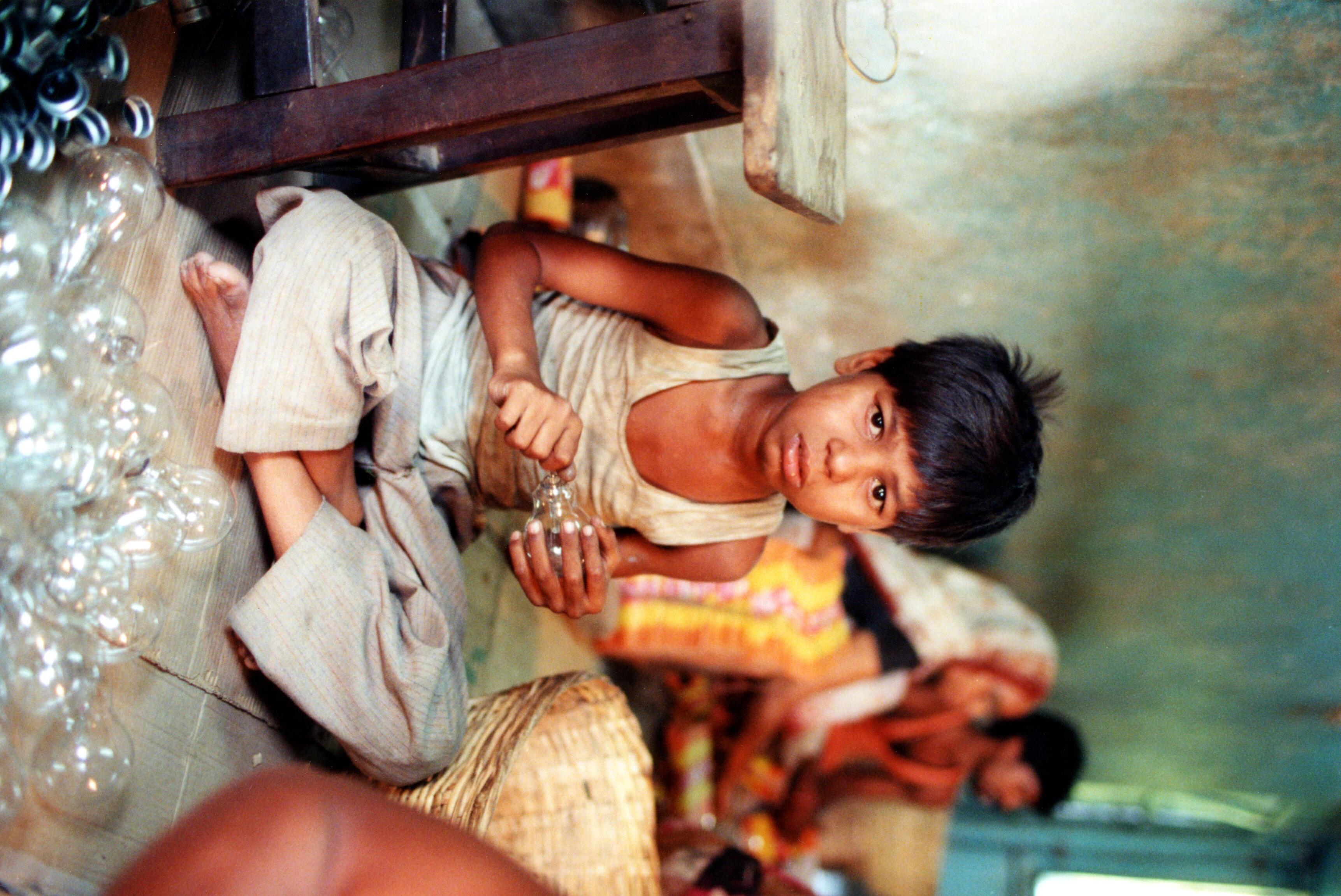
Before arriving at Bal Ashram, Ajay worked in a factory assembling bangles with dangerous materials.
He once showed me the palms of his hands scarred by the unhealed blisters formed due to the extreme heat he was forced to use to glue the bangles together.
Ajay recalled that he was constantly working and very rarely got a break to step out and breathe in fresh air This is how he discovered a newfound appreciation for the mere act of breathing in clean air and nature’s healing effects
I found that all of the Bal Ashram boys are very much in tune with their physical environment. They eat outside, stare at the stars from their rooftops, play endless cricket matches in the main yard, plant their own trees, and even do yoga outdoors Nature isn’t scenery there; it’s part of daily life
BYESHAKODE
It wasn't until my visit to Bal Ashram and listening to Ajay’s story that I realized that having access to nature is also a privilege. There, I learned that nature gives children the ability to play, and every child has the right to play in a safe environment
Oftentimes when we talk about environmental degradation, the issues of housing, unemployment, migration, conflicts, and even diet are at the forefront of the debate However, I believe there is another aspect that is less commonly discussed, but just as vital. Joy.
Article 31 of the UN Convention on the Rights of the Child makes it clear: every child has the right to rest, leisure, and play
When a child is given the freedom to explore the outdoors and partake in activities that they enjoy, it promotes “creativity, imagination, self-confidence, selfefficacy, and physical, social, cognitive, and emotional strength and skills” (IPA World). Furthermore, Dr. Gabor Maté, a renowned physician and advocate of healthy childhood experiences, explains that “people sacrifice their playfulness
Extreme weather events affect a child’s right to play due to the drastic effects they have on the environment, health, and life on the planet as a whole. Air contamination, for instance, is a rather immediate effect of our dependence on fossil fuels, or in other words, a lack of investment in sustainable energy resources
Without access to quality air, children are at a greater risk of developing respiratory conditions such as pneumonia, bronchitis, and asthma (UNICEF) Constantly breathing in polluted air can also lead to a lifetime of health conditions for children. Thus, without quality air, children are more likely to be put in harm's way when they exercise their right to play.
It’s also important to note that drastic environmental changes affect children multidimensionally Not only fuels malnutrition, infectious diseases, and even forced labor, but it lowers the ability for children to realize their right to play, as it “leads to internal migration of families to urban areas where children may be forced into labor” (OHCHR)
As a result, more families have to find ways to survive and more children like Ajay, who are forced to work, and can’t be children and are denied of their right to play.
We must emphasize the deep interconnectedness between human-caused environmental degradation and its multidimensional effects on children In conversations about environmental issues and children’s rights, it is essential to focus not only on children’s physical wellbeing, but also on their psychological wellbeing and the conditions that allow them to flourish. Healthy, playful children cannot exist without a healthy environment. We must come together to push for policies that support life on our Earth and healthy environmental conditions, ensuring that every child can play freely and safely
Every child has the right to be a joyous child!

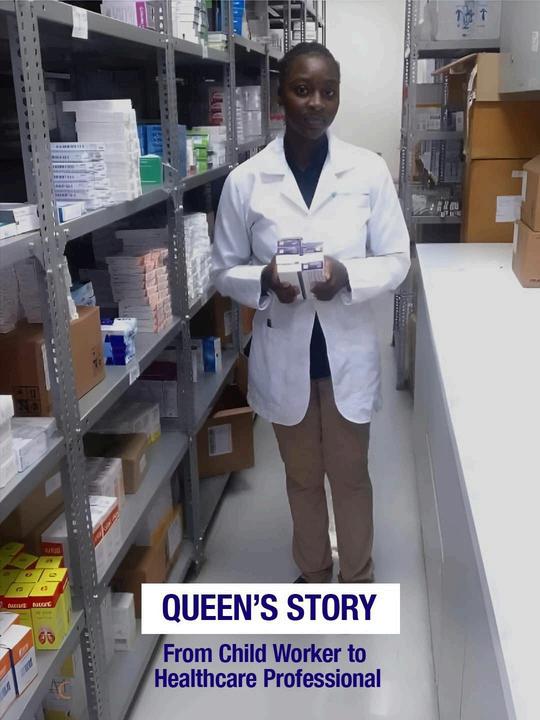
I completed my diploma at Kiriri Women's University of Science & Technology and finished an internship at AA R Hospital, which is among the best hospitals in Kenya, as a procurement officer.
One of the roles I enjoyed most at the hospital was helping patients get the medication they needed to recover.
I want to extend my warm thanks and deep gratitude to the supporters of Media Voices for Children for their contributions to my education, from high school through to university.
Education has been instrumental in shaping who I am and what I do today, and for that, I am truly appreciative,
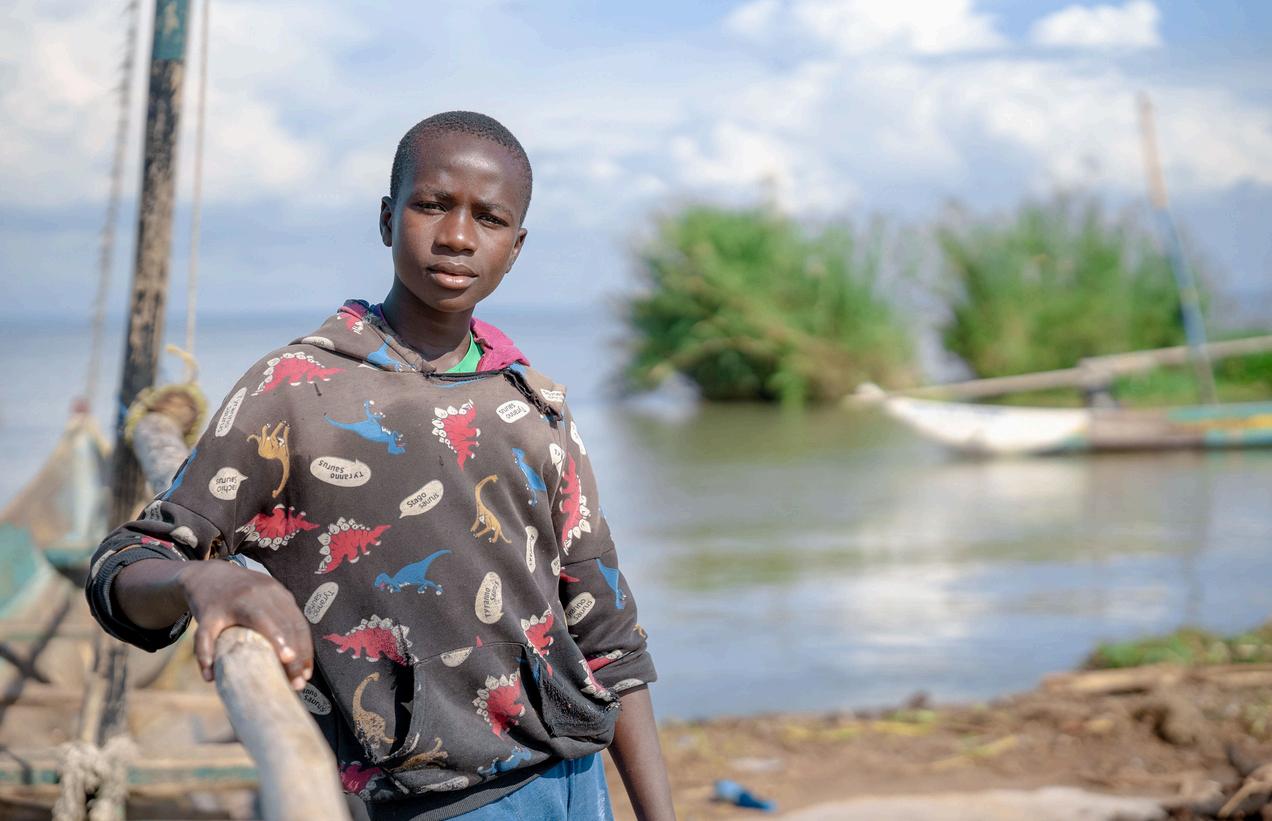
What does Martha’s Vineyard, an island in the Atlantic Ocean, share with Homa Bay in Lake Victoria in Kenya? They are both communities shaped by the rhythms of water Life flows with the tides and the quiet determination of those who navigate and fish through waters, and in both places, people show up for one another, especially when it comes to children
We know that safe, dignified sanitary facilities are a practical, long-term solution to keeping children in school And we also know that, when schools lack adequate facilities, absenteeism rises, and the risk of child labor increases.
For girls, especially, access to private, clean latrines can determine whether they stay in school or are forced to drop out by material conditions. A door that locks. Water nearby A space that offers dignity
This is when we jump into action with prevention! We close doors to the risk of child labor, child marriage, and teenage pregnancy. By building safe and private latrines, girls feel safer managing their menstrual and personal hygiene needs
Students also lacked access to water for handwashing, creating serious health concerns for families and teachers in an area vulnerable to cholera outbreaks
“Pupils used to go to a two-door, dirty and rusty, makeshift latrine made of iron sheets. The latrine had a risky, sinking floor, which was a disaster in waiting.”
Philip Rege, Headteacher,
Adhiro Comprehensive School
This is what child labour prevention looks like Your support means classrooms filled, sustained attendance, better school performance, and safer childhoods
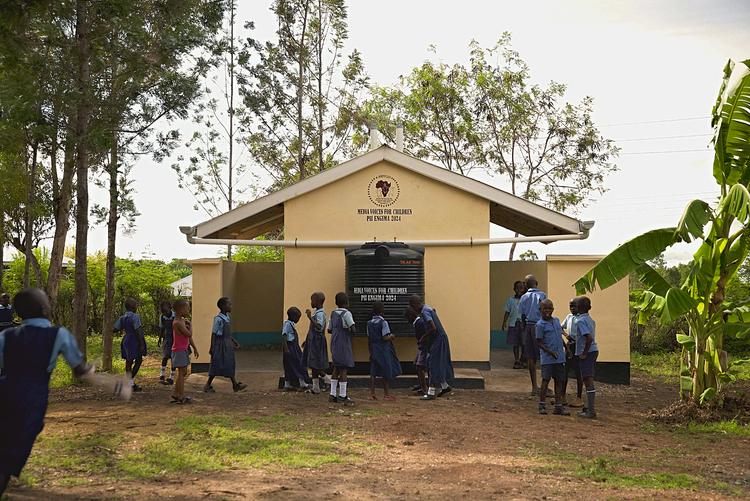
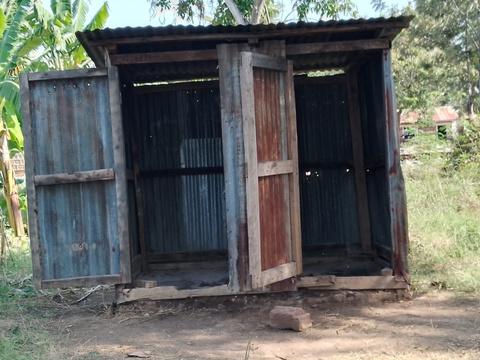
Since the first set of latrines in 2024, girls’ school attendance stabilized throughout the month And rom the first cycle of 2025 to the first cycle of 2026, enrollment grew by over 100 students, reflecting both rising demand and the school’s expanding reach.
Together, we can continue to make significant changes in the lives of hundreds of kids through small acts of kindness that bring change for generations

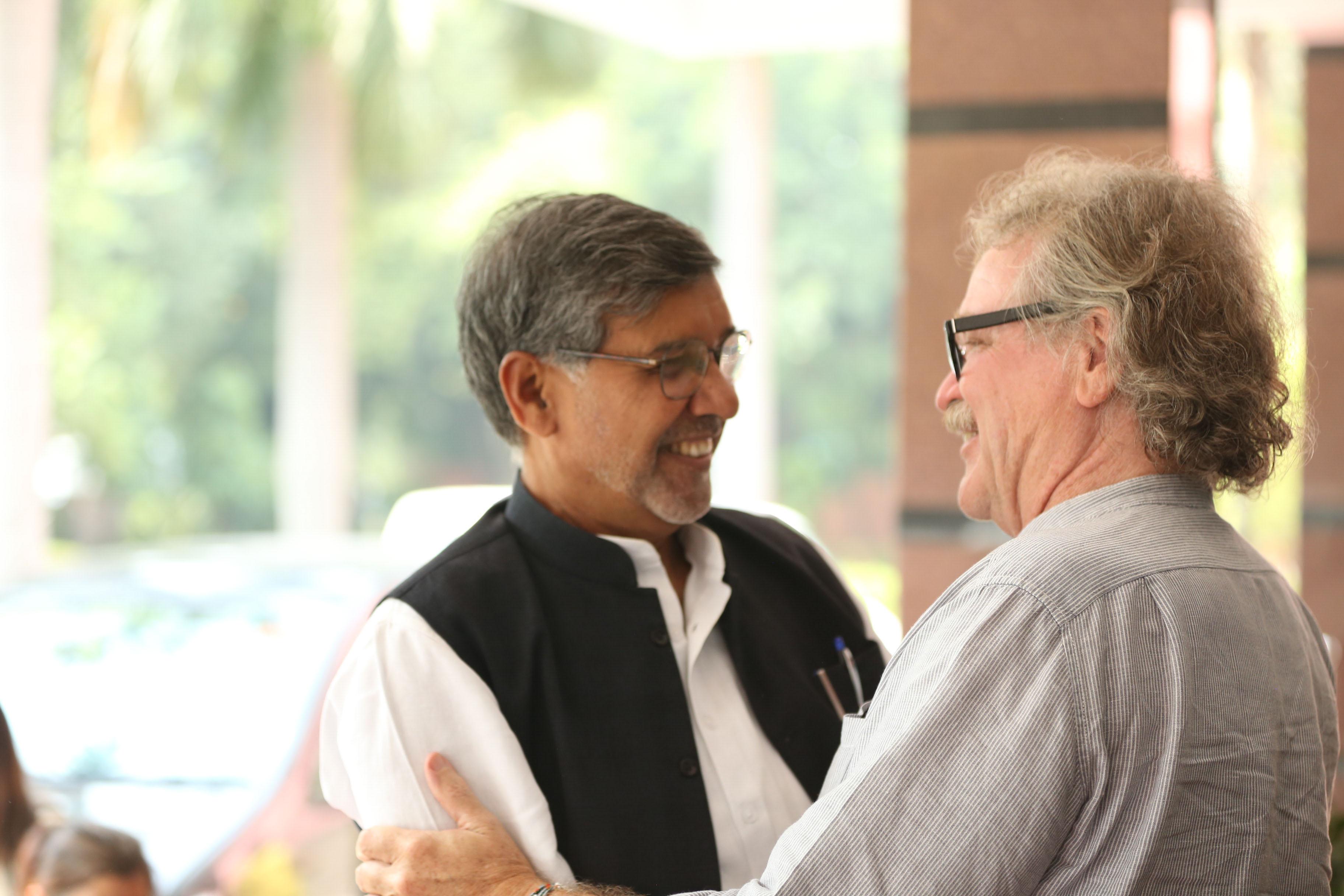
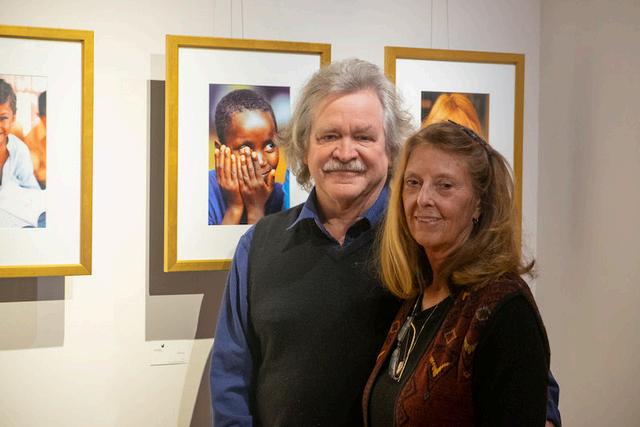
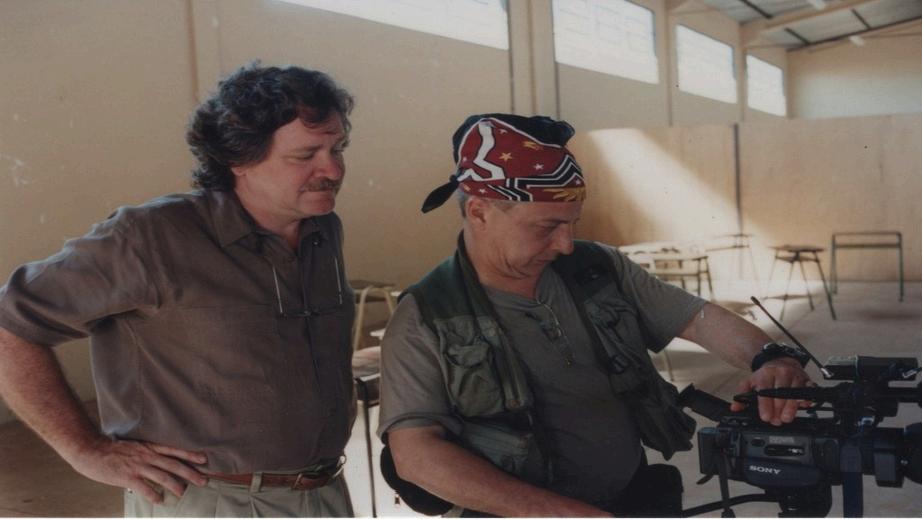
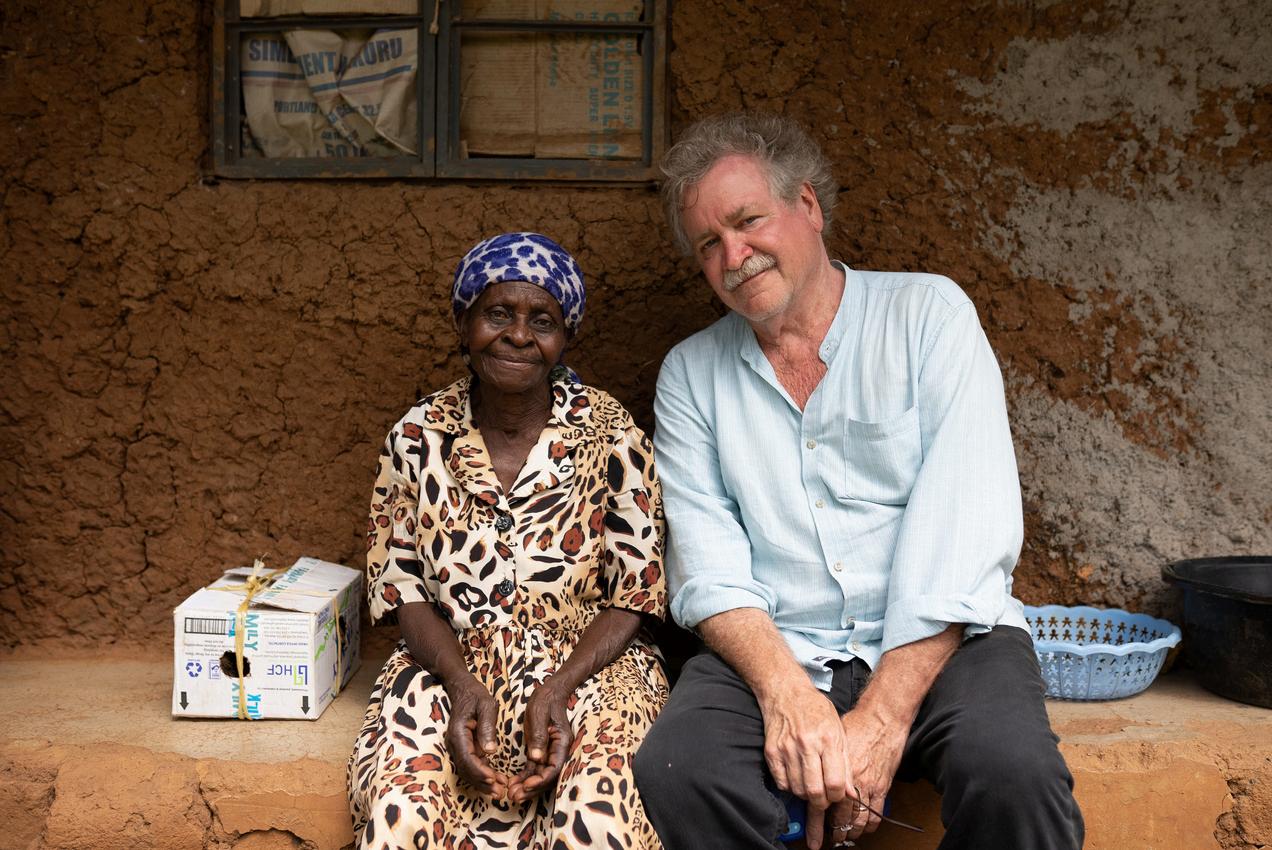
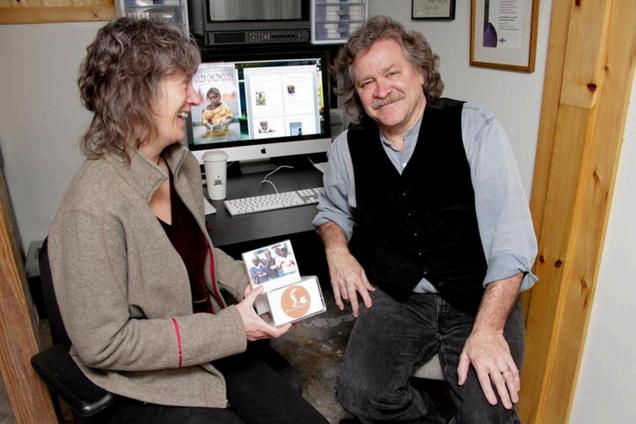
Those familiar with our founder, Len Morris, know of his commitment to both filmmaking and protecting children's rights. His tireless advocacy earned him not only global recognition but also numerous honors, including the Iqbal Masih Award for his lifetime commitment to eliminating child labor.
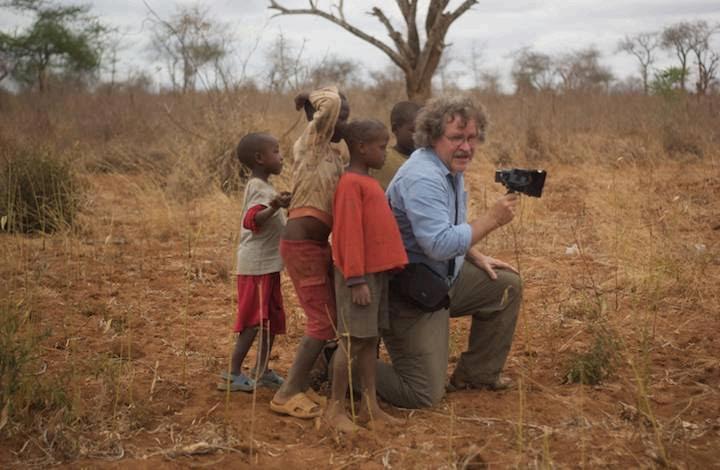
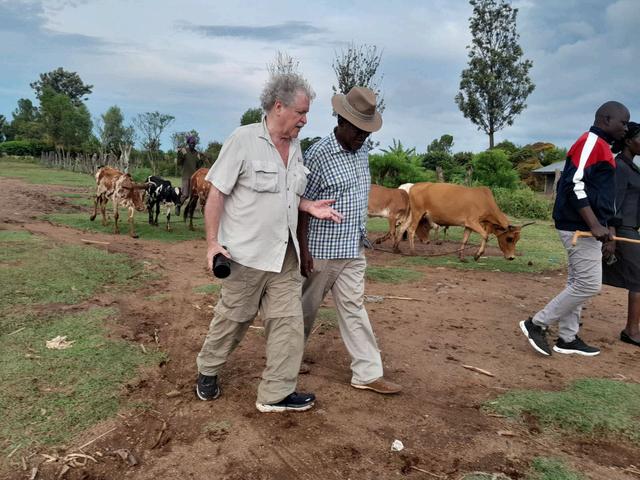
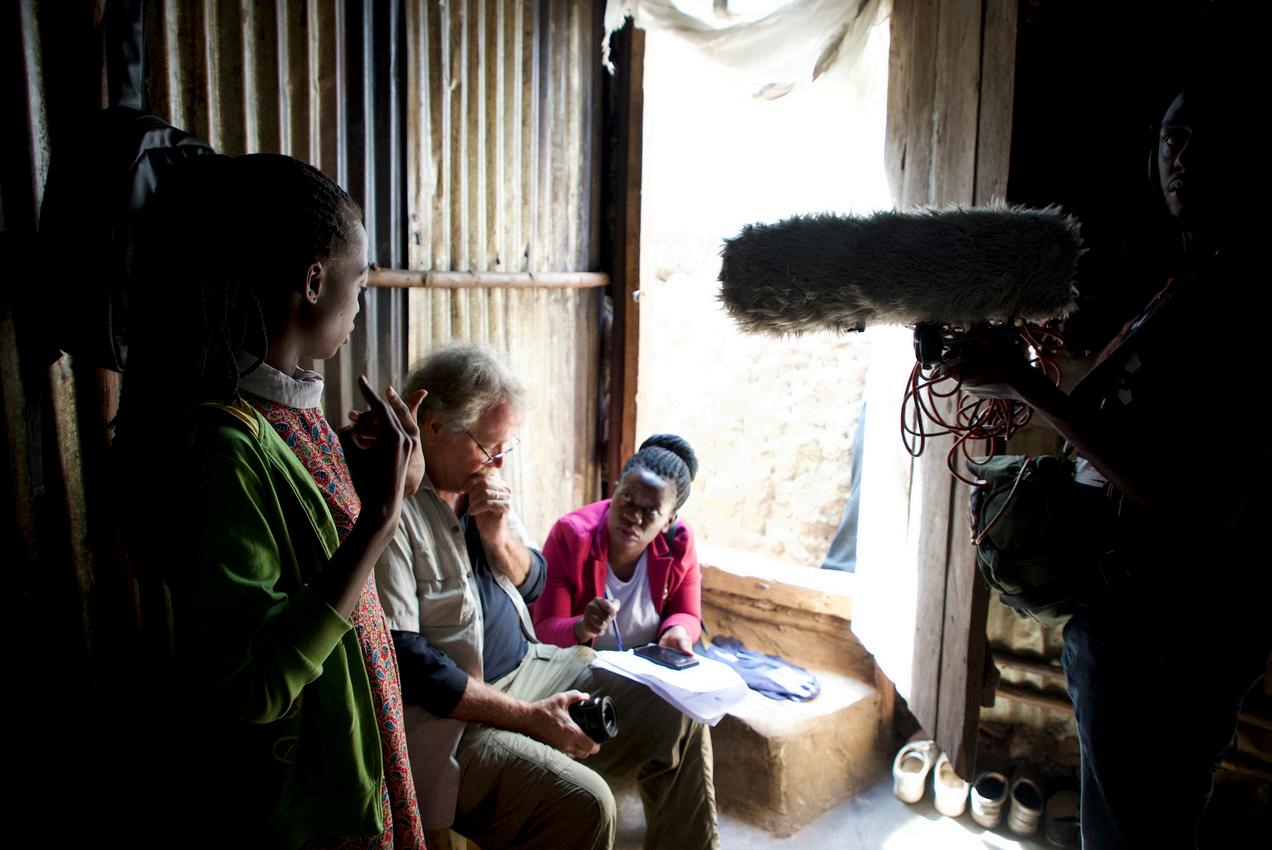
During the filming of Stolen Childhoods, on a coffee plantation, Len encountered Sylvie, an injured girl whose circumstances he could not ignore. Refusing to turn away, he and his wife, Georgia Morris, and Petra Lent McCarron began raising funds to support her and other children in similar conditions. From that moment, the Kenyan School Project was co-created and sustained by our island community. Since then, Len has helped secure an education for more than 5,000 children.
Since 2000, child labor has been reduced by 108 million children. That is an amazing accomplishment, the result of a lifetime of tireless work, to which Len definitely contributed by shining a light on and raising awareness of this reality, which, in turn, shaped global public policies.
While the full extent of the lives he has impacted is impossible to measure – from revealing to the world the faces of children working in hazardous conditions and the realities of modern-day slavery, to helping secure medical care and supporting thousands of children through school lunch programs what remains certain is that his work has always been guided by a profound and unwavering commitment to amplify children’s voices, secure their humanity and dignity.
Carrying forward such a legacy is no small task. Yet, with his mentorship for over 6 years and the support of our trusted community, Media Voices for Children continues to advance its mission. It is both an honor and a responsibility to continue Len's life's work and preserve its essence, while evolving to amplify children's voices and advocate for their rights, relentlessly, until there are no more stolen childhoods.
FERNANDA MORA PRESIDENT MEDIA VOICES FOR CHILDREN