IEA Energy – The Journal of the International Energy Agency, Issue No. 1
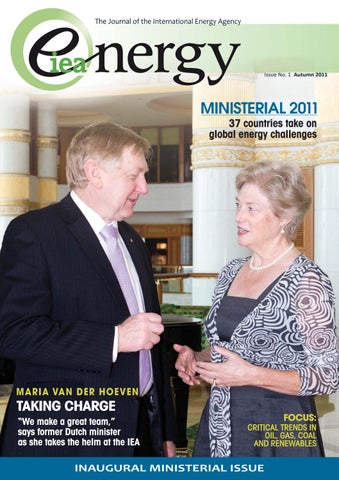
TAKING CHARGE
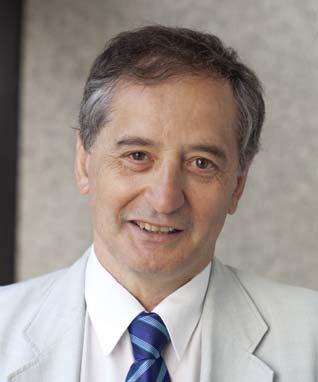
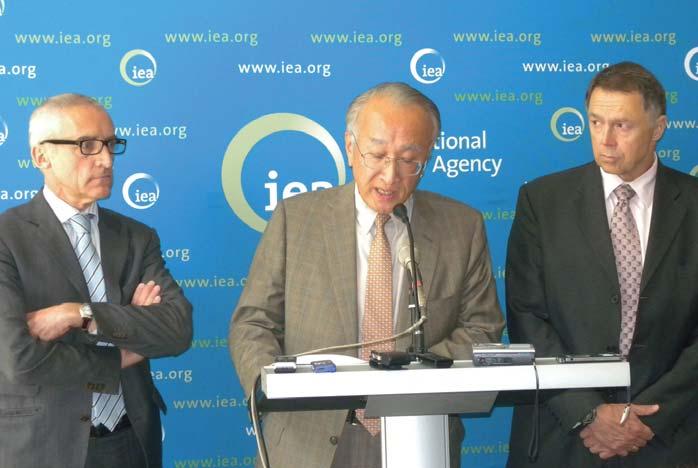
“We make a great team,” says former Dutch minister as she takes the helm at the IEA
MINISTERIAL 2011
37 countries take on global energy challenges
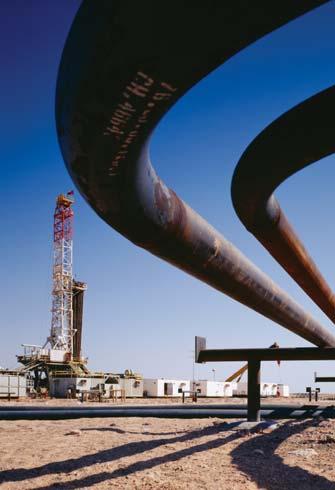
FOCUS: CRITICAL TRENDS IN OIL, GAS, COAL AND RENEWABLES
MARIA VAN DER HOEVEN
INTERNATIONAL ENERGY AGENCY
The International Energy Agency (IEA), an autonomous agency, was established in November 1974. Its primary mandate was – and is – two-fold: to promote energy security amongst its member countries through collective response to physical disruptions in oil supply, and provide authoritative research and analysis on ways to ensure reliable, affordable and clean energy for its 28 member countries and beyond. The IEA carries out a comprehensive programme of energy co-operation among its member countries, each of which is obliged to hold oil stocks equivalent to 90 days of its net imports.
The Agency’s aims include the following objectives:
n Secure member countries’ access to reliable and ample supplies of all forms of energy; in particular, through maintaining effective emergency response capabilities in case of oil supply disruptions.
n Promote sustainable energy policies that spur economic growth and environmental protection in a global context – particularly in terms of reducing greenhouse-gas emissions that contribute to climate change.
n Improve transparency of international markets through collection and analysis of energy data.
n Support global collaboration on energy technology to secure future energy supplies and mitigate their environmental impact, including through improved energy efficiency and development and deployment of low-carbon technologies.
n Find solutions to global energy challenges through engagement and dialogue with non-member countries, industry, international organisations and other stakeholders.
International Energy Agency 9 rue de la Fédération 75739 Paris Cedex 15, France www.iea.org
Spain
Sweden
Switzerland
Turkey
United Kingdom
United States
Please note that this publication is subject to specific restrictions that limit its use and distribution. The terms and conditions are available online at www.iea.org/about/copyright.asp
The European Commission also participates in the work of the IEA.
IEA member countries:
Australia
WELCOME TO A “MUST READ”
People are often surprised to learn that the International Energy Agency is starting a journal. Many politely note that we appear to be bucking the trend, given the declining number of magazines worldwide. But I strongly believe that IEA Energy is necessary to expose a broader public to crucial Agency findings otherwise obscured in technical analysis; open debate on pressing energy challenges; bring in outside commentary; and inform readers who may not be experts but who are interested in learning about energy and the essential role it plays in every aspect of life today.
Energy is both all-encompassing and, especially at the moment, a matter of high political interest. Energy both feeds and drives the global economy. Some may see it as a technical subject involving complicated geopolitics, environmental damage and high economic cost – plus a potential source of pain when policy changes. But that attitude misses the point. We need to change the public perception to reflect energy’s centrality to our lives and call attention to the many options that offer hope and promise.
Launching a journal won’t effect that change overnight, but it can tackle some of the issues headon. If there is one overriding finding of all IEA analysis, it is that the energy decisions governments, industry and individuals make today determine the future for the next generations. We at the IEA therefore have a responsibility to inform and engage as many people as possible to ensure that the right decisions are made.
Through IEA Energy, I want to make energy issues ranging from technology to environment to market developments accessible and inspiring to everyone from university students to policy makers to grandparents. Besides IEA experts, this journal features a variety of perspectives from the public and private sectors, with some of them maybe differing from the views of the IEA Secretariat and member countries. That is how to make this journal not just informative but a “must read”.
One of IEA Energy’s most important sources is you! We need to hear from you: your comments, ideas and, yes, criticism. As the IEA enters a new era, help define the future of those next generations, and start by telling us – me – what we need to do, and how.
By Maria van der Hoeven
Minister of Economic
from February 2007 to October 2010, during which time she demonstrated leadership on energy policy at national, regional and global levels. She is a fierce supporter of market principles, promoting transparency and establishing a level playing field in administrative affairs.
Maria van der Hoeven took over as Executive Director of the International Energy Agency on 1 September. She previously served as Dutch
Affairs
•
•
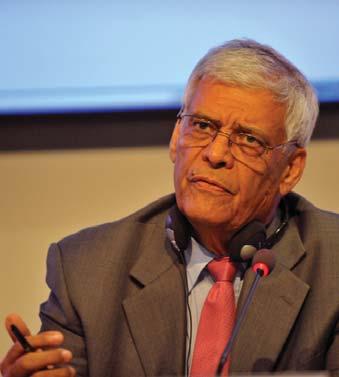
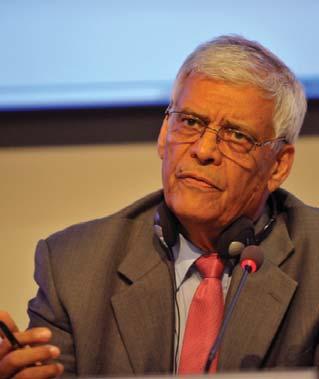
OPEC Secretary-General Abdalla Salem El-Badri
• Oil: What is “the” price of oil?
• Gas: Shale gas as game changer
• Coal: Can new plants work with renewables?
• Renewables: Variability is no show-stopper
was
The
The International Energy Agency (IEA) produces IEA Energy, but all analysis and views contained in the journal are those of individual authors and not necessarily those of the IEA Secretariat or IEA member countries.
Read IEA Energy in PDF format at www.iea.org/ ieaEnergy or by iPad application. For such material in this journal indicated as being provided under the terms of the relevant Creative Commons public licence, the IEA does not impose any terms (restrictive or otherwise) in addition to, or replacement for, the terms of any such
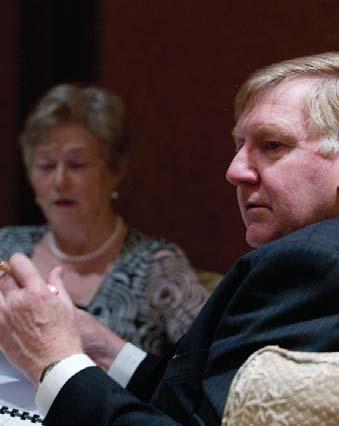
You’re already familiar with many elements of the IEA from chairing the last Ministerial meeting.What was your favourite aspect of the 2009 Ministerial, and what do you see as the greatest challenge of this Ministerial meeting? My favourite aspect as Chair of the IEA Ministerial was the content, particularly the opportunity to talk about energy and energy politics in a very broad sense. But I also liked the way it was organised. We gave people the breadth and opportunity to say a little bit more than what was prepared for them in advance. I think it encouraged them to speak freely. And even if at first they may have been a bit unsure about the more open format, politicians are very, very quick to adapt. In the end, they liked the way we organised it. And indeed, together with the current Ministerial Chair, The Hon. Martin Ferguson of Australia, I’m going to do something like this again [at the 2011 IEA Ministerial].
A key challenge for us in 2009 was that with the outreach countries present – there were three there, China, India, and Russia – we wanted to take steps and address some questions about the future of our relationships. Building on that experience, this year we are very focused in this area, inviting nine partner countries to the Ministerial, because it is an opportunity to amplify such relationships and to build a clear forward approach. We must focus, in my opinion, on building adequate communications and monitoring systems so that in the event of a serious supply disruption there are processes in place to enlarge IEA actions and co-ordinate with countries like China and India to manage the situation. This will be a very great challenge.
The IEA Ministerial this year is highly focused on energy security but also on outward engagement. How do you see these elements
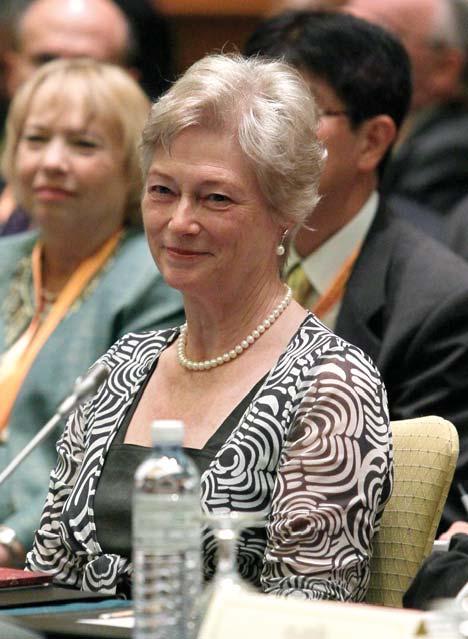
MARIA VAN DER HOEVEN
MARIA VAN DER HOEVEN SPOKE TO IEA ENERGY AS SHE BECAME EXECUTIVE DIRECTOR OF THE AGENCY IN SEPTEMBER. CHAIR OF THE IEA’S MINISTERIAL MEETING IN 2009, THE FORMER DUTCH MINISTER OF ECONOMIC AFFAIRS AIMS TO REINFORCE THE IEA’S EXPERTISE AND REACH, PROMOTING THE USE OF THE AGENCY’S KNOWLEDGE AND EXPERIENCE.
relating to other Agency priorities, such as economic growth and climate change?
First, the Ministerial this year focuses on three core concepts:“secure,” “sustainable” and “together”. I think there is a great deal of interest in these topics. Given the events of the past year – economic uncertainty, Fukushima, high energy prices – energy security is more important than ever. Of course I will also emphasise the participation of an unprecedented number of non-member-country delegations, as these are the countries where economic growth will be very strong in the future.There will be great demand for energy, and as a result, we all face new challenges.We must address them together. At the same time because there is this great demand for energy, it is very important to take into account the climate-change aspects from the very beginning. We need solutions that are sustainable.
Second, the participation of over 30 energy CEOs in the opening session of the Ministerial highlights the importance of co-operation between government and business. While politicians’ responsibility is to develop policy, the reality is that they need the private sector to make these policies happen. Without the private sector, we won’t see the great sea change needed for a secure and sustainable energy future, particularly at this time of instability in the global economy. What I mean to say is that of course it’s necessary to have policy measures in place, but we also need the private sector from the very beginning to see that the framework is viable and investment really happens. Only then will we see economic growth. We must also work with business on the implementation of all these climate-change measures that we are taking to move to a green economy. This won’t happen if we are not co-operating, and consulting, with the private sector.
What principal global role do you see the IEA playing differently in the next five years? What we see internationally now is quite a number of new initiatives and emerging or recently established organisations. It’s crucial that IEA relations with all these international organisations are sound. This will take a lot of effort, and the IEA must stick to its core strengths – unrivalled global expertise in energy-market and policy data and analysis.
It is important that we not only deliver our messages and produce our publications –both are deeply necessary– but it’s also important that we think carefully about what is actually done with this information, what is the impact of our publications and work, what is the outcome of all this effort. I want to make sure that the IEA makes a difference to energy policy and to our energy future globally. I want us both internally and together with our member countries to be sure that the IEA’s mission is still fit for the challenges of the next 5, 10, 20 years and that all the work we are doing is driving toward that mission. These issues are very high on my agenda, and it means that energy diplomacy and representing the IEA at the right international levels will be a very important part of my job.
How best should the IEA work more closely with other international organisations?
I’ll start with IRENA [the International Renewable Energy Agency] as an example. IRENA was created not so long ago and I think it’s important that we have a strong and co-operative working relationship. IRENA’s work focuses on the renewables domain. We need to co-ordinate with them to see where we can do things together and, especially in this time of tight resources, avoid duplication. We should draw on our respective strengths. IRENA has global membership coverage and
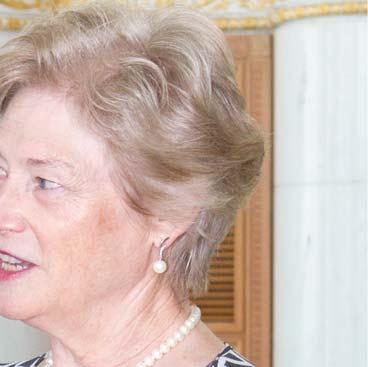
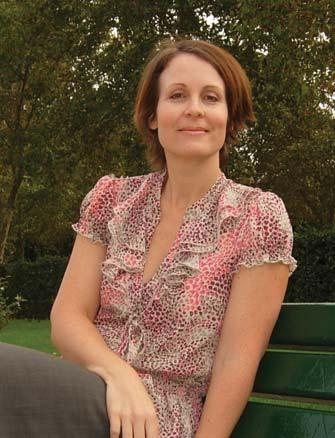
Maria van der Hoeven in Paris:
2011
a programmatic/development focus; the IEA has unbeatable expertise in data, market and policy analysis across the full energy spectrum, including the role of renewables within the wider energy picture. These interests can be complementary rather than overlapping and we will work with IRENA to see to this.
There are other examples. Later this year KAPSARC [King Abdullah Petroleum Studies and Research Center] will be inaugurated in Riyadh, and again there is the question about how we can see to it that we are not putting our efforts into competition, but rather into co-operation. That is very important for the position of the IEA in the future.
To effect change I will work very closely with member countries and the IEA’s senior management – it’s vital that we are on this journey together. It is very important from the outset to commit and to involve all the relevant stakeholders.
What aspects about the IEA do you see as most needing change?
I think we have to see how we can bring a little bit more focus to our activities. You know, there are so many new multilateral initiatives around the world, it is very important to see to it that there is no overlap in activities and that we are putting our human and financial resources to the maximum use.
A second point is to recognise and ensure that people who work at the IEA are enthusiastic, that they are experts and that they really want to do important analytical work while here. So my question to them will be, what can you do, what difference can you make here at the IEA, and what can you do for the IEA as an organisation? These are the questions that I would like staff to consider. I also think it’s important that the work of the different parts of the Agency is fully streamlined and co-ordinated, that the branches of the Agency are working in a complementary way towards common goals.
That’s a very difficult question. I was a politician myself and so I know exactly what you mean. Parliament never asks you to give an answer for 2020 or 2050. They want an answer now. And they want to have the changes now. They want to see it in those three or four years during which they are members of Parliament. So that difference with a longerterm approach to policy than some of our scenarios would suggest can be quite difficult to bridge. But the IEA has a suite of tools that can be used to assist policy development in countries in many different ways. I think what
I think the first thing is to see to it that the projects and analysis of the IEA, the publications of the IEA, continue to have the excellence they have now. So that means that they must always be based on solid scientific research and reliable data. That is at the core of the IEA’s reputation and it is vital to maintain. The second thing is that we need to involve not only our member countries but also our non-member priority partner countries, such as Brazil, Chile, China, India, Indonesia, Mexico, Russia and South Africa. We cannot find a solution for carbon without them, and we also need to involve the private sector. And that is exactly why I am so happy with our upcoming Ministerial, where we will have a large presence from non-member countries and of the private sector.
the IEA is doing, for instance with the indepth country reviews, is providing important policy information: what the politicians could use in their own proposals. Similarly when examining changes in the landscape postFukushima, it is essential to have accurate data and sound information, which are strengths of the IEA, because otherwise you can’t develop a credible scenario. Perhaps in the future the IEA will also look at shorter-term scenarios that could be matched more closely to short-term political priorities: we’ll see.
Politicians often focus on more immediate situations and resolutions, while organisations like the IEA can address longer-term outcomes and can work to achieve objectives more gradually, some might even say methodically. How do you bridge that gap?
You have called for a “fundamental solution” to excess carbon, “to change our industrial processes in such a way that they generate fewer CO2 emissions”. How can you best facilitate such a change?
We should also remember that technology sharing and transfer was one of the objectives of the IEA when it was founded and that the Agency is currently actively involved in a number of low-carbon initiatives in the private sector. These are initiatives that are very important, and when visible to others they can help us to advance towards a future where our industrial processes and energy production are fundamentally improved. We must also not forget the essential role of energy efficiency. There are many cost-effective measures that we can take now to use energy more efficiently, thereby cutting consumption and reducing CO2 emissions.
Is there anything else you would like to say?
The IEA is an organisation with great experience and great experts, and it has an excellent reputation. Since starting at the IEA, and indeed in my dealings with the organisation prior to that as a Minister, I have been struck by the enthusiasm of people for their work and for the Agency’s mission. Being the Executive Director of such an organisation means that I can do my job only when I have the support of the organisation’s staff. Part of my job is to be something like a figurehead. But a figurehead doesn’t function in the right way if he or she isn’t supported by the people who are the experts on energy. My expertise is in a different field, in politics and management, and I can add that to the expertise of the IEA. All together, we make a great team to take this organisation forward.
In your four years as Executive Director, what do you see as the IEA’s greatest contribution to global good and security?
I think we have drawn non-member countries much closer to the IEA, countries like China, India, Russia, Brazil, South Africa, Indonesia. It is getting to be more and more the case that, without these countries, we cannot really achieve important energypolicy targets such as energy security and all the sustainability issues. That was my first thought when I came here: how can we draw them closer, even to become members of the IEA, earlier than the OECD? I think we have in fact succeeded: these countries are working very closely with us in many areas, like security, technologies or efficiency works. On the other hand, still they are not yet members of the IEA.
So do you see the IEA as an entry point to membership in the OECD? They are hesitant to be a part of the OECD because the OECD is considered a rich man’s club. The IEA is a more technical organisation, focusing more on energy security. To have a strategic stockpile and use it jointly, collectively, to smooth the energy market, is of very strong interest to these countries.
What steps did the IEA take under you to help non-member countries best co-operate with the Agency on energy security?
We have continuously been inviting them to confidence-building exercises, like seminars or emergency-response exercises. We have invited some of the secondees, the young professional staff of these countries – sometimes statisticians, sometimes policy experts – to work with us. These bottom-up efforts certainly help them to understand what is possible and what kind of benefit they can get from working closer with us.
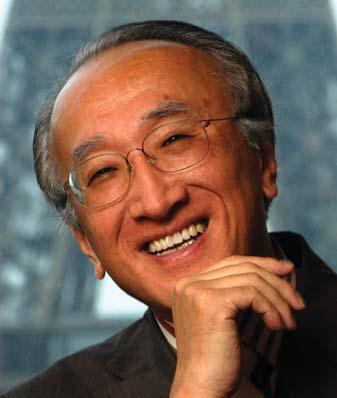
NOBUO TANAKA
AFTER FOUR YEARS, NOBUO TANAKA STEPPED DOWN AS IEA EXECUTIVE DIRECTOR THIS
SUMMER TO TAKE ON HIS NEXT ENERGY ROLE IN A 38-YEAR
CAREER BEGUN IN JAPAN’S MINISTRY OF ECONOMY, TRADE AND INDUSTRY.
You are known to maintain that “the age of cheap energy is over”. What is the most critical fallout from this change of eras? From the demand and supply situation or market situation, certainly the cheap age is over. Of course, the cost of production is getting higher and higher. Easy oil or gas will be more and more limited, so it is inevitable that the cost and the price will be higher. There are plenty of big, new consumers coming in China, India and then Africa and Asia. Underground there are plenty of resources, and they can be developed and supplied accordingly, but the price is getting higher.
The point is that if the price is doubling but if our energy efficiency is also doubling, the total expense would be the same. That is probably the only way the consumer countries can have sustainable and economically healthy development. So demand-side measures are much, much more important in the future. We have started this sort of work in efficiency in the automobile or transportation or housing sector, etc. The IEA started as a kind of supply-side organisation. But we have to deal with and make policies on the demand side. Knowledge in the demand side is very different from the supply side.
How has the situation for nuclear power changed during your tenure? From time to time people’s attitudes toward nuclear have changed. Whenever a big accident happens –Three Mile Island or Chernobyl– there are very
strong concerns and the negative views on nuclear prevail. But gradually it changes back again. When I came here, there was a big discussion of a nuclear renaissance. Many countries started moving to nuclear power because it is sustainable, clean energy, without CO2 emissions.
On the other hand, it is clear after the Fukushima incident that safety is issue number one to make this power acceptable to the public. So we would like Japan to come back with lessons from this tragedy and make nuclear power much safer in the future. And I believe it will happen – eventually.
But when we think about this issue for Japan, its electricity grid gives a very important hint. Because of this catastrophe, Japan has faced serious blackouts. We think the lesson Japan learned is that they need to use diversified sources, diversified routes. Eventually what I want to see is more regional – or beyondborder – grid connectivity. A more common energy market is what we should aim for, even though politically it is very difficult.
There’s another important lesson. Because nuclear is so political and easy to be politicised, governments change policy very often on nuclear – on and off when the government changes, and sometimes even within the same government, like in Germany. Then it is very difficult to convince a private company to invest the huge amount of money needed at the beginning and then to maintain the plant for 30, 35 years or more.
Any words of advice to your successor? “Don’t travel too much.” It’s so tiring. That is exactly the advice I was given by my predecessor.“Don’t travel too much.”
Both the energy industry and, more generally, the global economy are at a crossroads. There are many difficult decisions ahead of us. First, no one can now doubt the dangers associated with current global financial systems. These systems have given rise to debt burdens that will continue to weigh on industrialised nations for years to come and there will be spill-over effects on developing economies. This has created huge uncertainties in terms of energy demand. The lack of clear guidelines has also contributed to oil price volatility through allowing excess speculation to destabilise the oil market.
We have been pleased to see some efforts to introduce better regulation, particularly in terms of commodity speculation. However, these efforts need to continue and we call on the leaders of the industrialised world for firm leadership in this respect. For the global economy as a whole to achieve a sustainable recovery, much more work is required.
Turning to energy, OPEC has consistently stated that there are more than enough oil reserves to supply the world’s needs for years to come. We have only to look at OPEC Member Countries to see that resources are plentiful. However, in recent times, some have called the role of fossil fuels into question, both for environmental and political reasons. In many instances, government policy has sought to make fossil fuels unattractive through levying high taxes and incentivising other forms of energy.
OPEC acknowledges that alternative energy has an important part to play in the global energy mix, now and into the future. But we must also be clear that at the moment, fossil fuels – and oil in particular –remain vital and provide a very large proportion of global energy. They are expected to do so for decades to come.
Therefore, the uncertainties brought about by the policies of some governments are jeopardising investment in the very industry that is so important to restarting and sustaining global economic progress and prosperity. If the plentiful oil reserves that many parts of the world enjoy are to be brought from the ground to the market, safely and efficiently, investment is fundamental. For consumers to be confident of a secure, economic supply of oil, producers must be confident that there is a demand for their product. Otherwise, they will not invest. This is true for any industry.
More generally, OPEC recognises that the environmental credentials of the fossil fuel industry must be continually improved and the Organization welcomes advances in energy efficiency and other related developments in its Member Countries and beyond. However, OPEC advocates that environmental concerns – especially where energy policy and climate change are concerned – are better addressed through the established and inclusive channels of the United Nations Framework Convention on Climate Change. These channels aim to take account of the needs of both developed and developing countries, and are likely to be more beneficial than the unco-ordinated, unilateral action of some governments. The latter can have many unforeseen and negative outcomes.
None of the above arguments are new. OPEC has long recognised that the only way to bring about lasting energy security – security that is needed for a stable and prosperous future – is through consumerproducer dialogue. Now though, more than ever before, we must continue and deepen this dialogue.
OPEC is ready to honour its commitment in this respect to help create a better and more sustainable future for all. We urge others to do the same.
His Excellency Abdalla Salem El-Badri has been Secretary-General of the Organization of the Petroleum Exporting Countries (OPEC) since 1 January 2007, having also held the position for six months in 1994 in addition to two periods as President of the OPEC Conference.
By Abdalla Salem El-Badri
FOCUS
WHAT IS “THE” PRICE OF OIL?
Lay observers frequently pose the above question, earning the inevitable response:
“Which oil are you talking about?” In early September, spot crude price assessments ranged all the way from USD 85 a barrel up to nearly USD 120. Crude oils possess a spectrum of logistical, technical, quality-related, seasonal and regional characteristics which mean there is no single price applicable across the market.
Hundreds of different crude oils of varying qualities are produced worldwide, each with a specific customer base among the world’s refiners. API gravity (a measure of crude density) and sulphur content are the most common indicators of crude quality, and a reasonable rule of thumb is that lighter, sweeter (lower sulphur) crude will have a higher value than heavier, sourer (high sulphur) varieties. Whether that translates into higher physical prices depends on the prevailing supply/demand balance for light-sweet crudes compared with their heavy-sour counterparts.
In reality, the oil market is made up of a large number of partly interchangeable feed stocks. That said, most of internationally traded crude oils are priced at a differential to a much smaller number of key regional crude oil benchmark grades, such as North Sea Brent, US West Texas Intermediate (WTI), or Middle Eastern Dubai.
Differences in refined-product content account for much of the quality-related differential in prices between individual crude oil grades. The refinery yield of lower-value fuel oil and heavy products relative to higher-value transport fuels and lighter products exhibits significant variations between different oils. So it is not unusual to see prices for gasoline-rich oils, such as those from Nigeria, strengthen in the summer months for the peak Northern Hemisphere driving season, while more distillate-rich grades such as Azeri BTC or Murban from Abu Dhabi are highly prized in the run-up to the winter heating season. A crude oil may need to be further discounted compared with market benchmarks if it contains high levels of metals, acid, sulphur or other impurities, or if there are
particular logistical or technical difficulties in storing, shipping or refining it.
New crude oils are frequently discounted heavily in the months after production begins, to incentivise refiners accustomed to a specific crude diet to test the suitability of newer grades for their configuration. Russian ESPO crude sold into China and East Asia is a case in point. Initial sales were made at a discount of 70 US cents a barrel to Dubai in January 2010, whereas now that ESPO has become established, it trades at a premium of around USD 4.50 to 5.50 a barrel.
A further pricing intricacy lies in the fact that many major oil producers sell their output under predetermined long-term contracts with monthly price adjustments. Prices for the same crude oil can therefore vary from month to month, and in the same month among different destinations, according to shipment costs and the producers’ perception of market conditions in each region. So, even identical cargoes of oil can have two or three different potential prices in a given month, depending on their ultimate destination.
Heavy, sweet crude values can also become inflated at times of high electricity demand. In a few countries, including Japan and Saudi Arabia, crude oil is burnt directly to generate electric power, something that has been a feature of Japan’s incremental oil use in 2011, as it has had to replace shuttered nuclear generation capacity with extra fossil fuel burn. While Japan burns 50 000 to 200 000 barrels of crude oil a day for power generation, other countries such as Saudi Arabia have seen annual demand rise as high as 600 000 barrels a day. These numbers may seem marginal relative to total world oil demand of around 90 million barrels a day, but the oil market, arguably more than others, is driven by developments at the margin for both supply and demand. This ensures that prices in general, and for the affected crude oil in particular, can swing sharply in response to apparently isolated and minor supply/demand events. Put simply, oil prices are inherently volatile.
Brent-WTI differential
Probably the hottest topic in recent months regarding relative crude oil values has been the reversal of the traditional price differential
between inland West Texas Intermediate (WTI) and seaborne Brent, the key crude price markers for the North American and European markets respectively. Based on its higher refined product value, WTI traditionally traded at a premium of around USD 1 to 1.50 a barrel against Brent, with differentials varying month to month depending on respective supply/demand conditions and inter-regional trading (or arbitrage) opportunities. But the progressive build-up of crude supply feeding into the US Midwest around the Cushing storage hub (which is also the delivery point for the WTI futures contract traded on the NYMEX exchange) and a lack of pipeline capacity to ship crude from the Midwest to the main American refining centre on the Gulf Coast have seen WTI prices weaken to discounts in a range of USD 10 to USD 30 a barrel versus Brent in recent months.
While some analysts cite regulatory arbitrage for crude derivatives between the US and London markets, or divergent time structures that have emerged for prices of the two crudes, as reenforcing Brent’s relative strength, clear evidence for this is elusive. Until major new pipeline capacity to relieve the build-up of crude in the US midcontinent materialises in 2013 and beyond, it looks like WTI’s relative value will continue to lag well behind historical levels.
In short, there is no such thing as “the” price of oil, as the phrase is commonly understood. Oil is arguably the global commodity, and cargoes commonly travel halfway around the world to reach markets where they are most needed. But paradoxically it is these very differences in prices among regions and types of oil that bind together the various parts of this well-functioning global market.
By David B. Fyfe
David B.Fyfe,head of the IEA’s Oil Industry and Markets Division, has over 20 years of energy market analysis experience. In 2008 he became Editor of theAgency’s Oil Market Report (OMR),an industry benchmark of trends in oil market fundamentals and pricing that also provides forecasts on supply,demand and refining.
SHALE GAS AS GAME CHANGER
Shale gas is often touted as a game changer for energy security, but several factors, especially public uneasiness, may blunt the revolution unless the industry takes action.
The new extraction certainly has had an effect in the United States, for without shale gas that country would have a growing dependency on imported LNG and at least double the current gas price. But almost all of the 150 billion cubic meters of worldwide shale gas production – equivalent to about 1% of global primary energy demand or five months of growth in Chinese coal mining – is in the United States. Growth elsewhere is less certain. Some of the best potential sources of shale gas, like Algeria and Russia, still have impressive conventional resources. And elsewhere, such as Ukraine, there may be plenty of gas underground, but not the investment framework to access it. Northern Texas, where the shale gas revolution started, already had a fully developed conventional oil and gas industry for a century, with all
THE BIGGEST PROBLEM IS THE IMPRESSION THAT SHALE GAS IS LOSING THE PUBLIC RELATIONS WAR.
the skilled labour, services and specialised contractors on hand for the opportunity that finally came. Replicating such a cluster from scratch is at best difficult.
The biggest problem is the impression that shale gas is losing the public relations war. Concern is growing over the potential environmental impact of shale-gas extraction, even though the key technologies, hydrofracking and horizontal drilling, have been around for decades and used, with little public concern, in Germany for oil production and enhanced gas recovery. The gas industry is sometimes deaf to the concerns, often relying only on its expertise and experience as a counterargument. At a recent major gas conference, a senior executive from a super-major complained out loud that the industry was unable to successfully address the American anti-fracking movie “Gasland”, which was made with a budget equal to what his company earns every 20 minutes. But effective
proof of the safety and effectiveness of shalegas extraction is necessary, especially after Deepwater Horizon and Fukushima shocked public consciousness within a year.
“Workplace injuries, most experts believe, are related not to shortcomings in technology but to unsafe human behaviour resulting from poor job practices, bad management, and a workplace environment that fails to put safety first,” Willam H. Shaw writes in Business Ethics: A Textbook with Cases (Wadsworth, 2010). The same is true of industrial disasters: The weakest link is usually not an inherently dangerous
HOW COAL PLANTS CAN WORK WITH RENEWABLES
Some power plants are harder to slow down or speed up than others, complicating their role in electrical grids that are increasingly reliant on the variable input of renewables. Coal plants were long seen as among the least flexible of plants. But that may not be so true anymore.
technology but bad practice. The gas industry can benefit at a strategic level from accepting environmental and safety regulation, including transparency over the chemicals used, as such acceptance can reduce resistance in some public arenas to shale gas extraction. Such regulation need not undermine industry growth in the industry if extra costs related to controls on extraction are offset by adoption industry-wide of best practices, as such practices can maximise the amount of gas brought to the surface and to the market, thus increasing revenues. But if the industry continues to ignore public anxiety over shale gas, it risks being just one accident away from a political backlash
Download the report Are We Entering a Golden Age of Gas?: www.worldenergyoutlook.org/docs/ weo2011/WEO2011_GoldenAgeofGasReport.pdf
Under the traditional theories, the conventional electricity generation fleet is made up of two kinds of plants: base-load plants, such as nuclear or coal-fired units, that work on a constant, non-stop basis (except for shutdowns for maintenance or because of accidents) and flexible plants, such as gas turbines, hydro and some oil units, that easily adapt to meet demand peaks. But the liberalisation of electricity generation adopted in the past two decades by governments around the world has introduced competition among power plants, and so each plant’s marginal cost decides the configuration of units being used at any moment. Another reason to prize flexibility in power plants is because much new capacity being deployed in our carbon-constrained world is variable in output, such as wind or photovoltaic generation.
CAN COAL PLANTS MEET THE FLEXIBILITY REQUIREMENTS OF TODAY’S MARKET CONDITIONS, ESPECIALLY THOSE IMPOSED BY RENEWABLE GENERATION?
Traditionally, gas turbines have been considered the epitome of flexible fossil units whilst coalfired power plants were considered base-loadgeneration plants, with no actual capability for flexibility. But can coal plants meet the flexibility requirements of today’s market conditions, especially those imposed by renewable generation?
By Laszlo Varro
LaszloVarro joined the IEA in March 2011 as the Head of the Gas Coal and Power Division. The division undertakes analysis of gas, coal and electricity markets and policy developments. He previously was a top official at MOL Group and, before that, at the Hungarian national energy regulator.
Working specifications are critical in powerplant design, and old designs did not prize flexibility. So there are coal plants still in operation that have flexibility capacities of less than 1% a minute. These plants can require up to 50 minutes to raise or lower power generation by only a quarter. More flexible old-style plants can cut that response time to 20 minutes.
But modern coal-fired power plants stand ready to ramp up or down nearly 4% of their nominal output
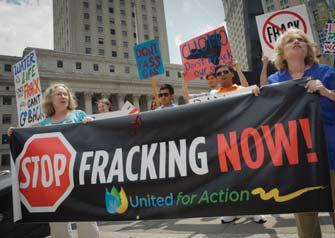
An anti-fracking protest in New York City.
each minute. In these designs, an 800 megawatt (MW) plant may add or withdraw 600 MW to the system in 20 minutes, close to the performance of Gas Turbine Combine Cycles.
This new flexibility helps deal with the significant deployment of electricity generation from renewable sources in some countries, such as Germany and Spain. In Spain, for example, a few times during the last two years, wind generation was able to supply more than 50% of electricity demand without having its output rejected by the grid. And energy configurations that count on wind power, or eolic, facilities for more than 40% of generation are increasingly common in Spain, even though their output can vary widely from one period to another. Ten years ago, engineers would have said that configurations based on such variable input were impossible to arrange. Now, even though renewables cannot behave just like “thermal” generation, new flexibility among other plants means that they are no longer as difficult to manage.
While gas turbines combine cycles are still the most flexible among “thermal generation”, coalfired plants can now provide the required flexibility to integrate renewables such as wind and solar, if they are properly designed and operated. Thus, modernisation is critical. Indeed, market design to allow proper payment to the ancillary services would encourage utilities to build flexible coal-fired plants or to improve the flexibility of existing ones.
VARIABILITY IS NO SHOW-STOPPER FOR RENEWABLES
High shares of certain renewable energy technologies, such as wind, solar photovoltaics, tidal and wave – which are variable in output – complicate power-system management. Wind speeds, for example, fluctuate continually and in a manner that is not entirely predictable.
The extent of the resulting challenge is one of the most disputed areas in modern electricity supply: detractors say that such technologies introduce a level of uncertainty that makes it just too difficult to meet the moment-by-moment challenge of satisfying electricity demand.
What is certainly true is that these technologies’ variability and uncertainty entail a greater requirement for flexibility than is the case with conventional technologies. Flexibility is the ability of the power system to balance fluctuating supply and demand. There are four principal flexible resourc-
THE NEED FOR FLEXIBILITY IS NOT NEW.
es: power plants, storage (such as pumped hydro reservoirs), interconnections (for trade with adjacent markets), and demand-side management and response.
The need for flexibility is not new. It has always been of primary importance in the planning and operation of power systems – to ensure that demand, which also fluctuates, is served reliably. Nonetheless, to date, it has not been systematically studied. So the IEA has developed the Flexibility Assessment Tool (FAST) to identify how much variable output electricity a system can already digest, and how much more, if any, will be needed to meet rising targets for renewables.
can be deployed, subject of course to economic considerations.
Grid weaknesses, unsuitable market design or both are the most likely constraints on the availability of flexible resources to assist in the balancing of variable renewables. The two factors vary from region to region and country to country as no two systems are quite alike. A weak grid is essentially one where congestion occurs in certain places, blocking flexible resources from participating in balancing, and thus exacerbating variability. Certain power market designs have the same outcome, but driven by economic rather than physical constraints.
A flexible market is one where the full flexible resource can respond to changing needs resulting from variability and uncertainty, as well as having the economic incentive to do so. This is more likely to be the case in markets which are large (with many players), deep (the majority of electricity is traded openly) and operated close up to the time when the electricity is actually delivered – so that the need for flexibility can be continually reassessed on the basis of forecasts, then signalled through prices in spot and ancillary markets.
See the book Harnessing Variable Renewables: A Guide To The Balancing Challenge at: www.iea.org/w/bookshop/add.aspx?id=405
By Carlos Fernández
FAST asks a series of questions about the resources and attributes of a system. In a nutshell, the approach is: first, to quantify the flexible resources the system already has; then to identify measures to make those resources available in the marketplace; and finally to deploy further flexible resources only when they are necessary to achieve a higher energy share of variable renewables. There is no technical ceiling on this share: availability of flexible resources can usually be increased, and if necessary new flexible resources
By Hugo Chandler
Hugo Chandler joined the IEA’s Renewable Energy Division in 2006 and leads its Grid Integration ofVariable Renewables Project, providing expertise particularly on wind energy. He wrote the IEA publications Harnessing Variable Renewables and Wind Energy Technology Roadmap of 2008.
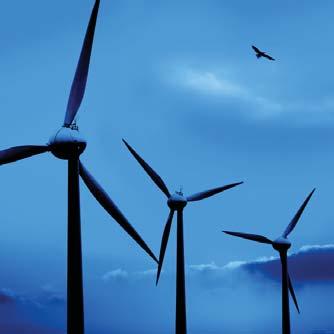
Variable winds can overwhelm weak grids.
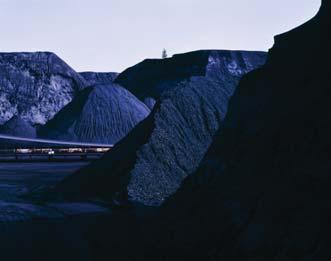
Coal is more of a flexible fuel thanks to new plant design.
Carlos Fernández Alvarez joined the IEA in 2010 with more than 20 years of experience in the energy sector. He began as a consultant for electricity producer plants, mainly involved in system modelling and safety assessments for nuclear plants, before joining the Spanish government.
Alvarez
By Jean-Yves
Jean-Yves Garnier joined the IEA in 1995, and he heads the Energy Statistics Division. Before joining the IEA, his career spanned over five years in Indonesia, three years in Ivory Coast, two years in Djibouti, two years in Berkeley and the rest in Paris, where he has been in charge of National Energy Plans, energy-efficiency policy and building energy information systems.
2009: THE YEAR OF BIG CHANGES
So much changed in 2009, in economic growth and especially in energy demand. While OECD countries wobbled from the blows of the financial crisis, non-OECD countries resurged, with an accompanying growth in energy consumption that saw China overtake the United States in energy use at least a year or two earlier than expected.
In 2009, global GDP decreased by 2% as measured by market exchange rate (MER) amid the global economic crisis. However, the global average hid large discrepancies among countries, especially between OECD and non-OECD countries.
With an overall GDP decrease of 3.5% that year, OECD countries were the most severely hit by the crisis. But overall non-OECD GDP increased by almost 3%, and some large non-OECD countries, such as China and India, even experienced 8% GDP growth.
As a result of the crisis and the differential between OECD and non-OECD countries, IEA countries’ share of global GDP MER decreased to 71% in 2009; in fact, IEA countries accounted for less than half – 48% – of total world GDP in 2009 when measured adjusting for purchasing power parity (PPP).
World total primary energy supply from 1971 to 2009 by region (Mtoe)
For the latest statistics on energy, see the IEA publication Key World Energy Statistics
By reducing overall economic activity, the crisis cut global energy demand and production. In 2009, world energy production declined by 1%, the only annual decrease recorded in the years since the establishment of the International Energy Agency in 1974. (There was a one-year stagnation in 1980 after the second oil shock.) Not all fuels experienced a decrease: while crude oil production fell by 2.5%, coal production continued to grow, rising 1.5% largely because of the growth in GDP of India and China.
Based on forecasts from various organisations and analysts around the world that took into account the growth in population and GDP, China should have overtaken the United States in terms of energy demand in 2010 or in 2011. However, the financial crisis had a more severe impact on the US economy in 2009 than on China’s. US GDP decreased by 2.7% while Chinese GDP went up by almost 9%. As a consequence, the energy supply of the United States went down by 5% to 2169 million tonnes of oil equivalent (Mtoe), while China’s energy supply rose by 6.6% to 2270 Mtoe, making China the largest energy consumer in the world. The two countries’ combined energy demand now exceeds 36% of the global total.
With the rebound of the global energy economy in 2010, preliminary data show that global energy production rose by 4.5%, lifting it above the 2008 level, with coal production increasing by almost 7% and oil by 2%. But the changes that took hold in 2009 have taken root and even as overall economic and energy growth return, the changes from that year have not been and will more likely never be reversed.
TO MOVE FORWARD IN A BETTER WAY, BE MORE ENVIRONMENTALLY FRIENDLY.
Moving together towards a world where mobility is more respectful of nature begins with reducing the environmental impact of tires, from their production through to the end of their lives. That’s why everyday, Michelin factories use renewable energy and design tires that can save billions of litres of fuel globally, and reduce vehicle CO2 emissions. The Michelin Challenge Bibendum is an event dedicated to sustainable road mobility, rallying stake-holders from all over the world. Because, like you, Michelin is involved in the preservation of our planet.
EARTH CAN AFFORD ENERGY FOR ALL
For more than a decade, the IEA’s World Energy Outlook (WEO) has focused attention on modern energy access. In developing countries, providing universal access to modern energy holds the key to unlocking efforts to reduce poverty and the number of premature deaths and to increasing productivity and economic growth.
Globally, more than 1.3 billion people are without access to electricity and 2.7 billion people lack clean cooking facilities. More than 95% of these people are in sub-Saharan Africa or developing Asia and 84% are in rural areas. The greatest challenge is in sub-Saharan Africa, where today only around one-third of the population has access to electricity, the lowest level in the world. Total electricity consumption in sub-Saharan Africa, excluding South Africa, is roughly equivalent to consumption in New York State. In contrast, China is a success story, with 500 million people in rural areas having gained access to electricity since 1990 and universal electrification expected by 2015.
IEA analysis shows that providing modern energy services to all of those people in need does not have a significant impact on global energy demand or CO2 emissions. In fact, achieving modern energy for all by 2030 results in energy demand increasing by just 1.1% and CO2 emissions increasing by 0.7%.
The WEO 2011 special early excerpt on Energy for All estimates that USD 9.1 billion was invested in 2009 globally in extending access to modern energy services, the first time to our knowledge that such an estimate has been attempted in energy literature. In the absence of significant new policies, the level of investment expected from now to 2030 – USD 14 billion a year on average – will still leave 1 billion people without electricity and, despite progress, population growth will mean that 2.7 billion people remain without clean cooking facilities, the same level as today.
To provide universal modern energy access by 2030, annual investment must average USD 48 billion a year, more than five times the level observed in 2009. Most of this investment is required in sub-Saharan Africa.
All sources and forms of investment need to grow considerably to provide modern energy for all. Private sector investment needs to grow the most, but significant barriers must first be overcome. National governments need to adopt strong governance and regulatory frameworks and invest in capacity-building. The public sector, including donors, needs to leverage greater private sector investment where the commercial case is marginal and encourage the development of replicable business models. Furthermore, hundreds of billions are spent each year on fossil fuel subsidies, often justified politically on the grounds of supporting the poorest in society. Yet WEO analysis shows that only 8% of such subsidies were distributed to the poorest 20% of the population in 2010, demonstrating how inefficient they can be. If subsidies are used to support energy access it is important that they be precisely targeted at those unable to pay and at the item they may have difficulty paying for, usually the initial connection fee.
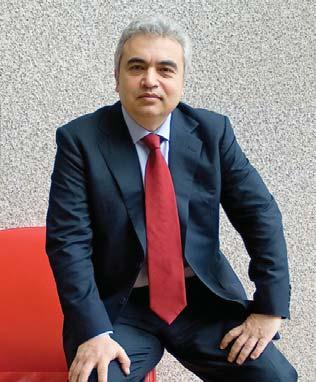
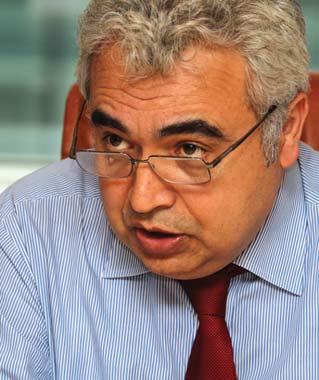
Birol is the Chief Economist of the IEA and oversees the annual World Energy Outlook, the Agency’s flagship publication. He is also responsible for the IEA Energy Business Council, which provides policy makers with a business perspective on energy market issues. He joined the IEA in 1995 after six years in the Secretariat of the Organization of the Petroleum Exporting Countries (OPEC) inVienna.
The World Energy Outlook 2011 features the excerpt Energy for All available ahead of the WEO at www.worldenergyoutlook.org/development.asp
International concern about the issue of energy access is growing. The United Nations has declared 2012 to be the International Year of Sustainable Energy for All and the Rio+20 Summit next June represents an important opportunity for action. We currently face a number of global challenges but, by increasing our efforts to tackle the crisis of modern energy access, we will also further our goals of poverty eradication, economic development and energy security. And, beyond this, I believe such action to be an ethical imperative.
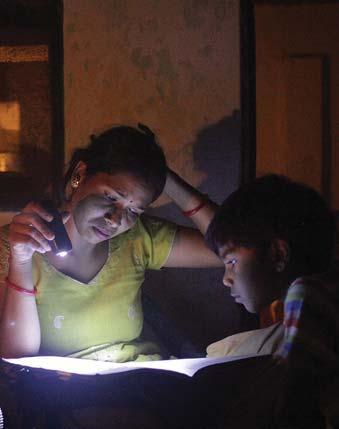
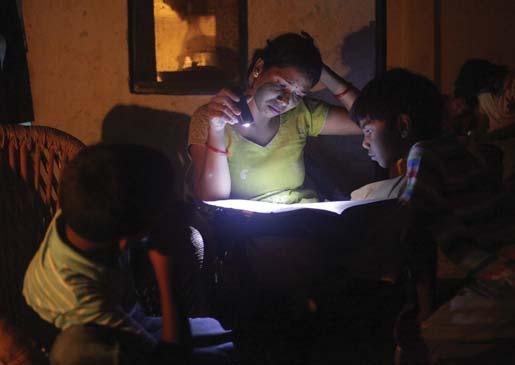
Almost nightly power outages in a slum near Chandigarh, India, make it difficult for scholarship children at private schools to keep pace with their classmates living in the city.
Fatih
By Fatih Birol
THE HOW AND WHY OF THE IEA’S LIBYA COLLECTIVE ACTION
The IEA’s release of emergency oil reserves met with criticism, but a look back shows why the Agency acted when it did and what it achieved.
On 23 June the International Energy Agency decided to release emergency oil reserves for only the third time in its history. The action took the markets by surprise and was criticised by some as being too little, too late, and by others as being politically inspired and targeted only at price levels. With the release formally closed by the IEA as of mid-September, the time has come to look back at why the action was taken and what the impact has been.
The collective action was in response to the ongoing supply disruption from Libya and an anticipated increase in oil demand in the third quarter. While some producing countries, notably Saudi Arabia – the holder of most of the world’s spare capacity – had said they would increase production after an inconclusive OPEC meeting on 8 June, the IEA judged that this oil would take time to reach consumer markets. A further tightening of the market was seen as a clear risk to the fragile recovery of OECD economies.
The disruption of Libyan supplies started in late February, and production and exports almost completely stopped in March. As a consequence,
oil prices rose by a further USD 20 a barrel, having already risen by a similar amount since September 2010 amid tightening market fundamentals. The loss of Libyan light-sweet crude also increased the differential between the two benchmark types of oil, Brent and West Texas Intermediate, to USD 25 a barrel.
Timing is everything
So why didn’t the IEA release oil when the Libyan crisis started? The assessment was that demand for crude then was at a low point because of maintenance at many refineries and that stocks in IEA
THE DISRUPTION OF LIBYAN SUPPLIES STARTED IN LATE FEBRUARY, AND PRODUCTION AND EXPORTS ALMOST COMPLETELY STOPPED IN MARCH.
countries, though declining, were still comfortably above their five-year average. Consultation with industry revealed that erstwhile Libyan customers were able to get alternative supplies from elsewhere in Africa, the North Sea or the Caspian.
By Aad van Bohemen
Aad van Bohemen, who joined the IEA in 2006 from the Dutch Economic Affairs Ministry, heads the Emergency Policy Division, which ensures that the IEA and member countries stand ready to react to severe supply disruptions and coordinates collective actions during such disruptions.
As the Libyan conflict dragged on and fears emerged that Libyan supplies would be disrupted for quite some time, the IEA assessment became more forward-looking. The third quarter is usually a period with higher refiner crude and end-user oil product demand, with the driving season in the Northern Hemisphere and moves to build heating oil stocks ahead of winter. It became clear that without alternative supplies the market would tighten sharply and commercial inventories would head to well below the fiveyear average. In a rare public statement the IEA Governing Board signalled this situation to the market on 19 May and urged producing countries to ramp up production.
Many observers expected OPEC to revisit its quota decision dating back to December 2008 during its regular meeting on 8 June 2011. In fact no conclusion was reached and after the OPEC meeting, many OPEC ministers voiced their discontent and some announced that their countries would increase production. In a public statement the IEA Executive Director welcomed those pledges and urged producers to bring additional supplies on line quickly.
Action speaks louder than words
Further monitoring of the oil market revealed that earlier commitments to increase production were taking time to materialise and, given transportation time lags, that a substantial shortage of crude oil in July and August appeared very likely. With the economies of many OECD countries still in a fragile state, the IEA perceived a serious risk to the ongoing recovery from the 2008-2009 crisis. So after consultation with IEA countries and some producing countries, on 23 June the IEA Executive Director announced an IEA collective action that made 60 million barrels of oil available from the emergency reserves of 12 IEA countries, each country representing more than 1% of total IEA oil demand.
Did the action have the desired effect?
In the first instance the markets were surprised and prices dropped by USD 5 to 10 a barrel, but in the weeks after, prices slowly regained
the heights seen before the action in the context of anticipated demand growth and tighter supplies from several non-OPEC countries. Some analysts questioned the effectiveness of a release amounting to only 60 million barrels, less than one day’s worth of global consumption. Others labelled the action as a “smart bomb” or “Quantitative Easing III” and calculated an economic stimulus of billions of dollars resulting from the action. Still others took a more realistic view, and noted that emergency stocks also take time to get to markets and that the impact would be spread over July and August.
IEA governments acted quickly, though, and within a week, 40 million barrels of public stocks were offered for tender at market prices and over 20 million barrels of industry stockholding obligations were lowered. Uptake of public stocks in the United States and Germany was much higher than in 2005 during the Katrina action, the second-ever collective release, indicating market appetite for these stocks. Sweet-sour crude differentials narrowed overall, making light-sweet crudes more economic for refiners at a time of peak transport fuel demand. Refining margins improved, reducing the
CALENDAR
October
18-19 IEA Ministerial meeting, Paris
27 Release of the IEA publication Energy Policies of Greece
November
9 Release of the World Energy Outlook 2011 - IEA and worldwide www.worldenergyoutlook.org
20-22 King Abdullah Petroleum Studies and Research Center (KAPSARC) Global Energy Dialogue: Partnering for a Sustainable Future, Riyadh, Saudi Arabia
28 UNFCCC COP-17, until 9 December. Durban, South Africa - http://unfccc.int/ meetings/cop_17/items/6070.php
14 Release of the IEA publication Energy Policies of Denmark (date tentative)
danger that low refinery activity would lead to a products-driven supply crunch. And the release of light-sweet crude in the United States made cargoes from Africa available for Europe and Asia. After one month the IEA also noted a sharp rise in OPEC oil production.
So was the IEA right to act?
Certainly a supply crunch and a price spike were avoided and, as several analysts have noted, nobody knows what levels crude prices would have reached had the IEA not responded at all. Of course the market has subsequently moved on. The summer turned out to be packed with other key uncertainties, including the US debt ceiling, the future of the euro and more restrictive fiscal policies among developed countries. Stock markets plummeted and so did consumer confidence, all giving signals to the oil market that future demand might be lower than previously thought. And in early September there were signs that Libyan oil supplies could, in part, resume in the weeks and months to come.
But none of that should take away the impact from a carefully crafted collective action that,
before its end in September, provided physical liquidity when it was needed, eased a prevailing tightness in light-sweet crude supply and successfully acted as a bridge to higher Saudi Arabian supplies.
WHAT DO YOU THINK?
the draw* at: www.surveymonkey.com/s/CRHHBJM
Join the IEA
The International Energy Agency recruits all year round and also takes staff on loan from ministries, agencies and companies. Work with the energy analysts, modellers, data managers, statisticians and technicians, gaining valuable experience and helping keep the IEA at the heart of global energy dialogue. Current positions available include Energy Data Manager | Statistician and Energy Analyst | Technology Platform. To see these and other positions, visit www.iea.org/about/job.htm
The release of 60 million barrels of oil surprised markets.
WHAT GOES ON DURING AN IEA MINISTERIAL MEETING
With the 2011 Ministerial this autumn, a look at who attends, what they do and what makes for a successful meeting.
BY ROBERT YOUNGBLOOD
Every two years on average, energy ministers from the 28 member countries of the International Energy Agency gather in Paris for a meeting that sets the tone and framework for IEA work and activities for the coming months and provides ministers an opportunity to discuss and agree on important elements of global energy policy. The 2011 Ministerial meeting, which begins 18 October, also includes top energy officials from a record nine non-IEA countries.
The three dozen leaders will be focusing on energy security, viewing sustainability as a component of that security but also taking into account the many events of the past two years that have affected supply and market stability: the Arab Spring, the Fukushima nuclear incident, the Deepwater Horizon spill and of course high oil prices. Ministers will also look to the future and in particular 2012, the United Nations Year of Sustainable Energy for All and when the Rio+20 talks in June address sustainable development.
“In light of all these things, we felt that it made sense for us to frame the Ministerial discussions in terms of energy security and its close links with our goals for a low-carbon future,” says Ingrid Barnsley, Strategy and Policy Adviser in the Office of the Executive Director and Co-ordinator of the IEA Ministerial process since 2008.
The involvement of the non-IEA delegations adds to the focus on security, including access to energy, with their presence and that of the 28 member countries adding up to more than two-thirds of world energy production and more than threequarters of demand. “In that sense this becomes a very significant meeting politically,” Barnsley says.
The presence of Brazil, Chile, China, Estonia, India, Indonesia, Mexico, Russia and South Africa is unprecedented. Non-member countries have participated in the past, but in smaller numbers and less fully. This year, the invitees will take part in all aspects of the Ministerial; there are no closed sessions, unlike high-level meetings of the Group of Eight or the OECD.
One reason such universality is possible is that the conference operates as a single entity, with meetings ordinarily held in plenary rather than in smaller groups. But those sessions are organised loosely: prepared statements are discouraged, and all delegations, member country or not, are encouraged to speak at any time.
In recalling the 2009 Ministerial, Barnsley emphasises “the active engagement of China, India and Russia, including in terms of detailed interventions in plenary. These meetings presented an excellent opportunity not only for ministers to get to know each other but also to share experiences. A key theme was that we can learn from each other.”
The first session of the 2011 meeting is particularly innovative, modelled on the World Economic Forum’s Davos events: about 30 CEOs of the world’s largest energy-providing or -consuming companies – members of the IEA Energy Business Council – meet with the ministers. There will be no assigned seating, no flags to sit behind and no speaking schedule. Instead, participants will sit around a podium where a professional moderator co-ordinates the session, which will begin with a sneak preview of the World Energy Outlook 2011 that will be launched in early November.
This initial session was redesigned and made an official element of the Ministerial in 2009. “There was nervousness both internally and among our delegations,” Barnsley says, “with people saying, ‘Our minister comes to Paris once every two years to see the IEA, and his or her first experience will be to walk into a meeting where there is no set seating and so forth … this is not going to go well.’ We said, ‘Give us a chance, let’s see what happens.’ So we tried it and it was without doubt one of the most successful parts of the Ministerial.”
A second recent development was the introduction of informal polling at individual sessions, which had been suggested by the Ministerial Chair, the then Dutch Economy Minister Maria van der Hoeven (who became IEA Executive Director in September). The ministers answer questions
using voting buttons before the session begins, helping start the discussions. In some cases, a second poll is held after the session to see what has changed. But no records are kept of the results, which are used simply to encourage debate.
“We also limited all interventions to several minutes,” Barnsley says, “with a visible timer that cut off the microphone. The ministers were warned. … It was carried out very actively by the Chair, Minister Van der Hoeven. The ministers ultimately appreciated very much the opportunity this created for more interactive discussion.”
Ministers often hold bilateral meetings during the conference. “It is no secret that this kind of event is as much about what goes on outside of the plenary as inside,” Barnsley explains. “Along with the receptions and meals, ministers have the opportunity to speak both formally and informally – that is one of the true values of this kind of meeting.”
The meeting concludes with a news conference, and then the IEA gets down to work implementing the policy direction given by the ministers.
“The Ministerial should not be seen in isolation,” Barnsley concludes. “It’s a part of the intricate web of interaction that we have among countries from the expert level right up to the highest political level. As a relatively small organisation – a group of countries that have reasonably similar profiles as compared with all countries globally – the IEA family as we call it is quite close but growing, as we increasingly include other key partner countries with shared energy interests. The Ministerial is a friendly gathering that is really the end and starting point of each two years of activities.”
Ingrid Barnsley, Strategy and Policy Adviser for the IEA Executive Director and Co-ordinator of the IEA Ministerial process.
ENERGY LEADER AUSTRALIA SITS IN MINISTERIAL CHAIR
Energy Minister Martin Ferguson of Australia promotes “careful and balanced” security policy as he leads the 2011 IEA Ministerial.
BY ROBERT YOUNGBLOOD
Australia is huge, geographically and in terms of energy resources, as the ninthlargest energy producer in the world. The number four global producer of coal, the country is largely self-sufficient in energy. Its natural gas industry is robust and growing, in the midst of a two-decade near-tripling of production.
Australia produces two-and-a-half times more energy than it consumes and is the world’s largest exporter of coal. The country is also a significant source of uranium, but its energy production is dominated by coal, which makes up 54% of total energy output in content terms, according to the Australian Department of Resources, Energy and Tourism. Uranium follows at 27%, with natural gas providing 11% and oil and liquefied petroleum gas at 6%. Renewables make up 2%, with two of the world’s largest solar power stations located in Queensland and New South Wales.
Australia has a strong record in terms of energy security, with a well-developed regulatory regime facilitating necessary investment in the stationary energy sector. The country is building on its record of energy market reform as the government
seeks to introduce a carbon price, with legislation to enact a carbon price as of 1 July 2012, currently before the Commonwealth Parliament.
Reducing greenhouse gases is not new to Australia – the country has had an innovative energy efficiency programme for five years that mixes assessment and reporting requirements with voluntary improvements in energy use (see Fostering Energy Efficiency in Australia in this journal). Involved in all efforts Australian is the Chair of the 2011 IEA Ministerial meeting, Energy Minister Martin Ferguson.
A meeting amid multiple challenges
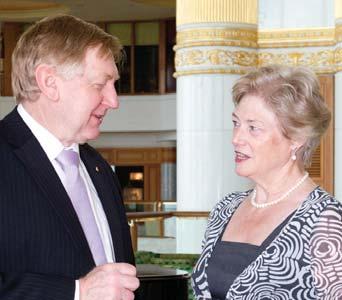
IEA Executive Director Maria van der Hoeven, herself the Chair at the most recent Ministerial meeting, in 2009, says the critical role of Chair is in good hands with Ferguson. They met most recently in Brunei on the sidelines of the ASEAN Energy Ministerial meeting in September, where they discussed the final details of the Paris conference.
“The Chair sets the tone for much of what happens at the Ministerial,” she says. “Minister
Ferguson, who also participated in the 2009 Ministerial, brings experience, expertise and enthusiasm to this vital role. I know we can count on him to ensure that our discussions are not only interesting and animated, but also relevant.”
Ferguson has been the Minister for Resources and Energy, as well as Tourism, since late 2007 and has served in the Australian Parliament since 1996, where he was also shadow minister for energy.
“Careful and balanced policy”
“Delivering energy security while transitioning to a cleaner energy future demands careful and balanced policy,” maintains Ferguson. He insists that the Australian government will help the country and its industries make the transition to lower emissions of greenhouse gases.
The role of the Ministerial’s Chair is to lead and facilitate the discussions among all the ministers, of member countries and of visitors alike, as they discuss developing the tools needed to improve energy security and sustainability in the face of a number of pressing challenges to the global energy picture. These challenges include the global financial and economic crisis, the Deepwater Horizon accident, unrest in the Middle East and North Africa, and the Fukushima Daiichi incident.
Ferguson champions a broad and diversified approach to energy. In a speech entitled “Energy Security in a Carbon-Constrained World” delivered in Melbourne, he argued, “On the journey to a lowcarbon future, only market-based approaches will deliver the most cost-effective solutions.”
In its own domestic energy policy, Australia is tapping into market solutions, he added. “Our solar innovation is feeding the global supply chain, including for example ANU’s solar project with Chinese company Trina Solar,” he said, adding, “New technology, such as floating LNG, will unlock huge resources and boost this major industry. We’re on track to be the secondlargest exporter of LNG in the next few years.”
With the world’s largest reasonably assured resources of uranium, Ferguson has also supported the expansion of Australia’s uranium production and export industry. He has noted that, despite the Fukushima incident, there will be continuing demand for nuclear power generation “as the engineering and other lessons learned are assessed and incorporated into the future energy plans of places such as Japan, China and Scandinavia.”
Energy Minister Ferguson with IEA Executive Director Maria van der Hoeven: the two will work together closely at the Ministerial.
Following your participation in the 2009 IEA Ministerial meeting and given that you are also attending the 2011 meeting, how would you assess India-IEA co-operation?
I am very pleased to say that our co-operation with the IEA has increased significantly in terms of scope and depth since the 2009 Ministerial. My participation in the 2009 Ministerial can be described as a catalytic moment for our collaboration, as it offered an excellent opportunity to take stock of our co-operation till then and allowed us to jointly decide on the strategic direction of our future activities.
India, being a major contributor to the global energy economy, understands the need for action to address the key challenges of energy policy, improving global energy security, enhancing economic growth and development, and producing and using energy as efficiently as possible.
We, continuing our co-operation with the IEA, have released a schedule of joint actions which will be further evolved through continuous mutual consultations. We have senior officials participating in the IEA Governing Board and senior committees, and we have been holding workshops and seminars in the areas of energy efficiency, renewable energy, energy security, clean coal and energy statistics.
The concept of energy security has broadened to include electricity (generation, transmission and supply). What is electricity security in the Indian context?
Electricity security is a major concern in the Indian context. We have added around 57 000 megawatts (MW) of generating capacity in the last five years. The manufacturing base for setting up new power plants has
SHRI SUSHILKUMAR SHINDE
been improved substantially, and five new joint-venture companies have come up for the manufacturing of boilers and turbines. We have also been working on enhancing the efficiency of Indian coal-power stations by upgrading existing power plants (renovation and modernisation), moving towards super-critical technology and using better coal preparations.
The transmission network has been strengthened and we have successfully worked towards the formation of the National Power Grid, which now spans 265 000 circuit kilometers with an inter-regional power transfer capacity of about 23 800 MW. Special emphasis has been made to strengthen the distribution network in rural areas through the central scheme RGGVY (Rajiv Gandhi Grameen Vidyutikaran Yojana). We are also improving our network in urban centres with schemes like R-APDRP (Restructured Accelerated Power Distribution Reform Programme).
During the 11th Plan, the energy shortage has decreased from 10% to 3.67% and the peak shortage from 13% to 7.2%. I am confident that our projects in all three sectors of electricity will help in decreasing the energy shortage and peak shortage. And of course we have very ambitious plans to further increase our already substantial share of renewable energy sources in the fuel mix. We aim to add 20 GW (gigawatts) of solar energy by 2022, and we already have the world’s fifth-largest wind generation capacity.
India produces more dollar unit of GDP per energy unit, adjusted for purchasing power parity, than the average among OECD countries: how has India achieved such efficiency, and what are the remaining challenges?
The GDP-to-energy ratio of the Indian economy has risen very fast, approximately 30% over a span of eight years (2000 to 2008). The liberalisation of the Indian economy has led to enhanced competition among domestic and global products, stimulating the manufacturing sector to enhance energy efficiency as a means of managing costs.
The government of India, under the Energy Conservation Act, has launched various energy-efficiency programmes so as to provide consumers with an informed choice. Under the National Mission on Enhanced Energy Efficiency (NMEEE) we have launched the Perform, Achieve, Trade (PAT) scheme. Under the PAT, energy-efficiency improvement targets will be assigned to the country’s eight most energy-intensive industrial sectors, including fertiliser, cement, power stations and steel. Those units that exceed their benchmarks will be issued energy saving certificates which can then be sold to those units which fail to meet the set targets. These eight sectors will cover 65% of our total industrial energy consumption. We expect to save some 19 GW of energy and to reduce emissions by 98 million tonnes a year once the scheme is implemented.
However, about 30% of Indian households still do not have access to electricity, and the current electricity consumption of those who do have access is only one-fifth of the global average. It is important that we increase the energy supply and to enhance quality of life of all citizens. So, one of the main challenges is the further acceleration of this trend of increasing the GDP/energy ratio. Energy-efficient products cost more than inefficient products. In a country of many poor people, this restricts the buying power, and tends to limit the purchase of
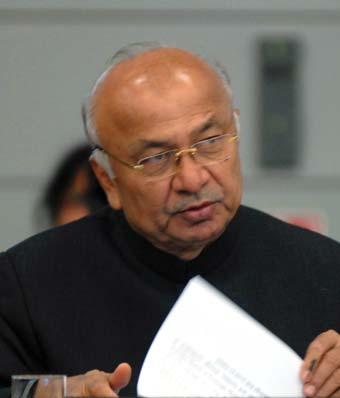
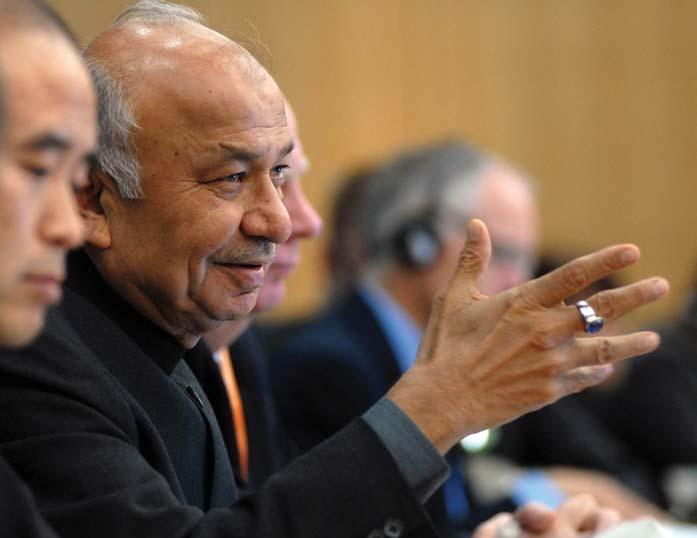
SHRI SUSHILKUMAR SHINDE, INDIA’S UNION MINISTER OF POWER, IS ATTENDING HIS SECOND IEA MINISTERIAL MEETING AS THE AGENCY AND NEW DELHI BROADEN AND DEEPEN THEIR CO-OPERATION. HE SPOKE WITH IEA ENERGY
energy-efficient equipment. Our challenge, therefore, is to ensure energy frugality which is within the means of our citizens.
What steps is India taking to alleviate energy poverty? How can the international community most effectively help India in this effort?
The government of India, through its policies and programmes, is committed to providing electricity access to all citizens and ensure quality and reliable power supply at reasonable rates. RGGVY is a major initiative to extend access of electricity to all households in the country. About 96% of the inhabited villages in India can now access electricity, and access by households has improved significantly from 44% (as per 2001 Census) to 70%. We intend to achieve 100% electricity access through this programme. In order to ensure quality and reliability of power, we have focused our attention on the implementation of distribution reforms and policies designed to promote competition, efficiency and investment in the power sector.
The international community can contribute by sharing the best practices adopted by various countries for an effective and efficient power sector management and technological advancements in the sector.
India’s rapid economic growth depends greatly on increased electricity – the IEA predicts that demand will grow at least fivefold by 2050. How will this be achieved? Electricity, besides its importance in the growth of the country’s economy, plays a major role in the life of a common man and has a direct impact on the quality of life. In spite of capacity addition during the last 60 years, the demand for power has always exceeded the supply, leading to energy shortages in India. Our endeavour and commitment therefore is to provide reliable, adequate, affordable and quality power to all users.
The Indian economy is aiming to grow at the rate of 8% to 10% during the next two FiveYear Plans. To sustain this growth, the infrastructure sector, including the power sector, will have to grow at a faster pace.This would require a huge capacity addition in the power sector apart from investment in transmission and distribution sectors. In the 11th Plan, we hope to add around 52,000 MW of fresh capacity, which would be almost 2.5 times of capacity addition achieved in the 10th
Plan. In the 12th Plan we propose adding about 75 000 MW at the rate of 15 000 MW a year. In addition, 15 000 MW from renewable energy sources and 13 000 MW from captive power plants are expected to be added during the 12th Plan.
Inadequate manufacturing capacity of main plant and plant equipment has always been a major bottleneck in achieving high capacity targets. We have, therefore, taken a number of steps to address this concern. Large units with super-critical technology and Ultra Mega Power Projects (UMPPs) are being set up to improve the generation of power in the country.
smart grids and to evolving the road map for implementation of smart grids in our country. The main functions of the Smart Grid Task Force are to ensure awareness, co-ordination and integration of the diverse activities related to technologies, practices and services for smart grid research and development; to co-ordinate and integrate other relevant inter-governmental activities; to collaborate on an interoperability framework; to review and validate the recommendations from the Smart Grid Forum, etc.
You launched the India Smart Grid Task Force and Smart Grid Forum in 2010. What do smart grids offer India?
We envisage that smart grids will play a key role in our power system development and especially in enhancing the performance of rural electricity supply systems. For the systematic growth of smart grids in the country, the India Smart Grid Task Force and the India Smart Grid Forum have been set up under the aegis of the Ministry of Power. We are also a founding member of the IEA’s International Smart Grid Action Network (ISGAN) Implementing Agreement.
The India Smart Grid Task Force is an InterMinisterial Group and will serve as the government’s focal point for activities related to
The India Smart Grid Forum is a non-profit voluntary consortium of public and private stakeholders, research institutes and selected utilities with the prime objective of accelerating the development of smart-grid technologies in the Indian power sector. The goal of the forum is to help the Indian power sector to deploy smart grid technologies in an efficient, cost-effective, innovative and scalable manner by bringing together all the key stakeholders and enabling technologies.
In July of this year, we launched the first renewable energy-based mini-grid system in collaboration with the Ministry of New and Renewable Energy. We expect that smart grids will help to optimise our transmission and distribution capacity and provide a fully-fledged opportunity to integrate renewable-based electricity into the power system.
Power Minister Shinde at the 2009 IEA Ministerial: he reports continuing and close Indian co-operation with the Agency.
Now open for business.
The new Airbus A330-200F is the freighter your aircargo business needs. Based on the continuously improved and updated Airbus A330, the A330-200F has profi tability, reliability, versatility and eco-efficiency designed-in. With a payload of 70 tonnes and a range of up to 4,000 nautical miles, it can redraw your bottom line. You’ll see 15% Cash Operating Cost savings per tonne of revenue payload over the 767-300ERF. And with the lowest noise levels and CO 2 emissions on the market today, you’ll have an assured platform for growth. The A330-200F. The right aircraft, right now. airbus.com
LOW-EMISSIONS FUTURE FOR SOUTH AFRICA
Energy Minister Elizabeth Dipuo Peters explains South Africa’s plan for developing renewables, powering the country and benefitting the region.
The Department of Energy has tested the interest of the private sector, and there is sufficient investor appetite to provide the necessary support in realising the government’s expectations. Other measures to support the renewable energy sector include a bidding process that targets those potential investors. That the RSA government has a clear-cut plan with time lines provides investors with information critical for making investment decisions.
South Africa presented its plans to build Solar Park, potentially one of the world’s biggest solar park projects, to hundreds of investors from around the globe at a conference in 2010. More than 400 investors from South Africa and foreign countries including France, Spain, India and the United States participated. The presence of many investors reaffirms to me and the South Africans that a transition into a lowcarbon economy is no longer just a wish by certain sectors of the society, but instead it is a country commitment driven with full support of our political and government leadership.
Such diversity in our energy mix is a cornerstone of energy policy. The Solar Park project will need an investment of USD 21.4 billion
to get off the ground. The South African government committed to provide infrastructure for the project, then to lease it out to private developers who would finance and build individual projects that would sell power to the South African electricity grid. Given the magnitude of funding required, the government alone cannot fund renewable energy projects. Alive to the commitment to renewable energy, the South African government approved the Integrated Resource Plan 2010 which has 42% as a share for renewable mix for the next 20 years.
Nuclear “has a future” in energy mix
South Africa has been producing nuclear power for more than 25 years, and 4% of its total energy is generated from nuclear power. For South Africa to continue on its rapid industrialisation plan without additional carbon-intensive energy carriers we had to look for cleaner base load which will ensure security and continuity of supply; nuclear became a choice which will buttress the growth of the renewable energy intermittent supply challenges.
South Africa made a decision to increase its investment in nuclear power to 23% of new
generation capacity. This decision was arrived at after more than one year of intensive consultation and unfortunately the final decision coincided with the earthquake and tsunami that triggered the incident at Fukushima Daiichi.
The South African government took this decision with a firm resolve that the safety and cost to the state and the end consumer should be thoroughly considered. I can safely say that we, as the Department of Energy, have developed a plan that we are now ready to present to the cabinet, which lays out the structures and emergency response mechanisms as well as factored lessons from Fukushima and other nuclear mishaps. The Nuclear Regulator has also sought the support of the International Atomic Energy Agency (IAEA) to conduct a stress test on the Koeberg Nuclear Power Plant.
Unlike countries in the developed world, regional interconnectivity on the African continent is poor and in the event of shortages there is limited rescue. Nuclear, coal, hydro and gas provide a stable base load. Africa and South Africa need to ensure that new-generation capacity provides for power from a reliable base load: hence the inclusion of nuclear.
The need for greater grid integration
The Southern African Energy Ministers’ annual meeting resolved to enhance regional integration, a call which was again echoed by the African Energy Ministers. Regional power pools will open up electricity trade opportunities in the region, where utilities can optimise the use of available generation resources by importing and exporting electricity economically: options that will be unlocked by an integrated grid.
The way to proceed would be through a regional approach where projects that would benefit each region would be prioritised and jointly pursued by all regional players.
The continent is vested with considerable renewable and hydro potential. An integrated regional grid would help unlock this potential, thereby opening up opportunities for greenhouse-gas emissions reductions.
At the African Energy Ministers’ meeting in September 2011, the conclusion was that regional trade provides significant opportunities for cost savings and less carbon-intensive power generation. Power-exporting countries
Energy Minister Peters distributing low-wattage light bulbs in a Northern Cape Province township.
will produce more power than they can consume, and be able to export it to their neighbours. Even though they will bear substantial investments due to generation expansions, these countries stand to make significant commercial gain through selling power in their respective power pools. Deepening regional power trade would bring substantial economic benefit by reducing the long-run marginal cost of power when compared with a situation without trade.
CCS as environmental transition measure
South Africa has a coal-based energy economy, with about 75% of primar y energy and about 95% of electricity sourced from coal. Two new coal-fired electricity-generation stations are currently under construction. Although South Africa has a programme to increase the use of renewable energy and energy-efficiency measures, coal is likely to provide most of the country’s primary energy for the next few decades. The displacement of fossil fuels by renewable and nuclear is seen as a gradual task. The question then arises, quo vadis climate change. Carbon capture and storage (CCS) is an environmental transition measure from fossil fuel to nuclear and renewables.
To this end, a South African Centre for Carbon Capture and Storage was established on 27 March 2009. Whenever new plants are developed we insist that they be CCS-ready so that when the technology matures and becomes commercially viable, it can then be
deployed. A test of safely injecting carbon dioxide into South African reservoirs is essential to the understanding of the suitability of the local geology as a storage medium – a “proof of concept” in South Africa.
Offsetting COP-17’s carbon footprint
Eskom is engaging with other regional utilities, similar to wha t was done during the hosting of the 2010 World Cup, with a view to dedicating all the power imported into South Africa from renewable sources to supply COP-17, the climate summit in Durban later this year.
The Department of Energy is engaging with Eskom, Ethekwini and other departments to ensure that the event is as carbon neutral as possible. This includes energy-efficiency and renewable-energy projects, which will become legacies of this important event.
What the IEA can offer South Africa
South Africa is currently increasing its genera tion capacity and will require guidance to ensure that the long-term plans be aligned to the climate-change imperative. It is critical that the country develop an energy plan which has a holistic approach to the energy sector and maps the way forward. Such a plan will need to have access to energy-sector-specific information which feeds to the megaplan. Such plans would include technology road maps, etc.: an area of specialisation for the IEA. This could be deployed to assist South Africa.
ENERGY FOR EVERY AFRICAN
The South African government has taken decisive measures to facilitate energy access. Currently energy access stands at more that 74% in South Africa, and this has been achieved mainly through government action and direct intervention to increase connection rates to electricity as well as a policy ensuring that indigent households have access to free basic electricity, much needed for survival. Through the integrated national electrification programme, we connect 150 000 households to the electricity grid and 10 000 homes to solar systems annually.
The African Energy Ministers indicated in their declaration at their September 2011 meeting that they are aware that only 42% of African citizens have access to electricity. In sub-Saharan Africa, just one in three people has access to reliable electricity – the lowest rate in the world. This results in limited educational opportunities for African children and depressed income opportunities, especially for African women. Inadequate access to electricity constrains the delivery of social services such as health, water and sanitation.
The entire power-generation capacity of the continent stands at 124 gigawatts (GW), of which 30 GW is the total of subSaharan Africa (excluding South Africa). Unreliable power supply has a significant bearing on sub-Saharan economic development, depressing competitiveness and employment and imposing significant costs.
The ministers further noted that, to make universal access a reality by 2030, an additional 512 million people, 460 million of them in the sub-Saharan region, should be provided access to electricity. The scale of the challenge requires that all approaches, including grid and offgrid solutions, be taken into account and adopted based on an efficiency principle. Rural and urban demands can best be met with a diverse technology mix that takes full advantage of sub-Saharan Africa’s exceptional solar, wind, geothermal, biomass and sustainable hydropower resources.
The Klipheuwel wind farm in Western Cape Province, run by the South African utility Eskom.
A BUSINESS LEADER SPEAKS: CARMEN BECERRIL
Acciona Energy’s President, a partner in the IEA’s Energy Business Council since its early days, makes the case for renewable energy.
Fossil fuels enabled the human race to achieve unprecedented levels of development in the 19th and 20th centuries, but they are no longer valid as a basis for the energy model of the 21st century due to their negative effects on the three pillars of sustainable development: the economy, the environment and society.
Evolving towards an energy model that is ever less carbon-dependent requires a change of mentality on the part of all stakeholders, a
IEA ENERGY EXPLAINS THE EBC
The IEA Energy Business Council (EBC) gives the energy sector a voice in energy policy by facilitating industry’s vital role in the IEA’s work on market and policy analysis and development.
The EBC works with the IEA to ensure clear communication between government and industry and to promote predictable, stable frameworks that provide financial incentive for the long-term investment required for a cleaner and more efficient energy future.
Since March 2009, the EBC has convened twice a year so its members can meet in a forum with policy makers and provide the IEA with a “reality check” of its analysis, ensuring that its main findings make sense from a business perspective. Every two years, the council provides corporate leaders a forum for discussions with government ministers, particularly at the IEA Ministerial meetings. And under the leadership of Fatih Birol, Chief Economist of the IEA, the EBC offers executives an ongoing opportunity to provide input and suggestions on the most pressing issues in energy as well as help shape the World Energy Outlook series, the IEA’s flagship publication. – IEA Energy
change that will lead us to be increasingly efficient in the production and consumption of energy. This means providing as much help as possible for energy-saving measures, promoting innovation and opening up to new notions based on intelligent grids and more distributed generation. Everyone, and especially those of us who take decisions on a political or business level, is convinced that the planet’s future involves a clean energy model based primarily on renewable technologies and efficiency. There is no alternative. Furthermore, given the expected increase in the population, achieving 30% of renewables worldwide by 2030 and complying with the recently set objective by the UN of increasing the level of electrification will be impossible if we continue to base our energy system on fossil fuels.
The common perception is that renewable energy increases the cost of electricity generation. This is untrue. Wind and fuel-free renewables actually reduce the portfolio risk of a country’s national generation assets as well as providing other benefits to society such as CO2 emission reduction, rural and industrial development, jobs, energy independence and electricity access. It is possible to generate affordable renewable energy if the right regulatory system is in place.
In general, in principle it is not possible to put a limit on the development of renewables, just
as we cannot limit the capacity of the human race to innovate and adapt to circumstances to improve its standard of living. True, the limits have so far been marked out by technological and economic barriers, but these have been overcome systematically. For example, a few years ago it seemed impossible that the electric power grid would be able to accommodate almost 50% of instantaneous wind power, but this is already the case in Spain.
The IEA has clearly stated that the objective of climatic stabilisation is something that cannot be waived. The IEA’s blueprint for limiting temperature increase to 2°C by 2050 calls for multiplying energy production from renewables almost four times over the next 25 years, increasing its share in global demand for primary energy from 7% to 22%.
We should not forget that the success of renewable development depends on private investment. It is therefore essential to create and maintain a political commitment to supporting renewable energy, i.e., a commitment to reinforce the attractiveness of future investments to ensure the profitability of existing and future projects. In a capitalintensive sector like energy, stable regulation is indispensable.
To achieve a low-carbon energy model, two key issues need to be urgently addressed worldwide in order to make a substantial contribution to improving the competitive position of renewable energy: to eliminate subsidies to fossil fuels and to internalise CO2 costs. Further commitments should be taken on by governments in this respect.
Renewables rely on technological advances
The main technical challenges nowadays are related to cost reductions and the grid
Energy’s Palma del Río II concentrated solar power plant in southern Spain.
integration of technologies that have already reached a commercial stage, and also to the developing of technical solutions for emerging technologies (tidal, etc.).
Research on storage technologies, smart metering, etc. is also essential for the deployment of renewables; hence a major effort in investment and support to renewable R&D is needed.
I have worked in the energy sector for more than 15 years and I can say that one of the most transcendental and admirable processes I have observed over that period has precisely been the spectacular development of renewable energy sources. They have gone from being something marginal to becoming a sector that invested more than USD 200 trillion worldwide last year. The most fascinating thing is that, for the first time in history, investment in developing countries – led by China – has been higher than in developed countries.
This shows that renewables are maturing fast – at different rates in the different technologies – and that this is happening all over the world. They are now better placed to play the key role that awaits them in the energy system of the 21st century.
State involvement is necessary
In my opinion, the role of governments in the market economy is to create a good and stable
ECO-FRIENDLY OFFICES
As a pioneer in clean energy, Acciona Energy built the first zero-emissions building for commercial use in Spain in 2004 as one of the Energy Division’s premises in the region of Navarre. Since then we have built a further eight eco-efficient buildings, and other companies have taken the same path.
Basically, these buildings use architecture
regulatory framework that favours the development of renewables and allows a reasonable return for private investment, until these reach a level of maturity that allows them to compete fully. Governments should also strongly support investment in new energy technologies in order to seek ever more efficient solutions.
The first key component of an optimal regulatory model is that it is structural and not cyclical. The regulatory model should be stable,
designed to save as much energy as possible, while the engineering of the structures is aimed at the highest possible energy efficiency through the incorporation of renewable energy sources to cover the entire energy demand of each structure and monitor and manage the system in an intelligent manner.
For example, the building in Pamplona consumes 52% less energy than an equivalent conventional building and covers the rest of its needs with renewables
predictable and not subject to short-term pressures or bias. This means keeping the basic elements of the model unchanged, establishing clear rules for review and avoiding any temptation to intervene retroactively.
We also need transparency to identify all costs to the system as a whole and incorporate all the costs that correspond to each technology. This means internalising external economies and diseconomies (we cannot deny that, for example, fossil fuels generate large negative externalities that have not yet been assumed in the system).
In addition, the regulatory model put in place must have the least possible cost to achieve the final result. And it is impossible to define a regulatory system without involving the regulator and the industry, so consensus decision making is critical.
I would also like to highlight two other issues. First, renewables are often accused of receiving public money when, as the IEA clearly states in the latest edition of the World Energy Outlook, the subsidies received by fossil fuels worldwide in 2009 were five times higher than those awarded to renewables.
Secondly, I think it is right that renewables should receive support from governments, whichever system is established, in that they
(photovoltaic and thermal solar, biodiesel and geothermal energy). By doing this it avoids the emission of over 116 metric tonnes of CO2 a year.
Acciona Energy’s zero-emissions building.
contribute to achieving strategic objectives of general interest such as the fight against climate change, security of supply, the creation of a domestic industrial fabric, and economic stability through a reduction in imports of oil and gas. Then there is the income that these technologies generate locally, helping to create wealth in communities, a
THE IEA’S KEY ROLE
As you see, I have mentioned the IEA’s reports in several of my previous answers, and particularly the WEO. For us, it is a benchmark for the great energy trends in the world. I think it should be an essential tool for all stakeholders in the energy field worldwide; it is ideal for analysing situations and taking decisions in the field, providing a wide-ranging perspective and a medium- and long-term vision.
Decisions on energy are often negatively influenced by the pressures of the short term. This is hardly suitable for processes that should be consistent and carried out over a longer period, such as the creation of a new energy system for the world. For example, postponing the fight against climate change as a result of the economic downturn, instead of using it as an opportunity to overcome the crisis, is a shortterm measure that does not go in the right direction, one that is clearly marked out by reliable reports such as the WEO.
factor that is particularly important in times of recession.
We must improve the power grid
The improvement of the power grid is essential for the deployment of large-scale renewable energy. It is necessary to increase interconnections between countries and regions to facilitate the optimal exploitation of renewable resources, bringing their energy to significant demand hubs, helping trade to grow and facilitating effective cross-border energy exchange. It is also necessary to enhance power infrastructures inside countries to improve their systems’ stability and operation and renew distribution systems, increasing their intelligence and capability, to make better use of local resources and increase consumer participation.
International and inter-regional co-operation is essential, not only for developing interconnections across the seas but also to harmonise regulations, to reach a consensus on market rules and to achieve a common operational framework and technical standards.
Finally, improving the operation of distribution systems through the deployment of smart grids and storage systems will help with the integration of local renewable resources and matching load and generation curves; this is particularly relevant in the case of the massive deployment of the electrical vehicle. We need to change the traditional conception of passive loads into a paradigm of active consumers.
HOW THE EBC CAN HELP
There are a number of pending issues in the development of renewables that could benefit from sharing ideas and proposals among members of the EBC, and things could be speeded up if consensus is reached within the group at an early stage.
First of all, I would highlight the definition of the right mix in order to achieve a sustainable energy system. True, this is a strategic decision that falls to governments, but it is a complex issue that requires co-operation among all parties to find the best solutions. It is not just a case of deciding on the system we want to achieve (and its consequences) but also of working out the plans and mechanisms required to reach the objectives set.
Stronger promotion of the penetration of renewables in the energy system could also benefit from a consensus on, for example, supranational market mechanisms. The EBC can be the ideal forum for agreeing on mechanisms for public-private collaboration to increase this penetration, and also the mechanisms required to undertake projects in developing incipient technologies.
Other points for discussion are how to bring renewable energy sources to developing countries, how to facilitate the evolution of the energy systems by using low-carbon technologies, and how to deploy systems to achieve total electrification, taking advantage of the lessons learned by companies like Acciona Energy with experience in contributing to these objectives. The exchange of experiences is also useful in defining and carrying out required modifications to existing power grids so that we can build efficient and clean electricity systems.
Last, but not least, I would like to highlight the idea that some governments have of changing the remuneration schemes of renewable plants through the retroactive modification of regulation affecting installations currently operating. Such measures, aimed at fighting the economic downturn, signal to investors that subsidies for renewable electricity generation are unreliable. Bankability is essential for large energy-development projects, and retroactive cuts have provoked a crisis of confidence not only on the renewable energy sector but on the economy as a whole.
The Tatanka Wind Farm extends across the border between the Dakotas in the United States.
A SUSTAINABLE ENERGY SOURCE? BIOFUELS
Biofuels have been blamed for high food prices, but they use less than 1% of agricultural land. Still, much must be done to ensure sustainability.
Biofuels are liquid and gaseous fuels derived from biomass (e.g. sugarcane, corn, rapeseed, oil palm and others).
The use of biofuels traces back to the late 19th century, but due to falling fossil fuel prices, they vanished from the fuel market in the 1940s, until the oil crises in the 1970s led to renewed interest in their production. Brazil and the United States initiated support programmes at that time to increase domestic ethanol production in order to reduce import dependency on fossil fuels. In most other parts of the world, biofuel support policies were adopted only during the past 10 years, driven by energy security concerns coupled with the desire to sustain the agricultural sector and revitalise rural economies. Over time, efforts to reduce CO2 emissions in the transport sector have become another important driver for biofuel development, particularly in member countries of the Organisation for Economic Cooperation and Development (OECD).
A growing source of fuel for transport
Given these positive aspects of production and use, more and more countries started to promote biofuel production and more than 50 countries have adopted biofuel targets to date. As a result global production increased steadily from 16 billion litres in 2000 to 105 billion litres in 2010. Today, biofuels provide around 3% of total road transport fuel globally, with considerably higher shares in countries such as Brazil and the United States.
However, when global agricultural commodity prices hit a historical high in 2008, a public debate arose over the impact of biofuels production on agricultural commodity prices and food security from using food and fodder crops. In this so-called food-versus-fuel debate, biofuels were criticised for having caused record-high grain prices, with a disastrous impact on food supply for the world’s poorest people.
By Anselm Eisentraut
Anselm Eisentraut became an IEA BioenergyAnalyst in the IEA’s Renewable Energy Division in 2008. He is the lead author of the recently published Technology Roadmap – Biofuels for Transport.He previously worked for BKN Biostrom AG and NLU Projektgesellschaft in Germany.
While the debate cooled somewhat after agricultural commodity prices dropped significantly in late 2008, analysts around the world have undertaken research on the key drivers behind the food-price spike.
Recent analyses suggest that high oil prices in combination with adverse weather conditions were the main drivers behind the price spike in 2008, whereas biofuels had only a limited impact. Food and oil prices seem to be strongly linked through a variety of feedbacks such as cost of tractor fuel and other energy used dur-
BIOFUELS
PROVIDE AROUND 3% OF TOTAL ROAD TRANSPORT FUEL GLOBALLY, WITH CONSIDERABLY HIGHER SHARES IN COUNTRIES SUCH AS BRAZIL AND THE UNITED
STATES.
ing cultivation, harvest, storage and fertiliser prices – the production of which is very energy intensive.
Positive and negative effects on land use
Beyond the impact on food prices, the debate now focuses more and more on the growing land demand for biofuel production and the resulting direct and indirect land-use changes. Deforestation of virgin forests has been reported, and also the eviction of smallholders, to establish large-scale biofuel plantations. There is no doubt that such land-use changes are unacceptable from a sustainability point of view and must thus be avoided. In order to effectively reduce negative land-use changes, the discussion must, however, move beyond biofuels. This becomes clear when looking at land use for biofuels, which as of 2008 was less than 1% (30 million hectares) of global agricultural land, and even less when taking into account the valuable by-products of biofuel conversion used as cattle fodder or for generation of heat and power. In contrast, food and fodder crops were
Saw mill residues and wood chips are suitable feedstocks for advanced biofuel production.
grown on 1.4 billion hectares while 3.5 billion hectares worldwide were used as pasture land, according to Food and Agriculture Organization (FAO) data.
Although biofuels are only a small part of the agricultural sector, biofuels’ impact on food security and on agricultural land-use remains a sensitive topic, in particular in light of the steadily growing world population. A sound policy framework is required to ensure that biofuels are produced sustainably with regard to their social, environmental and economic impact. Important first steps in this direction are under way, such as the mandatory sustainability certification for biofuels under the European Union’s Renewable Energy Directive, but further international efforts are required. Measures to ensure sustainability must ultimately go beyond the biofuel sector, since many of the problems often associated with biofuels, both environmental (e.g. deforestation) and social (e.g. labor rights), are related to the whole agricultural and forestry sector.
Creating the right investment climate
With a sound policy framework in place, biofuels can play an important role in creating additional income and attracting investments in rural areas that are needed in many regions of the world to ensure a vital agricultural sector. If undertaken with consideration of social and environmental interests, such investments, for example in road infrastructure, can benefit the
agricultural sector as a whole. Sustainable landuse management programmes that integrate food and fuel production would also improve efficient use of land-based resources. New biofuel technologies, so-called advanced biofuels (also referred to as “second-generation”) can play an important role in this regard, since they can be produced from agricultural wastes and residues and thus increase per-hectare output and enlarge farmers’ income. However, these technologies are currently in the pilot and demonstration phase, and will need more time to be fully commercial. A stable policy framework that ensures investment in commercial-scale advanced biofuel plants will be crucial to ensure their full market deployment.
More Information at: http://www.iea.org/ papers/2011/biofuels_roadmap.pdf
IEA ROADMAP FOR BIOFUELS
The International Energy Agency is developing a set of low-carbon Technology Roadmaps for a range of key technologies that are needed to achieve 50% reductions in energy-related CO2 emissions in 2050 compared with 2005 levels. The roadmap Biofuels for Transport indicates that biofuels could play a vital role in achieving this scenario. When produced sustainably, biofuels could provide as much as 27% of world transportation fuel and help reduce CO2 emissions in the transport sector in 2050 by 2.1 billion tonnes.
To achieve the roadmap targets, low-carbon, land-efficient biofuel technologies, including current pre-commercial advanced biofuels, will be needed. With these technologies in place, biofuels could be produced from waste and residue feedstock along with sustainably grown energy crops, requiring around 100 million hectares of land in total, some of which will be fallow. This will require investments in agricultural productivity, incentives for the use of residues and wastes, and a sound sustainability policy and land-use management to provide both food and fuels.
To realise this goal, all stakeholders need to take concerted action. Governments must take a leading role in providing a stable, long-term policy framework for sustainable expansion of land-efficient conventional and advanced biofuel technologies. This includes the adoption of sustainability requirements for biofuels, specific support for commercialisation of advanced biofuels, and the adoption of sound land-use management schemes.
"A firm which consistently impresses both its peers and clients for its in-depth knowledge of legislation and the local business environment."
Chambers Europe Awards 2010 - France Law Firm of the Year (Gide Loyrette Nouel received this same distinction in May 2011 for the second year in a row)
An International Law Firm
Gide Loyrette Nouel is a premier international law firm and the first to have originated in France. Founded in Paris in 1920, the Firm now operates from 19 offices in 15 countries. With 650 lawyers, including 100 partners, drawn from 40 different nationalities, Gide Loyrette Nouel offers some of the most respected specialists in all sectors of national and international finance and business law. In each of its offices in Europe, Asia, North America and Africa, the Firm provides its clients with comprehensive knowledge of local markets, regional expertise, and the resources of an international law firm.
Algiers
Beijing
Brussels
Bucharest
Budapest
Casablanca
Hanoi
Ho Chi Minh City
Hong Kong
Istanbul
Kyiv
London
Moscow
New York
Paris
Saint Petersburg
Shanghai
Tunis
Warsaw
Our Firmwide Practice Groups:
Banking & Finance
Competition / International Trade Dispute Resolution
Employment
Insurance, Industrial Risk & Transport
Intellectual Property and Telecommunications, Media & Technology
Mergers & Acquisitions / Corporate
Projects (Finance & Infrastructure)
Public Administrative Law
Real Estate
Tax
European Law Firm of the Year
France Law Firm of the Year
Chambers Europe Awards 2008, 2010 & 2011
Who's Who Legal Awards 2006, 2007, 2010 & 2011
IFLR Europe Awards 2005, 2006 & 2010
PLC Which Lawyer? Awards 2010
The Lawyer European Awards 2009
Best France Client Service
Chambers Europe Awards 2009
ENERGY EFFICIENCY IN BUILDINGS: MAKING IT SO
The IEA’s Sustainable Buildings Centre aims to identify and publicise energy-savings potential in the global building sector.
Buildings account for 40% of total energy consumption and the sector’s energy demand is expected to rise by more than half globally before 2050, which will lead to an 87% increase in CO2 emissions.
The cause? The increasing number of new buildings, the decline in the number of occupants per household and the higher penetration of energyusing products (appliances, equipment and lighting), particularly in developing countries.
Meeting climate-change goals requires deep cuts in emissions from the buildings sector on a global scale. Therefore, ambitious energy policies are needed for the energy transformation of existing buildings, mainly in OECD countries, as well as stringent energy requirements for new buildings, especially in non-OECD countries.
So when the IEA went in search of a source of potentially huge savings to help all countries meet their climate-change and energy-security goals, it turned to buildings and created the Sustainable Buildings Centre (SBC).
SBC is an online one-stop source for policy and technical information in the international buildings
field, funded so far by voluntary contributions from the German government. It aims to make energy efficiency in the buildings sector a reality by conducting analysis that goes beyond just energy savings to include the cobenefits of energy-efficiency policies such as job creation.
By Yamina Saheb
Yamina Saheb,with 12 years of experience in buildings and appliances efficiency,joined the IEA’s Energy Efficiency and Environment Division in February and heads the Sustainable Buildings Centre. Before,she was an energy efficiency analyst at IFRI (Institut
internationales).
tries, energy efficiency in the buildings sector is not as successful as it should be. We have improved the efficiency of some individual products but have not reduced the total energy consumption of the buildings sector.
Among the most successful energy efficiency measures in the buildings sector are the replacement of boilers, appliances and windows (single-glazed by double-glazed). But the least successful measure, yet the one with the greatest potential, is the insulation of buildings. This is the only measure that will lead to drastically lower energy demand, especially in cold climates.
30 years of efficiency ideas have not had a huge impact.
The challenge for countries is to implement policies that consider local context in terms of climate zones, architectural trends, local materials and social behaviour. The building stock across OECD countries comprises mainly existing buildings, particularly in the residential sector, with slow retirement of old buildings and relatively little new construction growth. In developing countries the growth rate of the overall building stock is very high. Hence, energy policies in OECD countries should target existing buildings through the renovation of building envelopes and the replacement of inefficient equipment and appliances. In developing countries, the focus should address the energy consumption of new buildings through better overall design and a higher building shell performance, as well as increasing the penetration of efficient equipment and appliances.
How to alter perception on efficiency
Reducing energy consumption of the buildings sector is a win-win equation: It benefits all stakeholders. Greater awareness about the energy efficiency of buildings increases the demand for more efficient buildings and creates business opportunities for financial institutions, builders, energy management companies and others. For policy makers, it leads to lower energy demand, reducing the need for more power plants and energy imports. From a global perspective, cutting the energy consumption of buildings plays an important role in reducing CO2 emissions and in meeting climate-change goals.
However, after more than 30 years of designing and implementing measures in developed coun-
Some analysts argue that the main reason for this failure is the investment cost and the long pay-back period. However, comparison of investments made by households shows that this is not the case. They invest in, say, expensive new kitchens or new cars. So, why is insulation different? It seems that the visibility of the new kitchen or the new car is an important factor in the decision-making process, and insulation is usually invisible and unattractive.
The challenge for SBC is to make energy-efficiency measures in the buildings sector attractive enough to influence the decision-making process.
Double-glazed windows have been among the best efficiency measures.
français des relations
COMMITTING FOR TOMORROW
A global leader in equipment and services for the power generation, power transmission and rail transport markets, Alstom has placed sustainable growth at the centre of its strategy, by developing innovative, environmentally friendly technologies. Each day, Alstom’s employees, spread throughout more than 70 countries, work to make our future better.
www.alstom.com
DURBAN IS NOT ABOUT ENERGY ... OR IS IT?
The UNFCCC talks are not a forum for energy policy, but the issue is always in the background.
At the end of last year, Cancún revived the multilateral process to fight climate change, after the disappointment of the summit in Copenhagen a year earlier. The 195 countries that ratified the United Nations Framework Convention on Climate Change (UNFCCC) will meet again in Durban, South Africa, in just over a month. What should we expect?
The UNFCCC process is not a forum for energy policy discussion, even if decisions that countries make there on their future greenhouse-gas emissions will have a direct impact on the energy sector: energy-related CO2 emissions account for about two-thirds of all greenhouse-gas emissions (or higher in developed, industrialised economies). The UNFCCC corridors, however, are typically buzzing with discussions about energy efficiency, renewables, carbon capture and storage (CCS), nuclear and the many policy instruments and issues that need to be resolved to deploy these technologies at scale to meet the climate change challenge. This year again, the International Energy Agency will be active in these discussions.
What will happen in Durban?
Some of the major Parties to this negotiation have already indicated that success in Durban is unlikely, if by success we mean an effective agreement to keep the rise in global average temperature below 2°C from pre-industrial times. In 2009 and again in 2010, countries made emission-reduction pledges for the year 2020. But these pledges nevertheless are not enough to meet the 2°C goal, and they are not expected to change for some time.
Still, important decisions may come from Durban. Parties could agree on the modalities of funding for climate mitigation and adaptation, following a commitment by developed countries to mobilise about USD 100 billion annually by 2020. Countries may also decide on how to report on each other’s progress, an essential mechanism for increasing mutual confidence between Parties and to share best practice. There is also a mechanism for technology cooperation and transfer in the works.
The most important point remains the fate of the Kyoto Protocol and its Clean Development Mechanism (CDM). The Kyoto Protocol has provided the infrastructure of the international carbon market, and the CDM has triggered thousands of low-carbon projects in the developing world. While CDM could technically go on without an agreement on emission commitments beyond 2012, Durban must send a strong political signal to keep it going.
But as indicated above, it is both misguided and unhelpful to expect the UNFCCC negotiations to trigger the change necessary to combat climate change in the energy sector. Arguably, the Rio Conference in 1992 and the Kyoto Protocol agreement in 1997 did play that role, but we have entered a new phase, where domestic action is likely to precede international agreements, not the other way around.
WE HAVE ENTERED A NEW PHASE, WHERE DOMESTIC ACTION IS LIKELY TO PRECEDE INTERNATIONAL AGREEMENTS, NOT THE OTHER WAY AROUND.
In fact, change is already underway in the energy sector, even if CO2-emitting fossil fuels still provide more than 80% of our energy needs: investments in renewable energy have exploded over the last decade; until Fukushima, there was also much talk of a “nuclear renaissance” on the back of climatechange and energy-security goals; since 2005 within the European Union, 11 000 installations have been subject to a cap-and-trade system that puts a price on their CO2 emissions; several billion euros are mobilised to demonstrate the capture and storage of CO2 from electricity production and industry; new US fuel economy standards exist for all motor vehicles; unprecedented plans for electric vehicles raise hopes that road transport could
By Richard Baron
Richard Baron is Head of the IEA’s Climate Change Unit,where he focuses on new market mechanisms for greenhouse-gas emission mitigation and on policy packages for effective CO2 reductions in the energy sector.He is also a member of France’s Economic Council for Sustainable Development.
one day get by with much less oil; and China talks of low-carbon plans and a CO2 emissions trading system by 2015.
Are the observed changes enough to respond to climate change? Clearly they are not: energy-related CO2 emissions have never been so high, at 30.4 billion tonnes of CO2 in 2010, against 20.9 billion tonnes in 1990; instead, by 2050 we should have cut emissions by at least half from 1990 levels.
How will Durban hasten change?
The UNFCCC talks in Durban keep climate change on the agenda of national governments even in times of economic crisis: the science is clear about the need for global emissions to peak in the coming decade or so and decline sharply thereafter. Also, the international process assures each participant that others are taking action and doing their utmost to meet their pledges; domestic efforts can only be reinforced by the knowledge that others are also contributing to the global effort.
The negotiations in Durban are not where countries discuss or elaborate on energy policy even if, for the most part, efforts will fall on the energy sector in individual countries. (The other major global source of CO2 outside energy is deforestation.) The onus is on energy policy makers to formulate domestic measures that steer the energy sector away from carbon and enhance energy efficiency, all while securing reliable access to the many services provided by energy.
The IEA plays three distinct roles in this area: it identifies best policy practices, from carbon pricing and support to energy efficiency to lowcarbon technologies, consistent with energy security. The IEA also produces medium- and long-term scenarios describing how to sustain growth with a global energy system that emits much less CO2. Lastly, together with the OECD, the agency produces technical analysis on hot negotiation issues such as transparency of efforts and future market mechanisms.
By Fatih Birol
Fatih Birol,Chief Economist of the IEA,was recently named by Forbes Magazine as the world’s fourth most powerful person in terms of influence on the global energy scene and has been appointed as the Chairman of theWorld Economic Forum’s EnergyAdvisory Board. In 2009,alongside awards from the Dutch Ministry of EconomicAffairs,Polish Ministry of Economy,RussianAcademy of Sciences and others,Germany honoured him with its Federal Cross of Merit.
“LOCKED IN” ON CLIMATE?
The 2011 IEA Ministerial will have a crucial opportunity to push forward efforts to make the transition to a securer, more sustainable energy future around the globe. While it is understandable that the participants – ministers of the 28 IEA member countries along with Brazil, Chile, China, Estonia, India, Indonesia, Mexico, Russia and South Africa – may be largely preoccupied by imminent threats to the global economy, it is vital that they also confront worrying complacency about the scale and urgency of the challenge we face in managing the huge risks from climate change. Tackling climate change is not a target that can be reset or discarded when the going gets tough.
It is clear that the scale of the challenge is immense. Even if existing commitments for emissions reductions by 2020 are fully implemented, they collectively fall a long way short of putting the world on an emissions trajectory compatible with the target of limiting temperature increase to 2°C. Worse still, global energy-related carbon-dioxide emissions reached 30.4 gigatonnes in 2010, 5.3% above the 2009 level, representing unprecedented annual growth and raising questions in some quarters about whether the global climate-change objective is still achievable.
Global emissions per unit of output must be cut by two-thirds in the next 25 years to get onto a 2°C path. Changes will be needed across all sectors of the economy. In particular, we will need dramatic improvements in energy efficiency across the board as well as a fundamental transformation in the power and transport sectors. The power sector, which today accounts for 40% of energy-related emissions of carbon dioxide, will have to be substantially decarbonised. But as we analyse in our forthcoming World Energy Outlook 2011 , the vast bulk of projected emissions in 2020 from this key sector as well as from buildings, factories and vehicles is already “lockedin” by existing capital stock. It would be inordinately expensive to retire early or to retrofit that infrastructure, or allow it to stand idle. This significantly limits our room for manoeuvre and underlines the sense of urgency – otherwise lock-in will be extended still further. In addition, post-Fukushima, if policy-related and economic reasons result in a substantial shift away from nuclear power, it will be even harder and more expensive to combat climate change.
Fortunately many governments are now pushing to accelerate the development of new clean-energy technologies. And many developing countries are rapidly becoming leaders in
A representation of heat escaping Earth.
renewable energy and other low-carbon technologies. An increasing number of companies have recognised the growth opportunities in the low-carbon future and made this central to their strategies.
Now is the time for policy makers to intensify their efforts as we work towards the next UN climate summit, in Durban, South Africa, in December. Such top-down international progress encourages country-level, bottom-up action through increased confidence in the scale of both overall action and possible markets. Business leaders should be more closely involved; governments make policies but businesses lead investment. These processes build the mutual confidence that is essential to generate action on the right scale. This action will vary from country to country but should include four common elements:
First, benchmarking tools should be used to bring energy efficiency to best-practice levels. Energy-efficiency measures resonate with current economic anxieties, and can deliver half of the energy emissions reductions necessary to achieve the 2°C goal.
Second, we need disincentives, such as adequate carbon pricing, against keeping old infrastructure, and further incentives to bring in more low-carbon technologies. Fossil fuel subsidies, amounting to USD 409 billion worldwide in 2010, must go. They are costly, environmentally damaging and an inefficient way to protect the incomes of poor people.
Third, measures to improve fuel economy, expand sustainable biofuels and promote the uptake of new vehicle technologies must be prioritised. This will bring about the cost and security benefits of cutting oil import bills, and it is also crucial in reducing emissions.
And finally, energy sector research and development must be scaled up and protected vigorously. For example, more needs to be done on carbon capture and storage (CCS) technology to deploy it by the 2020s at the latest.
A key message from the forthcoming World Energy Outlook 2011 is that we cannot afford to delay further action to tackle climate change. The door to 2°C is closing; I hope we will not be locked in.
THE IEA’S “450 SCENARIO”
The “450 Scenario” is the IEA’s energy-use roadmap to hold greenhouse-gas emissions to a level that limits global temperature increases this century to about 2°C. It offers 25 recommendations that help all countries, not just IEA members, reduce CO2 output via both demand and supply mechanisms.
Named for the upper limit of concentration of greenhouse gases (450 parts per million) that could restrain climate change, the scenario proposes solutions ranging from new building standards to ending fossil fuel subsidies to cap-and-trade systems. At present, the concentration of Kyoto recognised greenhouse gases is already (rapidly?) closing in on an effective 450 parts per million, with the amount rising every year.
Energy efficiency contributes most of the scenario’s emission cuts in the next two decades. But the plan also sees big roles for renewable and nuclear energy sources as well as carbon capture and storage (CCS), with technologies based on these options producing 60% of global electricity production in 2030; if nothing is done according to the scenario, the IEA expects two-thirds of such production to still come from fossil fuels.
The scenario is not all pain. While the IEA forecasts that it requires USD 10.5 trillion in investment, the blueprint’s benefits include lower consumer fuel bills. For instance, its suggestions cut transportation fuel costs by USD 6.2 trillion by 2030 while significantly reducing the impact of air pollution, adding a billion person-years to global life spans.
Achieving climate-change goals may be complicated by a shift in government policy and popular opinion about nuclear power.
AN ABUNDANCE OF OPPORTUNITIES IN BRAZIL
From huge hydropower projects to vast offshore oil reserves, Brazil abounds in energy sources. It needs them to meet growing demand.
Afew numbers alone depict Brazil as an energy “superpower”. The country, with the world’s seventh-largest gross domestic product in nominal terms and fifth-largest population, is the second-largest producer of biofuels and the third-largest producer of hydropower. In 2010, Brazil’s national oil company, Petrobras, became the fourth-largest company in the world as measured by market capitalisation.
Since the 1970s the Brazilian government has focused on hydropower as the main source of electricity and on the development of sugarcane ethanol as a transport fuel. As a result, 45% of Brazil’s total primary energy supply (TPES) comes from renewable energy sources, compared with the 8% average for OECD countries. At the COP-15 climate talks in Copenhagen in 2009, Brazil
What is Brazil’s energy outlook to 2030?
In 2010 renewables accounted for 45.3% of Brazil’s total primary energy supply (TPES). Our key objective is to maintain this level in the future. According to the 2020 Brazilian Energy Plan, we expect renewables to reach 47.7% of TPES in 2020. The outlook is even better for the power sector, where we expect hydropower to reach 73.4% of total final consumption (TFC) compared with 80.6% in 2010. This relative reduction is due to the strong growth of wind and biomass generation,
announced one of the most ambitious emissionsreduction targets for an emerging economy, aiming to reduce its greenhouse-gas emissions by 36% to 39% by 2020 from projected emissions, measured from 1990. This would amount to an absolute reduction of about 20% from 2005 levels.
Brazil’s electricity consumption per capita is well below OECD levels, at about 2.2 megawatt hours (MWh) per capita as of 2008, less than half of Portugal’s level and one-sixth that of the United States. Based on government estimates of 4.8% annual demand growth for electricity, Brazil will need to almost double its electricity supply by 2030. The country will face considerable challenges in maintaining its clean energy matrix as it promotes social and economic development.
By Ghislaine Kieffer
Ghislaine Kieffer joined the IEA in 2006 as the LatinAmerica Programme Manager.Prior to joining the IEA,she worked with the World Bank on the design and implementation of energy access projects and on policy analysis including power sector governance and household energy.
The government has adapted its renewable energy policies in line with rapid technology improvements and changing market conditions. Capacity tenders have replaced the Programme of Incentives for Alternative Electricity Sources (PROINFA), which had been in place since 2004. In 2011, Brazil’s second wind power auction was hailed as a major success, showing a narrowing price gap between wind and thermal generation.
In June 2011, the government authorised the construction of what will be the world’s third-largest hydroelectric plant after the Three Gorges Dam in China and the Itaípu Dam on the Brazil-Paraguay border. When completed, the Belo Monte Dam will generate the equivalent of 11% of Brazil’s current power production.
MÁRCIO ZIMMERMANN
DEPUTY ENERGY MINISTER MÁRCIO ZIMMERMANN ADDRESSES BRAZIL’S SUCCESSES AND CHALLENGES, AND WHAT OTHERS CAN LEARN FROM THE COUNTRY’S EXPERIENCES.
which will rise from 0.4% to 4.3% and from 5.1% to 10.0% respectively. We estimate that 10% or energy demand will be met by energy-efficiency measures in 2030.
As the third-largest producer globally, what is Brazil’s approach regarding the sustainable development of hydropower?
Hydropower will continue to play a major role in Brazil. Brazil intends to develop some of its huge undeveloped potential (170 out of 260 GW [gigawatts]), including in the Amazon, but will do so in a very strict,
sustainable way based on three pillars: careful assessment of the environmental, social and economic benefits and impacts of new projects; design of a strong institutional and regulatory framework for the Brazilian power sector; and option assessment of resources in the decision-making process.
For example, one of the most important stages in the sustainable development of hydropower is site selection, i.e., considering the alternatives for the partition of the total water head of a river basin in the inventory studies.
Márcio Zimmermann:
Aware of the need for stricter environmental and social sustainability standards, the government has conducted a number of studies in collaboration with national and international stakeholders to formulate comprehensive sustainability guidelines. Brazil’s two-year-old Sugar Cane AgroEcological Zoning (ZAE) programme supports sustainable biofuel production by minimising adverse environmental and social impacts.
Thanks to deepwater offshore discoveries in recent years, including the Tupi and Jupiter pre-salt fields, Brazil is set to provide the second-largest long-term increment in oil production outside OPEC. The pre-salt area is thought to contain up to 30 billion barrels of recoverable oil, twice the country’s current proven oil reserves. But pre-salt oil is hard to access, located 6,000 meters below sea level under layers of ocean, salt and rock. The 2010 Macondo oil spill in the Gulf of Mexico highlights the risks of extracting oil in such deep waters, and Petrobras is reviewing the level of safety of its exploration and production.
Brazil’s 10-Year Energy Expansion Plan sees the production of oil and natural gas reaching 5.5 million barrels a day and 187 million cubic meters (mcm) a day, respectively, in 2020. As
In Brazil, the objective of inventory and dimensioning studies is to balance cost-efficient energy production and social-environmental impacts (both positive and negative) while considering the multiple uses of water.
Brazil held its first wind power auction in 2009. What were the main features of the Brazilian system?
The new institutional and regulatory framework established in 2004 introduced two contracting environments: the Regulated Contracting Environment [known by its Portuguese abbreviation, ACR], which involves regulated power generation and distribution agents, and the Free Contracting Environment [ACL], which oversees purchases from free consumers.
The purchase of electricity by power distributors in the ACR is based on public auctions, where the winner is the one that offers the lowest price per kWh [kilowatt hour], aimed at reducing the cost of electricity passed through to tariffs. The winning generator receives a long-term contract – 15 years for biomass and thermal plants, 20 years for
the largest energy producer in Latin America, Brazil could change the dynamics of local energy trade by becoming the top regional exporter of liquid natural gas (LNG), a more flexible, less politically charged option than overland pipeline in a region historically marked by unstable energy policies.
wind power and 30 years for hydropower –with all distribution companies.
In August 2011, we held two auctions where wind power had to compete not only with biomass but also with hydropower and natural gas plants.The outcome was the contracting of 78 wind-power plants corresponding to a total of 1,928.8 MW [megawatts] at an average price of 99.55 BRL per MWh, onethird lower than the 2009 auction price.
How can other countries apply Brazil’s experience in the production and use of biofuels?
The productivity of sugarcane ethanol in Brazil is the highest in the world and we have more than 30 years of experience. Nevertheless, the Brazilian experience should be adapted to meet the circumstances of each country.
The Brazilian expertise on biofuels has been shared with other countries within projects conducted by the Ministries of External Relations and Mines and Energy in partnership with Getulio Vargas Foundation, the Brazilian Agency for Agricultural Research
In the last few years, the IEA and Brazil have deepened their collaboration, with a particular focus on renewable energy (biofuels and hydropower). One example is the Sustainable Hydropower Conference in November 2010 in Rio de Janeiro that launched the Joint IEA-Brazil Hydropower Roadmap.
(EMBRAPA) and the United Nations Environment Programme (UNEP).
How is the issue of social inclusion considered in Brazil’s energy policy?
In 2000, 10 million Brazilians were living in rural areas without electric power. In November 2003, the Brazilian government created the Light for All Program, aiming to use energy as a driving force for human development.
This programme goes well beyond rural electrification. It is a public policy that provides social inclusion, communication, access to health and education services and creates economic opportunities.
The programme has no cost for families and does not raise electricity tariffs, thanks to a cross-subsidy scheme. Whenever relevant, it favours distributed renewable generation.
As of July 2011, the Light for All Programme had electrified 2.8 million households, serving 14 million people, with an investment equal to 19 billion BRL, about EUR 7.6 billion.
The Itaípu dam on Brazil’s border with Paraguay is the second-largest hydropower project in the world.
The more you look at the world, the more you recognise how people value things differently.
We’re doing business with more customers worlwide than ever before, with 8000 relationship managers providing support and advice in over 60 countries and territories.
Chacun accorde une valeur différente à ce qui l’entoure.
Avec 8000 chargés d’affaires qui vous appuient et vous conseillent dans plus de 60 pays et territoires, nous n’avons jamais accompagné autant d’entreprises à travers le monde.
www.hsbc.fr/entreprises
REACHING OUT WITH ENERGY TRAINING
600 people from almost 70 non-member countries have benefitted from the IEA’s Training and Capacity Building Programme.
Each year, the IEA trains hundreds of people from dozens of countries to produce national energy datasets, develop energy indicators, analyse markets and develop plans for deploying low-carbon technologies. Few are aware that the IEA produces not only expert reports but also helps others to understand its methodologies and start applying some of those tools for their own national benefit, which ultimately serves the greater good of global consistency and transparency of information.
The Agency has provided occasional training for more than a decade. In 2010 it launched the IEA Training and Capacity Building Programme to meet the growing demand for energy-related knowledge and skills, particularly from emerging economies that are not IEA members and thus have fewer opportunities to access and benefit from the Agency’s expertise.
Why does the IEA do this?
The energy world is changing. Many of the challenges confronting IEA member countries are now global challenges. Take energy security: global demand is steadily shifting towards non-IEA countries, notably China and India, so to maintain stability in oil and gas markets, collaboration and the use of common procedures across the world are essential. Similarly, climate change requires global solutions and efforts, and the IEA shares its expertise to facilitate the development of sound energy and climate policies, including greater use of
energy-efficiency and clean-energy technologies. “One size does not fit all” – different countries have different needs across the spectrum of energy issues. To meet this need for flexibility, some IEA training events focus on a specific topic for technical experts, while others are interdisciplinary for the benefit of policy makers and managers. Many of the courses take place at the IEA in Paris, where participants from all over the world have the opportunity to interact with Agency experts as well as counterparts from other countries. But not every country can send trainees regularly to
“ONE SIZE DOES NOT FIT ALL” – DIFFERENT COUNTRIES HAVE DIFFERENT NEEDS ACROSS THE SPECTRUM OF ENERGY ISSUES.
France, so the IEA also dispatches teams to run seminars and workshops in host countries – in this way many more energy professionals and stakeholders can participate. The approach is largely demand-driven: governments ask the IEA for dedicated development support and the Agency tries to respond positively.
Since its inception in 2010, more than 600 participants from almost 70 non-member countries have taken part in the Training and Capacity Building Programme. The numbers are increasing, not just because word about the programme is spreading,
By Assen Gasharov
Assen Gasharov leads the IEA’s EnergyTraining and Capacity Building Programme,focusing on transferring knowledge and skills from industrialised to developing countries.He has 10 years of experience in energy and climate change and before joining the IEA worked for international consulting firms in London.
but also because, despite limited resources, the Agency is becoming more efficient in organising and delivering training for the growing demand.
Key to this high demand is the IEA’s unique role of conducting true global research, gathering extensive energy data and identifying the latest best practices. The training features a diverse and growing curriculum with ever more interactive training formats. A good example is the IEA Energy Training Week, first held in April 2011 in Paris. Five parallel courses showcased the range of IEA expertise. More than 100 participants from 45 countries, most of them emerging economies, engaged in interactive learning on issues ranging from energy security and oil and gas markets to system modelling, energy-efficiency policy and planning renewables deployment.
As a result of its training activities, the IEA has a growing network of energy officials, policymakers and experts – many in emerging economies –who know the Agency and the work. In addition to promoting consistent data and methodologies, the programme builds the IEA reputation globally. Ties created through training can enhance the Agency’s efforts to engage with countries outside its membership while training participants also can benefit from their ongoing relationship with the IEA.
To find out more about the energy subjects for which the IEA provides training, plus a schedule of sessions, please go to: www.iea.org/training
Indonesians training with the IEA, learning how the Agency conducts global research, gathers extensive energy data and identifies the latest best practices.
ENERGETIC READING
WORLD ENERGY OUTLOOK 2011
Language: English, others to follow Release: November 2011
Pages: 600 Price*: €150 ISBN: 978 92 64 12413 4
Each year, the IEA’s World Energy Outlook provides the most comprehensive overview of the global energy markets, providing the latest policy data, developments and experiences of the year – in this case an especially tumultuous year. Described by many as the defining reference book in the field – “the energy-sector bible”, as Hans Jorgen Koch, Deputy State Secretary of the Danish Energy Agency, puts it – the 2011 edition will offer invaluable insights into how the energy system could evolve over the next quarter of a century. The new edition, to be released on 9 November 2011 in London, will address issues ranging from the effect of geopolitical unrest on investment to the economic impact of high oil prices, covering all the complexities affecting energy security. Special focuses of this year’s edition include Russia’s energy prospects and their implications for global markets as well as an investigation of what a rapid slowdown in the use of nuclear power would mean for the global energy landscape.
The World Energy Outlook2011 is essential reading for anyone with a stake in the energy sector.
ENERGY POLICIES OF IEA COUNTRIES – DENMARK: 2011 REVIEW
Language: English Release: November 2011
Pages: 170 Price: €75 ISBN: 978 92 64 09820 6
Denmark is a leader among OECD member countries in terms of its well-designed policies for renewable energy, energy efficiency and climate change. The country is a forthright voice in international fora for climate policy and a strong advocate of tougher mitigation measures. A long history of consensusbased policy making and political stability has been leveraged to develop Denmark’s far-reaching and comprehensive energy policies, and has also allowed a clear long-term vision to emerge. Denmark’s energy goal is to become completely independent of fossil fuels use by 2050. In 2011, the government published Energy Strategy 2050, a detailed and ambitious policy document that sets out a series of new energy-policy initiatives. The strategy aims to transform Denmark into a low-carbon society with a stable and affordable energy supply.
This review examines the challenges facing Denmark as it develops and implements the policies outlined in Energy Strategy 2050, and provides critiques and recommendations for further policy improvements in particular sectors. The intent of the review is to assist Danish policy makers as they move towards a sustainable, low-carbon energy future.
DEPLOYING RENEWABLES: BEST AND FUTURE POLICY PRACTICES
Language: English Release: November 2011 Pages: 250 Price: €100 ISBN: 978 92 64 12490 5
Growth in renewable forms of energy has surged since 2000, but the gains have been concentrated in certain technologies and individual regions of the world. In this book, which follows 2008’s Deploying Renewables: Principles for Effective Policies, the IEA assesses where the growth has been strongest, and why, and which regions and systems have lagged behind. Deploying Renewables, due out in November, also examines changes in costs of deployment and the business maturity of the different approaches to sustainable energy.
The IEA is convinced that renewable energy, along with energy efficiency, nuclear energy and carbon capture and storage (CCS), has a key role to play with respect to these challenges, and Deploying Renewables: Best and Future Policy Practice addresses the overriding question: can renewables keep growing, and if so, will they significantly offset climate change?
SCOREBOARD 2011
Language: English Release: Just released Pages: 76 Price: €50 ISBN: 978 92 64 12459 2
The Scoreboard series made its debut in 2009, during the Agency’s 35th Anniversary. The first edition examined 35 Key Energy Trends over 35 Years. In parallel, the IEA published Implementing EnergyEfficiency Policies: Are IEA Member Countries on Track? Both publications found that although IEA member countries were making progress in implementing energy efficiency, more work was needed. Scoreboard principally focuses on efficiency, combining analysis of policy implementation on efficiency with recent indicator development providing a full picture of the progress as well as the challenges for IEA member countries in implementing energy-efficiency policy. Now Scoreboard 2011 advances those assessments, answering the question of whether or not IEA members have improved.
Measuring and assessing how much has been done by member countries over the years to follow their underlying principles is not an easy task. Each country is unique in terms of economy, geography, climate, energy resources, etc. Taking this into account, the Scoreboard series compares what the countries have done in diversifying their energy mix, in promoting non-fossil fuels and energy efficiency, in encouraging research and development, and, more generally, in creating a policy framework consistent with their shared policy goals.
FOSTERING ENERGY EFFICIENCY IN AUSTRALIA
Other countries can learn from Australia’s mix of voluntary efforts and regulatory requirements that helps companies find energy savings.
An Australian approach to improving energy efficiency that mixes voluntary and mandatory measures has helped the country’s largest energy users find ways they can reduce their consumption by almost 10%.
The Energy Efficiency Opportunities (EEO) programme requires big Australian energy users to assess their energy consumption in detail and to identify cost-effective ways to reduce it. Each company must report the results to its board, the government and the public. The rules do not require the company to implement the findings. Instead, it decides which savings to pursue based on its business priorities and resources.
Other energy-intensive countries can learn from Australia’s approach, which enables a business to develop internal capacity and processes to identify opportunities and then develop its own tailor-made approach to realising the gains. In addition to improving energy efficiency, the programme also focuses on bolstering productivity while cutting costs and greenhouse gas emissions. The IEA plans to include a case study on the EEO programme, highlighting such successful elements as improved data-analysis techniques and focusing boardrooms on energy consumption, in its forthcoming Policy Pathway on Industrial Energy Management Programmes
The EEO includes a structured assessment system that assesses a business’s entire approach, including leadership, people, data collection/ analysis, opportunity identification, decision making, reporting and more. In addition to facilitating an accurate assessment of energy use and a detailed evaluation of potential energy savings, the assessment framework encourages longterm behavioural change.
Five-year-old programme keeps growing Australia introduced the Energy Efficiency Opportunities programme in 2006 for all industrial sectors, including mining, resource processing, manufacturing, transport and commercial sectors, and starting this July expanded it to include electricity generators. With the extension,
the percentage of Australian energy consumption covered by EEO almost doubled, to nearly 60%.
Legislation underpinning EEO requires all industrial businesses that consume more than 0.5 petajoule (PJ) of energy a year (approximately equivalent to the energy used by 10 000 Australian households in a year) to assess their energy use to a set standard and publicly report on the results and subsequent business decisions. At present, there are 283 companies, responsible for 30% of Australia’s energy use, registered under the EEO programme.
At the end of 2010, assessments identified opportunities to save 141.9 PJ of energy a year:
“IT IS ABOUT ENCOURAGING AUSTRALIA’S LARGEST ENERGY USERS TO GIVE DUE CONSIDERATION TO ENERGY EFFICIENCY AS A COST-EFFECTIVE WAY OF IMPROVING THEIR BUSINESS PERFORMANCE. THE RESULTS SPEAK FOR THEMSELVES.”
9.8% of the companies’ assessed energy use, or 2.5% of Australia’s total energy consumption. The reporting companies have committed themselves to implementing more than half of the possible savings, or 75.5 PJ annually, which represents a 23% increase on adopted savings compared with 2009 (61.5 PJ) and an 81% increase against 2008 (41.6 PJ). These adopted savings are equivalent to abating emissions by 6 million tonnes a year, or 1% of Australia’s total annual CO2 emissions and are estimated to generate financial benefits worth an estimated AUD 700 million per annum, at an average net benefit of around AUD 117 a reduced tonne of CO2 equivalent.
“Energy Efficiency Opportunities is about ensuring that our largest energy users are positioned to respond to the twin challenges of rising energy costs and carbon constraints,” said Martin Ferguson, Minister of Resources, Energy and
By Kieran McNamara
Kieran McNamara is a Desk Officer in the IEA’s Country Studies Division.He joined theAgency in the second half of 2007 after working in Ireland with the energy regulator and with the Energy andTransport Ministry.He is a graduate ofTrinity College Dublin and University College Galway.
Tourism. “It is about encouraging Australia’s largest energy users to give due consideration to energy efficiency as a cost-effective way of improving their business performance. The results speak for themselves.”
In 2010, the then Prime Minister, Kevin Rudd, established a Task Group on Energy Efficiency to report on the most economically and environmentally effective mechanisms to improve energy efficiency and to address shortfalls in policy. The Task Group’s findings, presented that October, proposed a wide range of measures, including a call to enhance the programme’s assessment and verification requirements and expand coverage of the Energy Efficiency Opportunities Act of 2006 to include large energy generators, electricity and gas transmission and distribution networks and major green field and expansion projects.
This year, Prime Minister Julia Gillard announced plans for the largest carbon-reduction programme outside Europe. As part of Australia’s plan for a clean energy future, the government also recommitted to the Energy Efficiency Opportunities programme, deciding to extend funding until 2017, implement Task Group expansion proposals and establish a voluntary system for medium-sized energy users.
EEO is achieving organisational change
The EEO Mid-Cycle Review in 2010 noted positive changes in the use of energy management systems and procedures. Companies reported that the programme had brought greater structure and focus to their energy-efficiency management activities. Assessments had also brought about behavioural changes, with a greater appreciation within companies of their energy use and opportunities to save energy. This included techniques such as an energy mass balance, which identifies additional areas of waste even amongst those companies with previously good energy data collection systems. Many corporations also indicated that reporting energy use and savings to their boards provides additional impetus for proposed capital projects.
IN EUROPE
All over the world, we’re there to support our clients’ projects. More than ever a key part of the economy, we’re constantly aware of the stakes of sustainable development and fair trade. We’re there to protect, act and anticipate. Positively optimistic, committed and responsible, our group’s strategy owes much to the diversity and skills of our employees. Each of us is ready to meet the challenges of today and build the future together. www.societegenerale.com
163,000 employees
82 countries
30 million clients
GIVING CONSUMERS THE MEANS TO BE FLEXIBLE
With electricity supplies ever more variable, making demand flexible is a great way to lessen the load.
The cheapest and easiest way to reduce pressures on electricity systems is to persuade consumers to use energy when it is most available – and avoid using it when it is scarce. As electricity supplies become ever more variable, largely because of renewables, consumer demand must become more flexible for power systems to work well. But companies and governments have made only limited progress so far in tapping this resource.
Greater flexibility – for instance by encouraging consumers to shift usage from peak periods to other times – helps on many levels. Not only can the power grid make better use of variable sources such as renewables, but more flexible demand also reduces need for further investment to meet peak use and promotes market efficiency. All of these advantages can help to reduce the cost of decarbonising power systems.
Options that encourage more flexible energy use based on real-time prices or other incentives, supported by technologies like smart meters and automated control devices, have cut demand during peak periods in some IEA member countries by up to 5%, But that is as little as a quarter of the potential savings in just the North American and European markets.
Most of the flexibility so far has come from larger industrial consumers that have greater economic incentive and ability to respond to changes, and in a new working paper, the IEA recommends keeping such customers as the top priority for building further flexibility in demand. But there are plenty of opportunities among smaller-scale customers to develop what the industry calls demand response.
Getting the benefits of demand response
Demand response works best by giving customers real-time pricing information but also granting energy providers real-time consumer information. That way, both parties can dovetail their actions as well as possible, which serves
their own interests but also helps the entire power system. There are concerns as well. Real-time pricing has to include protections for vulnerable consumers, and customers’ information rights need protection even as utilities access data about their use.
The IEA does not expect electricity providers to implement successful demand response programs by themselves: Governments need to be very involved in developing and implementing the legal, regulatory and market frameworks that let customers choose and control their use of energy. Those systems need to establish clearly specified rights and responsibilities and maximise the opportunities for participation by service providers and customers.
Technologies, like smart meters and load control devices, play a critical role. They can convey real-time price signals directly to the consumer while also providing the potential for automating some or all of the response.
What is blocking progress?
But even once everyone understands the potential benefits from more flexible electricity use, a host of factors can limit development.
A large number of providers, never mind consumers, do not have adequate real-time price information, and most customers, especially smaller-volume ones, lack the advanced metering that could help them to respond when supply is short and more expensive.
Then there are problems with adopting the new systems that go beyond just infrastructure and technology. Retail markets can have administrative processes that discourage effective retail competition, switching, and customer choice, while legal and regulatory frameworks, especially relating to standards for meters and information, may be incomplete or incompatible, magnifying the related costs. Regulatory requirements and rules that strictly limit prices, customer choice or adoption of new technology also can slow change.
By Douglas Cooke
Douglas Cooke returned to the IEA in 2010 as Senior Executive Adviser – Electricity Markets and Security after holding posts in the Australian Government including managing oil emergency response.From 2003-2006 he served as IEA PrincipalAdviser,Electricity Markets.
(ANTI-CRIME) SMART METERS
More than 90% of Italian households have smart meters, the highest penetration among OECD countries. But the over 30 million smart meters were not put in mainly because of the introduction of flexible prices but to eliminate fraud.
The energy giant ENEL introduced smart meters in 2000, and in 2006 the national regulator ordered all other distributors to start a smart-metering system before 2013.
Besides combating the theft of electricity and other fraud, the meters have cut the use of estimated bills to less than 10%, down from five out of six bills previously. The devices allow for quick disconnection and a minimum level of service in the case of non-payment. Customers can switch services more easily, enhancing competition.
The main benefit in terms of influencing consumer use is how the devices allow time-of-use metering. Variable pricing started at the end of 2005, first with higher-voltage customers who had hourly metering, and by 2010 covered higherconsumption low-voltage customers, who before next year could be billed at three different levels. For now, the pricing plan is at two levels, charging a peak rate on weekdays from 8 am to 7 pm and thus encouraging consumers to shift consumption to other times.
Contracts for small businesses and all households limit power consumption, usually to a maximum supply of 3 kilowatt hours (kWh). The Italian regulator has proposed raising the limit to 4.5 kWh during off-peak hours to facilitate changes in use patterns encouraged by time-of-use pricing based on the smart meters.
THE FLEDGLING IEA ...
International Energy Conference, precursor to the International Energy Agency Washington | 11 February 1974
Henry Kissinger, US Secretary of State
Emile van Lennep, OECD Secretary General
Masayoshi Ohira, Japanese Minister of Foreign Affairs
Paul Volcker, Under-Secretary of the US Treasury for International Monetary Affairs
9 November 2011
World Energy Outlook 2011 brings together the latest data, policy developments, and the experience of another year to provide robust analysis and insight into global energy markets, today and for the next 25 years. This edition of the IEA’s fl agship WEO publication gives the latest energy demand and supply projections for different future scenarios, broken down by country, fuel and sector. It also gives special focus to such topical energy sector issues as:
Russia’s energy prospects and their implications for global markets.
The role of coal in driving economic growth in an emissions-constrained world.
The implications of a possible delay in oil and gas sector investment in the Middle East and North Africa.
How high-carbon infrastructure “lock-in” is making the 2°C climate-change goal more challenging and expensive to meet .
The scale of fossil-fuel subsidies and support for renewable energy and their impact on energy, economic and environmental trends.
A “ Low Nuclear Case” to investigate what a rapid slowdown in the use of nuclear power would mean for the global energy landscape.
The scale and type of investment needed to provide modern energy to the billions of the world’s poor that do not have it.
For more information, please visit our website: www.worldenergyoutlook.org
Order from our website: www.iea.org/books or e-mail: books@iea.org