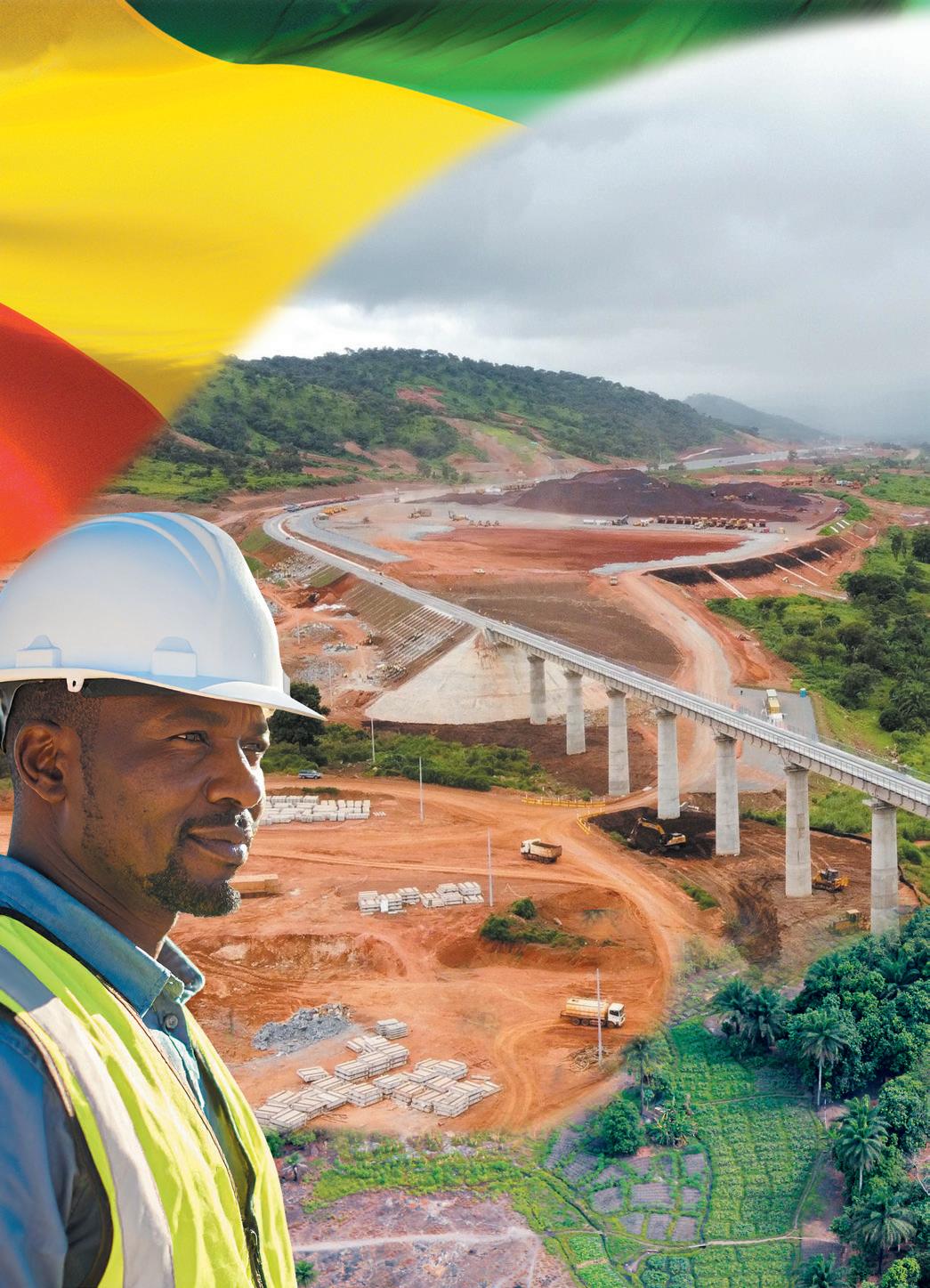
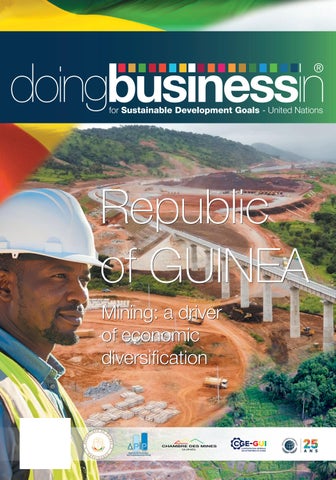
Mining: a driver of economic diversification
Mining: a driver of economic diversification


This guide was produced by
In partnership with the Agency for the Promotion of Private Investments (APIP Guinea)
Editor: Planet Médias
21 place de la République
75003 Paris - France
Tel. : (+33) 1 80 91 61 94
Fax : (+33) 1 80 91 61 95 contact@doingbusinessin.fr www.doingbusinessin.fr
Publication Director: Dany Laloum
Managing Editor: Fahim Djebara
Assistant Editor: Laurent Pointier
Translation Director: Heather Hulick Allen
Technical Director: Céline Devaux
Artistic Director: JP Doutaud
Advertising: Dany LaloumKhadija Camara Maurice HabibStéphane Benaïm

Agency for the Promotion of Private Investments (APIP Guinea)
Rue Notre-Dame-du-Mali – BP 2024, Boulbinet - Conakry
Republic of Guinea
Tel.: (+224) 613 00 35 30 info@apip.gov.gn www.apip.gov.gn
Managing Director: Oliano Diana Kouyaté
Deputy Managing Director: Challoub Yolande Colle
Head of the One-stop Shop: Saikou Oumar Sow
Head of Investment Promotion: Fatoumata Condé
Foreign Relations Officer: Mariam Condé
•
•
#2 - BUSINESS ENVIRONMENT
•
#3 - GROWTH SECTORS
•
• Simandou: mining more than ever a pillar of the economy
• In the interim, bauxite and gold continue to drive the mining sector
• ICT: a technological leap with blockchain
• Tourism at a turning point: showcasing our potential
#4 - INFRASTRUCTURES
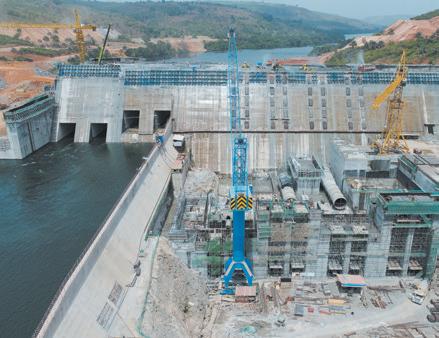
• Pressing ahead with hydropower, despite climate hazards and technical challenges
• The Trans-Guinean railway: a catalyst for economic growth
• Improved management of the Port of Conakry >>>
• ICT: an increasingly resilient fiber optic network
#5 -FIRST STEPS IN GUINEA
• Guinea at a glance
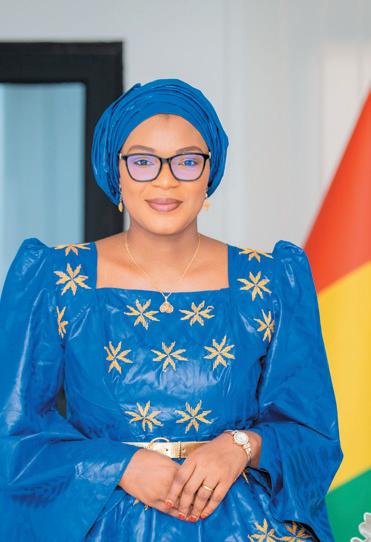
Diaka Sidibé, Minister of Trade, Industry and SMEs of the Republic of Guinea

The Republic of Guinea stands at a decisive turning point in its economic history. Under the leadership of President and Army General Mamadi Doumbouya, the government is firmly committed to making private investment a driver of inclusive, sustainable, and sovereign growth. At the heart of this strategy is the creation of a competitive, transparent, and investor-friendly business environment that attracts both domestic and international investors. Our priority is clear: to increase foreign direct investment (FDI) and strengthen national productive capacity in order to generate local added value. To this end, the government has launched wide-ranging structural reforms, including streamlined administrative procedures, better economic governance, targeted tax incentives, and stronger support for entrepreneurship, particularly through the Agency for the Promotion of Private Investments (APIP-Guinea).
The Simandou 2040 Program perfectly exemplifies this forward-looking vision. Structured around one of the world’s largest iron ore deposits, this transformative socioeconomic development initiative goes far beyond promoting resource extraction and exports. It is a true catalyst for national and regional development, a springboard for an integrated industrial, logistics, and commercial ecosystem designed to create sustainable employment, strengthen local expertise, and empower Guinean SMEs to integrate into global value chains.
The government today is therefore advancing a strategy of smart industrialization, leveraging Guinea’s natural resources while promoting economic diversification. In addition to mining, priority growth sectors include agribusiness, renewable energy, processing, and digital technology.
Recognizing that stability, predictability, and fairness are essential pillars for building investor trust, Guinea is strengthening its legal and institutional frameworks to better regulate investment and safeguard investors’ rights, while ensuring that economic growth delivers tangible benefits for the population.
This momentum is irreversible. We invite domestic and international investors to join us in shaping this bold, forward-looking new chapter within a rapidly evolving West Africa. Together, let us mobilize the resources, capital, and talent needed to make private investment a powerful lever for economic sovereignty and shared prosperity.


Boké
Governorate of
Conakry
Kindia
Labé
Mamou
DEMOGRAPHIC AND ADMINISTRATIVE INDICATORS
• Population: 13,261,000 (2022)
• Surface area: 245,857 km2
• Density: 54 Inhabitants/km2
• Urban population: 36.6% (2021, estimate)
• Population under 15: 44.1% (2021, estimate)
Sources: World Bank, Ministry of Health

Guinea is made up of eight administrative regions:
Governorate of Conakry / Boké Region
Kindia Region / Mamou Region
Faranah Region / Kankan Region
Labé Region / Nzérékoré Region
It is divided into 33 prefectures, 308 sub-prefectures, 344 urban municipalities, 4,142 district-neighborhoods, and 15,741 villages/sectors.
It is bordered by Guinea-Bissau, Senegal, Mali, Côte d’Ivoire, Sierra Leone, and Liberia.
• Life expectancy: 61.7 years (2022)
• Natural growth rate: 2.7% (2022)
• Crude birth rate: 35.6/1,000 (2022)
• Crude mortality rate: 8.9/1,000 (2022)
• Evolution of child mortality rate: 106 to 96/1,000 between 2018 and 2022
• Evolution of infant mortality rate: 68 to 62/1,000 between 2018 and 2022
Sources: INS, United Nations Interagency Group, Ministry of Health
“With less than 8% of the national budget allocated to health (4.7% in 2023, according to the NIS Statistical Yearbook and national health accounts), Guinea is among the many countries not on track to meet the 15% target proposed by ECOWAS heads of state in Abuja in 2001,” notes the 2024 Voluntary National Review Synthesis Report on SDG implementation in Guinea. “This confirms the persistent under-funding of the health sector and provides indications regarding the country’s limited social protection coverage.”




Prenatal visits*
Share of women making 4 or more prenatal visits before childbirth.
|||||||| Malnutrition in children under 5*
Evolution of the primary indicators for malnutrition among children under age 5 between 2018 and 2022 (in %)
Source:* 2024Voluntary National Review Synthesis Report on SDG implementation in Guinea
PRIVATE STRUCTURES IN THE NATIONAL STATISTICAL SYSTEM
In 2021, Guinea counted 3,434 health institutions, including 902 private facilities (26%), according to the National Federation of Private Clinics of Guinea (FNCPG). Integrating these private, parapublic, and faith-based providers into the national data management landscape remains a major challenge, however. Although they provide 30-40% of health services, 60-70% of their data is not accounted for in the national health information system. In response, the Ministry of Health and Public Hygiene has established a permanent advisory framework to support these facilities through informationsharing, training, and the provision of standardized health information management tools.
Sources:*2020-2021 Primary Education StatisticalYearbook **2022 Statistical Yearbook from the National Institute of Statistics of Guinea, 2022 Primary school enrollment
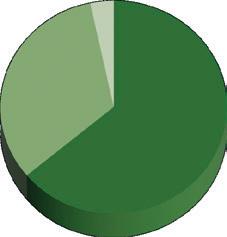
Secondary education in Guinea includes two cycles. The first, collège (junior high school), lasts four years and culminates in the brevet d’études du premier cycle (lower secondary school diploma). The second, lycée (high school), lasts three years and concludes with the baccalauréat (upper secondary school diploma).
|||||||| Secondary education
Total number of secondary students and class size (raw data)*
Source:* 2020-2021 SecondaryTeaching Statistical Yearbook Evolution of the completion rate per educational cycle between 2018 and 2022 (in %)
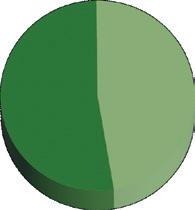
Source: Statistical Yearbook of the National Institute of Statistics of Guinea, 2022
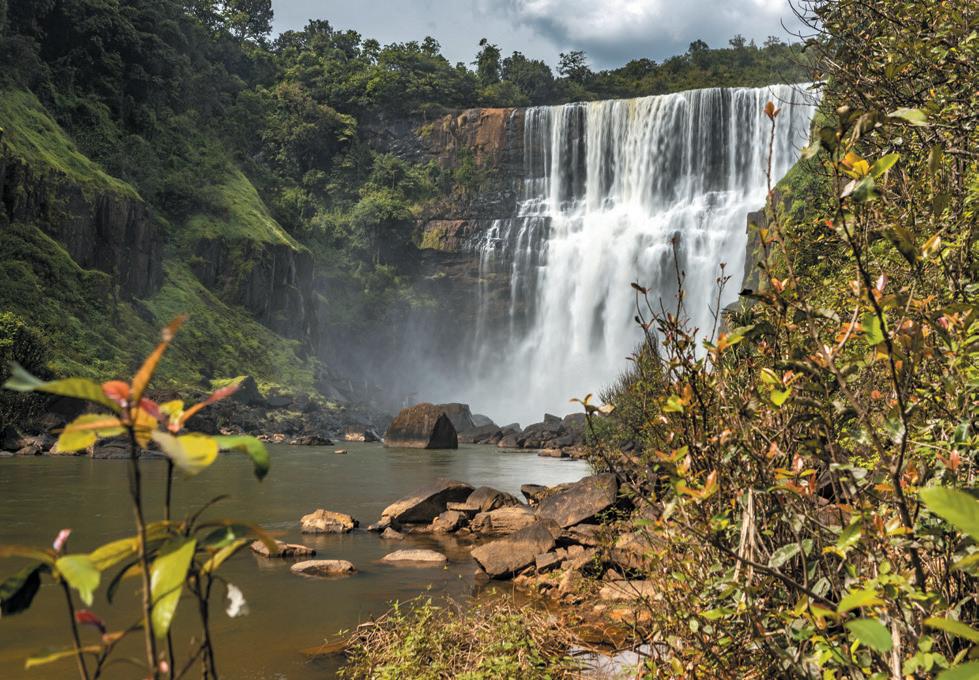
Guinea is divided into four geographical regions, each characterized by distinct relief, climate, soil, and vegetation.
Also known as Maritime Guinea, Lower Guinea comprises the alluvial basins of the country’s coastal rivers. Located in the west, it stretches approximately 150 km inland and extends along the Atlantic Ocean for about 300 km. Its climate is strongly influenced by the monsoon, with average annual rainfall exceeding 1,800 mm in most areas and reaching up to 3,000 mm in Conakry. Temperatures are high throughout the year. In addition to the monsoon, Lower Guinea is traversed by numerous rivers descending from the western slopes of the Fouta Djallon mountain range. These waterways drain into extensive coastal plains, which are suitable for
subsistence crops and rice cultivation, while providing significant upstream energy-producing potential. The subsoil is rich in bauxite.

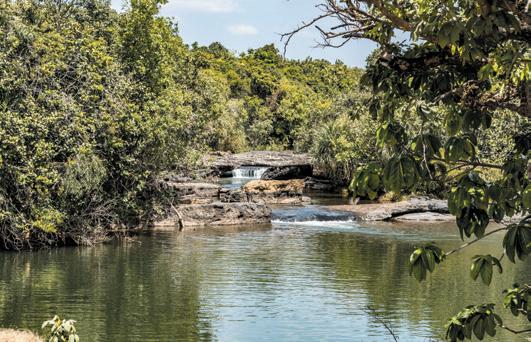
Also known as Fouta Djallon, Middle Guinea is made up of mountains and plateaux crisscrossed by deep valleys. Its highest point, Mount Loura, culminates at 1,538 meters. The many rivers originating in this region have earned it the nickname “Water Tower of West Africa.” However, the confinement of these waterways within steep valleys limits their potential for hydro-agricultural development, making the land better suited for pasturage, citrus orchards, and vegetable cultivation. The tropical climate is moderated by a mountainous microclimate, with relatively low rainfall. The region’s rugged terrain and ecological degradation have prompted livestock breeders to extend their transhumance to Lower Guinea.
The savannas and plateaux of Upper Guinea form part of a broader geographic and climatic unit. Drained by the Niger River and its tributaries, the region’s floodplains have been shaped into terraces for flooded rice cultivation. Upper Guinea is the region that receives the least annual rainfall (1,200 to 1,800 mm) and that experiences the longest dry season (7–8 months). Temperatures are high and frequently exceed 40°C in March and April. Despite the presence of river plains, agriculture is limited due to frequent droughts. However, Upper Guinea is well suited for river fishing and livestock breeding. Artisanal gold and diamond mining is also common.
Forested Guinea takes its name from the tropical rainforest that once covered much of the region but has gradually been reduced by human activity to fragmented remnants on mountain massifs (such as Nimba and Ziama) and along waterways. The terrain is dominated by high mountain ranges with steep slopes, plateaux, and plains and valleys prone to flooding, culminating in Mount Nimba at 1,752 meters. The climate is subequatorial, with abundant rainfall (1,800–2,300 mm, over 8–9 months annually) and mild temperatures averaging around 25°C. It is a densely-populated region with strong economic potential, supporting both subsistence and commercial farming (coffee, tea, cocoa, oil palm, and rubber cultivation), as well as logging activities


FFA-EY Guinea supports both public and private organizations in addressing challenges within an increasingly complex environment. By offering a range of integrated services and cutting-edge tools, EY enables clients to drive growth, ensure regulatory compliance, and inform investors, while meeting the expectations of a wide range of stakeholders.
FFA -Ernst & Young has been present in Guinea since 1987, with approximately 50 collaborators in Conakry serving over 100 clients across a range of sectors, including banking and finance, insurance, agribusiness, mining, gas, telecommunications, international development funds, and public service and enterprise.
The better the questions. The better the answer. The better the world works.
Certified Public Accountant
Amara Ndiaye
Amara.Ndiaye1@gn.ey.com
Audit, Tax and Financial
Consulting Director -Audit
Aboubacar Sidiki Diakité aboubacar-sidiki.diakite@gn.ey.com
Legal and Taxation
Director–Legal and Taxation
Rouguiata Diallo rouguiata.diallo@gn.ey.com
Accounting expertise Director–Accounting expertise LaouratouDiallo laouratou.diallo@gn.ey.com
Consulting Director –Conseil
Robert Kamano robert.kamano@gn.ey.com
EY Guinea
1st floor, Immeuble de l'archevêché Conakry –République de Guinée BP 1762
Tel.: (+224) 621 99 99 09 Web: www.ey.com
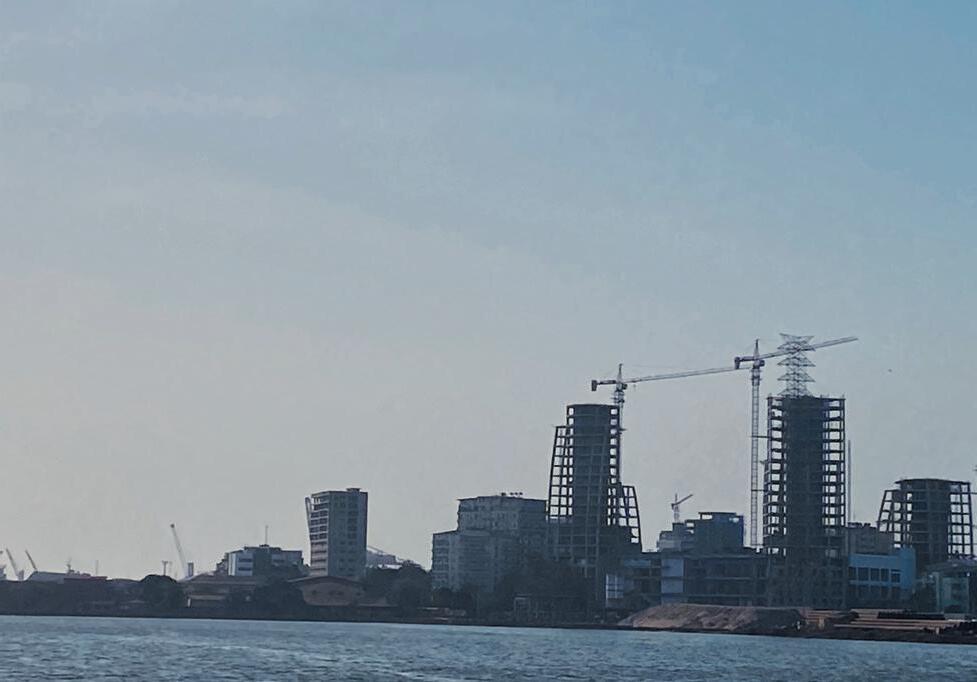
Despite five years of successive global crises, Guinea’s economy continues to post strong current performance and promising growth projections. Largely driven by the mining sector, it must now diversify in order to create more jobs and increase tax revenues.
Following the 2008 coup d’état, Guinea faced a series of major challenges: the 2014–2016 Ebola epidemic and the global decline in ore export prices. Although the country stabilized its economy through the implementation of the National Economic and Social Development Plan (PNDES 2016–2020), political tensions persisted, culminating in the overthrow of its increasingly contested president on September 5, 2021.
Most nations would have struggled to recover from such a sequence of crises. But not Guinea! The country has consistently managed to rebound
through sustained efforts to implement institutional reforms and maintain fiscal balance. The transition of power to the National Committee of Reconciliation and Development (CNRD), led by Colonel Mamadi Doumbouya since October 1, 2021, did not undermine Guinea’s economic strength, unlike similar situations in other countries. On the contrary, Guinea’s economy and public finances have continued to improve.
In July 2023, the World Bank even classified Guinea as a “middle-income country.” That year, the country’s per capita income reached $1,180, surpassing the 2022 threshold set at $1,036. “Higher income levels are directly linked to Guinea’s economic performance in recent years,” the Washington-based institution reported.
After demonstrating strong resilience during the Covid-19 pandemic (+4,9 in 2022), largely thanks to its mining sector, Guinea’s growth slowed to 4.3% in 2021. Despite the impact of the Russo-Ukrainian War and ongoing political uncertainty, GDP growth in 2022 held at 3.7%, according to World Bank data, and nearly doubled in 2023, reaching 7.1%, driven by higher production of bauxite (+22%) and gold (+10%), rising private and public investment, especially in infrastructure, and improved energy availability.
Mining is expected to continue driving economic growth in the coming years. Non-mining sectors, which were disrupted in 2024 by the explosion at the Kaloum fuel depot in December 2023, have since recovered with the normalization of fuel provision levels. GDP growth reached 5.7% in 2024, according to the World Bank. It is expected to approach 6.5% in 2025 and an average of 10% in 2026-2027, largely supported by the mining industry and the development of Simandou (projected 19.4%), while non-mining sectors are also expected to accelerate, averaging 5.4% growth between 2025 and 2027, driven by domestic demand.
Inflation declined but remained relatively high (9.3%) at the end of 2023, compared with 11.6% at the end of 2022, supported by stable transportation costs and prudent fiscal and monetary policy. It fell from 8.1 to 6.4% between January and December 2024 and is expected to remain around 7% for 2025-2027, benefitting from falling inflation in transportation and food products, in addition to cautious monetary policy.
RISK OF OVERINDEBTEDNESS
Guinea has maintained a prudent budgetary policy over the past decade, helping to reduce deficits and support macroeconomic stability. Between 2016 and 2023, the budget deficit averaged 1.4% per year. Nevertheless, World Bank findings highlight that expenditure allocations could further stimulate growth. Similarly, mobilizing tax revenues, which averaged 12.7% of GDP over 2016–2023, remains a challenge, particularly in the mining sector.
A debt sustainability analysis (DSA) conducted by the International Monetary Fund (IMF) and the World Bank in April 2024 (consistent with the December 2022 DSA) concluded that Guinea faces a moderate risk of overindebtedness and retains room to absorb shocks. However, public debt, which had decreased in recent years, rose slightly in 2023–2024, partly due to domestic borrowing to finance public infrastructure investments.
Exports have grown strongly in recent years, especially since the start of the mining boom in 2016, but imports have also increased, largely due to direct foreign investment (DFI) in the extractive sector. As a result, the current account deficit, which averaged 10.6% of GDP between 2016 and 2023, is expected to remain high. The budget deficit is projected to rise to 2.7% of GDP in 2024, reflecting higher investment expenditure, but could decrease in subsequent years under cautious fiscal policy.
The slow recovery of the non-extractive industries, combined with limited domestic resource allocation, poses a potential risk to sustainable growth. In addition to improving resource allocation, particularly within the mining sector, the authorities remain committed to enhancing the business environment to attract investment, with a particular focus on non-extractive sectors.
The current government has also signed agreements for developing major port and railroad infrastructure to facilitate the exploitation of the Simandou iron deposit in the country’s southwest, including the construction of a 670-kilometer railroad linking the deposit to a deep-water port for iron exports. But beyond the mining operations themselves, authorities aim to stimulated broader economic activity along the transport corridor. The agricultural sector, supported by incentives for the processing and transformation of agricultural products, represents a particularly promising area for growth
In 2020, the Notre Dame Global Adaptation Index (ND-GAIN) ranked Guinea 146th out of 182 countries in terms of vulnerability to climate change and readiness to adapt, as highlighted in the 2023 African Economic Outlook report. According to that same source, climate financing allocated in the country between 2016 and 2020 averaged just $0.2 billion per year, compared with estimated annual needs of $1.59 billion. Yet the effects of climate change have already affected water resources, agriculture, hydroelectric production, and, more broadly, the national economy. To strengthen economic resilience and support the transition toward inclusive and green growth, the International Monetary Fund (IMF) recommends major reforms in mining governance, improvements to the business environment, and the expansion of financial markets. The mining sector, which “accounts for 80% of exports and 20% of GDP but contributes only 2–3% of government revenue, represents the principal lever for mobilizing additional public resources to bridge the climate financing gap,” the report concludes.
Bank
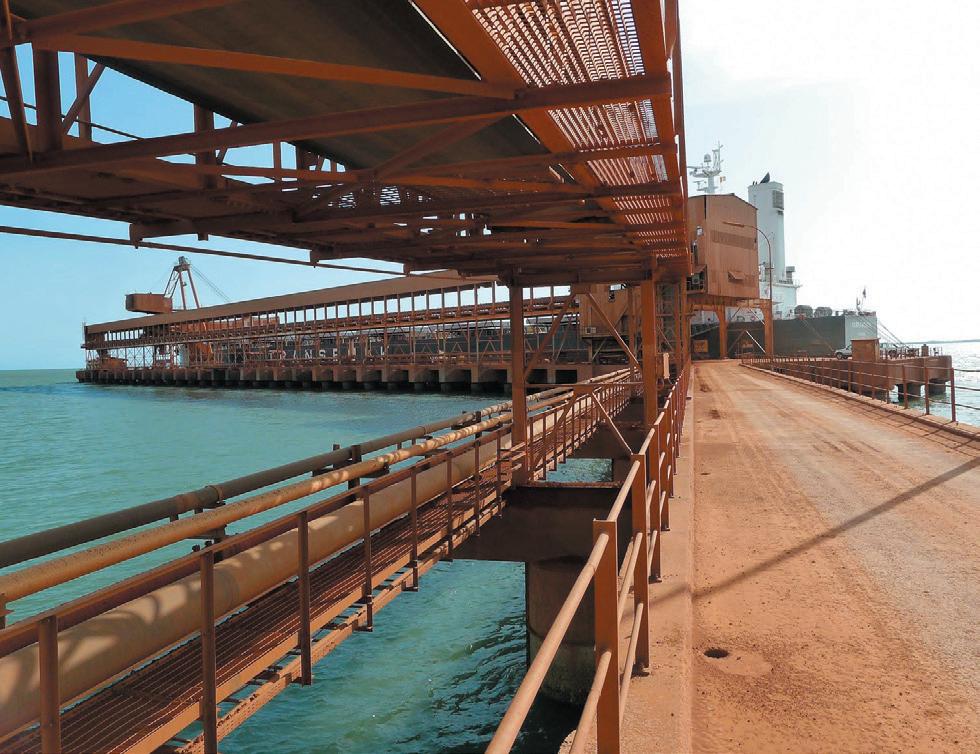
Gold and bauxite remain Guinea’s primary exports, while petroleum products continue to dominate its imports.
After reaching a peak at GNF 132.48 trillion in 2021, Guinea’s total trade with the rest of the world fell to 108.28 trillion in 2022, remaining stable at 108.71 in 2023, with a positive trade balance of 17.62 trillion.
Guinean exports totaled GNF 63.16 trillion in 2023, slightly below the 2022 level (63.65 trillion). Although lower than the record reached in 2021 (89.31 trillion), exports confirm a sustained upward trend, at nearly three times their 2019 level.
The slight decline observed in 2023 was partly attributable to reduced gold sales to India (-16.6%), a drop that was partially offset by a strong increase in shipments of bauxite (+26.9%), mainly destined for China.
In value terms, Guinea’s leading export products in 2023 were gold (GNF 30.84 trillion) and bauxite (27.29 trillion), followed at a considerable distance by aluminum oxide (644 billion), and passenger and cargo ships (632 billion).
In 2023, the five leading destinations for Guinean exports were China (GNF 23.14 trillion), the United Arab Emirates (20.09 trillion), India (7.75 trillion), South Africa (4.32 trillion) and Switzerland (1.76 trillion). Asia thus represents Guinea’s biggest market, accounting for 81.6% of total goods purchased.
|||||||| Evolution of foreign trade between 2019 and 2023 (in GNF trillions)


Source:2024ForeignTradeStatisticalAnalysis,MinistryofPlanning andInternationalCooperation,Guinea
Despite a decline in 2023, gold sales have increased fourfold over the past four years, rising from GNF 7.43 trillion in 2019 to 30.84 trillion in 2023. Gold remained Guinea’s leading export product in 2023 (48.8% in total), mainly destined for the United Arab Emirates (59%), followed by India (21.4%), South Africa (13.7%), and Switzerland (6%).
After declining in 2021 and 2022, bauxite exports rebounded in 2023, reaching GNF 27.29 trillion, broadly in line with the 2020 level (GNF 27.91 trillion). This rise was driven primarily by strong demand from China (+40.6%) and the United Arab Emirates (+8.8%). Guinea’s second-largest export product by value, bauxite is sold predominately to China (84.1%), followed by the United Arab Emirates (6.8%) and India (3%).
|||||||| Exports by continent (in GNF trillions)
Source:2023 ForeignTrade StatisticalYearbook
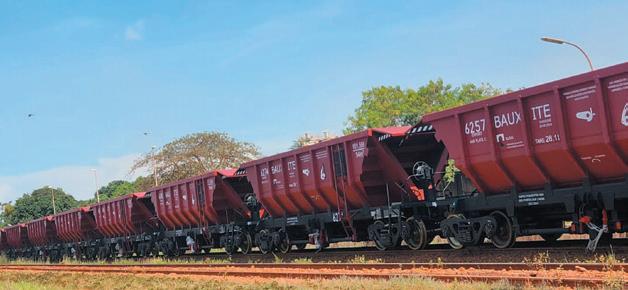
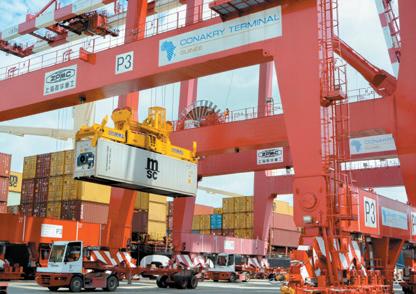
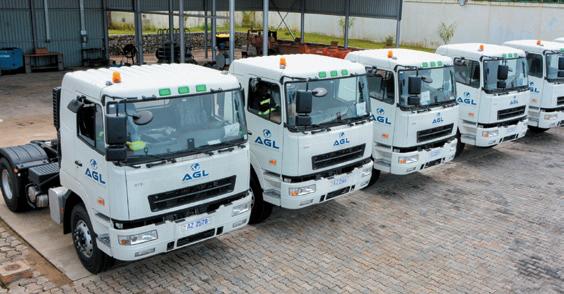
The AGL group’s subsidiaries in Guinea play a key role in providing logistical, transportation, handling, and transit solutions. With over 800 collaborators, 99% of whom are Guinean, the group invests in training and skills development for local teams, thereby helping the Guinean economy flourish.
To modernize port infrastructure and enhance performance, the group continues to invest in expanding the Conakry container terminal, with a view to increasing merchandise handling capacity and optimizing port transit fluidity. In addition, modernization of the Kagbélen logistical center facilitates the storage and processing of products in transit.

AGL
Tour Niger - Route Nationale No.1
Marché Niger - Kaloum
BP: 2011 Conakry – République de Guinée www.aglgroup.com
Anticipating the requirements of the Guinean Local Content law, AGL Guinea created a joint-venture holding with a Guinean transportation company. Building on AGL’s expertise in transportation in Guinea and its partner’s robust local network, the collaboration has made it possible to modernize and optimize the transportation of merchandise. The partnership has also led to the creation of nearly 200 jobs for Guineans and assembled a fleet of over 60 trucks to meet the demands of an increasingly competitive Guinean market.
This successful partnership makes AGL Guinea a key player in major logistical operations across strategic sectors such as mining and industry, while stimulating the transportation sector by addressing the needs of international investors. The project thus marks a decisive turning point for the logistics sector in Guinea, ensuring that the wealth it generates translates into benefits for the national economy.
Aluminum ranked a distant third among Guinea’s export products in 2023, accounting for just 1% of the total. Its value rose from GNF 459 to 644 billion between 2020 and 2023. The principal destinations were Russia (70.2%), Cameroon (19.4%), and more recently Latvia (11.3%).
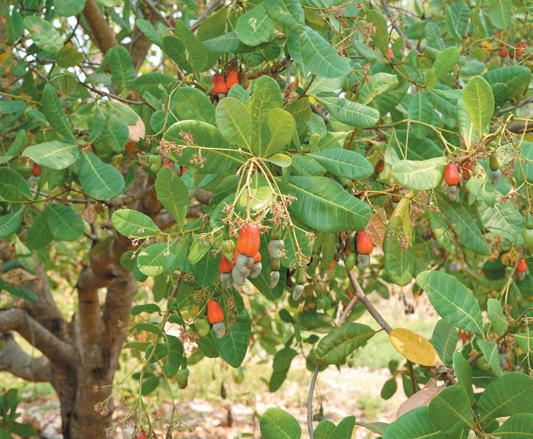
As the leading non-mining export product, cashew nut exports have recorded steady growth over the past four years, rising from GNF 431 billion in 2019 to 484 billion in 2023. India (60.8%) and Vietnam (31.9%) remain the primary markets, followed at some distance by Senegal (4.1%) and Singapore (2.2%).
While cocoa accounted for only 0.6% of Guinea’s total export value in 2023, foreign sales rose from GNF 56 billion in 2018 to 391 billion in 2023. The Netherlands remains by far the export’s primary destination (95.1%).
Driven largely by purchases of petroleum products, Guinea’s imports nearly doubled between 2019 and 2023, rising from GNF 27.09 to 45.54 trillion. The slight increase compared with 2022 was mainly attributable to higher demand for passenger and cargo ships (up 2.5%), as well as construction equipment (+74.3) and motor vehicles for goods transport (+56.6%). This upward trend was partly offset by lower imports of motorcycles (-24.8%), rice (-22%), and petroleum products (-17.4%).
Guinea’s five major suppliers in 2023 were China (GNF 11.73 trillion), the Netherlands – the leading supplier of petroleum products (GNF 9.96 trillion) – Belgium (GNF 3.27 trillion), India – notably a major source of motorcycles (3.03 trillion) – and France (1.62 trillion).
|||||||| IImports per continent (in GNF trillions)
Source:2023 ForeignTrade StatisticalYearbook
By far Guinea’s largest import, petroleum products rose from GNF 7.19 trillion in 2019 to 13.02 trillion in 2023. Representing 28.6% of total imports in 2023 compared to 35.3% in 2022, the primary suppliers were the Netherlands (73.3%), followed by Singapore (7.1%), China (5.6%), and Belgium (4%).
Imports of passenger and cargo ships rose from GNF 548 billion in 2021 to GNF 1.63 trillion in 2023. Representing 3.6% of total imports in 2023, these ships were primarily sourced from China (30%), Turkey (11%), Panama (10.6%), Singapore (10.6%), and the United Arab Emirates (10.2%).
Imports of construction equipment totaled GNF 1.32 trillion in 2023, compared with an average of 726 billion over the previous four years, reflecting the growth of Guinea’s construction industry. The main supplier countries were China (53.8%), Belgium (14.2%), and Mali (7.8%).
Imports of motor vehicles, motorcycles, rice, and medicine have risen at a similar pace over the past four years. Motor vehicles for merchandise transport reached GNF 1.18 trillion, while tourism vehicles totaled 1.02 trillion, showing a relatively balanced growth rate. Motorcycles imports rose sharply to 953 billion, and medicine imports totaled GNF 856 billion in 2023 (an average of GNF 1.38 trillion over the previous four years), with rice imports falling to GNF 635 billion, reflecting lower demand compared with the preceding year
Benin
Burkina Faso
Cape-Verde
Ivory Coast
Gambia
Ghana
Guinea
Guinea-Bissau
Liberia
Nigeria
Senegal
Sierra Leone
Togo
Guinea trades with all member states of ECOWAS, the West African economic integration framework for facilitating the free movement of goods, services, and people, with the ultimate goal of establishing a common market.
Exports to ECOWAS countries have generally trended upward, reaching a peak of GNF
6.26 trillion in 2027. Prior to this, lower gold sales to Ghana caused exports to drop from GNF
4.04 trillion to 30 billion between 2022 and early 2023, before rebounding to 1.99 trillion later in 2023, primarily through trade with Mali (734 billion), Sierra Leone (525 billion), and Senegal (519 billion). In 2023, ECOWAS accounted for 30.6% of Guinean products sold in Africa.
|||||||| ECOWAS
1/ Benin
2/ Burkina Faso
3/ Cape Verde
4/ Côte d’Ivoire
5/ Gambia
6/ Ghana
7/ Guinea
8/ Guinea-Bissau
9/ Liberia
10/ Mali
11/ Niger
12/ Nigeria
13/ Senegal
14/ Sierra Leone
15/ Togo
Meanwhile, Guinea’s imports from ECOWAS countries continued to grow, rising from GNF 665 billion in 2019 to 2.85 trillion in 2023. The country’s five leading suppliers within the bloc are Senegal (756 billion), Togo (472 billion), Mali (465 billion), Ghana (356 billion), and Côte d’Ivoirea (333 billion). Imports from ECOWAS accounted for 59.8% of Guinea’s total purchases from Africa in 2023.

Key figures on how we make a difference
• 7,869 entrepreneurs supported in key sectors (hospitality and tourism, construction, digital, agribusiness, green economy, CCI)
• 11,000 jobs created (63% held by women)
• 58% increase in revenue for the companies we support
• 6,600 people trained, strengthening the skills of the local workforce
• 1,400 companies funded, driving increased entrepreneurship
• 9 infrastructures built or rehabilitated (hydro-agricultural development, warehouses, cold stores)
Enabel’s flagship actions
• Training and support: strengthening the skills of entrepreneurs in high value-added sectors
• Support for innovation: promoting innovation and investment in SMEs by supporting local entrepreneurial and technological initiatives
• Opportunities for visibility and networking: planning and support for events promoting trade, the development of business partnerships, and the promotion of entrepreneurs and their projects
• Sustainable commitments: promoting the empowerment of women, the green economy, and environmental preservation
Spotlight on local talents: 7 Enabel-supported companies committed to innovation and change:
1. The Lower Guinea Fruit Planters’ Federation (FEPAF-BG) - KindiaSpecializing in fruit production in Lower Guinea.
2. MAGIC - Conakry-Kindia - Home delivery and concierge service via an innovative application.
3. Federation of Fouta Djalon Producers (FPFD) - Pita - Agricultural production, especially potatoes.
4. Bilinda - Conakry - Production of cleaning and maintenance products.
5. Wakili Company - Conakry - Artisanal creation of locally died Afro-modern clothing.
6. EFK International - Kindia - Transformation of natural fruit juice and dried fruit.
7. DOUK’S - Conakry - Production of “Made in Guinea” leather shoes and accessories.
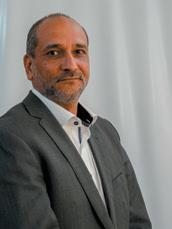
Said Karmaoui, Managing Director, Enabel Guinea
“Our activities impact job creation and the empowerment of vulnerable communities”
impact, especially in terms of job creation and the empowerment of vulnerable groups, with special emphasis on youth and women. With a budget of 109 million euros, Enabel in Guinea implements projects financed both by Belgium – in connection with the cooperation program – and the European Union. While the 2023-2027 Guinea-Belgium Cooperation Program, with a budget of 34 million euros, aims to strengthen the population’s economic, social, and environmental resilience, other projects spearheaded by Enabel for the European Union focus on key areas such as digitalization, professional training, urban sanitation, and health.
How does Belgian cooperation contribute to economic growth and job creation in Guinea?
Since 2016, Enabel, the Belgian agency for international cooperation, has been supporting the development of fair and inclusive economic growth in Guinea. The agency implements multisector programs, cofinanced with the European Union, with a total budget of €109 million.
How did Enabel become interested in investing in Guinea?
Enabel began operating in Guinea in 2016, a year after Guinea became a partner country of the Belgian development cooperation. This initial collaboration (2016-2019) focused on key sectors such as agriculture, water access, and capacity building. In 2019, a major program (2019-2023) marked a decisive step forward, introducing initiatives in inclusive entrepreneurship, sexual and reproductive rights, and capacity building. These programs engaged 1,837 people, including 728 women, across sectors such as health, decent work conditions, migration, and public administration. The actions had a significant
The Entreprena program has helped to create over 11,000 jobs and supported 8,000 entrepreneurs across sectors such as agriculture, the green economy, and urban entrepreneurship. In the agricultural sector, entrepreneurs who received support saw an average increase of 73% in sales volume and 71% in revenue. In urban areas, assistance provided to more than 90 SMEs enabled 70% of the beneficiaries to experience rapid growth, with an average annual growth rate of 30%. These activities are part of a long-term vision aimed at enhancing the competitiveness and resilience of economic actors in Guinea.
How have your efforts impacted the economic empowerment of women?
Women’s economic empowerment is a cross-cutting priority for Enabel. Under the preceding Guinea-Belgium Cooperation Program, over 56% of the beneficiaries were women. Our activities include the creation of tailored financial instruments, such as grants and savings-and-credit groups, with over 345,000 euros allocated for women entrepreneurs. In addition, 1,146 women and girls received support to secure financing for business development, particularly in key agricultural areas, such as potato production. Training in digital skills has also enabled more than 96% of female entrepreneurs to modernize their economic activities through the integration of innovative technologies and tools.
Why is environmental sustainability such an important part of Enabel-led projects?
Sustainability is central to our projects. We have promoted responsible farming practices with a strong focus on agroecological impact, supporting rural field-schools in 10 villages and reaching 100 farmers, 54 of whom were women. These initiatives have led to increased yields of 30-60 tons per hectare, particularly for pineapples. In the field of sanitation and waste management, our initiatives have supported the collection of nearly 2 million tons of waste, in collaboration with the National Agency for Sanitation and Public Health (ANASP). Waste recovery initiatives have helped improve public health through support for composting centers, while also contributing to the development of the green or circular economy. At the same time, projects to develop ecotourism infrastructure, such as in Kindia – including pedestrian paths and a tourism complex – illustrate our commitment to enhancing and sustainably utilizing natural resources. These efforts were launched under the previous program and will be further strengthened under the new 2023-2027 program, which aims to reinforce communities’ resilience to environmental challenges.
How does Enabel help structure the ecosystem for Guinea’s cultural and creative industries?
This sector has benefited from structural support from the Creative Guinea project, financed by the European Union. To date, 300 project leaders have received assistance through incubation programs and training in key skills, particularly in management and innovation. The ecosystem for cultural and creative industries has benefited from the involvement of 9 local incubators and the support of 166 cultural
initiatives in Guinea and across the sub-region. These efforts have enabled a range of enterprises to improve their products, increase their revenues, and position themselves in competitive markets. We have also supported several public organizations, conducting institutional and organizational assessments of Guinea’s National Office of Cinematography and artisanal federations.
How does Enabel adapt its initiatives to the specific needs of beneficiaries?
Enabel’s approach rests on in-depth analysis of local needs, and close collaboration with communities and stakeholders. For instance, participatory consultation mechanisms, such as those established for the Kindia ecotourism cluster, enable the collaborative management of resources while taking local specificities into account. Support measures are tailor-made and include training, access to funding, and initiatives fostering innovation. These mechanisms also aim to develop the capacities of local actors in governance, entrepreneurship, digitalization, and health (in particular sexual and reproductive health), thereby ensuring lasting results. This inclusive and sustainable approach represents one of the priority focus areas of the 2023-2027 program, which builds on and extends the gains made by preceding interventions
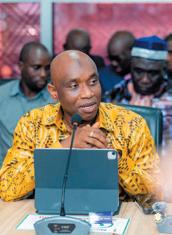
Amadou Daff Baldé, Managing Director of the Guinean Export Promotion Agency (Aguipex)
“WE MUST INCREASE THE SHARE OF OUR AGRICULTURAL AND INDUSTRIAL EXPORTS”
Does Aguipex focus its initiatives on specific sectors?
To answer that, it is important to look at Aguipex’s origins. The agency succeeded the Agricultural Export Promotion Framework and the Export Formalities Support Network (Cafex) with a mandate to diversify Guinea’s exports, which remain overwhelmingly dominated by mining. In 2024, products derived from subsoil extraction accounted for 98% of total exports, according to Central Bank data. With the establishment of the National Committee of Reconciliation and Development (CNRD), the government reaffirmed its commitment to economic diversification. Over the medium term, it aims to sustainably increase the share of agricultural exports, setting a target of at least 15% of total exports.
Is the processing of mining products part of the diversification goals?
Yes, although downstream processing remains limited. Take the example of alumina produced by the company Friguia. It was only recently, under the program launched by the President of the Republic, that mining companies were required to fully honor their agreements with the government. These commitments include strengthening skilled local content – even where training must be provided by
the companies themselves – and advancing domestic processing activities. Somewhat unexpectedly, yet logically, we are counting on the Simandou 2040 mining project and its anticipated spillover to support the development of agribusiness and the food industry – and to reach the country’s diversification objectives.
What major levers does Aguipex use to promote Guinean products?
Our primary approach is to support businesses through structural initiatives. For example, we are currently developing a reverse linkage project through which Tunisia shares its expertise with Guinea in promoting the export of products and services. We are also implementing a commercial agriculture development project in partnership with the World Bank. Since my appointment, I have personally initiated a three-year export support program with the United Nations Development Programme (UNDP). In addition, by participating in trade fairs and business events, we assist exporters in formalizing contracts with international counterparts. Beyond this, Aguipex provides a comprehensive range of services, including business advisory support, trade information, market research, trade intermediation, export coaching, facilitation services, and certification assistance, among others.
Does Guinea certify its products to ensure brand recognition on international markets?
Yes. The geographical indication process has been completed for the “Baron Rotschild” pineapple variety grown in Forécariah. The robusta coffee cultivated in Macenta under the name “Ziama,” as well as the lepi, a artisanal loincloth from Fouta Djallon, had already received the label. Producers are also actively pursuing organic and fair trade certifications to strengthen their competitiveness internationally. For example, Fubropek, a company based in Kankan, has obtained organic certification along with two fair trade certifications in Europe for its shea-based products. These certifications help secure price stability and facilitate access to specific markets
Technical departments, hierarchically equivalent to those within a central administration division, are responsible for coordinating and supervising the activities of designated organizational units.
The units at the Department of Certification and Regulation - each of which is hierarchically equivalent to a section - include:
• The Certification Unit
• The Regulation Unit
The Certification Unit is responsible for:
- coordinating operations and administrative formalities relating to export;
- delivering contractual and technical export certificates;
- providing necessary support and advice to exporters;
- certifying the quality of export products.
The unit operates through branch offices functioning as one-stop shops for administrative formalities. Branches have been established at the port and airport, with additional branches planned at border posts.
At these branch offices, AGUIPEX coordinates with representatives from different ministerial departments to facilitate export and origin-related formalities (one-stop shop mechanism).
At the port branch, four officials are seconded from:
- the National Quality Control Bureau, which issues technical quality control and origin certificates for agricultural products;
- the National Directorate of Plant Protection, which issues phytosanitary and fumigation certificates for agricultural products;
- the National Bureau for Sanitary Control of Fisheries and Aquaculture Products, which issues sanitary certificates for fishery products;
- the National Directorate of Veterinary Services, which issues veterinary certificates for animal-based products.
At the airport branch, four officials are seconded from:
- the National Quality Control Bureau, which issues technical quality control and origin certificates for agricultural products;
- the National Directorate of Plant Protection, which issues phytosanitary and fumigation certificates for agricultural products;
- the National Bureau for Sanitary Control of Fisheries and Aquaculture Products, which delivers sanitary certificates for fishery products;
- the National Directorate of Veterinary Services, which issues veterinary certificates for animal-based products.
The Regulations Unit is responsible for:
- supporting and advising foreign and domestic investors on administrative procedures designed to facilitate exports;
- ensuring compliance with export-related administrative requirements;
- contributing to the development of export regulatory frameworks;
- providing investors with information on Guinea’s foreign trade legislation;
- structuring and organizing export networks;
- coordinating exporter registration procedures at AGUIPEX;
- assisting exporters in registering their products under the ECOWAS trade liberalization scheme
The
2022-2025 PRI is gradually being replaced by a new national plan for social and economic development.
At its heart lies the Simandou mining project and its extensive associated infrastructure.
The 2022–2025 Transition Interim Reference Programme (PRI) succeeded the 2016–2020 National Economic and Social Development Plan (PNDES). Serving simultaneously as a framework for coordinating government action, a platform for dialogue with technical and financial partners, and an operational tool for implementing the government’s roadmap, the PRI addresses three categories of challenges – institutional, infrastructural, and transformational – while providing a monitoring and evaluation framework for public action during the transition period.
The PRI is aligned with the development strategies set out in Guinea’s Vision 2040, the Sustainable Development Goals (SDGs) for 2030, ECOWAS Vision 2050, and the African Union’s Agenda 2063. It promotes the development of a dynamic domestic private sector and seeks to enhance the country’s attractiveness to investors. In this context, the launch of key reforms aimed at improving the business environment has become a national priority.

In a strong vote of confidence in the PRI, Guniea’s partners pledged $7 billion toward its financing at a round-table held in Dubai last February. The program’s total cost is estimated at $12.2 billion, with a substantial internal financing capacity of $8.8 billion. Operationally, the PRI is structured around the five priority pillars of the government roadmap:
- institutional rectification
- the macroeconomic and financial framework
- the legal framework and governance
- social action, jobs, and employability
- infrastructure, connectivity, and sanitation
Two final outcomes underpin the program’s broader objective:
- the establishment of conditions for peace, security, and a stable institutional and macroeconomic environment during the political transition
- the guarantee of free, credible, and transparent elections, to the satisfaction of all stakeholders
The PRI, which runs until December 31, 2025, is expected to be succeeded by the Simandou 2040 national development plan. Unlike the PRI, whose budget and portfolio of 268 projects are clearly defined, Simandou 2040 has not yet been assigned a precise budget or a finalized number of projects. However, the highly mediatized initiative is unquestionably a central pillar of the government’s development strategy.
Through an innovative offer that combines credit, savings, and digital services, COFINA Guinea contributes to the realization of business projects and local economic growth. Specializing in inclusive financing, COFINA Guinea remains a benchmark and leader in mesofinance in Guinea.
COFINA Group’s first established subsidiary, COFINA Guinea, opened in February 2014 and quickly established itself as a key player in SME financing and entrepreneurial support. With four branch offices in Conakry and plans for further expansion, it offers services to SMEs and entrepreneurs excluded from traditional banking circuits.
Built around the launch of Simandou iron mines, the initiative’s impact will extend far beyond the mining sector, generating cross-cutting effects throughout the Guinean economy. As part of a broader and ambitious strategy to transform Guinea into an emerging economy, it seeks to open up isolated inland regions – particularly through infrastructure developed for the mining project – strengthen connectivity, promote industrialization, and facilitate trade within the framework of the African Continental Free Trade Area (AfCFTA).
The plan is structured around 5 key pillars: - agriculture, the food industry, and trade - education and culture - infrastructure, transportation, and technology - the economy, finance, and insurance
- health and well-being
Guinea’s National Industrial Development Policy (PNDIG), initiated by the Ministry of Industry and SMEs, aims to accelerate industrialization and support the development of industrial parks. Launched in July 2023 following a comprehensive assessment of the industrial sector, the policy is built around five pillars and fourteen instruments. These instruments are specifically designed to foster research and innovation, develop productive value chains, expand manufacturing output, diversify exports, strengthen Guinea’s position in global trade, generate productive employment, and enhance local content.

DESIGN AND CONSULTING ENGINEERING OFFICE
1. Transport Infrastructure and Civil Engineering
2. Housing and Urban Development
3. Agricultural and Rural Development
4. Water Supply and Sanitation
5. Energy and Rural Electrification
6. Environment and Land Use Planning

A. Design project management
B. Execution project management
C. Complete project management
C. Assistance to project owners
D. Technical assistance to public administrations
E. Project management

Having been created in 1999, WEST Ingénierie is a well-known consulting and engineering firm that is a prominent participant in the sub-Saharan African civil engineering market.
The area of expertise for our company, WEST Ingénierie, is project engineering for the construction of socioeconomic infrastructure. Our dedication to quality and innovation in the planning and implementation of major projects makes us stand out.
Our mission is to support the growth of Africa’s socioeconomic infrastructures by offering creative, high-caliber consulting services that are adapted to the continent’s unique needs and center on investment optimization.
To tackle the most difficult challenges of our clients, whether they are institutional, public, or private, WEST Ingénierie combines technical competence and creativity with an experienced team of various collaborators.
The hard work of WEST Ingénierie’s employees, who have the same vision and a mindset focused on quality, integrity, listening, innovation, and independence—values that define our corporate culture and identity—has led to the company’s success in completing large infrastructure projects in Africa.
By using eco-friendly procedures and technologies in its recommendations, the company is likewise working very hard to promote sustainable development.
As a source of creative and dependable solutions, WEST Ingénierie keeps growing its reputation because of its wide network of partners and flexibility in responding to market shifts.
In October 2023, in Dakar, during the award ceremony for the 100 most dynamic firms in Africa, all of this experience gained WEST Ingénierie international distinction as the most dynamic engineering firm in West Africa.
Phone: +224 621 00 87 66 / 621 60 91 32
E-mail: contact@westingenieriegn.com
Siteweb: www.westingenieriegn.com

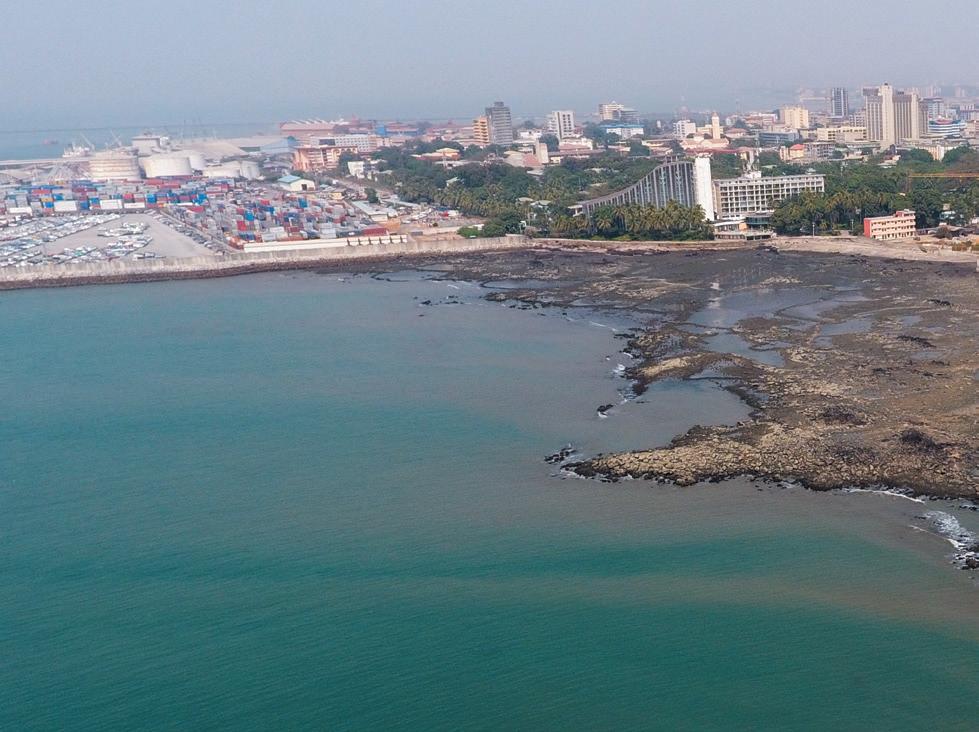
After enduring a prolonged political crisis, the 2014–2016 Ebola epidemic, and a global downturn in commodity prices, Guinea held steady and set its sights on recovery. Today, it is laying the groundwork for unlocking its full potential by investing in the nation’s abundant mining, hydropower, agricultural, and tourism resources.
2/ Sustained growth
Guinea’s economic growth has remained positive despite global shocks linked to the COVID-19 pandemic and the Russo-Ukrainian conflict. In 2023, the World Bank classified the country as a middle-income economy.
After demonstrating strong resilience during the pandemic (+4.9% in 2020), growth moderated to 4.3% in 2021 and 3.7% in 2022, before rebounding significantly in 2023. Growth is projected to reach approximately 6.3% in 2025–2026.
3/ Simandou: a broad structural program and a driver of economic growth
Recognizing the transformative potential of the Simandou mining project, the government has launched the Simandou 2040 development plan. Production at the Simandou iron ore megaproject will diversify Guinea’s extractive sector, currently dominated by bauxite and gold, and stimulate
broader economic expansion through the development of major transport and logistics infrastructure linked to the project.
4/ A clear development plan supported by the international community
While direct foreign investment (DFI) has largely flowed toward the mining sector in recent years, the government today is launching large-scale DFI-funded initiatives to meet the needs of agriculture and industry. These major initiatives are pursued using a clear development plan supported by Guinea’s bilateral (Europe, China, Japan, etc.) and multilateral partners (World Bank, African Development Bank, etc.).
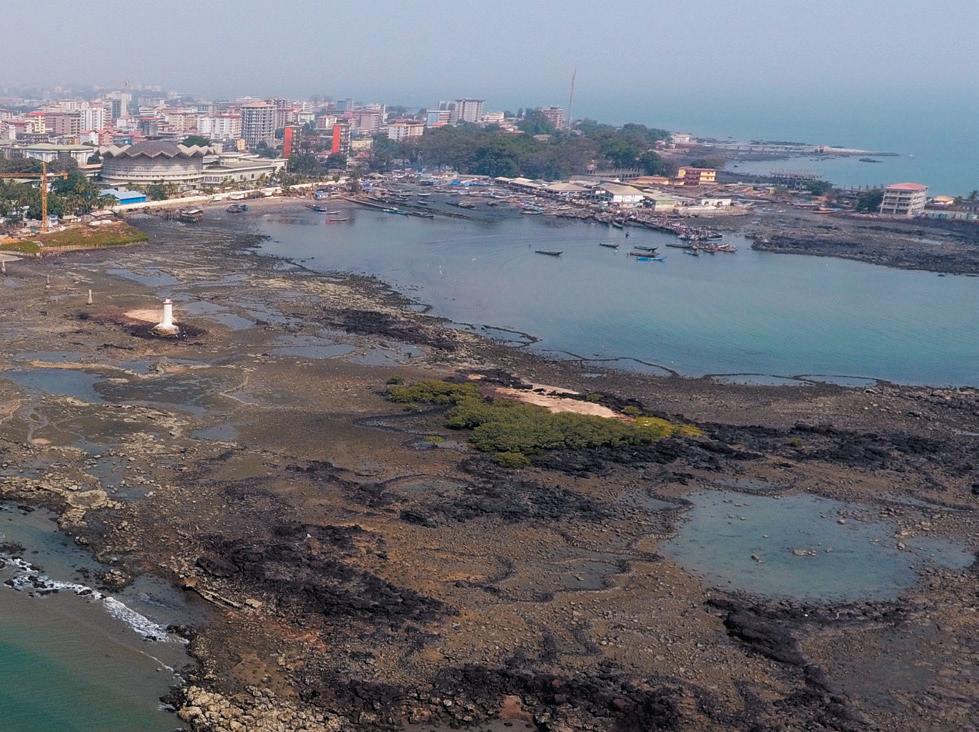
Guinea has consistently reaffirmed its commitment to strengthening and modernizing its regulatory frameworks across all sectors of the economy. Efforts to enhance the country’s investment attractiveness include legislative reforms, currency regulations, the establishment of sector-specific one-stop shops, streamlined business registration procedures, and anti-corruption measures. Through these reforms, the government aims to position the private sector as a genuine driver of national development.
Guinea is increasingly shedding the image of a “geological scandal,” a term long used to describe the under-exploitation of its natural resources, particularly in the mining sector. With the country’s steadily improving business climate, investors today will no doubt recognize the country’s vast potential not only in mining, but also in agriculture, tourism, and industry, where significant untapped opportunities remain.
Bordering six West African countries, Guinea has yet to fully leverage its strategic geographic position. This is poised to change, withthe road network under construction and the expansion of regional free trade frameworks, particularly the Economic Community of West African States (ECOWAS) and the African Continental Free Trade Area (AfCFTA)



Under the supervision of the Ministry of Industry and SMEs, APIP Guinea is responsible for implementing the government’s investment policy and supporting entrepreneurs.
Serving as a one-stop shop for both Guinean and foreign investors, APIP focuses on promoting private investment and developing entrepreneurship in Guinea. It works with investors to facilitate business creation and streamline the licensing approval process.
As a one-stop shop for investors, APIP offers a streamlined process for establishing and registering a business within 72 hours. The agency also provides investors with information on Guinea’s business climate and the incentives available under the Guinean Investment Code.
As a hub for investment promotion, APIP collaborates with the government to identify opportunities and priority sectors, supporting investors at every stage of the investment process.
As a business support agency, APIP provides Guinean entrepreneurs with advisory services, market research, and national market trend analysis.
Using the Guinean National Business Registration System (SYNERGUI), entrepreneurs can establish their companies entirely online. The platform transitions the business creation process from in-person registration at a physical one-stop shop to an electronic single-window system that brings together all relevant stakeholders.
APIP Mobile was launched to make government services more accessible to the public. The itinerant multipurpose office – housed in a converted, fully connected bus – functions both as an information center and an on-site licensing facility, enabling APIP staff to reach informal sector workers at their workplaces, community spaces, or places of residence. The program facilitated the creation of 750 businesses in 2022 and 773 in 2021. Its primary target groups are women and young people. In 2021, women accounted for 38% of new business founders, exceeding the national average (32%)
Under the technical supervision of Guinea’s Ministry of Industry and SMEs, and with the support of the World Bank Group and the African Development Bank (AfDB), APIP has organized the Guinea Investment Forum (GUIF) annually since 2021. The resource-mobilization platform showcases the potential of Guinea’s fast-growing and increasingly attractive economy, while bolstering the national private sector through effective partnerships. Following its inaugural edition in Conakry in 2021 and a second edition in Dubai in 2022, GUIF returned to the Guinean capital in March 2024. The event brought together more than 2,000 in-person participants and 23,000 online participants. Discussions focused on agricultural
transformation, mining subcontracting, the development of sustainable infrastructure, the business climate, and facilitating SME financing. Nearly $503 million in commitments were announced, including $300 million from the International Finance Corporation (IFC) for non-mining projects. In addition, the IFC’s parent institution, the World Bank, allocated $24 million to SMEs in the agricultural sector. Other institutions, including Banque du Commerce et de l’Industrie, Ecobank, Société Générale des Banques en Guinée, and VistaGui also pledged to provide financing to project promoters.
The Subcontracting and Partnerships Exchange (BSTP) is a platform that connects Guinean companies with foreign investors. More than 3,000 businesses are registered on the platform to date. Originally focused solely on the country’s thriving mining industry, it has since expanded to all key growth sectors. The platform allows investors to easily identify local suppliers, assess their capabilities, and establish partnerships. It regularly publishes calls for tenders on social media in areas such as consulting, equipment supply, maintenance, and civil engineering and construction.
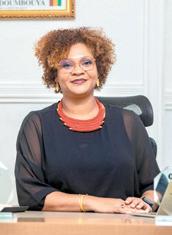
Diana Oliano Kouyaté, Managing Director, Agency for the Promotion of Private Investments in Guinea
“THE TIME IS RIGHT FOR INVESTORS TO POSITION THEMSELVES AND CAPITALIZE ON THE OPPORTUNITIES GENERATED BY SIMADOU”
Guinea has made significant progress in facilitating business creation over the past decade. Where do things stand today in terms of a fully paperless process?
Digitalization is at the heart of the government’s reform efforts, and APIP is no exception. Our internal management operations are already fully paper-free. Today, the digitalization of registration formalities makes it possible to establish a business in 72 hours or less. However, our goal is to go even further. By 2025, the entire business creation process will be fully paperless, allowing anyone to sign in to our platform and complete all steps for establishing a company without visiting one of our offices in person. Similarly, in November 2024, the Ministry of Industry and SMEs, launched the Digital Platform for Managing Administrative Documents (PLAGED). This interface enables investors to apply online for approval of tax and customs incentives under the Guinean Investment Code.
What are the main short- and medium-term reforms planned to improve the business climate?
Under the leadership of the President of the Republic, Mamadi Doumbouya, Guinea has launched a comprehensive reform agenda to enhance investor attractiveness. Notably, the Guinean Investment Code is currently being revised to align not only with international incentive standards but also with Guinea’s evolving regulatory environment. Key recent reforms include the enactment of the Public-Private Partnership (PPP) Law and the Local Content Law. In the property and real estate sector, new agencies have been created to address the current housing shortage, estimated at one million dwellings. These include a mortgage guarantee fund – the Guinean Agency for Housing Finance (AGUIFIL) – and a one-stop shop for obtaining building permits. Additionally, an ambitious program to digitalize the land registry has been launched to improve transparency and reduce land-related disputes. In finance and banking, the Central Bank is overseeing the rollout of a single banking identification number system, as well as the establishment of a credit information bureau and a risk center to facilitate access to bank financing. On the fiscal side, the Internal Revenue Service’s rollout of the Guinean Tax Administration System (SAFIG2) will improve the country’s E-tax platform by enabling fully electronic tax filing, digitizing all tax-related procedures, and allowing the online submission of financial statements.
What measures are you taking to overcome the governance and institutional constraints that could impede the timely implementation of these reforms?
We have defined a tailored, inclusive strategy that brings together stakeholders from across the public sector, and above all, from the private sector. A few months ago, we notably launched the Guinea Business Forum (GBF), a space for dialogue between the government and the Guinean private sector aimed at improving the business climate and facilitating the implementation of reforms. The Forum is chaired by the Prime Minister, with the Minister of Trade, Industry and SMEs serving as vice-chair. It brings together government representatives and leading private sector umbrella organizations, including the Federation of Guinean Businesses (the unified employers’ association) and the Chamber of Commerce, Industry and Crafts of Guinea. Discussions within the GBF have led to a series of far-reaching reforms, which are subject to regular monitoring. Any obstacles or delays in implementation are reported to the chair and vice-chair to ensure prompt resolution. At the same time, the government’s ongoing efforts to digitize administrative procedures are helping to reduce red tape and enhance transparency.
How has the mining project at Simandou affected investment in Guinea?
No discussion about investment in Guinea would be complete without mentioning the Simandou project. Its impact on the country and the economy will be transformative. With total investment exceeding $20 billion, it is the largest mining venture ever undertaken in Africa. The megaproject is structured around several key pillars. The first, of course, is the mine itself. With reserves estimated at 8 billion tons of high-grade iron ore, Simandou is set to make Guinea Africa’s leading iron ore producer, with annual output projected at up to 160 million metric tons. Another major pillar of national transformation is the construction of a 650-kilometer trans-Guinean rail corridor, which will span the country and enable the cost-effective transport of passengers and goods. The railway will connect to a new deep-water port for the export of ore and other commodities. In addition, a steel plant with an annual processing capacity of up to 500,000 tons is being planned, along with the establishment of the Simandou Academy to strengthen local capacity and promote research and innovation. Overall, Simandou will significantly reshape the investment landscape, not only through the inflow of foreign direct investment, but also through the development of major infrastructure that will create new markets and generate demand for roads, housing, energy, and related services. The time is right for investors to position themselves and capitalize on the opportunities generated by this landmark project

Since 2021, the Guinean government has undertaken a series of major reforms, inspired partly by the World Bank’s ease of doing business indicators. Several of the reforms have already been implemented. Learn more.
Guinea has made improving the business climate a top priority by streamlining regulations, supporting entrepreneurship, and positioning the private sector as a driver of inclusive and sustainable economic growth.
As of 2022, 66% of Guinean businesses were established within 72 hours or less. Ongoing efforts to fully digitize the registration process will further accelerate licensing and eliminate the need for in-person visits.
The Guinean National Business Registration System (SYNERGUI) platform was recently expanded to include online modules for business name registration and the publication of legal notices. To ensure faster and more efficient processing, the business creation one-stop shop is connected to the national tax authority.
In February 2022, a one-stop shop for building permits was established in Coleah, in the sub-prefecture of Matam, to streamline and accelerate the permitting process. In a similar vein, the joint inspectorates of the Ministry of Urban Affairs and Spatial Planning are being merged at construction sites, and APIP is working with the Guinea Water Company (SEG) to reduce waiting times for utility connections.
In September 2023, the Minister of Urban Affairs launched an ambitious program to digitalize secure property titles, with the aim of improving land security and facilitating access to property. The initiative also represents a significant step toward reducing duplicate titles and land disputes. The next phase will be the establishment of a one-stop shop for all land-related matters.
The introduction of the web-based version of the customs automation system, Sydonia World, has accelerated customs clearance procedures. In addition, Guinea’s electronic single window for foreign trade, operational since 2019, has eliminated paperwork in customs procedures, simplified payments, and strengthened the security of public revenue collection.
Since November 2020, the E-tax platform has enabled companies with annual turnover exceeding GNF 1.5 billion Guinean francs to file and pay taxes online, resulting in significant time savings while enhancing administrative transparency and securing government revenue. To further streamline procedures, a single form for the payment of taxes and duties has been introduced, along with a real-time gross settlement (RTGS) payment system. Mobile money processing services now make it possible to compile data on single tax payments on vehicles.
In April 2019, a commercial court was established in Conakry to provide entrepreneurs with stronger legal protection and faster dispute resolution. A legal mechanism for settling small claims was also introduced, and a commercial court of appeal is currently being established. To promote transparency, court decisions and statistical data are published on the commercial court’s website.
In 2019, legislation was enacted to create credit information bureaus tasked with assessing borrowers’ creditworthiness based on their credit and payment histories. These bureaus compile data from financial institutions, public records, and major utility providers (water, electricity, telecommunications, etc.).
Established in December 2021, the Court for the Repression of Economic and Financial Offences (CRIEF) is responsible for investigating and prosecuting economic and financial crimes, particularly the misappropriation of public funds. The CRIEF has jurisdiction over cases involving amounts exceeding one billion Guinean francs; lesser offences are handled by the ordinary courts. In an interview on national television, the Minister of Justice, Fatoumata Yarie Soumah, explained that the court serves two main purposes: “It sends a clear message to Guineans that no one can illegally appropriate public property with impunity. It also reassures Guinea’s partners that public funds will no longer be embezzled by government officials without consequences.”
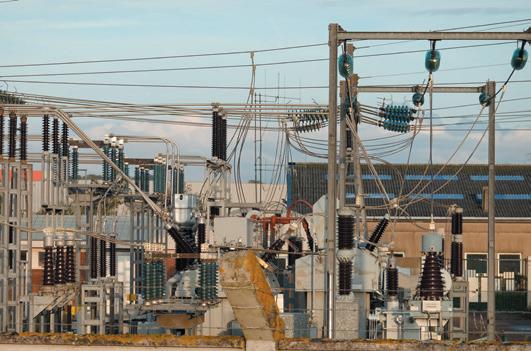
Established in 2017, the Electricity and Water Regulatory Authority has been gaining operational momentum since the appointment of its Managing Director in September 2022.
Current plans include the publication of SAIFI/ SAIDI data (System Average Interruption Frequency Index/System Average Interruption Duration Index) on the Électricité de Guinée website.
The National Power Grid Control Center, also known as the National Dispatch Center, was inaugurated in November 2020 in the municipality of Matoto. The control center is expected to improve power supply reliability nationwide, while facilitating the integration of Guinea’s electricity grid into the broader interconnected system across the sub-region. It will be followed in the near future by the inauguration of the largest electricity distribution substation in West Africa, currently under construction in Linsan, in the prefecture of Kindia
Numerous obstacles continue to impede the implementation of reforms aimed at attracting private investment in Guinea. Chief among these are the government’s limited commitment and the lack of coordination across the public sector in advancing the reform agenda. Additional challenges include inadequate resource allocation for business climate improvements, bureaucratic delays, and insufficient public communication about measures already adopted. That said, solutions exist: strengthened communication and more consistent follow-up with the relevant ministries, combined with dedicated funding for reform implementation.
In 2022, Guinea enacted the Local Content Law, establishing a comprehensive legal framework that defines local investment quotas and preferential measures for Guinean businesses and workers, with the aim of promoting national economic development and ensuring greater benefits for local communities. Prior to this, local content requirements were dispersed across the Petroleum Code, the Mining Code, and the 2019 Decree on Local Content for Public-Private Partnership projects. To ensure effective implementation, the National Transition Council (CNT) adopted a bill in April 2024 defining the powers, organization, and operating procedures of the Local Content Regulatory Authority.
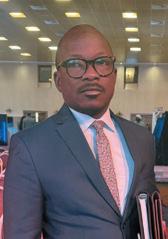
Ansoumane Kalivogui, Notary Public in Conarky
The government has launched an ambitious program to reorganize and digitize the national land registration system, with the aim of streamlining real estate transactions and simplifying notarial procedures. Mr. Ansoumane Kalivogui explains.
What is the government’s role in securing and accessing property in Guniea?
Real estate in Guinea is divided into three categories: private property, state-owned property, and what is known as “community property” – real estate primarily designated for cultural activities. However, small farmers often follow their own rules regarding land occupation. This informal occupation extends to both the public and private domains of the state, frequently without authorization. To address this issue, the current administration has undertaken a comprehensive inventory of the country’s real estate assets. The main objective is to improve the classification and organization of records through the implementation of a digitized property registry and owner identification system. Better identification is expected help reduce land disputes and related litigation. A further recurring issue concerns areas classified as “non-allocated,” most of which are oc-
cupied by Guineans who acquired property through legal means. Despite the current government’s efforts, these citizens have yet to receive their property titles, as the authorities suspended their issuance in the early 2010s. These areas must now be identified and reorganized so that titles can be granted.
Has the revision of the land registry already made a difference?
Yes. As a notary public, the progress is clearly visible. These efforts must now continue in order to reduce court backlogs and delays. In my own practice, the digitalized system has resulted in fewer problems related to plot identification. Moreover, a sales contract for an accurately identified and registered property enhances security and encourages banks to grant loans. Credit must therefore be given to the President of the Republic and the Minister of Housing who, under his authority, is responsible for land use planning, inventory, and identification in Guinea.
In concrete terms, entrepreneurs today can invest in agricultural or industrial property with relatively minor risk… Absolutely. The first step in acquiring agricultural, industrial, or residential property is to consult a notary with the expertise, know-how, and tools to carry out the acquisition on behalf of, and in the best interest of, the client. The notary can then request and obtain the necessary information through the decentralized services of the Ministry of Housing
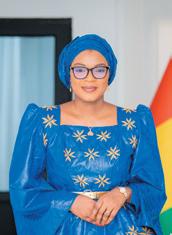
Diaka Sidibé, Minister of Trade, Industry and SMEs of the Republic of Guinea
“GUINEA CAN NO LONGER BE CONTENT WITH SIMPLY EXPORTING ITS UNPROCESSED RAW MATERIALS”
The Minister of Trade, Industry, and SMEs is leading a number of reforms and initiatives aimed at “making Guinea a competitive industrial and agricultural hub” and accelerating the structural transformation of the economy. Her strategy is notably based on enhancing investment attractiveness and implementing the Local Content Law.
What are the key reforms you hope to achieve during your term in office?
Since my appointment as Minister of Industry and SMEs by the President of the Republic, General Mamadi Doumbouya, my mission has been clear: to transform the manufacturing sector into a powerful driver of economic transformation. Our strategy is structured around three main pillars. First, we must improve the business climate in order to attract more investors. To this end, we have launched a series of ambitious reforms, notably
through the Guinea Business Forum, a space for dialogue between the government and the private sector, with the aim of streamlining administrative procedures, improving transparency, and facilitating and securing investment. We are also determined to place manufacturing at the center of our socioeconomic development policy. Guinea can no longer be content with simply exporting its unprocessed raw materials. We need to process and transform them locally to create jobs for young Guineans and build a competitive manufacturing sector. Therefore, we are actively developing infrastructure and supporting investments in Guinean industry. We have adopted a national policy for industrial development, are conducting a census of operating industrial facilities across the country, and are seeking partnerships with investors capable of taking over and modernizing nineteen industrial plants nationwide. Finally, we are fully committed to supporting the growth of domestic SMEs. In partnership with World Bank Group, we have established a business loan guarantee fund, strengthened the National Investment Bank of Guinea, and joined the African Solidarity Fund. These strong commitments are designed to create a financing ecosystem tailored to the needs of SMEs, enabling them to play a leading role in Guinea’s development.
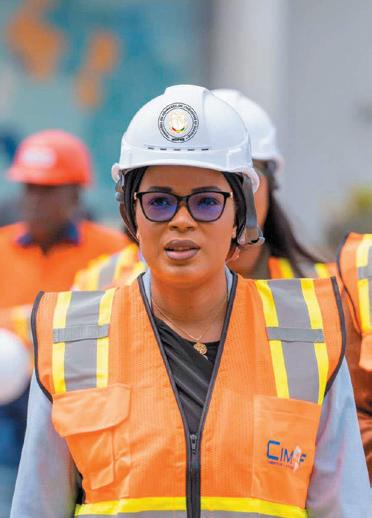
Guinea has enacted a law on local content. Is it being enforced?
The law represents a decisive step forward for Guinea, strengthening the participation of national businesses and local talent in strategic sectors. It does so by promoting the use of local goods and services, ensuring the effective transfer of technologies and skills, and building the capacity of local SMEs so that they can meet the requirements of large contracting companies. Its impact on the private sector is expected to be far-reaching. To ensure the effective implementation of these measures, a Local Content Regulatory Authority has also been instituted. Naturally, challenges remain, particularly around compliance and enforcement, but the government is committed to working with all stakeholders to ensure rigorous implementation that translates into tangible revenues for investors and local communities. Our goal is to leverage local content to enhance social and economic outcomes across Guinea.
The Simandou mining project is dominating discussions about investment in Guinea. How do you think it will impact the country?
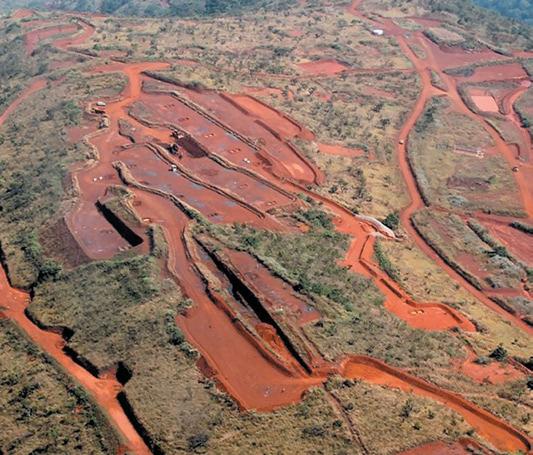
With an initial investment exceeding $20 billion, the Simandou project is the largest mining project currently under development in the world. It includes the extraction of high-grade iron ore, the construction of a more than 650-kilometer rail corridor, strategic multi-purpose port infrastructure, and, in the long term, a steel plant. The project positions Guinea as a major player in the global iron ore market. Operations at Simandou are scheduled to begin in late 2025, and the impact is expected to be considerable. The project will make Guinea Africa’s leading iron ore producer and is expected to generate more than 60,000 direct and indirect jobs. Another crucial point, aligned with the vision of the head of state: the mining operation is not an end in itself. Beyond simply exporting raw materials,
our objective is to promote the local processing of resources. With Simandou, we are laying the foundations of a steel industry in Guinea, creating added value, developing skilled employment, and making our economy more resilient to fluctuations in international markets. Guinea today is a prime investment destination; Simandou makes this abundantly clear. It is up to us to ensure that the investment scheme delivers sustainable benefits by stimulating job creation, strengthening infrastructure, fostering local industrial networks, and building a business-friendly environment that supports SMEs.
With the Simandou project, we are actively working to place Guinea on a path toward inclusive and sustainable growth. From this national ambition emerged the Simandou 2040 Development Program, a 15-year development plan designed to ensure a prosperous future for Guinea. Building on the development programs implemented in recent years (PNDES 2016–2020 and PRI 2021–2024), Simandou 2040 is an integrated development framework supported by five fundamental pillars.
The first pillar of the Simandou 2040 Development Program is “agriculture, food industry, and commerce.” What has this meant for Guinea so far?
Agriculture, the food industries, and commerce are at the heart of our development strategy. They are powerful levers for achieving food security, value creation, and export growth. With the construction of the Trans-Guinean railway and new port infrastructure, new value chains will emerge –driven notably by improved access to production hubs – that will bolster the local processing of raw materials and the export of higher value-added products, particularly flagship commodities such as fonio, rice, and coffee. At the same time, we are advancing mechanization and expanding storage infrastructure. Our objective is to increase domestic production and reduce dependence on imports. We are also supporting SMEs and cooperatives to enhance their competitiveness in local and regional markets. In the agribusiness sector, we are promoting the local processing of agricultural products through improved industrial development policy and targeted investment incentives, including tax and customs exemptions. In commerce, we are facilitating trade by modernizing logistics infrastructure, streamlining customs procedures, and strengthening the international promotion of Guinean products. The implementation of the African Continental Free Trade Area (AfCFTA) presents significant opportunities in this regard. That said, challenges remain. Access to financing for agriculture and industry must be strengthened. We must continue improving key infrastructure, particularly roads and energy, to support production and distribution chains. Our industries also need further restructuring and upgrading to meet quality and standards requirements, ensuring that our products are competitive
in regional and international markets. However, our ambition is clear: to build a high-performing agricultural and agro-industrial sector capable of ensuring food security, creating jobs, and positioning Guinea as a leading trading hub in the sub-region and beyond.
Besides Simandou, your ministry is leading projects aimed at transforming Guinea’s industrial sector. Can you tell us more about this?
To achieve our industrialization goals, we have adopted an integrated approach resting on several key pillars. First, we are developing industrial parks with added investor attractiveness. This includes offering streamlined administrative procedures, tailored infrastructure, and fiscal incentives within a business-friendly regulatory framework. We are currently working to operationalize industrial zones in Fandjé, Massaya, Kouriah, and Tanéné, by equipping them with the facilities and services for establishing and expanding manufacturing activities. Our efforts are being carried out in close coordination with the private sector, technical and financial partners, and other government ministries to ensure rigorous oversight and provide effective solutions to any challenges that arise. With these initiatives, we are accelerating structural transformation and creating tangible opportunities for both Guineans and our partners committed to building the future of our country
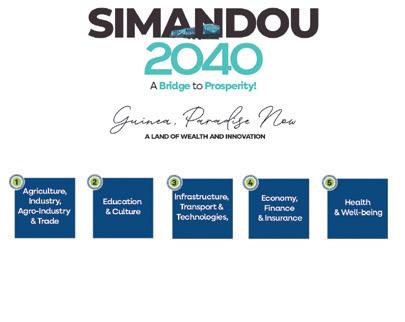
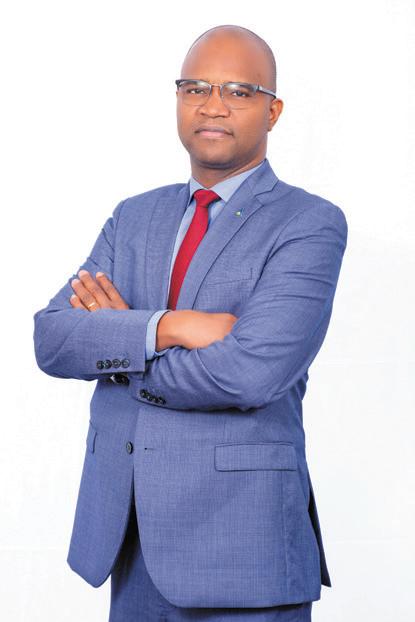
Guinea is entering a new era of profound economic transformation, driven by far-reaching structural changes across its economy. At the heart of this momentum lies the Simandou project. Beyond its ambition to position the country as a major player in the global iron ore market, Simandou represents a bold national development agenda, generating ripple effects across key sectors including infrastructure, logistics, services, real estate, and employment.
Founded in 1998 by Richard Lowe, the ACTIVA Group is a major player in Africa’s insurance industry and the driving force behind the GLOBUS network. This pan-African alliance brings together some of the continent’s strongest and most respected local insurers, with the aim of delivering solutions that are both comprehensive and tailored to the specific realities of each market. As members of the GLOBUS network, UGAR-ACTIVA and ACTIVA VIE play a central role in advancing pan-African cooperation. Through this dynamic platform, they benefit from privileged access to shared expertise and services, enabling them to provide clients with broad insurance coverage and claims management services that meet the highest international standards.

In this rapidly evolving environment, the insurance sector plays a strategic role, not only by providing protection against the risks associated with rapid growth, but also by financing economic activities and safeguarding investments. Stability is becoming an increasingly vital lever of development. Through its subsidiaries, UGAR-ACTIVA and ACTIVA VIE, Activa Guinea has established itself as a leading force in the market, fully committed to supporting the country’s national transformation.
Under the leadership of Mr. Aliou Sow, appointed in April 2024, ACTIVA Guinea (Ugar-Activa and Activa Vie), the country’s leading insurance group, is advancing an ambitious, customer-centric transformation strategy. Building on our renewed commitment to retail expansion, the group is working to make insurance more accessible to individuals and SMEs. At the same time, the company continues to consolidate its position as the insurer of choice for major corporations, capitalizing on its proven technical expertise and the quality of its service. For years, ACTIVIA Guinea has supported key players in the national economy, including Compagnie des Bauxites de Guinée (CBG), Rio Tinto, Guinea Alumina Corporation (GAC), and Société de Gestion et d’Exploitation de l’Aéroport de Conakry (SOGEAC). Reflecting its distinctive position in the market – deeply rooted in the local community, yet fully aligned with the highest international standards – the group has shown a proven ability to underwrite complex risks, while simultaneously developing innovative solutions for the broader public.
ACTIVA Guinea (Ugar-Activa and Activa Vie) has also made significant investments in digital transformation, notably through the launch of its mobile application. By harnessing technology, the company has simplified customer access to insurance services and enhanced transparency, including in traditionally underserved areas and regions. This digital shift not only elevates the client experience, but also contributes to the broader modernization of Guinea’s insurance sector.
But ACTIVA’s commitment extends well beyond the economic sphere. Through the ACTIVA Foundation, the group actively supports local initiatives in education, healthcare, and financial inclusion. This community-focused approach forms part of a broader CSR strategy aimed at fostering solidarity and promoting sustainable development.
By combining technical expertise, a strong local footprint, and a clear strategic vision, ACTIVA Guinea (Ugar-Activa and Activa Vie) represents a forward-looking insurance model. Fully compliant with international standards in solvency, governance, and risk management, the company has earned the trust of investors, corporate clients, and individual policyholders alike.
As Guinea continues along its path of transformation, ACTIVA Guinea (Ugar-Activa and Activa Vie) is playing a pivotal role, fulfilling its mission to protect the country’s people and investments, foster innovation, and support local initiatives. For those seeking to build on solid foundations, ACTIVA Guinea is more than an insurance provider. It is a strategic partner in sustainable development.
The number of formally registered businesses in Guinea doubled between 2023, rising from 8,482 to 17,500.
|||||||| Growth in companies created between 2018 and 2023
Source:APIP
In 2022, 66% of business registration applications were processed within the 72-hour timeframe set by the one-stop shop, compared with 53% the previous year. According to APIP, this improvement is largely attributable to the expansion of the business
administration team and enhanced staff proficiency with the digital system, resulting in more efficient coordination with the tax authorities.
|||||||| Time required to set up a business
Source:APIP
In 2018, women accounted for 19% of formally registered business founders. By 2023, that figure had risen to 35%.
|||||||| Growth in companies by gender from 2018 to 2023 (in %)
In 2023, 8,111 entrepreneurs – nearly half (46%) of all new business founders – were under the age of 35. A further 5,309 were aged between 36 and 45, 2,451 between 46 and 55, and 1,535 were over 55 years old.
Unsurprisingly, given the predominance of sole proprietorships, commercial businesses accounted for the largest share of new companies created in 2022, followed by service providers and construction firms.
Source:APIP
Source:APIP
PREFERRED
Of the 16,423 businesses created in 2022, 11,397 (69%) were sole proprietorships, reflecting the appeal of their simplicity and low start-up costs. A total of 4,573 entrepreneurs established limited liability companies (LLCs) or single-member LLCs, representing 28% of the 16,425 businesses created that year.

Source:APIP
A 2020 study conducted by APIP, based on a sample of 2,058 businesses drawn from the 34,096 companies created between 2014 and 2018, found that the business failure rate in Guinea stood at 75%, with difficulties accessing information and financing cited as the primary cause. To address this challenge, the government has implemented measures to strengthen business capabilities and improve access to financing. One key initiative is the Business Loan Guarantee Fund (FGPE), established with World Bank support with a capital of $7.5 million. The FGPE facilitates bank loans for small businesses by sharing risk with financial institutions and has already supported more than 1,000 small enterprises.
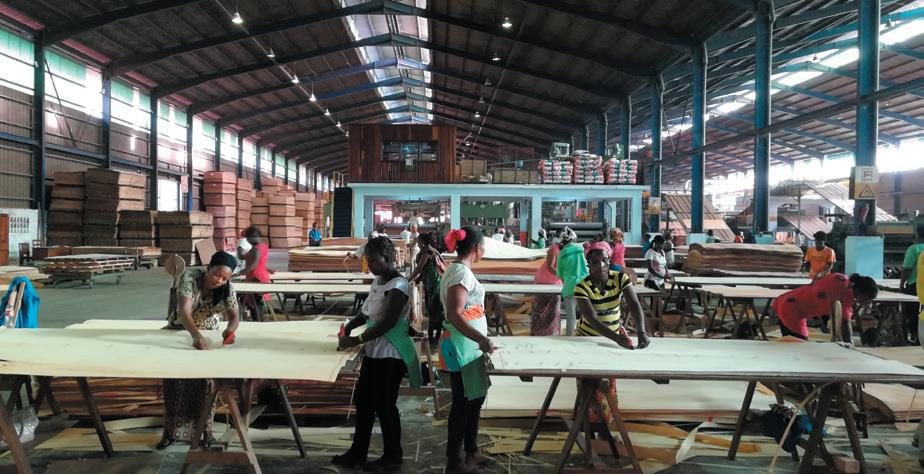

Adopted in 2015, the Guinean Investment Code provides a stable foundation for investor growth and has contributed to positioning the country as a preferred destination for private investment. Key provisions include:
A privileged regime granting tax and customs exemptions to encourage investment during both the start-up and growth phases. To qualify, investors must operate in one or more eligible sectors and meet specific conditions.
• A minimum investment of GNF 200 million and the creation of at least five permanent jobs (for a new company)
• An increase in production and/or workforce of at least 35% (for an existing company)
• Access to available real estate and concessions
• Right to own up to 100% of company shares
• Right to transfer after-tax profits, dividends, and other earnings abroad
• Protection against nationalization or expropriation, except for public utility reasons with fair prior compensation
• 10 years of customs exemptions on imports of agricultural equipment, raw materials, and production inputs
• Tax holidays or preferential rates for up to 10 years
Customs benefits:
- Installation phase: 100% exemption from VAT, 99.5% exemption from RTL (clearance fee), and 98% exemption from CIF value (cost, insurance, and freight)
- Operational phase: 100% exemption from business tax, single property tax, lump-sum payment, and apprenticeship tax
Tax advantages:
- During the installation phase, full exemption on all imports of tools, raw materials, and inputs, with 98% relief on the RTL and 94% on fiscal customs duties
- Reductions on a range of taxes – including the minimum flat-rate tax, tax on industrial and commercial profits, corporate tax, patent contribution, and single property contribution, as well as lump sum payments, registration fees, and apprenticeship taxes – ranging from 100% to 25%, applied on a sliding scale during the company’s first years of operation
The Guinean Investment Code applies in the following cases:
• New investment projects
• Expansion of existing activities involving modifications during the rollout of investment
• Diversification of production within an existing activity
• Modernization of operational installations
• Increases in production capacity
|||||||| Sectors not eligible under the investment code
Agriculture
Storage of plant products / Forestry
Fishing Industrial / Artisanal / Fish farming / Storage of fishery products
Livestock
Industry
Veterinary / Livestock feed factories
Production or processing / Treatment of urban and industrial waste
Tourism Tourism development / Tourism industries / Other hotel activities
Cultural industries
Books / Records / Cinema / Audiovisual production centers / Craft centers
Transportation Road / Maritime
Service provision Teleservices / Cybervillages
In July 2017, Guinea adopted a new framework law designed to simplify the establishment of public-private partnerships (PPPs). Drafted in consultation with the International Finance Corporation (IFC), a member of the World Bank Group, the law replaced the 1998 BOT (Build-Operate-Transfer) Law and the public service delegation provisions set out in the 2012 Public Procurement Code, both of which were considered overly restrictive.
Under the July 2017 law, PPP contracts are eligible for the benefits and exemptions provided under the Investment Code. They may be awarded through two standard procedures: competitive tenders, the default procedure; and negotiated procedures, permitted in exceptional cases. The law also allows private companies to submit unsolicited bids, enabling them to propose the operation, management, maintenance, design, or financing
of a PPP project directly to the government. PPPs may be structured under three main types of contracts:
- Lease contracts, whereby the operator assumes operating costs and is remunerated from project revenues, while the government receives a fee
- Concession agreements, under which the concessionaire operates a public service
- Partnership contract, whereby the private operator is remunerated by the public authority, irrespective of revenues collected from users Mining and petroleum rights are still subject to the Mining Code and the Petroleum Code, respectively. However, PPPs relating to public infrastructure connected to these sectors fall under the PPP Law. Certain construction and service contracts (intellectual services or the supply of equipment and furniture) continue to be regulated by the Public Procurement Code.

With total assets tripling over the past five years, Guinea’s banking sector is experiencing robust growth, despite the relatively modest size of the market. While banks have become increasingly responsive to corporate financing needs, access to credit remains constrained by high interest rates.
The bank sector has expanded steadily in recent years. According to the Professional Association of Credit Institutions of Guinea (APB), banking assets nearly tripled between 2019 and 2024, while both net income and overall earnings doubled over the same period.
This growth momentum dates back to the early 2010s, driven by “favorable macroeconomic conditions (…) and an upturn in economic activity, as well as favorable conditions for business creation,” as noted in its 2022 annual report by the Central Bank of the Republic of Guinea (BCRG).
|||||||| Key figures for the Guinean banking sector (in millions of Guinean francs)
Source: Professional Association of Credit Institutions of Guinea
Prudent resource mobilization policies and strengthened lending mechanisms have driven steady growth in both deposits and loans. Total deposits more than doubled between 2019 and 2024. According to the BCRG, “the predominance of demand deposits (69%) and savings accounts (16%) reflects the public’s preference for liquidity over long-term investment.” The central bank adds that this trend underscores the limited availability of long-term banking resources and represents one of the banking sector’s greatest challenges in meeting the financing needs of businesses and investors.
Despite these structural constraints, lending has also continued to expand steadily. By the end of 2023, total outstanding loans reached GNF 19.41 trillion, compared with GNF 9.76 trillion in 2019. This growth has been driven primarily by short-term loans (accounting for 59.6% of total outstanding credit in 2022) and medium-term loans (36.8%), while long-term loans represented just 3.6% of the total. Supported in particular by the widespread use of customer overdraft facilities, short-term lending totaled GNF 9.38 trillion at the end of 2022, according to the BCRG, whose figures differ slightly from those of the APB. At the same time, medium-term loans stood at GNF 5.79 trillion, reflecting growth in investment lending, primarily to individuals. Long-term loans, meanwhile, reached GNF 0.57 trillion in 2022 – a relatively modest level, albeit a 67% increase compared with 2021 – driven in particular by equipment financing and property loans for businesses and households.
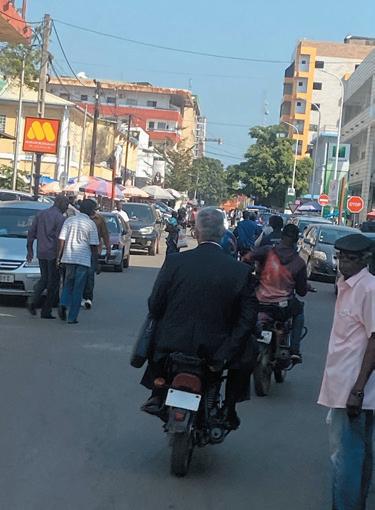
Since 2023, the BCRG has maintained the policy rate at 11%. However, the banking base rate – the minimum rate applied by banks for short- and medium-term loans – has remained above 15% since 2022. Meanwhile, the average lending rate on bank credit transactions declined from 19.37% in Q2 2022 to 17.65% in Q2 2024. While this represents a welcome reduction, the cost of credit remains high, limiting access for many businesses.
As of end-2024, the banking sector comprised 21 institutions. The three largest players, together accounting for 44% of the market, were the pan-African groups Ecobank and Vista Gui, along with France’s Société Générale. As part of its broader withdrawal from the African continent, the French bank announced last September that it had reached an agreement with the Ivorian holding company Atlantic Financial Group (AFG) to sell its Guinean subsidiary, which serves approximately 160,000 customers through a network of 24 branches.
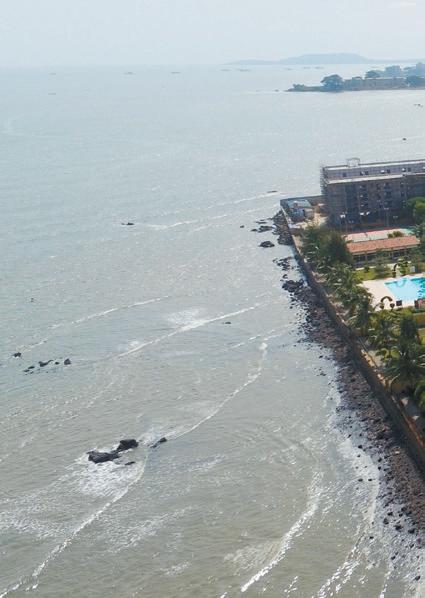
Compared with the banking systems of neighboring countries such as Côte d’Ivoire, Senegal, and Mali, Guinea’s market remains relatively small. In 2024, its three largest banks held 43.85% of total assets, 45% of deposits, and 49.75% of loans. In 2023, the sector comprised a network of 216 branches and 223 ATMs, up from 191 branches and 199 ATMs at the end of 2021
Guinean banks are an increasingly valuable government partner, notably through their financing of national treasury bonds, which grew from GNF 2 trillion in 2022 to GNF 7 trillion in 2023. At the same time, APB has recently issued recommendations to the government addressing concerns about: court decisions perceived as favoring dishonest clients; the criteria for renewing bank executive licenses, which are currently limited to two-year terms; high taxation on the sector, exceeding GNF 1 trillion in 2023; and the implementation of international accounting standards.
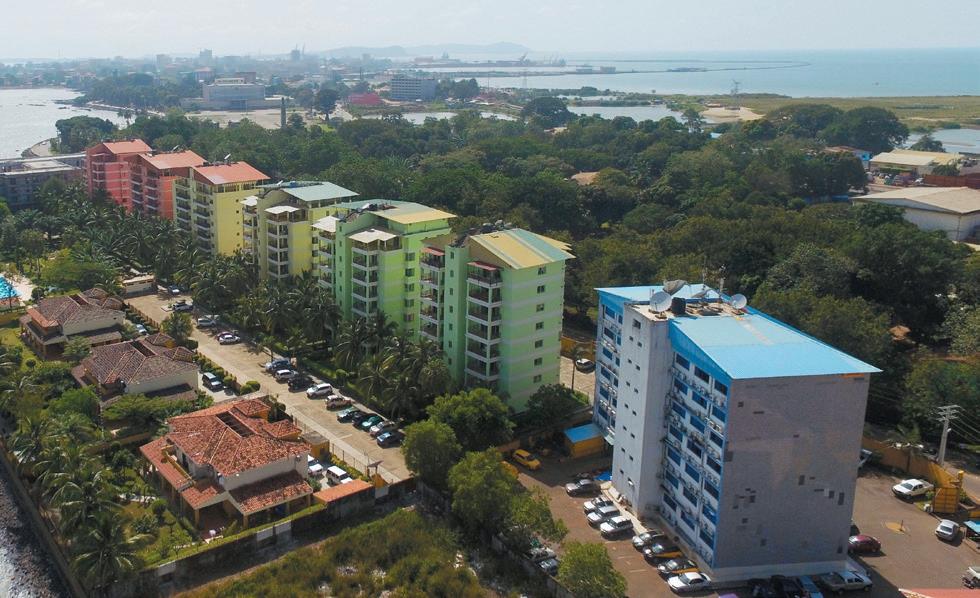
|||||||| Key indicators for the Guinean bank market as of December 31, 2024 (in millions of Guinean francs)
Source: Professional Association of Credit Institutions of Guinea
Guinea has made significant progress in strengthening financial inclusion in recent years. In 2022, the country had 20 microfinance institutions (MFI), up from 19 in 2021. Of these, 16 are licensed to collect deposits (GNF 863 billion in 2022) and to grant loans to their subscribers, as well as to the four other MFIs, which provide credit but that are not
authorized to collect deposits. MFIs are funded primarily through donor support, either in the form of loans or development assistance programs (totaling GNF 1.33 trillion). More agile than traditional banking networks, the microfinance sector operated 3,163 service points in 2022, serving approximately 1.1 million customers.
Source:AutoritédespostesettélécommunicationsdeGuinée, ARPT
MFIs: lending concentrated in retail and hospitality
According to figures from BCRG, total loans granted by MFIs reached GNF 9.47 trillion in 2022. Lending is heavily concentrated in the retail trade and hospitality sector, which accounted for 65% of the credit extended that year. This was followed by public works, construction, and housing (10%), and agriculture, livestock, and fisheries (10%). In addition to credit, some MFIs provide basic financial services, money transfer, insurance products, mobile financial services, as well as digital skills training and advisory support.
Primarily operated by telephone providers such and MTN Group and Orange, electronic money institutions (EMI) are even more agile than microfinance institutions. In 2022, Guinea had 86,730 EMI service points. Seven institutions had been approved by the licensing committee, although only four were operational. The total number of active accounts increased from 10 million in 2011 to 12 million at the end of 2022, albeit with an activity rate of just over 23%. In Q2 2024, the two leading operators were locked in fierce competition for market share, with Orange Money holding a clear lead at 89%, ahead of MTN.
As of the end of December 2022, Guinean EMIs recorded 639 million transactions, totaling GNF 178.9 million. Transaction volumes were largely driven by mobile airtime top-ups (51% of total transaction volume) and cash withdrawals from electronic money accounts (80% of transactions). Accounting for only 6% of total transaction volume and 2% of total value, merchant payments represent a significant growth opportunity.

Diawadou Bah, Managing Director, Ecobank Guinea
“GETTING TO THE TOP ISN’T NECESSARILY THE HARDEST PART – STAYING THERE IS HARDER STILL”
With its future headquarters currently under construction in the burgeoning Koloma business district of Conakry, Guinea’s leading banking group offers innovative solutions across retail banking, money transfers, mortgage lending, and bancassurance, notably through partnerships with fintech companies.
Guinea’s leading bank for three consecutive years, Ecobank dominates the sector across all key indicators: total assets, with a 19% market share as of December 31, 2024; deposits (21%); loans granted (17%); and profitability (31%).
“What does it take to become a market leader in banking, and how do you hold that position?
Getting to the top isn’t necessarily the hardest part, though it’s challenging enough. Staying there is harder still. At Ecobank, we continuously work to enhance the customer experience, developing tailored solutions combining security and flexibility to meet the diverse needs of our clients, while reducing the cost of borrowing to ensure greater financial inclusion.
Is this the thinking behind your partnership with the fintech company YMO, which handles financial transactions for the Guinean diaspora as well as within Guinea?
Building partnerships is central to our strategy. Guinea has a relatively low banking penetration rate. It’s around 10 %. Mobile money operators
such as Orange and MTN, along with fintech companies, have greater agility and are successfully reaching the informal sector by offering fast, reliable, and efficient money transfer solutions. Combining our banking expertise with their complementary offerings was the natural next step. Our partnership with YMO fits squarely within this approach. We want YMO to be able to deploy its solutions to the Guinean diaspora across the 33 countries where Ecobank operates. We also have a partnership with PayCard to broaden access to Visa bank cards under our licensing agreement.
How significant is the partnership signed with the Ministry of Foreign Affairs in December 2024?
It represents a genuine turning point. Today, we offer online account opening and around-the-clock account management and banking transactions through our digital platforms. We also have a network of 22 branches and 2,500 Xpress points to ensure broad nationwide coverage. Building on these foundations, our partnership with the Ministry of Foreign Affairs is designed to extend the Ecobank offering to Guineans living abroad. The idea is to provide tailored solutions that include remote account opening, day-to-day banking, local and international transfers at reduced costs, and access to credit, particularly for real estate.
Can you tell us about Ecobank’s Home Savings Plan (PEL) launched in 2024?
Property purchases in Guinea are typically financed through personal savings. With the emergence of a growing middle class, however, there is a clear need to improve access to real estate financing. That’s why we launched the Ecobank PEL Home Saving Plan, which is designed to help customers build the 5% down payment required. Customers benefit from an attractive 5% return on their PEL, and can access a mortgage loan covering up to 95% of the total cost of the property, at rates ranging from 8.5% to 9% (excluding tax). Another key pillar of our strategy is bancassurance, which we introduced in 2022. The goal is to offer our 285,000 clients a one-stop shop for both banking transactions and life and non-life insurance subscriptions/ renewals, all at competitive rates
Although the insurance sector accounts for a relatively small share of Guinea’s GDP, some companies, capitalizing on the market’s strong growth potential, are posting triple-digit growth rates.
According to the latest figures published by the Central Bank of the Republic of Guinea, the insurance industry generated net premium income of GNF 829.6 billion in 2022 – an increase of 16.8% compared with 2021 (GNF 710.3 billion) and nearly 50% higher than 2018 (GNF 411.46 billion).
More specifically, life insurance and capitalization products grew by 38.4% in 2022, reaching GNF 197.8 billion, compared with GNF 91.7 billion in 2018. Property and casualty (P&C) insurance rose by 16.8%, totaling GNF 634.74 billion, compared with GNF 319.5 billion five years earlier.
“Insurance growth is being driven by several key sectors aligned with Guinea’s regulatory framework (the Insurance Code, Mining Code, Construction
and Housing Code, and regulations governing transport and logistics). However, further efforts are needed, with the support of the authorities, to strengthen regulatory compliance,” explains Maïmouna Barry Baldé, Managing Director of NSIA Assurances Guinea.
|||||||| The Guinean insurance market (in billions of Guinean francs)
Source:Central Bank of the Republic of Guinea
In 2022, the insurance sector accounted for 0.5% of national output (ratio of insurance premiums to GDP). Over the same period, average per capita spending on insurance (premiums per capita) rose from GNF 55,787 in 2012 to GNF 66,012 in 2022, equivalent to approximately seven US dollars. Life insurance represented nearly 24% of the market, with non-life insurance products making up the remainder. “Bancassurance and partnerships between insurers and banks play a key role in expanding market penetration by integrating insurance products into banking offers, including borrower insurance, life and home insurance, consumer loans, and mortgage financing,” notes Barry Baldé. At the same time, the growth of SMEs is creating new demand for professional insurance products, such as civil liability, multi-risk coverage, and property damage insurance. “We must continue raising awareness among business leaders, both in the formal and informal sectors, about the benefits of subscribing to appropriate insurance coverage,” she adds.
As of the end of 2022, Guinea’s insurance market comprised 16 licensed companies, including four specializing in life insurance. The sector operated through a diversified distribution network, consisting of 73 general agents acting on behalf of insurers, 59 brokerage firms and agencies, and 133 direct branches. In addition, financial institutions, including banks and microfinancing institutions, offer bancassurance and microinsurance products. With a presence across nearly all regions of the country, the network delivers services tailored to the specific needs of policyholders and beneficiaries. The market also includes an ECOWAS Brown Card Scheme national bureau, responsible for handling cross-border motor insurance claims within the sub-region, as well as an Automobile Guarantee Fund (FGA), which compensates victims of road accidents when the responsible party is unidentified or insolvent.
At the end of 2022, the market’s three leading players – NSIA, Ugar Activa, and Activa Vie – accounted for nearly 60% of total premium income. They were followed by Sunu Vie Guinée, Lanala Assurances, and Vista Assurances. Total investments by insurance companies amounted to GNF 526.19 billion in 2022. Given the limited range of investment vehicles, most notably the absence of a stock exchange, portfolios remain heavily concentrated in bank deposits, real estate investments, and government securities, particularly treasury bills.
In 2022, commissions paid by Guinean insurers totaled GNF 65 billion, compared with GNF 56.38 billion in 2021, of which GNF 51.5 billion related to property and casualty insurance. Administrative expenses (commissions and operating costs combined) reached GNF 266.57 billion, marking a 16.9% year-on-year increase. Premiums ceded to reinsurers amounted to GNF 320.7 billion, representing an 8.3% increase over the year. However, as a share of total premiums collected, ceded premiums declined to 38.7%, compared with 41.7% in 2021. Reinsurers contributed GNF 19.9 billion toward claims settlements, up from GNF 12.2 billion the preceding year. Overall, the reinsurance balance for the 2022 financial year remained in favor of reinsurers, at GNF 41.6 billion, though significantly lower than the GNF 246.9 billion recorded in 2021

Maïmouna Barry Baldé, Managing Director NSIA Assurances & NSIA Vie Assurances Guinea
“DELIVERING SOLUTIONS THAT EXCEED CUSTOMER EXPECTATIONS”
How did NSIA Group become Guinea’s leading insurance company?
Our ambition at NSIA is to become a market leader in every sector we operate in by 2025. In Guinea, we are proud to be a household name in insurance, with a market share of just over 25%. These results reflect the sustained efforts made since 2009, when our Guinean subsidiary was established. Our leadership position rests on the dedication of our 82 staff members, combined with the group’s strong commitment to professional ethics and close client relationships, ensuring the highest standard of service.
As part of our innovation-driven strategy, NSIA Assurances Guinea and NSIA Vie Assurances Guinea continuously strive to deliver solutions that exceed customer expectations. This includes personalized services, products tailored to local realities, and an approach focused on procedure simplification. The company is also actively engaged in community development initiatives through the Foundation NSIA, with a particular focus on programs in healthcare, education, and advocacy for social protection.
Can you tell us more specifically about the life insurance sector in Guinea?
Within the Fédération des sociétés d’assurances de droit national africaines (FANAF), Guinea ranks among the countries with the lowest life insurance penetration rates. The primary constraint is that life insurance is not compulsory, compounded by the population’s limited purchasing power. For many households, long-term savings products remain difficult to access. That said, the growth potential is significant.
Insurance is a highly competitive sector. What are you doing to stay ahead in a field that includes rival insurers, banks, microinsurance providers, and digital innovators?
There is no magic formula for staying ahead of the competition. The key is to earn – and continuously uphold – our customers’ trust by honoring our commitments. In insurance, our foremost obligation is the prompt and fair settlement of claims. Innovation has enabled NSIA to differentiate itself and strengthen its market position. For example, we have fully digitalized the healthcare management process through our 100% paperless platform, Santeya, which streamlines administrative procedures and ensures rapid reimbursement of invoices from accredited healthcare providers, while giving us real-time access to policyholder data. Our Sonoya chatbot allows customers to subscribe online to motor and travel insurance policies, with home delivery of documents. The NSIA Flash app enables the settlement of minor claims in two hours or less. Meanwhile, NSIA Chap Chap allows life insurance policyholders to pay premiums and access their statements remotely, though they may also choose to visit NSIA’s first fully digital service center, launched over a year ago. Beyond these technological innovations, we are building partnerships with financial institutions, technology companies, and other key stakeholders. We are also expanding our local presence with the opening of more than 50 points of sale across Guinea
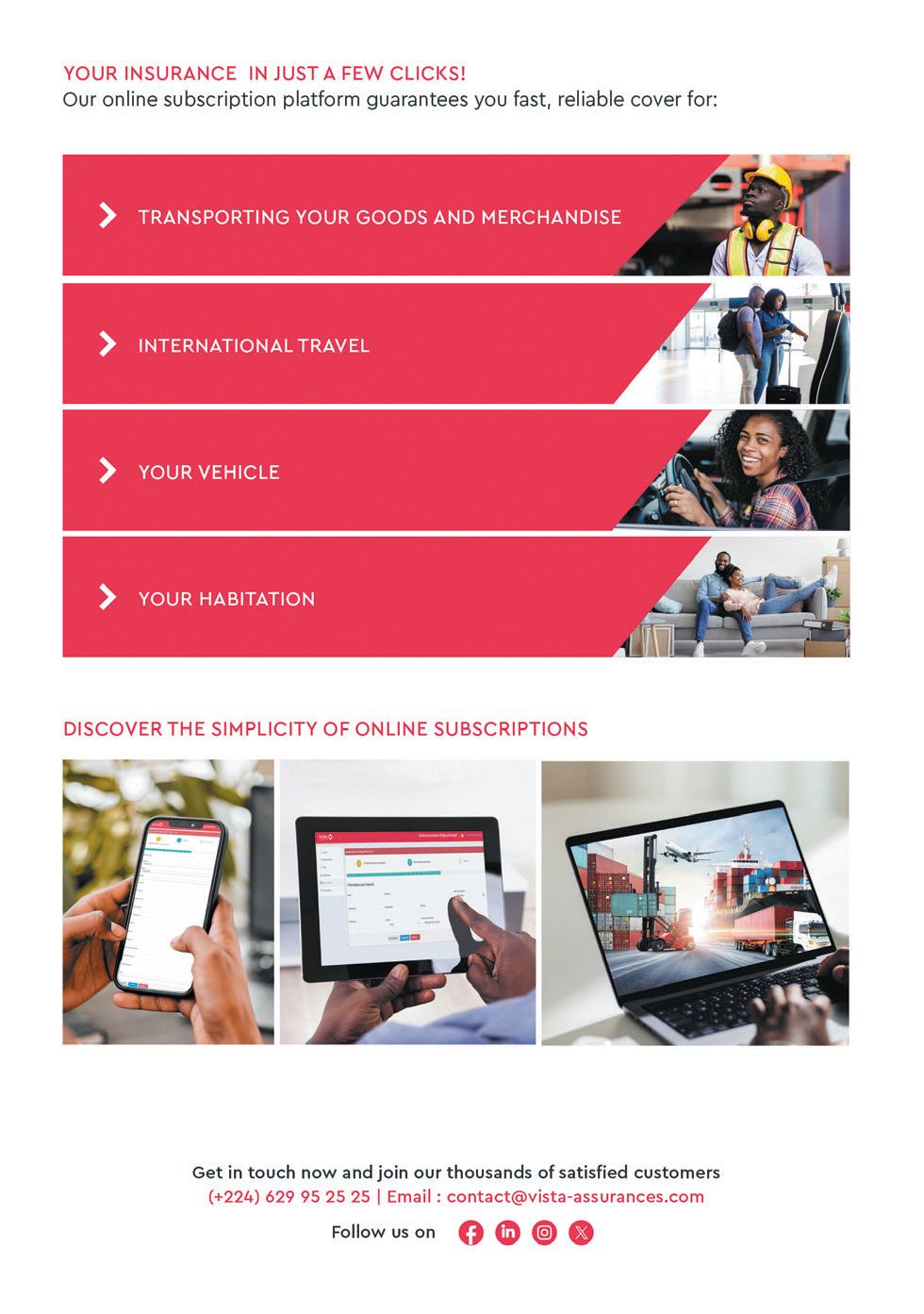
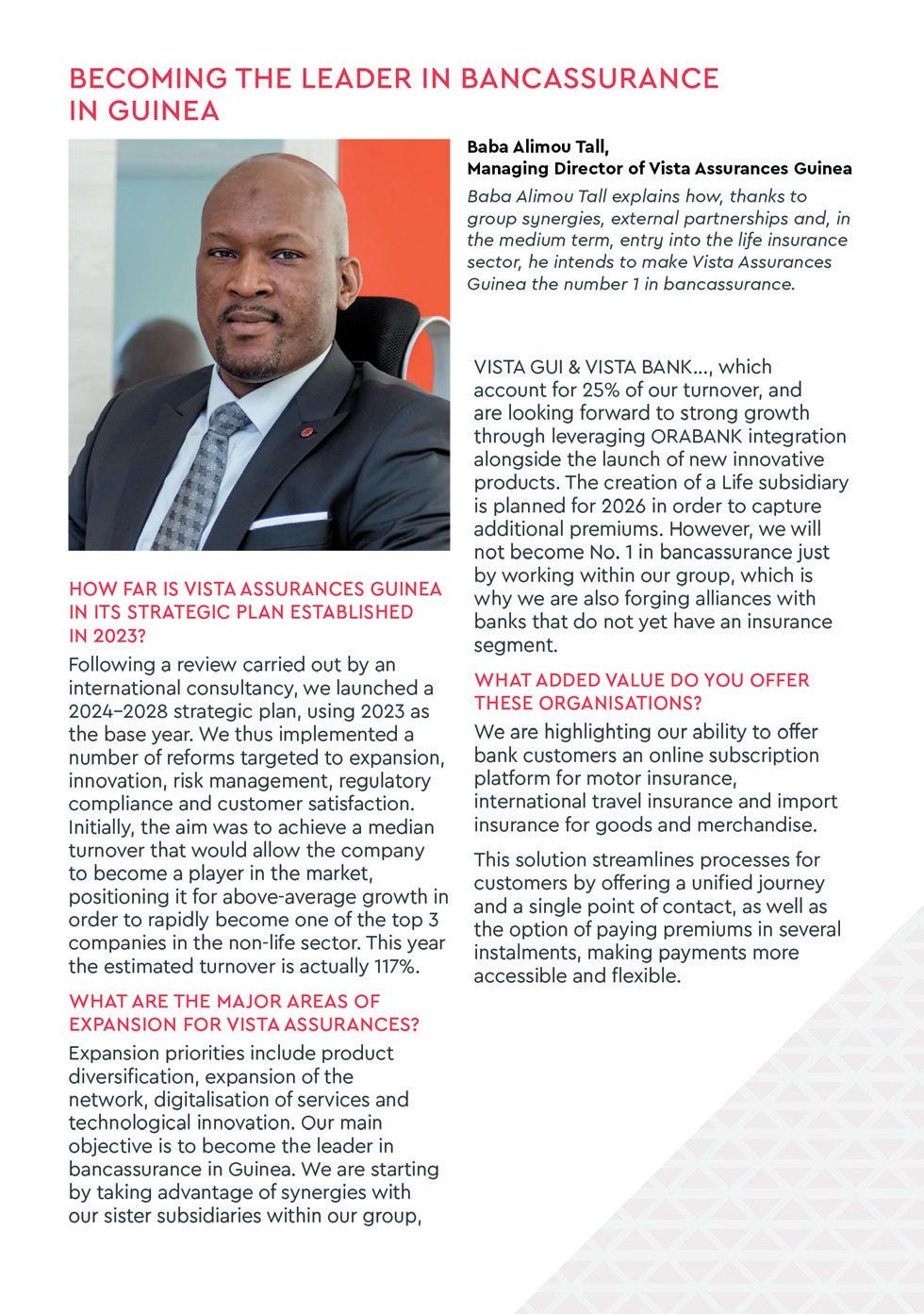
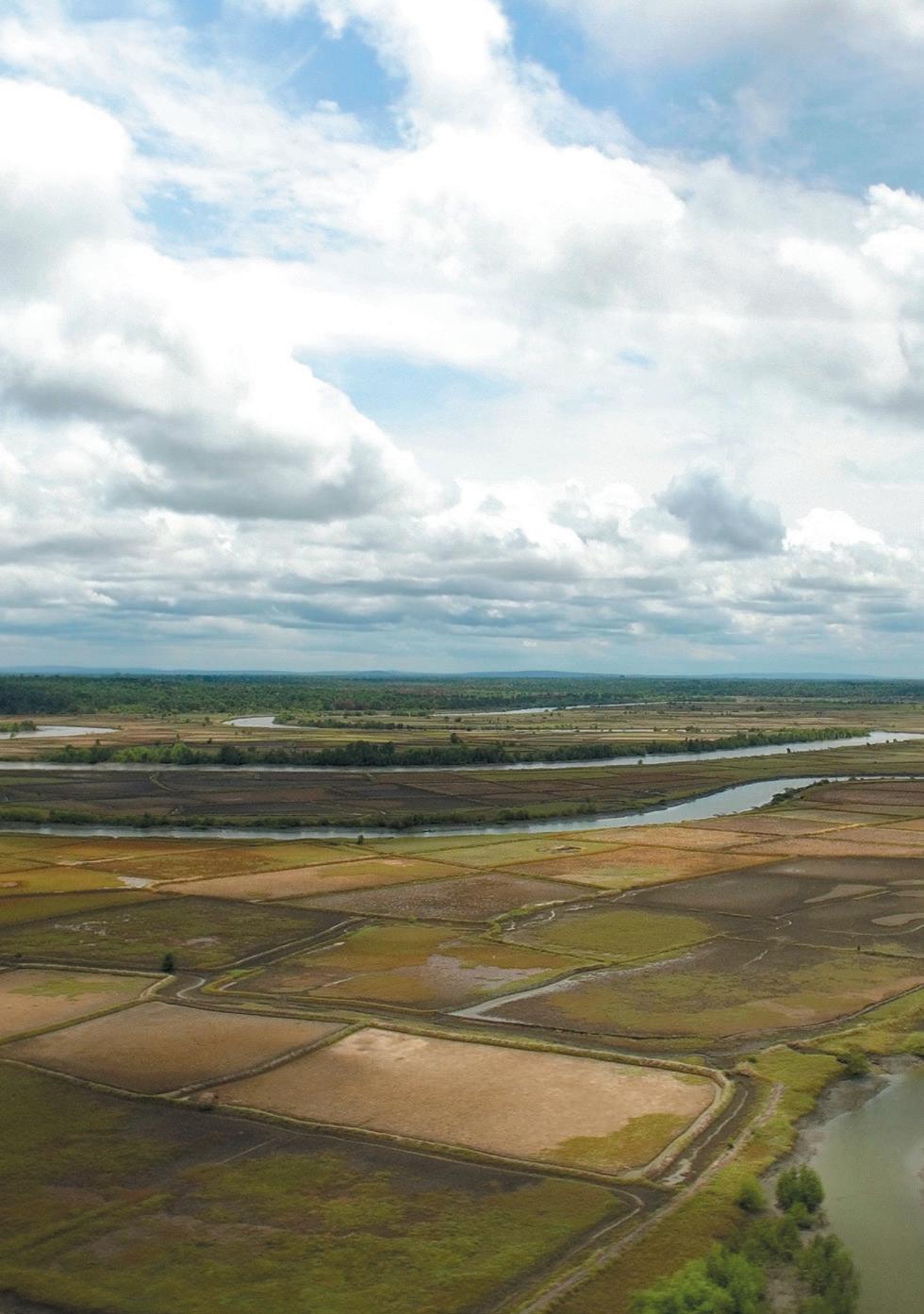
•


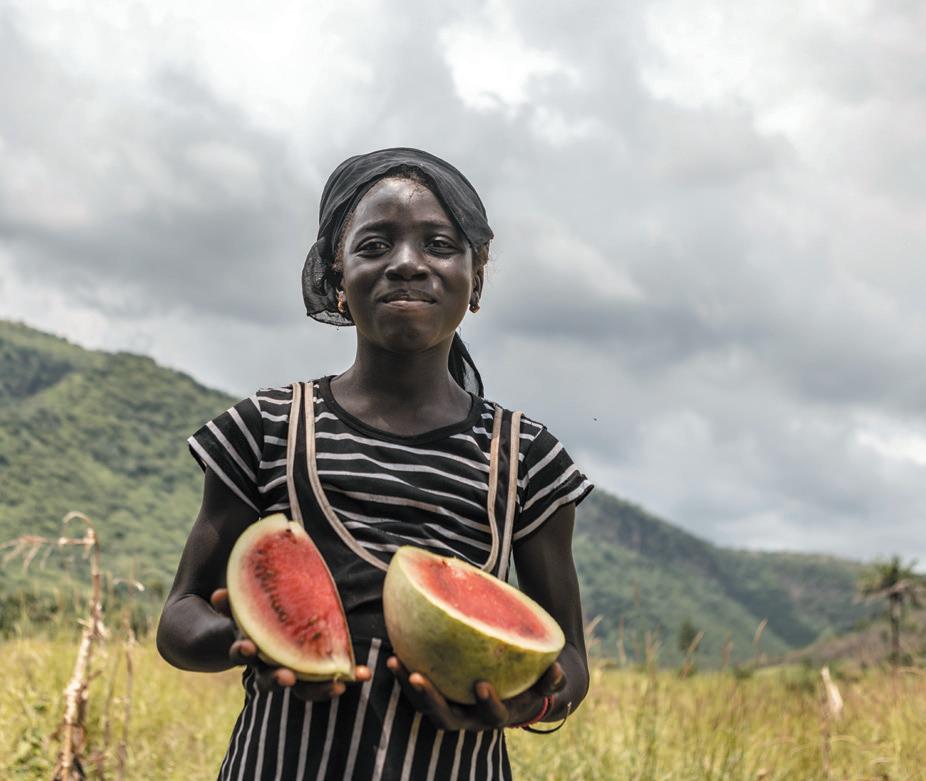
Agriculture in Guinea is a strategic sector in terms of its potential to drive inclusive growth – jobs, wealth generation, and industrial transformation – while also supporting export expansion.
As the world’s leading producer of fonio and West Africa’s second largest producer of rice, Guinea holds significant assets for agricultural entrepreneurs, with its natural resources topping the list. Guinea boasts more than 13.7 million hectares of arable land, of which only 38% is currently cultivated, as well as 2.7 million hectares suitable for livestock breeding.
Guinea receives abundant rainfall, ranging from 1,200 mm in the north and northeast to as much as 6,000 mm in Fouta Djallon, for a national total exceeding 400 billion m³ annually. The country is also rich in water resources, with 1,165 waterways and streams, including three of West Africa’s five largest rivers: the Niger River, the Senegal River, and the Gambia River.
Since its founding, CCG Guinée has emerged as a leading name in Guinea’s food sector. Day after day, our innovative vision and unwavering commitment to quality continue to redefine industry standards.
CCG Guinée began with a simple yet bold mission: promote local products while bringing exceptional foods to our customers. We are committed to supporting the growth of the national food industry and building a brand recognized internationally for its quality and authenticity.
Discover our Best line, a range of products crafted to please the most discerning palates. From velvety mayonnaise and creamy yogurt to our signature product, Best Milk, each creation is meticulously prepared with the finest ingredients to ensure a distinctive taste and perfect texture.
When you choose CCG Guinée, you support a company committed to local development. Through job creation and social initiatives, we are helping build a more prosperous future for Guinea and across Africa.
“Best is a staple in my kitchen. The quality never lets you down.”
loyal customer
Join us in championing healthy, local, and delicious food. Discover our products and help shape the future of food in Guinea.
Agriculture employs 53% of the population and, according to the World Bank, accounts for 27.8% of GDP when livestock and fishing are included. In recent years, the sector has benefited from significant government support through incentive-based policies and subsidies, including 404 billion Guinean francs of loans granted, and 78,034 tons of subsidized fertilizer distributed in 2023. Assistance is directed both to the most vulnerable small producers, whose harvests are critical for food security, and to those seeking to expand commercial production. According to the World Bank, subsistence farming accounts for around 90% of agricultural activity in Guinea, with only 10% oriented toward commercial production.
Government-subsidized inputs have recently increased productivity, yet the sector remains constrained by inadequate infrastructure for transporting harvests, poor water management, and limited mechanization. The World Bank notes that irrigation in Guinea covers only 18% of cultivated land, compared to 29% in Senegal and 42% in Côte d’Ivoire. It further observes that reducing agricultural risks through better water management and other instruments such as crop or weather insurance would encourage investment in the sector and value addition through improved produce storage and processing, potentially spurring the development of agribusinesses. The Simandou 2040 program is expected to address some of these infrastructure challenges, particularly through the construction of the Trans-Guinean railway spanning over 600 kilometers from West to East, connecting Conakry and Kankan, along with related highway networks that will improve access to farmlands along the corridor. As a result, other needs could present investment opportunities, such as mechanization, irrigation, and storage
Gluten-free, nutrient-rich fonio is a niche product for which demand is growing rapidly in Europe, with sales increasing by an average of 33% annually since 2018. It is therefore natural that Guinea, its main global producer, should seek to strengthen its presence there. The “Sustainable Fonio in Guinea” project, funded by the Dutch Ministry of Foreign Affairs and implemented by the Center for the Promotion of Imports from Developing Countries (CBI), was launched in April 2025. The program supports SMEs working in fonio, helping them export their products to Europe and international markets. Several companies were selected to receive training, logistical support, and access to international trade fairs. The initiative also aims to simplify access to funding for SMEs in the sector through a network of specialized partners.
|||||||| Trends in the production of subsistence crops (in tons)
Source: FAO
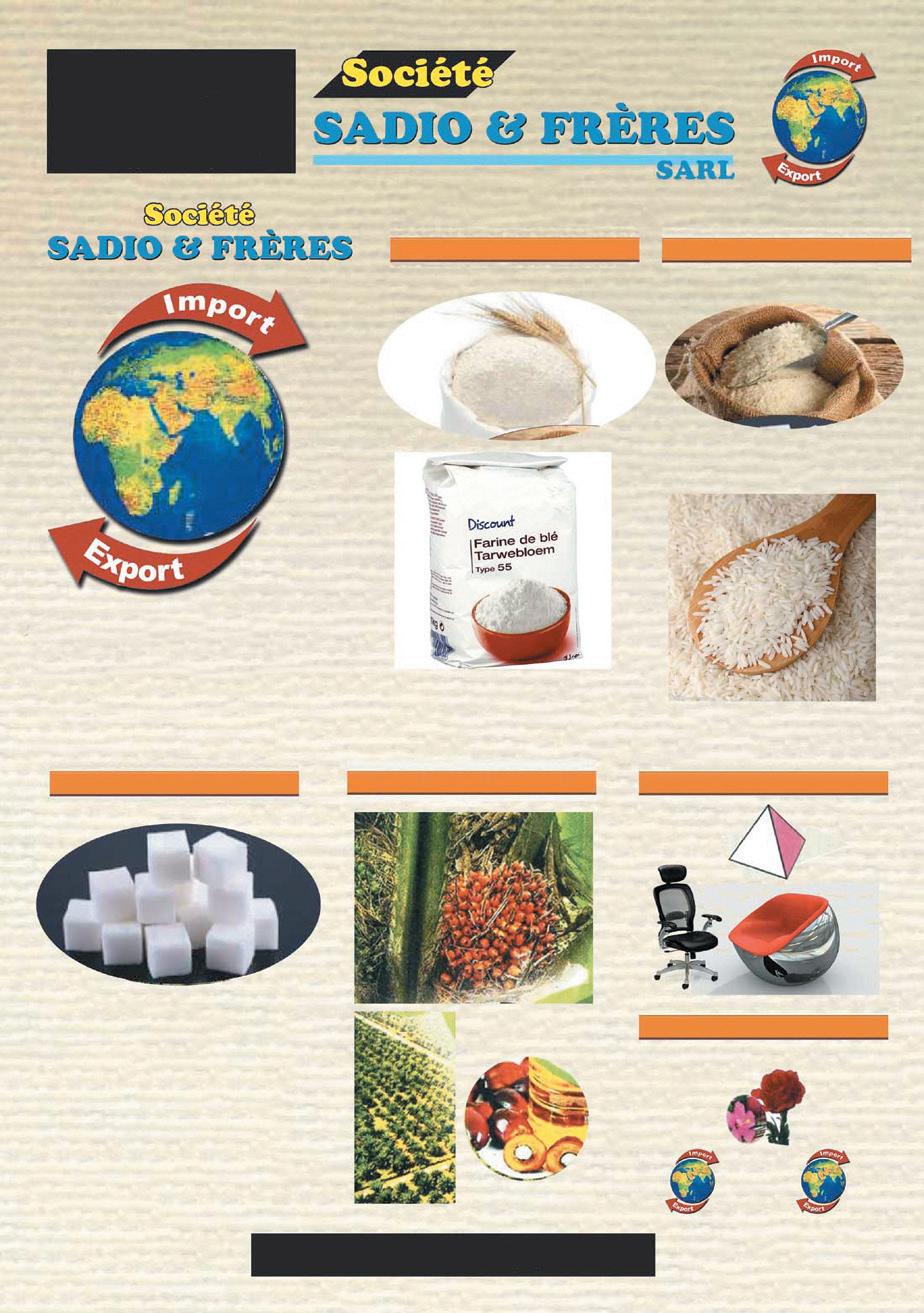
The Guinean government aims to position agriculture as a driver of export growth by promoting a range of cash crops, particularly those with the greatest economic potential.
With global demand for cashew nuts continuing to expand, hundreds of thousands of hectares have been devoted to cashew cultivation in recent years to support increased production. Between 2019 and 2023, cashew exports rose from 26,735 tons to 52,837 tons in 2022, before declining to 31,449 tons in 2023 due to reduced sales to Vietnam (- 41.6 %) and India (-34.6 %).
Although cashews are the country’s leading agricultural export – and the fourth largest export overall – they accounted for only 0.8% of Guinea’s exports in 2023. Diaoune Agro Industrie, the country’s main cashew processing plant, has a production capacity of 10,000 tons of raw cashew nuts per year, equivalent to 2,050 tons of cashew kernels. Processing opportunities therefore remain considerable.
Cocoa is Guinea’s fifth largest export. Production increased fivefold between 2019 (5,057 tons) and 2023 (24,693 tons). Other cash crops showing strong export growth include rubber, which rose from 7,169 tons in 2019 to 32,572 tons in 2023, and coffee, which increased from 6,388 tons to 11,415 tons over the same period. Guinea relies particularly on its local “Ziama-Macenta” coffee, which since 2014 has benefited from a PGI (protected geographical indication) granted by the African Intellectual Property Organization, with the support of the French Development Agency and CIRAD (French Agricultural Research Center for International Development).
Grown nearly 800 kilometers from Conakry in the Ziama Massif, the robusta variety’s distinguishing qualities make it comparable to some arabicas. Conakry is also heavily investing in the revival of pineapple production, particularly the “Baronne de Guinée” variety grown in the Kindia region. Introduced in the 1930s, this popular variety once positioned Guinea among the leading exporters of tropical fruit to France.
|||||||| Trends in the production of tropical fruit and cash crops (in tons)
Lower Guinea
This region is renowned for the cultivation of diverse varieties of pineapple, including the famous “Baronne de Guinée.” Production of cashews, mangos, citrus fruits, avocados, and bananas is also thriving. With 330 kilometers of coastlines, Lower Guinea also accounts for the bulk of the country’s fishing resources, with annual production estimated between150,000 and 250,000 tons of fish.
Middle Guinea
Corresponding roughly to the plateau region of Fouta Djallon, this area is ideal for livestock breeding, as well as the cultivation of vegetables (tomatoes, onions, eggplants), grains (fonio), and tubers (potatoes).
Upper Guinea
The savanna lands of Upper Guinea are wellsuited to the cultivation of cotton, sesame, and tubers (manioc, yams, potatoes), as well as forest products such as shea butter and honey. The region also features vast rice-growing plains, notably the Niger Basin, one of the largest in Africa.
Forested Guinea
With its equatorial climate, the region is ideal for the cultivation of cocoa, tea, rubber trees, rice, oil palms, and plantains, as well as Ziama coffee, which benefits from a protected geographical
Source: FAO

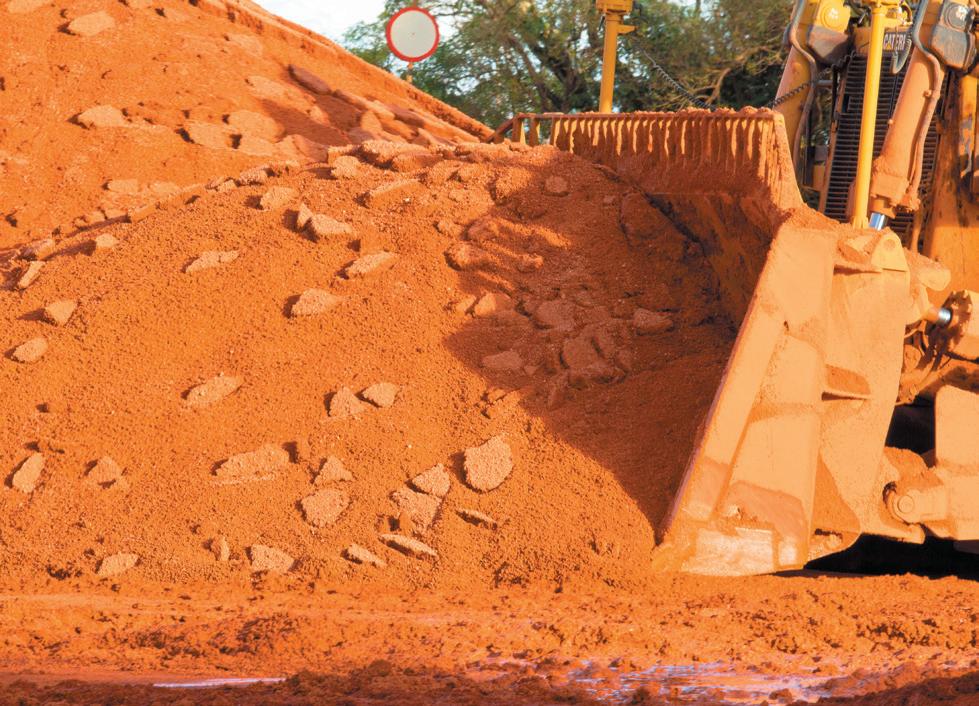
Beyond contributing to the diversification of Guinea’s mining sector, currently dominated by bauxite and gold, the Simandou iron ore mega-project will stimulate the country’s economy through the development of transport infrastructure.
In 2021, President Mamadi Doumbouya made iron ore extraction at Simandou a key priority, and in 2023, operations finally began. Recognized as the world’s largest deposit of high-grade iron ore, often described as the “caviar of iron ore” for its exceptional quality, the site had never been developed, despite permits having been issued to the Anglo-Australian group Rio Tinto for its four blocks as far back as 1997. Located in the southeast of the country, in forested land approximately 650 kilometers from the Atlantic coast, the deposit had remained undeveloped for decades.
After years of industrial uncertainty and legal disputes surrounding this complex logistical and financial undertaking, Rio Tinto remains a driving force behind a project of extraordinary scale. On blocks three and four, its partners include the State of Guinea, Chinalco, and the International Finance Corporation (IFC, a member of the World Bank Group), within the Rio Tinto Simfer joint venture.
The rights to blocks one and two, withdrawn from Rio Tinto in 2010, were acquired in 2019 by Winning Consortium Simandou (Singapore’s Winning International and China’s Baowu Steel Group and Hongqiao) with the aim of accelerating the project’s implementation. The largest integrated iron ore mining project ever developed in Africa, it comprises extensive mining operations and two major infrastructure: the Trans-Guinean railway, a 670-kilometer rail corridor linking the mines to the coast, and a new deep-water port at Morebaya, in the prefecture of Forécariah, south of Conakry.
After coming to power in 2021, Mamadi Doumbouya called for production to begin by the end of 2025, prompting Simfer and WCS to join forces to support development costs estimated at between $15 and $20 billion. In August 2023, the government and its two private partners announced that they had reached an agreement to build the Trans-Guinean railway and a deep-water port for the export of ore.
Backed by Rio Tinto Simfer and the Compagnie du TransGuinéen (CTG), a joint venture established in July 2022 between the Guinean government, WCS and Baowu, the agreement stipulates that infrastructure capacity and related costs be shared equally between the two consortiums operating across the four blocks. Each holds 42.5% of the joint venture, while the Guinean State holds 15%. “For a long time, the group had doubts about how to make Simandou viable,” Gerard Rheinberger, managing director of Rio Tinto Simandou, told Jeune Afrique last January. “Today, three factors have come together to make exploitation possible:
the market, now willing to pay more for iron with high decarbonizing potential, advances in transshipment technology, and co-development.” Rheinberger also underscored the partners’ complementarity. “There’s an extraordinary range of stakeholders involved in Simandou: the Singaporean shipping company, Winning; the Chinese state-owned groups Baowu – the world’s largest steel producer – and Chinalco; the private aluminum producer, China Hongqiao; plus the Guinean state and Rio Tinto.”
The Guinean government is pushing for the first tons of iron ore to be extracted by late 2025 or early 2026, with full production capacity expected to be reached within the following two years. Each of the two mines planned across Simandou’s four deposit blocks will be capable of delivering 60 million tons of ore at full capacity, compared to approximately 30 million tons in the first year.
The Simandou project, with its wide-ranging market opportunities, could bring lasting economic transformation to Guinea – so much so that the nation’s long-term economic and social development plan has been named “Simandou 2040.” However, to ensure that its iron mines provide more inclusive development opportunities than its bauxite and gold mines currently do, the government is encouraging local companies to invest in the new markets stemming from the project, while urging foreign investors to create joint ventures with them.
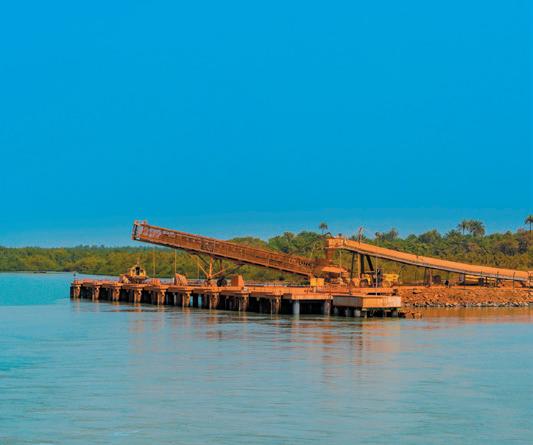
During the project’s peak phase, spending on purchasing and contracting alone is estimated at $5 billion! This covers a wide range of goods and services, including catering, facilities management, fuel and lubricants, staff recruitment, IT equipment and support, personal protective equipment, office supplies, tires, and more. The government plans to use the multipurpose infrastructure to open up landlocked regions of the country, creating new opportunities for the transport of goods from production sites to export markets, as well as agricultural commodities. The IMF projects that, with production beginning in 2025, the Simandou project could boost Guinea’s GDP by 26% by 2030.
However, the issue of local iron ore processing remains largely unaddressed in Guinea, even as the government pressures bauxite producers to build refineries. For now, despite the deal signed with China’s Baowu, the world’s largest steel producer, to acquire a share of Simandou’s output, plans for a steel plant at Conakry to maximize the project’s economic impact are still being defined.
“Feasibility studies regarding the construction of processing facilities to produce pellets or steel are underway,” Gerard Rheinberger told Jeune Afrique. “This would provide another growth driver for Guinea. Such a plant has specific requirements, however, particularly in terms of power supply. It would also need to be scaled to the demands and size of the West African market. For now, the priority remains getting the mine up and running.”
The superior quality of Simandou’s iron ore delivers significant economic as well as environmental benefits. Most ore on the international market has an iron content of between 58 and 63%, with anything above 63.5% considered “high grade.” The exceptional level of the Simandou deposit – over 65% – means its ore can be processed in electric rather than blast furnaces, favoring the decarbonization of a sector currently accounts for 7 to 8% of global CO2 emissions. Environmental concerns such as these are compelling governments and companies to adopt emission reduction strategies, which drive strong demand for Simandou iron, even at a premium price.
Oumar Sylla, Managing Director of SMFG, Guinean Iron Mining Company
“LAYING THE FOUNDATIONS FOR A SUSTAINABLE AND SCALABLE PROJECT”
Ivanhoe Atlantic, a privately held U.S. company and majority shareholder of the Guinean Iron Mining Company (SMFG), is studying the nearterm development of a high-grade, long-life iron ore mine as part of the Kon Kweni Iron Ore Project.
If the conclusions of the study are positive, a final investment decision on the Kon Kweni mining project could be made quickly. What are your ambitions for the project?
We are currently finalizing two key components of the project: the final feasibility study and the environmental and social impact analysis. Both are expected to be completed this year, which should allow us to make a final investment decision shortly thereafter. Such a decision would mark the launch of phase 1 of the project, beginning with an initial production output of two million tons per year. Phase 2 would involve a gradual ramp-up, with production reaching five and then ten million tons per year. Subsequent phases will target at least thirty million tons per year. This staged approach will enable us to manage impacts, optimize investments, and lay the foundations for a sustainable and scalable project.
In terms of environmental and social impact analysis, how would you describe your relationship with local communities near the site? SMFG has been present in the region since 2006, which has allowed us to build strong and lasting relationships with the local communities over time. We maintain an ongoing dialogue with their leaders and make sure that all our decisions align with the priorities set out in local development plans. With their cooperation, we have supported a wide range of projects in areas such as education, sanitation, agriculture, and women’s empowerment. As the project moves forward, our goal is to look beyond the mining area and help develop a broader regional development plan, ensuring that communities can continue to grow independently even after the project is completed.
Ivanhoe Atlantic is also established in Liberia, which borders Guinea. Could this proximity pave the way for a West African steel hub? Ivanhoe’s presence in Liberia complements our operations in Guinea and aligns with our medium-term objective of creating an integrated iron ore hub in West Africa centered on the Lola region. This hub would enable multiple projects in the region to benefit from shared logistical and industrial infrastructure, including small-scale projects. In the long term, this would involve developing ore processing capacity and transport infrastructure while leveraging regional synergies.
Your projects involve substantial investment in infrastructure. How could this boost the economic development of the sub-region? The development of our mining projects goes hand in hand with the construction of critical infrastructure – roads, railways, and port facilities – that will have a positive impact well beyond our own operations. By fostering connectivity, trade, and the growth of other economic sectors, these investments will act as a catalyst for sub-regional development. We are convinced that regional integration depends on precisely this type of shared infrastructure, which can benefit other projects and local communities over the long term
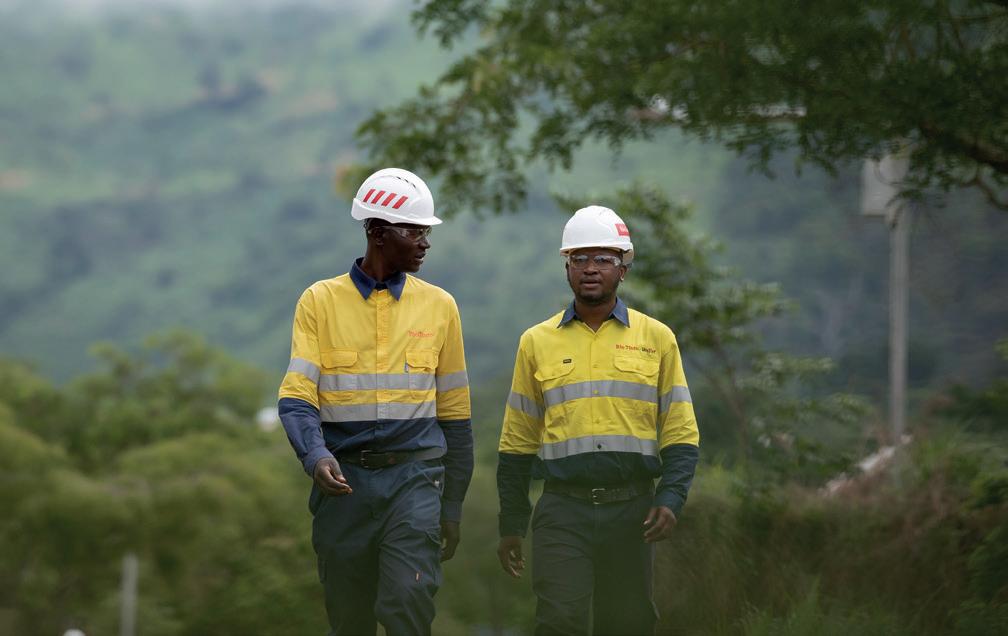
Guinea is poised for a major economic transformation thanks to the Simandou Project, the largest integrated mining and infrastructure project under development in Africa. With an estimated global investment of $20 billion, Simandou is creating an environment conducive to the sustainable development of multiple sectors across Guinea.
Due to the acceleration of the project’s development in 2023, Simandou has become the main driver of private investment in Guinea. Rio Tinto Simfer, a major player in the investment, is developing blocks 3 and 4 of the future mine, located in the forested mountain range of Guinea’s southeastern Nzérékoré Region. Between January and November 2023, our procurement spending alone amounted to nearly $686million, of which $345 million was spent directly with Guinean companies. In the space of a year, our workforce has grown dramatically from 600 to more than 5,000 people.
In order to ensure that the benefits of the project are experienced directly by local communities, we are putting local content procurement at the heart of the project. Our local content policy is based on three pillars: making use of local employment as much as possible (85% of our employees are Guinean), boosting the Guinean entrepreneurial fabric (we currently work with more than 300 Guinean suppliers), and promoting training and skills transfer (400 young people will be trained each year at the Vocational Training Centre in Beyla, which is located in the immediate vicinity of the future mine).
A project of Simandou’s scale requires major infrastructure. This is why, over the past few months, we have concluded several successive agreements with our partners to bring the Compagnie du Transguinéen (CTG) to life. This joint venture, in which the Guinean state holds a 15% stake, aims to manage the construction of, and subsequently to operate, the two key infrastructure developments of the project: the Trans-Guinean railway and the port of Morebaya. The 670 km long Trans-Guinean
Koundara
Gaoual
Lelouma
Boke
Kamsar
Bo a
CONAKRY
Legend:
Existing Planned
Main road
Secondary road
Fria
Telimele
Pita
Mali
Koubia
Labe
Dalaba
Kindia
Dubreka
Coyah
Morebayah
Tougue
Mamou
Forecariah
Dabola
Oure Kaba
Dinguiraye
Siguiri
Kouroussa Mandiana
Kankan
Faranah
Douako
Mamouroudou
Kissidougou
Kerouane
Simandou 1&2
Simandou 3&4
Macenta
Approximate alignment of the 670 km rail corridor
Railway station and spatial planning zone 20 km area of in uence around the rail corridor
Gueckedou Beyla Lola
Nzerekore
Yomou
railway will be used not only to transport iron ore from the mine, but also to transport other goods and passengers, ensuring greater internal mobility for local communities and goods produced within Guinea.
Across Guinea, by 2030, the overall impact of the project is estimated to be around $10 billion per year (based on Wood Mackenzie’s 2023 estimations). To ensure that this economic and social impact is sustainable, Rio Tinto Simfer has mobilized a team dedicated to regional economic development. This team works in collaboration with the Guinean government, the Guinean business community, and local communities to identify necessary development projects along the TransGuinean corridor, mainly in the health, education, and agriculture sectors.
The ramp-up of the Simandou Project, coupled with the development of the bauxite sector, is already beginning to contribute to the entire Guinean economy. In 2023, Guinea was promoted from a low-income to middle-income country in the World Bank’s global ranking. The IMF’s GDP
growth estimates for 2023 have been gradually revised upwards to 5.9% in 2023.
The Simandou mine project also offers us the opportunity to contribute significantly to the decarbonization of the steel industry. Indeed, Simandou contains the world’s largest untapped deposit of high-grade iron ore. This high-grade is due to the ore’s high iron (Fe) content of 65% and the presence of few impurities. Part of this deposit contains iron ore that is particularly suitable for refining through less energy-intensive and viable technologies, such as direct reduction (DRI) or electric arc furnaces (EAF), which emit less CO2 than traditional steelmaking methods.
There is no doubt that the Simandou Project has all the assets to catalyze Guinea’s economic development and place the country at the heart of the transition to a low-carbon economy... And we remain fully committed to making this project a reality.
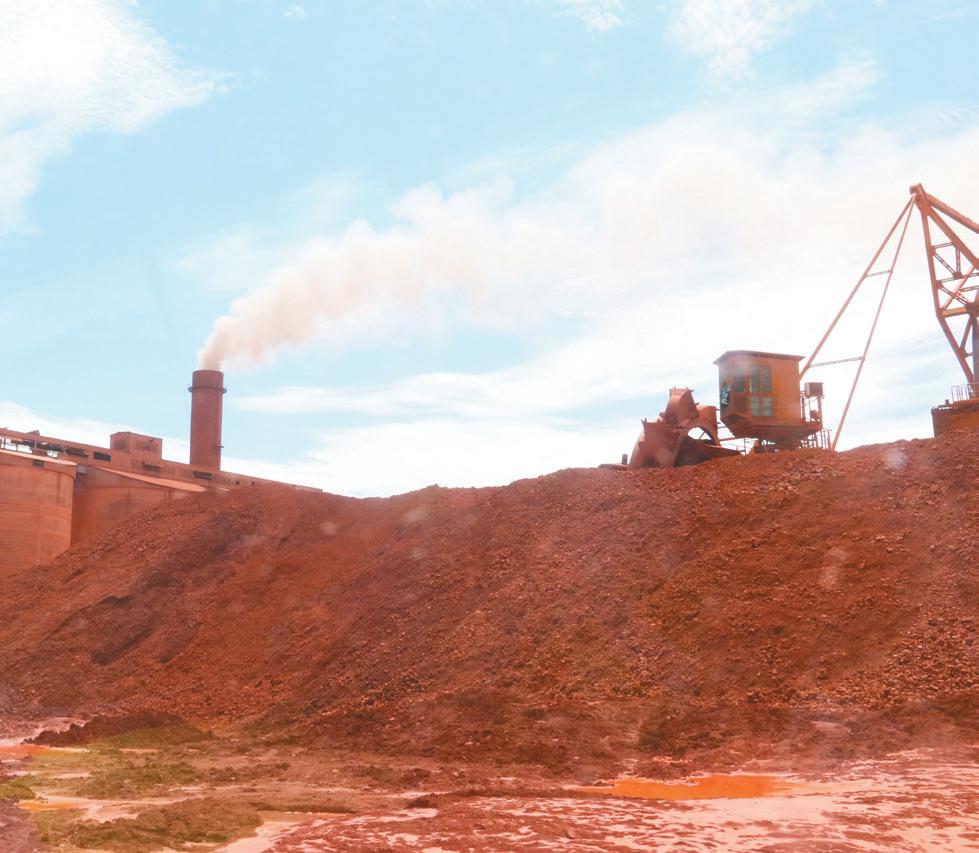
Even ahead of the expected contribution from Simandou, bauxite and gold mining have been attracting investment and driving Guinea’s growth for years. Authorities are pushing for a greater share of raw mineral exports to be processed locally.
The mining sector, which accounts for approximately 18% of Guinea’s GDP, 79% of its exports, and nearly a third of government revenue, grew by 9.4% in 2023, 7.6% in 2024, and is expected to expand by 10.7% in 2025, according to the IMF. The main driver of the sector is bauxite,
with production having more than doubled since 2018, due to tens of billions of dollars invested by companies from around the world. Guinea is estimated to hold between one-third and one-half of the world’s known reserves, enough to produce 100 million tons of bauxite per year for 400 years.
|||||||| Trends in bauxite and industrial gold production (in thousands of tons and thousands of ounces)
Source:Strategy and Development Office / Ministry of Mines and Geology
But with mining as its driver, Guinea’s economic growth remains dependent on global ore prices.
“For years, our economy has relied on the extraction and export of unprocessed bauxite,” says Ismaël Nabé, Minister of Planning and International Cooperation, in an interview with Jeune Afrique.
“But President Mamadi Doumbouya has decided to change that. He wants part of our raw materials be processed locally. We’re working to diversify our economy through our natural resources, and we’ve learned from the mistakes made by others.”
Although Guinea is the world’s leading producer of bauxite, exporting more than 140 million tons in 2024, it has only a single processing plant: Friguia, operated by the Russian company Rusal. This limits the country’s participation in the market for alumina – an intermediate product refined from bauxite and used in aluminum production – that sells, on average, for four to five times the price of unprocessed bauxite. The country hopes to capitalize on this by positioning itself in the alumina market, which is projected to be worth $48 billion by 2031 and $66 billion by 2035.
In March 2025, China’s State Power Investment Corporation (SPIC) began construction of an alumina refinery in Boffa. The project, announced in December 2024, represents an investment of $1.03 billion and is expected to reach a production capacity of 1.2 million tons per year by 2028. Other initiatives are also underway, including one in the Boké region led by Franco-Guinean businessman Fadi Wazni in partnership with the Alteo group.
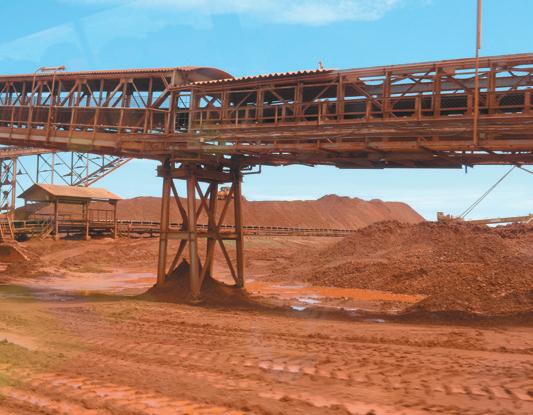
However, the government needs to ensure that investors move forward with their construction projects, many of which were announced as far back as eight years ago. In a decree signed August 4, 2025, the government revoked the license of Guinea Alumina Corporation (GAC), a subsidiary of Emirates Global Aluminum (EGA), citing the company’s “non-compliance” with the provisions of the mining code. GAC had already been warned, and is now facing the consequences of its decision not to build an alumina refinery in the Boké region for local bauxite processing (with a projected capacity of 2 million tons at an investment of $4 billion). The Guinean government has also warned China’s SPIC that it could lose its mining concession if commercial production is not achieved by December 2028. Refining bauxite is highly energy-intensive, so one of the main challenges in Guinea – beyond investor willingness – involves power supply. SPIC’s project includes plans to build a 250-megawatt power plant and supply 100 megawatts to Guinea’s national grid.
To ensure that more revenues from the mining industry benefit society as a whole, the National Transition Council enacted a law promoting local
content procurement in 2022. The legislation consolidates obligations that were previously spread across the petroleum code, the mining code, and a 2019 local content decree covering public and private projects. The law is intended to support skill transfer and local employment, particularly in Guinea’s mining sector. Under its provisions, mining companies operating in the country must entrust all land transportation of minerals and workers exclusively to Guinean-owned companies, except in cases of force majeure. Guinea’s president Mamadi Doumbouya also called on mining investors to prioritize local expertise, at least for all administrative positions.
In the effort to boost employment for local workers, the Guinean government, the French group Alteo, and the United Nations Industrial Development Organization (UNIDO) signed a public-private development partnership (PPDP) in June 2024 aimed at accelerating skills development tailored to the alumina industry in Guinea. This partnership is a core driver of Alteo’s alumina refinery (ARG) project – deemed of national interest – to build an alumina refinery in the Boké region.
The aim is to foster the emergence of a highly qualified workforce in Guinea through the transfer of expertise. The national skills development system will be strengthened, notably through the establishment of the Conakry Alumina Training School (EFAC), which will offer training for 130 technical support specialists across thirty sector professions. Beyond bauxite, iron, and gold, Guinea also holds significant deposits of other minerals, including limestone, copper, lead, zinc, cobalt, and nickel, which authorities are working to better assess through geological research
The right approach to inclusive mining operations is one that creates shared values.
In today's world the mining and infrastructure sectors must not only manage social and environmental effects but also have a positive impact, especially on the local communities.
This is a must for stakeholders, from the neighboring populations to the national decision-makers and is also a prerequisite for international organizations and the NGOs.
which requires:
• structured regulations and standards for the mining sector, and beyond,
• multi-stakeholder dialogue and an understanding of each party’s expectations,
• a balance between operational efficacy and a responsible sense of communication, and
• innovative local content, comprehensive projects, and sustainable public-private partnerships.
Owing its areas of expertise and experience, Affectio Mutandi can advise and accompany you in your search for solutions with a positive impact, to ensure sustainability and acceptance for your activities. www.affectiomutandi.com
Contact: Pierre-Samuel Guedj ps.guedj@affectiomutandi.com
Since 2015 Affectio Mutandi has been chairing the Corporate Social Responsibility and Human Rights Committee, of CIAN, the French Council of Investors in Africa.

B P 1 0 0 Ka m sa r - B P : 5 23 Co n a kr y c o nt ac t @c b g -g uine e. c o m - ww w.c b g-guine e. c o m
The Compagnie des Bauxites de Guinée (CBG) is a global leader in the metallurgical bauxite industry, operating mines in the northwest of the Republic of Guinea.
Shares are held by the Guinean State (49%), and Halco Mining (51%), owned by some of the most respected international stakeholders in the industry.
Our practices are compliant with the highest health, safety, security, environmental, and social standards in the world, meeting the performance standards of the International Finance Corporation (IFC).
+16 million in revenue to the Guinean State + $5.5 billion
tons of responsibly produced higher-grade bauxite per year
+7,000 direct and indirect jobs
960
Guinean subcontractors
S
$360 million of contracts awarded to Guinean companies from 2017 to June 2024
STRATEGIC PRIORITIES
▪ To strengthen our environmental, social, and governance strategy while enhancing our visibility
▪ To build a more flexible organization and boost productivity
▪ To assess our operations and leverage our expertise to create revenue streams
▪ To improve and strengthen the relationship with our stakeholders
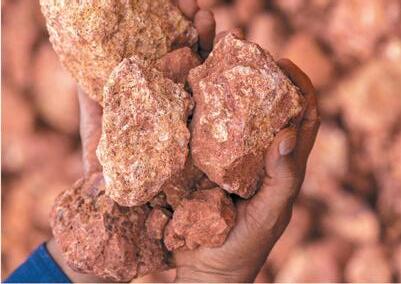
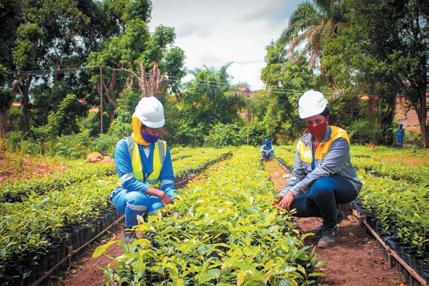
To responsibly develop our bauxite resources in order to meet our clients' expectations while working to strengthen a relationship of trust with the Guinean government, local communities, and other stakeholders.
To strengthen our position as a key partner in the development of world-class bauxite through greater contribution to Guinea’s economic, social, and sustainable development. MISSION
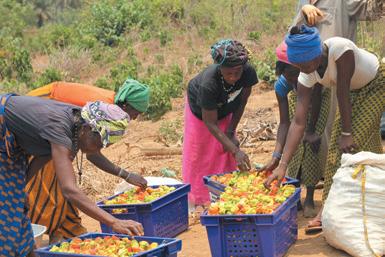

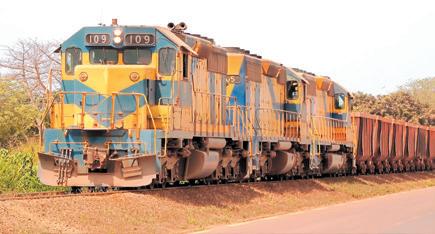
VALUES
▪ EXCELLENCE
▪ WELL-BEING
▪ RESPECT
▪ INTEGRITY
We make more than bauxite

Electronic payment systems, administrative procedures, digitization of the audiovisual sector… Guinean authorities are leveraging every ICT development opportunity, including the use of blockchain technology.
Efficiency, speed, security, transparency. In February 2025, Guinean authorities signed a memorandum of understanding with the global cryptocurrency giant Tether Limited to lay the groundwork for the adoption of blockchain technology. The agreement focuses in particular on improving financial inclusion, much as the government does by facilitating the activities of a number of fintech companies.
Invented in 2008, blockchain is a technology for storing and transmitting information in the form of a distributed ledger that is shared simultaneously among all its users. Connected through a network, these users are able to record information in the ledger transparently, according to rules established by a secure computer protocol. The blockchain is what makes crypto-asset transactions possible.
Fast and secure, blockchain technology is also low-cost, since it relies on a computer protocol to manage exchanges rather than on an intermediary that would charge for its services (financial fees, control fees, certification fees, etc.).
Tether has already carried out several similar initiatives internationally, notably in Switzerland, as well as through educational projects in Turkey and the Middle East. The agreement with Conakry also focuses on education, along with innovation and sustainable technological practices. It notably provides for the introduction of educational programs across both the public and private sectors to raise public awareness, strengthen skills, and train talent in digital technologies, with the goal of creating an environment conducive to innovation.
In Guinea, where the Simandou 2040 national development plan is resolutely tech-oriented, the adoption of blockchain could play a key role in financial inclusion. Yet beyond finance, in agriculture for instance, the technology enables full traceability of product value chains, ensuring compliance with sustainable, organic, and fairtrade practices, simplifying certification, and providing access to new markets. In the energy sector, blockchain facilitates the management of decentralized electrical grids and promotes the transition to renewable energy. Blockchain-based micro-grids enable real-time tracking of energy production and consumption, improving access to electricity in rural areas while reducing reliance on fossil fuels. Other sectors, ranging from insurance to logistics, industry, and healthcare, can also benefit from blockchain technology.
In addition to the adoption of blockchain, Guinea’s Ministry of Posts, Telecommunications Telecommunications, and Digital Economy launched an administrative document management platform (PLAGED) in November 2024, with the aim of simplifying administrative procedures for Guinean nationals. Among other things, it will also enable businesses to file documents online, monitor their progress in real time, and receive notifications at each stage, ensuring greater transparency and fluidity.
According to a United Nations report entitled “E-Government Survey 2024: Accelerating Digital Transformation for Sustainable Development,” Guinea scored 0.4006 out of 1 on the E-Government Development Index (EGDI), up from 0.2955 in 2022, ranking the country 29th in Africa and 160th in the world. Last April, Guinean authorities launched the “e-Learning” and “e-Consulting” initiatives to modernize administrative processes with innovative training and management tools.
Among the partnerships aimed at leveraging ICT, the Guinean National Transitional Council approved a €66 million credit agreement in October 2024 with French public investment bank Bpifrance. The loan is designed to support the shift from analog to digital radio and television. The project includes the installation of Digital Terrestrial Television (DTT), the modernization of the radio network, the construction of five regional studios by Thomson Broadcast, and the digitization of the country’s audiovisual archives. This initiative aligns with Guinea’s commitments to the International Telecommunication Union (ITU) for digital migration, a transition that has been anticipated for nearly two decades
In December 2024, the government announced the completion of an expanded national fiber optic backbone capacity, the network that transmits internet traffic across the country, increasing from 50 to 200 gigabytes. The initiative will improve service quality for users, as the upgraded backbone can handle significantly more data, leading to faster connections, even during peak hours. The announcement followed frequent consumer complaints about the quality of services provided by telecom operators, particularly voiced on social media, prompting the Ministry of Posts,
Telecommunications, and the Digital Economy to demand action from stakeholders to address “the alarming deterioration of network quality and internet speeds impacting the Guinean population.”
Mobile phones represent the primary means of internet access in Guinea. While the number of fixed network subscribers tripled between the fourth quarters of 2022 and 2024, this increase came from a relatively low base (a jump from 3,040 to 9,717 subscriptions) and remains practically negligible compared with 13.3 million mobile phone subscriptions, a sector largely dominated by Orange. After its top competitor, MTN, left the country in 2024, the Guinean government took control of the telecommunications operator Areeba Guinea in early 2025, previously owned by the South African group. Between 2022 and 2024, the proportion of 4G rose sharply, from 48.3% to 75.8%, with 3G remaining the second most widely used technology.
|||||||| Trends in number of mobile internet subscriptions (in millions) and market shares per carrier
OPPORTUNITIES IN TELECOMMUNICATIONS ACCORDING TO THE APIP
Numerous investment opportunities exist, which the APIP has classified into five main categories:
- Diversification of telecommunication infrastructure
- Supply and maintenance of equipment
- Digitization of administrative services
- Training digital workforce
- Development of digital systems for financial, administrative, and security solutions
|||||||| Amount of mobile money transactions (in billions of Guinean francs)
(ource:ARPT,Market observatory Source:ARPT,Market
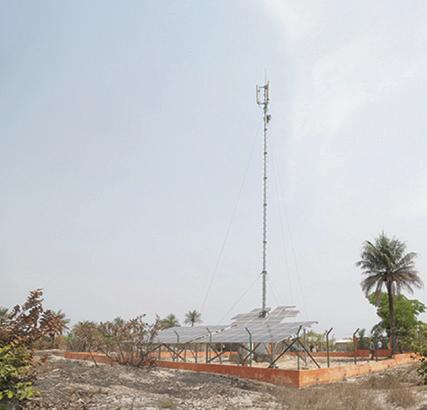
Aligned with the Orange group’s objective of achieving net zero carbon emissions by 2040, Orange Guinea has implemented initiatives to curb energy consumption and decarbonize its energy sources.
ORANGE GUINEA: COMMITTED TO CORPORATE RESPONSIBILITY AND ENVIRONMENTAL PROTECTION
At Orange Guinea, we believe that economic performance goes hand in hand with strong social, environmental, and ethical conduct. For years, we have been implementing initiatives to reduce our carbon footprint and combat global warming, promoting a more sustainable future for our country. As a key player in digital inclusion in Guinea, Orange Guinea invests over €50 million every year to expand its network, ensuring coverage across all of the country’s prefectures and sub-prefectures, and providing services to more than nine million subscribers.
RESTORING VEGETATION COVER: ONGOING SUPPORT FOR REFORESTATION INITIATIVES
In July 2024, a joint initiative with Total Energies and UMS involved planting 35,000 seedlings around the headwaters of the Donkéah, Banéah, Grandes Chutes, and Garafiri hydroelectric dams. Local environmental NGOs were engaged to monitor the young plants, tend the plots, and raise awareness among communities. A few weeks later, Orange teamed up with the association “Fii Bhantal Daka” to distribute 550 fruit trees to households in the district of Daka (municipality of Labé) as part of the “One-Household, One-Fruit Tree” program, aimed at involving the community in fighting deforestation and boosting food security. Similar initiatives were carried out in the protected forest of Dabompa in Conakry, and in Malapouya in Boké Prefecture, for a total of 3,000 newly planted trees.
As of today, solar energy production in Guinea stands at 16.41 GWh, representing 24.4% of total energy consumption. Overall, 56% of telecom sites are powered by solar panels. In parallel, measures are being implemented to improve the energy efficiency of network infrastructure and buildings.
As part of e-waste management efforts, a partnership agreement has been signed with the Guinean startup E2R Solutions, which specializes in the recycling and refurbishing of electronic waste. To date, more than one ton of e-waste has been recycled, and 50 young people have been trained in recycling techniques as well as in the repair of smartphones and tablets.
At Orange Guinea, we firmly believe that economic success must go hand in hand with social and environmental responsibility, and this commitment is reflected in the concrete, sustainable initiatives we implement every day. We remain dedicated to working together to create a healthier, more responsible future for generations to come
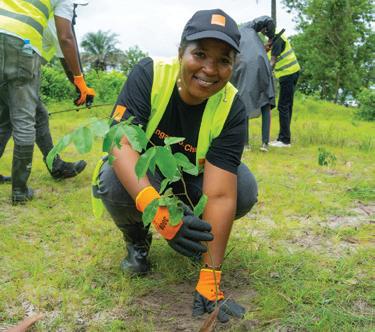
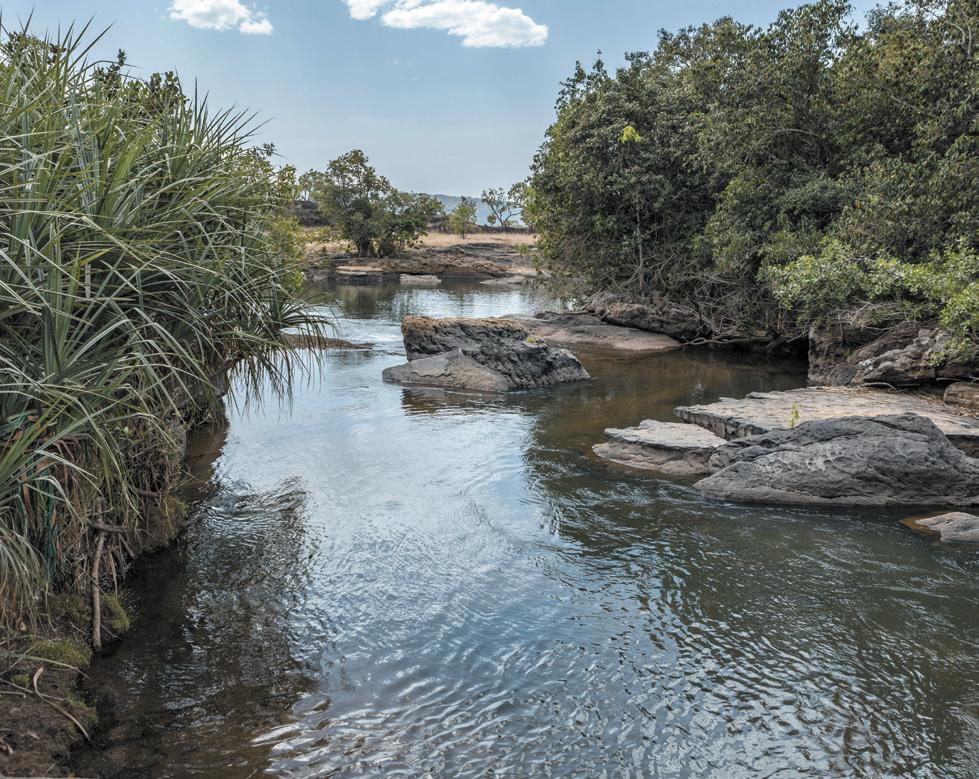
“Branding Guinea“ aims to showcase and promote Guinea’s vast tourist assets, starting with a natural environment unlike any other in West Africa.
In May 2023, President Mamadi Doumbouya established the National Coordination for Branding Guinea, commonly referred to as “Branding Guinea.” As its name suggests, this body is responsible for coordinating efforts to promote, protect, and enhance the image of Guinea, with the goal of strengthening the country’s economic appeal and highlighting its tourism potential. The symbol of Branding Guinea is Nimba, a visual representation of the goddess of good tidings and the namesake of the country’s highest peak (1,752 meters), a UNESCO World Heritage Site and biosphere reserve since 1981.
Guinea has an extraordinary wealth of natural assets, from rich biodiversity and protected areas to mountain ranges laced with rivers, gorges and rapids, and abundant wildlife and flora. Home to some of the most stunning landscapes in West Africa, rivaling the postcard-perfect scenery of Zimbabwe and Kenya, the country holds remarkable potential.
Macenta delights animal lovers with its elephant herds, while the Tristão Islands draws visitors with their vast flocks of migratory birds. The trails of the Fouta Djallon plateau and the waterfalls of Soumba and Kilissi offer exceptional excursions for outdoor enthusiasts and seasoned hikers alike.
For domestic and international tourists to fully experience the beauty of Guinea’s landscapes, significant infrastructure improvements are needed, starting with the road network. Authorities are already working actively to address these challenges. Turkey’s Albayrak Group, which already successfully manages the Port of Conakry, has been entrusted with the renovation and expansion of the airport in the capital city. As part of a public private partnership with the Conakry Airport Management and Exploitation Company (SOGEAG-SA), $200 million has been invested since April 2023 to modernize the airport and increase its capacity from 500,000 to 3 million passengers. The project, to be implemented in two phases, includes the construction of a passenger terminal, a new cargo terminal, administrative buildings, a control tower, a new fire station, a new power plant, and a hotel complex. Ambitious plans are also in place to renovate the regional airports and airfields of Faranah, Kankan, Labé, Nzérékoré, Kérouané, and Boké.
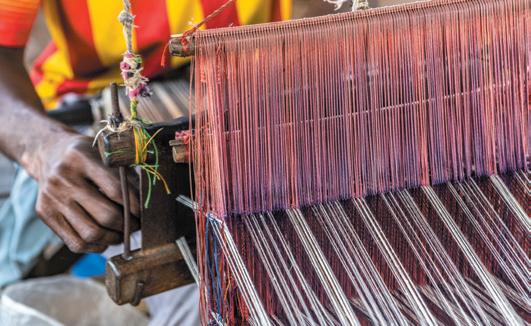
Closer to the Guinean capital, numerous tourism development projects have also been launched. Visitors looking for a peaceful retreat can already enjoy the sandy beaches and turquoise waters of Sobane and Bel-Air, or escape to the scenic Los Islands just off the coast of Conarky. Gbassikölo Lake is also being given a new lease on life through a major presidential initiative launched in August 2023 to develop and revitalize the surrounding area.
Spanning several dozen hectares, the Gbassikölo recreational lake complex will feature green spaces, spherical huts inspired by regional architecture styles, restaurants, a bike path, leisure areas, a cinema, and a museum. By linking the site with Conakry Citizen Park and Camayenne Beach, this integrated project – part of the national Branding Guinea initiative – aims to boost tourism by creating stronger connections between key urban areas.
Investment in hotel capacity continues to gather pace. Following a decade marked by hotel renovations and openings (Palm Camayenne in 2013, Kaloum in 2015, Noom in 2016, and Onomo in 2018), Radisson Hotel Group further strengthened its presence in the capital with the renovation of the former Sharaton Grand Conakry. In a bid to maintain this momentum, authorities terminated the renovation contract originally awarded to the South African company SNA in August 2024 for the Grand Hôtel de l’Indépendance in Conakry and the Bel Air in Boffa, citing failure to meet contractual obligations. New investors are now being sought to restore these landmark properties, which form part of Guinea’s national heritage and hold strong potential as future showcases for the country’s tourism industry.
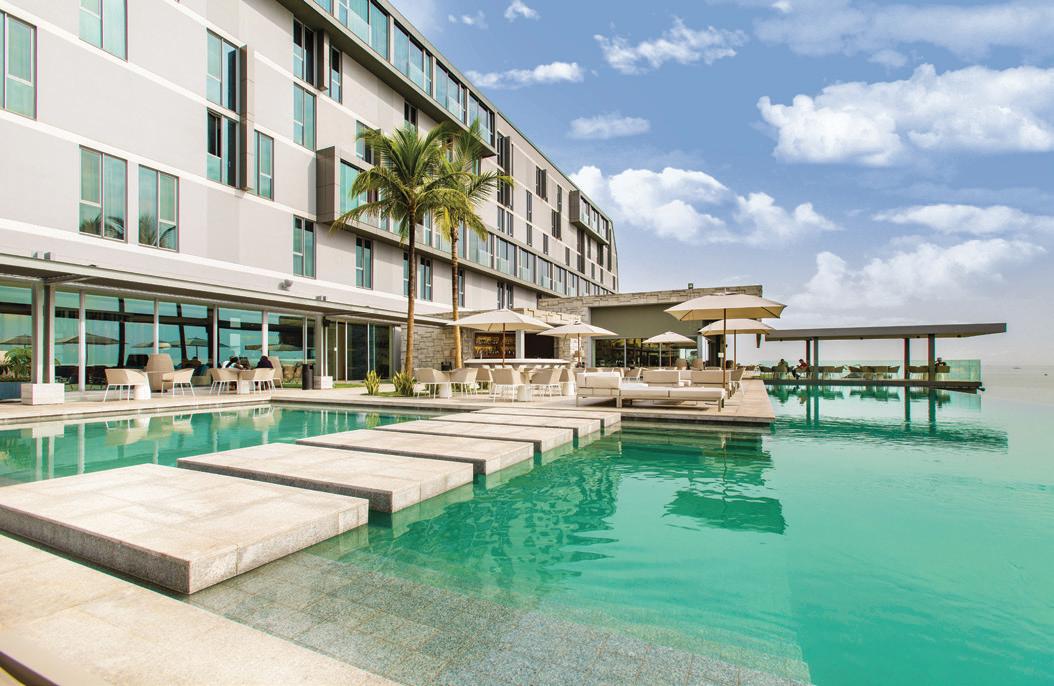

Noom Hotel Conakry is conveniently located on the Kaloum Peninsula, in the heart of the Conakry business district.
Offering a wide range of facilities, outstanding service, and the highest standards of professionalism, the downtown hotel is just 13 km from Conakry Gbessia International Airport and steps away from the beach. -

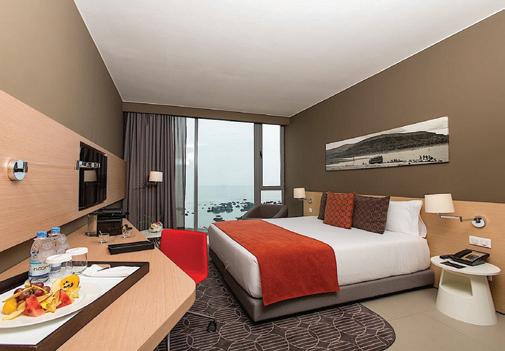
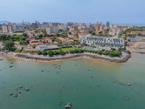

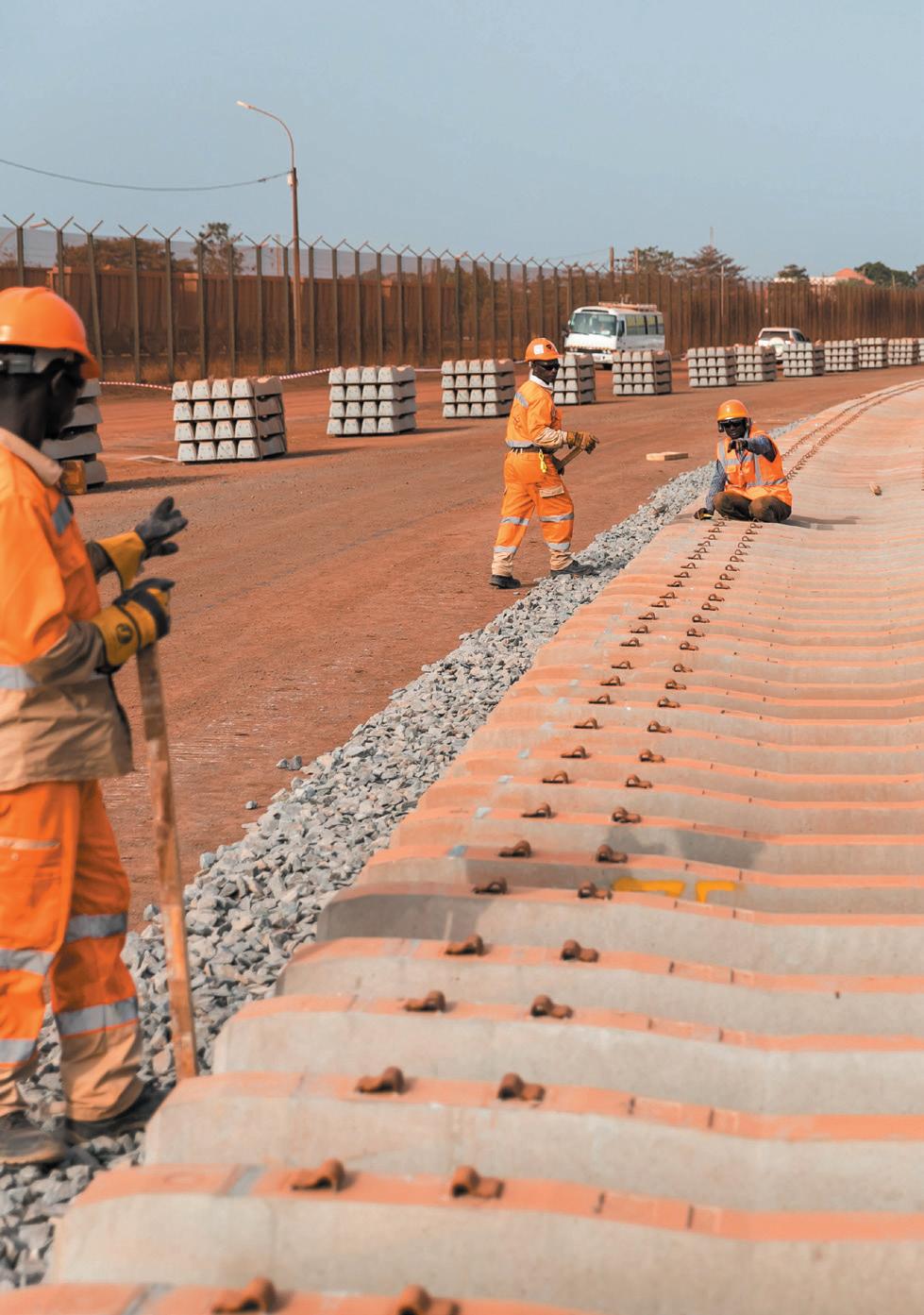


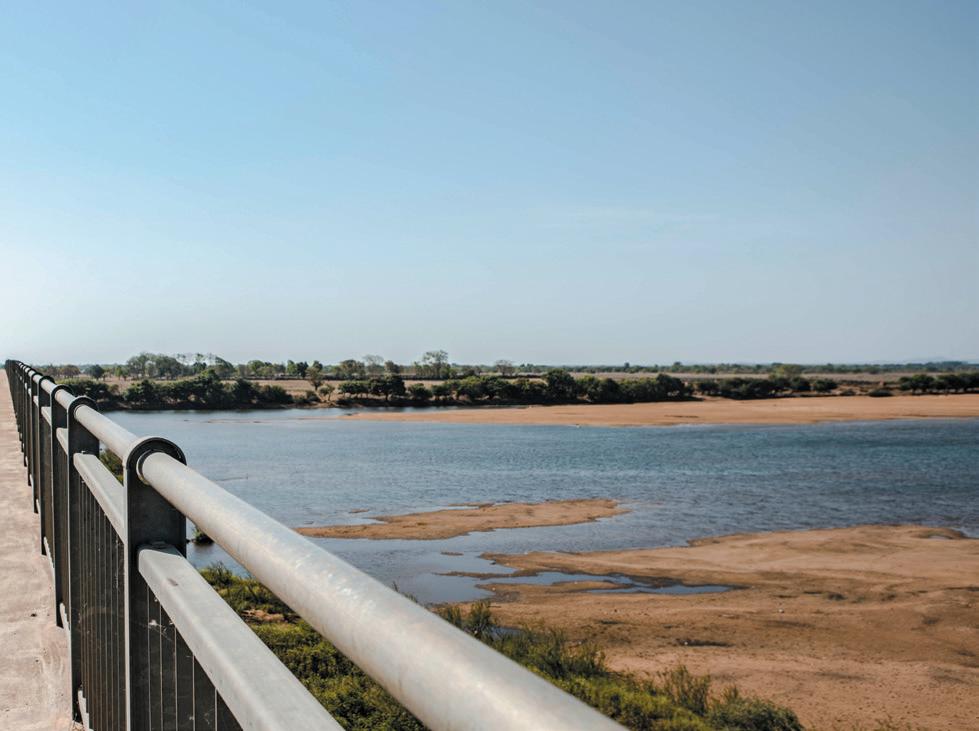
A series of unforeseen events have prevented Guinea’s recently inaugurated hydropower dams from meeting national energy demand. Until they are fully operational, the country is managing the shortfall with interim solutions.
Access to electricity remains one of the primary obstacles to business and domestic activity in Guinea, particularly in the mining sector. To address this, the authorities are pressing ahead with long-delayed hydroelectric projects, harnessing a 6,250-kilometer river network with a hydroelectric production potential of over 7,000 megawatts (MW) – ambitions that the successive governments have failed to deliver since independence.
Inaugurated in 2015, the Kaléta Hydropower Station has added 240 MW to the national power grid. At a cost of $446 million, with 75% covered by a low-interest loan from Afreximbank (China), the project was hailed as a resounding success by the Program for Infrastructure Development in Africa (PIDA). Kaléta is the first of three planned structures designed harness the hydroelectric potential of the Konkouré River, which rises in
Pressing
the Fouta Djallon highlands and empties into Sangareya Bay, north of Conakry. A second facility, the Garafiri Dam, was commissioned on the same river in 1999.
Partially brought into service in late 2019, the Souapiti Dam, situated 135 kilometers north of Conakry, was constructed by China International Water and Electric Corporation (CWE), which was also contracted for work at Kaléta. Souapiti has a rated capacity of 550 MW and a reservoir of six billion cubic meters. Financed through a loan agreement of $1.18 billion with China Exim Bank, the project carries a total estimated cost of $1.38 billion. Once fully operational, Souapiti is expected to allow both Kaléta and Garafiri to run at full capacity.
However, below-average rainfall in recent years has prevented the stations from operating at full capacity. Compounding this, in December 2023 an explosion at the Conakry’s main fuel depot damaged one of the thermal power plants operated by Guinea’s national electric company (EDG), disrupting fuel oil supplies to other thermal plants. A blackout followed in Conakry in March 2024, attributed by EDG to “an incident on a high-voltage pylon.” Under such conditions, advancing the hydropower projects – however strategically vital – has proved extremely difficult.
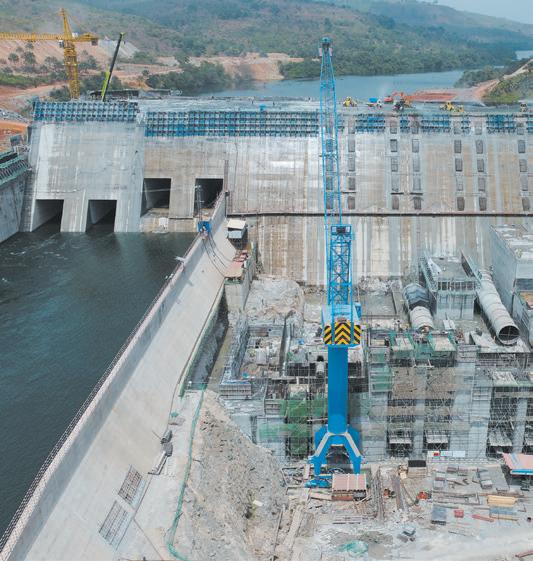
As early as April 2024, EDG called on Senegal’s national electricity company (Sénélec) to activate a 120 MW interconnection line from the Gambia River Development Organization (OMVG) into Guinea. While this helped maintain power supply to strategic sites and industries, and brought some improvement to household electricity service, it was nonetheless insufficient.
To address the shortage, in July 2024 a floating power plant with an installed capacity of 105 MW was deployed off the coast of the Autonomous Port of Conakry (PAC) by the Turkish company Karpowership, a Karadeniz Group subsidiary. EDG had signed a contract with the energy group in December 2019, as a flexible albeit costly stopgap until its hydroelectric plants reach full operation.
Confident in Guinea’s capacity to achieve energy self-sufficiency – and even to become an electricity exporter – the authorities relaunched work on the Amaria hydropower station following President Doumbouya’s attendance at the Forum on China-Africa Cooperation (FOCAC). Under a Build-Operate-Transfer (BOT) concession agreement signed with Chinese company Tebian Electric Apparatus Stock (TBEA), a 300 MW hydroelectric dam will be constructed in the prefecture of Dubréka. TBEA will be responsible for operating and maintaining the plant from 2027 for a period of forty years.
The project forms part of a broader agreement signed with Guinea’s Ministry of Mines and Geology, encompassing bauxite exploitation, the construction of an alumina plant, and an aluminum smelter. More broadly, the exploitation of Guinea’s abundant mineral resources – most notably iron, which has given rise to the cross-cutting project “Simandou Vision 2040” – is expected to act as a catalyst for developing national energy capacity
|||||||| Evolution of installed capacity (in MW)
1,260
Source:Électricité de Guinée
Saickou Bah, Managing Director, KDIA
Founded in February 2011, KDIA (Kickoff, Development, Investment, Assessment) draws on its expertise to support Guinea’s economic development, offering services in strategic sourcing, tendering, foreign investment consulting, and mining operations.
A leading partner in infrastructure development
Since its founding, KDIA has successfully navigated a Guinean business environment marked by political, health, and regulatory challenges. Through strategic agility, the company has continuously adapted and evolved, forging strong partnerships with leading international financing groups with a proven track record in high-impact projects.
KDIA notably played a pivotal role in establishing Eiffage Group in Guinea in 2012, as part of an agreement for the construction of four regional hospitals. The project, developed with the support of APHP Paris (Greater Paris University Hospitals), was instrumental in addressing the country’s hospital infrastructure deficit. To finance it, KDIA and Eiffage mobilized key stakeholders, including BPI France, the Direction Générale du Travail (DGT), and Ecobank Guinea.
In the public utilities sector, KDIA opened new markets, paving the way for contracts between Eiffage and Guinea’s national water company, SEG, and facilitating another major contract, this time for the construction of a hydroelectric dam in Pita. KDIA also played a pivotal role in the construction of Guinea’s first toll bridge, opened in Tanènè, securing the necessary financing through partnerships with Leduc TP/Sogea-Satom and Société Générale Guinea. In parallel, KDIA has continued to participate in telecommunications tenders, enhance its logistics capabilities, and contribute to preliminary
studies, including for the milestone Palace of Culture project, which aims to foster training, creativity, and cultural expression among young Guineans.
A focus on hospital infrastructure
Alongside Eiffage, KDIA is committed to delivering modern, sustainable infrastructure meeting the highest civil engineering standards. Key partners include APHP Paris, which provides ongoing medical training, and Vamed AG, which contributes expertise in medical equipment and hospital management, integrating advanced technology to improve health outcomes and optimize operational efficiency.
The toll bridge at Tanènè: a strategic link
KDIA was involved from the planning stages of the Tanènè toll bridge project, bringing in the Leduc TP/Sogea-Satom consortium, recognized for its technical expertise and public works capacity. Spanning the Konkouré River, one of the sub-region’s major waterways , the bridge represents a significant step forward for regional mobility and development. Its financing, secured locally with the assistance of Société Générale Guinea and KDIA, reflects Guinea’s national commitment to this landmark project.
Growth prospects
KDIA aims to strengthen its role in Guinea’s key industries through responsible stewardship and the sustainable use of natural resources. As the world’s second-largest producer of bauxite, Guinea is preparing to scale up industrial capacity, notably through the construction of local refineries in compliance with the country’s new mining code, and through the rollout of the Simandou project, a cornerstone of the country’s economic growth. KDIA remains committed to its mission of driving economic growth by identifying and engaging reliable international partners capable of structuring financing and supporting high-impact projects across key sectors, including health, civil engineering, energy, culture, and agriculture
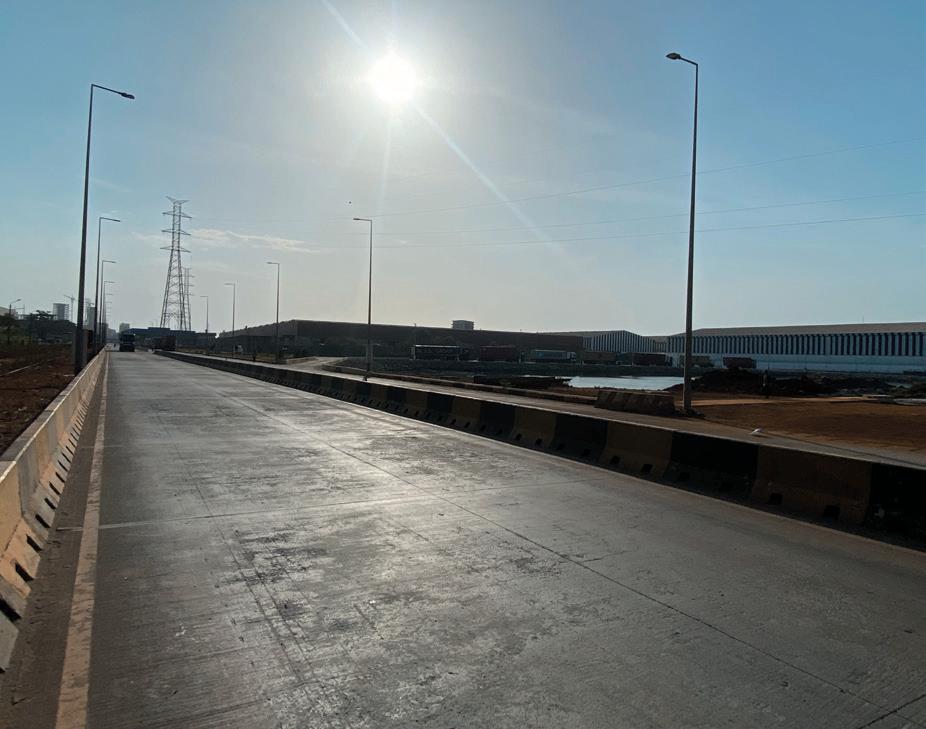
A number of initiatives have been launched to address the transport constraints that have long hindered Guinea’s development and to capitalize on the country’s geographical advantages. These include the RN1 highway, which opened in 2024, and, above all, the Trans-Guinean railway.
With 3,400 kilometers of shared borders with Côte d’Ivoire, Guinea-Bissau, Liberia, Mali, Senegal, and Sierra Leone, Guinea is well positioned to make regional trade a key driver of economic integration and poverty reduction. Yet inadequate transport infrastructure continues to hold back the country’s development.
To fulfill Guinea’s potential as a West African trade hub, the authorities are stepping up domestic resource mobilization to address the infrastructure funding gap while taking out more private, non-concessional loans from partner countries. Among their most ambitious projects is the Trans-Guinean railway: a 670-kilometer rail corridor currently being built to facilitate future operations at the Simandou iron ore deposit.
In August 2023, the government of Guinea and the two business consortia responsible for exploitation at Simandou – Rio Tinto Simfer and Winning Consortium Simandou (WCS) – announced they had reached an agreement for the construction of the railway and the deep-water port at Morebaya, near Conakry, the future ore export terminal. The agreement followed on an earlier accord with the Trans-Guinean Company (CTG), a joint venture set up in July 2022 by the Guinean government, WCS, Baowu, Rio Tinto Simfer, and Chinalco to build the railway.
The 2023 agreement stipulates that infrastructure capacity and associated costs will be shared equally between Simfer, which is developing blocks 3 and 4 of the Simandou project, and WCS, which is developing blocks 1 and 2. Each consortium holds a 42.5% stake in CTG, with the Guinean government holding 15%.
The agreement represents a major breakthrough: for decades, the absence of consensus on infrastructure construction had prevented the development of Simandou, the world’s largest known untapped reserve of high-grade, low-impurity iron ore. Rather than commit to building a 670-kilometer railway and associated infrastructure at an estimated combined cost of $15 billion, mining operators had preferred to ship ore through the Port of Buchanan in neighboring Liberia, which was already operational and closer to the deposit.
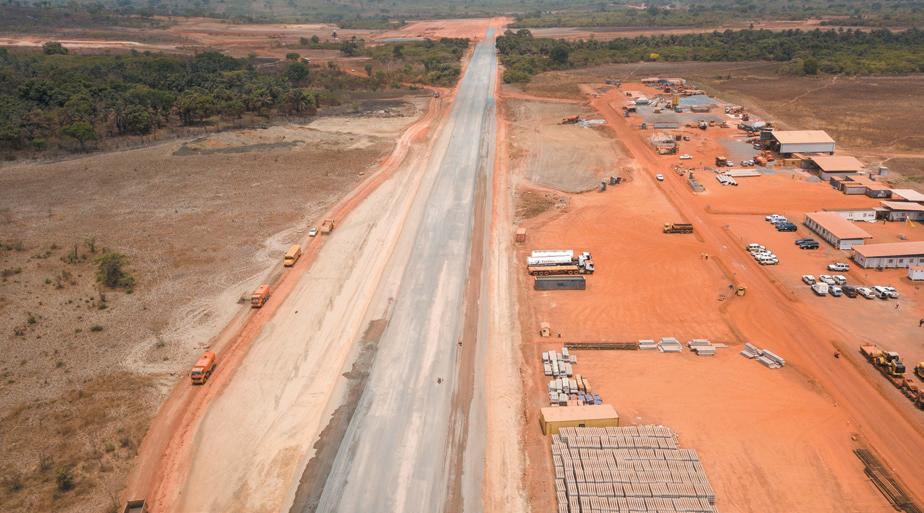
Ultimately, political pressure from the interim government broke the stalemate and made the launch of the Trans-Guinean railway a reality. The implications are far-reaching: facilitating the transport of people and goods, the rail corridor is expected to act as a catalyst for economic growth across Guinea’s mining, agricultural, and manufacturing sectors. The infrastructure will be transferred to the government after thirty-five years of operation.
Simandou is also expected to considerably strengthen Guinea’s private sector, as illustrated by the commitments of foreign stakeholders to maximize the involvement of Guinean companies at every stage of the mine’s development and exploitation. According to Saifoulaye Baldé, Managing Director of the Subcontracting and Partnerships Exchange (BSTP), a public institution tasked with helping Guinean companies secure contracts with mining operators, Guinean firms had been awarded $80 million in contracts by the Rio Tinto-WCS consortium as of July 2024. Speaking at the two-year anniversary of the Trans-Guinean rail agreement, Baldé highlighted BSTP’s role in building a pool of local businesses capable of meeting the requirements of the mining operators. Also speaking at the event, Amadou Kaba, CEO of the Guinean Service and Construction Company (GPC), remarked that local content was already a reality: “Simandou has paid off. Guinean companies are entering large markets today thanks to the work we have put in over the years.”
The transitional government decided to concentrate resources on the expansion and renovation of Ahmed Sékou Touré International Airport, scrapping a PPP agreement for the construction of a new airport at Mafèrinyah, outside Conakry. The rehabilitation project, awarded to Turkish group Albayrak, includes the construction of a 32,000 m² passenger terminal capable of handling three million travelers per year – a significant upgrade from the original design capacity of 500,000, and well above the 788,879 travelers recorded in 2024. It also encompasses a 3,600 m² cargo terminal, a control tower, administrative buildings, a fire station, a power plant, a hotel complex, and internal roads. As of February 2025, work was 85% complete. The government’s broader strategic plan also includes upgrading several regional airports to boost domestic traffic and relaunching the national airline.
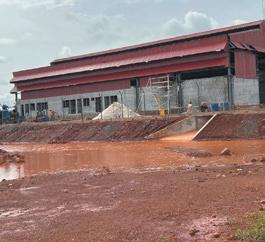
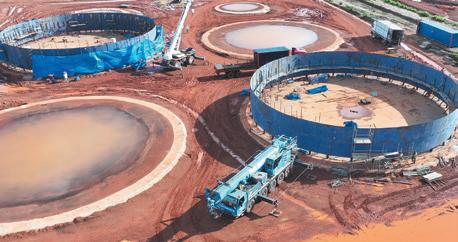
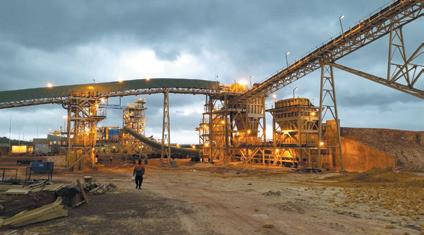
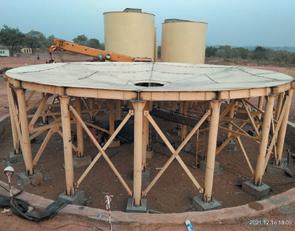
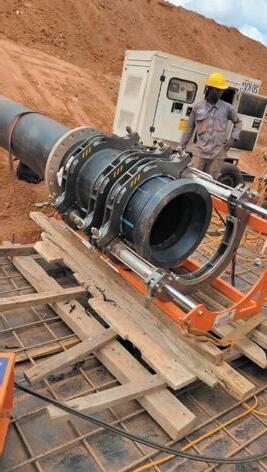
Specializing in steel structures and metalwork fabrication since 2013, ATC Guinea has steadily built its engineering expertise across the full project lifecycle. Our engineers are experienced in design, sizing, calculation, and industrial drawing, as well as the production of all types of metalwork and associated finishing processes. Our services range from welding, machining, and assembly to sandblasting and painting, with handling, transport, and on-site assembly completing our end-to-end offering.
ATC GUINEA provides tailored design and fabrication services to meet each project’s unique specifications, using high-performance finite element analysis software and 3D modelling tools.
ATC GUINEA also fields its own teams of qualified welders, formworkers, fitters, pipefitters, and boilermakers. Our areas of specialization include metal hangar construction, container fitting, oil storage tank fabrication, mine installations, and transport and handling infrastructure.
Our areas of expertise:
1. Metal construction:
We specialize in the manufacture of all types of metal structures in carbon and stainless steel, including metal frames, conveyors, and silos.
2. Boilermaking:
We produce mechanically welded equipment in carbon and stainless steel, fabricated to customer plans or specifications, including welded and bolted assemblies, guardrails, walkways, hoppers, tanks, and cisterns. Our welders are qualified in arc, MIG, and TIG welding.
3. Oil storage:
We manufacture all types of piping and oil storage tanks in carbon and stainless steel, using TIG welding and electric arc processes.
www.groupeatc.com - technique.guinee@groupeatc.com
(+224) 621 20 20 43 / 622 951 952 / 626 26 29 72
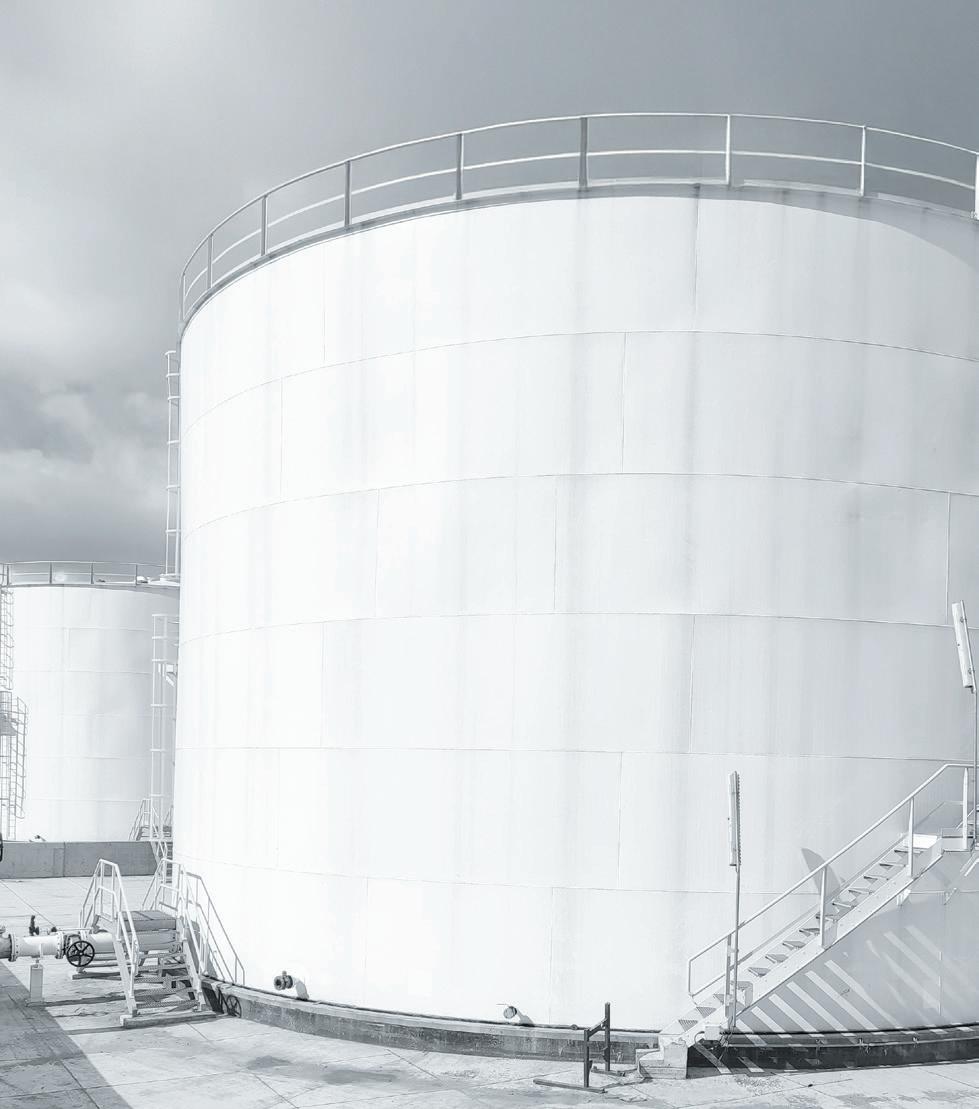
4. Mining work:
Our teams are qualified to assemble workshopfabricated components on site, including steel structures, boilermaking equipment, piping, cladding and roofing, conveyors, hoppers, and tanks.
5. Miscellaneous work:
We provide sandblasting and epoxy painting services, carried out either on site or in our workshop. Our teams are also qualified to perform industrial maintenance on equipment, machinery, and production infrastructure, including routine inspections, repairs, parts replacement, and adjustments, as well as preventive and corrective interventions to ensure uninterrupted operation.
Maneah Km43, Route de Conakry - Coyah, BP 3263, Republic of Guinea
The renovation of the 370-kilometer national highway connecting the prefectures of Coyah and Dabola, via Kindia and Mamou, is one of the largest road infrastructure projects undertaken in Guinea in recent decades. Launched in 2019 as part of a major Sino-Guinean framework agreement signed two years earlier, the project provides Guinea with an overall budget of $20 billion, repayable from revenues generated by the exploitation of mining concessions awarded to Chinese companies Chalco, CDM-Henan, and China Power Investment (CPI).
RN1 reopened to traffic in 2024, with an upgraded road width ranging from 5.5 to 12 meters and 39 bridges in total. Construction was completed by China Road and Bridge Corporation (CRBC), a subsidiary of China Communications Construction Company (CCCC).
The Conakry-Dabola highway has already brought significant change to the towns along its route. Where the 135-kilometer journey between Conakry and Kindia once took four to five hours, it now takes between one and a half and two hours.
The highway is also boosting trade volumes by linking remote agricultural regions and densely populated areas, accelerating investment in new residential and commercial construction, creating business opportunities for towns and suburbs along its route, and decongesting the city centers of Kindia, Kolenté, and Mamou through bypass roads.
Regional mobility has also been significantly improved, reducing travel times between Conakry and Bamako, the capital of Mali, whose natural port lies some 966 kilometers away. Since its completion, the road has facilitated transport between the two countries and strengthened sub-regional economic integration.
Estimated at $357 million, the RN1 rehabilitation was paired with a $220 construction and rehabilitation project for road infrastructure in Conakry and the municipalities of Kaloum, Dixinn, and Matam, including two interchanges at Matoto and Kagbelen.
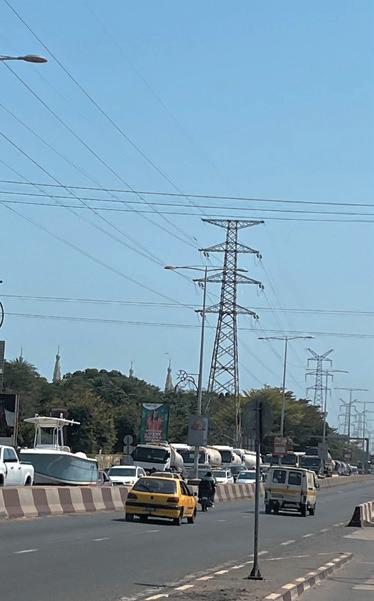
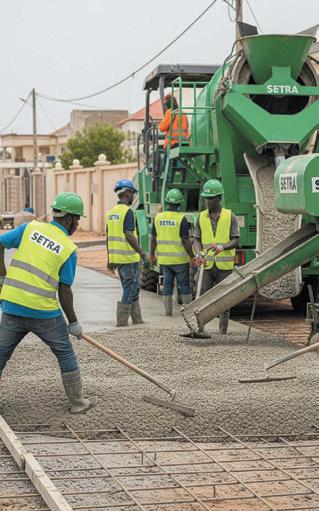
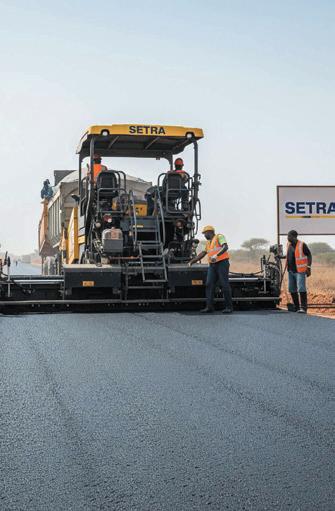
Founded on February 4, 1987, SETRA SA (Société d’Études et de Travaux) is one of Guinea’s largest construction companies, serving both national and international clients. From its first contract, the company has grown steadily, with revenues today reaching several billion Guinean francs.
SETRA SA operates today across every segment of the construction sector.
SETRA SA has built a reputation for sustainable, high-quality construction and rigorous site safety standards.
SETRA SA’s expertise spans four core areas:
- Building construction
- Public works
- Rural engineering
- Urban roads
Committed to delivering quality service, SETRA SA operates with stateof-the-art equipment and upholds rigorous quality, health, safety, environment, and community standards that reflect the company’s core values while ensuring the protection of its employees, clients, and assets.
A multiple international gold medal winner, SETRA SA is recognized for its excellence across all areas of construction.
Head office: Corner of Fidel Castro Ruz Highway and Ma 296 Street Coléah Cité, Matam, Conakry Tel. (+224) 657 44 34 24 / (+224) 664 33 31 91 / (+224) 622 21 15 43
Email: setra_sa@yahoo.fr - Web www.setra-sa.com
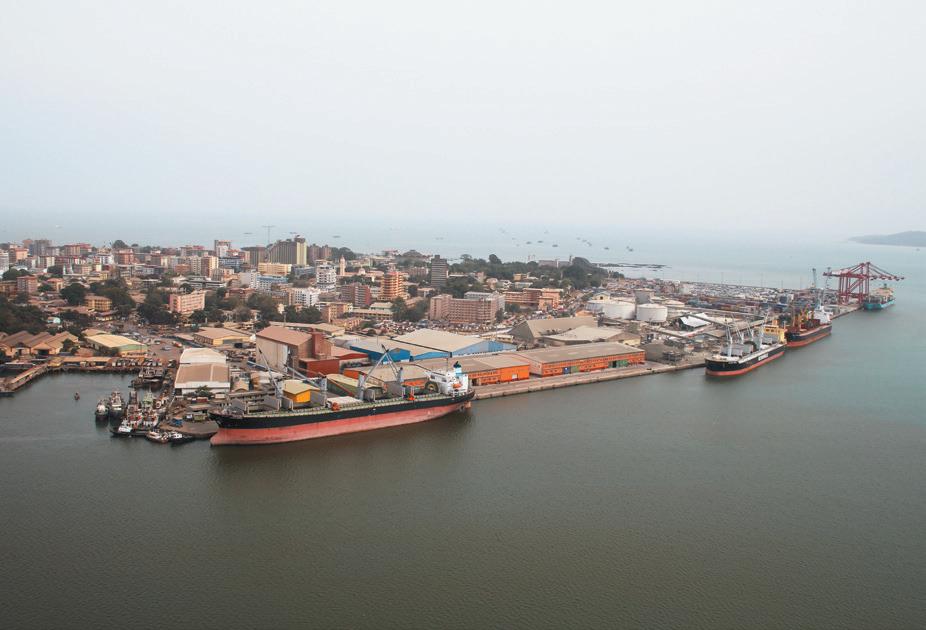
Hundreds of millions of euros in private investment have enabled the Autonomous Port of Conakry to rank among Africa’s most efficient, for both container and conventional cargo.
In 2023, total freight traffic at the Autonomous Port of Conakry (PAC) reached 12.75 million tons, up from 9.94 million tons in 2022 and 8.72 million tons in 2016. This sustained growth in maritime traffic, which began in the early 2010s and was outpacing the port’s capacity, prompted the authorities to overhaul its management.
In 2014, the container terminal was renovated by Conakry Terminal, a subsidiary of Bolloré Africa Logistics (BAL), which has been operating it since 2011 under a 25-year concession. It now ranks as the third most efficient container terminal in Sub-Saharan Africa. As part of a subsequent
equipment upgrade between 2018 and 2020, eight container handling gantry cranes were installed to increase storage capacity, improve delivery rates, and reduce cargo processing times.
A decade on, Africa Global Logistics – BAL’s successor, acquired by MSC (Mediterranean Shipping Company) in 2022 – has launched a major new investment program, including a project to expand and modernize the container terminal. The environmental and socioeconomic impact assessment was presented to the authorities in 2024 and is currently under review. In the interim, the operator has taken delivery of six tractor-trailers, bringing its total fleet to fourteen.
In August 2018, Guinea signed a 25-year concession agreement with Alport, a subsidiary of Turkish conglomerate Albayrak, to oversee “conventional” cargo operations – cargo at the PAC not transported in containers. The Turkish group committed to investing $200 million within the first two years and $500 million over the full concession period. At the time, Minister of Transport Aboubacar Sylla noted that the facilities were outdated and required major capital investment beyond Guinea’s financial means, with many vessels forced to wait in the outer harbor for extended periods due to lack of space. Five years on, the results have been striking. Speaking to Jeune Afrique in October 2023, Albayrak CEO Yunus Yilmaz reported that waiting times in the harbor had fallen from over 62 hours per vessel to just 1.92 hours. Unloading times have been reduced dramatically: from 26 to 6 days for rice shipments, and from 16 to 6 days for bulk wheat. “Four years into the concession, our investments are 40% higher than initially planned,” Yilmaz added, citing the purchase of cranes, the construction of a truck parking lot, and a new port access road as part of a seaward expansion of the port’s footprint. These improvements have not only reduced waiting times but also cut “demurrage” charges, the fees operators pay to shipowners for delays beyond the agreed unloading schedule.
“From the outset, one of our priorities has been to bring Malian cargo to the PAC, which we believe is Mali’s natural port of call,” Yilmaz told the press, a pointed reference to the competing ports of Dakar and Abidjan. “Thanks to the PAC’s infrastructure development, Malian shipments are being redirected to Conakry, and we believe that their volume will continue to grow.” To that end, the Turkish firm has built a dedicated hotel for Malian drivers, while the Guinean authorities have committed to accelerating the rehabilitation of the road connections between Guinea and Mali.
Figures released by Albayrak – whose other activities in Guinea include bus network management, urban sanitation, and the expansion and renovation of Ahmed Sékou Touré Airport – show that the PAC workforce, 97% of whom are Guinea nationals, has grown from 380 to 1,600 personnel, driven by a surge in operations volume and accompanied by substantial salary improvements. The mineral terminal, the third division of the PAC alongside the conventional container terminals, is jointly managed by the Kindia Bauxite Company (CBK), a subsidiary of the Russian company Rusal, and Friguia. Between 2022 and 2023, mining exports, already on an upward trend over recent years, tripled to reach 3.08 million tons, driven largely by bauxite at 2.81 million tons, while alumina, produced from bauxite, recorded a slight decline of 14.5% to 271,000 tons
Lansana Cissé, Chief Transformation and Projects Officer, SNG
Does the move toward increased maritime activity present a risk from a competitive and profitability standpoint?
“SHIFTING SNG’S FOCUS FROM LAND TO SEA”
Over the past four years, the Guinean Shipping Company (SNG) has been stepping up investments in vessels, shipyard infrastructure, and employee training “with the aim of establishing SNG as a major player in Guinea’s maritime ecosystem.” Lansana Cissé explains.
What are the main pillars of SNG’s transformation strategy?
In early 2022, SNG conducted an organizational review of its structure and personnel. The findings revealed that the company had become more active in land freight transport than in maritime transport, its core business. Following this assessment, I was appointed Chief Transformation and Projects Officer with a single objective: to shift SNG’s focus from land to sea. The new management team subsequently placed orders for passenger vessels, expanding the fleet from one to seven, with capacities ranging from 60 to 320 seats.
SNG has a public service role. There had long been calls for a regular service connecting the Los Islands to Conakry, as had existed in the past. The area is both a tourist destination and a residential community, with a working population that commutes daily between the islands and the mainland. We also launched the Conakry-Kamsar line in 2024, an important driver of economic growth and sustainable development in Guinea, facilitating the movement of goods and people along the coast. To expand sub-regional coastal shipping, we launched the Conakry-Freetown line, where trade between the two cities has been steadily increasing, and where the sea route is considerably shorter than the overland alternative. We are currently launching a similar service to Bissau, where the road linking it to Boké is nearly impassable, and looking to develop a fuller range of maritime transport services, including transit, consignment, and land transport, with the aim of establishing SNG as a major player in Guinea’s maritime ecosystem. We would like to reiterate our thanks to the transitional authorities, whose support has been instrumental in bringing these essential projects to fruition.
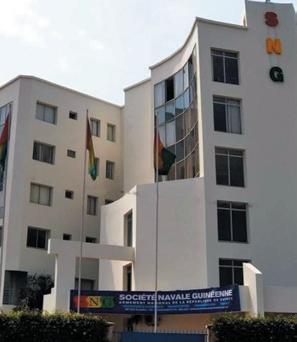
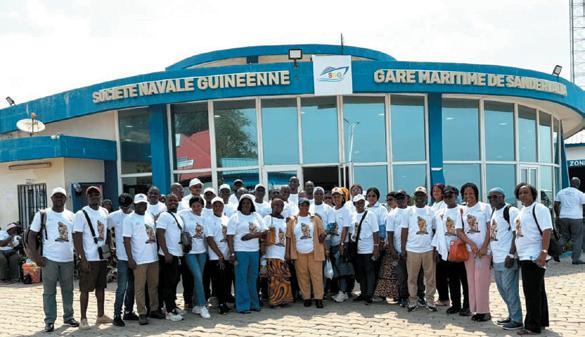
Are you looking for partners to achieve these goals?
Yes, absolutely. We have already signed a framework agreement with Tanger-Med to strengthen the capabilities of our seafaring personnel, which we rolled out in early 2024 with a two-week practical workshop aboard our vessels.
How competitive is the industry?
The passenger transport sector is not overly competitive. Although we are not currently equipped to transport freight, we are exploring alternatives, including the purchase of small capacity tugboats to transport goods, and agricultural products in particular, from the provinces. The Boké Conakry link could also present opportunities, given the region’s cashew nut cultivation and expanding mining operations.
A call for tenders was launched in May 2024 for the construction of a shipyard in Kassa, off the coast of Conakry. Where do things stand today?
The procurement process is nearly complete, and feasibility studies for the shipyard’s construction are set to begin shortly. Carrying out the project is both an imperative and a strategic necessity: an estimated 1,000 ships currently operate along the Guinean coast, a figure that is likely to double with the Simandou 2040 program
Almamya, Kaloum
BP 522, Conakry République de Guinée
Tel. +224 627 311 316
https://societenavaleguineenne.gov.gn
|||||||| Number of ships calling at the Autonomous Port of Conakry
The fourth edition of the Container Port Performance Index (CPPI), published by the World Bank and S&P Global Market Intelligence in 2023, draws on objective performance measures across 182,000 port calls. Ranking the operational efficiency of 405 container ports worldwide, measured primarily by the time container ships spend in port, the index aims to identify opportunities for improvement across the international trade system, benefiting port authorities, shipping companies, governments, and consumers alike. Conakry ranks 208th overall but third in Sub-Saharan Africa, behind Berbera and Mogadishu in Somalia. While Tanger-Med ranks third globally, West African ports Lomé, Abidjan, and Dakar place a distant 318th, 353rd, and 381st respectively.
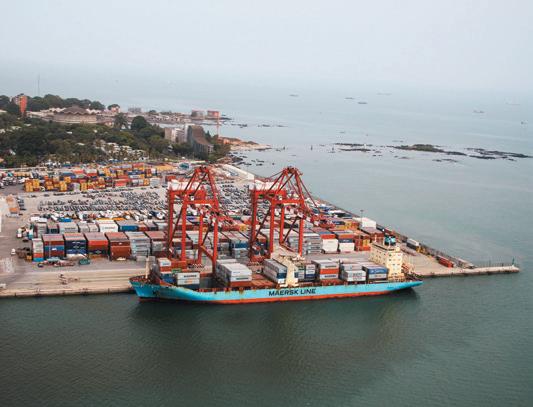
|||||||| Maritime traffic at the Autonomous Port of Conakry (tons)
|||||||| Traffic by packaging type at the Autonomous Port of Conakry (tons)
Source:Autonomous Port of Conakry / Ministry ofTransport
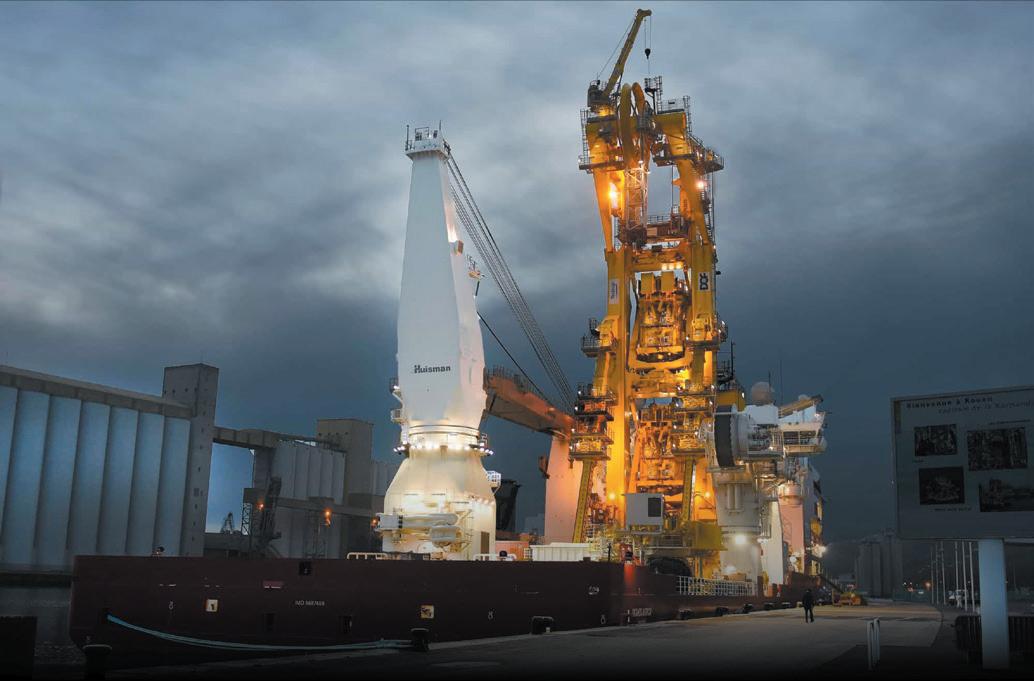
BULK CARGO - ROUEN/LE HAVRE TO CONAKRY 2 departures per month | Transit time: 11 days
Carmélita BIKAKOURY +33 7 88 76 04 72 carmelitabikakoury@promaritime.fr
Emilie BOUJU +33 6 74 33 85 94 sales@promaritime.fr
Special & heavy cargo / Industrial projects
Eric LELIEVRE +33 6 30 05 95 97 ericlelievre@promaritime.fr
FCL & LCL Roro cargo Air freight
Romain GIRARD +33 6 88 00 33 22 romaingirard@promaritime.fr
Kaloum - Kaloum Building 1st Floor - Apt. 3 - Conakry
E.Lelièvre - Manager / Ph.Dehays - Head of Africa +33 7 89 71 99 24
Kadia Fofana - Regional Representative +15 145 60 22 22 /+224 611 61 14 14 kadiafofana@promarguinee.com
Tafsir Togba - Business Manager +224 664 69 69 15 / +224 621 15 79 79
tafsirtogba@promarguinee.com
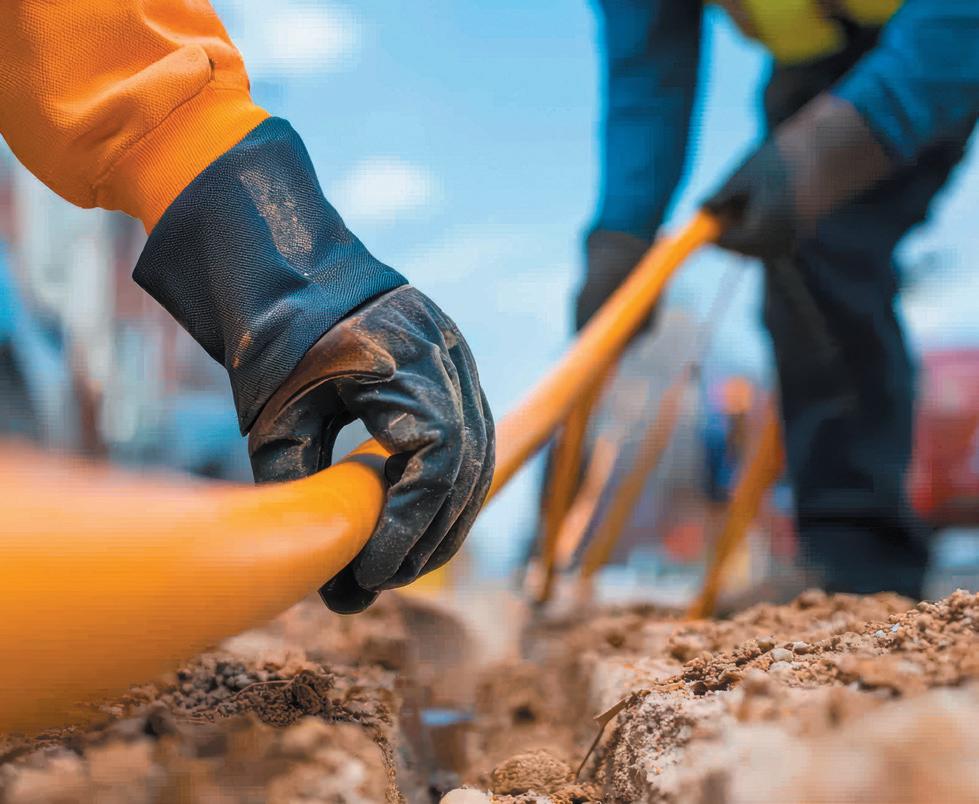
Despite criticism of internet accessibility in recent years –including from the regulatory authority itself –the government is expanding the number of international broadband access points and increasing the capacity of the national fiber optic network.
Guinea’s digital transformation ambitions can only be realized through improved access to broadband and ultrafast networks. This requires addressing a fundamental connectivity gap: despite being a coastal state, Guinea is connected to just a single fiber optic submarine cable – the Africa Coast to Europe (ACE) – which it joined in 2014 under the World Bank’s WARCIP program (West Africa Regional Communications Infrastructure Project). This single connection delivers only a fraction of the bandwidth needed to provide users with secure, high-quality internet services.
By comparison, Côte d’Ivoire and Ghana are each connected to five submarine cables, and Nigeria to seven. In February 2022, the government announced plans to connect to a second cable. Two years later, in April 2024, Rose Pola Pricemou, Minister of Post, Telecommunications, and Digital Economy, confirmed that progress was being made. “Today, Guinea’s connectivity relies on a single submarine cable. The WARDIP project will strengthen our digital sovereignty by providing us with a second.”
That same year, in September 2024, the minister convened the institutions responsible for ICT to discuss the government’s ambitions and set out a digital administration roadmap for 2027. Discussions centered on what participants described as “the worrying deterioration of network quality and internet speeds negatively impacting the Guinean population.” Just one month earlier, in August 2024, MTN Guinea’s internet, mobile money, and international calling services had been disrupted for several days following a fiber optic failure on its international backbone.
When failures occur on undersea or terrestrial cables, countries with diversified infrastructure are better positioned to maintain service continuity by rerouting traffic. Building out infrastructure with multiple termination points is therefore essential to provide redundancy and ensure network resilience. A second submarine cable would deliver additional connectivity, extend the reach of broadband services, and reduce costs. Although the minister did not refer specifically to the cable in question, Guinea is in discussions with Cape Verde, Gambia, Guinea-Bissau, Liberia, and Sierra Leone within the ECOWAS framework regarding the deployment of the Amilcar Cabral submarine telecommunications cable.
Guinea has also joined the coalition of West African countries connected under the Orange-led Djoliba project, a West African backbone pooling terrestrial and submarine infrastructure to provide a secure end-to-end link between West Africa and the rest of the world. Launched in November 2020 with Côte d’Ivoire, Senegal, Burkina Faso, Mali, Ghana, and Nigeria, the network was joined by Liberia in June 2024.
Guinea is also strengthening communications resilience by interconnecting the national fiber optic network with those of neighboring countries. To this end, an agreement was signed in June 2024 between the Guinean National Backbone Management and Operating Company (SOGEB) and the Malian Transmission and Broadcasting Company (SMTD).
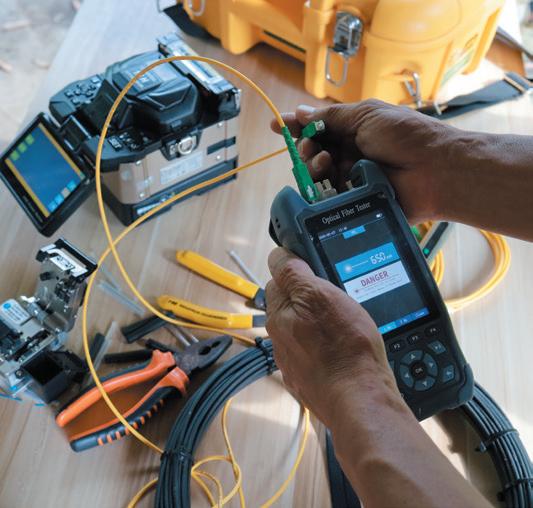
In December 2024, the Guinean government announced the completion of works to quadruple the capacity of the national fiber optic backbone from 50 to 200 gigabits per second. This expansion is expected to deliver faster, more stable connections for end users even during peak periods, and to extend high-speed internet services to rural areas, which have historically been underserved. The timing is significant: as of December 2024, Guinea had approximately 7.9 million internet access subscriptions, almost exclusively via mobile, with fixed-line subscriptions numbering a mere 9,717
|||||||| Number of mobile phone subscriptions (millions of subscriptions and penetration rate)*
|||||||| Market share by operator (%)*
*(Source:Guinea Postal andTelecommunications RegulatoryAuthority,ARPT)
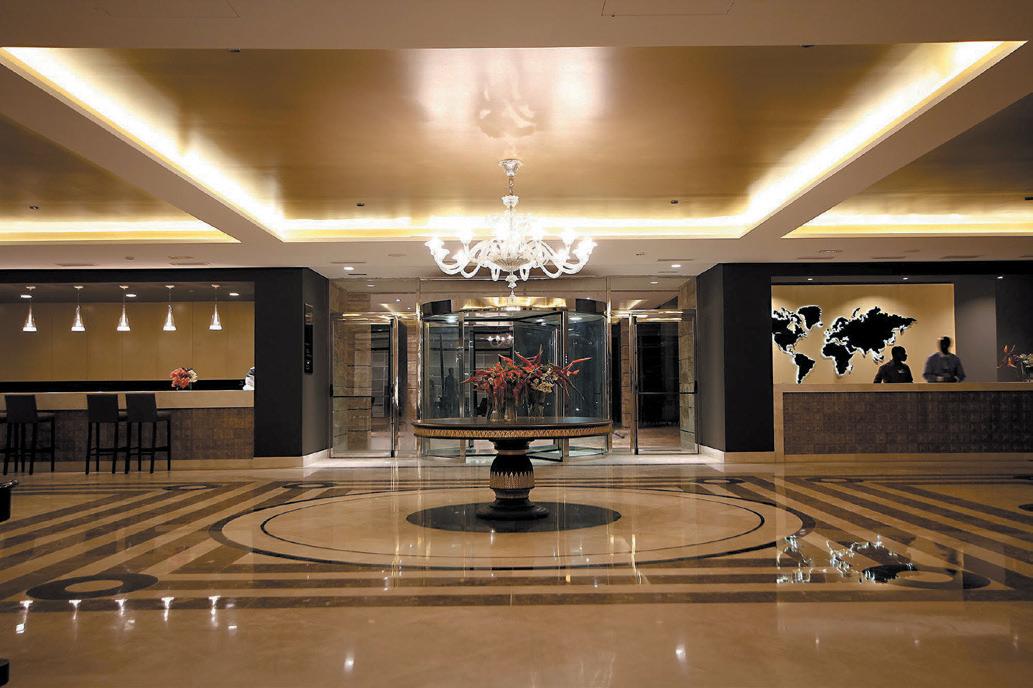
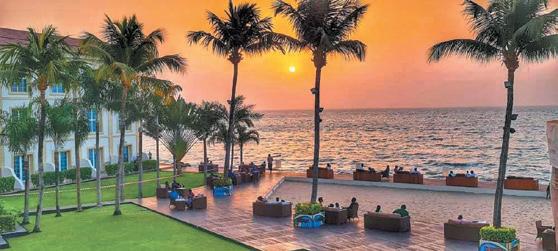
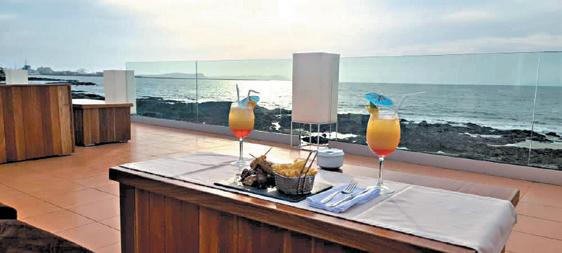
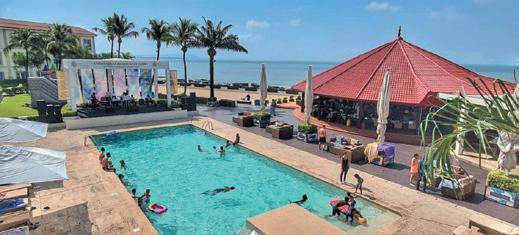

Victoriano Cuervo, Managing Director, Hôtel Palm Camayenne
Guinea’s first 5-star hotel, the historic Palm Camayenne, was built in 1964 and fully renovated in 2013.
The hotel’s managing director Victoriano Cuervo discusses the hotel’s enduring commitment to excellence.
Palm Camayenne is one of Guinea’s most iconic hotels. How do you maintain the standards expected of such an establishment?
The Palm Camayenne has been a landmark since 1964, and its renovation in June 2013 made it Guinea’s first five-star hotel. We’ve always had a strong tradition of excellence, honoring our storied history while continuing to meet the high standards of our guests and government alike. The Palm Camayenne is the national benchmark for hospitality in Guinea, serving as a barometer for analyzing market trends and shaping strategies in keeping with the country’s economic, political, and social realities. For me, it is an honor and a privilege to lead this exceptional establishment in such a dynamic and unpredictable industry.
Competition has increased steadily over the past decade in Conakry, particularly in highend hotels and business tourism. How is the Palm Camayenne responding?
We don’t worry about our competitors. We stay focused on our roadmap and our ability to meet the demands of an ever-changing hospitality industry under any circumstances. Our recognized managerial autonomy, combined with our vision, dedication, and professionalism, is what sets us apart. Our exceptional accommodation and committed staff allow us to grow on our own terms. The Palm Camayenne has always been an inspiration to other hotels, as the newest additions to Conakry’s hotel market make abundantly clear.
Does recreational tourism have a significant impact on your occupancy rate?
Unfortunately, recreational tourism in Guinea is still in its infancy, accounting for only a small fraction of our total hotel occupancy. That said, Guinea has enormous potential, and tourism could make a significant contribution to the country’s economic development. To make this happen, substantial investment in infrastructure and staff training will be needed, along with a national plan for the sustainable development of the tourism sector. A national development plan closely linked to the Simandou project has already been announced.
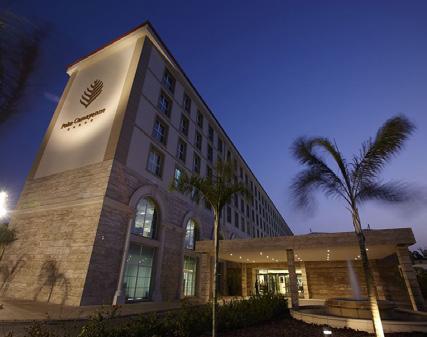
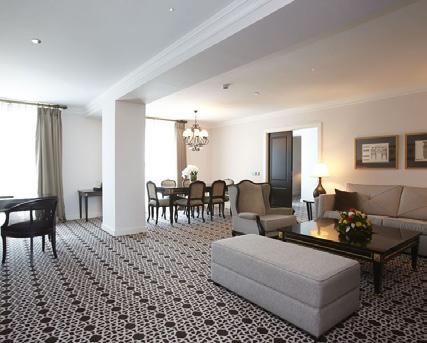
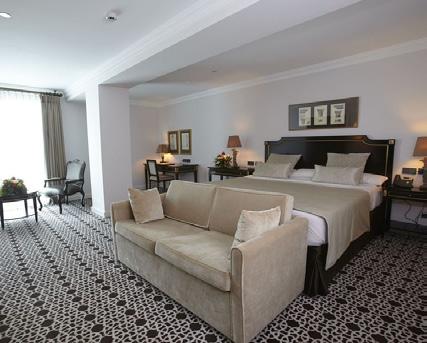
What role does the Palm Camayenne play in it?
The Simandou project represents a strategic opportunity for the transformation of Guinea. A number of initiatives are in the pipeline to strengthen our cultural and tourism offer, with the aim of showcasing the country’s exceptional natural beauty and establishing Guinea as a destination of choice. With its experience and prime location, the Palm Camayenne is uniquely positioned to welcome visitors in the context of the Simandou project, whether for professional or private purposes. As a government partner, the Palm Camayenne is part of the infrastructure already in place to help make Guinea a leading tourism and cultural destination.
What is the hotel’s stance on social and environmental responsibility?
Through its foundation, Unicon Conakry, the Palm Camayenne is actively involved in advancing culture and education to improve the living conditions of the local community. For example, we provide annual funding for book printing initiatives to encourage reading among young people, and we also support the Guinean High School Students’ Literary Prize. We are particularly proud to have recently financed the reconstruction and refurbishment of a preschool, giving 54 young children access to a quality learning environment. As for our environmental policy, we are committed to combating pollution and protecting biodiversity. Our solid waste management and wastewater treatment plan reflects our ongoing commitment to meeting government environmental standards. We also provide our staff with environmental awareness training so that they can act as ambassadors within their own communities, helping to build a broader culture of environmental protection
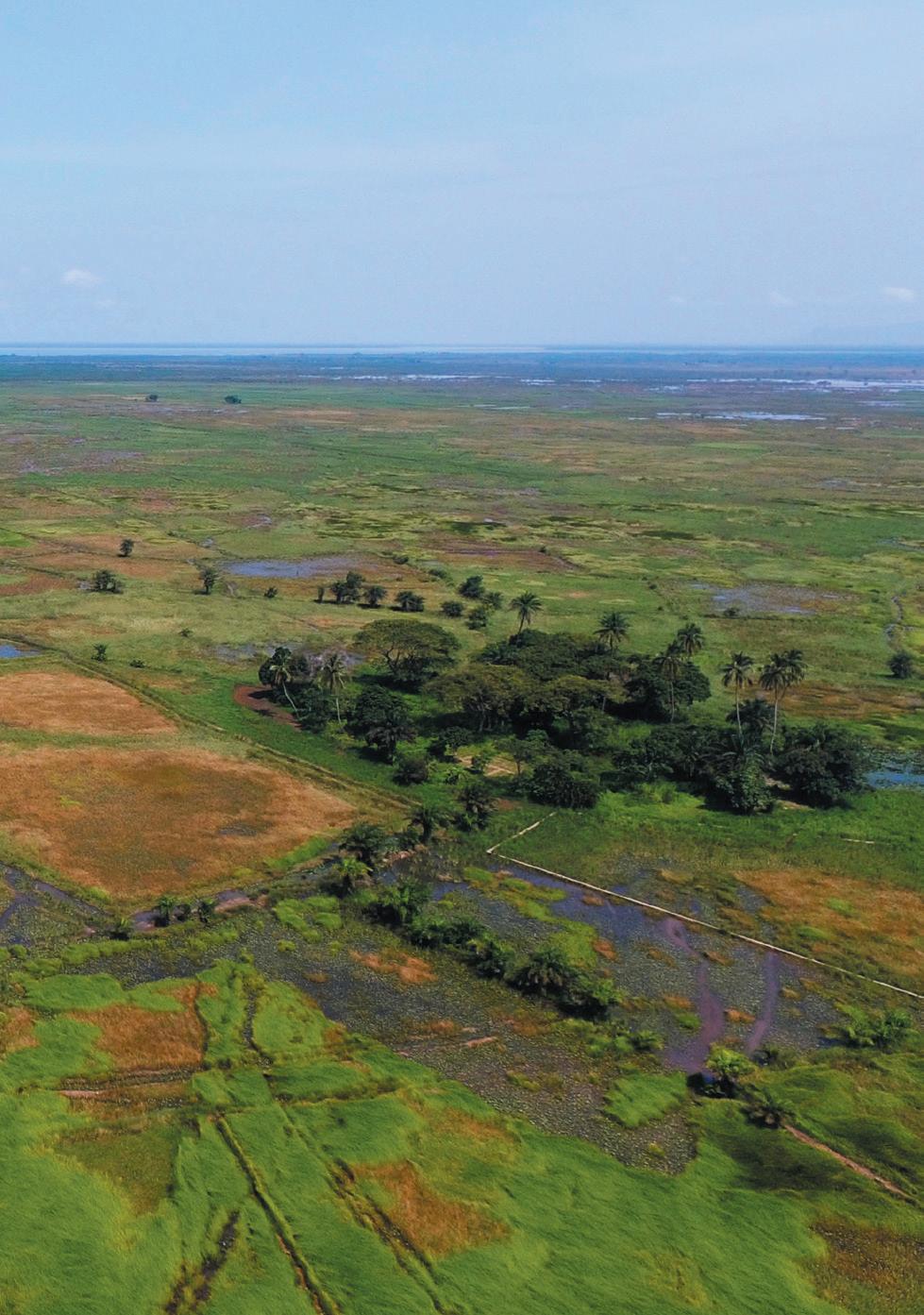
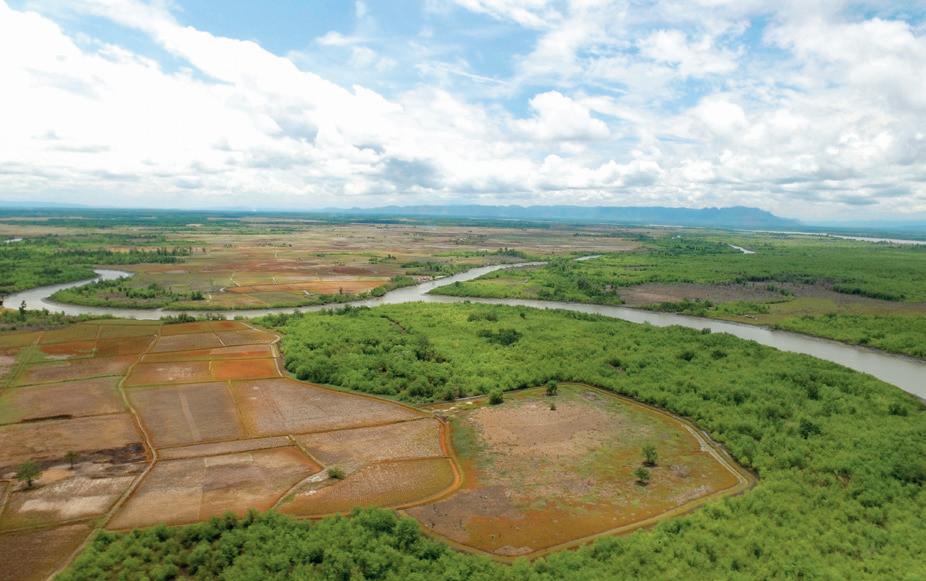
A number of high-end hotels have been renovated or built in Conakry over the past decade, offering business travelers an elegant atmosphere, modern amenities, and outstanding service – perfect for unwinding after a long day.
The first luxury hotel in independent Guinea, built in Dixinn in 1964 and renovated in 2013, the Palm Camayenne features 123 rooms and suites, three restaurants, two bars, a large swimming pool, a garden, three conference rooms, and a business center.
info@palmcamayenne.com www.palmcamayenne.com
Offering travelers the best value for money in Africa, the Onomo Hotel Conakry features 123 rooms, three of which are accessible to guests with reduced mobility, 12 deluxe rooms, and a hotel-style apartment complex, Made in Onomo, with 29 apartments. onomo.conakry@onomohotel.com www.onomohotel.com
In December 2024, the Radisson group opened a new location in the Guinean capital with the renovation of the former Sheraton Grand, which had originally opened in December 2016. Located in the residential district of Kipé, northwest of Conakry, the Radisson Blu offers 282 rooms, suites, and apartments designed to combine comfort with breathtaking views of the city and ocean.
Among the capital’s newest establishments, the Noom Hotel redefines contemporary elegance, with a terrace and restaurant that draw Conakry’s elite. The hotel is ideally located on the Kaloum Peninsula, in the heart of the Guinean capital. info.conakry@noomhotels.com www.conakry.noomhotels.com/fr
Millennium Suites, Riviera Hotel, Grand Hotel Central, and Hotel Kaloum, all of which offer firstclass services for business travelers in the Guinean capital.
https://milleniumsuites.com https://rivieraroyalhotel.com https://www.grandhotelcentral.com
The city of Conakry originated on the island of Tombo, near the Los Islands, at the southern tip of a peninsula spanning approximately 40 kilometers. A causeway built during the colonial period connected Tombo to the peninsula, allowing the city to spread first towards present-day Kaloum, then northwards.
With an estimated population of over 2.3 million, the metropolitan area comprises the communes of Kaloum and Dixinn – home to the University of Conakry and numerous embassies – as well as Ratoma, Matam, and Matoto, where the airport is located. The five communes make up the Conakry Region, one of Guinea’s eight administrative regions.
Getting to Kaloum by car – where most of Conakry’s businesses and administrative offices are located –can be quite a challenge, as only two roads service the area, both of which are heavily congested during rush hour. An ambitious urban planning program aims to reorganize the city, improve infrastructure, and provide better-quality housing, while distributing the capital’s population more evenly and enhancing the appeal of neighboring satellite towns. If your schedule in the Guinean capital allows for half a day, the Los Islands make for a unique getaway. Located just seven kilometers south of the Kaloum Peninsula, they offer a welcome escape into nature, without the need to cross the entire city from south to north, a journey that can take well over an hour.
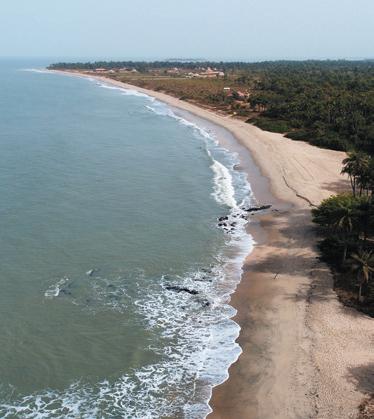
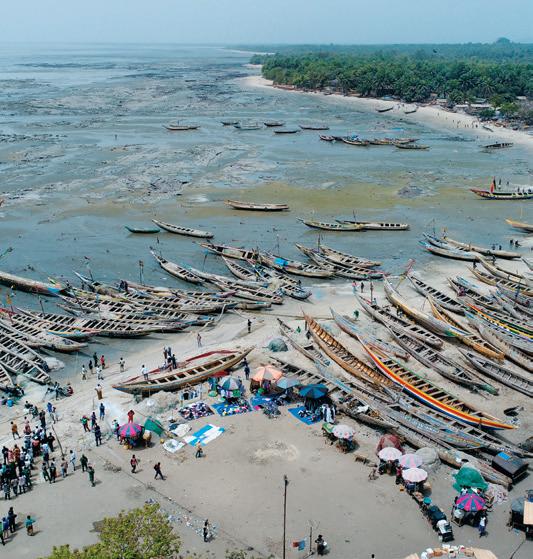
The Los Archipelago covers approximately 60 km² and comprises three main islands – Tamara, Kassa, and Roum – as well as four uninhabited islets to the south: Corail, Blanche, Cabri, and Poulet. Together they form a ring some 18 to 19 kilometers wide. The island of Tombo, where the historic center of Conakry was built, was formerly part of the archipelago.
Visitors to these remarkable islands are struck by a sense of calm and escape, just a stone’s throw from the hustle and bustle of downtown Conakry. Their fine sandy beaches, lined with palm and coconut trees, are ideal for rest and relaxation, while sports enthusiasts can enjoy a range of water sports, including diving, sailing, and deep-sea fishing. The islands also lend themselves to hiking and cultural visits, among them the historic Fotoba penitentiary, which held high-profile prisoners from former French West Africa. The archipelago also remains a place of remembrance for its role in the transatlantic slave trade.
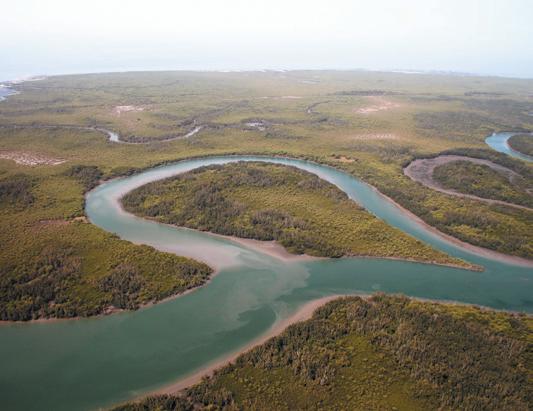
To enter Guinea, most travelers will need to obtain a visa from the relevant Guinean diplomatic mission. Guinea has also introduced an online platform for electronic visa applications to facilitate entry into the country. To obtain a visa, your passport must be valid for at least six months beyond your return date and have a minimum of three blank pages, including two facing pages.
Citizens of the following countries are exempt from visa requirements: Algeria, Benin, Burkina Faso, Cape Verde, Côte d’Ivoire, Cuba, Egypt, Gambia, Ghana, Guinea-Bissau, Liberia, Mali, Mauritania, Morocco, Niger, Nigeria, Senegal, Sierra Leone, Tanzania, Togo, and Tunisia.
A valid yellow fever vaccination certificate is required for entry. Antimalarial treatment is strongly advisable.
A growing number of international and regional airlines serve Ahmed Sékou Touré International Airport in Conakry, including Air France, Royal Air Maroc, Brussels Airlines, Turkish Airlines, Ethiopian Airlines, Emirates, Tunisair, Asky, Air Sénégal, and Air Côte d’Ivoire.
Guinea has a tropical climate that varies significantly by region, with notable differences between the coast and the interior, where the Fouta Djallon rises to over 1,500 meters above sea level. The west is humid, the center temperate, the northeast tropical, and the southeast sub-equatorial. Conakry, on the coast, experiences little temperature variation throughout the year. In the dry season, daytime temperatures average around 30°C, dropping only slightly to 27°C during the rainy season, though high humidity makes it feel considerably hotter.
The Guinean franc (GNF) can only be exchanged locally, and travelers may not leave Guinea with more than GNF 10,000. Credit cards (Mastercard and Visa) are accepted in some hotels. The Guinean franc is a floating currency; the current exchange rate is approximately GNF 10,100 to the euro.
TIME ZONE: GMT +00:00
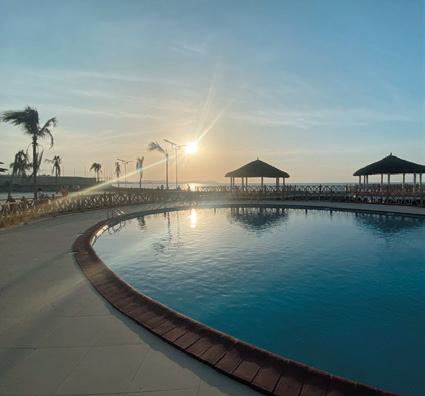
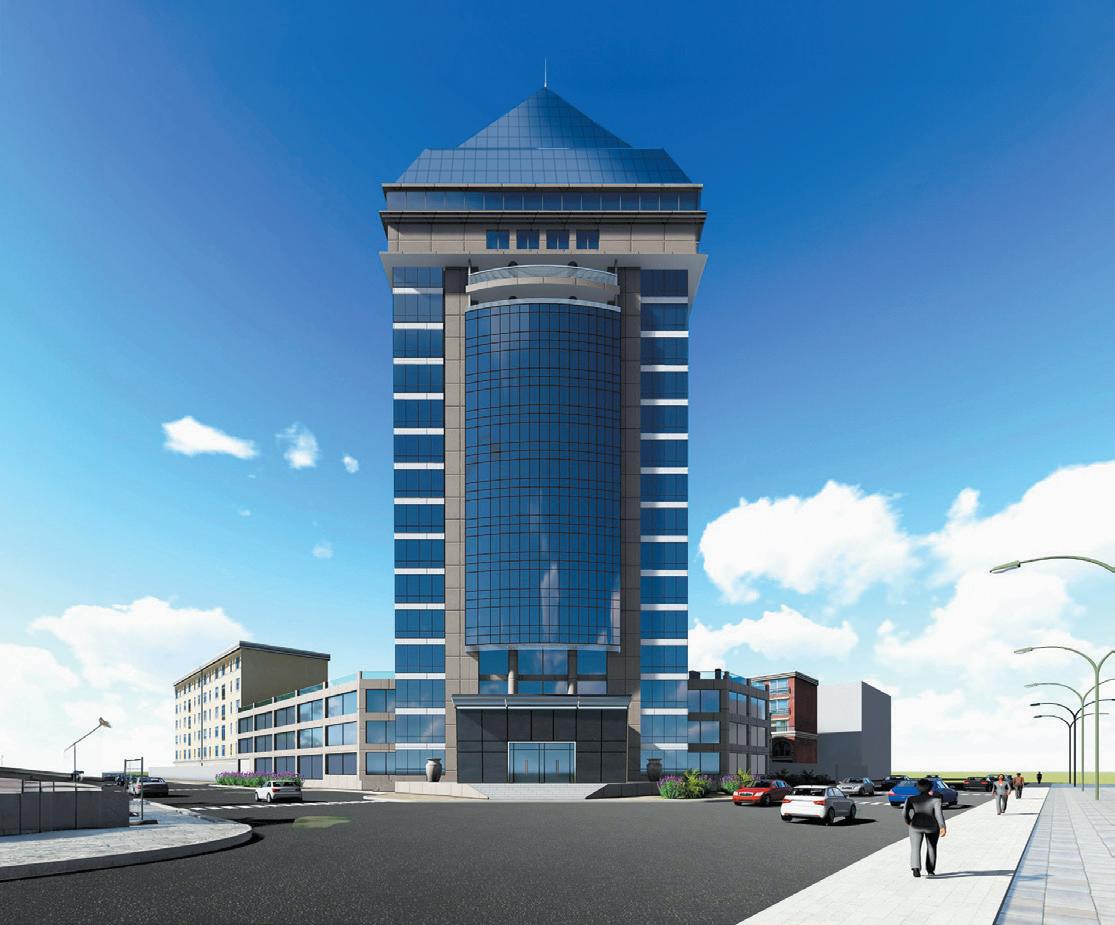
Built on a 2,500 m² plot in Kaloum-Coronthie and engineered to withstand a 6.75 magnitude earthquake, RAK Tower offers 15 floors of modular spaces for professional use and ground-floor commercial spaces ideal for showcasing your business.
RAK Tower delivers a full range of services tailored to your corporate event and business lunch needs, complemented by an elegant lounge area accessible via panoramic elevators, providing the perfect place to unwind at the end of the day.


2 basement-level parking areas
1 shopping center
15 open-plan floors, each offering over 800 m2 of office space
1 conference room with a 300-seat capacity
1 piano bar
1 rooftop restaurant with panoramic views
1 event space of 2,000 m²
Co-working spaces
The creation of the Regulatory Authority for the Gaming Sector and Related Activities (ARSJPA) on January 28, 2023 reflects the government’s commitment to reforming a sector that represents a significant source of revenue while remaining vulnerable to corruption, money laundering, and tax evasion.
Established under Law L/2023/0008/CNT of March 13, 2023 on the general status of Independent Administrative Authorities (AAI), the ARSJPA operates under the direct supervision of the Presidency of the Republic and the financial supervision of the Ministry of Economy and Finance.
The authority is notably responsible for:
• organizing and regulating the gambling sector
• licensing all forms of gaming and related activities
• monitoring compliance with applicable laws and regulations
• supervising the gambling sector and related activities
• regulating competition in the sector
• protecting minors
• protecting the interests of bettors
• providing information and raising awareness about responsible gaming
• combating illegal sites, fraud, and corruption
• auditing financial flows
• contributing to the fight against money laundering linked to transactions originating in the gaming sector
The primary aim of the reform was to update the legal and institutional frameworks governing the gambling industry in Guinea by establishing an independent administrative authority with the resources and capabilities needed to provide ongoing, transparent oversight of the sector’s organization, regulation, control, and supervision, while safeguarding the interests of all stakeholders.
An assessment carried out by the ARSJPA’s senior management revealed significant discrepancies between data reported by operators and data reported by electronic money institutions (EMIs). The false declarations implicated sums in excess of GNF 100 billion. In 2023, with the technical and legal assistance of the State Judicial Officer, the ARSJPA reached a recovery agreement with the companies concerned.
The assessment also revealed the significant potential of Guinea’s gaming industry, estimated at GNF 10 trillion, of which GNF 5 trillion remains untapped. On the basis of its findings, the ARSJPA made recommendations to the authorities on opening up the market with a view to improving the mobilization of non-tax revenues.
The establishment of the regulatory authority has helped generate increased revenue for the Treasury. In 2023 alone, the ARSJPA contributed approximately GNF 60 billion to state coffers, with GNF 165 billion forecast for 2024, driven by annual licensing fees and the crackdown on illegal operators and sites. Among the measures taken, the ARSJPA launched a large-scale operation to dismantle illegal casinos operated by foreign groups in violation of current regulations. Supported by security services, ARSJPA teams seized documents and gaming machines, helping to reduce capital flight and protect the interests of legally established operators who pay royalties to the state. Through its IT department, the ARSJPA identified illegal online gaming sites operating with the complicity of locally established companies. Its legal department notably ordered electronic money institutions (EMIs) to freeze the accounts of the operators concerned, putting an end to these practices. Finally, the ARSJPA’s complaints department reviewed and handled bettor complaints relating to operators’ delays, difficulties, or refusal to pay winnings.
A number of public and private agreements have been concluded to track and monitor transactions originating from the gaming sector, through partnerships with:
• Regulatory Authority for Post and Telecommunications (ARPT)
• Central Bank of the Republic of Guinea (BCRG)
• General Directorate of Taxes
• General Directorate of Treasury and Accounting (DGTCP)
• State Judicial Agency (AJE)
• SYLICASH, Orange Guinea, MTN, and INTOUCH
These partnerships are designed to ensure continual oversight of gaming operations and operators, promoting transparency and bettor protection while providing effective tools for combating fraud and money laundering.
Building on its successful track record for the second half of 2023, the ARSJPA looks ahead to 2024 with confidence. Key accomplishments during this initial period include greater licensing fee mobilization, improved bettor protection, and expanded institutional, social, sports, cultural, and educational initiatives.
The challenges ahead are considerable but not insurmountable, with the continued support of our supervisory authorities under the leadership of His Excellency the President of the Republic, General Mamadi Doumbouya.
ARSJPA, an Impartial and Independent Regulator for the Gaming Industry
Regulatory Authority for the Gaming Sector and Related Activities
Villa 33, Kaloum Boulbinet, Cité des Nations, Conakry, Guinea
Tel. +224 612 00 87 57 - www.autorite-jeux.com
AfCFTA African Continental Free Trade Area
AfDB African Development Bank
AGL Africa Global Logistics
AGUIFIL Guinean Agency for Housing Finance
APB Professional Association of Credit Institutions of Guinea
APIP Agency for the Promotion of Private Investment
BAL Bolloré Africa Logistics
BCRG Central Bank of the Republic of Guinea
CBK Kindia Bauxite Company
CCCC China Communications Construction Company
CIRAD Center for International Cooperation in Agricultural Research for Development
CNRD National Committee for Reconciliation and Development
CNT National Transition Council
CPI China Power Investment
CRBC China Road and Bridge Corporation
CRIEF Court for the Suppression of Economic and Financial Offenses
CTG Compagnie du TransGuinéen
CWE China International Water and Electric Corporation
ECOWAS Economic Community of West African States
EDG Électricité de Guinée
EGA Emirates Global Aluminum
FOCAC Forum on China-Africa Cooperation
GAC Guinea Alumina Corporation
GBF Guinea Business Forum
GPC Guinea Logistics and Construction
GUIF Guinea Investment Forum
IFC International Finance Corporation
IMF International Monetary Fund
ITU International Telecommunication Union
MSC Mediterranean Shipping Company
OMVG Organization for the Development of the Gambia River
PAC Autonomous Port of Conakry
PIDA Program for Infrastructure Development in Africa
PNDES National Economic and Social Development Plan
PNDIG Guinea’s National Industrial Development Policy
PPP Public-private partnership
PRI Interim Reference Program
SEG Guinea Water Company
SMFG Guinea Iron Mining Company
SNG Guinea Shipping Company
SOGEAC Conakry Airport Management and Operations Company
SOGEB Guinea National Backbone Management and Operations Company
SPIC State Power Investment Corporation
TBEA Tebian Electric Apparatus stock
UNDP United Nations Development Program
UNIDO United Nations Industrial Development Organization
WCS Winning Consortium Simandou
ACTIVA GROUPE
Insurance
Aliou SOW, Managing Director
https://guinee.group-activa.com
Page 51
AFFECTIO MUTANDI
Social Responsibility Consulting
Pierre-Samuel GUEDJ, Managing Director www.affectiomutandi.com Page 91
AFG BANK GUINÉE
Banking
Thierno Ibrahima DIALLO, Managing Director https://guinee.societegenerale.com Pages 34-35 and back cover
AFRICA GLOBAL LOGISTICS
Transport & logistics
Cpt. Fabjanko KOKAN www.aglgroup.com Page 23
AGUIPEX
Guinean Export Promotion Agency
Amadou Daff BALDÉ, Managing Director www.aguipex.gov.gn Pages 28-29
AMBITION AFRICA
Forum for Franco-African Economic and Trade Relations
https://event.businessfrance.fr/ambition-africa Page 59
ARSJPA
Regulatory Authority for the Gaming Sector and Related Practices
Mamadou CISSÉ, Managing Director https://arsjpa.gov.gn Pages 130-131
ATC GUINÉE SA
Metallurgy
Jha Arun KUMAR, Managing Director https://groupeatc.com/ Pages 111
COMPAGNIE DES BAUXITES DE GUINÉE
Karifa CONDÉ, Managing Director https://cbg-guinee.com/ Pages 92-93
COMPTOIR COMMERCIAL GÉNÉRAL
Agroindustry
El Hadj Ibrahima DIALLO, Managing Director https://ccgguinee.com
Page 77
COMPAGNIE FINANCIÈRE AFRICAINE
Microfinance
Sékou Oumar DIAKITÉ, Managing Director www.cofinaguinee.com
Page 31
ECOBANK GUINÉE
Banking
Diawadou BAH, Managing Director www.ecobank.com
Pages 66-67
ENABEL GUINÉE
International development cooperation
Saïd KARMAOUI www.enabel.be/fr/country/guinee Page 27 (3-panel insert)
ERC FRANCE
Fuel Additives Manufacturer
Managing Director: Gabriel HOURI www.erc-france.fr / www.erc-online.de
Page: Inside back cover
ERNST & YOUNG
Auditing
Amara NDIAYE, partner www.ey.com
Page 17
ÉTUDE MÂITRE ANSOUMANE KALIVOGUI
Notarial services
Ansoumane KALIVOGUI, Notary Public https://maitrekalivogui.com
Page 47
GESTIM
Construction - Real estate
Aboukhalil KALIL, Managing Director
Page 129
KDIA CONSULTING
Infrastructure - Energy
Saickou BAH, Managing Director
Page 107
NOOM Hospitality
Ibrahima NDIAYE, Managing Director http://www.mangalis.com
Page 101
NSIA ASSURANCES GUINÉE
Insurance
Maïmouna Barry BALDÉ, Managing Director https://nsiaassurancesguinee.com Pages 70-71
ORANGE GUINÉE
Telecommunications Ousmane Boly TRAORÉ, Deputy Managing Director www.orange-guinee.com
Page 98
PALM CAMAYENNE HÔTEL
Hospitality
Victoriano CUERVO, Managing Director www.palmcamayenne.com Page 123 (3-panel insert)
PROMARITIME
Shipping, transport, and logistics Éric LELIÈVRE, Managing Director www.promaritime.fr
Page 119
RIO TINTO SIMFER
Mining
Aboubacar KOULIBALY, Managing Director https://simfer-sa.com Pages 86-87
SADIO ET FRÈRES
Import and export
EL H. Amadou Ninguelande DIALLO, Managing Director
Page 79
SETRA
Construction
El. Brahim KOUROUMA, Managing Director www.setra-sa.com
Page 113
SOCIÉTÉ DES MINES DE FER DE GUINÉE
Mining
Oumar SYLLA, Managing Director www.smfg.com
Page 85
SOCIÉTÉ NAVALE GUINÉENNE
Shipping, transport, and logistics
Lanssana CISSÉ, Managing Director https://nav.societenavaleguineenne.gov.gn Pages 116-117
SUNU ASSURANCES
Insurance
Mandiaye DIAYE, Managing Director https://sunu-group.com Page 4
VERGNET HYDRO
Water and energy
Étienne DECHERF, Sales and Projects Director www.vergnet-hydro.com Page 105
VISTA ASSURANCES GUINÉE
Insurance
Baba Alimou TALL, Managing Director https://vista-assurances.com/gn Pages 2-3 and 72-73
WEST INGÉNIERIE GUINÉE
Consulting engineers
Dr. Souleymane KOUYATÉ, Managing Director https://westingenieriegn.com Page 33

• 30 YEARS OF MANUFACTURING EXPERIENCE
• 285 PATENTED FORMULATIONS
• ADDITIVE DEVELOPMENT AND TESTING
• 10 MILLION LITERS OF CONCENTRATED ACTIVE INGREDIENTS PRODUCED ANNUALLY
• 460 KILOTONS OF CO2 EMISSIONS SAVED THROUGH PREMIUM-QUALITY ADDITIVES
ERC, a leading manufacturer of fuel additives and advanced automotive lubricants, is seeking a partner to expand its Premium range through automotive distribution networks in Côte d’Ivoire and across West Africa Apply now ERC France - 6 rue de l’Épinette - ZAC Croix Saint-Claude 77340 Pontault-Combault